shutterstock

Top 56 Argentinian Desserts

Last updated on June 15, 2026

Best Argentinian Desserts
01

Dulce de leche

4.3 ·

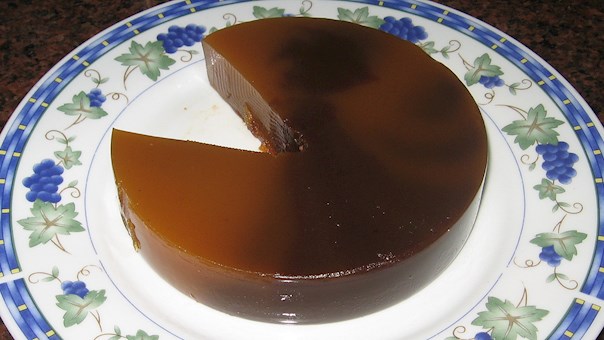
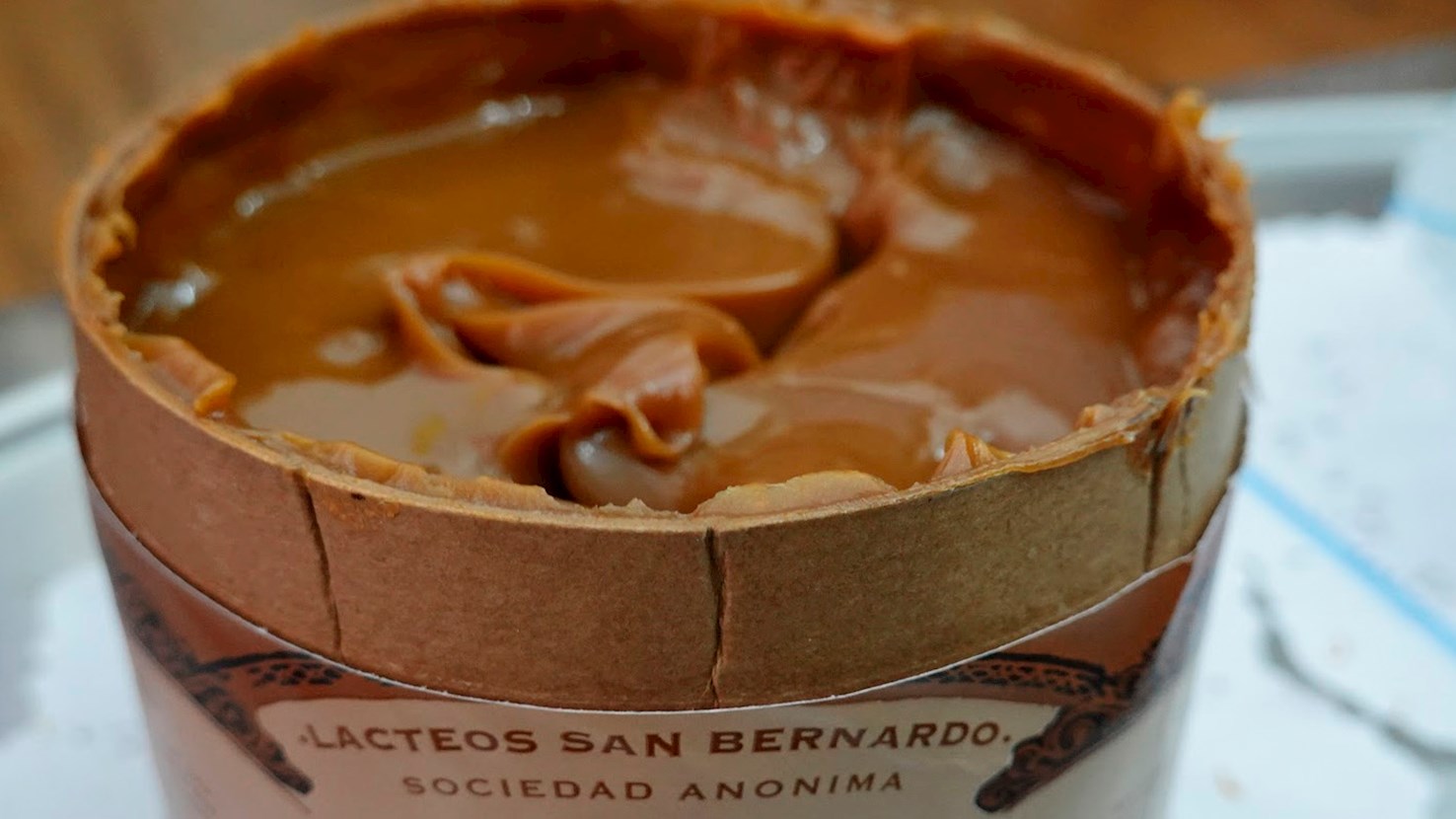
Dulce de leche is a type of condensed milk sweet from Argentina and Uruguay. Traditionally, it is made by heating sweetened cow's milk until it caramelizes and achieves a thick consistency, enough to act as a spread, a filling for cakes and pies, or an ice cream topping. The legend says that dulce de leche originated in Buenos Aires in 1829, when a maid of Argentinian leader Juan Manuel de Rosas was preparing la lechada by heating sugar and milk. As she left it on the fire a bit longer than usual, she noticed it had become a dark brown substance, and that's how dulce de leche was born. Other food historians claim it was first created in 1804 by Napoleon's cooks, while others theorize the recipe originated in Indonesia. Either way, it spread through Latin America, and nowadays almost every country in South and Central America has its unique variation. Still, only Argentina and Urugay call it "dulce de leche", and dispute over the exact place of origin. Today, dulce de leche is sometimes flavored with vanilla, lemon, or cinnamon, and is used to flavor candies, cakes, cookies, waffles, and ice creams.

02

Alfajores

4.2 ·

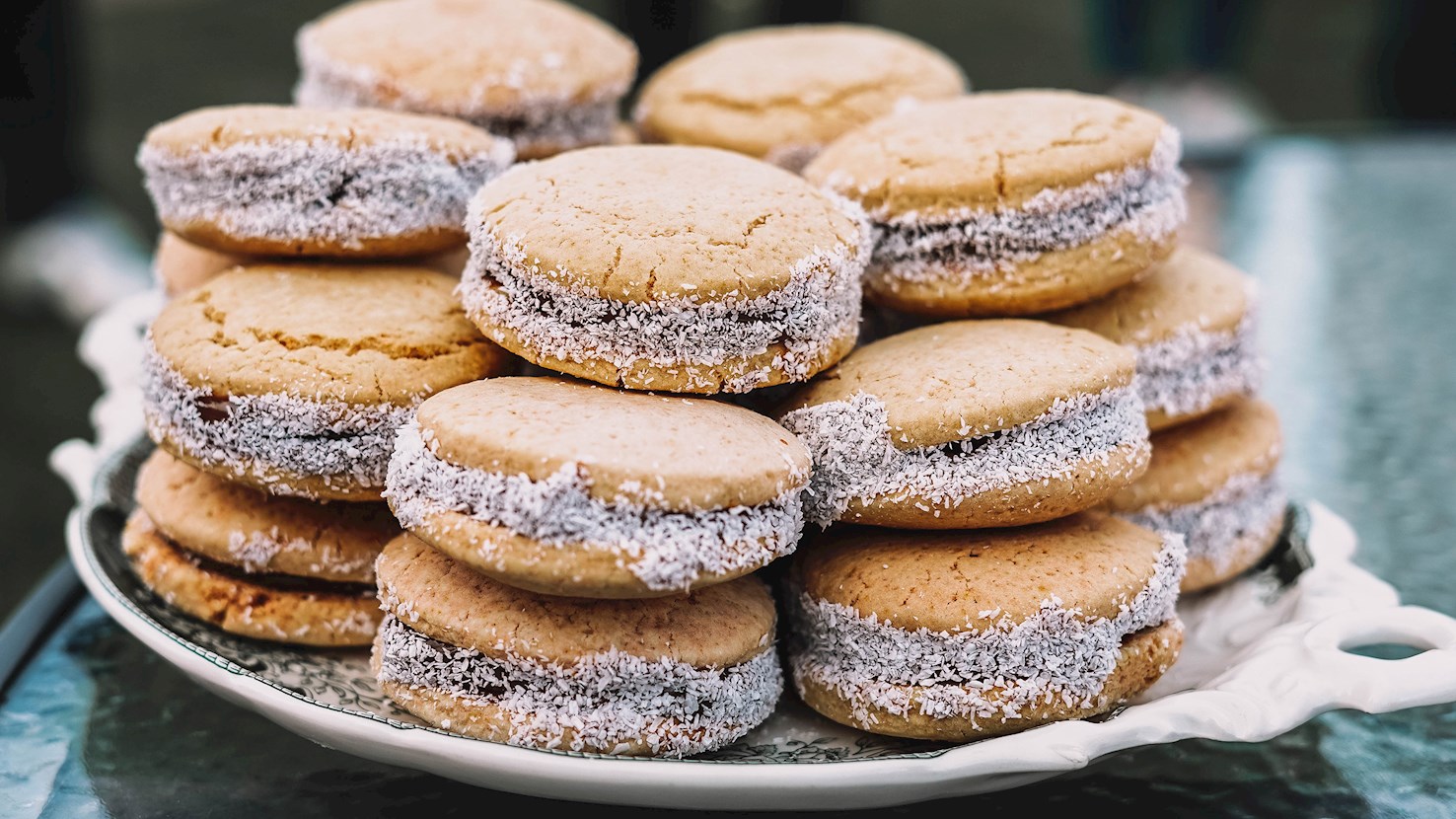
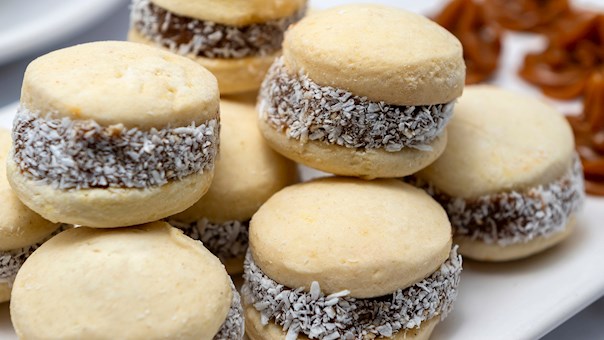
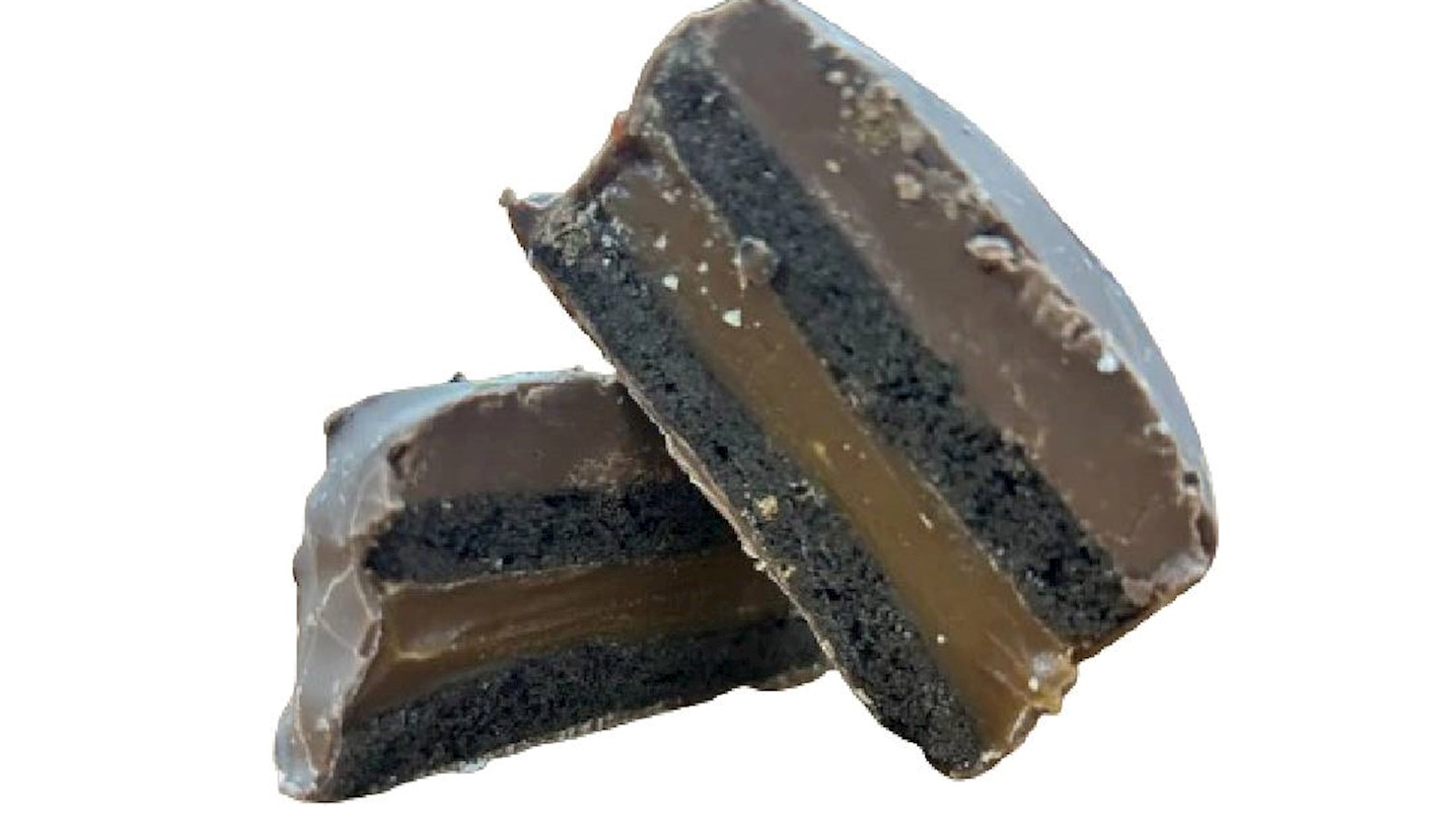
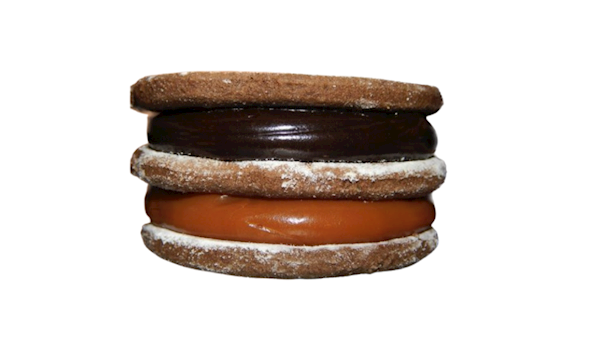
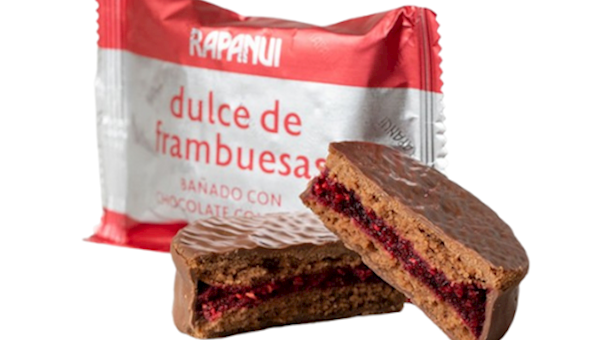
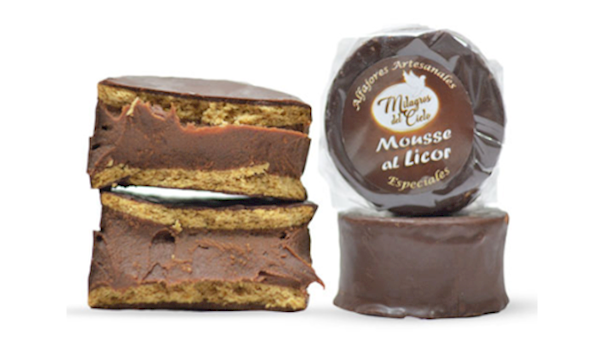
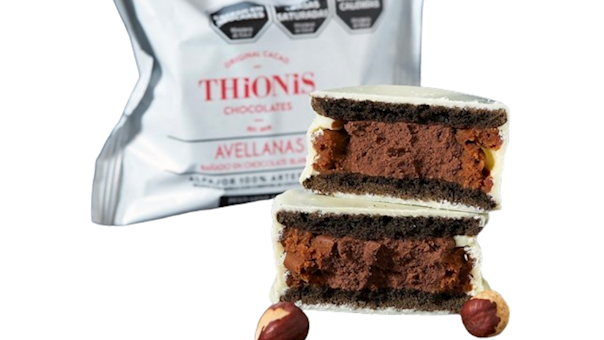
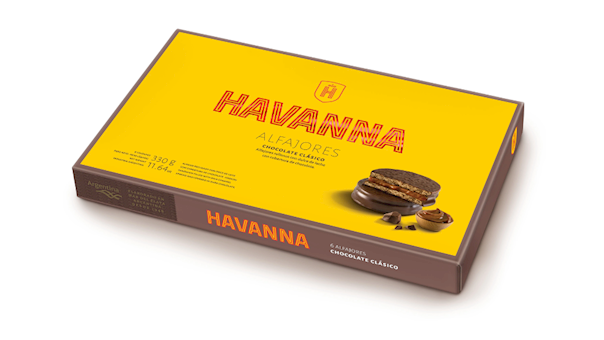
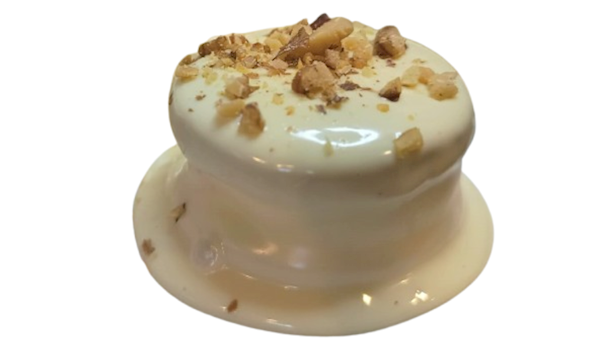
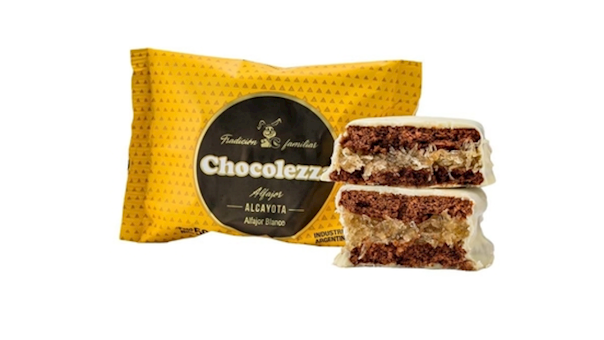
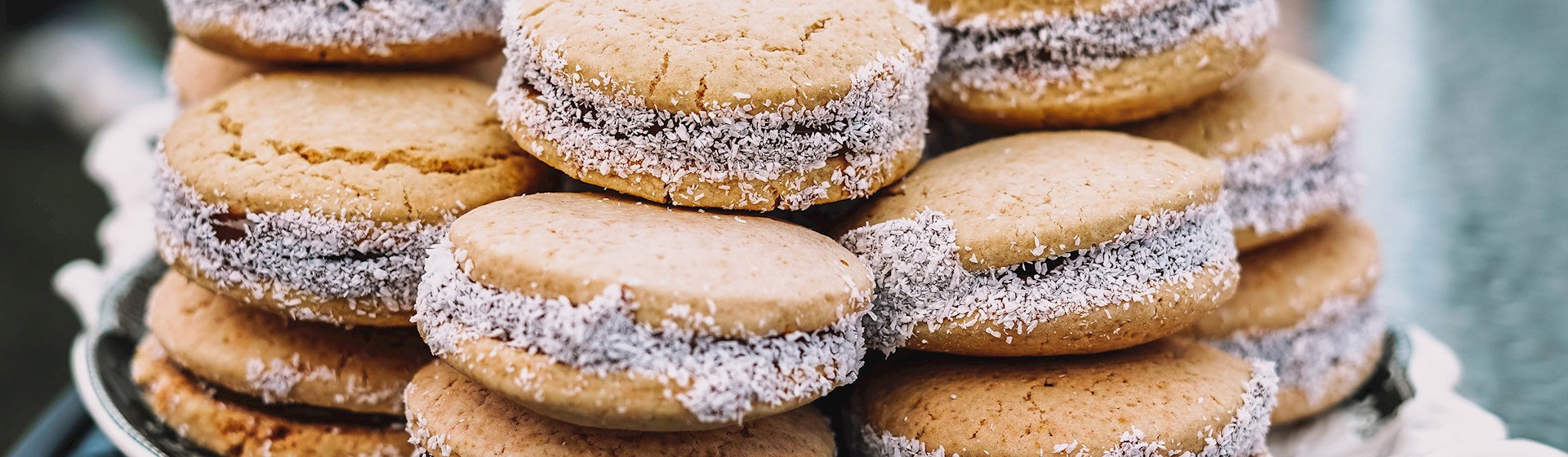
Argentinian alfajores are sandwich cookies consisting of two round, crumbly sweet cookies with a dulce de leche or milk jam stuffing between them. The combination is then coated with a layer of chocolate or sprinkled with confectioners' sugar. The name alfajor stems from the Arabic word al-hasú, which means stuffed or filled. Although the cookies can be found throughout Latin America, they are originally from Andalusia, Spain. When the Spaniards came to America, they brought their foods and traditions along the way, and with time, almost every country in Latin America has adapted the Spanish alfajor to make it their own. In Argentina, you can find alfajores with different flavors of dulce de leche, like chocolate, vanilla or various fruits. They are also packaged in different shapes and sizes, and are usually enjoyed with tea or coffee.

03

Chocotorta

4.1 ·

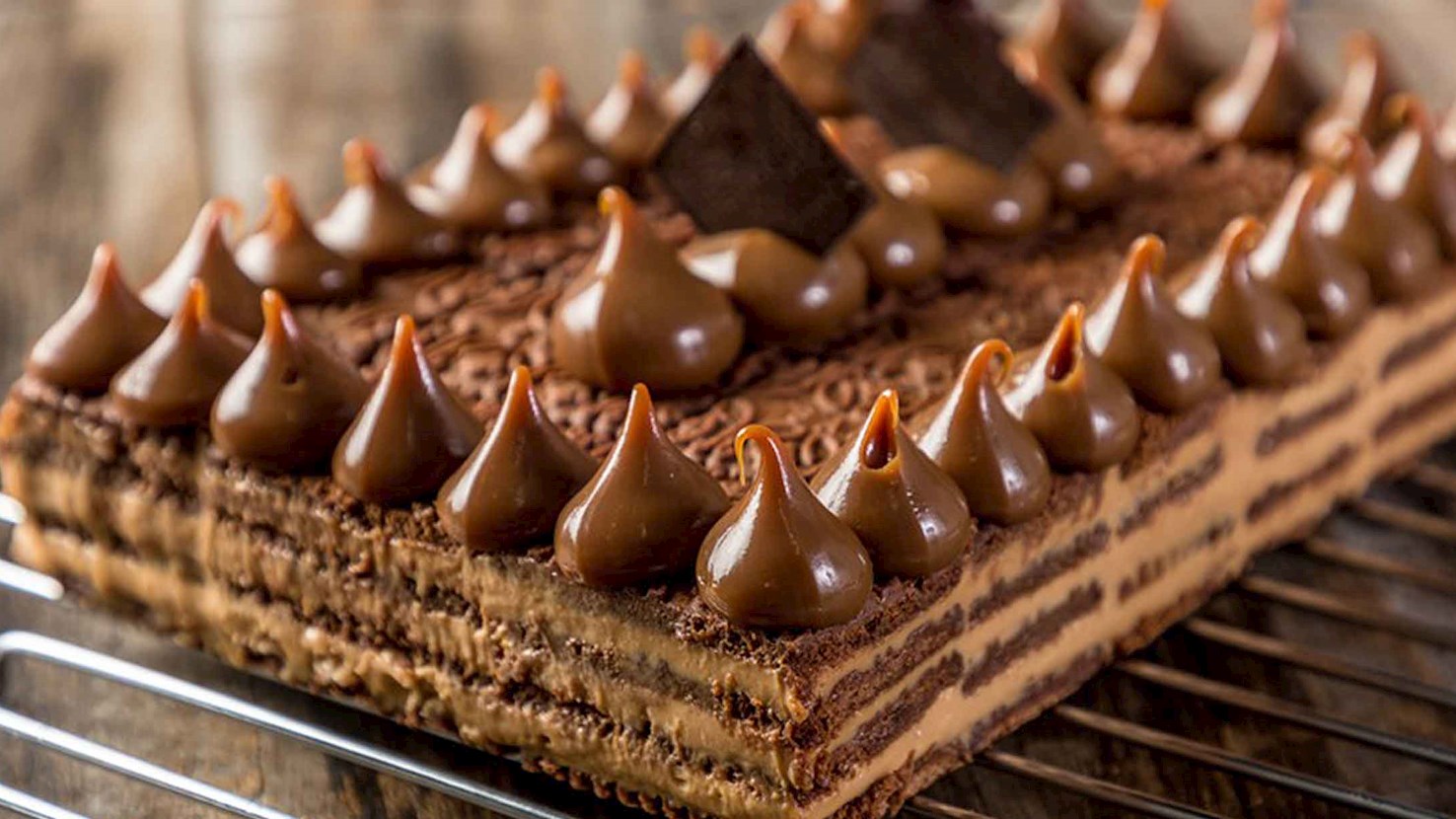
Translated as chocolate cake, this no-bake Argentinian dessert was influenced by Italian cuisine and modeled on the famous Italian tiramisu. It is made with three Argentinian staple ingredients: chocolate biscuits, dulce de leche, and cream cheese. The cookies are softened in milk and layered with a combination of cream cheese and dulce de leche. The shapes of chocotorta can vary, while the biscuits can be soaked with chocolate milk, coffee, or even coffee liqueur. The most common theory about its origin says that it was invented as a part of a marketing campaign designed to promote Chocolinas chocolate cookies, and the recipe was included in the packaging. Chocotorta is rarely found in restaurants and remains a novel dessert outside of Argentina.

04

Pastafrola

4.1 ·

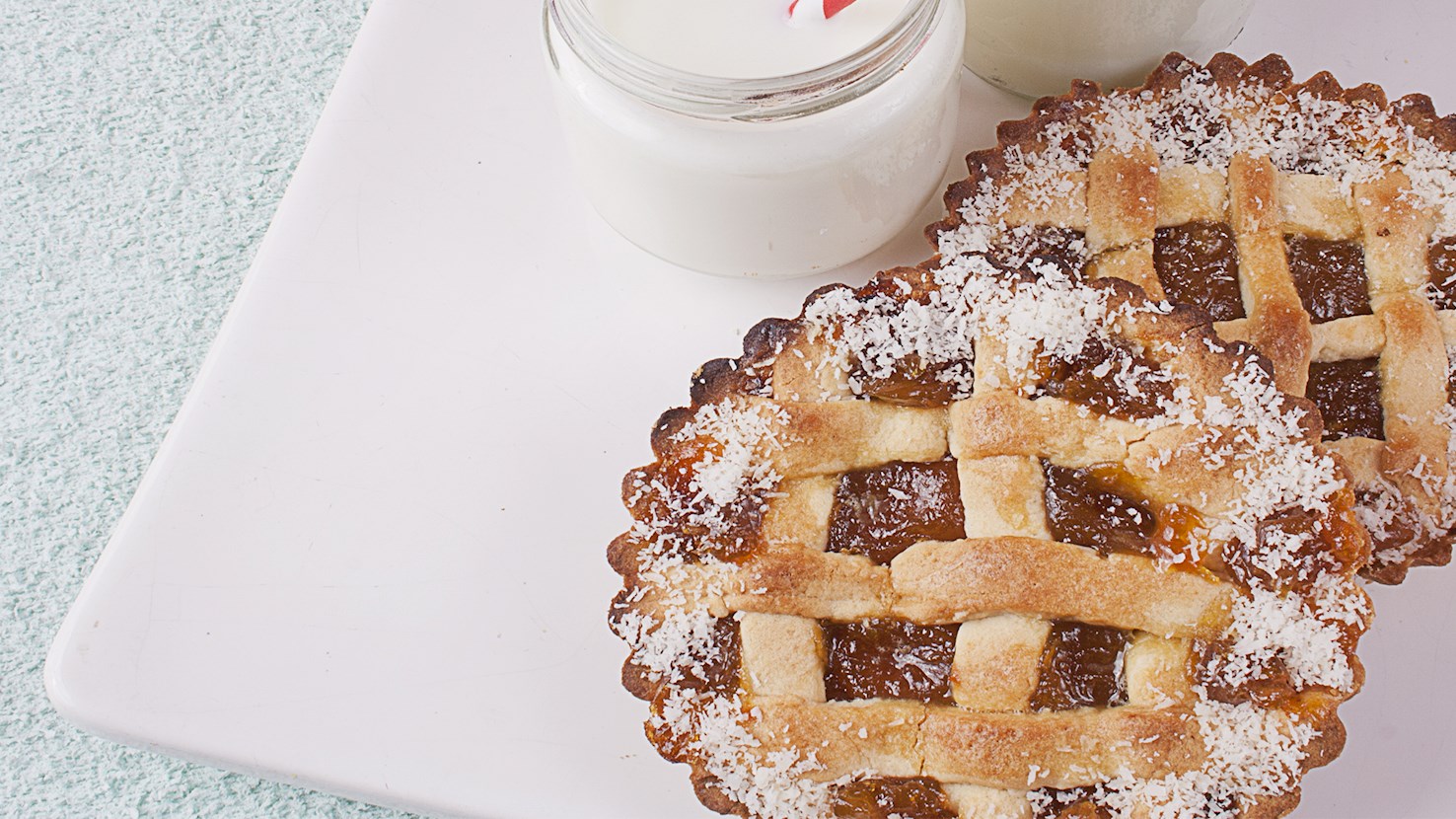
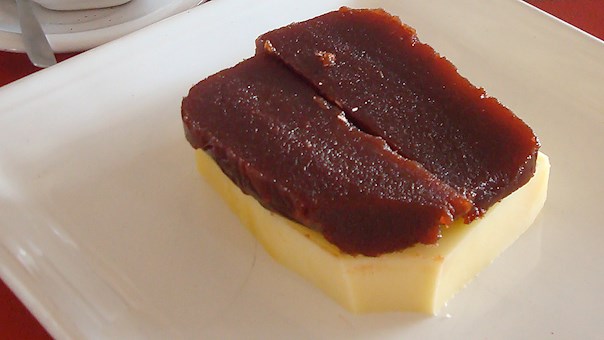
Even though their name and origin stem from Italian tradition, pastafrola tarts have become an integral part of South American cuisine. They traditionally combine buttery shortcrust pastry and various fillings such as quince cheese, dulce de leche, guava, sweet potato jam, and various fruit preserves. The top of each tart is traditionally decorated with a wide lattice pattern that reveals the colorful filling. Pastafrola tarts can be enjoyed as a simple, appetizing dessert or a sweet afternoon snack.

05

Pastelitos Criollos

4.0 ·

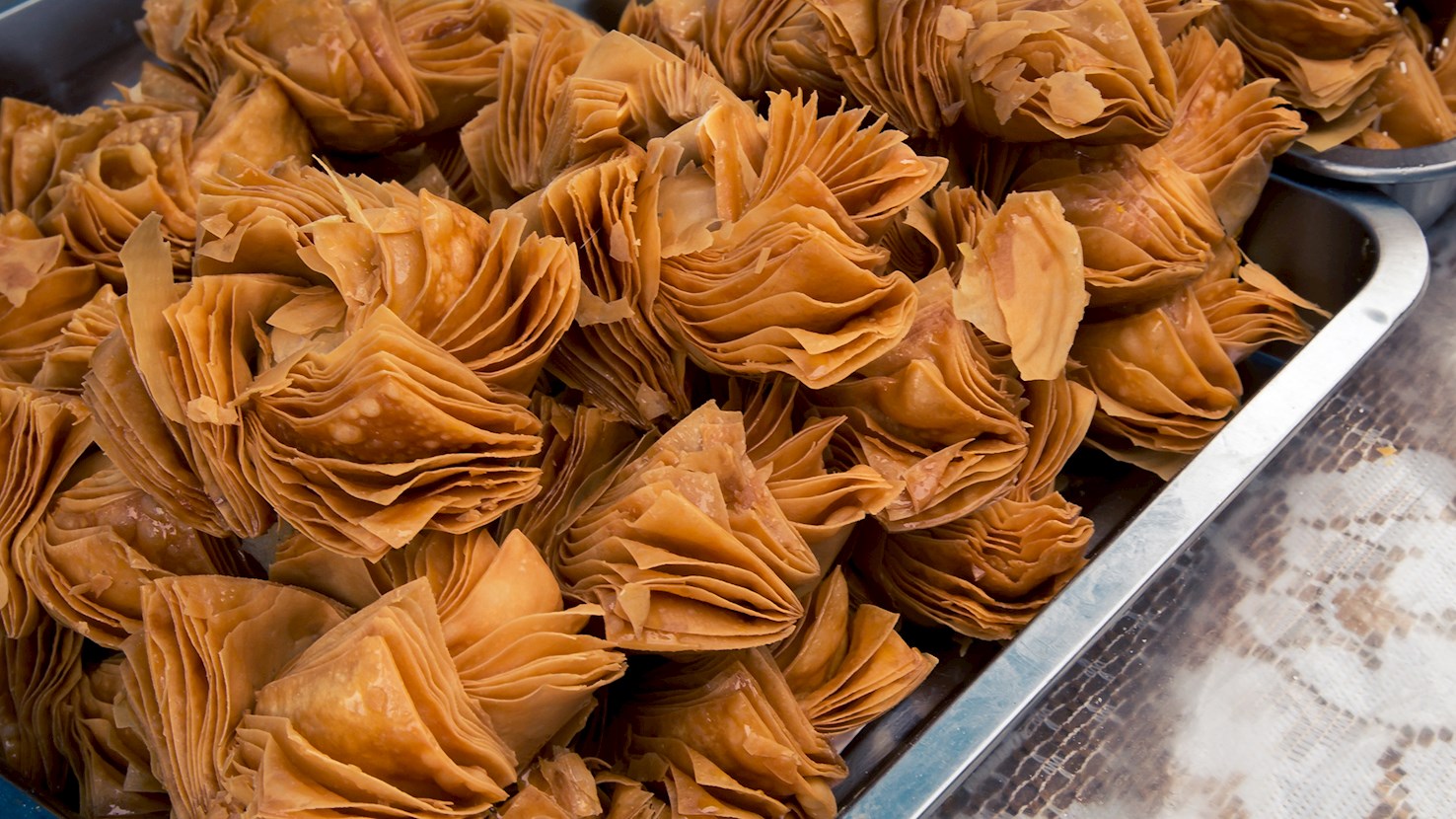
These crispy Argentinian pastries are typically star-shaped, while the center is filled with quince or sweet potato preserve (dulce). They are usually deep-fried and then brushed with a sugar glaze. Optionally, they can be filled with dulce de leche and topped with colorful sprinkles. Pastelitos are traditionally enjoyed on May 25, a day commemorating the May Revolution and the establishment of the first independent Argentinian government.

06

Cubanitos

4.0 ·

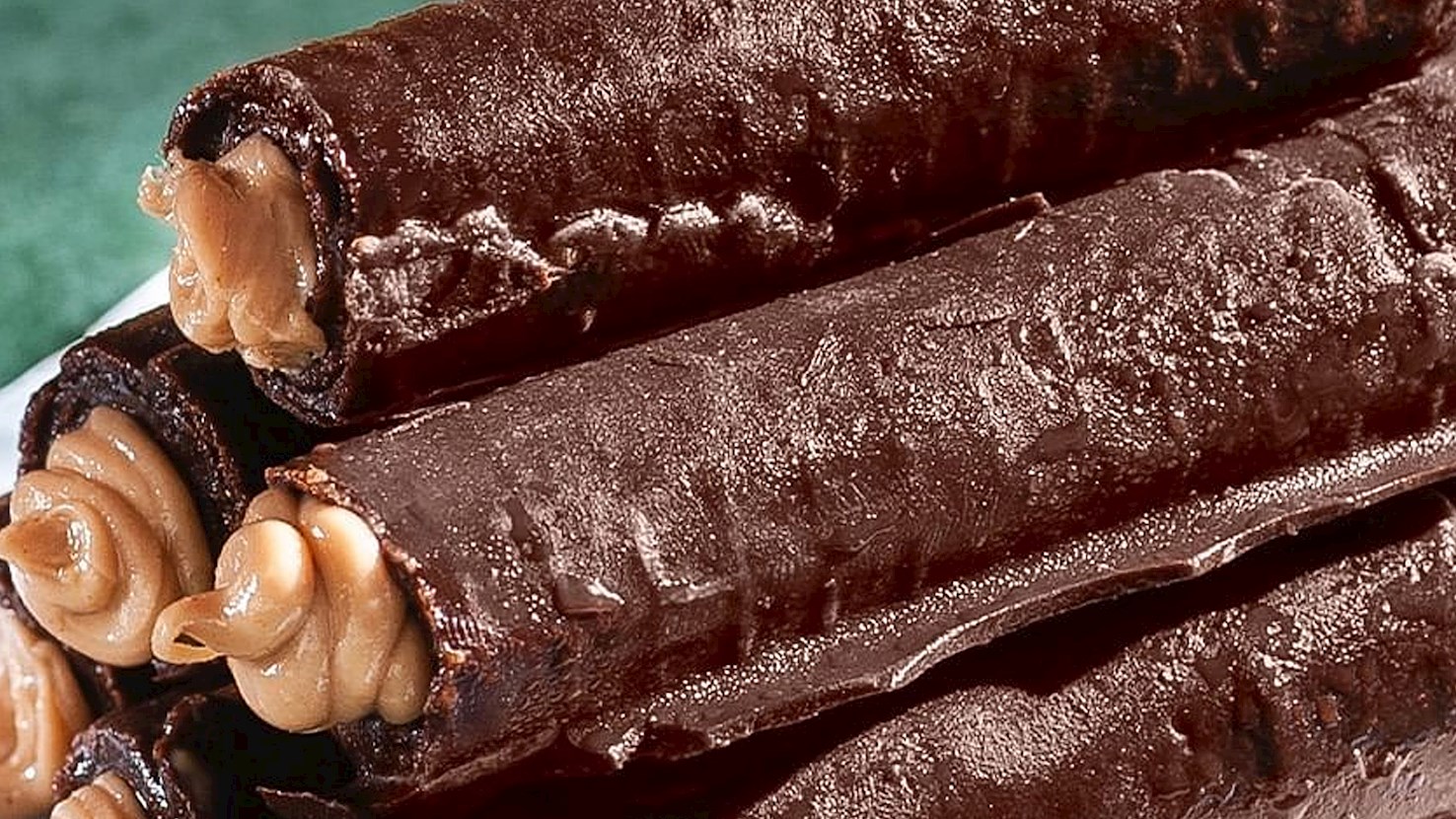
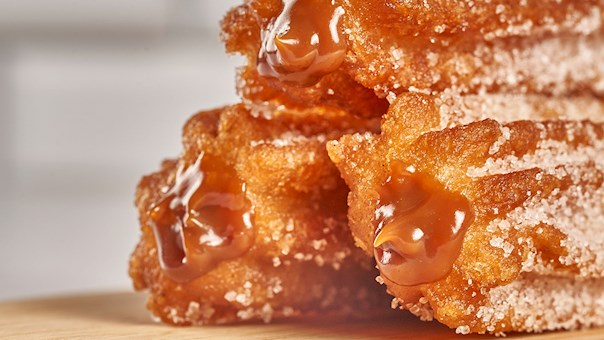
Cubanitos (lit. little Cubans) is an Argentine sweet and crispy wafer tube oozing a sweet filling. Wafer pastry is made by combining flour, sugar, butter, vanilla extract, cinnamon, and (sometimes) egg whites. Once baked, the wafer is rolled into the shape of a Cuban cigar, hence the name cubanitos. Although the most common filling is dulce de leche (a milky caramel spread), this treat may come with various other fillings such as chocolate, lemon-flavored cream, pasta bon o bon (peanut cream), or whipped cream. The filled wafer tubes are also often covered with chocolate and garnished with chopped nuts or sprinkles. A common street food fare, cubanitos can be enjoyed on their own, usually as a late-afternoon sweet snack, or served as accompaniments to helado de dulce de leche (milky caramel ice cream) or vanilla ice cream. In Argentina, these filled wafer tubes are typically prepared for special occasions, and they are commonly sold at fairs such as the Feria de Mataderos. A similar sweet is known as cuchuflí in Chile and barquillos in Spain.

07

Flan mixto

3.9 ·

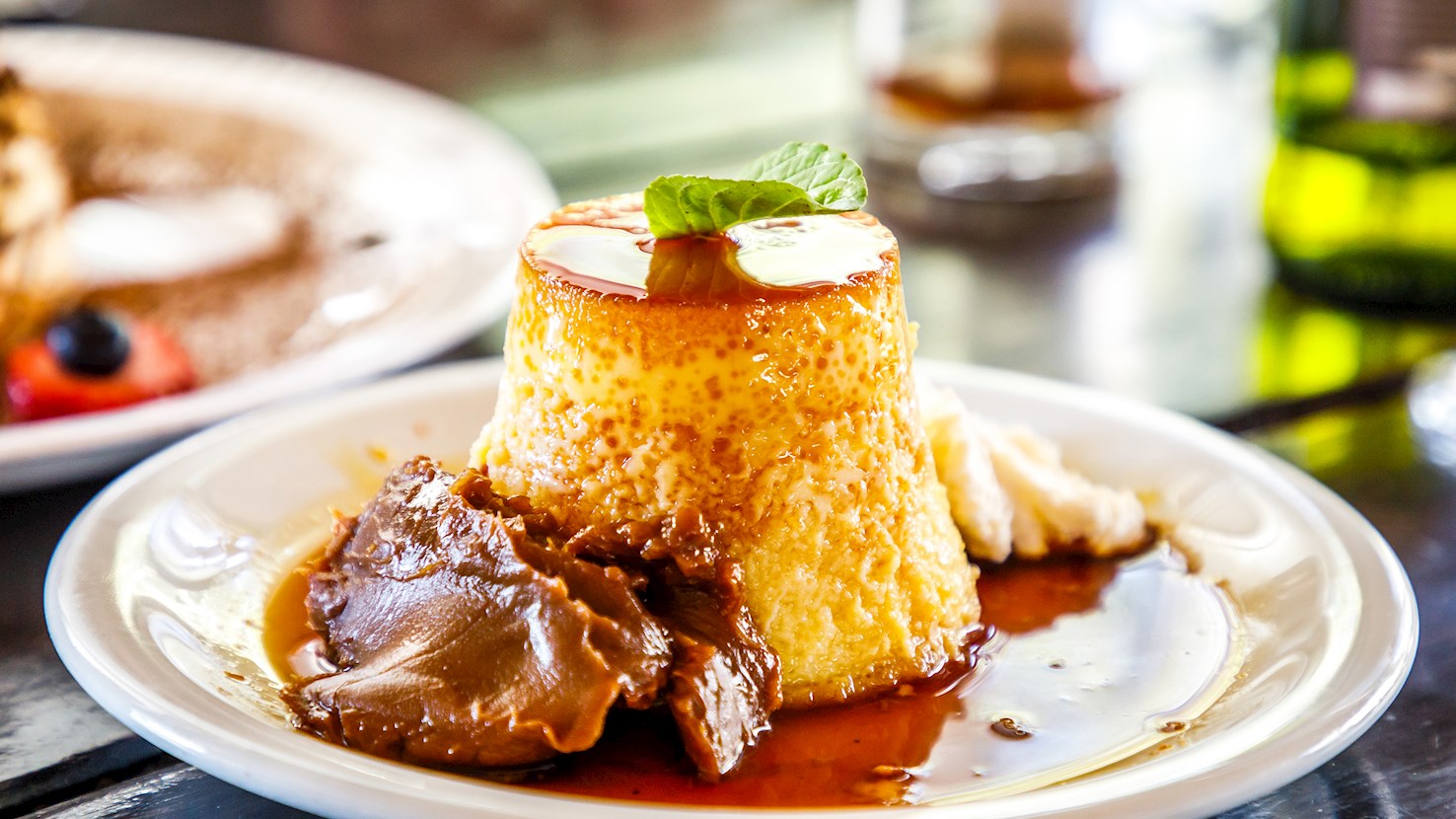
Flan mixto is a typical Argentinian combination of a custard flan that is served with a dollop of whipped cream and dulce de leche. The flan is similar to crème caramel, consisting of a light custard base and a sweet caramel topping. The dish is a restaurant staple, as well as a common homemade dessert.

08

Garrapiñada

3.8 ·

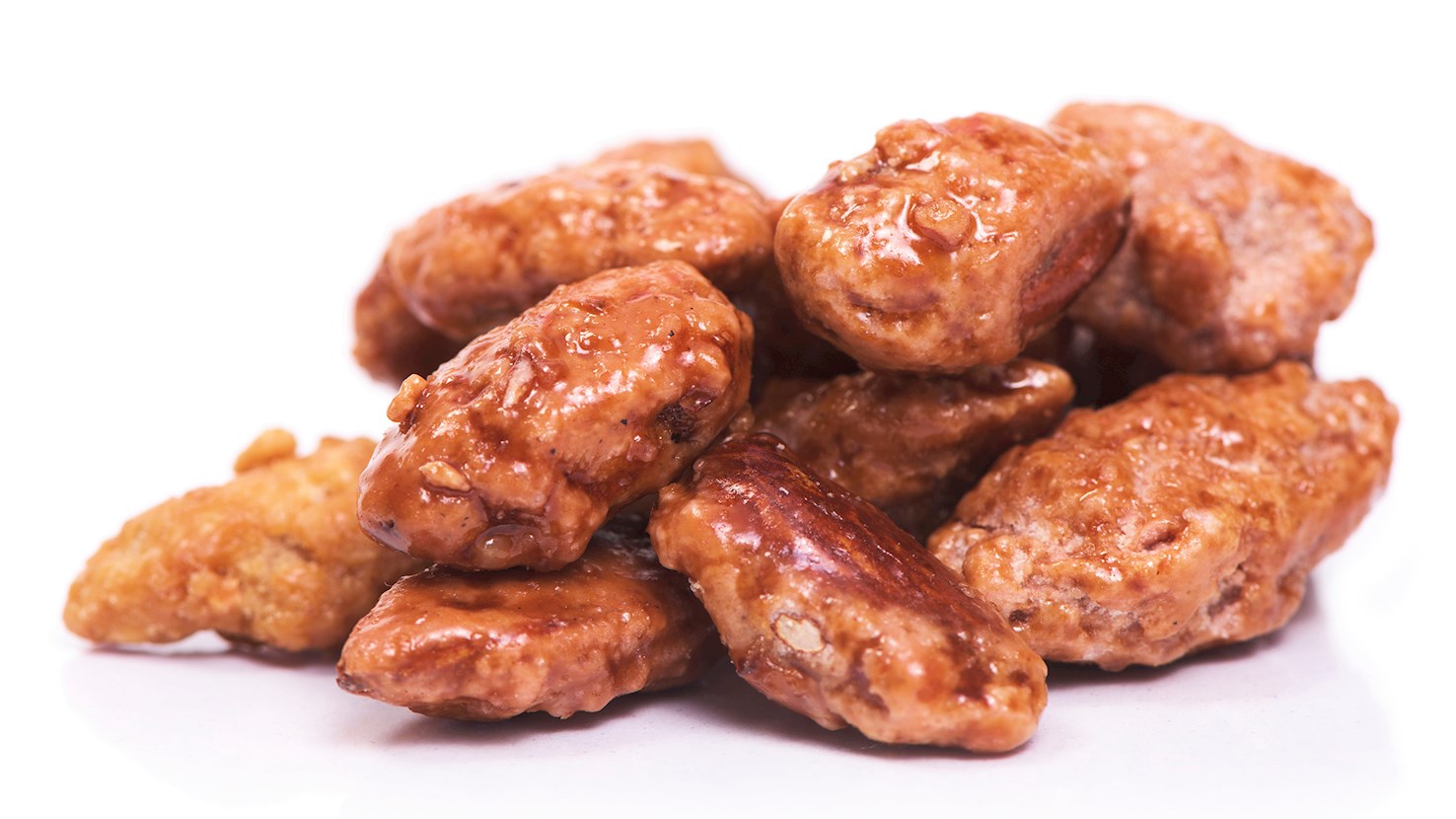
Garrapiñada is an Uruguayan and Argentinian street food item consisting of peanuts roasted in a combination of sugar, water, and vanilla essence. When the peanuts are completely coated and the syrup hardens, they are ready to eat. This treat can be found on the streets of Uruguay and Argentina, where it is sold by vendors called garrapiñeros. They put the peanuts in a small, long bag and hand it over to customers who then eat the peanuts on the go. Apart from peanuts, garrapiñada can also be made with almonds and walnuts.

09

Milhojas de dulce de leche

3.8 ·

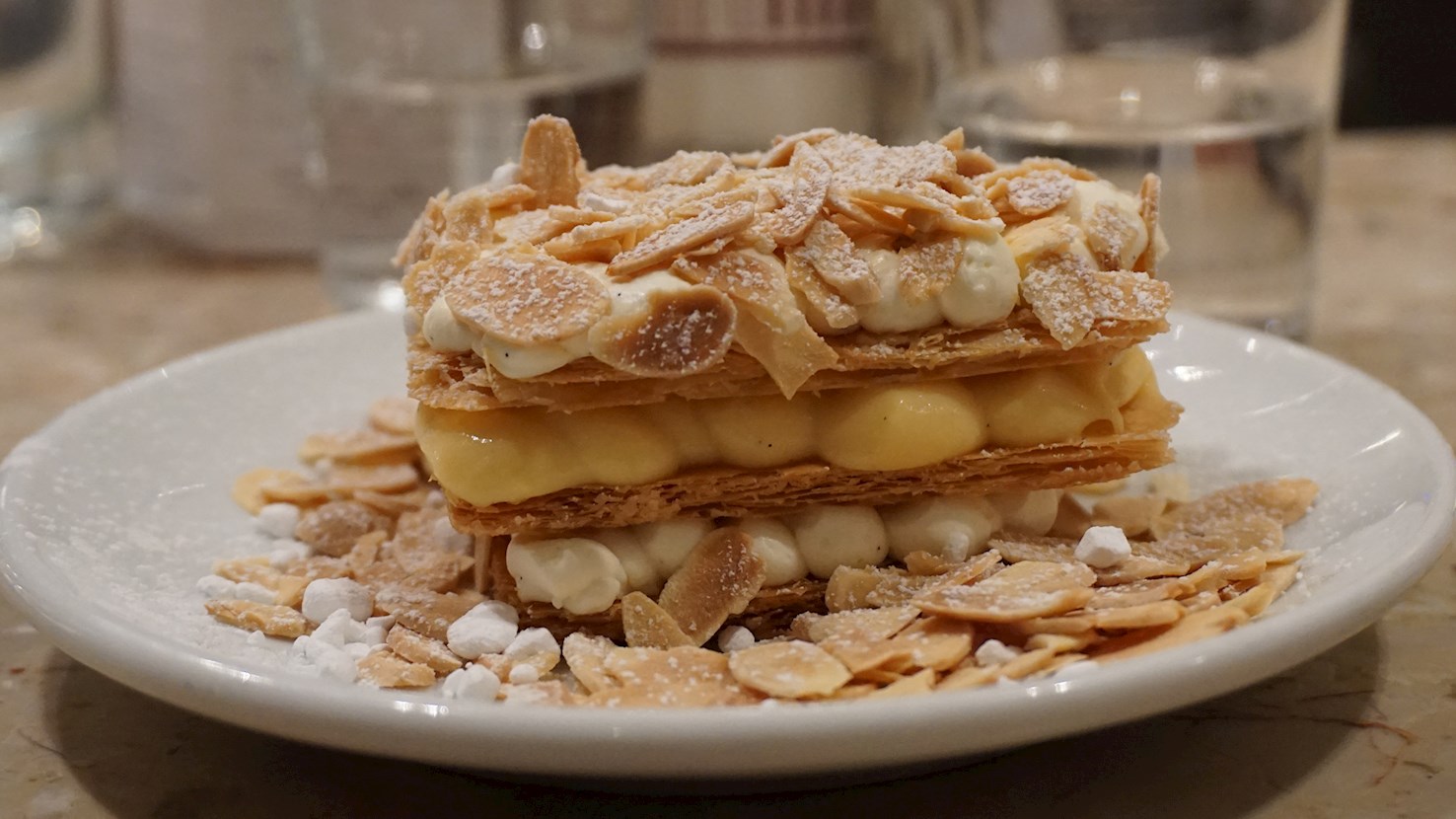
This Argentinian dessert combines layers of crispy puff pastry with dulce de leche. The layers are occasionally coated with crème pâtissière, while the top is sometimes decorated with Italian meringue. It is believed that the cake was modeled on mille-feuille – a classic French dessert consisting of thin layers of pastry and cocoa, almond, or vanilla icing. Apart from Argentina, similar milhojas varieties are also enjoyed in other South American countries.

10

Postre Balcarce

3.6 ·

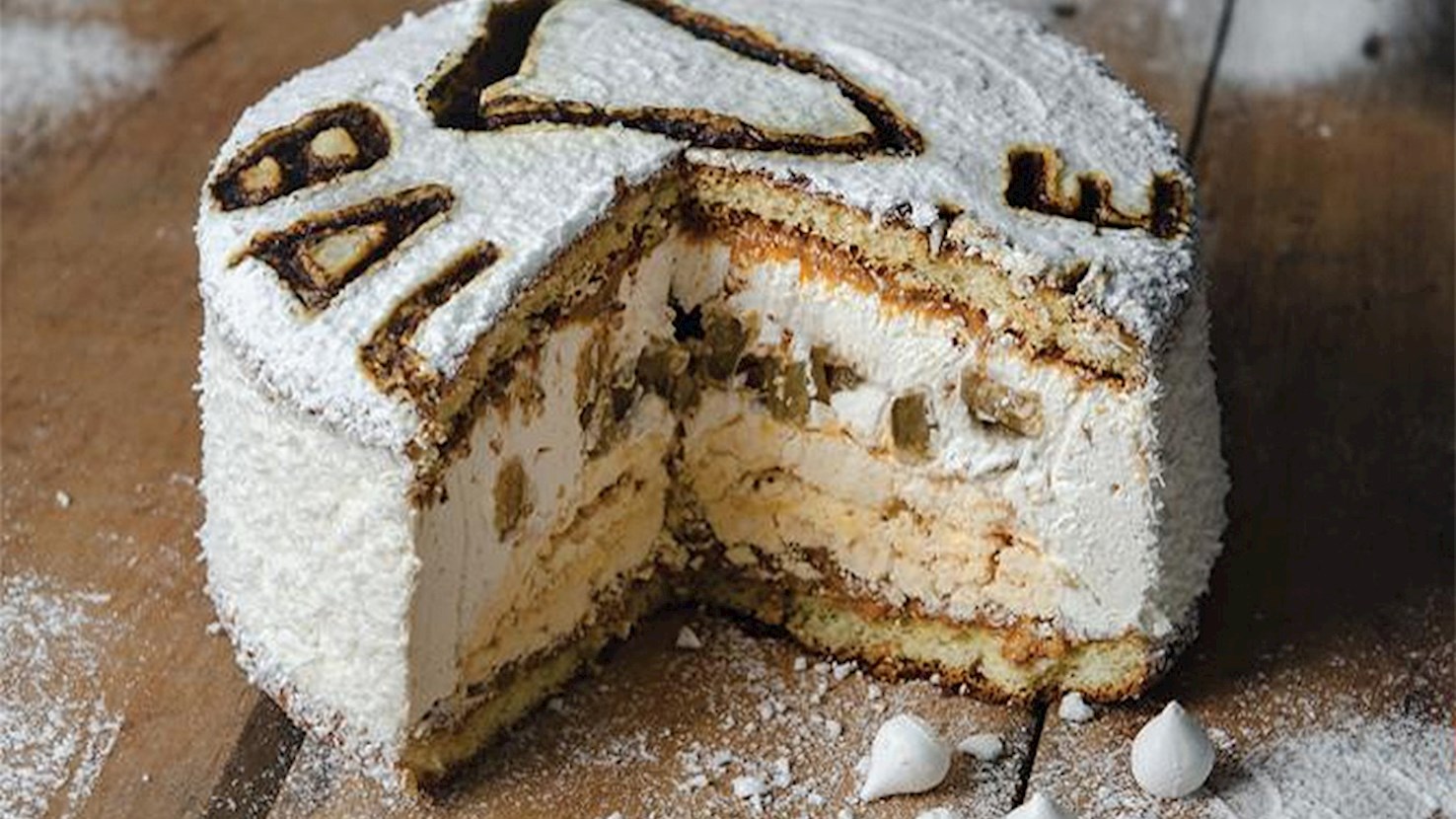
This Argentinian dessert is a luscious combination of sponge cake, whipped cream, almond paste, dulce de leche, meringue, walnuts, and candied chestnuts, while the top is dusted with powdered sugar and coconut. Created in 1958, the cake was invented by a pastry chef at a small pastry shop in Balcarce. The owner Guillermo Talou eventually opened Comoantes – another pastry shop which still operates and sells this traditional cake following the original recipe. Interestingly, Talou sold the recipe to a pastry shop from Mar del Plata, where they gave the cake its current name.

Best Argentinian Desserts

01

El Nazareno

5.0 ·
El Nazareno is a family-owned confectionery from the Traslasierra Valley in Argentina’s Córdoba province, founded in 1982 and renowned for its production of alfajores and other traditional sweets. The brand was born from a small workshop created by Leonardo José Grisoni and María Estela Gurriere, and today it is regarded as one of the country’s most recognizable producers. Their philosophy is based on the use of natural ingredients. Each alfajor is handcrafted, layer by layer, with care and precision to achieve the perfect balance between dough and dulce de leche. Their longevity in the market is the result of consistency in maintaining both quality and authenticity. They have preserved their artisanal approach, even as they have grown into a brand with a broader assortment and strong presence. Their story demonstrates how a small family workshop can evolve into a brand of international reputation. Today, El Nazareno is considered a symbol of tradition and quality in the world of Argentine confections.
02

Guolis

5.0 ·
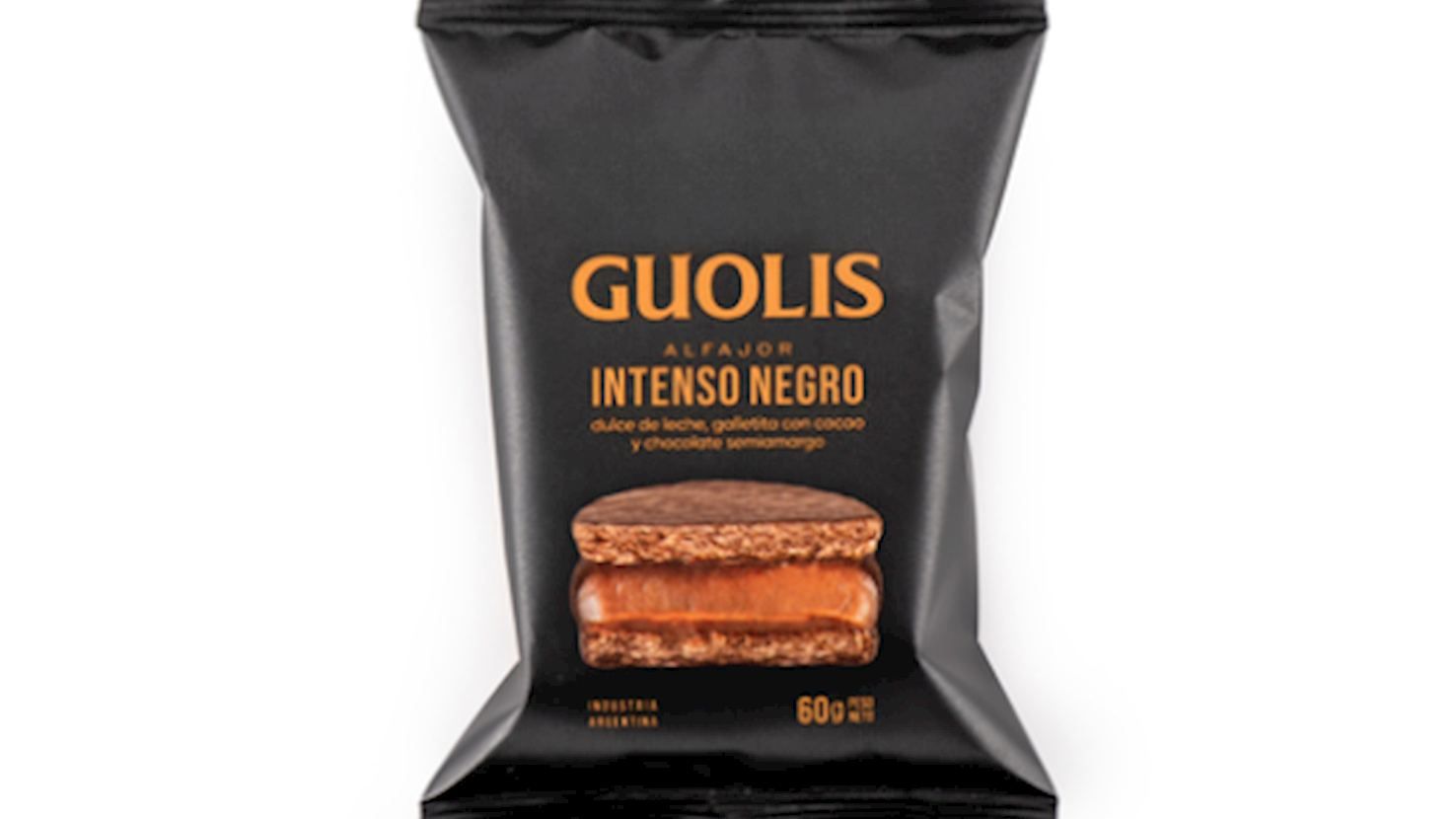
Guolis is an Argentine confectionery brand that emerged in the late 1990s as a small family workshop and has since become recognized for its original approach to the traditional alfajor. Their distinctiveness lies in the innovation known as the “alfajor with a heart”, where a layer of fruit marmalade is added to the classic dulce de leche filling, bringing freshness and contrast to the flavor. The dulce de leche filling is moderate, creamy enough without being overly sweet, maintaining a delicate balance. The fruit marmalade notes are pleasant, although some, such as raspberry, leave a milder impression compared to other variants. The brand positions itself between artisanal tradition and modern interpretation, offering products that are visually appealing while remaining true to Argentina’s confectionery culture. Their philosophy is based on the idea that classic sweets can be given new meaning through small but thoughtful innovations. For this reason, Guolis is increasingly present in international markets, where it attracts attention with its originality and quality. Reviews emphasize that this is a brand committed to high standards, yet without losing the warmth and recognizable essence of Argentine tradition.
03

Señor Alfajor

4.9 ·
Señor Alfajor was born from a simple idea—to transform a traditional treat into a memorable experience. Every batch is crafted with care, focusing on quality, texture, and balance of flavor. These handmade sandwich cookies are thoughtfully filled and beautifully presented, offering delight not just in taste, but in every detail. Behind each alfajor is a commitment to craftsmanship and the desire to create a moment of pure enjoyment. Whether given as a gift or savored personally, they bring warmth, authenticity, and a touch of something special to everyday life.
Awards
Campeonato Mundial del Alfajor - Mejor Alfajor del Mundo (2024)
Campeonato Mundial del Alfajor - ORO (2025)
04

Alfajores Malfatti

4.9 ·
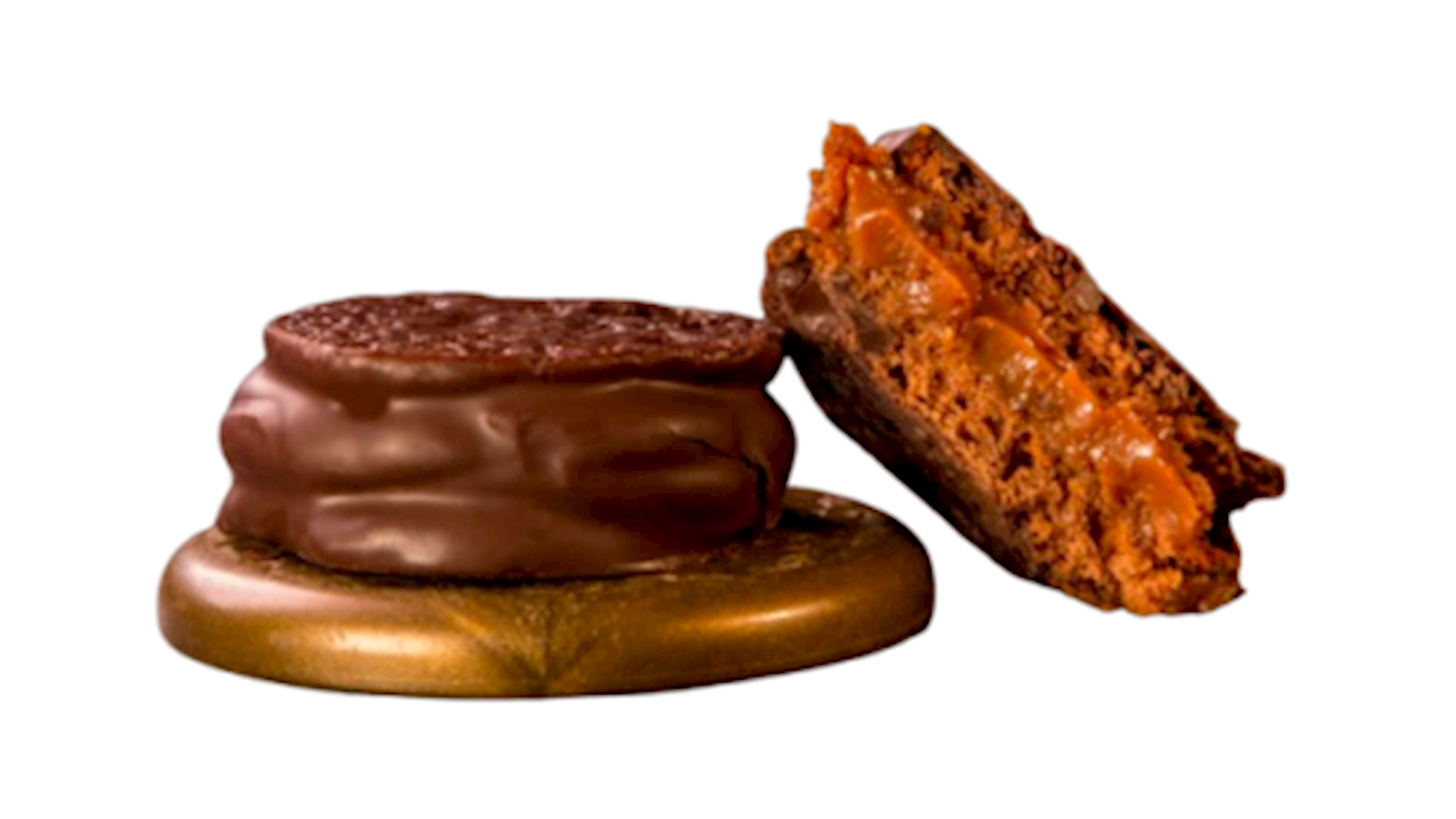
Alfajores Malfatti originate from the port city of Mar del Plata and began as a family-run artisanal venture inspired by a love for sweets and traditional chocolate making. The name “Malfatti”, which in Italian means “badly made”, was chosen as a symbol of honesty and authenticity, emphasizing that while the products may be imperfect in shape, they are flawless in quality. Each alfajor is handmade with carefully selected premium ingredients, preserving its natural character and distinctive, authentic flavor. On the market, they stand out for their generous, oversized format, significantly larger than the standard alfajor, making them unique and instantly recognizable. The brand was founded by the Di Meglio family - Orlando and Susana -who first started this project as a family story and hobby. Their dedication and original homemade alfajor recipe eventually led to the establishment of the company in 2017, transforming Alfajores Malfatti into a brand that seamlessly combines tradition, craftsmanship, and modern identity.
05

Camboya

4.9 ·
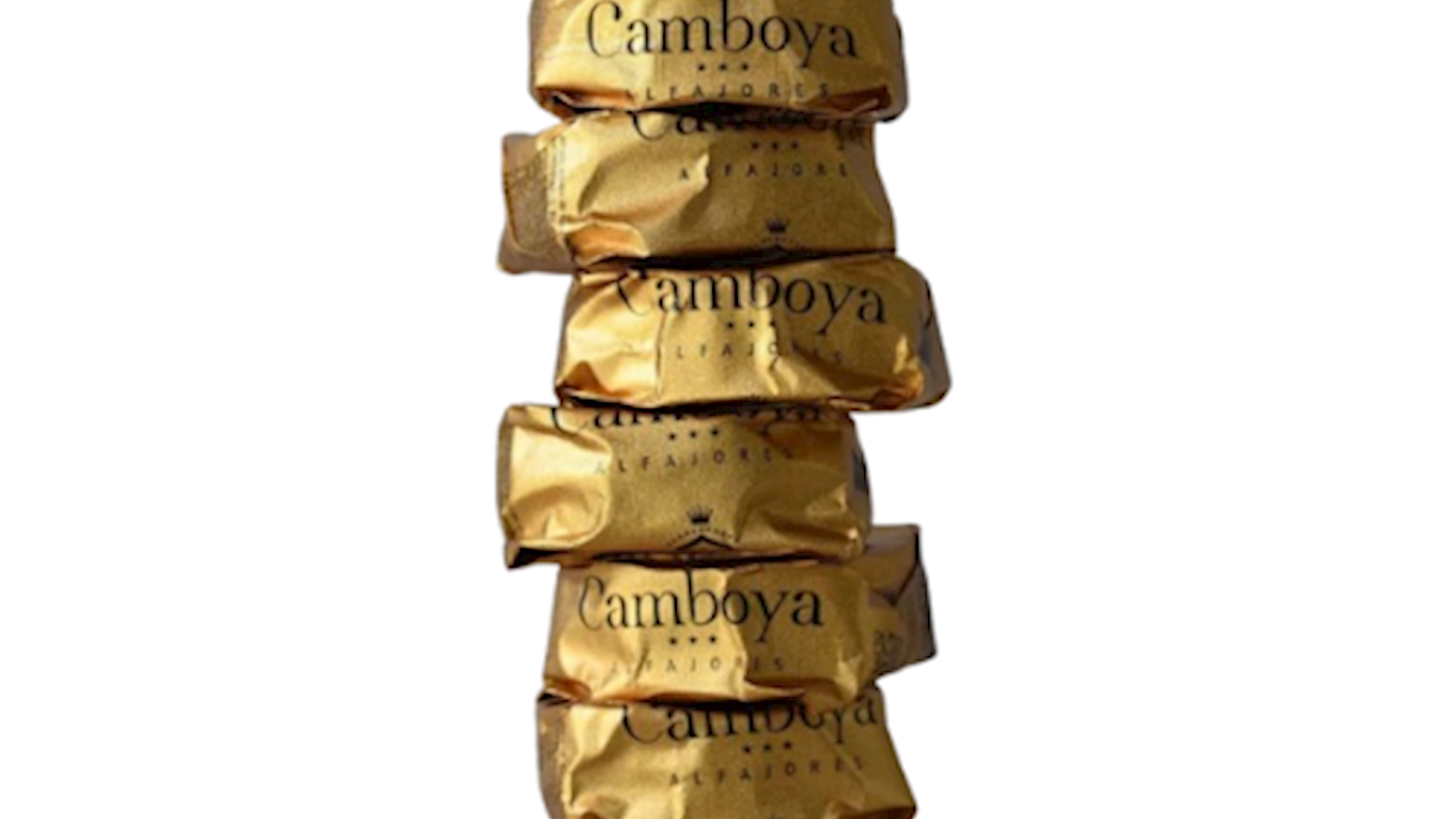
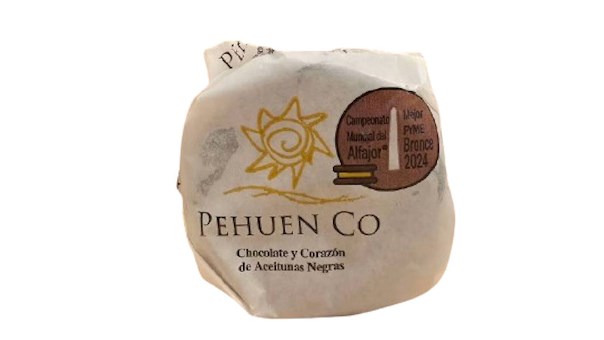
Camboya is a brand of alfajores from Mar del Plata that, since its founding in 2012, has built a reputation as one of the most recognized producers of premium Argentine confections. Their range includes a wide variety of flavors - from classic versions filled with rich dulce de leche, to indulgent coatings of dark and white chocolate, as well as modern interpretations featuring Nutella or pistachios. A highlight of their offer are the tasting boxes, designed to give customers the opportunity to experience different styles and flavor profiles in a single package. The brand’s philosophy is rooted in a balance of tradition and innovation: while staying true to authentic Argentine recipes, they present and promote their products in a modern and creative way. Thanks to carefully selected ingredients and consistent quality, Camboya has quickly earned a reputation as a producer that pushes the boundaries of alfajores making, while remaining committed to preserving the original identity of this iconic Argentine confectionery tradition.
Awards
Campeonato Mundial del Alfajor - Bronce (2024)
06

La Olla de Cobre

4.8 ·
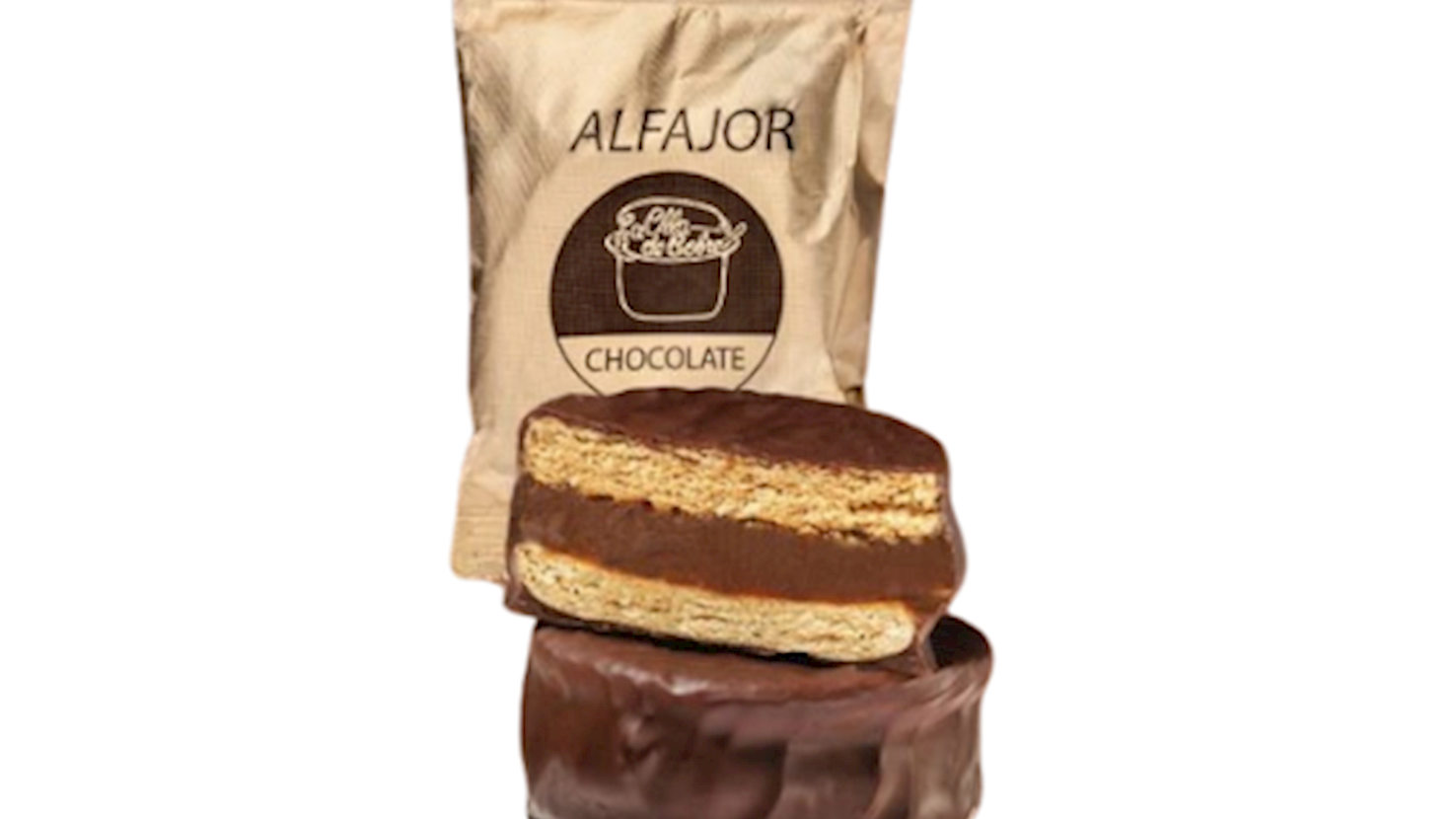
La Olla de Cobre is a family-owned chocolate shop and alfajor factory located in San Antonio de Areco, Argentina. It was founded in the late 1970s by Carlos and Teresa Gabba, who aimed to offer tourists an authentic and high-quality souvenir from their hometown. Their commitment to quality and handcrafted production quickly made La Olla de Cobre a well-known name in the region. Before starting the factory, Carlos Gabba spent 16 years distributing sweets in nearby towns, which connected him with the chocolate and alfajor industry. Noticing the growth of tourism in San Antonio de Areco, Carlos and Teresa decided to create a product that visitors could take home as a souvenir. This led to the idea of producing alfajores, a traditional Argentine pastry. Their goal was to make the best possible alfajor, regardless of cost, by focusing on premium ingredients and artisanal craftsmanship. La Olla de Cobre offers a wide variety of handmade chocolates and alfajores. The alfajores are known for their rich dulce de leche filling and coating of high-quality chocolate. Everything is made by hand, using traditional methods and carefully selected ingredients.
07

Dulce de Leche & Co.

4.8 ·
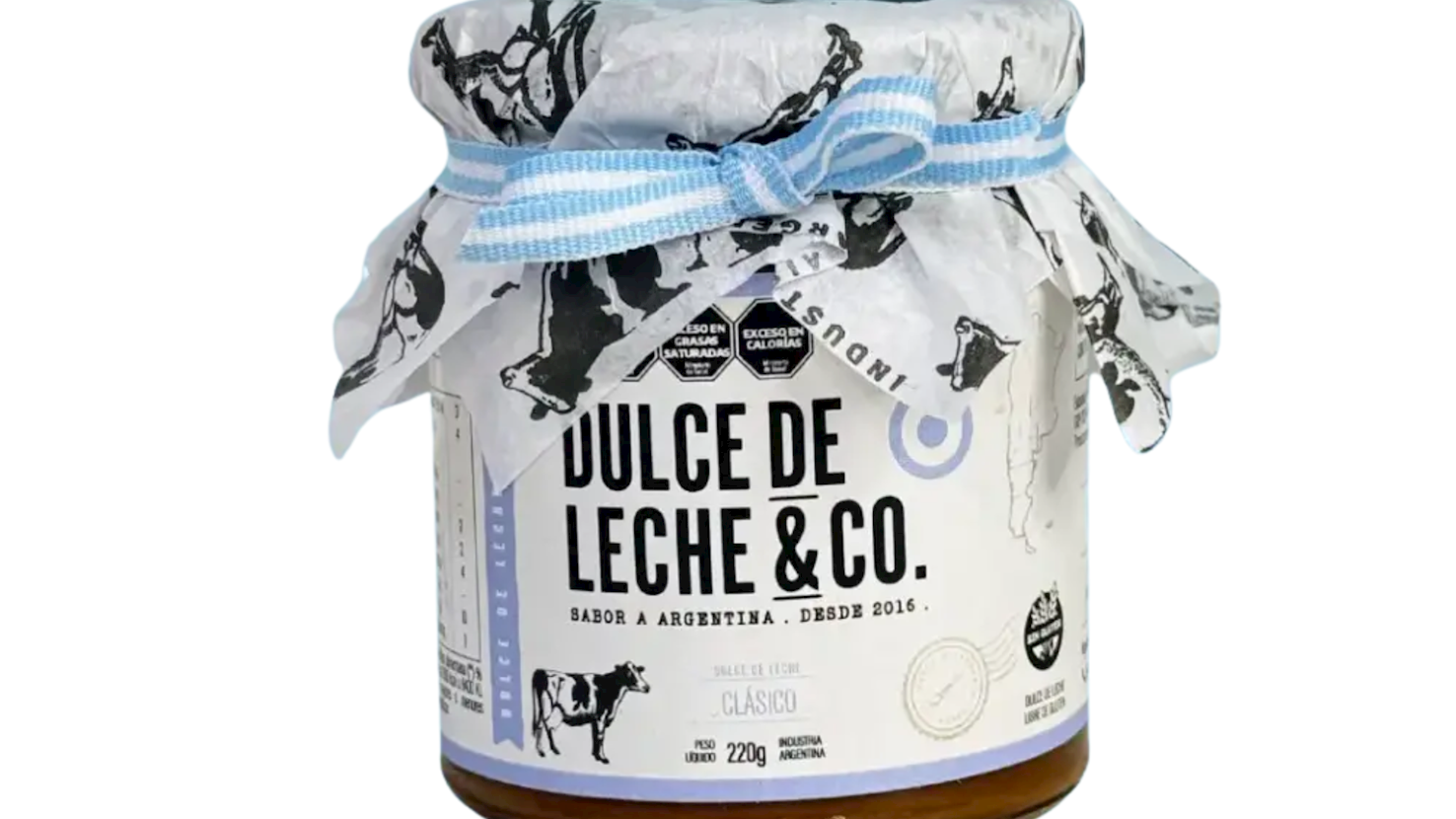
Dulce de Leche & Co. is an Argentine company specialized in the production and distribution of products based on traditional milk caramel – dulce de leche. Their product range includes carefully crafted alfajores, candies, spreads, liqueurs, and more. Founded in 2016, the company has quickly gained significant recognition in the Argentine market. Their dulce de leche was awarded Best in Argentina at the prestigious “Caminos y Sabores” fair two years in a row – in 2023 and 2024 – confirming the high standards of quality and the authenticity of the ingredients they use. The company is headquartered in the popular Palermo district of Buenos Aires, and their products are available both in physical retail stores and through the official online shop. Dulce de Leche & Co. places special emphasis on handcrafted production, locally sourced ingredients, and elegant packaging, which makes them appealing to both domestic and international markets. The brand is an ideal choice for all lovers of authentic Argentine flavors and a perfect representative of the country's gastronomic identity.
Awards
Caminos y Sabores - Experiencias del Sabor (2024, 2023)
08

Alfajores Orense

4.8 ·
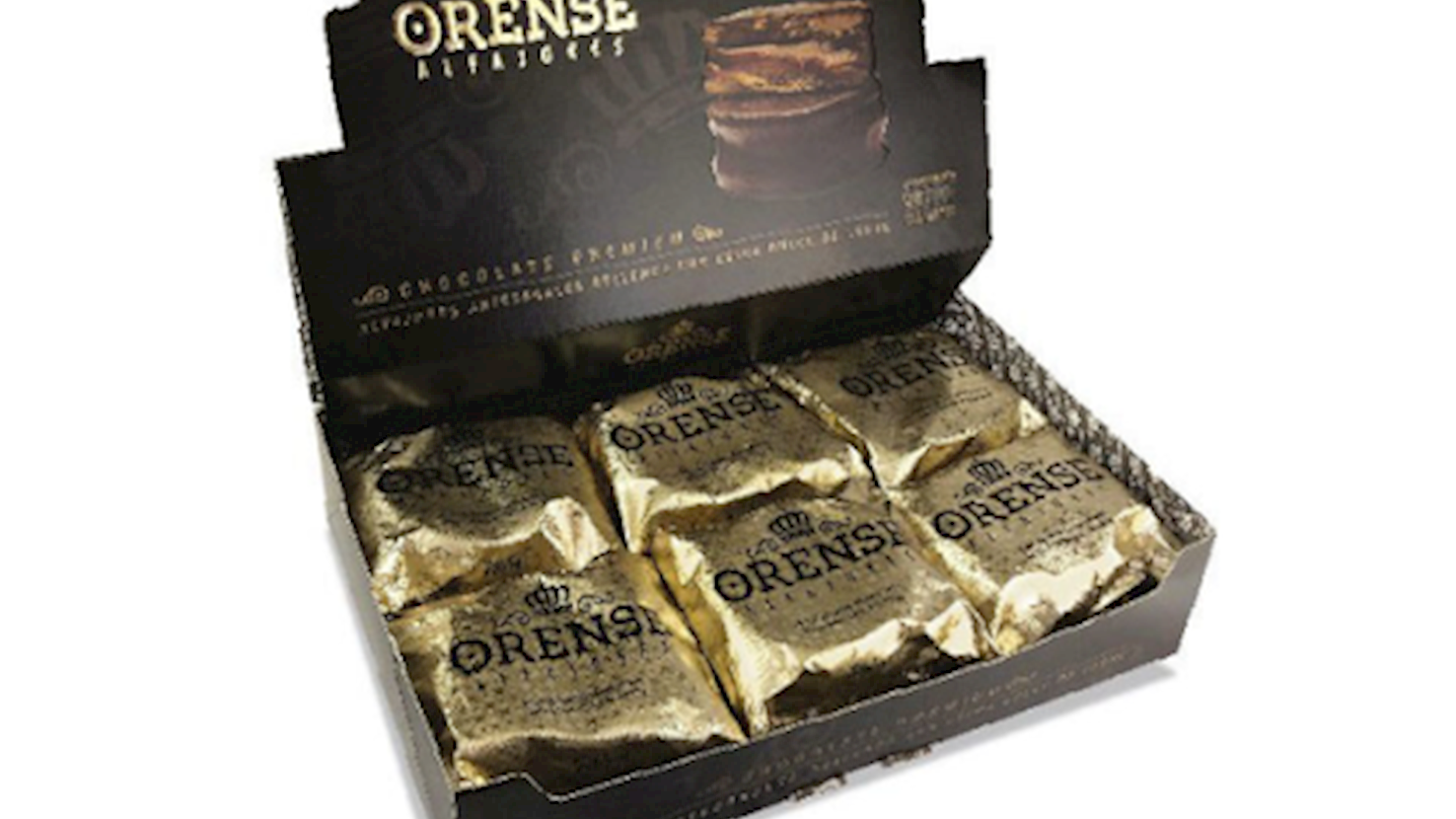
Alfajores Orense is a family-owned confectionery based in Bernal, Argentina, founded in 2013. The brand’s name is a tribute to the Spanish city of Orense, the birthplace of the founder’s grandfather. Since then, Orense has become a recognized producer of premium alfajores in Argentina, known for their quality and traditional craftsmanship. Orense offers a wide variety of sweets, including alfajores in different versions - coated in dark or white chocolate and filled with a generous layer of dulce de leche - as well as mini alfajores. What sets Alfajores Orense apart is the handmade production process, use of high-quality ingredients, and attention to detail.
Awards
Campeonato Argentino del Alfajor - ORO (2024)
09

Chalteños

4.8 ·
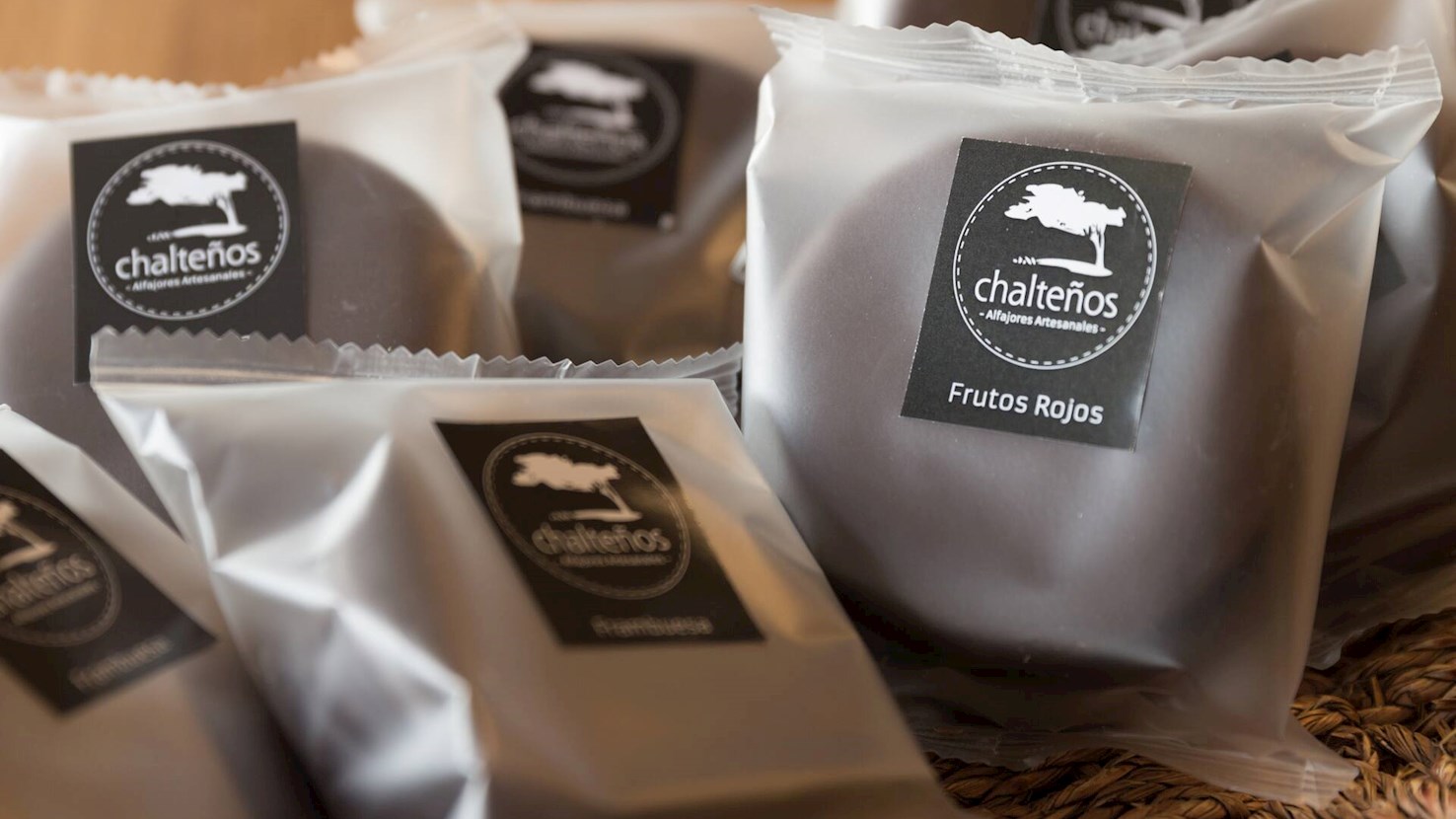
Chalteños is a charming shop located in the heart of El Chaltén, a small mountain town in Patagonia, known as Argentina's "national hiking capital." This family-run brand specializes in handcrafted alfajores and other sweets, creating authentic flavors that reflect the region's rich culinary heritage. Chalteños offers a variety of treats, with a special emphasis on alfajores. In addition to alfajores, the shop also offers jams made from local fruits such as calafate and raspberry, often used as fillings or additions to their sweets. Visitors praise the friendliness of the staff, the quality of the products, and the authenticity of the flavors, highlighting that Chalteños is the perfect place to enjoy sweet delights.
10

La Goulue

4.8 ·
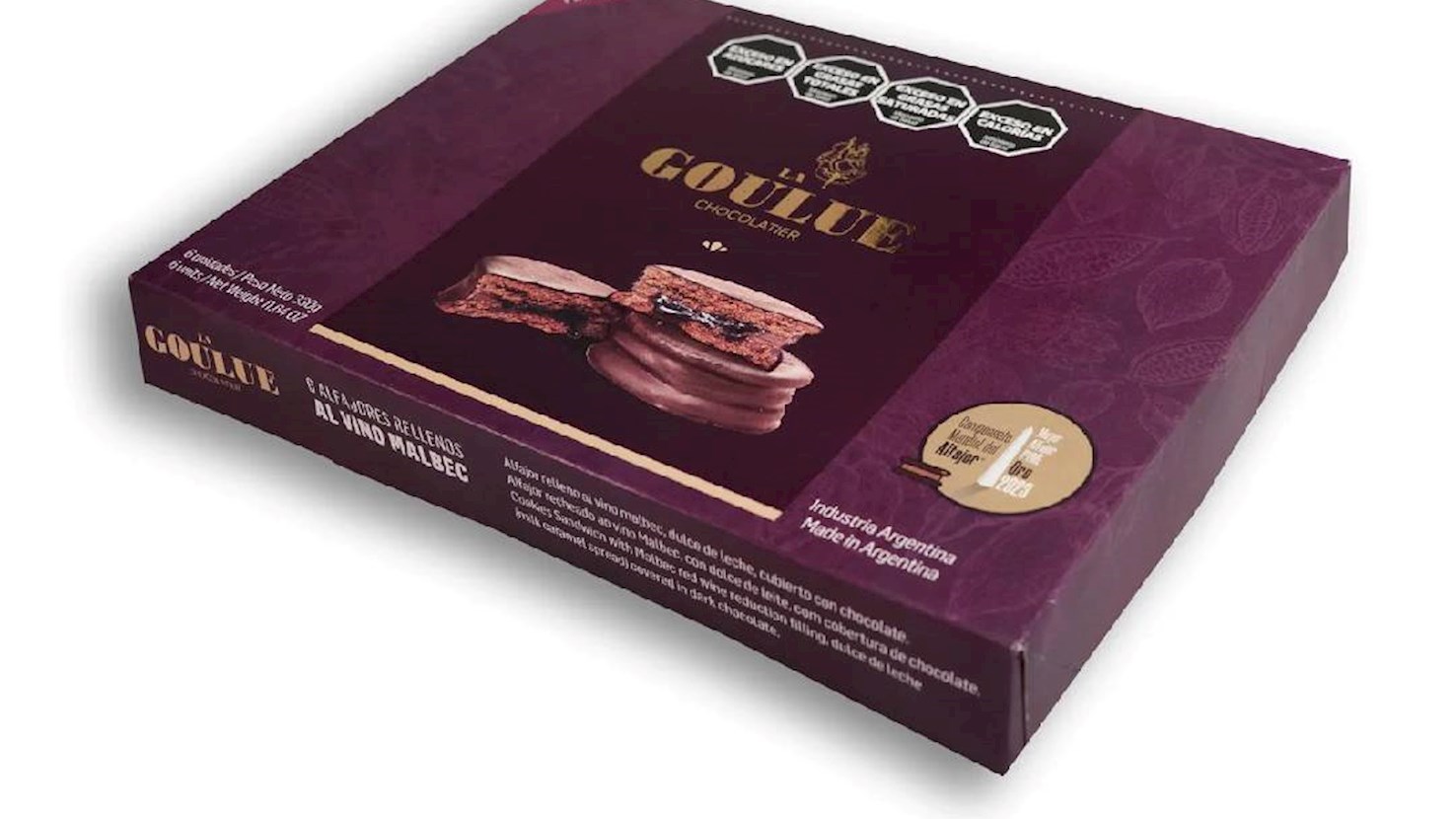
La Goulue chocolatier is known for its innovative range of alfajores, traditional Argentine cookies. The alfajores produced by La Goulue combine authentic Argentine recipes with modern and unconventional ingredients, creating exclusive varieties that offer a completely new taste experience. La Goulue's alfajores are carefully crafted using high-quality ingredients such as Belgian chocolate, the finest local wines, beer, and, of course, traditional Argentine dulce de leche. Each alfajor is handmade and covered with a fine chocolate coating, adding an extra touch of luxury. One of the most unique products from La Goulue chocolatier is the Alfajores de Malbec. This alfajor uses the iconic Argentine Malbec wine in a completely innovative way. The cookie is filled with creamy dulce de leche that is enriched with reduced Malbec wine, giving it a rich and deep flavor with subtle fruity notes and light oaky undertones. This combination provides a sophisticated acidity that perfectly balances with the sweetness of the dulce de leche, and the entire experience is completed with a fine chocolate glaze that further enhances the complexity of the flavor.
Awards
Campeonato Mundial del Alfajor - ORO (2023)
Read more
View all
View map
About this ranking

TasteAtlas food rankings are based on the ratings of the TasteAtlas audience, with a series of mechanisms that recognize real users and that ignore bot, nationalist or local patriotic ratings, and give additional value to the ratings of users that the system recognizes as knowledgeable. For the “Top 56 Argentinian Desserts” list until June 15, 2026, 2,391 ratings were recorded, of which 1,482 were recognized by the system as legitimate. TasteAtlas Rankings should not be seen as the final global conclusion about food. Their purpose is to promote excellent local foods, instill pride in traditional dishes, and arouse curiosity about dishes you haven’t tried.

The initial list of top producers was compiled based on available reviews, awards, local recommendations, media and blog coverage, and consumer reviews. The list will be updated with ratings from TasteAtlas local ambassadors and TasteAtlas users.

Similar lists