shutterstock

Top 100 European Desserts

Last updated on May 15, 2026

Best European Desserts
01

Pastel de Belém

4.6 ·

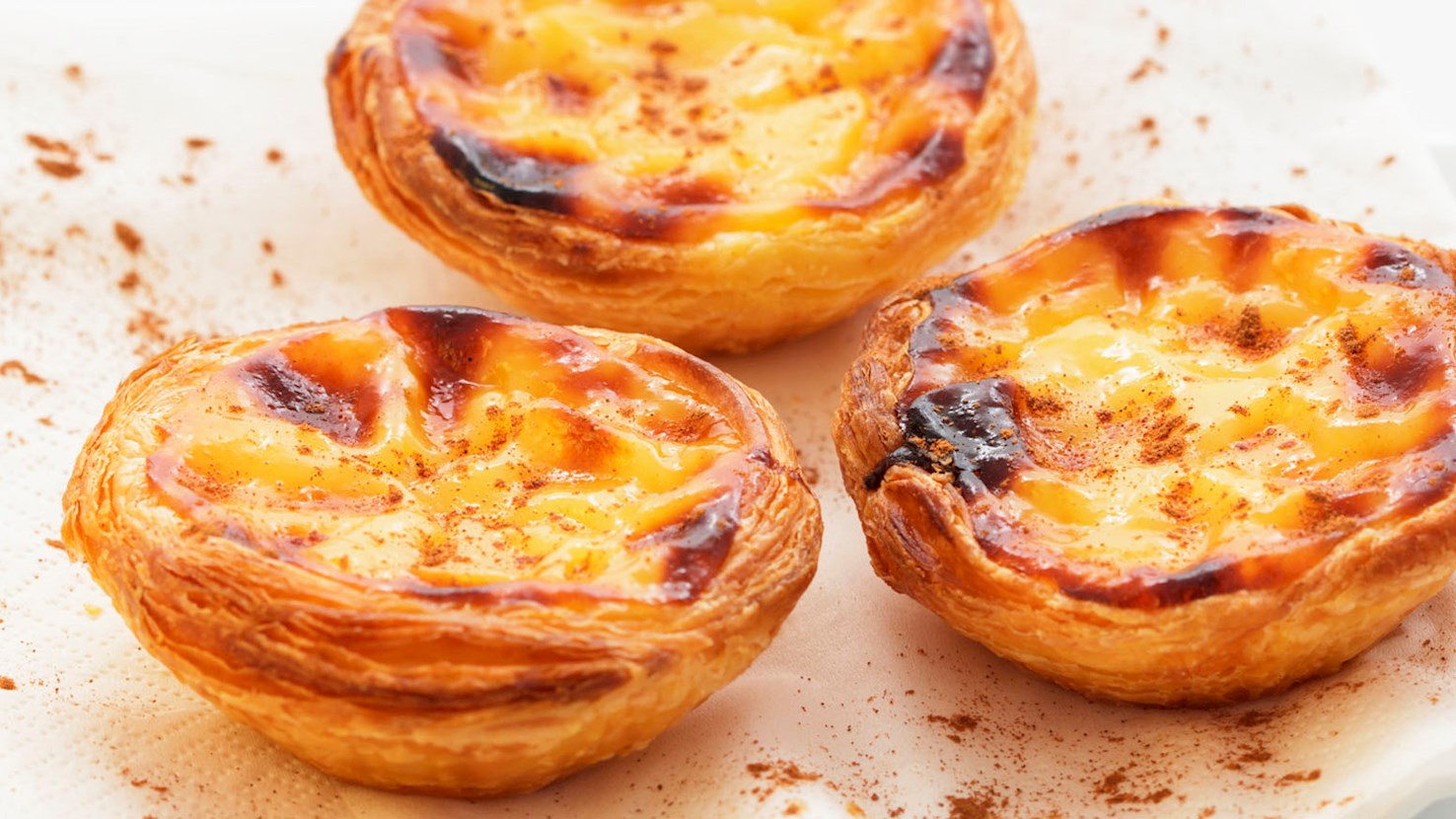
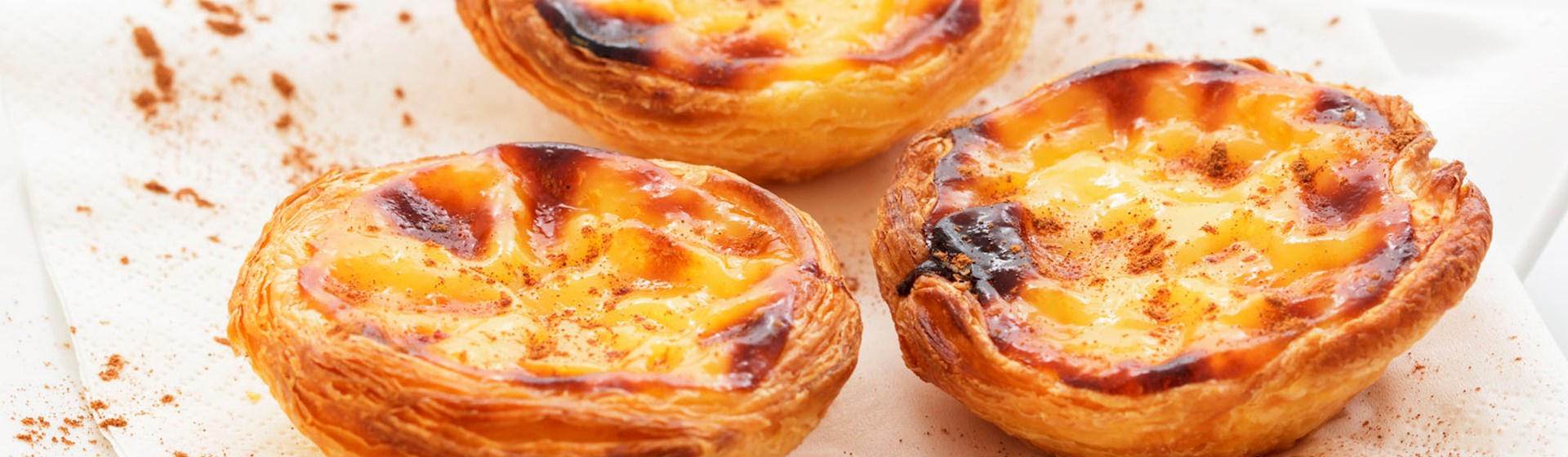
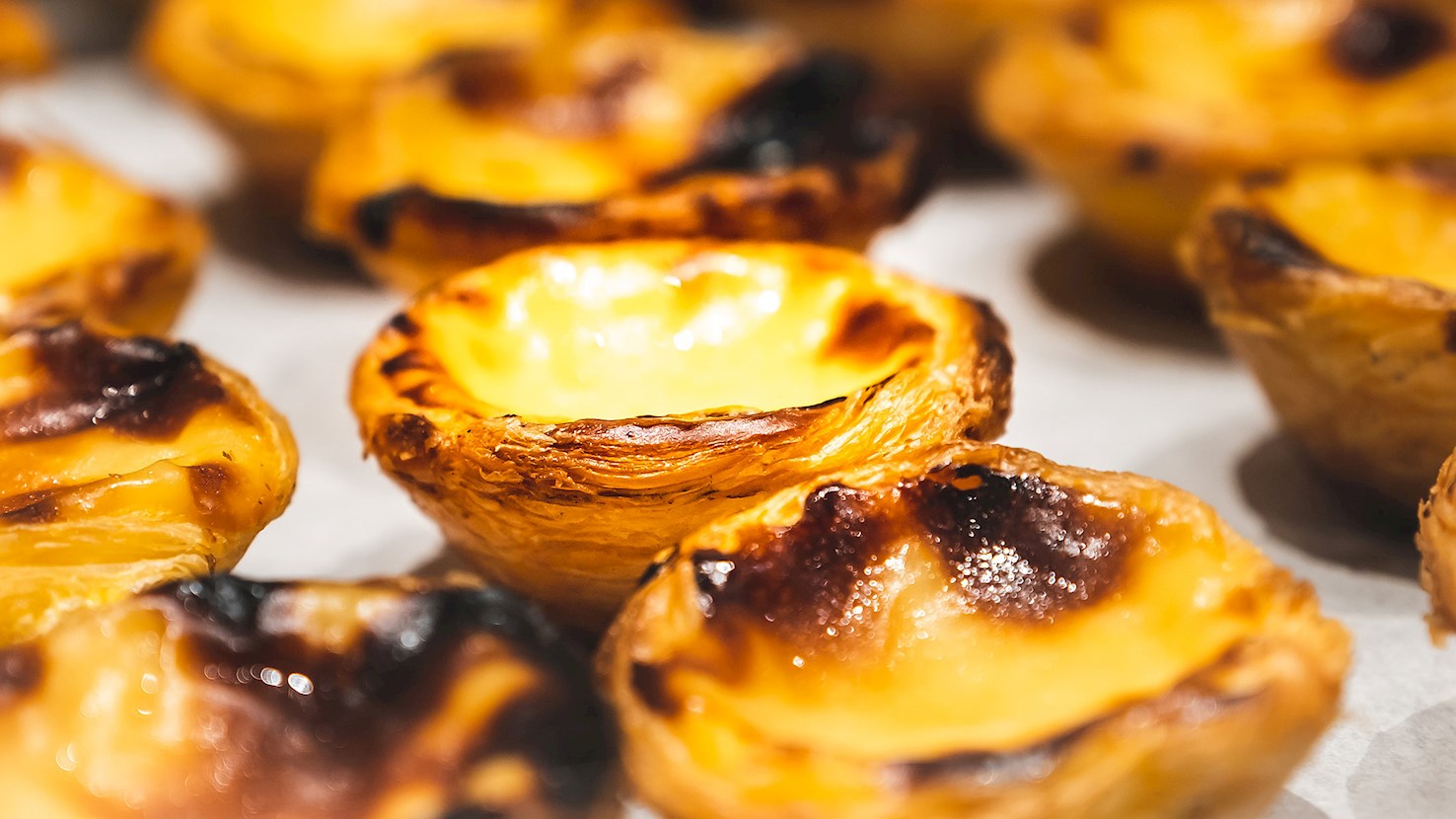
Pastel de Belém is a traditional egg custard tart and a predecessor to the famous pastel de nata. The tarts are made with a pastry shell that's filled with a combination of milk, eggs, sugar, lemon, and cinnamon. The first recipe for pastel de Belém dates back to 1837 when it was produced by the monks of the Jerónimos monastery. Only the custard tarts produced at the Fábrica Pastéis de Belém can be called pastel de Belém, while all the others, produced by other patisseries in Lisbon are called pastel de nata. Regardless of the name, these tarts can be served hot or cold and in 2009, The Guardian listed pastel de Belém as one of the 50 'best things to eat' in the world.

02

Pastel de nata

4.5 ·

Pastel de nata is a traditional egg custard tart that is popular throughout the world. It is believed that for the best result, the filling should not be too sweet and should not have flavors of lemon nor vanilla. Instead, the tarts should be sprinkled with cinnamon and, ideally, paired with a cup of coffee. Originally, this treat was made before the 18th century by Catholic monks and nuns in Santa Maria de Belém in Lisbon. The tart was made from leftover egg yolks that were used in the clearing of wines and starching of clothes. Later on, the clerics made a deal with a nearby bakery to start selling pastel de nata commercially, and the product was a huge success. It is still hugely popular, and the fact can be supported by long lines of people who are waiting on their pastel de nata in front of numerous Portuguese bakeries. However, pastel de Belém's recipe is kept secret, and only the ones produced at the Fábrica Pastéis de Belém can be called pastel de Belém, while all the other egg custard tarts from other producers in Lisbon are called pastel de nata.

03

Clotted cream ice cream

4.5 ·

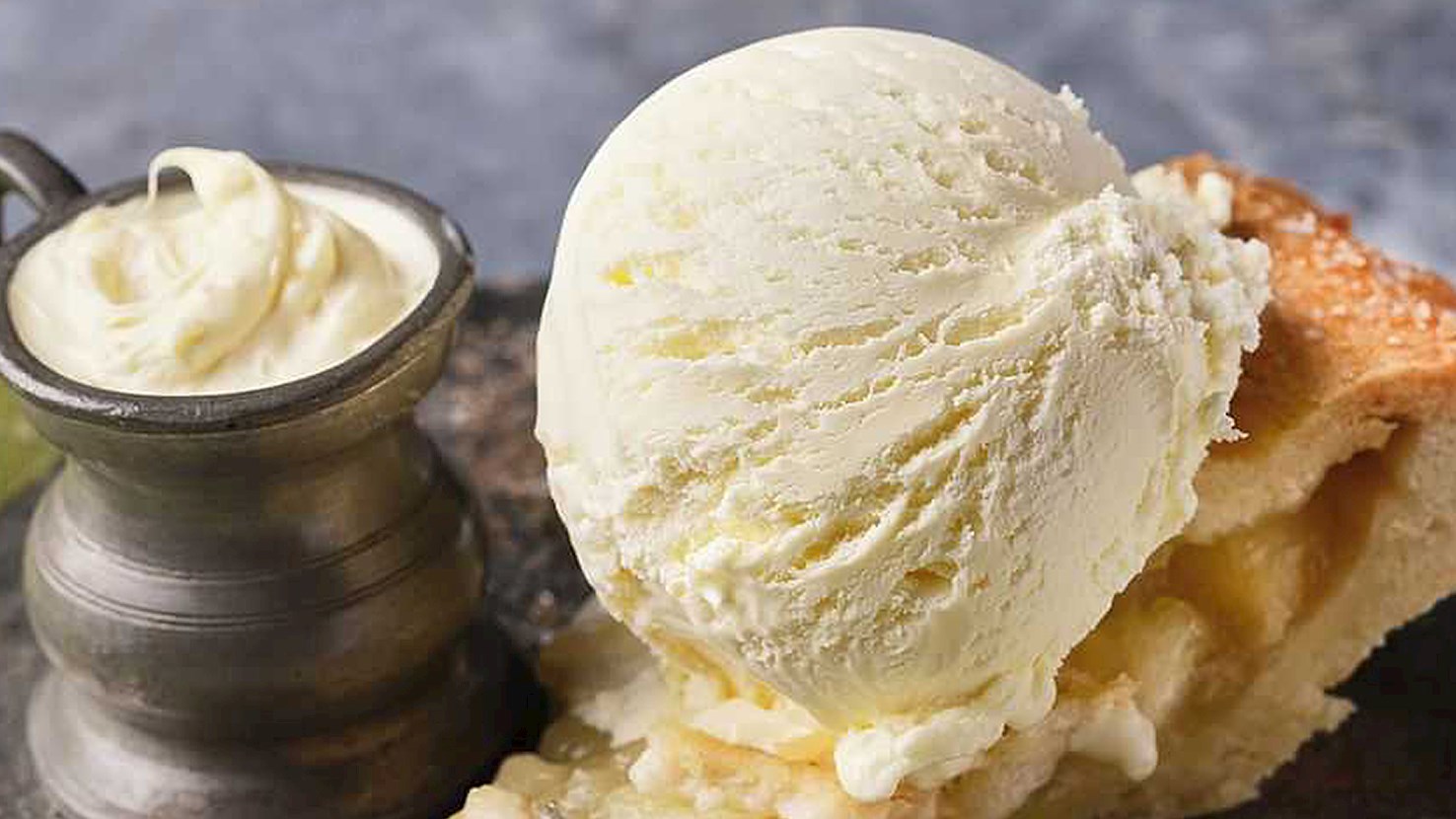
Clotted cream ice cream is a traditional ice cream that’s associated with Cornwall, although it’s sold in supermarkets throughout the United Kingdom. This ice cream is made with Cornish whole milk, eggs, and clotted cream. The use of Cornish clotted cream gives the ice cream a unique flavor and a velvety consistency. This decadent ice cream can be flavored with various additional ingredients such as vanilla, and it can be found in many bars and cafes across the region. It is also not uncustomary to add a dollop of clotted cream on top of the scoops of Cornish ice cream.

04

Strudel (Trentino-Alto Adige)

4.5 ·

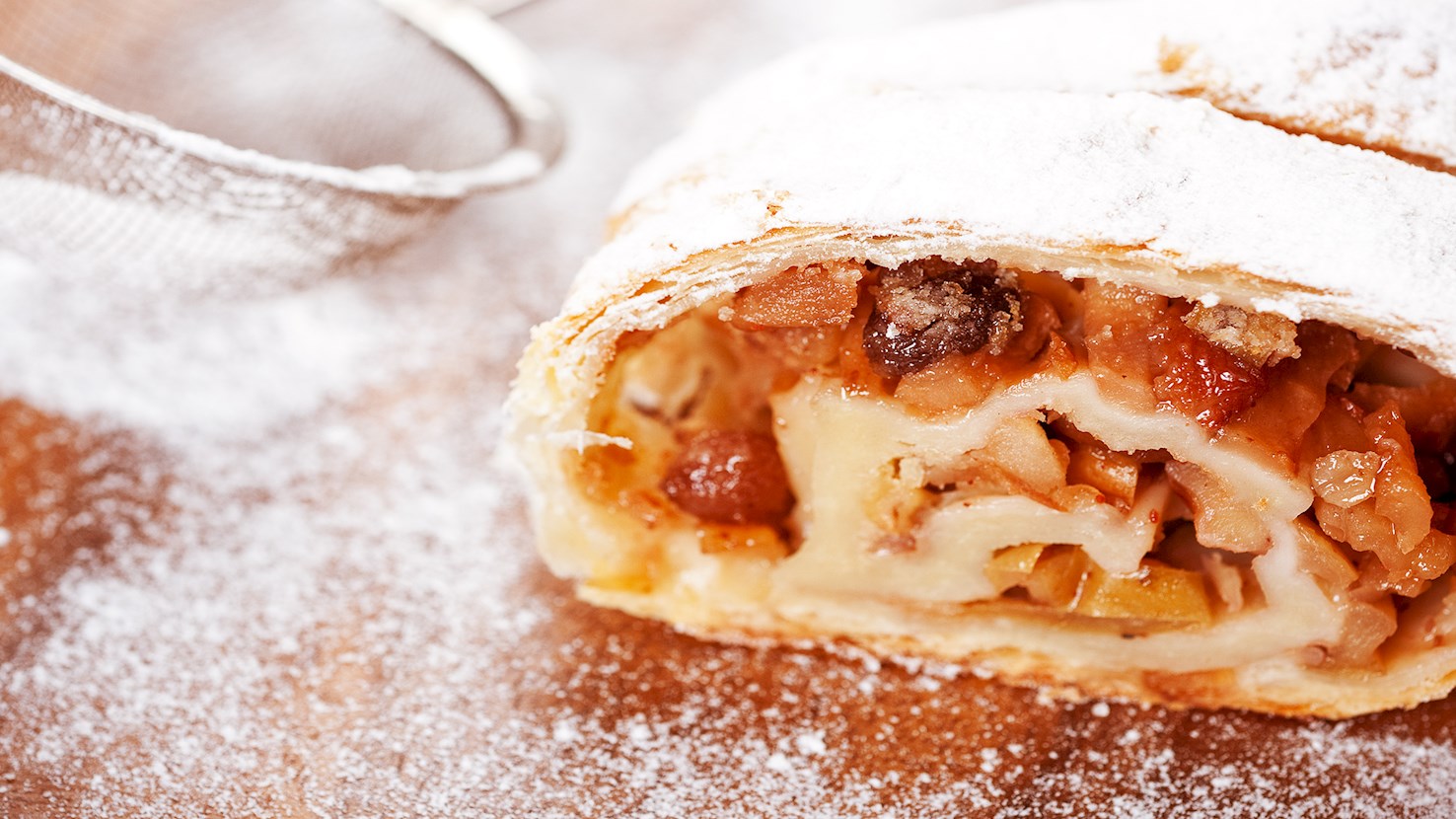
You may not think of strudel as a classic Italian dish, but Trentino Alto Adige, especially the region around Val di Non valley is renowned for their strudel. Rolling and stretching delicate sheets of paper-thin strudel pastry requires skills obtained through many years of practice, but the resulting flaky, crispy dessert is surely worth the effort. Strudel can be prepared with various fruit, but given the fact that this area is renowned for their tasty apples, the most popular variety is strudel con le mele, usually prepared with Golden Delicious apples, due to the fact that they are available all year round. Besides apples, the traditional filling includes raisins, sugar, butter, cinnamon, and pine nuts. The strudel is best enjoyed when it is still warm and generously dusted with powdered sugar.

05

Gelato al pistacchio

4.4 ·

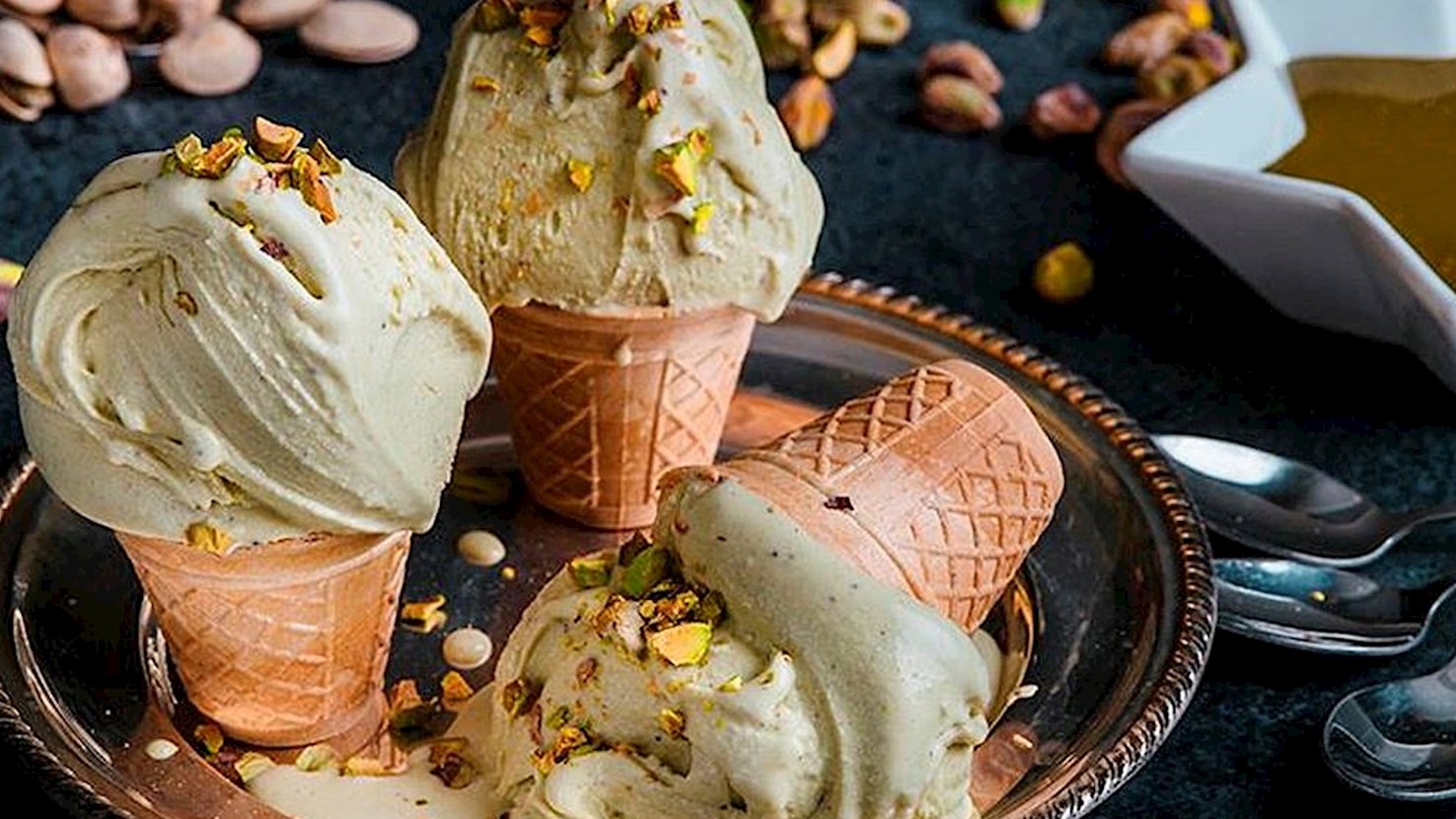
Pistachio is one of the most popular flavors of Italian gelato. A mainstay in every gelateria, in its original form, this frozen treat combines pistachio paste with the classic base of milk, cream, eggs, and sugar. Occasionally, crushed and toasted pistachios can be added, but the basic texture should always remain dense and creamy. Due to the high prices of pistachios and pistachio paste, many gelaterias nowadays opt for cheaper replacements, but the best pistachio is considered to be the grown in a small Sicilian town of Bronte.

06

Crêpes sucrées (Sweet crêpes)

4.4 ·

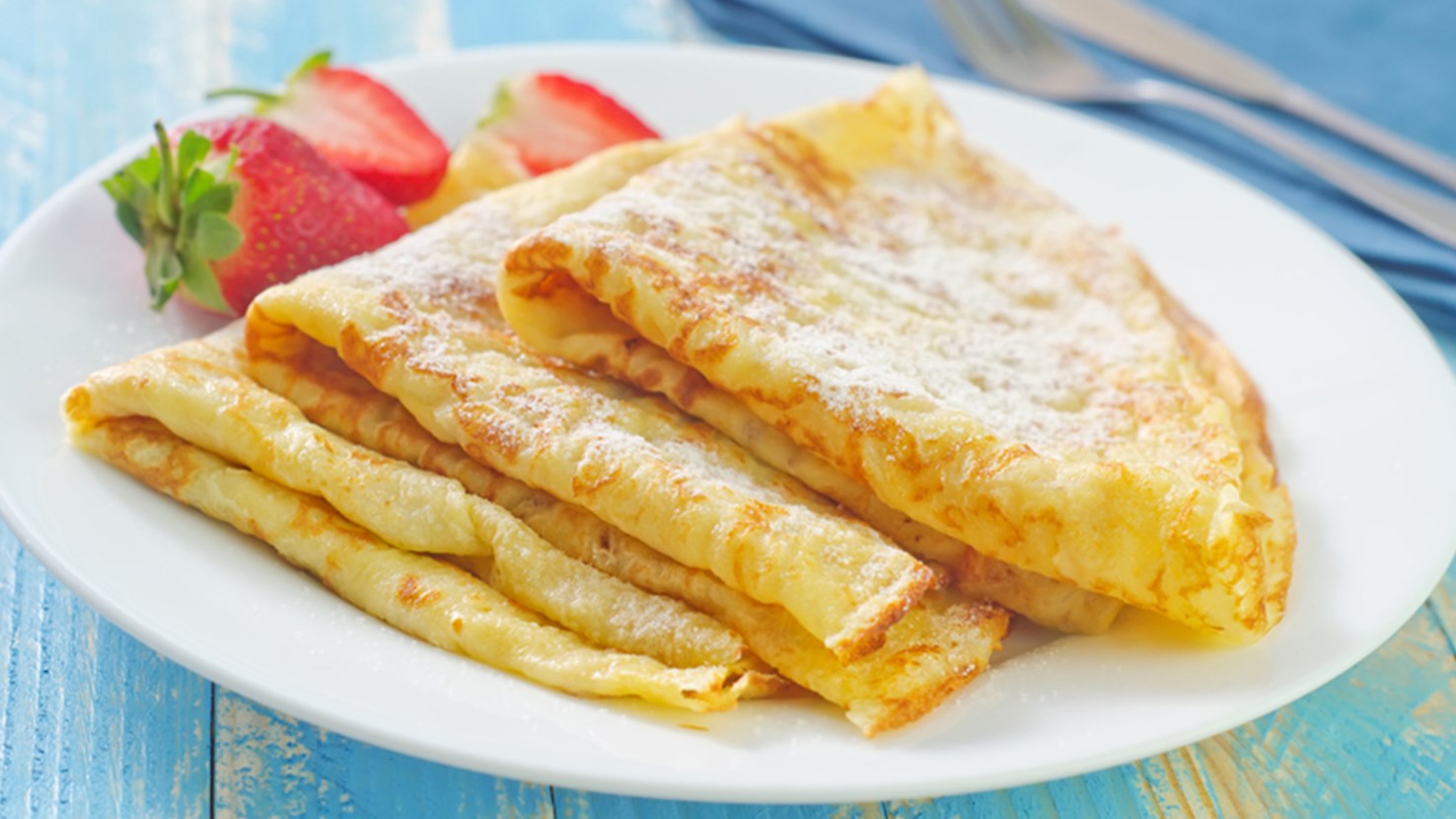
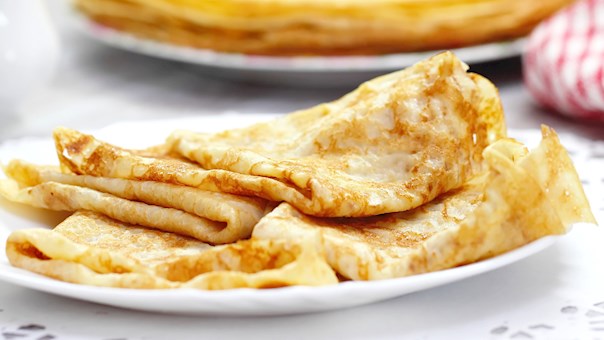
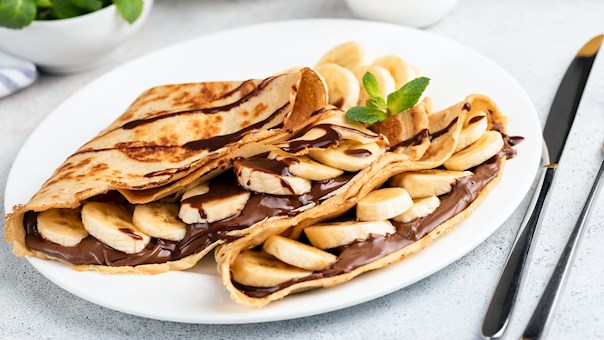
Crêpes sucrées are sweet crepes, a type of very thin pancake originating from France. The term "sucrées" means "sugared" in French, indicating that these crepes are meant to be served with sweet fillings or toppings. They are made from a simple batter consisting of flour, milk, eggs, a pinch of salt, and sometimes a bit of sugar and butter. Unlike their savory counterpart, known as "crêpes salées" (or "galettes" in some regions of France), sweet crêpes are usually made with white wheat flour and often have a bit of sugar added to the batter. Sweet crepes can be filled or topped with a variety of ingredients such as powdered sugar, whipped cream, fruit preserves, fresh fruits, nutella, honey, and maple syrup. Crêpes sucrées are enjoyed as a dessert, a sweet snack, or even as a breakfast dish in France and around the world.

Best restaurants
07

Tinginys

4.4 ·

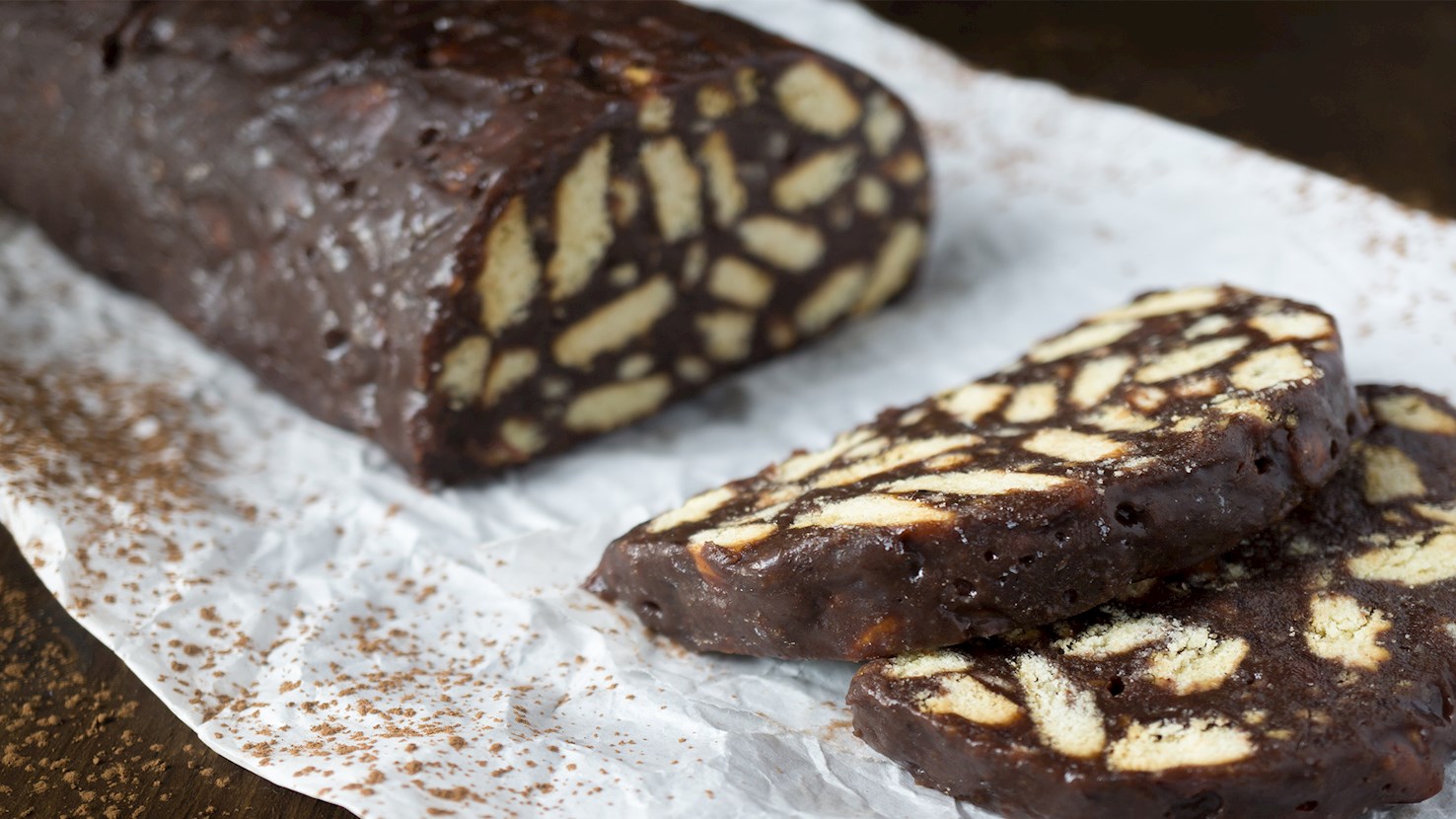
Even though it is very much alike the famous Italian chocolate salami, this simple, no-bake dessert, translated as the lazy man is regarded as an authentic Lithuanian delicacy. It is prepared with a blend of crumbled cookies, cocoa, condensed milk, butter, and sugar, shaped into the desired form, and left to set. According to a widely accepted anecdote, tinginys was created by accident, but immediately became the nation’s favorite. Because of its neutral taste, it is easily adjusted with additional ingredients, such as nuts or dry fruit. It is recommended to enjoy tinginys with a cup of coffee or tea on the side.

08

Pão de Ló de Ovar

4.4 ·

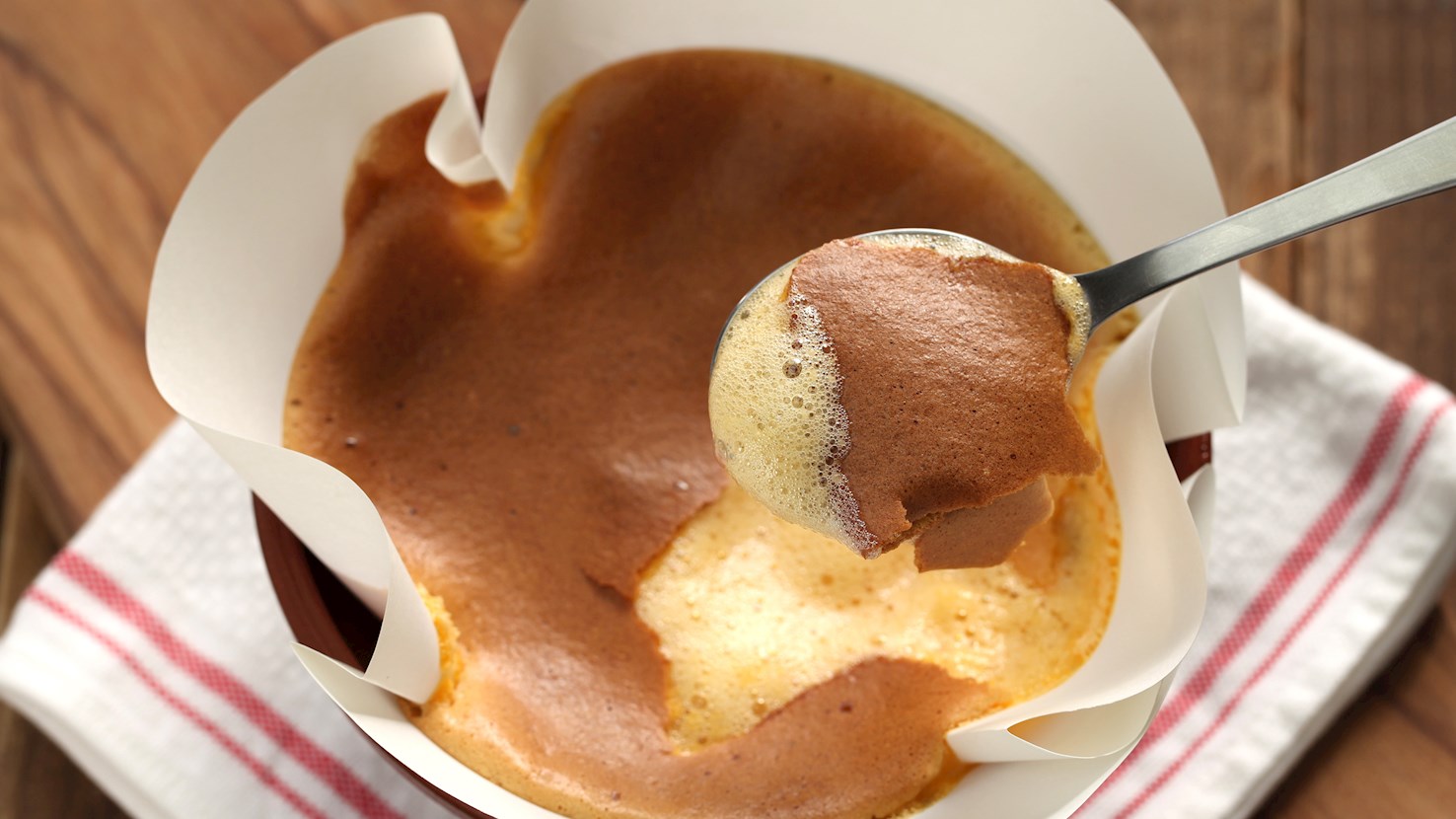
Pão de Ló de Ovar may be the most famous Portuguese cake, dating back to the 18th century when it was made in convents by nuns. The earliest written evidence about this sponge cake dates back to 1781, in a book called Irmandade dos Passos, where it is said that pão de Ló de Ovar was a sweet offered to the priests who took the wooden framework to carry the statues in the Holy Week procession. This creamy sponge cake is traditionally made from eggs, sugar, and flour, and today, it is often seen at most food fairs in Portugal. The cake is popular throughout the country, not just in the municipality of Ovar, where it is traditionally produced.

09

Kladdkaka

4.4 ·

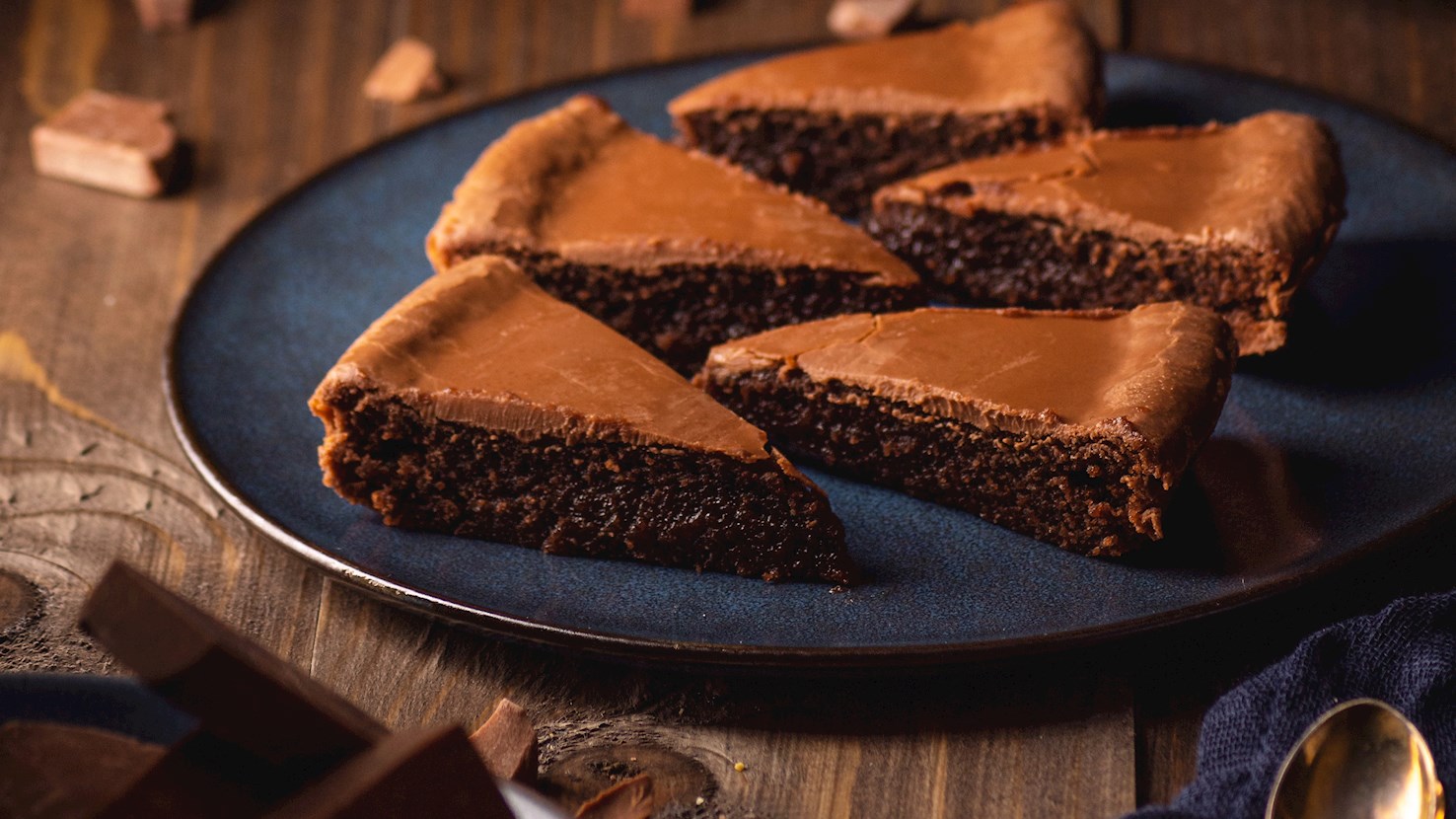
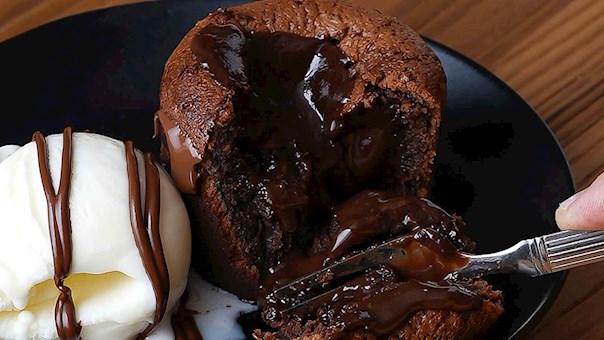
One of the most popular Swedish desserts is a rich chocolate cake known as kladdkaka. This classic Swedish creation combines eggs, cocoa (or chocolate), butter, sugar, and flour into a dense and luscious dessert. During baking, the cake should always remain moist in the center, while the outer layer is transformed into a thin, crunchy coating. Since the cake is incredibly dense, and typically heavy on the bitter chocolate or cocoa, it is usually dusted with a delicate layer of powdered sugar, and traditionally served with a dollop of ice cream or whipped cream on the side. It is one the most beloved Swedish desserts, typically enjoyed during fika, a traditional Swedish coffee break.

10

Crêpes

4.3 ·

These thin pancakes are made with wheat flour, and have origins in the French region of Brittany. Although they are a French staple and a national dish, crêpes are so popular that they have spread worldwide since the turn of the 20th century, when white wheat flour became affordable. These delectable treats are made with flour, eggs, milk, and butter whipped into a thin batter, which is then poured in a crêpe pan and fried. The tradition is to flip them in the air as they cook, and they say that if you catch it in the pan, your family will be well-off for the rest of the year. The word crêpe is derived from the Latin root crispa, meaning curdled. Crêpes are one of the best-known French desserts, and they are commonly filled with various sweet fillings such as jam, chocolate, berries, or whipped cream. They can also be stuffed with savory ingredients such as ham, sausages, cheese, spinach, eggs, or mushrooms. Eaten hot or cold and found in crêperies throughout France and beyond, these delicious pancakes are a true worldwide hit.

Best European Desserts

01

Torta Pistocchi Firenze

4.9 ·
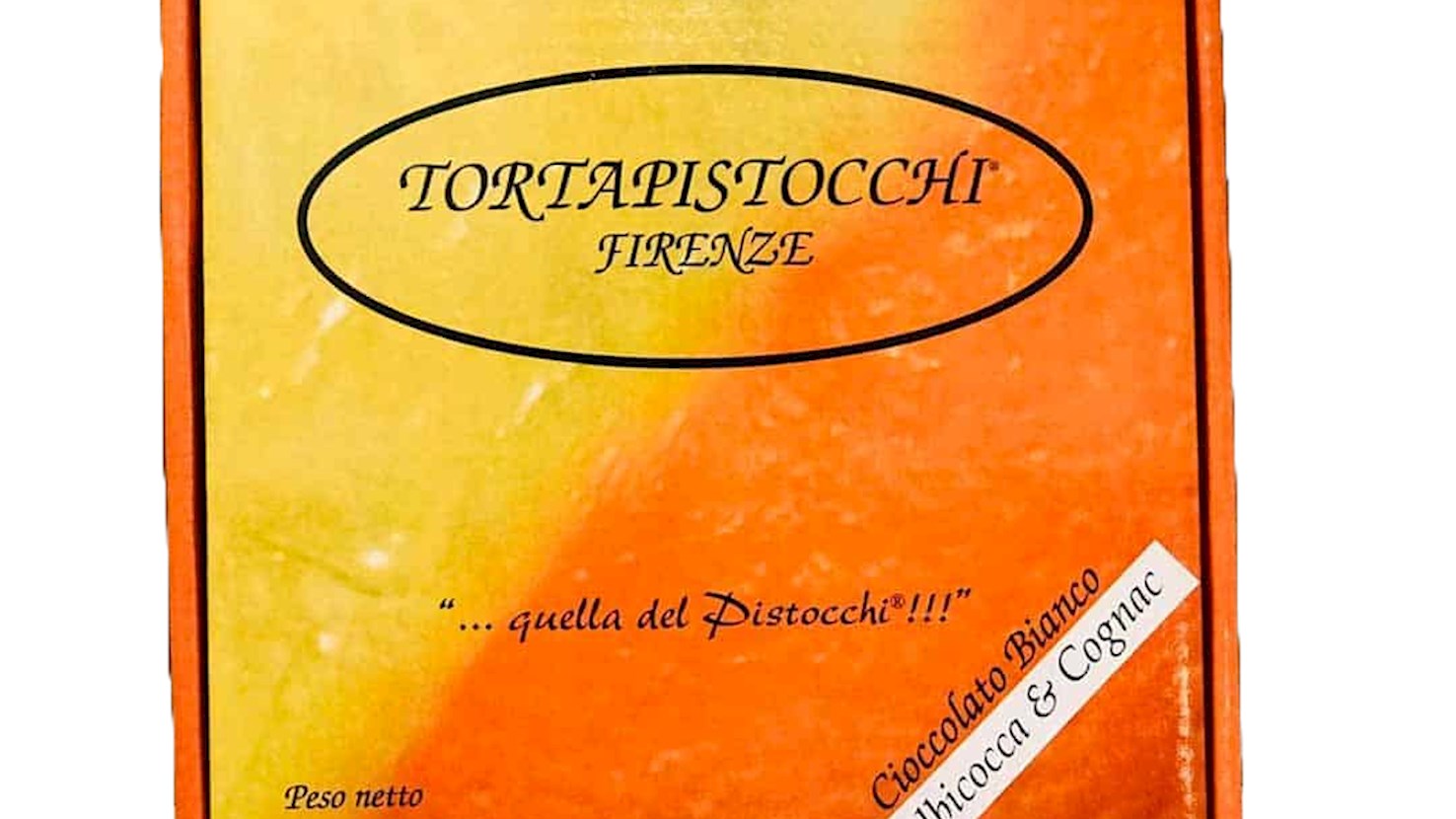
Torta Pistocchi Firenze, based in Florence, Italy, started as a small cake shop in 1990. The company is known for its rich, artisan chocolate cakes, which are made using high-quality, simple ingredients without adding flour, butter, or eggs. One of their signature products is a dense, flourless chocolate cake made from a blend of dark chocolates. Torta Pistocchi has won several awards for its innovative approach to chocolate cake making.
Awards
International Chocolate Awards - Gold (2019, 2018, 2017, 2016)
International Chocolate Awards - Silver (2019, 2018, 2017, 2016, 2015)
02

Sarah Nelson’s Grasmere Gingerbread

4.9 ·
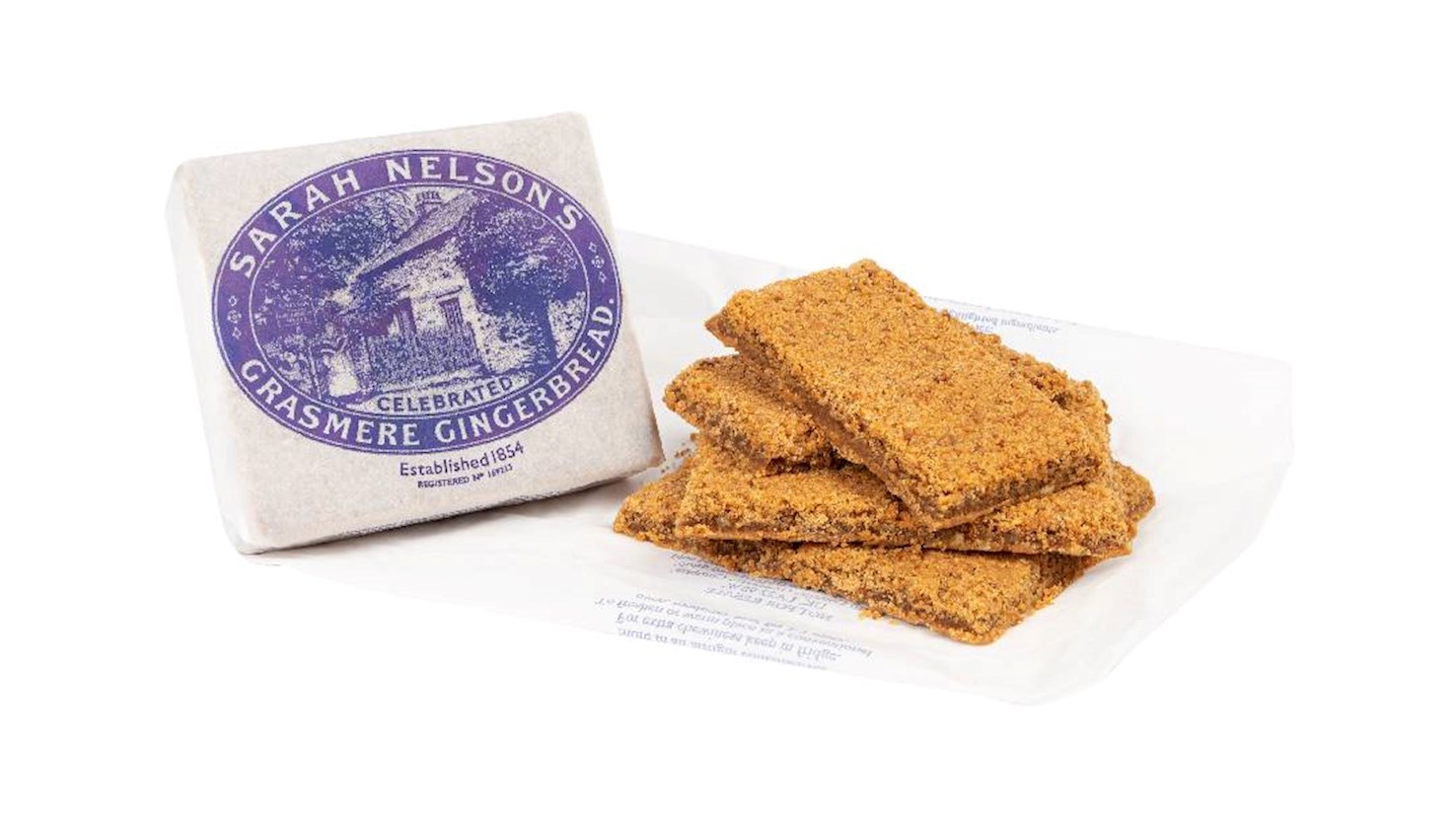
Sarah Nelson’s Grasmere Gingerbread is a traditional producer based in Grasmere in the Lake District, with origins dating back to 1854. The business began when Sarah Nelson started baking gingerbread in her home, Church Cottage, which remains the only production and retail location today. The company operates on a small scale, without expansion into multiple sites, maintaining a highly localized identity. Production is carried out in small batches using largely manual methods, ensuring consistency and control over quality. The recipe has remained closely guarded and largely unchanged, reflecting a strong focus on continuity. The product itself is the central focus, with no significant diversification into other categories. This specialization allows the producer to maintain a clear and recognizable identity. The gingerbread is closely linked to the Lake District, both culturally and gastronomically. It is widely regarded as a regional specialty rather than a mass-market product. The combination of limited production, historical continuity, and strong geographical connection defines its position on the market.
03

Jakob’s Basler Leckerly

4.9 ·
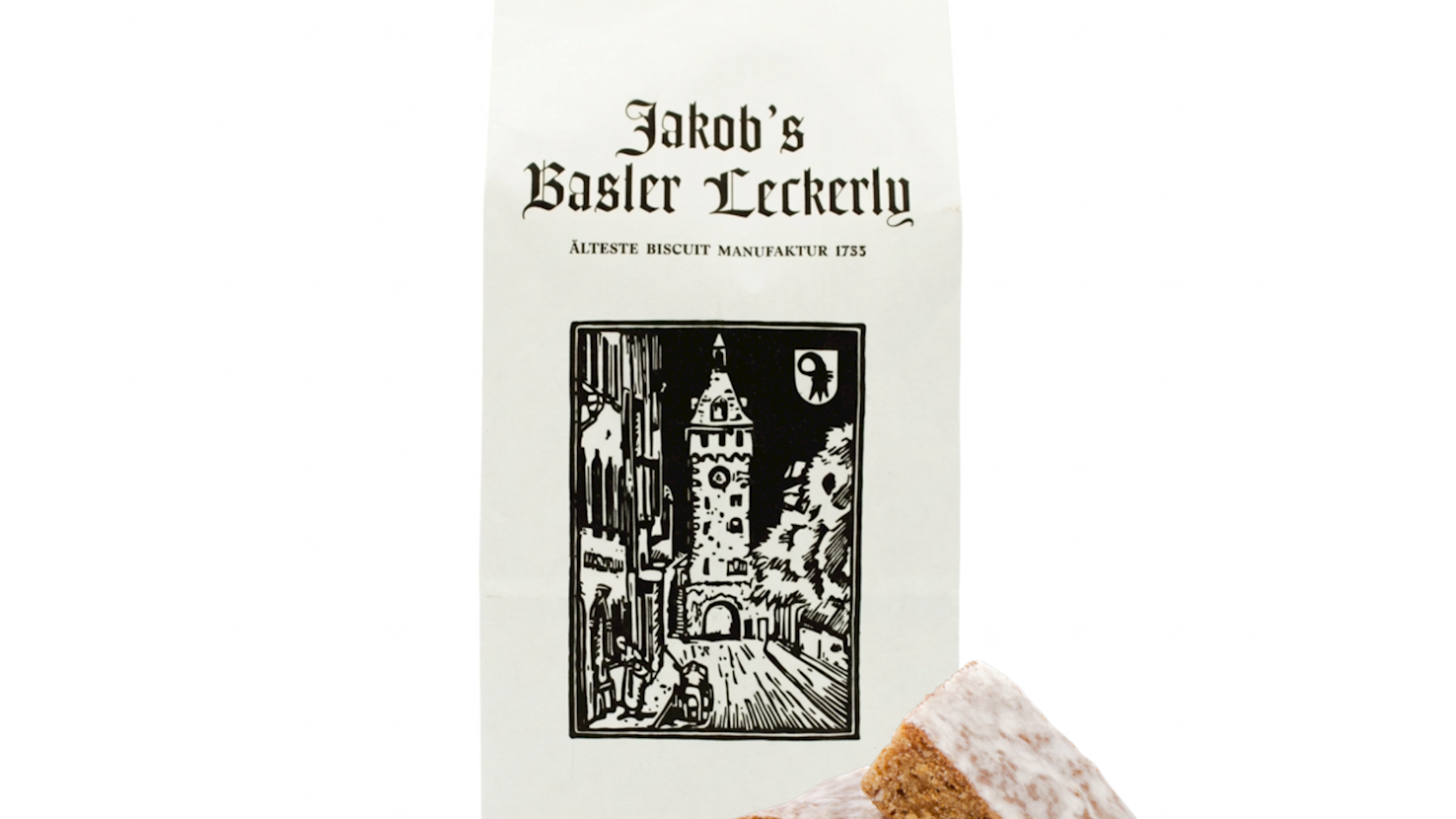
Jakob’s Basler Leckerly is a traditional Swiss confectionery producer based in Basel, with origins dating back to 1753, making it one of the oldest continuously operating bakeries in the country. The company is strongly focused on a single specialty, Basler Läckerli, which defines both its identity and production approach. These biscuits are made from a dense mixture of honey, nuts, candied citrus peel, and spices, then finished with a thin sugar glaze and cut into rectangular pieces. Compared to more industrial versions, Jakob’s Läckerli are known for their thicker structure, pronounced honey flavor, and slightly softer, more compact texture. Production remains closely aligned with traditional methods, carried out within a manufactory setting rather than large-scale industrial lines. The brand maintains a clear connection to the culinary heritage of Basel, where Läckerli have been a regional specialty for centuries. In addition to production, the company operates a retail and visitor-oriented space where customers can observe parts of the process and purchase products directly. While the assortment has expanded modestly with variations such as chocolate-coated versions, the core recipe and product format have remained largely unchanged.
04

Käserei Champignon Hofmeister

4.8 ·
Käserei Champignon Hofmeister is a German cheese producer located in Bavaria. The company was established in 1908, and it specializes in producing soft cheeses, including the famous Cambozola, a blue-veined cheese that blends characteristics of Gorgonzola and Camembert. Käserei Champignon Hofmeister uses traditional handcrafting techniques alongside modern technology to ensure the quality of their products. Their cheeses are made using milk from local farms, ensuring high freshness and quality standards.
Awards
Global Cheese Awards - Best (2019)
Global Cheese Awards - Gold (2023, 2021, 2019, 2018)
05

Shortbread House of Edinburgh
4.8 ·
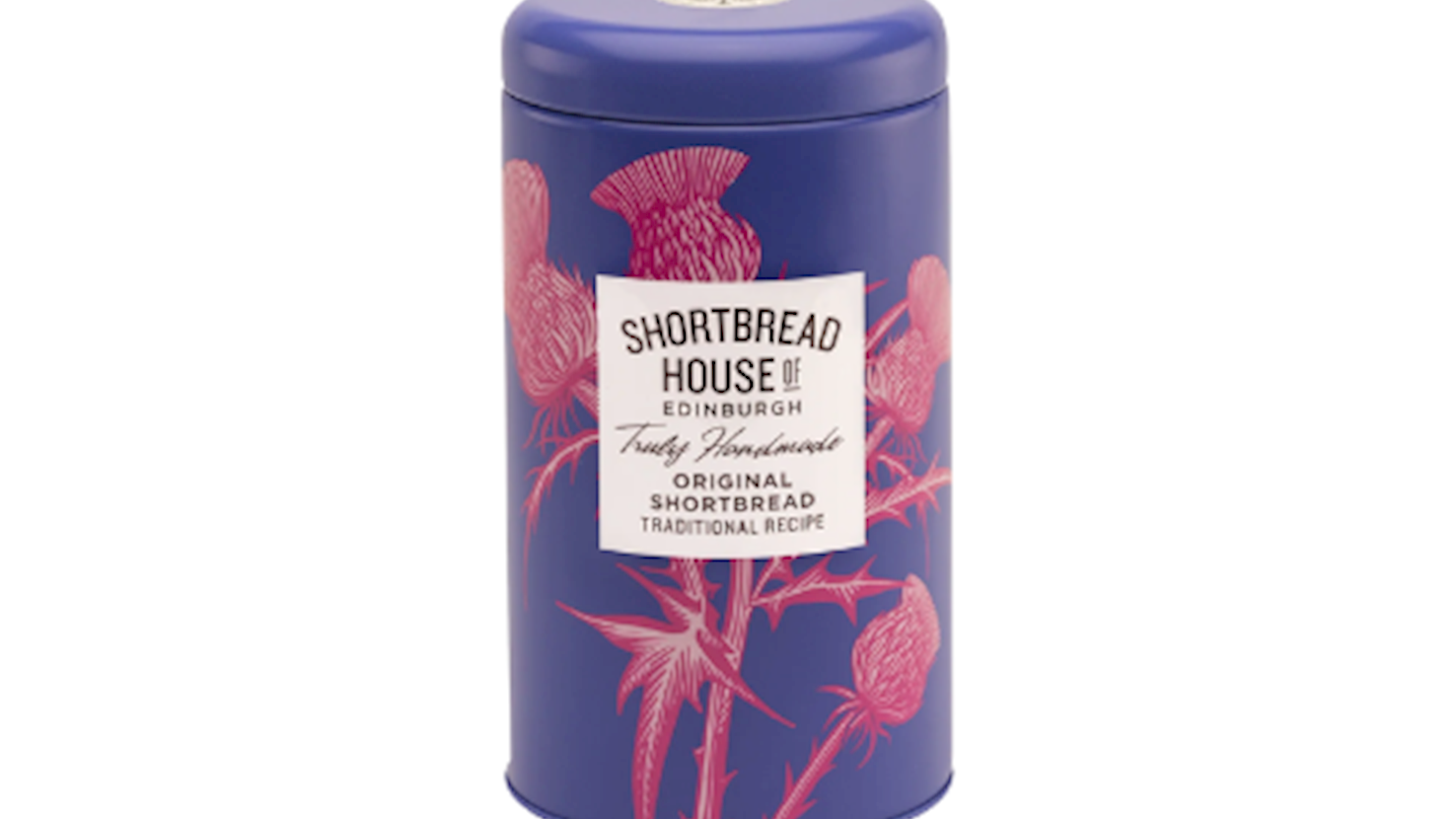
Shortbread House of Edinburgh is a family-run bakery proudly preserving the Scottish tradition of crafting authentic, handmade shortbread. Founded with the vision of turning treasured family recipes into exceptional products, the bakery continues to produce each biscuit by hand, using only the finest ingredients - without additives or shortcuts. Their philosophy, “shortbread without shortcuts”, is reflected in every bite: rich, buttery flavor, perfectly baked texture, and a delicate balance of simplicity and indulgence. The range includes classic shortbread alongside unique varieties infused with chocolate, citrus, tea, or spices, as well as savory cheese biscuits. Beautifully packaged, their products make elegant gifts or refined treats for special moments. Thanks to their unwavering commitment to quality and craftsmanship, Shortbread House of Edinburgh’s creations are now enjoyed around the world and featured in prestigious stores. Each box is a testament to family dedication, exceptional flavor, and time-honored tradition.
Awards
Great Taste Awards - 3 Stars (2021, 2020, 2019)
Great Taste Awards - 2 Stars (2024, 2023, 2022, 2019)
06

Siroopwafelfabriek

4.8 ·
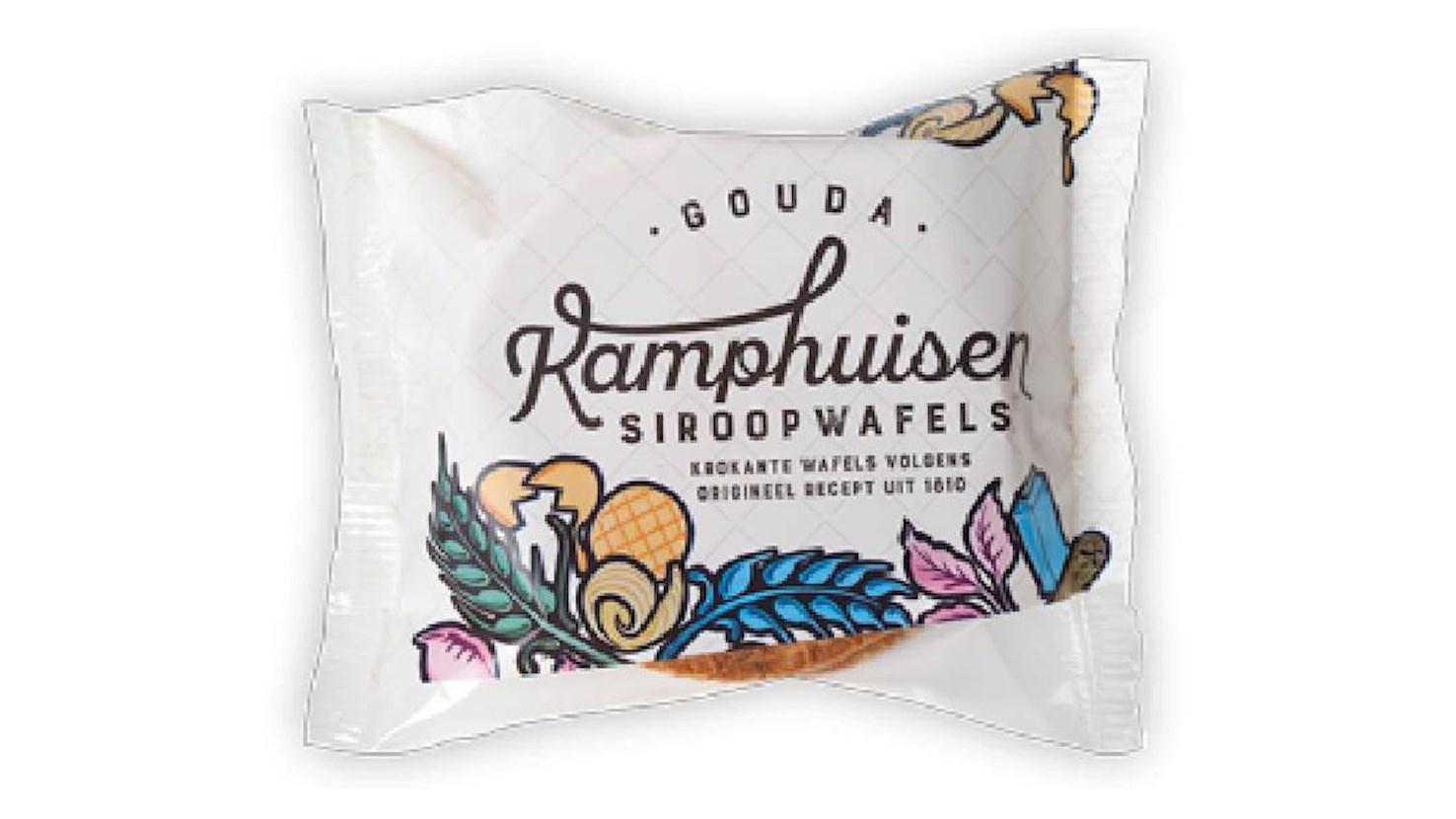
Siroopwafelfabriek is a place where the scent of tradition fills the air and every bite tells a story more than two centuries old. Nestled in the heart of Gouda, in a beautifully preserved historic building, this unique syrup waffle factory not only preserves but brings to life the legacy of the Netherlands’ most beloved sweet treat – the stroopwafel. The original recipe, dating back to 1810, remains a closely guarded secret. Yet, the process is as authentic as ever: freshly prepared dough, rich caramel syrup, and precise baking in traditional irons. But Siroopwafelfabriek is much more than a production site – it’s an immersive experience. Visitors of all ages are invited to step behind the scenes, watch the waffles being made, play interactive games, and even try to “crack” the recipe safe. Each warm, freshly baked waffle – crisp on the outside, soft and sticky within – is a delicious expression of quality, craftsmanship, and heritage. Combining history with hands-on discovery, Siroopwafelfabriek offers an unforgettable journey through the sights, smells, and flavors of Dutch culture – perfect for families, curious travelers, and true lovers of sweets.
07

Ladurée

4.8 ·
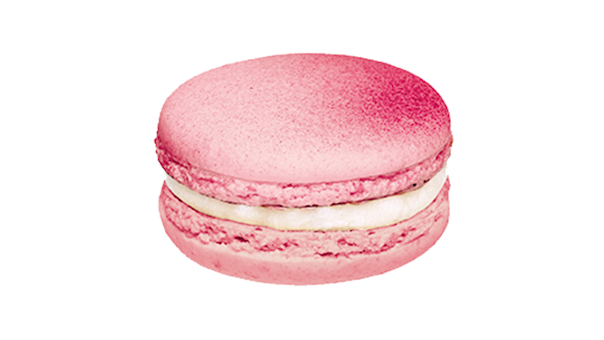
Ladurée is a historic French pâtisserie and luxury confectionery brand founded in 1862 in Paris by Louis-Ernest Ladurée. Originally established as a bakery on Rue Royale, Ladurée gradually evolved into one of the most recognizable names in French pastry, closely associated with the refinement of Parisian art de vivre. The brand is internationally celebrated for its macarons, which have become its defining signature and a global symbol of French elegance. Ladurée’s identity rests on a balance of tradition and aesthetics, combining classic pastry techniques with a highly curated visual universe inspired by 18th-century salons. In the late 19th century, it was among the first to introduce the concept of a tea salon, creating a social space where pastries, tea, and refined hospitality converged. Today, Ladurée operates an extensive international network of boutiques and salons, offering macarons, pastries, chocolates, teas, and luxury gift collections. The brand’s continued relevance lies in its ability to preserve heritage while presenting French pastry as a cultural and experiential product rather than simple confectionery.
08

Wicklein

4.8 ·
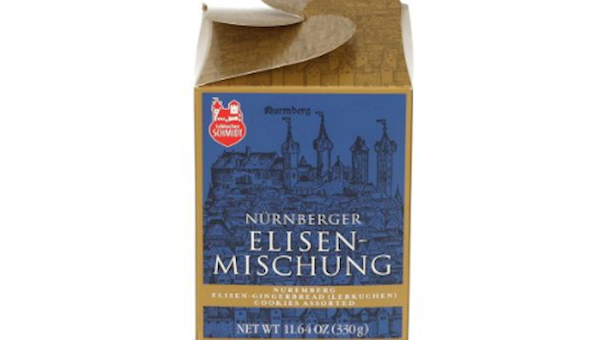
Wicklein is one of the oldest gingerbread producers in Germany, with a heritage dating back to 1615 in Nuremberg, a city historically recognized as the center of Lebkuchen production. Its origins are closely tied to Nuremberg’s role as a major spice trading hub, which shaped recipes rich in honey, nuts, and aromatic spices. Today, Wicklein remains one of the oldest active Lebkuchen bakeries in the city, with production still based in Nuremberg, preserving both authenticity and geographical identity. The company’s portfolio focuses on traditional Nürnberger Lebkuchen, particularly Elisenlebkuchen known for their high nut content and minimal flour, alongside wafer-based varieties and a range of seasonal and year-round baked goods. Production relies on long-established recipes passed down through generations, while also incorporating modern adaptations such as organic and vegan options. Over time, Wicklein has evolved through industrial and ownership changes but has maintained its core identity as a traditional producer, now operating within the Lebkuchen-Schmidt group. A key element of the brand is its “Lebküchnerei” shop in central Nuremberg, which serves both as a retail space and an experiential location where visitors can observe production and taste freshly made products, reflecting a balance between artisanal heritage and contemporary market presence.
09

Lazzaroni

4.8 ·
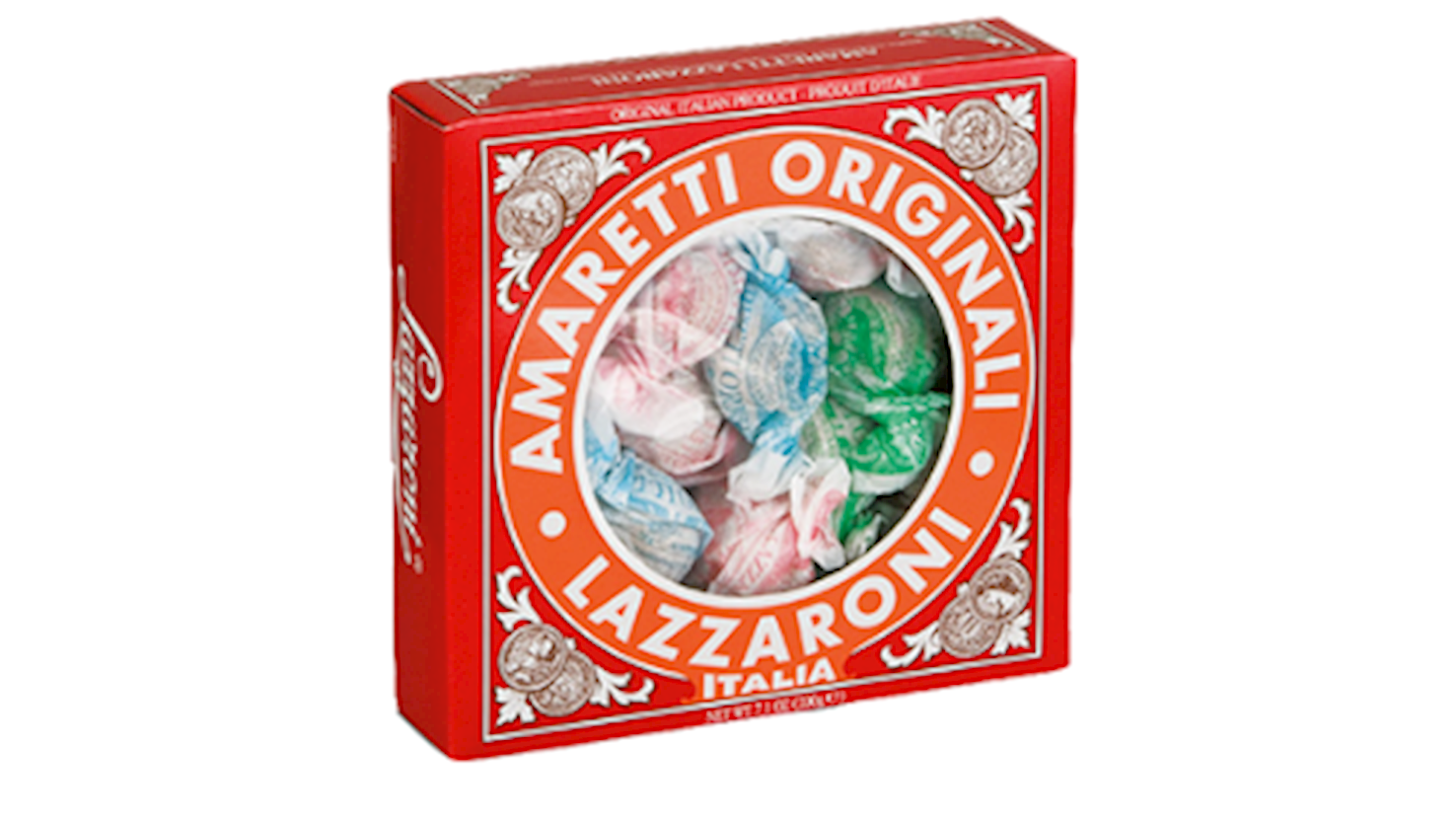
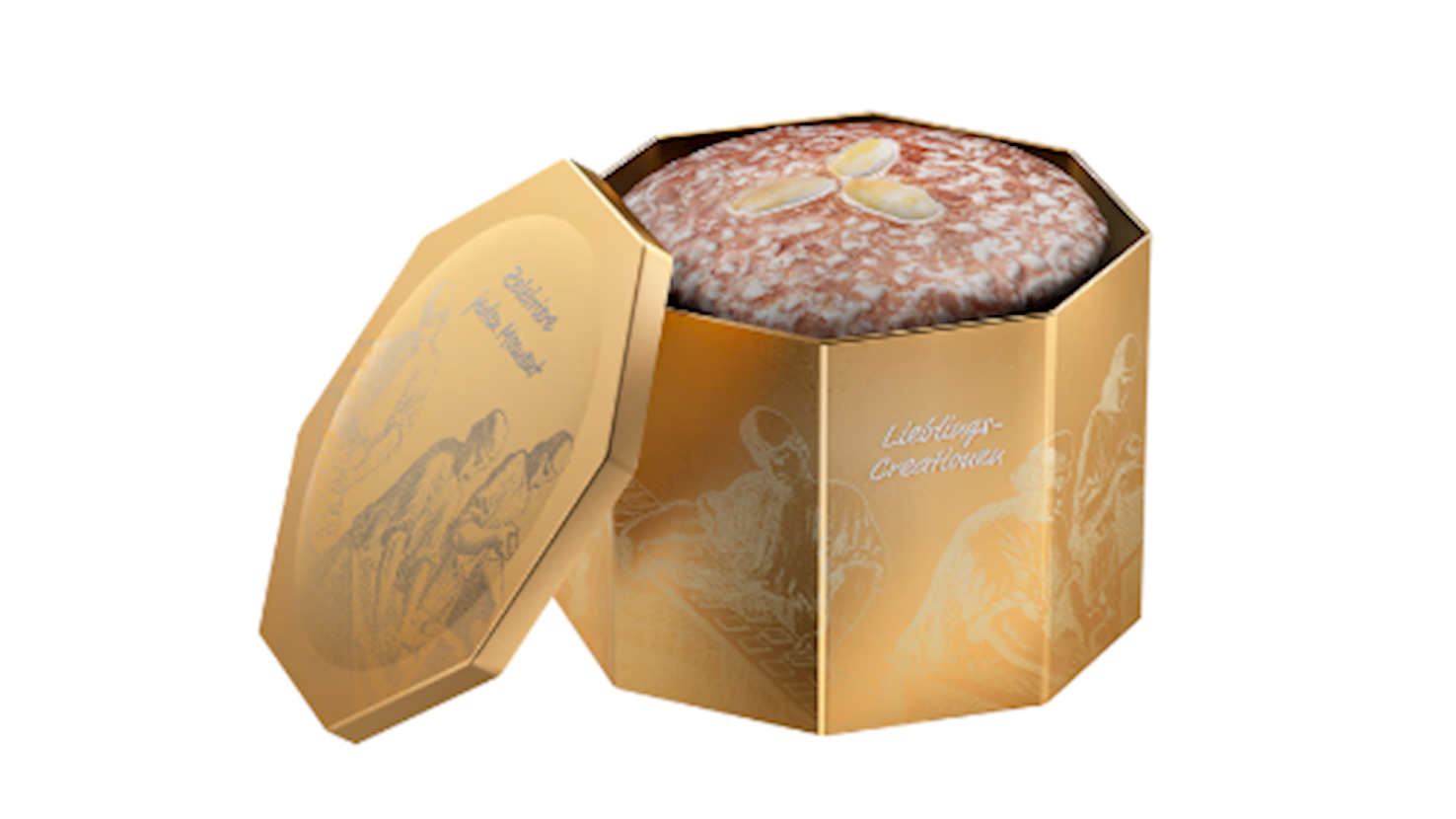
Lazzaroni is a historic Italian biscuit and confectionery producer whose origins date back to the early 18th century in the town of Saronno. The company established its industrial production in 1888, becoming one of the first in Italy to scale biscuit manufacturing while preserving traditional recipes. Its identity is strongly linked to Amaretti di Saronno, almond-based biscuits known for their distinctive balance of sweetness and slight bitterness derived from apricot kernels. Over time, Lazzaroni expanded its range to include various types of biscuits, pastries, and seasonal products, maintaining a focus on simple ingredients and recognizable flavors. The brand has also been notable for its packaging, particularly its decorative tin boxes that combine functionality with a strong visual identity. While production methods have evolved, the company continues to emphasize continuity with its heritage, especially in the use of traditional formulations and baking techniques. Lazzaroni products have long been exported, contributing to their recognition beyond Italy and positioning the brand within the broader European confectionery market. Despite changes in ownership and structure over time, it retains a clear association with Italian baking traditions. Today, it remains a reference point for classic almond-based biscuits and traditional Italian sweets.
10

Amaretti Virginia

4.8 ·
Amaretti Virginia is a historic Italian confectionery brand founded in 1860 in Sassello, Liguria, with a strong specialization in soft amaretti and almond-based sweets. Its core product is defined by a soft, slightly chewy texture and a balanced sweet-bitter profile derived from almonds and apricot kernels. The company developed from a small local bakery into a recognized producer, gaining international visibility through awards at exhibitions in the late 19th and early 20th centuries. Its production remains closely tied to traditional recipes, using simple ingredients such as sugar, egg whites, and almond components, resulting in a texture closer to marzipan than to crisp biscuits. Over time, the assortment has expanded to include products such as truffles, biscuits, and gift assortments, while maintaining amaretti as the central element of the brand. A key aspect of its approach is adapting production processes to preserve the integrity of the original recipe rather than standardizing the product excessively. The brand is export-oriented, with a presence in multiple international markets, reflecting its established reputation. Despite this expansion, it retains a clear connection to its place of origin and to Italian confectionery traditions.
Read more
View all
View map
About this ranking

TasteAtlas food rankings are based on the ratings of the TasteAtlas audience, with a series of mechanisms that recognize real users and that ignore bot, nationalist or local patriotic ratings, and give additional value to the ratings of users that the system recognizes as knowledgeable. For the “Top 100 European Desserts” list until May 15, 2026, 81,002 ratings were recorded, of which 63,454 were recognized by the system as legitimate. TasteAtlas Rankings should not be seen as the final global conclusion about food. Their purpose is to promote excellent local foods, instill pride in traditional dishes, and arouse curiosity about dishes you haven’t tried.

The initial list of top producers was compiled based on available reviews, awards, local recommendations, media and blog coverage, and consumer reviews. The list will be updated with ratings from TasteAtlas local ambassadors and TasteAtlas users.

Similar lists