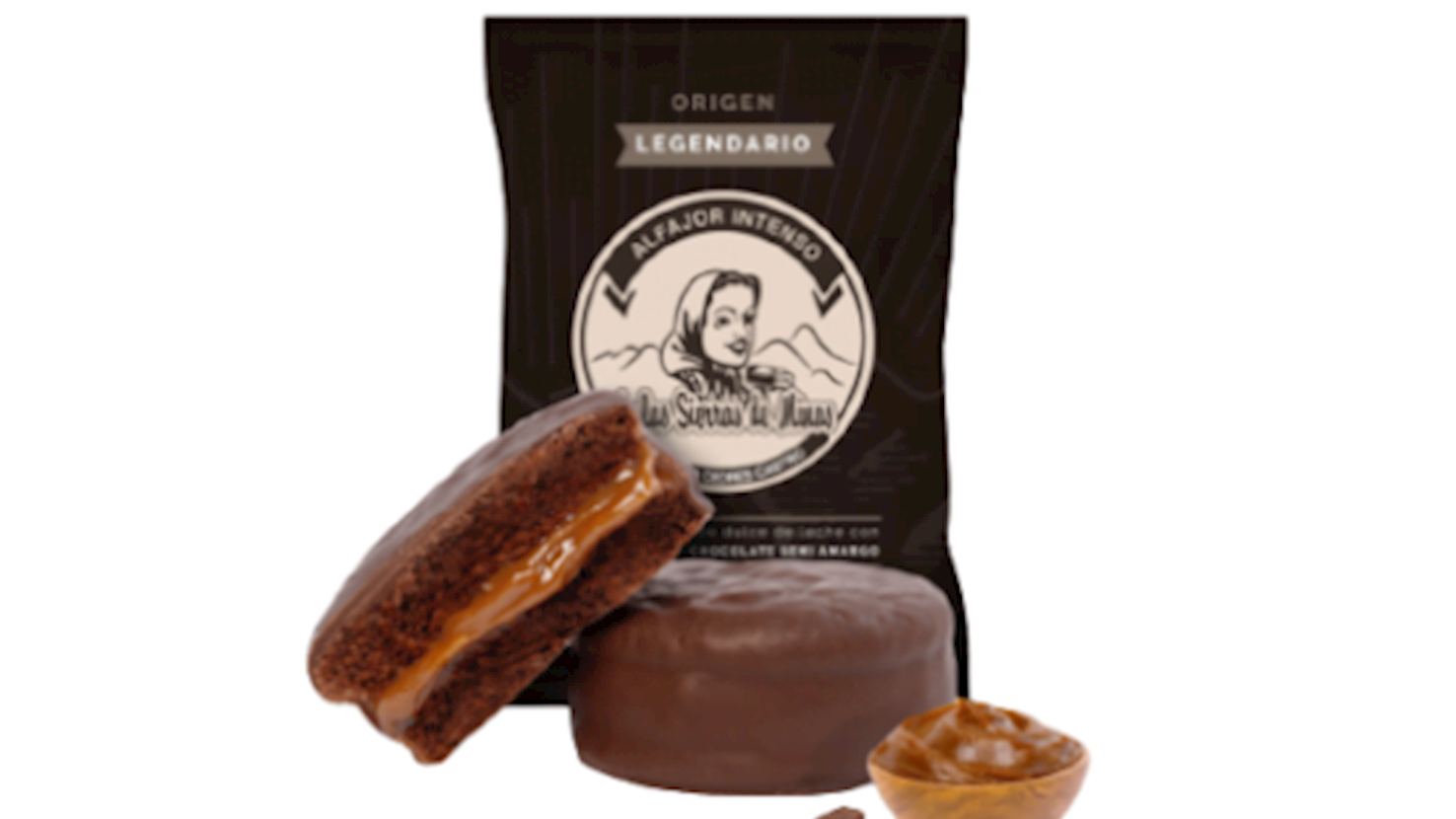
Alfajores de las Sierras de Minas are one of the oldest and most renowned alfajor producers in Uruguay, with a tradition that has continued unbroken since 1953. The brand was born in the city of Minas, in the department of Lavalleja, and is regarded as a pioneer in the country’s alfajor industry.
From the very beginning, they have preserved their family-run and artisanal character, and to this day their products are made according to original, traditional recipes. Their philosophy is based on simplicity and authenticity - using natural ingredients and methods that safeguard their distinctive taste and quality.
This consistency has earned them the status of a symbol of local culture and gastronomic heritage. A generous layer of dulce de leche, the hallmark of their products, is a defining feature that distinguishes the brand.
Over the decades, they have successfully combined tradition with innovation, staying true to their roots while introducing modern packaging design and expanding their market presence. In this way, Alfajores de las Sierras de Minas embody the union of authentic artisanal craftsmanship with a contemporary approach to distribution, maintaining their status as an iconic product of Uruguay’s sweet tradition.
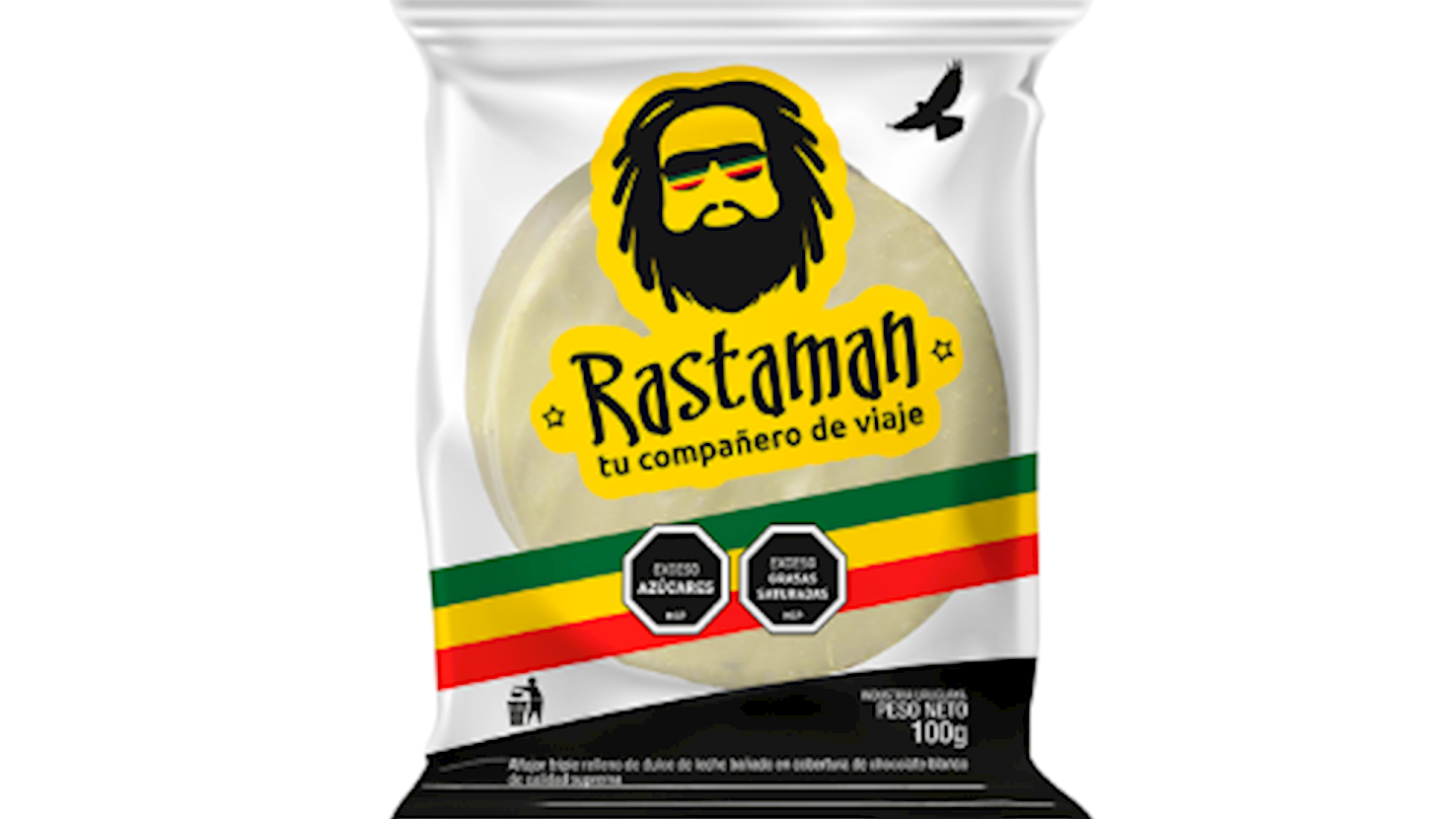
Rastaman Alfajores is a Uruguayan brand based in Montevideo, created with the idea of combining high-quality craftsmanship and a distinctive identity under the slogan “tu compañero de viaje” - your companion on everyday journeys. Their products stand out for their large format of around 100 grams, placing them in the category of premium alfajores.
The most renowned varieties are Triple Negro, coated in dark chocolate and filled with rich dulce de leche, and Triple Blanco, offering a milder combination of white chocolate and caramel. Rastaman pays particular attention to achieving balance between chocolate, dulce de leche, and biscuit, ensuring a consistent and harmonious flavor in every version.
A defining feature is the clear contrast of textures - coating, filling, and biscuit remain distinct yet come together as a cohesive whole. The brand’s popularity increasingly extends beyond Uruguay, where Rastaman is recognized as a synonym for the “large, indulgent alfajor” that unites tradition with a modern approach.
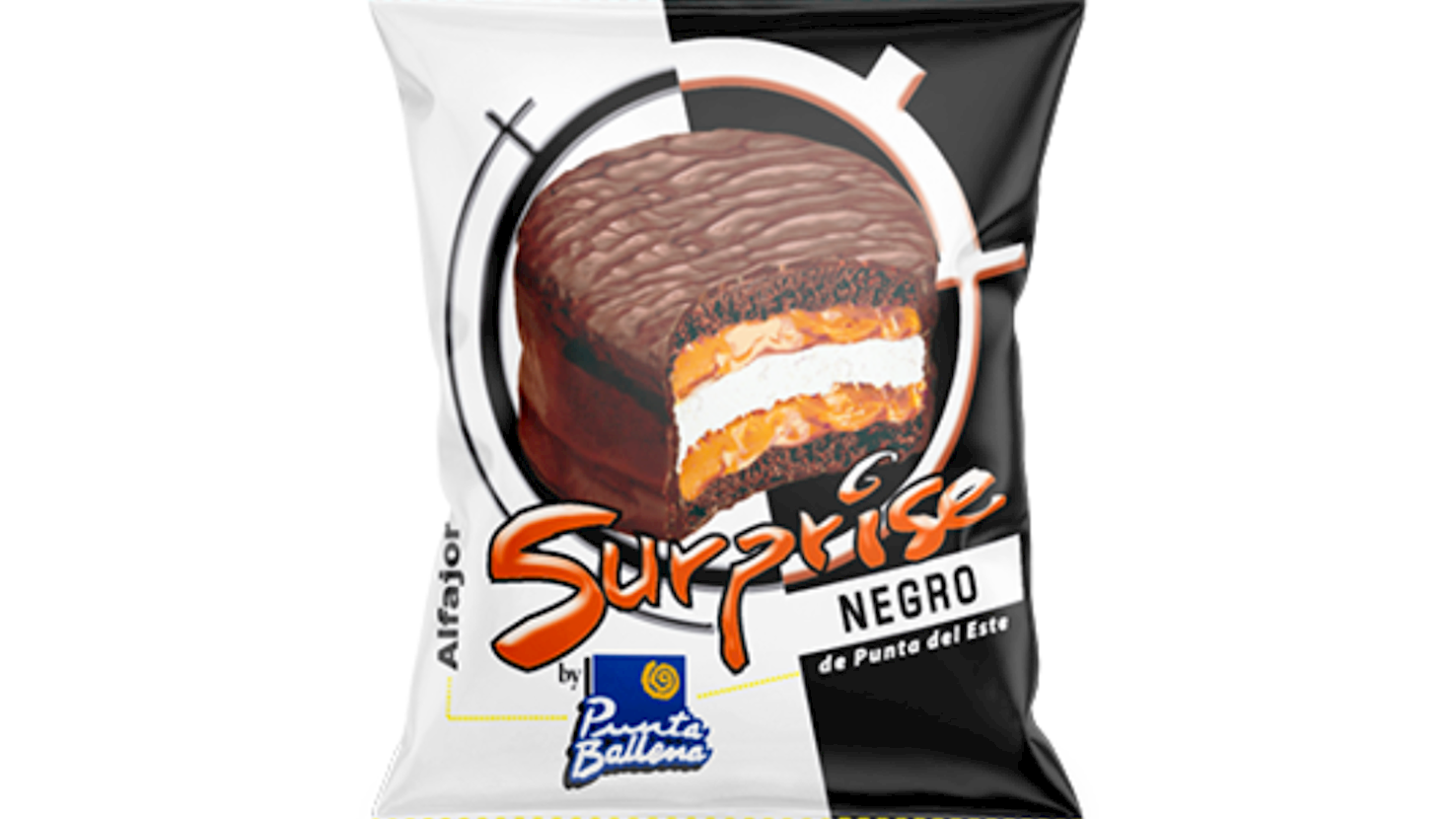
Punta Ballena is a renowned Uruguayan confectionery producer with a rich tradition that dates back to 1983, when the brand began as a humble family project founded by Adolfo Flangini. Driven by a passion for authentic flavors and a commitment to exceptional quality, the company has grown over the decades into a modern factory that combines artisanal craftsmanship with the highest standards of hygiene and production.
Their specialty - alfajores - represents a true art of flavor.
With over 30 different varieties, including classic, chocolate-covered, coconut, lemon, sugar-free, and vegan options, Punta Ballena has managed to preserve the soul of the traditional recipe while meeting the demands of contemporary consumers. Each bite reflects carefully selected ingredients and a deep love for the craft, making their products among the most recognizable and beloved on the market.
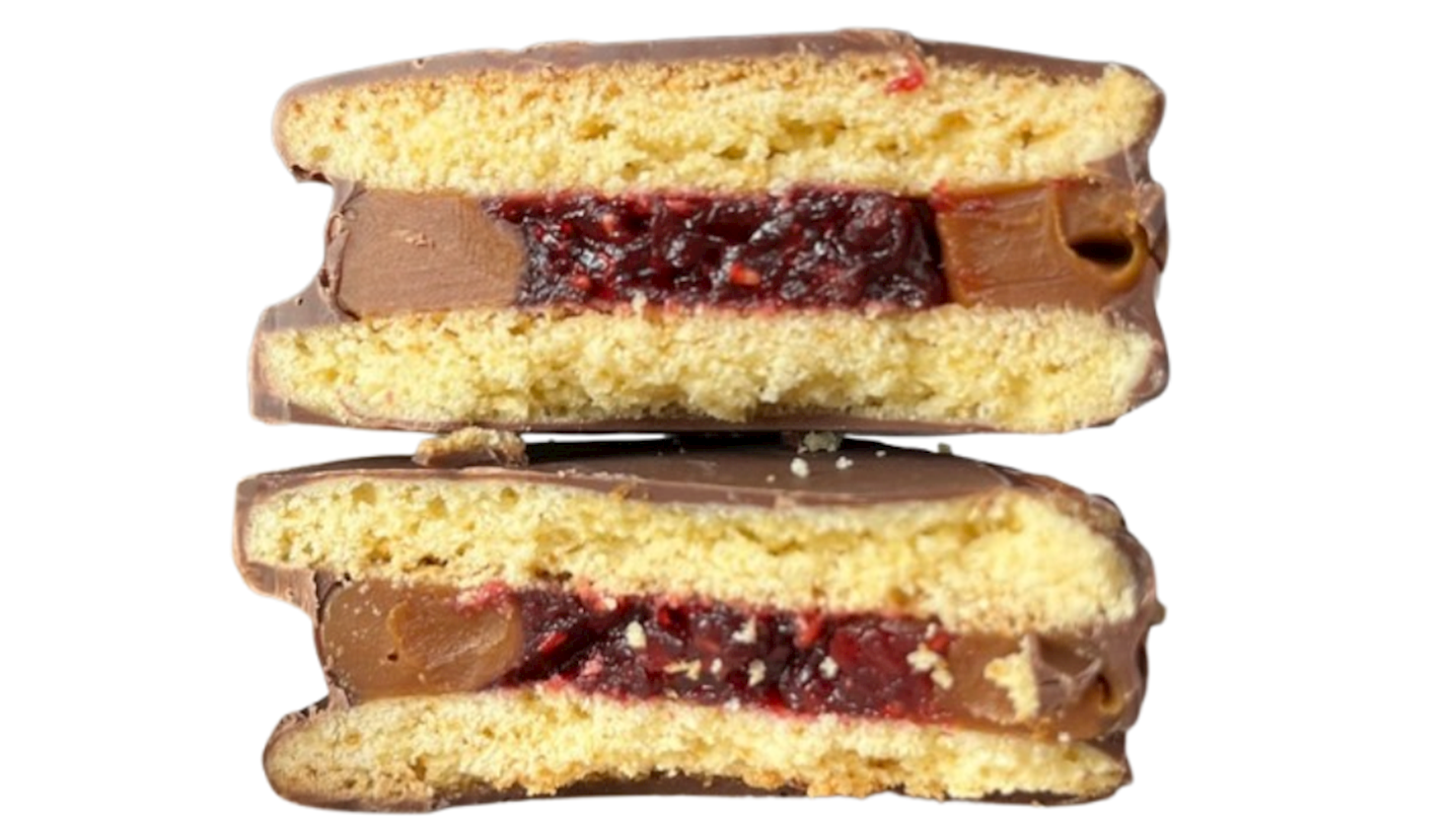
Bocado Dulce is an artisanal confectionery from Uruguay, specializing in handmade alfajores. It was founded by Anita Suárez in the Soriano Department, Uruguay.
Her products have gained international attention, including a gold medal for "Best Alfajor Aroma" and a bronze medal for "Best Simple Alfajor" at the World Alfajor Championship in Buenos Aires. Bocado Dulce offers a wide range of alfajores, including traditional flavors like dulce de leche, as well as innovative combinations with raspberry, lemon, framboise, and even alcohol-infused varieties.
Their products are available for order and are often shipped throughout Uruguay.
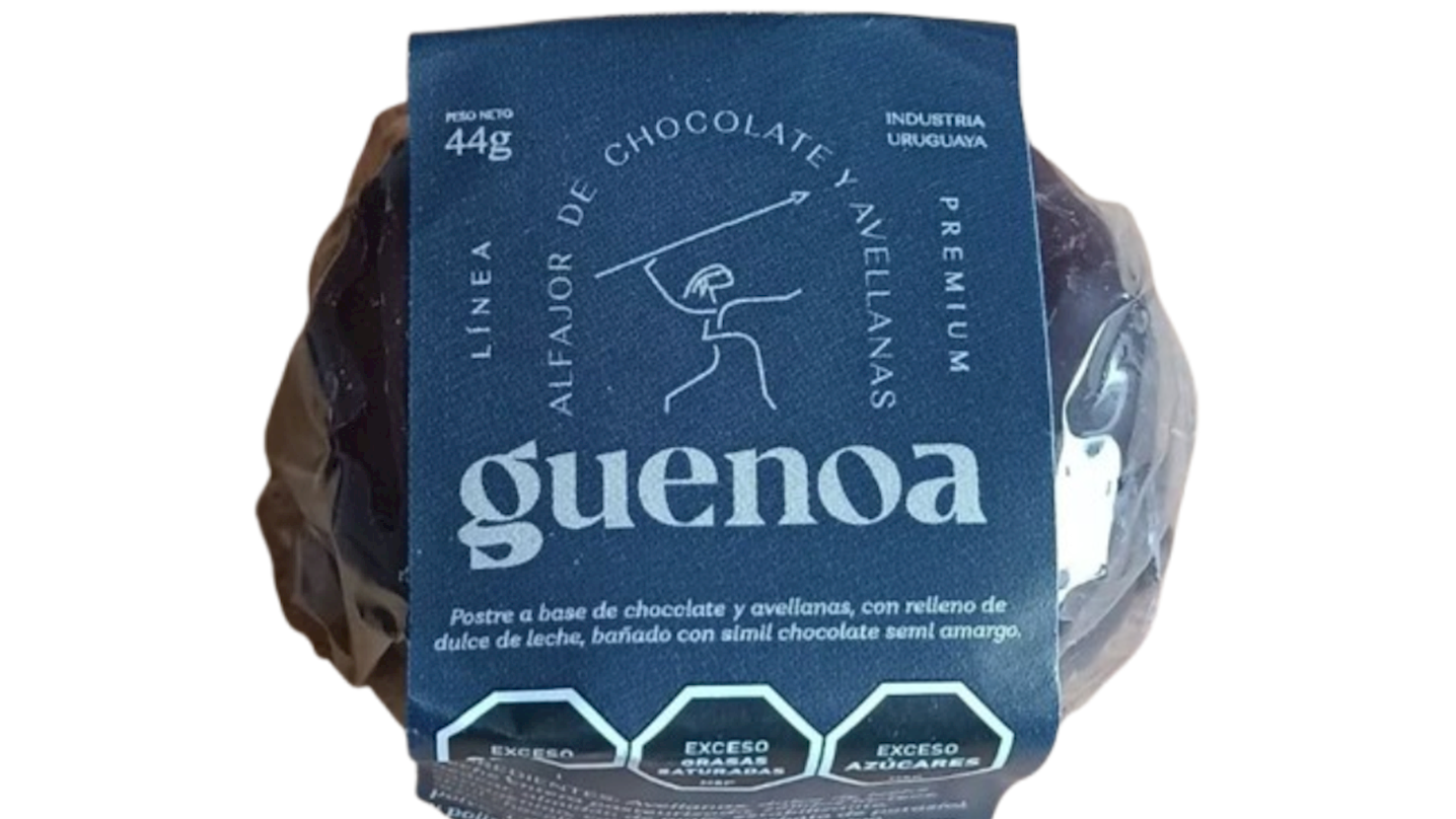
Alfajores Guenoa is a family-run artisanal producer based in Fraile Muerto, a town in the Cerro Largo department of Uruguay, led by José Ashfield and Lucía Cabrera. Founded during the pandemic in August 2020, this small business quickly gained a reputation for its innovative and inclusive recipes.
Guenoa specializes in the production of alfajores that are gluten-free, contain no added sugar, and are low in sodium - designed for individuals with special dietary needs. The company places a strong emphasis on the quality of its ingredients and production process, relying on local resources and a handcrafted approach to ensure high standards.
Their alfajores are made with ground nuts such as peanuts or almonds, cocoa, coconut oil, and butter, filled with dulce de leche and coated in dark chocolate, creating a rich flavor and texture. Production is carried out in small batches, allowing for detailed control at every step and ensuring consistent quality and freshness.
Guenoa has earned recognition at both national and international competitions, affirming its status as a producer of high-quality alfajores.
Celisano is a family story from Salto, Uruguay, born from a simple wish to create food that is both delicious and gluten-free. It all began with a grandmother who, adapting her recipes for a grandchild with celiac disease, filled every creation with care and love.
That tradition became the foundation on which two siblings built their brand.
From a small family project, Celisano grew into a recognized producer that blends heritage with modern innovation. Their range of products – from chocolate-covered alfajores to crispy chipás and pizzas – is crafted so that everyone can enjoy them, regardless of dietary restrictions.
Celisano is not just a brand, but a symbol of inclusivity, joy, and the warmth of sharing food at the table. Their mission is to show that gluten-free cuisine is not an alternative, but a celebration of flavor in its own right.
Today, as their products travel from Salto to all of Uruguay, Celisano remains faithful to its roots: family love, passion for food, and the belief that happiness can be found in a simple, honestly made treat.
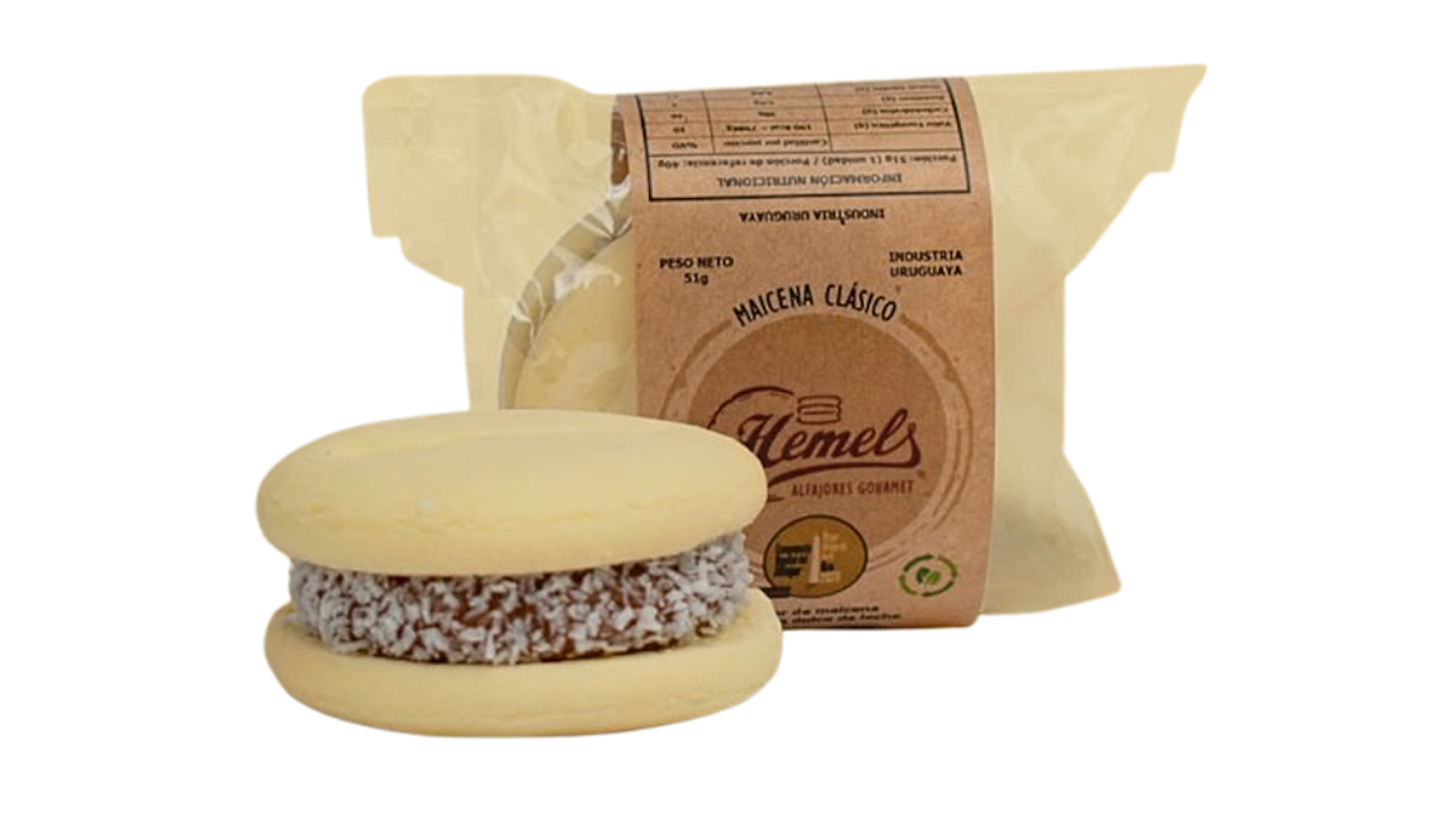
Hemels Alfajores is an artisanal brand from the Uruguayan city of Rivera, which has gained international recognition due to its innovative approach to the traditional Argentine sweet. The founders’ idea was to create unique alfajores using local ingredients and creative flavor combinations.
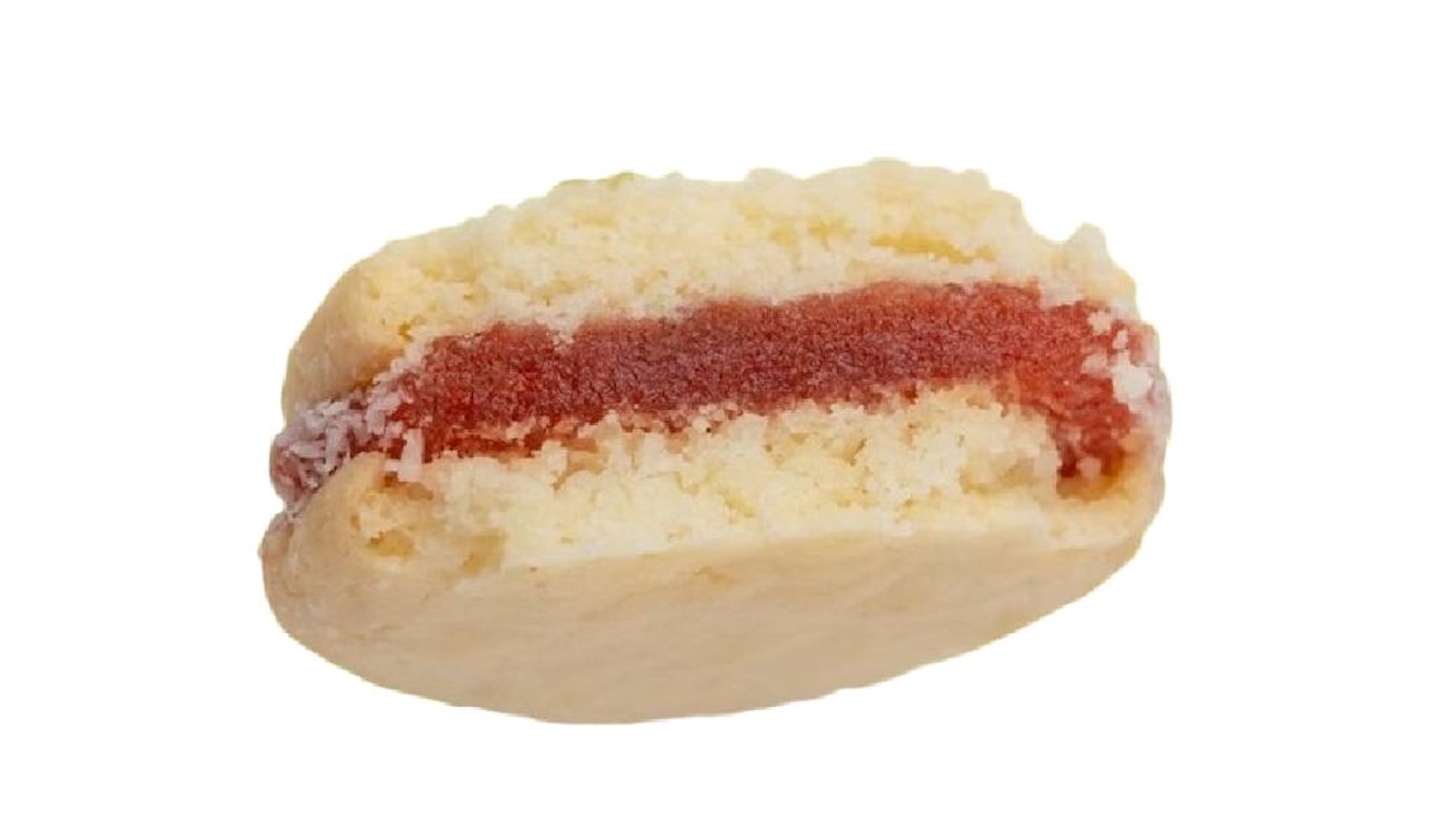
Hemels Alfajores Gourmet rose to international fame when their product "Romeo & Julieta" won the gold medal in its category at the 2024 World Alfajor Championship held in Buenos Aires.
This alfajor is distinctive for combining creamy Uruguayan cheese with guayabada (guava paste), a traditional Brazilian combination known as "Romeo y Julieta."
Their dedication to quality and innovation has allowed them to compete with the best alfajor producers in the world, becoming ambassadors of Uruguayan pastry traditions.
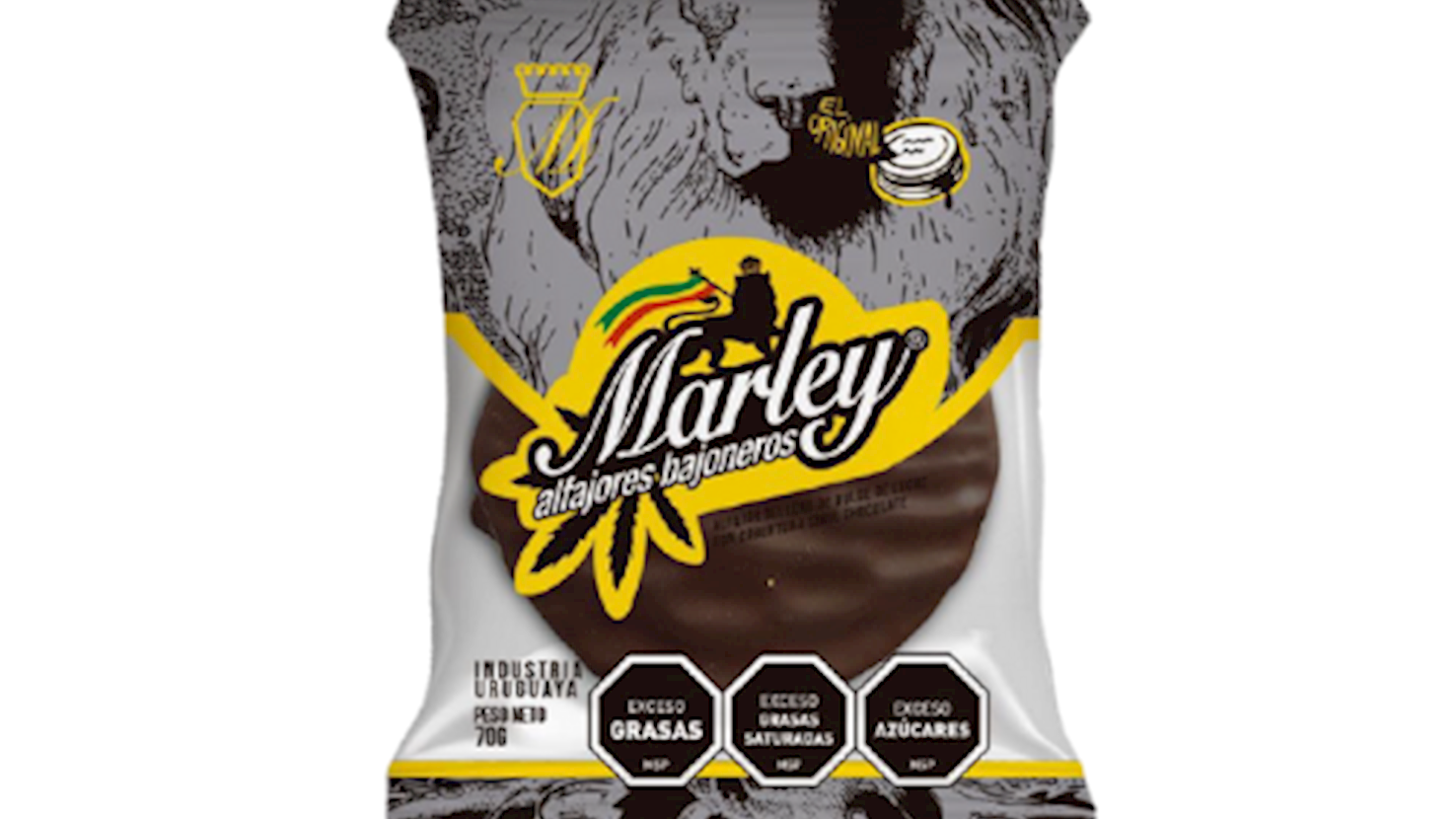
Alfajores Marley were founded in 2010 on the coast of Uruguay as a brand that brought innovation to the traditional concept of the alfajor. Their hallmark is the idea that an alfajor should not be just a sweet snack, but rather a postre degustativo experience - something between a cookie and a dessert.
They stand out particularly for their bajonero format, where the wafer is enhanced with a layer of chocolate while the dulce de leche filling remains in its pure, creamy form. With this approach, they achieved a balance in which the caramel flavor is not lost in a heavy coating but stays pronounced and natural.
Marley was among the first in the region to recognize the importance of precise control over proportions and ingredient quality, making their alfajores both indulgent and well balanced. Their range also includes different variations of coatings and fillings, further expanding the possibilities for tasting.
All versions retain the recognizable structure and elegance of form, while differing in intensity and flavor combinations. In this way, Marley has become synonymous with the modern Uruguayan alfajor - at once traditional and innovative.
Today, their products are considered one of the most authentic examples of how a classic recipe can be reinterpreted to meet the expectations of contemporary consumers.
DeliRá is an artisanal Uruguayan maker of alfajores, blending tradition and creativity in every treat. Based in Punta Negra, their craft is inspired by the authenticity and natural beauty of the region.
Each alfajor is handmade with carefully selected ingredients, achieving the perfect harmony between delicate cookie layers, rich fillings of dulce de leche or quince, and a luscious chocolate coating.
DeliRá’s alfajores carry the warmth of home while embracing a spirit of innovation, offering new nuances to a beloved classic. They are more than just a sweet—they are a small ritual of pleasure, a moment of joy, and a reminder of the simple things that make life truly special.
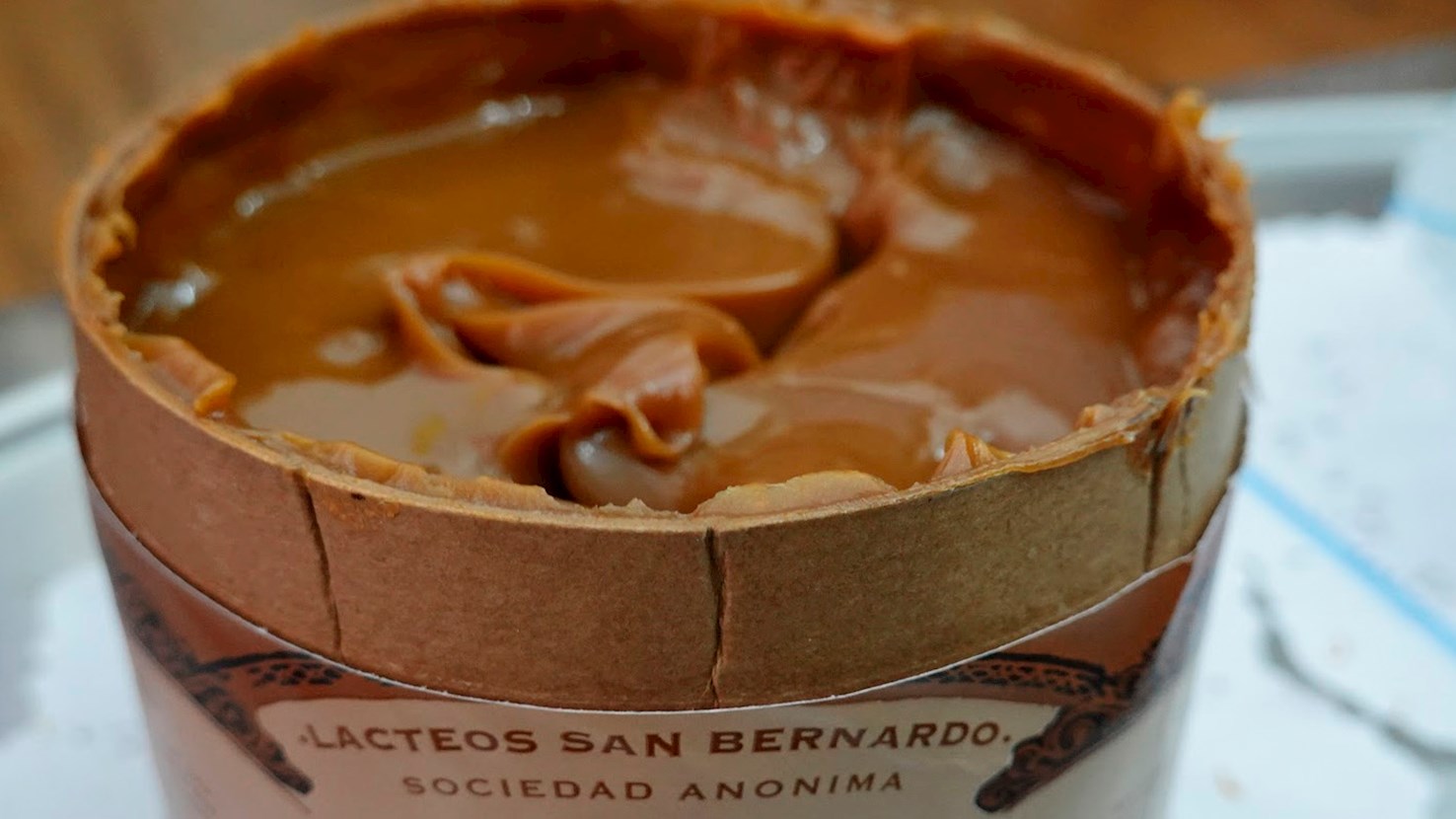
Dulce de leche is a type of condensed milk sweet from Argentina and Uruguay. Traditionally, it is made by heating sweetened cow's milk until it caramelizes and achieves a thick consistency, enough to act as a spread, a filling for cakes and pies, or an ice cream topping. The legend says that dulce de leche originated in Buenos Aires in 1829, when a maid of Argentinian leader Juan Manuel de Rosas was preparing la lechada by heating sugar and milk. As she left it on the fire a bit longer than usual, she noticed it had become a dark brown substance, and that's how dulce de leche was born. Other food historians claim it was first created in 1804 by Napoleon's cooks, while others theorize the recipe originated in Indonesia. Either way, it spread through Latin America, and nowadays almost every country in South and Central America has its unique variation. Still, only Argentina and Urugay call it "dulce de leche", and dispute over the exact place of origin. Today, dulce de leche is sometimes flavored with vanilla, lemon, or cinnamon, and is used to flavor candies, cakes, cookies, waffles, and ice creams.
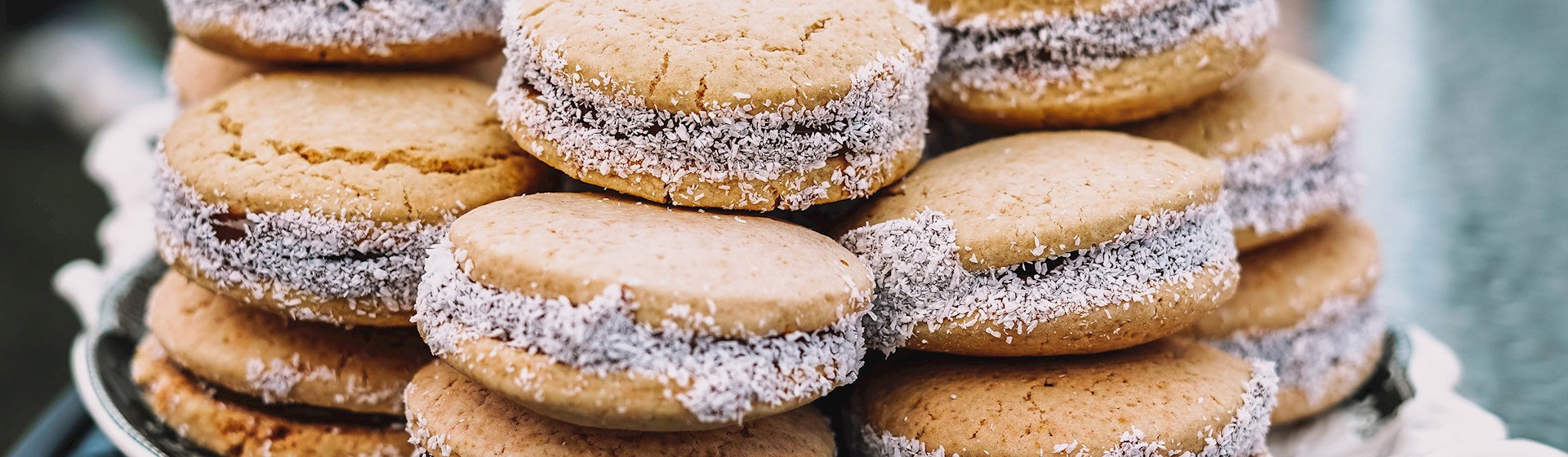
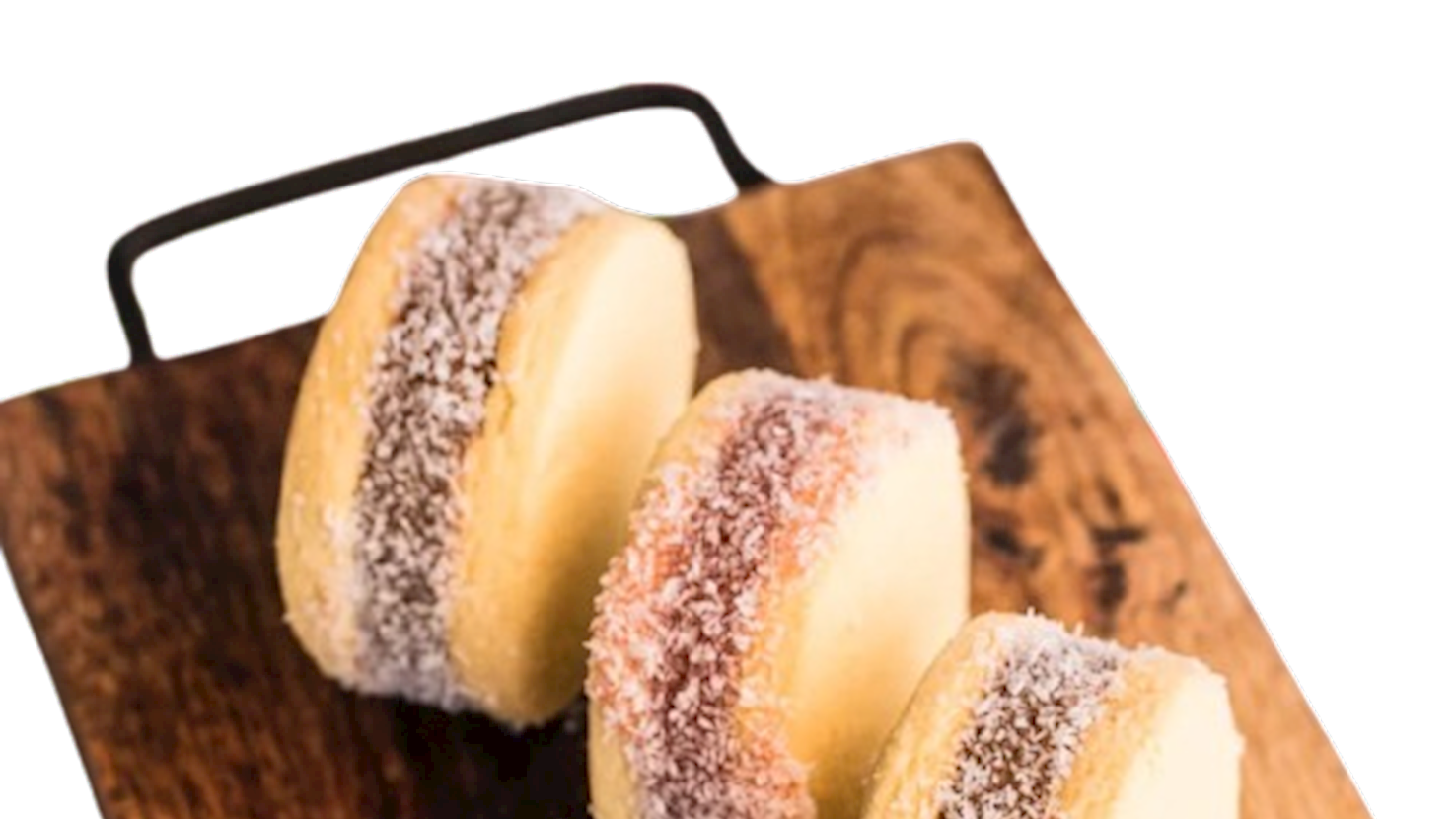
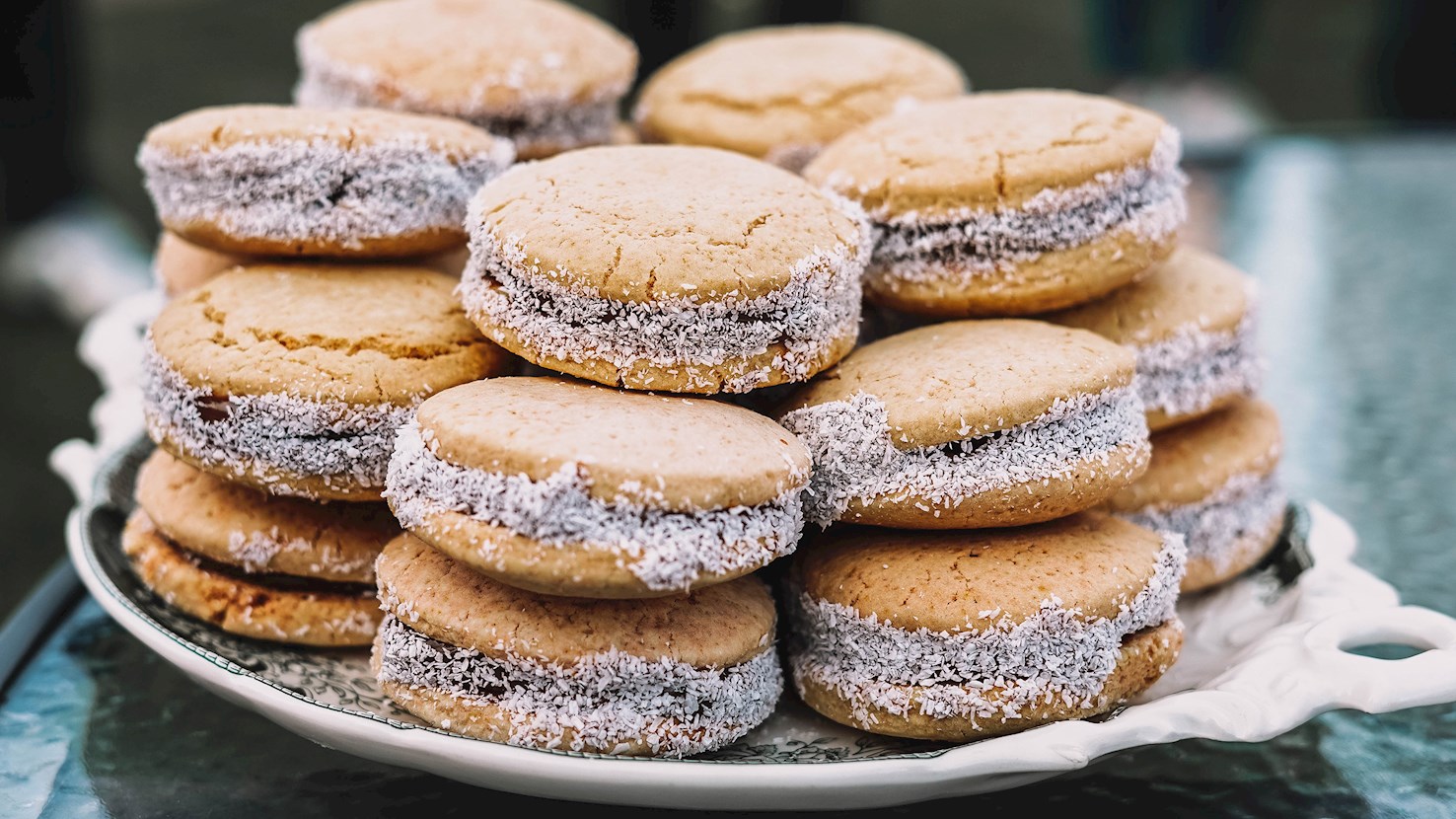
Argentinian alfajores are sandwich cookies consisting of two round, crumbly sweet cookies with a dulce de leche or milk jam stuffing between them. The combination is then coated with a layer of chocolate or sprinkled with confectioners' sugar. The name alfajor stems from the Arabic word al-hasú, which means stuffed or filled. Although the cookies can be found throughout Latin America, they are originally from Andalusia, Spain. When the Spaniards came to America, they brought their foods and traditions along the way, and with time, almost every country in Latin America has adapted the Spanish alfajor to make it their own. In Argentina, you can find alfajores with different flavors of dulce de leche, like chocolate, vanilla or various fruits. They are also packaged in different shapes and sizes, and are usually enjoyed with tea or coffee.
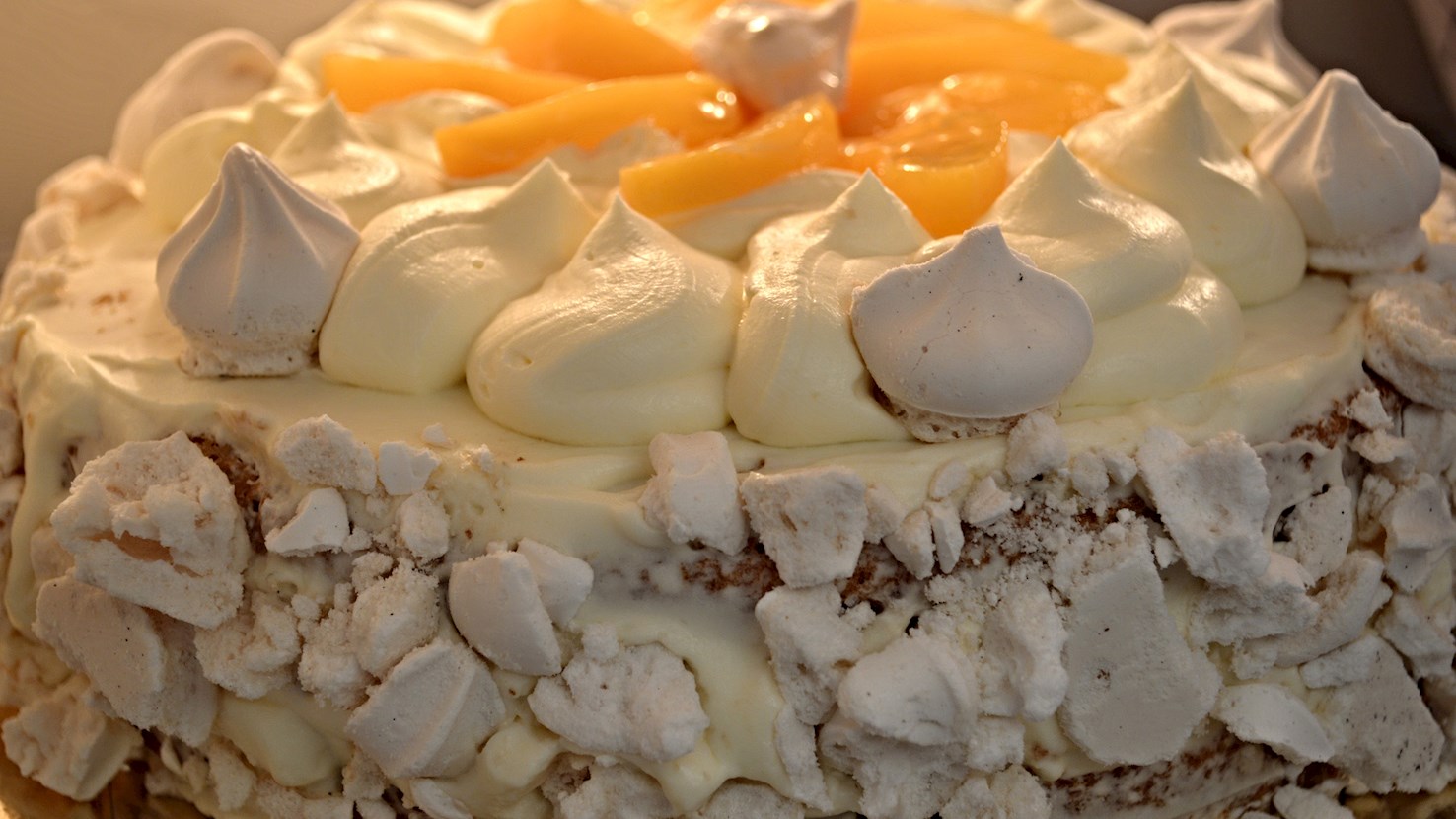
Chajá is an Uruguayan cake consisting of layers of sponge cake, whipped cream, meringue, and peaches, while a layer of dulce de leche on top is often seen, but not mandatory. The cake was invented in the 1920s by Orlando Castellano at the Confitería Las Familias in Paysandú. He was inspired by a local bird, el chajá (crested screamer), and that's how this delicious cake was invented. Nowadays, it is a staple at Uruguayan feasts and celebrations.
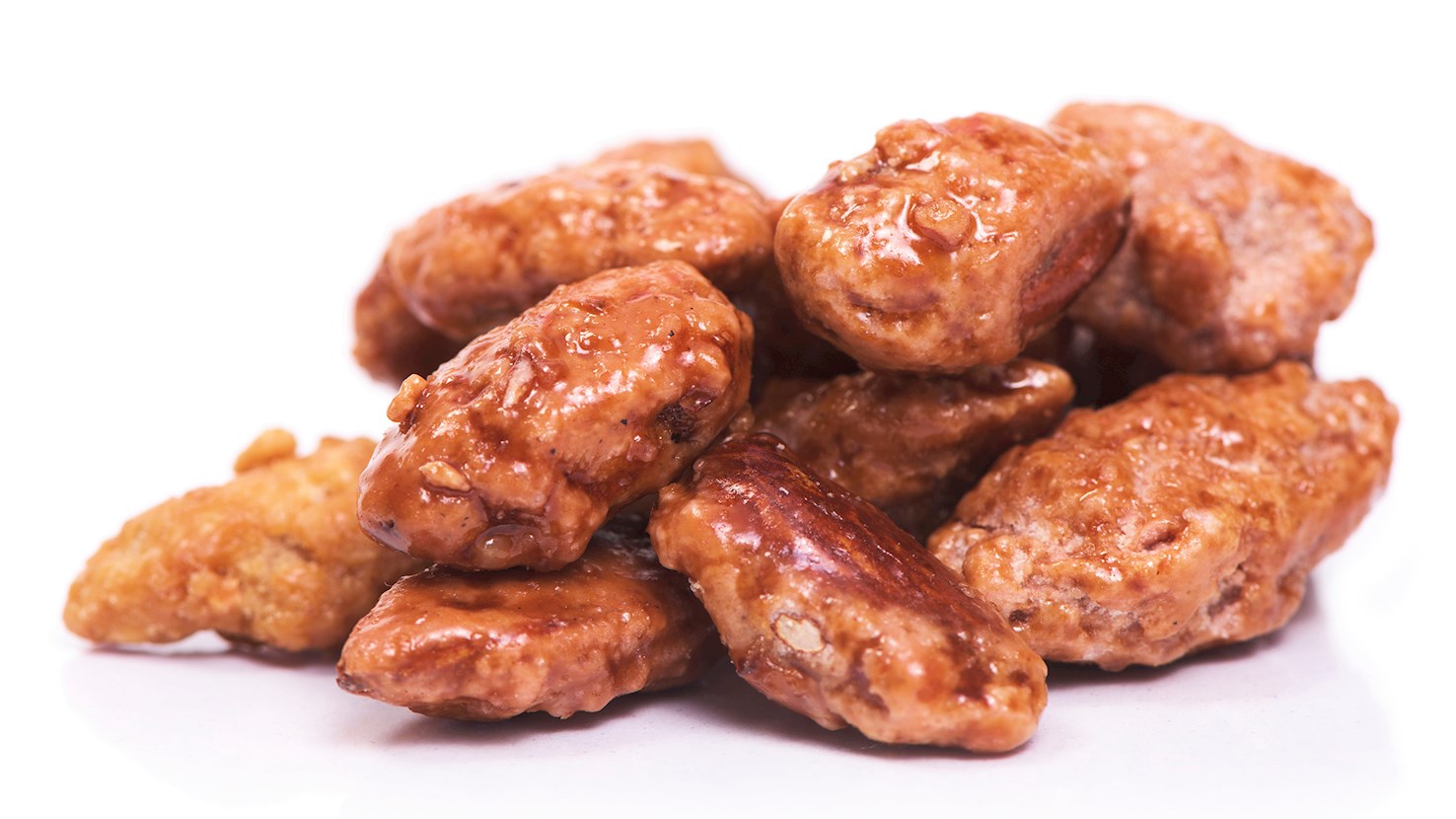
Garrapiñada is an Uruguayan and Argentinian street food item consisting of peanuts roasted in a combination of sugar, water, and vanilla essence. When the peanuts are completely coated and the syrup hardens, they are ready to eat. This treat can be found on the streets of Uruguay and Argentina, where it is sold by vendors called garrapiñeros. They put the peanuts in a small, long bag and hand it over to customers who then eat the peanuts on the go. Apart from peanuts, garrapiñada can also be made with almonds and walnuts.
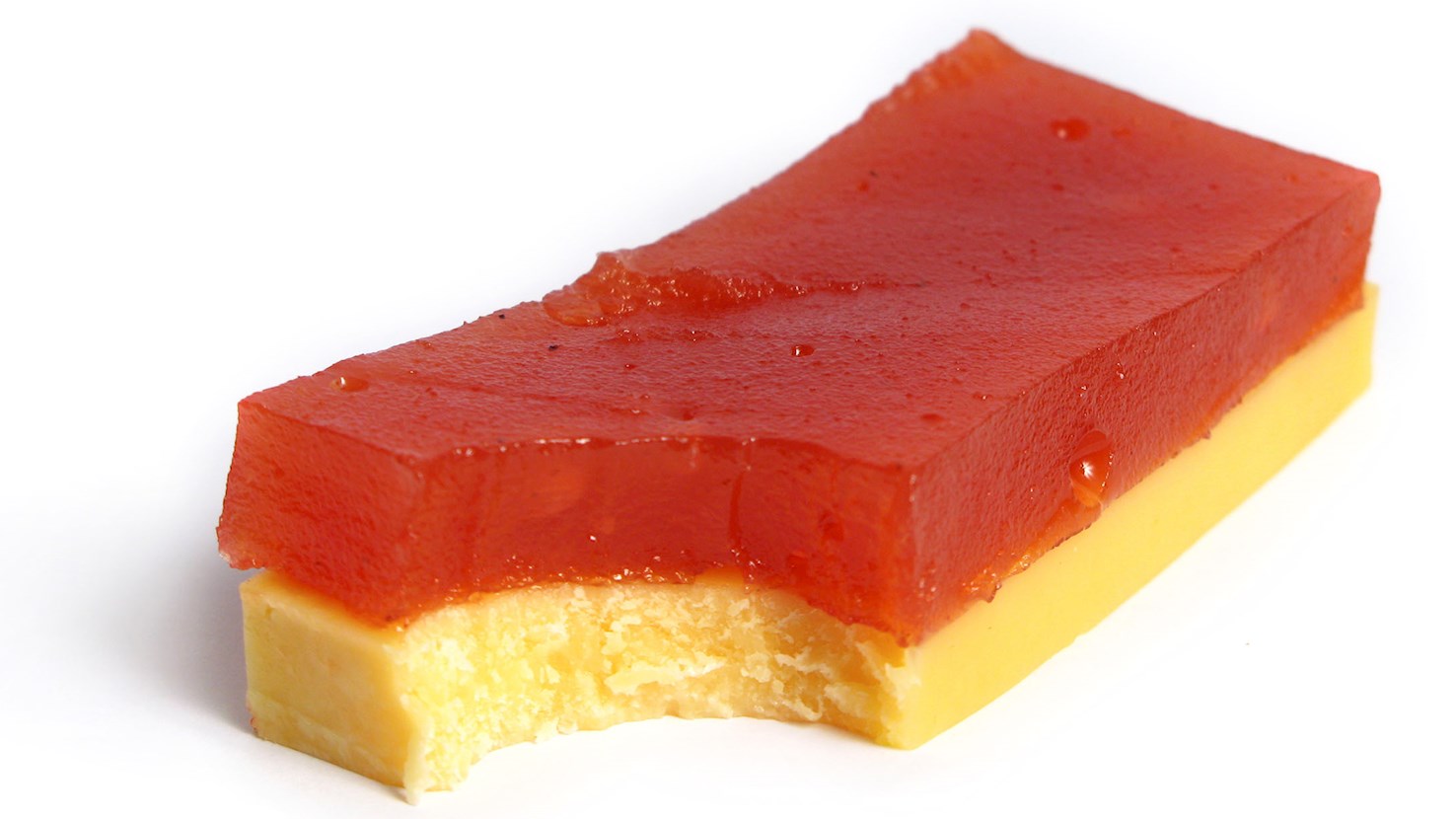
The unique combination of cheese (ideally, salty and firm manchego cheese) and a slice of flavorful quince paste known as dulce de membrillo makes the Uruguayan treat known as Martín Fierro. The dish got its name from a character with the same name, popularized in the stories of José Hernández, who wrote about freedom and gauchos - an equivalent to the American cowboys. Hernández always ordered a dessert based on the popular Argentinian treat known as Vigilante - a dish of cheese slices combined with a sweet potato paste. Uruguay's version of the dish replaced the sweet potato paste with quince paste, and since Hernández was a famous activist for gaucho rights and his every move was observed, the news of his preference for the Uruguayan version of the dish quickly spread across the country. Soon, the dish was named Martín Fierro in the writer's honor.
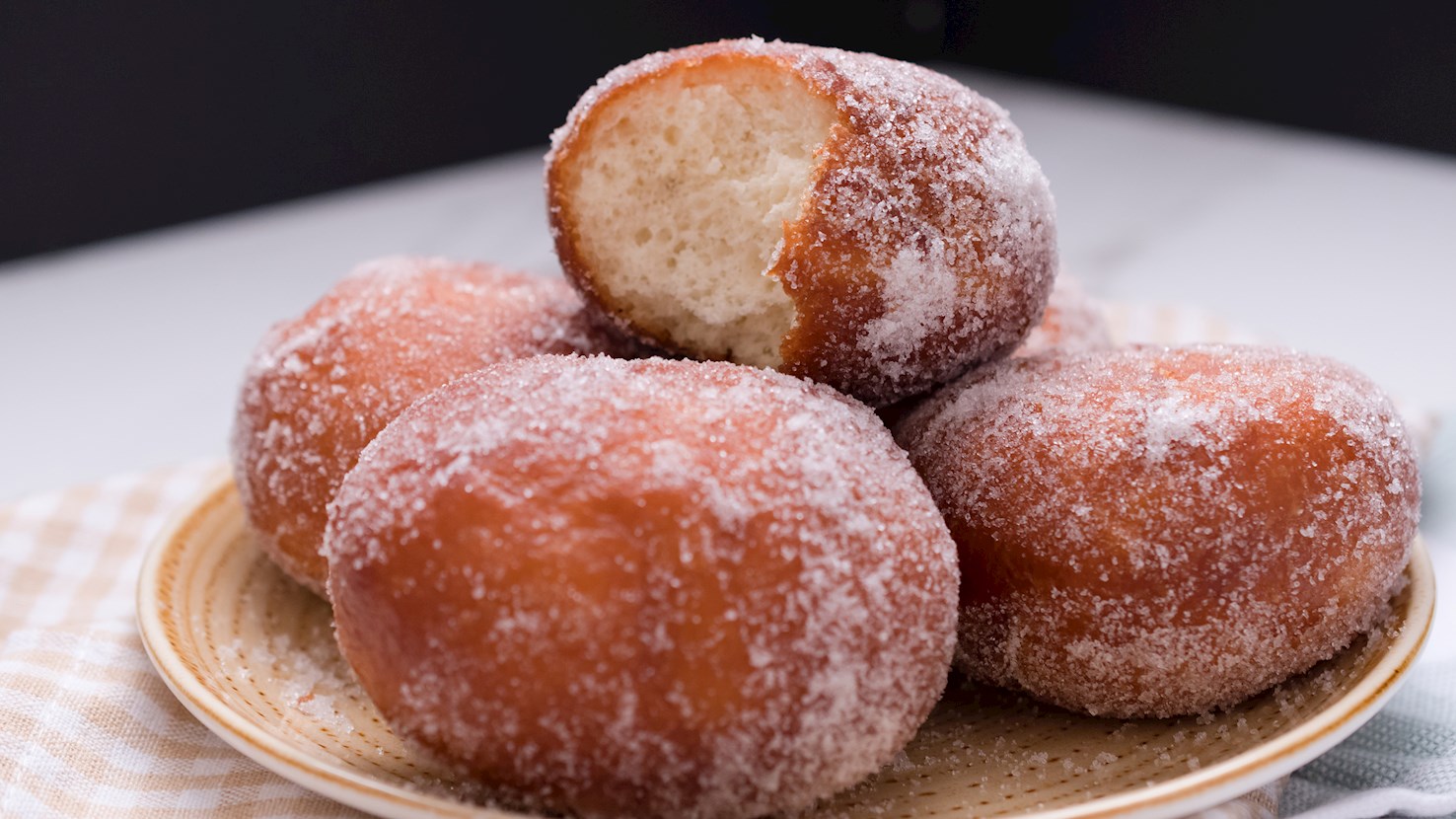
Bolas de fraile is the Argentine and Uruguayan version of a doughnut. It is made without a hole in the center, and the doughnut is usually filled with dulce de leche, then dusted with powdered sugar. It is believed that bolas de fraile is derived from a popular Germany pastry called Berliner Pfannkuchen. The name of these tasty doughnuts means balls of weakness, and it is said that the name was invented by anti-clergy anarchists who wanted to oppose a harsh regime that was imposed by the Catholic church.
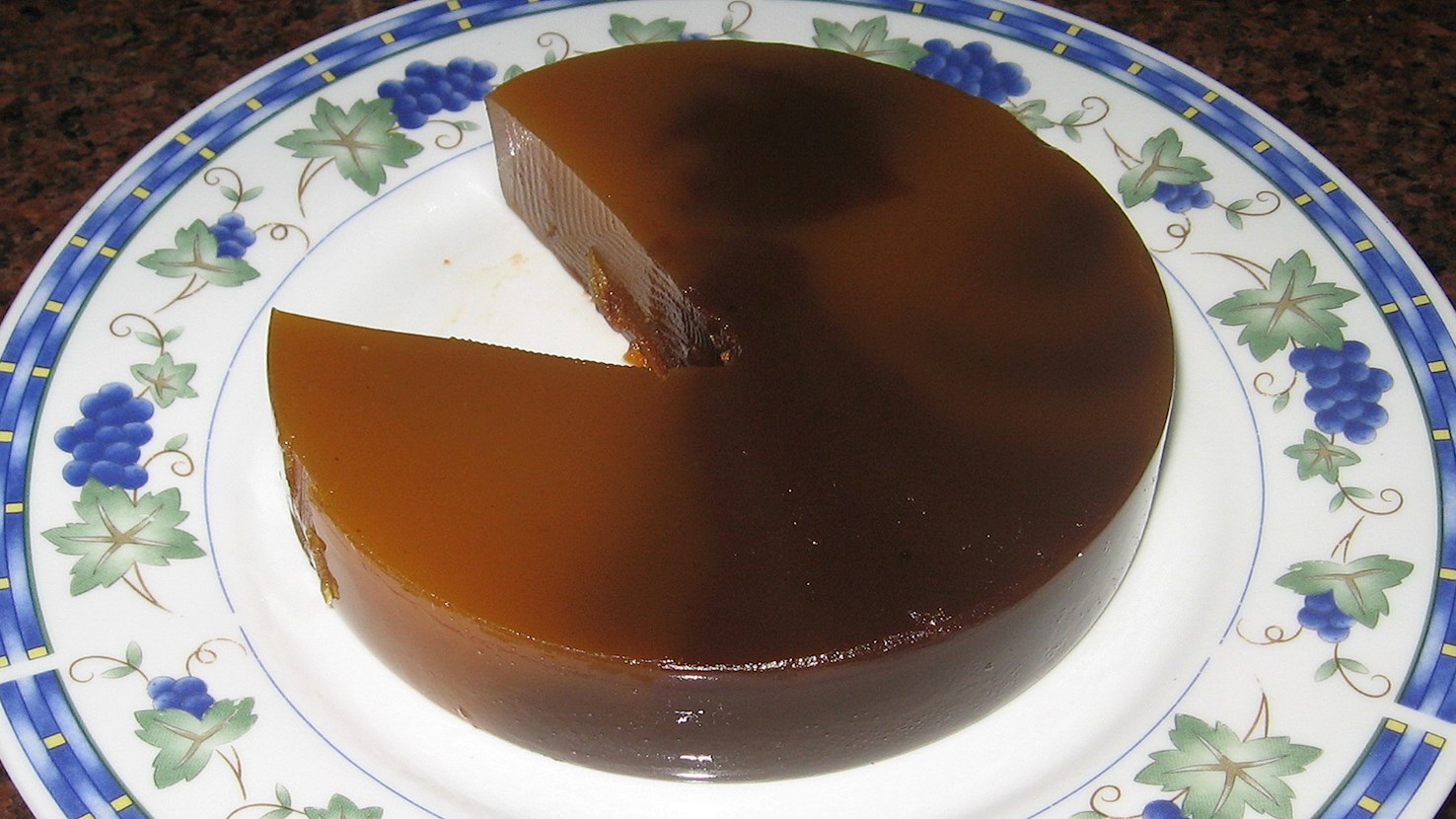
Dulce de batata is a jelly-like dessert prepared with a base of mashed sweet potatoes, sugar, vanilla flavoring, and a thickening agent. When cooked, dulce is left to set and should always be well-chilled. It is usually enjoyed as a dessert, which is traditionally served with cheese to create a Latin American favorite known as vigilante or Martín Fierro. Although the origin of dulce de batata is often disputed, it is enjoyed throughout Latin America.
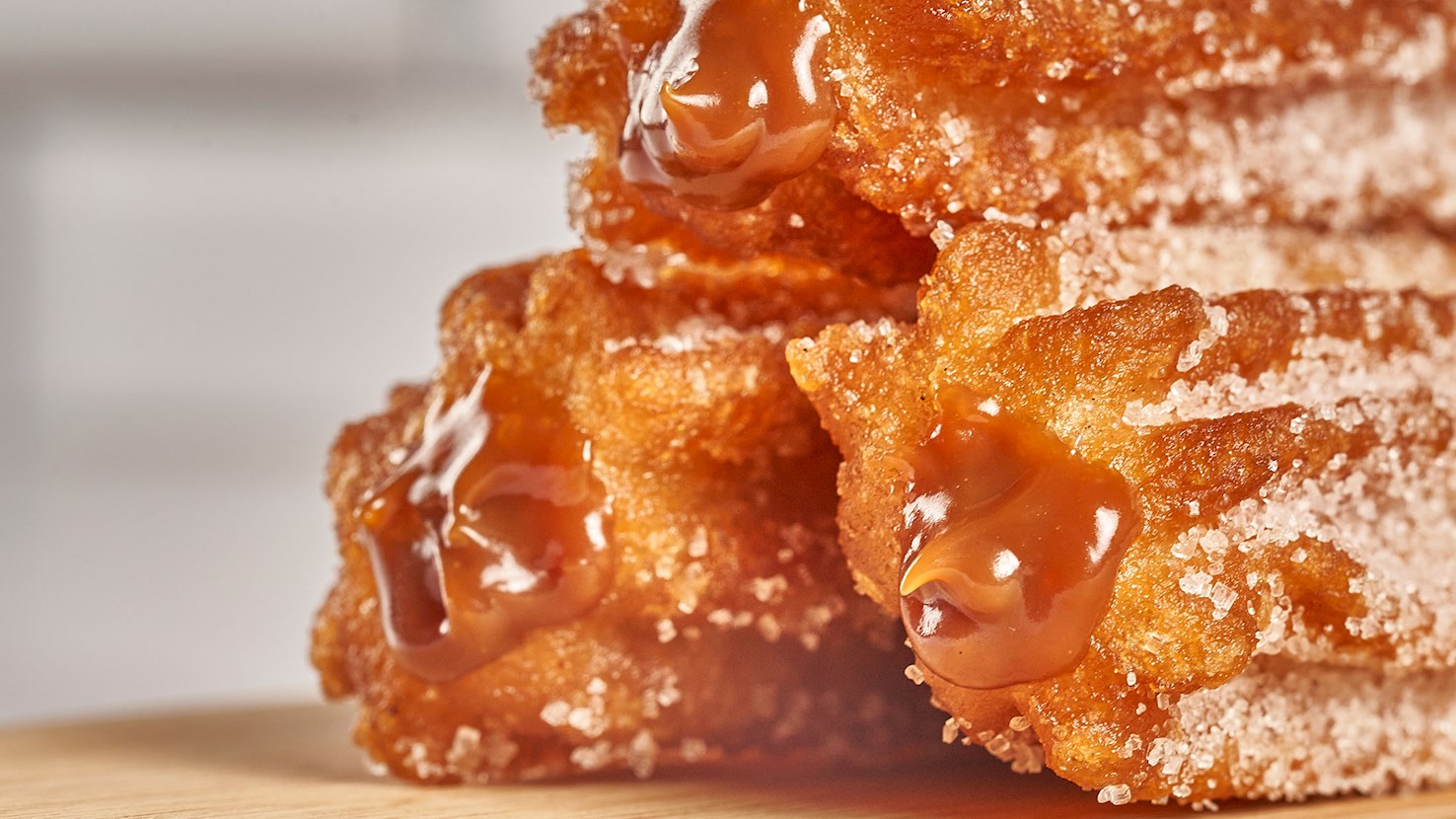
Churros rellenos are a variation of fried dough pastry characterized by a thick, ridged cylinder shape containing a hollowed central core filled with sweet fillings, originating across various countries in Latin America including Argentina, Mexico, Brazil, and Uruguay. The evolution of this item began after European colonization introduced wheat-based dough and deep-frying methodologies to the Americas, where local regional bakers adapted the plain, thin Spanish design by expanding the outer diameter of the pastry tool and integrating enriched ingredients like milk, butter, or eggs into the recipe mix, creating a sturdier dough that could support structural modification and internal sweet spreads. Preparation requires heating water, fat, and flour into a uniform paste that is transferred to a heavy-duty mechanical extruder equipped with a specialized, wide star-shaped die featuring a solid central pin, which forms the necessary interior cavity as the dough gets pressed directly into deep vats of hot vegetable oil or lard heated to approximately one hundred and eighty degrees Celsius. Once the exterior achieves a golden color and a firm, crispy texture, the pastry is removed from the oil, drained, rolled immediately in granulated sugar or a sugar-and-cinnamon mixture, and moved to a filling station where manual syringe pumps inject viscous fillings like dulce de leche, cajeta, pastry cream, or chocolate syrup straight into the hollow channel. The structural requirement for deep, pronounced ridges along the exterior of the pastry serves a precise engineering function by expanding the total surface area of the dough, which prevents the dense pastry from expanding unevenly and exploding due to internal steam buildup during the rapid deep-frying process. Churros rellenos are served hot or at ambient temperature immediately following the injection process to prevent the outer crust from turning soft from the moisture of the internal filling. The product is consumed extensively in urban public spaces, coastal beach resorts, specialized bakeries, and mobile street food carts, typically eaten by hand directly from greaseproof paper sleeves or cardboard trays. For beverage and food pairings, the high sugar density and fried structural profile require bitter or acidic liquid accompaniments to cleanse the palate, meaning they are commonly consumed alongside bitter Argentine mate, strong black espresso, or unsweetened hot chocolate, while savory flavor pairings are virtually nonexistent due to the dominant sweet profile of the central filling.
Alfajores marplatenses are a type of cookie from Mar del Plata, the coastal city in the province of Buenos Aires, Argentina, and they are often recognized by their chocolate-coated exterior and dulce de leche filling. Over time, they came to define part of Mar del Plata’s identity, especially as local confectioners and factories built production around them, and as tourists made them part of what to bring back from a visit. In the mid-20th century, as Mar del Plata expanded as a holiday destination, small bakeries and confectioneries turned to these cookies as a signature sweet; one of the better-known industrial brands, Havanna, helped popularize their form and packaging nationwide, making the marplatense alfajor a widely recognized variant. The shells are made from a dough combining flour, cornstarch, cocoa, leavening agents, butter, sugar, honey, eggs, and often orange liqueur, which is creamed and then chilled, rolled thin, cut into rounds, and baked until just set. The filling is a thick dulce de leche, piped between two cookie discs to make a sandwich. After assembly, the alfajores are dipped in melted chocolate (dark or semisweet) to fully enrobe them in a smooth shell. What sets them apart is the enveloping chocolate coating, which gives them a more indulgent, longer-lasting exterior than simpler sugar-dusted varieties. In Mar del Plata and throughout Argentina and Uruguay, these cookies are sold in confection shops, cafés, and as souvenirs; they are eaten as a dessert or sweet snack, often with coffee or mate, and their richness pairs well with beverages that are not overly strong so that the chocolate and dulce de leche flavors remain prominent.
TasteAtlas food rankings are based on the ratings of the TasteAtlas audience, with a series of mechanisms that recognize real users and that ignore bot,
nationalist or local patriotic ratings, and give additional value to the ratings of users that the system recognizes as knowledgeable.
For the “Top 9 Uruguayan Desserts” list until October 15, 2026, 1,626 ratings were recorded, of which 1,090 were recognized by the system as legitimate.
TasteAtlas Rankings should not be seen as the final global conclusion about food. Their purpose is to promote excellent local foods,
instill pride in traditional dishes, and arouse curiosity about dishes you haven’t tried.
The initial list of top producers was compiled based on available reviews, awards, local recommendations, media and blog coverage, and consumer reviews.
The list will be updated with ratings from TasteAtlas local ambassadors and TasteAtlas users.




What People Say