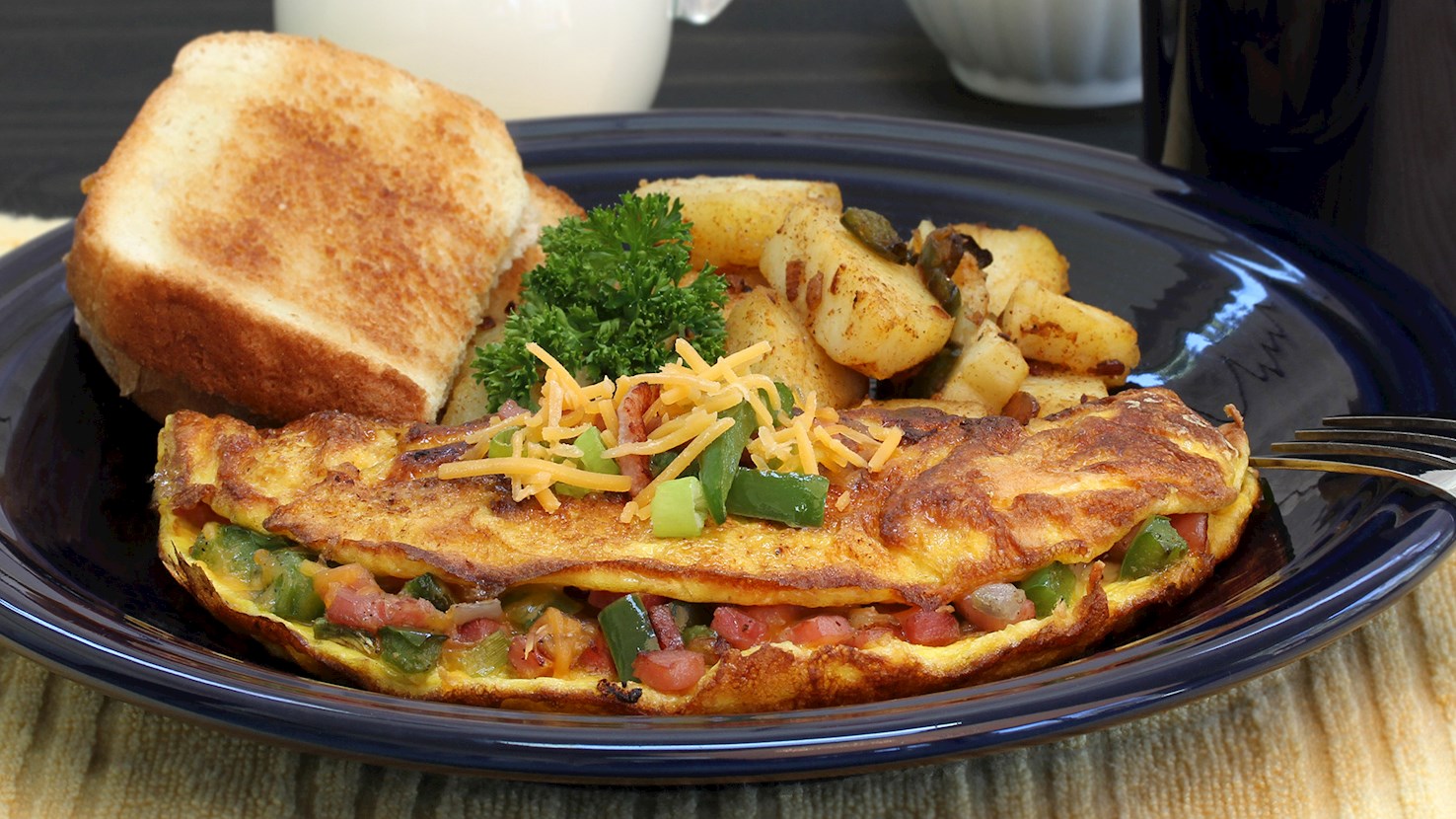
A Denver omelet combines beaten eggs with diced ham, onion, and usually green bell pepper, all cooked into a substantial folded omelet. The ham adds salt and sometimes smoke, the onion sweetens as it softens, and the green pepper retains a slightly grassy flavor. Melted cheese is common, particularly cheddar, but the ham, onion, and pepper combination identifies the dish even without it. On breakfast menus, “Western omelet” often means the same preparation; the two names do not reliably indicate different ingredients. The filling may be enclosed in a layer of egg or distributed throughout it, so one version reveals its vegetables only when cut open, while another shows green and pink pieces across the surface. This flexibility relates to the Denver sandwich, an earlier serving format in which cooked eggs, chopped ham, and onion were placed between slices of bread or toast. The sandwich name circulated by 1903, although early recipes did not always include the green pepper now closely associated with the omelet. Some described a lightly browned mixture of ham, onion, and eggs, sufficiently firm to sit between buttered toast. The plated omelet preserves that basic combination while allowing a larger, softer portion that is eaten with a fork. Stories linking its creation to cattle drives, railroad cooks, or attempts to disguise stale eggs remain unproven and do not provide a reliable account of its invention. Its relationship to the sandwich helps explain the food better than those competing explanations: the ingredients work both as a filling held together by egg and as an omelet served on its own. Preparing the vegetables before adding the eggs gives cooks control over their texture. Onion and bell pepper take longer to soften than beaten eggs take to set, so cooks usually dice them fairly small and sauté them first. Brief cooking leaves some crunch; longer cooking produces a softer filling with less raw onion sharpness. Green bell pepper is especially characteristic, though red pepper is sometimes used alone or alongside it for a sweeter flavor. Neither makes the omelet inherently spicy. The ham is already cooked and only needs warming, though a little browning firms the edges and adds a roasted flavor. Small cubes distribute more evenly through the omelet than thick strips. Butter is a common cooking fat, and the ham’s saltiness affects how much additional seasoning the eggs need. In a filled version, remove the cooked ham and vegetables from the skillet while the beaten eggs form a separate layer. As that layer sets, its edges can be lifted so that uncooked egg flows underneath. The warm filling is then spread over one half, with cheese if desired, before the other half is folded over it. Keeping the filling warm helps the cheese melt without requiring prolonged cooking that would toughen the eggs. In another approach, the ham and vegetables stay in the pan, and the eggs are poured around them, creating an omelet with inclusions throughout. Both methods suit the dish; the difference is visible in the cut surface and in how evenly each bite combines egg and filling. Some recipes call for a little milk or water, but neither is essential, and there is no need for a batter or flour binder. The finished omelet is generally set enough to hold its filling, with a tender interior and an exterior that may be pale yellow or lightly golden. Baked “Denver omelets” use the same combination in a casserole dish, making portions easy to cut for several people, though they lack the folded structure of the skillet version. At diners and breakfast restaurants, the omelet commonly arrives with hash browns or home fries and toast. Hot sauce is often available at the table, while the sandwich version keeps the eggs between bread, making it convenient to eat by hand.
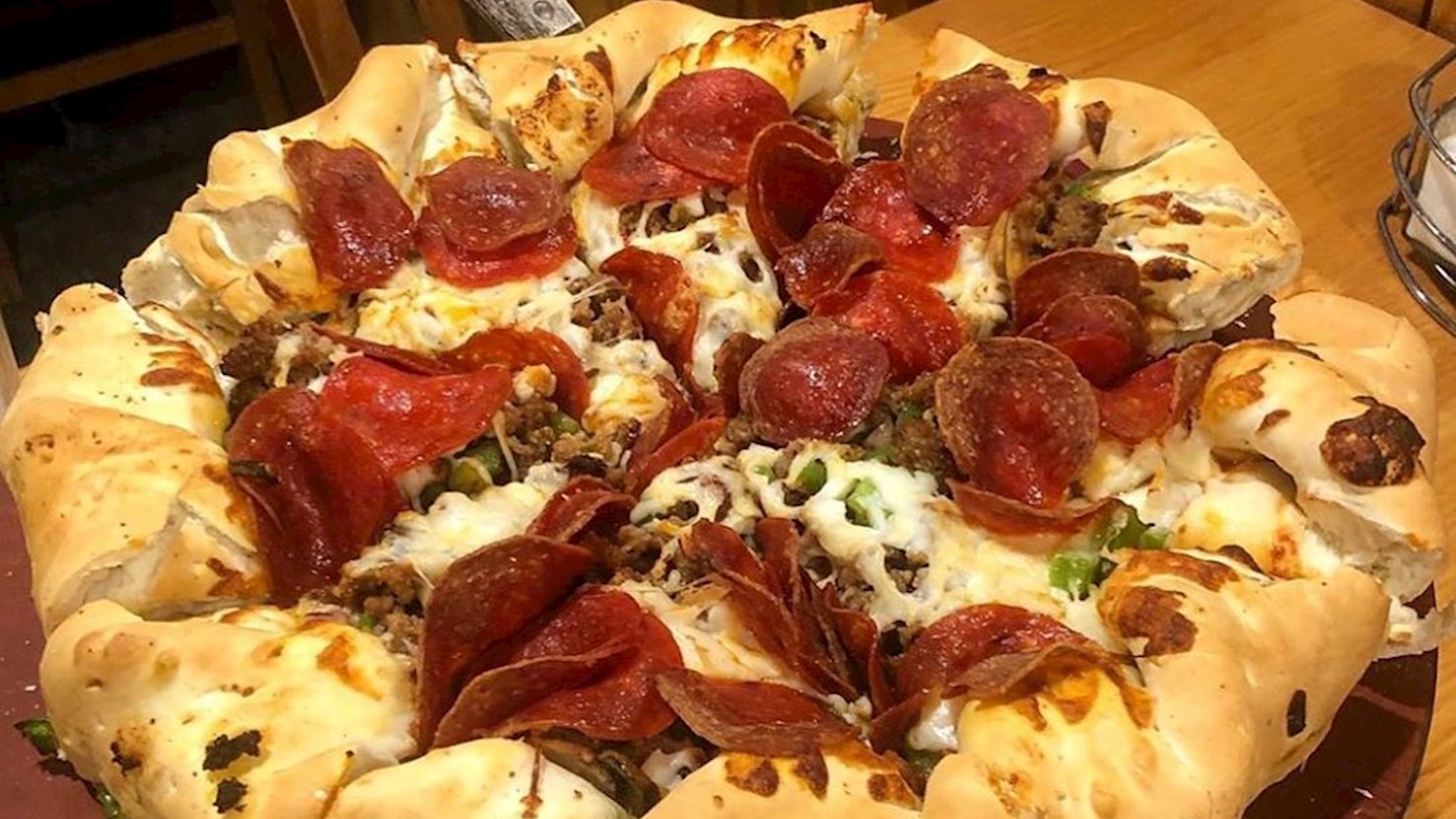
Colorado-style pizza or Colorado mountain pie is a unique version of a pizza originating from Colorado. The pizza has a thick, braided crust and it's made with honey instead of sugar. The braid acts as a barricade which holds the numerous toppings from spilling out on the sides. It was invented at Beau Jo's, where customers can create their own pie by choosing from a combination of over 50 different topping ingredients. At the end of the meal, the customers usually dunk the crust in honey, which is traditionally served on the side. Although Colorado-style pizza is often compared to Chicago deep-dish pizza, those are baked in the oven for more than 40 minutes, while Colorado-style pizza is baked in a gas-powered oven for about 10 minutes. Due to the fact that there are so many toppings on the pizza, it's sold by the pound. At Beau Jo's, the dough is made fresh throughout the day, every 3 to 4 hours, and the ingredients and vegetables are always fresh and cut daily, making it a great value for money.
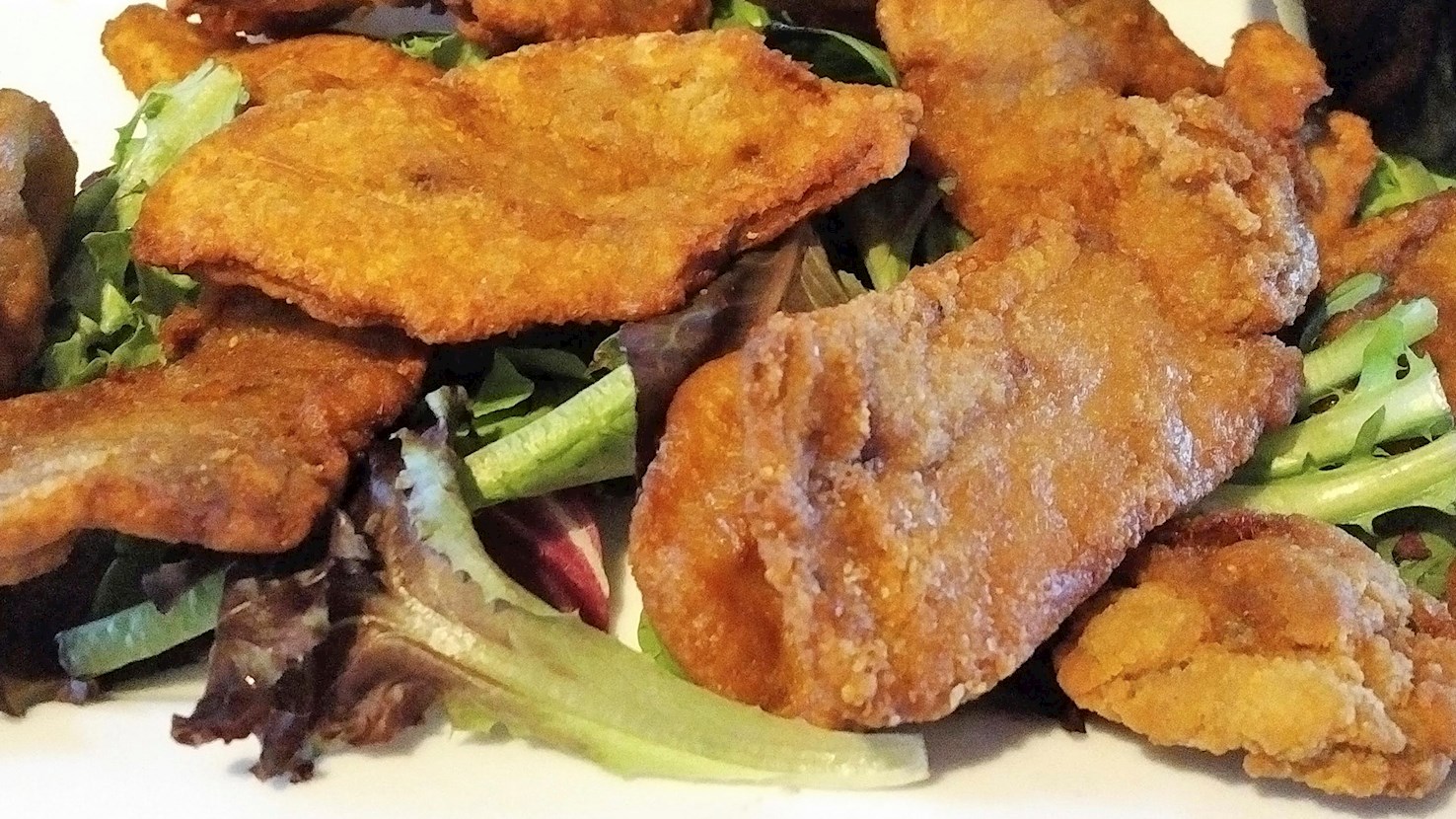
Despite their misleading name, Rocky Mountain oysters are actually bulls' testicles that are peeled, pounded, coated in flour, salt, and pepper, then fried. This unusual appetizer can be found in the American West and western Canada, and it is believed that the dish was invented by some of the first ranchers who had inhabited the West. Because they were in need of cheap sources of food, the ranchers began to cook animal testicles with branding coals. Nowadays, Rocky Mountain oysters are a true delicacy that is usually served with demi-glace sauce in Canada, while in America they are typically served with cocktail sauce on the side.
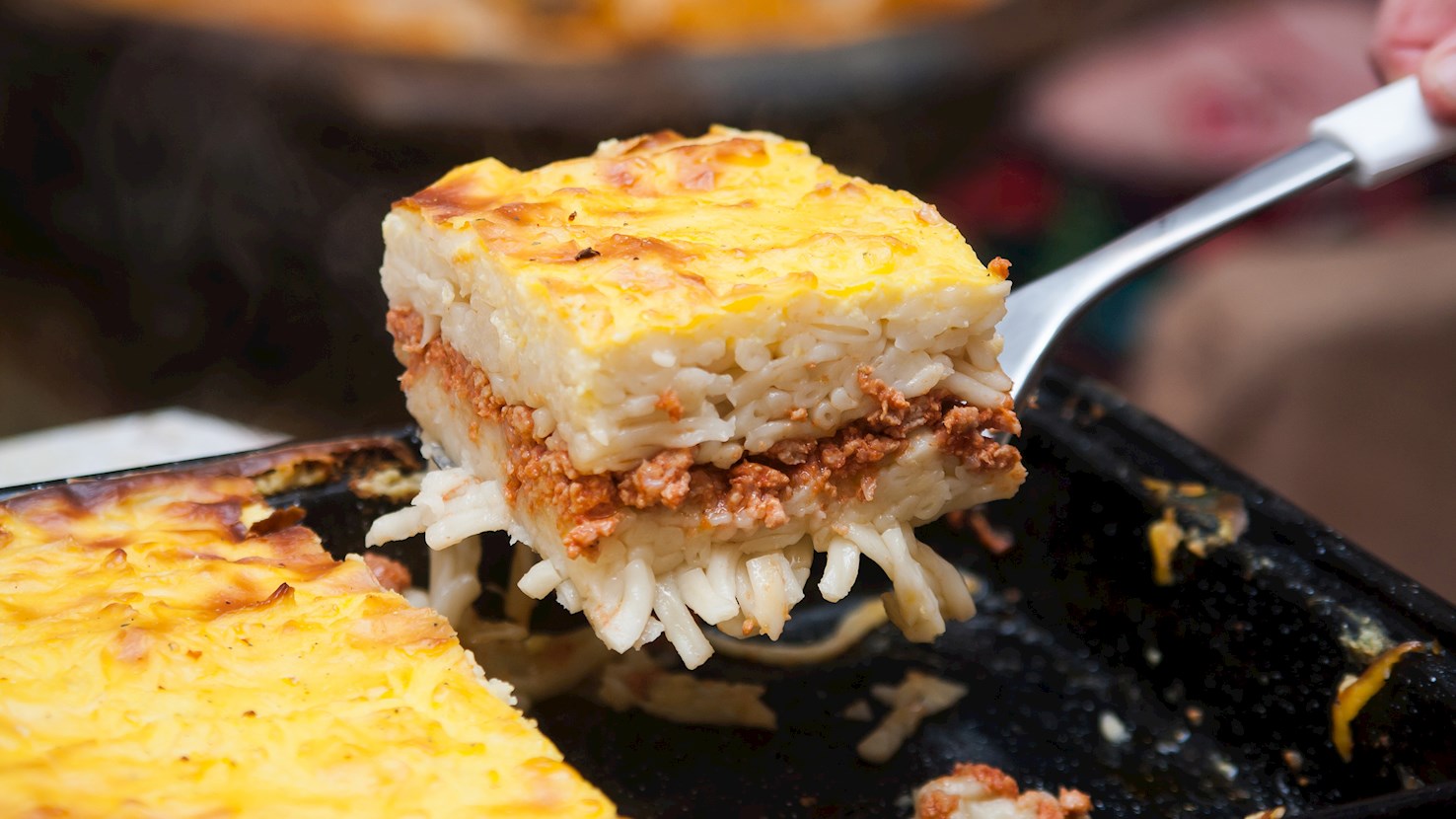
Spaghetti pie is a traditional pie originating from Colorado. Although it’s often dubbed the most iconic pie of Colorado, spaghetti pie is savory and not sweet, like most other iconic state pies. It’s made with a combination of spaghetti, ground beef, onions, tomatoes, bell peppers, butter, beaten eggs, and cheese such as mozzarella, ricotta, or parmesan. Parsley, basil, and oregano are often added to elevate the flavors. Once assembled, this savory pie is topped with cheese and baked in the oven until the cheese melts and the pasta becomes golden brown.
ColoRouge is an American cheese hailing from Fort Collins, Colorado. This soft, artisan cheese is made from pasteurized cow's milk and it's typically aged from 2 to 8 weeks. During the aging process, the curd is ladled by hand, then turned from time to time. The cheese is hand-rubbed, resulting in a bloomy washed rind. Underneath it, the texture is soft, creamy, and buttery when young. As it ages, the texture becomes even softer. The aromas are earthy, floral, and mild, while the flavors are buttery, complex, spicy, earthy, and acidic.
MouCo Camembert is an American cheese hailing from Fort Collins, Colorado, where it's produced by MouCo Cheese Company. The cheese is made from pasteurized cow's milk and it's left to age from 7 to 8 weeks before consumption. MouCo Camembert is first dried on racks and it's then transported to the caves for further aging. Underneath its bloomy rind, the texture is soft and smooth. The aromas are clean and grassy, while the flavors are milky and creamy with hints of caramel.
Boulder Chevre is an American cheese hailing from Colorado, where it's produced by Haystack Mountain Goat Dairy. The cheese is made from pasteurized goat's milk. This fresh chevre is rindless and has a texture that is crumbly, firm, and creamy. The aromas are fresh and clean, while the flavors are grassy, tangy, and citrusy. Boulder Chevre is often crumbled over salads, pasta, and eggs. It's also often used in sandwiches or cheesecakes. Pair it with a glass of crisp white wine or a rosé and serve it with fruit jams or dried fruit.
Midnight Blue is an American semi-soft blue cheese originating from Colorado. Made from raw milk of Saneen, Alpine, and Nubian goats, the cheese has a dense and slightly dry texture and natural rind. The body is semi-soft and filled with blue veins, the aroma is goaty, while the flavors are spicy, peppery, pungent, and sharp. This blue cheese is usually aged for 2 to 4 months. During that period, it develops its peppery flavors which get more accentuated as the cheese matures. It is recommended to pair Midnight Blue with wildflower honey and a glass of dry sherry.
Also known as Western sandwich, Denver sandwich is a combination of two slices of bread and a Denver omelette in between. The omelette is traditionally made with scrambled eggs, onions, ham, and green peppers. Although there are many claims about its origin, the famous food writer James Beard believes that it was invented by Chinese chefs who used to cook for railroad gangs in the 19th and the 20th centuries, and the sandwich probably evolved from a dish known as egg foo young.
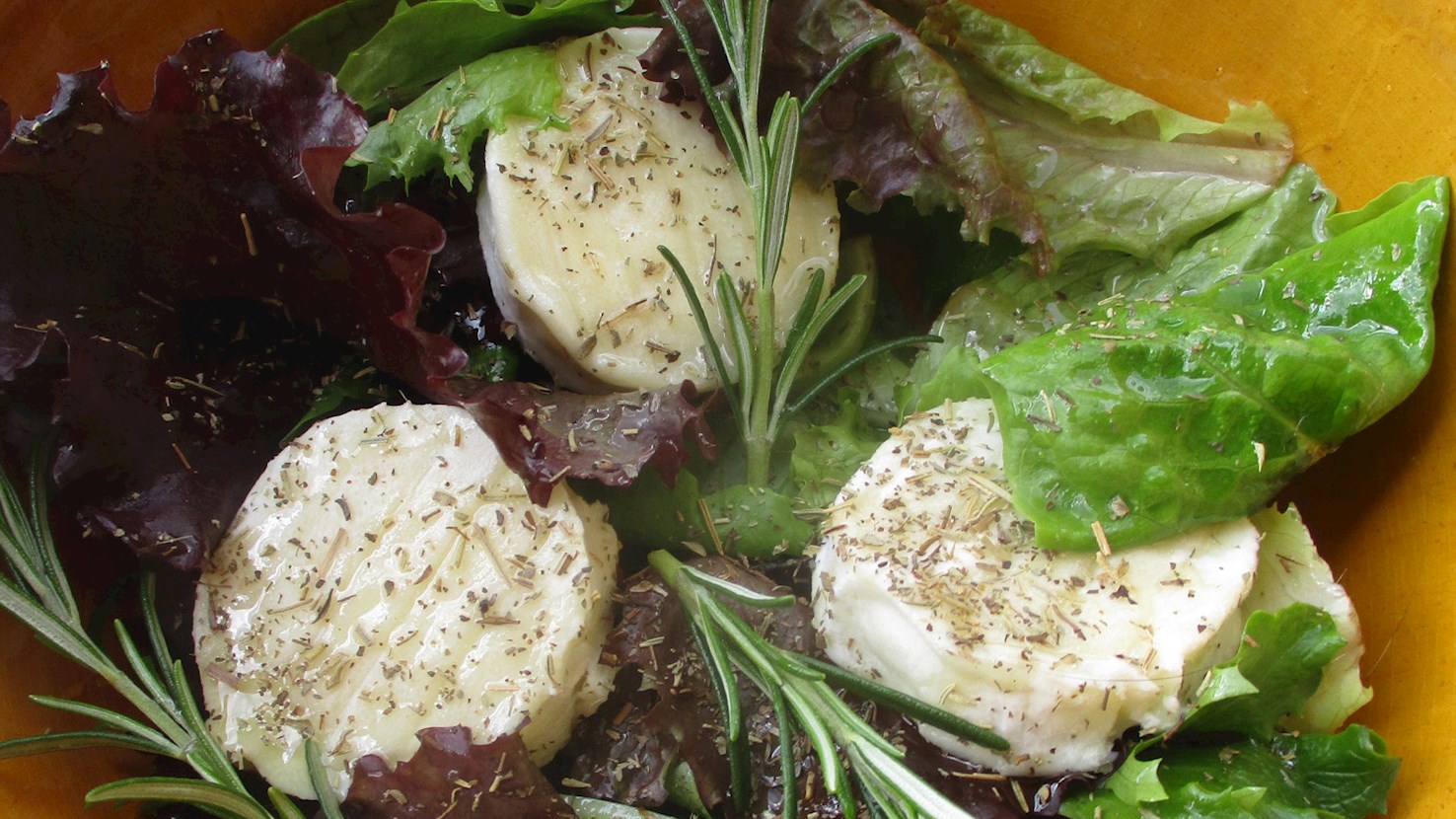
Herbes de Provence Chevre is an American semi-soft cheese hailing from Colorado, where it's produced by Haystack Mountain Goat Dairy. The cheese is made from pasteurized goat's milk and it's shaped into logs that are coated in Herbes de Provence, a traditional French spice blend originating from Provence. The texture of this rindless cheese is creamy and crumbly. The aromas are fresh and clean, while the flavors are mild and herbaceous. It's recommended to serve the cheese with crusty bread and Kalamata olives. Pair it with a glass of fruity wine such as Chenin Blanc or Sauvignon Blanc.
Stranahan's Colorado Whiskey, established in 2004, is Colorado's first legal whiskey distillery since Prohibition. Founded by Jess Graber and George Stranahan, the distillery produces American single malt whiskey using locally sourced ingredients, including 100% malted barley and Rocky Mountain spring water.
Their handcrafted process involves small-batch production and aging in new American oak barrels, resulting in a distinctive flavor profile that reflects the spirit of the Rocky Mountains.
Awards
SFWSC - San Francisco World Spirits Competition - Double Gold
(2024, 2023)
Art of the Spirits Distillery, based in Colorado Springs, Colorado, was founded in 2014 by Richard Paul, a Denver native with over 13 years of experience collaborating with renowned artists like Danial James and David Uhl. The distillery specializes in producing cask strength, single-barrel whiskeys, each release featuring limited-edition fine art on its labels.
This unique approach combines high-quality whiskey with exclusive artwork, making Art of the Spirits the only brand globally to showcase world-renowned artists on their bottles.
Awards
SFWSC - San Francisco World Spirits Competition - Double Gold
(2024, 2023)
NYWSC - New York World Spirits Competition - Double Gold
(2023)
TINCUP Whiskey, part of the Proximo Spirits portfolio, embodies the adventurous spirit of Colorado's rugged landscapes. Named after the tin cups used by miners to drink whiskey, TINCUP pays homage to American pioneers with its bold, authentic character.
Crafted from a blend of corn, rye, and malt barley, it is distilled with pure Rocky Mountain water and aged in charred oak barrels for a rich and balanced flavor. The whiskey is known for its notes of spice, caramel, oak, and a hint of smoky sweetness, while its hexagonal bottle and metal cap, doubling as a cup, emphasize practicality and outdoor appeal.
As a Proximo Spirits brand, TINCUP benefits from global reach and expertise, making it a favorite for those seeking a whiskey that captures the essence of adventure and quality.
Awards
NYWSC - New York World Spirits Competition - Double Gold
(2023)
Rabbit Hole Distillery, founded in 2012 by Kaveh Zamanian in Louisville, Kentucky, is known for its innovative bourbons and rye whiskies. Using unique grain combinations, including malted barley, they create distinctive flavors, aging their spirits in custom toasted and charred barrels.
Now part of Pernod Ricard, Rabbit Hole continues to expand globally, blending traditional methods with modern innovation while emphasizing sustainable practices in production and packaging.
Awards
SFWSC - San Francisco World Spirits Competition - Double Gold
(2024, 2023)
NYWSC - New York World Spirits Competition - Double Gold
(2023)
Old Elk is a Colorado-based distillery known for its commitment to craftsmanship and quality. They produce a range of premium spirits, including bourbon, rye, and wheat whiskey, all crafted with a unique slow-cut proofing process that enhances smoothness and flavor.
Founded by master distiller Greg Metze, Old Elk combines traditional techniques with innovative approaches, resulting in a rich, nuanced spirit lineup that appeals to whiskey enthusiasts.
Awards
SFWSC - San Francisco World Spirits Competition - Double Gold
(2024)
NYWSC - New York World Spirits Competition - Gold
(2024)
Distillery 291 is a small craft distillery located at the base of the Rocky Mountains in Colorado Springs, Colorado. It was founded in 2011 by Michael Myers, a former fashion photographer from New York City, with the goal of creating whiskey that embodies the taste, aroma, and spirit of the Wild West.
The distillery produces grain-to-bottle whiskeys, utilizing copper pot stills and aging the distillates in deeply charred American white oak barrels. The process often concludes with the addition of toasted aspen staves, which contribute to the unique character of their products.
Awards
SFWSC - San Francisco World Spirits Competition - Double Gold
(2024)
SFWSC - San Francisco World Spirits Competition - Gold
(2024)
Boulder Spirits, based in Boulder, Colorado, was founded by Scotsman Alastair Brogan with a passion for blending traditional Scottish distilling methods with Colorado's local resources. Known for producing high-quality American Single Malt Whiskeys, Bourbons, and other spirits, Boulder Spirits uses copper pot stills imported from Scotland, which bring a distinct, authentic character to their whiskeys.
They focus on crafting spirits with a unique Colorado twist, leveraging the region's high altitude and dry climate to influence the aging process.
Awards
SFWSC - San Francisco World Spirits Competition - Double Gold
(2023)
TasteAtlas food rankings are based on the ratings of the TasteAtlas audience, with a series of mechanisms that recognize real users and that ignore bot,
nationalist or local patriotic ratings, and give additional value to the ratings of users that the system recognizes as knowledgeable.
TasteAtlas Rankings should not be seen as the final global conclusion about food. Their purpose is to promote excellent local foods,
instill pride in traditional dishes, and arouse curiosity about dishes you haven’t tried.
The initial list of top producers was compiled based on available reviews, awards, local recommendations, media and blog coverage, and consumer reviews.
The list will be updated with ratings from TasteAtlas local ambassadors and TasteAtlas users.













What People Say