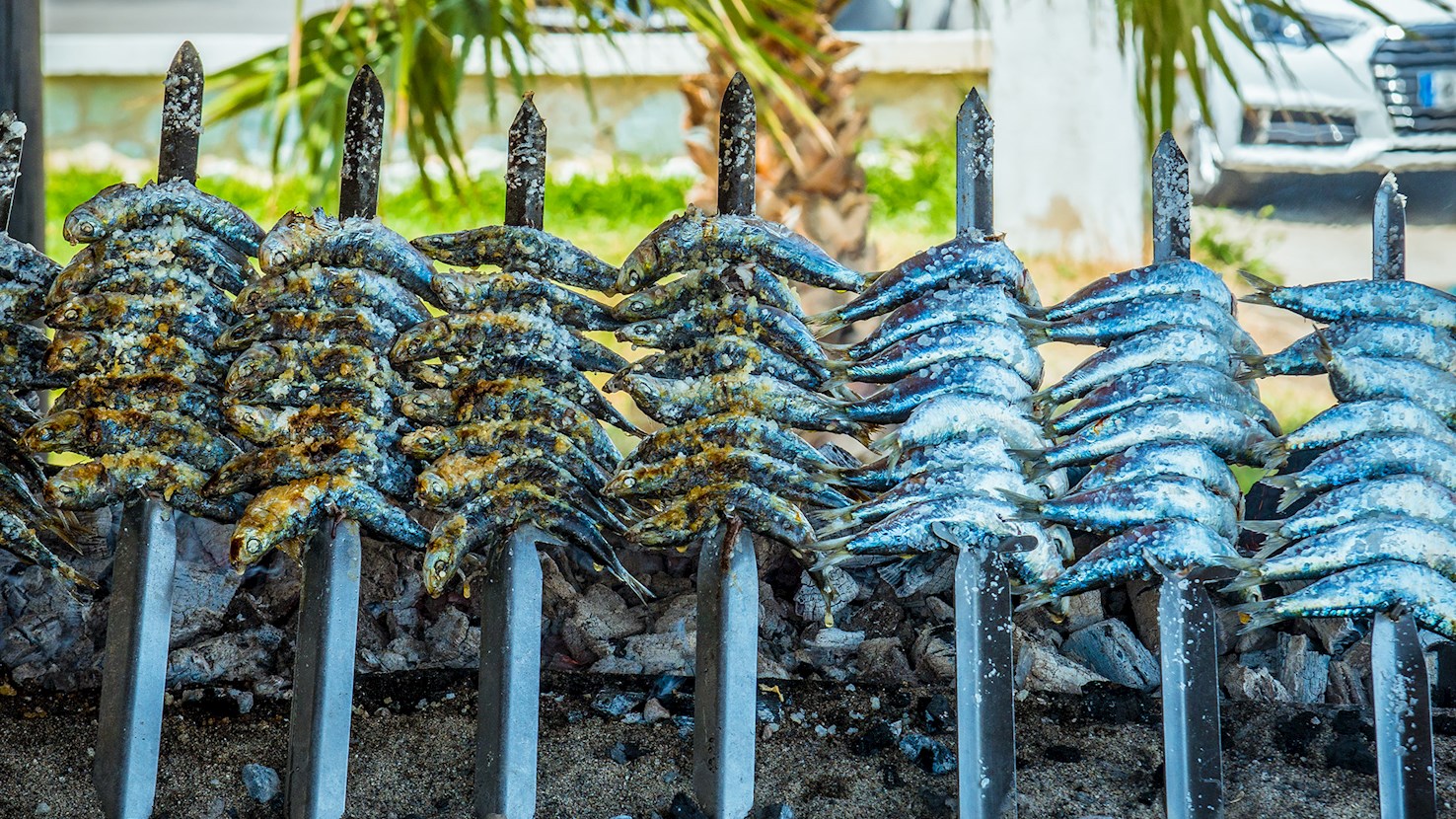
Espetos is a Spanish tradition of grilling sardines, dating back to the late 19th century, when fishermen skewered and grilled surplus fish in small boats on the sand. The modern method usually involves placing 6 sardines on a skewer, seasoning them with sea salt, then grilling them over the open flames of an olive wood fire. Once the sardines are fully cooked and become golden on the outside, they are drizzled with olive oil and lemon juice. It's said that the sardines are best from May to August, when they are a bit fattier, which increases their great flavor. In many beach bars of Malaga, espetos are paired with soft drinks, beer, sangria, or Tinto de verano red wine.
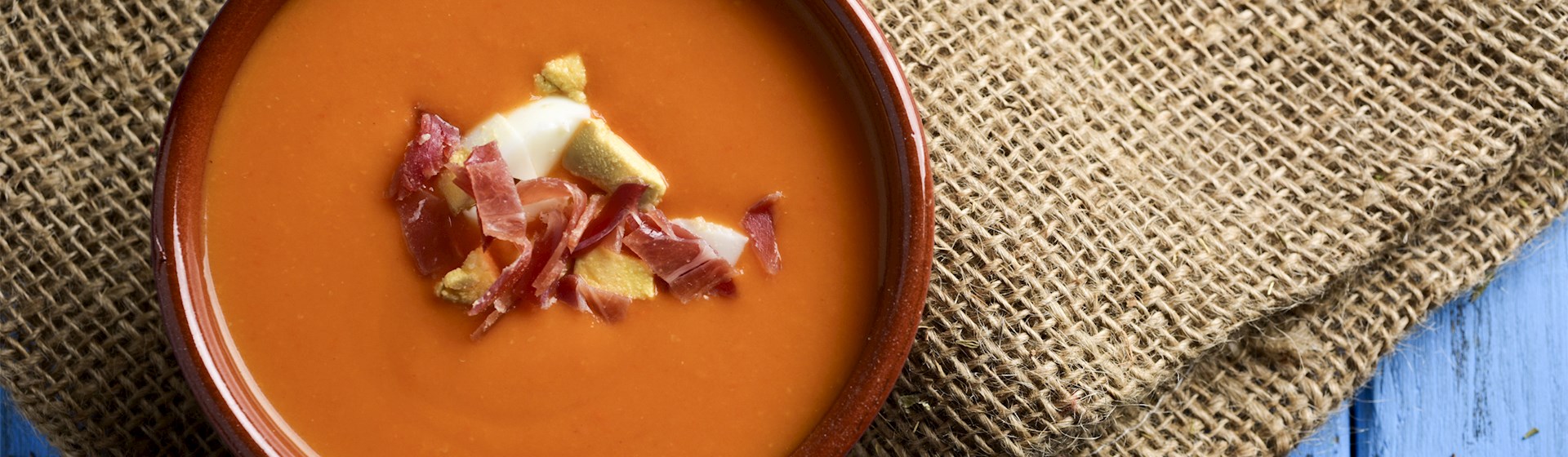
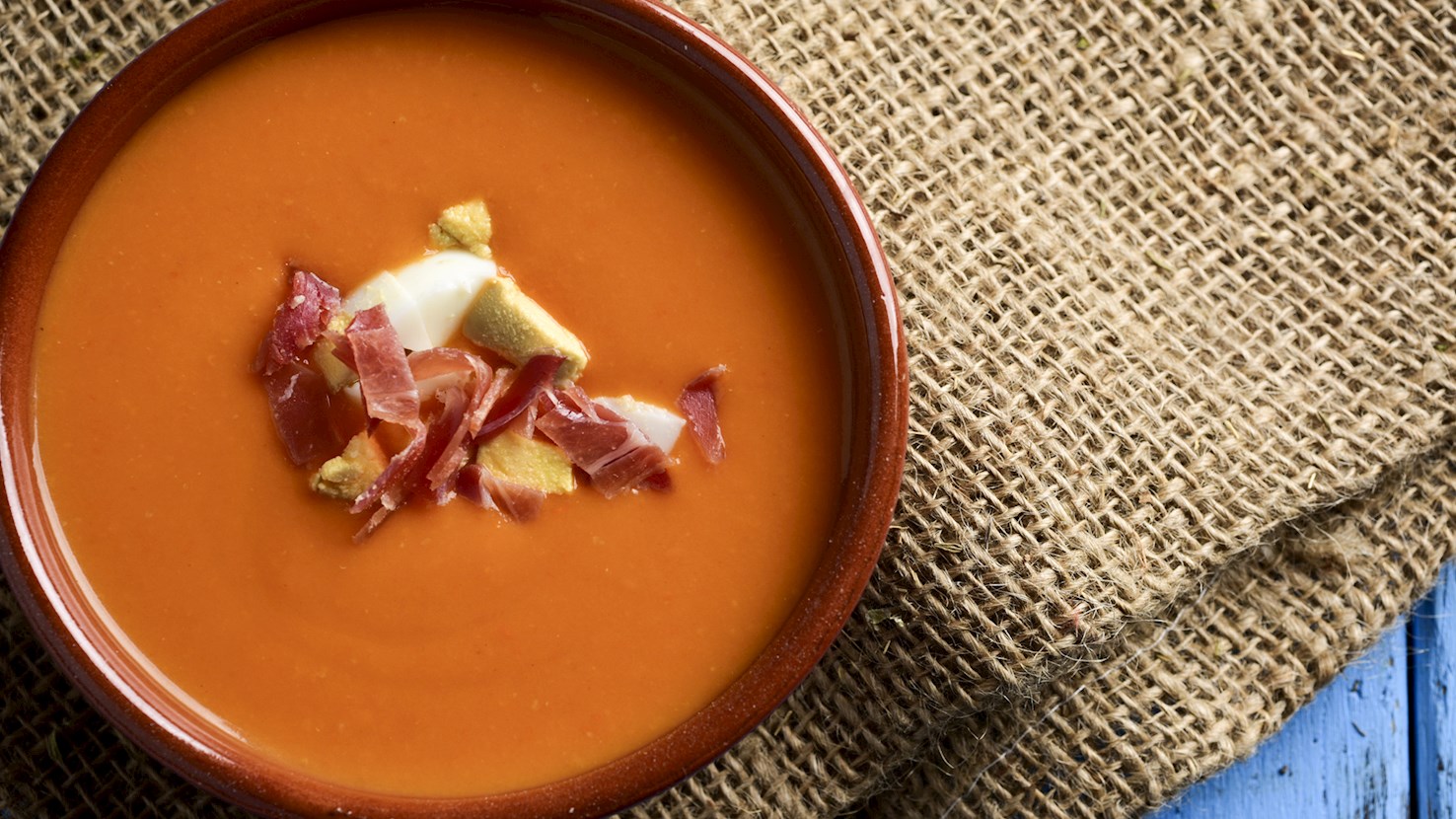
Porra antequerana is a thick, chilled tomato-and-bread soup from Antequera, made from ripe tomatoes, firm bread, olive oil, garlic, pepper, salt, and usually a little vinegar. It is close to Córdoba’s salmorejo and belongs to the broader Andalusian family of cold bread-based preparations. Unlike other cold soups, porra is generally denser and commonly includes pepper, giving it a slightly more vegetal character. Consistency matters: this is not a drinkable soup but a substantial cream meant to be eaten with a spoon, and in Antequera the familiar test is that it should be thick enough to support the spoon rather than immediately letting it fall over. The city identifies bread, tomato, garlic, pepper, olive oil, salt, and vinegar as the basic ingredients, and the annual porra Antequerana competition still requires contestants to make it by hand with a mortar rather than with electric equipment. The dish did not begin in exactly the red form eaten today. Mixtures of stale bread, garlic, salt, vinegar, and olive oil pounded together are much older in southern Iberia, and bread-thickened foods date back to the Roman period. Before tomatoes and peppers became established in Andalusian kitchens, an earlier pale form could be made from bread, garlic, oil, vinegar, and salt, resembling other white gazpachos and majados of southern Spain. The modern red porra could therefore only have taken shape after American tomatoes and peppers were gradually incorporated into Spanish cooking, eventually transforming an older pounded bread preparation into the intensely colored cold cream now identified with Antequera. The name is commonly linked to the porra, or heavy pestle, used to pound the ingredients in a dornillo or mortar, and this manual technique is still deliberately preserved in Antequera’s public competitions. Preparing porra begins with good bread, preferably a dense country loaf that has rested for a day or more rather than fresh, fluffy bread. Settled, slightly stale bread is preferred because fresh bread can form lumps during pounding. Garlic and chopped peppers are worked into a paste first, then the crumb is added and thoroughly incorporated, followed by peeled, seeded tomato. Olive oil is then introduced generously and gradually while the mixture is worked until it becomes smooth and emulsified. Vinegar is added according to taste and to the sweetness or acidity of the tomatoes rather than necessarily in a fixed amount. Modern cooks usually achieve the same result with a blender, but the older mortar method produces the dish through repeated crushing and emulsification rather than simple puréeing. The bread proportion gives porra much of its identity. There should be enough to make the mixture noticeably thicker than gazpacho, while olive oil adds gloss and a soft, creamy texture without dairy. Tomatoes provide moisture and acidity, garlic brings pungency, and green or red pepper adds a flavor that is usually more evident here than in Córdoba-style salmorejo. Antequera’s municipal recipe standards allow bread, tomato, garlic, pepper, salt, olive oil, and vinegar, but household versions differ on whether the pepper should be green, red, or a mixture of both. Once blended or pounded, the porra is chilled thoroughly so the texture firms and the flavors settle. It is rarely served completely bare. Chopped hard-boiled egg and diced jamón serrano are among the most recognizable toppings, while tuna in oil is equally established in Málaga and Antequera. The soup can be served with cured ham, hard-boiled egg, and tuna, turning what begins as bread and vegetables into a fairly complete meal. Other local variations broaden the garnish considerably. These include chopped tomato, figs, pomegranate seeds, or oranges in some communities when those fruits are in season. Towns closer to the Málaga coast may add anchovies. Those additions show how flexible the basic preparation can be without changing its underlying structure. Porra also differs from gazpacho in the way it is eaten: gazpacho can be thin enough to drink, whereas porra is closer to a cold vegetable-and-bread purée and can carry substantial toppings without them sinking immediately to the bottom. It is often compared with salmorejo because both share tomato, bread, garlic, and olive oil, but porra commonly includes pepper and vinegar and is characteristically very dense. In Antequera it is especially associated with the hottest months, when it is served cold as a first course, lunch, tapa, or light main meal, and it remains one of the foods most strongly identified with the city. It needs little alongside it because bread and olive oil already make it more filling than most chilled soups. Jamón, egg, and tuna provide the classic savory accompaniments, while olives, anchovies, or a simple plate of cured meats can extend it into a larger meal. Extra bread is possible but hardly necessary given how much the dish already contains. Dry Andalusian white wine pairs well with the tomato, garlic, and vinegar, while fino or manzanilla handles versions topped with ham or tuna particularly well; a cold lager is an easier informal option. For a non-alcoholic pairing, chilled sparkling water, unsweetened iced tea, or a lightly acidic citrus drink keeps the meal refreshing without adding more sweetness.
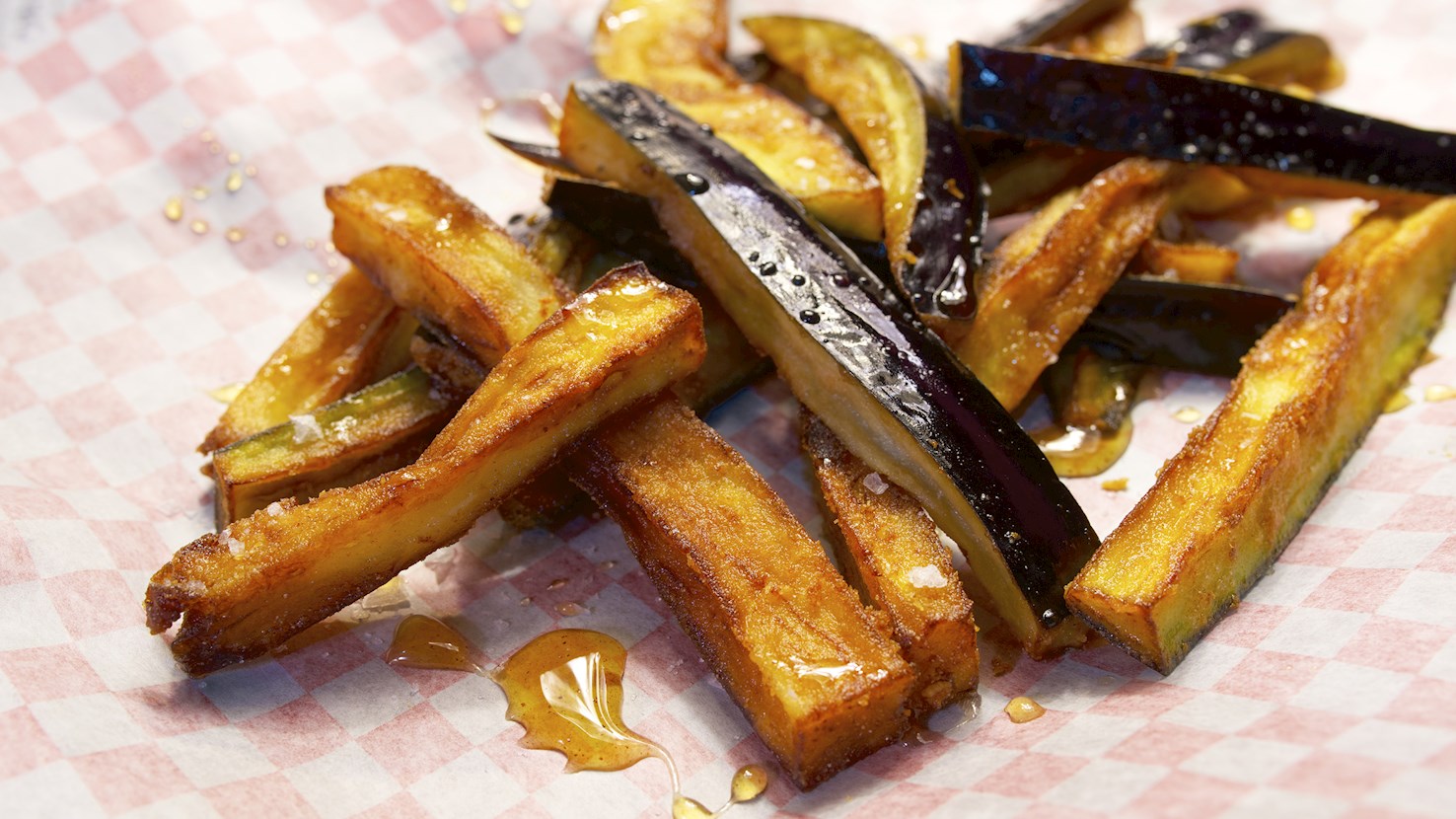
Berenjenas con miel de caña is a traditional dish originating from Malaga. The dish is made with a combination of eggplants, flour, olive oil, molasses, and salt. The eggplants are washed, cut into slices, then seasoned and left to macerate. The slices are then drained, rolled in flour, and fried in hot olive oil. Once fried, the eggplant slices are served immediately, with a bit of molasses on top. These berenjenas are usually enjoyed as a snack.
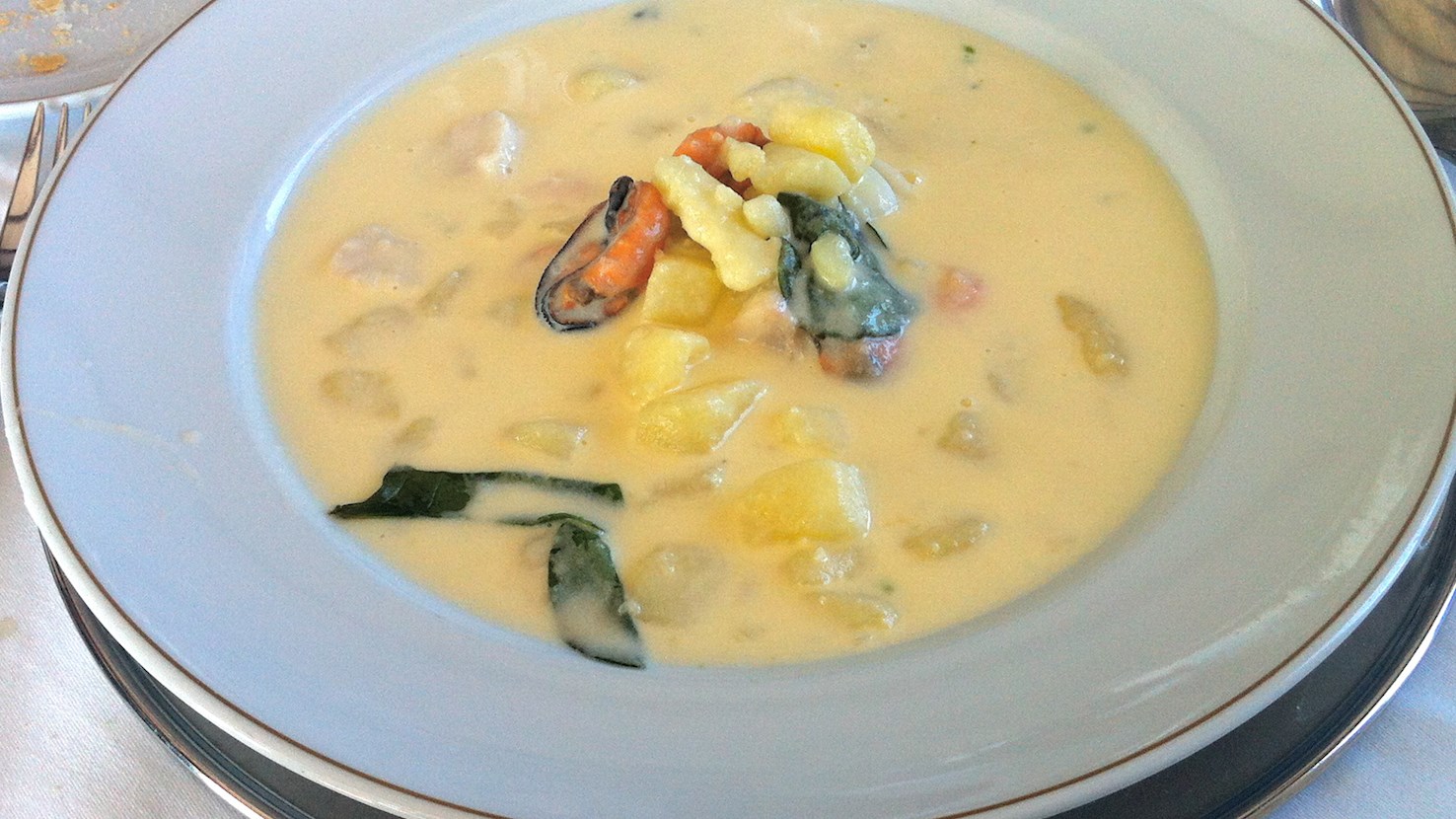
Gazpachuelo is a hot, pale soup from Málaga, built around one combination that sounds improbable at first but works remarkably well: broth and mayonnaise. Potatoes are usually simmered until tender, fish or shellfish may be added, and homemade mayonnaise is carefully loosened with warm broth before being incorporated into the soup, producing a smooth, lightly creamy liquid with the acidity of lemon or vinegar and the richness of olive oil and egg. Despite its name, it has little in common with the chilled tomato gazpacho now known internationally; gazpachuelo contains no tomato in its defining form and is normally served hot. It is especially linked with Málaga’s coastal communities and with El Palo, an old fishing district on the eastern side of the city, where local gastronomic sources describe it as a food of fishing families. Its beginnings were modest. Early versions were designed around inexpensive ingredients that could make a filling meal with very little meat or fish, and some appear to have consisted mainly of potatoes, cooking liquid, egg, oil, and acid. One economical method used the yolk to make the mayonnaise while the egg white was cooked separately in the broth, chopped, and returned to the pot, allowing a single egg to contribute both body and solid pieces to the meal. Fish broth naturally entered the preparation in coastal households, while adding pieces of hake, monkfish, prawns, clams, or other seafood makes for a richer version. By the early decades of the 20th century, gazpachuelo had moved well beyond households of fishermen and was becoming widely recognized across Málaga; local accounts indicate that by the 1930s it could already be found in restaurants around the city. That progression helps explain why no single fixed recipe exists today. At one end are restrained versions of potato, egg, and mayonnaise; at the other are restaurant bowls containing fish fumet, hake or rosada, prawns, clams, rice, wine, and carefully prepared seafood. What remains constant is the emulsion. The broth is prepared first, usually from fish bones, heads, prawn shells, or, in the most economical versions, water, and potatoes are cooked directly in it. Fish is added late so that it remains tender, while shellfish requires only brief cooking. Separately, egg and olive oil or another mild oil are beaten into mayonnaise and sharpened with lemon juice or vinegar. The most important step comes when the two components meet: boiling broth cannot simply be poured into cold mayonnaise, because excessive heat can break the emulsion and leave separated oil floating in the soup. Instead, a small quantity of broth is allowed to cool slightly and whisked gradually into the mayonnaise, tempering it before the mixture is returned to the pot. Once the mayonnaise has been incorporated, the soup should not be allowed to boil vigorously again. This technique gives gazpachuelo its characteristic white or ivory appearance and a texture that is richer than clear fish soup but lighter than a cream-based chowder. Potatoes contribute starch and substance, while the mayonnaise brings fat, acidity, and egg without requiring dairy. Málaga cooks have developed numerous additions around that base: cooked egg white, rice, hake, monkfish, rosada, prawns, clams, chirlas, and other seafood all appear, and more elaborate restaurant versions may introduce amontillado or other fortified wines into the broth. Its color has also remained part of its identity; even versions with seafood generally preserve the pale broth rather than turning it red with tomato or paprika. Gazpachuelo is most closely identified with Málaga city and the surrounding province, where it is eaten as a first course or a light main meal and is particularly appealing in cooler weather despite the region’s warm coastal climate. At home it can be served very simply with pieces of potato and egg, while restaurants often treat it as a vehicle for good local fish and shellfish. Bread is the most natural accompaniment, especially a plain crusty loaf that can absorb the broth, while fried or grilled fish can follow it without introducing an entirely different set of flavors. If the soup already contains generous seafood, little else is needed beyond bread and perhaps a simple salad. Dry Andalusian wines are especially comfortable alongside it: fino or manzanilla work with the mayonnaise’s acidity and the saline character of fish and shellfish. A dry white from Málaga or another fresh southern Spanish white suits lighter versions. Sparkling water or a lightly acidic citrus drink also works well when no alcohol is wanted.
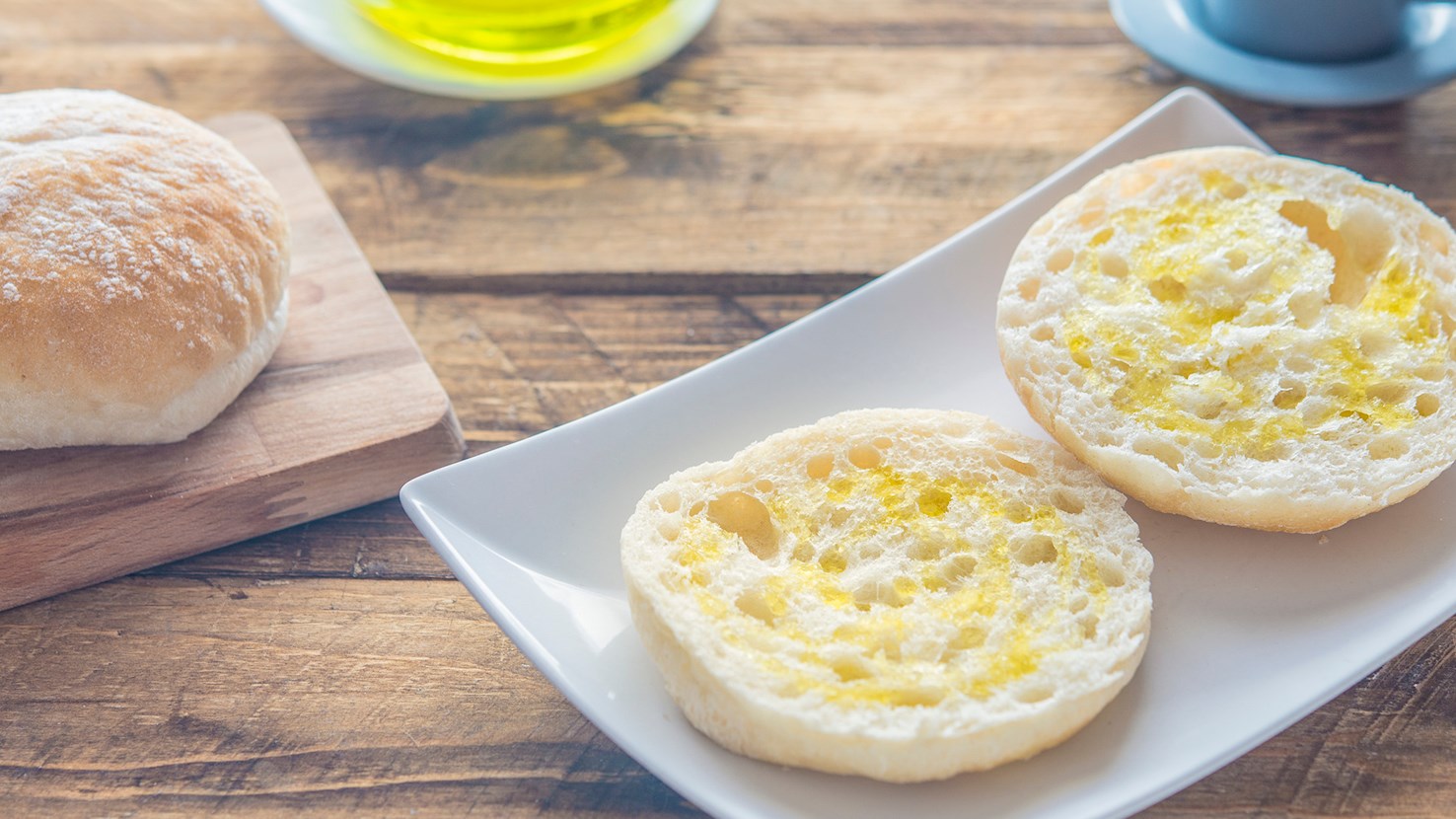
Mollete is a traditional bread hailing from Antequera. It's made with a combination of yeast, plain flour, whole-wheat flour, salt, sugar, milk, and olive oil. The dough is rolled into oval-shaped disks, and it's then baked until golden brown. Traditionally, molletes are sliced into halves, toasted, drizzled with extra virgin olive oil, and topped with sliced tomatoes and a pinch of salt. In Andalusia, molletes are usually served for breakfast.
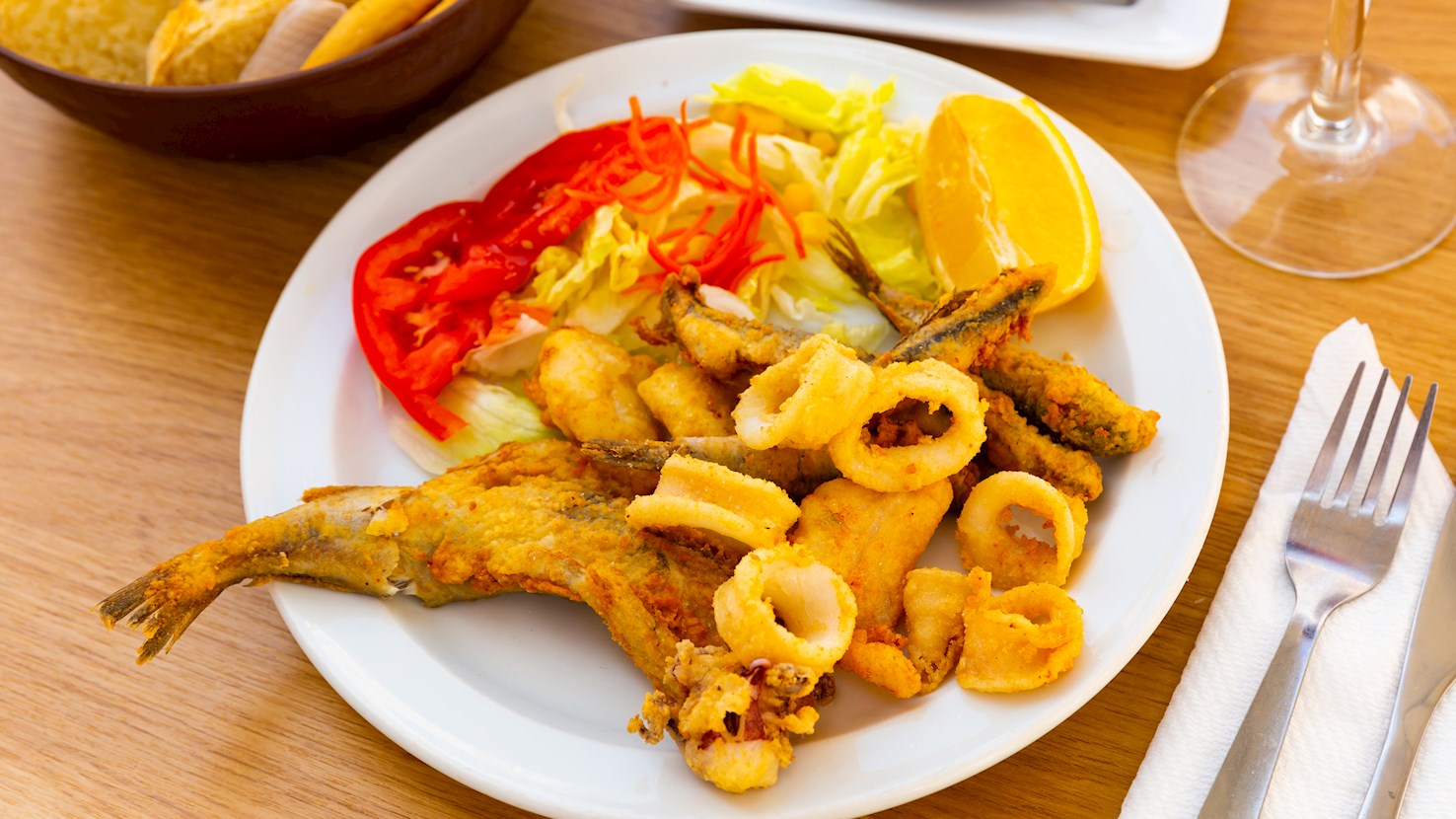
Fritura Malagueña is a traditional dish originating from Malaga. The dish consists of smaller seafood varieties such as shellfish, small fish, and crustaceans that are rolled in flour and fried in oil until crispy and golden. The smaller varieties are used because there is no need to worry about any bones. Once fried, the fish is enjoyed with a sprinkle of lemon juice and a roasted pepper salad. Extra-virgin olive oil is always used to fry the fish, and it often includes baby squid, salmonete (red mullet), mackerel, prawns, cuttlefish, and boquerones (fried anchovies). This fish fry can be enjoyed as a tapa or as a snack, and it's recommended to pair it with a bottle of ice cold beer.
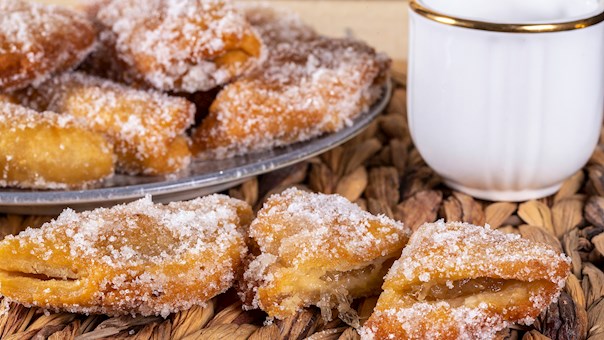
Melocotón en almibar is a traditional dessert hailing from Andalusia, and it’s especially popular in Málaga. The dessert is made with a combination of large yellow Andalusian peaches, orange peel, vanilla, sugar, and water. The peaches are scalded in boiling water and the skins are taken off. They’re then poached in a mixture of water, sugar, vanilla, and orange peel. The fruit is left to cool down in its own syrup, and it’s then served, usually with a scoop of vanilla ice cream or fried dough cookies called borrachuelos.
Chivo lechal Malagueño is a traditional dish originating from Malaga. The main ingredient is suckling goat (usually shoulder and leg) that's raised in the Malaga province and has juicy and tender flesh. Other ingredients include lemon juice, olive oil, garlic, wine, thyme, oregano, and salt. The pieces of suckling goat meat are placed into an earthenware baking dish and they are seasoned with the spices and garlic. The meat should be left to marinate for 12 hours before it's drizzled with olive oil and baked for about an hour. Every 15 minutes, the meat is basted with a mixture of water, lemon juice, and wine. Once done, the tender meat is served with a few potatoes or zucchini on the side.
Atún mechado is a traditional dish originating from Málaga. It’s made with a combination of tuna, bacon, peppercorns, garlic, flour, olive oil, onions, carrots, cloves, bay leaves, parsley, and either sherry or white wine. The bacon is rolled in crushed peppercorns, then inserted into slits that have been cut into the sides of the fish. The same process is repeated with slices of garlic. The fish is then dusted with flour and browned in olive oil, while the remaining garlic is fried with onions and carrots until the ingredients soften. The wine, bay leaves, cloves, and water are then added to the pan, and the contents are placed into a casserole with the browned tuna. The fish is braised gently in the oven until the sauce is reduced. This dish is traditionally served with mashed potatoes or rice on the side, and it’s often garnished with parsley.
Caldillo de pintarroja is a traditional seafood soup originating from Malaga. It's usually made with a combination of dogfish, garlic, bread, almonds, clams, hot peppers, tomatoes, mint, lemon juice, saffron, wine, olive oil, and salt. The almonds, bread, and garlic are fried until golden, then mixed with cooked and peeled tomatoes, hot peppers, and wine. The fish is boiled separately, and it's then mixed with the rest of the ingredients and saffron. The soup is simmered shortly, and if it becomes too spicy, it's recommended to add a little lemon juice to the pot. Caldillo de pintarroja is especially popular during winter. Originally, it was made in bars for fishermen as a way to sell more beer and wine due to its spiciness.
Finca la Torre is a prestigious olive oil producer from Andalusia, located in the town of Bobadilla near Málaga, with a tradition that dates back to Roman times. This organic estate spans over 380 hectares and includes around 33,000 olive trees, primarily of the Hojiblanca variety, along with Arbequina, Cornicabra, and Picudo.
Finca la Torre stands out for its strictly controlled biodynamic cultivation, which involves complete dedication to natural cycles and sustainability.
Their oils are produced through cold pressing immediately after harvest, preserving maximum freshness, aroma, and nutritional value. The oils are recognized for their pronounced green notes, fruitiness, spiciness, and overall complexity of flavor.
The company combines tradition and innovation—employing modern processing technology while maintaining deep respect for nature.
Their work reflects a commitment to quality, transparency, and environmental care, making them one of the most respected olive oil producers in Spain and beyond.
Awards
Flos Olei - Hall of Fame
(2026, 2024, 2023, 2022, 2021)
Biol - International Organic Competition Prize - Extra Gold
(2024, 2023, 2022)
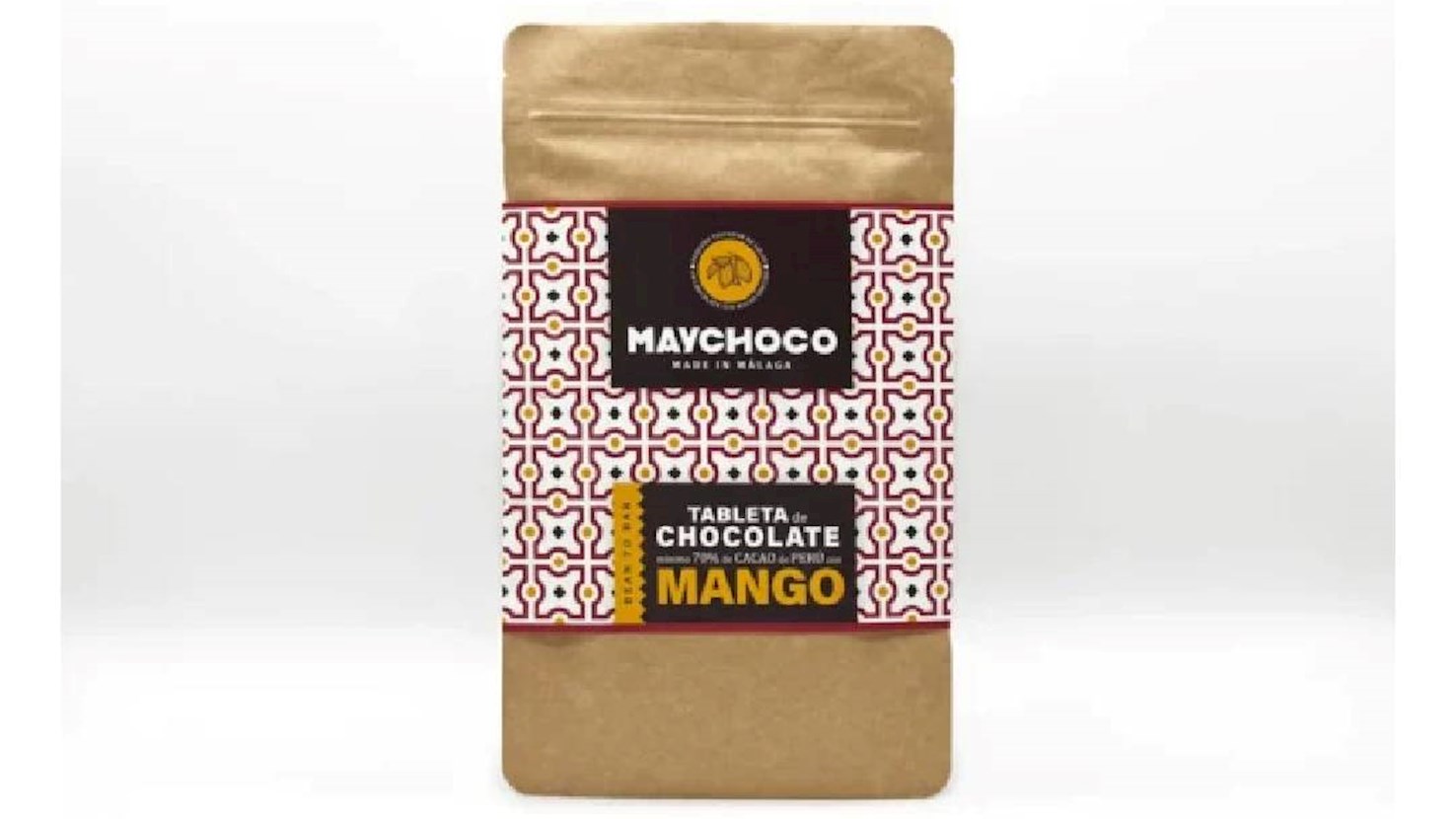
Maychoco is a bean-to-bar chocolate producer located in Malaga, Spain. Established by Mayte Sánchez in 2019, the company is known for its high-quality artisan chocolates, crafted using beans mainly sourced from Peru.
The entire process, from roasting to the final chocolate bar, is done in their workshop along the Costa del Sol.
The workshop began with modest equipment, reflecting Sánchez's passion for chocolate which was reignited at the age of 40 after a career shift from the restaurant business. Her dedication has led to Maychoco earning several distinctions at the International Chocolate Awards, highlighting its excellence on a global scale?.
Maychoco operates with a commitment to both cocoa farmers and the environment, ensuring their chocolates are not only delicious but also sustainably made.
This commitment, coupled with their unique flavors and quality, has made them one of the top chocolate makers in Spain.
Awards
International Chocolate Awards - Gold
(2023, 2020)
Hacienda de Colchado is a family-owned olive mill based in Andalusia, Spain, dedicated to producing extra virgin olive oil for more than three generations. Their estate covers 310 hectares, of which 220 hectares are old olive groves, while the rest consists of new plantations.
The average annual production ranges between 800,000 and 1,200,000 kilograms of olives.
The olives are harvested in mid-October, when they reach the veraison stage, giving them a yellowish hue. Although this stage yields a lower quantity, the oil has exceptional aromatic complexity and a high content of natural antioxidants, contributing to its bitter and spicy finish.
Agrupación de Ganaderos de los Montes de Málaga is a cheese producer based in the Montes de Málaga region in Spain. The company focuses on traditional cheese-making methods using locally sourced ingredients, primarily from goat's milk.
Their products typically reflect the authentic flavors of the region. The cooperative also emphasizes quality and sustainability in its production processes.
Agasur S.C.A is a cheese producer based in Málaga, Spain. The cooperative specializes in the production of traditional Spanish cheeses, utilizing milk sourced from local goat herds.
Agasur S.C.A emphasizes artisanal methods in their cheese-making process, maintaining high-quality standards and preserving regional cheese-making traditions.
Jorge Ordóñez Selections is a family-run wine project founded in 1987, dedicated to the selection and production of authentic Spanish wines with a strong sense of place. Its philosophy is built on close collaboration with small, family-owned wineries that work with old vineyards and native grape varieties, often in historically overlooked or undervalued appellations.
The focus is on varieties such as Moscatel, Godello, Garnacha, Monastrell, and Tempranillo, with an emphasis on expressing terroir rather than technological intervention. Alongside curating wines from independent producers, the project also includes its own estates grouped under Grupo Jorge Ordóñez, located across several key Spanish wine regions.
Wines in the portfolio are known for their clarity, balance, and precise regional character, avoiding exaggerated styles or excessive cellar manipulation. Great importance is placed on careful handling and transport of the wines to preserve freshness and structural integrity.
Huerto de la Condesa is a boutique winery located near Ronda in the province of Málaga, within the historic estate Heredad de Nuestra Señora de los Dolores. The vineyards are planted at around 550 meters above sea level on clay-limestone soils, benefiting from the contrast between warm Mediterranean days and cooler nights typical of the Serranía de Ronda.
This elevation plays a key role in preserving freshness and balance in a generally warm Andalusian climate. The winery works with a mix of Mediterranean and well-adapted international varieties, including Syrah, Garnacha, Graciano, Viognier, Vermentino, Pedro Ximénez and Moscatel.
All grapes are hand-harvested, with vinification focused on clarity, moderate extraction and drinkability rather than excessive power. The red wines tend to combine ripe fruit and gentle spice with controlled structure, while the whites emphasize aromatic lift and freshness.
Huerto de la Condesa aims to express a contemporary vision of Ronda, rooted in place but accessible in style. The wines reflect both the warmth of southern Spain and the moderating influence of altitude.
The project is part of the modern revival of quality winemaking in the Ronda area.
TasteAtlas food rankings are based on the ratings of the TasteAtlas audience, with a series of mechanisms that recognize real users and that ignore bot,
nationalist or local patriotic ratings, and give additional value to the ratings of users that the system recognizes as knowledgeable.
TasteAtlas Rankings should not be seen as the final global conclusion about food. Their purpose is to promote excellent local foods,
instill pride in traditional dishes, and arouse curiosity about dishes you haven’t tried.
The initial list of top producers was compiled based on available reviews, awards, local recommendations, media and blog coverage, and consumer reviews.
The list will be updated with ratings from TasteAtlas local ambassadors and TasteAtlas users.





















What People Say