


Top 60 Tunisian Foods

Last updated on June 17, 2026

Best Tunisian foods

01
Appetizer

Maaqouda

4.4 ·

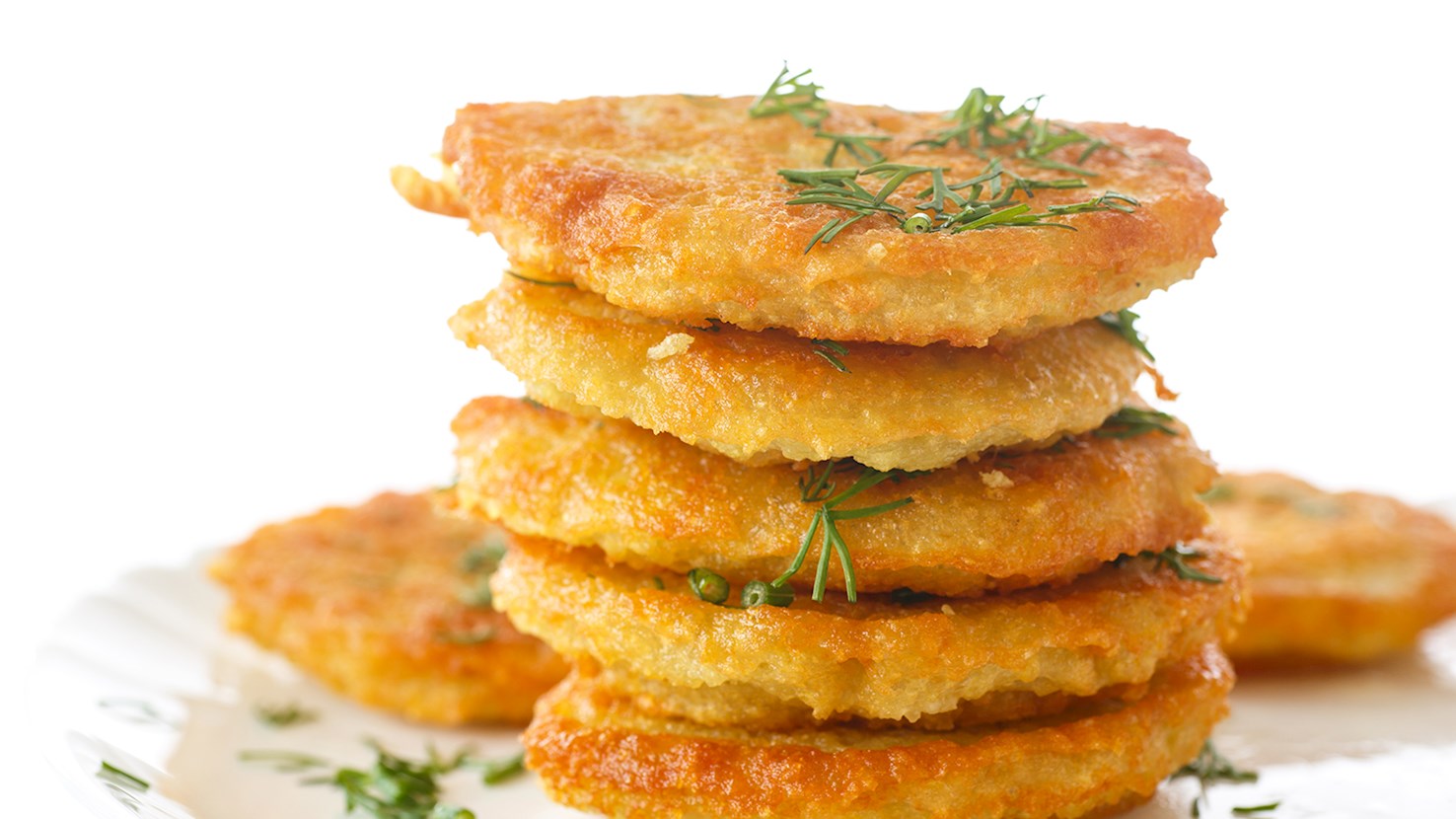
Maakouda are traditional potato fritters that are popular throughout the Maghreb, especially in Morocco, Algeria, and Tunisia. The fritters are usually prepared plain, but they can also be stuffed with meat, tuna, or cheese, although not that often. They're made with potatoes, parsley, garlic, flour, salt, and pepper. The potatoes are boiled, mashed, and mixed with other ingredients into small disks which are then deep-fried in hot oil until golden brown. Maakouda is traditionally served as an appetizer, a side dish, or an ingredient in a long sandwich roll that's usually sold as street food and served with harissa, coriander, and lemon juice. The fritters are especially popular during the month of Ramadan.

02
Deep-fried Dessert

Bambalouni

4.3 ·

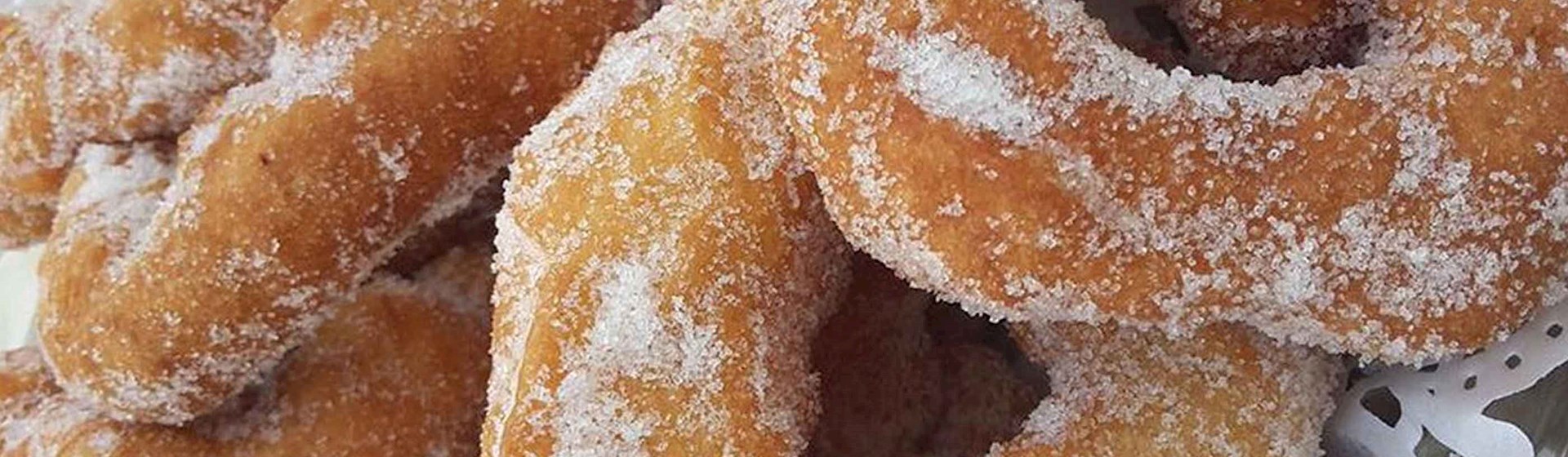
Bambalouni are traditional Tunisian doughnuts that are especially popular in the village of Sidi Bou Said. They are made with flour, hot water, yeast, and salt. After the dough has been prepared, it is fried in hot oil until golden brown, and the doughnuts are then sprinkled with sugar on top. It is recommended to serve bambalouni with coffee, either for breakfast or as a snack eaten at the end of the day.

03
Flatbread

Msemen

4.3 ·

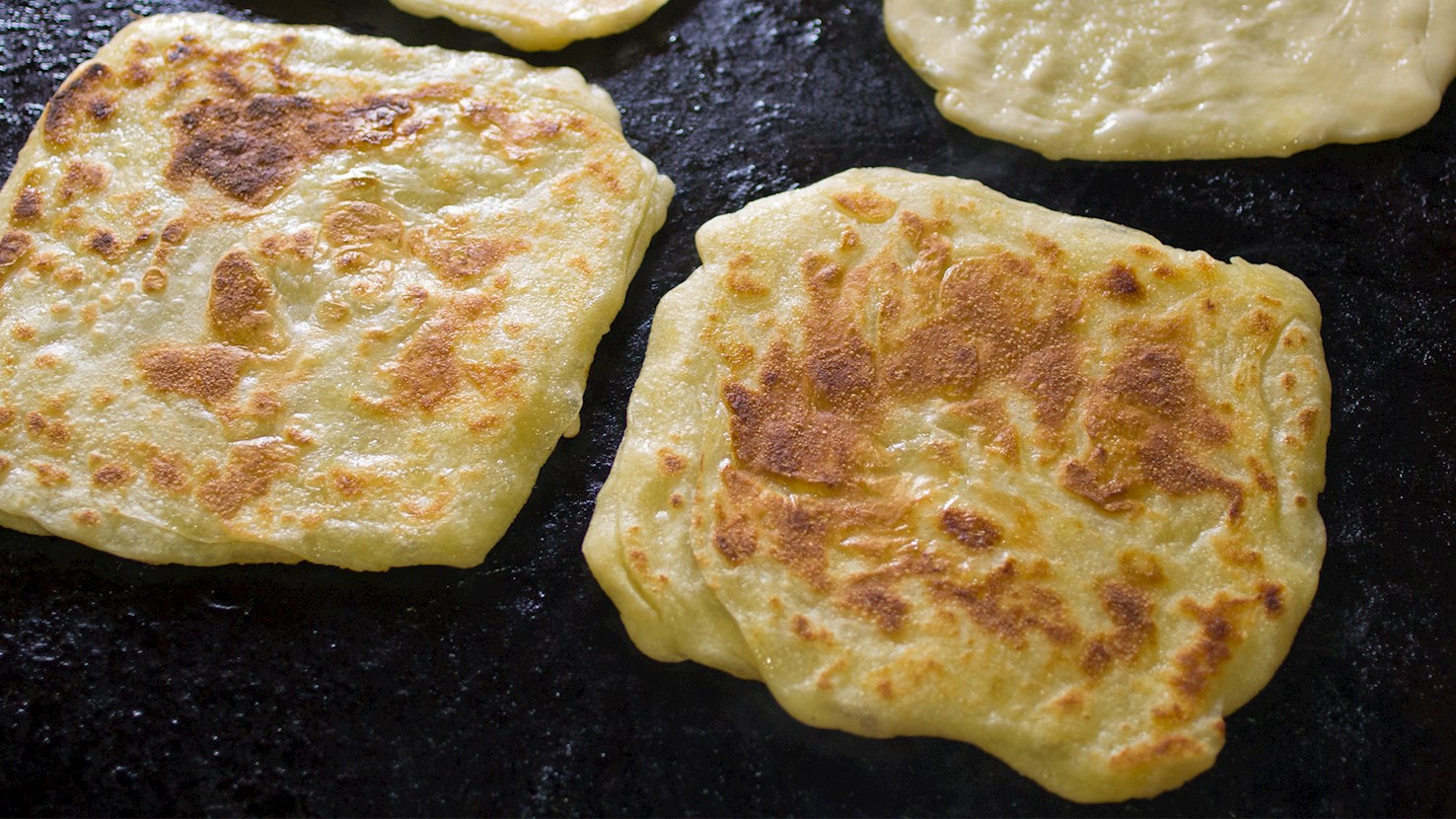
M'semen is a traditional Maghrebi flatbread made with a combination of flour, semolina, sugar, salt, yeast, warm water, oil, and clarified butter. The dough is kneaded until it becomes smooth, and pieces of it are then flattened and shaped into squares. Once the dough has been folded and shaped, it is cooked on a griddle or fried in a pan until it becomes crispy on the exterior and chewy on the inside. Although m'semen is traditionally consumed on its own as an accompaniment to coffee or tea, it can also be stuffed with various meats and vegetables. In Tunisia, the flatbread is often based on semolina flour and made without yeast.

04
Egg Dish

Shakshouka

4.2 ·

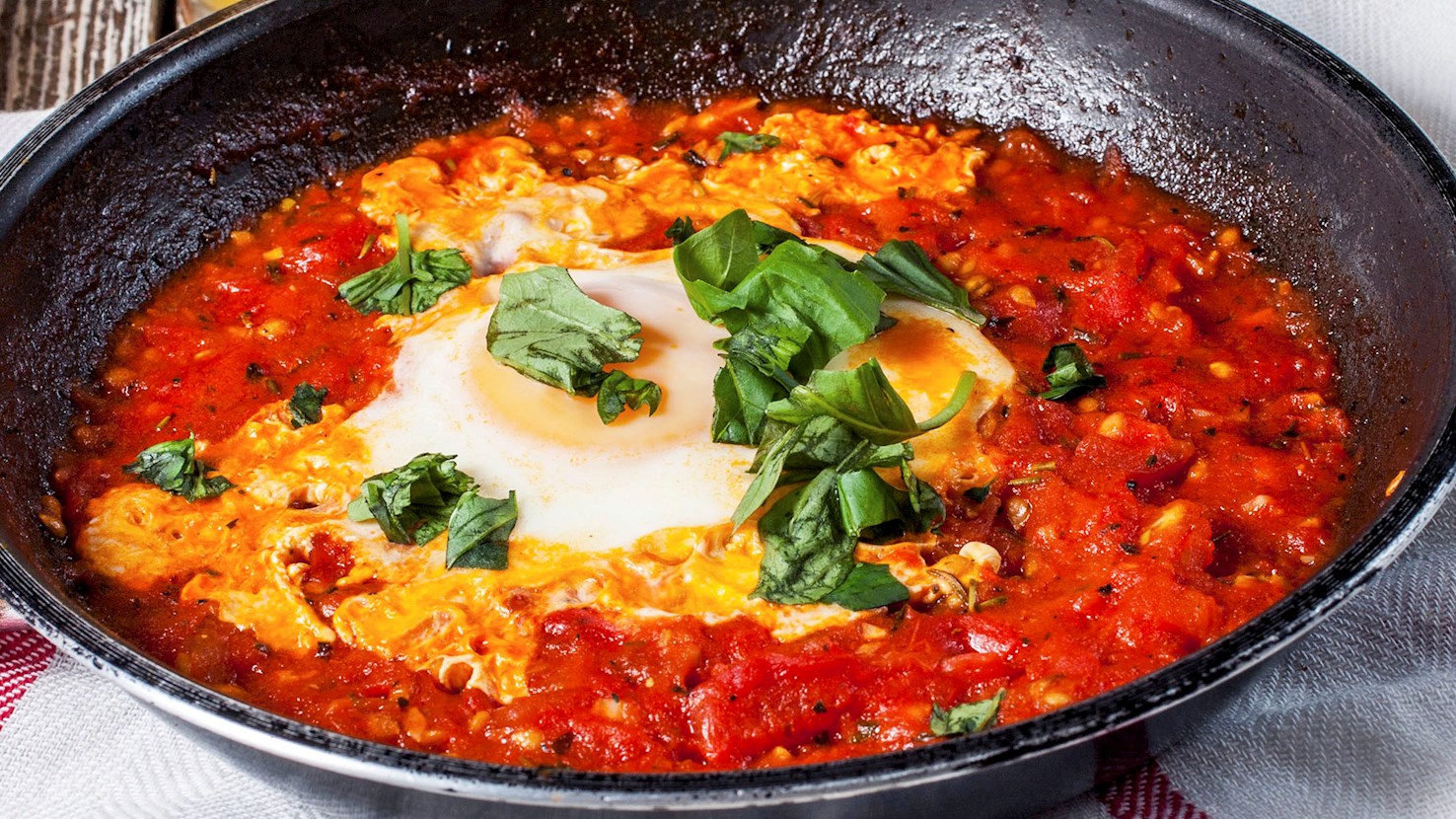
Shakshouka is a delicious combination of eggs poached in a spicy tomato sauce. Although it has an unusual name, the dish is straightforward and easy to make. It is usually made in a skillet in which onions, tomatoes, and spices are cooked until they form a delicious tomato sauce. Eggs are then added directly to the tomato sauce and poached until done. Merguez sausage can also be added to the dish. It is believed that shakshouka originated in Tunisia, but the dish is well-known and commonly eaten throughout North Africa and the Middle East as well. Almost every region has formed their distinctive variety of shakshouka: in Egypt, eggs are usually scrambled and served in a sandwich, and in Israel it is often served with salty feta cheese on top. The consistency of the sauce and eggs is also variable – the sauce can be thinner or thicker, while the eggs can be completely firm or soft. For a more nutritious meal, meat, most commonly sausages, can be included in the dish. Shakshouka is suitable for any meal of the day and is usually served warm or sizzling hot, with bread on the side. Because it is budget-friendly, simple, and easy to prepare, the dish has recently gained popularity both in Europe and North America.

05
Salad

Houria

4.2 ·

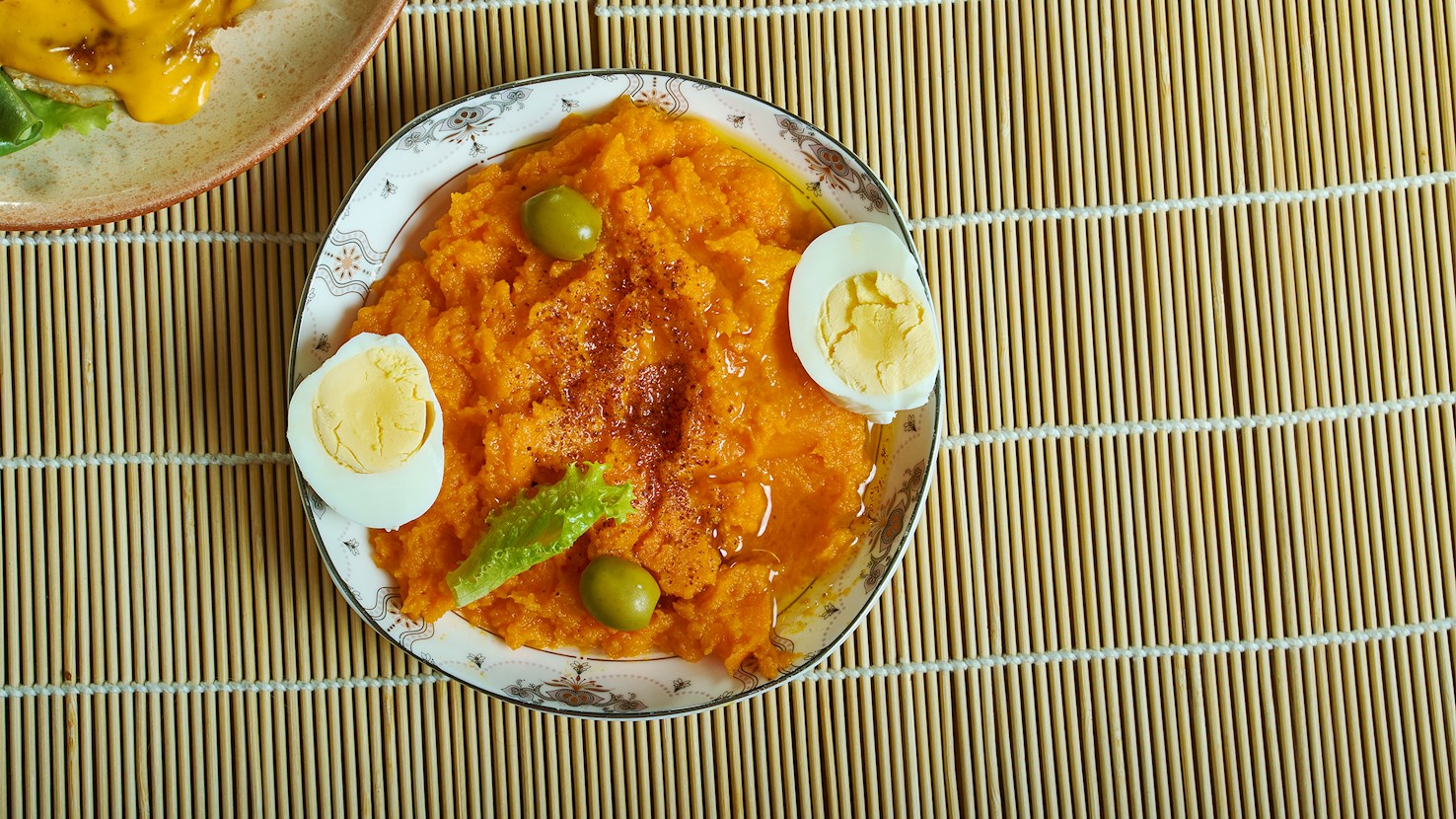
Houria is a Tunisian salad made with carrots, harissa, garlic, vinegar, olive oil, caraway seeds, and salt. The salad is inexpensive and very easy to prepare. The carrots should be boiled and then lightly smashed into a purée. The purée is then combined with all other ingredients, and the salad is typically garnished with finely chopped parsley on top. However, there are many versions of this dish, so it is not uncommon to see hard-boiled eggs, olives, crumbled feta cheese, or coriander in the salad, which is typically served as a side dish, but it can also be consumed on its own.

06
Salad

Mechouia Salad

4.2 ·

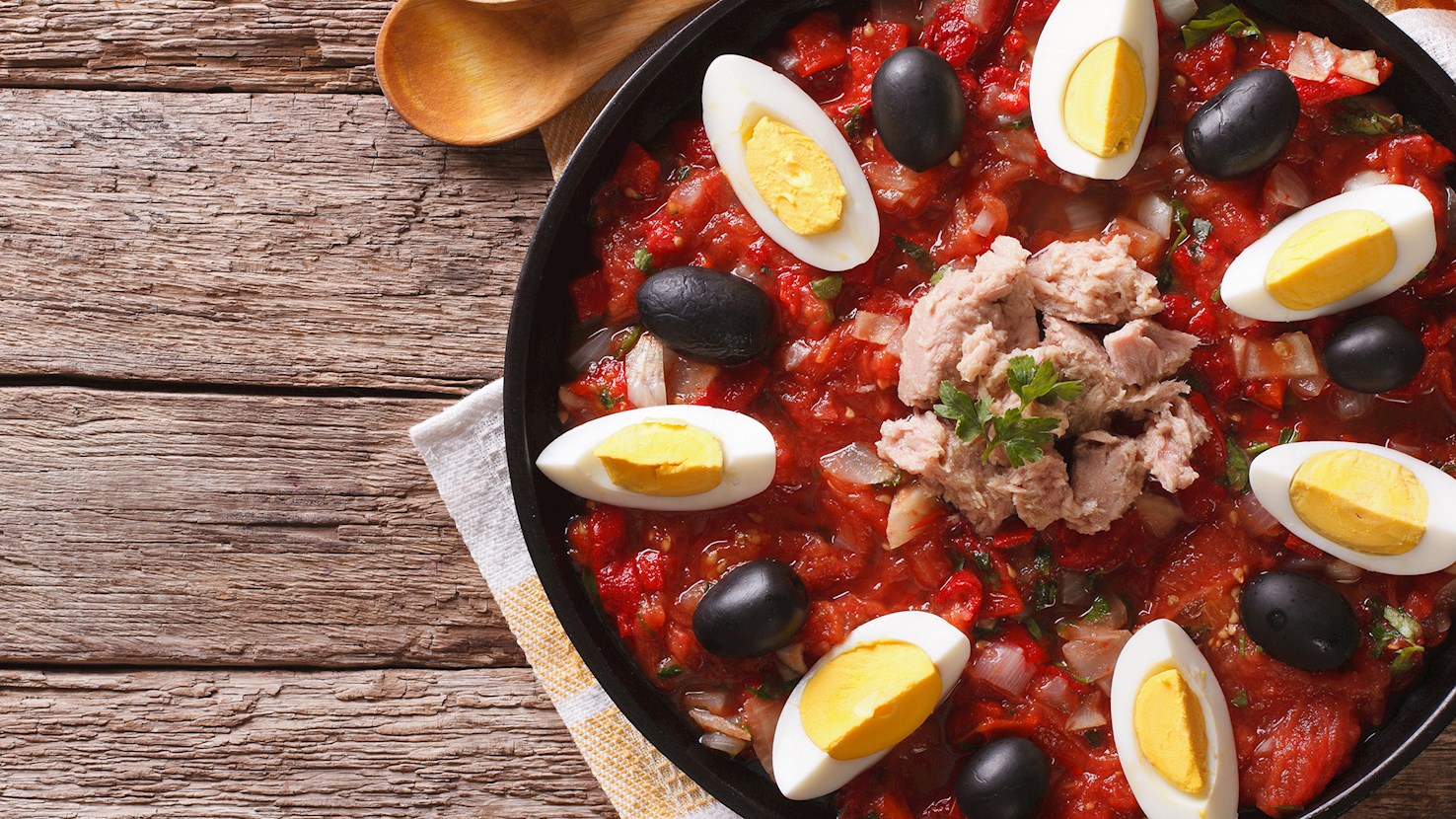
Mechouia is a Tunisian salad made with grilled, coarsely chopped onions, peppers, tomatoes, and garlic, drizzled with olive oil and seasoned with caraway, salt, and black pepper. The salad is then typically garnished with hard-boiled eggs, olives, or tuna. The salad can be served on its own, but it is also often served on toasted bread or baguette slices. It is quite common to find it in Tunisia as a part of a mix of appetizers in traditional restaurants.

07
Cooked Sausage

Merguez

4.1 ·

Merguez is a spicy, flavorful sausage that originates from North Africa, particularly Algeria, Tunisia, and Morocco. It is traditionally made from ground lamb or beef, or a combination of both. Merguez is known for its distinctive red color, which comes from the addition of spices such as paprika, chili pepper, and harissa (a hot chili paste). Other common seasonings include cumin, garlic, coriander, fennel, and sumac. The sausages are typically stuffed into lamb casings and can be grilled, pan-fried, or used in a variety of dishes, including stews, tagines, and couscous. Merguez is popular in North African cuisine and has also become widely enjoyed in France and other parts of Europe. The spicy and aromatic profile of merguez makes it a unique and cherished ingredient in many traditional dishes.

08
Savory Pastry

Brik

4.1 ·

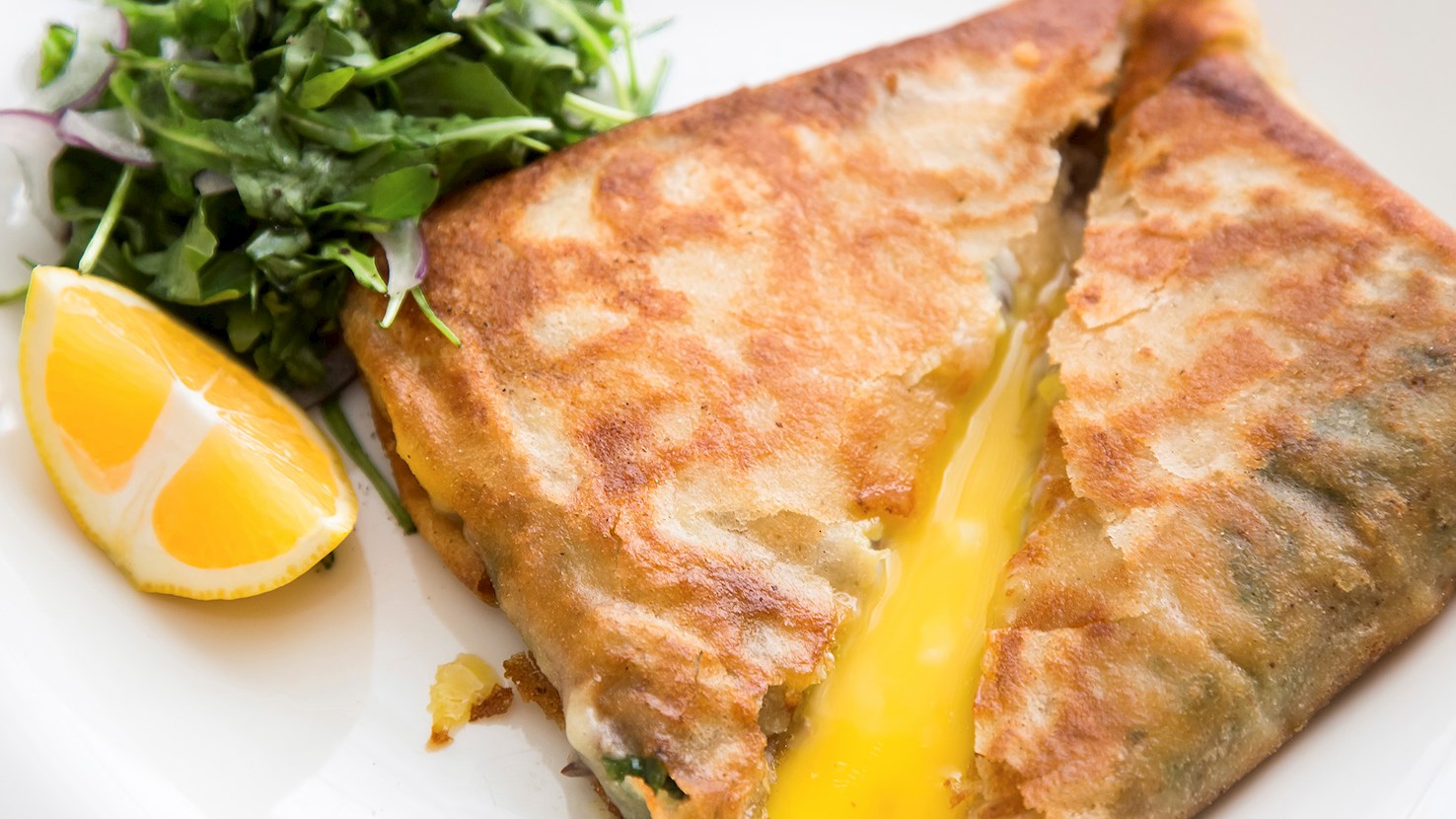
Tunisian brik is a popular dish that incorporates flaky dough filled with a variety of savory ingredients. Traditionally, malsouqa dough is used to create brik, but the more available phyllo pastry is commonly used as a replacement. Brik is usually made with layers of laminated pastry, to achieve a crunchy, layered texture. The pockets are filled with stuffing, skilfully folded, then shortly fried in deep oil or baked in an oven. The most common filling is tuna-based, enriched with traditional North African spices such as cilantro, chilis, pepper, or coriander seeds. A raw egg is often placed on top of the tuna filling, the pastry is carefully folded, and the egg partially cooks inside the flaky pastry. Other fillings can also include minced meat, anchovies, chicken, or various vegetables. Since this Tunisian classic is usually deep-fried, lemon wedges are a standard accompaniment to a plate of hot briks. The pastry is drizzled with lemon juice, which provides a hint of necessary freshness to the dish. Standard Tunisian wedding tradition suggests that the potential future husband is served an egg brik, and is supposed to eat it without dripping in order to be allowed to wed the bride. A plate of brik is commonly served as a Ramadan meal, but it is usually consumed throughout the year. Brik is always served fresh and hot.

09
Vegetable Dish

Kafteji

4.1 ·

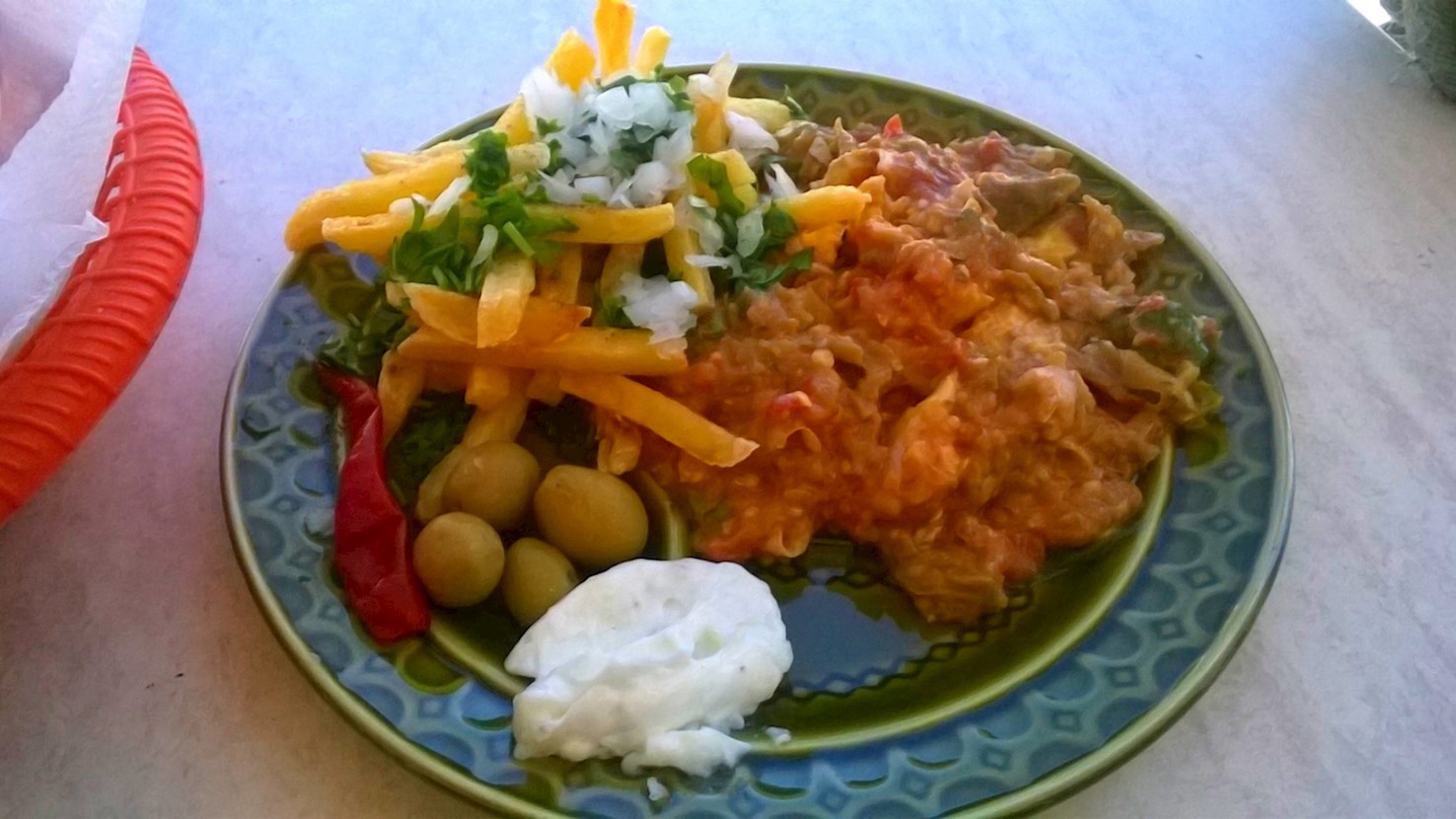
Kafteji is a traditional dish made with fried vegetables. Typical veggies used in the dish include eggplants, bell peppers, potatoes, tomatoes, zucchinis, and pumpkins. The vegetables are fried, chopped, then combined with (often fried) eggs and seasonings. The dish is often sprinkled with parsley or coriander, and it's then served as a side to poultry or fish, although it can be eaten as it is. Kafteji is also a popular Tunisian street food, often served in a baguette.

10
Sandwich

Fricassee

4 ·

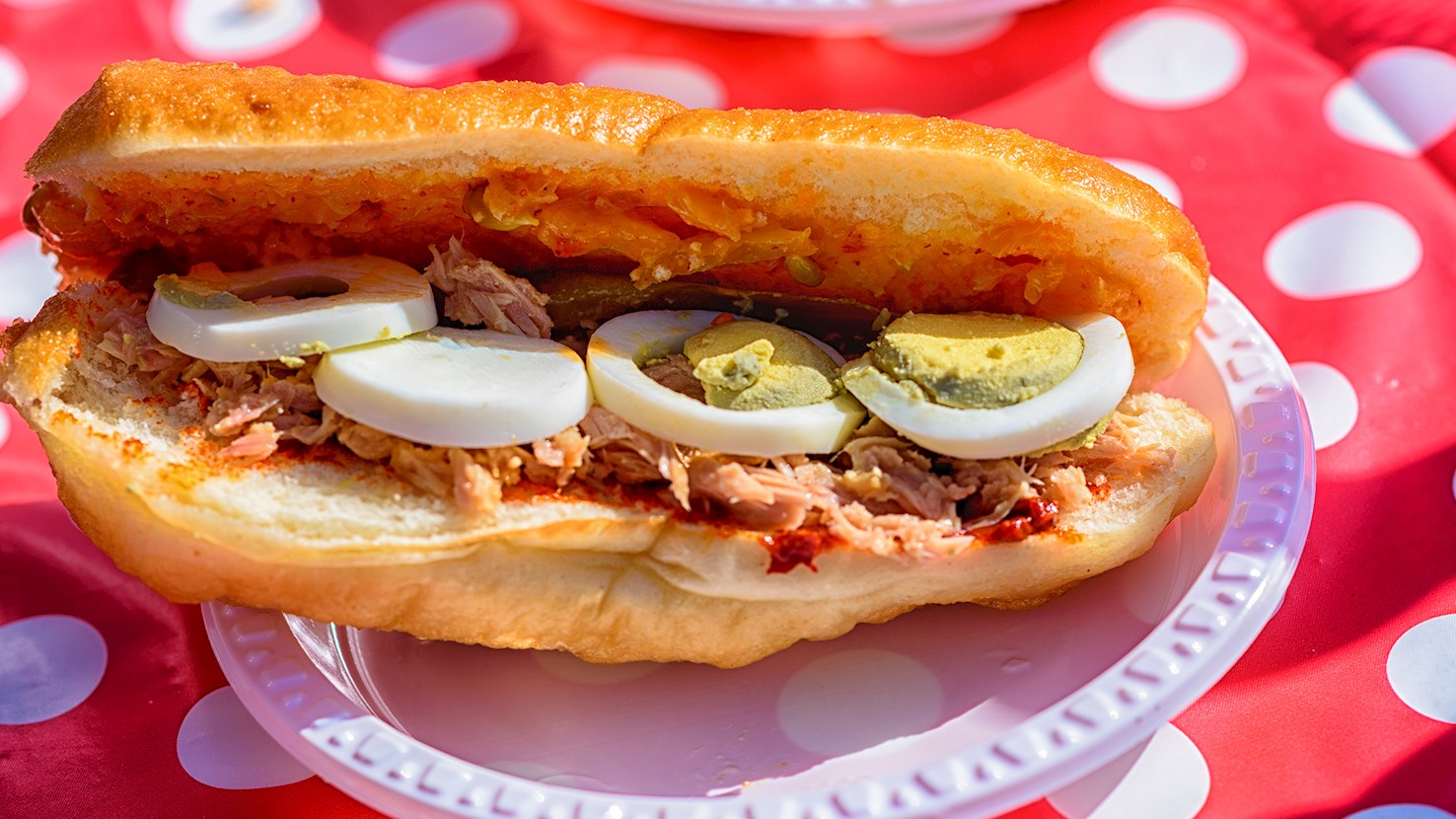
Fricassee is a traditional sandwich that's packed with flavor, but also with lots of calories. The base is made with flour, eggs, oil, salt, water, and yeast, and it is then shaped into round or elongated rolls which are fried in hot oil and filled with tuna, hummus, boiled eggs, capers, olives, harissa, and boiled potatoes. Although this sandwich can be made at home, it is especially popular at fast food restaurants and sandwich shops.

Best Tunisian food products

01
Olive Oil

Olivko

5 ·
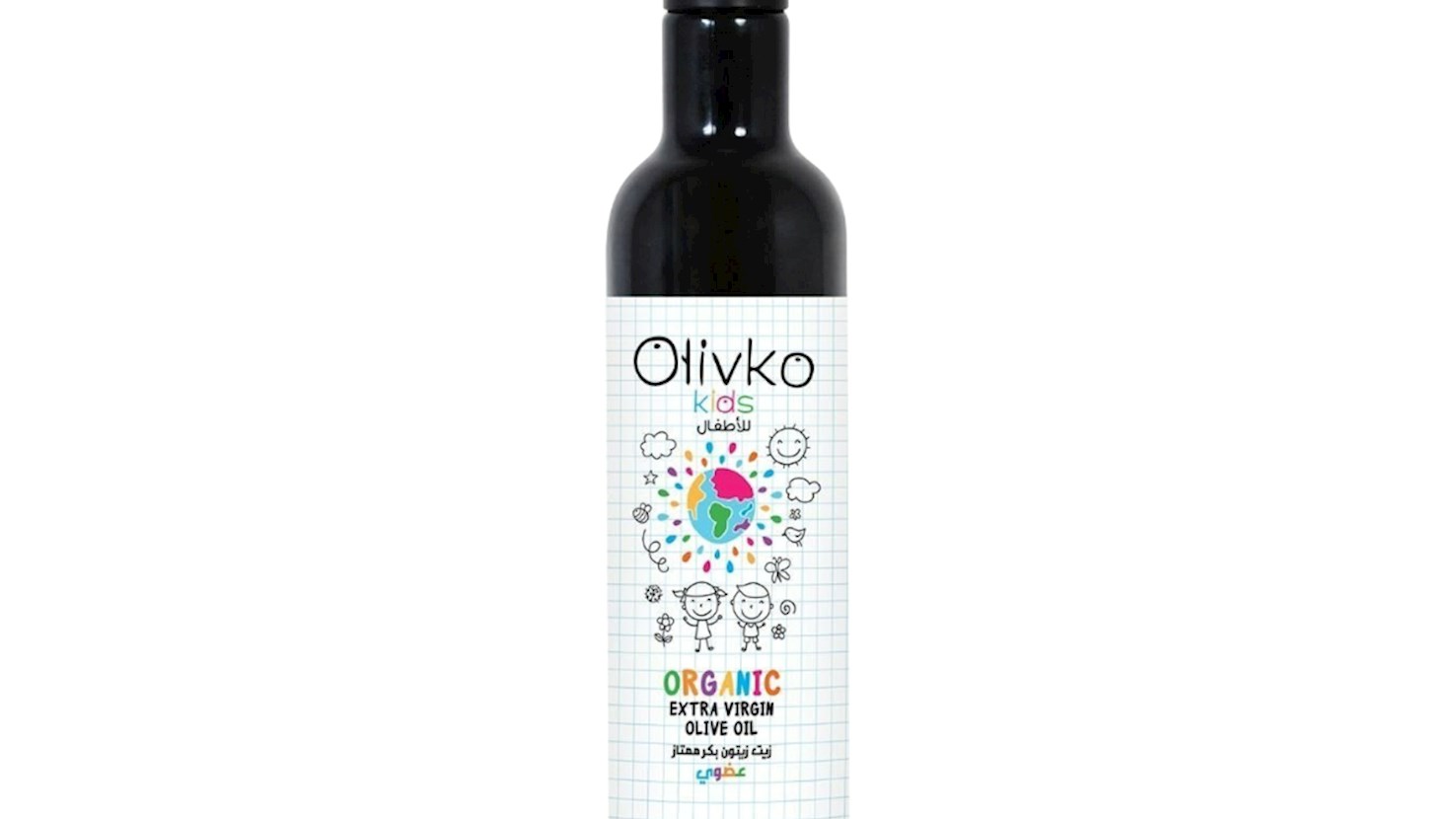
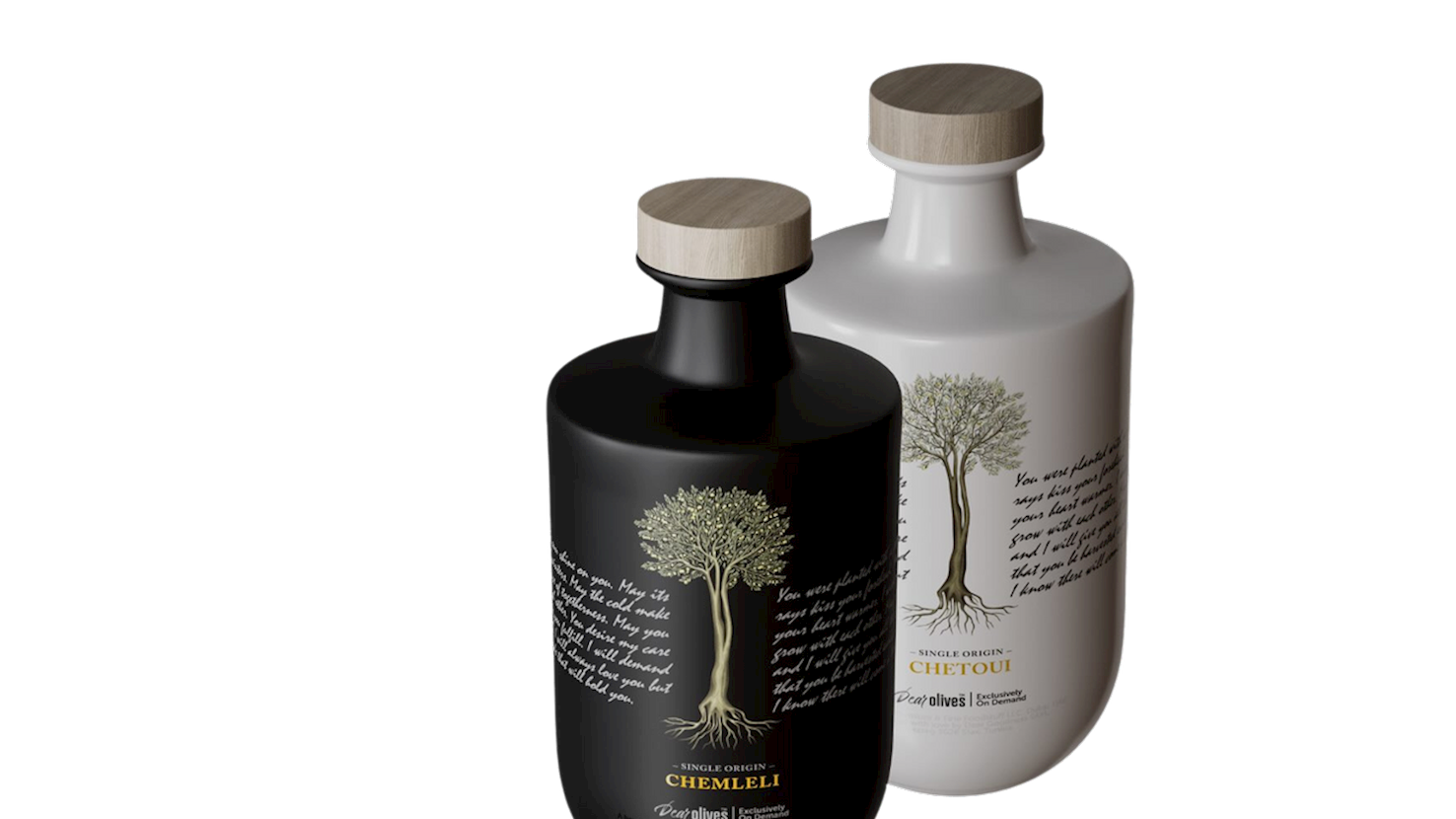
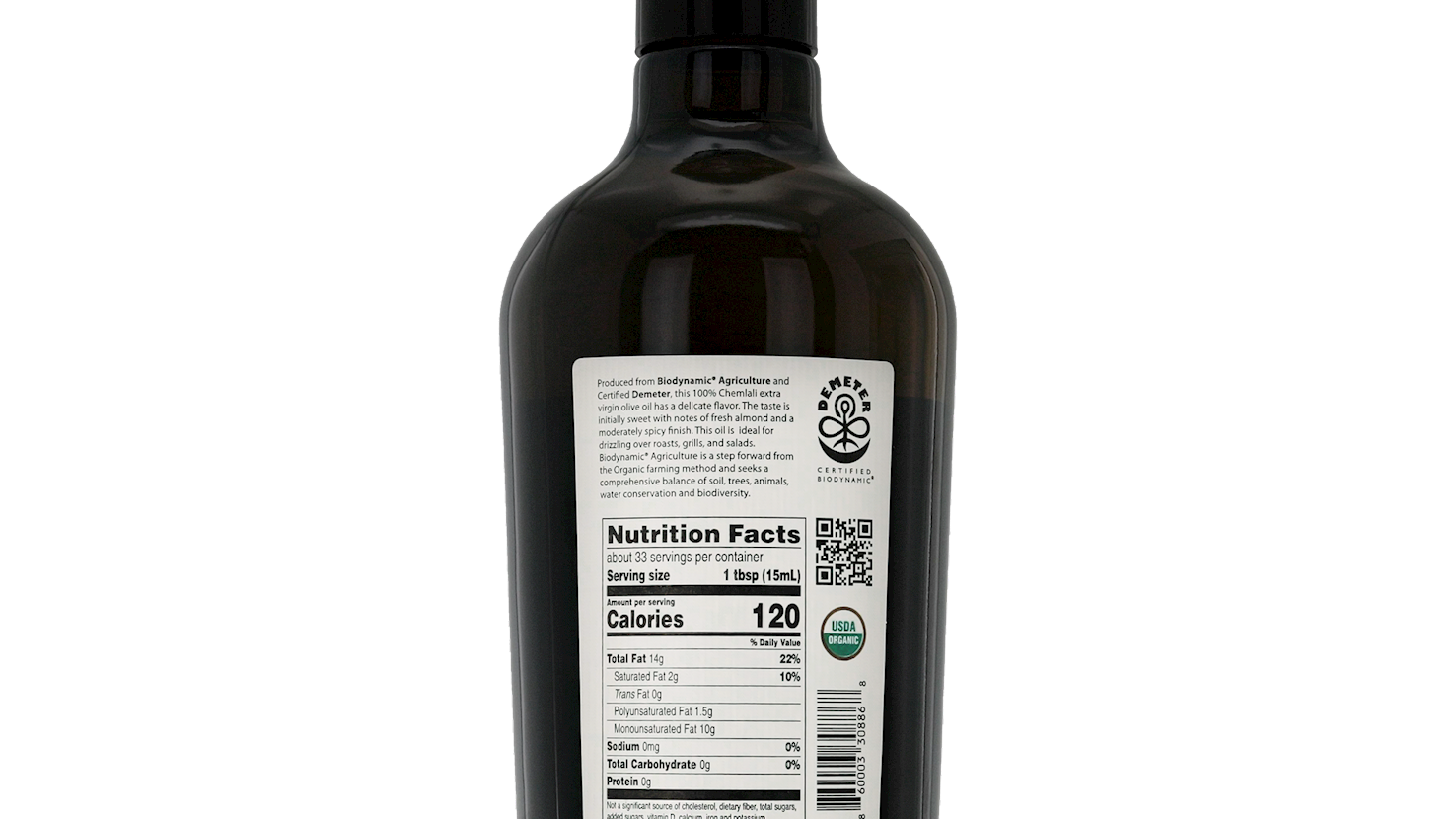
Olivko is a renowned Tunisian producer of organic extra virgin olive oil, known for its exceptional quality, traditional production methods, and numerous international awards. The company uses only hand-picked olives that are cold-pressed within hours of harvest, preserving the oil’s full nutritional and aromatic properties. Their range includes monovarietal types such as Chemlali and Chetoui, both of which have won multiple gold medals at world competitions, including prestigious events in New York and London. Behind the brand stands Karim Fitouri, a British-Tunisian entrepreneur who returned to his homeland in 2017 with the goal of building a world-class Tunisian brand. The very first Olivko oil, pressed at the end of 2016, earned Tunisia its first gold medal in the organic olive oil category. Since then, Olivko has won over 100 international awards and become a global ambassador for Tunisian excellence, exporting its oils across Europe, North America, India, and the Middle East. Fitouri is also well-known for his efforts to improve the quality and reputation of the entire Tunisian olive oil sector.
Awards
London IOOC - Platinum (2022)
ATHENA IOOC - Double Gold (2020)
02
Olive Oil

Domaine Adonis

5 ·
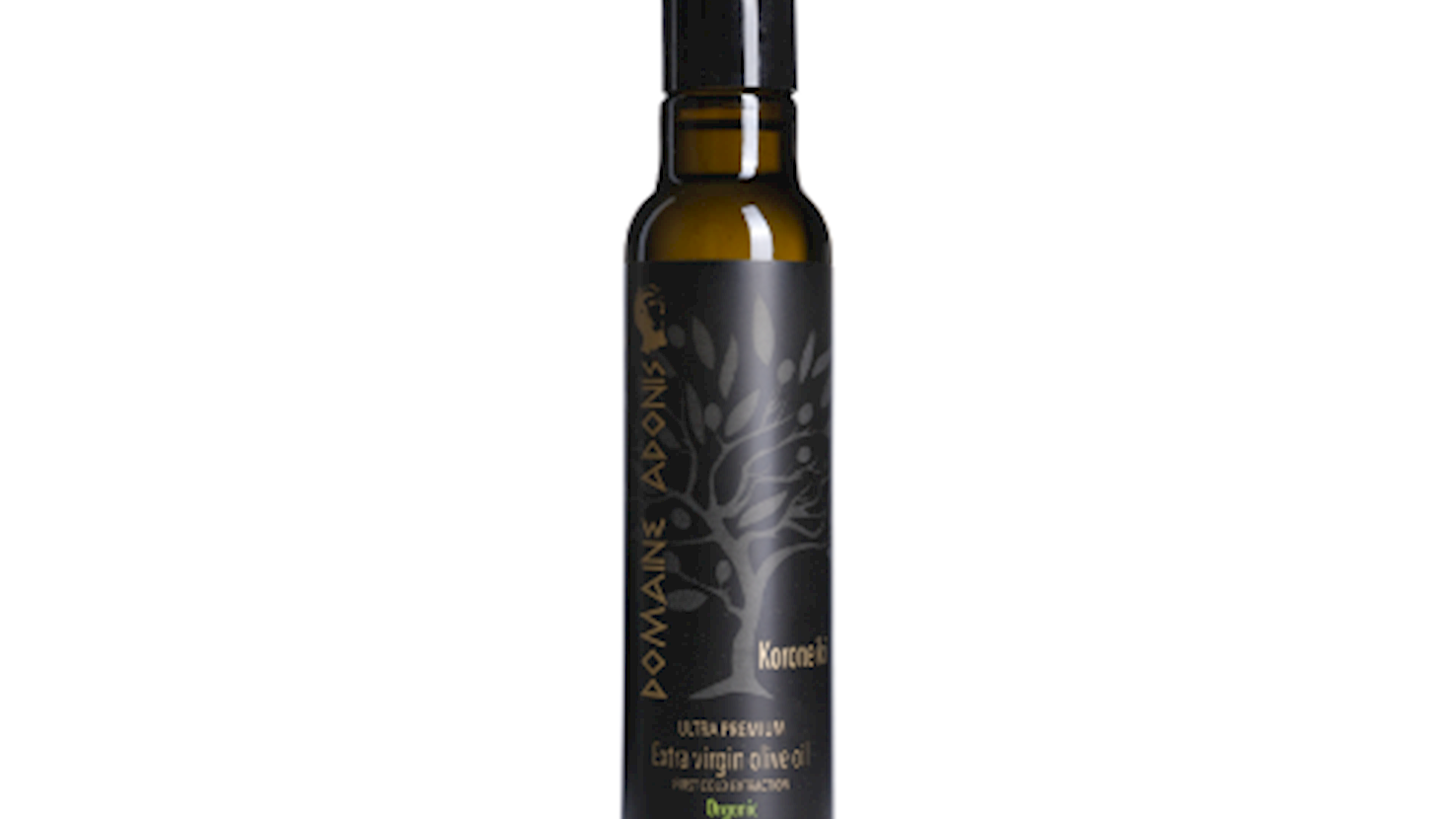
Domaine Adonis is a renowned olive oil producer from Tunisia, known for combining tradition with modern methods in olive cultivation and processing. Located in the northwestern part of the country, in the town of Testour, within the Béja governorate—a region with ideal climatic conditions for olive growing—Domaine Adonis uses native olive varieties such as Chemlali and Chetoui, known for their rich aromatic profile and high polyphenol content. Production follows the principles of organic agriculture, without the use of pesticides or chemicals, and the olives are cold-pressed within just a few hours of harvest. This approach preserves the natural antioxidants and the pronounced fruity notes that characterize their extra virgin olive oils. Their work has been recognized at numerous international competitions, where they have won awards for quality, purity, and distinctive flavor.
Awards
ATHENA IOOC - Double Gold (2024)
London IOOC - Platinum (2021)
03
Olive Oil

Parcelle 26 (spal)

4.9 ·
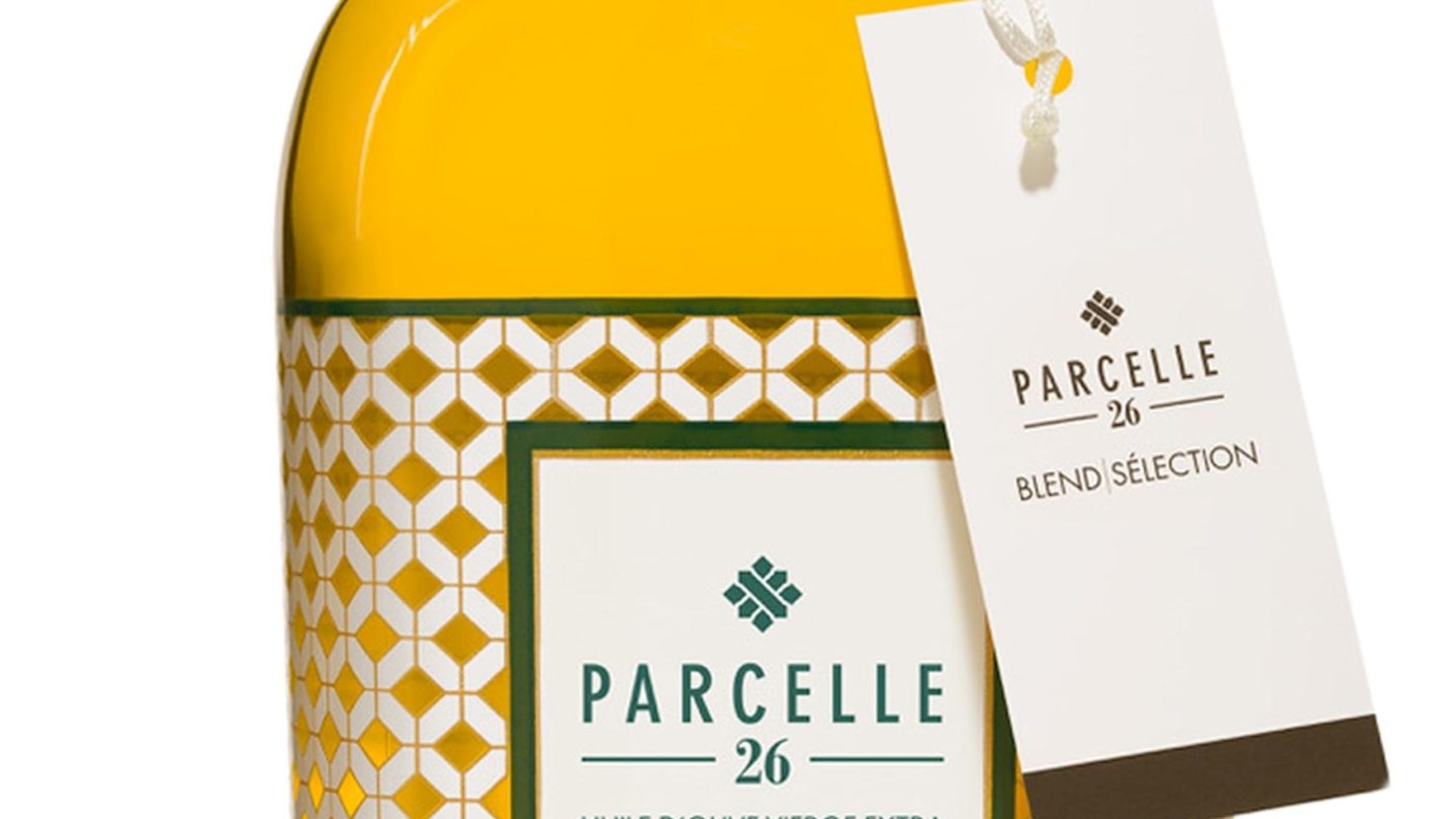
Parcelle 26 (SPAL) is an olive oil producer based in Paris. They focus on producing high-quality olive oil, with a strong emphasis on maintaining traditional methods of oil extraction. The company is committed to sustainability and often highlights the importance of environmentally friendly practices in their production process.
Awards
Olive Japan - Gold (2023, 2022, 2021)
London IOOC - Gold (2023, 2022, 2021)
04
Olive Oil

Dear Goodness

4.9 ·
Dear Goodness is an olive oil producer based in Tunisia. The company focuses on producing organic, extra virgin olive oil. They use traditional methods combined with modern techniques to ensure quality.
Awards
EVO IOOC - Gold Medal (2023)
London IOOC - Gold (2023, 2022)
05
Olive Oil

Ste Olea Kotti

4.7 ·
STE OLEA KOTTI is an olive oil producer located in Sousse, Tunisia. The company specializes in the production and export of high-quality olive oils. STE OLEA KOTTI sources its olives from local groves, ensuring freshness and quality. The company utilizes modern extraction and bottling techniques to maintain the nutritional properties and flavor of its olive oils. STE OLEA KOTTI targets both domestic and international markets.
Awards
London IOOC - Platinum (2022)
Olive Japan - Gold (2023, 2022)
06
Olive Oil

Domaine Chograne

4.6 ·
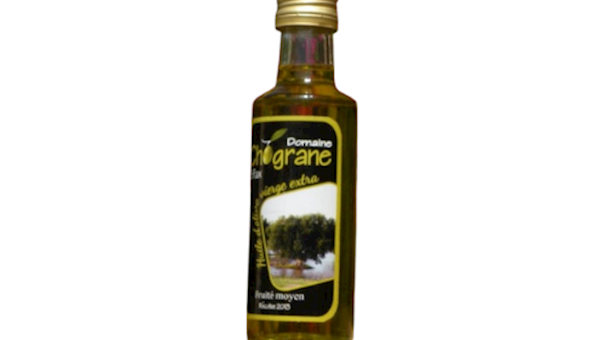
Domaine Chograne is a premium olive oil from Tunisia, produced by the family-owned mill Huilerie Raouf Ellouze. This brand was created out of a desire to preserve the tradition of olive growing and convey the richness of local varieties through top-quality oil. The olives are grown without the use of pesticides or chemical fertilizers, on land cultivated in harmony with natural cycles. Harvesting is done by hand, early in the season, in order to preserve a high concentration of natural polyphenols and achieve an intense taste and aroma. The processing takes place immediately after harvesting, using cold extraction, which allows the oil to retain all its nutritional and aromatic properties. Domaine Chograne is distinguished by pronounced herbal and floral notes, with mild spiciness and balanced bitterness—qualities that make it ideal for fresh use, such as drizzling over salads, grilled vegetables, or fine appetizers.
07
Olive Oil

Société Chebla

4.6 ·
Awards
EVO IOOC - Gold Medal (2023)
08
Olive Oil

Sotam

4.6 ·
Awards
EVO IOOC - Gold Medal (2022)
09
Olive Oil

Al Rajhi El Ferjani Food Industry Company

4.6 ·
Awards
EVO IOOC - Gold Medal (2022)
ATHENA IOOC - Gold (2022)
10
Fruit Product

Nouri Dattes

4.6 ·
Nouri Dattes is a family-owned Tunisian company with a heritage spanning more than a century, founded in 1892 and specializing in the cultivation, processing, and export of Deglet Nour dates. The company is based in southern Tunisia, in oasis regions known for their ideal climate for date palm cultivation. The Nouri family owns its own plantations, ensuring full control over every stage of production - from harvesting and sorting to packaging and global distribution. The Deglet Nour variety forms the core of their portfolio, symbolizing the harmony between tradition, quality, and distinctive flavor. The fruits are light golden to amber in color, semi-translucent, and visually elegant, offering a rich yet balanced taste that blends honey and caramel notes. Nouri Dattes dates are celebrated for their delicate yet firm texture, natural sweetness, and refined aroma that distinguishes them among North African varieties. In addition to Deglet Nour, the company occasionally offers other Tunisian varieties intended for industrial and culinary use. Its packaging design highlights the elegance and authenticity of Tunisian origin, appealing to premium and gift markets. Today, Nouri Dattes stands as a symbol of genuine Tunisian quality, heritage, and export excellence, holding a prestigious position among the world’s leading date producers.
Read more
View all
View map
About this ranking

TasteAtlas food rankings are based on the ratings of the TasteAtlas audience, with a series of mechanisms that recognize real users and that ignore bot, nationalist or local patriotic ratings, and give additional value to the ratings of users that the system recognizes as knowledgeable. For the “Top 60 Tunisian Foods” list until June 17, 2026, 7,182 ratings were recorded, of which 1,867 were recognized by the system as legitimate. TasteAtlas Rankings should not be seen as the final global conclusion about food. Their purpose is to promote excellent local foods, instill pride in traditional dishes, and arouse curiosity about dishes you haven’t tried.

The initial list of top producers was compiled based on available reviews, awards, local recommendations, media and blog coverage, and consumer reviews. The list will be updated with ratings from TasteAtlas local ambassadors and TasteAtlas users.

Similar lists