M.B.

Top 8 Peruvian Non-alcoholic Beverages

Last updated on June 15, 2026

Best Peruvian Non-alcoholic Beverages
01

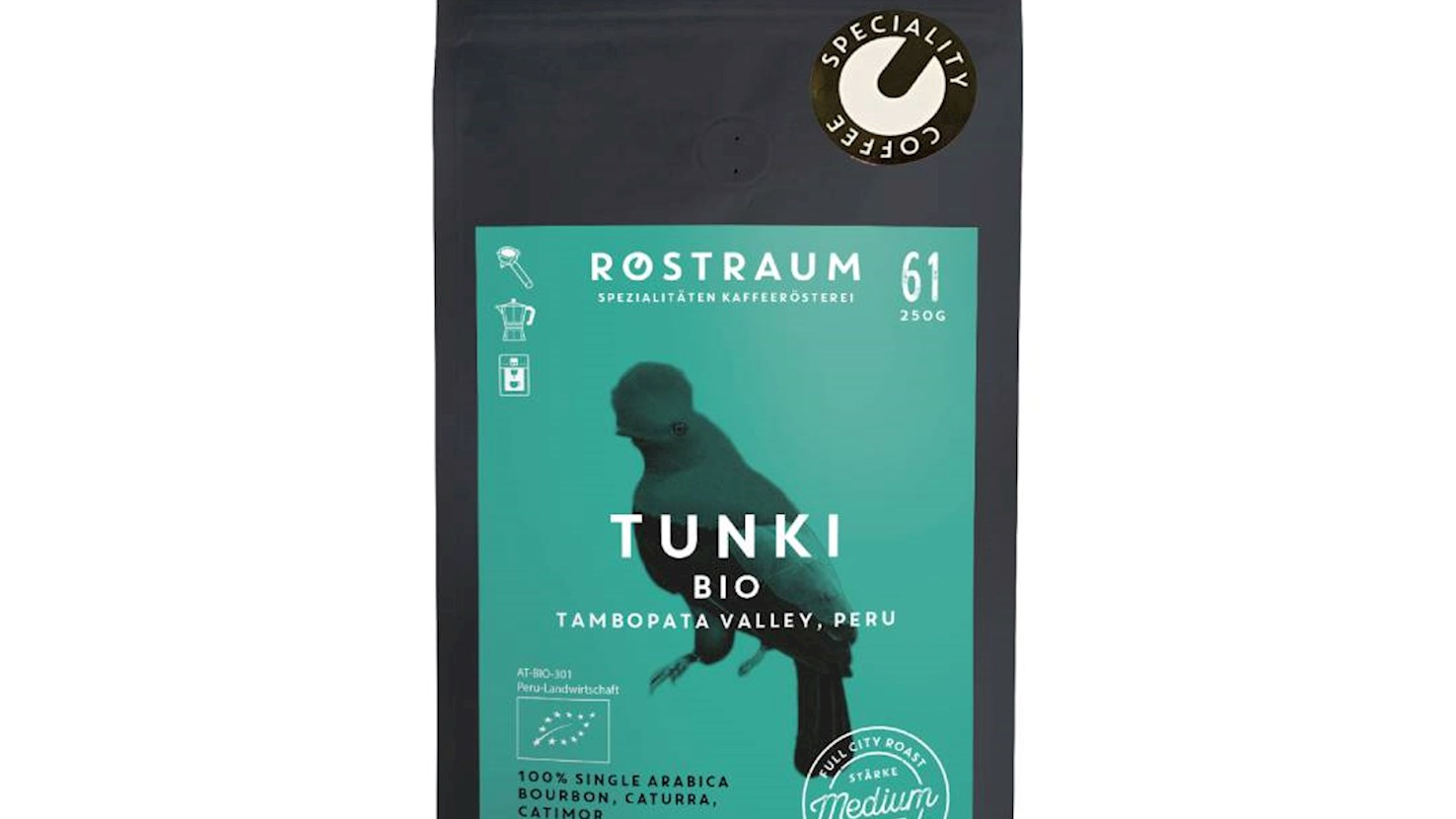
Tunki Coffee

4.6 ·
​Tunki Coffee is a distinguished single-origin coffee originating from the Puno region of Peru. Cultivated by the indigenous Quechua and Aymara communities in the fertile soils of the Peruvian Andes, this 100% Arabica coffee is grown at altitudes ranging from 1,300 to 1,800 meters above sea level. ​ The flavor profile of Tunki Coffee is characterized by a superb floral aroma with sweet chocolate and treacle notes, enhanced with undertones of citrus and red berries. This exclusive organic coffee encompasses intensity of flavor, full body, and citrus acidity, offering a luxurious experience for coffee connoisseurs. ​
02

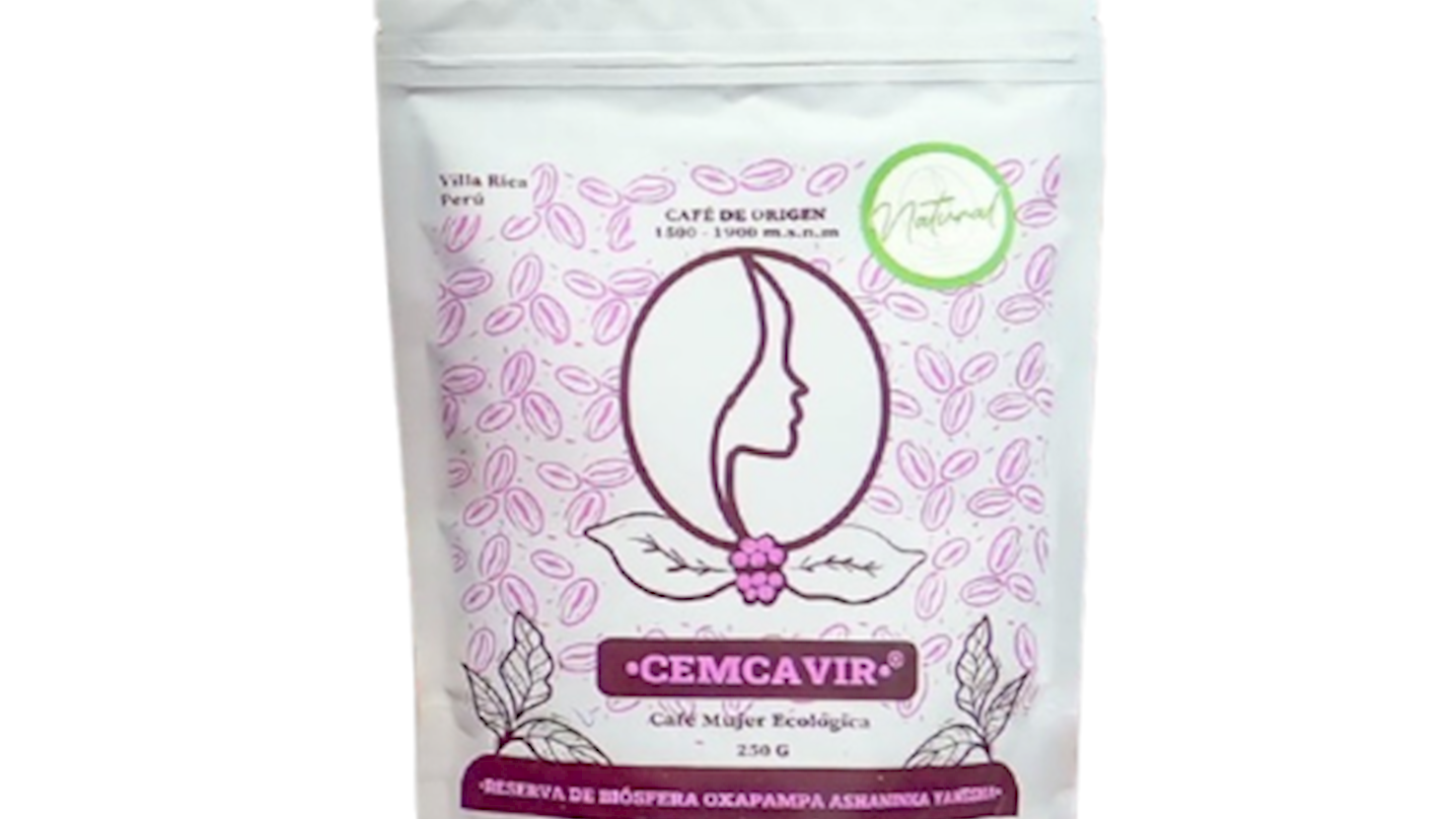
Cemcavir

4.5 ·
Cemcavir or Cooperativa Ecológica de Mujeres Cafetaleras Villa Rica is a coffee producers’ cooperative based in the Villa Rica area of the Pasco region in central Peru. The organization brings together women coffee growers who joined forces to produce and market high-quality organic coffee while strengthening the economic independence and social role of women within their communities. The members’ farms are located in the Andean highlands, at elevations well suited for Arabica cultivation, where favorable climate conditions, fertile soils and rich biodiversity contribute to the development of complex coffee profiles. Production follows ecological principles, avoiding synthetic pesticides and promoting sustainable farming practices. The cooperative is composed mainly of small family farms cultivating traditional Arabica varieties such as Caturra, Bourbon and Catimor. The coffee is typically processed using the washed method, which helps preserve clarity and balance in the cup. Coffees from the Villa Rica region are often characterized by notes of chocolate, nuts and subtle fruit tones, combined with medium body and balanced acidity. Beyond production, Cemcavir also plays an important social role by providing its members with access to training, shared infrastructure and international specialty coffee markets. Through this model, the cooperative represents an example of how collective organization can support sustainable rural development while preserving the coffee-growing traditions of the Peruvian Andes.
Awards
AVPA - Agence pour la Valorisation des Produits Agricoles - Gourmet Or (2025)
03

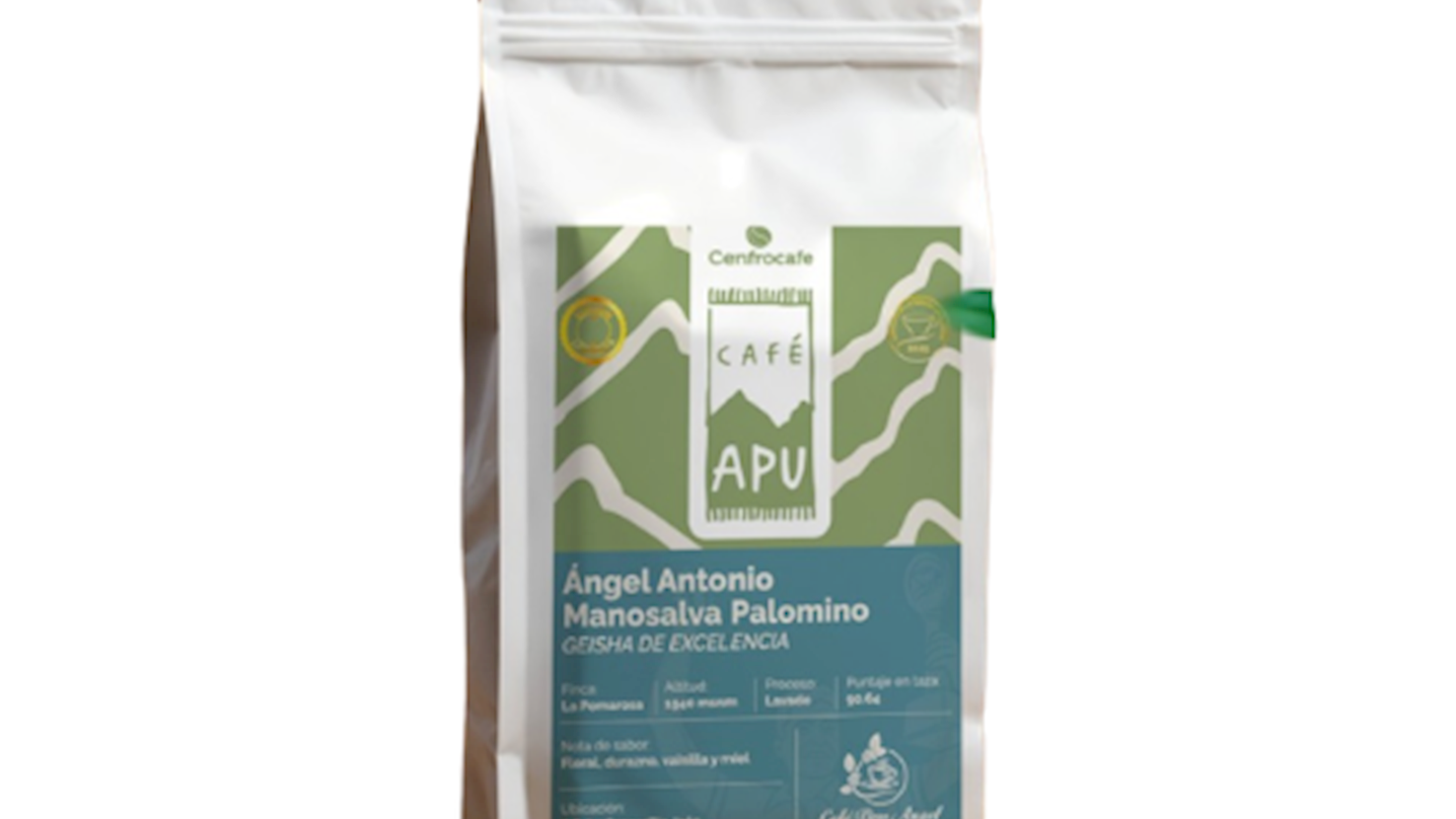
Cenfrocafe

4.5 ·
Cenfrocafe is a coffee producers’ cooperative based in the Cajamarca region in northern Peru, near the border with Ecuador. The organization was founded in 1999 when 11 local associations and around 220 small coffee farmers joined together to collectively organize the production, processing, and export of their coffee. Today the cooperative brings together more than 2,800-3,000 farming families from numerous local associations across the provinces of Jaén, San Ignacio, and Bagua. Members cultivate coffee on small farms located at altitudes generally above 1,000 meters, where Arabica varieties such as Caturra, Bourbon, and Typica are commonly grown. Production is largely based on organic farming methods and agroforestry systems, with coffee plants grown under shade trees to help preserve soil health and biodiversity. The cooperative manages the collection, quality control, processing, and export of coffee produced by its members, allowing smallholder farmers to access international markets. Coffees from the Cenfrocafe network are often characterized by a balanced flavor profile with notes of chocolate, fruit, and nuts, typical of coffees from the Cajamarca region. Through its cooperative structure and certifications such as Organic and Fair Trade, Cenfrocafe plays an important role in the development of the specialty coffee sector and in improving the livelihoods of small coffee producers in northern Peru.
04

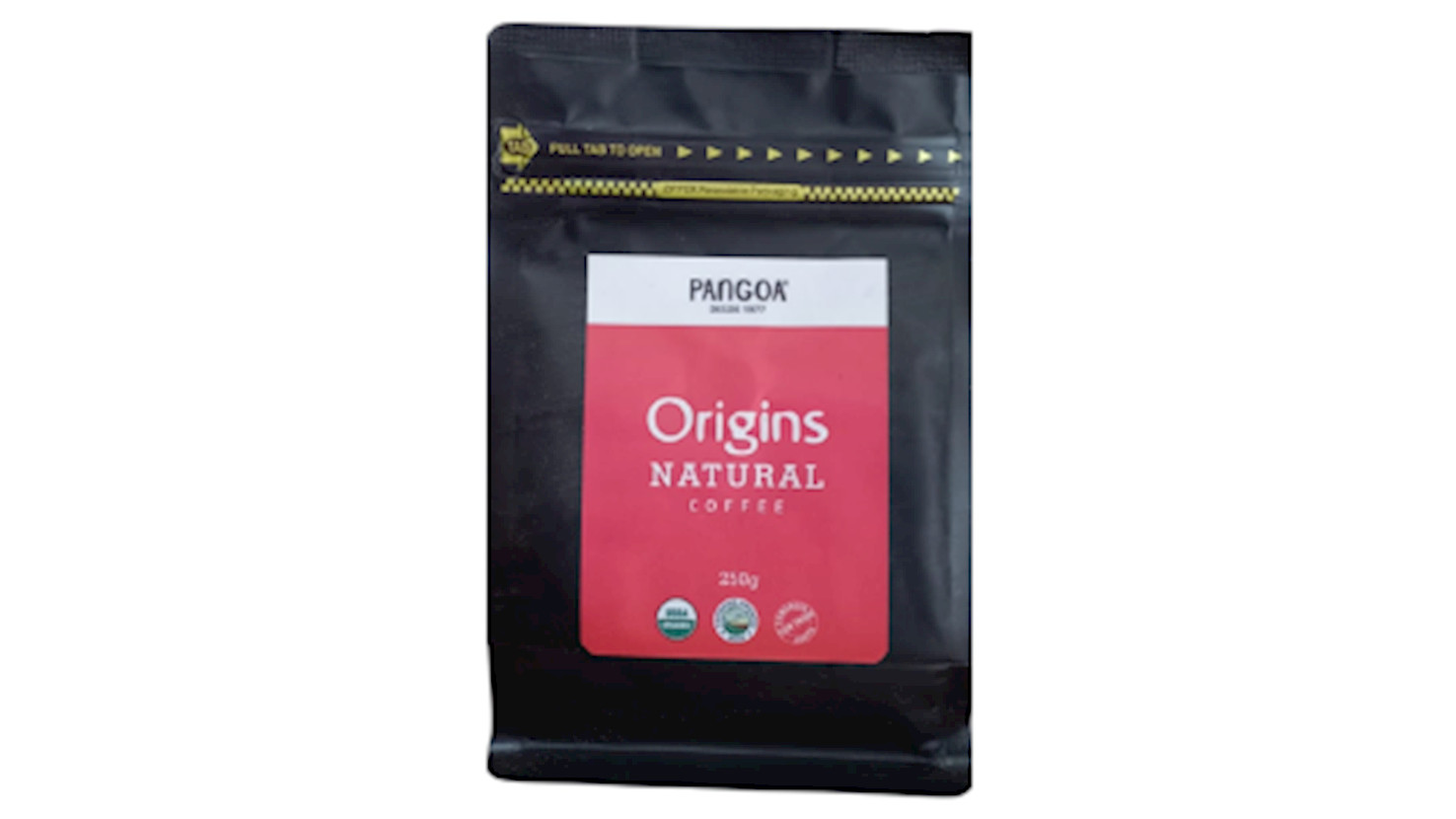
Cooperativa Agraria Cafetalera Pangoa

n/a ·
Cooperativa Agraria Cafetalera Pangoa is an agricultural cooperative based in the district of San Martín de Pangoa in the Junín region of central Peru. It was founded in 1977 when a group of small coffee farmers joined forces to organize the production, processing, and marketing of their coffee collectively. Today the cooperative brings together hundreds of farming families who cultivate coffee and cocoa on small plots located on the eastern slopes of the Andes in the area known as the Central Selva. Production is largely based on sustainable and organic farming practices, often within agroforestry systems where coffee grows under the shade of native trees, helping preserve biodiversity and soil fertility. The most common Arabica varieties grown by members include Caturra, Bourbon, Typica, and Pache, which are well suited to the high-altitude conditions of the region and known for their balanced flavor profile. The cooperative manages the collection, processing, quality control, and export of its members’ products, enabling small producers to access international markets. Cooperativa Agraria Cafetalera Pangoa holds certifications such as Organic and Fair Trade and supports training programs aimed at improving farming practices and product quality. Through this cooperative model and its focus on sustainability and quality, Cooperativa Agraria Cafetalera Pangoa has become one of the recognized coffee and cocoa producer organizations in Peru’s Central Selva region.
Awards
AVPA - Agence pour la Valorisation des Produits Agricoles - Gourmet Or (2023)
Academy of Chocolate - Silver (2023)
05

Origen Tostadores de Café

n/a ·
Origen Tostadores de Café is a Peruvian specialty coffee roastery and café based in Lima, founded in 2013 with the aim of showcasing high-quality coffees from different regions of Peru and connecting consumers directly with coffee producers. The concept of the brand is built around close collaboration with small coffee farmers and transparency of origin, so each coffee can be traced to a specific region or farm. The team regularly visits farms across the country, working with producers to improve fermentation techniques, processing methods, and overall bean quality. Their selection focuses on single-origin coffees and microlots sourced from well-known Peruvian coffee regions such as Cajamarca, Cusco, and the central Andean highlands. Origen operates not only as a roastery but also as a café and educational space where baristas promote different brewing methods and host cupping sessions. The brand has been actively involved in the development of Peru’s specialty coffee culture and its team includes baristas who have participated in national coffee competitions. Through careful roasting and direct relationships with producers, Origen Tostadores de Café highlights the diversity and potential of Peruvian coffee for both local and international markets.
06

Puku Puku

n/a ·
Puku Puku is a Peruvian specialty coffee roastery and café brand founded in 2013 in Lima, with the aim of promoting high-quality coffee from different regions of Peru. The brand focuses on sourcing beans directly from small coffee producers across the country, including regions such as Amazonas, Cusco, and Puno, emphasizing transparency and fair relationships with farmers. Puku Puku works primarily with single-origin coffees and microlots, allowing each coffee to reflect the characteristics of its specific terroir, altitude, and processing method. The beans are roasted in small batches to preserve freshness and highlight the natural flavors of the coffee. In their cafés, customers can experience a range of brewing styles, from espresso to filter methods such as V60 and Chemex. The company also aims to educate consumers about Peruvian coffee by sharing information about the producers, regions, and sensory profiles of each coffee they serve. Over time, Puku Puku has expanded to several locations in cities such as Lima, Cusco, and Arequipa, becoming a recognized part of Peru’s specialty coffee scene. Through careful sourcing, roasting, and presentation, the brand highlights the diversity and quality of Peruvian coffee for both local and international audiences.
07

Incan Forests

n/a ·
Incan Forests is a Peruvian specialty coffee company founded in 2013 in the Chanchamayo region of central Peru, an area widely recognized for its long tradition of Arabica coffee cultivation. The initiative was created by women coffee producers who sought to process and roast beans from their own farms in order to bring high-quality organic coffee with clear origin to the market. Coffee is grown in mountainous terrain at altitudes ranging roughly between 1,200 and 1,850 meters above sea level, where volcanic soils, stable climate conditions and abundant rainfall provide an ideal environment for producing aromatic and complex beans. Plantations operate within agroforestry systems, where coffee plants grow under the shade of native trees, helping preserve biodiversity and reduce the environmental impact of cultivation. Farmers work with several Arabica varieties, including Caturra, Catuai, Geisha, Catimor and Typica, and apply different processing methods such as washed, honey and natural, which contribute to a diverse range of flavor profiles. The project brings together a network of small family farms that have cultivated coffee for generations while maintaining traditional agricultural knowledge and sustainable land management practices. Particular emphasis is placed on organic production without synthetic pesticides, as well as strict quality control to ensure the coffee remains free from ochratoxins, a mycotoxin that can develop during improper storage of beans. Over the years, Incan Forests has participated in international coffee competitions and exhibitions where its products have received several awards for quality. Today the brand seeks to connect the traditional expertise of local producers with the global specialty coffee market, promoting coffees that reflect the identity and terroir of the Peruvian Andes.
08

Tostaduría Bisetti

n/a ·
Tostaduría Bisetti is a Peruvian specialty coffee roastery and café located in the Barranco district of Lima. The brand originates from a family tradition started by Rómulo Bisetti in 1958, with the aim of introducing high-quality Peruvian coffee through careful roasting and an espresso culture influenced by the family’s Italian heritage. Today, Tostaduría Bisetti is recognized as one of the pioneers of the modern coffee scene in Peru and part of the specialty coffee movement that emphasizes bean origin, terroir, and direct relationships with producers. The coffees they use come from several Peruvian regions known for cultivating Arabica, including Cajamarca, Puno, and the central Andean highlands. Within the roastery, both single-origin coffees and carefully balanced blends are developed, using roasting profiles designed to highlight the natural aromatic qualities of the beans. The space also functions as a coffee laboratory where cupping sessions and roasting experiments are carried out. Visitors can experience different brewing methods, from classic espresso to filter preparations such as V60 or Chemex. Over the years, Bisetti has become an important reference point for specialty coffee enthusiasts in Lima and a place that actively promotes the quality and diversity of Peruvian coffee.

Best Peruvian Non-alcoholic Beverage Types
01

Chicha morada

4.2 ·

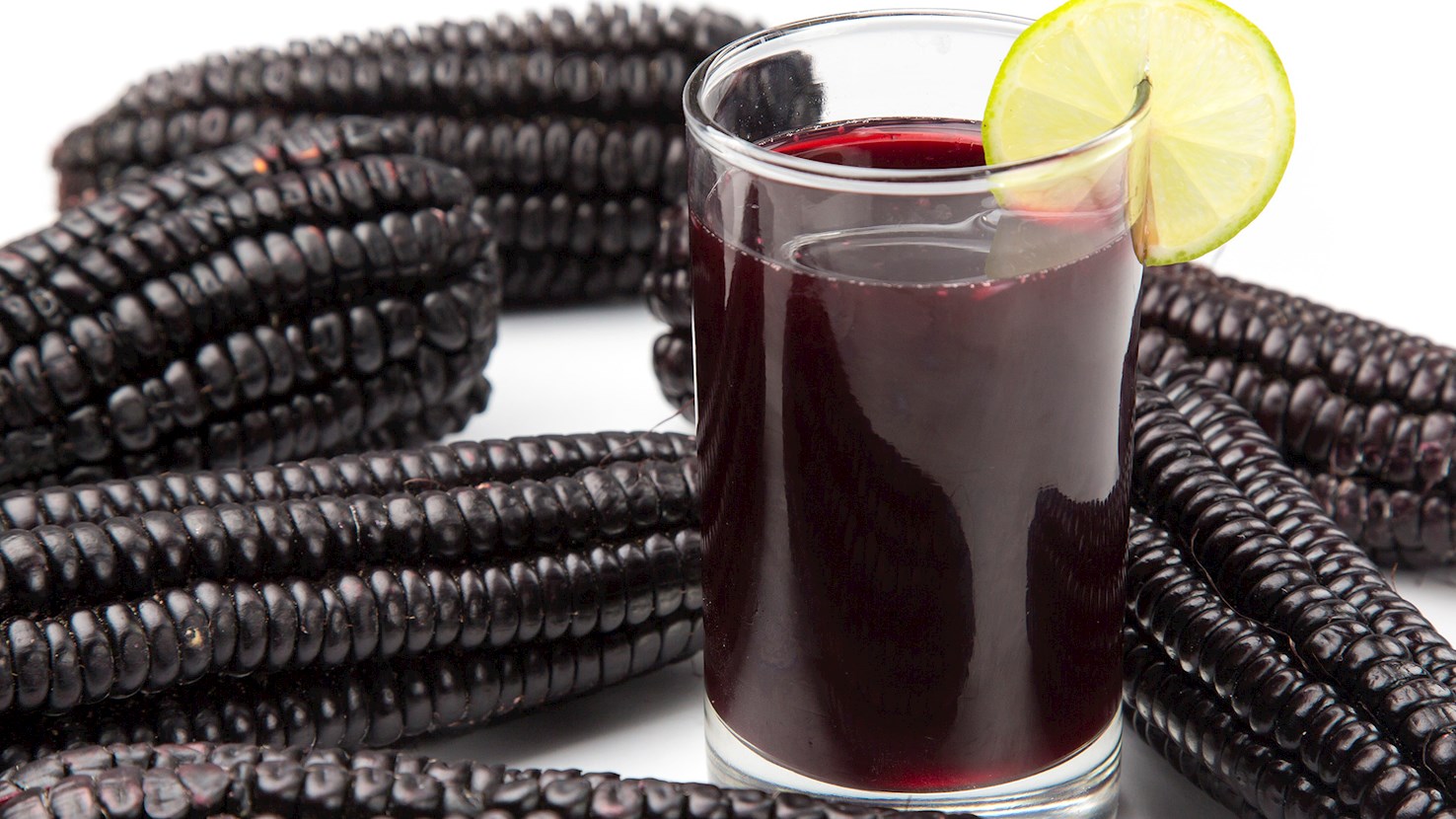
Chicha Morada is a non-alcoholic drink originating from Peru whose use and consumption dates back to the era before the creation of the Inca empire. It is traditionally made by boiling purple corn and pineapple rinds in water, and once all the juices have gotten into the water, the combination is left to cool down. Sugar, cinnamon, and cloves can be added later for extra flavor. This simple drink can be found in street markets as well as in upscale restaurants and home kitchens throughout Peru and Bolivia.

02

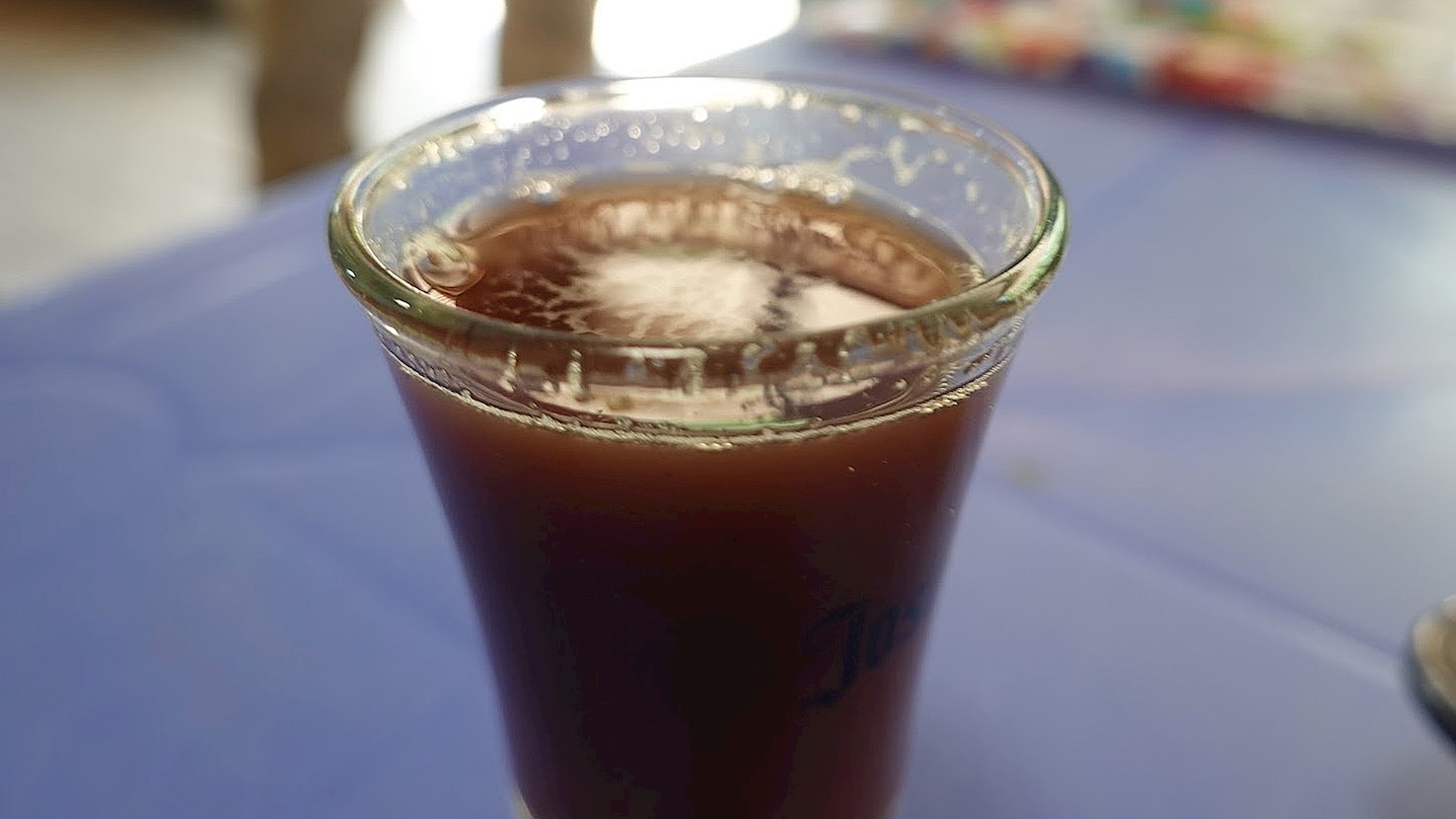
Siete Raíces

4 ·

Siete Raíces, also known as Seven Roots, is a herbal formula widely sold in markets and healths stores of Peru. It is believed that it can be used to increase energy and stamina and reduce fatigue, but it also acts an aphrodisiac by stimulating the center of the brain that controls pleasure. The formula is high in vitamins provided by the natural ingredients it is made from.

03

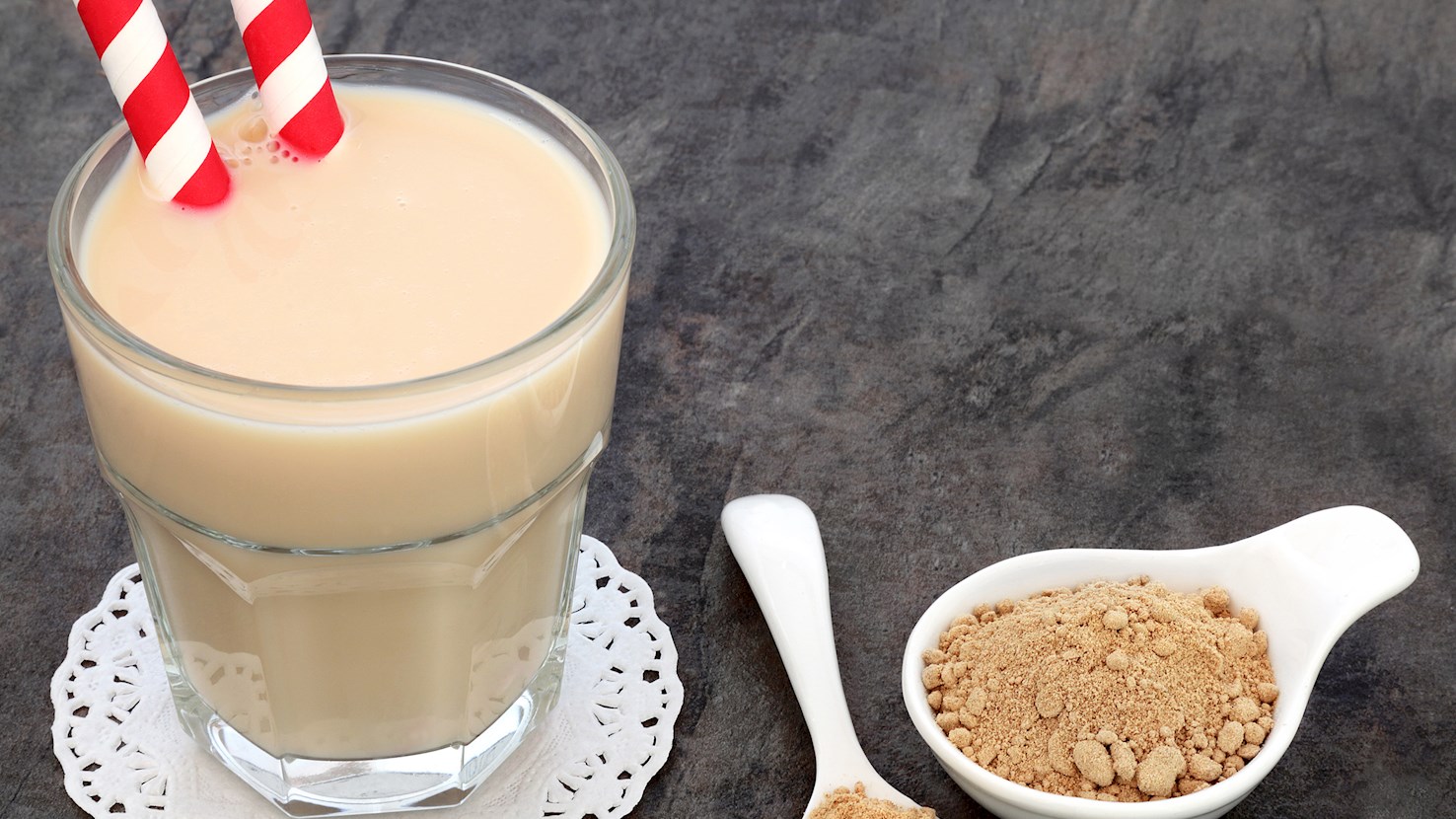
Ponche de maca (Maca punch)

3.8 ·

Often referred to as maca punch, ponche de maca is a flavorful juice with Peruvian origins. This nutritive beverage is primarily made with maca - a root with energizing and restorative properties that has been cultivated since the time of the Inca civilization. Apart from maca roots, ponche de maca is prepared with a mixture of apple, maracuya, and carrot juice. This refreshing and nourishing drink is typically served freshly made, but it can also be bought in ready-made versions.

04

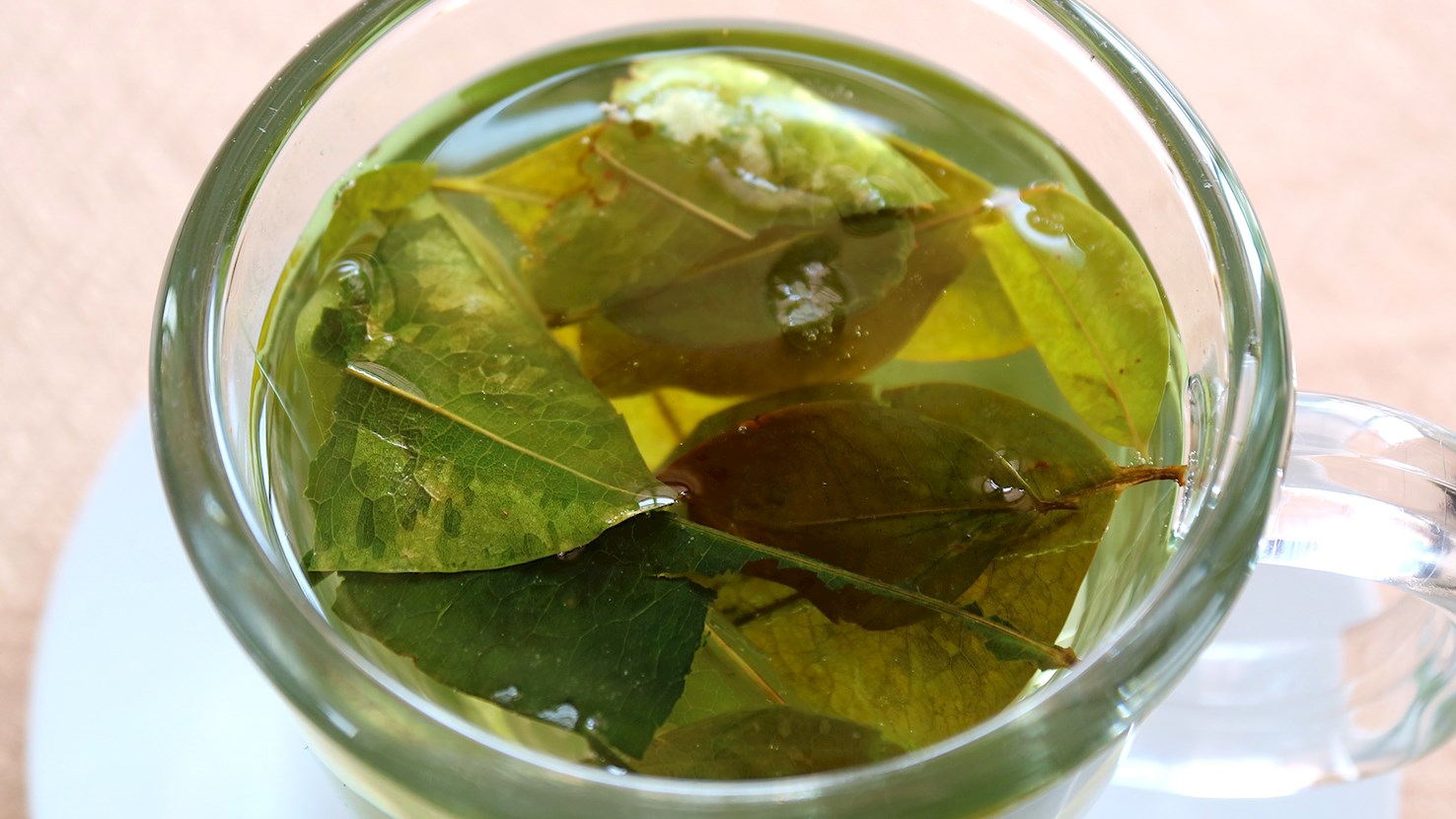
Mate de coca (Coca tea)

3.6 ·

Mate de coca is a herbal infusion that is made by steeping coca leaves or teabags consisting of coca leaves in hot water. This ancient drink has been traditionally enjoyed to treat altitude sickness, and due to the small amounts of alkaloids, it is also regarded as a slightly energizing drink. Although they share a similar name, mate de coca and mate—a herbal infusion often associated with Argentina—should not be mixed up. Coca tea is widely available and legal throughout South America, but outside the region, many countries ban the import and consummation due to the link between coca leaves and cocaine.

05

Aguajina

n/a ·

Aguajina is a drink native to Peru, made from mashed, filtered, and sweetened fruit of the aguaje palm tree. It is has a high content of minerals, vitamins, proteins, and antioxidants. The beverage is especially beneficial for women as it balances their hormone levels.

06

Chicha de guiñapo

n/a ·

Chicha de Guiñapo is a traditional beverage indigenous to the region of Arequipa, historically consumed since the 18th century and made from black maize, known locally as "maíz negro" or "maíz morado". The preparation of chicha de guiñapo is a meticulous process. It starts with the germination of the black maize, a process lasting about eight days. Once germinated, the roots, or "guiñapo", are dried for another five days. Following this, the dried roots are ground and boiled for over two hours. After cooling, the mixture is filtered and left to ferment with a bit of brown sugar for 24 hours. The resultant beverage can be consumed as is or mixed with other local drinks, offering a refreshing accompaniment to traditional Arequipa dishes.

07

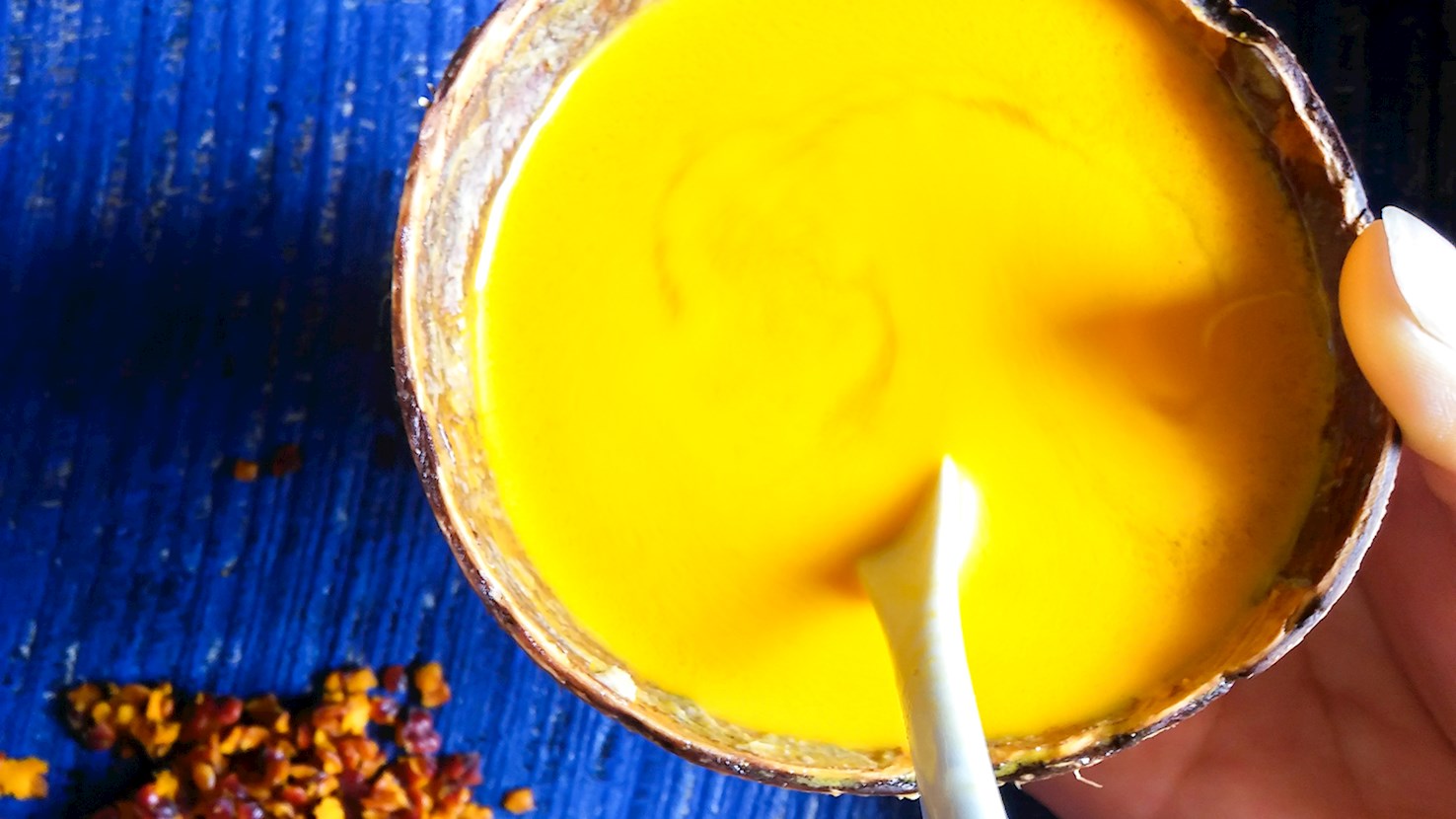
Huitochado

n/a ·

Huitochado, colloquially known as the aphrodisiac of the Peruvian jungle is a syrup made from the fruit of the huito tree. It is believed that it has a number of health benefits, and it can be used to treat asthma and rheumatism. Huitochado is made from ripe fruit that has naturally fallen from the tree, which is then cut into small cubes and left to macerate in a water and sugar solution.

Read more
View all
View map
About this ranking

TasteAtlas food rankings are based on the ratings of the TasteAtlas audience, with a series of mechanisms that recognize real users and that ignore bot, nationalist or local patriotic ratings, and give additional value to the ratings of users that the system recognizes as knowledgeable. For the “Top 8 Peruvian Non-alcoholic Beverages” list until June 15, 2026, 637 ratings were recorded, of which 190 were recognized by the system as legitimate. TasteAtlas Rankings should not be seen as the final global conclusion about food. Their purpose is to promote excellent local foods, instill pride in traditional dishes, and arouse curiosity about dishes you haven’t tried.

The initial list of top producers was compiled based on available reviews, awards, local recommendations, media and blog coverage, and consumer reviews. The list will be updated with ratings from TasteAtlas local ambassadors and TasteAtlas users.

Similar lists