Top 7 Venetian Pasta Varieties

Last updated on June 24, 2026

Best Venetian Pasta Varieties

01

Cipriani

4.5 ·
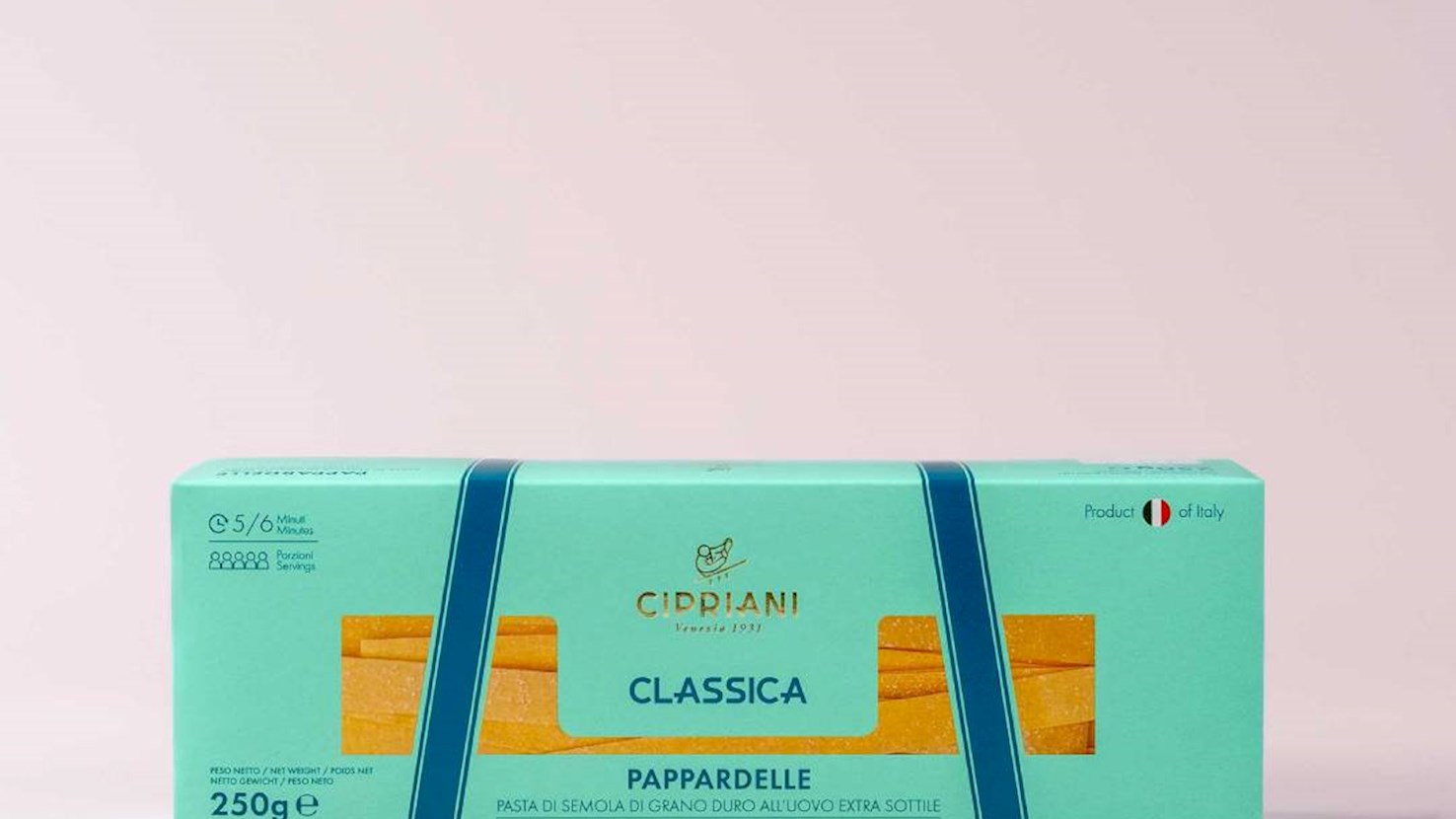
Cipriani is a renowned Italian food producer, famous for its high-quality pasta, sauces, and gourmet products inspired by the iconic Harry’s Bar in Venice. Known for its signature egg pasta and indulgent ready-to-eat meals, Cipriani brings authentic Italian flavors to homes worldwide. Their products are available in luxury food stores and online, maintaining the brand’s legacy of elegance and excellence in Italian cuisine.
02

Sgambaro

4.4 ·
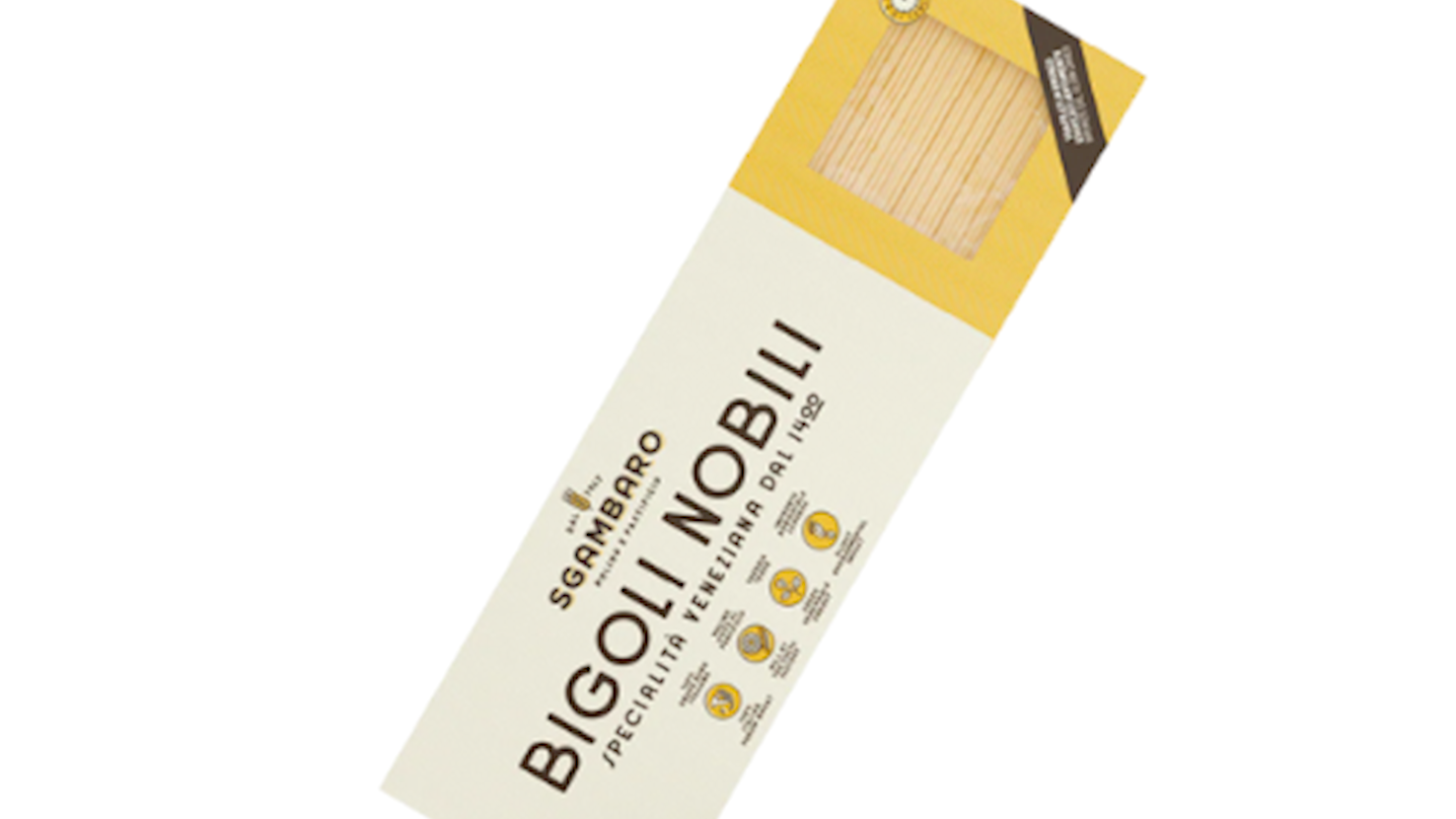
Sgambaro is a family-run Italian company with a long-standing tradition, founded in 1947 and based in Castello di Godego, in the Veneto region. Originally a flour mill, the company later expanded into pasta production, combining craftsmanship with innovation. Sgambaro was a pioneer in promoting the use of 100% Italian durum wheat semolina, setting high standards for quality and traceability. Their close collaboration with small local farmers ensures full control over the entire production chain. The pasta is bronze-extruded, giving it a rough surface that holds sauces perfectly. With a strong commitment to sustainability, tradition, and food safety, Sgambaro has earned a respected place among Italy’s premium pasta producers.
03

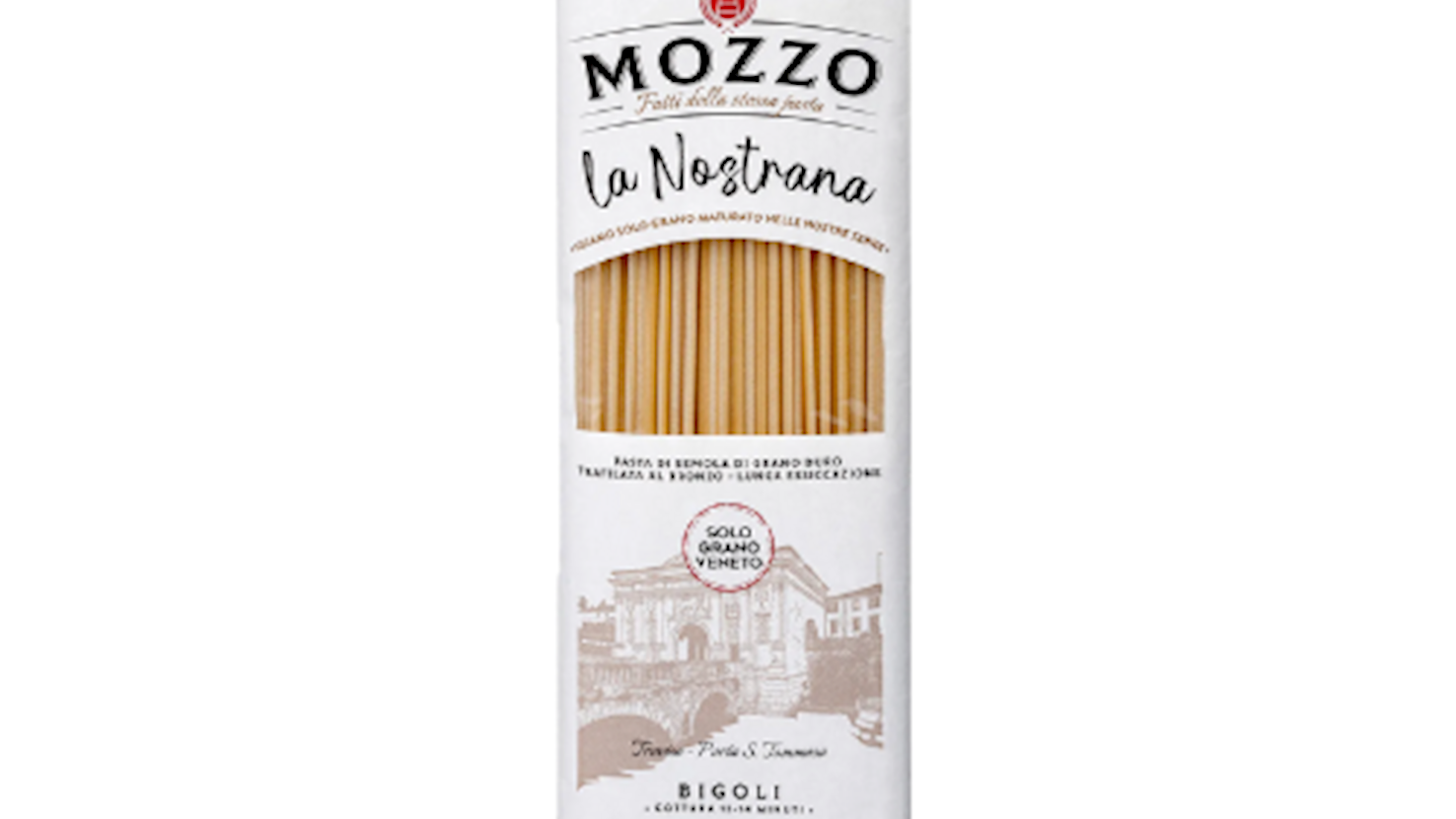
Pastificio Mozzo

4.4 ·
Pastificio Mozzo is a family-run pasta workshop located in Villafontana, in the province of Verona, that has been successfully combining traditional craftsmanship with modern quality standards for over thirty years. Relying exclusively on 100% Italian durum wheat, Pastificio Mozzo places particular emphasis on varieties grown in the Veneto region, reaffirming its strong commitment to local agriculture and sustainable practices. Their pasta is made using bronze extrusion, a technique that creates a rustic, porous texture ideal for absorbing sauces and enhancing flavor. The drying process is slow and carried out at low temperatures, preserving the pasta’s natural aroma, nutritional value, and digestibility. The combination of carefully selected raw materials and a dedicated artisanal approach results in products that offer an authentic culinary experience - deeply rooted in Venetian tradition yet perfectly attuned to the needs of the modern consumer.
04

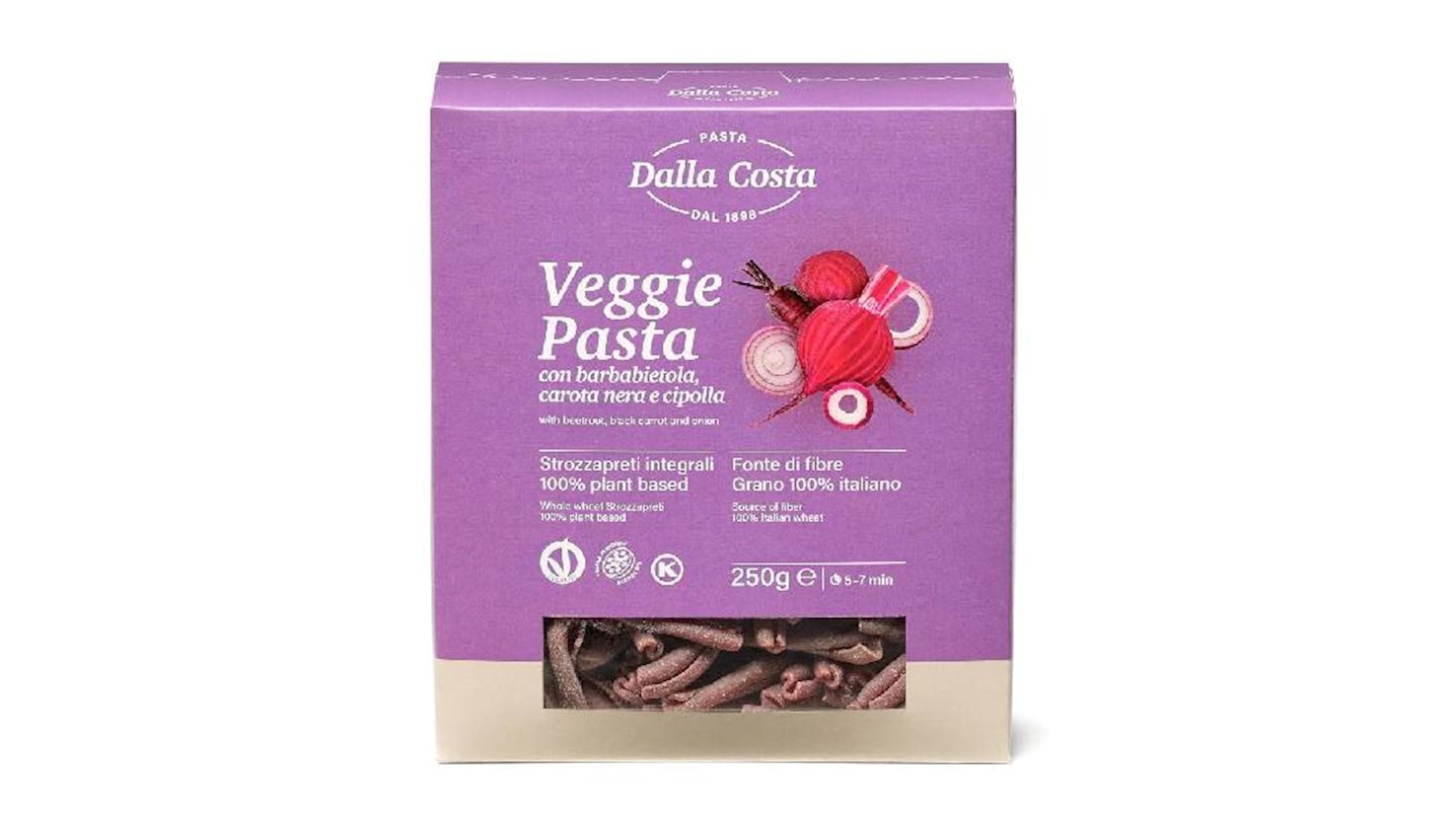
Pasta Dalla Costa

4 ·
Pasta Dalla Costa is an esteemed Italian pasta manufacturer with a rich heritage dating back to 1898. Rooted in tradition, the company combines time-honored pasta-making techniques with modern innovation to produce a diverse range of high-quality pasta products. Dalla Costa utilizes bronze-die extrusion methods and slow drying processes to preserve the pasta's organoleptic properties, ensuring authentic taste and texture. The company offers over 100 pasta varieties, including traditional durum wheat semolina pasta, organic options, gluten-free selections, and vegetable-infused pastas. At Anuga 2023, Dalla Costa's Veggie Pasta line received the Italian Food Award in the Plant-Based category, highlighting their commitment to innovation and quality in the plant-based sector.
05

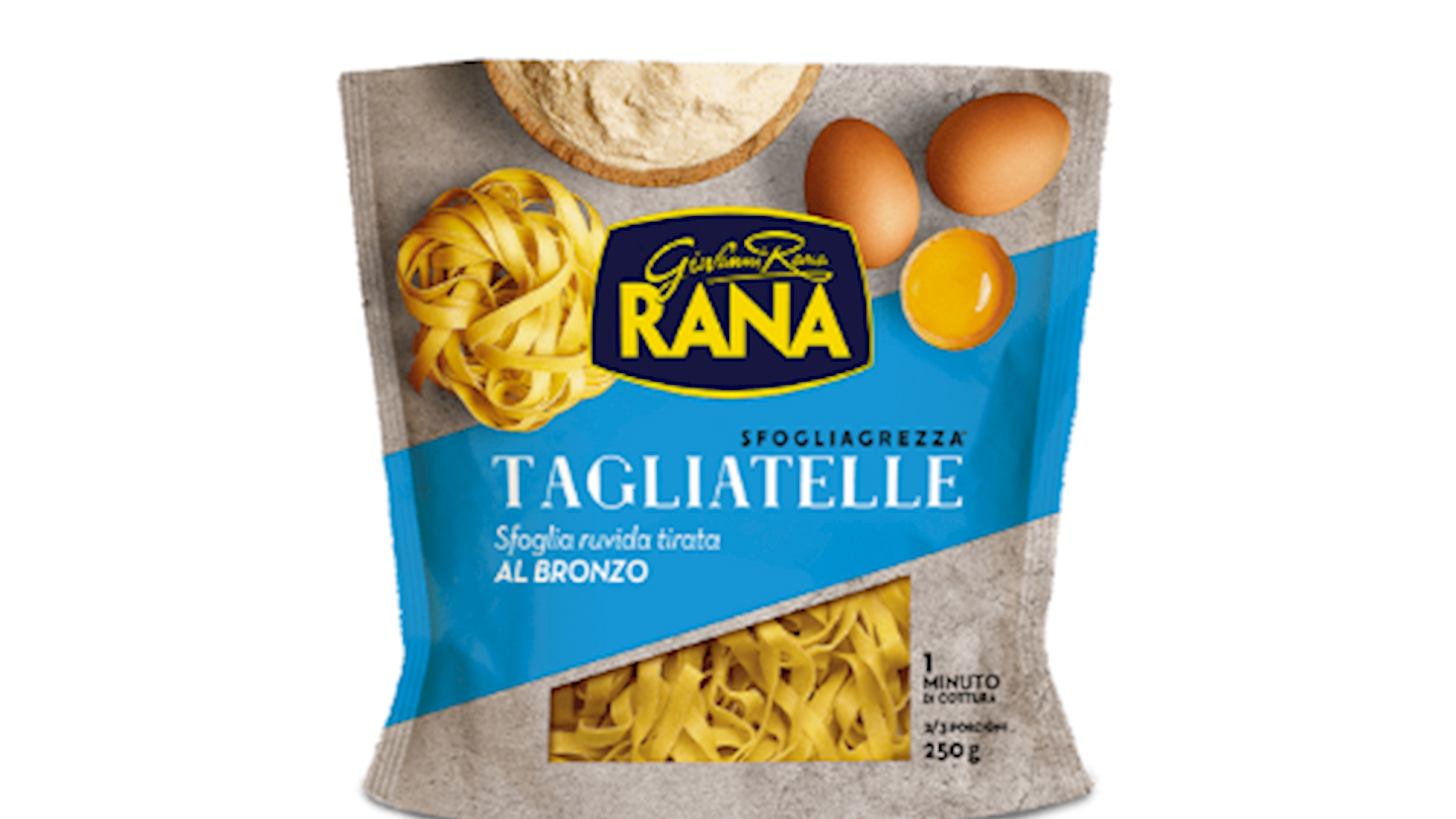
Giovanni Rana

4 ·
Giovanni Rana is an Italian family-owned pasta brand, founded in 1962 by Giovanni Rana in San Giovanni Lupatoto, near Verona. Today, it is one of the leading producers of fresh pasta in Italy and worldwide, known for its premium quality, innovation, and strong family identity. The brand has built its reputation on traditional recipes, carefully selected ingredients, and a deep commitment to the authentic taste of homemade Italian cuisine. Giovanni Rana was a pioneer in popularizing fresh and filled pasta. Rana pasta stands out for its combination of traditional craftsmanship and modern technology, with a focus on ease of preparation and flavor preservation. Today, the brand’s products can be found in over 38 countries, and Rana remains a symbol of fresh, delicious, and reliable Italian pasta.
06

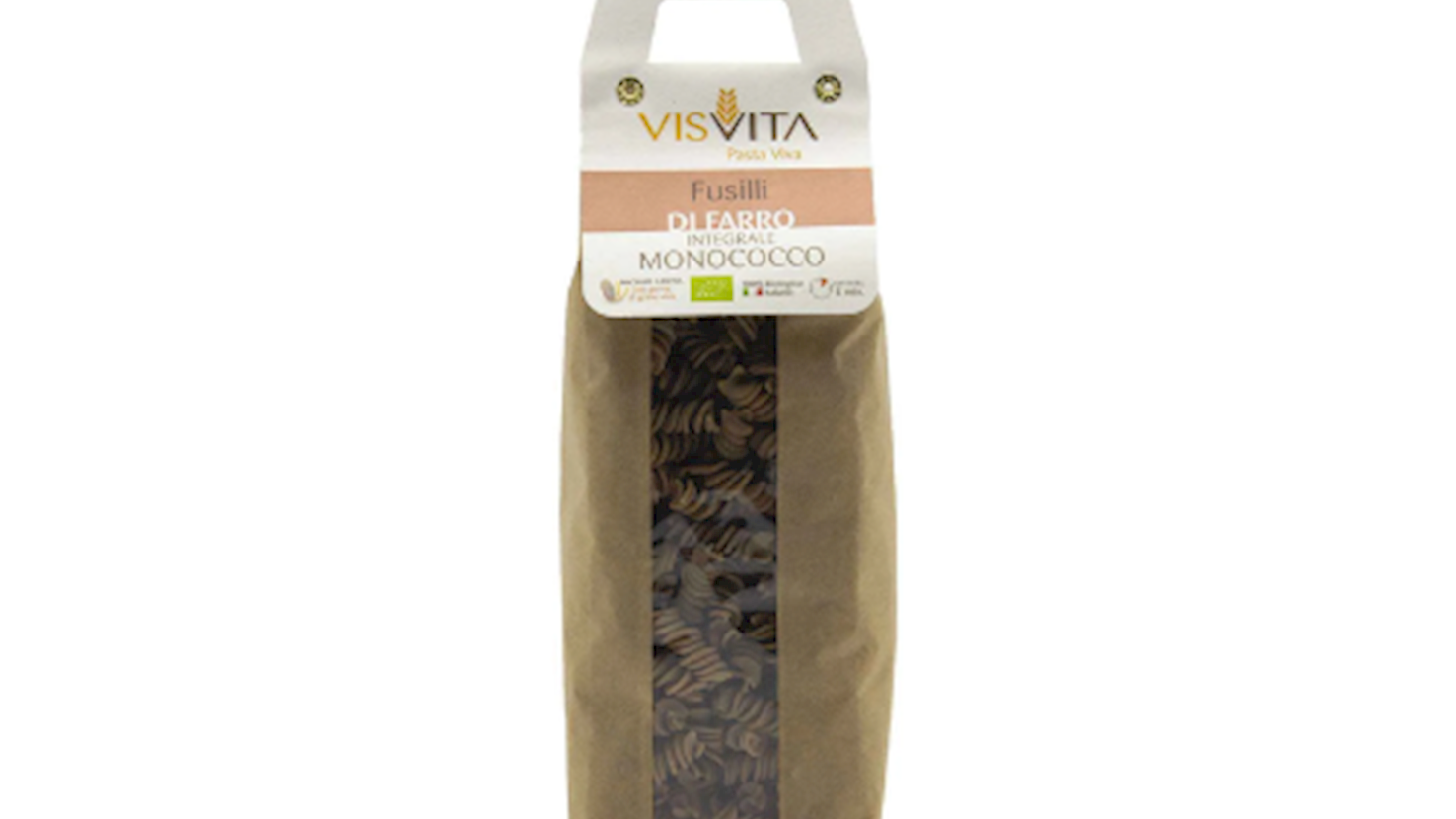
Visvita

n/a ·
Visvita is an Italian brand built on the philosophy of organic agriculture with full traceability of ingredients. The company focuses on growing and processing ancient varieties of wheat and grains such as farro monococco, Perciasacchi, and Senatore Cappelli, which are stone-milled to preserve their natural nutritional value. Their pasta is produced in small batches, slowly dried at low temperatures, and shaped using bronze molds, creating a rustic texture that holds sauces more effectively. The brand emphasizes the use of exclusively organic production and no additives, with every product derived from direct collaboration with local farmers and their own cultivated fields. Production is located in the Veneto region, in San Martino di Lupari, where they also operate a retail space. Visvita communicates its value through simplicity: few ingredients, traditional methods, and a focus on pure flavor. They combine high-quality raw materials with an artisanal approach, resulting in products that carry a clear sense of local terroir.
07

Cuore di Macina

n/a ·
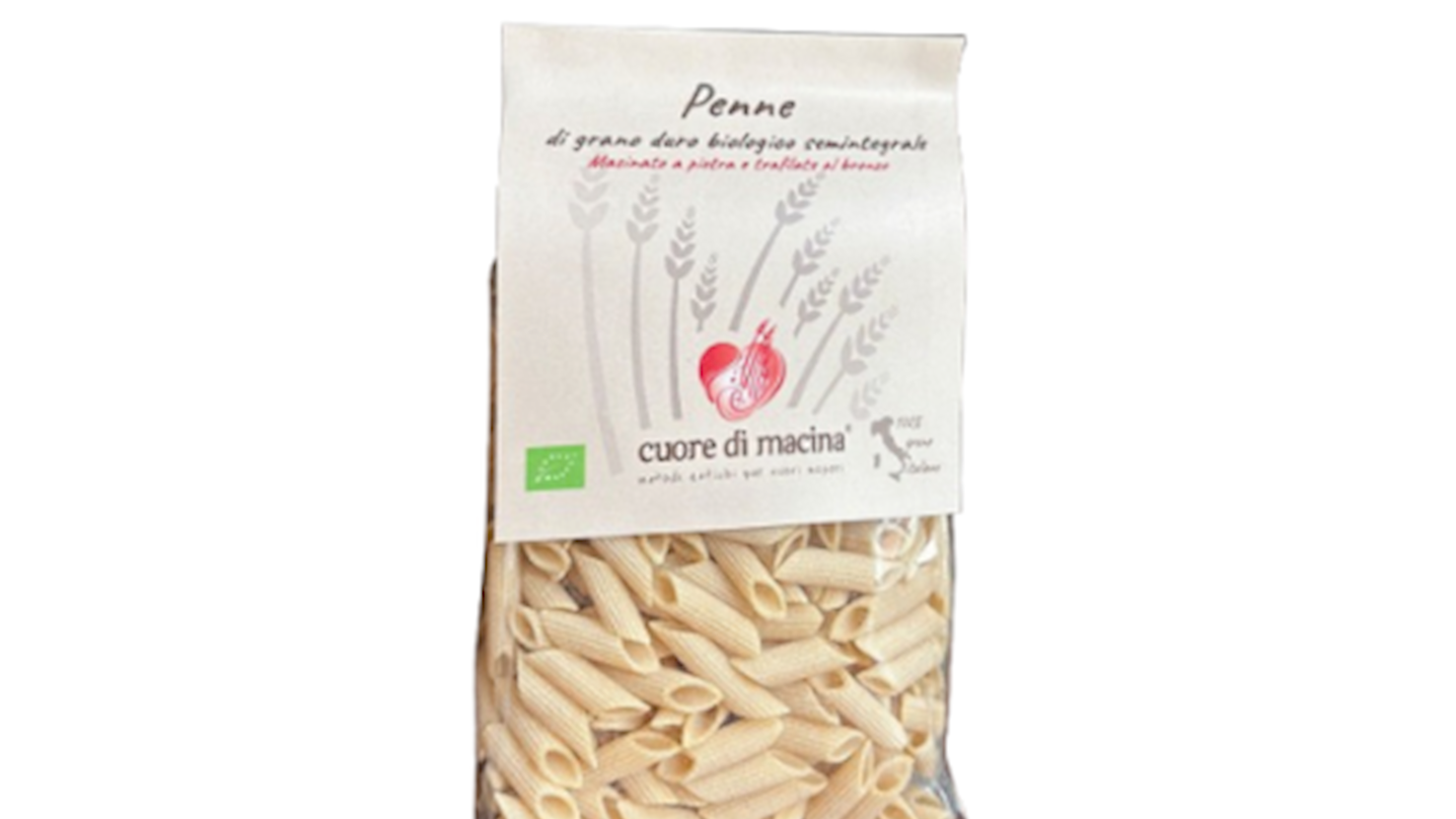
Cuore di Macina is a small Italian producer that uses its own stone-milled flour to make artisanal pasta. The pasta is made exclusively from flour they mill in their own facility, allowing full control over the origin of the grain, the milling method, and the quality of the final product. They work with ancient wheat varieties and whole-grain flours, so the pasta retains the natural color and aroma of the grain, unlike industrial pasta made from refined semolina without bran or germ. The shaping process is done using the trafilatura al bronzo technique, which creates a slightly rough surface that helps sauces adhere better. The pasta is dried slowly at low temperatures, preserving the texture and nutritional properties of the grain. Their production philosophy is based on minimal intervention: the recipe is simple, just flour and water. Thanks to the natural structure of stone-milled flour, the pasta has a fuller flavor, a subtle earthy aroma, and a stable texture during cooking. It is intended for consumers looking for authentic, nutritionally rich products with a clear origin, as well as for restaurants and delicatessen shops that want to highlight ingredient quality.

Best Venetian Pasta Variety Types
01

Bigoli

4 ·

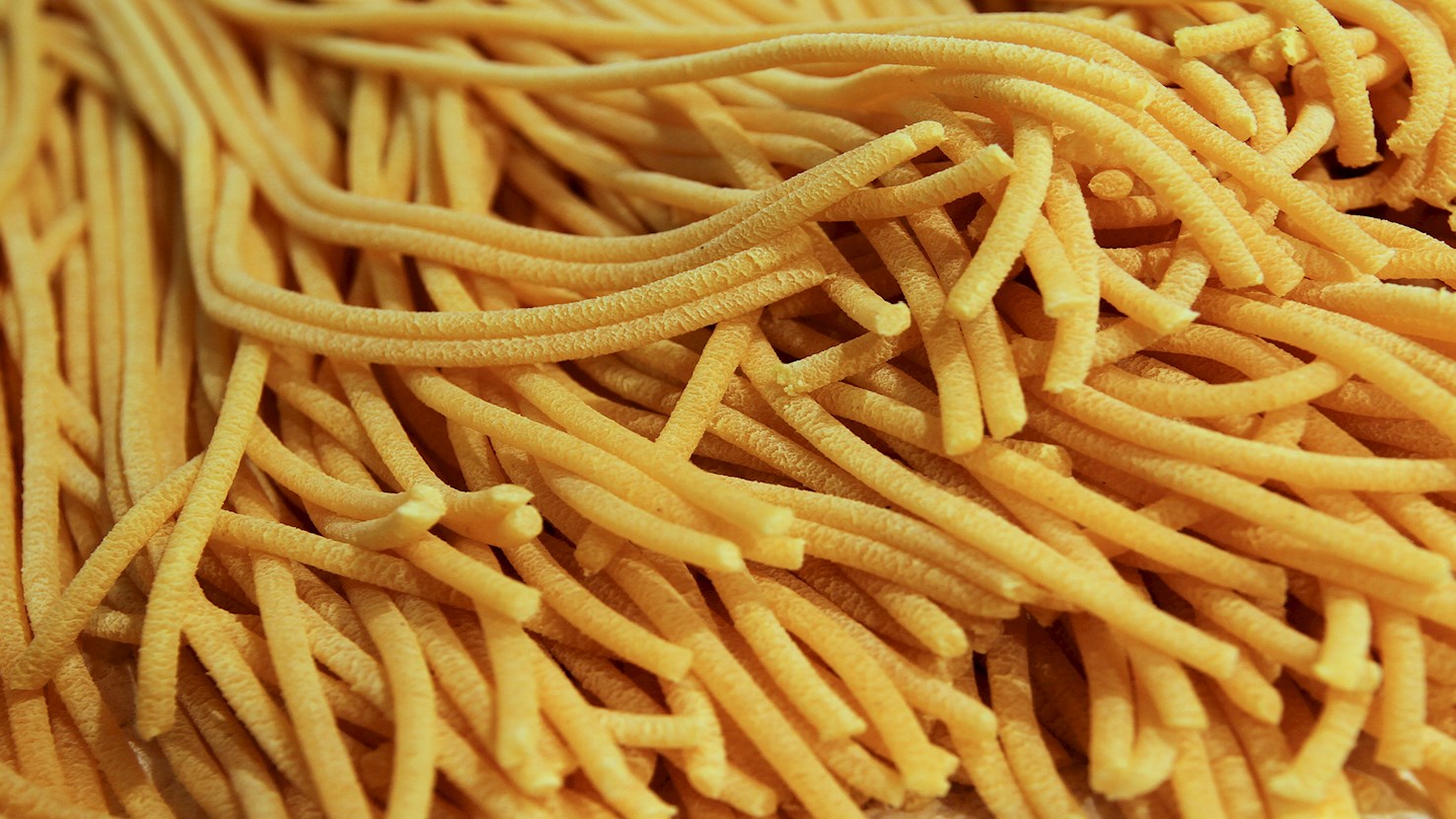
Bigoli is a long Italian pasta variety characterized by its thickness and a rough surface. It was originally made with buckwheat flour, but today it is usually made with whole wheat flour, butter, a small amount of water, and sometimes duck eggs, a practice that was especially popular in the past. The pasta is traditionally prepared using a press called bigolaro, which dates back to 1604. Whole wheat flour gives an earthy flavor and pleasant texture to bigoli. The rough texture, made by a coarse dough that rubs against a bronze die, allows the bigoli to cling on to more sauce than most other pasta types. Bigoli are especially popular in a dish called bigoli in salsa, where the pasta is paired with onions, olive oil, and anchovies.

02

Subioti

n/a ·

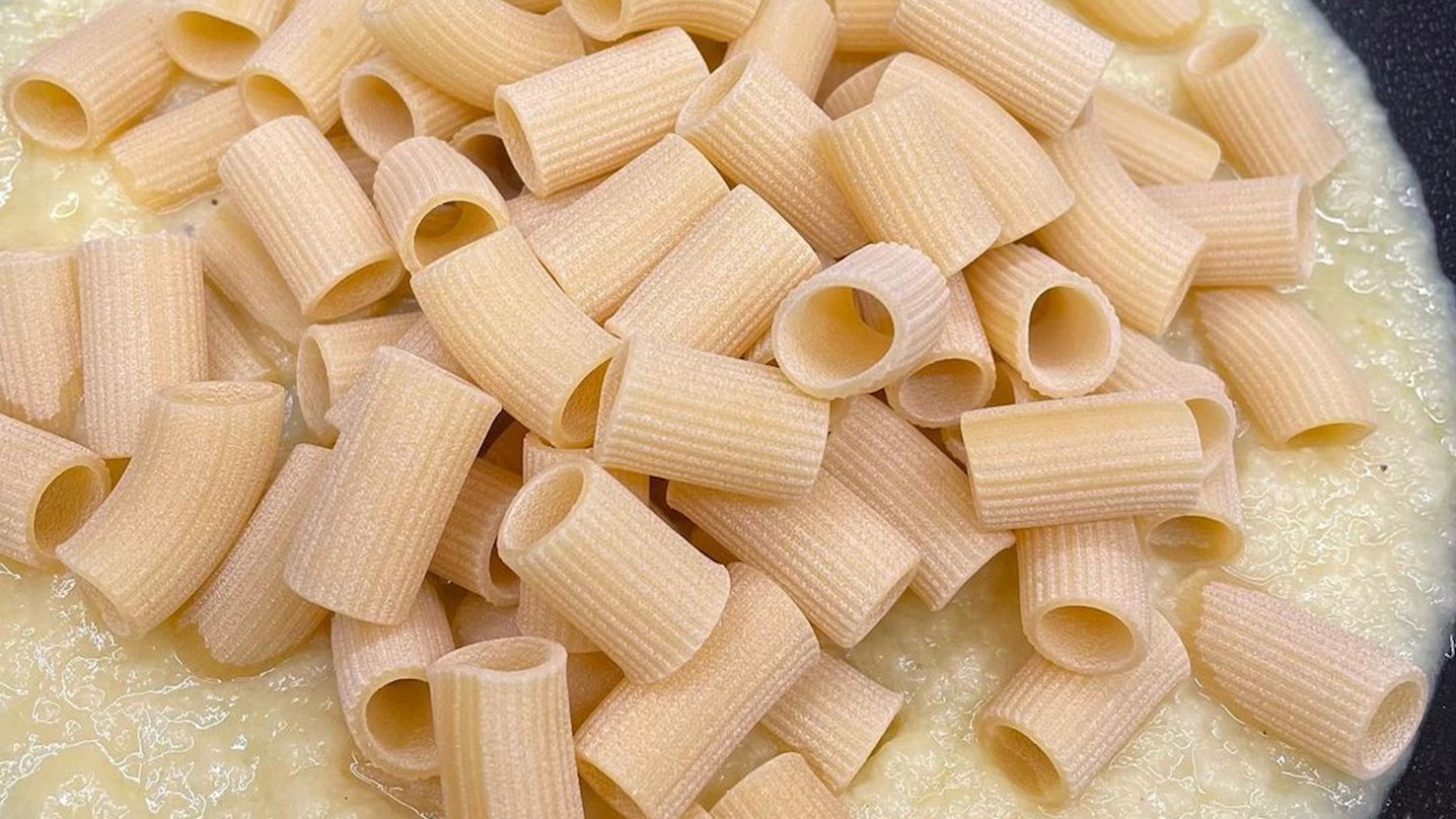
Subioti or subiotti is a short cut tubular pasta from Veneto, especially popular in the Treviso region, similar to rigatoni or maccheroni. Traditionally, it's made with flour, salt, water, eggs, and nettle, but today, you will most often in shops find subioti made with just durum wheat flour and water. Also, subioti can have a smooth and ridged surface. Generally speaking, this pasta variety is suitable for sauces of any kind as it can trap them inside, while the ridged variety is especially good at making the sauce stick to its surface. Still, subioti pasta is also often added to soups. The most popular way of serving this pasta is with a sauce called consiero, consisting of lard, onion, parsley, and aromatic herbs, and often, tomato sauce. This pasta was created sometime after World War II, and it got its name after the verb subiar, which comes from the Venetian dialect and translates to to whistle. It is often confused with another regional pasta that's very similar, called gargati. Besides Veneto, a similar pasta called šubioti can be found in Croatia's Istria and Dalmatia.

03

Bigoli de Bassan

n/a ·

Bigoli de Bassan is a traditional pasta variety from the Veneto region in Italy, usually associated with the town of Bassano del Grappa. This pasta is notable for its thick, spaghetti-like shape and rough texture, which makes it excellent for holding onto rich sauces. The dough for bigoli is typically made from durum wheat semolina and water, and it is extruded through a special press called a "bigolaro," which gives the pasta its distinctive texture and shape. In the Veneto region, bigoli de Bassan is traditionally served with various sauces, like bigoli in salsa, which features a sauce made from onions and salted sardines or anchovies, and bigoli con l'anatra, a rich duck ragu. The pasta is also commonly paired with farmyard poultry ragu, sausage ragu, or even simpler preparations like butter and cheese​.

04

Tirache trevigiane

n/a ·

Tirache trevigiane is a traditional type of pasta originating from Veneto, or to be more precise, Treviso and Padova. The pasta is made with a simple combination of water and wheat flour. The ingredients are worked into a smooth and firm dough that’s left to rest. After a while, the dough is rolled out into a thick sheet and cut into flat and wide noodles. The pasta is boiled in salted water or in soup, and it’s then typically served with local sauces. Alternatively, it can be broken into smaller pieces and added to pasta e fagioli. The name of the pasta means braces, referring to the visual appearance of tirache trevigiane.

Read more
View all
View map
About this ranking

TasteAtlas food rankings are based on the ratings of the TasteAtlas audience, with a series of mechanisms that recognize real users and that ignore bot, nationalist or local patriotic ratings, and give additional value to the ratings of users that the system recognizes as knowledgeable. For the “Top 7 Venetian Pasta Varieties” list until June 24, 2026, 39 ratings were recorded, of which 33 were recognized by the system as legitimate. TasteAtlas Rankings should not be seen as the final global conclusion about food. Their purpose is to promote excellent local foods, instill pride in traditional dishes, and arouse curiosity about dishes you haven’t tried.

The initial list of top producers was compiled based on available reviews, awards, local recommendations, media and blog coverage, and consumer reviews. The list will be updated with ratings from TasteAtlas local ambassadors and TasteAtlas users.

Similar lists