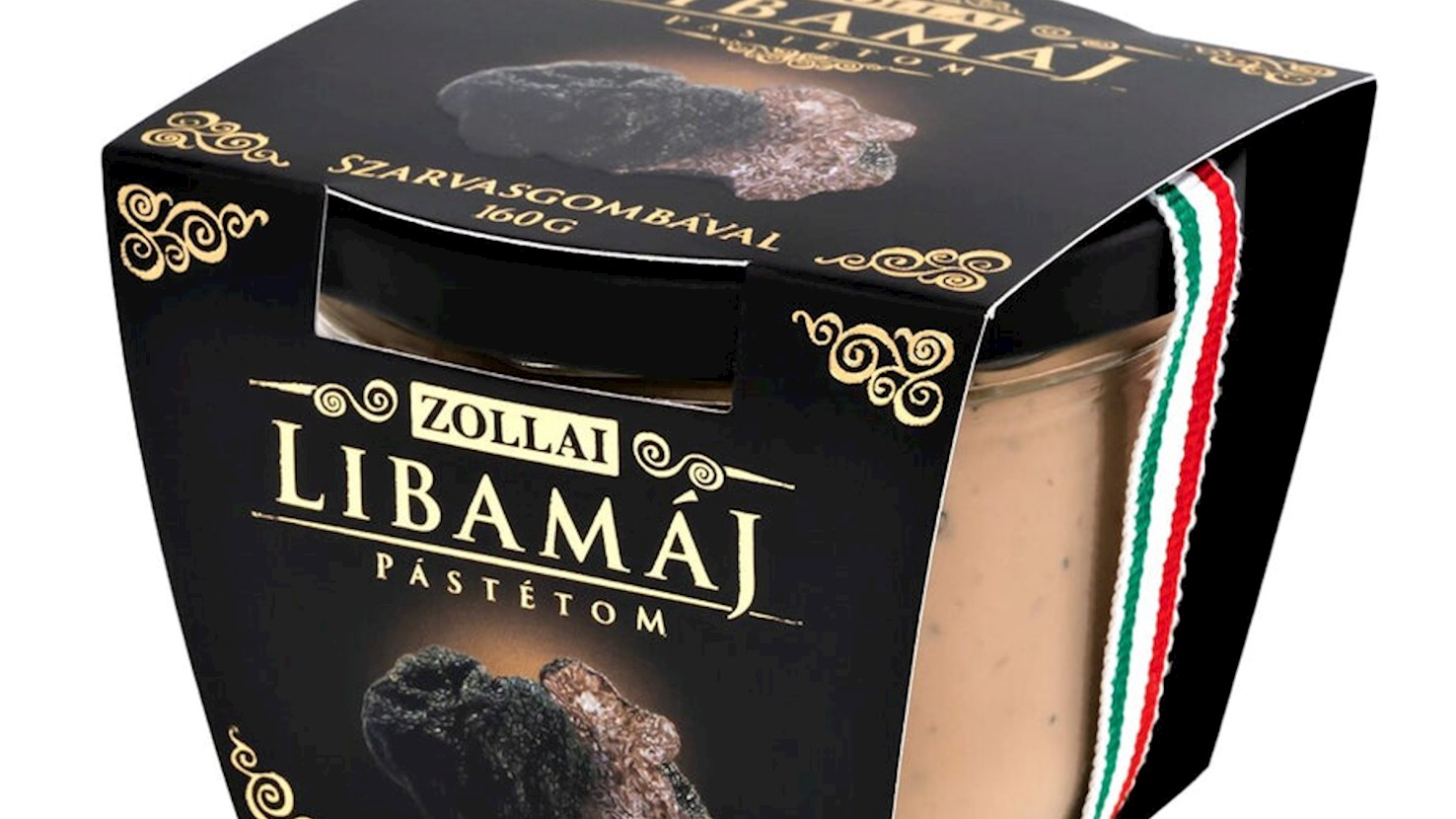
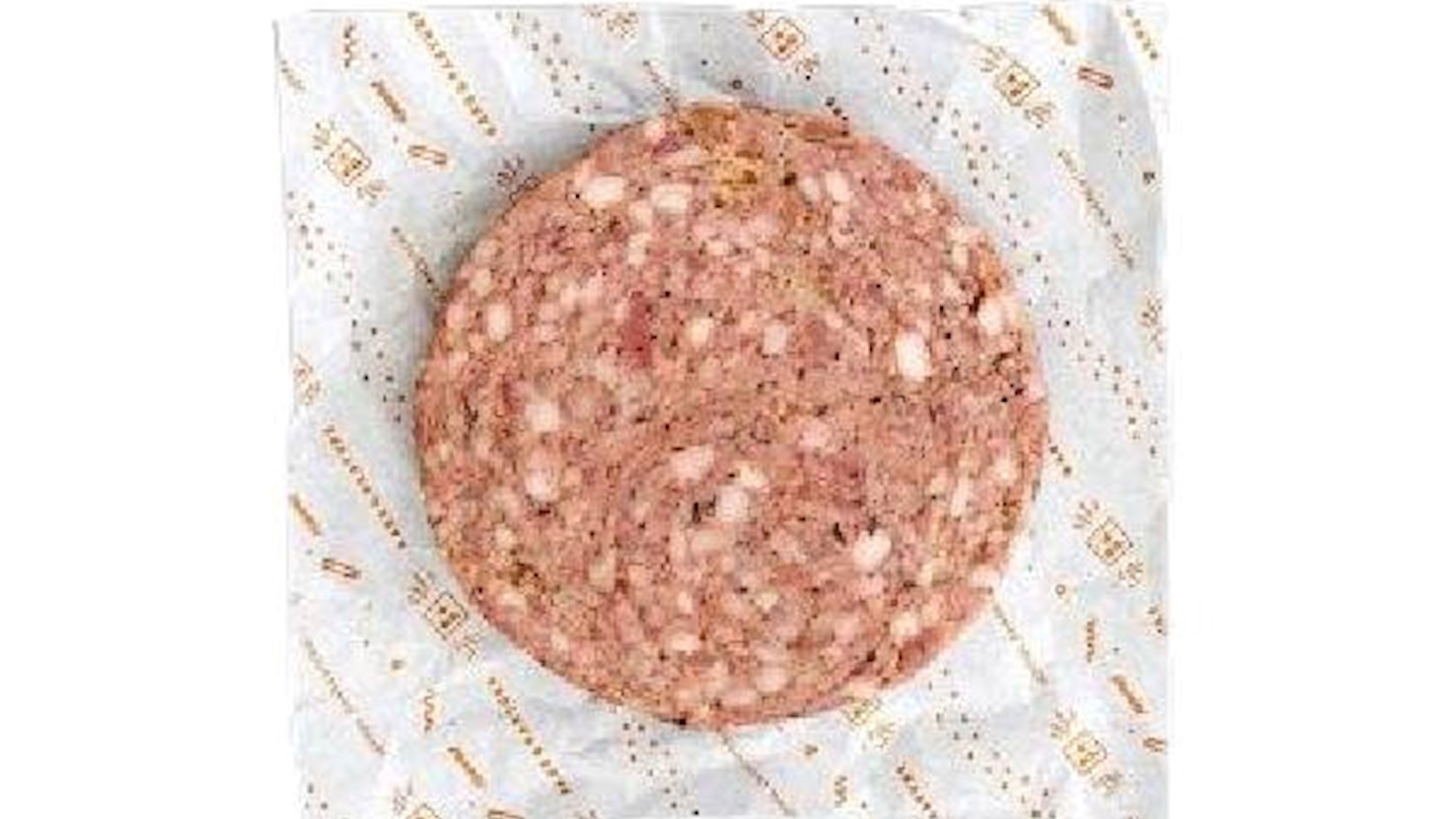
Zollai Baromfi és Húsfeldolgozó Kft. is a Hungarian company established in 1980, specializing in the production of high-quality meat products. The company is an exclusive supplier to the domestic hotel and hospitality sector, with their products also featured in the restaurants of multinational companies both locally and internationally. They are currently working on making their products directly available to the Hungarian population. Zollai Baromfi és Húsfeldolgozó Kft. places special emphasis on the quality of their products, using traditional recipes and natural ingredients. Their offerings include specialties such as burgers prepared with an original Croatian recipe made from pork and beef, seasoned with natural spices.
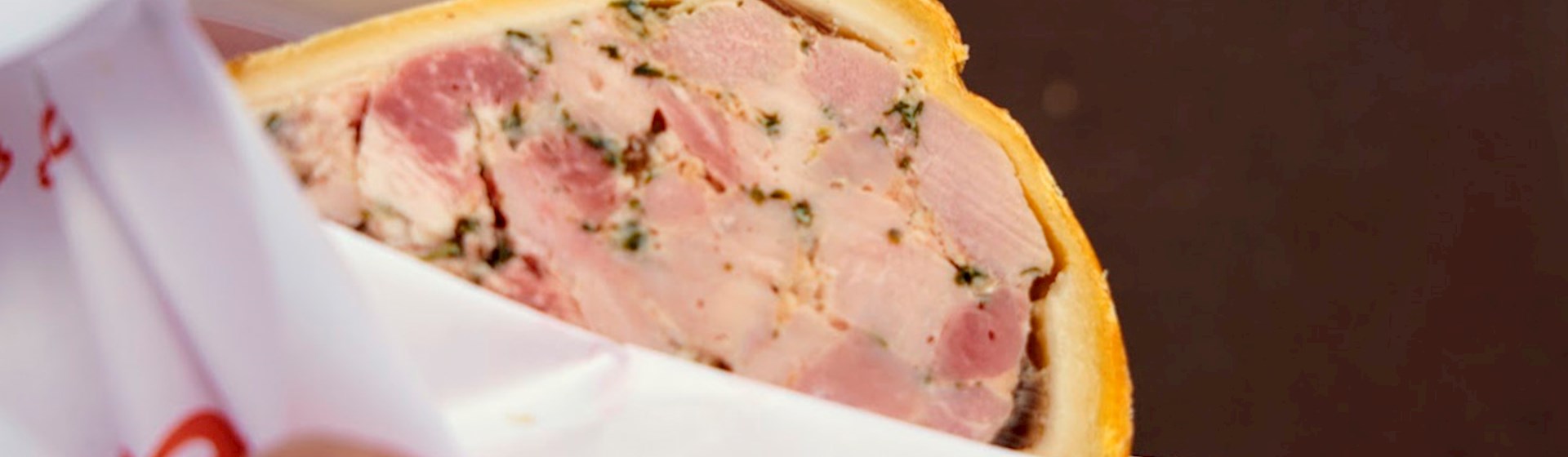
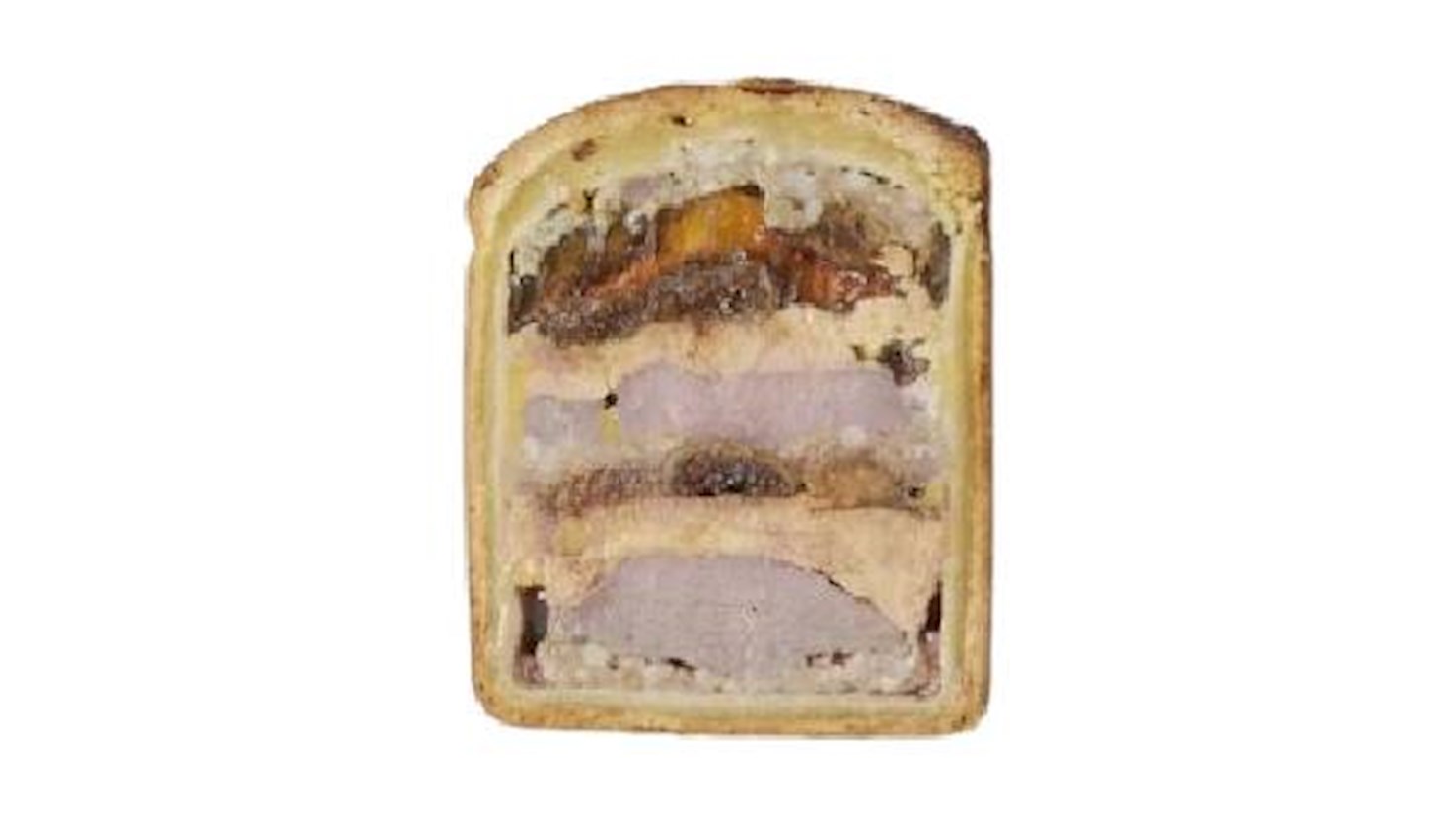
Maison Vérot is a prestigious French butcher and delicatessen that has been preserving the tradition of fine charcuterie - the art of crafting cured and prepared meat products - for generations. Founded in the 1930s, it is now led by Gilles Vérot, a master charcutier known for his respectful fusion of artisanal techniques with contemporary flavors. Based in Paris, Maison Vérot's products can also be found in top restaurants and luxury food boutiques. The quality of the meat and the careful selection of ingredients lie at the heart of their philosophy, with a strong emphasis on French sourcing and sustainable production. The visual appeal of their creations, the balance of flavor and texture, and their attention to seasonality make their products truly distinctive. Maison Vérot is not only a symbol of authenticity and tradition, but also a shining example of how French culinary heritage can be carried forward and reimagined with taste and integrity. Their shops in Paris are places of both artisanal excellence and exceptional gastronomic experience.
On the Pig’s Back is a renowned producer of fine foods that artfully blends French culinary tradition with high-quality Irish ingredients. Their handcrafted range includes pâtés, terrines, cured meats, and artisan cheeses, all made using traditional methods without artificial additives, flavorings, or industrial gelatin.
Great care is taken in sourcing ingredients—from free-range eggs and rich Irish butter to locally raised pork—ensuring each product delivers full, natural flavor and a satisfying, authentic texture. Signature offerings include chicken liver pâté with garlic and cognac, pork terrine with dried fruit, and a selection of cheeses and gourmet specialties ideal for charcuterie boards.
Known for its artisanal approach and dedication to quality, On the Pig’s Back has earned a trusted reputation among food lovers seeking honest, delicious, and thoughtfully made delicacies.
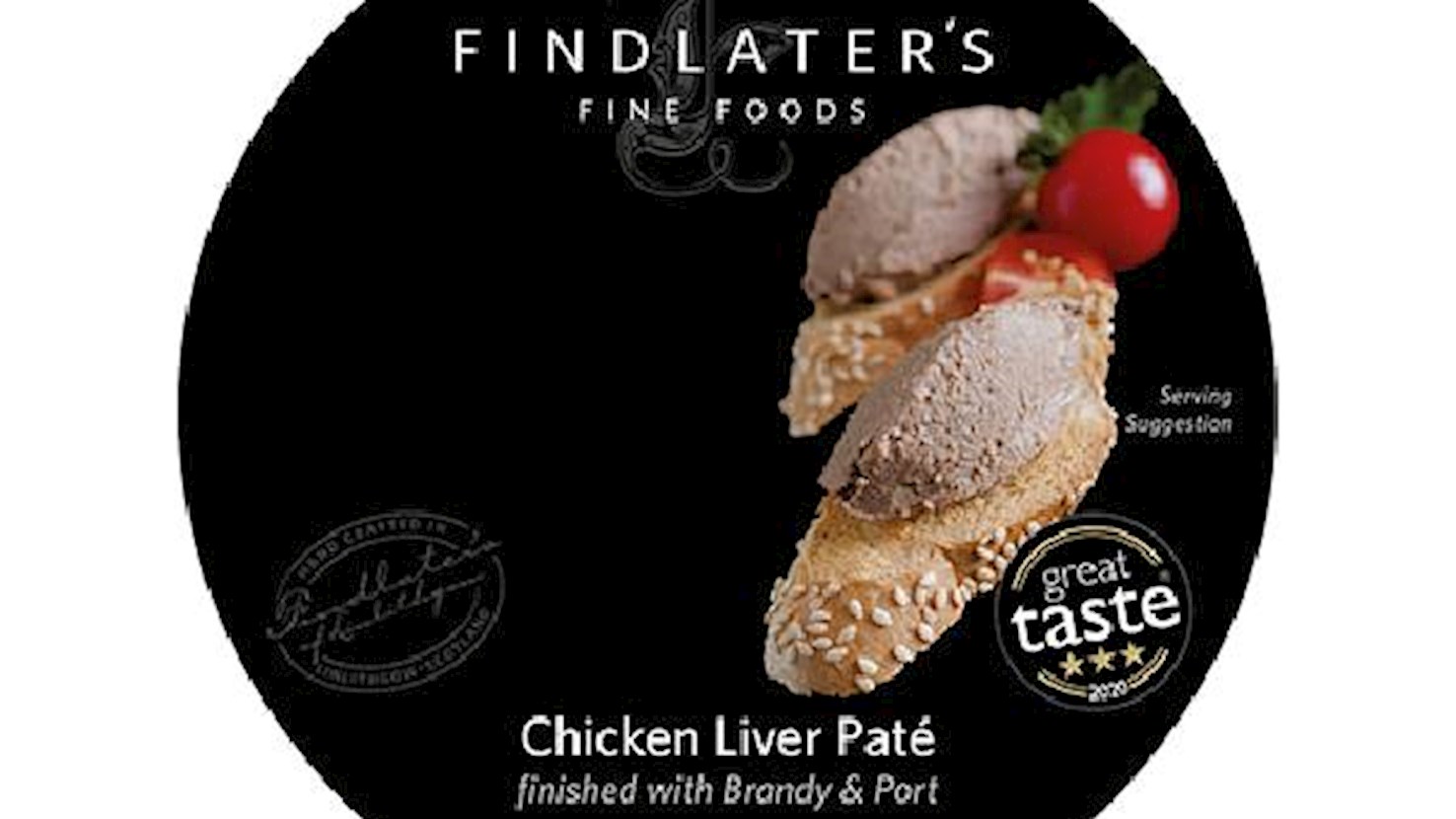
Findlater's Fine Foods is a renowned Scottish producer of luxury pâtés, spreads, and delicatessen items, based in Linlithgow, West Lothian, Scotland. The company was founded in 2004 as a restaurant and deli shop, but due to high demand for their handmade pâtés, they expanded production and moved to a larger facility at their current location. Their products are crafted in small batches using techniques and equipment typical of high-end restaurant kitchens. This commitment to quality and artisanal craftsmanship has earned them numerous awards. Today, their products are available in delicatessens, farm shops, and food halls across the United Kingdom.
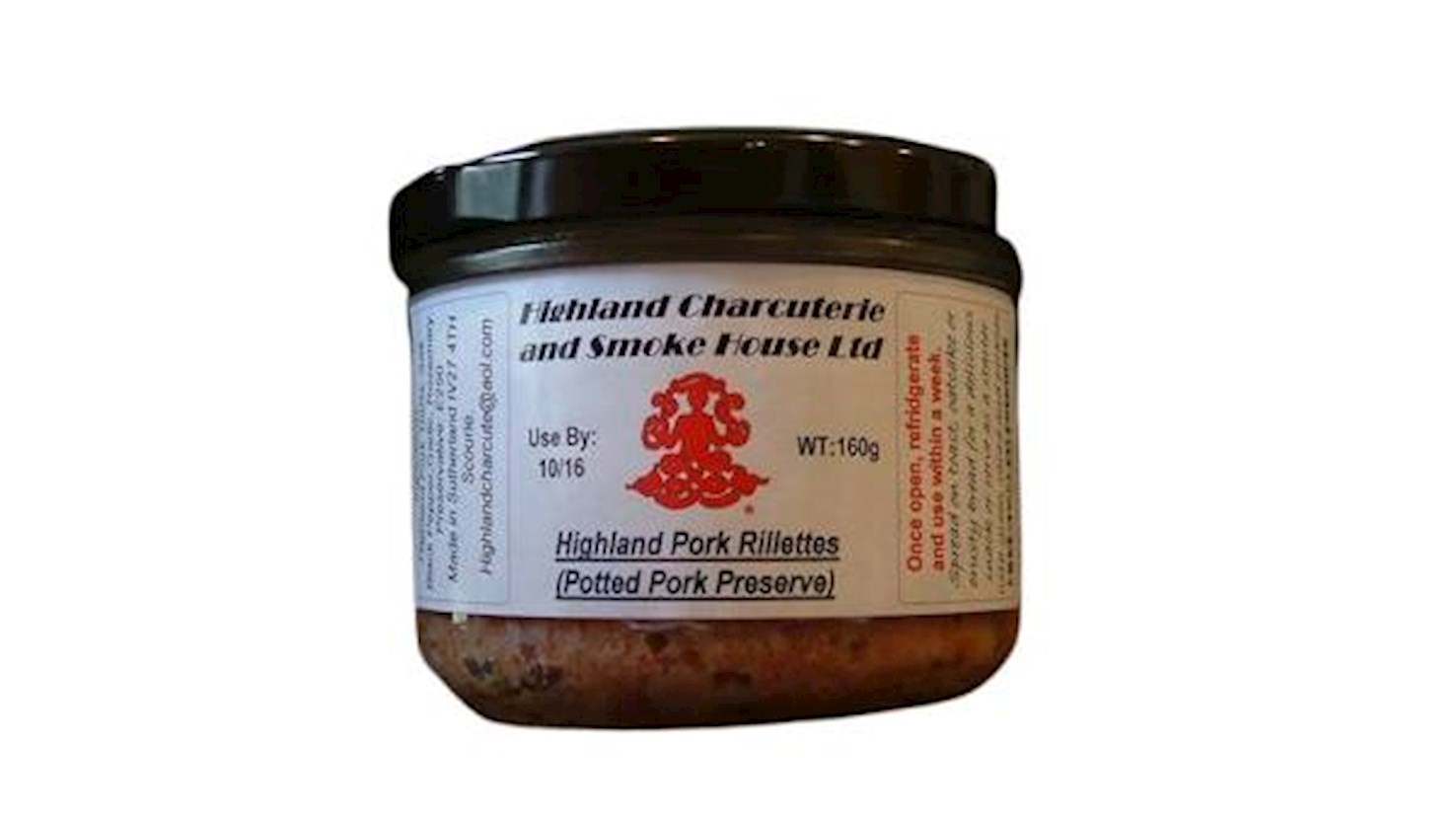
Highland Charcuterie is a family-run business based in Oldshoremore, Kinlochbervie, Scotland. It was founded by Isabelle and Richard Flannery and specializes in producing artisanal cured meats and smoked products using high-quality, locally sourced ingredients. Isabelle started making charcuterie in 2004, initially for their hotel restaurant. As demand grew, they officially established the business in 2014. They source their meat from local producers in the Highland region. The products are handcrafted, and they often forage for wild ingredients such as wild garlic, seaweed, and wild berries. Their range includes pork rillettes, venison salami, pheasant pâté, and smoked sausages, all of which are gluten-free. They take pride in producing unique flavors using traditional methods, offering a variety of smoked and air-dried meats, pâtés, and cheeses, all made by Isabelle and Richard in their specialized workshops.
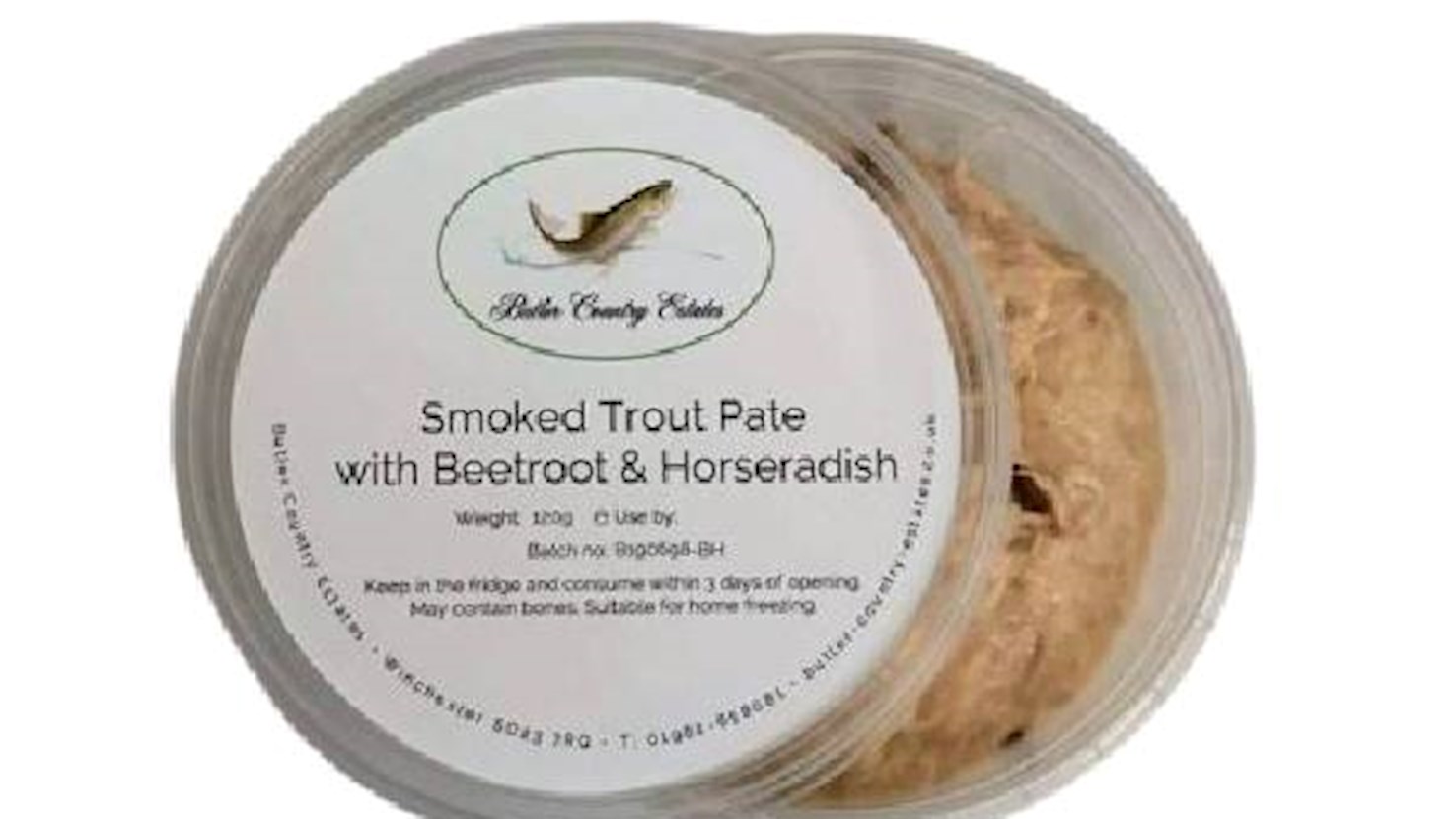
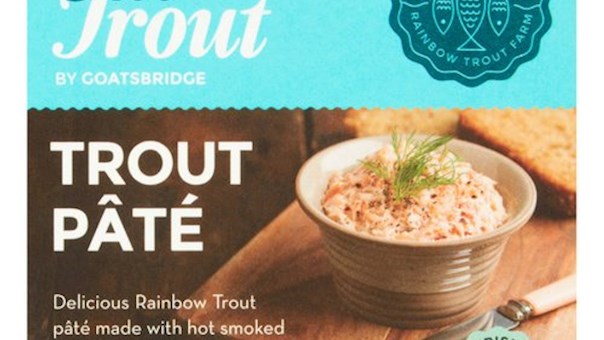
Butler Country Estates is a family-run artisan producer specializing in premium smoked trout products. Founded by passionate fisherman Richard Butler, the company blends traditional culinary methods with modern flavor sensibilities. Their products are crafted from fresh, high-quality trout and delicately smoked to preserve the fish’s natural richness and texture.
The range includes pâtés, fillets, whole fish, and gravadlax, offered in a variety of flavors such as classic, dill, beetroot & horseradish, chili, and watercress. Everything is handmade in small batches, with close attention to detail and quality. Butler Country Estates takes pride in using honest ingredients and delivering real, recognizable flavors. They maintain a strong commitment to sustainability and partner with like-minded local producers. The result is authentic, thoughtfully crafted food with a clear sense of origin and care.
Rare & Pasture is an award-winning producer of fine charcuterie and smoked meat products, based on the organic Fowlescombe Farm in Ugborough, Devon, England. The company is renowned for its handcrafted frankfurters, smoked meats, and cured products, all made using traditional methods without artificial additives. They use organic, certified meat sourced from their own farm and other farms that share their values and commitment to animal welfare.
Their philosophy is rooted in sustainable and regenerative farming, with a mission to produce food that is flavorful, nutritious, and environmentally responsible. Fowlescombe Farm specializes in raising native British breeds such as Beef Shorthorn and English Longhorn cattle, as well as Tamworth pigs. These animals are reared on species-rich pasture without grain-based feed, resulting in meat of exceptional quality and taste.
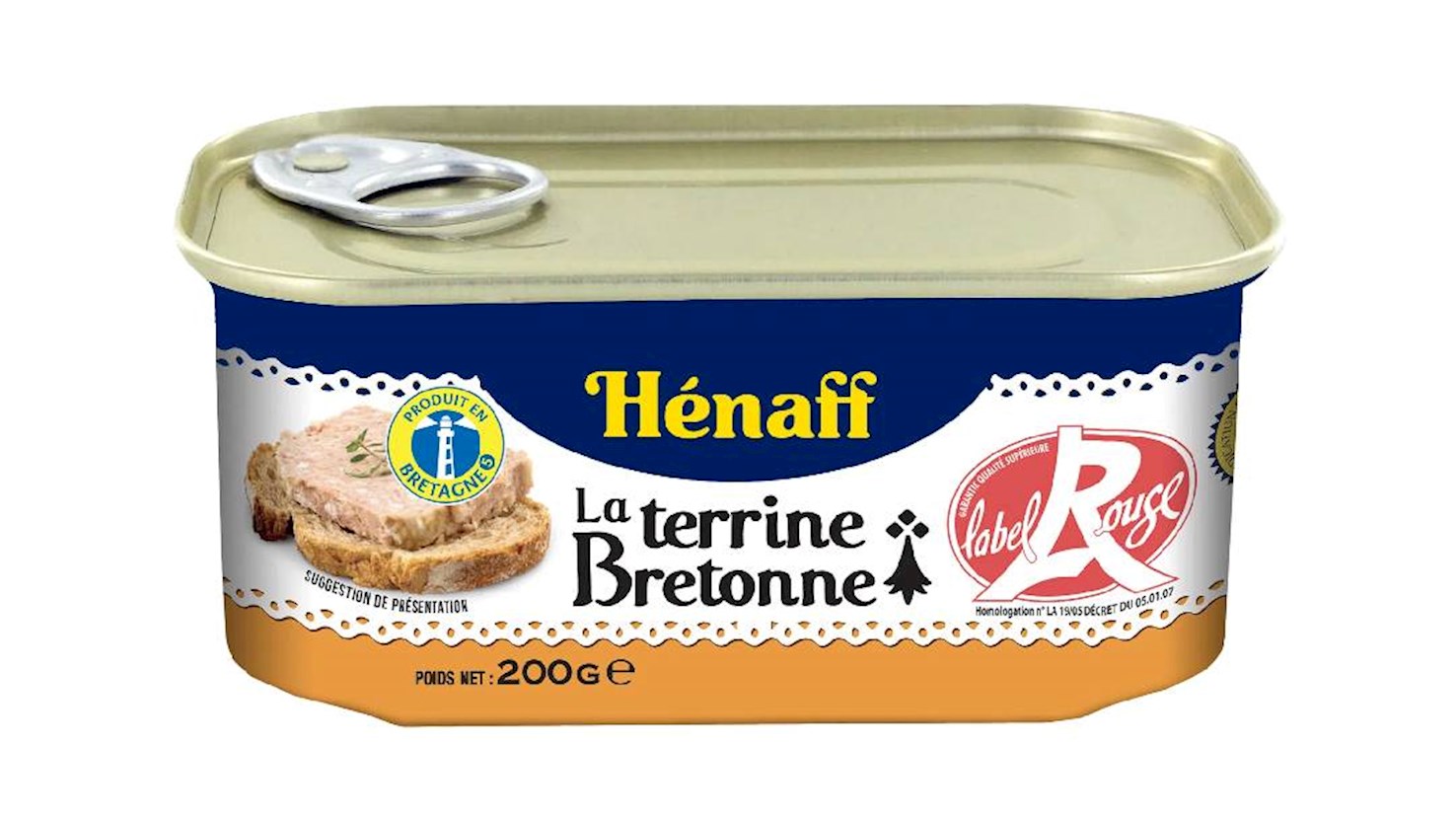
Hénaff is a renowned French producer of gourmet foods based in the town of Pouldreuzic, in the Brittany region. Founded in 1907 by Jean Hénaff, the company began as a vegetable cannery but quickly gained fame for its legendary Pâté Hénaff, first produced in 1915. This pâté, made from whole cuts of pork including premium parts like tenderloin and ham, has become a symbol of French gastronomy and a beloved staple in many households.
Over more than a century of existence, Hénaff has remained a family-run business, now in its fourth generation, with Loïc Hénaff currently at the helm. The company has expanded its product range to include various meat specialties such as rillettes, sausages, and ready-made dishes, as well as seafood and seaweed-based products.
Great emphasis is placed on the quality and origin of ingredients, with locally raised meat and minimal use of additives, a commitment that has earned Hénaff the prestigious “Entreprise du Patrimoine Vivant” (Living Heritage Company) designation from the French government.
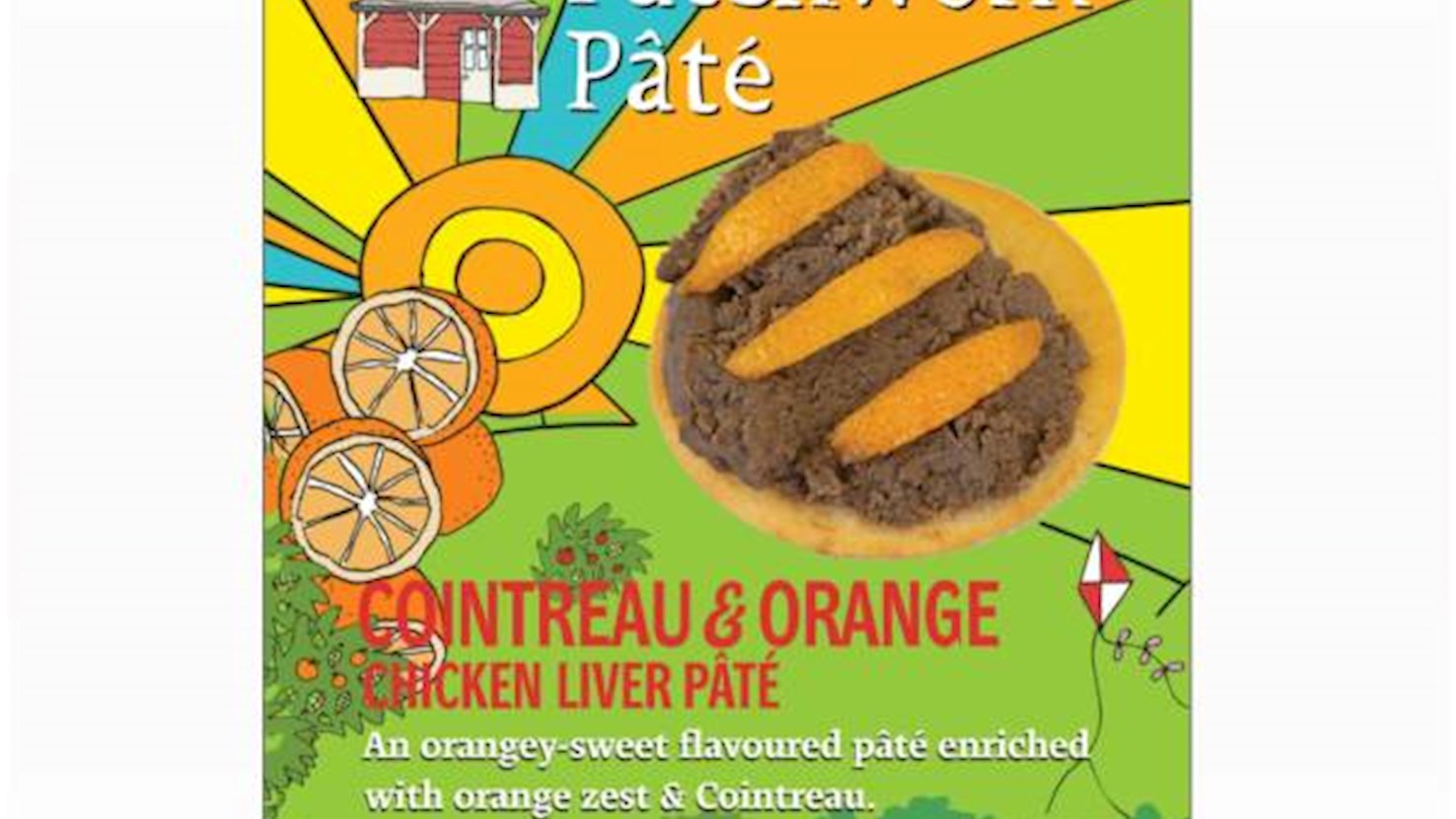
Patchwork Foods is a renowned producer of gourmet foods, specializing in handcrafted pâtés that blend traditional recipes with contemporary flavors. Their range includes over 14 varieties, featuring chicken and duck liver, fish, game, as well as vegetarian and vegan options. All products are made in small batches without artificial additives, colors, or preservatives, ensuring an authentic and rich taste.
Known for their commitment to quality and culinary creativity, Patchwork Foods has become a favorite among food lovers seeking distinctive, high-end spreads. Their pâtés are perfect for any occasion—whether served as a starter, part of a charcuterie board, or as a flavorful ingredient in gourmet dishes.
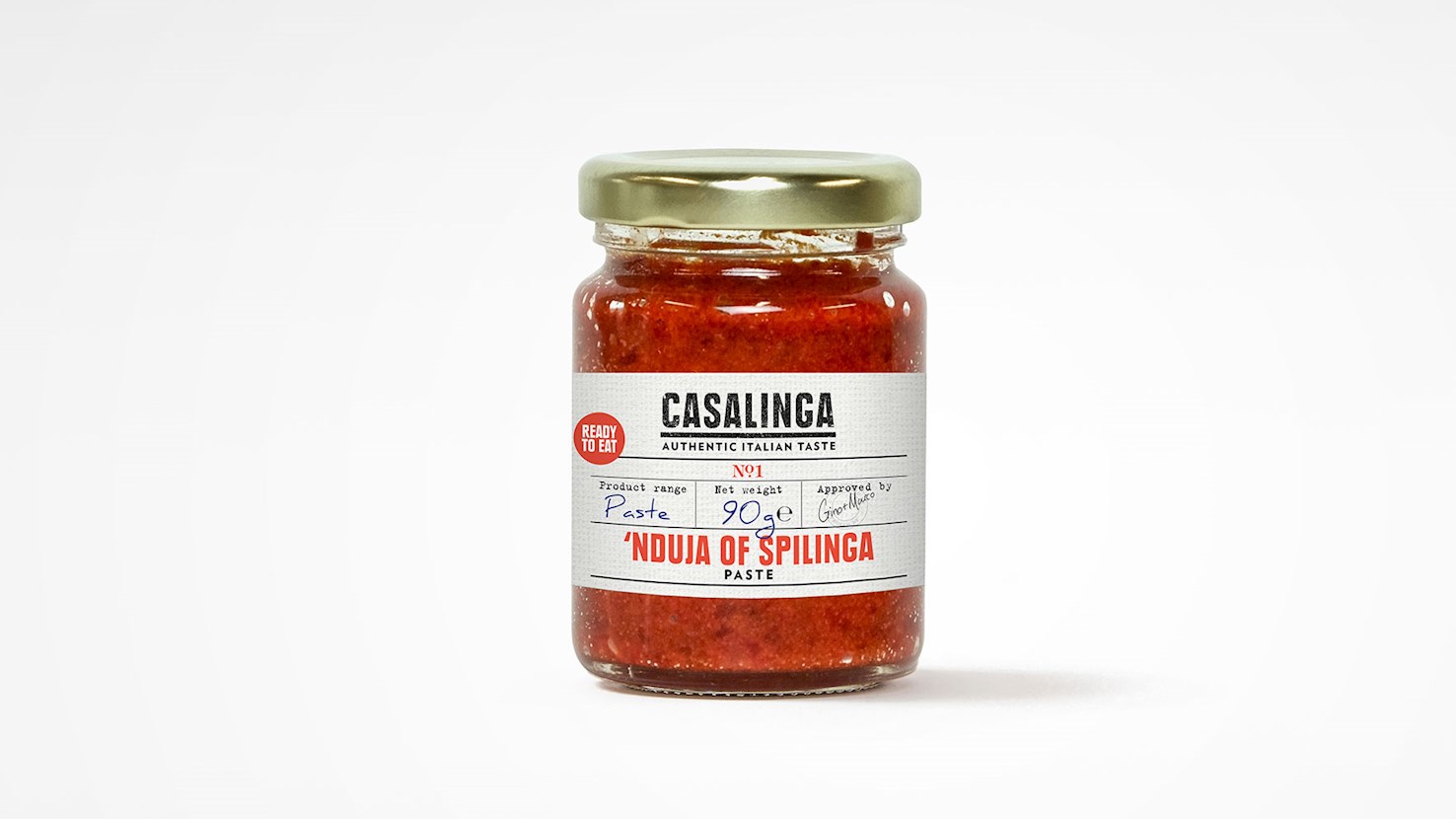
Bonta Italia Ltd is a company based in England that specializes in the production of high-quality pâté. The company is known for using traditional Italian recipes and ingredients to create authentic flavors. Bonta Italia Ltd distributes its products to various retailers and online platforms. The company also produces a range of other Italian culinary products in addition to pâté.
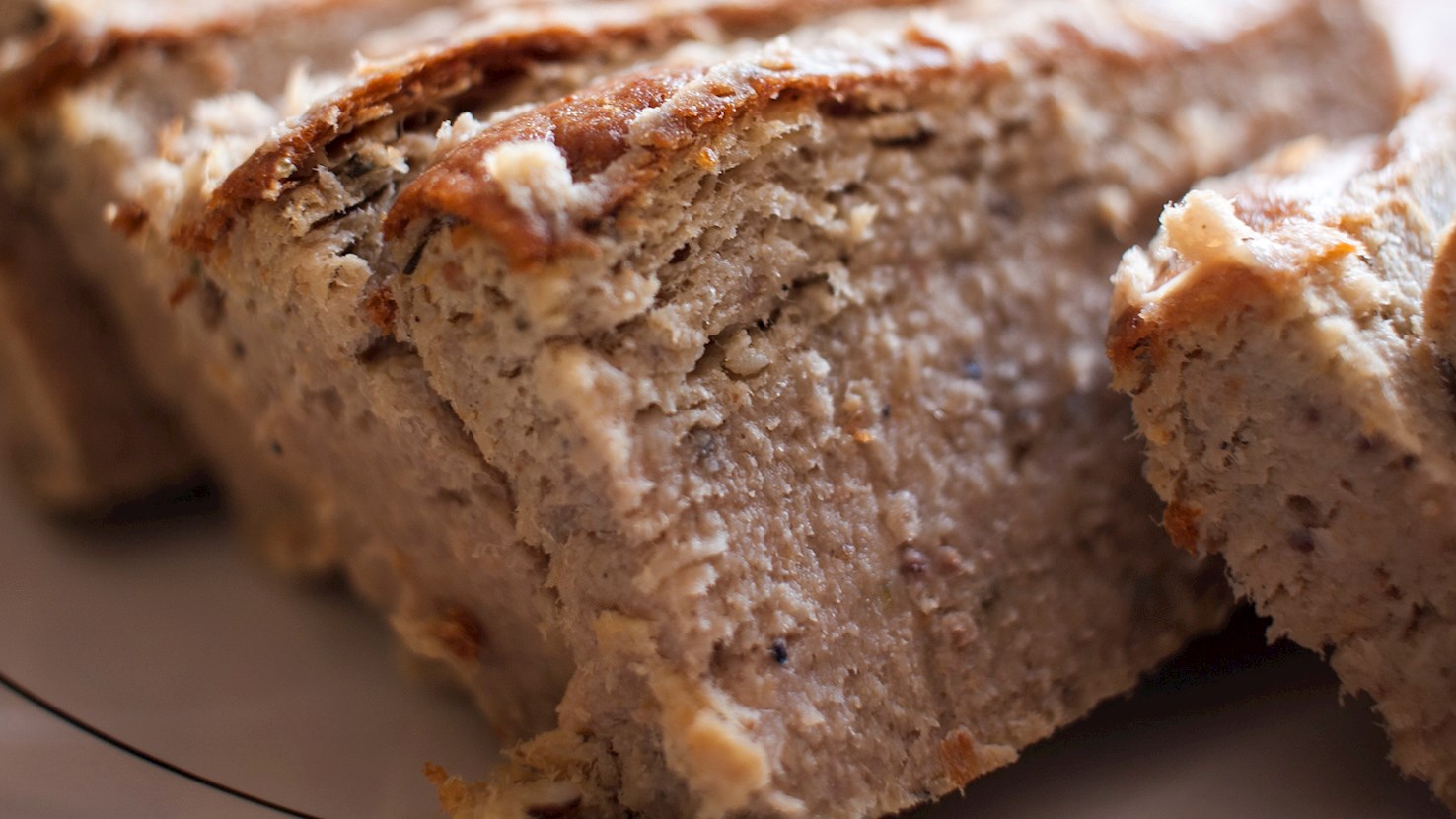
Pasztet is a unique Polish dish that is traditionally served at special, festive occasions such as Christmas and Easter. It is characterized by its texture and flavor, and unlike other, spreadable pâtés, pasztet is more like a terrine, so it is recommended to serve it in slices. Pasztet is usually made from cooked liver, beef, pork, or venison, along with spices, herbs, and a bit of vegetables such as carrots or mushrooms. For a more traditional pasztet, veal and pork are the most common meat varieties, which are then covered in pork fat to prevent the pasztet from being too dry. The combination of ingredients is minced, baked, and ready to consume, preferably on a slice of bread with some sliced tomatoes and finely chopped chives.
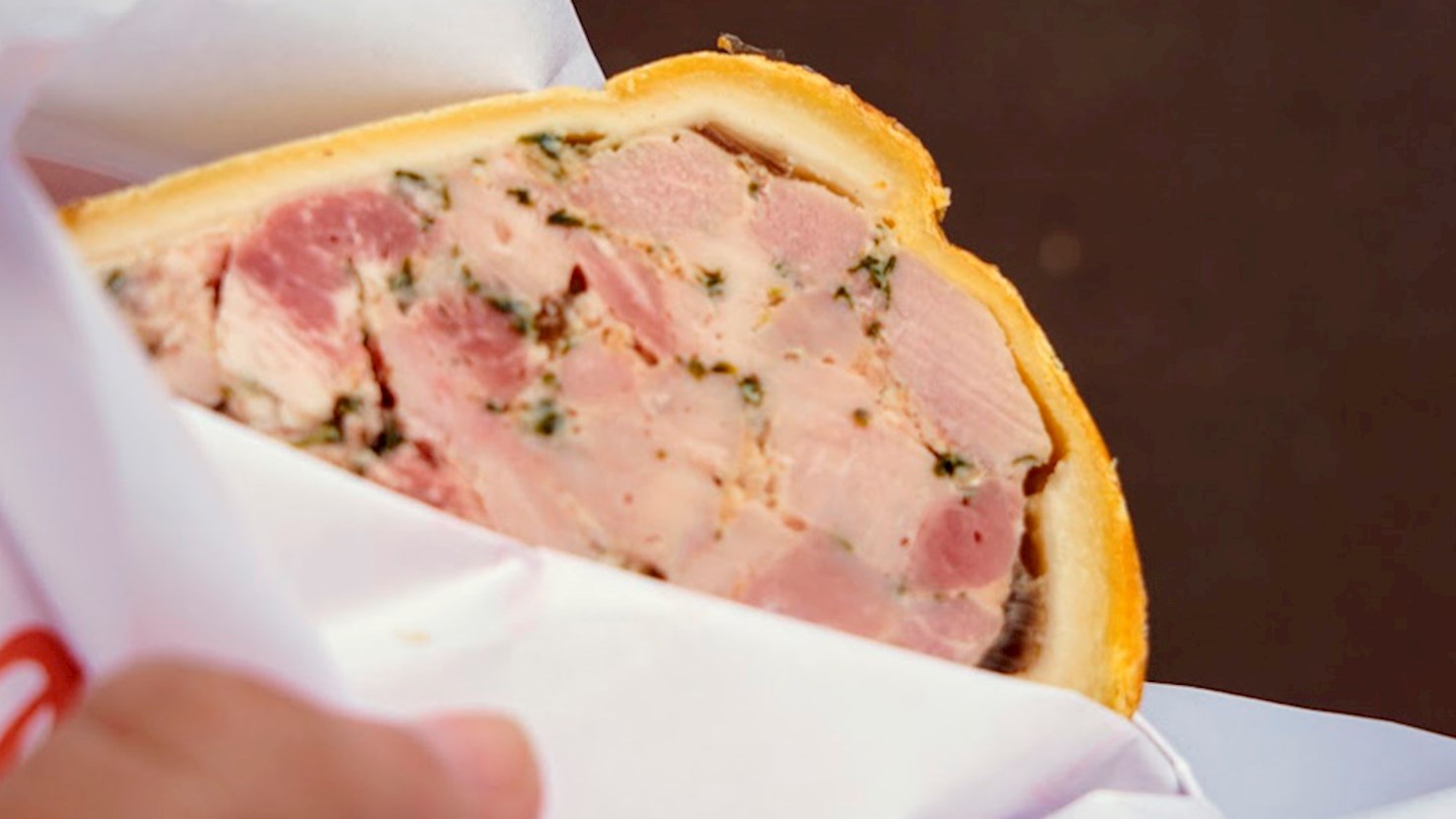
Pâté en croute is a traditional dish made with meat pâté that is gently wrapped in a pastry cover, then baked. The traditional pâte is made from a mixture of pork and veal, although modern recipes also use other types of meat such as rabbit or chicken. The meat is cut into thin strips and marinated for hours in a flavorful mixture of wine, thyme, parsley, bay leaves, and shallots, before being ground into a pâte and chilled. The pâte is then shaped into a roll and covered in a layer of shortcrust pastry. When baked, the outer layer of the pastry turns golden brown and crusty, while the pâte remains moist and juicy on the inside. This specialty is usually associated with Baccarat, a commune located in the Lorraine region in northeastern France. A recipe for this French classic dates back to 1392 and can be found in Le Viander de Taillevent, one of the oldest and best-known collections of Medieval recipes. This popular dish is usually cut into smaller portions and served as an appetizer, but it can also be served as a main course with a green salad and a glass of French white wine on the side.
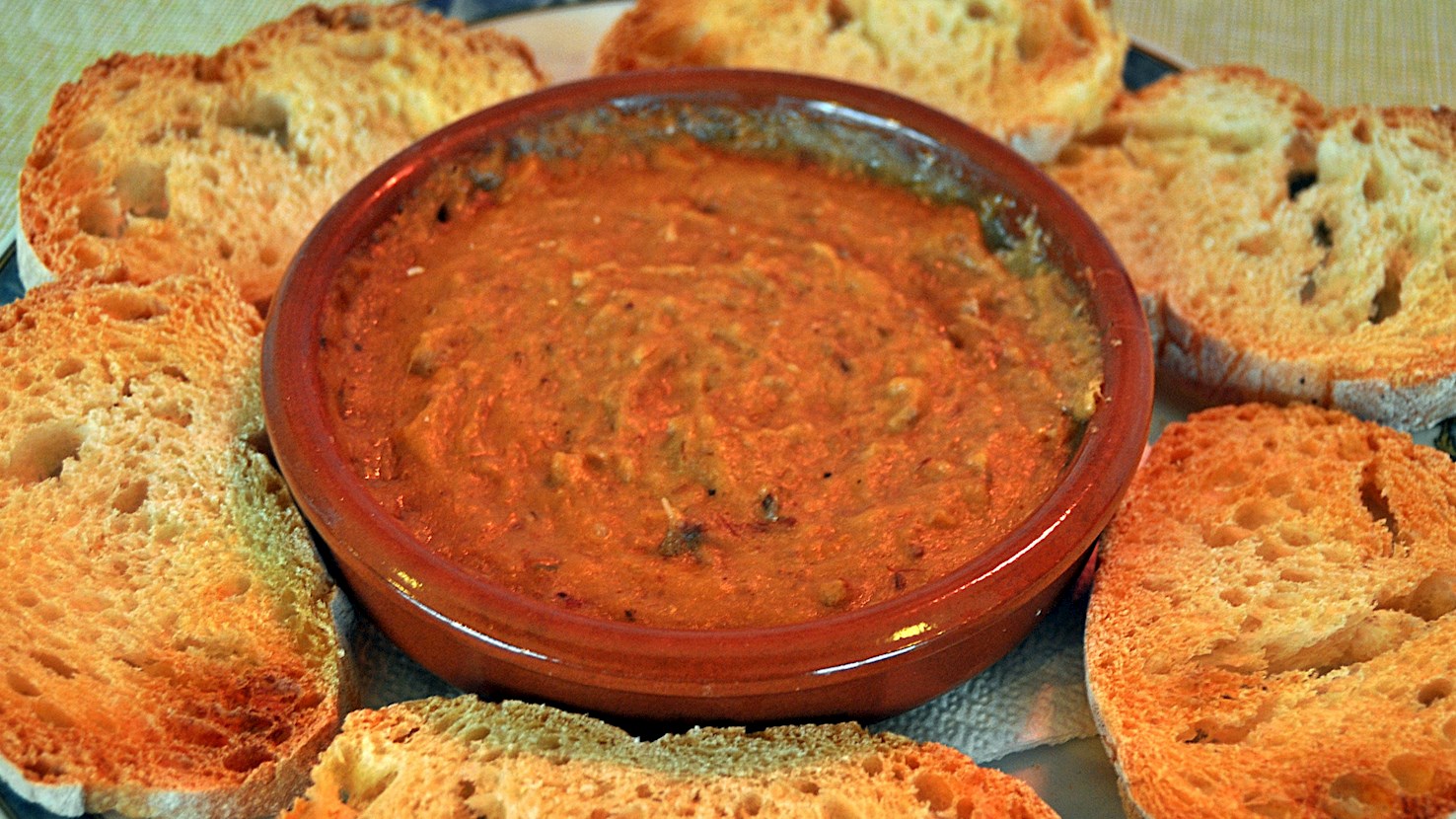
Morteruelo is a dense, savory pâté-like dish from the province of Cuenca, located in the Castilla-La Mancha region of central Spain. It is commonly served warm as a starter or tapa and is recognized for its rich combination of liver and meats finely ground and bound together in a thick, spiced paste. The dish has long been associated with rural Spanish cuisine, where it emerged as a practical and flavorful way to make use of preserved and accessible meats during colder months. Historically, morteruelo is believed to date back to the Middle Ages, when game and organ meats were more commonly used in everyday cooking, particularly in interior regions far from the coast. The name itself is linked to the Spanish word mortero, meaning mortar, referencing the original method of pounding the meat by hand to achieve a smooth consistency. The preparation begins with slow-cooking a mixture of meats, which often includes pork liver, lean pork, partridge, chicken, or hare, depending on local availability and family preference. Once tender, the meats and offal are shredded or finely minced, then combined with a base of reduced cooking broth, lard or rendered fat, and breadcrumbs to achieve its thick consistency. The mixture is seasoned with warm spices such as cumin, black pepper, and paprika, lending the dish a deeply savory and mildly earthy profile. It is then cooked again to bind all components into a cohesive, spoonable paste. Morteruelo’s distinct character lies in its texture and intensity. It is smoother and more spreadable than a meat stew but coarser than a mousse or pâté. In Cuenca and surrounding towns, it is widely considered a symbol of regional gastronomy and can be found in local taverns and family gatherings, especially in cooler seasons. While it remains lesser-known outside Castilla-La Mancha, morteruelo holds a strong culinary identity within the region, reflecting the historical reliance on preserved game, offal, and slow cooking as essential aspects of rural Spanish foodways.
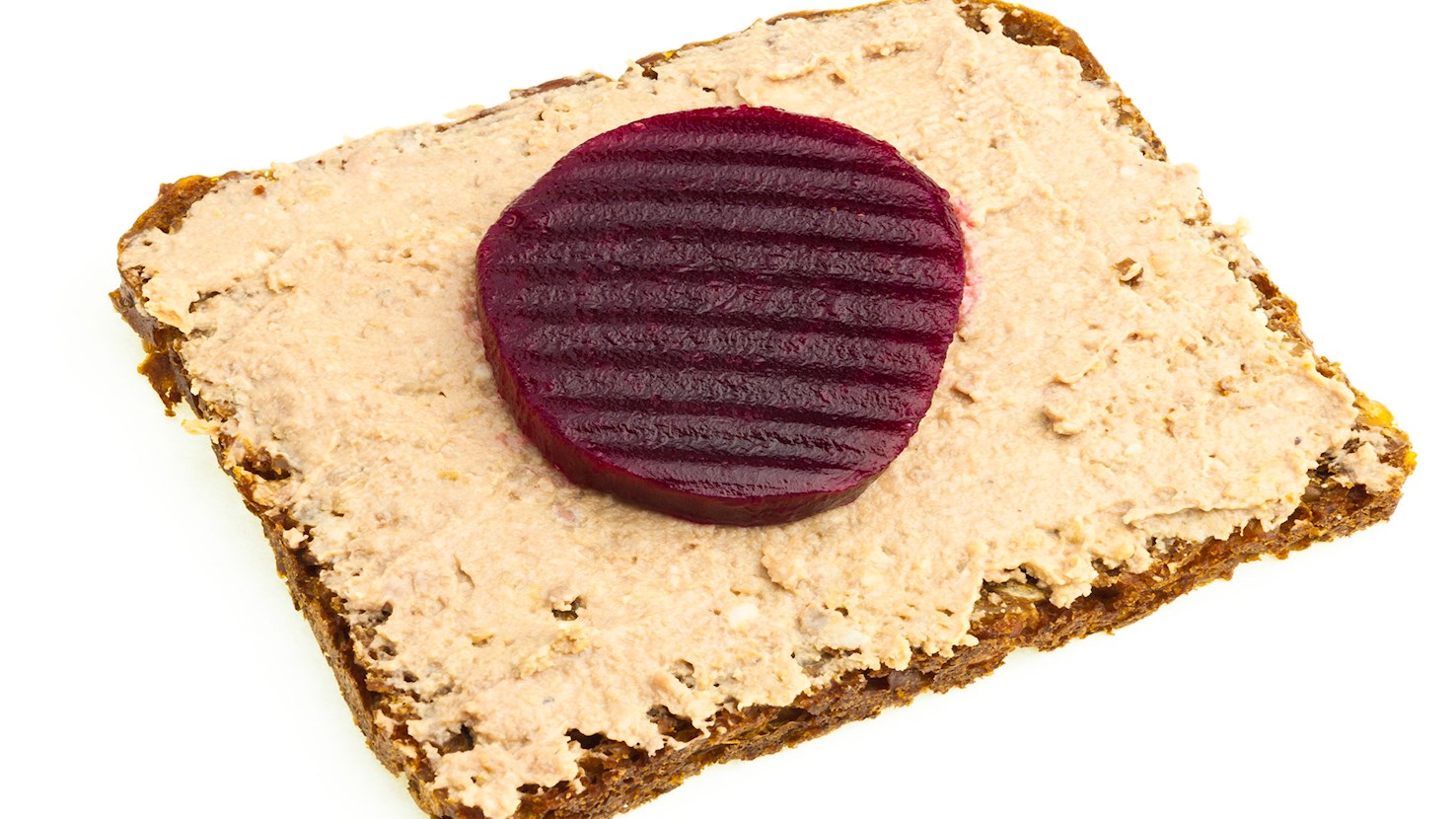
This versatile liver pâté is one of the most common Danish spreads known as leverpostej. Since it is incredibly popular throughout the country, it appears in numerous varieties which differ in ingredients, flavors, and textures. Next to pork or beef liver, most types consist of lard and onions, but can be adapted with various spices and ingredients. The pâté mixture is usually baked in rectangular pans and can be served lukewarm or chilled. Liver pâté has been present in Danish gastronomy since the mid-19th century and has initially represented an expensive meal, reserved only for the richest citizens. It was introduced by a Frenchman named François Louis Beauvais, who first prepared this delicacy at his Copenhagen shop. Many Danish butchers followed his example, and when the process was industrialized, the pâté became more available and gained a huge popularity. Leverpostej is usually used as a spread on open-faced smørrebrød sandwiches, when it is typically topped with a variety of different ingredients.
Pašteta od čvaraka is a Croatian spread made with pork rinds as main ingredients. The spread is a specialty of Slavonija and Baranja region, but in recent years, it has started to appear on the menus of restaurants throughout the country. Although the recipe may vary from one cook to another, it is usually prepared with pork rinds, pickles, hard-boiled eggs, ground red paprika, salt, and pepper. The ingredients are blended, and the spread should then be chilled before consumption. Pašteta od čvaraka is traditionally served as an appetizer with toasted garlic-rubbed bread. When eaten at home, it is often served with bread, bacon, and raw onions.
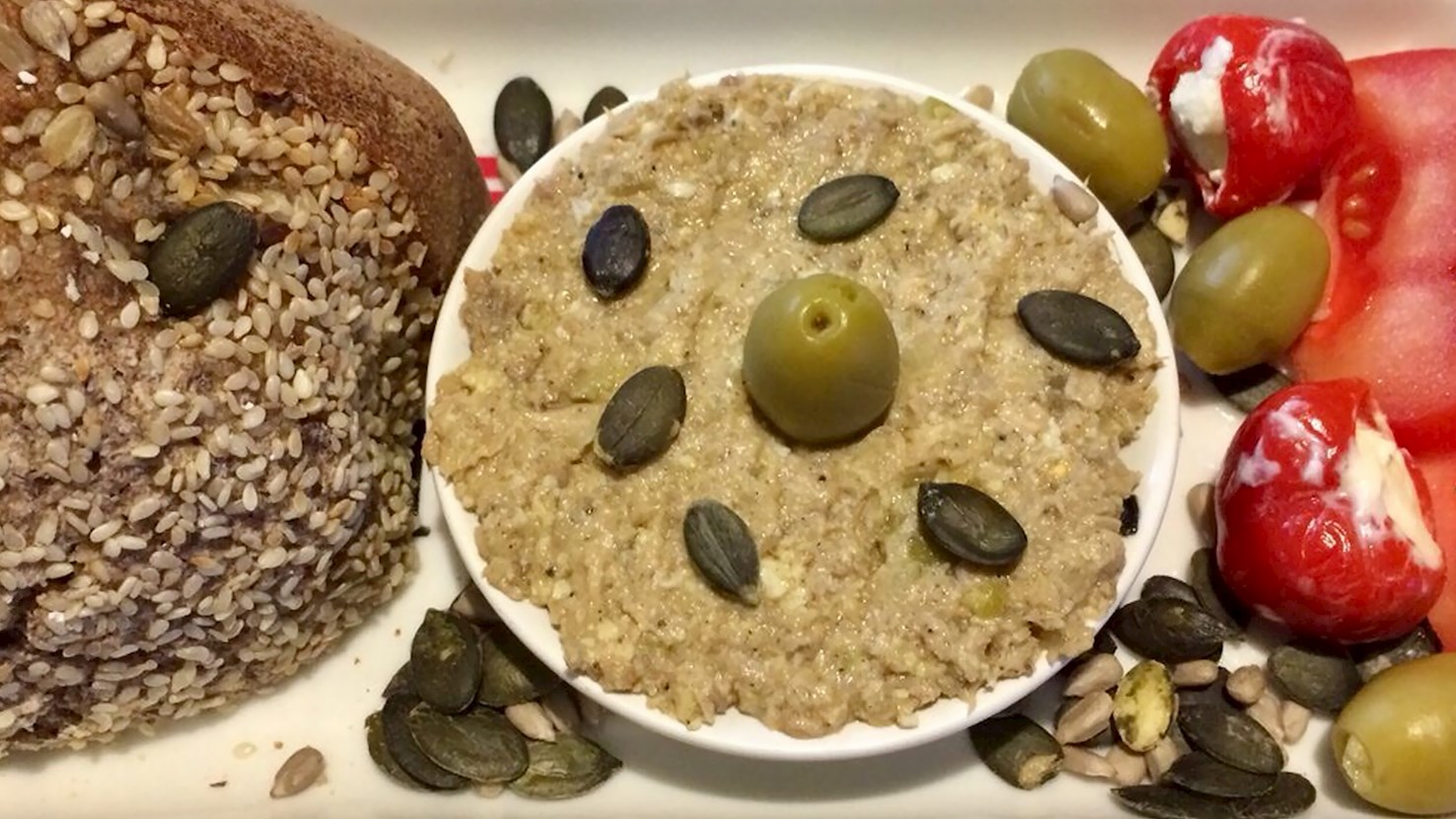
Pašteta od fazana is a Croatian dish that is especially popular in the region of Slavonija and Baranja. This pâté is made with pheasant as the key ingredient, and due to the fact that every household has their own recipe, other ingredients may vary, but may include celery, carrots, parsley, onions, bay leaves, pepper, garlic, eggs, butter, mayonnaise, mustard, and horseradish. The pheasant is cooked with the vegetables, and it is then ground and combined with other ingredients. The pâté is then refrigerated until it sets, and it is recommended to serve it with crusty bread.
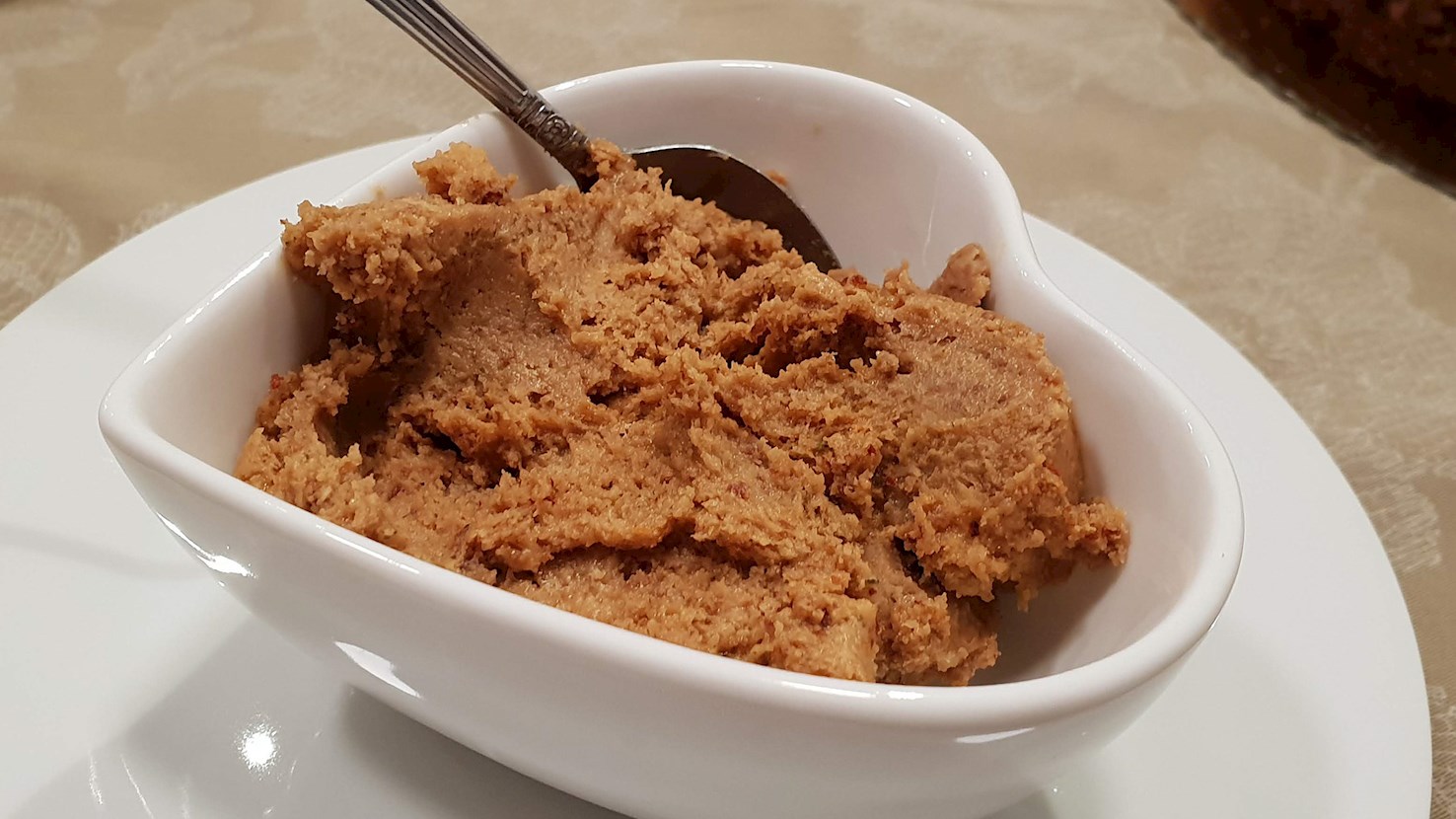
Mikeška pašteta is a Croatian pâté that is especially popular in the area of Virovitica. It is made with a combination of ground pork rinds, hard-boiled eggs, onions, mustard, sweet paprika powder, fennel or dill, salt, and pepper. In order to prepare it, pork rinds, onions, and eggs should be ground two times, then combined with other ingredients. Before serving, the pâté is thoroughly mixed, then traditionally spread on a thick slice of bread, consumed as an appetizer or a snack.
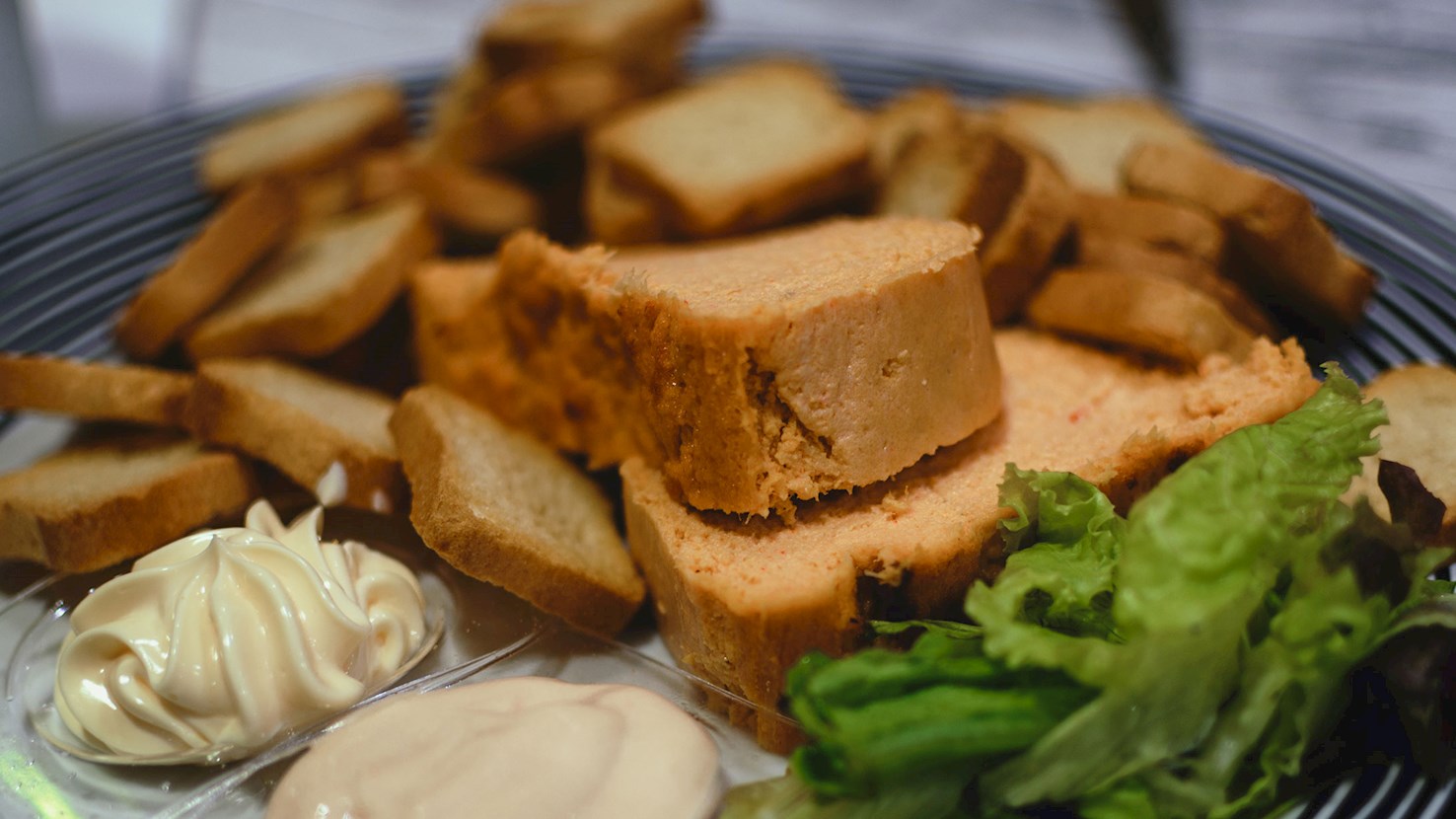
Pastel de cabracho is a savory fish terrine originating from the northern coast of Spain, particularly associated with the culinary traditions of Asturias, Cantabria, and the Basque Country. Made from cabracho—a spiny red scorpionfish known for its firm, flavorful flesh—it is a staple of coastal cuisine in this part of the Iberian Peninsula and is often served as a refined starter or at festive meals. The dish was popularized in the 1970s by renowned Basque chef Juan Mari Arzak, who transformed a humble fishermen’s preparation into a sophisticated restaurant dish. Before that, similar terrines and fish pâtés were prepared in coastal households, where cooks used cabracho and other rockfish in stews, broths, or molded dishes to make use of every part of the catch. Arzak’s interpretation elevated the recipe, refining its texture and flavor while maintaining its roots in maritime cooking. Since then, pastel de cabracho has become a staple of Spanish culinary culture, appearing both in high-end restaurants and on family tables, especially during celebrations and holiday meals. Preparation begins with the fish, which is poached in a court bouillon or lightly salted water with aromatics such as onion, leek, carrot, bay leaf, and peppercorns. Once cooked, the flesh is carefully flaked from the bones and blended with eggs, cream, tomato sauce, and sometimes a small amount of bread soaked in milk to create a smooth mixture. The mixture is seasoned with salt and pepper, then poured into a loaf pan or terrine mold and baked gently in a bain-marie until set, yielding a light, silky texture that slices cleanly once chilled. It is typically served cold, often accompanied by mayonnaise, alioli, or a tomato-based sauce, and garnished with fresh herbs or pickled vegetables. Pastel de cabracho is most often served as a first course or appetizer, sliced and spread on toasted bread or crackers. It is a common feature of festive meals in northern Spain, especially during holidays like Christmas or family gatherings, and is also a staple in seafood restaurants along the Cantabrian coast. It pairs well with crisp white wines such as Albariño or Txakoli, whose acidity complements the richness of the terrine.
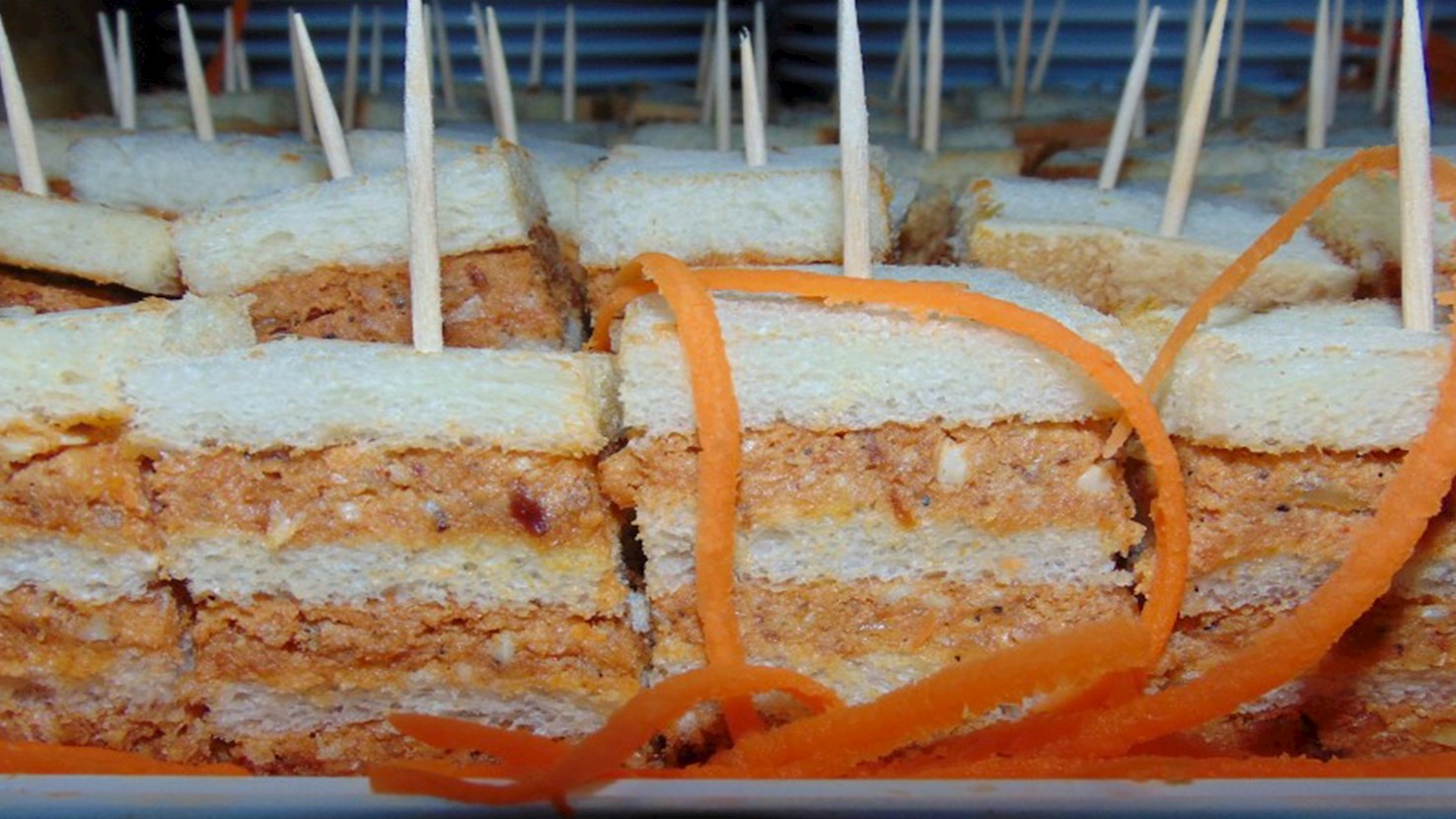
Pašteta od kopuna is a traditional spread originating from the Zagorje region. The pâté is usually made with a combination of rooster meat, sour cream, bread rolls, milk, eggs, sardine paste, pickles, mustard, salt, and pepper. The rooster is cooked, its bones are removed, and it's ground twice before it's mixed with the pickles, salt, pepper, mustard, sardine paste, sour cream, eggs, and bread rolls that have been soaked in milk. The mixture is cooked over steam for about half an hour, mixed well, chilled, and the spread is then ready to be enjoyed with slices of bread that are typically served on the side.
Leber pašteta is a pâté that is especially popular in the area of Virovitica. It is made with a combination of lard, onions, dried bacon, liver, hard-boiled eggs, and mustard. In order to prepare it, onions and pieces of bacon should be fried in lard, while liver is added later. The concoction is combined with other ingredients, ground, then seasoned with salt and pepper. After it has been prepared, this delicious pâté should be chilled in the refrigerator for at least one hour before serving. The name leber pašteta shows a German influence on the dish, and there is also another popular name – leberica, referring to the same pâté that is stuffed into a large, cleaned intestine.
TasteAtlas food rankings are based on the ratings of the TasteAtlas audience, with a series of mechanisms that recognize real users and that ignore bot,
nationalist or local patriotic ratings, and give additional value to the ratings of users that the system recognizes as knowledgeable.
For the “Top 18 European Pâtés” list until May 15, 2026, 434 ratings were recorded, of which 369 were recognized by the system as legitimate.
TasteAtlas Rankings should not be seen as the final global conclusion about food. Their purpose is to promote excellent local foods,
instill pride in traditional dishes, and arouse curiosity about dishes you haven’t tried.
The initial list of top producers was compiled based on available reviews, awards, local recommendations, media and blog coverage, and consumer reviews.
The list will be updated with ratings from TasteAtlas local ambassadors and TasteAtlas users.