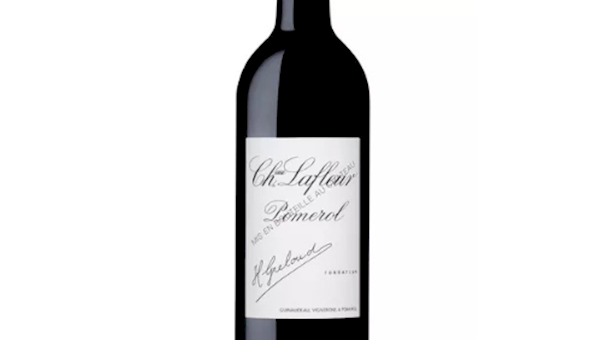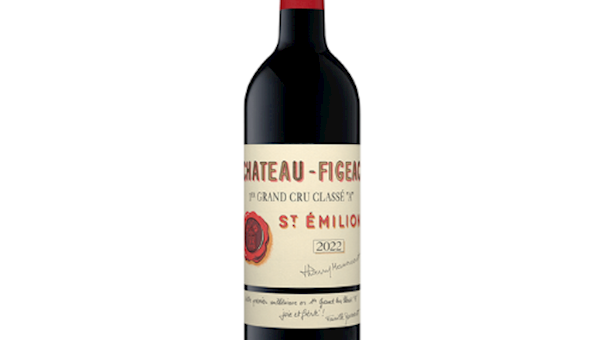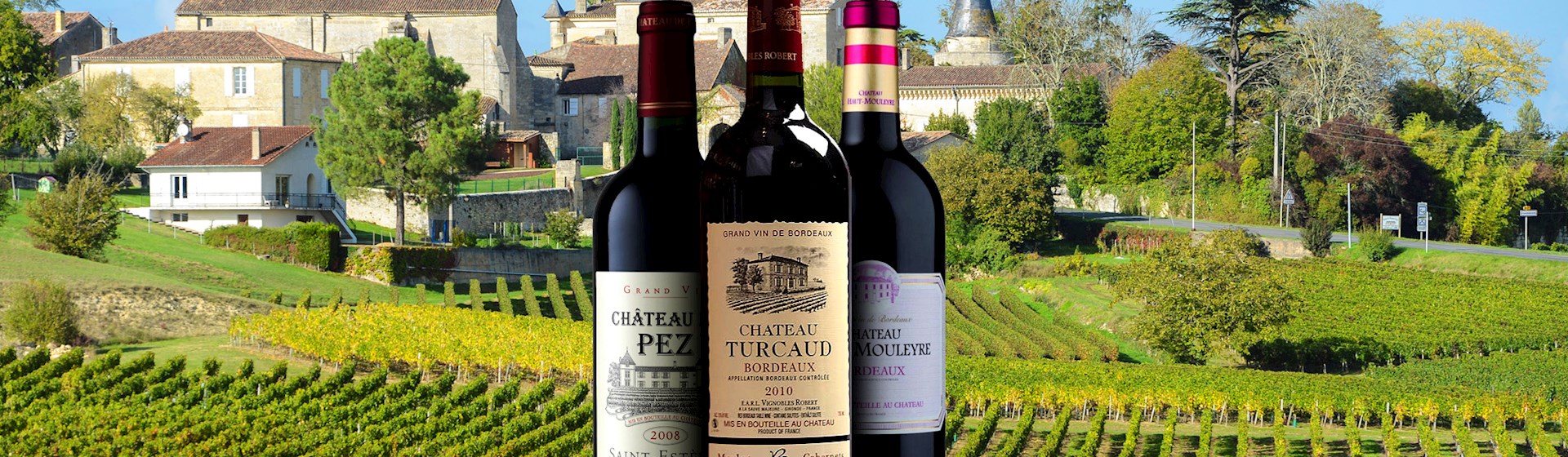
shutterstock

Top 58 Local Red Wines
in Gironde

Last updated on July 29, 2026

Best Gironde Red Wine Types
01

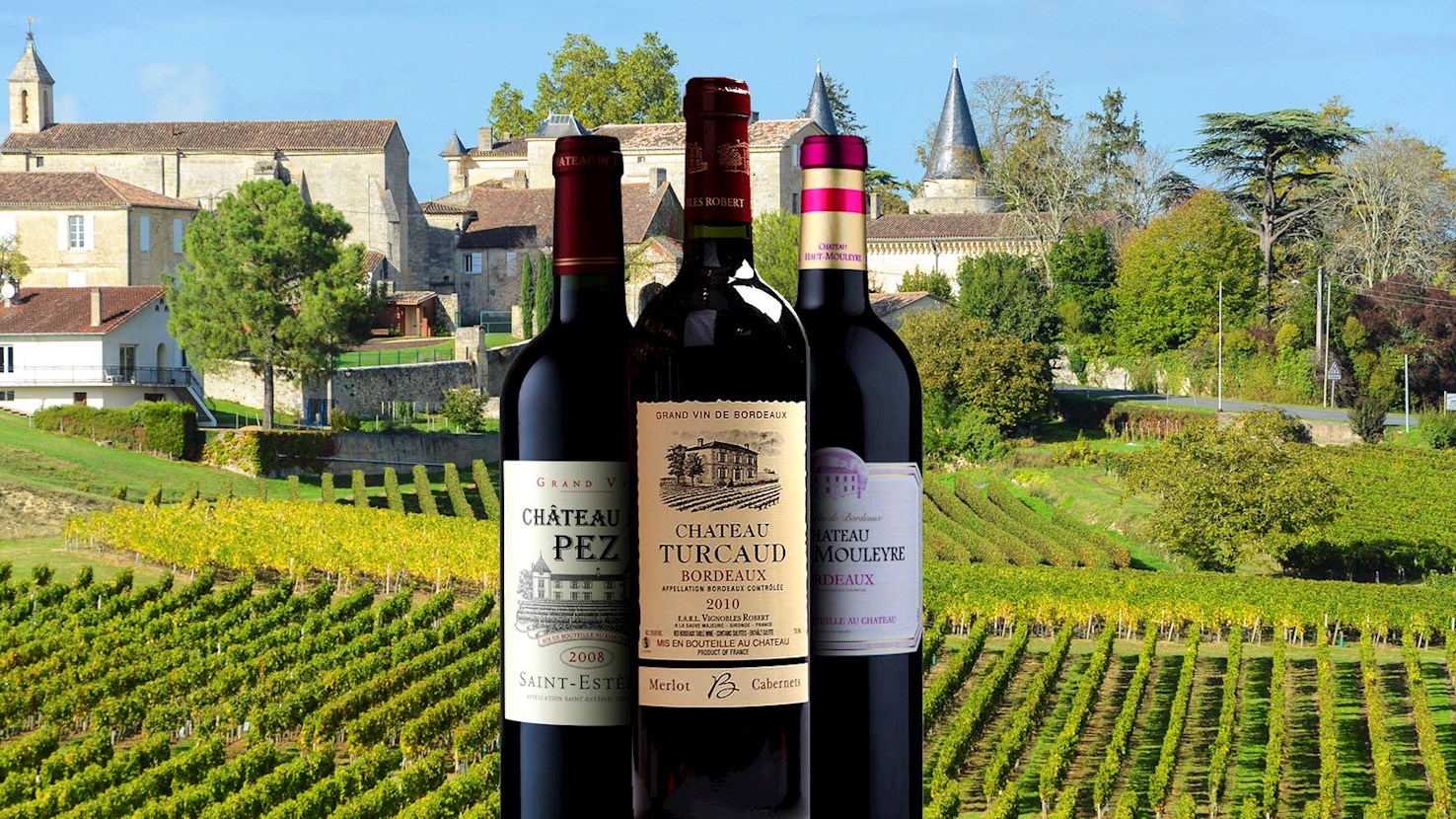
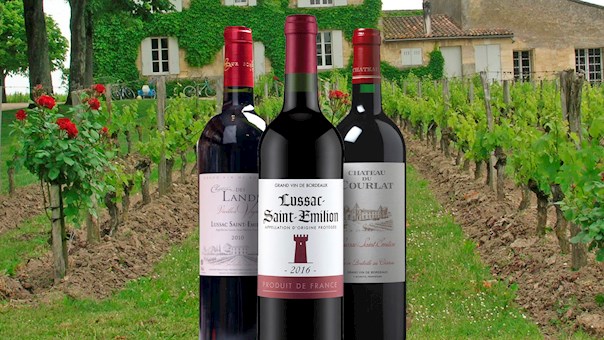
Saint-Émilion

4.1 ·

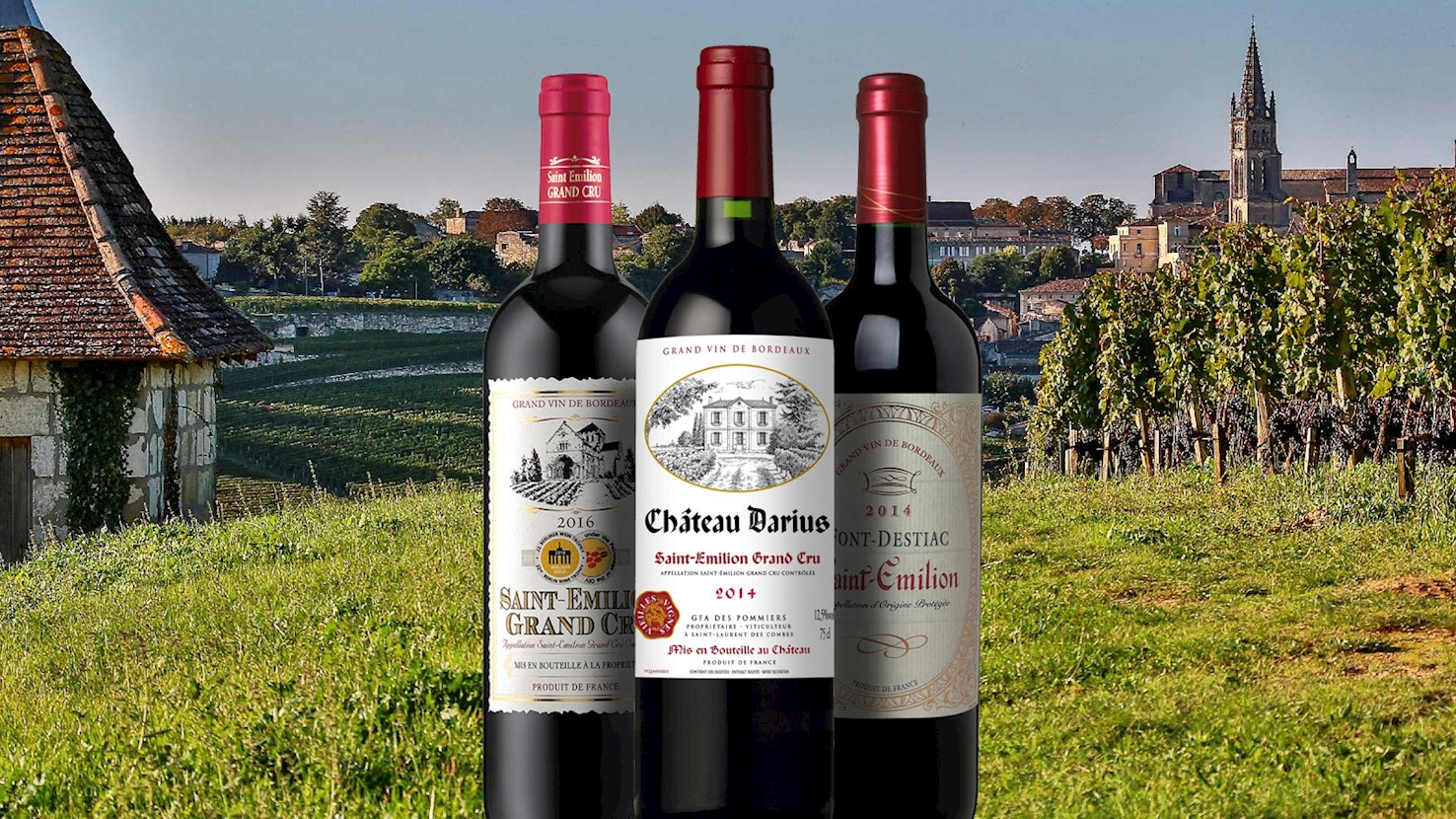
Saint-Émilion is one of the most exceptional appellations in Boudreaux. It is located on the right bank in the Libourne wine region of Bordeaux. Although classic Bordeaux varieties such as Cabernet Sauvignon, Carménère, Petit Verdot and Malbec can be used in their production, Saint-Émilion wines are mostly made from Merlot and Cabernet Franc. Often described as approachable and soft, these wines are characterized by powerful aromas of fresh fruit, primarily red berries, which are often accompanied by nuances of spices, cedar, pine, and cocoa. With age, the tannins soften, and the wines tend to evolve aromas of truffles and undergrowth. Saint-Émilion wines are age-worthy and are usually aged for at least ten years, while the best examples can be kept for over thirty years. The style of these wines is best paired with charcuterie, beef, game, and flavorful cheese varieties.

02

Bordeaux

4.1 ·

Bordeaux region is the largest wine growing area in France that comprises of more than fifty different appellations. Bordeaux wines can range from massively produced everyday table wines to prestigious and expensive vintages. The predominant style is red, but the region also produces sweet and dry whites, rosés and sparkling wines. Red Bordeaux wines are mostly produced from Cabernet Sauvignon, Cabernet Franc, Petit Verdot, Merlot, Malbec, or occasionally Carménère. They are soft, elegant and silky, with aromas of dark fruit, truffles, spices, smoke, tar, and leather. Because they are typically medium to full-bodied, they perfectly pair with patés and terrines, grilled meat, roast beef, game pies, and goat and sheep cheese. Older vintages of the wine pair well with dishes that include mushrooms, truffles, hard cheese, or game. White Bordeaux styles are mostly produced from Sémillon, Sauvignon Blanc, and Muscadelle. They are predominantly light, with floral, fruit, and citrus aromas, and pair well with seafood, vegetables, pasta, and risottos.

03

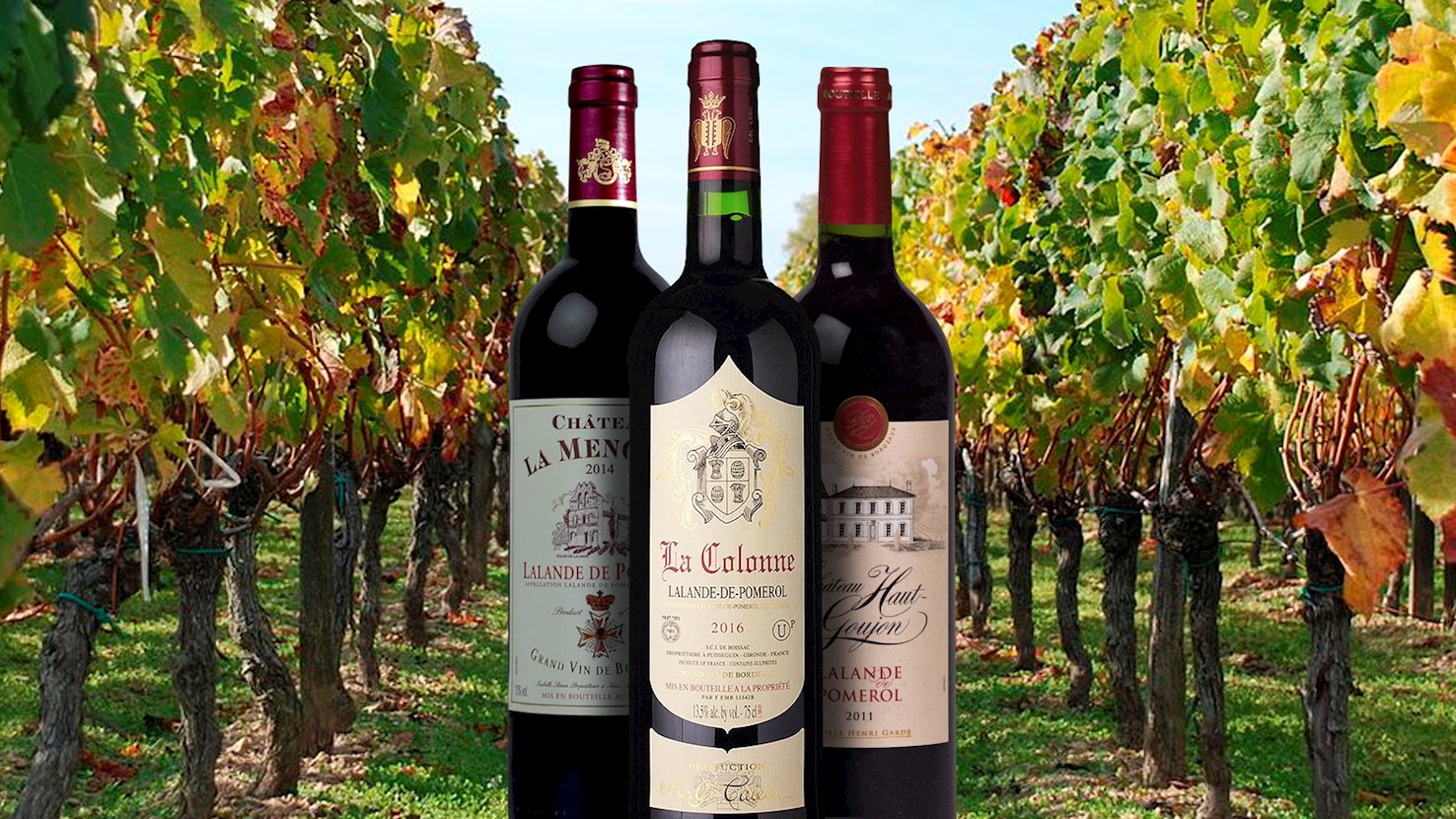
Lalande-de-Pomerol

3.9 ·

Lalande-de-Pomerol is a small French appellation located in Libourne wine region of Bordeaux. The wines produced in the area are primarily based on Merlot, but the addition of Cabernet Franc, Cabernet Sauvignon, and Malbec is also permitted. Lalande-de-Pomerol wines are typically well-structured, full-bodied, and smooth, with a good ability to age. Their primary aromas include red and black fruits, spices, and violets that may develop into more robust expressions of plums, leather, or truffles. These wines are an excellent match to classic meat dishes made with beef, pork, or game.

04

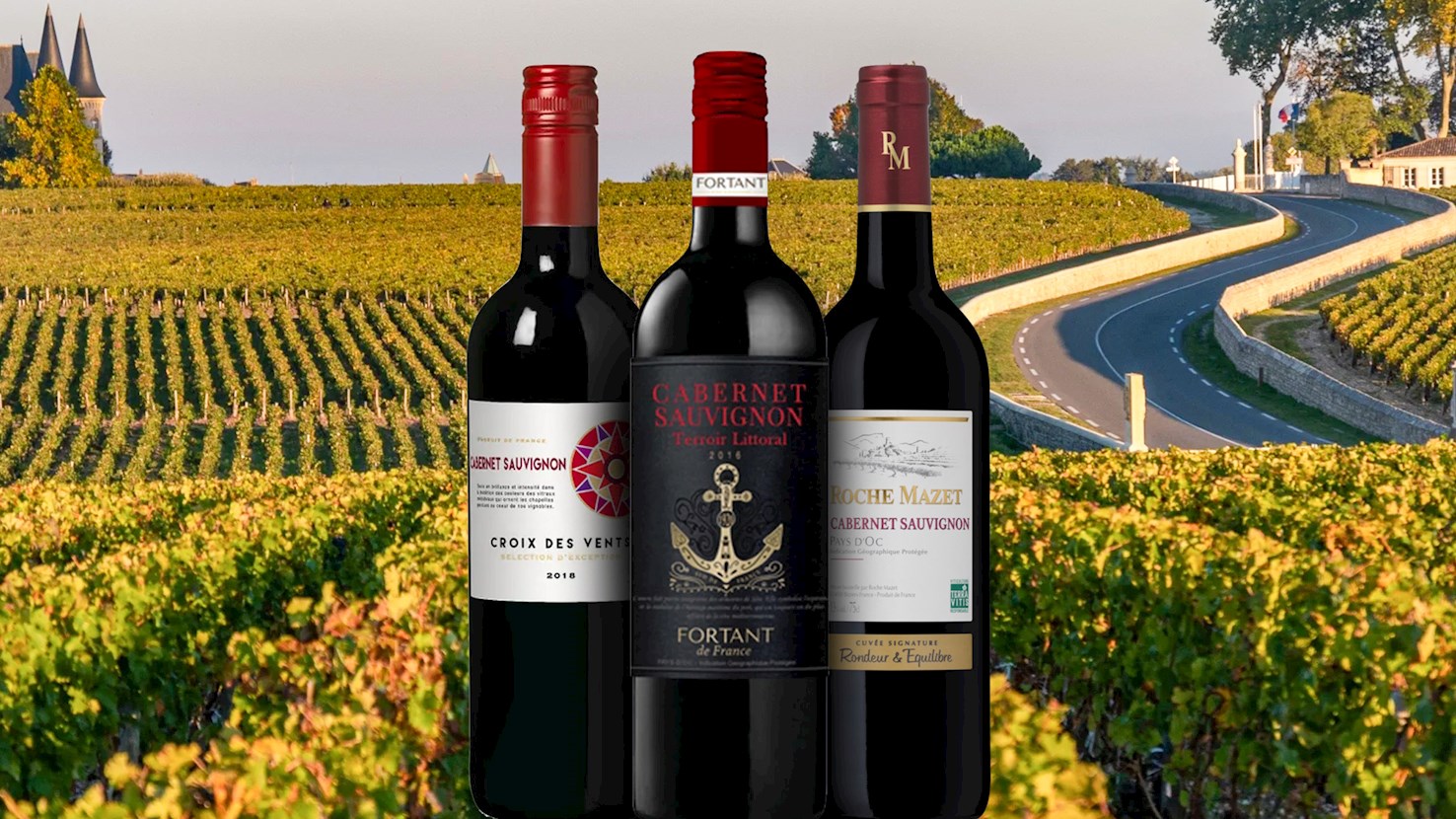
Cabernet Sauvignon

3.9 ·

Cabernet Sauvignon is one of the world's most widely recognized and celebrated red wine grape varieties. Originating from the Bordeaux region of France, it has spread to virtually every major wine-producing country, becoming a key component of many of the world's finest wines. Cabernet Sauvignon is renowned for its ability to produce full-bodied, robust red wines with a high level of tannins and significant aging potential. The grape itself is small and thick-skinned, which contributes to its deep color and rich tannic structure. Wines made from Cabernet Sauvignon typically exhibit a range of flavors, including blackcurrant (cassis), black cherry, and blackberry, often accompanied by notes of green bell pepper, mint, tobacco, and cedar, especially when aged in oak barrels. In Bordeaux, Cabernet Sauvignon is a crucial part of the region's famous blends, particularly in the Médoc and Graves appellations on the Left Bank, where it is often blended with Merlot, Cabernet Franc, Petit Verdot, and Malbec. These blends produce some of the most prestigious wines in the world, known for their complexity, balance, and ability to age gracefully for decades. Outside of France, Cabernet Sauvignon has thrived in regions such as Napa Valley in California, where it produces powerful, fruit-forward wines that have garnered international acclaim. It is also widely grown in Chile, Australia, South Africa, Italy, and Spain, each region imparting its unique characteristics to the wine. For example, Chilean Cabernet Sauvignon often has a distinct herbal quality, while Australian versions, particularly from Coonawarra and Margaret River, are known for their intense fruit flavors and eucalyptus notes. Cabernet Sauvignon's versatility in the vineyard and winery, combined with its bold flavors and structure, makes it a favorite among winemakers and wine lovers. It pairs exceptionally well with a variety of foods, particularly rich and hearty dishes such as grilled or roasted meats, steak, lamb, and dishes with robust sauces. The tannins in the wine help cut through the fat and protein of these dishes, creating a harmonious balance on the palate.

05

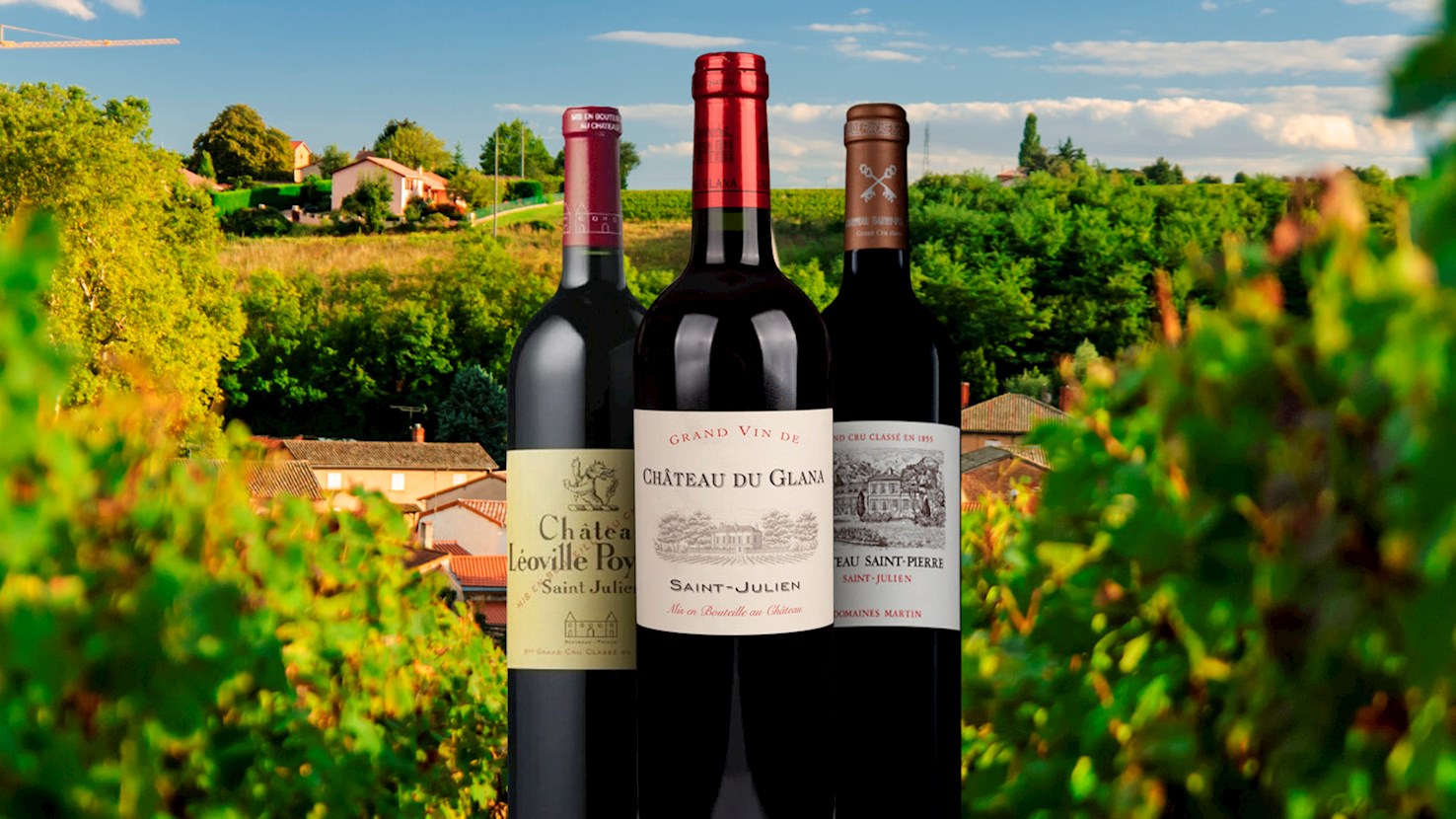
Saint-Julien

3.9 ·

Saint Julien is one of the legendary Bordeaux wine regions situated in Médoc. The appellation is known for its intense and complex red wines mainly made from Cabernet Sauvignon, while other permitted varieties include Cabernet Franc, Merlot, Carmenère, Petit Verdot, and Malbec.These wines are known for their power and finesse. The nose is dominated by red and dark berries. With age, the aromas tend to evolve into notes reminiscent of prunes, cocoa, coffee, toast, and tobacco, while the best examples will display truffle and leather nuances. The age will also soften the tannins, making the wine rounder and more velvety. These renowned wines would go well with beef, game, and veal. They could pair with braised, grilled, or stewed dishes.

06

Malbec

3.8 ·

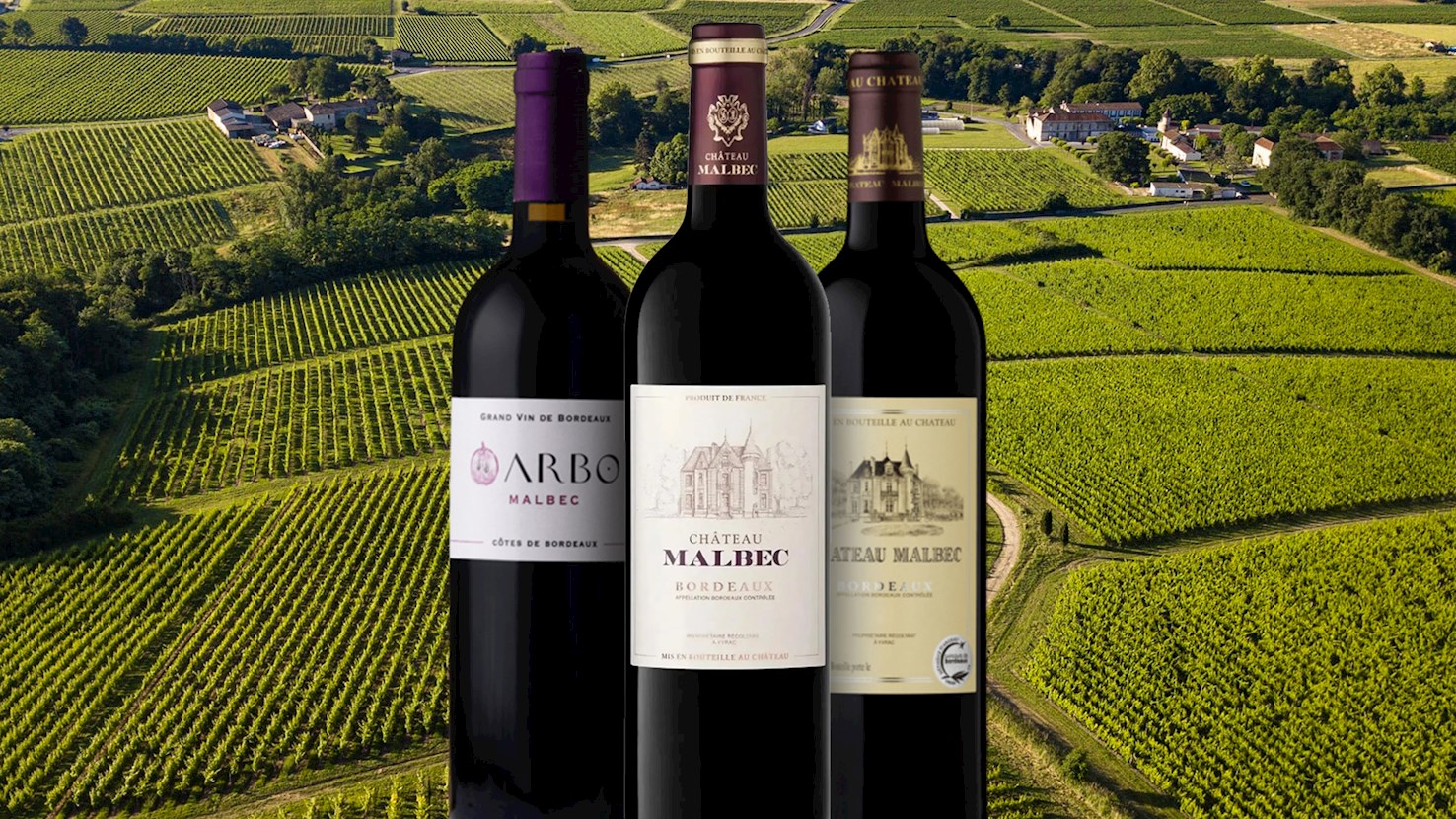
Malbec is a red wine grape variety that is most famously associated with Argentina, although it originally hails from the Bordeaux region of France. It is known for producing deeply colored, full-bodied red wines with strong fruit flavors and smooth tannins. The grape has found its ideal growing conditions in Argentina, particularly in the Mendoza region, where it has become the country's flagship grape variety. Malbec wines are typically characterized by their dark, inky color and intense flavors of dark fruits such as blackberries, black cherries, and plums. These wines often have notes of chocolate, coffee, and tobacco, with hints of spice and sometimes floral undertones like violet. The tannins in Malbec are usually softer and more rounded compared to other full-bodied red wines, making them approachable and enjoyable even when young. In France, Malbec is still grown, particularly in the Cahors region, where it is known as "Cot" or "Auxerrois." Cahors Malbec tends to be more tannic and rustic compared to its Argentine counterpart, often requiring more aging to soften the tannins and develop its complex flavors. The terroir of Argentina, with its high-altitude vineyards, abundant sunshine, and well-drained soils, contributes to the exceptional quality of Malbec wines. The altitude helps maintain the grape's acidity and balance, while the dry climate reduces the risk of disease and allows the grapes to ripen fully. Malbec is also grown in other wine-producing countries, including the United States, Chile, and Australia, where it continues to gain popularity for its versatility and robust flavor profile. Malbec wines pair well with a variety of foods, particularly rich and hearty dishes. They complement grilled meats, especially beef, as well as lamb, pork, and game. The wine's fruit-forward nature and balanced acidity also make it a good match for spicy dishes, cheeses, and even dark chocolate desserts.

07

Pomerol

3.8 ·

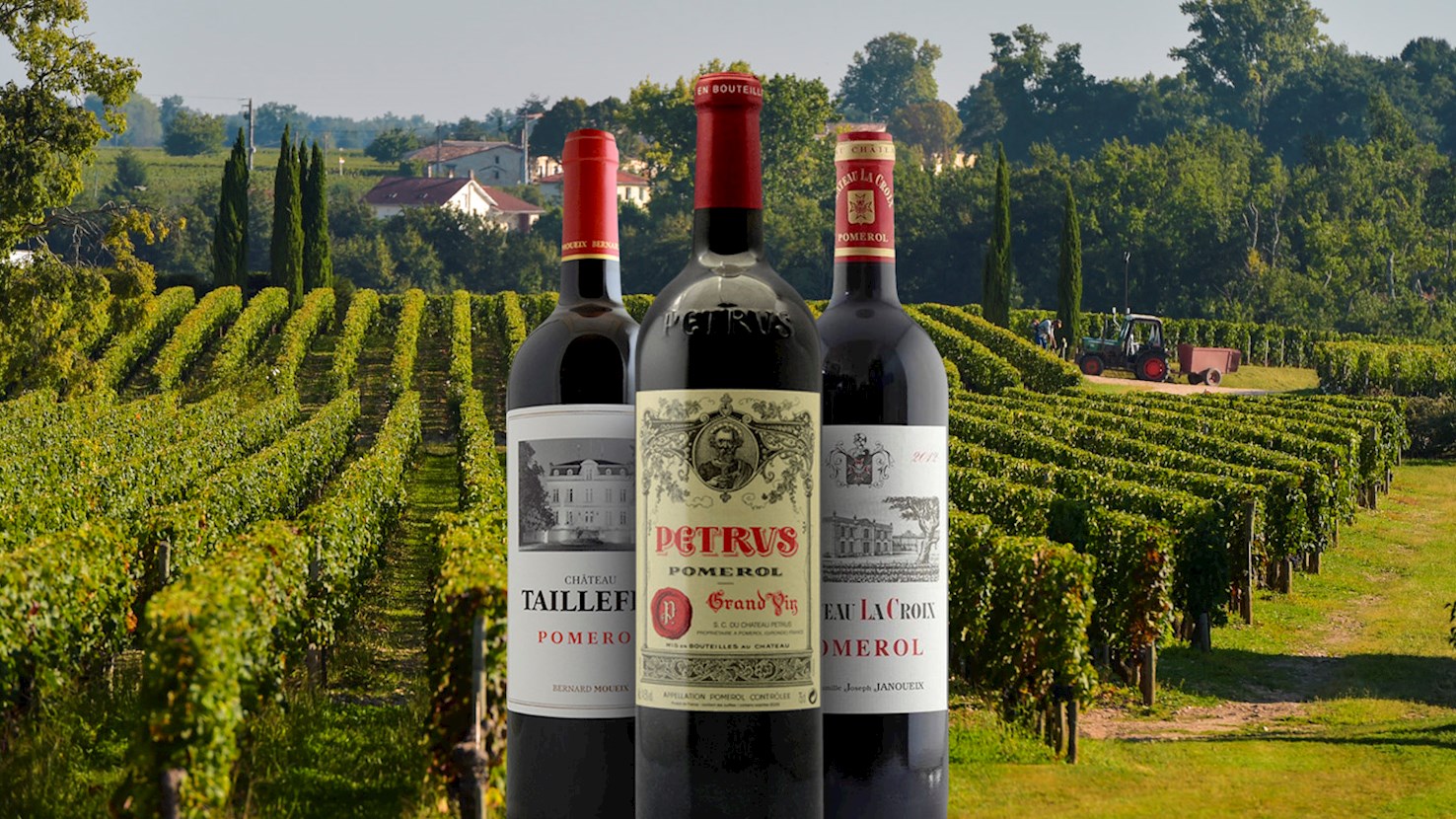
Pomerol is a small wine region in Bordeaux that produces distinguished and highly sought-after red wines. There are several allowed grape varieties, but Merlot is the undisputed star of the region. It is often complemented by Cabernet Franc, Cabernet Sauvignon, and Malbec. These renowned wines are aromatic, complex, and elegant. They are usually ruby red with aromas reminiscent of red fruit that tend to develop into heavier expressions resembling truffles, undergrowth, and leather. On the palate, they are dense, intense, and round, with firm, powerful tannins. Pomerol wines can age exceptionally well. These wines would go well with braised, roasted, or grilled meat dishes, especially beef, game, or veal. Petrus is the best-known vineyard in the region.

08

Merlot

3.7 ·

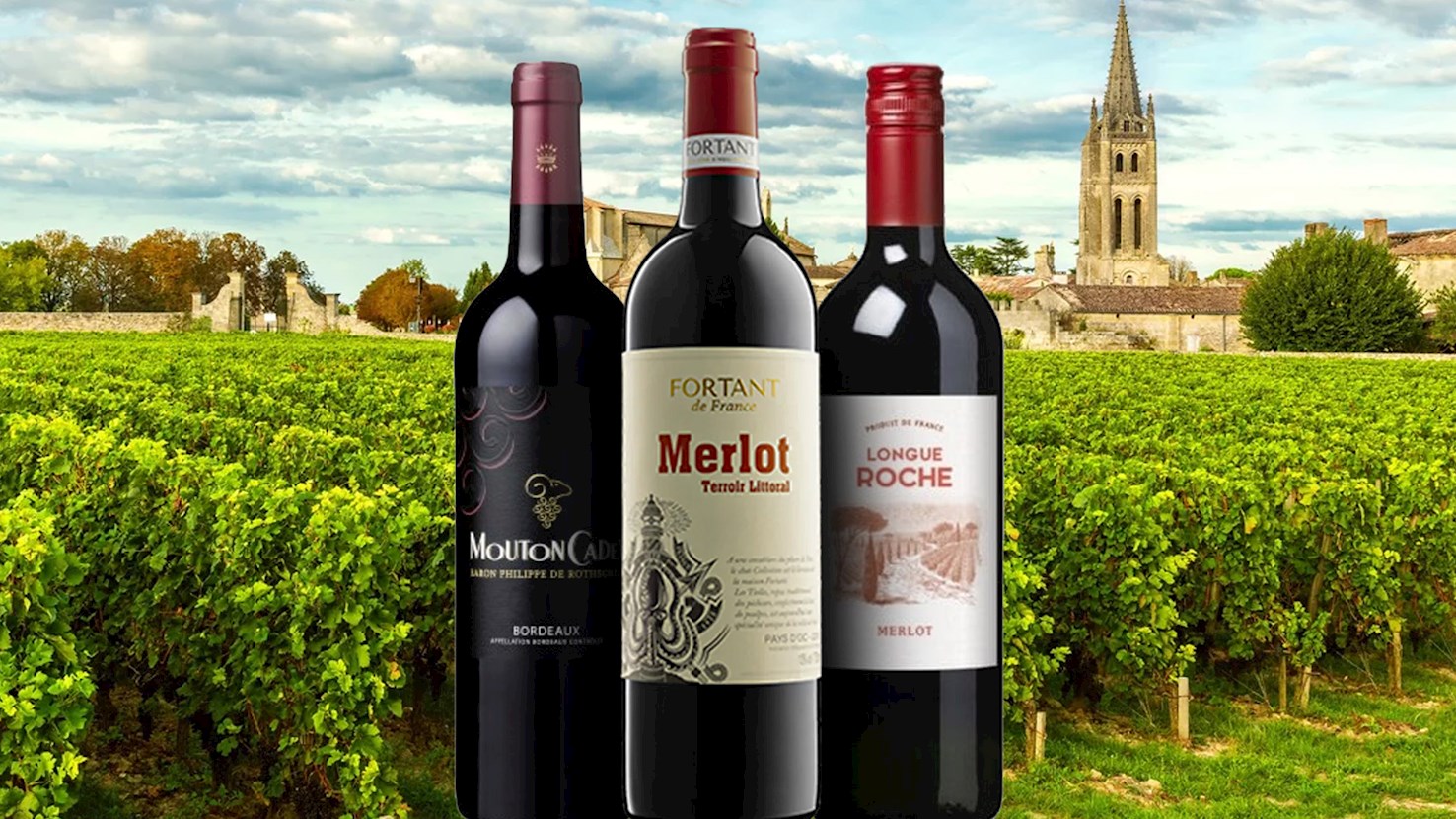
Merlot is one of the most widely planted and popular red wine grape varieties in the world. Originating from the Bordeaux region of France, Merlot is known for producing soft, elegant, and fruit-forward wines. It is often used both as a single varietal wine and as a blending grape, particularly in Bordeaux blends where it is typically paired with Cabernet Sauvignon and Cabernet France. Merlot wines are generally medium to full-bodied with moderate tannins and acidity. They are known for their smooth, velvety texture and approachable style. The flavor profile of Merlot often includes dark fruit notes such as black cherry, plum, and blackberry, along with hints of chocolate, vanilla, and spices. Depending on the terroir and winemaking techniques, Merlot can also exhibit earthy, herbal, and sometimes smoky characteristics. In Bordeaux, Merlot is a dominant grape on the Right Bank, particularly in the prestigious appellations of Pomerol and Saint-Émilion. Wines from these regions are renowned for their richness and complexity, often capable of aging gracefully for many years. Notable examples include Château Pétrus and Château Cheval Blanc. Outside of France, Merlot is widely cultivated in other major wine regions including California, Washington State, Italy (where it is often blended in Super Tuscans), Chile, and Australia. In these regions, Merlot can vary in style from lighter, fruit-driven wines to more robust and structured examples. Merlot is also favored for its versatility in food pairings. Its fruit-forward nature and balanced acidity make it an excellent match for a wide range of dishes including roasted meats, poultry, pasta, and mild cheeses. Its softer tannins allow it to pair well with foods that might be overpowered by more tannic wines like Cabernet Sauvignon.

09

Haut-Médoc

3.6 ·

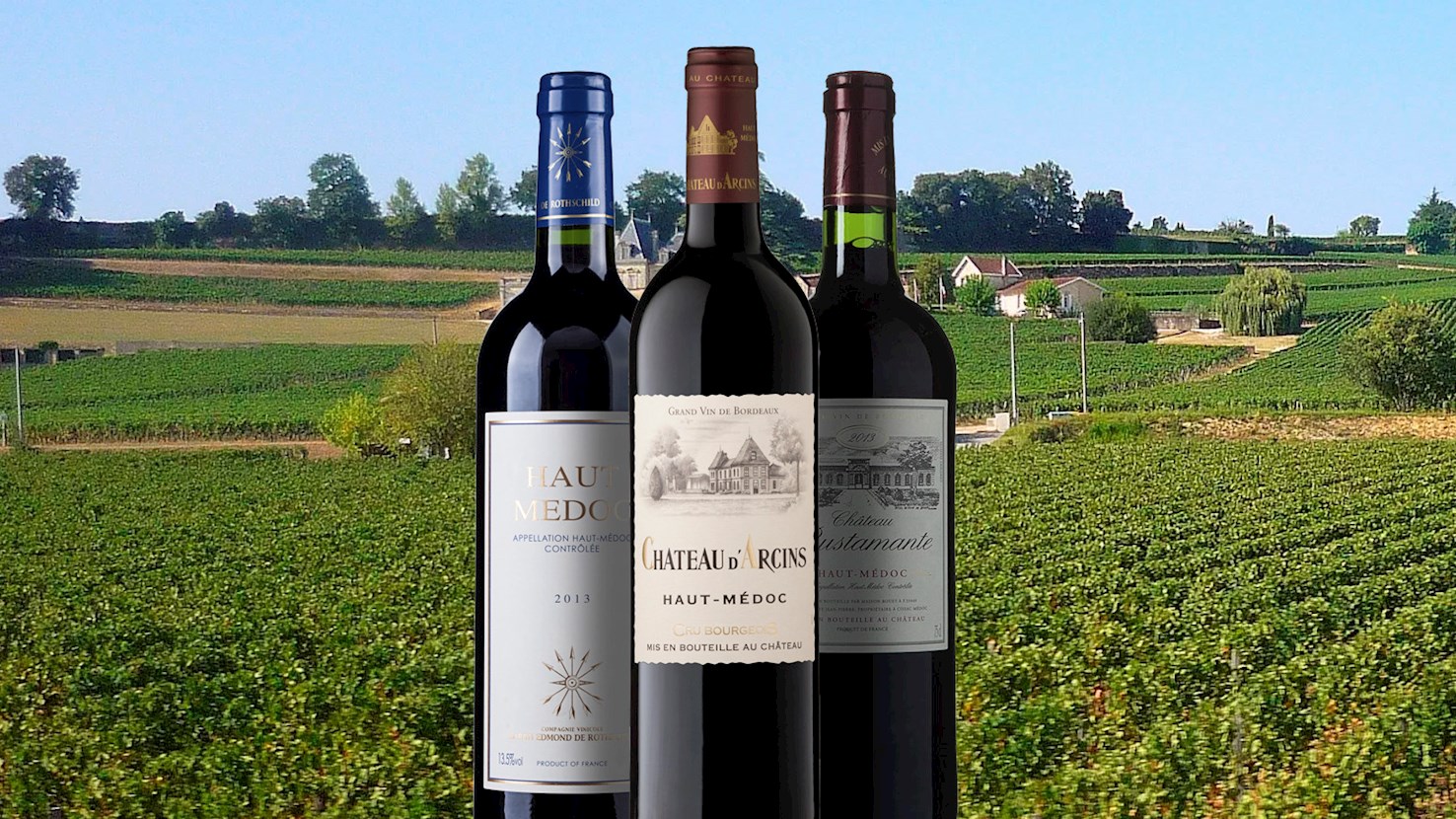
Haut-Médoc is a French appellation located in the renowned Médoc wine region. Cabernet Sauvignon, Merlot, and Cabernet Franc are the signature grapes in the region, but some percentages of Malbec, Carménère and Petit Verdot are also used. The whole appellation includes twenty-nine communes, out which six (Margaux, Saint-Julien, Pauillac, Saint-Estèphe, Moulis and Listrac) have their separate appellations, and are considered to produce some of the best wines in the world. The wines produced under the general Haut-Médoc label are elegant, complex and not overpowering. They usually display notes of blackberries and blackcurrant that are often accompanied by nuances of spices and wood. Haut-Médoc wines can age quite well, becoming less tannic and silkier with notes of prunes, undergrowth, or truffles. These wines are best paired with grilled or roasted meat, especially game, red meat, pork, or lamb. They can also be a good match to roasted poultry, mushrooms, terrines, foie gras, charcuterie, and hard or soft cheese.

10

Pauillac

3.5 ·

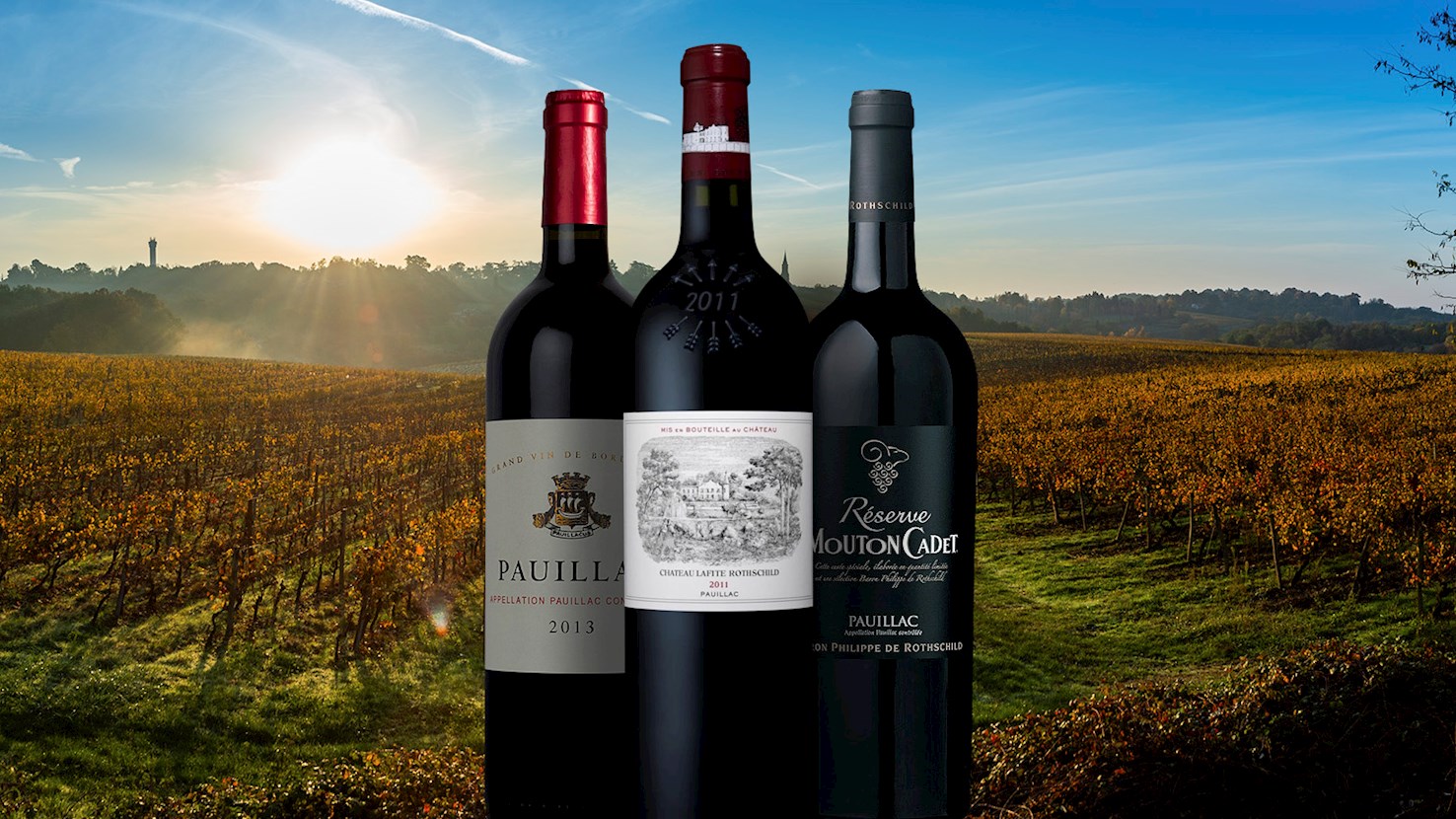
Pauillac is a French appellation located in the Médoc wine region of Bordeaux. The area is renowned for great-quality red wines that are primarily based on Cabernet Sauvignon with the addition of Merlot, Cabernet Franc, or Petit Verdot. The wines are deep ruby red, robust, and dense with bright notes of red and black fruit that develop into aromas of cassis, oak, vanilla, licorice, and leather. Pauillac wines are full-bodied, with firm but elegant tannins that age exceptionally well. They are a perfect match to grilled beef, as well as other types of roasted or braised meat dishes, and they perfectly complement mushrooms and truffles. The appellation is home to one of the best wineries in the world that include Château Lafite, Château Latour, and Château Mouton-Rothschild.

Best Gironde Red Wines
01

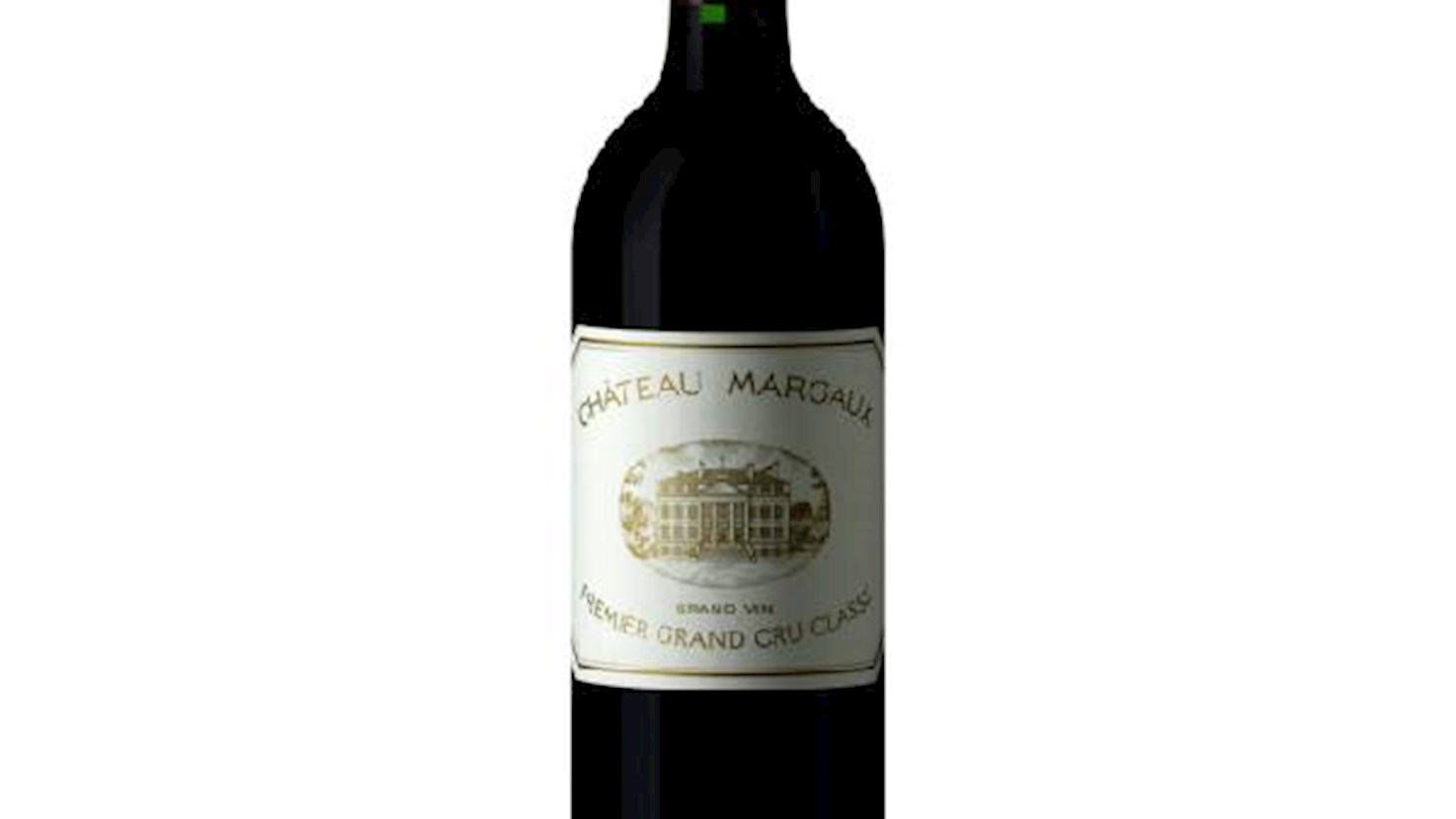
Château Margaux

5.0 ·

Château Margaux is one of the most respected and renowned names in the world of wine. With a long-standing tradition, the estate has become a symbol of elegance, dedication, and exceptional craftsmanship. Located in the heart of the Margaux appellation, the property includes over 80 hectares of vineyards planted on gravel and clay-rich soils.

Carefully cultivated vines yield grapes that allow for the production of wines known for their complexity, depth, and aging potential. Under the leadership of the Mentzelopoulos family, the estate has been revitalized and elevated in every aspect. A thoughtful balance of modern winemaking and traditional methods defines a signature style recognized around the globe.

The estate’s flagship wine, Château Margaux, is celebrated for its finesse, structure, and longevity. In addition to the Grand Vin, the estate also produces Pavillon Rouge, Pavillon Blanc, and Margaux de Château Margaux, each reflecting the same philosophy of purity and precision. Château Margaux is more than a winery. It is a cultural landmark, where land, heritage, and human skill come together in every bottle.

Awards
Falstaff - 100
Falstaff - 99
02

Château Lafite Rothschild

5.0 ·

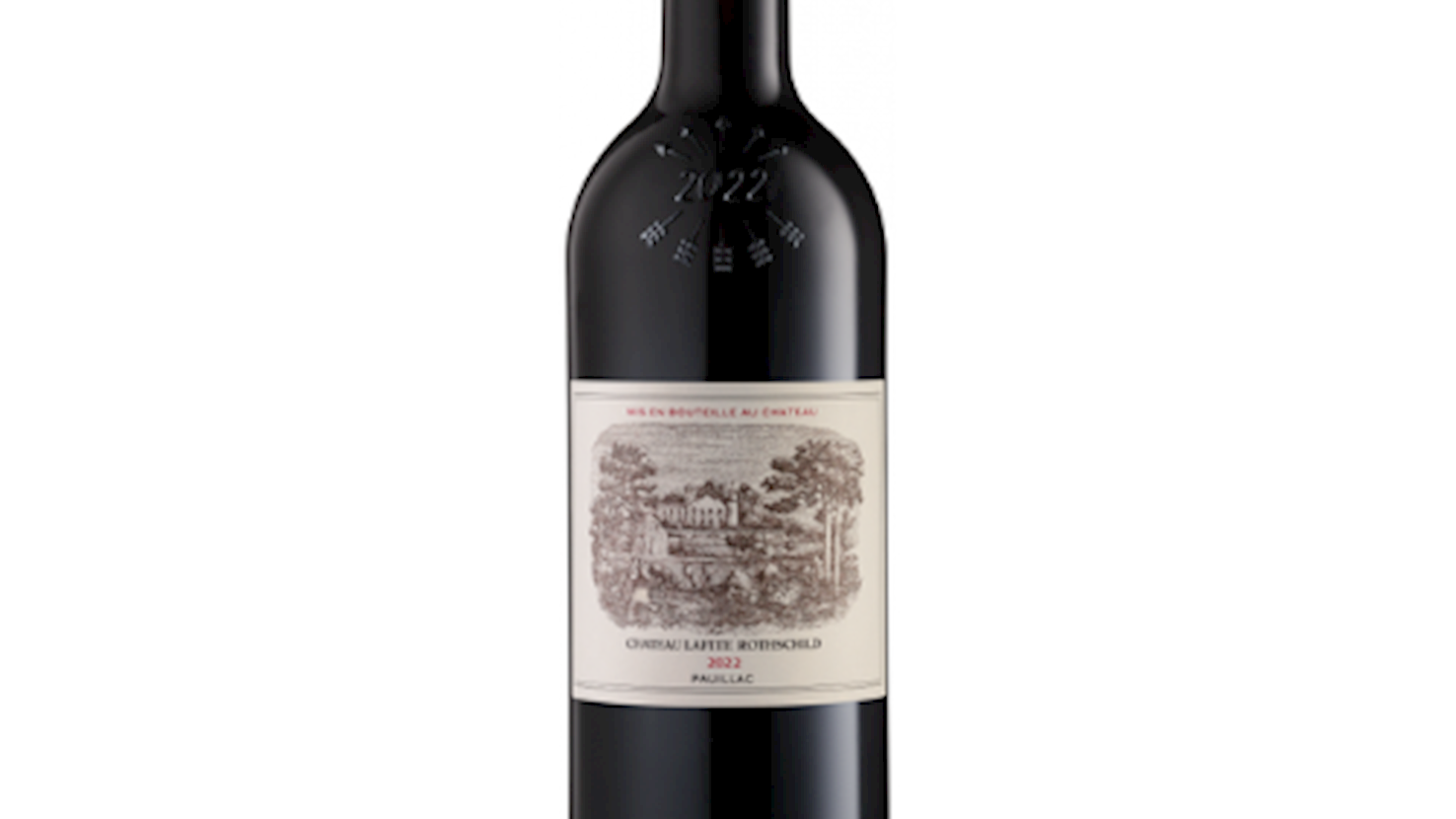
Château Lafite Rothschild is a name that represents the highest expression of elegance, precision, and consistency in the world of fine wine. The estate follows a distinctive philosophy rooted in deep respect for the land, the vine, and every detail of the winemaking process.

The vineyards are cultivated with thoughtful care, aiming to reveal the purest expression of their origin. Every decision - from grape selection to aging - is guided by a pursuit of balance, clarity, and refinement.

Whether it is the Grand Vin, Carruades de Lafite, or Anseillan, the house style remains unmistakable: understated, harmonious, and enduring. Château Lafite Rothschild does not seek to impress - it seeks to achieve quiet excellence that is felt and remembered.

Awards
Falstaff - 100
Falstaff - 99
03

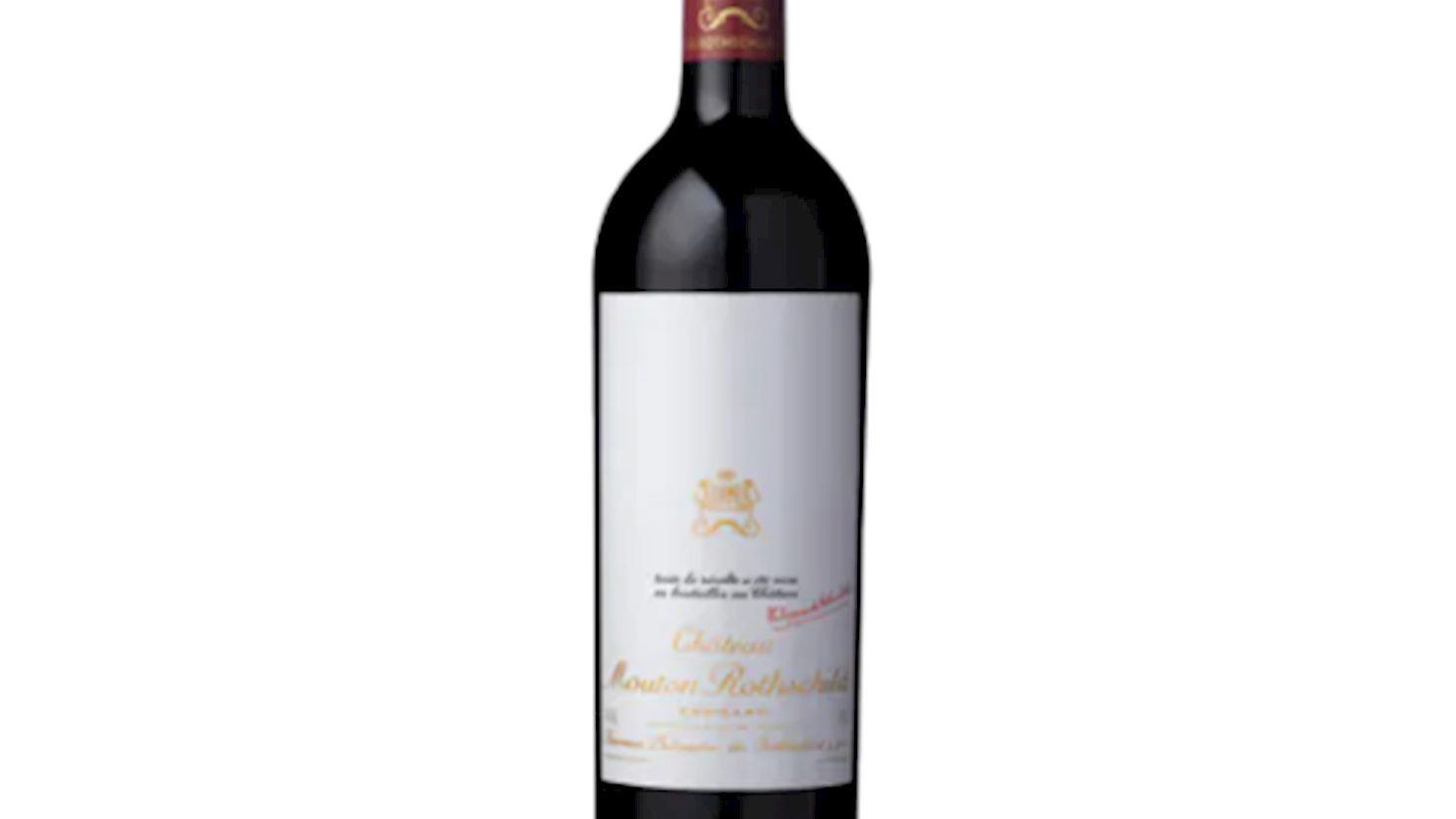
Château Mouton Rothschild

5.0 ·

Château Mouton Rothschild stands as a symbol of heritage, artistry, and excellence in winemaking. Nestled in the heart of Pauillac, this legendary estate has been under the stewardship of the Rothschild family since 1853, when it was acquired by Baron Nathaniel de Rothschild.

Over the decades, Mouton has become a beacon of innovation and prestige within Bordeaux. In 1924, Baron Philippe de Rothschild made a bold move by deciding to bottle the entire vintage at the château - an unprecedented decision at the time that redefined estate bottling in Bordeaux. After decades of consistent excellence, Château Mouton Rothschild was elevated in 1973 to the highly coveted status of First Growth, becoming the only estate in history to rise within the official 1855 classification. The wines, anchored in Cabernet Sauvignon, are known for their depth, power, and remarkable aging potential.

But beyond the wine itself, Mouton is renowned for its intimate connection with the world of art. Since 1945, each vintage has featured a bespoke label created by a prominent artist - names such as Picasso, Miró, Chagall, Warhol, and Hockney - transforming each bottle into a unique piece of collectible art. Still family-owned and passionately led, Château Mouton Rothschild continues to honor its legacy while embracing modernity, uniting the worlds of fine wine and fine art in one extraordinary expression of culture and craftsmanship.

Awards
Falstaff - 100
Falstaff - 99
04

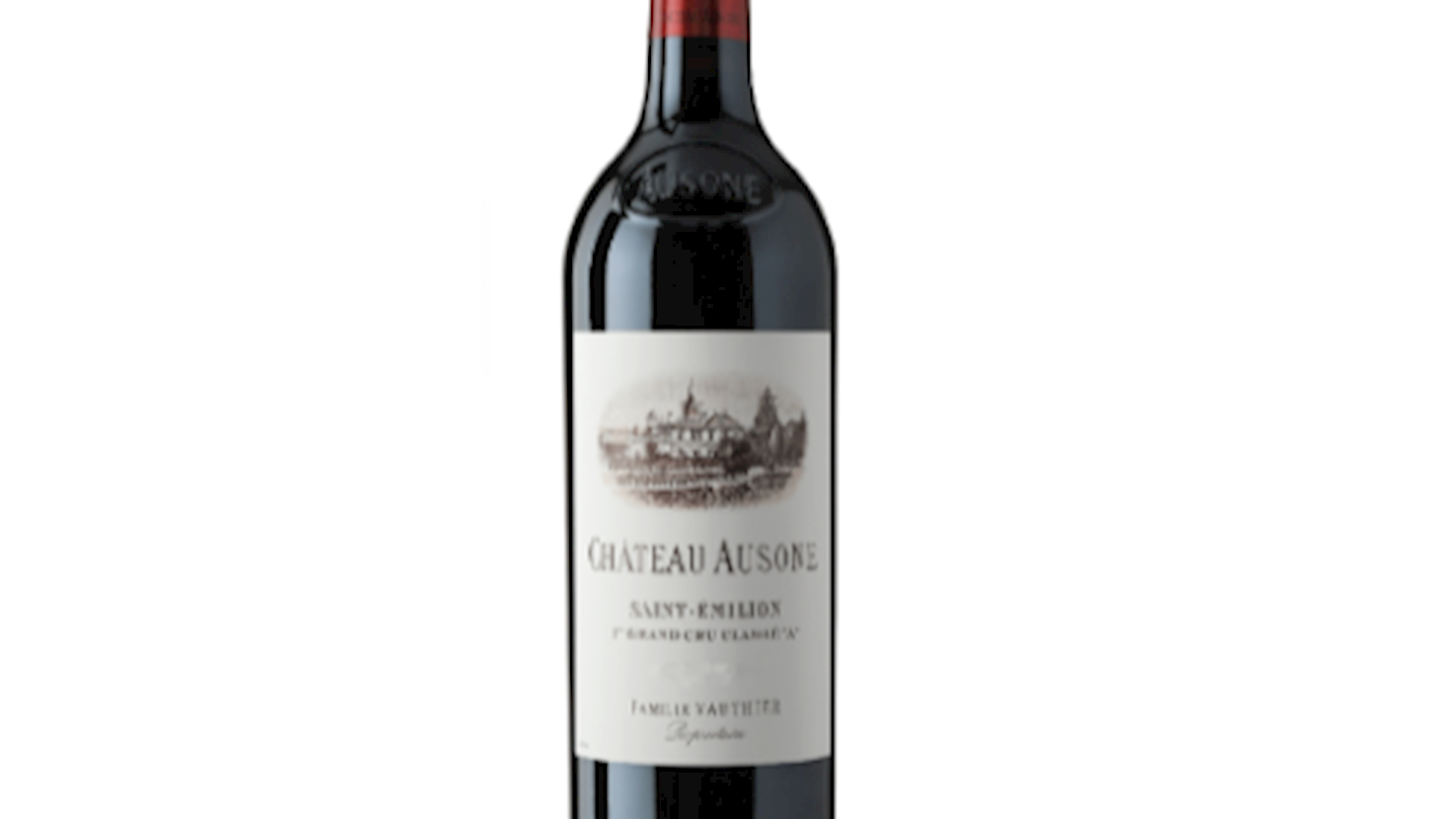
Château Ausone

5.0 ·

Château Ausone is one of the most renowned and rare estates in Saint-Émilion, situated on a steep limestone plateau overlooking the medieval town and offering ideal conditions for growing vines. The vineyard spans only about seven hectares, yet this small surface contains an exceptional mix of old-vine Cabernet Franc and Merlot planted on soils rich in limestone, clay, and gravel.

This terroir gives the wines pronounced minerality, precise structure, and a fine, elegant tannic texture. The style of Château Ausone is known for its concentration and depth, while always maintaining subtlety and balance, with aromas of red and black fruit, graphite, licorice, and the distinctive freshness of limestone.

During aging, the wines develop layers of leather, tobacco, spice, and earthy nuances, further enhancing their complexity. Vinification takes place in small batches, with strict grape selection and minimal intervention to highlight the pure expression of the terroir.

Annual production is very limited, making the wines highly sought after by collectors and rarely available on the market. Château Ausone’s wines are among the most long-lived on Bordeaux’s Right Bank, capable of maturing for several decades.

Despite modern equipment, the approach remains deeply traditional, prioritizing precision and purity of expression. For this reason, Ausone is synonymous with refinement, authenticity, and one of the clearest interpretations of the Saint-Émilion terroir.

Awards
Falstaff - 100
Falstaff - 99
05

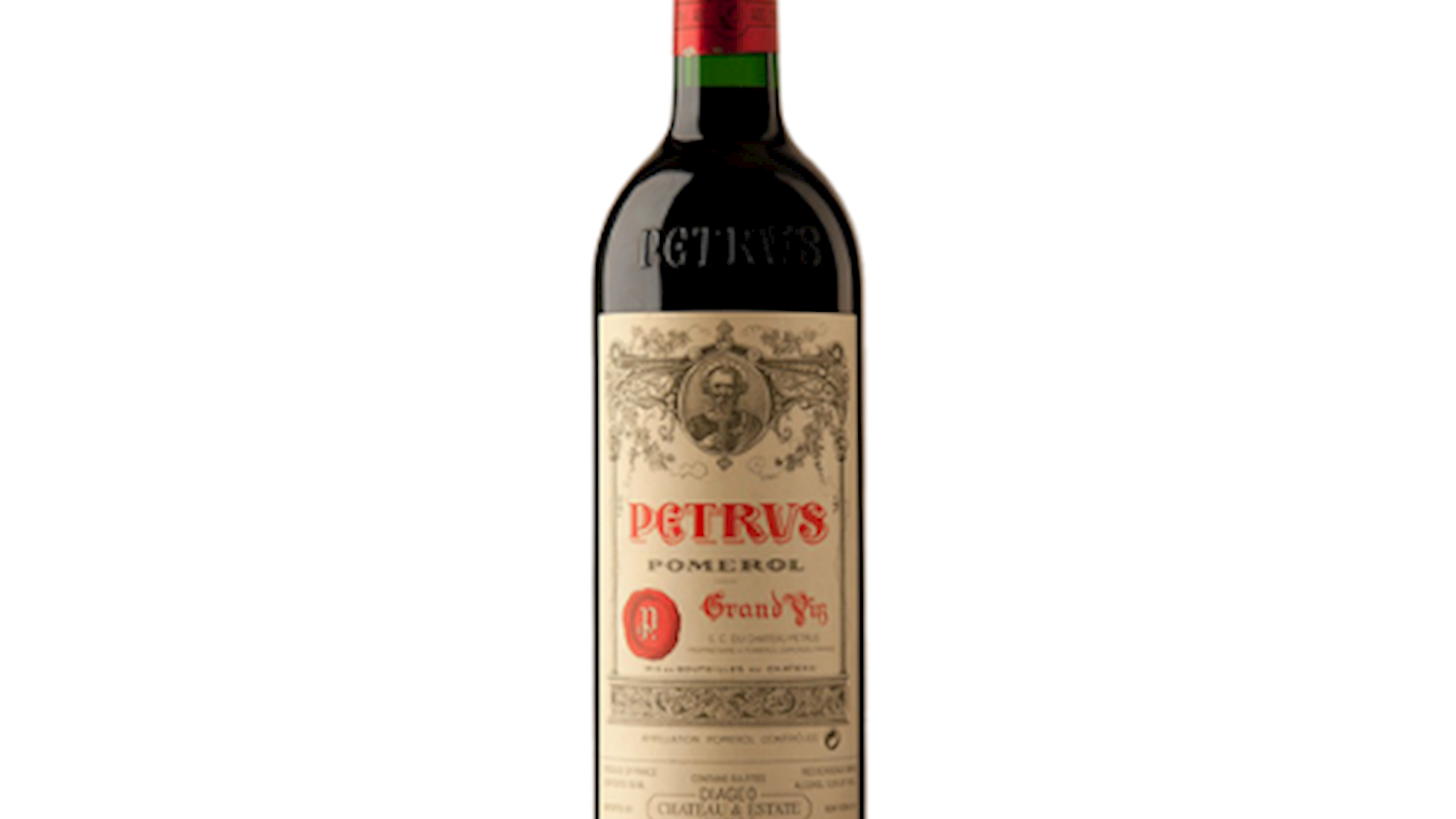
Château Pétrus

5.0 ·

Château Pétrus stands as one of the most prestigious and exclusive wineries in the world. Located in the heart of the Pomerol appellation, it is renowned for its unique vineyard, rooted in a rare blue clay soil rich in iron.

This distinctive terroir imparts exceptional depth, structure, and aging potential to the wine. The vineyard is planted exclusively with Merlot, and the annual production is extremely limited. The winery produces only a single cuvée, crafted through a meticulous process — hand-harvesting, strict grape selection, fermentation in concrete vats, and aging in the finest French oak barrels. Château Pétrus follows a philosophy of uncompromising dedication to quality.

Each vintage reflects the character of the year and the vineyard, shaped by a constant pursuit of excellence. The wine is celebrated for its aromatic complexity, velvety texture, and remarkable elegance, making it one of the most sought-after labels among collectors and connoisseurs.

Awards
Vivino - 4.7
06

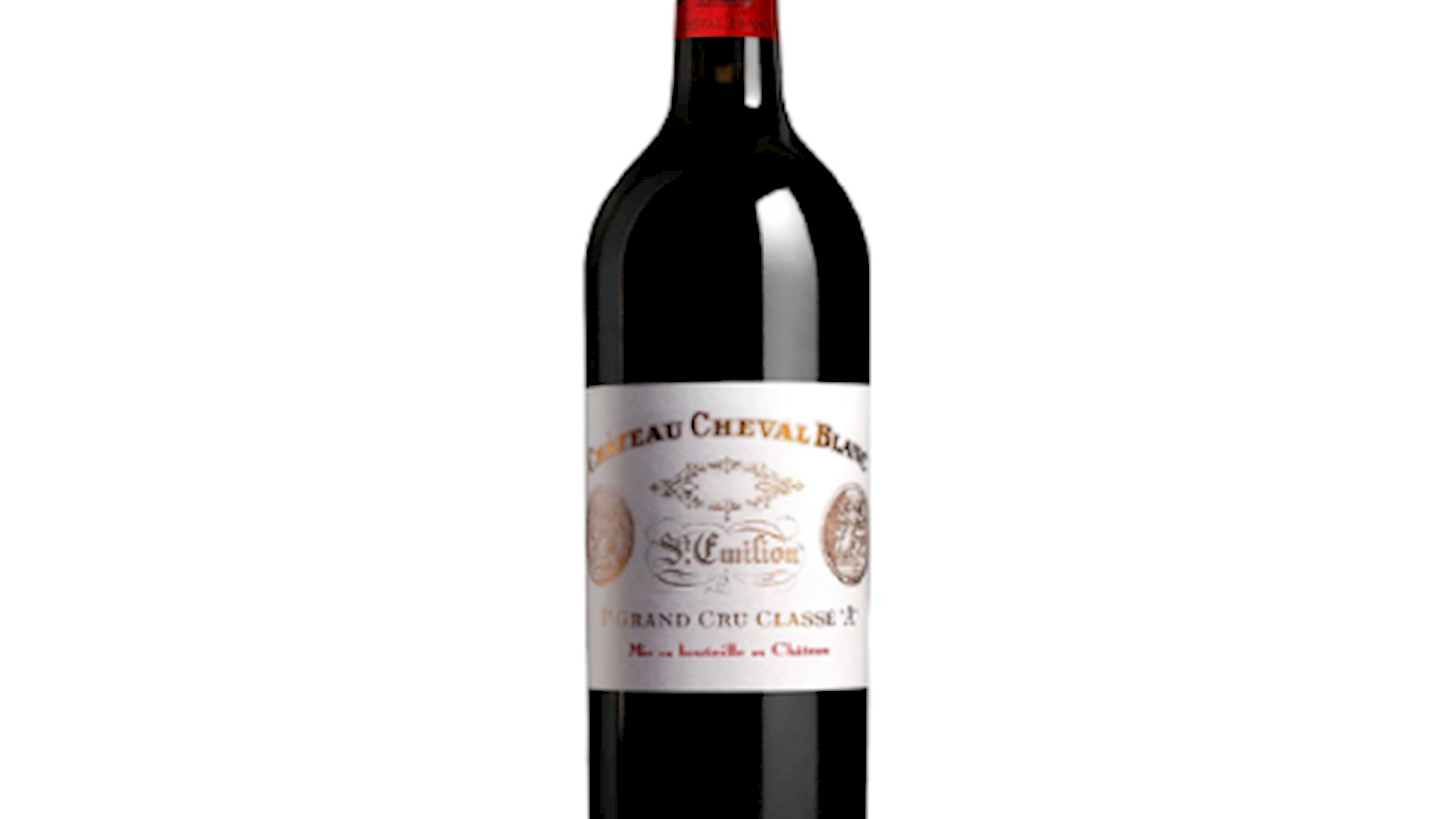
Château Cheval Blanc

5.0 ·

Château Cheval Blanc is one of Bordeaux’s most prestigious and respected wineries, located in the renowned Saint-Émilion appellation, right on the border with Pomerol. Its winemaking tradition stretches back for centuries, with today’s vineyards forming a mosaic of 55 carefully tended plots covering around 40 hectares. The estate’s uniqueness lies in its exceptional terroir - a blend of gravel and clay soils that allows for the perfect balance between Cabernet Franc, the variety for which Cheval Blanc is celebrated, and Merlot, which adds richness and softness to the wines.

This combination produces exceptional wines that marry power and elegance, with remarkable aging potential. For decades, Cheval Blanc held the highest classification of Premier Grand Cru Classé A, and today, even outside the official ranking, it retains its reputation as a symbol of excellence and prestige. Owned by the LVMH group and guided by top-level winemakers, the estate blends tradition with modern techniques to create wines that rank among the most sought-after in the world.

Awards
Falstaff - 100
Falstaff - 99
07

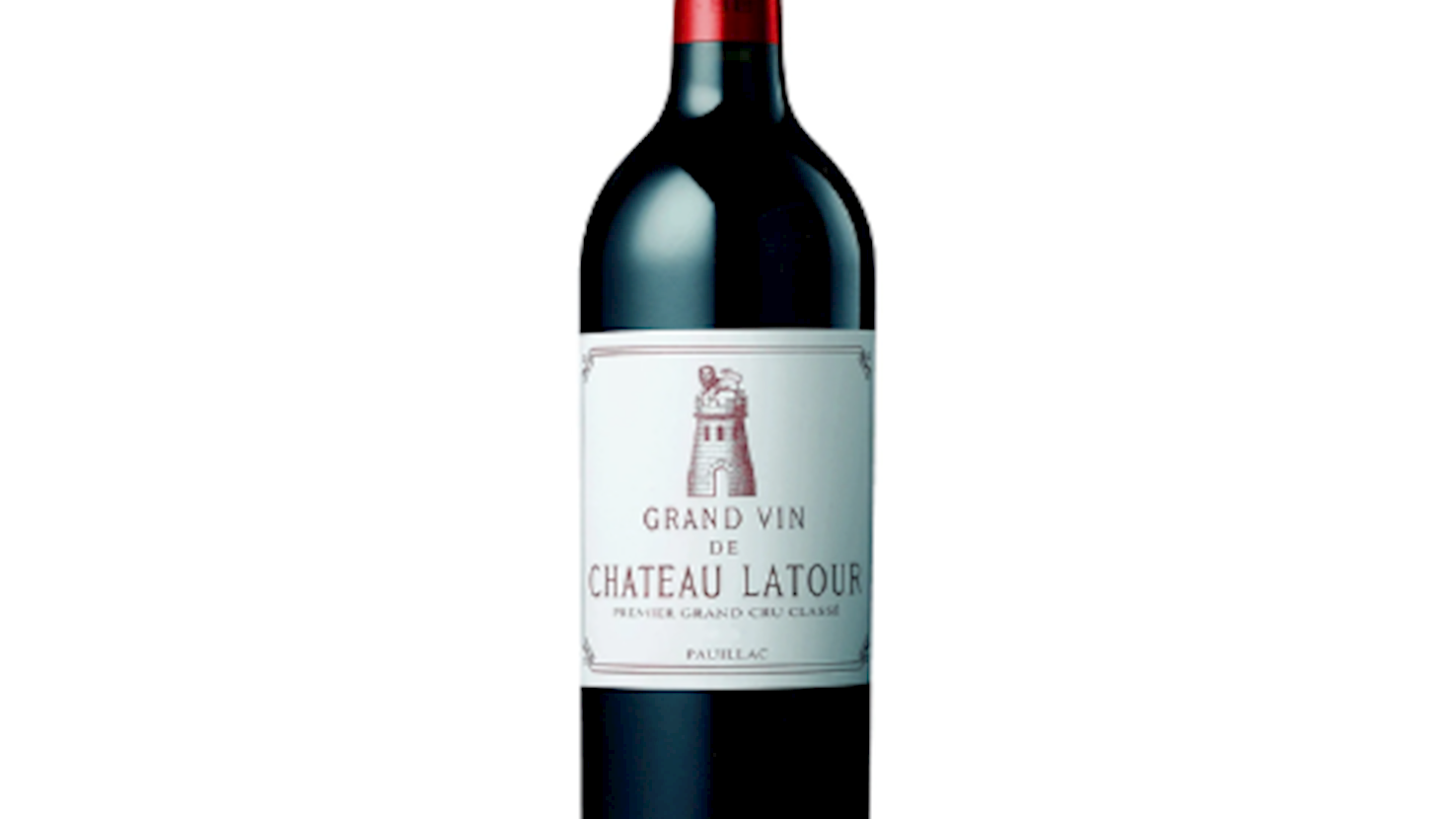
Château Latour

5.0 ·

Château Latour is one of the most iconic names in the world of wine and a benchmark for enduring excellence. The estate is known for its precision, longevity, and the ability to bring out the full potential of each vintage.

Grapes for the Grand Vin come exclusively from the central vineyard, L’Enclos, where old vines are carefully cultivated to produce fruit of exceptional depth and concentration. Every step of production, from hand harvesting to fermentation and aging in French oak, is designed to preserve the character of the soil and the authenticity of the grape variety.

The wine reveals complex aromas of dark fruit, cedar, earth, spice, and refined minerality. On the palate, it shows power, elegance, and a firm structure that allows it to evolve beautifully over time.

Château Latour does not rely on flamboyance but earns admiration through consistency and quiet confidence. It is a winery that honors tradition while embracing modern refinement, always staying true to its identity.

Each bottle reflects a philosophy where time, expertise, and nature work in perfect harmony.

Awards
Falstaff - 100
Falstaff - 99
08

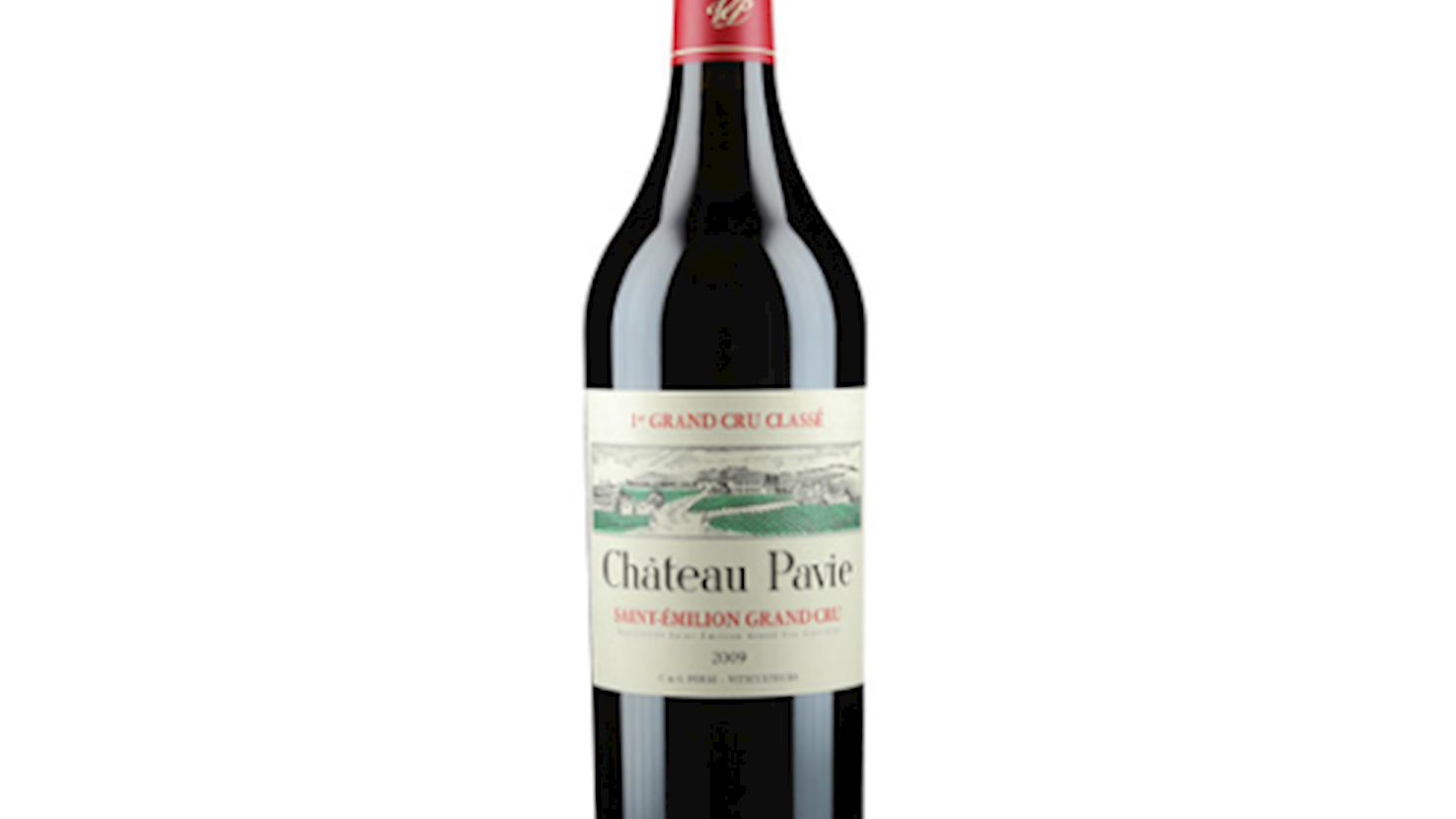
Château Pavie

5.0 ·

Château Pavie is a leading estate in Saint-Émilion, whose modern reputation was shaped after its acquisition by Gérard Perse in 1998. Its vineyards stretch across steep, south-facing slopes composed of limestone, clay-limestone, and sandy soils, enabling a layered and complex expression of the terroir.

The plantings are dominated by Merlot, complemented by Cabernet Franc and a smaller share of Cabernet Sauvignon, with careful vineyard management focused on low yields and optimal ripeness. Winemaking is carried out with a high level of precision, including parcel-by-parcel vinification and aging in a significant proportion of new French oak, which contributes to the wine’s structure and aging capacity.

Château Pavie wines are known for their concentration, firm tannic backbone, and depth, often requiring extended cellaring to fully integrate their elements. The aromatic profile typically reveals ripe black fruit, such as blackberry and black cherry, alongside notes of cocoa, spice, tobacco, and a pronounced mineral character.

While earlier vintages leaned toward a more powerful and extracted style, recent years show a greater emphasis on balance, freshness, and finesse. Its promotion to Premier Grand Cru Classé A status in 2012 confirmed its place among the most prestigious estates in Bordeaux.

Awards
Falstaff - 100
Falstaff - 99
09

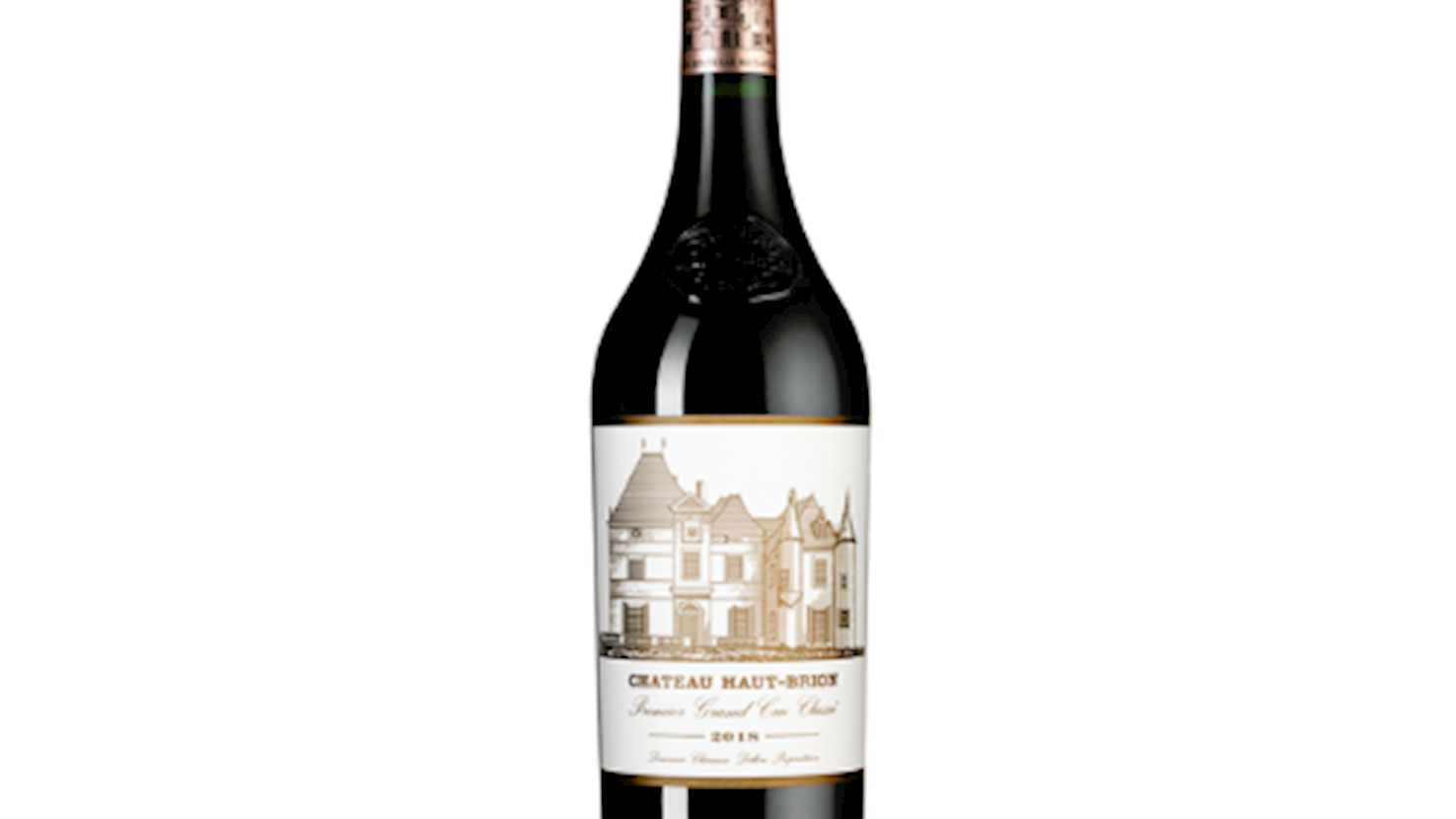
Château Haut-Brion

5.0 ·

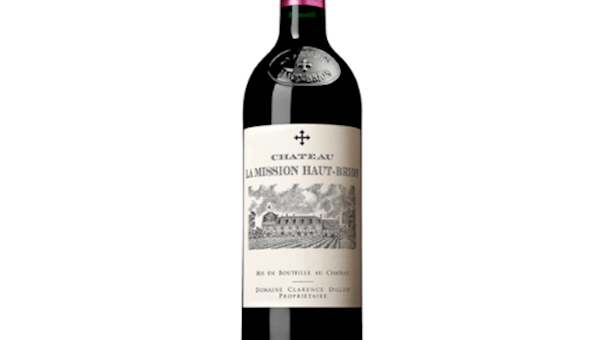
Château Haut-Brion is one of the most legendary names in the world of wine and a true symbol of Bordeaux. Located in Pessac, just outside the city of Bordeaux, it is the only Premier Grand Cru Classé estate outside the Médoc, a distinction that highlights the uniqueness of its terroir. The history of Haut-Brion reaches back to the 15th century, with its name first recorded in 1521 - making it the first wine in the world to be known by the name of its vineyard rather than its owner.

Over the centuries it has remained a pioneer: among the first to bottle wine under its own label, and later, in the 20th century, to introduce innovations such as stainless steel fermentation, showing how tradition and modernity can coexist in harmony. Since 1935, the Dillon family has guided the estate with dedication and vision. Today, under Domaine Clarence Dillon and the leadership of Prince Robert of Luxembourg, the mission remains clear: to preserve the prestige and authenticity of Haut-Brion while continuously striving for excellence. Both the red and white wines of Haut-Brion are celebrated for their elegance, depth, and remarkable ageing potential.

Their refined structure, mineral clarity, and perfect balance make them not only exceptional wines, but also living expressions of Bordeaux’s history and culture. Château Haut-Brion is far more than a winery - it is heritage, pioneer, and icon, whose name has embodied aristocratic tradition and timeless excellence for centuries.

Awards
Falstaff - 100
Vivino - 4.6
10

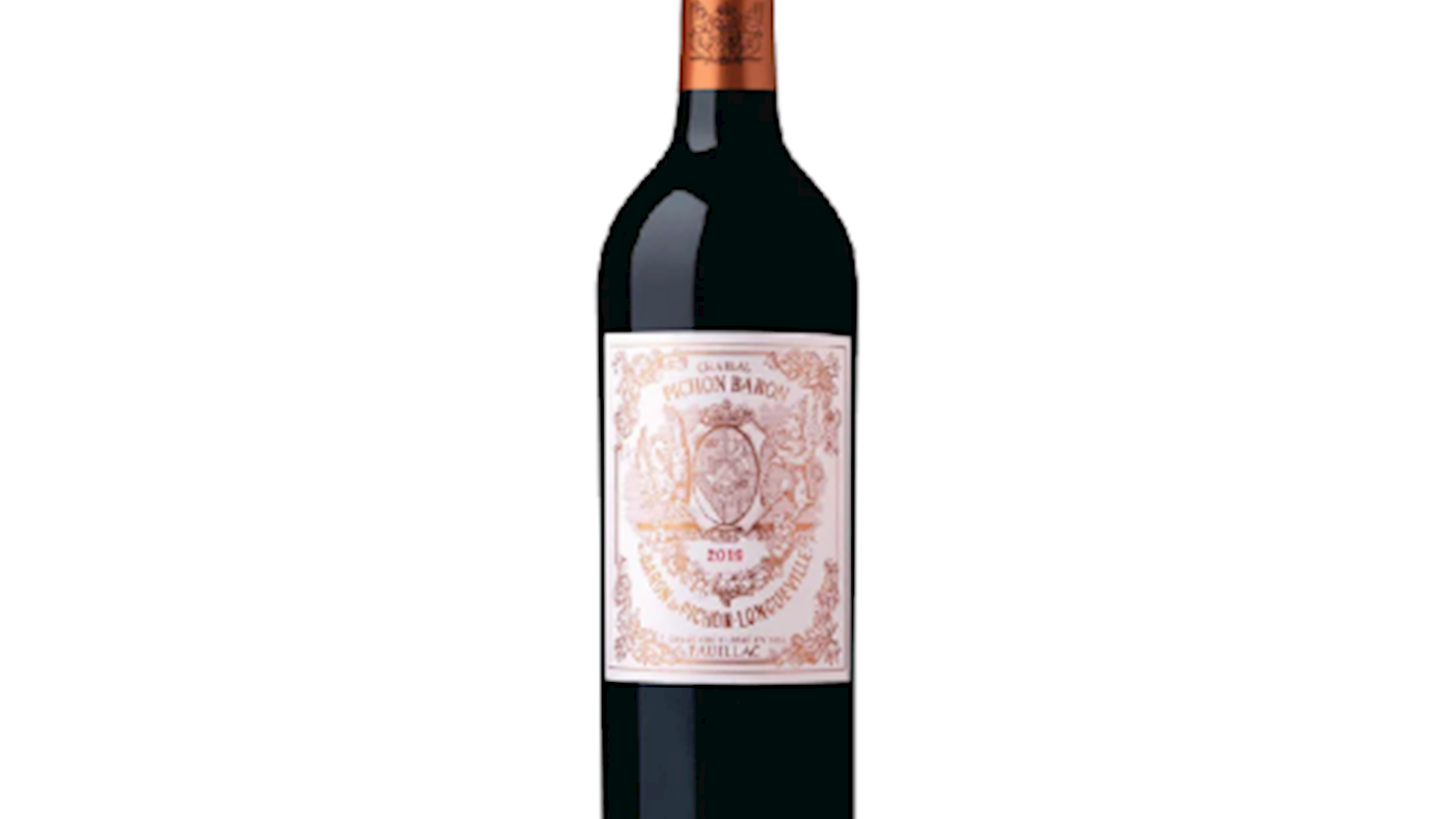
Château Pichon Baron

4.9 ·

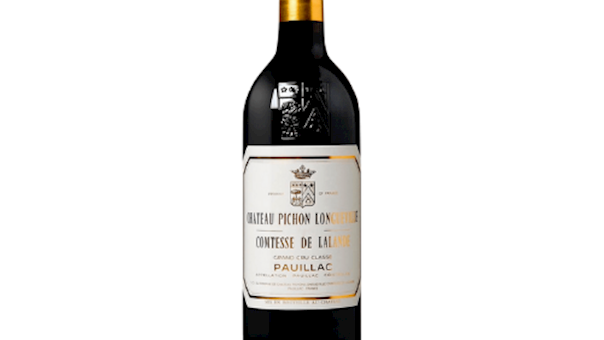
Château Pichon Longueville Baron is one of the leading estates in the Pauillac appellation, classified as a Deuxième Cru Classé in the 1855 classification, known for wines of structure and longevity. The vineyards are planted on gravel soils well suited to Cabernet Sauvignon, which dominates the blend, alongside Merlot and smaller proportions of other varieties.

The estate is owned by AXA Millésimes, which has significantly enhanced quality through investment in both vineyard management and winemaking facilities while maintaining a traditional approach. Vinification involves rigorous grape selection, precise fermentation, and aging in oak barrels with a high proportion of new wood.

The wines are defined by power, depth, and a clearly structured profile, with aromas of blackcurrant, cedar, tobacco, and spice. Despite their concentration, they retain balance and elegance through freshness and precision.

With age, they develop complex tertiary notes of leather, graphite, and earthy nuances.

Awards
Wine Spectator - 97 (2023)
Vivino - 4.4
About this ranking

TasteAtlas food rankings are based on the ratings of the TasteAtlas audience, with a series of mechanisms that recognize real users and that ignore bot, nationalist or local patriotic ratings, and give additional value to the ratings of users that the system recognizes as knowledgeable. For the “Top 58 Local Red Wines in Gironde” list until July 29, 2026, 479 ratings were recorded, of which 435 were recognized by the system as legitimate. TasteAtlas Rankings should not be seen as the final global conclusion about food. Their purpose is to promote excellent local foods, instill pride in traditional dishes, and arouse curiosity about dishes you haven’t tried.

The initial list of top producers was compiled based on available reviews, awards, local recommendations, media and blog coverage, and consumer reviews. The list will be updated with ratings from TasteAtlas local ambassadors and TasteAtlas users.

Similar lists