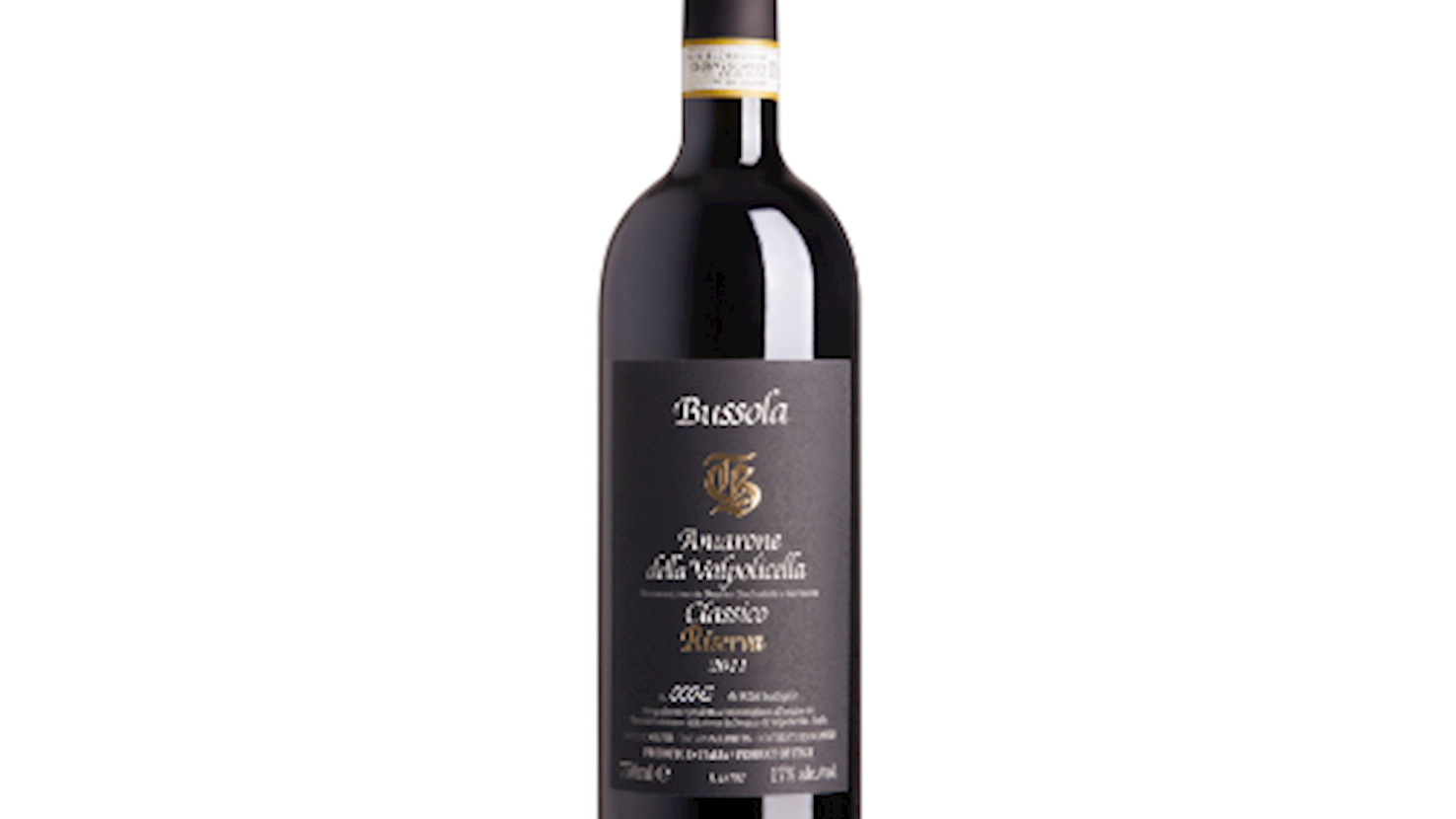
Bussola is a family-run winery based in Negrar di Valpolicella, at the heart of the Valpolicella Classica zone in Veneto, an area renowned for its structured and age-worthy red wines. Founded and shaped by Tommaso Bussola since the late 1970s, the estate focuses on traditional local grape varieties such as Corvina, Corvinone, Rondinella, Molinara, and Croatina.
The vineyards are spread across different altitudes and exposures, with soils rich in limestone and volcanic elements that contribute to depth, freshness, and mineral tension in the wines. Vineyard work follows sustainable principles, relying on manual harvesting and minimal chemical treatments to preserve grape integrity.
Bussola is particularly known for its mastery of the appassimento technique, producing Valpolicella Ripasso, Amarone della Valpolicella Classico, and Recioto, alongside more straightforward and terroir-driven Valpolicella styles. Winemaking emphasizes long, slow fermentations and extended aging in a combination of large oak casks and barriques.
The resulting wines are concentrated yet balanced, marked by precision, structure, and strong aging potential. Today, the winery is supported by the next generation of the Bussola family, ensuring continuity of its artisanal approach and deep connection to Valpolicella’s winemaking heritage.
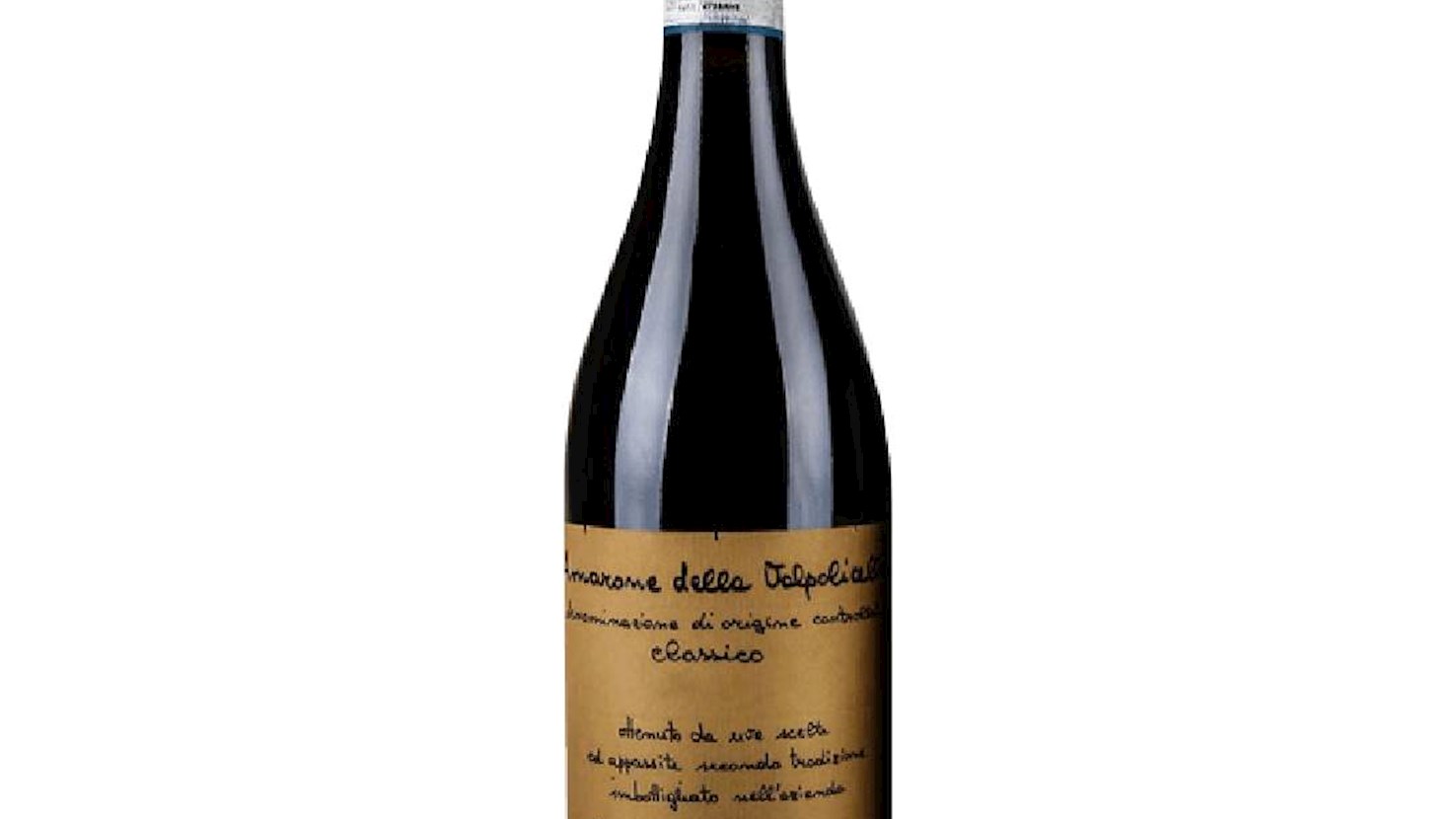
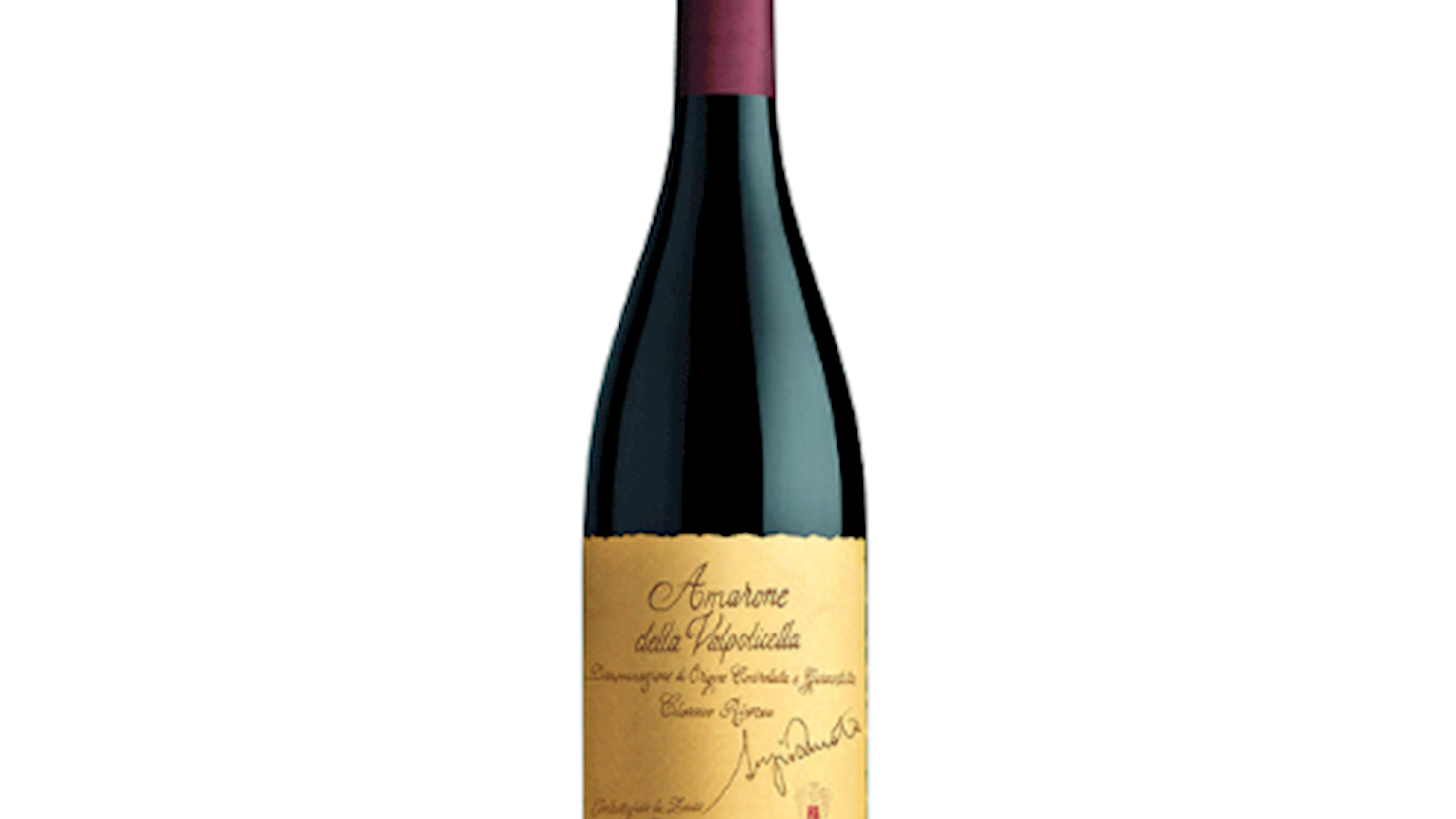
Giuseppe Quintarelli is a legendary name in Valpolicella and a synonym for patience, tradition, and unparalleled quality. Founded in 1924, the winery is nestled in the hills of Negrar di Valpolicella, where the Quintarelli family has been cultivating vineyards for generations, producing wines that have become a global benchmark of elegance and depth.
The man most responsible for this reputation is Giuseppe, known as the “Maestro of Valpolicella,” whose dedication and impeccable attention to detail elevated Amarone to an art form.
The portfolio includes exceptional labels such as Amarone della Valpolicella Classico, Valpolicella Classico Superiore, Rosso del Bepi, the original Alzero made from Bordeaux varieties, Primofiore, the dry white Bianco Secco, and the opulent dessert wine Amabile del Cerè. Each bottle, instantly recognizable by its handwritten label, reflects the philosophy of slow, thoughtful winemaking that unites power, elegance, and longevity.
Gerardo Cesari is a well-established winery based in the Valpolicella area near Verona, founded in 1936 with the ambition of producing Amarone capable of competing on an international level. From its early years, the winery focused on quality and global recognition, becoming one of the first producers to export Amarone worldwide in the 1970s.
Today, Cesari combines traditional winemaking methods with a modern, precision-driven approach, placing strong emphasis on terroir and consistency. Its vineyards extend across Valpolicella and nearby zones such as Lugana, encompassing a range of soil types that contribute to complexity and stylistic diversity.
The winery primarily works with indigenous varieties like Corvina and Rondinella, which form the foundation of wines such as Amarone, Ripasso and Valpolicella. The style is characterized by a balance of structure and elegance, with layered aromas of dark fruit, spice and subtle oak influence.
Cesari’s philosophy can be described as a modernization of tradition, preserving regional identity while adapting to contemporary standards. Today, it is regarded as a key producer in Valpolicella, known for wines that combine classic character with international appeal and consistent quality.
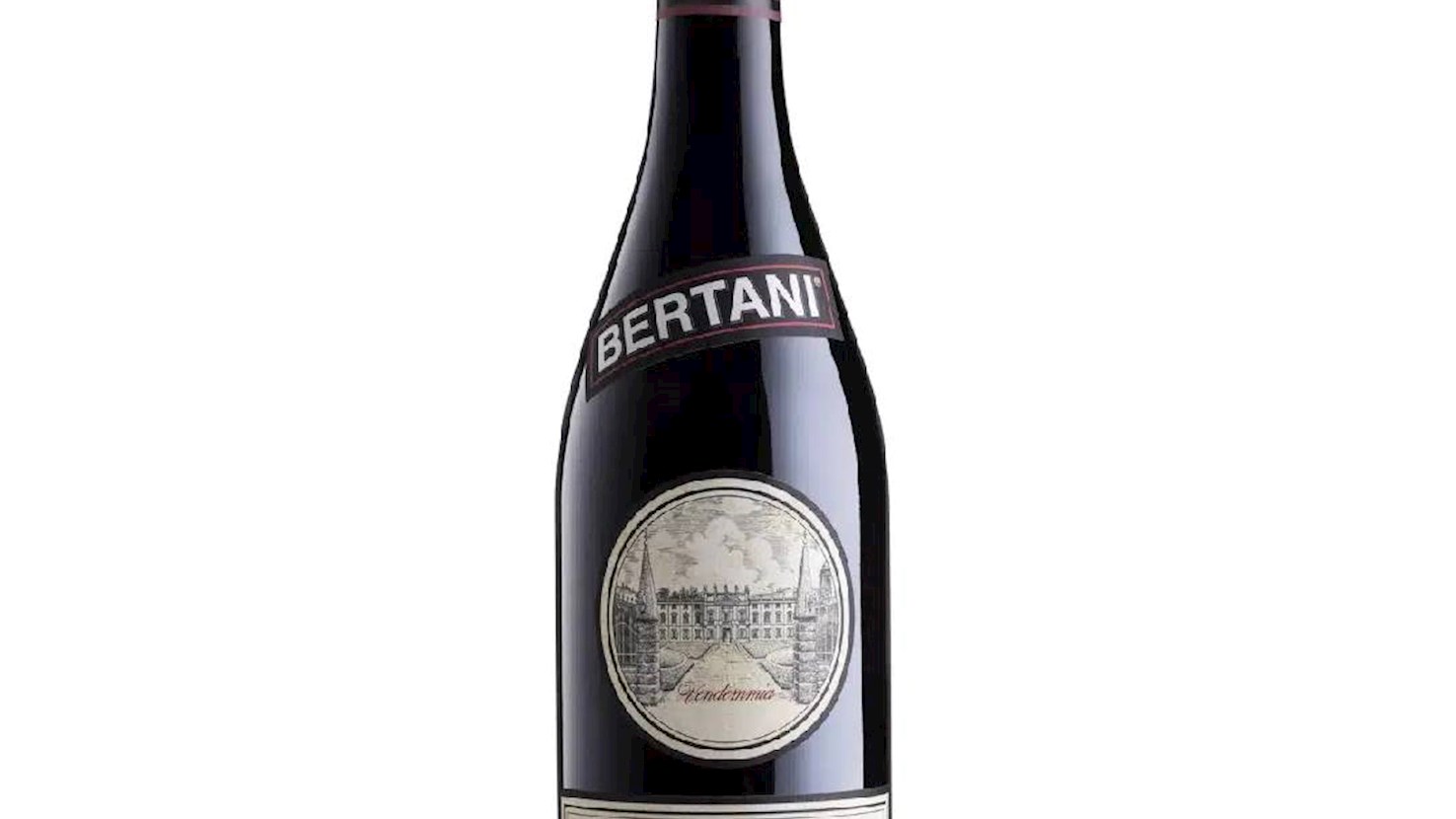
Bertani is a renowned winery from the Valpolicella region in Italy, founded in 1857 by brothers Giovanni Battista and Gaetano Bertani in Quinto di Valpantena, north of Verona. Gaetano acquired his winemaking expertise in France, studying under the famous Professor Jules Guyot, which enabled the winery to combine innovative techniques with local tradition.
Throughout its long history, Bertani has become synonymous with quality and innovation in winemaking. Particularly notable is their Amarone della Valpolicella Classico, a wine that has become an icon of Italian viticulture.
This Amarone is crafted from grape varieties such as Corvina and Rondinella, which are dried before fermentation, resulting in a rich and complex wine with exceptional structure and longevity.
Zenato is a family-owned winery founded in 1960 by Gianni Zenato, located on the southeastern shores of Lake Garda, in one of the most important winegrowing areas of northern Italy. The estate is known for its strong connection to terroir and for playing a key role in elevating the reputation of both Lugana and Valpolicella wines.
Zenato manages vineyards in Lugana, Bardolino, and Valpolicella, where morainic, limestone, and clay-rich soils shape the character of each wine. The winery focuses on careful vineyard management, selective harvesting, and precise vinification to preserve freshness and varietal identity.
It is especially renowned for its Lugana wines made from Turbiana, as well as for structured and elegant Amarone della Valpolicella produced through traditional grape drying. Zenato combines tradition with modern techniques, emphasizing balance, clarity, and longevity.
Today, the winery is run by the second generation and is internationally recognized for consistent quality and a style that reflects both place and heritage.
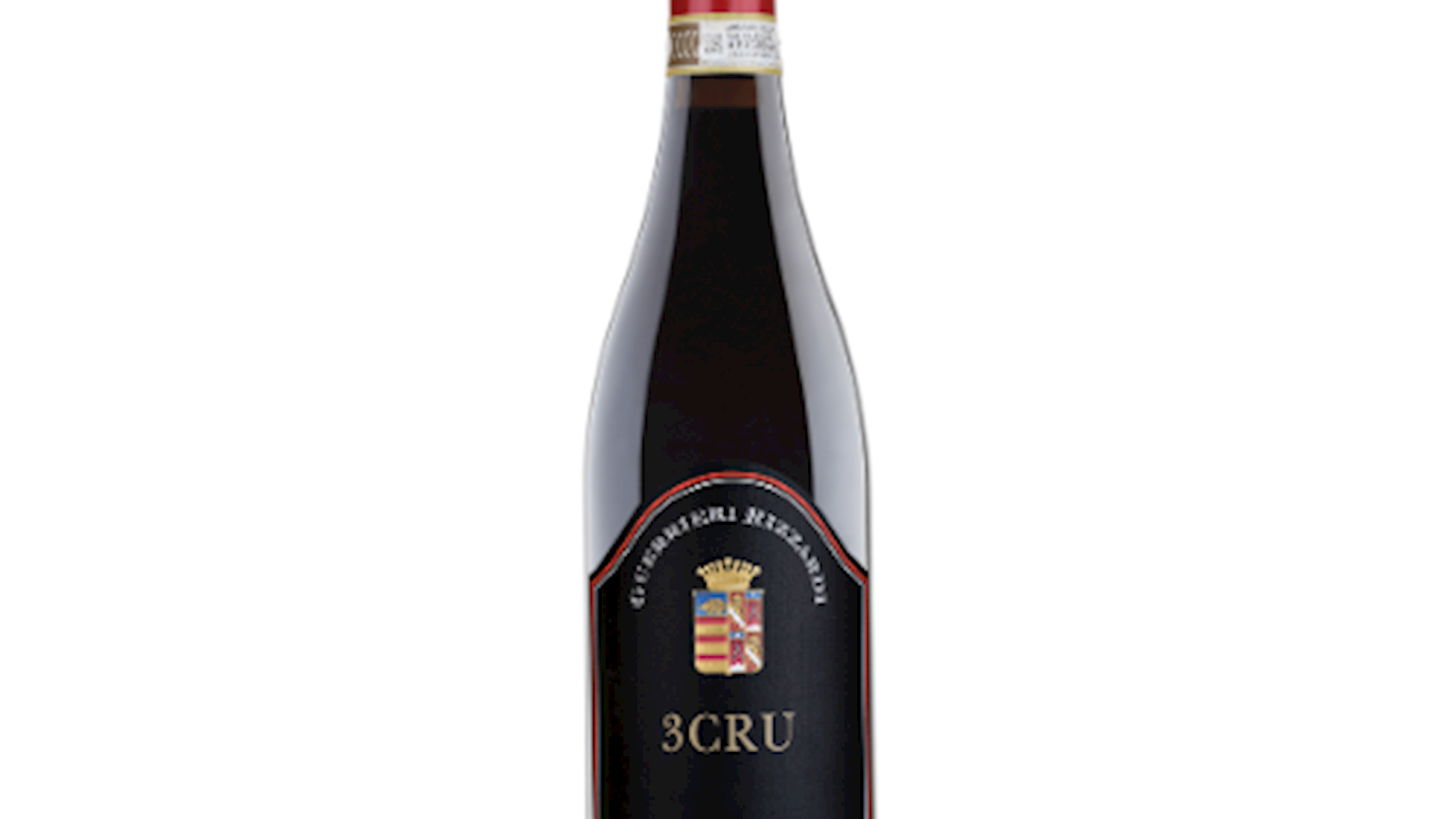
Guerrieri Rizzardi is a long-established family winery in Veneto, rooted in the wine zones of Valpolicella, Soave, and Bardolino, with a history spanning more than a century. Founded in the late 19th century, the estate has remained under family ownership, shaping a style that balances regional tradition with modern viticultural precision.
Its vineyards are strategically positioned across diverse soils and exposures, allowing each appellation to express a distinct identity. The portfolio is led by Valpolicella reds - particularly Amarone and Ripasso - known for structure, depth, and controlled power, while the Soave wines emphasize freshness and mineral clarity.
Winemaking follows a measured, site-focused approach, favoring balance and definition over excessive extraction or oak influence. Today, Guerrieri Rizzardi is regarded as a consistent and reliable producer, valued for translating Veneto’s diversity into wines of clarity, harmony, and longevity.
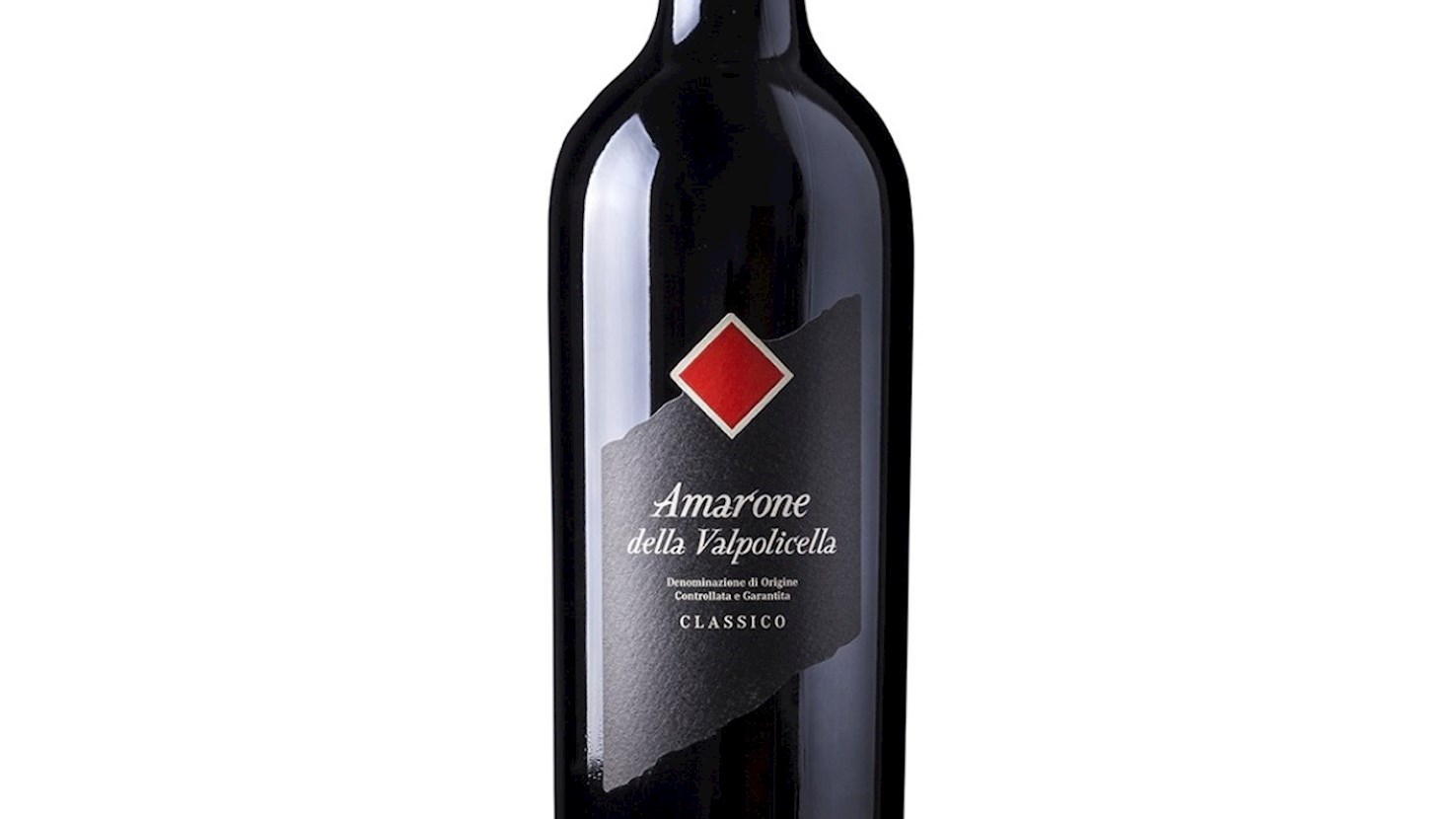
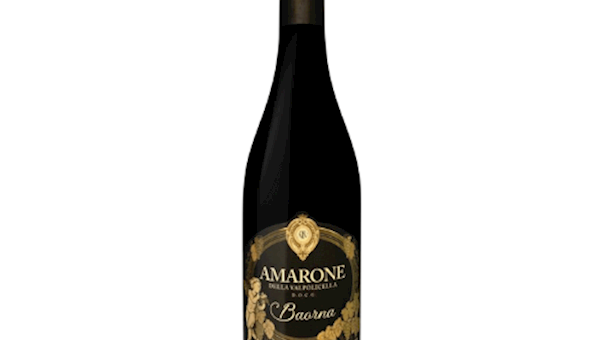
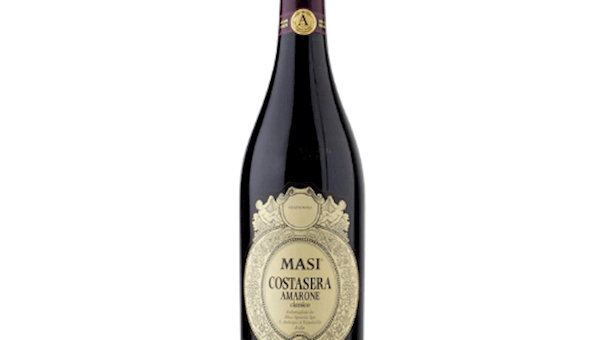
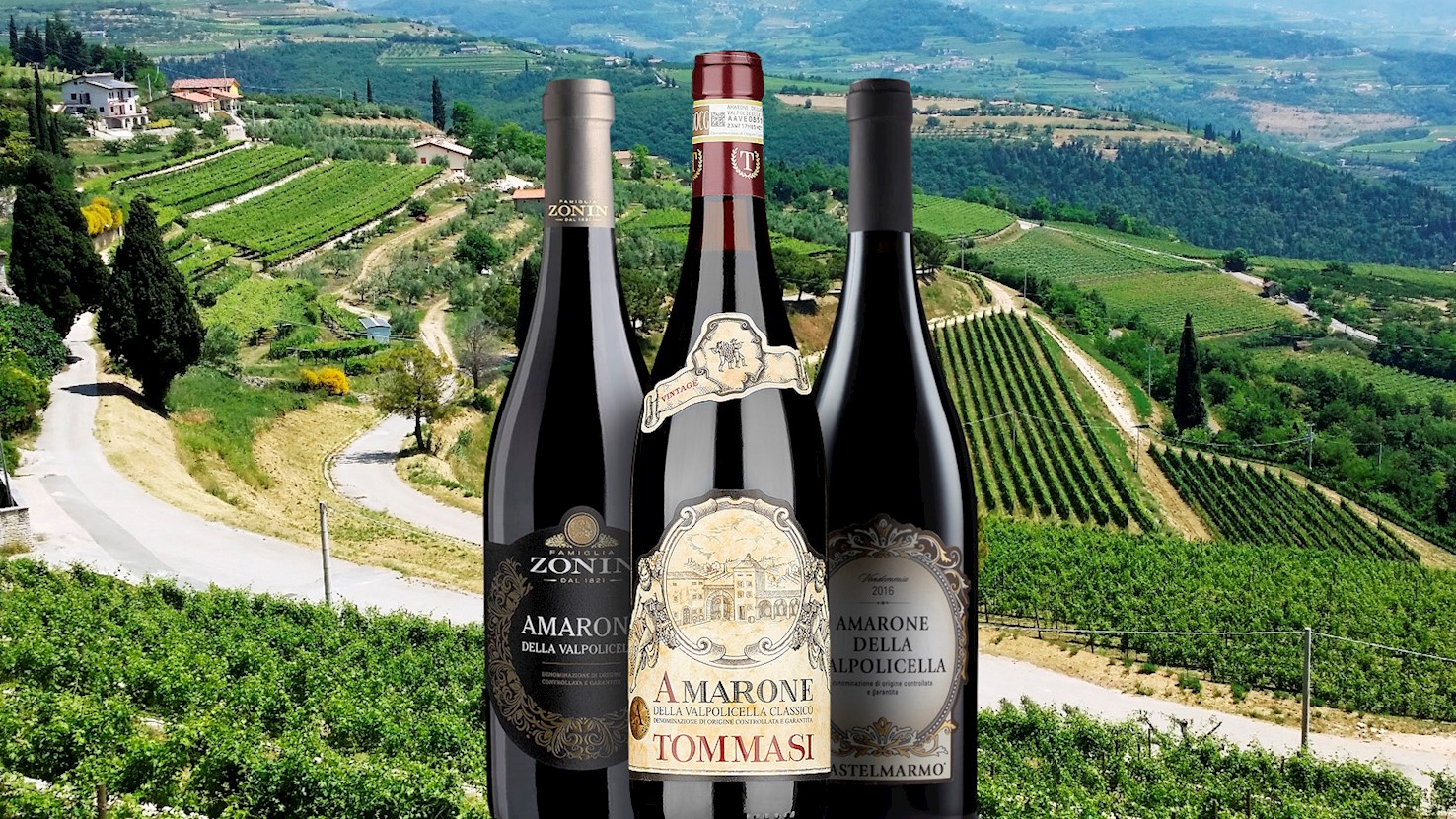
Amarone della Valpolicella (DOCG) is a rich, dry Italian red wine made from dried grapes of the varieties Corvina, Corvinone, Rondinella, and Molinara. It is considered to be the most prestigious wine of the Veneto region and one of the most important Italian big reds, which is usually highly priced. The wine ages exceptionally well and though the minimum required period for the prestigious Amarone Riserva is four years, great producers tend to age it much longer. Amarone is an incredibly flavorful, concentrated wine, with aromas of fruit jams, cinnamon, chocolate, and spices. It is recommended to pair it with grilled, braised or roasted meat, game, or well-aged cheese varieties.
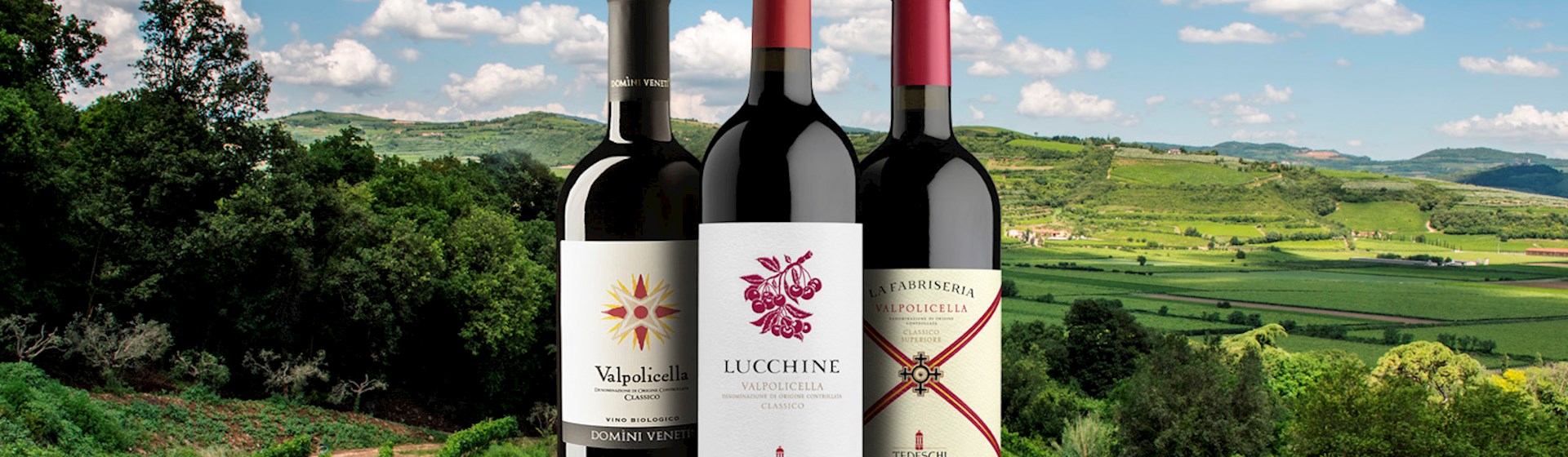
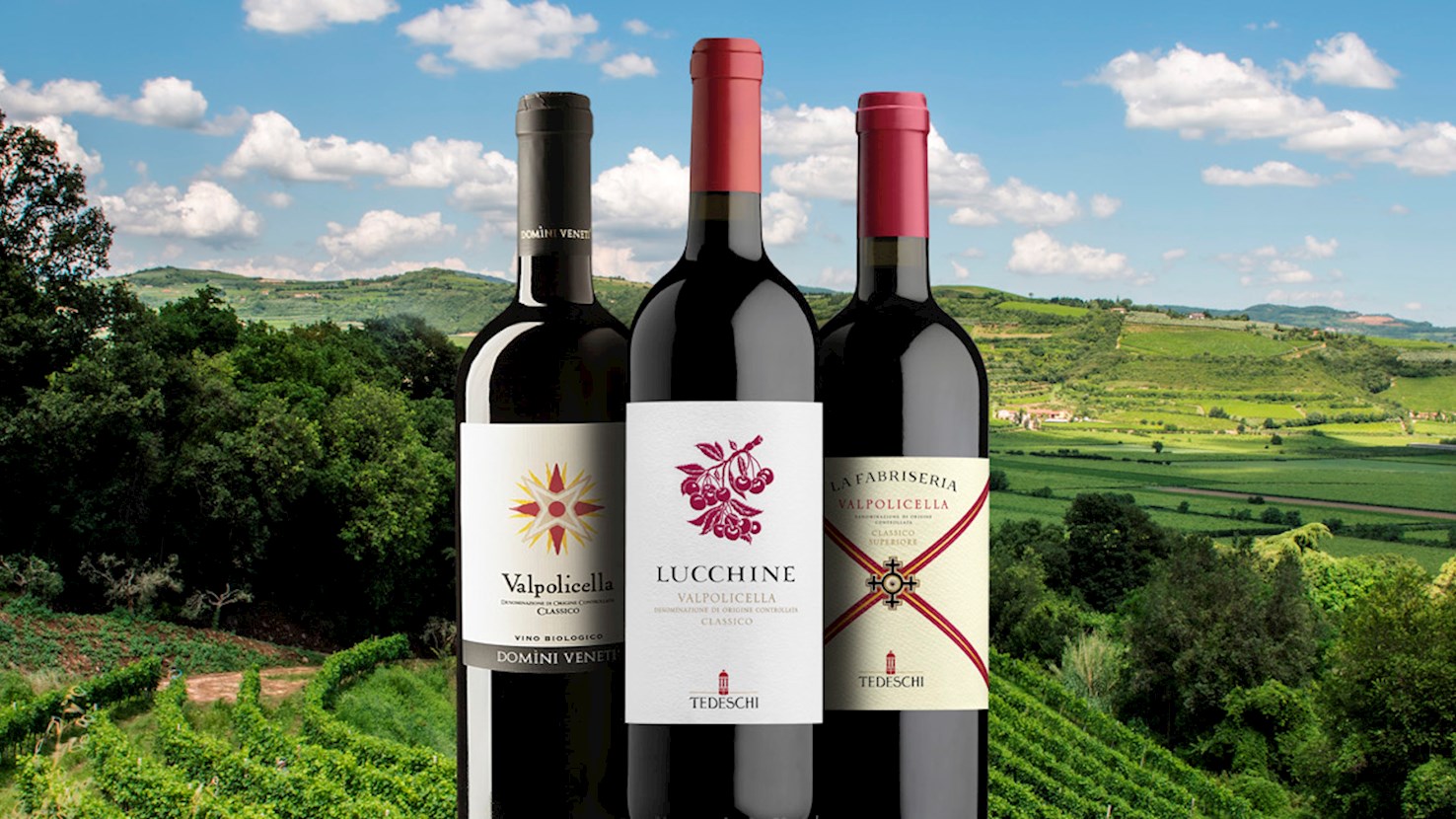
Valpolicella is a red Italian wine that is produced from varying percentages of Corvina, Corvinone, and Rondinella grapes, as well as small portions of other local grape varieties. Often described as a pleasant, everyday wine, Valpolicella is a lively, medium-bodied, fruity, and floral wine that usually displays aromas and flavors reminiscent of sour cherries and herbs. The wine is traditionally enjoyed young, though some producers occasionally experiment with aging. This food-friendly wine can match a wide array of dishes, from antipasto to pasta dishes and risottos, as well as grilled or roasted meat. Amarone della Valpolicella and Valpolicella Ripasso (DOC) are the most important incarnations of this Italian wine.
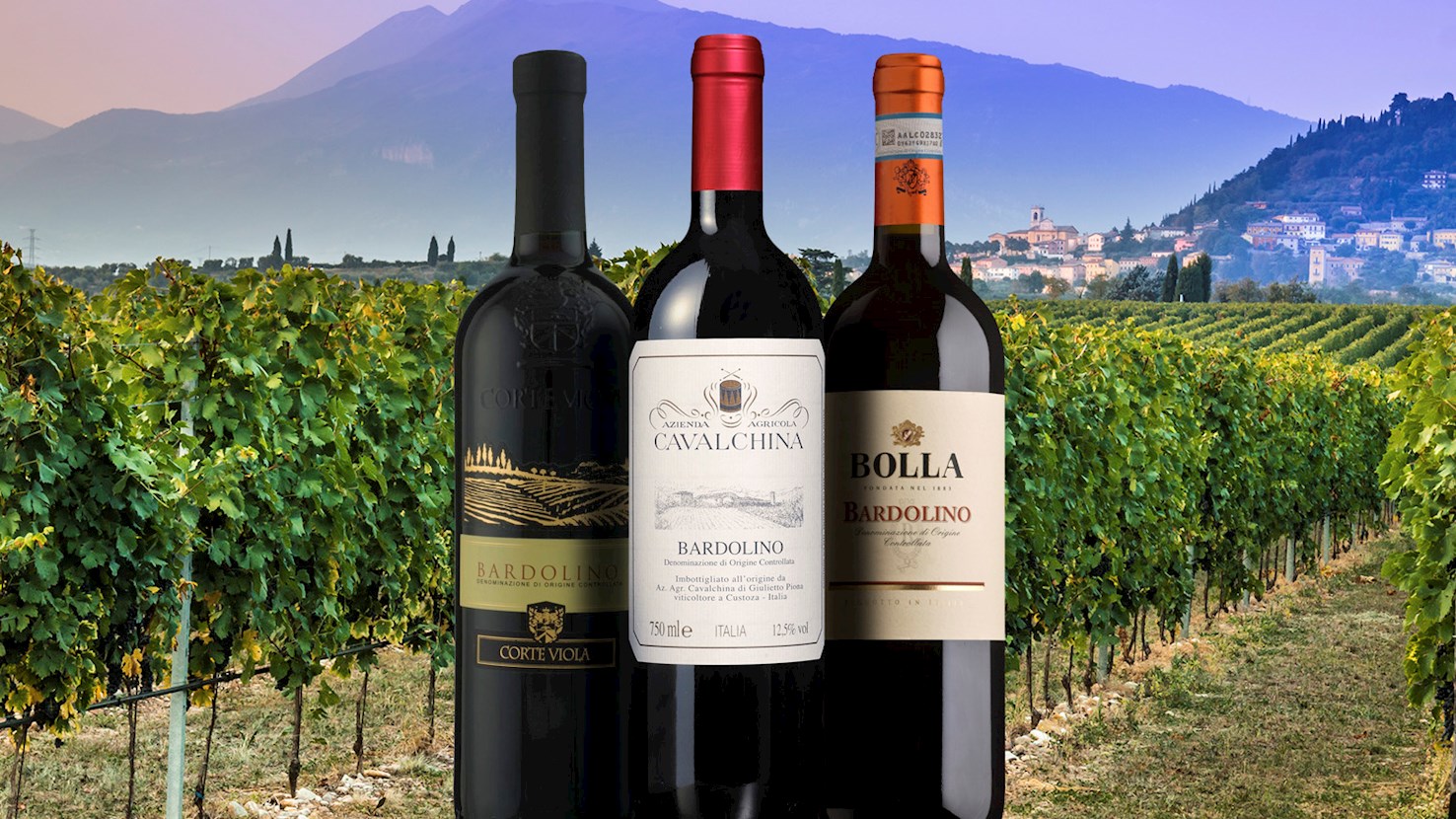
Bardolino is a type of dry red wine traditionally produced around Verona, on the southeastern shores of Lake Garda. It is predominately made with a blend of Corvina and Rondinella grapes, while other, minor varieties may include Rossignola, Barbera, Sangiovese, and Moinara. Bardolino DOC and Bardolino Classico DOC, which is produced in original, traditional vineyards, are harmonious and pleasant wines that go well with various strong and light dishes. Other styles include full-bodied Bardolino Superiore that must be aged for a minimum of one year, Bardolino Chiaretto rosé, and the refreshing young Bardolino Novello.
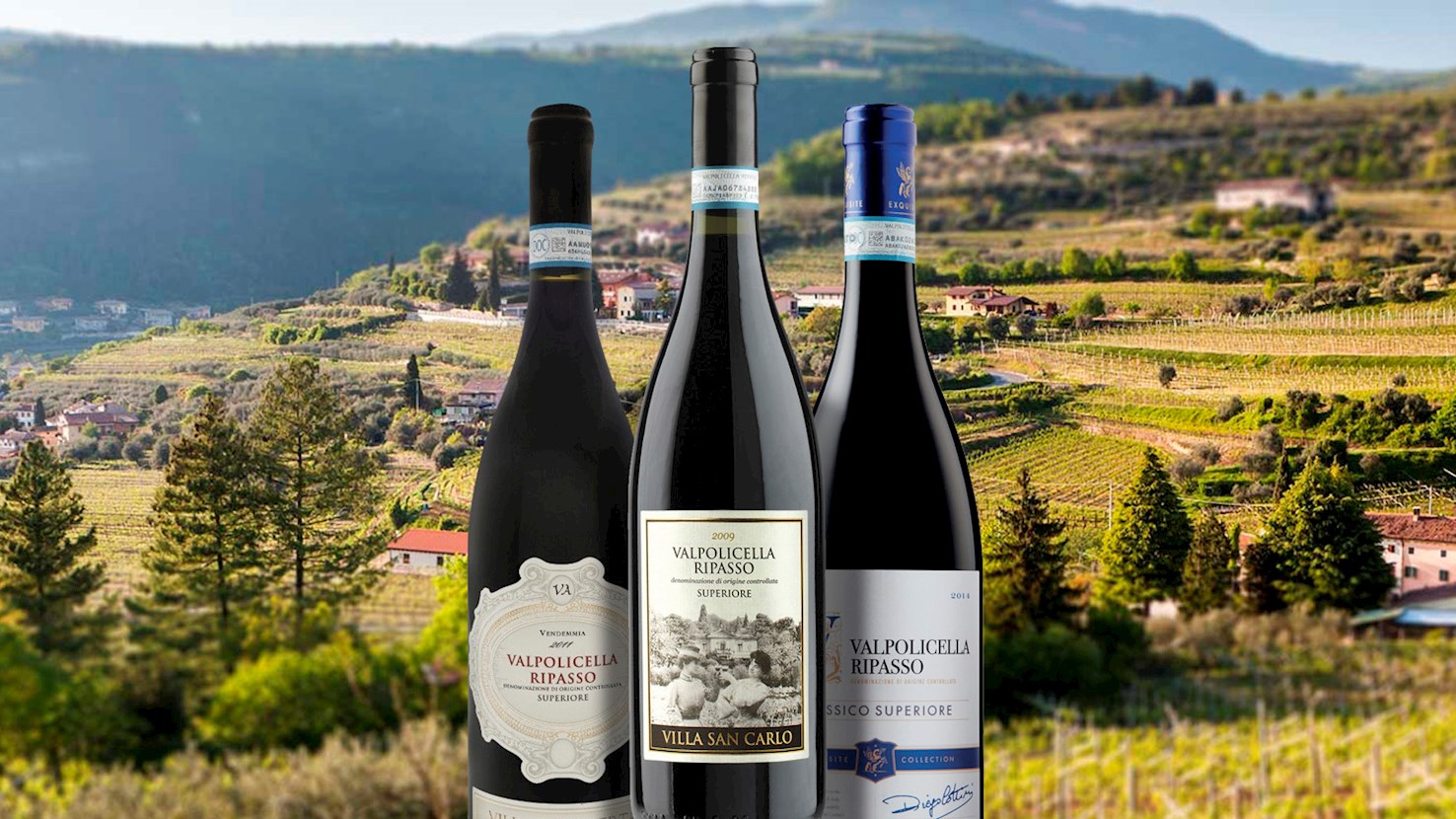
This unique Italian wine is made with a combination of Valpolicella wines and still fermenting lees—yeast deposits from fermentation—of Amarone della Valipolicella or Recioto della Valpolicella. This process helps the wines attain character, depth, more structure, and longevity. The wines produced Ripasso style typically have more complex, spicy flavors, as well as fruity and floral notes reminiscent of ripe cherries. They are a perfect accompaniment to meat-based dishes, especially braised or roasted red meat, stews, game, charcuterie, and aged cheeses, as well as pasta dishes served with ragù sauce or various types of risottos.
Rosso del Veronese are medium-to-full-bodied red wines produced entirely within the administrative province of Verona. The formation of this specific regional labeling framework occurred in 1995 under Italian national agricultural legislation to grant a flexible regulatory alternative to local vintners who wanted to construct progressive, premium red blends outside the strict, historical grape ratios enforced by nearby Denominazione di Origine Controllata (DOC) laws like Valpolicella, thereby mirroring the technical motivations that birthed the Super Tuscan movement in central Italy. The preparation of Rosso del Veronese wine allows producers to utilize any combination of authorized red grapes grown within the province, heavily relying on indigenous varieties such as Corvina Veronese, Corvinone, and Rondinella, while frequently integrating international cultivars like Merlot, Cabernet Sauvignon, and Syrah. The vinification process varies depending on the targeted style, but it frequently employs the appassimento technique, where grape clusters are carefully selected and placed on bamboo racks or plastic crates in specialized drying rooms (fruttaio) for one to three months to evaporate water, concentrate sugars, and develop complex aromatic compounds before undergoing a slow fermentation in stainless steel or concrete tanks at twenty-two to twenty-six degrees Celsius, followed by an extensive maturation period lasting twelve to thirty-six months in small French oak barriques or large Slavonian oak casks to resolve the highly concentrated polymeric tannins. The wine is allocated through global fine-wine merchant channels, high-end hospitality venues, and direct estate sales, served at an operational temperature of 16 to 18 degrees Celsius in wide, deep-bowled red wine glasses to permit maximum surface area oxygenation, which volatilizes the dense aromatics and softens the structural alcohol delivery. For food and beverage pairings, the pronounced extract weight, rich fruit profile, and firm tannin framework of Rosso del Veronese cut through heavy animal fats and complement deeply savory, reduced sauces, meaning it is eaten alongside slow-braised beef cheeks (guanciale di bue), roasted lamb shanks, grilled ribeye steaks, wild boar ragù served over thick pappardelle pasta, rich mushroom risottos, and dry, intensely aged cheeses such as Parmigiano-Reggiano or mature Pecorino.
Veronese, also legally designated as Provincia di Verona, is a highly versatile red, white, or rosé wine produced within the legally protected Indicazione Geografica Protetta (IGP) appellation, which covers the entire administrative territory of the province of Verona in the western section of the Veneto region in northeastern Italy. The structural creation of this provincial wine classification materialized on November 18, 1995, through a specific Italian ministerial decree designed to implement the European Union framework for Protected Geographical Indications, establishing a flexible legislative space for progressive winemakers who sought to cultivate international grape varieties or execute unique monovarietal expressions that directly breached the rigid blending ratios and aging mandates imposed by the older, historically fixed Denominazione di Origine Controllata (DOC) frameworks of neighboring zones like Valpolicella, Bardolino, and Soave. The preparation of Veronese wine follows distinct vinification tracks that depend heavily on the chosen grape variety and color designation, as the production rules permit both indigenous cultivars like Corvina, Corvinone, Rondinella, and Garganega, alongside international varieties including Merlot, Cabernet Sauvignon, Chardonnay, and Sauvignon Blanc. White variants undergo mechanical destemming, immediate pneumatic pressing, and cool fermentation inside stainless steel tanks at fourteen to sixteen degrees Celsius to maintain crisp, volatile fruit esters, whereas red expressions are macerated on the skins in automated vats at twenty-four to twenty-eight degrees Celsius with systematic pump-overs to regulate tannin extraction, frequently followed by a maturation phase in French oak barriques or large Slavonian oak casks for twelve to twenty-four months to refine the phenolic structure. The wine is distributed universally through commercial restaurant chains, specialized international retail shops, and direct estate cellars, served at 10 to 12 degrees Celsius in standard white wine glasses for the fresh, crisp Garganega or Chardonnay expressions, and at 16 to 18 degrees Celsius in broad, large-bowled glasses for the dense, dried-grape red blends to ensure proper alcohol volatilization and oxygen integration. For food and beverage pairings, the high dry extract, varying sugar concentrations, and balanced acidity of Veronese wines permit them to cut through rich fats and match complex proteins, meaning it is eaten alongside slow-simmered beef stews, roasted duck breast, grilled lamb chops, pasta with rich wild boar ragù, dense mushroom risottos, baked freshwater fish, and a wide array of medium-aged to hard cheeses like Asiago or Parmigiano-Reggiano.
Amarone della Valpolicella Riserva is a powerful, highly concentrated red wine that represents the absolute highest tier of winemaking in the Valpolicella region and holds the strict DOCG status, which is the highest level in the Italian wine classification system. The "Riserva" label signifies an extended aging period. By law, the wine must rest in cellars for at least 4 full years before it can be sold, though many top producers choose to wait 5 to 10 years. The creation of this wine relies on a unique, traditional method called appassimento. Instead of pressing the grapes immediately after the autumn harvest, farmers carefully lay the whole bunches on bamboo mats or plastic crates in special drying rooms. The grapes stay there for three to four months over the winter. As they slowly turn into raisins, they lose a massive amount of water. This process dramatically concentrates the fruit's natural sugars, flavors, and color. Once fermented and aged for years in large oak casks, the resulting wine is massive and intense. In the glass, it pours a very dark, dense garnet color. It is a full-bodied, heavy wine with a high alcohol content, typically 15-16 percent. The taste is remarkably deep. Instead of fresh fruit, it offers rich notes of dried figs, prunes, dark chocolate, and roasted espresso. You will also easily detect strong, savory hints of leather, sweet tobacco, and baking spices, developed over its long time in the wood. Because of its sheer weight and bold flavor, Amarone Riserva requires heavy, robust food to match. It is traditionally paired with rich game meats, such as wild boar stew, roasted venison, or beef braised in wine. It is also an excellent companion for very old, sharp cheeses like Gorgonzola or aged Parmigiano-Reggiano. Alternatively, many Italians enjoy it simply on its own at the end of a long dinner, referring to it as a "meditation wine" that is meant to be sipped slowly by the fire.
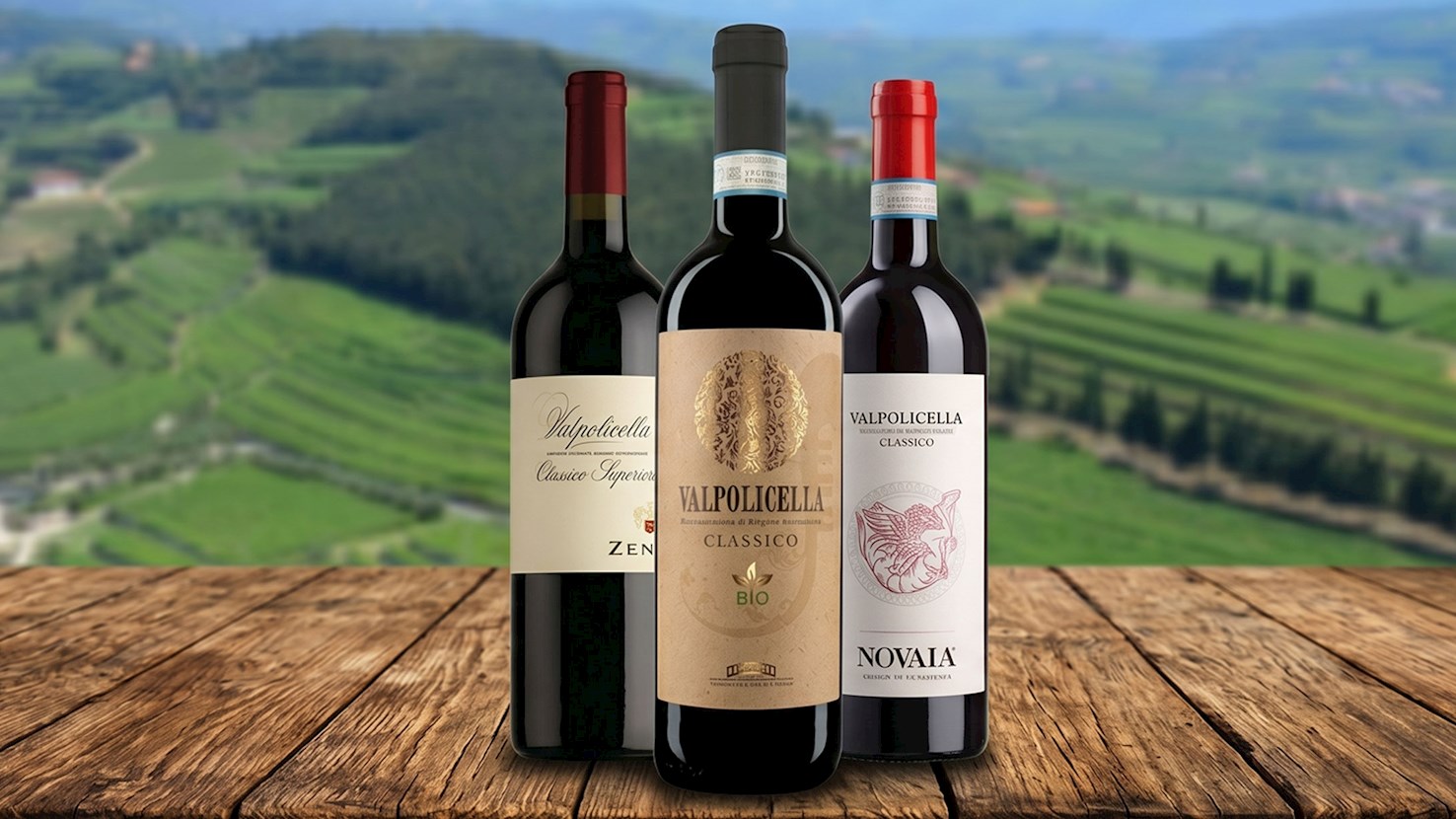
Valpolicella Classico is a red wine from the Veneto region, where the term "Classico" indicates that the grapes were grown only in the original historical center of the Valpolicella wine region. This area is characterized by steep, terraced hills located directly north of the city of Verona. Like other wines from this district, it is made by blending native grapes together. The main grape is Corvina, which is typically joined by Rondinella and Corvinone. While some Valpolicella wines are aged for a long time to become heavy and complex, a standard Classico is made to be drunk while young and fresh. Winemakers usually store it in stainless-steel tanks rather than in wooden barrels to preserve the natural fruit flavors as bright as possible. When poured into a glass, the wine is a bright, clear ruby color. It is known for being a light-to-medium-bodied wine with very soft tannins and a refreshing acidity. The dominant flavors and smells are fresh red berries, mainly tart cherries, strawberries, and raspberries. You might also notice a very faint trace of bitter almond or a pinch of black pepper at the end of a sip. Because it is so light and crisp, Valpolicella Classico is highly food-friendly and very easy to drink. It is a popular choice for casual lunches and everyday dinners. People frequently drink it alongside pizza, plates of sliced salami and prosciutto, roasted chicken, or simple pasta dishes made with tomato sauce. Some locals even prefer to serve it slightly chilled during the warm summer months.
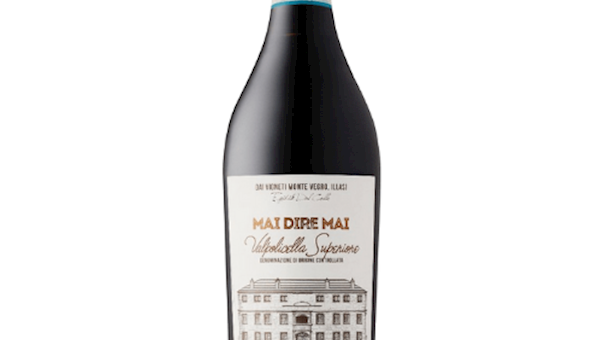
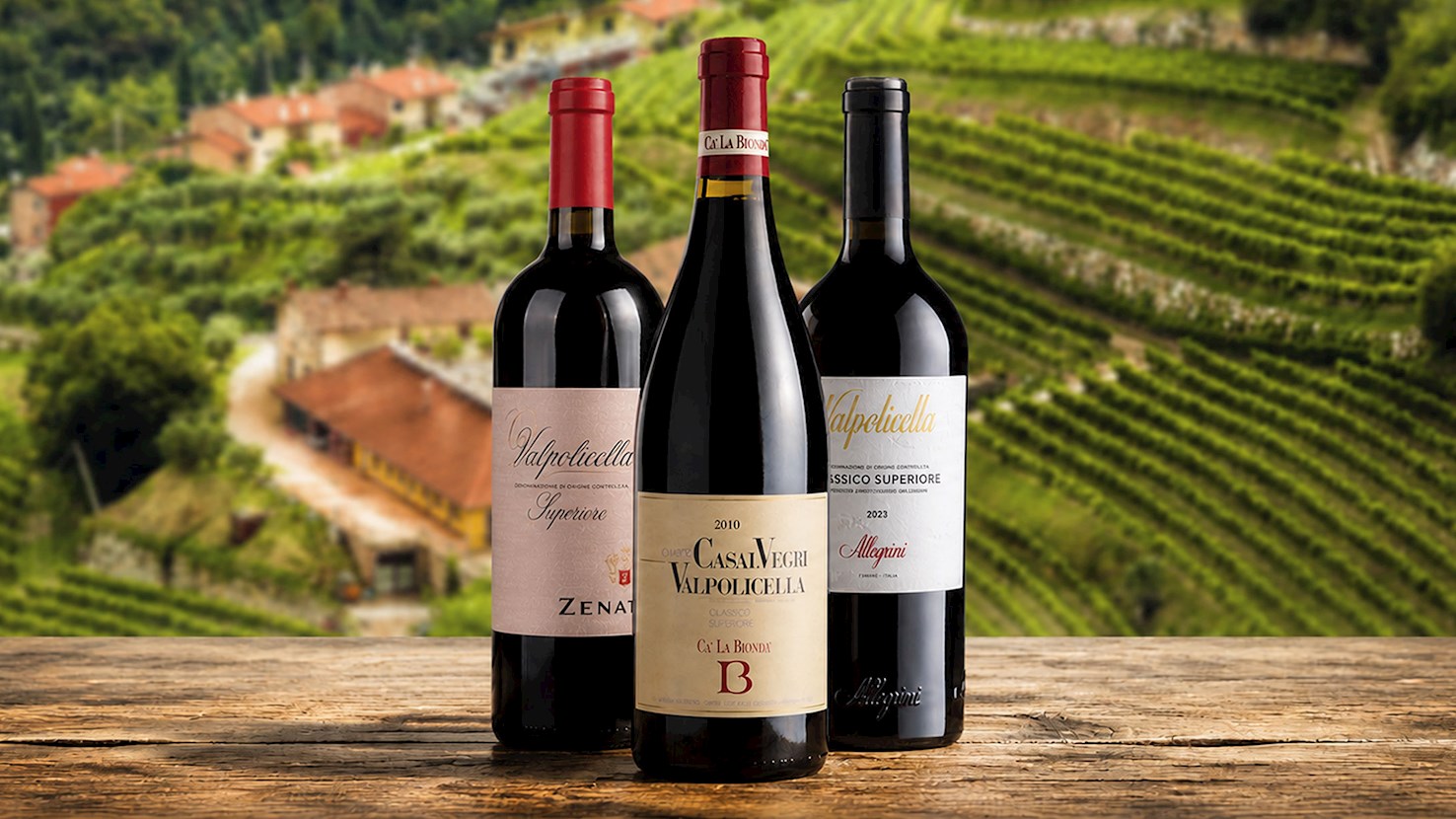
Valpolicella Superiore is a dry red wine produced in the Veneto region. To earn the "Superiore" title on the label, the law requires that the wine age for at least one full year before reaching the market. It must also have a minimum alcohol content of 12 percent. The wine is always a blend of local, native grapes. The star of the blend is the Corvina grape, which gives the wine its core structure and strong cherry flavors. Winemakers also add Corvinone for a spicy kick, and Rondinella to bring out a dark color and floral smell. Sometimes a small amount of the Molinara grape is added to give the wine a fresh, crisp finish. In the glass, Valpolicella Superiore has a dark ruby red color. If the wine has aged longer, the edges of the liquid may show a slight brick-red or garnet tint. The mandatory aging process, which often happens in large oak barrels, makes the wine smoother and more complex than standard Valpolicella. When you drink it, you will notice the clear taste of ripe red fruits, especially cherries, plums, and blackberries. The time spent in wood also adds warm notes of vanilla, toasted nuts, clove, and black pepper. It is a medium-bodied wine, meaning it feels rich in the mouth without being too heavy, with soft tannins and bright acidity. Because of its balanced and fruity nature, Valpolicella Superiore is a highly versatile food wine. It pairs perfectly with everyday Italian meals. Locals frequently serve it alongside roasted beef or pork, rich pasta dishes covered in meat ragù, and plates of medium-aged cheeses like Pecorino or Grana Padano.
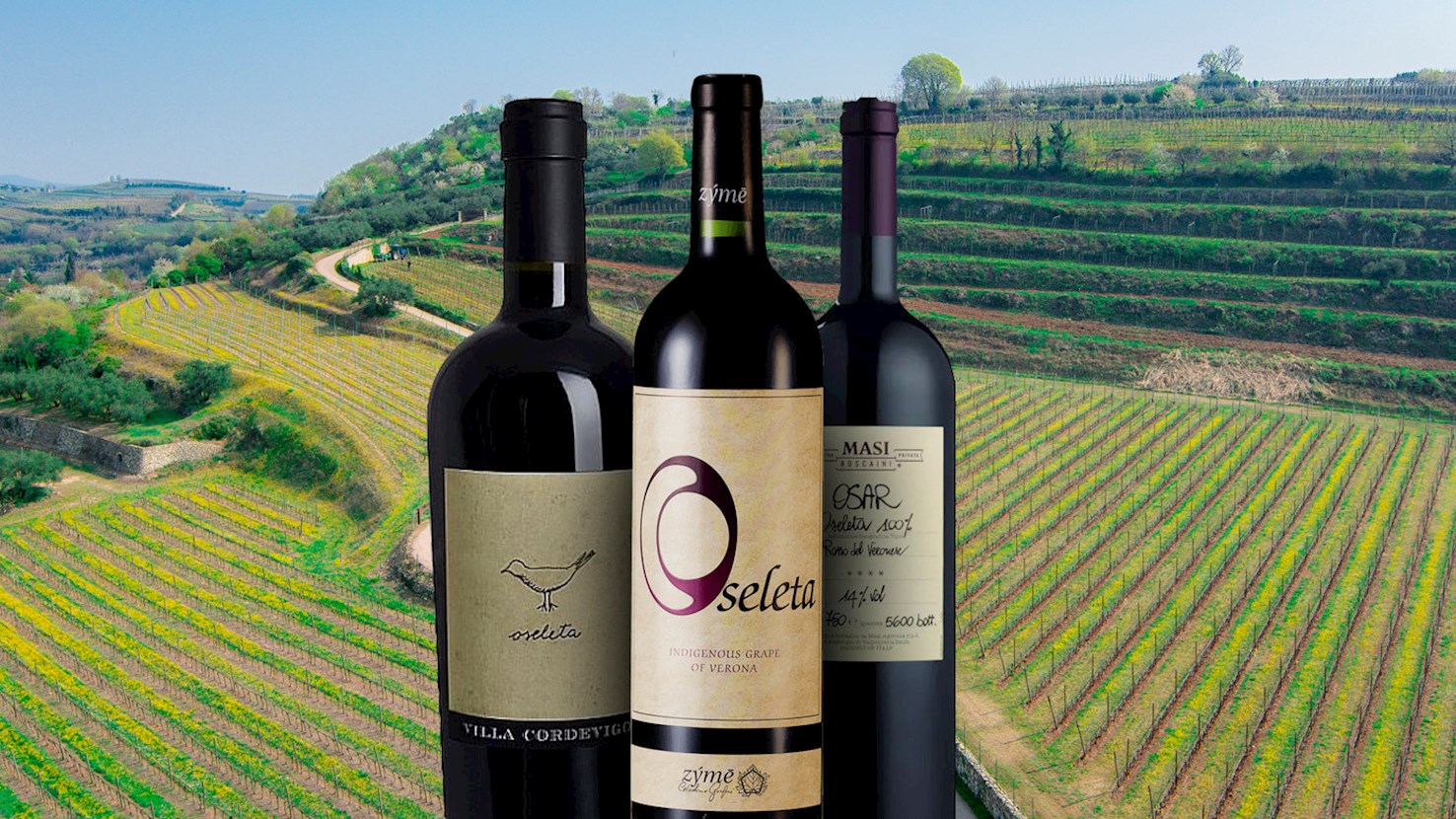
Oseleta is one of the ancient, almost extinct Italian grapes that was reintroduced in the 1970s. This red grape is native to Verona, where it was mainly used in local red blends to add structure and color. Although still rare, some producers use it to produce unique varietal wines. These wines have deep ruby, almost purple color. They have an intense aroma reminiscent of ripe red and dark berries, along with some herbal and mineral nuances. On the palate, they are tannic, fruity, and spicy. Not much is known about Oseleta’s origin. It has been proven that it is related to Corvina Veronese and Rondinella, two flagship regional varieties. It is sometimes suggested that it might have been domesticated from wild grapes. Due to low yields, Oseleta is still rarely cultivated. Oseleta wines are best paired with game and aged cheese.
TasteAtlas food rankings are based on the ratings of the TasteAtlas audience, with a series of mechanisms that recognize real users and that ignore bot,
nationalist or local patriotic ratings, and give additional value to the ratings of users that the system recognizes as knowledgeable.
TasteAtlas Rankings should not be seen as the final global conclusion about food. Their purpose is to promote excellent local foods,
instill pride in traditional dishes, and arouse curiosity about dishes you haven’t tried.
The initial list of top producers was compiled based on available reviews, awards, local recommendations, media and blog coverage, and consumer reviews.
The list will be updated with ratings from TasteAtlas local ambassadors and TasteAtlas users.










What People Say