shutterstock

Top 62 Italian Semi-hard Cheeses

Last updated on September 02, 2026

Best Italian Semi-hard Cheese Types
01

Pecorino Toscano

4.4 ·

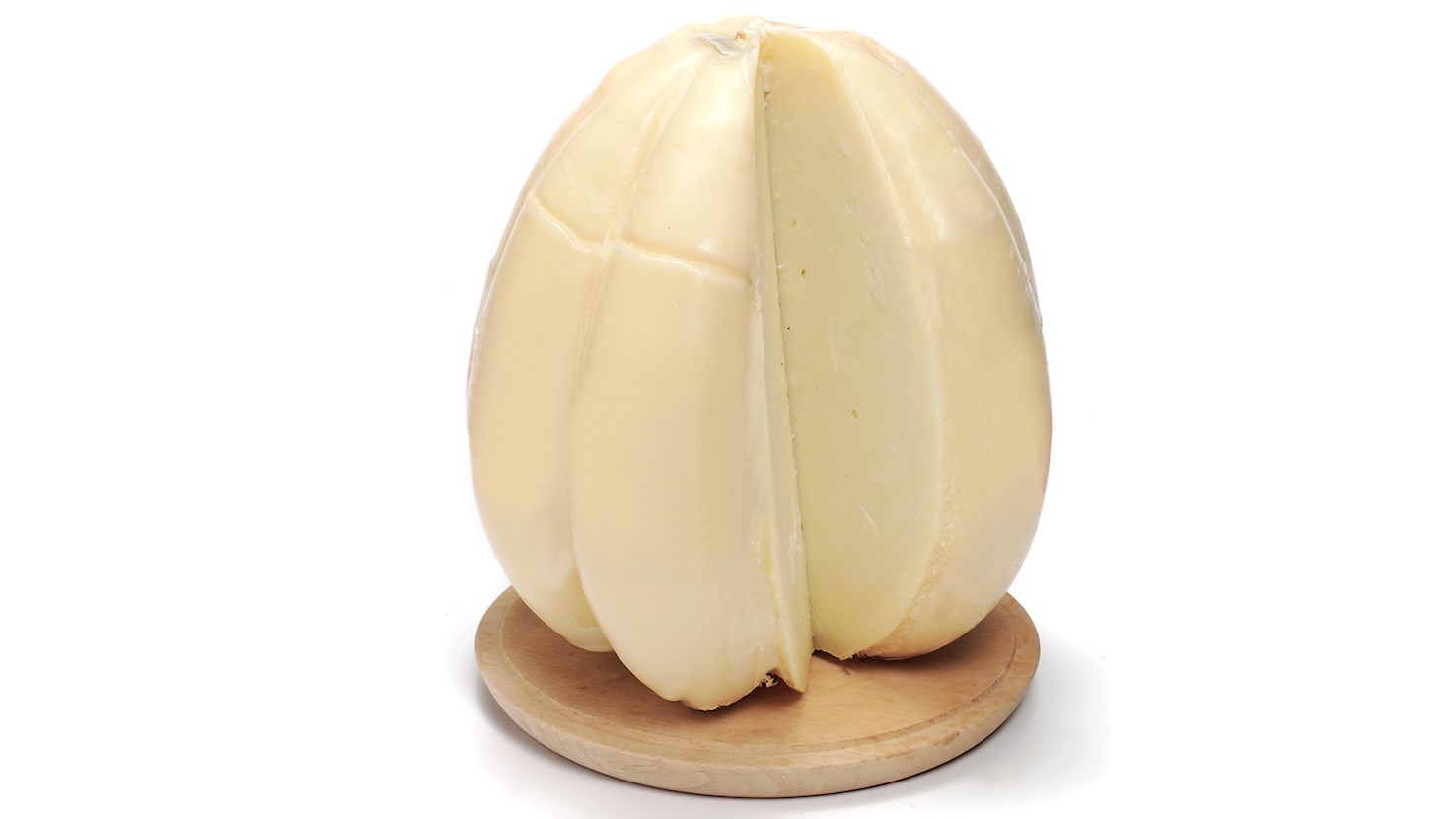
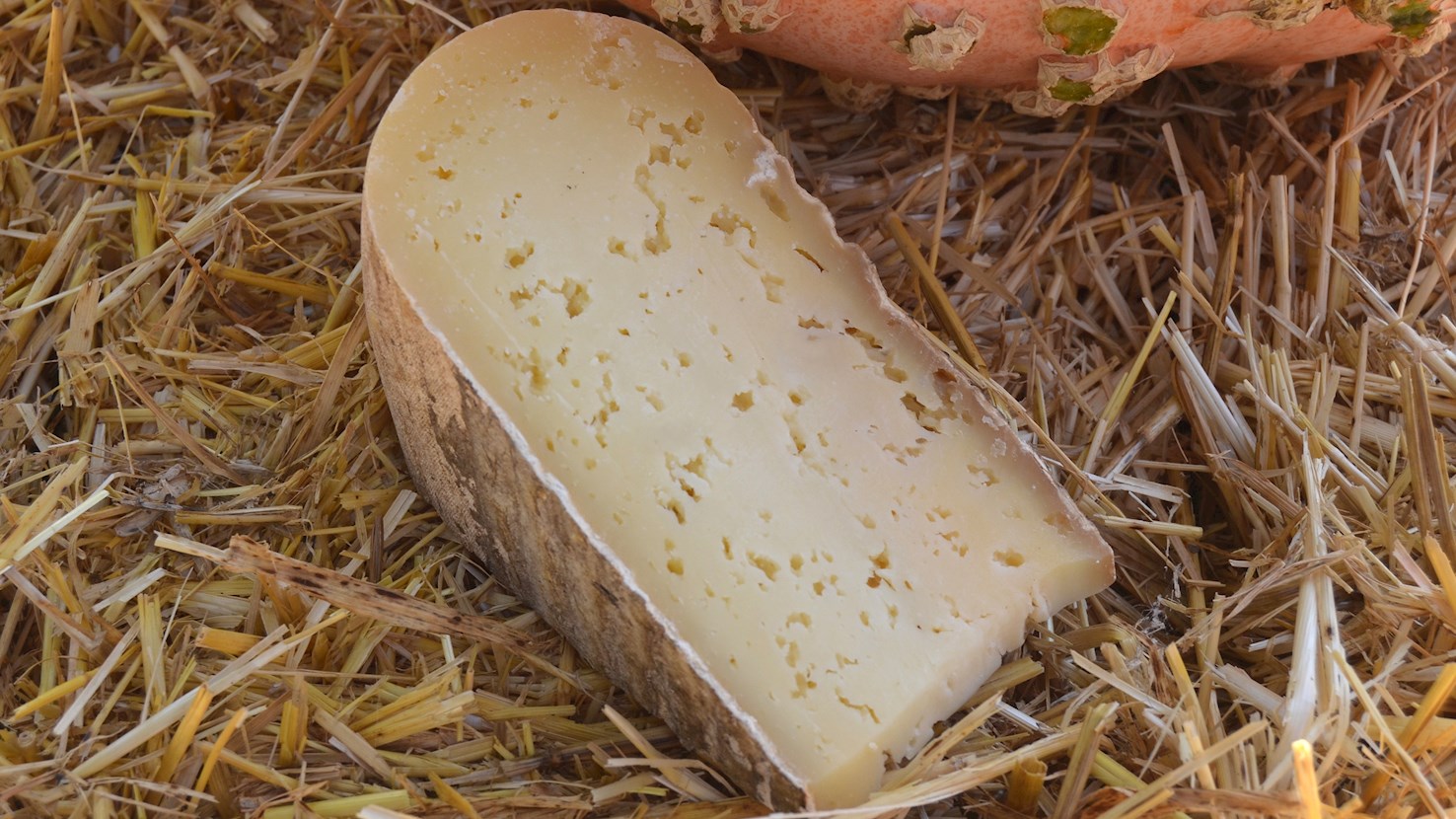
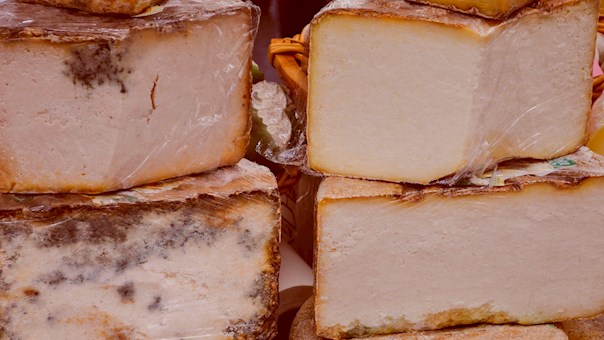
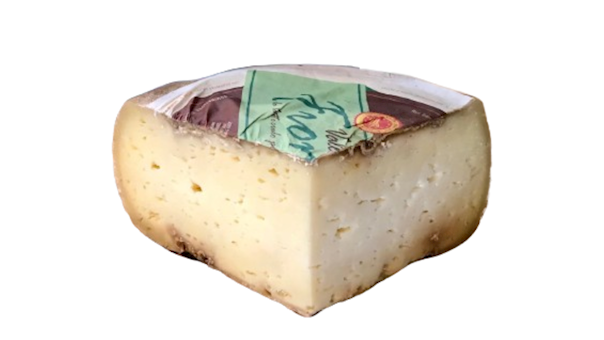
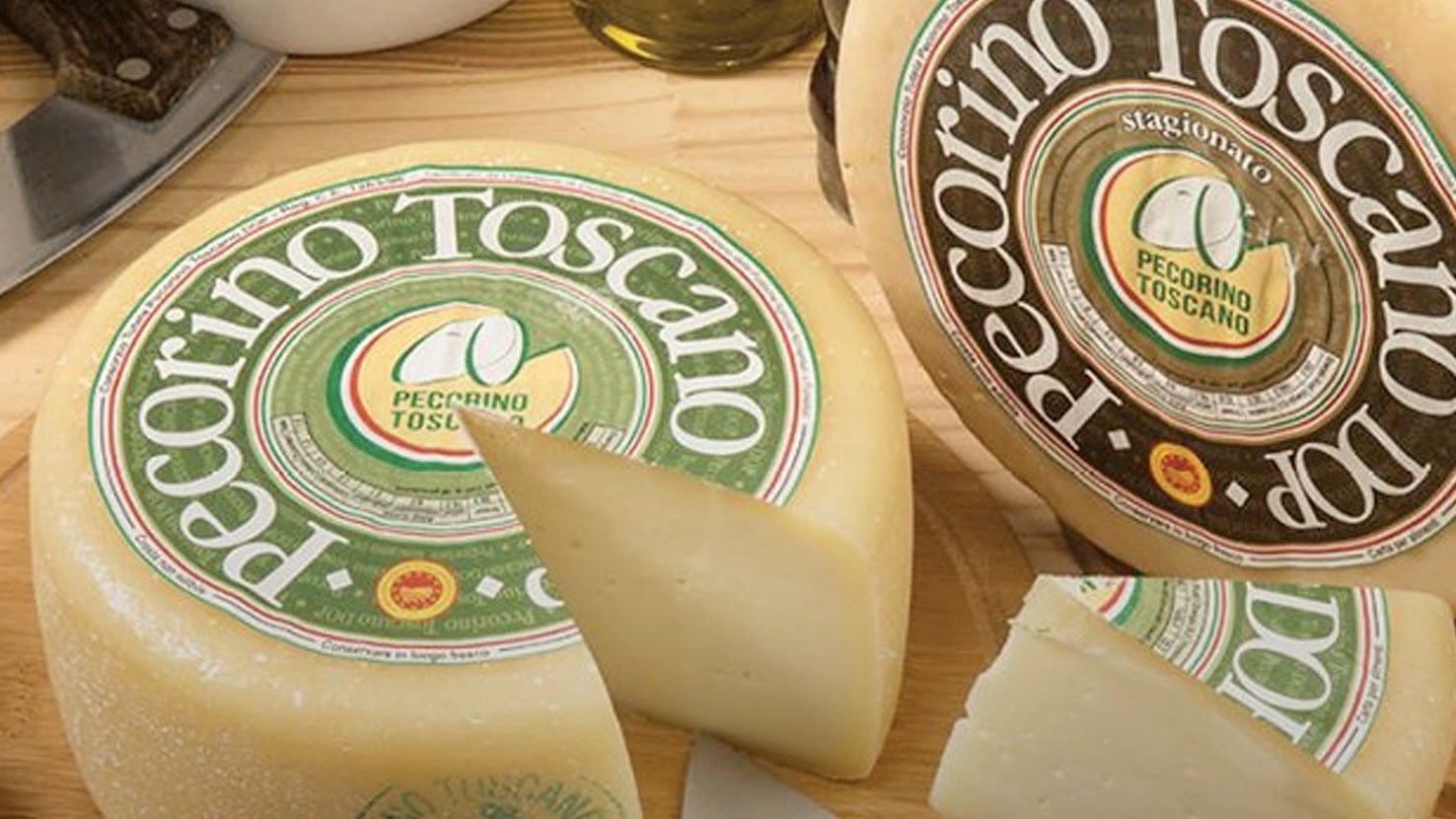
Back in the 15th century, when Pecorino production used to begin in spring, this Tuscan delicacy was called Cacio Marzolino, meaning March cheese. Nowadays, Pecorino Toscano is also produced in Lazio and Umbria, Tuscany's neighboring regions, and available year-round as either Fresco (fresh) or Stagionato (matured for at least 4 months). This soft to semi-hard cheese is made with whole milk from sheep feasting on pastures nestled between the Apennines and the Tyrrhenian Sea. Compared to other varieties of Pecorino cheese, Toscano is only briefly salted and thus retains its delicate, sweet flavor. Depending on how mature it is, Pecorino Toscano can be enjoyed as a table cheese or used for grating over various pasta dishes or hearty Tuscan potage soups such as Ribollita. Fresco or Stagionato, it also pairs well with fresh vegetables, fruits, jam, and honey.

02

Provolone del Monaco

4.3 ·

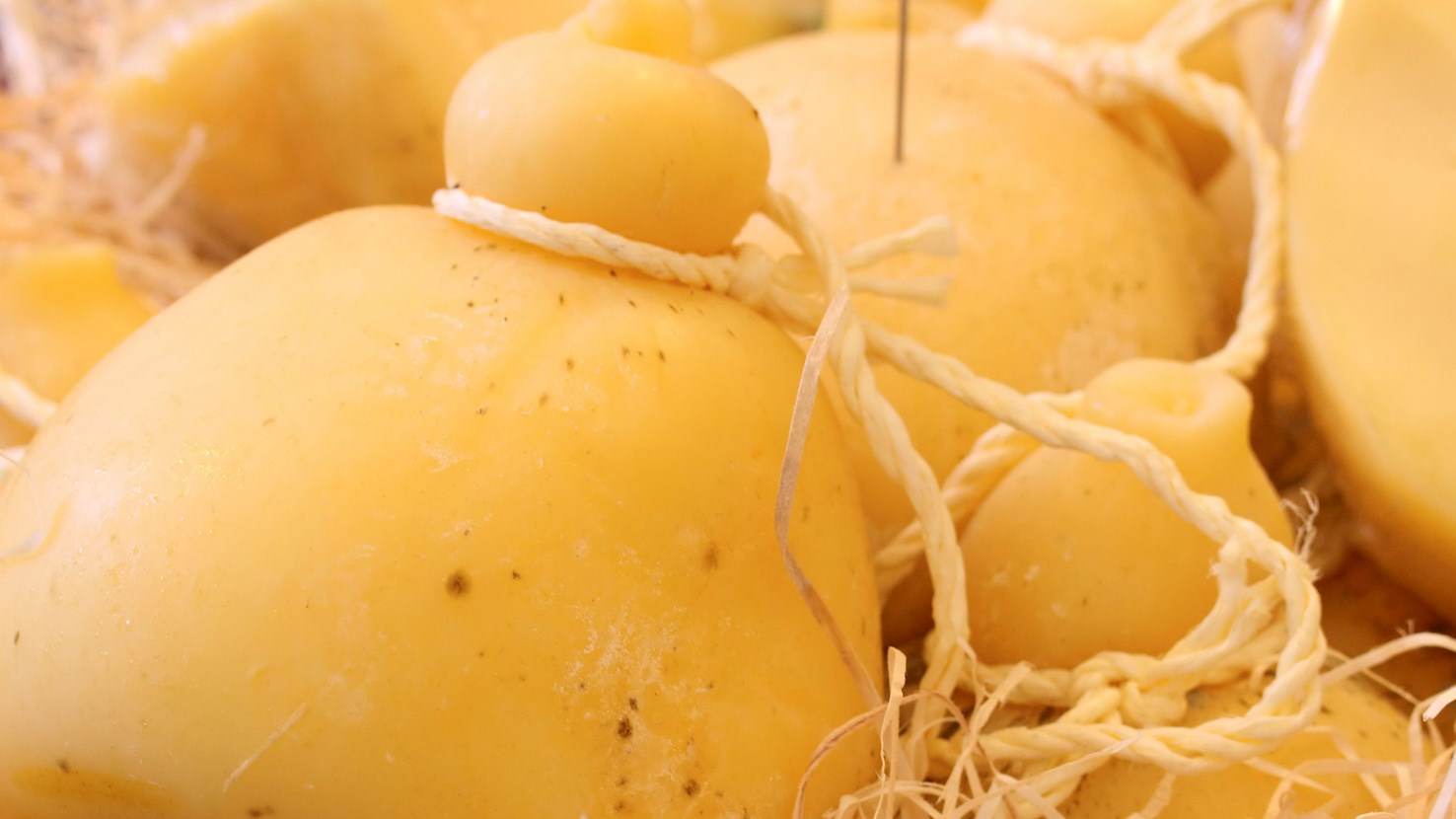
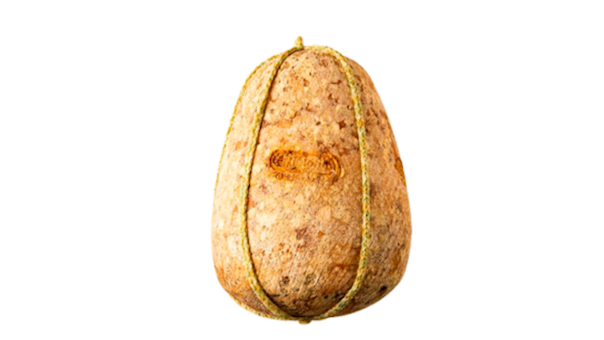
Produced since the 1700s by the shepherds who lived on the Lattari Mountains, the largest milk production area around Naples and Vico Equense, Provolone del Monaco is a melon-shaped, semi-hard cheese made from raw cow’s milk. Since the shepherds of Lattari used to wear long, hooded cowls, it was believed that Provolone was produced by monks, hence its name. With at least 20% of milk for the cheese production coming from the endangered Agerolese dairy cattle breed, Provolone del Monaco is characterized by the exceptional quality of its spun paste. It has a sweet and buttery flavor, with a pleasantly piquant aftertaste that becomes stronger with aging. Provolone is used as one of the basic ingredients of Neapolitan cuisine, but it also makes for an excellent table cheese that's typically paired with aged red wines.

03

Caciocavallo Silano

4.3 ·

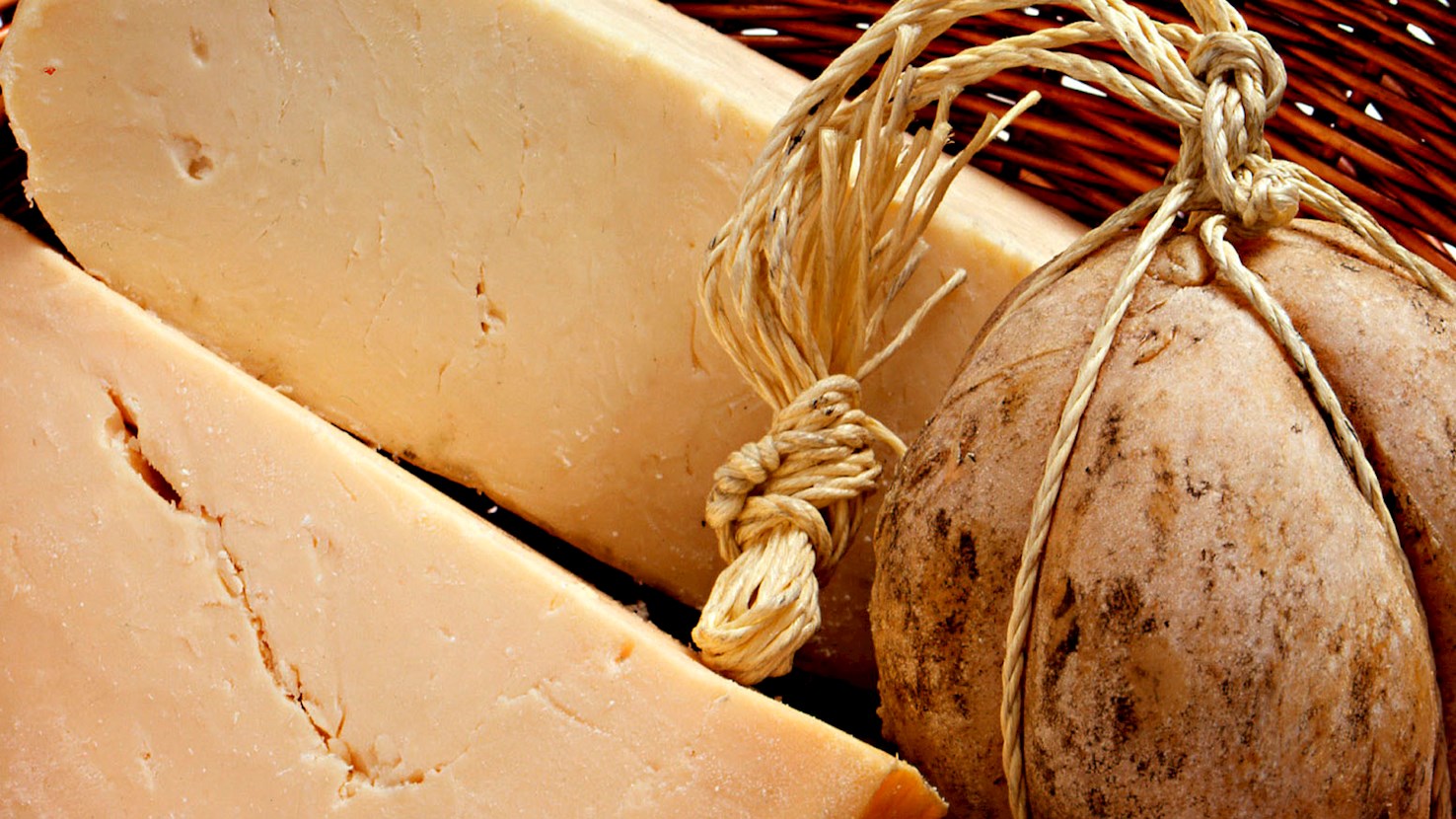
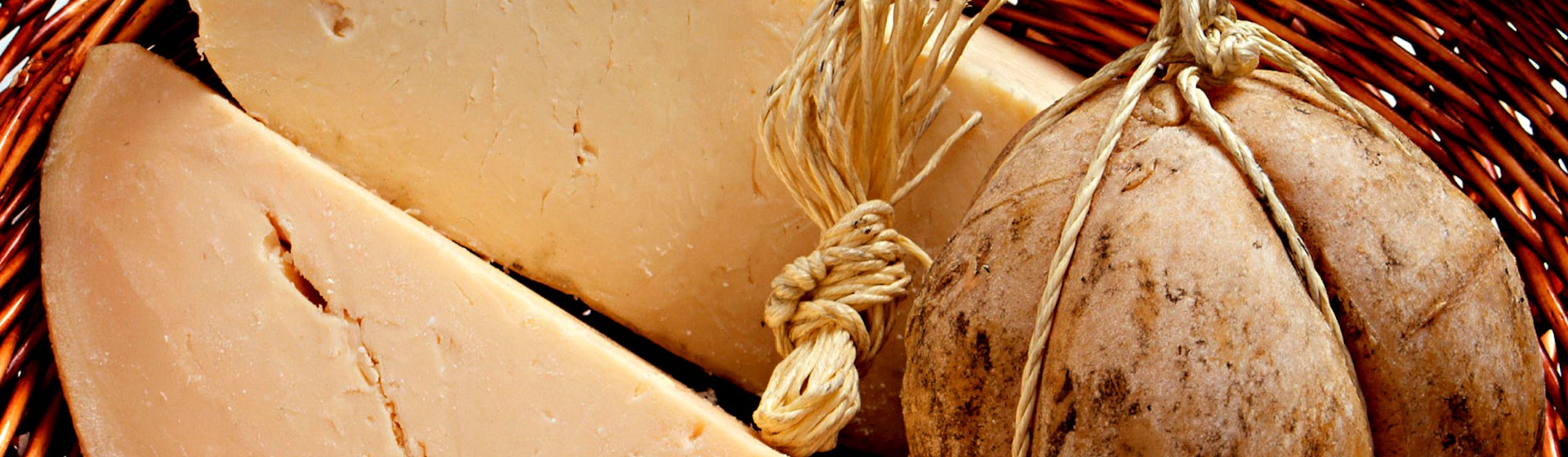
One of the oldest and most typical spun curd cheeses of Southern Italy, Caciocavallo Silano originated from the Sila Plateau, and the tradition of cheesemaking later gradually expanded along the Apennine mountain range. Produced in the regions of Basilicata, Calabria, Campania, Molise, and Apulia, Caciocavallo is made from cow’s milk and has a mild, salty flavor and a smooth, firm texture. As the cheese ripens, the flavors become more pungent and the texture more granular, making the cheese ideal for grating. The name of Caciocavallo is derived from cacio, meaning cheese, and the method of maturing: cheeses are hanged in pairs over a cavallo, a type of wooden saddle rack.

04

Bitto

4.2 ·

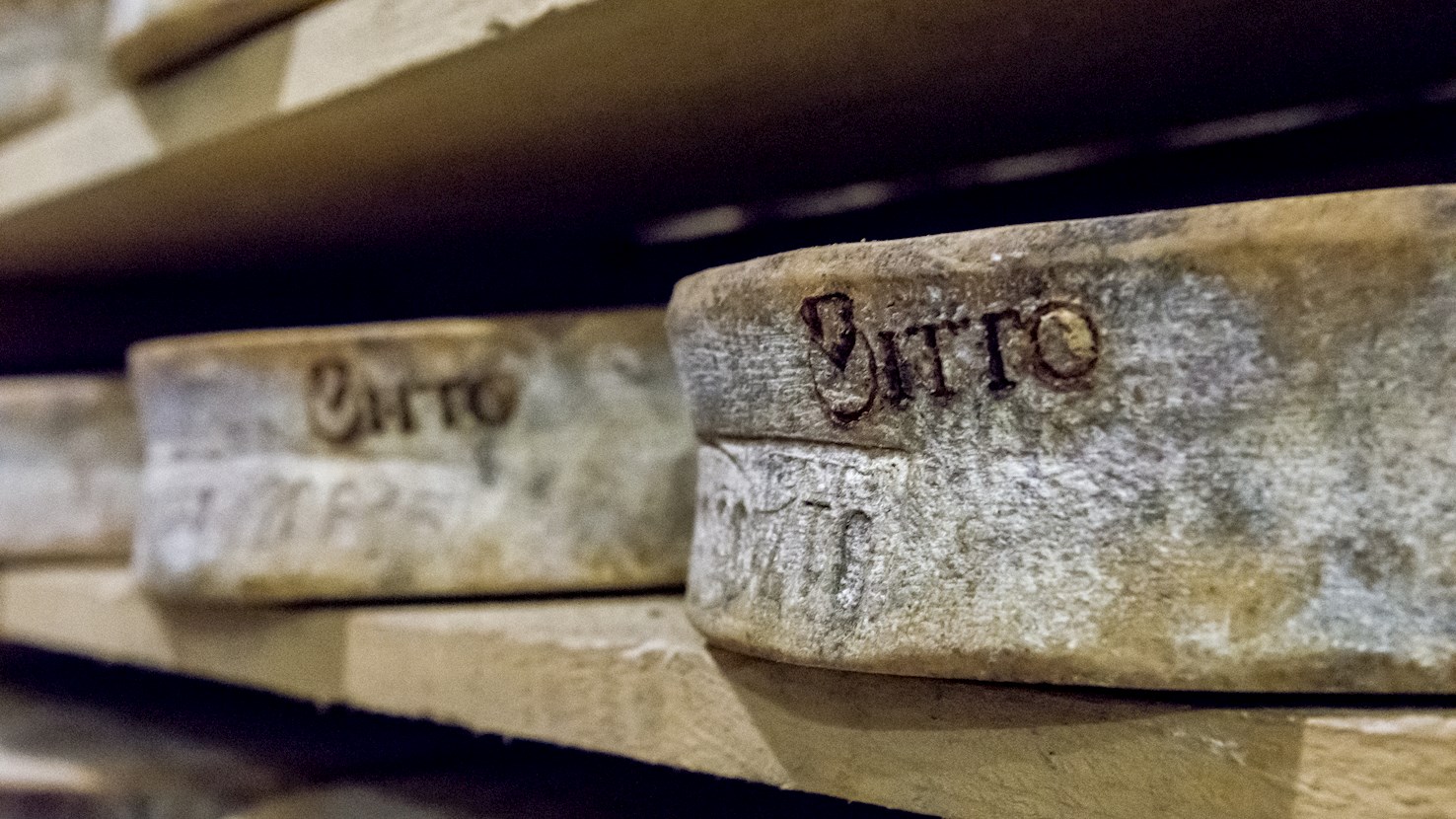
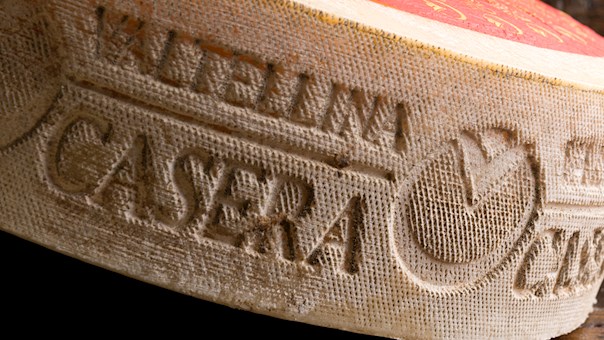
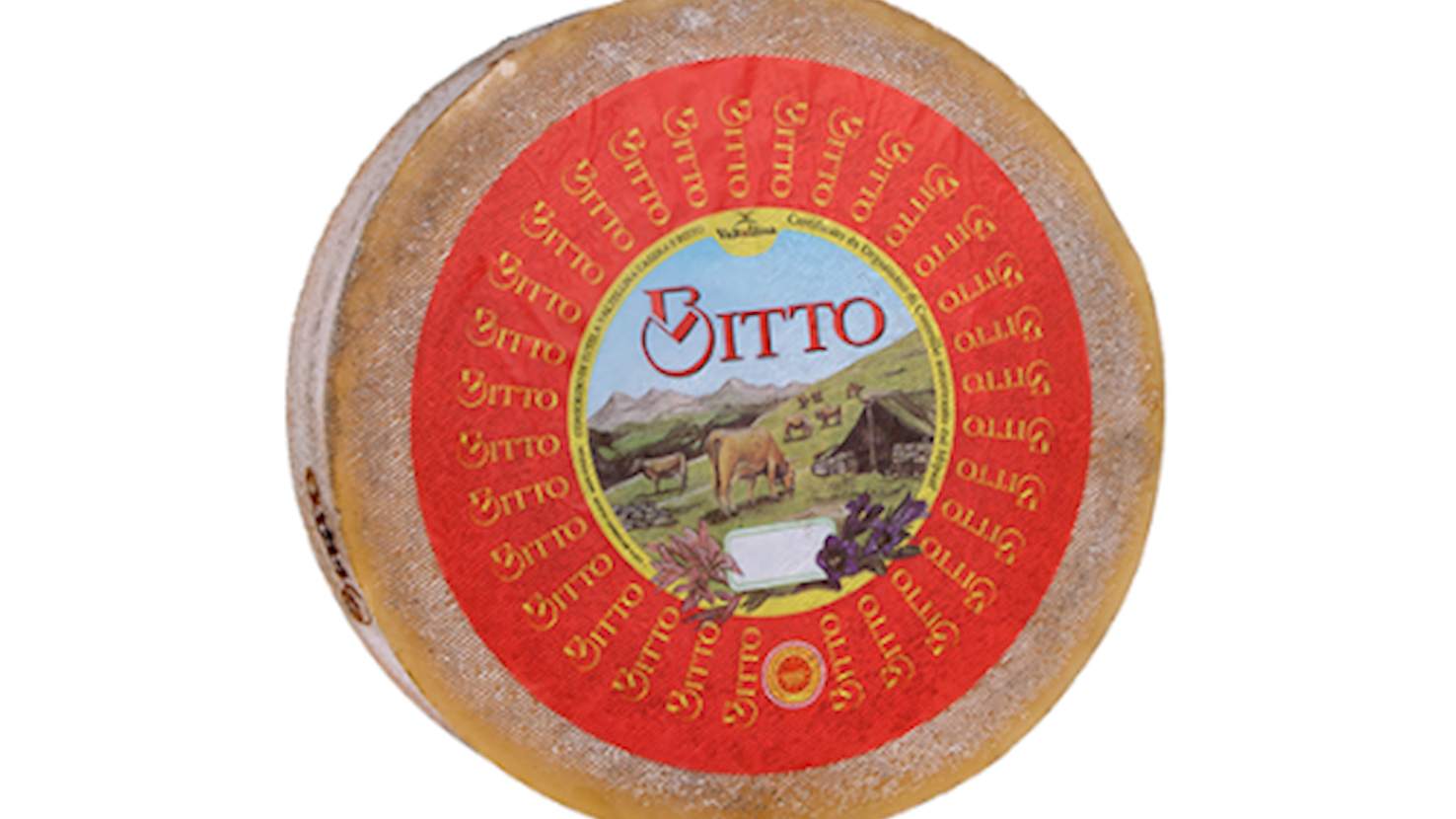
Certainly the finest and most well-known cheese of Valtellina valley, Bitto is a semi-hard or hard cheese, sold after it has been aged anywhere from 40 days to 3 years. The ancient production technique of this iconic Lombardian cheese dates back to the Celts, who were expert shepherds and dairymen. Having been forced off the plains by the Romans, they found refuge in the mountainous region of Valtellina. Bitto is made from cow's milk with the addition of 10-20% of goat's milk. Young bitto is called giovane and it is soft in texture, white in color, and has a sweet flavor, similar to Gruyère. As it ages, it gets crumbly and small white dots appear on the rind. After a year of aging, it turns yellowish, has quite a sharper taste, and is typically used for grating. Thanks to its unique feature of long-term preservation, if conserved and matured well, the best Bitto cheeses can be kept for over 10 years!

05

Provolone Valpadana

4.1 ·

The origins of Provolone Valpadana date back to the early 1800s and the Unification of Italy, when people from the South started migrating towards the Po Valley and brought the tradition of dairy cattle farming and the technique for stretched-curd cheese production with them. Provolone Valpadana is nowadays produced all across Northern Italy; it is made with whole cow's milk and available in two varieties, Dolce (sweet) and Piccante (piquant), both of which can be Affumicato (smoked). Aged for 2-3 months, Provolone Dolce has a delicate flavor and goes well with young, fruity wines, while Provolone Piccante is matured for at least 4 months and paired with aged, red wines, since it has a much sharper, tangy flavor. Both varieties are extremely versatile and often enjoyed breaded and fried, grilled, or served with Mostarda di Cremona, a Northern Italian condiment made of different fruits preserved in a mustard seed flavored syrup.

06

Toma Piemontese

4.0 ·

Also known as Toma Italiana, this cooked semi-hard cheese made from cow's milk is produced in the Aosta Valley in the Piedmont region of northwestern Italy, and it is one of the oldest Italian cheese varieties, dating as far back as the Roman Empire. In Italian, the word Toma is attributed to a specific style of cheesemaking, and it means cheese made by the farmer himself. There are two main varieties of Toma cheese produced; the first is produced entirely from whole milk, while the other is made from skimmed milk. Depending on its size, it is matured for a period of 20 to 45 days, or even 60 days for the Toma d'Alpeggio mountain variety. During the ripening phase, the cheeses are sprinkled with salt, washed and frequently turned. Toma Piemontese is a very rich and buttery cheese, with a smooth pale to yellow colored rind, and has many of the characteristics that most mountain cheeses are famous for: a slightly sweet and mild flavor in less matured versions, and a full and nutty flavor as the cheese ages. While the whole-fat variety is mostly used for gnocchi, risotto and pasta sauces, the semi-fat Toma tastes best with jams and honey or baked with potatoes and quiches, and used in fondues. As for wine, aged Toma is wonderfully complemented by Dolcetto, Carema, and Barolo while younger cheese makes a better pairing with light white wines.

Best producers
07

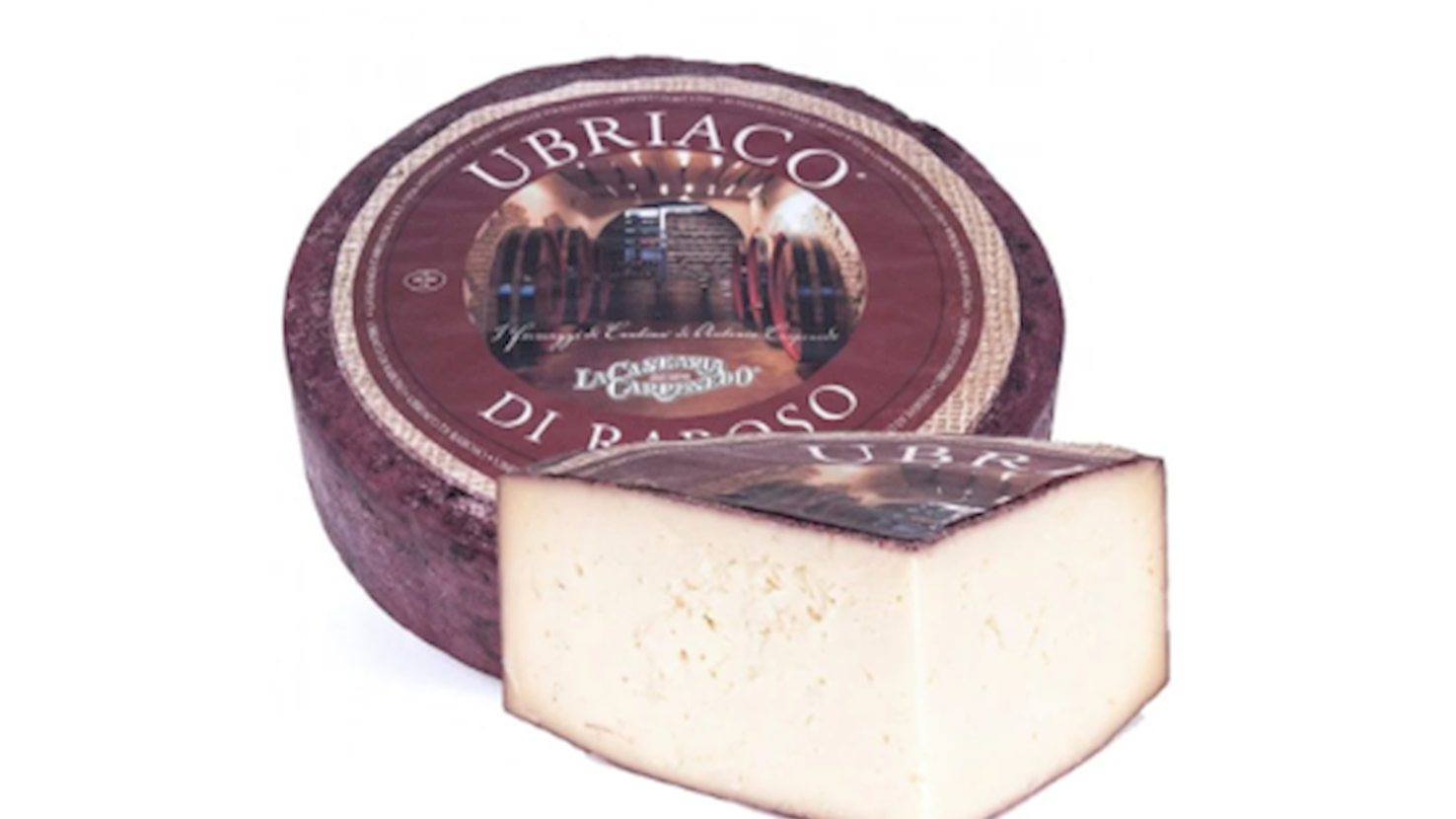
Ubriaco

3.9 ·

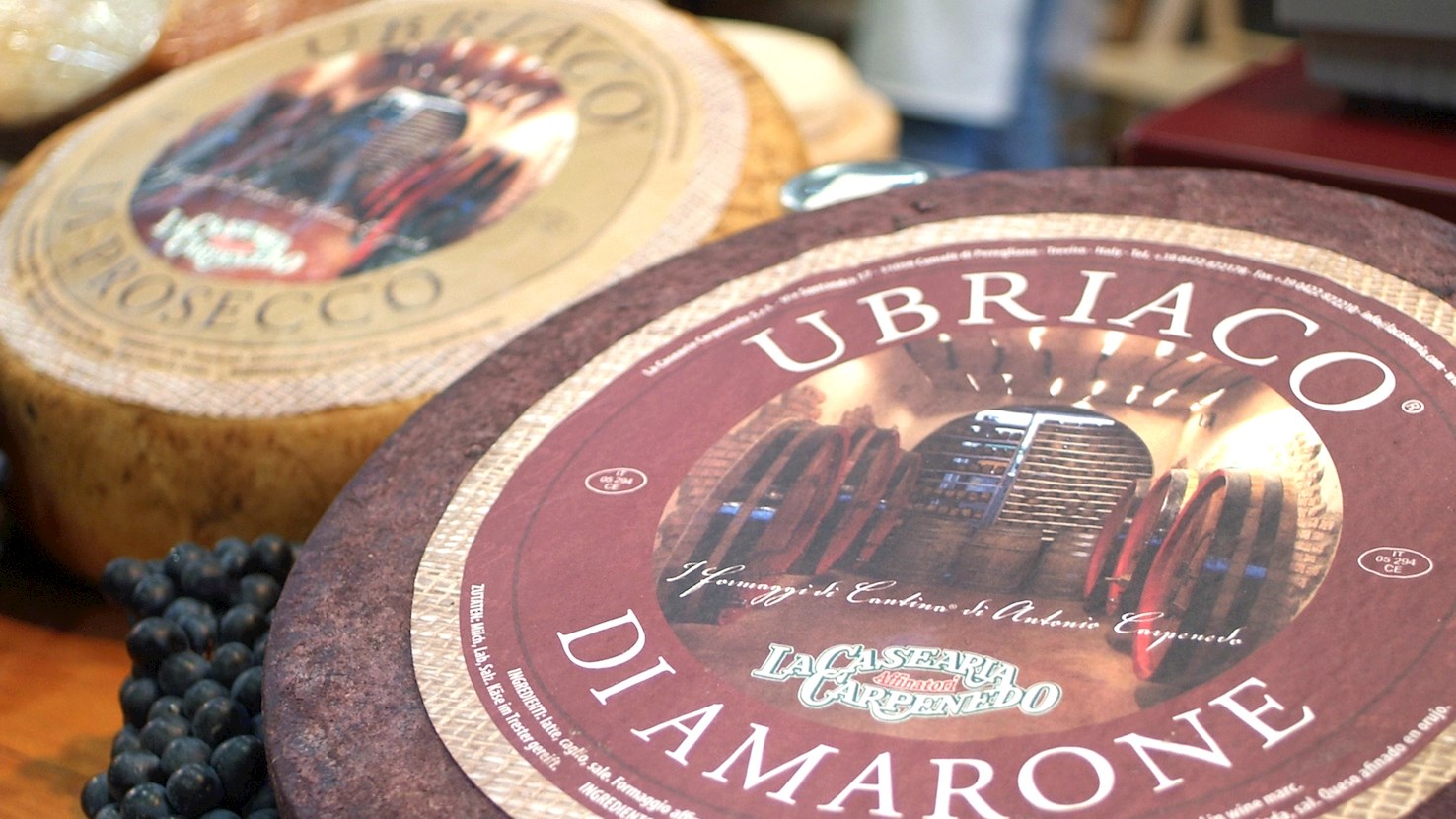
Ubriaco is a unique Italian cheese hailing from Treviso in the region of Veneto. The cheese is traditionally made from cow's milk. It is left to age, and during the last few months of aging, Ubriaco is soaked in dry and sparkling Prosecco wine with seeds, skins, and other leftovers from the process of making wine. When fully mature, Ubriaco has a soft texture which becomes firmer and crumblier with further aging. Its aroma is floral, while the flavors are rich, full, and fruity. It is believed that the cheese was developed during WWI, when local farmers used to hide their cheeses from soldiers by placing the cheese in wine barrels. Pair Ubriaco with a glass of Primitivo or Montepulciano wine.

Best producers
08

Caciocavallo podolico

3.9 ·

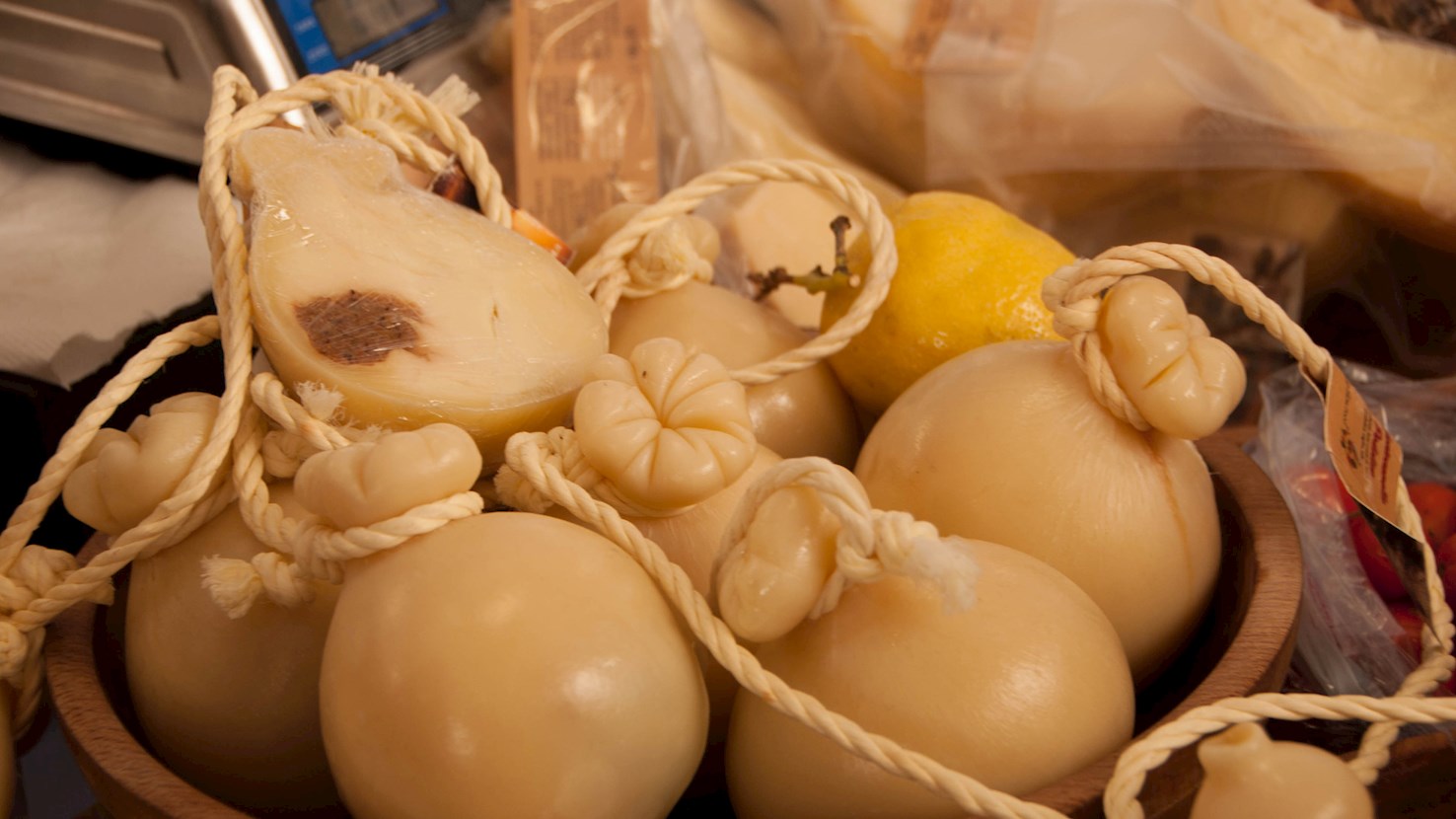
Caciocavallo podolico is a variety of Caciocavallo cheese. This pasta-filata cheese is made in southern Italy from the raw milk of Podolica cattle breed. The herds move up the mountains in June and feed on rosehips, juniper, blueberries, nettles, and wild strawberries, and the flavors can be tasted in the cheese. This cheese is elongated and unusual in shape because when young, the cheeses are tied with a rope and hung over wooden rods to age for about 3 months up to a year. Underneath the smooth rind, the texture is semi-hard and dry with occasional eyes. The aromas are milky, intense, and straw-like, while the flavors are intense, complex, and savory, slightly fruity and tangy with hints of herbs, toast, smoke, and barnyard. Enjoy it at room temperature paired with red wines from the region.

09

Cacioricotta

3.8 ·

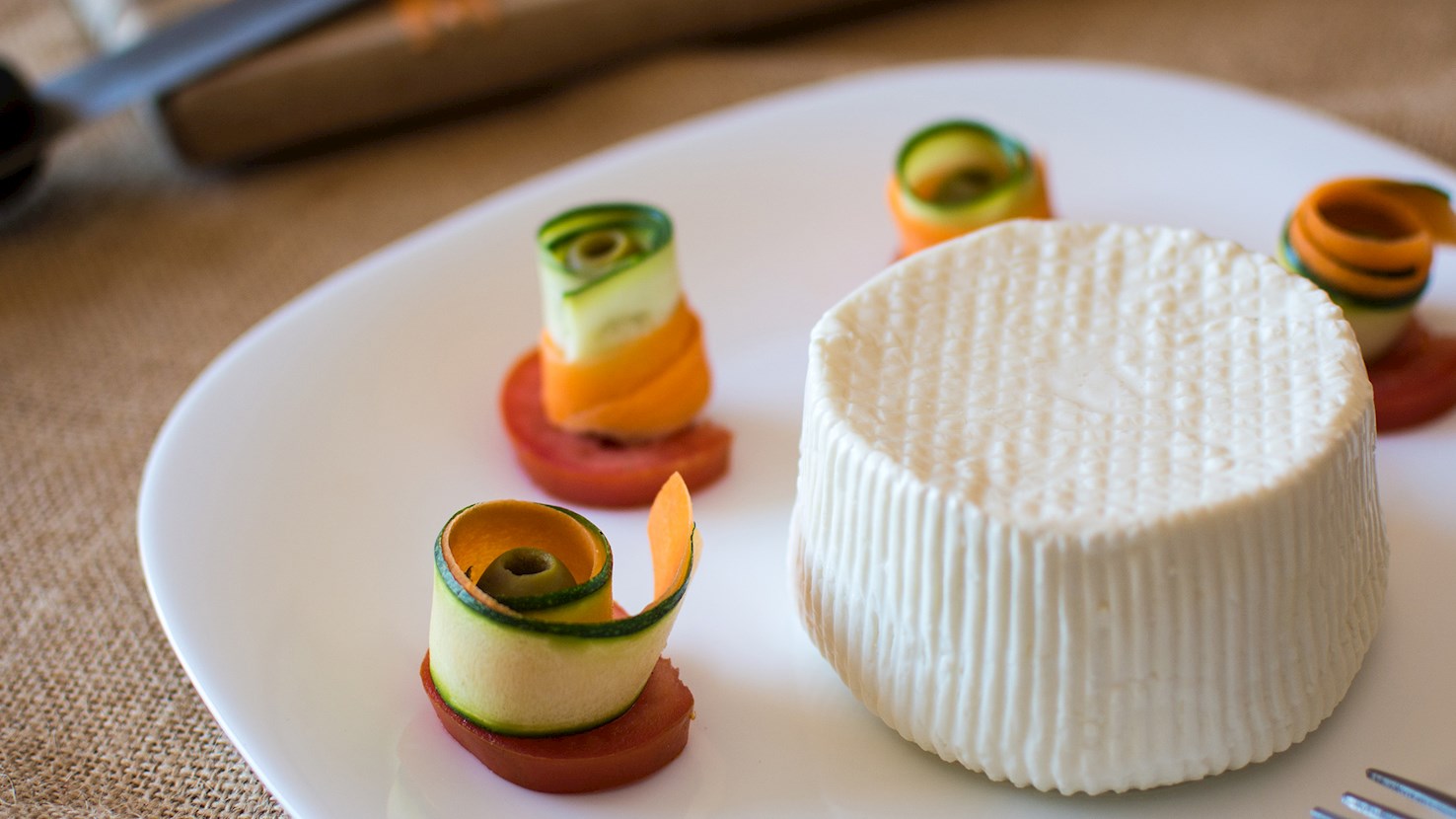
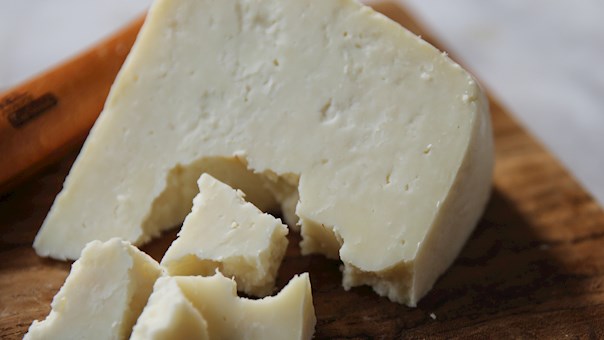
Cacioricotta is a cross between cacio (meaning cheese in the local dialect) and fresh ricotta, produced by combining two techniques of cheese-making. Originally hailing from the Apulian city of Salento, nowadays it is produced in many southern Italian regions using – depending on the region – goat, sheep, or cow milk. Generally, the milk is heated to 85-90 degrees, then left to cool down to 37 degrees before adding the rennet, which causes both the milk and the whey to coagulate. The curd is then hand-squeezed, formed into small cylinders using basket-shaped containers, and left to dry. The end result is a soft cheese similar to dried ricotta, which becomes semi-hard and straw-yellow if aged for two or three months. Eaten fresh, it is fragrant, salty, and slightly acidic. The aged version becomes much tangier, and it is typically enjoyed on its own or served accompanied by bread and a glass of full-bodied red wine, although it an also be grated over pasta dishes.

10

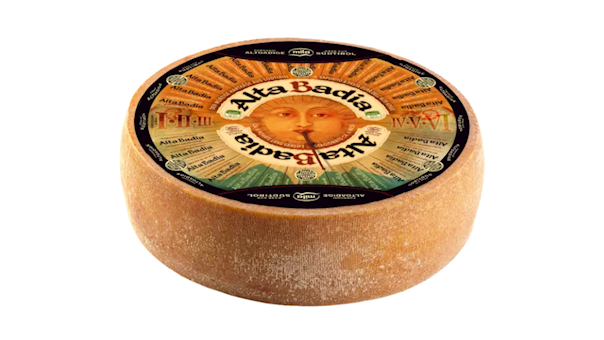
Alta Badia

3.8 ·

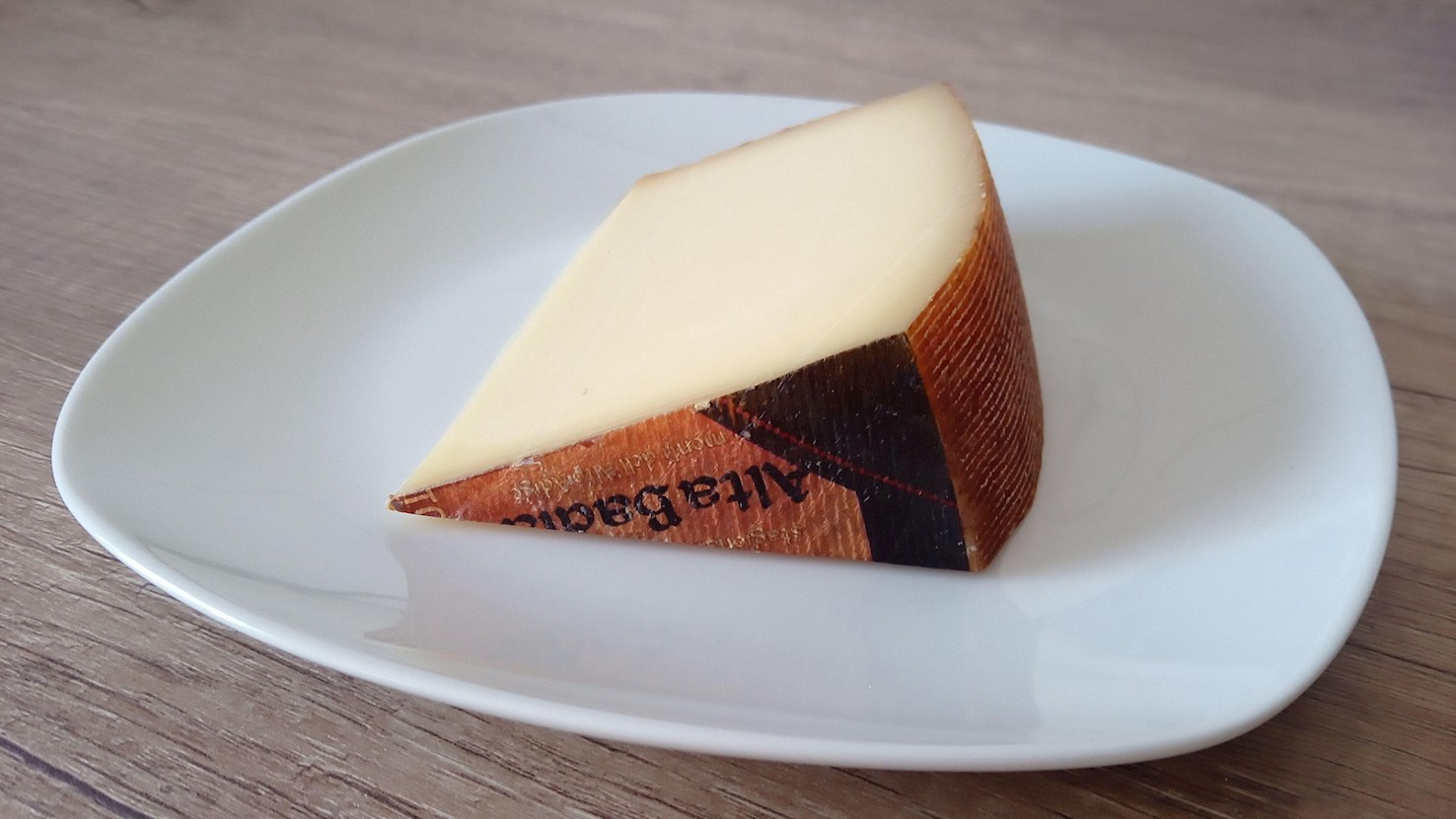
Alta Badia is a traditional cheese originating from South Tyrol. The cheese is made from pasteurized cow's milk and it's usually left to age for 6 months. Underneath its natural brownish rind, the texture is semi-hard, firm, and compact. The aromas and flavors are complex, intense, tangy, and milky, with long-lasting toasted notes. This Gruyere-like cheese melts well, so it's often used in local dishes or served as a table cheese. It also goes well with potatoes, cured ham, and dark bread. It's recommended to pair Alta Badia cheese with fruity red wines or a dry Riesling.

Best Italian Semi-hard Cheeses
01

Latteria Sociale Valtellina

5.0 ·

Latteria Sociale Valtellina is a dairy cooperative based in the Valtellina valley in Lombardy, founded in 1969 with the aim of uniting local milk producers and safeguarding the alpine dairy tradition of northern Italy. The cooperative brings together farmers working in mountainous areas, where cows graze on high-altitude pastures that strongly influence the quality and aromatic profile of the milk.

Its production is deeply rooted in the territory and reflects a close relationship between landscape, agriculture, and local know-how. Latteria Sociale Valtellina is especially known for cheeses and dairy products typical of the region, alongside butter, cream, ricotta, fresh cheeses, and yogurt.

The cooperative model allows for consistent quality while supporting small-scale farmers and preserving traditional practices. Modern processing standards are combined with respect for seasonality, animal welfare, and sustainable use of alpine resources.

Through this approach, Latteria Sociale Valtellina plays a key role in maintaining the gastronomic identity and cultural heritage of the Valtellina region.

Awards
Italian Cheese Awards - Nominee (2022, 2019)
02

Cooperativa La Poiana

5.0 ·

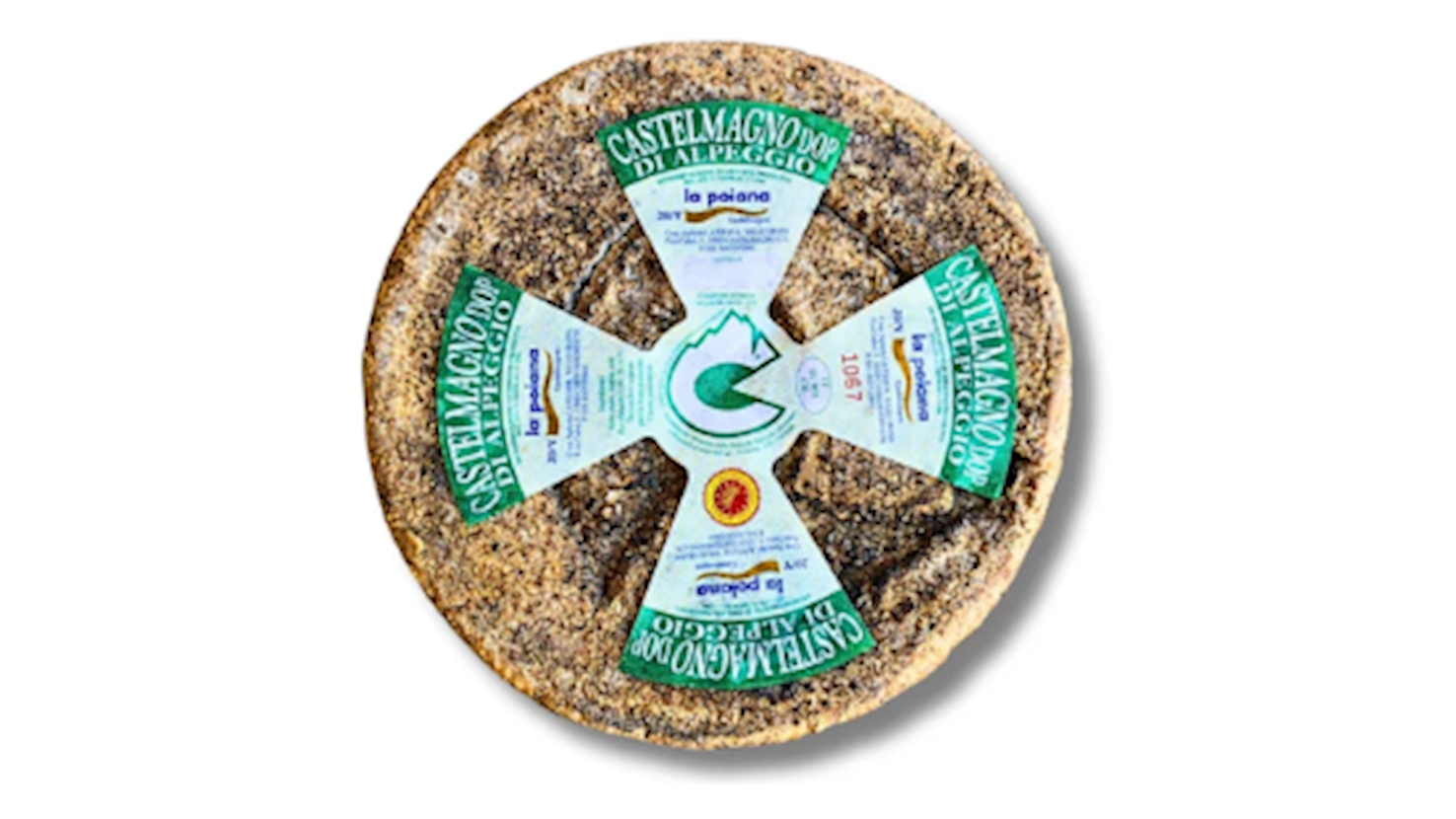
Cooperativa La Poiana is an agricultural cooperative founded in 1982 in the Valle Grana area, province of Cuneo, with the aim of preserving and promoting the traditional production of mountain cheeses, especially Castelmagno DOP. It was established at a time when organized protection was needed to safeguard local producers and the knowledge surrounding one of Italy’s most historic and prestigious cheeses.

The cooperative brings together small farmers and cheesemakers from alpine villages, using milk sourced exclusively from local herds grazing on high-altitude pastures rich in native flora. Production is based on traditional methods, supported by carefully controlled modern hygiene and quality standards.

A distinctive feature of La Poiana is the aging of cheeses in natural stone cellars and caves, which contributes to their complex aromas and marked mineral character. The core of its production is Castelmagno DOP, alongside other traditional Piedmont cheeses made from cow’s, sheep’s, or mixed milk.

The cooperative plays an important role in preserving the rural identity and economic vitality of the Valle Grana communities. Beyond production, it is actively involved in education, gastronomic promotion, and creating direct links between producers and the market.

Its philosophy is built on transparency of origin, traceability, and respect for seasonality. Today, La Poiana is regarded as one of the key guardians of Piedmontese cheesemaking heritage.

Its products are available through selected specialty shops, gastronomy channels, and distributors in Italy and abroad.

03

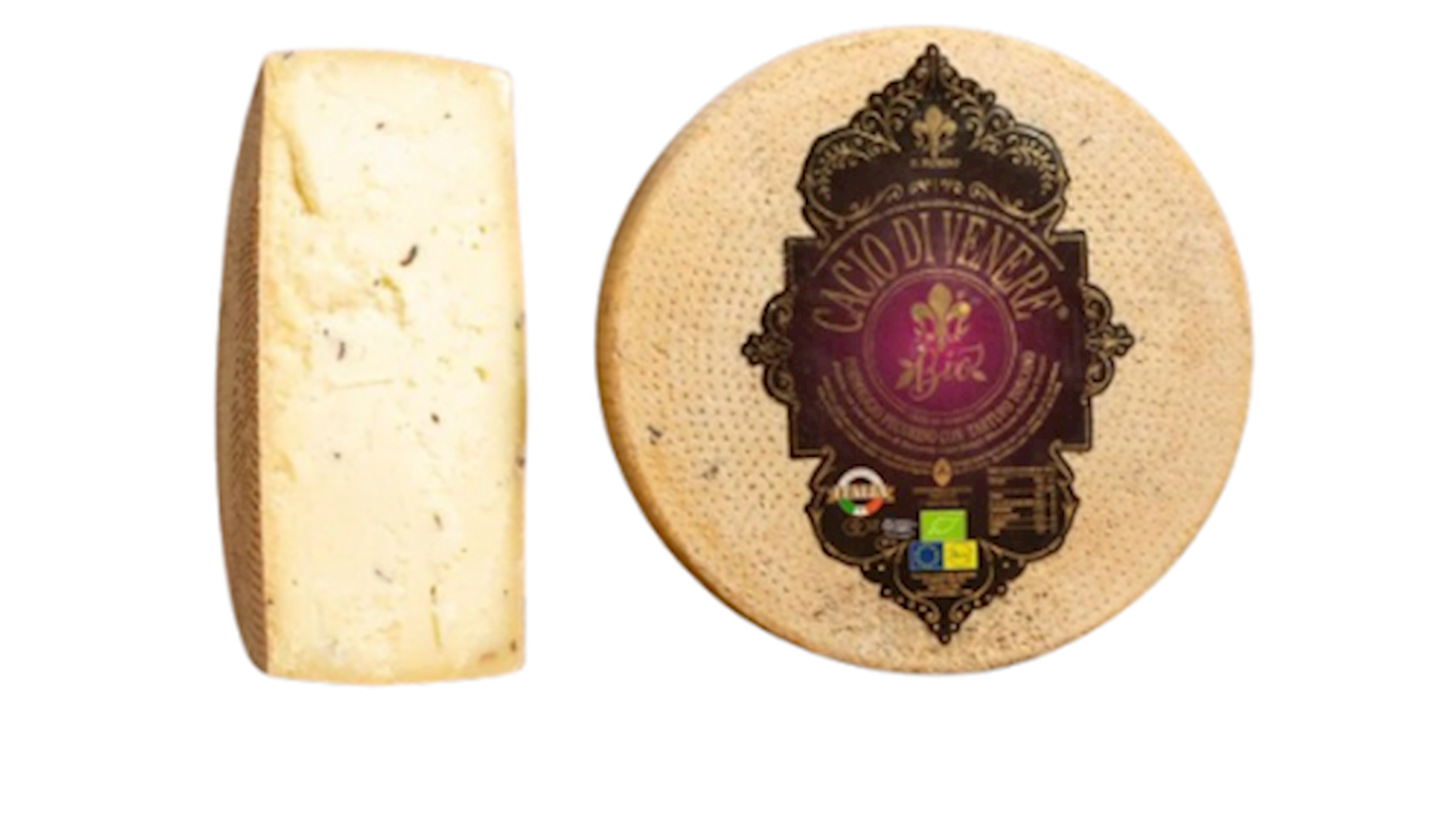
Caseificio Il Fiorino

4.9 ·

Caseificio Il Fiorino is a prestigious Italian dairy company located in the heart of Tuscany, specifically in the Maremma region. Established in 1957, Il Fiorino has grown into one of the most celebrated producers of pecorino cheese, earning recognition both in Italy and abroad for its exceptional quality and craftsmanship.

The company is deeply committed to preserving traditional methods of cheesemaking while embracing modern practices to ensure a sustainable and high-quality production process. At Caseificio Il Fiorino, the production of cheese is an artisanal process that values authenticity and craftsmanship.

The company produces a wide range of cheeses, with a strong focus on pecorino, which is made from sheep’s milk sourced from local farms. The milk is carefully selected to ensure it is of the highest quality, and the cheesemaking process takes place in small batches to maintain the integrity and flavor of each product.

The cheeses are made by hand, with skilled cheesemakers monitoring every stage of production.

Awards
Culture Cheese Magazine Best Cheeses issue - Best (2023)
World Cheese Awards - Super Gold (2022)
04

La Casearia Carpenedo

4.9 ·

La Casearia Carpenedo is a cheese producer based in Italy, known for its innovative approach to affinage, the process of aging cheeses. The company collaborates with affineur Antonio Carpenedo, who brings traditional techniques and creative flair to cheese aging, including infusing cheeses with wine and other local products.

Among their notable creations is the Ubriaco cheese, which is aged with the remains of wine grapes after pressing.

Awards
World Cheese Awards - Super Gold (2024, 2023, 2021)
World Cheese Awards - Gold (2024, 2021)
05

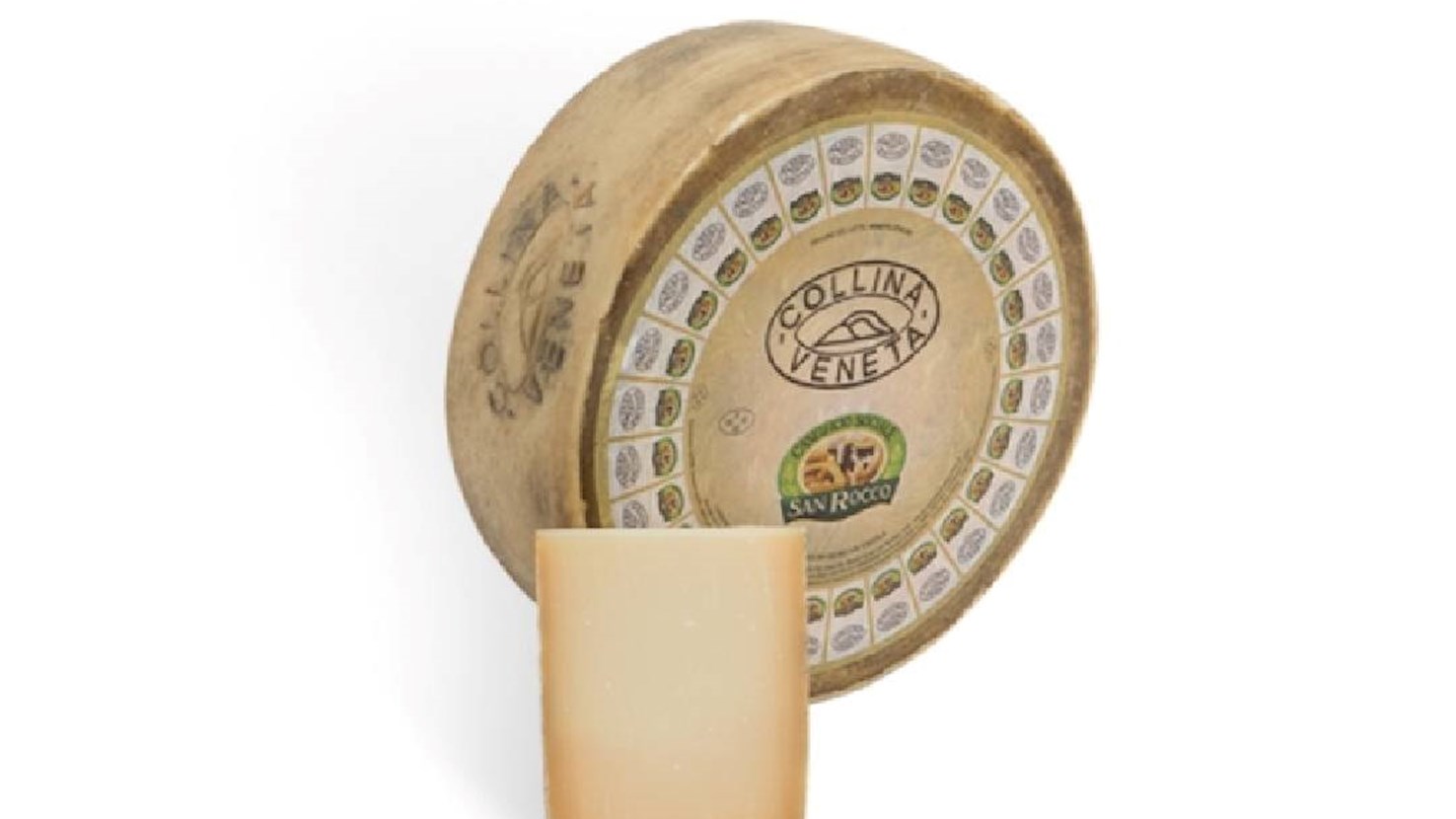
Caseificio San Rocco

4.9 ·

Caseificio San Rocco is an Italian cheese producer located in the region of Veneto. The company specializes in crafting artisan cheeses using traditional methods passed down through generations.

They produce a variety of cheeses, including Asiago and Montasio, both of which are recognized with Protected Designation of Origin (PDO) status. The company emphasizes the use of high-quality local milk and seasonal production techniques.

San Rocco products are available in both domestic and international markets.

Awards
World Cheese Awards - Gold (2021)
Italian Cheese Awards - ICA (2022, 2019)
06

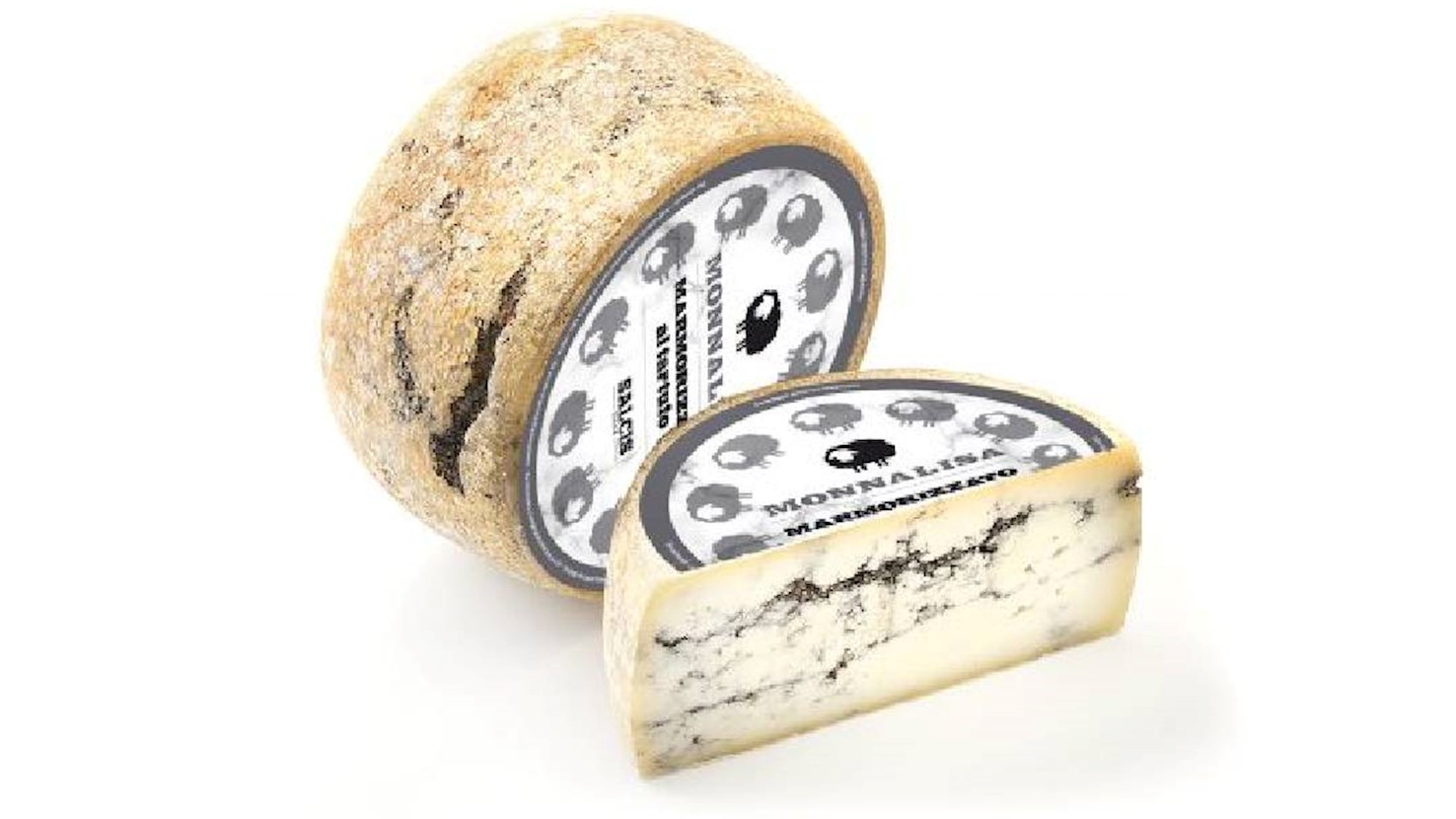
Salcis

4.9 ·

Salcis is a renowned Tuscan producer that blends tradition with exceptional quality in crafting cured meats and cheeses. Founded in 1941 in Siena, the company was born from the collaboration of local artisans dedicated to preserving authentic recipes and artisanal methods.

Over the decades, SALCIS expanded into producing premium sheep’s milk cheeses, sourced from the pastures of the Crete Senesi, with processing beginning within a day of milking to maintain freshness and flavor. Their range, including pecorino and traditional salami made from the finest meat of local breeds such as Cinta Senese, stands out for its character and deep connection to the Tuscan land. At the heart of their production is a model farm that ensures animal welfare and full quality control.

Today, SALCIS remains faithful to its heritage, creating delicacies that truly embody the spirit and taste of Tuscany.

Awards
World Cheese Awards - Gold (2023)
07

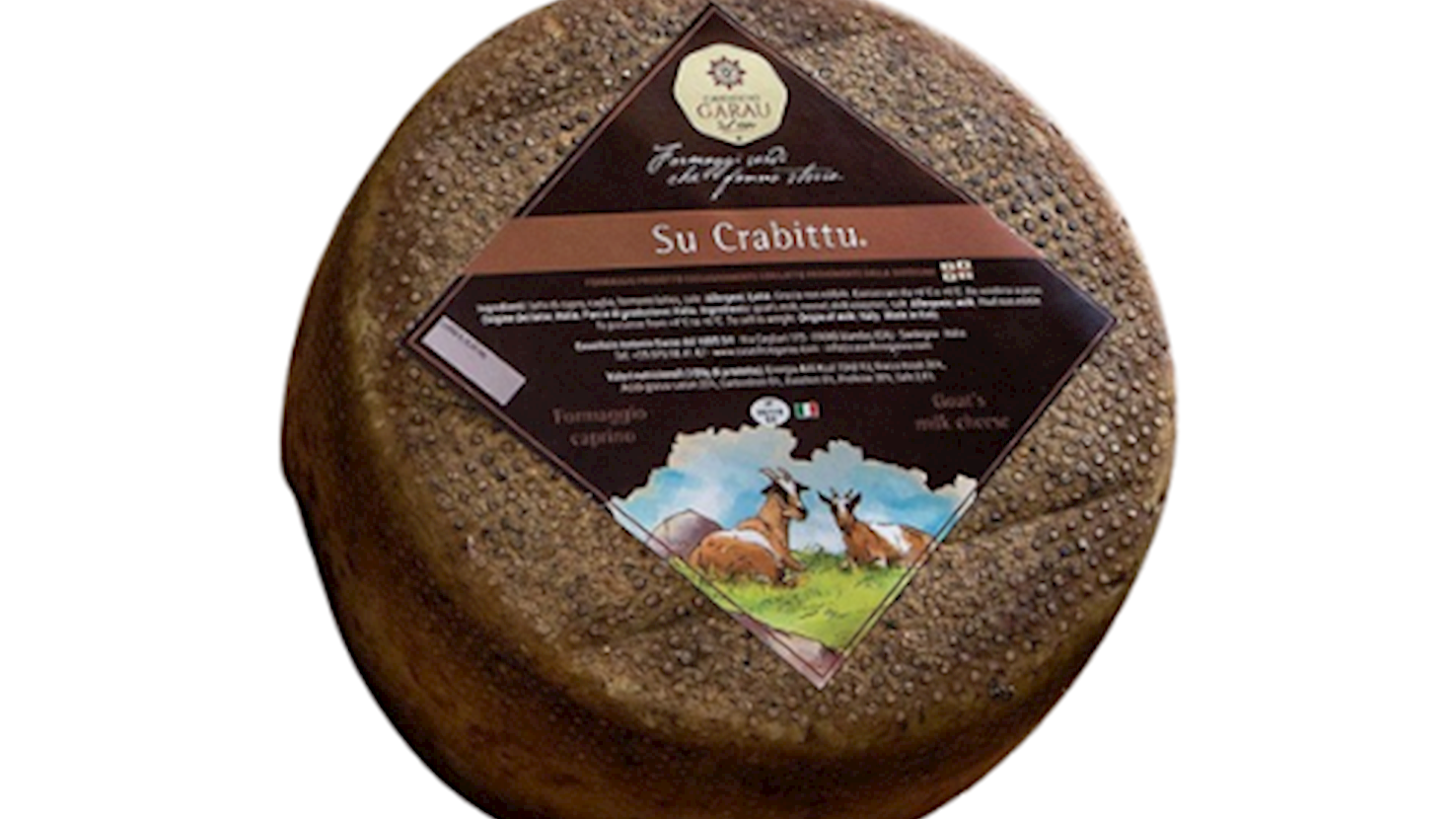
Caseificio Garau

4.9 ·
Awards
World Cheese Awards - Super Gold (2024)
World Cheese Awards - Gold (2024)
08

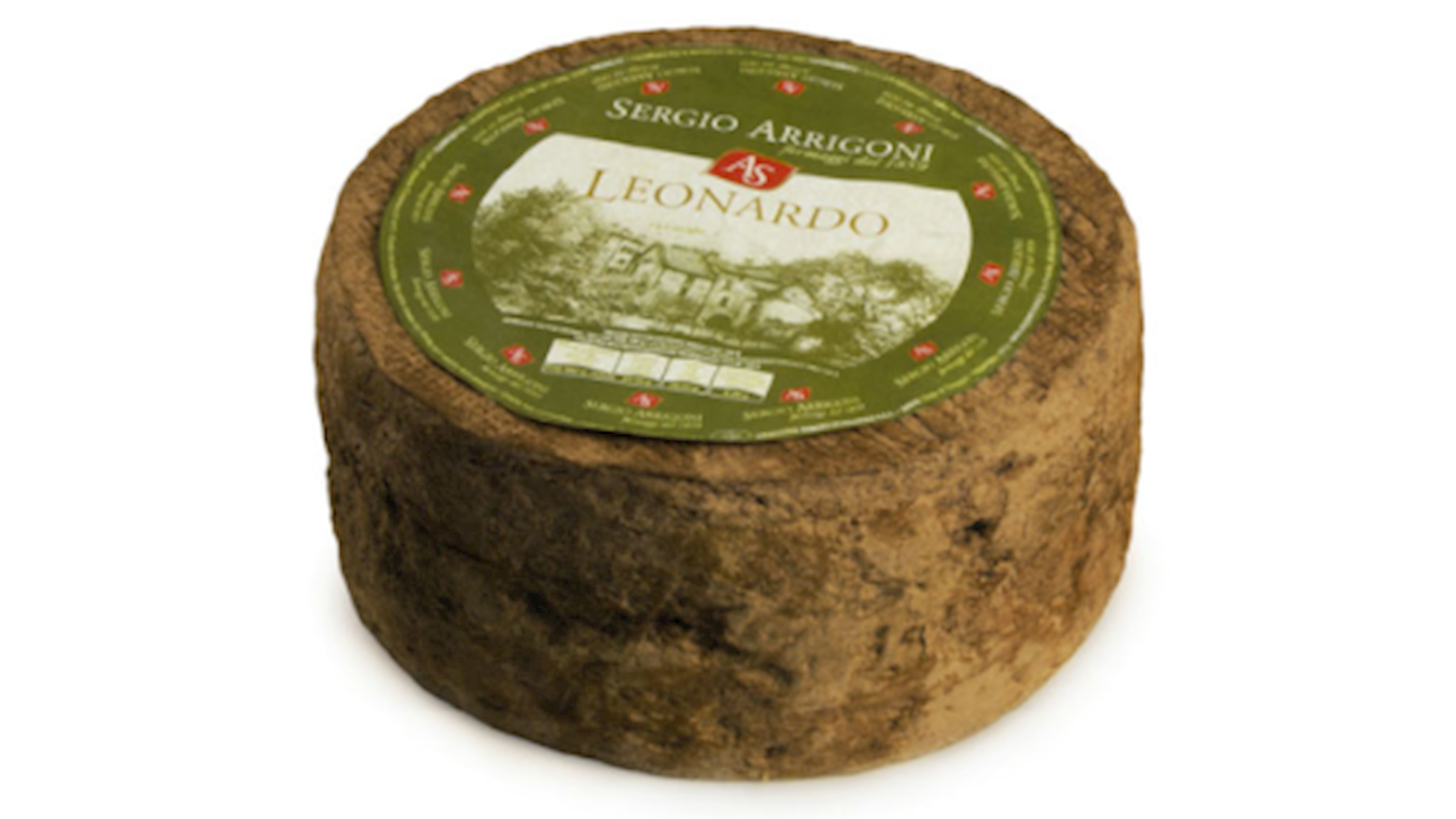
Arrigoni Sergio Formaggi

4.9 ·

Arrigoni Sergio Formaggi is a renowned Italian dairy company founded in 1914 in the province of Bergamo, at the heart of one of Italy’s most celebrated cheesemaking regions. The company specializes in the production of traditional DOP cheeses, while also developing innovative varieties with distinctive characteristics, maintaining a constant balance between tradition and modern technological standards.

Arrigoni combines milk sourced from local farms with artisanal craftsmanship and strict quality control, ensuring consistency and authenticity in every product. Their cheeses are aged in both natural and controlled environments, with special attention given to maintaining optimal microclimatic conditions in their maturing cellars.

Arrigoni exports its products worldwide and enjoys a strong reputation in the premium cheese sector, thanks to over a century of tradition, origin certifications, and unwavering dedication to quality.

Awards
World Cheese Awards - Gold (2019, 2016)
World Cheese Awards - Bronze (2019, 2015)
09

Caseificio Inmasseria

4.8 ·

Caseificio InMasseria is an Italian cheese producer located in the Apulia region. The company specializes in crafting traditional cheeses using local ingredients and artisanal methods.

One of their notable products is burrata, a fresh cheese made from mozzarella and cream.

Awards
Italian Cheese Awards - ICA (2022, 2019, 2017, 2015)
Italian Cheese Awards - Nominee (2023, 2020, 2019, 2018, 2017)
10

Casale Roccolo

4.7 ·

Casale Roccolo is an agricultural company in Italy focused on organic farming. It produces a variety of cheeses using traditional methods that adhere to organic standards.

Awards
World Cheese Awards - Super Gold (2022)
World Cheese Awards - Gold (2024, 2023, 2022)
About this Ranking

TasteAtlas food rankings are based on the ratings of the TasteAtlas audience, with a series of mechanisms that recognize real users and that ignore bot, nationalist or local patriotic ratings, and give additional value to the ratings of users that the system recognizes as knowledgeable. For the “Top 62 Italian Semi-hard Cheeses” list until September 02, 2026, 1,009 ratings were recorded, of which 666 were recognized by the system as legitimate.

TasteAtlas Rankings should not be seen as the final global conclusion about food. Their purpose is to promote excellent local foods, instill pride in traditional dishes, and arouse curiosity about dishes you haven’t tried.

The initial list of top producers was compiled based on available reviews, awards, local recommendations, media and blog coverage, and consumer reviews. The list will be updated with ratings from TasteAtlas local ambassadors and TasteAtlas users.

What People Say

Similar Lists