shutterstock

Top 19 Central European Sheep's Milk Cheeses

Last updated on June 15, 2026

Best Central European Sheep's Milk Cheeses
01

Almenland Stollenkäse

5 ·
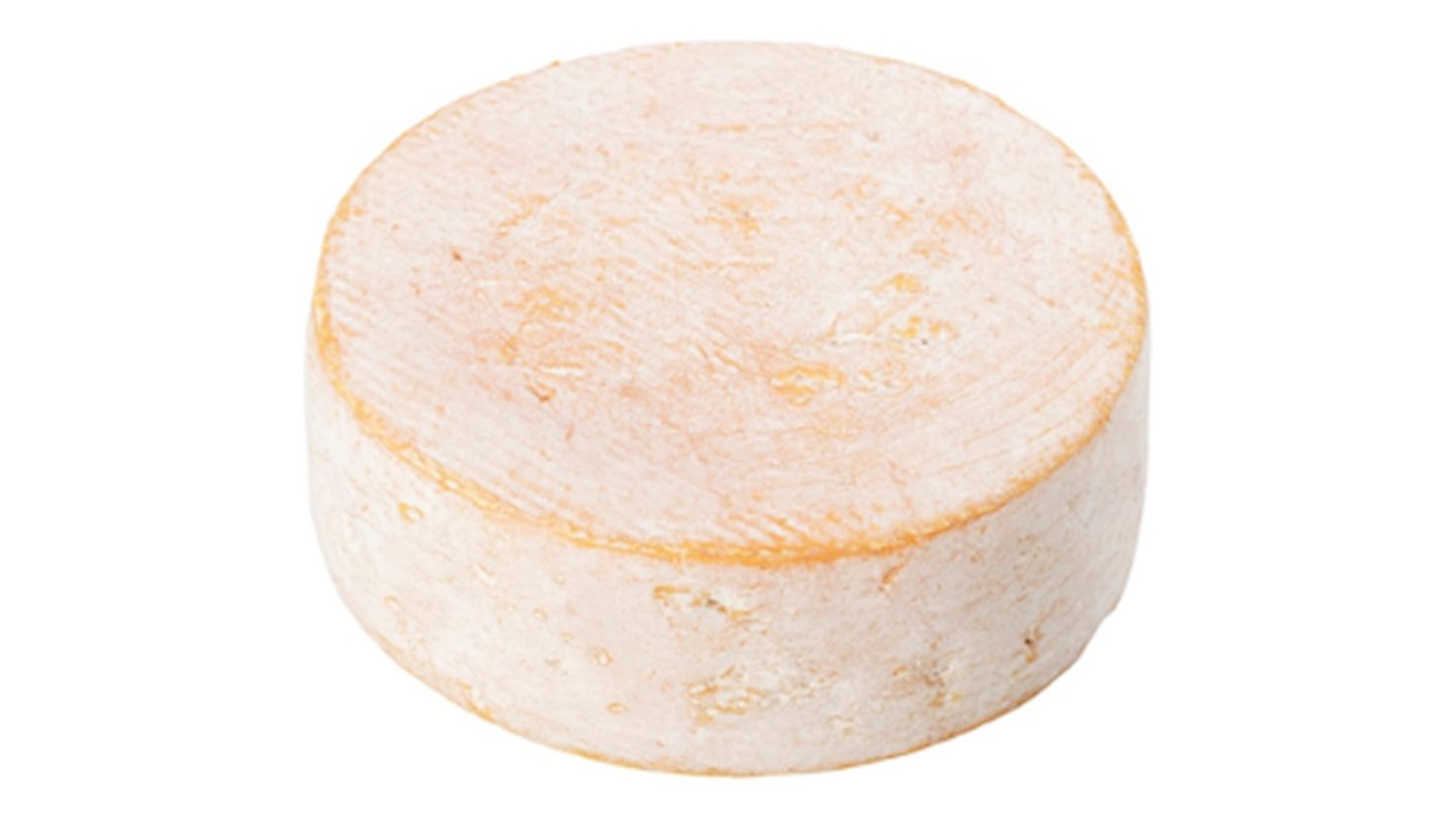
Almenland Stollenkaese is a cheese producer located in Austria, specifically in the region known as the Almenland Nature Park in Styria. The company specializes in producing cheese that is aged in a natural cave, or "stollen," which contributes to the unique flavor profile of their products. They offer a variety of cheeses, including their signature Stollenkäse, which is matured in these cave environments, taking advantage of the constant temperatures and humidity levels ideal for cheese aging.
Awards
World Cheese Awards - Super Gold (2023)
World Championship Cheese Contest - Best of Class (2024, 2022, 2020, 2018, 2016, 2014, 2012)
02

Sirana Gligora

4.9 ·
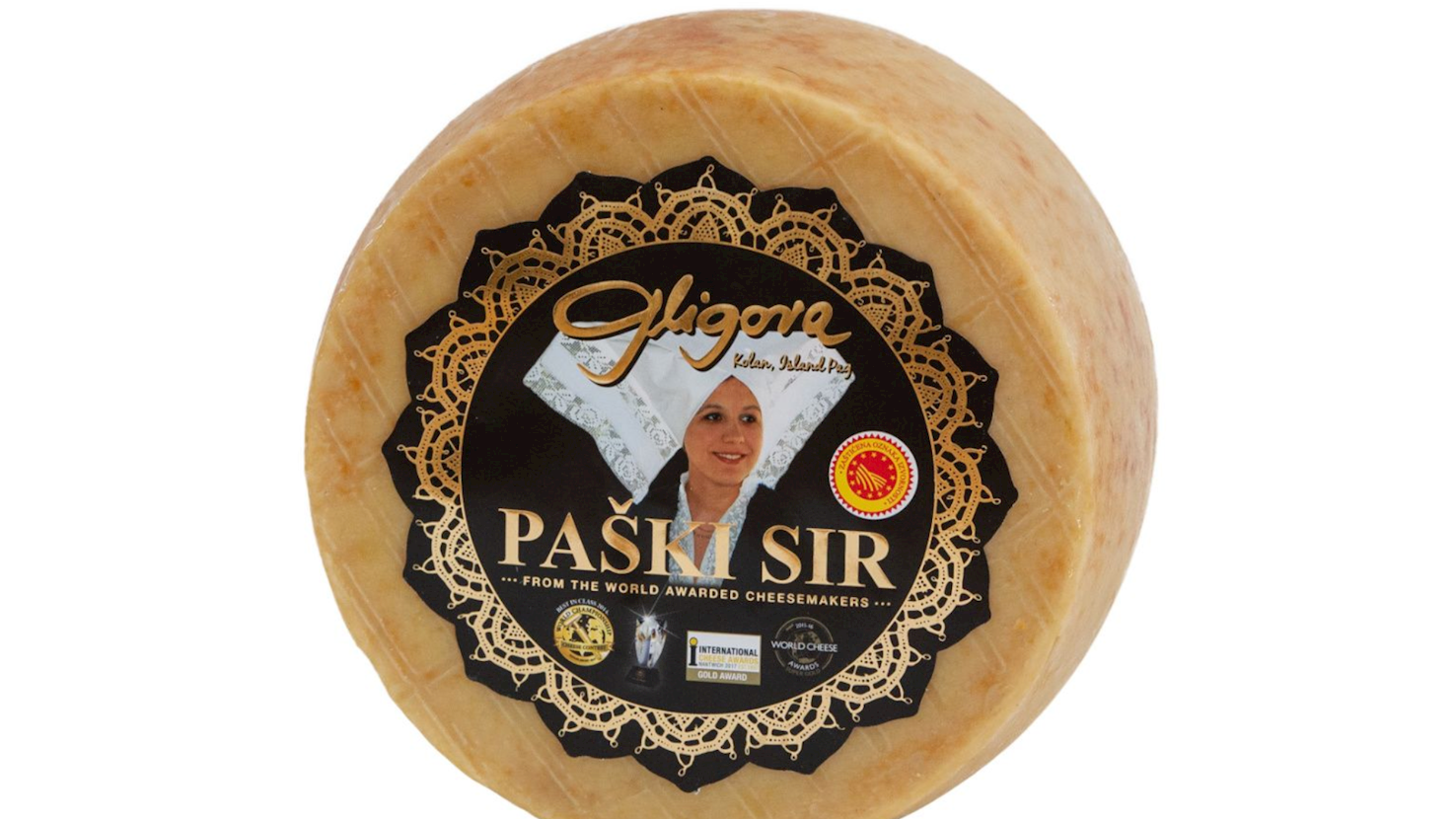
Sirana Gligora, located in Croatia, specializes in producing artisan cheeses primarily from sheep's milk. The company was founded by Ivan Gligora in 1995 on the island of Pag. They are notably recognized for their flagship cheese, Paški sir, a hard sheep's milk cheese awarded internationally for its quality. Sirana Gligora uses traditional cheese-making techniques integrated with modern technology.
Awards
World Cheese Awards - Super Gold (2022)
Global Cheese Awards - Best (2021)
03

Agrolaguna

4.8 ·
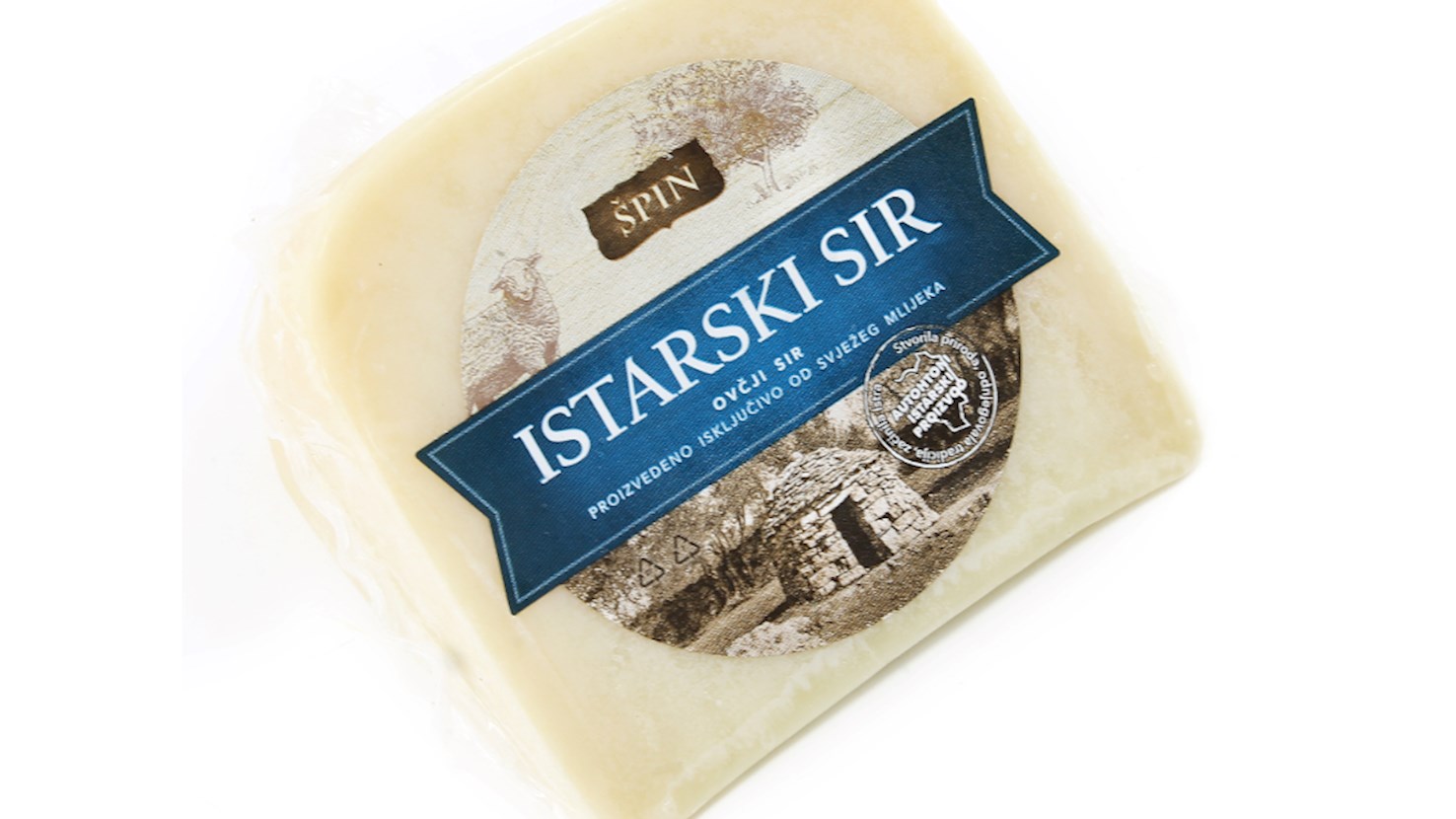
Agrolaguna is one of the most renowned and respected olive oil producers in Croatia, headquartered in Poreč, on the western coast of Istria. Founded in 1976, it has become synonymous with quality and tradition in the production of extra virgin olive oil over the decades. Agrolaguna manages extensive olive groves as well as vineyards and wineries, enabling it to offer top-quality products from Istria, a region famous for its excellent gastronomic specialties. Their olive oils are produced from indigenous Istrian olive varieties such as Buža, Istarska Bjelica, and Rosinjola. They take particular pride in their cold pressing process, carried out in state-of-the-art facilities immediately after harvest, which ensures the preservation of all natural aromas, nutritional values, and high polyphenol content. Agrolaguna continuously wins numerous awards at international competitions, confirming its reputation as a producer of premium oils that reflect the unique terroir of Istria. In addition to wine and olive oil, Agrolaguna is also engaged in the production of truffles, as well as the processing and sale of local gastronomic products such as honey, jams, and spices.
Awards
World Cheese Awards - Super Gold (2024)
Global Cheese Awards - Best (2023)
04

Kaasmakerij Henri Willig

4.5 ·
Kaasmakerij Henri Willig is a cheese producer based in the Netherlands, specifically in the region of North Holland. The company was founded in 1974 and specializes in the production of Gouda, Edam, and other Dutch cheeses. Kaasmakerij Henri Willig also operates several cheese farms where tourists can learn about traditional Dutch cheese-making processes. The company produces both organic and conventional cheeses, catering to various dietary and culinary preferences.
Awards
World Cheese Awards - Super Gold (2023)
World Championship Cheese Contest - Best of Class (2024)
05

Treur Kaas

4.5 ·
Treur Kaas is a family-owned company based in the Netherlands that specializes in maturing and selling various types of Dutch cheese. The company was founded in 1955 and is located in Woerden, a city known for its long history of cheese trading. Treur Kaas focuses on natural ripening of cheese on wooden planks, emphasizing the use of organic and sustainable practices. Their product range includes Gouda, Jersey, and goat cheeses.
Awards
International Cheese & Dairy Awards - Gold (2024, 2023, 2022, 2019)
06

OPG Vidas

4.5 ·
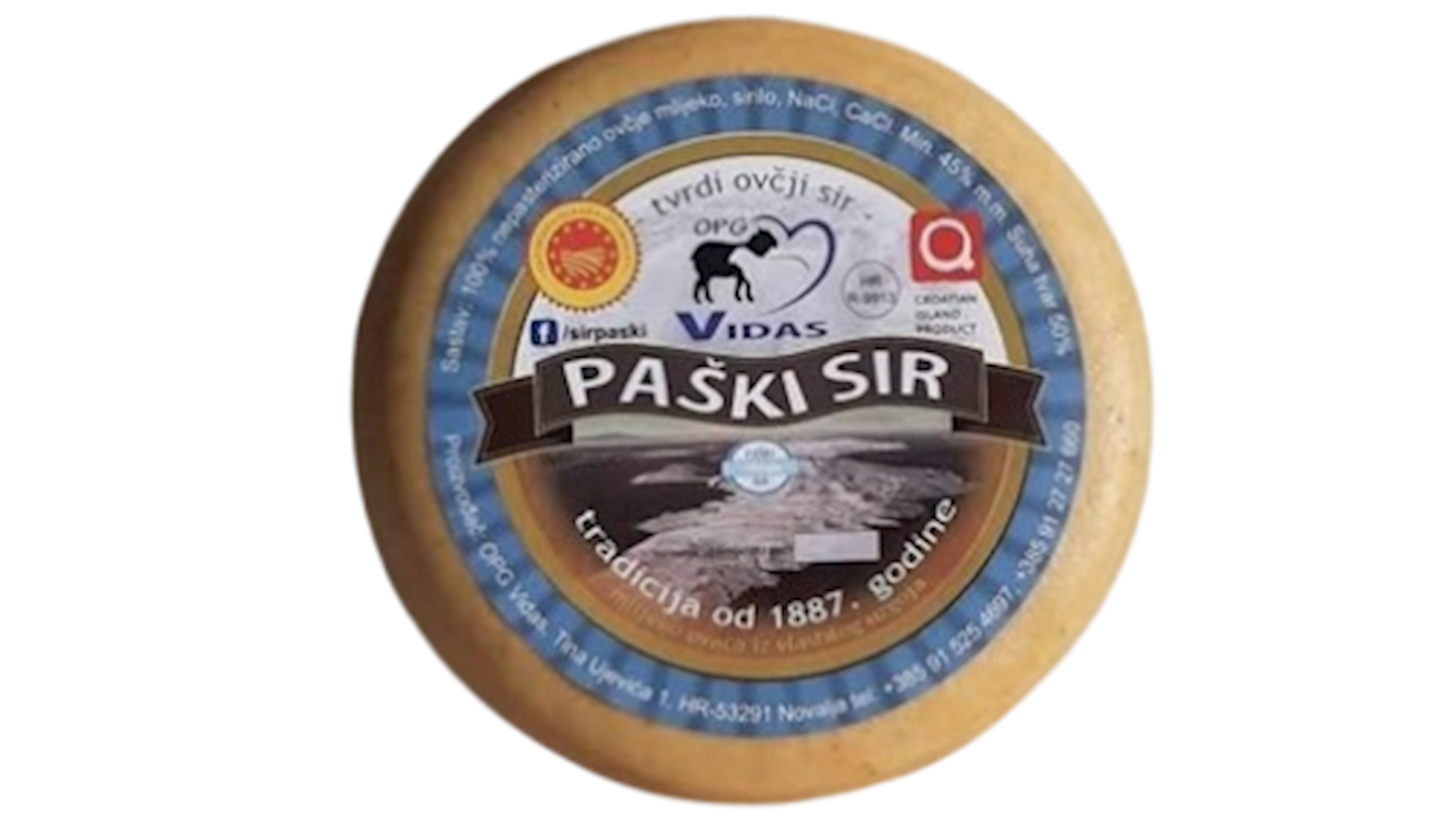
OPG Vidas is a family-run agricultural estate on the island of Pag in Croatia, with a tradition dating back to 1887, when the production of Pag cheese began using a recipe that has been preserved to this day. Based in Novalja, the estate focuses on sheep farming and the production of traditional Pag cheese, made from the milk of indigenous sheep that graze on sparse, aromatic herbs shaped by the island’s harsh conditions. The combination of strong bora winds, sea salt in the air, and rocky terrain gives the cheese its distinctive intensity and subtle mineral character. Production relies on traditional methods, including the use of raw sheep’s milk and a maturation period of several months, during which the cheese develops complexity and structure. The relatively small scale of the farm allows for close control over every stage of production, from animal care to final aging. In addition to cheese, OPG Vidas also produces olive oil and specialty products such as cheese preserved in olive oil, expanding its range within local gastronomy. A notable detail is the historic stamp pressed into each wheel of cheese, a tradition dating back to the Austro-Hungarian period, reflecting the estate’s long-standing heritage. Today, OPG Vidas represents an authentic, small-scale producer of Pag cheese, focused on preserving tradition and expressing the unique terroir of the island.

Best Central European Sheep's Milk Cheese Types
01

Redykołka

4.4 ·

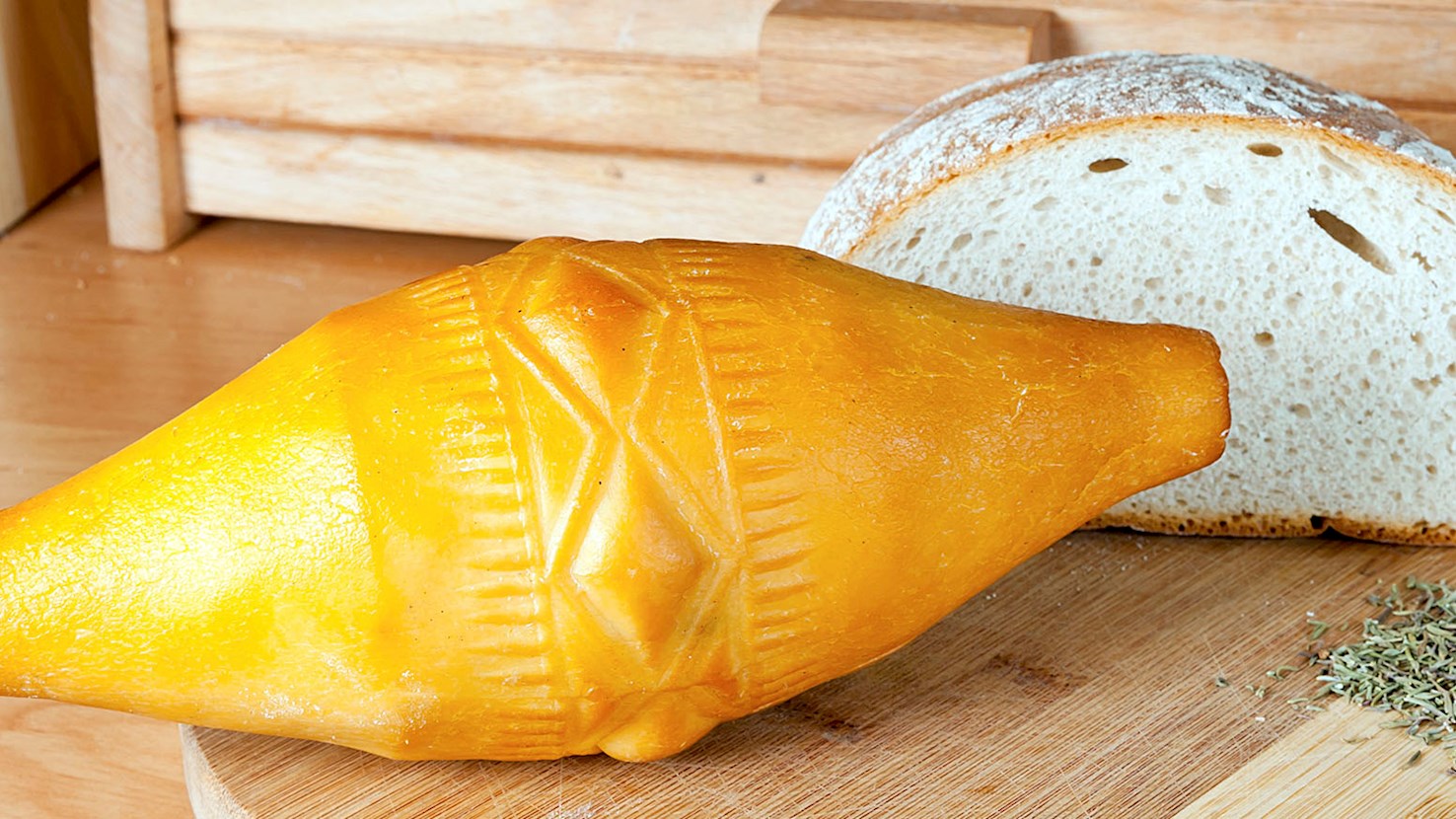
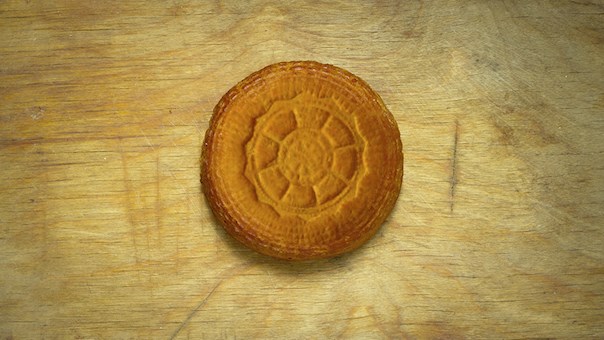
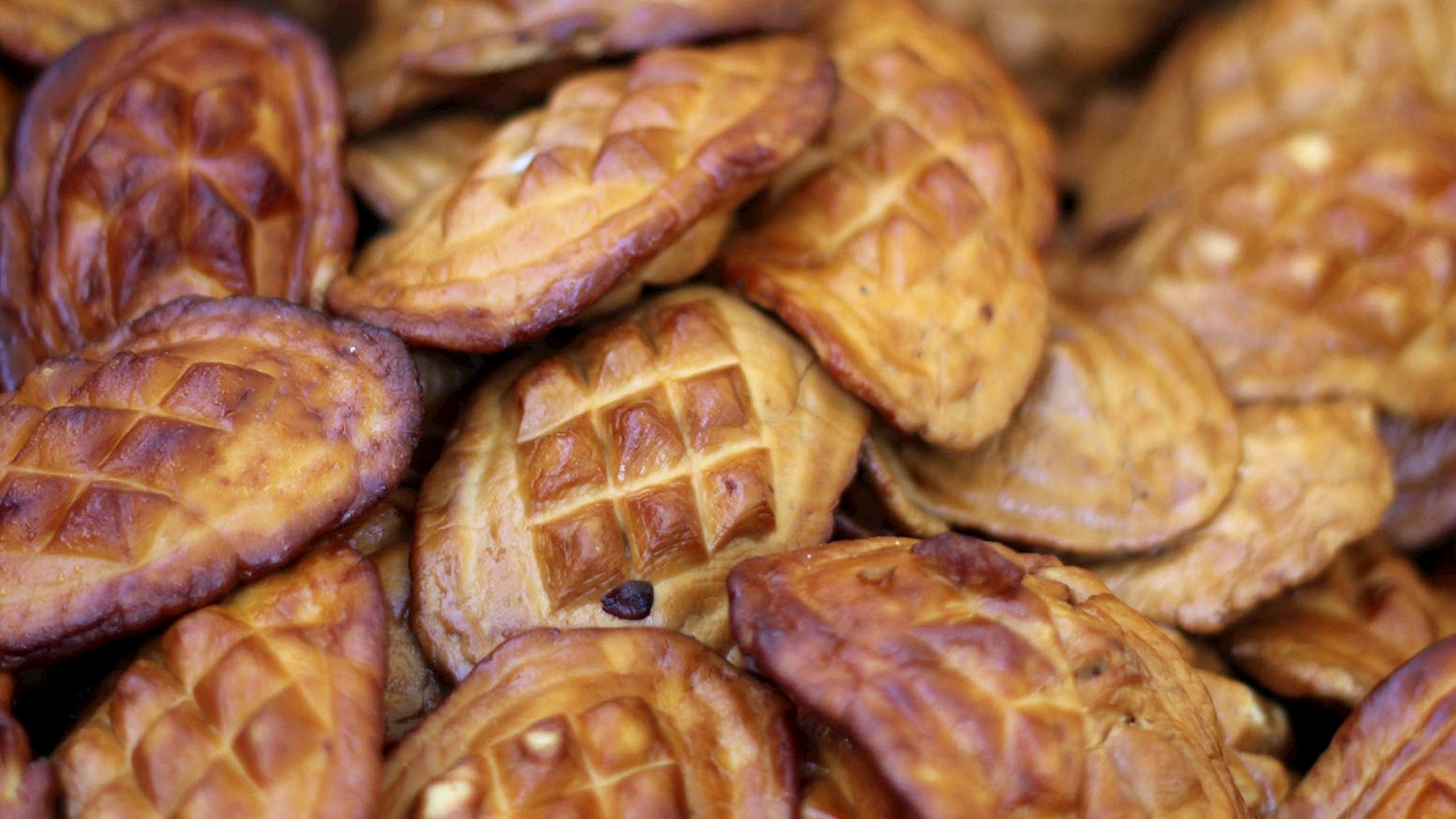
Redykołka is a small, semi-hard cheese made from half-fat sheep's milk in the Podhale region in Poland. The name derives from the Polish word redyk, meaning a ceremony where sheep are taken to mountain pastures, kept there grazing and brought back down from the mountains. The cheese is made in unusual shapes of small animals, birds, hearts or spindles. It must not exceed the maximum weight of 300 grams, the smallest one being redykolka in the shape of a spindle and weighing from 30 to 60 grams. It is made from the leftovers in the process of making the famous Polish Oscypek cheese and is regularly confused with it. In the past, Redykolka was often used as a gift from shepherds to children or guests and it was always given in even numbers. The cheese is smooth and white on the interior while it is straw-colored on the exterior due to having been smoked. Its taste is slightly salty, smoky and spicy.

02

Ovčí Salašnícky Údený Syr

4.4 ·

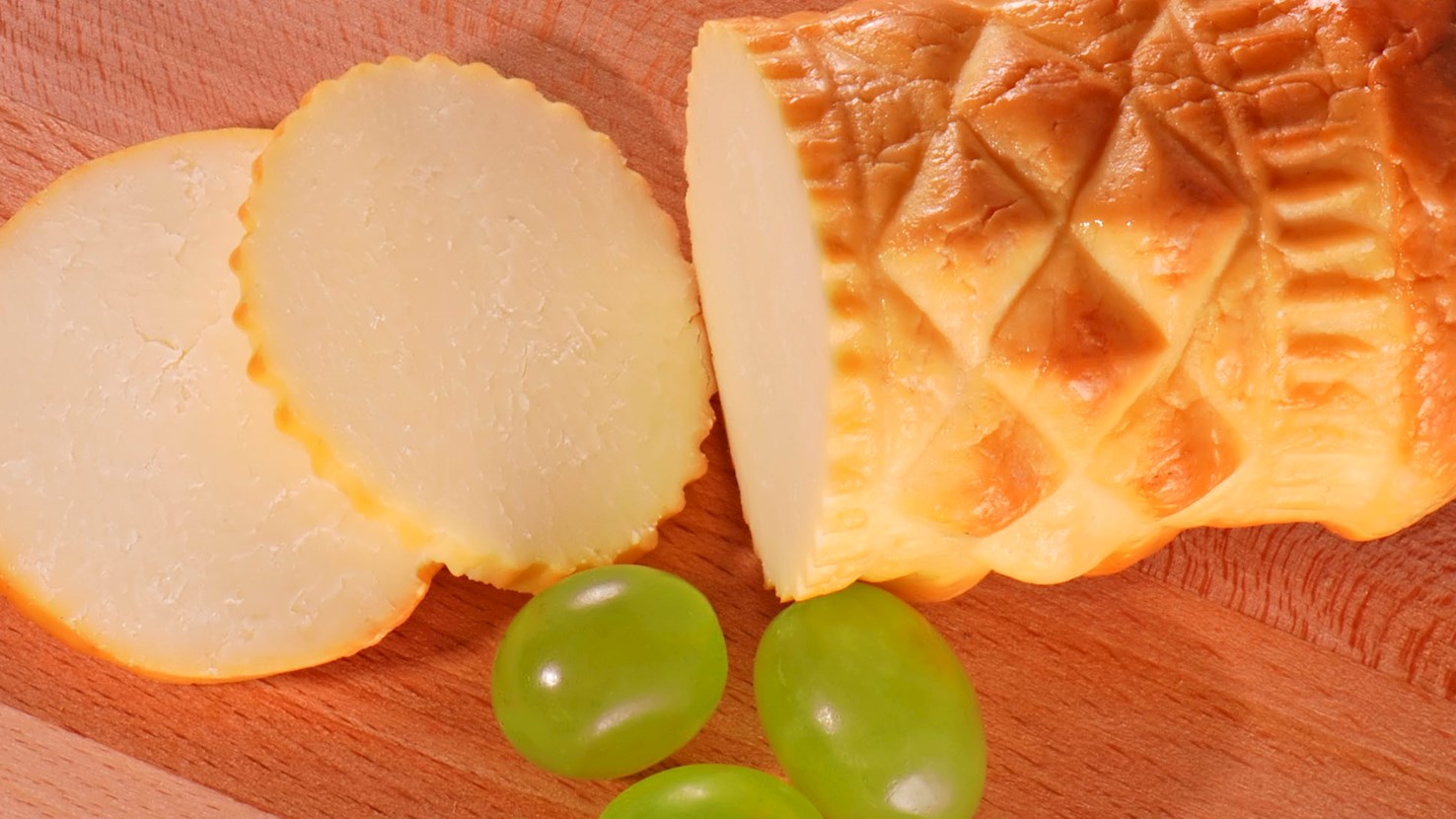
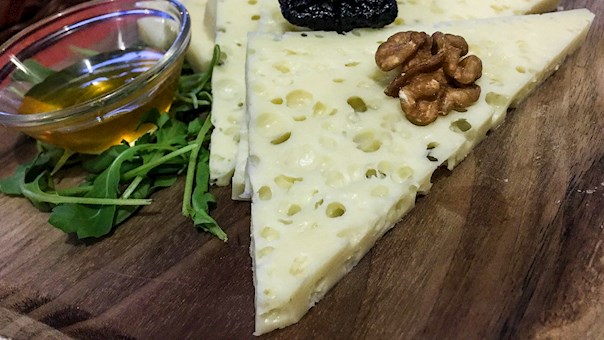
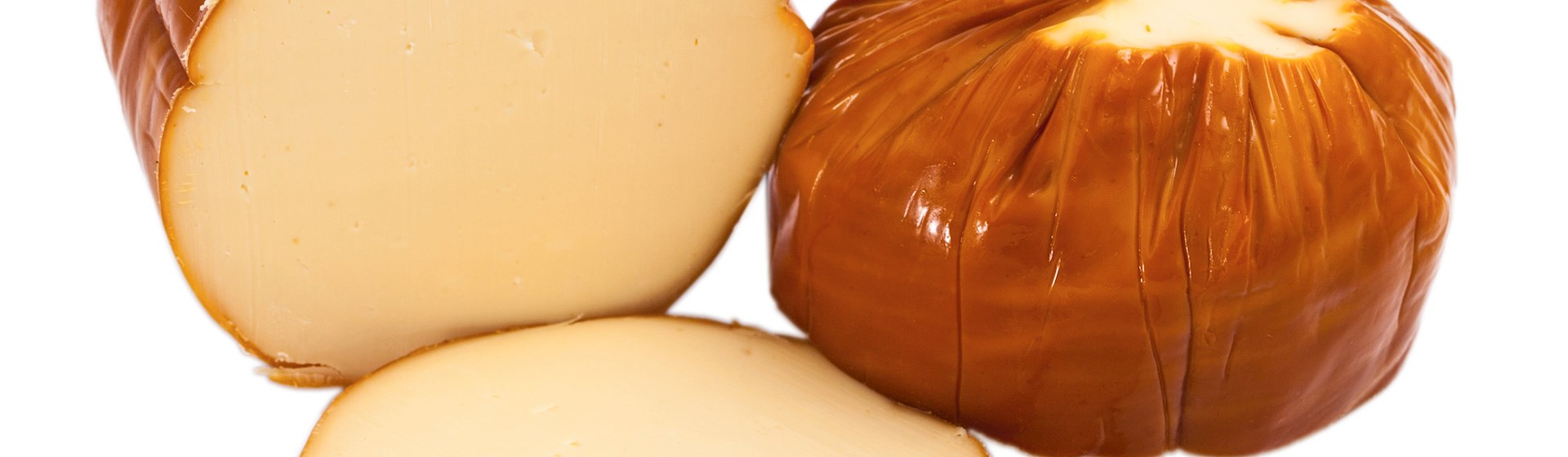
Ovčí salašnícky údený syr is a uniquely shaped, soft cheese, handmade from unpasteurized sheep's milk in a traditional way in mountainous areas and shepherd's huts in the Slovak Republic. The word salašnícky refers to the word salaš - a shepherd's hut where it is produced. The cheese is smoked over hardwood and comes in various shapes - most often as a lump, but it may come shaped like a heart, cockerel or other animals. On the exterior it is firm and dry with a crust and little stains that appear from the smoking process. Its interior is yellow in color with a firm texture that develops small holes when sliced. The flavor is smoky, mild, delicate and slightly acidic. Originally, it was smoked to prolong its shelf life and to be eaten in winter, when cheese was not produced. Pair it with potato dumplings and strong, yeasty beer.

03

Bryndza Podhalańska

4.3 ·

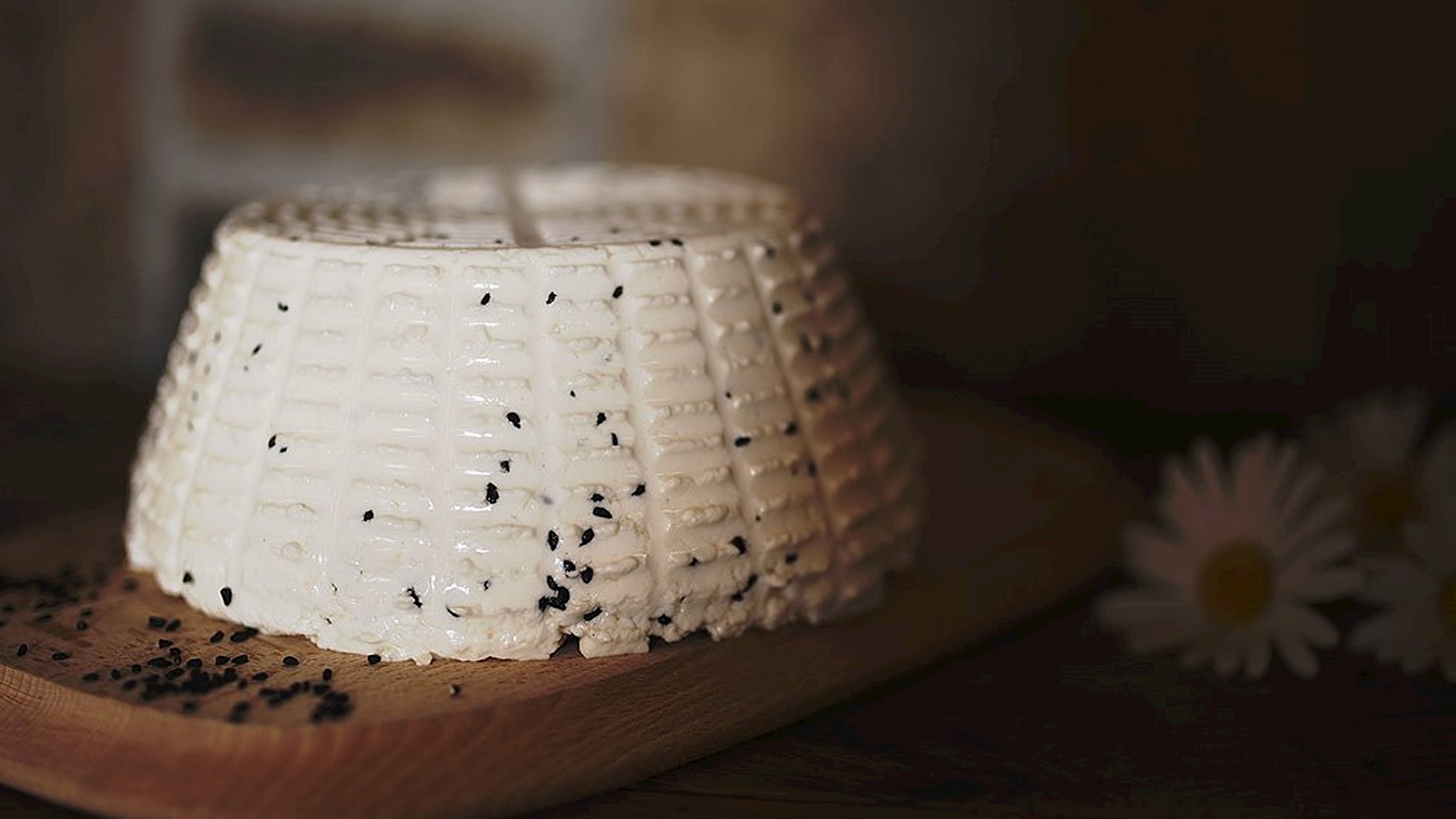
Bryndza Podhalańska is a unique soft cheese made from the milk of the Polska Owca Górska (Polish Mountain Sheep) breed of sheep, produced in the Nowotarski, Tatrzański and some parts of the Žywiecki districts in Poland. The cheese can also be made with a mixture of sheep's and cow's milk, where cows must be of the Polska Krowa Czerwona (Polish Red) breed, and the maximum amount of cow's milk used in the process must not exceed 40%. The cheese gets its name from the traditional name for the region - Podhale, where many skillful cheesemakers produce this white, creamy-white or greenish delicacy with an intense, salty and slightly sour flavor. Since Bryndza Podhalańska is a seasonal product, it is only made from May until September. The unique flora of one of Europe's cleanest regions has a great impact on the quality of this fresh and creamy product, often paired with dry white wines.

04

Bundz

4.3 ·

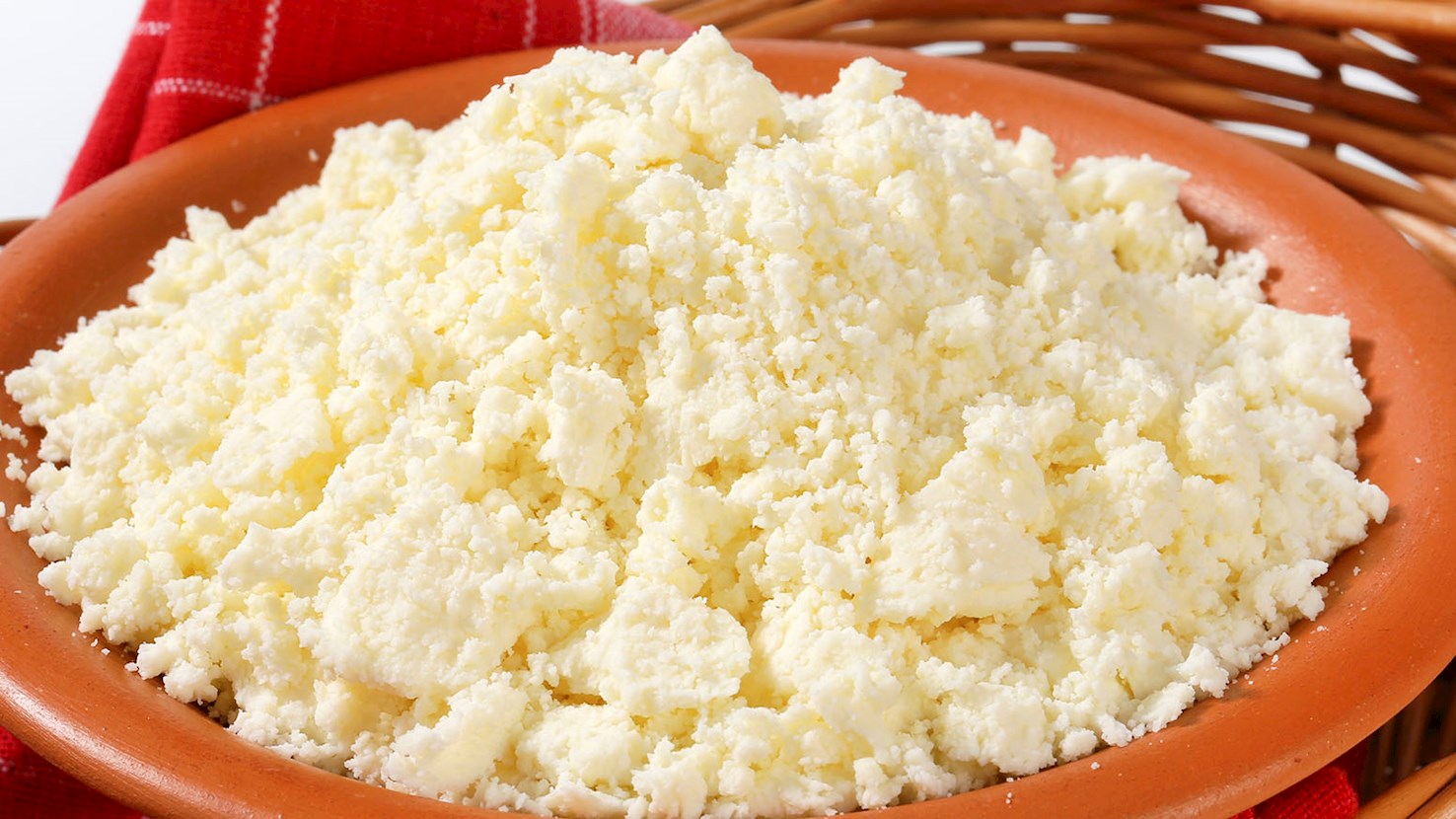
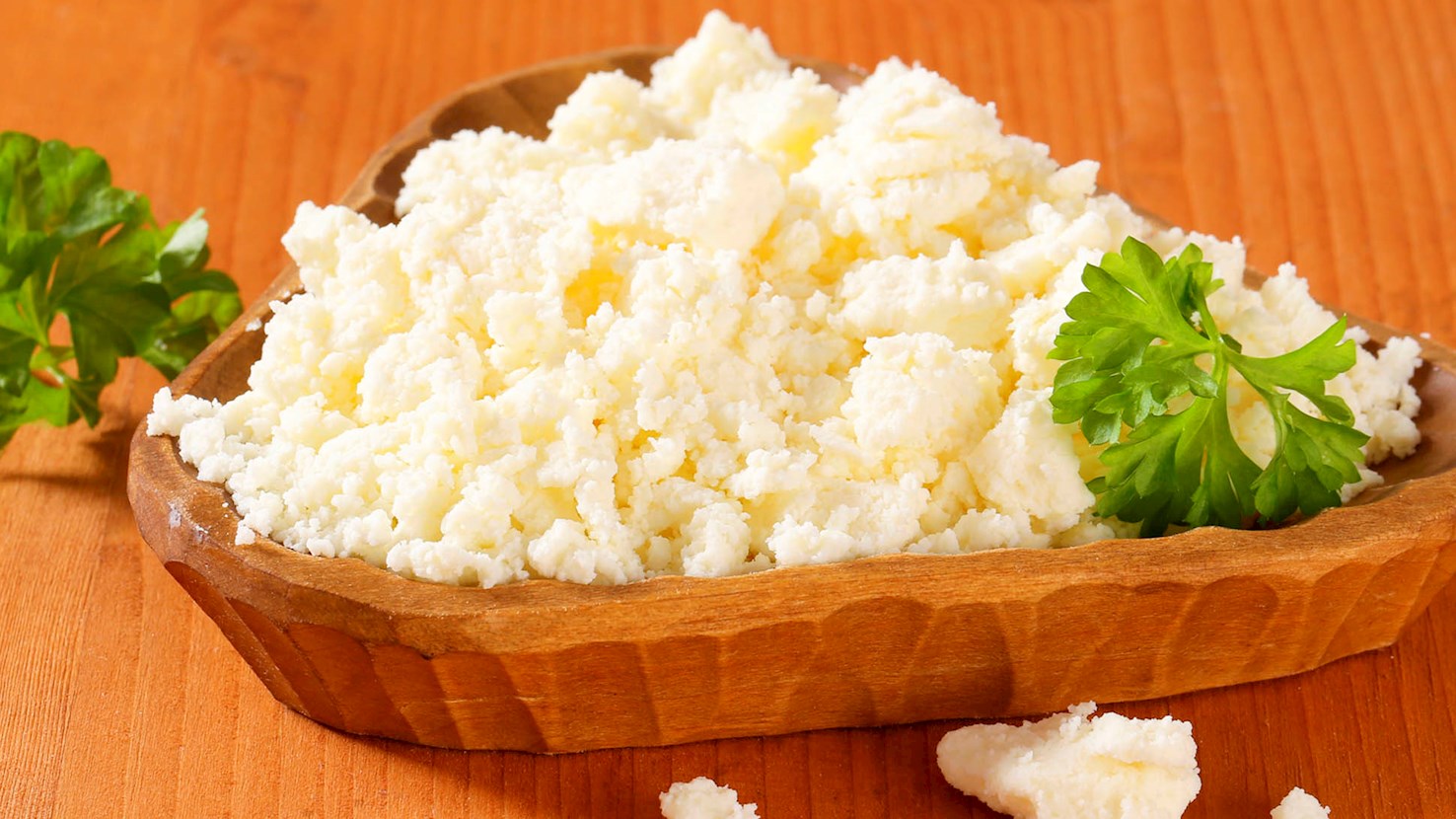
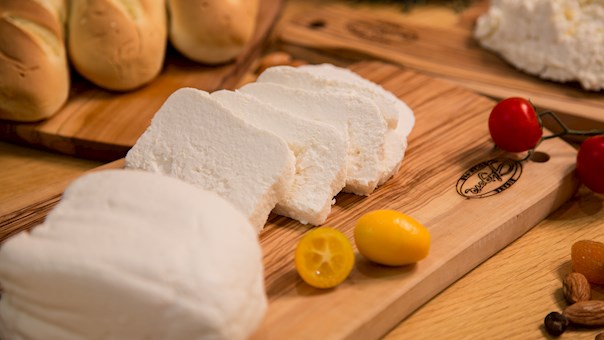
Bundz is a Polish cheese made from sheep's milk. The cheese is produced in the mountainous regions of the country. It is reminiscent of cottage cheese in flavor and texture, and has a mild, fresh flavor. The remaining whey created in the production of bundz is used for the preparation of a traditional Polish sour beverage called żętyca.

05

Slovenský Oštiepok

4.3 ·

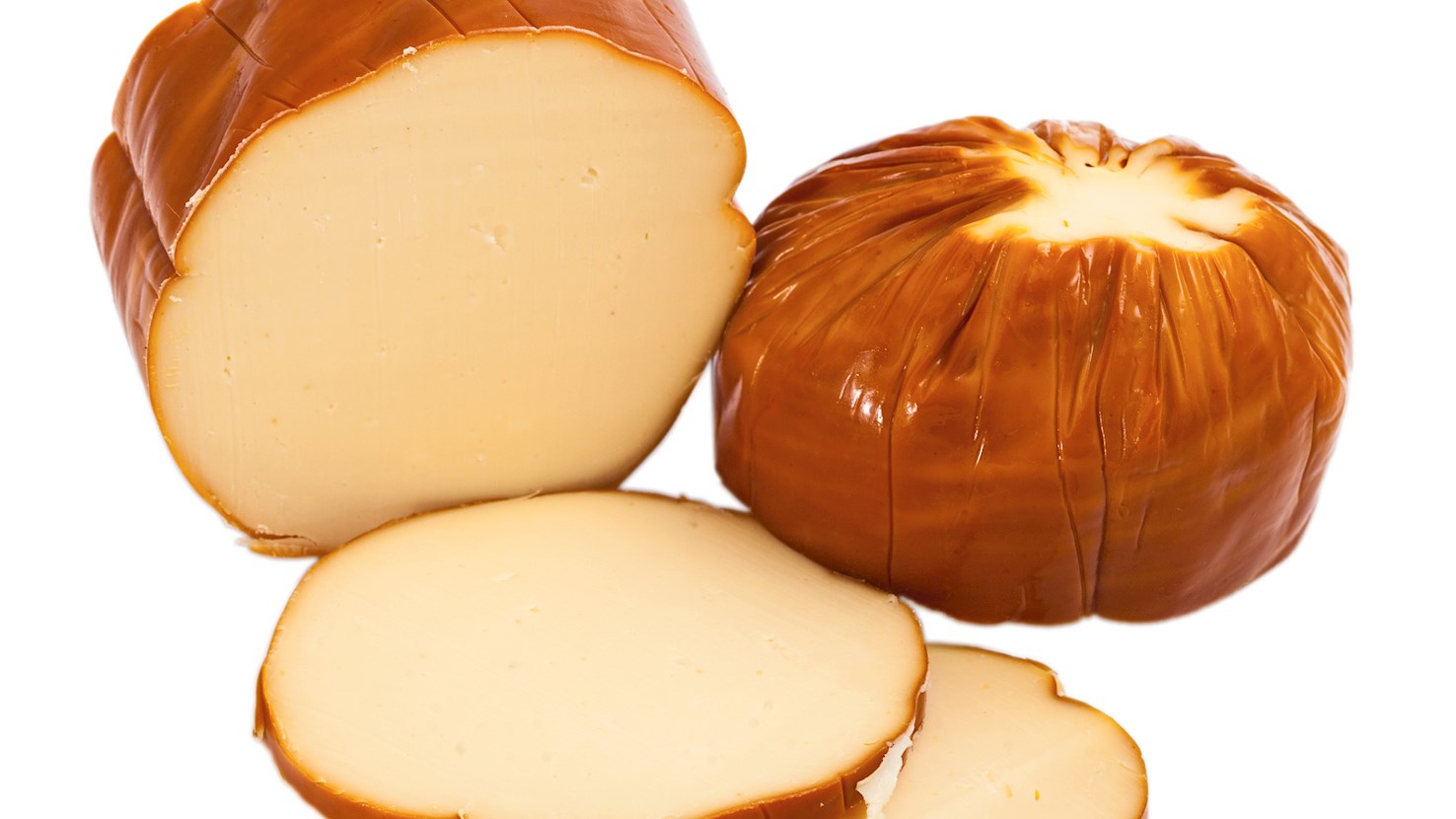
Slovenský oštiepok is a traditional semi-hard cheese made from half-fat sheep's milk, cow's milk or a mixture of both. It can be either steamed or unsteamed, smoked or unsmoked and can be produced in dairies using the industrial way of production, or on sheep farms (salaš) in the mountainous parts of the Slovak Republic, using the traditional methods. It is quite striking to the eye - shaped like a large egg or a pine cone, with a golden brown exterior due to the smoking process and a creamy yellow color on the interior. Its texture is firm and homogeneous, with small cracks developing on the body when sliced. The taste is delicate and savory, slightly salty, sour to piquant, with a typical smoky flavor. Enjoy it on its own, as a snack and pair it with dry white wines or beer.

06

Slovenská Parenica

4.3 ·

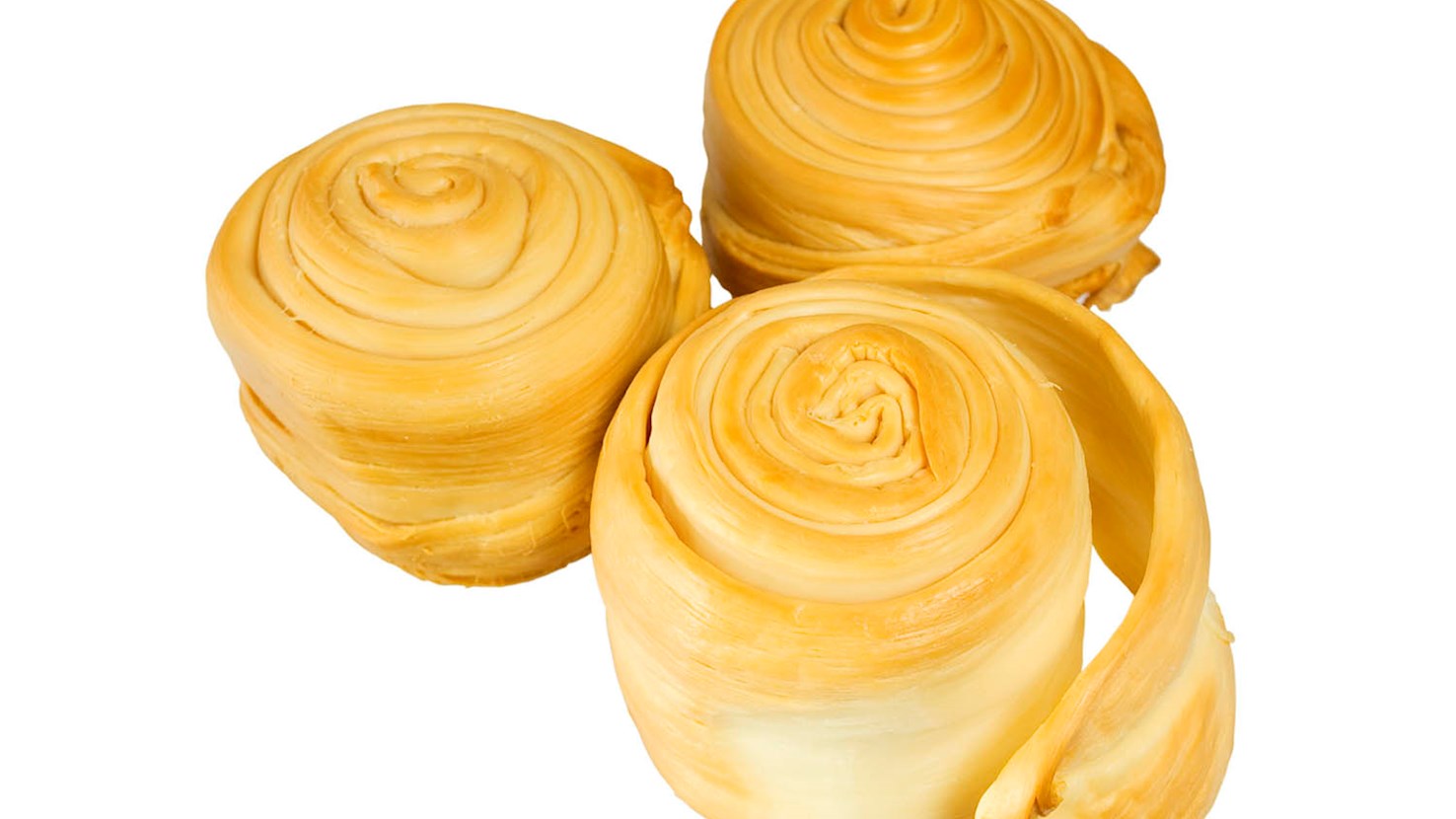
Slovenská parenica is a soft, steamed cheese made from unpasteurized sheep's milk of the Wallachian, Cigaya, East Friesian and improved Wallachian breeds. The cheese can also be made using a mixture of raw sheep's and cow's milk, where the content of sheep's milk must be at least 50%. The parenica is wound in two rolls that are connected in an S-shape or a spiral, steamed and lightly smoked. The rolls are bound with cheese string or chains. Its aroma is smoky with a characteristic smell of sheep's milk, and the taste is delicate, mild and slightly salty. The texture is elastic and supple, with fibers and threads on the interior, and the color is yellow to brown on the exterior, due to being smoked and steamed. It was originally produced around Zvolen and Brezno in the early 19th century, but today it has spread to virtually every part of Slovakia.

07

Oscypek

4.3 ·

This spindle-shaped smoked cheese hailing from the Tatra highlands is made exclusively with salted and unpasteurized milk from the Polish mountain sheep, though sometimes a small amount of cow milk from the Polish Podgórska red cow breed can also be added. Oscypek is produced from May to September and it is regarded as a traditional product of Poland's southernmost region, Podhale. With its pronounced smokiness and a unique salty and slightly sour flavor with subtle hints of chestnuts, this mildly piquant cheese is best enjoyed grilled, accompanied by cranberry marmalade.

08

Paški sir (Pag cheese)

4.3 ·

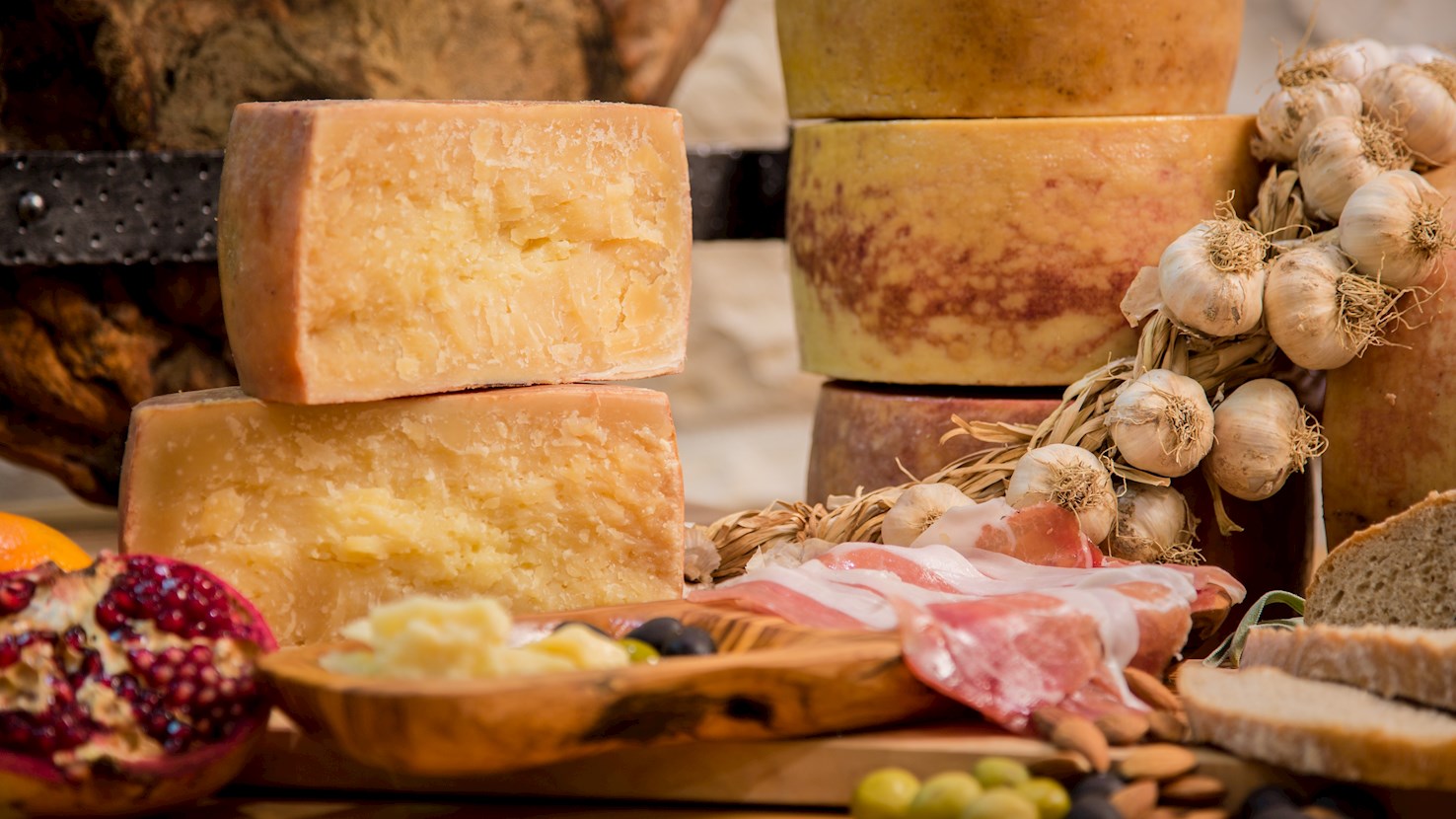
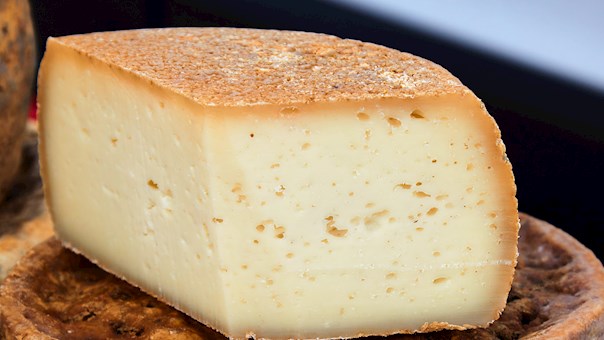
Paški sir is a hard Croatian cheese originating from the island of Pag. The cheese is made from milk of the Pag sheep. The harsh bura wind dusts the island with sea salt, flavoring various herbs (such as immortelle, sage, and sea fennel) on which the sheep graze, and as a result their milk has a unique flavor. This award-winning cheese is characterized by a dry, flaky, grainy, and crumbly texture, and a tangy, salty flavor. The cheese is typically rubbed with ash and olive oil, and it's then left to mature for at least four months. As it matures, the tangy and savory flavors become even stronger. When young, it’s herby and salty, reminiscent of Manchego in texture and flavor, while the aged version somewhat resembles Pecorino Romano. It is recommended to serve the cheese at room temperature, sliced into triangles. Pair the aged one with fruit jams, olive oil, wildflower honey, anchovies, prosciutto slices, grapes, or paške bubice (small local bread rolls), but “don’t use it in sandwiches,” as the locals say. The young version is suitable for shaving on top of risottos and pasta dishes, or it can be melted and used as a pasta sauce. If you want to store Paški sir, it is recommended to place it on a wooden board and turn it every now and then while rubbing it with olive oil in order to prevent the cheese from drying out and developing mold.

09

Slovenská Bryndza

4.1 ·

Slovenská bryndza is a soft cheese made from sheep's milk produced in the mountainous regions of the Slovak Republic. The sheep usually graze at lower altitudes, but during the summer, they move to higher altitudes to lengthen the grazing period. Its name, bryndza, comes from the Romanian word for cheese - Wallachian. The cheese is white, slightly moist, made from matured milk, and is easily spreadable in granular form. It has a delicate aroma of sheep's milk and a uniquely sour taste that is slightly salty and spicy. Bryndza is also the main ingredient in Slovak national dishes bryndzové halušky and bryndzové pirohy, giving them a unique aroma and flavor.

10

Ovčí Hrudkový Syr - Salašnícky

3.8 ·

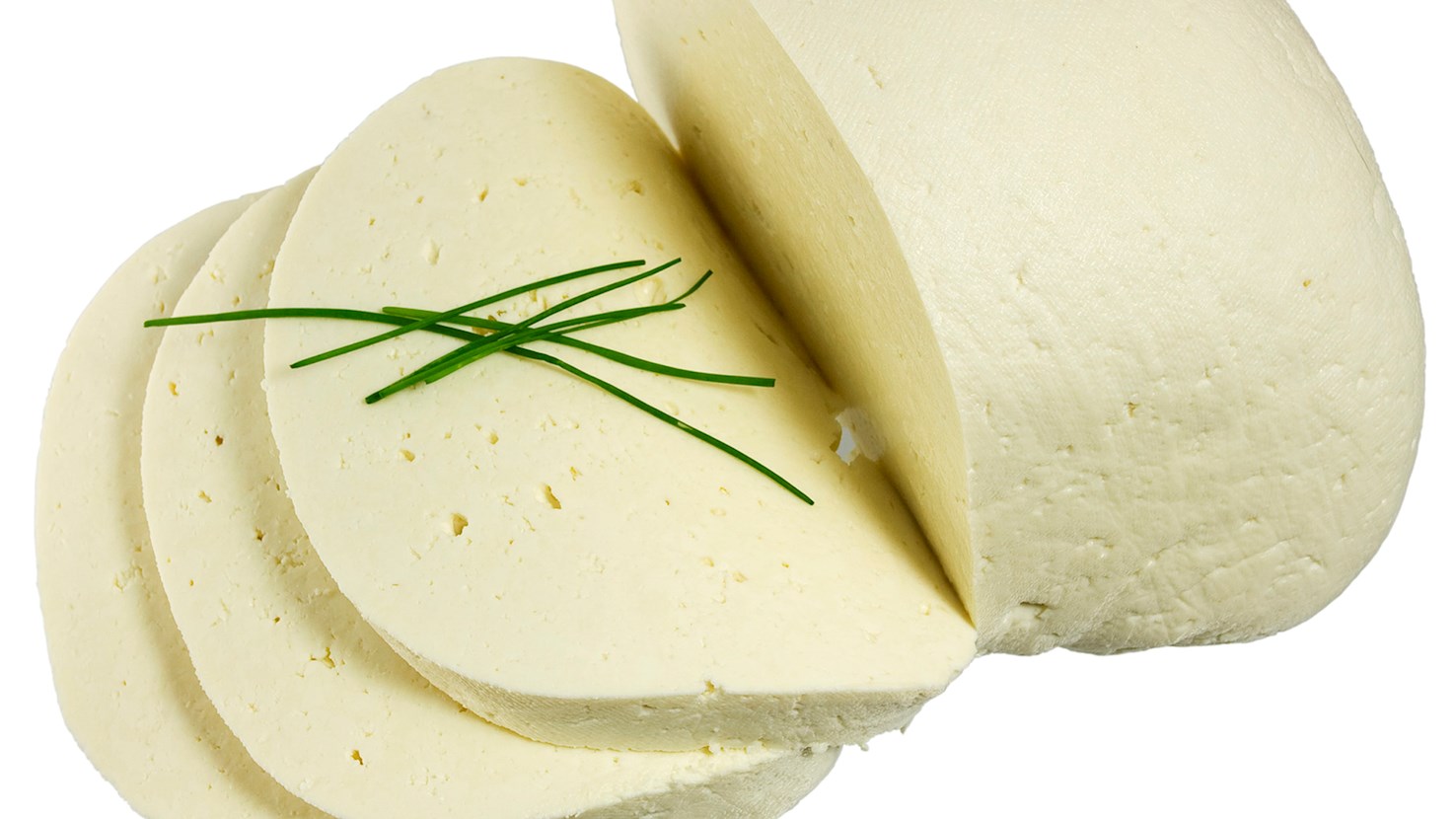
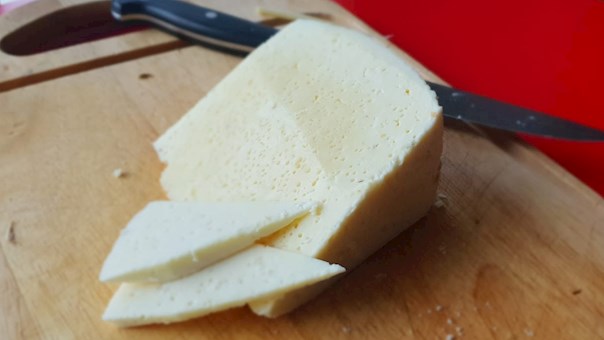
Locally known as Salaš, hence the term Salašnícky, Ovčí hrudkový syr is a farmhouse cheese made from unpasteurized sheep's milk, shaped by hand into a lump that gets its unique taste from the traditional process used during fermentation in shepherd's huts in the Slovak Republic's mountainous regions. It weighs up to 5 kilograms and has a dry surface, with tiny holes and cracks on its interior. It is white to pale yellow in colour and the taste is delicately mild, clean, fresh, slightly acidic, characteristic of sheep's milk products. The texture is quite firm, yet elastic and pliable. Pair it with sliced pears, fresh pastry or sweet wines.

Read more
View all
View map
About this ranking

TasteAtlas food rankings are based on the ratings of the TasteAtlas audience, with a series of mechanisms that recognize real users and that ignore bot, nationalist or local patriotic ratings, and give additional value to the ratings of users that the system recognizes as knowledgeable. For the “Top 19 Central European Sheep's Milk Cheeses” list until June 15, 2026, 1,456 ratings were recorded, of which 901 were recognized by the system as legitimate. TasteAtlas Rankings should not be seen as the final global conclusion about food. Their purpose is to promote excellent local foods, instill pride in traditional dishes, and arouse curiosity about dishes you haven’t tried.

The initial list of top producers was compiled based on available reviews, awards, local recommendations, media and blog coverage, and consumer reviews. The list will be updated with ratings from TasteAtlas local ambassadors and TasteAtlas users.

Similar lists