
shutterstock

Top 100 Sweet Breads
in the World

Last updated on July 15, 2026

Best Sweet Breads in the World
01

Kardemommeboller (Cardamom buns)

4.3 ·

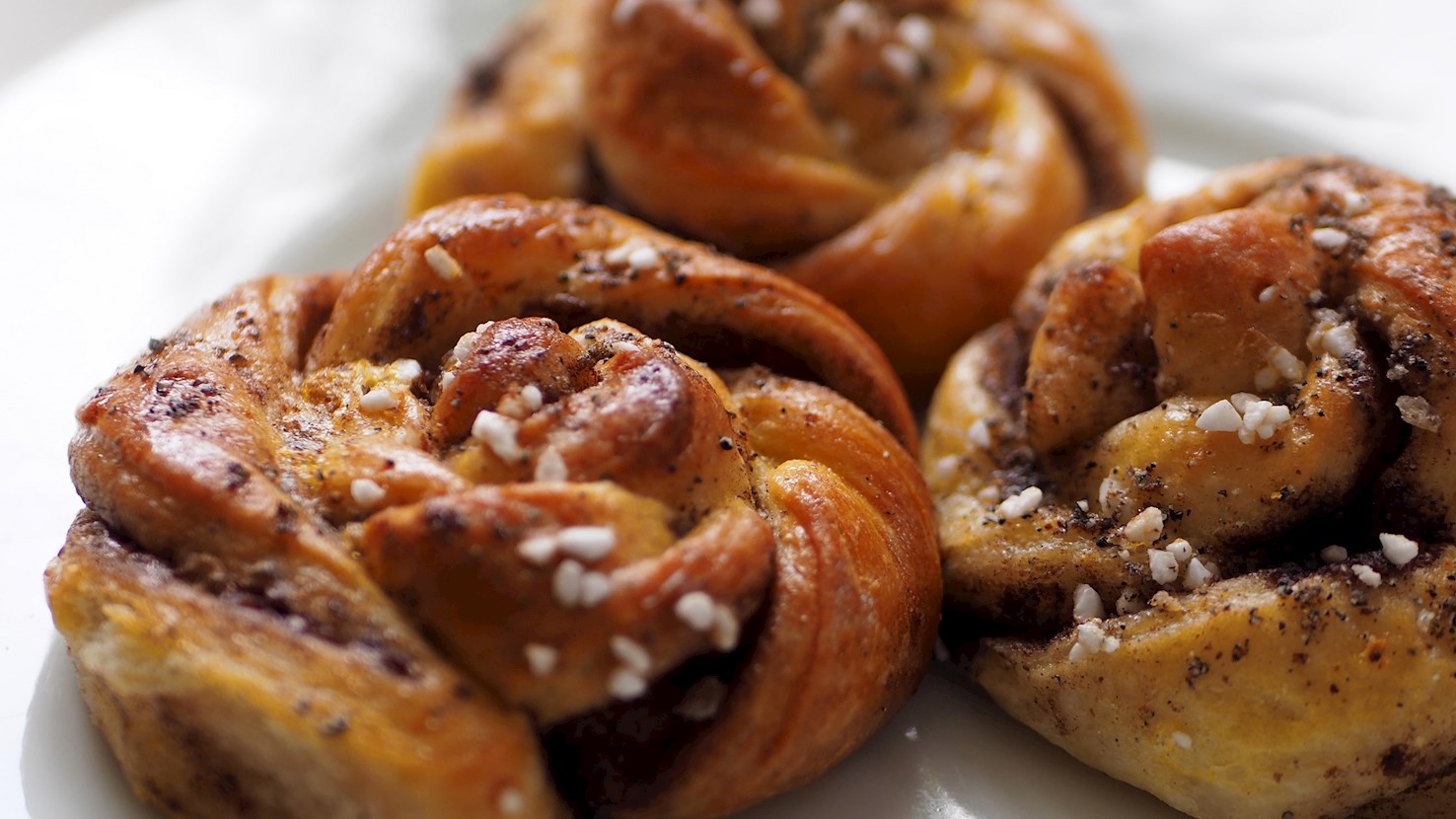
Kardemommeboller are traditional Swedish cardamom buns. This sweet knotted pastry is usually made with a combination of milk, butter, yeast, sugar, flour, crushed cardamom seeds, and salt. The milk is scalded and mixed with butter until everything is melted. The combination is mixed with the sugar, salt, cardamom, yeast, and flour in order to make a stiff dough. The dough is left to rise and it's then rolled and folded over into knots. They're baked for a few minutes, then brushed with butter while still hot. These cardamom buns are typically served on Santa Lucia day and Christmas, but they can also be enjoyed a few days later.

02

Pan de muerto

4.2 ·

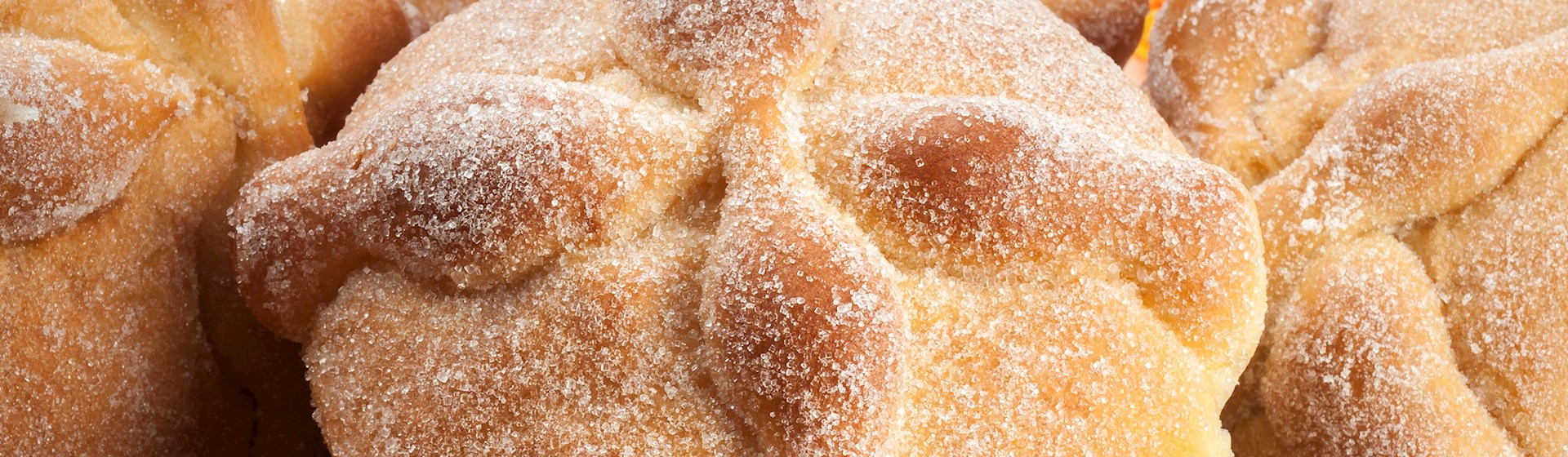
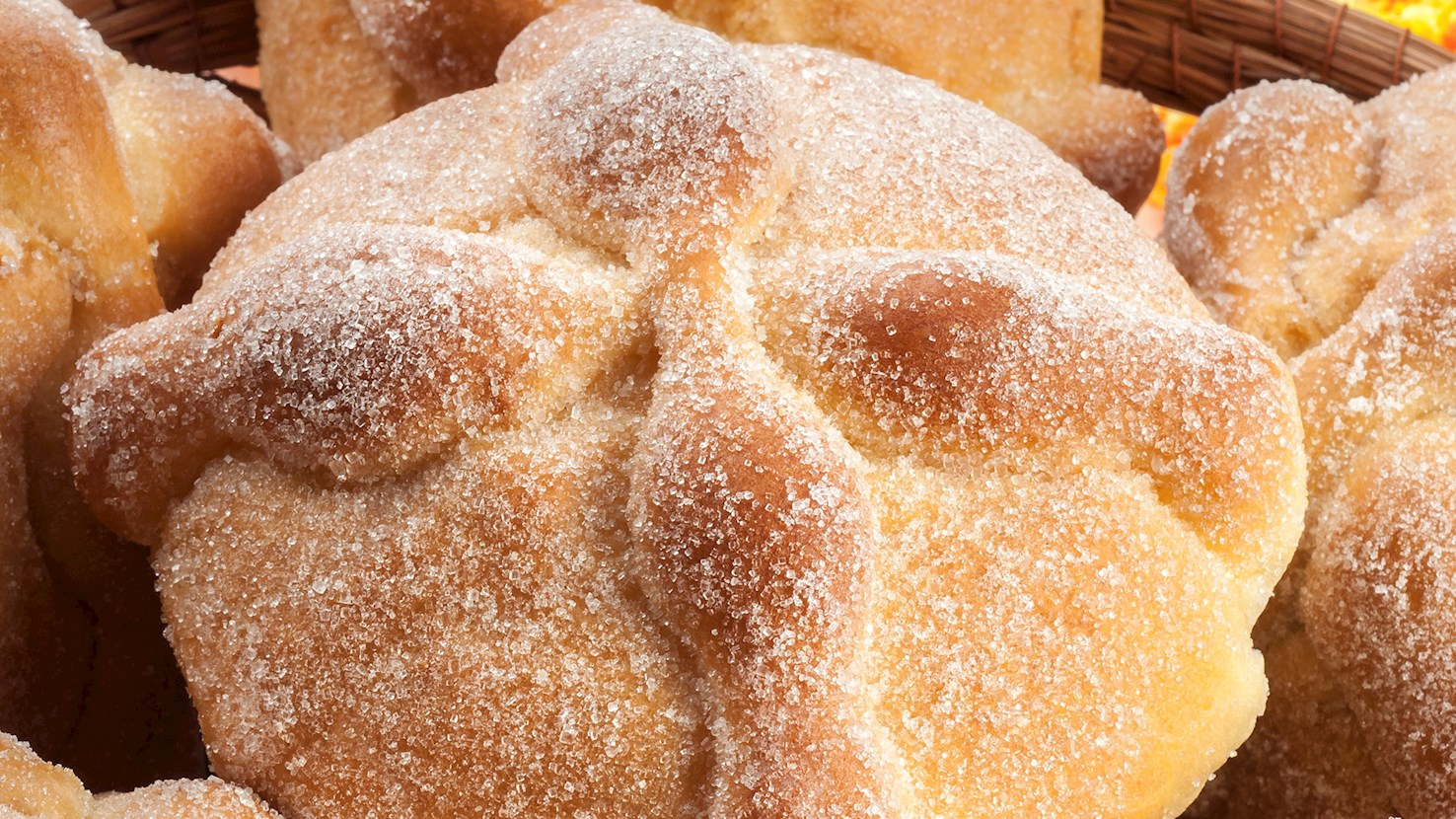
Pan de muerto is a traditional sweet bread that is commonly consumed during the Day of the Dead, celebrated annually on November 2. The bread is characterized by its shape and decorations: a round loaf with strips of dough layered on top of it in order to resemble human bones. It is made from flour, eggs, milk, butter, sugar, and yeast, and it is traditionally glazed with butter and orange zest on top, then sprinkled with confectioners' sugar. Other flavorings include anise seed and cinnamon. Pan de muerto can also be prepared in other shapes such as skulls, animals, or angels. It dates back to the Colonial period, when it was sold in the Plaza de Armas in the early days of New Spain, and its roots go back to the ancient Aztec tradition of placing food on the tombs of the dead as offerings, as they believed that the deceased will be hungry after their journey to the other side. Today, pan de muerto can be found throughout Mexico City on the Day of the Dead, and it is recommended to pair it with creamy Oaxacan hot chocolate.

03

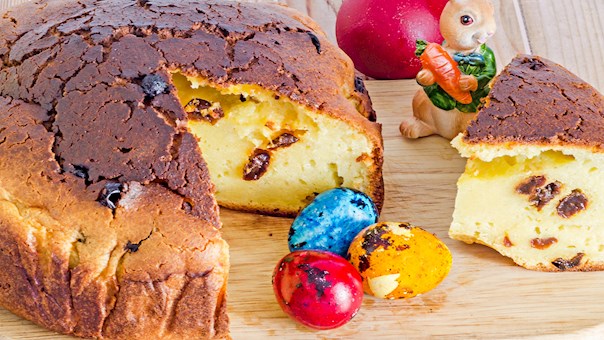
Tsoureki

4.1 ·

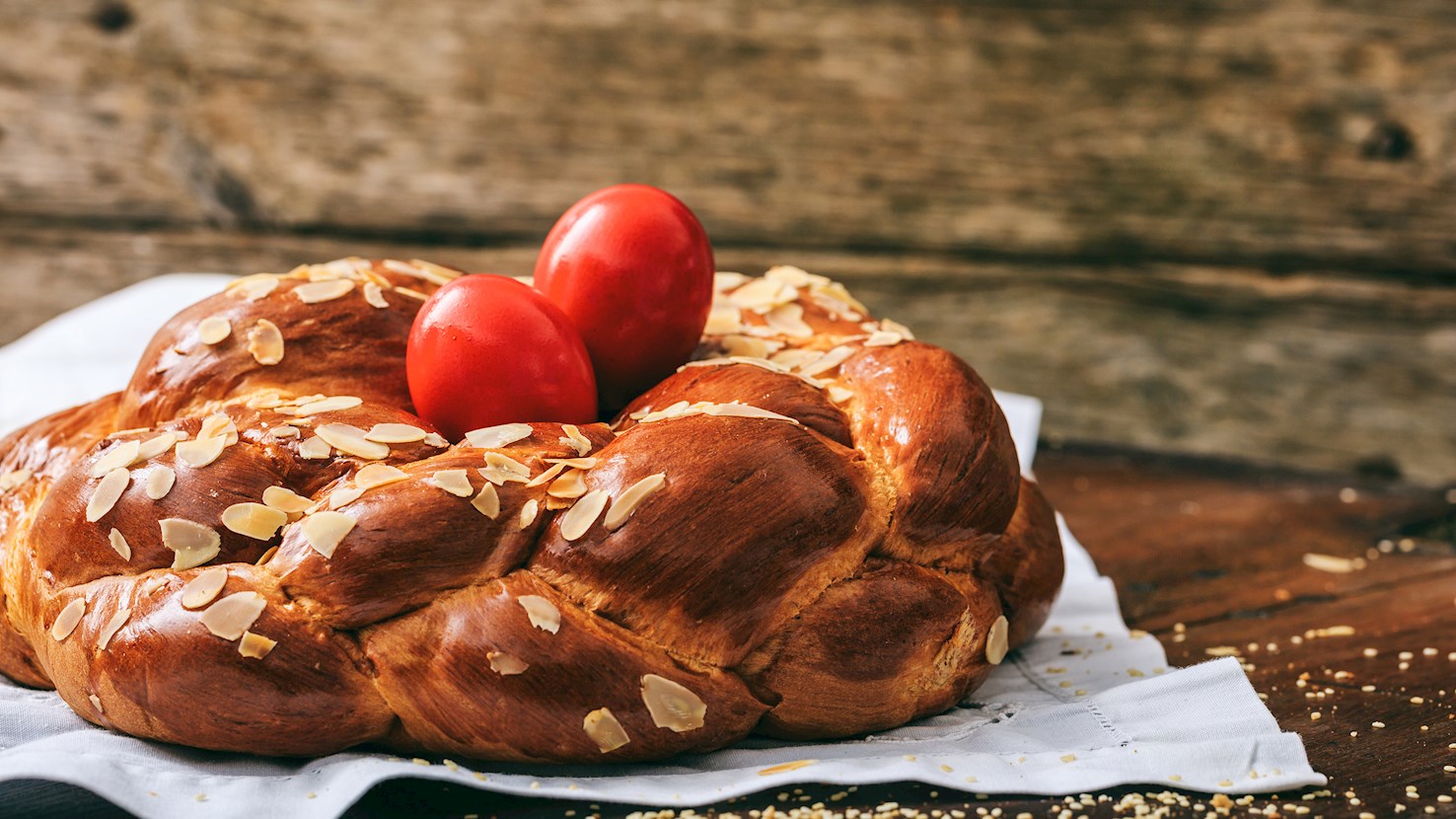
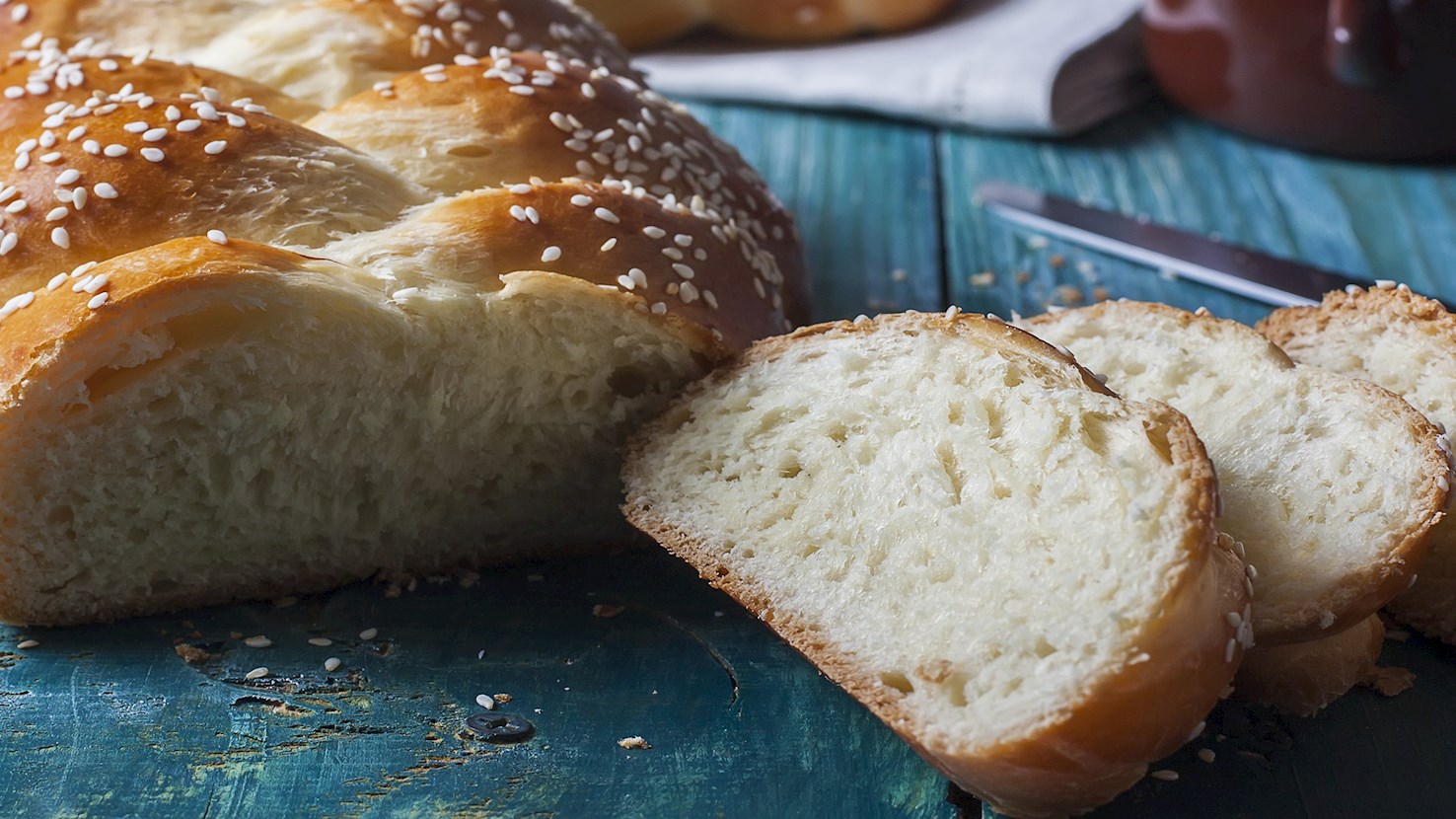
Tsoureki is a traditional Easter bread characterized by its braided shape, which can be either circular or elongated like a loaf. Tradition says that tsoureki should be braided in three strands - one for each aspect of the Trinity. The bread is usually made with milk, eggs, butter, and flavorings such as mahleb, orange zest, cardamom, and vanilla. After baking, it should be moist, tender, and soft, yet chewy. It is often served with a red-dyed egg on top of it, although it can sometimes be baked together with scarlet-colored eggs, representing the blood of Christ and resurrection. Tsoureki has been prepared in Greece since ancient times, and is traditionally served at the breaking of Lent. Loaves of tsoureki are typically exchanged among Greeks on Easter Sunday as a sign of good will and friendship. Today, there are numerous variations of the bread in Turkey, Armenia, Romania, and Bulgaria, all of them especially good when paired with a hot cup of tea or coffee.

04

Papparoti

4.1 ·

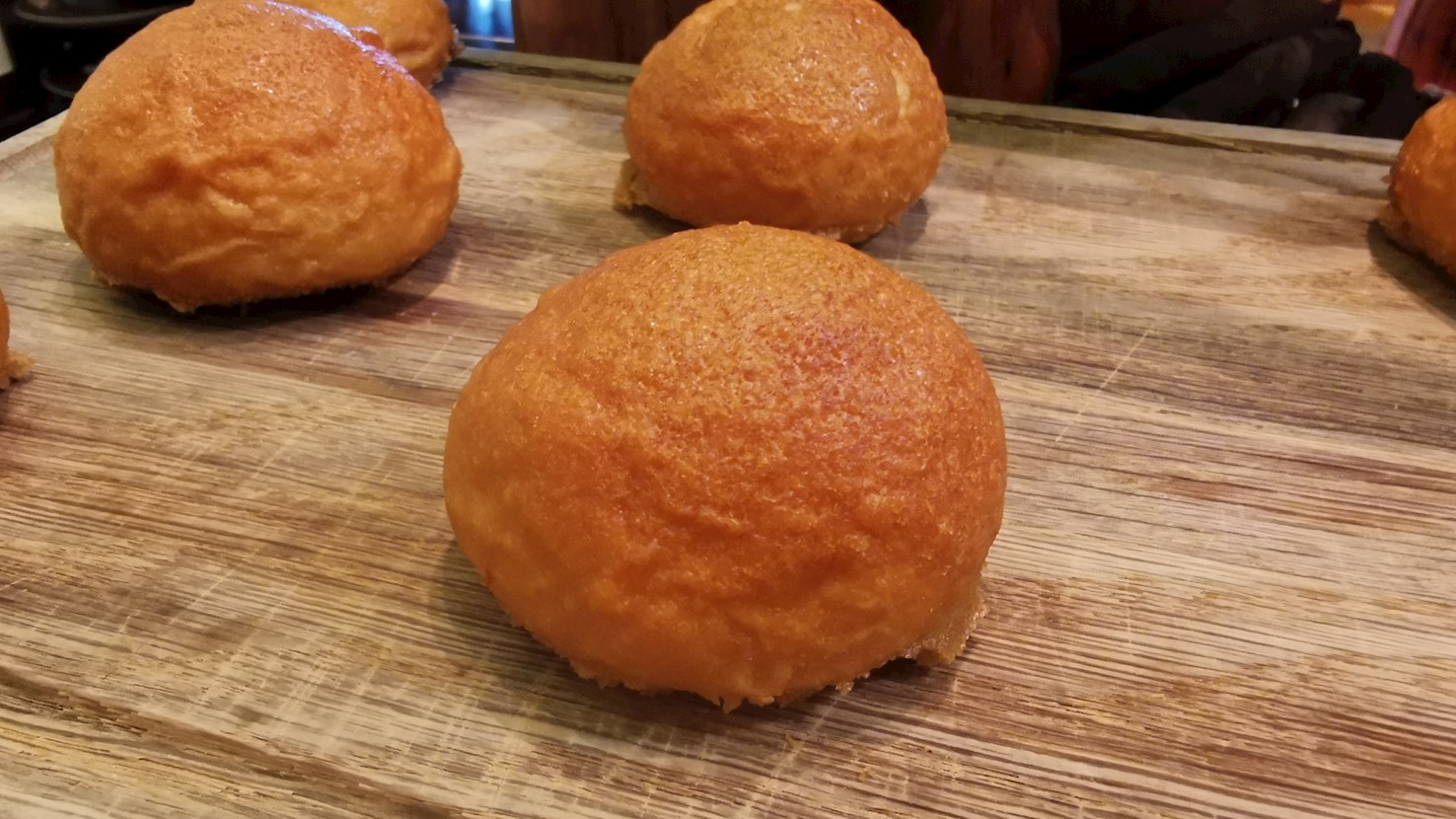
Papparoti is a bun originating from Malaysia. Although the papparoti is nowadays trademarked, it started as a new version of roti flatbread which was made into a bun in 2002 by a Malaysian woman. The buns are made with a combination of flour, sugar, yeast, milk, butter, salt, and eggs. Before baking, the papparoti are topped with an icing made from coffee and caramel. Crunchy on the outside and rich and buttery inside, these buns have been popular since 2003, when the first trademarked PappaRoti store opened in Malaysia. It's usually paired with tea or coffee, and nowadays these sweet and salty buns can be bought across Asia, Australia, England, the Middle East, and North America.

05

Vasilopita

4.1 ·

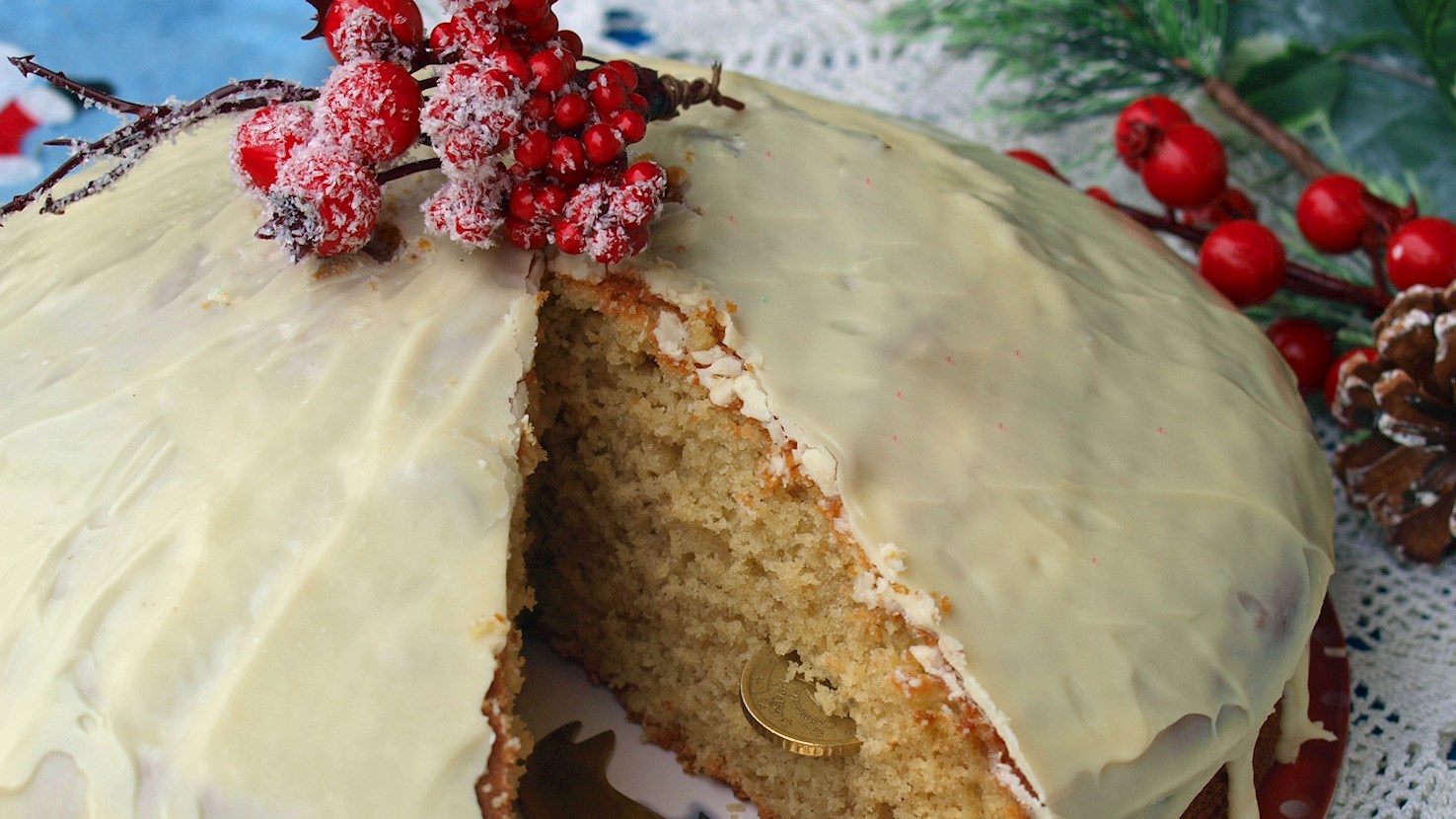
Vasilopita is a Greek New Year's cake with a coin or a trinket baked inside of it. The cake is enriched with a sweet flavoring, symbolizing the sweetness and joy of life and hope that the New Year will be abundant in health and happiness. Traditionally, the cake is cut by a senior member of the family, and whoever receives the piece with a coin inside is thought to be blessed in the following year. Each piece is cut in honor of someone or something: the first piece for Jesus Christ, the second for Virgin Mary, and the third for St. Basil, since the cake is named after him. It is believed that St. Basil wanted to give money to the poor, and in order for it not to look like charity, he asked a woman to bake a bread in which he placed several gold coins, so the poor families were pleasantly surprised when they found coins inside the bread. Today, there are numerous versions of the cake that are also prepared in Albania, Bulgaria, Serbia, and Romania, each one with a coin inside, but unassociated with St. Basil.

06

Chałka

4.1 ·

Usually shaped into a braided loaf, chałka is a soft, sweet Polish bread prepared with a rich yeasted dough. It can occasionally incorporate raisins or other dried fruits and is traditionally sprinkled with sesame or poppy seeds and sliced almonds. Chałka is derived from the popular Jewish challah bread, but Poles traditionally associate it with Christmas or Easter holidays. Served sliced, it can be enjoyed plain or accompanied with butter and various fruit preserves.

07

Pan de coco

4.1 ·

Pan de coco is a sweet bread roll filled with desiccated coconut and sugar. Its name can be translated to coconut bread, and it is a very popular snack bread throughout Honduras and the Philippines. The Honduran version uses coconut milk in the preparation of the dough and is usually served with stews, its density making it ideal for soaking up the juices, while the Filipino version is commonly served as a dessert, preferably accompanied by a cup of tea. Although the origins of this flavorful treat are quite murky, it is believed that the recipe was taken from Central America to Southeast Asia by Spanish settlers in the 17th century.

08

Brioche

4.0 ·

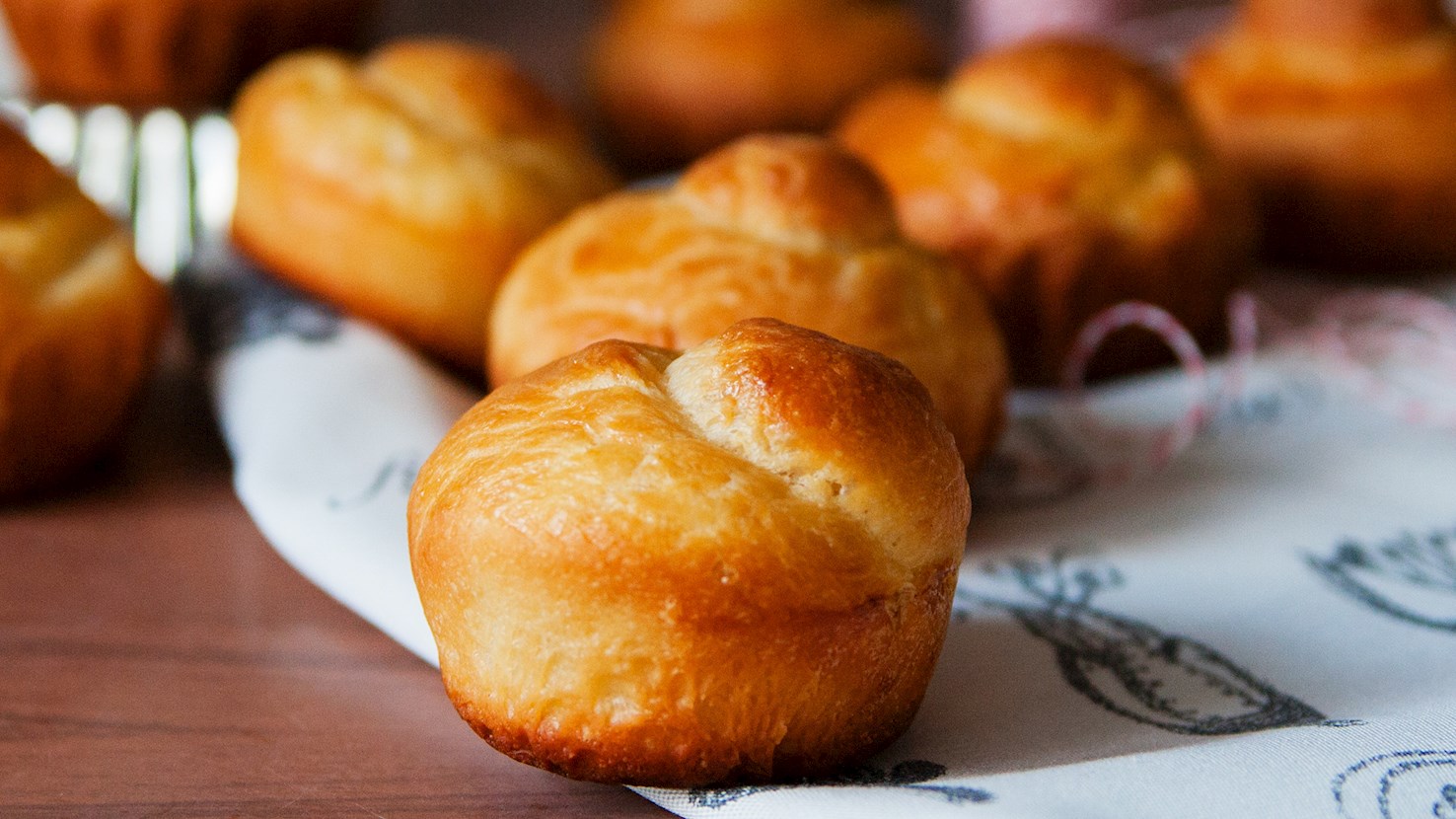
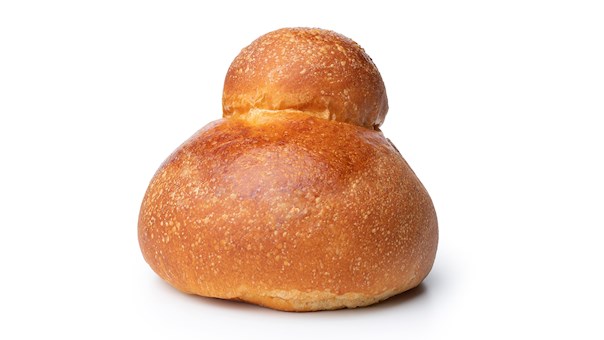
This baked specialty is a French type of viennoiserie, a cross between a pastry and a bread, with a high butter, milk, and egg content that makes it rich, soft, and flaky. It has been enjoyed for centuries both as a delicacy and as a status symbol. One popular theory claims that it was invented by Norman Vikings, who settled in France in the 9th century and brought the secrets of making butter with them. The word brioche first appeared in print in 1404, and the name is believed to be derived from bris and hocher, meaning to knead and to stir. It could also be a reference to the popular French cheese called Brie, which is believed to have been one of the ingredients in the original brioche. A famine in the 18th century made bread expensive, so brioche became a status symbol – the amount of butter in your brioche was proportional to your prosperity. Today, it is traditionally consumed with tea, but it also has various uses in cuisine, acting as a vessel for sweet or savory fillings.

09

Schneckenkuchen

4.0 ·

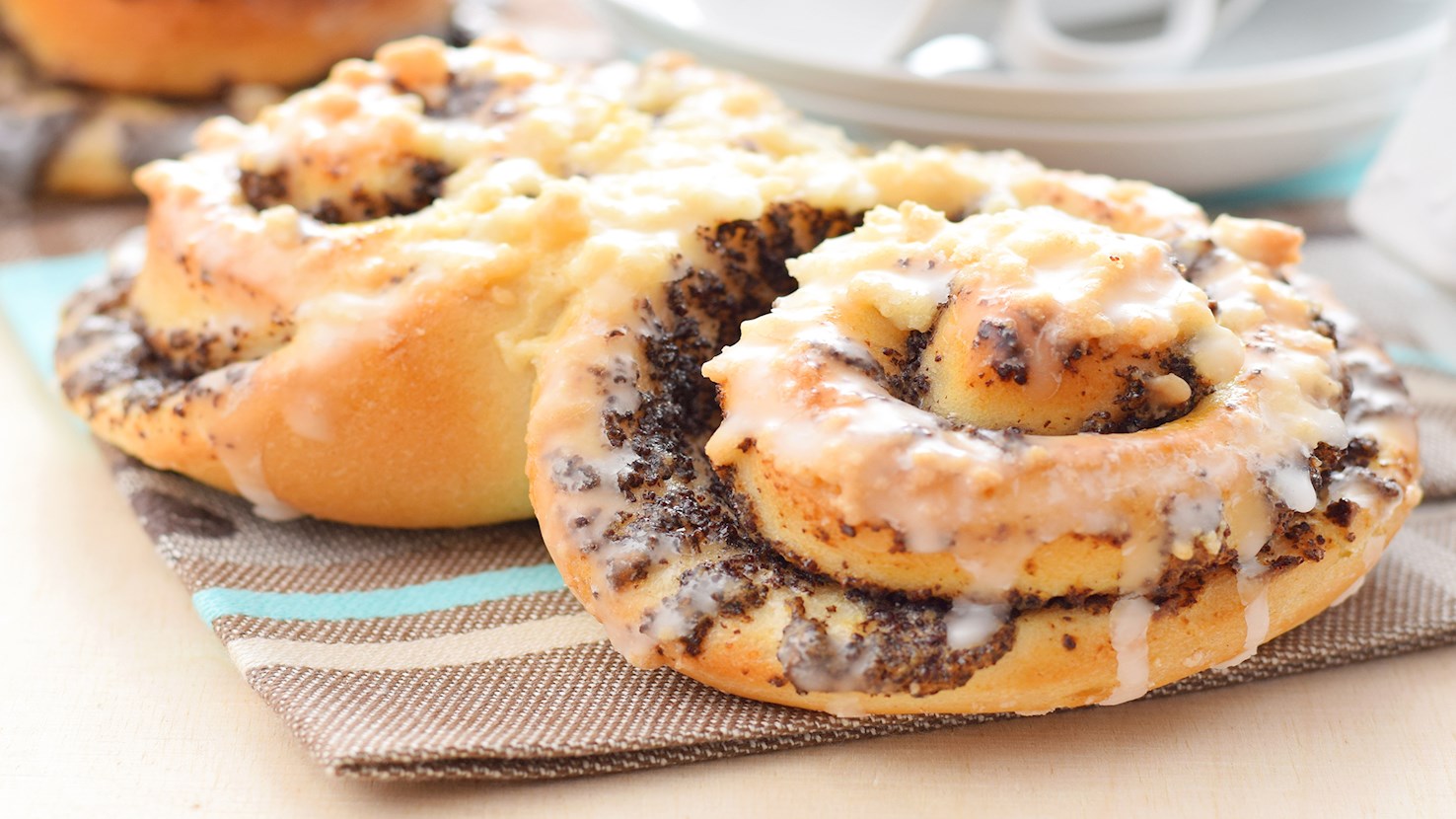
The name of this sweet German bread that translates as snail cake was inspired by its shape since it consists of numerous rolls neatly placed in a pan, whose final shape is reminiscent of snail shells. The base of the bread is prepared with a brioche-like dough that is shaped into rolls. Each roll usually consists of various fillings such as vanilla-flavored custard, cinnamon butter, fruit, raisins, poppy seeds, or marzipan. When baked, the bread is glazed or dusted with powdered sugar. In Alsace, the dish is better known as chinois.

10

Pan de jamón

4.0 ·

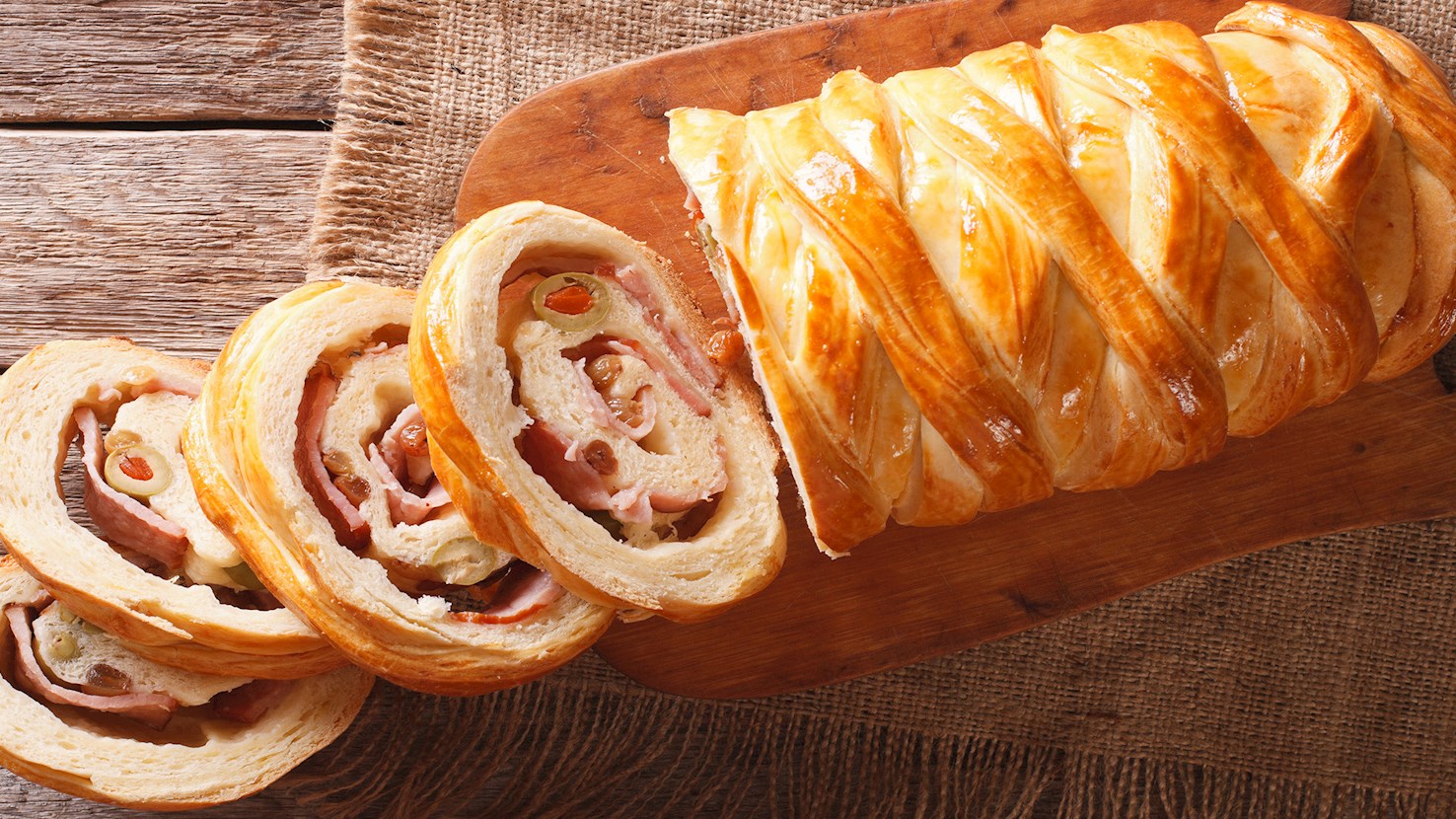
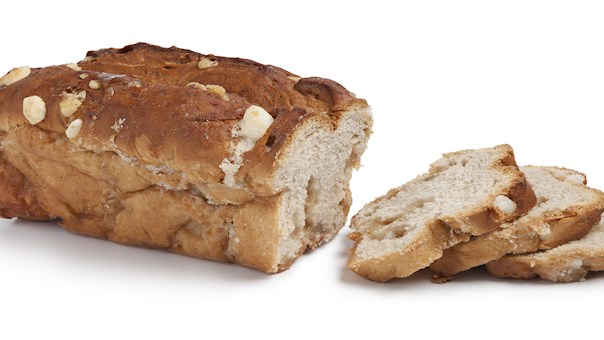
This Venezuelan bread is typically stuffed with raisins, ham, and olives. It is especially popular during the festive Christmas period. The dough is usually made with yeast, flour, butter, eggs, milk, sugar, and salt, resulting in a slightly sweet bread once it has been baked. After baking, pan de jamón is typically sliced and served with soups or salads. It is believed that this sweet bread was invented in 1905 by Gustavo Ramella, the owner of a bakery in Caracas.

11

Vánočka

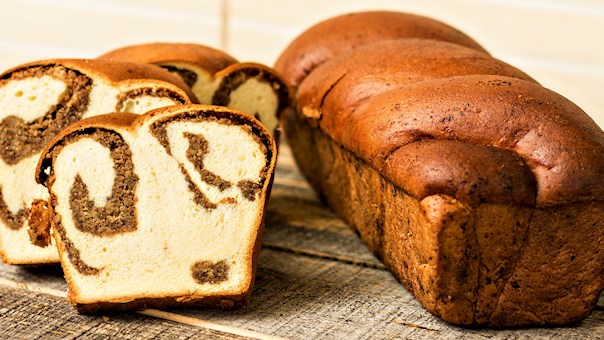
4.0 ·
13

Pandoro

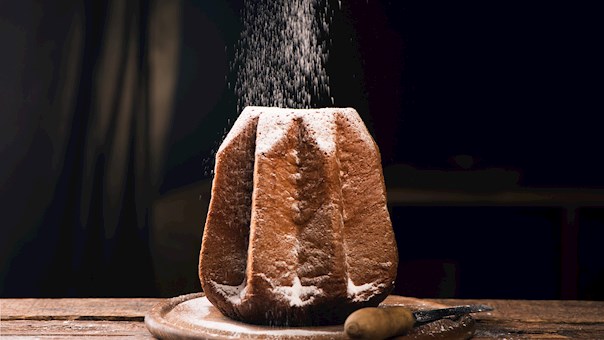
4.0 ·
15

Cozonac

3.9 ·
16

Potica

3.9 ·
17

Aranygaluska

3.9 ·
18

Cosa de horno

3.9 ·
19

Pască

3.9 ·
20

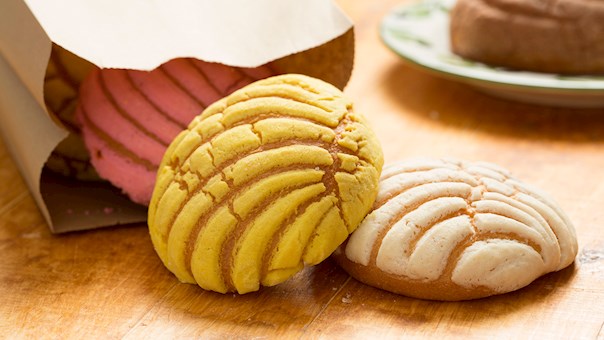
Conchas

3.9 ·

Best Sweet Breads in the World
01

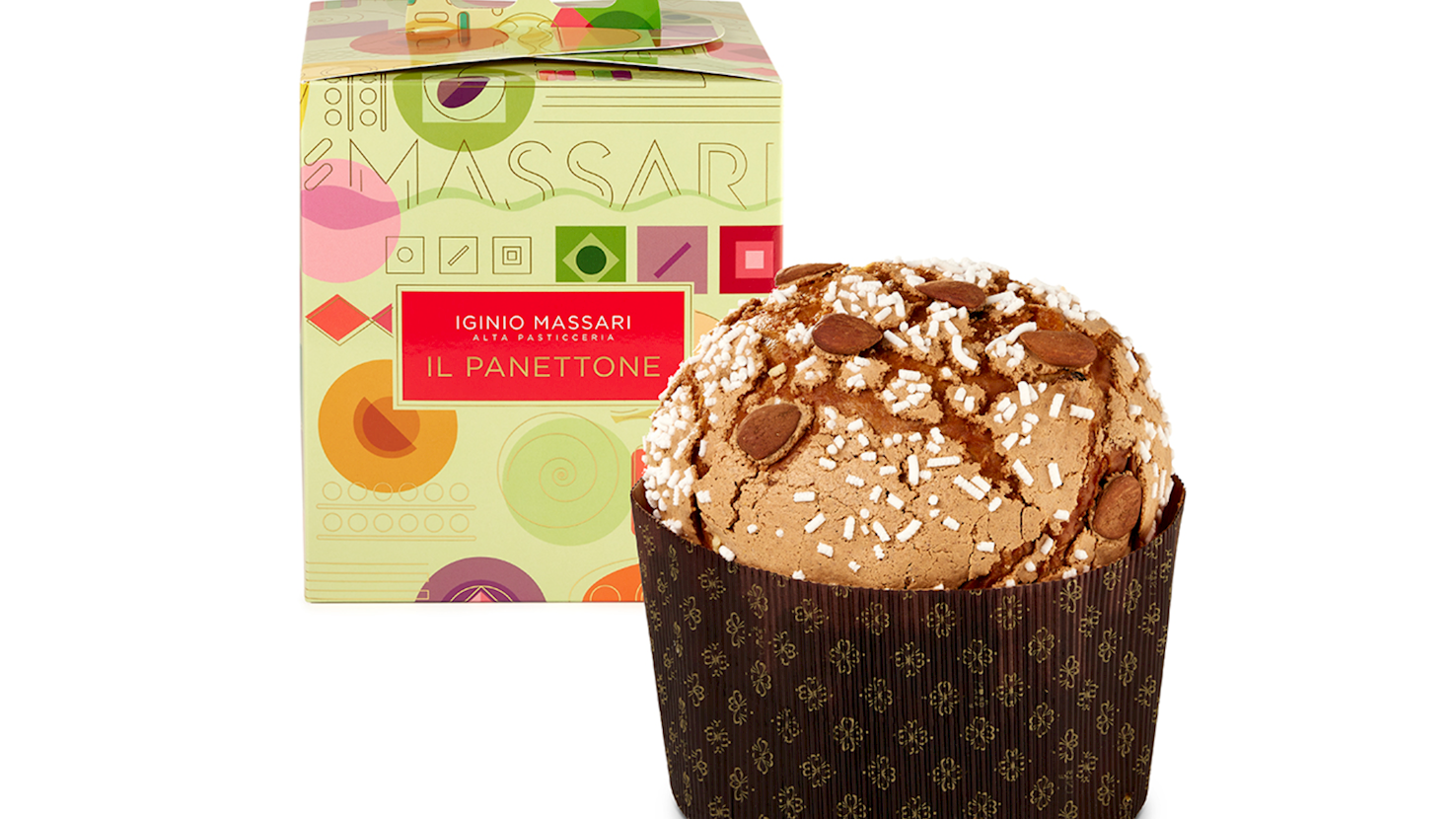
Iginio Massari Alta Pasticceria

4.7 ·

Iginio Massari Alta Pasticceria is an Italian high-end pastry brand founded by master pastry chef Iginio Massari, one of the most respected figures in Italian confectionery. Its roots are linked to Pasticceria Veneto in Brescia, opened by Massari and his wife Maria Damiani in 1971.

The brand is known for refined Italian pastry, combining classic techniques, precise craftsmanship, and continuous research into ingredients, balance, texture, and presentation. Its assortment includes panettone, cakes, biscuits, chocolates, dragées, spreads, leavened pastries, and seasonal limited editions.

Today, Iginio Massari Alta Pasticceria operates pastry shops in several Italian cities, including Brescia, Milan, Turin, Verona, Florence, and Rome, while also offering selected products through its online store. The company is now developed with the involvement of Massari’s children, Debora and Nicola, who contribute to research, innovation, and the expansion of the brand.

02

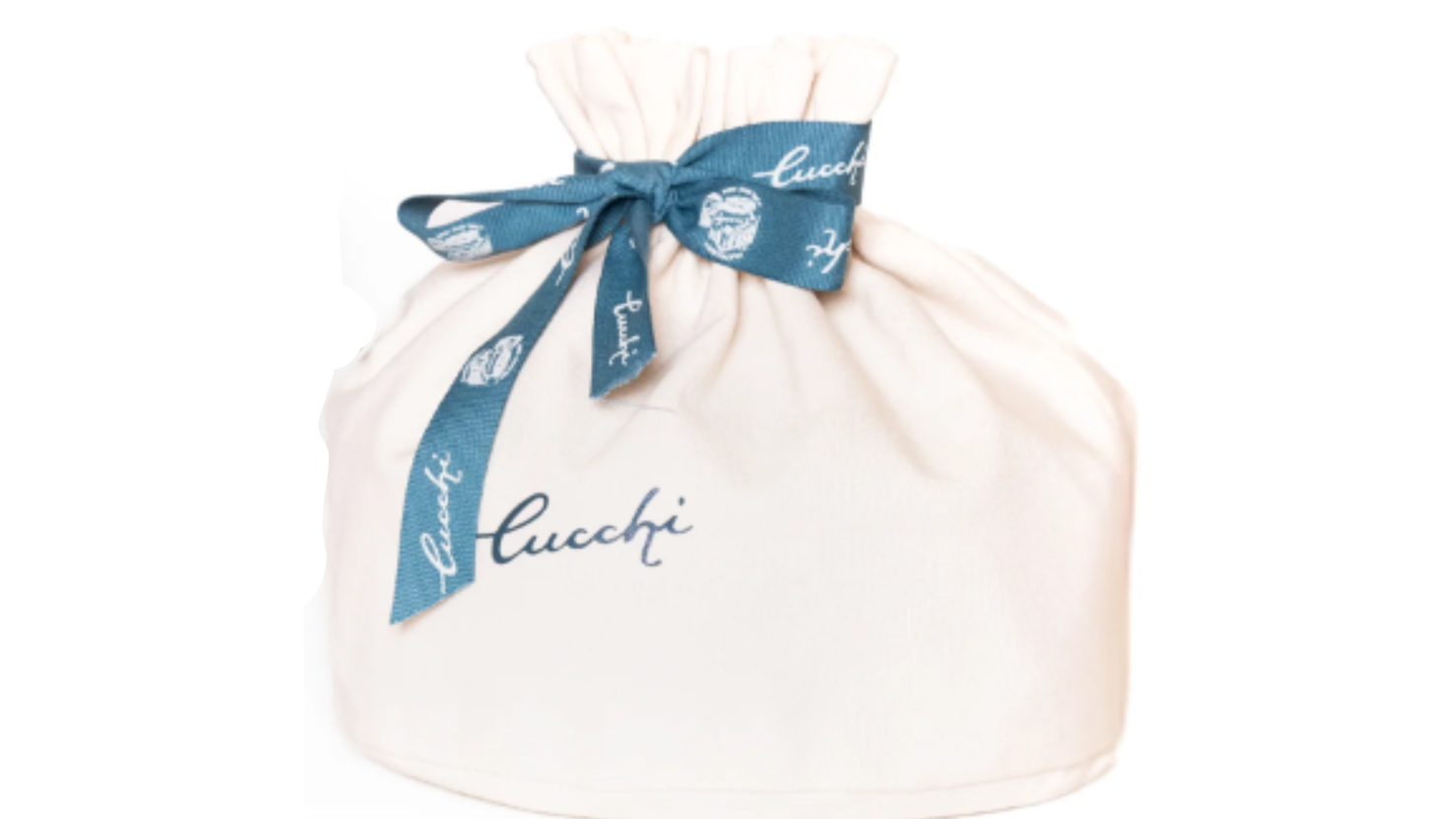
Pasticceria Cucchi

4.7 ·

Pasticceria Cucchi is one of Milan’s most historic pastry shops and cafés, founded in 1936 by Luigi and Vittorina Cucchi. Originally opened as a Caffè Chantant featuring live music and evening entertainment, it quickly became a popular meeting place for the city’s cultural and social circles.

Although the premises were destroyed during the bombing of Milan in 1943, the business was rebuilt and continued its evolution into one of the city’s most beloved gastronomic institutions. Located on Corso Genova, Pasticceria Cucchi has remained closely associated with Milanese pastry traditions for nearly a century and has been managed by successive generations while preserving its distinctive atmosphere and heritage.

The pastry shop is renowned for its artisanal cakes, pastries, panettone, chocolates, and traditional Italian desserts, all prepared with a strong emphasis on craftsmanship and high-quality ingredients. Its elegant interiors, historic character, and commitment to authentic recipes have made it a landmark of Milanese culinary culture.

Today, Pasticceria Cucchi continues to blend tradition and contemporary hospitality, attracting both local residents and visitors seeking a genuine taste of Milan’s pastry-making heritage.

03

Staraya Tula

4.6 ·

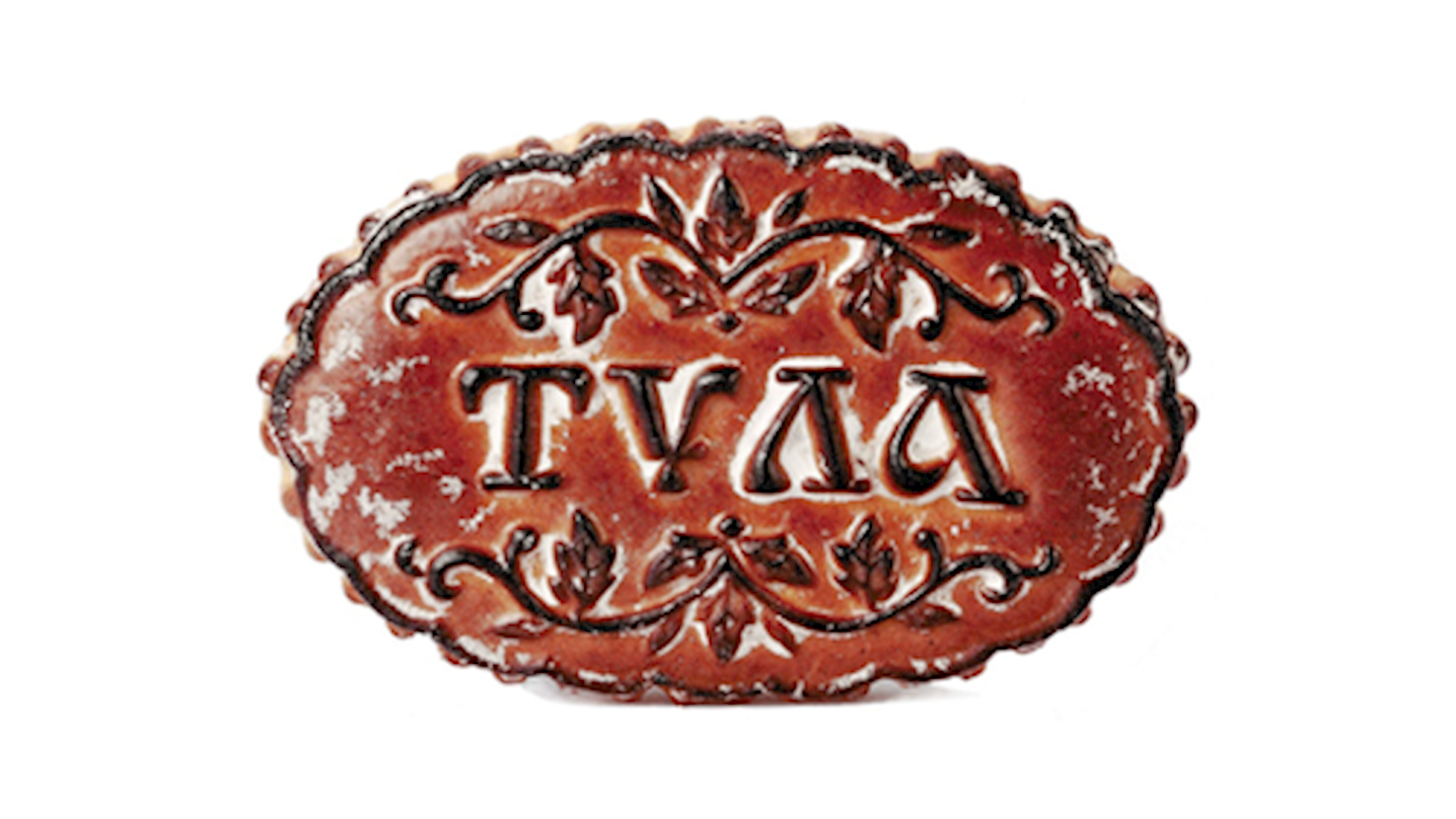
Staraya Tula is a historic Russian confectionery producer based in Tula, a city closely associated with pryanik, a traditional form of Russian gingerbread. Founded in 1881, the company has maintained continuous production while preserving recipes and techniques rooted in regional baking traditions.

Its core product, Tula pryanik, is typically a stamped gingerbread made from flour, honey, sugar, and spices, often filled with fruit jam or condensed milk and finished with a light glaze. A defining feature of these products is the use of carved wooden molds, which imprint detailed patterns, inscriptions, or ornamental designs onto the surface, giving each piece both a visual identity and cultural significance.

The range includes everyday pryaniki as well as larger, elaborately decorated pieces intended for gifting or ceremonial use. Despite industrial-scale production, the brand retains a strong emphasis on traditional methods and recognizable flavor profiles.

Staraya Tula is closely tied to the identity of the region, where pryanik has been produced for centuries and is considered a local specialty. In addition to manufacturing, the company operates a museum dedicated to the history of pryanik, reinforcing its role in preserving and presenting this element of Russian confectionery heritage.

04

Mulot & Petitjean

4.6 ·

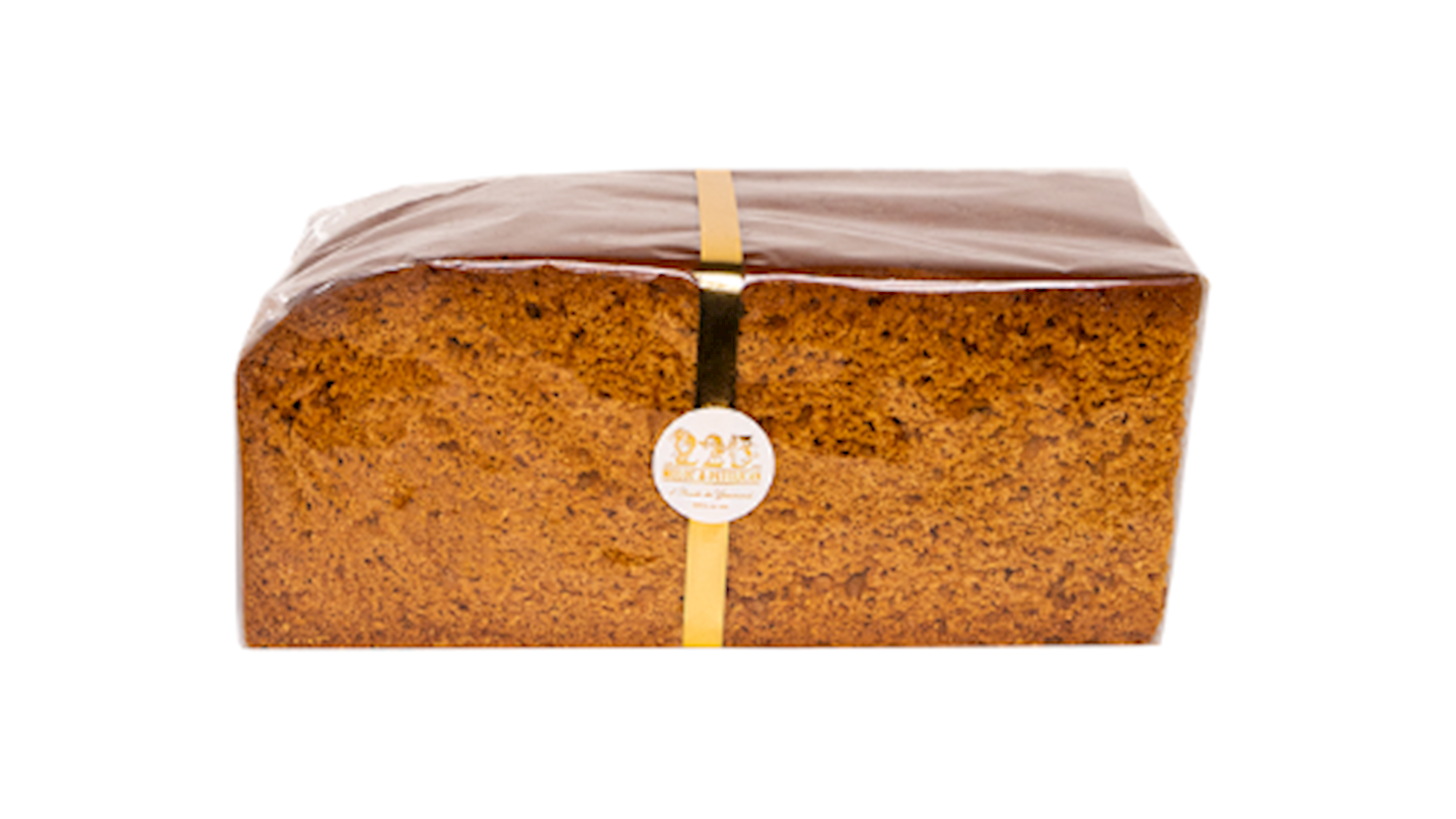
Mulot & Petitjean is a historic house from Dijon, founded in 1796 and best known as one of the key guardians of the French pain d’épices tradition. Its production is closely linked to the gastronomic heritage of Burgundy and to Dijon’s long-standing association with this honey-based spiced cake, traditionally made with selected ingredients such as honey, flour and spices.

The company is especially recognized for its nonnettes de Dijon, small spiced cakes filled with fruit preserves, which have become one of its signature specialties. Mulot & Petitjean combines artisanal know-how, family heritage and modern production while preserving the identity of products deeply rooted in local cuisine.

Its Dijon site also includes a museum space, where visitors can learn about the history, ingredients and production process of traditional pain d’épices. The range includes classic spiced cakes, nonnettes, gift boxes and other products inspired by Burgundian tradition.

Although the brand is now present through more modern sales formats, its value lies primarily in preserving Dijon’s authentic recipe heritage.

05

Pasticceria Marchesi 1824

4.6 ·

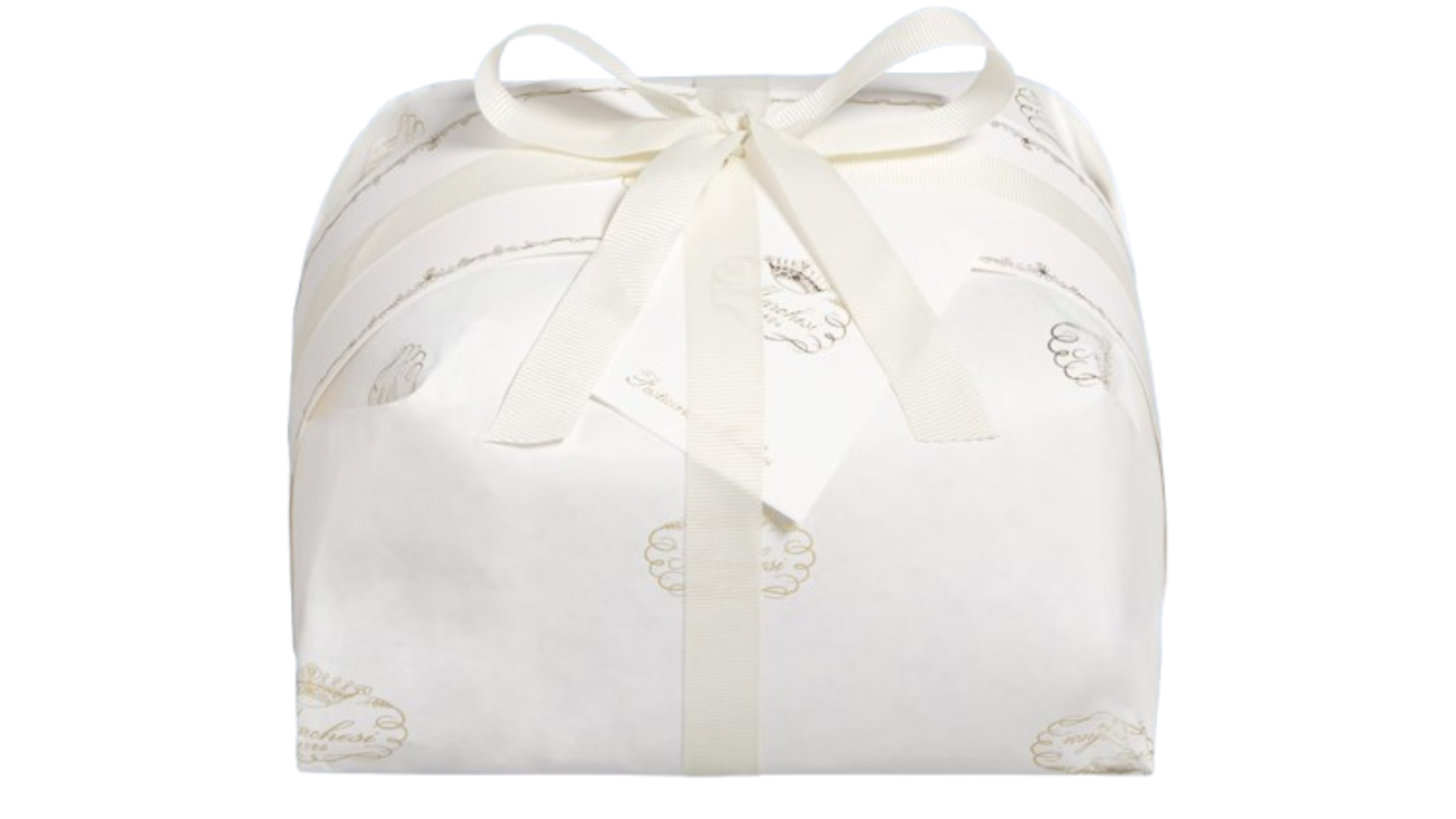
Founded in 1824 in Milan, Italy, Marchesi 1824 is one of the country's most historic and prestigious pastry houses. Established by the Marchesi family, the company has spent nearly two centuries preserving and refining the traditions of Italian confectionery craftsmanship.

Renowned for its artisanal pastries, chocolates, pralines, candied fruits, confectionery specialties, and traditional baked goods, the brand is particularly celebrated for its panettone and other classic Milanese delicacies. Marchesi 1824 combines time-honored recipes with meticulous attention to ingredient quality and elegant presentation, creating products that reflect the heritage of Italian haute pâtisserie.

Its refined cafés and pastry boutiques have become landmarks of Milan’s culinary culture, attracting both locals and international visitors. Today, the brand is part of the Prada Group, which has helped expand its global presence while preserving its historic identity and commitment to craftsmanship.

Marchesi 1824 remains a symbol of Italian luxury confectionery, recognized for its dedication to tradition, quality, and timeless elegance.

06

Pasticceria Cova

4.6 ·

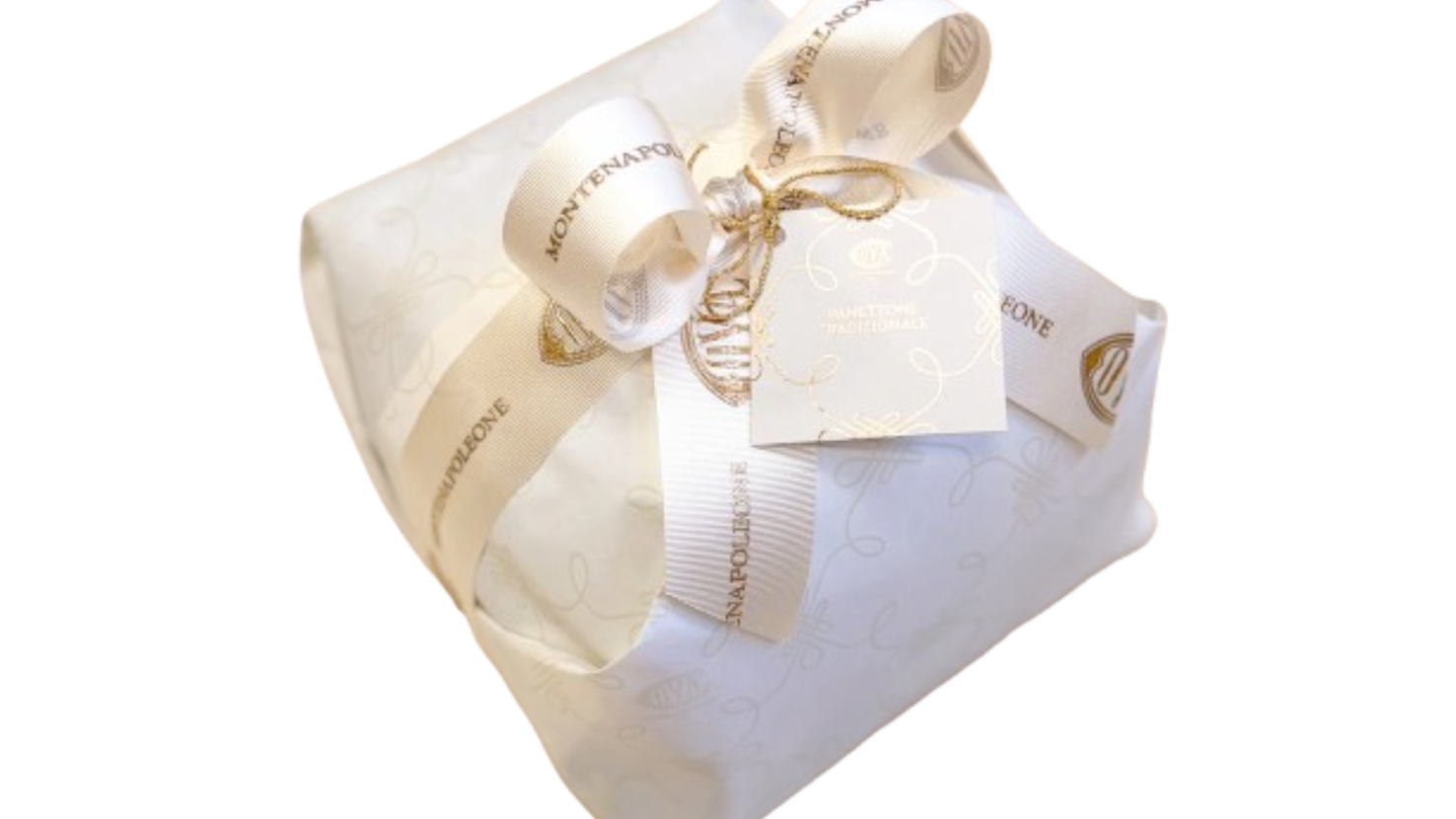
Cova is a historic Milanese pastry house, café and restaurant founded in 1817 by Antonio Cova near Teatro alla Scala in Milan. Originally known as Caffè del Giardino, it became an important literary café and social meeting place, closely connected with Milanese cultural life and the atmosphere of the Risorgimento.

After its original location was destroyed during World War II, Cova moved in 1950 to Via Montenapoleone 8, where it remains one of the city’s refined pastry landmarks. The company is known for traditional Italian pastry, chocolate, coffee, tea, catering and holiday specialties, especially its panettone, which it presents as one of its best-known festive products.

Its assortment includes cakes, cookies, small pastries, gianduiotti, pralines, cremini and elegant gift packaging. Cova expanded internationally from 1993 with its first store in Hong Kong, and in 2013 became part of the LVMH Group.

Today, the brand combines Milanese pastry heritage with a luxury hospitality identity, while maintaining a strong focus on craftsmanship, service and carefully selected ingredients.

07

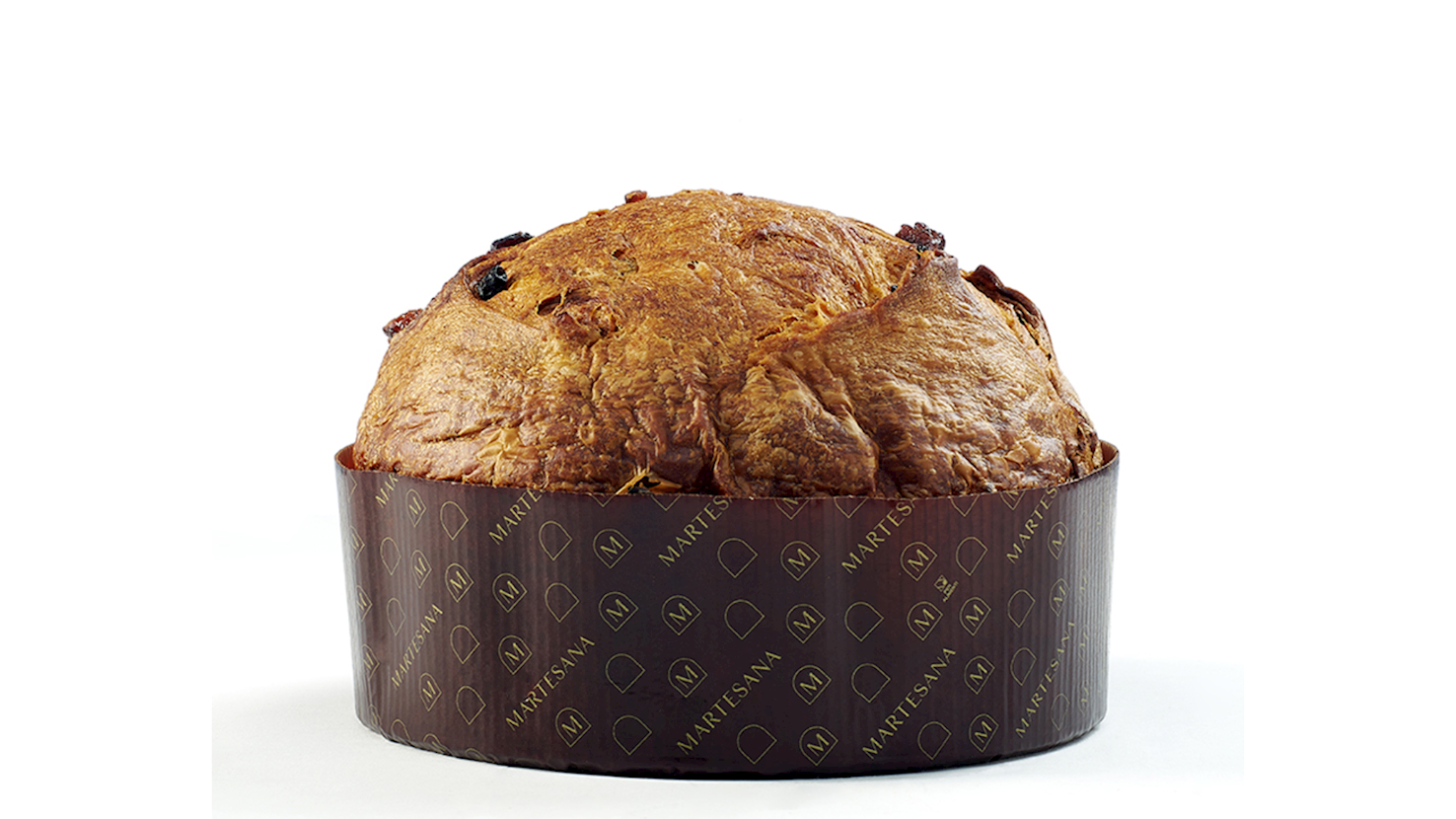
Pasticceria Martesana

4.5 ·

Pasticceria Martesana is a renowned Milanese pastry house founded in 1966 by master pastry chef Vincenzo Santoro. Over the decades, it has become one of the most respected names in Italian pastry, combining traditional craftsmanship with continuous innovation.

Based in Milan, Martesana is known for producing more than 300 different sweet creations, ranging from classic Italian specialties to contemporary desserts, all prepared using artisanal methods and carefully selected ingredients. The company places strong emphasis on quality, creativity, and attention to detail, values that have helped it earn recognition among Italy’s leading pastry establishments.

Its assortment includes cakes, pralines, biscuits, croissants, chocolates, seasonal specialties, and naturally leavened baked goods. Martesana is particularly celebrated for its Panettone and Colomba, which are considered among its most representative creations and have received acclaim in national pastry competitions.

With several locations across Milan, the brand continues to preserve its heritage while contributing to the evolution of modern Italian pastry culture.

08

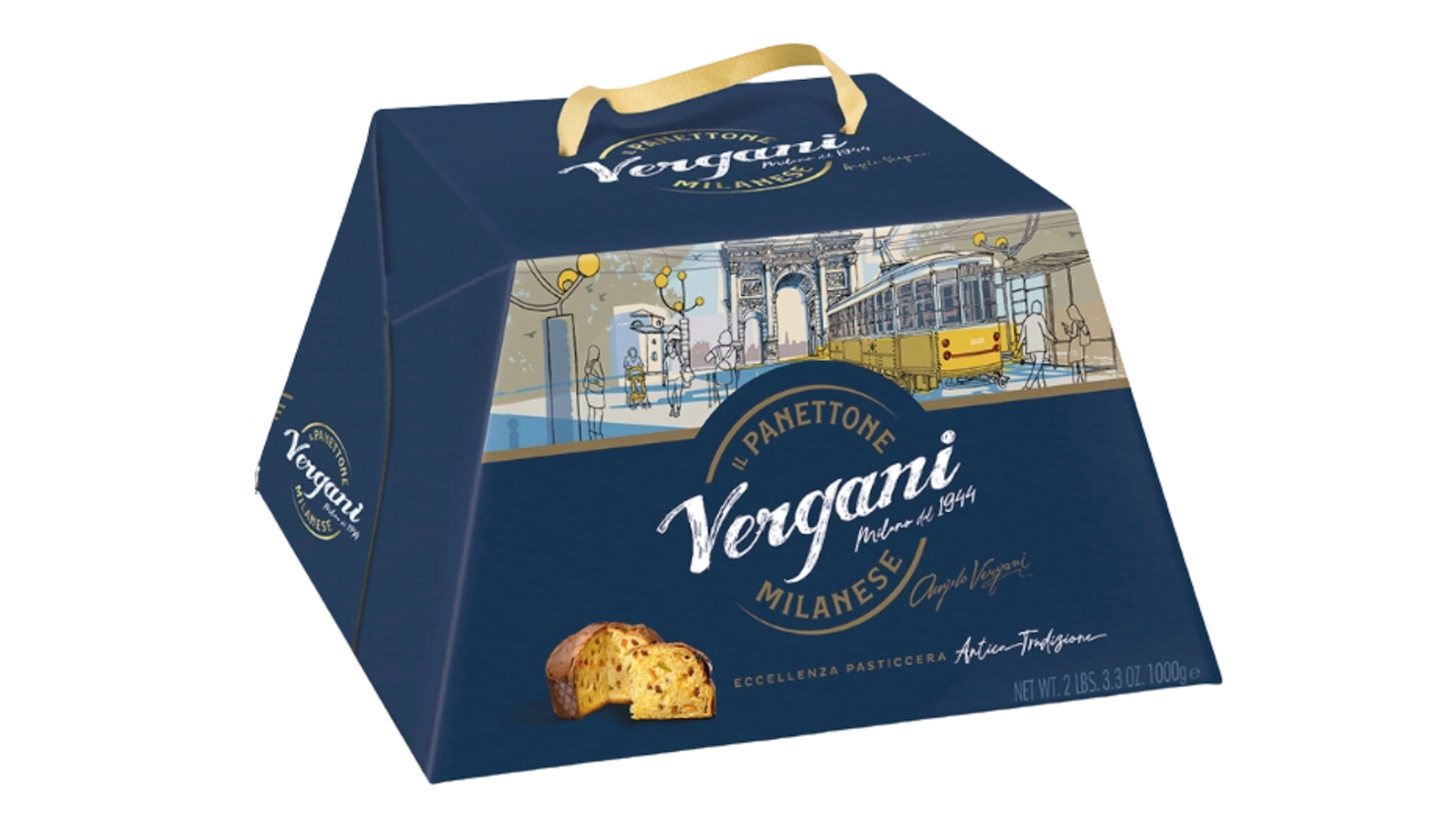
Vergani

4.4 ·

Vergani is a historic Milanese producer of panettone whose story began in 1944 when Angelo Vergani opened a small pastry shop in Milan. Built on a strong family tradition, the company has remained under the guidance of the Vergani family for four generations while preserving the values and recipes that made it one of the best-known names in Milanese confectionery.

The brand is particularly recognized for its dedication to traditional panettone production, using the same natural sourdough starter created by Angelo Vergani and refreshed three times a day throughout the year. Each panettone requires approximately three days of production, allowing the dough to develop its characteristic texture, aroma, and flavor.

While operating on an industrial scale, Vergani maintains an artisan approach focused on high-quality ingredients, careful craftsmanship, and respect for traditional methods. The company produces a range of seasonal specialties including panettone, pandoro, colomba, and carnival pastries, all rooted in Italian festive traditions.

Vergani is also notable for being one of the last major panettone producers still manufacturing in Milan, reinforcing its connection to the city where panettone originated. Today, the brand combines heritage, consistency, and innovation, making it a respected representative of authentic Milanese pastry culture both in Italy and abroad.

09

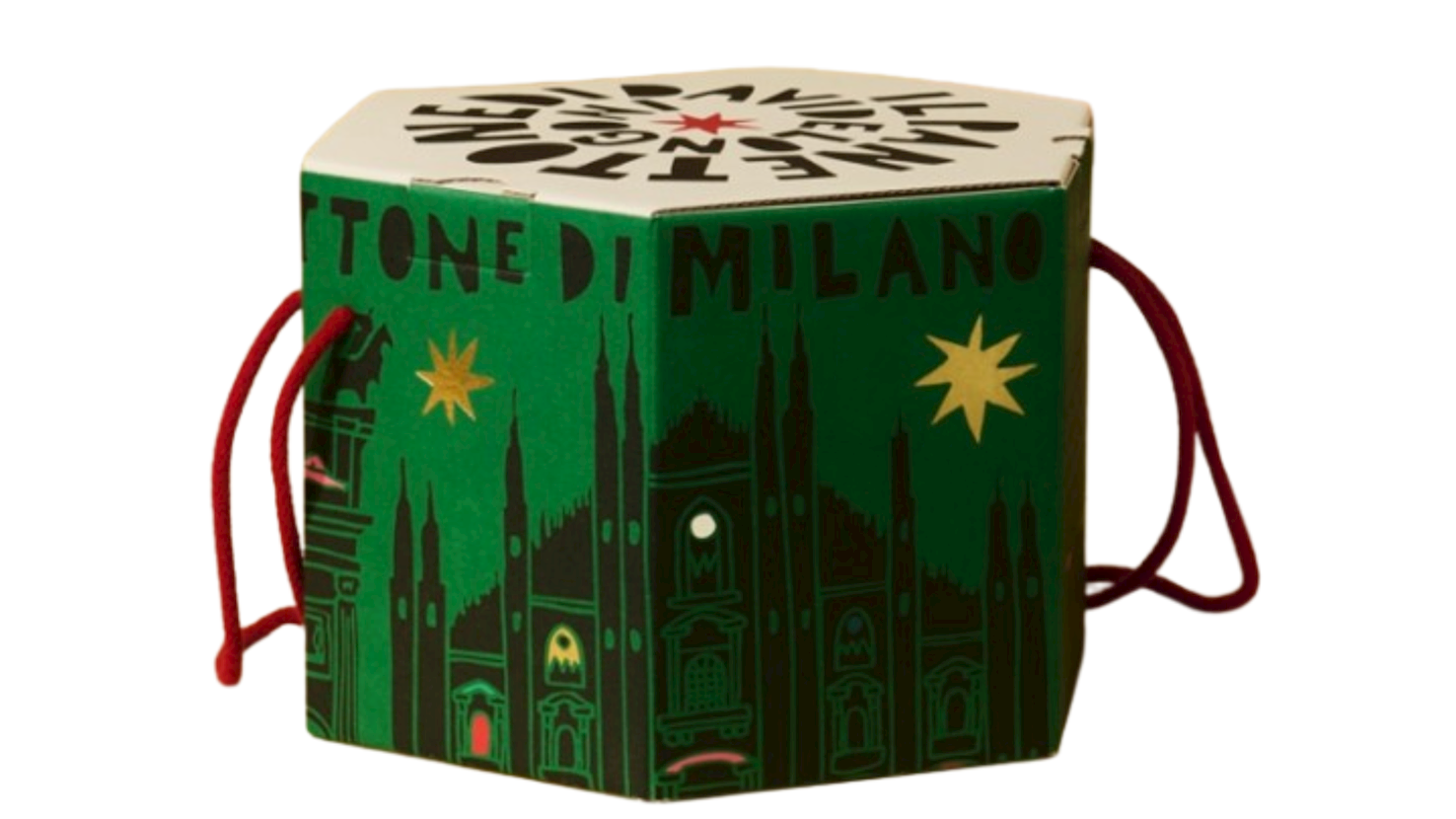
Panificio Davide Longoni

4.3 ·

Panificio Davide Longoni is one of Italy’s most influential artisan bakeries and a leading name in the modern revival of traditional bread making. Based in Milan, the company was founded by Davide Longoni, a baker from a family with generations of baking heritage in the Brianza area of Lombardy.

Longoni is widely recognized for promoting naturally leavened bread, long fermentation processes, and the use of carefully selected grains, including heritage wheat varieties grown through dedicated agricultural projects. His approach emphasizes a close connection between farming, milling, and baking, ensuring traceability and quality throughout the production chain.

The bakery’s range includes artisan breads, pastries, pizzas, seasonal baked goods, and panettone, all crafted with a strong focus on natural ingredients and traditional techniques. Over the years, Panificio Davide Longoni has become a benchmark for contemporary Italian baking, earning recognition for its commitment to craftsmanship, sustainability, and the preservation of Italy’s bread-making culture.

Today, it operates several locations across Milan and is regarded as one of the country’s most respected artisan bakery brands.

About this ranking

TasteAtlas food rankings are based on the ratings of the TasteAtlas audience, with a series of mechanisms that recognize real users and that ignore bot, nationalist or local patriotic ratings, and give additional value to the ratings of users that the system recognizes as knowledgeable. For the “Top 100 Sweet Breads in the World” list until July 15, 2026, 9,849 ratings were recorded, of which 6,815 were recognized by the system as legitimate. TasteAtlas Rankings should not be seen as the final global conclusion about food. Their purpose is to promote excellent local foods, instill pride in traditional dishes, and arouse curiosity about dishes you haven’t tried.

The initial list of top producers was compiled based on available reviews, awards, local recommendations, media and blog coverage, and consumer reviews. The list will be updated with ratings from TasteAtlas local ambassadors and TasteAtlas users.

Similar lists