Top 17 Campanian White Wines

Last updated on July 15, 2026

Best Campanian White Wines
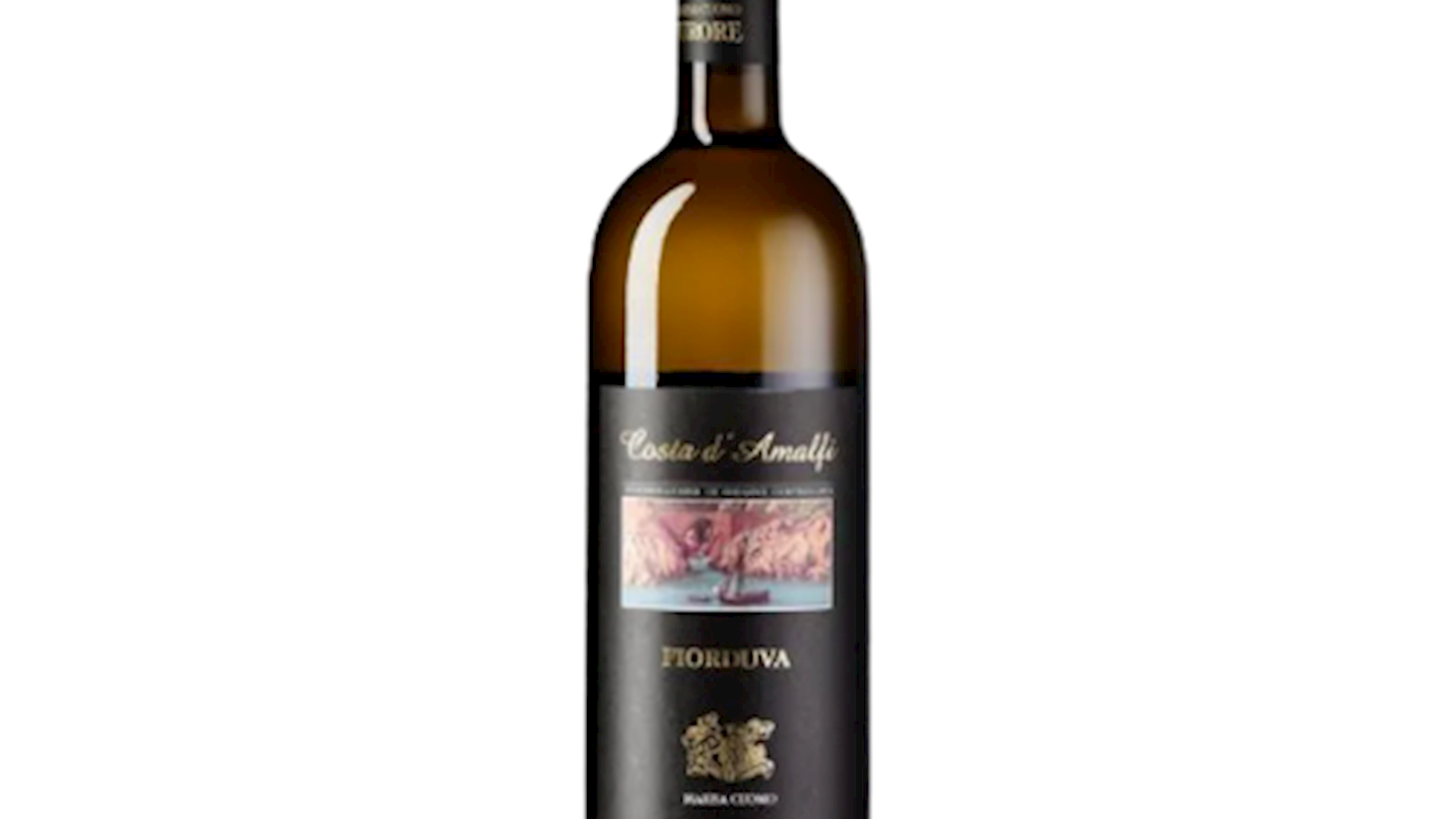
01

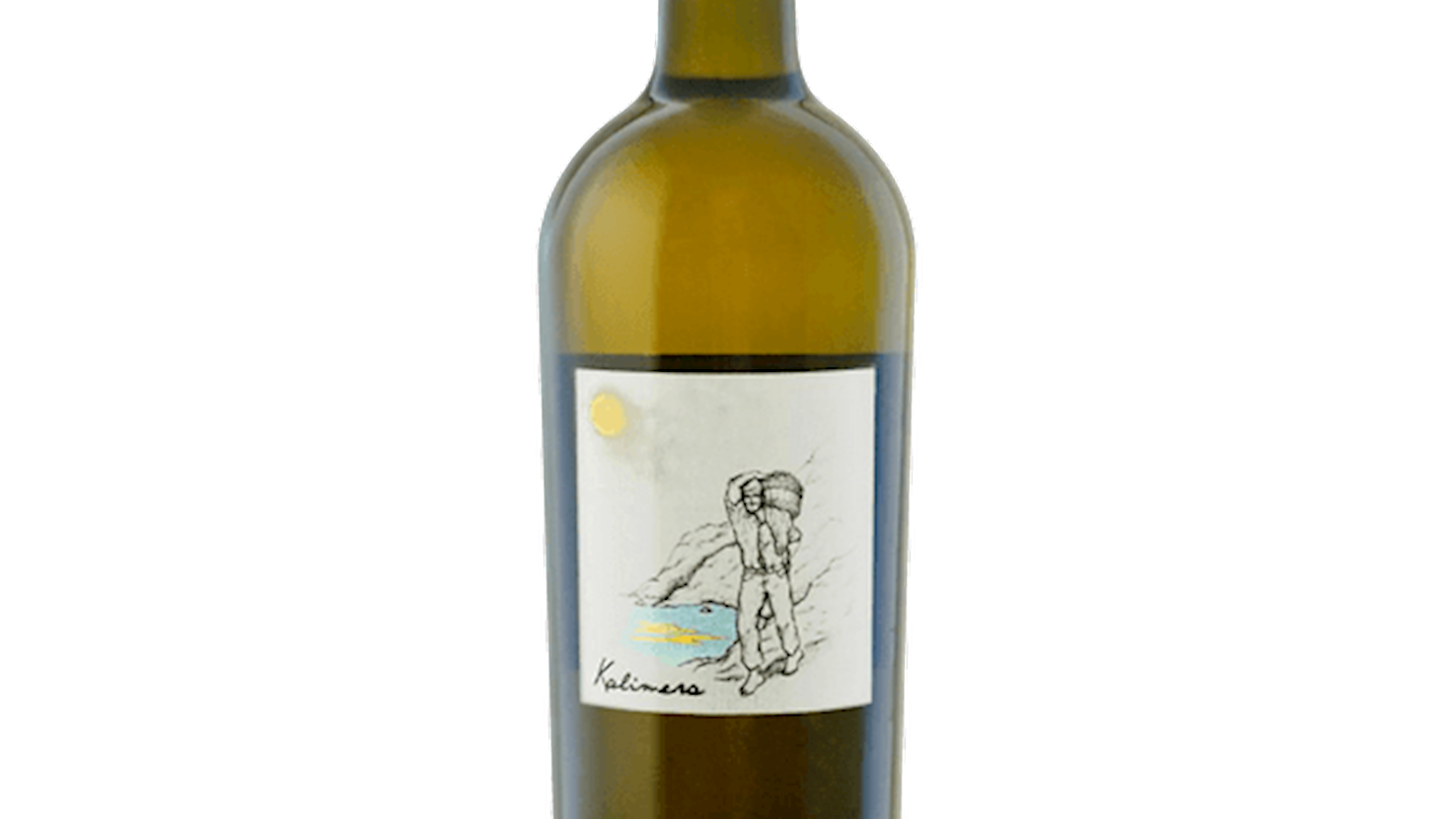
Cantine Marisa Cuomo

4.9 ·

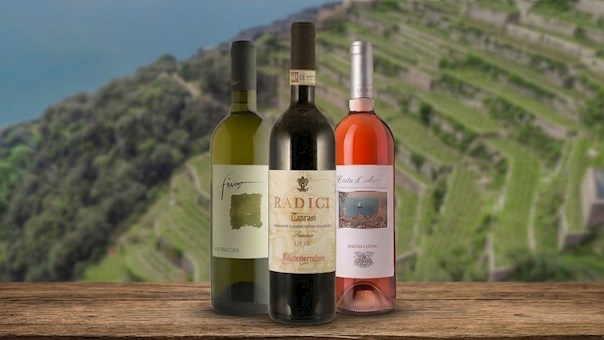
Cantine Marisa Cuomo is a family-run winery founded in 1980 in Furore, on the dramatic Amalfi Coast, an area defined by steep terraces overlooking the sea and extreme viticultural conditions. The estate was created by Andrea Ferraioli and named after his wife Marisa, combining family heritage with a strong commitment to preserving local winemaking traditions.

Vineyards are planted on narrow, stone-walled terraces suspended between mountains and the Mediterranean, where altitude, sea breezes, and limestone-rich soils shape a distinctive microclimate. The winery focuses on native Campanian grape varieties such as Fenile, Ginestra, Biancolella, Ripoli, Falanghina, Aglianico, and Piedirosso, expressing the authentic character of the Amalfi Coast.

Farming and harvesting are done almost entirely by hand, reflecting the principles of so-called “heroic viticulture.” Production is limited and quality-driven, with careful vinification designed to preserve freshness, minerality, and aromatic precision. Cantine Marisa Cuomo wines are known for their elegance, saline tension, and strong sense of place, making the winery one of the most respected and distinctive producers in southern Italy.

Awards
Decanter World Wine Awards - Platinum (2023, 2018, 2016)
Vivino - 4.4
02

Cenatiempo

4.7 ·
Awards
Decanter World Wine Awards - Best in Show (2019)
Vivino - 4.2
03

Castello

4.7 ·
Awards
Decanter World Wine Awards - Best in Show (2021)
04

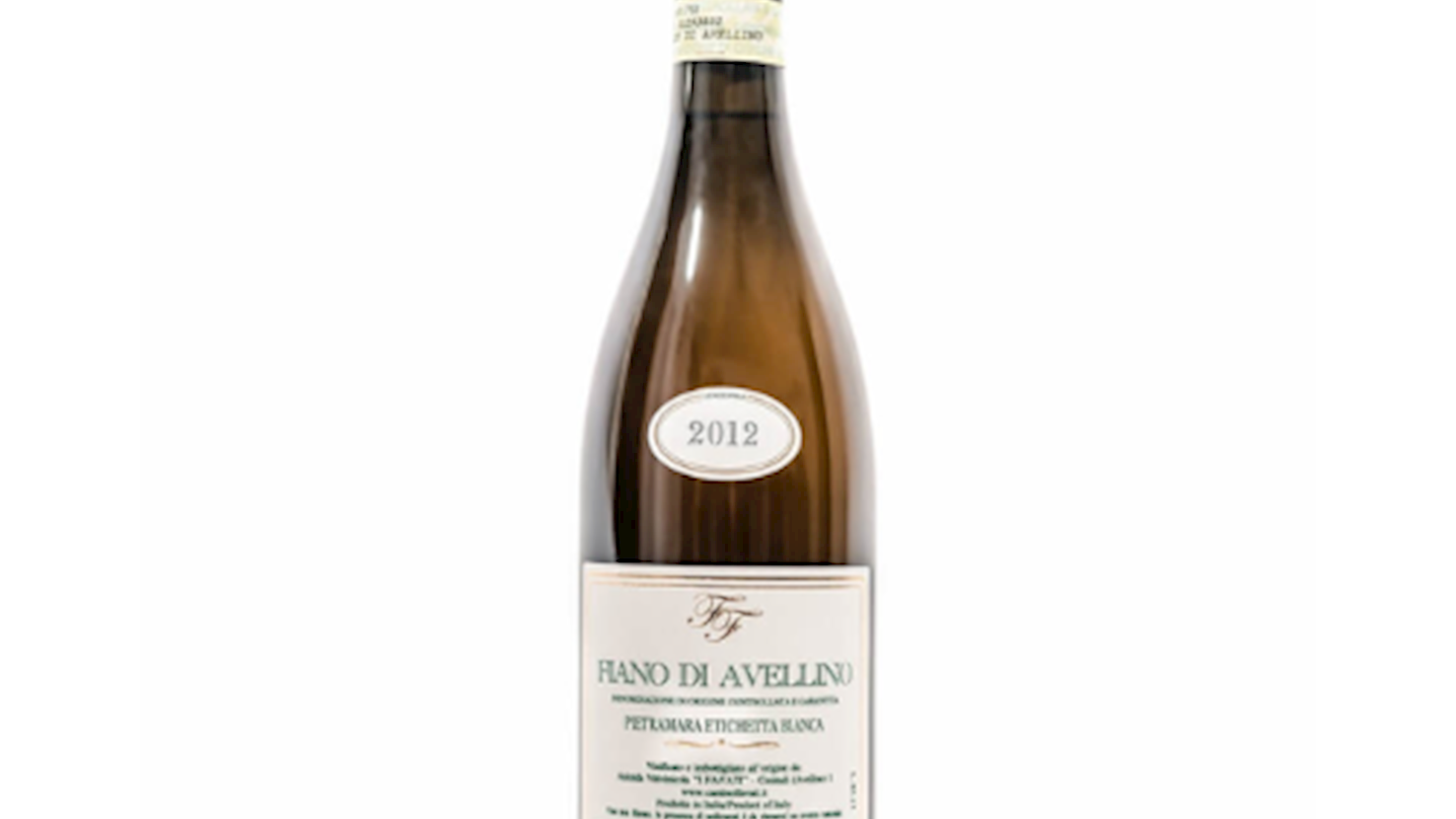
Cantine I Favati

4.7 ·

Cantine I Favati is a family-run winery located in the heart of Irpinia, Campania, a region renowned for its mineral-driven, high-altitude wines and strong varietal identity. The estate is managed by the Favati family, with a clear philosophy that wine quality is built first in the vineyard through careful parcel management and respect for natural balance.

Their vineyards are positioned within some of the area’s most important appellations, including Fiano di Avellino, Greco di Tufo and Taurasi, allowing a focused interpretation of Irpinia’s key DOCG wines. The house style is defined by precision, freshness and pronounced minerality, supported by a restrained, non-intrusive cellar approach.

Emphasis is placed on native varieties - Fiano, Greco and Aglianico - expressed with clarity rather than stylistic excess. Cantine I Favati stands as a reliable example of a modern Irpinia producer that consistently unites tradition, terroir and technical discipline.

Awards
Vivino - 4.3
Wine-Searcher - 90/100
05

Alabastra

4.6 ·
Awards
Decanter World Wine Awards - Platinum (2022)
06

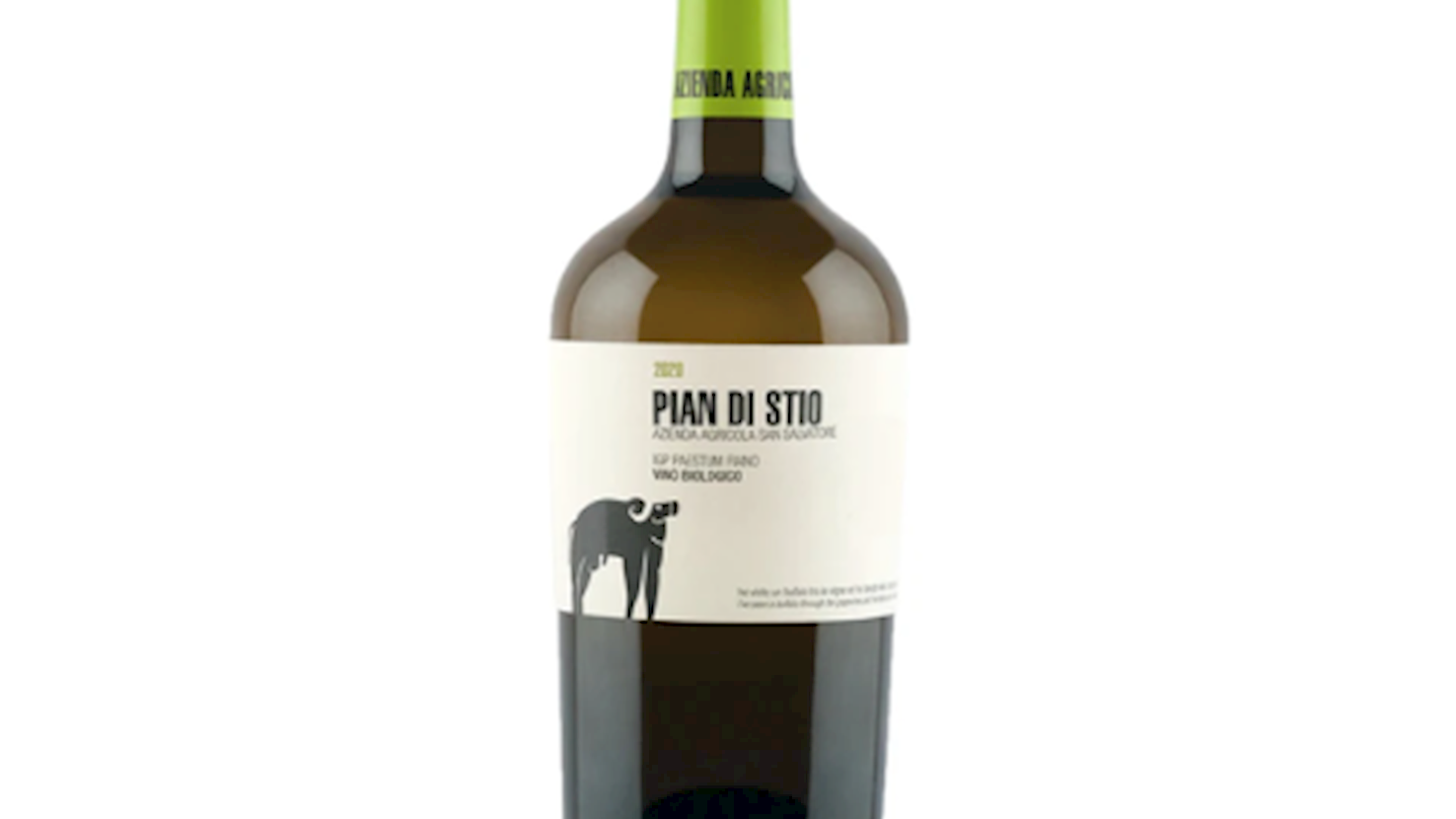
San Salvatore 1988

4.5 ·

San Salvatore 1988 is a family-owned winery and agricultural estate located in the Cilento area of Campania, near Paestum, founded in 1988 by Giuseppe Pagano. The estate was created with the idea of a deep connection between nature, land and people, with a strong commitment to sustainable and organic farming, free from chemical pesticides and synthetic fertilizers.

Today, San Salvatore manages vineyards, olive groves and buffalo farms within the protected area of the Cilento National Park, which strongly shapes the identity of its products. The vineyards are planted at different altitudes and close to the sea, giving the wines distinctive freshness and mineral character.

In addition to wine, San Salvatore 1988 also produces olive oil as part of the same holistic and sustainable agricultural philosophy. Their extra virgin olive oil comes from estate-owned olive groves in the Cilento area and is made using organic methods without chemical treatments.

It is obtained through cold extraction and is characterized by fresh herbal aromas, notes of artichoke, and a gentle bitterness with a delicate peppery finish. As with their wines, the focus is on preserving the natural environment and expressing the authenticity of the terroir, making the olive oil a natural extension of their commitment to quality and sustainability.

Awards
Vivino - 4.1
EVO IOOC - Gold Medal (2018, 2017)
07

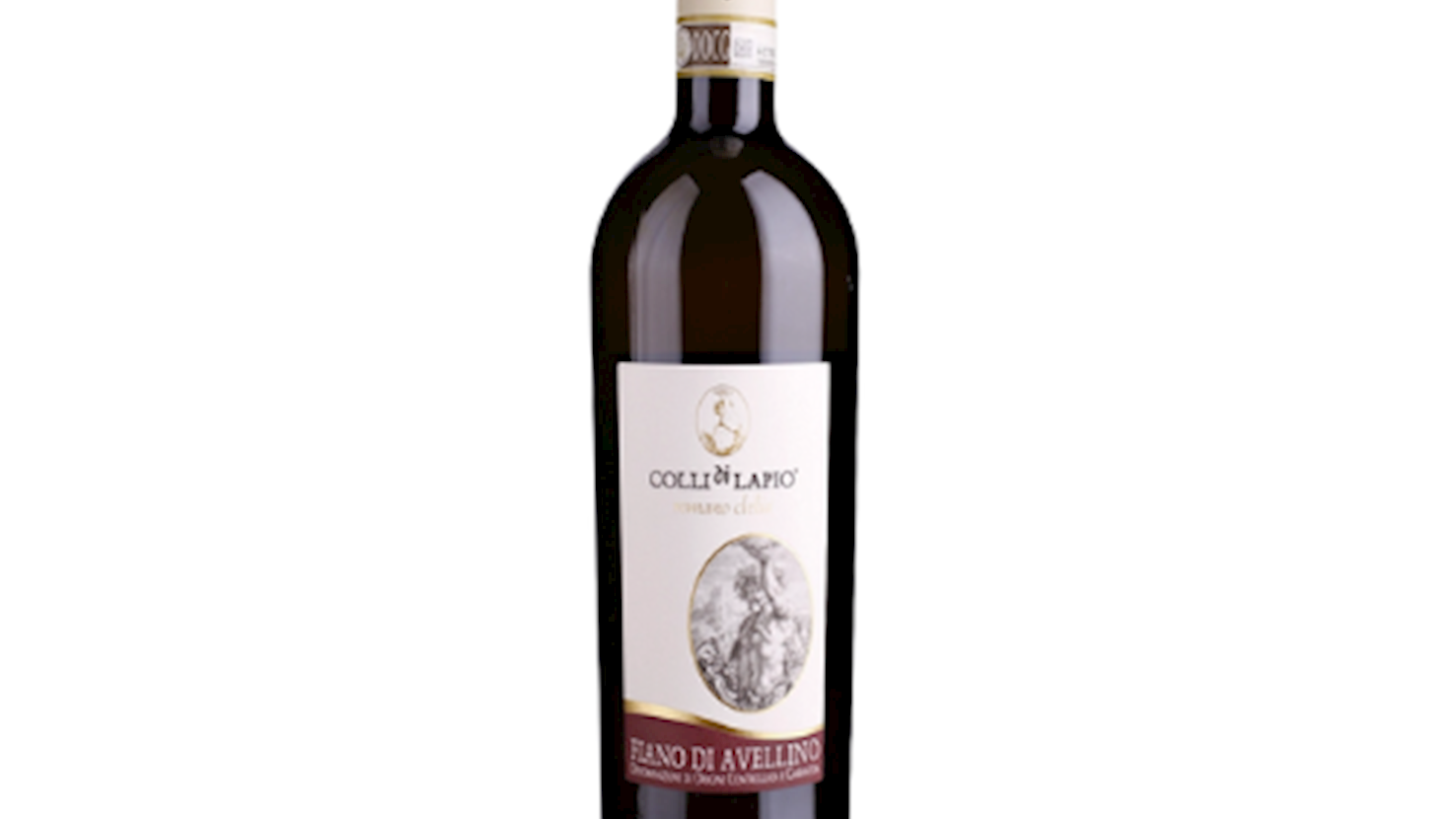
Colli di Lapio

4.2 ·

Colli di Lapio is a family-run winery from Irpinia, near the village of Lapio in the province of Avellino (Campania), known for precise, terroir-driven wines made from southern Italy’s indigenous grape varieties. The estate is led by Clelia Romano, one of the key figures of the contemporary Campanian wine scene, with a clear focus on vineyard work and minimal intervention in the cellar.

The vineyards lie at elevations of approximately 450–500 meters above sea level, on soils rich in volcanic and limestone elements, with marked day–night temperature shifts that enhance aromatic clarity and freshness in the grapes. The winery is particularly renowned for its Fiano di Avellino DOCG, vinified exclusively in stainless steel to preserve varietal purity, mineral character, and long aging potential.

The wines are defined by precision, vibrant acidity, and restrained complexity, without technological embellishment. Overall, Colli di Lapio stands as an authentic expression of Irpinia as a wine region, emphasizing elegance, longevity, and a clearly articulated sense of place.

Awards
Vivino - 4.0
Wine-Searcher - 90/100
08

Rocca del Principe

4.1 ·

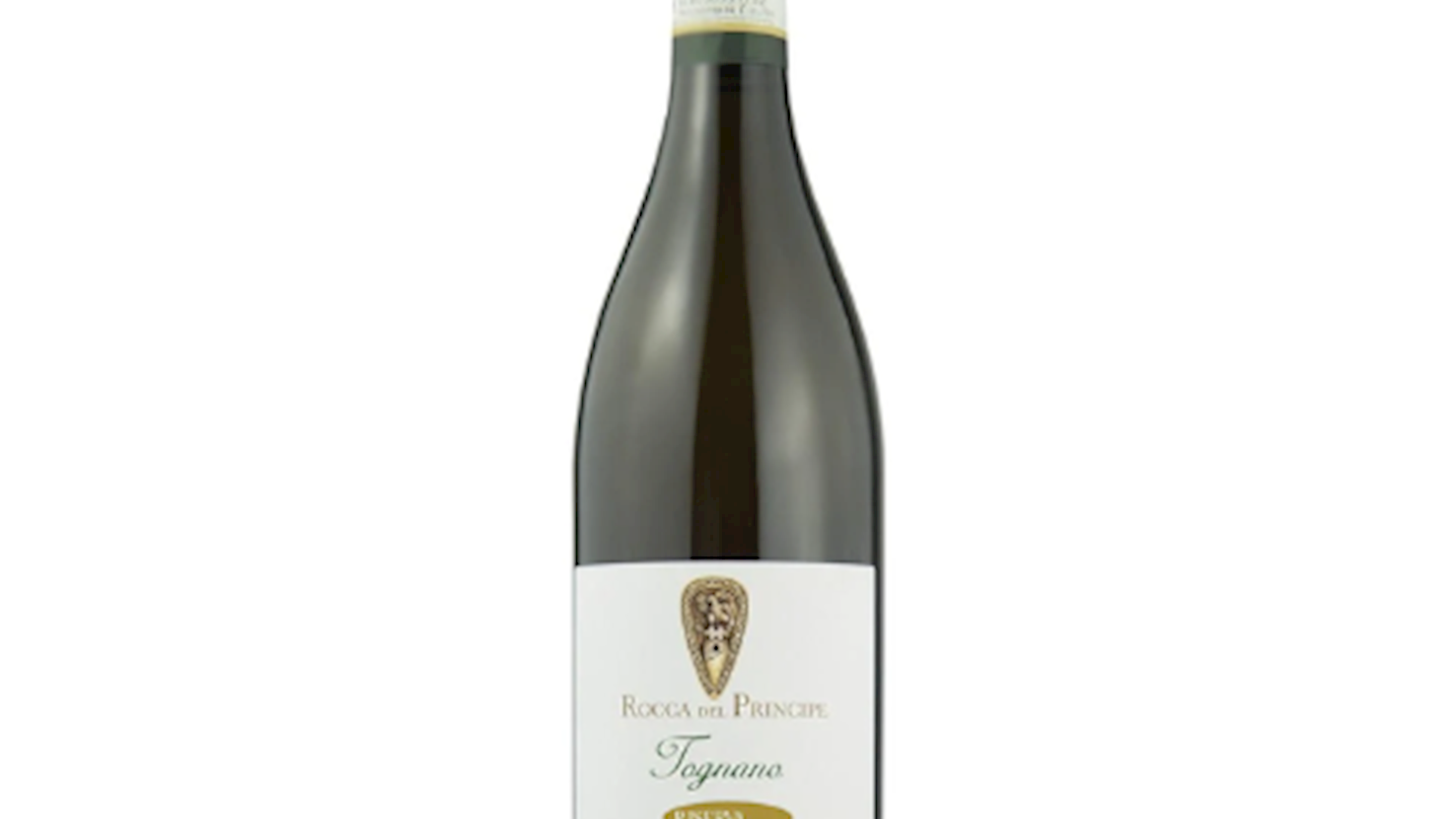
Rocca del Principe is a family-owned winery located in Lapio, in the Irpinia area of Campania, founded in 2004 by Ercole Zarrella together with his wife Aurelia Fabrizio and their family. The estate is dedicated to expressing the identity of local grape varieties, with a strong focus on Fiano and Aglianico, grown in high-altitude vineyards characterized by cool temperatures and mineral-rich soils.

The vineyards are carefully managed with low yields and selective harvesting to preserve freshness, precision, and varietal character. Rocca del Principe is especially known for its Fiano di Avellino wines, including single-vineyard and Riserva bottlings, which show depth, tension, and notable aging potential.

The winery also produces Taurasi from Aglianico, marked by structure, firm tannins, and complexity. Winemaking follows a restrained, terroir-driven approach, aiming to highlight purity and balance rather than power.

Today, Rocca del Principe is regarded as one of the most respected small producers in Irpinia, recognized for its precise, elegant wines that clearly reflect the character of their origin.

Awards
Vivino - 3.9
Wine-Searcher - 90/100
09

Vinosia

4.0 ·

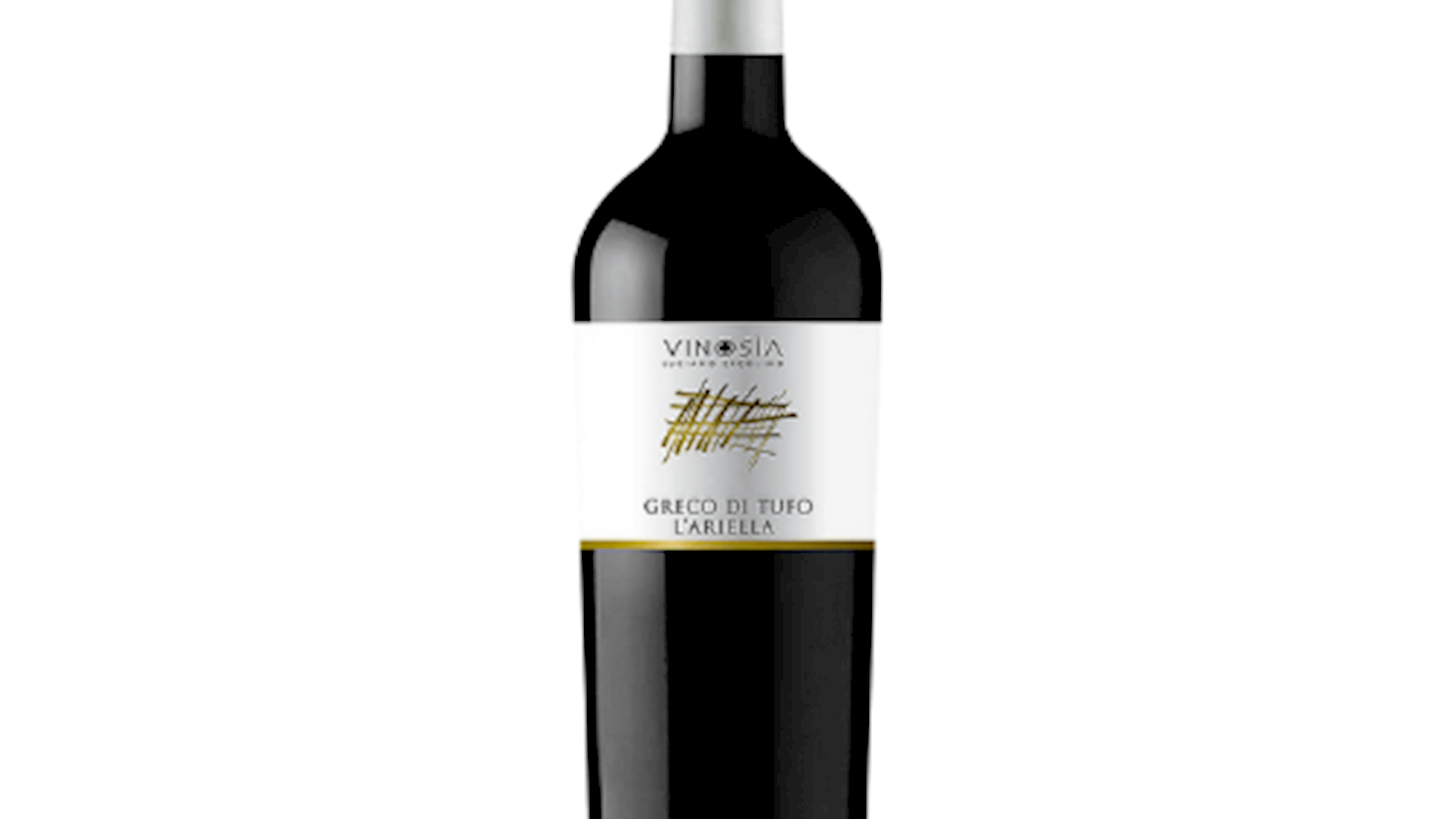
Vinosìa is an Italian winery founded in 2004 in Paternopoli, in the heart of the Taurasi DOCG area in Campania, by Luciano Ercolino and his family. The estate was created with the goal of expressing the identity of southern Italian terroirs through a modern yet respectful approach to winemaking.

Its core vineyards are located in Irpinia, an area known for its high altitudes, volcanic and rocky soils, and strong temperature differences, ideal for varieties such as Aglianico, Fiano di Avellino, Greco di Tufo, and Falanghina. In addition, Vinosìa works with selected vineyards in Apulia to produce wines from Primitivo and Negroamaro, expanding its regional expression.

The winery combines contemporary technology with sustainable practices aimed at preserving soil and grape quality. Its wines are known for clarity, balance, and strong varietal identity, ranging from fresh and mineral whites to structured, age-worthy reds.

Vinosìa has gained international recognition for its consistent quality and its ability to interpret southern Italian grape varieties in a precise and authentic style.

Awards
Decanter World Wine Awards - Platinum (2022)
Vivino - 4.0

Best Campanian White Wine Types
01

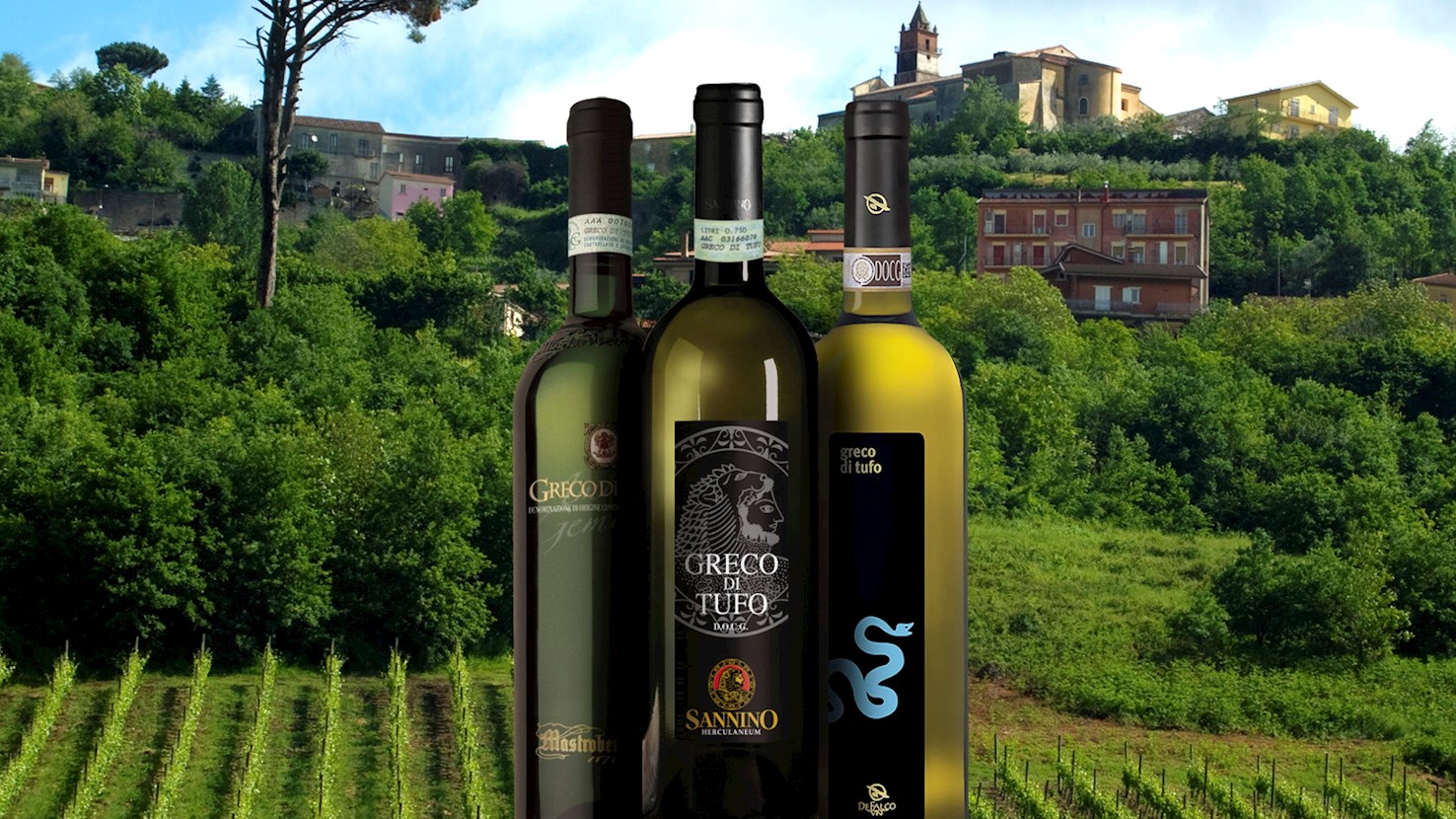
Greco di Tufo

3.7 ·

Produced from Greco grape variety, this prized Italian wine hails from Campania. Apart from the still white wine, Greco di Tufo also comes in a sparkling (spumante) style which must be aged for a minimum of three years. Still wines are usually fresh, mineral, medium to full-bodied, with well-balanced acidity. They can display various aromas of tropical fruit, lemons, pears, apples, and herbs. Although they can be enjoyed young, they also age well, and matured varieties typically show more herbaceous notes. Greco di Tufo wines pair well with poultry, risottos, fish, crustaceans, and shellfish, but they also go well with mozzarella di bufala Campana.

02

Falanghina

3.7 ·

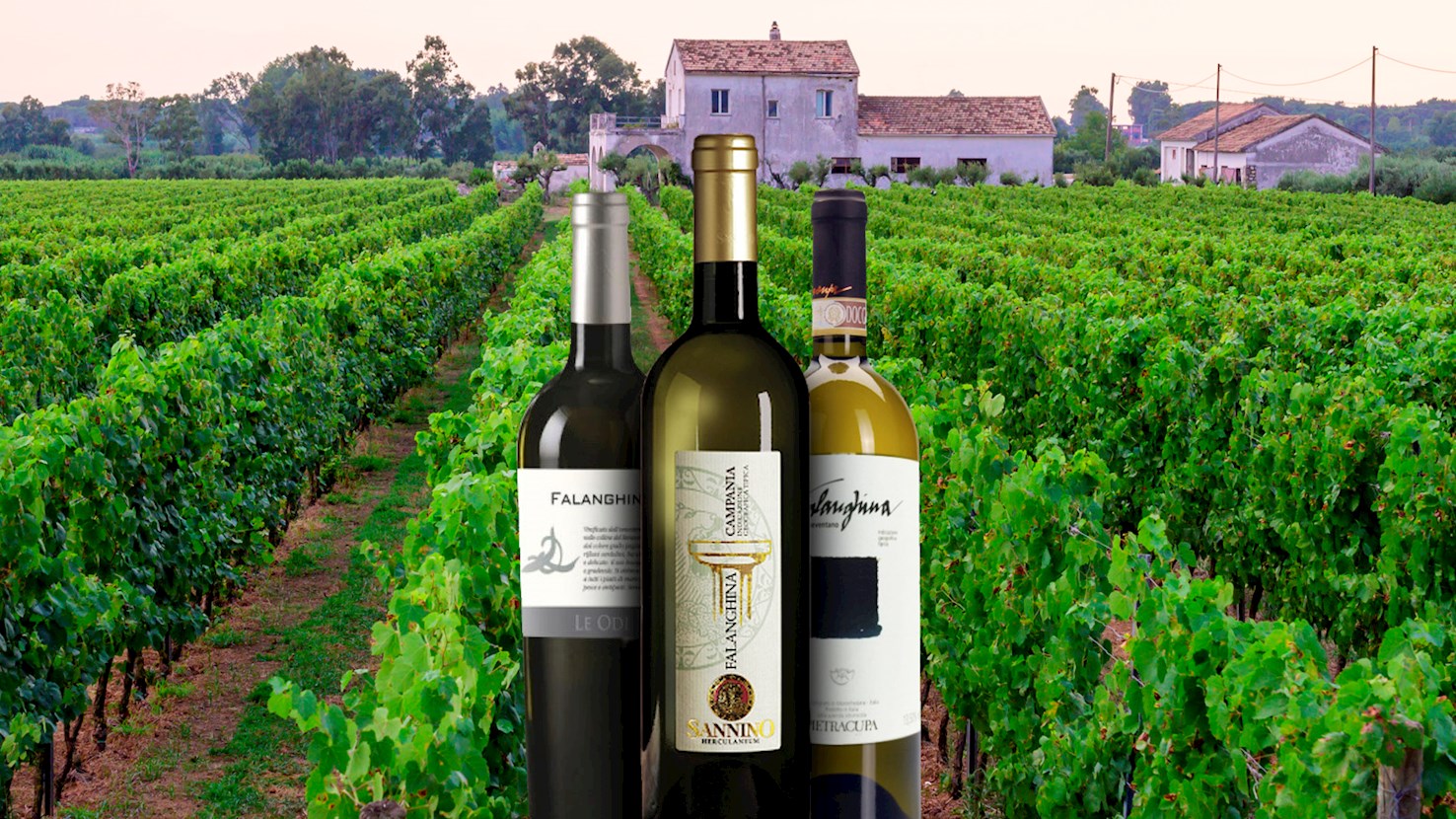
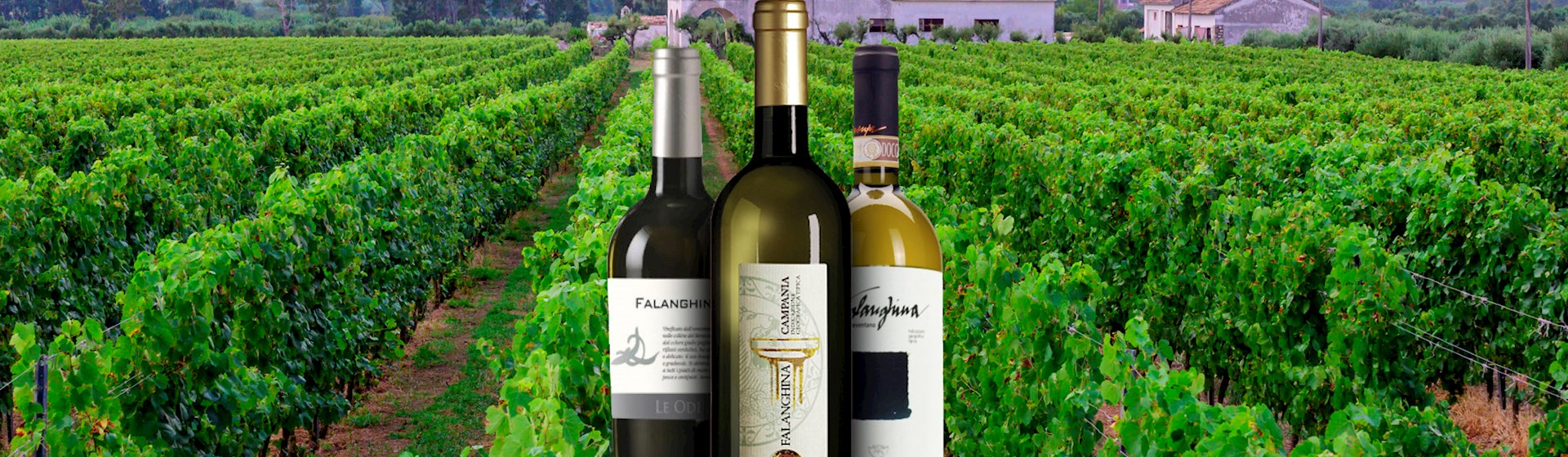
Falanghina is an old Italian white grape variety that is mostly associated and cultivated in Campania. For a very long time, it was not known that the name was used for two distinct sub-varieties: Falanghina Beneventana and the better known Falanghina Flegrea. Both grapes are used in several regional appellations, and the distinction has not yet been officially recognized. The grapes share similar characteristics and mostly produce straw-colored wines that have fruity and floral notes. They often have a mineral character and sometimes hints of tropical fruit. Flegrea tends to be more herbaceous and citrusy, while Beneventana is often more floral. Both varieties are a good match with fish-based dishes, seafood, and goat or fresh cheese.

03

Fiano

3.4 ·

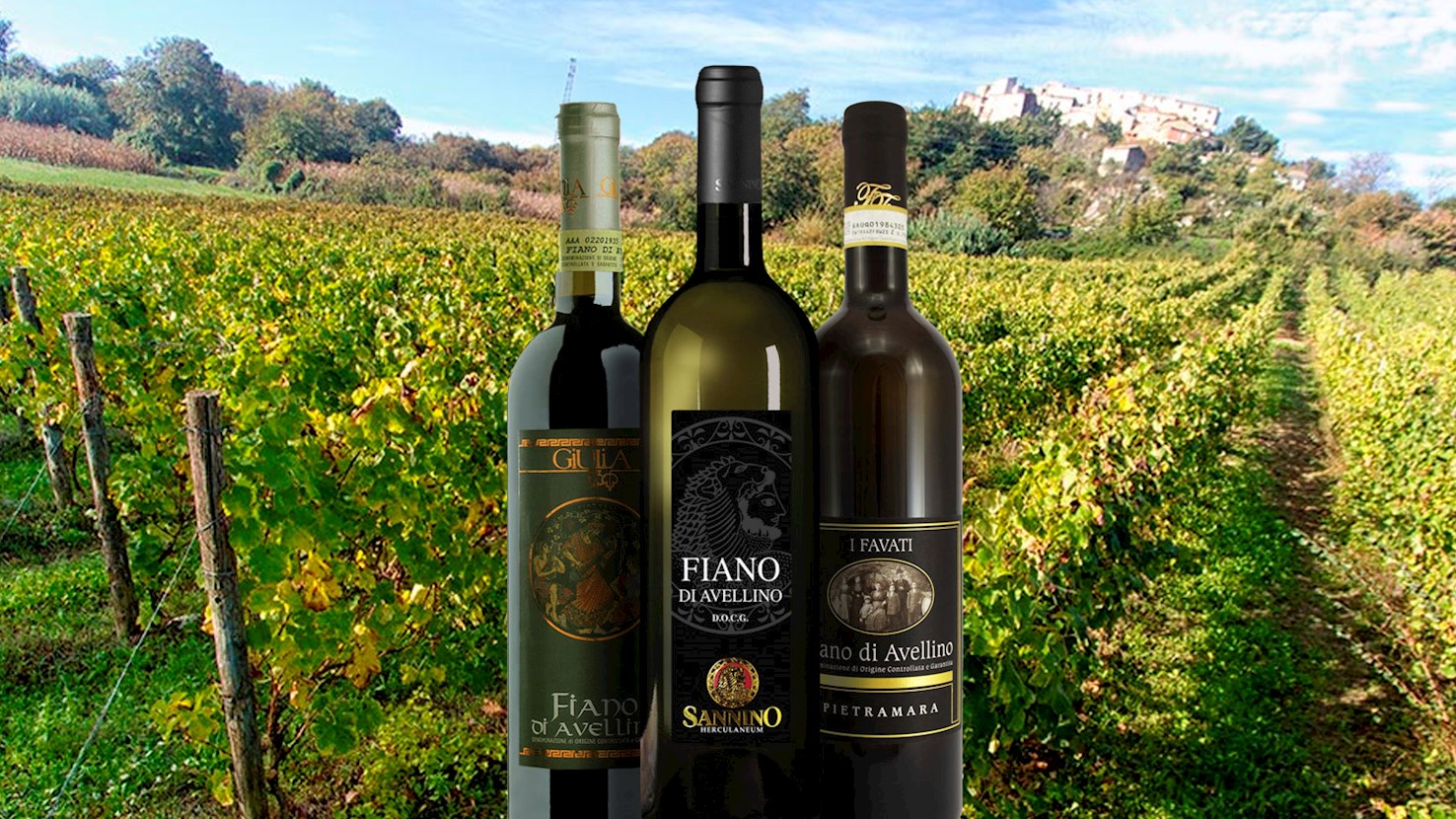
Mostly cultivated in Campania, Fiano is an old Italian variety that has seen a significant revival since the 1980s. This low-yielding, early-ripening grape is praised for its ability to produce crisp and aromatic wines with a lot of character and herbaceous and fruity notes. These wines are typically medium-bodied and intensely flavored. Young Fiano wines often display aromatic honey notes, and as they age, they tend to develop smoky and spicy notes dominated by hazelnut. The aromas are perfectly balanced with bright acidity. Fiano is used in varietal and blends, and it can also be used in the production of sparkling and dessert wines. They can be enjoyed young, and it is generally recommended to age them for up to five years. The most important appellation for Fiano is Fiano di Avellino, which holds a DOCG status. Fiano-based wines can be enjoyed as an aperitif. They can be a good match with seafood and white meat. Apart from Campania, the grape is cultivated in Puglia (Apulia) and Sicily. Small amounts of Fiano can also be found in Australia.

04

Fiano di Avellino

n/a ·

This white Italian wine is produced in Campania with an ancient Fiano grape. The best examples made in the region are typically light or full-bodied, fresh, lively, and elegant, with good acidity and complex notes of honey, citrus, and pears, which may develop into deeper aromas of hazelnuts and spices. Because of its lively character, Fiano can match various dishes, but it pairs exceptionally well with fried or grilled seafood. It also works well with pasta, preferably served with pesto or tomato sauce, and some Campania classics such as fritto misto di pesce, spaghetti alle vongole, spaghetti alla puttanesca, and even mozzarella di bufala Campana.

05

Biancolella

n/a ·

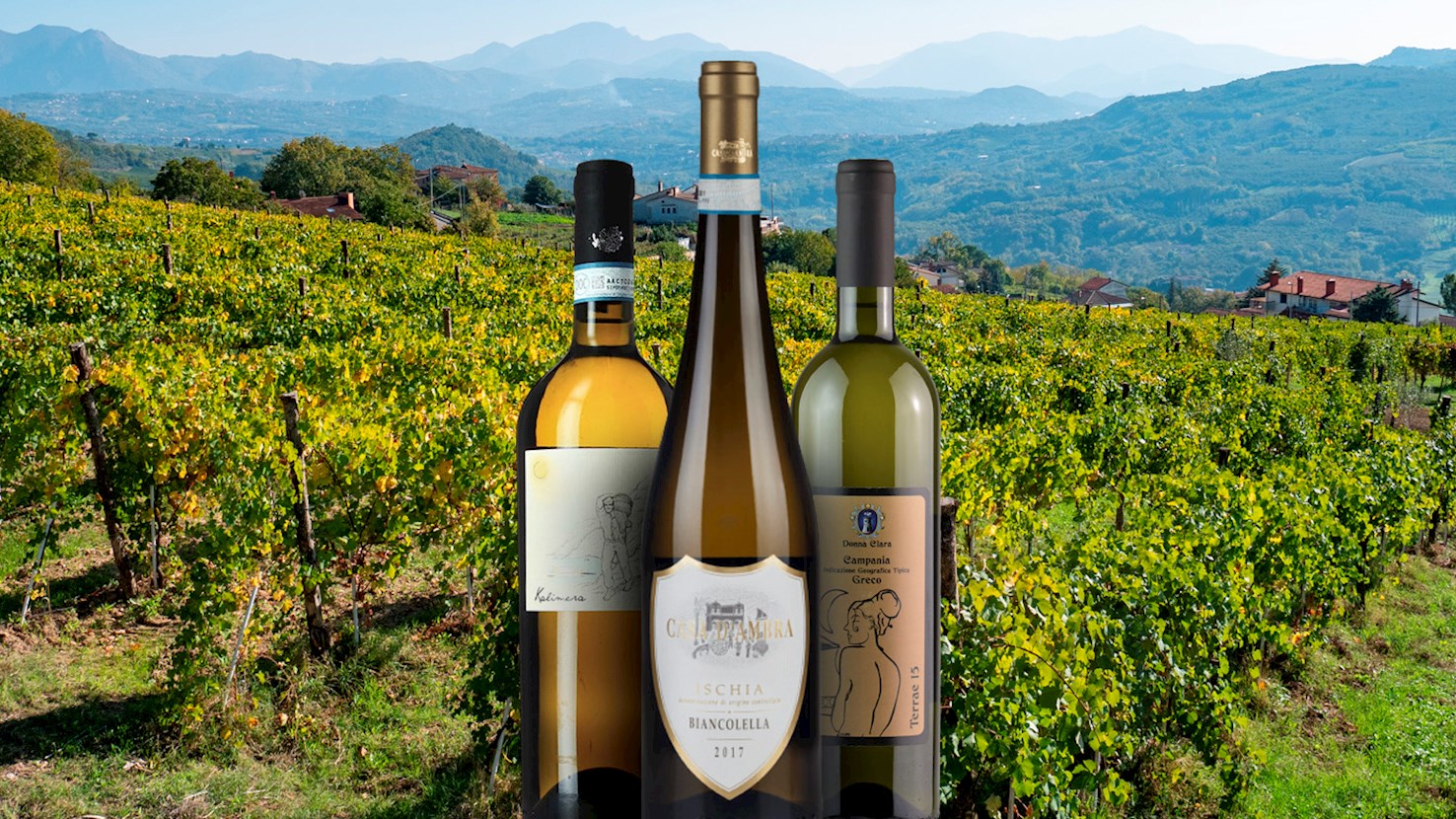
Biancolella is a native Italian white grape that is mostly cultivated in Campania. It is found in Caserta and Naples, but the best expressions come from Ischia. The grape is used in varietals and blends, and it can produce straw-colored, aromatic white wines. Biancolella wines have an interesting aroma reminiscent of Mediterranean herbs, sometimes with hints of citrus, yellow fruit, and spices. Depending on the terroir, these wines can have mineral character and herbal nuances, while ripe examples may display subtle hints of tropical fruits and almonds. Biancolella is best paired with seafood, including fish, clams, and crustaceans. It could also go well with fresh cheese. On Ischia, the wines labeled as Ischia Biancolella are 100% Biancolella grape. The origin of Biancolella is still vague. It is suggested that it could be native to Greece, and it is believed that it was primarily planted in Corsica, where it is known as Petite Blanche.

06

Lacryma Christi Bianco

n/a ·

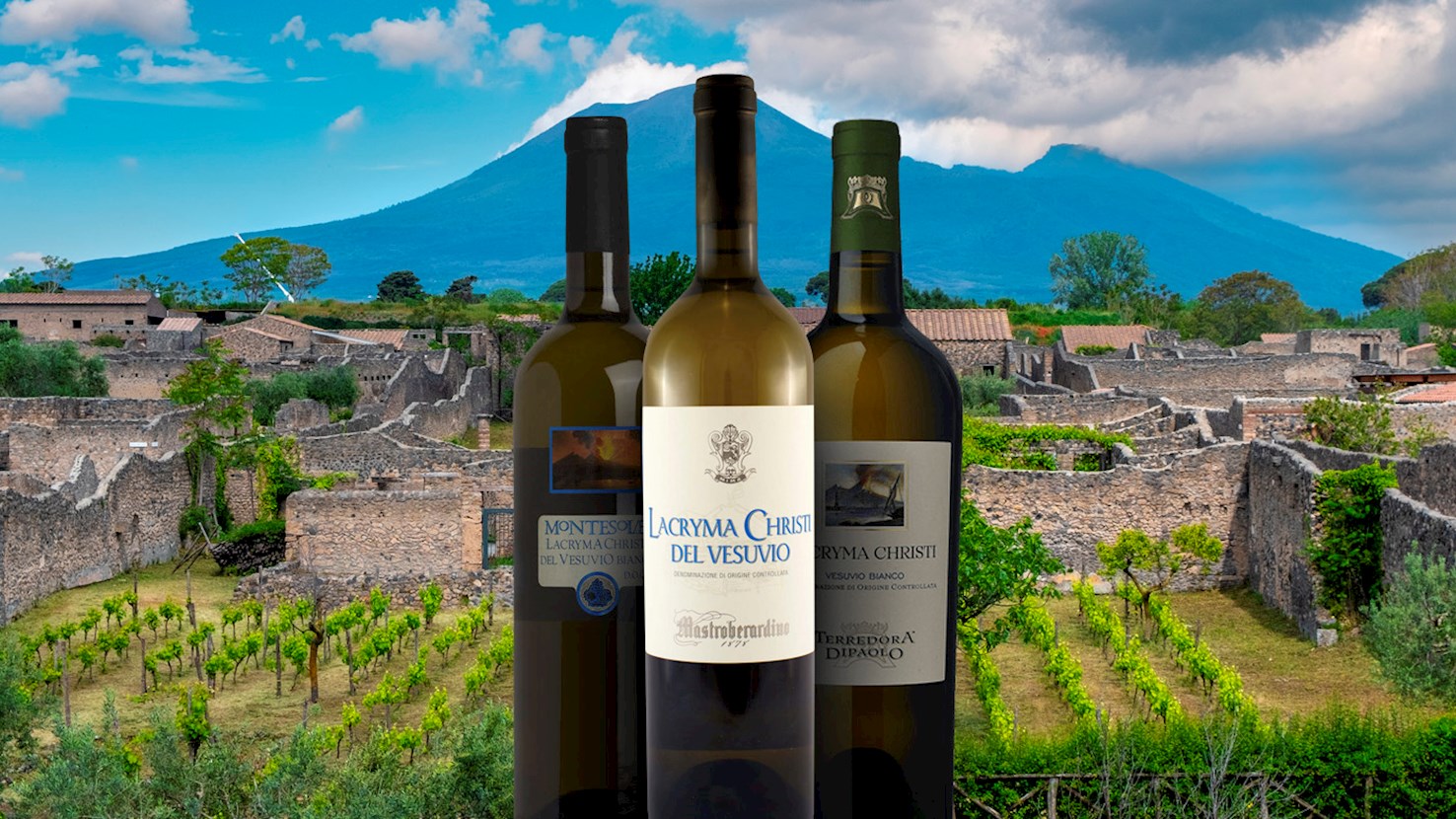
Lacryma Christi is an ancient wine made from local grapes grown around Mount Vesuvius in Campania. It comes as a white (bianco), red (rosso), and rosé (rosato) wine. All styles are included in the Vesuvio DOC appellation. White Lacryma is made with Coda di Volpe, Caprettone, Verdeca, Falanghina, and Greco di Tufo varieties. The resulting wines are pale yellow with a fruity aroma reminiscent of peaches and melon and hints of floral notes. They are typically fresh and medium-bodied, with good acidity and some mineral character. These wines make a great aperitif, and they pair well with appetizers, pasta dishes, seafood, vegetables-based dishes, and fresh cheese. They have to have at least 12% ABV.

07

Sannio

n/a ·

Sannio refers to wines produced in the inland territory of the province of Benevento in the Campania region of southern Italy and regulated under the Sannio DOC, encompassing a wide range of red, white, rosé, and sparkling wines made across hills and valleys distinct from Campania’s coastal zones. Winegrowing in this area developed within a landscape shaped by Apennine foothills, river basins, and calcareous-clay soils, where viticulture expanded alongside grain farming and olive cultivation, and where continuity of settlement supported grape growing oriented toward stability and volume long before modern appellation structures formalized the territory. Production under Sannio DOC places strong emphasis on varietal identity, allowing wines labeled by grape such as Falanghina, Greco, Fiano, Aglianico, and Piedirosso, with vinification methods generally favoring stainless-steel fermentation for whites to preserve freshness and controlled maceration for reds to maintain balance, while oak use is optional and typically restrained. A defining aspect of Sannio wine is the appellation’s focus on single-variety expressions within a broad geographic framework, which allows clarity of grape character while accommodating diverse microclimates and elevations across the province. These wines are consumed primarily with meals in homes, restaurants, and agriturismi throughout Campania, served according to style from chilled whites and sparkling wines to moderately tempered reds, and they pair well with vegetable dishes, legumes, grilled meats, fresh and aged cheeses, pasta with tomato or meat sauces, and inland seafood preparations, reinforcing their role as table wines integrated into everyday dining rather than wines intended for isolated tasting.

08

Paestum

n/a ·

Paestum refers to wines produced in the area surrounding Paestum and the northern part of the Cilento in the province of Salerno, within the Campania region of Italy, and released under the Paestum IGT designation, encompassing red, white, and rosé wines from coastal plains and gently rising inland hills. Viticulture in this zone developed in parallel with agricultural settlement on fertile alluvial and calcareous soils influenced by proximity to the Tyrrhenian Sea, where grape growing coexisted with cereal cultivation, vegetable farming, and livestock, and where the area’s long continuity of human settlement supported sustained vineyard use without the formation of narrowly defined wine districts. Paestum wines are produced from a wide range of grape varieties, including Aglianico and Piedirosso for reds and Fiano, Greco, Falanghina, and international grapes for whites, with vinification typically favoring clean fermentation in stainless steel and selective use of oak depending on the intended style, resulting in wines that emphasize balance and drinkability rather than extended aging. A defining aspect of Paestum wine is the appellation’s openness, which allows producers to bottle varietal wines or blends while maintaining a clear geographic reference tied to the Cilento–Paestum area, and this flexibility has made it a preferred designation for producers working outside stricter DOC frameworks. These wines are consumed primarily with meals in local homes, agriturismi, and restaurants across Campania, served according to style from lightly chilled whites and rosés to moderately tempered reds, and they pair well with grilled meats, vegetables, legumes, fresh cheeses, seafood, and olive-oil-based dishes, reinforcing their role as table wines integrated into everyday dining rather than reserved for formal tasting occasions.

09

Benevento

n/a ·

Benevento refers to wines produced in the area around the city and province of Benevento in the inland part of the Campania region of Italy and released under the Benevento IGT designation, which covers red, white, and rosé wines made across a broad hilly territory known for mixed agriculture rather than coastal influence. Wine production in this area developed alongside cereal farming, olive cultivation, and livestock raising, with vineyards established on limestone and clay soils at moderate elevations where continental temperature variation supported consistent ripening, and over time this inland setting encouraged a style of wine centered on balance and reliability rather than concentration or luxury positioning. Benevento wines are produced from a wide range of grape varieties, including local grapes such as Falanghina, Greco, Fiano, and Aglianico as well as international varieties, with vinification generally carried out in stainless steel to preserve clarity and freshness, while some red wines may see brief oak contact depending on producer intent, and the emphasis remains on drinkability rather than extended aging. A defining aspect of Benevento wine is the flexibility allowed within the appellation, which permits producers to adapt grape choice and style to vineyard conditions and market needs while maintaining a clear geographic reference to the Sannio area. These wines are consumed primarily as table wines in homes, restaurants, and local settings throughout Campania, served according to style from chilled whites to lightly cool reds, and they pair well with vegetable dishes, legumes, grilled meats, fresh cheeses, and simple pasta preparations, making them common choices for everyday meals rather than wines reserved for ceremonial or standalone consumption.

Best producers
10

Costa d’Amalfi

n/a ·

Costa d’Amalfi is a wine produced along the Amalfi Coast in the province of Salerno in the Campania region of Italy and regulated under the Costa d'Amalfi DOC, covering white, red, and rosé wines made from grapes grown on steep coastal terraces. Viticulture in this area developed in response to an extreme landscape shaped by cliffs, narrow valleys, and limited arable land, where grape growing persisted through small plots supported by dry-stone walls and manual labor, with continuity reinforced by coastal trade routes and local consumption rather than large-scale commercial farming. Wine production relies on native grape varieties such as Fenile, Ginestra, Biancolella, Piedirosso, and Aglianico, harvested by hand due to terrain constraints, fermented with methods adapted to small volumes, and typically aged briefly to preserve freshness and site expression rather than power or longevity. A defining aspect of Costa d’Amalfi wines is the direct influence of altitude changes over short distances combined with maritime exposure, which results in wines shaped simultaneously by sun, wind, and salt-laden air, and the necessity of terrace cultivation limits yields naturally without mechanical intervention. These wines are consumed primarily in coastal towns and restaurants along the Amalfi Coast, served according to style from well-chilled whites to lightly cool reds, and they pair naturally with seafood, shellfish, vegetables, lemon-based dishes, fresh cheeses, and light meats, while they are most often enjoyed with meals overlooking the coast rather than as standalone tasting wines, reinforcing their role as table wines closely tied to daily eating patterns.

Read more
View all
View map
About this ranking

TasteAtlas food rankings are based on the ratings of the TasteAtlas audience, with a series of mechanisms that recognize real users and that ignore bot, nationalist or local patriotic ratings, and give additional value to the ratings of users that the system recognizes as knowledgeable. For the “Top 17 Campanian White Wines” list until July 15, 2026, 69 ratings were recorded, of which 43 were recognized by the system as legitimate. TasteAtlas Rankings should not be seen as the final global conclusion about food. Their purpose is to promote excellent local foods, instill pride in traditional dishes, and arouse curiosity about dishes you haven’t tried.

The initial list of top producers was compiled based on available reviews, awards, local recommendations, media and blog coverage, and consumer reviews. The list will be updated with ratings from TasteAtlas local ambassadors and TasteAtlas users.

Similar lists