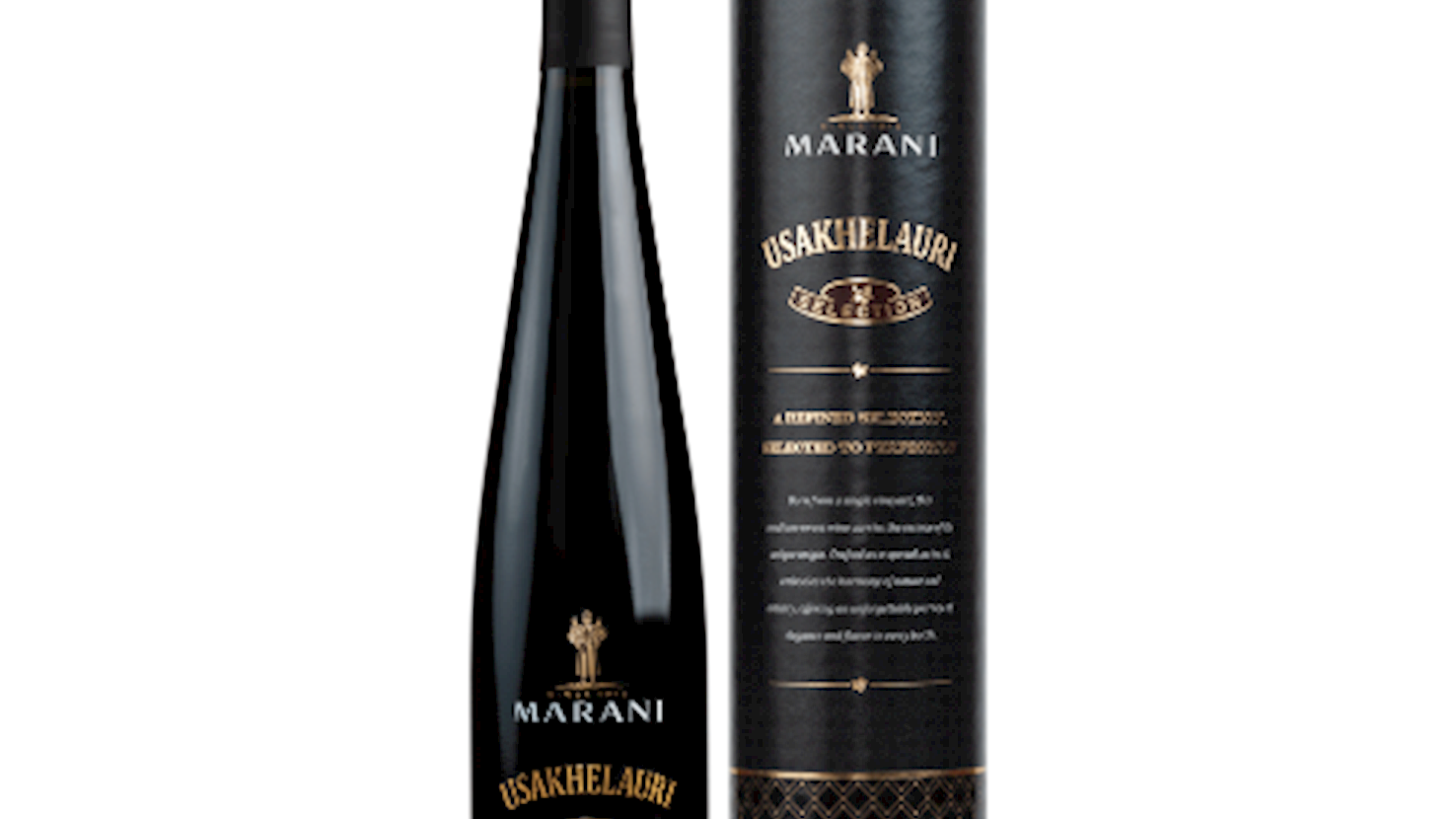
Marani is a winery from eastern Georgia, located in the Kakheti region, known for combining traditional Georgian winemaking methods with modern enological practices. Its Kondoli vineyards, one of the most renowned vineyard sites in the country, were first documented in the 18th century as a source of high-quality grapes. The climate of the Alazani Valley provides warm days and cool nights, contributing to balanced grape ripening and preserved aromatic freshness. Marani focuses on indigenous Georgian varieties such as Saperavi, Rkatsiteli, Mtsvane and Kisi, maintaining the authentic identity of the region’s viticulture. One of its most distinctive features is fermentation in qvevri - large clay amphorae buried underground, a winemaking method thousands of years old that allows natural micro-oxygenation of the wine. In parallel, part of the production takes place in modern stainless-steel tanks, ensuring precision and consistency of style. This combination of heritage and technology results in wines with strong character and a clear sense of origin. Marani produces a wide range of styles - from dry whites and structured reds to characteristic amber wines with extended maceration. Thanks to consistent quality, the winery is present in many global markets and frequently awarded at international competitions. Its approach respects local winemaking heritage while embracing contemporary standards. Marani wines reveal the distinctive taste of Georgian terroir through a balance of minerality, aromatic complexity and depth of flavor.
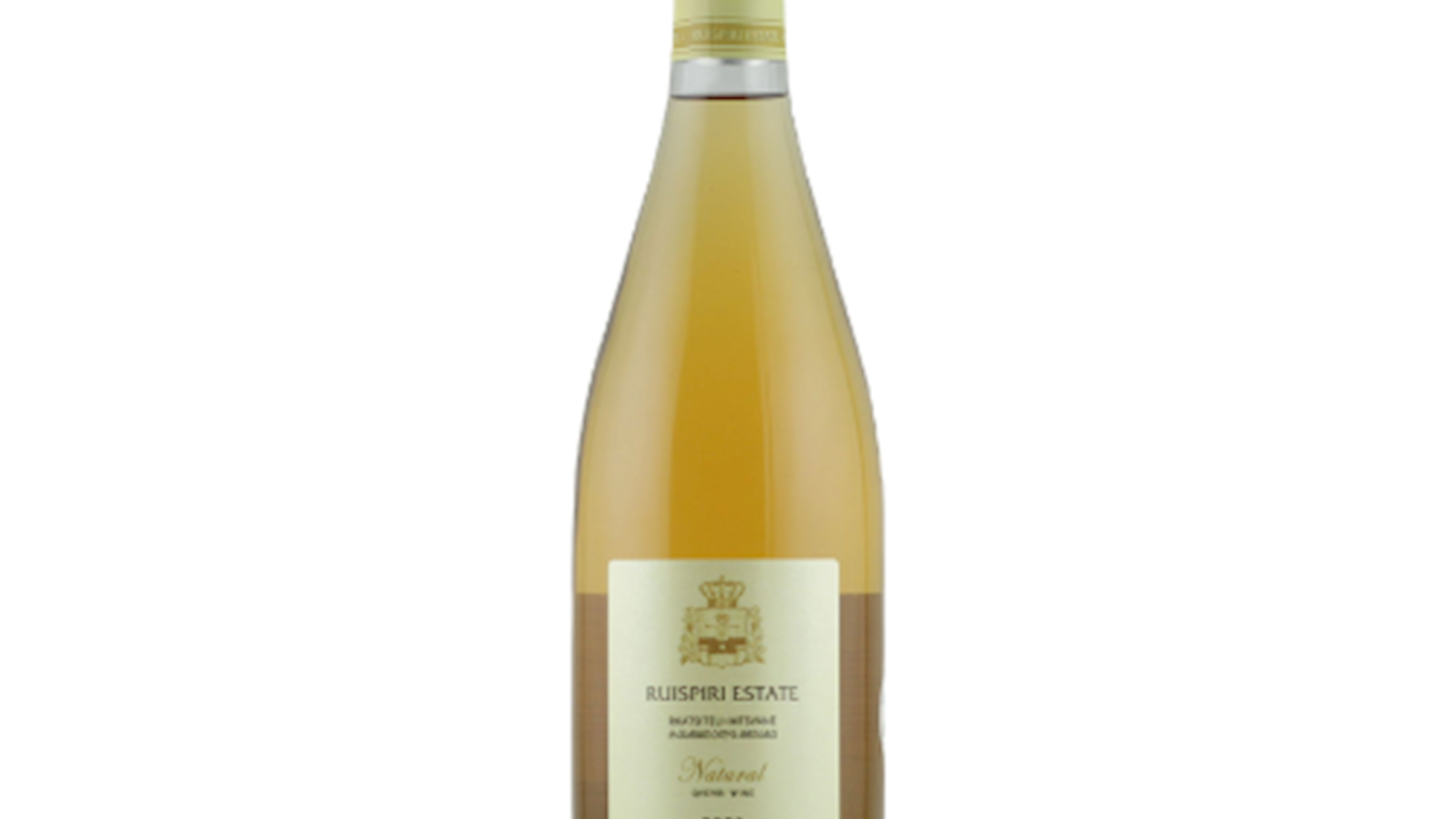
Ruispiri is a small family-run winery and biodynamic estate located in the village of Ruispiri, in the Telavi area of Georgia’s Kakheti region, the country’s most important wine-producing zone. Its production is based on organic and biodynamic principles, avoiding chemical inputs and focusing on maintaining the natural balance of the vineyard and soil. The winery is led by Giorgi Aladashvili, who brought experience from biodynamic farming abroad and applied it to the local terroir, resulting in wines closely tied to their environment. Production is limited and artisanal, with careful attention given to every stage of the process. A defining element is the use of traditional qvevri – clay vessels buried underground – for fermentation and aging, which gives the wines structure, texture, and authenticity. The portfolio includes indigenous grape varieties such as Rkatsiteli, Kisi, Mtsvane, and Saperavi, reflecting the microclimate of Kakheti. Beyond wine, the estate operates as a self-sustaining agro-ecosystem, producing additional traditional foods that support its sustainability philosophy. Ruispiri also functions as a wine tourism destination, offering tastings and accommodation, where wine is experienced in connection with local cuisine and the surrounding Caucasus landscape.
Awards
Vivino - 4.1
Concours Mondial de Bruxelles - Grande Médaille d'or
(2024)
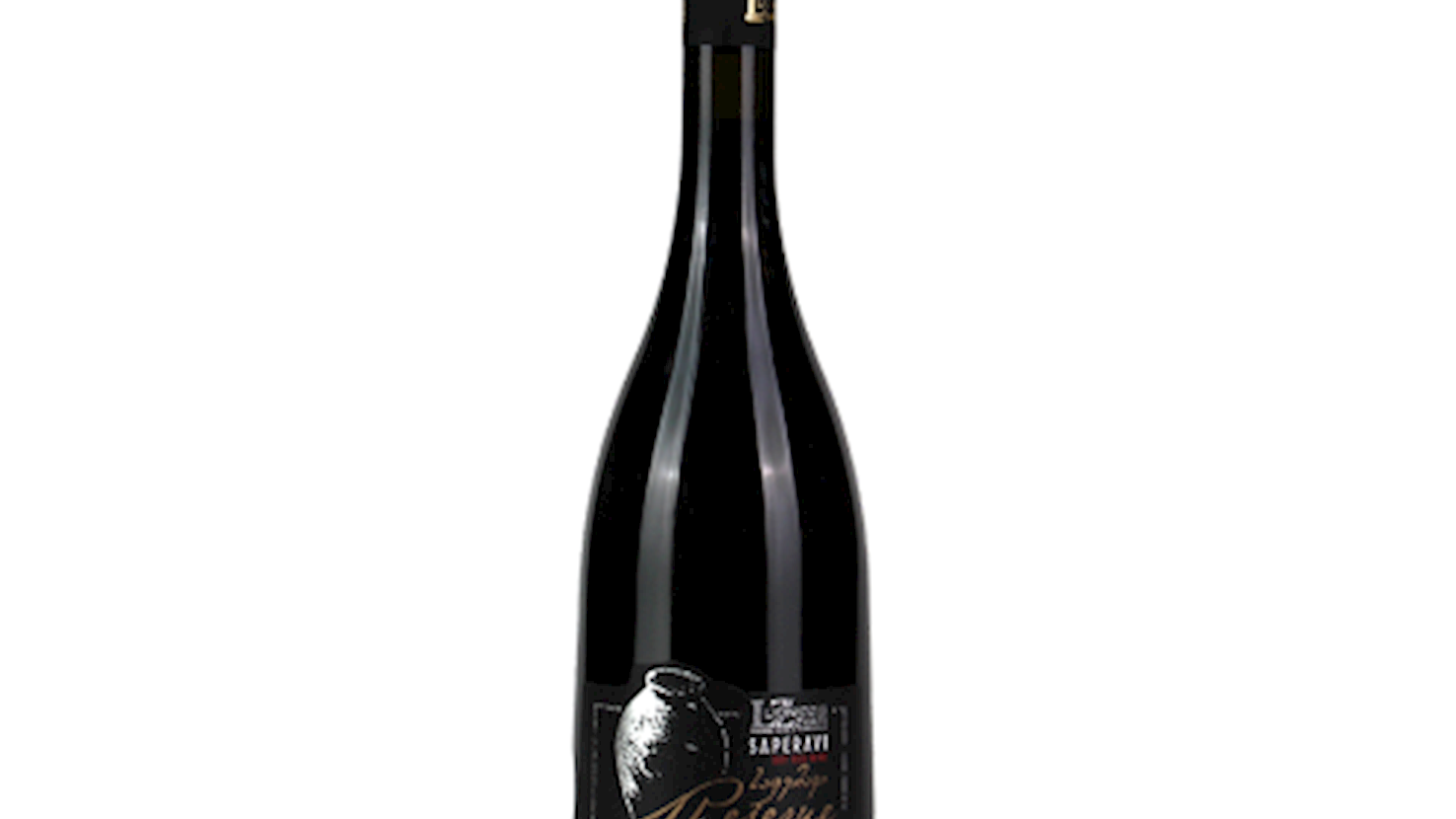
Lionidzis Zvari is a Georgian winery established in 2006 in the village of Vardisubani, located within the Tsinandali microzone in the Kakheti region, one of the country’s most important wine-growing areas. The vineyards are situated on historically significant land once associated with Solomon Lionidze, a diplomat at the court of King Erekle II, which adds cultural depth to the winery’s identity. The estate focuses on native grape varieties such as Saperavi, Rkatsiteli, Mtsvane, Kisi, and Khikhvi, aiming to reflect the specific terroir defined by local soils and climatic conditions. Production combines traditional Georgian techniques with modern winemaking practices, with a strong emphasis on fermentation and aging in qvevri—large clay vessels buried underground, recognized as part of UNESCO’s intangible cultural heritage. Their wines are typically structured, with a balance between freshness, tannins, and aromatic complexity, depending on the style and vinification method. Particular attention is given to qvevri wines, which express pronounced texture and varietal character.
Awards
IWSC- International wine & spirit competition - Gold
(2024)
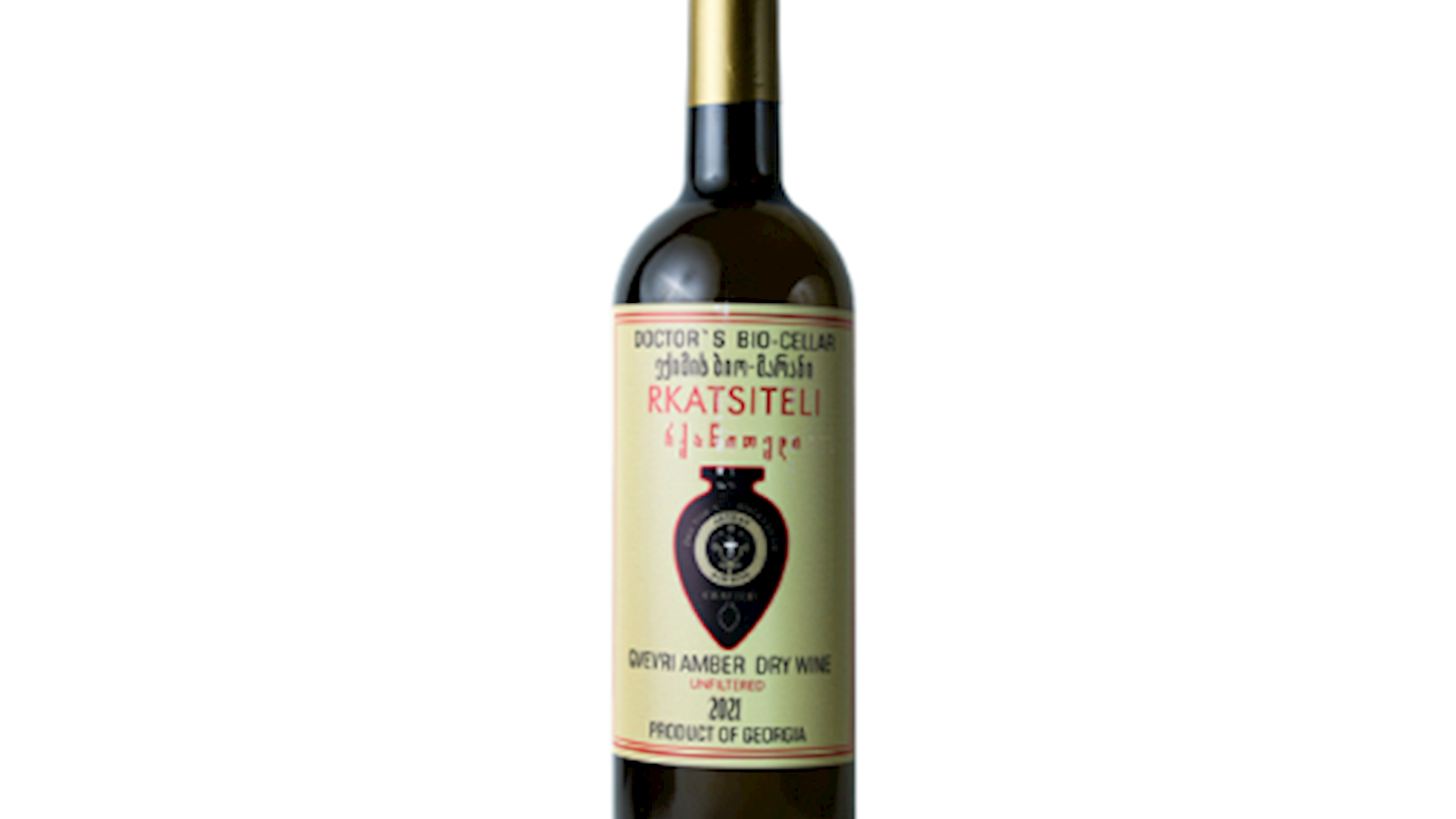
Doctor’s Bio-Cellar is a small, family-run winery based in Georgia’s Kakheti region, widely regarded as the historical heart of winemaking and the birthplace of the ancient qvevri tradition. The producer follows an organic, low-intervention philosophy, cultivating grapes without synthetic chemicals and relying on spontaneous fermentation with native yeasts. Their wines are made in traditional clay vessels known as qvevri, buried underground to ensure natural temperature stability and gradual development of structure and aromas. The resulting style is authentic and vintage-driven, with minimal standardization, allowing each wine to reflect the specific conditions of the harvest and terroir. The winery focuses on indigenous Georgian grape varieties such as Rkatsiteli, Kisi, and Saperavi, which, under this approach, often yield wines with firm tannins, oxidative nuances, and layered aromatics. Wines are typically unfiltered and produced with little to no added sulfur, contributing to their raw texture and natural appearance. Production remains limited, with small batches aimed at the niche market of natural and biodynamic wine enthusiasts. The visual identity is understated, with simple labeling that aligns with the winery’s philosophy of transparency and minimalism. Doctor’s Bio-Cellar wines are mainly found in specialized wine shops and bars that focus on natural wines. Overall, the winery represents a contemporary interpretation of Georgia’s ancient winemaking heritage, where tradition, environment, and craftsmanship are closely intertwined.
Awards
IWSC- International wine & spirit competition - Gold
(2024)
Badagoni is one of the leading wineries in Georgia, established in 2006 in the village of Zemo Khodasheni in the Kakheti region, the country’s primary winemaking area. The company manages extensive vineyards across several Kakheti microzones, focusing mainly on indigenous grape varieties such as Saperavi, Rkatsiteli, and Mtsvane. Its philosophy combines an 8,000-year-old winemaking tradition with modern technology and scientific research to ensure consistent quality. Badagoni collaborates with renowned Italian oenologist Donato Lanati and the research center Enosis Meraviglia, further strengthening its technical expertise. A distinctive part of its production includes qvevri wines crafted in the historic cellar of the 11th-century Alaverdi Monastery, following traditional Georgian methods. The portfolio covers a wide range of styles, including still, sparkling, and qvevri wines, as well as chacha spirits. With an annual production exceeding 12 million bottles and exports to more than 30 countries, Badagoni has a strong international presence. The winery has received numerous awards at international competitions, confirming its position as a key player in contemporary Georgian winemaking.
Awards
Decanter World Wine Awards - Platinum
(2024, 2021)
Teliani Valley is a contemporary Georgian winery located in the Kakheti region, deeply rooted in one of the world’s oldest winemaking traditions while shaped by a modern enological approach. Founded in 1997, the winery is built on the site of a historic 19th-century cellar near Telavi, directly linking heritage with present-day production. Its focus is on indigenous grape varieties such as Saperavi, Rkatsiteli, Kisi, and Khikhvi, cultivated in estate vineyards and carefully selected for a diverse range of wine styles. A distinctive part of the production relies on the traditional qvevri method, where wines ferment and age in clay vessels buried underground, contributing to texture, structure, and authenticity. At the same time, modern vinification techniques are applied to ensure precision and consistency across the portfolio. The range includes fresh and aromatic white wines, structured amber wines with skin contact, and complex reds dominated by Saperavi. Teliani Valley produces several dozen labels and exports to numerous international markets, playing a significant role in promoting Georgian wine globally. Its wines are regularly recognized at major international competitions, confirming their quality and growing reputation. The combination of tradition, native varieties, and technical expertise positions Teliani Valley as a key representative of modern Georgian winemaking.
Awards
Decanter World Wine Awards - Best in Show
(2020, 2019)
Vardiashvili Family Winery is a family-owned winery located in the Kakheti region, in the village of Vazisubani, within the well-regarded microzones of Mukuzani and Vazisubani. Established in 2018, the winery builds on a long-standing family tradition of viticulture, combining inherited knowledge with a contemporary approach to small-scale production. Their philosophy is centered on natural winemaking, using indigenous yeasts, minimal intervention, and the traditional qvevri method, where fermentation and aging take place in clay vessels buried underground. The vineyards, some of which are several decades old, are planted on mineral-rich soils that contribute to the depth and structure of the wines. The portfolio focuses primarily on indigenous Georgian grape varieties such as Saperavi and Rkatsiteli, aiming to express both varietal identity and terroir. Production is limited, with an emphasis on careful grape selection and quality control across each vintage. The winery has gained international recognition, with wines awarded at competitions such as the International Wine & Spirit Competition. Overall, Vardiashvili Family Winery represents a modern yet authentic expression of Georgian winemaking, rooted in tradition and defined by a natural, terroir-driven approach.
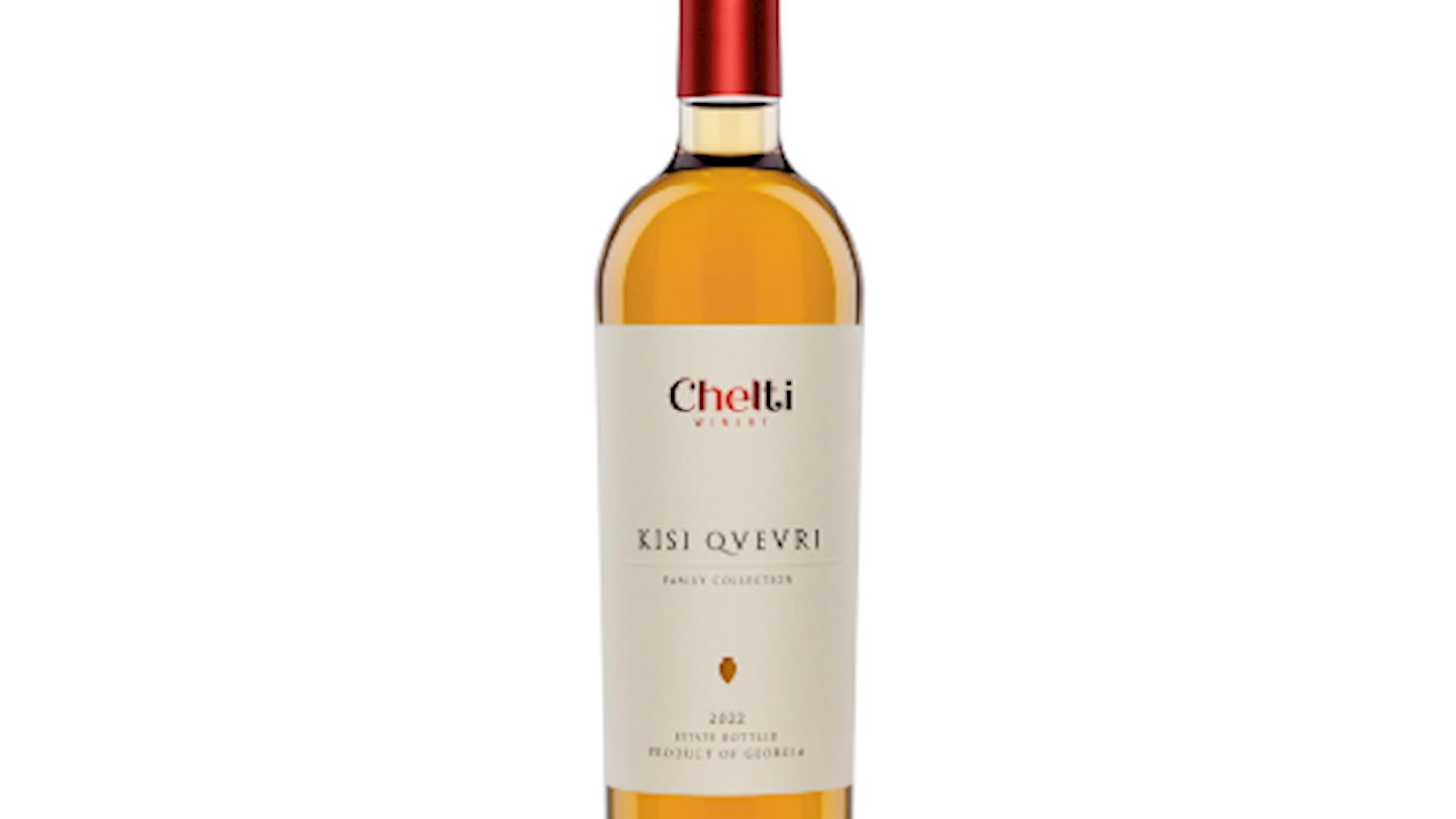
Chelti Winery is a family-owned winery located in the Kakheti region, in the village of Shilda within the Kvareli area, known for its favorable conditions for viticulture. Established in the early 2000s by the Mirianashvili family, the winery builds on a long-standing family tradition, with a strong focus on controlling the entire process from vineyard to bottle. The estate vineyards extend over several decades hectares in the Chelti river valley, where specific climatic and soil conditions contribute to grape quality. Production combines traditional Georgian qvevri winemaking with modern vinification techniques, allowing for a range of wine styles. The focus is on indigenous varieties such as Saperavi and Rkatsiteli, which express the character of the Kakheti terroir. The portfolio includes both classic and more contemporary wines, including labels from well-known appellations like Kindzmarauli and Mukuzani. The winery exports to international markets and continues to build its reputation globally. Wine tourism is also part of the estate, further promoting Georgian wine culture. Overall, Chelti Winery represents a balanced combination of tradition, terroir, and modern winemaking.
Awards
Vivino - 4.2
IWSC- International wine & spirit competition - Gold
(2023)
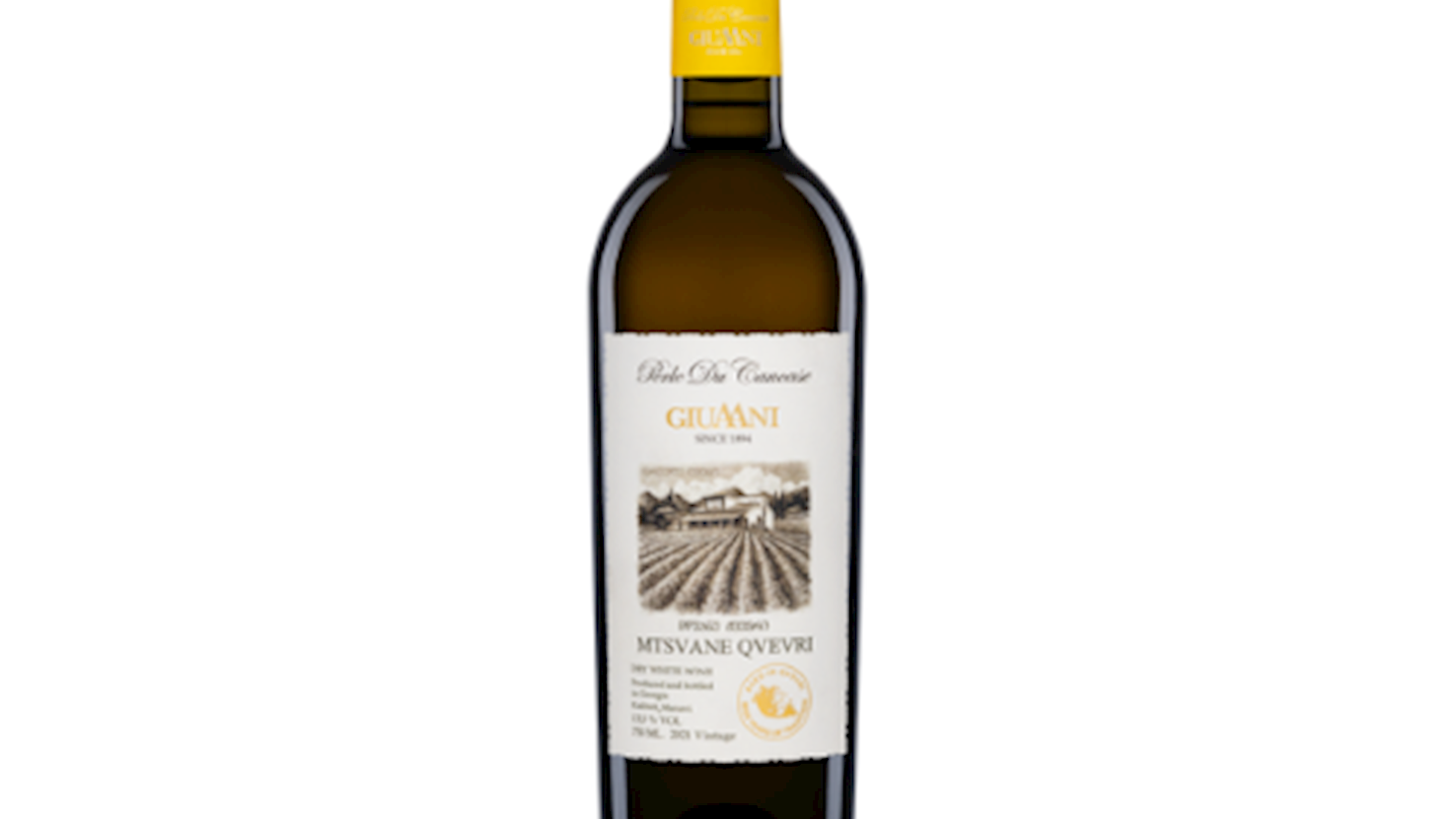
Giuaani Winery is a family-owned winery located in the village of Manavi in the Kakheti region, combining long-standing family traditions with a modern approach to winemaking. The contemporary company was established in 2010, building on viticultural roots that date back to the 19th century. Its vineyards are situated within the Manavi PDO zone, known for its distinctive microclimate favorable for indigenous varieties such as Kakhuri Mtsvane, Rkatsiteli, and Saperavi. Production integrates traditional qvevri methods alongside modern technology, achieving a balance between authenticity and consistency. The portfolio includes a range of styles, from classic wines to amber expressions, as well as spirits such as chacha and brandy. The winery also has a developed wine tourism segment, offering tastings, educational programs, and on-site accommodation. Its wines are present on international markets and have received recognition at major competitions. Overall, Giuaani represents a contemporary expression of Georgian winemaking rooted in terroir, tradition, and controlled production.
Awards
IWSC- International wine & spirit competition - Gold
(2023)
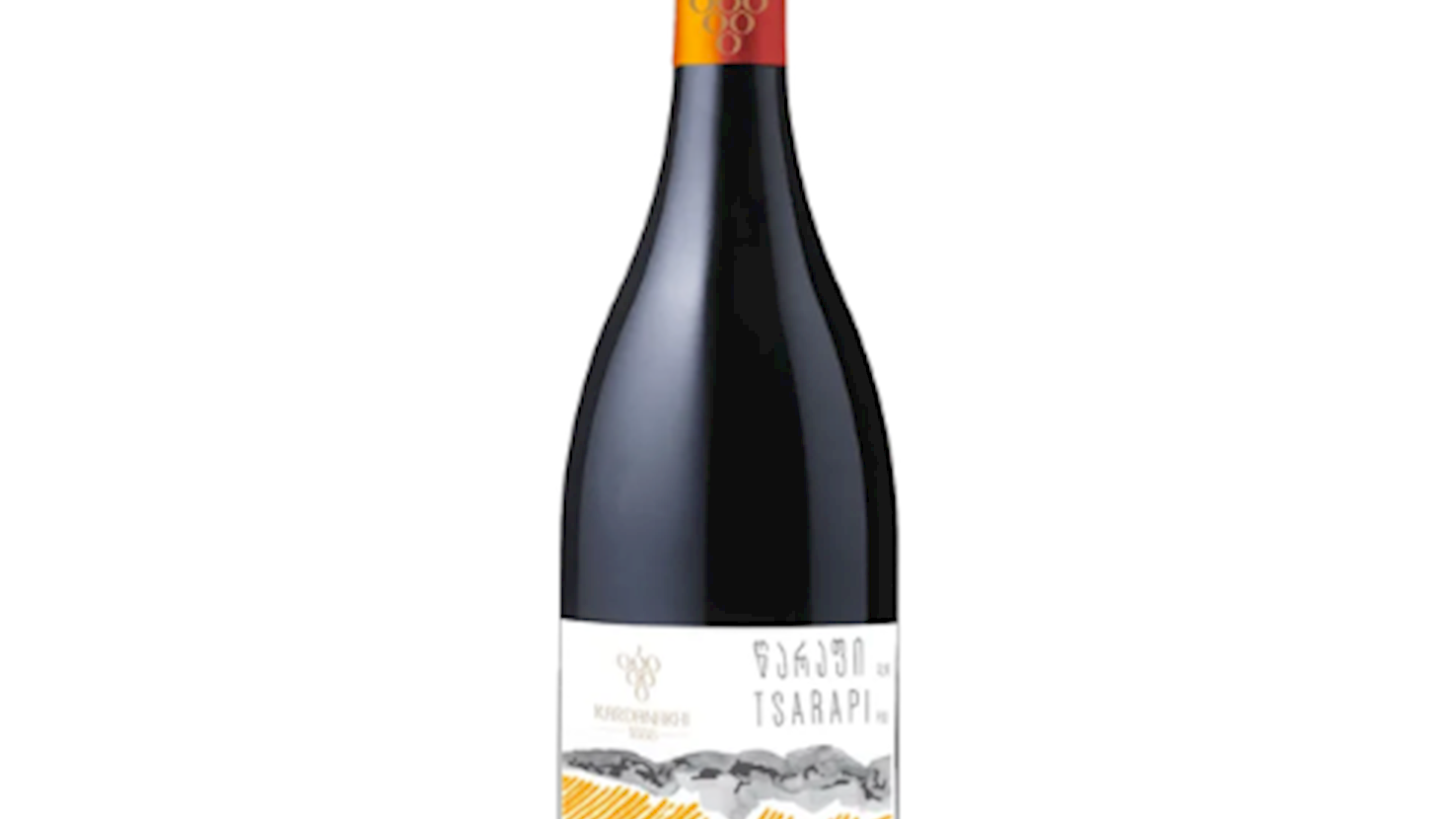
Kardanakhi 1888 is a Georgian winery located in the village of Kardanakhi in the Kakheti region, one of the country’s most important wine-growing areas with a long-standing winemaking tradition. Although established in 2014, the winery builds its identity on the historical heritage of the area, which dates back to the 19th century. Its vineyards are situated on the slopes of the Tsiv-Gombori mountain range, at elevations between 350 and 550 meters, where favorable climate and soil conditions support optimal grape ripening. The winery cultivates native Georgian varieties such as Rkatsiteli, Mtsvane, Kisi, and Saperavi, alongside international grapes like Chardonnay and Cabernet Sauvignon. A key feature of its production is the combination of modern winemaking techniques with the traditional Georgian method of fermentation in qvevri - large clay vessels buried underground. This approach results in wines with greater structure, complexity, and a distinctive expression of terroir. The portfolio includes white, red, and qvevri wines, with a clear focus on authenticity and varietal character. The winery’s wines have gained recognition at international competitions, reflecting their growing reputation and quality. Kardanakhi 1888 represents a contemporary interpretation of Georgian winemaking, balancing tradition with a modern production approach.
Awards
IWSC- International wine & spirit competition - Gold
(2024)
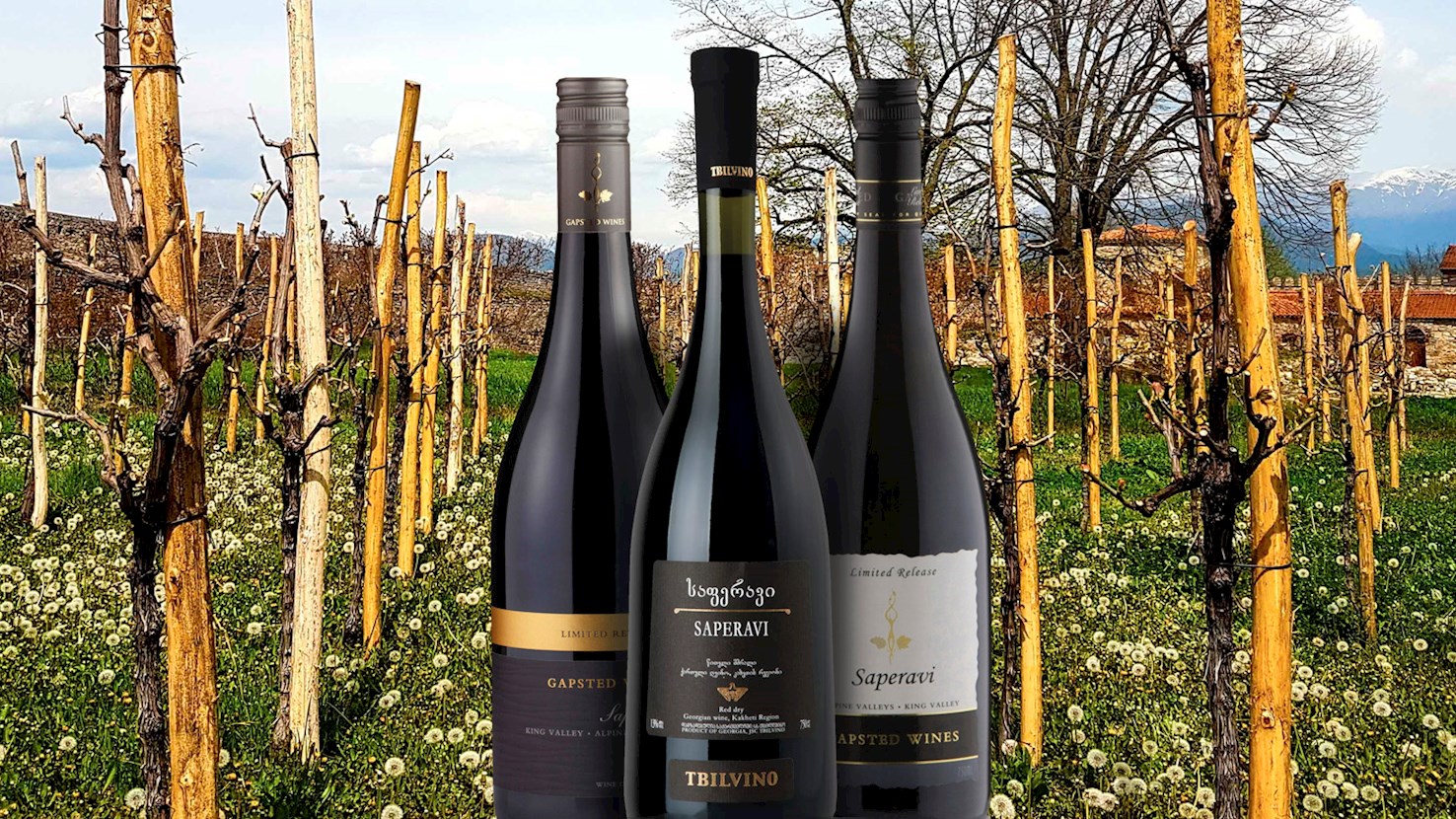
Saperavi is a resilient red Georgian grape that originated in the eastern region of Kakheti, and though it is still predominant in Georgia, small amounts are also grown in other Eastern European regions, Australia, and the United States. This teinturier grape that has dark skins and flesh produces full-bodied wines of a dark garnet color which are characterized by aromas of ripe red berries and pleasant acidity. Most wines produced from the Saperavi grapes are varietal and have a great tendency to age. Sapervai wines are incredibly versatile and can match a variety of dishes, including delicate fish dishes, stews, grilled meat, or game.
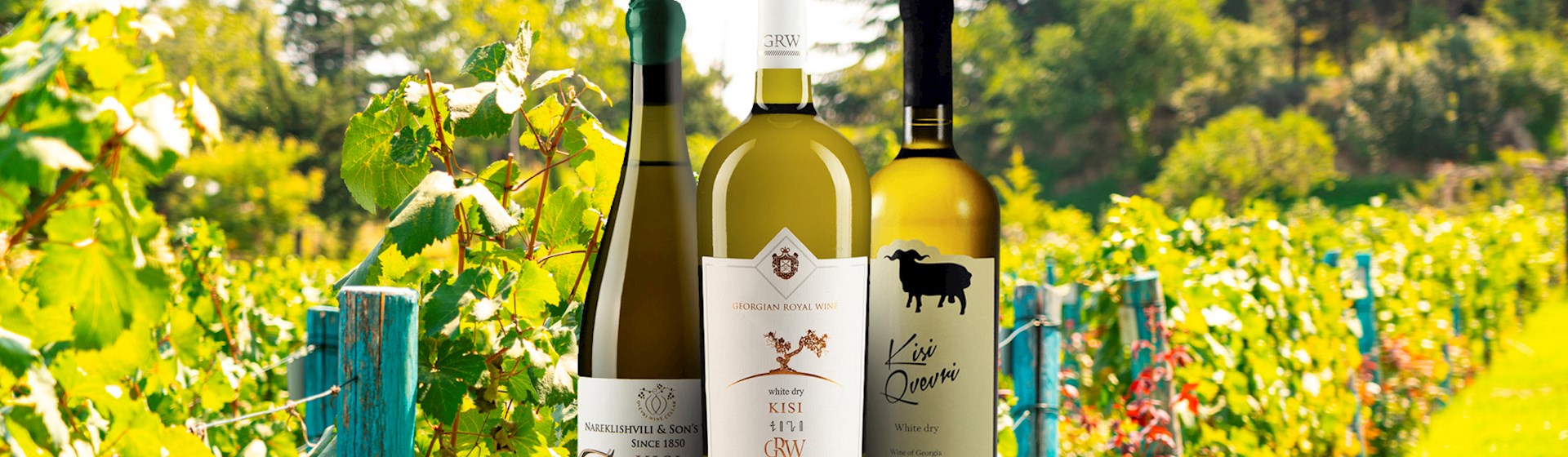
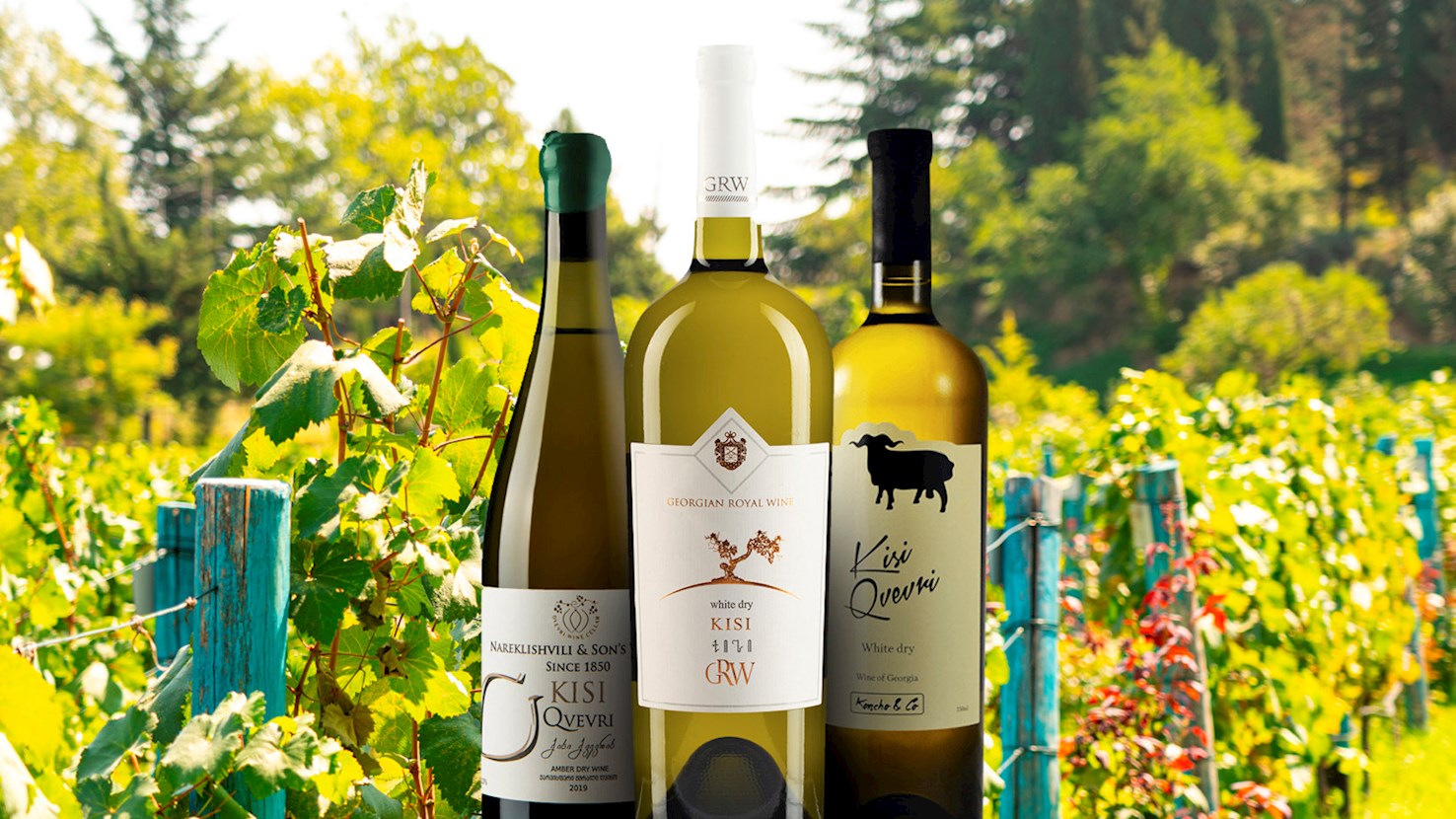
Kisi is a native Georgian variety that is mainly associated with Kakheti. Like many Georgian grapes, this white variety is also used for classic dry styles and traditional Georgian amber wines made in large clay vessels (qvevri). The grape is often blended with Rkatsiteli and Mtsvane Kakhuri. By the 2000s, Kisi was almost extinct, but it is slowly being introduced as a local grape with excellent potential. Classic dry wines are crisp and bright. They have a medium body and aromas reminiscent of flowers, citrus fruit, apples, pears, and peaches. Qvevri-made wines will have a juicier and more complex character, full-body, and darker color. They usually have ripe fruit, orange, apricot, and honey-like aromas, often with hints of spices and nuts. Dry styles can be enjoyed as an aperitif, and they also pair well with salads, seafood, and cheese. Qvevri wines will go well with chicken, creamy sauces, and spicy dishes.
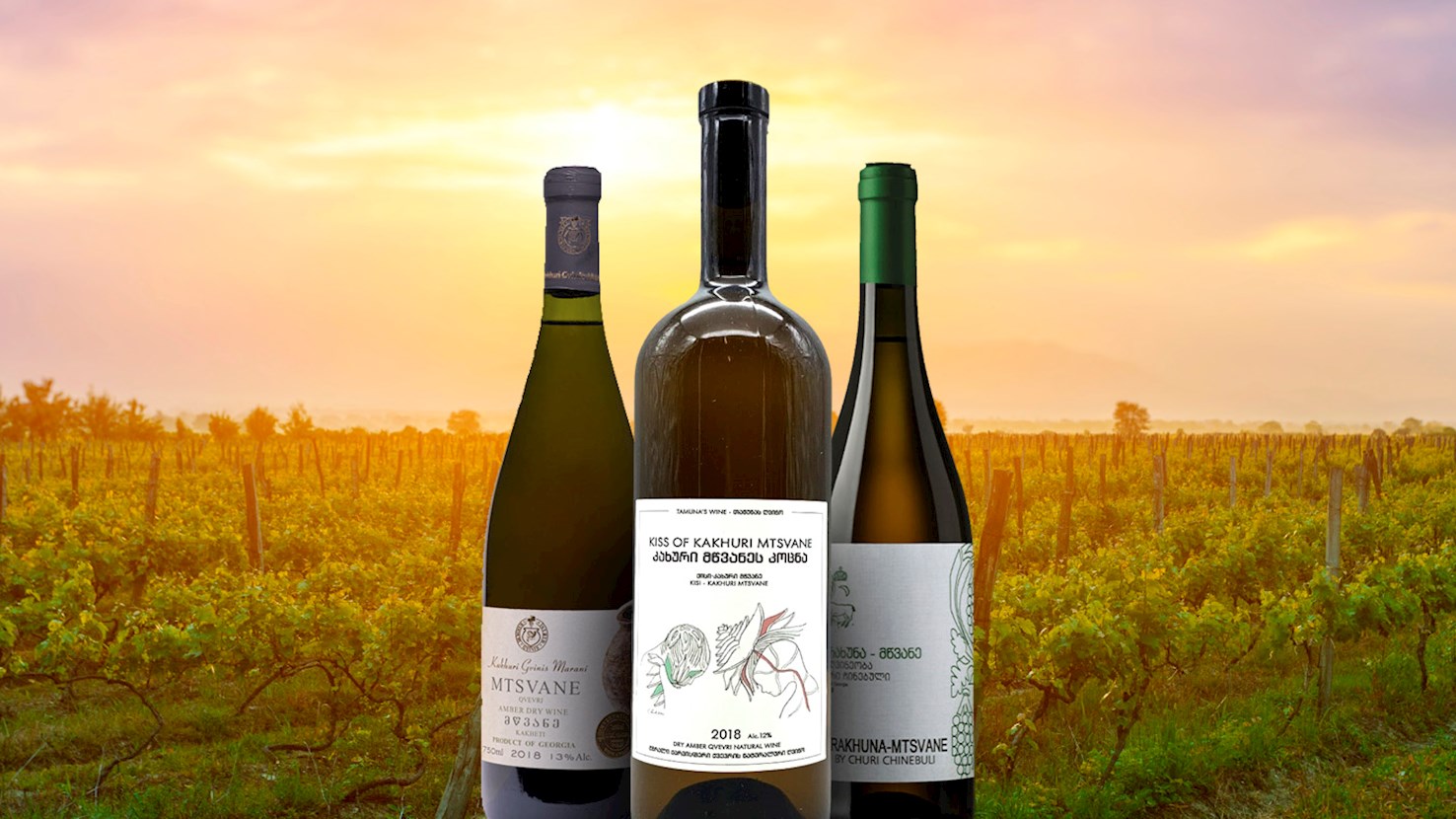
Mtsvane Kakhuri, or simply Mtsvane, is an aromatic white grape native to Georgia. The grape produces alcoholic and tannic white wines. It is mainly found in Kakheti, where it is used in varietals and blends and several regional appellations. Although suitable for various styles, it is primarily used for dry wines and traditional wines made in qvevri—terracotta pots used for fermentation and maturation. Dry white wines made from Mtsvane are fresh and light. They will usually have aromas reminiscent of white and yellow fruit, flowers, and citrus, often accompanied by herbal and mineral notes. Qvevri-made wines have a slightly darker, amber color, more body, and juicier aromas often similar to orange zest, apricots, and spices. Manavi and Tsinandali are the most popular Georgian appellations that use Mtsvani. Confusingly, this variety is one of many Georgian grapes named Mtsvane. They are not genetically identical, and typically region is added to the name to signifying their origin. Dry wines pair with salads, appetizers, and snacks, while qvevri wines may be a good match with pork, poultry, and spicy dishes.
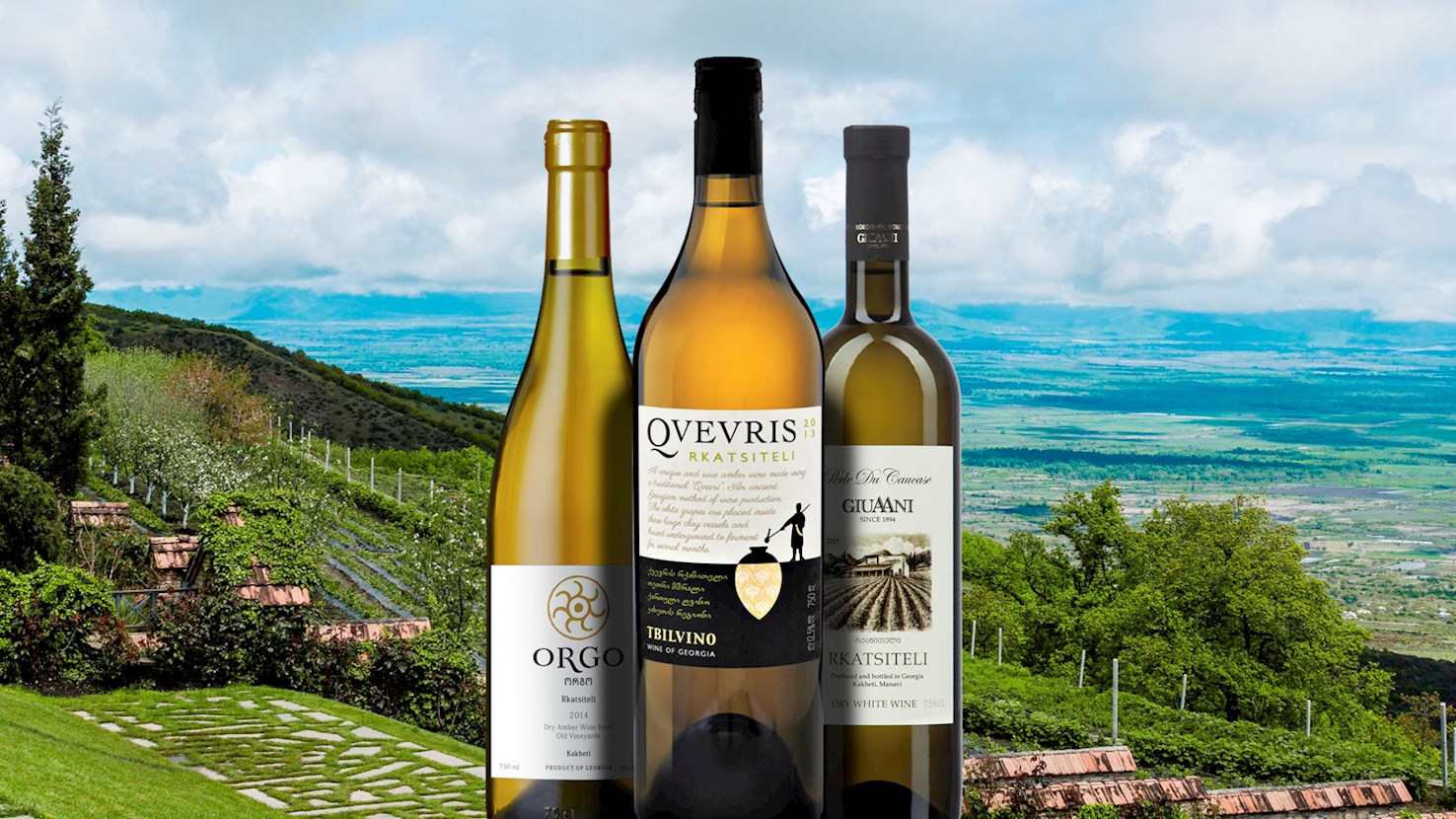
Arguably the most popular white grape in Georgia and possibly one of the oldest grapes in the world, Rkatsiteli is an incredibly versatile variety used in the production of brandy and dry, sparkling, fortified, and dessert wines. Although it is grown in several other European countries, this ancient grape remains one of the flagship Georgian varieties. Although it is grown in other regions, it is native to Kakheti. It is resilient to harsh weather conditions, retains excellent acidity, and achieves high sugars. Dry Rkatsiteli wines are light and refreshing. They tend to have an excellent balance of crisp acidity and sweetness that is complemented by complex and subtly spicy aromas of flowers, green apple, quince, and white peaches. Rkatsiteli is often vinified on the skins—pressed juice is fermented with the skins, often along with stalks and pips. These skin-contact wines are usually made in qvevri (kvevri) —traditional Georgian clay amphorae. These slightly tannic wines will have a distinctive orange or amber color with complex and intense aroma and flavor, often reminiscent of orange zest, honey, caramel, spices, and stone fruit. Rkatsiteli wines are quite universal and can pair well with various dishes, including fish, pork, and poultry. They could also work well with Middle Eastern and Indian fare. Skin contact, amber styles pair well with more complex rich dishes and pungent cheese varieties.
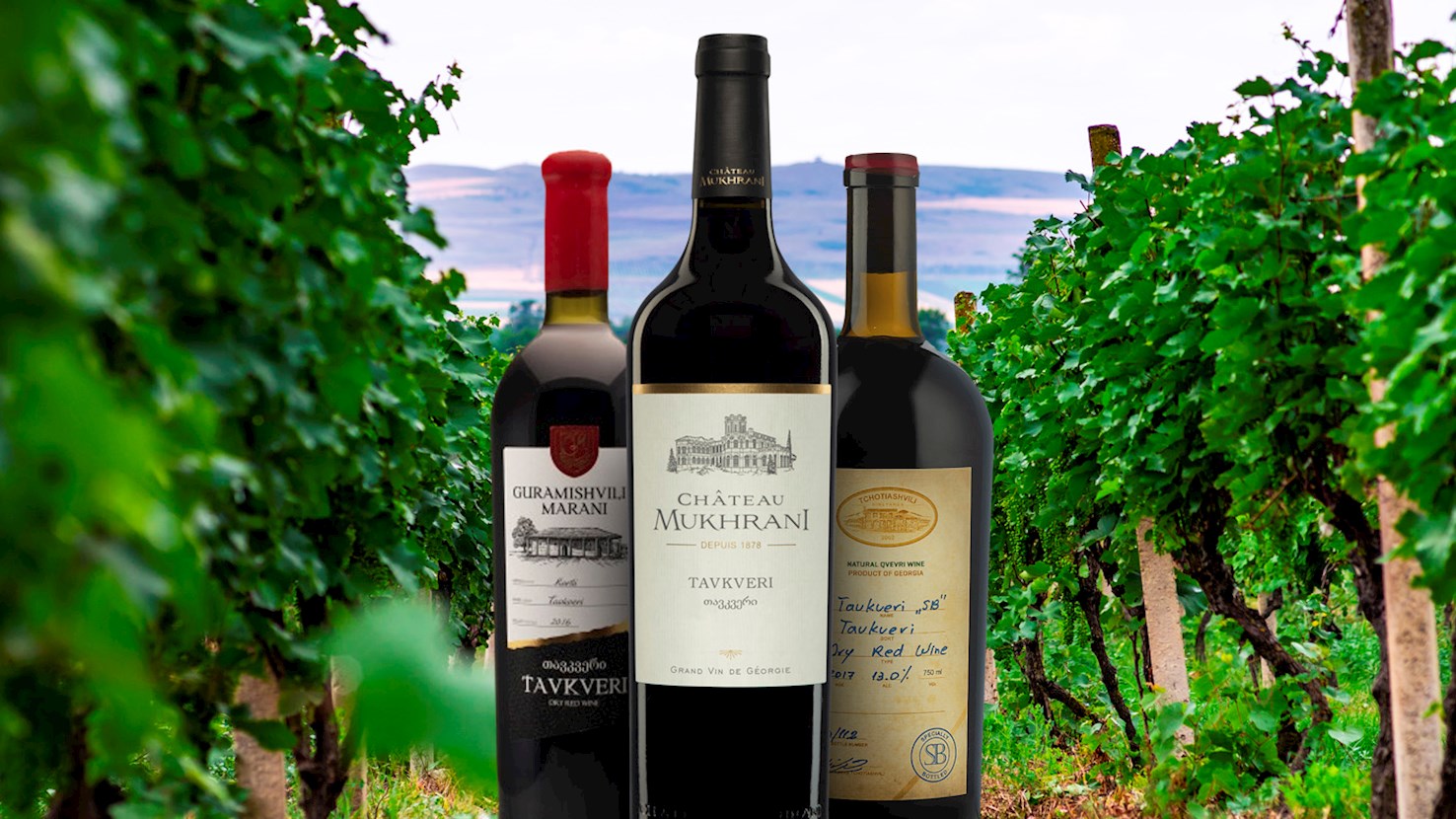
Tavkveri is a native Georgian grape that produces juicy and lively wines. The grape is cultivated in eastern and central Georgia, mainly in Kakheti and Kartli. It is used for varietals and red and rosé blends. Tavkveri is suitable for various wine styles and can be used for classic styles and regional qvevri (amphora) wines. Because they typically have an approachable and easy-drinking character, these wines can be enjoyed young. They usually have red and dark fruit aromas reminiscent of cherries, raspberries, plums, and blackcurrants. Sometimes, they will have some balsamic nuances and subtle spicy or earthy notes. Tavkveri-based reds are best served with red meat or poultry.
Khikhvi is a single-varietal white or amber wine produced from the indigenous Khikhvi grape cultivar, which is grown primarily in the Kakheti macro-region of eastern Georgia, with dense concentrations found along the right bank of the Alazani River in the Gurjaani, Sighnaghi, and Akhmeta municipalities. Botanical and ampelographic examinations classify Khikhvi as one of the ancient components of the Kakhetian varietal assortment, showing genetic links to wild vine varieties of the South Caucasus and thriving historically in the micro-zones of Kardenakhi and Tsinandali where well-drained, calcareous alluvial soils allow the vine to regulate moisture absorption. Nineteenth-century state agricultural censuses recorded that while the grape yielded high-quality juice, its cultivation systematically declined due to its vulnerability to powdery mildew (Oidium) and low average bunch weight, leaving only small, fragmented vineyard plots until state-sponsored preservation initiatives in the late twentieth and early twenty-first centuries re-established the variety in commercial nurseries to prevent its extinction. The preparation of Khikhvi wine follows two distinct chemical and physical pathways. For classical, light-bodied white wines, the grapes undergo immediate machine or pneumatic pressing after harvest, separation from the solid parts of the cluster, and cold fermentation in stainless steel vats at 15 to 17 degrees Celsius to preserve volatile monoterpenes and delicate fruit esters. For the dry amber variant, the crushed grapes, juice, and a calculated percentage of skins, seeds, and stems are transferred into buried clay vessels where fermentation occurs concurrently with extended maceration, remaining sealed underground for three to six months to allow the extraction of specialized polyphenols and condensed tannins that alter both the color and structural weight of the liquid. The wine is served globally within specialty wine bars, commercial tasting rooms, and culinary establishments, poured at 8 to 10 degrees Celsius in standard white wine glasses for the fresh, stainless-steel vinified versions, or at 12 to 14 degrees Celsius in wider-bowled glasses for the skin-contact amber iterations to ensure the rich tertiary aromatic compounds of dried apricot, honey, clove, and tobacco are fully expressed. For food and beverage pairings, the crisp acidity of the fresh white Khikhvi matches light proteins and fats, meaning it is eaten alongside boiled or grilled poultry, white fish, fresh green salads, and soft cheeses. The robust, highly tannic profile of the amber skin-contact Khikhvi cuts through dense proteins and complex fats, which makes it a suitable pairing for roasted pork, lamb kebabs seasoned with local herbs, walnut-based sauces like bazhe, roasted root vegetables, and mature, salt-cured sheep milk cheeses.
TasteAtlas food rankings are based on the ratings of the TasteAtlas audience, with a series of mechanisms that recognize real users and that ignore bot,
nationalist or local patriotic ratings, and give additional value to the ratings of users that the system recognizes as knowledgeable.
For the “Top 11 Local Wine Varieties in Kakheti” list until June 04, 2026, 252 ratings were recorded, of which 105 were recognized by the system as legitimate.
TasteAtlas Rankings should not be seen as the final global conclusion about food. Their purpose is to promote excellent local foods,
instill pride in traditional dishes, and arouse curiosity about dishes you haven’t tried.
The initial list of top producers was compiled based on available reviews, awards, local recommendations, media and blog coverage, and consumer reviews.
The list will be updated with ratings from TasteAtlas local ambassadors and TasteAtlas users.