Top 98 Piedmontese Wines

Last updated on June 02, 2026

Best Piedmontese Wine Types
01

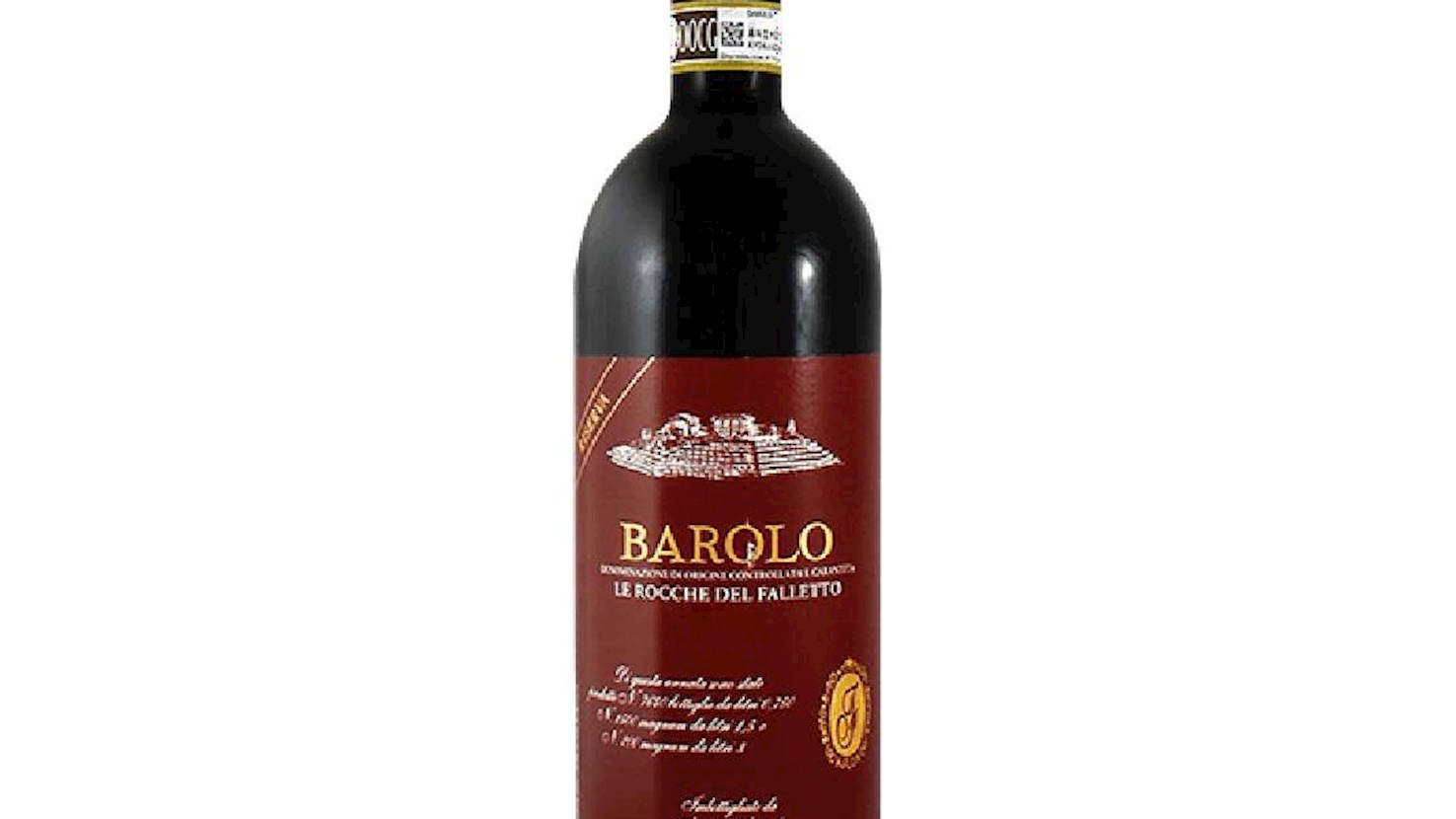
Barolo

4.4 ·

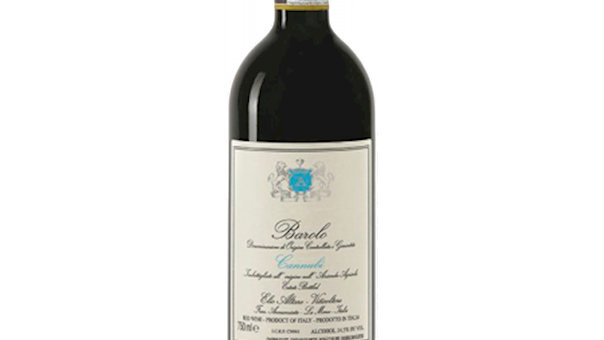
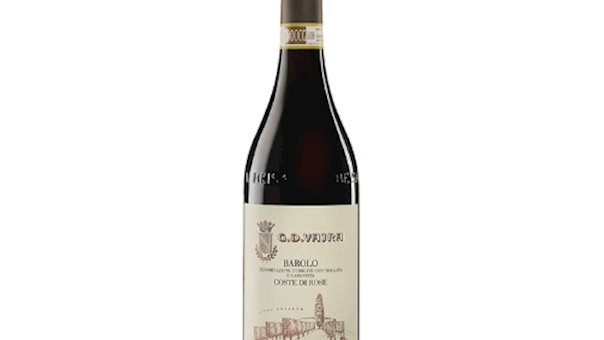
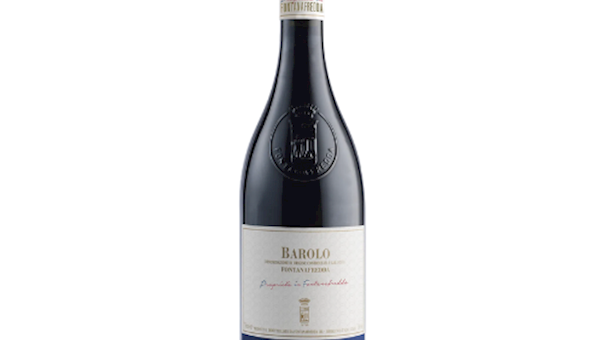
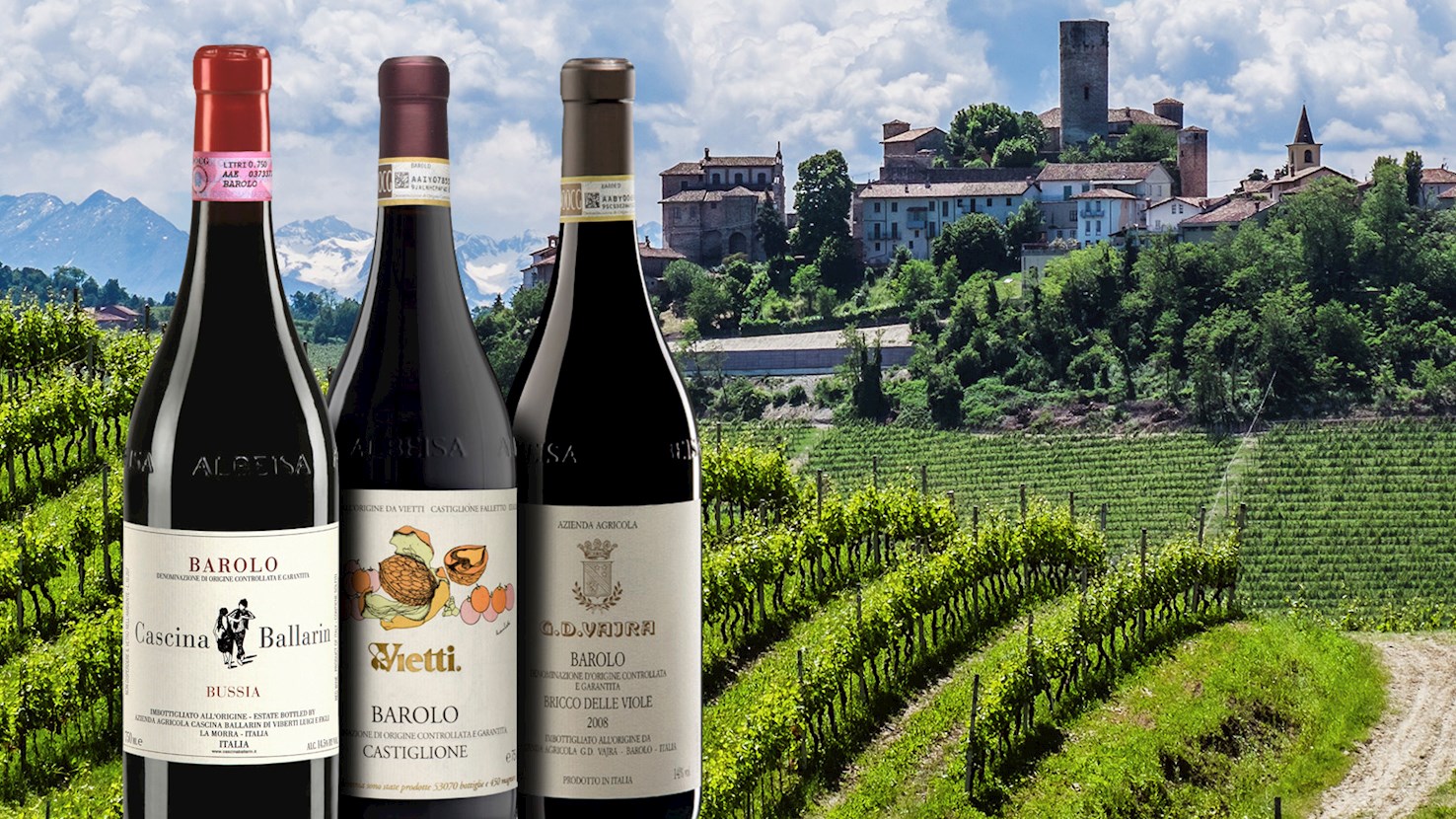
This full-bodied, red wine is made from Nebbiolo grapes in a small area in Piedmont with a unique soil and climate conditions. It has been produced since the 19th century, and soon after its invention, it became a favorite among the Italian and European nobility. According to Italian DOCG regulations, Barolo needs to matured for at least 36 months, while those aged for five years carry the prestigious Riserva label. It is a robust, but elegant wine, which is very high in tannins that soften with aging. Because of its distinctive notes of rose petals, dark fruit, tobacco, mocha, tar, and truffles, it pairs well with various dishes. Serve it with beef or game meat, aromatic tomato and truffle sauces, or aged and blue cheese varieties.

02

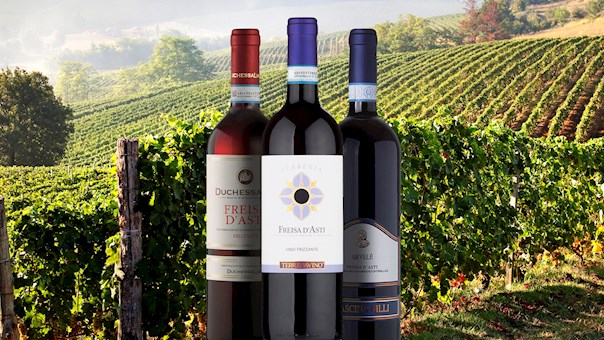
Barbera d'Asti

4.2 ·

Barbera d’Asti (DOCG) is an Italian red wine produced on the hilly vineyards in the provinces of Asti and Alessandria in Piedmont. The minimum of 90% Barbera grapes must be used in its production, while the other 10% may be made up with Freisa, Grignolino or Dolcetto varieties. The wines are mostly ruby red and well-balanced, with notes of red and black fruits, while Superiore varieties, which are aged for at least six months in wood, may have hints of spiciness. The wine pairs well with dark meat, mushrooms, matured cheese, and braised greens.

03

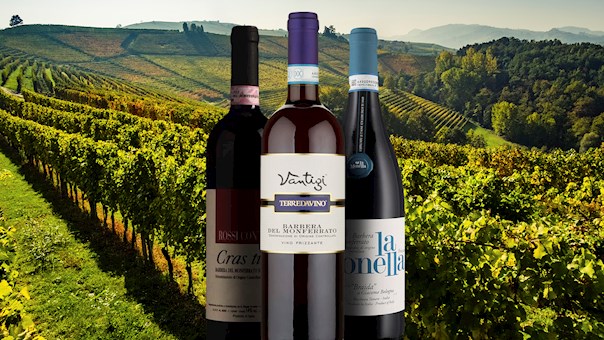
Barbera

4.1 ·

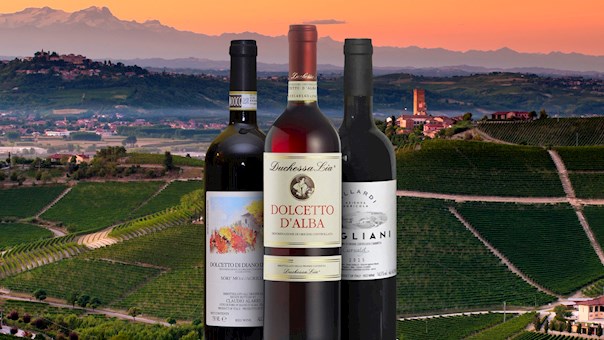
Barbera is the most common grape in Piedmont and the third most-planted grape in the country. It is used in varietals and blends. Nowadays, it is considered to have great potential to produce excellent quality wines, although it was once considered as a grape designated for rustic, everyday wine. Dark Barbera-based wines are typically low in tannins and high in acidity. The flavors usually include a combination of raspberries, blackberries, cherries, and strawberries, sometimes with a hint of spices. Oak-aging will typically improve the tannin structure in Barbera wines. Outside of Piedmont, Barbera is an important grape in Lombardy, but it is cultivated in almost all Italian regions. Italian immigrants also brought it to California and South America. The two most prestigious appellations for Barbera in Italy include Barbera D’Alba and Barbera D’Asti. These wines are usually easy-drinking and food-friendly. They are a good match with appetizers and charcuterie, but they can also pair well with pasta and meat-based dishes.

04

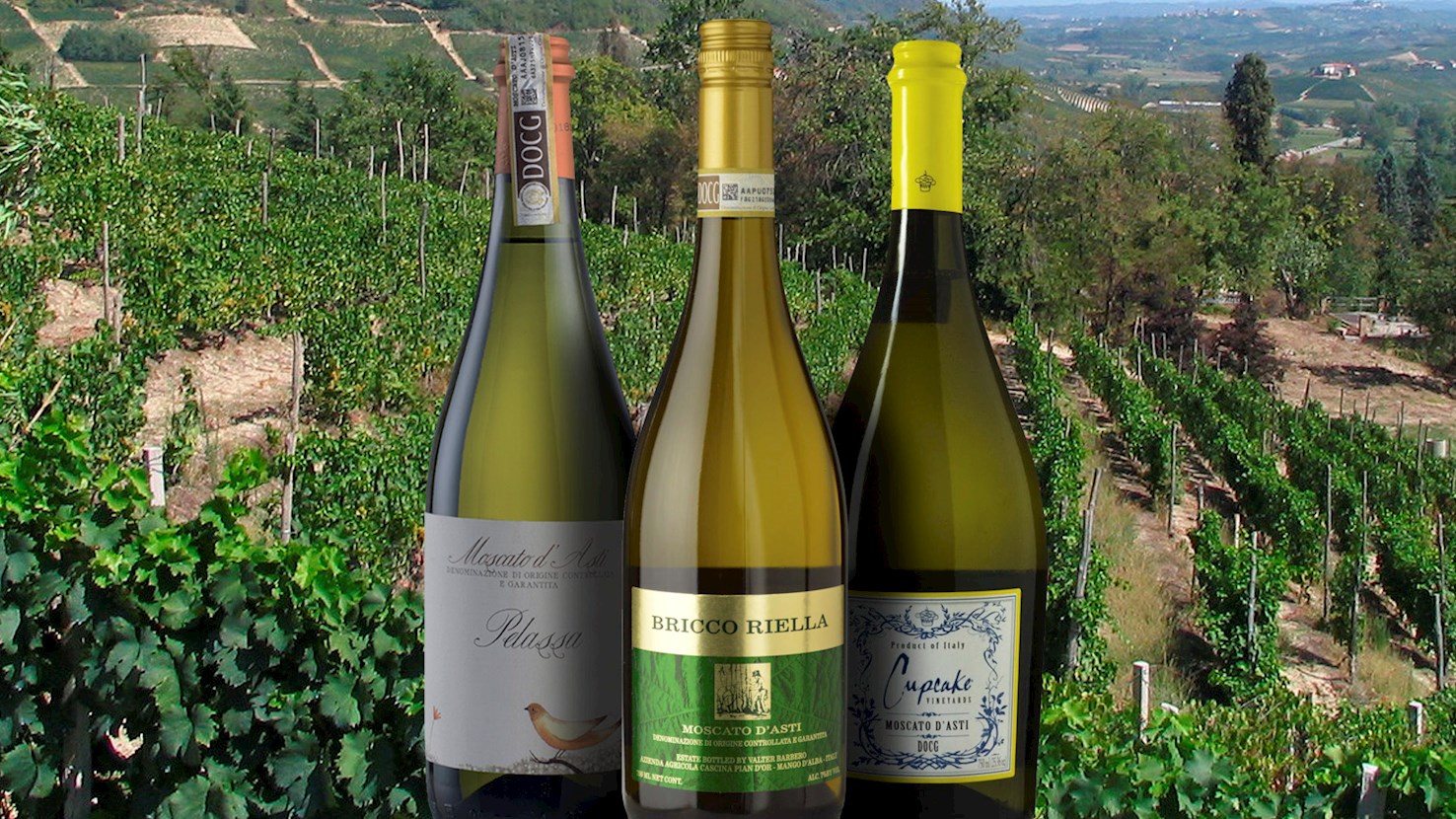
Moscato d'Asti

4 ·

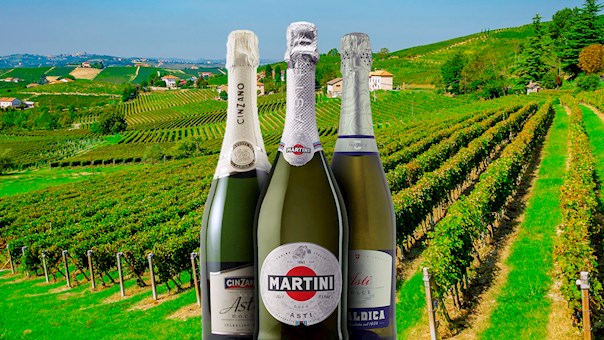
Made entirely from the Moscato Bianco grapes, Moscato d'Asti is a fragrant, not overly sweet fizzante (semi-sparkling) wine that is produced mainly in the province of Asti and the nearby Alessandria and Cuneo. The wine is delicate, floral, and aromatic, with hints of peach, apple, pear, pineapple, sage, lime, and orange. Because it is sweet and low in alcohol, it naturally pairs with desserts, especially those made with apples, berries, peaches, hazelnut, and lemon, but it also works well with fresh salads, charcuterie, antipasto plates, or cheese. The wine should not be confused with Asti Spumante, a fully sparkling version that falls under the same Asti DOCG.

05

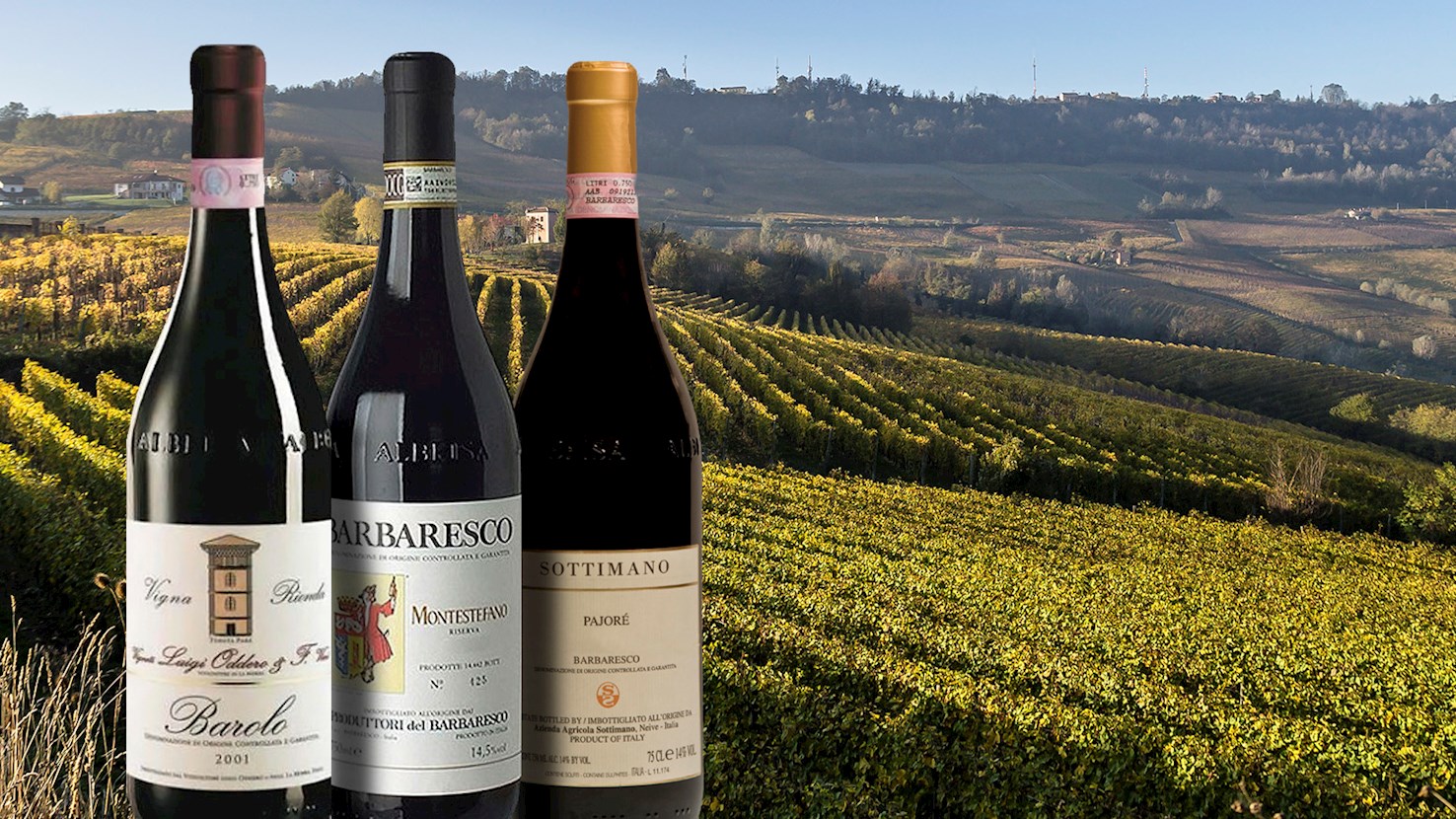
Barbaresco

3.9 ·

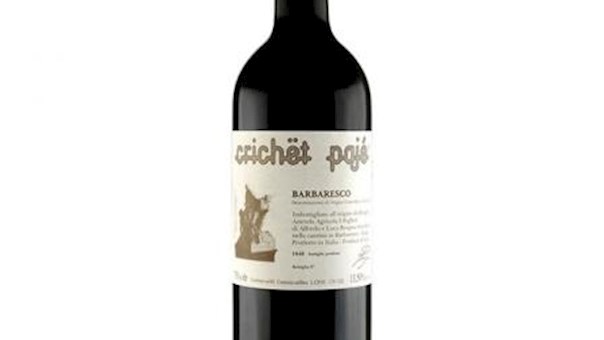
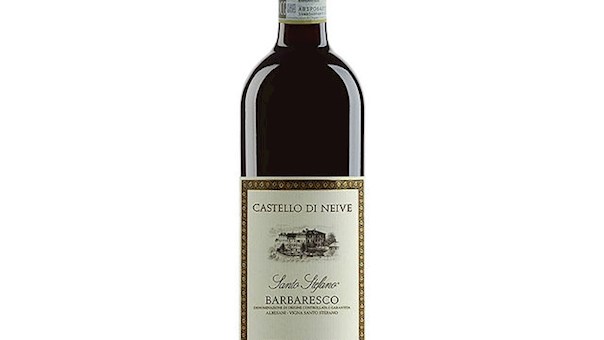
This powerful red wine is produced from Nebbiolo grapes grown on the nutrient-rich soils around the city of Barbaresco in Piedmont. For a long time, the wine was considered as the less prestigious, lighter cousin of the Nebbiolo-based Barolo, but in the 1960s Barbaresco managed to emerge from Barolo’s shadow and position itself as an approachable, good-quality wine. According to the Italian DOCG regulations, Barbaresco needs to mature for at least two years, while those aged for four years carry the label Riserva. Barbaresco wines are often described as refined and elegant, but also rich in acidity and tannins, with spicy flavors and aromas of roses, fruits, licorice, and truffles. Enjoy it with beef, game meat, stews, truffle-based sauces, and blue and well-aged cheese varieties such as Parmigiano Reggiano, Gorgonzola, Castelmagno, or Fontina.

06

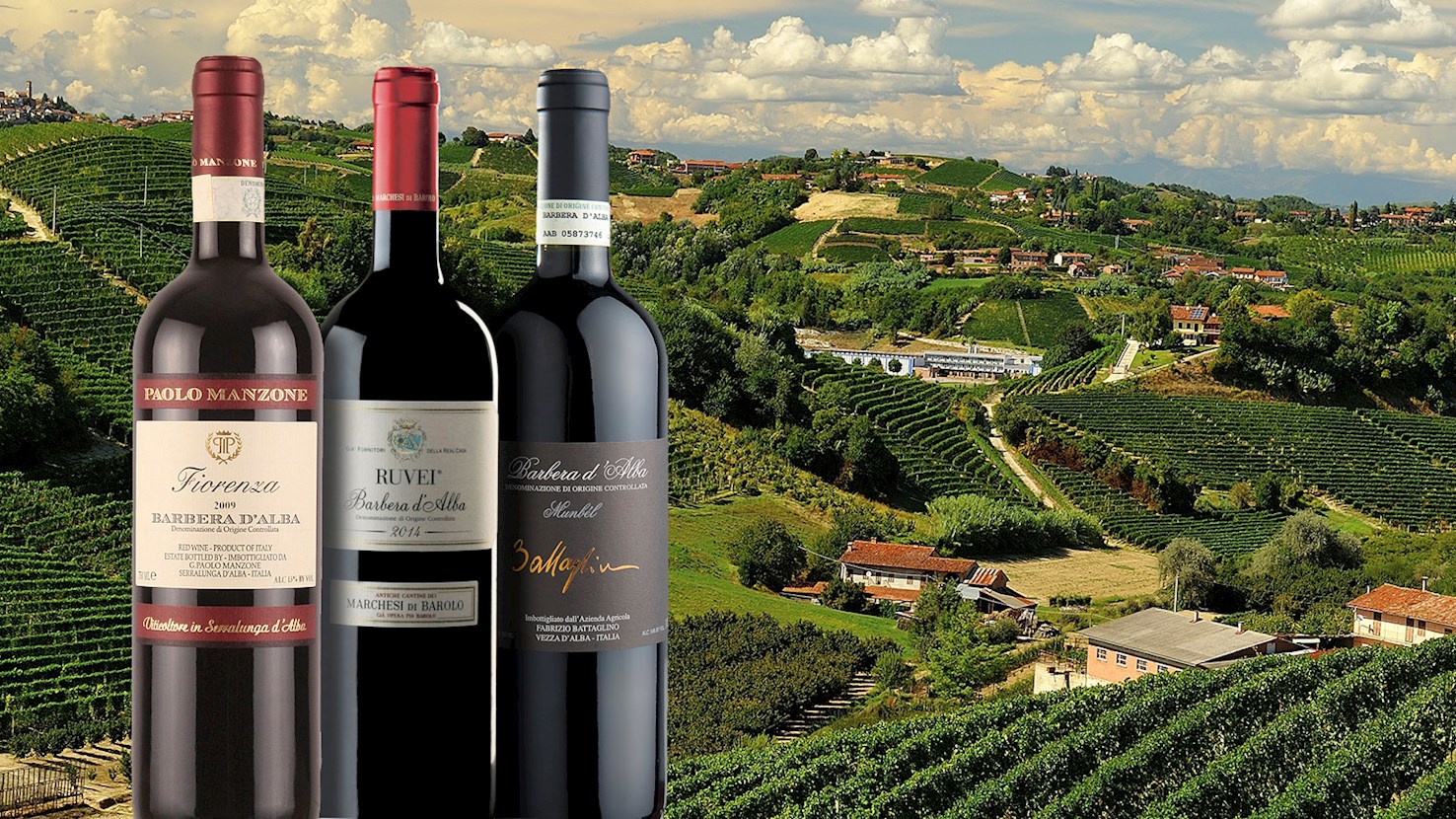
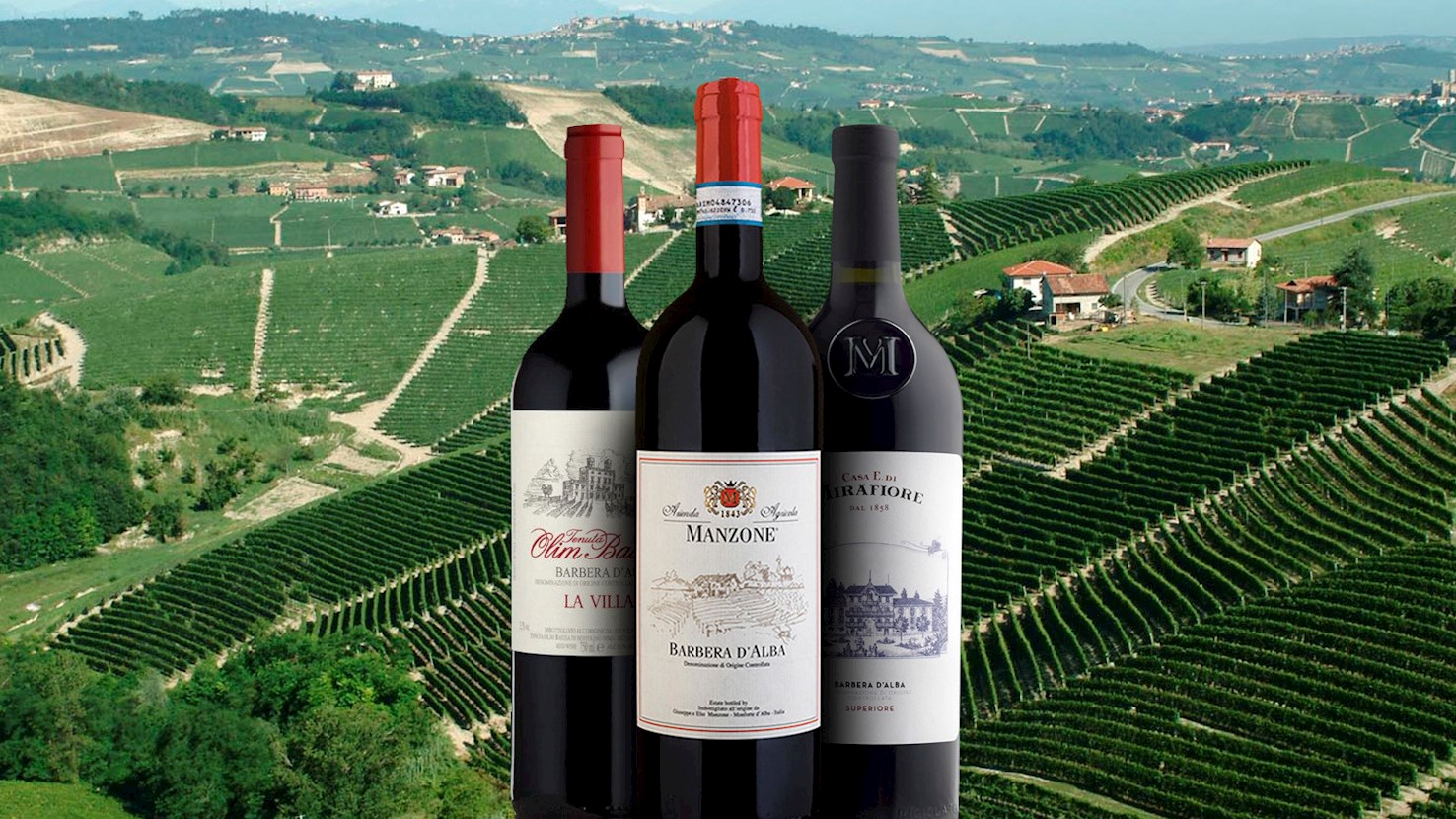
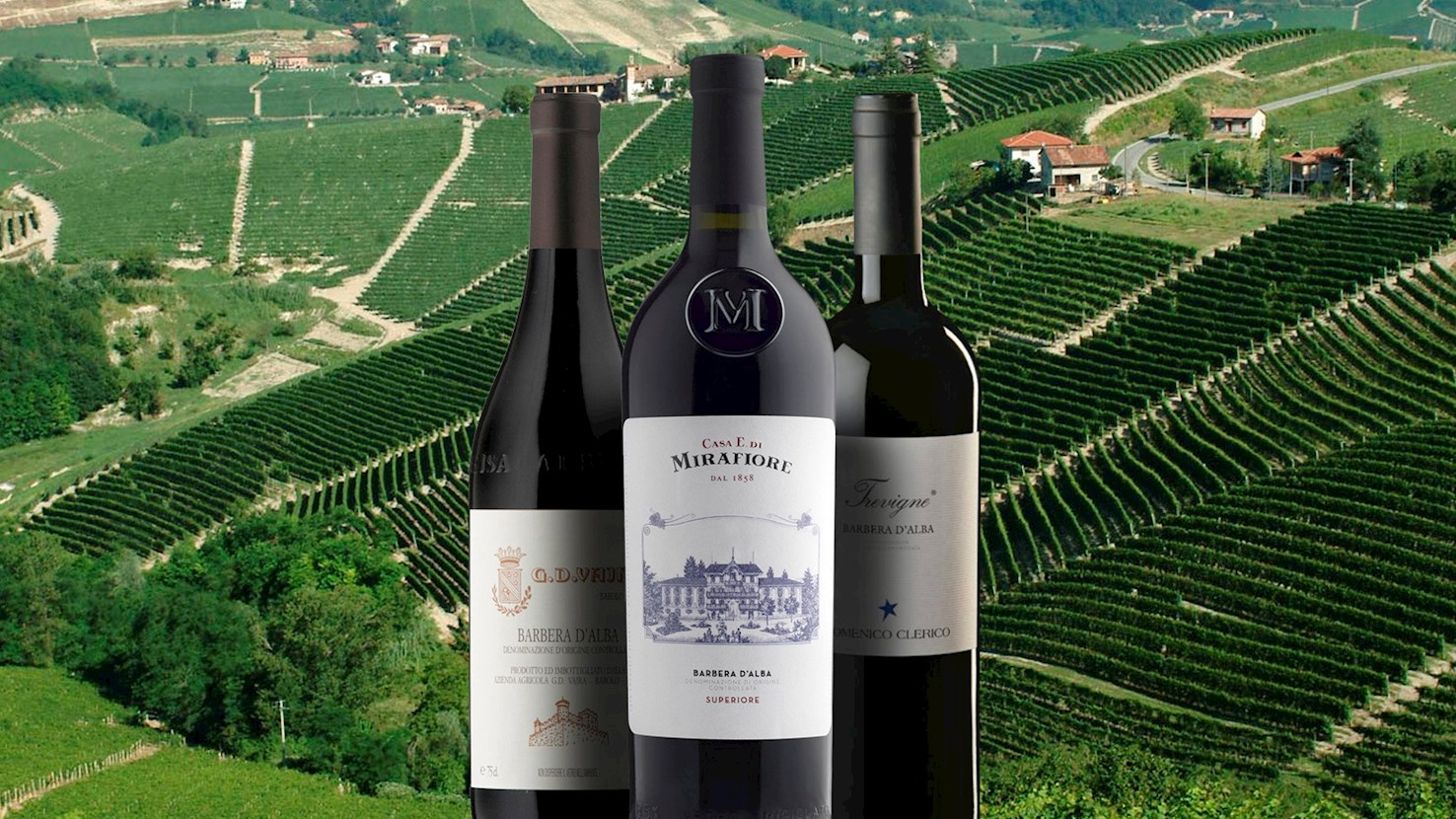
Barbera d’Alba

3.9 ·

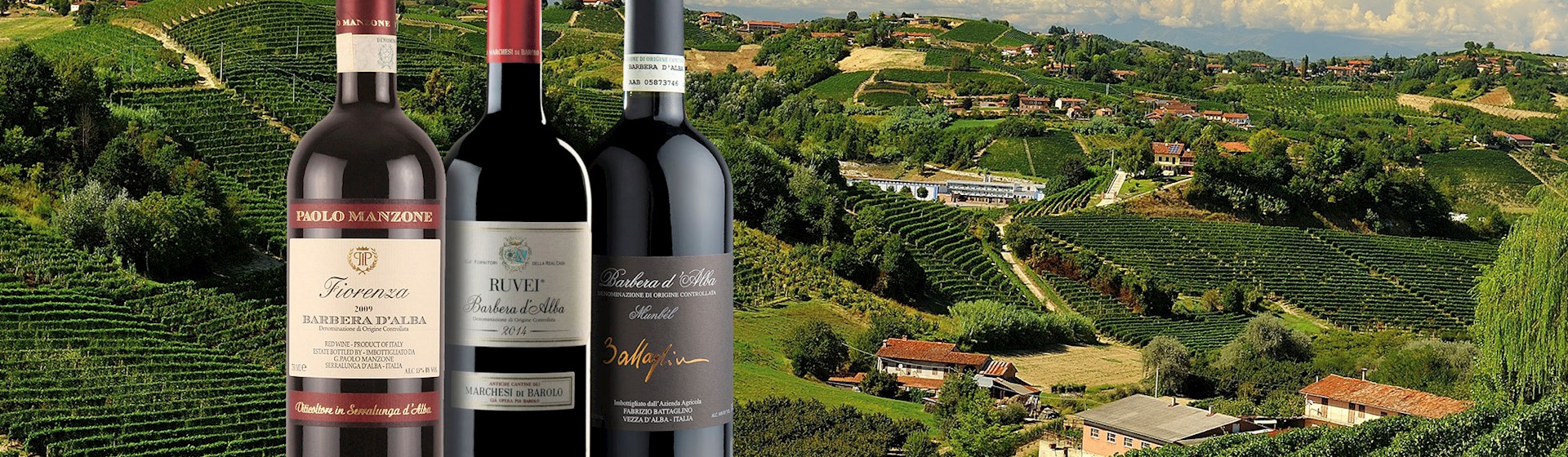
This red Italian wine is produced in the DOC region that surrounds the city of Alba and in some areas overlaps with Barolo and Barbaresco wine regions. The wine is produced with a minimum of 85% Barbera grapes, with the only permitted addition of Nebbiolo. Barbera d’Alba wines are age worthy and well-balanced, with high acidity, refined tannins, and typical floral and fruit notes, which may evolve with age. Though they are bold and rich, the acidity in the wine makes it work well with charcuterie, cheese, poultry, risottos, and pasta dishes.

07

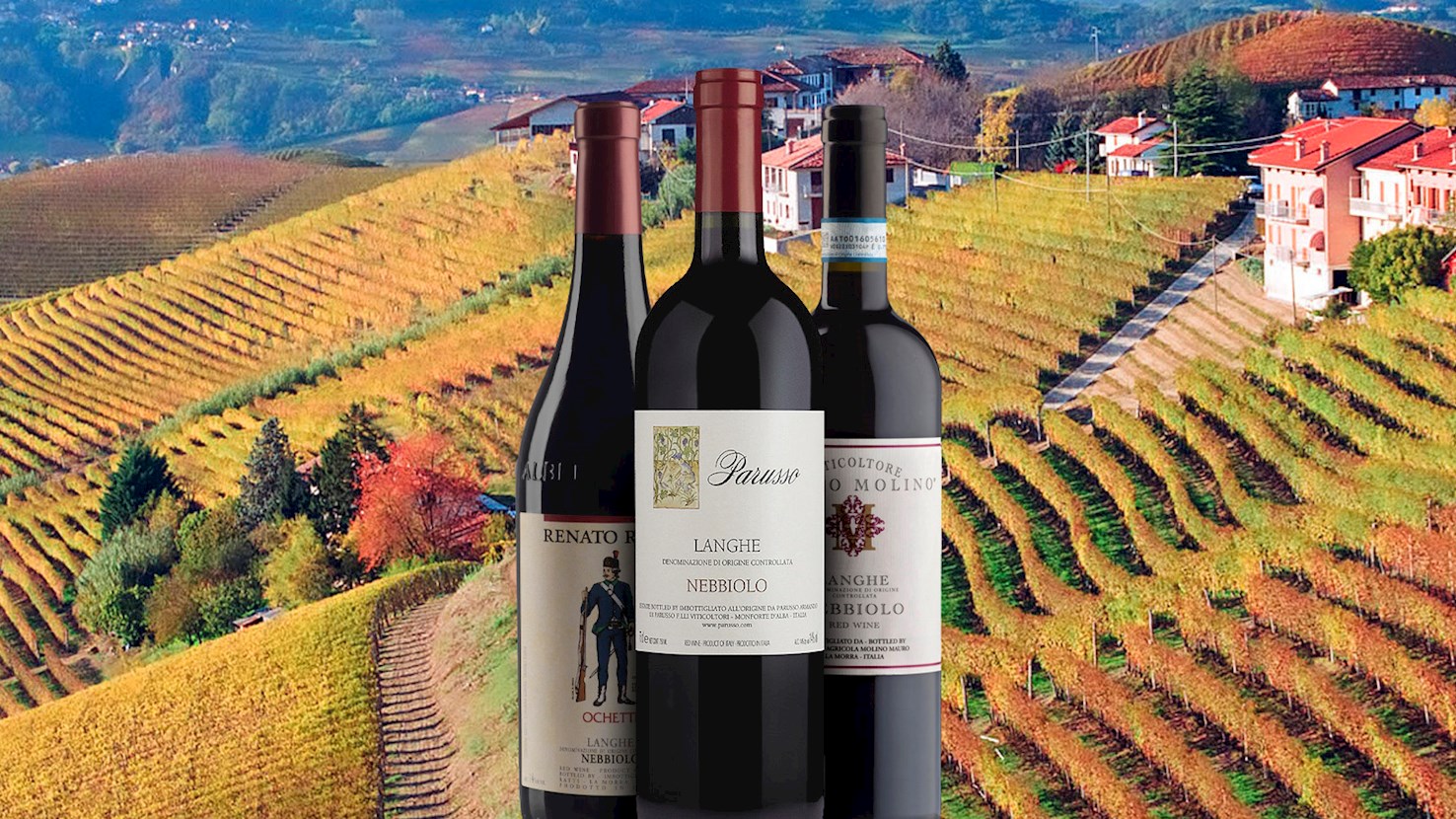
Nebbiolo

3.9 ·

Nebbiolo is the highly-praised Italian grape that is mostly cultivated and gives the best results in its native Piedmont. Wines made with this red-skinned grape tend to be powerful, age-worthy, and high in tannins as well as acidity. Distinctive aromas found in Nebbiolo wines are often described as tar and roses, with the accompanying notes of cherries, violets, leather, truffles, licorice, and undergrowth. The grape is mostly used as a varietal, and it is best known as the backbone of the exceptional and expensive Barolo and Barbaresco. A small amount of Nebbiolo is also cultivated in California and Australia. Nebbiolo-based wines should be paired with rich meat dishes, but they can also work well with acidic or mushroom-based sauces, moderately spicy Asian cuisine, truffles, and aged cheese.

08

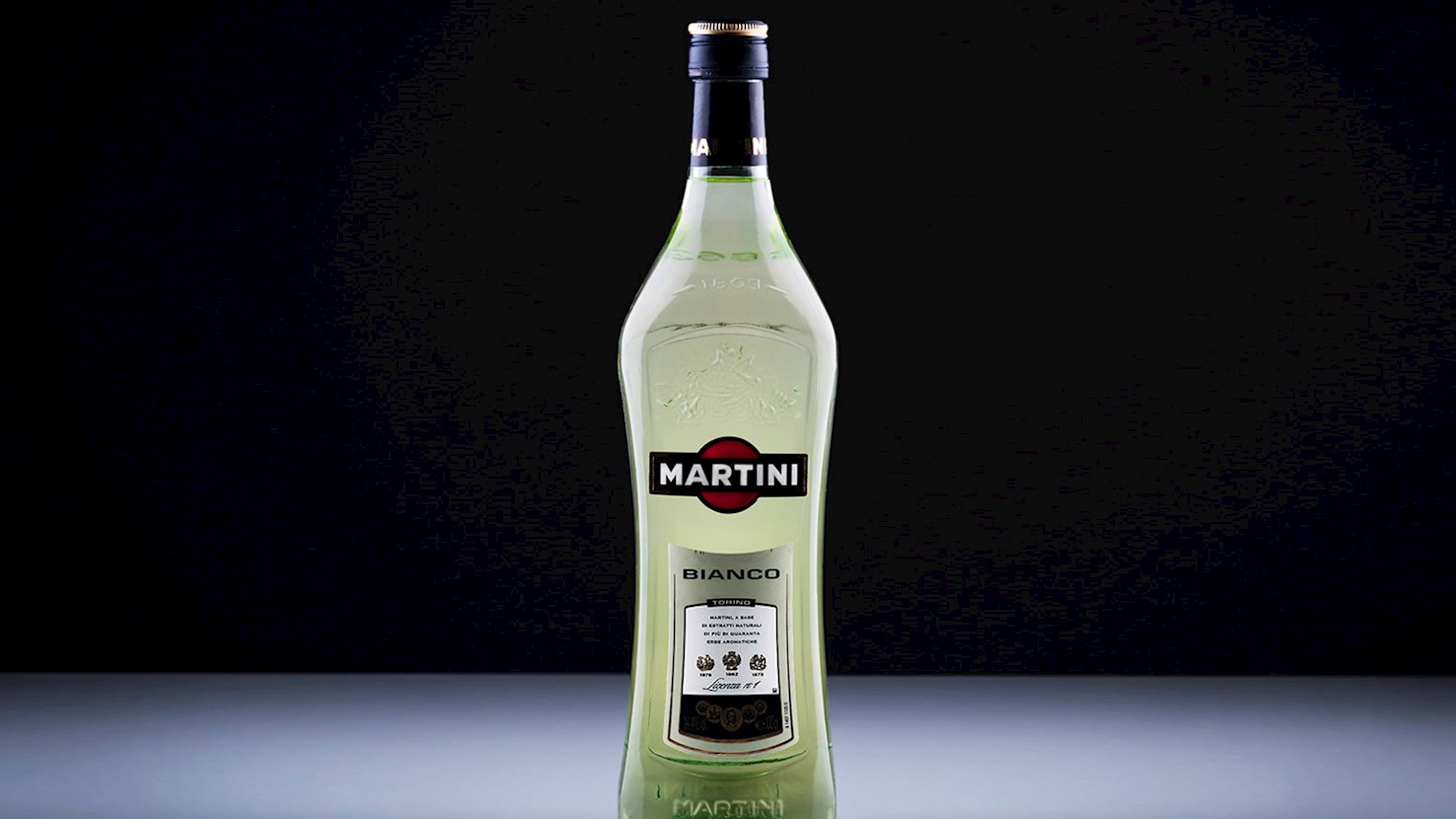
Martini Bianco

3.8 ·

In the past known as bianchissimo (the whitest), Martini Bianco is a variety of sweetened dry vermouth—fortified and aromatized wine—that was first introduced in 1910. Although the exact recipe is a closely guarded secret, Martini Bianco is made from filtered white wine that is sweetened and infused with different botanicals that include vanilla flowers, spices, herbs, citrus zest, barks, and roots. This clear drink is characterized by its layered combination of flavors and aromas that include spicy, floral, citrus, and sweet vanilla notes. In Europe, Martini Bianco is usually enjoyed as an aperitif, preferably served neat with ice and orange peel. However, it can also work well mixed with soda water, tonic water, or lemonade, as well as a great cocktail ingredient that ideally replaces sweet vermouth. Martini Bianco is produced by the Turin-based company Martini&Rossi, which have an array of different vermouth styles, including the classic sweet red vermouth Martini Rosso.

09

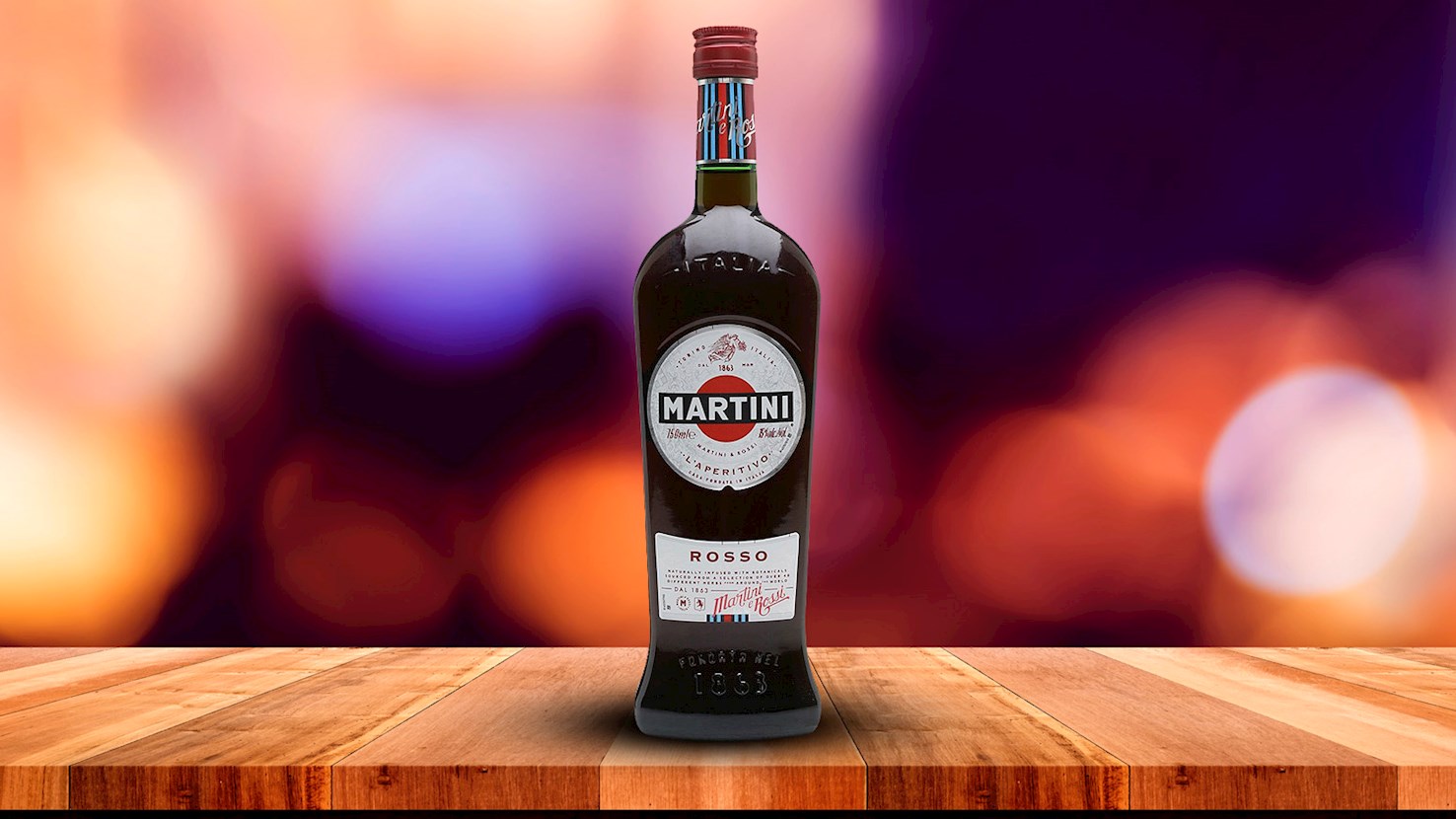
Martini Rosso

3.8 ·

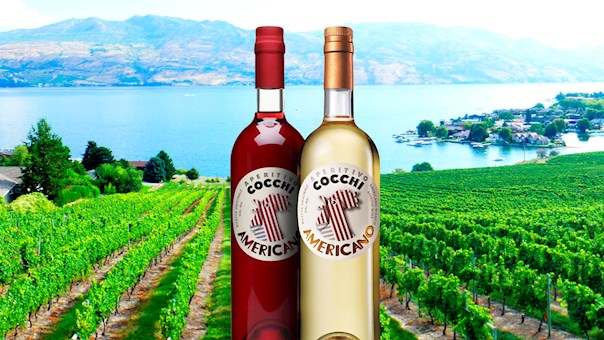
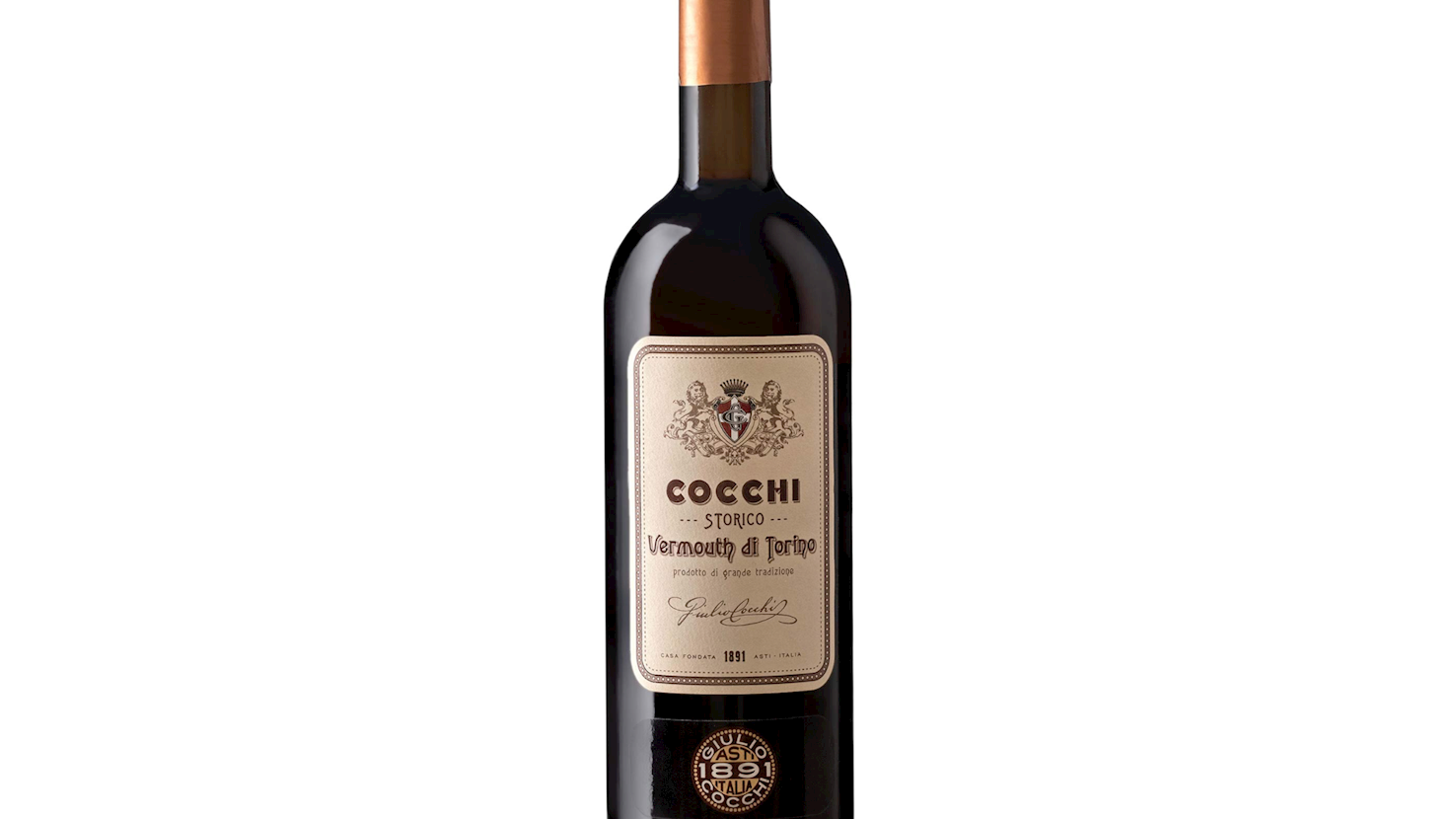
Hailing from Turin, this sweet Italian vermouth was created in the 1862s by Martini Rosso. It is made from wine that is infused with various botanicals such as plants, barks, or flowers. The macerate of the botanicals is added together with caramel, which gives the drink its distinguishing red color. Martini Rosso is slightly sweet, incredibly aromatic, and has a distinctive herbal finish that is accompanied by a subtle bitterness. This common European aperitif, which is ideally served over ice, is best known for its use in cocktails, primarily the acclaimed Manhattan, Negroni, and Americano. The drink also pairs well with tonic and soda water.

10

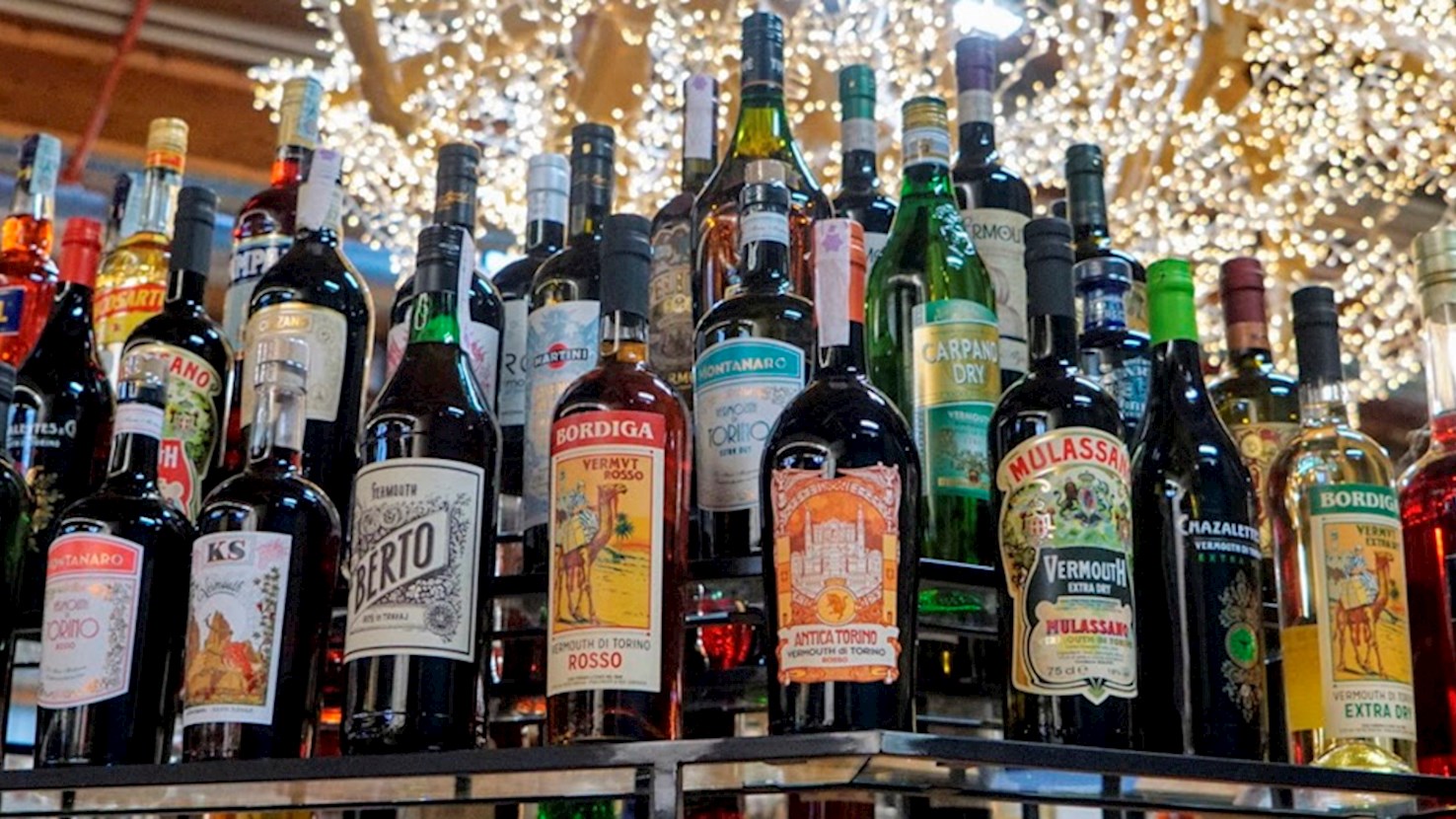
Vermouth

3.8 ·

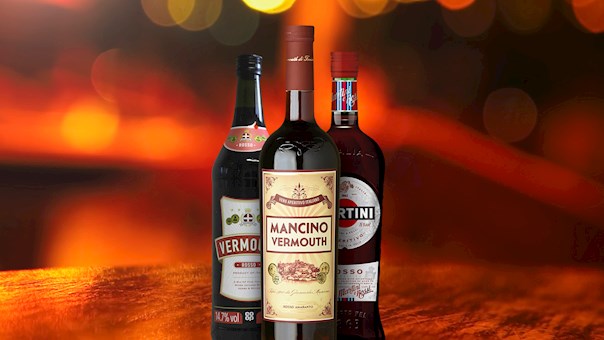
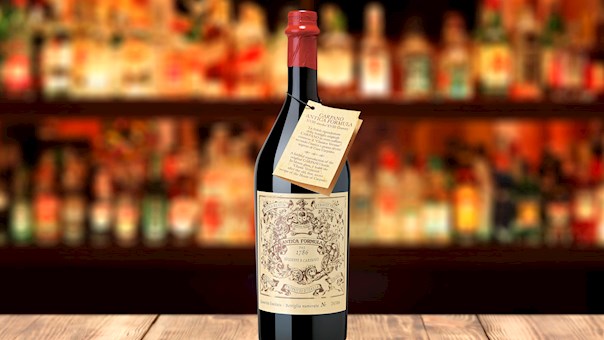
Vermouth is a quintessential European aperitif. This sweetened and fortified wine is aromatized with various botanicals, and it is usually classified as red (sweet) or white (dry). The origin of vermouth is ancient and closely connected to wormwood wine, but the first official vermouth was produced in Turin by Antonio Benedetto Carpano. He aromatized his wine with various herbs and spices and started selling his red vermouth in 1786. The drink became an instant success among the locals and has since only grown in popularity. In the years that followed, Joseph Noilly introduced the new French-style vermouth that is now mostly known as white or dry vermouth. With the development of the spice trade, both styles were further popularized. Internationally, vermouth became known as a cocktail ingredient—it is used in some of the classics such as Martini, Manhattan, Negroni, and Americano—but in Europe, it is still mainly served as an aperitif. It can be enjoyed neat or over ice, and it is often mixed with soda or tonic water. Vermouth is still a staple in Italy and France, but it has also become one of the most popular aperitifs in Spain after it was introduced in the 19th century.

Best Piedmontese Wines
01

Gaja

5 ·
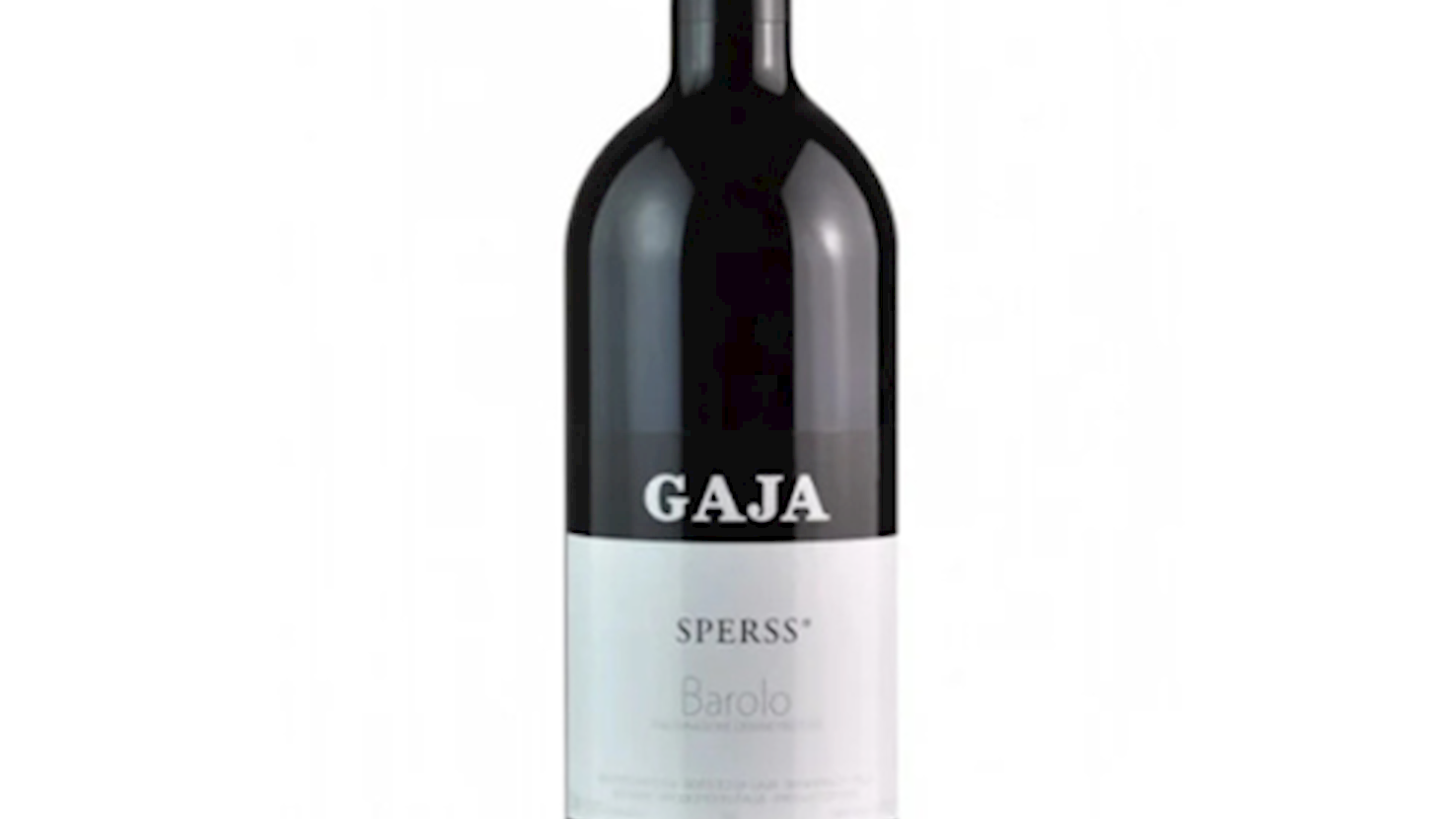
Gaja is one of the most respected names in the world of wine, known for exceptional quality, refined elegance, and a harmonious blend of tradition and modern vision. The philosophy of this family-run winery is rooted in deep respect for nature and thoughtful care throughout every stage of production, from vineyard to bottle. The wines are celebrated for their precision, structure, and layered complexity. Whether crafted from native or international grape varieties, each expression reflects the distinct character of the land and the meticulous attention given to the vineyard. Single-vineyard labels hold a special place, capturing the unique identity of their origin. Gaja balances heritage with innovation. The winery remains committed to its values while continuously evolving. Each wine embodies expertise, passion, and a clear vision, leaving a lasting impression through its depth and authenticity. The name Gaja stands for consistency, character, and timeless style, earning its place among the most esteemed producers in the world of fine wine.
Awards
Falstaff - 100
Falstaff - 99
02

Bruno Giacosa

5 ·
Bruno Giacosa is a legendary name in Italian winemaking and one of the most respected producers in Piedmont, renowned for exceptional Barolo and Barbaresco wines. Based in the town of Neive, in the heart of the Langhe, the estate has always been defined by an unwavering commitment to quality and tradition. Known as the “Genius of Neive”, Bruno Giacosa began his winemaking journey at the age of fifteen, learning the craft in his family’s cellar and selecting only the finest grapes from the most prestigious vineyards. His philosophy was simple yet uncompromising – to create wines that faithfully reflect their terroir, with no concessions on quality. In fact, he often refused to bottle a vintage if it did not meet his exacting standards. In 1982, the estate acquired its own vineyards, including the celebrated Falletto in Serralunga d’Alba, allowing complete control over every step from vineyard to bottle. Today, the winery is led by his daughter, Bruna Giacosa, who continues the family tradition with the same dedication to precision, elegance, and respect for nature. Bruno Giacosa wines are synonymous with the finest expressions of Nebbiolo – a perfect balance of power and refinement – and remain a true embodiment of the soul of Piedmont.
Awards
James Suckling - 99 points (2024)
Vivino - 4.6
03

Giacomo Conterno

5 ·
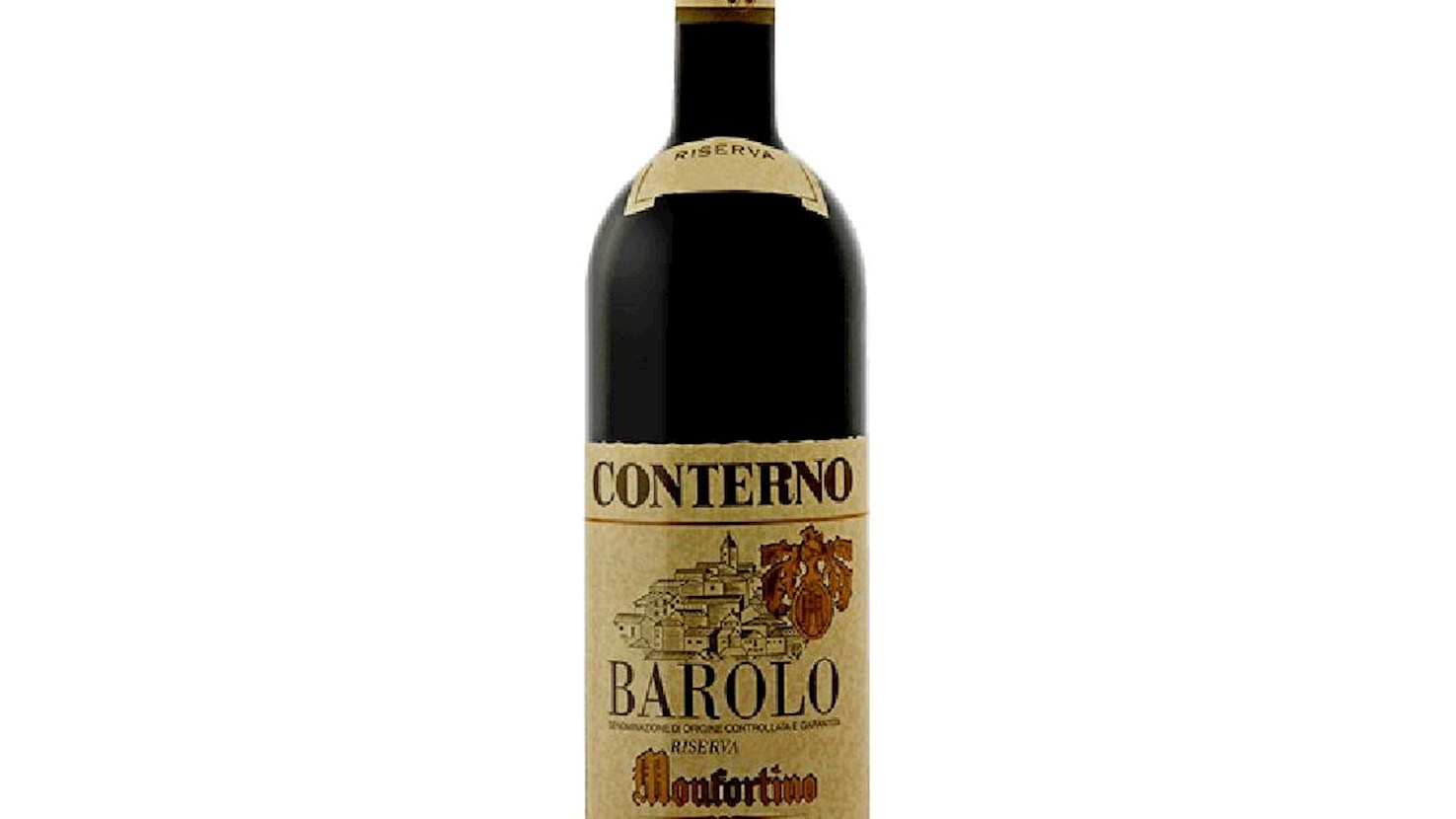
Located in Monforte d’Alba in Piedmont, Giacomo Conterno is one of the most iconic names in Italian winemaking. Founded in the early 20th century, the estate has become renowned for its commitment to the classic style of Barolo - wines crafted not for quick enjoyment, but for long aging and development in the bottle. Its most celebrated wine, the legendary Monfortino Riserva, is produced only in the finest vintages and aged for years in large oak casks, earning a reputation as one of the greatest Barolos in the world. With the acquisition of the Cascina Francia vineyard in 1974, followed later by Cerretta and Arione, the estate secured its own exceptional terroir, further strengthening its identity. Today, under the leadership of Roberto Conterno, the winery remains faithful to its traditional values—patience, authenticity, and a pure expression of the land. Giacomo Conterno stands as the very essence of Barolo: powerful, ageworthy, and elegant.
Awards
Vivino - 4.7
Vivino - 4.5
04

Vietti

5 ·
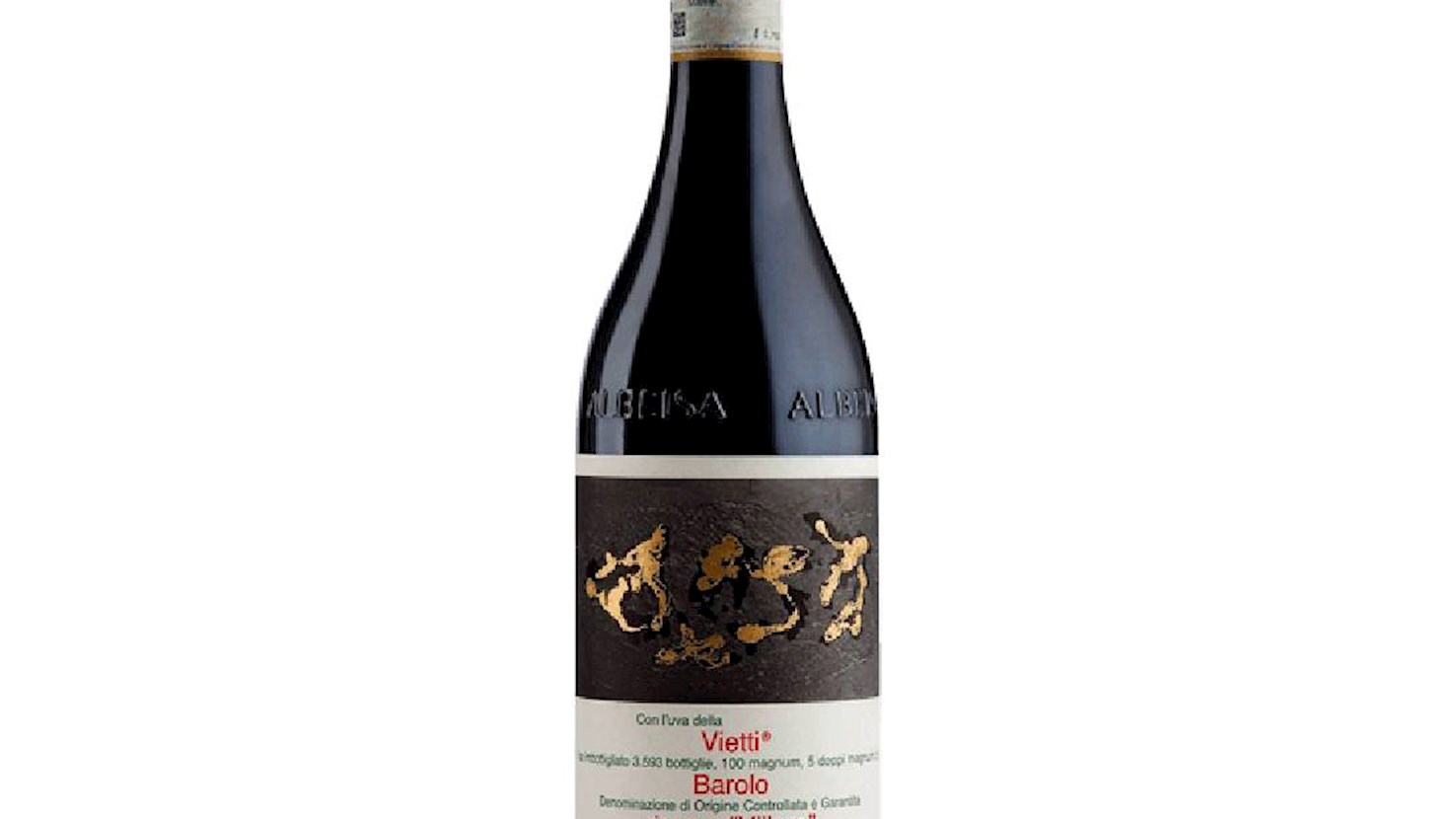
Vietti is a renowned winery located in Castiglione Falletto, at the very heart of Piedmont’s celebrated Langhe region, and stands among the most respected names in Italian winemaking. For generations, the Vietti family has cultivated vineyards on some of the most prestigious sites of Barolo and Barbaresco, combining deeply rooted tradition with innovative vision. The estate was among the first to bottle wines from single vineyards, emphasizing the uniqueness of terroir and the expression of each plot. Vietti also played a crucial role in reviving the nearly forgotten Arneis grape, which has since become the emblematic white wine of the Langhe. From powerful and complex Barolos to graceful whites, every bottle reflects passion, dedication, and an authentic sense of place, offering a true taste of Piedmont’s soul.
Awards
Falstaff - 100
Vivino - 4.6
05

Poderi Aldo Conterno

4.9 ·
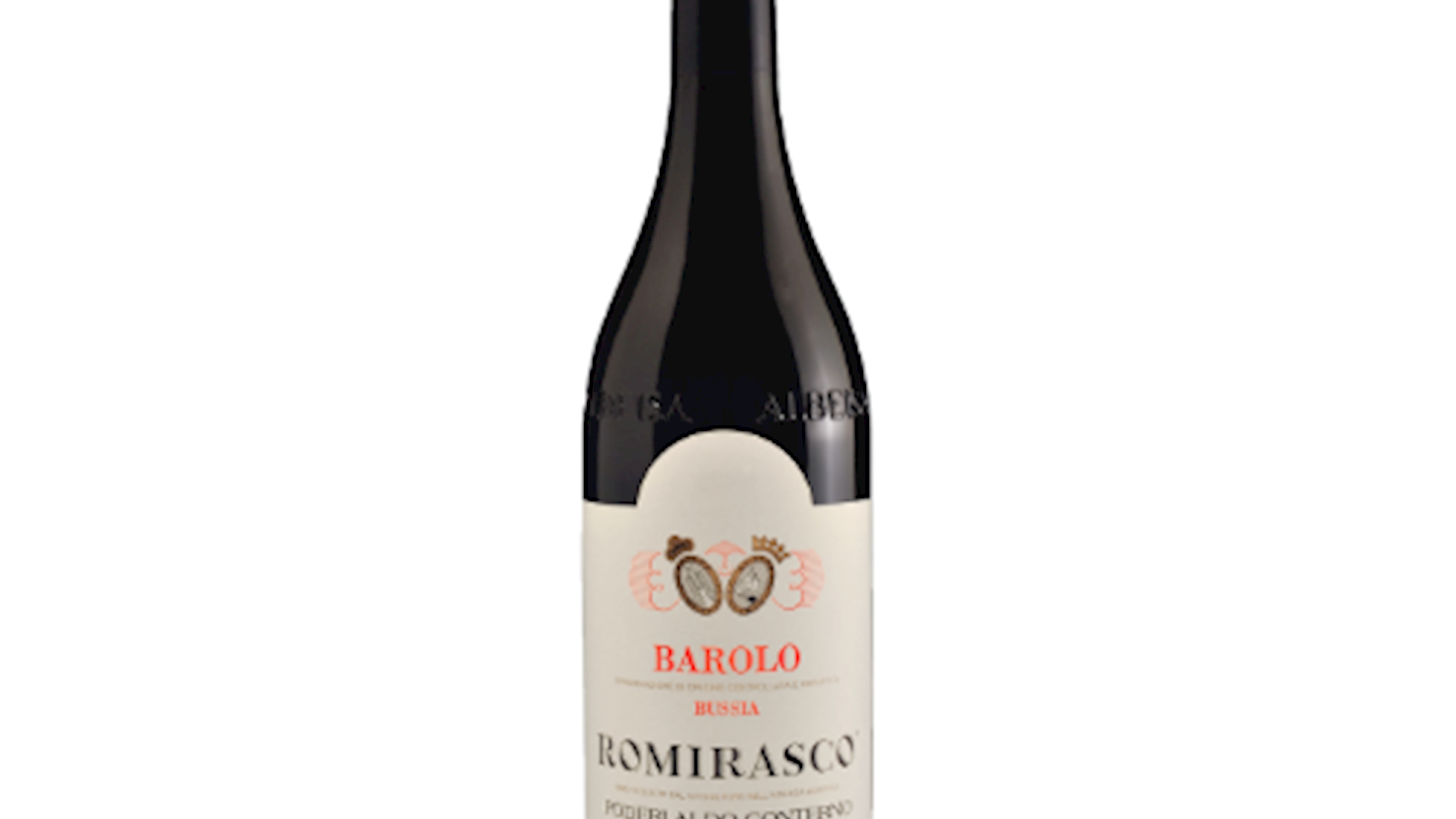
Poderi Aldo Conterno is a prestigious family-owned winery based in Monforte d’Alba, in the heart of the Barolo area of Piedmont. It was founded in 1969 by Aldo Conterno following his departure from the historic family estate Giacomo Conterno, with a vision to combine traditional Barolo methods with a more refined and approachable style. The estate is located in the renowned Bussia cru, one of the most respected vineyard sites in Barolo, where it cultivates around 25 hectares of vineyards with optimal southern exposure. The winery focuses primarily on Nebbiolo, producing a range of Barolo wines from single-vineyard sites such as Romirasco, Cicala, and Colonnello. Its style is often described as a balance between tradition and modernity, offering wines with strong structure and aging potential, yet greater accessibility in their youth. In the cellar, aging typically takes place in large Slavonian oak casks, preserving the purity and character of the grape. The wines are known for their depth, elegance, and complexity, with a clear expression of terroir. Today, the estate is run by Aldo Conterno’s sons, who continue to uphold the family’s commitment to quality. Poderi Aldo Conterno is widely regarded as one of the benchmark producers of Barolo and a key name in Italian fine wine.
Awards
James Suckling - 98 points (2024)
Falstaff - 100
06

Comm. G.B. Burlotto

4.9 ·
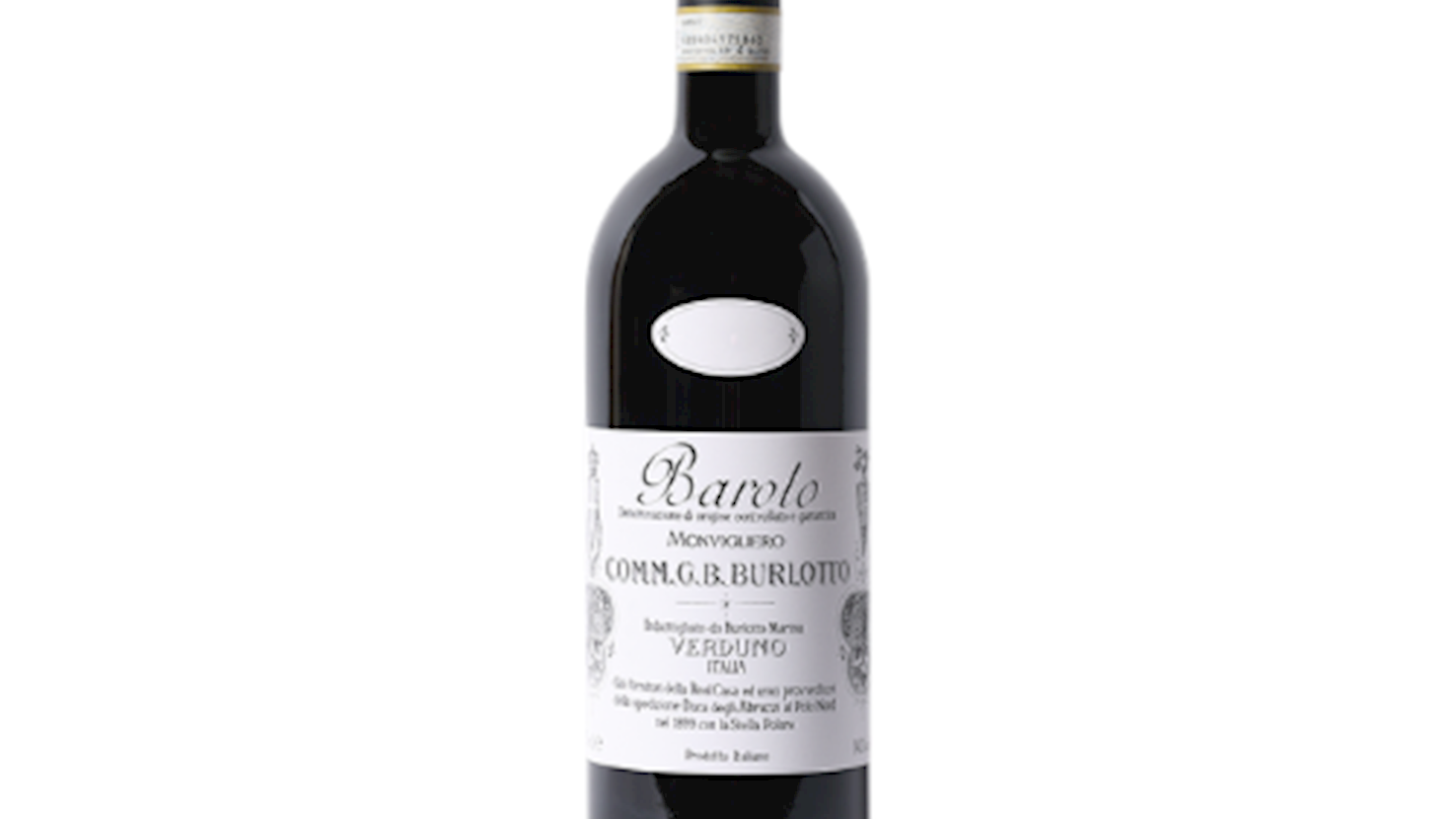
Comm. G.B. Burlotto is a historic winery based in the village of Verduno, in the heart of the Piedmont wine region, with origins dating back to 1850 when it was founded by Giovanni Battista Burlotto. The estate quickly gained prestige in the late 19th century, becoming an official supplier to the Royal House of Savoy and earning a reputation for producing some of the finest expressions of Barolo. Unlike many producers of the time, Burlotto bottled its own wines early on, contributing to the identity and recognition of Barolo as a bottled wine rather than a bulk product. Today, the winery is run by the fifth generation of the Burlotto family, maintaining a strong commitment to traditional methods while refining precision in both vineyard and cellar practices. The portfolio focuses on native varieties such as Nebbiolo, Barbera, and Pelaverga, with particular attention to cru sites like Monvigliero, known for producing elegant and aromatic Barolo wines. Winemaking emphasizes minimal intervention, including long macerations and careful aging to preserve structure and terroir expression. Comm. G.B. Burlotto is widely regarded as one of the most respected traditional producers in Piedmont, known for wines that balance finesse, aromatic complexity, and aging potential.
Awards
Wine Spectator - 97 (2021)
Vivino - 4.4
07

Bartolo Mascarello

4.9 ·
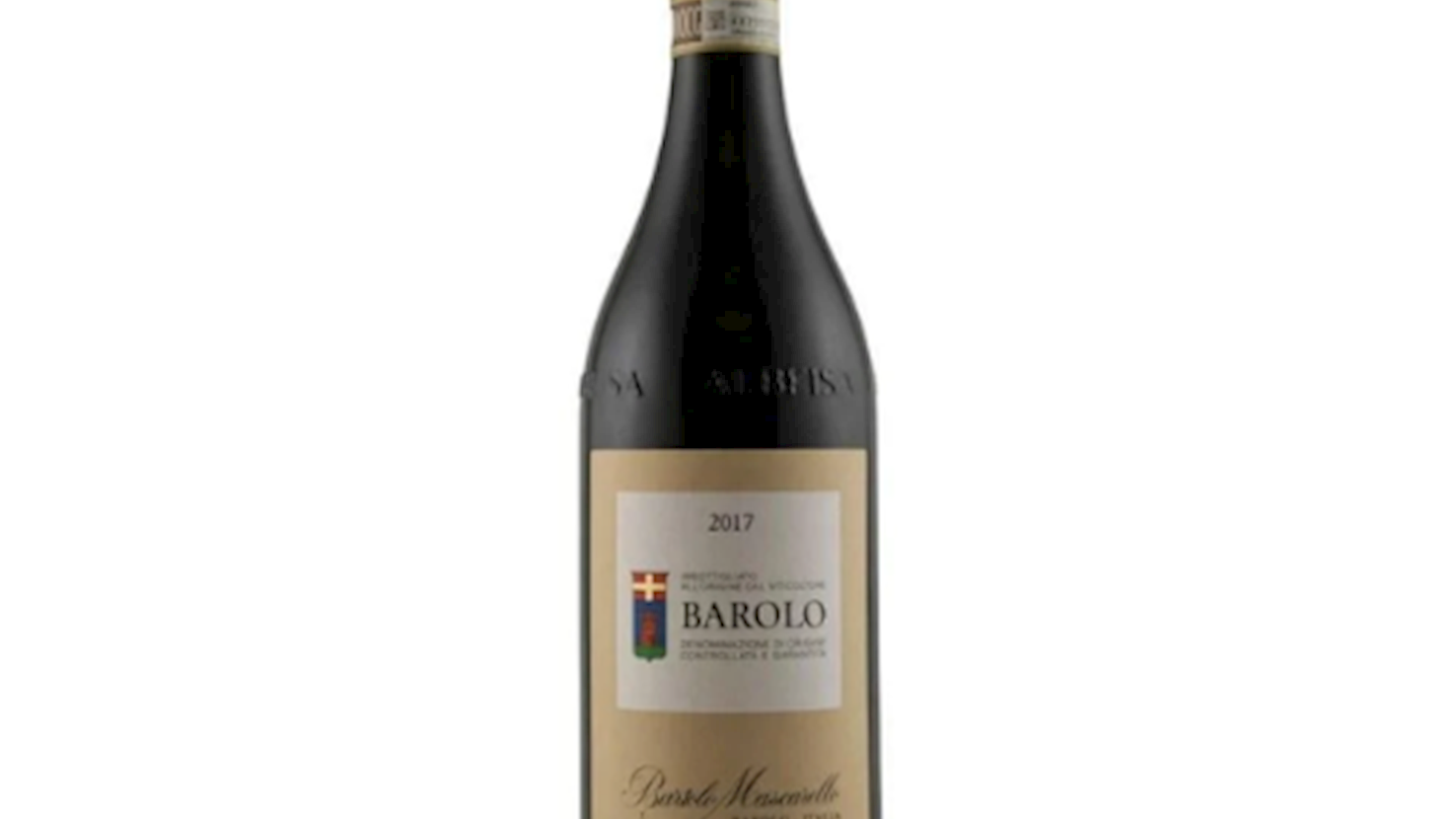
Bartolo Mascarello is widely regarded as one of the most authentic representatives of traditional Barolo, rooted in a family legacy that dates back to the period just after World War I, when Giulio Mascarello established the winery around 1918–1919. The estate gained its defining identity under Bartolo Mascarello, a central figure in the defense of classic winemaking methods during a time of increasing modernization in Piedmont. His philosophy rejected the use of small French barriques, favoring instead long macerations and aging in large Slavonian oak casks to preserve the integrity of Nebbiolo and its expression of terroir. Unlike many producers who shifted toward single-vineyard bottlings, Mascarello remained committed to blending fruit from several prestigious crus, including Cannubi, San Lorenzo, Rué, and Rocche dell’Annunziata, believing that balance and complexity come from the combination of sites. The estate itself is relatively small, spanning roughly five hectares, which allows for a high level of manual work and strict quality control in both vineyard and cellar. Bartolo Mascarello also became known for his strong personal convictions, often expressed through hand-painted labels carrying political or cultural messages, which today are considered collectible pieces. Following his passing in 2005, the winery has been led by his daughter Maria Teresa Mascarello, who continues to uphold the same uncompromising traditional approach without adapting to market trends or modern stylistic shifts. The wines produced are structured, age-worthy Barolos characterized by firm tannins, vibrant acidity, and layered aromas that evolve over decades rather than offering immediate accessibility. This commitment to authenticity and resistance to homogenization has positioned the winery as a benchmark for classic Barolo, highly respected among collectors and traditional wine enthusiasts.
Awards
Falstaff - 100
Vivino - 4.4
08

Giuseppe Rinaldi

4.9 ·
Giuseppe Rinaldi is one of the Piedmont’s most highly regarded producers and a leading standard-bearer of old-school Langhe wines. Giuseppe ‘Beppe’ Rinaldi, a true traditionalist, took over the estate from his father in 1992, and continued making the traditional-styled wines that had become increasingly sought-after. Rinaldi always believed that the best wines from Barolo were blends from several sites and his most prominent wines were blends from the Brunate and Le Coste, and the Cannubi and Ravera vineyards respectively, and were labeled as such.
Awards
Falstaff - 100
Falstaff - 99
09

Luciano Sandrone

4.9 ·
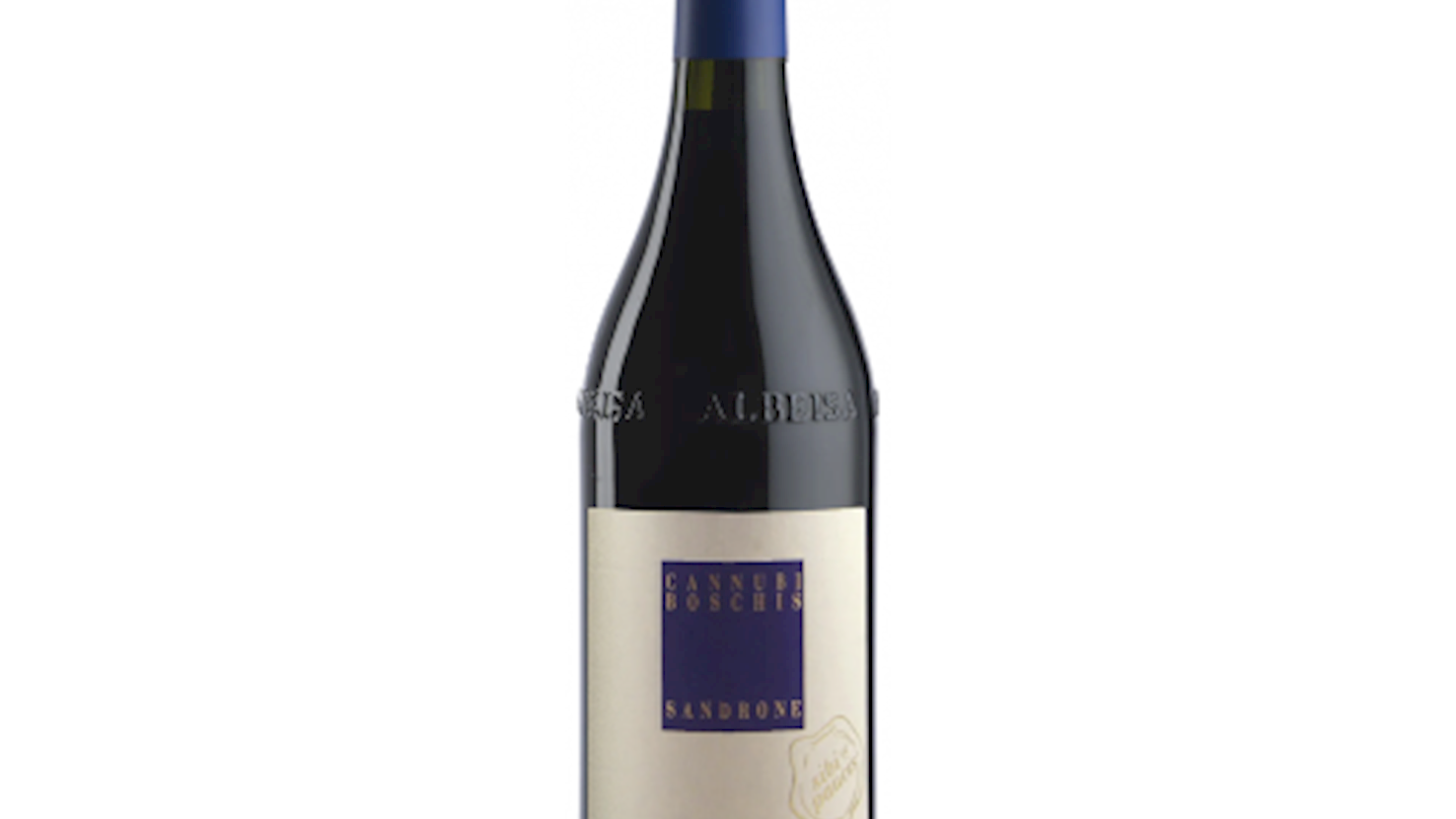
Luciano Sandrone is one of the most influential and respected producers in the Barolo region, founded in the late 1970s by Luciano Sandrone, a key figure in the modernist movement of Piedmont winemaking. Unlike many traditional estates, Sandrone did not come from a winemaking family; he built his knowledge working as a cellar master before purchasing his first vineyard in Cannubi Boschis in 1977. His first vintage, produced in a small garage in 1978, quickly gained attention when the entire production sold out at Vinitaly, marking the beginning of his international recognition. Over time, Sandrone became known for blending traditional Nebbiolo character with refined, modern techniques, achieving wines that combine structure with approachability. The estate now manages vineyards across Langhe and Roero, focusing on key varieties such as Nebbiolo, Barbera, and Dolcetto. The wines are defined by precision, depth, and balance, with the ability to age gracefully while remaining expressive in their youth. Flagship labels such as Barolo Le Vigne and Cannubi Boschis (now Aleste) have played a major role in shaping the winery’s global reputation. Sandrone wines have consistently received top critical acclaim, including perfect scores, reinforcing their position among the elite of Barolo producers. Today, the winery continues as a family operation, with the next generation preserving its philosophy of terroir-driven wines and continuous refinement with each vintage.
Awards
Falstaff - 99
Vivino - 4.4
10

Vite Colte

4.9 ·
Awards
Decanter World Wine Awards - Best in Show (2020)
Decanter World Wine Awards - Platinum (2020)
Read more
View all
View map
About this ranking

TasteAtlas food rankings are based on the ratings of the TasteAtlas audience, with a series of mechanisms that recognize real users and that ignore bot, nationalist or local patriotic ratings, and give additional value to the ratings of users that the system recognizes as knowledgeable. For the “Top 98 Piedmontese Wines” list until June 02, 2026, 673 ratings were recorded, of which 477 were recognized by the system as legitimate. TasteAtlas Rankings should not be seen as the final global conclusion about food. Their purpose is to promote excellent local foods, instill pride in traditional dishes, and arouse curiosity about dishes you haven’t tried.

The initial list of top producers was compiled based on available reviews, awards, local recommendations, media and blog coverage, and consumer reviews. The list will be updated with ratings from TasteAtlas local ambassadors and TasteAtlas users.

Similar lists