

shutterstock

Top 100 Casseroles
in the World

Last updated on April 15, 2026
01

Pasta 'ncasciata

4.5 ·

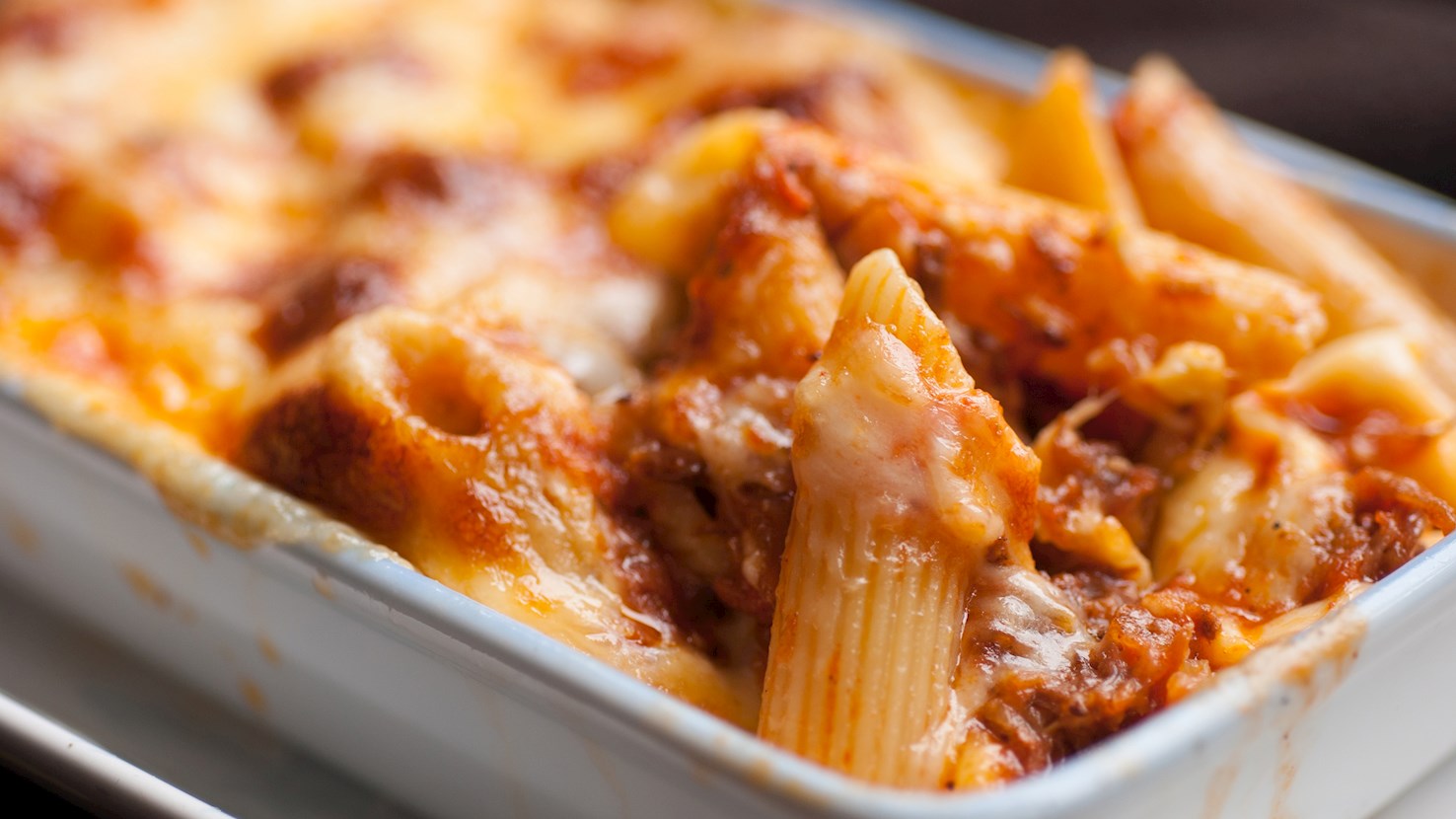
Pasta 'ncasciata is a traditional pasta dish originating from Sicily. In order to prepare it, pasta such as penne or rigatoni is cooked in boiling water, then strained and mixed with a rich tomato sauce (in Palermo) or a beef ragu (in Messina), cubes of fried eggplant, pieces of cheese such as caciocavallo or mozzarella, and bechamel sauce. The combination is placed in a springform cake tin, sprinkled with breadcrumbs, then baked until the filling becomes hot. The dish is inverted from the mold and served warm. It's recommended to pair it with a glass of red wine such as Nero d'Avola or Frappato.

02

Arroz tapado

4.5 ·

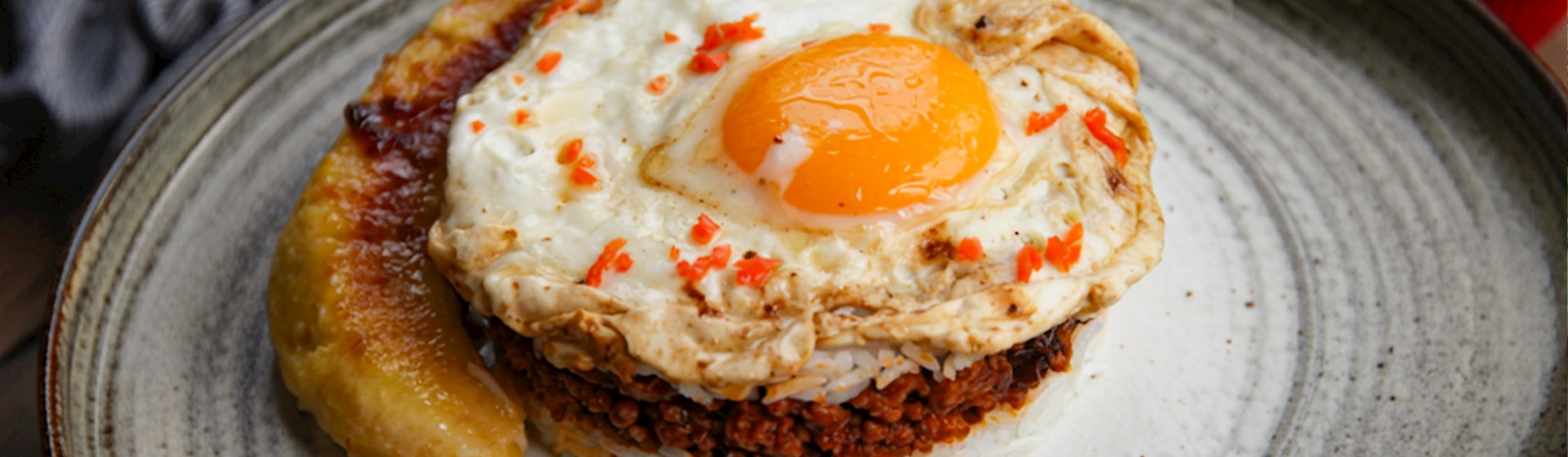
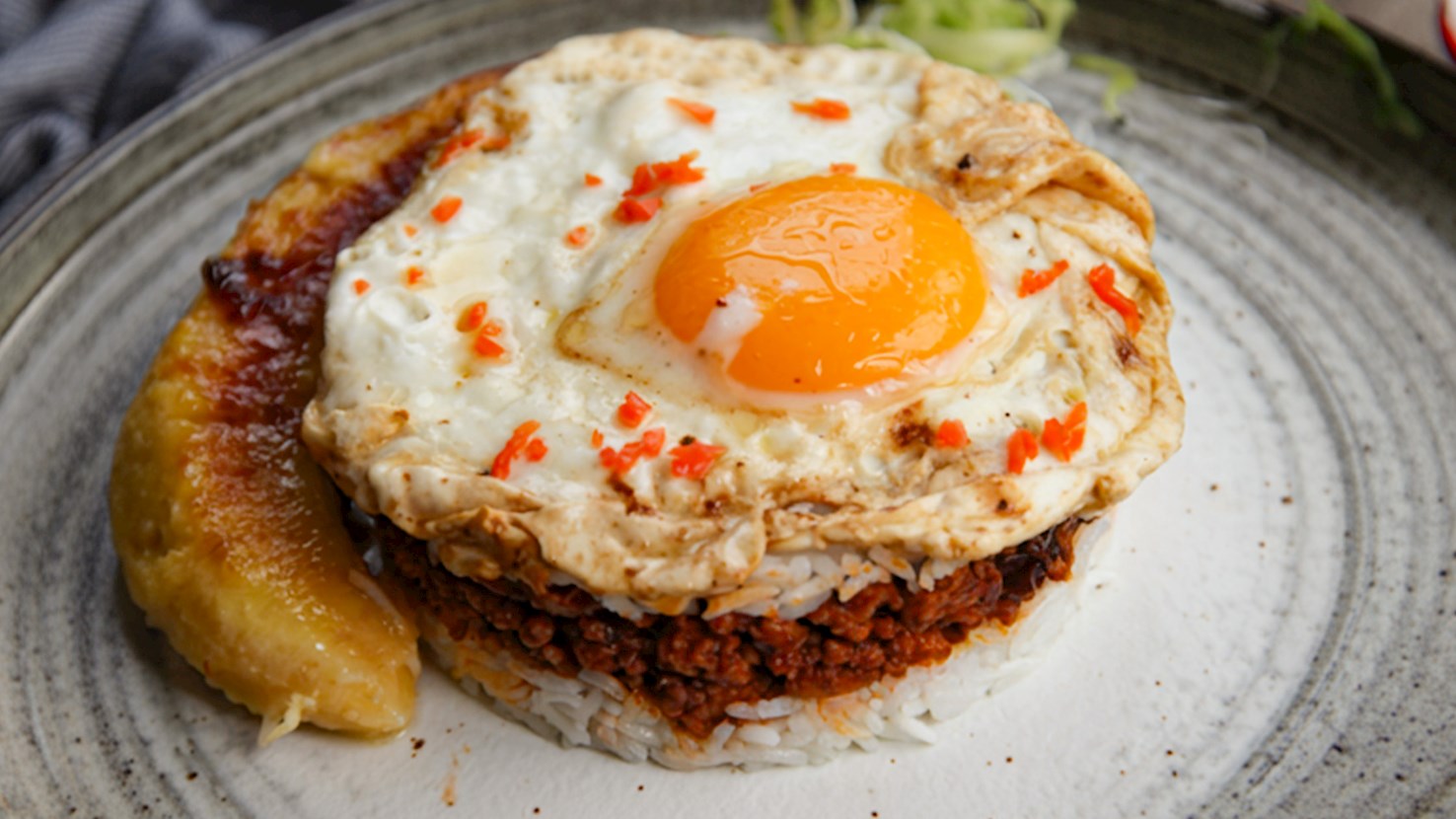
Arroz tapado is a Peruvian dish that is easy to prepare and inexpensive. It is made with rice, carrots, ground beef, tomato paste, onions, garlic, black olives, and chopped hard-boiled eggs. This dish is layered, usually in a way where rice is on the bottom and on the top, with the other ingredients sandwiched in the middle layer. Once assembled, arroz tapado is garnished with parsley and served with green salads, plantains, or avocado slices on the side, if desired.

03

Parmigiana alla napoletana

4.4 ·

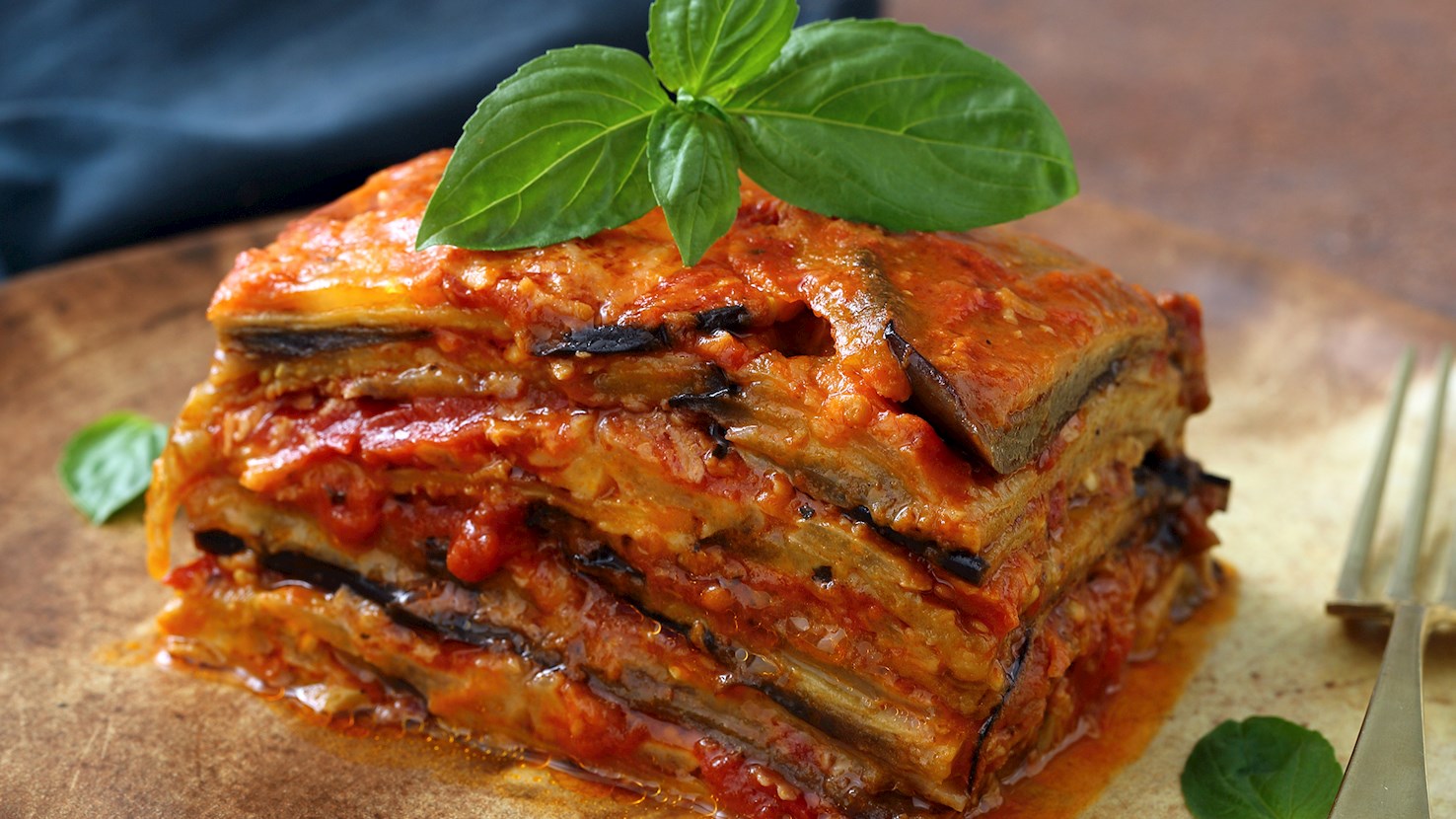
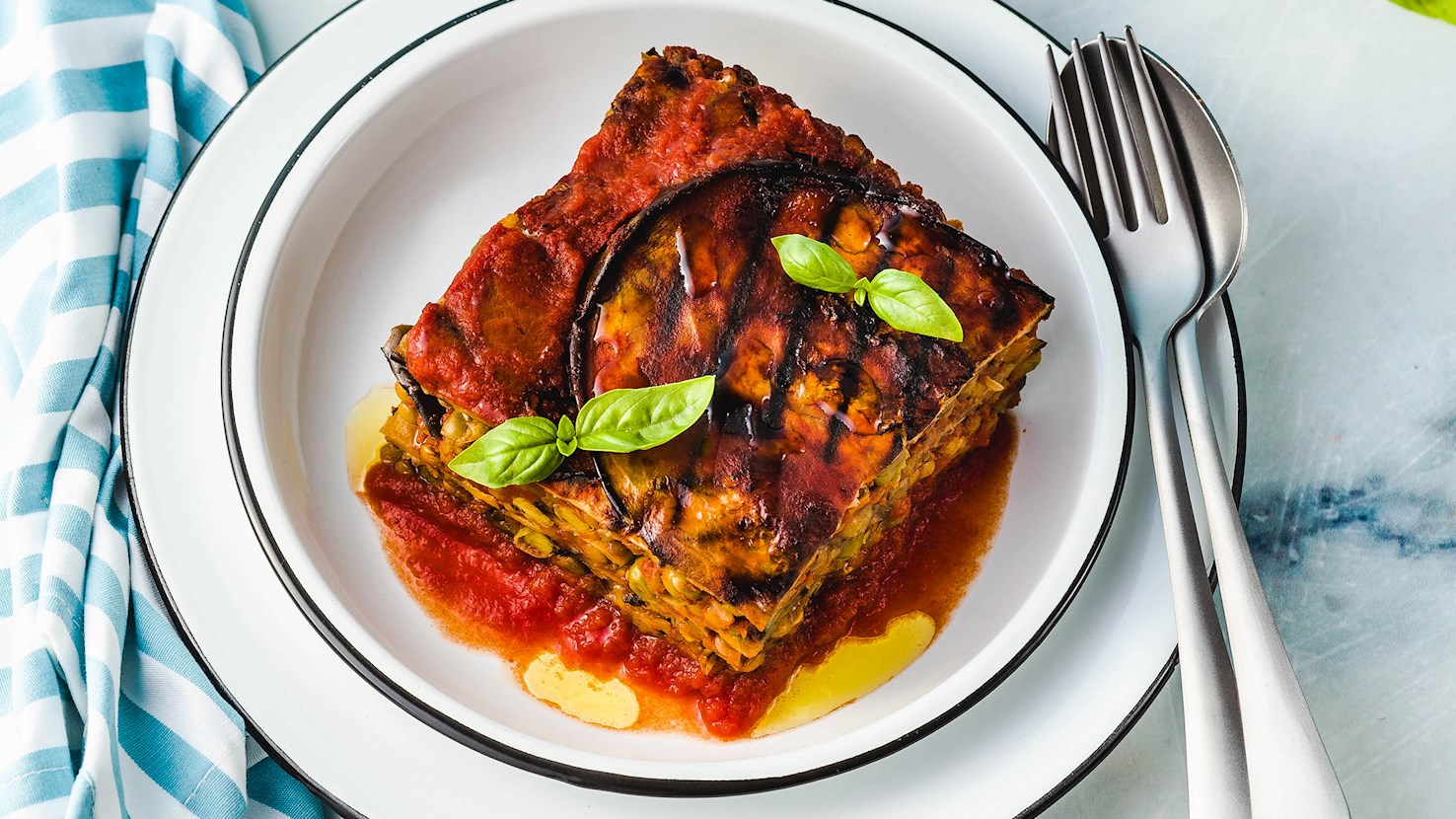
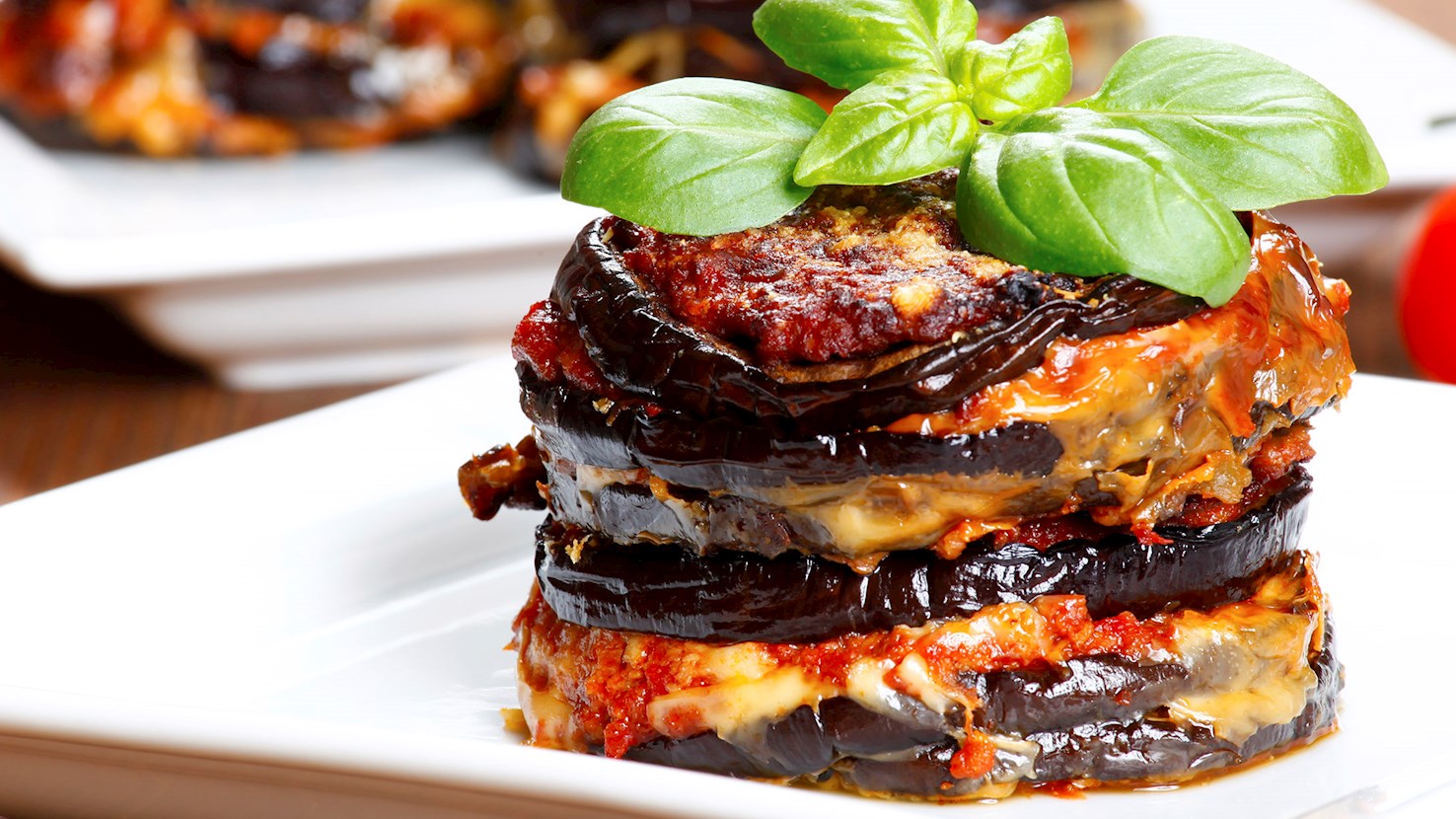
This version of eggplant parmigiana is the most popular outside of Italy. Hailing from Campania, this variation on a dish is made with eggplants, olive oil, onions, basil, tomatoes, mozzarella or fior di latte cheese, and grated Parmigiano-Reggiano. The eggplants are peeled, sliced, and shortly fried, then arranged in a baking dish over the tomato sauce along with the cheese, basil leaves, and grated Parmigiano-Reggiano. The layers are repeated, and the final one should end with tomato sauce and grated cheese. The dish is baked until the surface becomes crisp, and it is then served, ideally at room temperature.

04

Lasagne alla parmigiana

4.4 ·

Lasagne alla parmigiana is a traditional lasagna dish originating from Emilia-Romagna. The dish is essentially a blend of two Italian classics – lasagne pasta and eggplant parmigiana. Although there are many recipes, it's usually made with a combination of lasagne sheets, eggplants, tomatoes, garlic, mozzarella, olive oil, basil, grated cheese, salt, and black pepper. The eggplants are sliced, salted, drained, and fried in oil until golden. The tomato sauce is made with tomatoes, olive oil, and garlic. It's spread on the bottom of an ovenproof dish and topped with cooked lasagna sheets, tomato sauce, eggplant slices, mozzarella, grated cheese, and basil. The process of layering is repeated, and the last layer should consist of tomato sauce and grated cheese. The dish is baked in the oven until golden and bubbling, and lasagne alla parmigiana are then ready to be enjoyed. It's recommended to pair the dish with crisp and fruity white wines such as Greco di Tufo.

05

Giouvetsi

4.4 ·

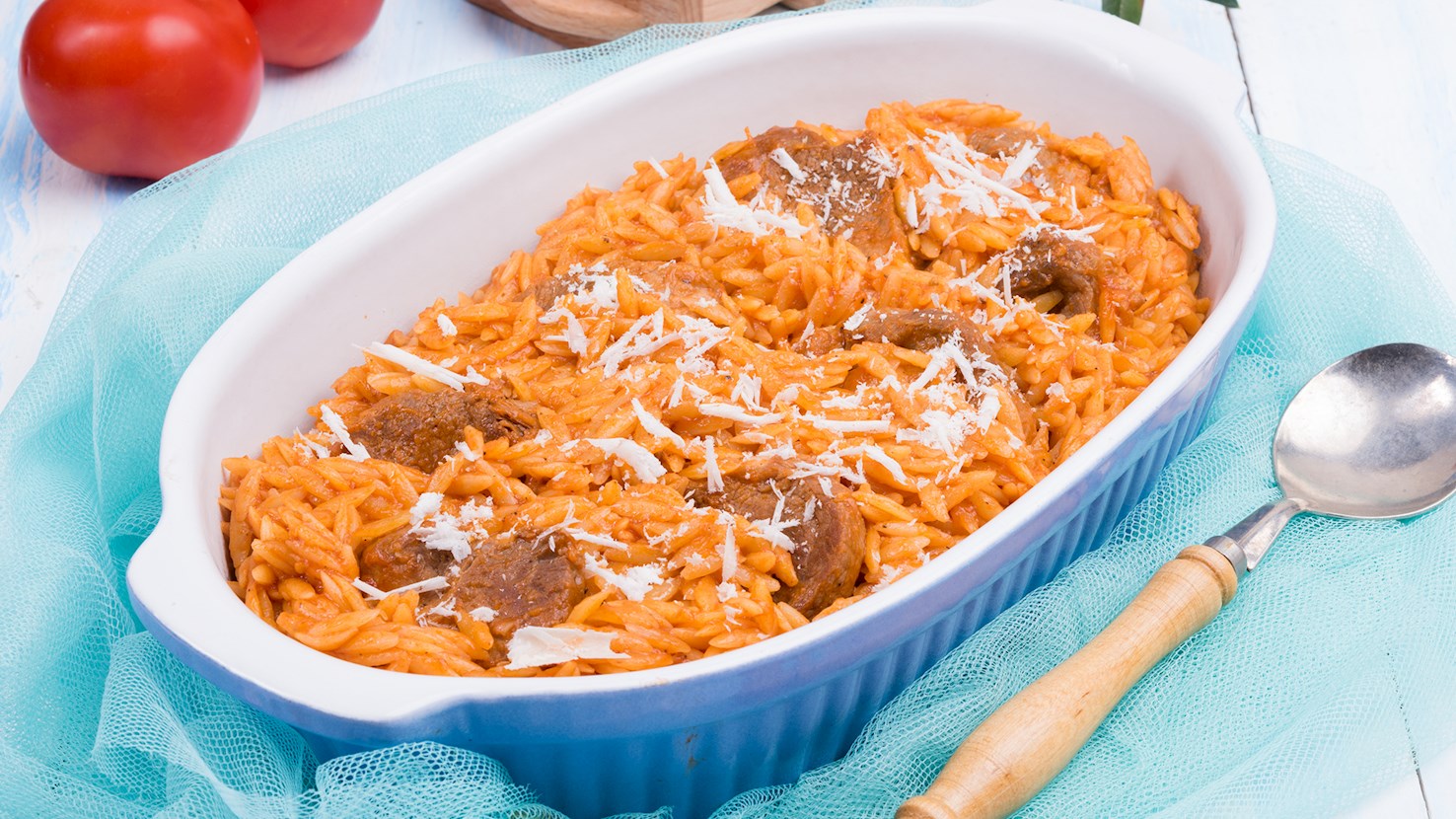
This classic Greek casserole consists of a combination of pasta and tomato-braised meat that is prepared as a one-pot oven dish. Although veal is the traditional choice, various types of meat may be employed, while the rich tomato sauce is usually seasoned with cinnamon, allspice, red wine, cloves, and bay leaves. Tradition suggests using two types of pasta, the small-sized orzo or the square-shaped hilopites, and topping the casserole with a layer of grated cheese. Giouvetsi, named after Turkish earthenware, is a common meal served on large family gatherings and various festive occasions.

Best restaurants
06

Causa rellena

4.3 ·

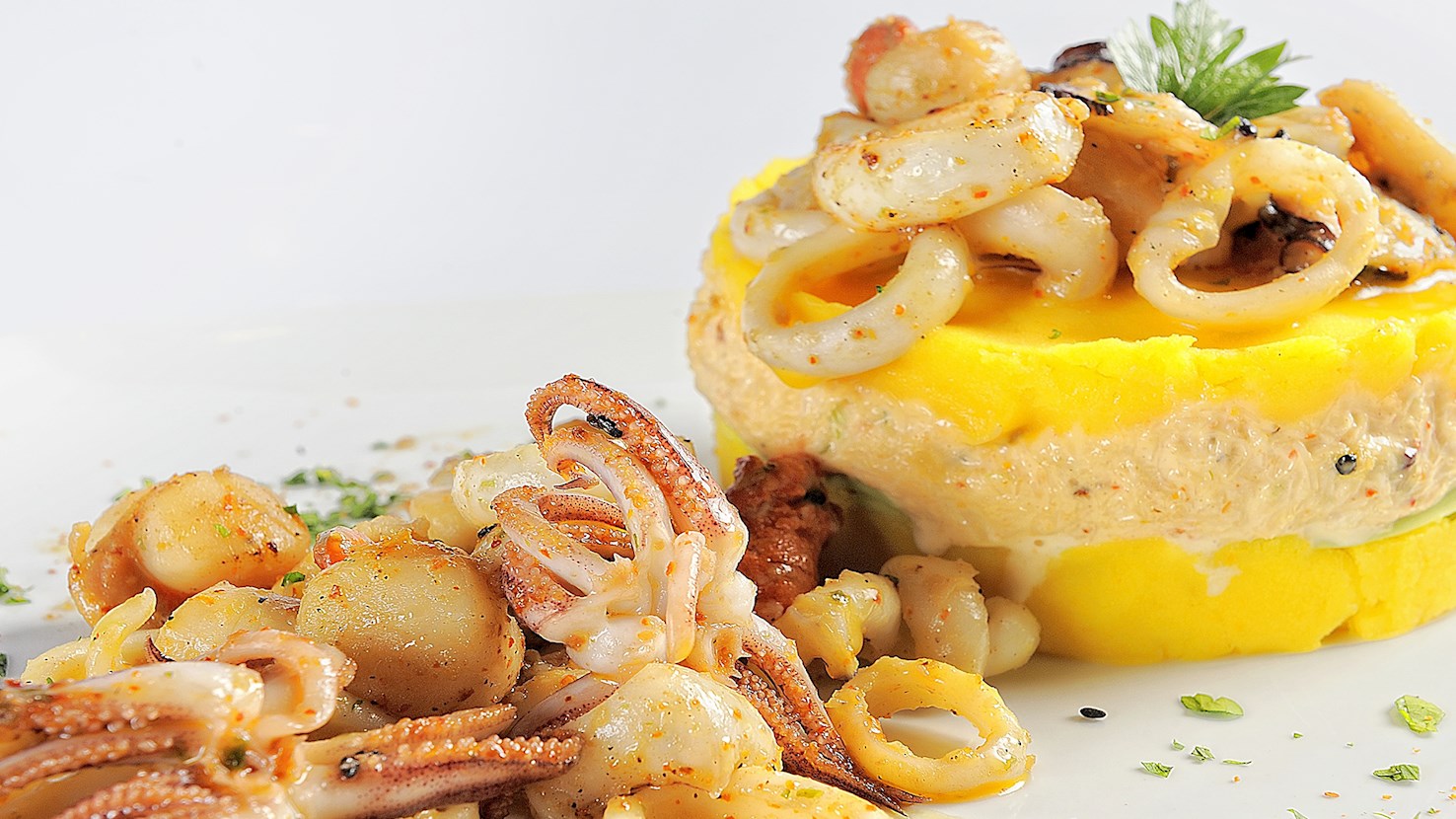
This traditional Peruvian delicacy is made with yellow potatoes and either tuna salad or chicken. Most often, the potatoes are molded or cut into circles, and the filling is sandwiched in between. The dish is flavored with mayonnaise, ají amarillo chilis, and lime or lemon juice. Causa rellena is typically served cold on a bed of lettuce, while the top is garnished with black olives, making it a perfect appetizer or a light meal on its own. It is believed that the dish was invented during the Pacific War. Food was scarce, and the Peruvian women started collecting potatoes and any other ingredients they could get their hands on. The women created causa rellena, then offered it to soldiers for the cause of defending their homes, hence the name of the dish.

07

Lasagne alla Bolognese

4.3 ·

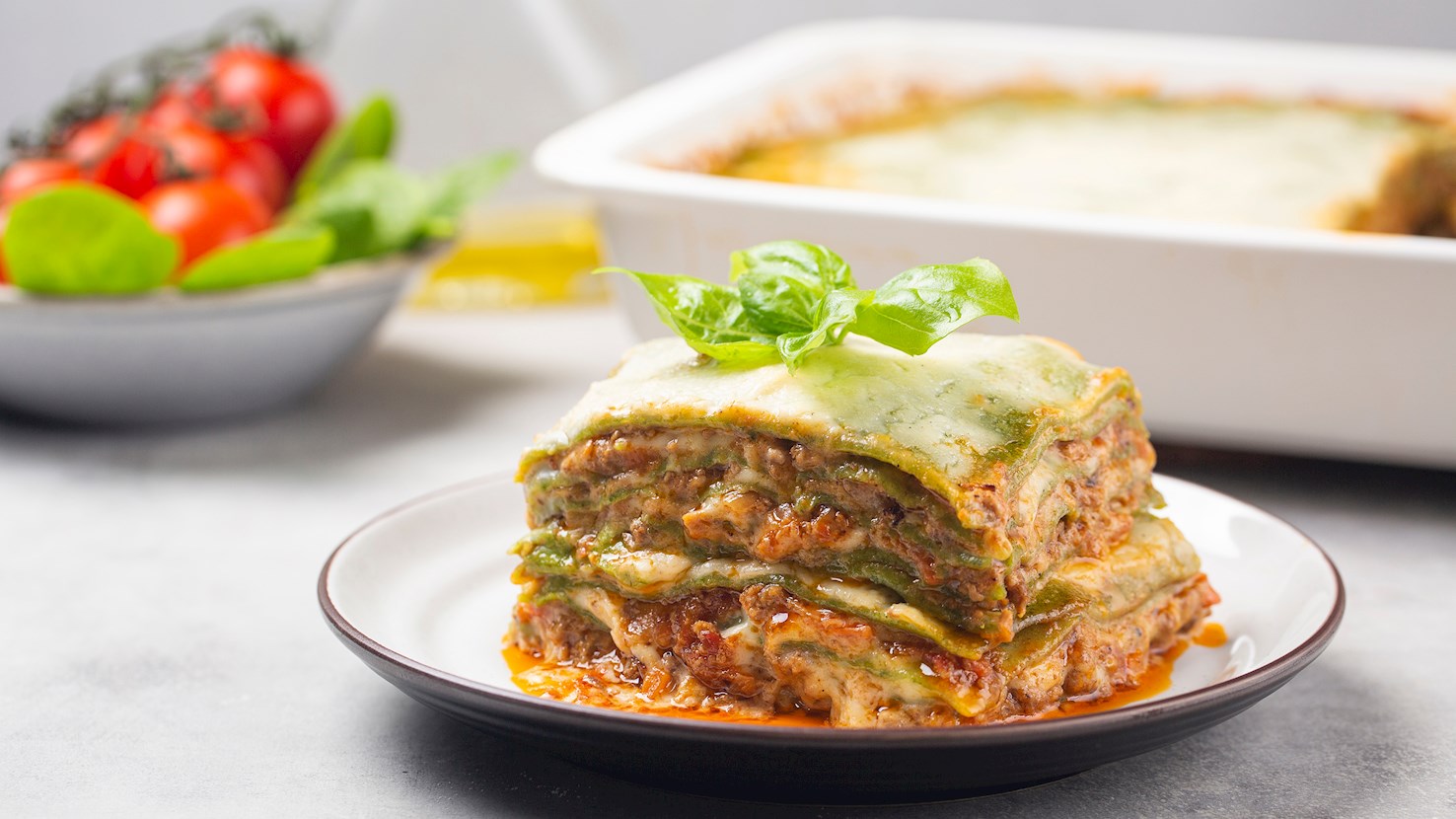
This rich and filling piatto unico (lit. single plate; one-dish meal) is traditionally made from layers of homemade, typically spinach-flavored fresh egg lasagna pasta that is topped with béchamel sauce and a rich meat sauce called ragù alla Bolognese. Lastly, lasagne alla Bolognese is generously sprinkled with the Emilian king of cheeses, Parmigiano-Reggiano, and baked until tender on the inside with a perfectly crisp, browned top. This oven-baked classic is a typical dish of the Emilia-Romagna region, and of the city of Bologna specifically. However, it has become so popular over time that it now enjoys a position as a worldwide symbol of Italian cuisine. Unfortunately, as is often the case with timeless dishes, changes to the original recipe or the substitution of lower-quality ingredients cause many renditions of lasagne alla Bolognese that fail to live up to the splendor of the original. Interestingly enough, in many bolognese households, there is a special deep oven casserole with handles called ruola, made of aluminum and used for baking lasagne alla bolognese.

08

Parmigiana

4.3 ·

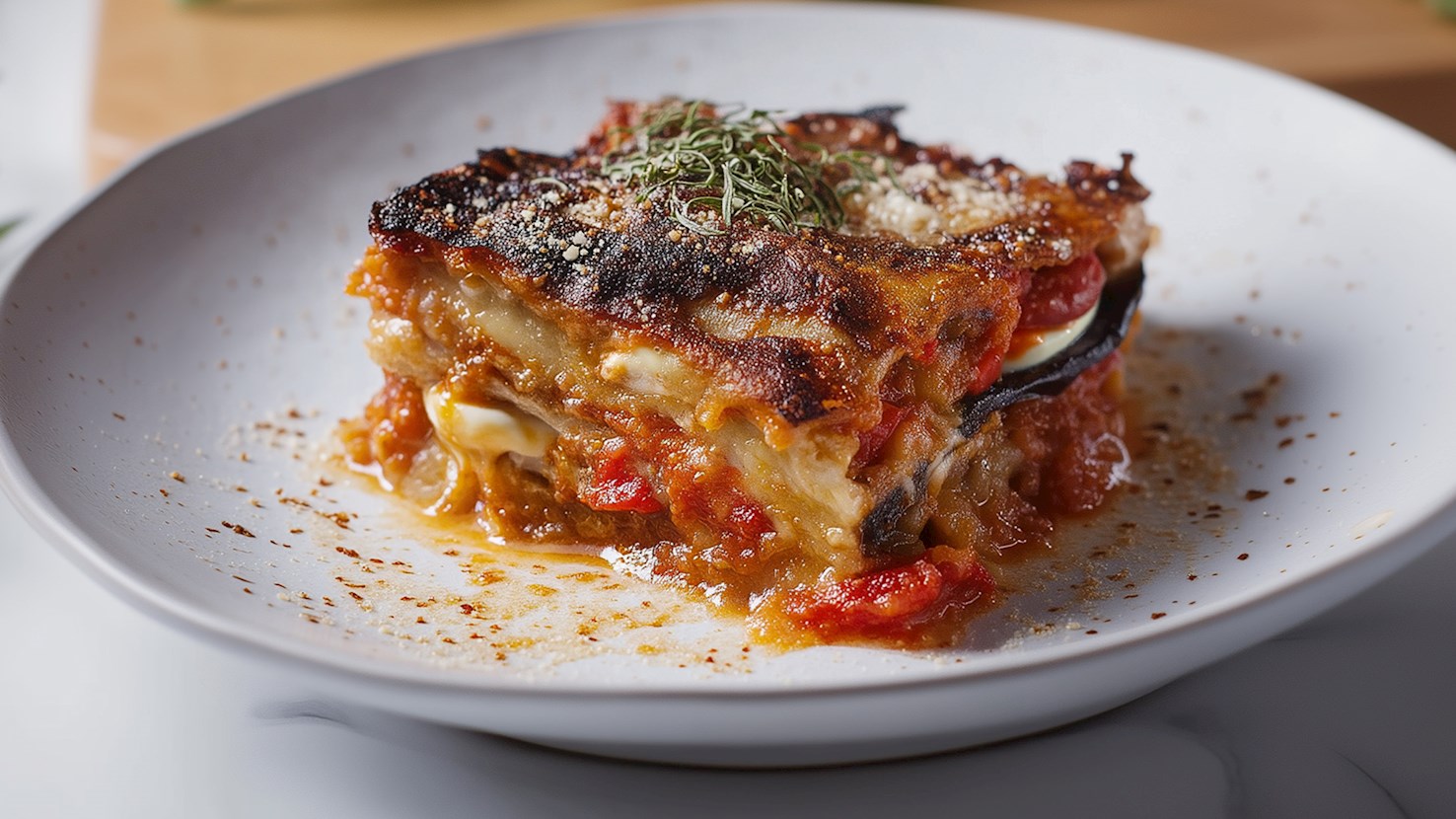
Found throughout southern Italy, parmigiana di melanzane is a type of gratinated vegetable casserole traditionally made of fried or grilled slices of eggplant layered with basil-flavored tomato sauce and topped with one or more cheeses, such as mozzarella, pecorino Siciliano, scamorza, and caciocavallo Silano. Contrary to popular belief, parmigiana has nothing to do with parmigiano Reggiano cheese, even though it is used in many recipes as it makes for a crunchier crust. Nor, in fact, does it have any connection with the city of Parma whatsoever. In fact, the name of this scrumptious summer dish supposedly stems from parmisciana, the word for “Persian” in the Sicilian dialect, and it is often suggested that the word is rooted in the Arabic badhnajan or Turkish patlıcan, both of which mean “eggplant”. Although the eggplant was introduced to Italy by the Arabs as early as the 8th century, the parmigiana we know today may have originated in Sicily at around the 16th century, when tomatoes were first brought to Italy from the New World by the Spaniards. Later, the eggplant casserole spread across the country, taking on a version of its own in each region. Regardless of its true origins and the many different takes on the classic recipe, parmigiana di melanzane remains Southern Italian comfort food at its best, and is one of the most popular Italian dishes today.

09

Parmigiana (Puglia)

4.3 ·

This variation on parmigiana di melanzane hails from Puglia. The recipe for this Puglia-style casserole sometimes calls for using zucchini instead of eggplant, along with olive oil, flour, eggs, tomatoes, mozzarella, cooked sausage meat, and grated Parmigiano-Reggiano. The eggplants or zucchinis are peeled, sliced, dredged in flour and eggs, then fried. Tomato sauce is ladled into a baking dish, followed by fried eggplant slices, mozzarella, and sausage meat. The layers are repeated, ending with tomato sauce and grated Parmigiano-Reggiano. The parmigiana is baked until the top becomes golden brown.

10

Gratin dauphinois

4.2 ·

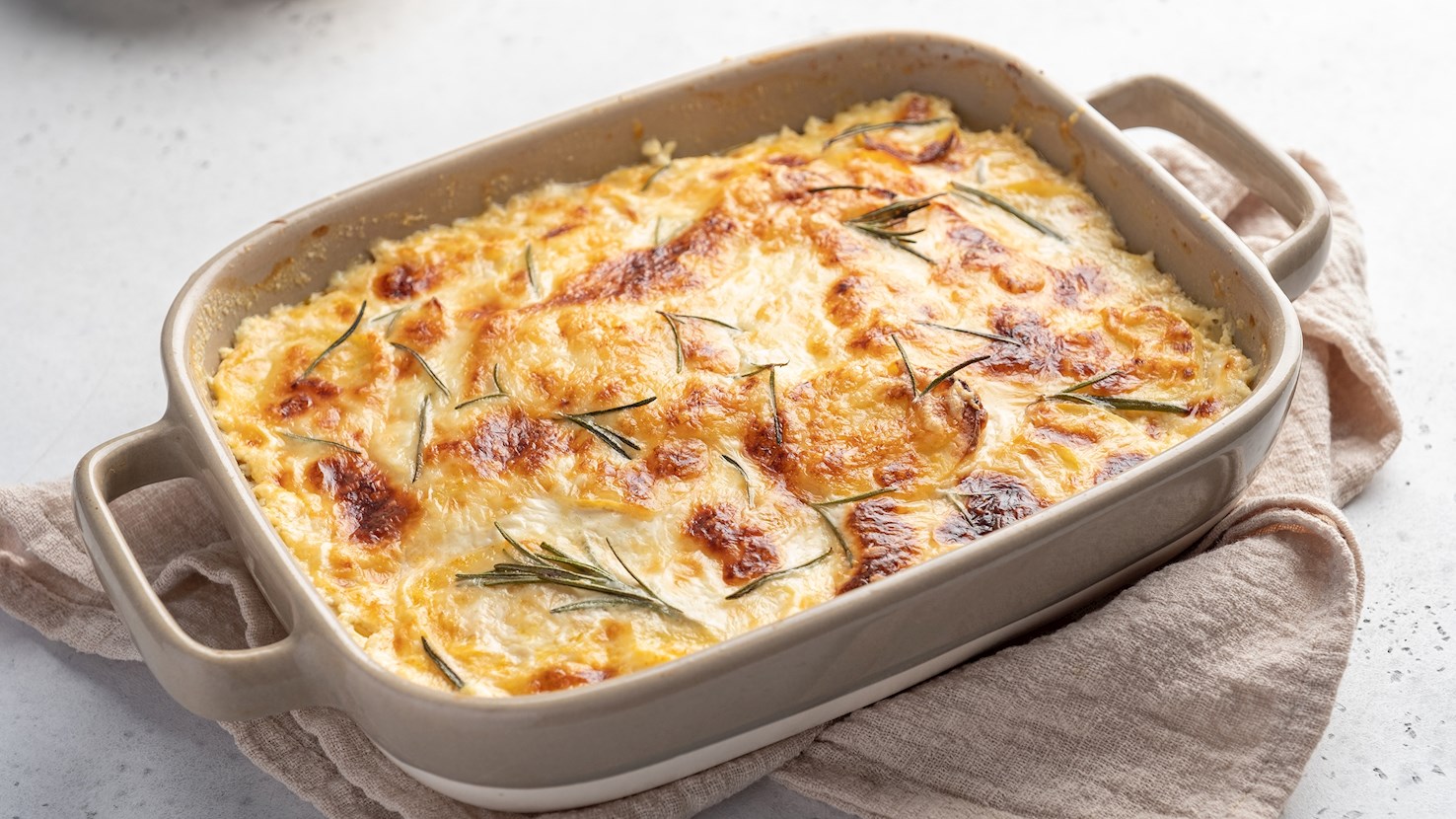
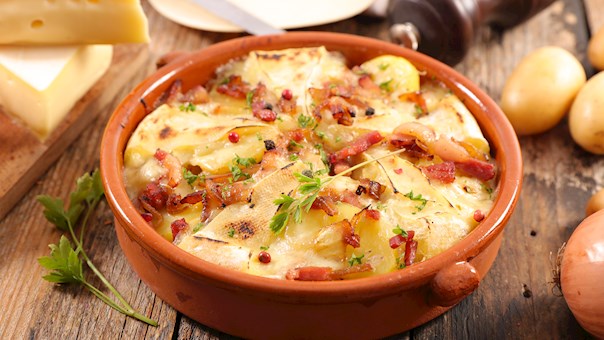
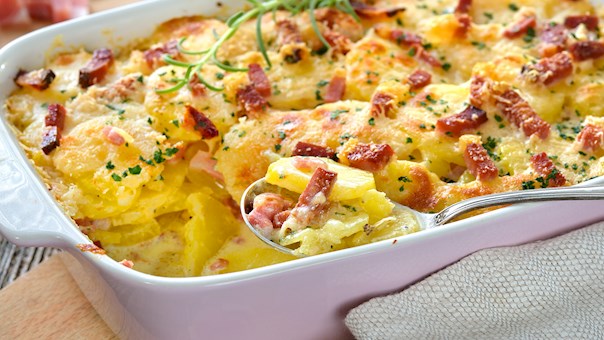
Traditionally consumed by peasants in the historic Dauphiné region in France, gratin dauphinois is a savory dish consisting of thinly sliced potatoes, crème fraîche, and butter baked in a shallow earthenware cooking vessel. The dish can be eaten on its own, preferably with a salad on the side, or as an accompaniment to fish or meat dishes. The term gratin originally referred to the flavorful crust that was left in the pan after the dish was baked. The first mention of the dish dates back to July 12th, 1788, when it was served at a dinner hosted by Charles-Henri, Duke of Clermont-Tonnerre and Lieutenant-General of the Dauphiné, for the officials of the city of Gap in the modern-day Hautes-Alpes region.

11

Pastel de choclo

4.2 ·
12

Escondidinho

4.2 ·
14

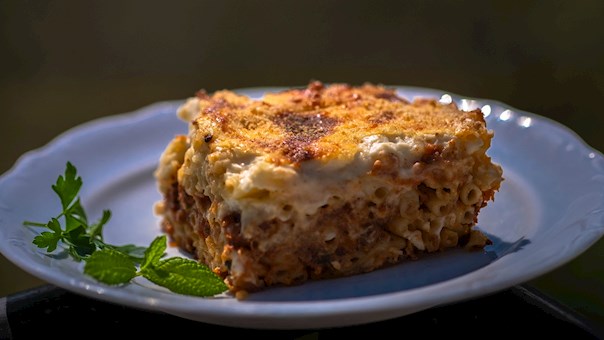
Pastitsio

4.2 ·
15

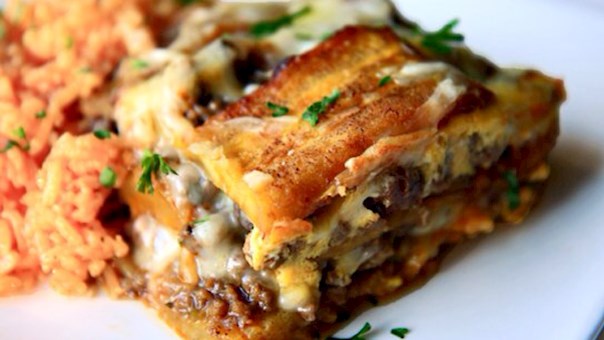
Pastelón

4.1 ·
16

Kugelis

4.1 ·
17

Moussaka

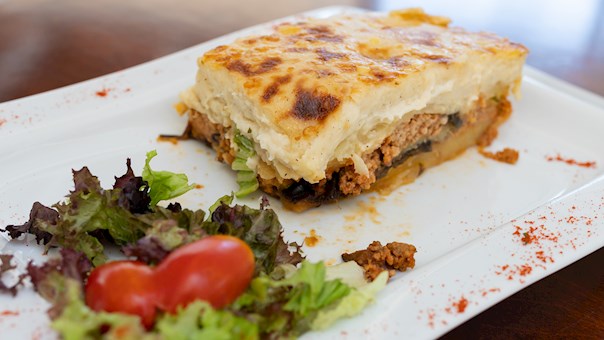
4.1 ·
18

Rakott krumpli

4 ·
19

Pastel Azteca

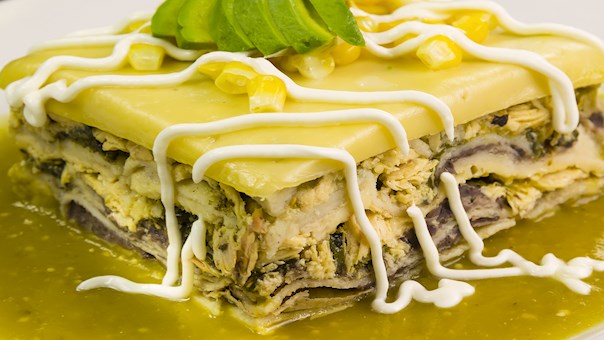
4 ·
About this ranking

TasteAtlas food rankings are based on the ratings of the TasteAtlas audience, with a series of mechanisms that recognize real users and that ignore bot, nationalist or local patriotic ratings, and give additional value to the ratings of users that the system recognizes as knowledgeable. For the “Top 100 Casseroles in the World” list until April 15, 2026, 11,479 ratings were recorded, of which 6,422 were recognized by the system as legitimate. TasteAtlas Rankings should not be seen as the final global conclusion about food. Their purpose is to promote excellent local foods, instill pride in traditional dishes, and arouse curiosity about dishes you haven’t tried.

Similar lists