Top 8 Polish Cheeses

Last updated on June 15, 2026

Best Polish Cheeses

01

Bacówka na Polanie Biały Potok

5 ·
Bacówka na Polanie Biały Potok is a traditional mountain shepherd’s hut located near Witów, between the Chochołowska and Kościeliska valleys in the Tatra region of southern Poland, known for authentic highland cheese production. The bacówka operates according to centuries-old Góral traditions, with cheeses made by hand from fresh sheep’s and cow’s milk sourced from local herds grazing in the surrounding mountain pastures. Production follows seasonal rhythms, with particular emphasis on classic smoked cheeses such as oscypek, alongside regional varieties including bundz, bryndza, gołka and korboce. Smoking is typically done using natural wood, giving the cheeses their characteristic aroma, firm texture and pronounced regional profile. In addition to production, the bacówka functions as a place of direct contact with tradition, where visitors can observe cheesemaking, taste products on site and purchase them directly from the producer. Bacówka na Polanie Biały Potok represents a living example of Podhale’s pastoral heritage, combining raw materials, landscape and craftsmanship into products with a clear sense of place.
02

Groser Grodziskie Sery

4.9 ·
Awards
World Cheese Awards - Gold (2024)
03

Wańczykówka

4.9 ·
Awards
World Cheese Awards - Gold (2024)
04

Sernica Dolnośląska

4.9 ·
Awards
World Cheese Awards - Gold (2024)
05

Bacówka U Jancoka

4.9 ·
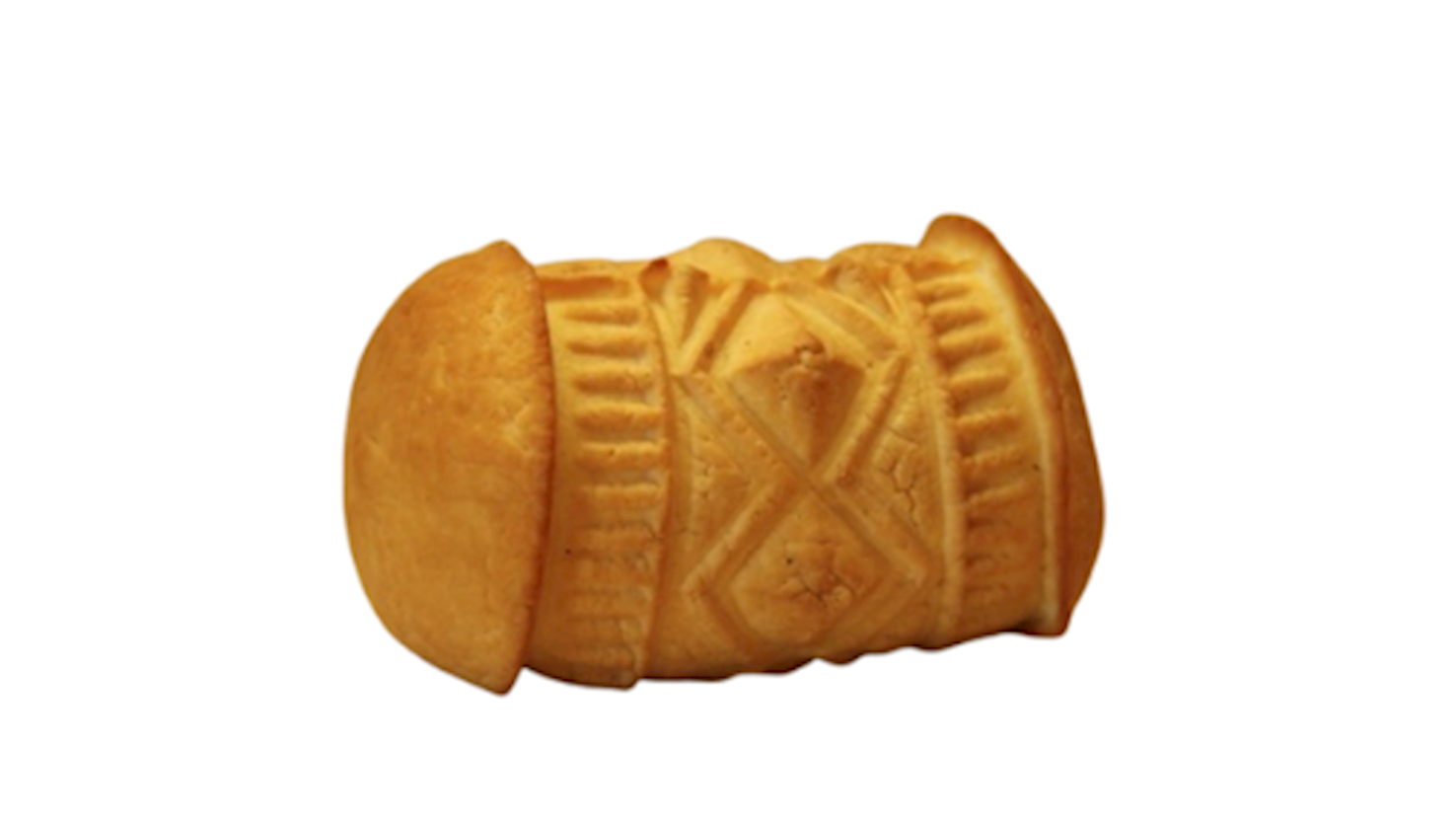
Bacówka U Jancoka is a traditional mountain shepherd’s hut in the Podhale region, specializing in the seasonal production of authentic Góral cheeses, with a particular focus on oscypek. Cheesemaking follows long-established pastoral traditions, using fresh sheep’s milk, or a blend of sheep’s and cow’s milk, during the grazing season when herds are kept on mountain pastures. The process is entirely manual, from curd formation to shaping the cheese in carved wooden molds and smoking it over natural wood, which gives oscypek its characteristic golden color, firm texture and distinctive smoky aroma. The bacówka also serves as a place of direct contact with tradition, allowing visitors to observe production, taste the cheeses and purchase them on site. Bacówka U Jancoka represents a well-preserved example of mountain cheesemaking where craftsmanship, seasonality and landscape define the identity of the product.
06

Ser Koryciński

4.8 ·
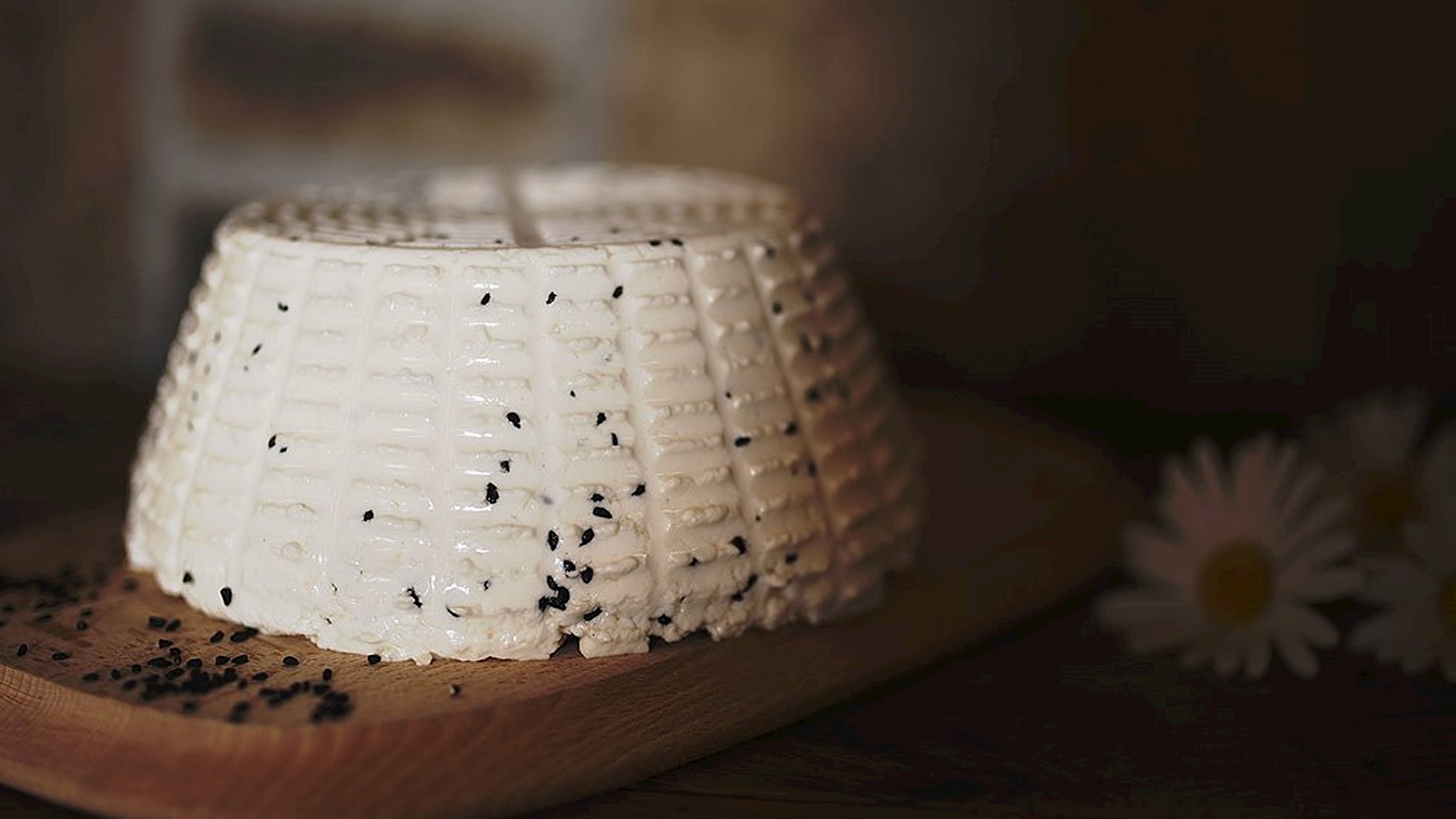
Ser Koryciński is a family-run dairy located in the Korycin area of the Podlaskie Voivodeship in northeastern Poland, a region known for its preserved natural environment and long-standing pastoral traditions. Their production is based on fresh cow’s milk sourced from local farms, processed shortly after milking and without industrial additives, which allows the natural character of the milk to remain evident in the final cheese. The dairy follows a largely manual, small-scale approach, relying on traditional methods that have been passed down locally, while meeting modern hygiene and veterinary standards. The producer’s core focus is the preservation of Ser Koryciński as a cheese with Protected Geographical Indication (PGI), emphasizing its strong connection to place, community, and regional identity. Alongside the classic natural version, they also produce variations enriched with herbs, spices, seeds, or dried fruit, always maintaining the base structure and identity of the cheese. This approach reflects a balance between tradition and controlled innovation, positioning the producer as an important custodian of Podlasie’s regional cheesemaking heritage.
07

Podlasie Na Wypasie

4.7 ·
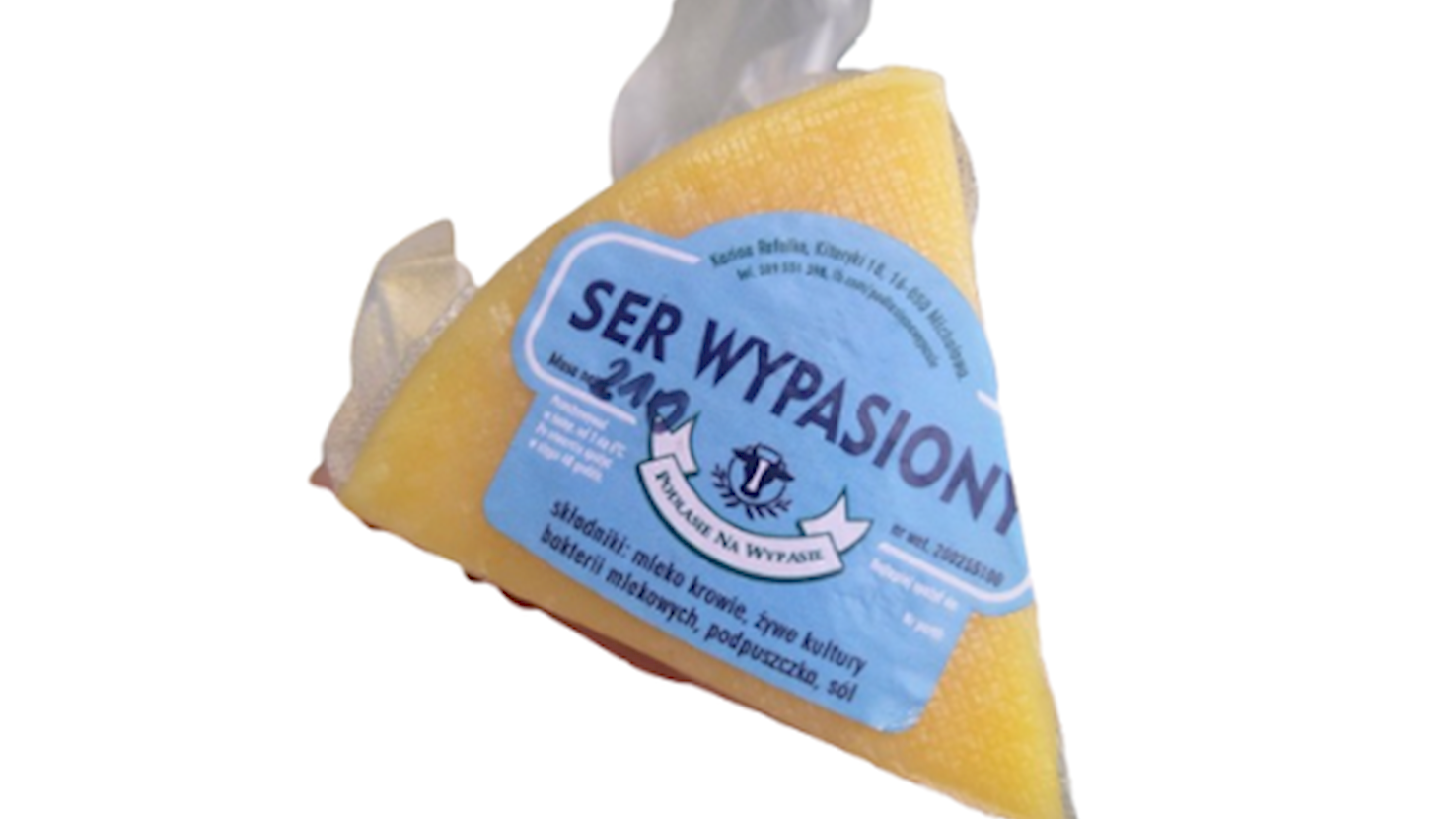
Podlasie Na Wypasie is a regional initiative and brand associated with the Podlasie Voivodeship in northeastern Poland, an area recognized for its preserved natural landscapes, open pastures, and strong dairy-farming traditions. The concept is based on pasture grazing as the foundation of milk production, emphasizing cows that spend a significant part of the year grazing outdoors, which directly affects the quality and composition of the milk. Podlasie Na Wypasie promotes local farmers, short supply chains, and clear traceability of raw materials, positioning itself in contrast to large-scale industrial production. A strong focus is placed on animal welfare, natural feeding, and minimal technological intervention. This approach highlights the authentic taste of milk shaped by local grasslands, climate, and the specific terroir of Podlasie. The initiative connects traditional agricultural practices with modern consumers seeking products with a clear origin, regional identity, and a more sustainable production model.
08

KozieŁawy

4.7 ·
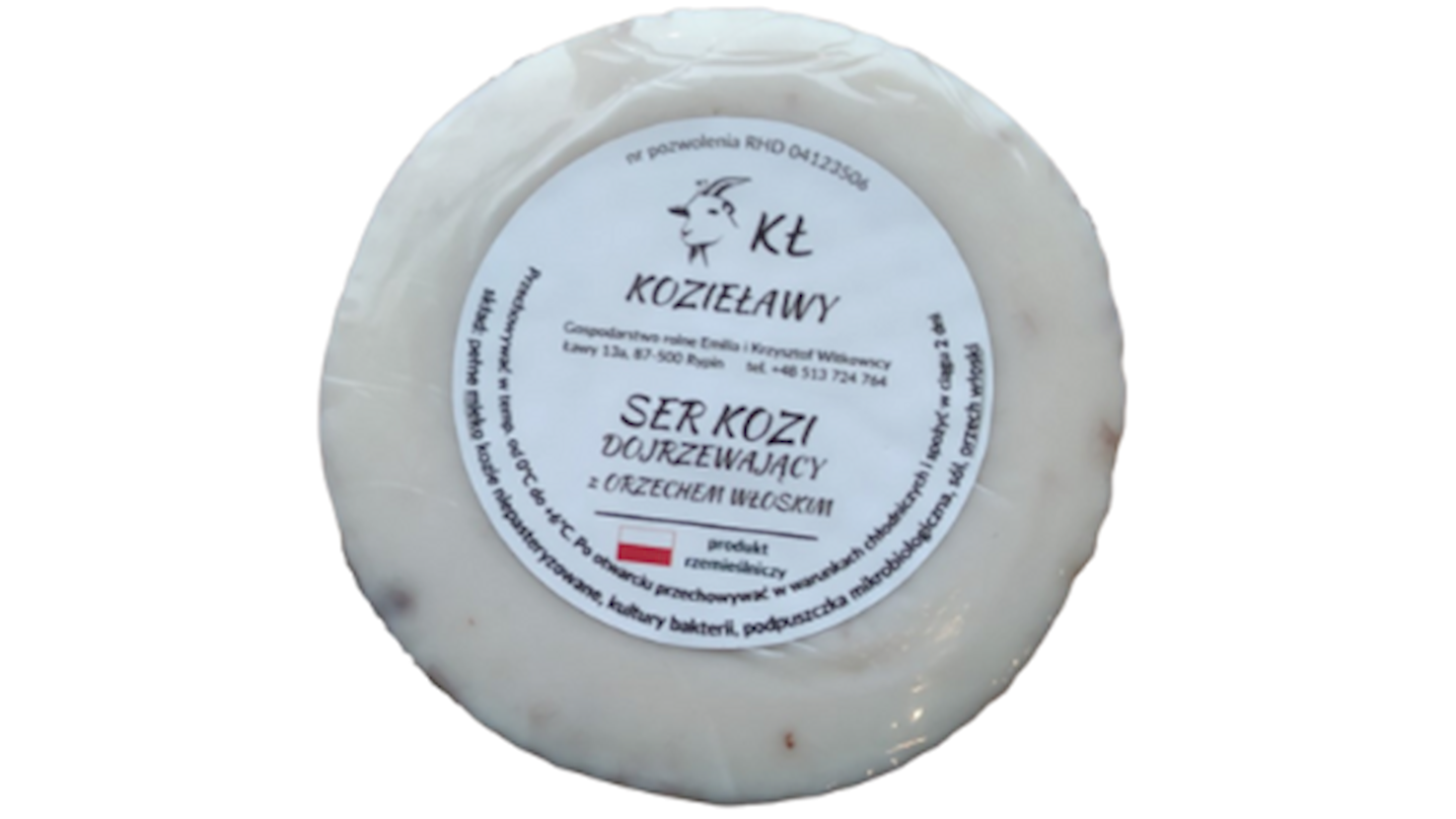
KozieŁawy is a family-run goat farm and small-scale cheesery located in the village of Ławy in Poland, built on a long-term commitment to goat breeding and artisanal milk processing. Production is based entirely on their own herd, allowing full control over quality from animal feeding to the finished cheese. The goat’s milk is processed immediately after milking, while still fresh, without mixing with other types of milk and without industrial additives. KozieŁawy focuses on hand-crafted, small-batch cheesemaking, relying on traditional techniques and natural maturation processes. Their range includes various styles of goat cheeses, from fresh and semi-hard to aged and specialty varieties, all characterized by a clean, mild, and well-balanced flavor profile. The producer’s philosophy emphasizes respect for animals, the local environment, and craftsmanship, positioning KozieŁawy as an authentic example of modern yet deeply rooted Polish goat cheesemaking.

Best Polish Cheese Types
01

Redykołka

4.4 ·

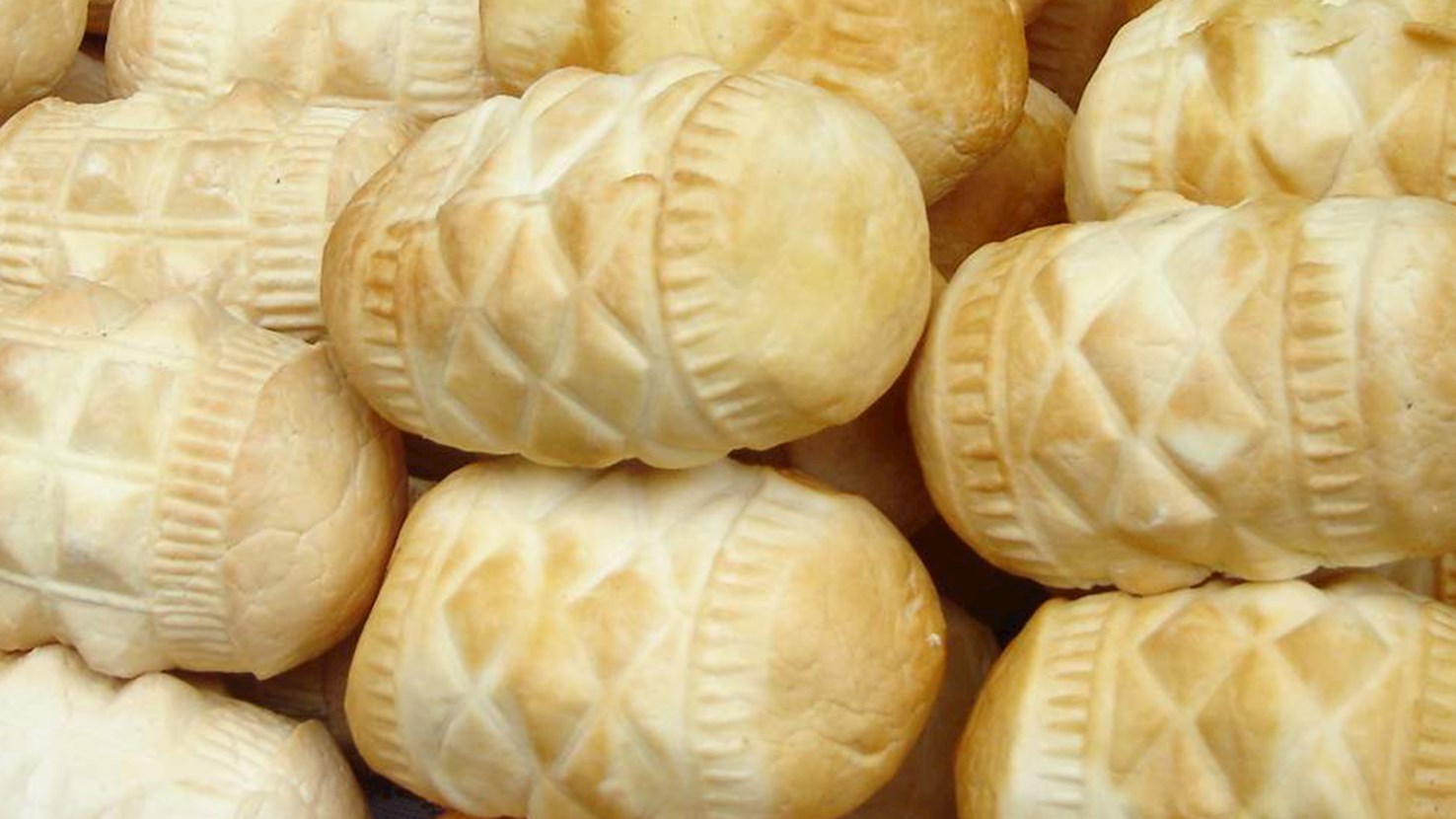
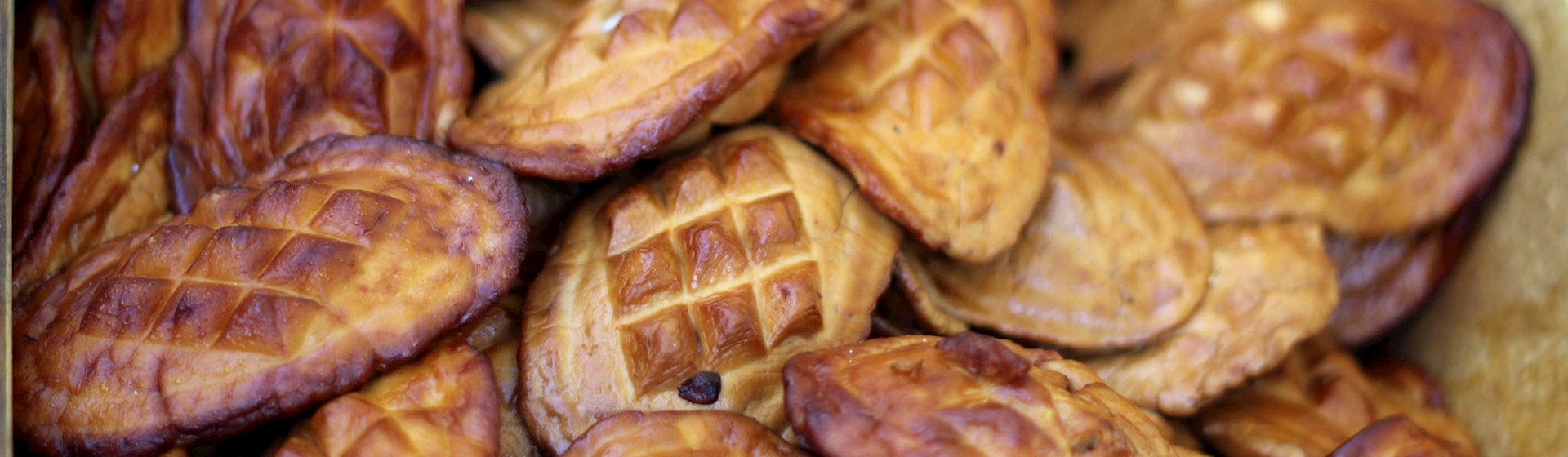
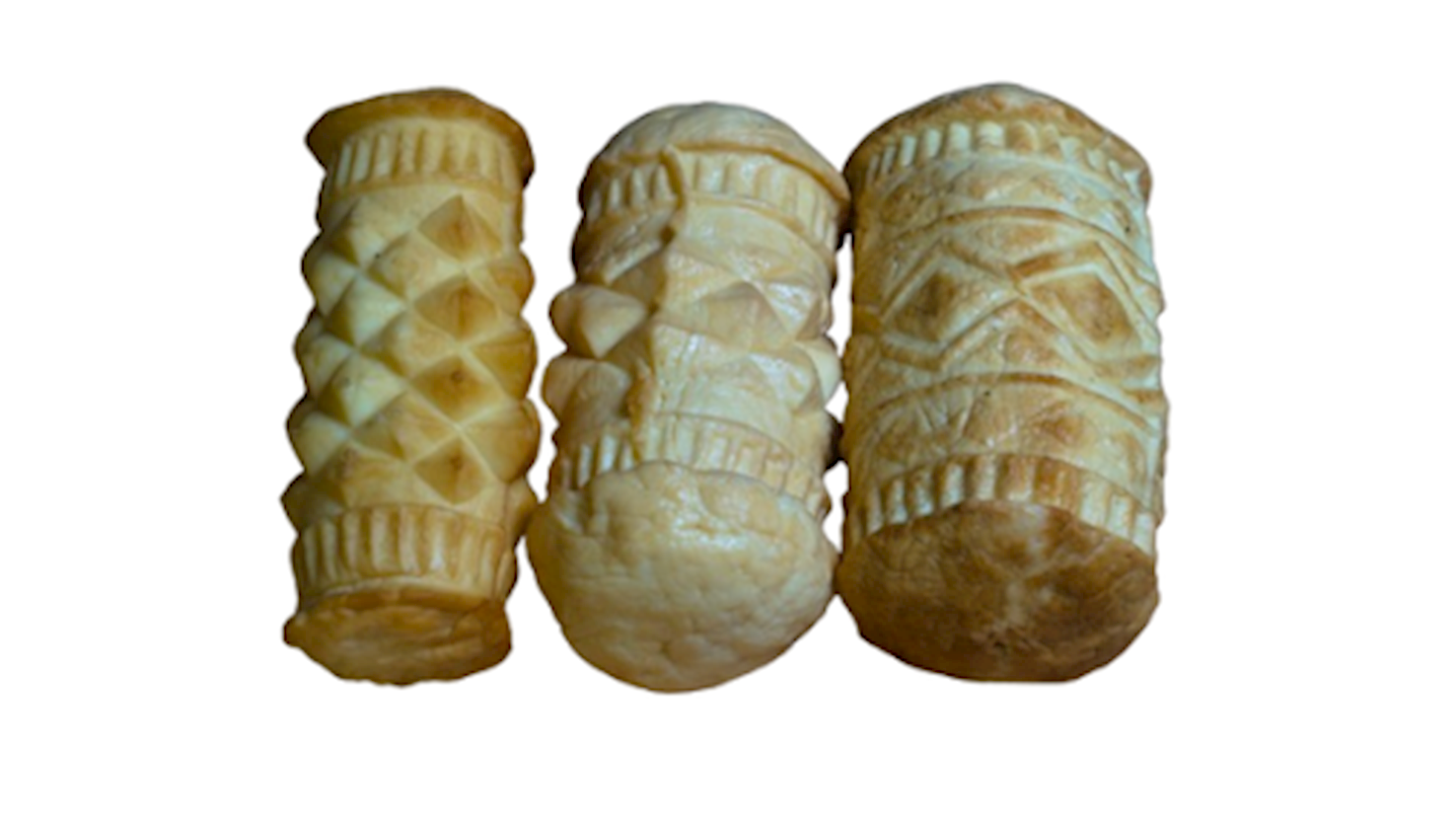
Redykołka is a small, semi-hard cheese made from half-fat sheep's milk in the Podhale region in Poland. The name derives from the Polish word redyk, meaning a ceremony where sheep are taken to mountain pastures, kept there grazing and brought back down from the mountains. The cheese is made in unusual shapes of small animals, birds, hearts or spindles. It must not exceed the maximum weight of 300 grams, the smallest one being redykolka in the shape of a spindle and weighing from 30 to 60 grams. It is made from the leftovers in the process of making the famous Polish Oscypek cheese and is regularly confused with it. In the past, Redykolka was often used as a gift from shepherds to children or guests and it was always given in even numbers. The cheese is smooth and white on the interior while it is straw-colored on the exterior due to having been smoked. Its taste is slightly salty, smoky and spicy.

02

Gołka

4.4 ·

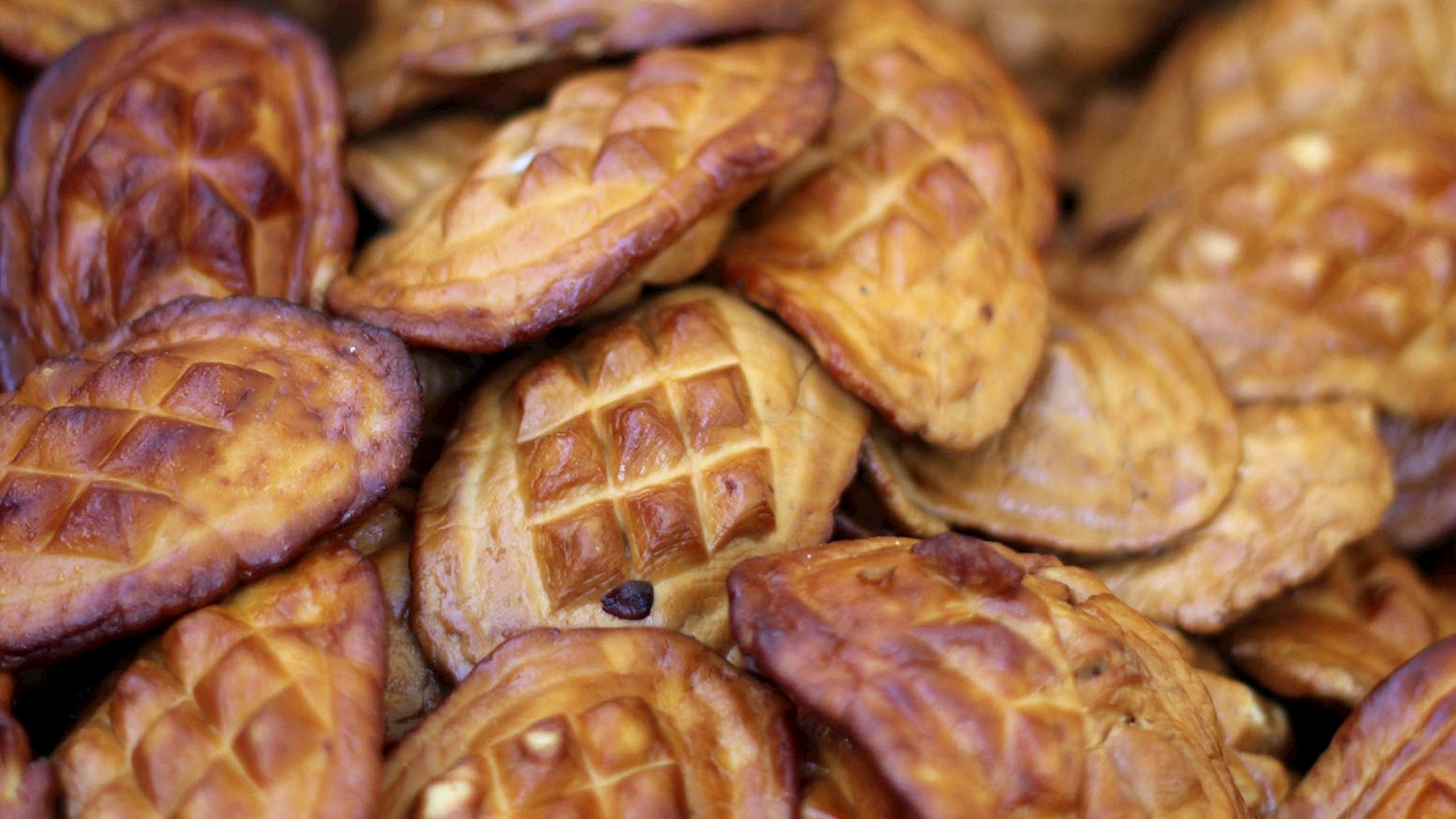
Traditionally associated with the region of Silesia, gołka is a smoked Polish cheese that is exclusively made with cow’s milk. It is characterized by its light yellow color, and before it is smoked, it is placed in carved wooden molds that form its typical cylindrical shape and provide a decorative pattern on the rind. With its delicate taste, smoky flavor, and soft texture, gołka is best paired with fruit preserves and bread.

03

Bryndza Podhalańska

4.3 ·

Bryndza Podhalańska is a unique soft cheese made from the milk of the Polska Owca Górska (Polish Mountain Sheep) breed of sheep, produced in the Nowotarski, Tatrzański and some parts of the Žywiecki districts in Poland. The cheese can also be made with a mixture of sheep's and cow's milk, where cows must be of the Polska Krowa Czerwona (Polish Red) breed, and the maximum amount of cow's milk used in the process must not exceed 40%. The cheese gets its name from the traditional name for the region - Podhale, where many skillful cheesemakers produce this white, creamy-white or greenish delicacy with an intense, salty and slightly sour flavor. Since Bryndza Podhalańska is a seasonal product, it is only made from May until September. The unique flora of one of Europe's cleanest regions has a great impact on the quality of this fresh and creamy product, often paired with dry white wines.

04

Bundz

4.3 ·

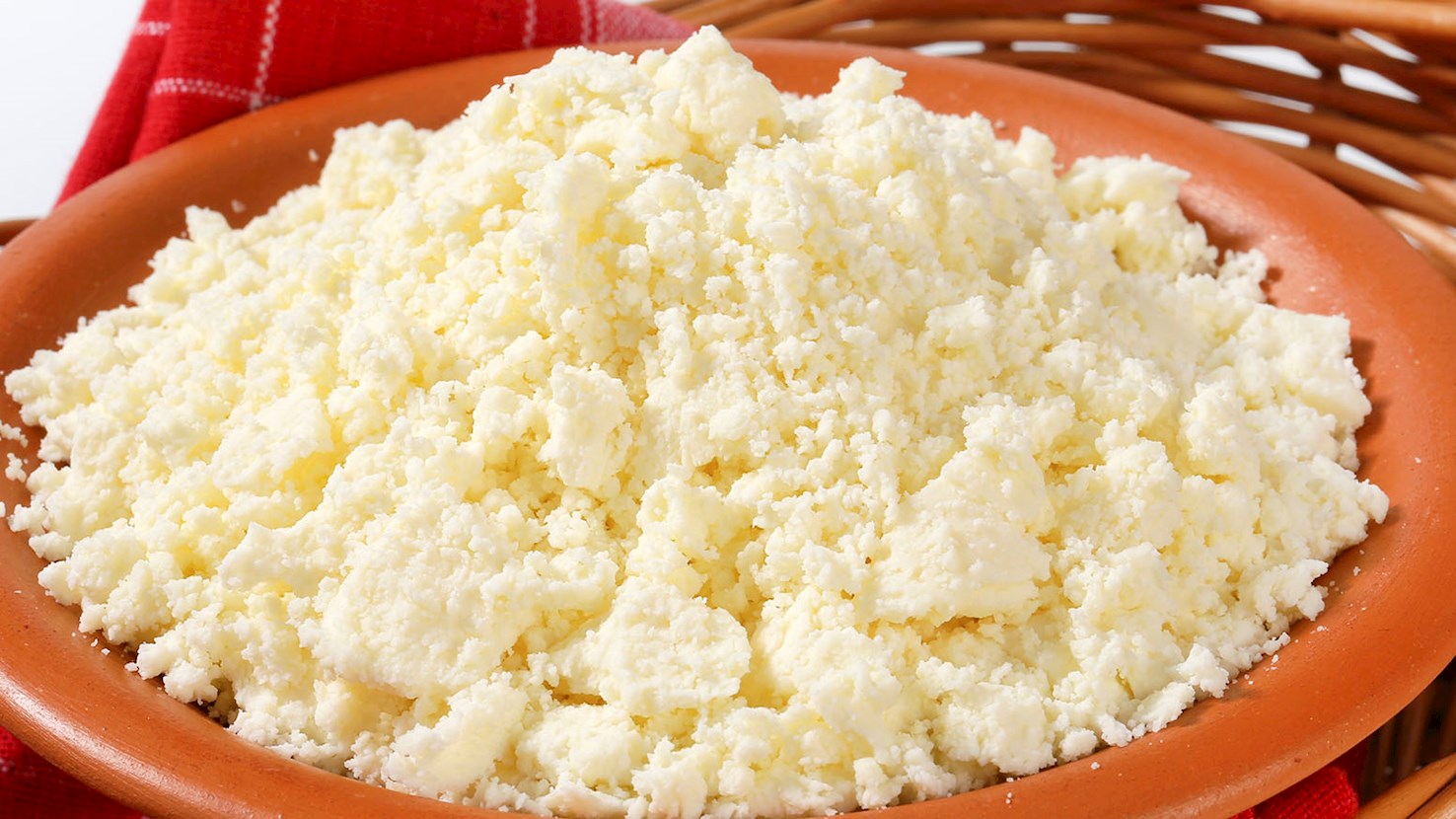
Bundz is a Polish cheese made from sheep's milk. The cheese is produced in the mountainous regions of the country. It is reminiscent of cottage cheese in flavor and texture, and has a mild, fresh flavor. The remaining whey created in the production of bundz is used for the preparation of a traditional Polish sour beverage called żętyca.

05

Oscypek

4.3 ·

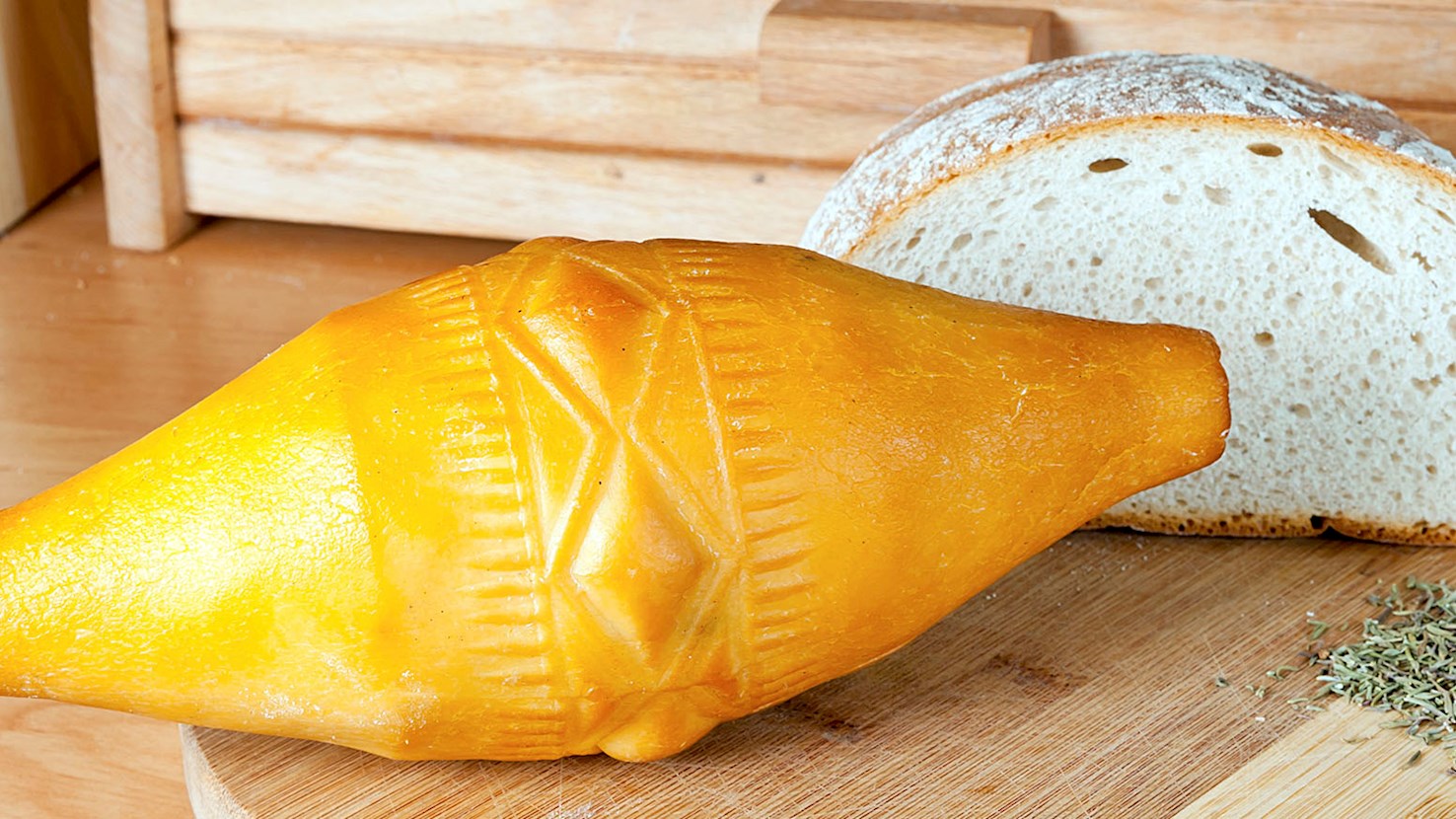
This spindle-shaped smoked cheese hailing from the Tatra highlands is made exclusively with salted and unpasteurized milk from the Polish mountain sheep, though sometimes a small amount of cow milk from the Polish Podgórska red cow breed can also be added. Oscypek is produced from May to September and it is regarded as a traditional product of Poland's southernmost region, Podhale. With its pronounced smokiness and a unique salty and slightly sour flavor with subtle hints of chestnuts, this mildly piquant cheese is best enjoyed grilled, accompanied by cranberry marmalade.

06

Radamer

4 ·

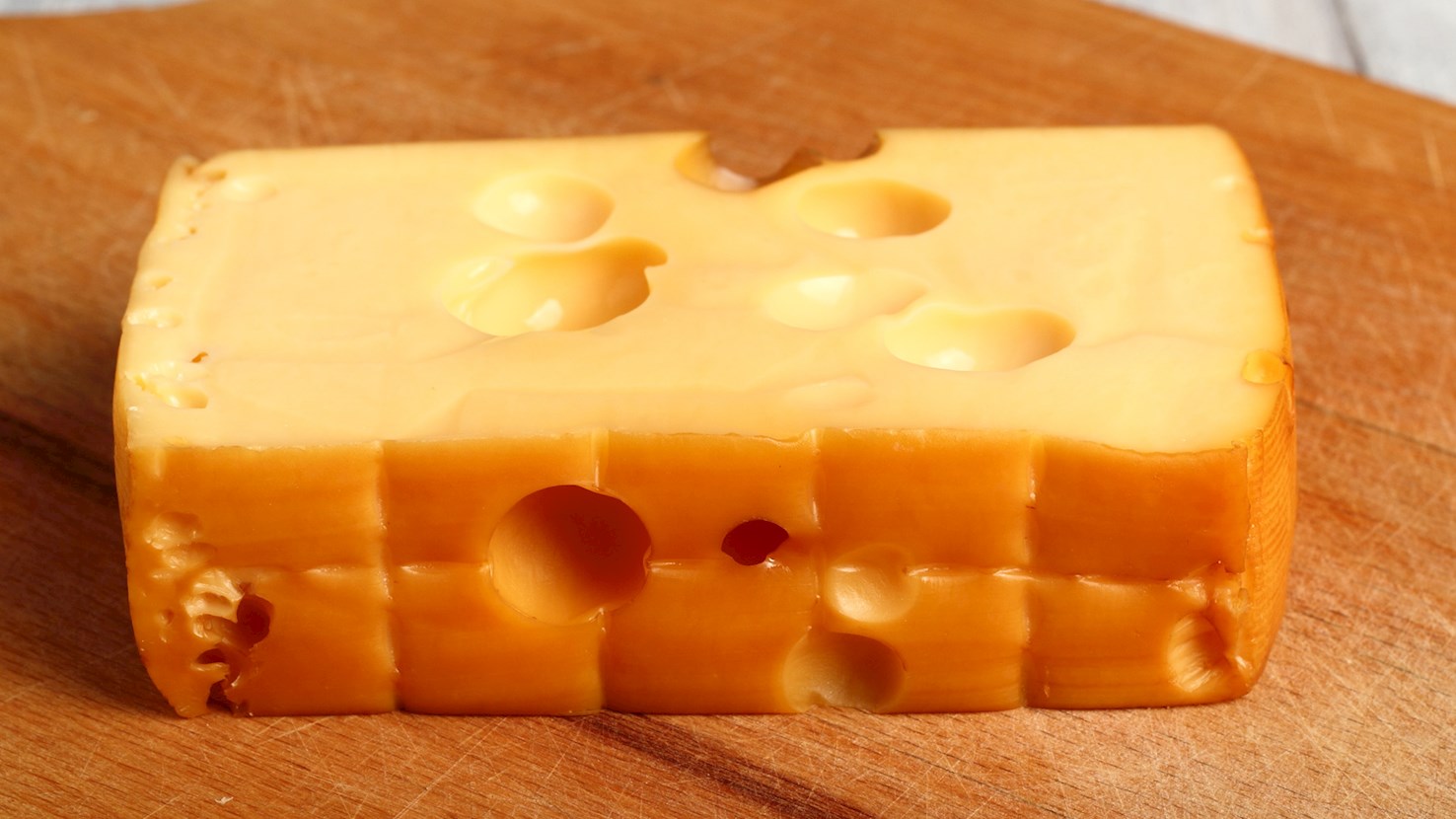
Radamer is the first Polish cheese with holes, produced by Spomlek dairy. Made from cow's milk from Polesie region, the cheese combines elements of both Dutch and Swiss tradition, and it's easily distinguishable by its cherry-sized eyes (holes) that are dispersed throughout the pale yellow paste. The flavors are nutty and sweet, and the cheese is sold in wheels, quarters, bricks, and slices. There is also a smoked version of Radamer. Interestingly, Radamer is the most awarded Polish cheese.

07

Ser Koryciński Swojski

3.9 ·

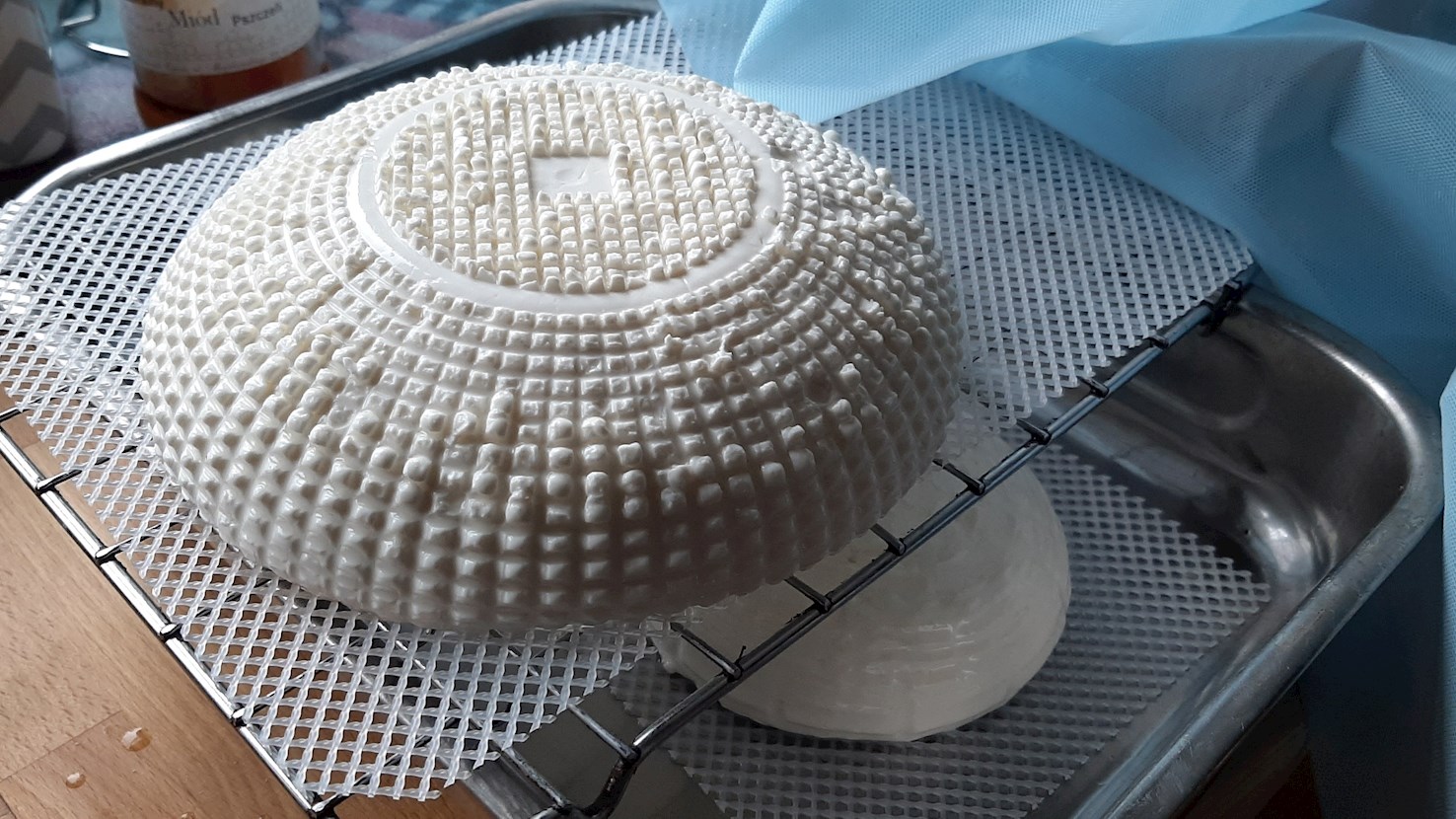
Ser koryciński swojski (Rustic, or Local cheese from Korycin) is a unique ripened and salted cheese produced from unpasteurized, full-fat cow's milk in Sokólski County, Podlaskie Province in Poland. The cheese has a specific shape due to the strainers in which it is made - it is flattened and spherical with an elliptical cross-section. It weighs from 2,5 to 5 kilograms, and on the interior, it has numerous small holes of different sizes dispersed throughout its creamy yellow body. The flavor or Ser koryciński swojski is mild and creamy when fresh, and salty and nutty if matured, and dry, salty and nutty if fully ripe. Also, the cheese has a delicate scent of fresh butter. Additionally, fresh herbs and spices may be added to the cheese, such as garlic, basil, dill, chives, mint, paprika, olives and marjoram.

Best producers
08

Wielkopolski Ser Smażony

3.9 ·

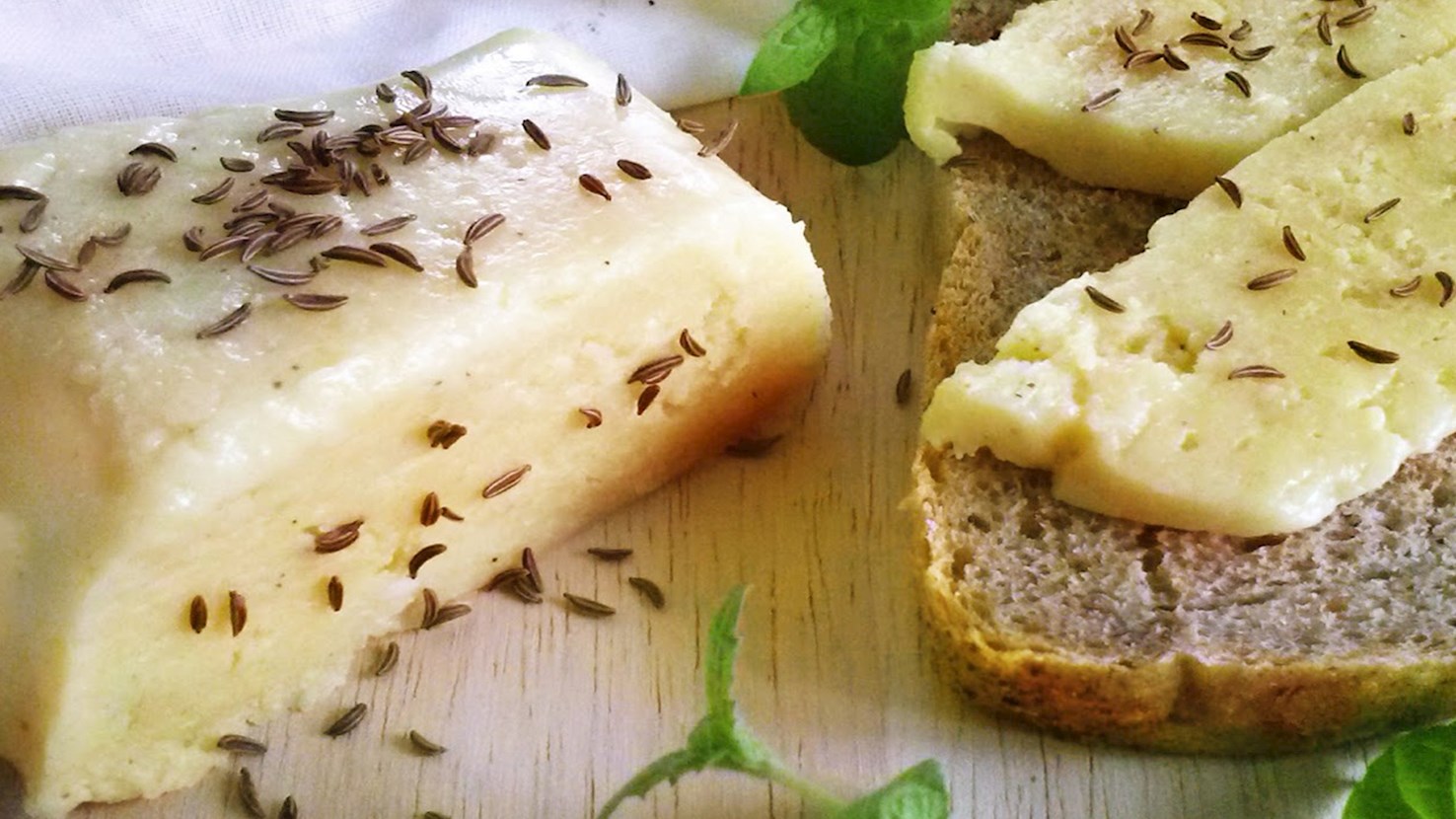
Wielkopolski ser smażony is a unique fried cheese product from Wielkopolska Voivodship in Poland. It has a homogenous, solid and elastic texture. The cheese varies in color from light cream to yellow, depending on how it is fried and on the quality of butter used. The taste is intense and sharp, typical for fried cheese. Additionally, caraway seeds may be added to the cheese, and that is the only other variety that can be produced under the protected name 'Wielkopolska fried cheese'. It is made according to a local, traditional recipe typical for the Wielkopolska region since the 18th century when it was probably first made by the settlers who arrived in the western part of the region. Today, the fried cheese is made only from fresh ingredients and it can be fried exclusively in butter.

Read more
View all
View map
About this ranking

TasteAtlas food rankings are based on the ratings of the TasteAtlas audience, with a series of mechanisms that recognize real users and that ignore bot, nationalist or local patriotic ratings, and give additional value to the ratings of users that the system recognizes as knowledgeable. For the “Top 8 Polish Cheeses” list until June 15, 2026, 1,043 ratings were recorded, of which 773 were recognized by the system as legitimate. TasteAtlas Rankings should not be seen as the final global conclusion about food. Their purpose is to promote excellent local foods, instill pride in traditional dishes, and arouse curiosity about dishes you haven’t tried.

The initial list of top producers was compiled based on available reviews, awards, local recommendations, media and blog coverage, and consumer reviews. The list will be updated with ratings from TasteAtlas local ambassadors and TasteAtlas users.

Similar lists