
shutterstock

Top 10 Southeast Asian Coffees

Last updated on June 24, 2026

Best Southeast Asian Coffees

01

Gayo Kopi

4.9 ·
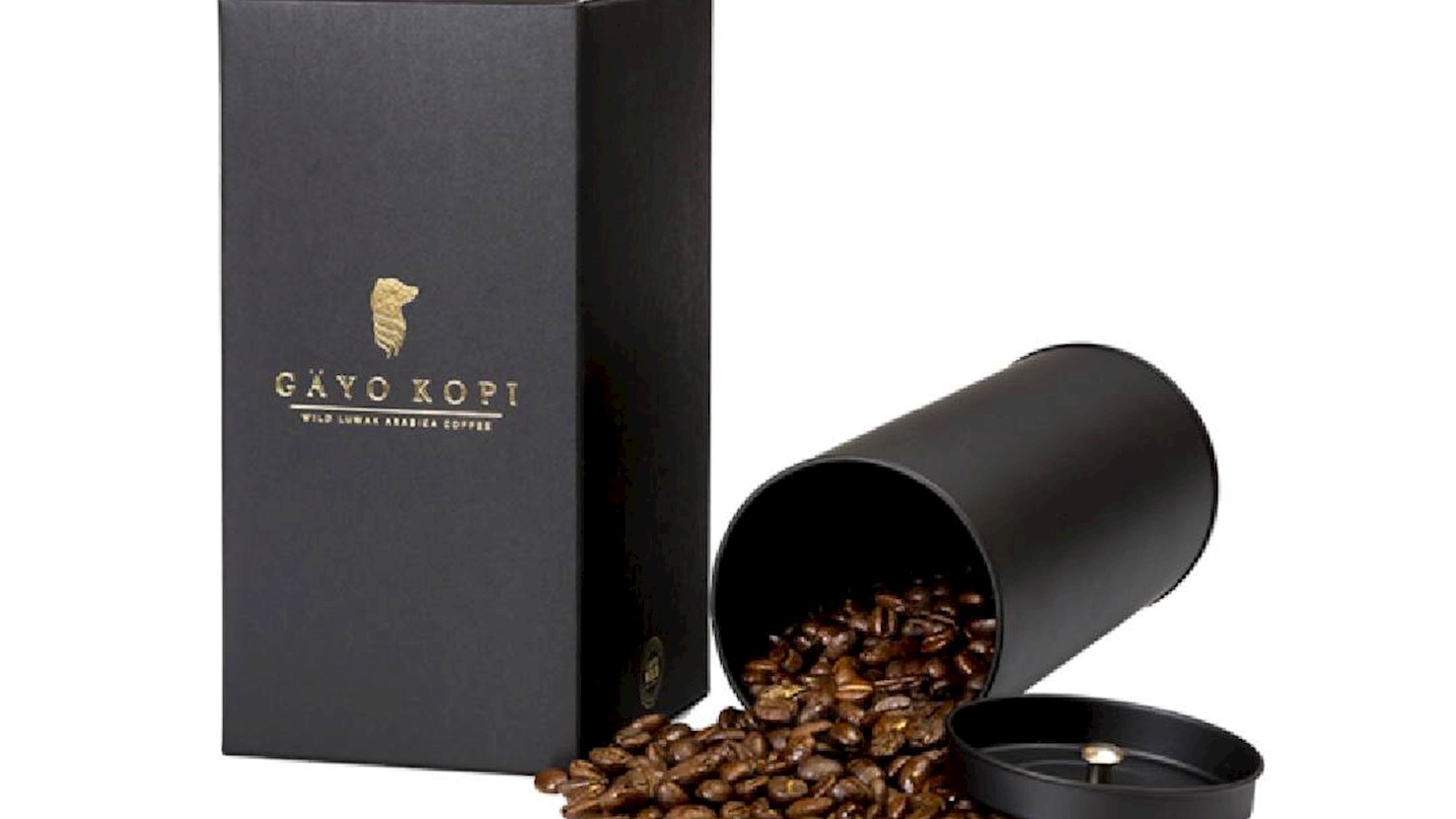
Gayo Kopi is a distinguished Indonesian company specializing in the production and export of premium Wild Kopi Luwak coffee. Their beans are sourced from the Gayo Highlands in Northern Sumatra, where wild civets naturally select and consume the finest coffee cherries. This natural process imparts unique flavor profiles to the beans, resulting in a rich and indulgent coffee experience. Gayo Kopi is committed to ethical sourcing, ensuring that all their Kopi Luwak is collected from wild, uncaged civets, thereby supporting both environmental sustainability and animal welfare.
02

Akasa Coffee

4.8 ·
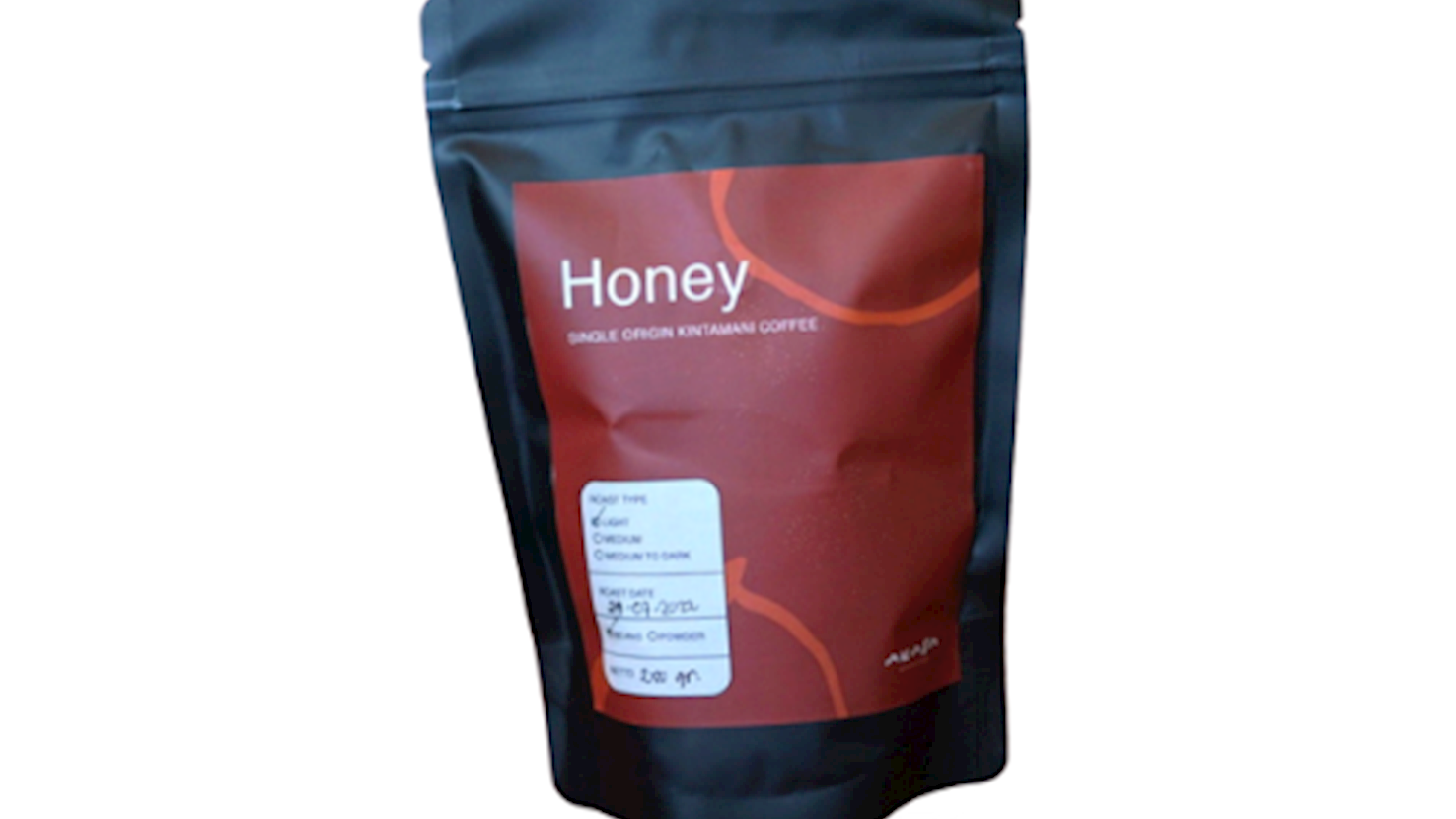
Akasa Coffee is a specialty coffee roastery and brand from Kintamani, a mountainous region in Bali, Indonesia, renowned for its high-quality Arabica beans. Their philosophy, “From Farm to Cup” reflects a deep commitment to every step of the coffee production process – from seed selection, planting, fermentation, drying, roasting, to serving. The goal is to deliver the authentic taste of Kintamani coffee in every cup. Akasa Coffee focuses on preserving quality and flavor consistency by paying close attention to every detail of production. Their coffee is processed according to international standards, making them a recognized brand both locally and internationally.
03

Wahana Estate

4.7 ·
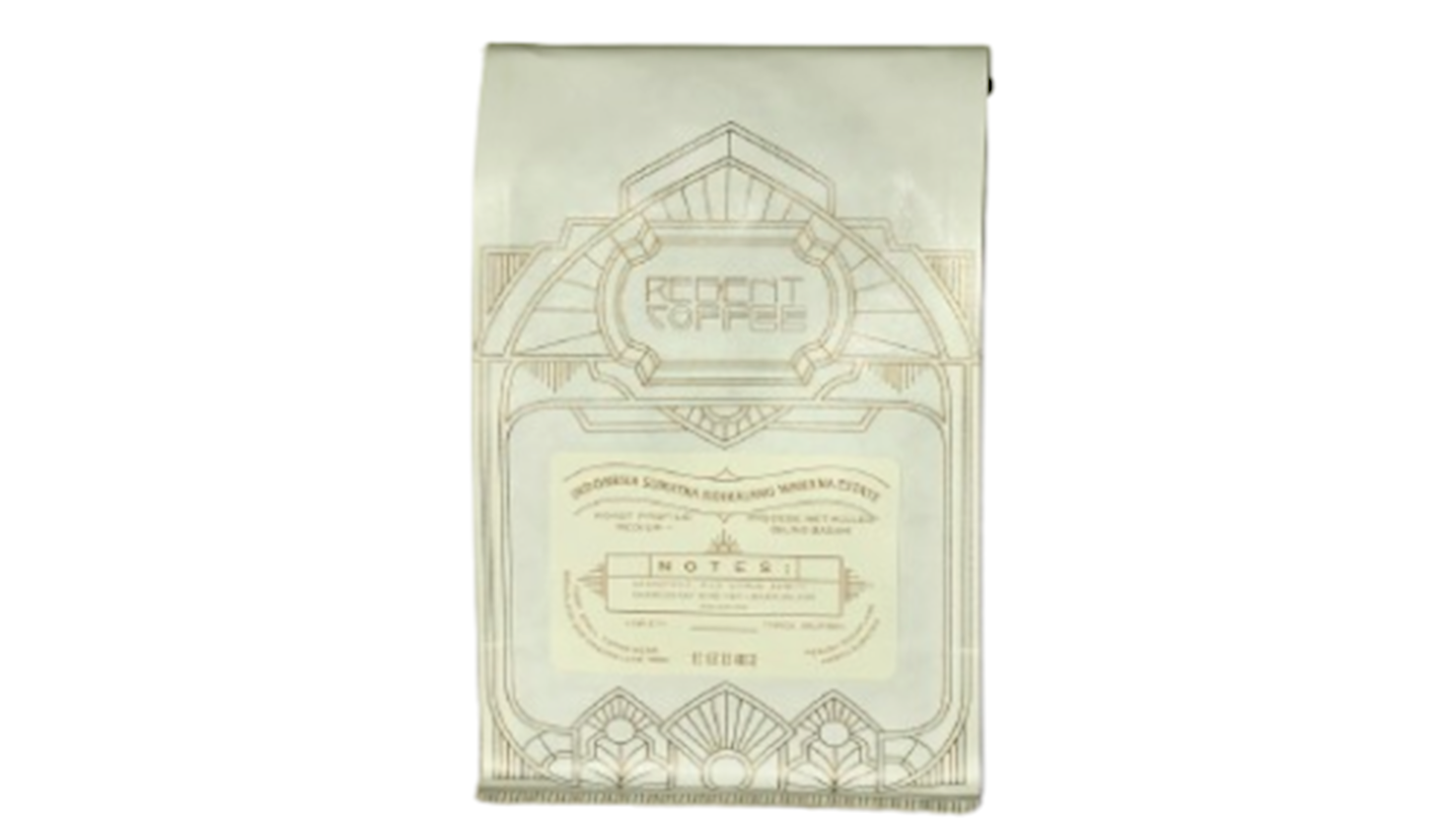
Wahana Estate is one of the most renowned and innovative coffee plantations in Indonesia, located in the Sidikalang region at elevations ranging from 1,300 to 1,500 meters above sea level in North Sumatra. Established in 2005, the estate is owned by the company PT Wahana Graha Makmur, and its name, “Wahana”, symbolically means “a vehicle for great success” in the Indonesian language. The estate spans approximately 500 hectares, with around 250 hectares dedicated to coffee cultivation and over 30 hectares used for nurseries where numerous coffee varieties are developed. Wahana Estate stands out in the world of specialty coffee due to its dedication to varietal research and experimentation with a wide range of cultivars. Coffee processing takes place directly on the estate, using the traditional Indonesian giling basah (wet-hulled) method, as well as natural and dry processes. This results in diverse flavor profiles - from notes of chocolate, almond, dried fruits, and spices, to citrusy and floral tones such as jasmine, honey, and black tea. Today, Wahana Estate is a symbol of sustainability, varietal diversity, and high standards in specialty coffee from Sumatra - an ideal choice for those seeking complex and authentic flavor experiences.
04

Seven Bika Coffee

4.7 ·
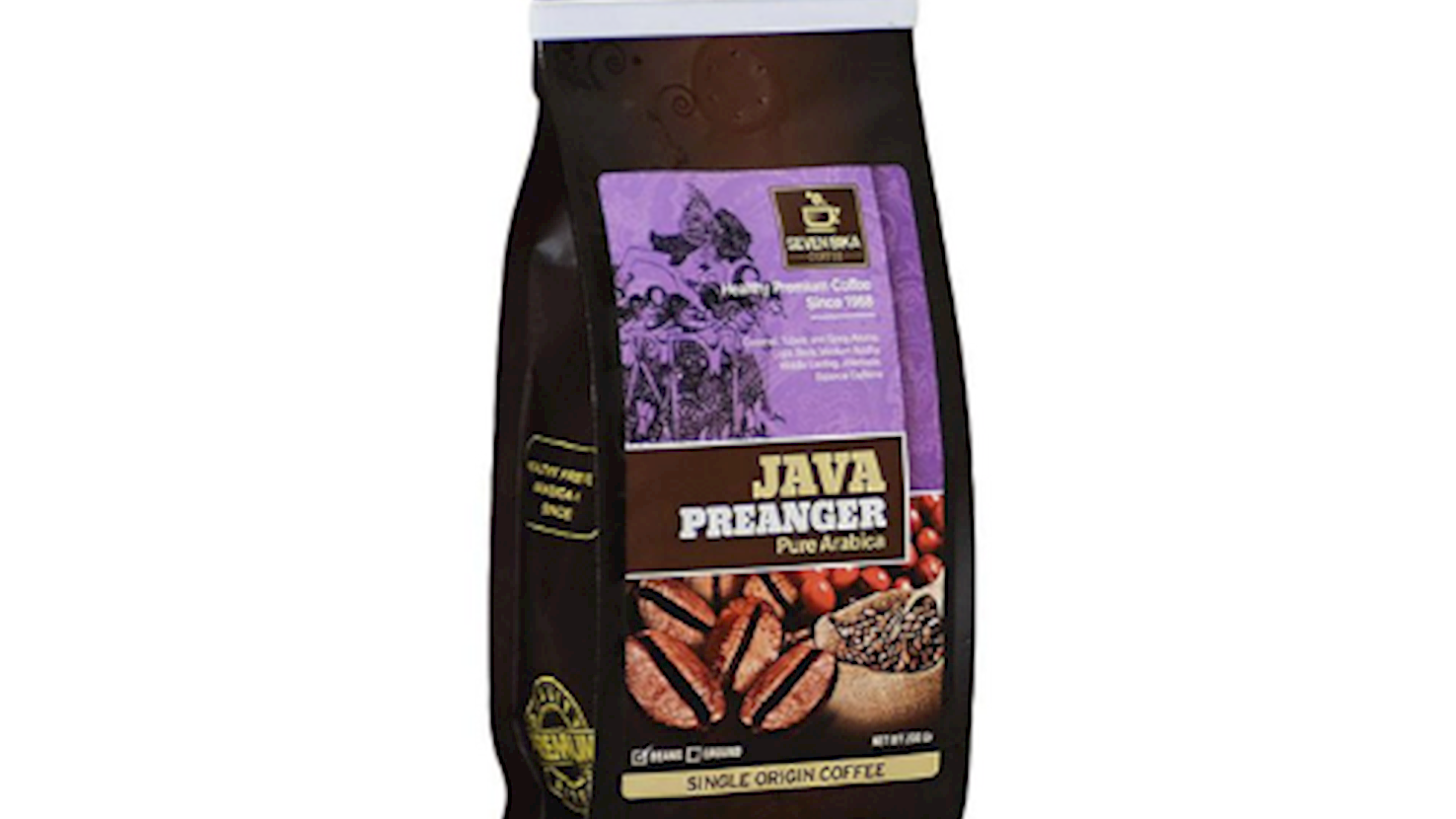
Seven Bika Coffee is an Indonesian specialty coffee brand that uniquely blends rich tradition with modern quality standards. Founded in 2014, it is the natural continuation of the family-run factory “Tjap Gadjah”, established back in 1968 in the heart of Sidikalang. The brand draws its inspiration and raw materials from seven legendary regions renowned for producing exceptional coffee: Sidikalang, Gayo, Toraja, Java, Bali, Papua, and Flores. At the core of their philosophy is a focus on single-origin Arabica, alongside carefully crafted blends that reflect the richness of Indonesia’s diverse terroirs. The coffee is processed by hand and in small batches, allowing the authentic aromas and unique character of each origin to shine through. Great care is also given to health-conscious aspects - their coffees are known for low caffeine content and proudly carry the label “Healthy Premium Coffee”, a symbol of both quality and responsibility toward consumers.
05

Toarco Toraja

4.6 ·
Toarco Toraja is a premier producer of high-quality Arabica coffee from the Toraja Highlands in North Sulawesi, Indonesia. Toarco Toraja stands out as one of the few producers in Indonesia that maintains complete control over the entire coffee production process. From seedling selection and sustainable cultivation to hand-picking, meticulous sorting, and state-of-the-art "Full Wash" processing, every step is carefully managed to ensure absolute consistency and excellence. The washed processing method enhances the clarity, balance, and refined acidity of the beans, resulting in a clean and vibrant cup profile. After processing, the beans undergo rigorous grading and sorting before being packed in "GrainPro" bags and exported in temperature-controlled containers to preserve freshness. Recognized for its unparalleled craftsmanship and rich cultural heritage, Toarco Toraja coffee is celebrated by specialty coffee enthusiasts worldwide. Its flavor profile is known for its smooth body, balanced acidity, delicate sweetness, floral notes, and hints of spice, making it a true connoisseur’s choice. With a relentless focus on quality, authenticity, and sustainability, Toarco Toraja continues to set the global benchmark for Toraja Arabica coffee, delivering an unmatched coffee experience in every cup.
06

Puntang Coffee

4.6 ·
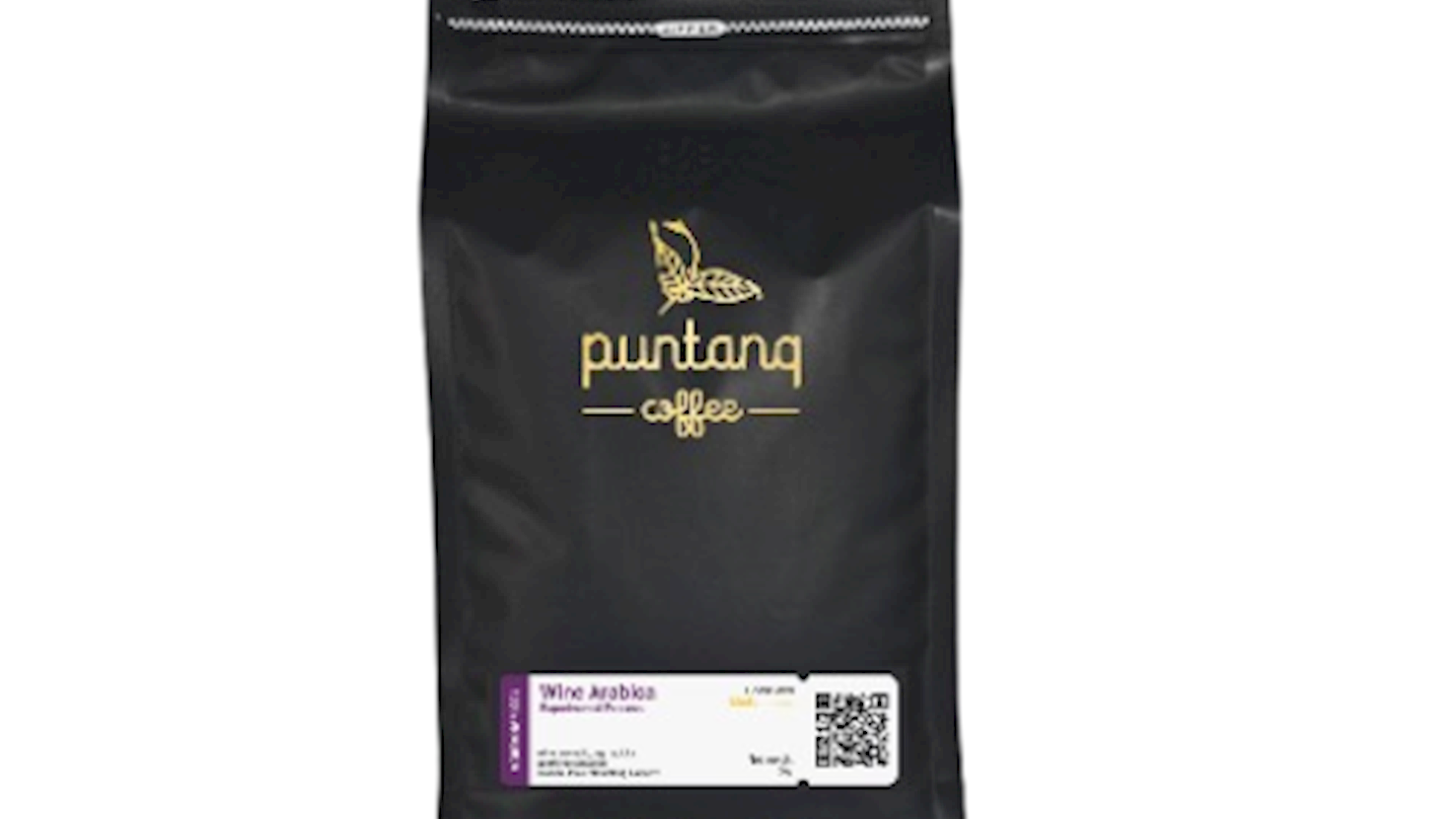
Puntang Coffee is a specialized coffee producer from Indonesia that focuses on high-quality Arabica varieties grown exclusively on Mount Gunung Puntang. Their philosophy is encapsulated in the slogan “Pantang Pulang Tanpa Kopi Puntang”, which translates to “Don’t go home without Puntang Coffee”. They guarantee origin authenticity - all of their coffees come from the Gunung Puntang region, known for its rich volcanic soil and ideal conditions for coffee cultivation. Their production includes various processing methods, such as washed, natural, and wine processing, which enhance the flavor complexity. The Arabica beans they use are carefully selected and handpicked at altitudes between 1,200 and 1,500 meters, contributing to their distinctive aromatic profile. Puntang Coffee emphasizes freshness as a core value - the coffee is roasted in small batches to ensure it reaches customers at peak flavor. Their coffees are celebrated for their rich aroma, balanced taste, and fruity notes.
07

El's Coffee

4.6 ·
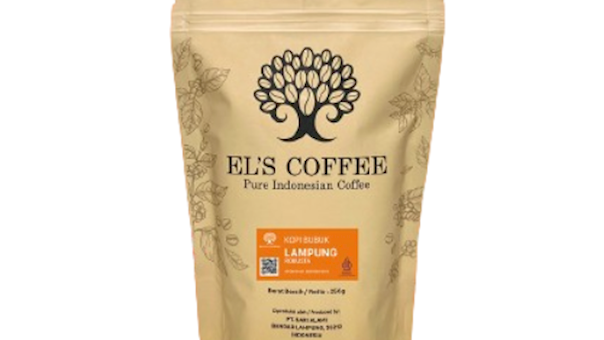
El's Coffee is a renowned Indonesian brand specializing in the production and serving of high-quality coffee, headquartered in Bandar Lampung, in the province of Lampung. Founded in 2012 by Elkane Arlen Riswan, the brand grew out of a family tradition of coffee cultivation and has become one of the most recognized coffee shop chains in the region. El's Coffee offers a wide range of coffees sourced from various regions of Indonesia, including Lampung Robusta - known for its full body and rich flavor. The brand prides itself on using only 100% locally grown Indonesian coffee, carefully roasted to preserve its authenticity. In addition to selling whole bean and ground coffee, El's Coffee also develops a modern concept of cafes and restaurants within its outlets, providing guests with a complete culinary experience alongside a premium cup of coffee.
08

Kopi Luwak Coffee

4.6 ·
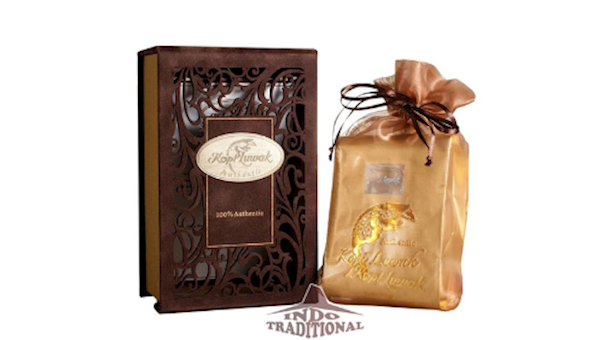
Kopi Luwak is a renowned Indonesian coffee company specializing in the production of premium civet coffee, commonly known as Kopi Luwak. Established in 1969, the company has dedicated decades to perfecting the art of coffee cultivation and processing. Their signature product is derived from coffee cherries consumed and naturally fermented by wild civets, resulting in beans that are meticulously collected, cleaned, roasted, and ground to produce a rich, full-bodied coffee with unique flavor notes of caramel and chocolate. Kopi Luwak is committed to maintaining high-quality standards and ethical sourcing practices, ensuring that their coffee not only delivers an exceptional taste experience but also supports sustainable and humane production methods.
09

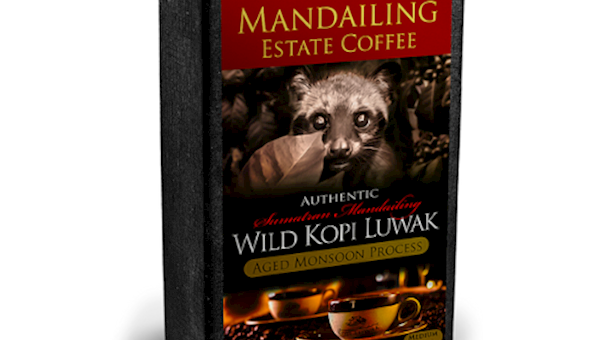
Mandailing Estate Coffee

4.5 ·
Mandailing Estate Coffee from Indonesia embodies everything coffee lovers seek when craving authenticity, depth, and a truly distinctive flavor profile. Grown in the Mandailing region in the north of Sumatra, this coffee thrives in rich volcanic soil and a tropical climate - conditions that create an ideal environment for cultivating high-quality Arabica beans with a complex character. From the very first aroma, one can sense the luxurious notes of dark chocolate, ripe plums, and dried figs, intertwined with subtle earthy and spicy undertones that are emblematic of Sumatran coffees. In the cup, Mandailing Estate Coffee reveals a full body and silky texture, delivering an experience marked by depth and flavor complexity. Bitter-sweet hints of dark chocolate and tobacco gracefully blend with notes of walnut, cinnamon, and dark fruits. The acidity is low yet present - perfectly balanced and well-rounded - making this coffee smooth and approachable, even in stronger brews. The finish is long, warm, and pleasantly bitter, with a gentle, almost balsamic aftertaste.
10

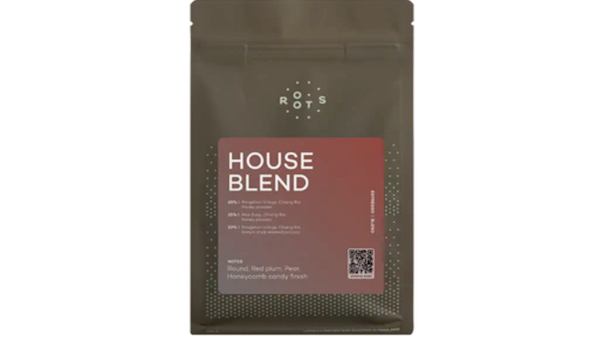
Roots Coffee

4.5 ·

Roots Coffee is a Thai specialty coffee company founded in Bangkok in 2013 with the mission of showcasing the quality and potential of Thai-grown coffee. Established by Varatt Vichit-Vadakan, Korn Sanguenkeaw, and Somdej Luengtaviboon, the company began as a small coffee roastery and has since become one of the driving forces behind Thailand’s specialty coffee movement. Roots works closely with local farmers across northern Thailand, promoting transparent sourcing practices and long-term partnerships that support quality improvement at the farm level. Through its well-known “Cup to Farm” initiative, part of the revenue from coffee sales is reinvested into coffee-growing communities to help strengthen sustainability and production standards. The company operates its own roastery, coffee shops, and educational programs for baristas and coffee professionals. Its portfolio includes single-origin coffees, carefully crafted blends, ready-to-drink beverages, and seasonal releases that highlight the diversity of Thai terroirs. Roots is recognized for its commitment to traceability, innovation, and the advancement of Thailand’s coffee industry. Today, it remains one of the country’s most influential specialty coffee brands, helping bring Thai coffee to a wider international audience.

Best Southeast Asian Coffee Types
01

Vietnamese Iced Coffee

4.2 ·

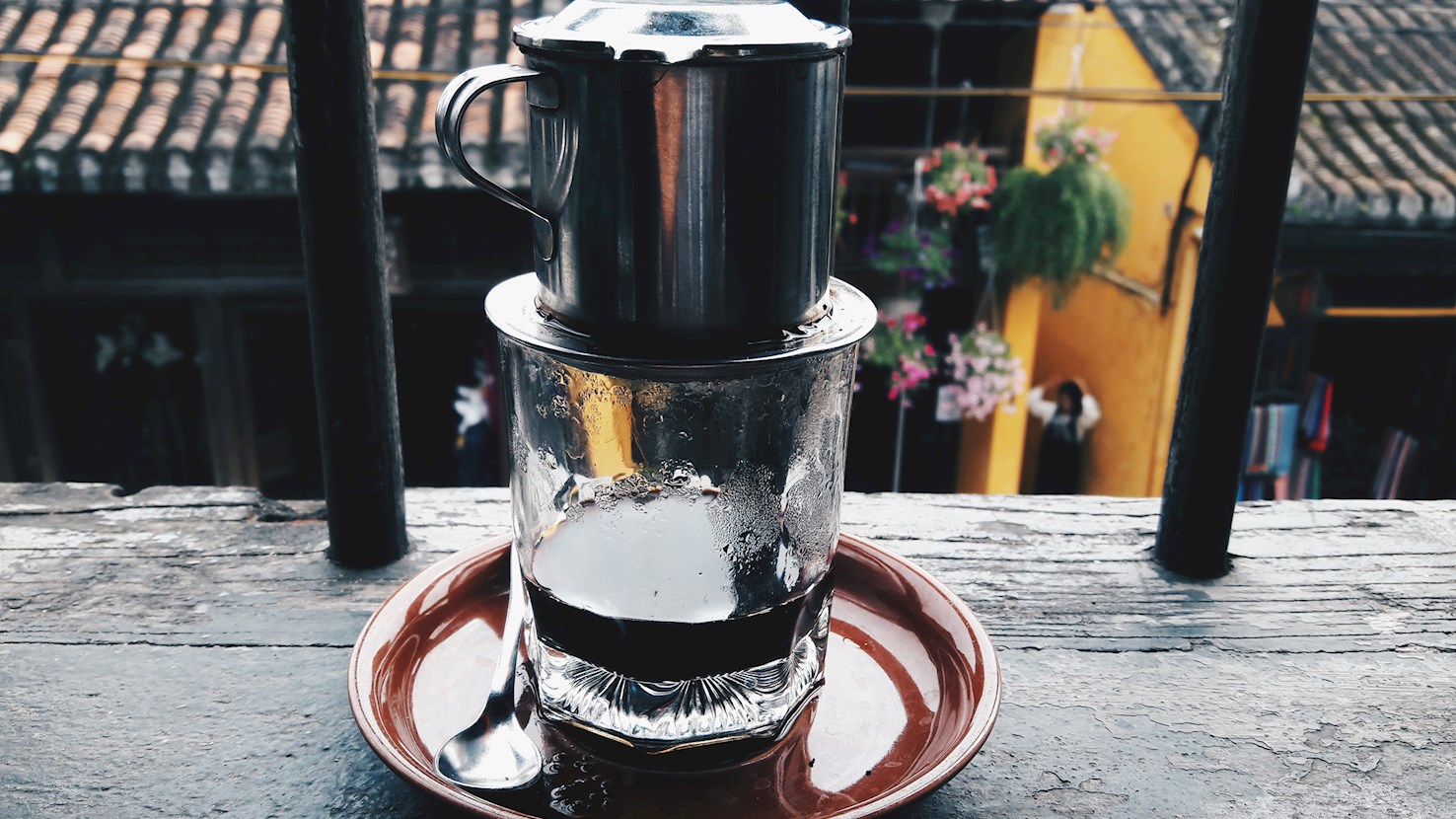
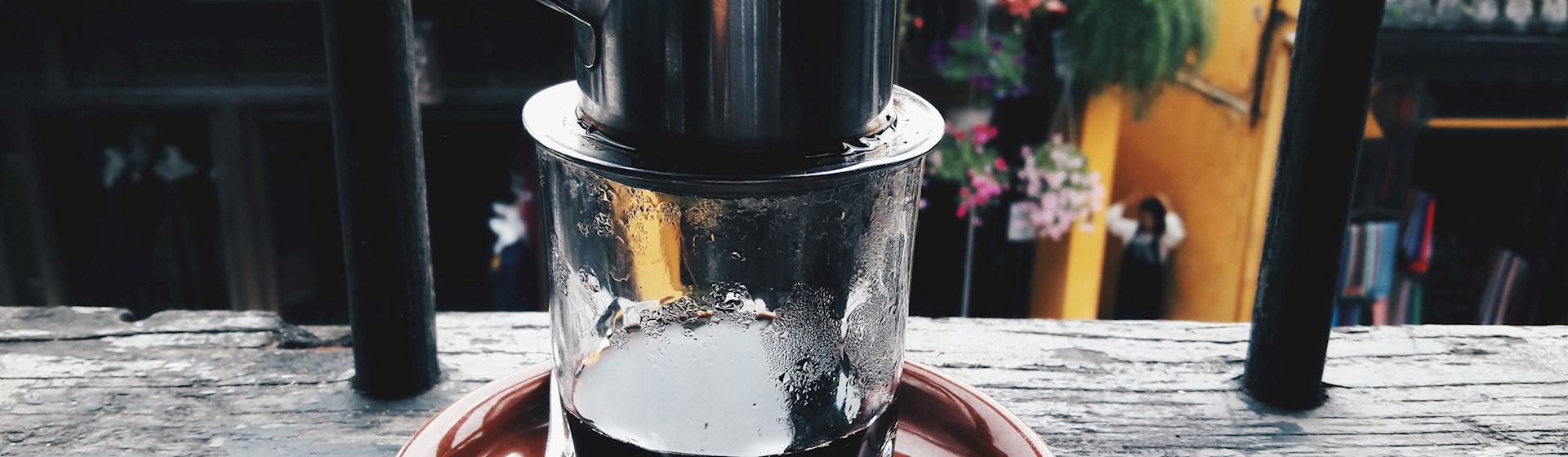
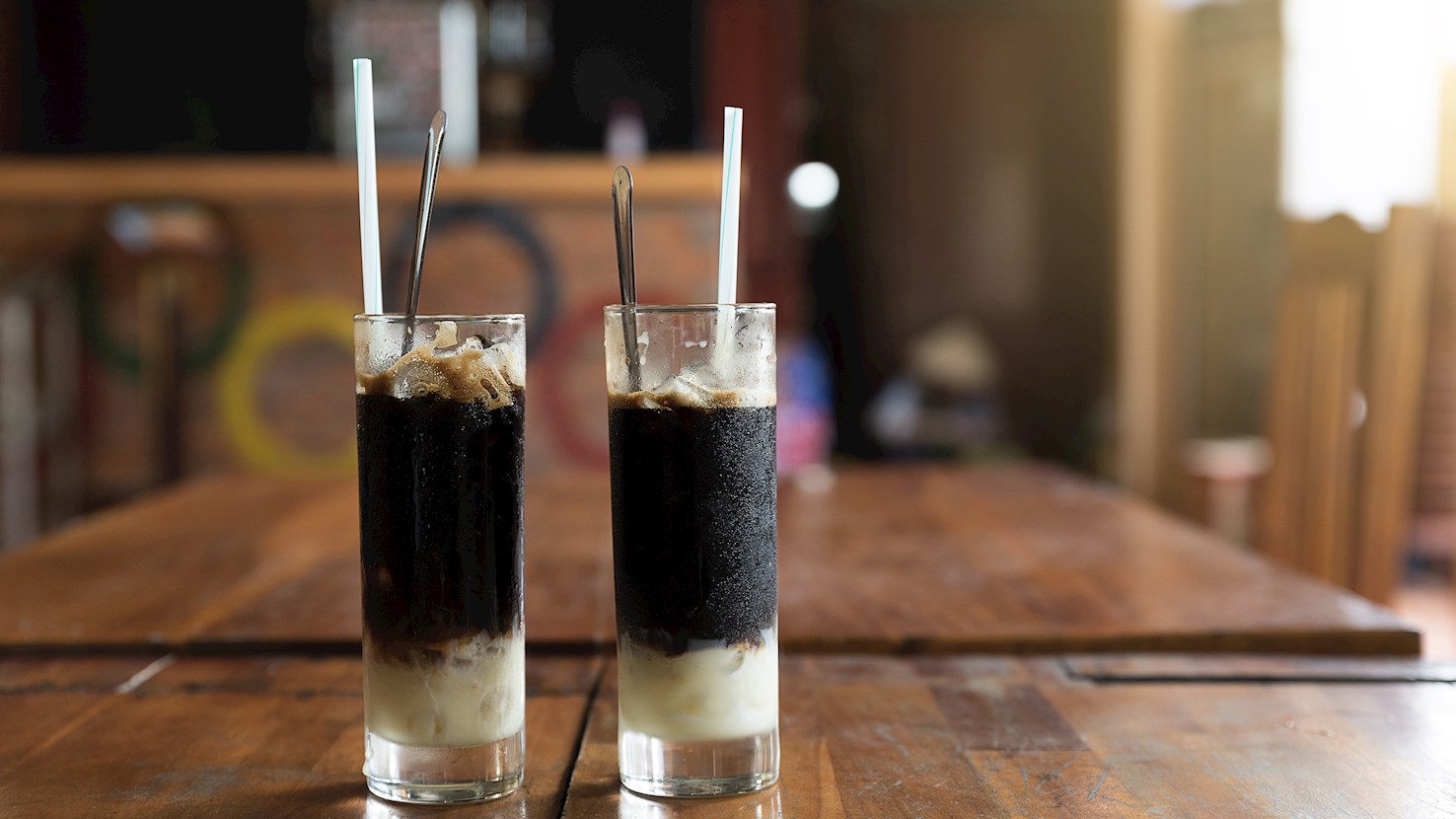
Vietnamese iced coffee is a drink that combines strong coffee, condensed milk, and ice. It is traditionally made with medium or coarse ground Vietnamese-grown coffee, typically the Robusta variety, which is brewed using a drip phin filter—in which the coffee is brewed and then slowly dripped in the cup. The coffee is then poured over ice and mixed with condensed milk. It is usually served in a tall glass. Although it is most commonly made with condensed milk (cà phê sữa đá), there is also a version that combines only coffee and ice (cà phê đá).

02

Vietnamese Coffee

4.1 ·

Coffee culture is an important part of daily life in Vietnam. Although it was first brought by the French colonist in the mid-19th century, coffee quickly became popular, and Vietnam is currently one of the largest coffee producers, as well as the leading producer and exporter of the Robusta coffee variety. Robusta is also the most commonly used variety in Vietnam. It attains its quite strong flavor and a thick texture due to the slow and long dark roast. Occasionally, the beans are also roasted with butter and sugar, while some even decide to add cocoa and vanilla during roasting. Vietnamese coffee is traditionally brewed with a phin filter—which consists of a perforated plate that is placed on top of the cup. The plate is topped with a metal vessel in which the ground coffee is mixed with hot water, and brewed coffee is then slowly dripped directly in the cup. Because Vietnamese coffee is quite strong and bitter, the local prefer to mix it with ice and sweeten it with condensed milk (cà phê sữa đá), but it can also be enjoyed as a straight black coffee (cà phê đen) or black coffee with ice (cà phê đá). Another popular local variation is coffee mixed with egg yolks (cà phê trứng).

03

Ca phe trung (Egg Coffee)

4 ·

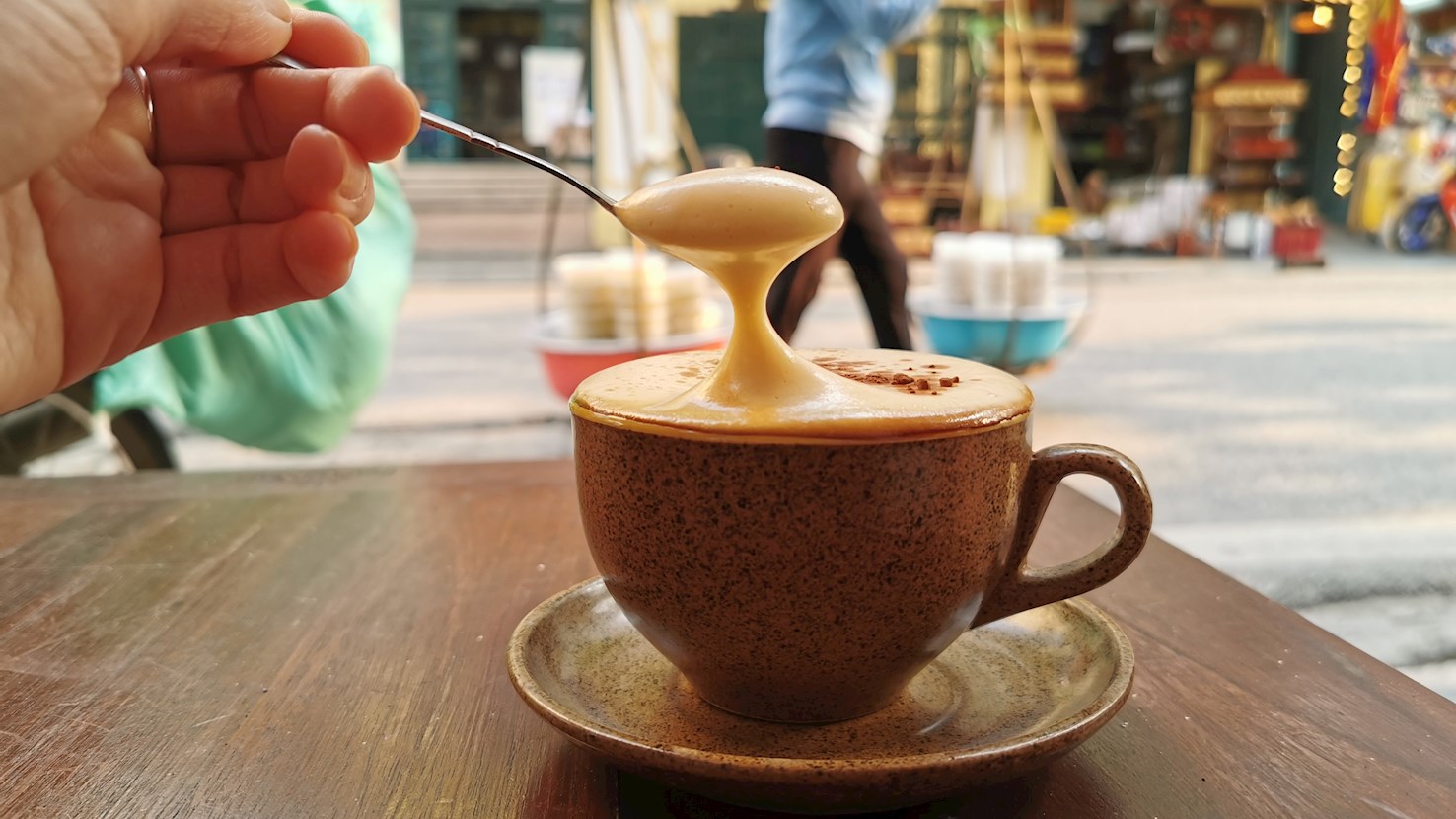
Egg coffee (ca phe trung) is a sweet and dense Vietnamese beverage that traditionally consists of strong black robusta coffee that is mixed with egg yolks and sweetened condensed milk. The egg yolks and the milk are whipped for about 10 minutes, and boiled until meringue-like consistency. The coffee is mostly made using a traditional Vietnamese phin filter in which the coffee is brewed and then slowly dripped in a cup. It is poared into the whipped eggs, forming the characteristic, aromatic foam. The origin of the drink dates back to 1950s and the French Indochina War. During the period, milk was scarce, and a barista by the name Nguyen Van Giang decided to use eggs as a replacement. At the time, he was working at the Sofitel Hotel in Hanoi, but after his creation became successful, he eventually opened his shop, Giang Cafe, which still exists in Hanoi and is run by his son.

04

Ipoh White Coffee

3.8 ·

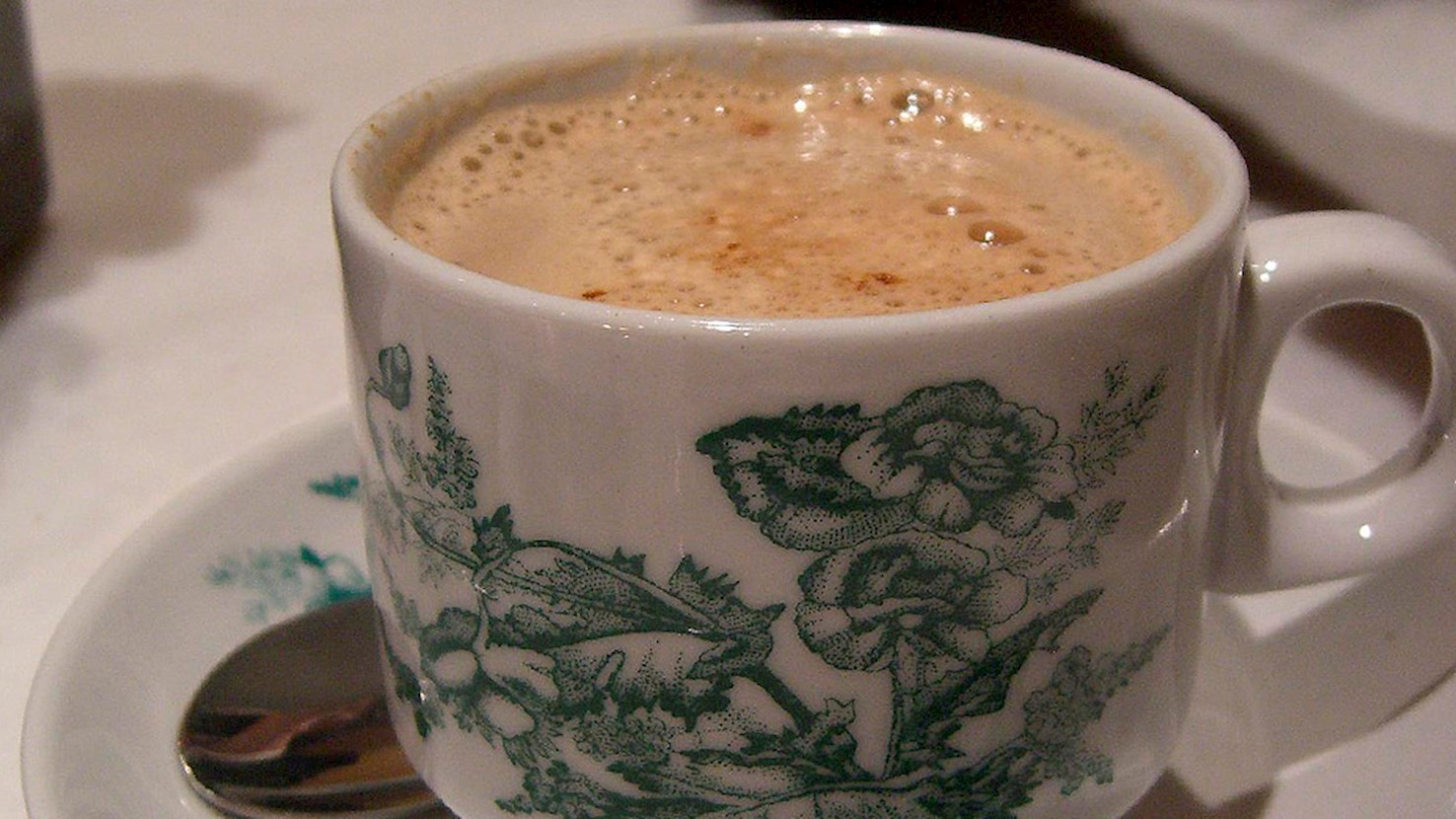
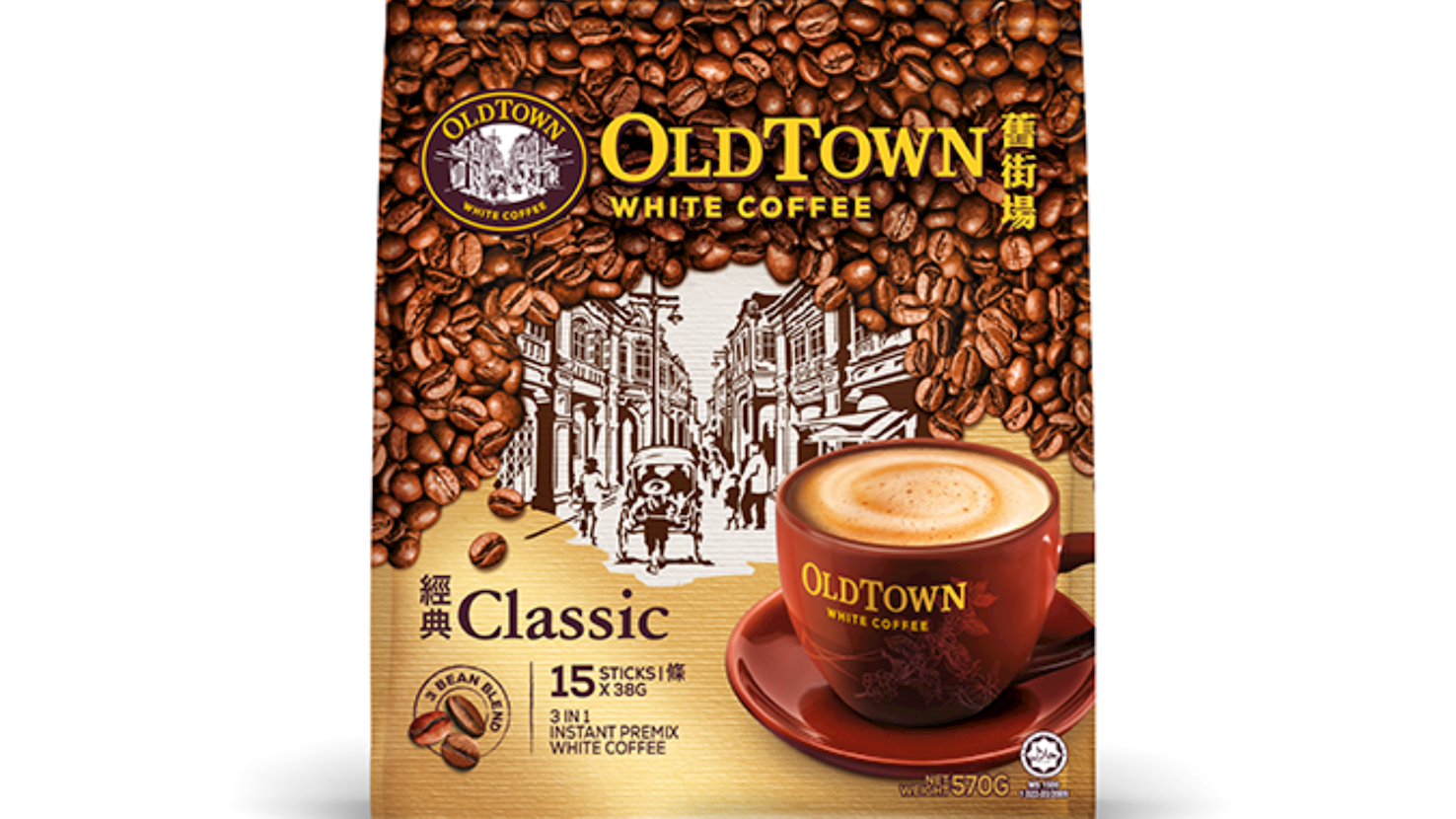
As the name suggests, this coffee style originated in Ipoh, but contrary to its name, it is not white. The name stems from the roasting technique in which coffee beans are lightly roasted in margarine before they are ground and brewed. The origin of this roasting style is usually associated with Hainanese immigrants in Malaysia, who adapted the classic technique to create a beverage that has a milder, lightly caramelized coffee flavor. Ipoh white coffee is usually enriched with condensed milk and should have a light froth on top. It should not be mistaken for a general term white coffee, which may refer to any coffee served with the addition of milk or creamer.

05

Kopi luwak

3.7 ·

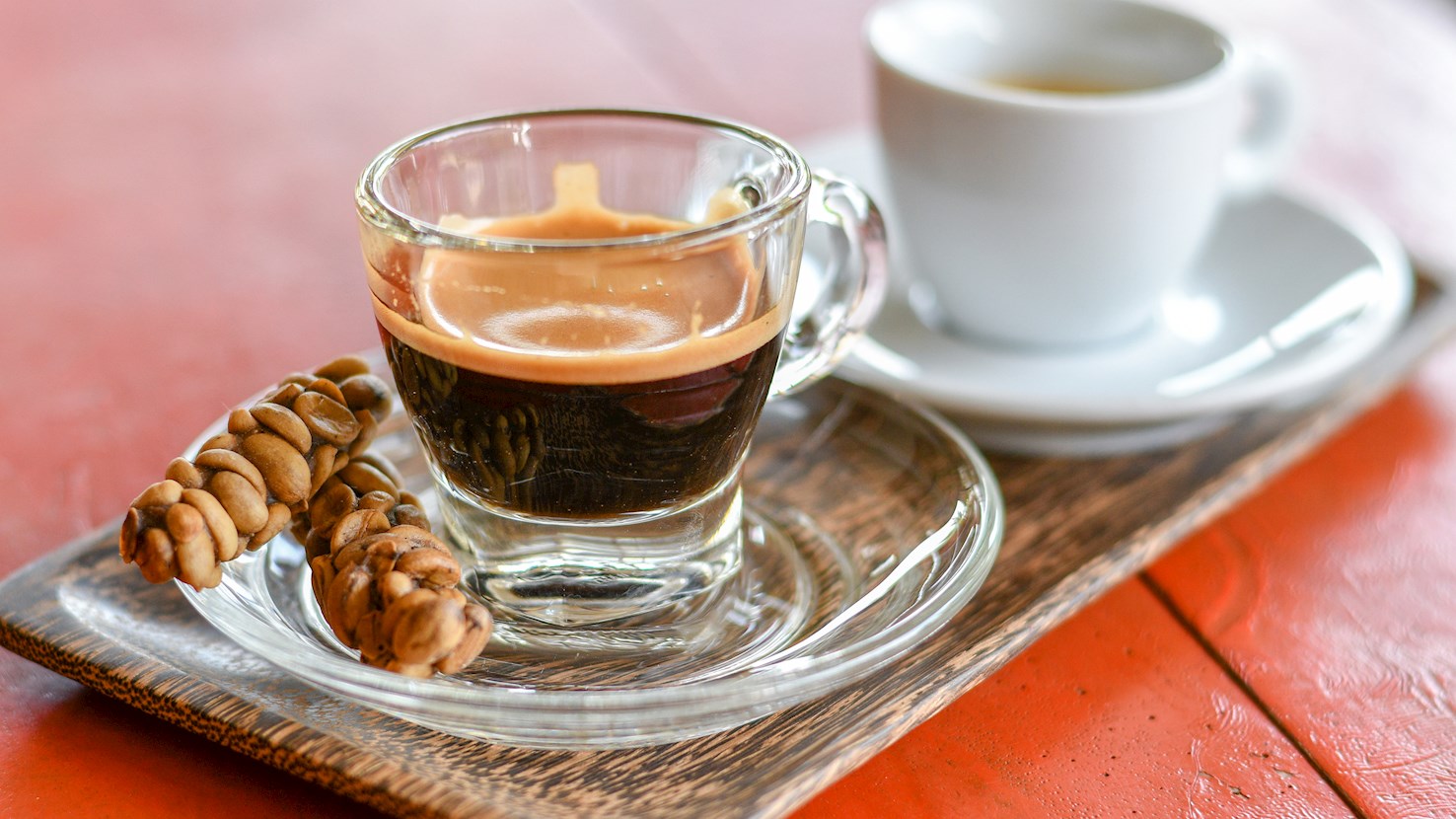
Indonesian kopi luwak is often cited as the most expensive coffee in the world. It is made from coffee beans that are digested and excreted by the civet (luwak)—a catlike mammal that is native to Southeast Asia—before they are washed, ground, and roasted. It is believed that when the coffee beans pass through the animal’s digestive tract, they lose their astringency, which makes the coffee softer, smoother, and less bitter. The coffee was allegedly discovered in the 19th century during the Dutch colonial rule when the local farmers were forbidden to harvest coffee for their personal use. They accidentally found that civet’s drippings contained undigested coffee beans, which they later used to brew coffee. Although kopi luwak nowadays enjoys immense international popularity, there are many who argue against the entire kopi luwak trade. Since it is almost impossible to get the beans from wild animals, most producers keep the animal in cages, and in some cases, the civets are force-fed. These conditions often raise concerns over animal rights and the entire future of the civet population. Although kopi luwak has many supporters, there are also those who claim that the hype is not justified and that the price—which can reach astronomical prices of $80 per cup—is not reasonable.

06

Kopi tubruk

3.5 ·

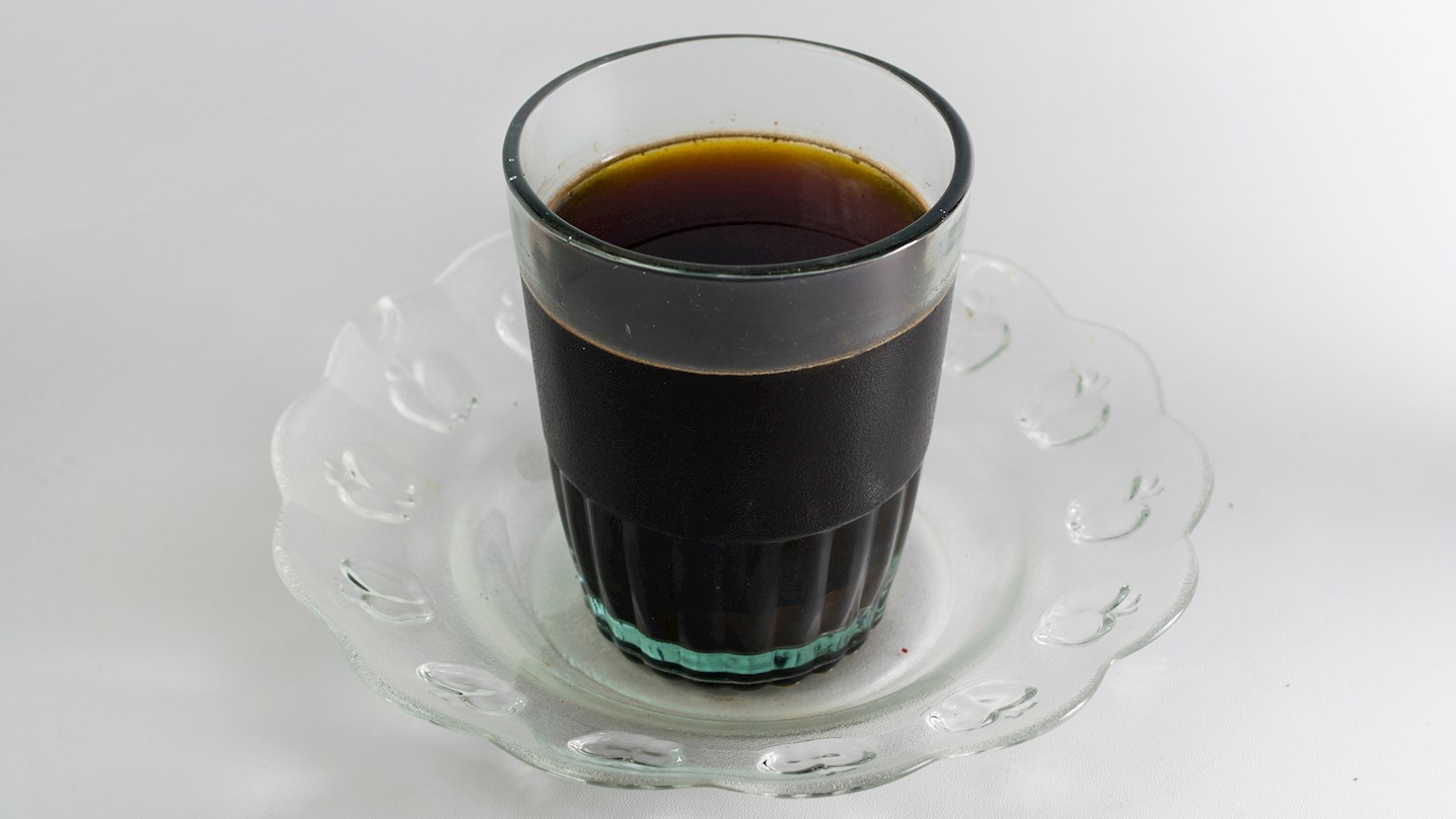
Thick and rich kopi tubruk is the most popular coffee in Indonesia, especially in Java. It involves simple preparation in which boiling or hot water is combined with fine or medium ground coffee. The combination is mixed until it is well incorporated, and it is then left to sit for a couple of minutes until the coffee grounds settle at the bottom of the cup. Although sugar is optional, most people choose to sweeten the coffee by mixing sugar with coffee grounds, before the water is added. This method of preparation is believed to have been introduced by the traders from the Middle East since both the method and the coffee are quite similar to Turkish (Greek) coffee. In Indonesia, coffee is brewed at home, but it is also sold at numerous street stands or specialized coffee shops (warkop or warung kopi).

07

Kopi ginseng (Ginseng coffee)

3.2 ·

Ginseng coffee is a beverage that combines coffee with ginseng, a root that has been used in traditional Chinese medicine for centuries. The origin of it is elusive, but the first commercially viable blend was produced and marketed in 1994 in Indonesia by the Citra Nusa Insan Cemerlang company. This combination has become popular in various parts of the world, particularly in Italy, where it is served in most cafés. Ginseng coffee is typically made by blending ginseng extract or powder with traditional coffee. It offers the rich and familiar flavor of coffee, coupled with the unique taste and purported health benefits of ginseng. Ginseng coffee is often considered a healthier alternative to regular coffee due to the addition of ginseng and sometimes a reduced caffeine content. It can be found in ready-to-drink forms, like instant coffee packets, for example, or it can be made at home by adding ginseng extract or powder to coffee brew. It's worth noting that the flavor of ginseng can be somewhat earthy and bitter, so it may take some getting used to for those unfamiliar with its taste. Some preparations may also include additional sweeteners or creamers to balance the flavor.

08

Kopi joss

3 ·

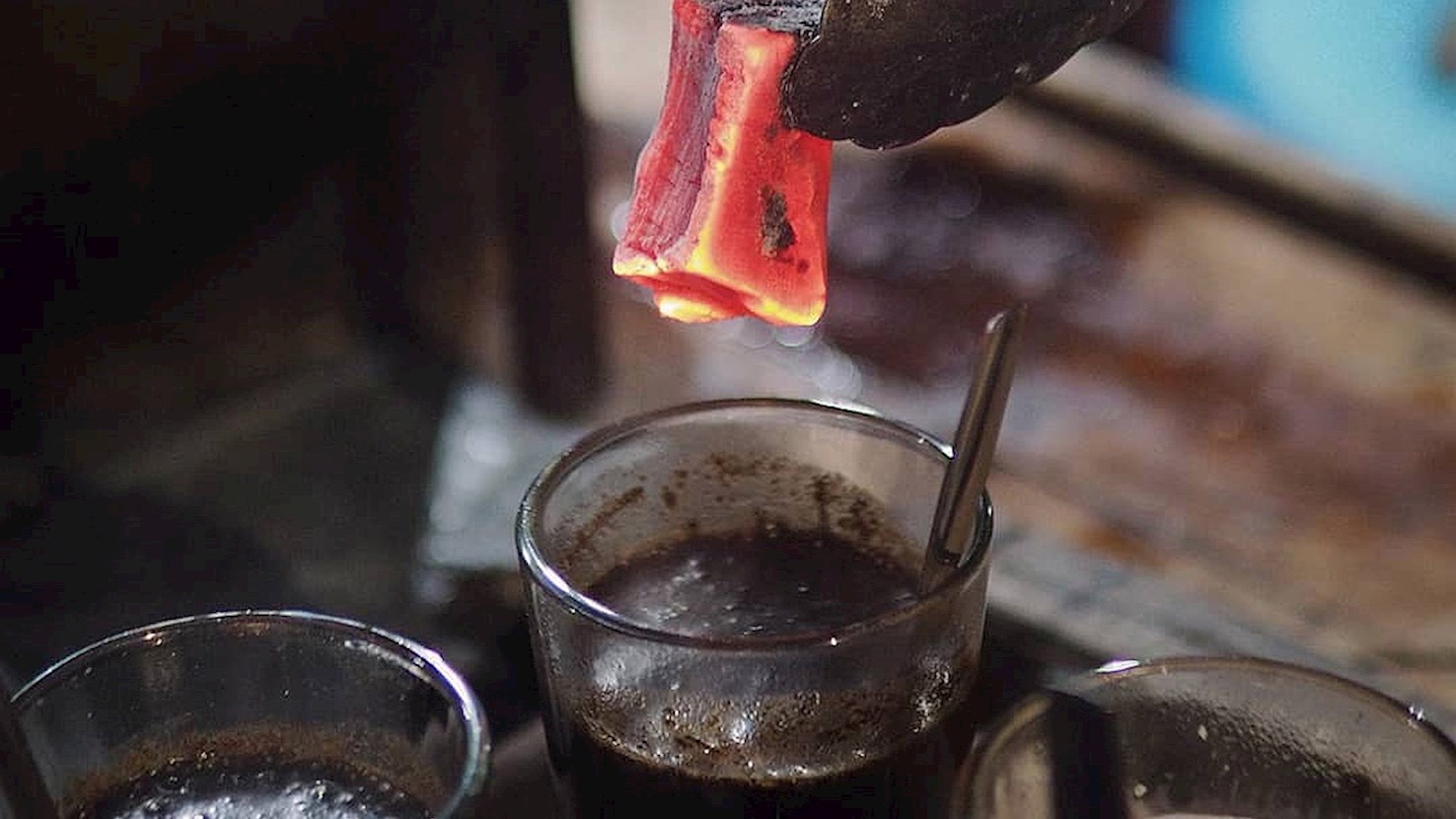
Kopi joss is a distinctive coffee preparation from Yogyakarta, Indonesia, known for its unusual method of adding a piece of hot-burning charcoal directly into a cup of brewed black coffee. It is most closely associated with street-side angkringan stalls, small, informal food carts that serve drinks and snacks, often near train stations or busy night markets. The drink consists of strong black coffee, usually brewed using finely ground robusta beans, mixed with sugar, and then dramatically finished with a red-hot lump of charcoal dropped into the cup, producing a sizzling sound and a brief plume of steam. The origin of kopi joss dates back to the 1960s or 1970s, and it is generally credited to a street vendor in Yogyakarta who began adding hot charcoal to brewed coffee as a way to modify its flavor and possibly reduce perceived acidity. The name "joss" is said to imitate the hissing sound made when the hot charcoal touches the liquid. Over time, the drink gained popularity among locals, students, and curious visitors, becoming a recognizable part of the city’s informal food and beverage culture. It is now widely associated with Yogyakarta’s late-night culinary scene. Despite its unconventional preparation, kopi joss is served and consumed like any regular coffee. After the charcoal is added and the initial fizzing stops, the drink is allowed to settle for a moment before being stirred and sipped. Some vendors remove the charcoal before serving, while others leave it in the glass until the coffee is finished. The charcoal is usually made from coconut shell or hardwood and is fully carbonized, minimizing the release of unwanted substances. While scientific opinions vary, fans of the drink claim that the charcoal smooths the bitterness of the coffee and gives it a slightly smoky or toasted aroma. Kopi joss is usually consumed without milk or creamer, in keeping with its robust, straightforward character. It is often enjoyed alongside simple snacks like fried tempeh, boiled eggs, or rice-based dishes offered at the same angkringan stall. The drink is inexpensive and accessible, maintaining its place as a popular choice for both casual coffee drinkers and those seeking a local specialty. Its unique preparation has drawn attention beyond Yogyakarta, and some coffee shops in other Indonesian cities have attempted to replicate the experience, though it remains most closely tied to its original context.

09

Vietnamese Yogurt Coffee

2.8 ·

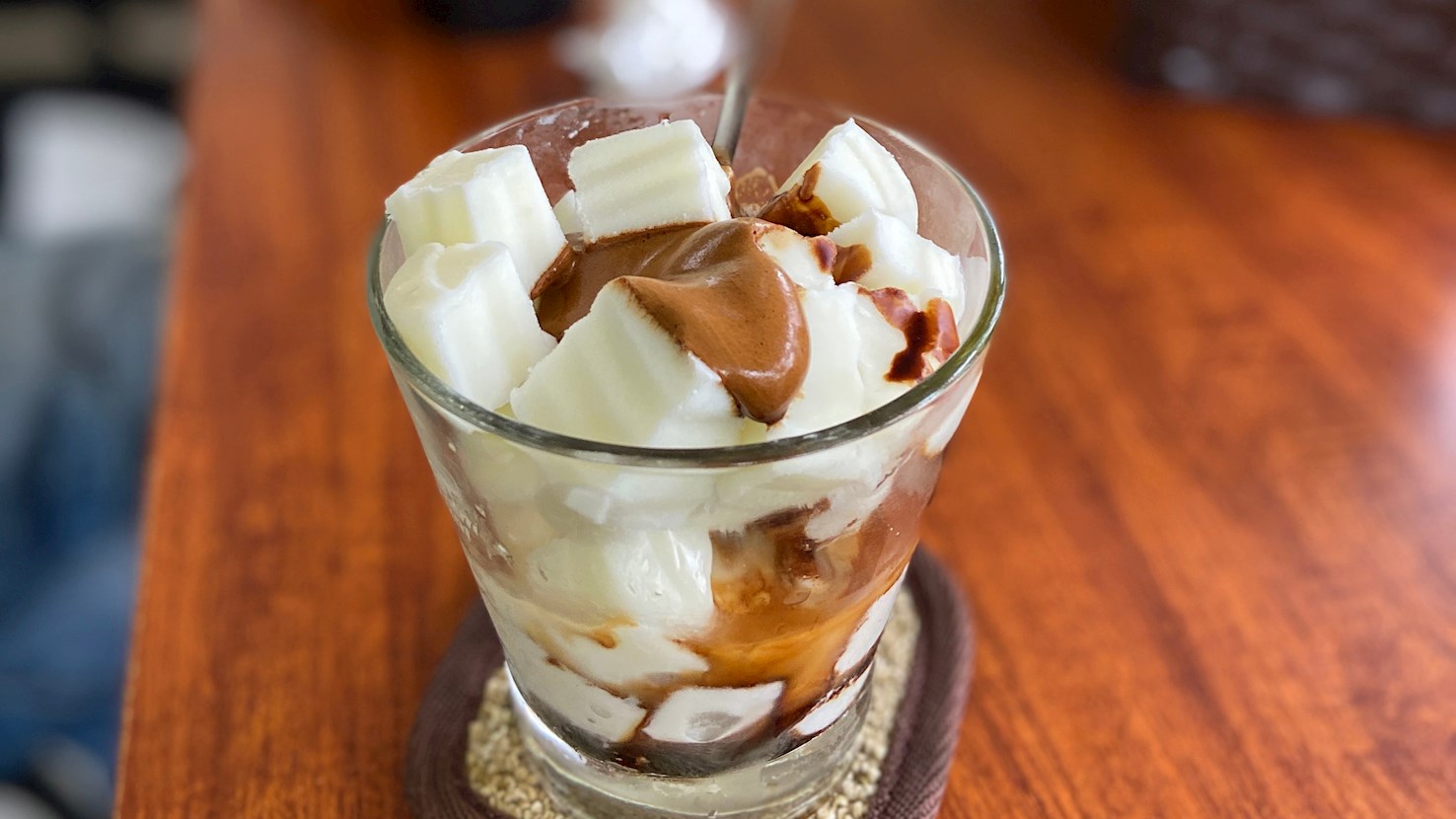
This Vietnamese coffee is a slightly unusual combination of brewed black coffee—traditionally made using a phin filter—yogurt, condensed milk, and ice. The drink can also be served as a warm beverage, while some variations also may include lemon juice. The ingredients can be mixed together or blended until smooth, while sometimes milk and yogurt are combined with ice, and the coffee is then poured last. This coffee variety is usually enjoyed during hot and humid days as a tangy refreshment.

10

Kopi terbalik

n/a ·

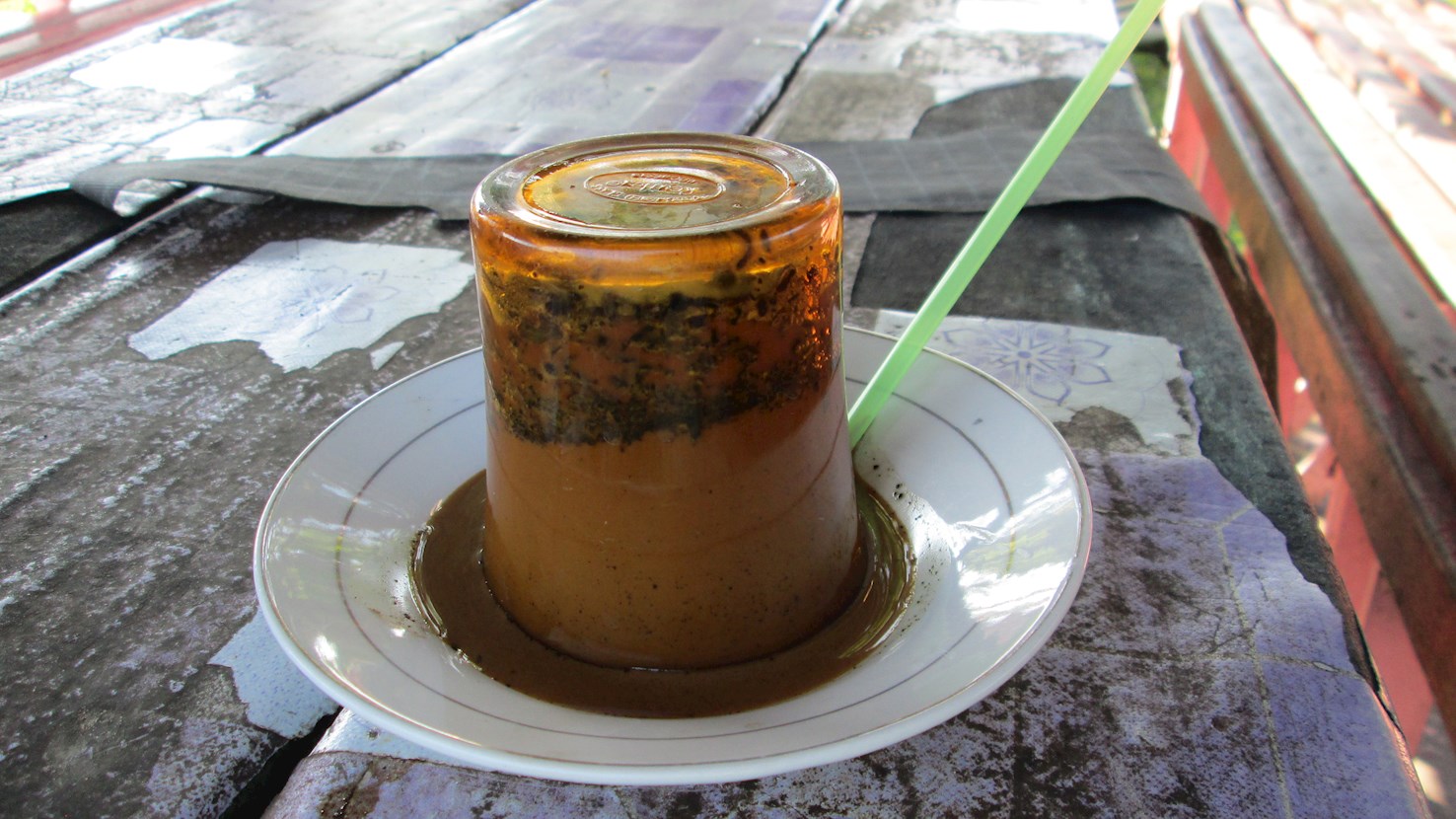
Kopi terbalik is a distinctive coffee preparation that comes from Aceh, Indonesia. The phrase means “upside-down coffee,” referring to the way the drink is served. Instead of pouring coffee into a glass in the usual manner, the glass is filled with hot black coffee, then quickly inverted onto a small saucer. To drink it, people carefully lift the rim of the glass to release a controlled stream of coffee into their mouths or onto a spoon. The coffee itself is usually brewed strong, often using finely ground robusta beans combined with sugar. Vendors prepare the coffee by boiling water, adding the coffee powder and sugar directly, and allowing it to steep briefly before straining or pouring it into the glass. Once inverted, the vacuum created inside the glass keeps most of the liquid from spilling out immediately. The saucer beneath catches any drips, and many people believe this method keeps the coffee hotter for longer and intensifies the aroma as it is gradually sipped. Kopi terbalik is most commonly enjoyed in simple cafés or roadside warungs where it is served alongside fried snacks or steamed cakes. It is particularly popular among river transport workers, fishermen, and traders, who often gather in the morning or late afternoon to share a glass before or after work. While the serving style is the main feature that distinguishes it, the flavor is also recognized for its concentrated bitterness and caramel-like sweetness from the slow infusion with sugar.

Read more
View all
View map
About this ranking

TasteAtlas food rankings are based on the ratings of the TasteAtlas audience, with a series of mechanisms that recognize real users and that ignore bot, nationalist or local patriotic ratings, and give additional value to the ratings of users that the system recognizes as knowledgeable. For the “Top 10 Southeast Asian Coffees” list until June 24, 2026, 739 ratings were recorded, of which 394 were recognized by the system as legitimate. TasteAtlas Rankings should not be seen as the final global conclusion about food. Their purpose is to promote excellent local foods, instill pride in traditional dishes, and arouse curiosity about dishes you haven’t tried.

The initial list of top producers was compiled based on available reviews, awards, local recommendations, media and blog coverage, and consumer reviews. The list will be updated with ratings from TasteAtlas local ambassadors and TasteAtlas users.

Similar lists