Top 100 American Foods

Last updated on June 02, 2026

Best American foods

01
Barbecue

Central Texas-Style Barbecue

4.5 ·

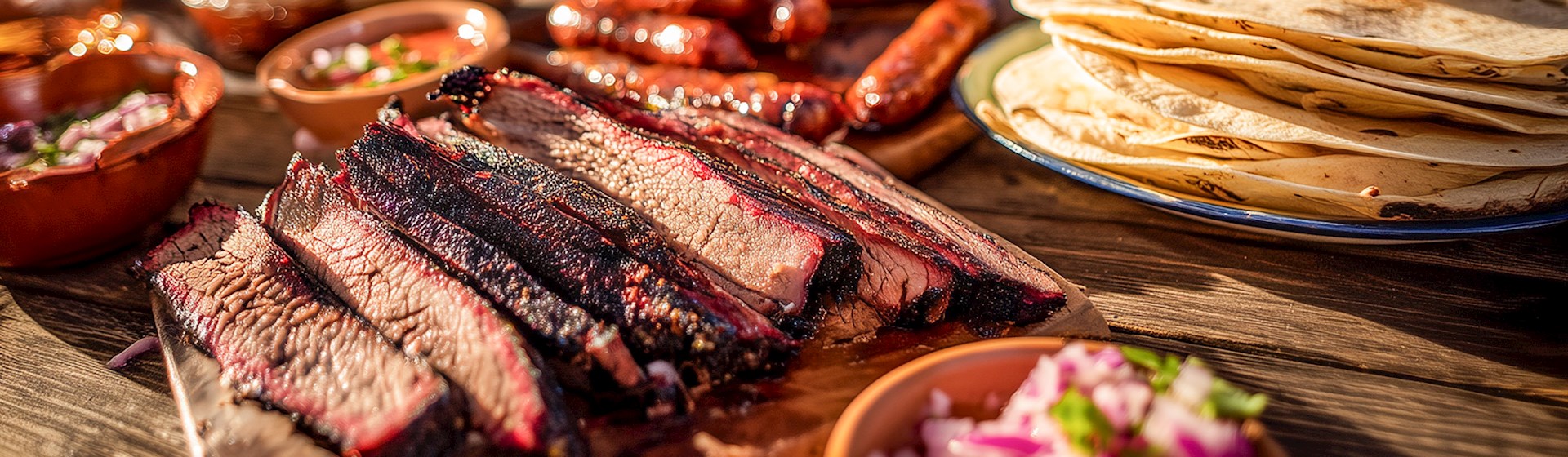
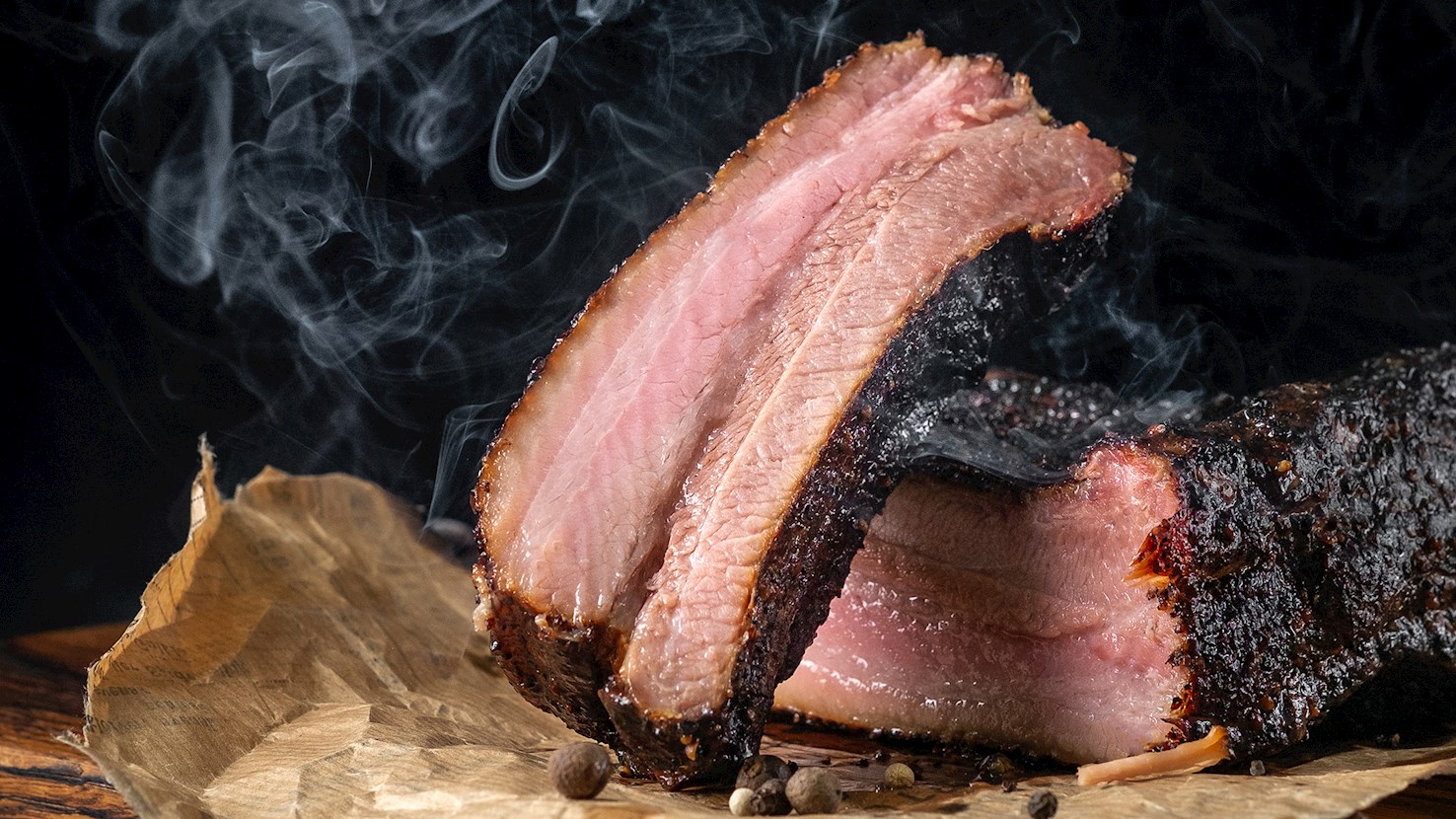
Central Texas-style barbecue originated in the Czech and German meat markets in the late 19th century. This barbecue style is typically associated with cooking brisket (the fattier portion is called point, while the leaner portion is called flat) low and slow, usually over post oak fire. The meat is seasoned with salt, pepper, and maybe a bit of cayenne or garlic powder. It is then cooked in offset smokers, while the heat and smoke from the fire go across the meat, adding an irresistible smoky flavor to the brisket (although shoulder clod, chuck short ribs, and larger short ribs are also popular). The meat is carved in front of the customer, and it is traditionally served on butcher paper (as an homage to the meat markets of yore), most often without any type of barbecue sauce on the side.

02
Sandwich

Maine-style Lobster Roll

4.4 ·

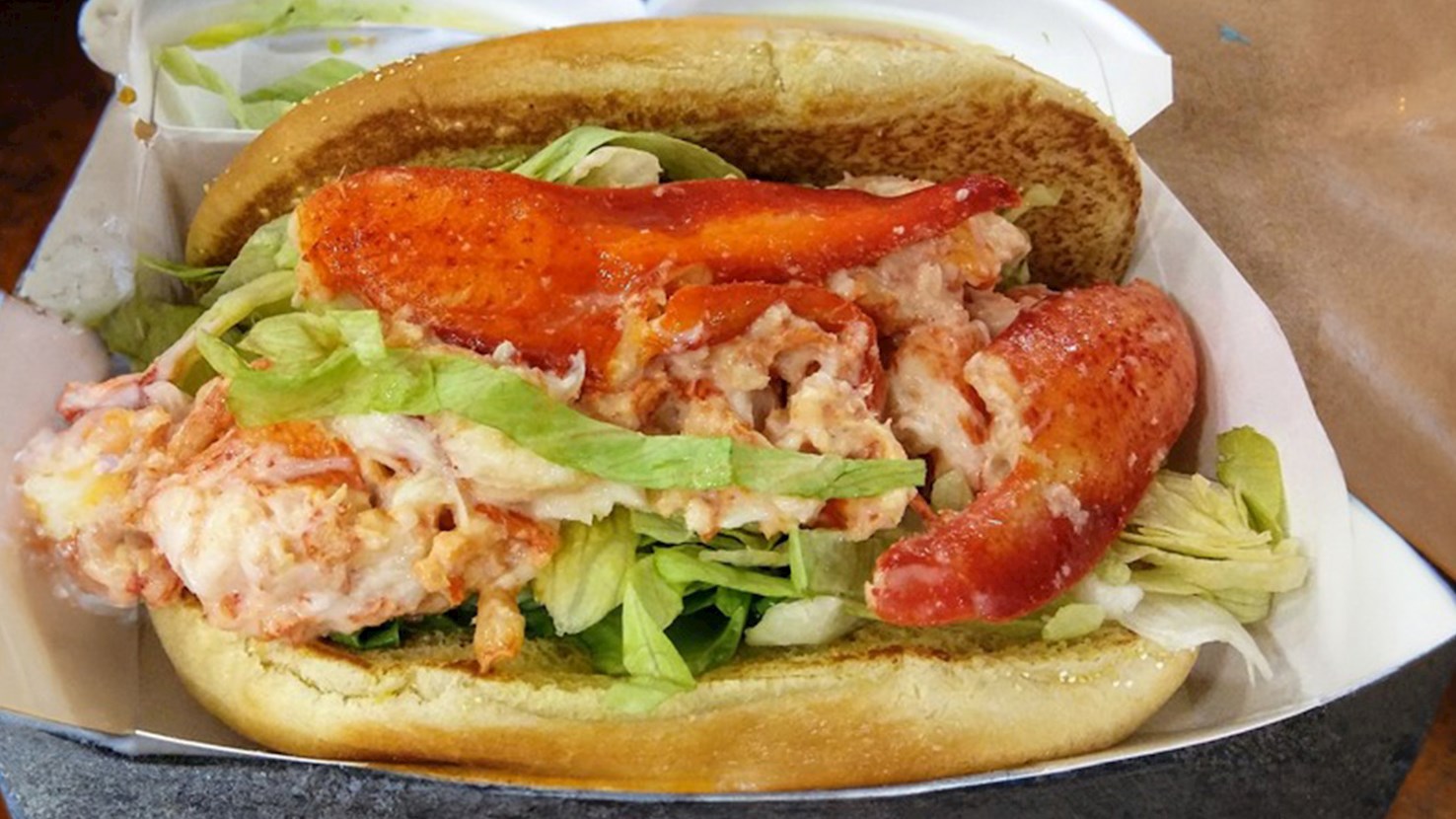
One of New England cuisine staples, the Maine-style lobster roll consists of a chilled lobster salad tucked into New England-style split-top buns. The lobster salad, at its basic, is made with knuckle and claw meat that is dressed in mayonnaise and mixed with finely chopped celery, seasoned only with salt and pepper. Variations typically include ingredients like lemon juice, mustard, and chives. Because the buns are buttered and toasted, the result is a lobster roll with contrasting texture and flavor: a warm, buttery, toasted bun vs. a cold, crunchy lobster salad. It is unknown when it was invented and by whom. What is known is that it started to first appear sometime in the 1950s due to the explosion of summer tourism, but it boomed in the 1970s thanks to the increase in the roadside lobster roll stands. Red Eat's, the most famous restaurant on Route 1 in Maine, had a big role in popularizing it. Also, even though the Connecticut-style lobster roll appeared earlier, the Maine-style one is the more popular of the two. When it comes to serving, the most typical pairing is a Maine lobster roll and either creamy clam chowder or seafood chowder. But at seafood shacks or food stands, it is typically served with salt and vinegar potato chips, coleslaw, pickles, and onion rings.

03
Ice Cream

Frozen custard

4.3 ·

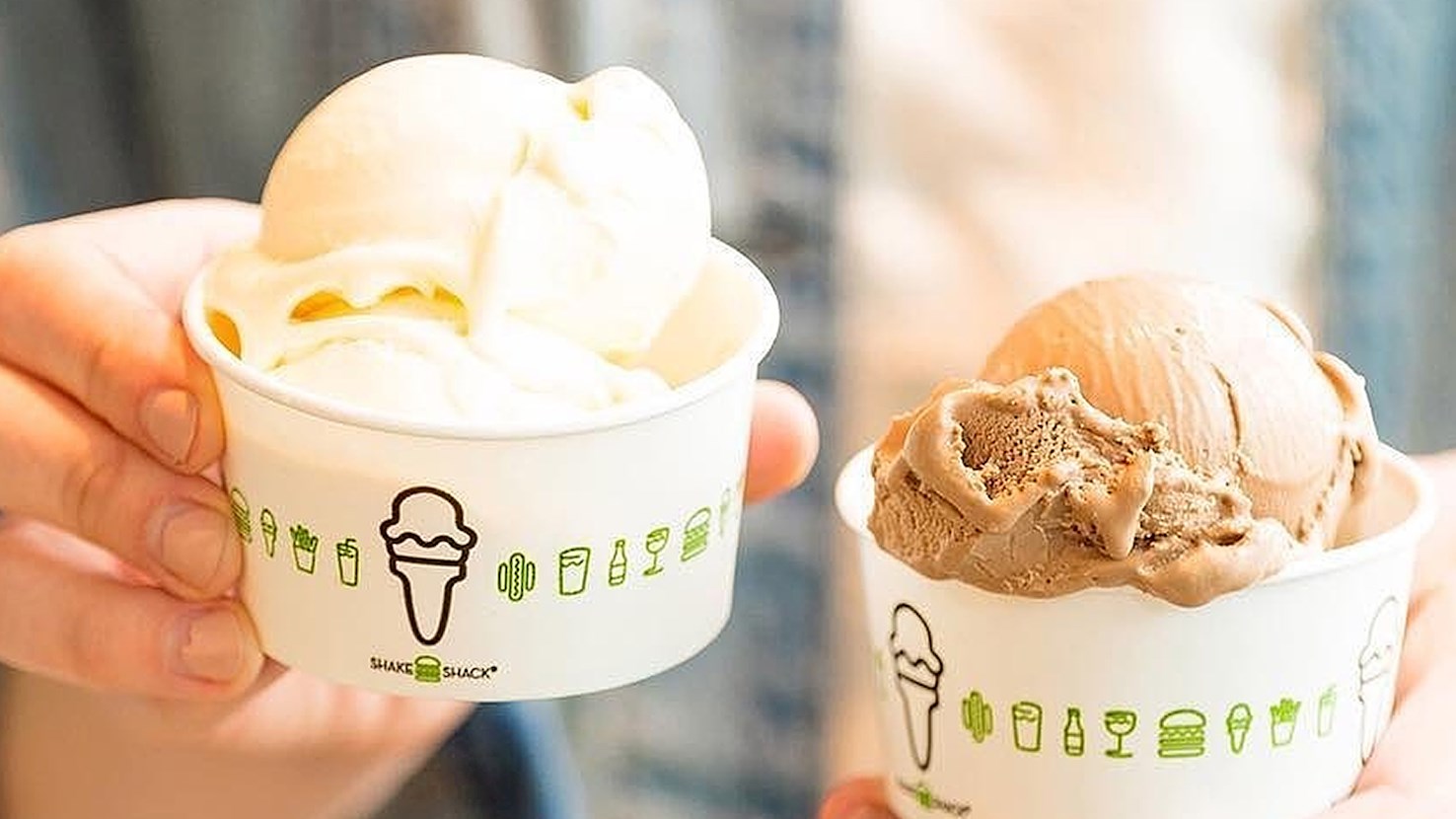
Frozen custard comes from the "Custard Capital of the World", Milwaukee, Wisconsin, where it's sold more than anywhere else around the globe. It is a gourmet ice cream treat made with eggs, cream, and sugar, and it originated from Coney Island, New York, when it was a popular carnival treat. As the popularity of frozen custard grew, it quickly spread to the Midwest. As there is far less air added than in other similar treats, the result is a thick and dense custard with tons of flavor. A lot of frozen custard fans believe it is better than ice cream since it is served before being refrozen and mantains a soft, yet heavy consistency, so it is a unique regional treat in which you can really feel the difference when talking about flavor.

04
American Beef Cut

Brisket

4.3 ·

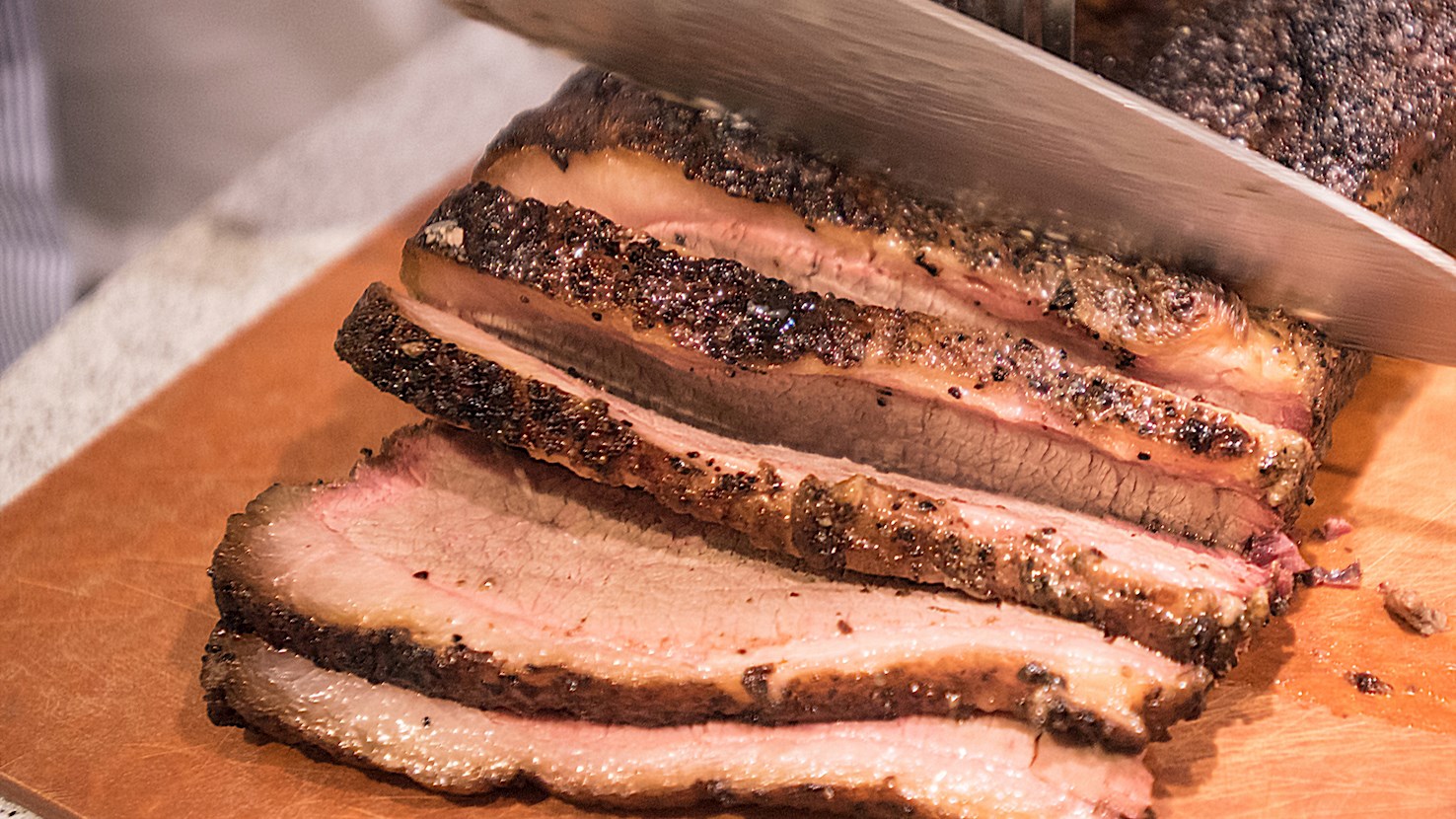
In the American, English and German systems of primal beef cuts, the brisket (or rinderbrust) is a cut that comes from the breast or lower chest of the cow. The brisket is one of the nine primal cuts of beef and is particularly known for its size and for having a significant amount of connective tissue. This cut consists of two different muscles: the pectoralis major, known as the "flat," and the pectoralis minor, or the "point." The flat is leaner, while the point has more fat and marbling. Because of the high amount of connective tissue, brisket needs to be cooked slowly, over low heat, to allow the collagen in the meat to break down and become tender. This makes it a popular choice for slow cooking methods like smoking, braising, or slow roasting. Brisket is notably used in a variety of regional American barbecue traditions, particularly Texas-style barbecue, where it's often smoked for many hours. It's also traditionally used for making corned beef and pastrami.

05
Beef Cut

Porterhouse

4.3 ·

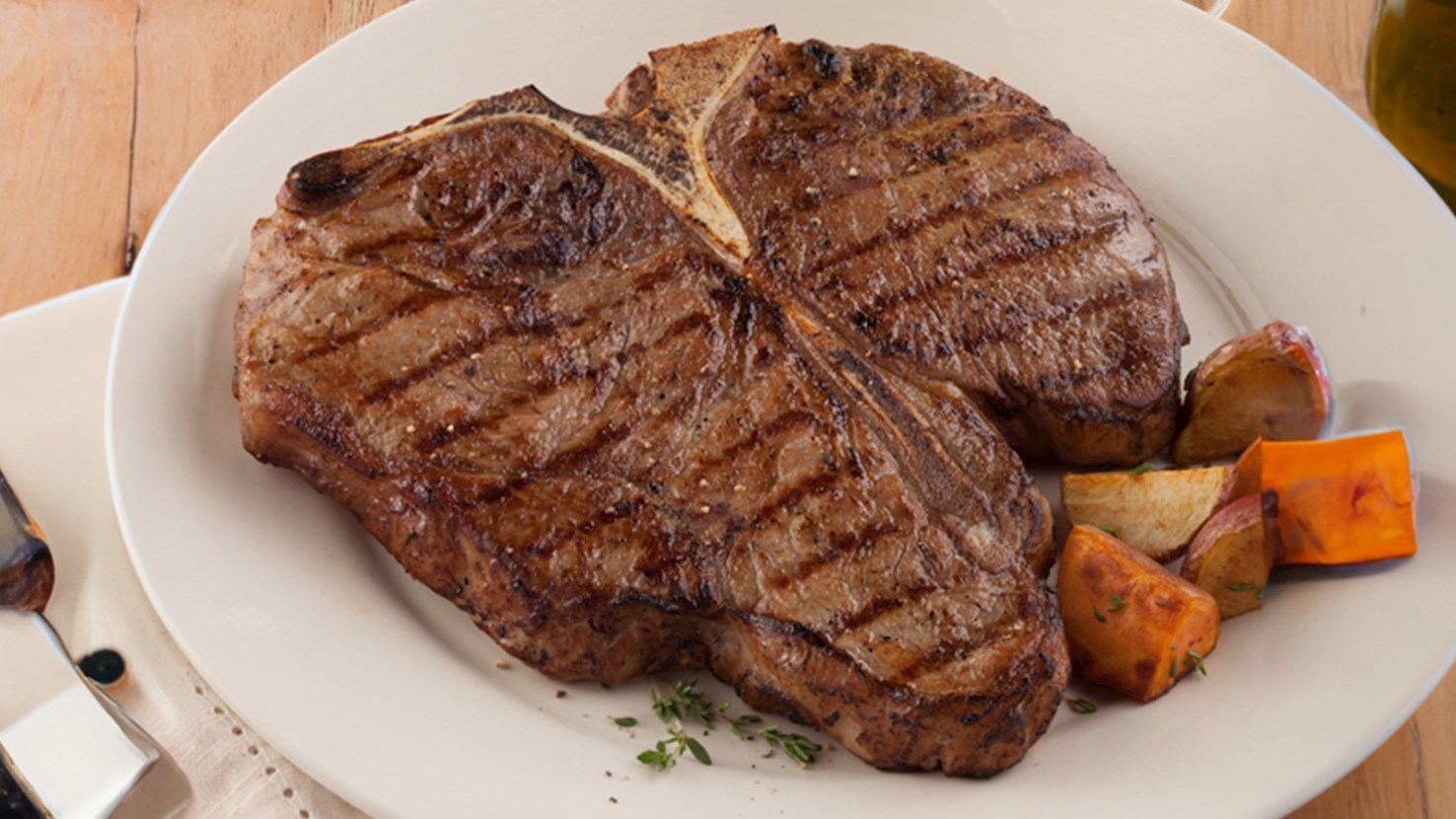
A porterhouse steak is a large, thick cut of beef taken from the rear end of the short loin. Although it is not linked to a specific country of origin, it is most commonly associated with British and American cuisines. It is named "porterhouse" because it was traditionally served in 18th-century porterhouses, which were inns or restaurants that served porter beer. The porterhouse steak is closely related to bistecca alla Fiorentina and is similar to a T-bone steak. The difference between a T-bone and a porterhouse is that the latter is cut from further back on the short loin, resulting in a larger portion of tenderloin and a larger overall size. The defining characteristic of a porterhouse steak is the T-shaped bone that runs through the center, separating two different cuts of meat: the strip steak (commonly known as the New York strip - marbled, flavorful cut known for its beefy taste) and the tenderloin (also known as filet mignon - tender and lean cut, prized for its mild flavor). A properly cooked porterhouse steak will have a juicy and tender texture with a combination of flavors from both the strip steak and the tenderloin. Due to its large size, it is often considered a steak for sharing or for those with hearty appetites. Porterhouse steaks are commonly grilled or pan-seared to enhance their natural flavors, and they are often served with accompaniments like vegetables, potatoes, or sauces.

06
Beef Dish

Delmonico Steak

4.3 ·

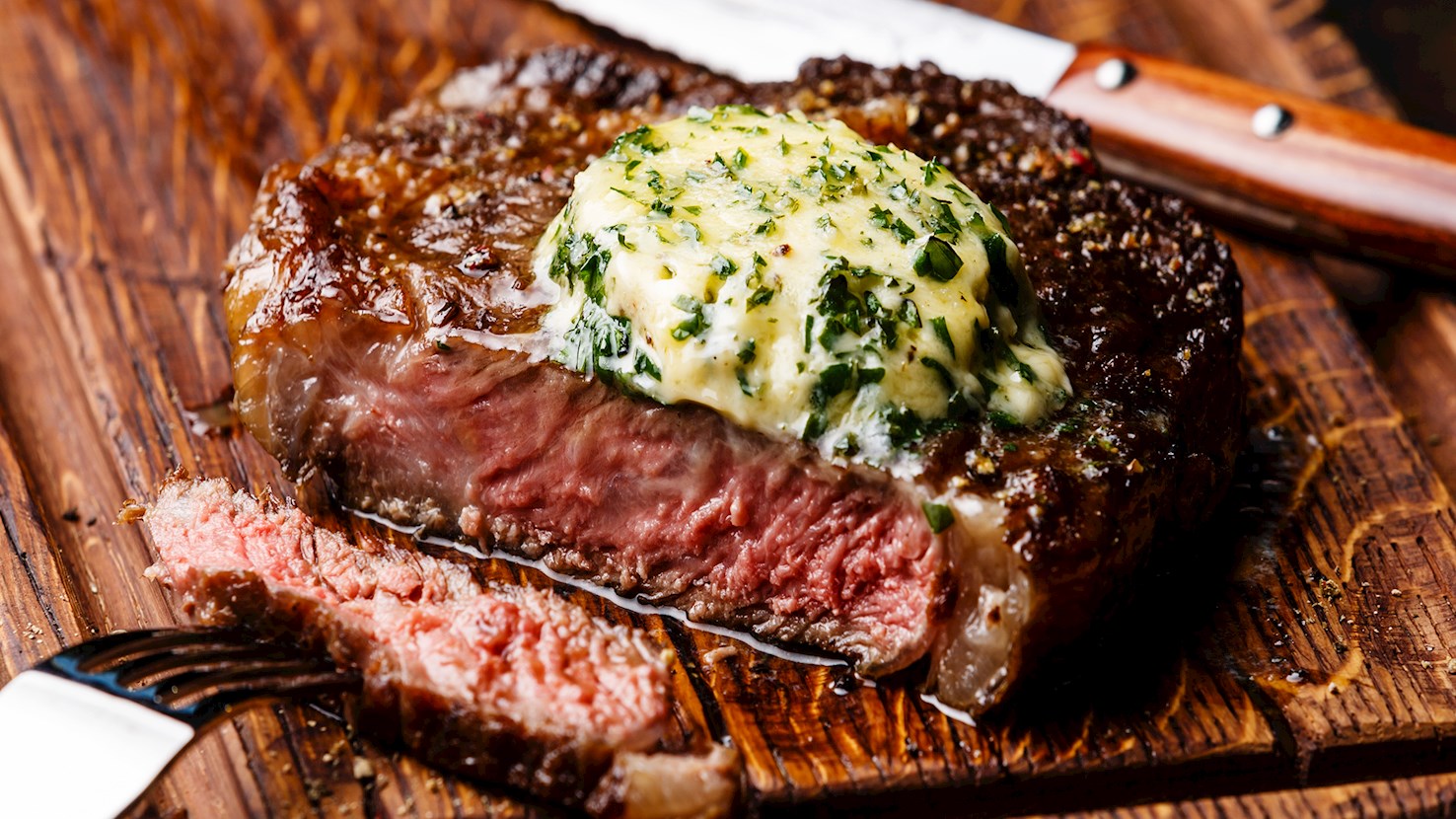
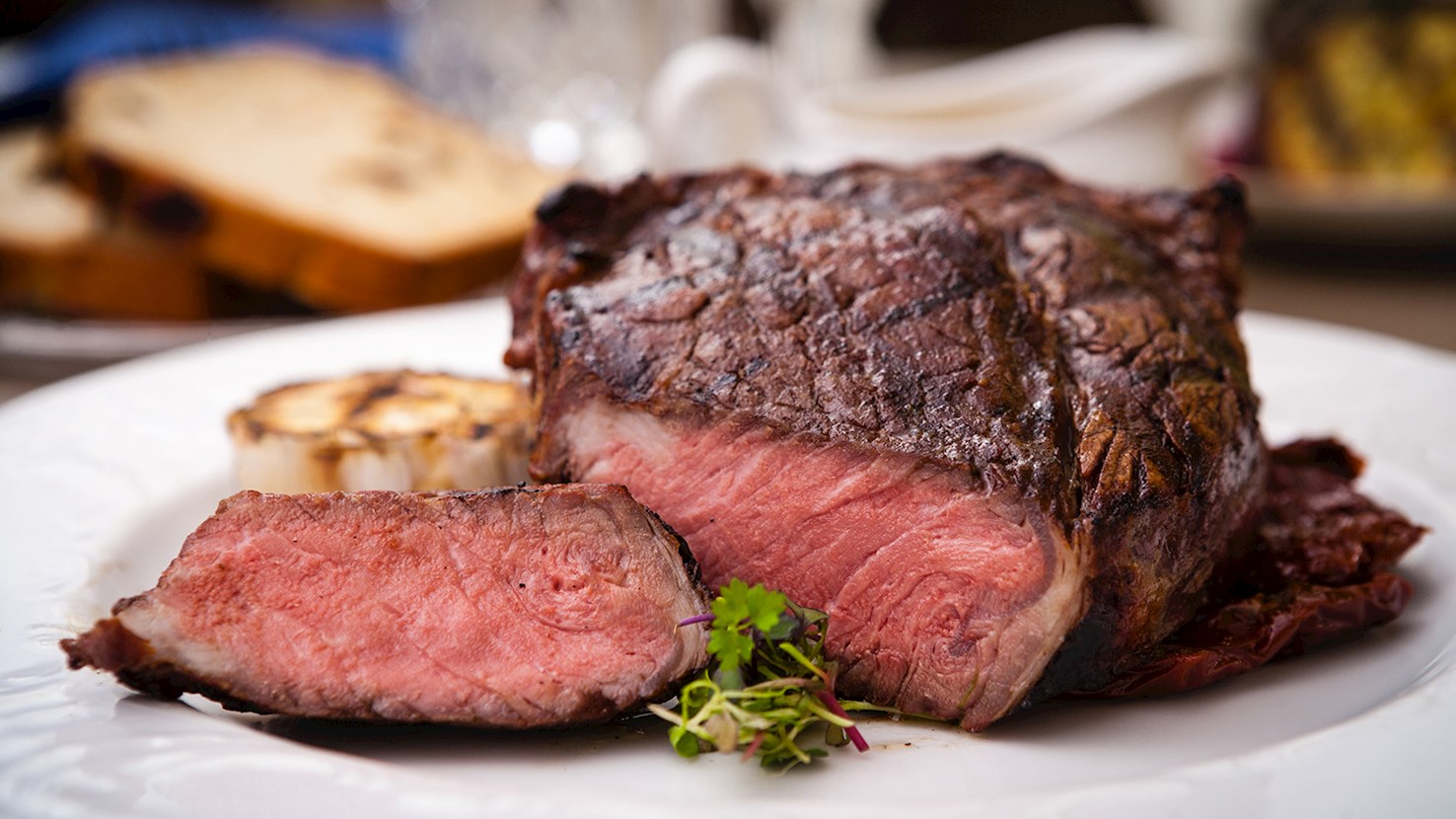
Created between 1840 and 1850, the Delmonico steak is a mystery that perplexes many. What you order in one restaurant may be different in another. Various food critics and food historians have come up with more than several differing opinions about this steak, and whether it is bone-in or -out, sirloin, or some other high-priced cut of beef. Moreover, while the two original chefs de cuisine of Delmonico Restaurant in New York City have both confirmed the preparation method, they still manage to differ slightly. If you order a Delmonico steak at Delmonico's today, you'll get a boneless rib-eye steak that's brushed with butter and beef fat after it has been taken out of the broiler. And though there are many debates about the origin of this steak, one thing can be certain: Delmonico steak is synonymous with the best piece of meat you can get when you walk into a restaurant.

07
Sandwich type

Texas Brisket Sandwich

4.3 ·

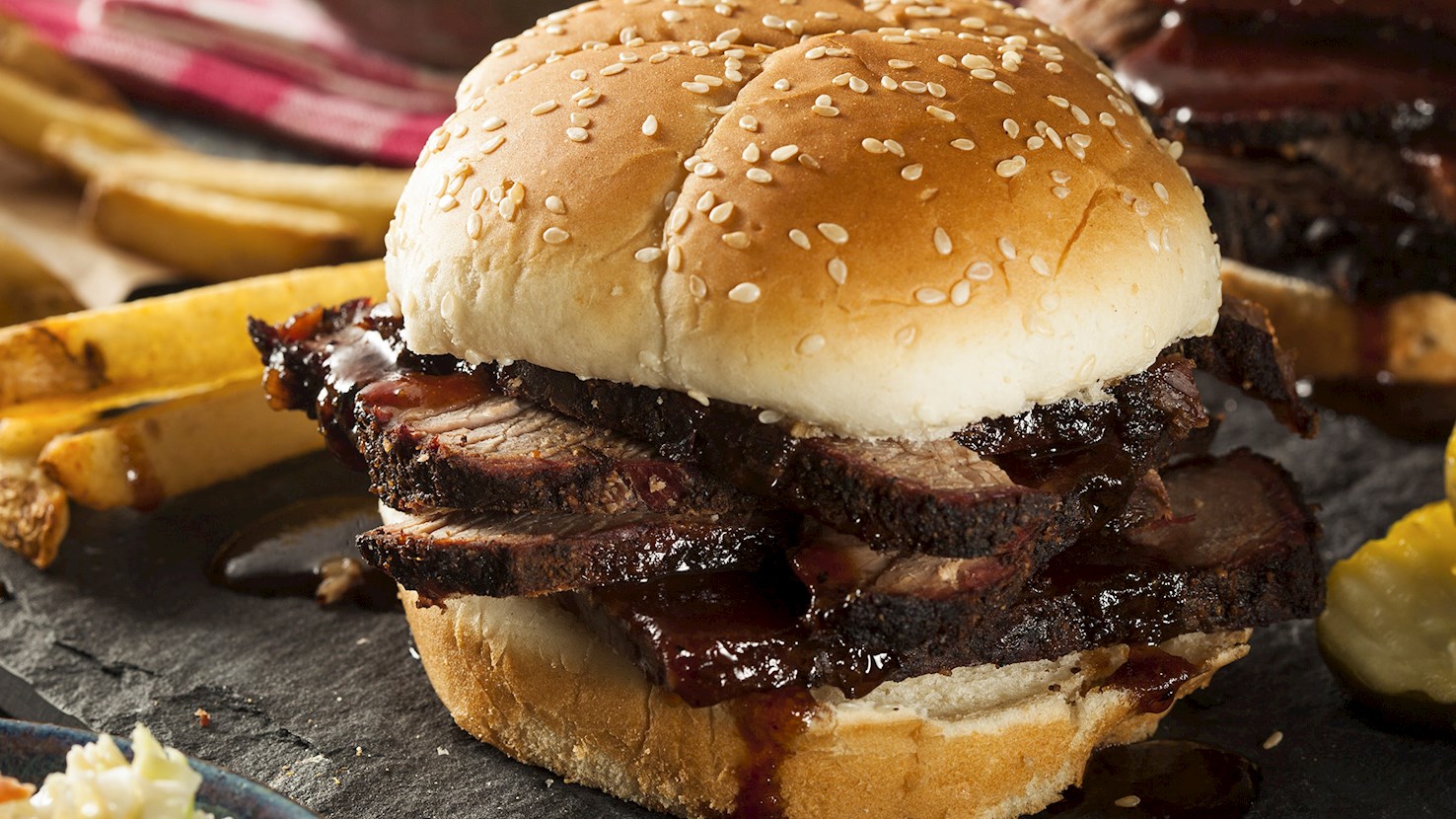
The practice of smoking brisket has a long tradition in Texas, and this juicy, fatty treat also works great as a flavorful sandwich filling. Texas brisket sandwiches can be considered more of a concept than a recipe - various toppings and sorts of bread can be used, but the undisputed star remains the slow-smoked brisket, whether chopped or sliced. It can be tucked between slices of bread or piled on a toasted bun, served on its own or drenched in sauce, and garnished with toppings such as cheese, pickles, and onions - whatever the combination, the fatty brisket meat with a smoky crust guarantees a mouthwatering perfection in each bite.

08
American Beef Cut

Filet mignon

4.3 ·

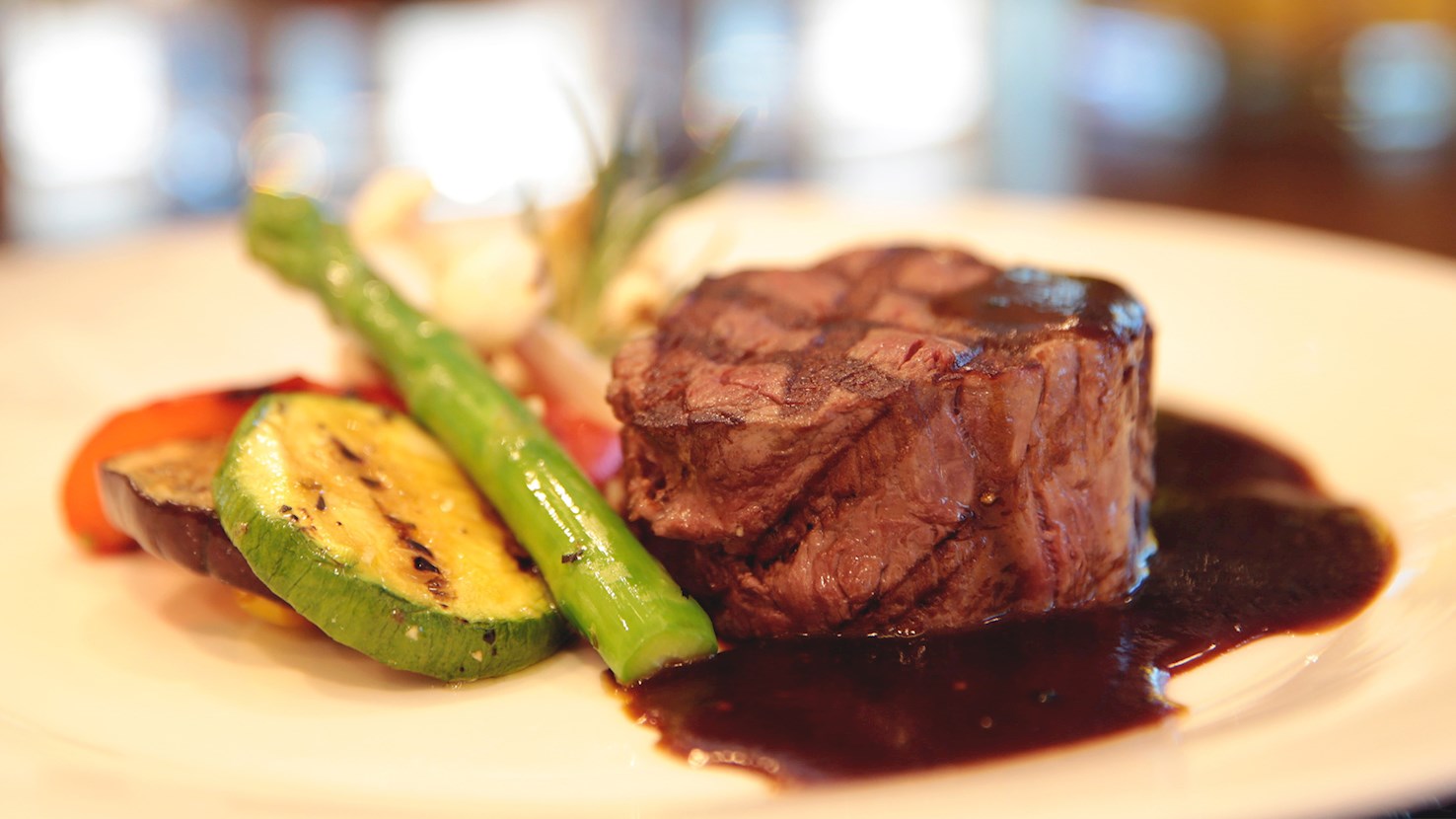
Filet mignon is a premium steak cut from the tenderloin of a cow, a muscle that runs along the spine. The name "filet mignon" is French, meaning "dainty fillet" or "delicate steak," which reflects its reputation as one of the most tender and luxurious cuts of beef. Known for its exceptional tenderness, filet mignon has a smooth, fine-grained texture and almost buttery consistency. However, it has a relatively mild flavor compared to other cuts like ribeye or strip steak, which are more marbled with fat. This makes filet mignon an ideal candidate for pairing with rich sauces, marinades, or other flavor-enhancing techniques. Typically cut into small, round portions weighing between 4 to 8 ounces each, filet mignon steaks are often thick-cut to help maintain their juiciness when cooked. They are usually prepared using high-heat methods such as grilling, broiling, or pan-searing and are best served medium-rare to medium to preserve their tenderness. Because filet mignon is so lean, it can dry out if overcooked, requiring careful attention during preparation. A favorite in fine dining, filet mignon is often the centerpiece of gourmet dishes, sometimes wrapped in bacon to add flavor and moisture. It is also commonly served with rich sauces like Béarnaise, peppercorn, or red wine reductions. Due to its tenderness and the skill required to prepare it properly, filet mignon is one of the more expensive cuts of beef, often reserved for special occasions and fine dining experiences.

09
Sandwich

Porchetta sandwich

4.3 ·

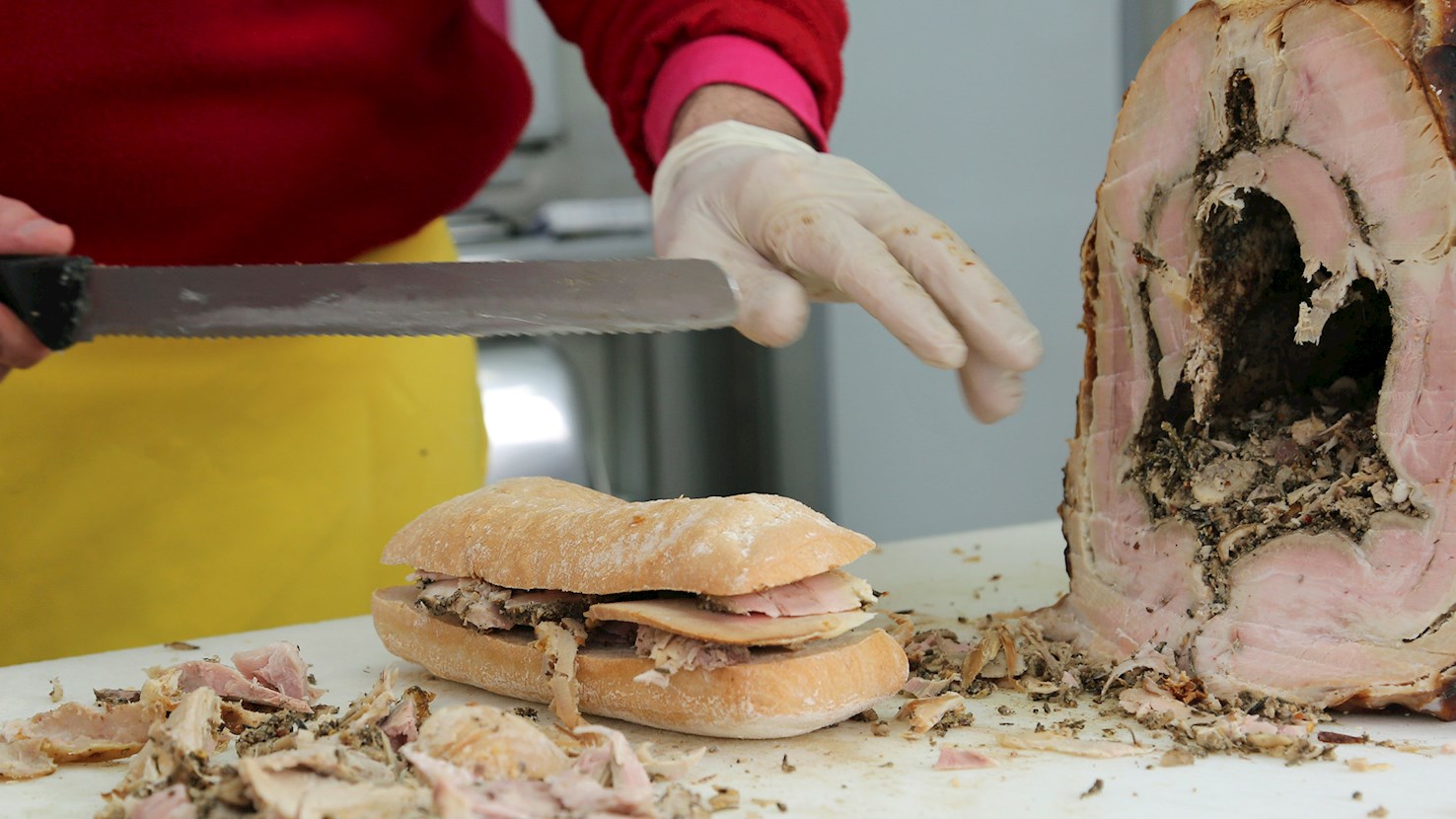
Panino con la porchetta is a popular type of sandwich from central Italy made with slices of porchetta that are tucked in between two slices of homemade bread. The sandwich is especially popular among Italian-Americans and in Rome, with both Umbria and Lazio claiming to be the birthplace of its main ingredient, porchetta. Traditionally, no other ingredients are needed, as porchetta is very greasy and has lots of herbs and seasonings, which is also why homemade bread is preferred since it soaks up the fat from the meat well without falling apart. Also, the crispy skin on the porchetta should not be removed. However, there are variations that include other ingredients, most typically cheese and different sauces and are made with various kinds of bread, like ciriola, ciabatta, and rosetta.

10
French Beef Cut

Ribeye

4.3 ·

Entrecôte is a type of beef steak that's cut from between the ribs, but it's more commonly known as a thin and boneless rib-eye steak. The butchers cut bone-in rib-eyes with the bone on each side, but there are also six leftover boneless steaks from the meat between each bone-in rib-eye, and they're known as the entrecôtes. Due to the fact that these cuts are thin, it makes them great for quick cooking on the grill or in a pan (high heat), but it's important not to overcook them. The steaks are juicy, tender, and generously marbled. This type of meat cut is popular in France and Europe, and the word entrecôte means between the ribs.

Best American food products
01
Beer

Tree House Brewing

5 ·
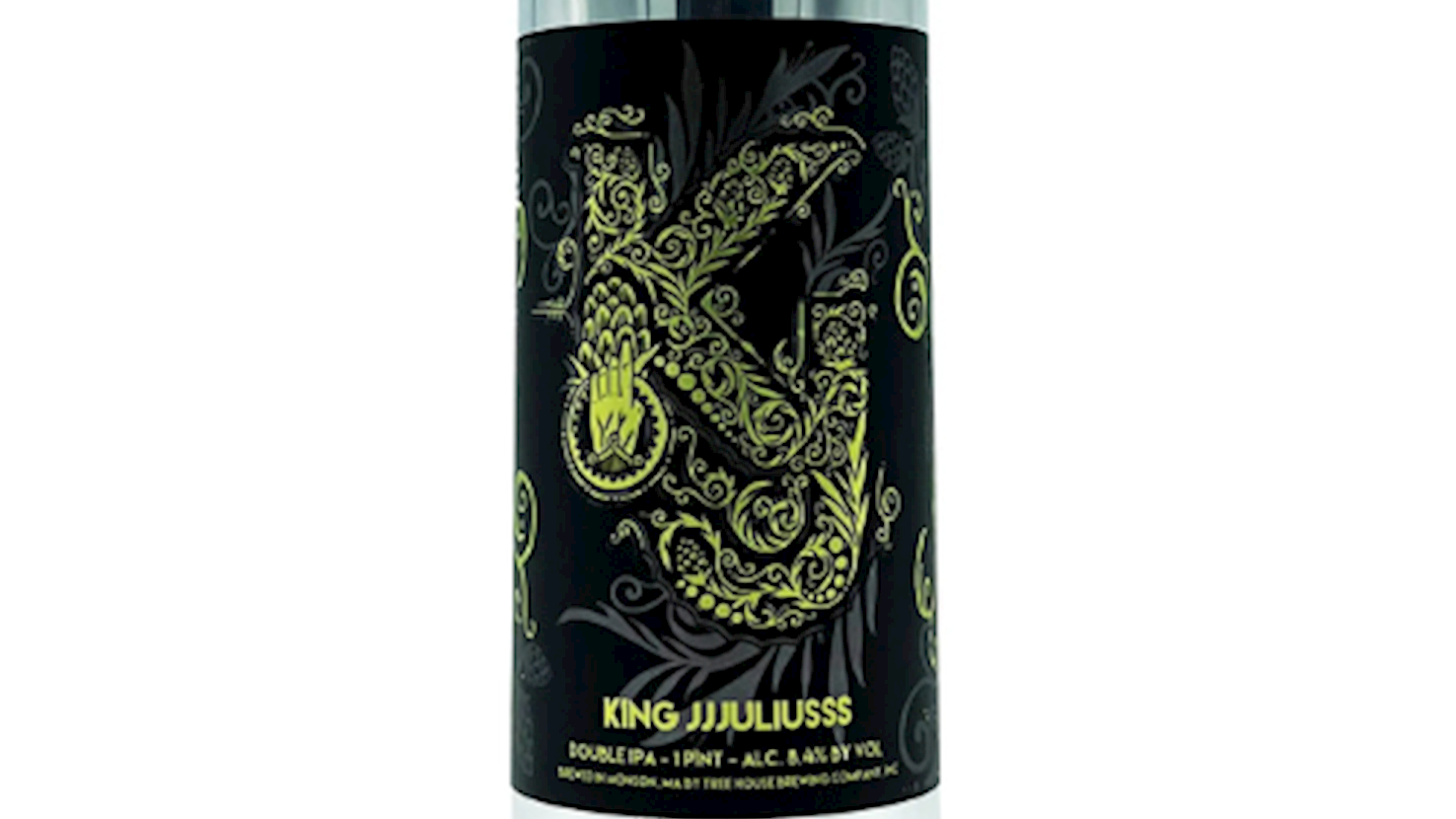
Tree House Brewing Company is one of the most highly regarded American craft breweries, known for its top-quality unfiltered IPAs and strong local presence. It was founded in 2011 in the state of Massachusetts by four friends as a small homebrewing project in Brimfield. They are best known for their hazy and juicy IPA beers, especially Julius, which stands out with tropical aromas of mango, peach, and passionfruit, paired with gentle bitterness and a smooth, full-bodied taste. Their beers are not distributed - they are sold exclusively on-site at brewery locations, giving them an exclusive status and creating buzz and long lines with each new release. Tree House combines innovation and high quality with a local, community-driven approach and a commitment to sustainable growth. Each location offers a warm, family-friendly atmosphere, often with pizza, music, and outdoor gathering spaces.
Awards
Beer Advocate - 100 World-Class
Untappd - 4.56 (0)
02
Beer

Hill Farmstead Brewery

5 ·
Hill Farmstead Brewery is a premier craft brewery located in Greensboro Bend, Vermont, founded around 2010 by Shaun Hill on his family’s ancestral farm, which has been in the Hill family for over two centuries. The brewery focuses on subtle complexity and elegance, producing small batches of exceptionally high-quality beers - including IPAs, saisons, porters, and others. Sales take place exclusively on-site, often drawing long lines of visitors who travel from distant states to purchase beer directly from the source. The brewery features a beautifully designed taproom and a retail shop lined with growlers and bottles, while the setting of the family farm adds an authentic, serene backdrop to the full brewery experience.
Awards
Untappd - 4.7
Untappd - 4.8
03
Beer

Side Project Brewing

5 ·
Side Project Brewing is an American craft brewery based in Saint Louis (Maplewood, Missouri), run by Cory and Karen King. The brewery is renowned for its premium, complex beers fermented in oak barrels, using wild yeasts and spontaneous processes that give each release a rustic and unpredictable character. Their philosophy relies heavily on local ingredients - such as fruit and native microorganisms - to create unique saison and wild ale styles with a strong sense of terroir. In addition, Side Project experiments with aging in bourbon and other spirit barrels, crafting intensely powerful stouts and barleywines that combine strength and depth with exceptional balance and elegance. Their work is defined by technical precision, innovation, and dedication to artisanal principles, making them one of the most respected and influential breweries in the world of spontaneous and barrel-aged beers.
Awards
Untappd - 4.7
Untappd - 4.8
04
Beer

Russian River Brewing

5 ·
Russian River Brewing was founded in 1997, when Vinnie Cilurzo was hired as the head brewer. As early as 1999, Vinnie created one of the first commercially available Double IPAs - the renowned Pliny the Elder, which remains the brewery’s most famous and acclaimed beer to this day. Their reputation is built primarily on outstanding IPA styles, with Pliny the Elder - Double IPA, and Pliny the Younger - Triple IPA standing out. The latter is brewed only once a year, during a two-week release in February or March, and is available exclusively at their locations -an event that attracts beer enthusiasts from around the world. With the opening of their modern brewery in Windsor, they significantly expanded production capacity while also enhancing the visitor experience. Today, Russian River Brewing is considered one of the most influential and innovative American craft breweries, with its success rooted in a strong commitment to quality, continuous innovation, and deep connection with the community.
Awards
Beer Advocate - 100 World-Class
Untappd - 4.5
05
Beer

Angry Chair Brewing

5 ·
Angry Chair Brewing is a craft brewery located in the Seminole Heights neighborhood of Tampa, Florida, recognized for its unique blend of technical precision and an experimental approach to brewing. While best known for their rich, layered, and often decadent stouts, their lineup also includes IPAs, light and refreshing lagers, classic pilsners, porters, and thoughtfully crafted sour styles. Their focus is on creating beers with distinct character and balanced flavor profiles, which has earned them a loyal following and recognition within the craft beer community. The taproom offers a relaxed, welcoming atmosphere where locals and visitors come together, while the constantly rotating draft list ensures that each visit brings a new experience.
Awards
Untappd - 4.7
Beer Advocate - 100 World-Class
06
Cheese

Rogue Creamery
5 ·
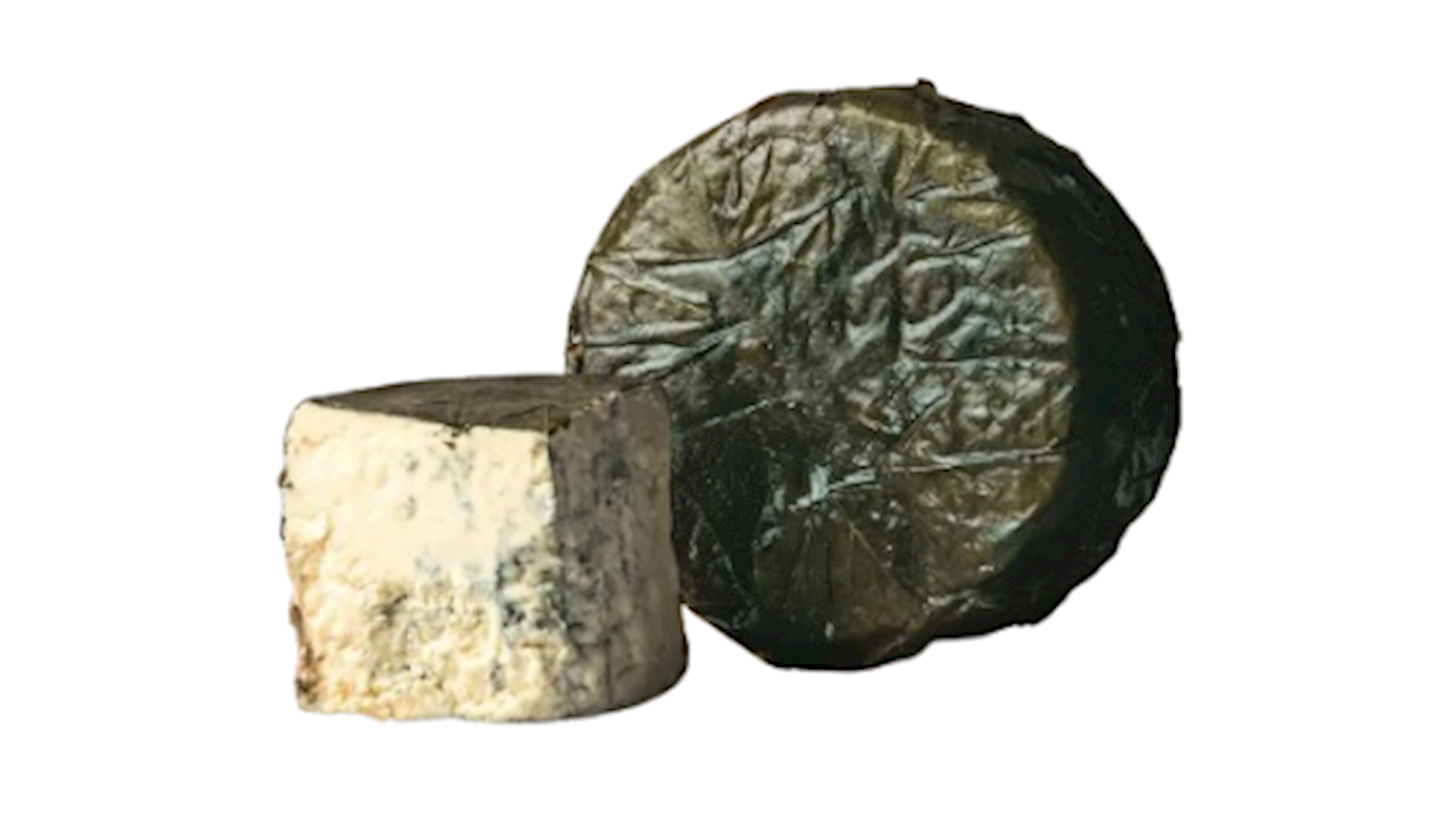
Rogue Creamery was founded in 1933 in Oregon, and has since become a recognized name in the cheese industry, specializing in organic, hand-crafted cheeses with a particular focus on blue cheeses. The creamery has maintained high standards of quality over the years and has built an outstanding reputation in the United States and worldwide. Rogue Creamery is committed to sustainability, with its business model based on environmentally responsible practices. The creamery uses only milk from local farms that meet strict organic production standards. The milk used for their cheeses comes from farms that practice sustainable agricultural methods. Rogue Creamery produces its cheeses in small batches, using traditional methods and handcrafting techniques. Their cheeses are known for their high quality, which has earned them numerous prestigious awards.
Awards
Culture Cheese Magazine Best Cheeses issue - Best (2023)
World Cheese Awards - Super Gold (2022)
07
Beer

Monkish Brewing

5 ·
Monkish Brewing Co. is an independent brewery based in Torrance, California, with an additional taproom in Anaheim, known for its exceptional hazy IPAs and sour ales. Founded in 2012, the brewery began with Belgian-style ales but quickly gained a reputation as one of the most innovative producers of New England IPAs on the West Coast. Their shift toward modern, hop-forward styles is marked by a meticulous focus on aroma and dry-hopping techniques, using varietals such as Citra, Nelson, Galaxy, and Mosaic. Monkish also continues to explore fermentation-driven expressions - developing complex wild and mixed-fermentation ales in parallel with their IPA lineup, relying on both spontaneous and controlled processes in oak foeders. Each recipe carries the signature of head brewer Henry Nguyen, who blends technical precision with a creative approach inspired by philosophy and aesthetics.
Awards
Untappd - 4.5
Beer Advocate - 99 World-Class
08
Beer

Other Half Brewing

5 ·
Other Half Brewing is a highly influential craft brewery founded in 2014 in Brooklyn by Sam Richardson, Matt Monahan, and Andrew Burman. From the very beginning, they established themselves as masters of hop-forward styles, with a focus on juicy, fruity, and dank IPAs inspired by the West Coast. Their dedication to using top-tier hops, employing techniques like double dry hopping, and pioneering innovations such as HDHC (high-density hop charge) have helped redefine the modern IPA and become hallmarks of the brewery. Other Half has built a strong reputation through collaborations with breweries around the world, while their culinary approach to recipe development adds depth and complexity to their beers. By combining a passion for aromatic hops, technical innovation, and close engagement with the beer community, Other Half has earned cult status among craft beer enthusiasts. Today, they operate in several major U.S. cities and are considered one of the leading forces on the American craft beer scene, particularly known for their outstanding and boundary-pushing IPA releases.
Awards
Beer Advocate - 100 World-Class
Untappd - 4.5
09
Mead

Pips Meadery

5 ·
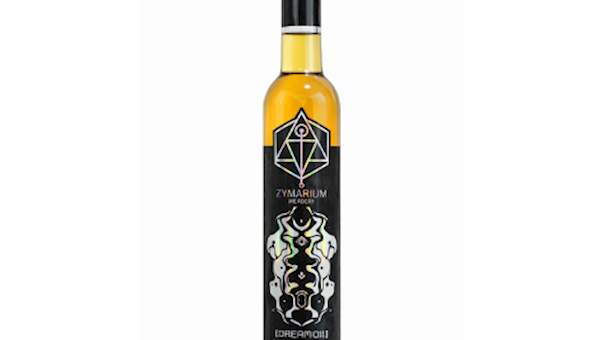
Pips Meadery is a family-owned meadery based in Gurnee, Illinois, recognized for its innovative approach to mead production. Their philosophy lies in blending traditional methods with modern techniques and creative experimentation with ingredients. The founders emphasize that the name “Pips” carries layered meanings, referring to fruit seeds, game symbols, and most importantly, a personal dedication to their son Parker, which gives the brand authenticity and emotional depth. Their production focuses on rich, often dessert-style meads made from honey combined with fruits, spices, nuts, or even aged in barrels. The products are known for their higher alcohol content and full-bodied flavors, yet remain well-balanced and approachable. Their goal is not only to craft unique drinks but also to continuously improve and connect with the community through tastings and events at their Gurnee location. The brand has positioned itself as one of the most exciting players on the American mead scene, successfully merging tradition, innovation, and a deeply personal touch. Pips Meadery stands as an example of how artisanal production can be both creative and intimate, while always remaining focused on exceptional quality.
Awards
Untappd - 4.7
Untappd - 4.8
10
Mead

Schramm's Mead

5 ·
Schramm’s Mead is a craft meadery from Ferndale, Michigan, led by Ken Schramm, one of the most renowned authors and practitioners in the world of mead production. Their approach is based on the use of carefully selected honey, such as orange blossom honey, and large quantities of high-quality fruit, with some releases using more than 10 pounds of fruit per gallon of mead. The range includes melomels, fruit-forward meads, and metheglins with spices, all reflecting a strong dedication to authentic and full-bodied flavors. The first meadery and tasting room opened in 2013 in Ferndale, where visitors can sample both core offerings and experimental editions. Their portfolio features drinks with distinctive character, from classic berry combinations to exotic releases made with rare honeys. The brand is built on the values of quality and fidelity to ingredients, with plans for cultivating their own fruit and producing honey to increase sustainability. Today, Schramm’s Mead is regarded as one of the most respected meaderies in the world, recognized for its commitment to excellence and authenticity.
Awards
Untappd - 4.8
Untappd - 4.5
Read more
View all
View map
About this ranking

TasteAtlas food rankings are based on the ratings of the TasteAtlas audience, with a series of mechanisms that recognize real users and that ignore bot, nationalist or local patriotic ratings, and give additional value to the ratings of users that the system recognizes as knowledgeable. For the “Top 100 American Foods” list until June 02, 2026, 67,590 ratings were recorded, of which 61,573 were recognized by the system as legitimate. TasteAtlas Rankings should not be seen as the final global conclusion about food. Their purpose is to promote excellent local foods, instill pride in traditional dishes, and arouse curiosity about dishes you haven’t tried.

The initial list of top producers was compiled based on available reviews, awards, local recommendations, media and blog coverage, and consumer reviews. The list will be updated with ratings from TasteAtlas local ambassadors and TasteAtlas users.

Similar lists