Top 82 Dessert Wines
in the World

Last updated on June 10, 2026

Best Dessert Wine Types in the World
01

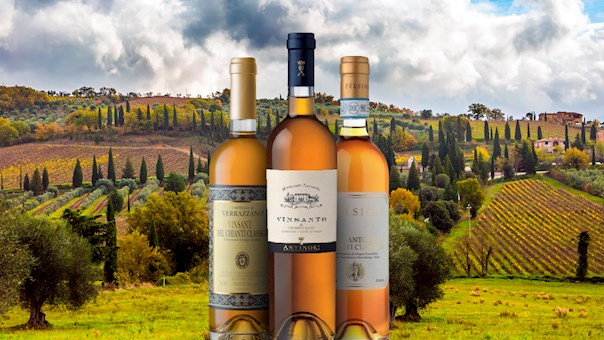
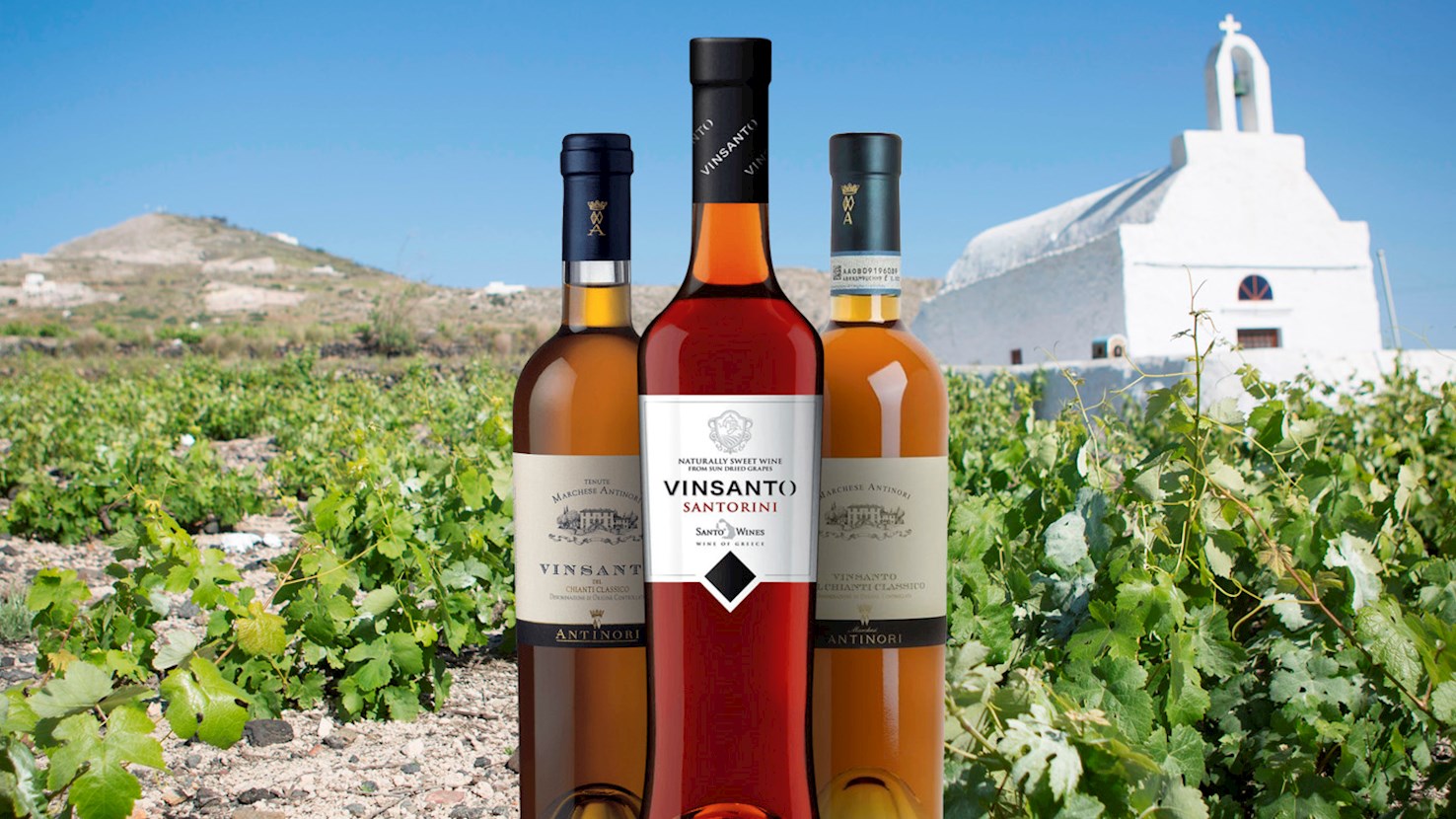
Vinsanto

4.4 ·

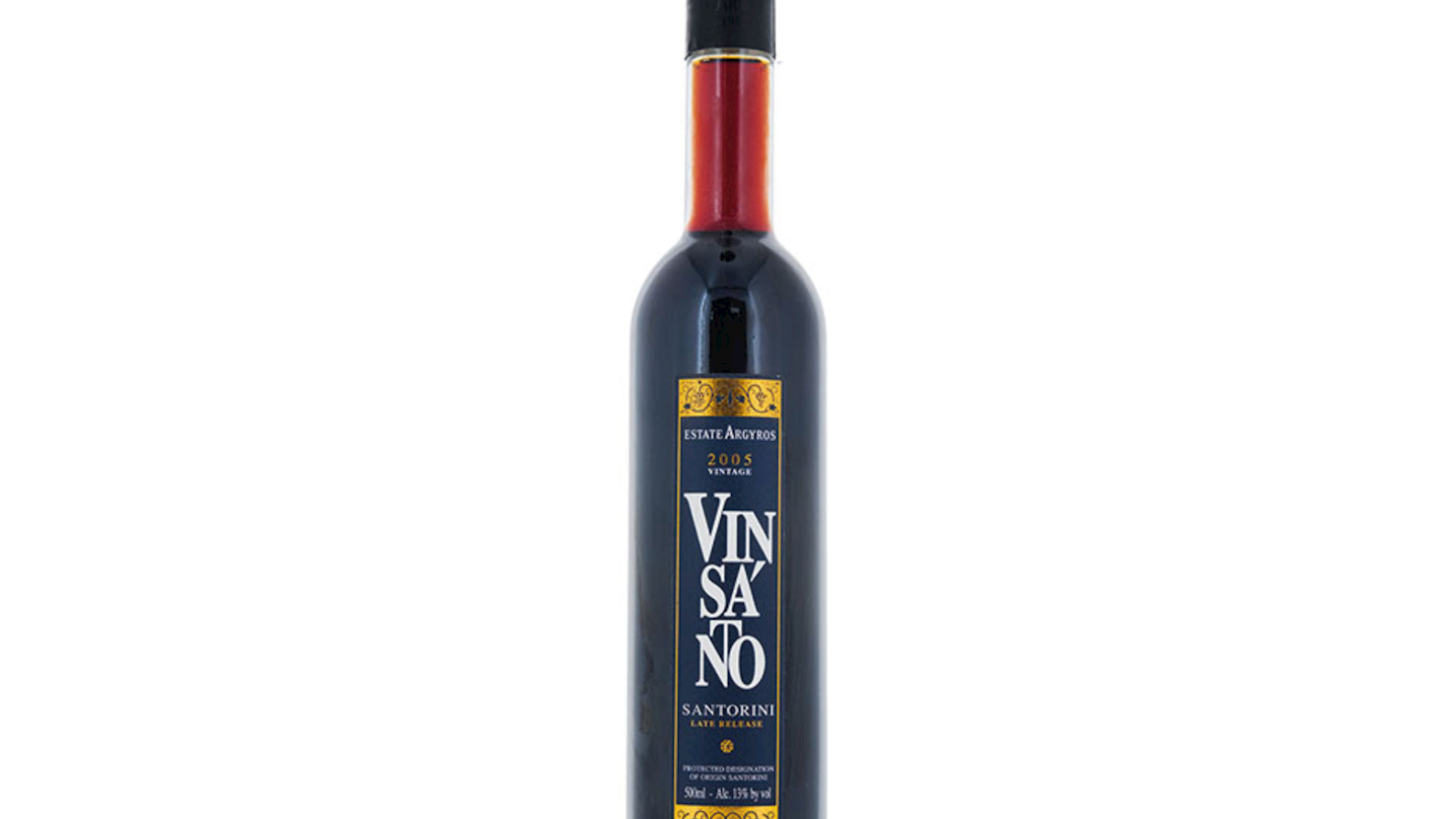
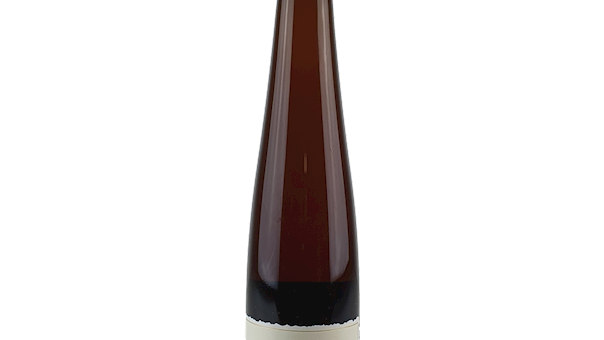
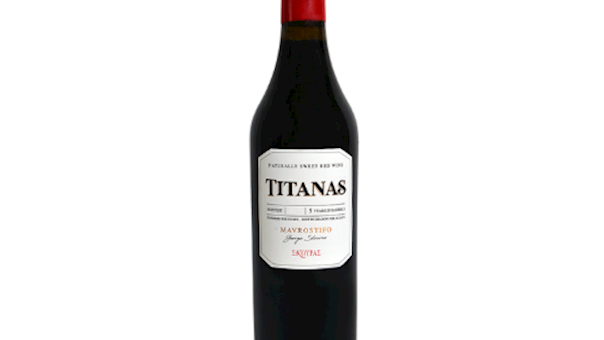
Vinsanto is a dessert wine hailing from Santorini. It is made with sun-dried Assyrtiko and Aidani grapes. Despite a surprisingly similar name, this Greek wine does not have much in common with the more famous Vin Santo from Tuscany. The grapes are sun-dried for approximately fourteen days and are then fermented and aged. This wine has to be oak-aged for a minimum of two years, but most producers opt for longer maturation. The result is a sweet and dense wine packed with flavor and rich in aromas. Although both grape varieties are white-skinned, Vinsanto will attain a luscious golden color that tends to turn into darker amber hues as the wine ages. On the palate, the wine is honeyed, sweet, and full-bodied, and the aromas are reminiscent of figs, raisins, apricots, caramel, nuts, and sweet spices. Despite concentrated flavors and dense texture, Vinsanto manages to remain balanced by retaining acidity and freshness. In the past, producers sometimes fortified the wines, but modern techniques mainly rely on adding yeast to prolong fermentation and increase the alcohol content. Vinsanto wines need to have a minimum of 9% ABV, but excellent examples usually reach 13% ABV. These wines should always be served chilled. They can be sipped on their own, but they also pair well with desserts and cheese. Young and lighter styles go well with sweet, caramel desserts, while older varieties work well with dark chocolate and nuts.

02

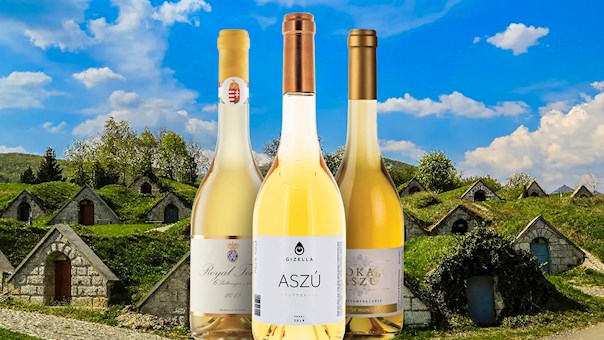
Tokaji Aszú

4.3 ·

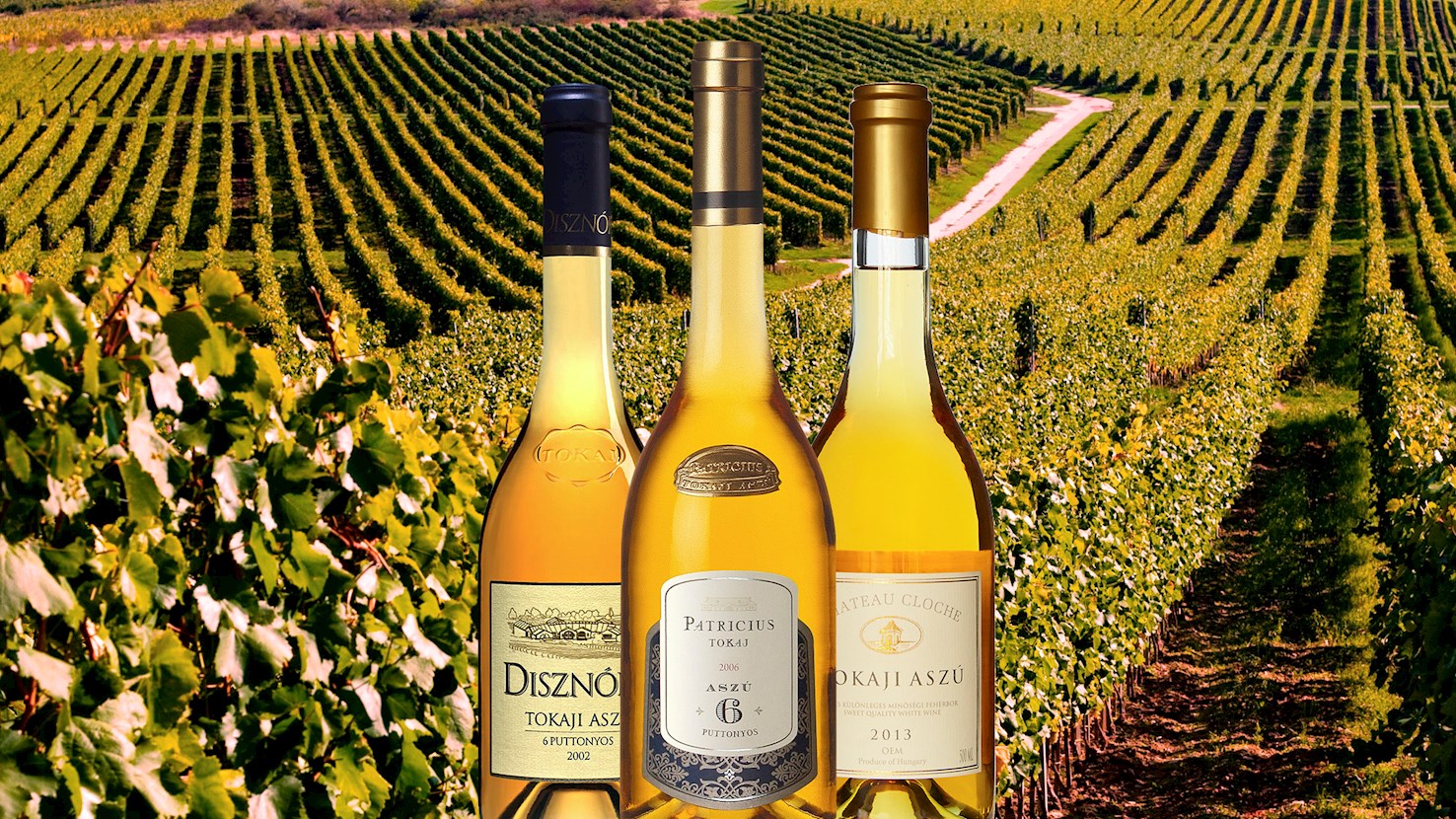
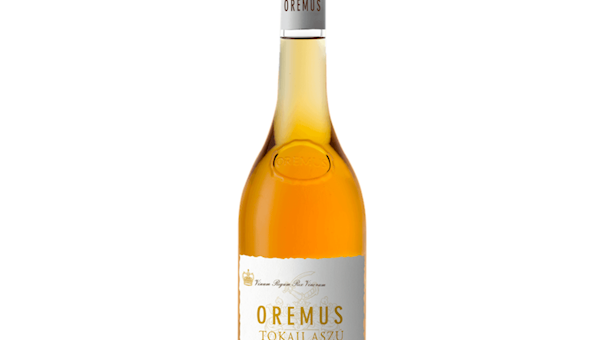
Tokaji Aszú (vyber) is a full-bodied dessert wine produced in the Tokaj wine region, which is shared by Hungary and Slovakia. It is produced from six grape varieties including Furmint as the predominant grape, but also Hárslevelü, Kabar, Kövérszölö, Zéta, and Sárgamuskotály (Muscat Blanc). The wine is made from grapes that have been affected by noble rot and are then mixed into a fermenting must or a new wine. The noble rot concentrates the sugars and gives aszú its complex and fragrant aromas of honey, fruit, and spices, which are usually complemented by rich minerality. The wines must be aged for a minimum of eighteen months, and are classified by their sweetness, that is, the amount of residual sugar which is expressed in puttonyos. Although often labeled as a dessert wine that works especially well with fruit, Tokaji Aszú can also pair well with foie gras and blue cheeses.

03

Commandaria

4.2 ·

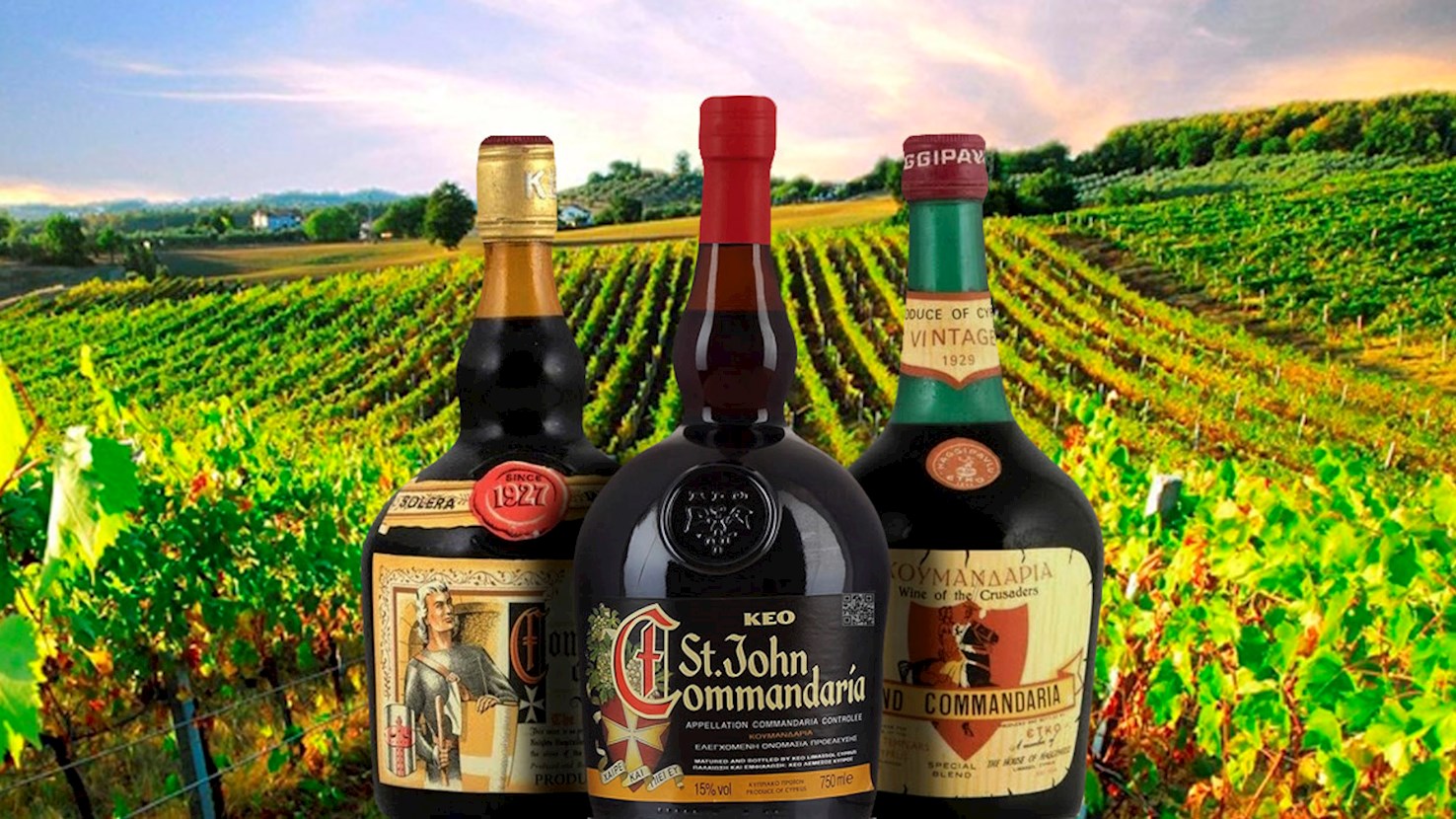
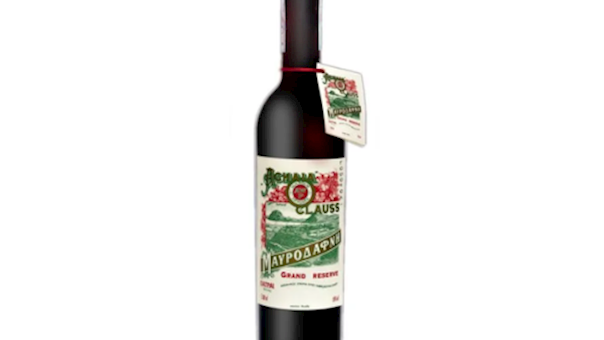
This amber-colored dessert wine hails from the eponymous Cypriot region. The wine is exclusively produced from sun-dried Xynisteri (white) and Mavro (red) grape varieties, both of which are indigenous to Cyprus. The wine is matured for a minimum of two years and is often fortified with the addition of pure grape spirit. Commandaria wines typically display incredibly fragrant aromatic profile with complex notes of honey, raisins, carob, and spices. They are a perfect match to nuts, dried fruit, or mature cheese, while some styles may pair well with dark chocolate. Commandaria is often dubbed as one of the oldest wines in the world, believed to have first been mentioned in 800 BC.

04

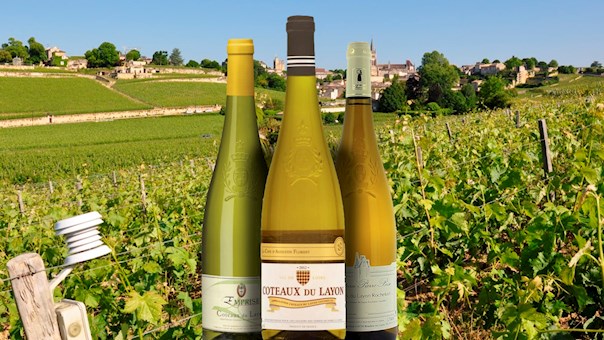
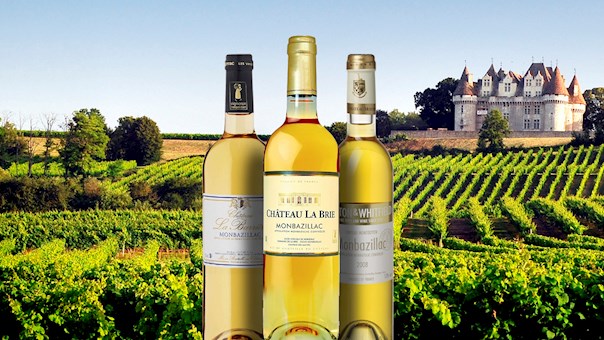
Sauternes

4.2 ·

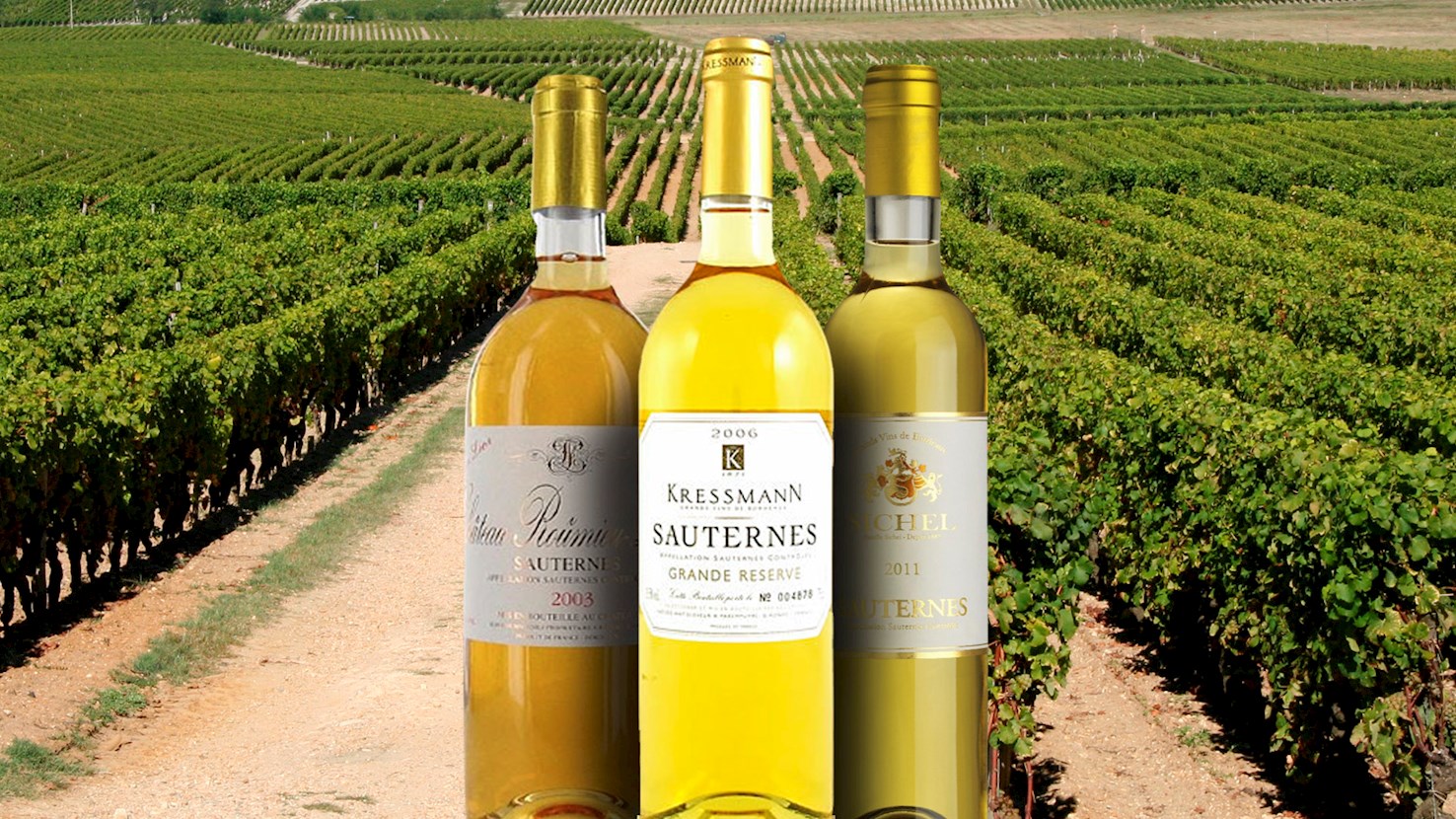
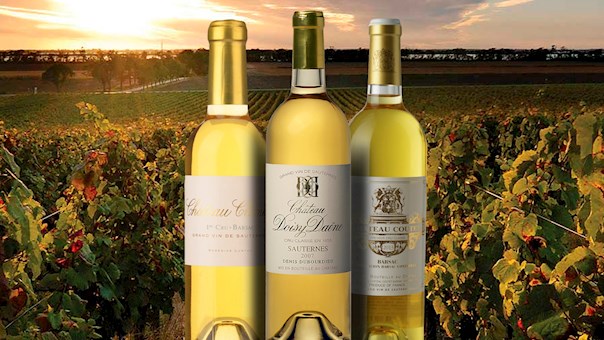
This late-harvest dessert wine of Bordeaux is predominantly made with Sémillon, the region's rare golden-skinned white grapes affected by noble rot, though the blends often include Sauvignon Blanc and Muscadelle. The appellations may include Sauternes, Barsac, Cérons, Sainte-Croix-du-Mont, Cadillac, Loupiac, Premières Côtes de Bordeaux, and Côtes de Bordeaux Saint-Macaire. In general, Sauternes wines exhibit pronounced notes of fruit, butterscotch, caramel, and spices, along with floral notes coming from the Muscadelle grapes. Noted for their full body and freshness, Sauternes wines pair nicely with soft cheeses, blue cheeses, washed rind cheeses, terrines, foie gras, and various fruit-based desserts.

05

Malagousia

4.2 ·

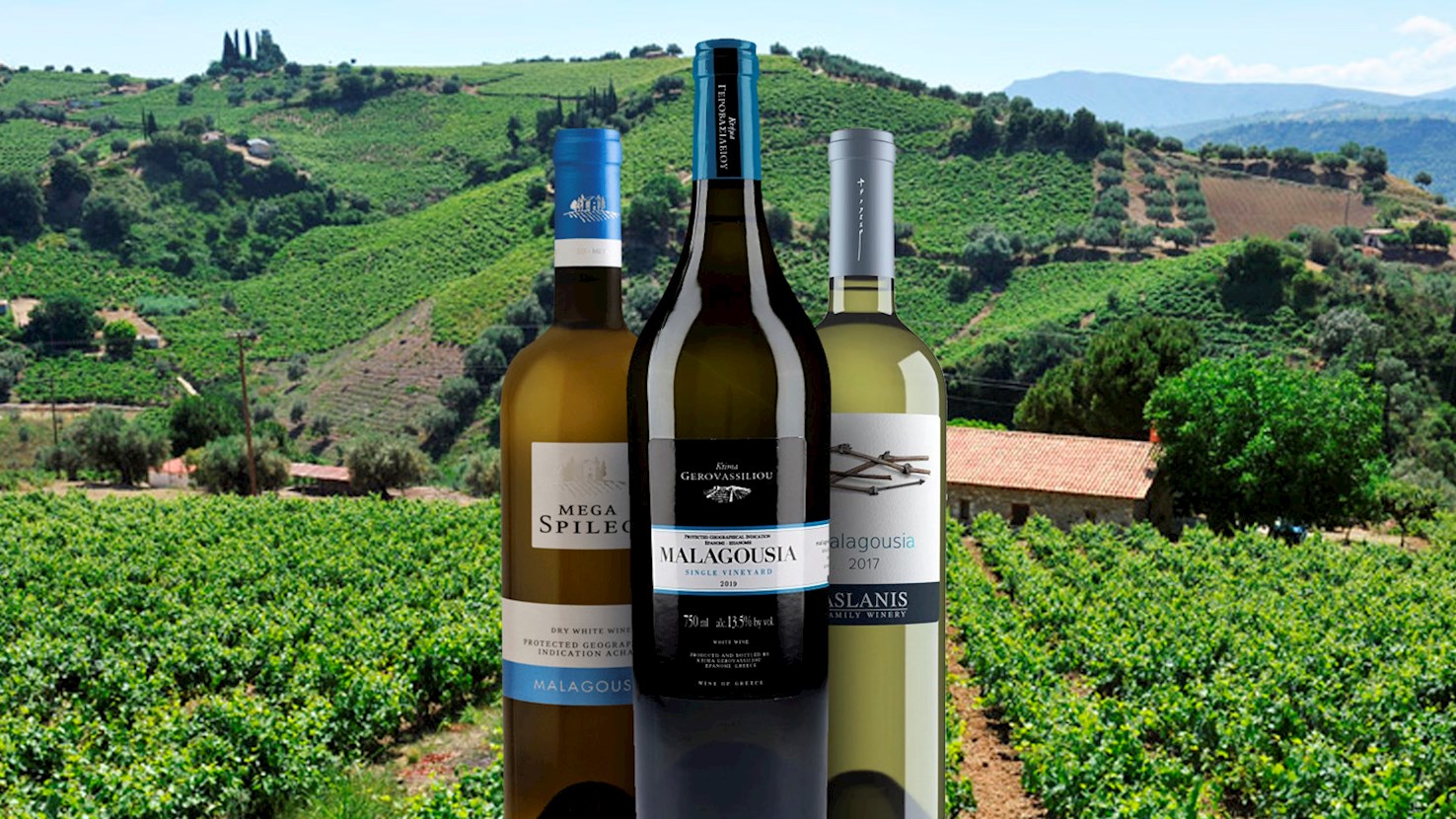
Malagousia is an ancient, white-skinned Greek grape that was saved from extinction by Vangelis Gerovassiliou, who brought it back from obscurity in the 1970s. The grape produces aromatic dry wines, which are usually of excellent quality. It is also used to make dense and perfumed dessert styles. On the nose, the wines display intense aromas often reminiscent of peaches, pears, and tropical fruit, usually with citrusy, herbal, and subtle floral notes. On the palate, they are full-bodied, rich, and round, and the best examples manage to remain lively and fresh. Malagousia can be enjoyed young, but it is also aged, both in steel and oak. Dry wines would pair well with Mediterranean and Asian fare, especially seafood, poultry, pasta dishes, salads, and vegetables. Sweet versions can be a good match with fruit desserts.

06

Moscatel de Setúbal

4.1 ·

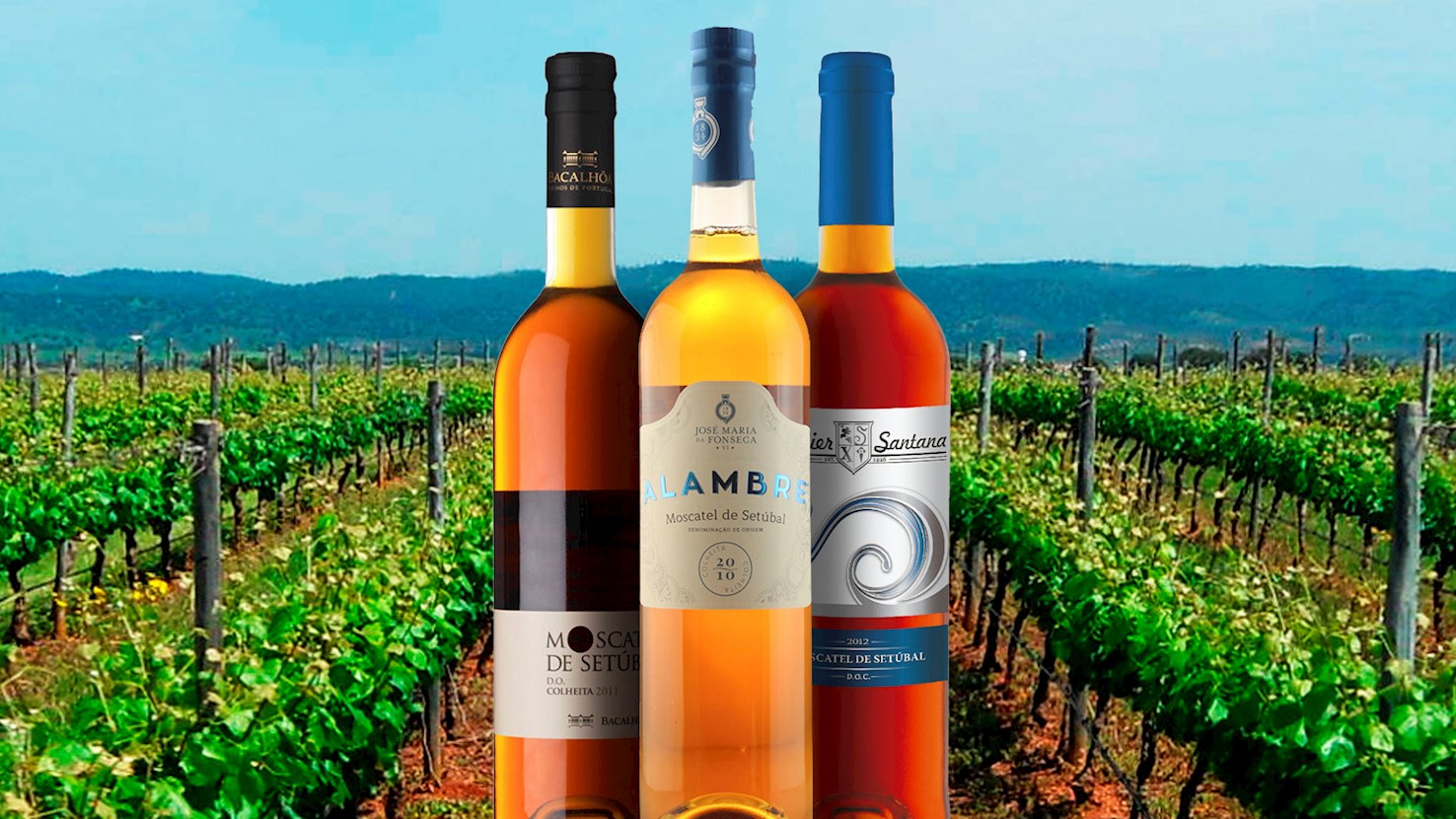
Moscatel de Setúbal is a fortified dessert wine produced on the Portuguese Setúbal peninsula. Primarily made from Moscatel de Setúbal, internationally known as Muscat of Alexandria, the wines are fortified with grape brandy and are then aged for a minimum of eighteen months. The color of these sweet wines ranges from golden to amber, and their main aromas include a complex combination of honey, caramel, orange blossom, spices, and acacia notes. These luscious wines are great enjoyed on their own, but they also naturally pair with caramel-based or dry desserts and soft-centered cheese.

07

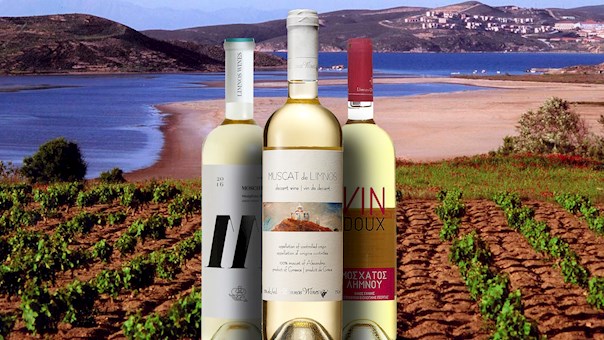
Samos Vin Doux

3.7 ·

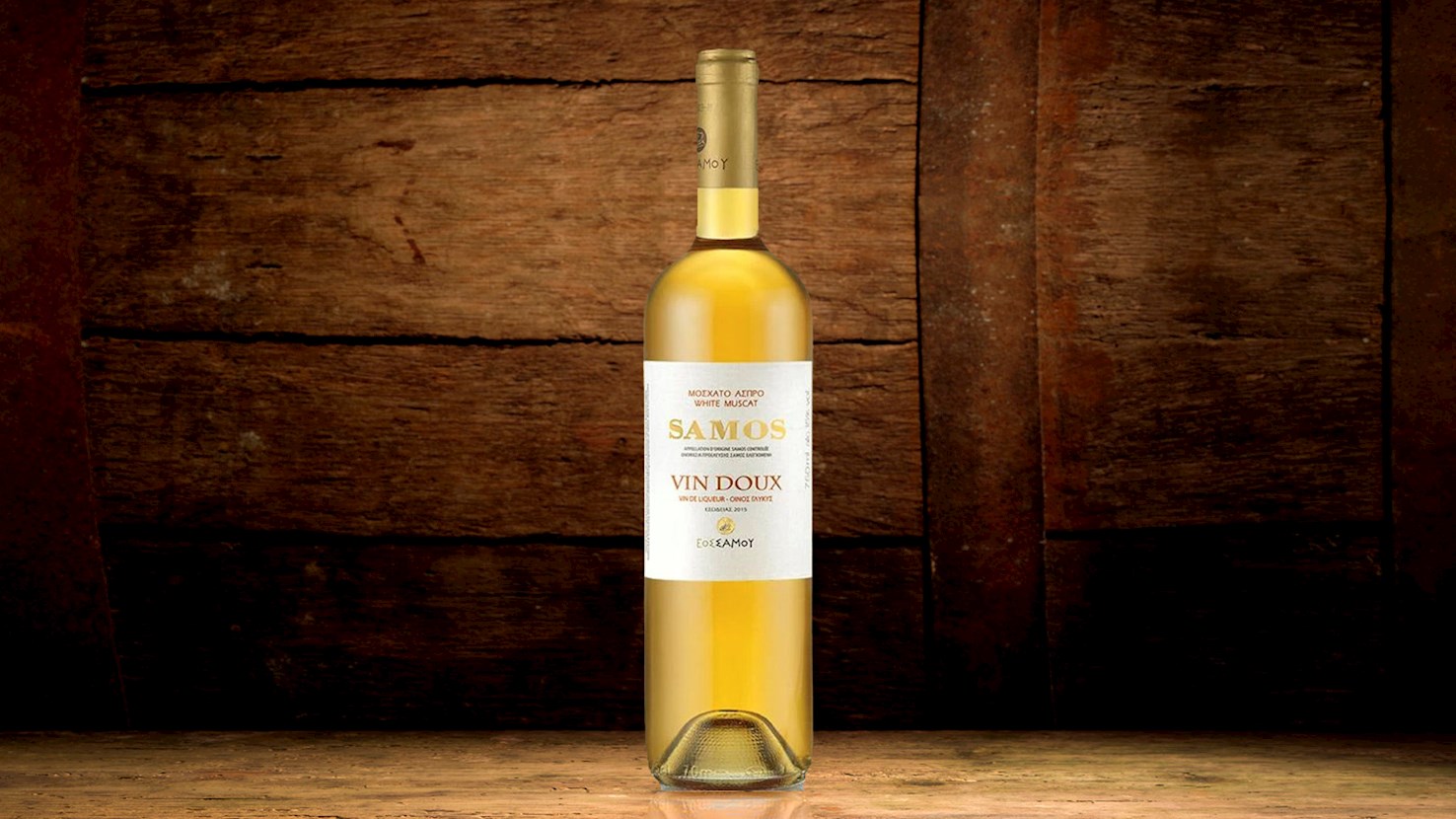
Samos Vin Doux is the most popular wine from Samos. It is produced from Muscat Blanc à Petits Grains, which is locally known as Moschato Aspro. Apart from this style, the appellation also includes dry wines and the renowned Samos Nectar made from dried grapes. As it is evident from the name, this wine is produced as a vin doux style. This technique involves adding grape spirit before fermentation is completed. The result is a wine that retains its natural sweetness and typically has higher alcohol content. Samos Vin Doux is a soft, mellow, and aromatic wine, dominated by aromas of apricot jam and ripe melon. The flavor is rich and complex but well-balanced with freshness and acidity. This wine would pair well with desserts, especially regional pastries, tarts, and fruit-based desserts. It can also work well as an after-dinner drink.

08

Prošek

3.6 ·

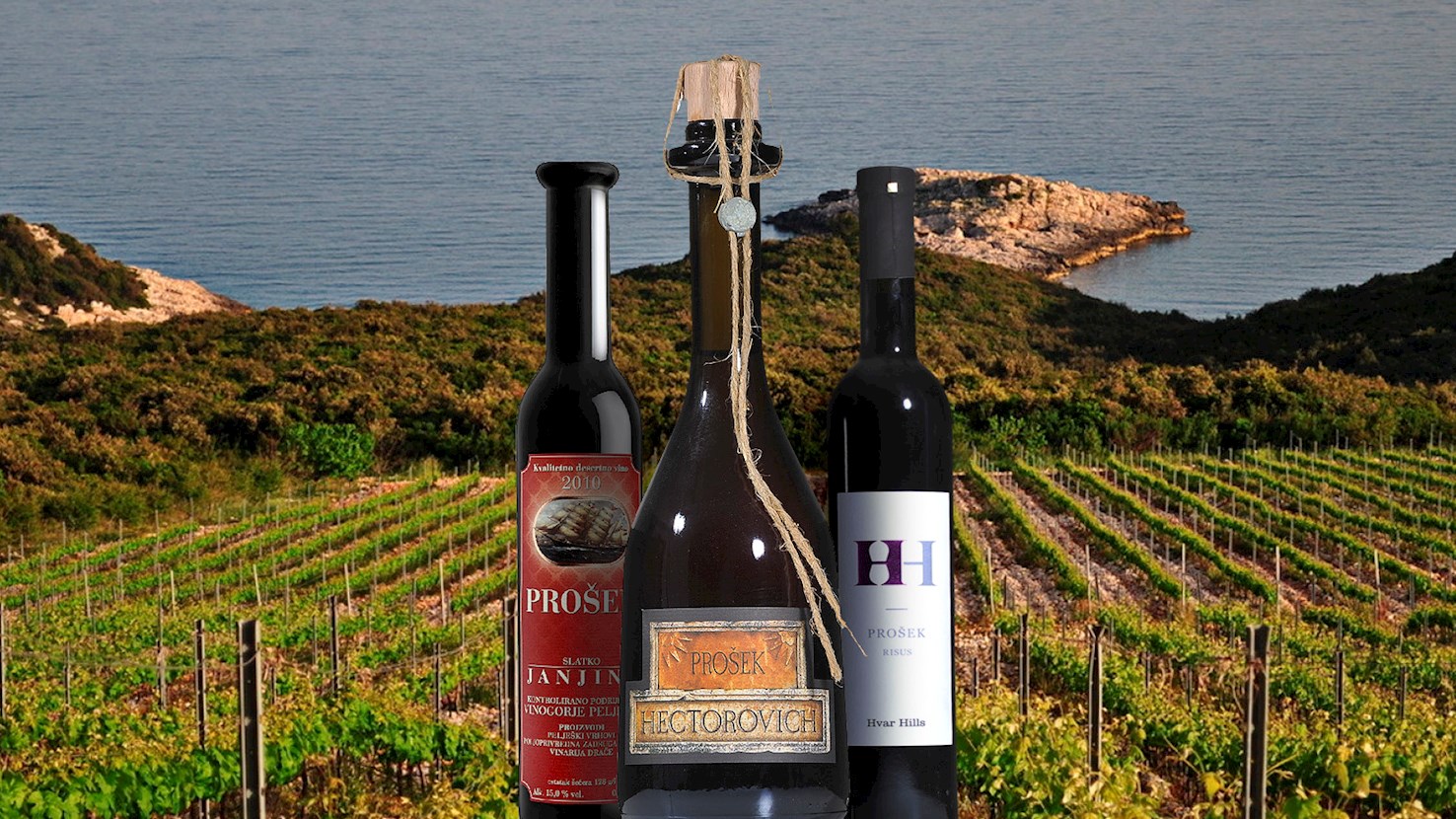
Prošek is a subtly sweet Croatian dessert wine which is traditionally produced in the south of the country, predominantly Dalmatia. The wine is made with a passito method—in which the grapes are first dried before they are pressed. The most common grape varieties used in its production are native Croatian grapes Bogdanuša, Vugava, and Maraština, while the prime examples usually also blend the flagship Croatian grape—Plavac Mali. These dessert wines are typically well-balanced with aromas of ripe apricots, raisins, figs, and orange zest. With age, they tend to develop notes of honey, caramel, and dry fruit. Prošek naturally pairs with desserts, and it can also be a good match to dry fruit, nuts, and cheese. This dessert wine should not be confused with Prosecco—sparkling Italian wine.

09

Spätlese Riesling

3.4 ·

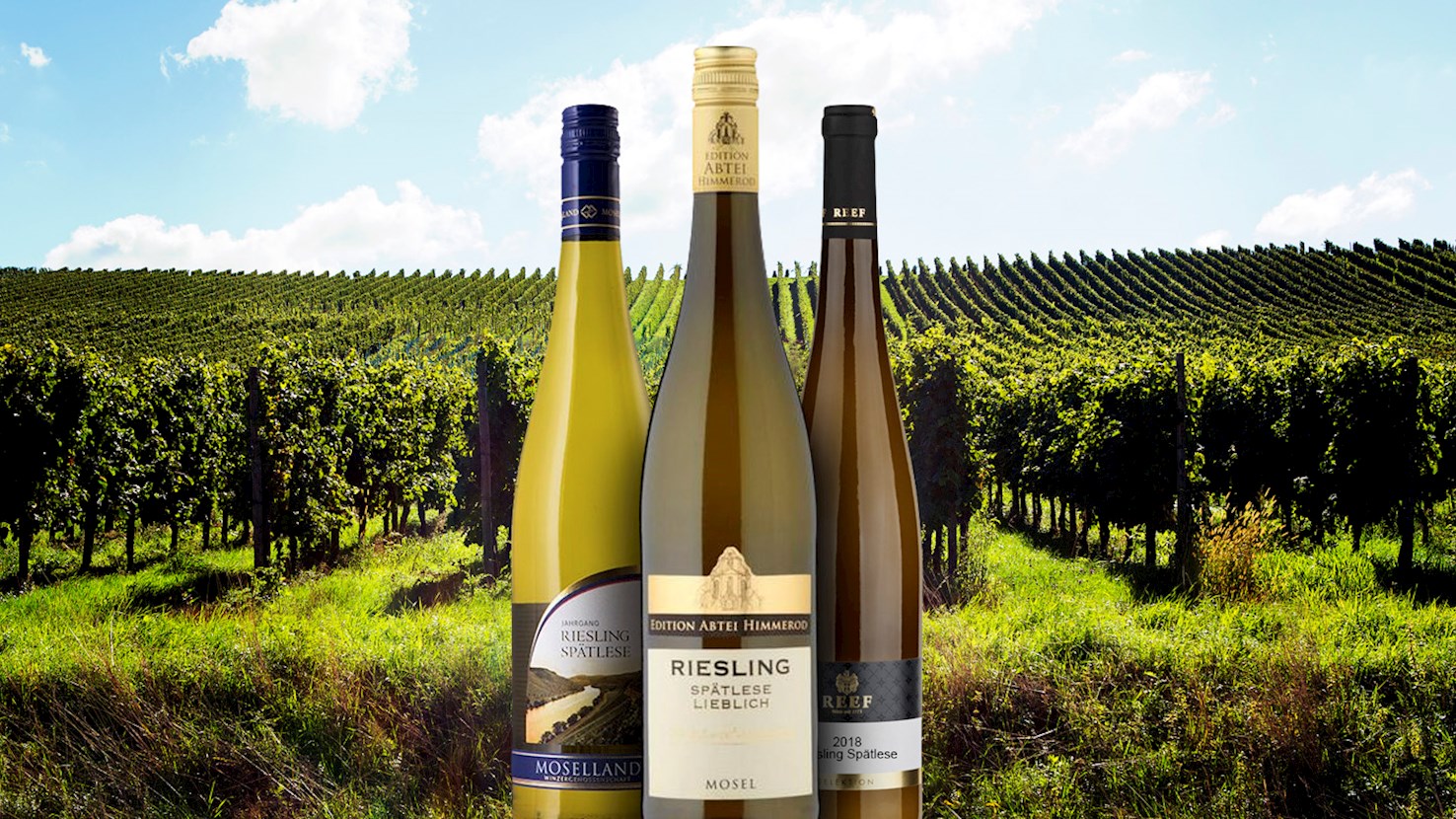
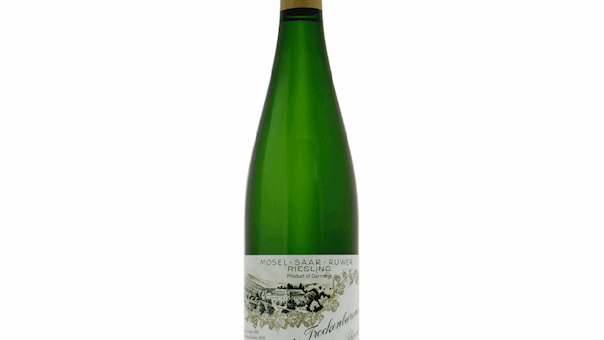
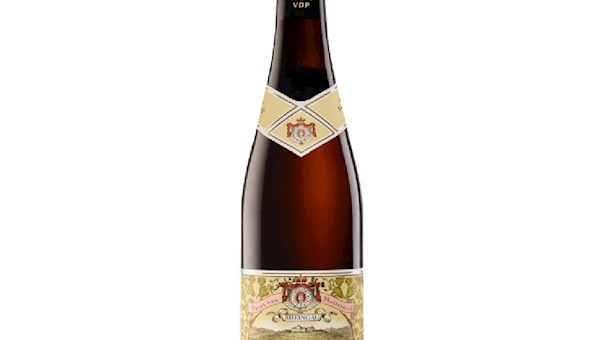
Spätlese Riesling is one of the categories for late-harvest German Riesling wines. It falls under a broader category of Prädikatswein—which is a classification based on the ripeness level at which the grapes are harvested. Apart from Spätlese, this category also includes Kabinett (the least amount of sugar), Auslese, Beerenauslese, Trockenbeerenauslese, and Eiswein. Spätlese is made from fully ripe grapes, and it is the lightest variety of late harvest wines. The grapes are typically picked one week after regular harvest. However, as the term only refers to the degree of ripeness, these wines can vary in character—from dry to medium-sweet. Their final profile will largely depend on the producer and the winemaking technique. If the fermentation is stopped early, the wines will have a sweeter profile and more amounts of residual sugar, while longer fermentation results in drier wines. Some will also have the additional labeling—spätlese trocken for bone dry wines and spätlese halbtrocken for off-dry, slightly sweet wine. Alcohol level can also suggest the character of these wines. If the ABV falls around or under 11%, these wines will typically be medium-dry. As Riesling is generally packed with bright acidity, Spätlese wines are lively, fresh, and well-balanced. The aroma is usually reminiscent of lime, lemon, apple, and peach, often with a honey-like backbone. Because Spätlese wines are incredibly versatile, they can pair with various dishes. Dry varieties pair well with fish, pork, and poultry, while sweeter styles best pair with spicy dishes, especially with Asian and Mexican fare.

10

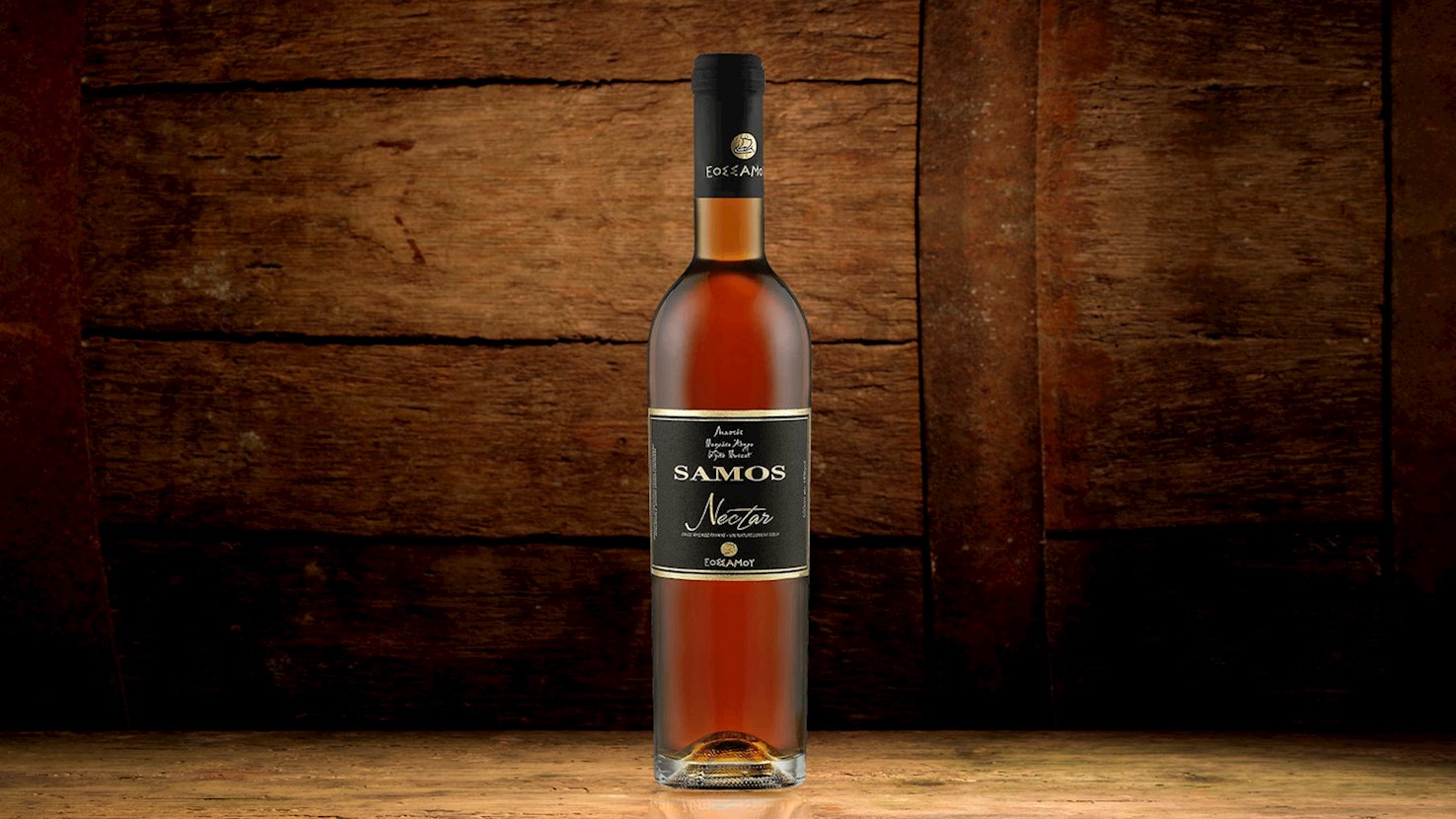
Samos Nectar

4 ·

Nectar is a wine style that hails from Samos. The wine is produced from Muscat Blanc à Petits Grains, which is locally known as Moschato Aspro. The style is made with late-harvested and sun-dried grapes, and the wines have to be oak-aged for at least three years. Nectar has an appealing light amber color. It is a complex and rich wine with an aroma reminiscent of honey, raisins, dried fruits, and nuts. On the palate, they display a good balance of acidity and sweetness, with typical dried fruit, toffee, spicy, and herbal notes. This wine is best paired with desserts, but it can also be a good pairing with savory dishes. It can also be served with pungent blue cheese.

Best Dessert Wines in the World
01

Estate Argyros

5 ·
Estate Argyros is a family-owned winery on the island of Santorini, founded in 1903 in the village of Episkopi Gonia, in the heart of the island’s volcanic wine-growing zone. The estate covers more than 120 hectares of vineyards, making Argyros one of the largest private vineyard owners on Santorini. Most vines are 70-100 years old, while some parcels of Assyrtiko exceed 150-200 years, resulting in extremely low yields but grapes of remarkable concentration and purity. The terroir is harsh and distinctive - volcanic, rocky and sandy soil with almost no organic material, naturally protecting the vines from disease and allowing them to remain ungrafted on their original rootstock. The traditional training method known as kouloura, where the vine is shaped into a basket, protects the grapes from strong winds and intense sun. The winery is especially devoted to the native variety Assyrtiko, which here expresses a unique combination of salinity, minerality and sharp linear structure. Argyros combines minimal intervention in the vineyard with precise winemaking, preserving both varietal character and terroir expression. Their dry Assyrtiko wines are known for high acidity, tension and exceptional aging potential. The estate also produces other indigenous varieties such as Aidani and Mavrotragano. A signature of the winery is Vinsanto, a traditional dessert wine made from sun-dried grapes and aged for years in oak barrels, resulting in deep complexity and richness.
Awards
Decanter World Wine Awards - Best in Show (2023, 2020)
Decanter World Wine Awards - Platinum (2022, 2021, 2020, 2017, 2016)
02

Château d'Yquem

5 ·
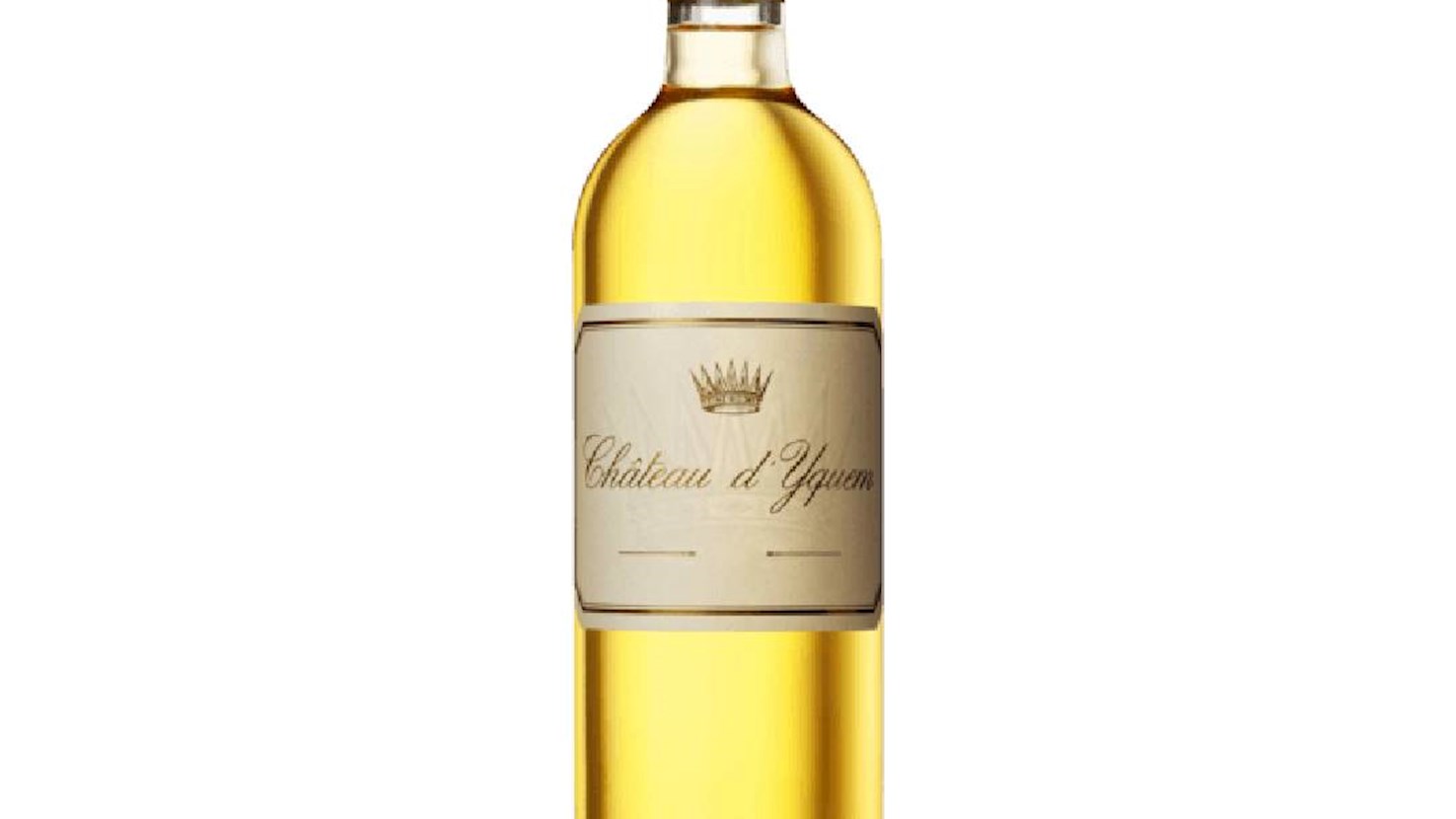
Château d’Yquem stands as one of the most revered names in the world of wine - a symbol of timeless dedication, patience, and craftsmanship passed down through generations. Its wines are not simply made; they are created through a meticulous process where nature and human expertise work in perfect harmony. Each harvest begins with careful observation of the vineyards, where grapes are handpicked over several passes, selecting only the finest berries touched by noble rot. This rigorous selection results in extremely low yields, yet every drop of wine carries an extraordinary concentration of flavor and aroma. In the glass, Yquem captivates with remarkable depth and complexity: layers of honey, dried fruits, and exotic spices intertwine with a fresh, vibrant acidity that grants it exceptional longevity. Its ability to evolve and shine for decades - sometimes even centuries - makes it a wine like no other. What truly sets Château d’Yquem apart is its uncompromising pursuit of perfection. In years when the grapes do not meet the highest standards, the wine simply isn’t produced. This rare dedication to excellence turns each bottle into more than a wine - it is an experience, a memory, and a masterpiece in liquid form.
Awards
James Suckling - 100 points (2024)
Falstaff - 100
03

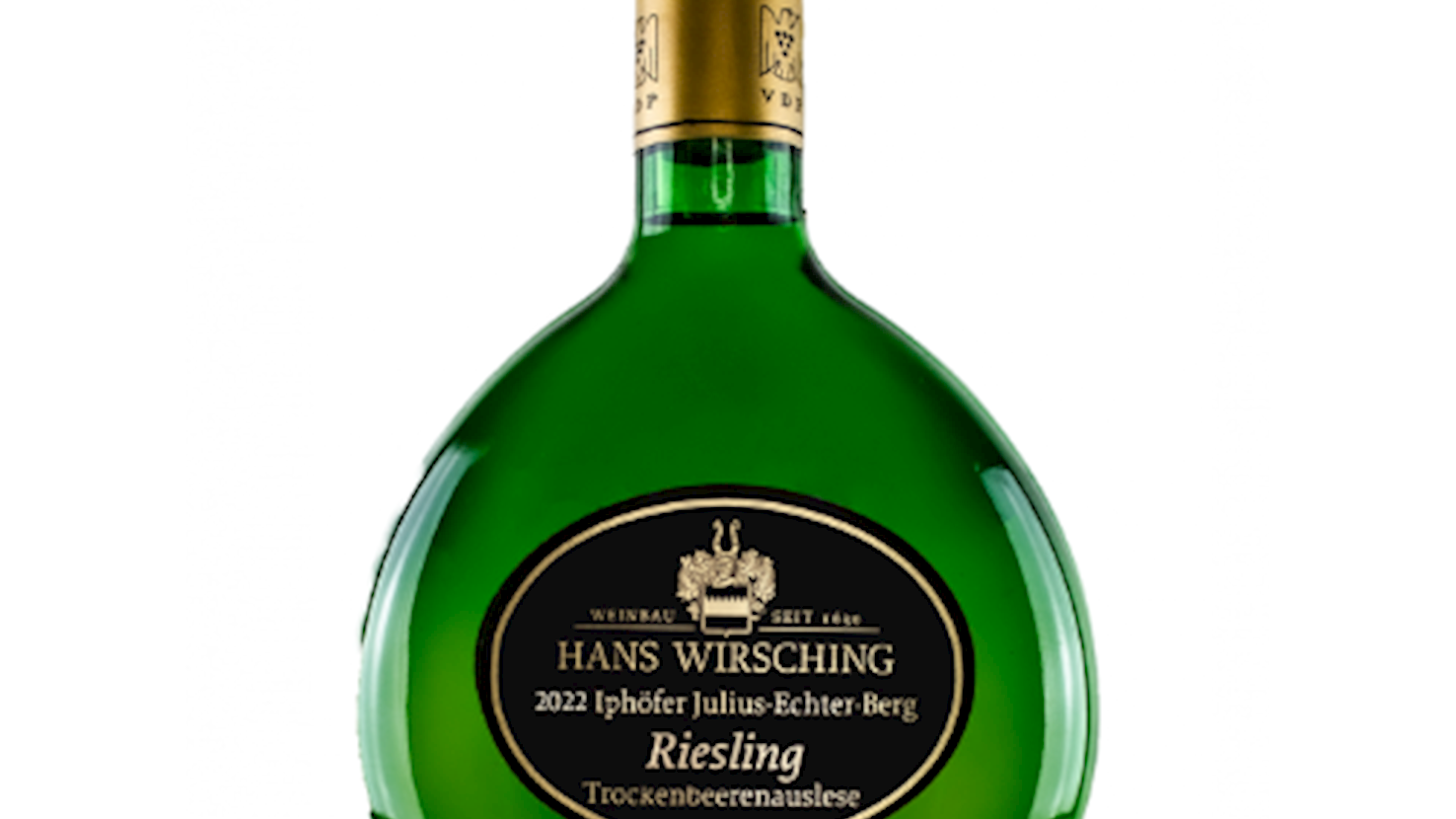
Weingut Hans Wirsching

5 ·
The Hans Wirsching wine estate is one of the most traditional and renowned estates in Franconia. Our family has been growing grapes for several centuries. Currently, Andrea Wirsching manages the estate. On 90 hectares in and around Iphofen, we produce mainly dry white wines – that is our specialty. The most important grape varieties are Silvaner, Riesling, Scheurebe, and white Pinot varieties (Pinot Blanc, Chardonnay, and Pinot Gris).
Awards
Decanter World Wine Awards - Platinum (2023, 2022, 2021, 2020, 2016)
Falstaff - 100
04

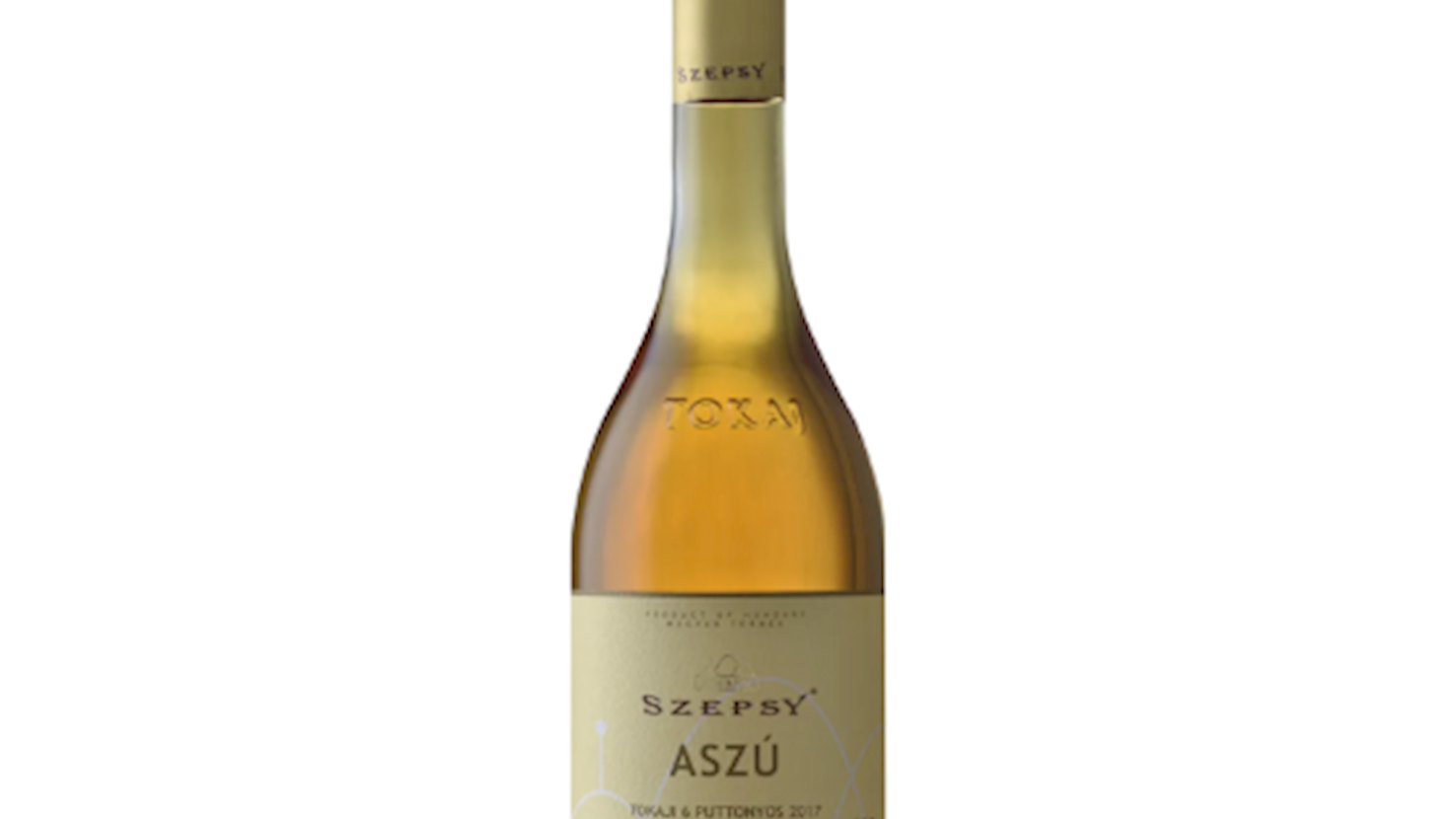
Szepsy

5 ·
Szepsy is one of the most prestigious and influential wineries in the Tokaj region of northeastern Hungary, with a documented family winemaking history dating back to the 16th century. One of their ancestors, Szepsy Laczko Máté, was the first to record the method of producing Tokaji Aszú in 1631, laying the foundation for the identity of this iconic wine style. Today, the winery is led by István Szepsy, a visionary widely regarded as a “Tokaj legend” thanks to his uncompromising precision in both viticulture and winemaking. His philosophy revolves around terroir and micro-parcel selection - each vineyard plot is vinified separately so that Furmint and Hárslevelű can fully express their specific site characteristics. The vineyards sit on steep terraces around the village of Mád, rooted in volcanic soils rich in quartz, tuff and zeolite, which give the wines their distinctive minerality. The vines are notably old, averaging 40-50 years, and yields are intentionally kept extremely low to achieve maximum concentration and purity of flavor. Szepsy was one of the pioneers of high-quality dry Furmint in Tokaj, demonstrating that the region can offer more than its traditional sweet wines. Szepsy wines have an exceptional capacity for aging due to their vibrant acidity and firm structure. The winery is a key force behind the modern renaissance of Tokaj and is largely responsible for restoring the region to the global fine-wine stage. Their work unites tradition, terroir, and a contemporary approach with no compromise on quality. Szepsy represents a rare combination of history, precision and passion, making it one of the most important producers of both dry and sweet wines in the world.
Awards
Vivino - 4.7
Vivino - 4.5
05

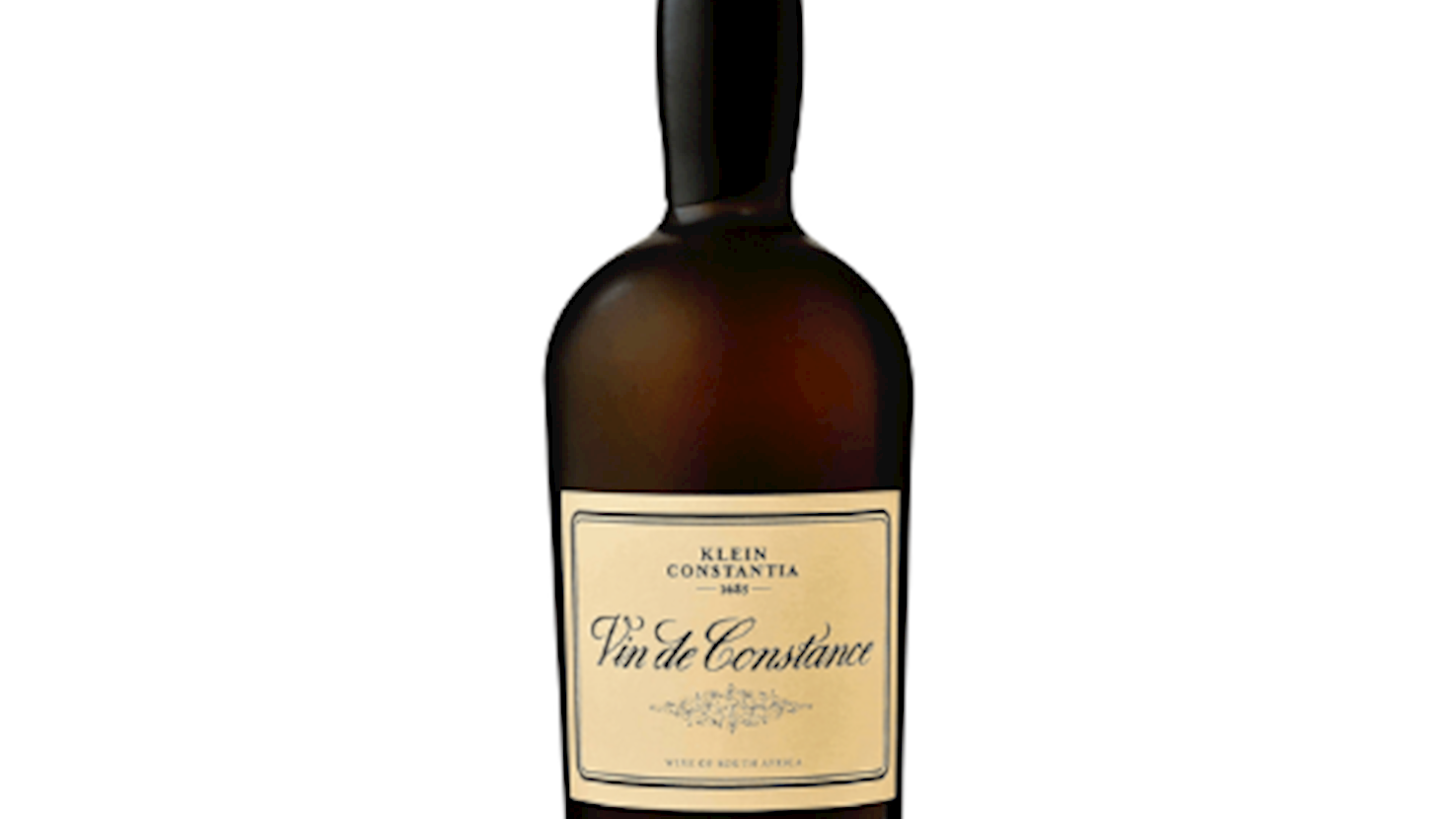
Klein Constantia

5 ·
Klein Constantia Estate is one of South Africa’s most historic and influential wineries, with origins dating back to 1685 when it was established by Simon van der Stel in the Constantia Valley near Cape Town. Located on the slopes of the Constantiaberg mountain range, the estate benefits from decomposed granite soils and a cool maritime climate influenced by False Bay, conditions that contribute to wines of freshness, precision, and longevity. During the 18th and 19th centuries, wines from Constantia - particularly the renowned sweet wine Vin de Constance - were among the most sought-after in the world, enjoyed by European royalty and referenced in classical literature. After a period of decline, Klein Constantia played a key role in reviving this historic wine in the late 20th century, restoring its global reputation. Today, the estate combines heritage with a modern, sustainability-driven approach to viticulture and winemaking, focusing on expressing site-specific characteristics. In addition to Vin de Constance, the portfolio includes high-quality Sauvignon Blanc, Riesling, and single-vineyard wines that highlight the diversity of the terroir. The wines are defined by aromatic clarity, vibrant acidity, and a refined mineral structure, positioning Klein Constantia as one of the leading producers in South Africa, where tradition and innovation are closely intertwined.
Awards
Decanter World Wine Awards - Platinum (2020)
Decanter World Wine Awards - Best in Show (2018, 2017)
06

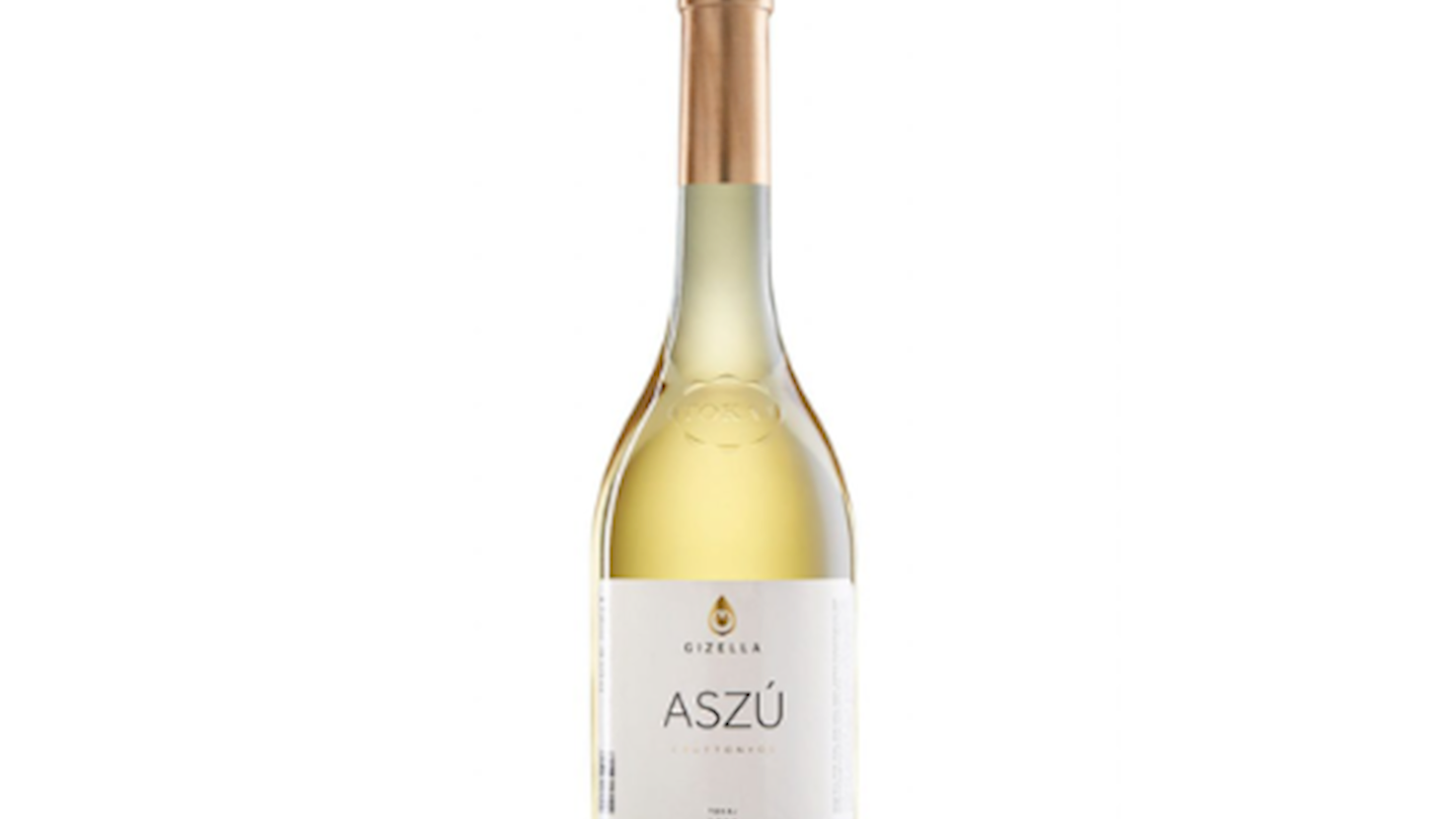
Gizella Winery

5 ·
Gizella Winery is a family-run estate located in the renowned Tokaj region of Hungary, known for both its historic sweet wines and increasingly refined dry styles. The winery is led by László Szilágyi, who took over the estate in 2005 and developed it into a terroir-focused operation with vineyards spread across several key sites. The soils are predominantly volcanic - ter and structural depth. Gizella produces both dry and sweet wines, including traditional styles such as Szamorodni and Aszú, often made from botrytized grapes. The main varieties include Furmint, Hárslevelű, and Sárgamuskotály, each contributing to the winery’s diverse portfolio. The wines are typically defined by purity, vibrant acidity, and a clear expression of fruit, whether in fresh, mineral-driven dry wines or concentrated, long-lived sweet cuvées. Winemaking combines traditional methods, such as aging in historic volcanic cellars, with modern precision and a sustainable approach in the vineyards. Overall, Gizella Winery offers a contemporary interpretation of Tokaj, balancing heritage with clarity and finesse.
Awards
Decanter World Wine Awards - Best in Show (2024)
Decanter World Wine Awards - Platinum (2023)
07

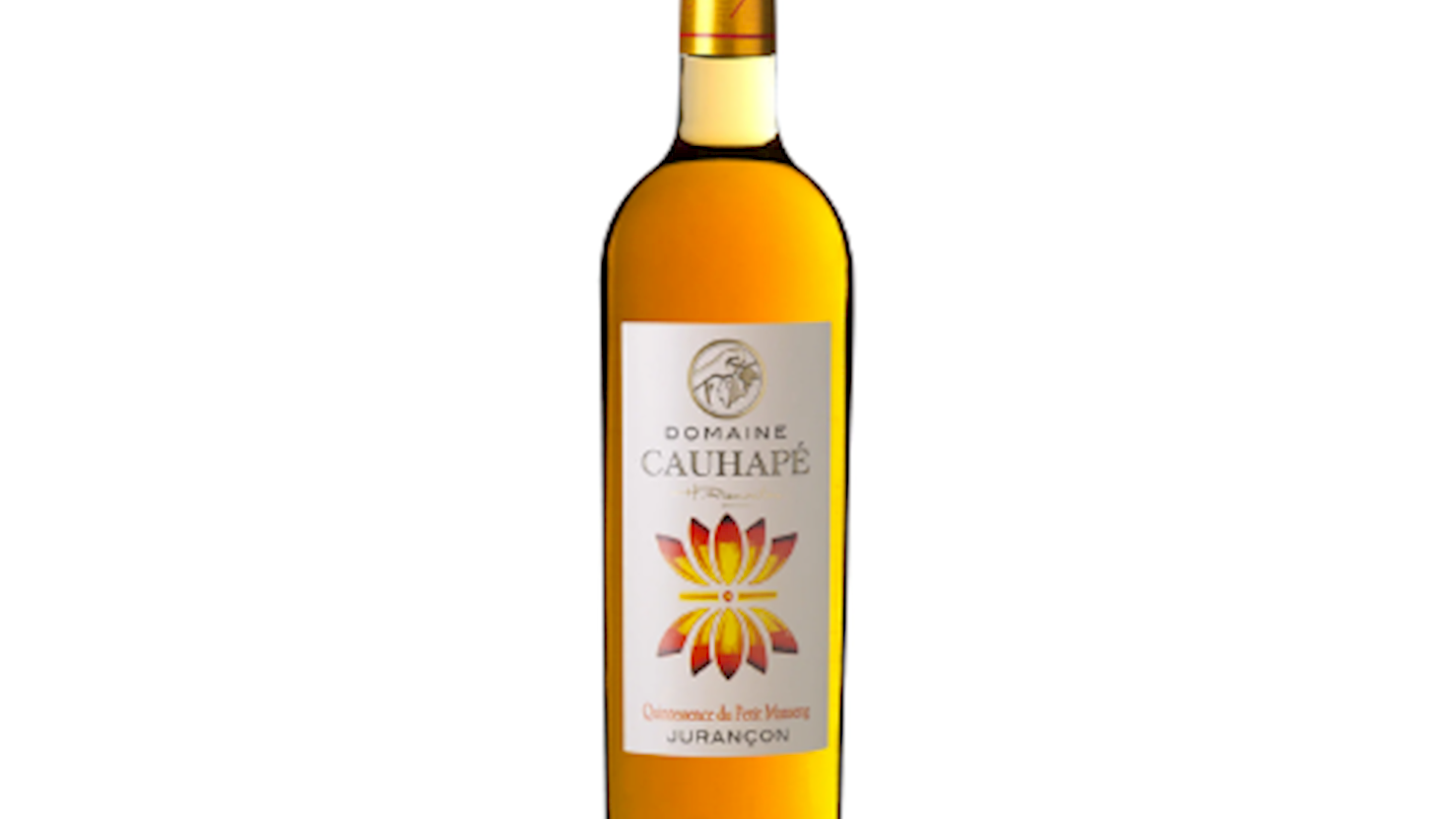
Domaine Cauhapé

5 ·
Domaine Cauhapé is a family-run estate located in the Jurançon appellation in southwest France, at the foothills of the Pyrenees. Under the leadership of Henri Ramonteu since the 1980s, the winery has become one of the leading producers in the region, known for its expressive and distinctive wines. The vineyards are planted on sloping sites with clay-limestone and siliceous soils, influenced by both Atlantic and mountain climates, allowing for slow ripening and the preservation of freshness. The estate focuses primarily on indigenous varieties such as Gros Manseng and Petit Manseng, which produce wines with intense aromatic profiles ranging from citrus and tropical fruit to honey, spice and floral notes. Domaine Cauhapé produces both dry and sweet wines, with the latter often made from late-harvest grapes that achieve natural concentration on the vine. The wines are defined by a balance between richness and acidity, resulting in vibrant, aromatic and structured styles with long finishes. Ramonteu is also known for his innovative approach, experimenting with grape varieties and winemaking techniques while maintaining a strong connection to terroir. Today, the estate is considered a benchmark for Jurançon, combining tradition, precision and a clear sense of identity.
Awards
Decanter World Wine Awards - Best in Show (2022)
Decanter World Wine Awards - Platinum (2021, 2019, 2017)
08

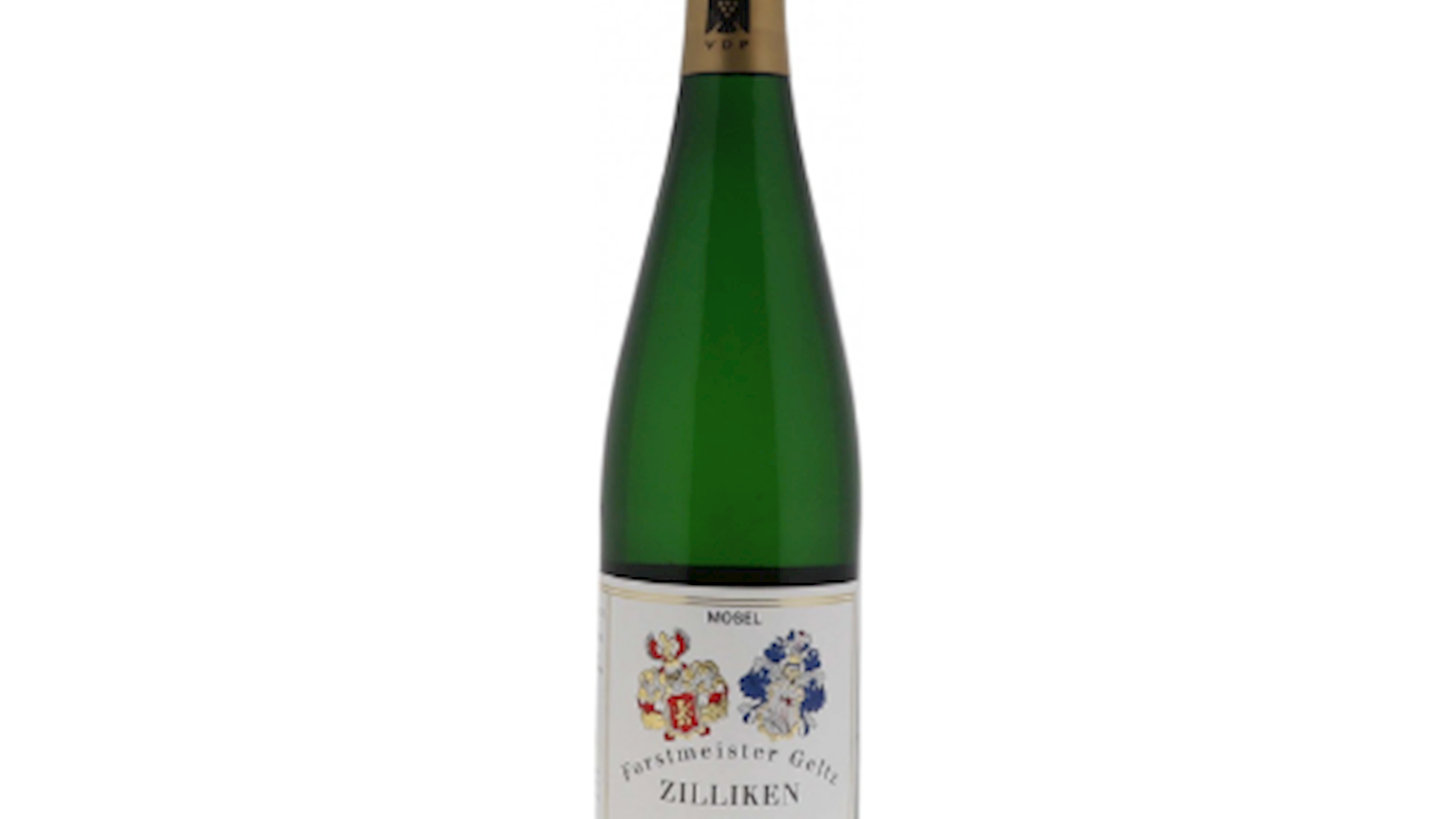
Weingut Forstmeister-Geltz Zilliken

5 ·
Weingut Forstmeister Geltz-Zilliken is a historic family-owned German winery with origins dating back to 1742, located in Saarburg in the Saar subregion of the Mosel. The estate is widely recognized for its Riesling wines, which are considered among the most precise and age-worthy expressions of the variety in Germany. A key vineyard is the renowned Saarburger Rausch, a steep, slate-rich site that produces wines with pronounced minerality, freshness, and finesse. The Zilliken family has maintained a traditional approach to viticulture and winemaking over generations, including spontaneous fermentation and a careful balance between natural sugar and acidity. Their style ranges from dry to Prädikat wines with residual sweetness, always marked by clarity and site expression. Aromatically, the wines show citrus, green apple, white flowers, and distinct mineral and saline notes. They are known for their longevity, developing complex tertiary characteristics over time. Today, Weingut Forstmeister Geltz-Zilliken stands as one of the benchmark producers in the Saar, with a strong international reputation for purity and terroir-driven wines.
Awards
Falstaff - 100
Vivino - 4.5
09

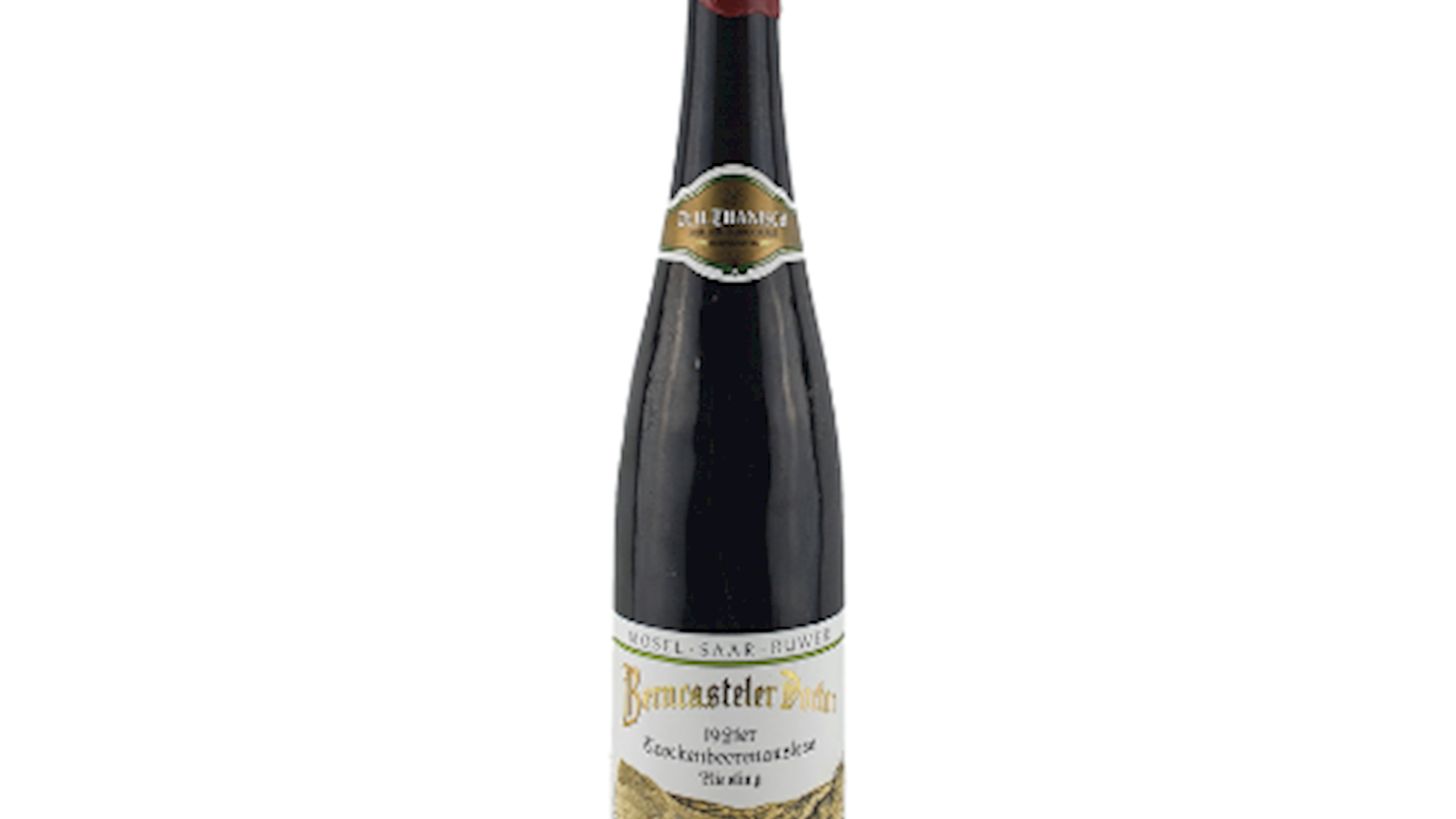
Weingut Wwe. Dr. H. Thanisch - Erben Thanisch

5 ·
Weingut Wwe. Dr. H. Thanisch - Erben Thanisch is a historic family-owned winery based in Bernkastel-Kues in the Mosel, with a winemaking tradition spanning more than 385 years and 12 generations. The estate is notable for its long-standing continuity of female leadership, dating back to the late 19th century when Katharina Thanisch took over the winery and shaped its identity. Today, it is run by Sofia Thanisch, who continues this legacy with a clear focus on quality and origin. The winery is almost entirely dedicated to Riesling, sourced from steep, slate-rich vineyards that define the Mosel’s signature style. Its most famous site is the renowned Bernkasteler Doctor, one of Germany’s most prestigious vineyards, known for producing highly complex and age-worthy wines. The style is defined by precision, elegance, and a fine balance between fruit, acidity, and minerality. As a member of the Verband Deutscher Prädikatsweingüter (VDP), the estate adheres to strict standards of origin and quality. Weingut Wwe. Dr. H. Thanisch - Erben Thanisch represents a classic expression of Mosel Riesling, combining tradition, terroir, and long-term consistency.
Awards
Falstaff - 99
Wine-Searcher - 99/100
10

Weingut Joh. Jos. Prüm

5 ·
Joh. Jos. Prüm (J.J. Prüm) is one of the most esteemed family-owned estates in Germany’s Mosel region, synonymous with exceptional Riesling. Founded in 1911 by Johann Josef Prüm, the estate builds on centuries of family winemaking tradition, with roots tracing back to the 12th century. Today, it is led by Dr. Manfred Prüm and his daughter, Dr. Katharina Prüm, who uphold a philosophy of crafting wines of outstanding elegance, longevity, and precise expression. With around 22 hectares planted exclusively to Riesling, the estate encompasses some of the Mosel’s most prestigious sites, including Wehlener Sonnenuhr, Graacher Himmelreich, Bernkasteler Lay, Badstube, and Zeltinger Sonnenuhr. Many of the vines remain ungrafted, allowing for a pure and authentic expression of the terroir. J.J. Prüm wines are celebrated for their finesse, harmonious balance, and remarkable aging potential—whether it’s a fresh Kabinett or an opulent Beerenauslese. Each bottle is a meeting of tradition, craftsmanship, and purity, evolving beautifully over the years to reveal ever-greater complexity and depth. At its core, J.J. Prüm embodies the very soul of the Mosel—wines that are delicate yet full of character, crafted to captivate lovers of fine Riesling around the world.
Awards
Falstaff - 100
Vivino - 4.4
About this ranking

TasteAtlas food rankings are based on the ratings of the TasteAtlas audience, with a series of mechanisms that recognize real users and that ignore bot, nationalist or local patriotic ratings, and give additional value to the ratings of users that the system recognizes as knowledgeable. For the “Top 82 Dessert Wines in the World” list until June 10, 2026, 720 ratings were recorded, of which 410 were recognized by the system as legitimate. TasteAtlas Rankings should not be seen as the final global conclusion about food. Their purpose is to promote excellent local foods, instill pride in traditional dishes, and arouse curiosity about dishes you haven’t tried.

The initial list of top producers was compiled based on available reviews, awards, local recommendations, media and blog coverage, and consumer reviews. The list will be updated with ratings from TasteAtlas local ambassadors and TasteAtlas users.

Similar lists