




Top 35 Bolivian Foods

Last updated on June 16, 2026

Best Bolivian foods

01
Bread Roll

Marraqueta

4.3 ·

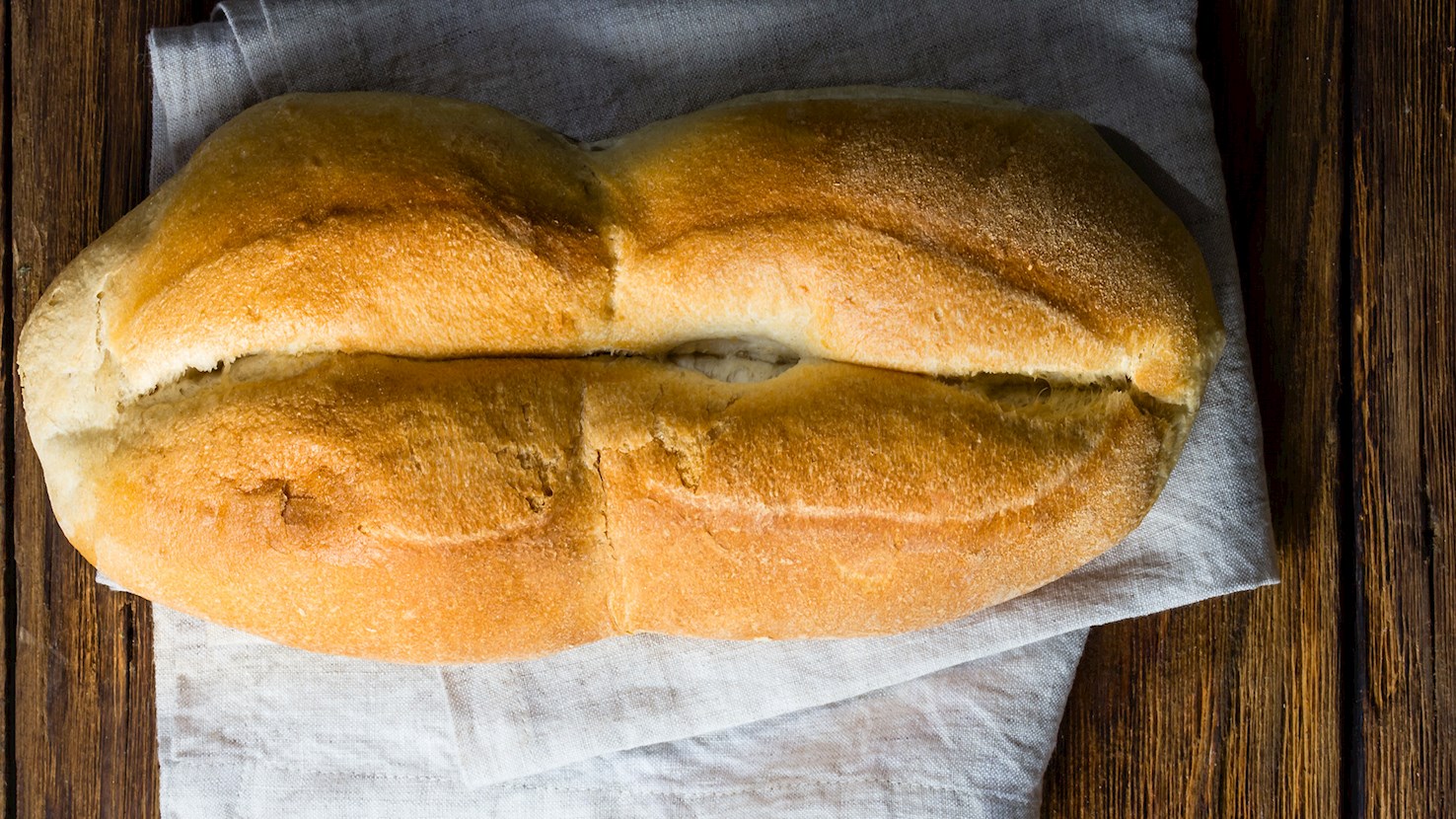
Marraqueta (also known as pan batido and pan francés) is the most popular bread in Chile and Bolivia, a staple food that is often consumed three times a day. It is made with flour, water, salt, and yeast. Two balls of dough are typically pressed together, then nearly split down the middle before the bread is baked in the oven, usually with a pan of water which gives marraqueta its characteristical crust. The crust is so beloved that some people even pull out the crumb (called miga) before consumption. It is believed that marraqueta dates back to the late 19th and early 20th century, when a large number of Europeans immigrated to Chile and Bolivia. Some claim that the bread was first baked by two French brothers called Teran-Marraquett, and that's how this daily staple got its name.

02
Beef Dish

Pique macho

4.1 ·

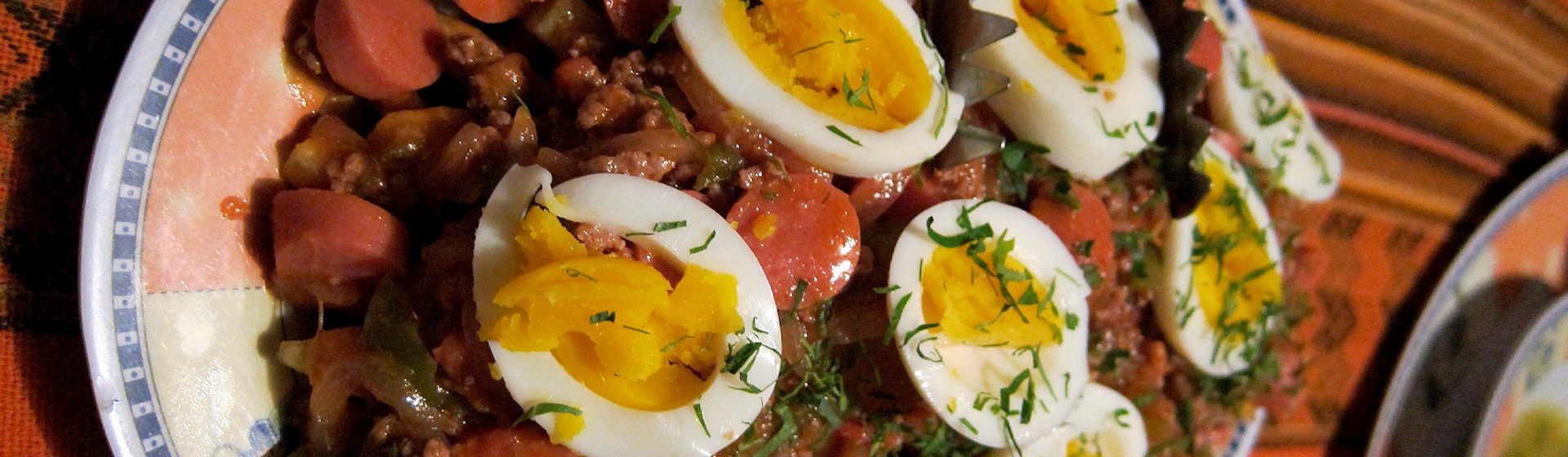
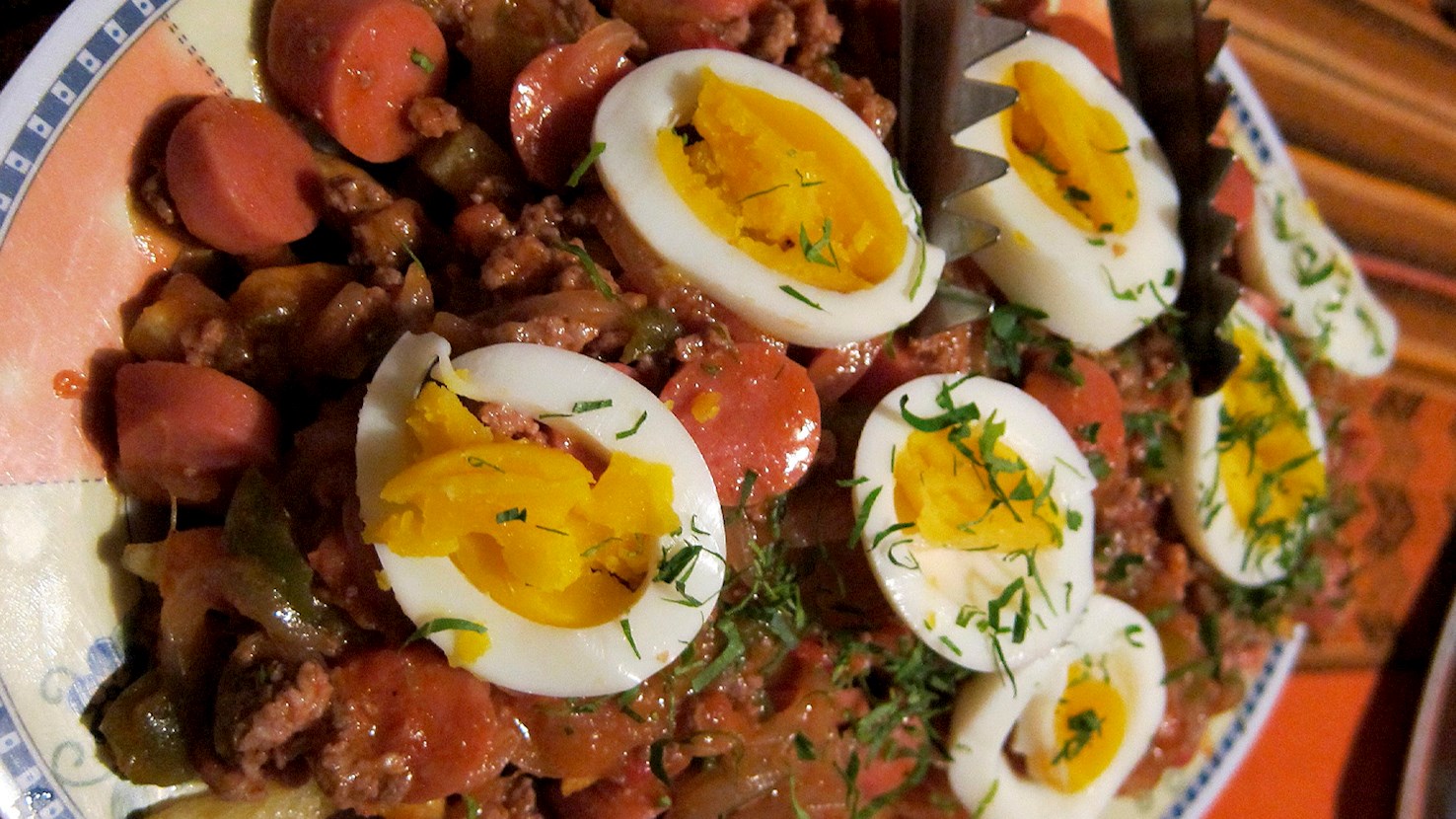
Pique macho is a massive, protein-heavy platter of bite-sized beef, sausages, French fries, and spicy peppers originating in Cochabamba, Bolivia. The dish was invented in 1969 by Evangelina Rojas Vallejo and Honorato Quiñones Andia at the Restaurante Miraflores to feed late-night patrons. The exceptionally fiery meal was presented with a verbal challenge to finish the sharp peppers, testing masculine endurance and firmly establishing the dish's name. The first step is marinating bite-sized chunks of beef tenderloin or sirloin in a mixture of dark beer, soy sauce, minced garlic, and ground cumin. The marinated beef is pan-fried in hot oil alongside diagonally sliced frankfurters or local beef sausages until thoroughly browned. A savory brown gravy forms naturally in the pan from the rendered meat juices and the reduced beer marinade. Simultaneously, thick-cut potatoes are deep-fried until crisp and golden. The base of the meal is constructed by spreading the hot fries across a large communal platter. The cooked beef, sausages, and gravy are poured directly over the fries, allowing the starches to absorb the seasoned cooking liquids. The mountain of meat and potatoes is subsequently topped with coarse slices of raw or lightly sautéed red onions, fresh tomatoes, and fiercely spicy green locoto peppers. Sliced or quartered hard-boiled eggs are arranged around the perimeter and across the peak of the mound. Generous ribbons of ketchup, mayonnaise, and yellow mustard are squeezed over the entire assembly. The towering platter is served exclusively as a shared dish, placed in the center of the table for communal consumption. Due to the heavy fat content, dense carbohydrates, and sharp spice levels, the massive meal is heavily consumed late at night following alcohol consumption or the next morning as a potent hangover cure. While available year-round, the dish is a mandatory fixture at celebratory gatherings, regional carnivals, and weekend social events. The massive portion size and intense heat firmly cement the plate as a symbol of Cochabamba's regional culture, representing culinary abundance and communal gastronomy.

03
Savory Pastry

Salteñas

3.9 ·

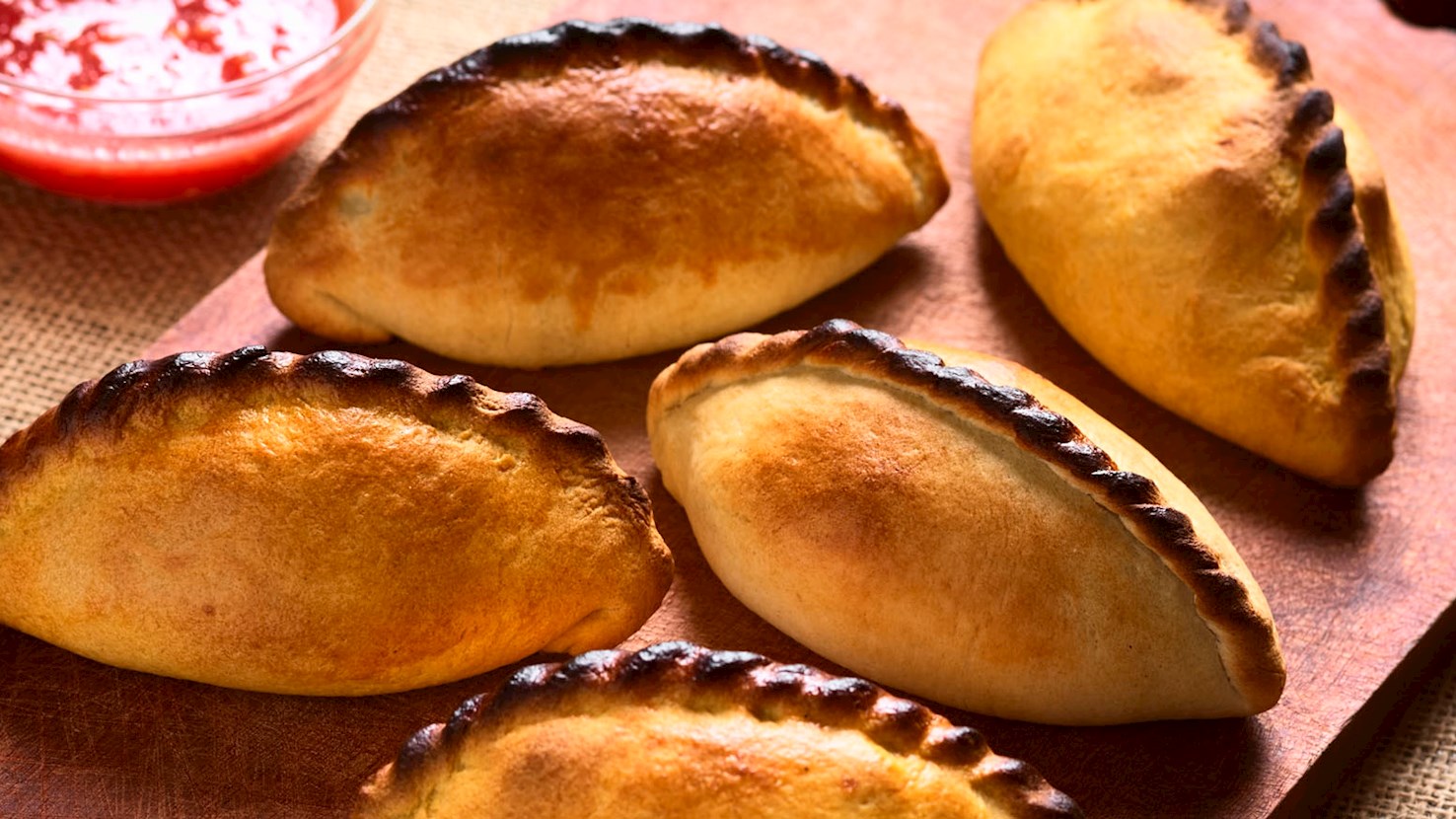
Salteñas is the name of the national dish of Bolivia consisting of crescent-shaped, filled pockets of dough. The name is derived from the first known baker of these delicacies, who was born in the city of Salta, but he was later exiled to Potosí. Oven-baked and filled with meat (typically chicken or beef), salteñas are commonly served for breakfast or consumed as a mid-day snack. The sweet pastry and its braided crust have a unique color and flavor that is of key importance to authentic Bolivian salteñas, due to the crushed seeds of the adobo bush, along with added spices such as cumin and oregano, called achiote spice. Salteñas are somewhat difficult to prepare because special skills are required to make them, but practice makes perfect, and the sweet smell of freshly baked salteñas is always worth the effort.

04
Soup

Sopa de mani

3.9 ·

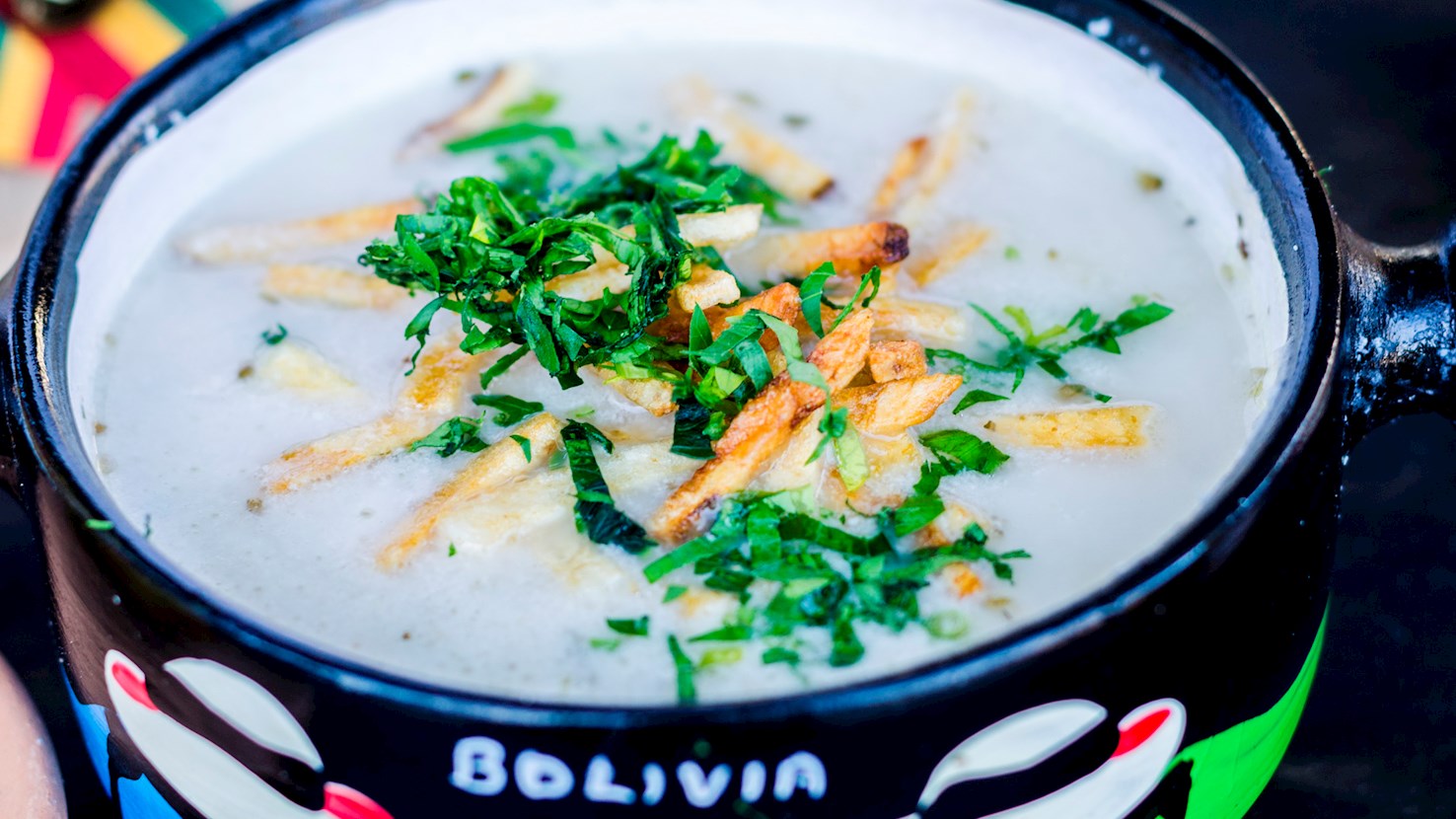
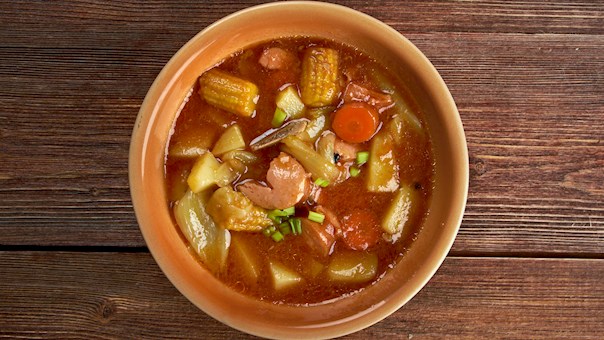
Sopa de mani is a Bolivian peanut soup made with beef, beef bones, potatoes, and peas as the main ingredients. Beef is sometimes substituted with chicken since it pairs nicely with peanuts, but the soup can also be modified so that it is meatless. The distinctive thickness and creaminess of the soup come from the pureed peanuts and potatoes. This dish is a staple on the lunch menus of restaurants throughout Bolivia where you will get it served with a few potato fries on top and a sprinkle of cilantro or parsley.

05
Breaded Cutlet

Silpancho

3.9 ·

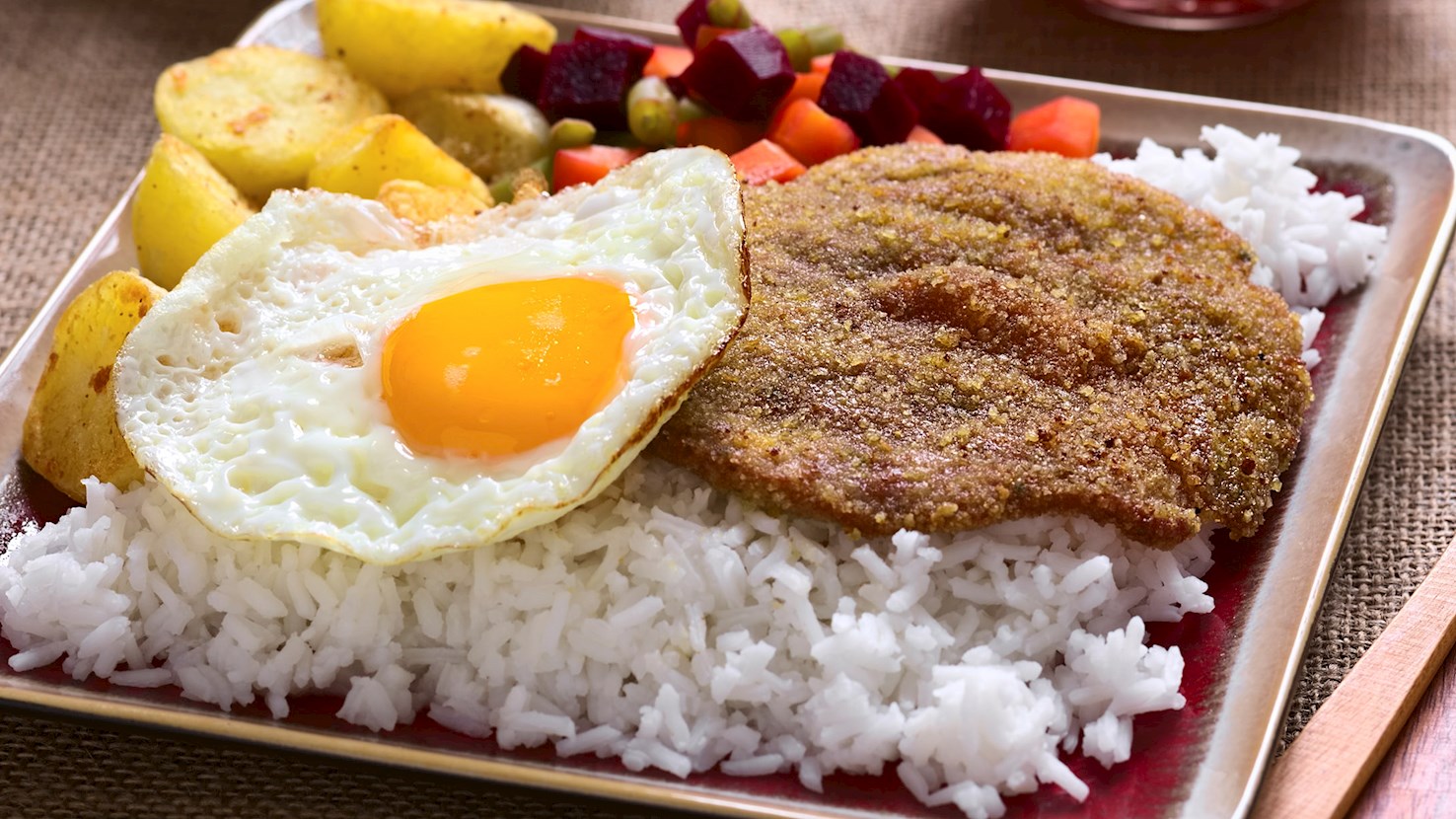
Silpancho is a traditional dish characterized by its huge size and ingredients that are rich in fat and carbohydrates. The dish typically consists of a layer of white rice topped with boiled or steamed potatoes, beef or chicken cutlets, and fried eggs. Silpancho is usually garnished with chopped parsley, onions, and beets. The dish was invented in the city of Cochabamba, famous for its unique cuisine. Its name comes from a Quechua word silpanch'u, meaning thin and pounded, referring to the meat used in the dish. Although it is a traditional dish of Cochabamba, it has become so popular that it quickly spread throughout Bolivia, where it's served in many restaurants with different variations on the recipe.

06
Snack

Cuñape

3.8 ·

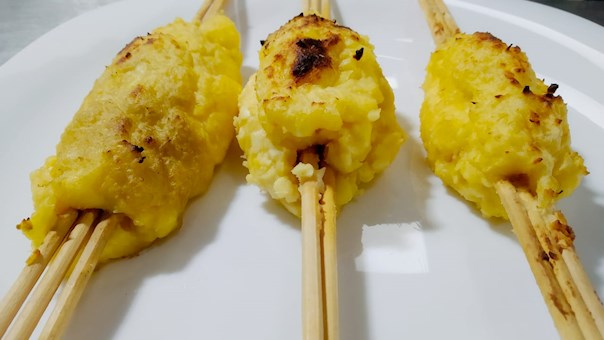
Crispy on the outside and filled with tender melted cheese on the inside, cuñape is a tasty Bolivian snack consisting of yam flour, white cheese, and eggs. These snacks are especially popular in Santa Cruz and in the northeastern regions of Bolivia, where they can be found on numerous street corners. Simple and convenient, cuñape is one of the most popular snacks satiating the appetites of many Bolivians on their way to school or work.

07
Rice Dish

Majadito

3.8 ·

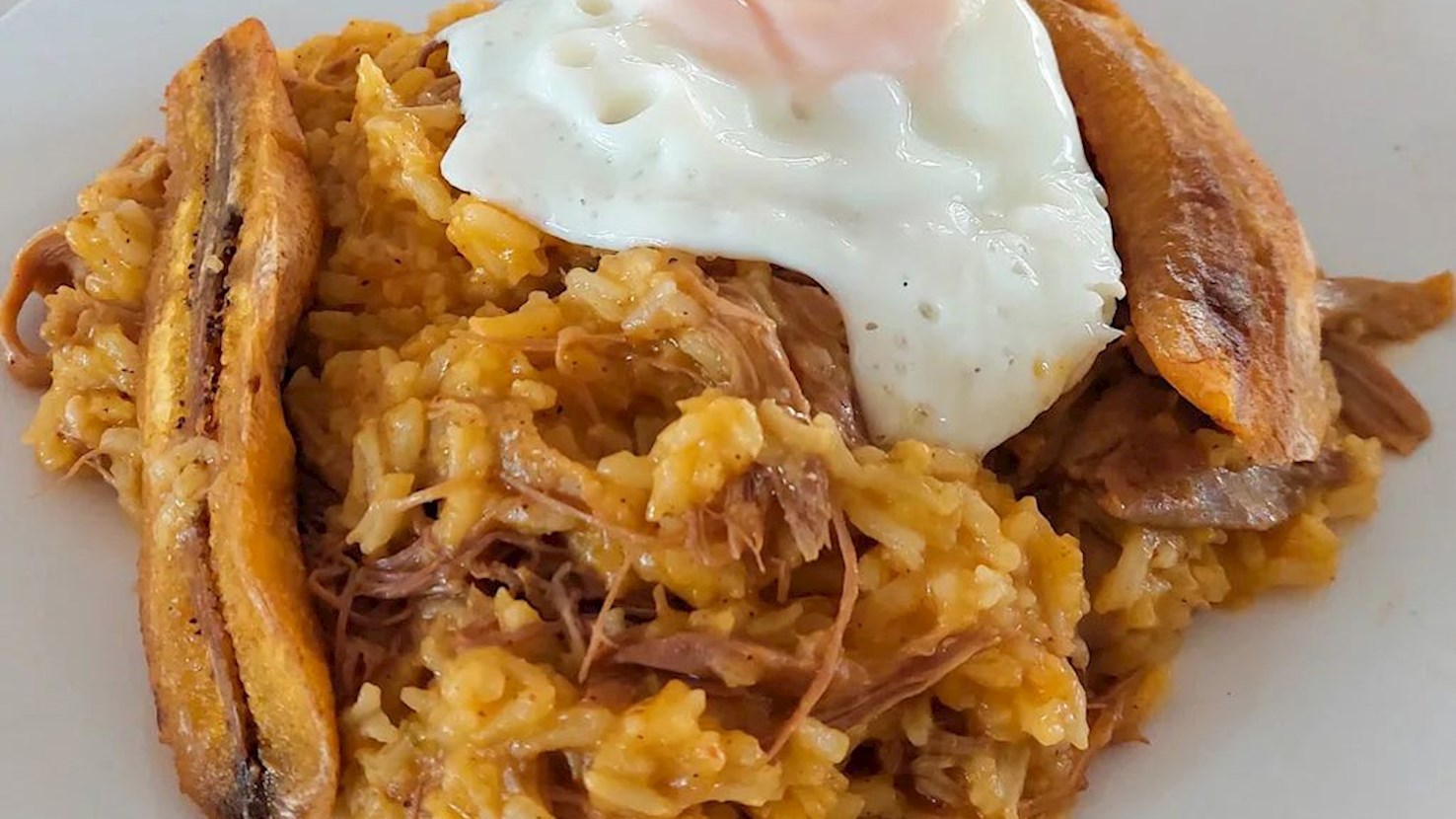
Originating from eastern Bolivia, majadito is a dish consisting of rice, dried meat, chopped onions, and tomatoes. The origin of the dish dates back to the pre-Columbian era in Bolivia when rice, grains, meat, plantains, and cassava formed the usual food staple among the native people. It originated in the city of Santa Cruz, from where it spread out across the country. Today it is considered to be one of the national dishes in Bolivia that is commonly served in numerous Bolivian restaurants. Traditionally, beef jerky was used in the dish, but nowadays dry chicken or duck are also frequently used in the preparation of majadito. It is a dish that can be consumed at any time of day–for breakfast, lunch, or dinner. Majadito is almost always served with fried plantains, and like many traditional Bolivian dishes, it is usually garnished with a fried egg on top.

08
Pork Dish

Lechón al horno

3.7 ·

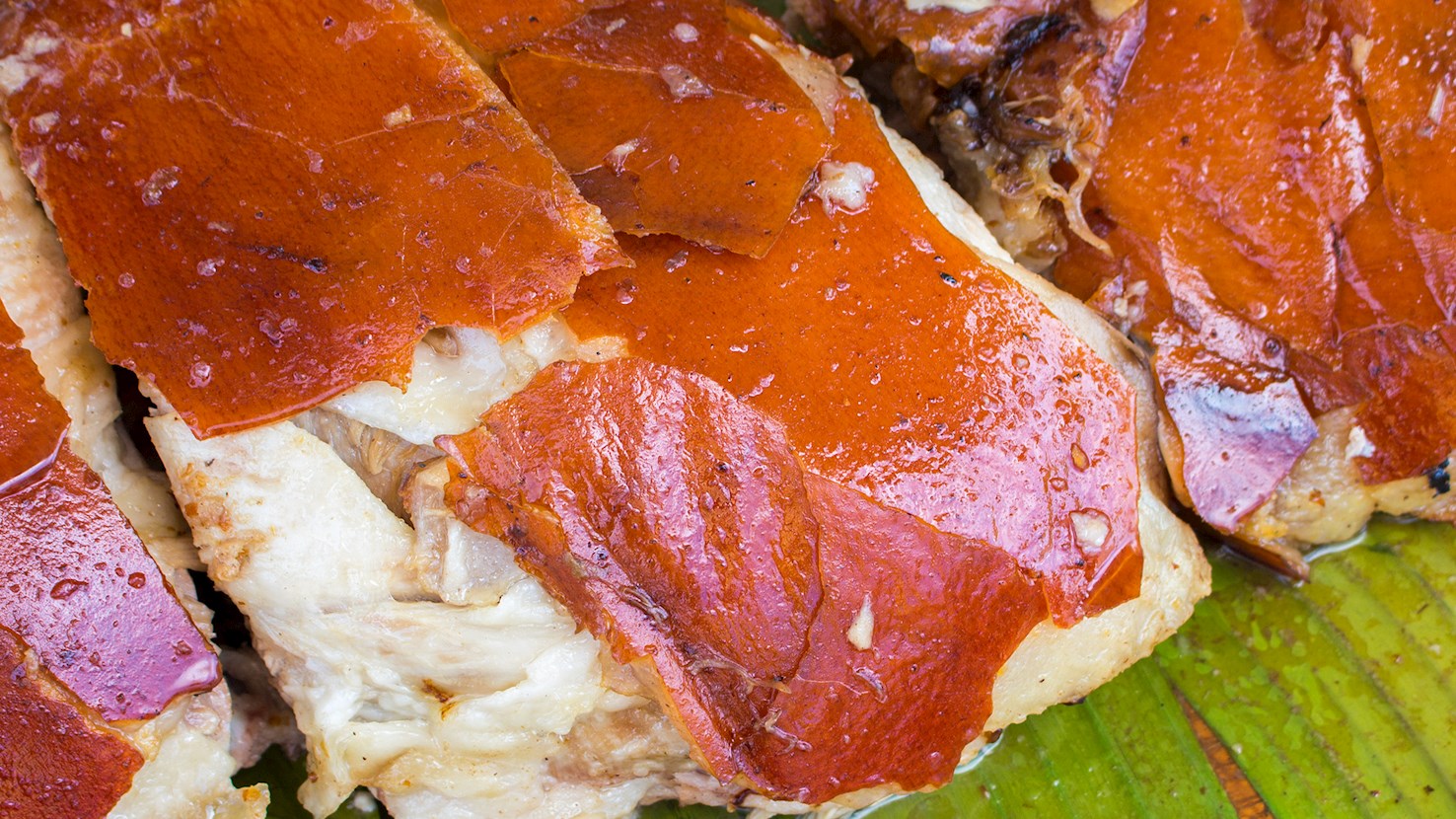
Lechón al horno is the most popular Bolivian version of pork roast, typically using a suckling pig as the star ingredient. The meat is usually marinated in a combination of oil, vinegar, garlic, and spices such as thyme, parsley, red pepper, cumin, and oregano before being baked in an oven for a long time. This dish is considered a specialty and is traditionally prepared during the festive Christmas period.

09
Sweet Bread

T'anta wawa

3.7 ·

T'anta wawa is a sweet Andean roll that is shaped like a baby wrapped in a blanket, made and eaten mostly in Peru, Ecuador and Bolivia. It is traditionally prepared on November 1, or All Saints' Day, and consumed on that day or the day later, depending on the community. This bread roll is usually filled with candied fruit, anise, raisins, and cinnamon. It was originally used as an offering to dead children, so the tombs of girls were adorned with baby-shaped t'anta wawa, while the boys' tombs were presented with rolls shaped like horses. This practice dates back to pre-Columbian times and is still in use today, although t'anta wawa is nowadays given to living children as well. It is recommended to pair the bread roll with colada morada, a traditional Andean beverage.

10
Stew

Picante de pollo

3.7 ·

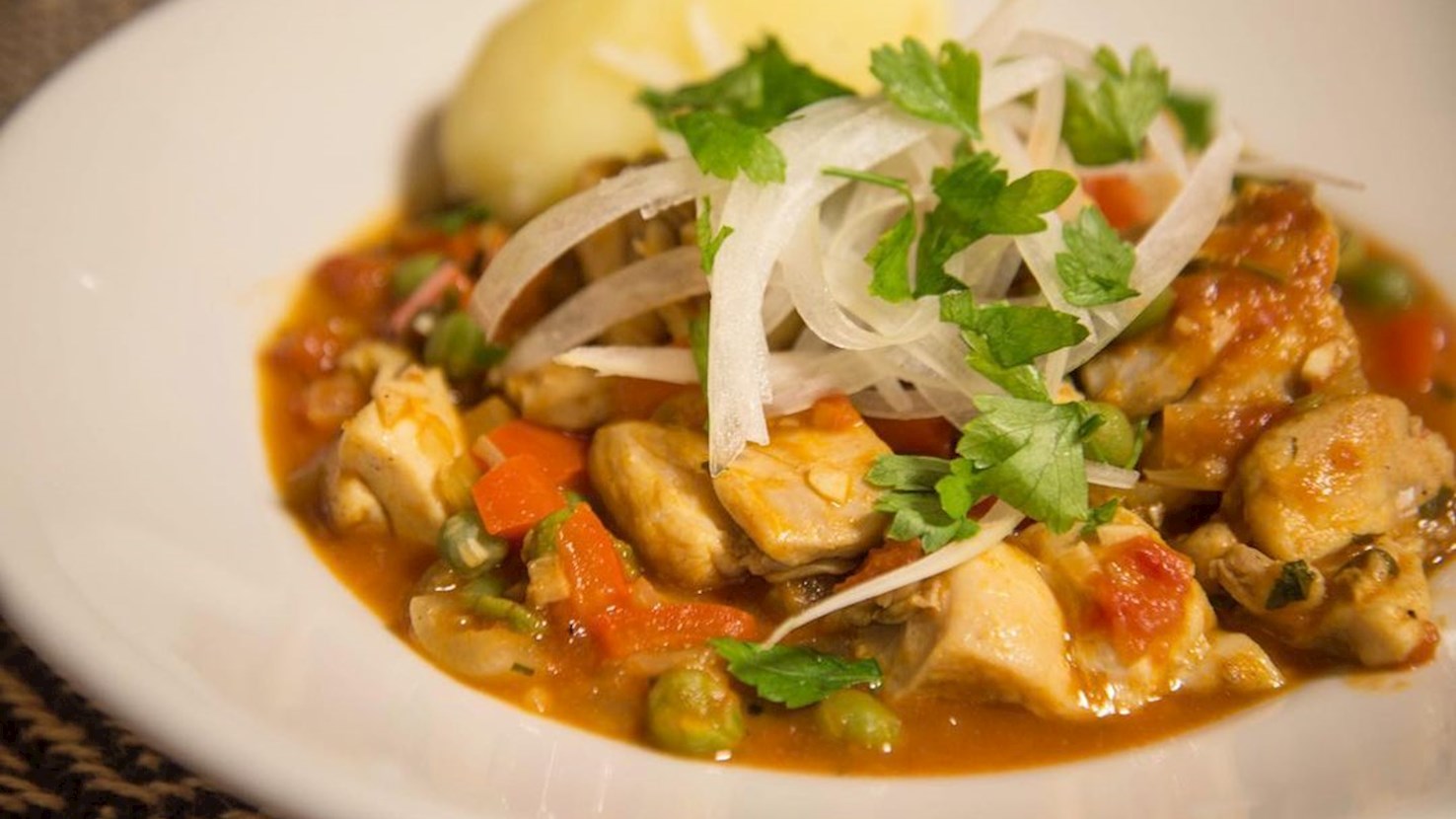
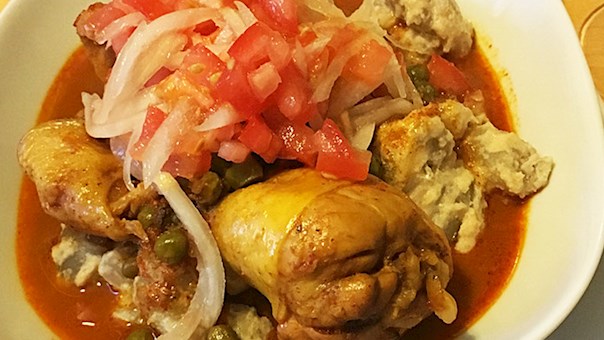
Picante de pollo is a spicy Bolivian dish made with pieces of chicken cooked in a combination of onions, potatoes, tomatoes, hot peppers, peas, and chicken stock. The thick sauce is typically flavored with cumin, garlic, and oregano. It is recommended to serve picante de pollo with rice or boiled potatoes on the side and to garnish it with fresh chopped parsley.

Best Bolivian food products

01
Spirit

Casa Real

4.9 ·
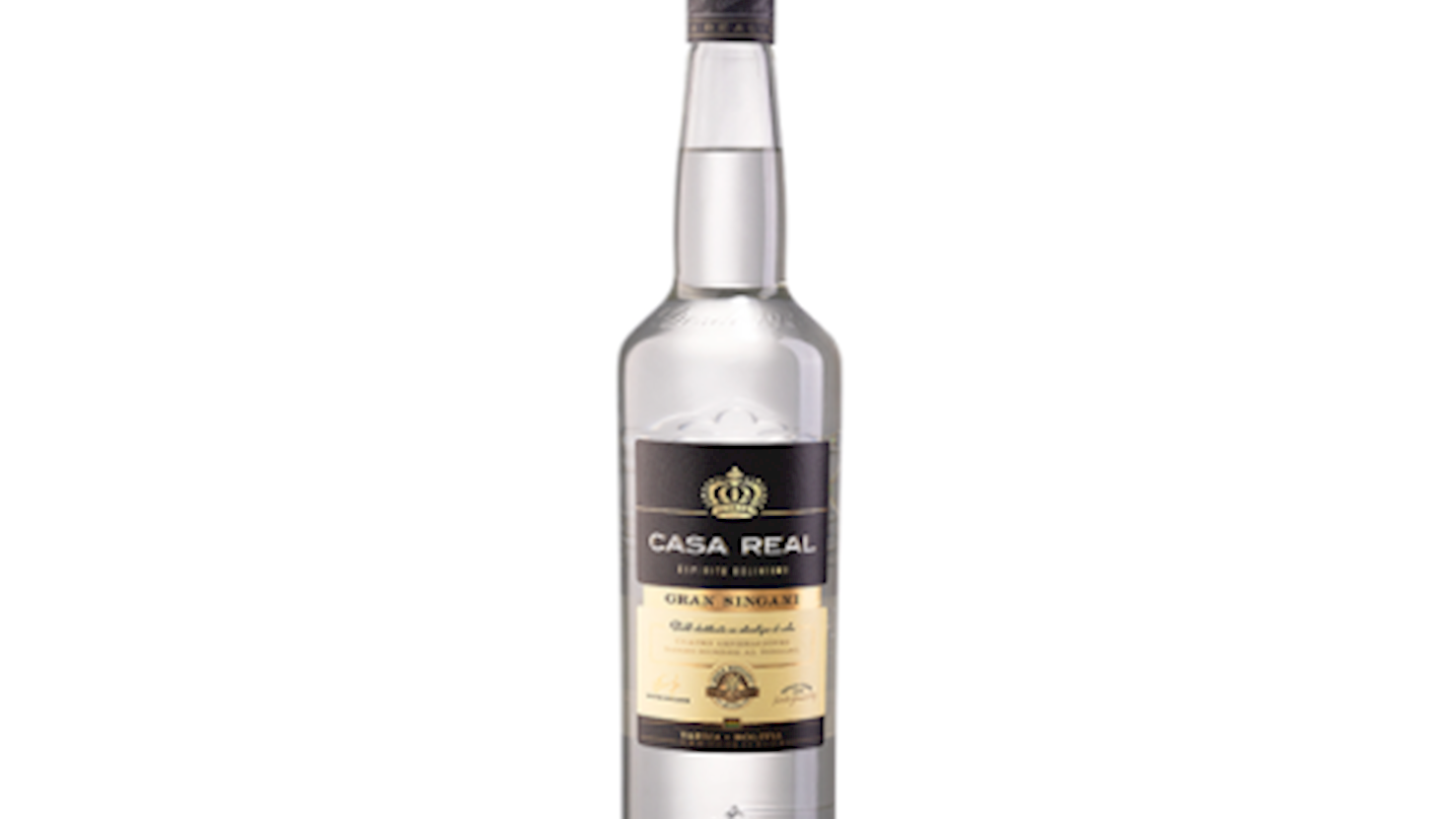
Casa Real is Bolivia’s leading distillery dedicated to Singani, the traditional spirit made exclusively from Muscat of Alexandria grapes grown in the high Andean valleys of the Tarija region. The vineyards sit above 1,600 meters, where the altitude fosters grapes with concentrated aromas and thick skins, resulting in Singani’s distinctive floral and fruity character. Casa Real uses a double distillation process in copper stills to achieve a clean, elegant spirit marked by notes of orange blossom, jasmine, and subtle citrus tones. Recognized as Bolivia’s national spirit, Casa Real Singani has gained significant international visibility in recent years, increasingly appearing on the global stage and in contemporary cocktail culture.
02
Wine

Campos de Solana

4.9 ·
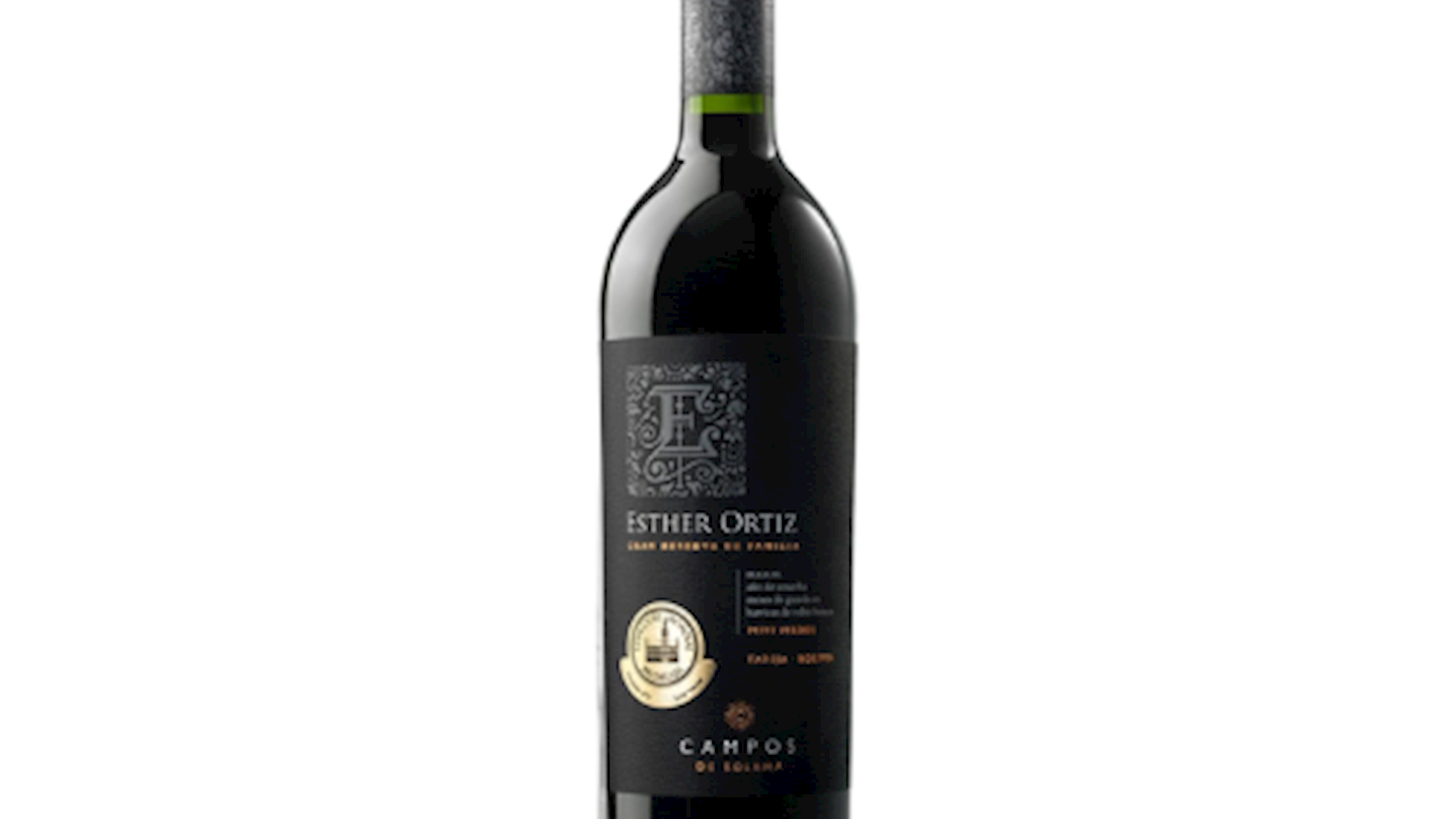
Campos de Solana is a winery from Bolivia’s Tarija region, known for producing wines that reflect the high-altitude conditions and distinctive terroir of southern Bolivia. Its vineyards lie at significant elevations where intense sunlight, cool nights, and mineral-rich soils allow varieties such as Malbec to achieve full ripeness, concentration, and aromatic complexity. The winery’s portfolio includes a range of red and white wines, including reserve bottlings characterized by pronounced fruit expression, balance, and approachability. Their wines are often described as intense, velvety, and aromatically clean, with notes of dark fruit, freshness, and well-integrated tannins. Campos de Solana is regarded as one of the region’s most respected producers, offering a diverse lineup of labels and a consistent ability to combine Bolivian terroir with modern winemaking practices.
Awards
Decanter World Wine Awards - Platinum (2016)
Vivino - 4.5
03
Quinoa

Andean Valley Corporation

4.8 ·
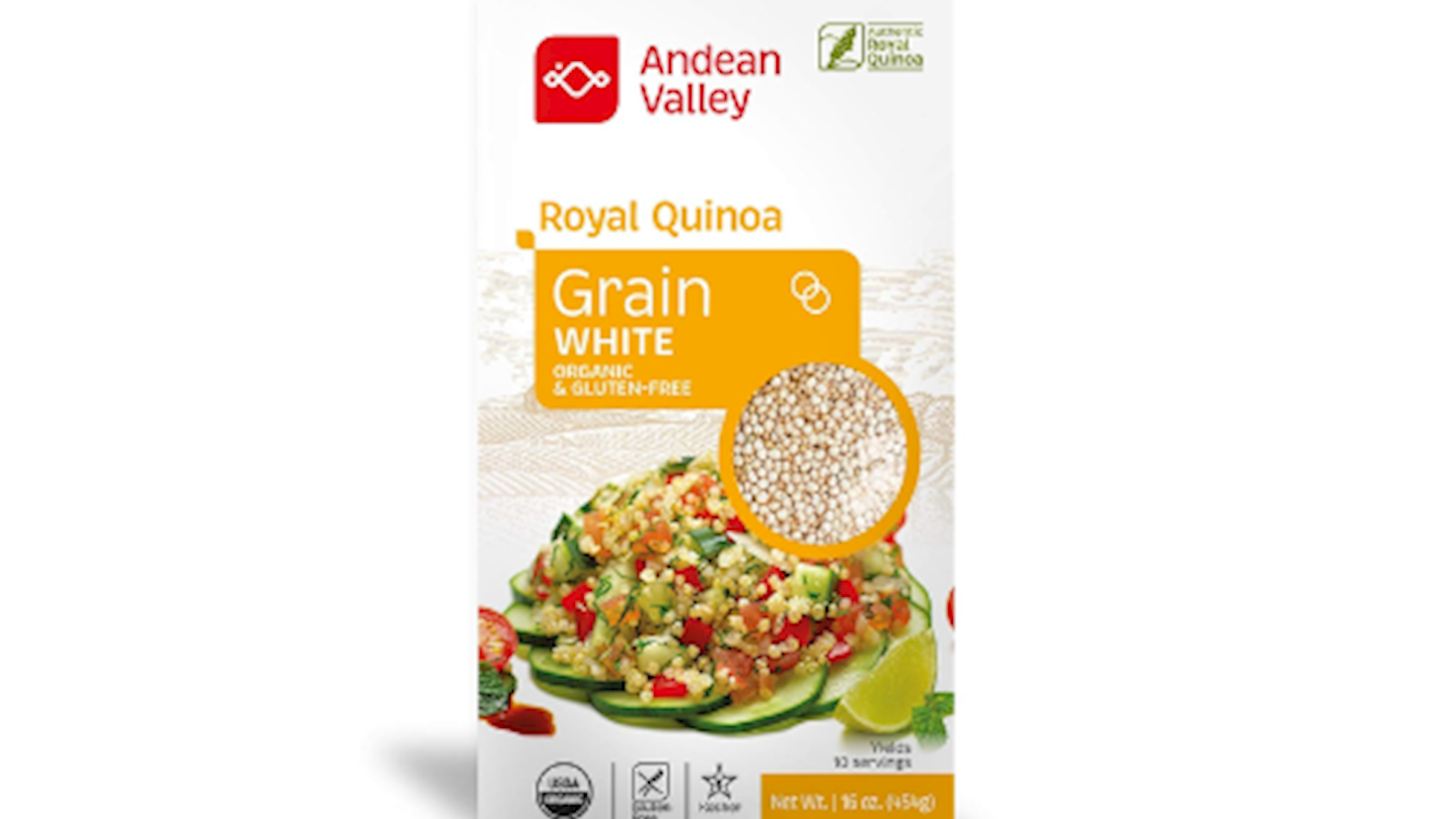
Andean Valley Corporation is a Bolivian company specializing in the cultivation, processing, and export of organic Royal Quinoa, a variety native to the high plateaus of the Altiplano and known for its exceptional nutritional value and pure origin. The company collaborates with hundreds of small family farms, providing stable purchasing, technical assistance, and sustainable agricultural practices that support soil conservation and the economic development of rural communities. Its production facilities use advanced optical sorting and quality-control technology, ensuring consistent standards and enabling access to international markets. The product range includes more than fifty quinoa-based items - from raw grains in various varieties to instant porridges, pasta, breakfast mixes, and other nutrient-rich foods adapted to modern dietary needs.
04
Chocolate

Saltus Chocolate

4.7 ·
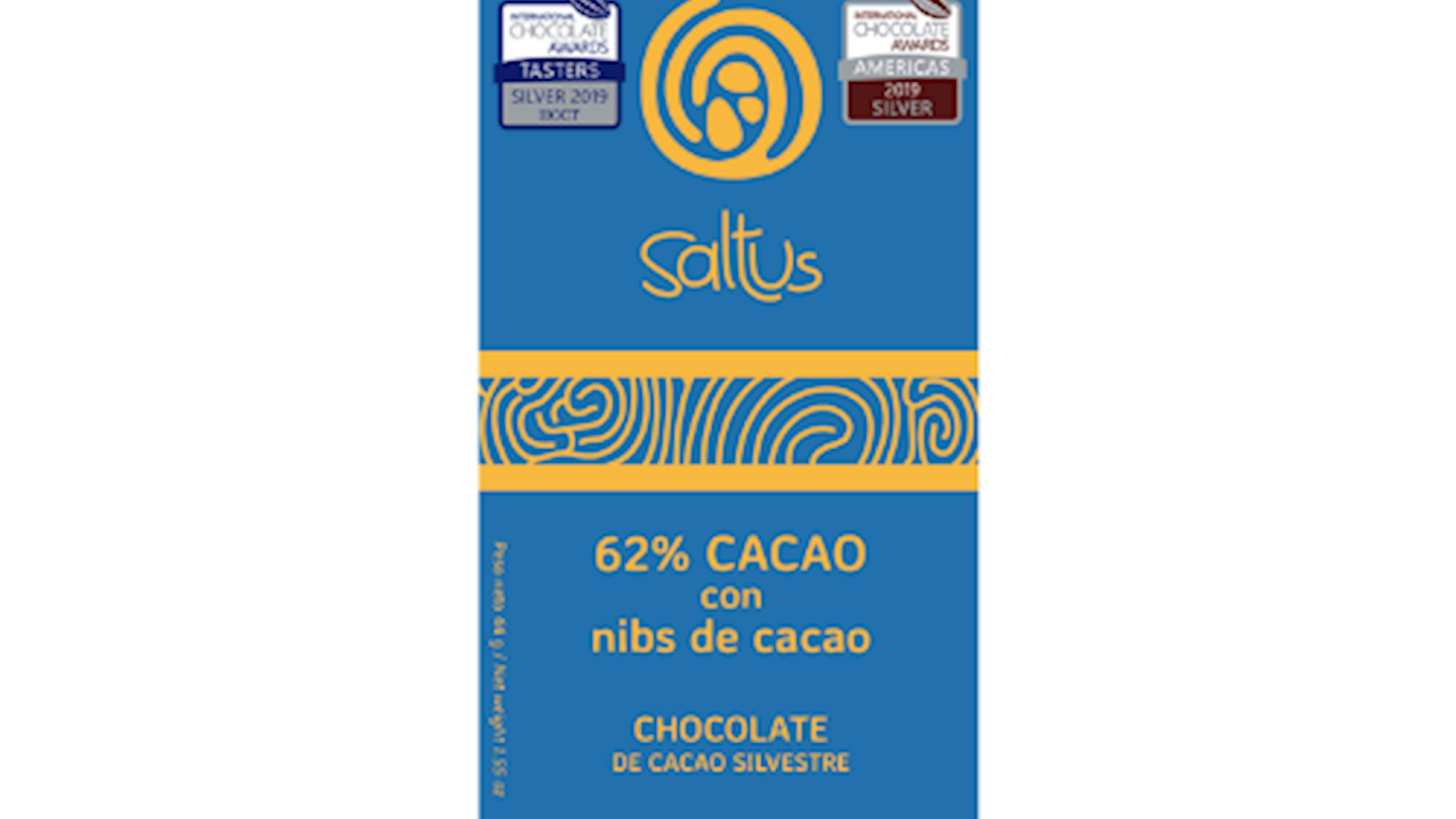
Saltus Chocolate is a Bolivian artisanal producer working exclusively with wild cacao harvested in the Amazonian forests of the Beni and TIPNIS regions, where local communities hand-pick and ferment the beans in small batches. The cacao is minimally processed to preserve its distinct terroir, resulting in chocolate with clear aromatic intensity, natural acidity, and a characteristic mix of fruity and nutty notes. Production relies on traditional craft techniques - careful roasting, stone grinding, and precise tempering - to maintain the purity and integrity of wild cacao flavor. Their bars are typically offered in 62%, 75%, and 83% cacao content, alongside limited editions with cacao nibs or coffee nibs. The facility in Achocalla operates as a gluten-free and dairy-free environment, emphasizing sustainability through the use of recycled materials and solar energy. Output is naturally limited by Amazonian seasonal cycles, making these chocolates rare, highly authentic expressions of their origin.
Awards
International Chocolate Awards - Silver (2019)
05
Chocolate

Chocolates El Ceibo

4.7 ·
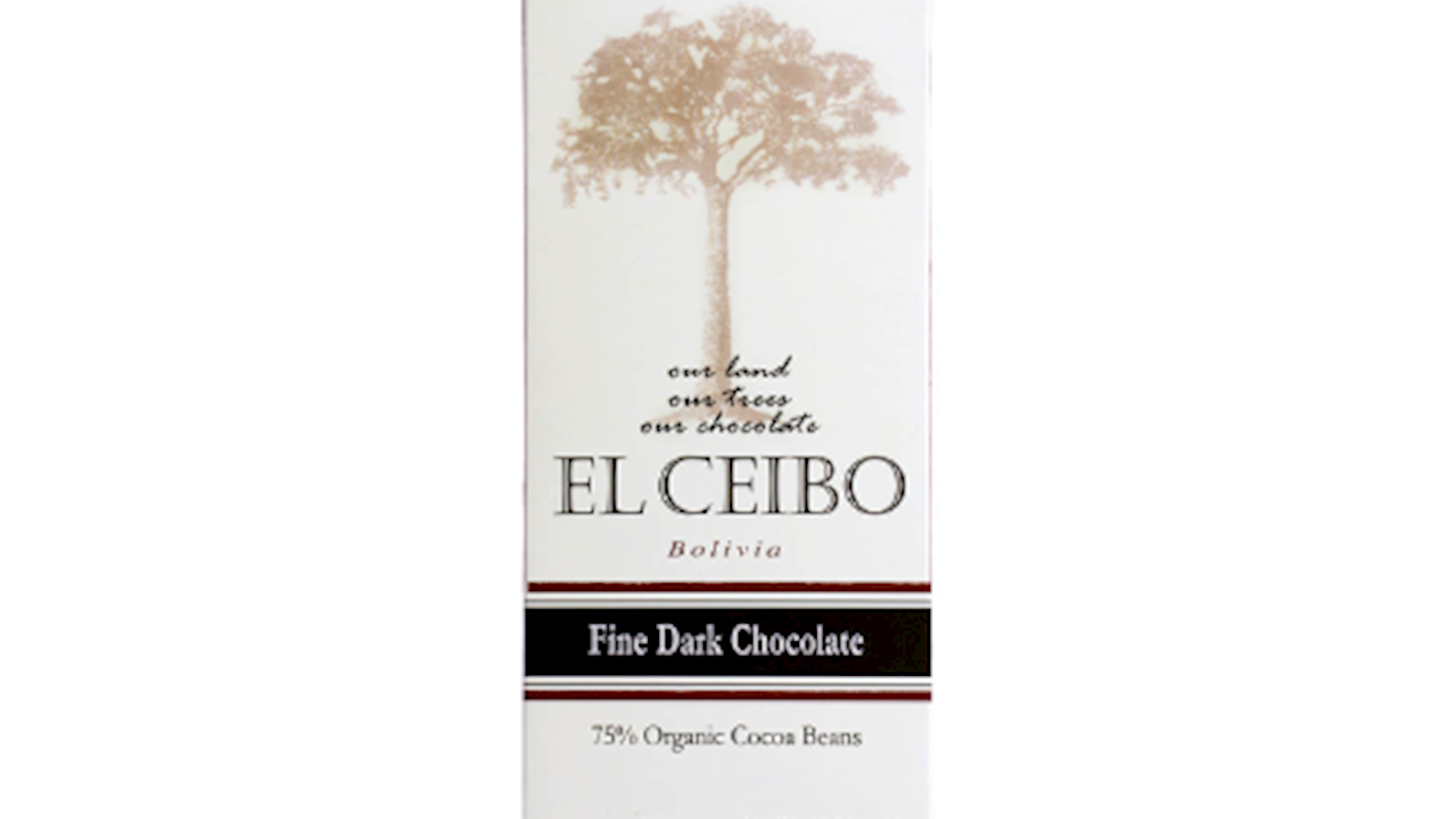
El Ceibo is a Bolivian cooperative founded in 1977 that brings together small cacao growers and enables them to process their own cacao directly in the Alto Beni region, following principles of sustainability, biodiversity preservation, and fair-trade practices. Their cacao is cultivated and processed according to organic standards, without synthetic pesticides or chemicals, and the cooperative oversees every step of production to ensure full traceability and consistent quality. Using this cacao, El Ceibo produces a wide range of chocolate products - from high-percentage dark chocolate and milk chocolate with nuts or spices, to cocoa powder and cocoa butter - each emphasizing the purity of true chocolate and the distinctive “fine-flavor” profile of Bolivian cacao. Their chocolates are known for layered aromas, ranging from fruity and floral notes to deeper, darker tones with gentle bitterness, making them suitable for discerning lovers of high-quality dark chocolate. Beyond production, El Ceibo carries a strong social mission: by supporting more than 1,300 farming families through fair pricing and sustainable agricultural practices, the cooperative offers consumers a product with clear ethical value and authentic geographic origin.
06
Chocolate

Chocolate Baure

4.7 ·
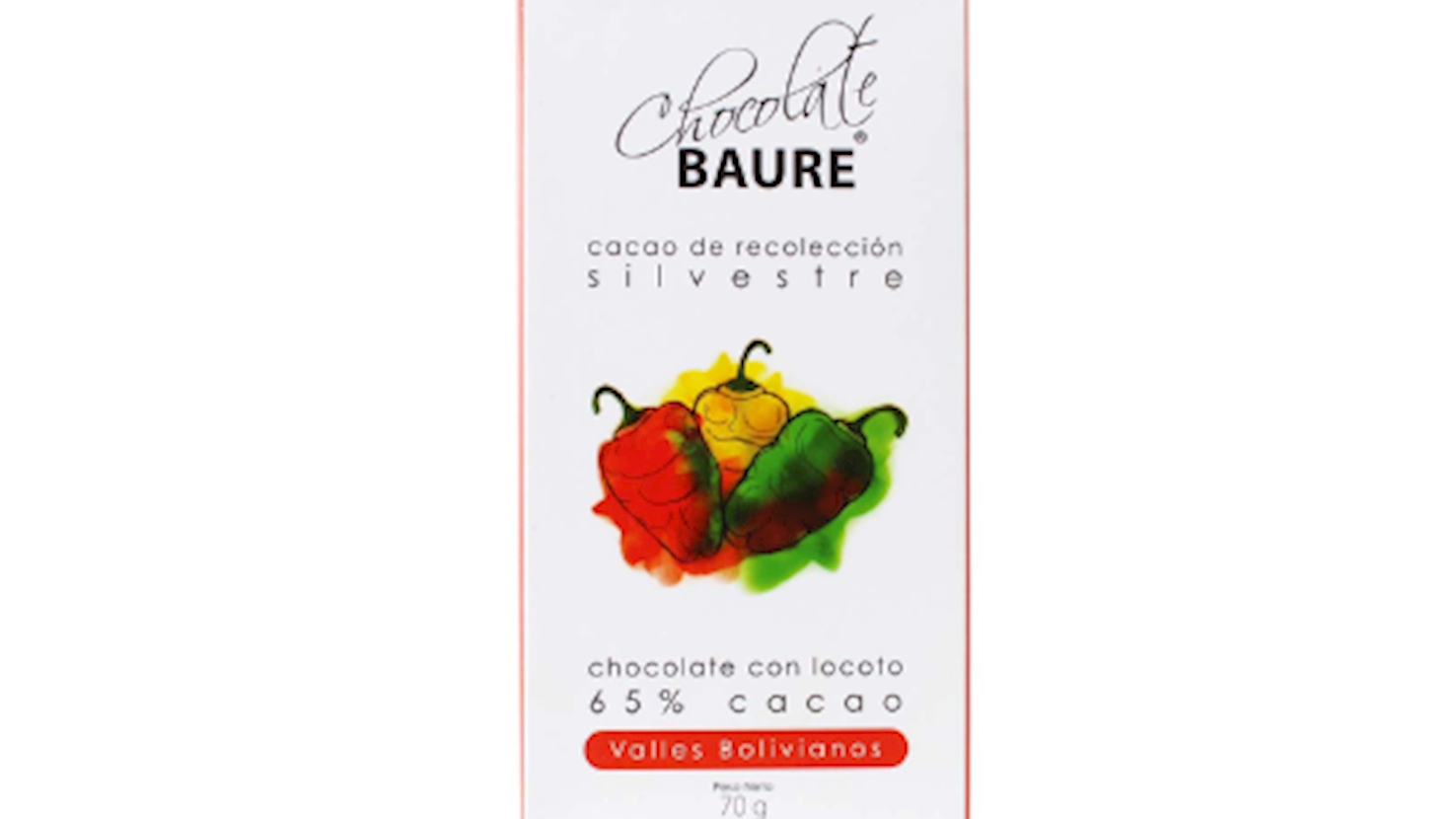
Chocolate Baure is a Bolivian producer specializing in chocolate made from wild cacao sourced in the Amazonian region of Beni, using the native “Wild Beniano” variety known for its remarkable genetic purity and distinctive terroir. Their work is rooted in long-term collaboration with local communities who hand-harvest, ferment, and sun-dry the cacao following traditional methods, while the final processing is carried out in small batches to preserve the bean’s natural aromatic profile. The product range covers a wide spectrum of cacao intensities - from 55% to 100% dark chocolate - as well as variations enriched with local ingredients such as açaí, lemongrass, maca, and spicy locoto chili. All products are certified organic, gluten-free, and free of animal ingredients, making them suitable for consumers seeking clean, sustainable foods. Due to the wild origin of the cacao, yields are seasonal and limited, giving these chocolates a rare, high-quality character aimed at those who appreciate authentic and unaltered flavors of the Amazon.
07
Wine

Las Veletas

4.6 ·
Awards
Decanter World Wine Awards - Platinum (2022)
08
Wine

Balduzzi

B

4.6 ·
Awards
Decanter World Wine Awards - Platinum (2017)
Read more
View all
View map
About this ranking

TasteAtlas food rankings are based on the ratings of the TasteAtlas audience, with a series of mechanisms that recognize real users and that ignore bot, nationalist or local patriotic ratings, and give additional value to the ratings of users that the system recognizes as knowledgeable. For the “Top 35 Bolivian Foods” list until June 16, 2026, 1,962 ratings were recorded, of which 664 were recognized by the system as legitimate. TasteAtlas Rankings should not be seen as the final global conclusion about food. Their purpose is to promote excellent local foods, instill pride in traditional dishes, and arouse curiosity about dishes you haven’t tried.

The initial list of top producers was compiled based on available reviews, awards, local recommendations, media and blog coverage, and consumer reviews. The list will be updated with ratings from TasteAtlas local ambassadors and TasteAtlas users.

Similar lists