shutterstock

Top 28 Ecuadorian Foods

Last updated on June 24, 2026

Best Ecuadorian foods

01
Rice Dish

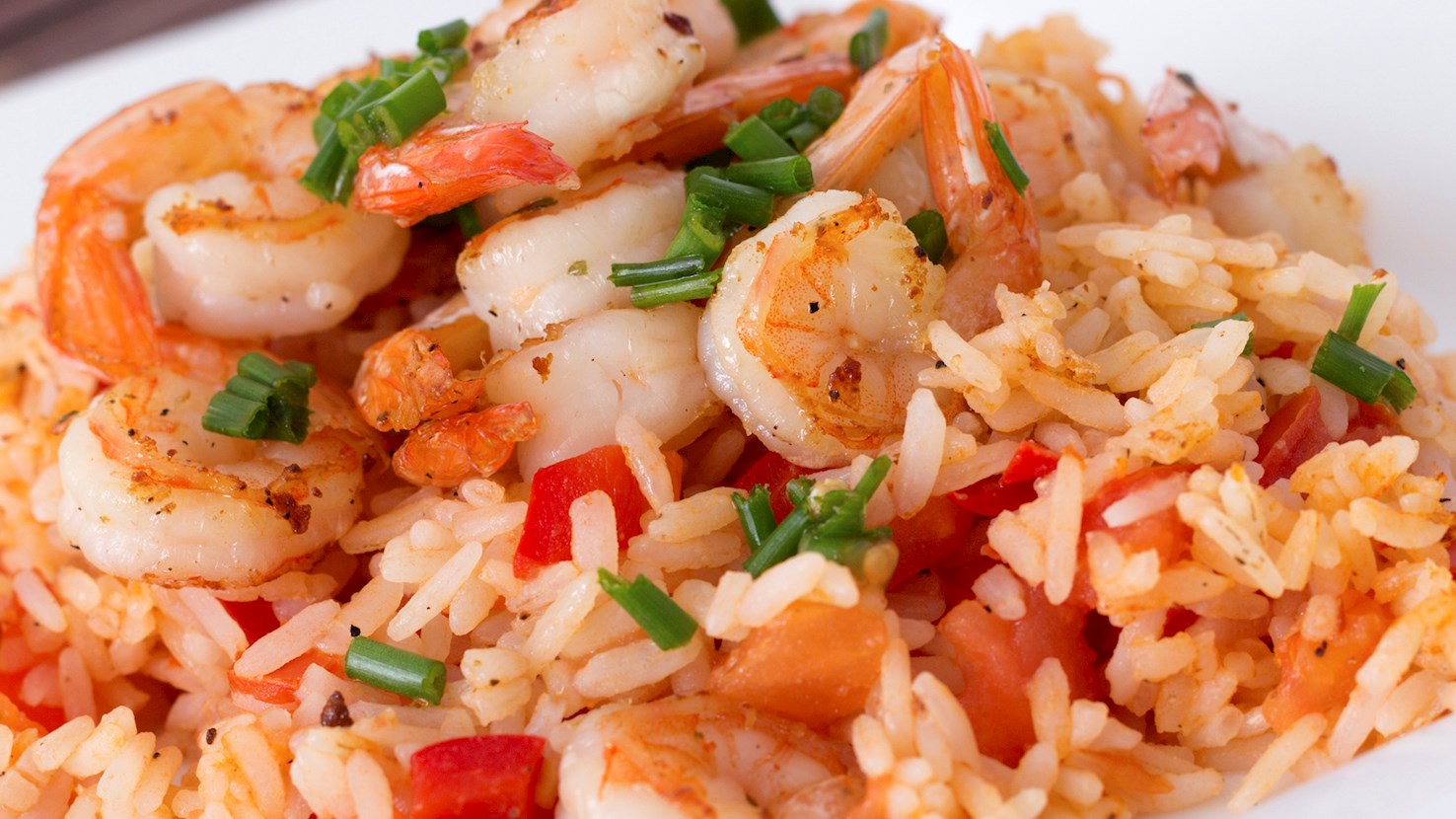
Arroz con camarones (Rice with shrimps)

4.2 ·

Arroz con camarones is a dish that is popular throughout Latin America, especially in Peru, Ecuador and Mexico. It consists of rice that is cooked in a flavorful shrimp broth, combined with shrimp, peppers, tomatoes, and onions. The dish is usually seasoned with cumin, garlic, and achiote, with the addition of finely chopped parsley used for garnishing. Arroz con camarones can be served with numerous accompaniments such as lime wedges, hot sauce, avocado slices, or fried plantains.

02
Bread Roll

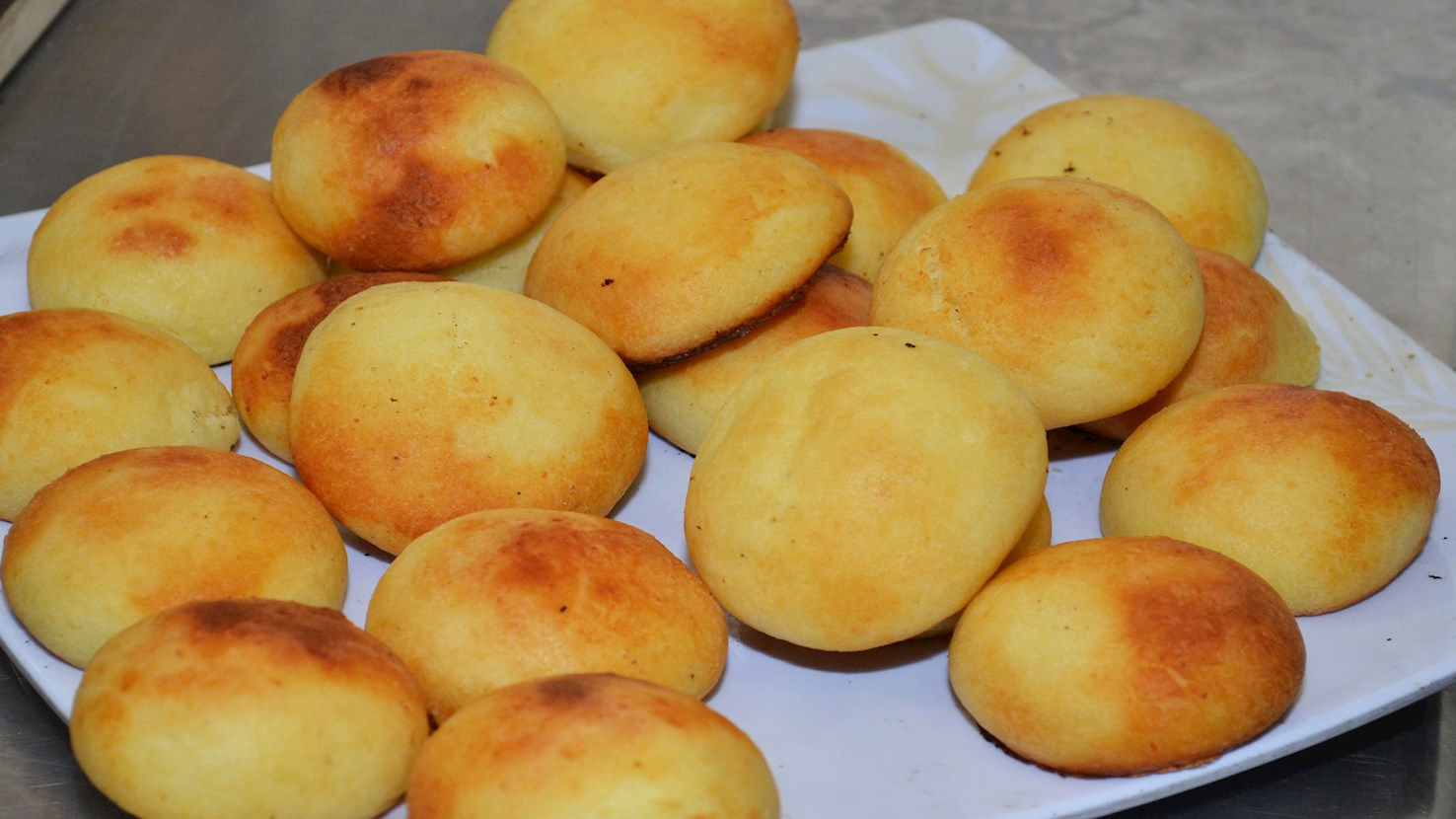
Pan de yuca (Cassava bread)

4.2 ·

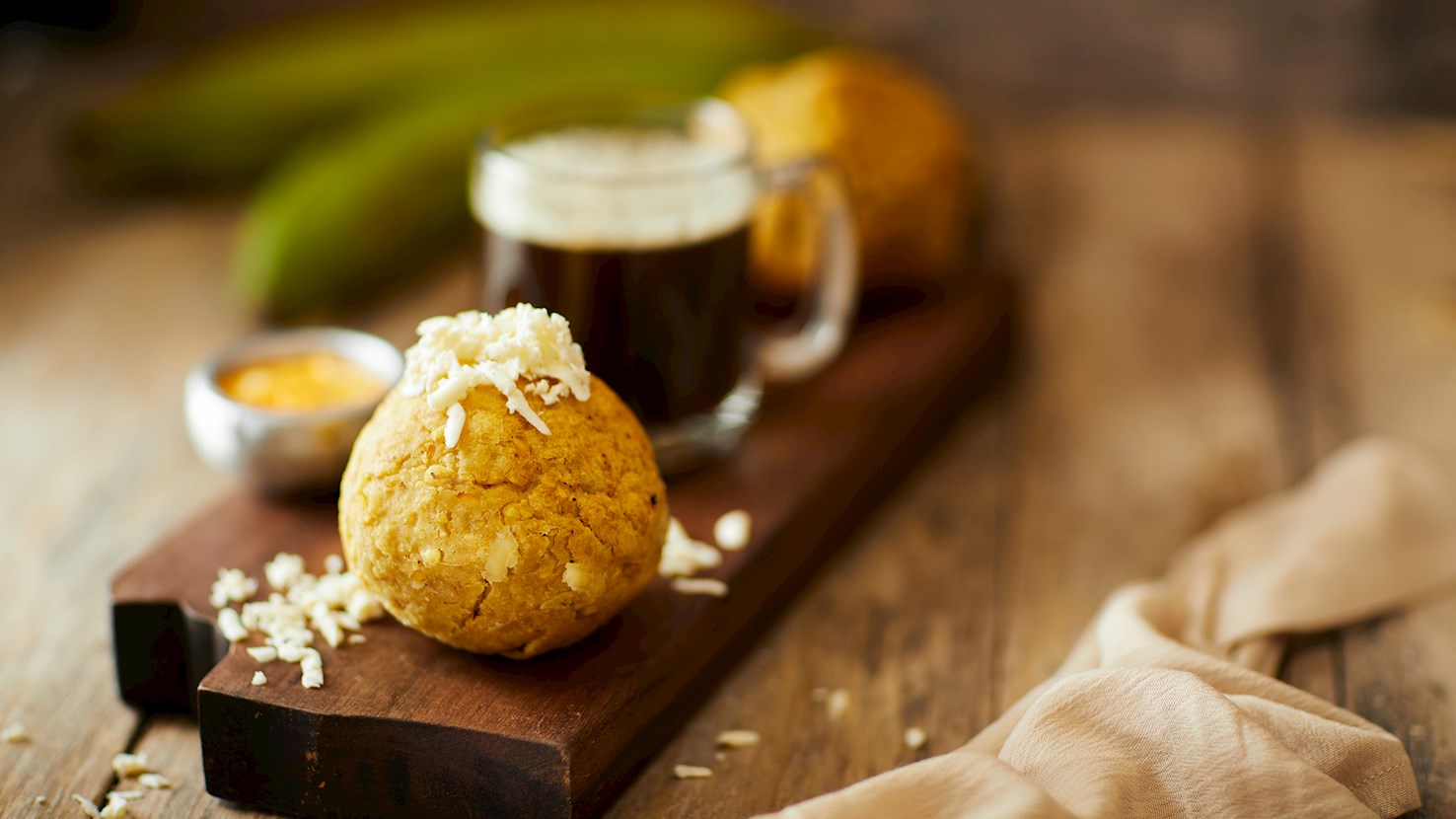
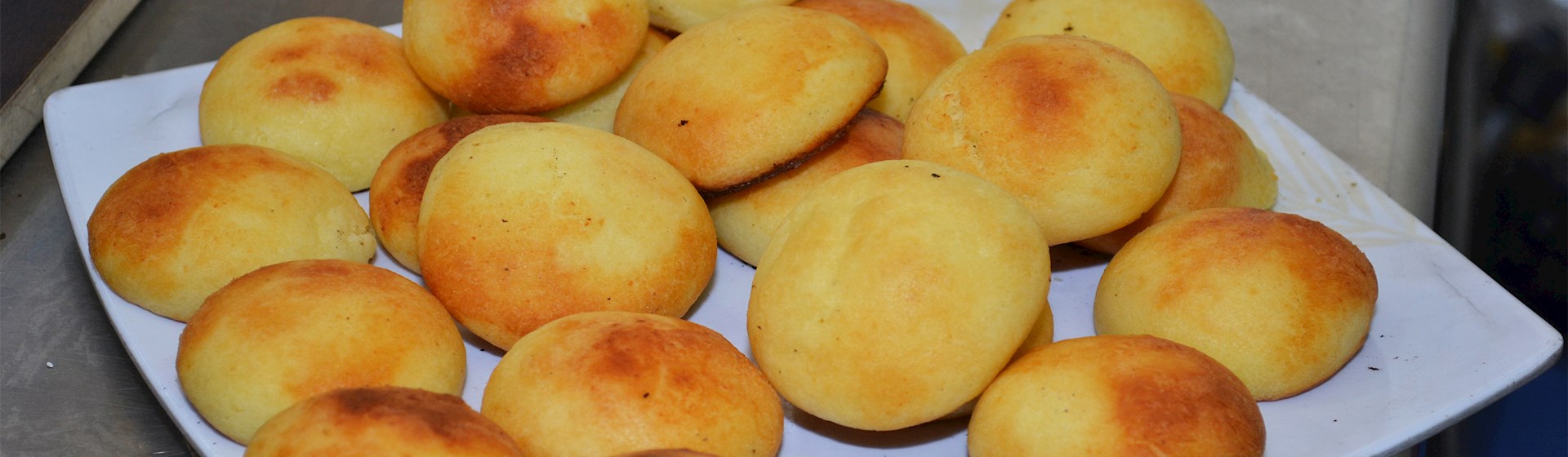
Pan de yuca is a traditional bread consisting of cassava flour, eggs, and cheese. It is usually shaped into small, round balls. The bread is popular throughout Colombia and Ecuador, although there are variations on pan de yuca throughout Latin America. It makes for a delicious warm appetizer or an afternoon snack, preferably paired with a cup of hot chocolate, tea, or coffee.

03
Side Dish

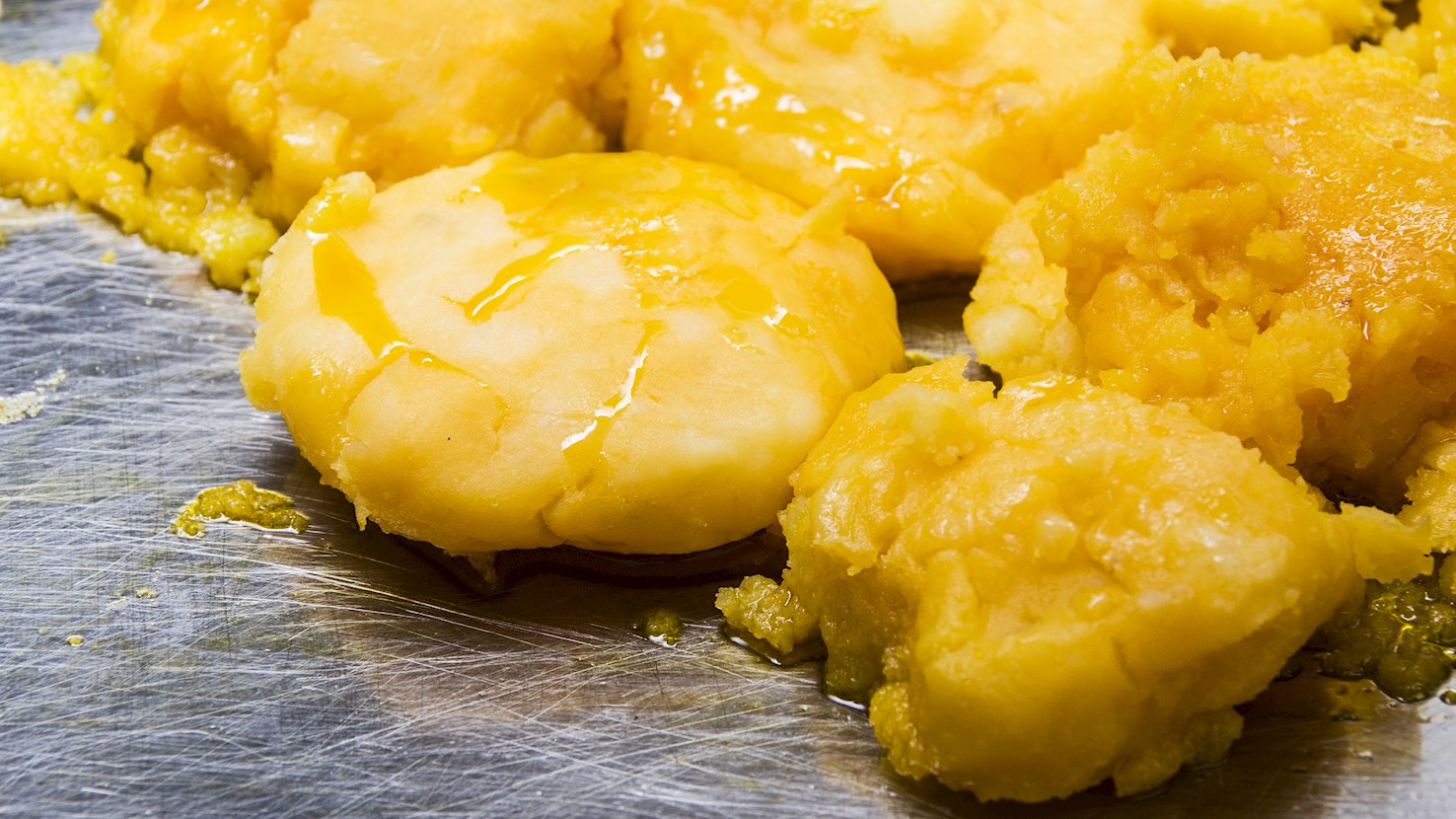
Llapingacho

4.2 ·

Llapingachos are typical Ecuadorian potato patties that are often served with a spicy peanut sauce on the side. They consist of cheese and mashed potatoes. The combination of those ingredients is flattened and cooked on a griddle until it develops a golden-brown color. Llapingachos are traditionally served as a side dish along with avocadoes, salads, fried eggs, pork, and chorizo.

04
Fish Soup

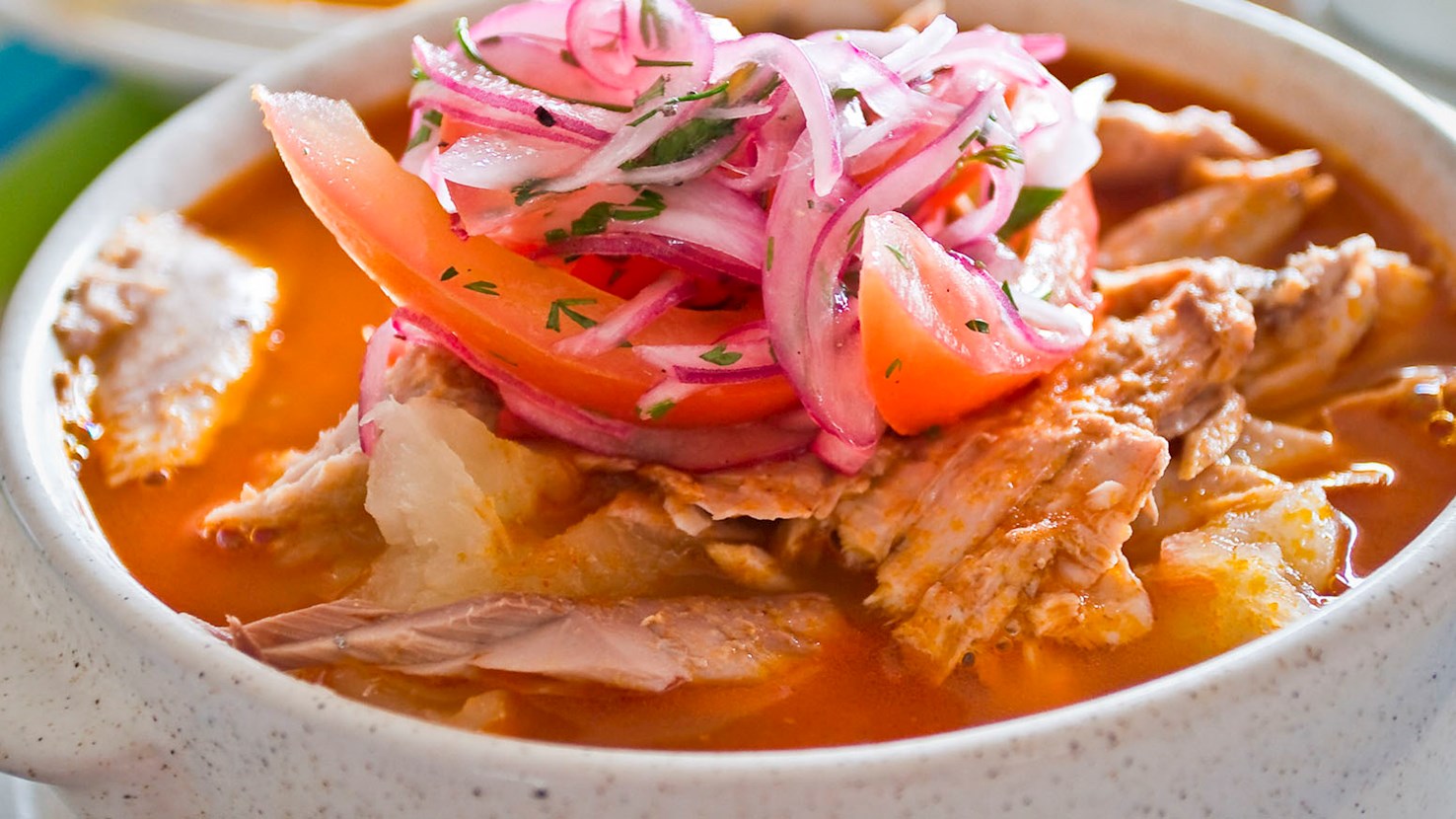
Encebollado

4.2 ·

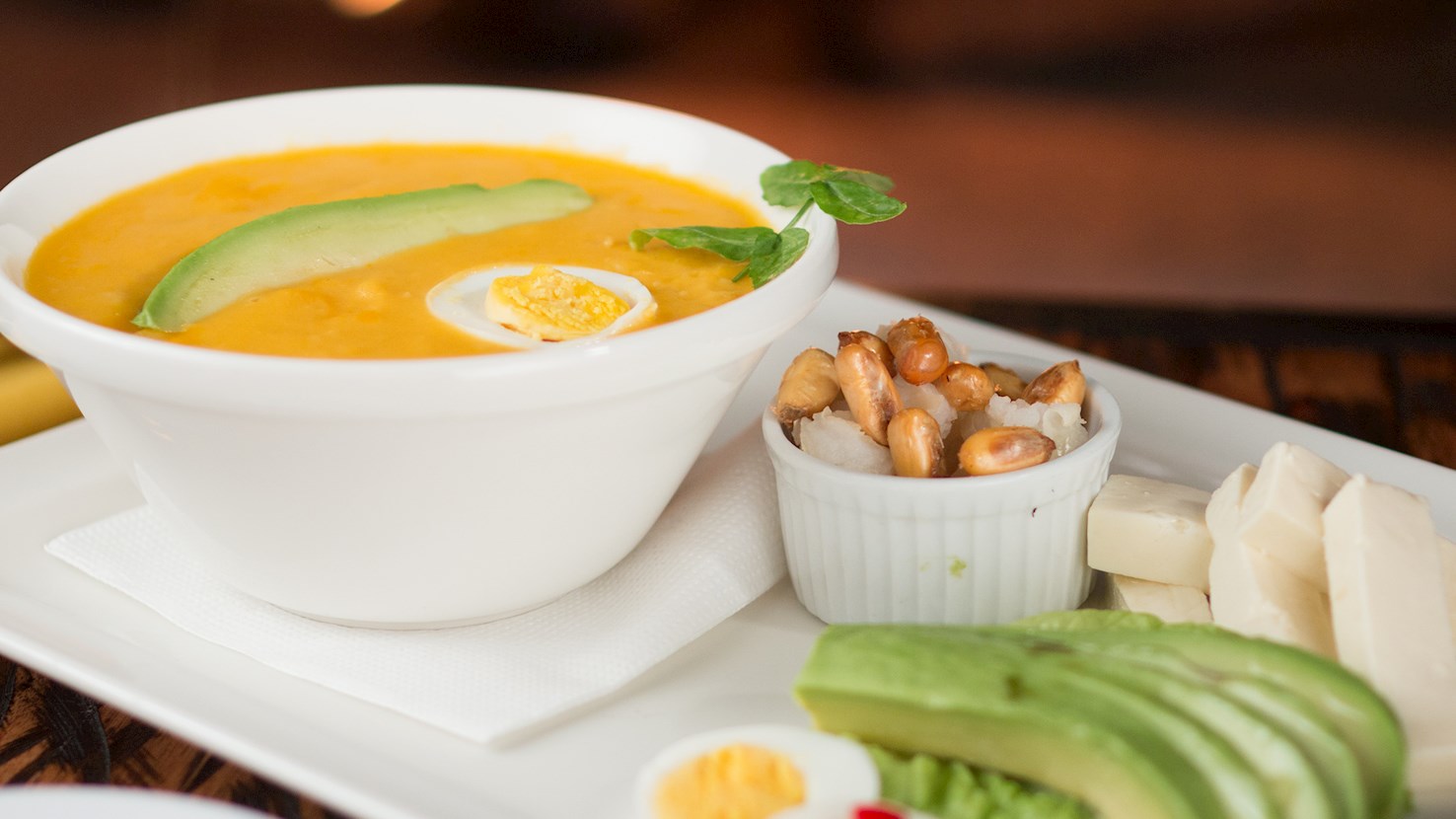
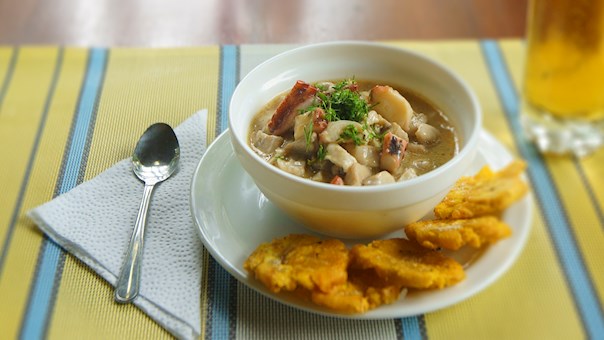
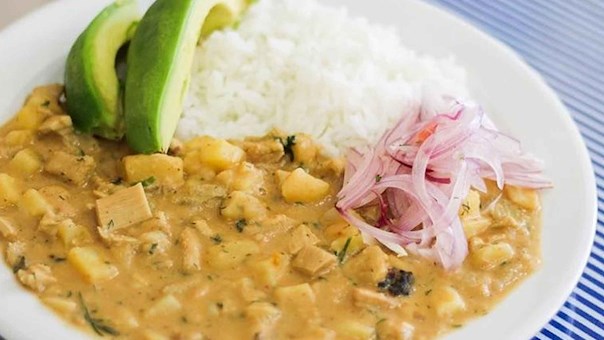
Encebollado is the national dish of Ecuador, a fish soup that is characterized by a large amount of onions. Very useful in curing hangovers, the dish is made with fresh tuna meat, cassava root, tomatoes, onions, coriander, and various spices. Tomatoes, onions, chili, coriander, and cumin form a pungent mix and a base for the soup, called sofrito, while pickled onions go either on top of encebollado or into it, giving it its name that is literally translated to onioned. The soup originates from Ecuador's coast during the time when the fishers were out at sea and made the soup out of necessity. As they had some spices, and fresh fish was readily available, encebollado was created and became widely consumed throughout the country. Today, consumers can choose their own condiments including toasted corn, banana chips, lime, mustard, and avocado. This traditional dish – a source of pride for the locals – can be found on various street corners, in small restaurants, hotels, and homes of people from various social backgrounds. Everyone eats it in Ecuador, that's just how good it is.

05
Street Food

Chifle

4.2 ·

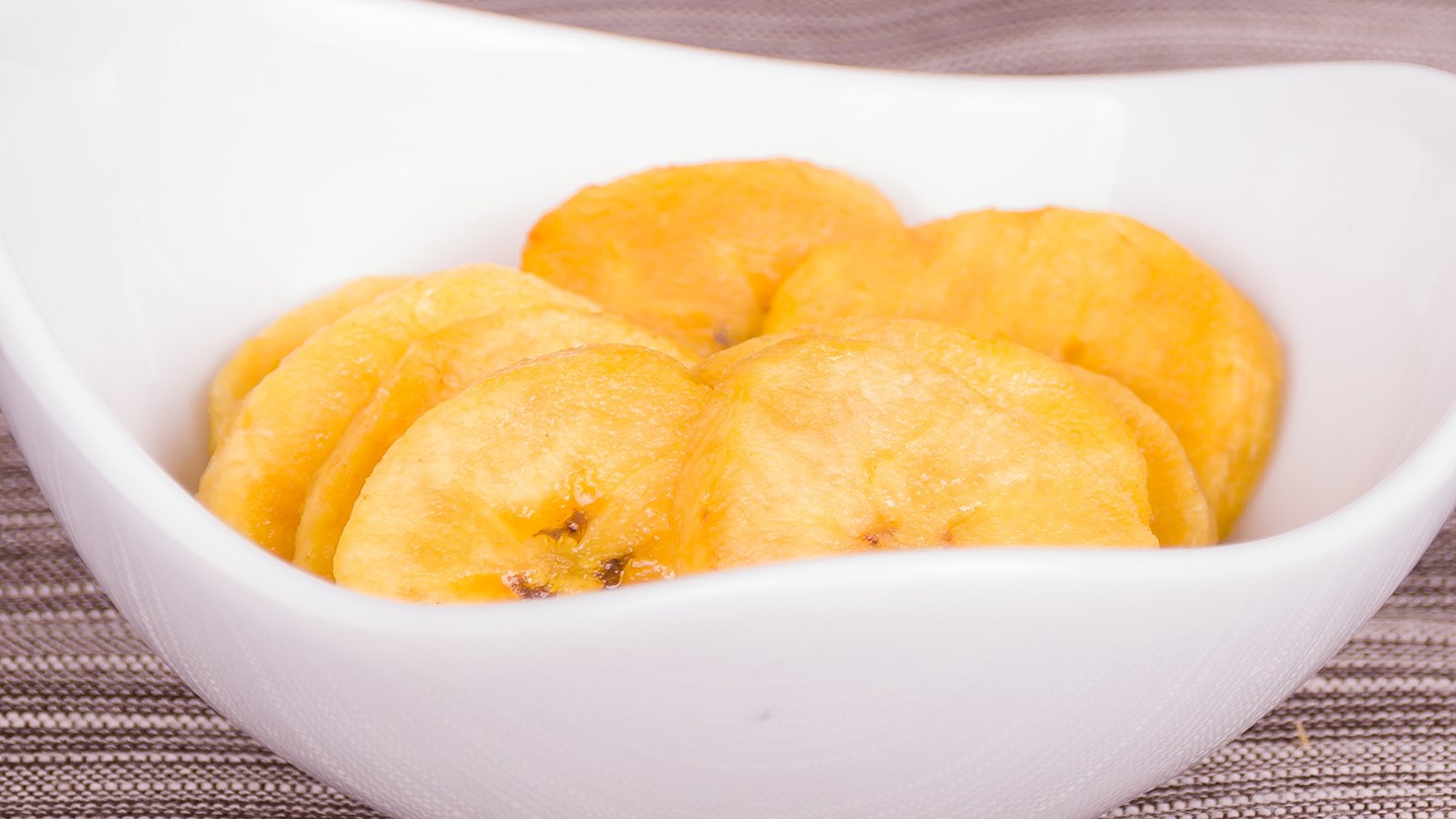
Typically associated with Ecuador and the Peruvian region of Piura, chifles are thinly sliced, fried green plantains. They can be sliced crosswise or lengthwise, and while homemade varieties are usually sold as a convenient and portable street food item, they also come in form of factory-produced snacks that are available in supermarkets. Chifles are typically sided with charqui - shredded dried and salted meat - or other snacks. Similar versions of fried plantains are found in many Latin American countries such as Guatemala, Cuba, and Puerto Rico.

06
Pancake

Tortilla de choclo

4.1 ·

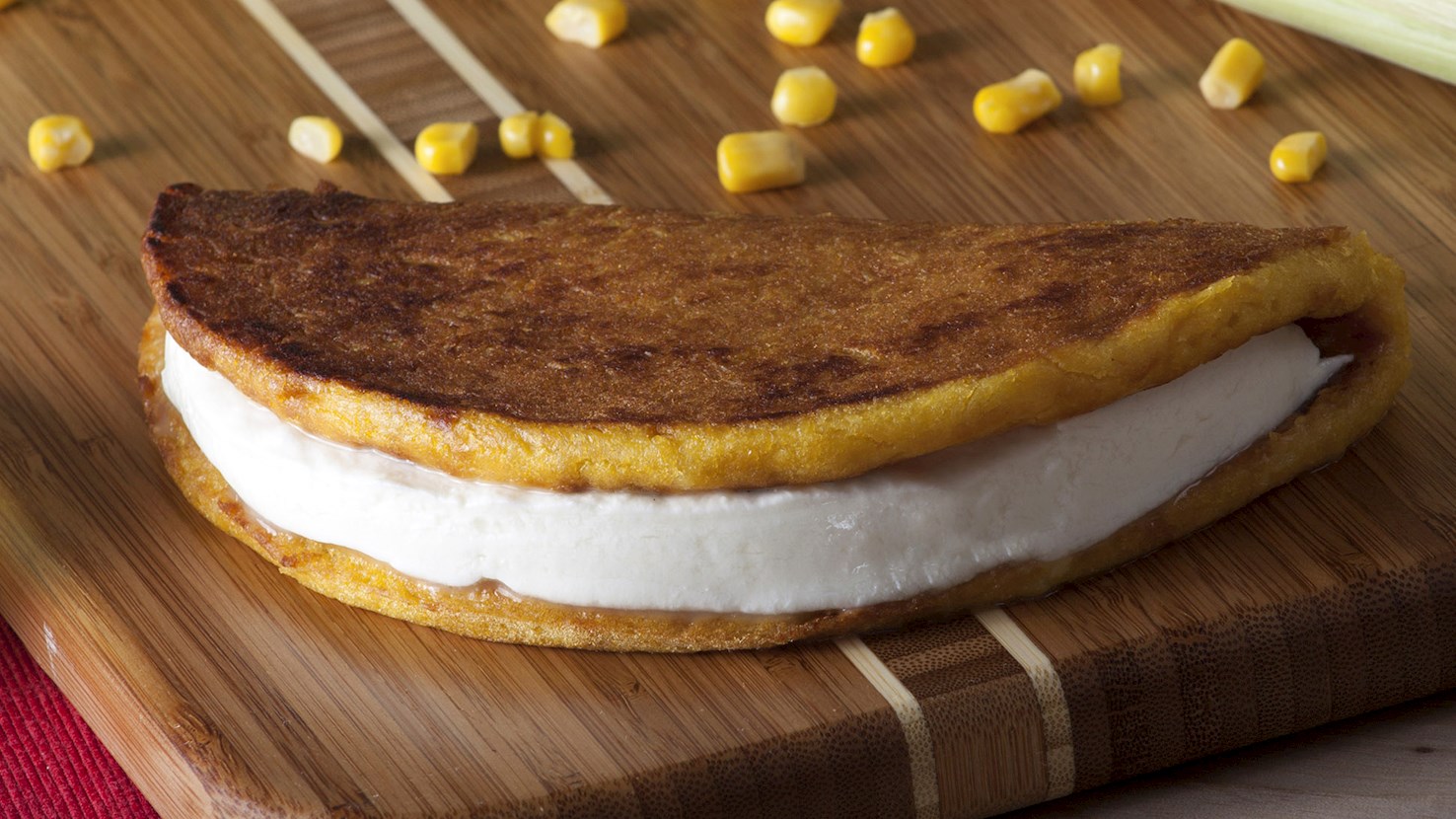
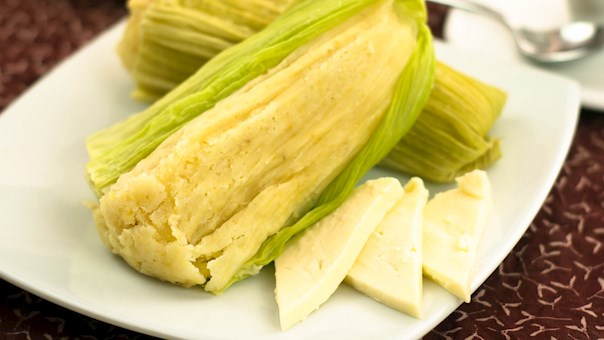
Cachapa, chorreada, arepa de choclo, güirila, toquera, tortilla de choclo, and tortilla changa, are all names that describe a Latin American corn dish that can be categorized as either a pancake, tortilla, or flatbread, depending on the country. It can be made only of corn or have additional ingredients like sugar, water, milk, salt, butter, cheese, and oil. They are typically prepared by street vendors and are either fried or griddled (in Nicaragua, they’re cooked between two banana leaves!) and characterized by a sweet-savory flavor. They can be eaten plain with a beverage, wrapped around a filling, or topped like an open-faced sandwich with things like cheese, shredded pork, sour cream, and eggs. They can be eaten any time of day, but typically they're eaten for breakfast, as a snack, or a quick dinner.

07
Pork Dish

Fritada (Ecuadorian fried pork)

4 ·

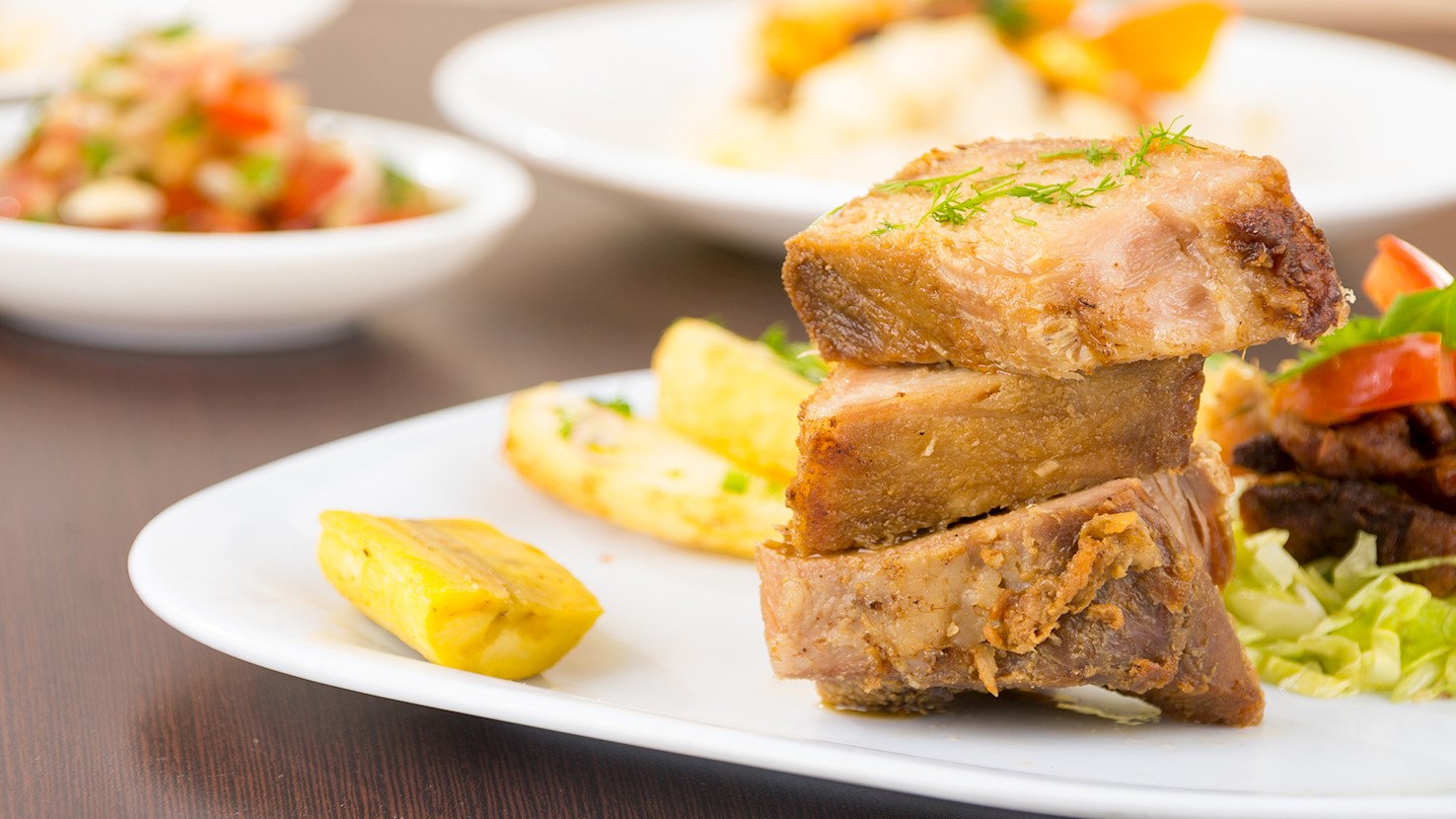
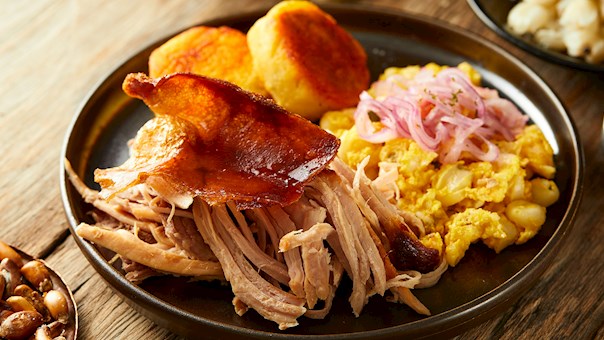
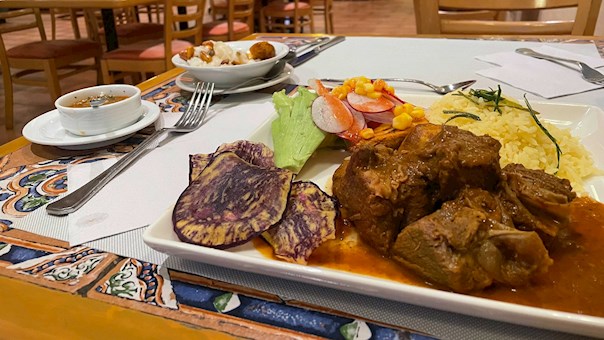
Traditional Ecuadorian fritada is a dish which consists of diced pork boiled down in water and left to fry in its own drippings. Pork is generously seasoned, while onions and garlic are usually cooked alongside the meat. Depending on the region, potatoes, plantains, hominy, fava beans, or corn can be served as side dishes accompanying tender and juicy chunks of pork. Fritada has been eaten in Ecuador for centuries, and it can be found in many traditional restaurants and typical roadside eateries, popularly called huequitos.

08
Vegetable Soup

Locro de papa (Ecuadorian potato soup)

4 ·

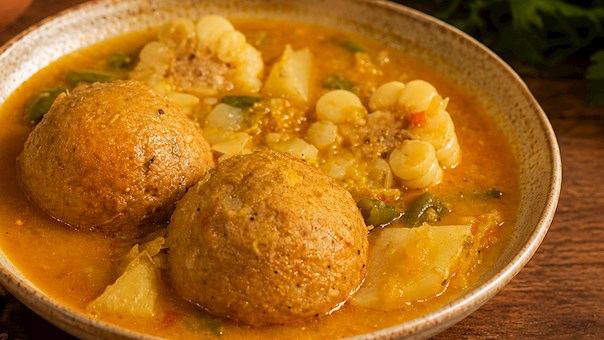
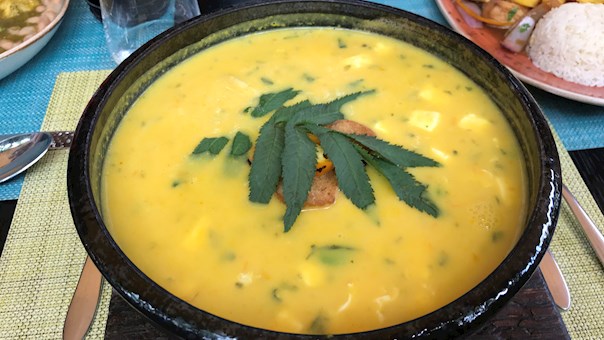
This classic Ecuadorian soup is made with a combination of onions, garlic, potatoes, annatto, cumin, milk, and queso fresco. The soup is simmered until the ingredients become fully cooked, and the cheese is then mixed in until it melts. Locro de papa is served hot, topped with chopped cilantro, diced avocado, and ají hot sauce, which is the reason why this hearty soup is especially popular on colder days. If desired, choclo corn can also be added to the soup for extra flavor. The word locro is derived from the Quechua word ruqru, which means stew, while papa means potato.

09
Breakfast

Bolón de verde

4 ·

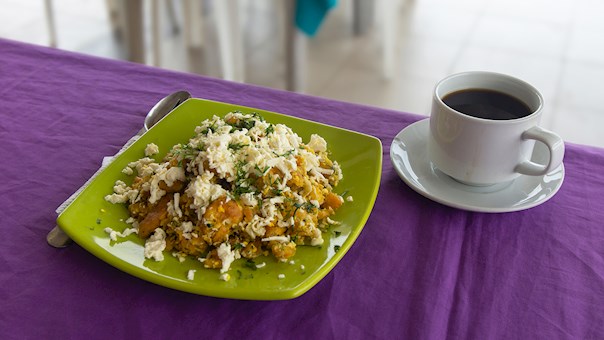
Bolón de verde is a dish of green plantain fritters that are typically filled with cheese, chicharrónes, or chorizo. It is a traditional and national Ecuadorian dish that’s usually eaten for breakfast. The name translates to big green ball since the main ingredient is green plantains. The preparation starts with cooking or frying the plantains, which are then mashed, seasoned, mixed with the filling, and shaped into balls. They are usually then fried once again to make them crispy. The fritters should be eaten while still hot or warm and are usually served with a fried egg and coffee.

10
Vegetable Soup

Fanesca

4 ·

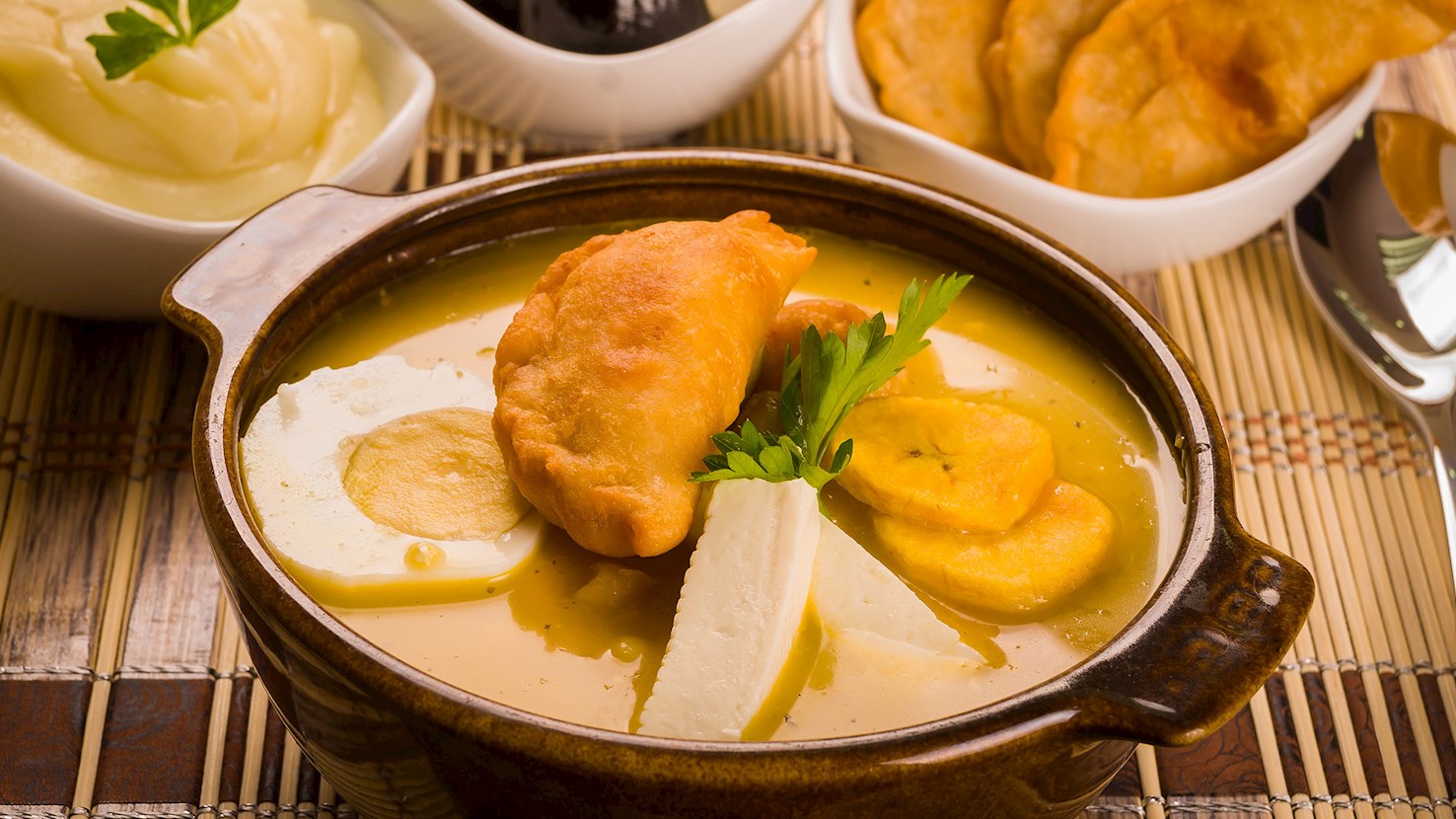
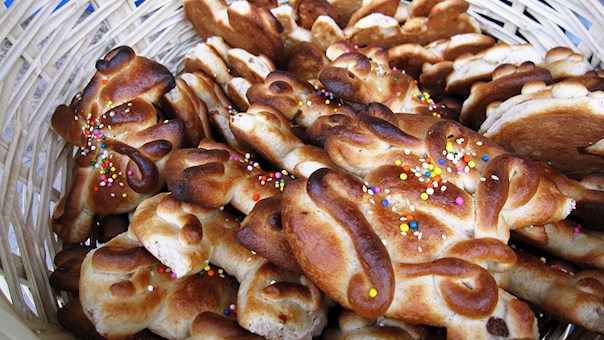
Fanesca is a unique Ecuadorian soup characterized by its thick consistency, consisting of fresh Andean grains, beans, peas, and lentils, combined with salt cod cooked in milk. There should be 12 different grains and beans in the soup, symbolizing the 12 disciples, as the soup is prepared only during the Easter festivities. Fanesca is traditionally served in round bowls, garnished with fried plantains, parsley, and hard-boiled eggs.

Best Ecuadorian food products

01
Chocolate

Hoja Verde Chocolate

5 ·
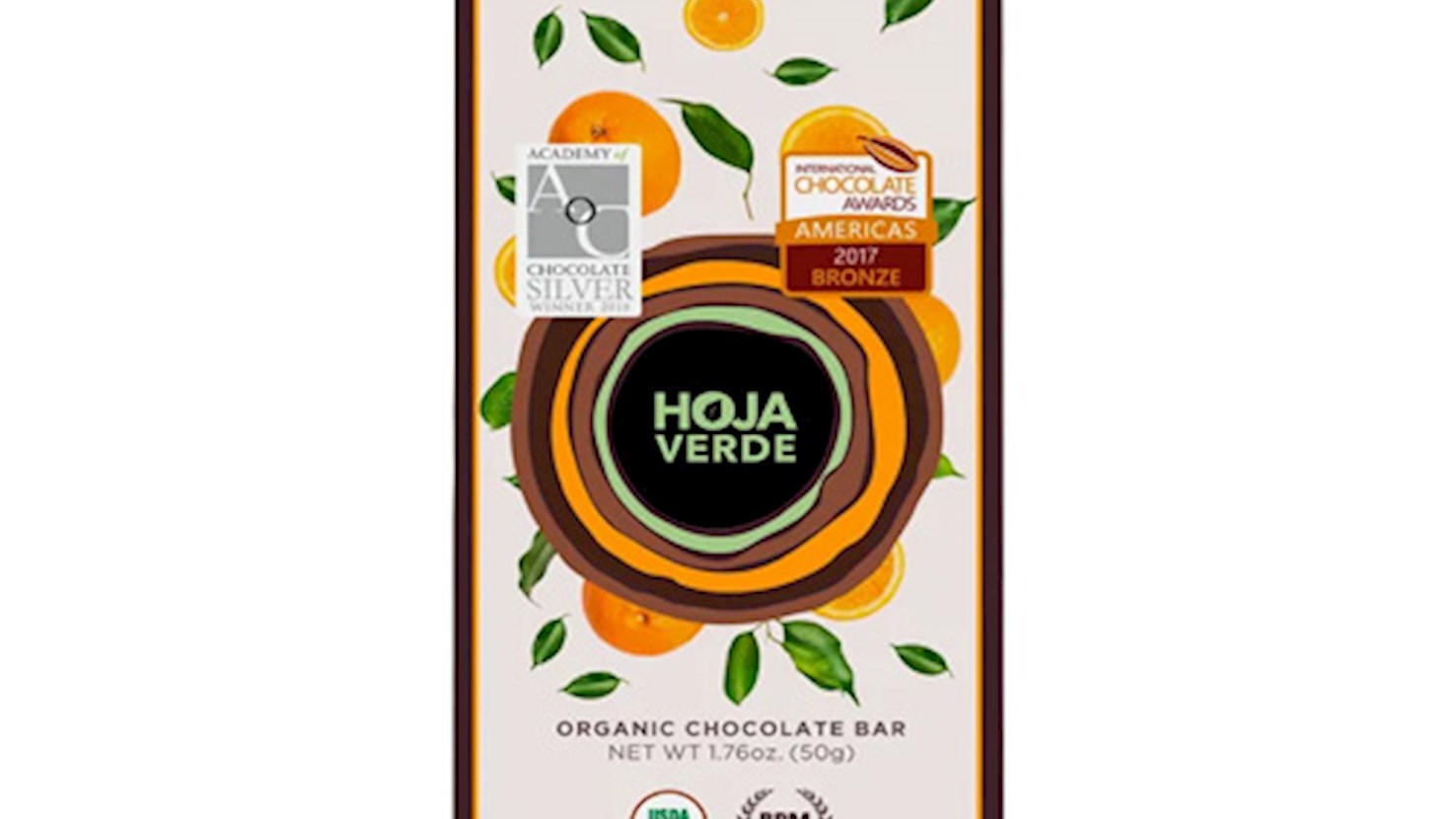
Hoja Verde Chocolate is an Ecuadorian bean-to-bar chocolate maker that blends the authenticity of local terroir with the principles of sustainable and fair production. Founded in 2014 in Cayambe, at the foot of the equatorial line, the brand crafts its chocolates using premium Cacao Fino de Aroma, a variety renowned for its aromatic complexity and smooth flavor profile. Hoja Verde oversees every step of the process - from cultivation and fermentation to roasting and molding - ensuring transparency, freshness, and a full expression of Ecuadorian cacao’s character. Their chocolates are distinguished by delicate fruity, floral, and nutty notes, with a smooth texture and balanced bitterness. The brand’s mission goes beyond chocolate making; it aims to preserve the cultural connection between land, people, and flavor. Each bar tells a story of local communities, artisanal tradition, and responsible craftsmanship.
Awards
Academy of Chocolate - Silver (2018, 2017)
Academy of Chocolate - Bronze (2022, 2018, 2017, 2016)
02
Chocolate

Paccari

5 ·
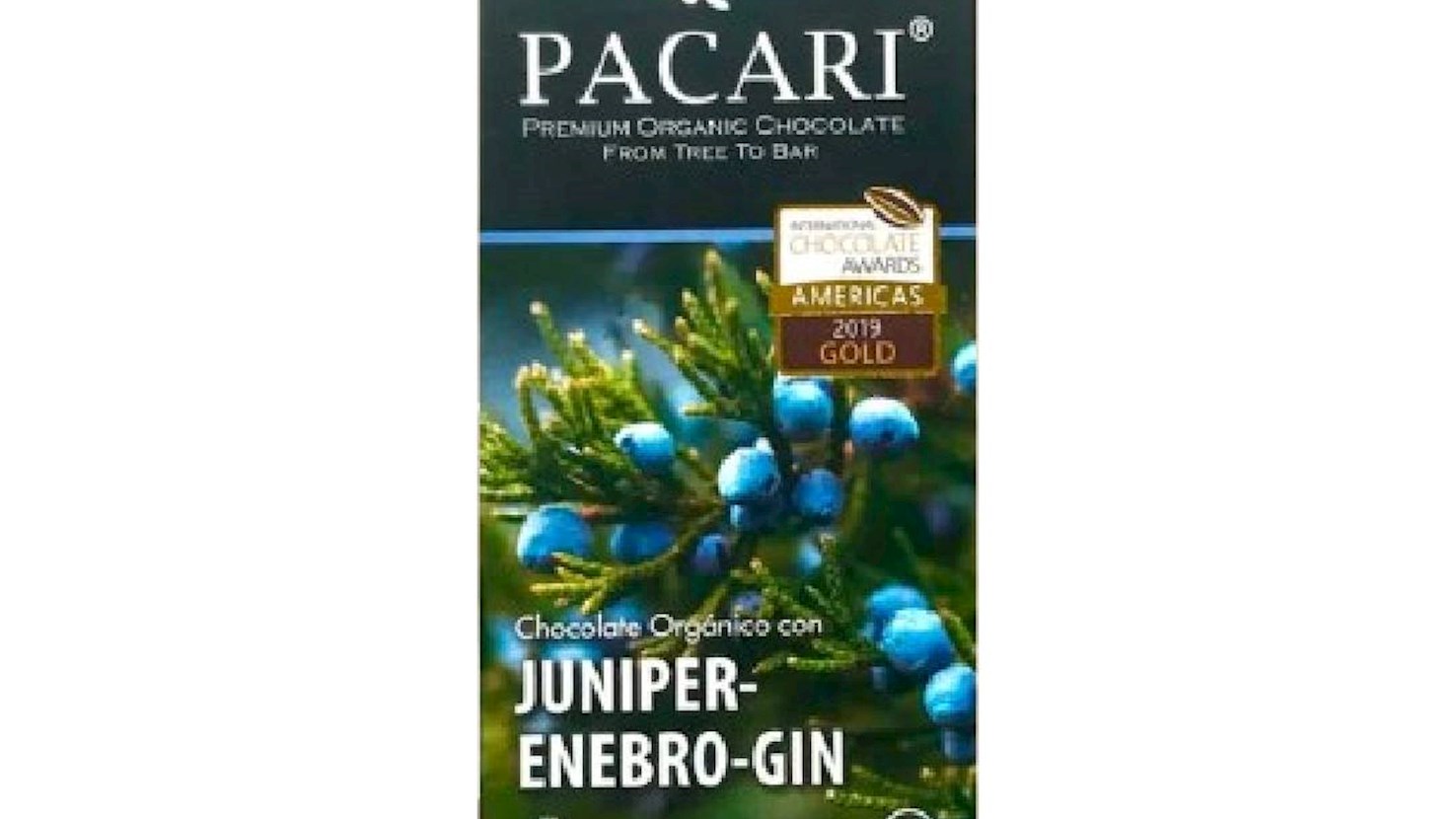
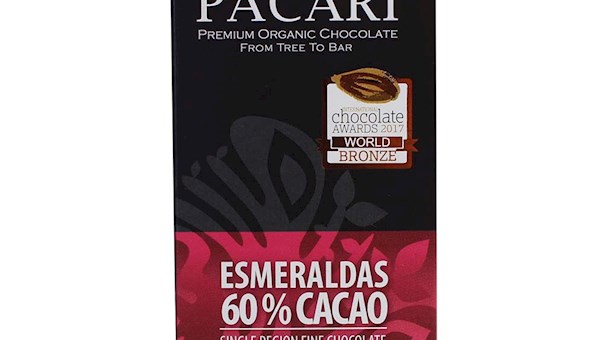
Paccari is an Ecuadorian chocolate company that has set new standards in the world of fine chocolate. Founded in Quito in 2002 by Santiago Peralta and Carla Barboto, Paccari—meaning "nature" in the Kichwa language—is more than a brand; it is a philosophy that unites quality, ethics, and deep respect for the earth. From the very beginning, Paccari has been committed to producing 100% organic chocolate, free from milk, soy, gluten, chemicals, and GMOs. Their "tree to bar" model ensures full control over every step of the process—from cultivating the prized Nacional cacao to the final product. Paccari was the first chocolate maker in Ecuador to receive Demeter biodynamic certification, and their dedication to sustainability is reflected in the use of biodegradable plant-based packaging. Their chocolates are vegan and celebrated for innovative flavors inspired by local ingredients such as Andean rose, passion fruit, pink salt from Cuzco, and chili. Paccari is not just chocolate—it is a tribute to nature, people, and the future.
Awards
International Chocolate Awards - Overall winners (2013)
International Chocolate Awards - Gold (2019, 2017, 2016, 2015, 2014, 2012)
03
Spirit

Gin Crespo

5 ·
Awards
SFWSC - San Francisco World Spirits Competition - Double Gold (2024)
04
Chocolate Confectionery

To'ak Chocolate

4.9 ·
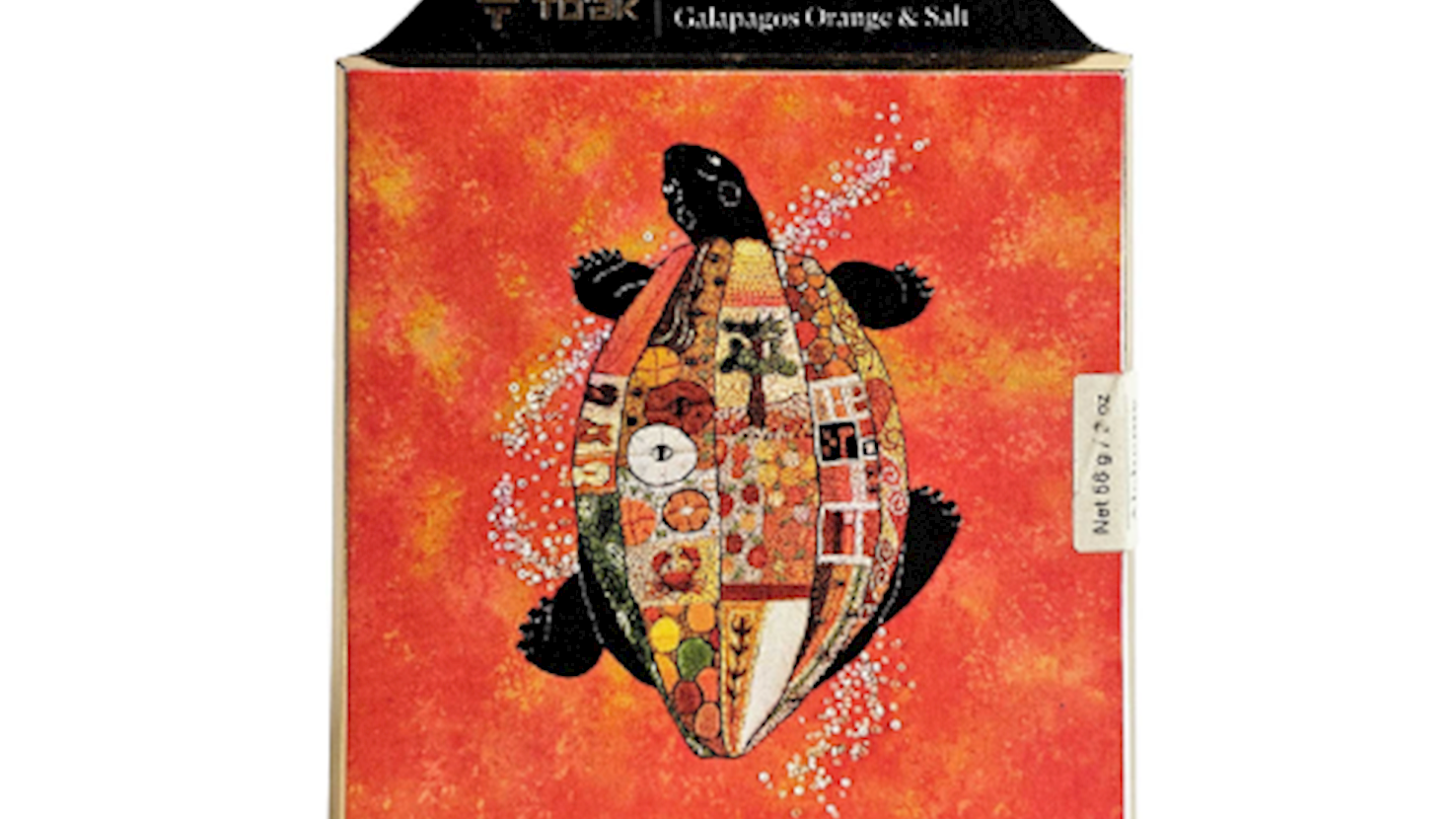
To’ak Chocolate is a luxury dark chocolate brand from Ecuador that fuses art, science, and sustainability into every bar. Founded in 2013 in Quito, To’ak is celebrated for reviving the rare Nacional cacao, one of the world’s oldest and most prized varieties, sourced from the Piedra de Plata valley. The brand works directly with local farmers, paying premium prices to protect and preserve this genetic heritage. Each chocolate is handcrafted in micro-batches with minimal processing to maintain the bean’s natural purity and complexity. Distinct for its deep flavors - ranging from tropical fruit and nuts to warm wood and honey - To’ak also pioneered the barrel-aging of chocolate, allowing it to mature like fine wine or whisky. Every bar is numbered and presented in a handcrafted Ecuadorian balsa wood box, symbolizing To’ak’s dedication to craftsmanship, authenticity, and ethical luxury.
05
Chocolate

Noel Verde

4.7 ·
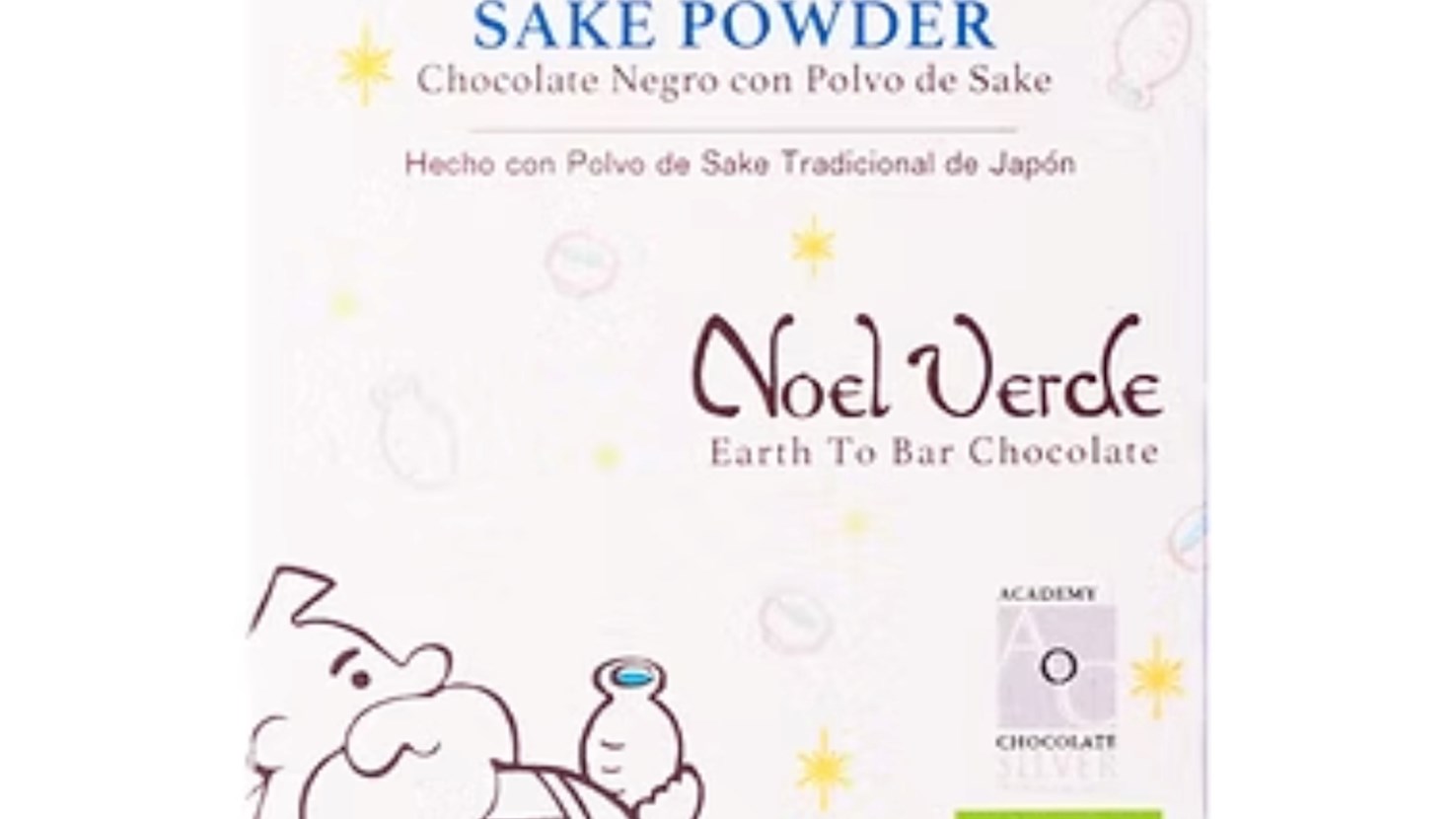
Noel Verde is a craft chocolate maker dedicated to producing high-quality bean-to-bar chocolate with a focus on sustainability and ethical sourcing. Using carefully selected cacao beans, they create rich and flavorful chocolates that highlight the unique characteristics of each origin. Their commitment to quality and artisanal craftsmanship ensures an authentic and delightful chocolate experience.
Awards
International Chocolate Awards - Silver (2024)
International Chocolate Awards - Bronze (2024)
06
Chocolate

Conexión Chocolate

4.7 ·
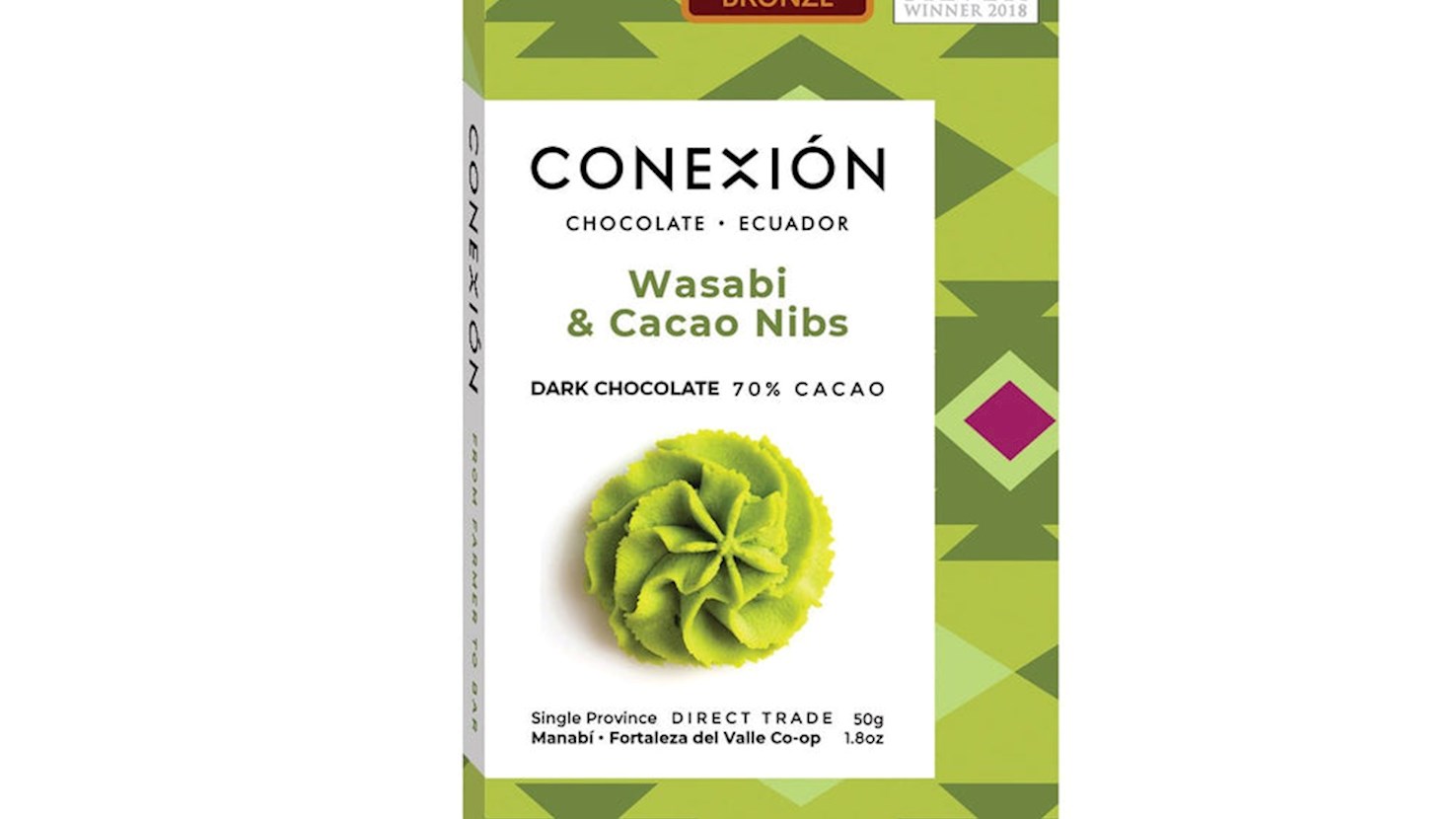
Conexión Chocolate, based in Quito, Ecuador, produces premium chocolate made exclusively from Ecuadorian Arriba Nacional cacao beans. The company emphasizes direct relationships with local farmers and focuses on sustainable, organic farming practices. They offer a range of products, including chocolate bars, couverture, and cocoa powder.
Awards
Academy of Chocolate - Silver (2018, 2017)
Academy of Chocolate - Bronze (2020, 2019, 2018, 2017)
07
Olive Oil

Aceites Almenara

4.5 ·
Awards
Flos Olei - The Best (2024)
NYIOOC - Gold (2023)
08
Dessert

Noli Alfajores

4.4 ·
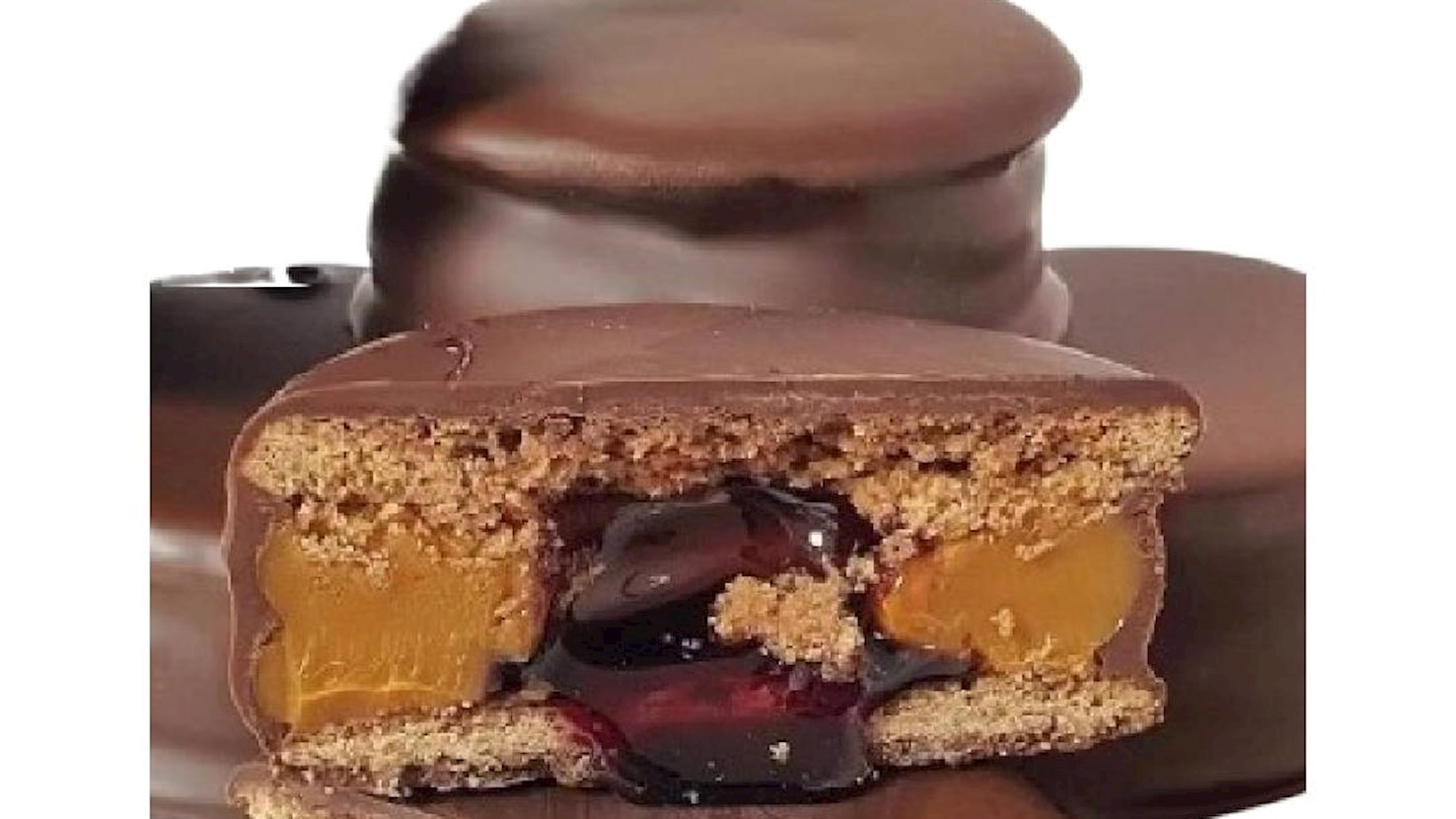
Noli Alfajores is a brand devoted to crafting artisanal alfajores that combine authentic flavor with carefully designed aesthetics. Each piece is handmade with dedication and attention to detail, making their creations stand out far beyond their place of origin. Their passion for innovation is evident not only in the rich taste of their alfajores but also in the way they are presented—every package is designed to feel like a small gift for both the eyes and the palate. This unique combination of flavor and design earned them the prestigious award for Best Packaging at the international Mundial del Alfajor competition. Today, Noli Alfajores represents the union of tradition and modern creativity, offering confections that are more than just sweets—they are experiences that captivate with both beauty and quality.
Awards
Campeonato Mundial del Alfajor - ORO (2025)
09
Chocolate

Huma Chocolate

4.3 ·
Huma Chocolate, based in Quito, Ecuador, specializes in producing high-quality artisanal chocolates. The company focuses on sustainability, sourcing organic and fair-trade cacao from local farmers. Huma Chocolate utilizes traditional practices combined with modern techniques to craft a variety of chocolate products.
Awards
International Chocolate Awards - Bronze (2023)
10
Chocolate

Llankhay Chocolate

4.3 ·
Llankhay Chocolate is a Quito-based chocolate producer that specializes in high-quality, artisanal chocolate. They use locally sourced cocoa beans from various regions of Ecuador, known for their rich biodiversity, which contributes to the distinct flavor profiles of their chocolates. Llankhay Chocolate is involved in sustainable practices, focusing on ethical sourcing and supporting local farmers.
Awards
Academy of Chocolate - Bronze (2018)
Read more
View all
View map
About this ranking

TasteAtlas food rankings are based on the ratings of the TasteAtlas audience, with a series of mechanisms that recognize real users and that ignore bot, nationalist or local patriotic ratings, and give additional value to the ratings of users that the system recognizes as knowledgeable. For the “Top 28 Ecuadorian Foods” list until June 24, 2026, 5,825 ratings were recorded, of which 1,196 were recognized by the system as legitimate. TasteAtlas Rankings should not be seen as the final global conclusion about food. Their purpose is to promote excellent local foods, instill pride in traditional dishes, and arouse curiosity about dishes you haven’t tried.

The initial list of top producers was compiled based on available reviews, awards, local recommendations, media and blog coverage, and consumer reviews. The list will be updated with ratings from TasteAtlas local ambassadors and TasteAtlas users.

Similar lists