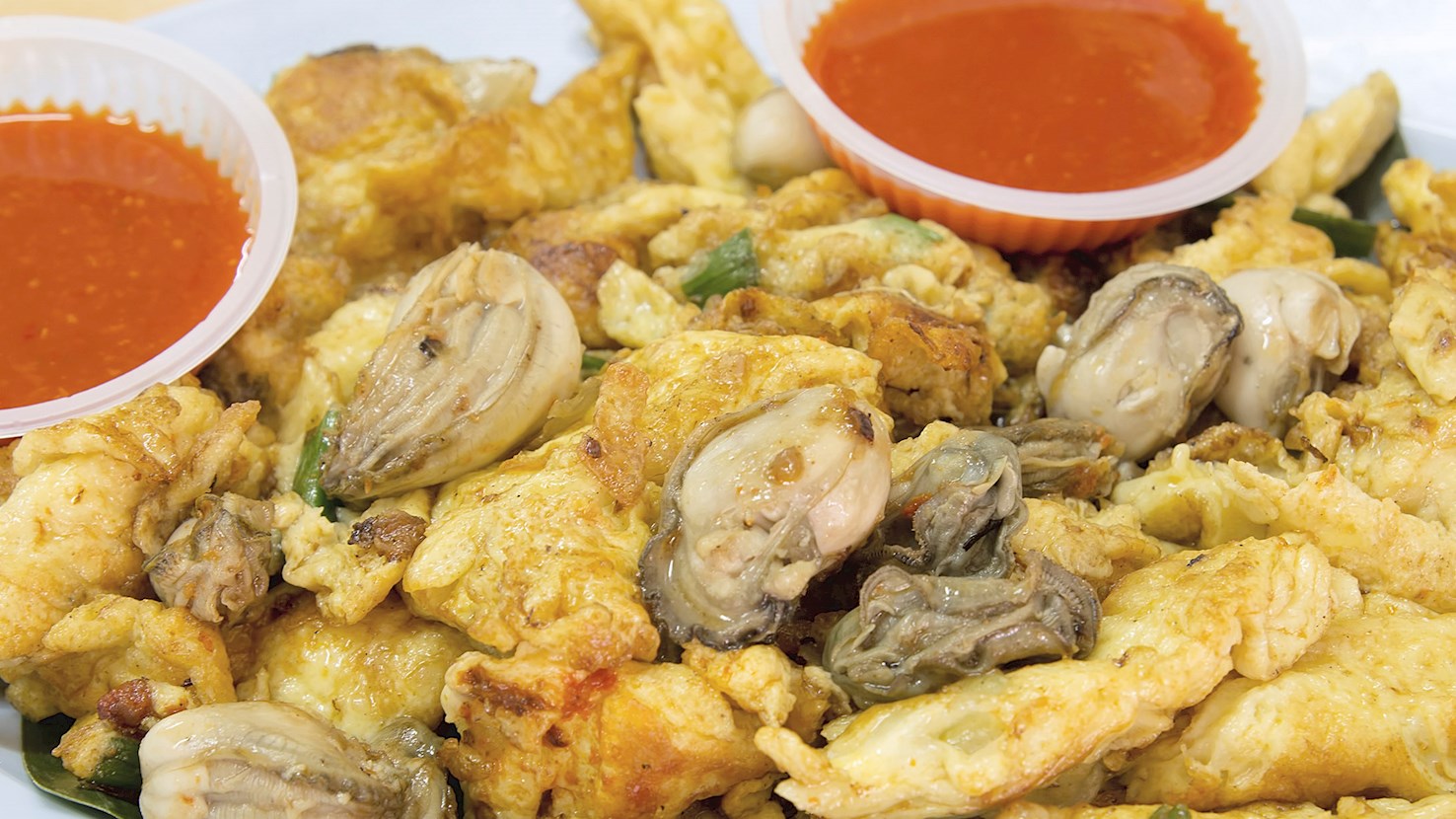
Oyster omelette is a savory egg-based dish originating in the coastal regions of southern China, particularly in Fujian and Guangdong, and it later spread across Southeast Asia, where it became a beloved staple of street food culture in places like Taiwan, Thailand, Malaysia, Singapore, and the Philippines. It combines small, fresh oysters with eggs and a starch batter, resulting in a dish that is crisp on the outside and soft within, often finished with herbs, sauces, or spicy condiments. Its roots lie in the coastal abundance of oysters and the ingenuity of cooks who sought to make use of seasonal shellfish in a satisfying and economical way. In port cities and fishing towns, oysters were plentiful but perishable, and incorporating them into quick, hot dishes allowed them to be eaten fresh while also providing nourishment and flavor to working families and laborers. The dish evolved over time, with each region adapting it to local tastes. In Fujian and Chaoshan areas, the emphasis is often on the delicate interplay of soft oysters and lightly set eggs, while in Taiwan the starch component became more prominent, forming a chewy, slightly gooey texture that contrasts with the crisp edges from the hot griddle. Thai and Malaysian versions tend to be spicier and sometimes include additional aromatics or bean sprouts for freshness and crunch. Preparation begins with a batter made of sweet potato, tapioca, or potato starch mixed with water, poured onto a hot, greased griddle or wok, and spread into a thin layer. Oysters are added on top, followed by beaten eggs, which cook quickly and bind the ingredients together. The omelette is flipped and browned until parts become crisp while the interior remains tender and moist. It is usually served hot, garnished with cilantro or scallions, and accompanied by a sweet, sour, or spicy dipping sauce, depending on the region. Today, oyster omelette is eaten both as a street snack and a restaurant dish, often associated with night markets, coastal seafood stalls, and festive occasions. It pairs well with light soups or rice porridge and is sometimes enjoyed alongside beer or tea, especially in settings where it is served as part of a shared meal.
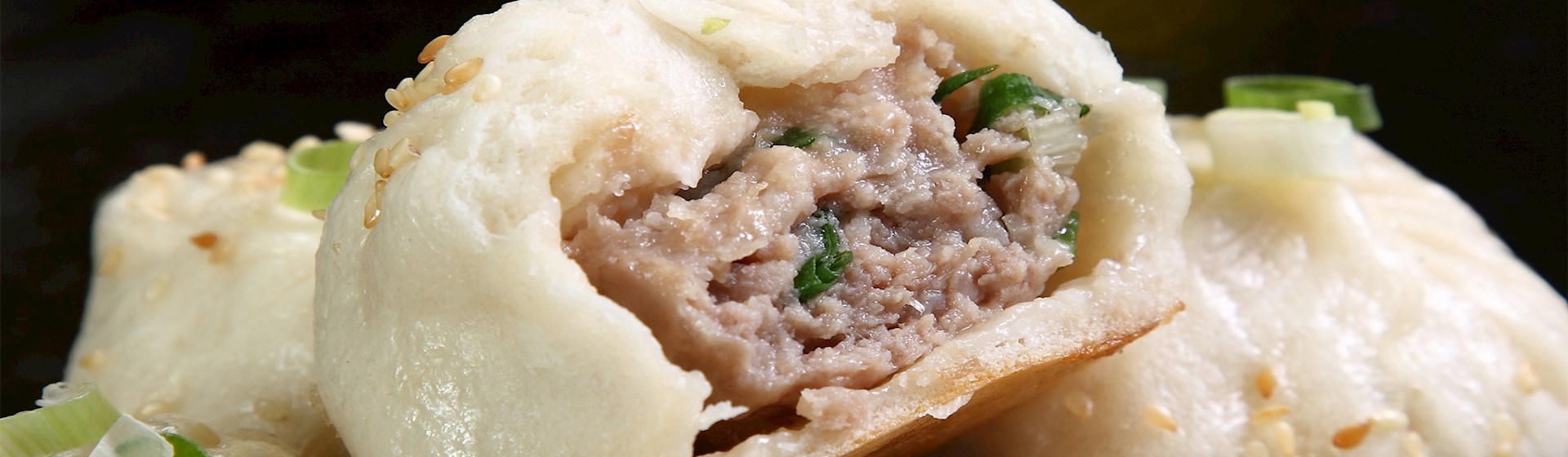
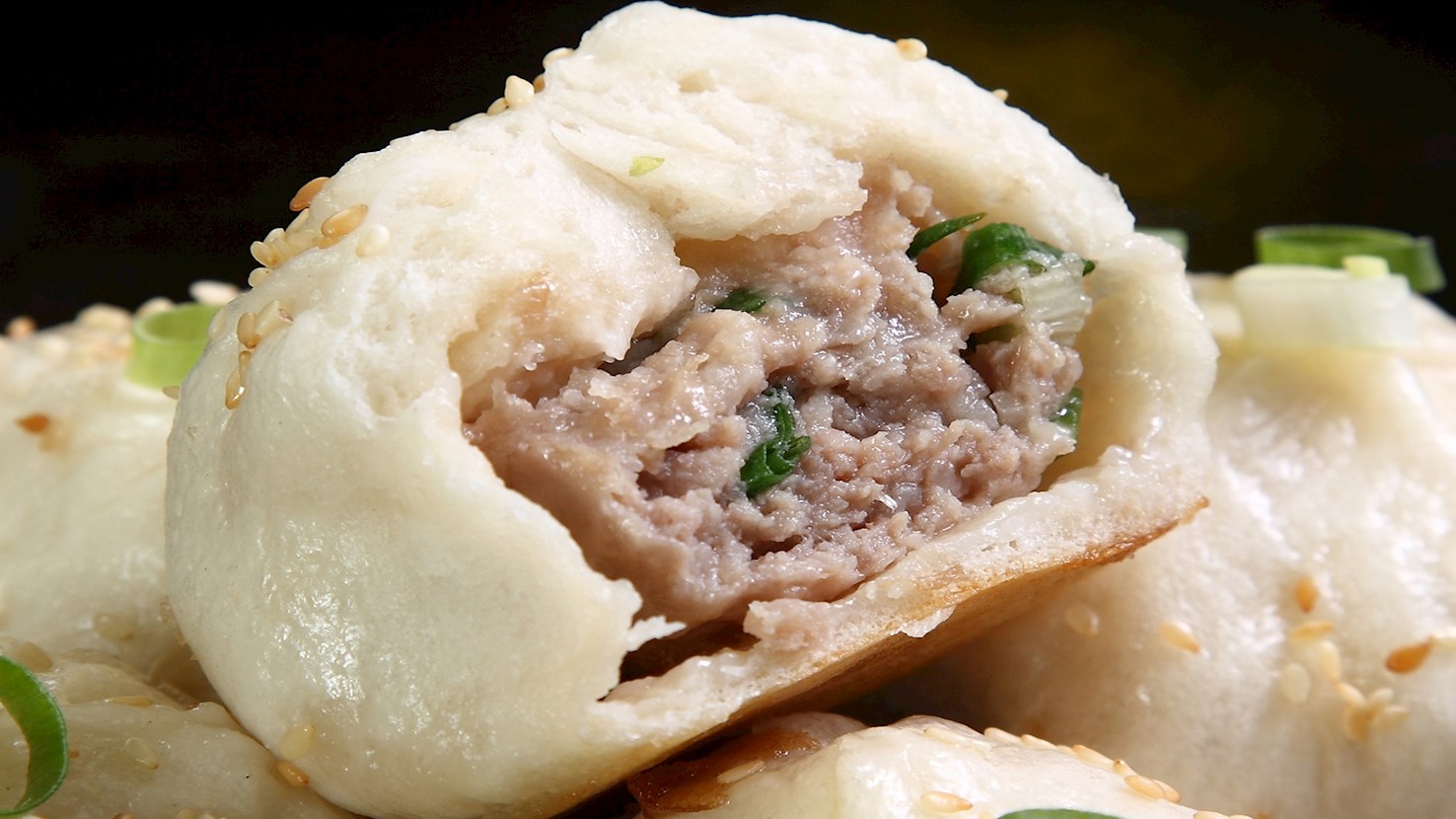
Hújiāo bǐng is a street food delicacy that is believed to have originated in Fuzhou, Fujian. This filling snack consists of a bun that is stuffed with sliced scallions and minced or finely chopped meat, preferably marinated fatty pork cuts. The buns are usually sprinkled with sesame seeds before they are baked in clay ovens. Apart from China, pepper buns are also popular in Taiwan where they are traditionally sold by street vendors of Fujian descent.
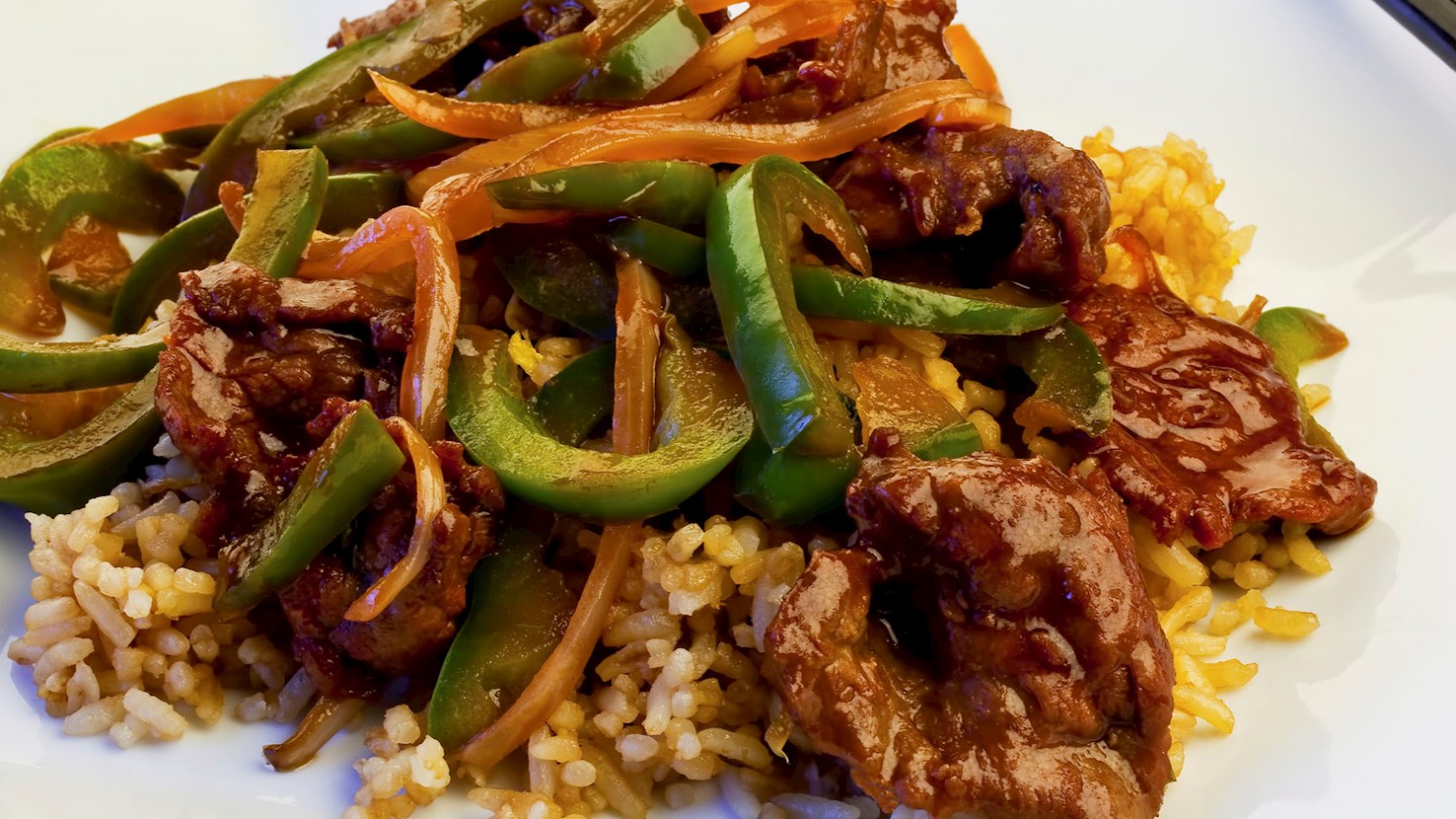
Pepper steak is a classic Chinese-American dish consisting of sliced strips of steak that are seasoned with a hefty dose of freshly ground pepper. The dish is believed to have origins in the Chinese province of Fujian, where pork was originally used instead of beef. Today, the beef is usually prepared with bell peppers and sliced onions, and it can be served either as an appetizer or as a main course, often with a side of rice or noodles. The dish has been prepared in the United States since the 1940s, with the main difference being that it is more heavily seasoned than the traditional Chinese version.
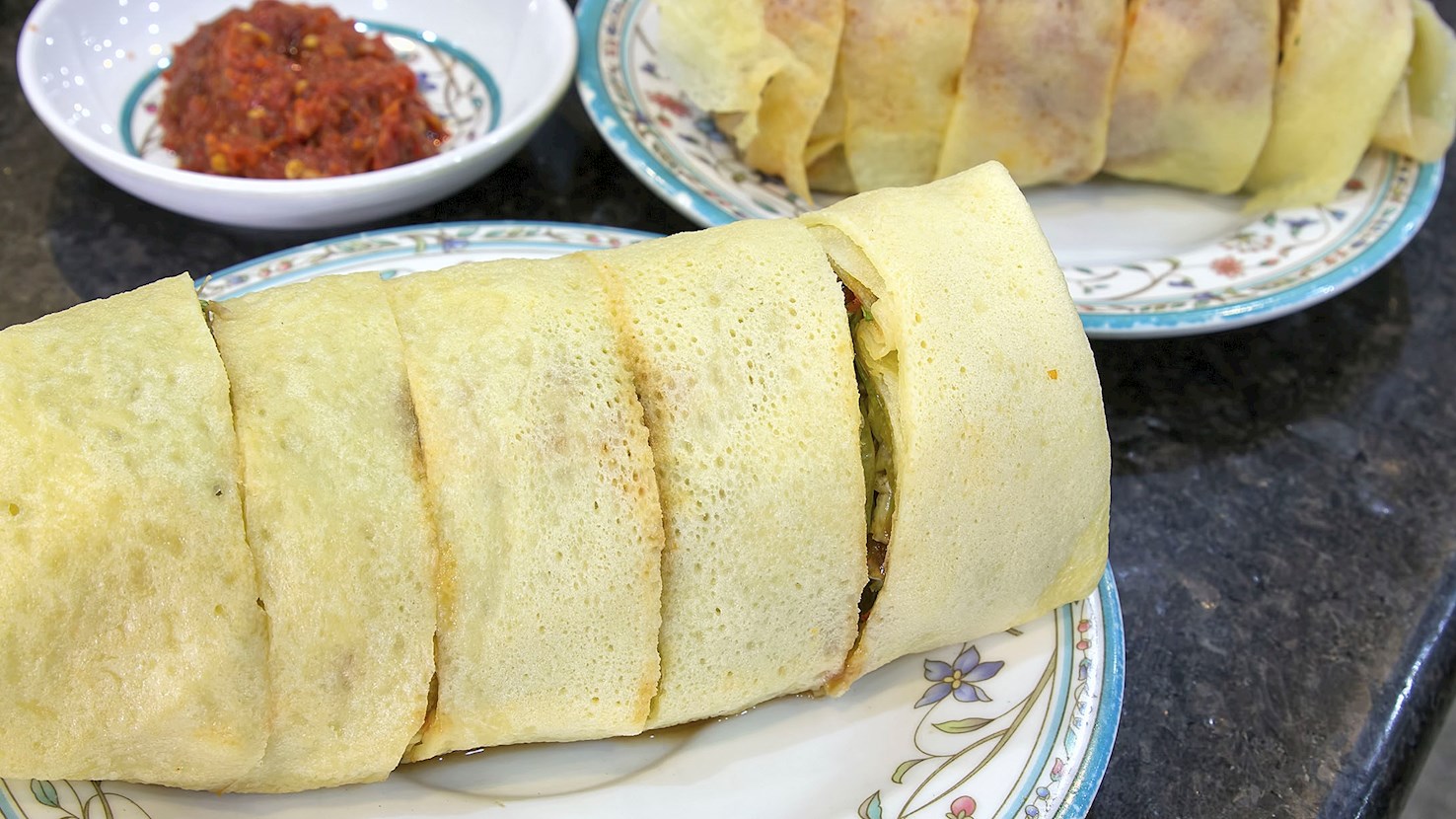
Popiah is a traditional roll, wrapped and filled with a variety of ingredients. Often compared to the more famous spring rolls, the main difference is that popiah is never deep-fried. The crepe-like wrappers for popiah are delicate and light, but easily foldable to hold all the ingredients together. The fillings are extremely versatile, but usually have four essential components: the main fillings, garnishes, spices, and sauces. The main fillings vary from meat and seafood to vegetables, while thinly sliced condiments most commonly include cucumbers, Chinese sausages, or eggs. Popiah is usually assembled according to preference, but most often a thin layer of spicy or sweet sauce is put on the wrapper, followed by a salad leaf that helps in holding all the ingredients together. When wrapped, and before it is served, popiah is cut into bite-sized pieces. However, the most common way to enjoy this traditional dish at parties is to serve all the ingredients separately and to allow the guests to assemble popiah according to personal preferences. Even though it originated in the Chinese Fujian province, popiah is also a part of the cuisines of Singapore and Malaysia, with different varieties popular in other Asian countries.
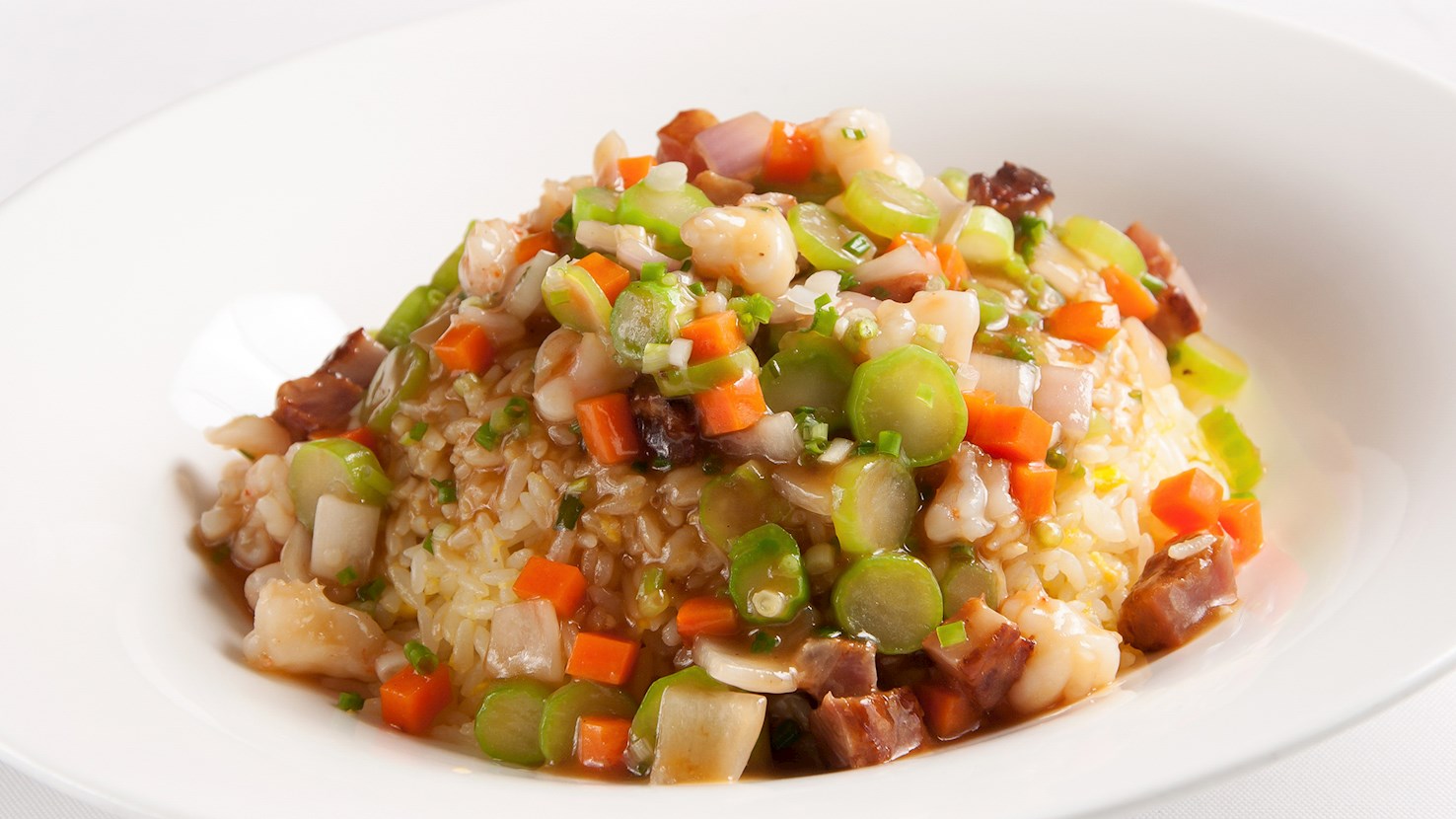
Hokkien fried rice is a popular Chinese rice dish originating from the province of Fujian. In order to prepare it, rice and eggs are first stir-fried together, then topped with a thick gravy made with poultry, dried mushrooms, seafood, and vegetables. It is recommended to fry the ingredients over high heat, because if the wok isn’t hot enough, you will end up with watery fried rice.
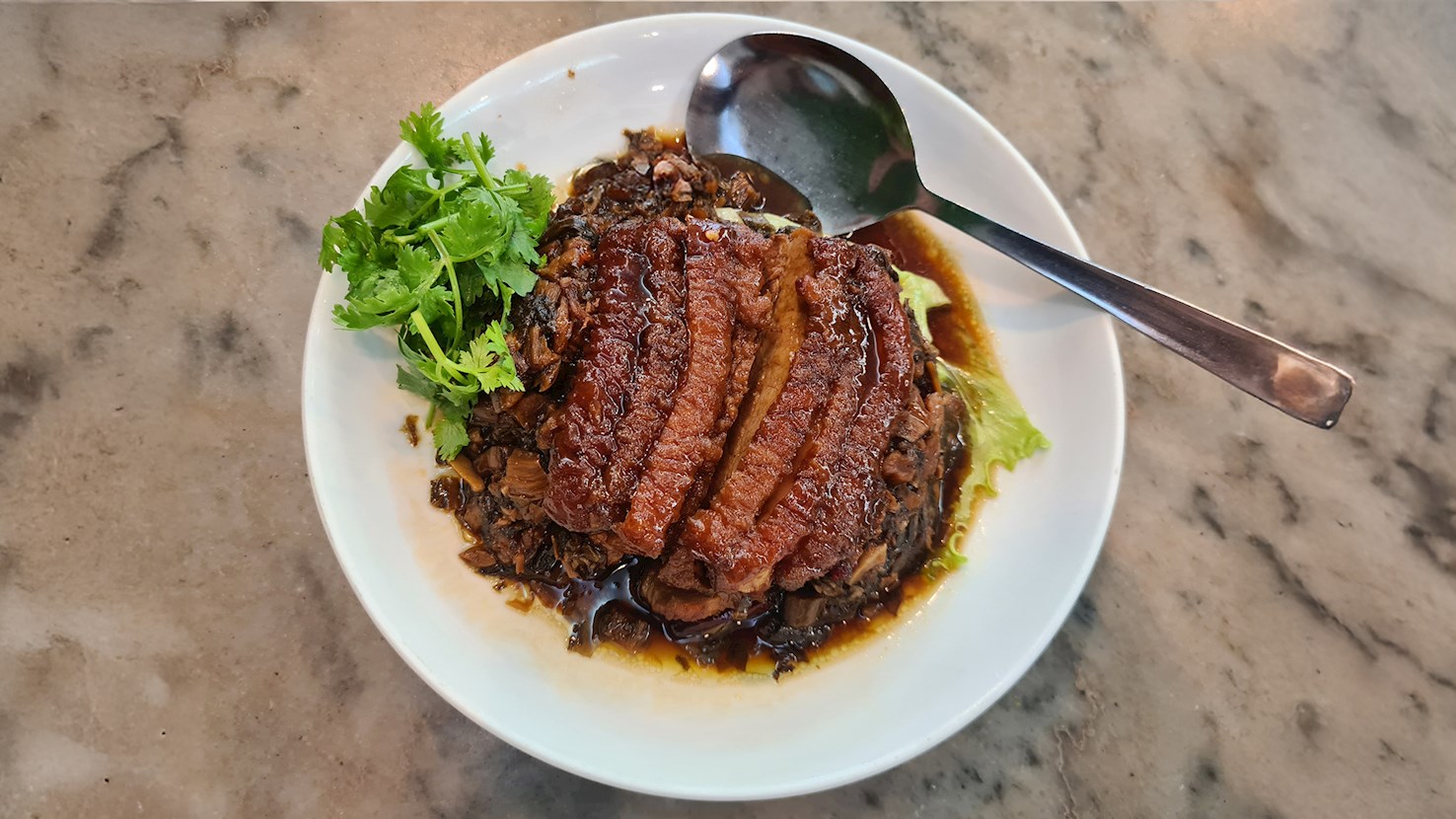
Méicài kòuròu is a pork dish from southern China, particularly associated with Hakka cuisine and widely enjoyed in regions such as Guangdong, Fujian, and Jiangxi. It is made by braising pork belly with preserved mustard greens, known as méicài, which gives the dish its distinctive balance of richness and depth. Originating from communities where resourcefulness and preservation were central to cooking practices, it emerged as a way to combine preserved vegetables, often made during harvest seasons, with fatty cuts of pork, creating a dish that was both flavorful and sustaining. Over time, it became a hallmark of celebratory meals and family gatherings, valued for its comforting, savory profile and the skill required to achieve its perfect texture and flavor. The preparation begins with pork belly, which is first blanched to remove impurities and then deep-fried or seared to render some fat and develop a caramelized outer layer. The meat is then sliced and arranged over a bed of soaked and seasoned preserved mustard greens, which have been rinsed to reduce their saltiness and sautéed with aromatics such as garlic, ginger, and soy sauce. The layered ingredients are steamed slowly for several hours, allowing the flavors to meld and the pork to become tender enough to melt in the mouth while the vegetables absorb the richness of the rendered fat. The dish is often inverted onto a plate before serving, with the glossy, tender slices of pork on top and the savory preserved greens forming a base beneath. It is most often served as part of a larger shared meal rather than on its own, frequently accompanied by plain steamed rice or mantou, which help absorb the flavorful sauce.
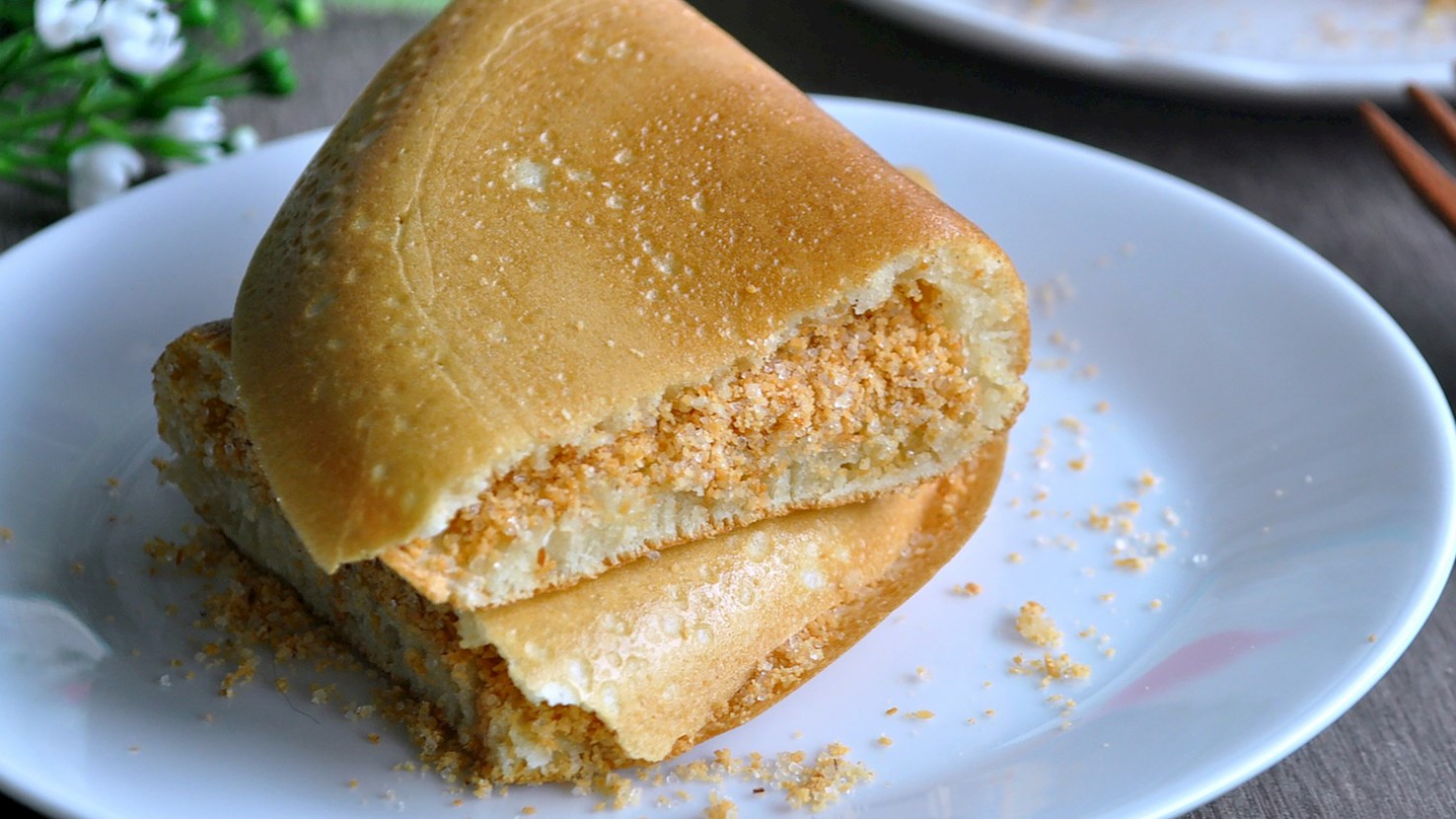
Min chiang kueh is a traditional pancake that's consumed in China and Singapore, with similar version in Malaysia (apam balik). These thick pancakes are filled with a combination of crushed peanuts and sugar. The batter is usually prepared with a combination of plain and rice flour, coconut milk, eggs, sugar, yeast, baking soda, and a pinch of salt. Once prepared, the pancake is topped with peanuts and sugar, then folded in half and served. Other fillings are also available, such as red bean paste and shredded coconut. The pancake is served for breakfast, always piping hot, and it can be found at most hawker centers. It's believed that these pancakes originate from Fujian, China.
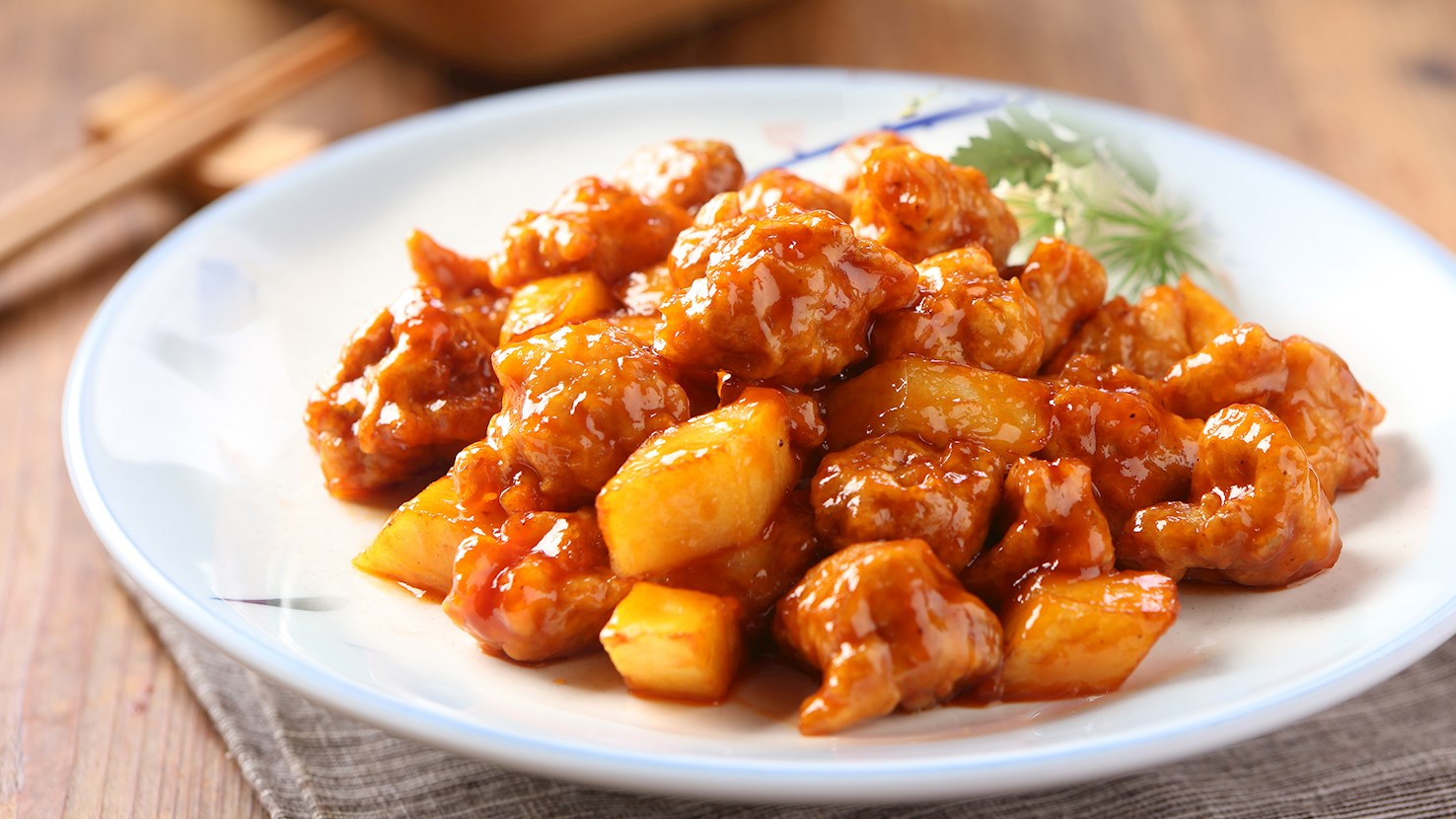
Lìzhī ròu is a sweet and sour pork dish from Fujian Province, particularly associated with the city of Fuzhou. The name translates to “lychee pork,” not because it contains the fruit, but because the pieces of meat resemble lychees in shape and color once cooked. It is made from small chunks of pork that are marinated, coated in starch, deep-fried, and then stir-fried in a bright, tangy sauce. The dish is characterized by its crisp exterior, tender interior, and glossy reddish appearance. It belongs to the Min cuisine family, known for dishes that balance sweetness, acidity, and umami with light textures and delicate presentation. The dish developed in Fujian during the Qing dynasty, when cooks began experimenting with sweet-sour sauces influenced by maritime trade and local fermentation techniques. Sugar production was already well established in the region, and the combination of sugar and vinegar became a defining element in Fujian cooking. Lìzhī ròu evolved from these flavor preferences, using vinegar for acidity and sugar for balance. The dish’s visual resemblance to lychee fruit gave it its name and helped it stand out in banquet cooking. Over time, it became a hallmark of Fuzhou cuisine, frequently served during festive occasions or family gatherings. Its sauce, lighter and more fruit-toned than that of Cantonese sweet and sour pork, reflects the subtler seasoning style typical of coastal Fujian dishes. Preparation begins with lean pork, commonly tenderloin, cut into bite-sized pieces. The meat is marinated in a mixture of rice wine, salt, and a small amount of cornstarch to tenderize it. Each piece is then coated with additional starch, usually sweet potato or potato starch, and deep-fried in oil until golden and crisp. Separately, the sauce is prepared by heating sugar until it melts into a light caramel, to which rice vinegar, soy sauce, and water are added, creating a balanced sweet-sour base. The fried pork pieces are added to the sauce and quickly tossed over high heat, allowing the glaze to coat them evenly without softening the crisp crust. The result is glossy, bite-sized pieces of pork with a slightly chewy shell and juicy interior. Lìzhī ròu is commonly eaten as part of a shared meal rather than a standalone dish. It appears at banquets, restaurants, and home dinners throughout Fujian and in overseas Chinese communities with Min roots. It is typically served with plain steamed rice to balance the sauce, and sometimes accompanied by light soups or stir-fried greens. The dish pairs well with mildly fragrant teas such as Tieguanyin or Wuyi oolong, which cut through its sweetness, or with light rice wine that complements its acidity.
Jiāngmǔ yā is a duck dish from Fujian in southeastern China, most closely associated with the Fuzhou area, where ginger-based preparations are widely used in home cooking and small eateries. It is made by simmering duck with large quantities of smashed or sliced ginger, producing a broth that is aromatic, warming, and lightly spicy. The dish developed in regions where duck farming and ginger cultivation were both common, and cooks relied on ginger to counteract the strong aroma of local duck breeds while creating a soup suitable for cooler seasons and household meals that required simple, reliable ingredients. Over time, the method of pairing duck with ginger became a defining feature of certain Fujian stews, especially in inland villages where duck was raised year-round and ginger was harvested in significant quantities. Preparation begins with chopping duck into bone-in pieces, blanching them briefly to remove impurities, and sautéing the pieces with dense amounts of ginger until fragrant. Water or a light broth is added, and the mixture is simmered until the duck becomes tender and the broth gains depth from both the fat and the ginger. Some families add rice wine to enhance the aroma or include goji berries for a mild sweet note, but the core profile centers on duck, ginger, and a clear, steady simmer that integrates the flavors. The broth takes on a slightly golden appearance, and the ginger softens but retains enough firmness to be eaten by those who enjoy its sharpness. A notable feature is the reliance on mature ginger rather than young ginger; its stronger heat and fibrous texture withstand the long simmering time and shape the final taste of the broth. Jiāngmǔ yā is eaten at home, in small Fujianese restaurants, and in some banquet settings during cooler months. It is commonly served with rice, steamed greens, light pickles, or plain noodles that absorb the ginger-infused broth. It pairs well with mild teas such as oolong or jasmine, and in some households it is eaten with a small amount of rice wine that complements the warmth contributed by the ginger.
Red glutinous rice wine chicken (also known as hong zao ji) is a traditional Fuzhou dish made with chopped chicken that is first soaked in a mixture of Fujian red wine lees and light soy sauce, and then braised in red glutinous rice wine along with ginger slices, dried day lilies, shiitake mushrooms, sesame oil, water, and salt. The cooked chicken and the gravy are placed into a bowl, garnished with coriander leaves, flavored with a small amount of Shaoxing wine, and typically served with warm white jasmine rice or mee sua, a type of Chinese hand-pulled noodles. This dish is a common meal for many Foochow and Hakka families.
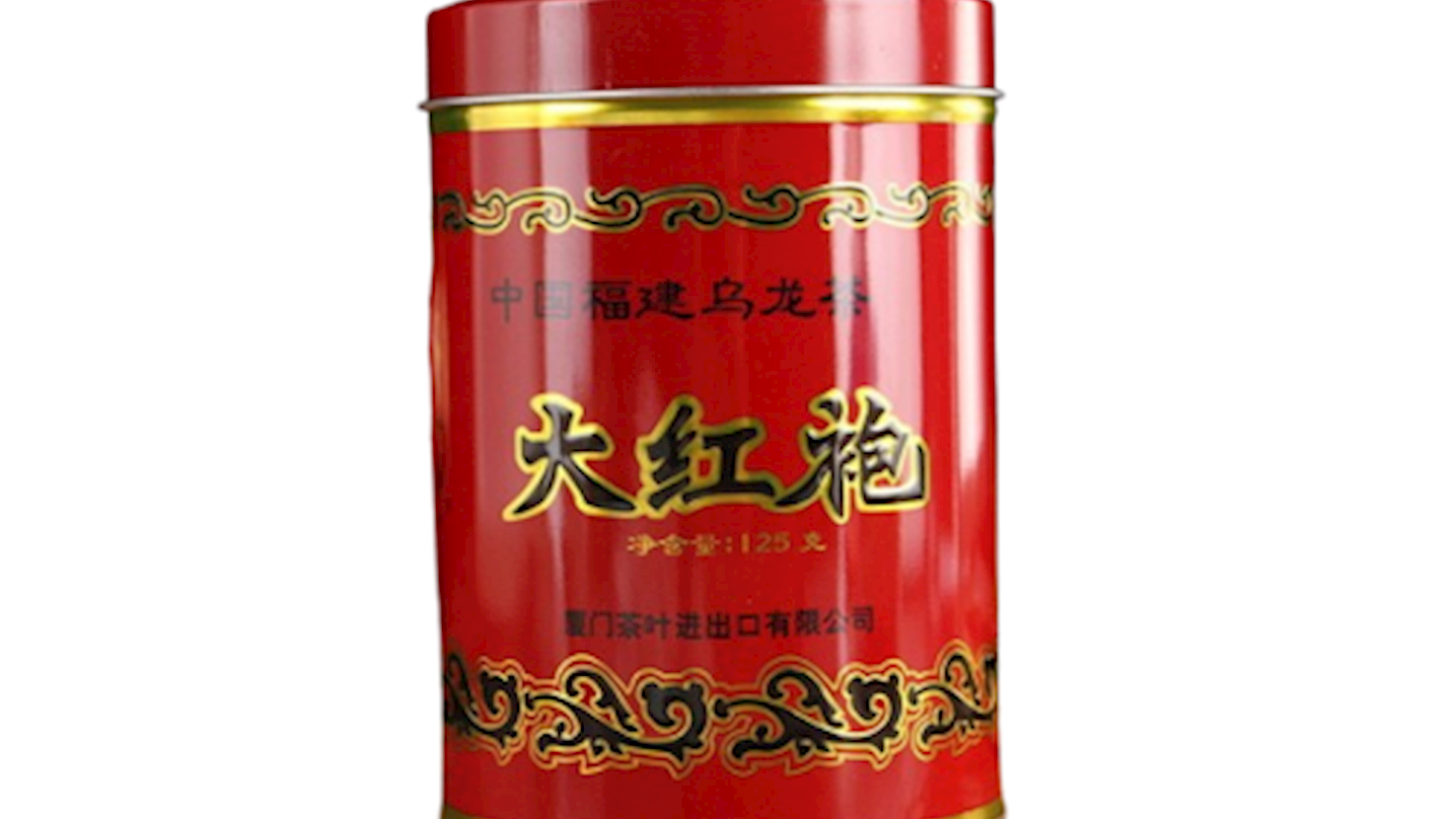
Wuyi Star Tea is a modern tea producer from Fujian Province, rooted in the long-standing traditions of the Wuyi Mountains, a region renowned for its “rock tea” oolong styles and distinctive mineral-rich terroir. Founded in 2001, the company manages the entire process - from cultivation and leaf selection to processing, packaging, and export - while adhering to certified quality standards.
Their portfolio includes some of the most iconic Wuyi teas, such as Da Hong Pao and other yancha oolongs known for their mineral, lightly smoky, and fruity notes, as well as black, white, and green teas tailored to a wide range of preferences. Wuyi Star emphasizes traceability, authenticity, and the preservation of local techniques, establishing itself as a brand that successfully bridges traditional Chinese tea craftsmanship with the expectations of the modern global market.
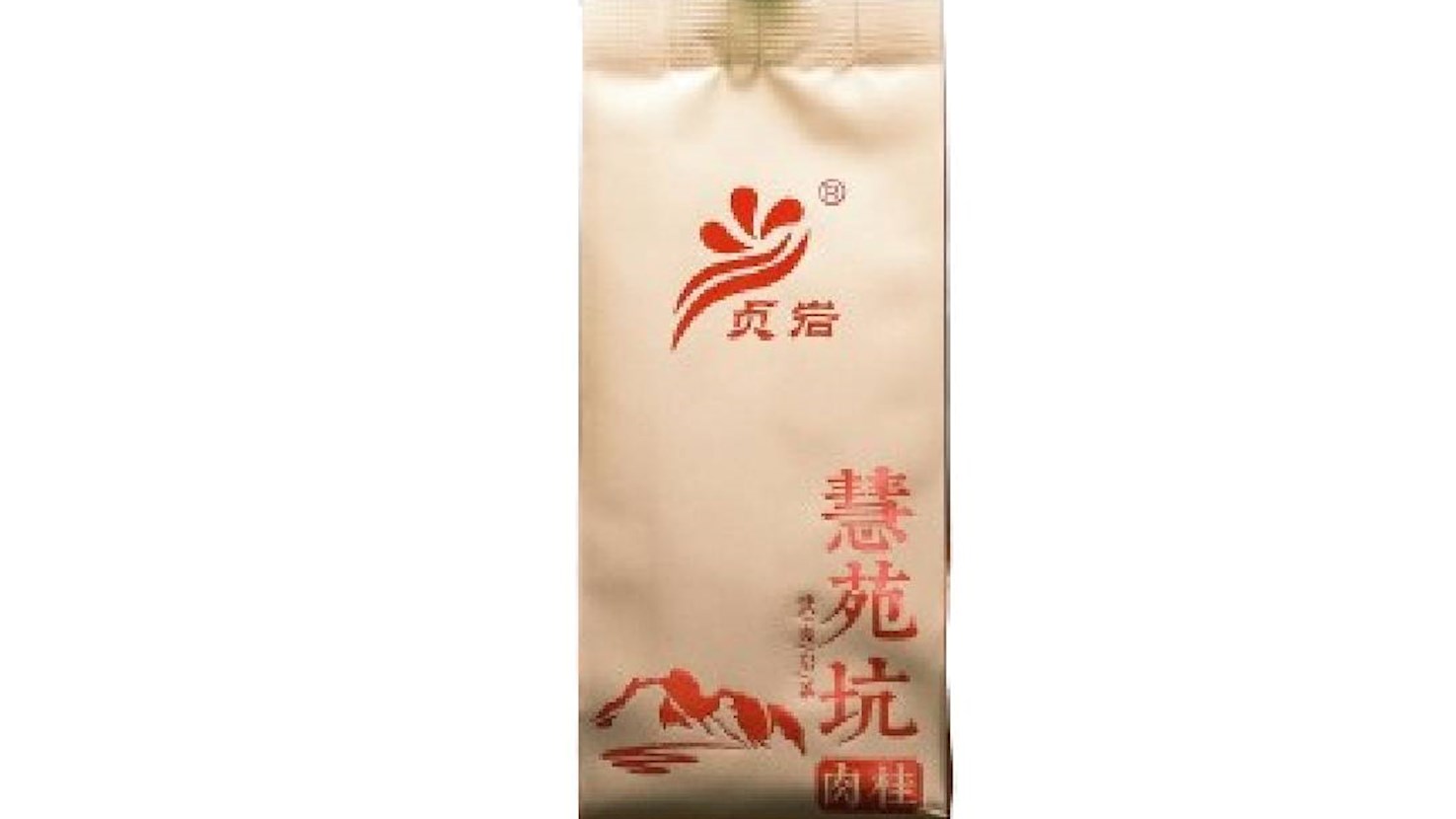
Gaopeng Tea Factory is a renowned producer of Wuyi rock teas (Yancha), located in the Zheng Yan region of Wuyi Mountain, China. The factory specializes in traditional charcoal-roasted teas, such as Huiyuan Pit Rougui and Dolomite Floral Shui Xian, known for their rich flavors and mineral complexity.
Their teas undergo meticulous processing, including multiple rounds of roasting, to enhance their aromatic depth and smooth mouthfeel. Gaopeng is highly regarded for preserving the heritage of Wuyi tea craftsmanship, ensuring high-quality production.
Their teas are sought after by tea connoisseurs worldwide for their unique terroir and distinctive yan yun (rock rhyme).
Sea Dyke is a historically significant Chinese tea brand closely associated with Xiamen Tea Import & Export Co. Ltd., a major tea producer and exporter based in Fujian Province.
Established in 1960, the brand became especially well known for its traditional Chinese oolong teas, particularly Fujian styles such as Tieguanyin. Sea Dyke played an important role in introducing Chinese tea to international markets during the second half of the 20th century, gaining strong recognition across Southeast Asia and among overseas Chinese communities.
Its teas are known for combining traditional Chinese tea-making heritage with reliable large-scale production, making classic tea styles more widely accessible. The brand is also recognizable for its distinctive retro packaging design, which has become iconic among long-time tea drinkers.
While best known for oolong tea, the Sea Dyke portfolio also includes jasmine tea, black tea, and other traditional Chinese tea categories. It remains one of the enduring names in China’s export tea industry and a notable representative of Fujian’s tea heritage.
TasteAtlas food rankings are based on the ratings of the TasteAtlas audience, with a series of mechanisms that recognize real users and that ignore bot,
nationalist or local patriotic ratings, and give additional value to the ratings of users that the system recognizes as knowledgeable.
TasteAtlas Rankings should not be seen as the final global conclusion about food. Their purpose is to promote excellent local foods,
instill pride in traditional dishes, and arouse curiosity about dishes you haven’t tried.
The initial list of top producers was compiled based on available reviews, awards, local recommendations, media and blog coverage, and consumer reviews.
The list will be updated with ratings from TasteAtlas local ambassadors and TasteAtlas users.








What People Say