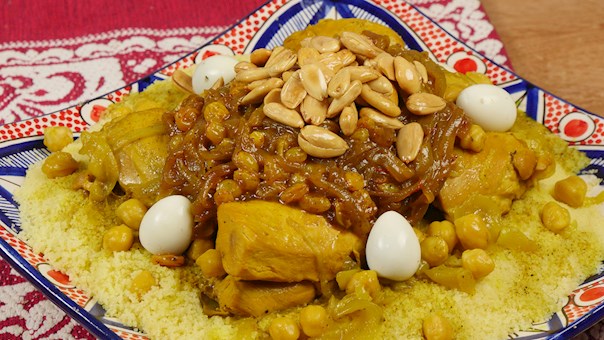
shutterstock

Top 50 Moroccan Foods

Last updated on July 01, 2026

Best Moroccan foods

01
Street Food

Calienté

4.6 ·

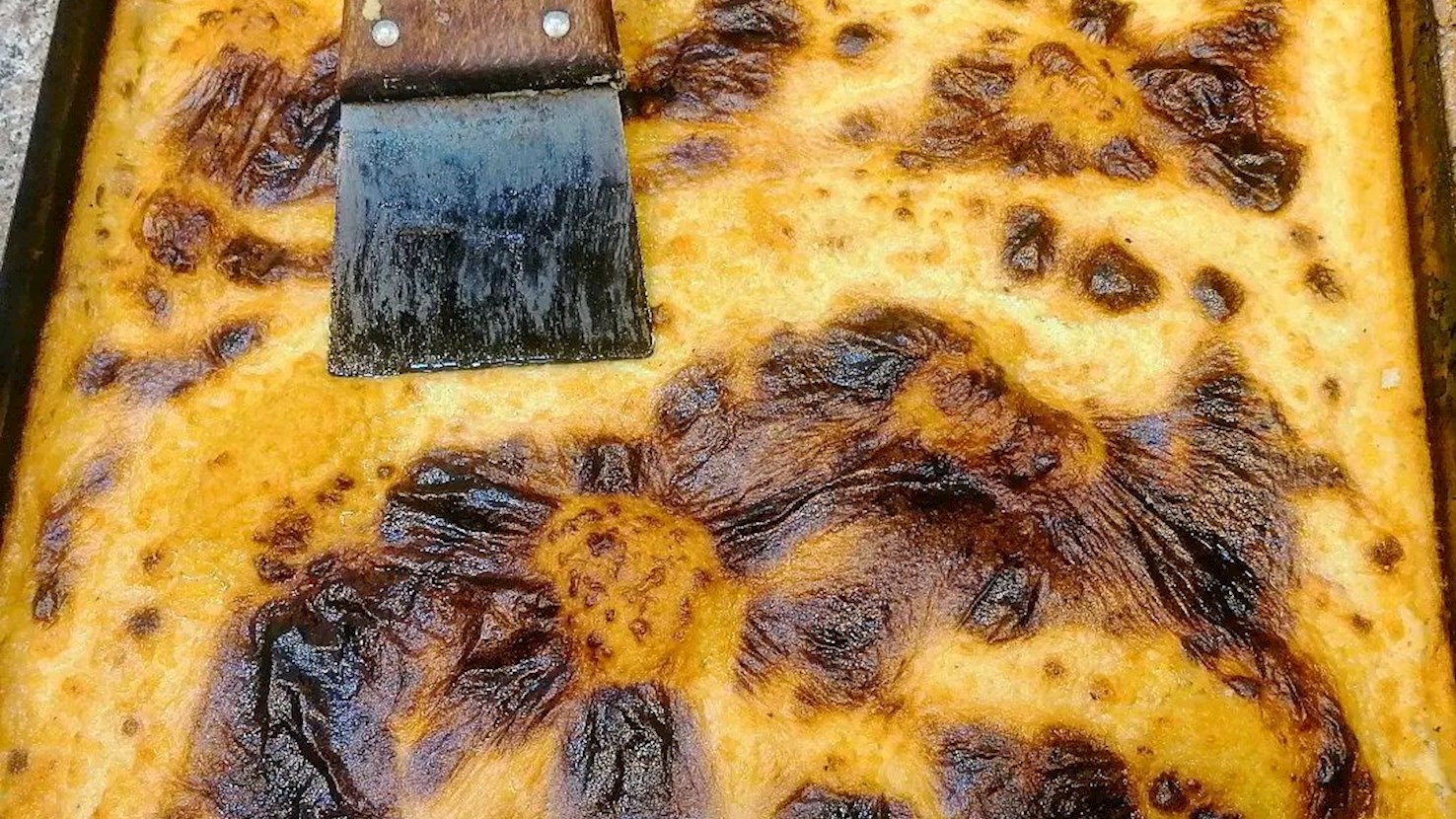
Known as karantika in Algiers and calienté in Morocco, this beloved traditional dish traces its origins back to Spanish influence during the colonial period, as its name is derived from the Spanish word calentita, which means "warm." Over time, what began as a humble, filling meal for the working class evolved into one of Algeria’s and Morocco's most cherished street foods, often enjoyed by people of all ages and backgrounds. The essence of the dish lies in its simplicity and rich, comforting flavor. It is made from a smooth batter of chickpea flour, water, oil, salt, pepper, and eggs, which is then baked until it develops a golden, slightly crisp crust on top while remaining creamy and custard-like inside. Some variations of the recipe include a pinch of cumin or a hint of chili to enhance its depth and warmth. When it comes out of the oven, the dish is traditionally cut into generous squares or wedges and often served tucked into a piece of crusty bread, making it perfect for eating on the go. It is common to find street vendors offering it with a dollop of harissa or a smear of mustard to add a spicy or tangy kick that beautifully complements its mild, nutty flavor. Part of what makes karantika or calienté so beloved is its versatility: it can be enjoyed as a snack, a light lunch, or even a comforting dinner.

02
Appetizer

Maakouda

4.4 ·

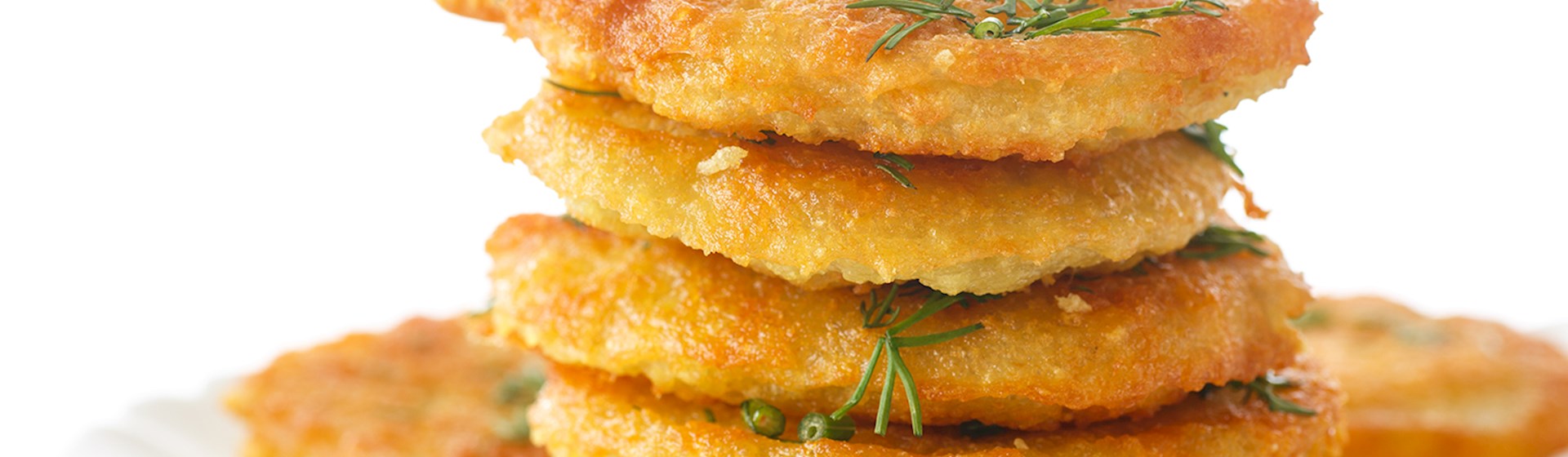
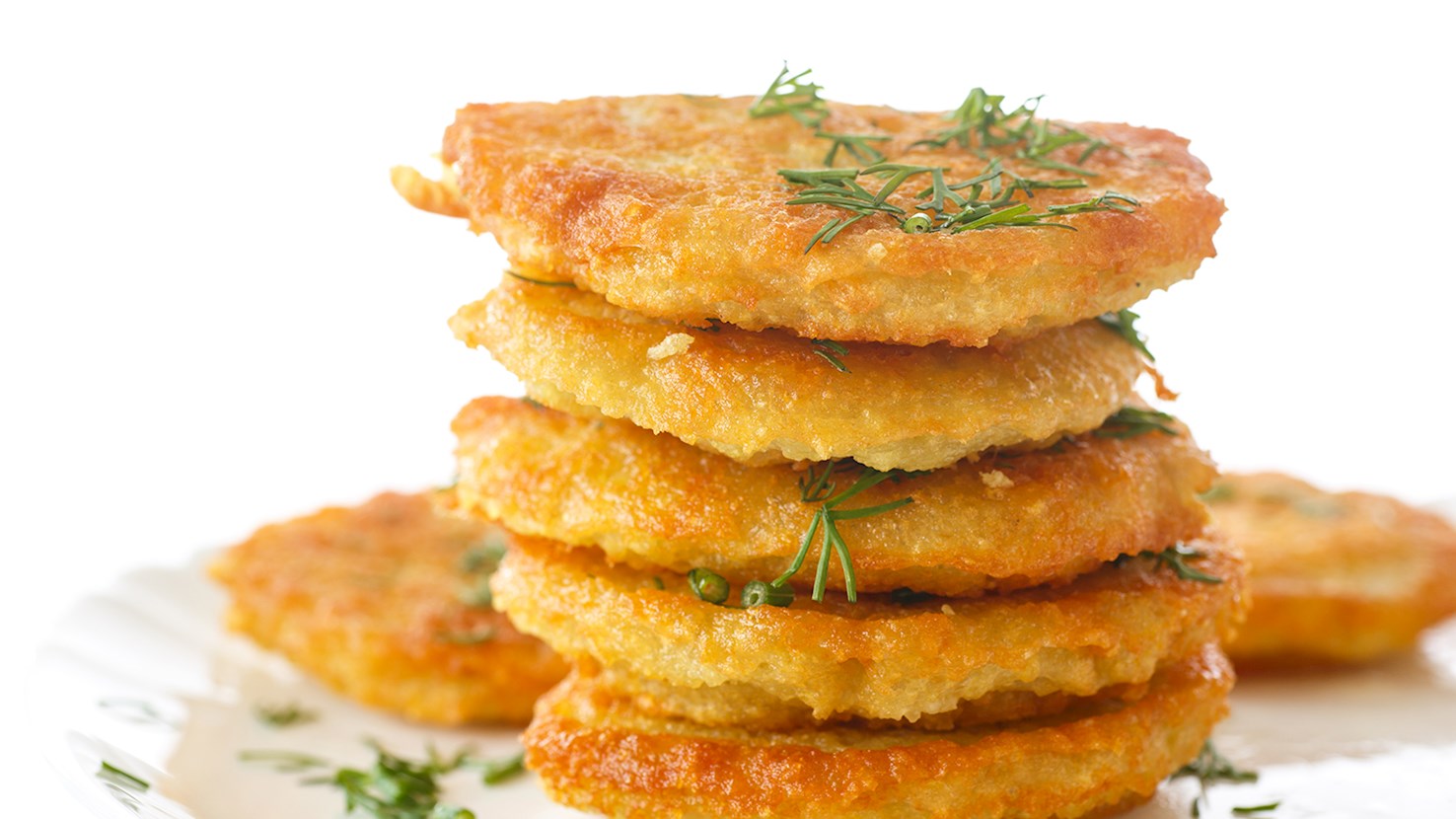
Maakouda are traditional potato fritters that are popular throughout the Maghreb, especially in Morocco, Algeria, and Tunisia. The fritters are usually prepared plain, but they can also be stuffed with meat, tuna, or cheese, although not that often. They're made with potatoes, parsley, garlic, flour, salt, and pepper. The potatoes are boiled, mashed, and mixed with other ingredients into small disks which are then deep-fried in hot oil until golden brown. Maakouda is traditionally served as an appetizer, a side dish, or an ingredient in a long sandwich roll that's usually sold as street food and served with harissa, coriander, and lemon juice. The fritters are especially popular during the month of Ramadan.

03
Lamb Dish

Tanjia

4.4 ·

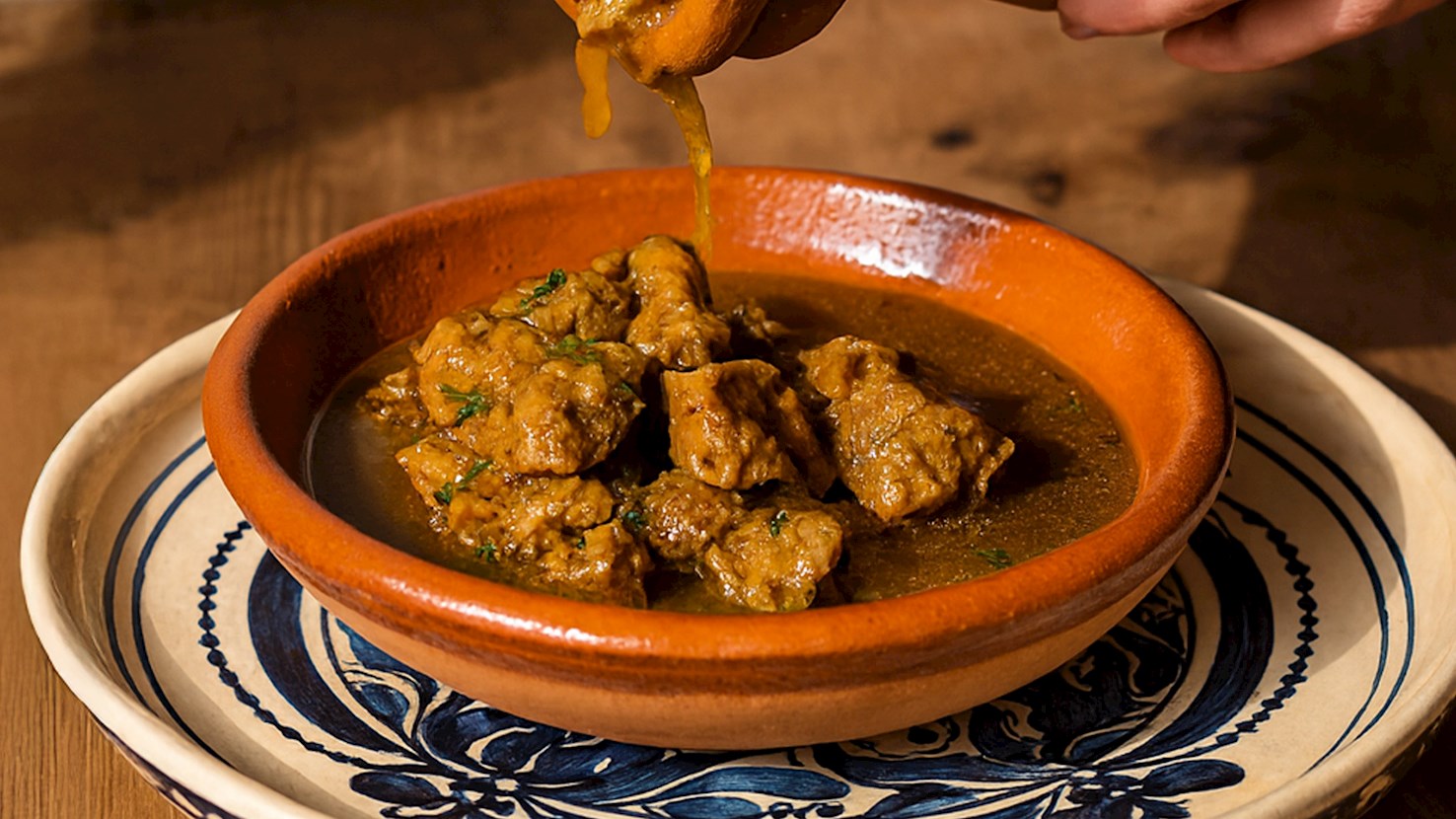
Tanjia is a unique Moroccan specialty made by cooking lamb meat in a clay urn along with flavorings such as saffron, cumin, garlic, lemons, and olive oil. The dish is especially popular in Marrakech, where the urns are filled with all of the ingredients, then placed in the coals of a public bath (hammam) to slowly cook overnight until the meat is so tender that it falls off the bone. Originally, tanjia was created and cooked by men who would go on outdoor picnics.

04
Chicken Dish

Rfissa

4.3 ·

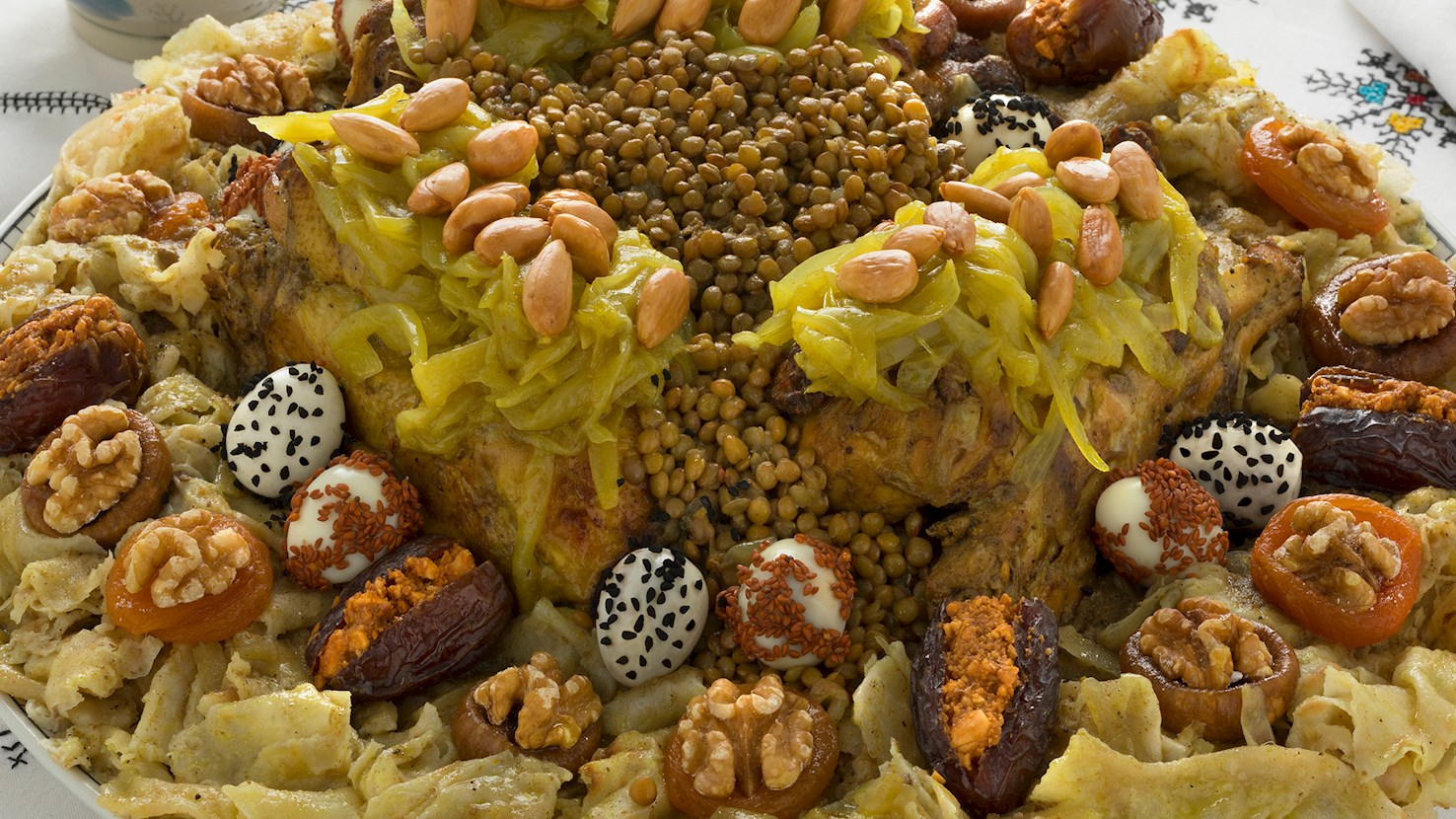
Rfissa is a traditional dish of stewed chicken pieces, onions, and lentils served over shredded msemmen, old bread, or trid pastry. The full list of ingredients is as follows: chicken, onions, saffron, ginger, lentils, msemmen, fenugreek seeds, and ras el hanout. The dish is traditionally served on the third day after the birth of a child or for similar festive occasions. It's typically consumed by a group of people gathering around the large dish, and each person then eats from his side of the platter.

05
Sweet Pastry

Sfenj

4.3 ·

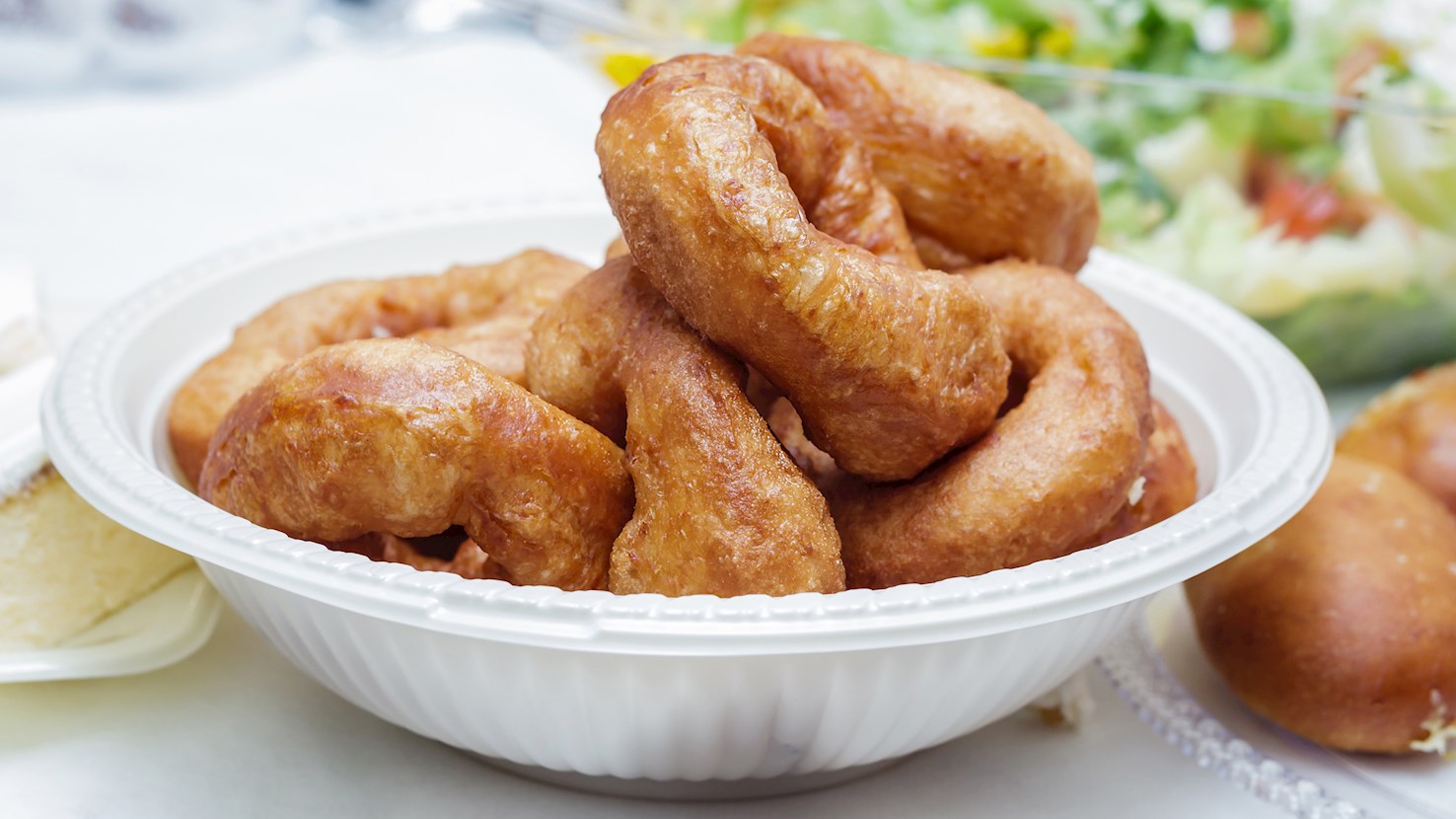
Sfenj are popular Moroccan and Algerian doughnut-like fritters made from sticky unleavened batter, similar to Libyan sfinz and Tunisian bambalouni. The dough is traditionally shaped into rings and deep-fried until it develops a golden, crispy exterior. The interior should be fluffy, tender, and chewy. These fritters are usually served hot when sold by street vendors, and they can be consumed plain or dusted with icing sugar.

06
Flatbread

M'semen

4.3 ·

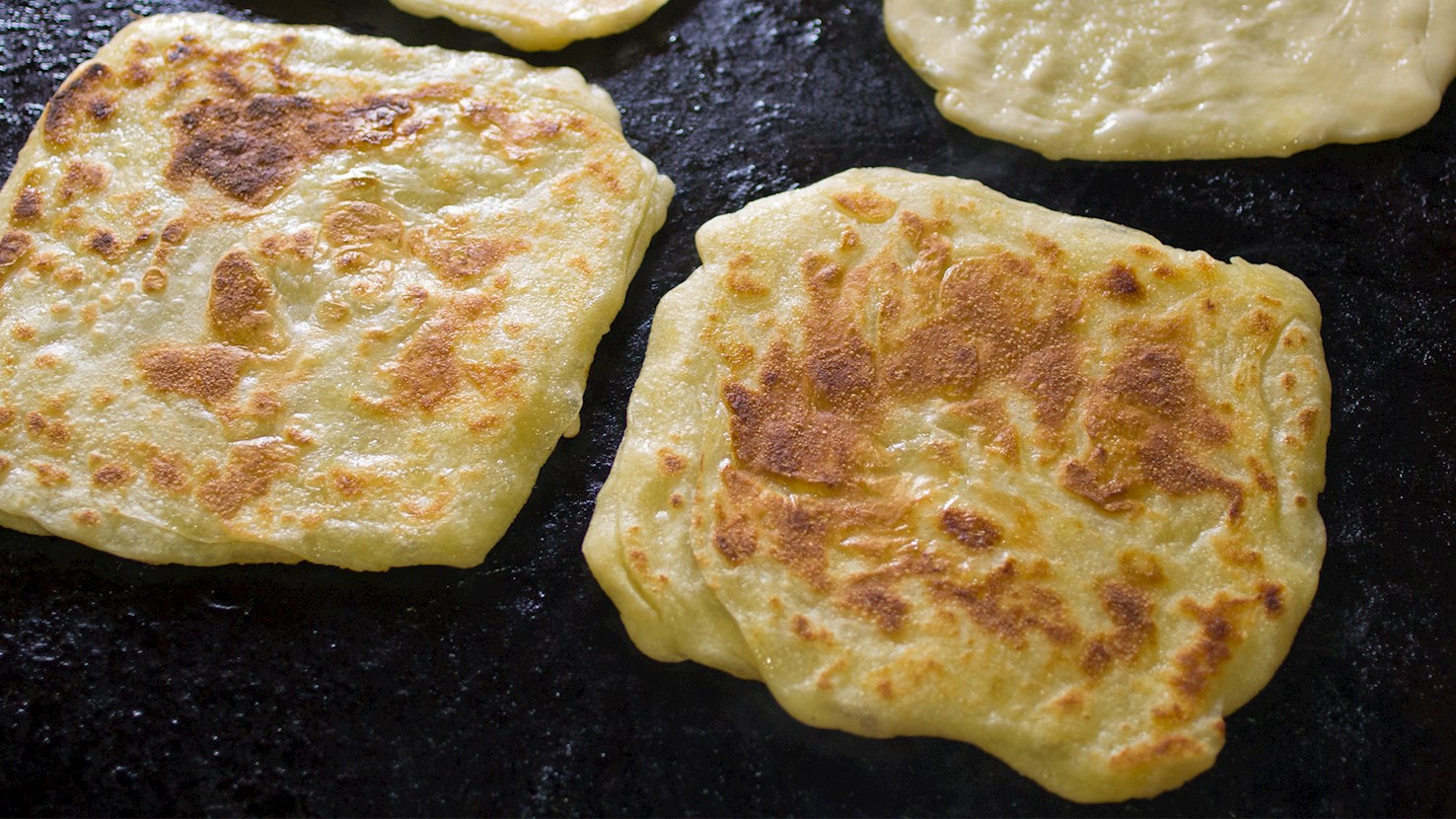
M'semen is a traditional Maghrebi flatbread made with a combination of flour, semolina, sugar, salt, yeast, warm water, oil, and clarified butter. The dough is kneaded until it becomes smooth, and pieces of it are then flattened and shaped into squares. Once the dough has been folded and shaped, it is cooked on a griddle or fried in a pan until it becomes crispy on the exterior and chewy on the inside. Although m'semen is traditionally consumed on its own as an accompaniment to coffee or tea, it can also be stuffed with various meats and vegetables. In Tunisia, the flatbread is often based on semolina flour and made without yeast.

Best restaurants
07
Stew

Kefta Tagine (Moroccan Meatball Tagine)

4.3 ·

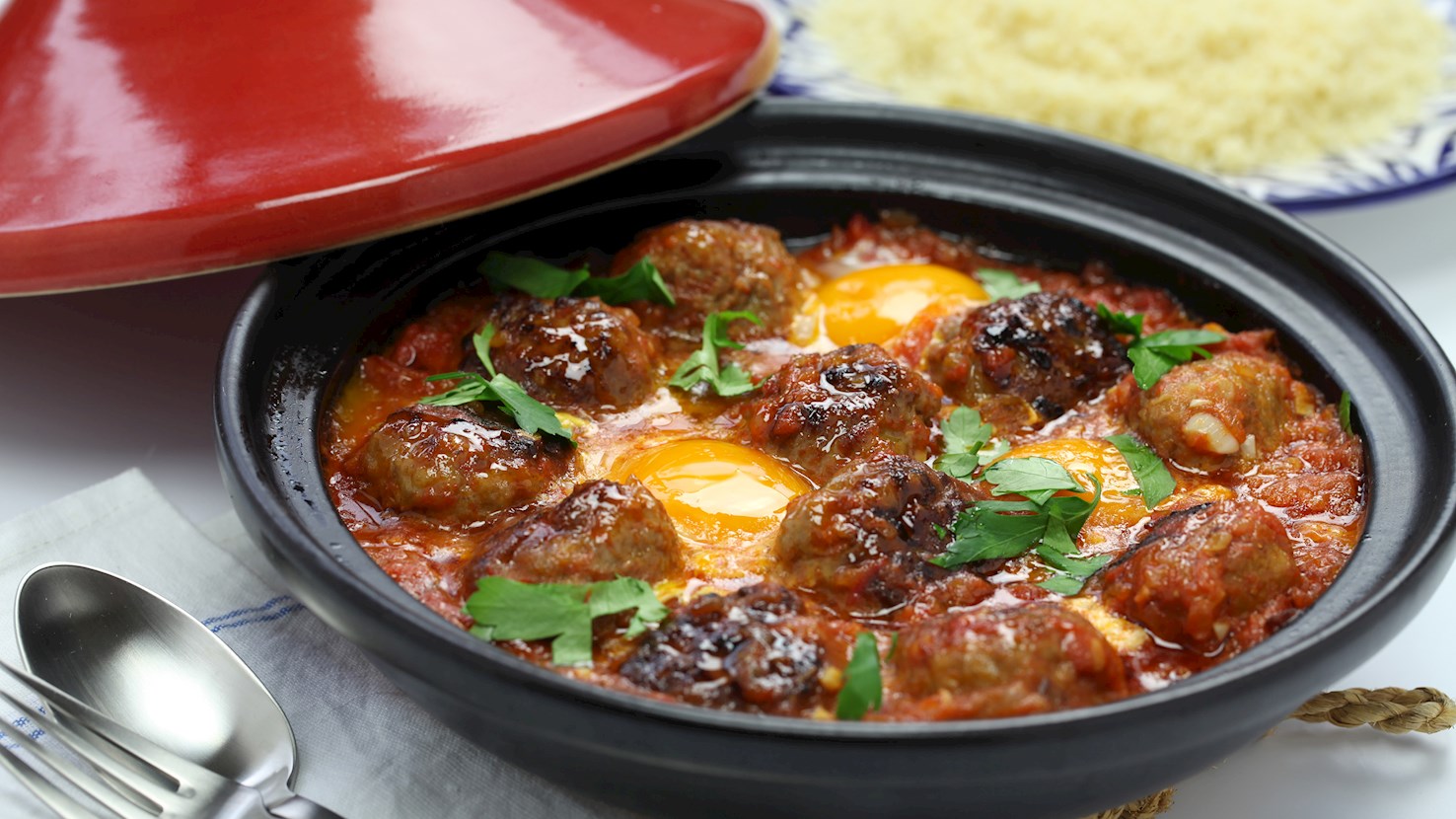
Kefta tagine is a classic Morrocan tagine variety consisting of small meatballs in a homemade tomato sauce, and are prepared in the eponymous conical cooking vessel.

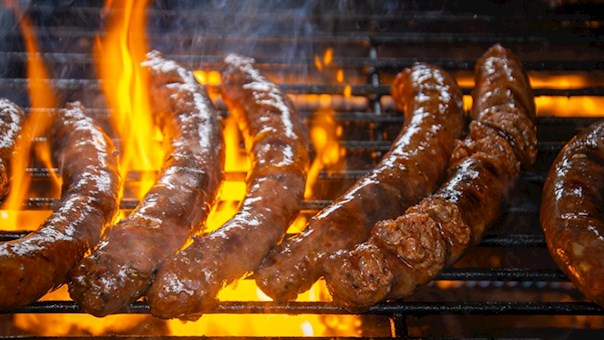
The meatballs are shaped into spheres the size of a cherry tomato, made of ground lamb or beef meat (or a combination of two), and flavored with spices such as paprika, cumin, parsley, coriander, black pepper, and salt, and cooked in a piquant tomato sauce. Sometimes kofta tagine also includes eggs, which are added to the sauce near the end of cooking and cooked until poached.

Kefta tagine is mainly prepared at home and is a communal dish traditionally served straight from the tagine pot, with khobz or some other Moroccan bread used to scoop the tasty stew.

08
Egg Dish

Shakshouka

4.2 ·

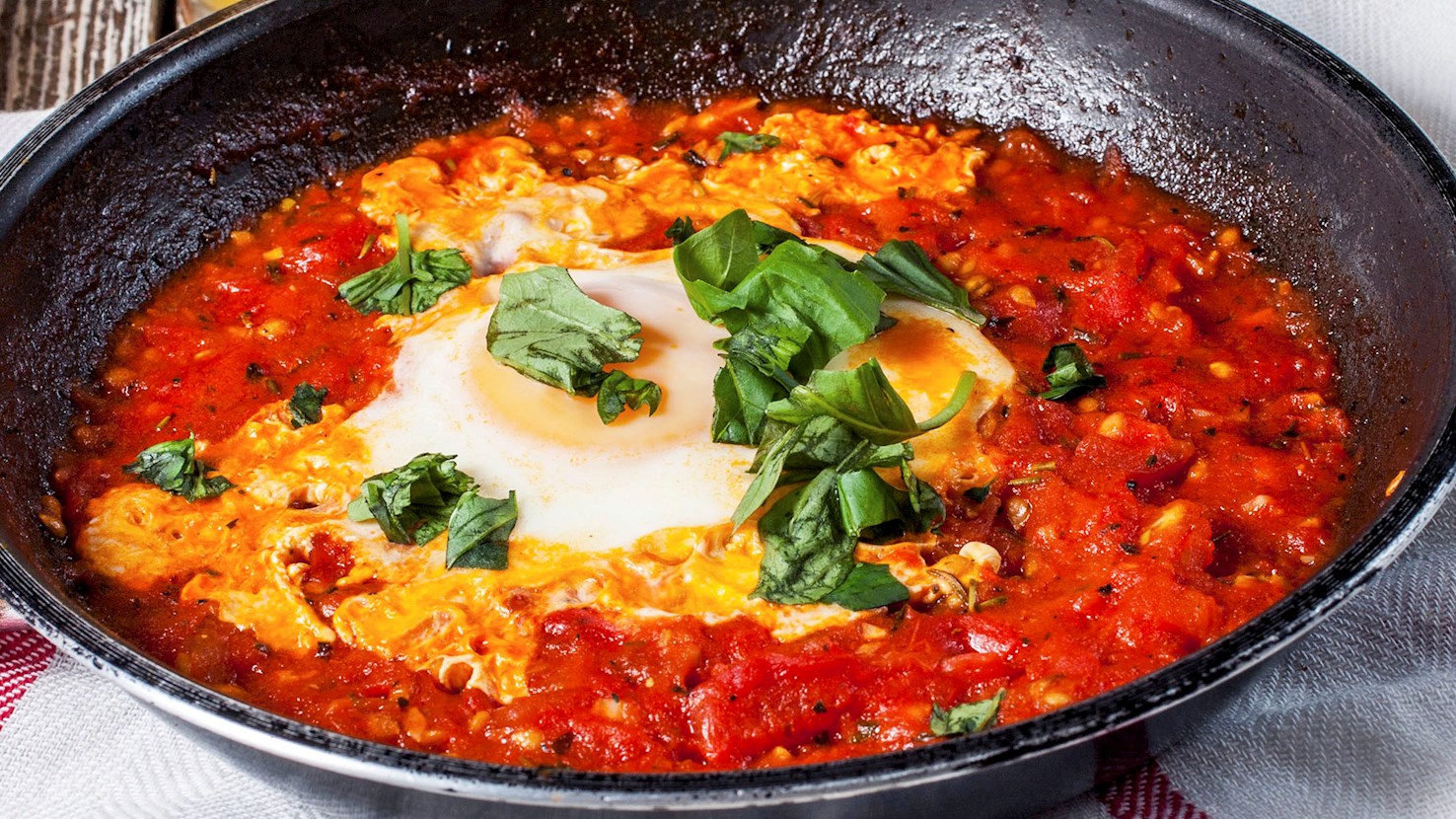
Shakshouka is a delicious combination of eggs poached in a spicy tomato sauce. Although it has an unusual name, the dish is straightforward and easy to make. It is usually made in a skillet in which onions, tomatoes, and spices are cooked until they form a delicious tomato sauce. Eggs are then added directly to the tomato sauce and poached until done. Merguez sausage can also be added to the dish. It is believed that shakshouka originated in Tunisia, but the dish is well-known and commonly eaten throughout North Africa and the Middle East as well. Almost every region has formed their distinctive variety of shakshouka: in Egypt, eggs are usually scrambled and served in a sandwich, and in Israel it is often served with salty feta cheese on top. The consistency of the sauce and eggs is also variable – the sauce can be thinner or thicker, while the eggs can be completely firm or soft. For a more nutritious meal, meat, most commonly sausages, can be included in the dish. Shakshouka is suitable for any meal of the day and is usually served warm or sizzling hot, with bread on the side. Because it is budget-friendly, simple, and easy to prepare, the dish has recently gained popularity both in Europe and North America.

09
Savory Pastry

Briouat

4.2 ·

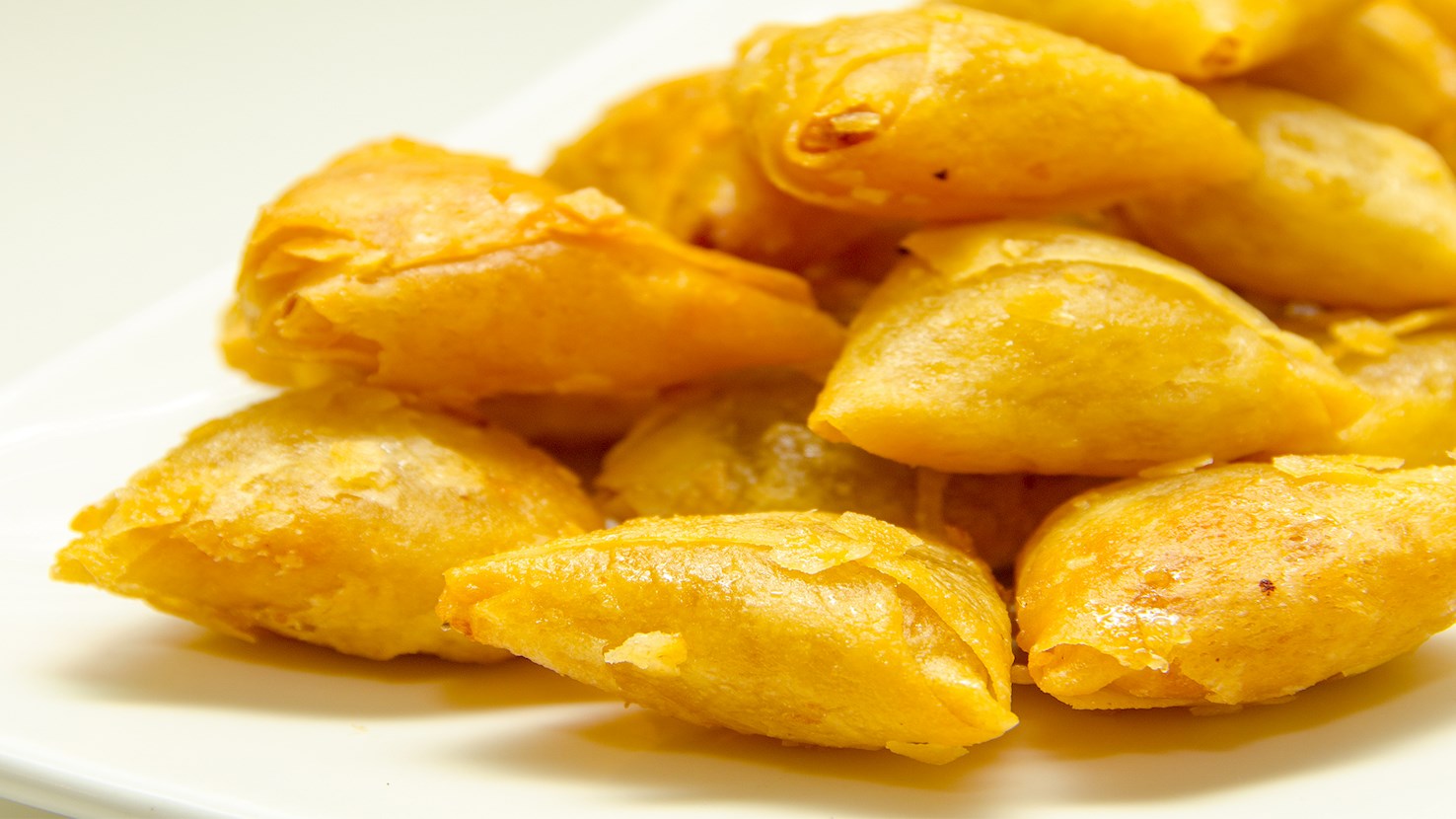
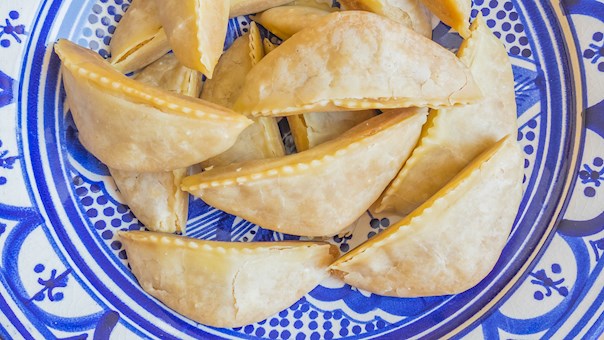
Briouats are small and crispy Moroccan pastries that can be stuffed with a variety of ingredients such as chicken, lamb, cheese, or lemon. The pastry is either fried or baked, and it is often additionally sprinkled with various herbs and spices. It is typically folded into cylindrical or triangular shapes, then served as an appetizer. Briouats are especially popular during the month of Ramadan.

Best restaurants
10
Savory Pie

Pastilla

4.2 ·

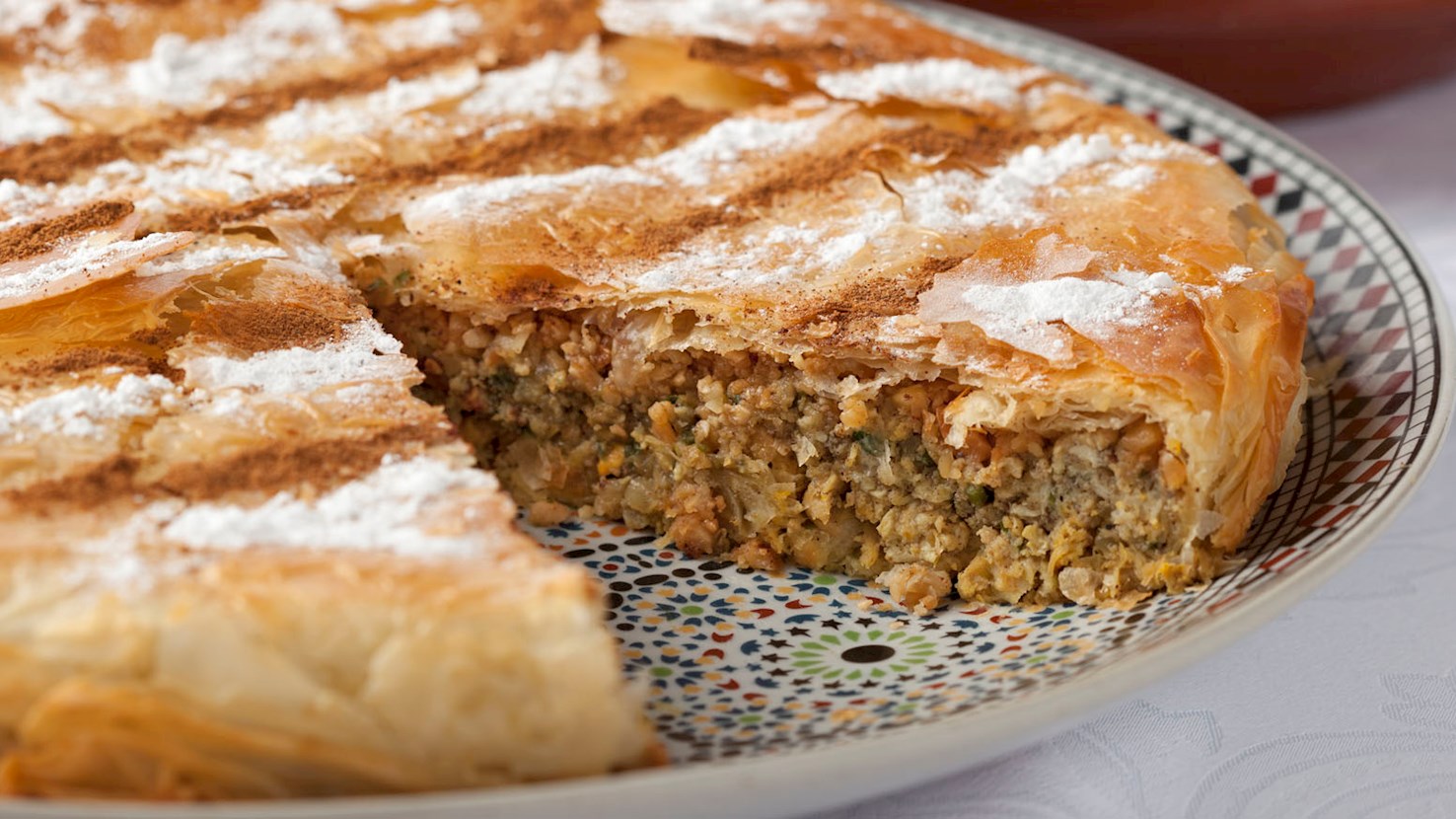
Pastilla is a stuffed pastry from Morocco, also known as b'stilla or bastilla. The rich, sweet and savory pie is filled with an unusual mix of pigeon or chicken meat, eggs, almonds, and cinnamon. It is commonly prepared for special events such as holidays, weddings, or parties. The name stems from the Spanish word for pastry – pastilla. It is a time-consuming dish, but well worth the effort, as the end result is an incredibly flavorful, crispy warqa pastry, concealing savory meat and spices such as saffron, nutmeg, and ginger, topped with fried almonds and a dash of powdered sugar and cinnamon. Although it is quite sweet on the exterior, this is a main course dish and not a dessert, as it is a plat complet, a dish with everything - the contrasts of savoriness and sweetness working together in unison. For the adventurous, there is also a modern and popular seafood pastilla, filled with fish, calamari, shrimp, and Asian rice noodles.

11
Pancake

Baghrir

4.2 ·
13
Soup

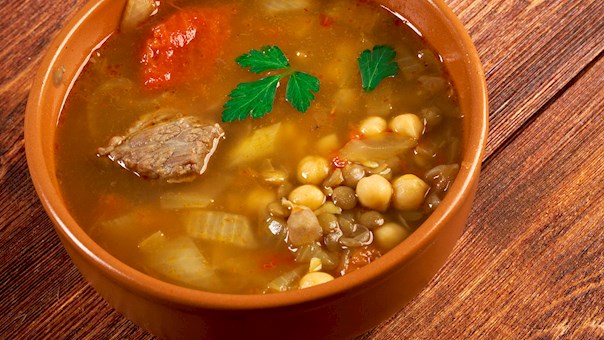
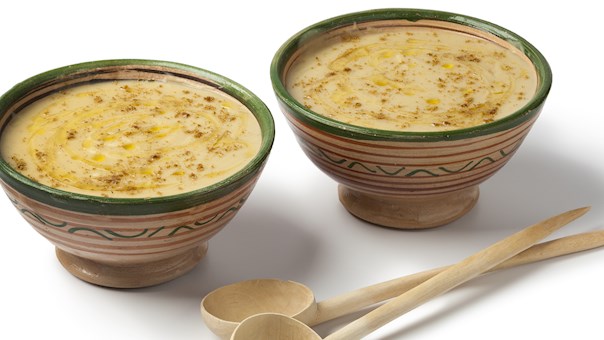
Harira

4.1 ·
14
Salad

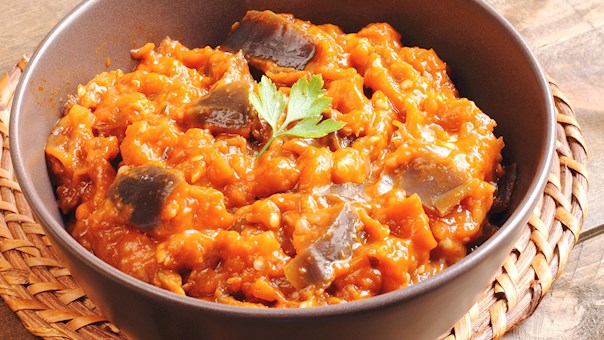
Zaalouk

4.1 ·
15
Stew

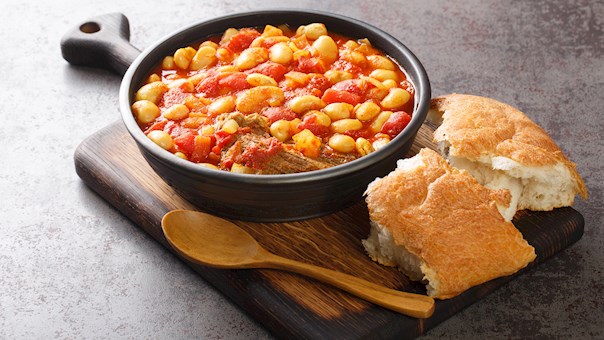
Loubia

4.0 ·
19
Spread

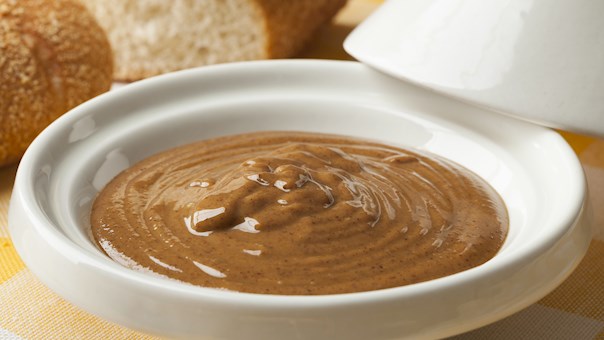
Amlou

4.0 ·

Best Moroccan food products

01
Olive Oil

Olive Oil Season

5.0 ·

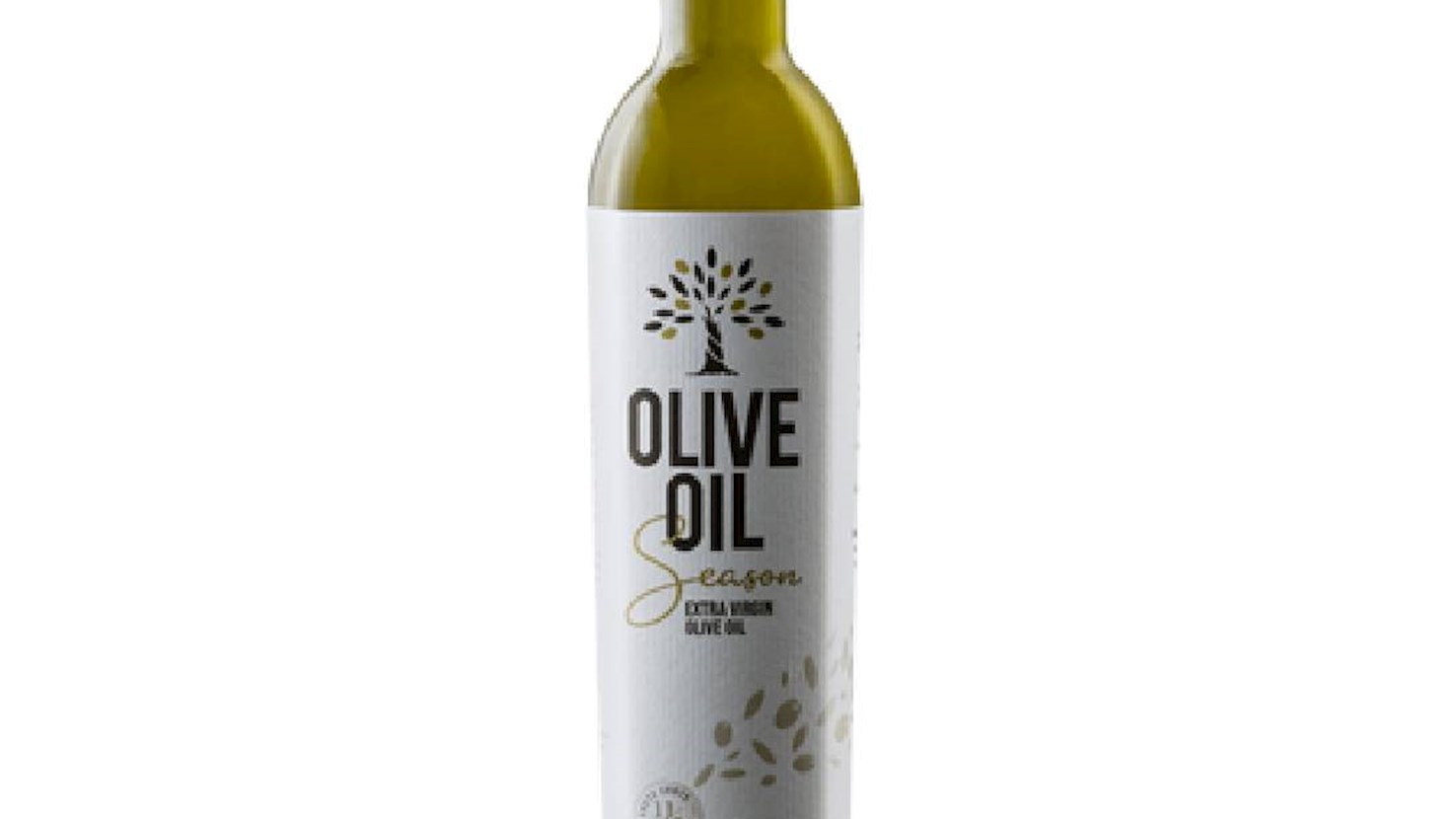
Olive Oil Season is a producer of high-quality extra virgin olive oil from plantations in the Meknes region of Morocco. Their oil is made from the Picholine Marocaine olive variety, renowned for its fruity and slightly bitter aromatic profile. Special attention is given to the handpicking of predominantly green olives at the earliest stage of ripeness, ensuring a high polyphenol content, which contributes to the health benefits and stability of the oil.

After harvesting, the olives are swiftly processed using cold extraction at the Oléastre mill near Meknes, preserving their beneficial compounds and aromas. Their team includes experts such as Markus Siebeneicher, an olive oil sommelier and creative director; Reda Tahiri, the master miller responsible for olive cultivation and the extraction process; and Dalal Najem, a chemist and quality manager who ensures that only the finest olive oil reaches consumers.

Awards
ATHENA IOOC - Gold (2024)
Terraolivo IOOC - Gold Medal (2022)
02
Olive Oil

Atlas Olive Oils

5.0 ·

Atlas Olive Oils is a family-owned company founded by the Aqallal family, producing organic extra virgin olive oil in Morocco since 1887. Located at the foothills of the Atlas Mountains, the company combines over 120 years of tradition with advanced production methods.

With an annual production exceeding one million liters, Atlas controls the entire process—from olive cultivation and harvesting to cold extraction, storage, and bottling—ensuring consistent quality and authenticity in every drop. Their olive groves span around 600 hectares, divided between modern and traditional plots. They use a variety of cultivars including Picholine du Languedoc, Menara, Haouzia, and Dahbia, which are well-adapted to the Moroccan climate.

This results in ultra-low acidity (0.1–0.2%) and a high polyphenol content. Harvesting and extraction are carried out within 20 minutes, preserving the oil’s full aromatic and nutritional profile.

Full traceability is guaranteed, offering complete transparency from tree to bottle.

03
Olive Oil

Noor Fès

4.8 ·

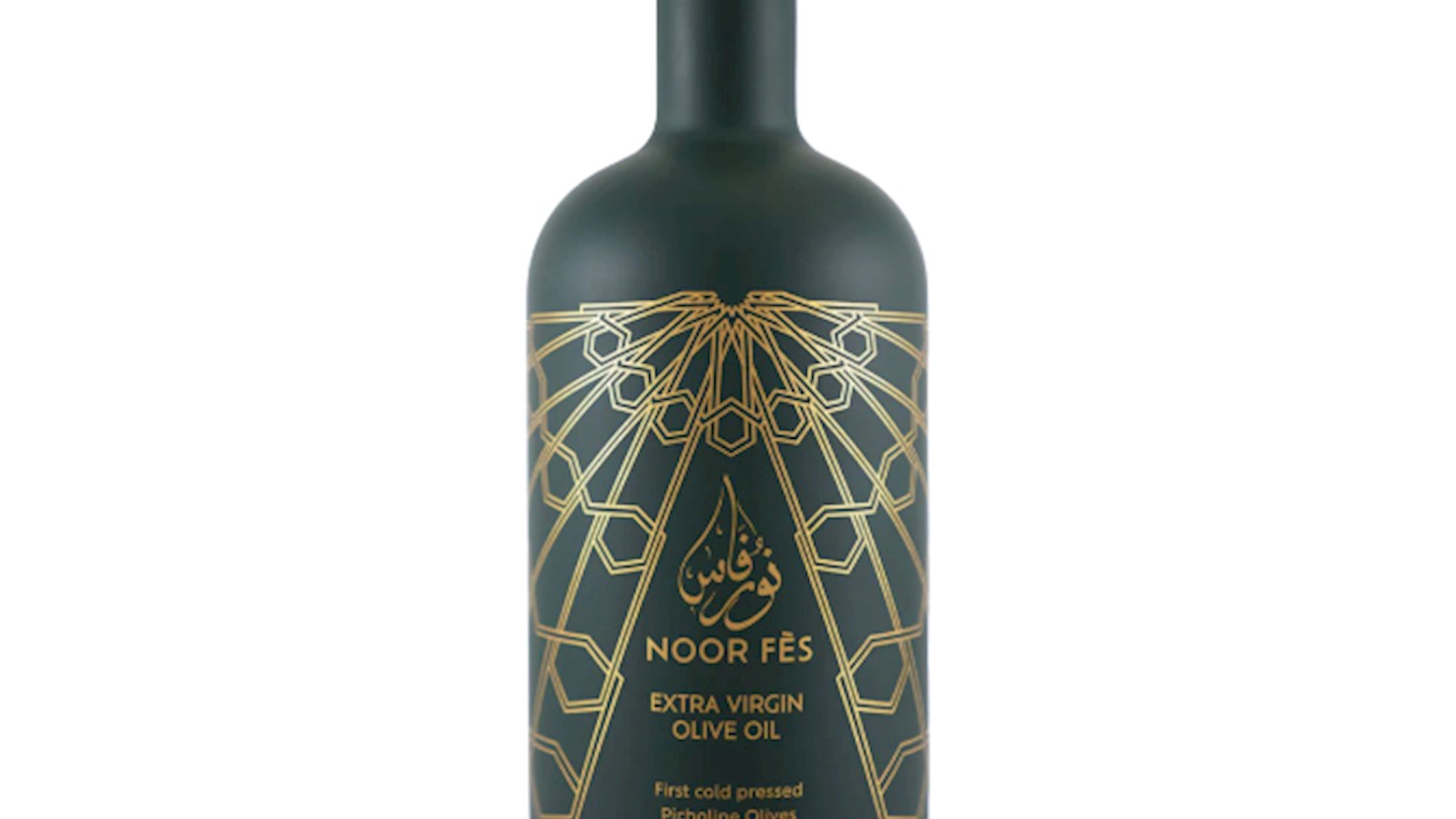
Noor Fès is a family-owned Moroccan company specialized in organic extra virgin olive oil, produced exclusively from the Picholine variety. Their estate is located on the fertile Saïs plain, approximately 40 km from the city of Fès, in an ideal microclimatic environment for olive cultivation. The olives are hand-picked and processed within just four hours after harvest — a method that ensures exceptional freshness, very low acidity, and a high polyphenol content.

A combination of traditional and modern processing techniques is used, with continuous improvements in ecological and certification standards. The taste of Noor is elegant and refined: fruit-balanced, with a delicate floral aroma, mild bitterness, and a pleasantly spicy finish. It pairs wonderfully with fresh fish, fine bread, salads, and even desserts such as fruit or ice cream.

Awards
ATHENA IOOC - Double Gold (2024)
London IOOC - Platinum (2021)
04
Fruit Product

Les Délices Majhoul

4.7 ·

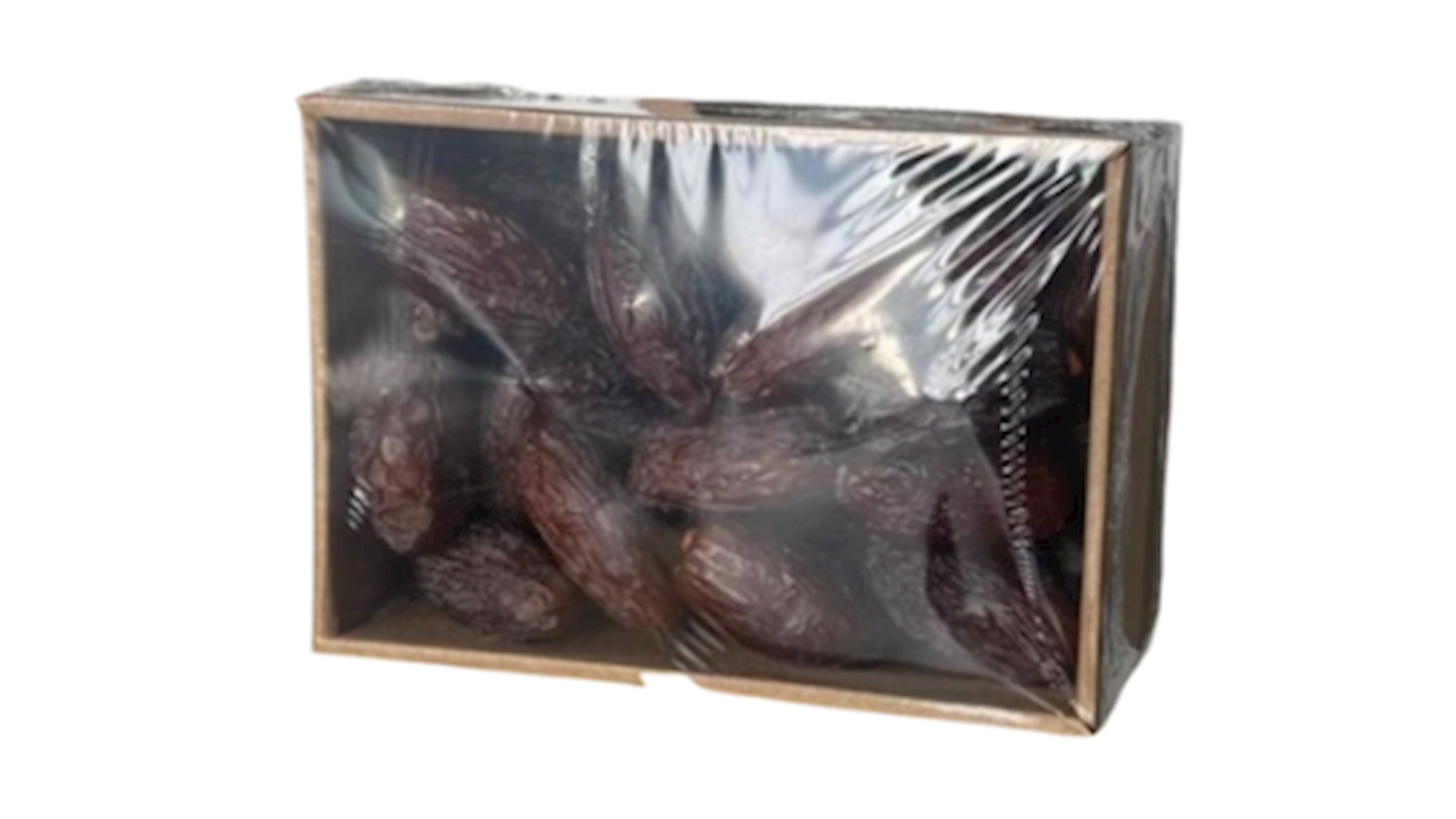
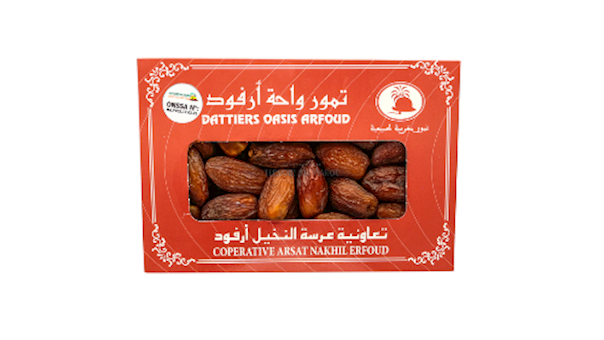
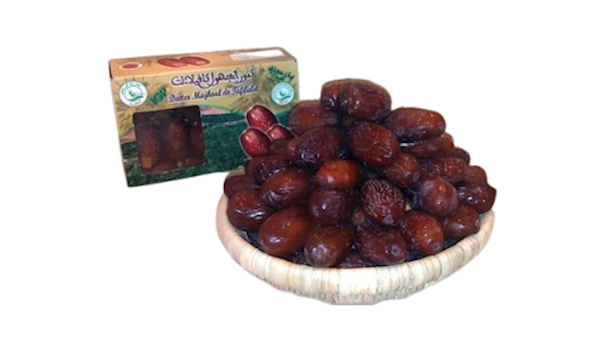
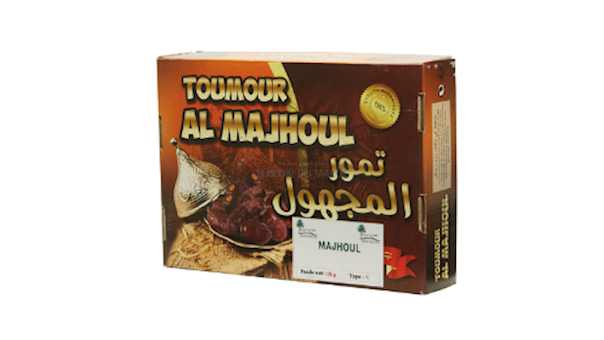
Les Délices Majhoul is a Moroccan family-owned brand specializing in the cultivation and export of organic Majhoul (Medjool) dates, grown in the renowned Tafilalet region, the cradle of date palm cultivation in Morocco. The company operates a 200-hectare plantation in the Boudenib area, home to more than 22,000 organic date palms, combining traditional expertise with modern agricultural technology.

Les Délices Majhoul dates are known for their rich flavor with notes of honey, caramel, and dried fruit, as well as their soft, juicy texture that distinguishes them in the premium organic market. The company blends family heritage, innovation, and social responsibility, offering its employees safe working conditions and social benefits.

Its production process involves minimal processing and careful packaging to preserve the natural aroma and nutritional value of the fruit. Thanks to its combination of organic farming, exceptional quality, and sustainable business practices, Les Délices Majhoul has become a symbol of modern, responsible, and luxurious date production.

05
Fruit Product

Terre de l'Atlas

4.6 ·

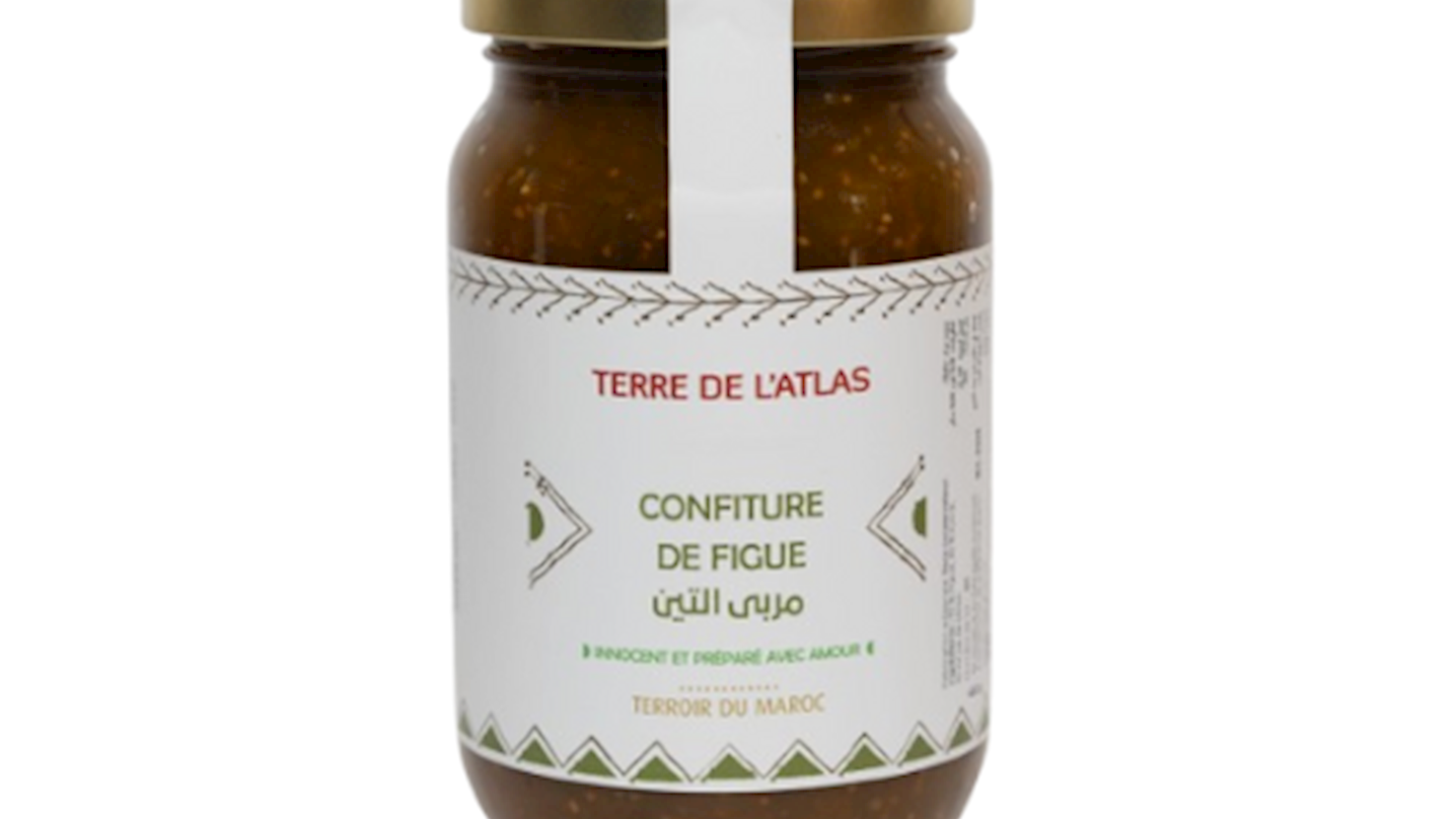
Terre de l’Atlas is a Moroccan producer of artisanal food products, developed within the agricultural cooperative Coopérative Bogmaz, located in the mountainous area of the High Atlas in the province of Azilal. The brand is built on the idea of adding value to local agricultural resources through products with clear origin and minimal industrial processing.

Its range includes marmalades, jams, compotes, natural juices, vinegars, and herbal teas, made exclusively from locally sourced fruit and herbs, without artificial preservatives or flavorings. Production takes place in small batches, relying on traditional processing methods that help preserve the natural taste and nutritional value of the raw ingredients.

What distinguishes Terre de l’Atlas products is the combination of local fruit with aromatic herbs and spices typical of the region, such as mint, rosemary, and saffron. This creates a sensory profile that clearly reflects the terroir of the High Atlas rather than a generic industrial flavor.

The portfolio features tastes that are characteristic of North Africa, yet adapted to contemporary consumer habits. Through its products, the brand effectively documents the lifestyle and agricultural traditions of the High Atlas mountain communities.

06
Wine

Casas del Bosque

4.6 ·
Awards
Decanter World Wine Awards - Platinum (2018, 2016)
07
Fruit Product

Dar Tomoor

4.6 ·

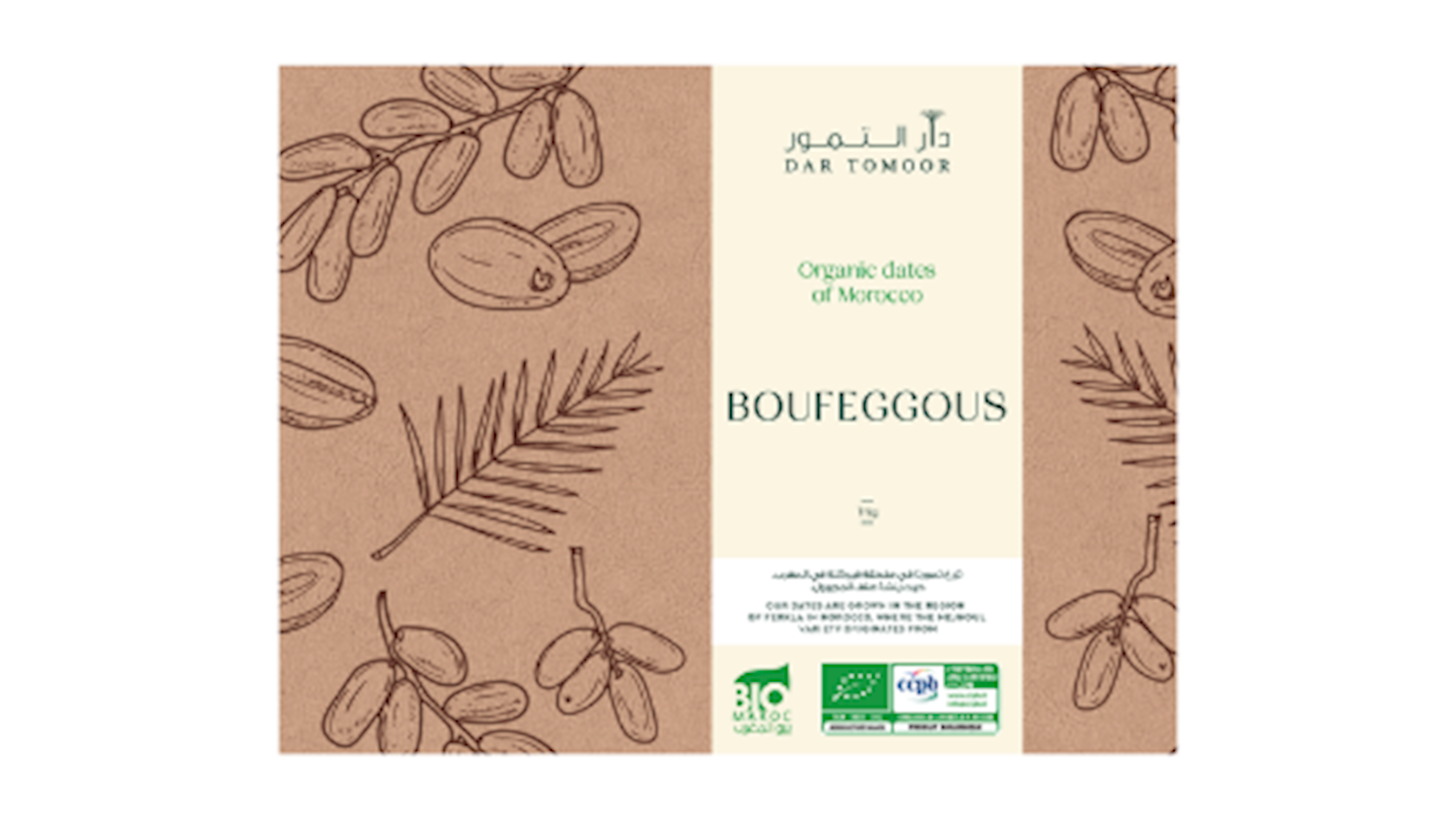
Dar Tomoor is a family-owned Moroccan company specializing in the cultivation, processing, and export of 100% organic dates. The company is located near the city of Errachidia, in the Tafilalet region - considered the cradle of date palm cultivation in Morocco.

The dates are hand-picked, carefully selected, and packaged without additional processing, preserving their natural sweetness, texture, and nutritional value. The fruits are large, with a dark golden to amber hue, thin skin, and a soft, juicy interior.

Their flavor combines notes of caramel, honey, and dried fruit, while the texture offers a perfect balance between tenderness and firmness. In addition to direct sales, Dar Tomoor dates are exported to markets across Europe, North America, and the Middle East.

The brand promotes family values, authenticity, and transparency, highlighting the story of generations dedicated to date palm cultivation. Its mission is to offer a product that combines exceptional quality with respect for nature.

Dar Tomoor has become a symbol of the modern Moroccan approach to date production - a fusion of tradition, sustainability, and luxury in a single product.

08
Dessert

Pâtisserie Bennis Habous

4.5 ·

Pâtisserie Bennis Habous is a historic Moroccan patisserie located in the Habous district of Casablanca, with origins dating back to the 1930s and a continuous family ownership that has extended across four generations. Founded by a family from Fez, the business evolved from a small artisanal operation into one of the city’s most established pastry houses, while maintaining a strong commitment to traditional methods.

The production is centered on classic Moroccan sweets, particularly almond-based pastries such as cornes de gazelle, alongside honey-coated specialties like chebakia and other nut-filled confections. Recipes are preserved with minimal modification, relying on simple ingredients such as almonds, orange blossom water, honey, and sesame to build layered and recognizable flavors.

The pastries are prepared daily, with an emphasis on freshness and consistency rather than large-scale industrial output. Visually, the products retain a handmade character, often presented in traditional trays that reflect the artisanal nature of the craft.

The patisserie itself, with its modest interior and distinctive tiled exterior, mirrors the architectural identity of the Habous quarter. Today, it remains a reference point for authentic Moroccan pastry-making, closely tied to the cultural and culinary heritage of Casablanca.

09
Olive Oil

Olea Capital

4.4 ·
Awards
ATHENA IOOC - Gold (2020)
10
Olive Oil

Lesieur Cristal

4.4 ·

LESIEUR CRISTAL is a leading olive oil producer based in Morocco. The company is part of the Avril Group, a French agro-industrial and financial organization.

LESIEUR CRISTAL operates several production facilities across Morocco, ensuring a significant role in the local and international olive oil markets. The company offers a range of olive oil products, catering to both consumer and industrial needs.

Awards
Olive Japan - Gold (2022, 2021)
Read more
View all
View map
About this ranking

TasteAtlas food rankings are based on the ratings of the TasteAtlas audience, with a series of mechanisms that recognize real users and that ignore bot, nationalist or local patriotic ratings, and give additional value to the ratings of users that the system recognizes as knowledgeable. For the “Top 50 Moroccan Foods” list until July 01, 2026, 11,493 ratings were recorded, of which 2,969 were recognized by the system as legitimate. TasteAtlas Rankings should not be seen as the final global conclusion about food. Their purpose is to promote excellent local foods, instill pride in traditional dishes, and arouse curiosity about dishes you haven’t tried.

The initial list of top producers was compiled based on available reviews, awards, local recommendations, media and blog coverage, and consumer reviews. The list will be updated with ratings from TasteAtlas local ambassadors and TasteAtlas users.

Similar lists