Top 58 Lebanese Foods

Last updated on July 08, 2026

Best Lebanese foods

01
Sauce

Toum

4.5 ·

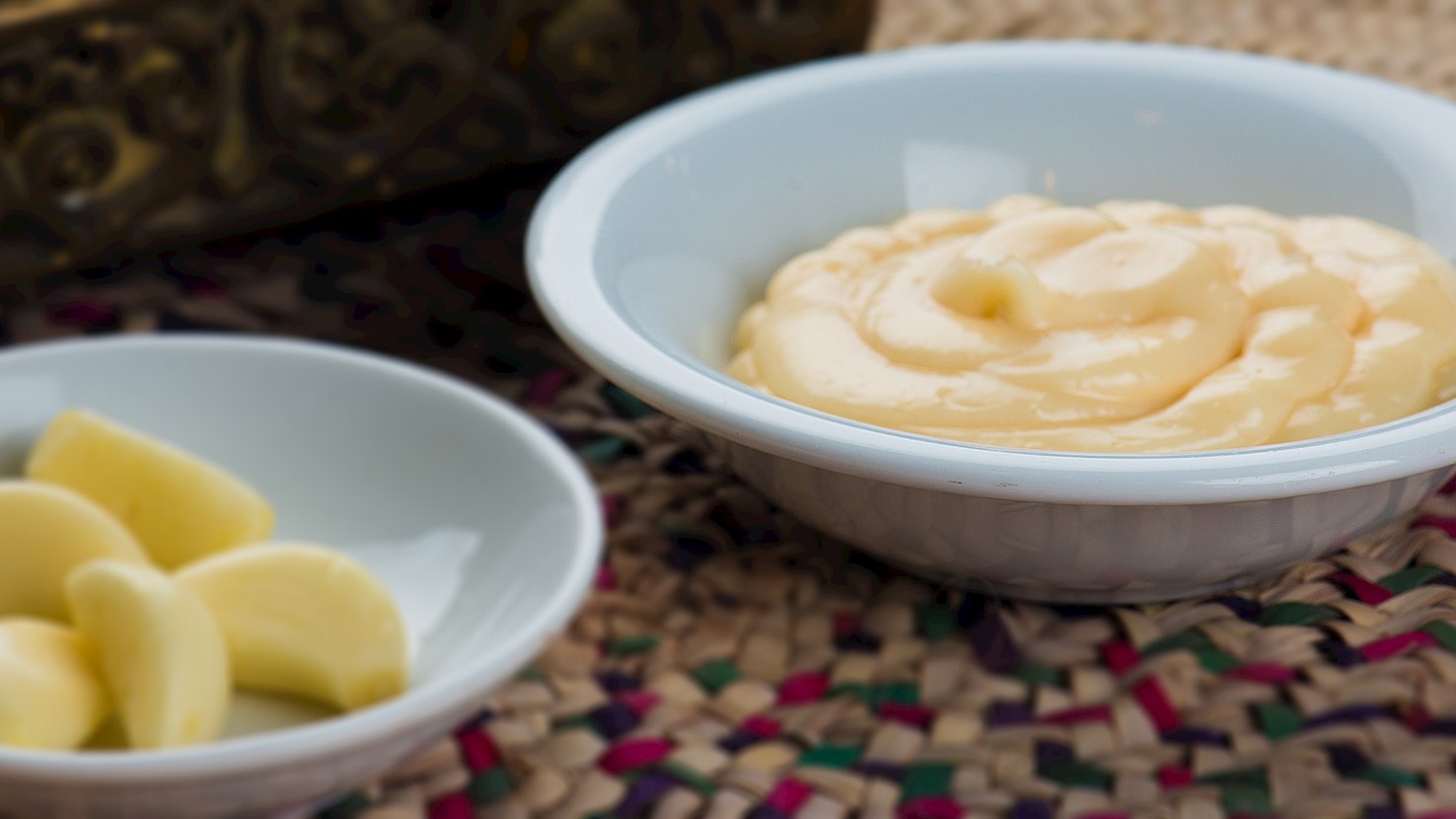
Toum is an authentic Lebanese and Syrian garlic paste. It is made with whole garlic cloves, which are slowly crushed using a mortar and pestle, or nowadays simply ground in a food processor. During this process, oil (preferably neutral oil such as canola, or the flavorful olive oil) is gently added to create a homogeneous garlic paste with an unusual, fluffy texture. Finally, salt and lemon juice are added to the mix, giving the paste a salty flavor and ivory color. Toum is used for marinades, sauces, and dips, and can enrich any meal. It is usually combined with chicken in traditional dishes such as roast chicken, chicken skewers or chicken shawarma, but is also commonly combined with beef, lamb, or goat meat. It is often used as a spread in the famous Lebanese pita sandwiches and wraps, or as a simple spread over bread, which is served as a starter or a snack. Toum can be made in advance and can keep up as long as three weeks. Since it is highly versatile, numerous ingredients, such as mint, can be added to diversify its flavor and texture. This delightful, pungent garlic spread and its adaptations can also be found in eastern Mediterranean countries, Egypt, and Iraq.

02
Dumplings

Shishbarak

4.4 ·

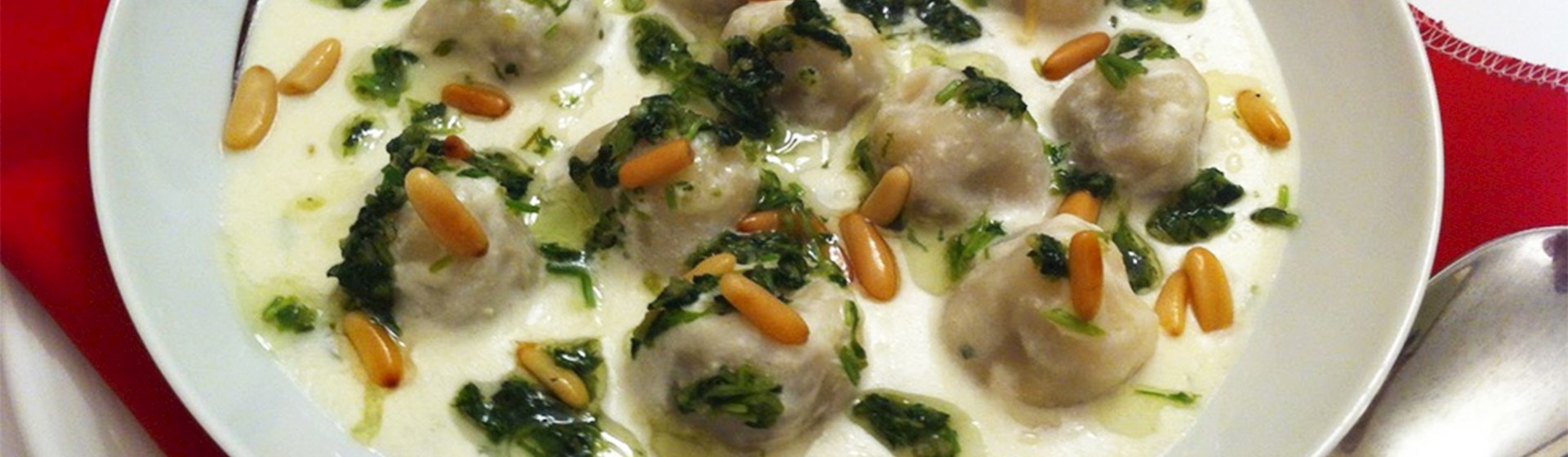
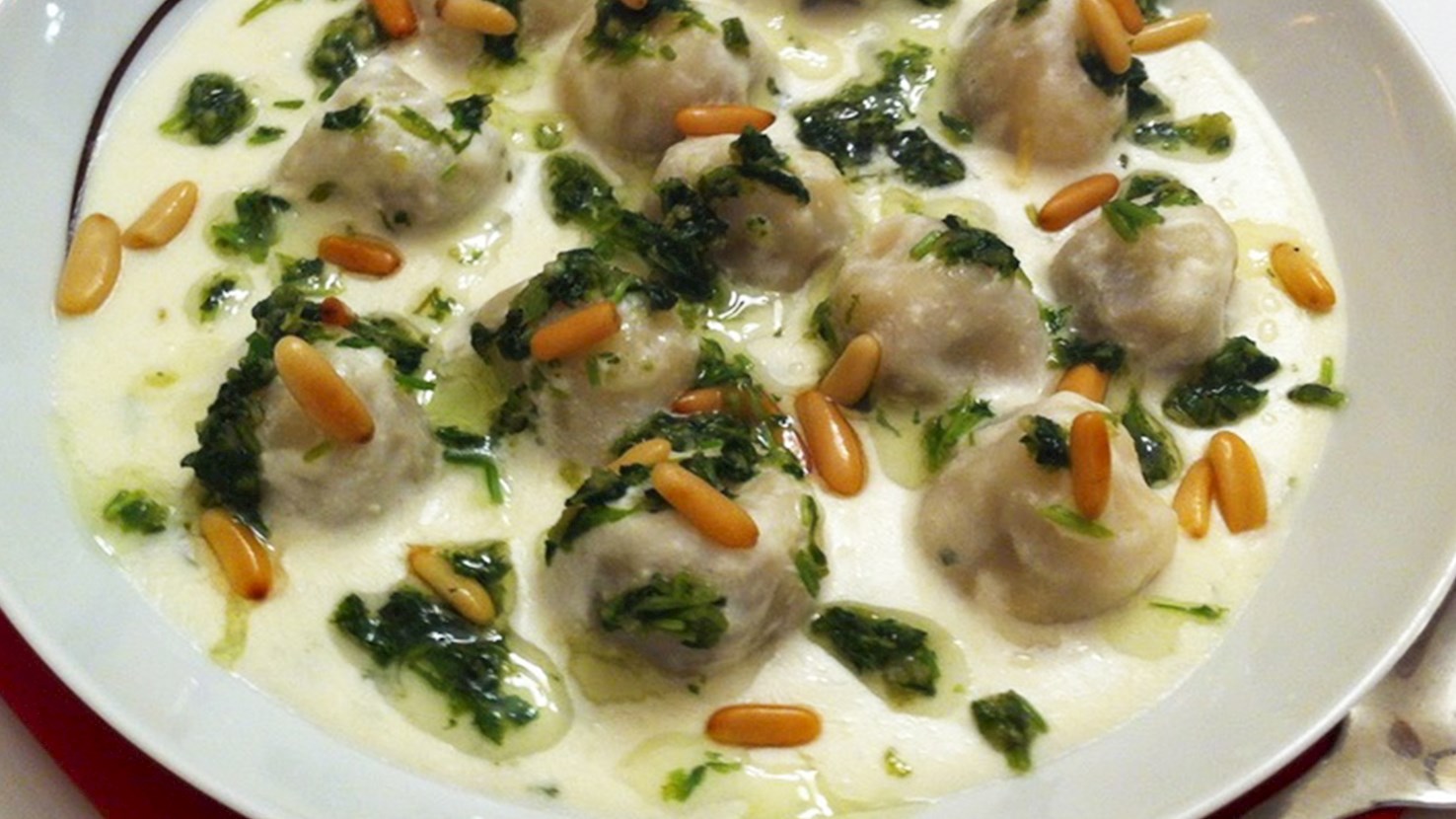
This combination of meat-stuffed dumplings and yogurt is common in Levantine cuisine. The dish consists of tiny dumplings—believed to have originated in Iran under the name joshpara—that are filled with a combination of meat and onions. The dumplings are cooked in yogurt that is seasoned with mint, garlic, or other spices, and the dish is then typically served warm. Because of its international status, there are many varieties of the dish that may employ labneh-based sauces, different types of meat, nuts, and various spices.

03
Dip

Hummus Beiruti

4.4 ·

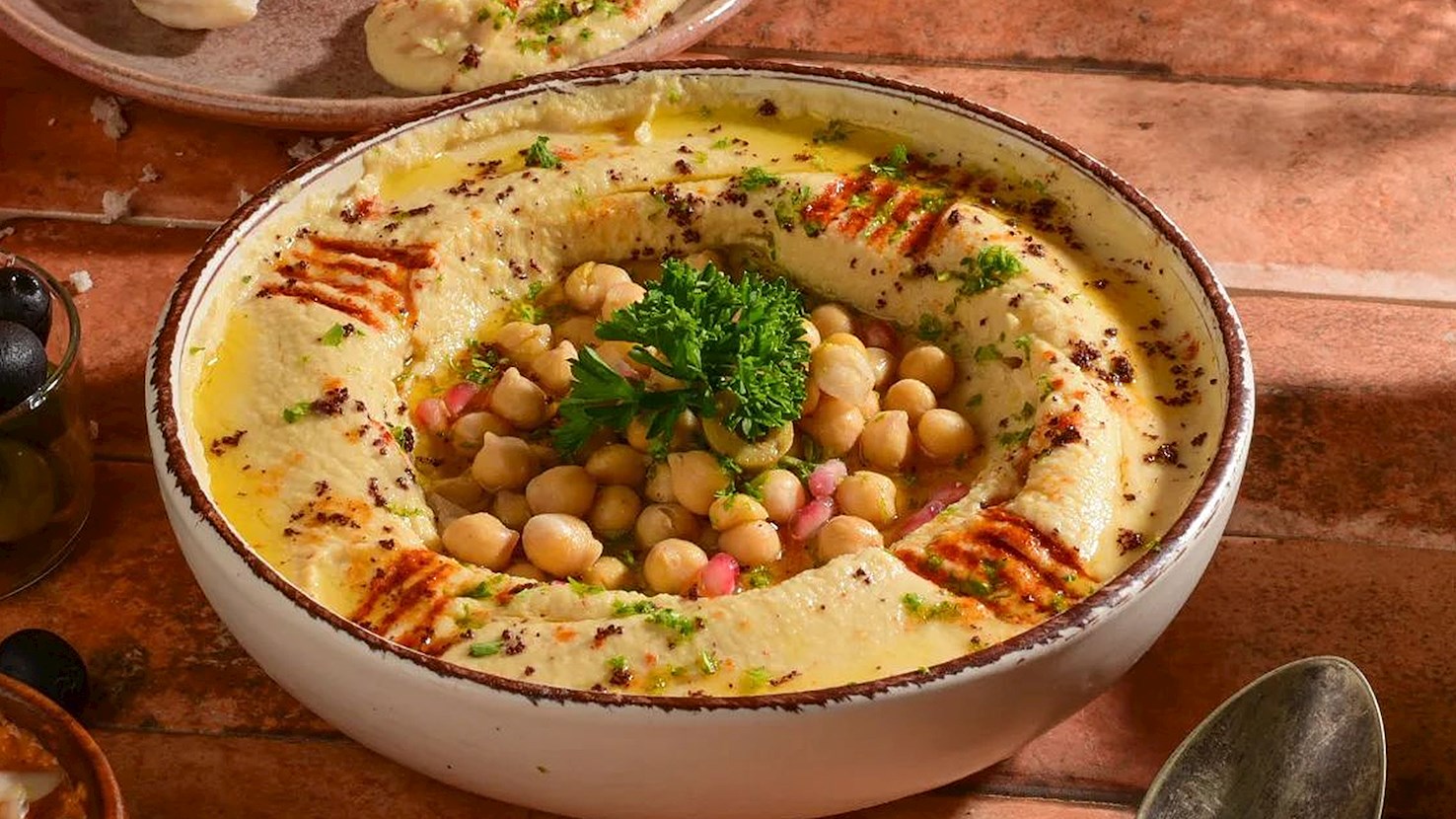
Hummus Beiruti is a Lebanese version of hummus, the famous chickpea-based dip. This version adds a large amount of garlic and spices to it. It’s usually made with a combination of chickpeas, olive oil, garlic, yogurt, tahini, cold water, cumin, lemon juice, chili peppers, chopped parsley, and paprika. Once prepared, this hummus version is plated and garnished with a drizzle of olive oil, chopped parsley, and mint leaves. Hummus Beiruti is served with freshly baked pita or lavash flatbread.

04
Street Food

Shawarma

4.4 ·

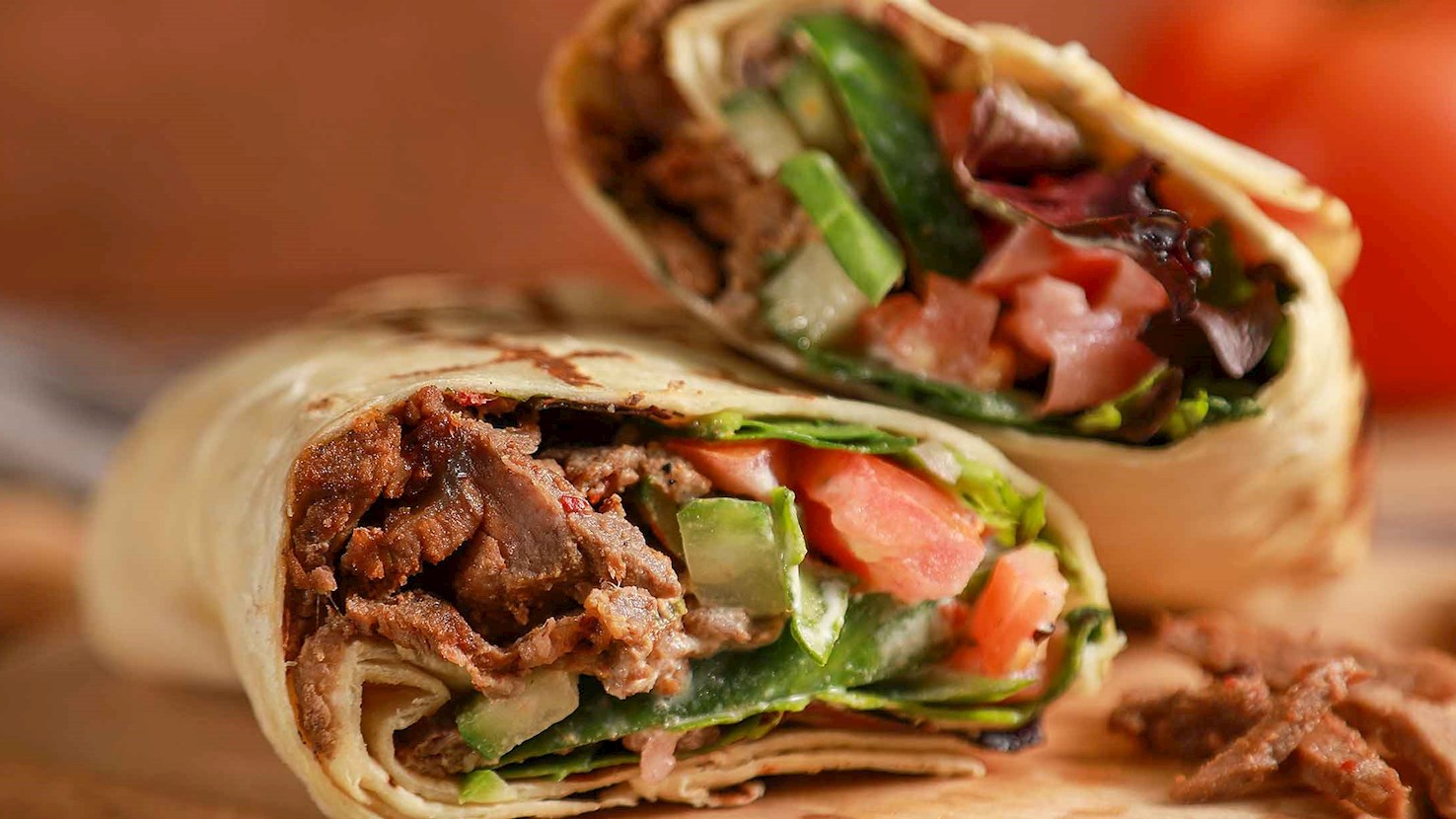
Marinated and spit-roasted, shawarma is a delicious Middle Eastern meat treat whose origins can be traced back to the Ottoman Empire era, while its name stems from the Arabic pronunciation of the Turkish word çevirme (lit. to turn; turning), and refers to the rotating skewer on which the meat is cooked. Shawarmas are made with either lamb, turkey, chicken, beef, or a mix of different meats which are slow-cooked for hours and basted in their own juices and fat, gaining an incomparable succulence, but the real secret to a perfect shawarma is in the marinade. Depending on the variety, the meat must be marinated for at least a day, preferably two, especially when using beef. These marinades are either yogurt or vinegar-based and typically include spices and flavorings such as cinnamon, cloves, cardamom, nutmeg, black pepper, allspice, dried lime, spicy paprika, garlic, ginger, lemon, bay leaf, and sometimes even orange slices. Shawarma is traditionally served either on its own or enjoyed tucked inside a warm flatbread such as pita or lavash. However, what really sets it apart from the Turkish döner kebab, Greek gyros, or other similar foods is the extent of garnishes and condiments offered with it. For example, Israeli shawarmas are typically topped with tahini and come with generous servings of hummus and pickled mango slices, while in other countries, shawarma is often complemented with garlic mayo or a zesty toumaia garlic sauce, both fresh and pickled vegetables, salads like tabbouleh or fattoush, and amba sauce–a tangy chili and mango pickle dip. Once a common staple of the Middle Eastern working man, shawarma has today become the ultimate Arabic street food, found not only in Arabia and Levant but in virtually any nook and corner of the globe.

05
Dip

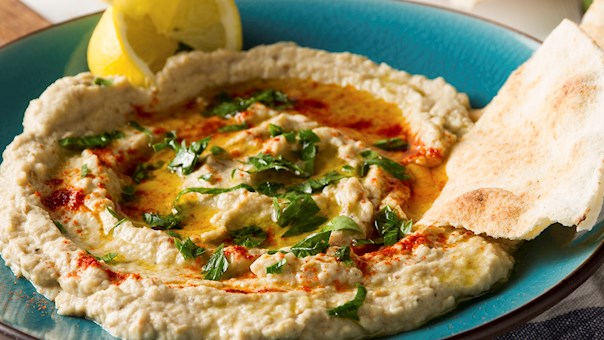
Mutabal

4.3 ·

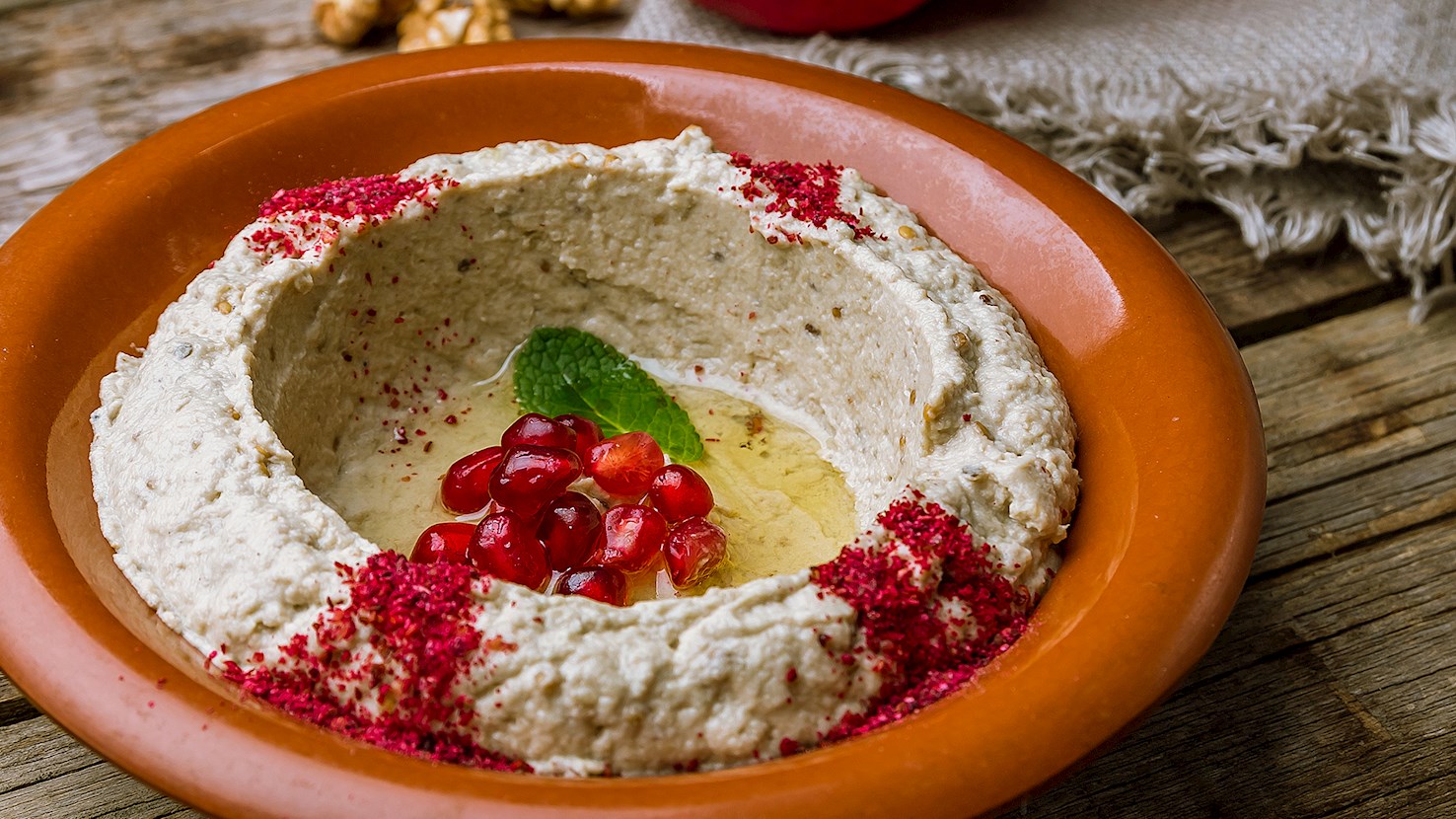
Mutabal is an eggplant-based dip prepared in the eastern Mediterranean and Arabian regions, most commonly associated with Lebanon, Syria, Jordan, and Palestine, made from cooked eggplant blended with tahini, lemon juice, garlic, and salt to form a smooth, pale-colored spread. Its development is closely tied to the long-standing cultivation of eggplant in the Levant and the parallel use of sesame paste as a core ingredient in savory preparations, with regional cookery texts from the medieval Islamic world describing combinations of mashed vegetables, fermented or acidic elements, and ground seeds, indicating a settled culinary logic in which mutabal emerged as a distinct preparation emphasizing tahini more strongly than other eggplant dishes. Preparation begins with roasting whole eggplants, ideally over direct flame, until the flesh softens and absorbs smoke, after which the skins are removed and the pulp drained to control bitterness and moisture, then mixed thoroughly with tahini, lemon juice, crushed garlic, and salt until the mixture becomes cohesive and smooth rather than coarse. Mutabal is served at room temperature, usually spread in a shallow dish and finished with olive oil, and it is presented as part of a larger table rather than as an individual portion. A defining characteristic of mutabal is the dominant role of tahini, which gives it a lighter color, thicker body, and more pronounced nutty profile compared to related eggplant spreads that rely less on sesame paste. It is eaten in homes, restaurants, and social gatherings throughout the Levant, typically accompanied by flatbreads such as pita or markouk and raw vegetables, and it pairs well with unsweetened black tea, mint tea, arak diluted with water, or dry white wines, fitting naturally into meals where multiple small dishes are shared and balanced by bread rather than by heavy seasoning.

06
Sweet Pastry

Kunāfah

4.3 ·

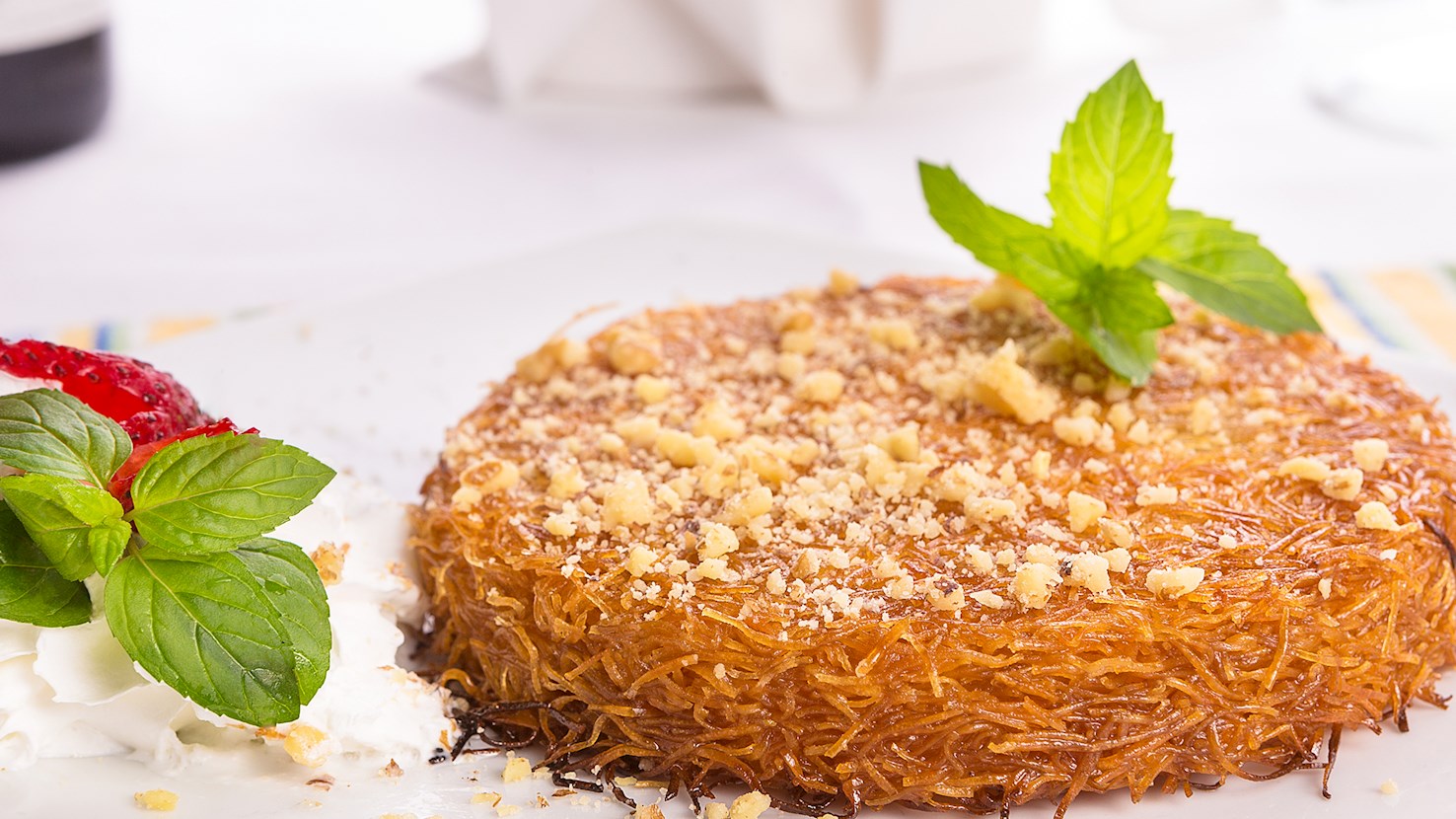
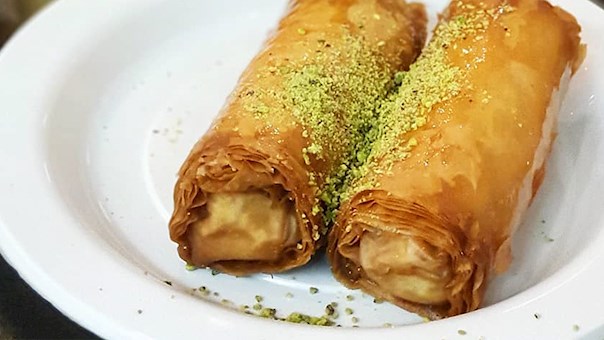
Kunāfah consists of two crunchy layers of shredded and buttered kataifi or knefe dough, filled with a luscious cheese cream that's often flavored with orange zest and cardamom, then drenched in a sugar syrup infused with lemon juice and orange blossom water. Turkish künefe is traditionally made with Hatay, Urfa, or Antep cheese. It is usually topped with pistachios and is best served warm. Elegant and amazingly simple to make, this dessert is nothing short of what cheese-filled pastry dreams are made of. Some authors speculate that it originated from the Fatimid Egypt or pre-Islamic Syria, while others claim that the Palestinian city of Nablus is its birthplace - hence the name kanafeh nabulsieh. Nevertheless, this decadent dessert has been a part of a long culinary tradition in Türkiye and Egypt, and it is listed as one of Egypt's national dishes.

Best restaurants
07
Snack

Lahmacun

4.3 ·

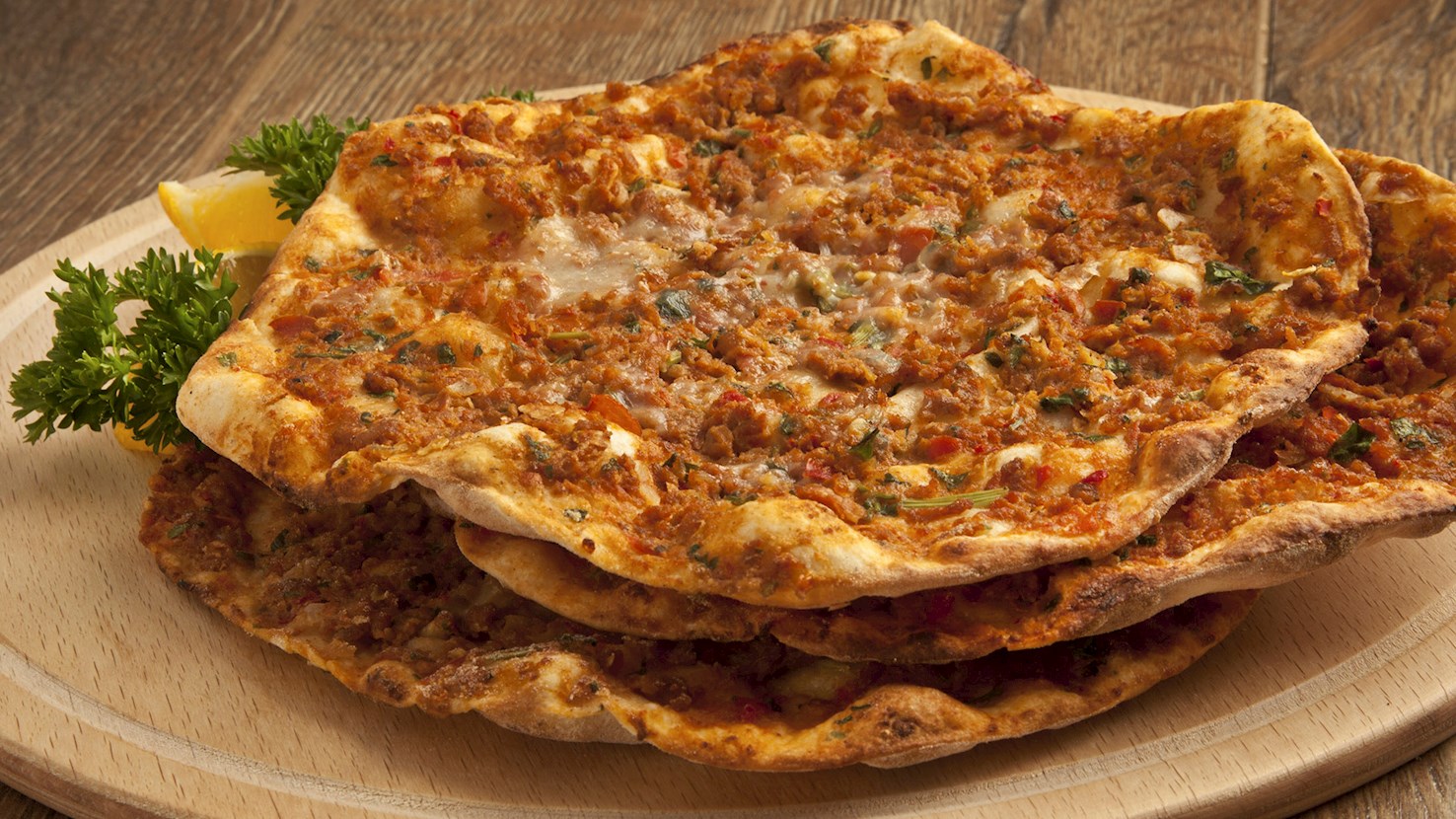
Even though lahmacun is popularly nicknamed Turkish pizza, it's origin is disputed and can be traced to Armenia, Syria, Lebanon, and Turkiye. It can be found at numerous street stalls as well as in virtually any traditional restaurant, but also in kebab eateries where they typically serve mini lahmacuns as appetizers. The perfect lahmacun is made by rolling a ball of sturdy semolina dough into a thin disc which is only lightly spread with meat - either lamb or beef, minced to a paste together with chili, onions, and other seasonings. The dish is then shortly baked in a super-hot (and preferably wood-fired) oven. Lahmacun is best served hot with a drizzle of lemon juice. It is traditionally enjoyed folded around the crispy onions and a parsley salad known as piyaz. It is recommended to pair lahmacun either with the salty, cold yogurt beverage called ayran, or şalgam suyu, the barrel-fermented juice of red carrot pickles, which is salted, spiced, and flavored with the aromatic turnip called çelem.

08
Savory Pie

Sfiha

4.3 ·

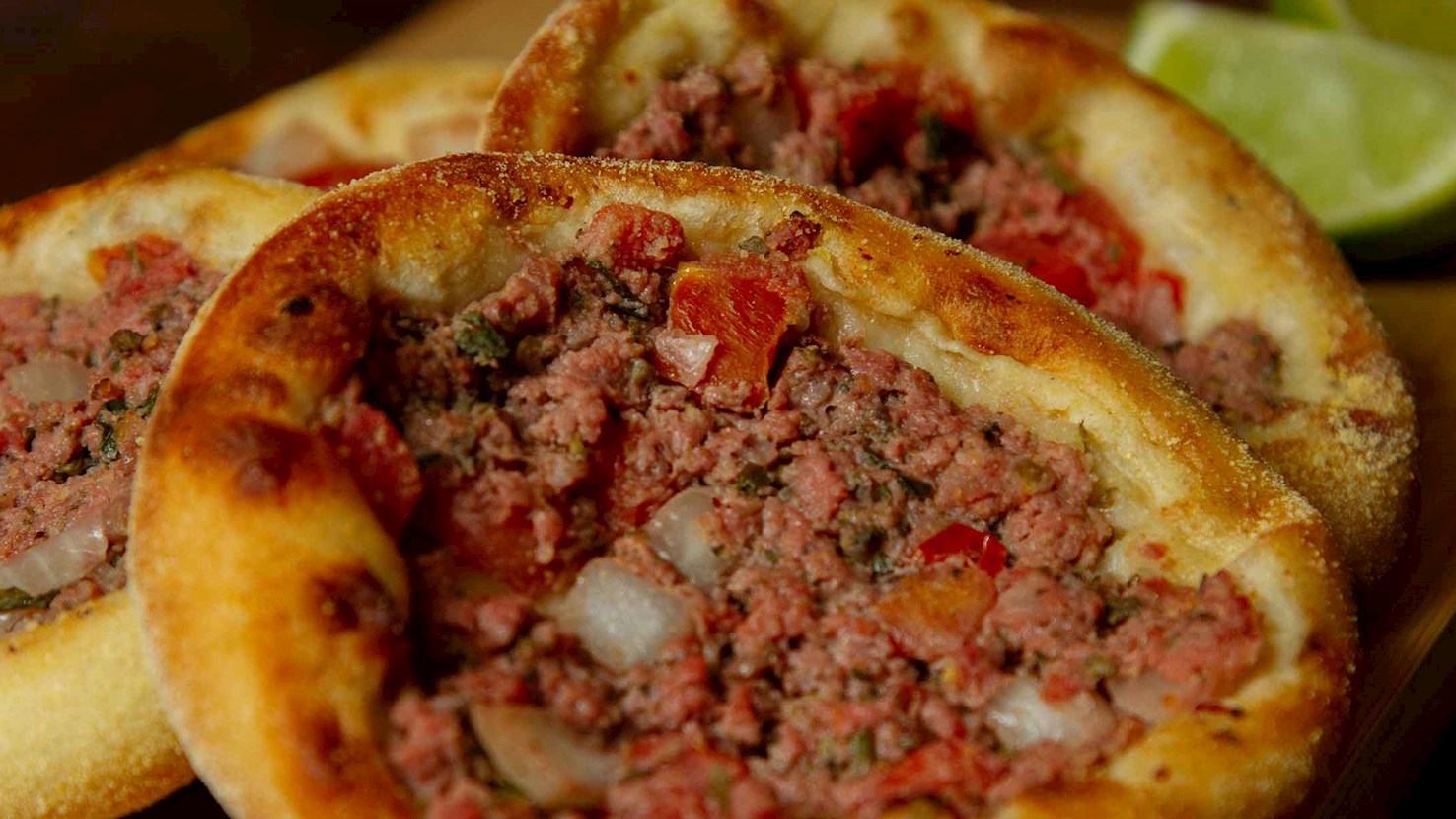
Sfiha, or lahm bil ajĩn (lit. meat on dough) is an Arabic specialty that dates back to the 15th century, when it first appeared in today's Eastern Lebanon. The traditional open-faced meat pie is popular throughout the Arab region, its main ingredients usually including minced lamb (or lamb), chopped onions and tomatoes, spices, olive oil, and yogurt. Originally, the dish was prepared by stuffing ground lamb and spices in brined grape leaves, but it evolved over time. Sfiha is also popular in Brazil and Argentina, where it was brought over by Levantine immigrants. It is usually consumed hot as a snack, accompanied by tahini sauce or a bowl of yogurt, while pomegranate seeds, coriander, or chopped cucumbers are often used as garnishes. In Turkey, sfiha is known as pide.

09
Snack

Arayes

4.2 ·

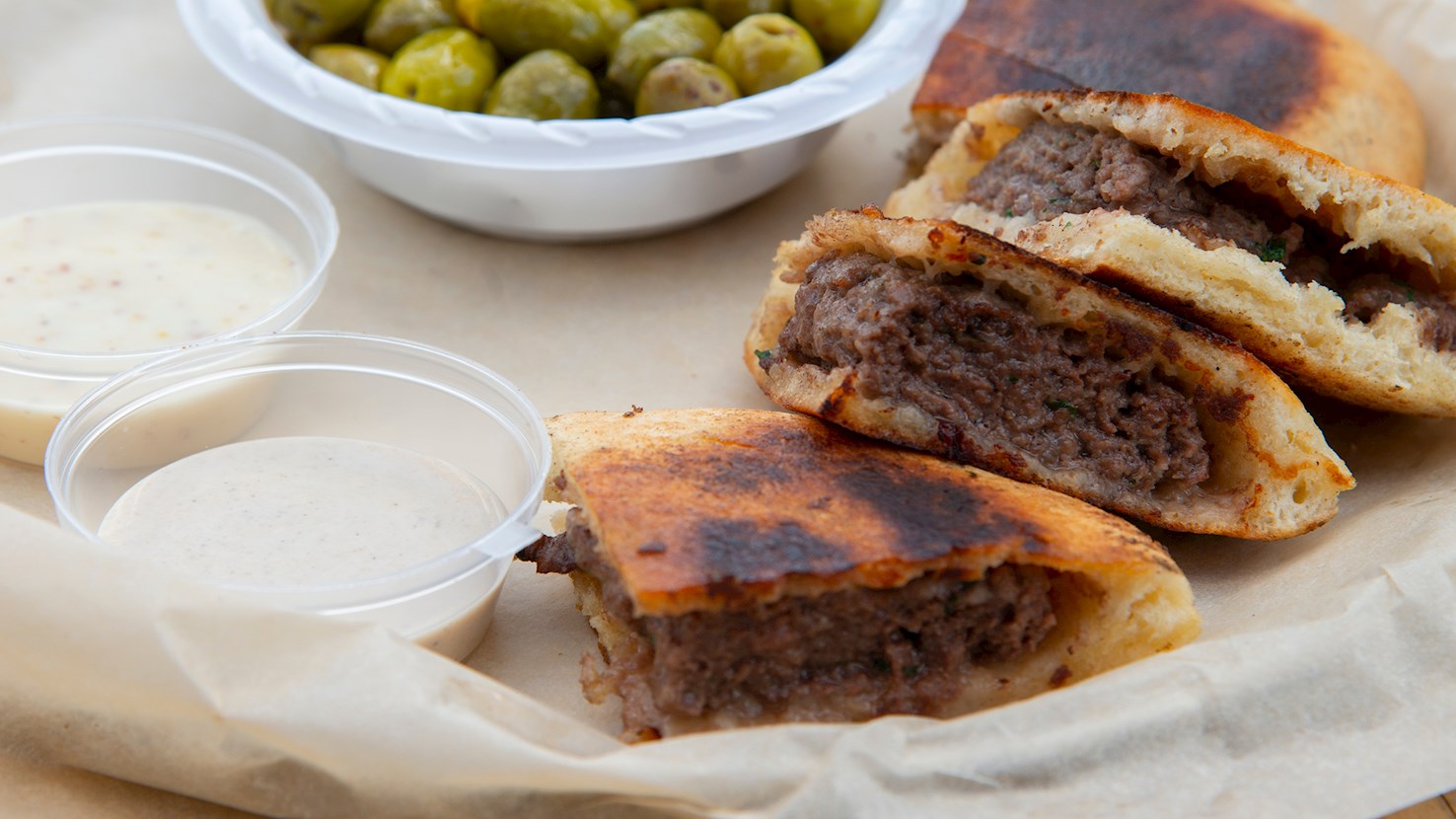
Arayes, translated from Arabic as brides, is a convenient snack consisting of pita bread filled with a mixture of minced meat that is seasoned and enriched with garlic, onions, and tomatoes. The bread is typically cut in quarters and then spread with lamb or beef before it is coated in olive oil and baked, pan-fried, or grilled until crisp. The dish can be served as a snack or a main course, preferably with yogurt and olives on the side. The origin of the arayes is disputed, but the variations are found throughout Middle East, Levant, and some Arabic countries.

10
Snack

Fatayer

4.2 ·

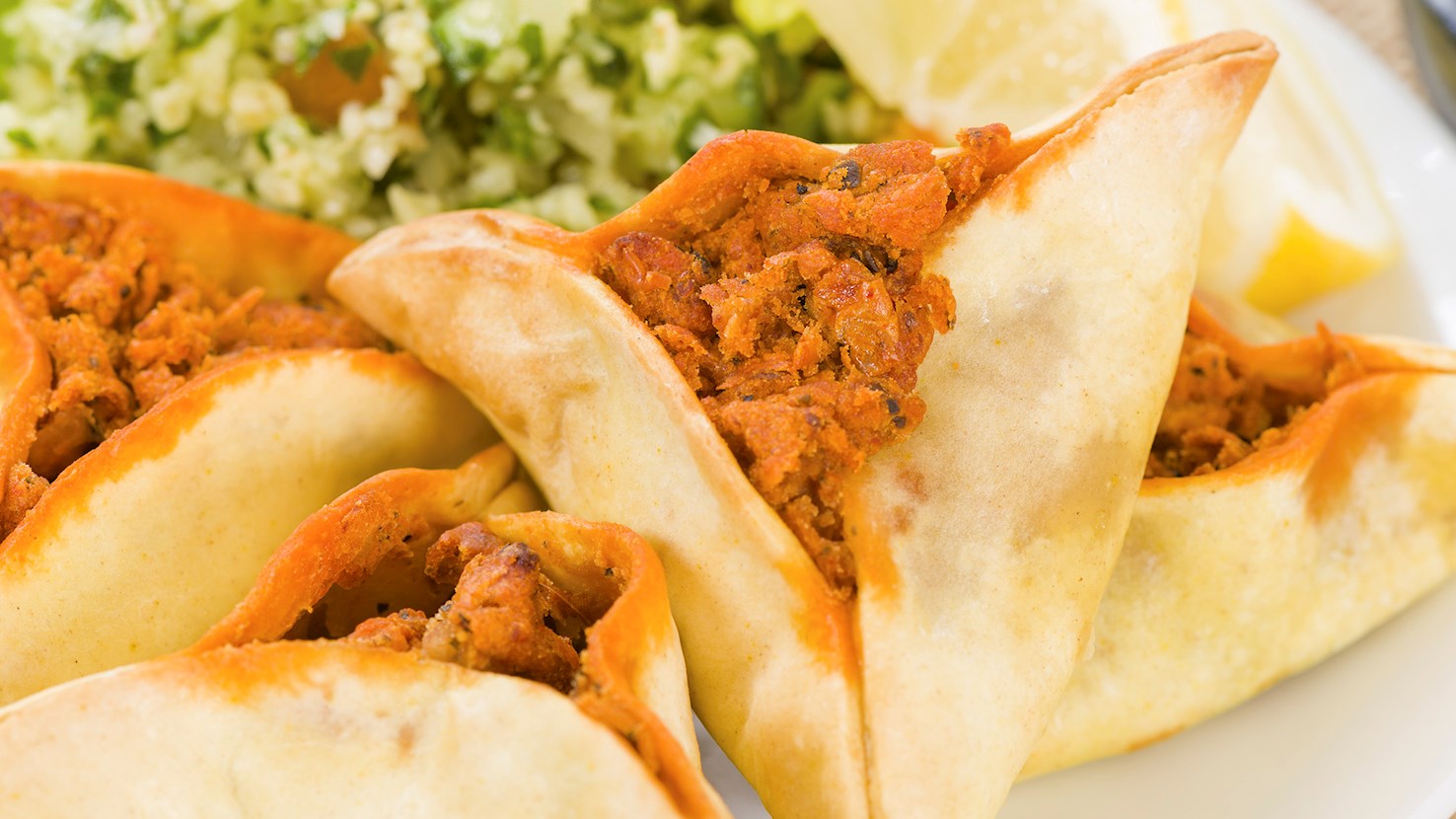
Fatayer is an Arabic specialty consisting of pockets of dough that are filled with a variety of ingredients: spinach, cheeses such as halloumi or feta, meat such as chicken, beef, or lamb, potatoes, or soft Arabic yogurt-based cheeses. The dish can be baked or fried and is commonly consumed as a snack or a light lunch. It is still unknown who invented fatayer, as the Lebanese, Syrians, Egyptians, and Palestinians all claim the dish as their own. Today, these turnovers are popular throughout the Arab region, with numerous regional varieties and different fillings.

12
Flatbread

Khubz

4.2 ·
13
Bread

Ka'ak

4.1 ·
14
Meatballs

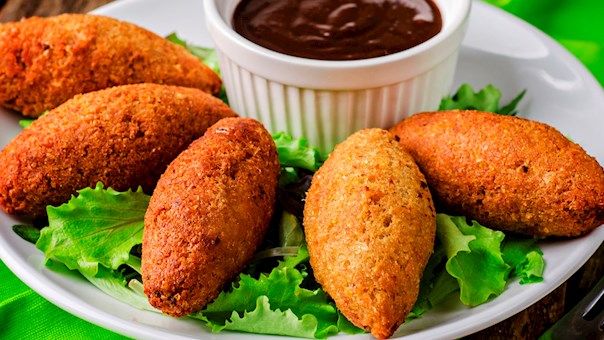
Kibbeh

4.1 ·
15
Rice Dish

Mujaddara

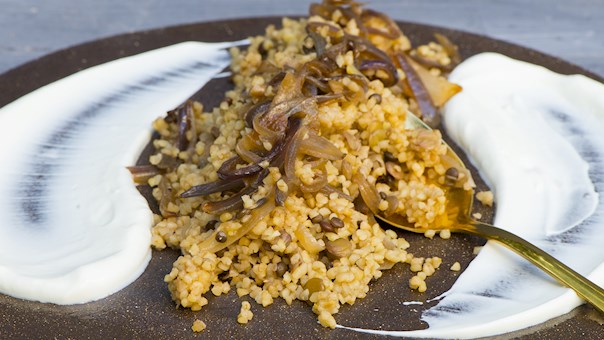
4.1 ·
16
Salad

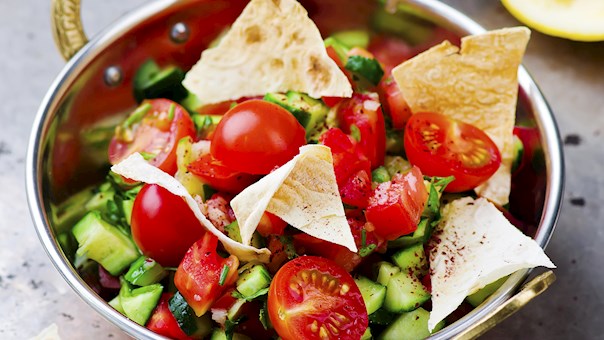
Fattoush

4.1 ·
18
Flatbread

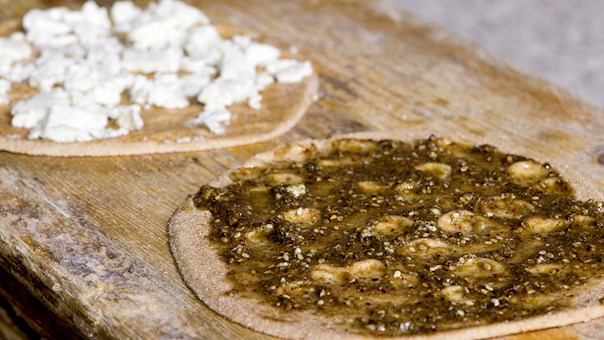
Manakish

4.1 ·
19
Dip

Baba ghanoush

4.1 ·
20
Street Food

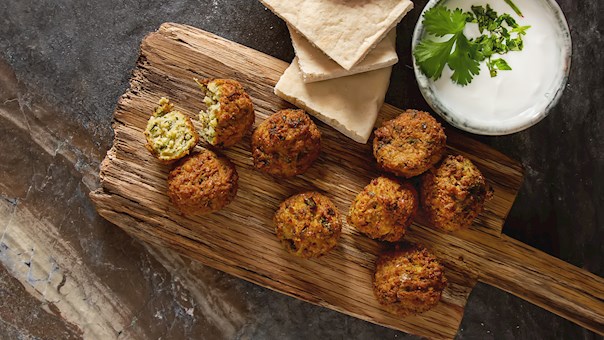
Falafel

4.0 ·

Best Lebanese food products

01
Chocolate Confectionery

Peyrano

5.0 ·

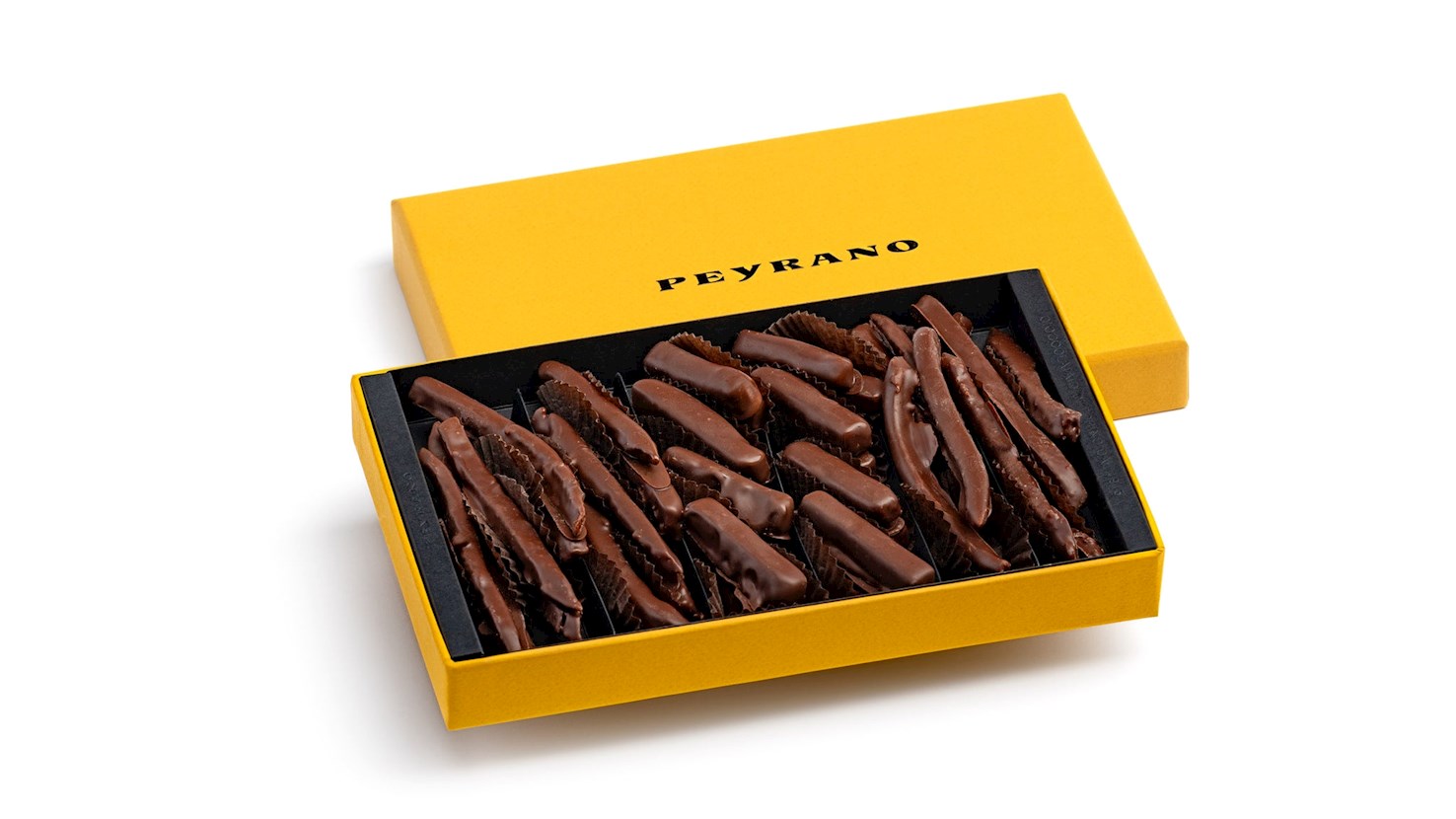
Peyrano, the Lebanese chocolate maker, is celebrated for its luxurious handmade chocolates and confections. Based in Lebanon, the brand blends local flavors with international chocolate-making techniques, offering a unique assortment of truffles, pralines, and gourmet treats.

Known for its elegant packaging and commitment to quality, Peyrano has become a favorite for gifting and special occasions in the region.

Awards
Tavoletta D'Oro - Compagnia del Cioccolato (2009)
Tavoletta D'Oro - (2007, 2006, 2005, 2004, 2003)
02
Spirit

Massaya

5.0 ·

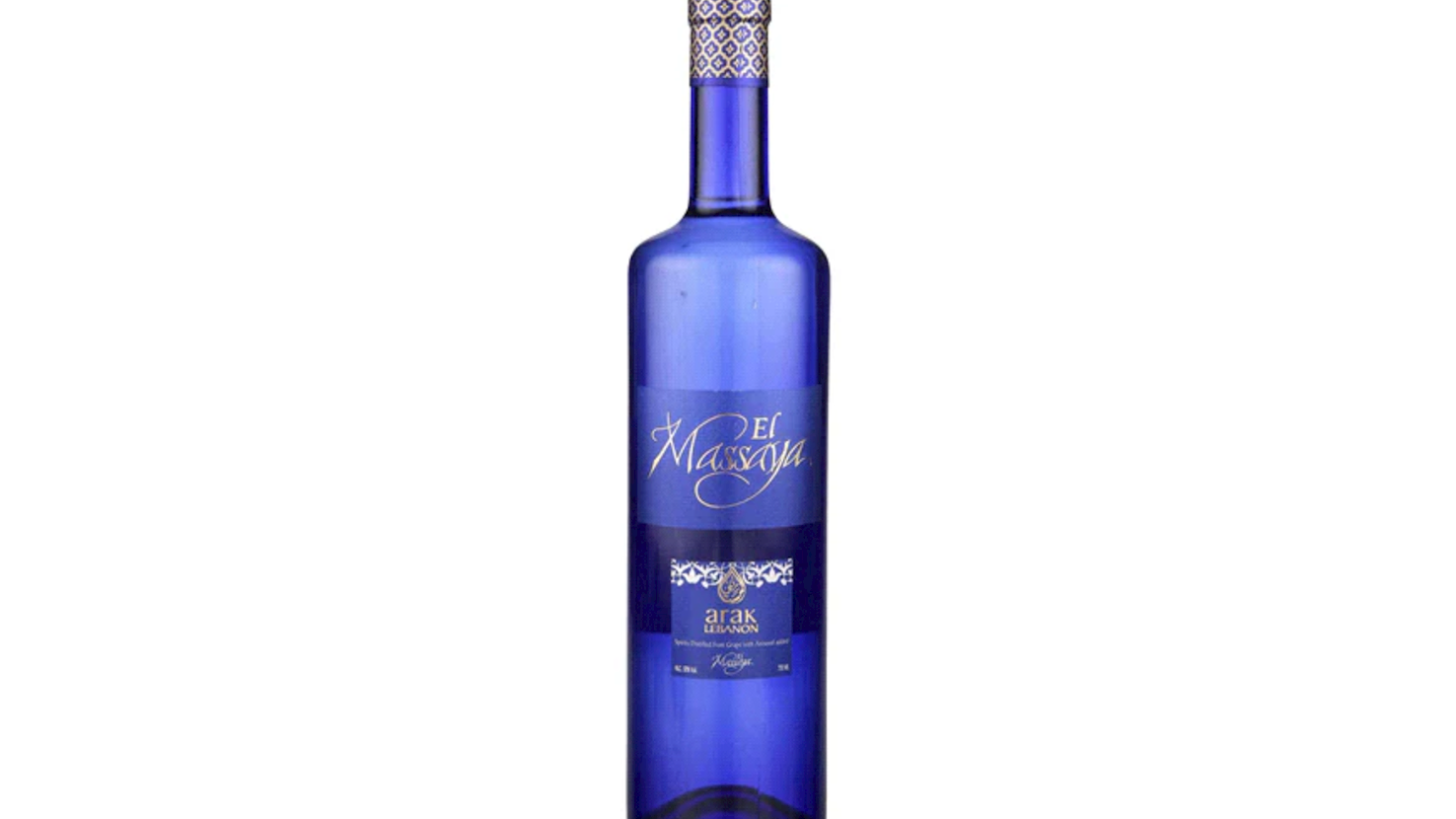
Massaya is a Lebanese wine and arak producer based in Tanaïl in the Bekaa Valley. The company was founded in the early 1990s by brothers Sami and Ramzi Ghosn after they returned to their family estate, which had been abandoned during the Lebanese Civil War. Arak was the company's first product, introduced in the mid-1990s, while wine production began in 1998 in collaboration with the French wine families Hébrard of Bordeaux and Brunier of the Rhône Valley. Today, Massaya produces a range of wines and traditional Lebanese arak using grapes sourced from its own vineyards in the Bekaa Valley and Mount Lebanon. Its arak is produced through a traditional triple distillation of grape spirit in copper alembic stills with the addition of anise, followed by maturation in handmade clay jars from Beit Chabab. In addition to its production facilities in Tanaïl, the company operates a winery and visitor center in Faqra, Mount Lebanon. Massaya exports its products to numerous international markets and is considered one of the producers that contributed to the revival of Lebanon's wine and arak industries after the end of the civil war.

03
Spirit

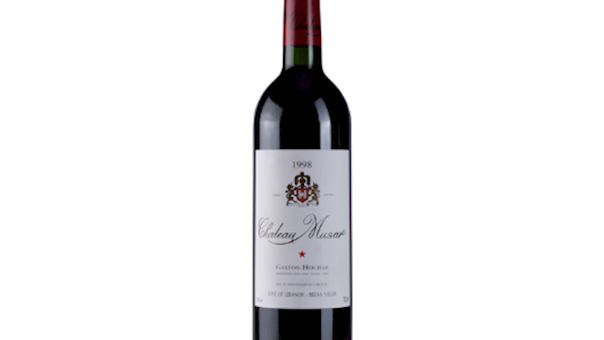
Château Ksara

5.0 ·

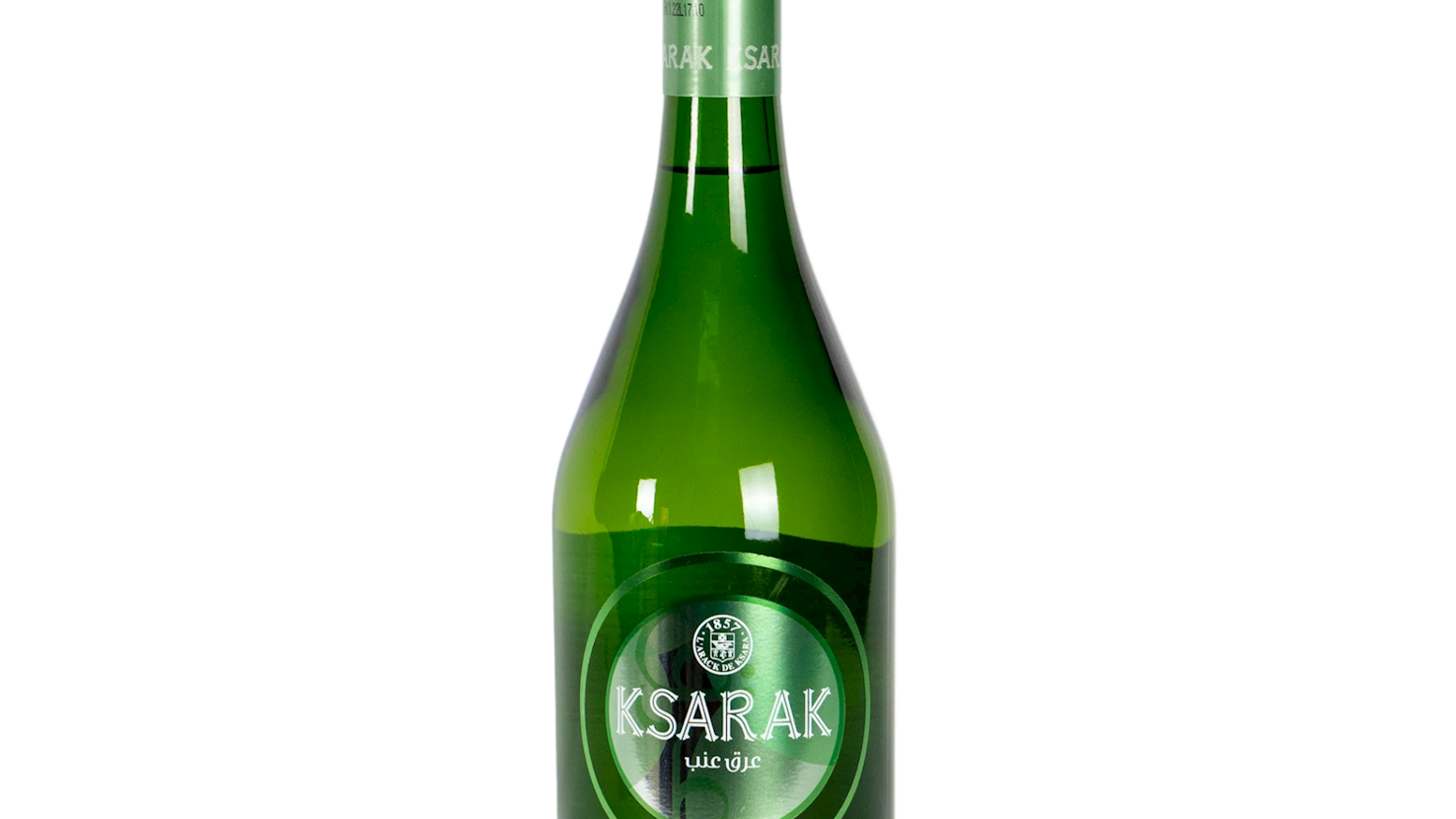
Château Ksara is a Lebanese winery located in the Bekaa Valley near Zahle and is recognized as the oldest commercial winery in Lebanon. It was founded in 1857 by Jesuit priests, who introduced French grape varieties and produced the country's first dry wines, laying the foundations of Lebanon's modern wine industry. In 1898, the estate uncovered a network of approximately two kilometers of Roman-era underground caves, which have since been used for wine maturation due to their naturally stable temperature and humidity. Following the Vatican's decision to divest commercial assets, the winery was acquired by a consortium of Lebanese investors in 1973 and has remained under private ownership ever since. Today, Château Ksara cultivates vineyards across several sites in the Bekaa Valley, growing both international grape varieties, including Cabernet Sauvignon, Syrah, Merlot, Chardonnay, Sauvignon Blanc, and Semillon, as well as indigenous Lebanese varieties such as Merwah and Obeidi. Its portfolio includes red, white, rosé, and fortified wines, together with arak and grape spirits. Château Ksara exports its products to more than 40 countries and continues to combine traditional winemaking practices with modern production techniques.

Awards
Vivino - 4.2
Vivino - 4.0
04
Olive Oil

Darmmess

4.9 ·

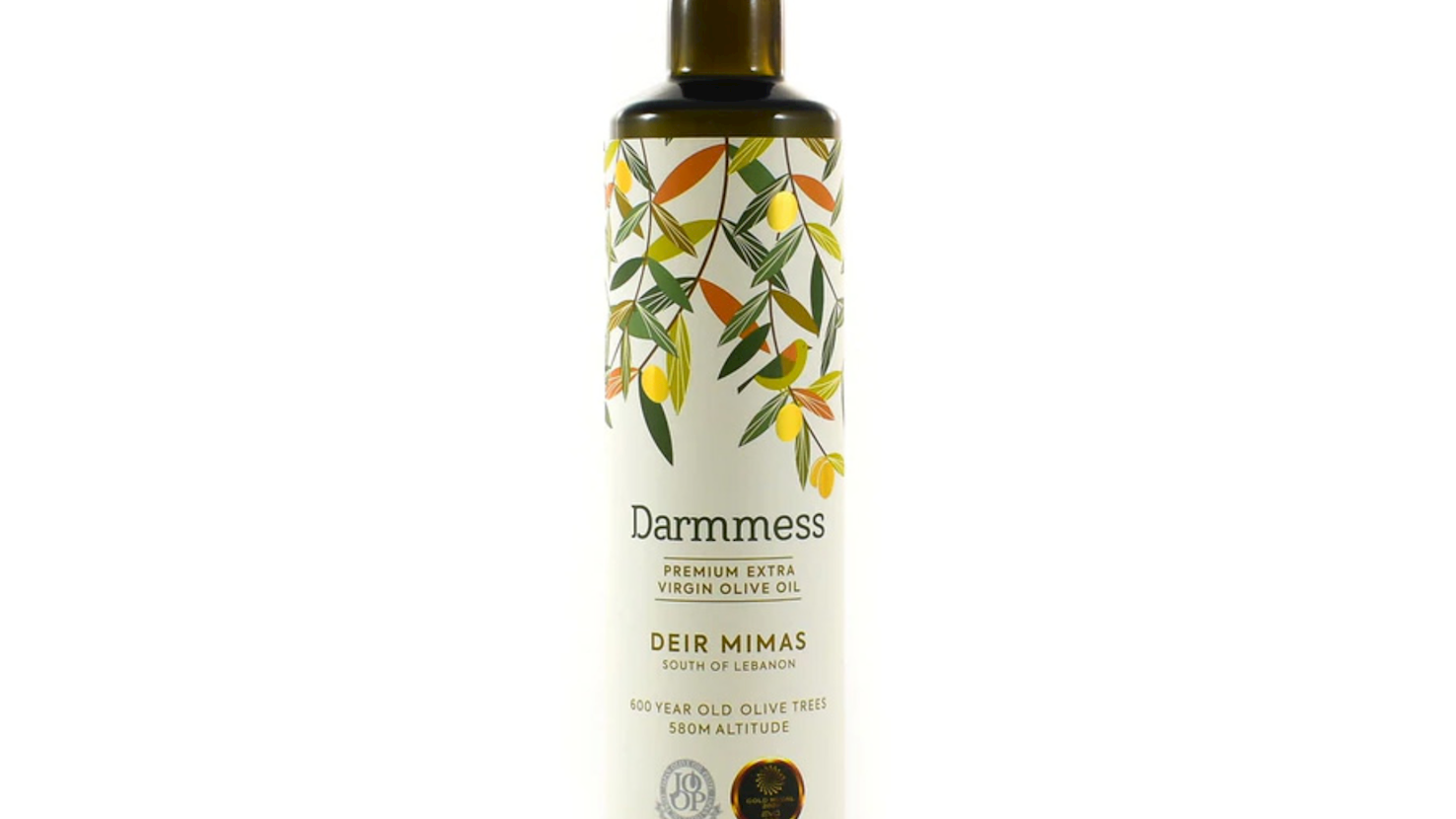
Darmmess is an olive oil producer based in Lebanon. This company specializes in crafting premium quality extra virgin olive oil from carefully selected Lebanese olives.

Their production process emphasizes traditional methods while incorporating modern technology to ensure high standards of purity and taste. Darmmess is dedicated to sustainability and supports local farmers by sourcing olives directly from them.

Awards
EVO IOOC - Gold Medal (2020)
NYIOOC - Gold (2023)
05
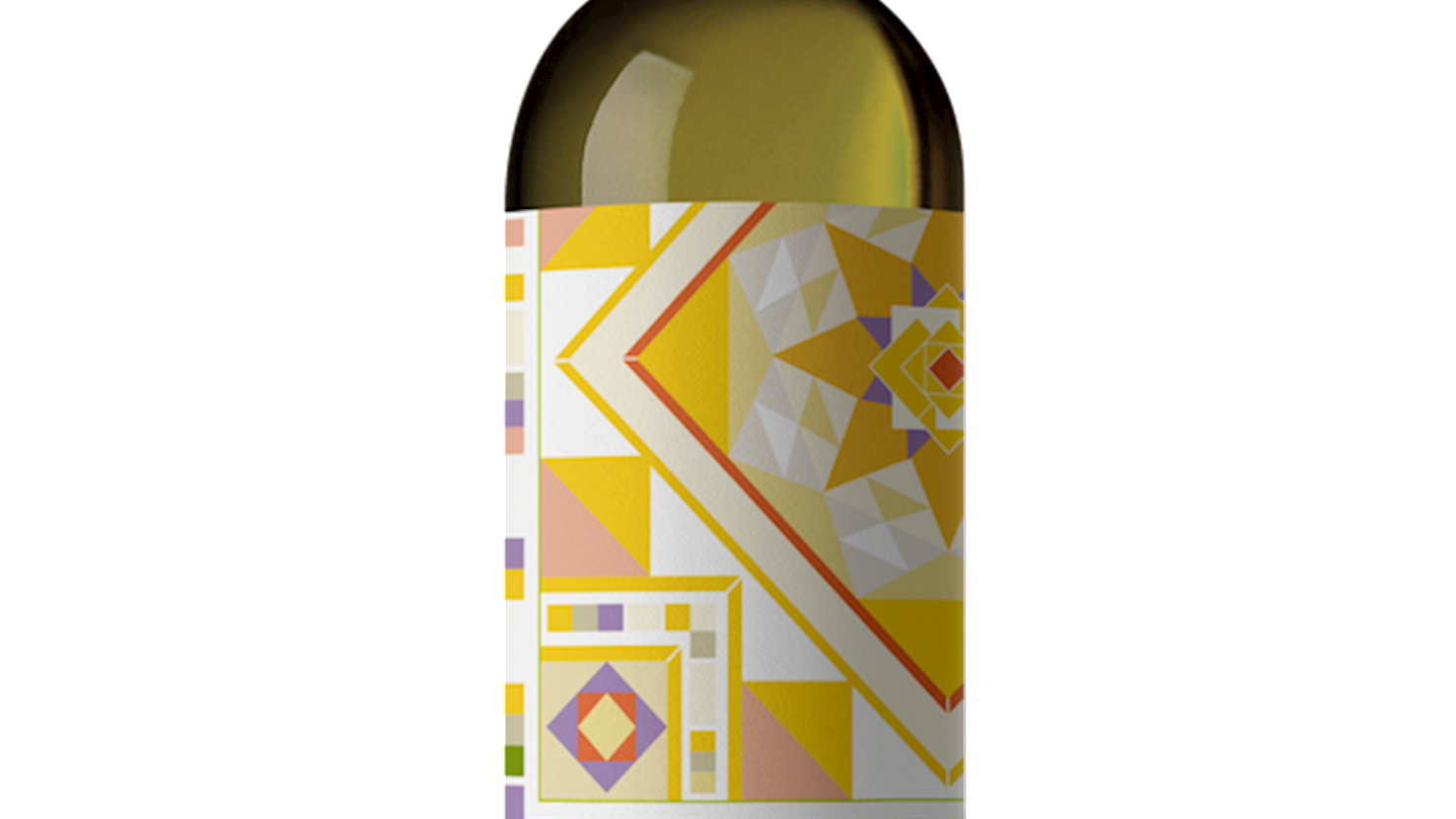
Wine

Domaine Wardy / Solifed sarl

4.9 ·
Awards
IWSC- International wine & spirit competition - Gold (2019)
06
Spirit

Yellowstone

4.7 ·
Awards
SFWSC - San Francisco World Spirits Competition - Double Gold (2024)
07
Olive Oil

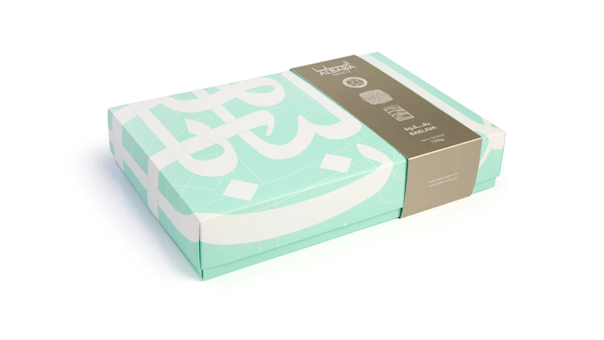
Bustan El Zeitoun by Green and Pure
4.6 ·
Awards
Olive Japan - Gold (2023)
EVO IOOC - Gold Medal (2023)
08
Olive Oil

Orient

4.6 ·

Orient is an olive oil producer based in Beirut, Lebanon. The company focuses on creating high-quality extra virgin olive oil.

Orient sources its olives from local Lebanese groves, emphasizing sustainability and traditional farming methods. The oil undergoes rigorous quality control to ensure purity and flavor.

Awards
EVO IOOC - Gold Medal (2019)
09
Fruit Product

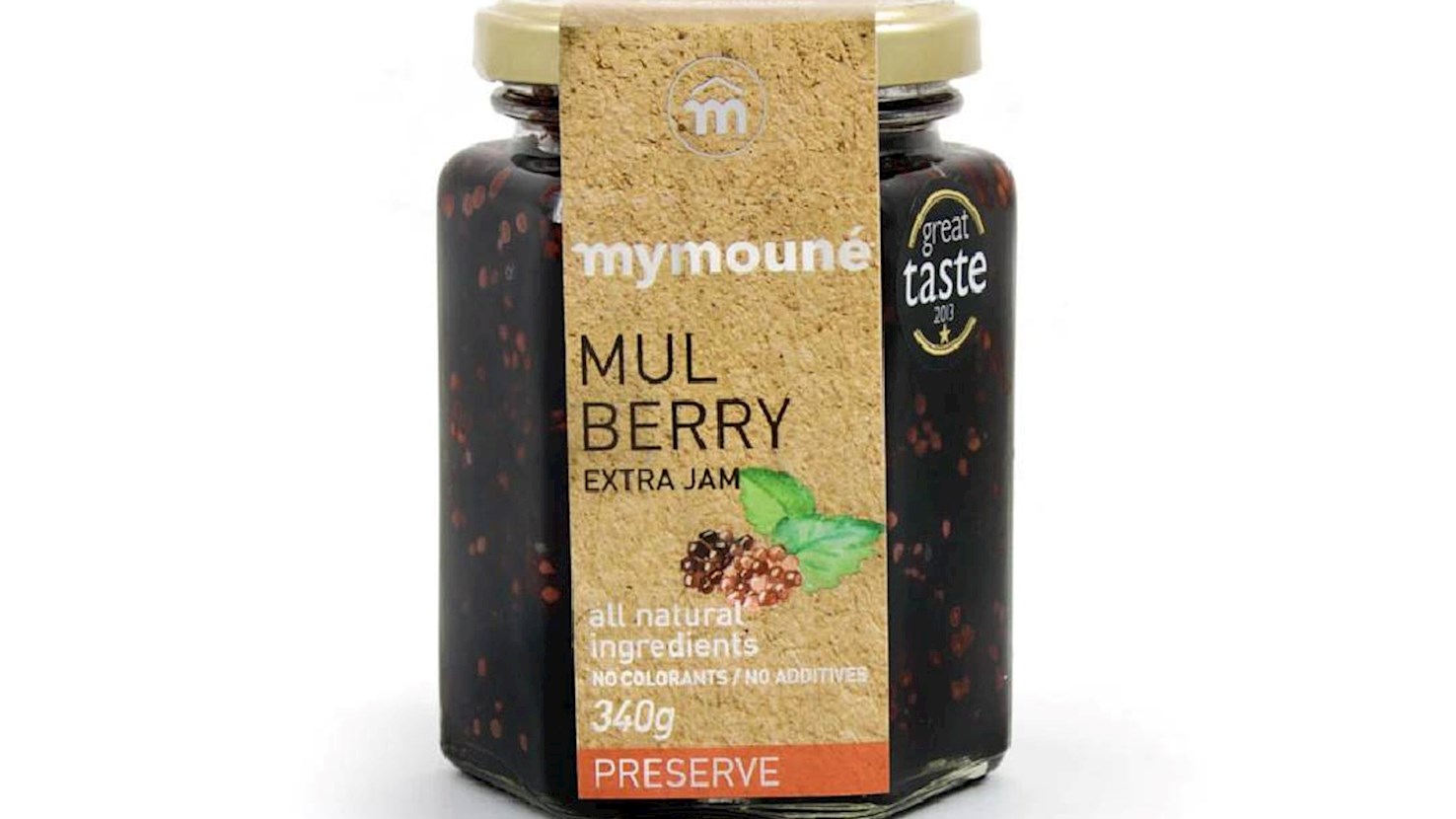
Mymouné

4.5 ·

Mymoune tells a story of taste, patience, and deep respect for nature’s gifts. Every product is handcrafted in small batches, preserving the color, aroma, and texture of each ingredient – without shortcuts, without rush. From preserves and syrups to flower waters, spices, and sweets, each creation speaks of honesty and care.

The fruit is handpicked at the perfect moment of ripeness, and traditional methods are used to keep its essence intact – in the jar, on the table, and in memory. No unnecessary additives, no compromises – just natural ingredients and a true commitment to quality. Mymoune doesn’t just make products; it preserves rituals, childhood scents, and the beauty of simplicity. It’s an invitation to slow down, taste something real, and enjoy each moment as if it were a special one.

Awards
Great Taste Awards - 1 Star (2016, 2013, 2012)
10
Spirit

Rechmaya Distillery

4.5 ·
Awards
The Gin Masters – Second Tasting - Gold (2022)
Read more
View all
View map
About this ranking

TasteAtlas food rankings are based on the ratings of the TasteAtlas audience, with a series of mechanisms that recognize real users and that ignore bot, nationalist or local patriotic ratings, and give additional value to the ratings of users that the system recognizes as knowledgeable. For the “Top 58 Lebanese Foods” list until July 08, 2026, 22,571 ratings were recorded, of which 7,759 were recognized by the system as legitimate. TasteAtlas Rankings should not be seen as the final global conclusion about food. Their purpose is to promote excellent local foods, instill pride in traditional dishes, and arouse curiosity about dishes you haven’t tried.

The initial list of top producers was compiled based on available reviews, awards, local recommendations, media and blog coverage, and consumer reviews. The list will be updated with ratings from TasteAtlas local ambassadors and TasteAtlas users.

Similar lists