Balcones Distilling is a renowned distillery located in Waco, Texas, founded in 2008 with a mission to redefine the American approach to whiskey production. Their philosophy is rooted in innovation, craftsmanship, and the use of high-quality ingredients, which has resulted in numerous awards and worldwide recognition.
The distillery takes pride in creating all its products from scratch, utilizing custom-designed stills and fermentation processes that allow for the development of authentic flavors. Balcones Distilling is particularly known for its use of Texas blue corn, a local ingredient that is key to their signature Blue Corn Whiskey.
Awards
SFWSC - San Francisco World Spirits Competition - Double Gold
(2024)
IWSC- International wine & spirit competition - Spirit Gold
(2024)
Garrison Brothers Distillery is the first legal whiskey distillery in Texas, founded in 2006 in Hye, Texas. The founder, Dan Garrison, is dedicated to crafting premium bourbon on his ranch in the Texas Hill Country.
Each bottle of Garrison Brothers bourbon is made with the highest-quality ingredients, including organic corn from Texas farms, and aged in new American oak barrels, resulting in a rich and full-bodied flavor. The distillery is known for its unique bourbon expressions, such as Small Batch, Single Barrel, Balmorhea, and Cowboy Bourbon.
In addition to bourbon production, Garrison Brothers is committed to preserving natural resources and supporting the local community through various initiatives.
Awards
SFWSC - San Francisco World Spirits Competition - Double Gold
(2024)
NYWSC - New York World Spirits Competition - Double Gold
(2024, 2023)
Lasso Motel Whiskey is a brand that draws inspiration from the untamed spirit of a bygone era, capturing the essence of sun-kissed deserts, winding dirt roads, and timeless roadside haunts. Each bottle embodies the allure and mystique of adventure, offering a taste of the open road and the thrill of endless possibilities.
The whiskey is crafted to evoke the spirit of the desert, with whispers of the desert wind and stories of the highway infused into every sip. Lasso Motel Whiskey is a trademark of Dynasty Spirits, Inc.
Awards
NYWSC - New York World Spirits Competition - Double Gold
(2024)
NYWSC - New York World Spirits Competition - Gold
(2024)
Brother's Bond Bourbon is a premium bourbon brand founded by actors Ian Somerhalder and Paul Wesley, known for their roles in "The Vampire Diaries." Inspired by their shared love of bourbon, they created a unique collection of award-winning bourbons, each with an exceptional flavor profile. Their bourbon is aged for a minimum of four years in American oak barrels and reflects a commitment to quality and environmental sustainability through the use of regenerative agricultural practices in grain sourcing.
Awards
SFWSC - San Francisco World Spirits Competition - Double Gold
(2024, 2023)
NYWSC - New York World Spirits Competition - Double Gold
(2024, 2023)
Bulleit Bourbon is an American whiskey producer based in Kentucky, known for its unique high-rye recipe that gives its products a bold and spicier character. Founded in 1987 by Thomas E.
Bulleit Jr., the brand was inspired by the recipe of his great-great-grandfather, Augustus Bulleit, who made whiskey between 1830 and 1860. Today, Bulleit is owned by Diageo and produced at the Bulleit Distilling Co. in Shelbyville, Kentucky.
Awards
SFWSC - San Francisco World Spirits Competition - Double Gold
(2024)
NYWSC - New York World Spirits Competition - Gold
(2023)
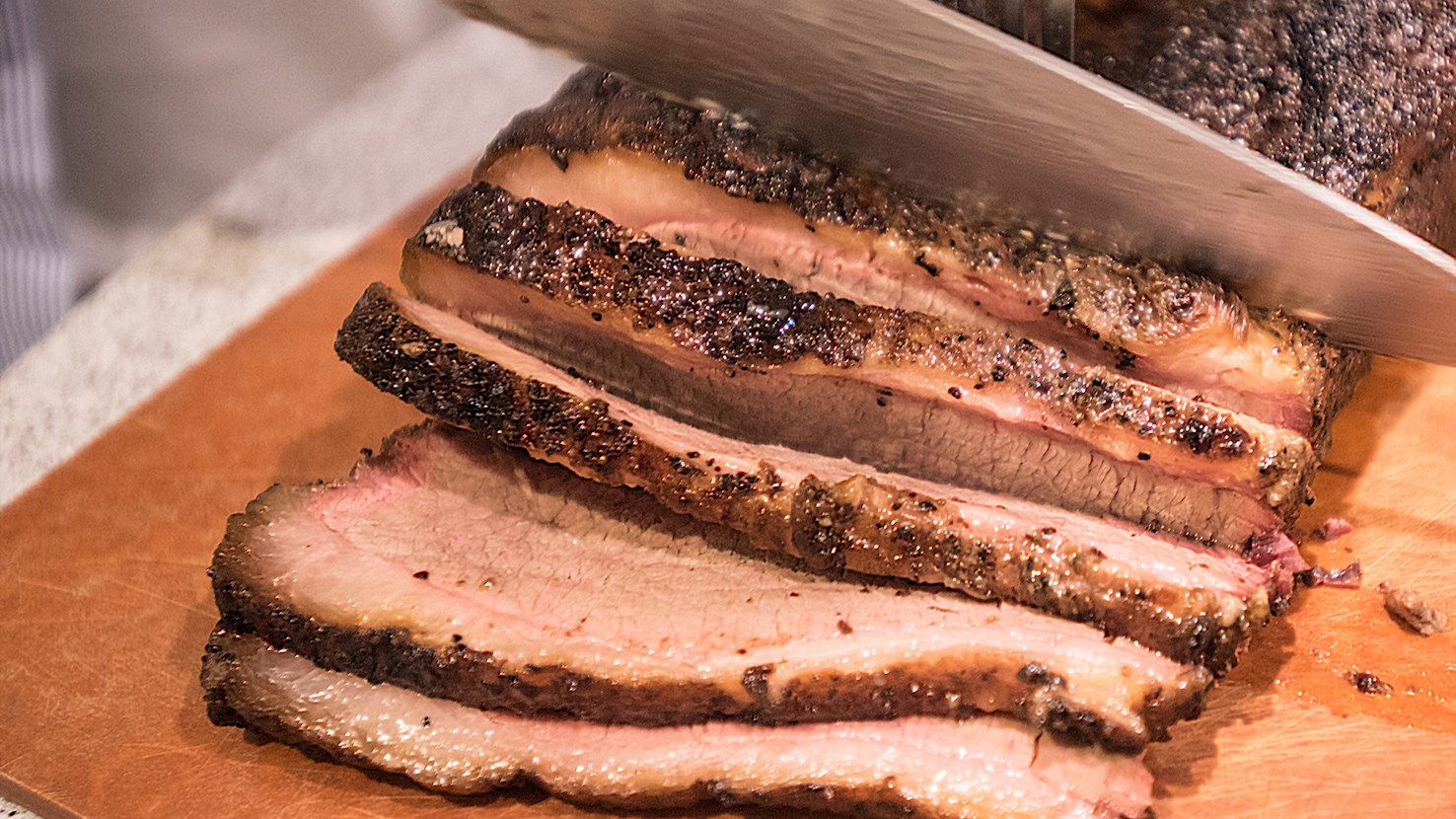
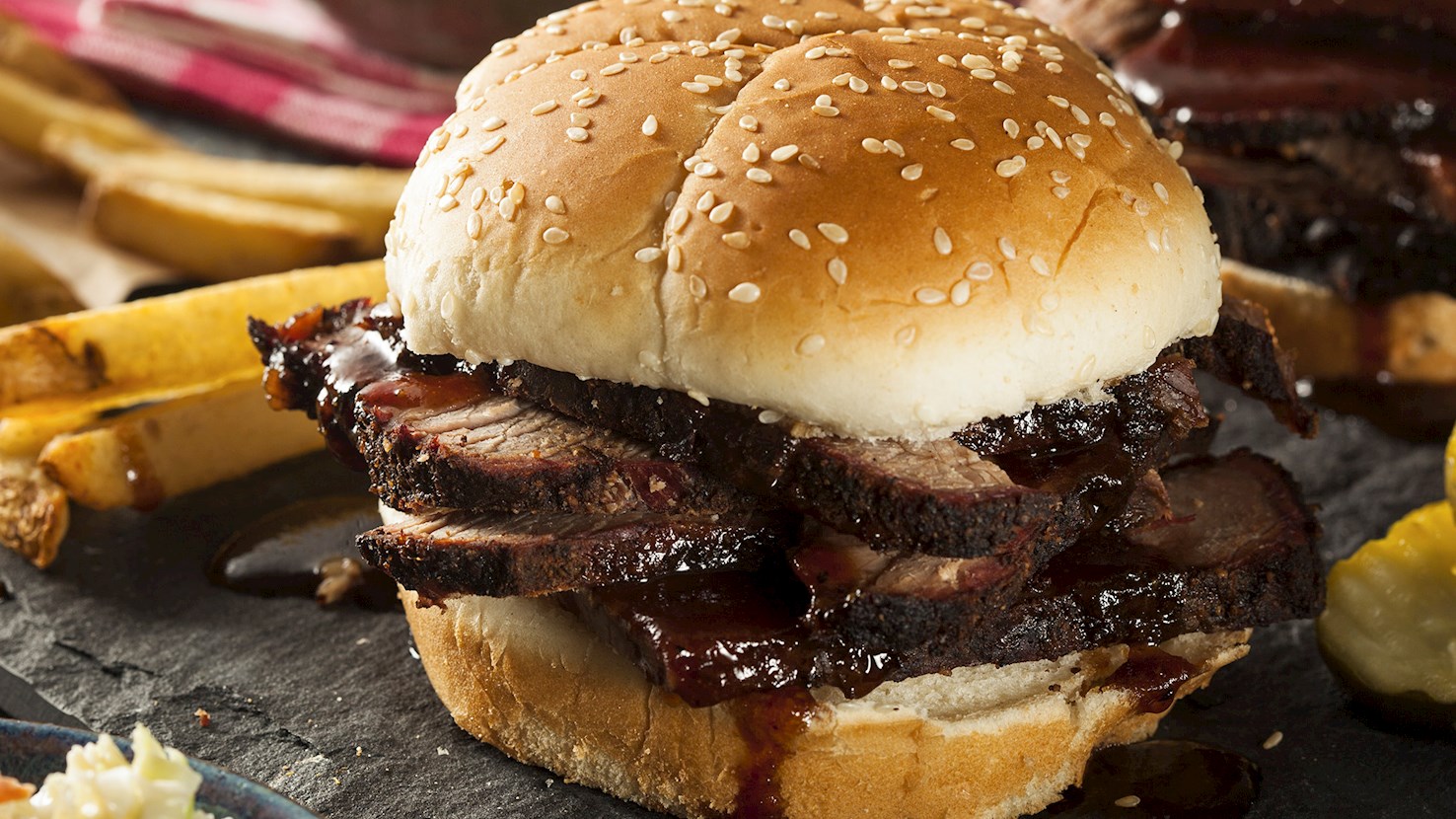
Central Texas-style barbecue originated in the Czech and German meat markets in the late 19th century. This barbecue style is typically associated with cooking brisket (the fattier portion is called point, while the leaner portion is called flat) low and slow, usually over post oak fire. The meat is seasoned with salt, pepper, and maybe a bit of cayenne or garlic powder. It is then cooked in offset smokers, while the heat and smoke from the fire go across the meat, adding an irresistible smoky flavor to the brisket (although shoulder clod, chuck short ribs, and larger short ribs are also popular). The meat is carved in front of the customer, and it is traditionally served on butcher paper (as an homage to the meat markets of yore), most often without any type of barbecue sauce on the side.
The practice of smoking brisket has a long tradition in Texas, and this juicy, fatty treat also works great as a flavorful sandwich filling. Texas brisket sandwiches can be considered more of a concept than a recipe - various toppings and sorts of bread can be used, but the undisputed star remains the slow-smoked brisket, whether chopped or sliced. It can be tucked between slices of bread or piled on a toasted bun, served on its own or drenched in sauce, and garnished with toppings such as cheese, pickles, and onions - whatever the combination, the fatty brisket meat with a smoky crust guarantees a mouthwatering perfection in each bite.
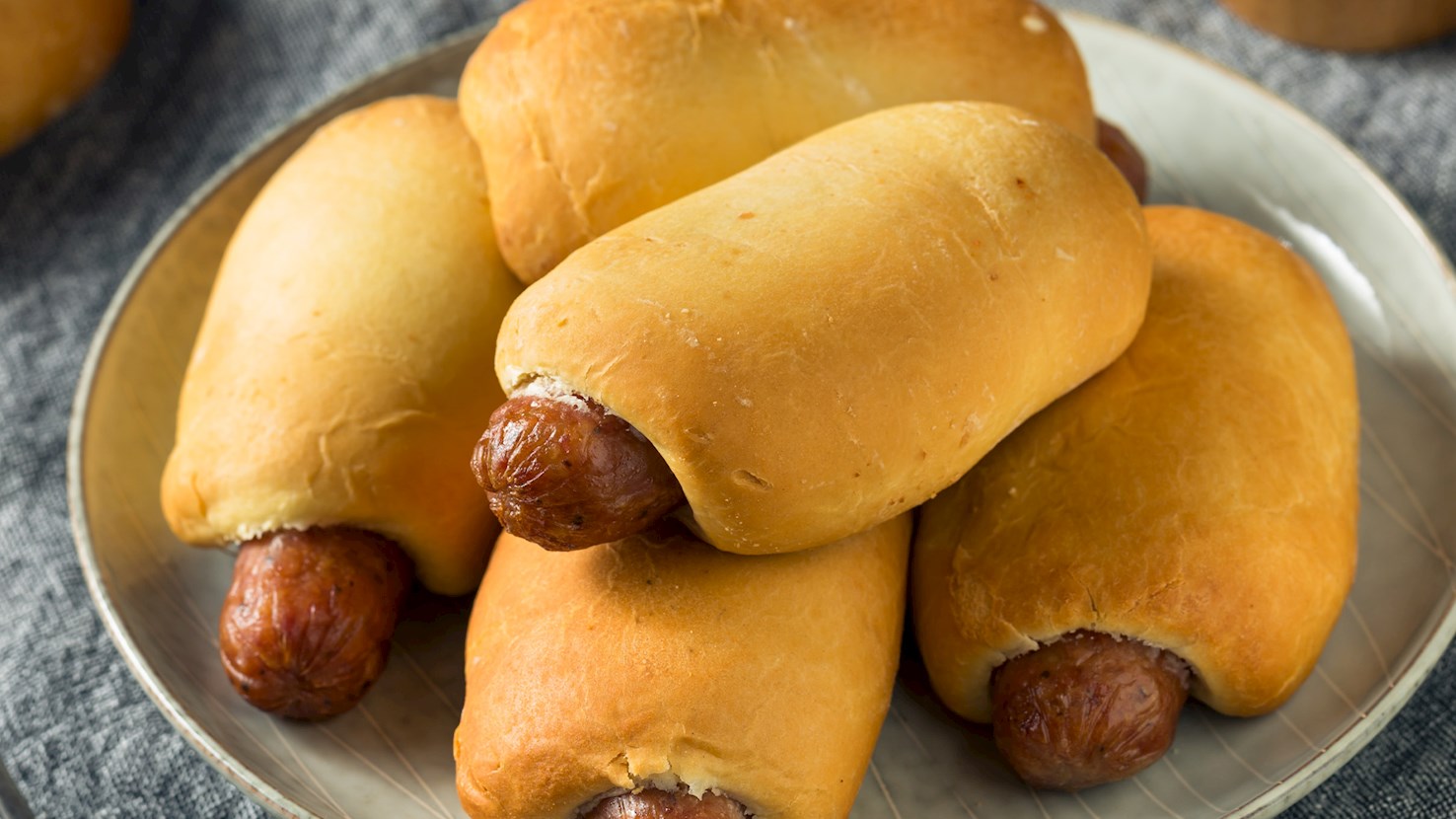
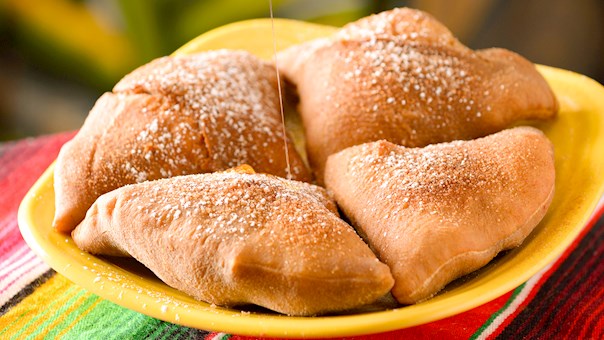
Klobasnek is a savory snack that was first made by Czechs who settled in Texas. The snack consists of the same dough that's used to make kolaches, but it is filled with a kielbasa sausage instead of fruit. It is believed that the first klobasnek (plural: klobasniky) was made in 1953 in The Village Bakery, located in the town of West, Texas. Nowadays, klobasniky can be enriched with the addition of cheese and jalapeño peppers, and even though some people like to add eggs or ham to the snack, Mimi Montgomery Irwin, the owner of The Village Bakery draws a hard line over any other additions to the klobasniky. This Texan snack is usually eaten for breakfast or lunch.
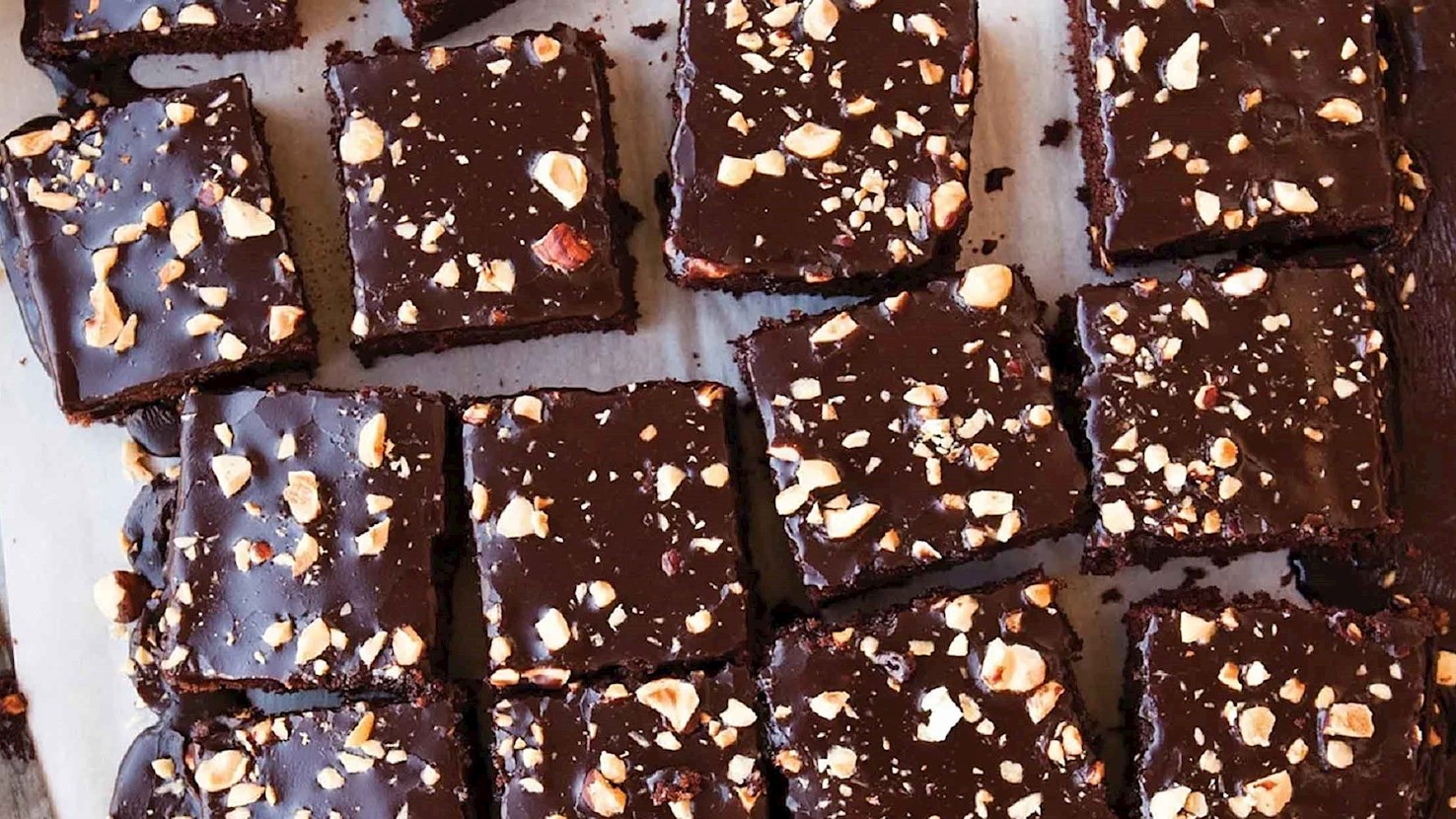
Texas sheet cake is a thin chocolate cake baked in a large, shallow rectangular pan and covered with poured chocolate icing, often studded with chopped pecans. The crumb is soft and moist, while the icing sets into a dense, sweet layer with a lightly firm surface. Its shallow proportions give each bite a substantial share of frosting without requiring a filling or stacked layers. Although its name suggests a clear geographical origin, the explanation remains unsettled: its generous size and use of pecans are often cited as reasons for the Texas association, but neither explains how the name arose. Similar shallow chocolate cakes circulated under several names during the twentieth century, including chocolate sheet brownies, Texas brownie cake, and “sheath cake.” A 1936 recipe for a large chocolate cake baked in a shallow pan appeared, and a 1967 sheath-cake recipe included pecans in the frosting. These precedents show that the format developed through overlapping home-baking recipes. Buttermilk appears in many versions, and sour cream also appears in published recipes by the 1970s. Much of the cake’s character comes from a method that begins on the stovetop. Butter, water, and unsweetened cocoa are heated together, then combined with flour and sugar. Heating the cocoa in liquid disperses it through the batter, avoiding dry pockets and producing an even chocolate color. Eggs provide structure, buttermilk adds moisture and acidity, and baking soda helps the batter rise. Vanilla is common, and some recipes include cinnamon, but the spice is optional and shouldn't be assumed from the name. Unlike a cake made by beating softened butter and sugar until fluffy, this batter generally requires stirring rather than prolonged aeration. It is fluid enough to spread readily across the pan. The pan’s dimensions directly affect the finished slice, and sizes cannot be exchanged casually without changing the cake’s depth and baking time, since a smaller, deeper pan produces a taller cake with a different crumb-to-icing balance. In its familiar shallow form, the cake bakes quickly, so leaving it in the oven too long can dry the edges before the baker expects it. The finished crumb should hold together when cut while remaining tender enough to yield easily to a fork. The icing is usually prepared as the cake finishes baking. Butter, cocoa, and milk are warmed in a saucepan, then mixed with confectioners’ sugar and vanilla. Chopped pecans are stirred in or scattered over the surface. The warm icing flows across the cake more readily than buttercream and needs only brief spreading to reach the corners. In the common hot-icing method, it is poured over the cake soon after the pan comes out of the oven. As both cool, the topping settles against the surface and firms enough to cut. Pecans add a crisp, slightly buttery contrast to the otherwise soft slice. Chopping them makes the cake easier to portion and distributes the nuts through the frosting, while toasting them beforehand gives a more pronounced roasted flavor. Nut-free versions retain the same basic chocolate cake and poured topping. The icing also varies: some adaptations use melted chocolate and cream for a smoother, richer finish and apply it after the cake cools. These produce a topping that differs somewhat from the cocoa-and-confectioners’-sugar mixture, even when the cake underneath has the same broad, shallow shape. Its practical serving format suits potlucks, family gatherings, and meals brought to bereaved households, where it is sometimes called funeral cake. The cake travels in its baking pan, needs no assembly at its destination, and can be divided into modest squares or larger dessert portions. Allowing the icing to set gives cleaner cuts, though a warm piece will have a softer topping. At the table, it is commonly served directly from the pan; a glass of cold milk provides a straightforward accompaniment to the sweet chocolate frosting.
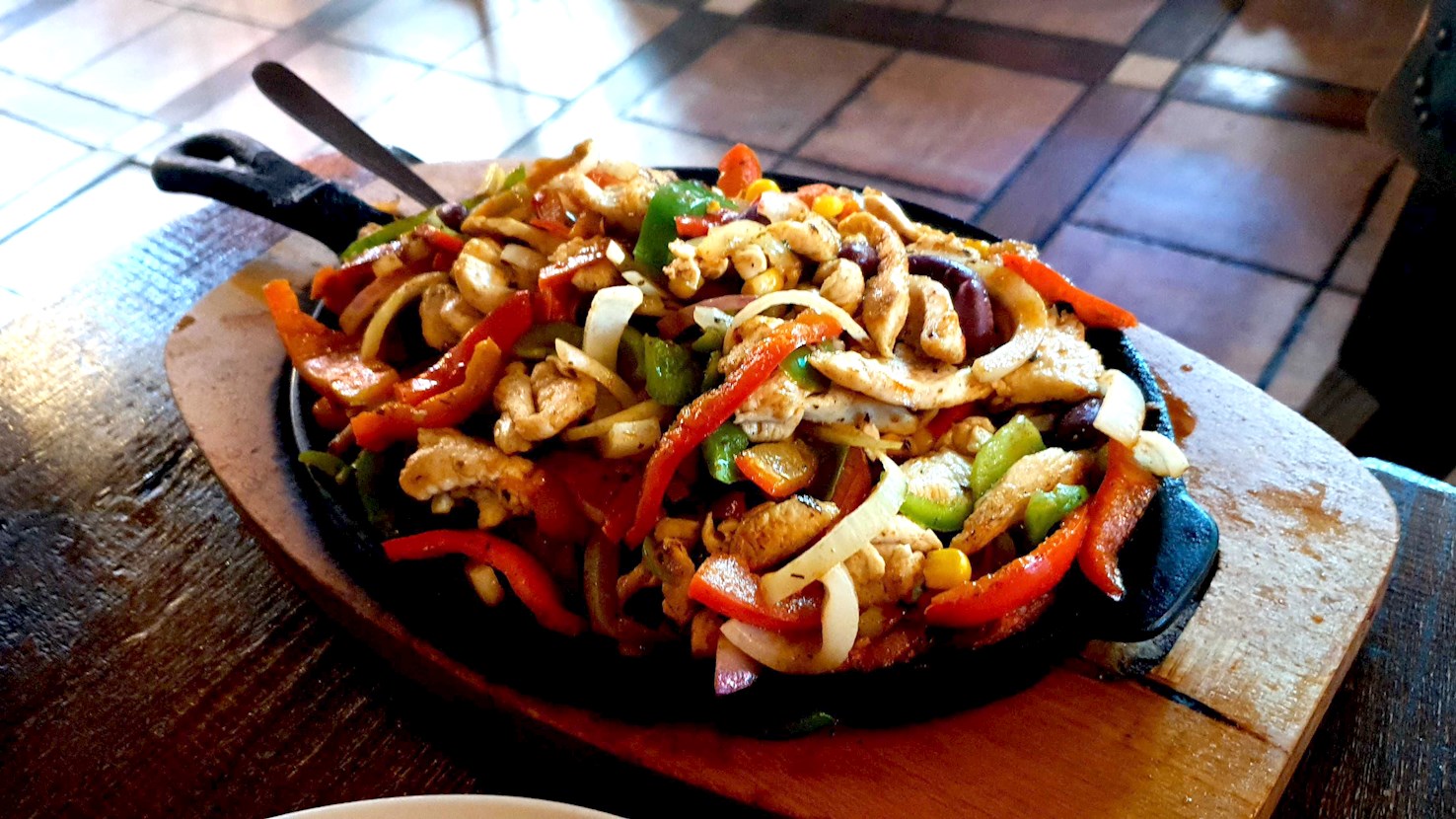
Fajitas is a popular Tex-Mex dish made from marinated, grilled skirt steak that is served in a wheat flour tortilla. The earliest printed mention of the word fajita referring to food appeared in 1971, and ten years later it had become one of the most popular dishes of Tex-Mex cuisine. The word fajita is derived from the Spanish faja, meaning girdle or strip, referring to a cheap cut of beef covering the diaphragm that was considered somewhat undesirable by many locals. In the 1930s, Mexican ranch workers used to tenderize the skirt steak by pounding and marinating it in lime juice before cooking it over an open fire and serving the meat in a wheat tortilla along with numerous condiments. Today, fajitas can be filled with grilled chicken, shrimp, and even vegetables, because the more popular the dish became, the less likely it was to be made with skirt steak. Typical condiments include ingredients such as lettuce, sour cream, cheese, tomatoes, or guacamole.
Although some may think that chili con carne is an authentic Mexican dish, it is actually an original American dish, made only in a few places in Mexico in order to cater to the tourists. If the dish were Mexican, it would still be a staple on the Mexican menus throughout the country, since traditional dishes do not go away that easily in Mexico. Chili con carne is a meat-based stew consisting of finely chopped beef, hot chiles, seasonings, and water, although the ingredients that go in a chili are a subject of endless debates. Purists insist that there are no tomatoes or beans in a real chili, although many others beg to differ. The earliest evidence of chili con carne can be found in J.C.Clopper's document, who visited San Antonio in 1826 and wrote about this poor man's dish where chile peppers were stewed together with tiny pieces of meat. Today, chili con carne is a wildly popular dish throughout America, with variations such as Tex-Mex, New Mexico, and Cincinnati chili. There are also numerous chili cook-offs in the country, attracting thousands of participants each year.
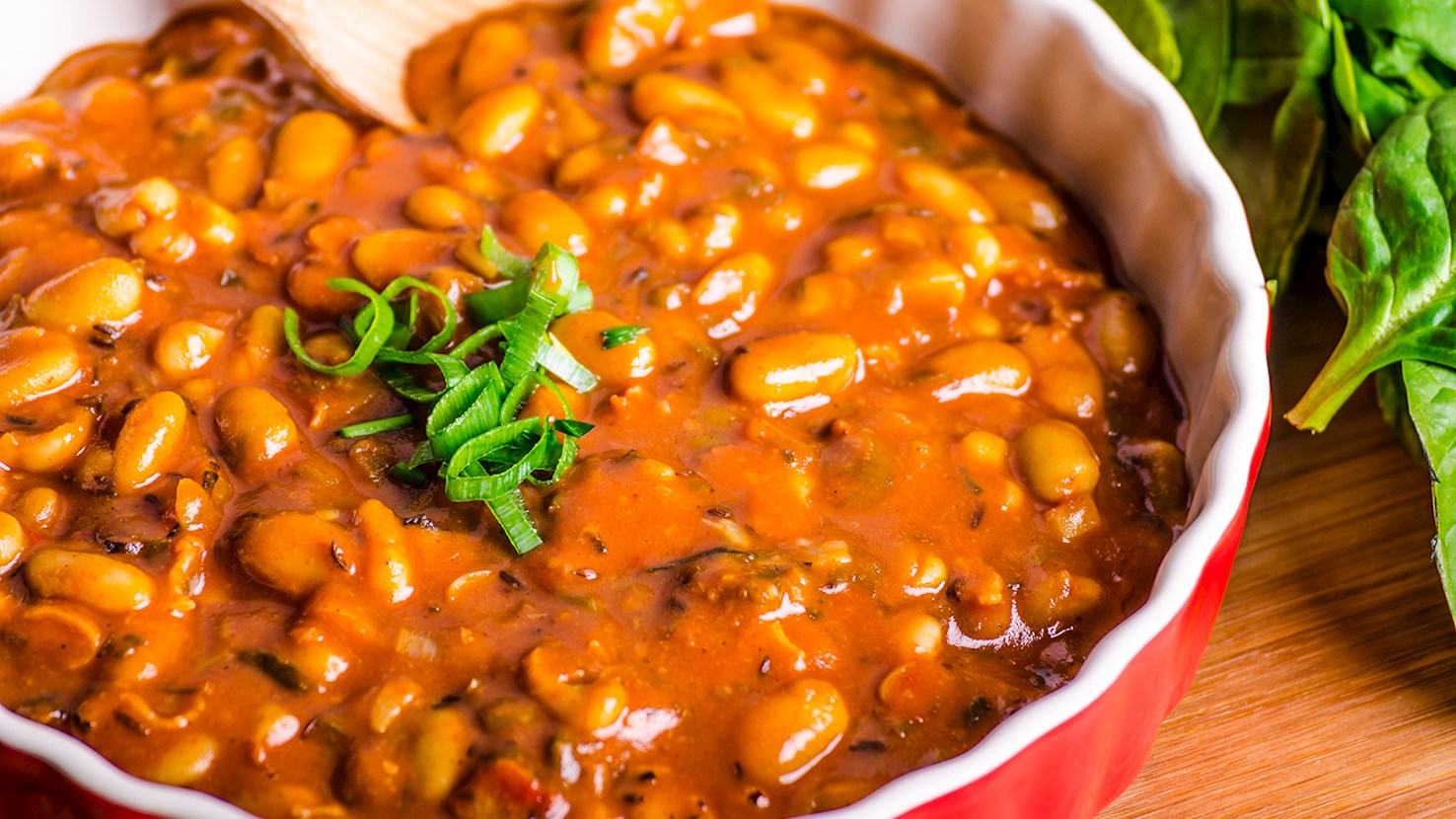
Cowboy beans or chuckwagon beans is a traditional dish with unknown origins. However, it is especially popular in the American Southwest and a staple of Texan cuisine. The dish is usually made with a combination of pinto beans (alternatively: red kidney beans, black beans, or white navy beans), ground beef, smoked meat, and a sweet and tangy sauce made with different ingredients such as barbecue sauce, brown sugar, ketchup, garlic, onions, or Worcestershire sauce. Cowboy beans are a staple at parties, barbecues, and potlucks in the region. Interestingly, the dish can be seen in Mel Brooks' famous Western parody Blazing Saddles (1974).
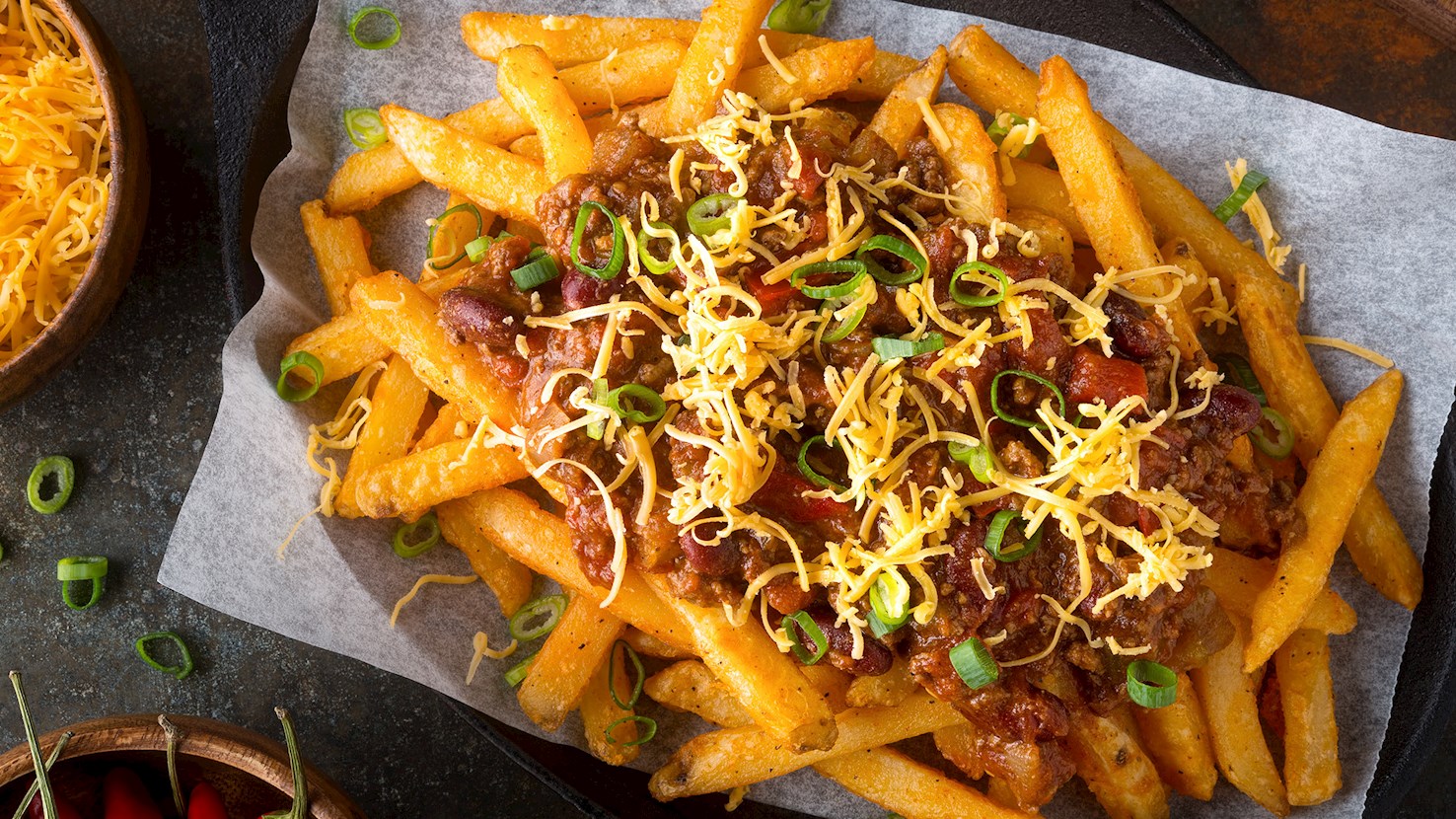
Chili cheese fries are French fries topped with hot chili and cheese, usually melted cheddar, American cheese, or a pourable cheese sauce. The most familiar version spoons beef chili over golden fries, with cheese added on top or underneath. The finished dish combines browned potatoes, a thick meat topping, and melted cheese, often with some uncovered fries remaining crisp around the edges. It is served as a substantial side dish, a shared appetizer, or a meal on its own, particularly in burger restaurants, hot dog stands, diners, and bars. Many origin stories are connected with chili cheese fries, though none can be 100% confirmed. Texans claim a 16-year-old Don A. Jenkins invented the dish while eating lunch at the local Dairy Queen in Tomball, Texas. In Michigan, two local waitresses are believed to have invented the dish by simply combining the ingredients. Similar stories exist in New York, Philadelphia, Chicago, and Missouri, but all that is known is that chili cheese fries were available frozen as early as 1975. Chili is usually made with ground beef, onion, garlic, and ground chiles or chili powder, often seasoned with cumin and sometimes oregano. Tomatoes may be included as tomato sauce, paste, or chopped tomatoes, depending on the recipe. Finely textured chili spreads more readily between the fries than one with large pieces of meat, and many restaurants use the same preparation to top their hot dogs and hamburgers. Beans are optional: both beanless meat chili and versions containing kidney, pinto, or black beans are used. The word chili does not guarantee strong heat. Some toppings are mildly seasoned, while others contain cayenne, chipotle, or hotter chiles; the amount and type of pepper determine how spicy the finished fries taste. Straight-cut fries are typical, but crinkle-cut and waffle fries are also common. Restaurants generally fry the potatoes, while home preparations often use frozen fries cooked in an oven. The fries and chili are cooked separately, then combined shortly before serving. With shredded cheese, the assembled dish may be briefly heated in the oven or under a broiler until the cheese melts. A prepared cheese sauce is poured over the hot fries and chili without requiring that final heating. Some versions use both shredded cheese and cheese sauce, creating a melted layer between the fries and a softer coating on top. The choice of cheese noticeably changes the dish. Cheddar contributes a sharper flavor, while American cheese melts into a smoother, milder layer. Monterey Jack may be combined with cheddar. Cheese sauce gives a more even coating and can be made with cheese, milk or cream, and a thickener, or prepared from a processed cheese product. The familiar toppings don't follow a single fixed arrangement: Original Tommy’s uses American cheese on its beef chili, while Wienerschnitzel’s standard version uses melted, shredded cheddar. Skyline Chili serves its fries with the same chili used on its spaghetti and coneys, topped with shredded cheddar. Common additions include chopped raw onion, sliced scallions, pickled jalapeños, and sour cream. Onion adds a sharper bite, pickled jalapeños add acidity and heat, and sour cream provides a cool, tangy topping. Bacon, diced tomatoes, and ranch dressing appear in more heavily topped versions, but none are necessary for the basic fries, chili, and cheese combination. The dish has a long association with fast-food menus: Wienerschnitzel dates its chili cheese fries to 1961, when John Galardi opened the chain’s first hot dog stand in Wilmington, California. The company still uses its chili on fries, hot dogs, and burgers. Chili cheese fries are sold in individual and larger portions, and some restaurants offer them as an upgrade from plain fries in a combination meal. They are served hot on a plate or in a tray, usually with a fork to gather the potatoes, chili, and cheese.
Best described as something between a funnel cake and a tostada, puffy taco is a crispy, fried snack that was invented in San Antonio by brothers Ray and Henry Lopez. The dough for puffy taco consists of ground corn masa, water, and salt. The dough is pressed in a tortilla press, deep-fried, and then a spoon is pushed into the middle until the taco curls around it. The taco is then filled with ingredients such as carnitas or fried avocados. Eating a puffy taco is a messy deal, since it is believed that a true puffy taco should be greasy and falling apart.
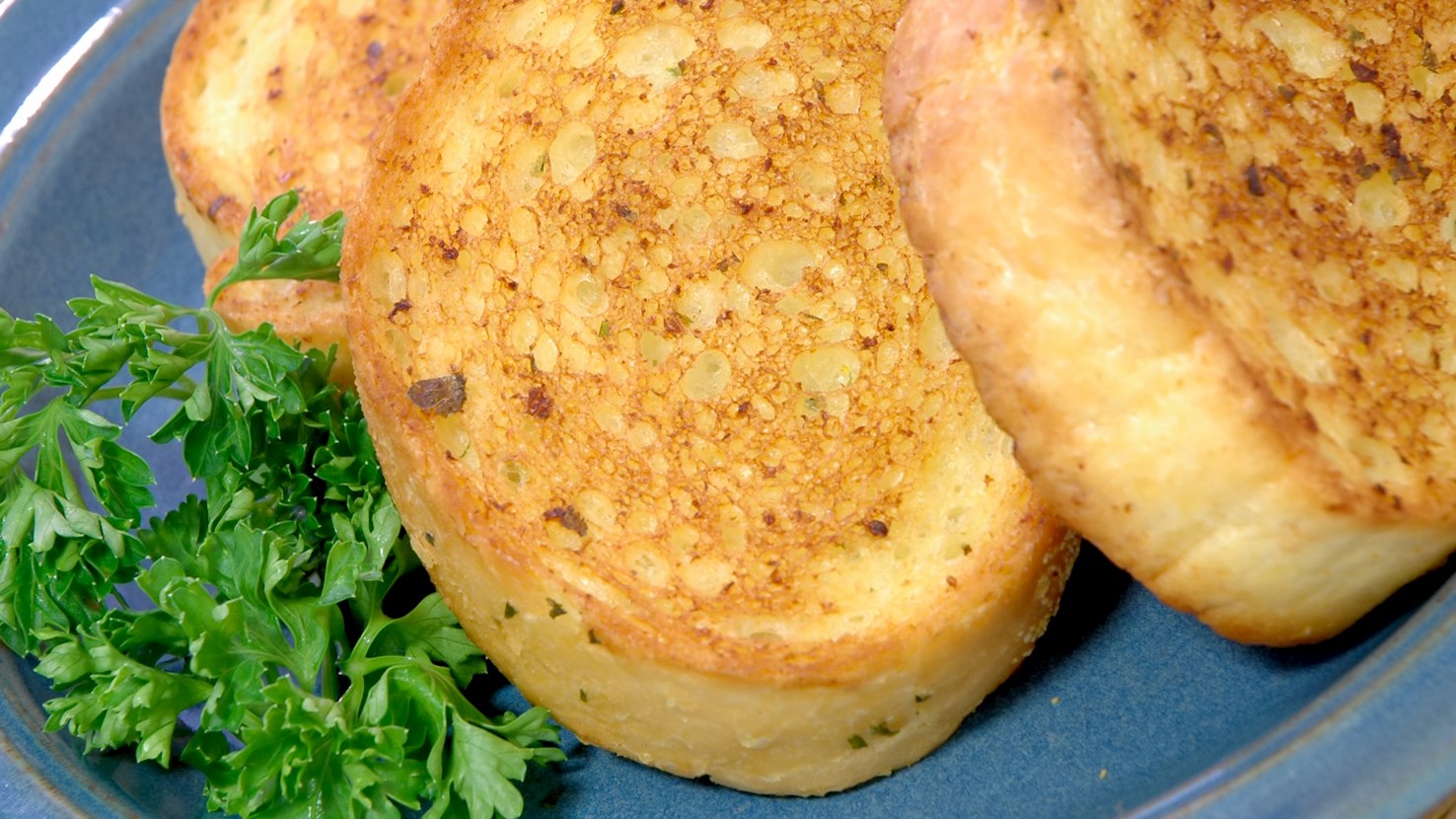
Despite the implications in its name, Texas toast is not sold toasted, but is instead a packaged, sliced bread, characterized by its thickness (twice the thickness of most sliced and packaged bread). It is most commonly used for dishes such as French toast, and others which incorporate heavy substances like sauces and syrups. Sometimes, it is buttered, broiled until golden, and served with pulled pork and garlic. It is also often used in fondues and chicken sandwiches. If there is a barbecue going around, it is not uncommon to see Texas toast served as a side dish. The highly versatile bread is believed to have originated in 1941 in Beaumont, Texas, at the restaurant named Pig Stands when its owner, Royce Hailey, ordered some wide-sliced bread that he intended for toasting. Since the bread was too thick to fit into the toaster, a cook suggested that the bread should be buttered and grilled instead. The dish was a huge success with the customers, and it is still a favorite at the only remaining Pig Stand restaurant in San Antonio.
TasteAtlas food rankings are based on the ratings of the TasteAtlas audience, with a series of mechanisms that recognize real users and that ignore bot,
nationalist or local patriotic ratings, and give additional value to the ratings of users that the system recognizes as knowledgeable.
For the “Top 82 Texan Foods” list until November 04, 2026, 3,015 ratings were recorded, of which 2,598 were recognized by the system as legitimate.
TasteAtlas Rankings should not be seen as the final global conclusion about food. Their purpose is to promote excellent local foods,
instill pride in traditional dishes, and arouse curiosity about dishes you haven’t tried.
The initial list of top producers was compiled based on available reviews, awards, local recommendations, media and blog coverage, and consumer reviews.
The list will be updated with ratings from TasteAtlas local ambassadors and TasteAtlas users.













What People Say