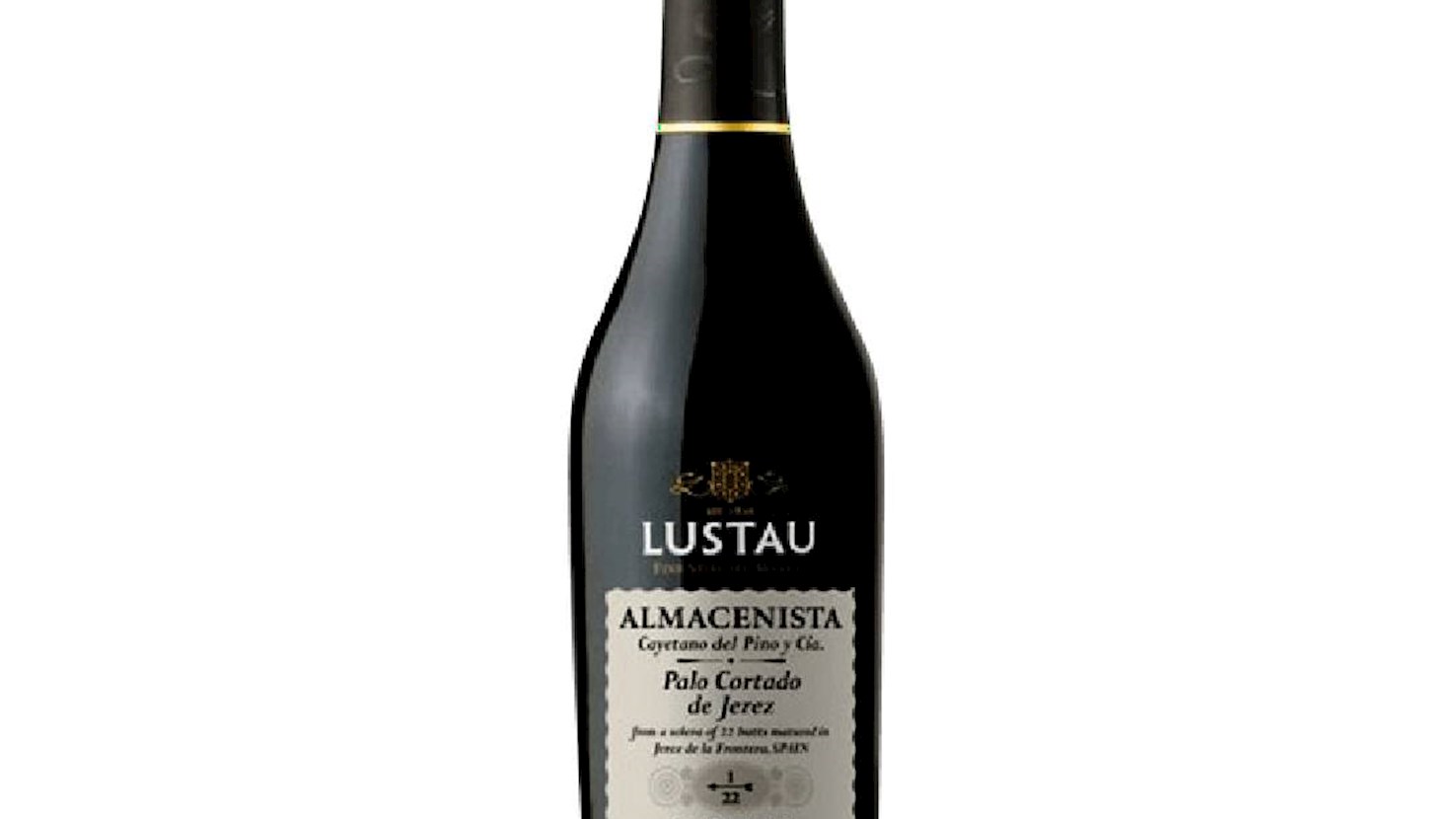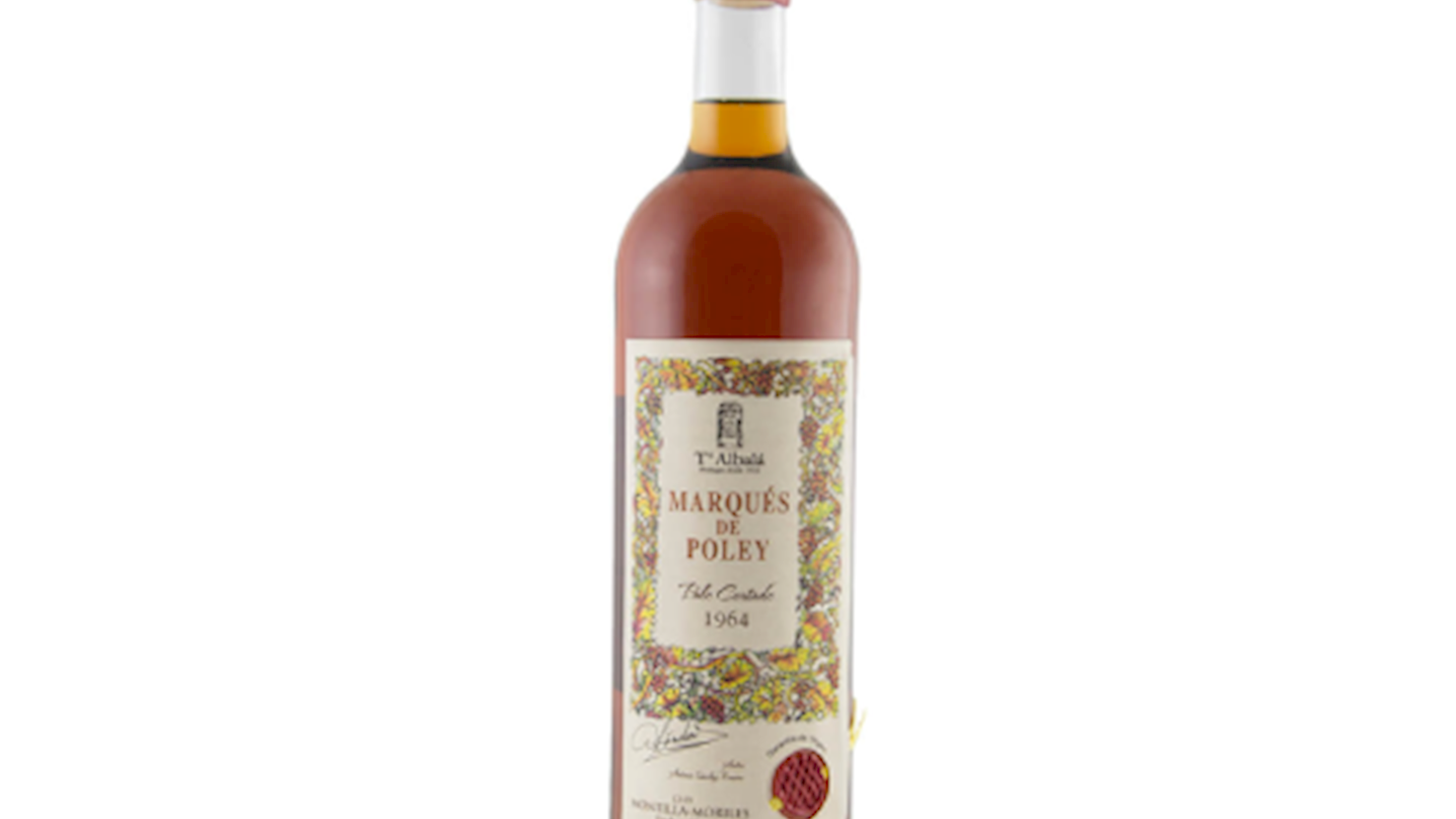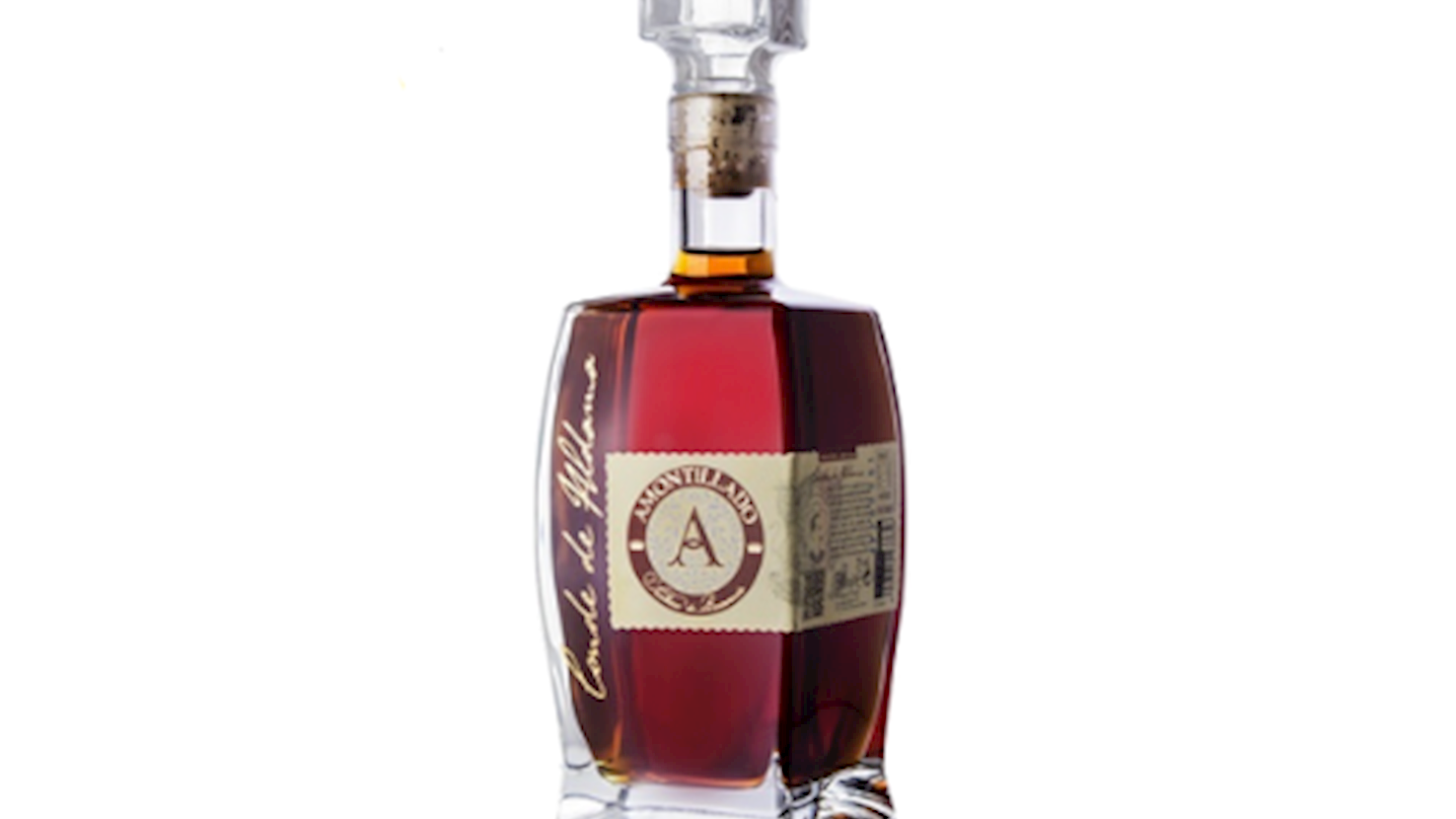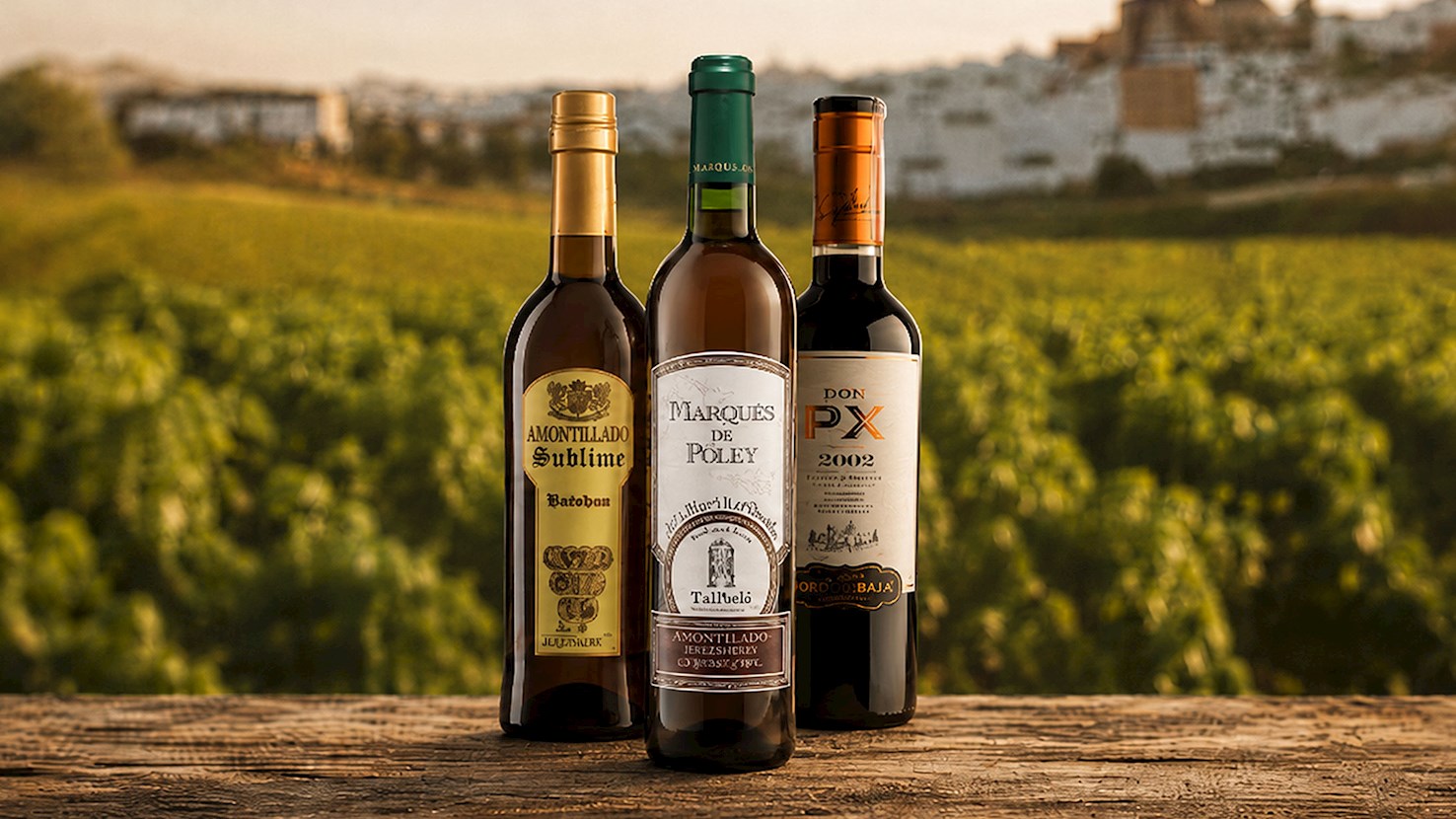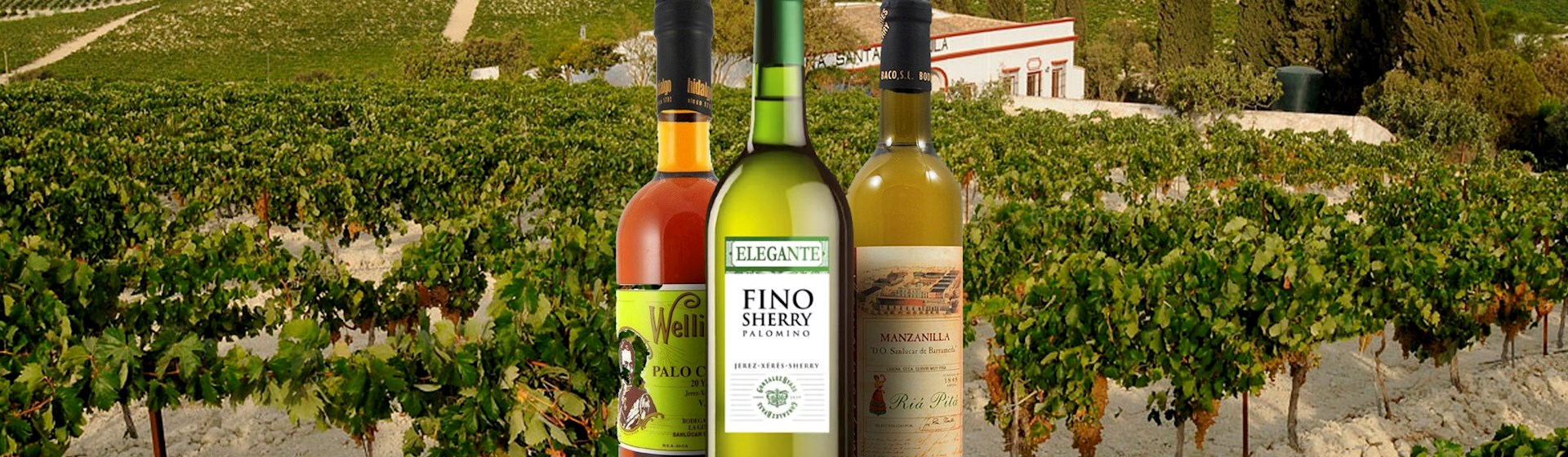
Bodegas Lustau is one of the most important and influential wineries in the world of Sherry, based in Jerez de la Frontera, with a tradition that dates back to the late 19th century. It was founded in 1896 as a small family bodega and has grown over the decades into a global reference for both quality and stylistic diversity in Jerez wines. Lustau is especially known for being among the first to systematically highlight the origin of its wines from different parts of the Marco de Jerez, including Jerez, El Puerto de Santa María, and Sanlúcar de Barrameda, thereby emphasizing the role of microclimate and local character. Its portfolio covers almost every style of Sherry, from Fino and Manzanilla to Amontillado and Palo Cortado, as well as deep Oloroso and sweet styles such as Pedro Ximénez. In Lustau’s cellars, soleras of different ages are carefully maintained, with a strong focus on long aging and the preservation of traditional methods. The winery is also known for its precise selection of wines, often working with small, historic producers whose soleras are integrated into its own system. The house style is defined by a balance between authenticity and accessibility, without the need to follow short-lived trends. Over the years, Lustau has received numerous international awards and has been repeatedly named the world’s best Sherry producer, yet its reputation rests above all on consistent quality.
Awards
Decanter World Wine Awards - Best in Show
(2023, 2022, 2020, 2019, 2018)
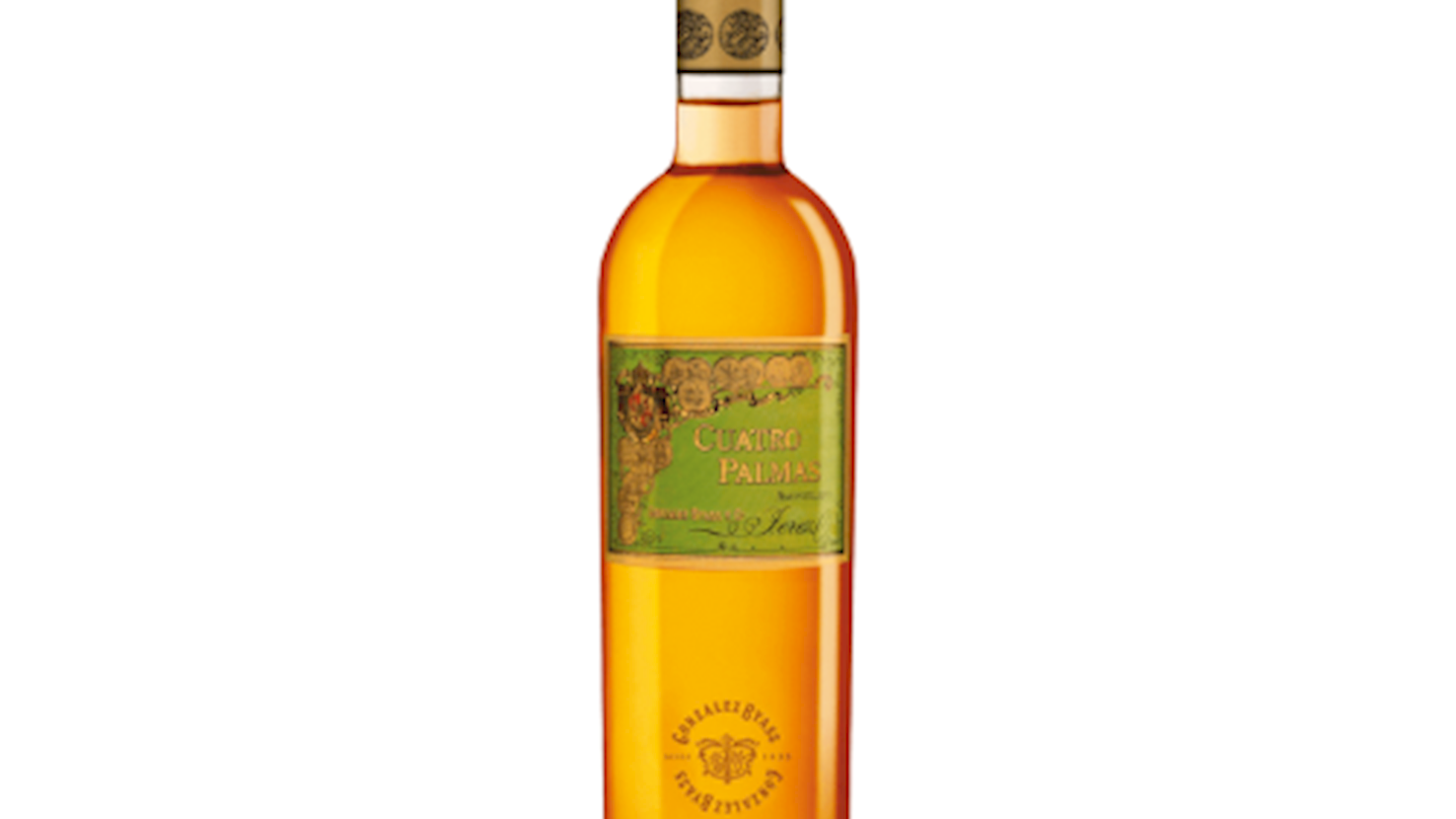
González Byass is one of the most important and influential wine houses in Spain, founded in 1835 in Jerez de la Frontera, with a strong identity built on the tradition of Sherry production. Over nearly two centuries, this family-owned company has preserved stylistic continuity while growing into an international group whose portfolio now includes wines, vermouths, and spirits from several Spanish regions. The best-known symbol of the house is Tío Pepe, one of the most recognizable Fino Sherries in the world, which has largely shaped the global perception of Sherry. González Byass is renowned for its long-standing solera systems, some of which have been operating for more than a century, ensuring consistency of quality and clarity of style across generations. Its cellars in Jerez, Sanlúcar de Barrameda, and El Puerto de Santa María represent key reference points for understanding the diversity of Sherry, from Fino and Manzanilla to Amontillado, Oloroso, and Pedro Ximénez. The philosophy of the house is based on a balance between respect for tradition and openness to innovation, without compromising the identity of its wines. Special emphasis is placed on preserving cultural heritage, visible in the architecture of the bodegas and the historical archives that trace the brand’s development. Today, González Byass is seen not only as a wine producer but as an institution of Spanish wine culture. Its role in the internationalization of Sherry has made the house one of the main ambassadors of Jerez around the world.
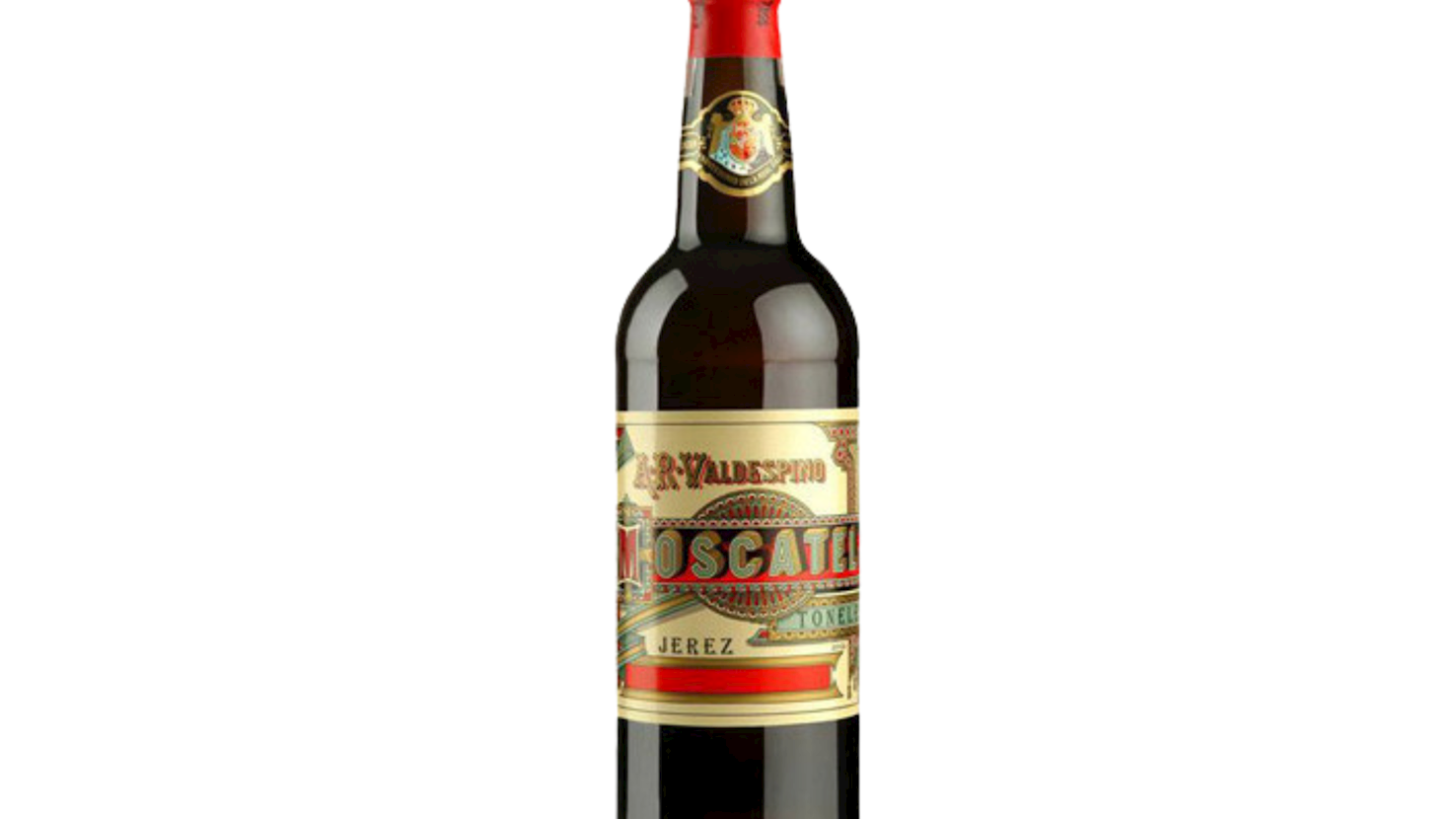
Valdespino is one of the oldest and most prestigious wineries in the Jerez de la Frontera region of Spain, with a sherry-making tradition dating back to the 13th century. The winery is unique for producing wines from the renowned Pago de Macharnudo Alto vineyard, the most important "cru" in Jerez and one of the most esteemed in the world.
Valdespino is known for its commitment to traditional production methods, including fermentation in oak barrels and long aging processes, resulting in sherry wines of exceptional complexity and character. Their collection includes various styles of sherry, such as Fino, Manzanilla, Amontillado, Oloroso, and Palo Cortado, each with its own distinctive characteristics.
Awards
Decanter World Wine Awards - Platinum
(2022, 2020)
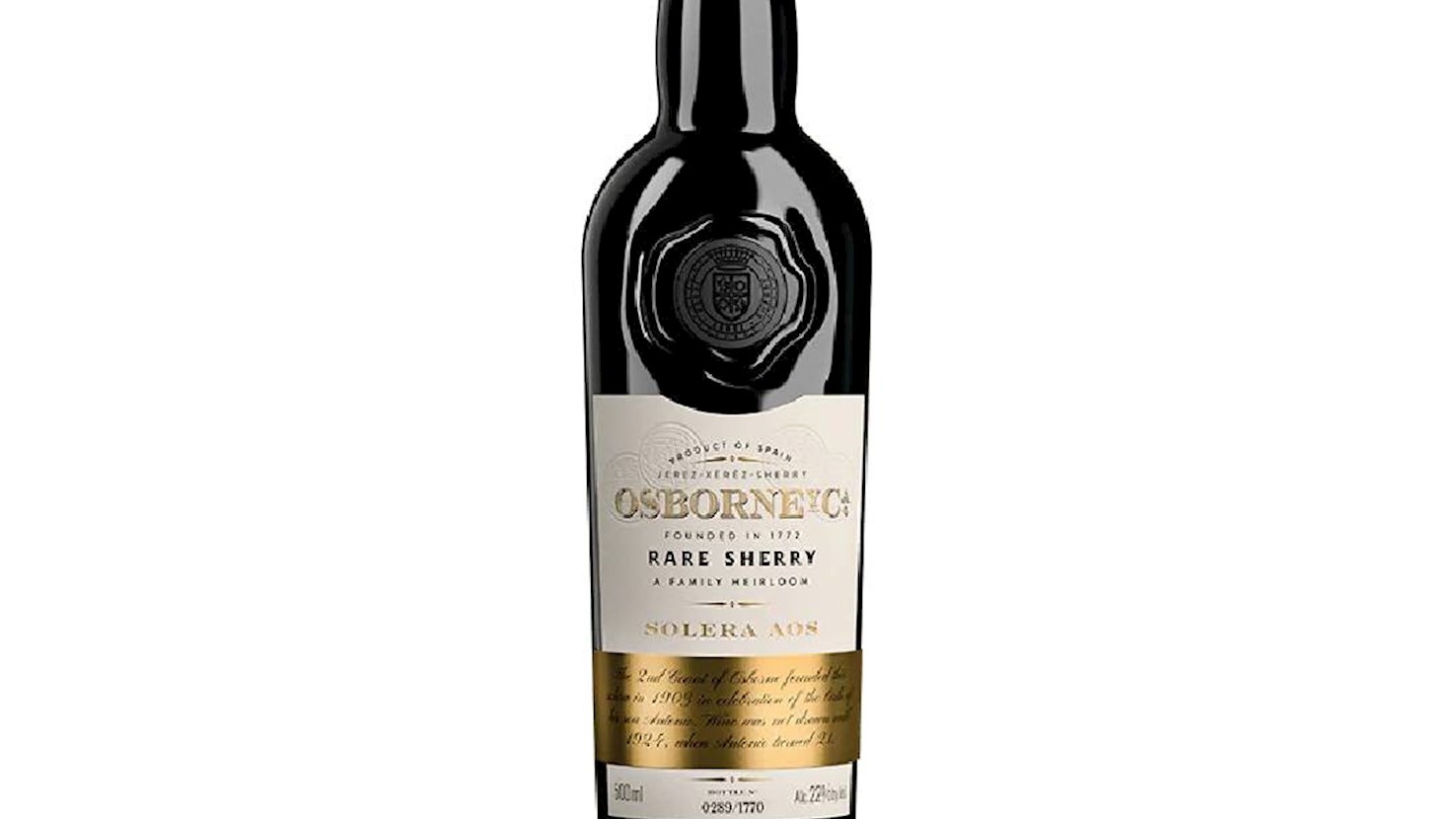
Bodegas Osborne are premium sherries produced in the Jerez region of Spain, with a rich tradition dating back to 1772. These wines are renowned for their exceptional complexity and depth, achieved through an extensive aging process. Osborne produces two main lines of sherries: V.O.R.S. (Very Old Rare Sherry) and Rare Sherries. Rare Sherries are crafted in very limited quantities and represent the pinnacle of Osborne's production. These wines are made from the finest grapes and aged in American oak casks, which enhance their character and unique flavor profile.Drawing on traditional production methods while embracing innovation, Osborne wines embody the essence of Andalusian heritage and craftsmanship. They are a perfect choice for sherry enthusiasts and collectors worldwide.
Awards
Decanter World Wine Awards - Platinum
(2022, 2018)
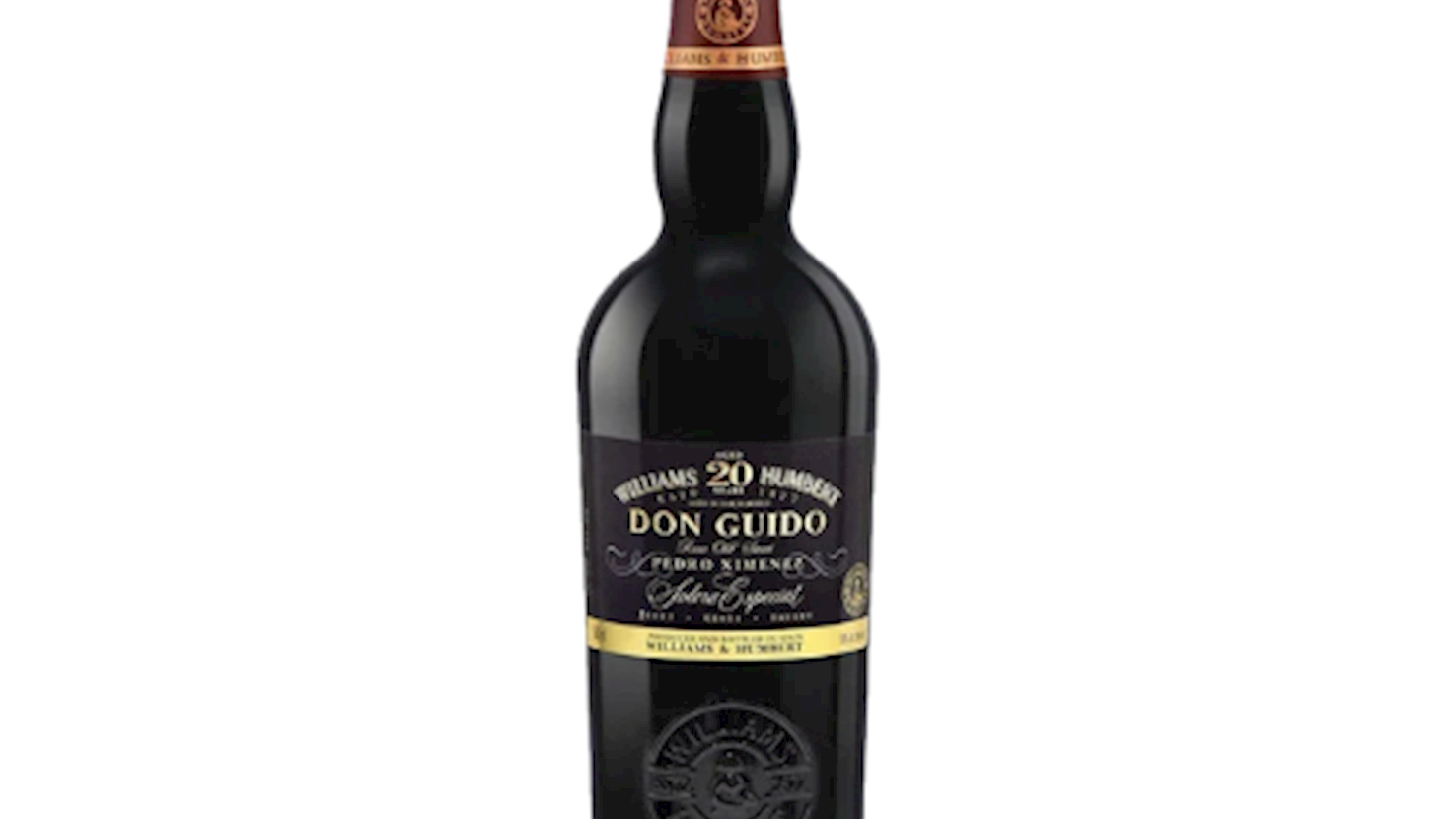
Williams & Humbert is a historic producer based in Jerez de la Frontera, founded in 1877 by Sir Alexander Williams and Arthur Humbert, and today recognized as one of the key houses within the D.O. Jerez-Xérès-Sherry. From its inception, the winery has relied on the traditional criaderas y solera aging system, maintaining extensive stocks of sherry and brandy in American oak casks to ensure stylistic consistency and depth. Its portfolio spans the full spectrum of sherry styles, from dry Fino and Amontillado to structured Oloroso and sweet Pedro Ximénez, alongside internationally known labels such as Dry Sack. The house is equally respected for its Brandies de Jerez, particularly Gran Duque de Alba, which reflects long aging and careful blending. In addition to fortified wines, the company produces other spirits, including Dos Maderas rum, matured partly in the Caribbean and finished in former sherry casks. Williams & Humbert manages significant vineyard holdings in the albariza soils of the Jerez area, cultivating varieties such as Palomino and Pedro Ximénez. Still family-owned, the winery combines traditional production methods with a modern export orientation, distributing its products to numerous international markets while preserving its historic identity within the Jerez region.
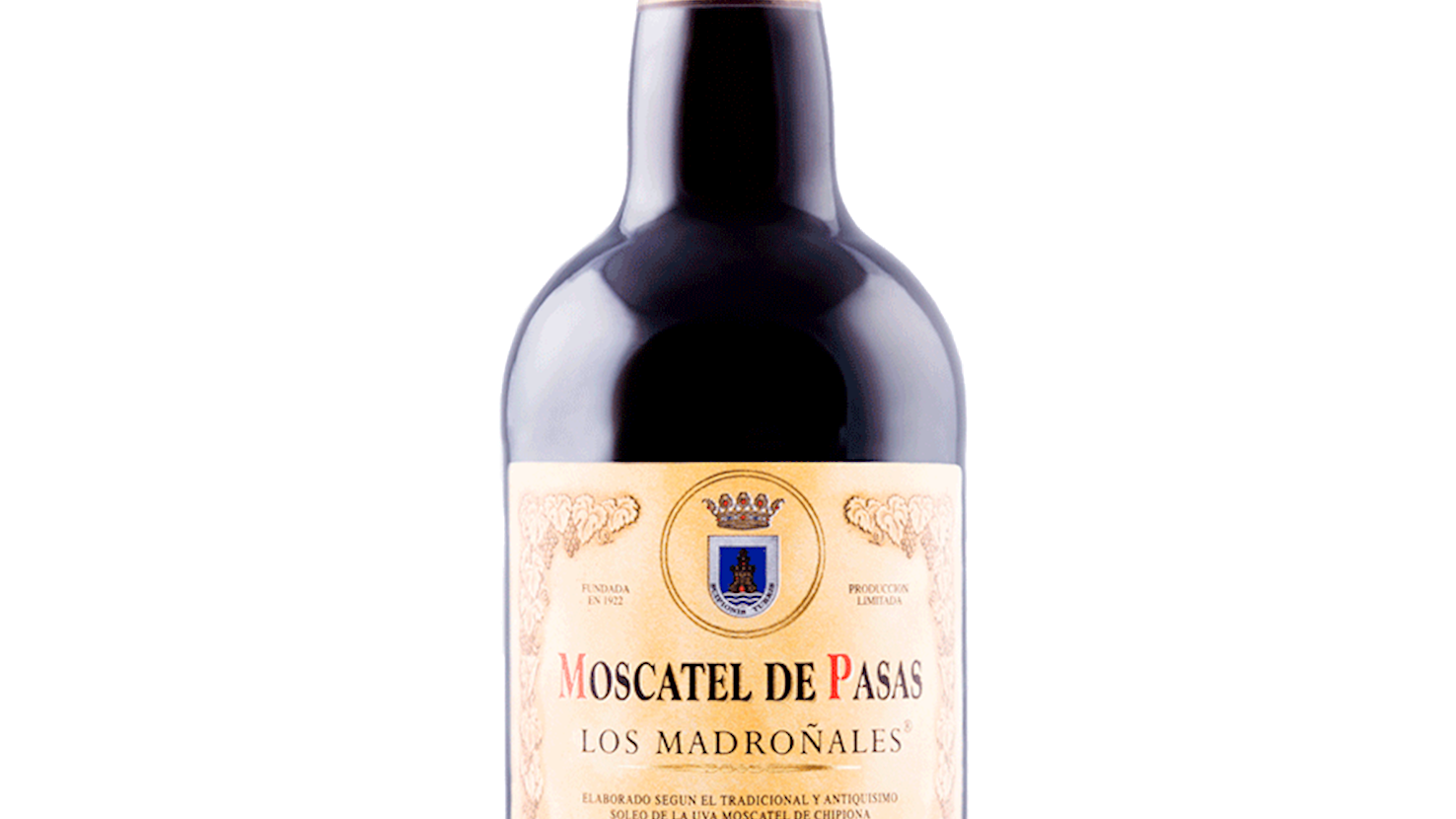
Bodegas Toro Albalá is a family-owned winery based in Aguilar de la Frontera in Andalusia, within the DOP Montilla-Moriles, officially established in 1922, with family viticultural roots dating back to the late 19th century. The estate is particularly renowned for its focus on Pedro Ximénez, a variety that in this region develops remarkable sugar concentration and structural depth, especially in long-aged styles. The winery is widely recognized for its extensive collection of historic vintages and for preserving traditional aging systems in oak casks. Its flagship Don PX wines are produced from sun-dried grapes (asoleo), a process that naturally concentrates sugars before fermentation and extended oxidative maturation. Alongside its sweet expressions, the portfolio includes dry fino, amontillado, and oloroso styles that reflect the limestone-rich soils and warm climate of Montilla-Moriles. The cellars are housed in a historic building that once served as an electricity plant, later adapted to provide ideal aging conditions. Decades of careful solera management have resulted in wines of notable depth, often showing layers of dried fruit, coffee, cocoa, spice, and toasted nuances. Today, Toro Albalá stands as a benchmark producer of Pedro Ximénez wines, particularly in the segment of vintage and long-aged fortified wines known for their concentration, balance, and longevity.
Awards
Decanter World Wine Awards - Platinum
(2018, 2017)
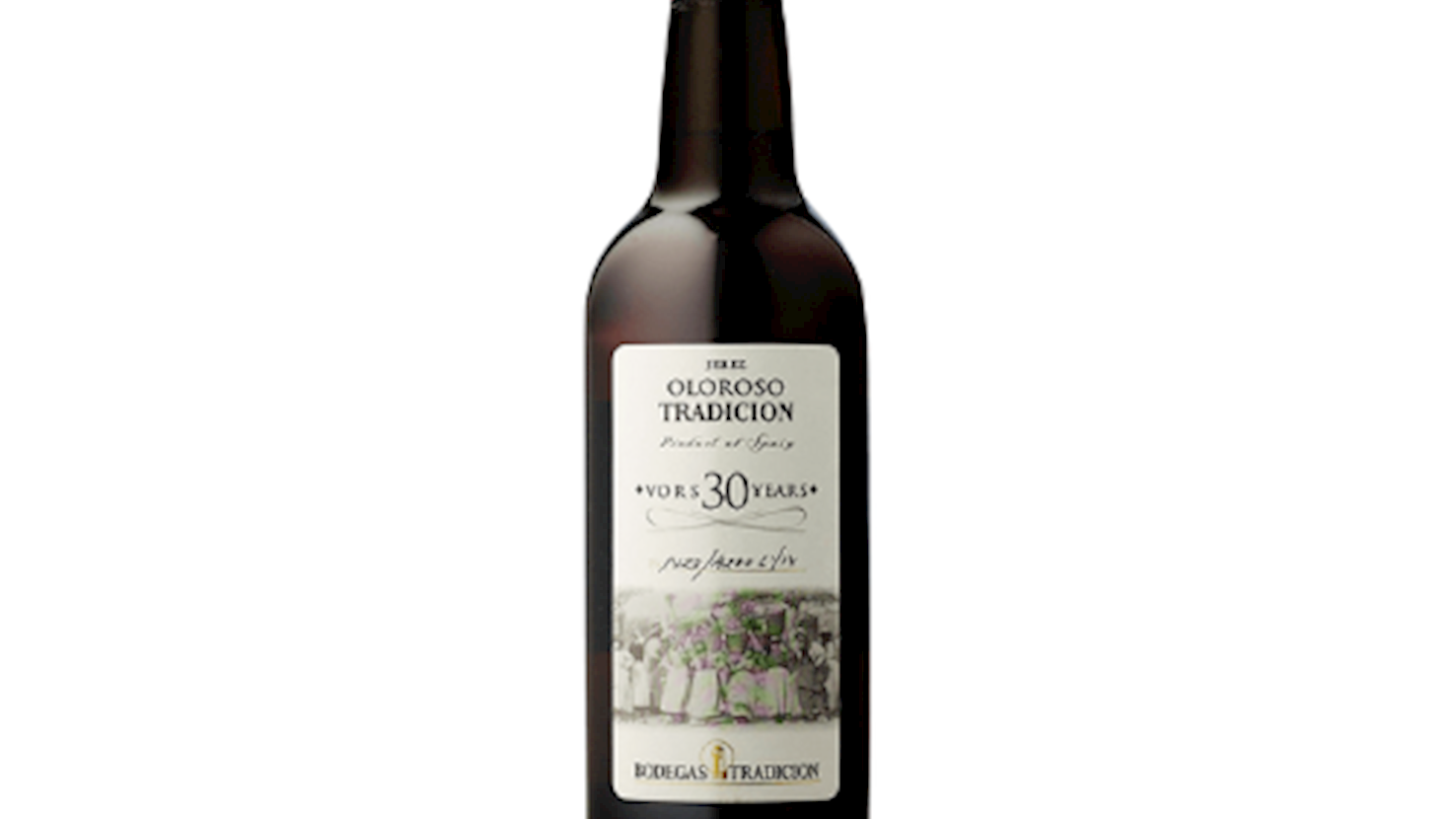
Bodegas Tradición is a specialized winery based in Jerez de la Frontera, fully dedicated to preserving and interpreting the oldest styles of Sherry, with a clear focus on long aging and the traditional solera system. It was founded in 1998 with the aim of safeguarding exceptionally old and rare soleras that had almost disappeared from modern production, and its work is now regarded as a true guardian of Jerez’s wine heritage. The winery does not engage in large-scale production, but instead focuses exclusively on the selection and maturation of wines that average between twenty and over thirty years of age. The bottling process is carried out with great care and minimal intervention in order to preserve the wines’ original character. The winery is also unique in housing an important collection of Spanish art within its premises, further linking the cultural and winemaking traditions of Andalusia. The house style does not seek to modernize flavors, but rather to remain faithful to the historical expressions of Sherry.
Bodegas Yuste is a family-owned winery based in Sanlúcar de Barrameda that has built its identity around preserving authentic styles of Sherry and Manzanilla, with a strong reliance on local tradition and historic solera systems. The modern phase of its development began in the early 1990s, when Francisco “Paco” Yuste restored old bodegas and took over decades-old soleras, breathing new life into the winemaking heritage of the town. The winery focuses on dry, elegant wines shaped by the strong influence of Sanlúcar’s Atlantic climate, a character especially evident in its Manzanillas, known for their salinity, finesse, and aromatic precision. In the cellars, a traditional approach to aging is maintained, with minimal intervention and great attention given to each individual barrel. The house style does not seek modernization at any cost, but rather a faithful interpretation of the region’s classic expressions. The portfolio includes labels that are now considered benchmarks for the typical character of Sanlúcar, with an emphasis on longevity and clarity of profile.
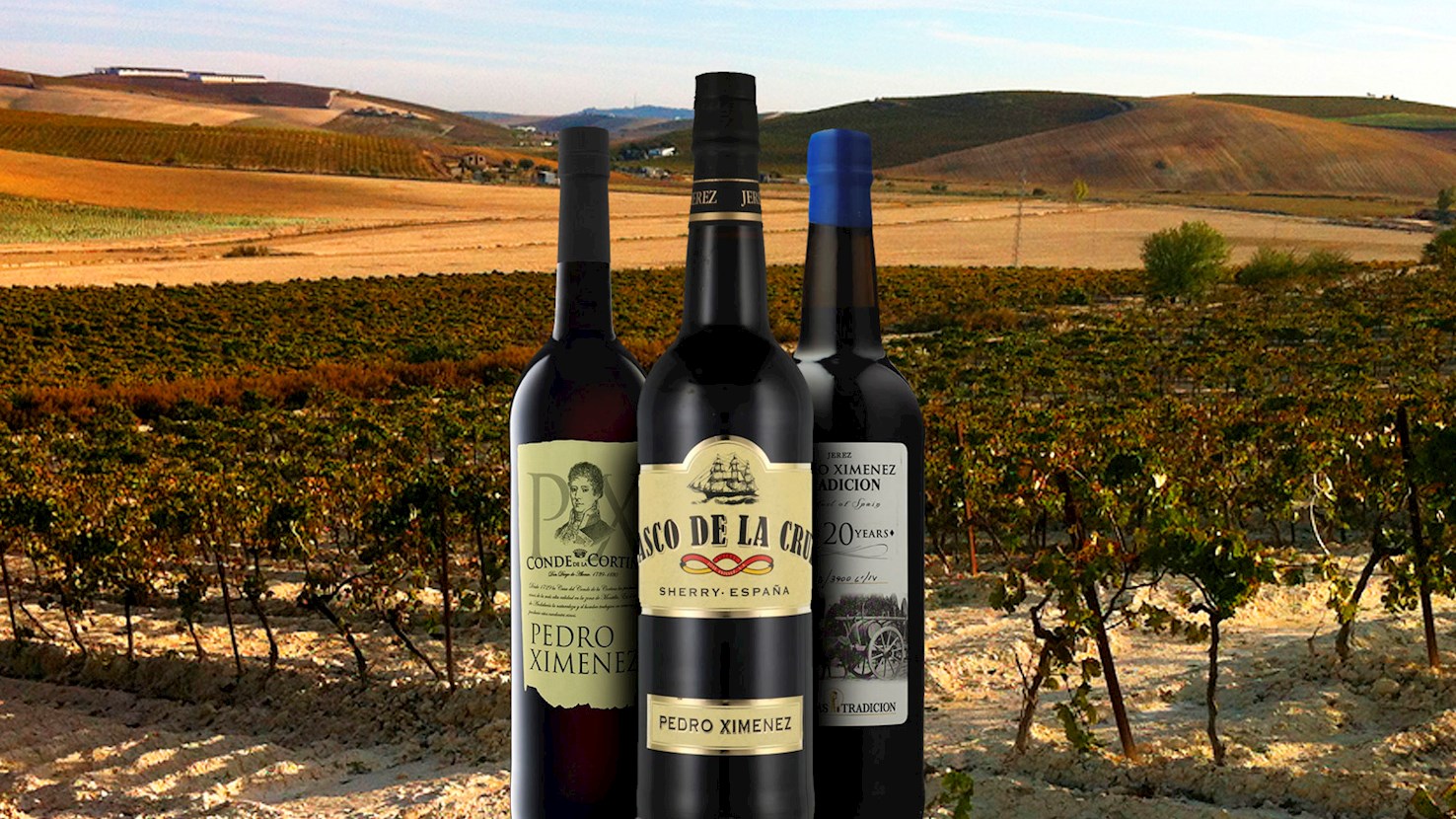
Pedro Ximénez is a type of Spanish sherry, as well as the name of the grape that is used to produce it. The grapes are picked when ripe and are then traditionally laid out in the sun—which increases their sugar content. After the grapes are pressed, the grape juice is fermented and fortified before it is left to age using the traditional solera system. Pedro Ximénez sherry is typically intense and sweet with a thick, velvety texture and aromas that are reminiscent of dried fruit, primarily raisins, dates, and figs, as well as the complementary notes of honey, jam, vanilla, chocolate, and coffee. These wines are an excellent match with blue and aged cheese, decadent chocolate desserts, ice cream, or dark chocolate. They can also be drizzled over fresh fruit, creamy desserts, or ice cream. Although Pedro Ximénez grapes are mainly grown in Montilla-Moriles D.O., they are mostly associated with Jerez. If the sherry is at least partially produced in Jerez, it can be labeled as such, while the one entirely produced in Montilla-Moriles will include the name of the region.
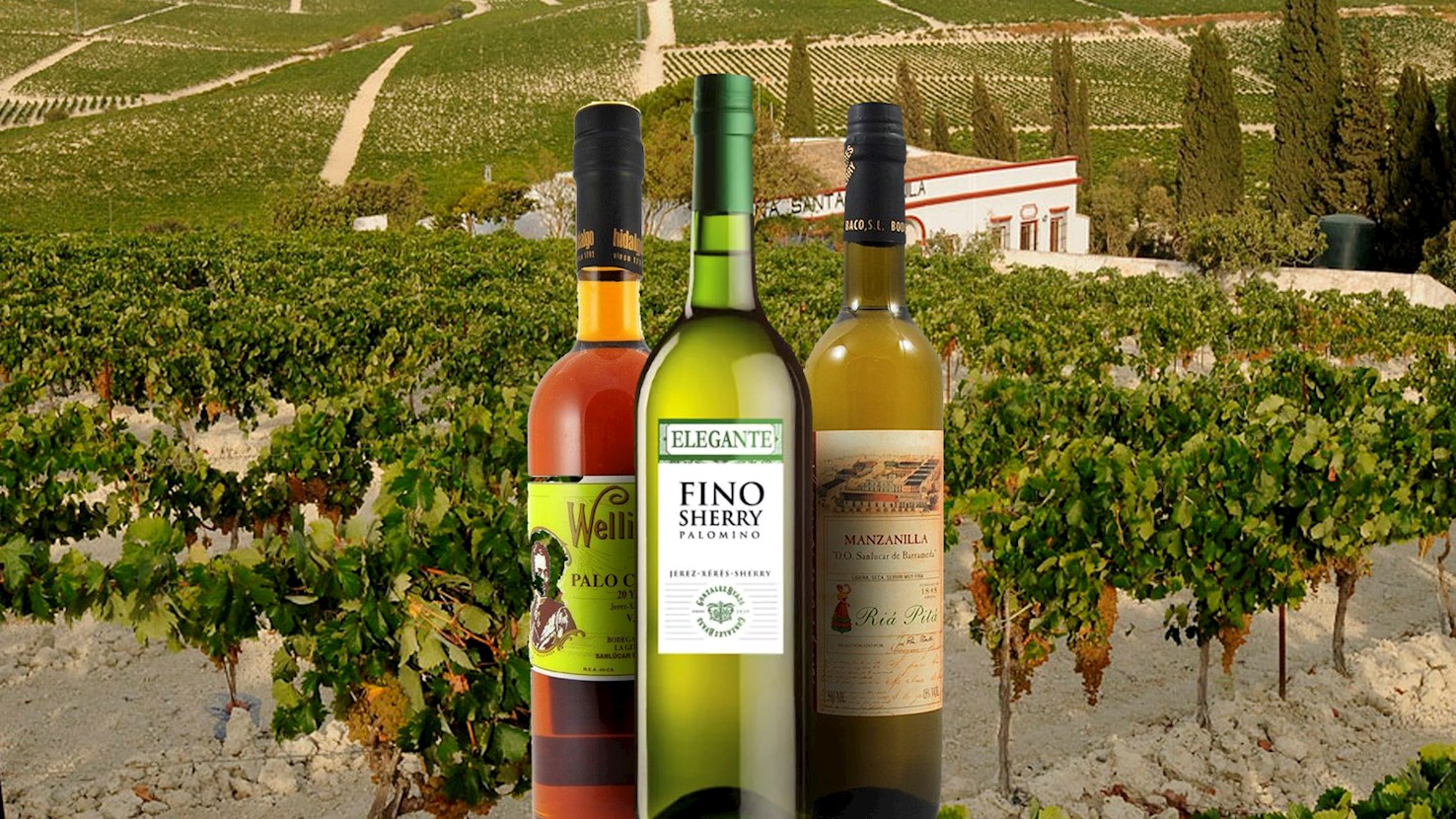
Sherry is a fortified white wine from Andalusia. It comes in a variety of styles, from light dry wines to complex and aromatic sweet varieties. They are mostly produced from Palomino grape, though sweet sherry wines also employ Pedro Ximénez and Moscatel grapes. After the base wine is fortified with grape spirit, it is aged in a unique solera system. The maturation can be biological under a layer of flor—a film of yeast on the surface—or with oxidation. Depending on the amount of alcohol and the type of aging, dry sherry wines, or vinos generosos, are classified into five basic styles: Fino, Manzanilla, Amontillado, Oloroso, and Palo Cortado. Sweet sherry wines, known as vinos generosos de licoror, are typically blends of dry sherry and naturally sweet wines, though some varieties also blend it with grape must. The basic categories of sweet sherry include Medium, Pale Cream, and Cream. It should be noted that the authentic sherry is made only in the Jerez region and must be labeled as Jerez-Xérès-Sherry.
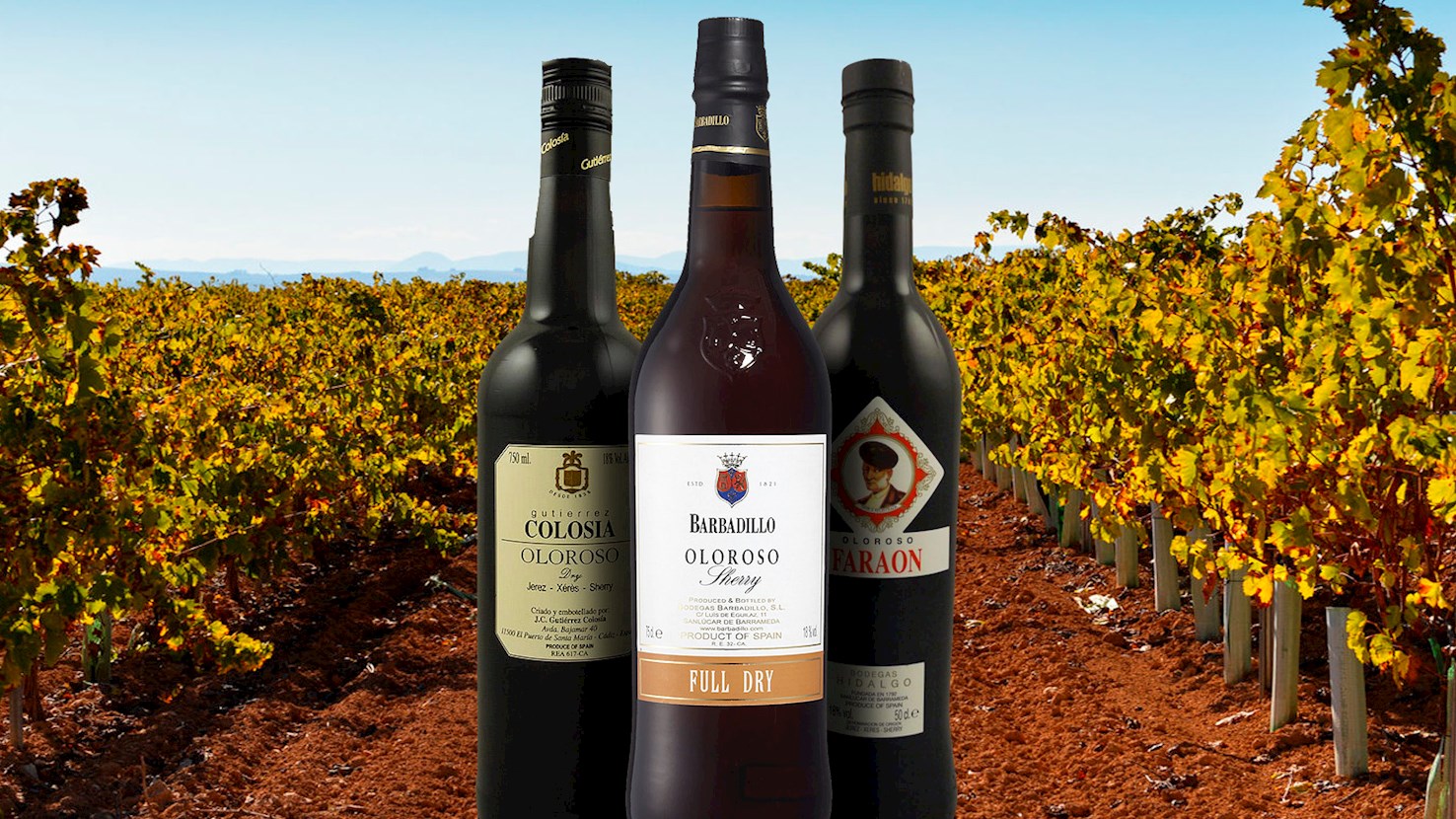
Oloroso is a variety of fortified sherry wines that is made from Palomino grapes. Unlike other dry sherry styles, oloroso is exposed to oxidation throughout the maturation in barrels and does not include the element of biological aging under the layer of yeast (flor). This results in a dark-colored wine that may range from amber to almost dark brown, depending on the age. As its name suggests, oloroso translates as scented, this sherry variety is incredibly fragrant, typically displaying complex aromas of nuts that are complemented by balsamic, leather, and truffle nuances. This complex, full-bodied and well-structured wine can be enjoyed as an aperitif or an accompaniment to appetizers and aged cheese. It also pairs well with bold dishes made with red meat and game, and it should always be slightly chilled before it is served.
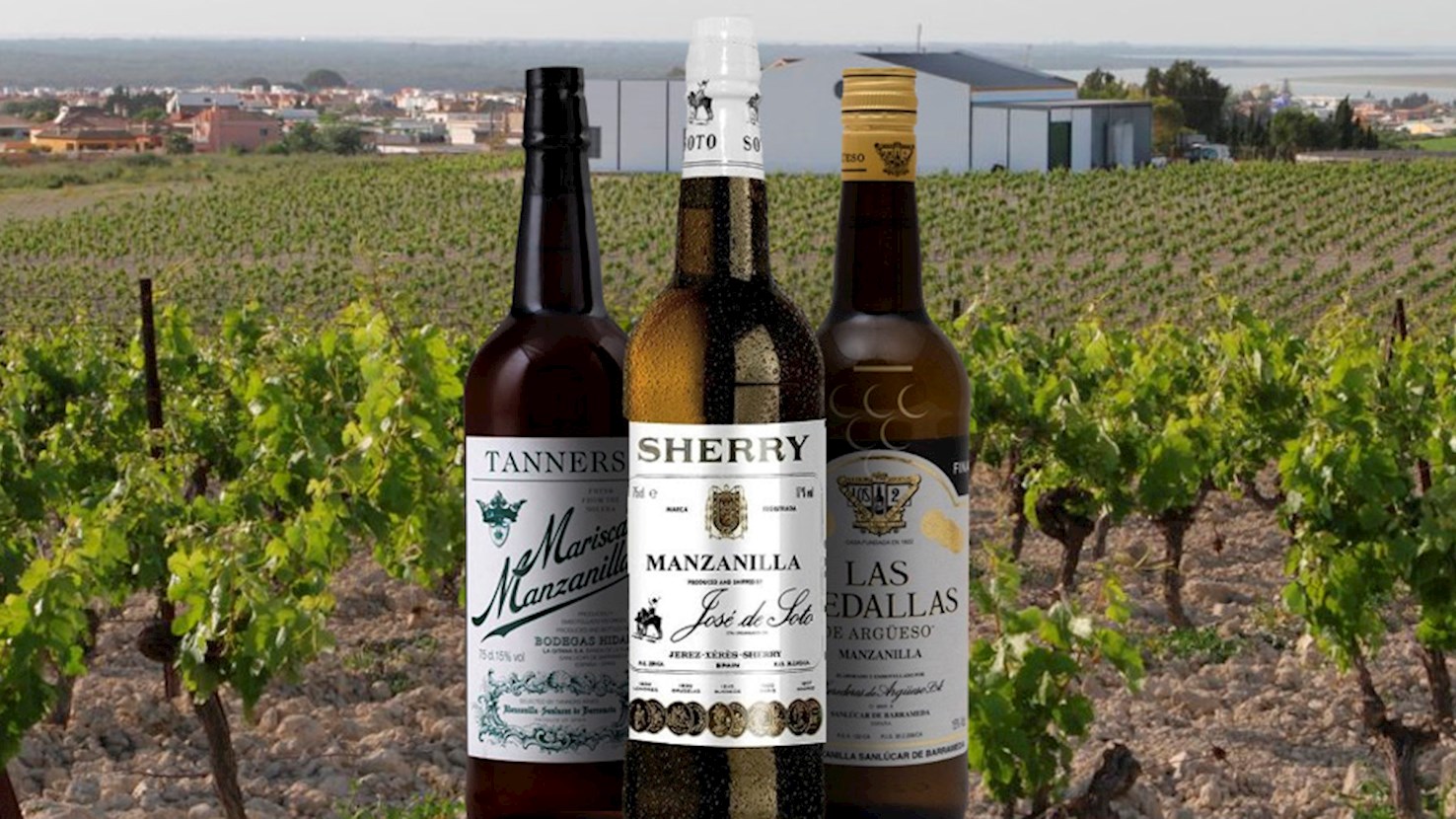
Manzanilla is a dry sherry variety made from Palomino grapes in Sanlúcar de Barrameda. This light and refreshing wine is aged naturally, under a thick layer of yeast (flor). It is straw-colored with aromas of almonds, yeast, and chamomile. Since Sanlúcar de Barrameda is a coastal town, during aging, Manzanilla also attains a characteristic salty note, unlike its close relative Fino. It should always be served chilled, and it pairs exceptionally well with seafood, salads, and cold soups.
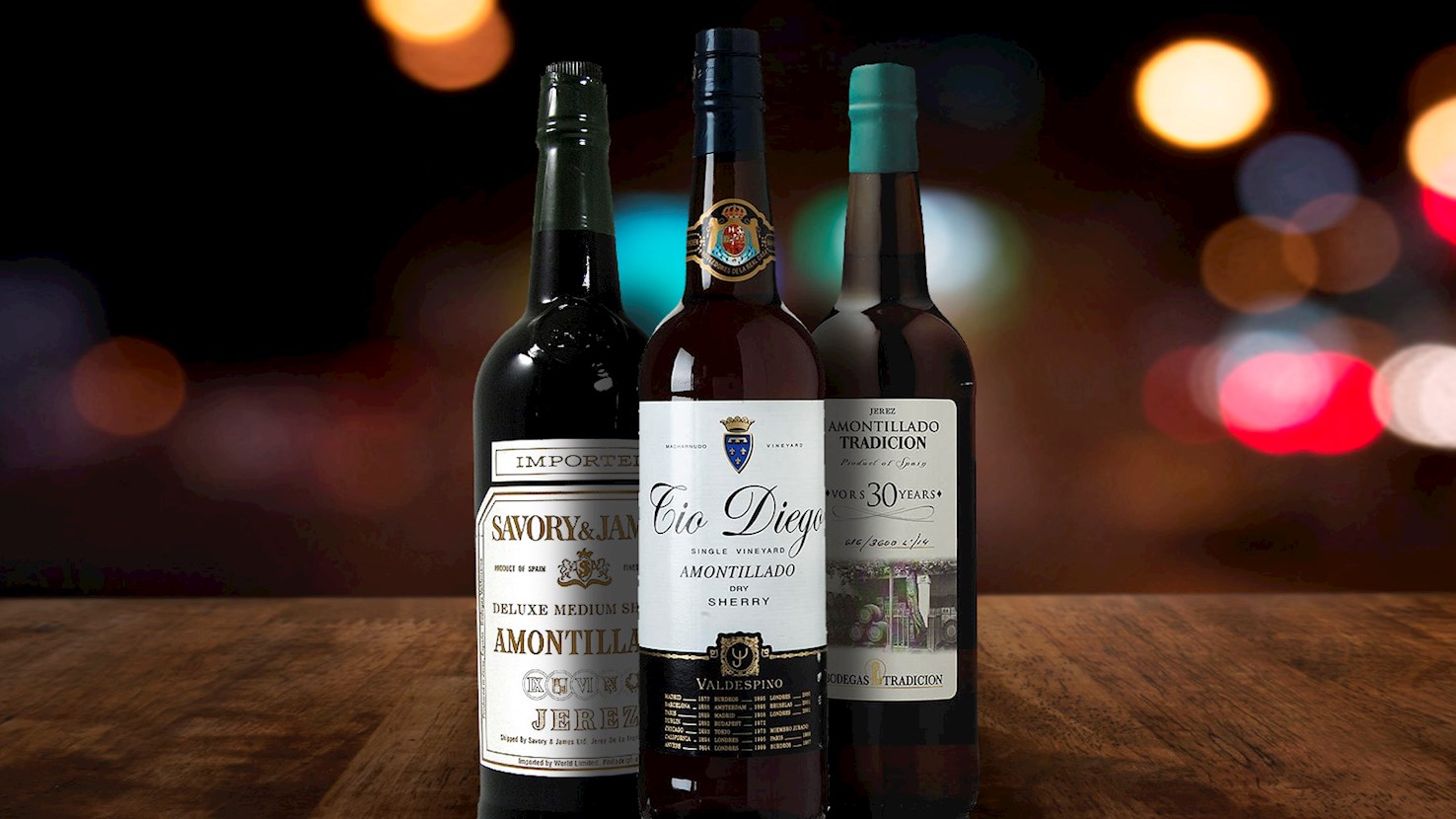
Amontillado is a rich and complex dry sherry variety. It is made from Palomino grapes, but unlike Fino and Manzanilla, this fortified wine is first aged biologically—under a layer of flor—and when the flor disappears, the wine is exposed to oxidation. Depending on the level of maturation, Amontillado can have a slightly different character, but it is typically topaz or amber in color, while its aromatic profile usually includes complex nutty and herbal notes, with hints of oak. The wine should be served slightly chilled, and though it can be slowly sipped on its own, it also pairs well with hard cheeses, jamón Iberico, and vegetables such as mushrooms, artichokes, and asparagus. Some styles may also work well with poultry or fish.
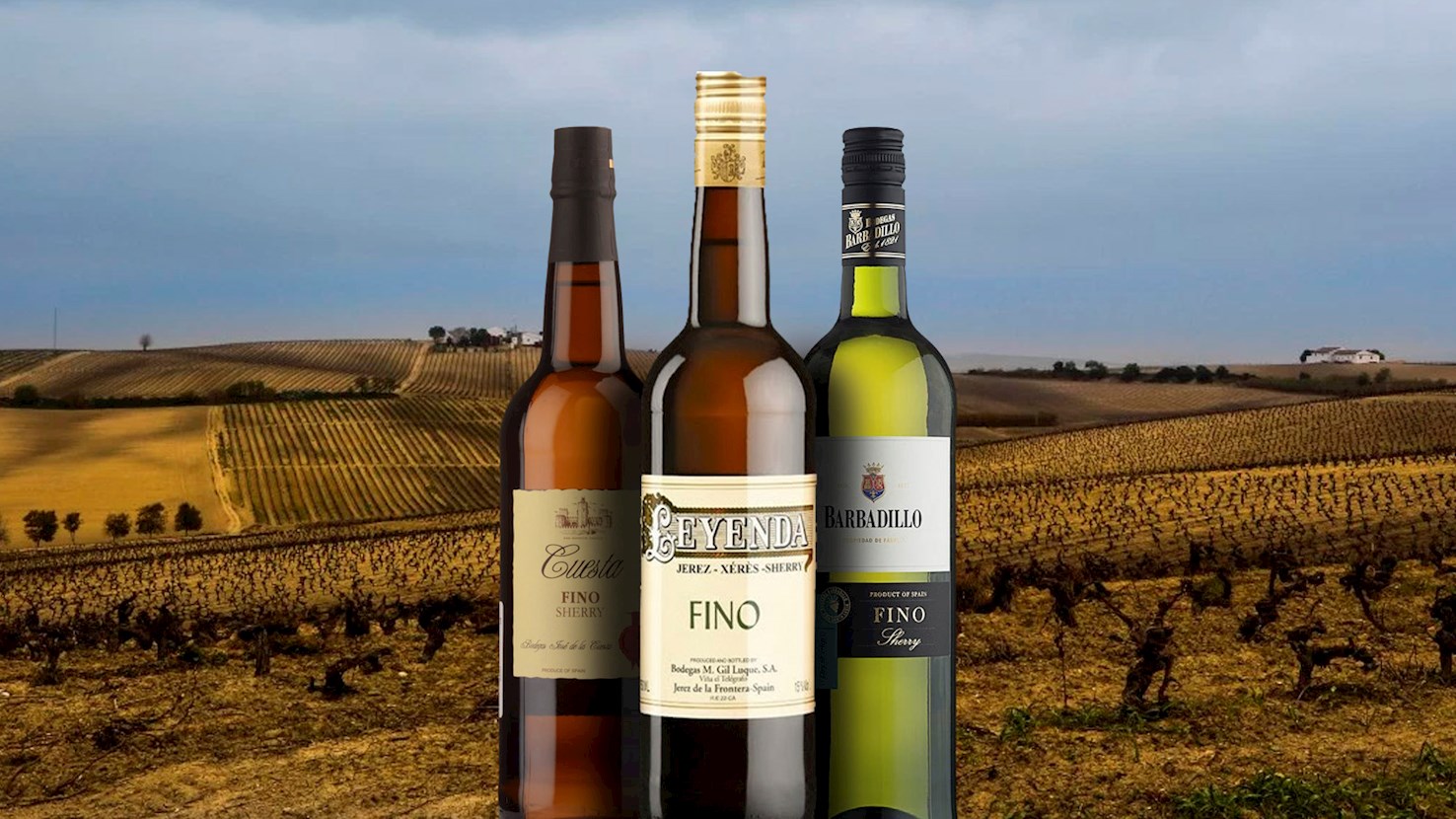
Made from Palomino grapes in Jerez or Puerto de Santa María, Fino is the driest and the most delicate sherry variety. This fortified wine is aged naturally, under a layer of flor—a film of yeast that appears on the surface while the wine is matured in a barrel. Fino is refreshing and light, with typical notes of almonds and yeast. It is best served chilled, and although it can be enjoyed as an aperitif, Fino also pairs well with tapas such as olives, Ibérico ham, or croquetas, as well as seafood, vegetable dishes, or cold soups.
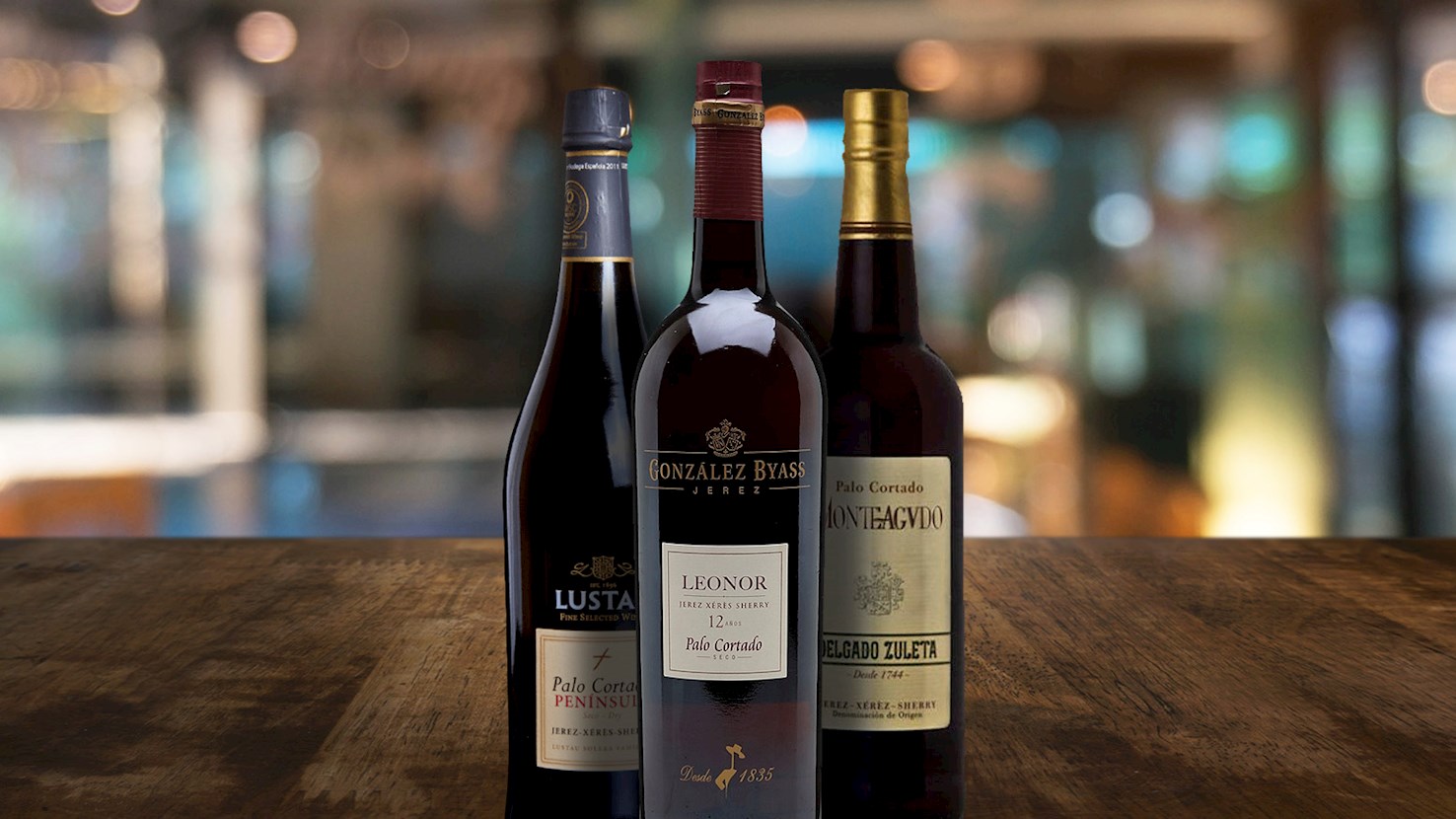
Palo Cortado is the rarest dry sherry variety. Historically, this fortified wine was produced when a base wine that started as Fino or Manzanilla would unexpectedly lose the layer of flor—a thick layer of yeast—and then it would undergo slow oxidation which would result in a distinct sherry variety which falls between the Amontillado and Oloroso styles. Nowadays, this process is monitored by experts, and it is rarely left to chance. Palo Cortado is typically light brown with a complex profile that combines refined flavors of Amontillado with more robust expressions found in Oloroso. It should always be served slightly chilled and it is recommended to be appreciated on its own, but it also pairs well with matured cheese, nuts, marinated or smoked fish, as well as foie gras and rustic dishes such as oxtail stew (rabo del toro). Palo Cortado aged in Sanlúcar de Barrameda is sometimes called Jerez Cortado.
Solera Fina is a high-quality fortified wine made using the solera system for aging regular Fina sherry. The solera system is a complex process involving a series of barrels, or criaderas, arranged in tiers. Newer wine is added to the top barrels and gradually blended with older wines as it moves down through the system over time. This method ensures consistency and continuity of style and flavor in the final product.
Montilla-Moriles wine is produced within the Montilla-Moriles Denominación de Origen (DO) in the province of Córdoba, a region specifically defined by its high-altitude interior and extreme summer temperatures. The area is situated on a landscape of rolling hills between the Genil and Guadajoz rivers, characterized by a semi-continental Mediterranean climate with intense heat and low rainfall. Cultivation in this area dates back to the Roman period, though its modern identity was shaped in the 19th century when its wines were recognized for their ability to reach high alcoholic strengths naturally without the need for fortification. The region was officially granted protective status in 1932, establishing a regulatory framework to distinguish its output from the neighboring Sherry region of Jerez. The geology is dominated by a white, porous, limestone-rich soil known as albariza, or "albero" locally, which possesses a high water-retention capacity, allowing vines to survive prolonged droughts. Preparation of Montilla-Moriles wine relies almost exclusively on the Pedro Ximénez grape variety, which accounts for over 70% of the total vineyard area. Unlike most other fortified-style wines, the dry "Fino" variety in this region often reaches its required 15% alcohol content through natural fermentation alone, due to the high sugar concentration the grapes achieve in the intense Córdoba heat. The wines are aged using the "criaderas y solera" system, a fractional blending process where younger wine is systematically moved into barrels containing older wine. For sweet wines, the grapes undergo a process called "asoleo," where they are sun-dried on mats for several days to concentrate sugars before pressing. A unique technical feature of the region is that its dry, biologically aged wines do not typically require the addition of grape spirit, making them a distinct expression of unadulterated fermented juice. The wines are served chilled—between 6°C and 8°C for Finos and slightly warmer for Amontillados and Olorosos. Montilla-Moriles wines are consumed primarily as an aperitif or as a companion to Andalusian cuisine. The dry Finos are paired with salty snacks, almonds, olives, and cold soups like salmorejo, while the intensely sweet Pedro Ximénez wines are served as a dessert or paired with blue cheese.
TasteAtlas food rankings are based on the ratings of the TasteAtlas audience, with a series of mechanisms that recognize real users and that ignore bot,
nationalist or local patriotic ratings, and give additional value to the ratings of users that the system recognizes as knowledgeable.
For the “Top 17 Andalusian Fortified Wines” list until June 03, 2026, 162 ratings were recorded, of which 139 were recognized by the system as legitimate.
TasteAtlas Rankings should not be seen as the final global conclusion about food. Their purpose is to promote excellent local foods,
instill pride in traditional dishes, and arouse curiosity about dishes you haven’t tried.
The initial list of top producers was compiled based on available reviews, awards, local recommendations, media and blog coverage, and consumer reviews.
The list will be updated with ratings from TasteAtlas local ambassadors and TasteAtlas users.