shutterstock

Top 39 South American Non-alcoholic Beverages

Last updated on June 15, 2026

Best South American Non-alcoholic Beverage Types
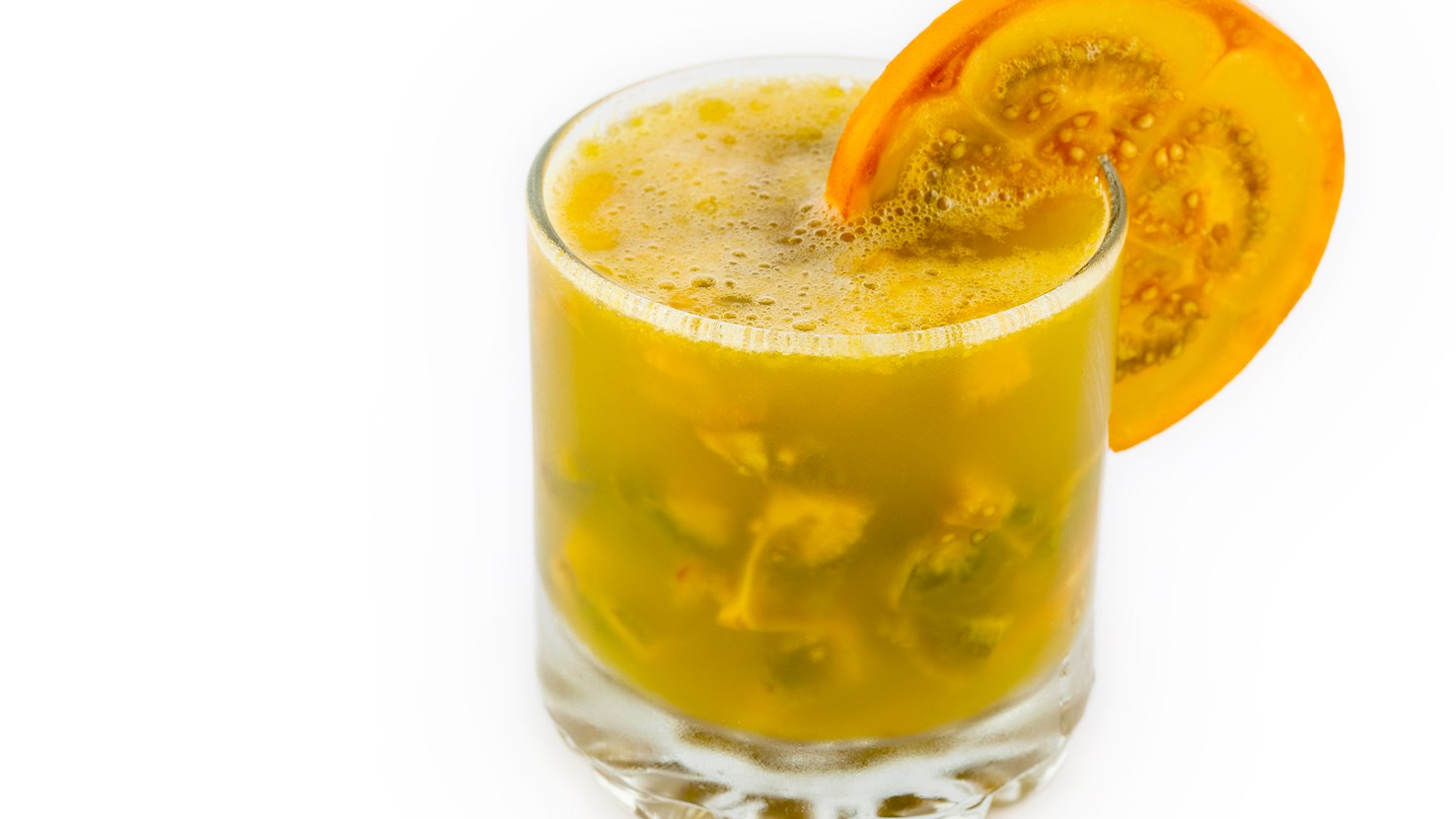
01

Lulada

4.5 ·

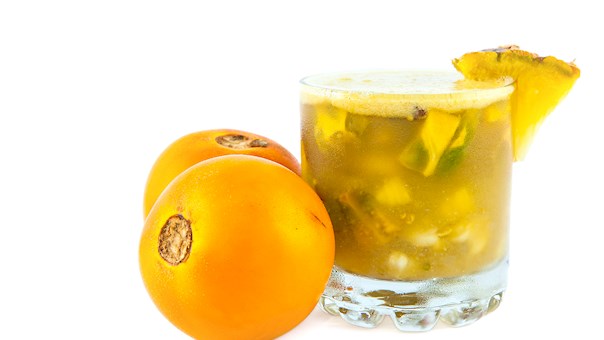
Lulada is a cold, refreshing drink originating from El Valle region of Colombia, made with mashed lulos, lime juice, water, sugar, and ice. Lulo, also known as naranjilla in Ecuador and Panama, is an exotic fruit popular in Colombia. It has a light, citrusy flavor and it’s very common in Colombian cuisine. Lulada is the perfect combination of sweet and tart, has a thick consistency and can be served with a shot of vodka.

02

Chicha morada

4.2 ·

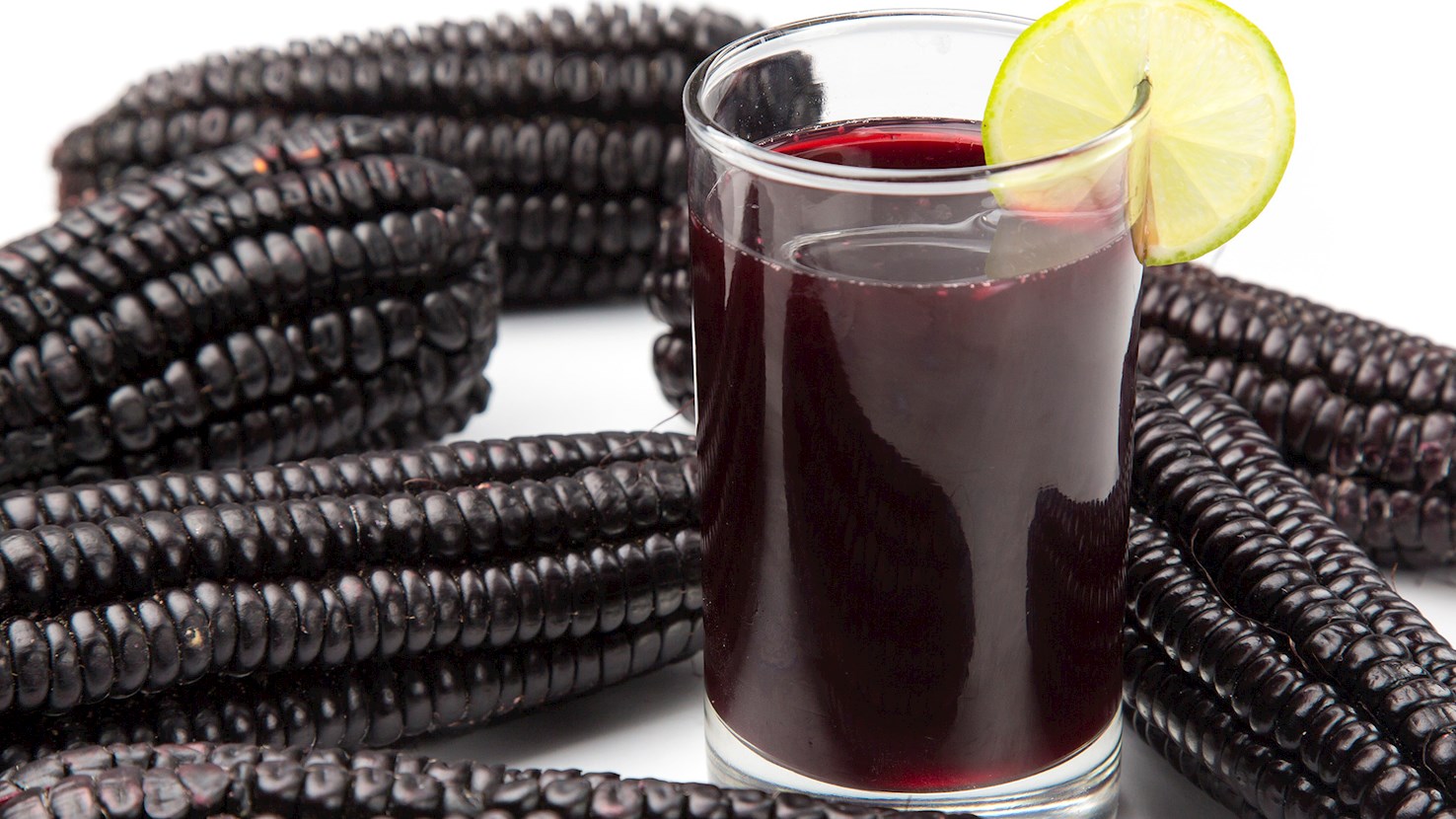
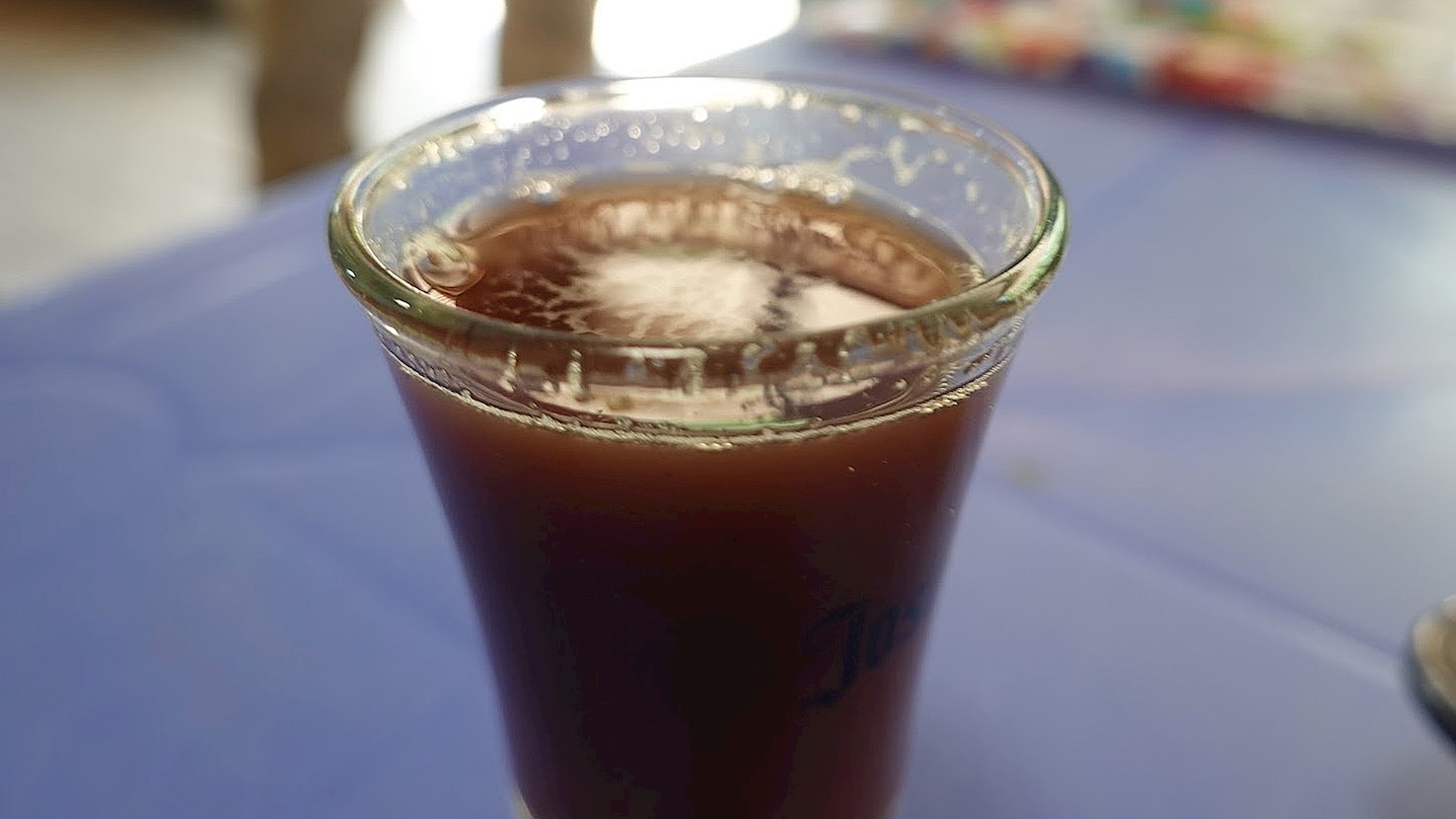
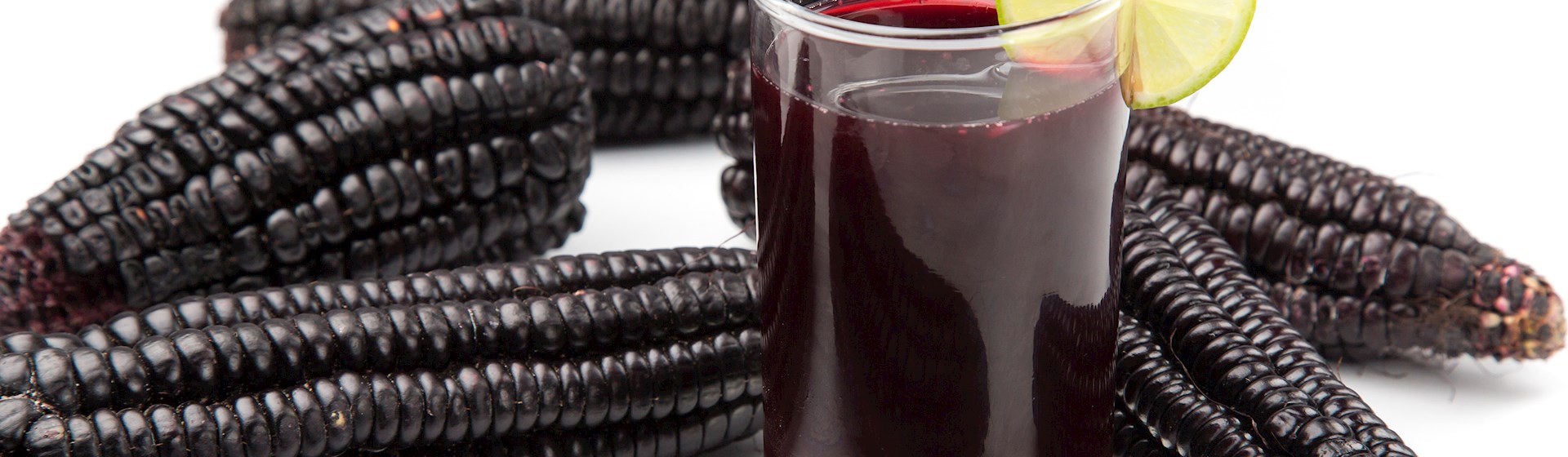
Chicha Morada is a non-alcoholic drink originating from Peru whose use and consumption dates back to the era before the creation of the Inca empire. It is traditionally made by boiling purple corn and pineapple rinds in water, and once all the juices have gotten into the water, the combination is left to cool down. Sugar, cinnamon, and cloves can be added later for extra flavor. This simple drink can be found in street markets as well as in upscale restaurants and home kitchens throughout Peru and Bolivia.

03

Cholado

4.2 ·

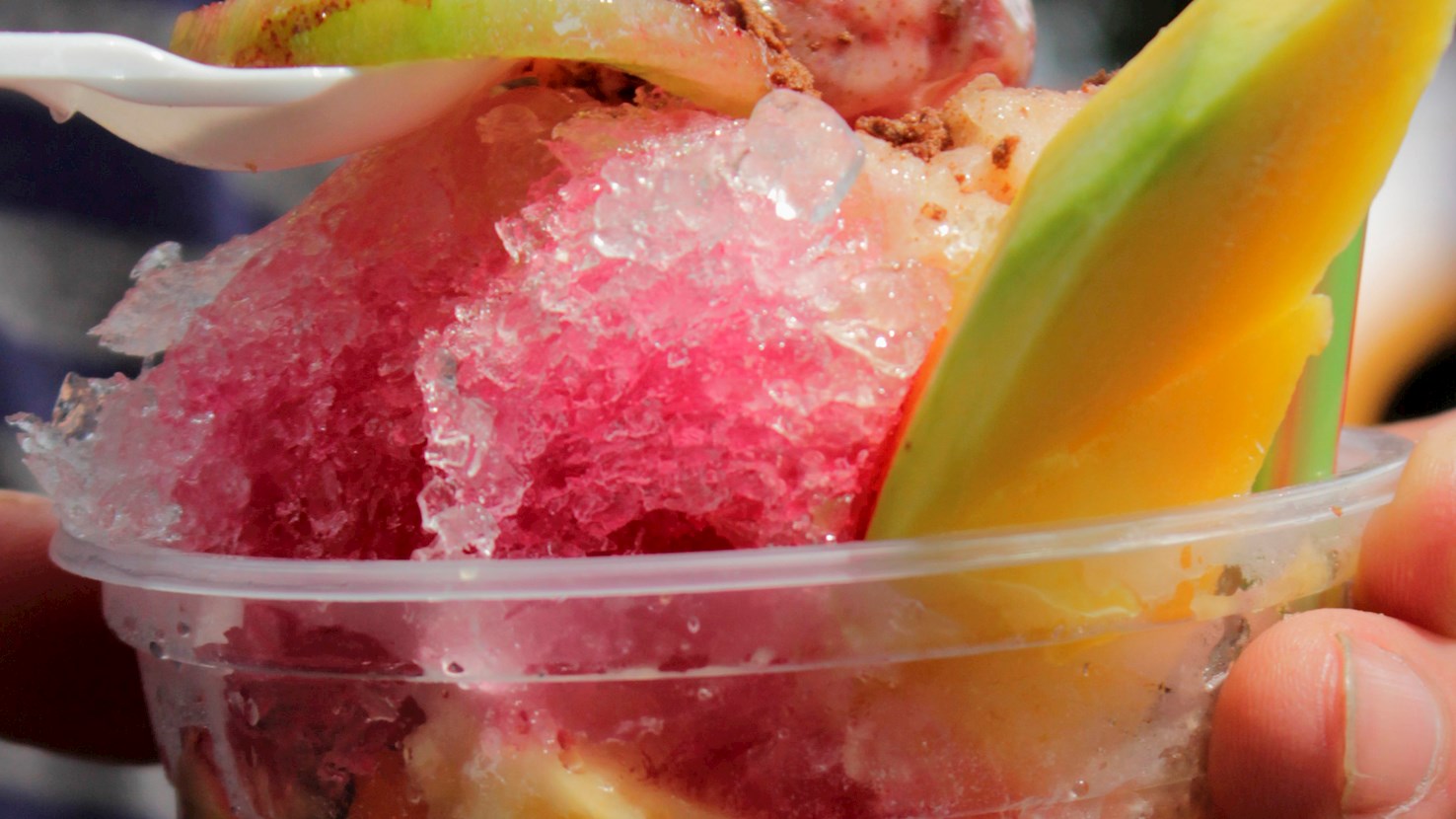
Cholado is an icy cross between a fruit salad, a cocktail, and a frozen dessert. Also known as raspao, the beverage is prepared with fresh fruit such as strawberries, bananas, kiwi, papaya, pineapple, and maracuya, along with milk and a sweet syrup made with Colombian blackberries. Cholado has a perfect balance of aromas and textures, and it is considered both a dessert and a drink because it is crunchy, fruity, and creamy at the same time. It is typically served cold in a tall glass with a lot of crushed ice, then topped with shredded coconut and garnished with a cherry.

04

Leche con Plátano

4.2 ·

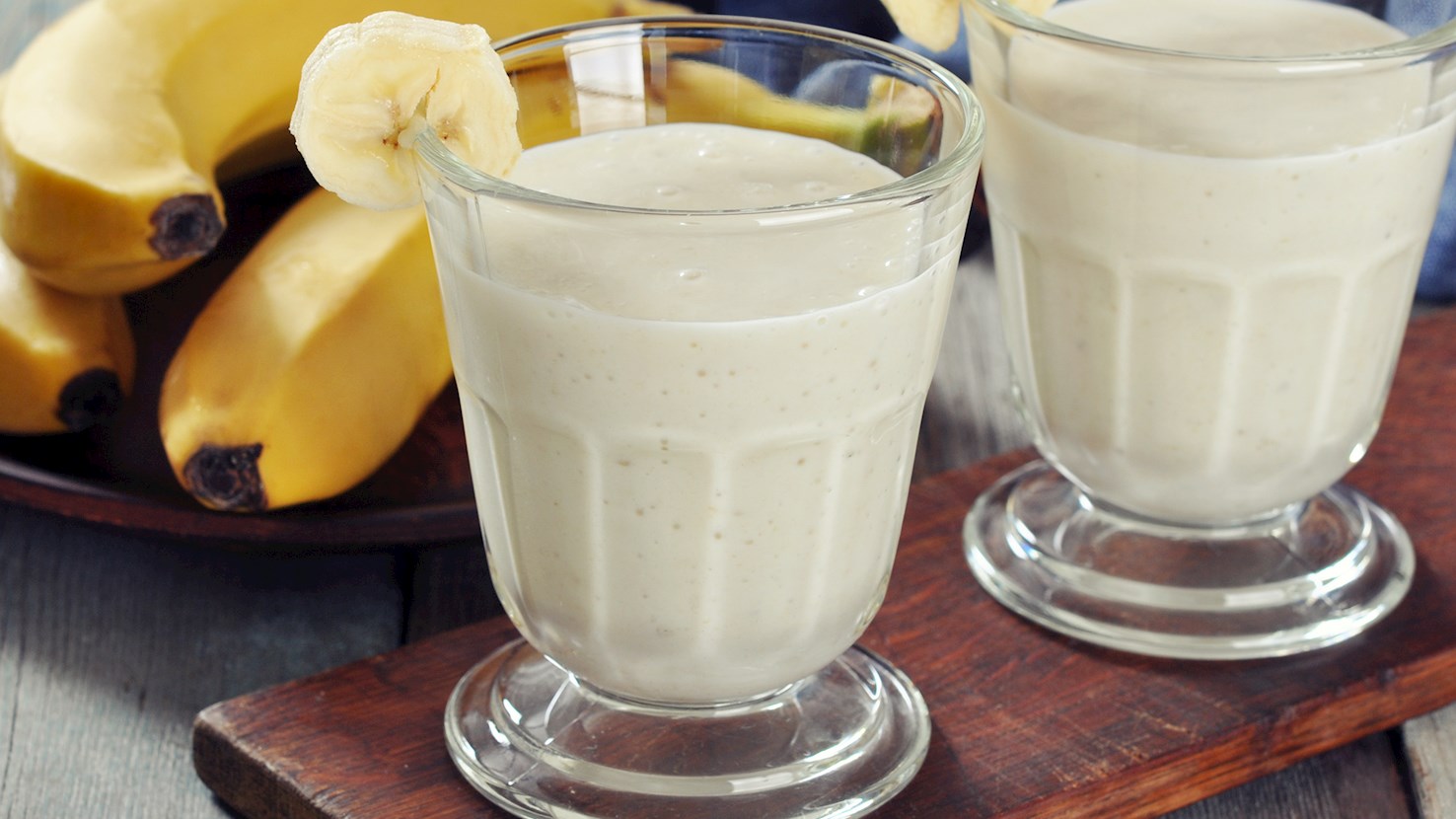
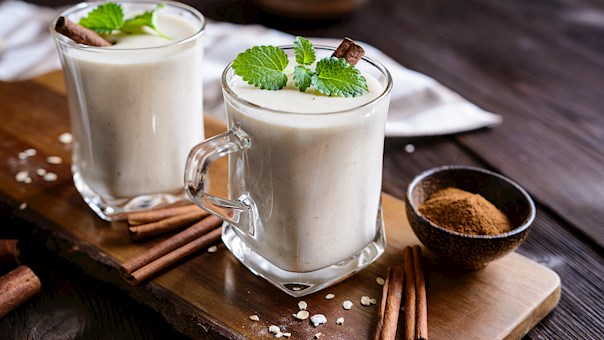
Leche con plátano is a light Chilean milkshake made with a combination of milk, sugar, and ripe bananas, sometimes with the addition of whipping cream. In order to prepare it, all ingredients should simply be blended until smooth. The drink is especially popular at children’s parties and birthdays.

05

Colada morada

4.2 ·

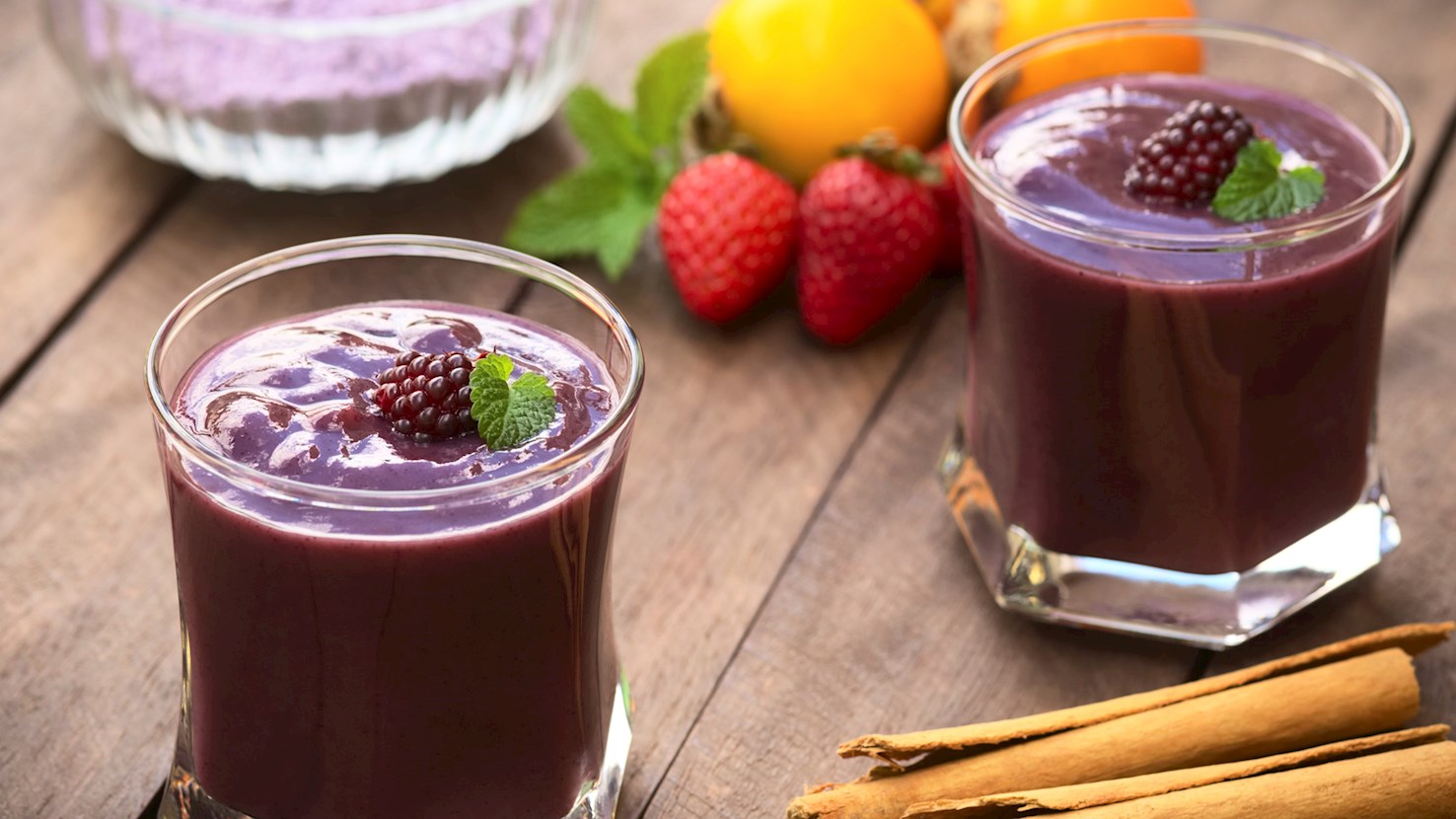
Colada morada is a thick, purple-colored drink originating from Ecuador. Its origin dates back to pre-Hispanic times. The drink is made from water, black corn flour, spices (cinnamon, allspice, and cloves), various fruits (pineapple, blackberries, strawberries), and cane sugar (panela). It’s traditionally consumed on Day of the Dead, paired with guaguas de pan — decorated sweetbreads shaped into doll-like figures. On November 2nd, families will gather around the graves of their loved ones and enjoy a picnic of colada morada and guaguas de pan, remembering their loved ones.

06

El submarino

4.1 ·

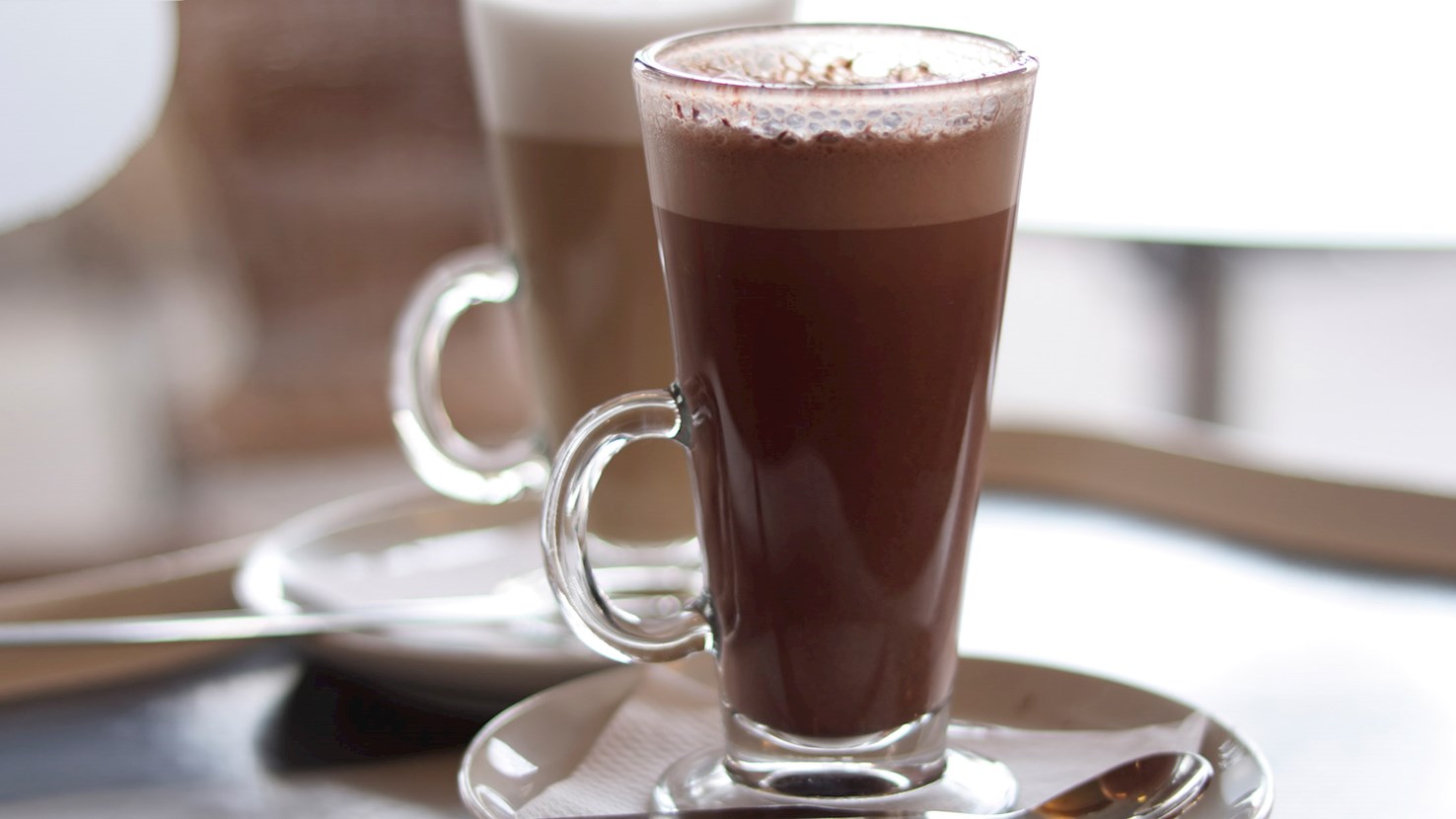
This Argentine treat is basically reinvented hot chocolate. Literally translated, el submarino means submarine, referring to the way that the beverage is made – a thick piece of dark chocolate is sunk into a mug filled with hot milk, and when stirred, the milk becomes hot chocolate. This delicious drink is especially popular during winter, and it is recommended to add some sugar for a sweeter version.

07

Guarapo

4.1 ·

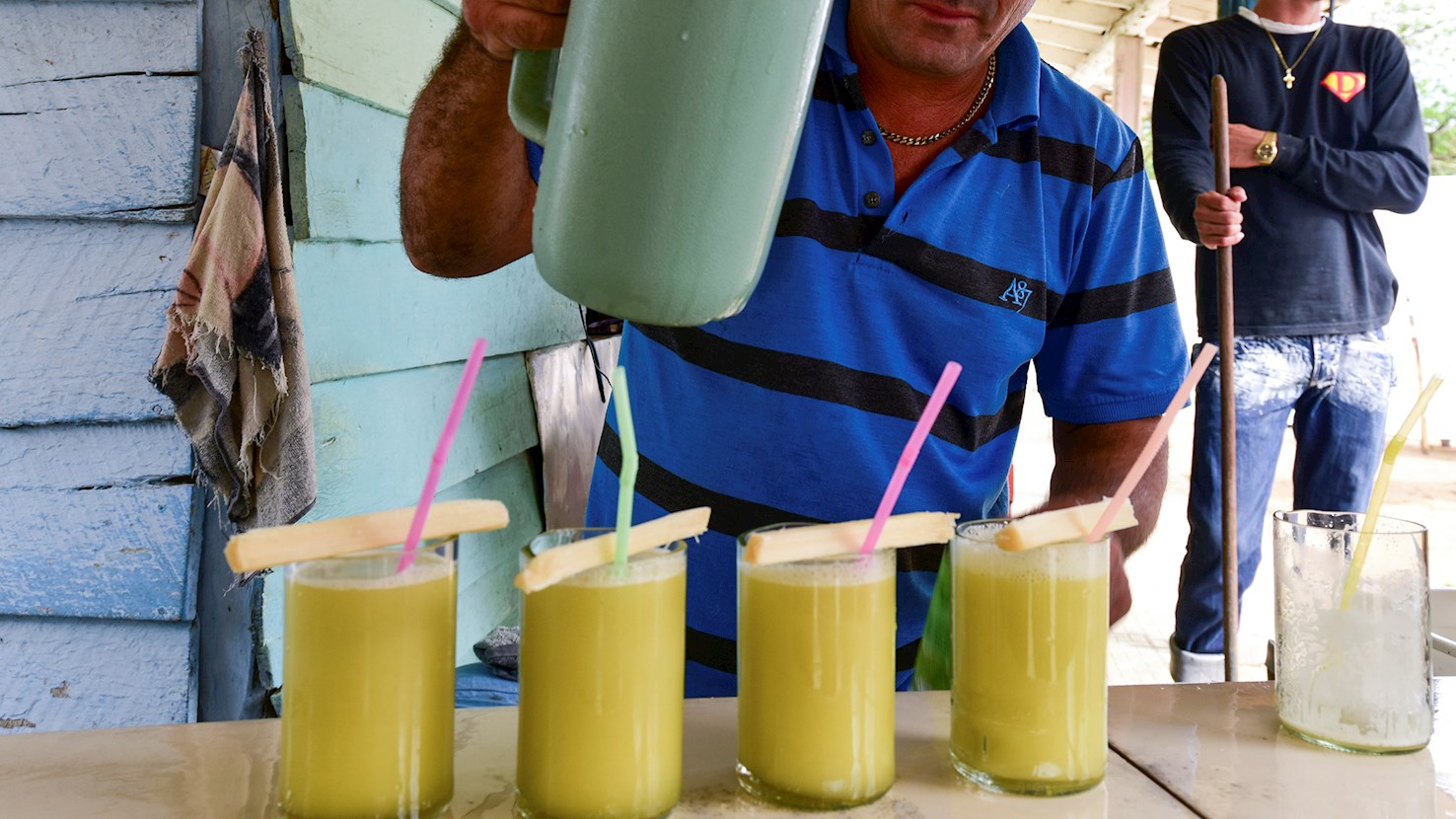
Guarapo is a Latin American drink made from raw, pressed sugarcane juice mixed with water, ice, and lots of fresh limes. Most often, the vendors that sell it will extract the sugar cane juice right on the spot using a metal sugar cane press. The juice drips into a bucket below the press where it’s sieved before serving. It has a slightly sweet flavor, and it’s most popular in the summer as a cold refreshment. The word guarapo was first recorded in the 19th century by Esteban Pichardo, who defines it as a broth or a liquid made from sugarcane juice, extracted under pressure. Both the word and the procedure are still around after almost two centuries.

08

Papelón con Limón

4.1 ·

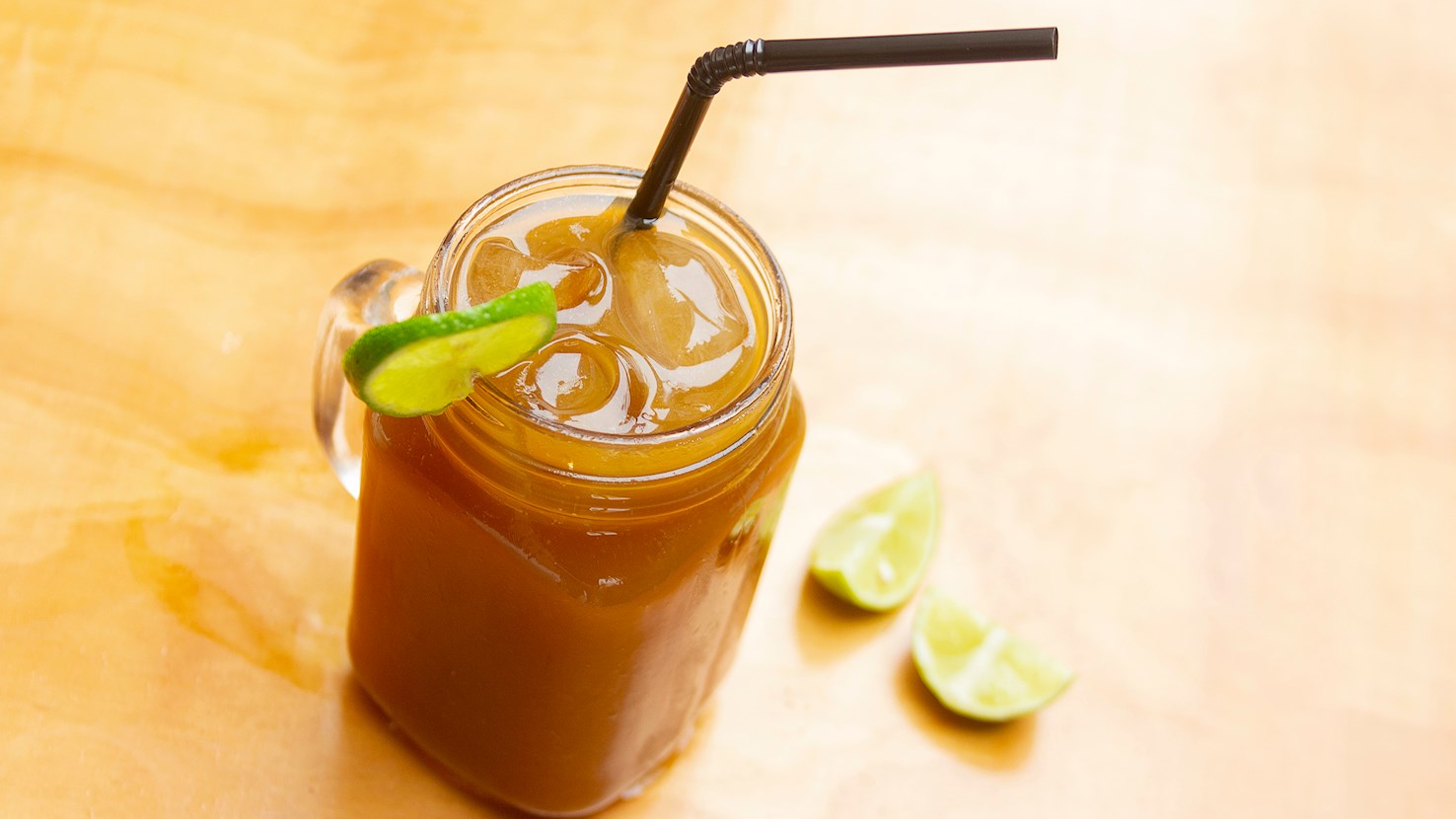
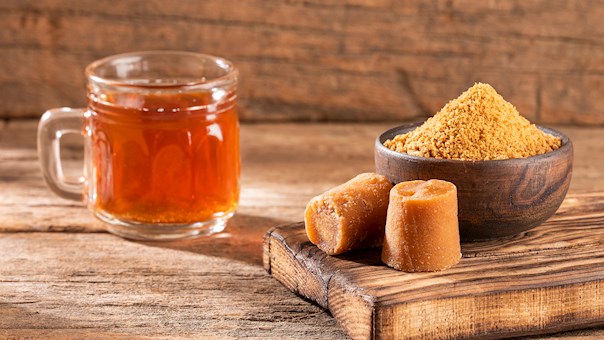
Papelón con limón is a traditional cold drink made with only three ingredients: piloncillo, limes, and water. It’s most commonly consumed in the summer, during the hottest hours of the day. This beverage is refreshing and not too sweet, which makes it perfect for pairing with traditional Venezuelan foods such as arepas, cachapas, or hervidos. The most important part of this beverage is papelón, also known as piloncillo, an unrefined sugarcane sweetener shaped like a cone. It is very popular throughout Latin America, and it is used in a variety of traditional beverages.

09

Limonada suíça

4 ·

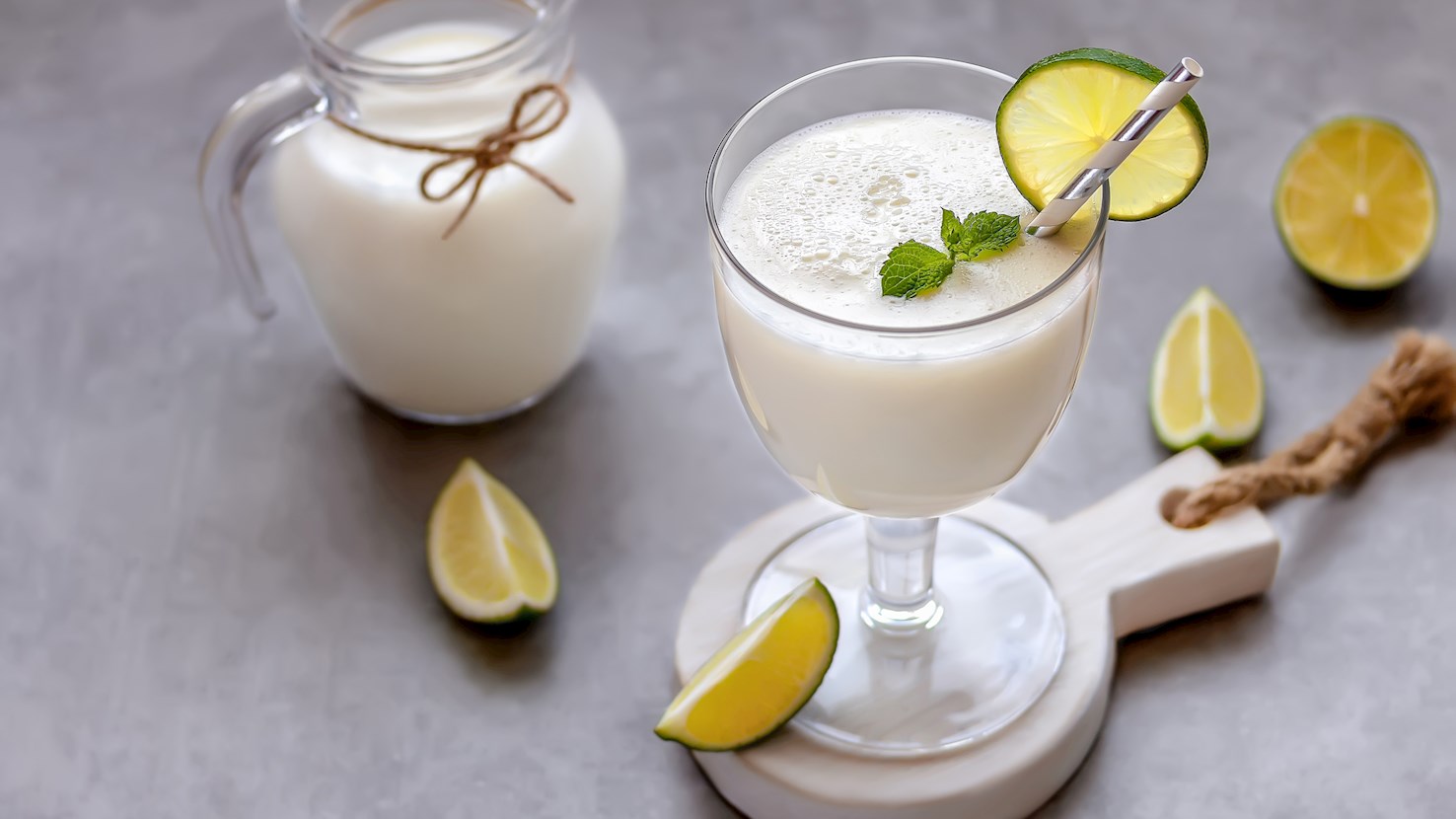
Swiss lemonade or limonada suíça is a thirst-quenching, lime-based drink that hails from Brazil. In its basic form, it is made with fresh limes, water, sugar, and ice. The limes are usually cut into small pieces—with the skin on—and all the ingredients are shortly blended until frothy. The drink should be served immediately, while it is still ice-cold. The most popular variation includes condensed milk, which provides a smoother and creamier texture. The unusual name of this limeade has never been completely clarified, but several theories suggest that it might have been invented by a Swiss restaurateur or at a Swiss hospitality school. One popular explanation also says that the original version included condensed milk, and the most popular was the Swiss brand Nestlé. Swiss lemonade can be served as is or over ice.

10

Siete Raíces

4 ·

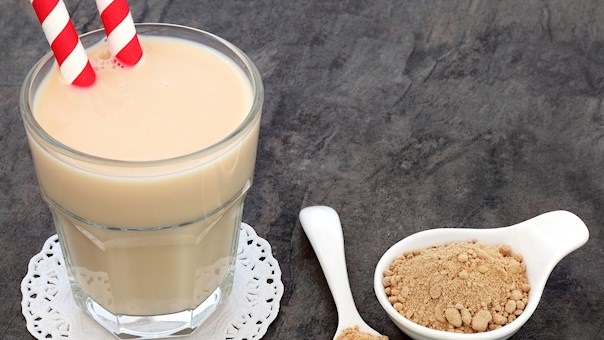
Siete Raíces, also known as Seven Roots, is a herbal formula widely sold in markets and healths stores of Peru. It is believed that it can be used to increase energy and stamina and reduce fatigue, but it also acts an aphrodisiac by stimulating the center of the brain that controls pleasure. The formula is high in vitamins provided by the natural ingredients it is made from.

11

Tereré

3.8 ·
13

Avena Colombiana

3.7 ·
14

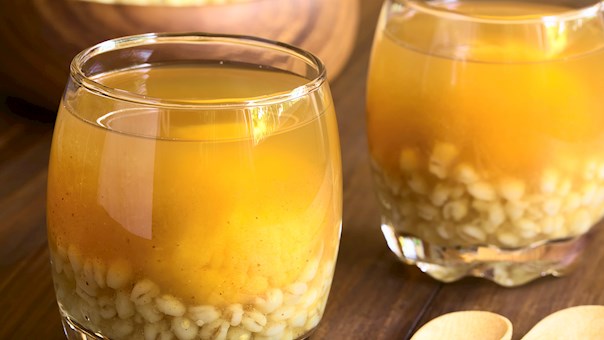
Mate

3.7 ·
15

Aguapanela

3.7 ·
16

Champús

3.7 ·
18

Mote con Huesillo

3.6 ·
19

Tucupi

3.5 ·
20

Masato de arroz

3.4 ·

Best South American Non-alcoholic Beverages

01

Café Granja La Esperanza

4.9 ·
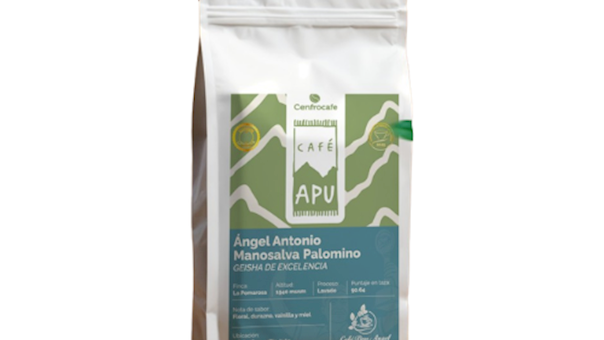
Café Granja La Esperanza is a leading specialty coffee producer from Colombia, renowned for its commitment to quality, innovative fermentation methods, and cultivation of rare varieties. Founded in 1945, the farm began its journey in the Valle del Cauca region with Yellow Bourbon, Red Bourbon, and Caturra varieties before expanding to estates such as Las Margaritas, La Esperanza, Cerro Azul, Potosí, and Hawaii. Their continuous research and refinement of cultivation and processing techniques have made them synonymous with premium coffee and precision fermentation. In 2007, they gained global recognition by growing the Geisha variety in Panama, which won first place at the prestigious Best of Panama competition. Their innovative approach includes specialized fermentation processes such as X.O and Napoleon, which enhance flavor complexity and unique aromas. Managing five farms, Café Granja La Esperanza cultivates exclusive varieties such as Geisha, Mokka, Laurina, Pacamara, Pink Bourbon, and Lupe Maria, adapting them to Colombia’s microclimatic conditions. Their dedication to sustainability and community support is reflected in their work with 12 coffee-producing communities, while their expert team with Q-Grader certification ensures top-tier quality in every batch. Blending tradition with innovation, Café Granja La Esperanza continues to push the boundaries of the specialty coffee industry, delivering a unique experience in every cup.
Awards
Coffee Review - 3rd Place (2019)
02

Yerba Mate Pajarito

4.8 ·
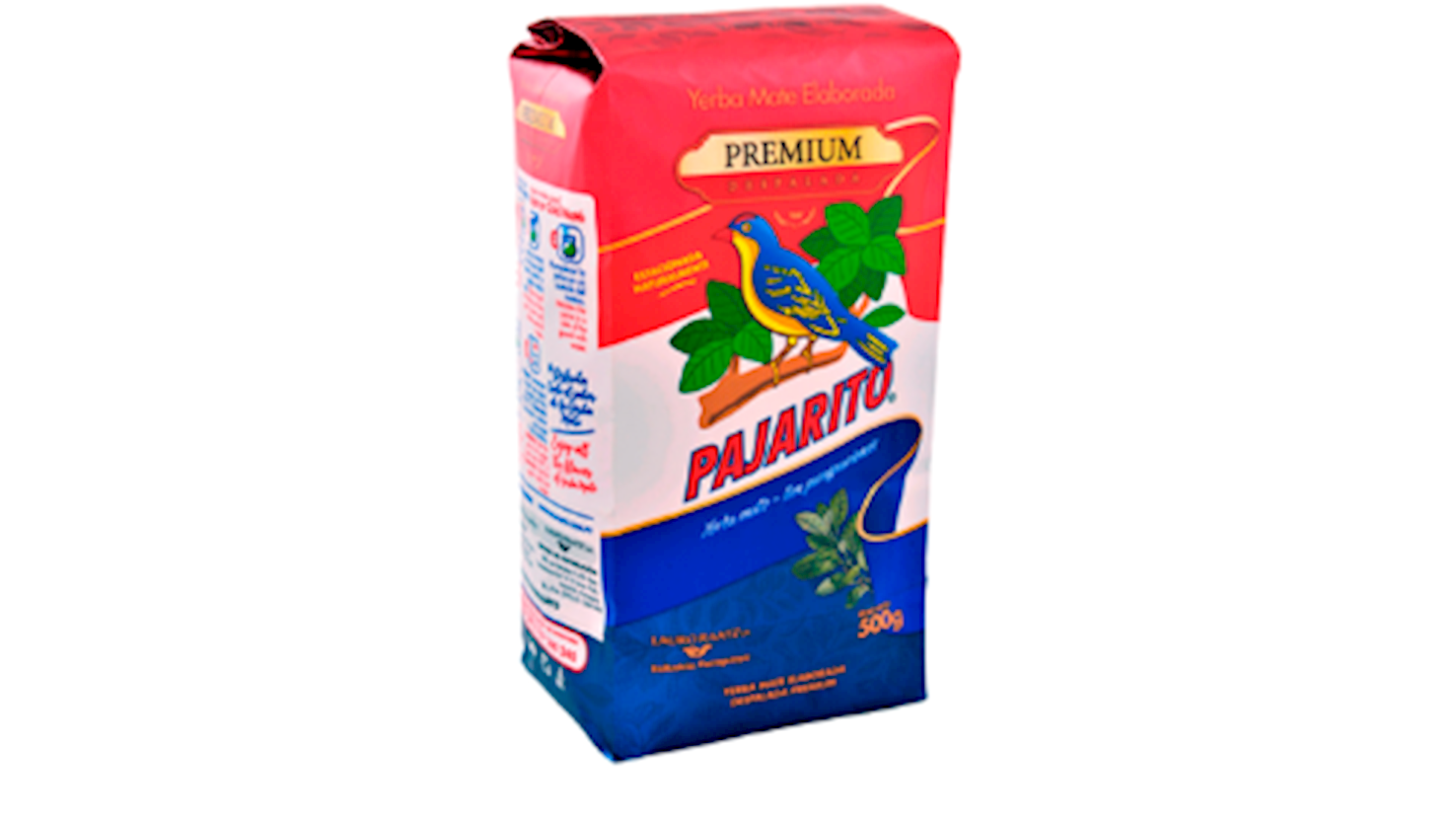
Yerba Mate Pajarito is one of the most renowned Paraguayan yerba mate brands, with a tradition dating back to 1956, when the Raatz family began producing and hand-packing mate in Bella Vista, Itapúa. Over time, the small family workshop grew into a modernized facility that today manages extensive plantations and maintains full control over every stage of production - from cultivation and drying to milling and packaging. The brand has remained faithful to the classic Paraguayan processing style, known for its pronounced bitterness, full aroma, and subtle smoky notes resulting from traditional drying methods. Pajarito offers a wide range of products, including classic blends, premium selections, herbal and citrus infusions, as well as convenient instant and tea-bag formats tailored to contemporary consumers. Today, their mate is exported to more than 40 countries, and the brand’s reputation rests on consistent quality, an authentic flavor profile, and a strong preservation of Paraguayan identity in the global yerba mate landscape.
03

Daterra Coffee

4.8 ·
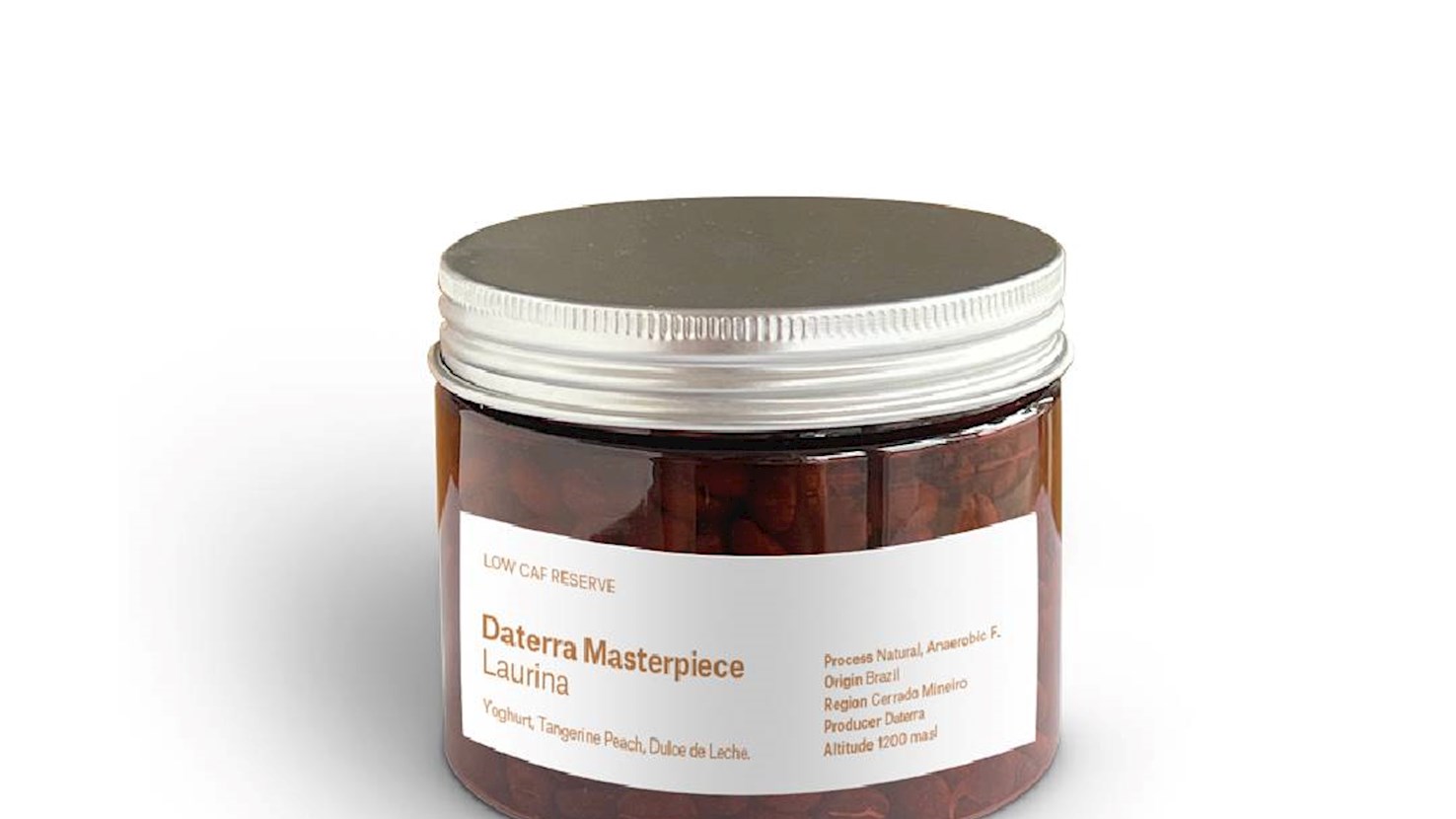
Daterra Coffee – Innovation and Sustainability in Specialty Coffee Daterra Coffee is a leading Brazilian coffee plantation renowned for its innovative and sustainable practices in specialty coffee cultivation. Located in the Cerrado region, Daterra was founded in the 1980s with the mission of redefining coffee production through environmentally responsible methods. Their farms, situated in Patrocínio, are among the oldest coffee plantations in Brazil’s Cerrado, positioned at an average altitude of over 900 meters, with some areas reaching 1,200 meters. Daterra was the first coffee farm in the world to package its green coffee in sealed vacuum packs, preserving the delicate flavor nuances throughout long overseas journeys. Their commitment to sustainability is evident through certifications such as Rainforest Alliance and accolades like the Prêmio Fazenda Sustentável 2015, awarded by Globo Rural, Brazil’s leading agricultural magazine, recognizing Daterra as the most sustainable farm in the country. The farm is also known for its innovative projects, including a collaboration with Zingerman’s Coffee Company to cultivate the Pacamara variety, traditionally not grown in Brazil, demonstrating their dedication to experimentation and quality enhancement. Their philosophy, “Coffee That Is Truly Green,” emphasizes harmony with nature, ensuring that the land is borrowed and returned through sustainable practices, producing coffee that contributes to a better world.
04

Fazenda Primavera

4.8 ·
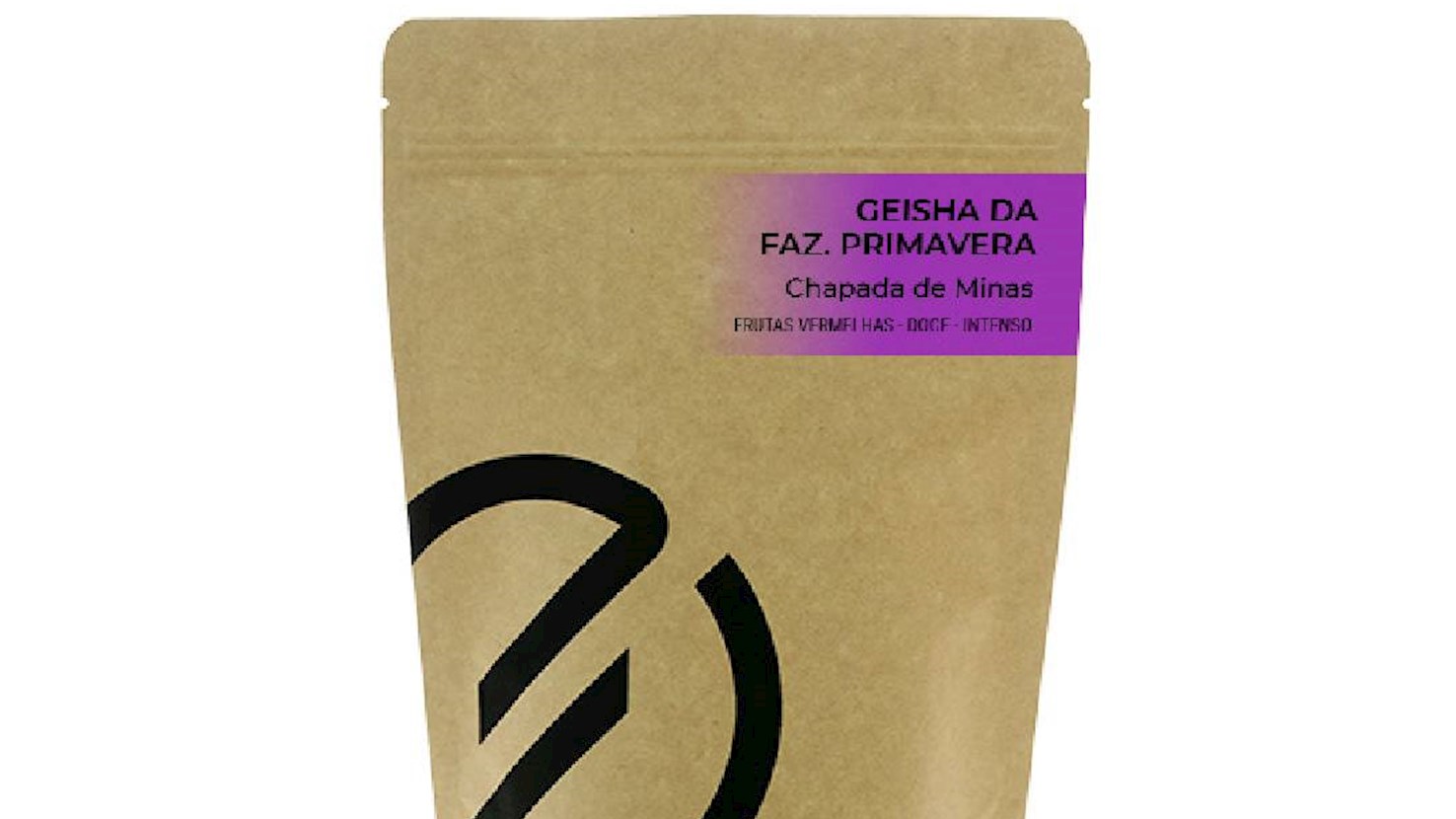
Located in the heart of Chapada de Minas, Fazenda Primavera is synonymous with the production of premium Arabica coffee. Thanks to this specific geographical location, the farm cultivates Arabica varieties in a dry region, with plantations spread across flat plateaus with gentle slopes, typical of this area. The microclimate, characterized by periods of humidity and drought, creates ideal conditions for growing high-quality coffee. At Fazenda Primavera, special attention is given to sustainable coffee cultivation. The farm has implemented techniques that minimize the environmental impact of production, and as part of long-term projects, coffee is grown alongside African mahogany, creating a unique product – Mahogany Coffee. With a passion for quality and a commitment to preserving the natural environment, Fazenda Primavera continues to produce top-quality coffee, recognized by coffee lovers around the world.
05

Santa Margarita

4.8 ·
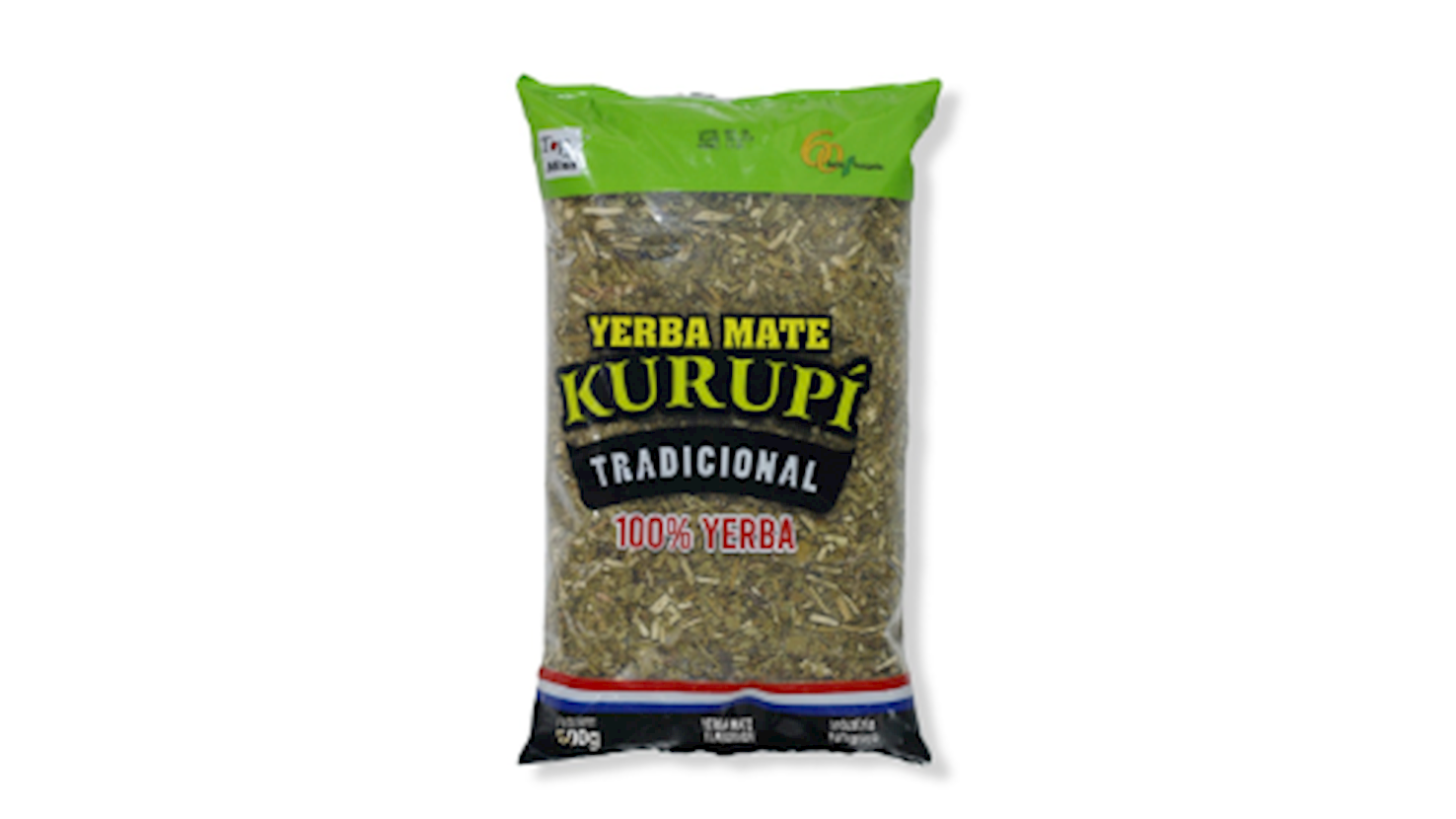
Santa Margarita is a family-owned Paraguayan company with more than six decades of experience in producing herbal teas, phytotherapeutic blends, and yerba mate products, combining local botanical resources with modern quality standards. Founded as a small herbal workshop in San Juan Bautista, it has grown into a modern enterprise that collaborates with hundreds of local harvesters and small producers, promoting sustainable and environmentally conscious agriculture. Its most recognized brands, such as Kurupí yerba mate and the Té Guaraní herbal tea line, are widely distributed in Paraguay and exported to several countries across the region. Santa Margarita stands out for its commitment to product quality, environmental responsibility, and community development, making it one of the most prominent producers of natural and traditional herbal products in Paraguay.
06

La Palma y El Tucán

4.7 ·
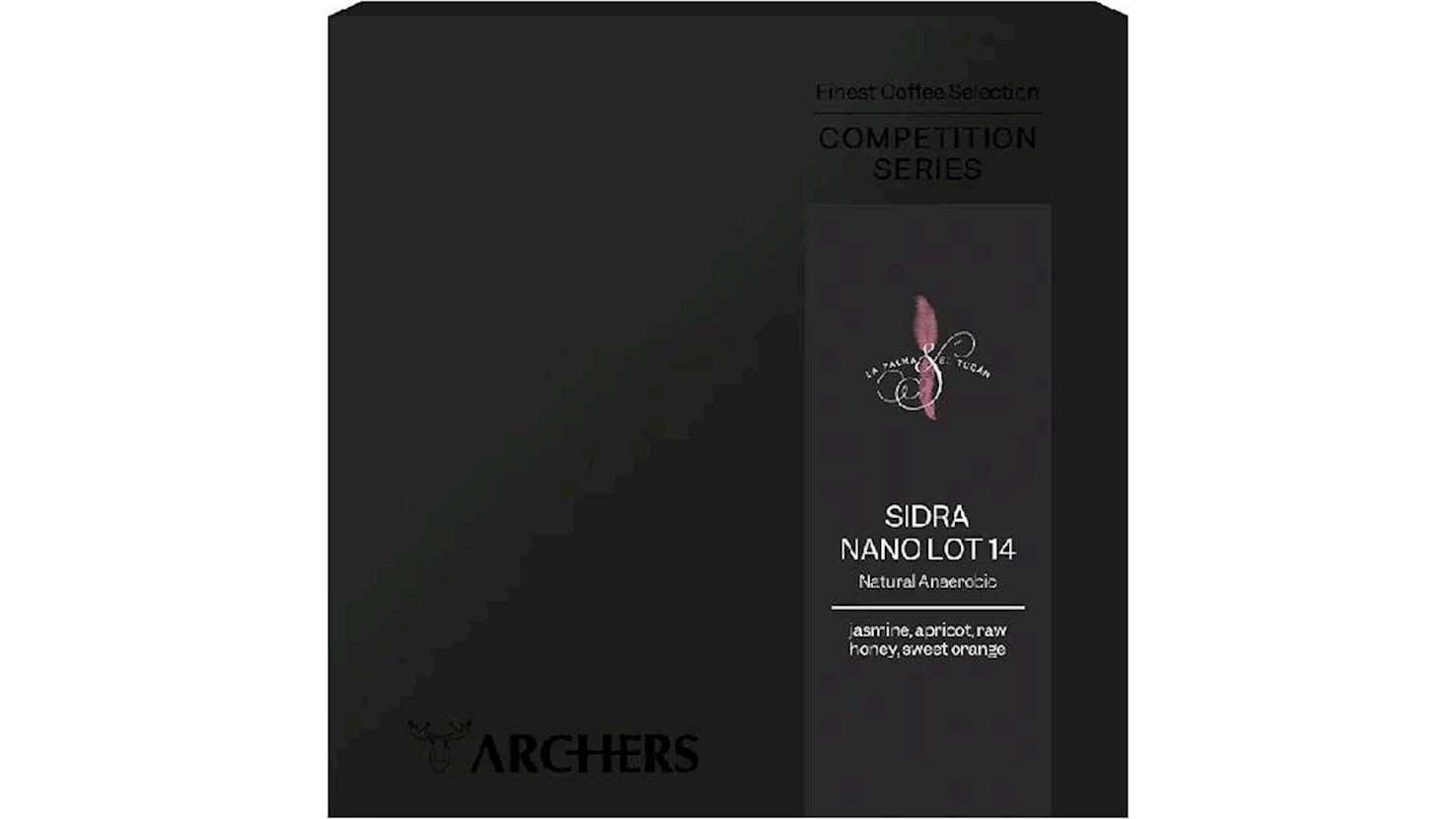
La Palma y El Tucán is a Colombian coffee farm, mill, and eco-tourism destination, nestled in the heart of the mountainous Cundinamarca region, near Bogotá. Known for its pioneering approach to coffee production, this farm combines sustainable agriculture, innovative processing methods, and community engagement to create one of the most prestigious experiences in the world of specialty coffee. Their philosophy is based on the concept of symbiosis between nature and agriculture, where every element of the ecosystem is utilized in a way that promotes regenerative practices and biodiversity conservation. Coffee from this farm is distinguished by its unique flavor profiles, achieved through carefully controlled fermentation processes and meticulous cultivation under the shade of diverse vegetation. La Palma y El Tucán not only offers premium coffee varieties but also an unforgettable experience for visitors, allowing them to connect with the coffee production process through interactive tours, educational workshops, and stays in their luxurious eco-lodges. Their commitment to environmental sustainability is reflected in advanced organic soil management techniques, water recycling, and the use of biodynamic methods that reduce ecological impact. With a strong focus on social responsibility, La Palma y El Tucán works closely with local farmers through its Neighbors & Crops program, providing them with resources, education, and access to international markets. Through a fusion of tradition, innovation, and sustainable development, La Palma y El Tucán redefines the way we experience and consume coffee, delivering premium-quality products while preserving nature and improving the livelihoods of local communities.
07

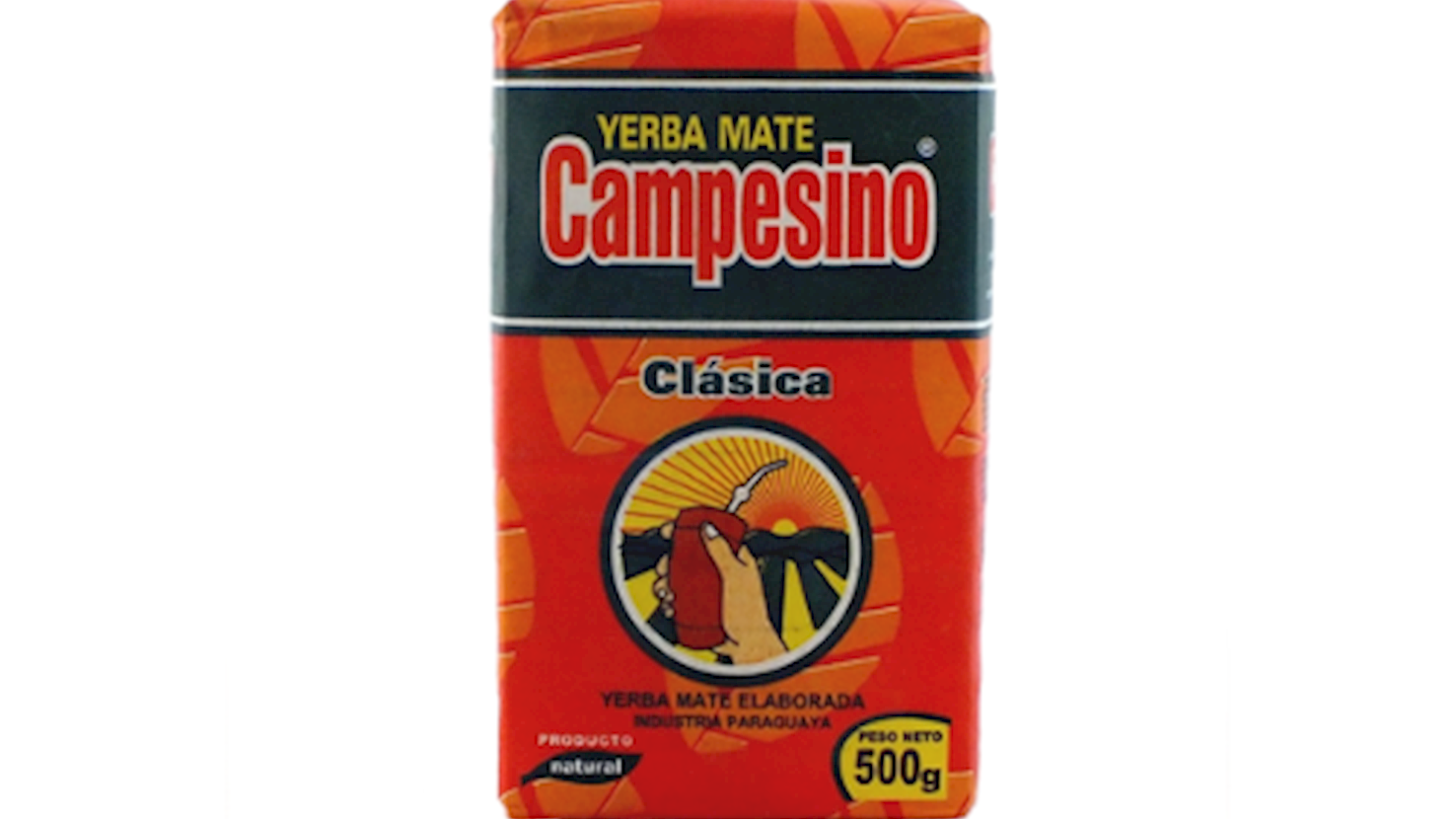
Yerba Mate Campesino

4.7 ·
Yerbatera Campesino is a Paraguayan yerba mate producer founded in 1988, which over the past three decades has grown into one of the country’s most recognizable brands. Its raw material comes from plantations in the Itapúa department, giving the yerba a distinctly Paraguayan character - strong bitterness, earthy and lightly smoky notes, and a stable, long-lasting aroma. The blends typically combine leaves and stems, allowing the infusion to remain intense through multiple pours, suitable both for traditional hot mate and refreshing tereré. In addition to its classic varieties, Campesino offers a wide range of flavored yerbas featuring herbs, citrus, and other natural additives, making the brand appealing both to experienced drinkers and those new to yerba mate. Today, Yerbatera Campesino is present on international markets and has built its reputation on consistent quality, a diverse product range, and adherence to the traditional Paraguayan style.
08

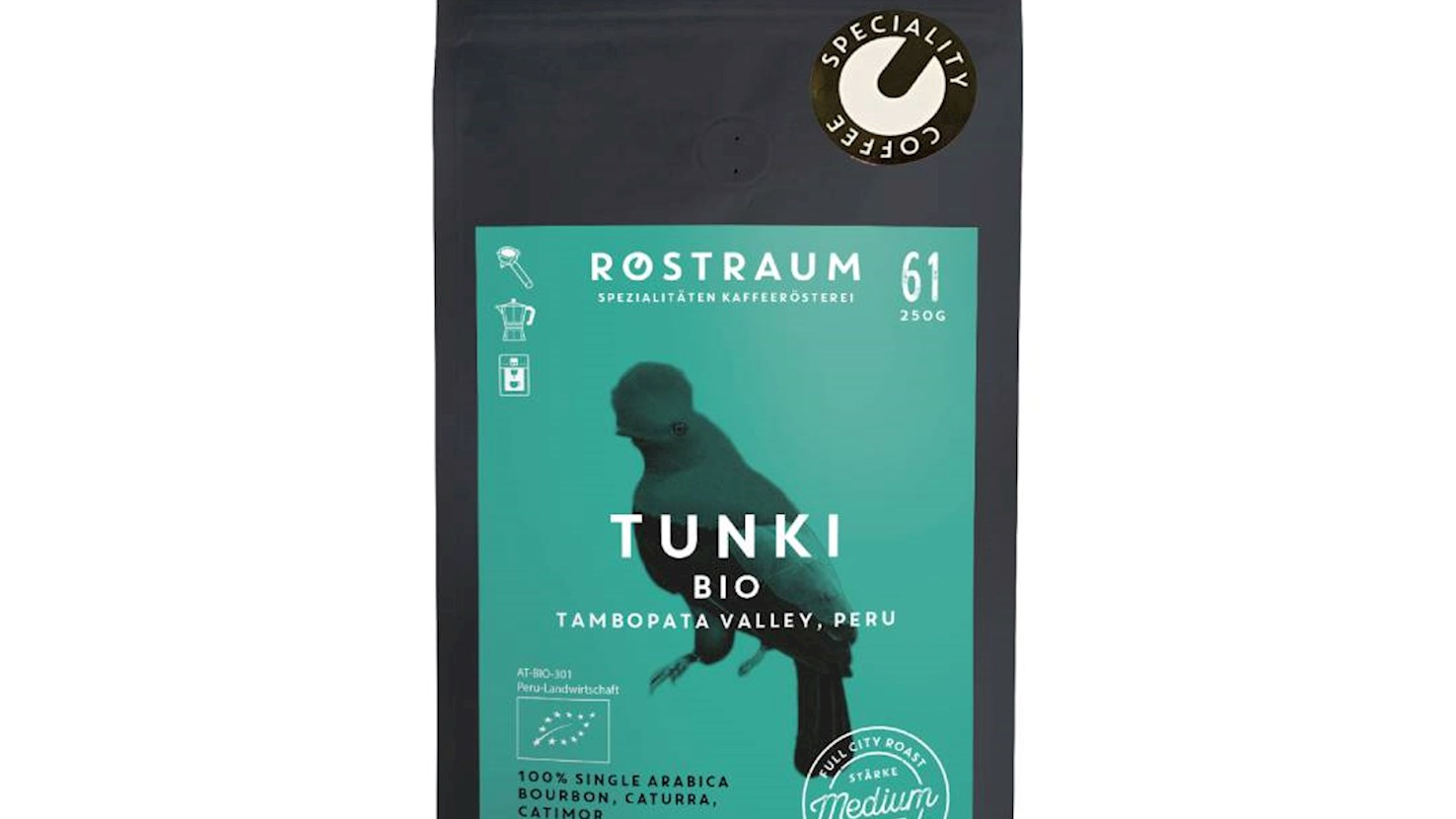
Tunki Coffee

4.6 ·
​Tunki Coffee is a distinguished single-origin coffee originating from the Puno region of Peru. Cultivated by the indigenous Quechua and Aymara communities in the fertile soils of the Peruvian Andes, this 100% Arabica coffee is grown at altitudes ranging from 1,300 to 1,800 meters above sea level. ​ The flavor profile of Tunki Coffee is characterized by a superb floral aroma with sweet chocolate and treacle notes, enhanced with undertones of citrus and red berries. This exclusive organic coffee encompasses intensity of flavor, full body, and citrus acidity, offering a luxurious experience for coffee connoisseurs. ​
09

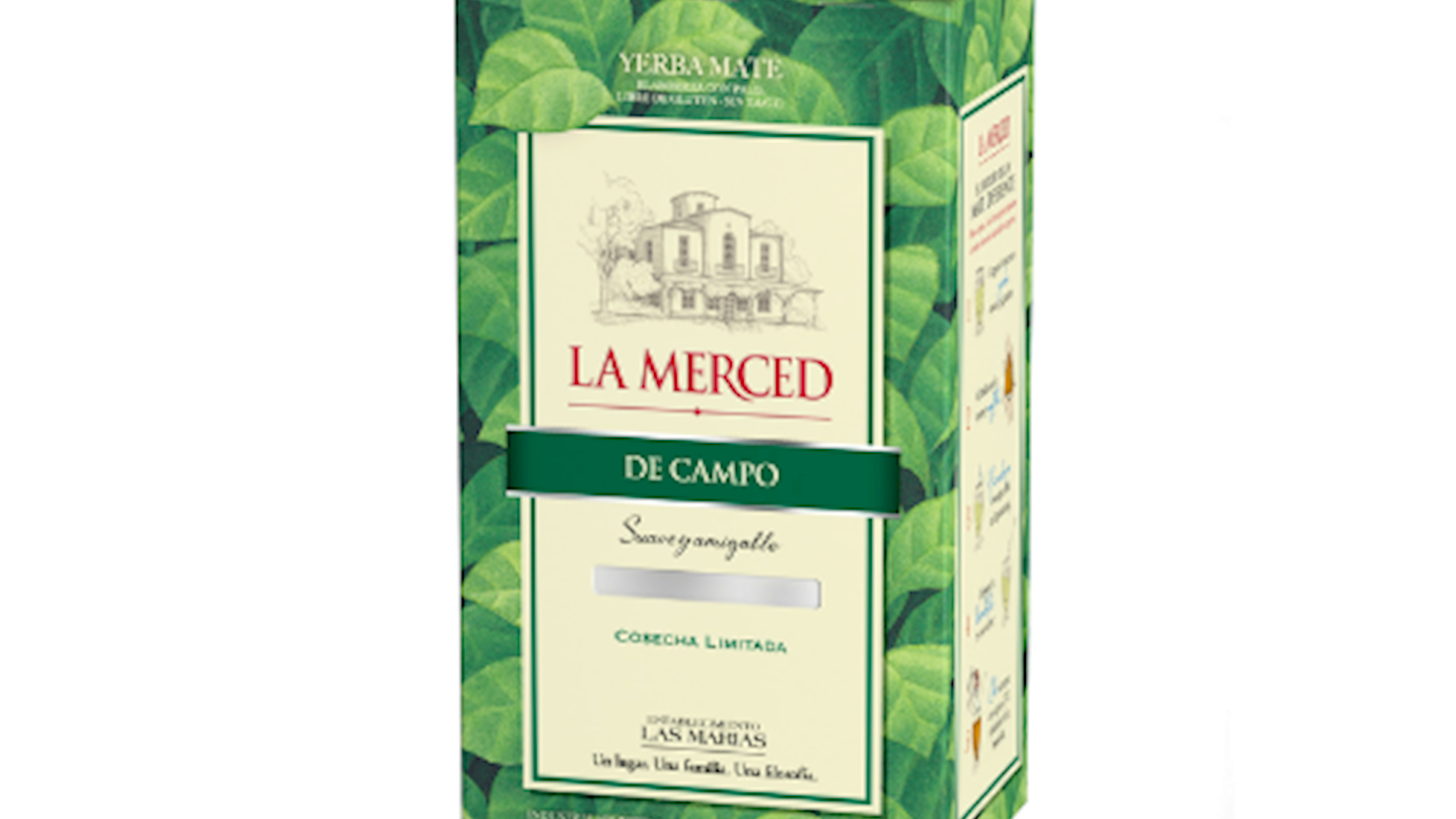
Las Marías

4.6 ·
Las Marías is an Argentine producer of yerba mate and tea, headquartered in Corrientes Province, and is best known for brands such as Taragüi, Unión, La Merced, and Mañanita. The company was founded in 1924, when Víctor Elías Navajas Centeno established what became the southernmost yerba mate plantations in the world and laid the foundation for a vertically integrated production model. The Taragüi brand was introduced in 1940 and went on to become one of Argentina’s most recognized yerba mate brands. Las Marías remains a family-owned business, now managed by the fourth generation, with a strong emphasis on controlling the full production chain from cultivation and harvesting to processing, packaging, and distribution. In addition to yerba mate, the company also produces black tea, green tea, and herbal infusions. Its operations combine agricultural expertise with industrial-scale manufacturing, supported by a focus on quality, innovation, and sustainability. Las Marías has played an important role in modernizing the yerba mate industry while helping expand the international visibility of Argentine infusion culture. Today, it is considered one of the country’s most significant producers in the tea and mate sector.
10

Cemcavir

4.5 ·
Cemcavir or Cooperativa Ecológica de Mujeres Cafetaleras Villa Rica is a coffee producers’ cooperative based in the Villa Rica area of the Pasco region in central Peru. The organization brings together women coffee growers who joined forces to produce and market high-quality organic coffee while strengthening the economic independence and social role of women within their communities. The members’ farms are located in the Andean highlands, at elevations well suited for Arabica cultivation, where favorable climate conditions, fertile soils and rich biodiversity contribute to the development of complex coffee profiles. Production follows ecological principles, avoiding synthetic pesticides and promoting sustainable farming practices. The cooperative is composed mainly of small family farms cultivating traditional Arabica varieties such as Caturra, Bourbon and Catimor. The coffee is typically processed using the washed method, which helps preserve clarity and balance in the cup. Coffees from the Villa Rica region are often characterized by notes of chocolate, nuts and subtle fruit tones, combined with medium body and balanced acidity. Beyond production, Cemcavir also plays an important social role by providing its members with access to training, shared infrastructure and international specialty coffee markets. Through this model, the cooperative represents an example of how collective organization can support sustainable rural development while preserving the coffee-growing traditions of the Peruvian Andes.
Awards
AVPA - Agence pour la Valorisation des Produits Agricoles - Gourmet Or (2025)
Read more
View all
View map
About this ranking

TasteAtlas food rankings are based on the ratings of the TasteAtlas audience, with a series of mechanisms that recognize real users and that ignore bot, nationalist or local patriotic ratings, and give additional value to the ratings of users that the system recognizes as knowledgeable. For the “Top 39 South American Non-alcoholic Beverages” list until June 15, 2026, 2,240 ratings were recorded, of which 939 were recognized by the system as legitimate. TasteAtlas Rankings should not be seen as the final global conclusion about food. Their purpose is to promote excellent local foods, instill pride in traditional dishes, and arouse curiosity about dishes you haven’t tried.

The initial list of top producers was compiled based on available reviews, awards, local recommendations, media and blog coverage, and consumer reviews. The list will be updated with ratings from TasteAtlas local ambassadors and TasteAtlas users.

Similar lists