shutterstock

Top 38 German Cooked Sausages

Last updated on June 15, 2026

Best German Cooked Sausages

01

Nürnberger Bratwürste

4.2 ·

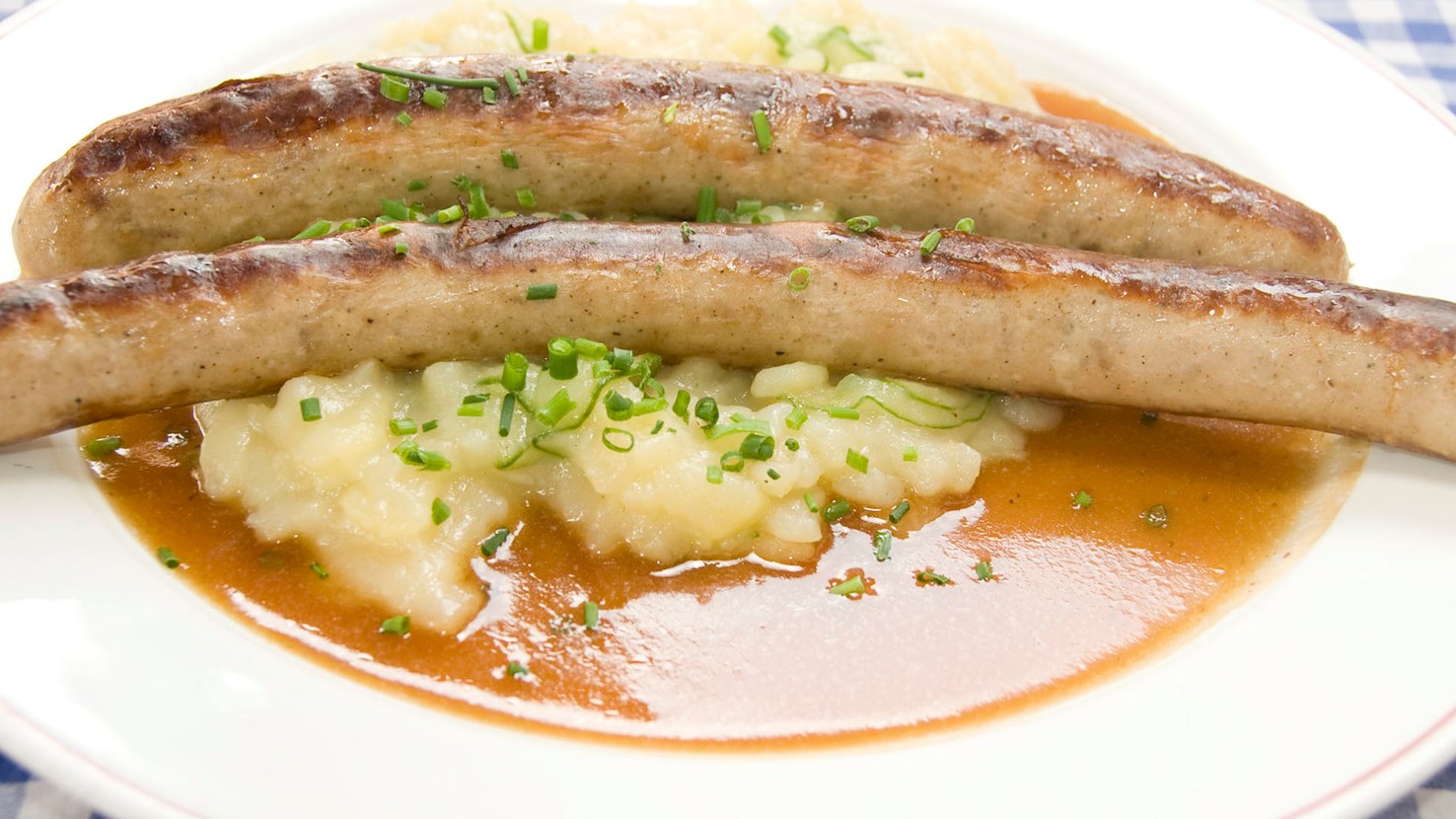
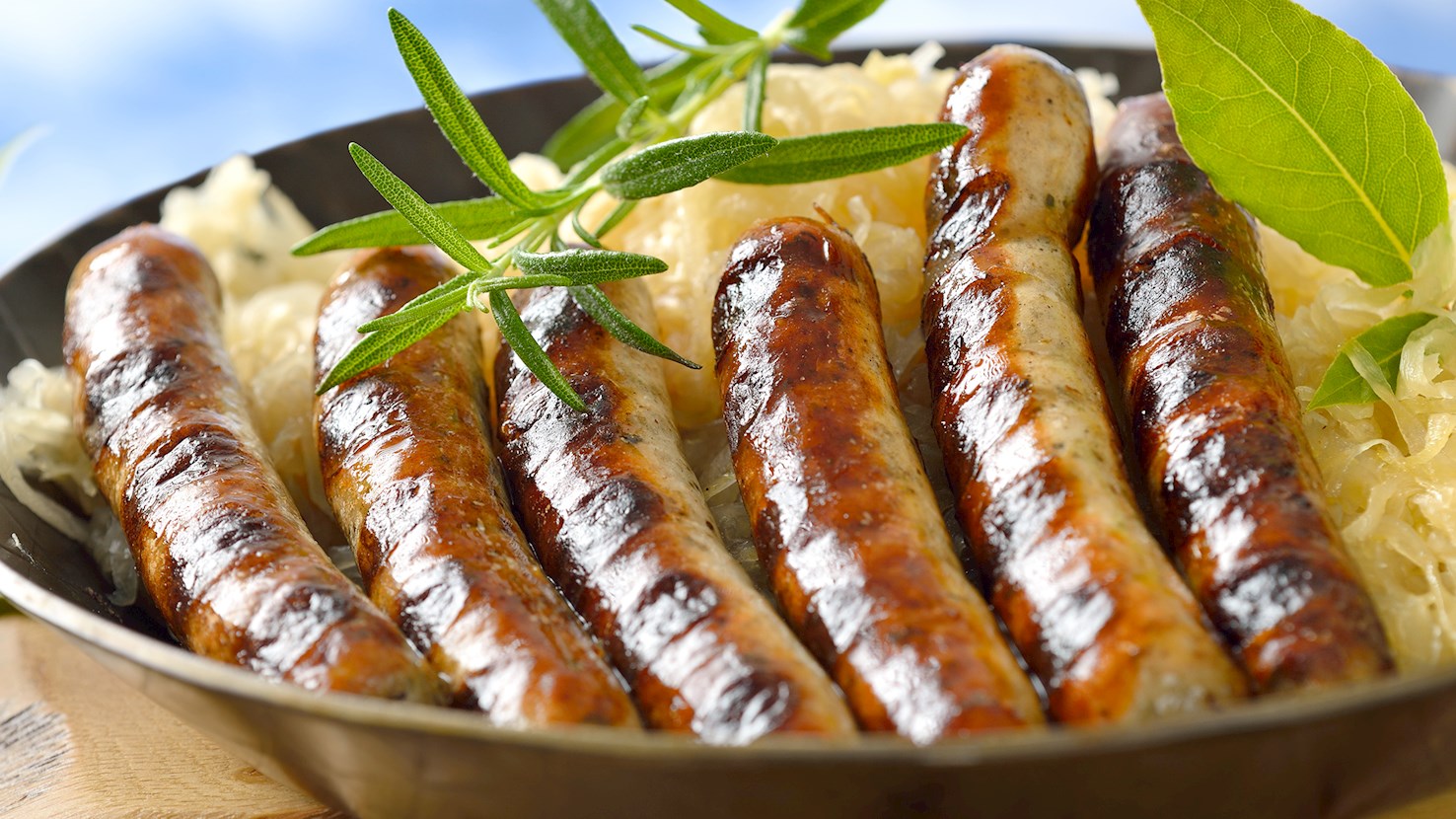
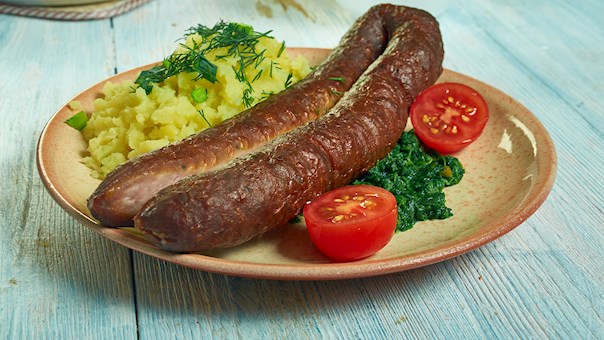
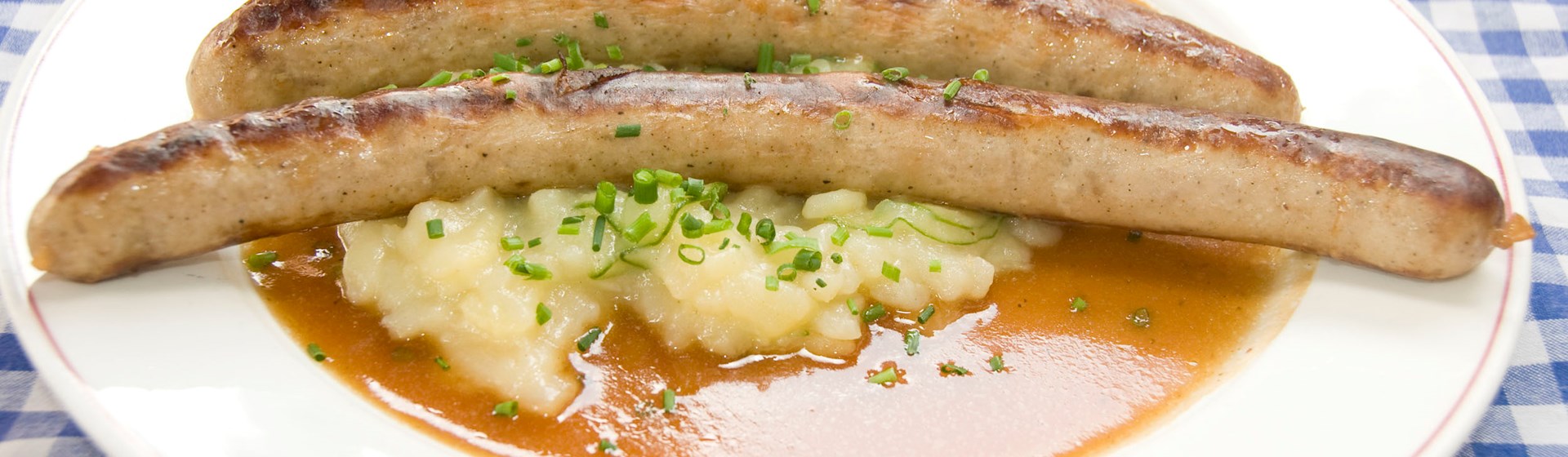
Nürnberger Bratwürste are small, thin sausages originating from the city of Nürnberg in the Franconia region of Bavaria, Germany. They are typically about 7 to 9 centimeters (2.75 to 3.5 inches) long and weigh around 20 to 25 grams each, making them much smaller and thinner compared to other types of German sausages. The sausages are made from finely ground pork, often mixed with a blend of spices that typically includes marjoram, salt, pepper, and sometimes a hint of ginger or nutmeg, with marjoram being a signature ingredient that gives them their distinctive flavor. Nürnberger Bratwürste are usually grilled over a beechwood fire, which imparts a unique, smoky flavor, but they can also be pan-fried or cooked in a skillet. Traditionally, they are served in sets of six, eight, or twelve, often accompanied by sauerkraut or potato salad, or in a bread roll with mustard, known as "Drei im Weckla" (three in a roll). These sausages are a traditional delicacy with a history that dates back centuries, and they are protected under European Union law with a Protected Geographical Indication (PGI), meaning they must be produced within the city of Nuremberg to be labeled as Nürnberger Bratwürste.

02

Thüringer Rostbratwurst

4.1 ·

Thüringer Rostbratwurst is a product with centuries of tradition. The oldest known recipe, held at the Weimar State Archives, dates back to 1613. Martin Luther and Goethe both appreciated it, and it was often praised in literature. Only finely minced pork (sometimes mixed with beef or veal) is used to make this sausage, and the spice mixtures that are added vary depending on the recipes and regional characteristics. These sausages are easily distinguished from other German sausages by their low fat content and a distinctive combination of spices and seasonings – salt, pepper, caraway, marjoram, and garlic. Due to its unique and delicious flavor, Thüringer Rostbratwurst is still very popular in Germany and beyond, and it can be found at most sausage stands in Thuringia.

03

Bratwurst

4.0 ·

What was once an item for survival during the cold winter months and a technique of not wasting meat scraps is nowadays a delicacy consumed throughout Germany and abroad. Bratwurst stems from two words, an Old High German word brat, meaning meat without waste, and wurst, which means sausage. Bratwurst has origins with the Celtics, but the Franconians developed it further. It dates back to the 1300s in a region that would eventually become Eastern Germany. Bratwurst is usually consumed for breakfast, due to the tradition of farmers who would make the sausages in the morning and eat them by noon, as they would otherwise spoil. Technically, a bratwurst must be made from either pork, veal, or beef, but there are more than 40 varieties of the sausage throughout Germany. The oldest recipe for bratwurst was discovered in 2000 by a historian named Heinrich Höllerlhas. The same recipe, for the Thuringian bratwurst (one of the most famous varieties), says that the makers had to use only the purest, unspoiled meat in the production process. Today, bratwursts are commonly served with sauerkraut, potato salad, horseradish, or mustard in Germany, but the sausages are also popular in the United States, especially in Wisconsin, where they are commonly found at summer cookouts and barbecues.

04

Regensburger Wurst

3.9 ·

Regensburger wurst is a German sausage originating from Regensburg, where it was invented in the late 19th century. The sausages are made from fine or coarse pork and they're smoked and boiled before being sold or consumed. The pork is usually finely ground without fat, then mixed with spices, salt, and small chunks of pork. Once cooked, they can be served hot or cold, or used in dishes such as salads or sandwiches.

05

Mettwurst

3.9 ·

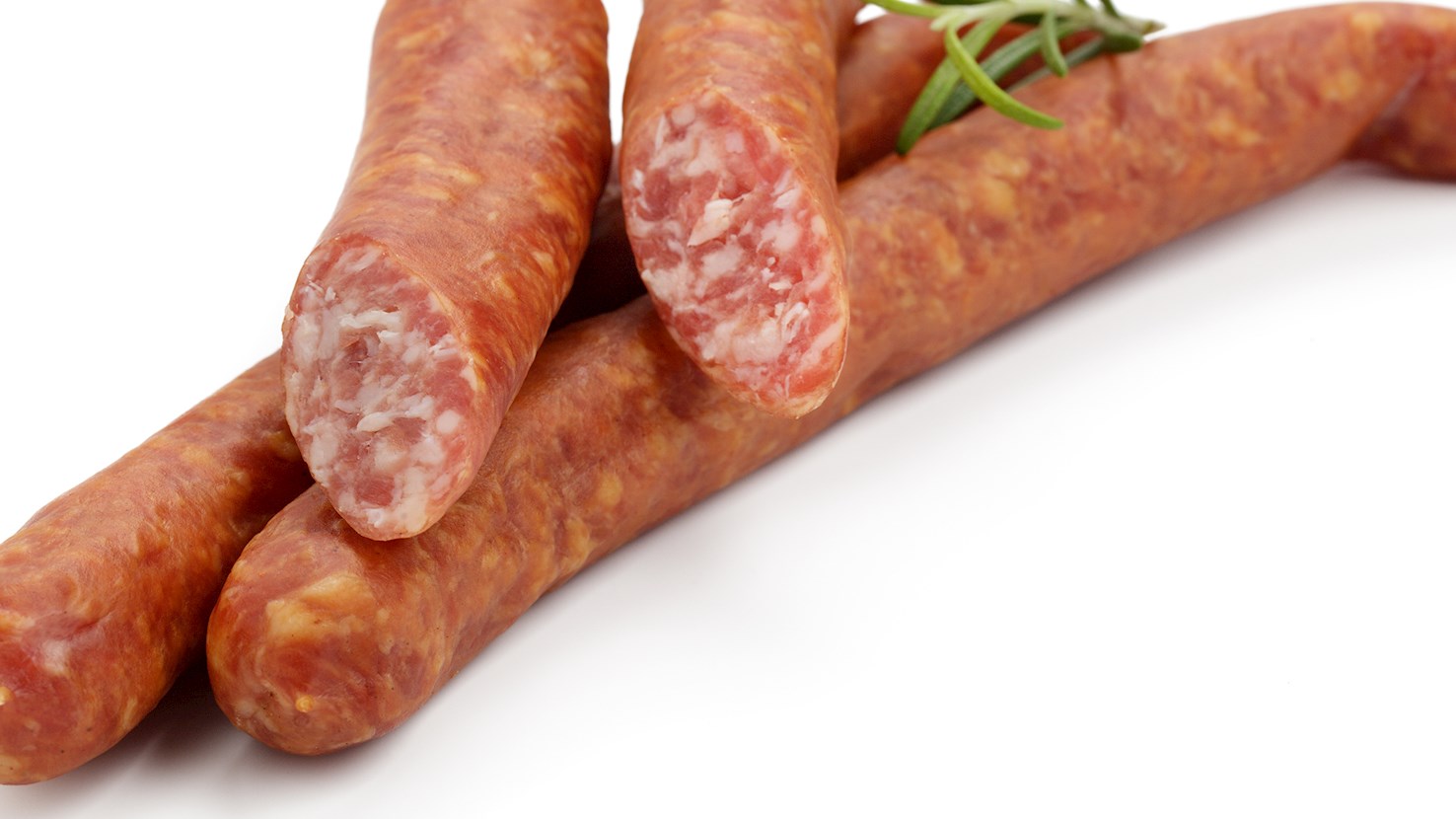
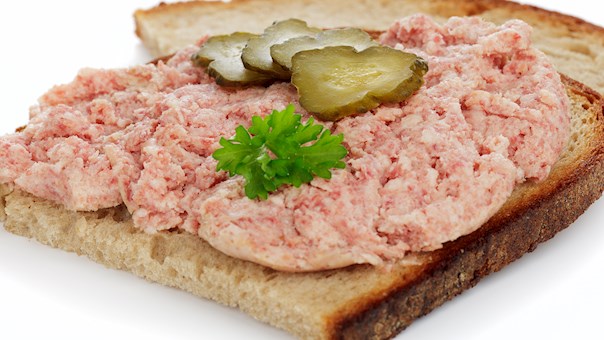
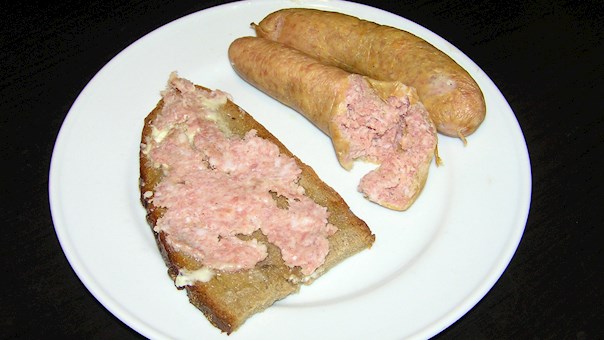
Mettwurst is a long and thin German sausage made with a combination of pork and beef, flavored with anything from garlic, pepper, marjoram, caraway, and mace to alcoholic beverages such as rum and cognac. The sausage is cured and cold smoked or air-dried. Mettwurst can be cooked and served with kale or cabbage, fried, or simply spread on bread and eaten as it is. There are also firmer variations of this sausage, which are often used in a variety of soups and stews.

Best restaurants
06

Braunschweiger

3.8 ·

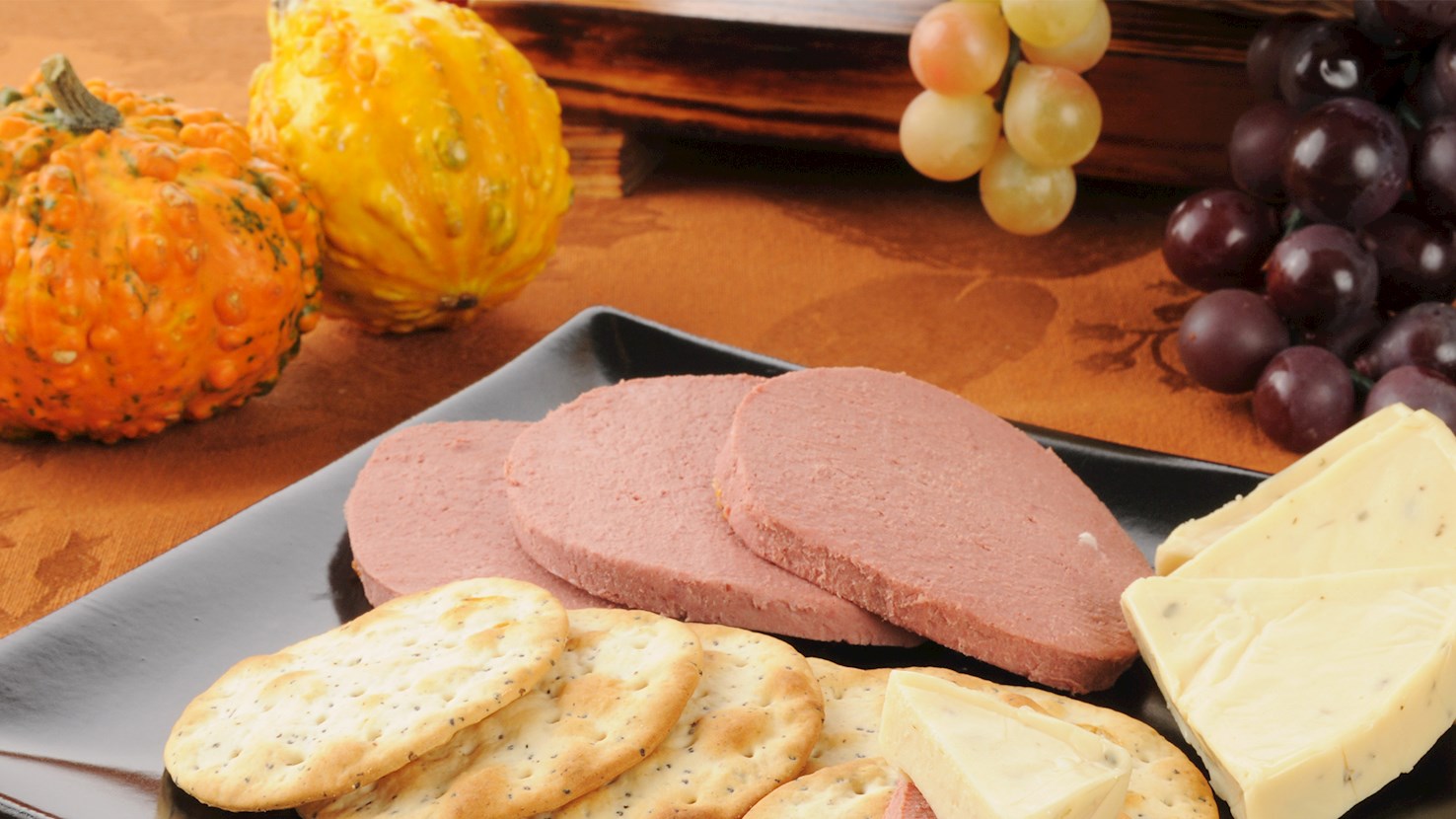
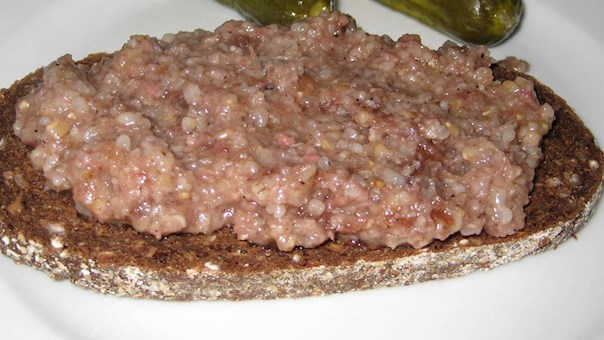
Braunschweiger is a German dish using liverwurst sausage as the main ingredient. The sausage is first sliced into smaller pieces, then combined with smoked meat (such as bacon) in a pan. The two are fried together until they develop a nice, browned color. Braunschweiger is typically served as a main meal, and it is often accompanied by mashed potatoes, vegetables, or pasta.

07

Knackwurst

3.8 ·

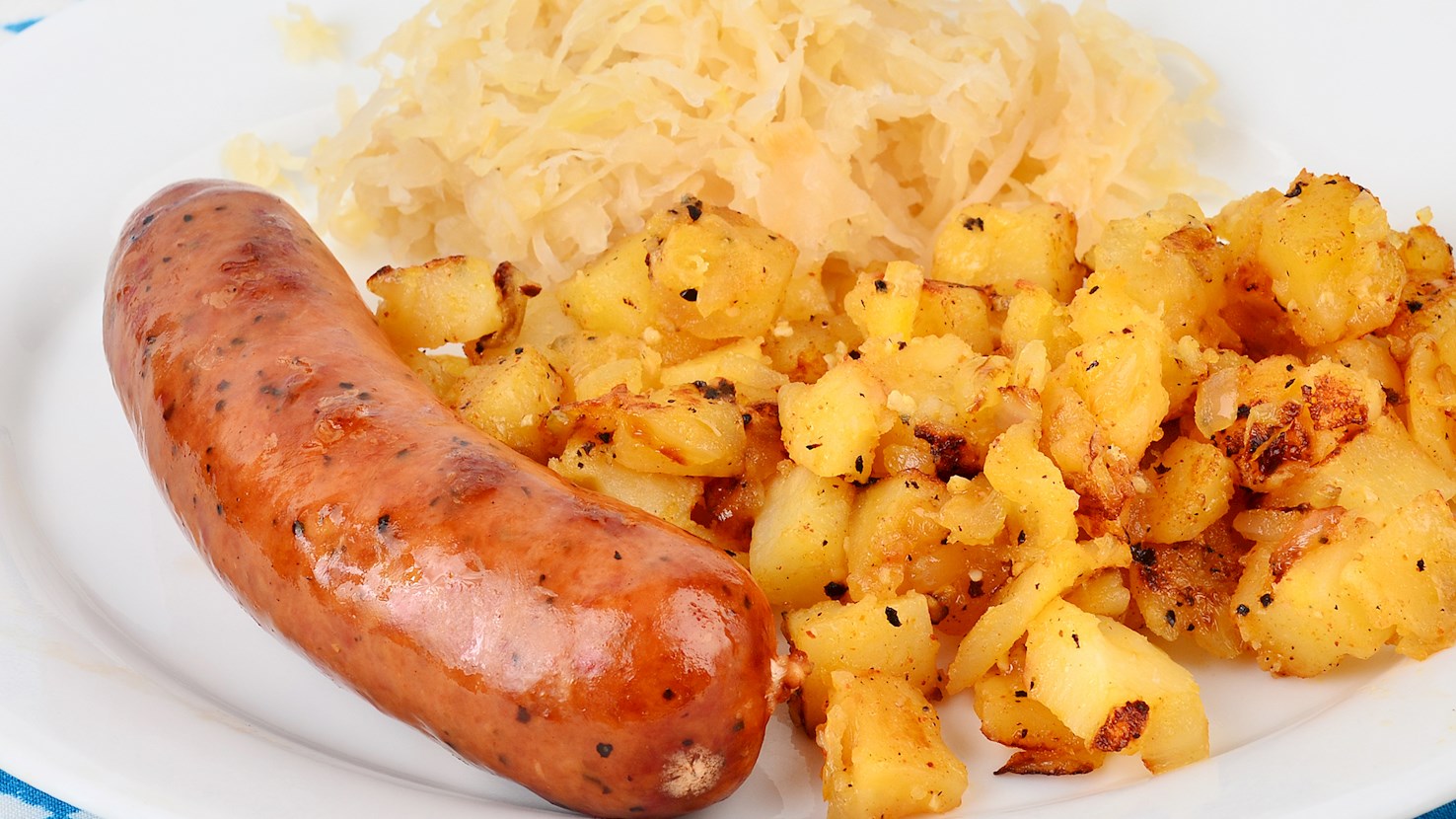
Knackwurst or knockwurst is a preboiled German sausage made from ground pork, beef, or a combination of both. The sausage is heavily seasoned with garlic and has a high fat content. Unlike bratwurst and other similar sausages, knackwurst's casing becomes extra crispy when heated, giving it a different texture and a specific sound when bitten into it. It is recommended to serve the sausage with sauerkraut, potato salad, pickles, mustard, and a glass of cold beer on the side.

08

Weißwürste

3.7 ·

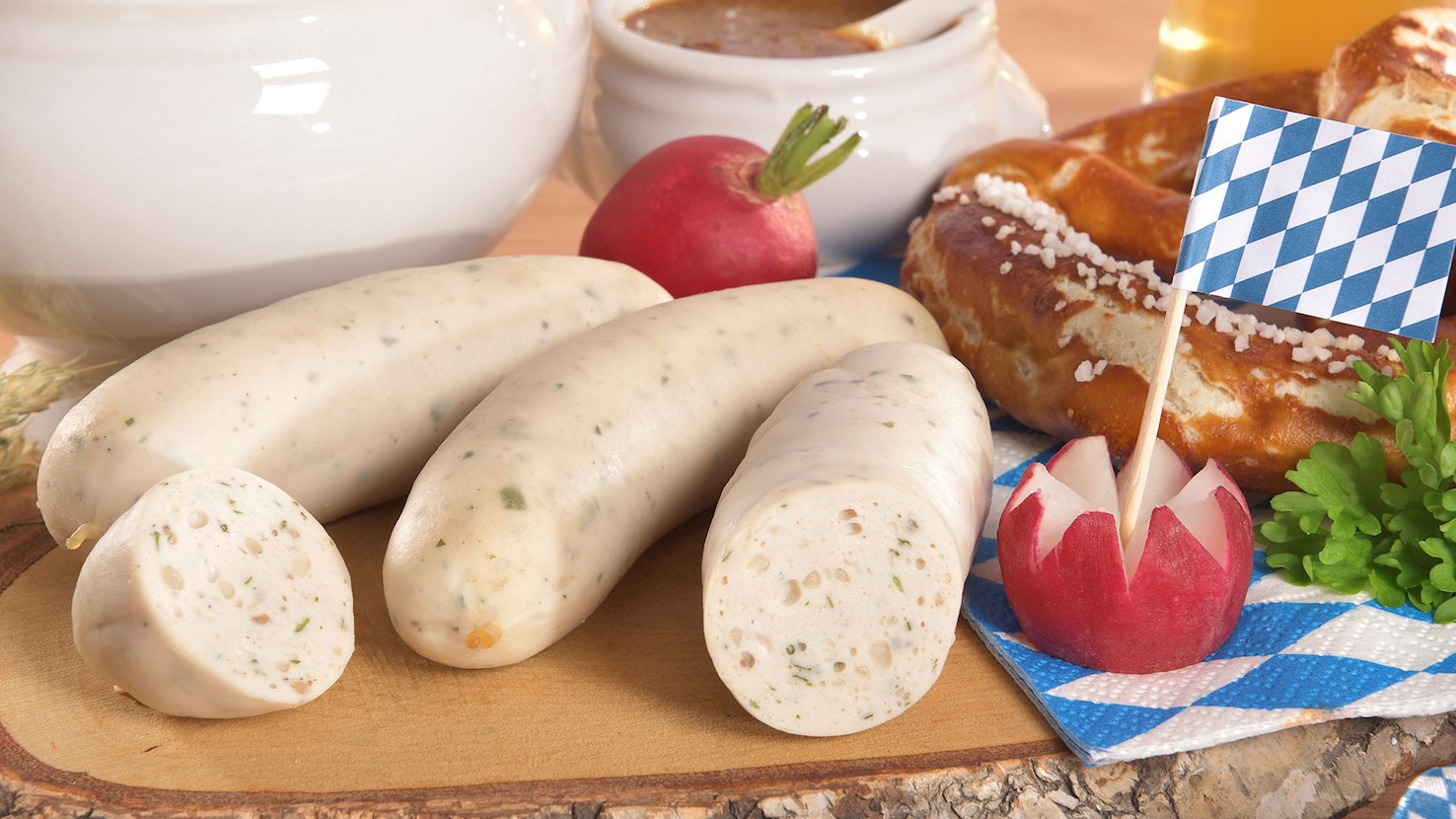
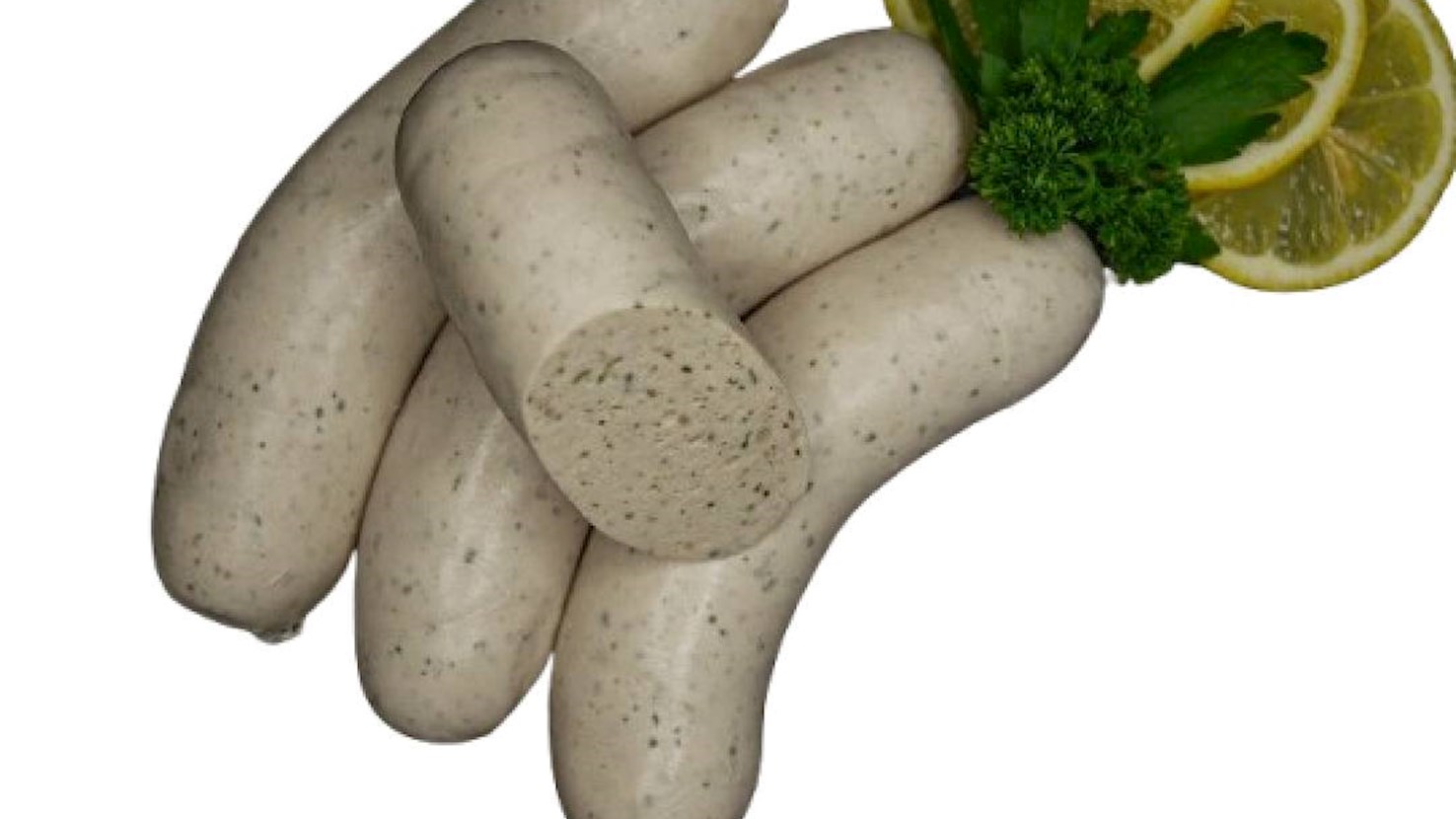
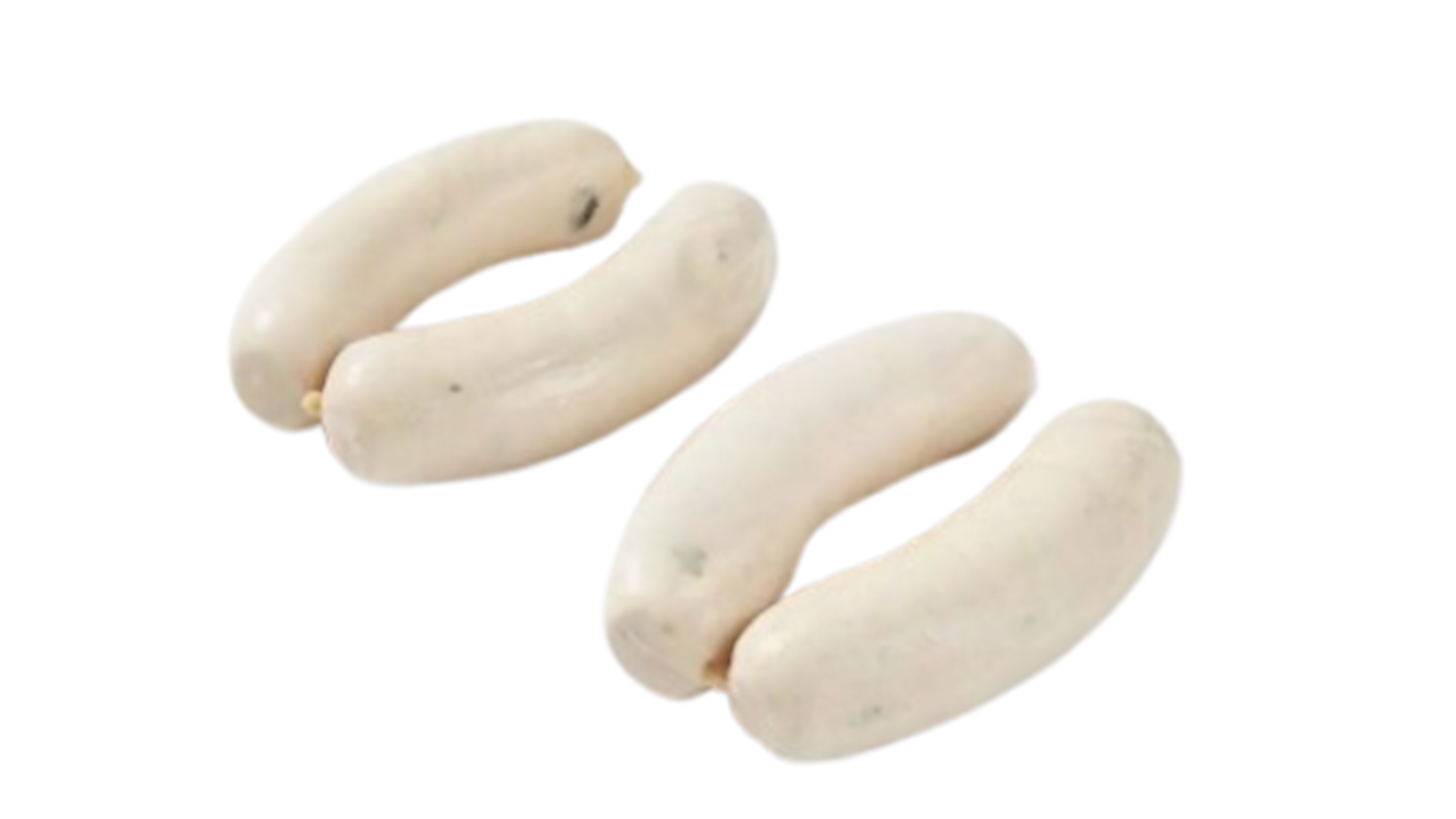
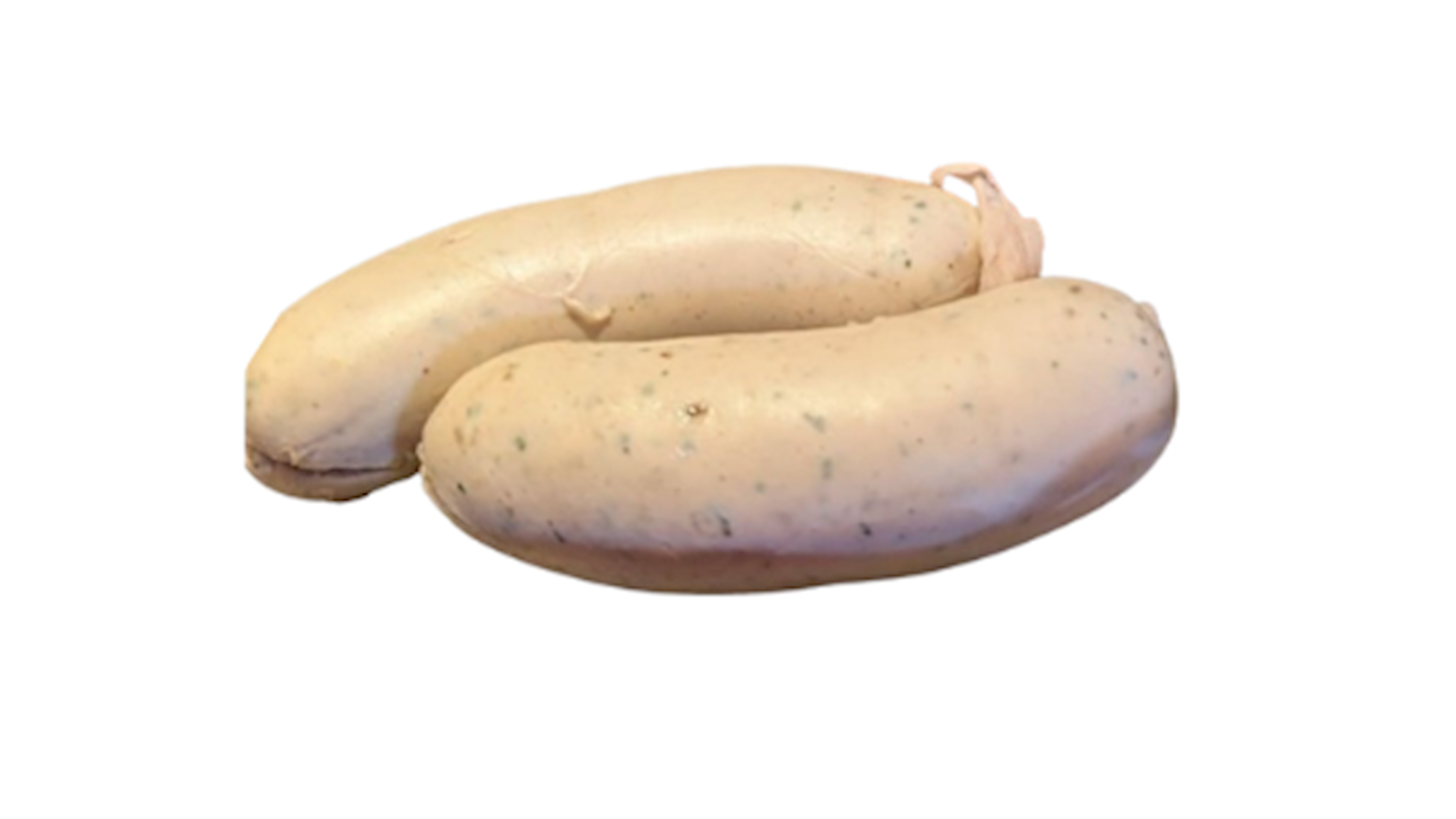
Weisswurst or white sausage is a famous specialty of the city of Munich, invented in 1857 by a butcher named Sepp Moser. He was working in a restaurant next to his butcher's shop and had used the last of thick sausage skins used to make regular sausages. To solve the problem, he opted for thin skins. As he made the sausage, he was worried that it would burst open during the frying process, so he put them in hot water and cooked them for 10 minutes. After serving the cooked sausages to the guests, the new dish was praised, and Weisswurst was born. The sausages consist of a mixture of pork, veal, and pork fat, seasoned with parsley, pepper, lemon, and salt. Today, the sausages are most popular in southern Germany, and they are one of the most consumed items at Oktoberfest. In restaurants, Weisswurst is always served hot, usually accompanied by pretzels and, ideally, Händlmaier's Hausmacher Senf, although it can be served with other Bavarian sweet mustard varieties if the original Händlmeier brand is unavailable. The sausage casing is not intended for consumption, so the sausages are often sliced along their length, and the casing is peeled. Interestingly, it is considered a taboo to eat Weisswurst after noon in Bavaria. This tradition stems from the past when the sausages were made fresh, and were supposed to be consumed as quickly as possible.

09

Frankfurter Würstchen

3.7 ·

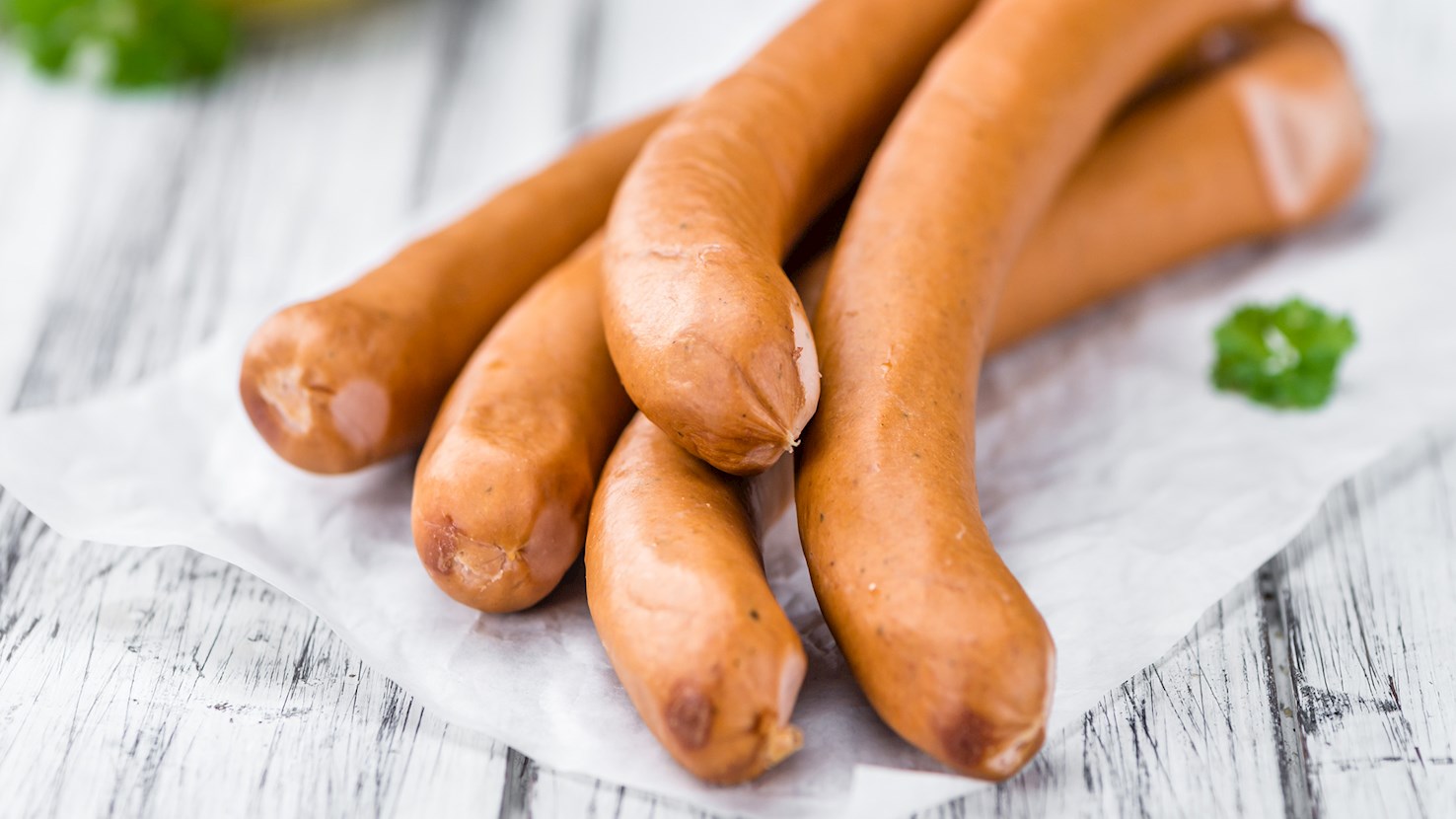
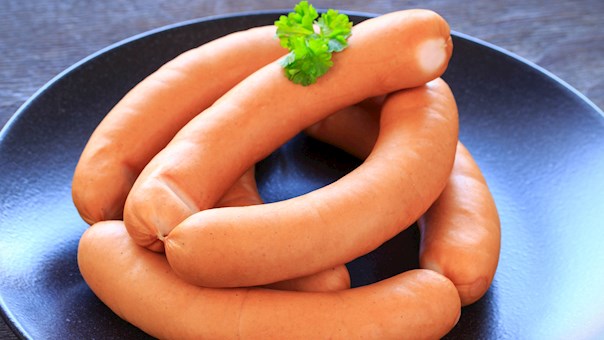
As the name suggests, frankfurter würstchen is a variety of sausage hailing from Frankfurt, where it has been traditionally prepared for centuries. Lightly seasoned and slim, the sausage is made entirely with pork and is typically added into a natural sheep casing. Frankfurter würstchen is boiled and lightly smoked, a process which imparts a pleasant hint of smokiness to this German meat specialty. Since the sausage is pre-cooked, it is usually simply heated in simmering water before being enjoyed with accompaniments such as mustard, horseradish, bread, or potato salad, and it is often washed down with a glass of fine apple wine (Apfelwein). This particular sausage variety has enjoyed a protected status in Germany since 1860, when a law was passed permitting only those sausages made in Frankfurt and its surroundings to carry the name frankfurter, whereas other sausage varieties made outside this area, but in the same fashion, were supposed to be labeled as nach frankfurter art (frankfurter-style sausages). Frankfurter würstchen are always served in pairs.

10

Gelbwurst

3.6 ·

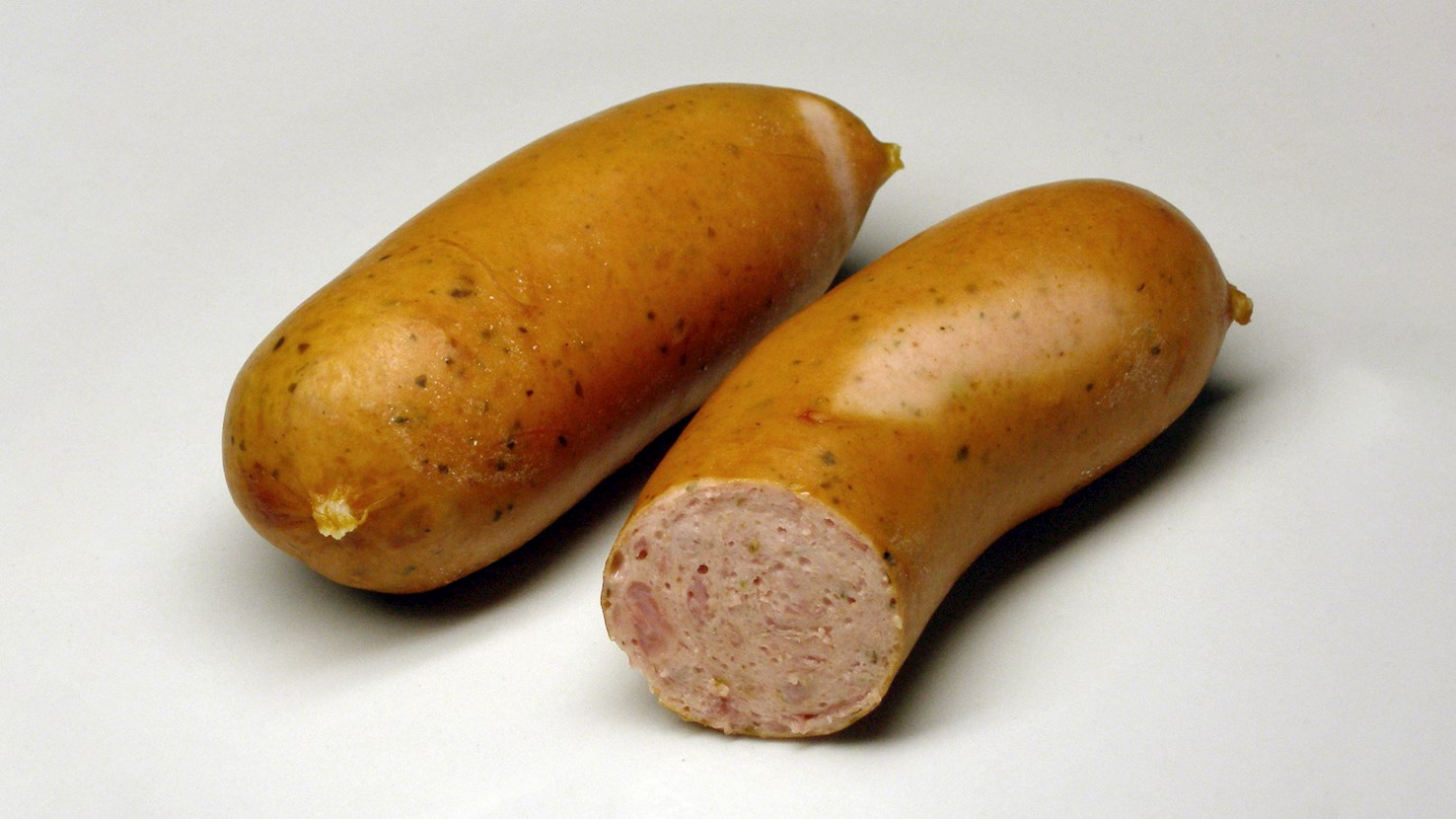
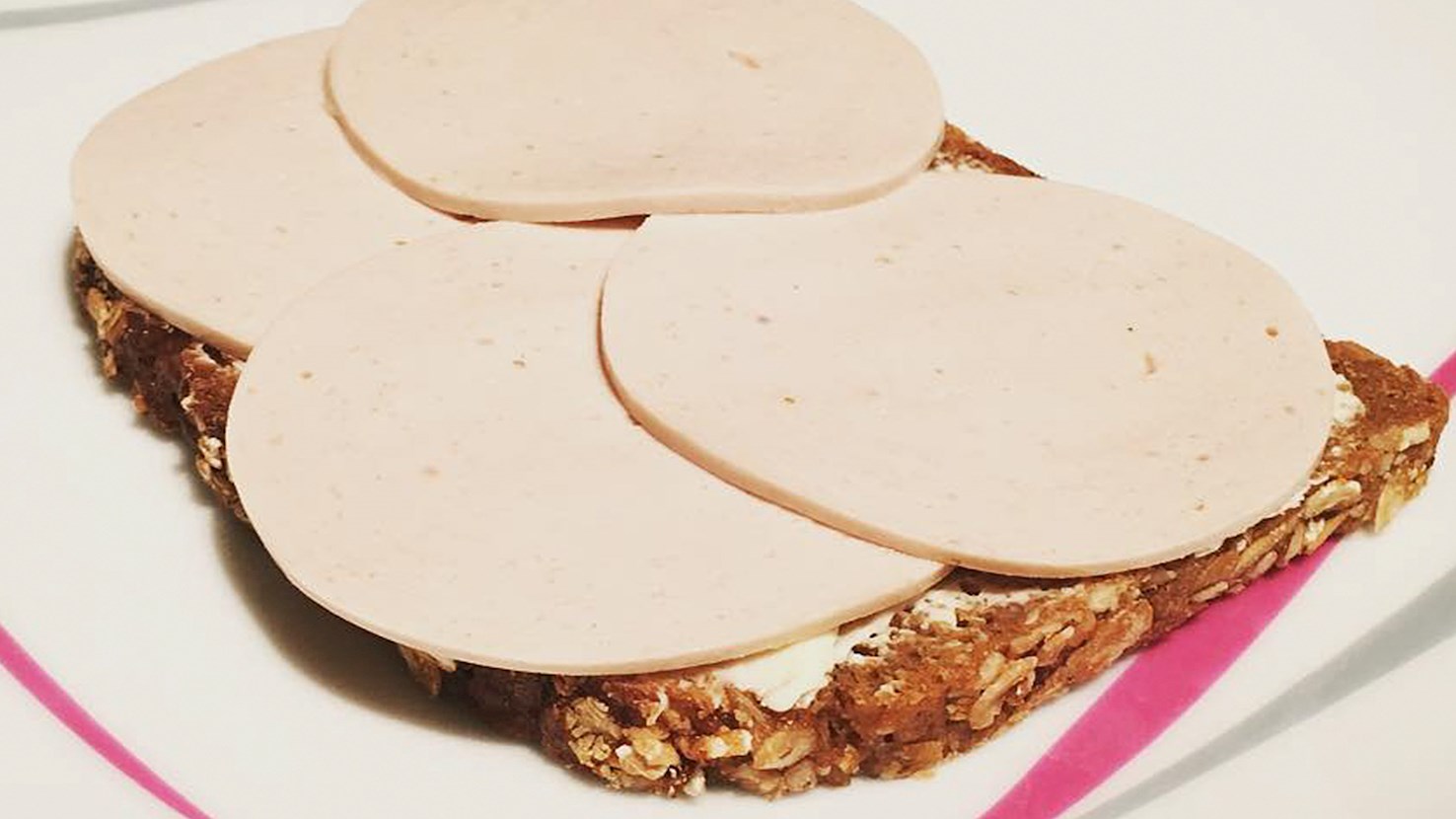
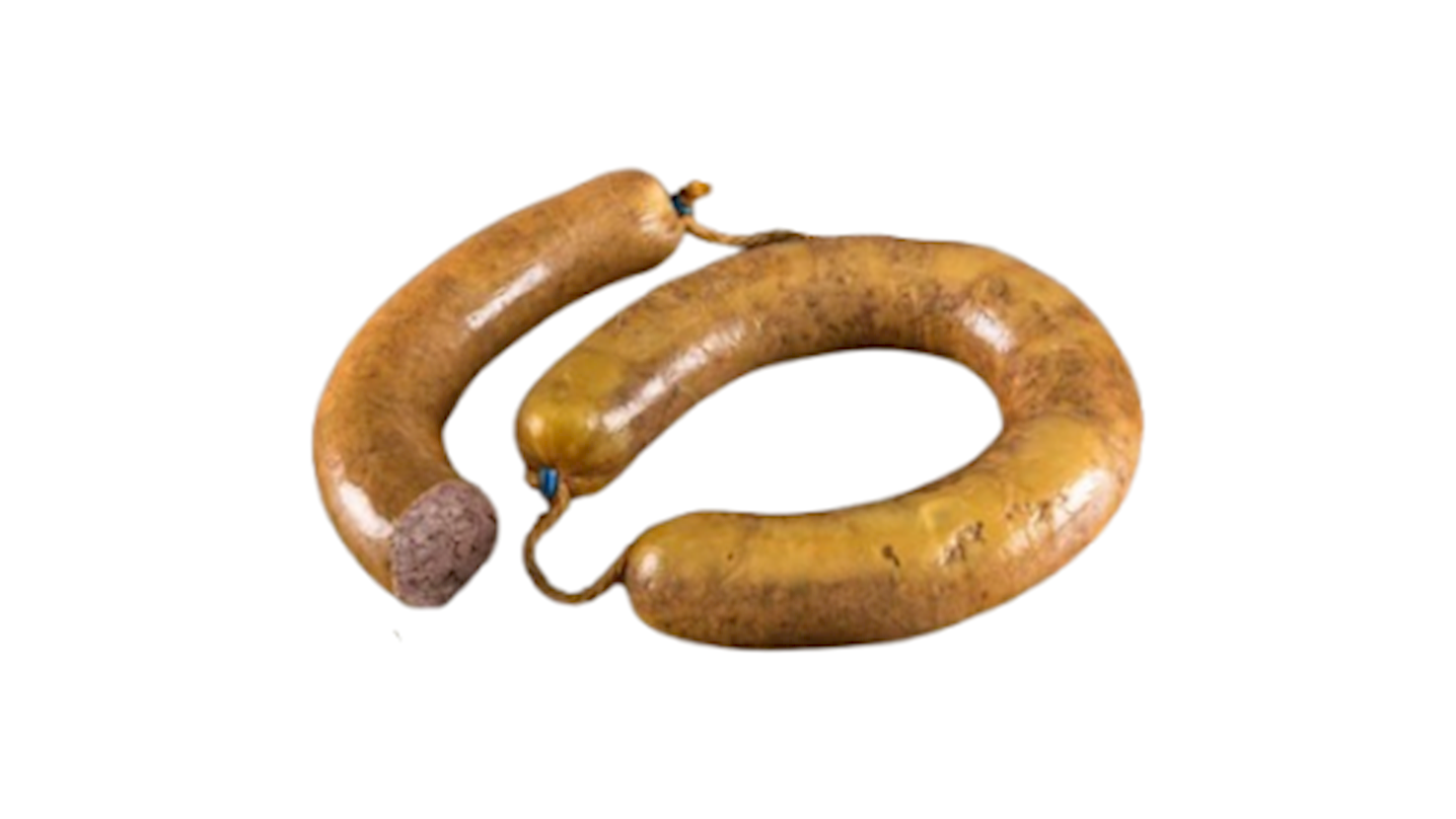
Hailing from Bavaria, gelbwurst or yellow sausage is a German sausage variety that has been traditionally stuffed into natural casings dyed with saffron, hence the name. The sausage may consist of pork, veal or beef, bacon, or chicken, and it is typically flavored with various spices such as nutmeg, mace, pepper, ginger, cardamom, and lemon, depending on the region. Gelbwurst is distinguished by a pale grey color, a mild flavor, and a very smooth texture due to the practice of finely grinding the seasoned meat mixture. This traditional sausage is nowadays usually found inside artificial casings of yellow or orange color. Belonging to the group of cooked sausages, the sausage can be thinly sliced or cut into thick slices and fried. Either way, the slices are typically enjoyed with fresh bread for breakfast or dinner. Gelbwurst dates back to 1905, when the original version was prepared with the addition of pork brains, resulting in regional variations on the name such as hirnwurst, meaning brain sausage.

Best German Cooked Sausages

01

Metzgerei Reichenbach

4.6 ·
Metzgerei Reichenbach is a family-owned butcher shop located in the picturesque Glottertal, near Freiburg in Germany’s Black Forest region. Founded in 1958, the business has grown into a unique production chain that encompasses all stages of meat production: from livestock farming and slaughtering to meat processing and retail. This approach ensures full control over the quality and freshness of its products. The livestock—around 1,000 cattle and 1,500 pigs - is raised on the company’s own pastures and in cooperation with local partners. The butcher shop is renowned for its traditional specialties and offers a wide range of products including beef and veal, game, sausages, cured meats, and barbecue items. Metzgerei Reichenbach operates several retail locations. A special innovation is the “Reichenbach24 Smartstore” - a self-service shop open 24/7, allowing customers to shop at any time of day.
02

Metzgerei Burkhardt

4.6 ·
Metzgerei Burkhardt is a family-owned butchery with a long-standing tradition, founded in 1961 in Mannheim, where the third generation continues to passionately craft premium-quality meat products. Their dedication to the craft and commitment to excellence have earned them numerous prestigious awards, including the titles of German and European champion in white sausage making. They are particularly renowned for their seamless blend of tradition and innovation, constantly refining their recipes to satisfy even the most discerning connoisseurs of fine meats. Their selection includes a wide range of fresh and cured meats, all prepared according to carefully guarded family recipes, with an unwavering focus on quality. The love for their craft is evident in every piece of meat that leaves their workshop. In addition to classic delicacies, Metzgerei Burkhardt also stands out with creative innovations such as their unique sausage cake, proving that tradition and modern culinary trends can go hand in hand.
03

Metzgerei Meyer

4.6 ·
Metzgerei Meyer is much more than a butcher shop – it is a family tradition, artisanal craftsmanship, and a passion for premium meat products. Located in Nuremberg, this butcher shop is known as an "Erlebnis-Metzgerei" or "butchery experience", offering customers an authentic gastronomic journey that blends tradition and innovation. By combining expert craftsmanship, a deep passion for the butchery trade, and a commitment to quality, Metzgerei Meyer remains true to authentic production methods that have been passed down through generations. Our goal is for every customer to experience the true value of handcrafted meat products, whether enjoying them in an everyday meal or a special occasion.
04

Blutwurstmanufaktur

4.6 ·
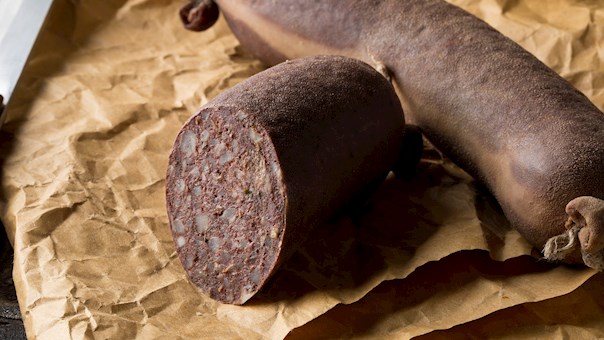
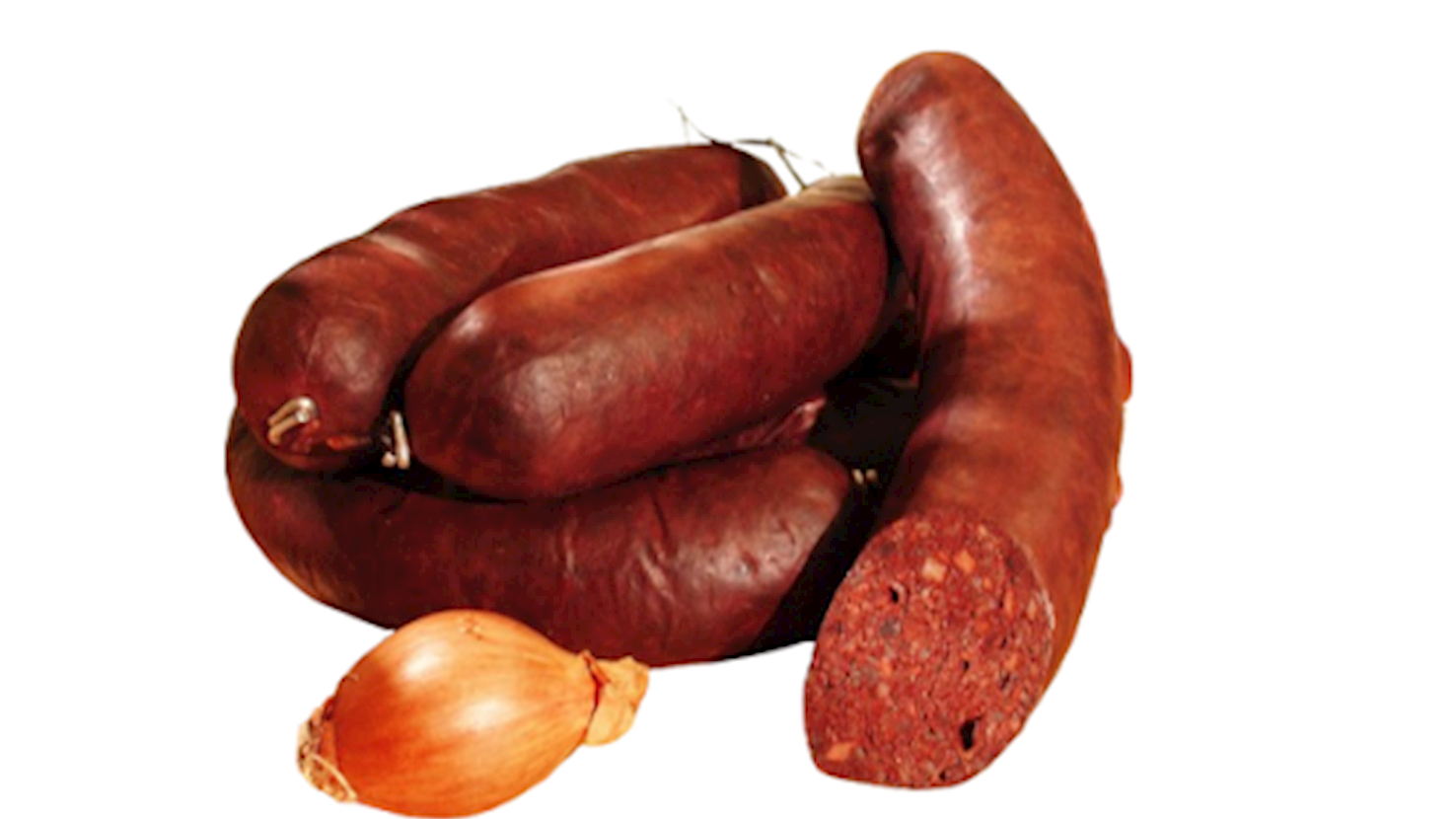
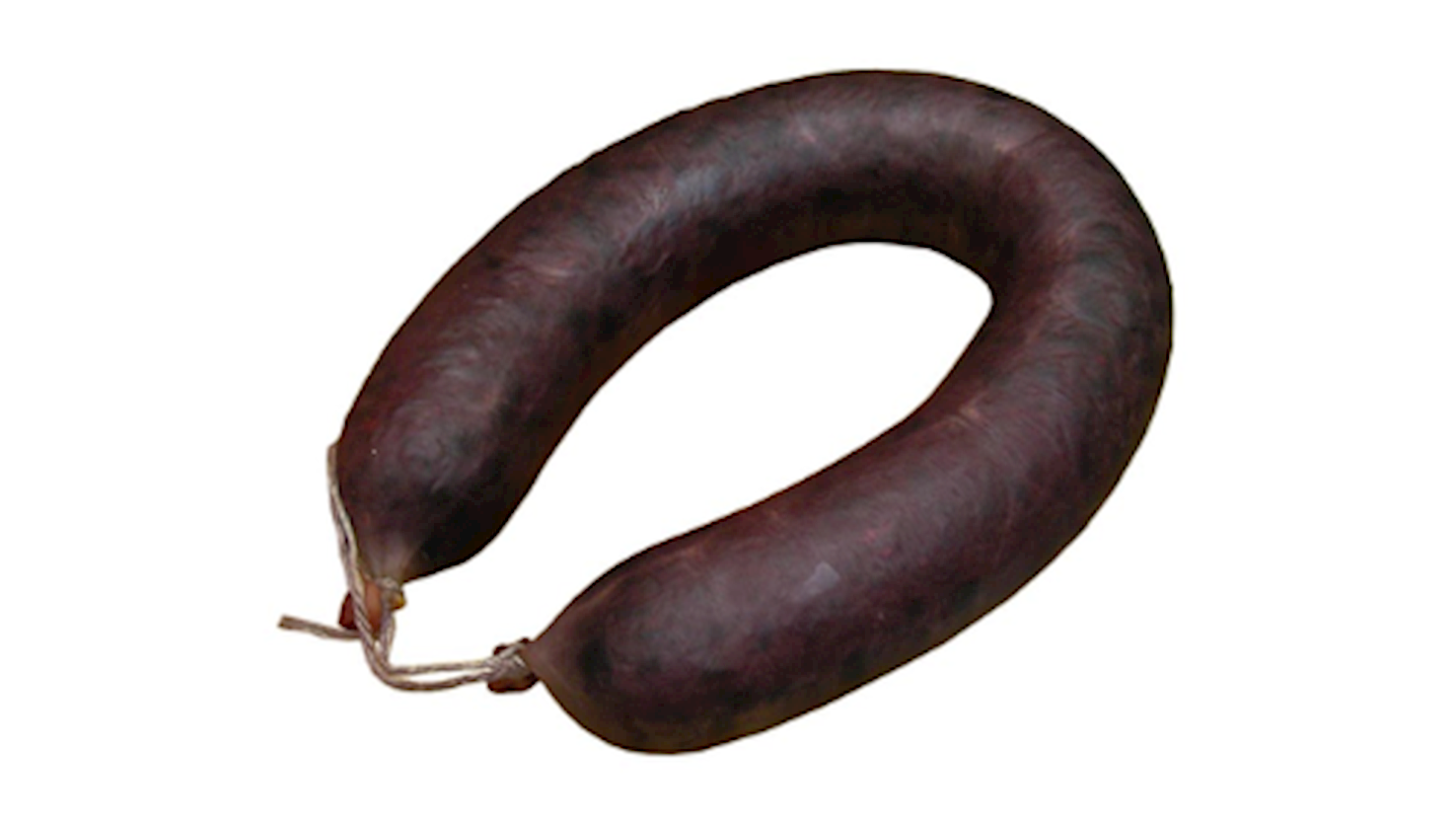
Blutwurstmanufaktur is a renowned artisanal butcher shop established in 1902. Since 1996, it has been run by master butcher Marcus Benser, who was honored in 2004 with the title of “Knight of the Blood Sausage” by the French brotherhood Confrérie des Chevaliers du Goûte-Boudin—an award also bestowed upon the famous chef Paul Bocuse. Blutwurstmanufaktur produces over 60 varieties of homemade sausages, with its signature product being the celebrated Berliner Blutwurst. This blood sausage is freshly made daily from pork blood, lean meat, pork fat, and fresh onions, enhanced with a secret blend of spices including authentic Thuringian marjoram, hand-ground Brazilian pepper, and a hint of cinnamon. The sausage is encased in a natural beef casing. In addition to their blood sausage, the shop also offers other specialties, including dry-cured salamis with fennel seeds. All products are made using meat from local farms with whom the butcher shop maintains long-standing partnerships.
05

Metzgerei Gaßner

4.5 ·
Metzgerei Gaßner is a renowned family-owned butcher shop in Munich, known for its premium sausages and meat specialties. Founded in 1937 by Engelbert Gaßner and his wife Katharine in Haimhauserstraße, the shop has grown over the years into a symbol of Bavarian butchery tradition. Their products are highly regarded for the high quality of the meat and the careful selection of spices, which give them an authentic and rich flavor. In addition to the butcher shop, the Marktstüberl restaurant offers homemade specialties in a cozy atmosphere, where visitors can enjoy freshly prepared dishes. This butcher shop, with its 85-year tradition, is not only a place where high-quality meat is produced but also a cornerstone of Bavarian culinary heritage, bringing authentic flavors that generations of Munich residents have loved and continue to seek out.
06

Metzgerei Hambel

4.5 ·
Metzgerei Hambel is a family-owned butcher shop with a rich tradition, located in Wachenheim, German. It was founded in 1985 when Klaus Hambel took over the family business from his father Walter, who had previously worked for 30 years as an "Adventsmetzger" — a traveling butcher who made homemade sausages for rural families during the winter. Today, the entire family is involved in running the butcher shop, including Klaus's sister Katja and his wife Silvia, while their son Philipp is already engaged as the future successor. Metzgerei Hambel is renowned for its original "Pfälzer Hausmacher" specialties, prepared from fresh pork sourced from controlled German farms, using natural spices. The butcher shop also includes Hambel’s Restaurant, offering specialties from the butcher’s selection in a cozy atmosphere.
07

Metzgerei Schäbitz

4.4 ·
Metzgerei Schäbitz is a traditional artisanal butcher with a long-standing presence at Munich’s renowned Viktualienmarkt, operating as an integral part of the city’s everyday food culture. It is best known for classic Bavarian specialties, with a strong focus on fresh meat, house-made sausages, Weißwurst, and Leberkäse, all prepared according to well-established recipes and sold directly at the market. The butcher’s concept is built around close interaction with customers, quick preparation, and products intended for immediate consumption, which makes it popular with both local residents and visitors to Munich. Metzgerei Schäbitz is positioned as an authentic market butcher, clearly focused on freshness, practicality, and the recognizable flavors of everyday Bavarian cuisine. Its location at Viktualienmarkt further underscores the role of this butcher as part of the city’s living culinary heritage.
Read more
View all
View map
About this ranking

TasteAtlas food rankings are based on the ratings of the TasteAtlas audience, with a series of mechanisms that recognize real users and that ignore bot, nationalist or local patriotic ratings, and give additional value to the ratings of users that the system recognizes as knowledgeable. For the “Top 38 German Cooked Sausages” list until June 15, 2026, 2,672 ratings were recorded, of which 2,290 were recognized by the system as legitimate. TasteAtlas Rankings should not be seen as the final global conclusion about food. Their purpose is to promote excellent local foods, instill pride in traditional dishes, and arouse curiosity about dishes you haven’t tried.

The initial list of top producers was compiled based on available reviews, awards, local recommendations, media and blog coverage, and consumer reviews. The list will be updated with ratings from TasteAtlas local ambassadors and TasteAtlas users.

Similar lists