Top 100 Sparkling Wines
in the World

Last updated on June 17, 2026

Best Sparkling Wine Types in the World
01

Moscato d'Asti

4 ·

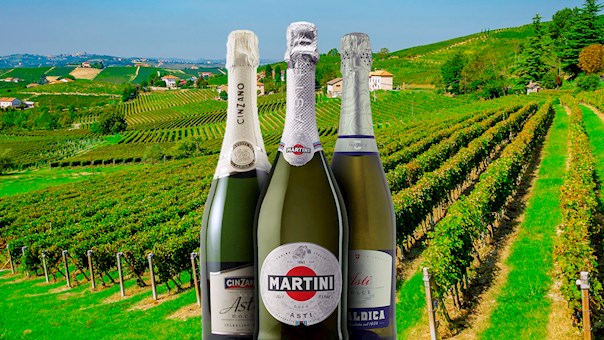
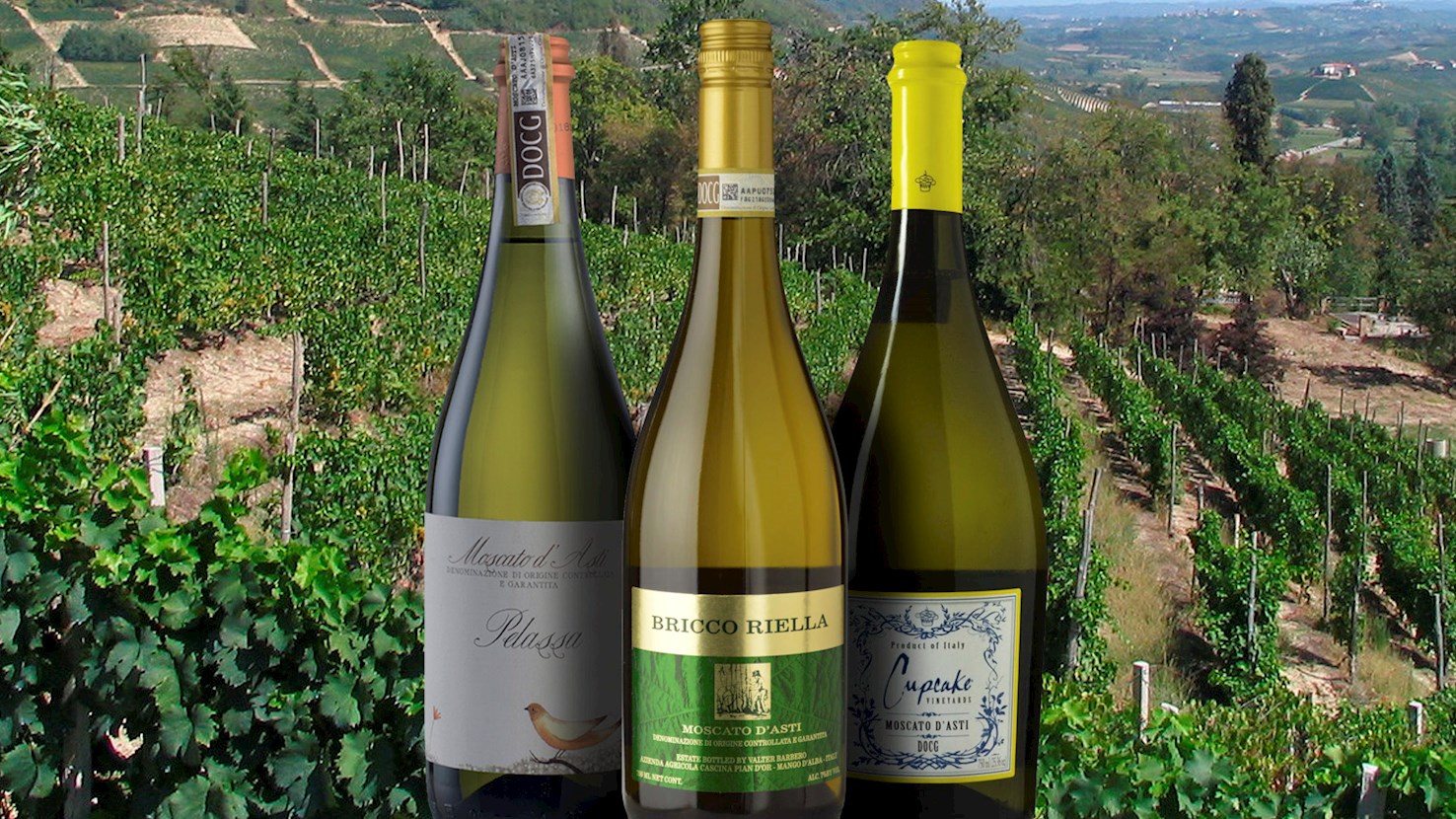
Made entirely from the Moscato Bianco grapes, Moscato d'Asti is a fragrant, not overly sweet fizzante (semi-sparkling) wine that is produced mainly in the province of Asti and the nearby Alessandria and Cuneo. The wine is delicate, floral, and aromatic, with hints of peach, apple, pear, pineapple, sage, lime, and orange. Because it is sweet and low in alcohol, it naturally pairs with desserts, especially those made with apples, berries, peaches, hazelnut, and lemon, but it also works well with fresh salads, charcuterie, antipasto plates, or cheese. The wine should not be confused with Asti Spumante, a fully sparkling version that falls under the same Asti DOCG.

02

Champagne

4 ·

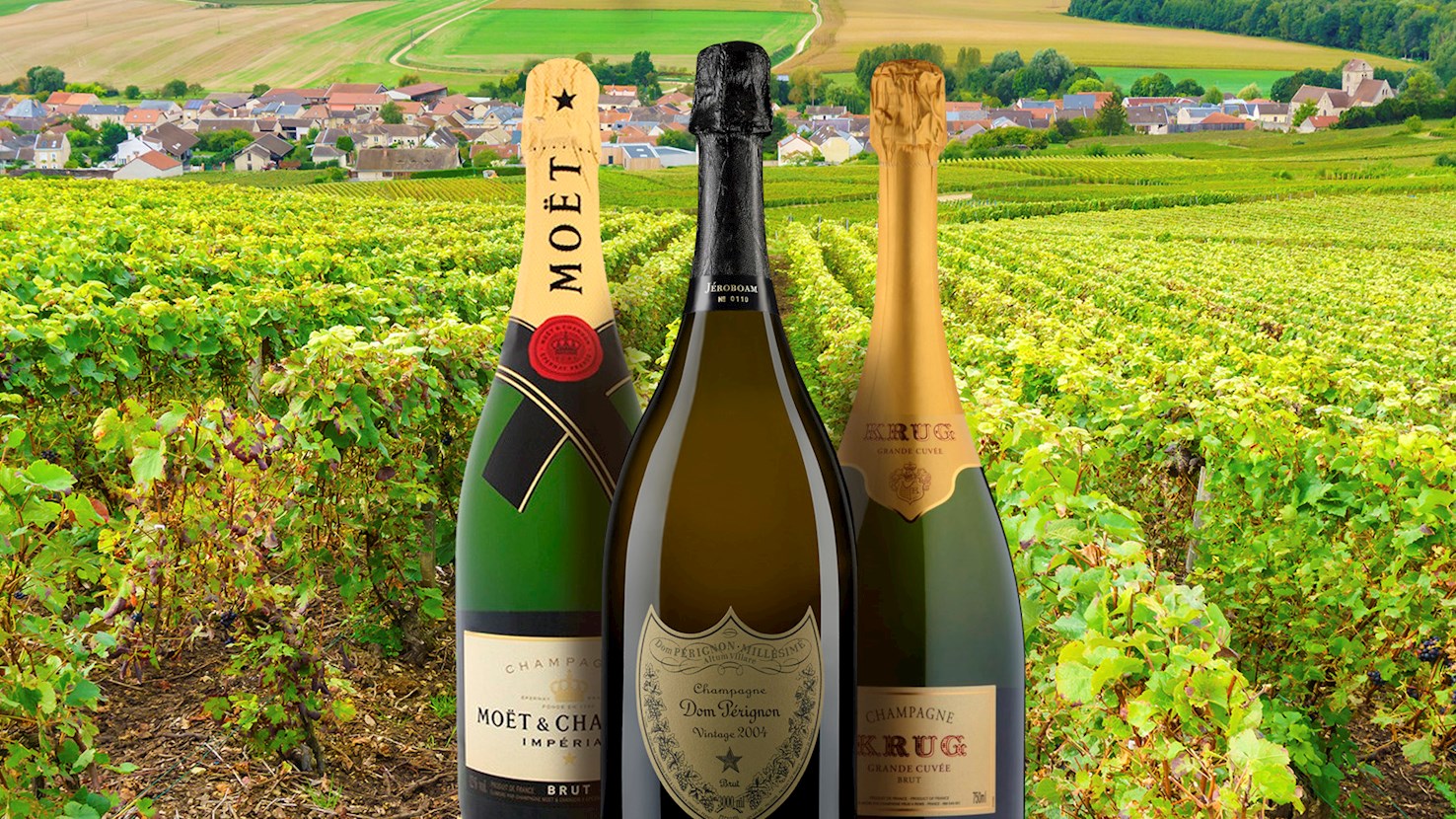
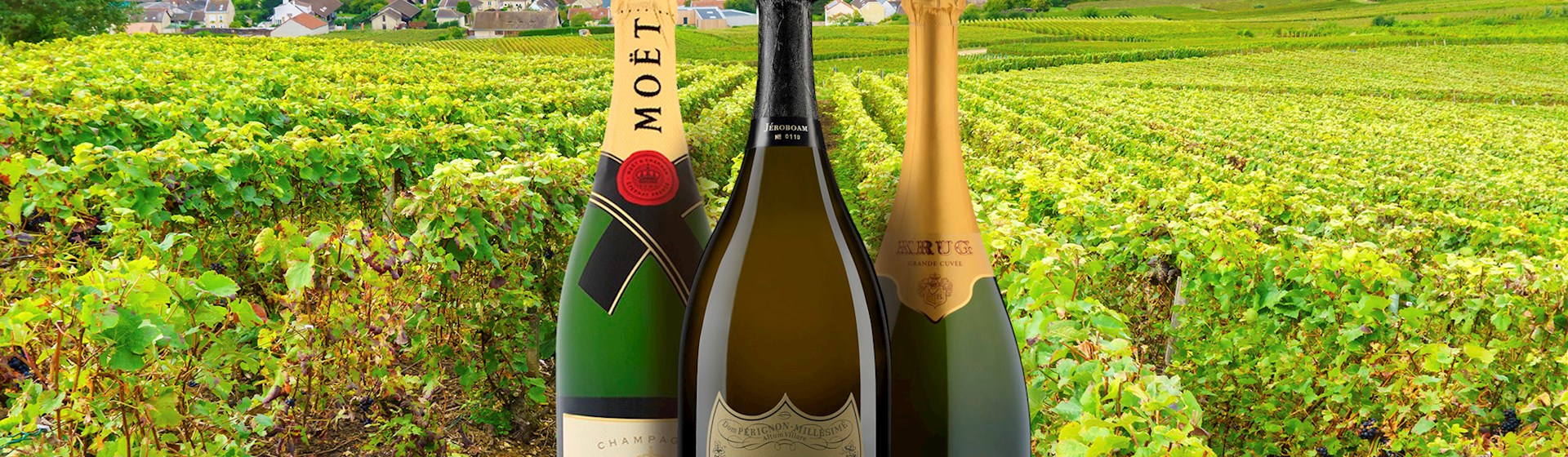
Popularly known as the gold standard of sparkling wine, true Champagne only comes from the actual Champagne region in France. It is produced using the so-called méthode Champenoise; the process in which secondary fermentation is done in the bottle with the addition of yeast and rock sugar, and it is made with the basic, traditional blend of Chardonnay, Pinot Noir, and Pinot Meunier, all of which are indigenous to the Champagne region. However, there are four other permitted grape varieties in the Champagne AOP - Pinot Gris, Pinot Blanc, Petit Meslier and Arbane - but these are rarely mentioned as they're almost never used for sparkling wine production outside of France. Varietal Champagne made with solely Chardonnay grapes is designated as Blanc de Blancs, while the one produced by the fermentation of Pinot Meunier and Pinot Noir is called Blanc de Noirs. When young, a classic Blanc de Blancs is restrained and elegant, but with aging, it develops a mouth-coating brioche richness that overlays its intense, supple fruitiness. It is also lighter in body, and thus perfect for lighter meals, such as soups and seafood. On the other hand, Blanc de Noirs is considered to be richer in taste and typically showcases a bit more body and a vibrant red fruit character, which makes it a worthy match for foie gras in all its forms, but it can also be paired with hearty meat-based dishes. Based on their terroir-driven complexity, other styles of Champagne range from lean and crisp with lots of lemons and green apples to rich and full with aromas of toffee, brioche, and even baked apples, while rosé Champagne displays more red fruit and berry aromas. Established as an iconic drink of exquisite refinement during the French Belle Époque in the late 19th century, Champagne remains the preferred choice for celebrations of all kinds, standing alone and unmatched among a plethora of sparkling wines produced worldwide.

03

Cava

4 ·

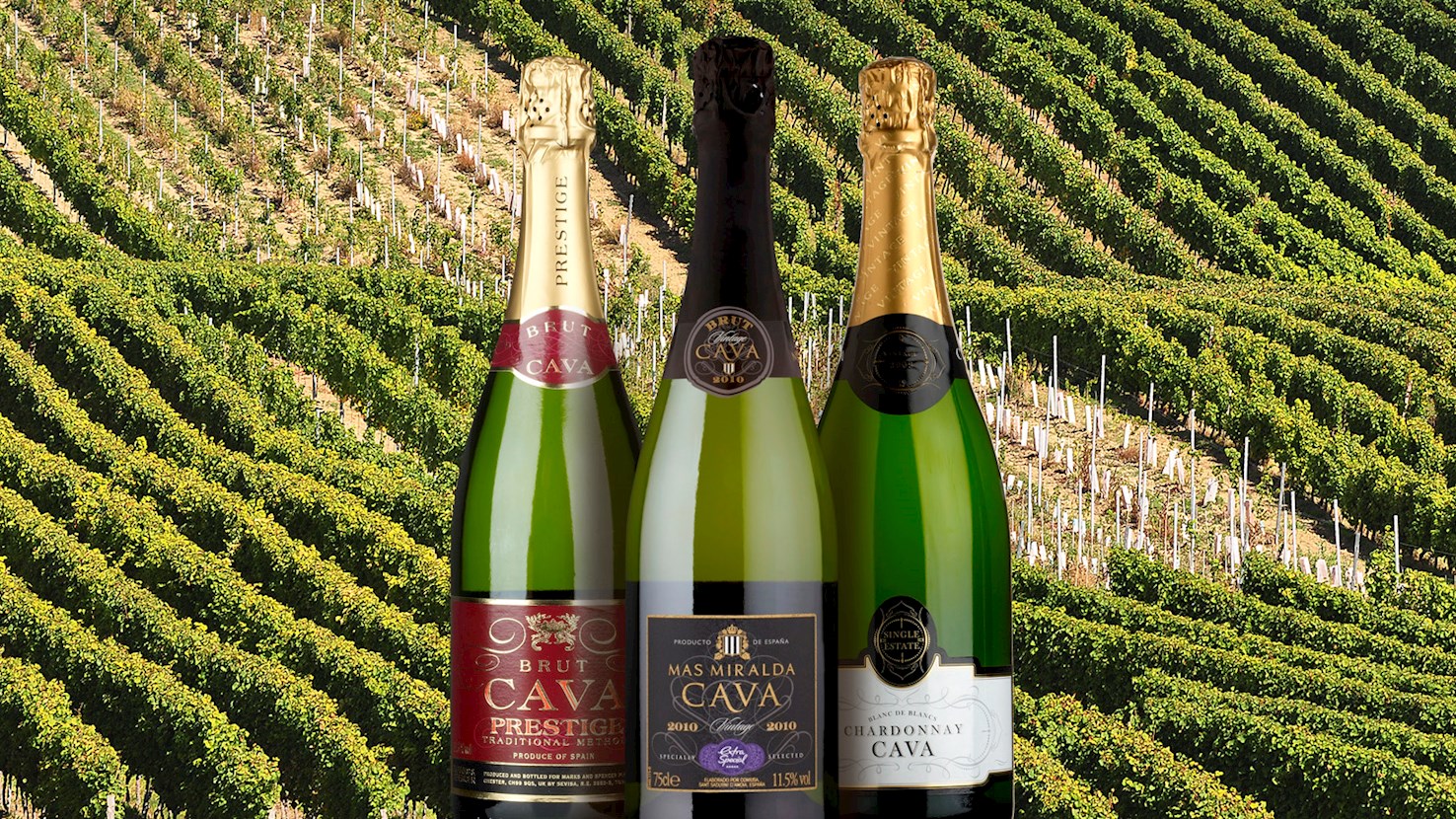
This supreme Spanish sparkling wine is made with a blend of grape varieties indigenous to Spain, mainly Macabeo, Parellada, and Xarello. Rosé Cava, called rosat in Spanish, is produced by adding Trepat, Garnacha, or other red grapes, which lends delicate red berry and floral aromas, and also boosts its body. Sometimes even Chardonnay will be added to the blend, though some producers suggest that this practice diminishes Cava's regional character. Though Cava D.O. appellation extends across a number of Spanish regions, Catalonian Penedés is its heartland and accounts for over 95% of the entire production. The style was first produced in 1872 by Josep Raventós, heir of the Codorniú family whose brand has been dominating Cava production until this day. Cava is produced with método tradicional, which was modeled on the méthode Champenoise in France. Though similar in quality and style to the French Champagne, Cava usually sells for a fourth of the price of its French counterpart. The wine is produced in several styles, and perfectly pairs with light fish-based courses, cheese, or traditional Spanish tapas.

04

Prosecco

4 ·
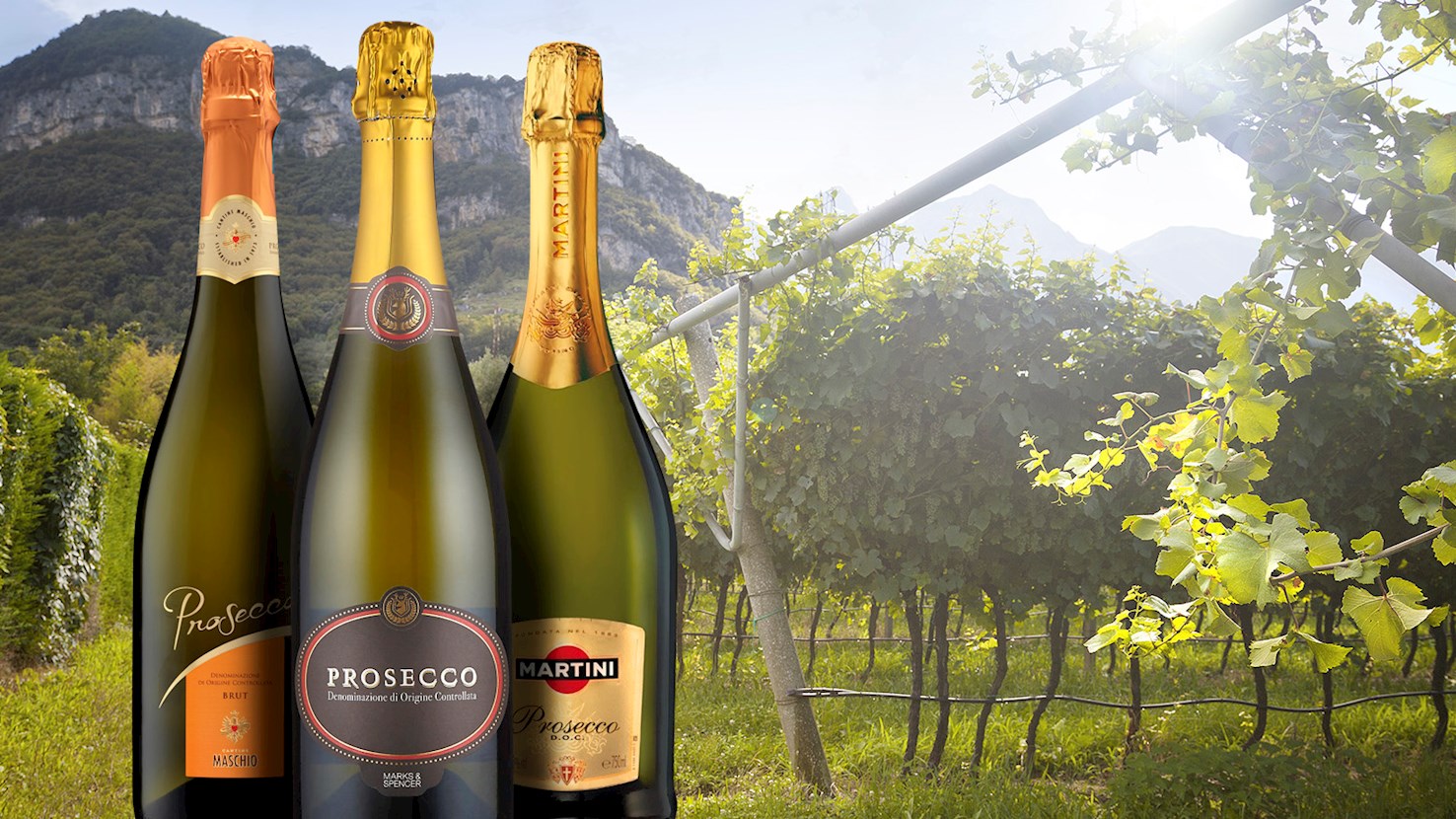
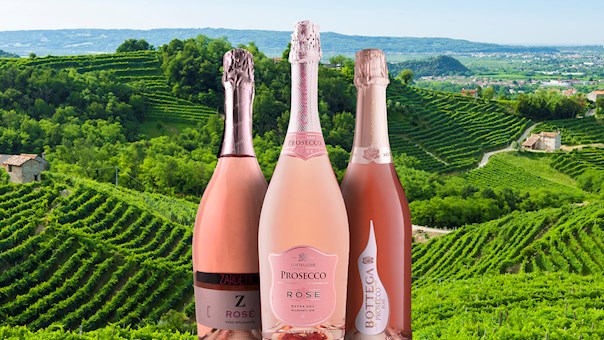
One of the most exported Italian white wines, Prosecco is a sparkling wine that comes in three levels of perlage: the bubbliest spumante (sparkling), followed by frizzante (semi-sparkling), and tranquillo (still). Prosecco is made exclusively in the regions of Veneto and Friuli-Venezia Giulia. Glera is the predominant grape variety used in the production of Prosecco, though Perera, Bianchetta, and Verdiso are often used as well. Unlike its more expensive bubbly counterparts, the secondary fermentation of Prosecco takes place under pressure, in huge stainless steel tanks, making the wine production less expensive. This process is officially known as the Charmat-Martinotti method. During this stage, a mixture of yeast and sugar is added to the base wine inside sealed, pressure-resistant tanks called autoclaves. As the yeast consumes the sugar, it releases carbon dioxide that gets trapped in the wine, creating Prosecco's signature bubbles before the wine is filtered and bottled under pressure. Considering that Prosecco does not ferment in the bottle and grows stale with time, it should be enjoyed as young as possible, preferably within several years of its vintage. This Italian favorite tends to exhibit more fruity and flowery aromas and much lighter bubbles. Prosecco is quite versatile, but it leans towards the sweeter end of the wine spectrum, which makes it great as an aperitif and an ideal match for fruit-based desserts, as well as for light charcuterie and cheese appetizers. It is also commonly added to many sparkling cocktails made with fruit juice and other ingredients, most noted of which is a Bellini, a mixture of prosecco, peach purée, and nectar.
05

Crémant de Bourgogne

3.9 ·

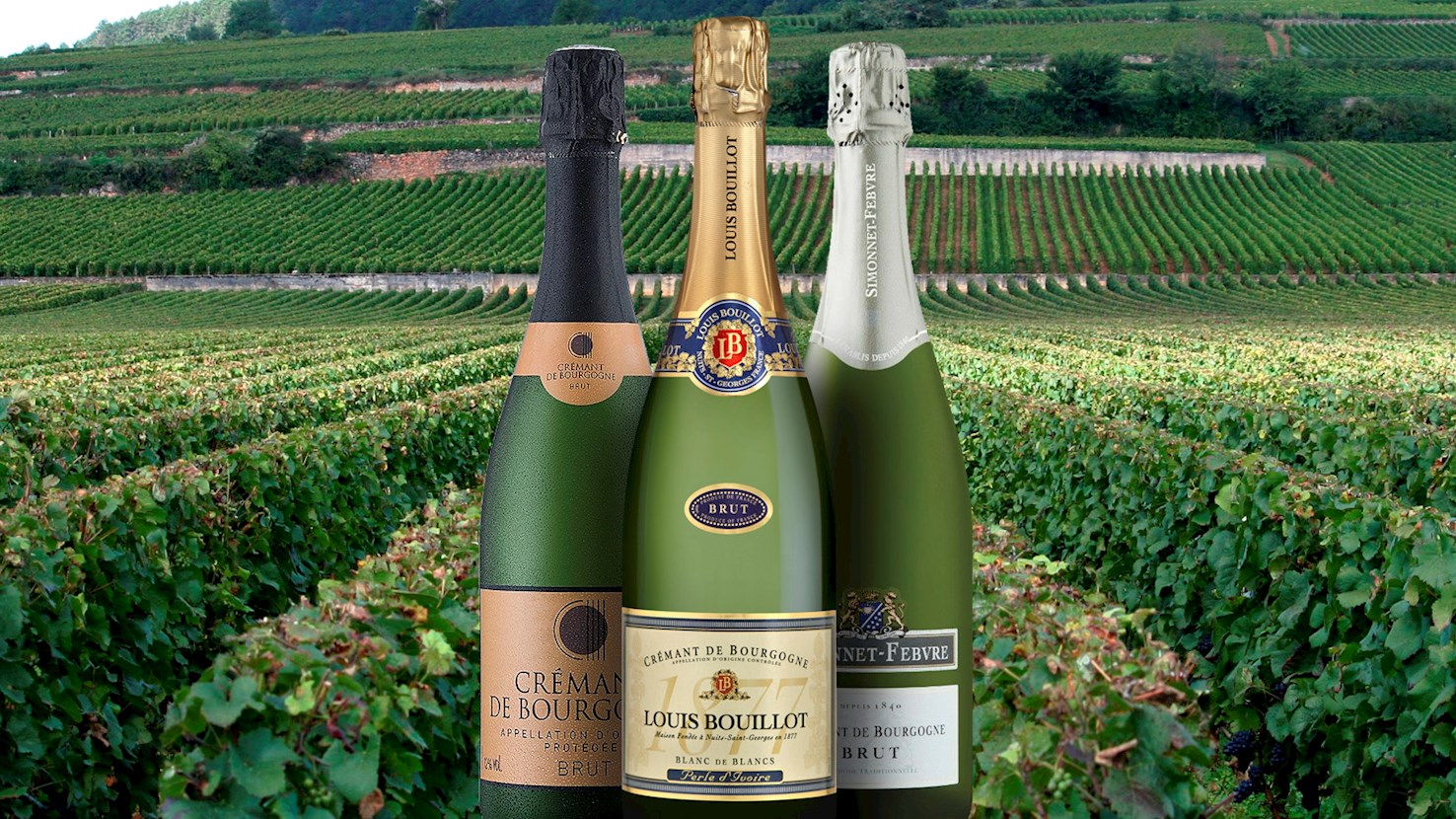
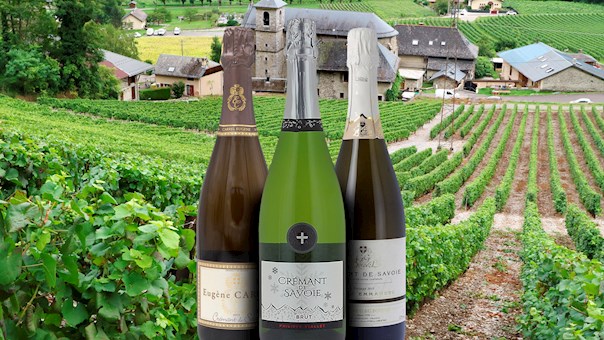
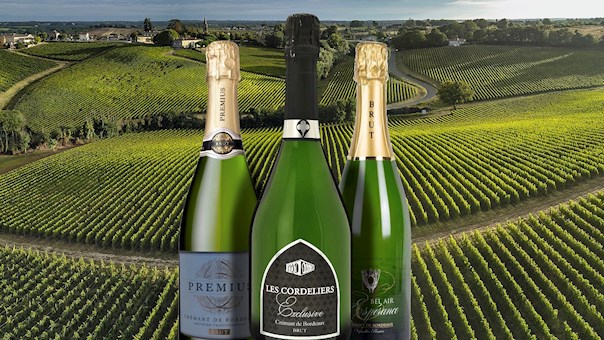
Crémant de Bourgogne are the white or rosé sparkling wines produced in Burgundy, with Pinot Noir and Chardonnay as the principal grape varieties, but the blends can also include Gamay, Aligoté, Melon, and Sacy. The wines are produced with a traditional method (méthode traditionnelle) in which the second fermentation must take place in the bottle. Depending on the grape structure, the wines come in several versions. Floral and citrusy blanc pairs well with poultry, while the Chardonnay-based blanc de blancs is a perfect accompaniment to fish and shellfish. The well-structured blanc de noirs is characterized by the notes of small fruit, and it works well with poultry or snails, while the fruity and floral rosé can be a good match with fruit-based desserts. All varieties are suitable to be enjoyed as an aperitif.

06

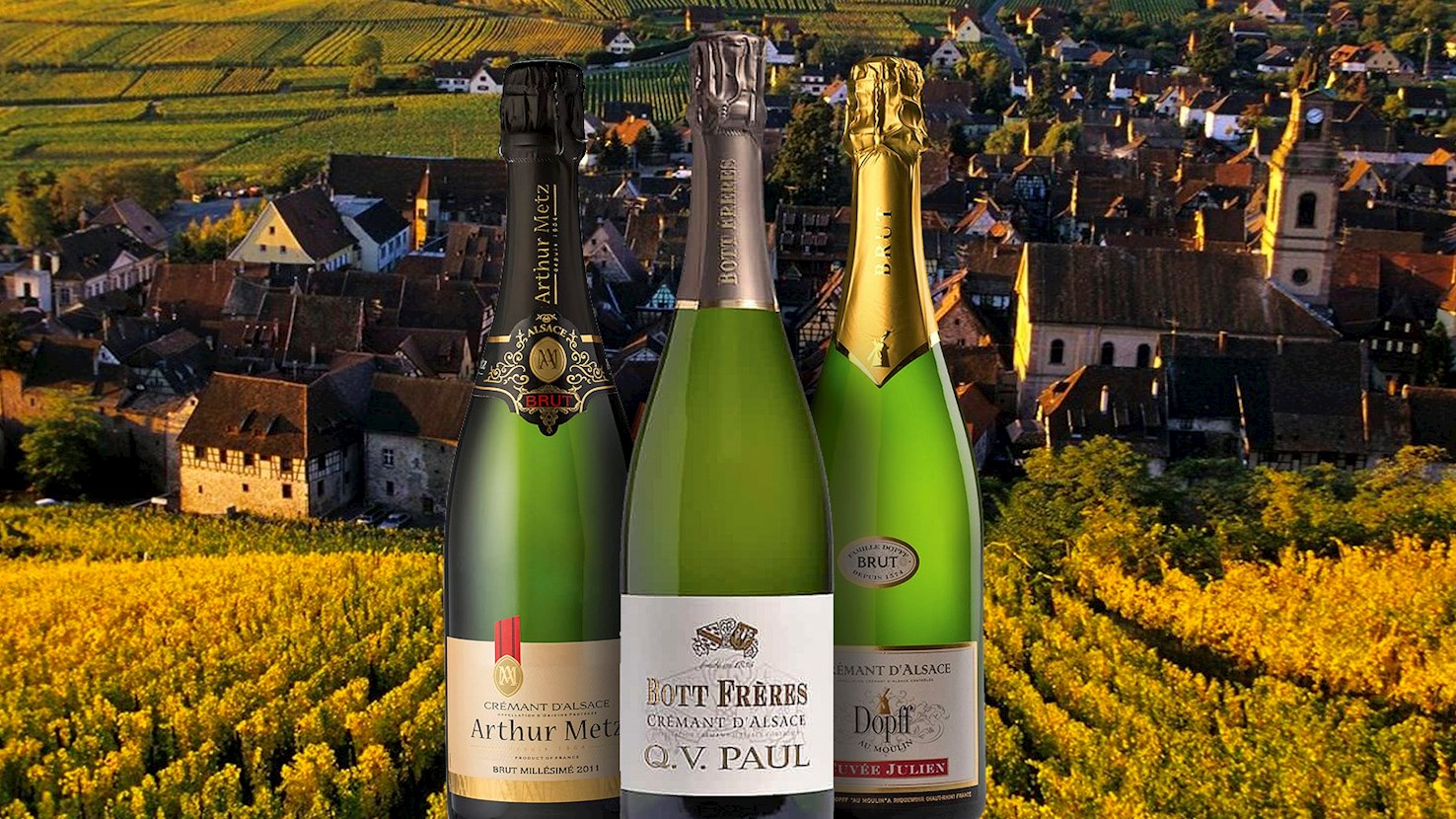
Crémant d'Alsace

3.9 ·

These white and rosé sparkling wines are produced in the French wine region of Alsace, with Pinot Blanc as the principal grape variety, though Auxerrois, Pinot Gris, Riesling, Chardonnay, and Pinot Noir are also permitted. The wines are produced with a traditional method—in which the second fermentation takes place in the bottle—and they must be aged for a minimum of nine months. Crémant d'Alsace wines are usually lively and fresh, with fine bubbles and fruity notes of apples, pears, apricots, and peaches. Although they can be enjoyed as an aperitif, these vibrant wines are food-friendly and can match different appetizers, various seafood dishes, poultry, and cheese, while semi-dry varieties can pair well with desserts.

07

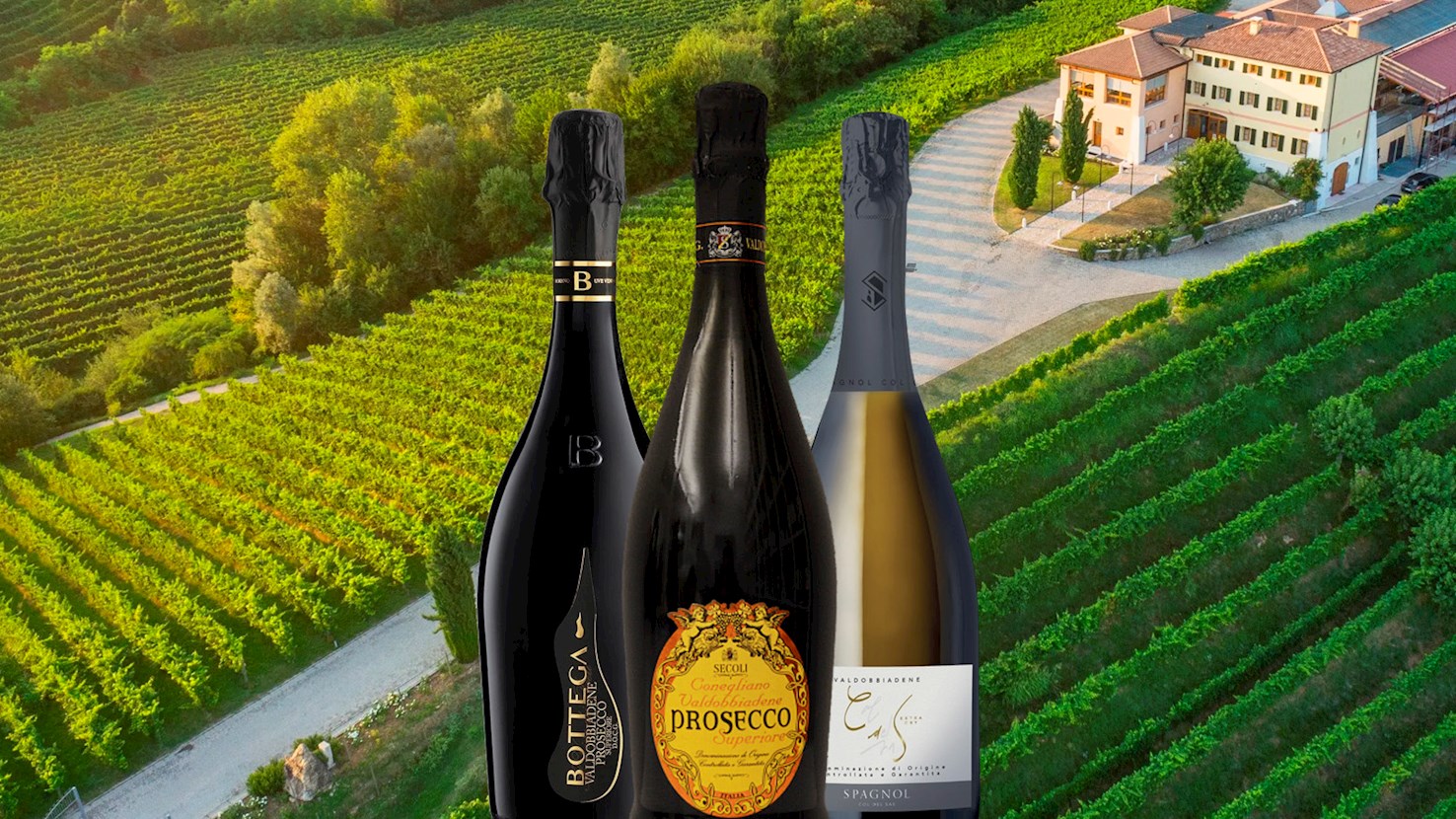
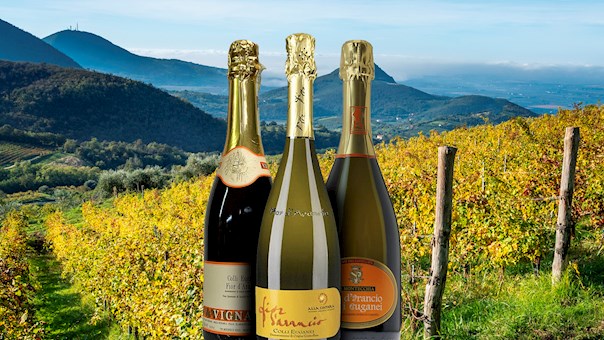
Conegliano Valdobbiadene Prosecco

3.9 ·

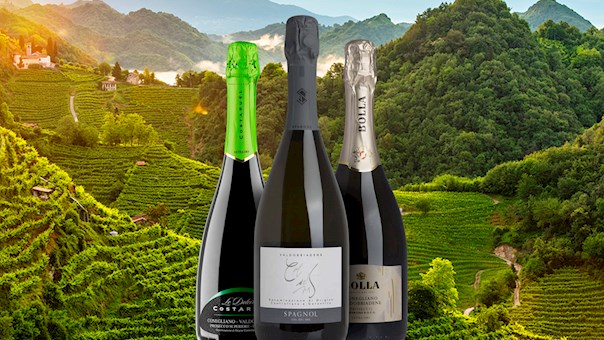
Conegliano Valdobbiadene Prosecco is a DOCG region in Italy that produces premium, high-quality Prosecco. These prized sparkling wines are made with Glera as the principal grape variety, while common additions include Bianchetta Trevigiana, Perera, and/or Verdiso. The wines produced in the region are refined and well-balanced with a straw-yellow color and fine effervescence. The aromas are floral and fruity, reminiscent of wisteria, acacia, rose, and white-fleshed fruits such as apple, pear, and peach. They also might display subtle citrus nuances. These wines can be enjoyed as an aperitif or an accompaniment to light appetizers and snacks. They also pair well with fish, vegetable-based main courses, and salads. The region mostly produces fully sparkling (spumante) wines, though there is a small amount of semi-sparkling (frizzante) and still wines, but only spumante versions can be labeled as Superiore. The region also includes prestigious Cartizze and Rive subzones, and there is also a small number of col fondo (sur lie) Prosecco, in which the second fermentation takes place in the bottle and the sediment remains in the bottle.

08

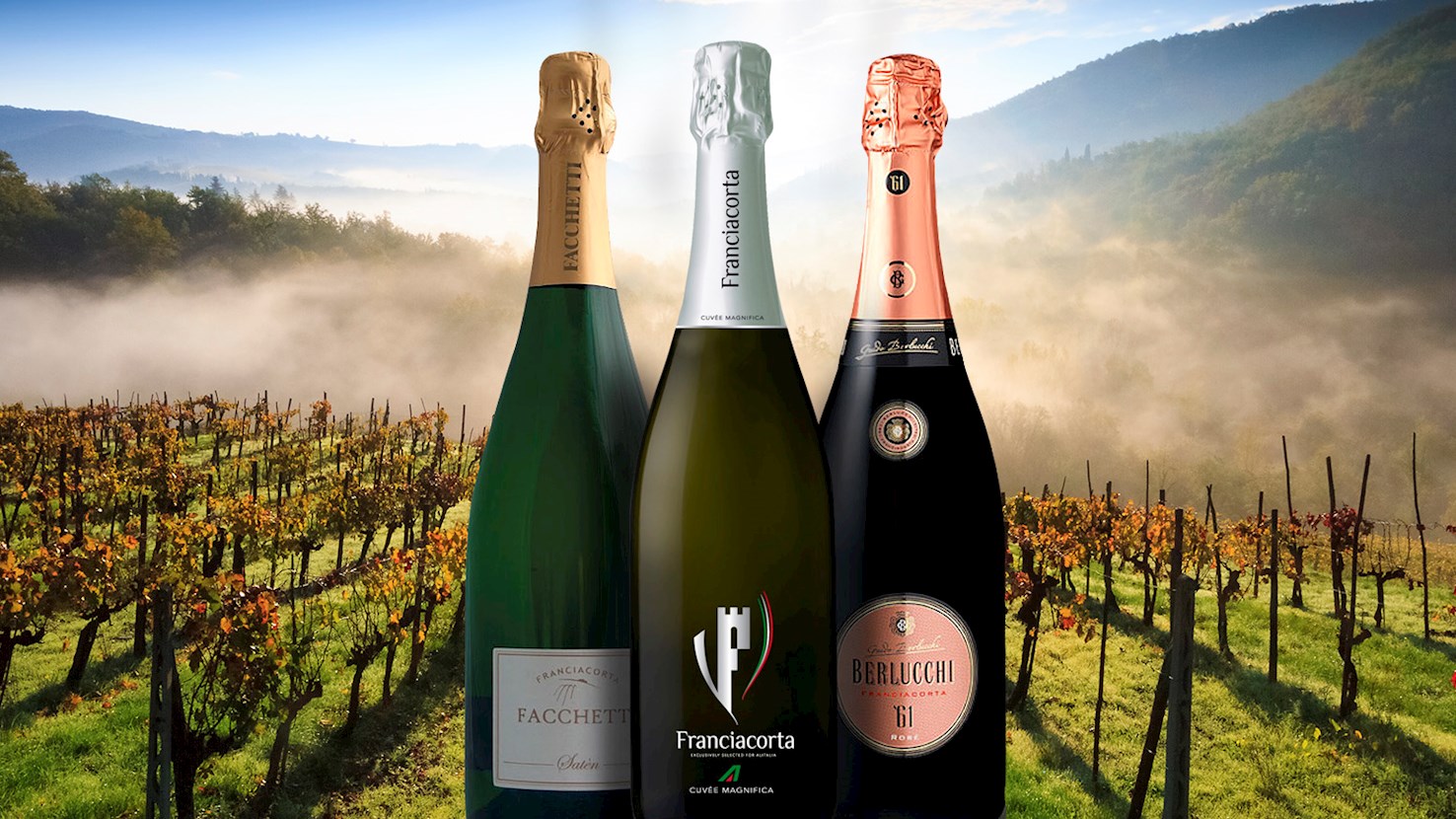
Franciacorta

3.8 ·

Widely regarded as the finest Italian sparkling wine, Franciacorta is made using metodo classico—just like Champagne and Cava. It is produced with a typical blend of Chardonnay, Pinot Bianco, and Pinot Nero, and comes in non-vintage, millesimato or vintage, and riserva form. Apart from the standard white version, there are also Franciacorta Satèn—made exclusively with Chardonnay and Pinot Bianco grapes—and Franciacorta Rosé made with a base of at least 25% Pinot Nero. Depending on its style, this delicate wine with subtle notes of white fruits, flowers and peaches provides excellent pairing for a wide range of dishes, from delicious Lombard desserts like bossolà and sbrisolona to pasta and seafood dishes, as well as cheese and charcuterie.

09

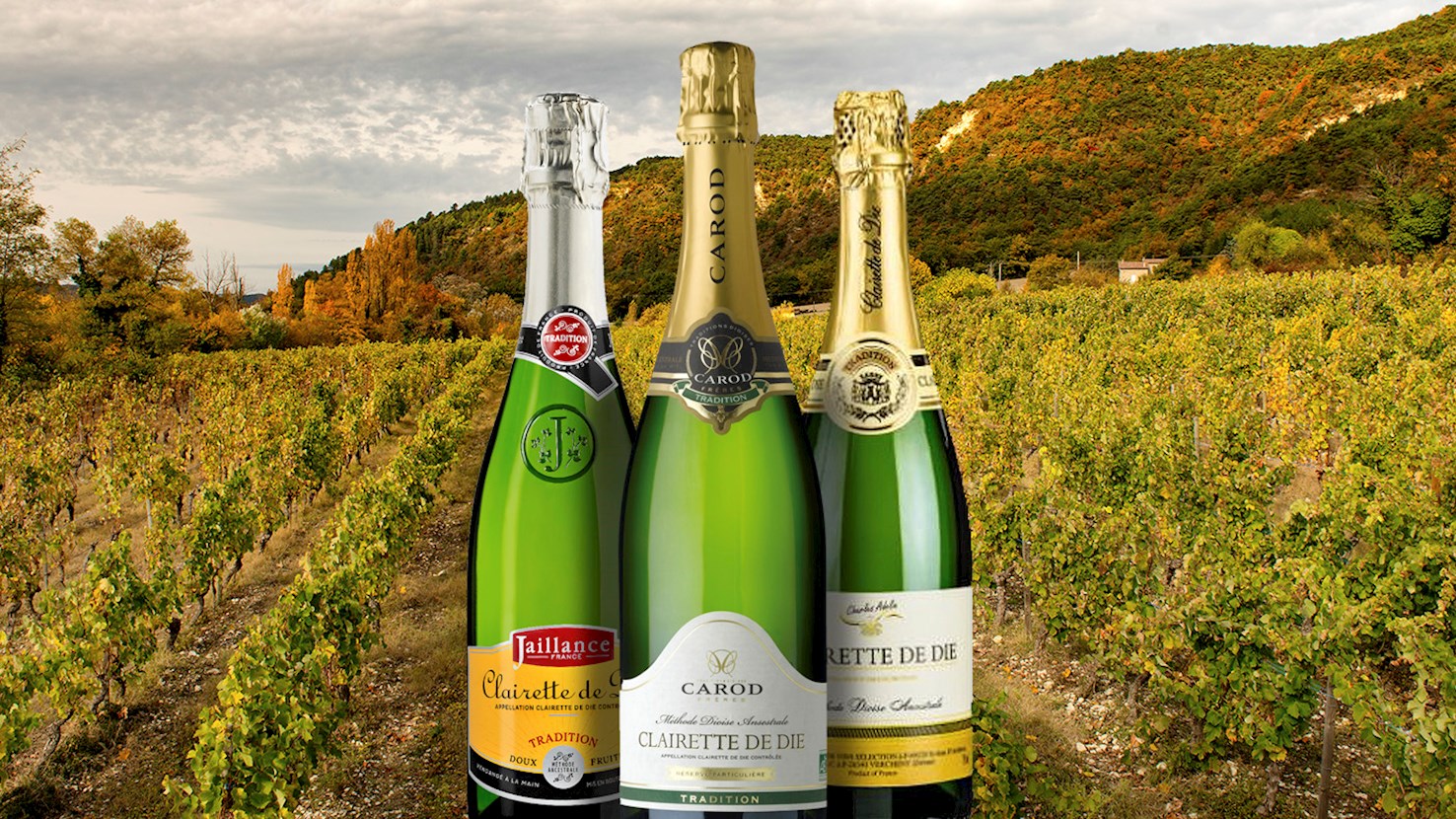
Clairette de Die

3.8 ·

Clairette de Die is a small French appellation located in the department of Drôme that produces sparkling wines based on Muscat Blanc à Petits Grains and Clairette grapes. They are produced with méthode dioise ancestrale—a unique technique in which the wine is fermented once, starting in the tanks and continuing in the bottle, without the addition of yeast or sugars. These light and fruity wines are usually enjoyed young, while their aromatic profile usually displays aromas of peaches, apricots, roses, and citrus. It is recommended to serve them well-chilled, preferably in champagne glasses. The wines can pair well with canapés, foie gras, fruit salads, and fruit tarts, but they also make a great aperitif.

10

Crémant de Loire

3.6 ·

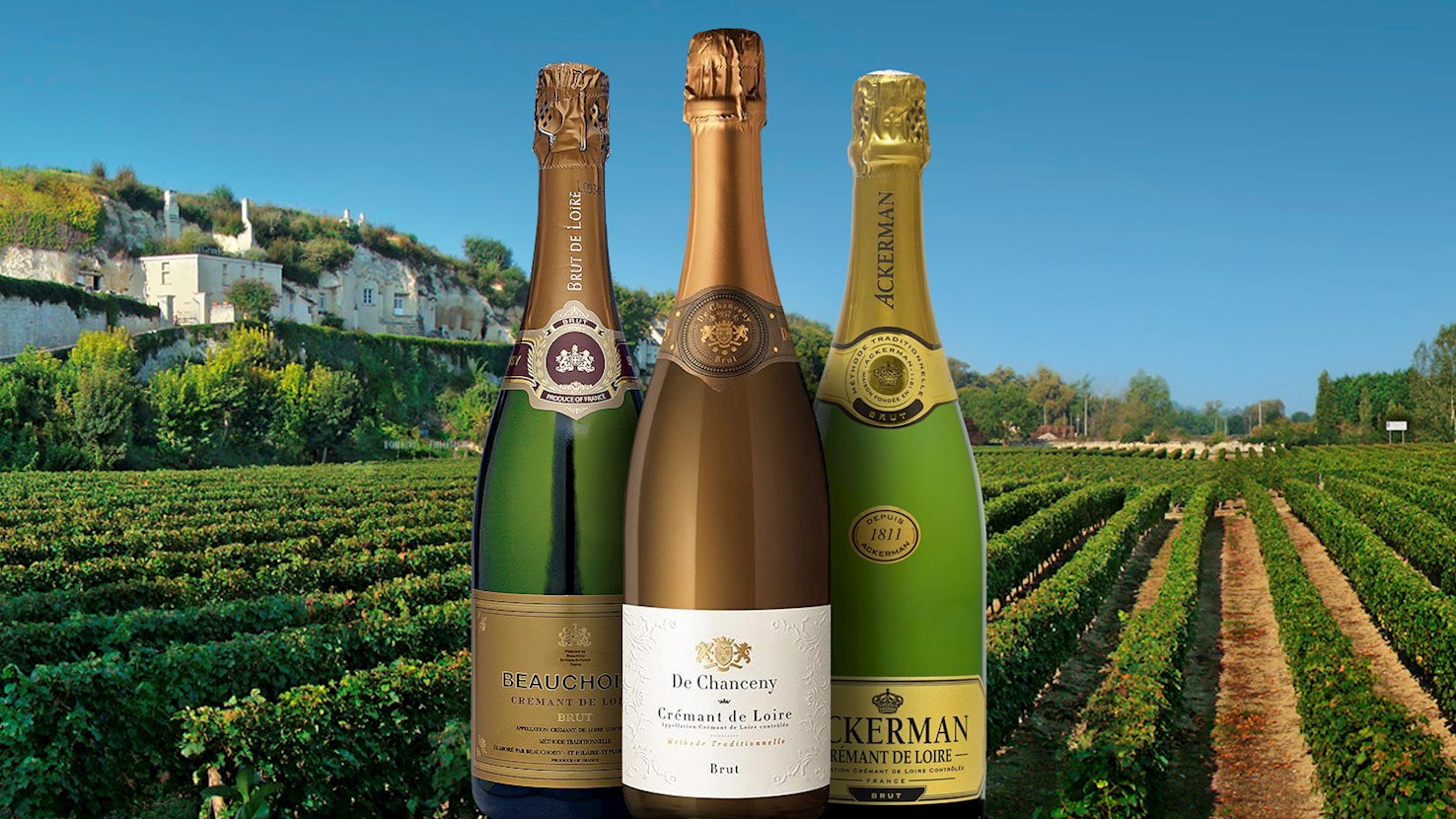
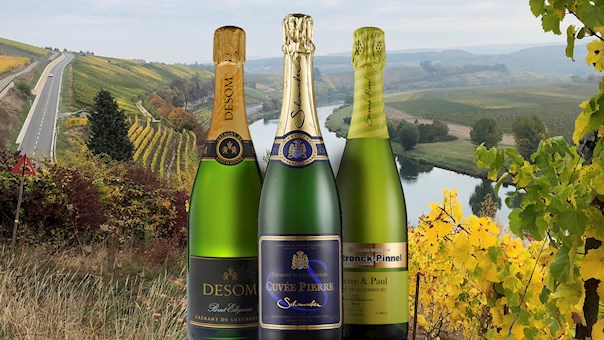
These white and rosé sparkling wines are produced in Anjou, Saumur, and Touraine wine regions located in Loire valley. The principal grape variety used in its production is Chenin Blanc, but the permitted varieties include Chardonnay, Cabernet Franc, Cabernet Sauvignon, and Pineau d’Aunis. White Crémant de Loire wines are fresh and crisp, with typical notes of white fruits, almond, and vanilla, while rosé varieties usually display notes of red berries. Both types can be enjoyed as an aperitif or an accompaniment to different appetizers, cheese, charcuterie, or desserts, but the white version can also be an excellent match to fish from the Loire river, seafood, and poultry.

Best Sparkling Wines in the World
01

Champagne Krug

5 ·
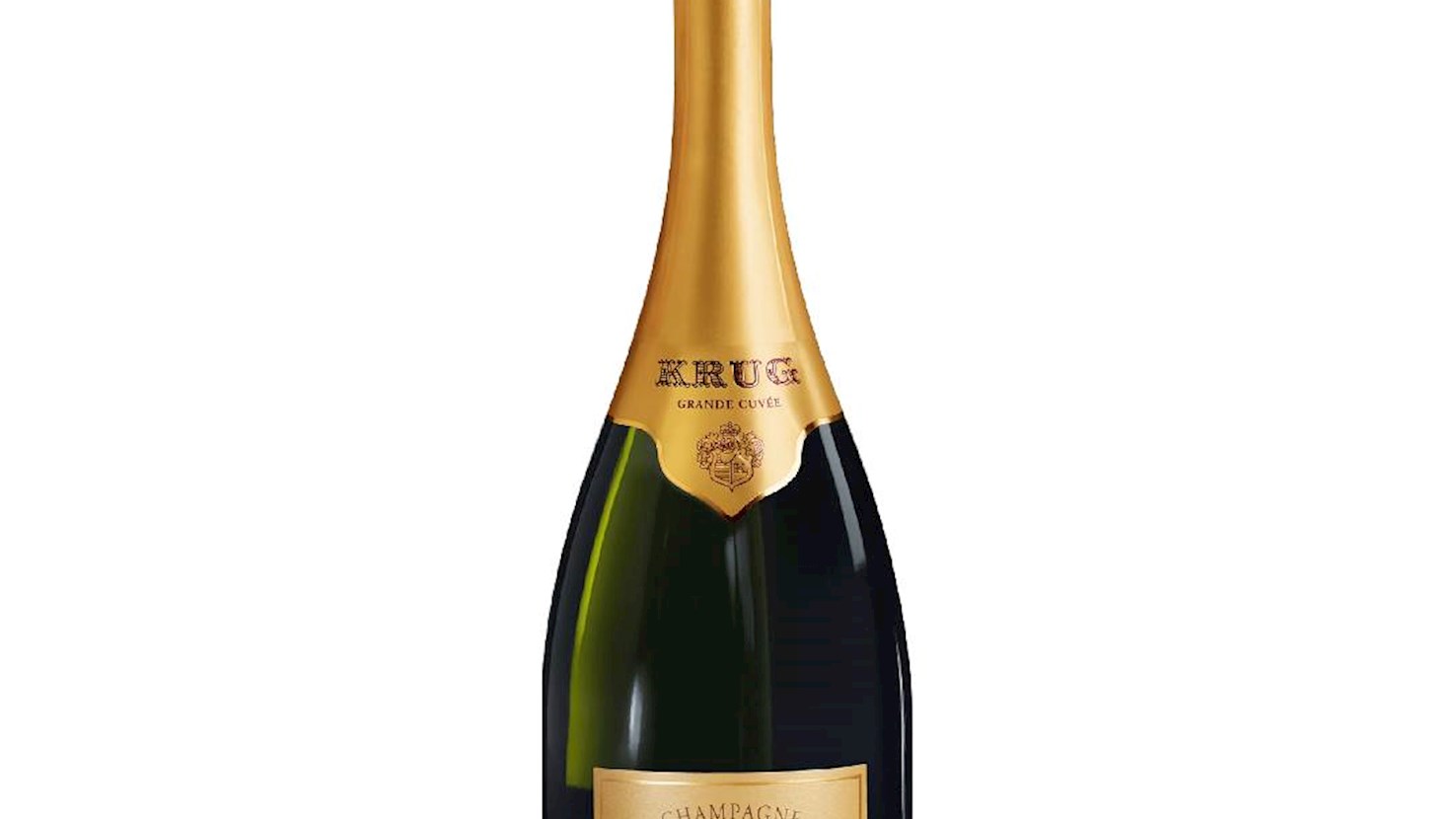
Champagne Krug is one of the most prestigious and revered Champagne houses, renowned for its unwavering commitment to excellence and the artistry of champagne-making. Founded in 1843 by Johann Joseph Krug, this family-run house has always adhered to a philosophy of uncompromising quality, emphasizing the individuality of each vintage and terroir. Krug stands apart with its unique approach - each bottle of champagne is crafted from meticulously selected wines from different years and vineyards, creating unparalleled depth, complexity, and richness. Their most iconic champagne, Krug Grande Cuvée, embodies this philosophy, blending up to 200 wines from over 10 different vintages to achieve perfect harmony and sophistication in every edition. Additionally, Krug is renowned for its exclusive vintage champagnes, Krug Rosé, and rare single-vineyard expressions like Clos du Mesnil and Clos d'Ambonnay, which originate from exceptional, limited-production plots. Each bottle undergoes an extended aging process in Krug’s cellars, allowing the champagnes to develop profound aromas, refined textures, and remarkable elegance. With an uncompromising dedication to quality, a deep respect for tradition, and an innovative spirit, Krug remains synonymous with luxury, refinement, and the ultimate champagne experience.
Awards
Wine Spectator - 99 (2021)
Falstaff - 100
02

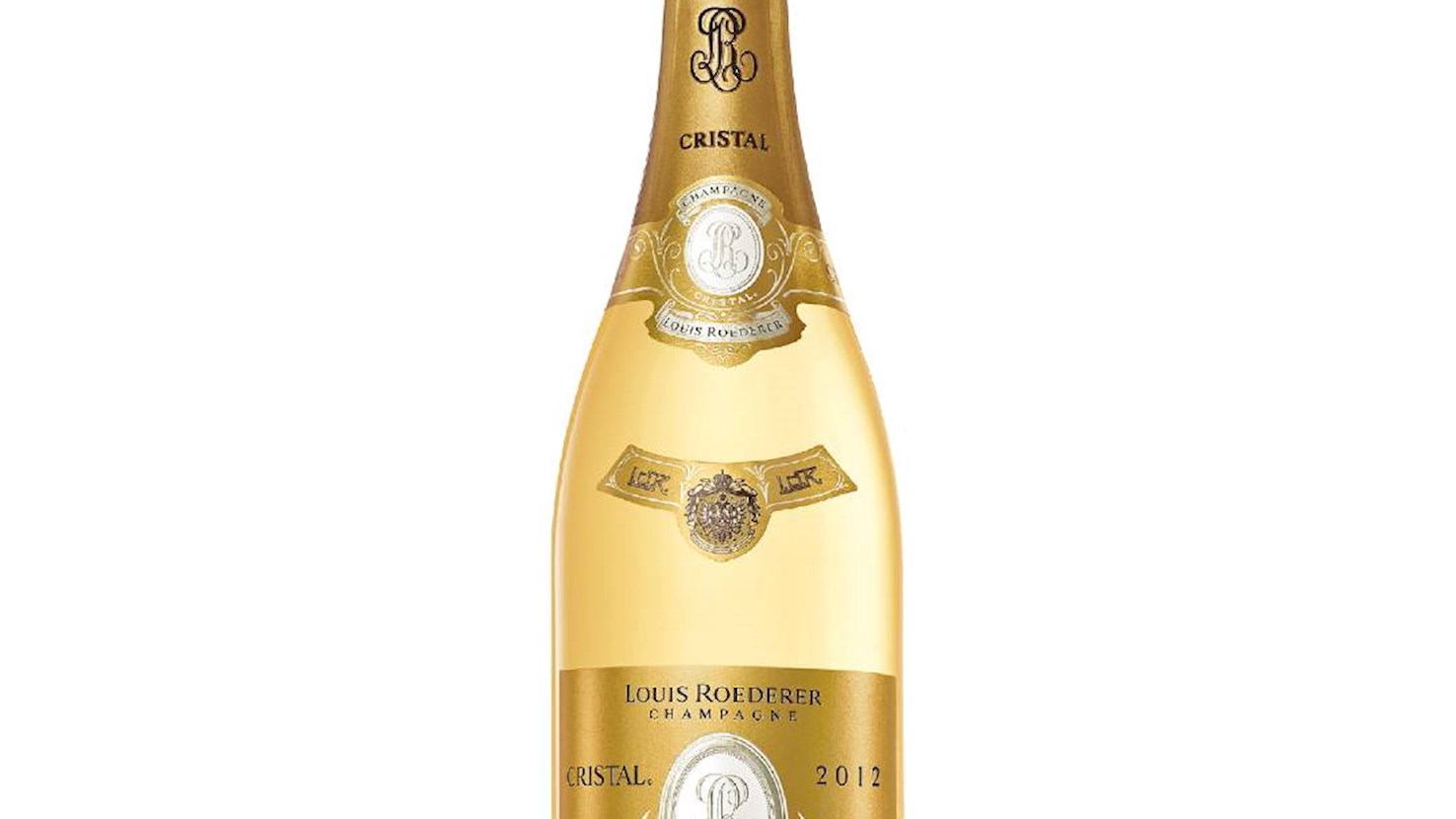
Louis Roederer

5 ·
Louis Roederer is one of the most prestigious and oldest independent Champagne houses, synonymous with luxury, tradition, and innovation. Founded in 1776 in the heart of Champagne, in the city of Reims, this family-run house has been nurturing the art of producing exceptional Champagnes for centuries, captivating connoisseurs worldwide. The true rise of the house began in 1833, when Louis Roederer took over the family business and introduced a revolutionary approach - unlike other producers who purchased grapes, he decided to own and cultivate his own vineyards. This decision allowed him complete control over quality, terroir, and the unique style of his Champagnes, establishing the Louis Roederer brand’s distinctive signature. Thanks to its passion, expertise, and unwavering commitment to excellence, Louis Roederer remains one of the most respected Champagne producers in the world, cherished by collectors, sommeliers, and lovers of fine wines.
Awards
Wine Spectator - 98 (2022)
Falstaff - 100
03

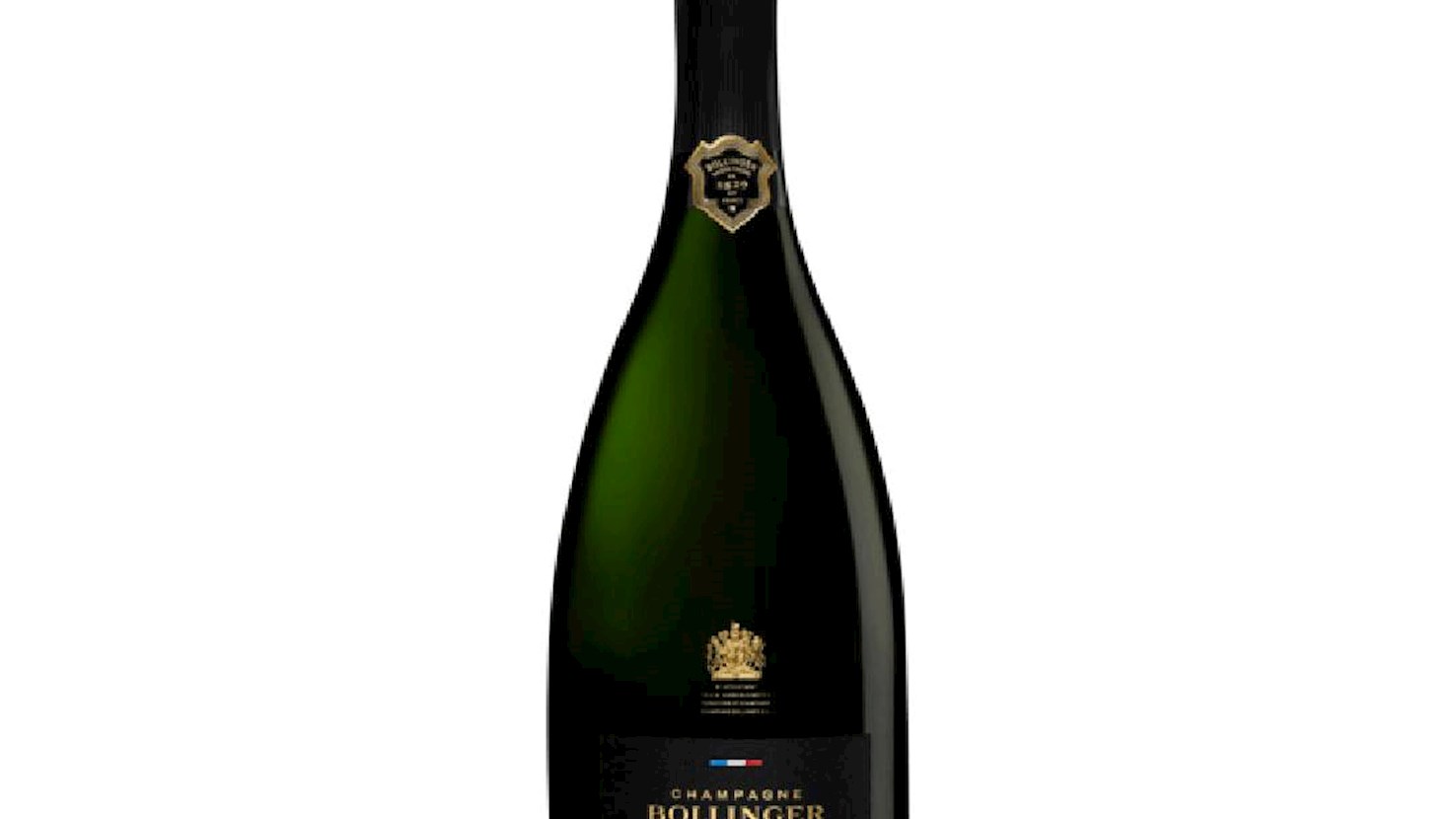
Bollinger

5 ·
The Champagne house Bollinger, founded in 1829 in Aÿ, France, stands as a symbol of excellence and tradition in the world of champagne. Bollinger is distinguished by its unique style that blends power, refinement, and complexity, allowing fruity aromas to fully express themselves. Their wines, such as the iconic Special Cuvée, reflect richness and depth of flavor, thanks to a careful selection of grapes and traditional winemaking methods. For nearly two centuries, Bollinger has remained true to its family values and independence, which has enabled the house to preserve authenticity and consistent quality in its champagnes. Their commitment to sustainability and environmental preservation further highlights a responsible approach to production and care for future generations. Today, Bollinger continues to captivate champagne lovers around the world, combining a rich heritage with innovation, always striving for perfection in every bottle.
Awards
Falstaff - 100
Falstaff - 99
04

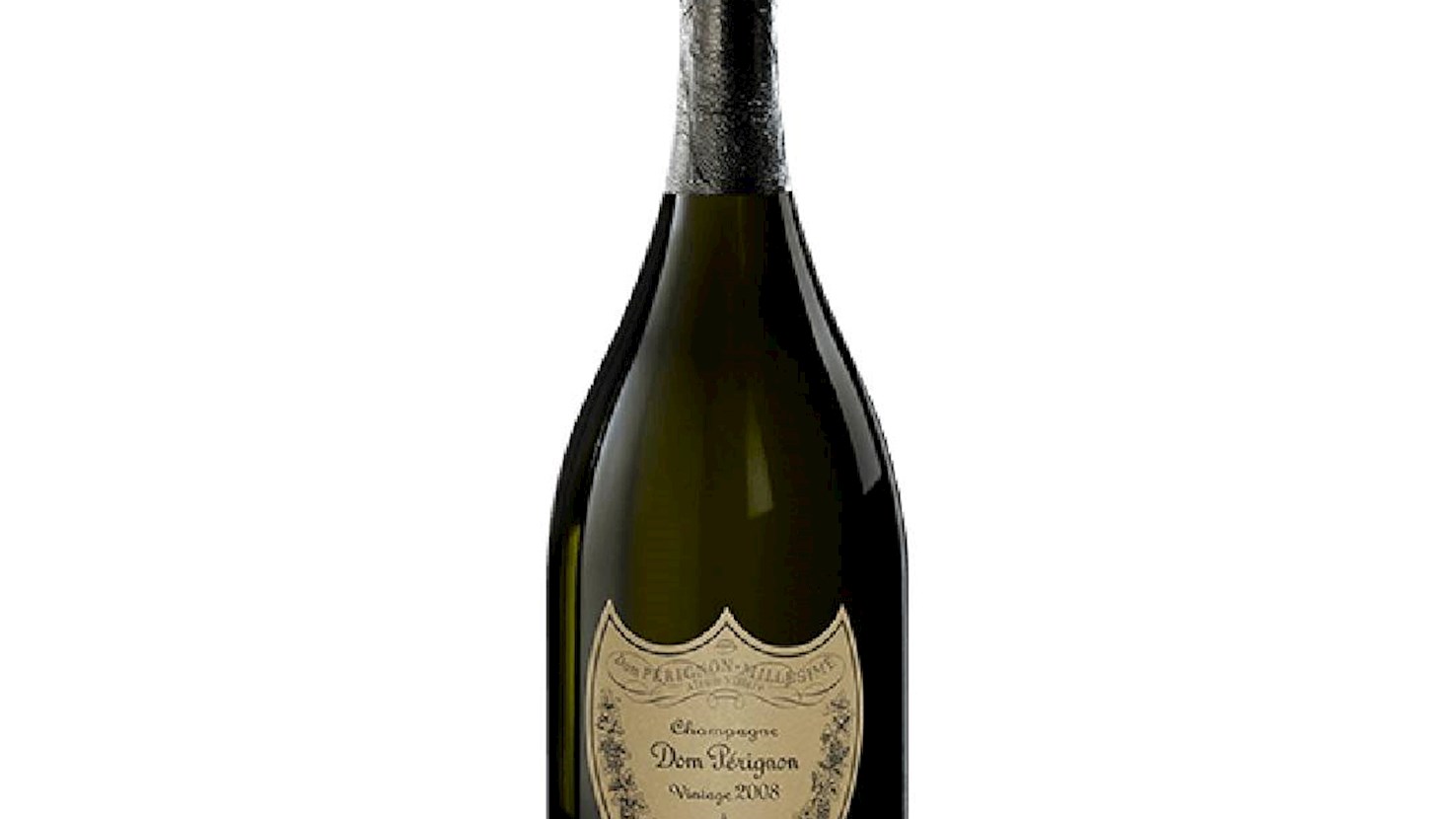
Dom Pérignon

5 ·
Dom Pérignon is more than a name – it is a symbol of prestige, artistry, and an unrelenting pursuit of harmony between intensity and elegance. Inspired by the legendary Benedictine monk who helped shape the future of champagne in the 17th century, the house today embodies innovation, legacy, and timeless luxury. Every bottle of Dom Pérignon is millésimé – made exclusively from a single vintage. It is only produced in years when nature offers grapes of truly exceptional quality, and each vintage is a unique expression of that year’s character and energy. Dom Pérignon champagnes are known for their layered aromas, precise structure, creamy texture, and seamlessly integrated freshness. This is not a wine that simply ages – it evolves, revealing more with each moment. For those who seek more than flavor in a glass, Dom Pérignon offers a rare experience of emotion, energy, and the pinnacle of winemaking vision.
Awards
Falstaff - 100
Vivino - 4.6
05

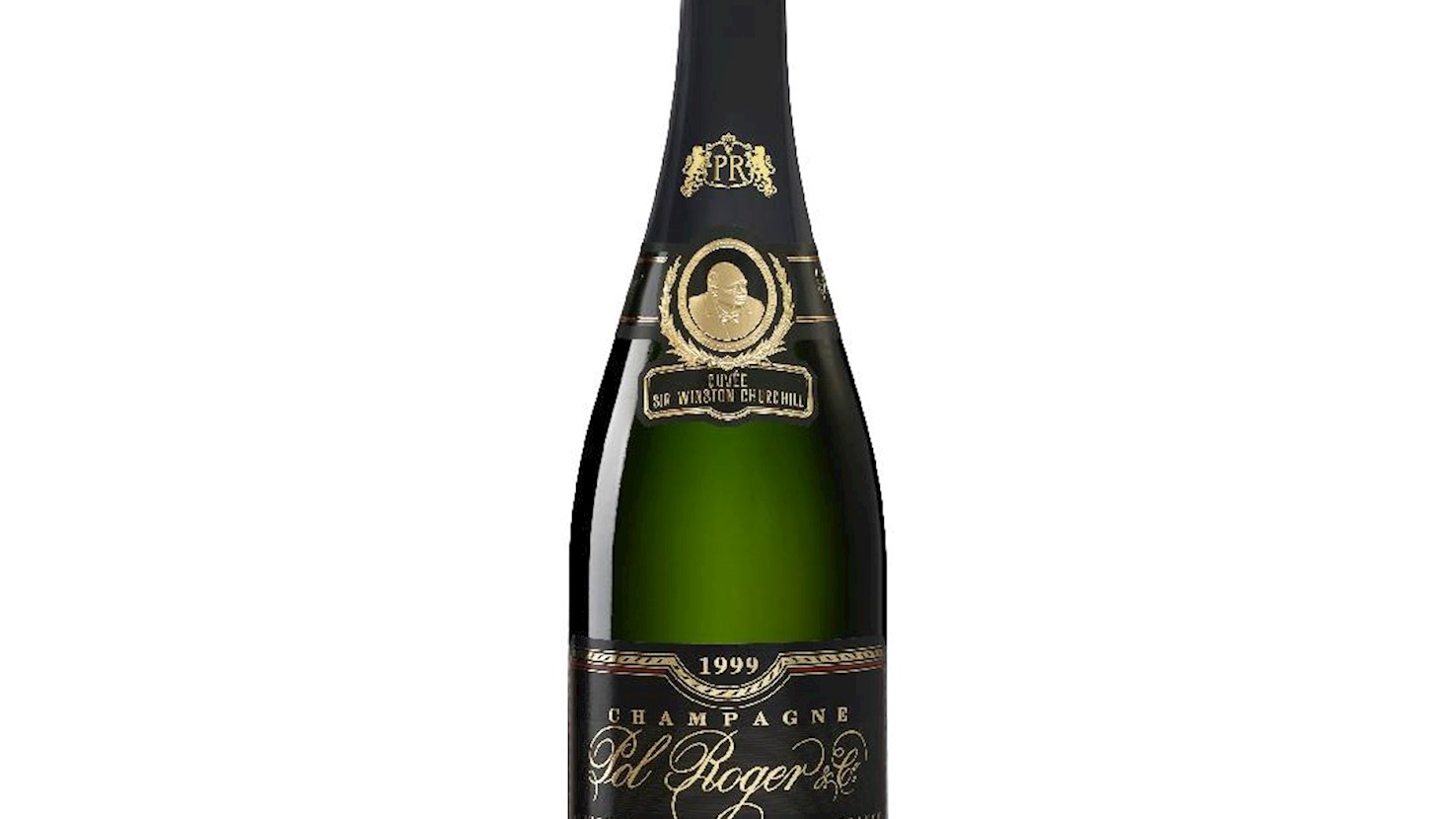
Pol Roger

5 ·
For over 175 years, Pol Roger has stood as a symbol of uncompromising quality, refined craftsmanship, and understated sophistication in the world of champagne. Remaining proudly family-owned through five generations, the house is celebrated for its consistent style - fresh, balanced, and remarkably elegant. Every bottle is produced and aged in Pol Roger’s own deep chalk cellars, where ideal conditions allow the wines to mature slowly and gracefully. Known for their fine bubbles, purity of structure, and vibrant freshness, Pol Roger champagnes are equally at home in grand celebrations or quiet moments of indulgence. What sets Pol Roger apart is the harmony between technical precision and artisanal intuition - a meticulous process guided by deep respect for the wine itself. Each cuvée reflects the house’s commitment to excellence, delivering complexity, finesse, and lasting charm.
Awards
Falstaff - 100
Vivino - 4.6
06

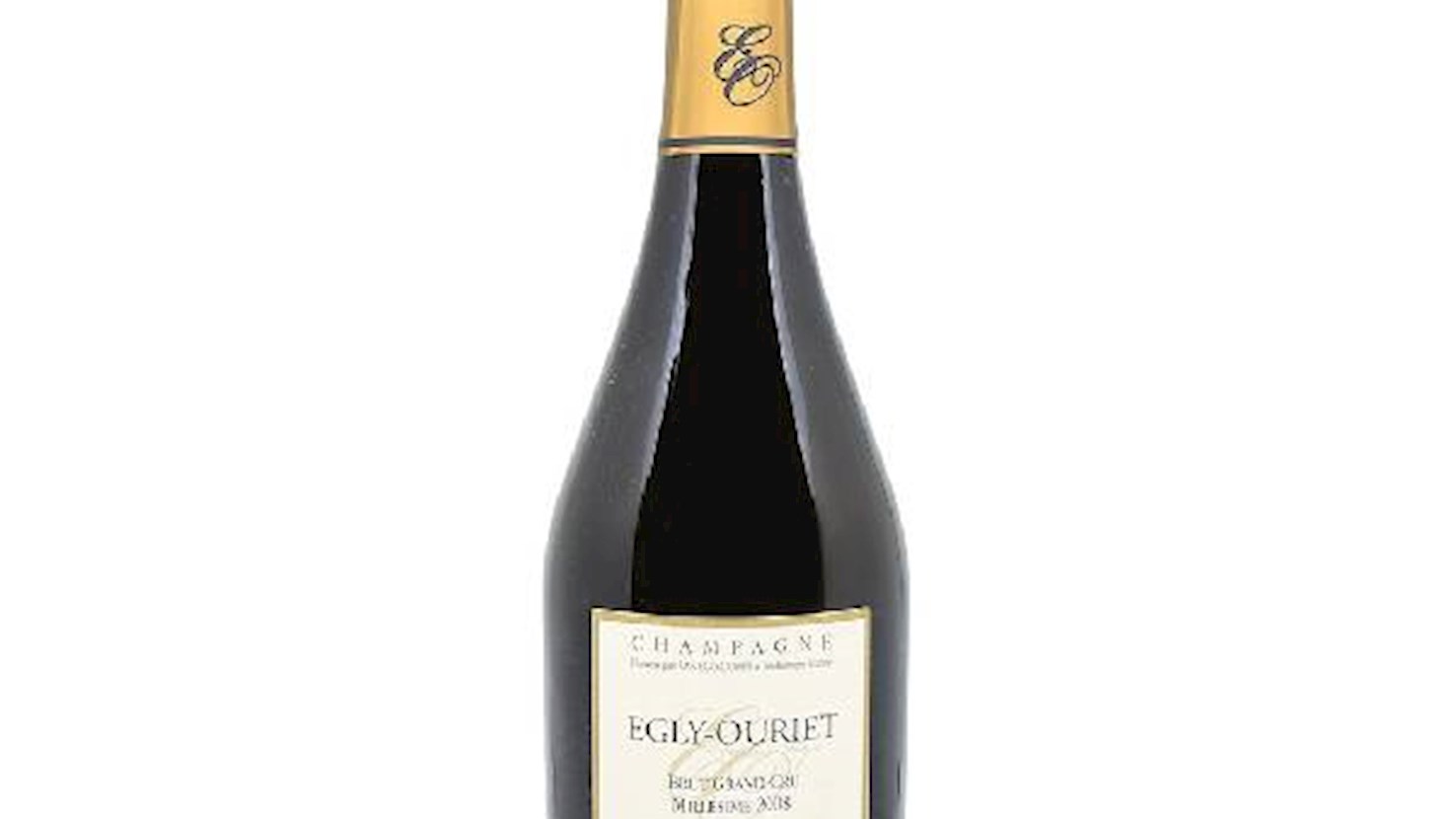
Egly-Ouriet

5 ·
Champagne Egly-Ouriet is a renowned Champagne house celebrated for its commitment to biodynamic and organic farming practices. With a focus on producing wines that express the true character of their terroir, the house has become a pioneer in the natural Champagne movement. Founded by the Egly family, this boutique winery produces wines from some of the finest Grand Cru vineyards, ensuring that only the highest quality fruit is used. The house is known for its low yields, long maturation periods, and minimal intervention during fermentation. Wines are fermented with natural yeasts and aged on lees for extended periods, resulting in Champagne that is rich, complex, and full-bodied. Champagne Egly-Ouriet is particularly famous for its Pinot Noir-based cuvées, which are robust, concentrated, and elegant. With a style that combines power and finesse, their cuvées, such as the Egly-Ouriet Brut Tradition, Egly-Ouriet Grand Cru Ambonnay, and Egly-Ouriet Les Vignes de Vrigny, have earned widespread acclaim for their remarkable depth and complexity. This focus on quality and craftsmanship has helped Champagne Egly-Ouriet build a loyal following among Champagne enthusiasts worldwide.
Awards
Vivino - 4.7
Vivino - 4.4
07

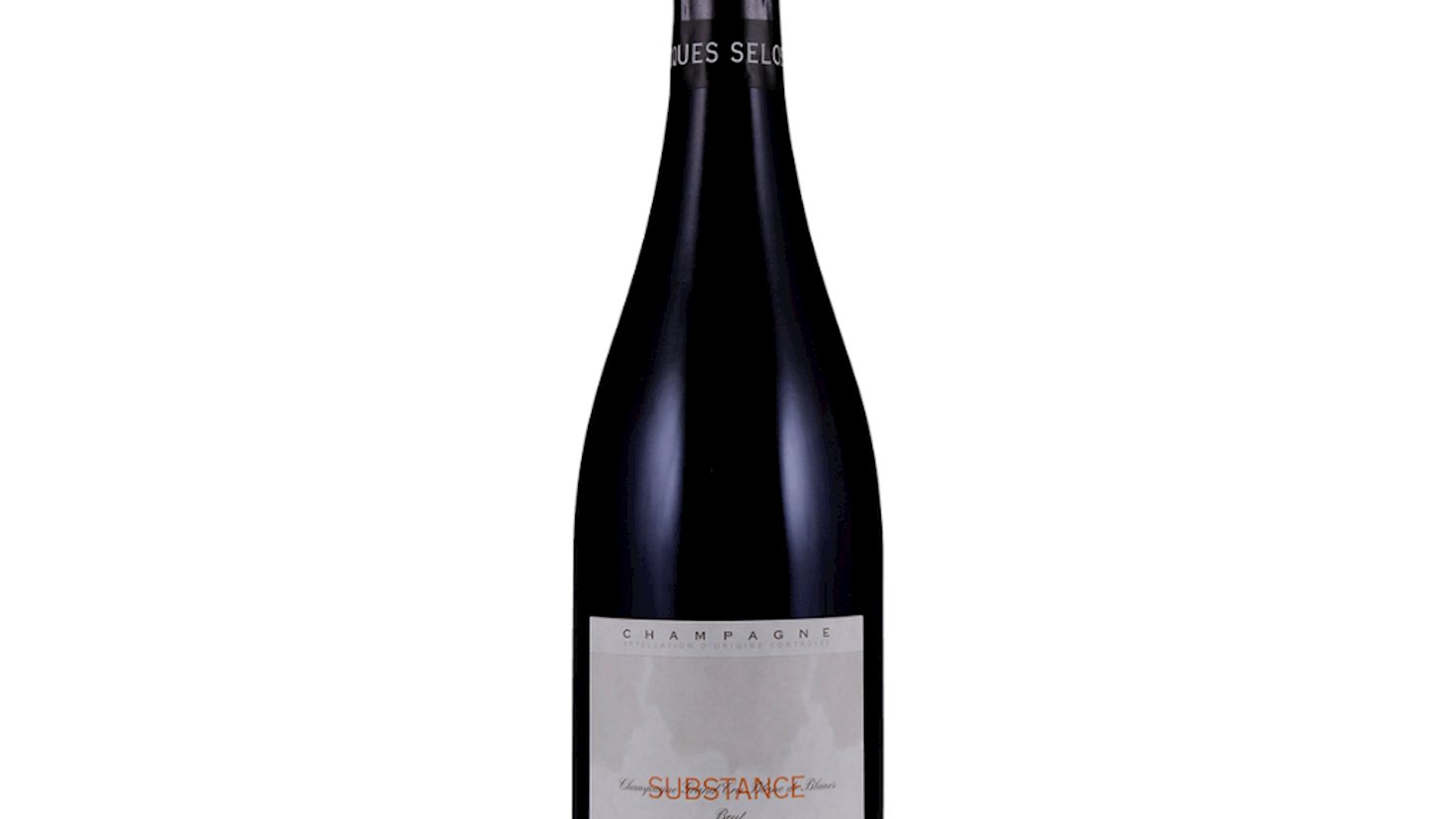
Domaine Jacques Selosse

5 ·
Domaine Jacques Selosse is a prestigious Champagne house located in the village of Avize, in the Champagne region of France, renowned for its innovative approach to viticulture and winemaking. It was founded by Jacques Selosse in 1949, and the first Champagne under the estate’s own name was produced in 1964. The winery introduced Burgundian techniques into Champagne production, including fermentation and aging in oak barrels - an unusual practice for the region at the time. Today, the estate covers approximately 8 hectares of vineyards spread across 54 parcels, mostly classified as Grand Cru, with Chardonnay and Pinot Noir as the dominant grape varieties. The annual production is limited to around 55,000 bottles, which adds to the exclusivity and high demand for their wines.
Awards
Vivino - 4.6
Vivino - 4.7
08

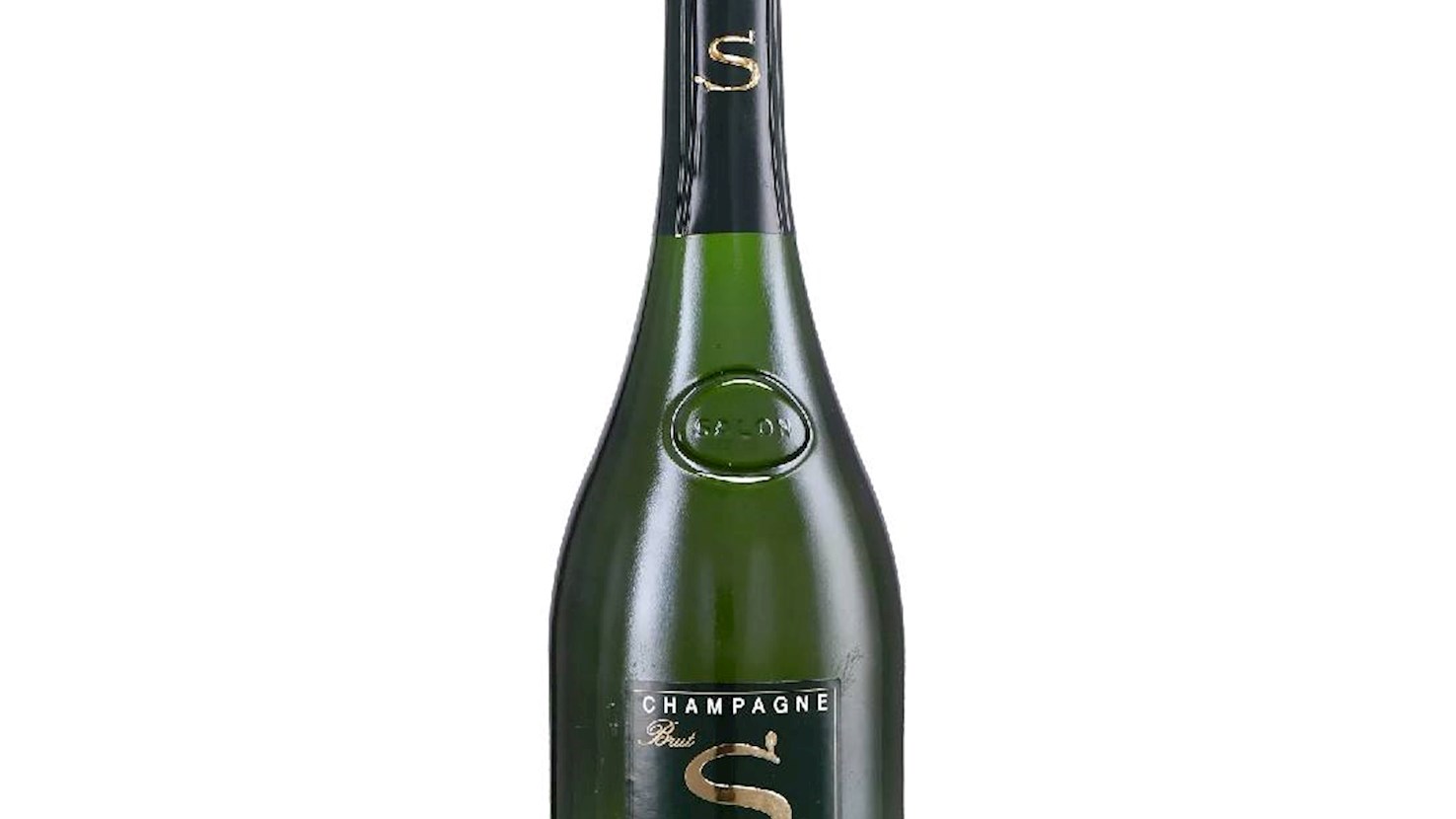
Salon

5 ·
Champagne House Salon stands as a true icon in the world of wine – a symbol of prestige, rarity, and unwavering dedication to quality. Founded in the early 20th century by visionary Eugène-Aimé Salon, the house established a clear philosophy: to create the perfect Champagne using only Chardonnay grapes, from a single vineyard, a single village, and a single vintage. Salon is produced only in the most exceptional years, with an average of just four vintages per decade. Over the entire 20th century, only 37 vintages were released, making it one of the rarest and most sought-after Champagnes in the world. After fermentation in stainless steel tanks, the wine is aged on the lees for around ten years in Salon’s cellars before release – resulting in a Champagne of remarkable complexity, elegance, and depth. Salon is not just a Champagne – it is a philosophy, an art form, and a tradition bottled with precision. With every vintage, the house reaffirms its reputation as a producer of uncompromising quality, creating wines that captivate both connoisseurs and the most discerning collectors.
Awards
Vivino - 4.7
09

Piper-Heidsieck

5 ·
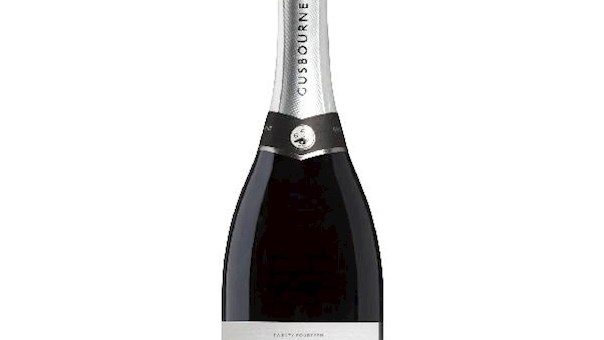
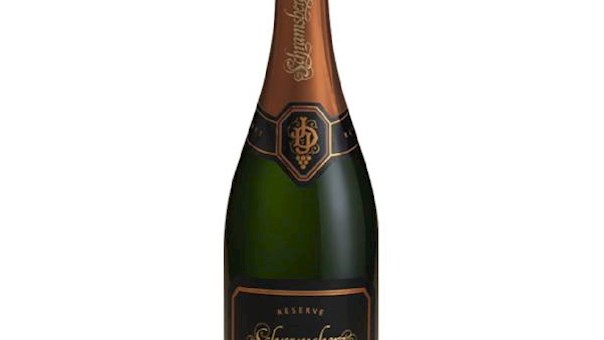
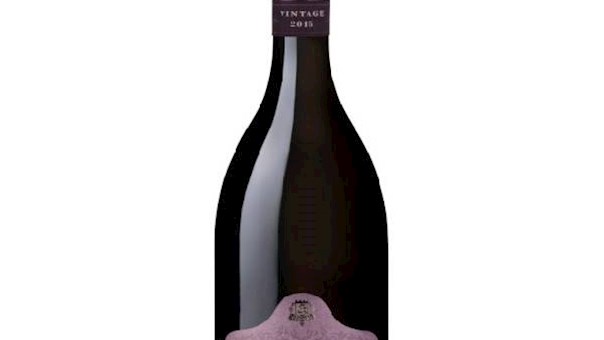
Piper-Heidsieck is one of the most prestigious and iconic Champagne houses, with a rich tradition spanning over two centuries. Known for its unwavering commitment to quality, innovation, and sophistication, the house has earned a place among the world’s most respected names in champagne. Each bottle of Piper-Heidsieck reflects a unique style—vibrant, fresh, elegant, and perfectly balanced. Crafted with carefully selected grapes and guided by generations of cellar mastery, their champagnes embody authenticity and character. The philosophy behind every cuvée is to express the spirit of the vintage while meeting the highest standards of excellence. Piper-Heidsieck is also a familiar name in the world of glamour, frequently gracing red carpets and film festivals around the globe. Collaborations with renowned designers and artists have led to exclusive limited editions, further cementing the brand’s reputation for luxury and creativity. Through its timeless craftsmanship, innovative spirit, and unmistakable flair, Piper-Heidsieck remains a true symbol of elegance, passion, and the art of champagne.
Awards
Decanter World Wine Awards - Platinum (2021, 2018, 2017)
Decanter World Wine Awards - Best in Show (2018, 2016)
10

Ferrari Trento

5 ·
Ferrari Trento is a prestigious Italian sparkling wine house synonymous with exceptional quality and tradition in the production of sparkling wines. Founded in 1902, Ferrari is recognized as one of the leaders in producing Trento DOC (Denominazione di Origine Controllata) wines, which are crafted using the traditional method, also known as the Champagne method. Throughout over a century, Ferrari has remained committed to high standards and innovation, creating sparkling wines that reflect the richness of the Italian terroir. Ferrari Trento is particularly known for its use of Chardonnay, which, combined with meticulous vineyard practices and winemaking techniques, produces wines with rich, elegant, and fruity aromas. Among the most renowned products of the house is the Ferrari Perlé, a sparkling wine resulting from exceptional grape selection and careful production, as well as the Ferrari Rosé, which offers a refined balance between freshness and complexity. Ferrari is also celebrated for wines that consistently win numerous awards worldwide and is a symbol of luxury at prestigious events and special occasions. With a dedication to tradition, a passion for viticulture, and a continuous pursuit of innovation, Ferrari Trento has become synonymous with Italian luxury and quality in the world of sparkling wines.
Awards
Vivino - 4.6
Vivino - 4.0
About this ranking

TasteAtlas food rankings are based on the ratings of the TasteAtlas audience, with a series of mechanisms that recognize real users and that ignore bot, nationalist or local patriotic ratings, and give additional value to the ratings of users that the system recognizes as knowledgeable. For the “Top 100 Sparkling Wines in the World” list until June 17, 2026, 1,254 ratings were recorded, of which 1,024 were recognized by the system as legitimate. TasteAtlas Rankings should not be seen as the final global conclusion about food. Their purpose is to promote excellent local foods, instill pride in traditional dishes, and arouse curiosity about dishes you haven’t tried.

The initial list of top producers was compiled based on available reviews, awards, local recommendations, media and blog coverage, and consumer reviews. The list will be updated with ratings from TasteAtlas local ambassadors and TasteAtlas users.

Similar lists