
shutterstock

Top 100 Sweet Breads
in the World

Last updated on April 15, 2026
01

Kardemommeboller (Cardamom buns)

4.3 ·

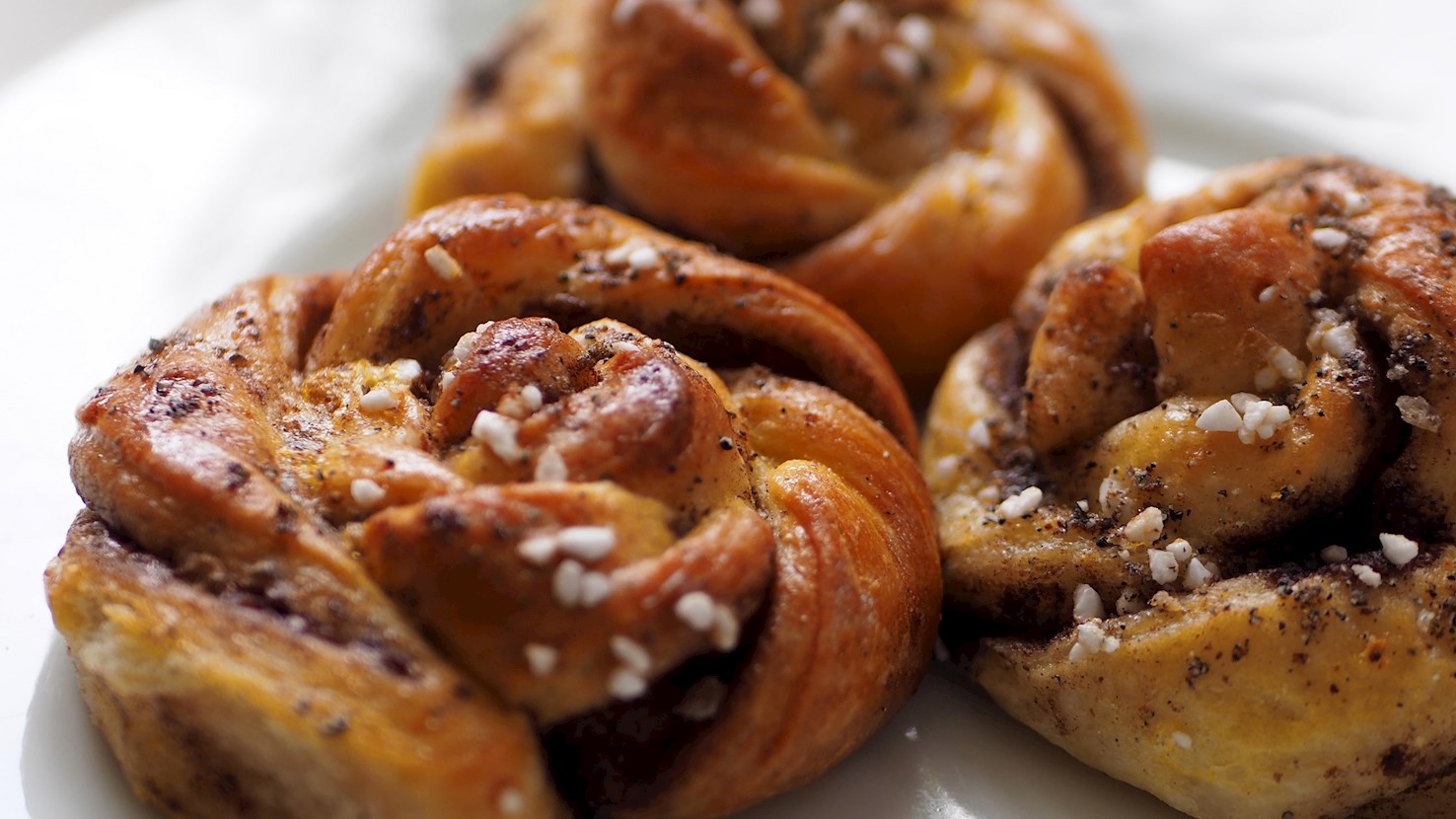
Kardemommeboller are traditional Swedish cardamom buns. This sweet knotted pastry is usually made with a combination of milk, butter, yeast, sugar, flour, crushed cardamom seeds, and salt. The milk is scalded and mixed with butter until everything is melted. The combination is mixed with the sugar, salt, cardamom, yeast, and flour in order to make a stiff dough. The dough is left to rise and it's then rolled and folded over into knots. They're baked for a few minutes, then brushed with butter while still hot. These cardamom buns are typically served on Santa Lucia day and Christmas, but they can also be enjoyed a few days later.

02

Pan de muerto

4.2 ·

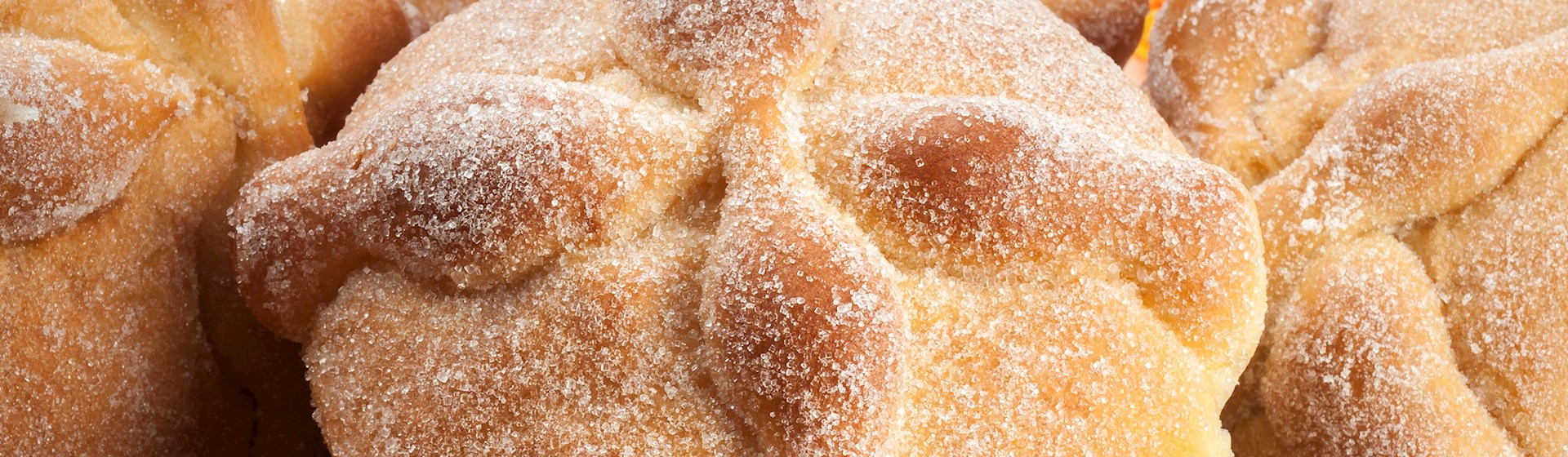
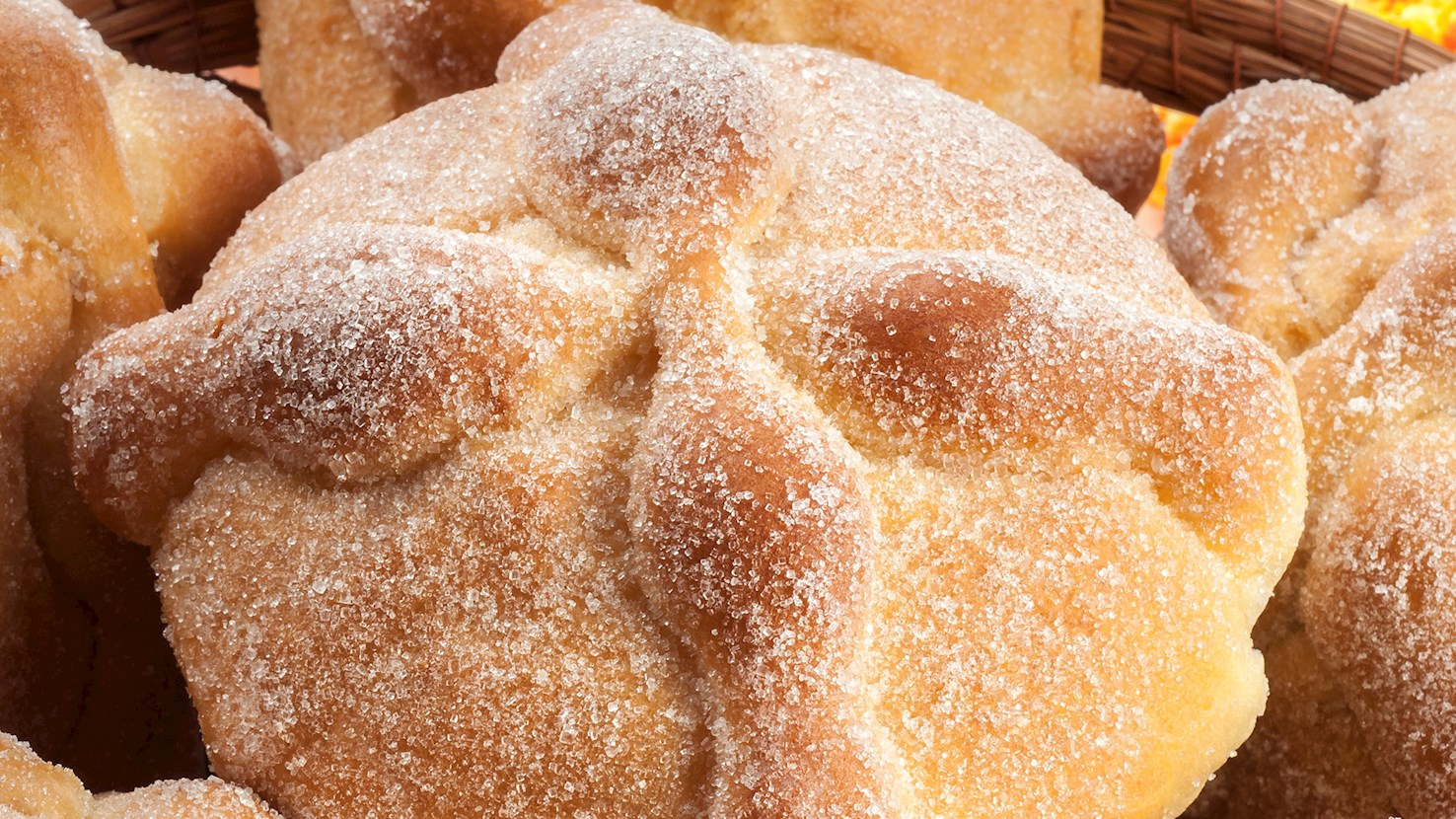
Pan de muerto is a traditional sweet bread that is commonly consumed during the Day of the Dead, celebrated annually on November 2. The bread is characterized by its shape and decorations: a round loaf with strips of dough layered on top of it in order to resemble human bones. It is made from flour, eggs, milk, butter, sugar, and yeast, and it is traditionally glazed with butter and orange zest on top, then sprinkled with confectioners' sugar. Other flavorings include anise seed and cinnamon. Pan de muerto can also be prepared in other shapes such as skulls, animals, or angels. It dates back to the Colonial period, when it was sold in the Plaza de Armas in the early days of New Spain, and its roots go back to the ancient Aztec tradition of placing food on the tombs of the dead as offerings, as they believed that the deceased will be hungry after their journey to the other side. Today, pan de muerto can be found throughout Mexico City on the Day of the Dead, and it is recommended to pair it with creamy Oaxacan hot chocolate.

03

Tsoureki

4.1 ·

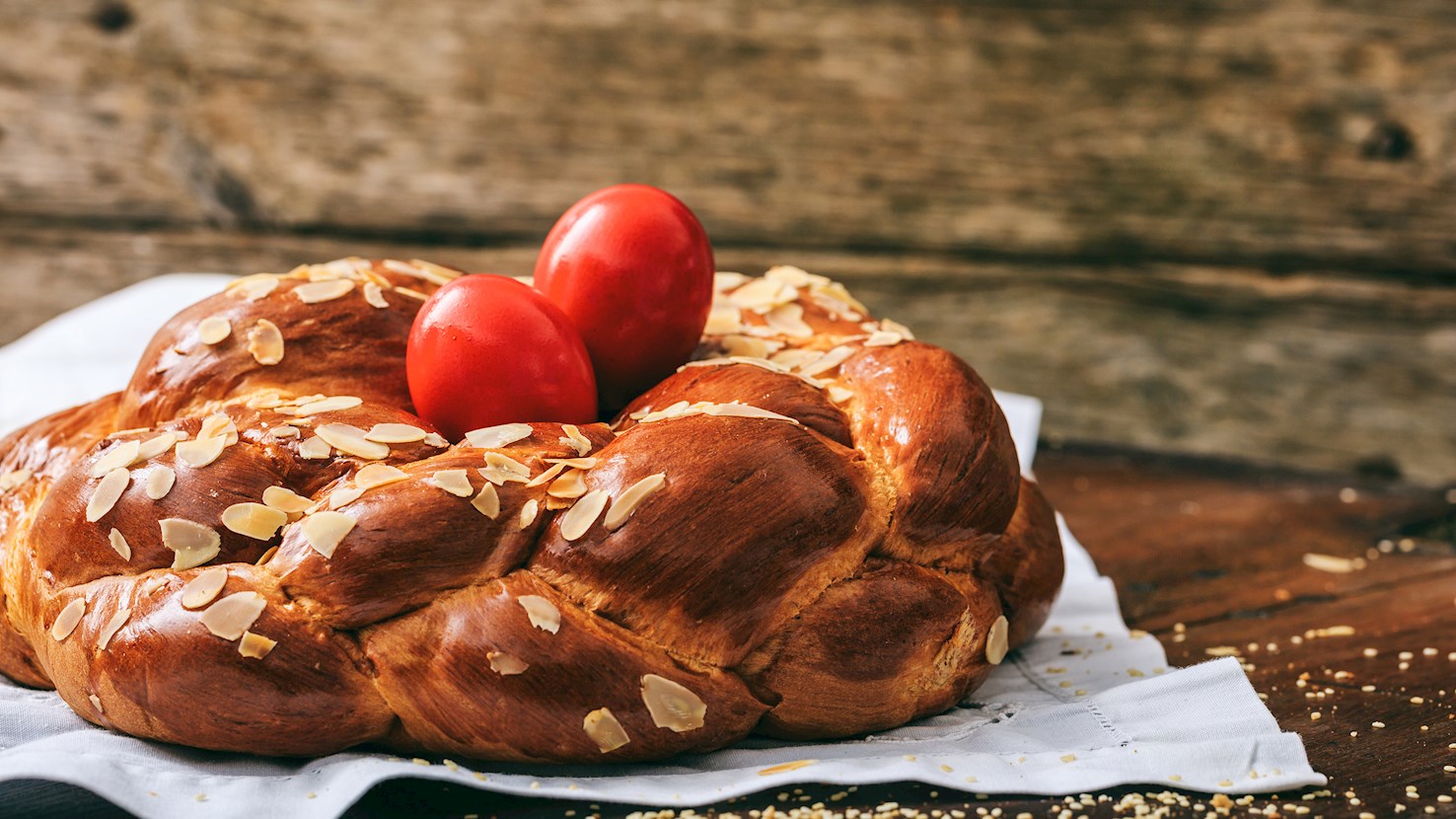
Tsoureki is a traditional Easter bread characterized by its braided shape, which can be either circular or elongated like a loaf. Tradition says that tsoureki should be braided in three strands - one for each aspect of the Trinity. The bread is usually made with milk, eggs, butter, and flavorings such as mahleb, orange zest, cardamom, and vanilla. After baking, it should be moist, tender, and soft, yet chewy. It is often served with a red-dyed egg on top of it, although it can sometimes be baked together with scarlet-colored eggs, representing the blood of Christ and resurrection. Tsoureki has been prepared in Greece since ancient times, and is traditionally served at the breaking of Lent. Loaves of tsoureki are typically exchanged among Greeks on Easter Sunday as a sign of good will and friendship. Today, there are numerous variations of the bread in Turkey, Armenia, Romania, and Bulgaria, all of them especially good when paired with a hot cup of tea or coffee.

Best restaurants
04

Vasilopita

4.1 ·

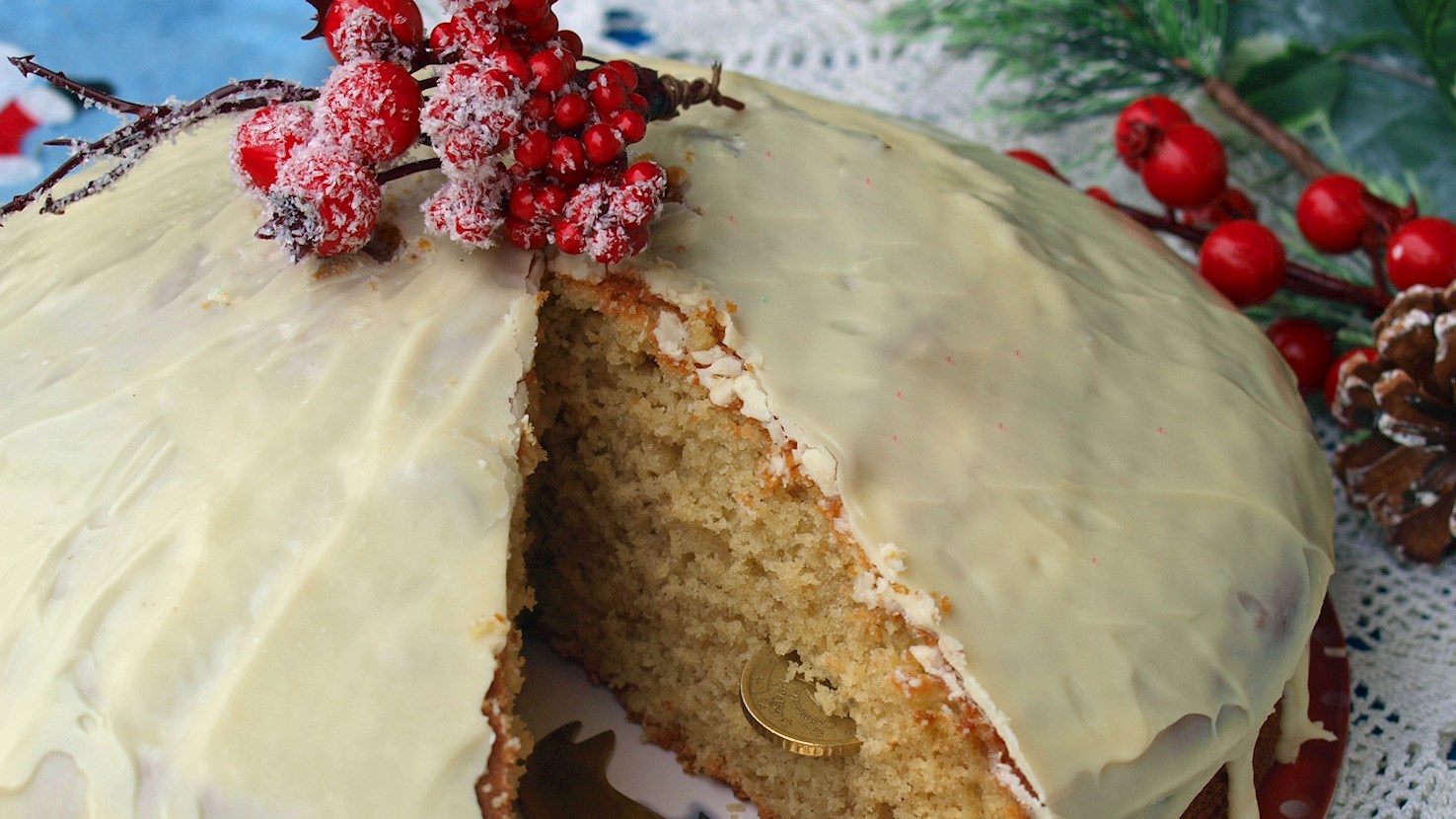
Vasilopita is a Greek New Year's cake with a coin or a trinket baked inside of it. The cake is enriched with a sweet flavoring, symbolizing the sweetness and joy of life and hope that the New Year will be abundant in health and happiness. Traditionally, the cake is cut by a senior member of the family, and whoever receives the piece with a coin inside is thought to be blessed in the following year. Each piece is cut in honor of someone or something: the first piece for Jesus Christ, the second for Virgin Mary, and the third for St. Basil, since the cake is named after him. It is believed that St. Basil wanted to give money to the poor, and in order for it not to look like charity, he asked a woman to bake a bread in which he placed several gold coins, so the poor families were pleasantly surprised when they found coins inside the bread. Today, there are numerous versions of the cake that are also prepared in Albania, Bulgaria, Serbia, and Romania, each one with a coin inside, but unassociated with St. Basil.

05

Papparoti

4.1 ·

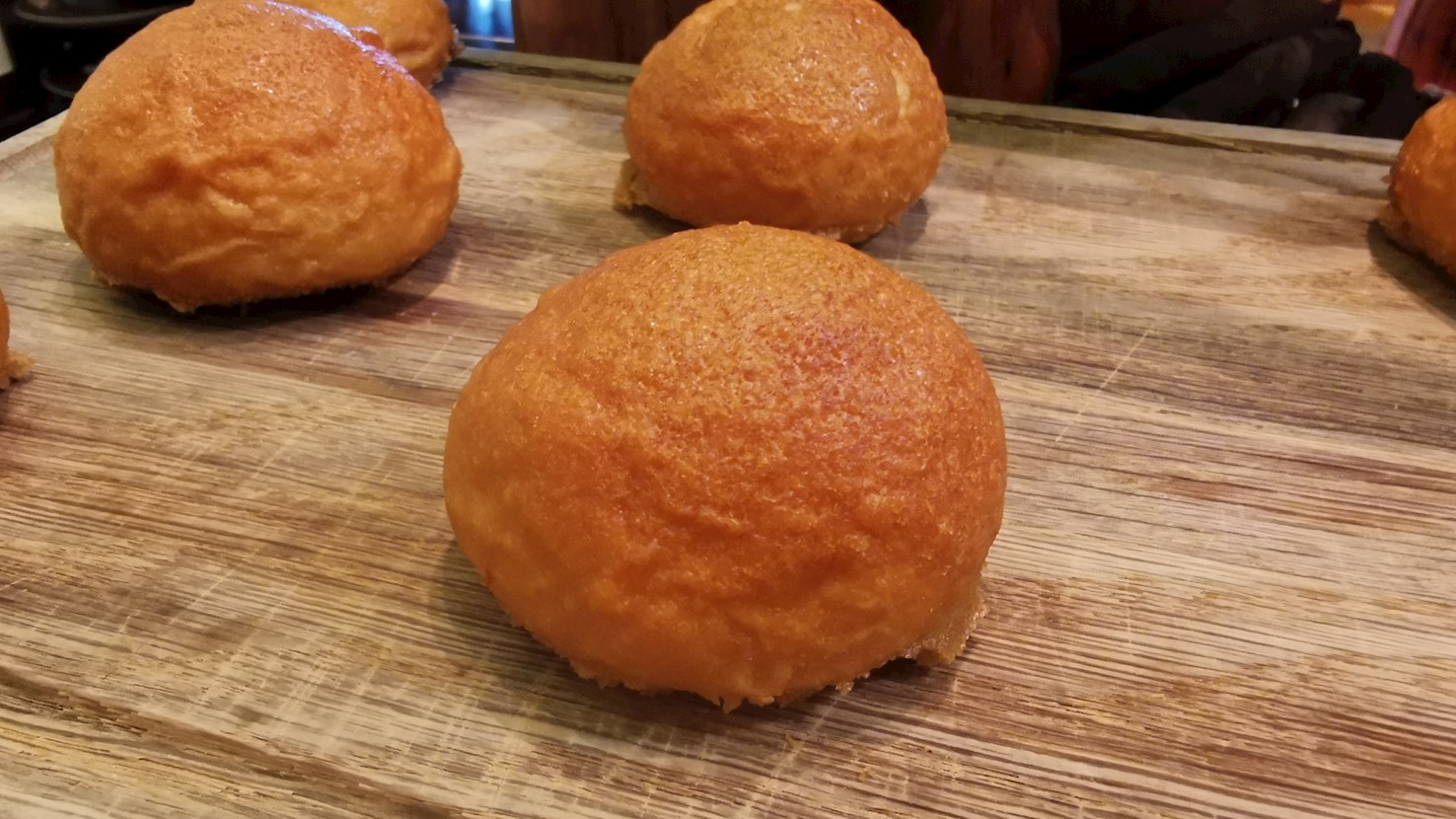
Papparoti is a bun originating from Malaysia. Although the papparoti is nowadays trademarked, it started as a new version of roti flatbread which was made into a bun in 2002 by a Malaysian woman. The buns are made with a combination of flour, sugar, yeast, milk, butter, salt, and eggs. Before baking, the papparoti are topped with an icing made from coffee and caramel. Crunchy on the outside and rich and buttery inside, these buns have been popular since 2003, when the first trademarked PappaRoti store opened in Malaysia. It's usually paired with tea or coffee, and nowadays these sweet and salty buns can be bought across Asia, Australia, England, the Middle East, and North America.

06

Chałka

4.1 ·

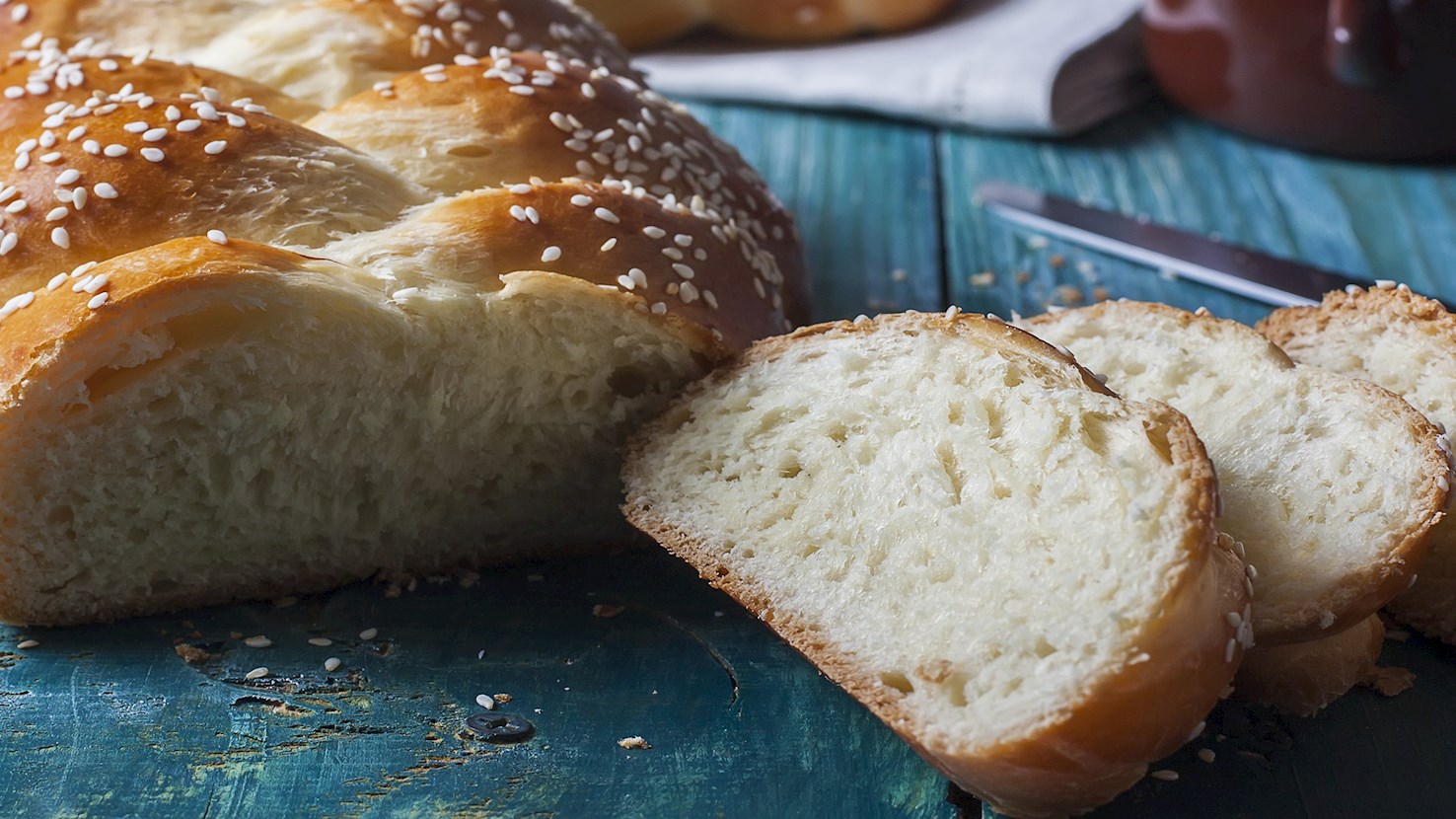
Usually shaped into a braided loaf, chałka is a soft, sweet Polish bread prepared with a rich yeasted dough. It can occasionally incorporate raisins or other dried fruits and is traditionally sprinkled with sesame or poppy seeds and sliced almonds. Chałka is derived from the popular Jewish challah bread, but Poles traditionally associate it with Christmas or Easter holidays. Served sliced, it can be enjoyed plain or accompanied with butter and various fruit preserves.

07

Pan de coco

4.1 ·

Pan de coco is a sweet bread roll filled with desiccated coconut and sugar. Its name can be translated to coconut bread, and it is a very popular snack bread throughout Honduras and the Philippines. The Honduran version uses coconut milk in the preparation of the dough and is usually served with stews, its density making it ideal for soaking up the juices, while the Filipino version is commonly served as a dessert, preferably accompanied by a cup of tea. Although the origins of this flavorful treat are quite murky, it is believed that the recipe was taken from Central America to Southeast Asia by Spanish settlers in the 17th century.

08

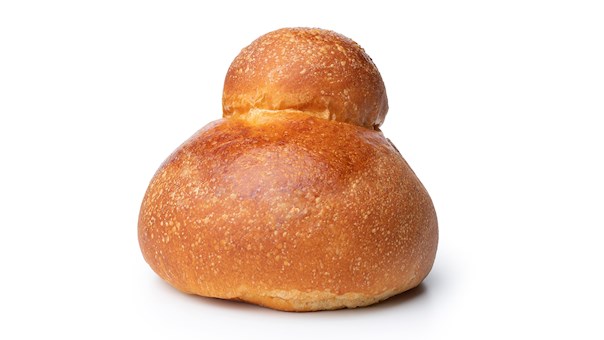
Brioche

4 ·

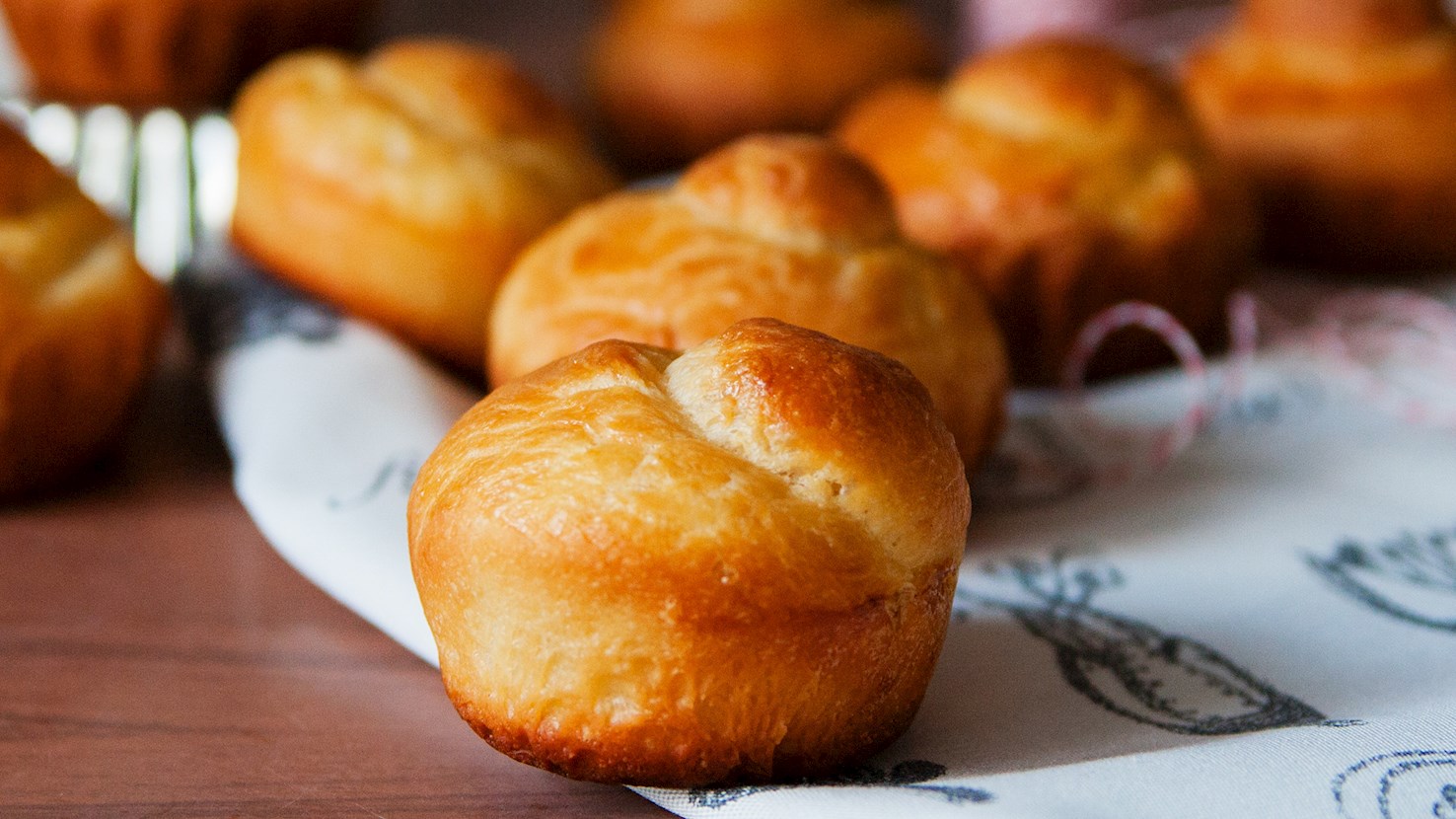
This baked specialty is a French type of viennoiserie, a cross between a pastry and a bread, with a high butter, milk, and egg content that makes it rich, soft, and flaky. It has been enjoyed for centuries both as a delicacy and as a status symbol. One popular theory claims that it was invented by Norman Vikings, who settled in France in the 9th century and brought the secrets of making butter with them. The word brioche first appeared in print in 1404, and the name is believed to be derived from bris and hocher, meaning to knead and to stir. It could also be a reference to the popular French cheese called Brie, which is believed to have been one of the ingredients in the original brioche. A famine in the 18th century made bread expensive, so brioche became a status symbol – the amount of butter in your brioche was proportional to your prosperity. Today, it is traditionally consumed with tea, but it also has various uses in cuisine, acting as a vessel for sweet or savory fillings.

09

Schneckenkuchen

4 ·

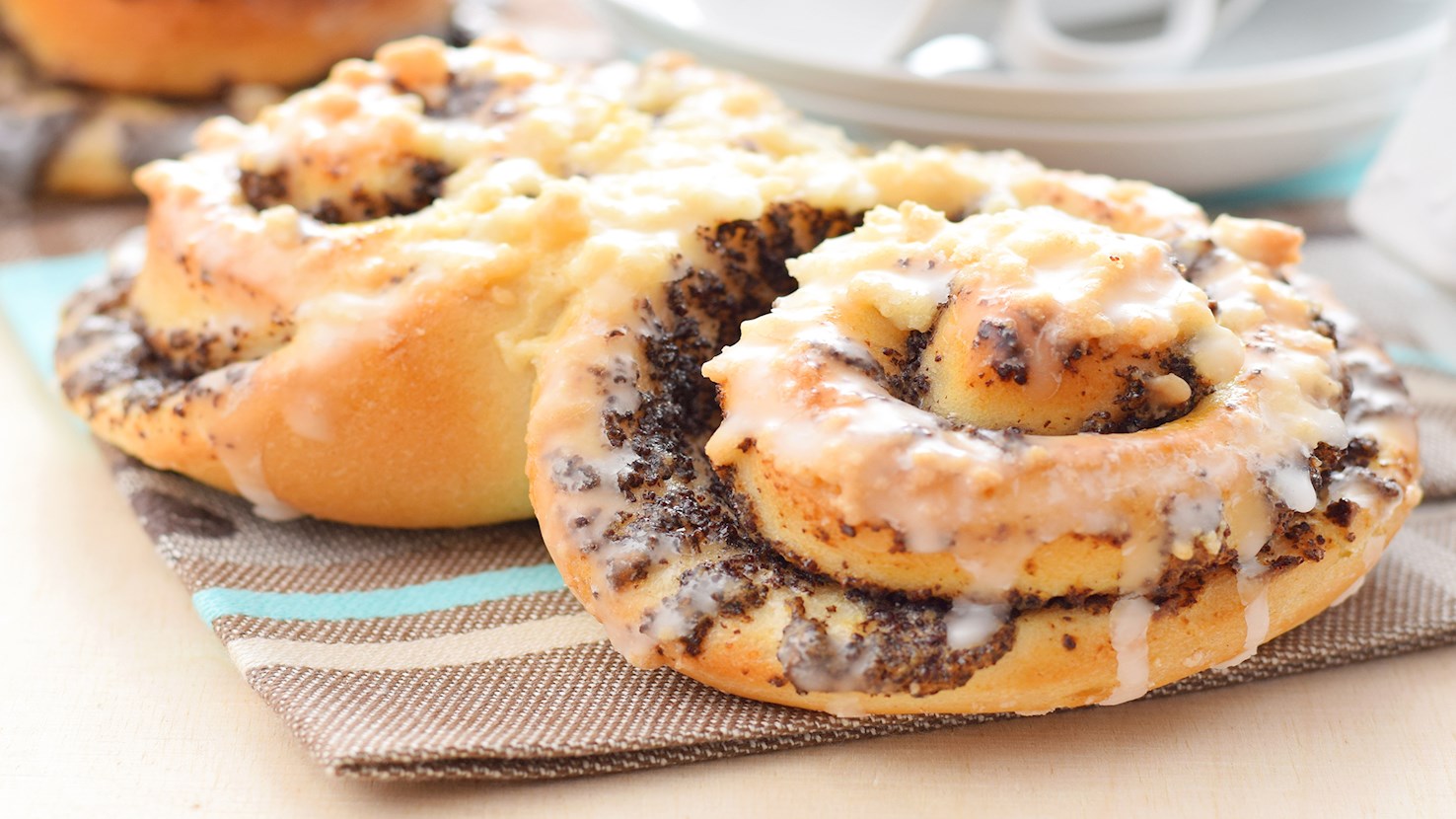
The name of this sweet German bread that translates as snail cake was inspired by its shape since it consists of numerous rolls neatly placed in a pan, whose final shape is reminiscent of snail shells. The base of the bread is prepared with a brioche-like dough that is shaped into rolls. Each roll usually consists of various fillings such as vanilla-flavored custard, cinnamon butter, fruit, raisins, poppy seeds, or marzipan. When baked, the bread is glazed or dusted with powdered sugar. In Alsace, the dish is better known as chinois.

10

Vánočka

4 ·

Traditionally prepared for Christmastime, vánočka is a braided brioche-like bread that is typically flavored with rum and lemon zest, although it is often made with the addition of raisins and almonds. The name of this delicacy stems from Vánoce, the Czech word for Christmas, while the bread is said to symbolize baby Jesus lying in a manger, snugly wrapped in cloth strips. Interestingly, when making vánočka, it is a custom to jump up and down and think of dear friends and family members while the dough is rising.

12

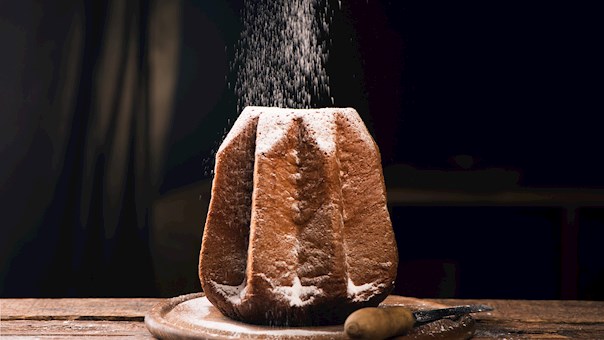
Pandoro

4 ·
15

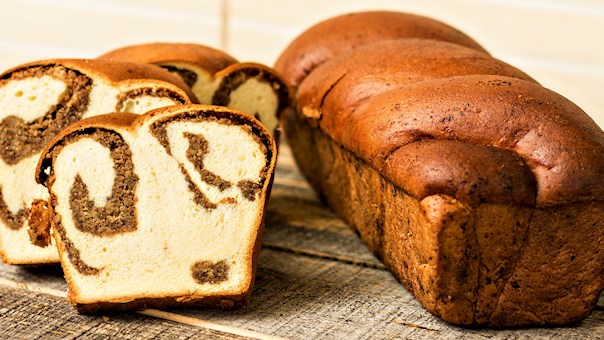
Cozonac

3.9 ·
16

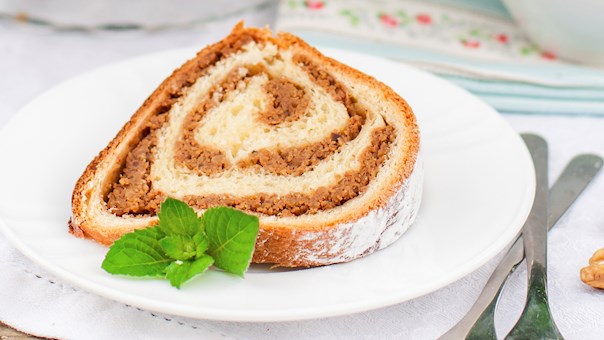
Potica

3.9 ·
17

Aranygaluska

3.9 ·
18

Cosa de horno

3.9 ·
19

Pască

3.9 ·
20

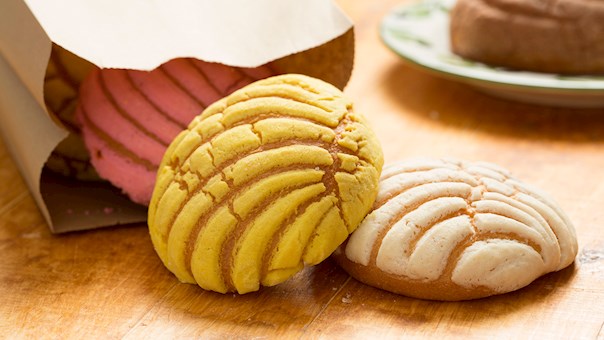
Conchas

3.9 ·
About this ranking

TasteAtlas food rankings are based on the ratings of the TasteAtlas audience, with a series of mechanisms that recognize real users and that ignore bot, nationalist or local patriotic ratings, and give additional value to the ratings of users that the system recognizes as knowledgeable. For the “Top 100 Sweet Breads in the World” list until April 15, 2026, 9,555 ratings were recorded, of which 6,581 were recognized by the system as legitimate. TasteAtlas Rankings should not be seen as the final global conclusion about food. Their purpose is to promote excellent local foods, instill pride in traditional dishes, and arouse curiosity about dishes you haven’t tried.

Similar lists