shutterstock

Top 100 Western European Cookies

Last updated on May 15, 2026

Best Western European Cookies
01

Baci di dama

4.1 ·

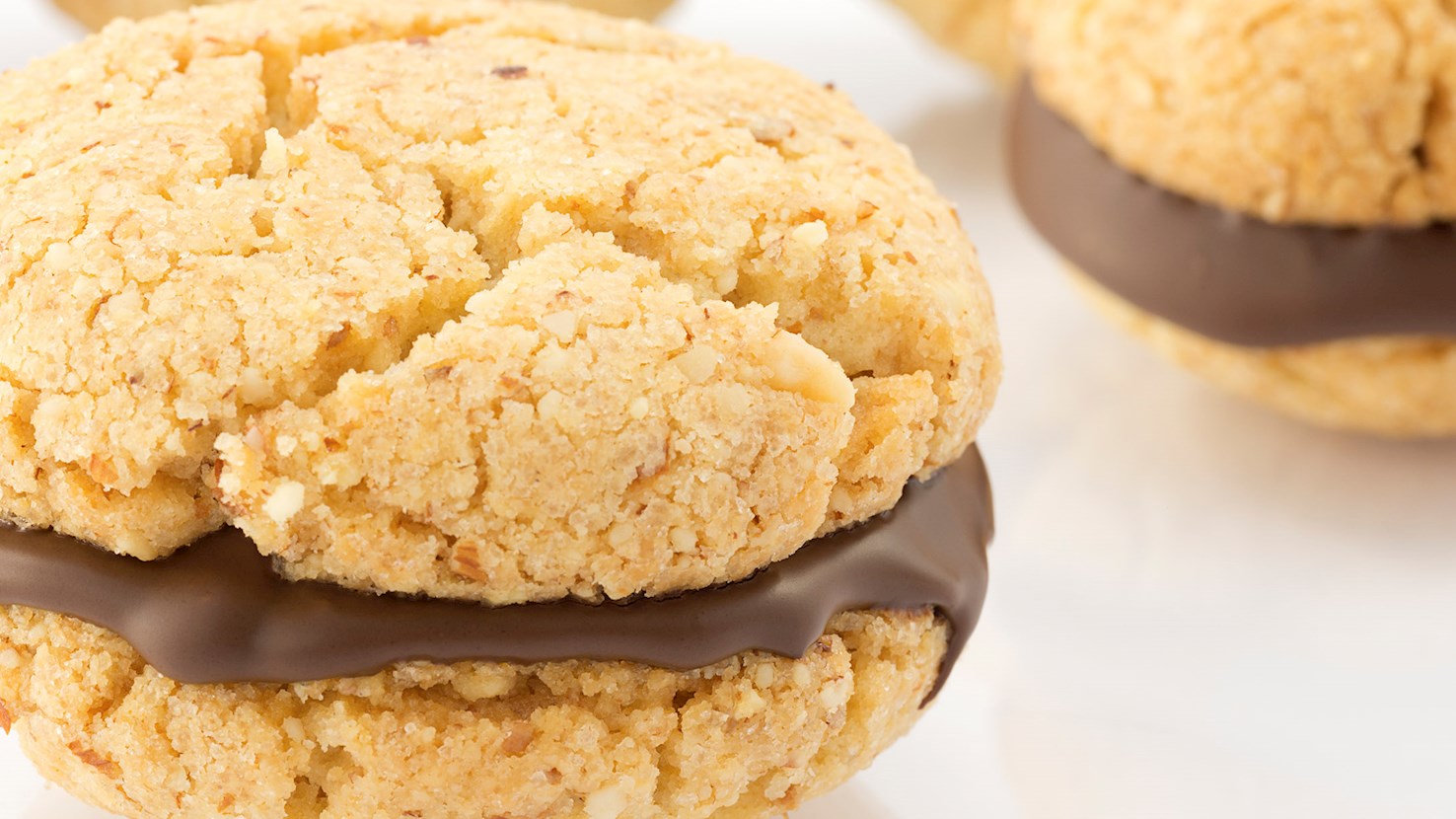
Baci di dama, meaning lady's kisses, are traditional hazelnut butter cookies with a layer of chocolate-hazelnut spread sandwiched between them. They originated in pastry shops in Tortona, Piedmont (famous for its hazelnuts), in the second half of the 19th century. The name of these cookies refers to their visual appearance, since it is reminiscent of two mouths kissing, or the mouth of a lady (ladies didn't use to open their mouths while kissing, as it was considered crude). Baci di dama is often used as a holiday cookie, and they are sometimes even referred to as the Italian version of popular Oreo cookies.

02

Canestrelli (Liguria)

4 ·

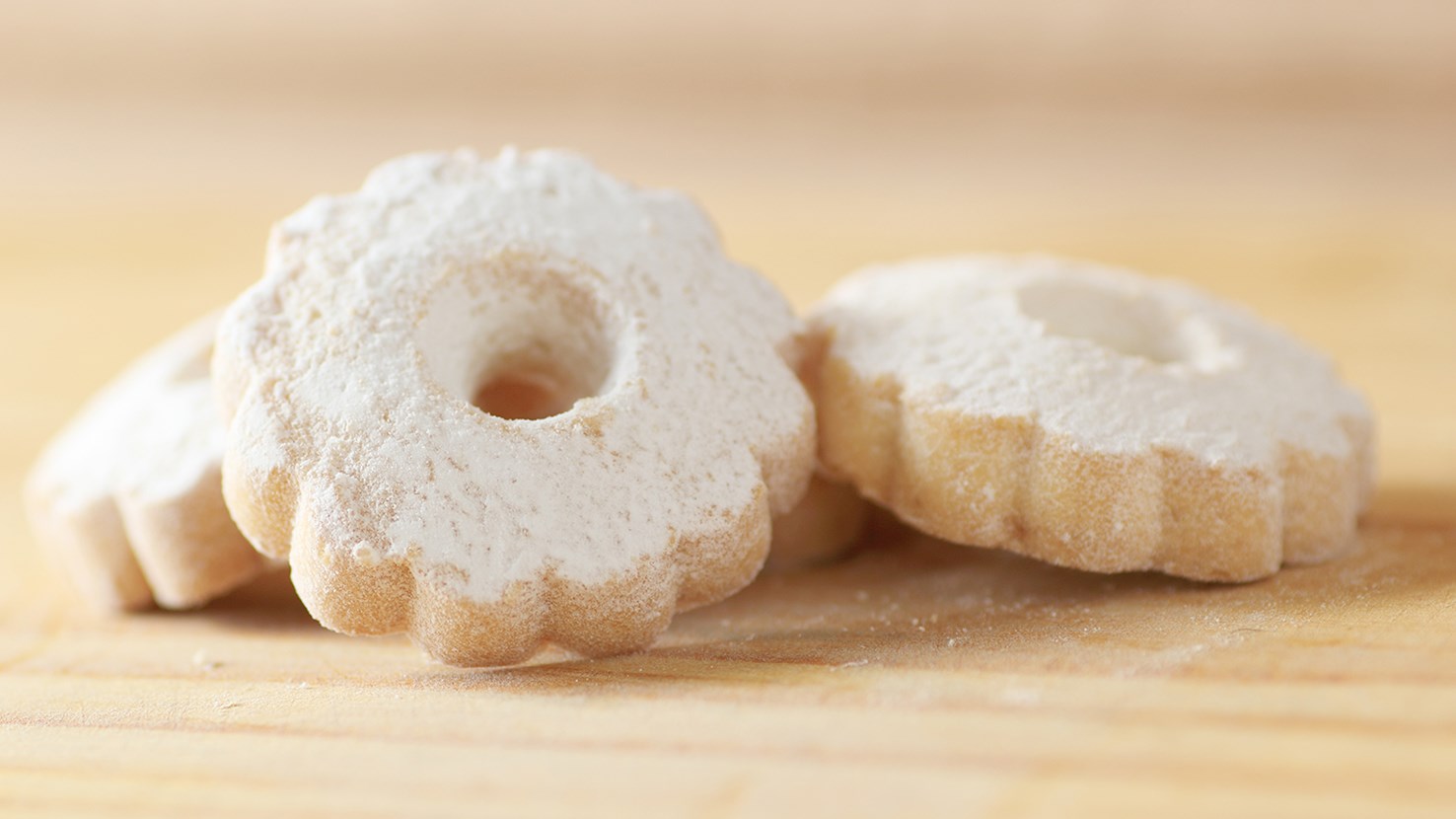
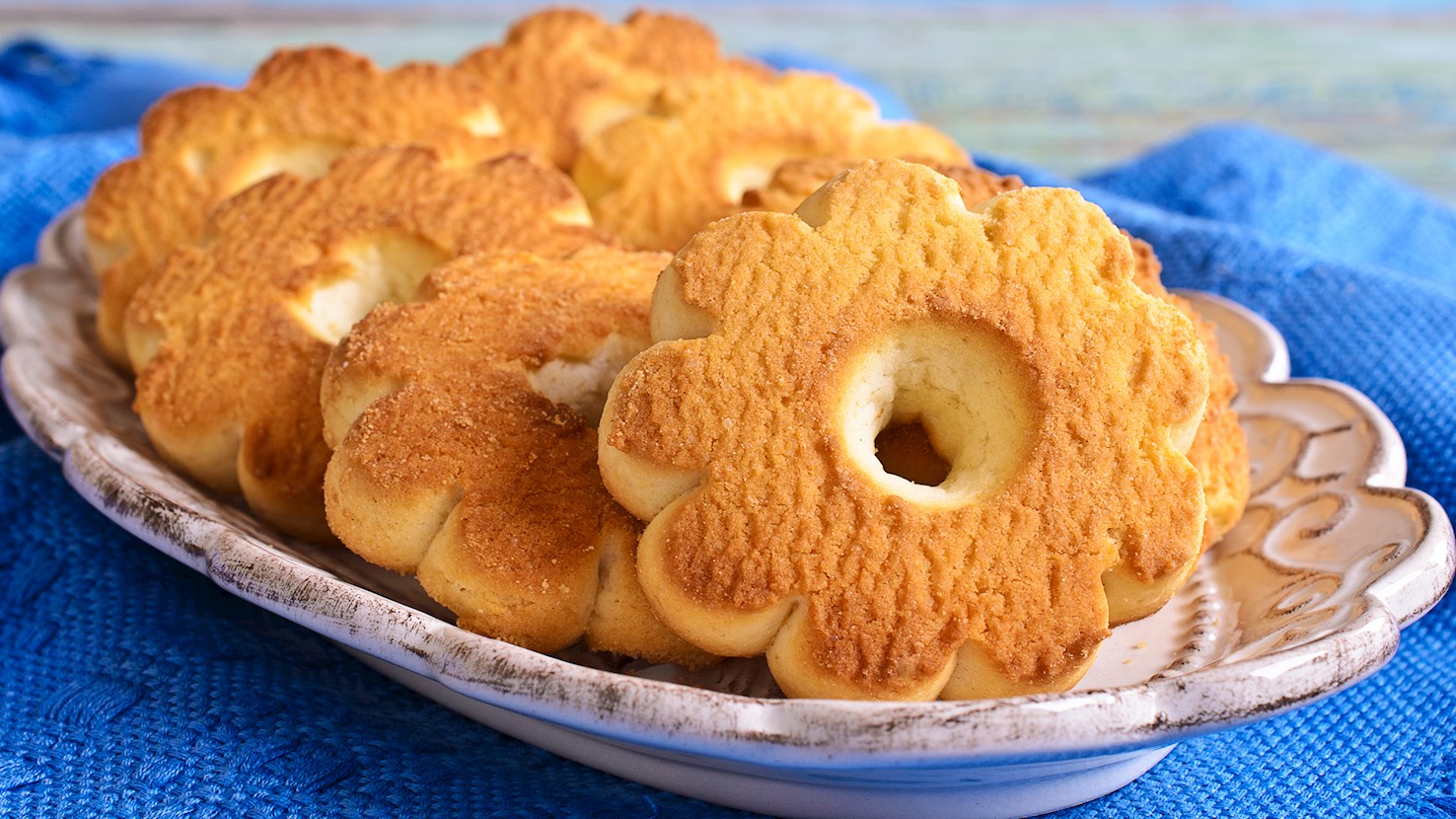
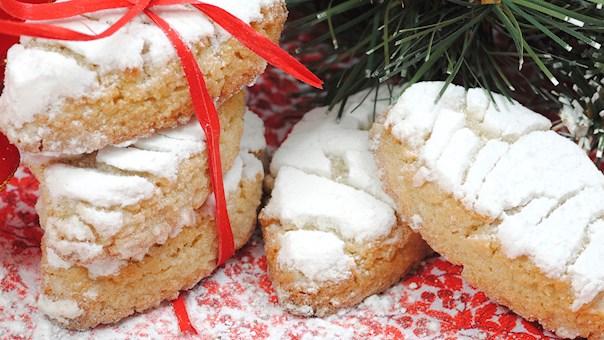
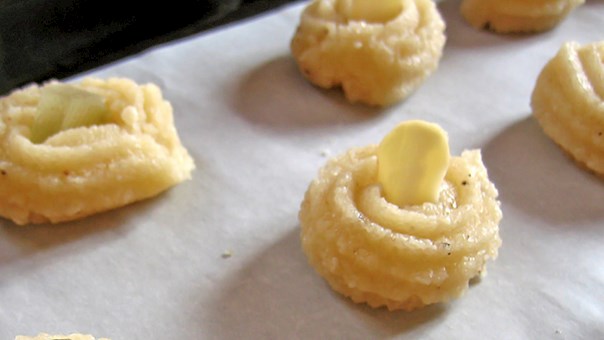
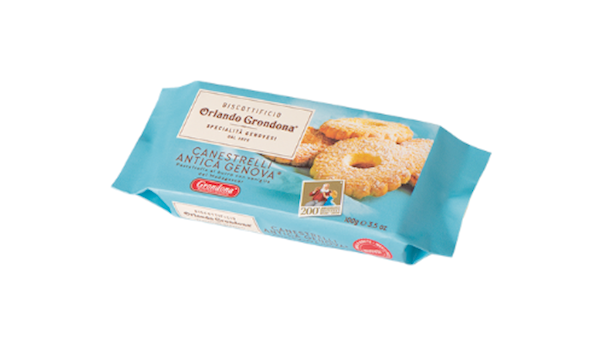
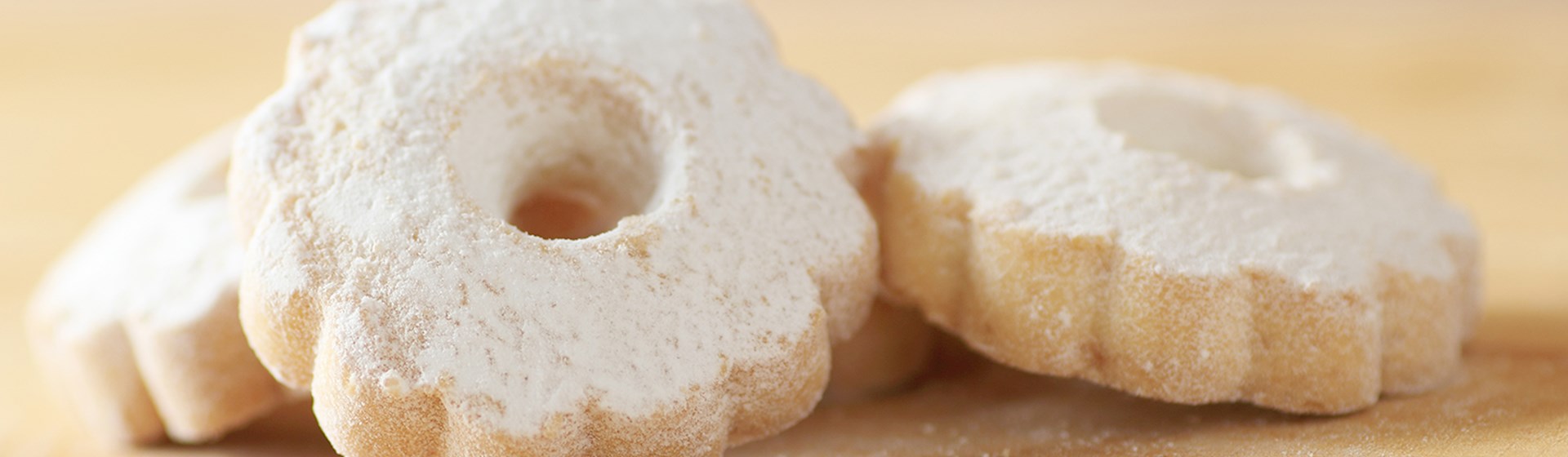
Canestrelli liguri are ancient Ligurian flower-shaped butter cookies with a hole in the center, allegedly named after canestro, a straw basket in which they were left to cool down after baking. Although they are quite simple, made only with flour, sugar, butter, and hard-boiled yolks, these cookies are very popular, so much that they are even recognized as a traditional agricultural product of the region. Local varieties of the recipe also exist, such as canestrelli di Santo Stefano D'Aveto, Acquasanta, or Torriglia, where the basic dough is enriched with ground almonds, lemon zest, orange blossom water, or a topping of granulated sugar before baking. Canestrelli liguri are traditionally enjoyed generously rolled in powdered sugar, accompanied by a cup of coffee or tea.

03

Baci di Alassio

4 ·

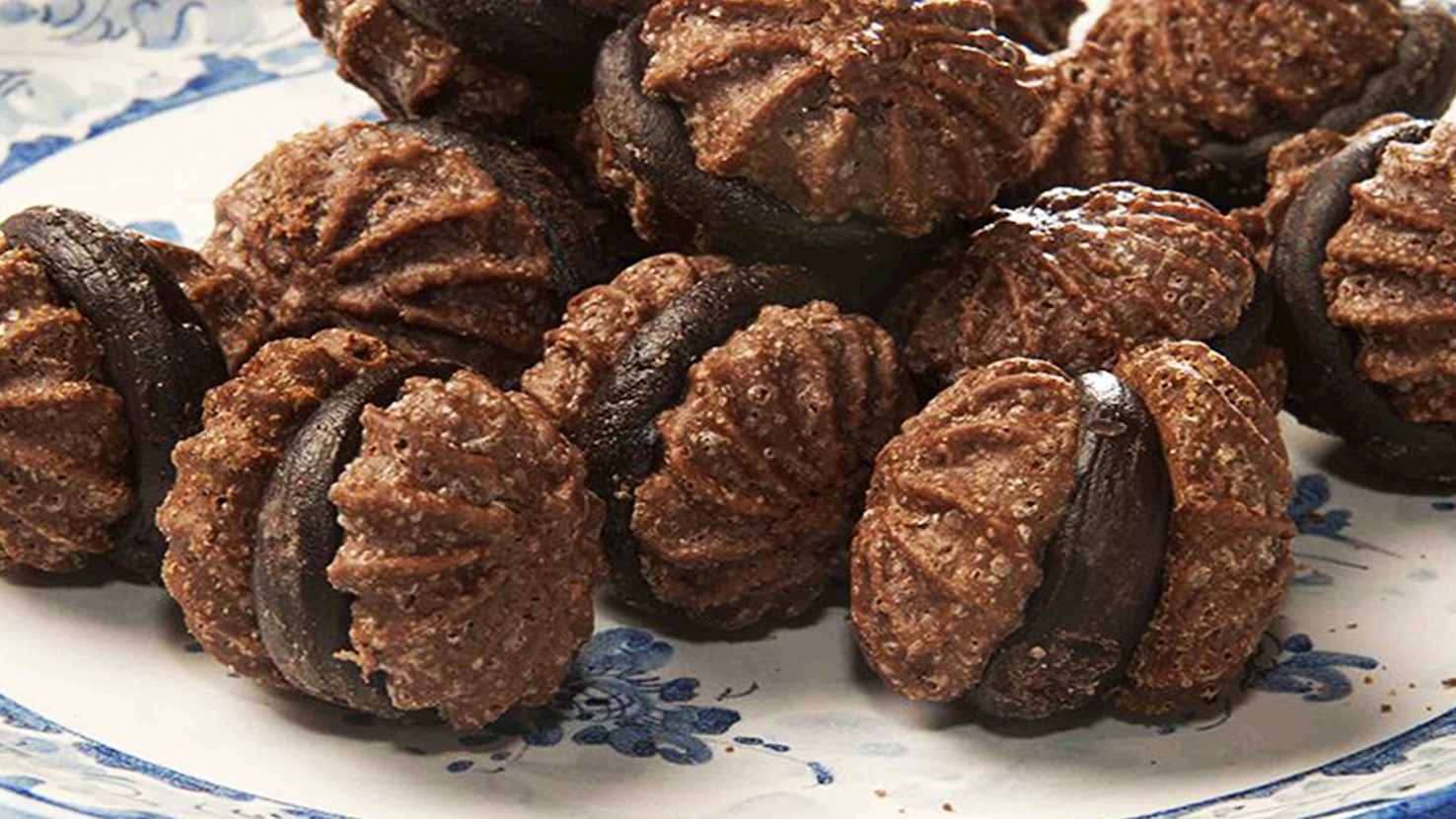
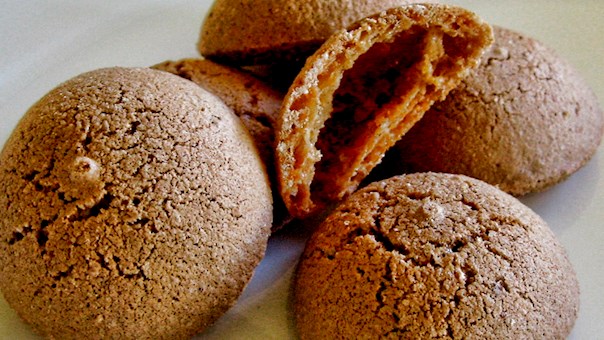
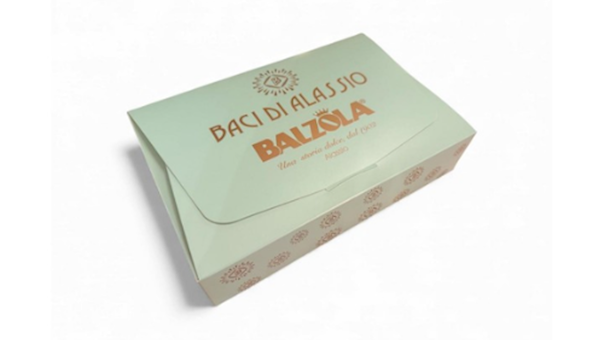
Baci di Alassio are decadent chocolate-hazelnut cookies from the small picturesque Ligurian town of Alassio. They are called baci, meaning kisses, because they consist of two small hazelnut cookies with a rich chocolate ganache sandwiched in between, so the whole thing looks similar to lips sending a kiss. Unlike the more famous baci di dama, they are neither hard nor crunchy, but chewy and soft, with a texture similar to the popular French macarons. Wonderful when consumed on their own, they taste even better when paired with a cup of strong Italian espresso.

Best restaurants
04

Sablé

3.9 ·

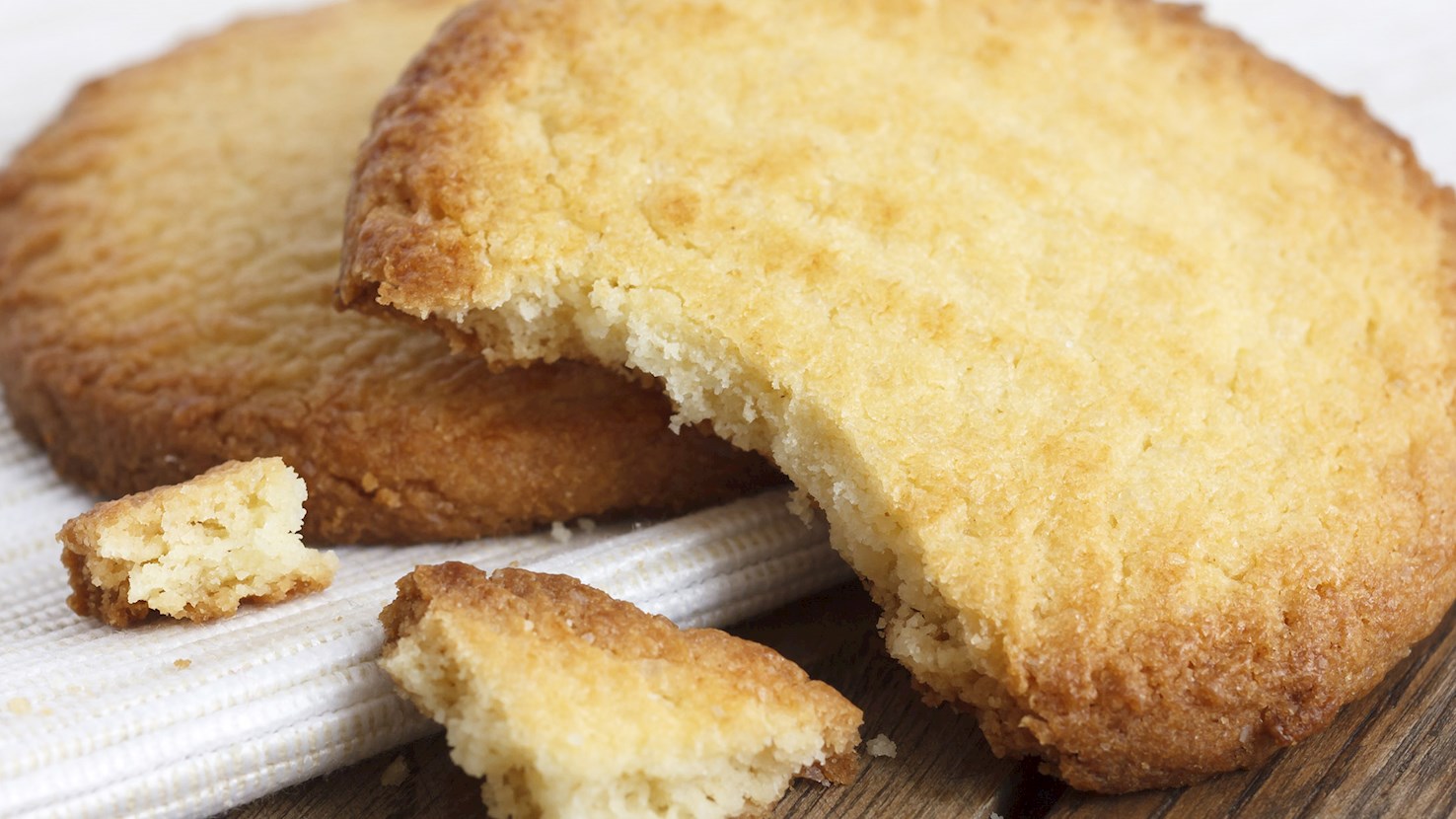
This classic Breton cookie is characterized by its sandy (sablé in French) texture, which is a result of large quantities of butter and egg yolks used to make them. The cookies were first produced in 1670 in Sablé-sur-Sarthe, when the steward of Prince Condé made him some shortbreads for a party. According to the story, he named them sablé in honor of the Marquise de Sablé, who was also present at the party. The cookies can be flavored with a wide variety of ingredients, such as lemon or orange zest, almonds, green peppers, or cheese. It is recommended to serve them with a cup of hot coffee or tea.

05

Bredele

3.9 ·

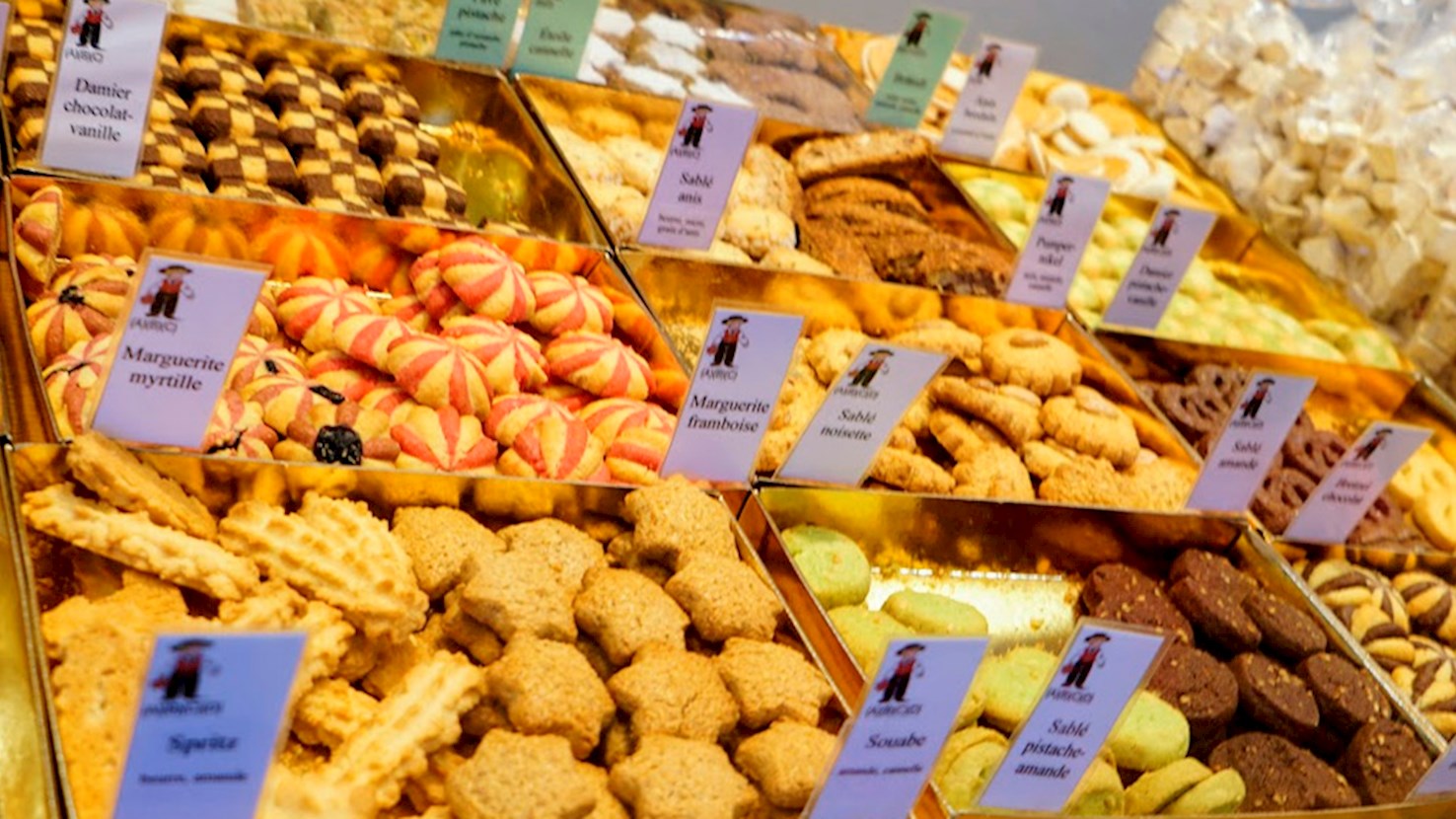
Bredele are small biscuits that are traditionally prepared during the festive Christmas season in the French region of Alsace. The biscuits come in many shapes and flavors such as lemon, honey, and almond. Although the first known recipes for bredele date back to the 14th century, they rose in popularity around the 18th and the early 19th century, when cookie-cutters were introduced to French kitchens. Today, the biscuits are often made at home and stored in tin boxes to keep them fresh until Christmas Eve, when they are usually served with tea, coffee, or Alsatian wines such as Muscat and Gewurztraminer.

06

Krumiri

3.9 ·

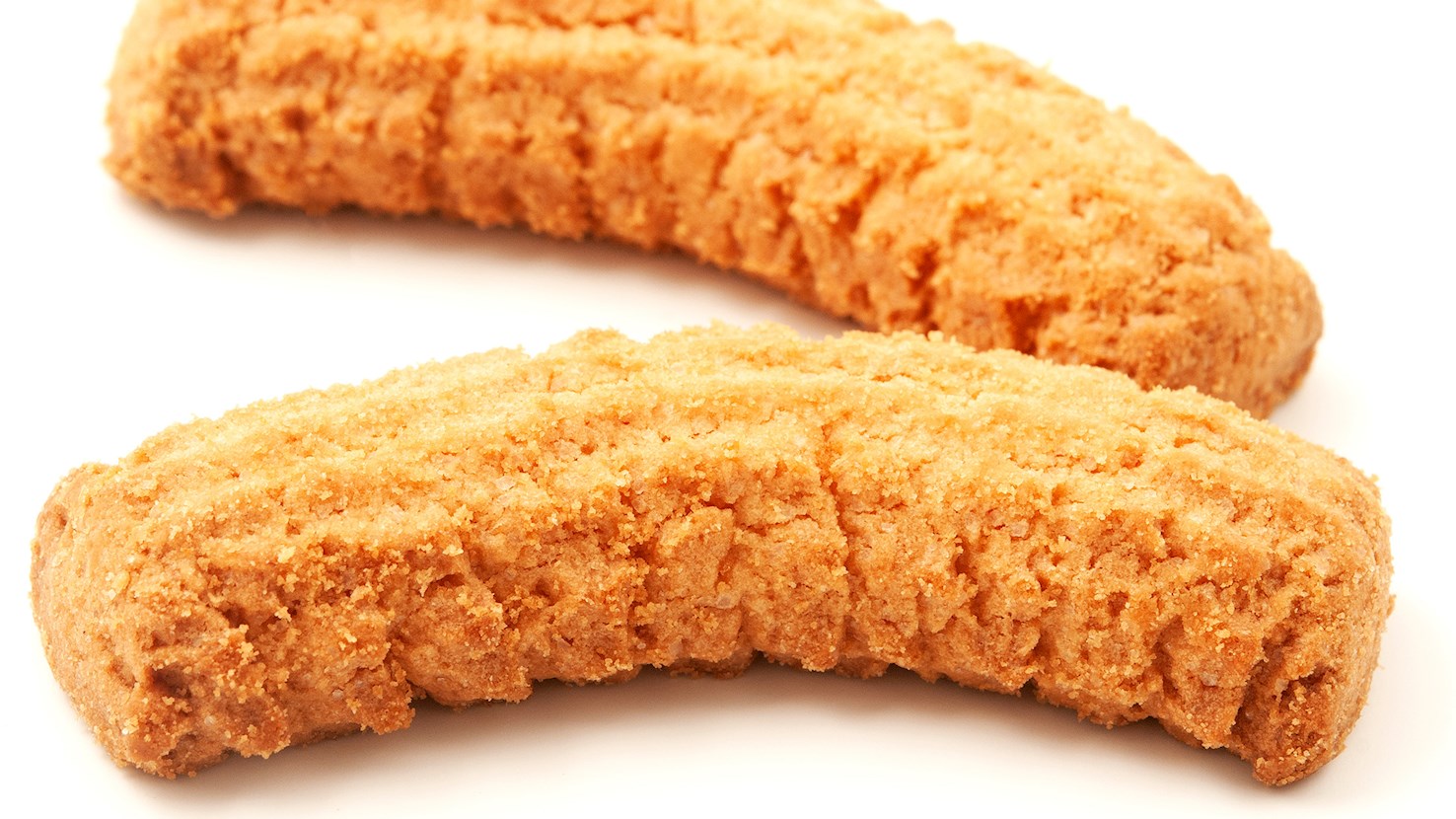
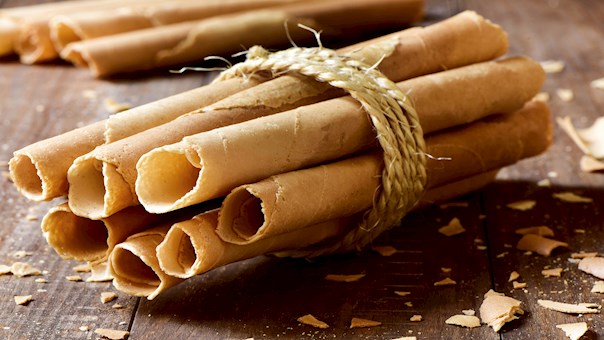
Krumiri are typical Piemontese cookies dating back to 1870, when they were invented by a confectioner named Domenico Rossi. These handmade cookies are made with a combination of fresh eggs, flour, sugar, butter, and vanilla. When the texture becomes just right, the combination is left to breathe for a day before baking. They are shaped in the form of a bent cylinder with a rough surface. It's believed that the shape is made in honor of the mustached King Victor Emanuel II. Krumiri are said to taste the best when dunked into tea, sweet wines, chocolate liqueurs, or zabaione.

07

Florentines

3.8 ·

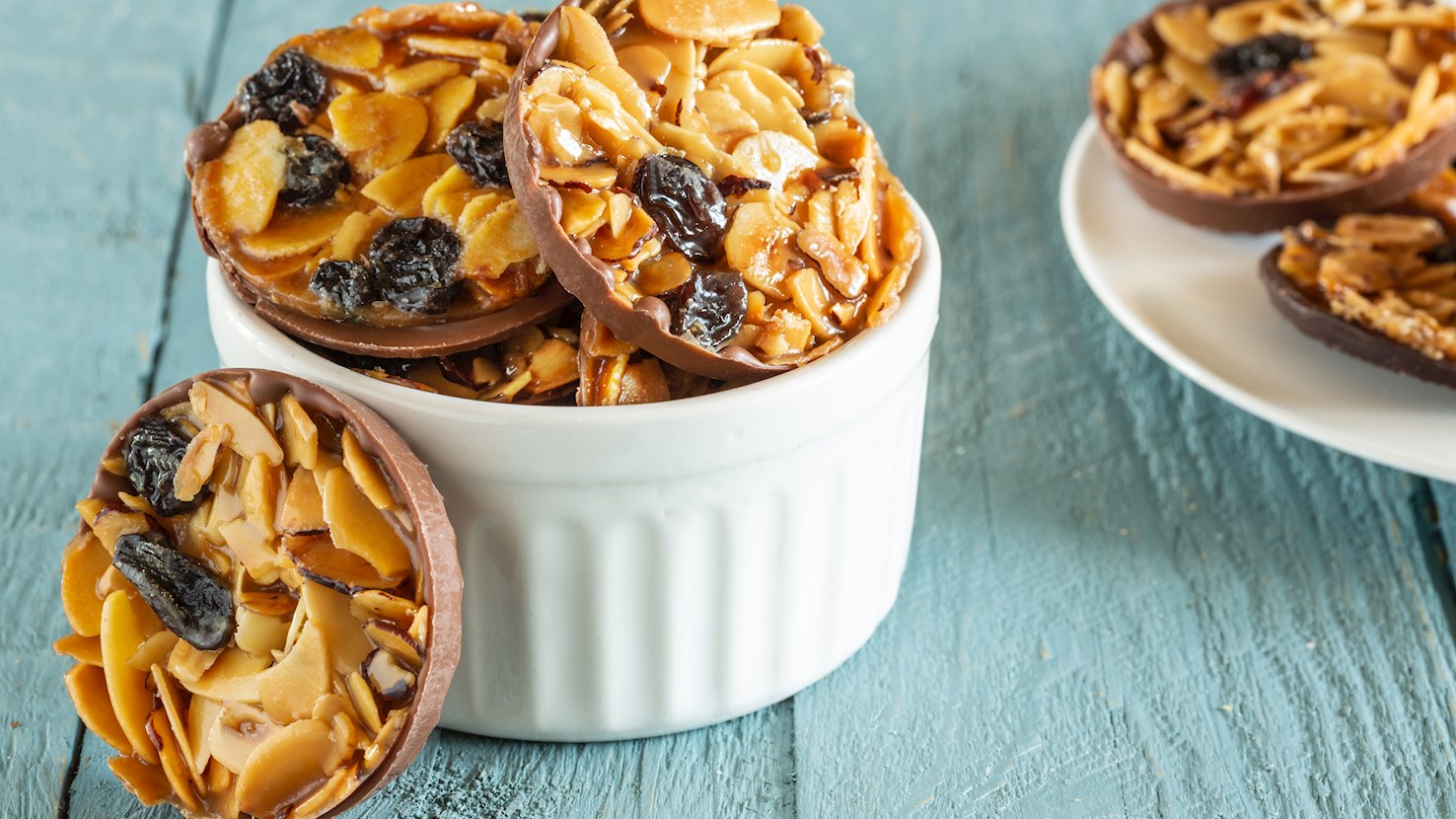
Florentines are traditional cookies that are especially popular in Europe, and although not much is known about their origin, the cookies were most likely invented in France in the late 17th century. They are made with a combination of nuts (most commonly almonds and hazelnuts), sugar, candied cherries, honey, and butter, while chocolate is often used as a coating on the bottom. Due to the chocolate coating, florentines are perfect for dunking. The cookies are often prepared during the festive Christmas season.

08

Canestrelli

3.8 ·

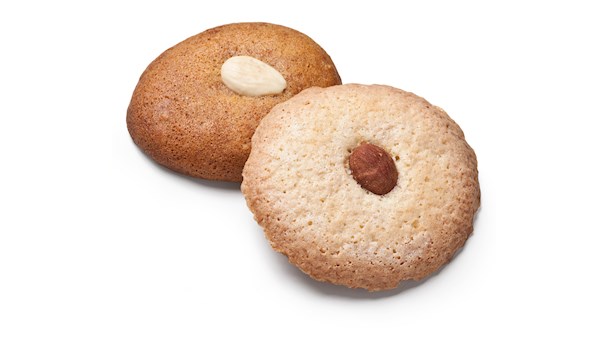
Canestrelli are simple, yet delicious Italian butter cookies of ancient origin – they have been prepared since the Middle Ages, often used as a gift on festive occasions such as weddings or religious feasts. The origin of the name is unclear, but it might come from the word canestro, referring to a straw basket in which they were left to cool down after baking. They are made all over Italy using significantly different recipes, but the cookies are most commonly associated with Liguria, where the most recognizable variety is made - the pale, flower-shaped shortbread cookie with a hole in the center. Other popular varieties include hard, waffle-shaped canestrelli traditionally prepared all over Piedmont, or those from Biella, made with two thin chocolate wafers connected with chocolate hazelnut cream.

09

Figolla

3.8 ·

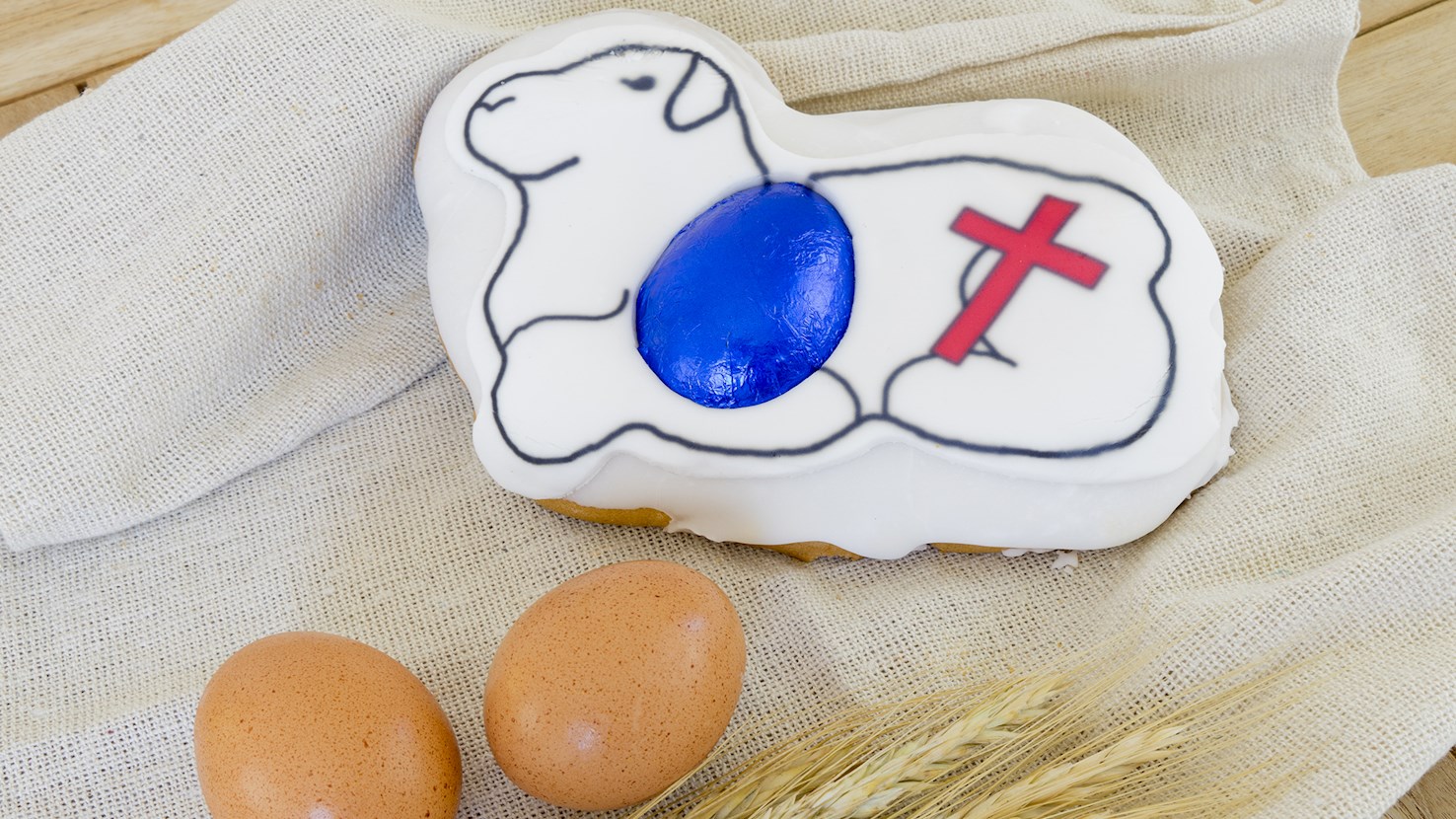
This flat, marzipan-filled Maltese cookie is typically shaped into lambs or bunnies because it is traditionally prepared during the Easter festivities. These sweet treats are often decorated with icing, melted chocolate, or chocolate Easter eggs. Originally, figolla was made in the shape of fish, baskets, or women, and it symbolized fertility. Regardless of the design, figolla is a staple of Maltese pastry shops and home kitchens around Easter.

10

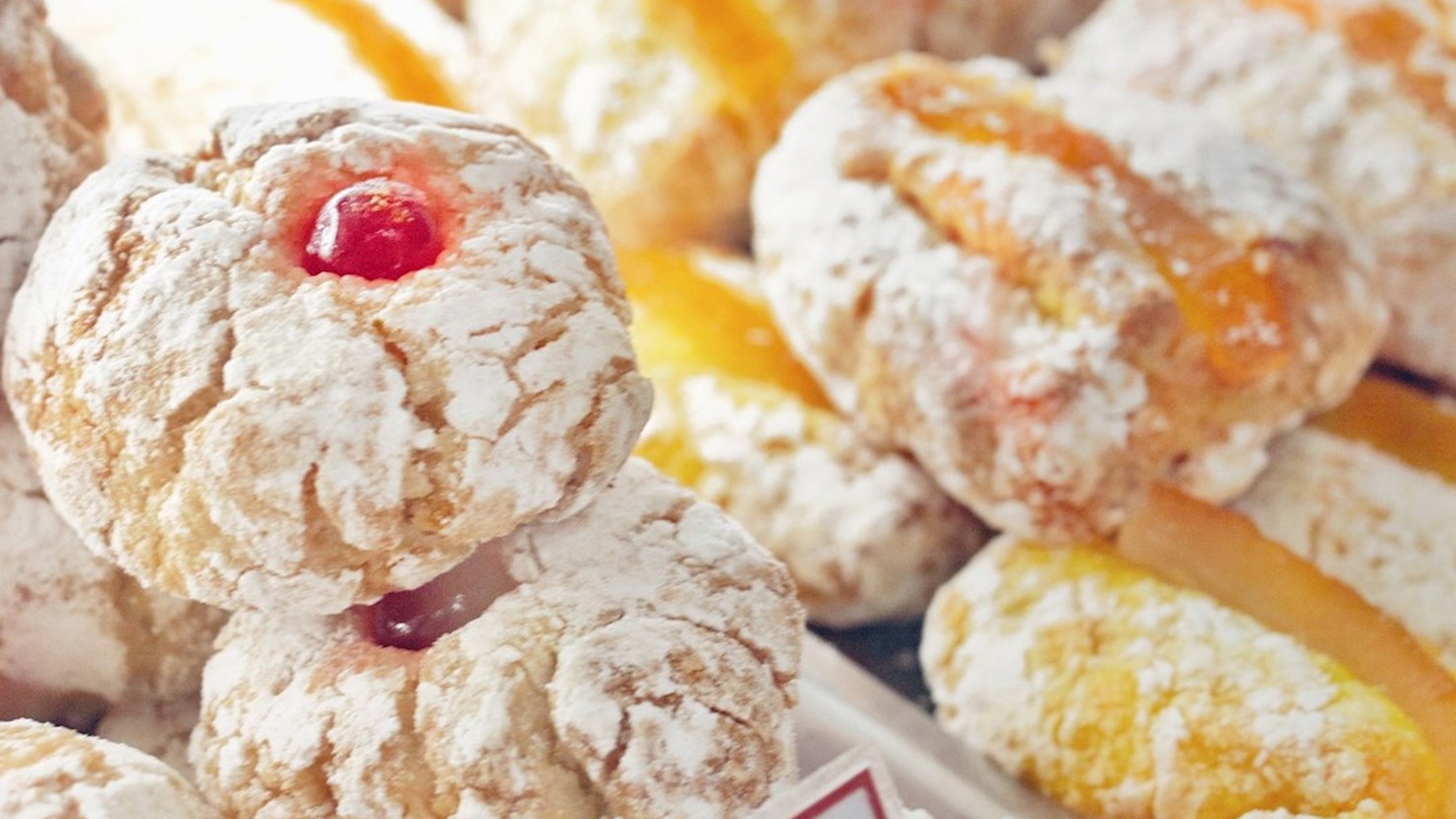
Amaretti (Sicily)

3.8 ·

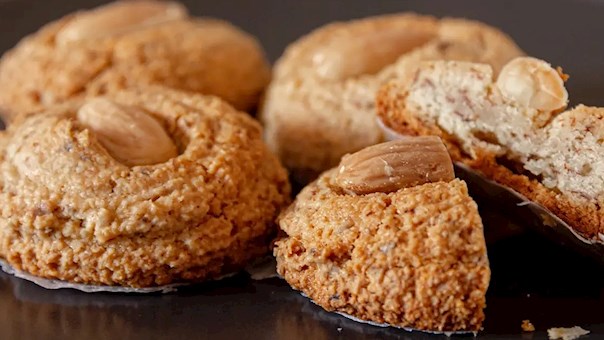
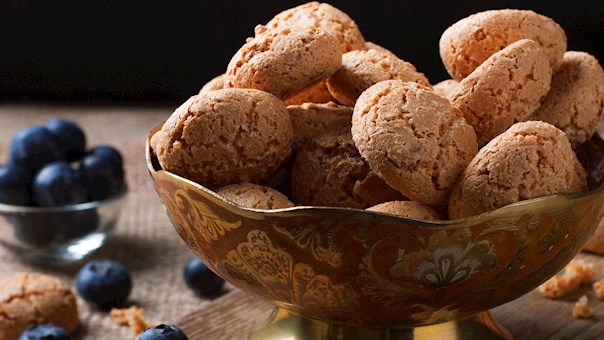
Amaretti, the famous Italian almond cookies are so popular in their homeland that almost every region has their version of the recipe, using different proportions and combinations of the basic ingredients: sweet and bitter almonds, apricot kernels, eggs, and sugar. The Sicilian version is made with egg whites, sugar, and both bitter and sweet almonds, preferably the world-famous ones grown in the province of Syracuse, in south-eastern Sicily, around the cities of Noto, Avola, Rosolini, and Canicattini Bagni. Besides almonds, Sicily is also renowned for exquisite pistachios, so it is also possible to stumble upon amaretti made with pistachios instead of almonds.

Best Western European Cookies

01

Ladurée

4.8 ·
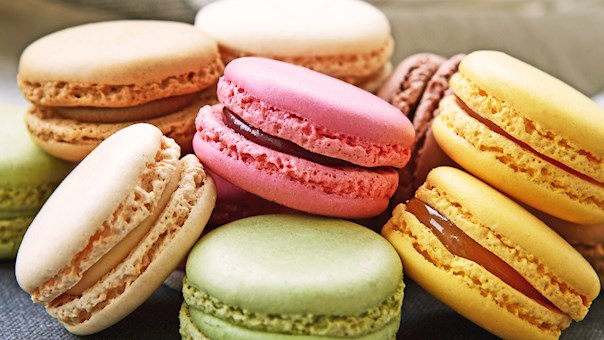
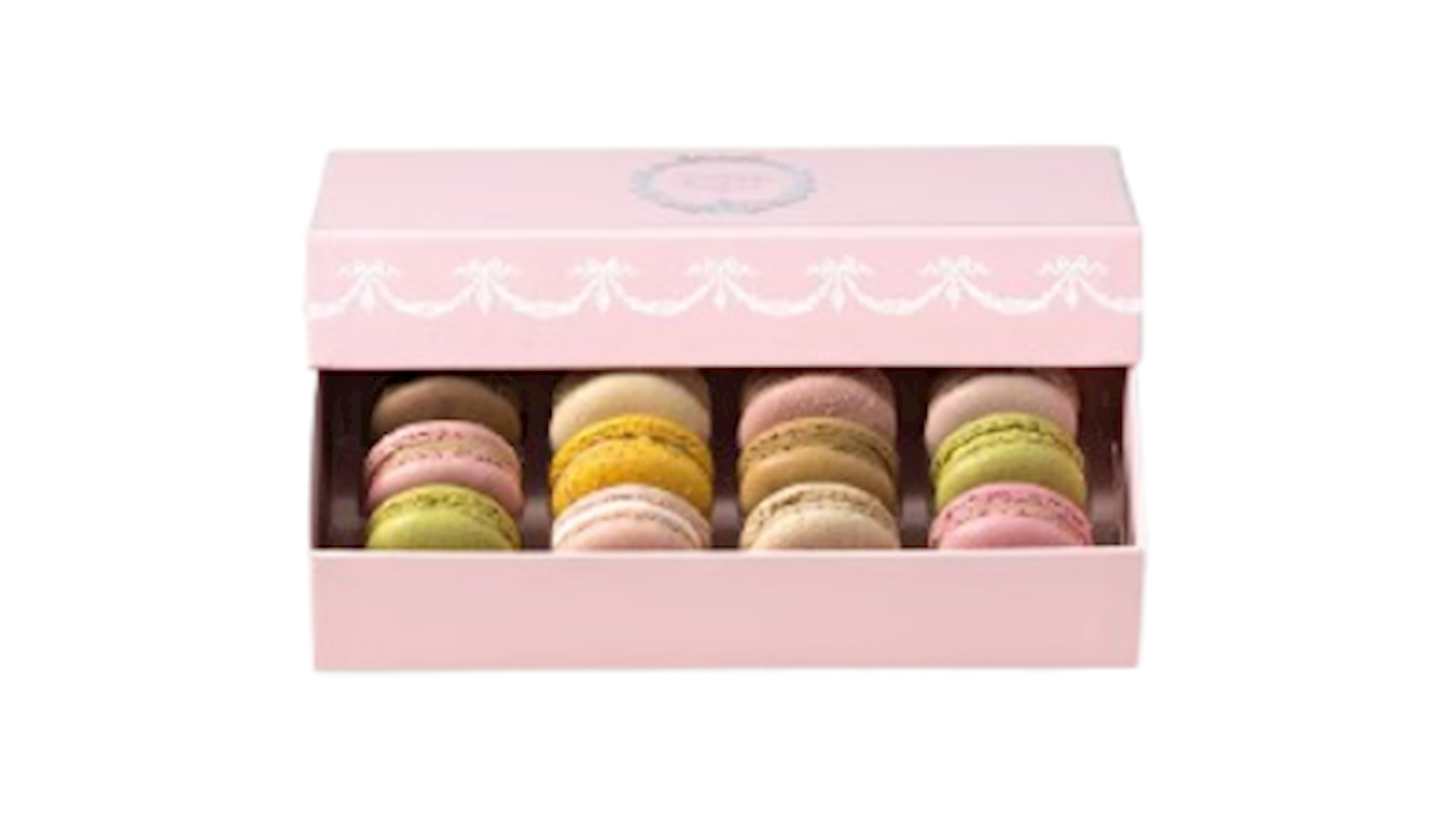
Ladurée is a historic French pâtisserie and luxury confectionery brand founded in 1862 in Paris by Louis-Ernest Ladurée. Originally established as a bakery on Rue Royale, Ladurée gradually evolved into one of the most recognizable names in French pastry, closely associated with the refinement of Parisian art de vivre. The brand is internationally celebrated for its macarons, which have become its defining signature and a global symbol of French elegance. Ladurée’s identity rests on a balance of tradition and aesthetics, combining classic pastry techniques with a highly curated visual universe inspired by 18th-century salons. In the late 19th century, it was among the first to introduce the concept of a tea salon, creating a social space where pastries, tea, and refined hospitality converged. Today, Ladurée operates an extensive international network of boutiques and salons, offering macarons, pastries, chocolates, teas, and luxury gift collections. The brand’s continued relevance lies in its ability to preserve heritage while presenting French pastry as a cultural and experiential product rather than simple confectionery.
02

Lazzaroni

4.8 ·
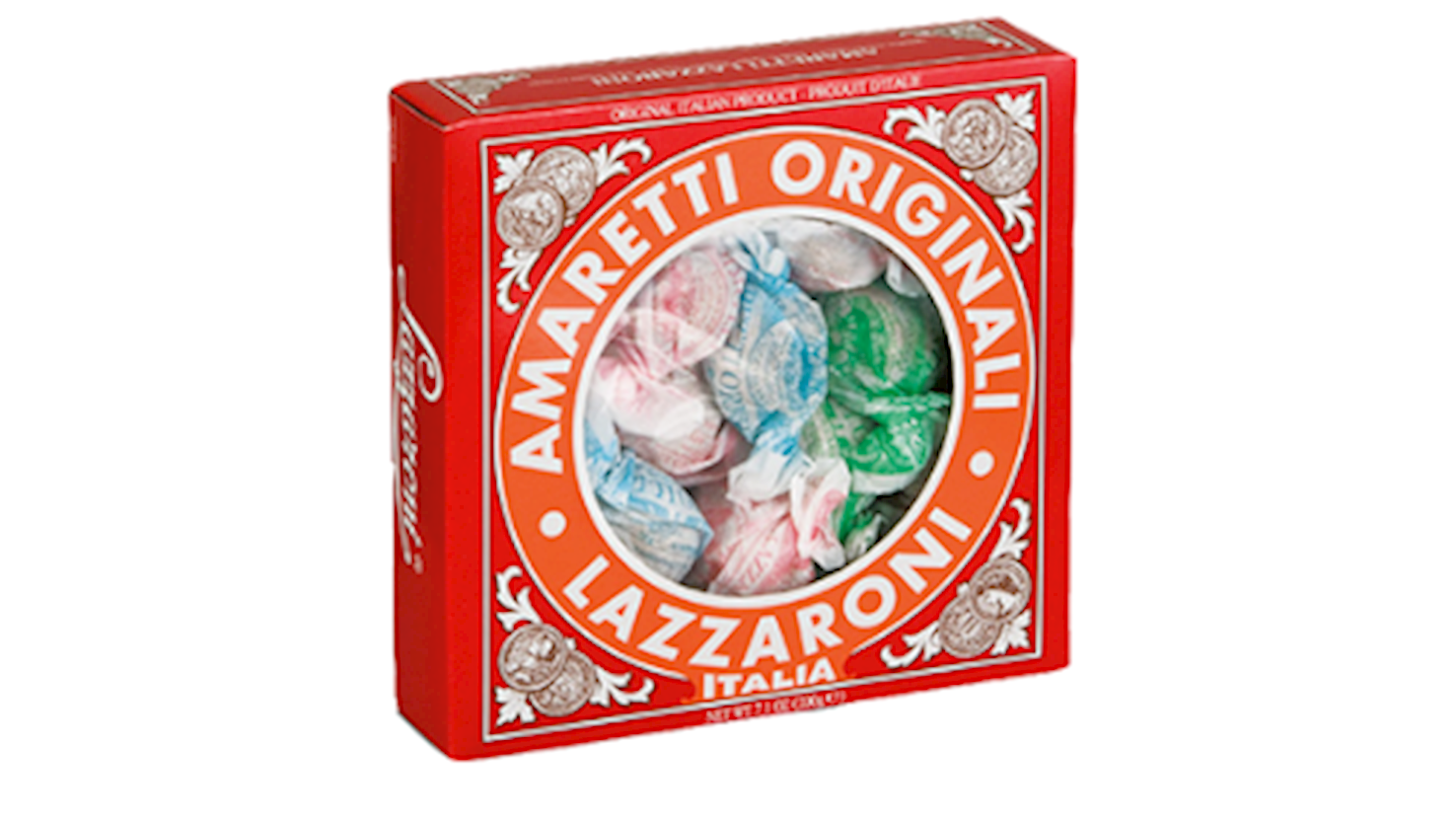
Lazzaroni is a historic Italian biscuit and confectionery producer whose origins date back to the early 18th century in the town of Saronno. The company established its industrial production in 1888, becoming one of the first in Italy to scale biscuit manufacturing while preserving traditional recipes. Its identity is strongly linked to Amaretti di Saronno, almond-based biscuits known for their distinctive balance of sweetness and slight bitterness derived from apricot kernels. Over time, Lazzaroni expanded its range to include various types of biscuits, pastries, and seasonal products, maintaining a focus on simple ingredients and recognizable flavors. The brand has also been notable for its packaging, particularly its decorative tin boxes that combine functionality with a strong visual identity. While production methods have evolved, the company continues to emphasize continuity with its heritage, especially in the use of traditional formulations and baking techniques. Lazzaroni products have long been exported, contributing to their recognition beyond Italy and positioning the brand within the broader European confectionery market. Despite changes in ownership and structure over time, it retains a clear association with Italian baking traditions. Today, it remains a reference point for classic almond-based biscuits and traditional Italian sweets.
03

Amaretti Virginia

4.8 ·
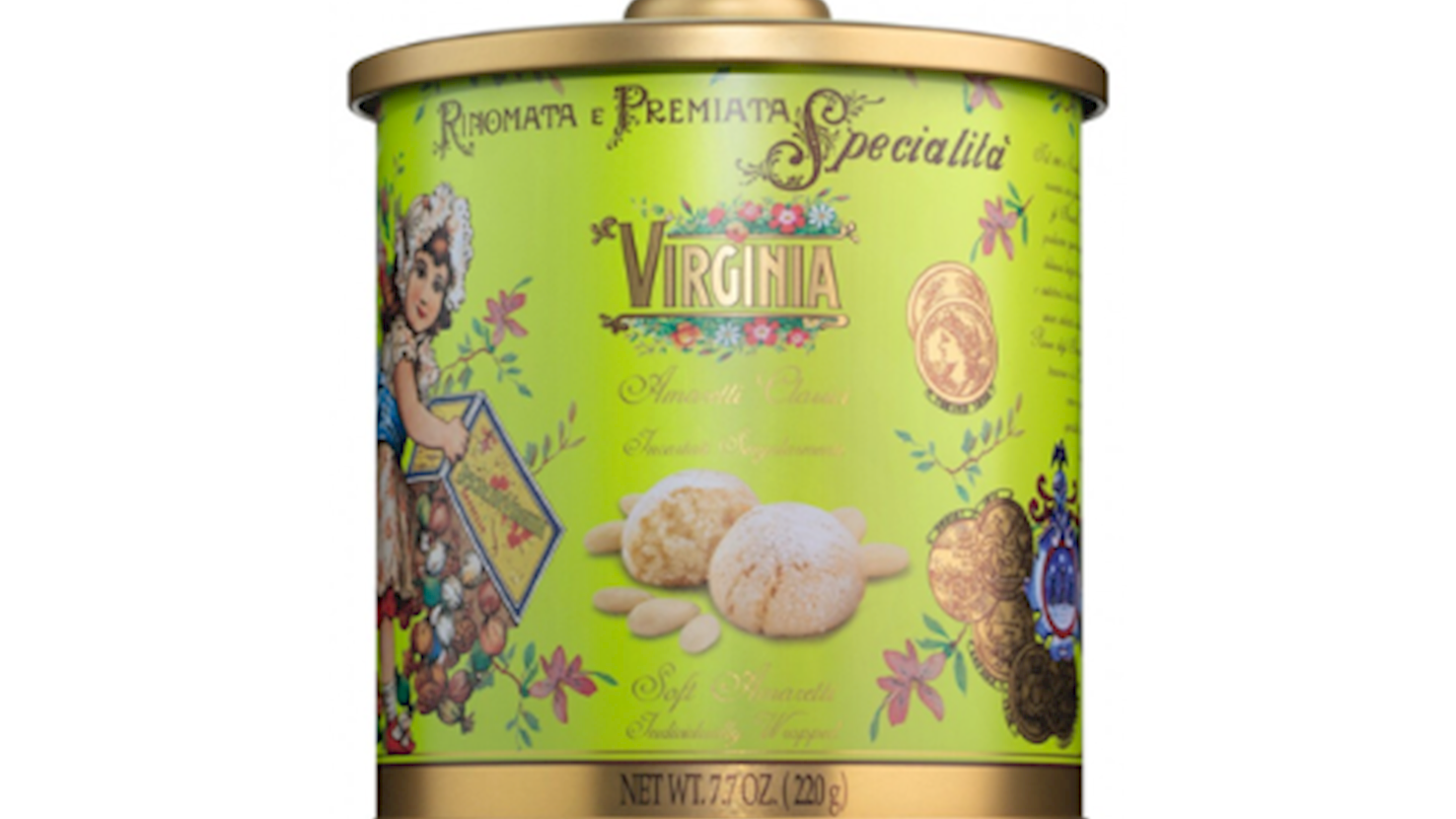
Amaretti Virginia is a historic Italian confectionery brand founded in 1860 in Sassello, Liguria, with a strong specialization in soft amaretti and almond-based sweets. Its core product is defined by a soft, slightly chewy texture and a balanced sweet-bitter profile derived from almonds and apricot kernels. The company developed from a small local bakery into a recognized producer, gaining international visibility through awards at exhibitions in the late 19th and early 20th centuries. Its production remains closely tied to traditional recipes, using simple ingredients such as sugar, egg whites, and almond components, resulting in a texture closer to marzipan than to crisp biscuits. Over time, the assortment has expanded to include products such as truffles, biscuits, and gift assortments, while maintaining amaretti as the central element of the brand. A key aspect of its approach is adapting production processes to preserve the integrity of the original recipe rather than standardizing the product excessively. The brand is export-oriented, with a presence in multiple international markets, reflecting its established reputation. Despite this expansion, it retains a clear connection to its place of origin and to Italian confectionery traditions.
04

Pasticceria Veniani

4.8 ·
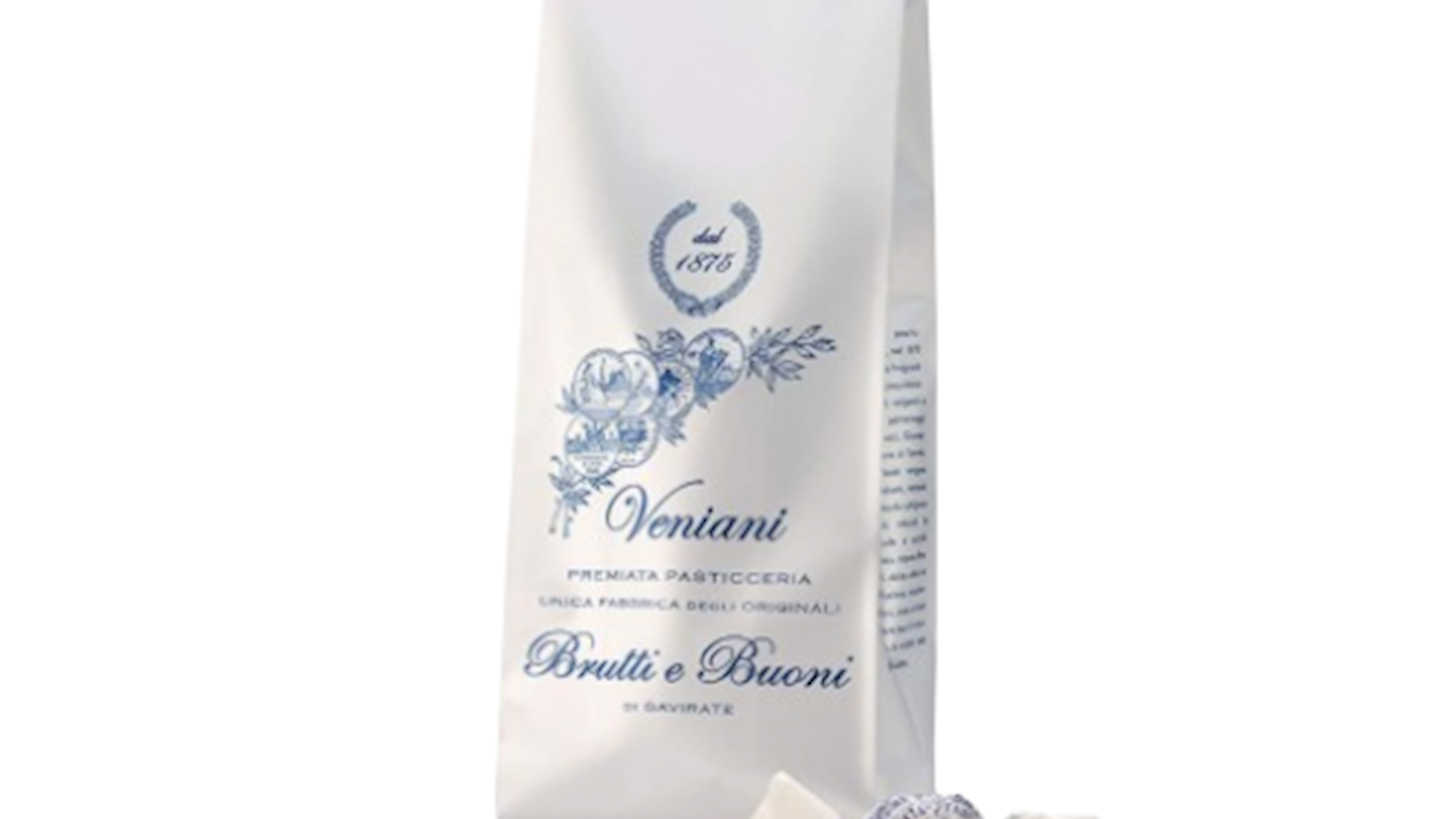
Pasticceria Veniani is a historic Italian pastry producer based in Gavirate, Lombardy, founded in 1875 and closely associated with the origin of the “Brutti e Buoni” biscuits. The company’s identity is strongly centered on this single product, first created in 1878, which remains the core of its production. These biscuits are made from a simple combination of almonds, hazelnuts, sugar, egg whites, and natural vanilla, resulting in a flavor profile defined by roasted nut notes and moderate sweetness. Their irregular shape, reflected in the name meaning “ugly but good”, contrasts with a refined texture that is crisp on the outside and lighter inside. Production follows an artisanal approach, with a continued emphasis on manual preparation and packaging, reinforcing continuity with traditional methods. While the company has introduced variations such as chocolate or flavored versions, these remain secondary to the original formulation. The brand maintains a strong link to its place of origin, where the product is considered a regional specialty. Its approach prioritizes consistency and preservation rather than diversification or large-scale industrial expansion. Overall, it represents a focused, heritage-driven model built around a single, well-defined confectionery product.
05

Antonio Mattei

4.7 ·
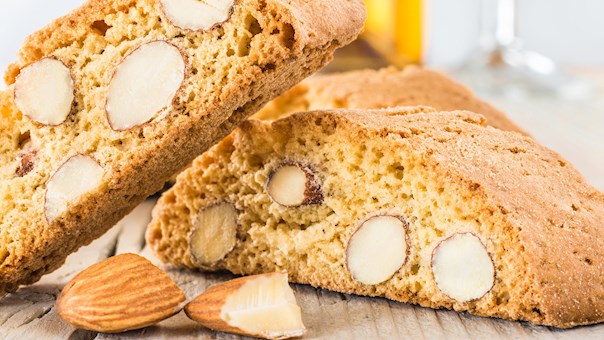
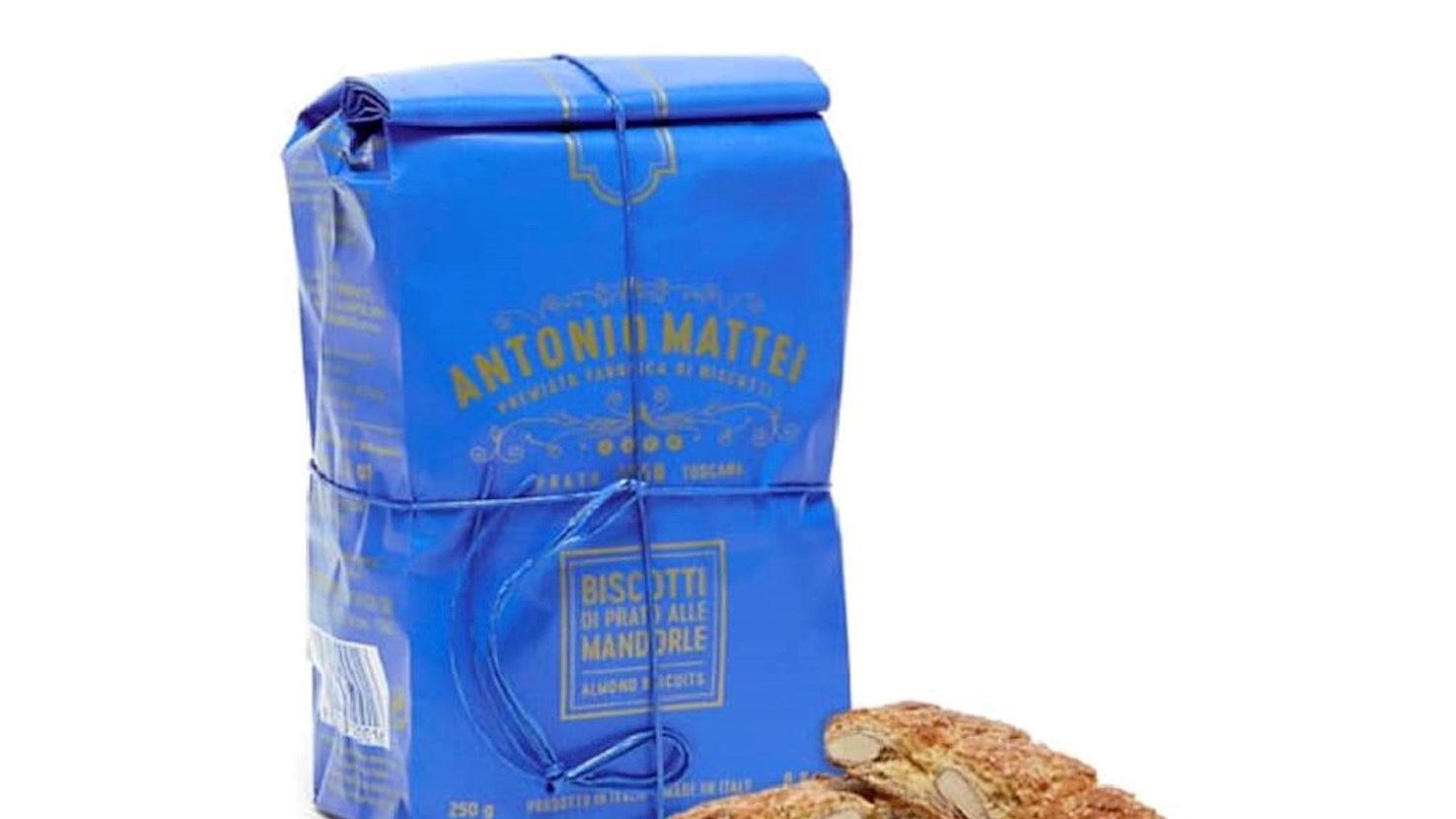
Antonio Mattei is a legendary name in Italian pastry tradition, world-renowned for its original cantuccini—crunchy almond biscuits from Prato, typically enjoyed with a glass of Vin Santo. Since 1858, this family-run company has preserved the authenticity of its recipes and the artisanal methods that define its production. Crafted in the historic workshop in Prato, their biscuits are made using only a few high-quality ingredients, resulting in a simple yet distinctive flavor that has delighted generations. The iconic blue packaging has become a symbol of the brand and a mark of quality recognized across the globe. While the classic almond cantuccini remains their signature product, the range has expanded to include modern variations with hazelnuts, pistachios, and chocolate. Antonio Mattei continues to honor its rich heritage while offering a refined take on Italy’s most beloved traditional sweets.
06

Paupério

4.7 ·
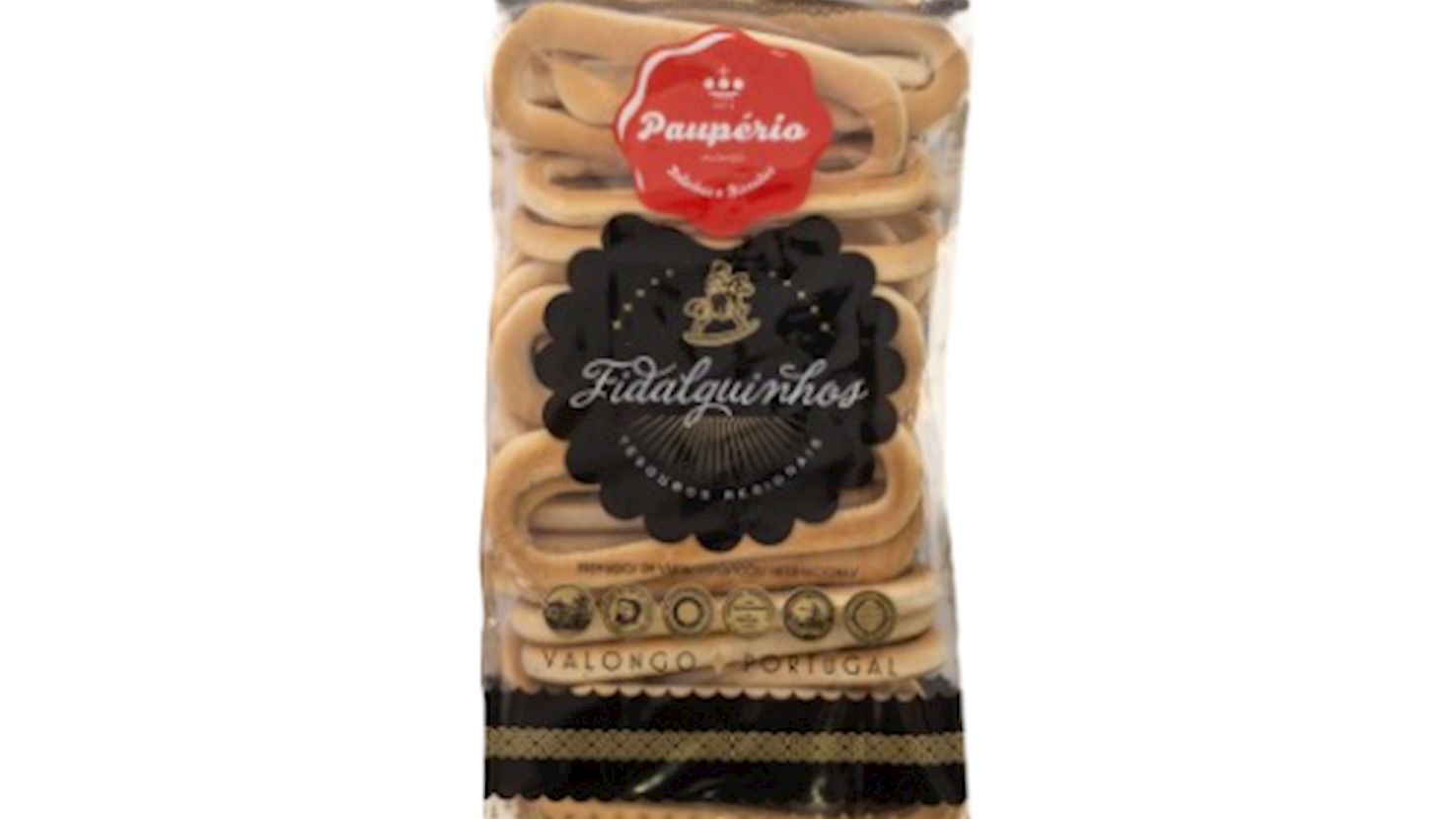
Paupério is a historic Portuguese brand from Valongo, founded in 1874, specializing in traditional biscuits and small pastries made according to old family recipes. Production still relies on simple, high-quality ingredients and artisanal methods, preserving the authentic flavors that have defined the brand for six generations. The assortment includes a wide range of products - from classic butter biscuits and crisp, delicate cookies to aromatic varieties with lemon, vanilla or warm spices. Paupério is also known for its retro tins and decorative packaging, which carry a strong sense of nostalgia and form a key part of the brand’s identity. The flavors are gentle, balanced and clearly defined, while the textures often combine crispiness with a soft, buttery melt. Thanks to its long tradition, consistent quality and distinctive presentation, Paupério has become synonymous with classic Portuguese confectionery and is frequently chosen as a gift or a refined treat for special occasions.
07

Pierre Hermé

4.7 ·
Pierre Hermé is a contemporary French luxury pâtisserie brand founded by Pierre Hermé, widely regarded as one of the most influential pastry chefs of modern times. Built on a philosophy of precision, balance, and creative freedom, the house is known for redefining classic French pastry through bold yet disciplined flavor pairings. Pierre Hermé’s work emphasizes clarity of taste, where each ingredient is clearly expressed without excess sweetness or decorative distraction. The brand is especially renowned for its macarons, which range from rigorously executed classics to highly original combinations that have reshaped expectations of the category. Beyond macarons, the portfolio includes entremets, chocolates, viennoiserie, and seasonal creations, all produced with meticulous attention to ingredients, texture, and structure. With boutiques and salons in Paris and major cities worldwide, Pierre Hermé positions pastry as a form of contemporary culinary expression, merging technical mastery with a distinctly modern aesthetic.
08

La Sablésienne

4.7 ·
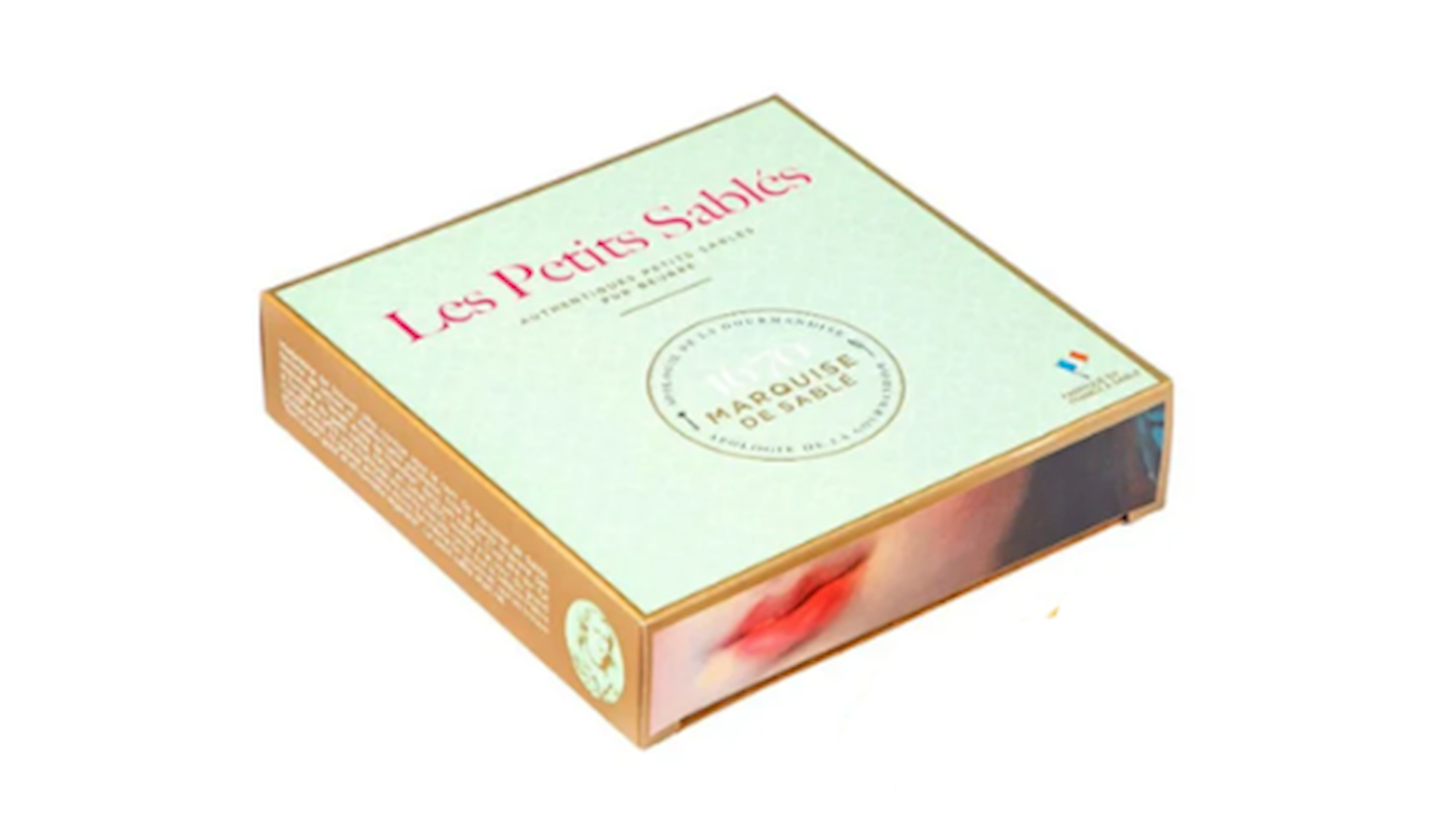
La Sablésienne is a French biscuit brand based in Sablé-sur-Sarthe, closely linked to the tradition of petit sablé butter biscuits whose origins date back to the 17th century. The modern company was established in 1962 with a focus on preserving this heritage through artisanal production methods such as baking on metal trays and hand-finishing each biscuit. Its range centers on classic butter biscuits, alongside variations with chocolate, fruit, and caramel, all made with an emphasis on natural ingredients and without artificial additives. The flavor profile is defined by a rich buttery base with a balanced sweetness and a delicate crumbly texture. A key element of the brand is its attention to presentation, with products often packaged in decorative tins that reinforce their role as gift items. Over time, La Sablésienne has expanded internationally while maintaining a strong connection to its place of origin. It is positioned as a representative example of French biscuit craftsmanship where tradition, ingredient quality, and visual identity are closely integrated.
09

Krumiri Rossi

4.7 ·
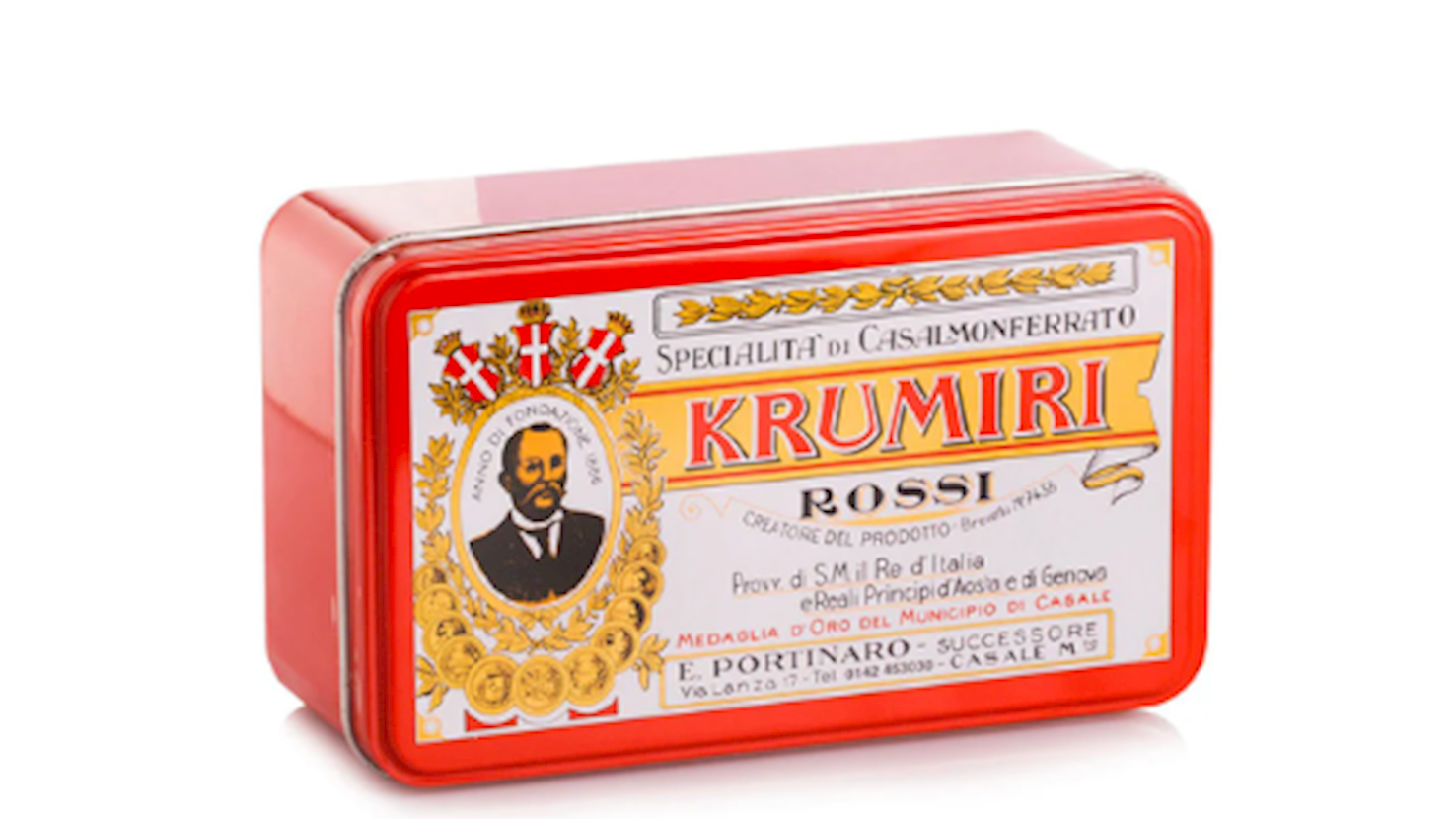
Krumiri Rossi is a historic Italian confectionery brand based in Casale Monferrato, in the Piedmont region, known for producing one of Italy’s most distinctive traditional biscuits. Founded in 1878 by pastry chef Domenico Rossi, the company originated from the creation of krumiri, a butter-based biscuit that quickly became emblematic of the local gastronomic identity. The recipe is intentionally simple - flour, butter, sugar, eggs, and vanilla - but its character lies in the balance between a firm, slightly crumbly texture and a rich, buttery flavor. A defining feature is the biscuit’s curved shape, often linked to the moustache of King Victor Emmanuel II, which contributes to its strong visual identity. From its early years, the brand established itself through authenticity and protection of its product, gaining recognition and defending the originality of the recipe. Despite its growth over time, Krumiri Rossi has maintained a consistent focus on tradition, preserving both the formulation and the production approach. The biscuits are typically consumed with coffee, tea, or dessert wines, reinforcing their role as both an everyday accompaniment and a regional specialty. Today, Krumiri Rossi represents continuity rather than innovation, positioning its product as a direct extension of a late 19th-century recipe that remains largely unchanged.
10

Fábrica Santo António

4.6 ·
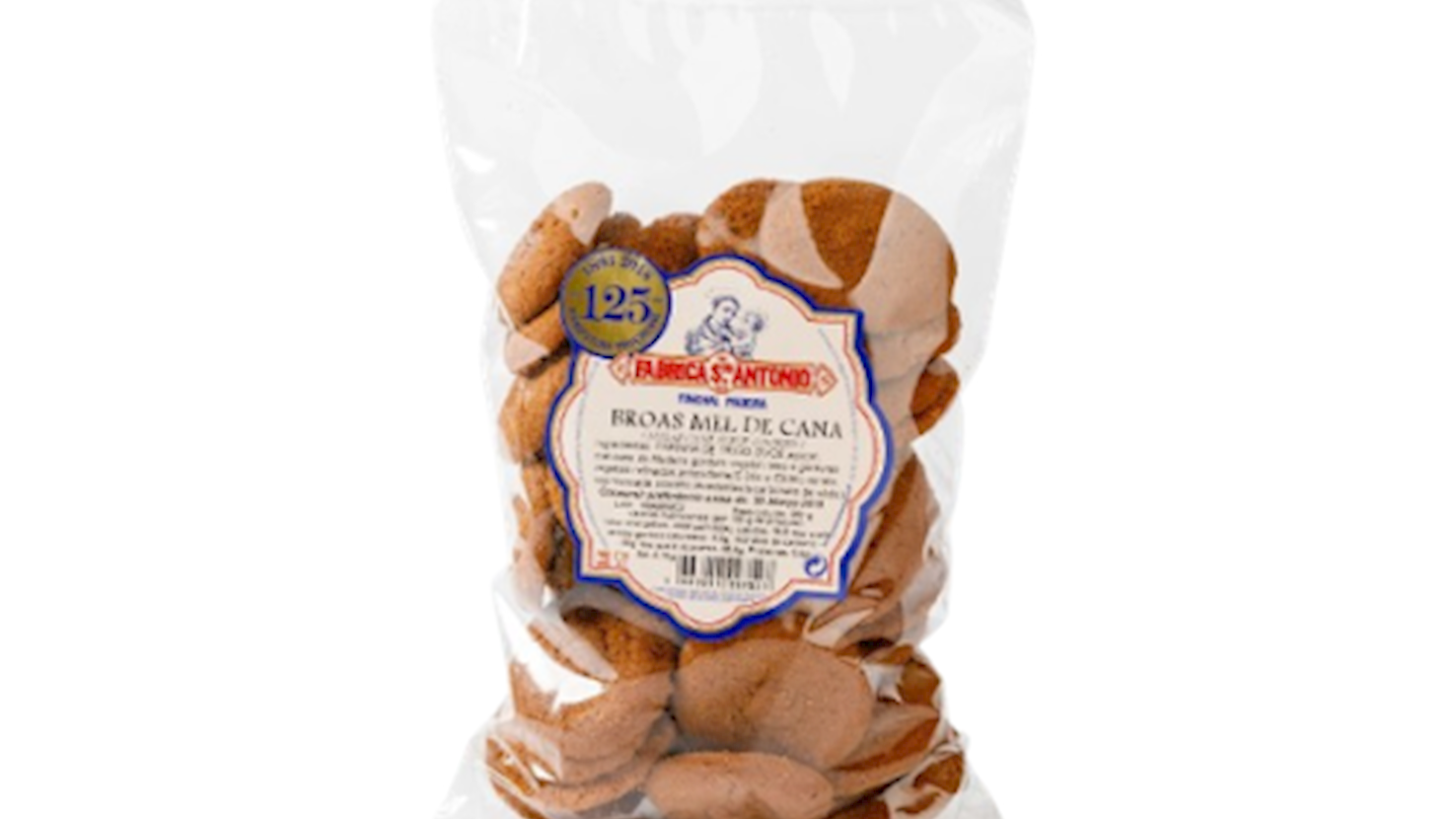
Fábrica Santo António is a historic Portuguese confectionery and fruit-based producer located in Funchal on the island of Madeira, founded in 1893 and still run by the same family across several generations. The brand began as the island’s first biscuit factory, strongly influenced by British tea culture, and over time grew into one of the most recognizable names in Madeiran gastronomic tradition. Its range includes traditional biscuits, cakes made with sugar-cane molasses, handmade sweets, as well as jams and marmalades from local and tropical fruits. Special emphasis is placed on preserving original recipes and production methods, using carefully selected ingredients and minimal technological intervention. Production still takes place in the historic factory building, which also serves as a retail space known for its authentic atmosphere and traditional packaging. The brand has a strong presence both among local residents and visitors to the island, who often regard it as an essential gastronomic reference of Madeira.
Read more
View all
View map
About this ranking

TasteAtlas food rankings are based on the ratings of the TasteAtlas audience, with a series of mechanisms that recognize real users and that ignore bot, nationalist or local patriotic ratings, and give additional value to the ratings of users that the system recognizes as knowledgeable. For the “Top 100 Western European Cookies” list until May 15, 2026, 4,064 ratings were recorded, of which 3,316 were recognized by the system as legitimate. TasteAtlas Rankings should not be seen as the final global conclusion about food. Their purpose is to promote excellent local foods, instill pride in traditional dishes, and arouse curiosity about dishes you haven’t tried.

The initial list of top producers was compiled based on available reviews, awards, local recommendations, media and blog coverage, and consumer reviews. The list will be updated with ratings from TasteAtlas local ambassadors and TasteAtlas users.

Similar lists