
Top 90 Lazian Foods

Last updated on June 02, 2026

Best Lazian foods

01
Cheese

Pecorino Romano

4.4 ·

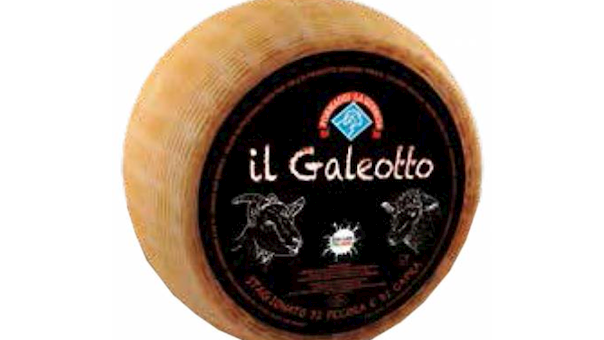
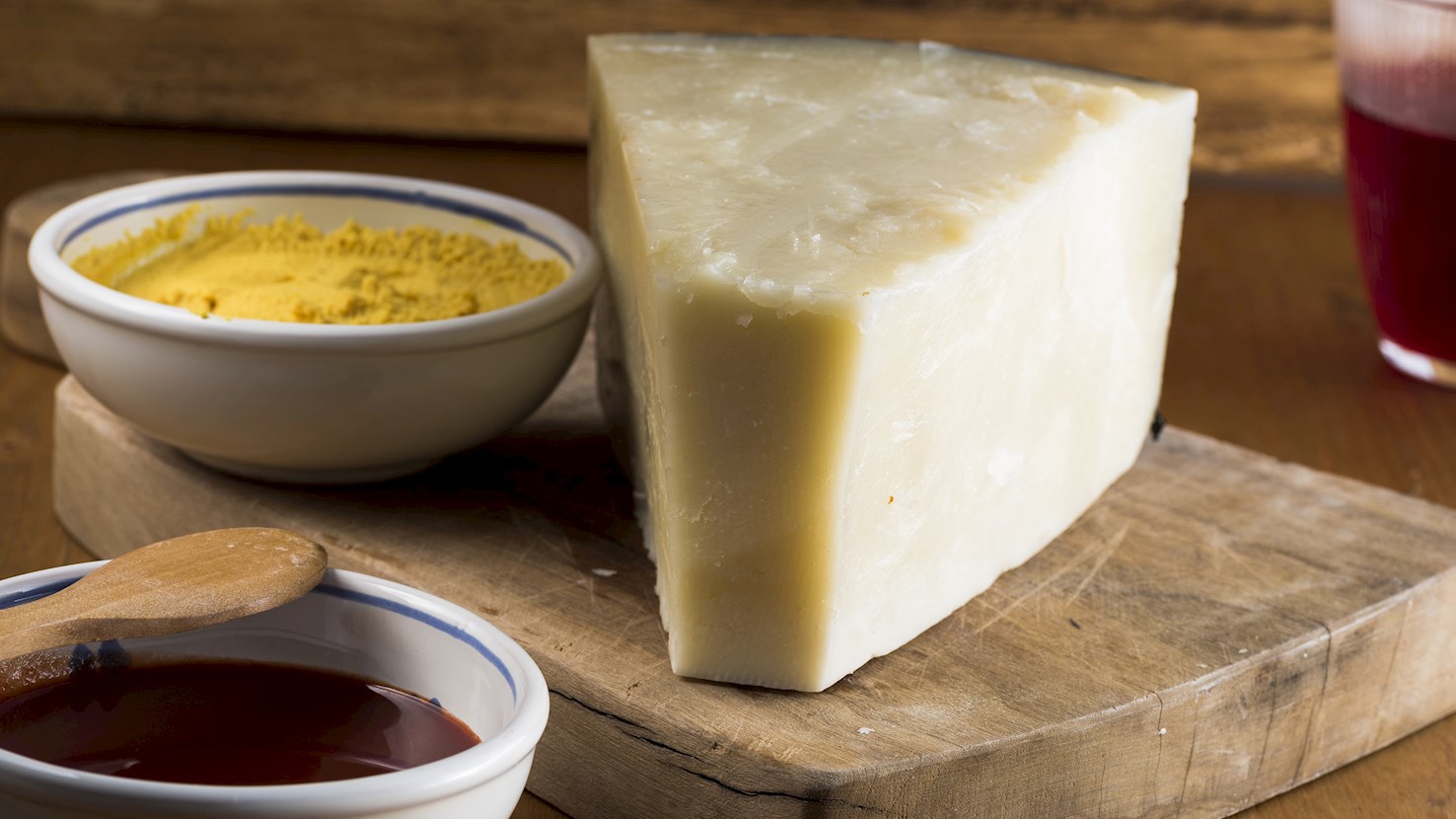
This hard cooked cheese is made with whole milk from pasture-grazed sheep, and has a particularly salty and slightly piquant flavor. Aged for at least 5 months, Pecorino Romano makes an excellent table cheese, particularly when combined with fresh vegetables and fruit, but after eight months of aging, it is mainly used for grating over classic Roman dishes such as Bucatini all’Amatriciana, Rigatoni alla Carbonara, Spaghetti Cacio e Pepe, and Tripe alla Romana. The origins of Pecorino Romano can be traced back to the Roman Empire, when cheese processing methods were first described by some of ancient Rome's most important writers on agriculture: Varrone, Columella, Virgilio and Pliny the Elder. In 227 BCE, the production of this renowned cheese spread to the neighboring island of Sardinia, where even today almost 90% of Pecorino Romano is produced, while the remaining 10% comes from Lazio and the Tuscan province of Grosseto.

02
Pasta

Carbonara

4.3 ·

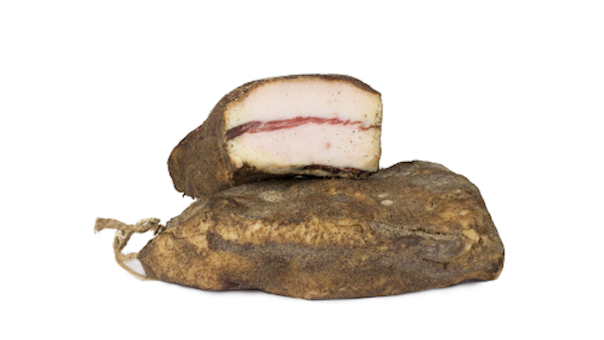
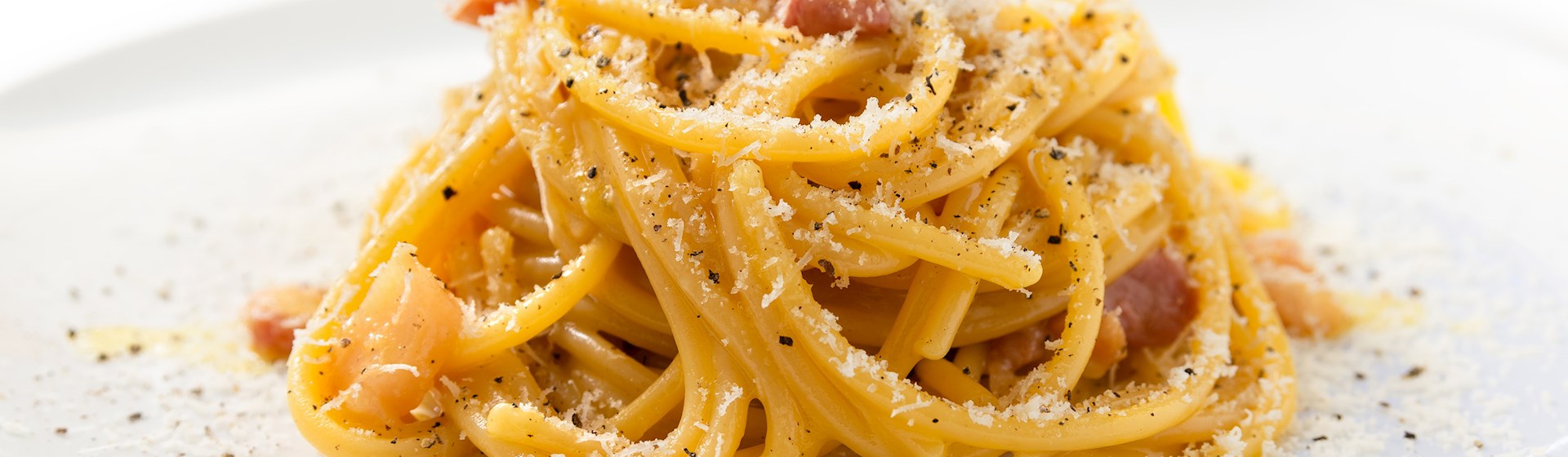
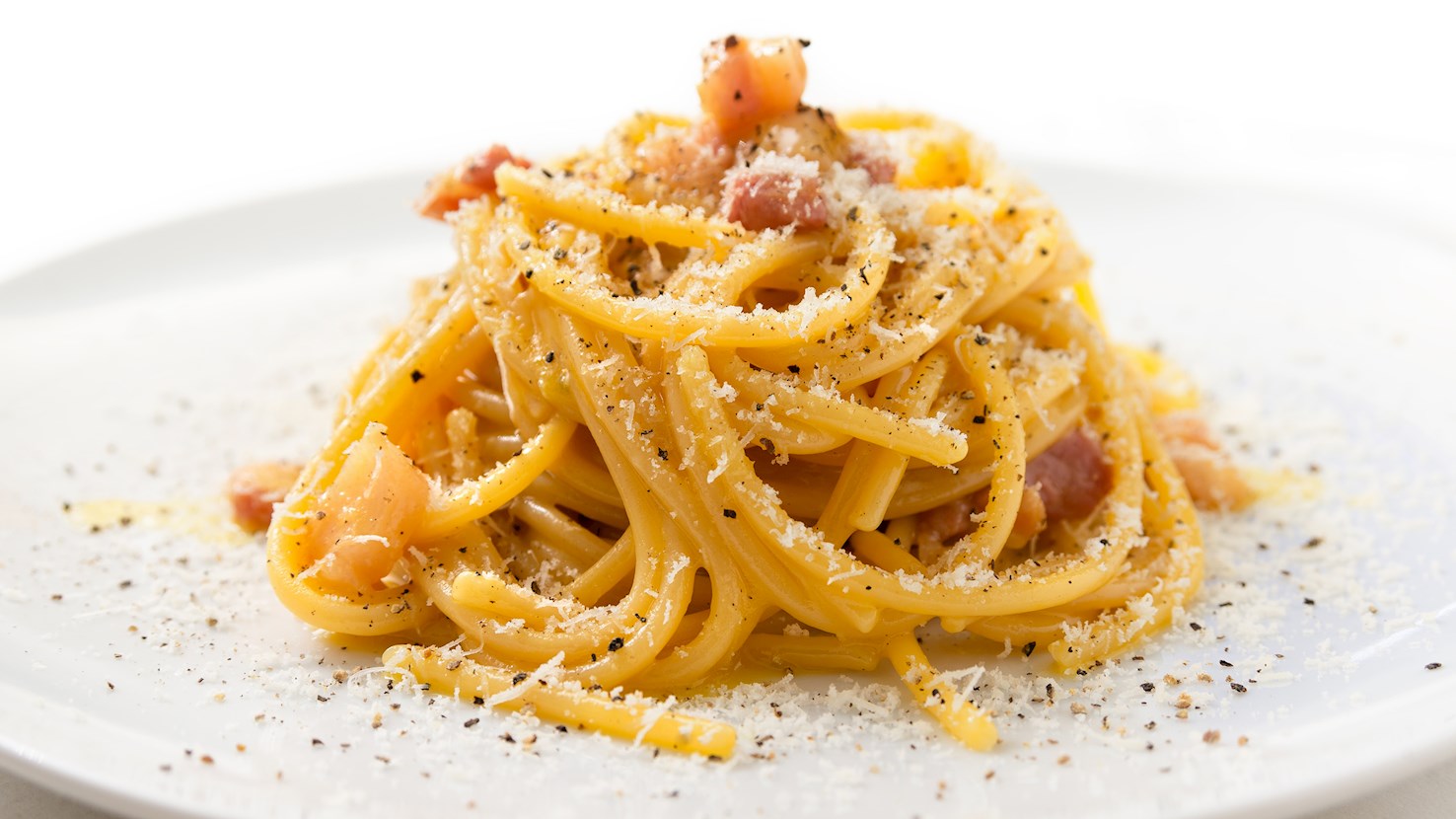
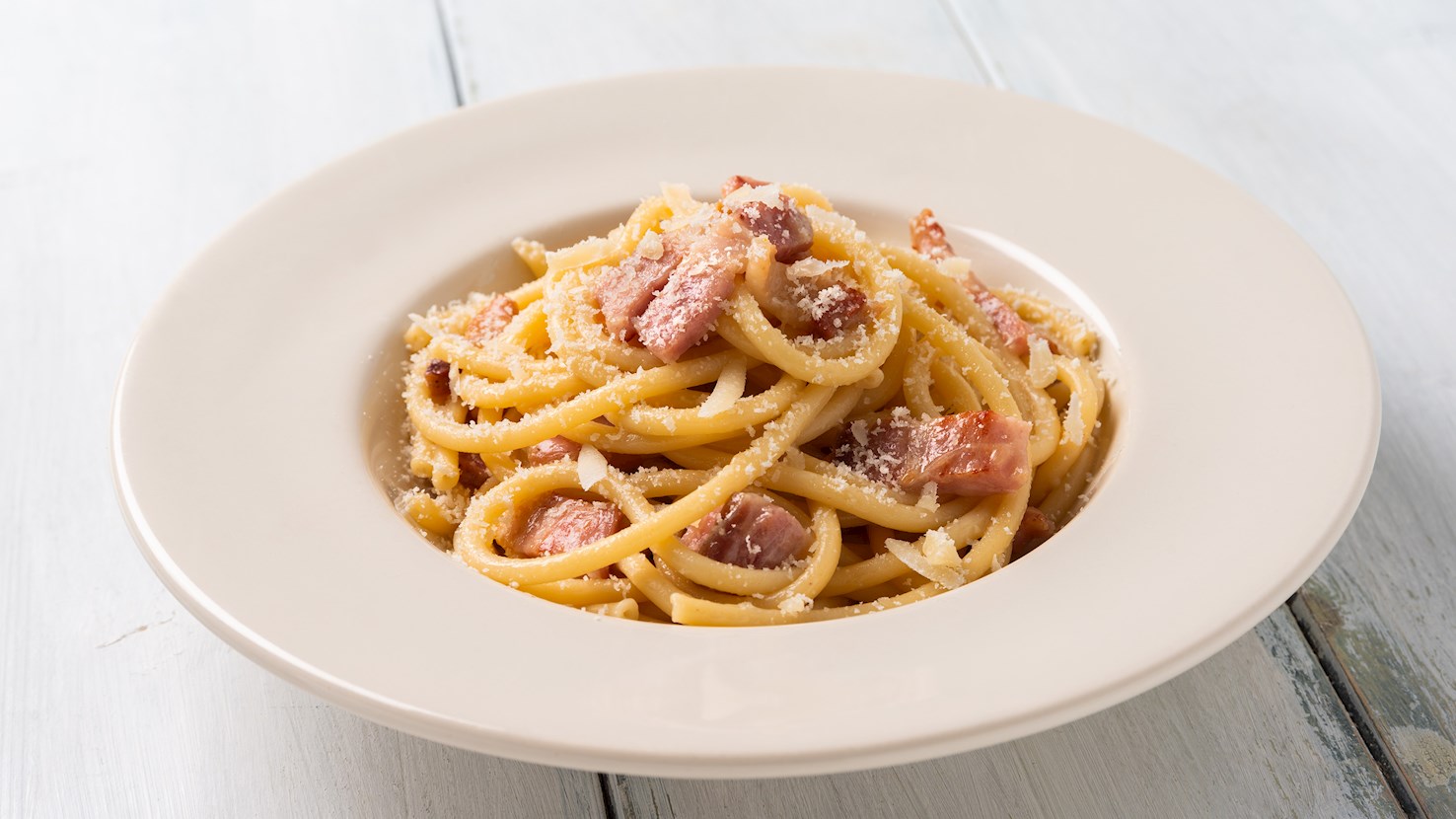
The carbonara we know today is prepared by simply tossing spaghetti with guanciale (cured pork jowl), egg yolks, and Pecorino Romano cheese. Despite its simplicity, this dish remains one of Rome's favorites, equally popular throughout the country. Even though carbonara is considered a typical Roman dish today, its origins are quite vague and often disputed. The name is said to have been derived from the carbonari, woodcutters and charcoal-makers who lived in the Appenine mountains northeast of Rome, and who supposedly cooked their pasta over a hardwood charcoal fire and tossed it with eggs and cheese. Another popular theory claims that carbonara was invented after the liberation of Rome in 1944, when food shortages were so severe that Allied troops distributed bacon and powdered eggs, which the local population would then mix with water to make pasta sauce.

03
Pasta

Pasta alla gricia

4.3 ·

As with so many classic Italian dishes, the story of pasta alla gricia is one of unclear and often disputed origin. Pasta alla gricia is sometimes called amatriciana bianca (lit. white amatriciana), which reflects the common root of these two pasta dishes, though gricia is known to be older than the tomato-based amatriciana sauce. Moreover, gricia is said to have originated in Grisciano, a small hamlet not far from Amatrice, the birthplace of spaghetti all'amatriciana. These two mountain towns nestled in the Apennine peaks between the neighboring regions of Lazio and Abruzzo have long been known as home to semi-nomadic shepherds, who were often credited with inventing this simple sauce. While tending herds during their long months of transhumance, the shepherds used guanciale (cured pork jowl) and tangy pecorino cheese tossed with pasta to prepare quick and humble meals like cacio e unto (lit. cheese and lard), as gricia sauce was once called. Even today, the list of ingredients goes no further than guanciale, pecorino, and black pepper — more than enough to result in the divine flavor of pasta alla gricia, which is typically served with bucatini, spaghetti, or rigatoni.

04
Pizza

Pizza al taglio

4.3 ·

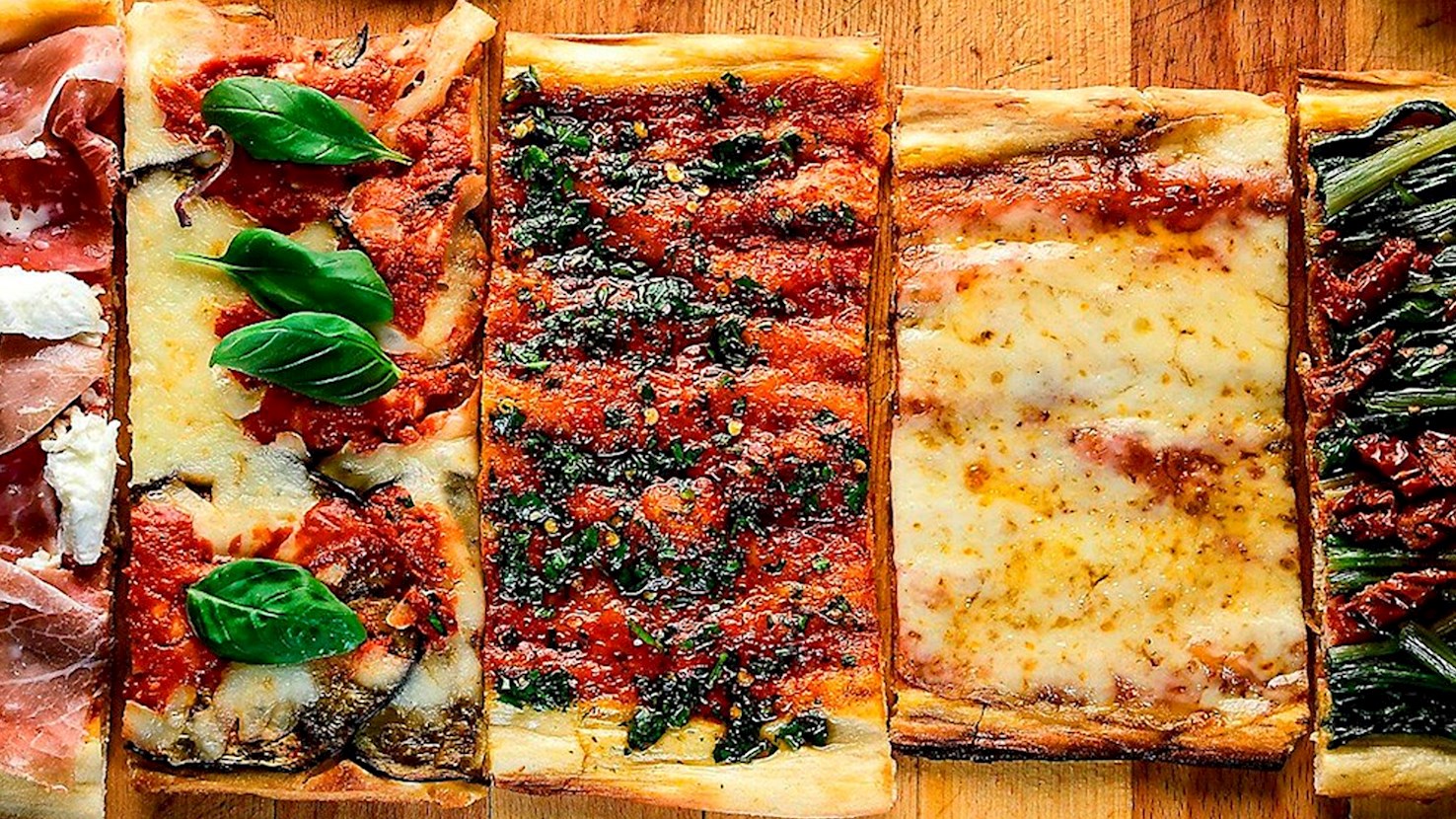
Pizza al taglio is a variety of Italian pizza that is baked in rectangular trays and sold sliced into squares or rectangles. Prices can be marked either per slice of pizza or per kilogram. The first pizza al taglio was baked in Rome in the late 1950s, when it was topped with olive oil and tomato sauce. Today, the dish is one of the most loved street food items both in Rome and in most of Italy. When making pizza al taglio, it is important to let the dough rise and ferment for a longer period of time. The dough is usually baked, topped, and then baked once more, resulting in an evenly-cooked pizza that's light, airy, and easily digestable.

05
Pasta

Spaghetti aglio olio e peperoncino

4.3 ·

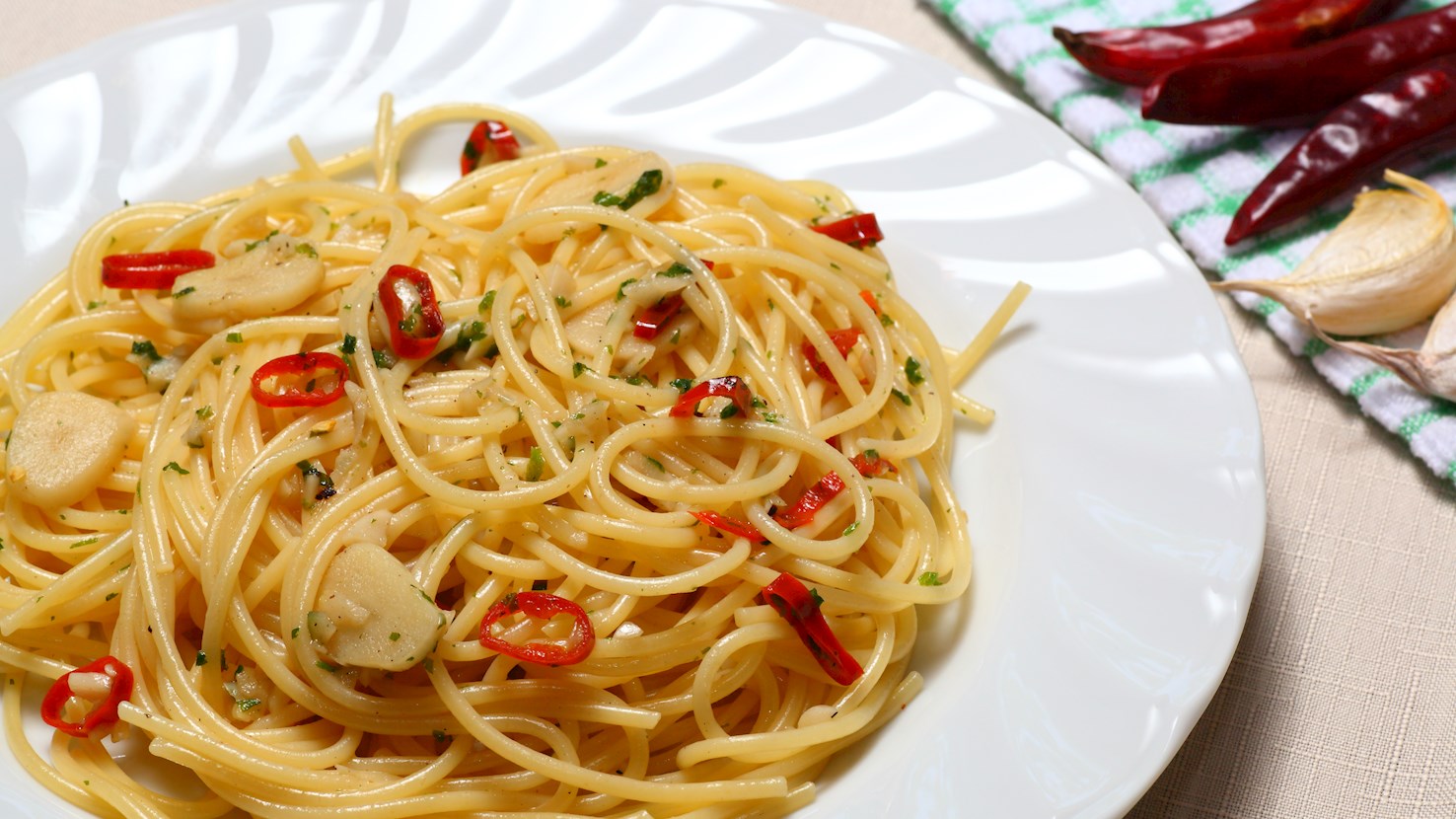
Spaghetti aglio olio e peperoncino is a classic Italian dish originating from the Lazio area. This cucina povera staple is made with just a few simple ingredients such as spaghetti, garlic, olive oil, parsley, and peperoncino rosso or diavolillo (lit. little devil), a small red chili pepper that adds a spicy kick of heat to the dish. The spaghetti are cooked until al dente and tossed with garlic and crushed chili sautéed in olive oil. This Roman staple is easily found in most trattorias in the city and the Lazio region, but it’s also popular in the neighboring regions of Campania and Abruzzo. In order to make the basic version of the dish, it will be enough to remove the parsley and peperoncino from the list of ingredients.

06
Pasta

Amatriciana

4.3 ·

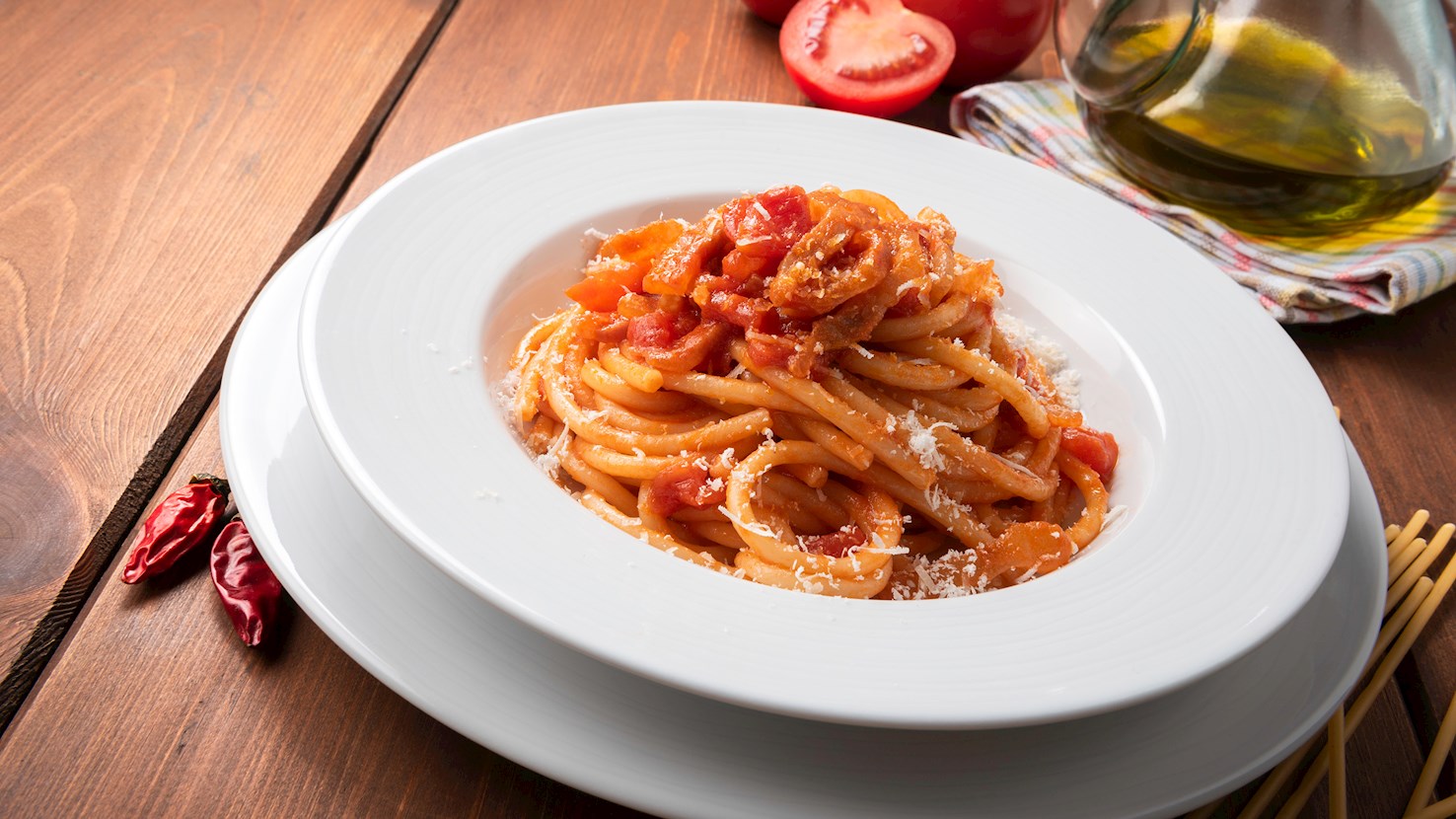
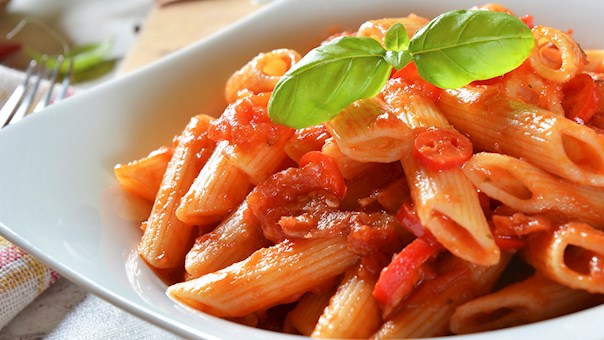
Named after Amatrice, a provincial town in the Sabine Hills northeast of Rome; the iconic Amatriciana sauce is often considered a part of the "holy trinity of Roman pasta", together with carbonara and cacio e pepe. Amatriciana was invented in the 17th century by adding tomatoes to the already famous gricia sauce – diced tomatoes are sautéed in fat rendered from juicy bits of guanciale (cured pork jowl), then tossed together with grated pecorino cheese and either spaghetti or bucatini pasta. The first recipe for Amatriciana was published in the 1790 cookbook L’Apicio Moderno by Francesco Leonardi, a renowned Roman chef and author. Over time, this classic Italian dish became so popular it was featured in several movies, from Alberto Sordi’s 1954 film An American in Rome and Luciano Salce’s 1978 Where Are You Going on Holiday? to Ryan Murphy’s Eat Pray Love, in which Julia Roberts joyfully wolfs down a portion of spaghetti all’Amatriciana while sitting on the terrace of a typical Roman osteria. With delicate heat from pepperoncino peppers, the sweetness and tartness from the tomato-based sauce, the sharpness of pecorino, and the fatty richness of guanciale, Amatriciana is best enjoyed with medium-bodied, smooth Italian reds such as Montepulciano d’Abruzzo and Sangiovese.

07
Pork Dish

Porchetta di Ariccia

4.3 ·

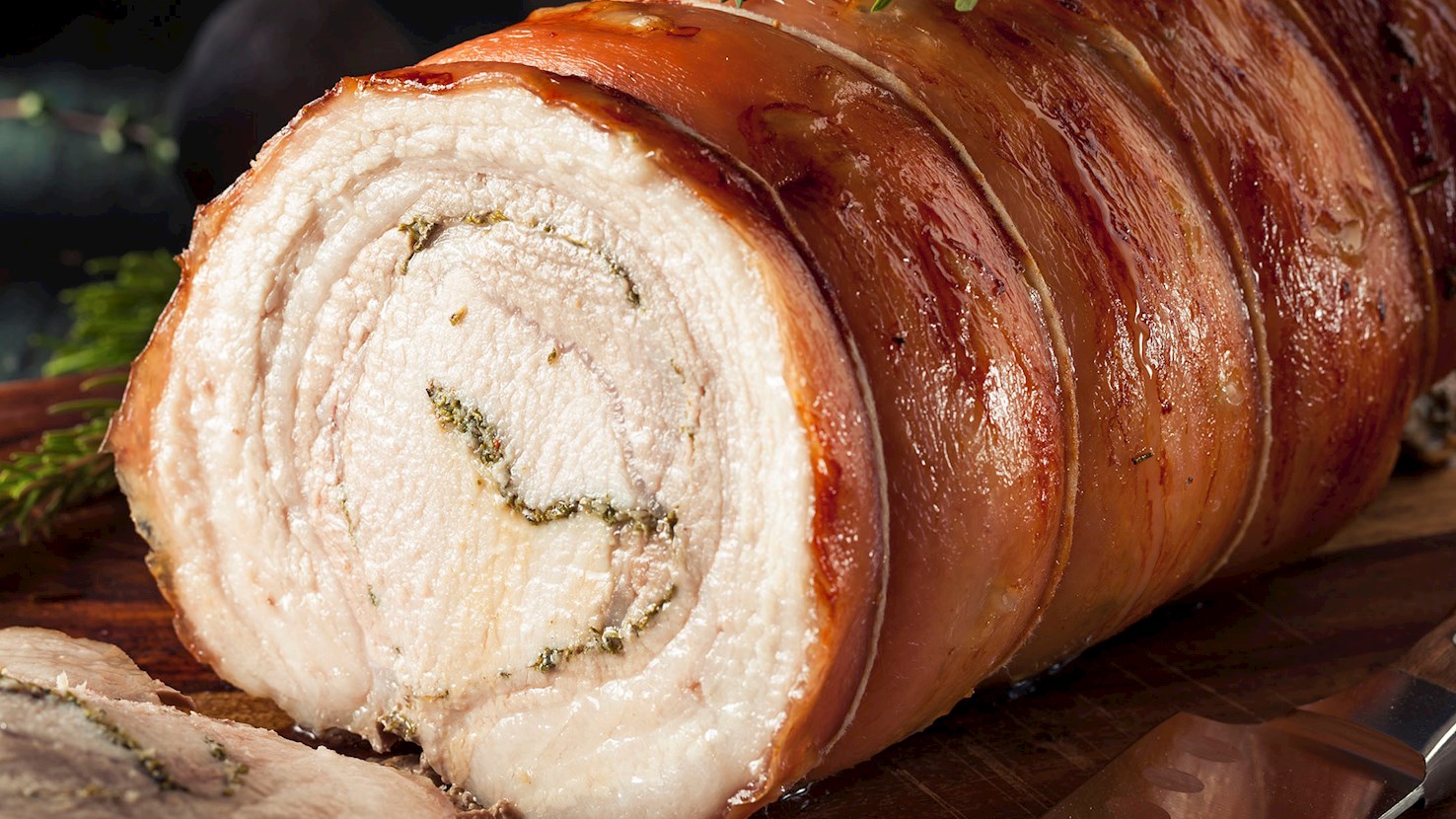
Porchetta di Ariccia is a savory, moist, boneless pork roast with origins in the province of Rome, along with being a culinary icon of the Lazio region. Mature pigs are deboned and stuffed with numerous seasonings such as fennel, rosemary, and garlic. The pigs are then slowly roasted on a spit over a wood fire, resulting in succulent meat and crispy skin. The name of the dish stems from the word porco, meaning pork. It is a staple of numerous village festivals, fairs, markets, and concerts, when the street of Rome are packed with food trucks selling this flavorful dish. In Rome, it is street food that is usually served on its own or as a filling for sandwiches. Although it is one of the country's earliest specialties, dating back to the Roman Empire, a small town in Rome's Castelli called Ariccia claims its invention, and the huge popularity of the dish dates back to the 1950s when the producers of this delicacy (called porchettari) celebrated the Sagra della Porchetta di Ariccia, a popular festival in the city that serves to promote this unique dish. Italian immigrants brought the dish to the United States in the early 20th century, where it is often referred to as Italian pulled pork, usually served with spinach and cheese on sandwiches.

08
Pasta

Cacio e pepe

4.2 ·

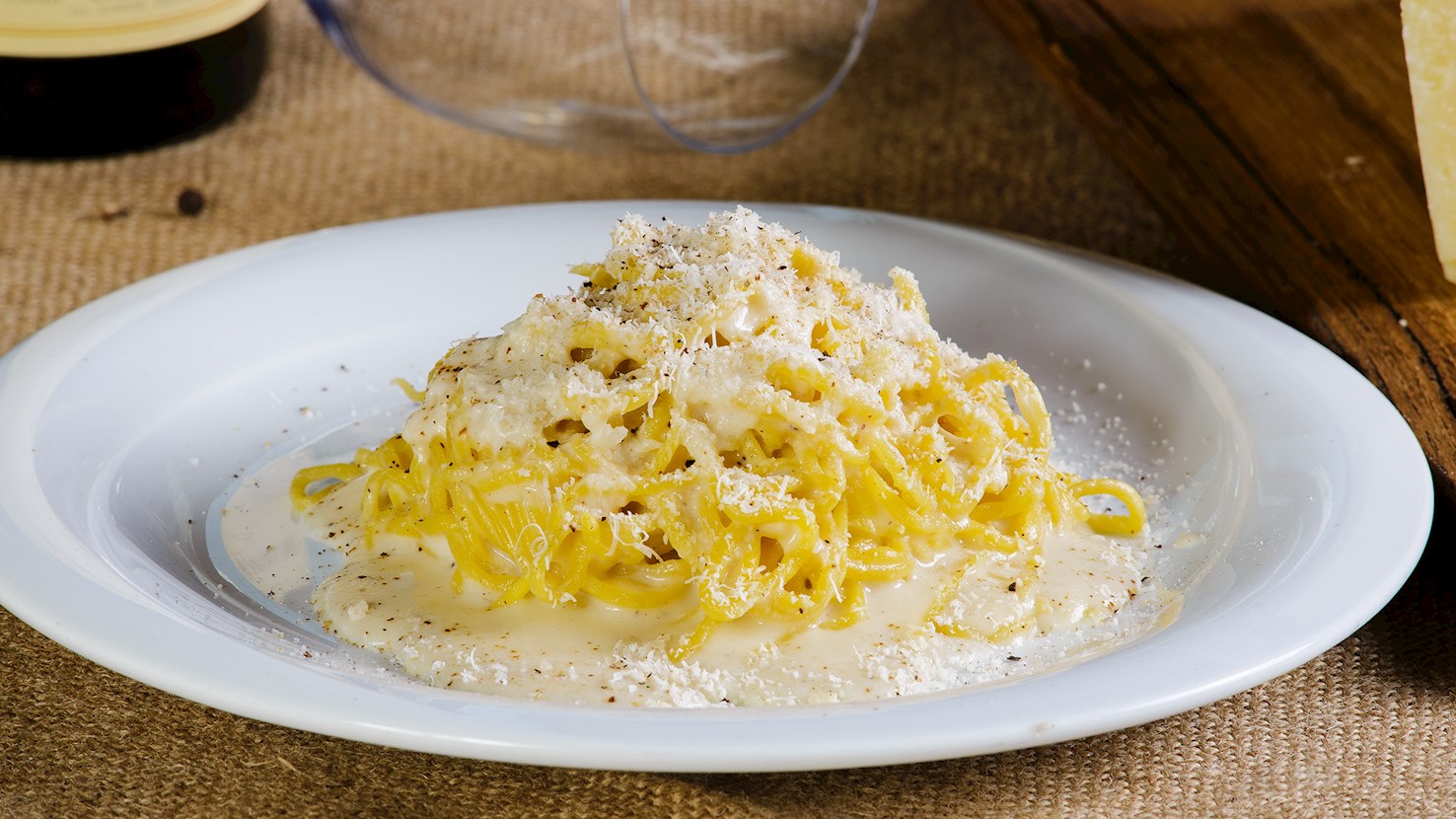
This ancient dish with Roman origins is regarded as one of the simplest and most satisfying Italian dishes. Cacio e pepe consists of pasta (usually spaghetti), aged Pecorino Romano cheese, salt, and lots of ground black pepper. Since the ingredients are easy to transport and do not spoil easily, it was once the favorite dish of Roman shepherds. The spicy pepper protected the shepherds from the effects of cold weather during the night, while the pasta provided them with the carbohydrates they needed to perform their back-breaking labor. However, this simple meal is so good that the famous chef and television personality Anthony Bourdain described it by saying it "could be the greatest thing in the history of the world."

09
Street Food

Trapizzino

4.2 ·

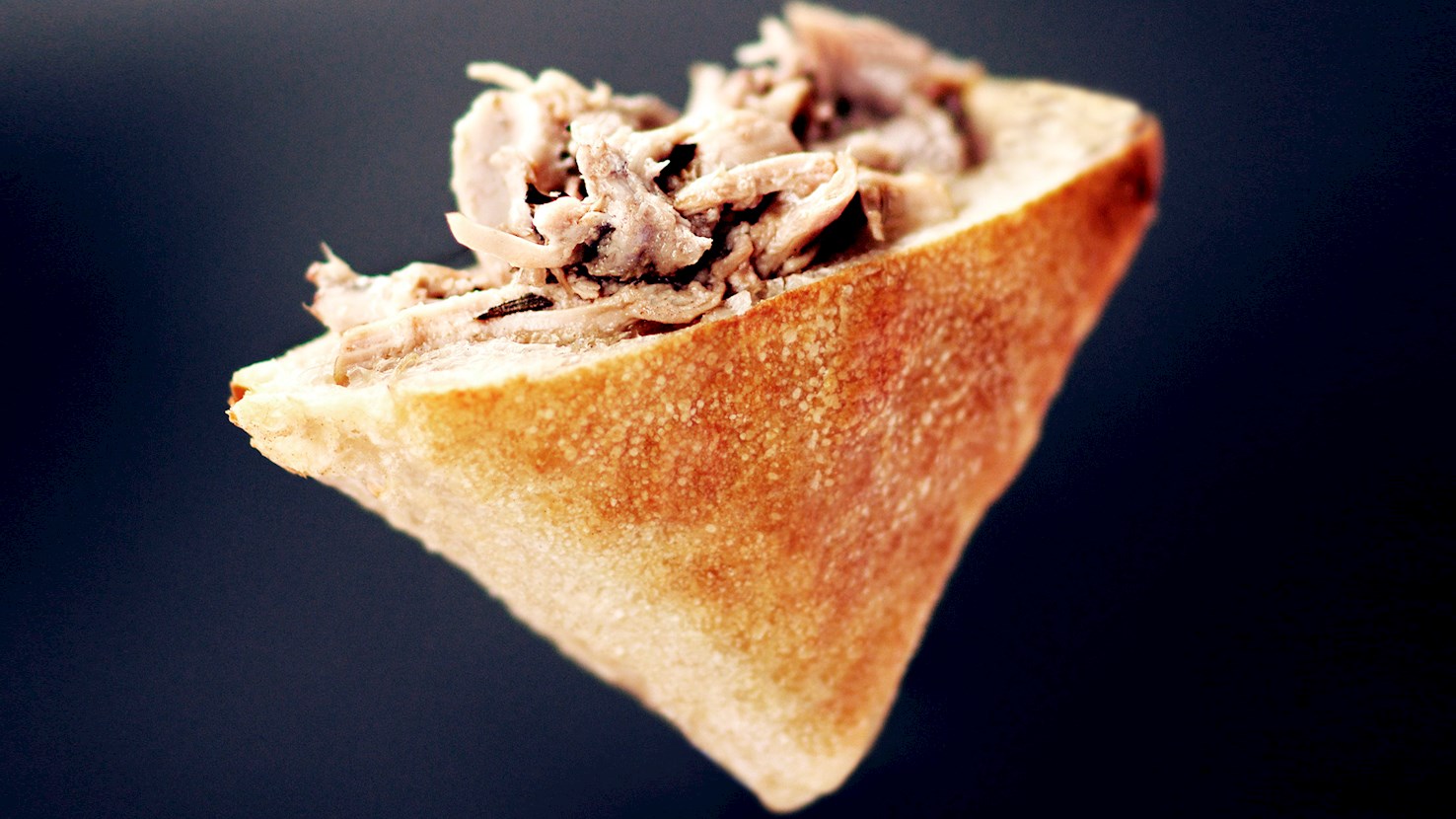
Invented by Stefano Callegari in 2008 in Rome, trapizzino is a popular street food item consisting of a pocket of pizza bianca that is typically filled with a meat or vegetable filling – usually classic Roman dishes that would traditionally be impossible to consume on the go. The tasty trapizzino originated from pizza by-the-slice, and its name is a play on words combining tramezzino (Italian triangular sandwiches) and pizza. This snack should be soft on the inside and crunchy outside, and due to its popularity, it even gained international acclaim and started to appear on the streets of New York as well.

Best restaurants
10
Dumplings

Gnocchi di semolino alla Romana

4.1 ·

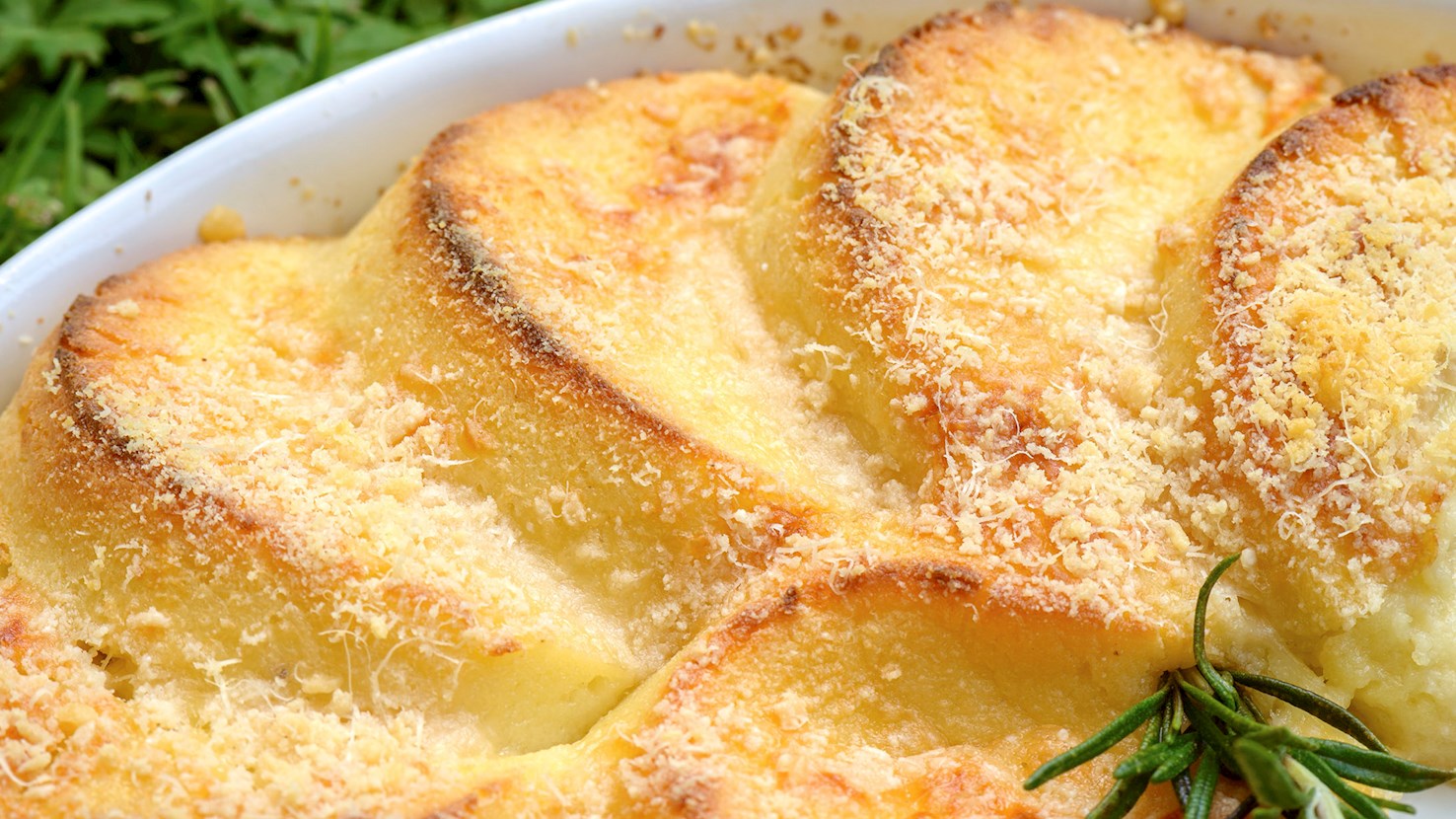
Gnocchi di semolino alla Romana is a traditional dish made with semolina flour gnocchi, milk, eggs, parmesan cheese, and butter. The gnocchi are usually layered in a casserole and baked with seasonings such as nutmeg, salt, and pepper. Some cooks like to add pancetta or ham on top in order to improve its flavors. The dish can be served either as a first course or as a main dish, if made in large quantities.

Best Lazian food products
01
Chocolate Confectionery

Bellantoni

5 ·
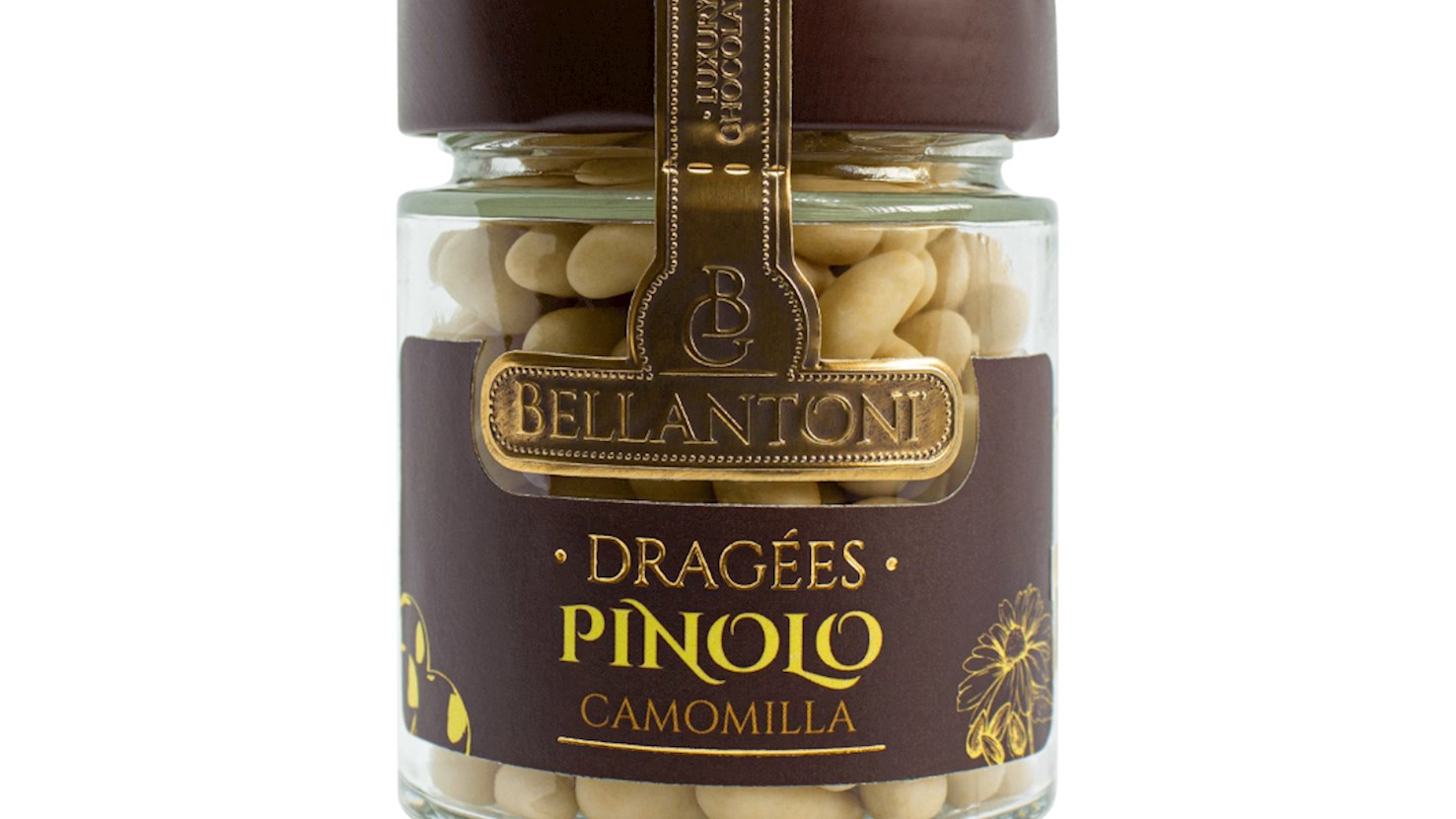
Bellantoni Cioccolato is a luxury brand founded by award-winning chocolatier Giacomo Bellantoni, specializing in artisanal products crafted from the finest raw materials. Each creation offers a unique sensory experience, featuring an exquisite range of chocolates, pralines, spreads, and gourmet jams. The brand’s elegant packaging, made from wood and leather, highlights its attention to detail and sets Bellantoni Cioccolato apart in the global market.
Awards
International Chocolate Awards - Gold (2024, 2023, 2022, 2020)
International Chocolate Awards - Silver (2024, 2023, 2020)
02
Olive Oil

Azienda Agricola Gioacchini

5 ·
Azienda Agricola Gioacchini is an olive oil producer located in Viterbo, Italy. The farm is known for cultivating olive trees and producing high-quality olive oil with traditional methods. They emphasize organic farming practices and sustainability in their production process. The olive oils are often characterized by their rich flavor profiles and are used in gourmet cooking.
Awards
ATHENA IOOC - Double Gold (2021)
EVO IOOC - Gold Medal (2023, 2022, 2021, 2020)
03
Olive Oil

Frantoio Gentili

5 ·
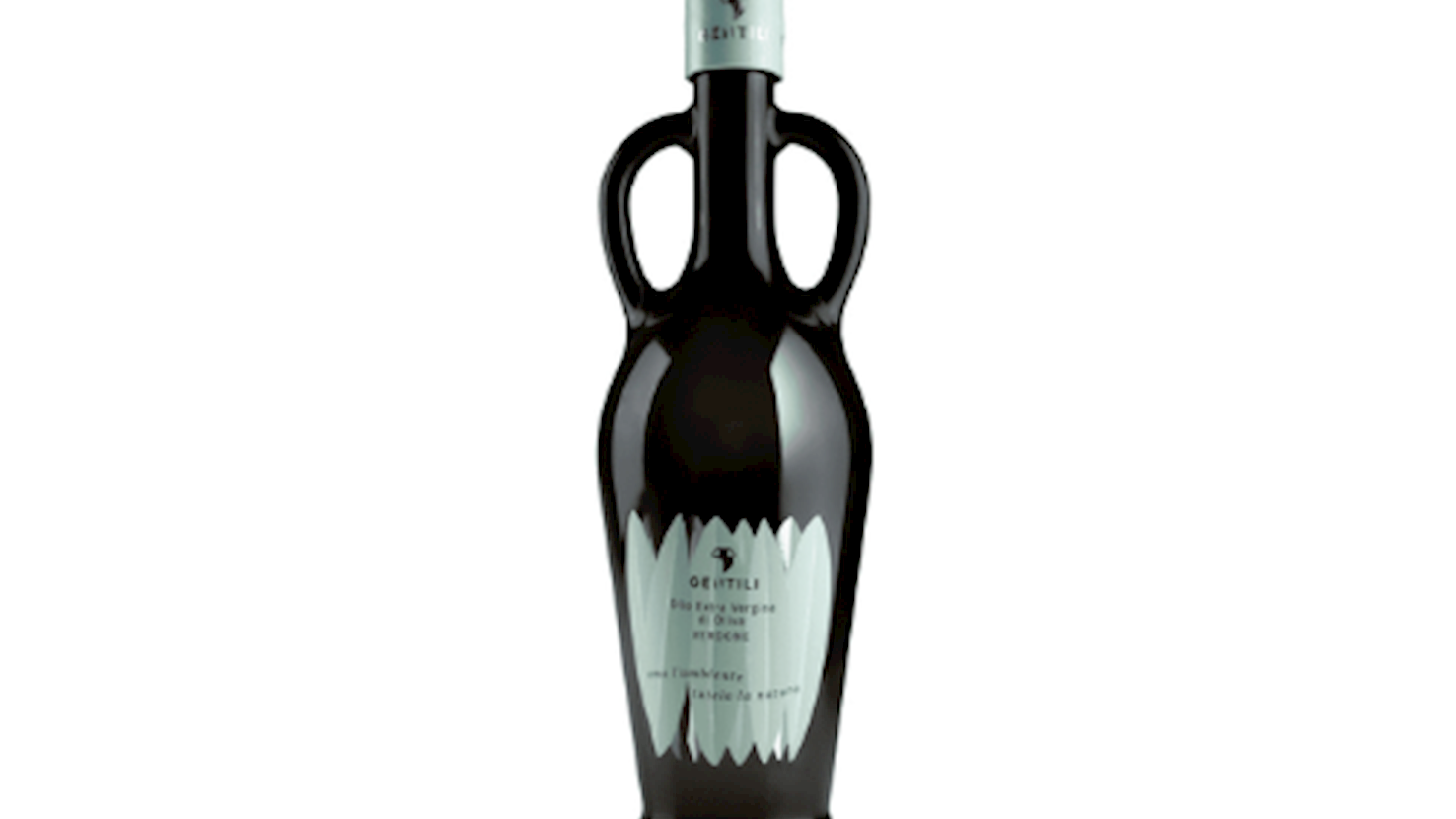
Frantoio Gentili is a family-run olive mill based in Farnese that has been producing extra virgin olive oil for nearly two centuries, combining tradition with modern technology. Their production is based on local cultivars such as Canino (Caninese), Moraiolo, Pendolino, Leccino, and Frantoio, with olives processed within a few hours of harvest exclusively through cold extraction at temperatures below 27 °C. Their oils are distinguished by a bright green color, the aroma of fresh fruit, a delicate bitterness, and a subtle spiciness on the finish, making them suitable both for simple dishes and for haute cuisine. Frantoio Gentili is committed to sustainable production, the use of recyclable packaging, and reducing its environmental footprint, while tastings and visits to the mill further connect visitors with the local heritage.
Awards
Terraolivo IOOC - Grand Prestige Gold (2022)
04
Wine

Caseificio Storico Amatrice

5 ·
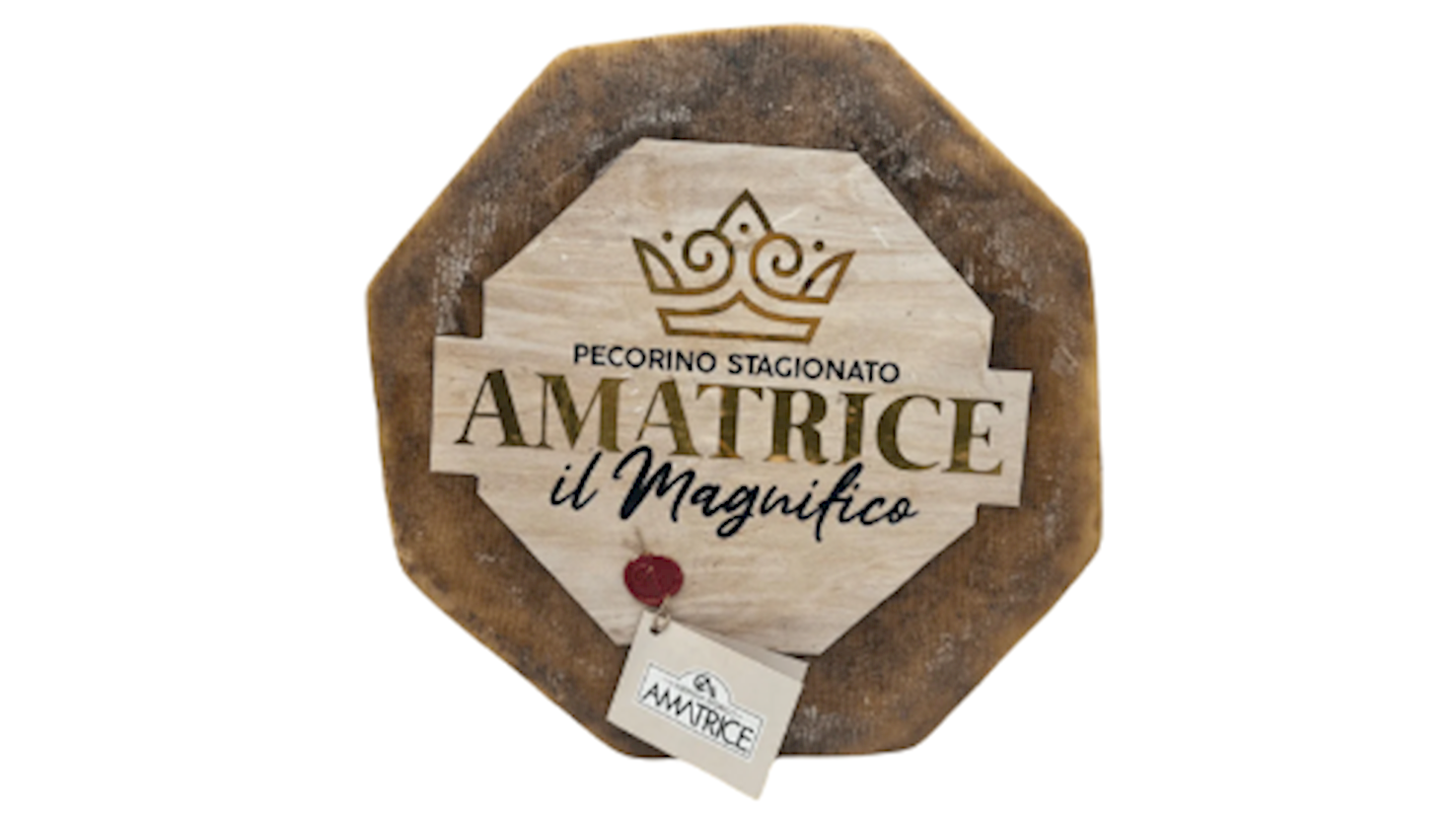
Caseificio Storico Amatrice is a cheese producer located in Amatrice, Italy. This producer is known for creating cheeses that reflect the local culinary traditions and flavors of the region. One of their notable cheeses includes Pecorino Amatriciano, which is made from sheep's milk.
Awards
World Cheese Awards - Super Gold (2024, 2022)
Concours International de Lyon - Gold (2025)
05
Olive Oil

Alfredo Cetrone

5 ·
Alfredo Cetrone is an Italian producer of extra virgin olive oil based in Sonnino, in the Lazio region. His family has been cultivating olives and producing high-quality oils for many years, combining traditional methods with modern processing technologies. Alfredo Cetrone’s oil is characterized by rich fruity aromas with notes of green apple, almonds, and fresh grass, along with a pleasant bitterness and spiciness that give the oil a distinctive character. Special attention is given to preserving local olive varieties and sustainable production, resulting in authenticity and top quality. His products often win awards at national and international competitions, confirming his reputation as a premium producer.
Awards
Flos Olei - The Best (2022)
ATHENA IOOC - Double Gold (2024, 2023)
06
Olive Oil

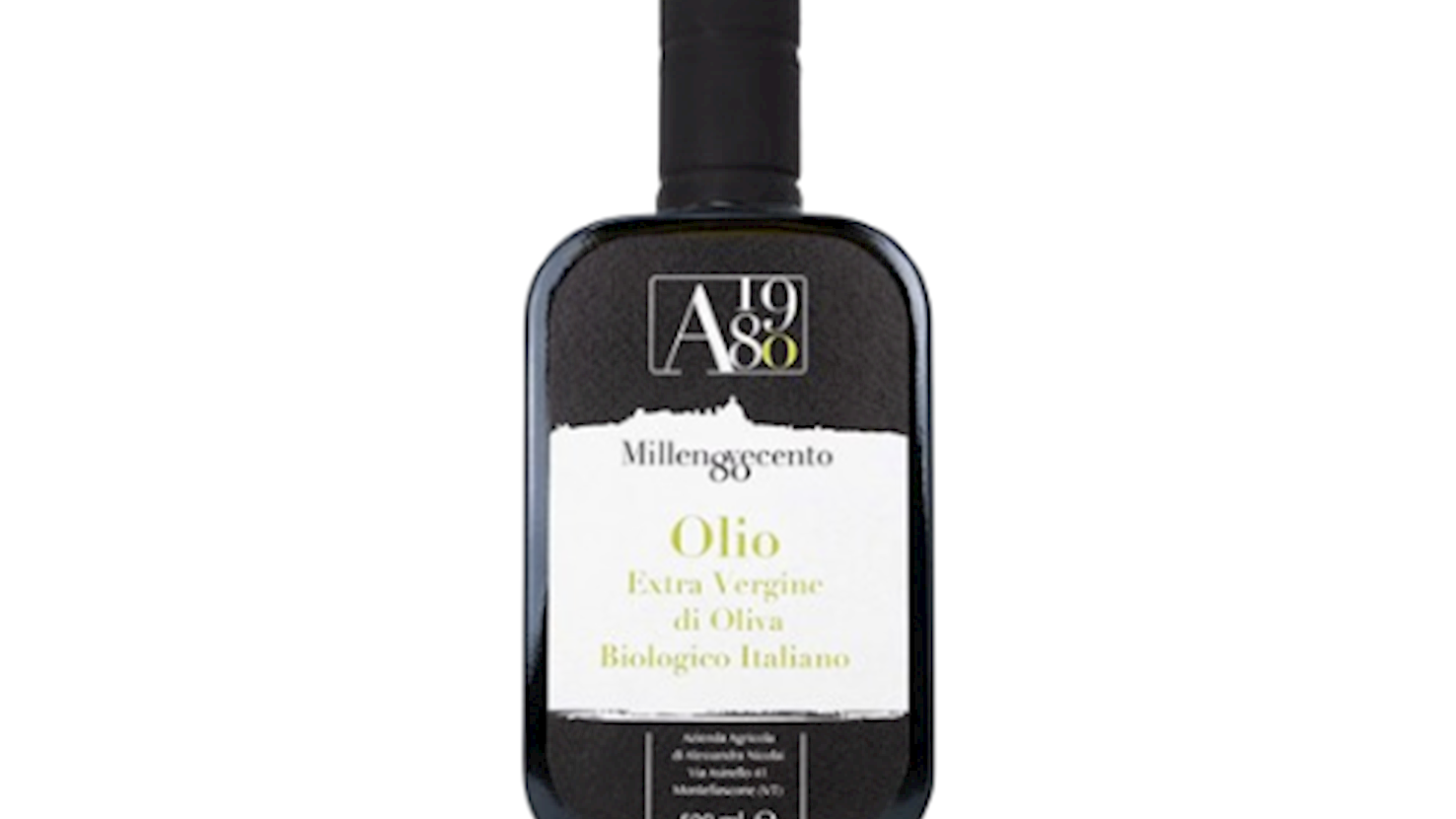
A1980

5 ·
A1980 is a premium Italian brand of organic extra virgin olive oil, produced by Azienda Agricola Alessandra Nicolai, a family-owned farm located in Montefiascone, in the northern part of the Lazio region, near Lake Bolsena and just north of Rome. This brand carries a strong personal and emotional mark of its owner — the name A1980 symbolically represents the year of her birth, as well as the beginning of a refreshed and modern vision of olive cultivation. The oil is made exclusively from organically grown olives, hand-harvested and cold-pressed just hours after picking. The result is an oil of exceptional quality, rich in fruity and green aromas, and deeply expressive of its territory — volcanic soil, a mild microclimate, and unspoiled natural surroundings. Every step of the process is overseen by Alessandra Nicolai herself, who is personally involved in everything from cultivation to processing, bottling, and sales. A1980 is not just olive oil; it is a blend of tradition, land, and contemporary vision — a true testament to how a small family endeavor can become an ambassador of authentic Italian flavor around the world.
Awards
NYIOOC - Gold (2023)
07
Olive Oil

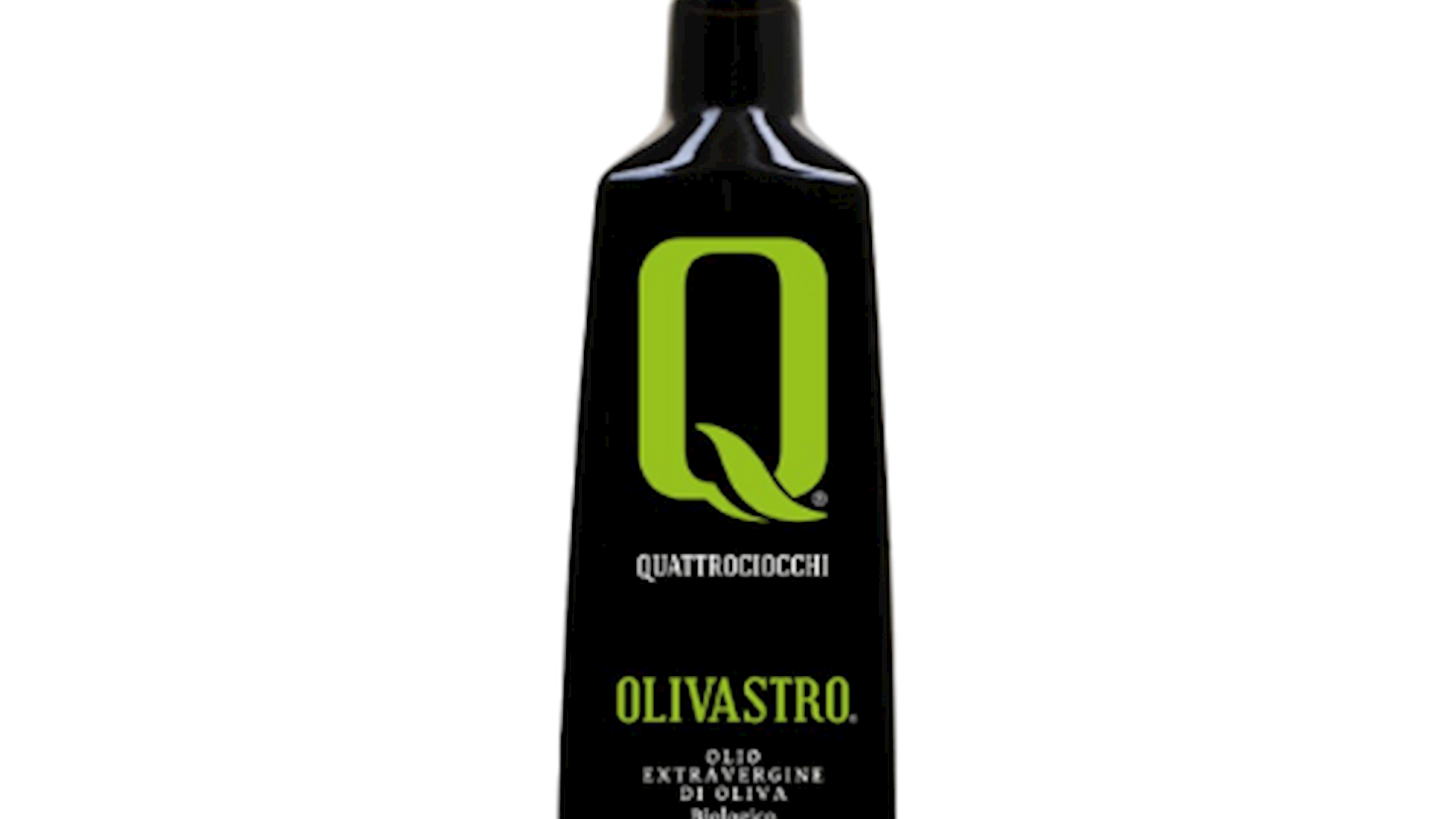
Quattrociocchi

4.9 ·
Quattrociocchi is a renowned producer of extra virgin olive oil from Italy, known for its dedicated commitment to preserving quality and authenticity. The family's olive-growing tradition dates back to the 19th century, and the modern mill is located in Alatri, where only olives from their own groves are still processed today. Their oils have won numerous awards at prestigious international competitions, thanks to distinctive monovarietals such as Itrana and Moraiolo, as well as a carefully controlled cold extraction process. Quattrociocchi oils are known for their pronounced fruity aromas, balance between bitterness and spiciness, and high polyphenol content, making them not only a gourmet delight but also a functional product in a healthy diet. The brand combines tradition and innovation, with a strong focus on sustainable production and ecological standards, positioning itself as one of the leading names in the world of premium Italian olive oils.
Awards
Flos Olei - Hall of Fame (2024, 2023, 2022, 2021)
Flos Olei - Hall of Fame (2020)
08
Olive Oil

Boni Francesca

4.9 ·
Boni Francesca is an olive oil producer based in Viterbo, Italy. The company focuses on high-quality olive oil production, emphasizing traditional cultivation and processing methods. They produce extra virgin olive oil from local olives, ensuring a distinct regional flavor.
Awards
EVO IOOC - Gold Medal (2020, 2019, 2018, 2017, 2016)
Terraolivo IOOC - Gran Prestige Gold (2017)
09
Olive Oil

Azienda Agricola Ione Zobbi
4.9 ·
Awards
Olive Japan - Premier (2021)
Olive Japan - Gold (2021)
10
Olive Oil

Casale San Giorgio Srl

4.9 ·
Awards
EVO IOOC - Gold Medal (2019, 2018, 2016)
Read more
View all
View map
About this ranking

TasteAtlas food rankings are based on the ratings of the TasteAtlas audience, with a series of mechanisms that recognize real users and that ignore bot, nationalist or local patriotic ratings, and give additional value to the ratings of users that the system recognizes as knowledgeable. For the “Top 90 Lazian Foods” list until June 02, 2026, 7,433 ratings were recorded, of which 6,226 were recognized by the system as legitimate. TasteAtlas Rankings should not be seen as the final global conclusion about food. Their purpose is to promote excellent local foods, instill pride in traditional dishes, and arouse curiosity about dishes you haven’t tried.

The initial list of top producers was compiled based on available reviews, awards, local recommendations, media and blog coverage, and consumer reviews. The list will be updated with ratings from TasteAtlas local ambassadors and TasteAtlas users.

Similar lists