shutterstock

Top 100 Argentinian Foods

Last updated on June 01, 2026

Best Argentinian foods

01
Meat Dish

Parrillada (Argentina)

4.5 ·

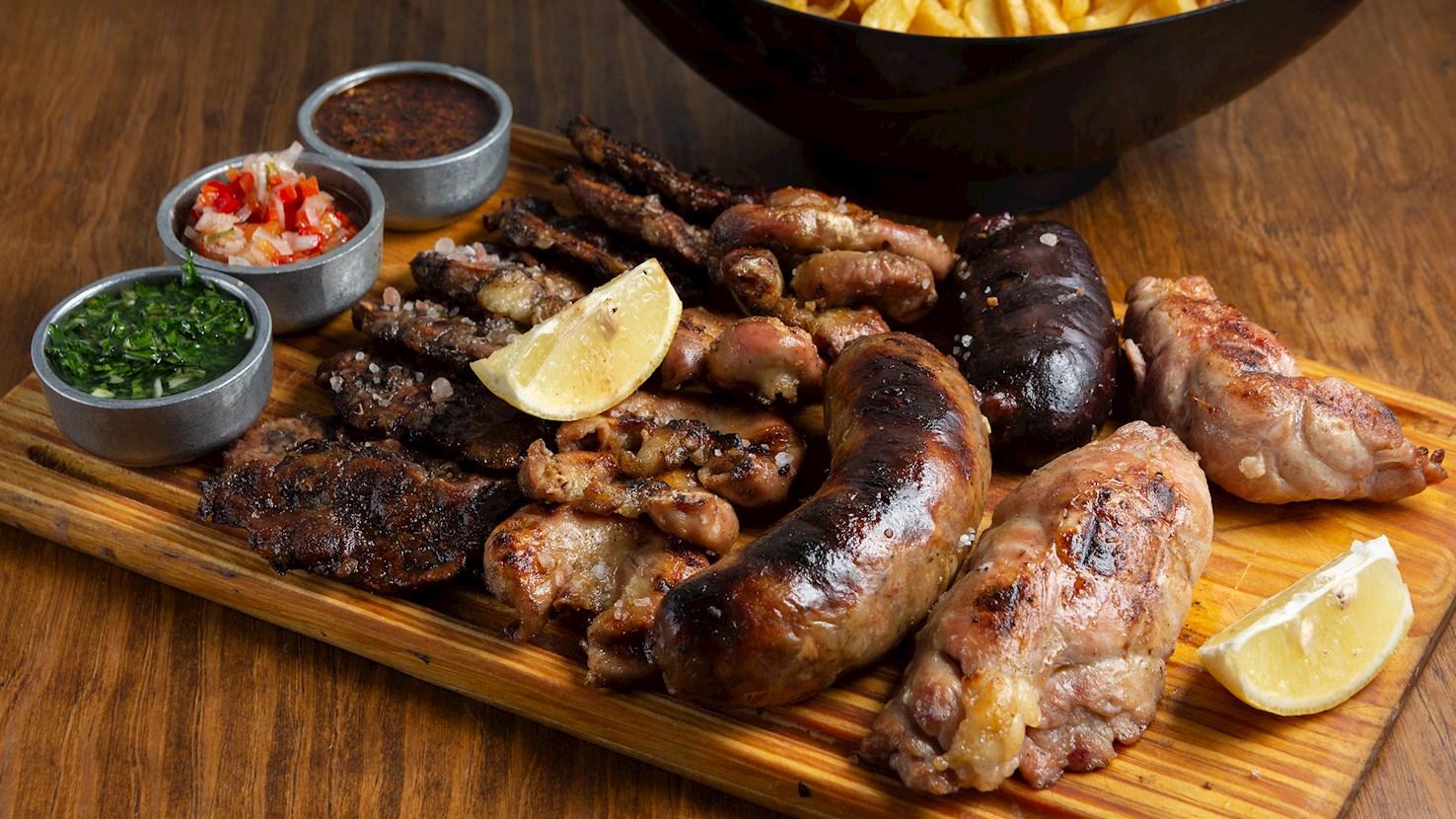
Parrillada is an Argentinian dish that consists of an assortment of asado meats and offal. It consists of cheaper cuts of meat, which are picked by a parrillero. But, when you order a parrillada, you will get a bit of everything — chinchulines and molleja, sausages like chorizo and morcilla, flank steak, and ribs. Of course, with the platter of meats, sausages, and offal, come accompaniments like chimichurri, grilled vegetables, and salads, such as mixed salad and Russian salad.

02
Savory Pastry

Empanadas Tucumanas

4.4 ·

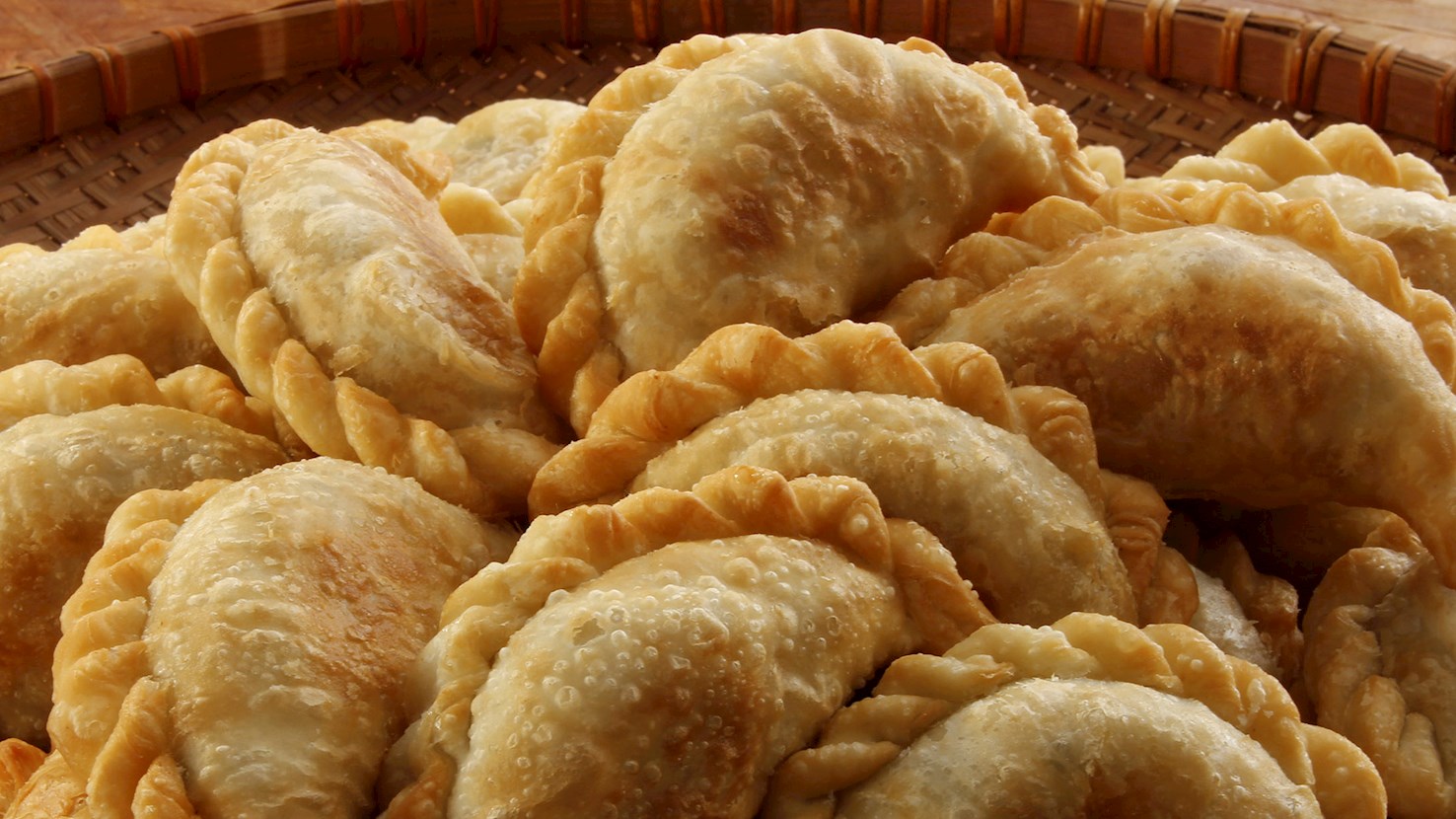
These empanadas are a specialty of the region of Tucumán, and they are quite different than numerous empanadas found in Buenos Aires. Tucumanas are typically handmade according to old, traditional recipes, and are characterized by a crispy dough and ideal proportions of dough and fillings. The dough is made with wheat flour and beef fat, and it is then usually filled with beef, chicken, or tripe, along with other ingredients such as onions, hard-boiled eggs, paprika, and cumin. Authentic Tucumanas should be baked in a clay oven, and it is best to enjoy them with a glass of local wine on the side.

03
Lamb Dish

Cordero al palo

4.4 ·

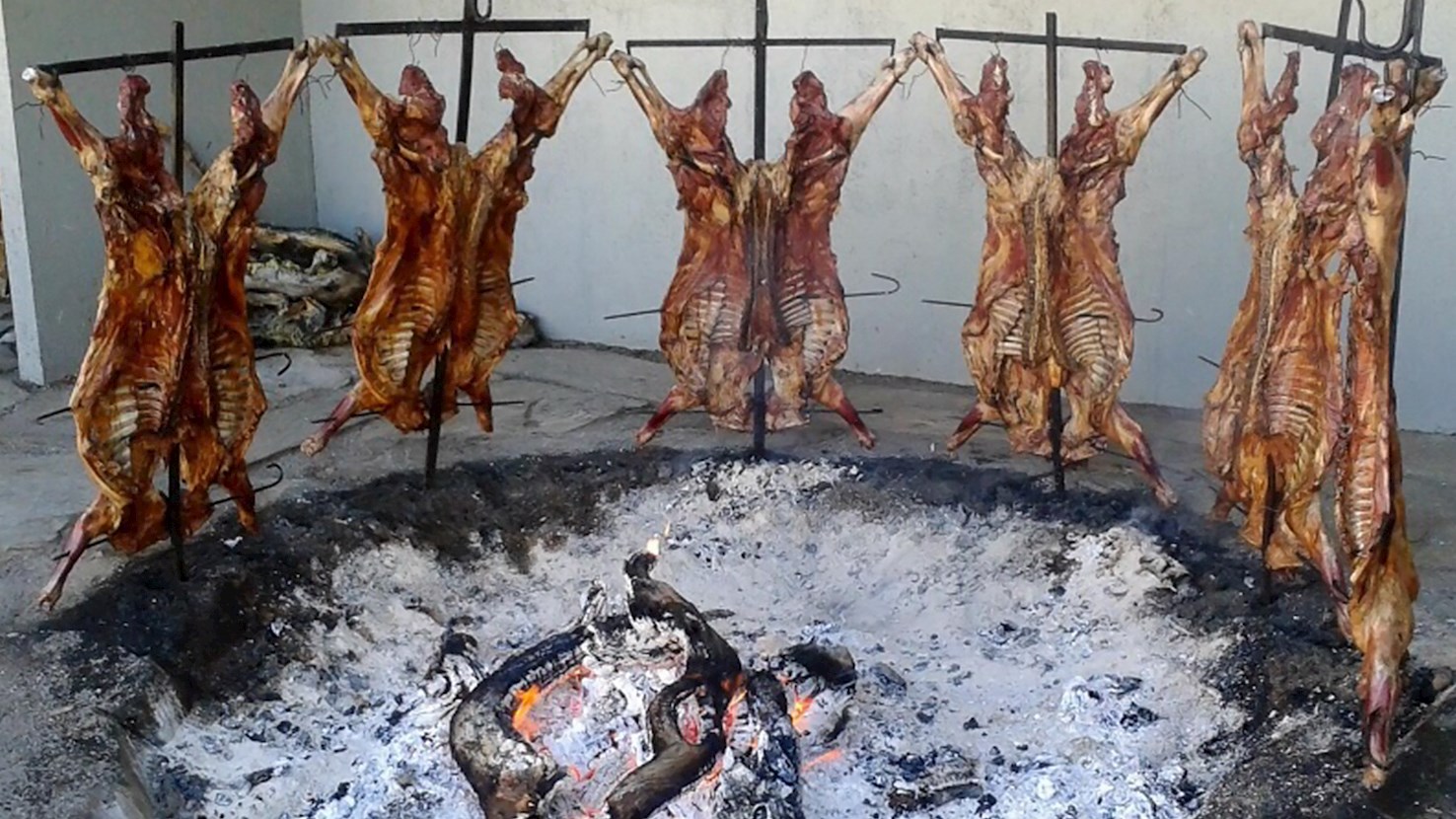
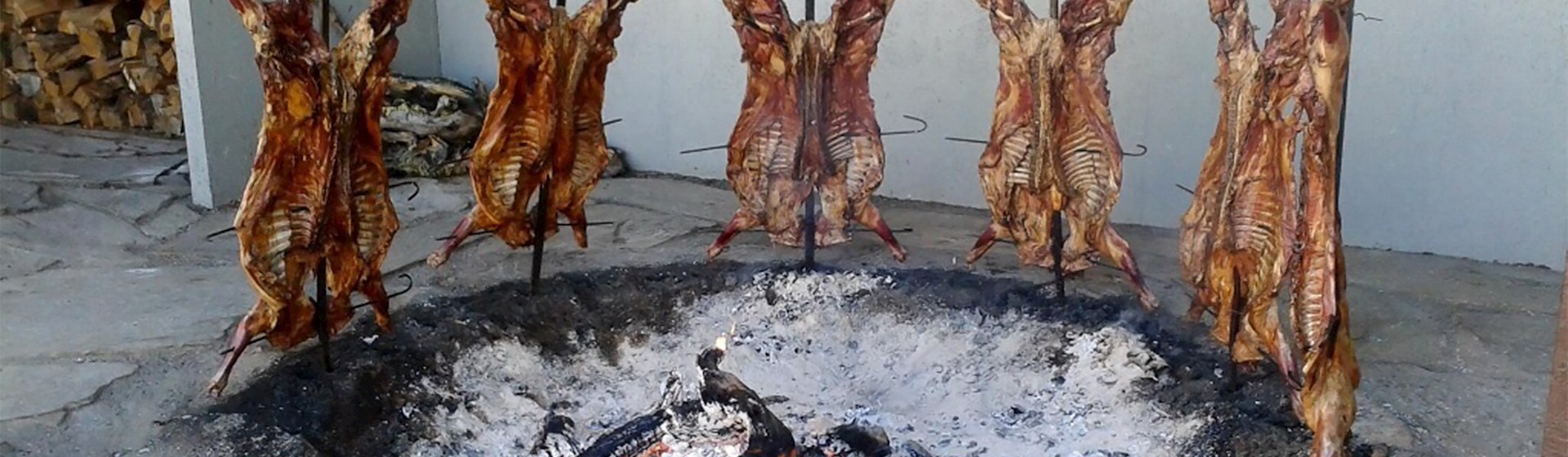
Cordero al palo is a traditional lamb specialty that involves roasting a whole lamb on a spit, a cooking technique which has long been practiced in Chile and Argentina (especially Patagonia). The lamb is slowly cooked for several hours over a wood fire, all the while basting in its own juices and fat, resulting in succulent and tender meat surrounded by crispy skin. While cooking, the meat is often enhanced with a mixture of warm water, salt, and garlic. The dish can be found on the menus of numerous restaurants throughout the region, and it is typically served with pebre, a popular Chilean condiment. Other typical accompaniments to this dish include boiled potatoes, fresh salads, bread, and lots of fine red wine. This spit-roasted lamb delicacy is nowadays usually prepared on special occasions and for holidays.

04
Dessert

Dulce de leche

4.3 ·

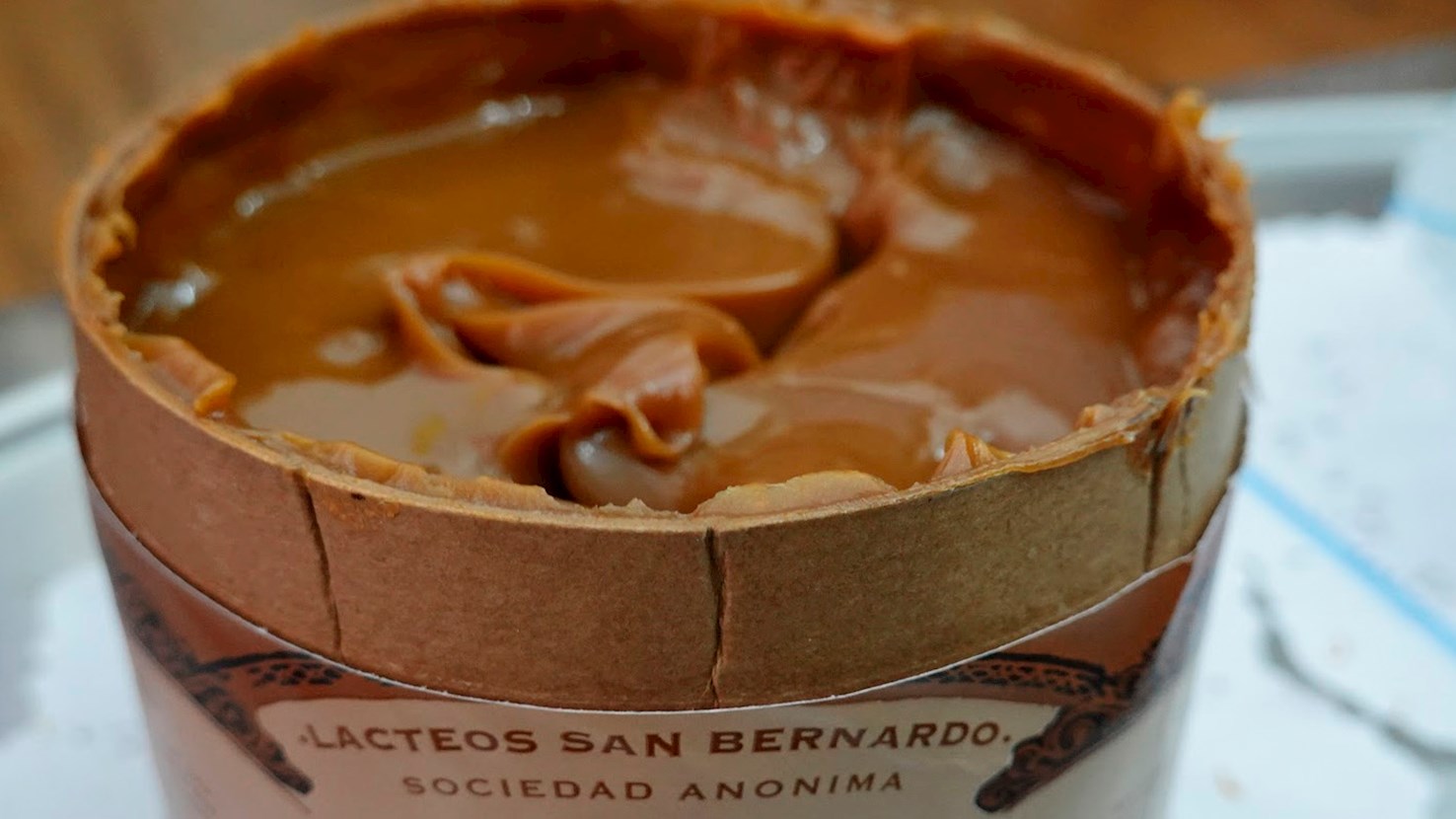
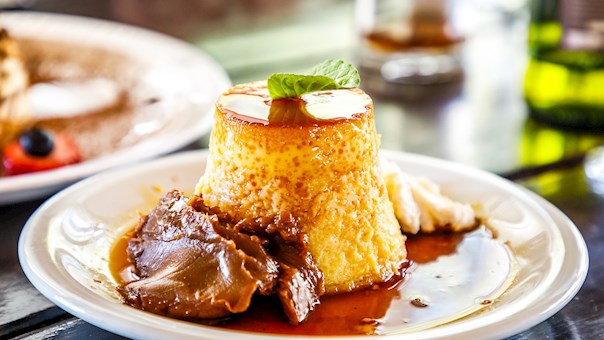
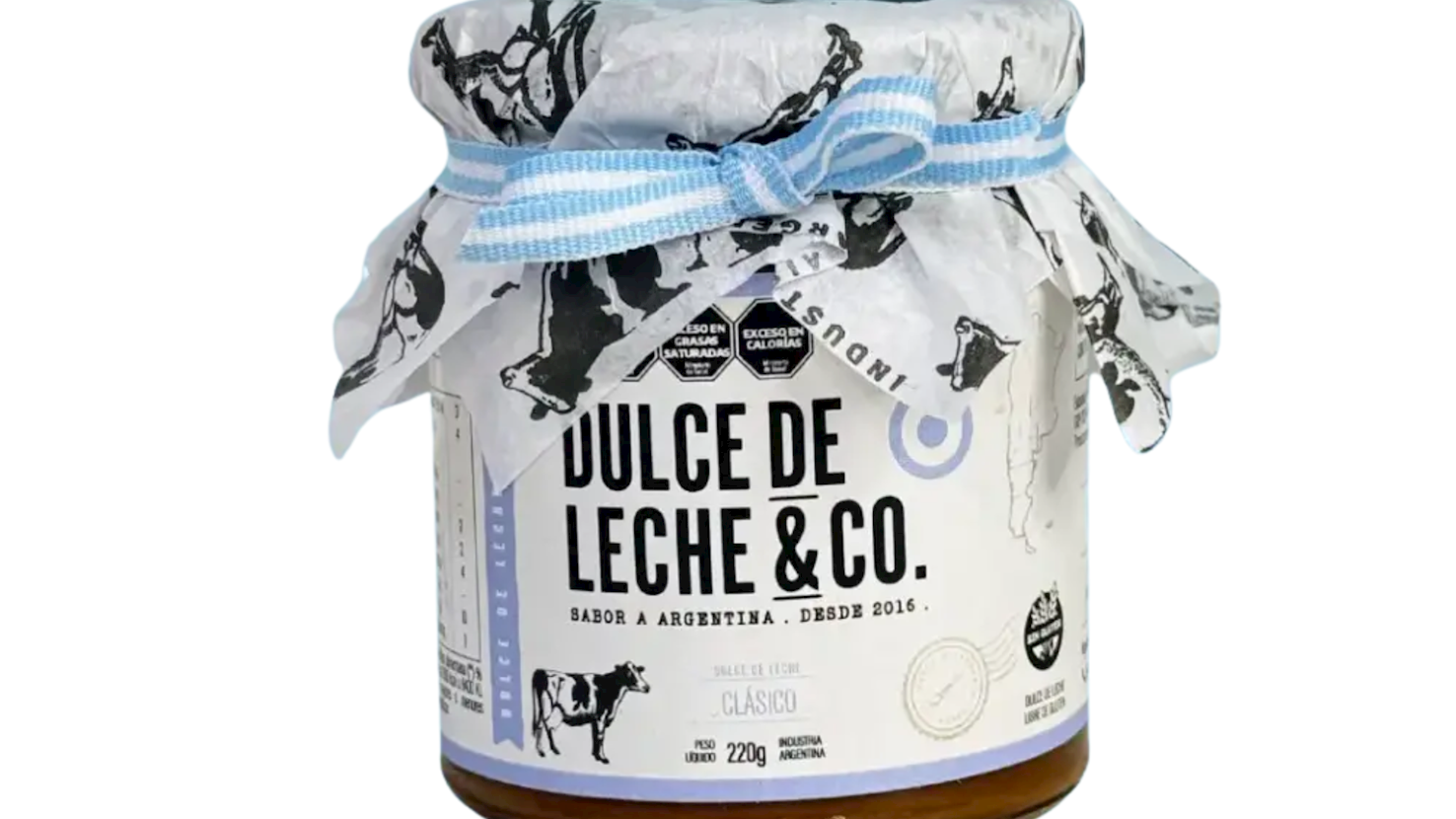
Dulce de leche is a type of condensed milk sweet from Argentina and Uruguay. Traditionally, it is made by heating sweetened cow's milk until it caramelizes and achieves a thick consistency, enough to act as a spread, a filling for cakes and pies, or an ice cream topping. The legend says that dulce de leche originated in Buenos Aires in 1829, when a maid of Argentinian leader Juan Manuel de Rosas was preparing la lechada by heating sugar and milk. As she left it on the fire a bit longer than usual, she noticed it had become a dark brown substance, and that's how dulce de leche was born. Other food historians claim it was first created in 1804 by Napoleon's cooks, while others theorize the recipe originated in Indonesia. Either way, it spread through Latin America, and nowadays almost every country in South and Central America has its unique variation. Still, only Argentina and Urugay call it "dulce de leche", and dispute over the exact place of origin. Today, dulce de leche is sometimes flavored with vanilla, lemon, or cinnamon, and is used to flavor candies, cakes, cookies, waffles, and ice creams.

05
Sandwich

Sandwich de lomo

4.3 ·

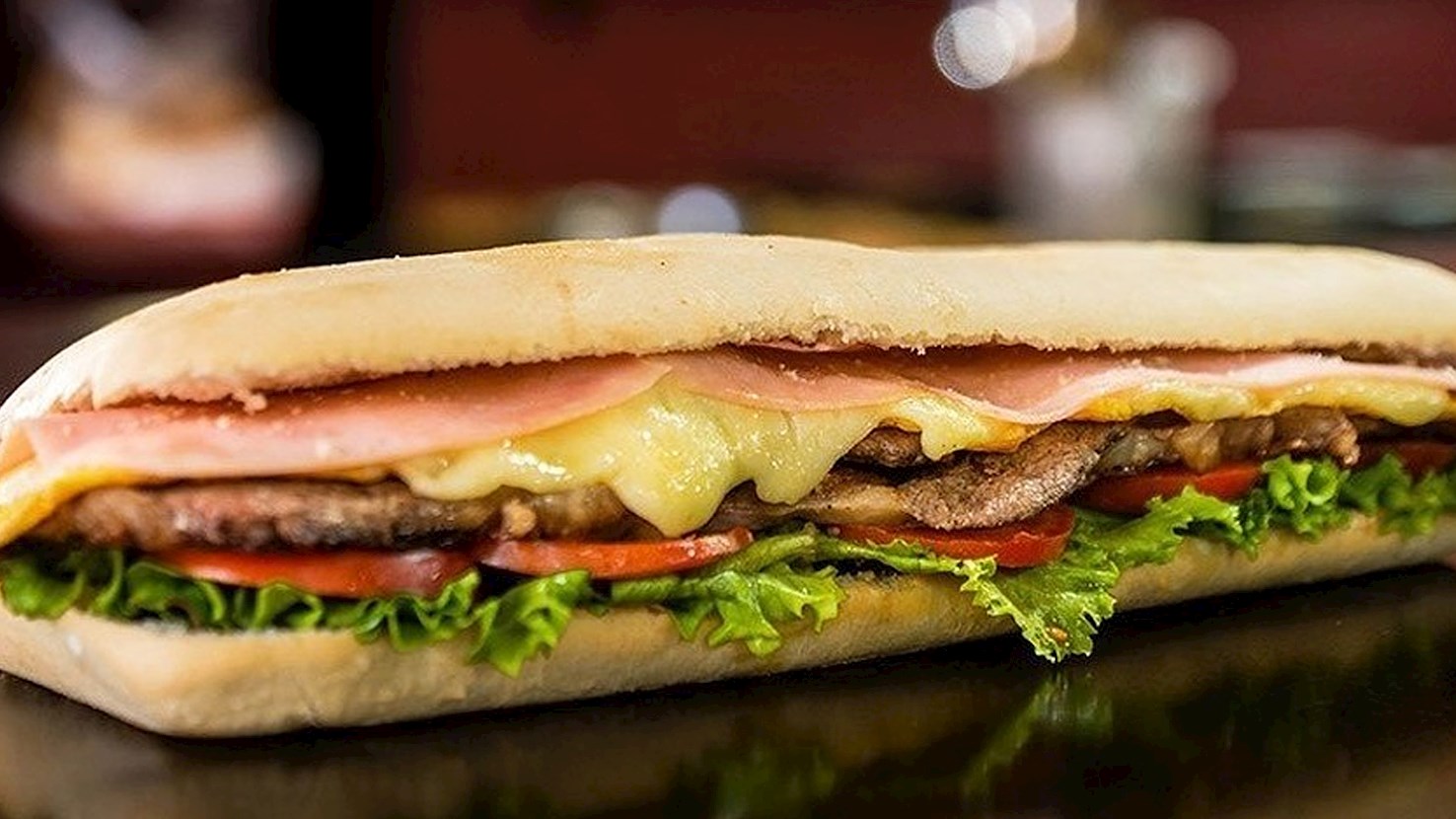
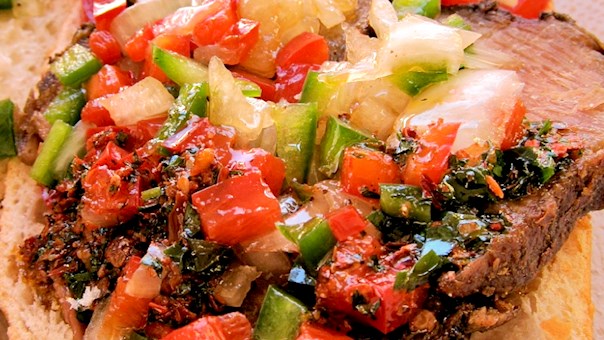
This is an extreme version of a steak sandwich – filled with thinly sliced lomo steak, tomatoes, onions, lettuce, mayonnaise, chimichurri sauce, ham, cheese, and a fried egg, sandwich de lomo or lomito is a behemoth of a sandwich that is sure to satiate even the hungriest consumers. However, this delicious sandwich is open to innovation – some might substitute the steak with pork, or put aubergine slices into it, along with any other ingredient that comes to mind. Popular both in Argentina and Uruguay, it can easily be found at numerous street carts dispersed throughout the metropolitan areas of both countries.

06
Sandwich

Sánguche de milanesa

4.3 ·

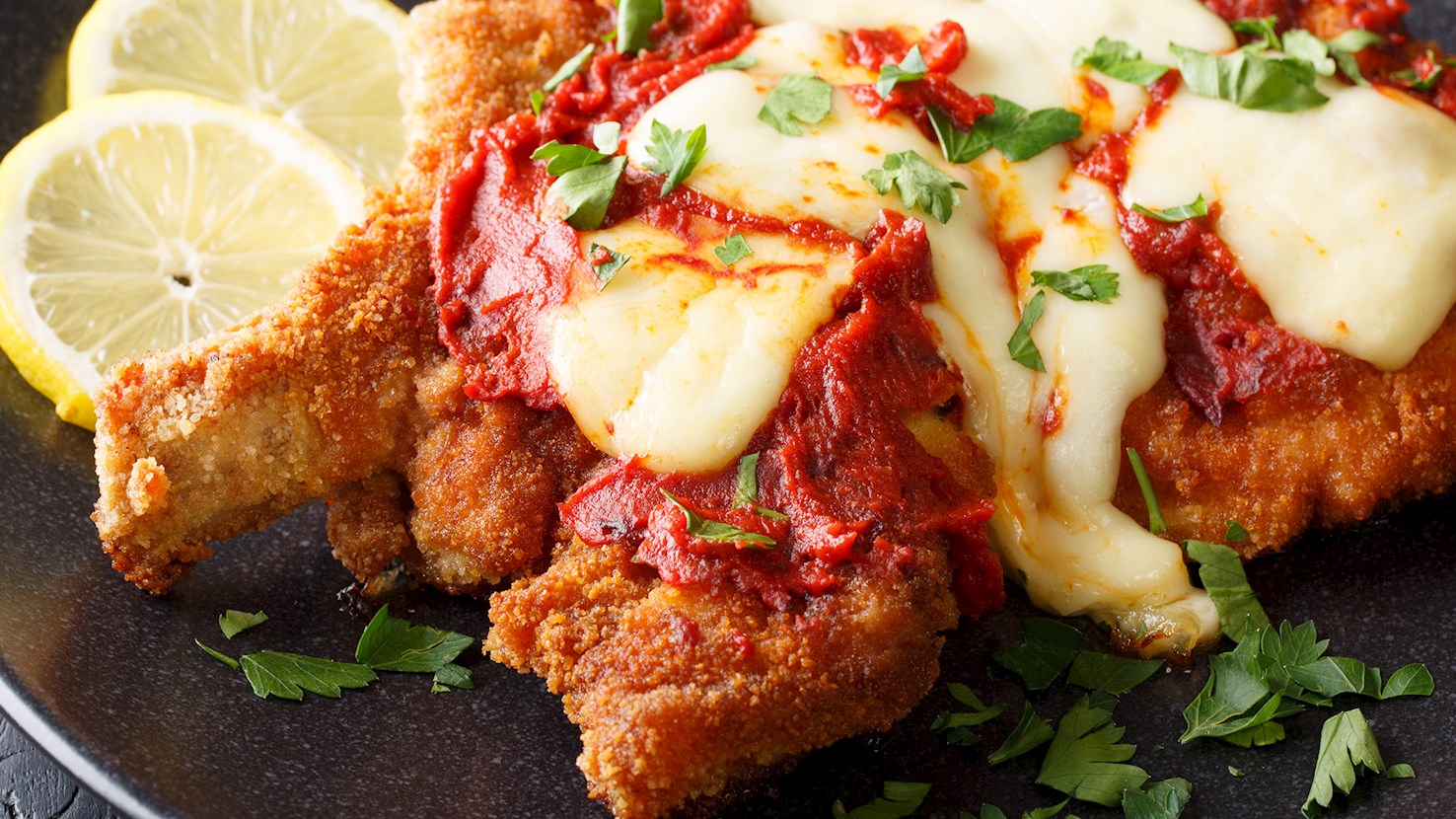
Sánguche de milanesa is a popular sandwich hailing from Argentina, although it's also popular in Uruguay. The sandwich typically consists of a split baguette or long bread roll that's filled with milanesa, mayonnaise, tomatoes, onions, and shredded lettuce. Additional ingredients might include mustard, chimichurri, ham, or cheese. This sandwich is especially popular in the province of Tucumán, where it's sold in mostly family-owned sangucherías. In some eateries, sánguche de milanesa is accompanied by mashed potatoes or fries on the side.

07
Sandwich

Choripán

4.2 ·

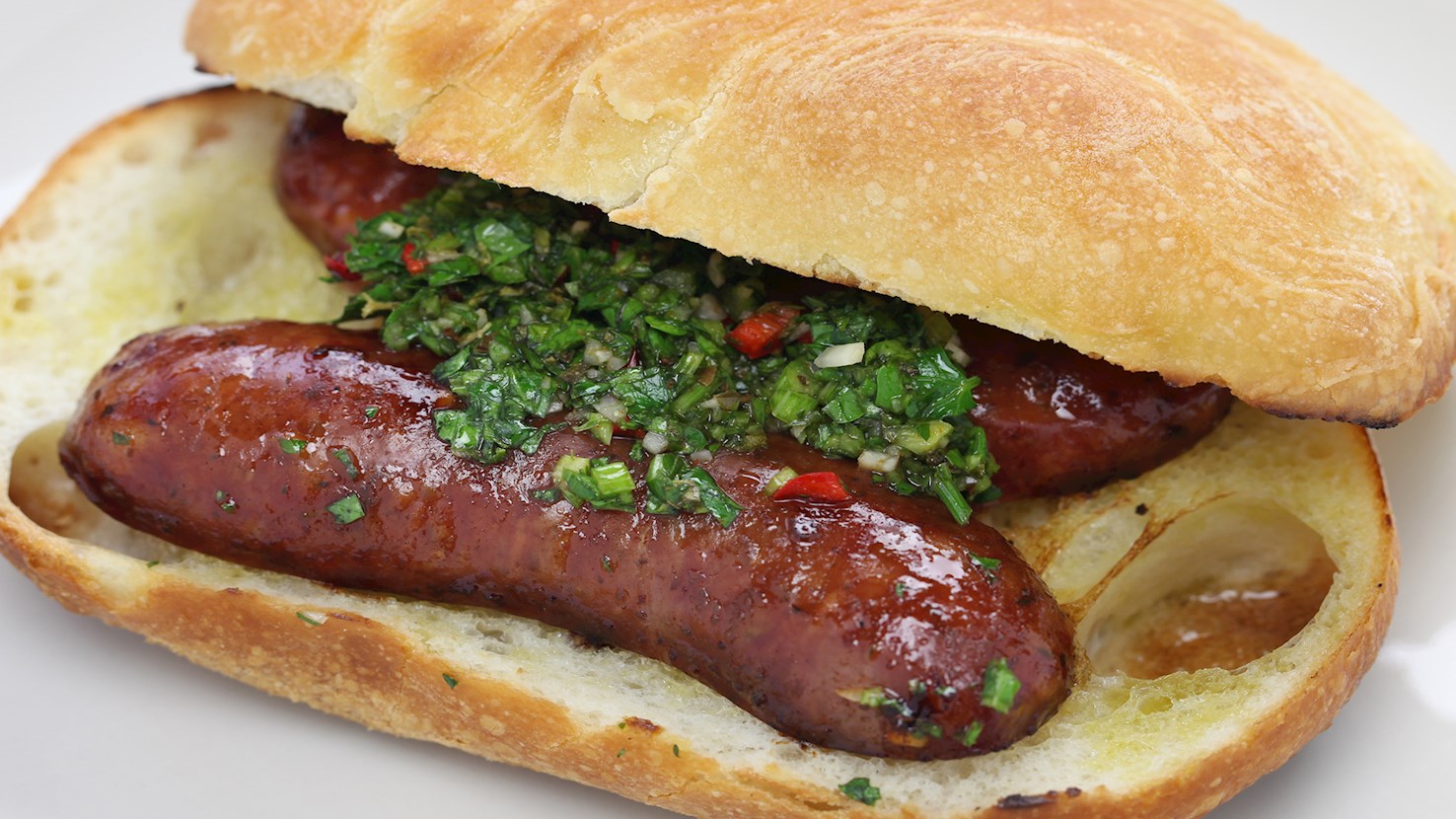
Choripán is the ultimate in Argentine street food, a sandwich consisting of a chorizo sausage and a variety of condiments in a crusty bun. It is usually consumed on the go, since it is mostly sold at street stands throughout Latin America. The name choripán is derived from two words: chorizo, referring to the sausage, and pan, meaning bread.

08
Chocolate Cake

Chocotorta

4.1 ·

Translated as chocolate cake, this no-bake Argentinian dessert was influenced by Italian cuisine and modeled on the famous Italian tiramisu. It is made with three Argentinian staple ingredients: chocolate biscuits, dulce de leche, and cream cheese. The cookies are softened in milk and layered with a combination of cream cheese and dulce de leche. The shapes of chocotorta can vary, while the biscuits can be soaked with chocolate milk, coffee, or even coffee liqueur. The most common theory about its origin says that it was invented as a part of a marketing campaign designed to promote Chocolinas chocolate cookies, and the recipe was included in the packaging. Chocotorta is rarely found in restaurants and remains a novel dessert outside of Argentina.

09
Cheese

Provoleta

4.1 ·

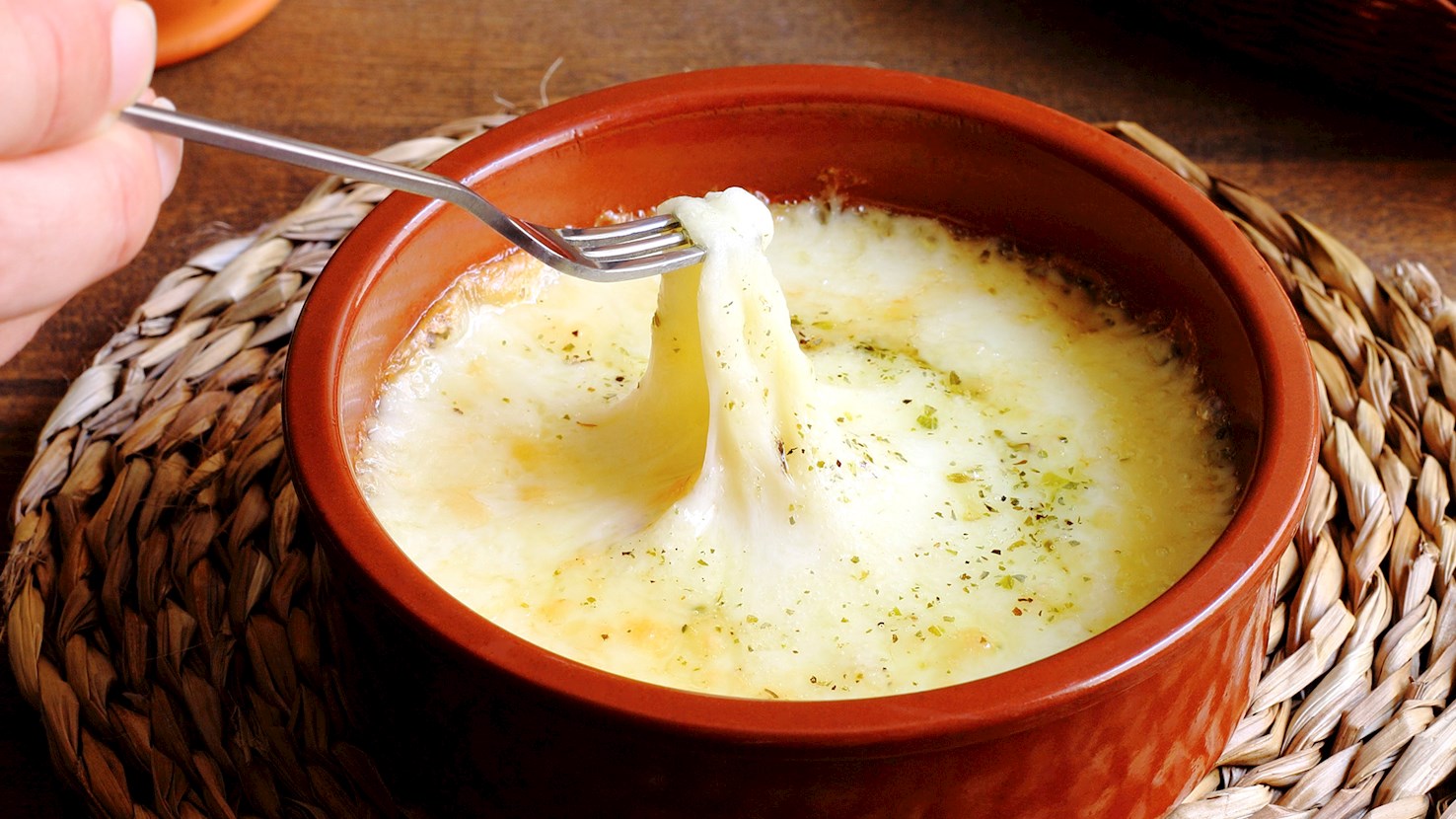
Provoleta is the Argentinian version of the famous Italian Provolone cheese which is believed to be an invention of Italian immigrants who wanted to blend two national cuisines. It falls into the category of pasta filata, or stretched cheeses, and is usually made with fresh cow. Provoleta is usually shaped into long cylinders and left to mature for at least three months. Mild in flavor and usually-semi hard and springy in texture, it has a distinctive yellow color and is specially designed for grilling. The favorite way to enjoy the cheese in Argentina is to cut it into thick slices, grill, season, and serve as a satisfying appetizer followed by the famous Argentinian asado.

10
Sweet Pastry

Medialunas

4.1 ·

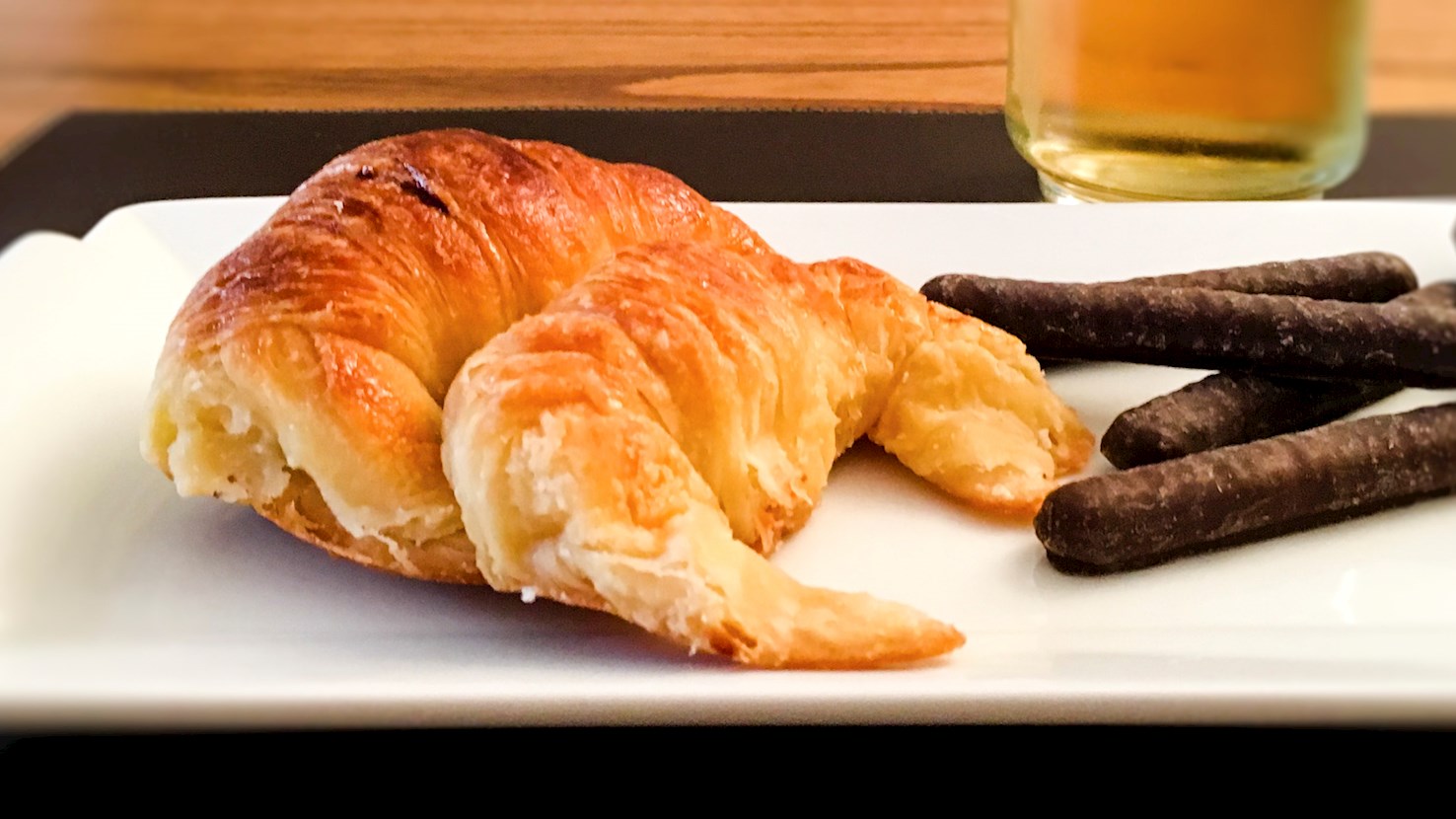
These soft crescent rolls are regarded as the Argentinian take on traditional French croissants. Even though they are very similar to the French variety, medialunas are slightly more moist, smaller, and a bit sweeter. There are two traditional types of medialunas; the larger version made with butter, and the smaller version made with lard. Both varieties are usually prepared plain, with a rum-and-sugar glaze on top. They are traditionally eaten for breakfast, ideally accompanied by a cup of strong coffee with milk, or as an afternoon snack served with yerba mate, a traditional Argentinian herbal tea. Argentinians prefer to eat them with sweet condiments, jellies, dulce de leche, or chocolate spreads. Even though they are easily prepared at home, medialunas can also be bought in panaderias–traditional bakeries found throughout Argentina.

Best Argentinian food products

01
Wine

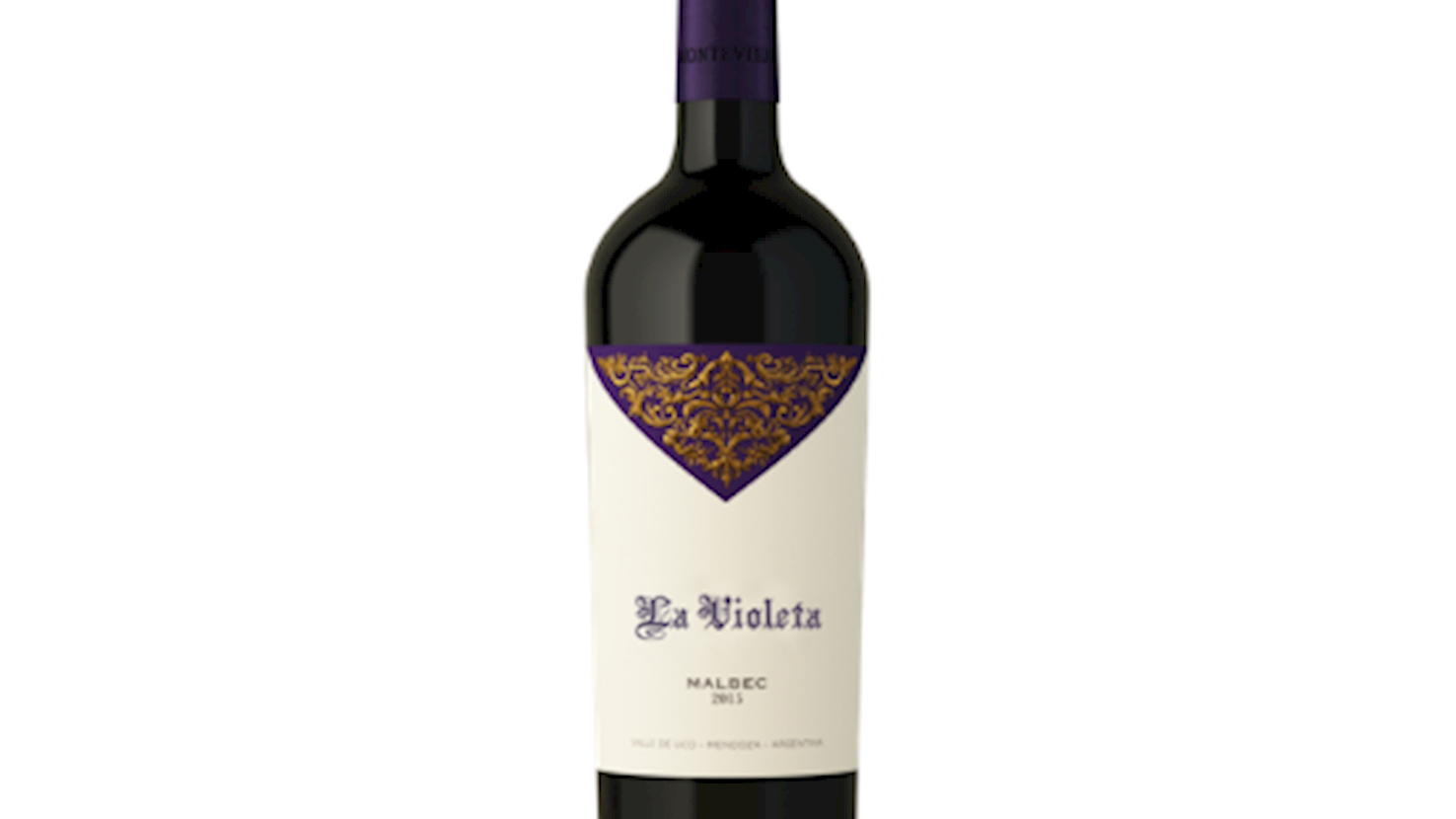
Bodega Monteviejo

5 ·
Bodega Monteviejo is an Argentine winery located in the Uco Valley, specifically in the Vista Flores area at the foothills of the Andes. Established in 2001, it forms part of the Clos de los Siete initiative, which brings together international expertise and investment to produce high-quality wines. The project was led by French entrepreneur Catherine Péré-Vergé, reinforcing the connection between French winemaking tradition and Argentine terroir. The vineyards are planted at elevations between 1,000 and 1,200 meters, where abundant sunlight, cool nights, and stony, well-drained soils contribute to wines with both concentration and freshness. The winery focuses primarily on Malbec, alongside varieties such as Cabernet Sauvignon, Merlot, and Syrah, often used in blends. Winemaking combines modern techniques with a gravity-flow system to preserve grape integrity and enhance precision. Stylistically, the wines are characterized by ripe fruit, structured tannins, and integrated oak, balanced by the natural freshness of the high-altitude environment. Architecturally, the winery is modern and harmoniously integrated into the landscape, emphasizing both functionality and connection to the surrounding vineyards. Overall, Bodega Monteviejo represents a contemporary expression of Argentine winemaking shaped by international influence and a strong sense of place.
Awards
Vivino - 4.7
Wine-Searcher - 94/100
02
Wine

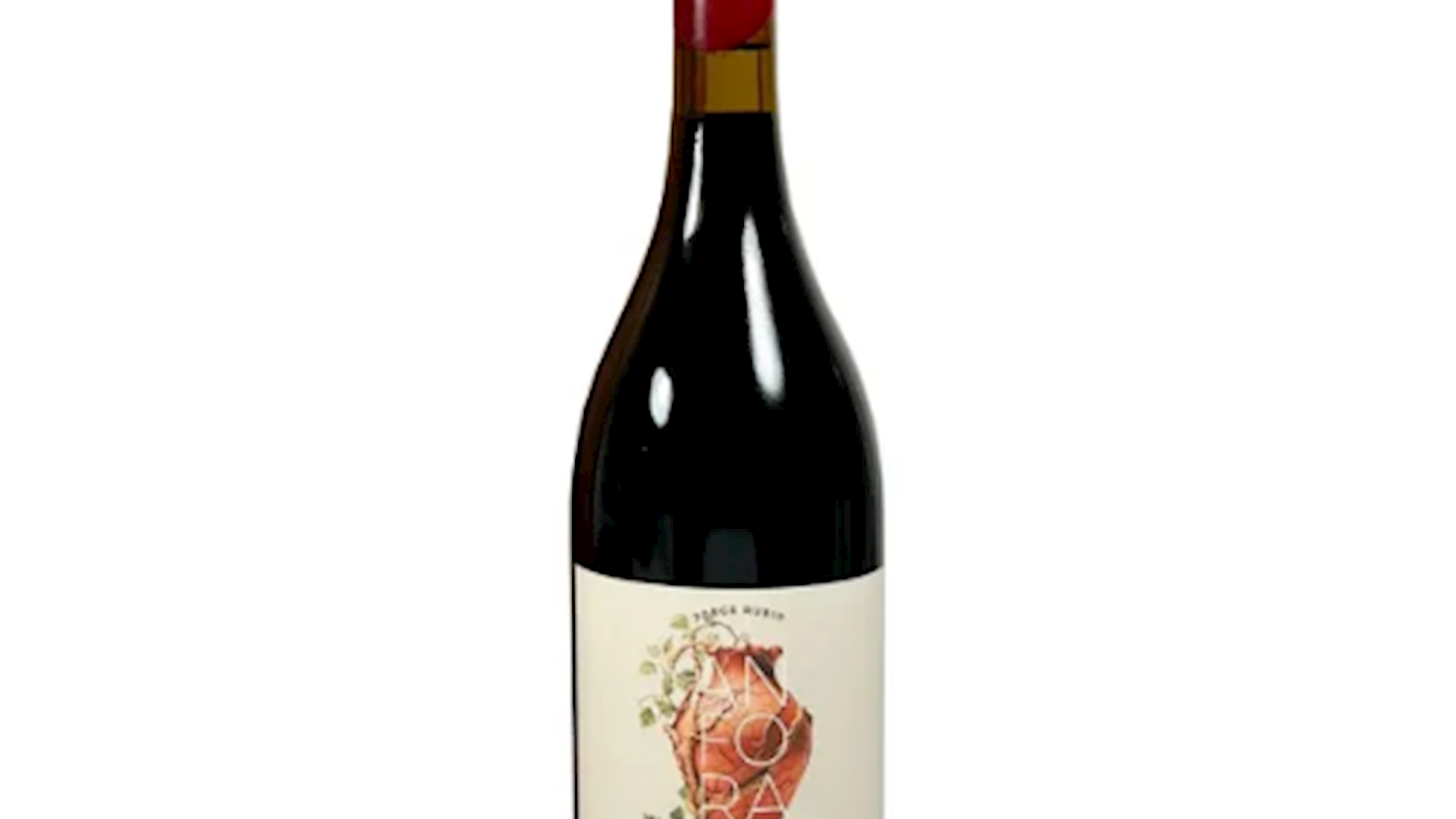
Bodega Jorge Rubio

5 ·
Bodega Jorge Rubio is a family-owned winery located in General Alvear, in the southern part of Mendoza, Argentina, within the Oasis Sur region, an area characterized by a continental climate with significant temperature variations. Founded in 2003 by winemaker Jorge Alberto Rubio, who brings over four decades of experience in viticulture and winemaking, the winery reflects a consistent and well-defined style rooted in expertise and local conditions. The estate manages around 55 hectares of vineyards, primarily planted with Malbec, Cabernet Sauvignon, and Chardonnay, while also sourcing grapes from trusted local growers to expand its portfolio. The region’s clean air, low humidity, and marked diurnal shifts contribute to wines with pronounced aromas, balanced acidity, and good structural definition. The winery follows a “vinos de autor” philosophy, emphasizing the personal signature of the winemaker and a strong connection to terroir. Its portfolio includes more than 35 labels, ranging from still and sparkling wines to smaller experimental batches with minimal intervention. Although equipped with modern production facilities and a capacity exceeding one million liters annually, key processes such as harvesting and grape selection are still carried out manually to preserve quality and precision. Jorge Rubio wines are typically fruit-forward, balanced, and approachable, offering a strong value-to-quality ratio and maintaining a presence in both domestic and export markets.
Awards
Vivino - 4.6
03
Dessert

El Nazareno

5 ·
El Nazareno is a family-owned confectionery from the Traslasierra Valley in Argentina’s Córdoba province, founded in 1982 and renowned for its production of alfajores and other traditional sweets. The brand was born from a small workshop created by Leonardo José Grisoni and María Estela Gurriere, and today it is regarded as one of the country’s most recognizable producers. Their philosophy is based on the use of natural ingredients. Each alfajor is handcrafted, layer by layer, with care and precision to achieve the perfect balance between dough and dulce de leche. Their longevity in the market is the result of consistency in maintaining both quality and authenticity. They have preserved their artisanal approach, even as they have grown into a brand with a broader assortment and strong presence. Their story demonstrates how a small family workshop can evolve into a brand of international reputation. Today, El Nazareno is considered a symbol of tradition and quality in the world of Argentine confections.
04
Dessert

Guolis

5 ·
Guolis is an Argentine confectionery brand that emerged in the late 1990s as a small family workshop and has since become recognized for its original approach to the traditional alfajor. Their distinctiveness lies in the innovation known as the “alfajor with a heart”, where a layer of fruit marmalade is added to the classic dulce de leche filling, bringing freshness and contrast to the flavor. The dulce de leche filling is moderate, creamy enough without being overly sweet, maintaining a delicate balance. The fruit marmalade notes are pleasant, although some, such as raspberry, leave a milder impression compared to other variants. The brand positions itself between artisanal tradition and modern interpretation, offering products that are visually appealing while remaining true to Argentina’s confectionery culture. Their philosophy is based on the idea that classic sweets can be given new meaning through small but thoughtful innovations. For this reason, Guolis is increasingly present in international markets, where it attracts attention with its originality and quality. Reviews emphasize that this is a brand committed to high standards, yet without losing the warmth and recognizable essence of Argentine tradition.
05
Spirit

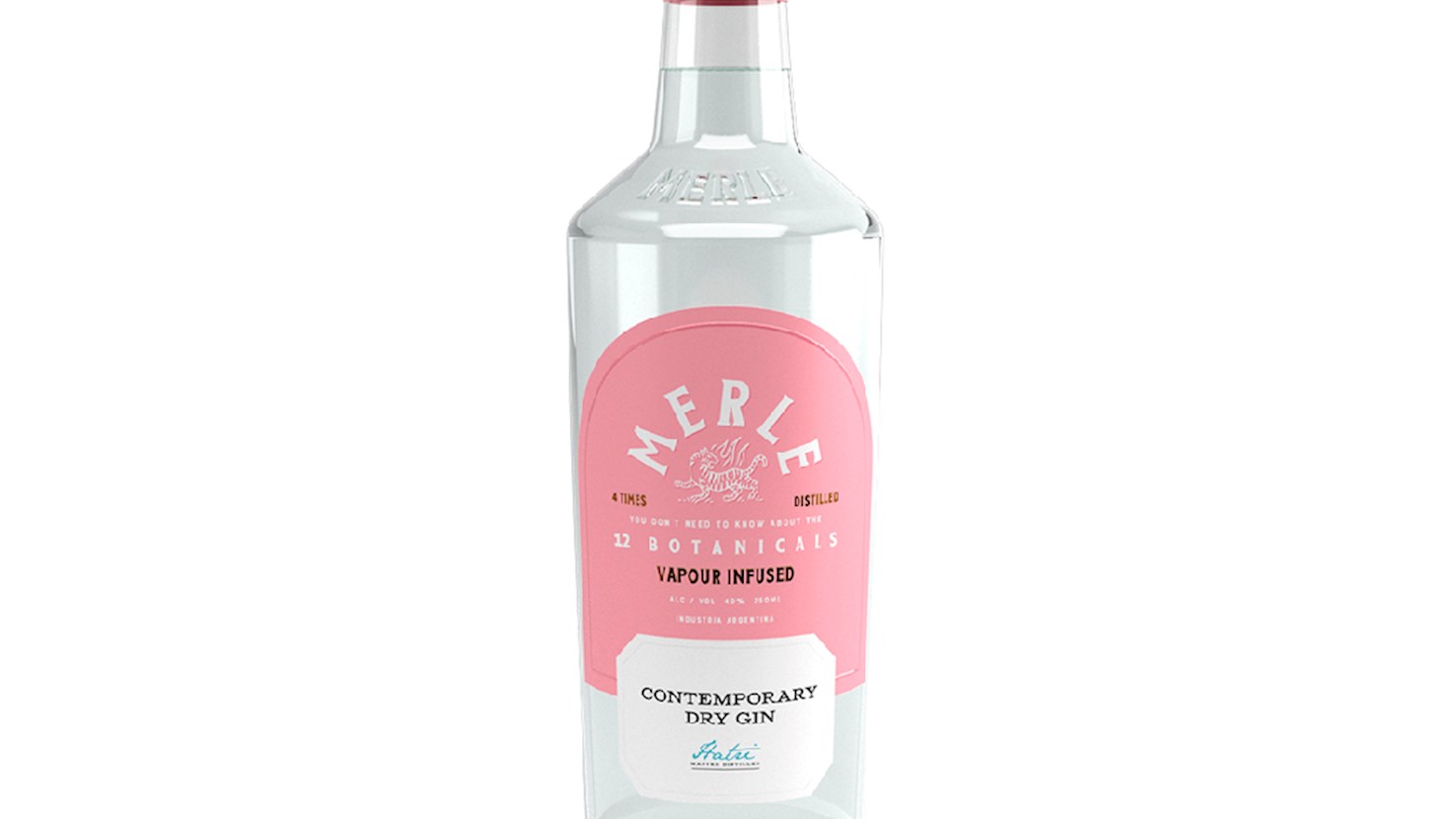
Merle

5 ·
Merle Gin is an Argentine distillery founded in 2020 by four friends: Rafael Ferrari Ostry, Martin Ferro, Ricardo Saracca, and Luciano Carmona. Their goal was to create a gin that reflects a youthful spirit and innovation, using 12 carefully selected botanicals. The distillery is located in the PITEC Industrial Park in Florencio Varela, Buenos Aires, with a production capacity of over 200,000 liters of gin per month. Merle Gin is recognized for its quality and unique flavor, as evidenced by winning a silver medal at the 2022 London Spirits Competition. In addition to their classic gin, the company has expanded its lineup to include Merle Pink Gin, Spectre Vodka, and Annika Mixers, with plans for further international expansion into markets like Spain, Brazil, Panama, Chile, and Uruguay.
Awards
NYWSC - New York World Spirits Competition - Double Gold (2024)
06
Wine

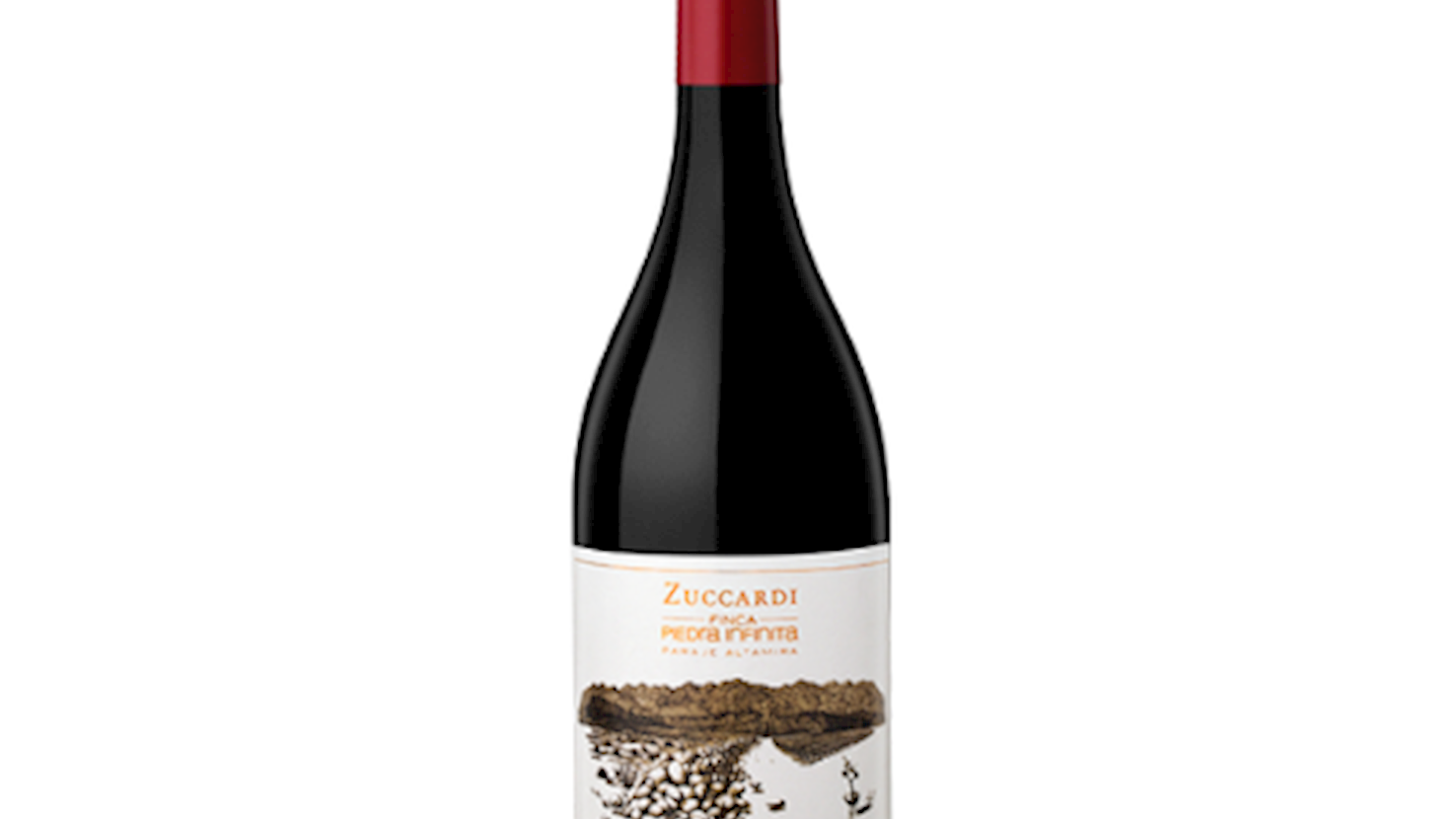
Familia Zuccardi

5 ·
Familia Zuccardi is a family-owned Argentine winery based in Mendoza, founded in 1963 and widely regarded as one of the leading voices of contemporary Argentine winemaking. Established by Alberto “Tito” Zuccardi, the estate was later shaped by the second and third generations, with José Alberto and Sebastián Zuccardi placing strong emphasis on the detailed exploration of terroir, particularly in the Valle de Uco. The winery’s philosophy centers on expressing a clear sense of place, where altitude, soil composition, and microclimate define the style and character of each wine. Vineyards are planted on high-altitude, alluvial and stony soils at the foothills of the Andes, while winemaking is deliberately restrained to allow the natural identity of each site to emerge. Zuccardi is especially renowned for its Malbec and Chardonnay, alongside single-vineyard and parcel-driven wines that map the diversity of Valle de Uco with precision. Zuccardi Valle de Uco winery has been repeatedly recognized among the world’s best, reinforcing the estate’s international reputation. In addition to wine, the family also produces high-quality extra virgin olive oils, with sustainability and long-term environmental stewardship as core principles of the project.
Awards
Flos Olei - The Best (2024)
James Suckling - 99 points (2024)
07
Wine

El Enemigo

5 ·
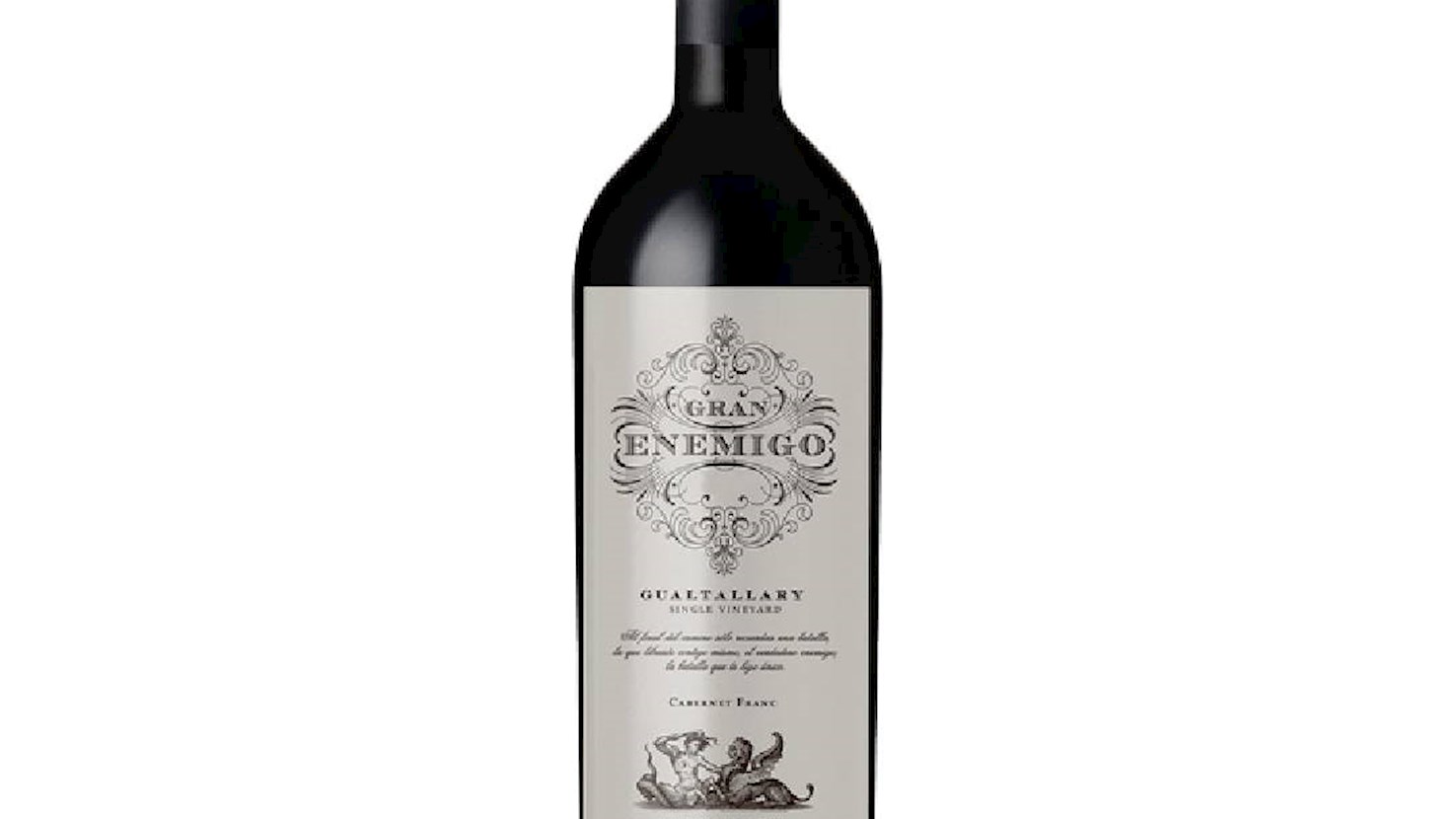
El Enemigo is a distinguished winery located in Mendoza, Argentina, renowned for its exceptional wines that blend traditional Argentine varietals with classic French influences. The winery was established as a collaborative venture between historian Adrianna Catena and acclaimed winemaker Alejandro Vigil, who also serves as the chief winemaker at Bodega Catena Zapata. El Enemigo's vineyards are situated in high-altitude regions of Mendoza, including Gualtallary, Agrelo, and El Cepillo, where the unique terroir contributes to the distinct character of their wines. The winery places a significant emphasis on Cabernet Franc, producing wines inspired by Bordeaux's Pomerol region, particularly Château Cheval Blanc.
Awards
James Suckling - 99 points (2024)
James Suckling - 97 points (2023)
08
Wine

Catena Zapata

5 ·
Catena Zapata is a renowned Argentinian winery located in the Mendoza region, celebrated for pioneering high-altitude viticulture and producing world-class Malbec wines. Founded in 1902, this family-owned winery is led by the Catena family, who have played a crucial role in elevating Argentina's wine reputation globally. Catena Zapata focuses on sustainable practices and meticulous vineyard management, especially in the Andean foothills, where they grow their grapes at various altitudes to enhance complexity and character.
Awards
James Suckling - 100 points (2024)
Decanter World Wine Awards - Best in Show (2021)
09
Olive Oil

Olivicola Laur

5 ·
Olivicola Laur is an olive oil producer based in Mendoza, Argentina. The company has been in operation since 1889, making it one of the oldest olive oil producers in the country. They focus on producing high-quality extra virgin olive oil using traditional methods combined with modern technology. Laur cultivates several varieties of olives, including Arauco and Arbequina, on their estates. Their olive oils have received multiple awards in both national and international competitions.
Awards
London IOOC - Platinum (2021)
EVO IOOC - Best Of Country (2023, 2022, 2020, 2018)
10
Wine

Viña Cobos

5 ·
Viña Cobos is one of the most influential and internationally recognized wine projects in Argentina, closely associated with the rise of Malbec as a world-class variety. The winery was founded in 1998 by renowned winemaker Paul Hobbs, who began working in Mendoza in the late 1980s and identified the region’s exceptional potential for producing wines of depth, structure, and longevity. Viña Cobos works primarily with vineyards in Luján de Cuyo and the Uco Valley, selecting old vines and high-quality sites defined by altitude, alluvial soils, and strong diurnal temperature variation. Malbec is at the core of the project, interpreted through a site-specific approach that emphasizes balance between power and precision. Winemaking is meticulous, combining traditional techniques with modern control, and oak is used judiciously to support rather than dominate the fruit. The portfolio ranges from the iconic Cobos Malbecs sourced from top parcels, through the Bramare single-vineyard series, to the more accessible Felino line. Viña Cobos wines are known for their concentration, polished tannins, layered aromatics, and long, structured finishes. The estate has received some of the highest critical scores in Argentine wine history, including multiple perfect ratings.
Awards
James Suckling - 99 points (2024)
Vivino - 4.7
Read more
View all
View map
About this ranking

TasteAtlas food rankings are based on the ratings of the TasteAtlas audience, with a series of mechanisms that recognize real users and that ignore bot, nationalist or local patriotic ratings, and give additional value to the ratings of users that the system recognizes as knowledgeable. For the “Top 100 Argentinian Foods” list until June 01, 2026, 9,101 ratings were recorded, of which 5,739 were recognized by the system as legitimate. TasteAtlas Rankings should not be seen as the final global conclusion about food. Their purpose is to promote excellent local foods, instill pride in traditional dishes, and arouse curiosity about dishes you haven’t tried.

The initial list of top producers was compiled based on available reviews, awards, local recommendations, media and blog coverage, and consumer reviews. The list will be updated with ratings from TasteAtlas local ambassadors and TasteAtlas users.

Similar lists