tasteatlas

Top 100 Japanese Foods

Last updated on June 01, 2026

Best Japanese foods

01
Rice Dish

Otoro nigiri sushi

4.6 ·

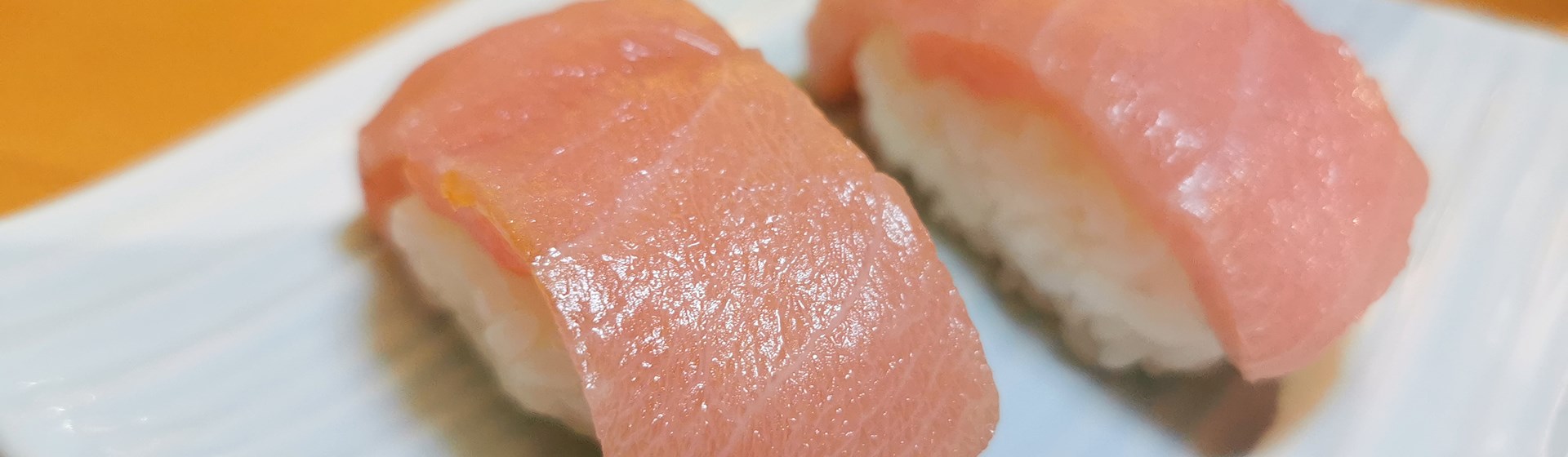
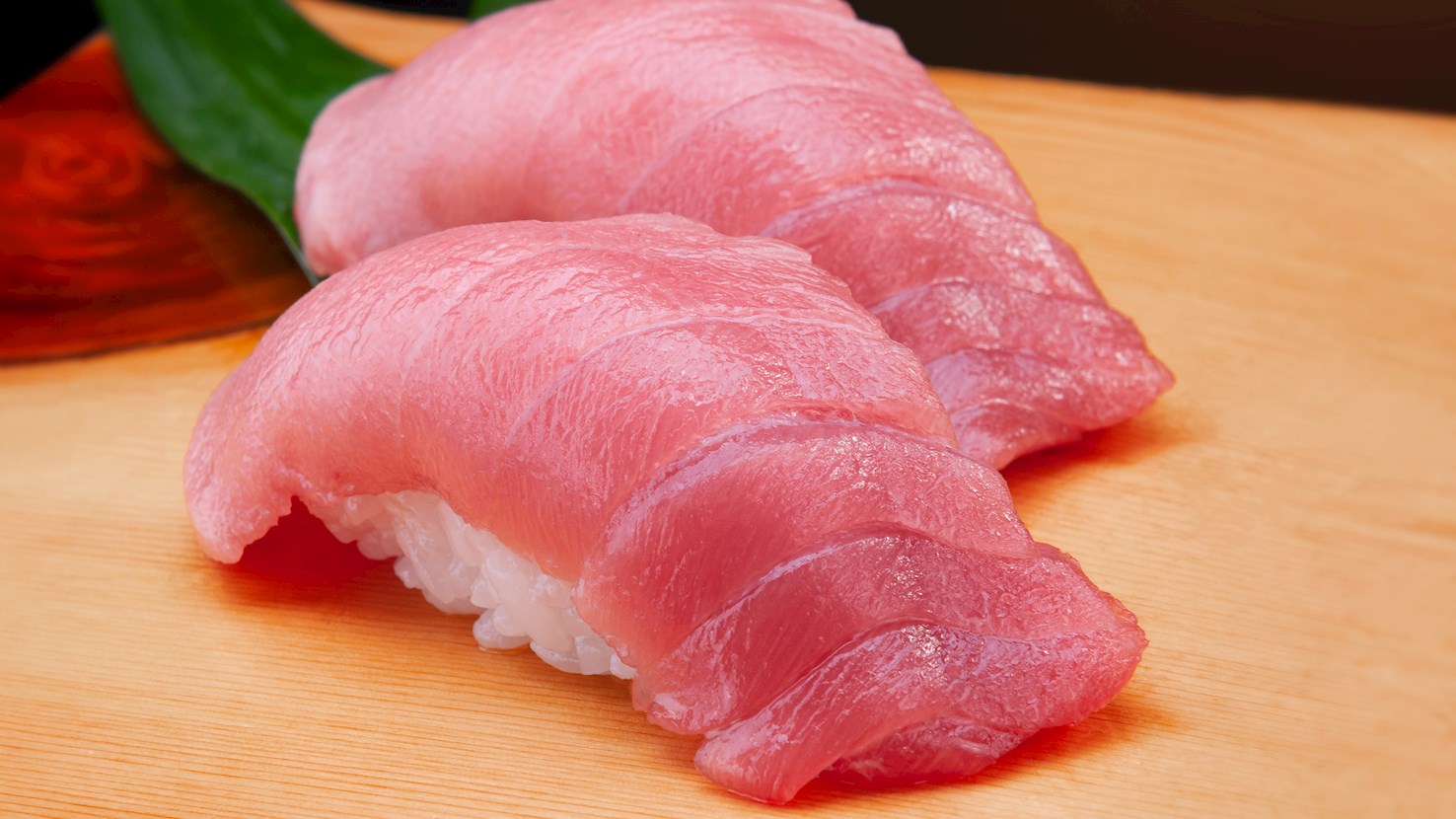
Otoro nigiri sushi is a traditional type of nigiri sushi. It consists of hand-pressed sushi rice that's topped with slices of fatty cuts of tuna. Different cuts of tuna are classified as otoro (fatty), chutoro (medium-fatty), and akami (red meat). The dish has a rich flavor and a melt-in-the-mouth texture that makes it quite expensive. Traditionally, this type of sushi is eaten by hand in a single bite. It's usually accompanied by soy sauce, wasabi, or pickled ginger (gari) on the side.

02
Dumplings

Hamamatsu gyoza

4.5 ·

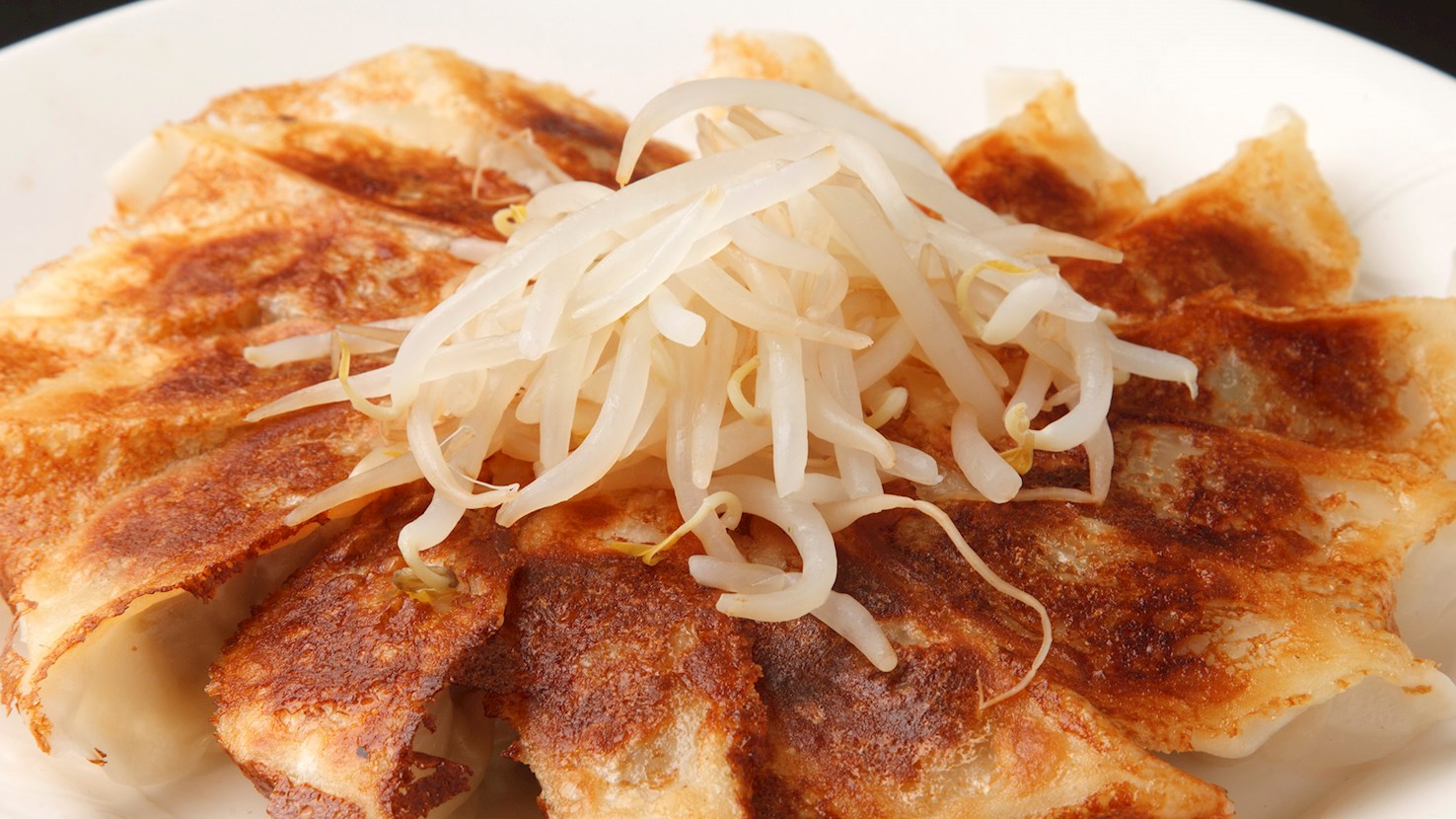
Hamamatsu is a popular variety of Japanese gyoza filled with cabbage, onions, pork, and selected seasonings. It is characterized by a unique frying style in which cooks arrange gyoza in a circular pattern (hanetsuke, a technique in which a crispy bottom connects all the gyozas) so that they can fry as many snacks as possible at the same time. It is very popular to pair Hamamatsu gyoza with a topping of bean sprouts.

Best restaurants
03
Rice Dish

Kaisendon

4.5 ·

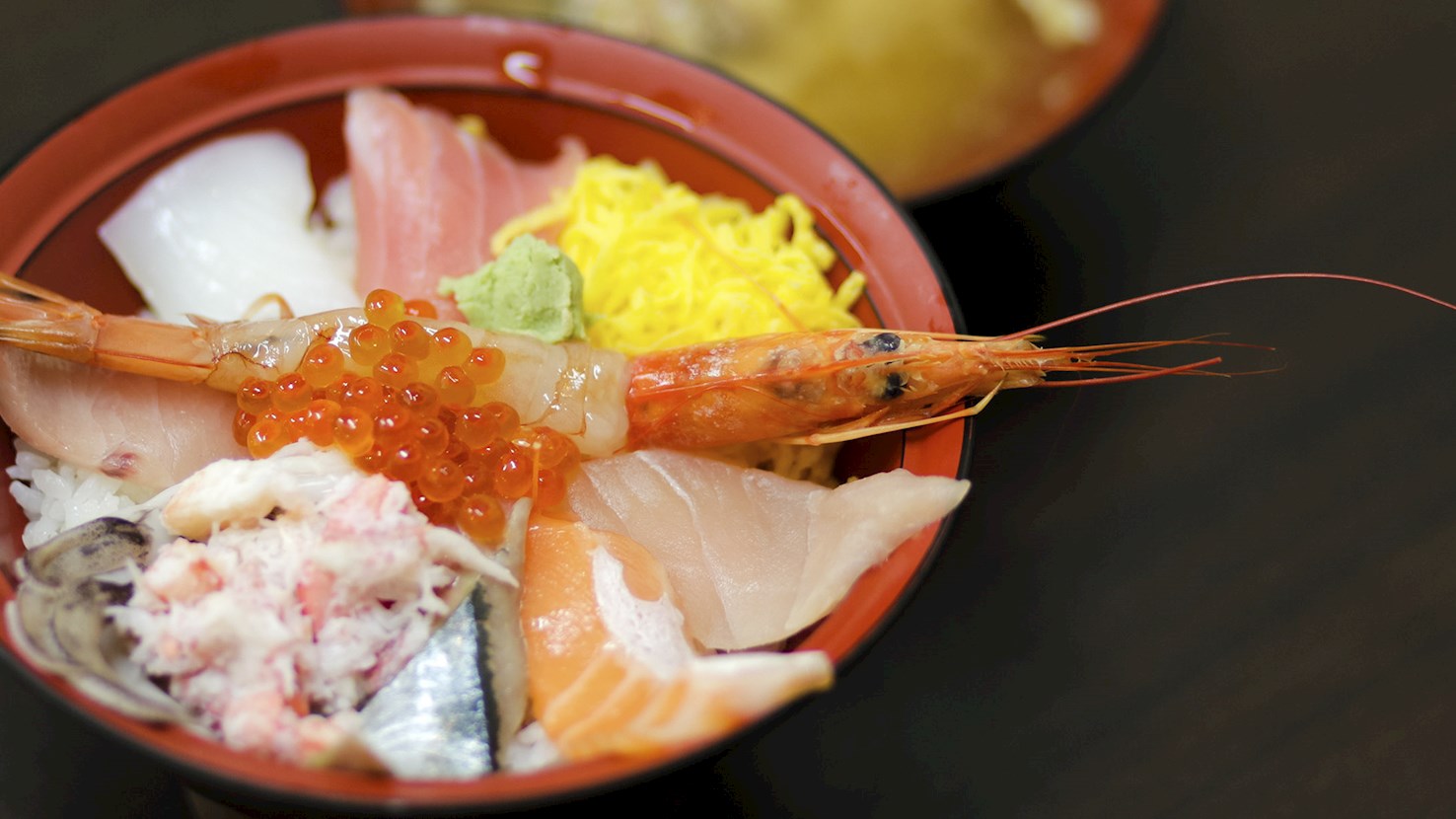
One of the most popular fresh seafood one-bowl donburi dishes, kaisendon consists of thinly sliced, assorted raw seafood called sashimi laid over freshly steamed rice. What kind of sashimi will be used in a kaisendon dish is not fixed, but the seafood selection depends on both location and season, and most often includes maguro (tuna), tai (sea bream), ama ebi (deep-water shrimps), hotate (scallops), uni (sea urchin), kani (crab), and sometimes even marinated ikura (salmon roe). Apart from sashimi, kaisendon is typically topped with toasted nori seaweed, myoga ginger, shiso or Japanese basil, cucumber, onions, and either fresh or pickled ginger. Before being placed on a bed of steamy rice, all of the ingredients are drizzled with wasabi-laced soy sauce, and the kaisendon bowl is lastly garnished with some white sesame seeds, white radish sprouts, and wasabi paste. In Japan, fresh seafood donburi dishes have a huge following; light yet nutritious, they make for a great lunch option and can be found at any sushi restaurant.

04
Noodle Dish

Yokohama-Style Ramen

4.4 ·

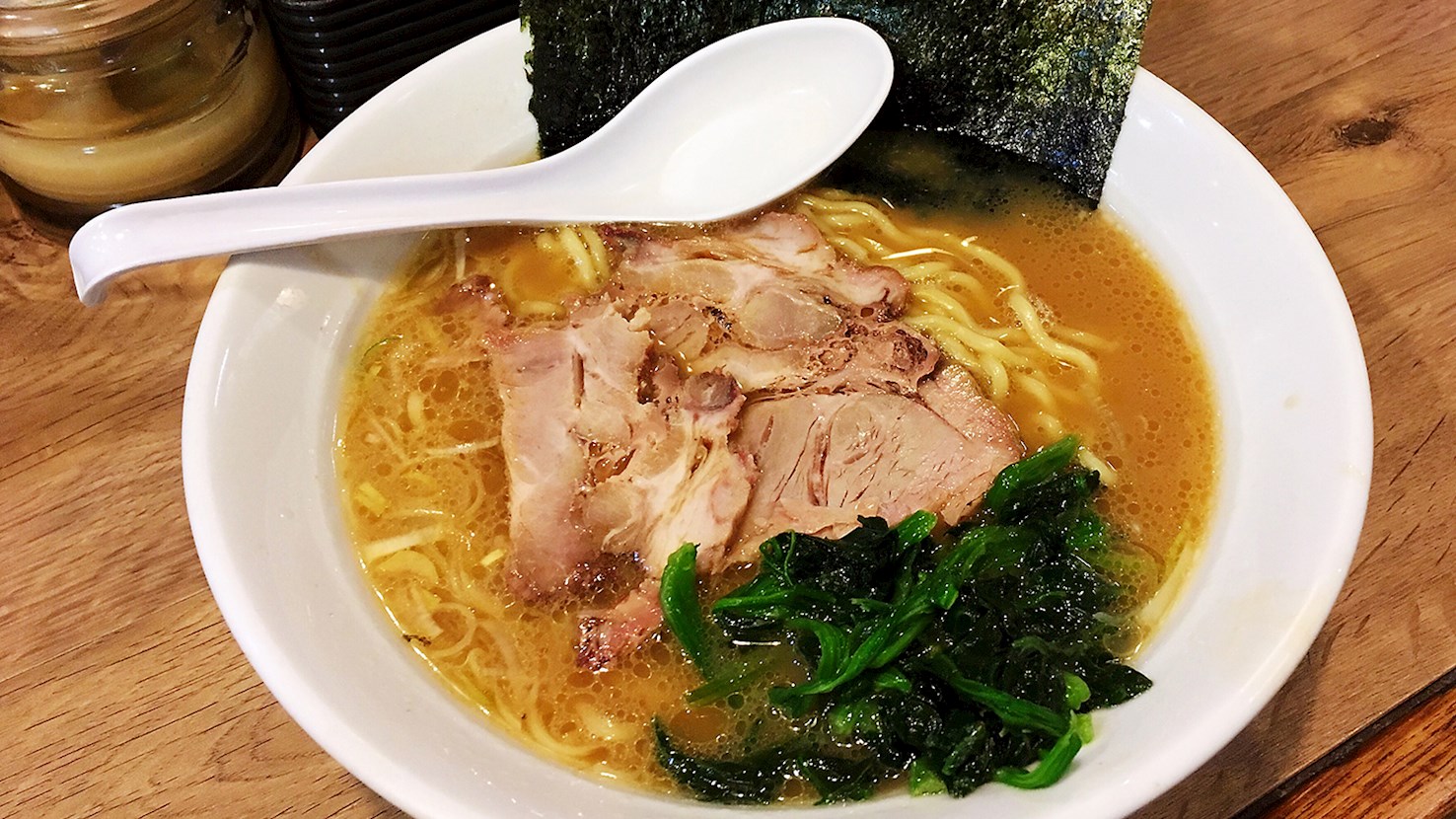
Yokohama-style ramen or iekei ramen is a Japanese type of ramen originating from the Yokohama area and dating back to 1974. The dish consists of thick noodles and a stock that's a mix of creamy tonkotsu (pork broth) and soy sauce. The toppings include chashu pork, chopped seaweed, leeks, and spinach. There are also optional toppings and condiments such as minced garlic, sesame, preserved vegetables, and black pepper. The name of the dish means home-style ramen, and it was created by a former truck driver called Mr. Yoshimura, who'd opened his own ramen shop in 1974.

05
Stew

Karē

4.4 ·

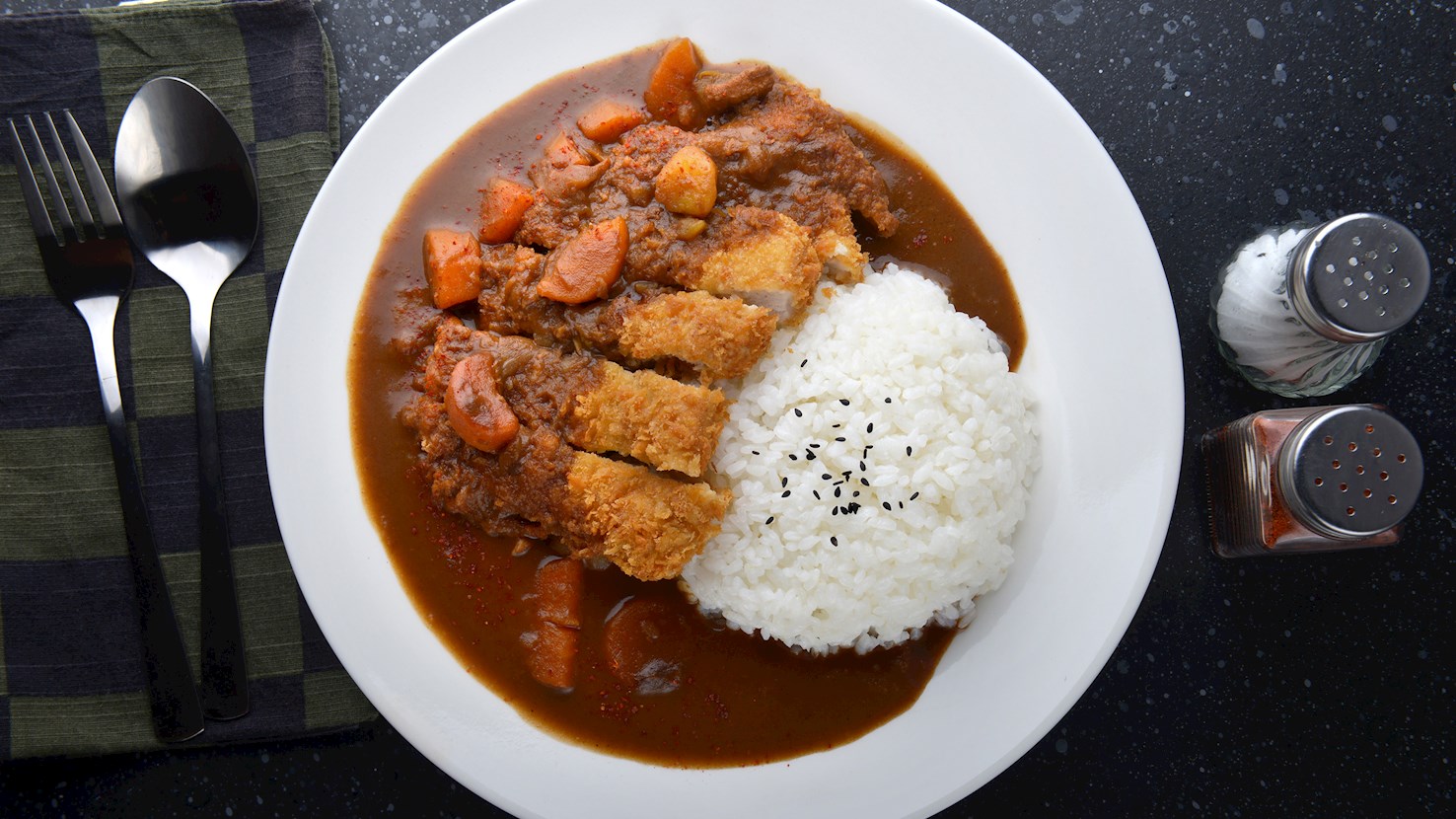
Japanese-style curry known as karē is one of the most popular dishes in the country. It started gaining popularity in Japan during the Meiji period (1868-1912), when the British introduced it to the country. During its early years, karē with rice was an expensive, gourmet dish reserved only for the wealthy. Compared to Indian curries, karē is less spicy, sweeter, darker, and usually thicker, which is thanks to the addition of flour or roux. There are three main version of karē in Japan - karē raisu (curry over rice), karē udon (curry over noodles), and karē -pan (a pastry filled with curry). The most popular variety, is, as expected, karē raisu, which is usually served with fukujinzuke pickles or Japanese scallions on the side. Today, karē is so popular in Japan that it can be called a true national dish.

06
Egg Dish

Ajitsuke tamago

4.4 ·

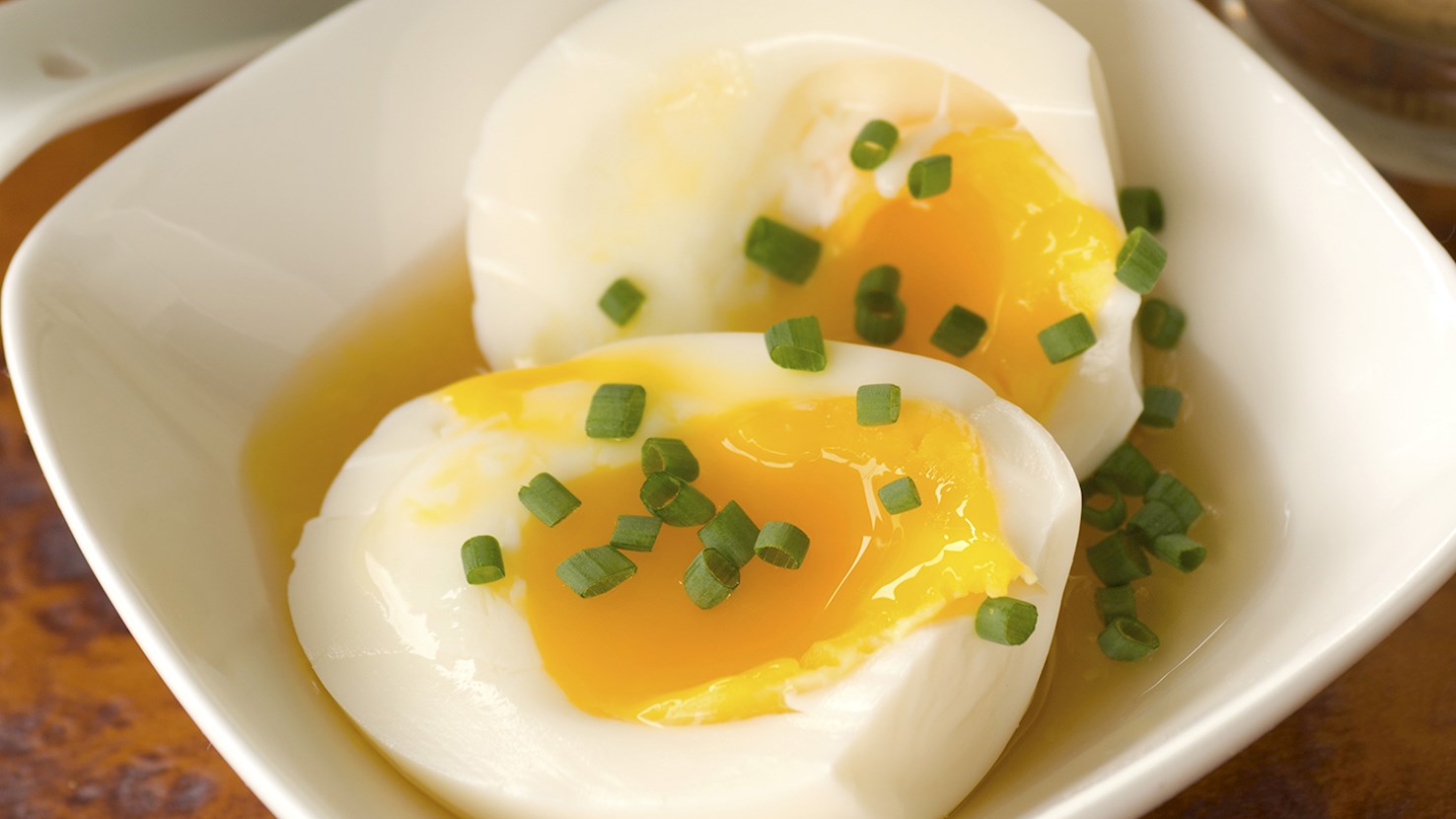
Ajitsuke tamago is a traditional dish consisting of soft-boiled eggs that have been soaked in mirin and soy sauce. The egg yolks should be custardy if properly prepared, and the eggs are eaten as a snack, a part of bento, or more commonly, enjoyed as a ramen topping. The eggs are boiled for a few minutes so that the yolk remains runny, and they are then chilled and soaked (overnight or for a few days) in a combination of water, mirin, and soy sauce. This is the basic preparation, and some cooks might add their own secret ingredients to the marinade to make the eggs more flavorful.

07
Technique

Karaage

4.3 ·

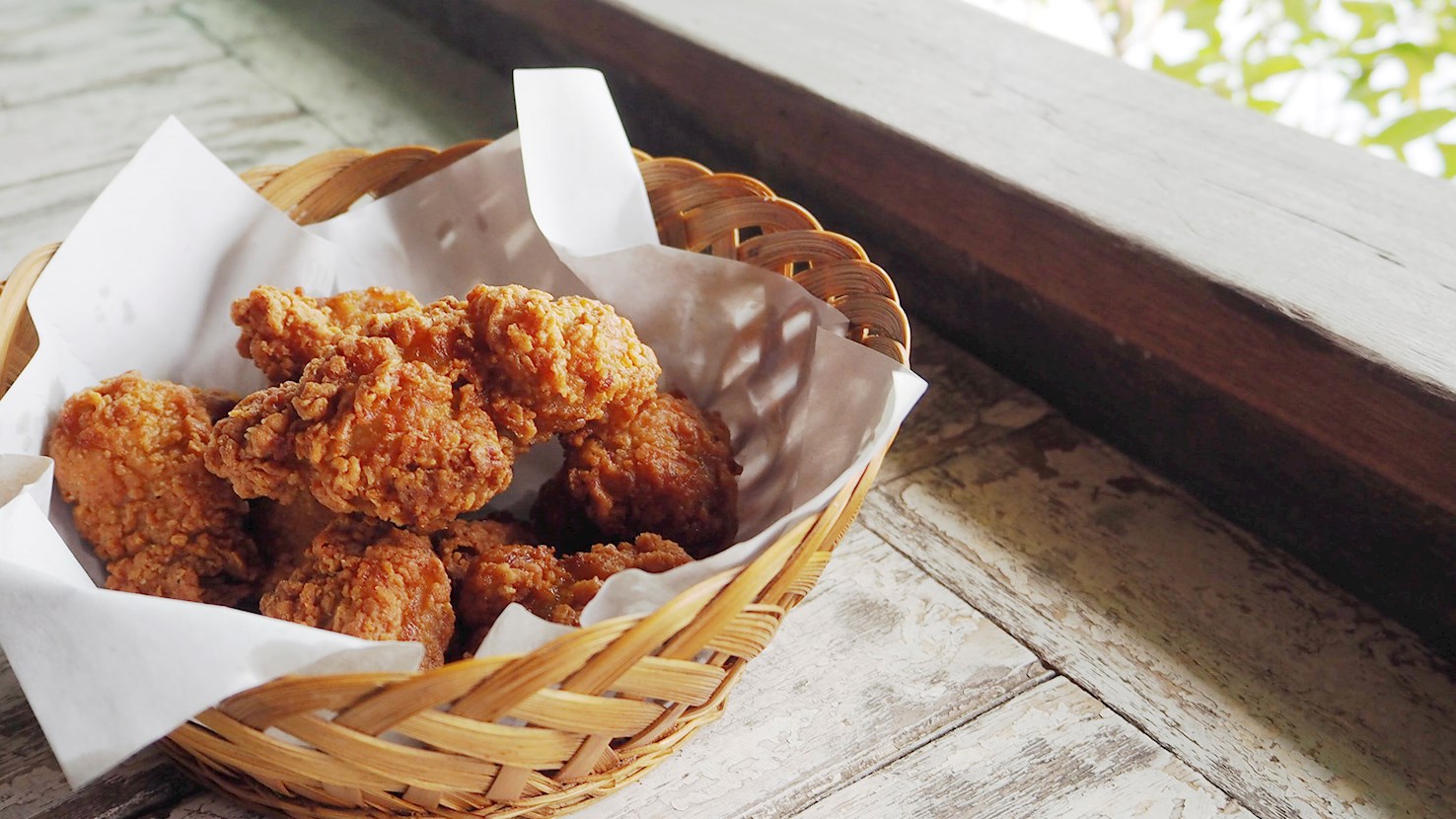
Also known as dry-frying, karaage is a Japanese cooking technique in which various foods are first lightly coated in arrowroot starch, then deep-fried. The use of arrowroot starch preserves the natural water content of fried foods and produces a crispy outer surface, but alternatively, other coating ingredients such as wheat flour, tapioca, or potato starch can also be used. Karaage can be used for frying various meats and fish, but it is most often associated with chicken, and involves a special variant called tatsutaage, where pieces of chicken are first marinated in a mixture of sake, soy sauce, and sugar which are then lightly covered with arrowroot starch and deep-fried. This method makes the meat succulent on the inside and particularly crispy on the outside. If not specified otherwise, karaage usually refers to fried chicken, but apart from chicken, the technique is sometimes used with other ingredients such as askarei (flounder), ika (bits of squid), and gobo (burdock root). Japanese karaage dishes are usually seasoned with garlic and ginger, and served with soy sauce on the side. They are a staple of informal Japanese gastropubs called izakayas, casual places for after-work drinks and snacks, but they are also available freshly fried as take-out food in numerous supermarkets and convenience stores.

08
Stew

Karē udon

4.2 ·

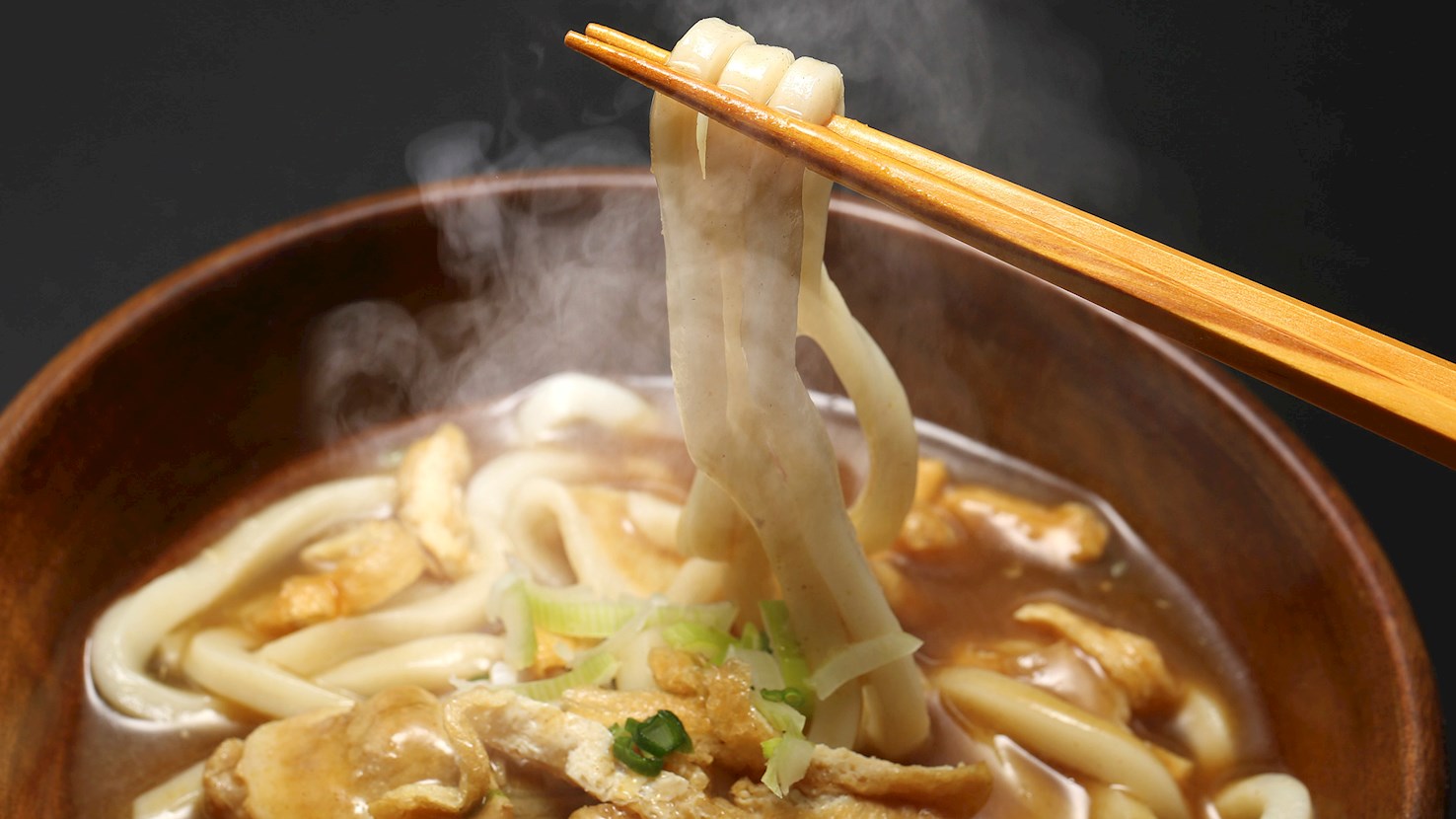
Curry udon consists of thick Japanese noodles made from wheat flour, served in a bowl of Japanese curry. Since it is a warming dish, curry udon is extremely popular during winter, and because things can get quite messy while consuming it, some curry udon restaurants offer disposable dibs to customers. The dish can vary in levels of spiciness - from mild to hot, depending on the curry. One of the most popular toppings for the dish is Shabu Shabu meat, thinly sliced so that it combines extremely well with the thick and chewy udon noodles.

09
Cheese Dessert

Japanese cheesecake

4.2 ·

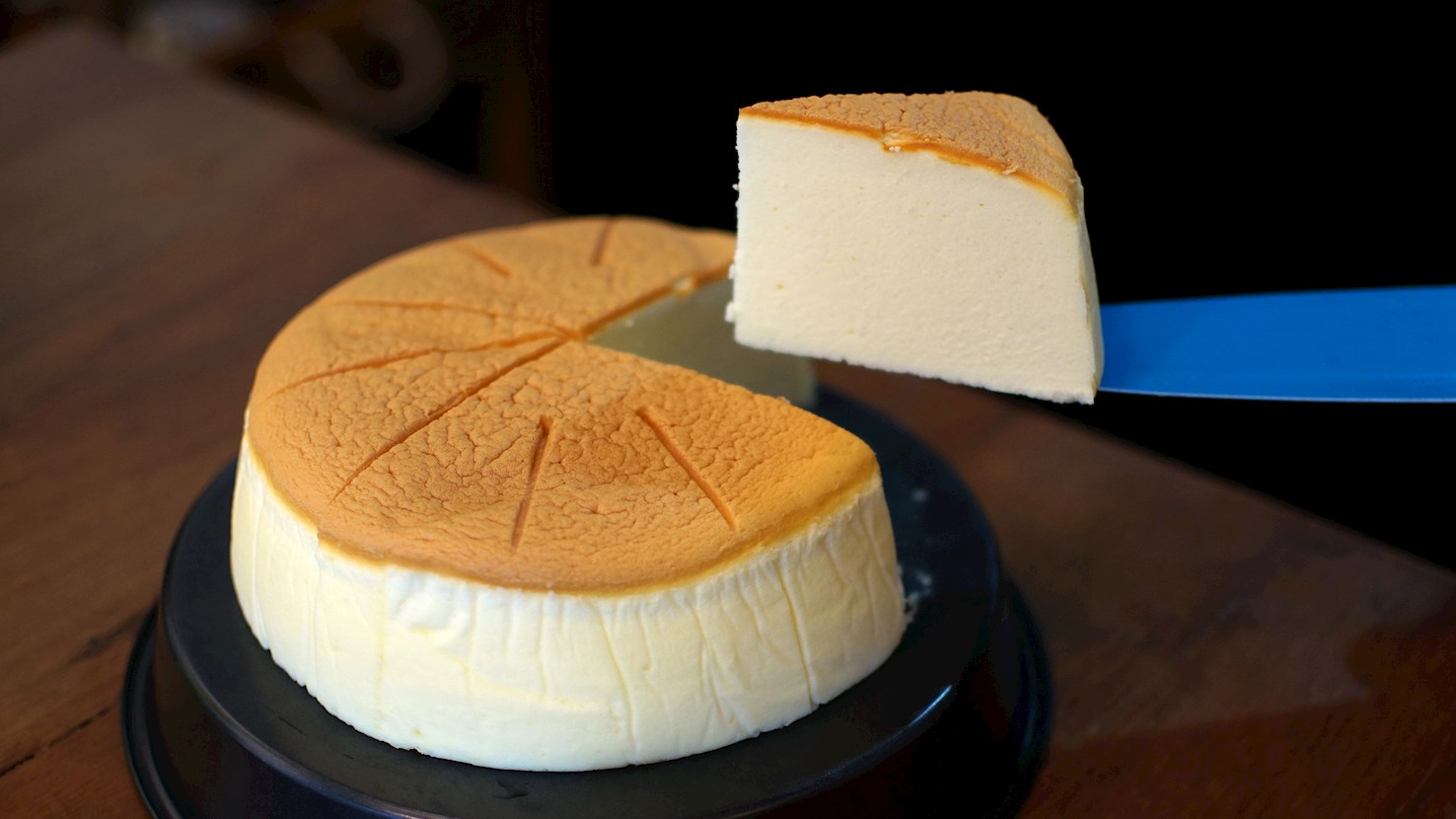
Known as soufflé cheesecake in Japan and cotton cheesecake or Japanese cheesecake outside of Japan, this light and fluffy dessert is made by incorporating whisked egg whites into the cake mixture (eggs, milk, sugar, cream cheese), and the combination is then baked in a bain-marie. The Japanese cheesecake is more fluffy and sponge-like than regular cheesecake, and it's sometimes eaten cold, but most people prefer to eat it straight out of the oven while it's still hot, so it almost melts in the mouth. It was created by a Japanese chef Tomotaro Kuzuno who went to Germany in the 1960s and found käsekuchen, a type of German cheesecake. When Kuzuno came back to Japan, he wanted to prepare a combination of käsekuchen and the American-style cheesecake that was becoming popular at the time, and that's how Japanese cheesecake was born. Nowadays, if you want something extra sweet on your Japanese cheesecake in Japan, traditionally you'll get a topping of apricot jam. Interestingly, there's also one version of this dessert called rare cheesecake, and it's a Japanese take on the classic Western unbaked cheesecake, made with agar-agar or gelatin, cream cheese, and yogurt.

10
Meat Dish

Shabu-shabu

4.2 ·

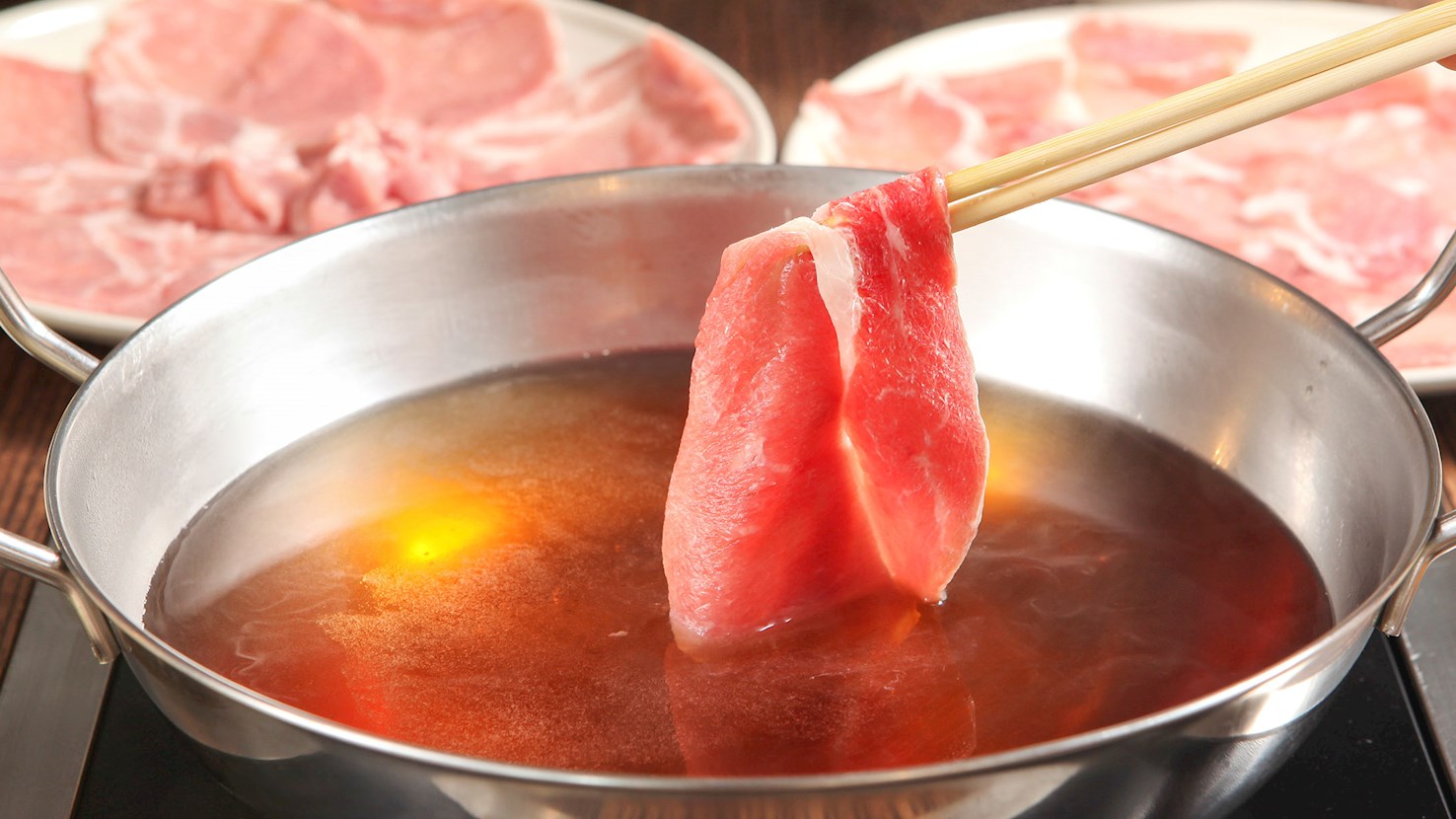
Shabu-shabu is a popular Japanese dish consisting of thinly sliced meat and vegetables cooked in water. The dish is an evolved version of the traditional Mongolian nabemono (one-pot) cooking. Roughly translated to swish-swish, its name is referring to the sound that is made when the sliced pieces of meat go through the water. Although beef is the most popular choice of meat, shabu-shabu can also be prepared with lamb, chicken, pork, duck, crab, or lobster. Steamed rice and a variety of sauces are often served on the side, accompanying the main dish. The dish is typically shared and eaten communally, each consumer dipping a slice of meat in the central pot that is filled with boiling water. Although shabu-shabu originates from China, it was popularized during the 20th century in Osaka, Japan.

Best Japanese food products

01
Chocolate Confectionery

Es Koyama

5 ·
Susumu Koyama, a Japanese patissier, founded es koyama in 2003 in Sanda, Hyogo Prefecture, Japan. The company produces a variety of chocolates and confections, drawing on both local ingredients and international influences. Es koyama has gained attention for innovative flavors and meticulous craftsmanship in chocolate-making.
Awards
International Chocolate Awards - Gold (2017, 2016, 2015, 2014, 2013)
Academy of Chocolate - Gold (2016)
02
Chocolate

Green Bean to Bar Chocolate

5 ·
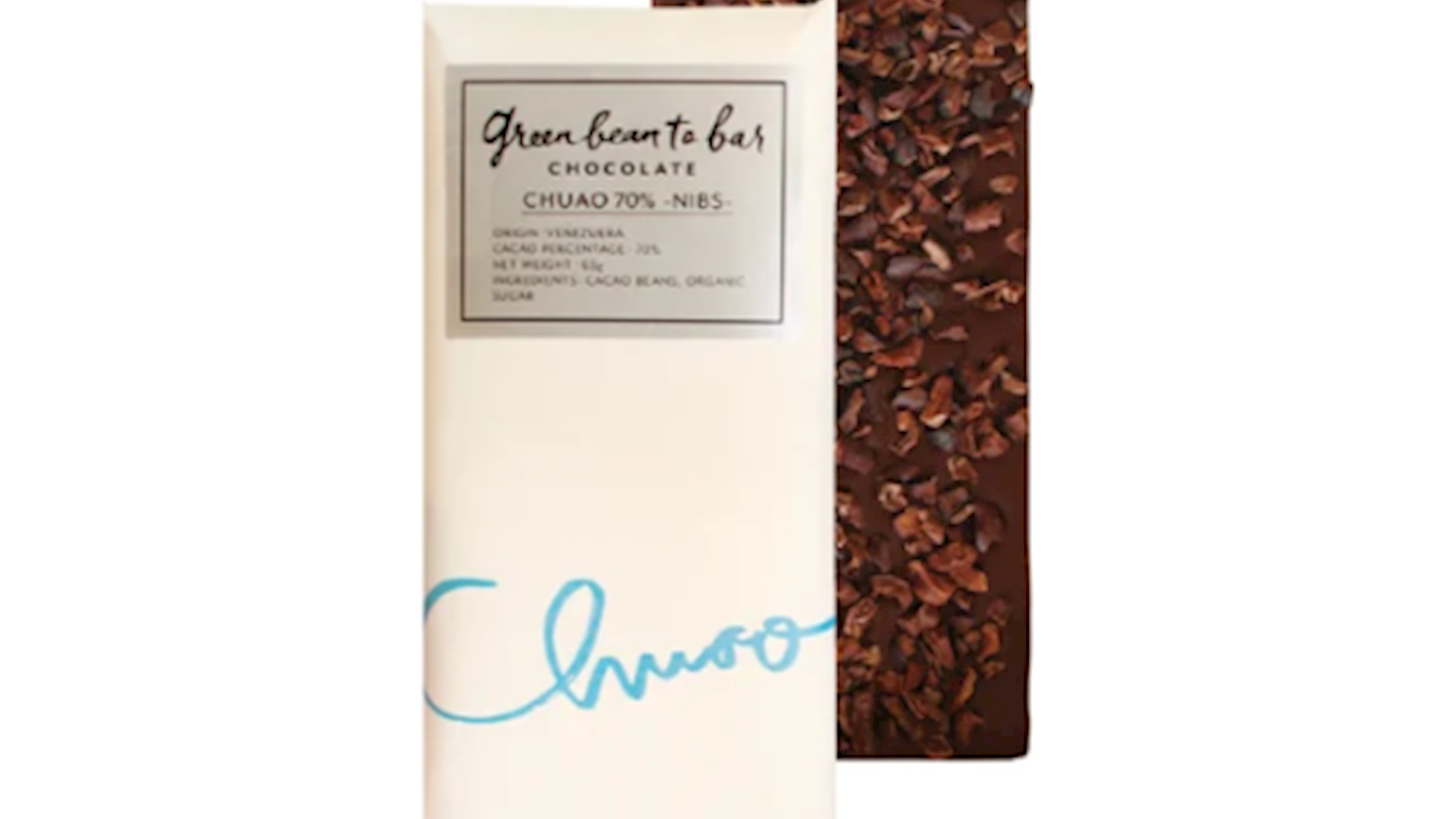
Green Bean to Bar Chocolate is a Japanese producer of fine chocolate distinguished by complete control over the entire production process - from bean to bar. Founded in Tokyo, the brand has become synonymous with transparency, authenticity, and deep respect for raw ingredients. In their stores, visitors can witness the entire chocolate-making process, from roasting and grinding to molding the final bars. Their philosophy is based on purity of ingredients, with most bars containing only cacao beans and organic sugar. Each batch is handmade in small quantities, ensuring exceptional quality and a distinct expression of terroir. Green exclusively uses single-origin cacao, highlighting the diversity of flavors that come from regions such as Tanzania, the Dominican Republic, Peru, and Ghana. Every store also serves as a space for education and tasting, creating an experience that goes beyond simple purchase. The brand’s focus on sustainability and direct partnerships with cacao farmers further strengthens its ethical foundation. Green Bean to Bar Chocolate today stands as a refined fusion of Japanese precision, artistry of flavor, and the highest global standards in the bean-to-bar movement.
Awards
International Chocolate Awards - Silver (2024, 2022, 2020, 2019, 2018)
Academy of Chocolate - Silver (2021)
03
Chocolate

Minimal

5 ·
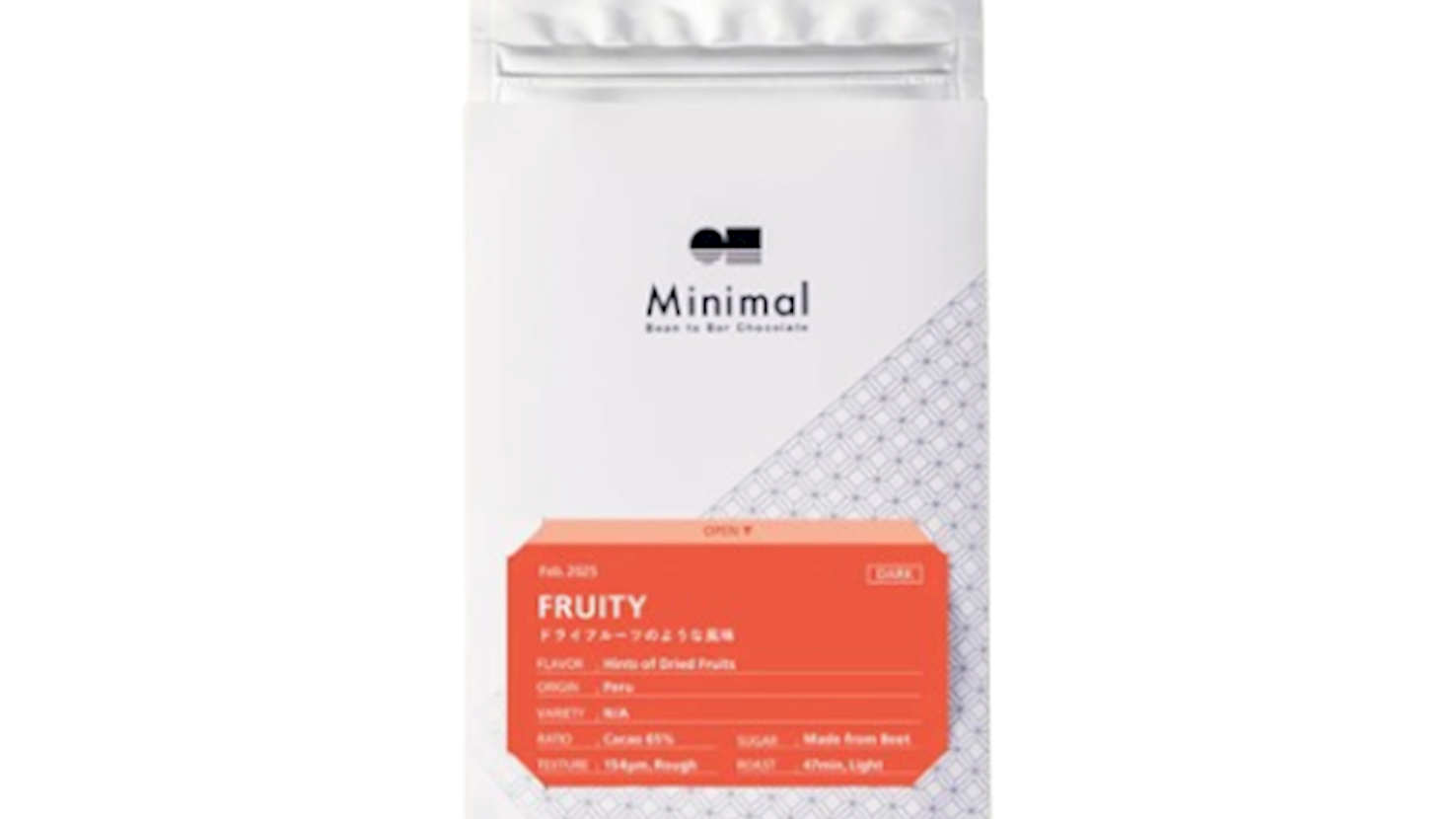
Minimal - Bean to Bar Chocolate is a Japanese brand from Tokyo specializing in handcrafted chocolate made according to the “bean to bar” principle. The company’s core philosophy is based on minimalism and purity of flavor, using only a few carefully selected ingredients to allow the character of the cocoa bean to fully shine. Their range includes chocolate bars, pralines, cakes, desserts such as gateau chocolat, as well as seasonal collections. The packaging is designed to be simple and elegant, highlighting the premium nature of the brand. The focus is on transparency of cocoa origin and on expressing diverse terroir profiles from different countries. Minimal positions itself within the premium segment of the Japanese market, with particular attention to gift sets and limited seasonal editions. Although the products are only selectively available outside Japan, the brand has become synonymous with innovation, quality, and a unique chocolate tasting experience.
Awards
International Chocolate Awards - Gold (2017)
Academy of Chocolate - Silver (2023, 2022, 2021, 2020, 2017)
04
Chocolate

Rico Kagurazaka

5 ·
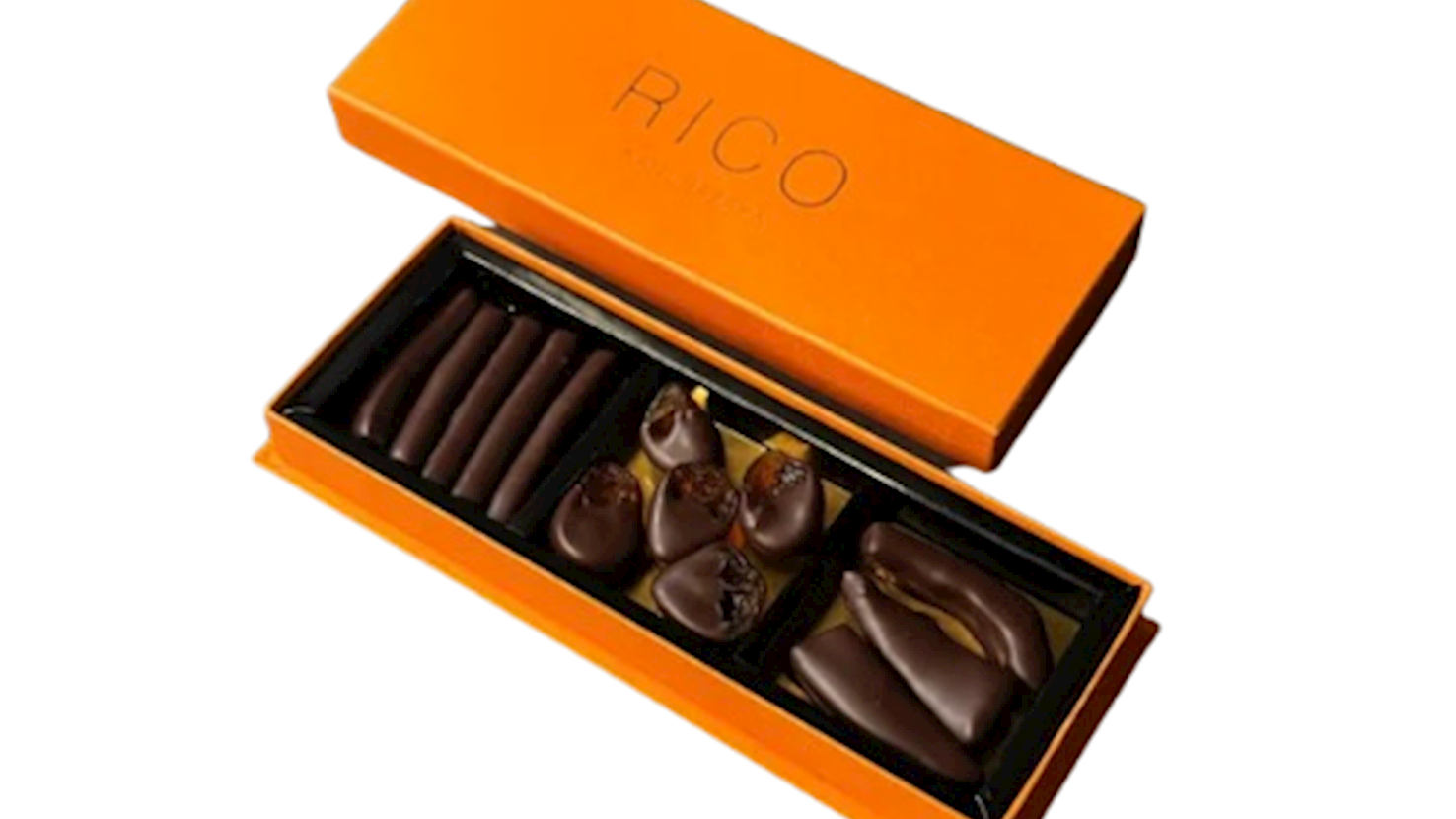
Rico Kagurazaka is a small artisanal chocolate and pastry shop located in Tokyo’s Kagurazaka district, led by pastry chef Riko Onuki. The concept of the shop is centered on producing chocolate and confections in small batches, with a strong focus on the quality of cacao beans and minimal use of additives. A key element of their philosophy is the bean-to-bar approach, in which chocolate is crafted entirely from cacao beans to the finished bar, allowing the natural aromas and complexity of cacao to be preserved. The cacao used is sourced from farms that avoid herbicides, pesticides, and chemical fertilizers, with some beans coming from Taiwan and recognized among high-quality cacao selections. In addition to chocolate bars, the shop also offers baked sweets such as canelés, financiers, sablé cookies, and orangettes, prepared with carefully selected ingredients including organic Japanese flour and unrefined sugar. One of their central product lines is the “Cacao Impression” series, designed to highlight different flavor profiles of cacao through varying cacao percentages. The style of the products reflects a Japanese aesthetic of simplicity and precision, focusing on clean flavors and a balanced expression of sweetness, bitterness, and subtle fruity cacao notes.
Awards
International Chocolate Awards - Gold (2025, 2023)
Academy of Chocolate - Gold (2023)
05
Spirit

Iichiko

5 ·
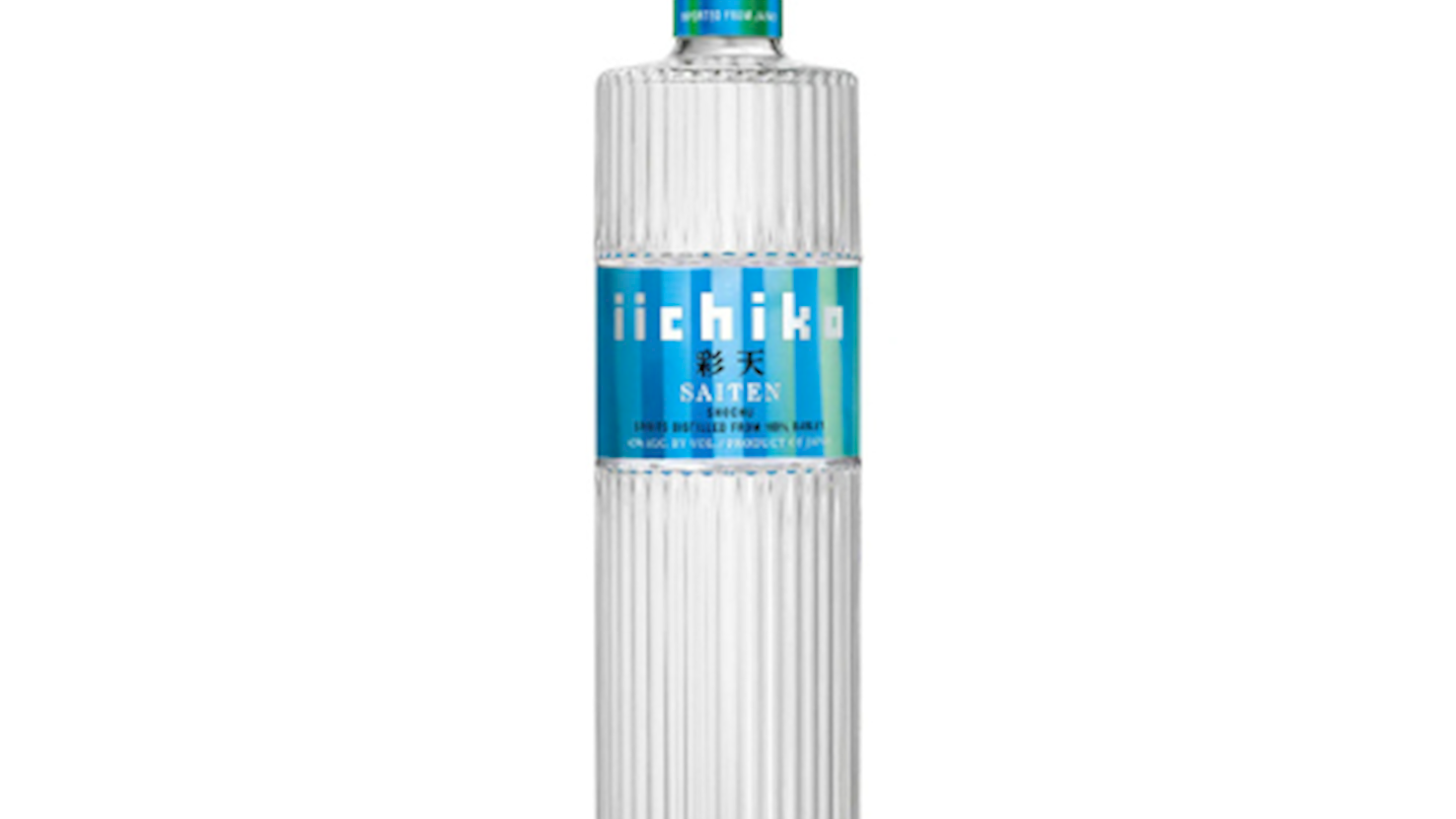
Iichiko is a renowned Japanese producer of shochu, a traditional Japanese spirit made from various ingredients like barley, sweet potatoes, and rice. Founded by Sanwa Shurui, Iichiko is famous for its commitment to high-quality production and innovation. Headquartered in the Oita Prefecture of Kyushu, Japan, an area known for its clean water and natural beauty, Iichiko has become a global leader in the shochu industry. Iichiko's most notable products include its flagship barley-based shochu, iichiko Saiten, which is crafted using unique methods such as the "all Koji" fermentation technique. This involves using barley Koji, a special mold that helps break down the starches in barley into sugars, enhancing the flavor profile of the spirit. The production also focuses on the single distillation process, preserving the delicate aromas and flavors of the barley.
Awards
SFWSC - San Francisco World Spirits Competition - Double Gold (2024, 2023)
ISC-International Spirits Challenge - Double Gold (2022)
06
Spirit

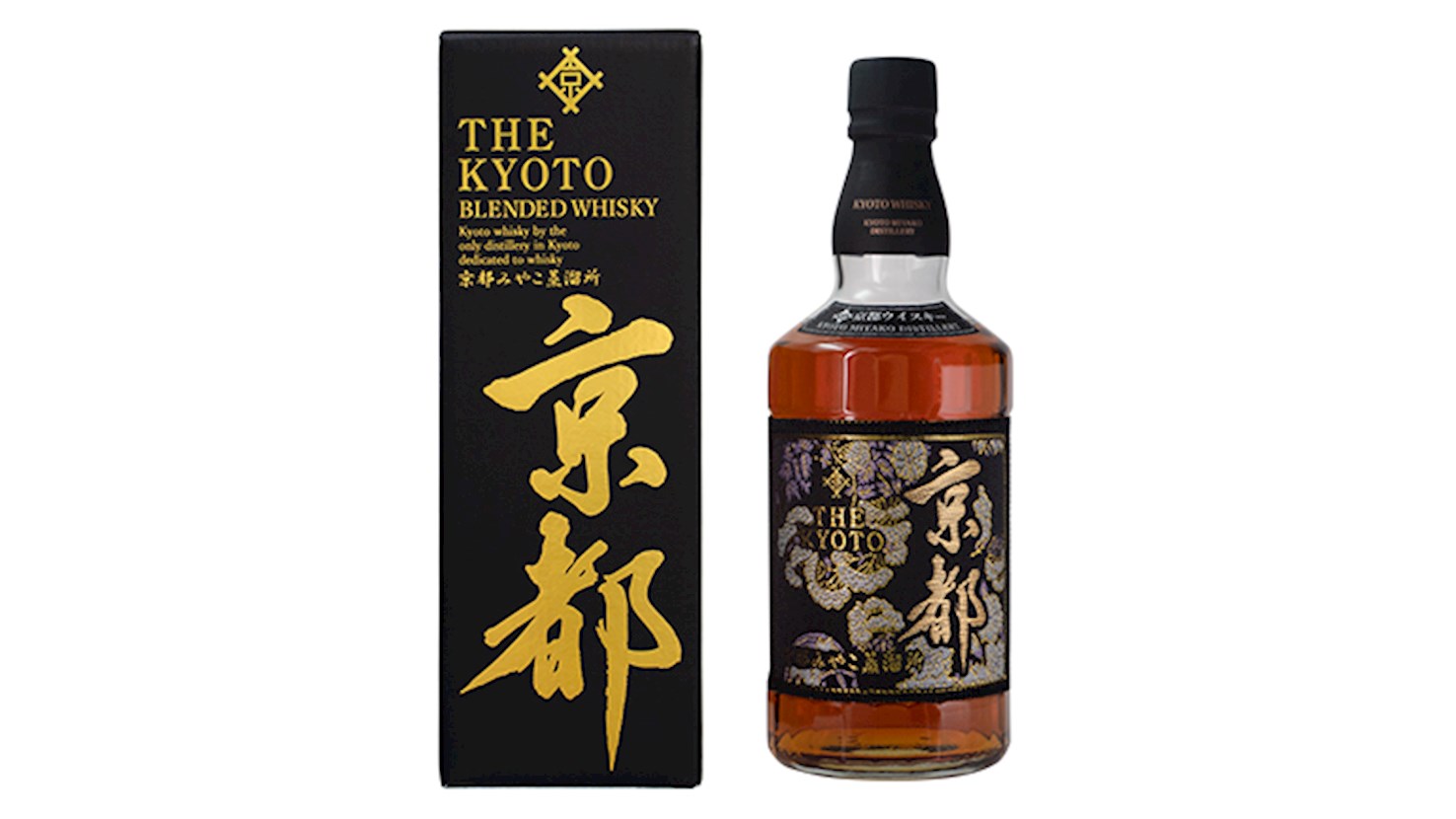
The Kyoto Distillery

5 ·
Awards
NYWSC - New York World Spirits Competition - Double Gold (2023)
SFWSC - San Francisco World Spirits Competition - Double Gold (2023)
07
Spirit

Akkeshi

5 ·
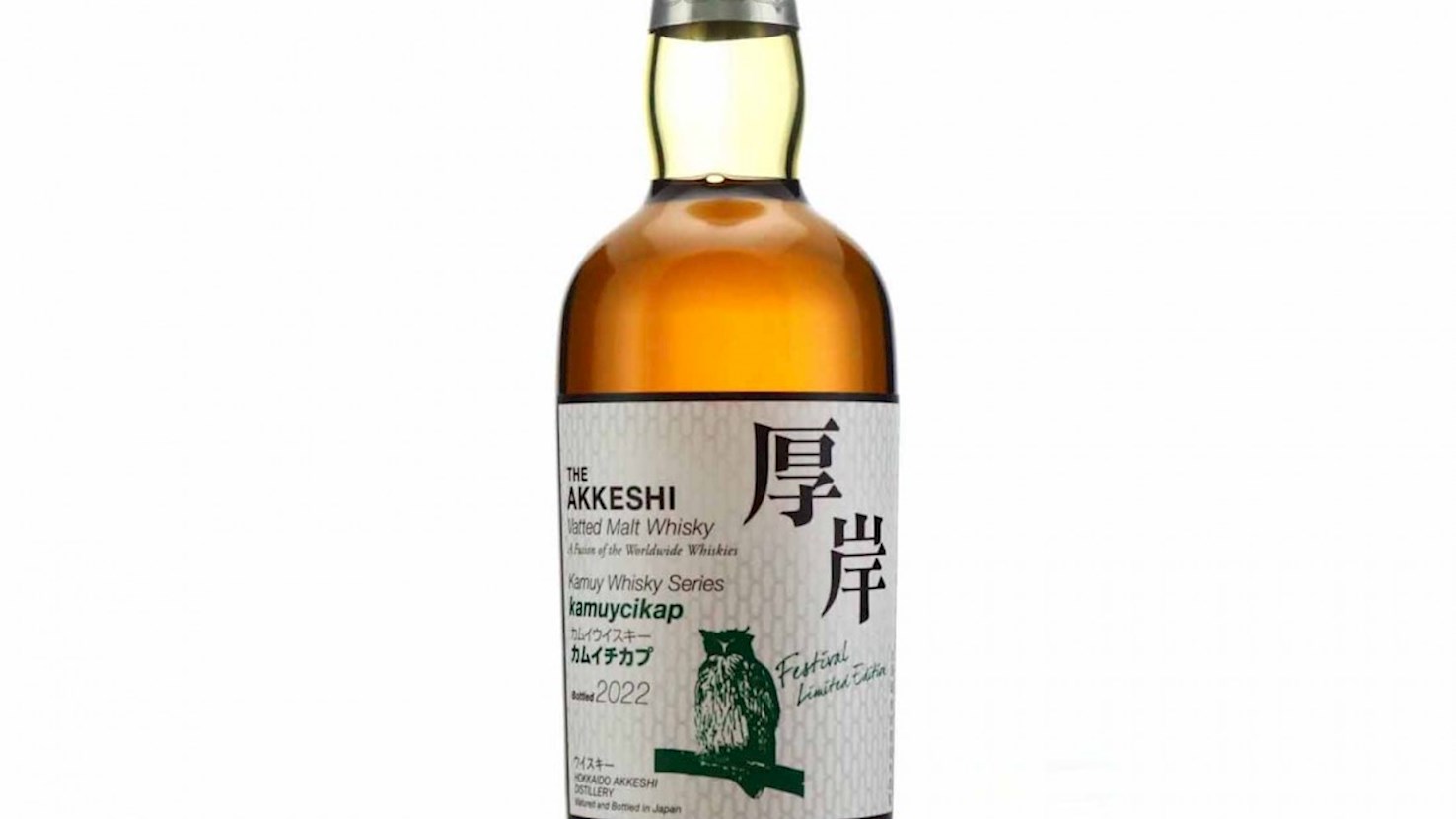
Located in Japan’s northern most island of Hokkaido and further east than any other distillery in the country, production at Akkeshi Distillery started in 2016. The goal of Akkeshi Distillery is to blend traditional Scottish methods with the unique flavors of Akkeshi, Japan. With extremely unique aromas and flavors unlike anything else these whiskies will be a delight to aficionados worldwide. Akkeshi Distillery is the true embodiment of craftsmanship and is on track to be a leader in the highest quality Japanese whisky world. ​
Awards
ISC-International Spirits Challenge - Gold (2024)
ISC-International Spirits Challenge - Gold (2023, 2022, 2021)
08
Spirit

Kirin Brewery Company

5 ·
Awards
ISC-International Spirits Challenge - Double Gold (2020, 2019)
ISC-International Spirits Challenge - Gold (2024)
09
Spirit

Nagahama Distillery

5 ·
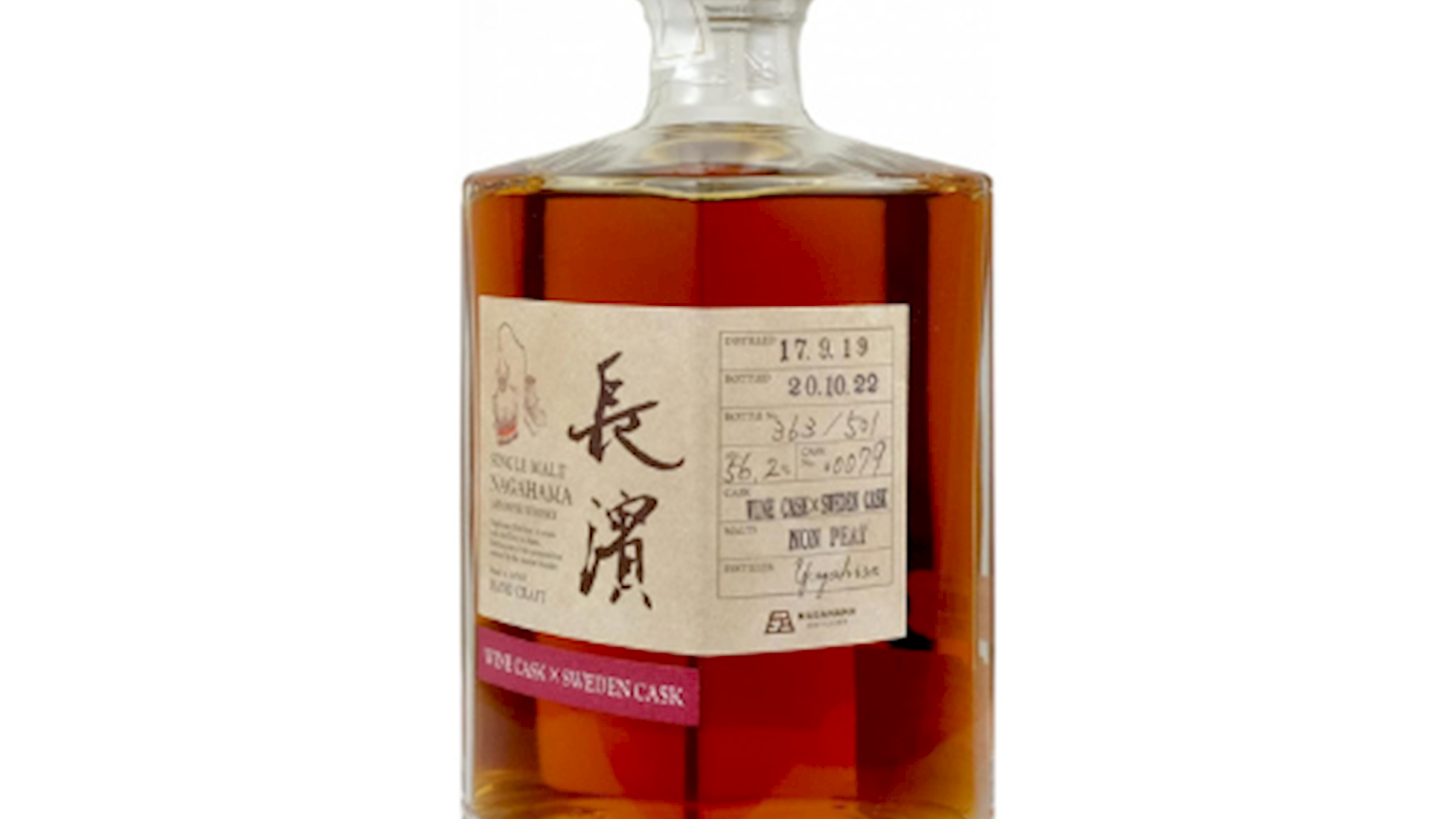
Nagahama Distillery is a Japanese distillery located in Nagahama, Shiga Prefecture. It is renowned for being Japan's smallest distillery, offering artisanal whiskies with unique and bold flavors. Nagahama Distillery uses traditional production methods, focusing on small-batch processes to ensure the highest quality and character in its whiskies. The distillery offers tours where visitors can learn about the whisky-making process, taste their products, and explore the charming surroundings of Nagahama.
Awards
ISC-International Spirits Challenge - Gold (2024)
IWSC- International wine & spirit competition - Spirit Gold (2023)
10
Spirit

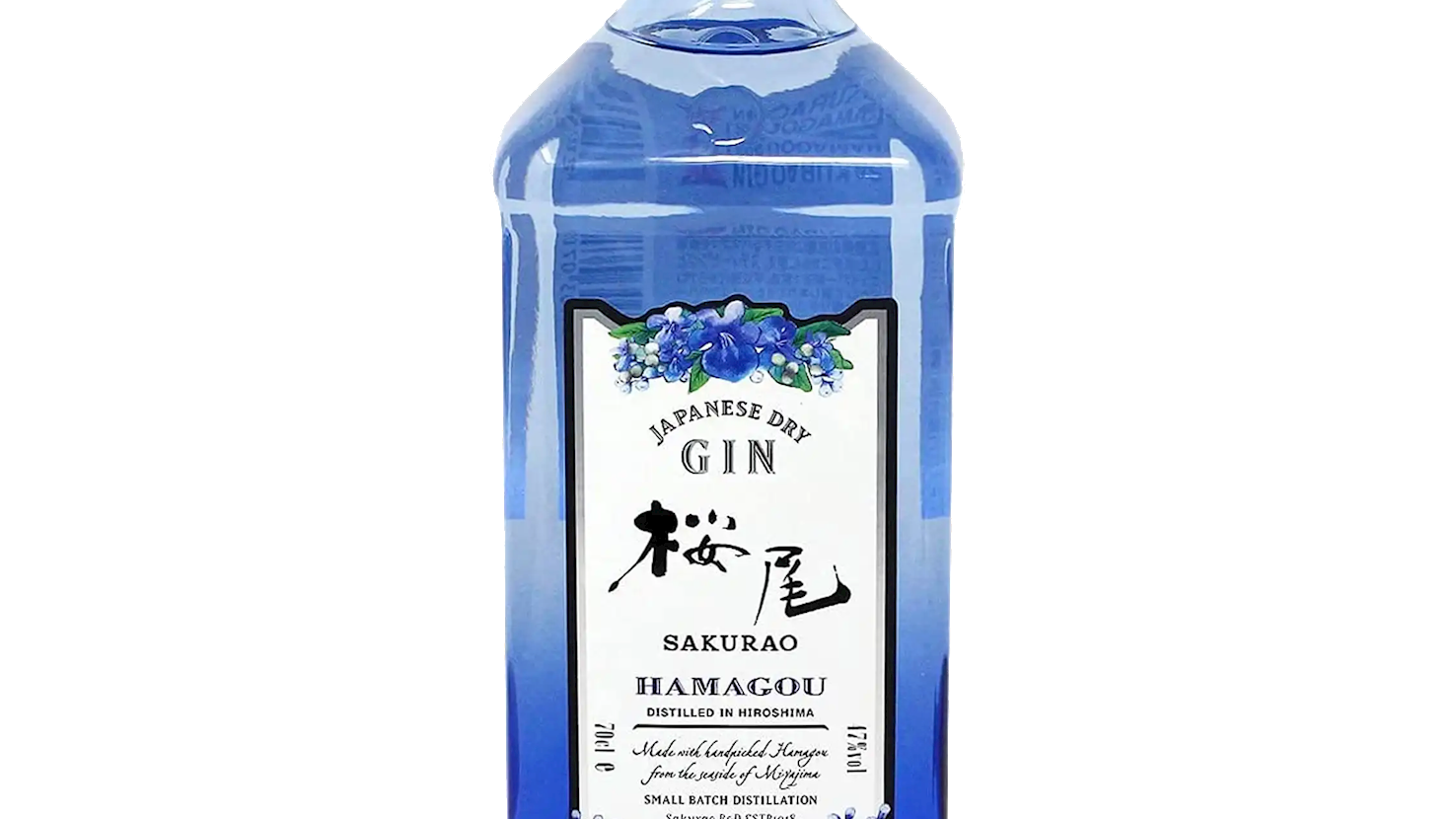
Sakurao Brewery and Distillery Co
5 ·
Awards
ISC-International Spirits Challenge - Gold (2024)
The Gin Masters – Second Tasting - Gold (2022)
Read more
View all
View map
About this ranking

TasteAtlas food rankings are based on the ratings of the TasteAtlas audience, with a series of mechanisms that recognize real users and that ignore bot, nationalist or local patriotic ratings, and give additional value to the ratings of users that the system recognizes as knowledgeable. For the “Top 100 Japanese Foods” list until June 01, 2026, 30,107 ratings were recorded, of which 26,099 were recognized by the system as legitimate. TasteAtlas Rankings should not be seen as the final global conclusion about food. Their purpose is to promote excellent local foods, instill pride in traditional dishes, and arouse curiosity about dishes you haven’t tried.

The initial list of top producers was compiled based on available reviews, awards, local recommendations, media and blog coverage, and consumer reviews. The list will be updated with ratings from TasteAtlas local ambassadors and TasteAtlas users.

Similar lists