shutterstock

Top 9 Cretan Cheeses

Last updated on July 15, 2026

Best Cretan Cheeses

01

Balantinos

5.0 ·

Balantinos is a family-owned dairy from Crete, founded in 1928 and based in the Chania region, with nearly a century-long tradition in the production of authentic Cretan dairy products. The company evolved from a small artisanal workshop into a modern dairy operation while maintaining strong ties with local livestock farmers and preserving traditional island recipes.

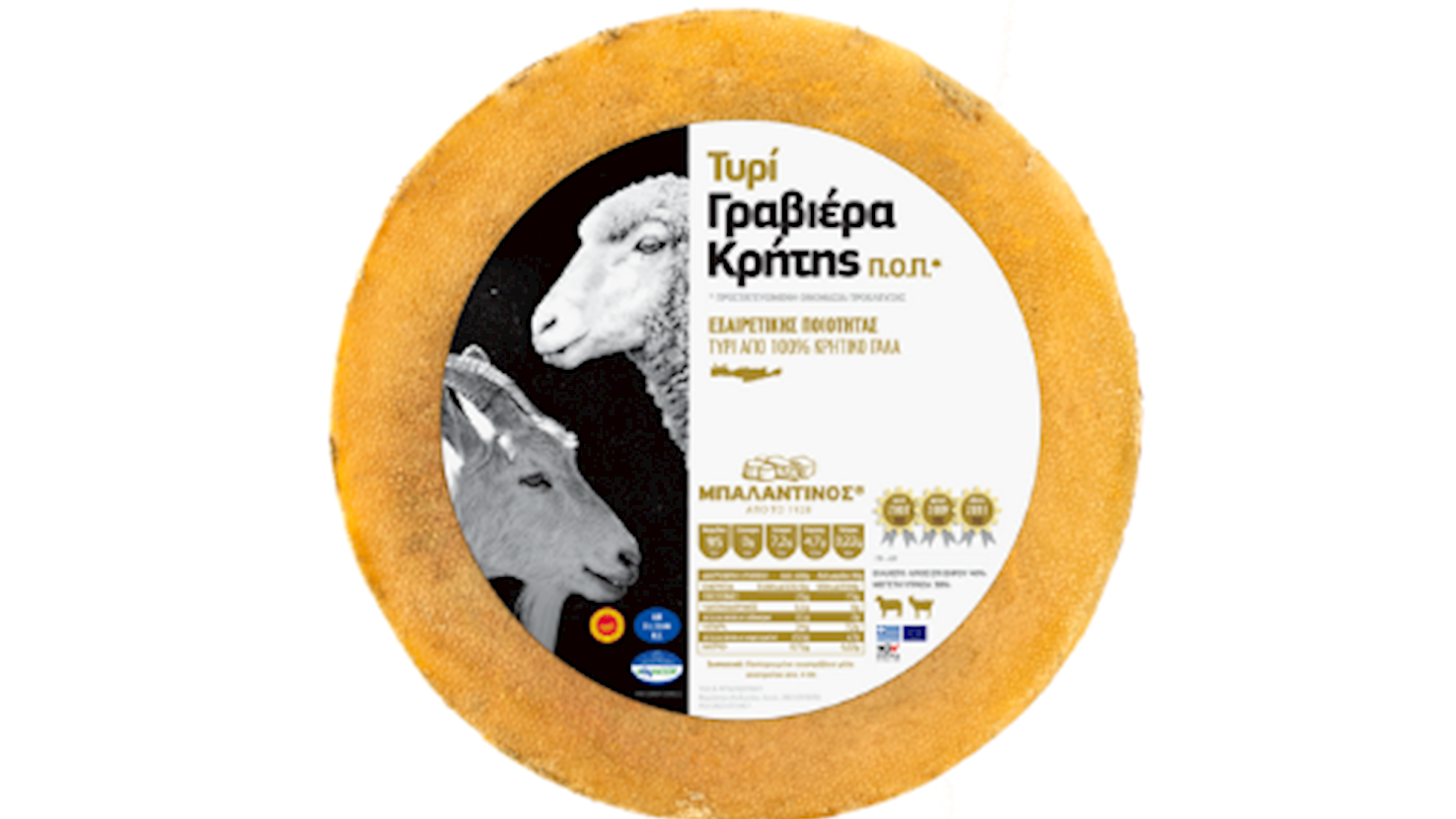
Its raw milk comes primarily from sheep and goats raised in the mountainous areas of western Crete, where natural grazing and the Mediterranean climate strongly shape the aromatic profile of the milk. Balantinos is especially known for producing PDO-certified cheeses such as Graviera Kritis PDO, as well as kefalotyri, white cheeses, and traditional yogurts.

Production combines contemporary technology and strict food safety standards with knowledge passed down through generations. The facilities are certified according to international quality standards, ensuring consistency and enabling export activity.

A strong emphasis is placed on preserving the authentic taste of Crete and the local identity of its products. In addition to cheeses, the range includes traditional Cretan butter oil made according to time-honored methods.

Balantinos positions itself as a producer that connects tradition, regional origin, and modern food production. Its products are available throughout Greece and on international markets as part of the contemporary offering of authentic Mediterranean dairy products.

Awards
Superior Taste Awards - 2 stars (2017)
Superior Taste Awards - 1 star (2024)
02

Tyrokomeío Steiakakis

4.9 ·

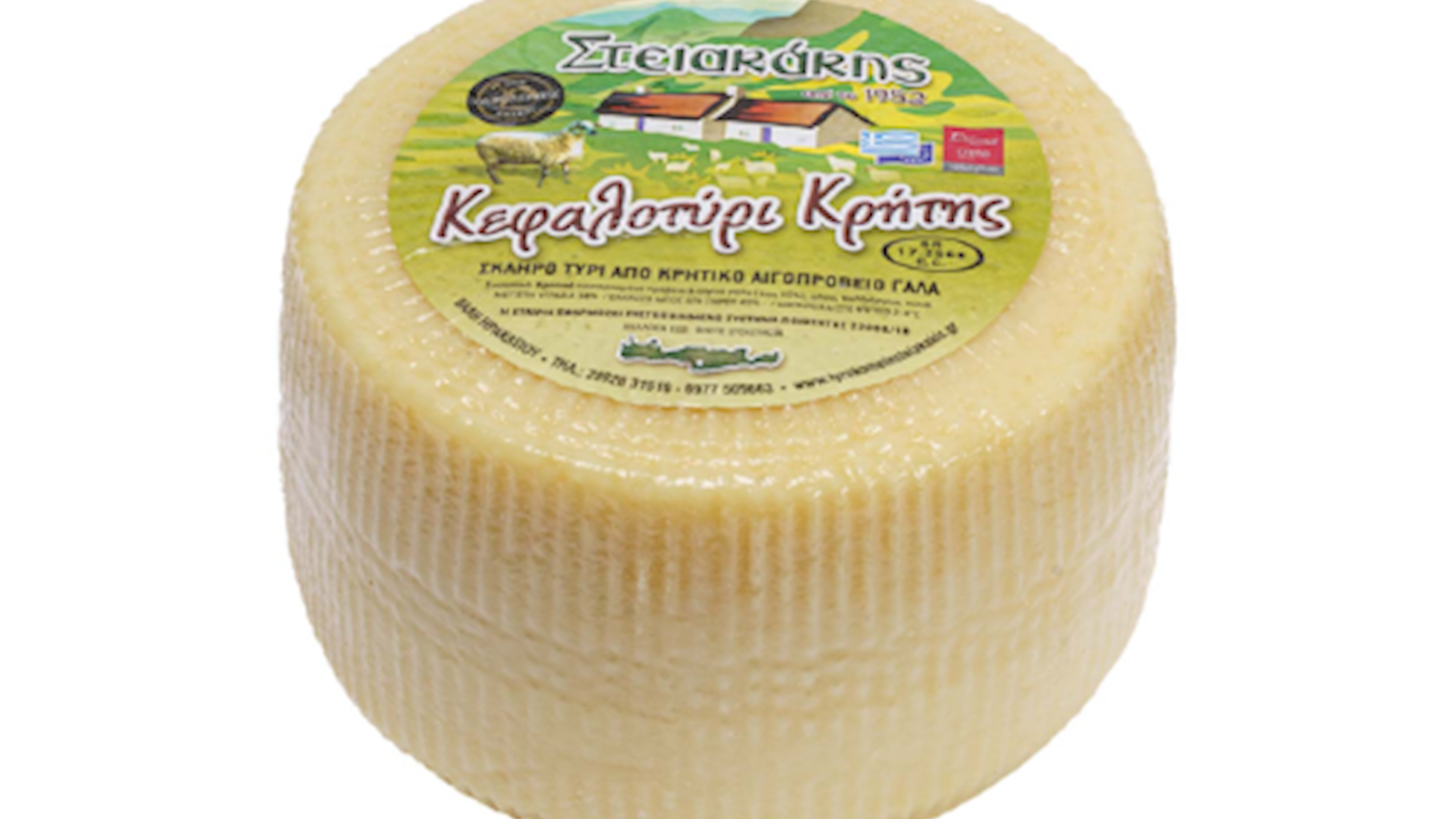
Tyrokomeío Steiakakis is a Cretan dairy producer with a family cheesemaking tradition dating back to 1952, when graviera production began on a small scale. Over three generations, the company has developed into a structured operation while maintaining its connection to traditional methods.

Its production focuses on classic Cretan cheeses such as graviera, mizithra, anthotyros, and kefalotyri, all made from sheep and goat milk sourced from local farmers. The quality of the milk, influenced by free grazing and regional flora, plays a central role in defining the character of the final products.

The production process combines inherited knowledge with controlled conditions and modern hygiene standards to ensure consistency. Particular attention is given to the maturation of cheeses, especially graviera, where aging conditions directly shape texture and flavor.

In addition to traditional varieties, the company also produces more specialized versions with added herbs or other variations. The overall approach emphasizes balance between authenticity and standardization.

Over time, the brand has expanded its presence while remaining rooted in regional identity.

Awards
World Cheese Awards - Gold (2019)
03

Kouvarakis

4.8 ·

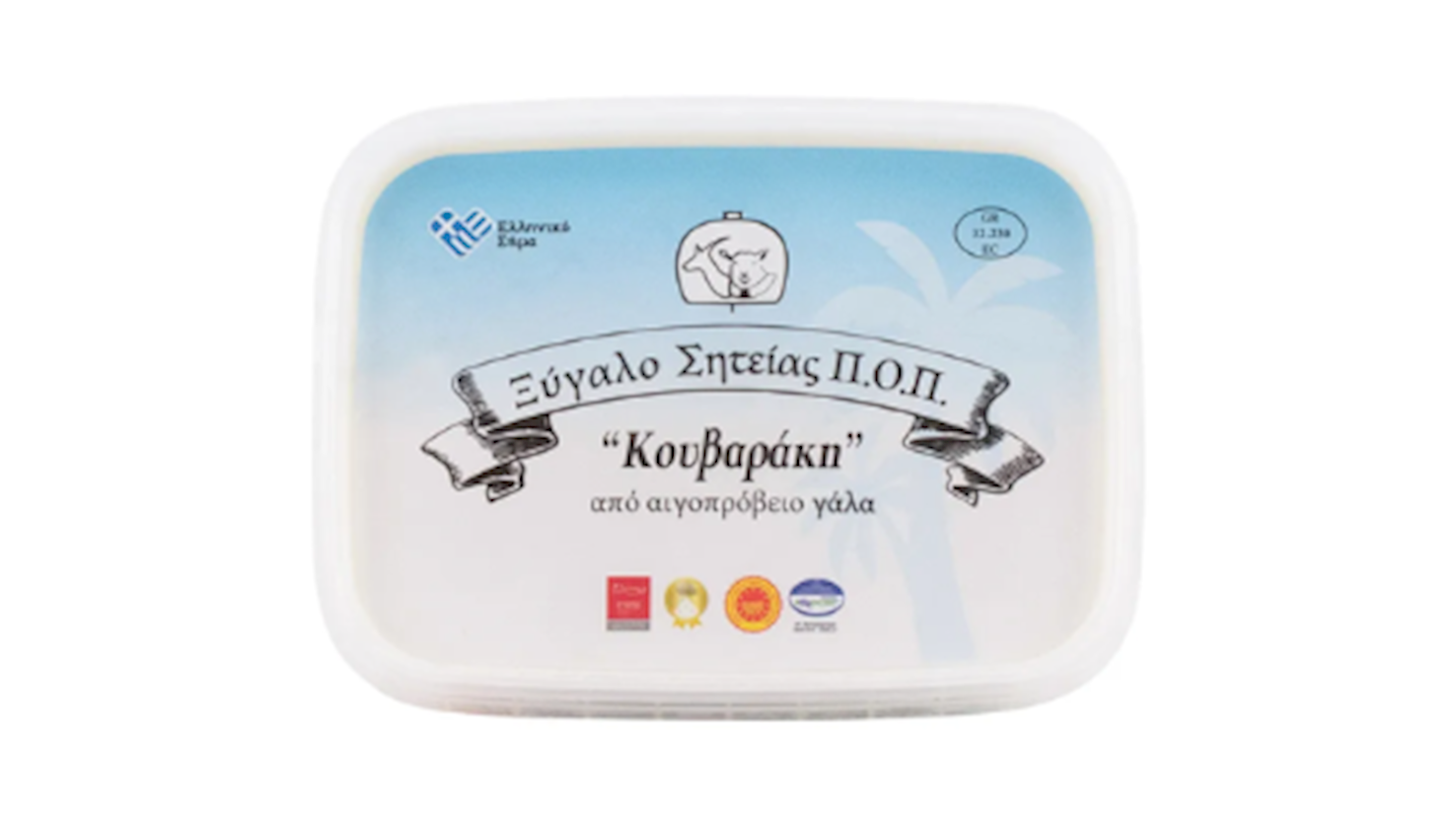
Kouvarakis is a family-run dairy producer based in Sitia, in the Lasithi region of eastern Crete, with origins dating back to 1977 when the first production and retail activity was established by Ioannis Kouvarakis. Over time, the company has developed into a modern dairy operation under the management of the next generation, while maintaining a clear focus on traditional Cretan production methods.

Milk is sourced from locally raised sheep and goats in the wider Lasithi area, particularly around Zakros, where the natural environment contributes to the flavor profile and quality of the raw material. The production is centered on regional dairy specialties, most notably Xygalo Siteias PDO, a soft and spreadable cheese with a creamy to slightly granular texture and a fresh, acidic character typical of eastern Crete.

In addition to cheese, the company produces a range of traditional products such as yogurt and stakovoutyro, reflecting everyday culinary practices of the region. Their approach combines modern processing standards with minimal intervention, allowing seasonal variation and the characteristics of local milk to remain evident in the final products.

Awards
Mediterranean Taste Awards - Gold (2020)
04

Kargaki

4.4 ·

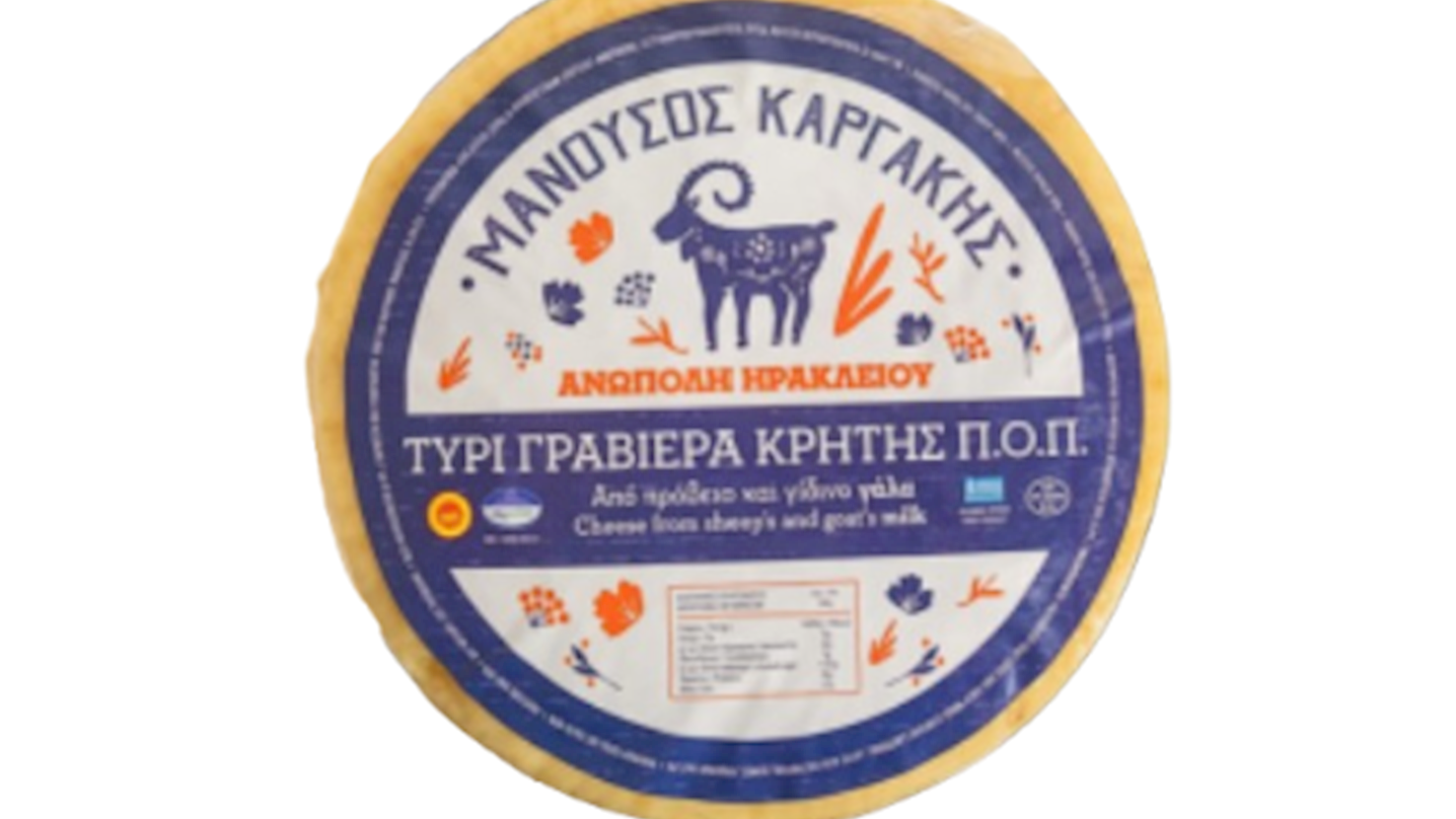
Kargaki is a Cretan dairy producer based in the Heraklion region, developed from a family tradition of small-scale cheesemaking into a structured production unit. The company was formally established in 1991, marking the transition to organized facilities that combine local raw materials with modern processing standards.

Its production is closely linked to the surrounding mountainous areas, where natural grazing conditions influence the quality and composition of the milk. The portfolio includes traditional Cretan dairy products such as graviera, xinomyzithra PDO, anthotyros, mizithra, yogurt, and ice cream.

The production approach integrates traditional recipes with contemporary equipment and hygiene protocols to ensure consistency and safety. Kargaki operates under certified quality systems, including ISO standards and protected designation labels for specific cheeses.

The use of sheep and goat milk plays a central role in defining the texture and flavor profile of the products. Over time, the company has expanded its presence in both local and wider markets while maintaining a connection to regional identity.

Its products are positioned within a quality-focused segment, reflecting both heritage and controlled production. Overall, Kargaki represents a modern interpretation of traditional Cretan dairy production.

05

Amari

4.3 ·

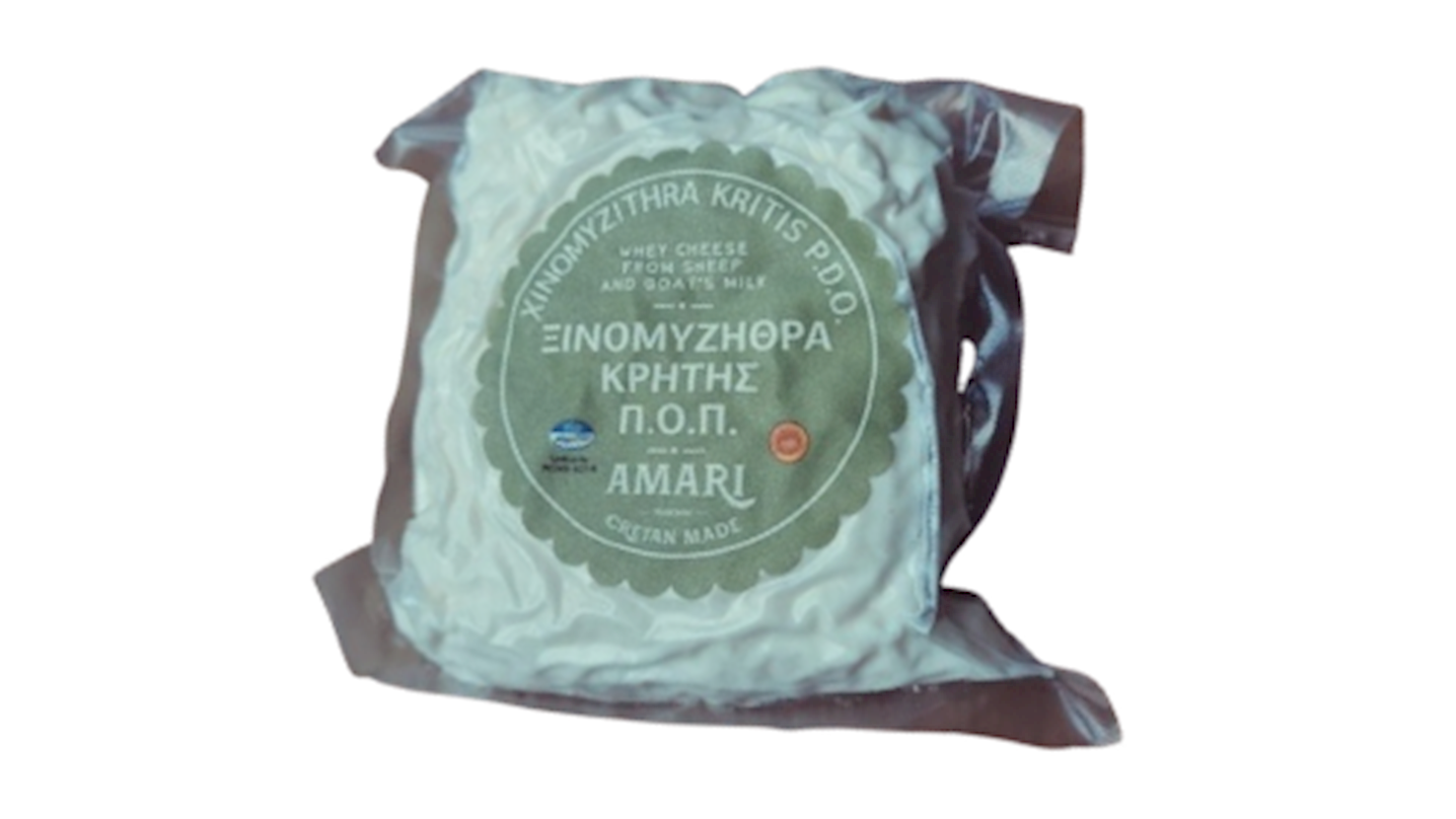
Amari is a Cretan dairy producer based in the Rethymno region, operating in the Amari valley at the foothills of Mount Psiloritis. The company builds its identity on the relationship between local livestock and the natural environment, where sheep and goats graze freely on diverse native vegetation.

This grazing directly influences the quality and composition of the milk, which is collected daily and processed under controlled conditions. The portfolio focuses on traditional Cretan cheeses such as graviera, kefalotyri, and mizithra, reflecting established regional recipes.

Production combines traditional cheesemaking knowledge with modern facilities and quality control systems to ensure consistency. The company operates through integrated sourcing, processing, and distribution within the same regional framework.

Emphasis is placed on preserving the natural characteristics of the milk while maintaining standardized production practices. The approach is oriented toward quality rather than large-scale industrial output.

Local terroir plays a central role in shaping the sensory profile of the products. Amari represents a structured interpretation of Cretan dairy tradition grounded in regional identity and controlled production.

06

Tzourbakis Cheese Factory

4.3 ·

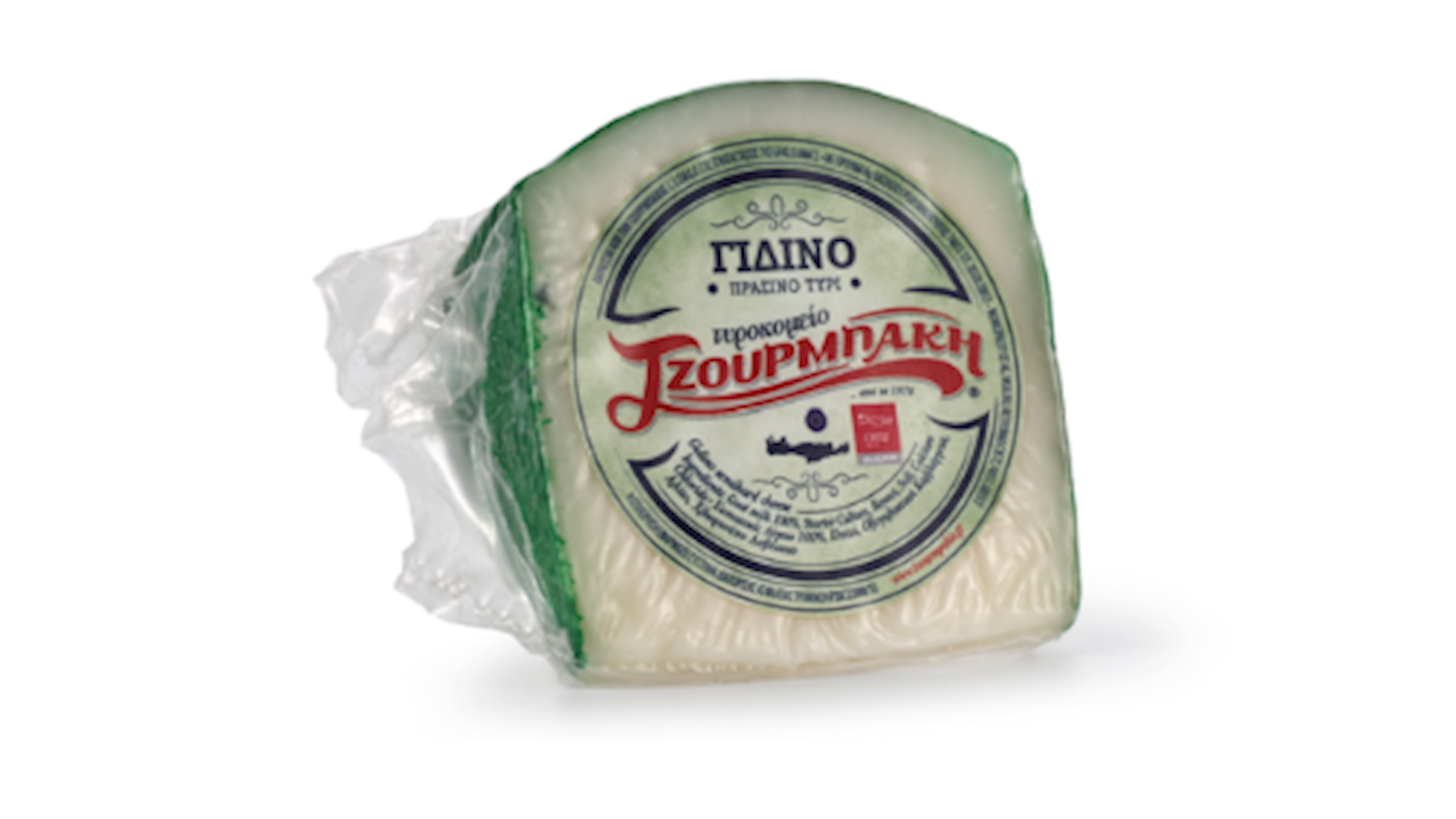
Tzourmpakis Cheese Factory is a family-run dairy located in the village of Karines in the Rethymno region of Crete, with roots in cheese production dating back to 1978. Founded by Manolis Tzourmpakis, the company combines local pastoral traditions with a more structured and modernized production approach, integrating contemporary equipment into traditional cheesemaking practices.

The dairy relies on sheep and goat milk sourced from nearby farms, where animals graze freely on the island’s natural pastures, contributing to the distinct aromatic profile of the milk. Production includes a broad range of Cretan cheeses, with a strong focus on hard varieties such as graviera and kefalotyri, alongside fresh and soft cheeses like mizithra and brined white cheeses.

Annual output reaches significant volumes, reflecting both the scale of operations and consistent demand. The portfolio also includes regional specialties such as xinomizithra, which fall under protected designation frameworks and reflect the island’s terroir and established techniques.

Emphasis is placed on maintaining a balance between tradition and quality control, supported by laboratory testing and certified hygiene standards throughout the production process. Close collaboration with local milk producers ensures traceability and stable raw material quality, reinforcing the regional identity of the products.

Tzourmpakis cheeses are widely distributed across Greece and recognized within the gastronomic sector, particularly among chefs and specialty food professionals. Overall, the dairy represents a structured example of how traditional Cretan cheesemaking can be sustained and scaled within a modern production environment while preserving its core characteristics.

07

Tyrokomika Psiloritιs

4.1 ·

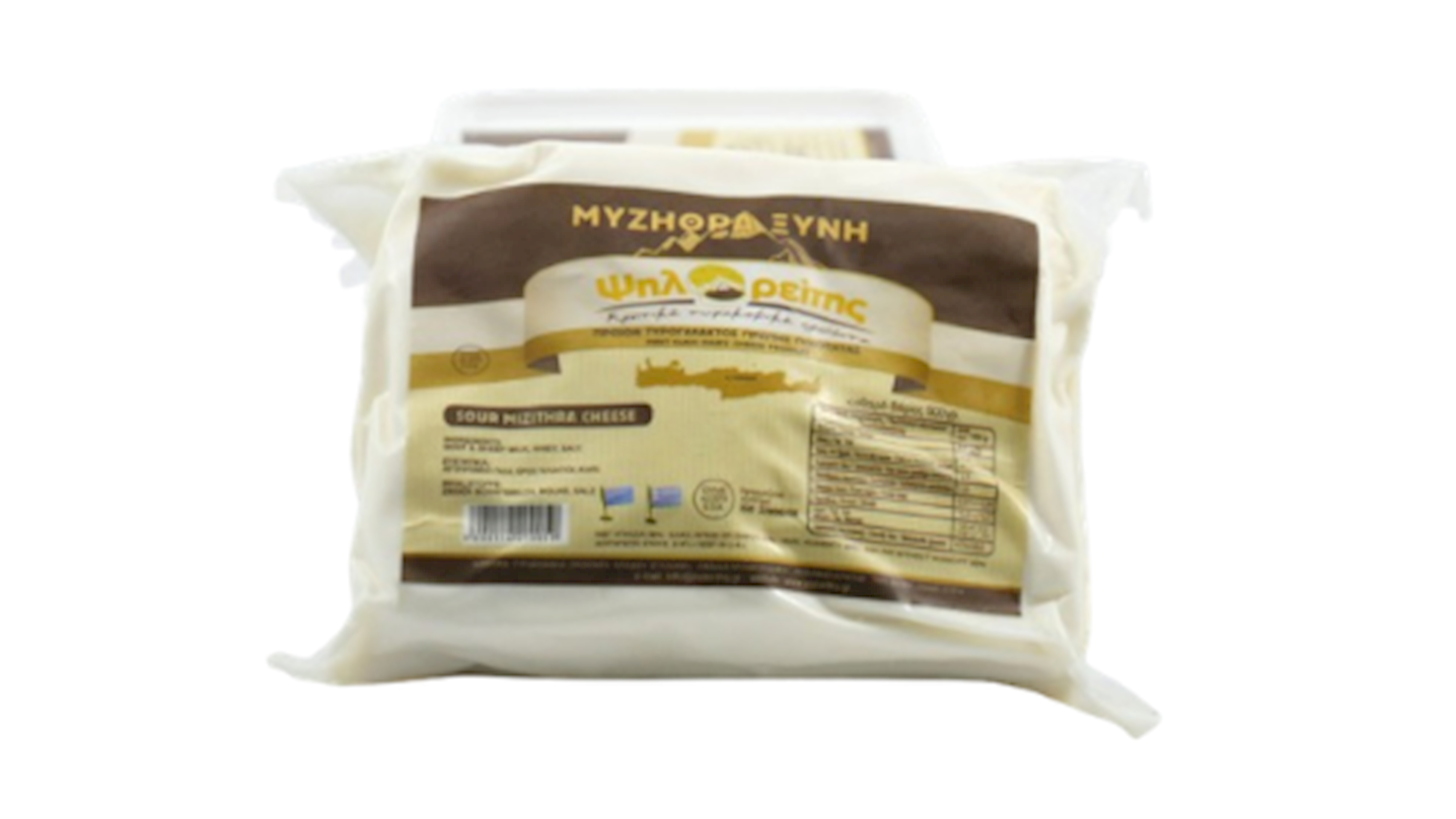
Tyrokomika Psiloritιs is a family-owned dairy based in Livadia, at the foothills of Mount Psiloritis in the Rethymno region of Crete, operating since 1993 and closely tied to the island’s pastoral traditions. Founded by Efstratios Klados, the business began with milk from the family’s own sheep and goats and gradually expanded through cooperation with local farmers, maintaining a strong link to regional raw materials.

The milk is sourced from animals raised in mountainous terrain, which contributes to the distinctive aromatic profile and structure of the cheeses. The product range reflects core Cretan cheesemaking, including graviera, kefalotyri, xinomizithra, anthotyros, and both fresh and sweet mizithra, along with brined white cheese.

Variations such as graviera infused with oregano or thyme highlight the use of local herbs and the influence of the surrounding environment. Fresh mizithra is made from whey enriched with sheep and goat milk, resulting in a mild, creamy cheese with a soft texture, while aged products like dry anthotyros develop a firmer structure and more pronounced flavor.

Overall, Psiloritis maintains a production approach centered on local terroir, controlled sourcing, and the preservation of authentic Cretan cheese characteristics without standardizing them into uniform industrial profiles.

08

Gypas

4.1 ·

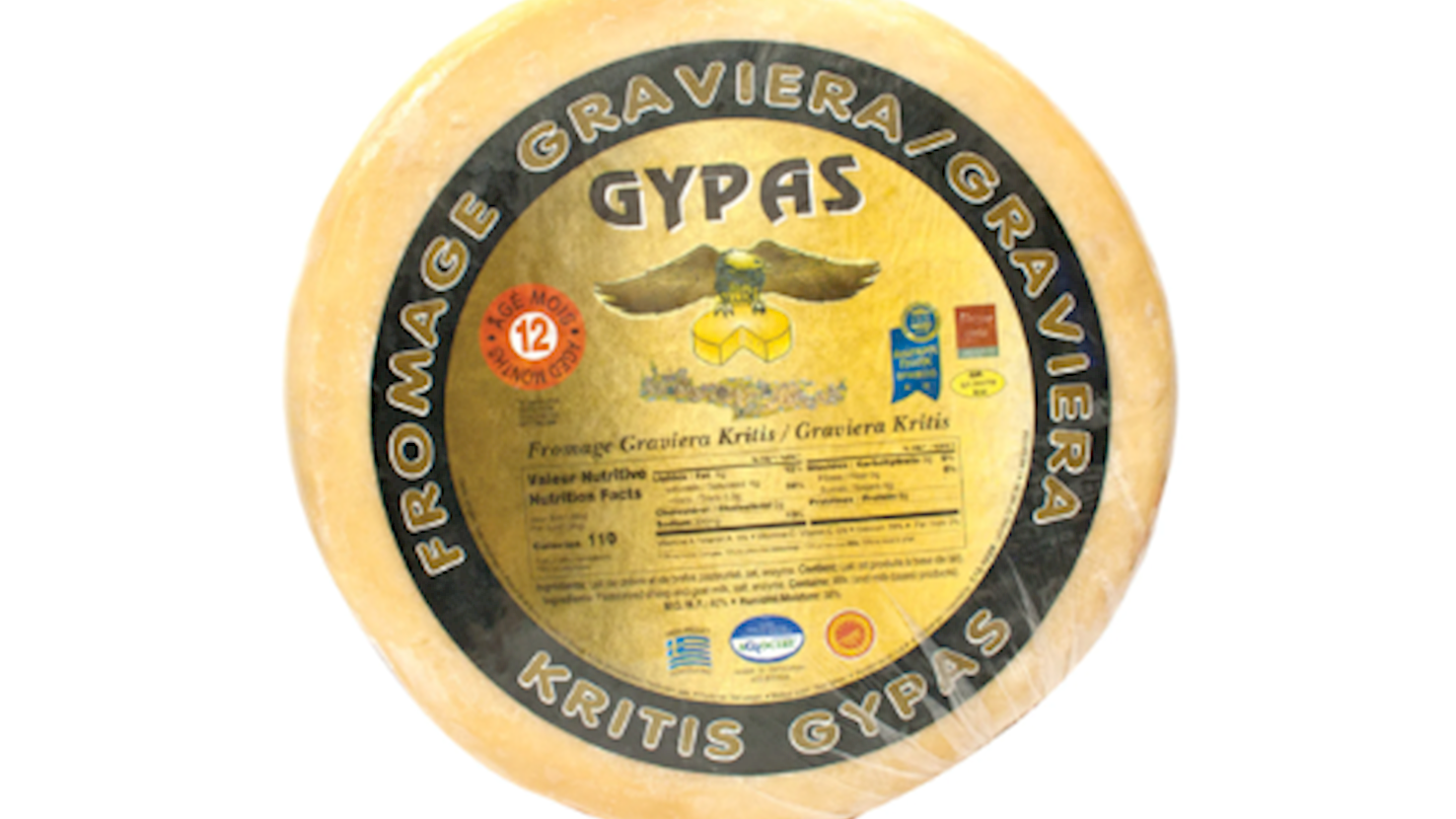
Gypas is a Cretan dairy producer based in the village of Asi Gonia in the Chania region, an area with a strong tradition of sheep and goat farming. The company focuses on producing traditional cheeses using exclusively local milk sourced from animals raised in the surrounding mountainous environment.

This direct connection to the land and local flora plays a key role in shaping the quality and flavor of the milk. The production process follows established Cretan cheesemaking practices, combining traditional techniques with basic controlled conditions to ensure consistency and hygiene.

The portfolio includes typical regional cheeses such as graviera and mizithra, reflecting the local dairy profile. Milk is collected and processed daily, preserving freshness and natural characteristics.

The scale of production remains relatively limited, emphasizing authenticity over mass output. The company maintains a strong link between raw material and final product.

Its approach is centered on local sourcing and continuity of tradition.

09

Kalogeraki

4.0 ·

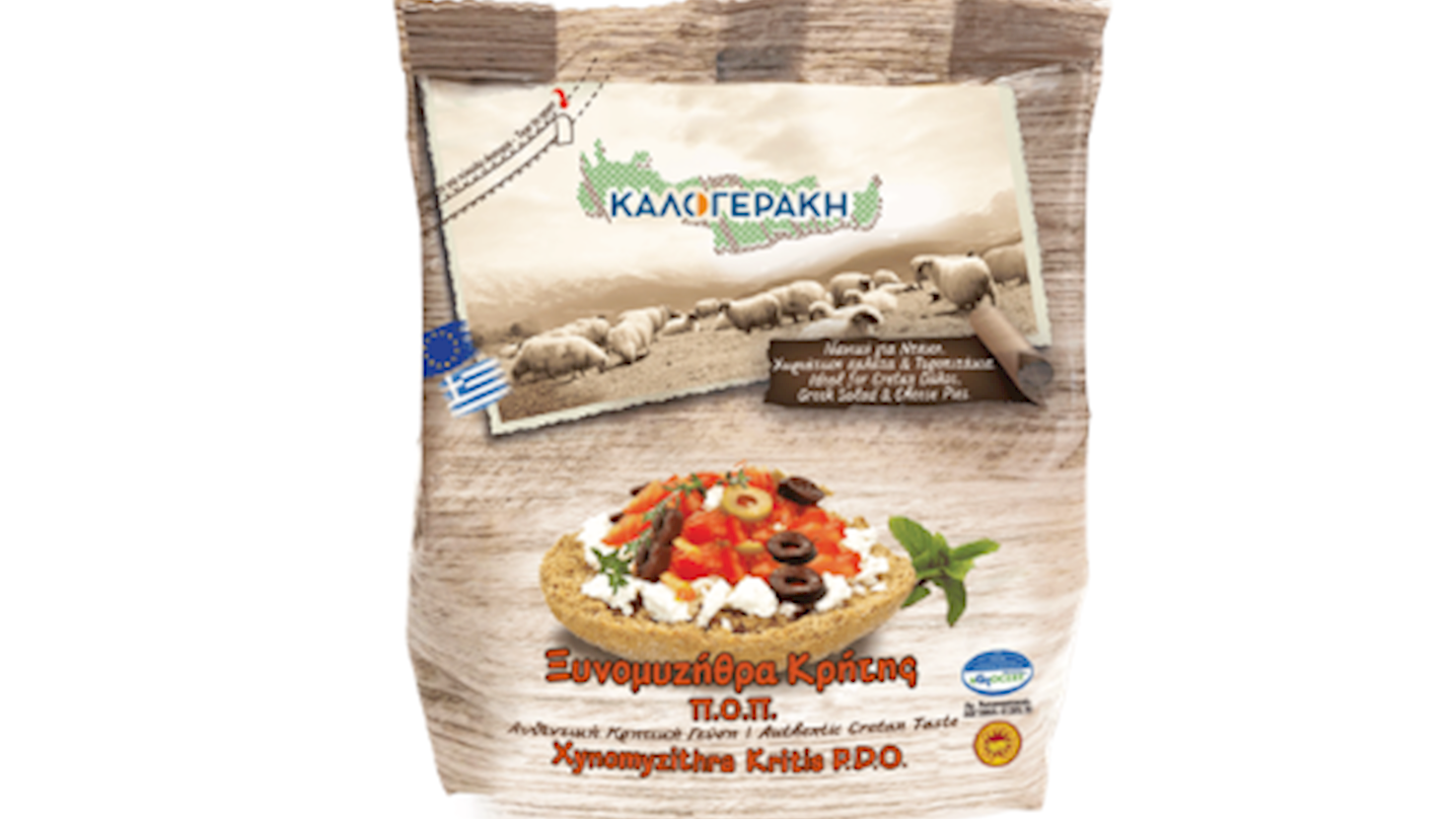
Kalogeraki is a family-owned dairy from the Heraklion region of Crete, with roots dating back to 1949 when the first production unit was established in the village of Smari. Over time, the company has evolved into one of the larger cheese producers on the island, while maintaining a clear connection to traditional Cretan cheesemaking practices.

Milk is sourced from local sheep and goats raised in the surrounding areas, which plays a key role in shaping the flavor profile and quality of the final products. The production process combines inherited know-how with modern facilities, allowing for controlled processing without fully standardizing the cheeses.

The range includes core Cretan varieties such as graviera, kefalotyri, fresh and sour mizithra, anthotyros, and white brined cheese, reflecting the diversity of the island’s dairy tradition. Graviera, in particular, stands out as a structured, aged cheese with a balanced profile, while softer cheeses like mizithra emphasize freshness and lactic notes.

Kalogeraki’s approach remains focused on preserving the characteristics of local milk and terroir, resulting in products that can vary slightly depending on season and raw material. This balance between scale and authenticity positions the company as a representative example of how traditional Cretan dairy production continues to operate within a modern context.

Best Cretan Cheese Types

01

Graviera Kritis

4.5 ·

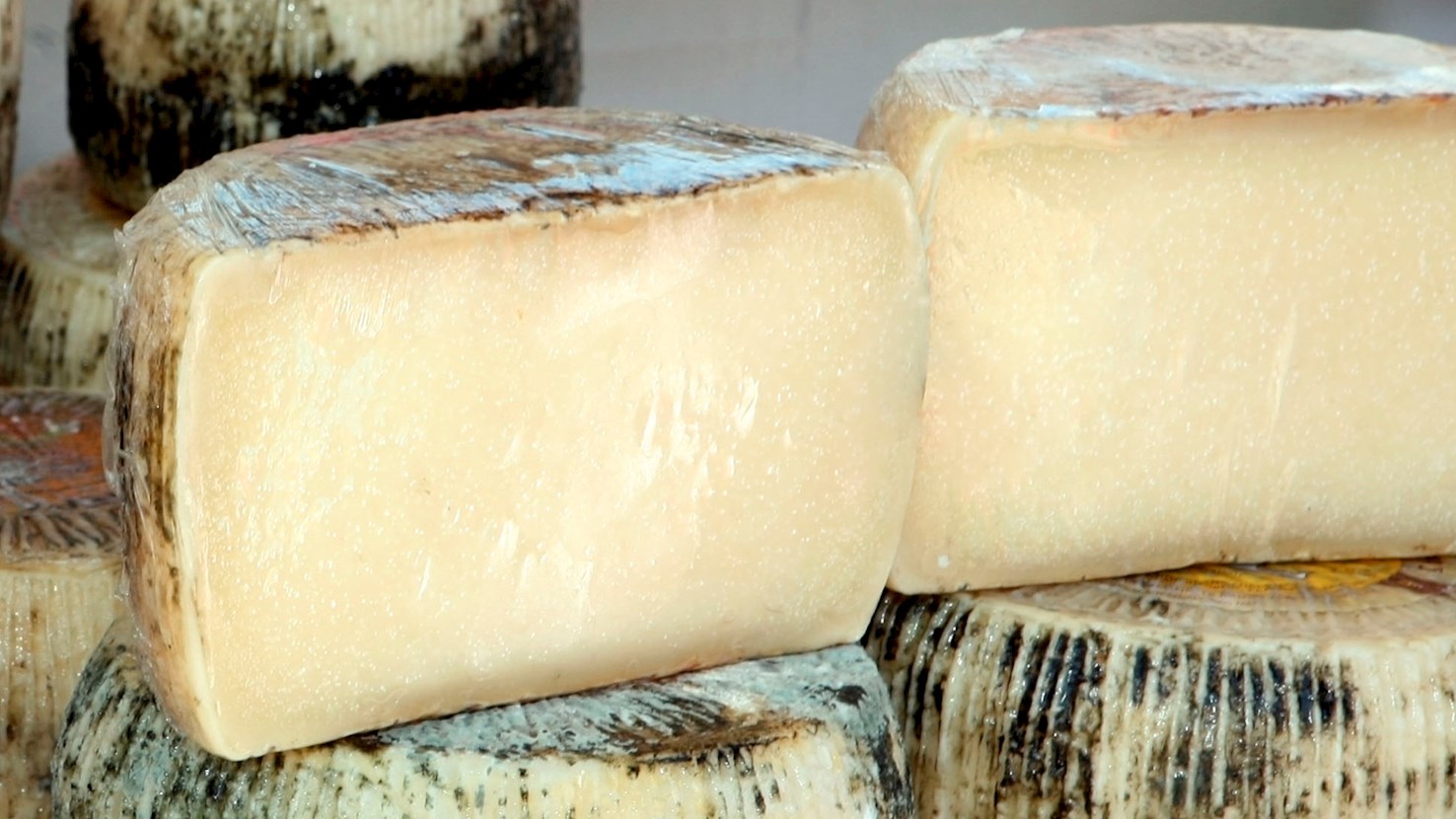
This cheese has a long history, and it is the best-known Greek graviera cheese. It is produced using traditional methods and ripened in facilities in Hania, Rethymnos, Iraklion, and Lasithio prefectures on the island of Crete. It is traditionally produced from sheep milk or from a mixture of sheep milk and a maximum of 20% goat milk. These goats and sheep wander freely on the green pastures of the island, and their diet is based on local plants, which give their milk a special quality that is expressed in this exceptional cheese. It is a hard table cheese with a light yellow color and firm texture. Its taste is slightly sweet and nutty. This cheese matures for 3 to 5 months before being put on the market. It is the most popular Greek cheese next to feta, and it can be found almost anywhere outside of Greece's borders. It can be served as an appetizer or grated and used in salads or soups.

02

Xynomyzithra Kritis

4.3 ·

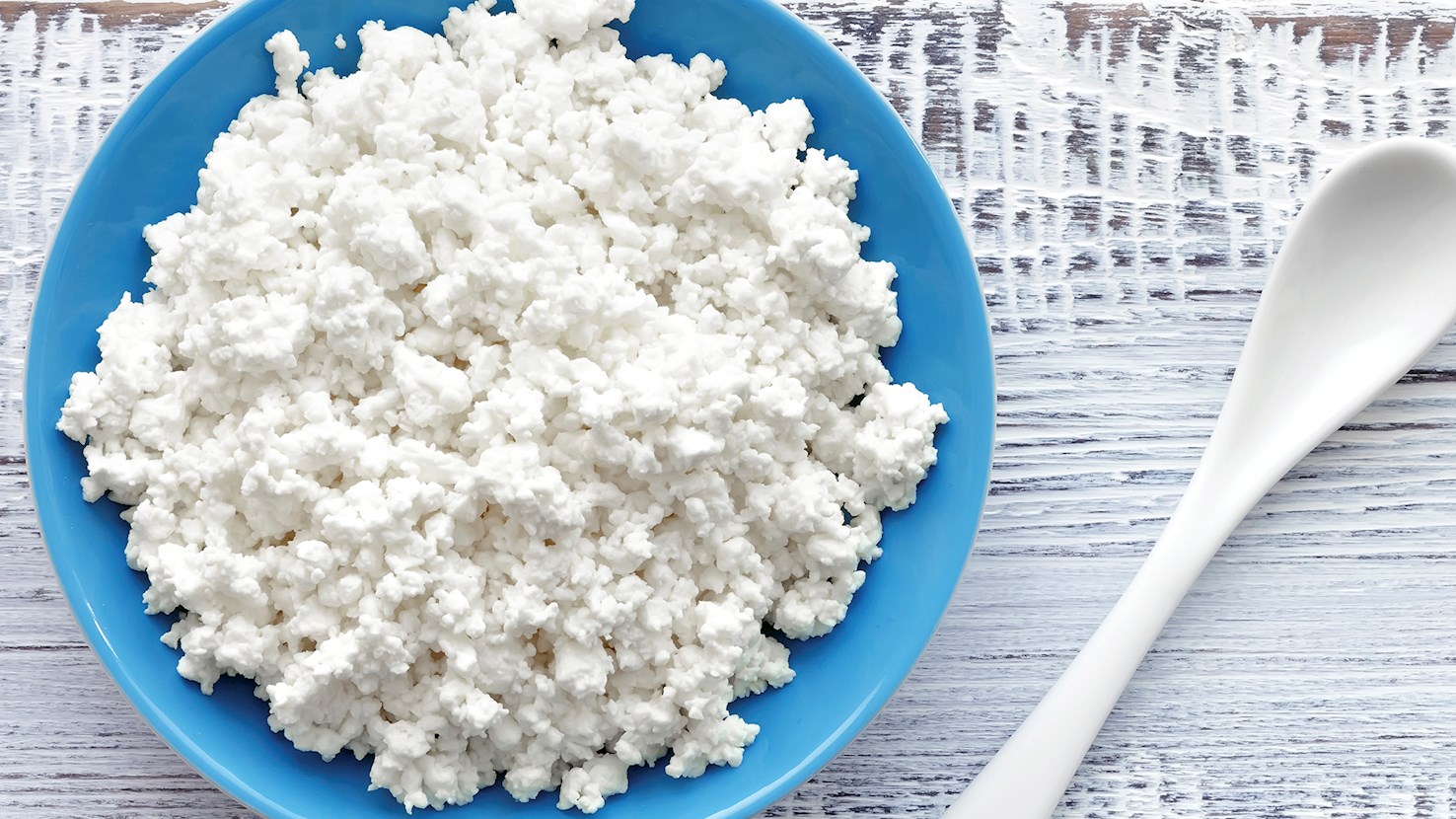
This soft table cheese is made from whey from the processing of Graviera or Kefalotyri Kritis cheeses and the addition of sheep or goat milk, or a mixture of the two. Its name is a combination of two words – mizithra and xyno – meaning 'acidic whey cheese'. It is produced on the beautiful island of Crete in the Chania, Rethymno, Heraklion, and Lasithi prefectures, where it has been produced since the 17th century. Today, Xynomyzithra Kritis is one of the most popular cheeses made on Crete. This lovely, white, rindless cheese has a distinctive sweet and sour taste, and its texture can vary from creamy to granular. Xynomyzithra Kritis can be used in a variety of recipes, as it becomes milder and softer when cooked.

03

Myzithra

4.2 ·

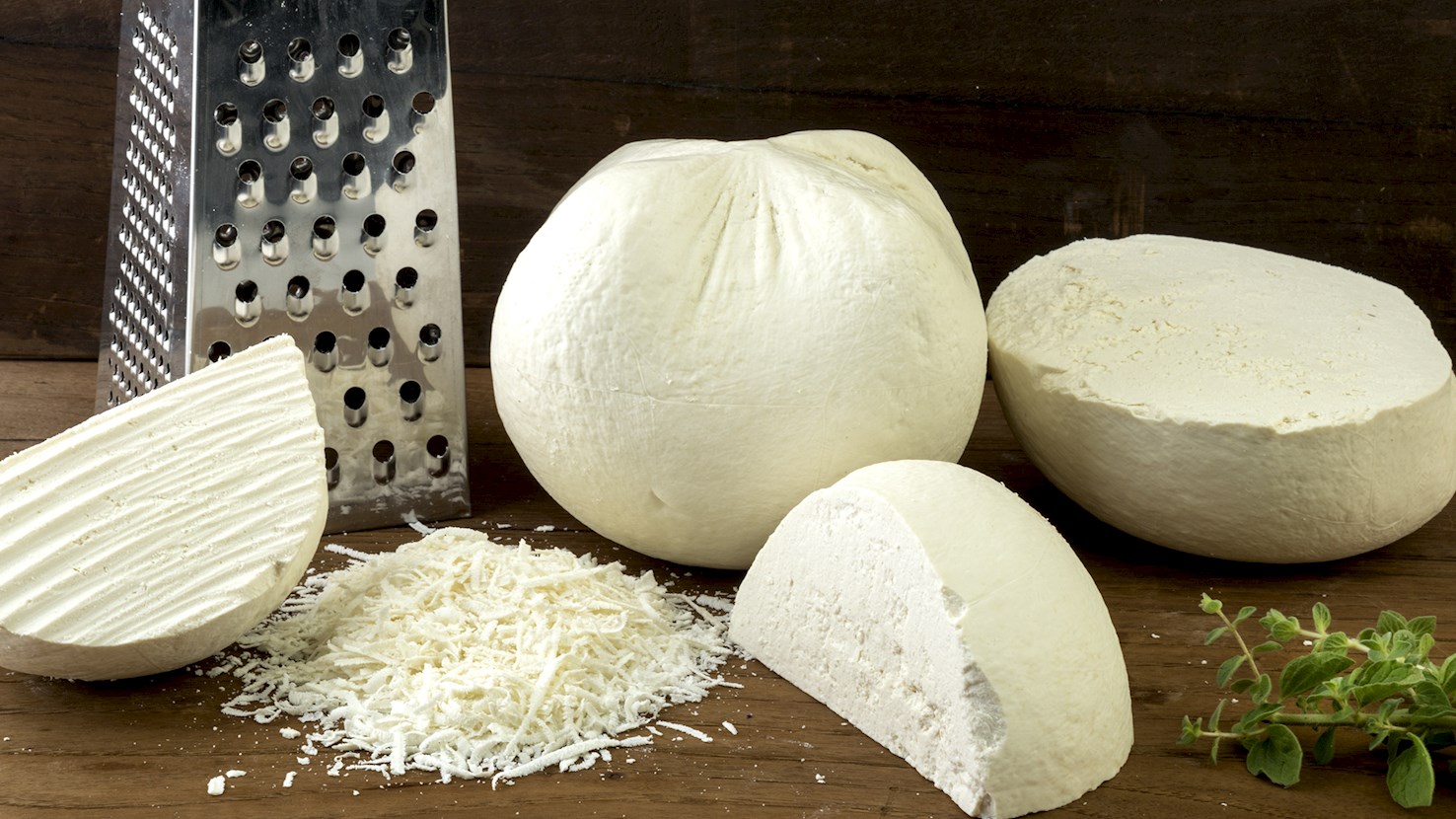
Myzithra is a traditional cheese made from the whey of goat’s or sheep’s milk cheeses. It comes in three main varieties: fresh, sour, and aged. The fresh one is soft in texture and unsalted, typically shaped into eggs or balls. Its aroma is pungent, while the flavor is quite mild. Sour myzithra is prepared with sheep’s or goat’s milk, yeast, and salt, while the aged variety is hard in texture and very salty. The first two varieties are often used in baked pastries and desserts, while the aged variety is best when grated over pasta, soups, and casseroles.

04

Malaka

4.1 ·

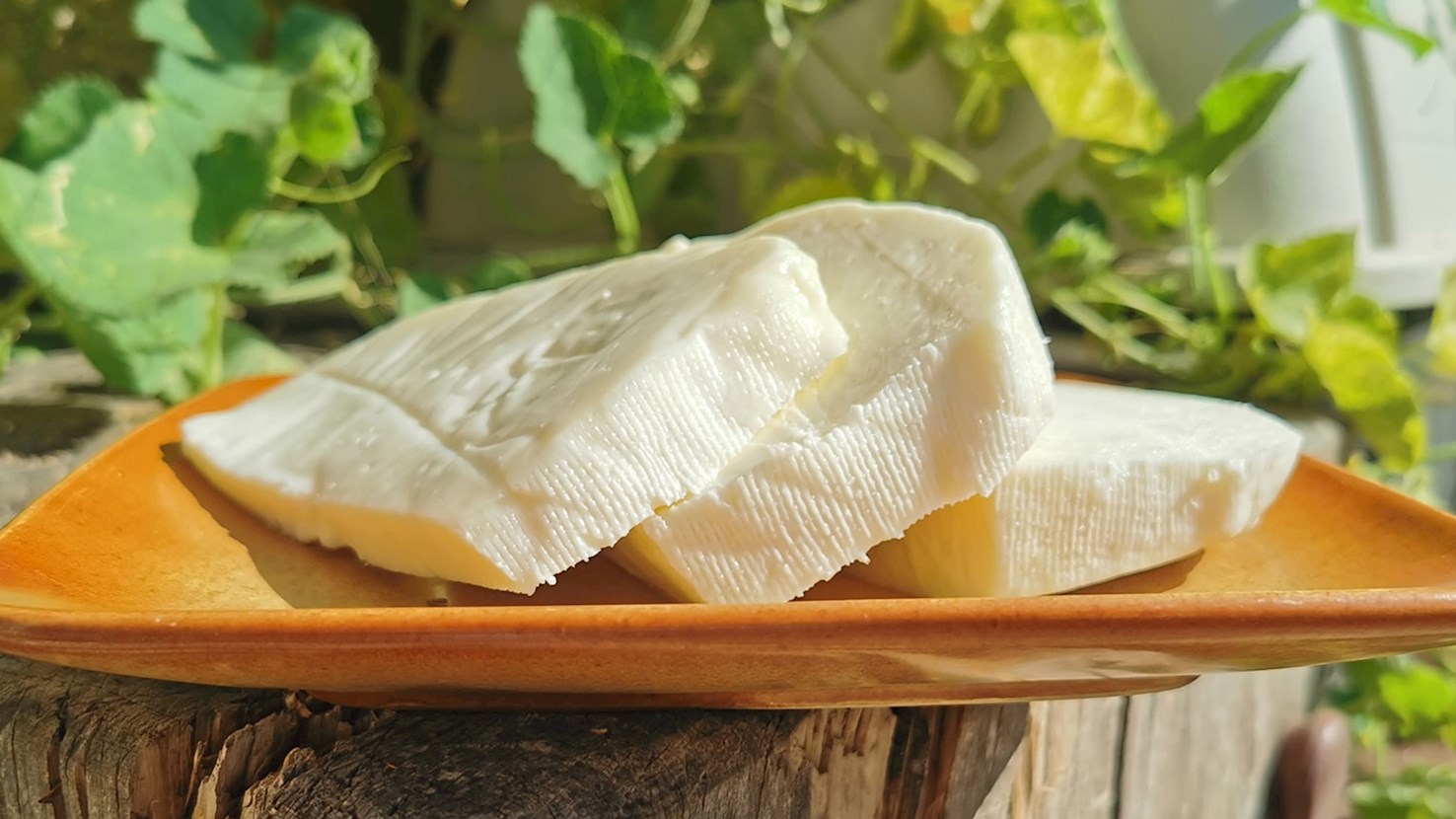
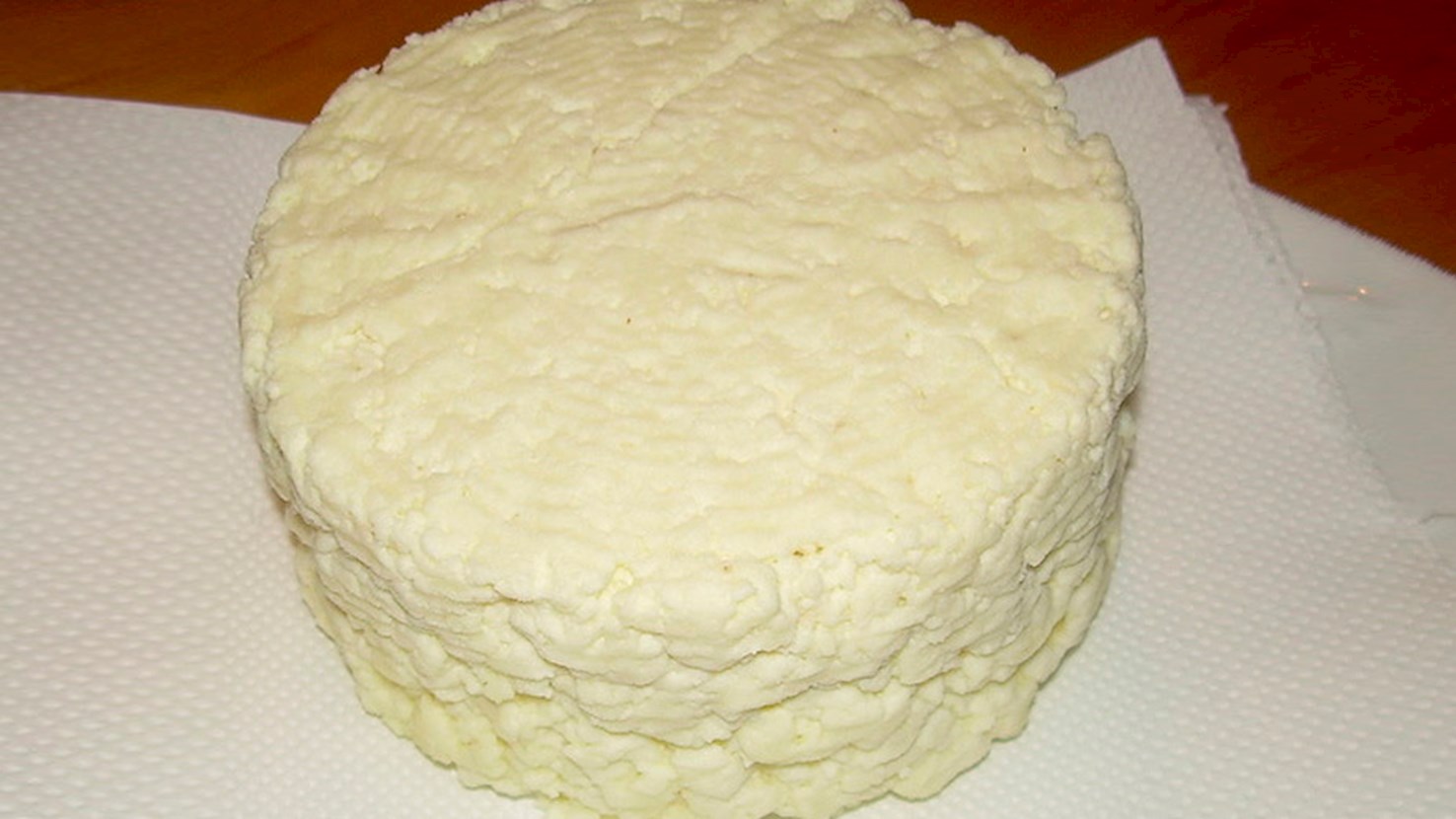
Malaka or Tiromalama is a fresh Greek curd cheese originating from Crete. It is made from sheep’s milk (or a combination of sheep’s and goat’s milk) during the first shaping of Graviera cheese. The cheese is soft and moist in texture, with a typical milky flavor. It is often compared to mozzarella regarding both the texture and the flavors. Malaka is always consumed after it has been cooked. Due to its sweet, milky flavor and a soft, malleable texture, it is often used as a filling for kalitsounia pies. Interestingly, the word malakono means to soften, referring to the texture of this delicate cheese.

05

Anthogalo

3.8 ·

Hailing from Crete, Anthogalo is a creamy fior di latte cheese that was first made by Polyphemus, according to mythology. The sheep's milk is heated, and when it starts to boil, yogurt and rennet added, and the combination is mixed with a wooden spoon. The part of the milk that rises when boiled is strained in a cheesecloth and left to dry in a cool, well-ventilated, and dark place. After a few days, the cheese is placed in a jar and refrigerated. The texture of Anthogalo is creamy, buttery, and spreadable. It goes well on potatoes, meat, vegetables, salads, pasta, or risotto, but perhaps the best combination is anthogalo on rusks with honey.

06

Xygalo Siteias

3.6 ·

This soft, spreadable cheese has been made in the municipalities of Siteia, Makry Yialos, Itanos, and Lefki for over 50 years. It is produced from goat or sheep milk from the local breeds, which feed on a diet of local herbs and aromatic plants. Sheep milk is only used when not enough goat milk is available, but in this case the fat content is adjusted to keep the fat content of the final product under 46%. The cheese is white with a creamy or granular texture. Its taste is fresh, acidic, and slightly salty – this is because salt is added to the milk before the acidification stage, which results in the final drained product having a milder taste. It is recommended to serve Xygalo as an hors d’oeuvre or to serve it in a salad with an olive oil vinaigrette dressing.

Best producers
07

Pichtogalo Chanion

3.5 ·

This fresh spreadable soft cheese is produced with non-pasteurized sheep or goat milk, or a combination of the two, in Chania prefecture on the island of Crete. It has been made in this area for a long time and is still produced using traditional methods. It is mostly made on location at the houses of breeders who produce and age Pichogalo Chanion in rooms called 'mitata' designed to maintain ideal levels of humidity. This creamy cheese is rindless and compact. Its distinctive taste is slightly salty and quite sour with a milky aftertaste and an aroma reminiscent of yogurt. Pichtogalo Chanion is usually eaten as a table cheese spread on bread and it makes a tasty appetizer when served with ouzo, raki, or Greek wine.

Best producers
08

Tyrozouli

3.1 ·

Tyrozouli is a Greek cheese produced in the mountains of western Crete. It is made from sheep’s or goat’s milk which is curdled with fig sap. The cheese is typically consumed fresh, when its texture is very soft, but it can also be matured in olive oil, when its texture becomes hard.

Read more
View all
View map
About this ranking

TasteAtlas food rankings are based on the ratings of the TasteAtlas audience, with a series of mechanisms that recognize real users and that ignore bot, nationalist or local patriotic ratings, and give additional value to the ratings of users that the system recognizes as knowledgeable. For the “Top 9 Cretan Cheeses” list until July 15, 2026, 1,499 ratings were recorded, of which 519 were recognized by the system as legitimate. TasteAtlas Rankings should not be seen as the final global conclusion about food. Their purpose is to promote excellent local foods, instill pride in traditional dishes, and arouse curiosity about dishes you haven’t tried.

The initial list of top producers was compiled based on available reviews, awards, local recommendations, media and blog coverage, and consumer reviews. The list will be updated with ratings from TasteAtlas local ambassadors and TasteAtlas users.

Similar lists