Often dubbed as Japanese vinaigrette, ponzu is a Japanese condiment that uses rice vinegar and citrus juice, usually lemon, sudachi, lime, or yuzu (the most traditional option), as its base. Additional ingredients may include sugar or mirin (rice wine), dry seaweed, and dashi stock. Soy sauce is occasionally also used as an ingredient, and the condiment is then usually called ponzu shoyu. This tangy combination is usually served as a dipping sauce, but it can also work well in marinades, or as a salad dressing. The condiment is often made at home, but bottled versions are also readily available. It is believed that the name ponzu originates from a Dutch word pons, which roughly translates to citrus juice.
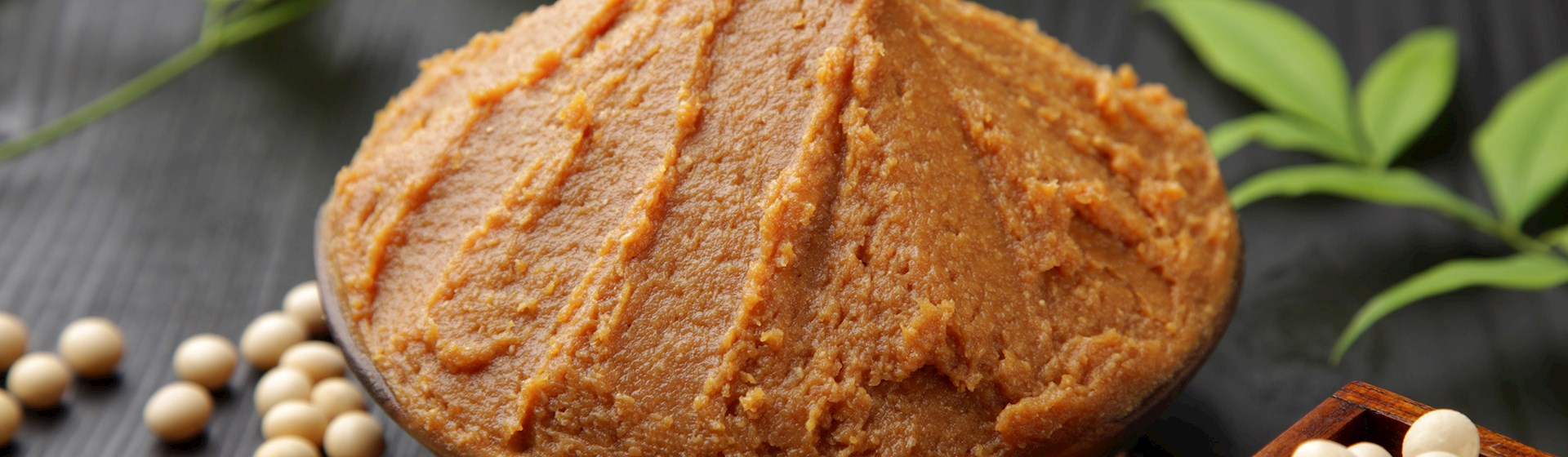
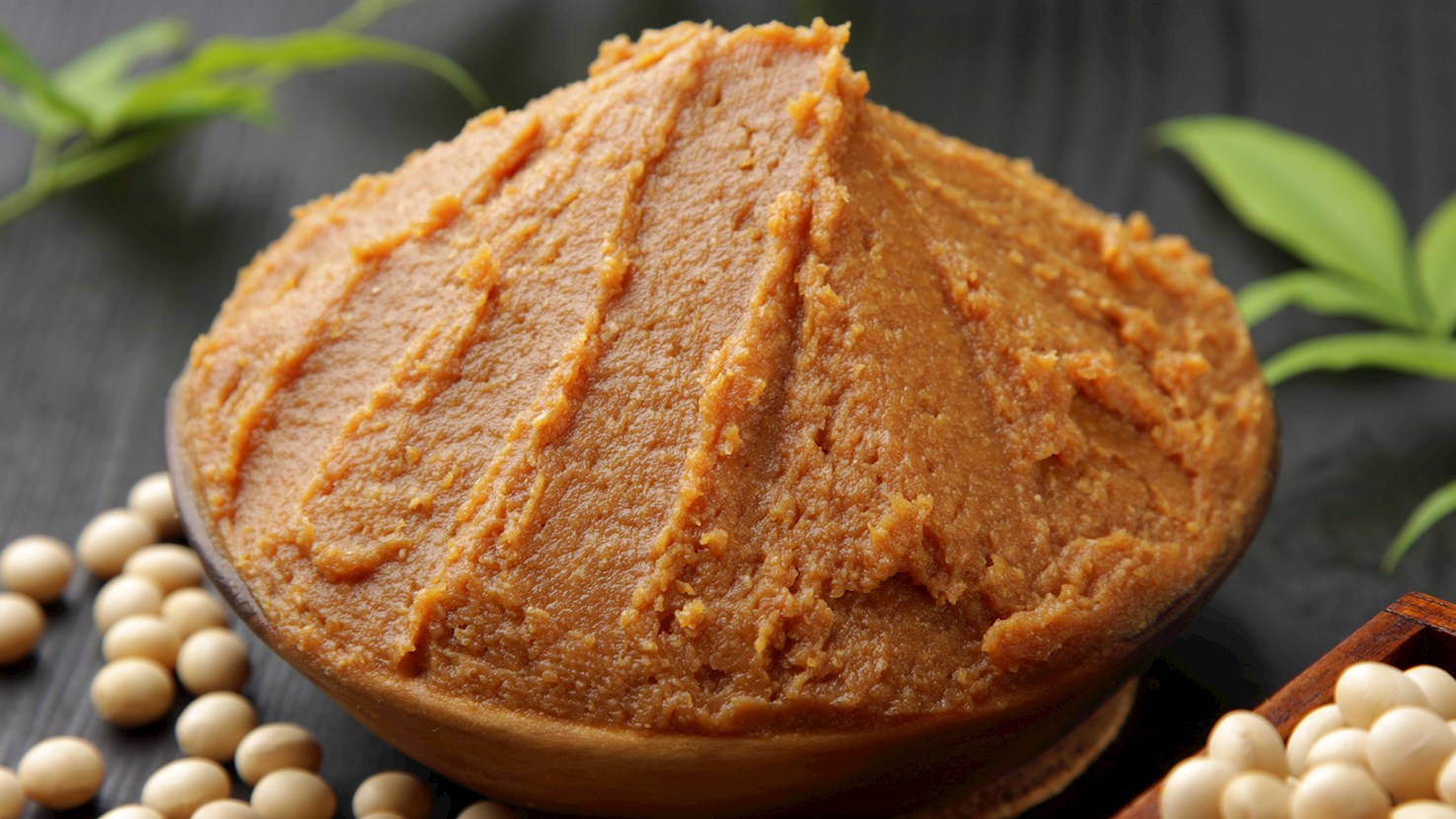
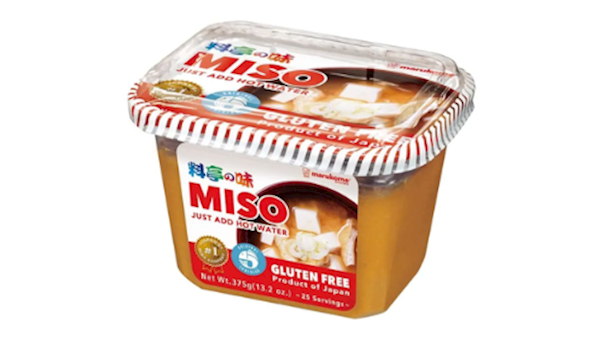
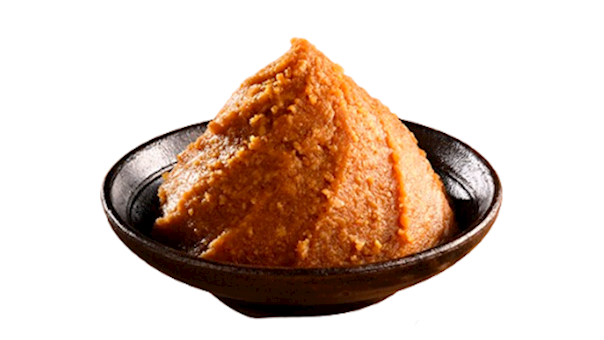
Miso is a Japanese paste made by fermenting soybeans with salt, the fungus kōji, and occasionally rice, barley, and water. It is regarded as the most popular Japanese condiment and seasoning, commonly used to flavor soups, stews, sauces, spreads, and salad dressings. There are numerous miso varieties which differ in the length of the fermenting process and ingredients, resulting in different flavor of the products. The three basic types include the rice-based miso, referred to as kome, the barley miso, known as mugi, and the soybean mamemiso. Other types include the mixed variety chougou, the long matured akamiso, and the famous shiromiso, which is white in color and also the most popular variety consumed in Japan. Although today it is traditionally associated with Japan, miso is believed to have Korean or Chinese origins. Some historians believe that the predecessor of miso was jiang, a traditional Chinese fermented paste which was brought to Japan in the 6th century. It was renamed as miso and soon became the Japanese favorite. The whole development process was somewhat unfamiliar to the Japanese until the arrival of European scholars. They were the ones who studied the process of production, the ingredients, and the social importance of miso. Initially, miso was consumed by the lower classes and was especially popular in the Northeast, where each family produced their miso paste. Up until the mid-20th century, miso rose in popularity and was commercially produced by numerous factories. However, due to government actions and the effects of the Second World War, its importance diminished for a shorter period, but only to continue its growth after the 1980s, when it became an internationally recognized product, especially favored in Singapore, United States, and the Netherlands. For the Japanese, the production of miso is an art form, and it is treated as one of the most important Japanese products. Although it is used in sauces, simmered dishes, and as a tofu topping, the most famous dish incorporating this flavorful condiment is the authentic Japanese miso soup.
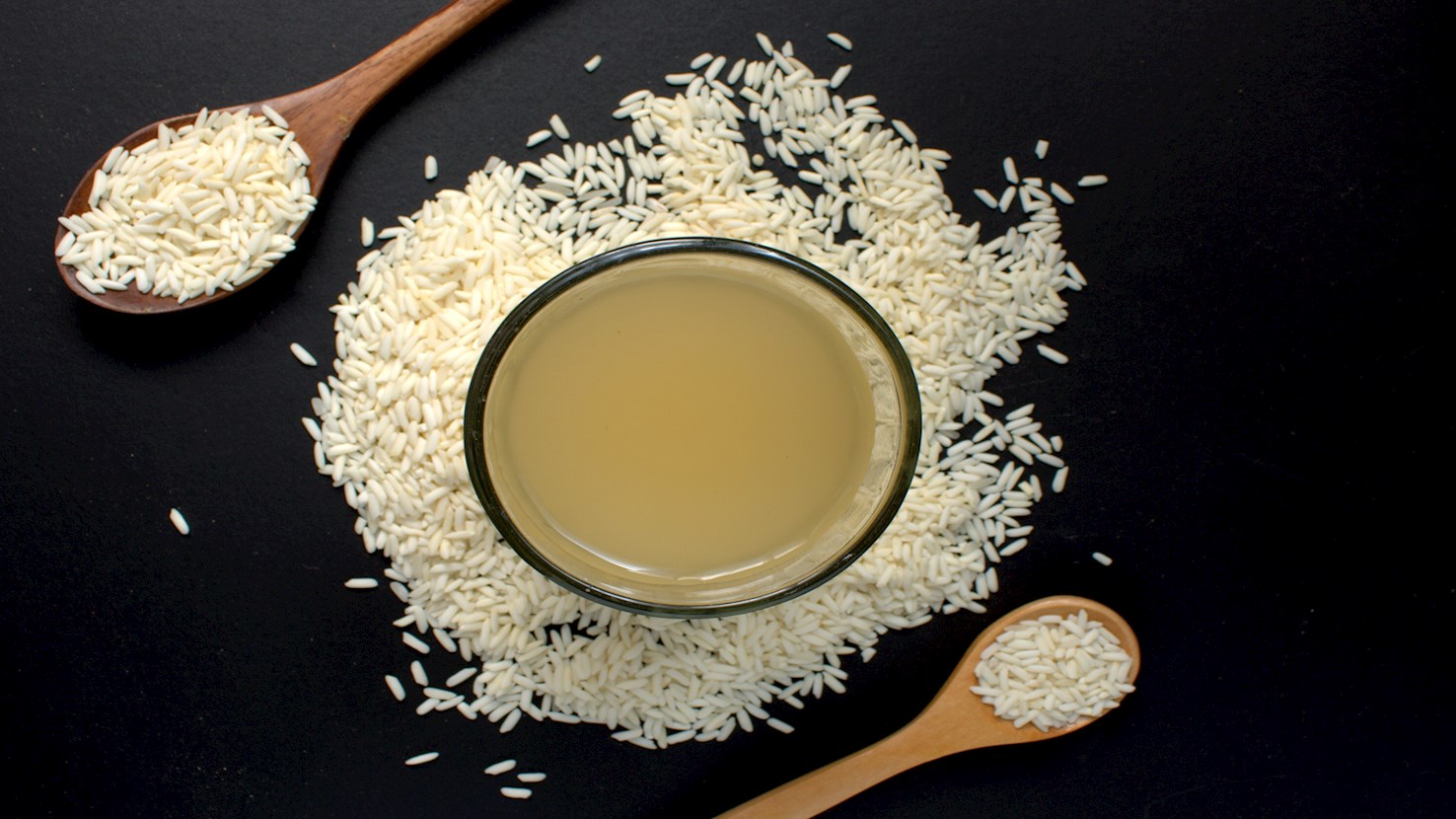
Japanese rice wine is similar to sake, but sweeter and with a lower alcohol content. Mirin is fermented with rice yeast, and a varying percentage of alcohol. Originally, it was invented as a drink, but today it is mainly used as a condiment in numerous Japanese-style dishes. The color of mirin ranges from light to dark gold, and its consistency varies from liquid to the modern thicker types. Usually, mirin is grouped in three different varieties based on the alcohol content. Hon mirin has the highest percentage, shio mirin has around 1,5%, and shin mirin has less than one percent alcohol. In Japan, mirin is used in two different ways: in Kansai region, it is usually boiled before it is used, and in Kanto region, it is used in its original form. Most commonly, mirin is coupled with Japanese teriyaki dishes when it is added to the sauces in order to provide sweetness. It is also used for glazing tofu and vegetables before grilling, or it can be incorporated in the famous miso soup, sushi dipping sauces, broths, and a myriad of other traditional Japanese dishes. Nowadays, bottled mirin is available in numerous grocery shops and specialized international markets around the world.
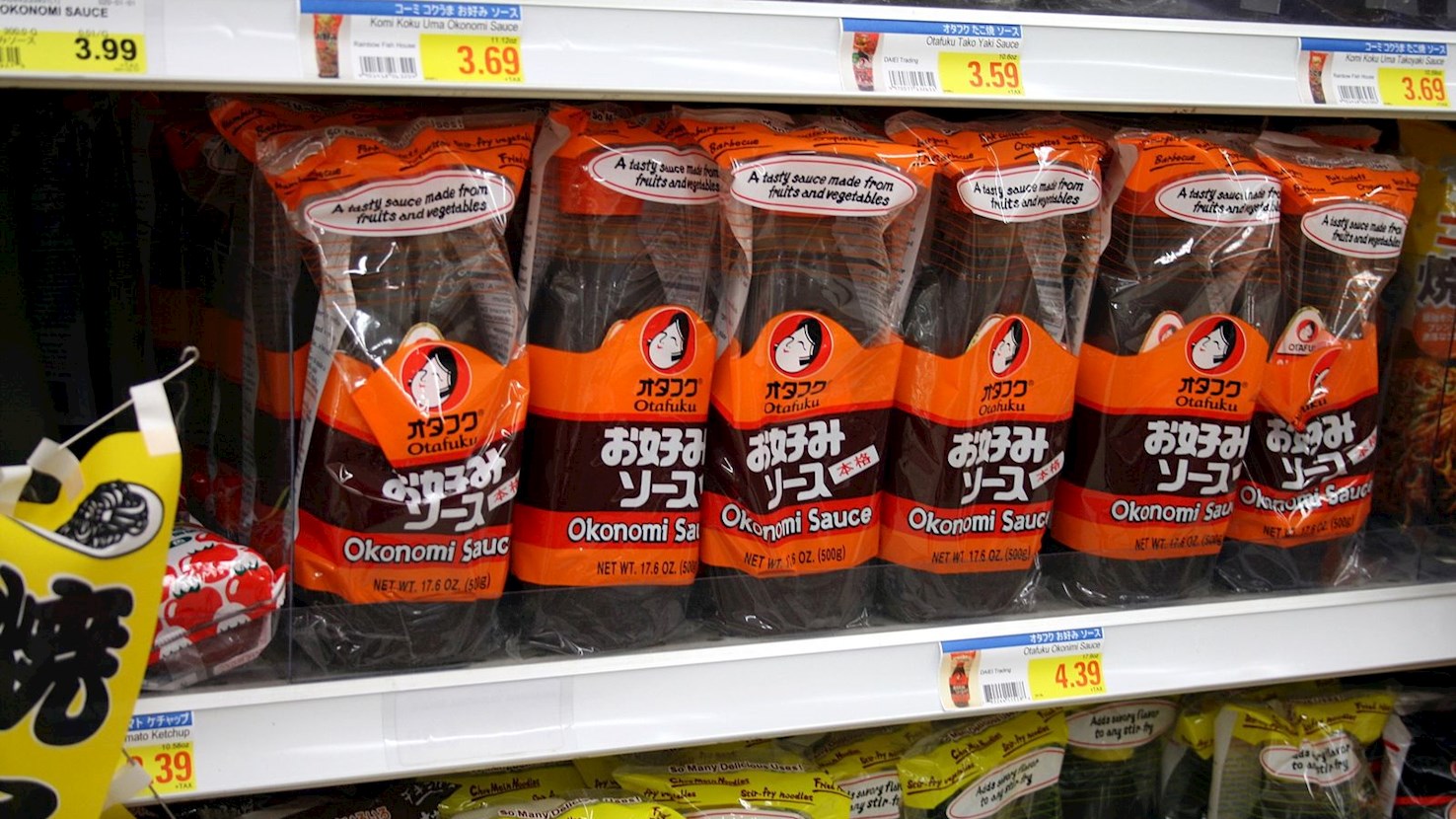
Okonomi is a traditional sauce for okonomiyaki, originating from Hiroshima and produced by Otafuku. This condiment is made with a combination of 20 different spices and ingredients such as vinegar, vegetables, tomatoes, apples, and dates. The sauce has a sweet and sour flavor and its texture is very thick. It can be bought in most Asian food stores. Both the Hiroshima-style and the Osaka-style okonomiyaki are topped with this special sauce before serving, which gives the dishes a unique flavor.
Tenkasu is a traditional condiment consisting of deep-fried tempura batter. Also known as tempura flakes and agedama, this crunchy tempura batter is often used as a topping for ramen, udon, and yakisoba dishes. It’s also used to add a crunchy texture to savory pancakes such as okonomiyaki and monjayaki. The name tenkasu is used in western parts of the country, while agedama is used in the eastern parts. The deep-fried batter is usually made from wheat flour, potato starch, dashi, rice vinegar, and shrimp flakes.
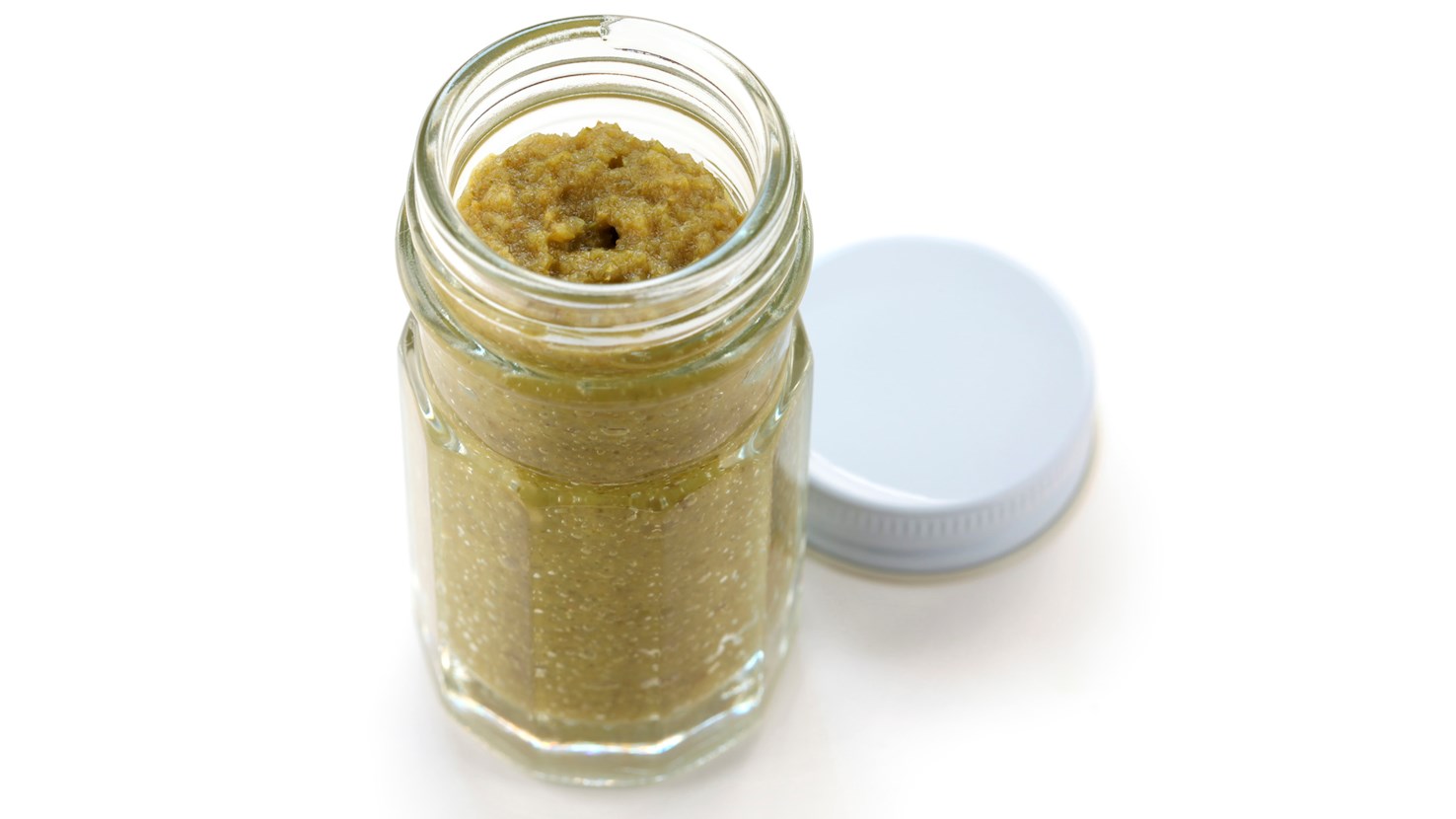
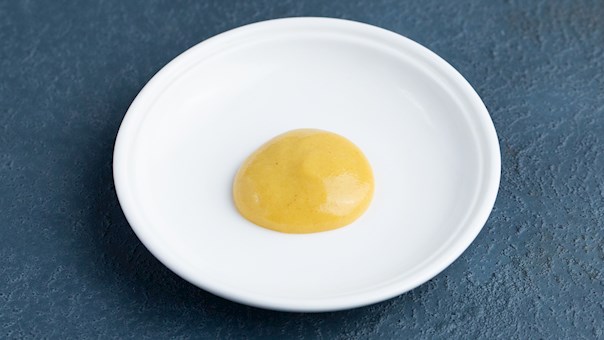
Yuzu kosho is a traditional condiment that’s a local specialty of the Kyushu region. It’s made with a fermented combination of minced yuzu peel, salt, and minced green chili peppers. This emerald green paste has a flavor that’s mildy sour, acidic, and spicy. Yuzu kosho is often used in hot pots (nabemono), but it’s also served with sashimi, yakitori, ramen, sandwiches, and various stews. In Japanese supermarkets, the paste is commonly sold in a tube.
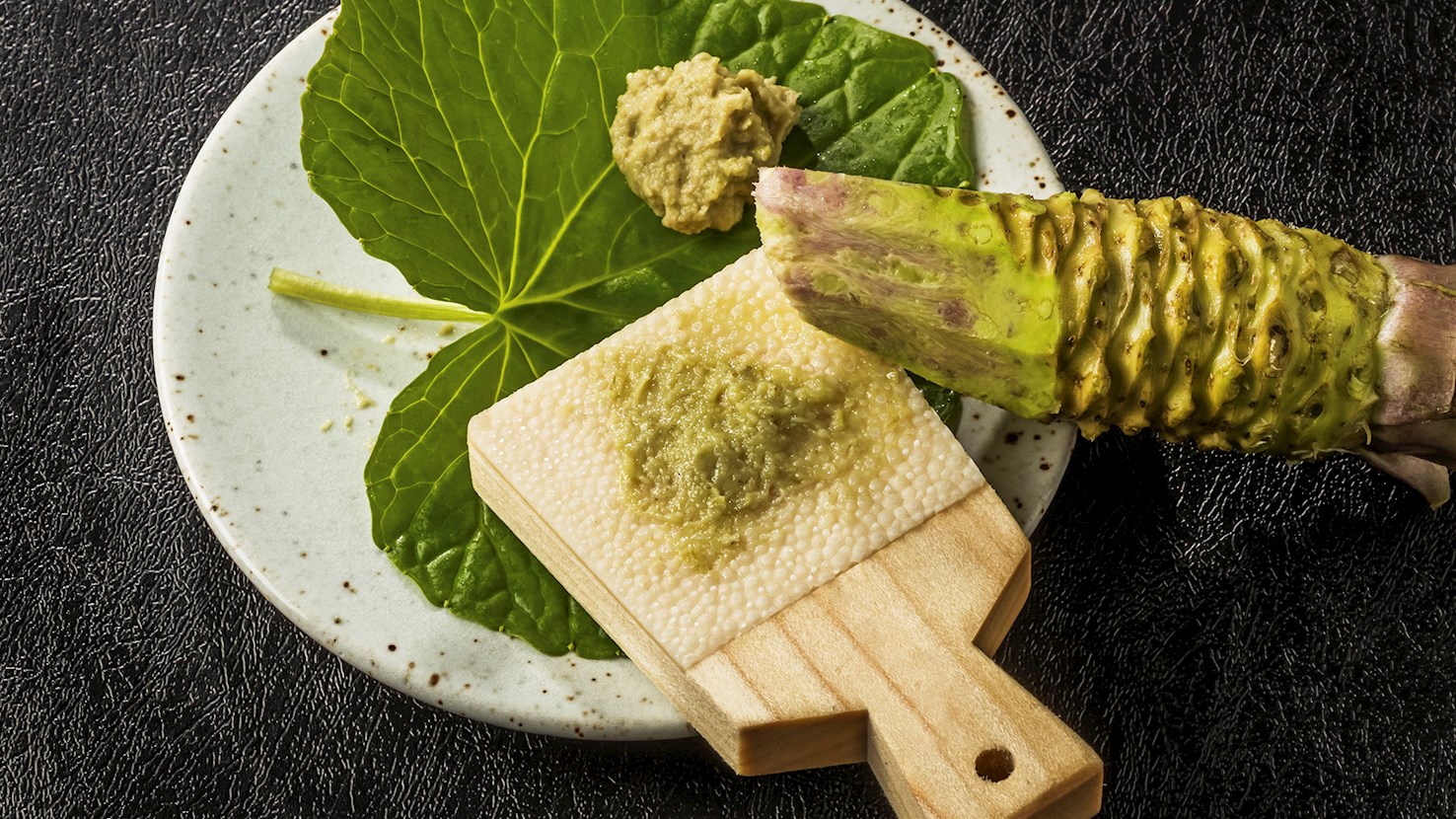
Wasabia Japonica, better known as wasabi, is a plant native to Japan that is harvested for its lumpy rhizome, which is predominately used as a popular sushi condiment. The plant grows only in damp areas, usually in streams or artificial water beds. It is difficult to grow and takes up to two or three years to mature. The rhizome is typically grated against textured sharksin that is attached to a wooden board. Grated wasabi develops its signature pungency after a couple of minutes, but most of its flavor tends to disappear quickly, and true wasabi always needs to be freshly grated, right before it is served. Though wasabi paste is an internationally acclaimed sushi condiment, due to its cost, it is estimated that only 5% of the restaurants use fresh wasabi, while the rest opt for a much cheaper combination of grated horseradish and green food coloring, or various alternatives prepared with dry wasabi powder. High-end restaurants that serve genuine wasabi usually refresh the condiment during the meal. Unlike the cheaper blends, fresh wasabi paste has a delicate pungency and a smooth and subtle herbal flavor. Besides being used with sushi, the paste incorporates well in dressings and sauces.
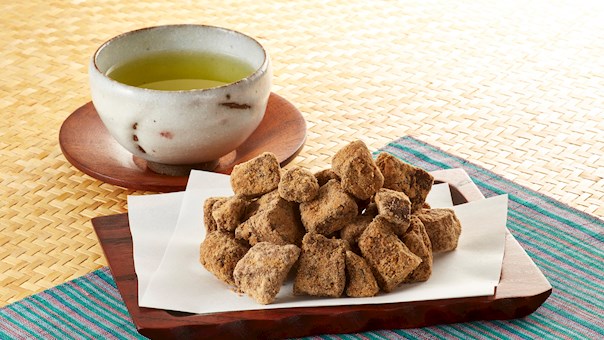
Wasanbon is the light and fine Japanese sugar extracted from the traditional chikutō sugar cane. Characterized by a mild sweetness and unique flavor, it has been produced in Shikoku prefecture for more than two centuries. Before WWII and the import of refined sugar, it was the main sweetener used in traditional Japanese cuisine. Nowadays, wasanbon is regarded as an expensive and exquisite ingredient mainly used in the production of wagashi - classic Japanese confectionery products.
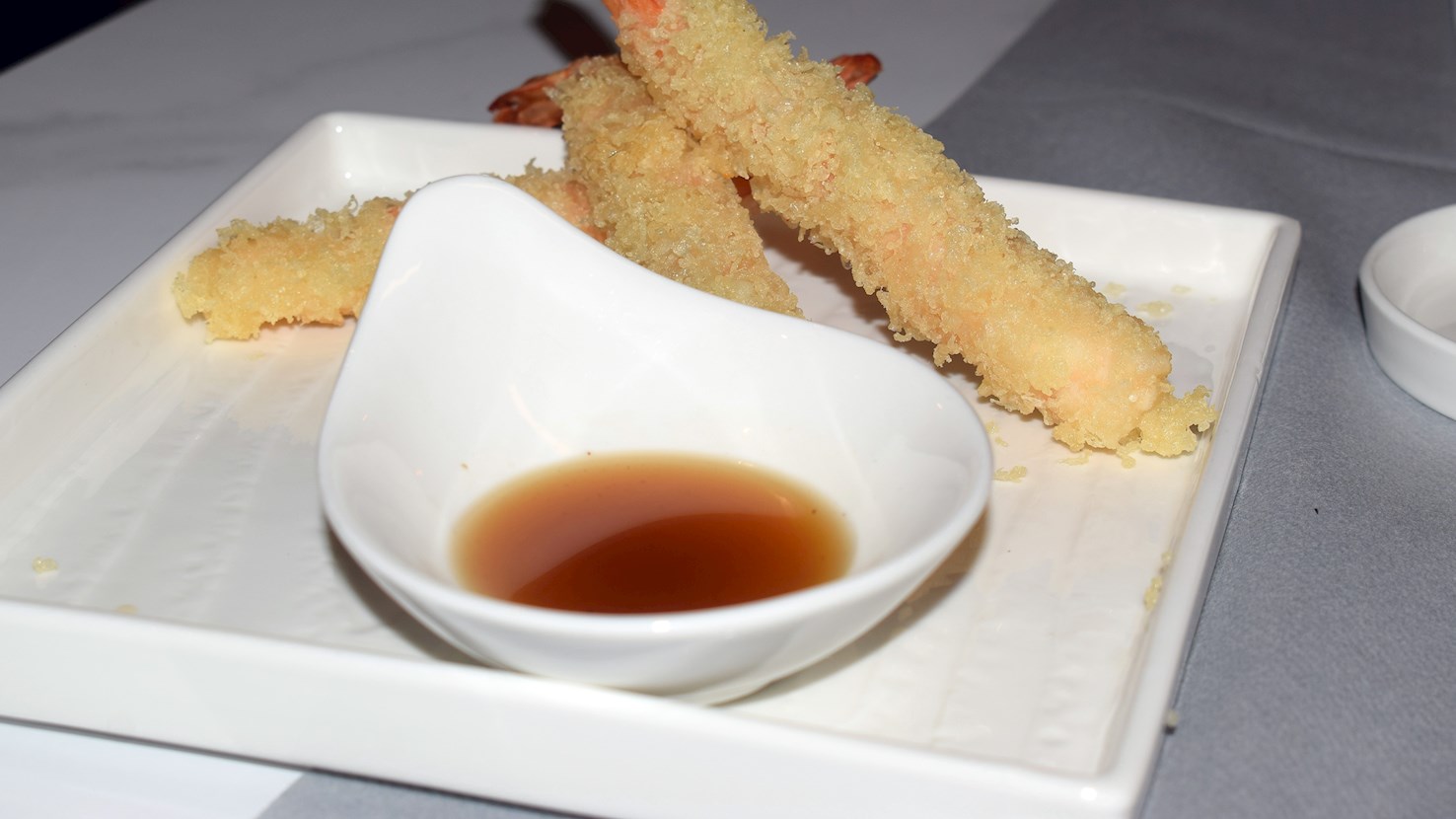
Tentsuyu is a traditional condiment, a dipping sauce made for tempura that consists of dashi stock, soy sauce, and mirin. The basic recipe for tentsuyu is the same as the one for mentsuyu (used for noodles), but the ratio of dashi to soy sauce to mirin is 4 :1 : 1 when making tentsuyu, while the one for mentsuyu is 5: 1 : 1. Tempura is usually served with tentsuyu and grated daikon or ginger. In its concentrated form, this condiment is often sold in small bottles in most Japanese grocery stores.
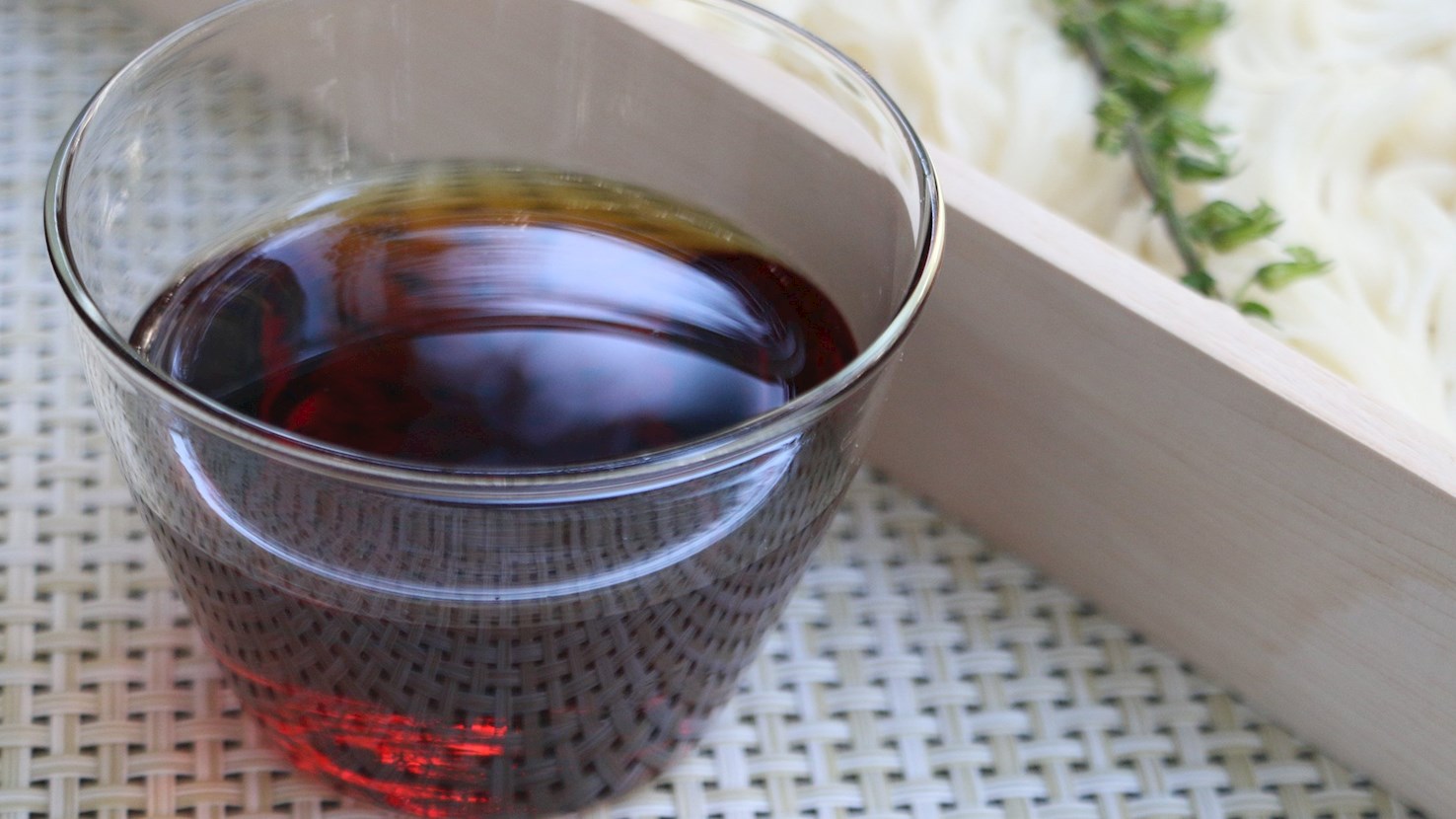
Mentsuyu is a flavorful Japanese sauce that is commonly used as a seasoning and condiment in many traditional Japanese dishes, or as the base for udon and soba noodles. It consists of varying amounts of soy sauce, strong sake wine, and the slightly sweeter mirin, combined with dry skipjack tuna flakes. The ingredients are shortly boiled, the mixture is cooled and strained, and it is then immediately ready for usage. Mentsuyu sauce is the essential part of many Japanese dishes, but it is mainly used as a kaketsuyu sauce poured hot over noodle dishes, or as a cold tsuketsuyu dipping sauce. Even though it is easily prepared at home, numerous mentsuyu varieties are commonly sold at Japanese stores or international supermarkets. It is typically sold as a thick concentrated sauce which should be diluted before usage.
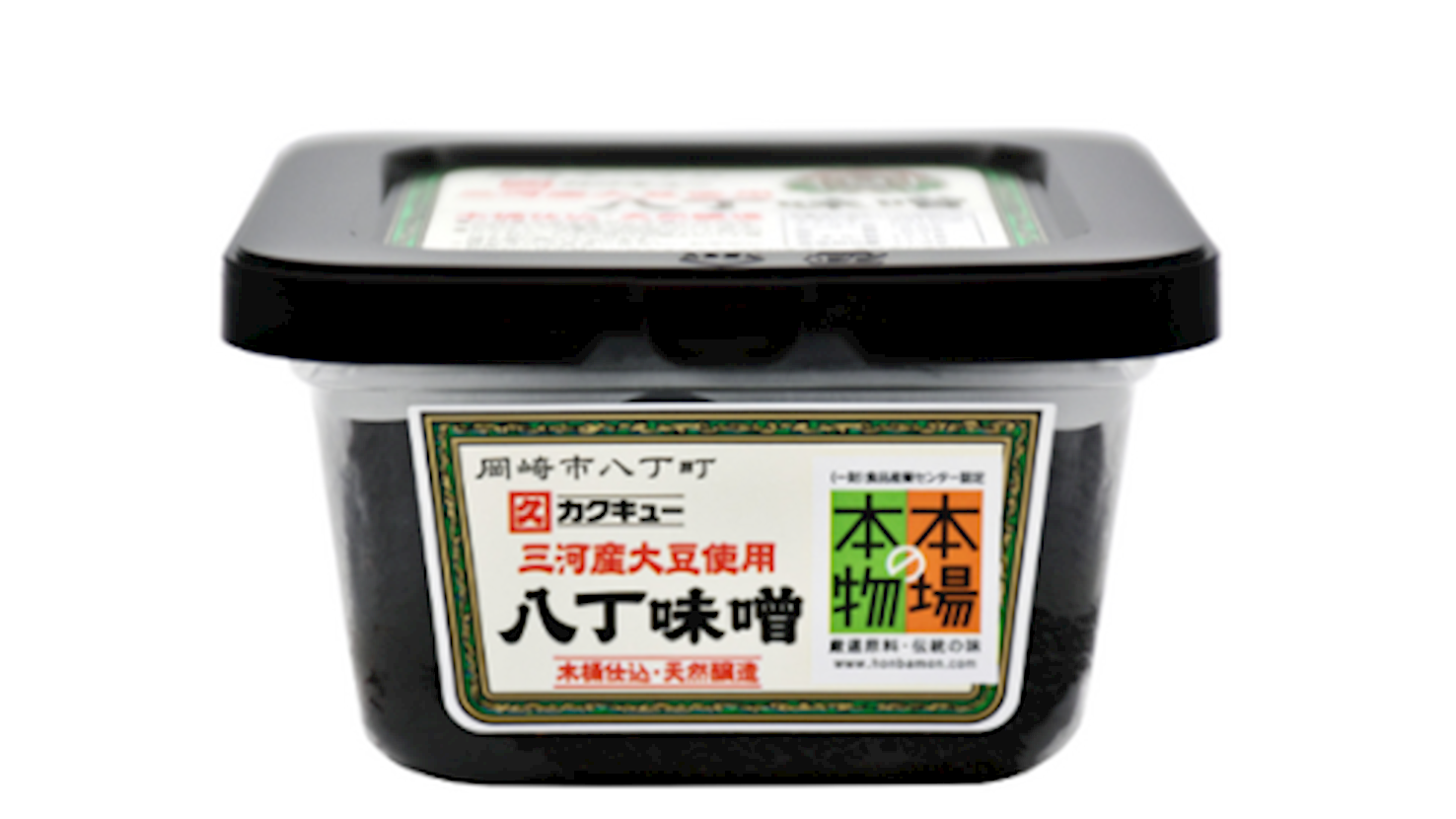
Kakukyu has been producing Hatcho miso since 1645 and is today one of the last remaining guardians of this traditional method. This miso paste is made exclusively from soybeans and salt, without the addition of rice or barley, making it unique among other types of miso.
The fermentation process lasts for at least two years in large wooden barrels, with heavy river stones placed on top of the miso to naturally develop its complex flavors and preserve its authentic texture. The result is a dense, dark reddish-brown paste with an intense umami flavor, complemented by subtle notes of acidity and mild bitterness.
Due to its depth and richness, Kakukyu Hatcho Miso is used in many traditional dishes from the Nagoya region - such as miso soup, dote-ni, miso udon, or miso katsudon - and is increasingly found in modern fusion recipes, even in desserts like chocolate creams. Kakukyu masterfully combines centuries-old tradition with contemporary quality standards, making it a recognized and respected brand among lovers of authentic Japanese cuisine around the world.
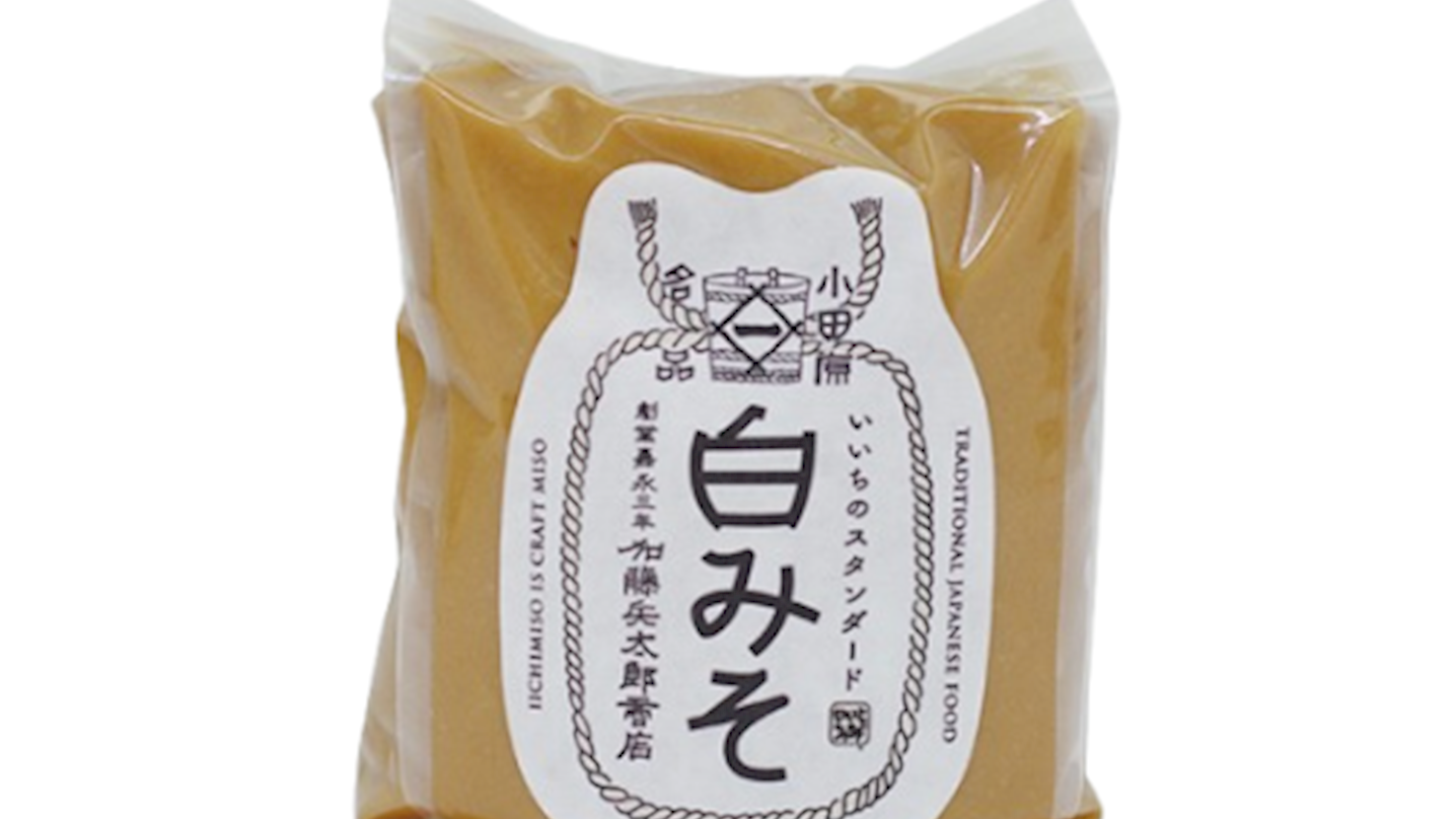
Iichi Miso is a distinguished Japanese brand of handcrafted miso paste, originating from the family-owned workshop Kato Heitaro Shoten, founded in 1850 in the city of Odawara, Kanagawa Prefecture. Today, the workshop is led by the sixth and seventh generations of the Kato family, who remain devoted to preserving traditional fermentation methods passed down through the centuries.
The miso is aged in wooden barrels over 90 years old, which harbor unique microbial ecosystems that contribute to the product’s rich and nuanced flavor. The name “Iichi” comes from a piece of family history and has come to represent a deep respect for the craft of fermentation and a commitment to artisanal quality.
The miso is made using only premium Japanese soybeans, rice, and salt, along with pure underground water from the volcanic region of Hakone. Rather than being boiled, the soybeans are steamed to preserve their natural flavor and nutritional value.
Fermentation takes place slowly and uninterrupted, resulting in a paste with a rich texture, complex umami depth, and living probiotic cultures. Iichi Miso embodies the harmony of Japanese tradition, local ingredients, and generational expertise, remaining faithful to methods that have endured for nearly two centuries.
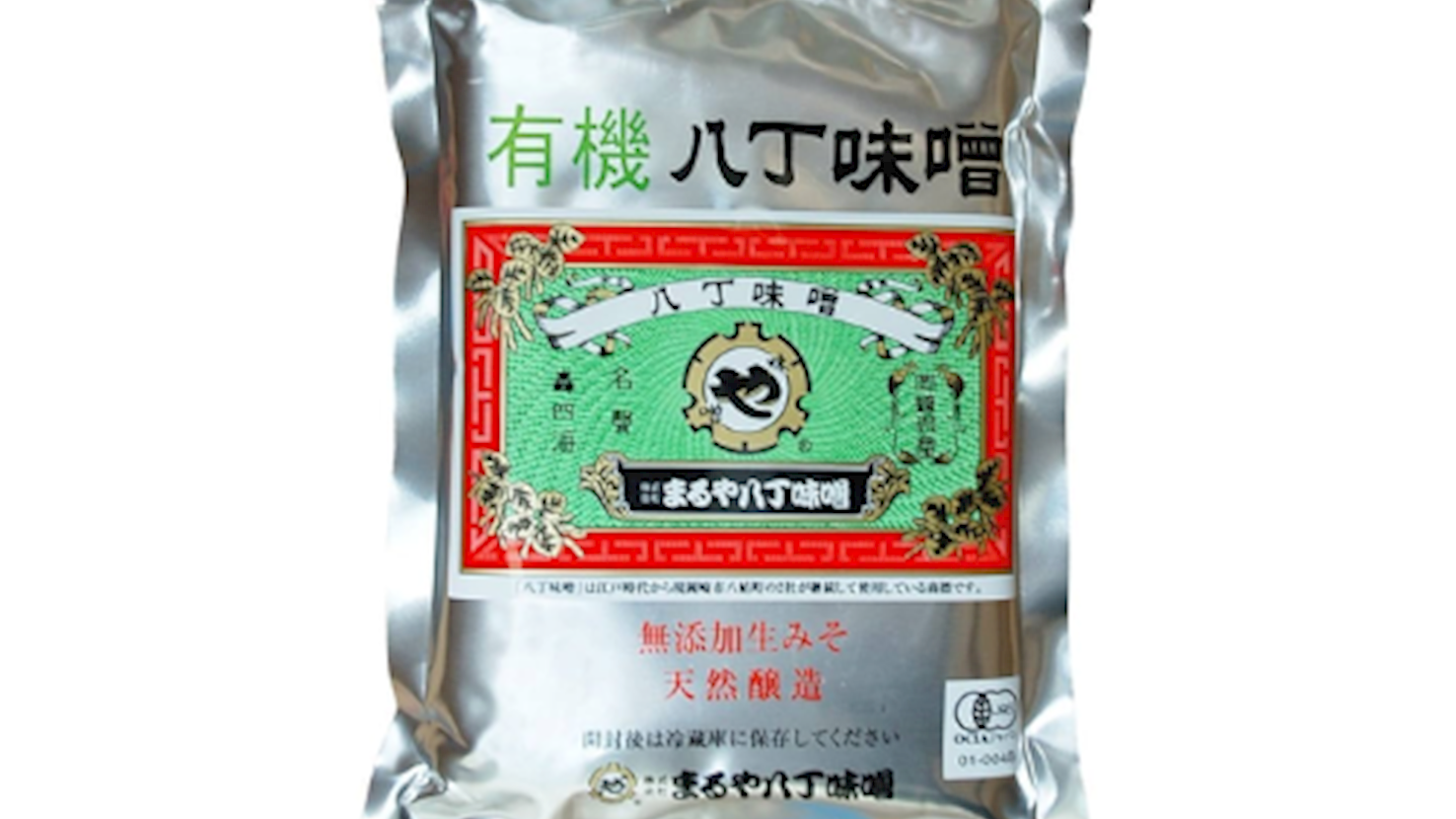
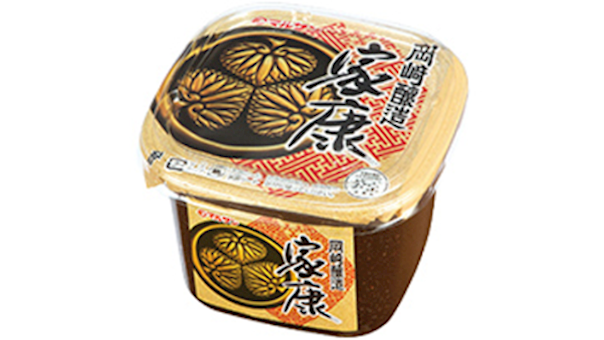
Maruya Hatcho Miso is one of the oldest and most respected miso producers in Japan, with a tradition that dates back to 1337. The company was founded near Okazaki Castle, in an area known as Hatcho-machi, which also gave its name to their signature product.
They specialize in Hatcho miso, an authentic Japanese paste made exclusively from soybeans, natural sea salt, and water - without any rice or barley. The fermentation process takes place in large wooden barrels, weighted down with stones weighing up to three tons, and lasts for over two years.
This traditional method results in a dark-colored paste with low moisture content and a deep, complex flavor, while the salt content is lower compared to many rice-based misos. Hatcho miso is used in rich stews, soups, marinades, and sauces, and is especially valued in classic Japanese cuisine.
Its bold character and layered flavor profile make it a favorite among connoisseurs and lovers of authentic fermented foods.
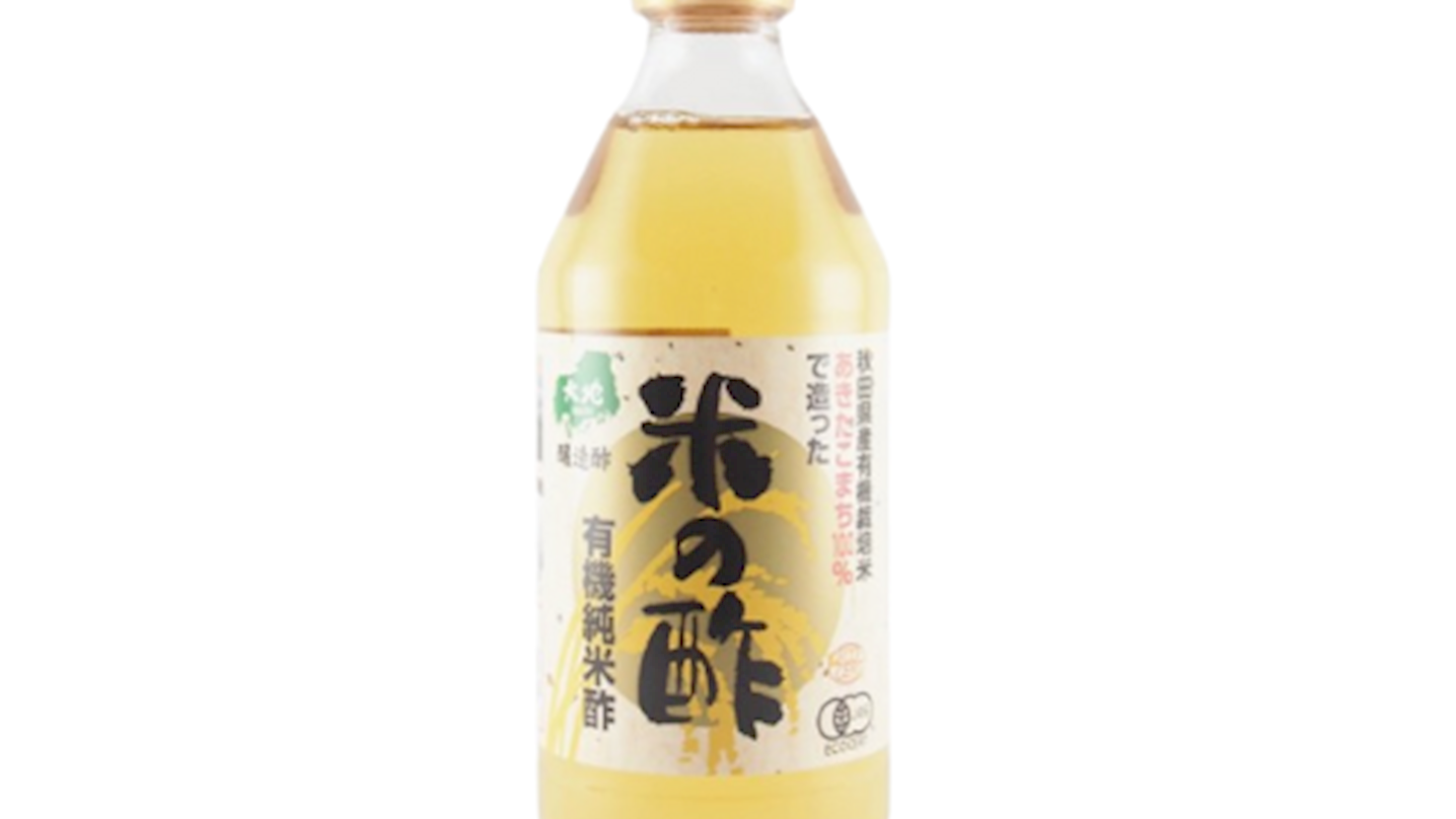
Sennari is a family-owned company from Hiroshima, founded in 1927, known for its dedication to traditional, artisanal production of vinegars, dressings, natural seasonings, and more recently, organic tomato ketchup. At the heart of its philosophy lies the method of static fermentation - a slow and quiet maturation process, free from industrial acceleration, which allows for the development of rich, well-balanced, and naturally refined flavors.
All of Sennari’s products are based on carefully selected local and organic ingredients, sourced in close collaboration with Japanese farmers and fishermen.
Key raw materials include rice from Akita Prefecture, lemons and yuzu from the Setouchi region, green perilla (shiso), and oysters from Hiroshima. The same level of care is applied to their organic tomato ketchup, made from organically grown tomatoes and onions, enhanced with their own house-made vinegar and a minimal amount of natural seasonings.
The water used in fermentation is drawn from Hiroshima’s underground springs, known for their softness and purity, which further enhances the subtle character of all Sennari products.
Thanks to their commitment to craftsmanship and sustainable partnerships with producers, Sennari has earned a strong reputation in Japan and is gaining increasing international recognition.
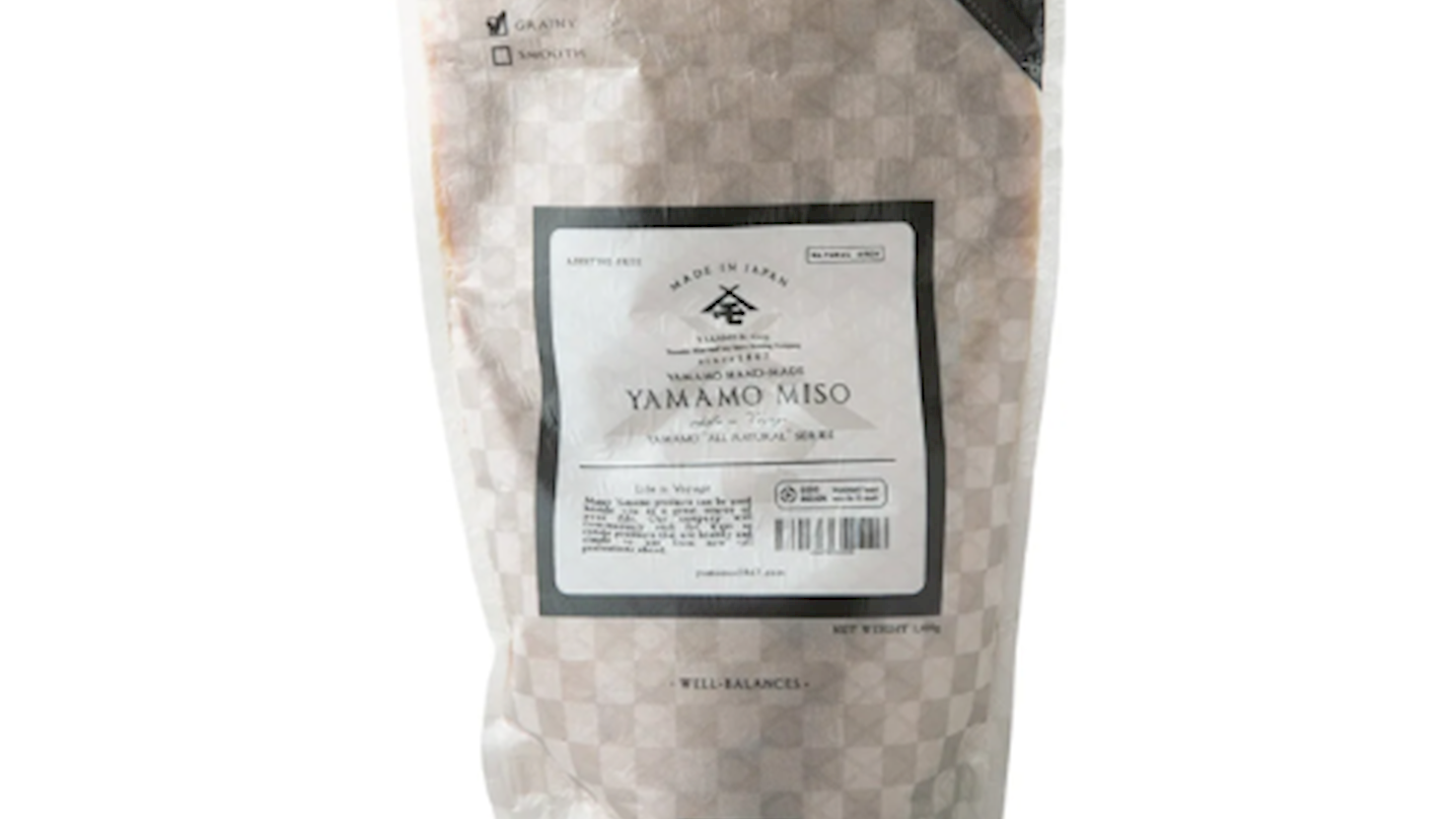
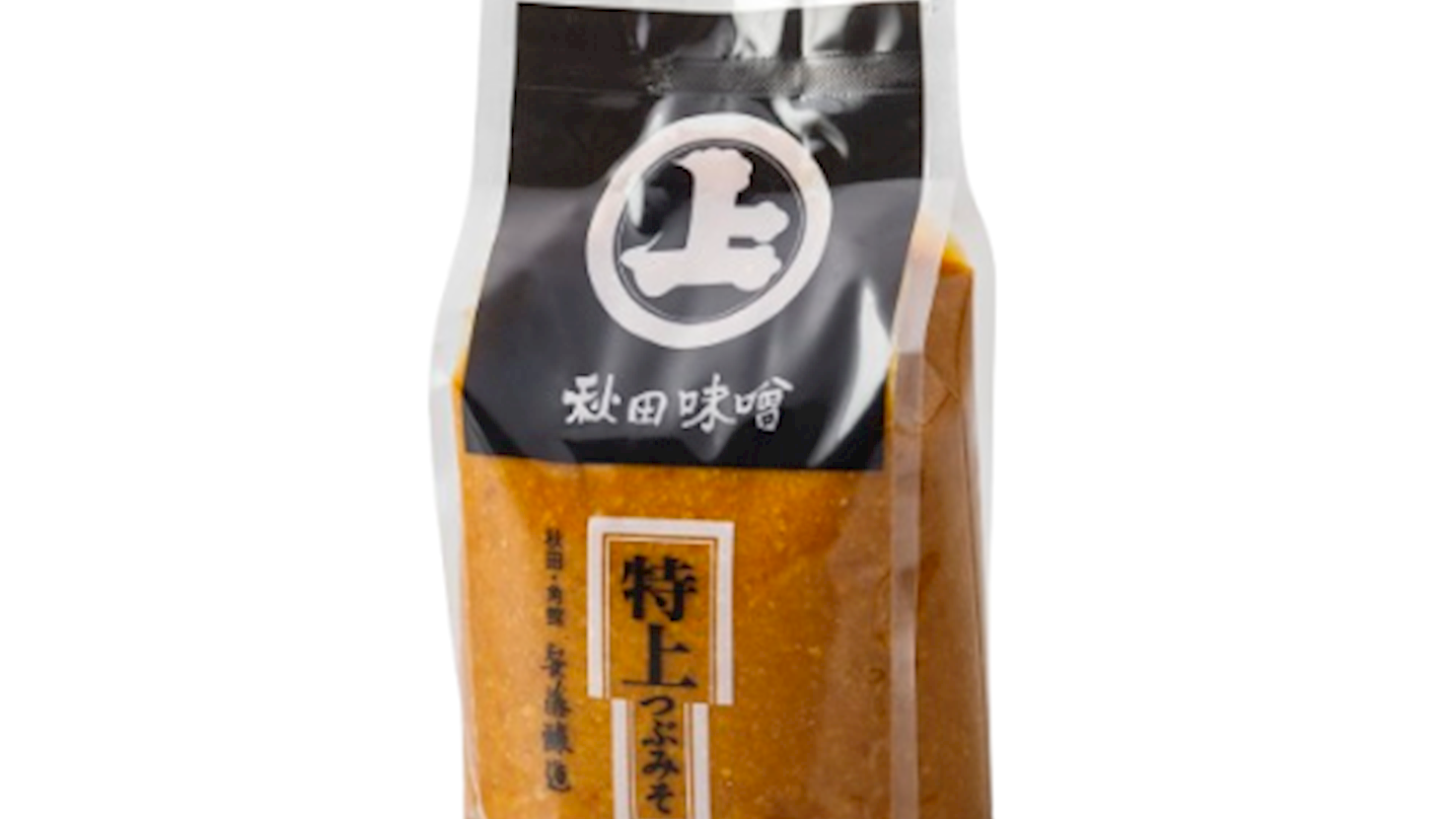
Yamamo is a family-run artisanal company founded in 1867 in Yuzawa City, Akita Prefecture, and has been producing miso paste and soy sauce for seven generations. What sets Yamamo apart is its unique blend of tradition and innovation: while remaining faithful to time-honored fermentation techniques in wooden barrels and using local ingredients (soybeans, rice, wheat, and natural water from Akita), they also experiment with new fermented products and conceptual design.
Their philosophy integrates Japanese aesthetics, art, architecture, and gastronomy into a holistic experience. Yamamo’s products are characterized by complex umami profiles, long natural fermentation without additives, and remarkable purity of flavor.
They are especially known for their innovative lines of fermented sauces and seasonal miso pastes. Beyond production, Yamamo also offers tasting experiences and workshops, opening their historic house to visitors as both a cultural and culinary destination.
Their commitment to craftsmanship, sustainability, and aesthetics makes them one of the most forward-thinking fermentation producers in Japan.
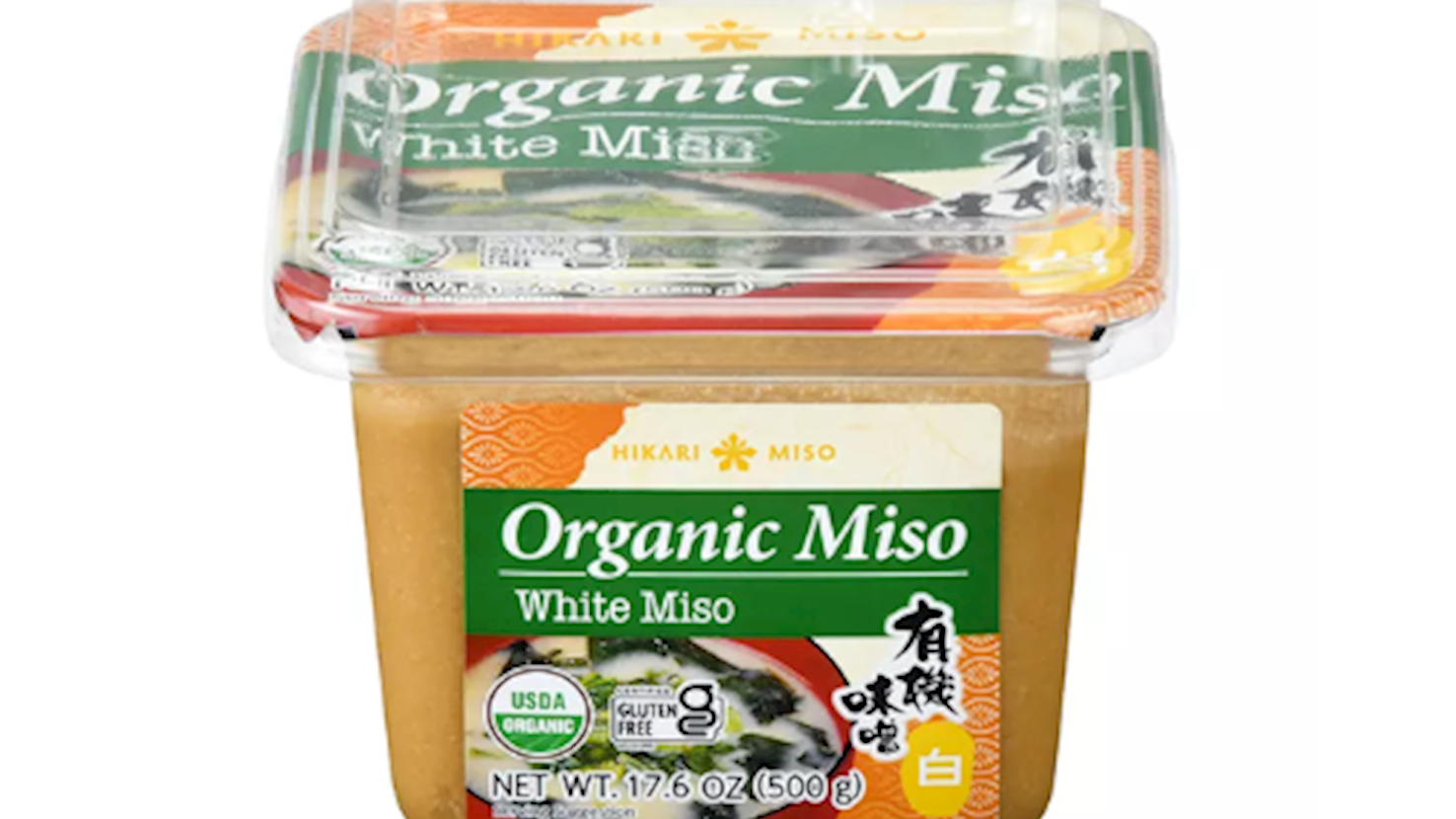
Hikari Miso is a leading Japanese company specializing in the production of organic miso, with a tradition that dates back to 1936 and its headquarters in Nagano Prefecture. As a family-owned business that has nurtured the craft of fermentation for four generations, Hikari Miso has become synonymous with quality, authenticity, and sustainability.
Their approach is rooted in a deep respect for Japanese tradition and nature - the fermentation process they use, known as Daikanjikomi, unfolds slowly, in harmony with the seasons, allowing rich and complex umami flavors to develop.
Their Organic White Miso is just one example of their carefully crafted products: mild, light in color, gently sweet, and rich in nutrients - a perfect balance of tradition and modern functionality. It’s ideally suited for contemporary kitchens while remaining deeply rooted in the fermentation expertise that Hikari has cultivated for nearly a century.
Namikura is a family-owned Japanese company with five generations of experience in miso fermentation using traditional methods. The company is based in the Nagano region, known for its pure water and ideal climate for natural fermentation.
Their production relies on locally sourced ingredients and a slow, natural fermentation process that can last from several months to over a year. Namikura offers a variety of miso pastes, each with a distinctive flavor profile created through a carefully balanced combination of soybeans, rice, salt, and specific natural additions.
Namikura stands out for its authenticity, artisanal approach, and commitment to preserving local tradition. Their products are handcrafted, free from artificial additives, and used both in home kitchens and top restaurants around the world.
Ando Jozo is a family-owned company with over 160 years of tradition in producing miso paste and soy sauce, located in the city of Ina in Nagano Prefecture. Founded in 1867, the company is built on a philosophy of respect for nature, the local community, and artisanal craftsmanship passed down through generations.
Their production combines traditional fermentation methods using large wooden barrels with carefully selected ingredients - locally grown soybeans, rice, and Himalayan salt. They place special emphasis on a slow, additive-free fermentation process to develop a rich umami flavor and preserve nutritional value.
Ando Jozo’s products are known for their authenticity and delicate complexity, offering a wide variety of miso pastes as well as hand-crafted soy sauce. Their commitment to sustainability, transparency, and the preservation of tradition makes them one of the most respected producers in Japan.
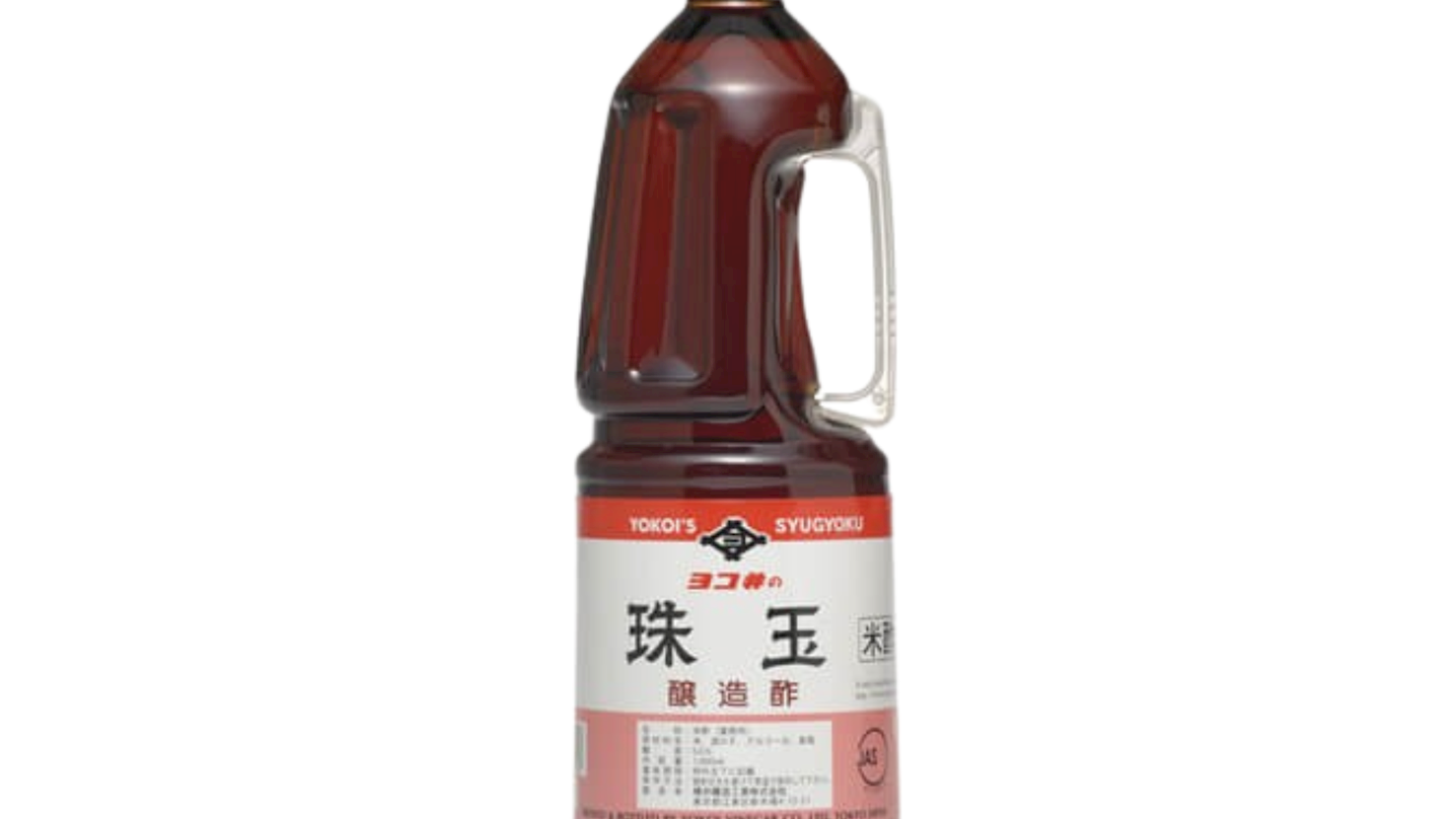
Yokoi’s Vinegar is a Japanese producer of fermented vinegar, founded in 1937 in Tokyo, with its current headquarters and Tokyo factory located in Shinkiba, in Kōtō Ward. It is particularly known for vinegars used to prepare sushi rice, supplied to traditional sushi restaurants, hotels, and professional chefs.
Its specialty is akazu, a red vinegar made from long-aged sake lees, the residue left after sake production. During aging, sugars and amino acids in the lees contribute to their color changing from white to dark brown and to the development of rich aromas reminiscent of Chinese Shaoxing rice wine.
The range also includes rice and apple vinegars, vinegar blends, seasoned vinegars, and fermented seasonings. Yokoi’s Vinegar supplies professional kitchens in Japan and abroad while also offering products for home use. Its continued development focuses on improving fermentation technologies and bringing Japanese flavors to international markets, including selected halal-certified products.
Yamato Soy Sauce & Miso is a traditional Japanese producer of soy sauce and miso paste with a long history dating back to 1911. The company is family-owned, now in its fourth generation, and is located in Kanazawa, Ishikawa Prefecture.
Their production is rooted in centuries-old fermentation techniques using wooden barrels, resulting in products with rich aromas and a distinctive deep color, achieving a harmonious balance between sweetness and sharpness.
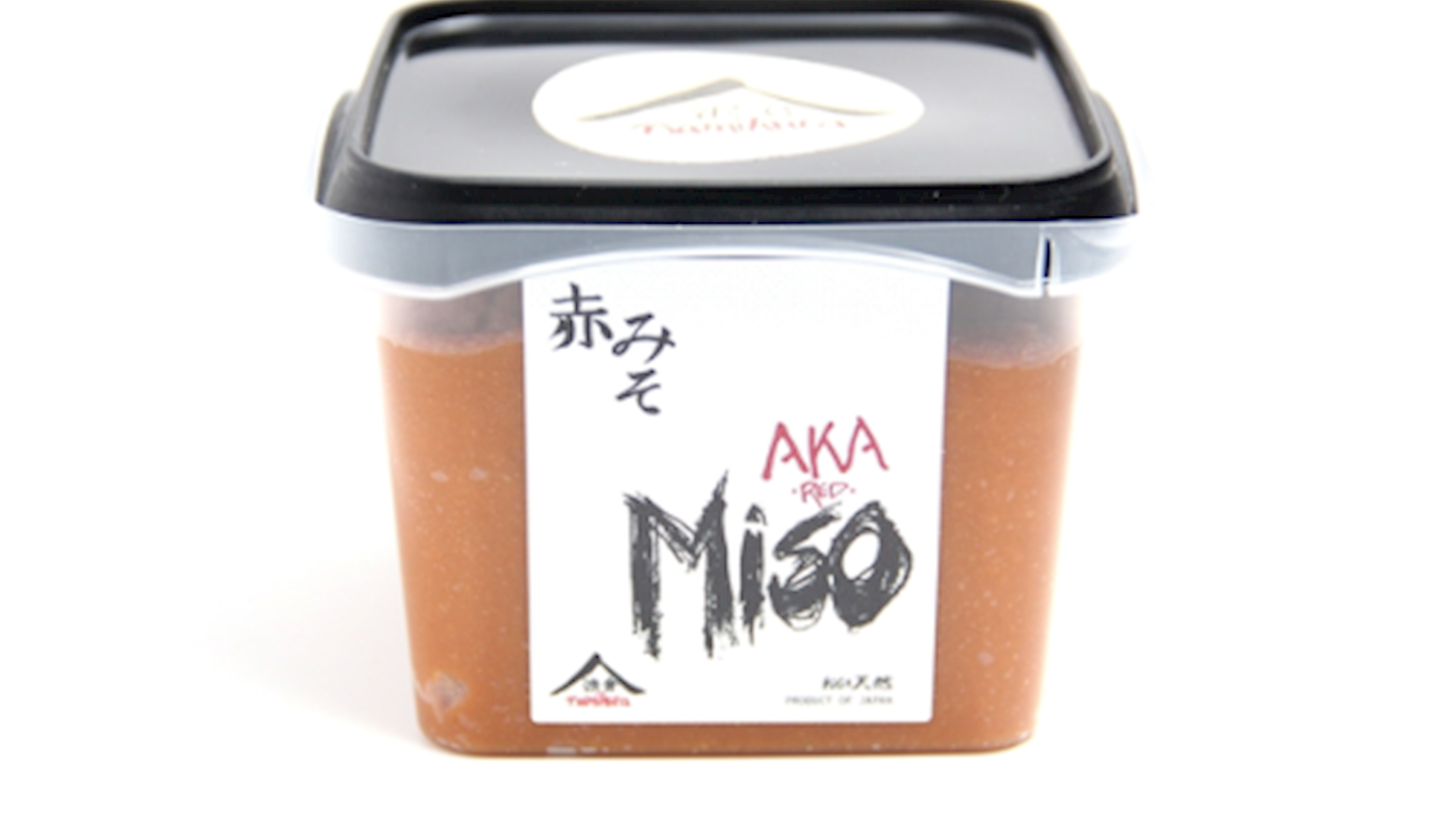
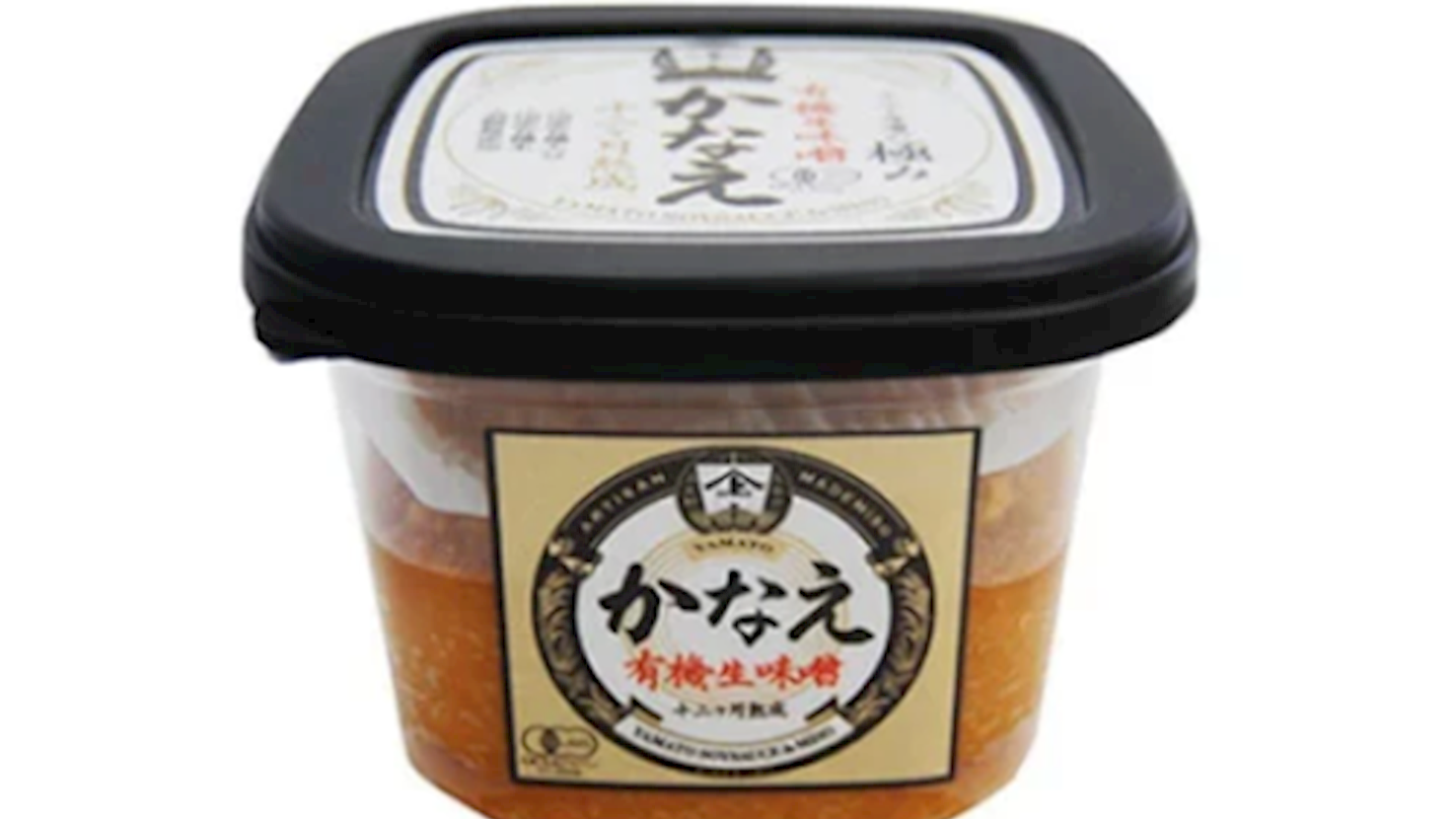
One of their flagship products is Kanae Organic Miso - a red organic miso aged for about 12 months, ideal for soups and seasonal dishes, known for its stable flavor and excellent melting quality. The company masterfully combines artisanal craftsmanship, high-quality standards, and a spirit of innovation - constantly refining fermentation methods and developing products that elevate culinary culture both domestically and internationally.
TasteAtlas food rankings are based on the ratings of the TasteAtlas audience, with a series of mechanisms that recognize real users and that ignore bot,
nationalist or local patriotic ratings, and give additional value to the ratings of users that the system recognizes as knowledgeable.
For the “Top 26 Japanese Condiments” list until October 21, 2026, 1,199 ratings were recorded, of which 1,107 were recognized by the system as legitimate.
TasteAtlas Rankings should not be seen as the final global conclusion about food. Their purpose is to promote excellent local foods,
instill pride in traditional dishes, and arouse curiosity about dishes you haven’t tried.
The initial list of top producers was compiled based on available reviews, awards, local recommendations, media and blog coverage, and consumer reviews.
The list will be updated with ratings from TasteAtlas local ambassadors and TasteAtlas users.









What People Say