Popo le Chien CC BY-SA 3.0

Top 15 Traditional Foods
in the Canton of Valais

Last updated on June 02, 2026

Best Canton of Valais food products
01
Cheese

Fromagerie d'Etiez

5 ·
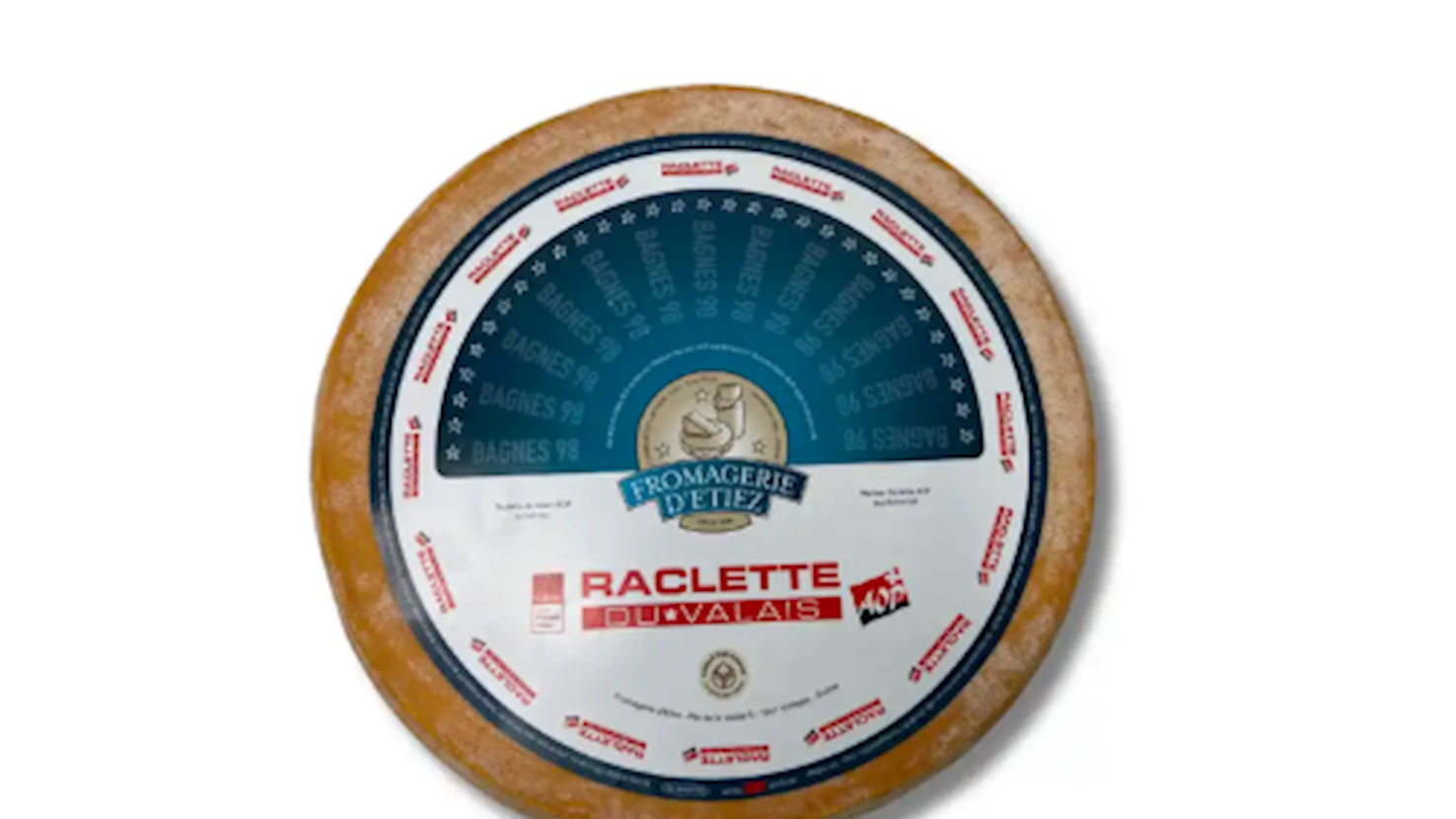
Fromagerie d’Étiez is an artisanal cheese dairy located in the village of Vollèges, in the Val de Bagnes area of the canton of Valais, Switzerland. It works with milk sourced from nearby local farmers, ensuring a strong connection between production and the surrounding alpine terroir. Since its establishment in the late 1990s, the creamery has focused on preserving traditional Swiss cheesemaking practices, with particular emphasis on regional mountain specialties. Its range includes Raclette du Valais AOP, various tomme-style cheeses, sérac, butter, and fondue preparations made according to local recipes. Production is based on fresh, locally collected milk, reflecting seasonality and regional character. The creamery operates a direct retail shop and offers tastings and guided visits by appointment, allowing visitors to experience both the products and the production process. Fromagerie d’Étiez is regarded as a valued local producer that combines craftsmanship, regional identity, and everyday accessibility of high-quality Swiss cheeses.
Awards
World Cheese Awards - Bronze (2025)
02
Wine

Provins

5 ·
Provins is one of the most prominent Swiss wineries, headquartered in Sion, at the heart of the Valais canton - the country’s most important wine region. Founded in 1930 as a cooperative of local winegrowers, Provins is today the largest wine producer in Switzerland, managing over 800 hectares of vineyards. This area encompasses a mosaic of micro-terroirs - from gravelly and clay soils to limestone slopes that reflect sunlight and contribute to the slow ripening of grapes. The Valais climate, with long sunny days and cool alpine nights, creates ideal conditions for the development of aromas and wine structure. Provins combines traditional winemaking methods with modern technology, achieving exceptional consistency and quality. Its portfolio includes international varieties such as Chardonnay and Pinot Noir, yet the core of its identity lies in native Valais grapes - Petite Arvine, Cornalin, and Humagne Rouge. Beyond its commercial role, Provins also carries an educational mission - promoting wine culture through tastings and collaborations with local producers. It stands as a symbol of the connection between tradition and contemporary oenology in Valais. Their wines reflect the purity of the Alpine landscape and a dedication to craftsmanship that has been passed down for nearly a century.
Awards
Decanter World Wine Awards - Best in Show (2020)
Decanter World Wine Awards - Platinum (2017)
03
Cheese

Walker Bergkäserei

4.9 ·
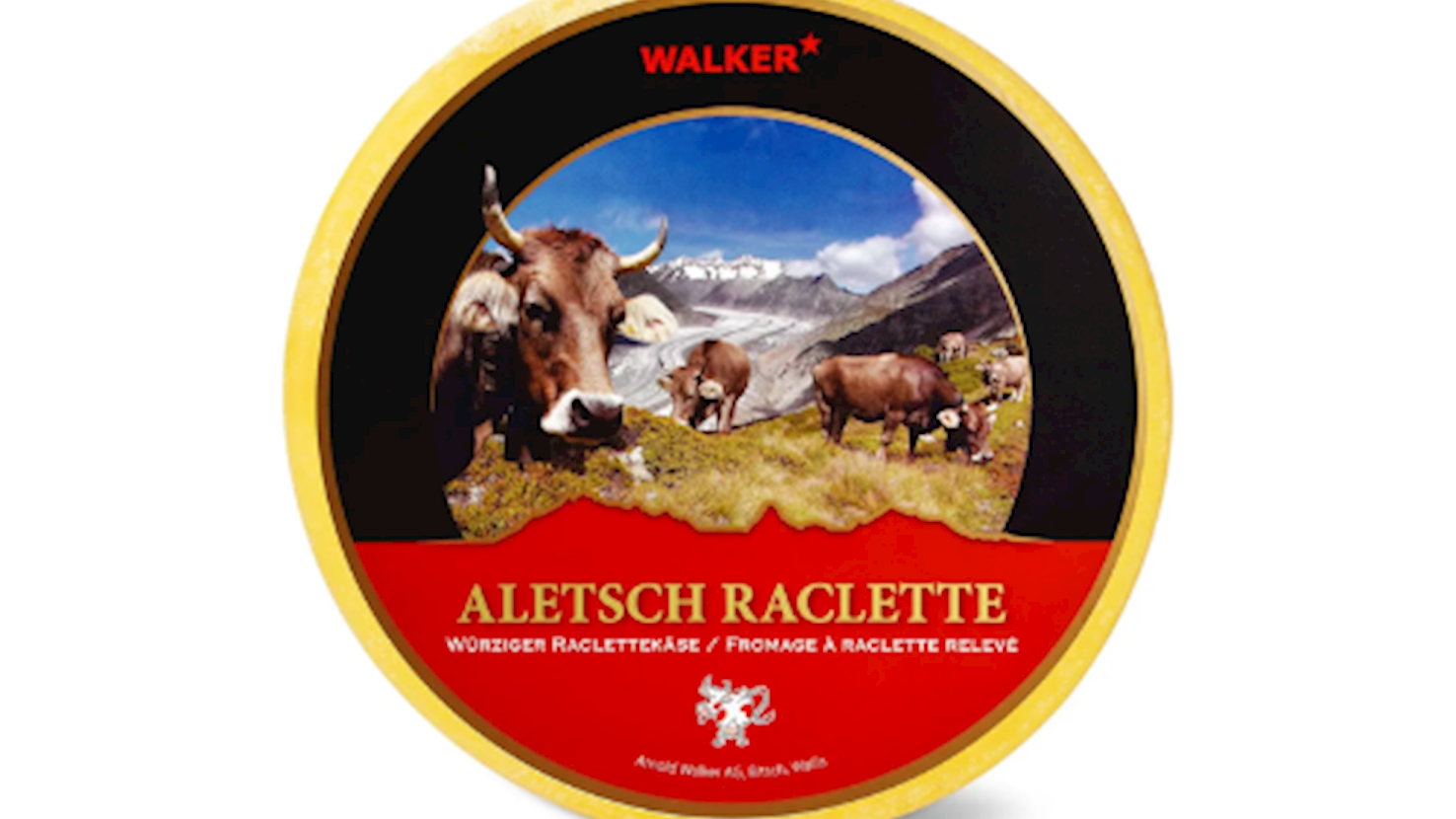
Walker is a Swiss cheese producer located in the mountainous region. The company specializes in producing traditional alpine cheeses using milk from local cows that graze on natural pastures. Their product range includes well-known varieties such as Gommer cheese, aged Emmental, and Raclette. Established in 1956, Walker puts a strong emphasis on maintaining artisanal methods and sustainable agriculture practices.
Awards
World Cheese Awards - Super Gold (2024, 2023)
World Cheese Awards - Gold (2024, 2023, 2022)
04
Wine

Domaine Histoire D'enfer

4.9 ·
Awards
Decanter World Wine Awards - Platinum (2024, 2023)
05
Wine

Gregor Kuonen Caveau de Salquenen

4.9 ·
Awards
Decanter World Wine Awards - Platinum (2019, 2018, 2016)
06
Liqueur

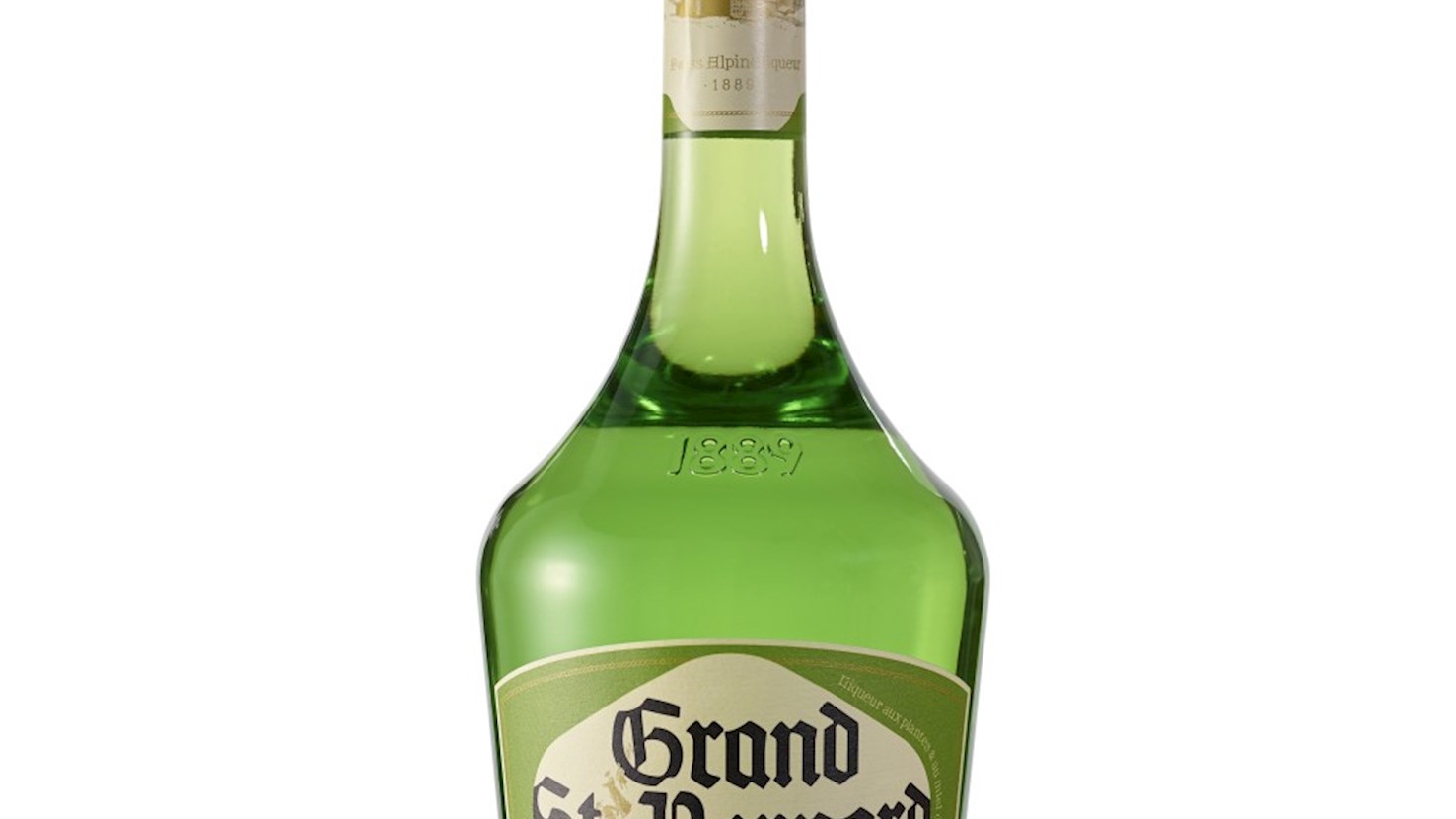
Distillerie Morand & Cie

4.8 ·
Awards
The Liqueur Masters - Gold (2023)
The Liqueur Masters - Master (2023)
07
Wine

Marie-Thérèse Chappaz

4.8 ·
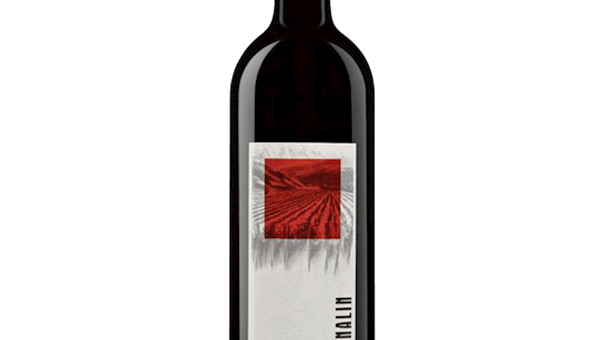
Marie-Thérèse Chappaz is one of the most influential winemakers in Switzerland, known for her biodynamic philosophy and wines that authentically express the terroir of the Valais region. She began her story in 1987, when she took over a few small family parcels in the village of Fully, and today she manages around 10-11 hectares of vineyards spread across steep terraces above the Rhône valley. The vineyards are certified according to Demeter and Bio Suisse standards, confirming her long-term commitment to organic and biodynamic cultivation. Chappaz works with indigenous varieties such as Petite Arvine, Cornalin, Humagne Rouge and Amigne, while also cultivating Pinot Noir and Syrah, always focusing on minerality and purity of fruit. Many of her vineyards are located on extremely steep slopes, making mechanization impossible, which means that every part of the process relies on manual work and meticulous care. She uses only natural yeasts and spontaneous fermentations, with minimal intervention in the cellar, allowing the wine to remain an unfiltered expression of its origin. Her wines are known for fine structure, aromatic depth and long aging potential, and many cuvées are produced in very small quantities, reaching a collector’s status. In tasting, her wines reveal a clear line between aromatic precision and textural complexity developed through extended contact with lees. Each vintage is different, because in her mountain vineyards she does not strive for uniformity, but for the truth of terroir. Her wines demonstrate how minimalism in technique can lead to maximal expression of character. Domaine Chappaz represents a rare combination of dedication, philosophy and hands-on vineyard work - which is why it is considered one of the most authentic voices in European winemaking today.
Awards
Vivino - 4.4
08
Wine

Adrian & Diego Mathier Nouveau Salquenen

4.7 ·
Awards
Decanter World Wine Awards - Platinum (2022, 2019, 2018, 2017)
Decanter World Wine Awards - Best in Show (2016)
09
Wine

Domaines Rouvinez

4.7 ·
Awards
Decanter World Wine Awards - Best in Show (2022)
10
Wine

Domaines Chevaliers

4.6 ·
Awards
Decanter World Wine Awards - Platinum (2019)
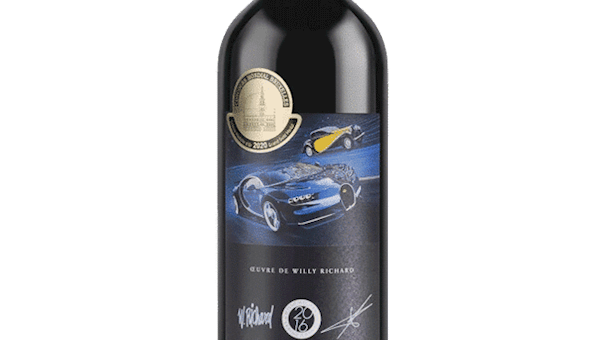
Concours Mondial de Bruxelles - Grande Médaille d'or (2023, 2022)

Best Canton of Valais foods

01
Cheese Dish

Raclette

4.2 ·

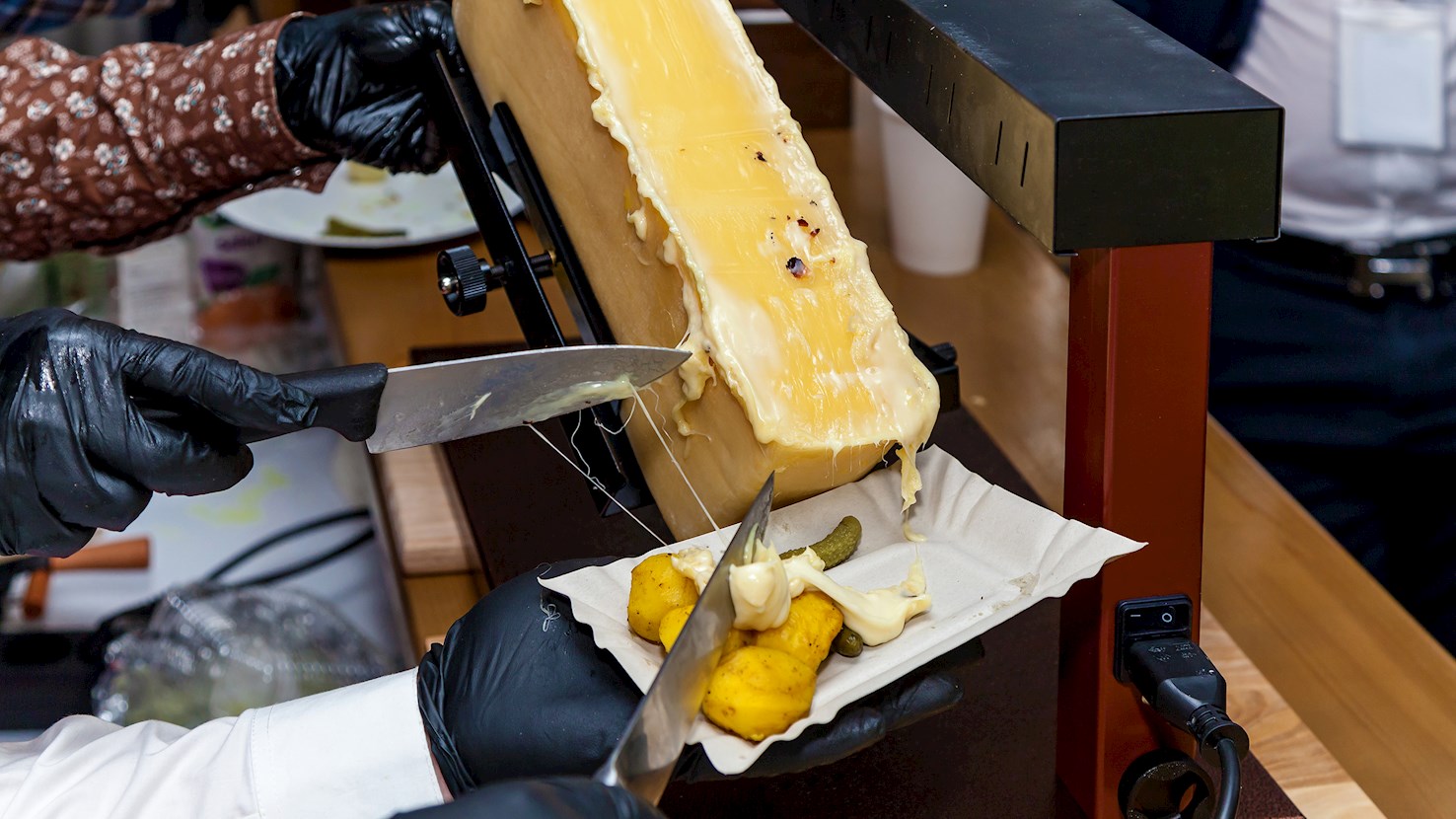
Raclette is a national dish that shares its name with a slightly nutty Swiss cheese made from cow's milk, an appliance for preparing the dish, and a full dining experience. Extremely popular in the ski region Valais and other parts of the Swiss Alps, where it also originated, raclette was invented by the Swiss mountain shepherds who used to gather around a fire while roasting potatoes. As they left some cheese near the fire, it started to melt so they scraped bits of it on the potatoes and raclette was born. The dish takes its name from the French word racler, meaning to scrape. As few people have a fireplace these days, modern appliances such as raclette melter and raclette grill are used instead. The scraped cheese is usually accompanied by roasted or cooked potatoes with their skin still on, vegetables, cold cuts, pickles, onions, and bread. There is also a variety of raclette where the mixture of cheese and other ingredients is scraped onto an opened baked potato. A perfect dish to share with others during cold, winter nights, raclette is best paired with light white wines or traditional kirsch liqueurs.

02
Meat Product

Walliser trockenfleisch

3.6 ·

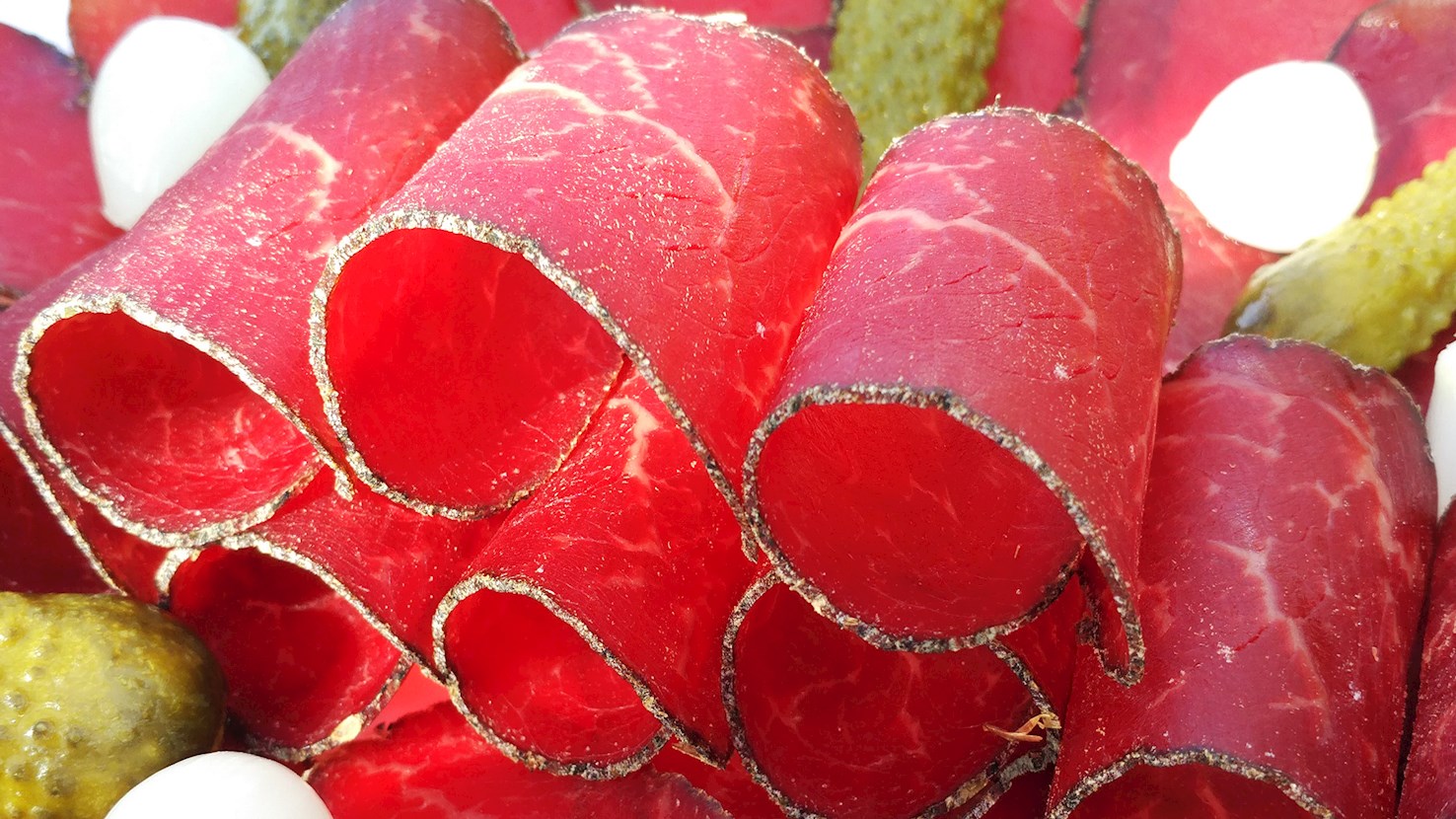
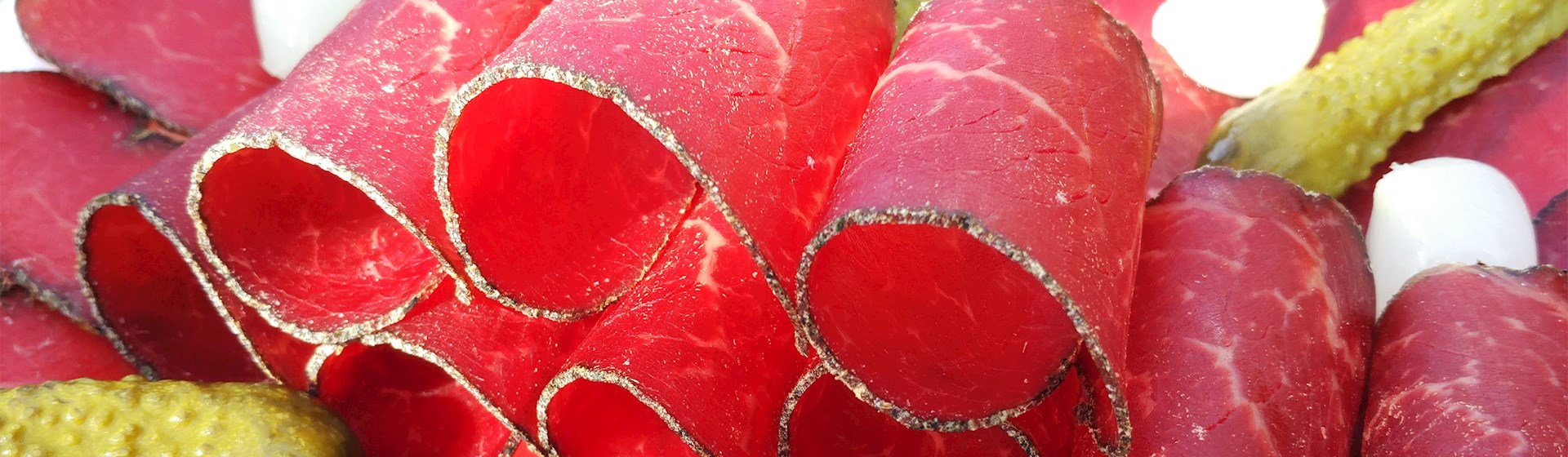
Hailing from the Canton of Valais, this meat delicacy is made exclusively with beef obtained from cattle raised and slaughtered in Switzerland. Some of the finest pieces of meat from the legs of cattle are salted, seasoned with spices and herbs, and then rinsed off before they are hung to dry in the cool mountain air. The meat is typically air-dried for about 5 to 6 weeks, all the while developing a distinctive noble mold on its surface, and a typical dried meat flavor. Once dried, Walliser trockenfleisch is defined by a uniform purplish-red hue and low-fat content. Slices of this high-quality, air-dried beef are typically enjoyed with some rye bread and a glass of fine wine on the side.

03
Dipping Sauce

Tomato Fondue

3.4 ·

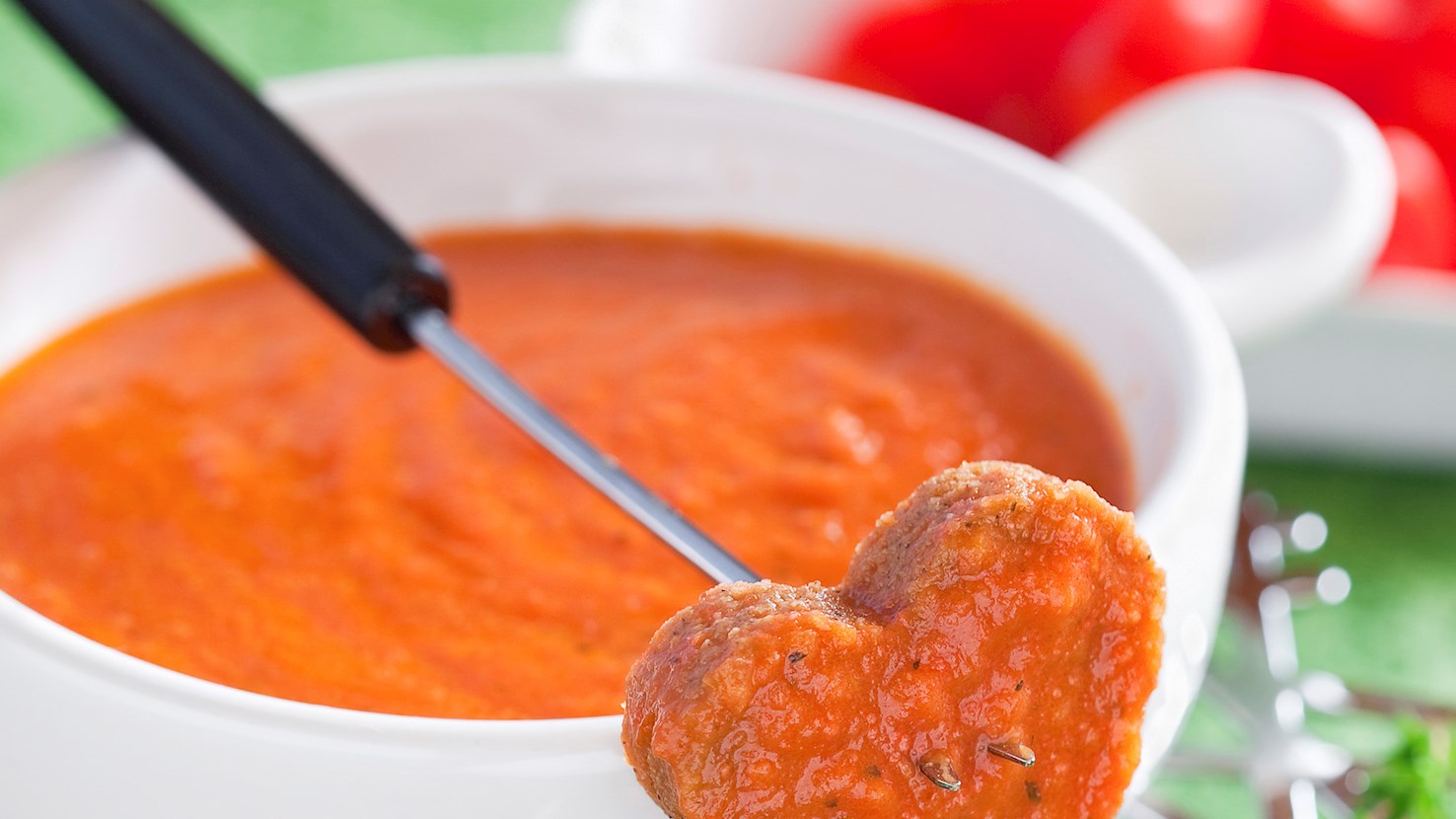
This classic Swiss fondue is believed by some to be the best fondue variety of them all. It is native to the Valais region and consists of tomatoes or tomato paste, white wine, garlic, butter, shallots, and grated cheeses such as Gruyère and Emmental. Traditionally, tomato fondue is paired with potatoes, rather than the usual pieces of bread used for dipping.

04
Savory Pie

Cholera

n/a ·

This appetizing pie with an unappetizing name is a great way to use leftovers. Originating from the Swiss canton of Valais, cholera was first prepared in 1836 by the mountain people using whatever they had during an epidemic of the disease – potatoes, onions, leeks, bacon, cheese, and fruits – all packed together in a delicious pastry which was then baked in the oven. The dish remained popular, and today bakeries sell it cold by the slice, while restaurants typically serve it hot as an appetizer. It is recommended to pair cholera with a green salad on the side.

05
Dry-cured Ham

Walliser rohschinken

3.4 ·

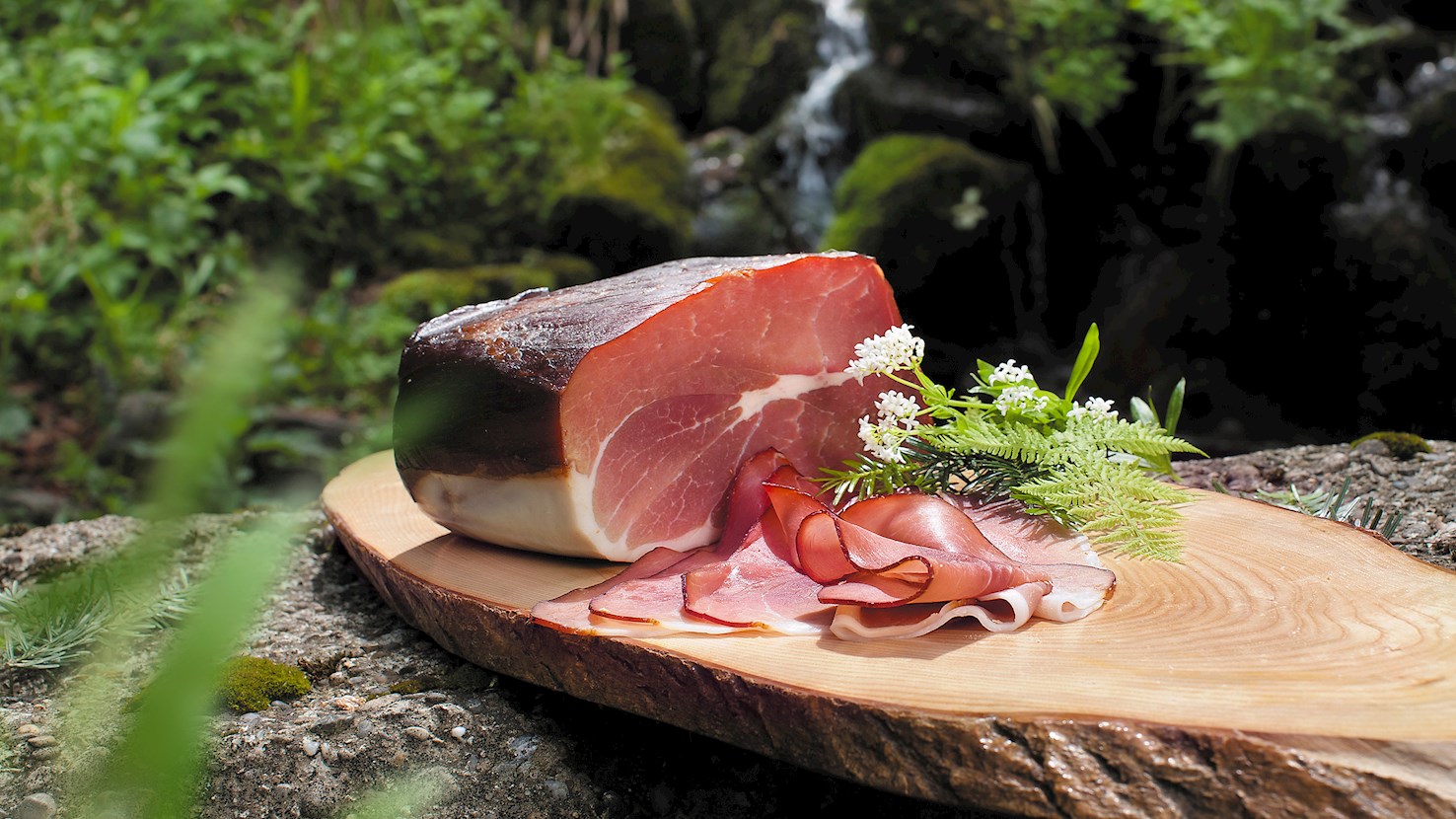
Walliser rohschinken is a cured and dried raw pork ham hailing from the Canton of Valais. Only high-quality pork legs that have been obtained from pigs which are exclusively raised and slaughtered in Switzerland can be used in the preparation of this meat specialty. The ham is dry-salted, seasoned with herbs and spices, and then chilled before it is parboiled for a few days inside a stocking or a net. The meat is then dried, pressed, and allowed to mature for several weeks. The whole process of making the ham typically lasts about 6 to 10 weeks, and it yields an excellent dried pork ham that has been officially rewarded with a Protected Geographical Indication (PGI) status since 2015. The pork ham is consumed at various celebratory events and it is available at numerous café-restaurants and winemakers’ cellars in the region.

06
Rye Bread

Walliser Roggenbrot

3.3 ·

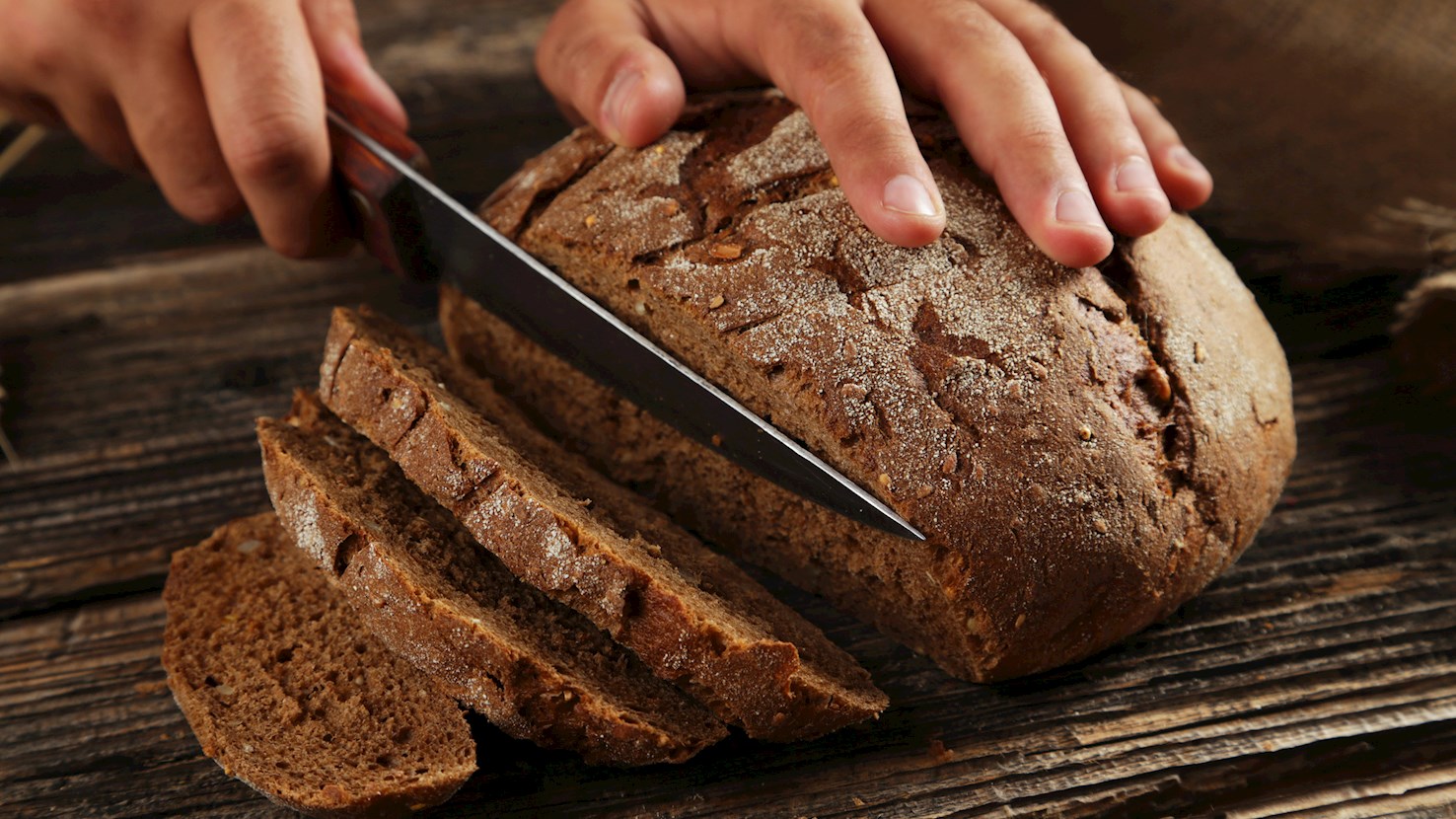
Walliser roggenbrot is a Swiss rye bread produced in the Valais region. The rustic loaf with a dense crumb must contain at least 90% whole rye flour, and it is typically made with a sourdough starter. The bread keeps for a long time, and traditionally, it used to be baked in village ovens which were fired only a few times per year, so it was quite important that the bread lasted for a few months. Nowadays, walnuts and dried fruits can be added to the bread, if desired. When consumed, the bread is thinly sliced, and it is recommended to serve it with cheese, cold cuts, and gherkins.

07
Rye Bread

Pain de seigle valaisan

n/a ·

Pain de seigle valaisan is a dense rye bread from the Swiss canton of Valais, where rye has long been one of the few grains capable of thriving in the region’s high-altitude alpine climate. The bread remains the same as it was 800 years ago when it was first created. The preparation of pain de seigle valaisan follows strict guidelines to protect its authenticity, as only plain rye bread can bear the AOP designation. All ingredients must originate in Valais, and the flour must consist of at least 90% rye and no more than 10% wheat, milled locally from sustainably grown cereals. The dough is made with rye and wheat flour, yeast, salt, and water, and is prepared using a long-fermented sourdough. This slow fermentation is essential to the bread’s character, producing a slightly tangy aroma, extending its shelf life, and creating the distinctive cracked surface that sets it apart. Once shaped into its characteristic round form with a flat bottom, the bread is baked until it develops a firm crust and a dense, moist interior. Its gray-brown color and rustic appearance reflect both its composition and its artisanal production methods, and it is typically sold in loaves weighing 250 grams (1/5 lb), 500 grams (1 lb), or 1 kilogram (2 lb). Pain de seigle valaisan is most often enjoyed sliced and served with Alpine cheeses, cured meats, and butter, forming an essential part of local meals. It is particularly valued as an accompaniment to raclette, where its dense crumb and subtle tang complement the melted cheese perfectly.

08
Cheese

Raclette du Valais

n/a ·

Raclette du Valais is a semi-hard cow’s milk cheese produced exclusively in the canton of Valais in Switzerland, made in small wheels and certified under an AOP designation that defines its geographic limits, milk sourcing, and methods of production. Its development is closely linked to Alpine dairy farming in Valais, where seasonal cattle movement and localized milk processing led to cheeses designed for direct consumption rather than long-distance trade, and documentary references from the Middle Ages describe cheese being heated and scraped in the region, with the name raclette becoming firmly associated with Valais production by the nineteenth century as regional identity and regulated cheesemaking became more clearly defined. The cheese is made from raw or thermized cow’s milk, coagulated with rennet, pressed into wheels, and aged for several months, during which the rind is regularly washed or brushed to control surface flora and maintain elasticity, a process that results in a compact paste with low acidity and a structure that softens evenly under heat. For serving, Raclette du Valais is typically cut in half or into portions and heated from one side so that the exposed surface melts gradually, after which the softened layer is scraped onto the plate, allowing repeated melting from the same piece without loss of texture. A distinctive aspect of this cheese is that it is intended to be melted without additional processing such as slicing or grating, and its composition is calibrated to flow smoothly while retaining a cohesive body, a quality protected by the AOP specifications. Raclette du Valais is eaten primarily in homes, restaurants, and communal gatherings within Valais and across Switzerland, especially during colder months, served with boiled potatoes, pickled vegetables, and cured meats, and it pairs well with dry white wines from Valais such as those made from Fendant, as well as light herbal teas or mineral water that balance the richness of the melted cheese.

09
Cheese

Bagnes

n/a ·

Bagnes cheese, originating from the Val de Bagnes in Switzerland's Valais region, is a semi-hard, raw milk cheese traditionally produced in local dairies and alpine pastures. With a fat content of approximately 50%, it features a smooth texture with occasional holes. While it can be enjoyed cold, Bagnes cheese is particularly renowned as a raclette cheese, melting smoothly for the classic Swiss dish. The region's rich dairy farming heritage and the use of high-quality milk from local cows contribute to its distinctive flavor.

About this ranking

TasteAtlas food rankings are based on the ratings of the TasteAtlas audience, with a series of mechanisms that recognize real users and that ignore bot, nationalist or local patriotic ratings, and give additional value to the ratings of users that the system recognizes as knowledgeable. For the “Top 15 Traditional Foods in the Canton of Valais” list until June 02, 2026, 453 ratings were recorded, of which 406 were recognized by the system as legitimate. TasteAtlas Rankings should not be seen as the final global conclusion about food. Their purpose is to promote excellent local foods, instill pride in traditional dishes, and arouse curiosity about dishes you haven’t tried.

The initial list of top producers was compiled based on available reviews, awards, local recommendations, media and blog coverage, and consumer reviews. The list will be updated with ratings from TasteAtlas local ambassadors and TasteAtlas users.

Similar lists