shutterstock

Top 45 Madrilenian Foods

Last updated on June 17, 2026

Best Madrilenian food products

01
Cheese

Vega de San Martín

5 ·
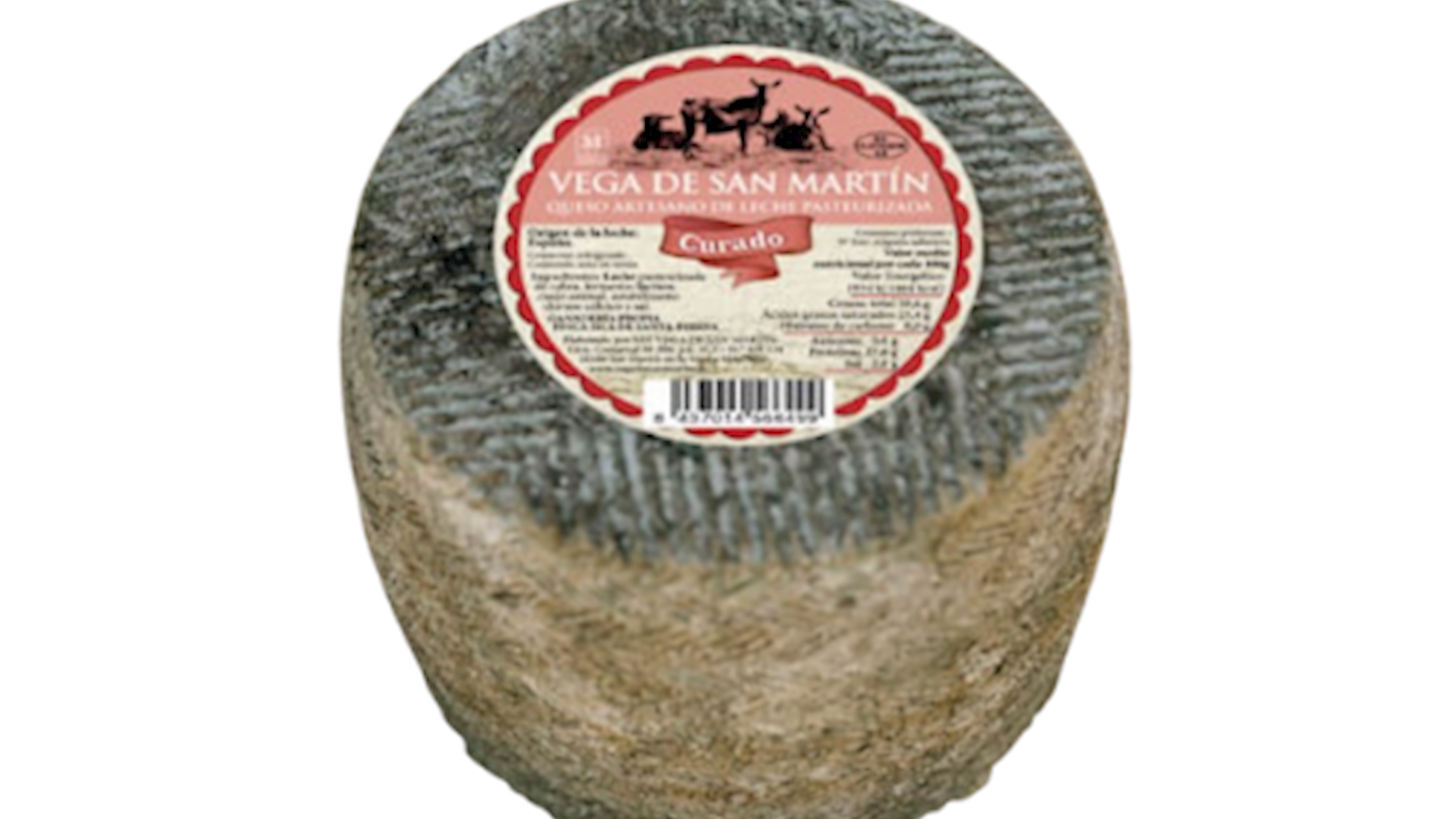
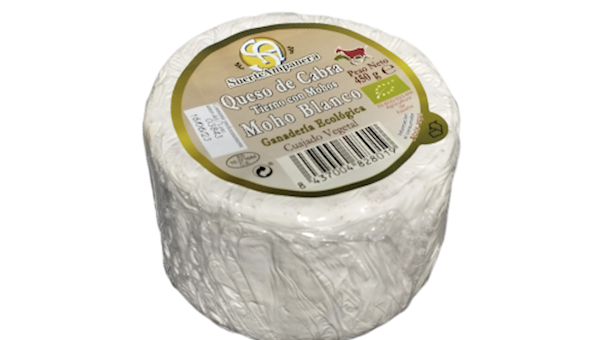
Vega de San Martín is an artisanal cheesemaker based in San Martín de la Vega, in the Madrid region of Spain, located near the Jarama River approximately 30 kilometers from Madrid. The producer specializes in goat’s milk cheeses made exclusively from milk sourced from its own Murciano-Granadina goat herd. In addition to livestock farming, the company manages its own agricultural production across farms in the Madrid and Cuenca areas, where it cultivates cereals, legumes, alfalfa, and pasture crops that form the basis of the animals’ diet. Its production philosophy combines modern cheesemaking technology with traditional craftsmanship. The range includes fresh, semi-cured, and aged cheeses, as well as pressed-paste varieties made from either pasteurized or raw goat’s milk. Vega de San Martín cheeses are recognized for their clean dairy character and nuanced flavor profile, with notes of grains, nuts, and ripe olives becoming more pronounced in the more mature expressions.
Awards
World Cheese Awards - Super Gold (2022)
International Cheese Awards - Gold (2022)
02
Seafood

Rosalita

5 ·

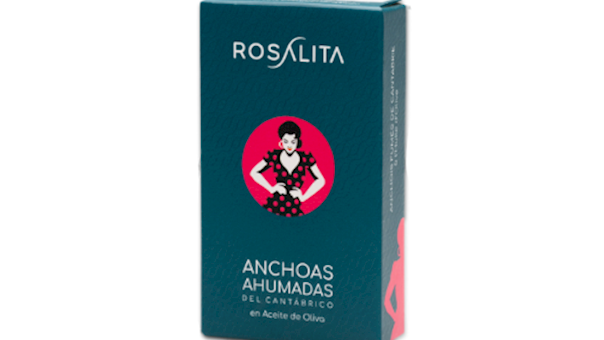
Rosalita is a Spanish premium seafood brand specializing in artisanal canned fish and seafood delicacies. The brand was created with the aim of showcasing the traditional fishing and canning heritage of northern Spain through carefully selected, high-quality products. Its portfolio includes anchovies from Santoña, smoked anchovies, white anchovies, tuna, sardines, octopus, shrimp carpaccio, and sea urchin caviar. Rosalita places a strong emphasis on the manual preparation of raw ingredients and production methods rooted in the expertise and traditions passed down through generations of fishing families. The brand highlights its close connection to the sea, sustainable fishing practices, and respect for the natural resources that form the foundation of its products. Today, Rosalita is positioned as a producer of premium canned seafood specialties aimed at consumers seeking authenticity, traceability, and exceptional ingredient quality.

Awards
Great Taste Awards - 3 Stars (2023)
03
Cheese

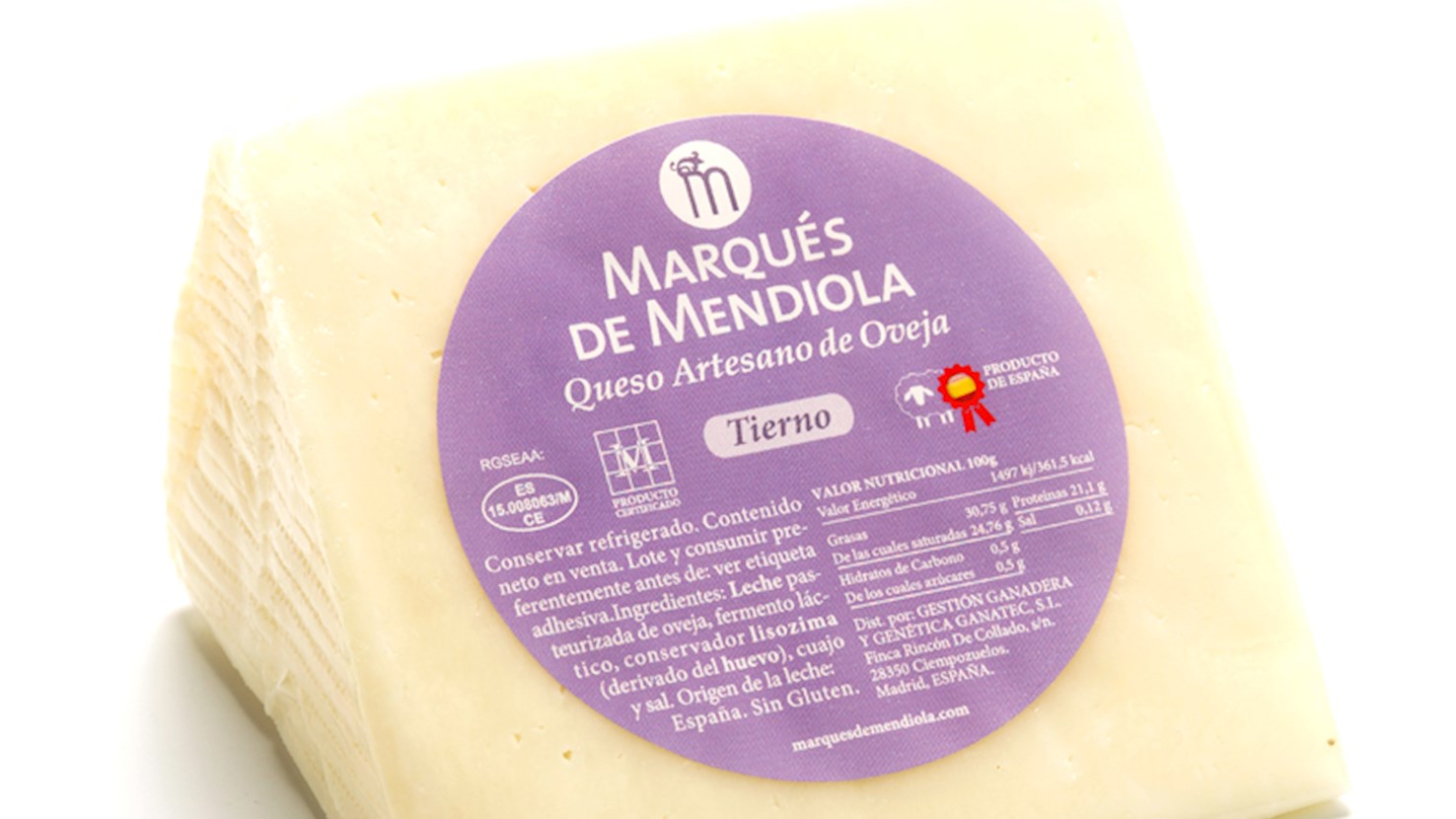
Quesos Marqués de Mendiola

4.9 ·
Awards
Concours International de Lyon - Gold (2025)
World Cheese Awards - Gold (2024, 2023, 2022, 2021)
04
Cheese

Quesería Jaramera

4.9 ·
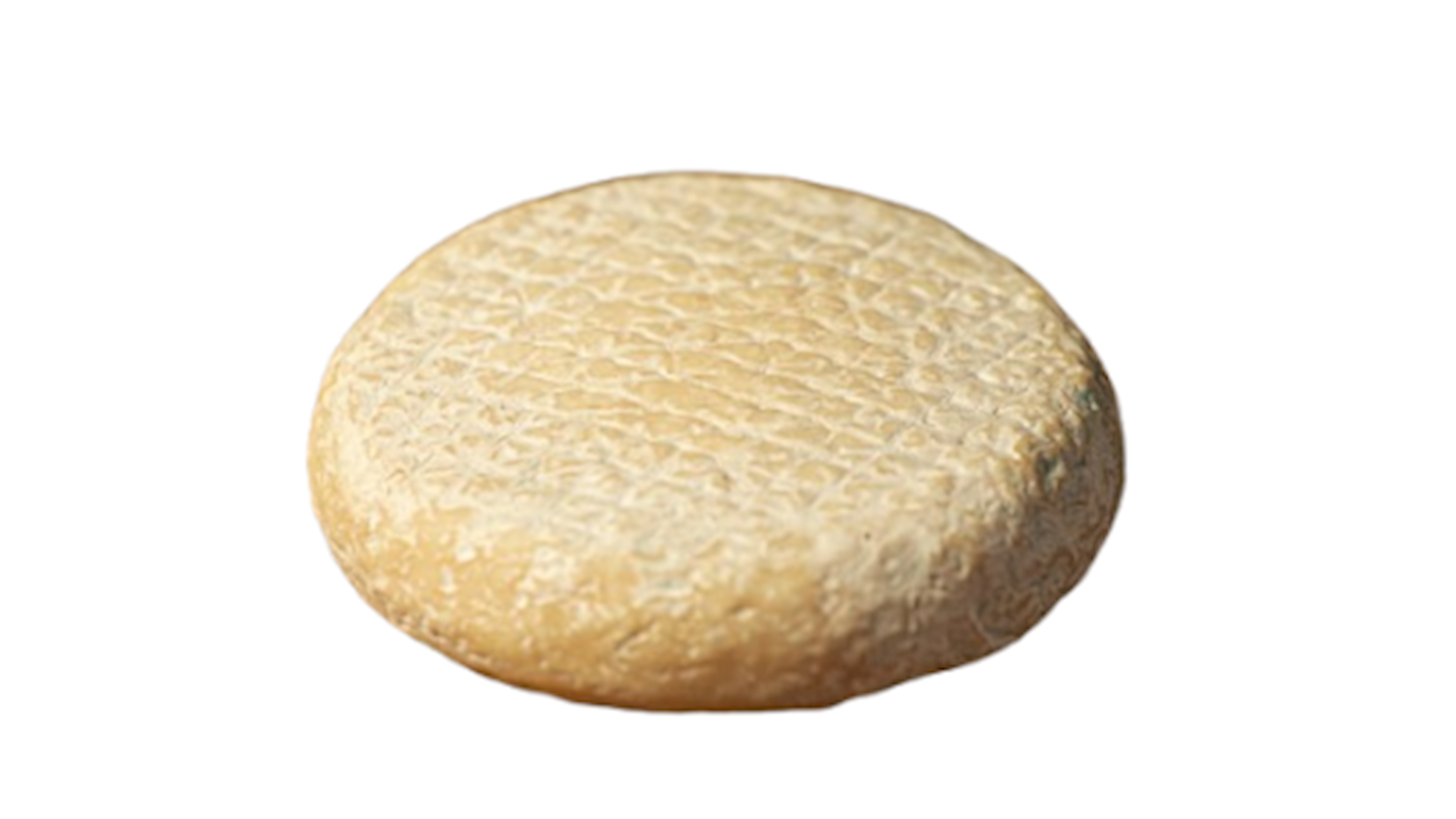
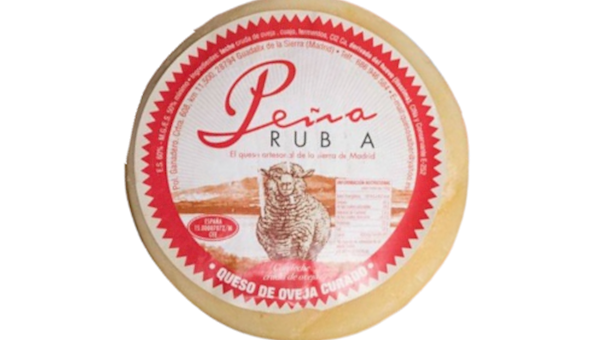
Quesería Jaramera is a small artisan cheesemaker based in Torremocha de Jarama, in the northern part of the Community of Madrid, focused on crafting sheep’s milk cheeses with a strong local identity. Production is carried out in small batches, with close control over every stage, from milk selection to affinage in their own aging rooms. The dairy works primarily with high-quality sheep’s milk, sea salt, and vegetable rennet, resulting in cheeses with a clean and well-defined character. Their range includes younger, creamier styles as well as semi-hard and aged cheeses that develop deeper, nutty and slightly piquant notes over time. Particular attention is given to the natural rind and the controlled development of surface flora, which contributes to aromatic complexity and textural depth. Some cheeses are infused with herbs, such as mint, adding a subtle but distinctive aromatic layer without overwhelming the base milk profile. Visually, their cheeses present a rustic appearance, with compact paste and clearly structured interiors. Jaramera combines traditional cheesemaking techniques with modern hygiene standards and precise quality control. Their products have gained recognition at specialized tastings and competitions, reflecting consistency and technical skill. Sustainability and support for local livestock farming also form part of their operating philosophy. Overall, Quesería Jaramera represents a contemporary Spanish artisan dairy built around respect for raw material, careful maturation, and a clearly defined cheesemaking style.
Awards
World Cheese Awards - Gold (2022)
World Cheese Awards - Gold (2018)
05
Cheese

Alimentos de Miraflores

4.9 ·
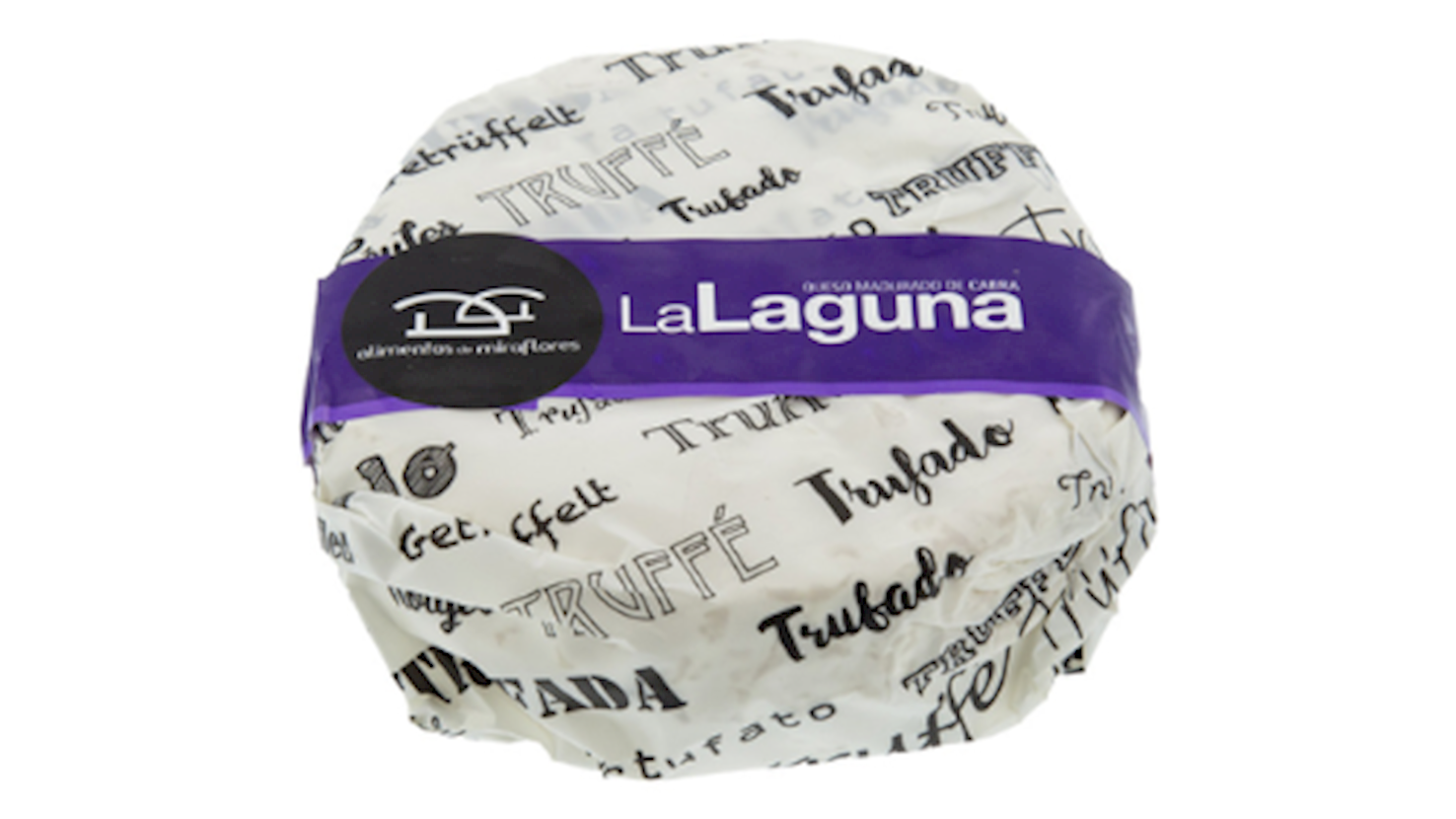
Alimentos de Miraflores is a family-run artisan cheesemaker based in Miraflores de la Sierra in the Madrid region, set within the natural surroundings of the Sierra de Guadarrama. The company began operations in September 2011 with the goal of reviving the local cheesemaking tradition of the area. It produces cheeses made from goat’s and sheep’s milk, using milk sourced from herds connected to the Sierra de Guadarrama region. Its production includes semicurado, curado, and fully matured cheeses, as well as specialty varieties infused with black truffle. Notable product lines include Peñagorda, La Laguna, La Najarra, and El Yelmo de la Pedriza. The production style is distinctly artisanal, with a focus on preserving the natural character of the milk, traditional aging methods, and small-scale manufacturing. Alimentos de Miraflores is positioned as a producer of authentic cheeses from the Madrid region, with a strong connection between its products, the local landscape, and the area’s dairy heritage.
Awards
World Cheese Awards - Gold (2021)
06
Seafood

Ahumados Domínguez

4.9 ·
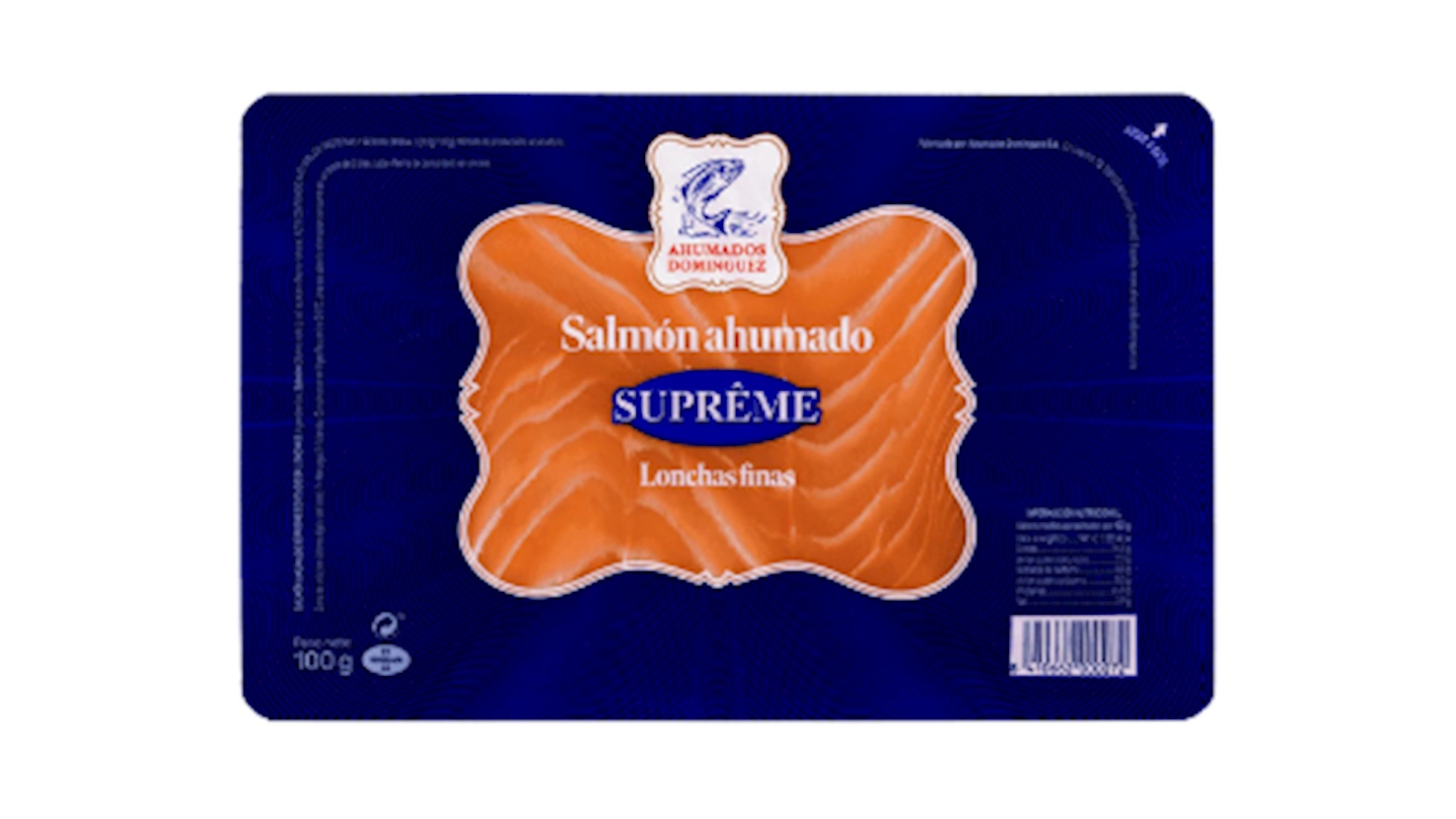
Ahumados Domínguez is a Spanish producer of smoked seafood delicacies, best known as one of the pioneers of premium smoked salmon in Spain. Founded in 1960, the company built its reputation around a distinctive approach to smoking that emphasizes elegance, balance, and delicacy rather than aggressively smoky intensity. The brand originated from the vision of José Mestanza, who sought to create a smoked salmon with a softer and more refined character tailored to Spanish gastronomic preferences. Its production philosophy combines careful raw material selection, artisanal handling, and cold-smoking techniques designed to preserve texture and subtle flavor complexity. Smoked salmon remains the company’s signature product, but the portfolio also includes other smoked fish specialties and gourmet formats intended for both retail and foodservice use. Ahumados Domínguez is positioned firmly in the premium gourmet segment, with strong recognition in Spain’s delicatessen and fine food market. The brand’s identity is closely tied to craftsmanship, consistency, and a long-standing production heritage rather than mass-market industrial positioning. Its products are typically associated with refined appetizers, canapés, salads, and contemporary Mediterranean-style serving occasions.
07
Cheese

Quesos La Rosa Amarilla

4.9 ·
Awards
World Cheese Awards - Gold (2024)
08
Olive Oil

La Aceitera de la Abuela

4.9 ·
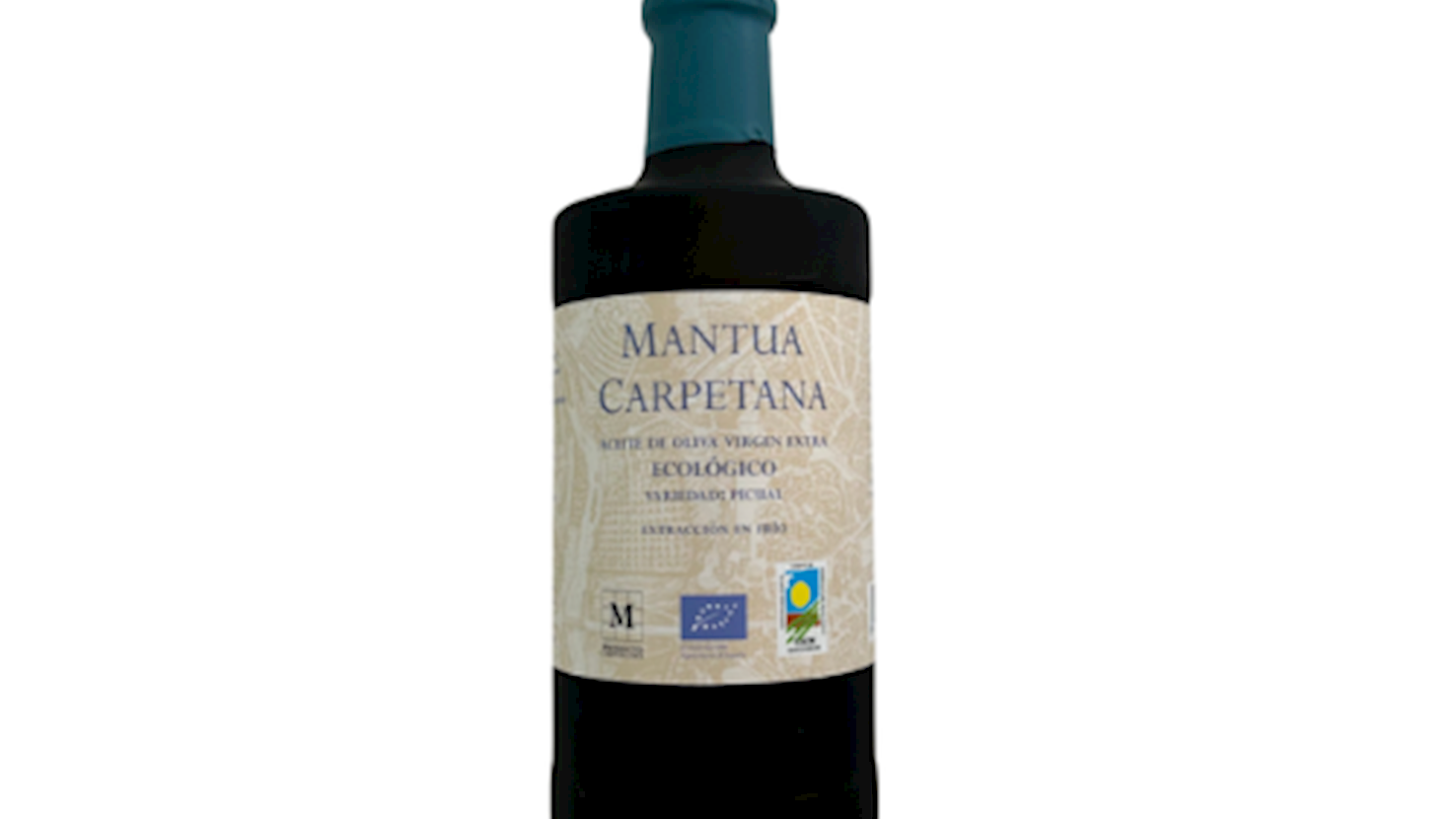
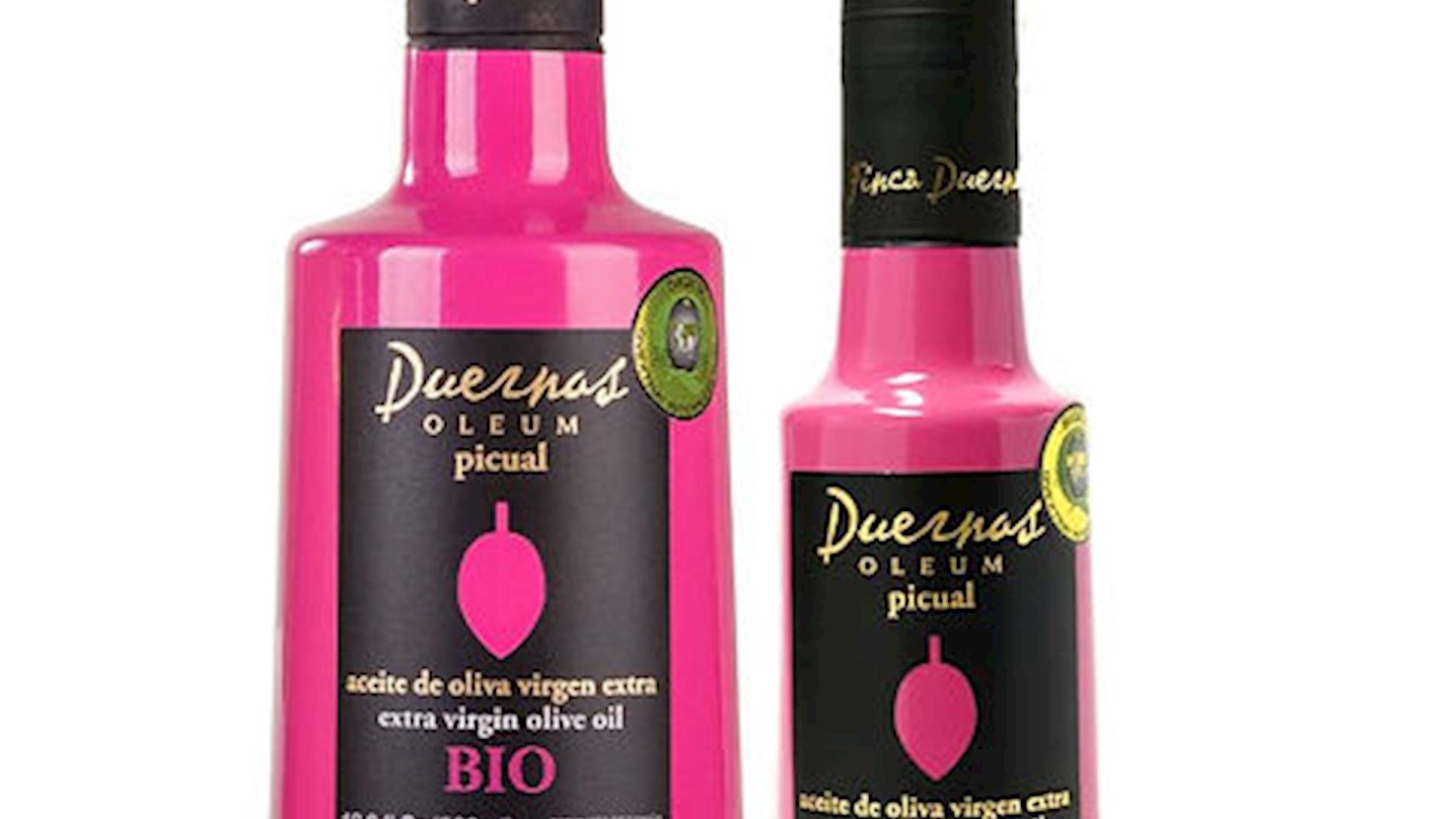
La Aceitera de la Abuela is a Spanish producer of organic extra virgin olive oil based in Titulcia, southeast of Madrid. The company presents itself as a modern business rooted in family olive-growing tradition, combining inherited know-how with contemporary production technology. Its olive mill is located in Titulcia, and the production process is managed from olive cultivation through bottling, ensuring full traceability and product control. The olives come from groves in southern Madrid, primarily from dry-farmed trees cultivated according to organic principles. Its flagship oils are organic extra virgin olive oils produced through cold extraction, with a strong focus on the Cornicabra variety. The sensory profile is characterized by pronounced fruitiness, with notes of fresh grass, almond, and apple, balanced by pleasant bitterness and peppery pungency. In addition to its core range, the producer has developed the premium Mantua Carpetana brand, featuring oils made from varieties such as Picual, Cornicabra, and Arbequina. La Aceitera de la Abuela also offers oleotourism experiences, introducing visitors to the culture of organic olive oil, the workings of the mill, and the surrounding rural landscape of Titulcia. Its identity is built around sustainability, local origin, family heritage, and a direct connection between the olive grove, producer, and consumer.
Awards
EVO IOOC - Gold Medal (2022)
09
Wine

Vermut Zecchini

4.9 ·
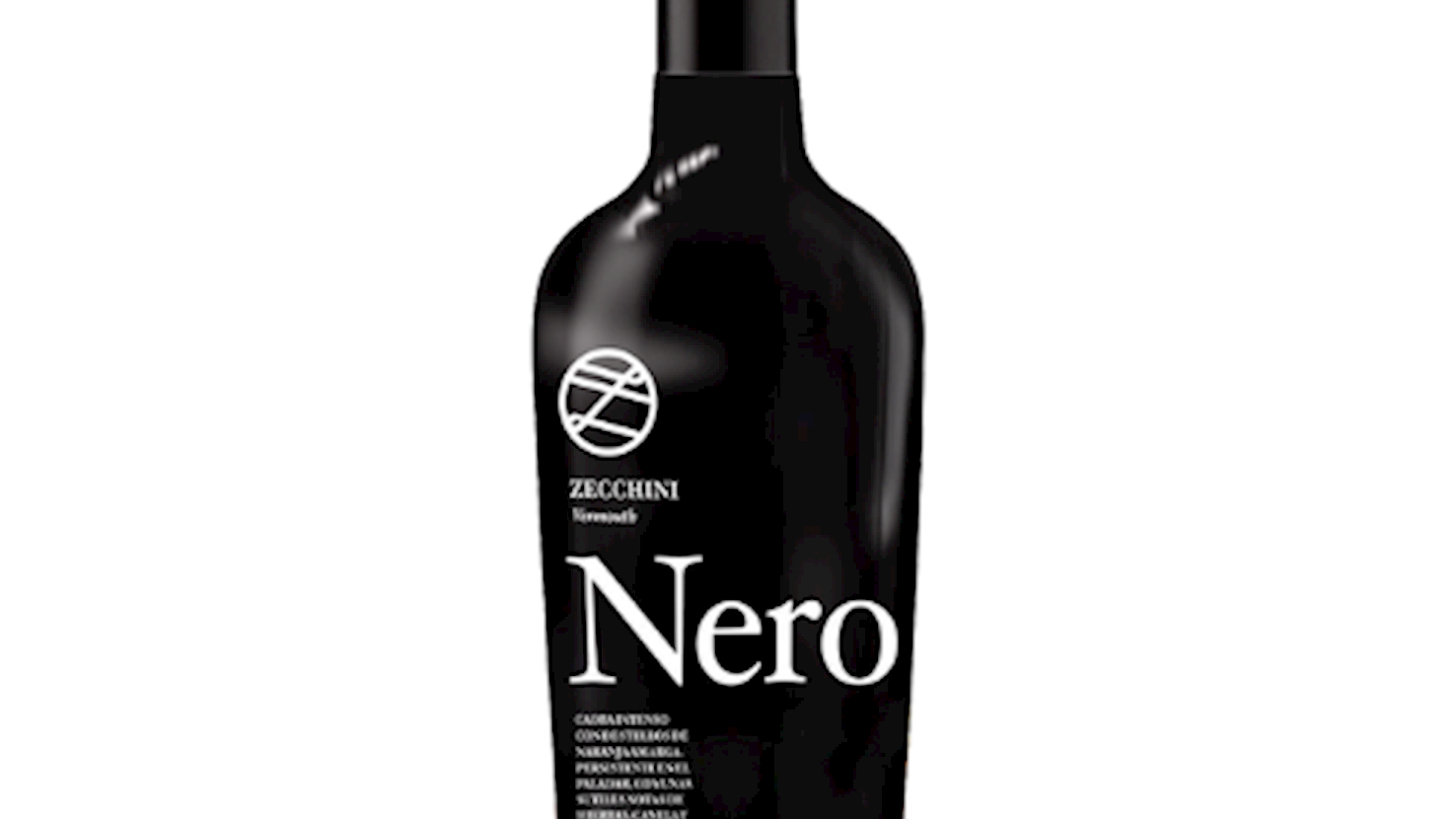
Vermut Zecchini is one of the most traditional vermouth producers in Madrid and is often regarded as the city’s oldest active vermouth brand. Its origins date back to 1940, when Pedro José Cuesta began producing vermouth in the small Bodegas Cuesta tavern in Madrid’s Lavapiés district, at a time when vermouth culture was becoming increasingly popular in the Spanish capital. Over the decades, the brand evolved from a local institution into a recognizable part of Madrid’s aperitif culture while maintaining a strong commitment to traditional production methods. Vermut Zecchini is made from wine infused with carefully selected botanicals and aromatic herbs, following a style that reflects the classic Spanish vermouth profile with a distinctly Madrilenian character. The portfolio includes red, white, bianco, nero, and limited special editions, with an emphasis on balancing herbal bitterness, spice, and rounded sweetness. In recent years, the brand has refreshed its visual identity while preserving the historical heritage that remains central to its positioning. Production now takes place in Valdemoro, in the Madrid region, where the company continues to operate as a family-run producer. The brand is particularly known for preserving the traditional aperitif-serving style, typically enjoyed over ice with citrus.
10
Olive Oil

Finca Zaytas

4.9 ·
Awards
Terraolivo IOOC - Prestige Gold (2017)

Best Madrilenian foods

01
Egg Dish

Huevos rotos

4.2 ·

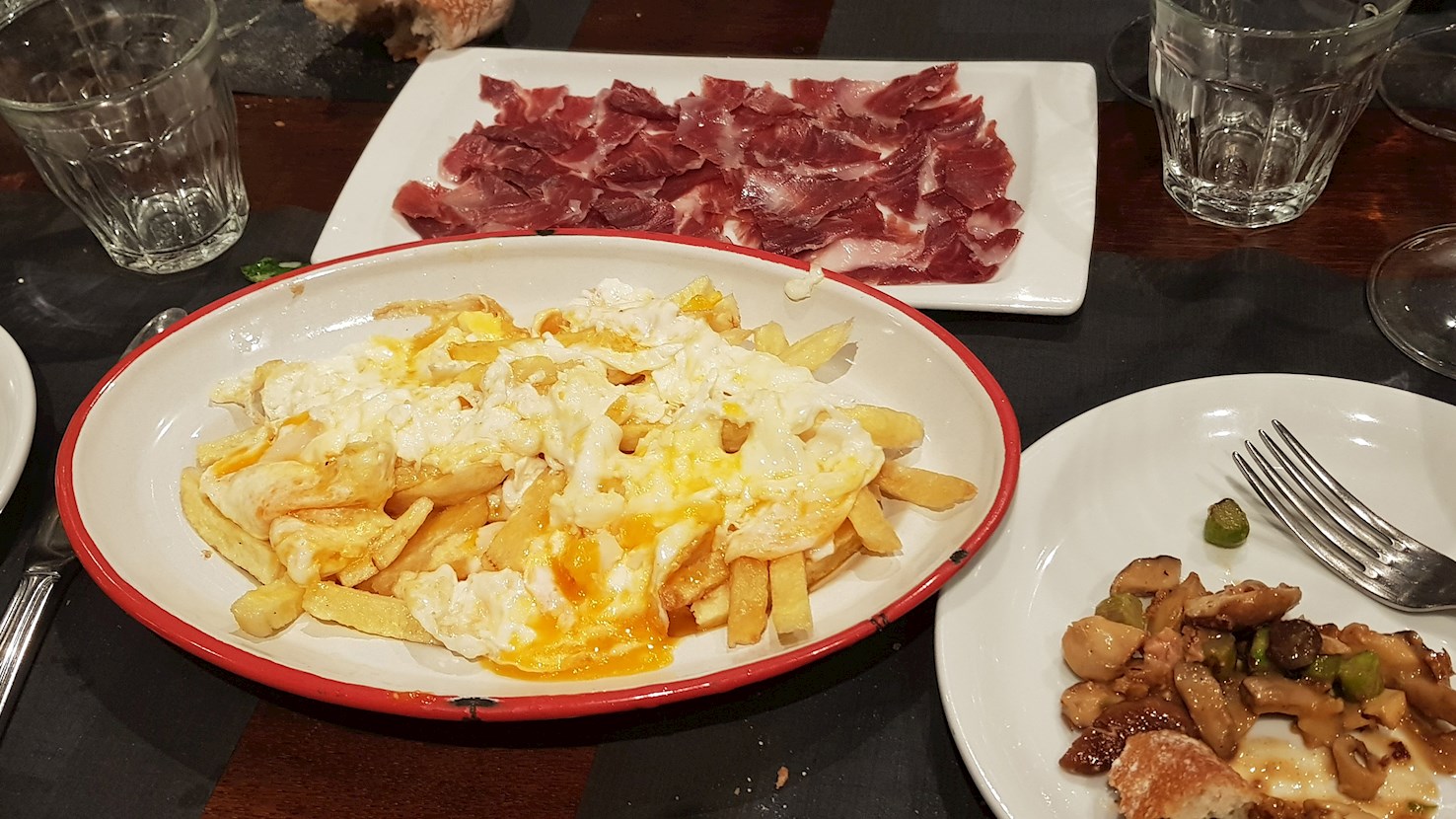
The simple and inexpensive huevos rotos (lit. broken eggs, also known as huevos estrellados) is a Spanish dish that is a specialty of Madrid. It consists of eggs fried in olive oil, which are then placed over french fries. The dish is traditionally topped with chorizo pieces, seafood, or slices of Iberian ham. The eggs should be cut so that the yolk drizzles down over the french fries, which are used to soak up the yolk. Although the dish is easily found throughout Madrid, its origins are quite murky, and nowadays, huevos rotos are also very popular in the Canary Islands, and Portugal also boasts its own version of the dish.

Best restaurants
02
Snack

Torrijas

4.2 ·

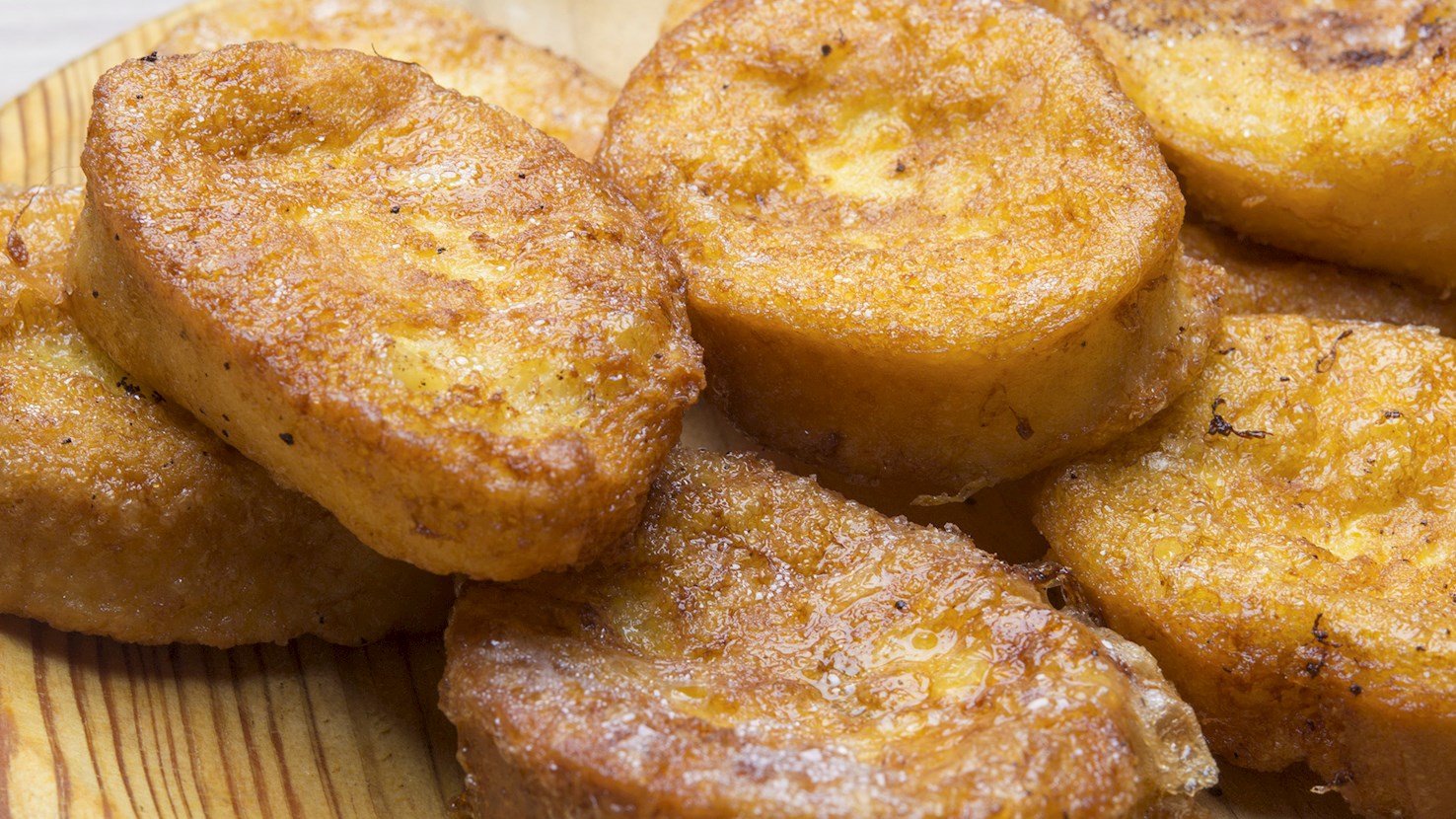
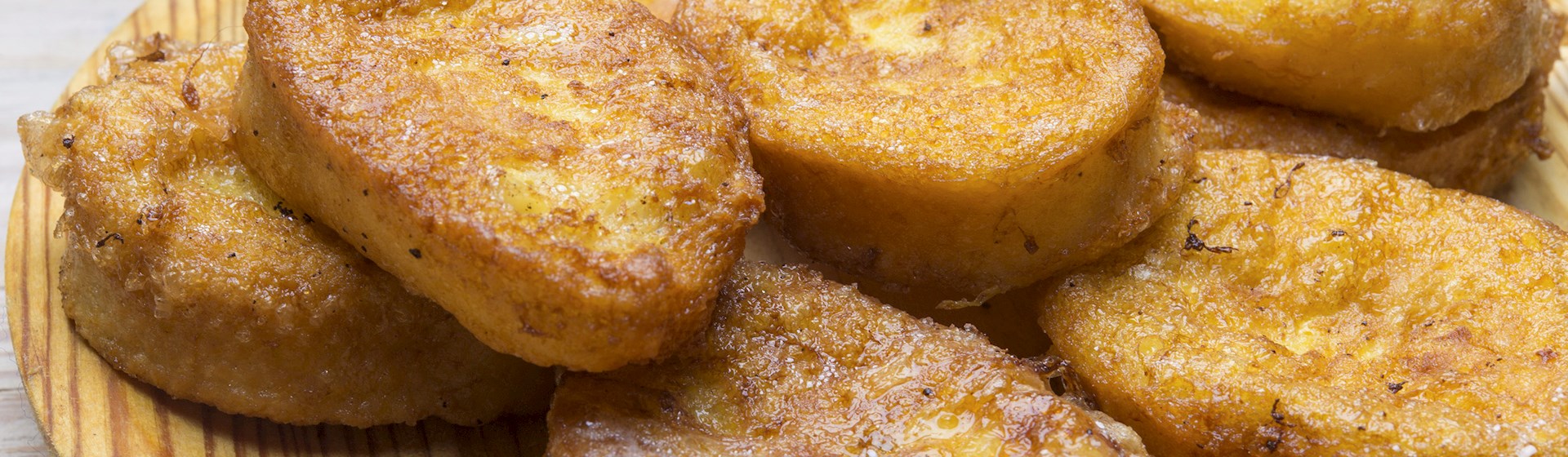
Torrijas is a Spanish version of the classic French toast, consisting of slices of leftover bread that are first soaked in milk, dipped in beaten eggs, and then fried in hot olive oil, unlike French toast, which is dipped in a mixture of eggs and milk. In the past, torrijas was often served to new mothers and wounded soldiers, since it provides a significant boost of energy. Today, torrijas is traditionally prepared around Easter, and it is recommended to serve it with cinnamon sugar or honey for extra flavor.

03
Snack

Patatas bravas

4.1 ·

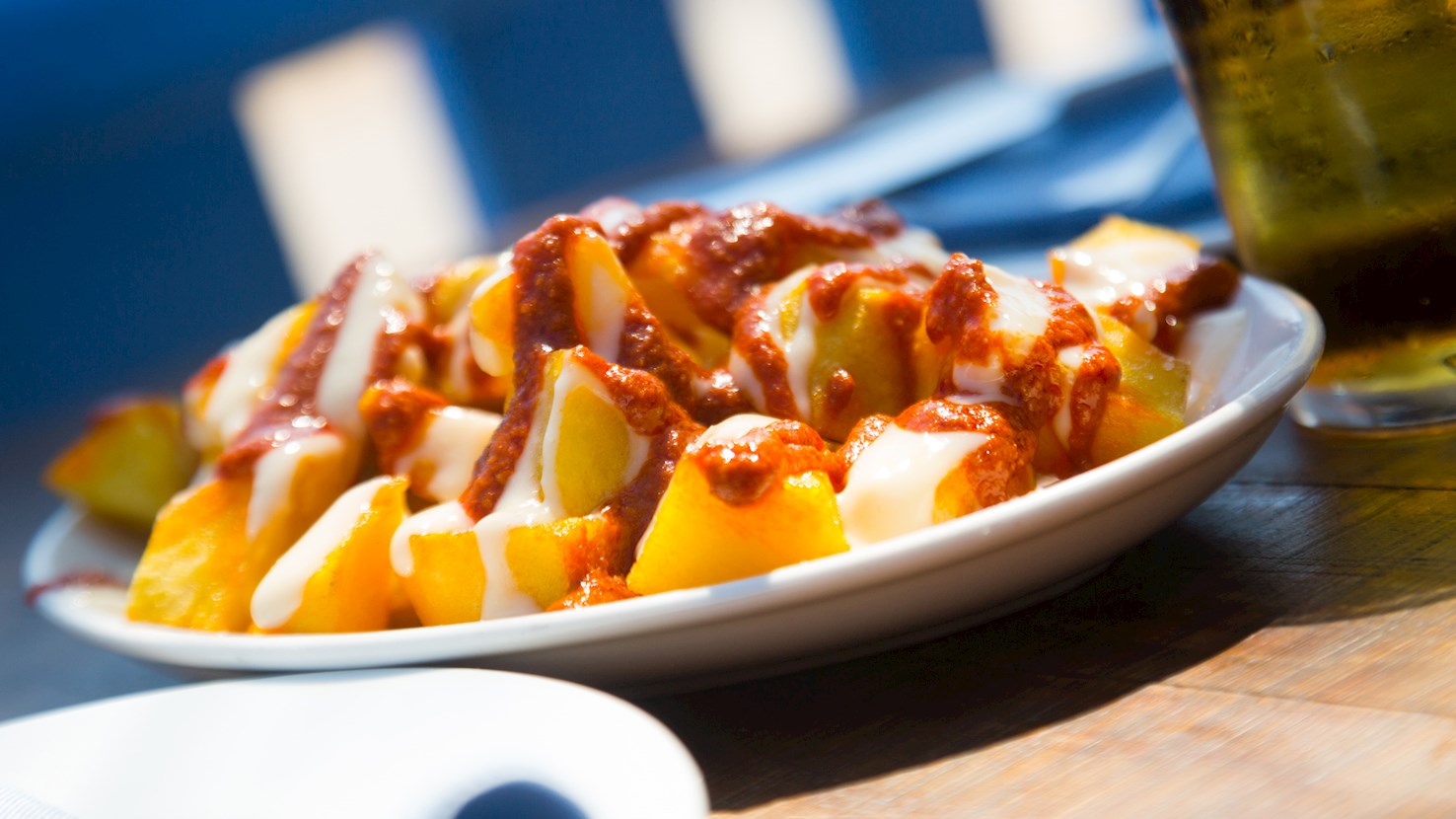
Patatas bravas is a traditional tapas dish consisting of potato cubes drenched in a spicy tomato sauce with onions, garlic, chili powder, and pimentón. This flavorful combination of ingredients is a staple at numerous tapa bars throughout Spain, and it is especially popular as a late-night snack. The dish is traditionally served with aioli sauce on top, but there is also a variety of other toppings that can be ordered with the snack, such as chorizo slices or fried fish.

04
Sandwich

Bocadillo de calamares

3.9 ·

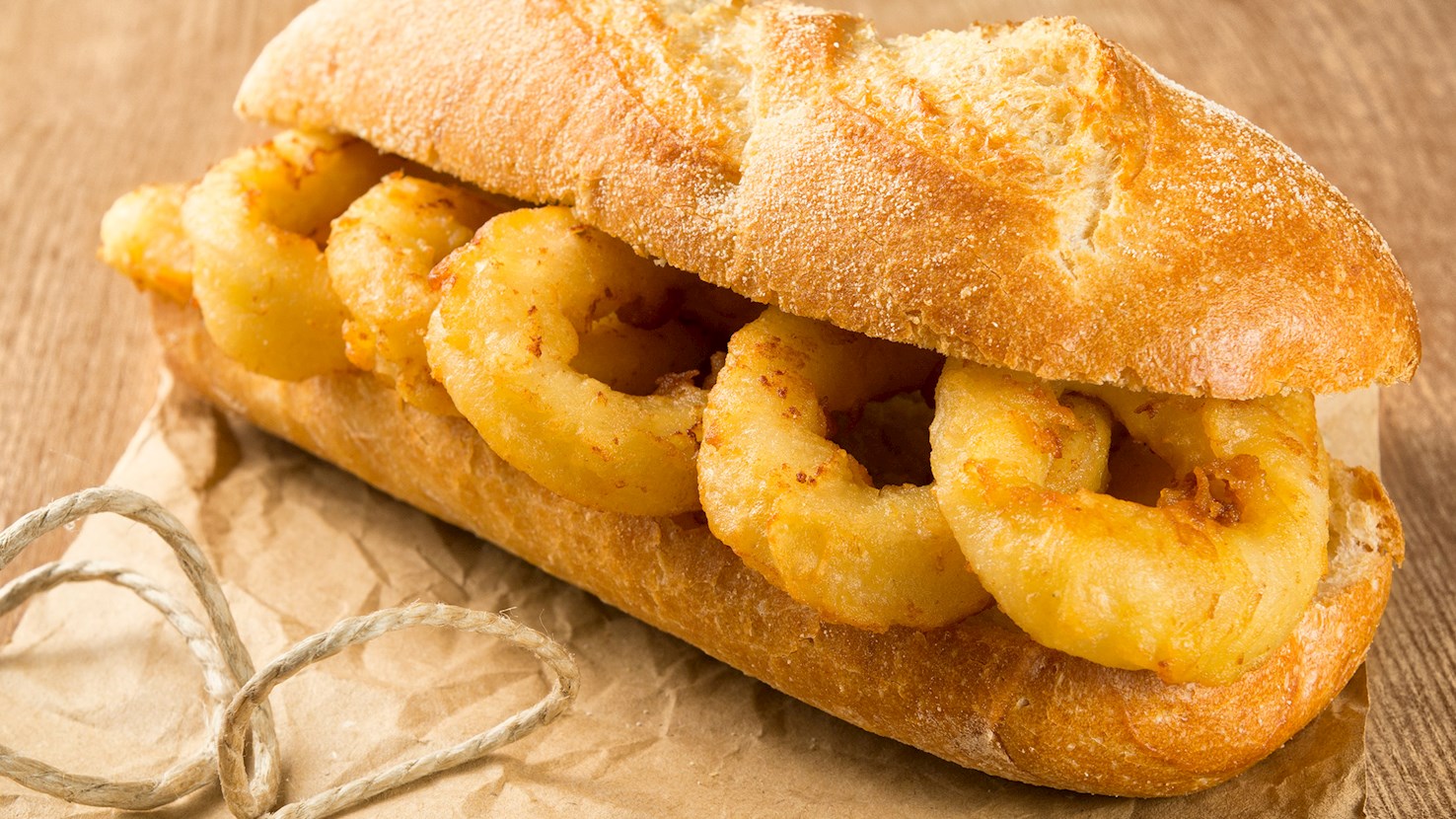
Bocadillo de calamares is one of the best-known bocadillo sandwiches in Spain, and a most beloved bar snack staple in the country’s capital, Madrid. It typically consists of a crusty Spanish-style baguette called barra de pan, which has been sliced in half lengthwise and stuffed with fresh and crunchy fried calamari rings. The calamari are usually dipped in flour and fried in olive oil, while the sandwich’s filling may be enhanced with a touch of olive oil or alioli (garlic mayonnaise) or a drizzle of fresh lemon juice. This simple sandwich makes for a filling breakfast, lunch, dinner, or a mid-afternoon snack, and it is traditionally washed down with a small glass of ice-cold draft beer known as a caña in Spanish. In Madrid, where calamari sandwiches can be found at any corner, people usually enjoy this sandwich on the spot, standing in the bar where they bought it, or for a more pleasurable experience, they often eat it al fresco while sitting on one of the benches on the Plaza Mayor.

05
Stew

Cocido madrileño

3.7 ·

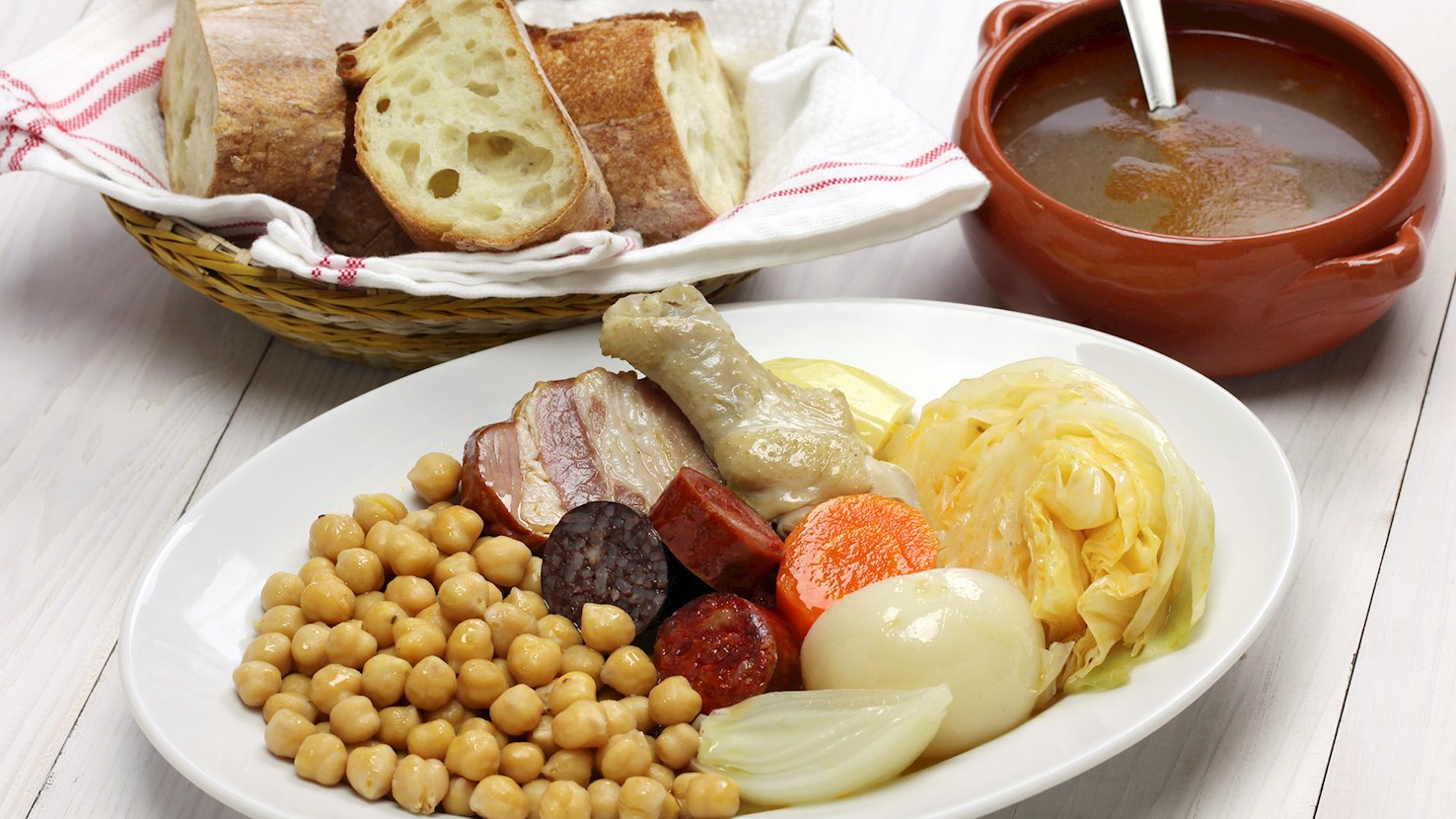
One of the most emblematic dishes of Madrilenian cuisine known as cocido madrileño is a hearty meat and chickpea stew whose origins can be traced back to the medieval-era Castilla La Mancha. Some food historians claim that this one-pot meal evolved from a peasant dish called olla podrida Manchega, but wasn't named cocido madrileño until the 17th century. However, most sources agree that the famed dish has its roots in the Sephardic stew called adafina–a Shabbat kosher meal based on chickpeas, vegetables, and either hard-boiled eggs or meat such as lamb, veal, beef, or chicken. With the arrival of the Inquisition, feared of prosecution by the Catholic priests who roamed the streets of Madrid at the time–in search of both Jewish and Muslim cookery–the converted Spanish Jews called Marranos started incorporating pork into their adafinas to prove themselves as Christians. Over time, with the addition of lard, bacon, Serrano ham, chorizo (pork sausages) and morcilla (blood sausages), adafina reportedly became the dish that is now known as cocido madrileño. This substantial meal is traditionally served in three separate vuelcos or courses: the first one is a rich, flavorful stock with added noodles; the second vuelco consists of chickpeas and vegetables, while the meat is dished out as the third course. Once commonly consumed during winter, cocido madrileño can nowadays be found prepared throughout the year in many of Madrid's restaurants and taverns.

06
Offal Dish

Callos a la Madrileña

3.5 ·

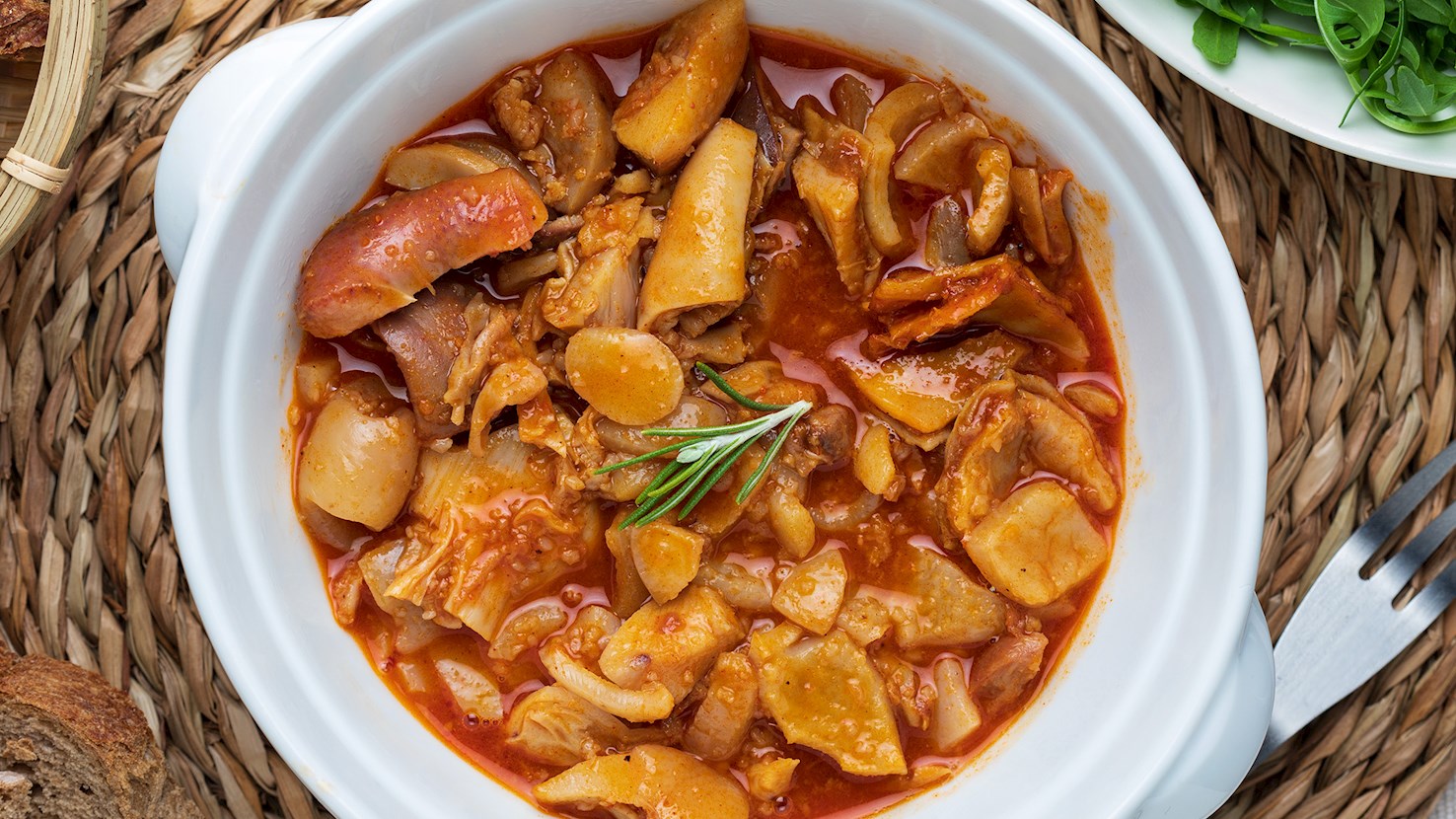
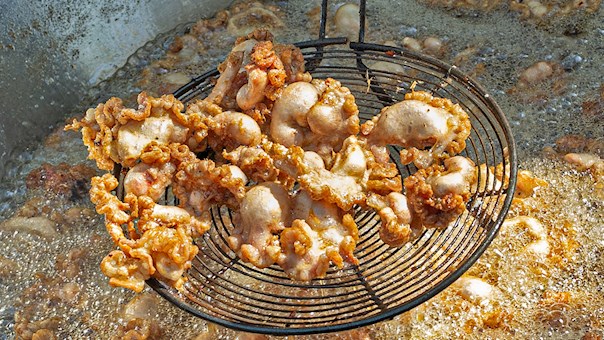
Callos a la Madrileña or Madrid-style tripe is a Spanish dish that consists of tripe, ham, chorizo, and morcilla (blood sausage) cooked in a broth with onions, tomato sauce, garlic, and paprika. Bay leaves, parsley, and saffron are added for extra flavor, while optional ingredients include breadcrumbs, white vinegar, and garbanzo beans. The dish is cooked slowly at medium to low heat until the broth develops a thick consistency. This typical Madrid dish is believed to date back to the 19th century. Before the 19th century, the dish was served in taverns, but then a luxury restaurant Lhardy included it in its menu and it became widely popular. Nowadays, this stew is traditionally served in earthenware bowls accompanied by rustic bread on the side.

Best restaurants
07
Sweet Pastry

Flores de hojaldre

3.4 ·

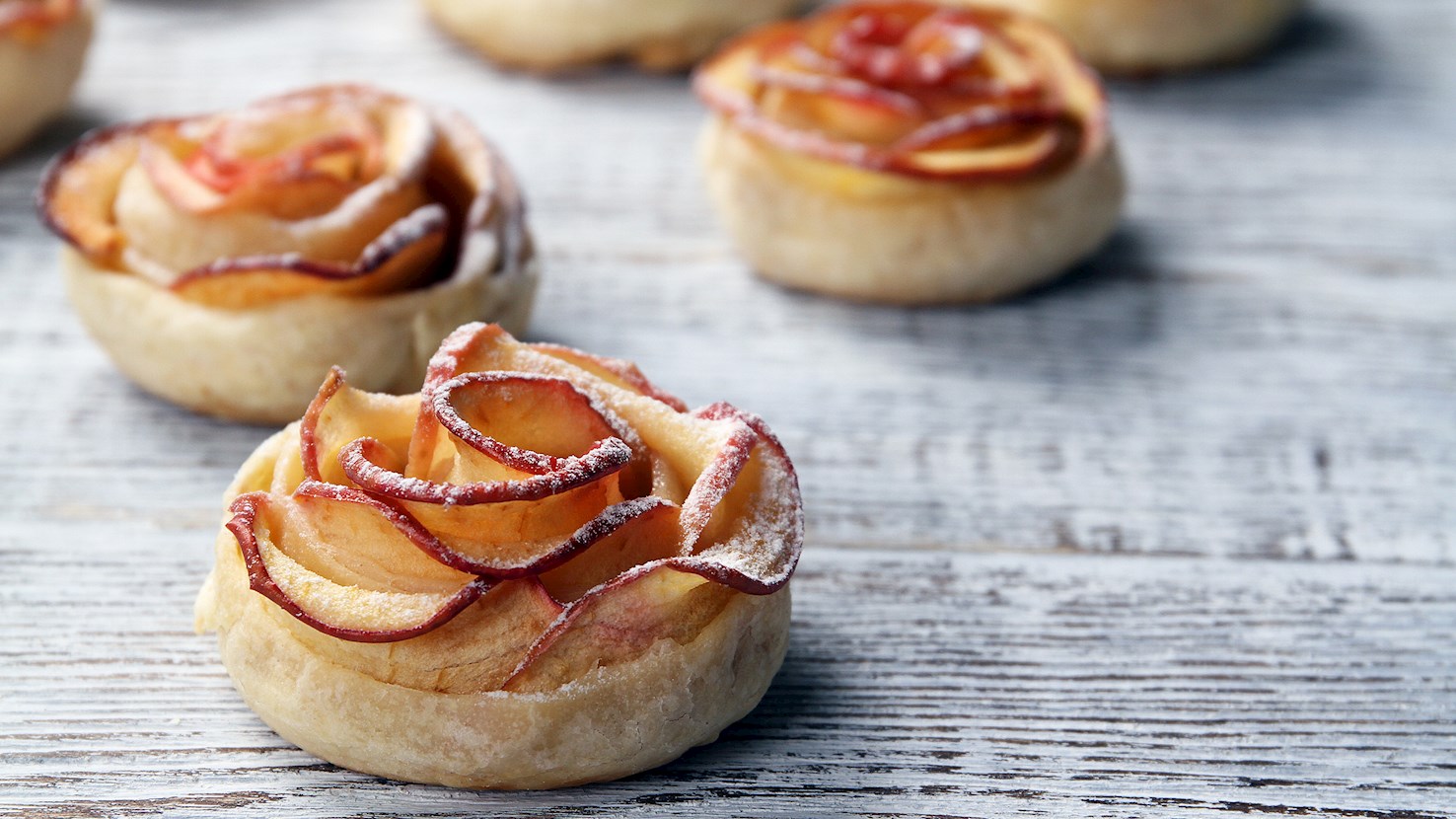
Flores de hojaldre is a specialty of the Spanish city of Alcalá de Henares, consisting of puff pastry (hojaldre) that has been rolled into beautiful shapes of flowers or roses. It is the unique shape of the pastry that has given it its name, which translates to flowers of puff pastry. At its simplest, flores de hojaldre are distinguished by a light, airy, and flaky texture, and they are usually served dusted with powdered sugar and accompanied by a cup of coffee on the side. Although it's most commonly made in the sweet version, this traditional Spanish pastry can also be savory, depending on the ingredients used for its preparation. Typical ingredients used for making the sweet flores de hojaldre include thin slices of apples or pears, fruit jam, cinnamon, honey, chocolate, powdered sugar, and cocoa cream, while the savory versions usually contain zucchini, salmon, cheese, bacon, or mushrooms. Depending on whether it’s sweet or savory, this simple pastry may be enjoyed as a dessert, a sweet or savory snack, or as an appetizer.

08
Sweet Pastry

Rosquillas de Santa Clara

2.9 ·

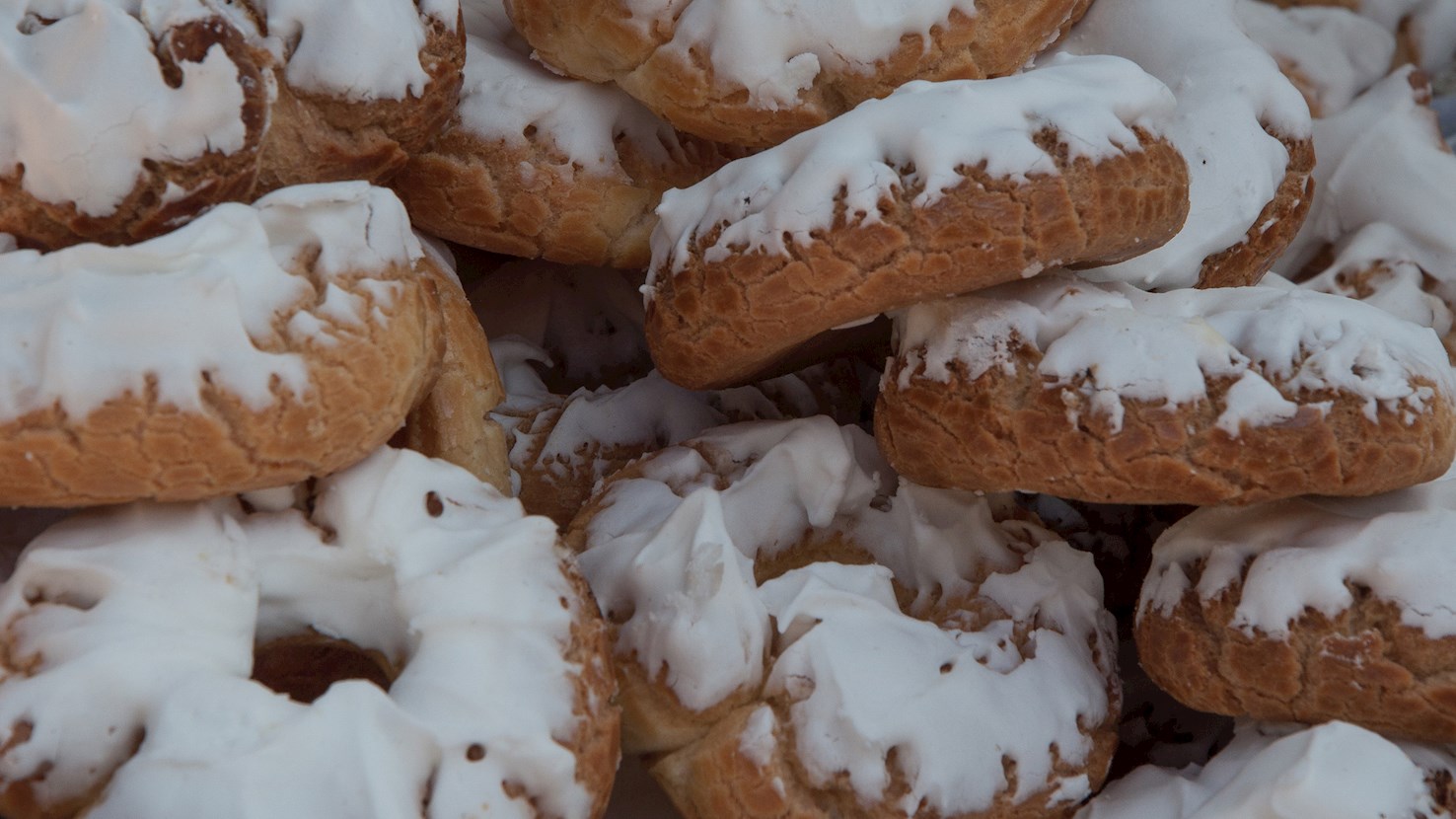
Rosquillas de Santa Clara are Spanish doughnuts traditionally prepared for the feast of San Isidor. They consist of a round-shaped, anise-flavored dough that is generously covered in a powdered sugar glaze. The dough is wrapped into a circle, leaving a hole in the middle. Rosquillas de Santa Clara are baked in the oven, and when chilled, they are coated in a thick glaze made with sugar and whipped egg whites. These doughnuts are traditionally associated with Madrid, and they are a staple on the feast of San Isidor, the city's patron saint.

09
Stew

Carne al desarreglo

n/a ·

Carne al desarreglo is a traditional stew originating from Madrid. The stew is usually made with a combination of beef, tomatoes, onion, garlic, white wine, olive oil, salt, and black pepper. The beef is cut into cubes and browned in a pan with sautéed onions and garlic. The mixture is covered with white wine and cooked until the liquid is reduced. Tomatoes are added to the pot, and the stew is then simmered until everything is tender and the sauce thickens. The stew is traditionally served in the summer when tomatoes are in season, and it's typically accompanied by patatas chulas – potato slices that are fried in oil and dressed with garlic and parsley.

10
Sweet Pastry

Costrada

n/a ·

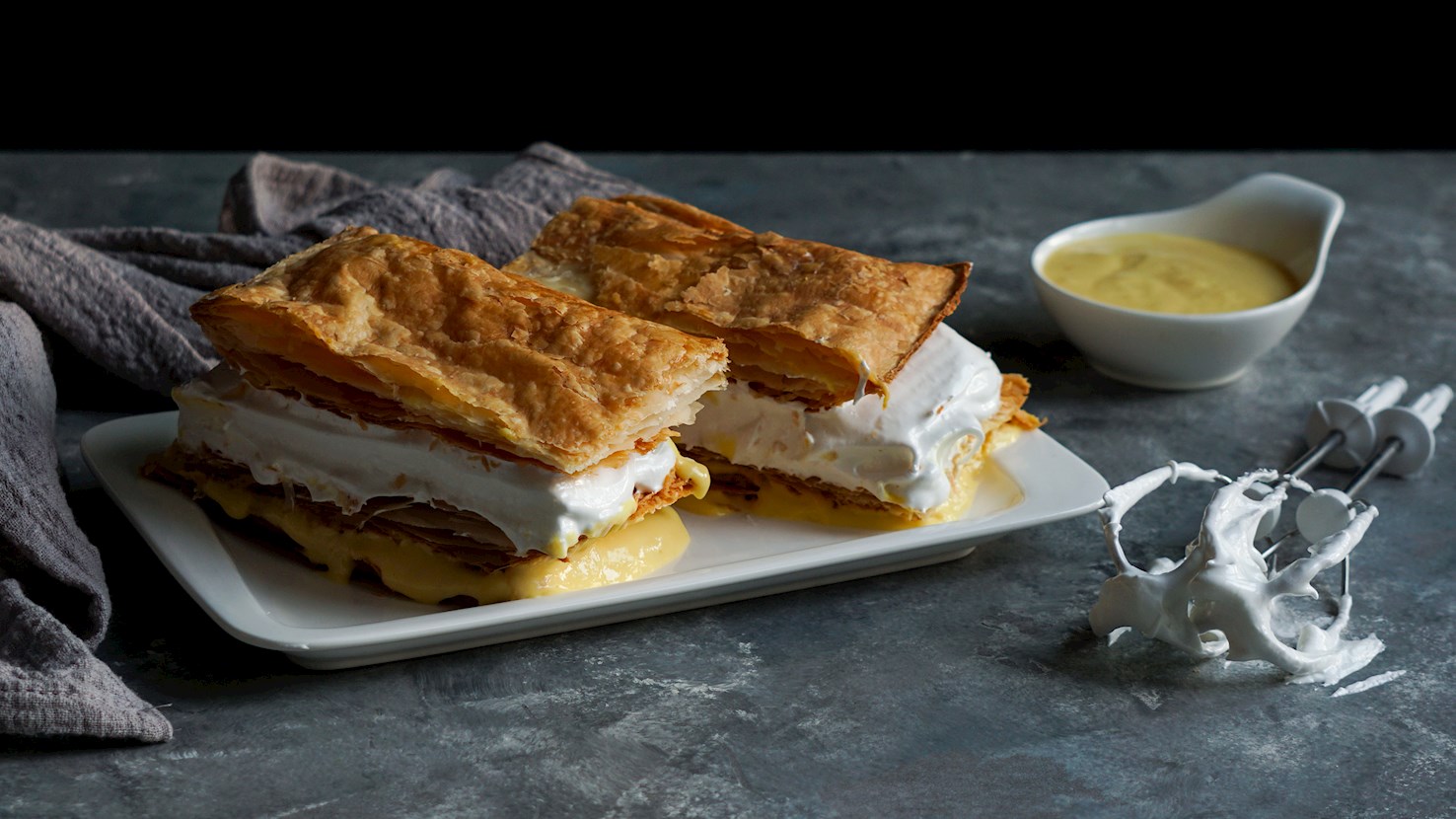
Costrada is a traditional dessert originating from Alcalá de Henares. This classic dessert consists of sheets of puff pastry that are filled with pastry cream and meringue. The whole thing is topped with chopped almonds and icing sugar, then baked for a short while in order to roast the almonds and dry the outer meringue. Costrada was first made by two famous local confectioneries called Salinas and El Postre, but both of them are closed now. This dessert can be found in most of the city's restaurants. Before serving, it should be well-chilled, and when served, it's best to accompany the pastry by a cup of coffee on the side.

Read more
View all
View map
About this ranking

TasteAtlas food rankings are based on the ratings of the TasteAtlas audience, with a series of mechanisms that recognize real users and that ignore bot, nationalist or local patriotic ratings, and give additional value to the ratings of users that the system recognizes as knowledgeable. For the “Top 45 Madrilenian Foods” list until June 17, 2026, 1,174 ratings were recorded, of which 981 were recognized by the system as legitimate. TasteAtlas Rankings should not be seen as the final global conclusion about food. Their purpose is to promote excellent local foods, instill pride in traditional dishes, and arouse curiosity about dishes you haven’t tried.

The initial list of top producers was compiled based on available reviews, awards, local recommendations, media and blog coverage, and consumer reviews. The list will be updated with ratings from TasteAtlas local ambassadors and TasteAtlas users.

Similar lists