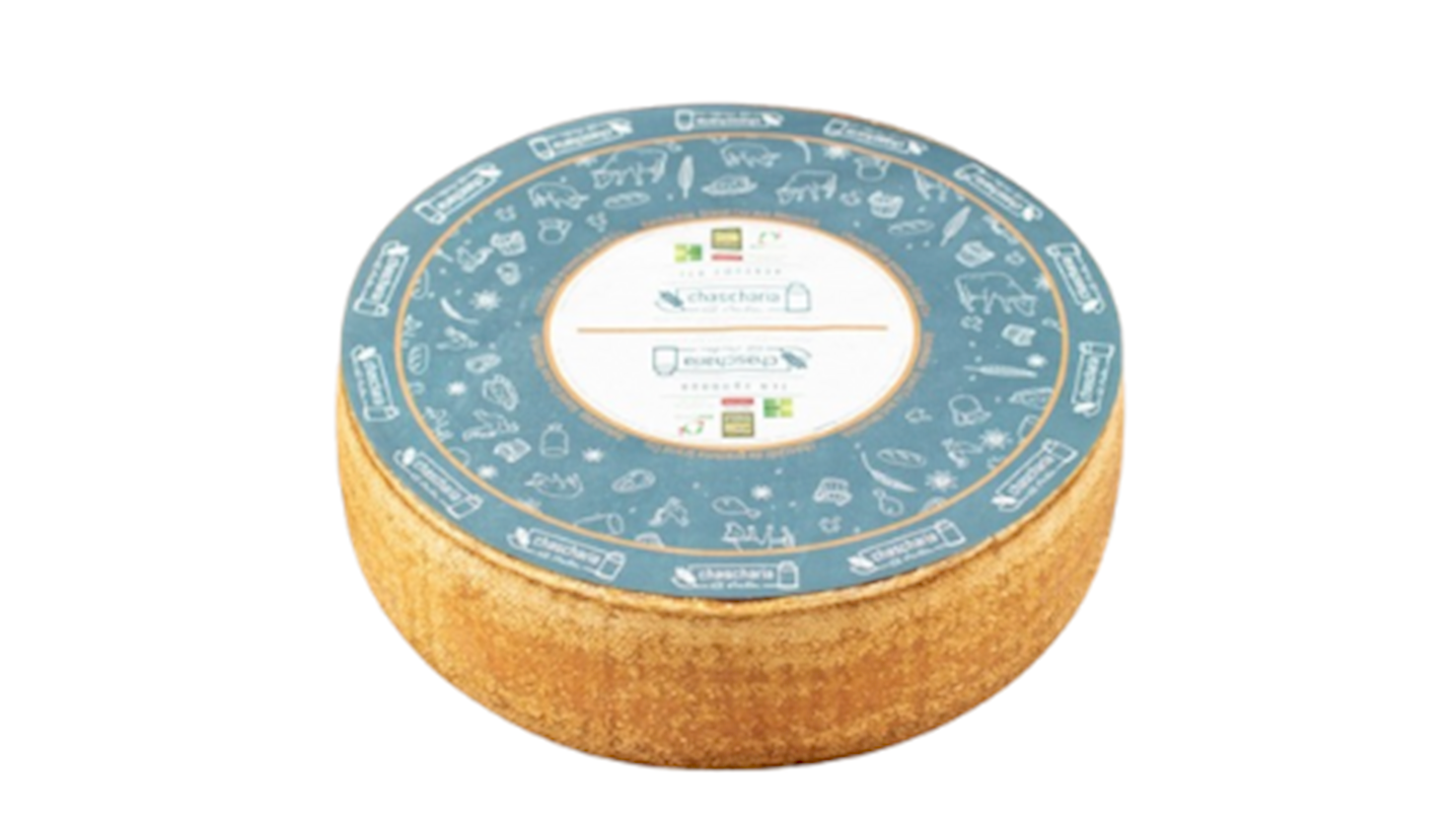
Chascharia Val Müstair is a cooperative cheese dairy located in the Val Müstair valley, in the Swiss canton of Graubünden, near the Italian border. It was founded in 1987 with the aim of uniting local farmers and preserving the region’s alpine cheesemaking tradition.
Production is based exclusively on organic hay milk, free from silage, supplied by local farms and certified according to Bio-Suisse standards. The dairy operates as a central element of the Agricultura Val Müstair network and the Biosfera Val Müstair brand, highlighting the close relationship between agriculture, nature, and the local economy.
Its range includes semi-hard and hard cheeses, as well as specialties made from both cow’s and goat’s milk, all shaped by seasonality and alpine terroir. Cheesemaking follows traditional alpine techniques supported by modern quality control and careful maturation.
Chascharia Val Müstair has received multiple international awards, reflecting the technical precision and distinct character of its cheeses. In addition to production, the dairy serves an educational role, welcoming visitors for tours and tastings and actively contributing to the cultural and gastronomic identity of the Val Müstair region.
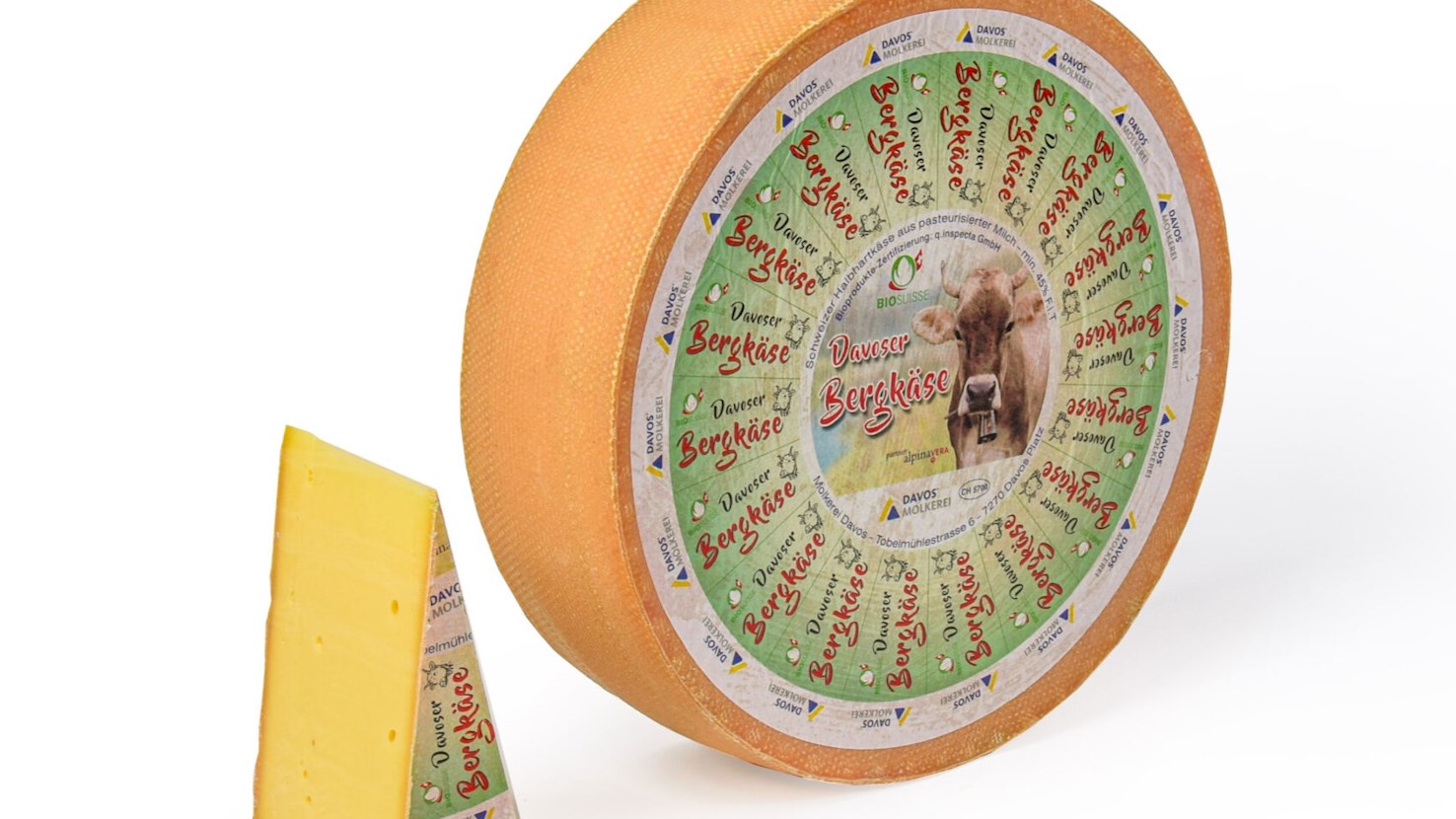
Molkerei Davos is a dairy company based in Davos, Switzerland, that specializes in the production of cheese and other dairy products. Established to support local agriculture, the company focuses on utilizing milk from regional farms to create its products, emphasizing sustainable practices and the promotion of local economic development.
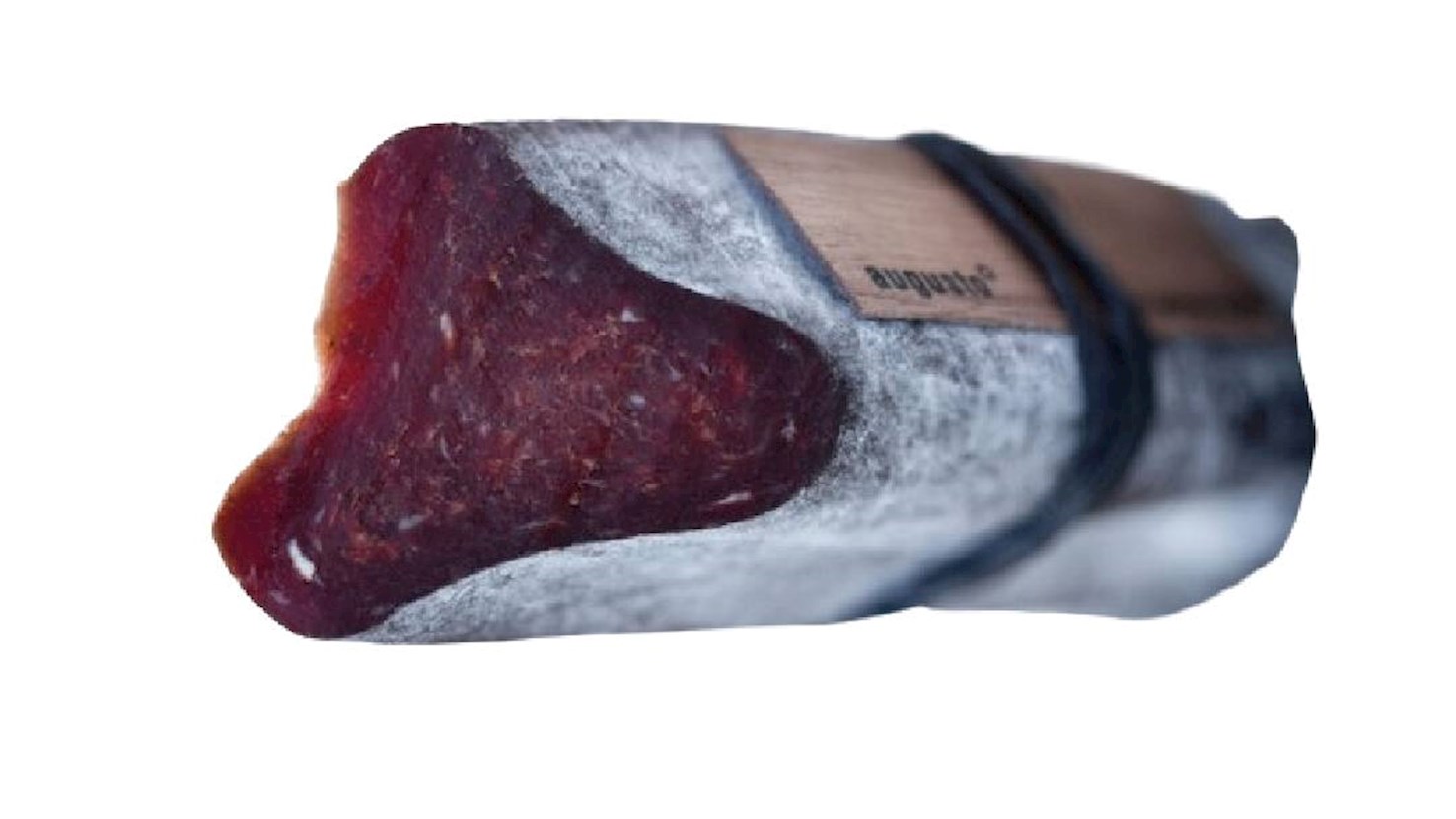
Hatecke is a family-run butcher shop with a long-standing tradition, located in the heart of the Swiss Alps in the canton of Graubünden. Their philosophy is built on a fusion of artisanal craftsmanship, exceptional meat quality, and a commitment to sustainability.
Hatecke is renowned for its meticulous selection of meat, sourced exclusively from local farms and wild game from the pristine Alpine environment. Their offerings include premium cured meats such as Bündnerfleisch, a traditionally air-dried beef specialty from the region, Salsiz dry sausages, and exclusive cuts of venison and other game meats.
Each product undergoes a carefully controlled aging process in stone cellars, allowing the meat to develop its rich and authentic flavor. In addition to producing high-quality cured meats, Hatecke offers a unique gastronomic experience through Bacharia Alpina, an exclusive tasting space where visitors can explore fine delicacies in an authentic Alpine setting.
With stores in Scuol, Zernez, Sent, St. Moritz, and Zurich, Hatecke brings a refined selection of premium charcuterie to connoisseurs, embodying a perfect balance of tradition, precision, and purity of flavor, solidifying its reputation as a symbol of Swiss butchery excellence.
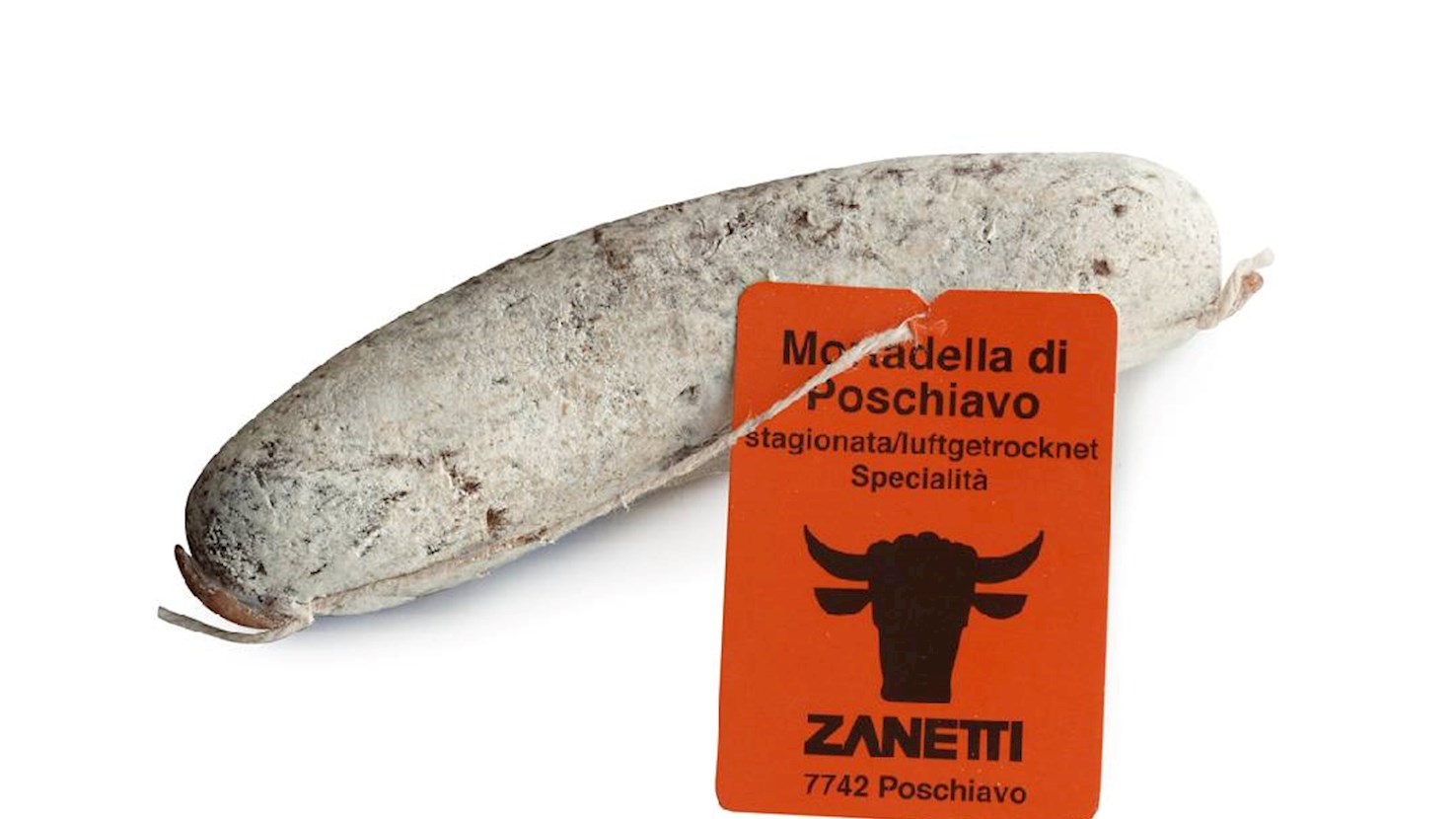
Macelleria Zanetti is a family-owned butcher shop from Poschiavo, which has been producing and selling high-quality fresh meat and meat specialties from the Valposchiavo region for over a century. Their tradition of artisanal meat processing combines expertise, experience, and a commitment to natural ingredients, resulting in premium products with an authentic taste.
For generations, the Zanetti family has carefully preserved and refined their recipes, adapting them to modern standards while staying true to tradition. Their selection includes Puschlaver, Bündner, and Italian meat specialties, with the renowned Mortadella di Poschiavo standing out, alongside a wide variety of cured delicacies.
Their dedication to top-quality ingredients and artisanal craftsmanship makes every dish a true gastronomic delight.
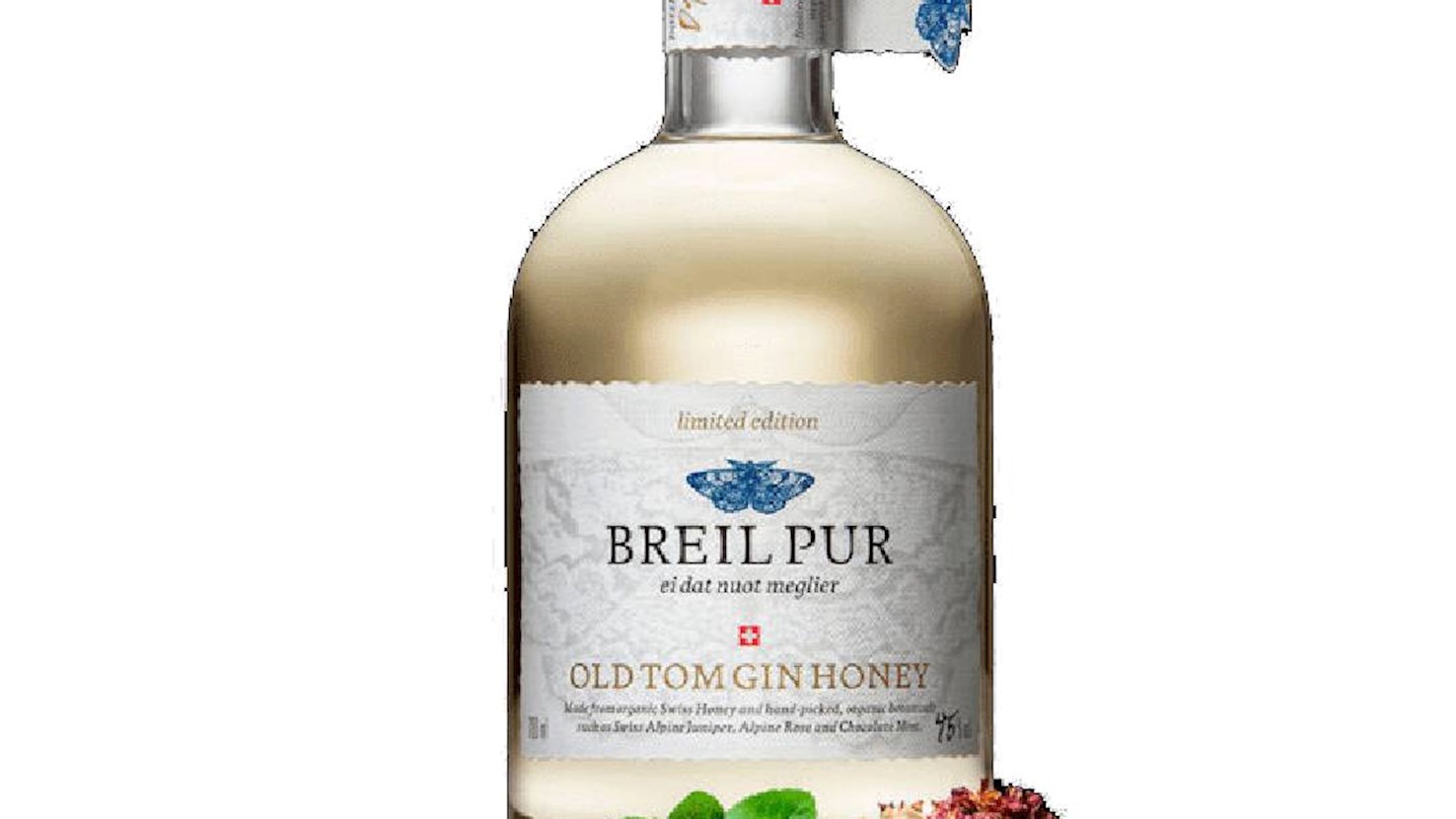
Breil Pur is a Swiss company specializing in the production of high-quality beverages, based in the alpine village of Breil/Brigels in the canton of Graubünden. Inspired by the pristine nature and diverse vegetation of the region, the company is dedicated to creating premium products for discerning connoisseurs.
Wherever possible, they use carefully selected Swiss ingredients of organic origin, often sourced from local wild harvests. Their limited edition products are handcrafted in collaboration with the finest partners in the canton of Graubünden, staying true to their Romansh motto "ei dat nuot meglier," which means "there is nothing better."
Awards
IWSC- International wine & spirit competition - Silver
(2024)
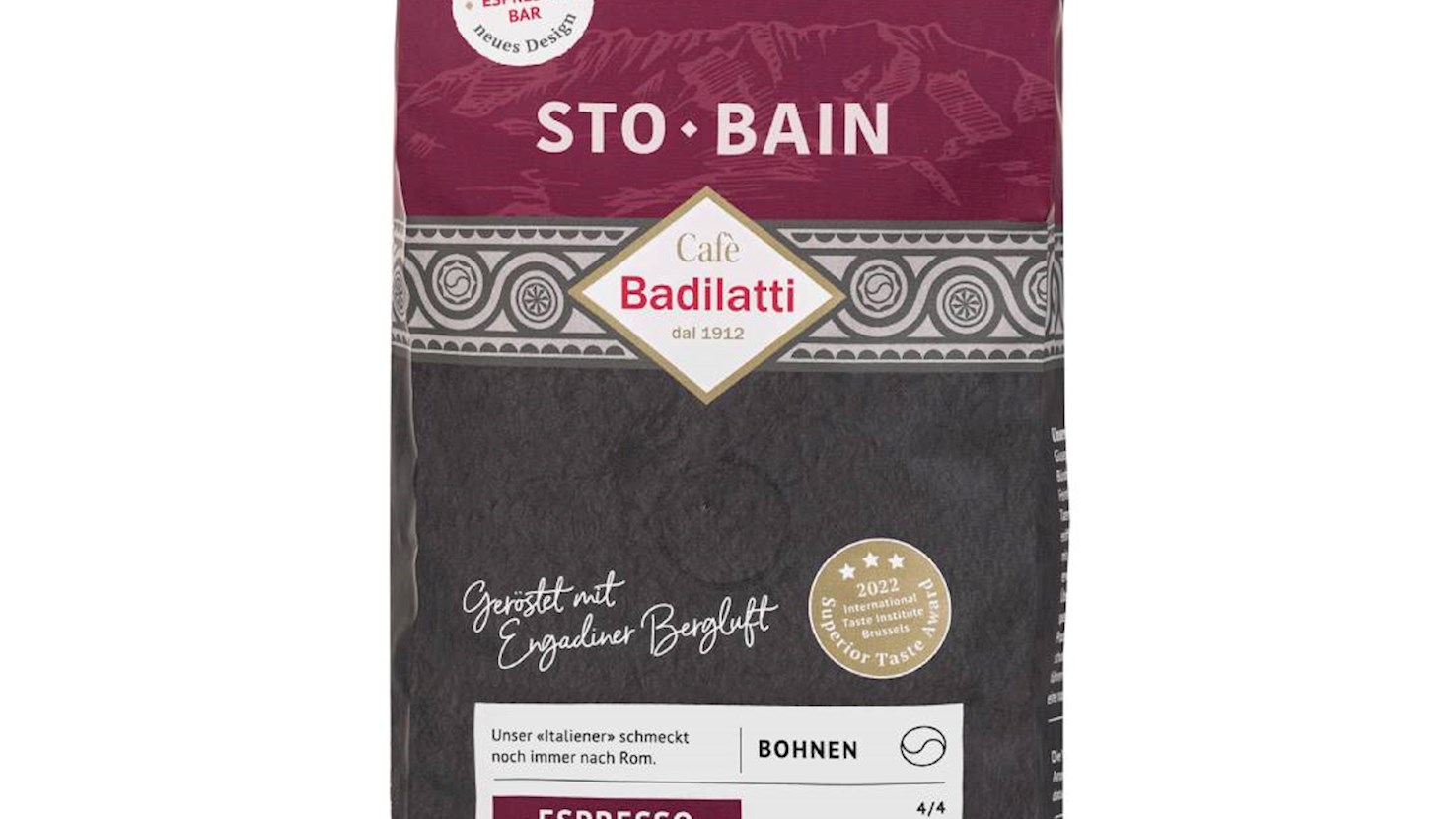
Cafè Badilatti is the oldest coffee roastery in the Swiss canton of Graubünden, located in Zuoz, near St. Moritz. Founded in 1912, this family-owned company has been producing high-quality coffee for three generations.
Their roastery is situated at an altitude of 1,716 meters, which allows for a slower roasting process due to the lower boiling point of water at that height. This slower process enhances the development of richer aromas and flavors in the coffee.
Cafè Badilatti sources green coffee beans from small cooperatives across different regions of the world, including Central and South America, Africa, India, and Indonesia. The company places great emphasis on sustainability and fair trade, ensuring that producers receive fair compensation for their coffee.
In addition to coffee production, Cafè Badilatti owns its own coffee museum, called "Caferama", where visitors can learn more about the history and culture of coffee through guided tours and tastings.
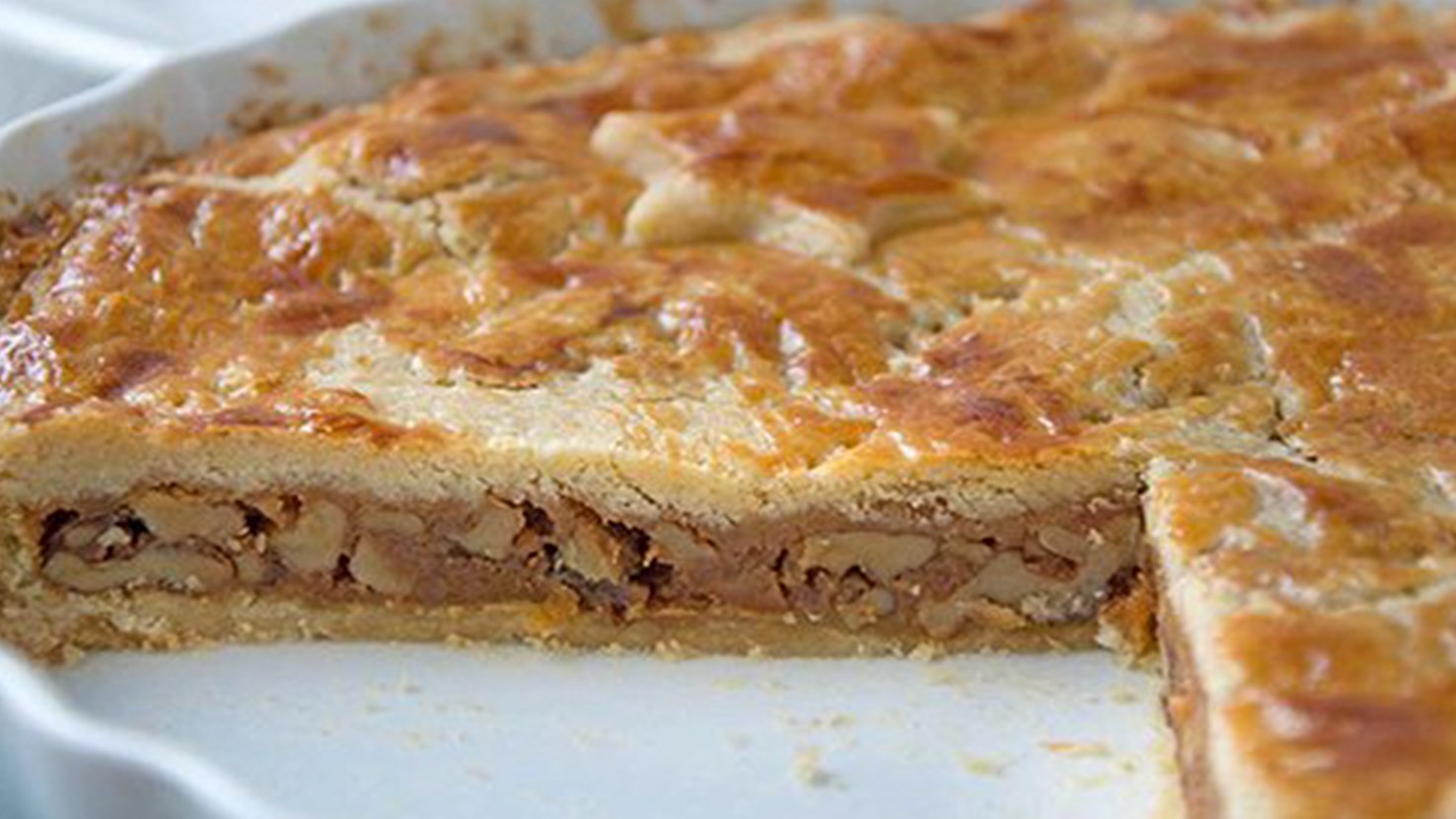
Originating from Graubünden in Switzerland, this dish is a traditional tart consisting of a shortbread pastry filled with nuts and caramel. Walnuts are typically used for the filling, but other nuts may also be used, although very rarely. The oldest known recipe dates back to 1900, and in 1934, a confectioner named Fausto Pult presented the cake to the public at the Swiss Sample Fair in Basel. Nowadays, the cake is usually served cut into slices and paired with coffee or tea on the side.
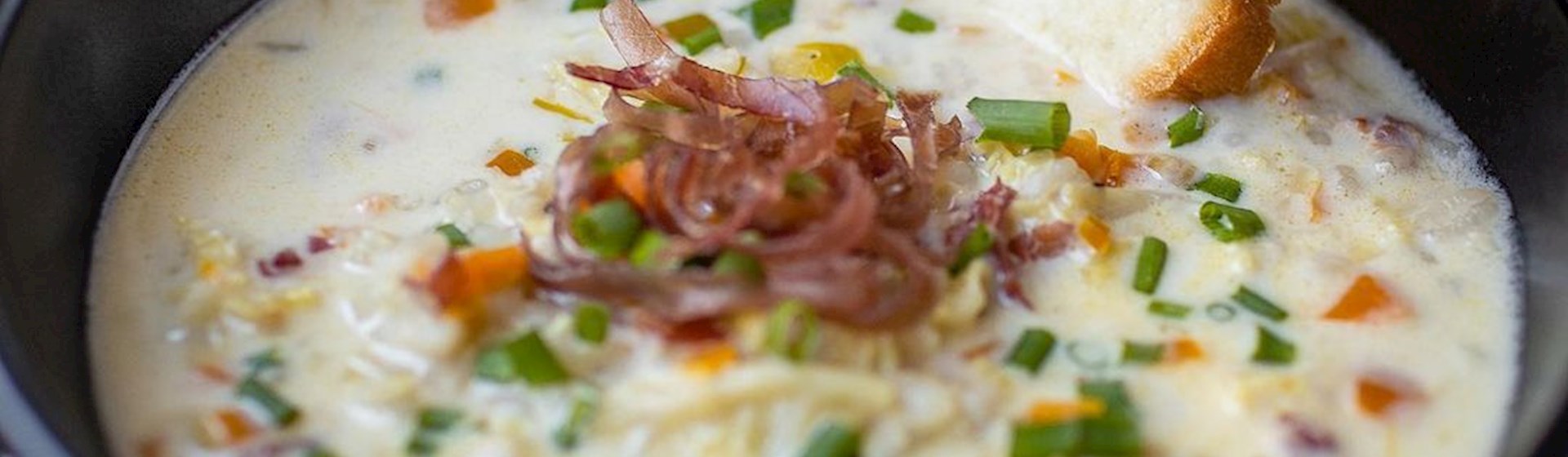
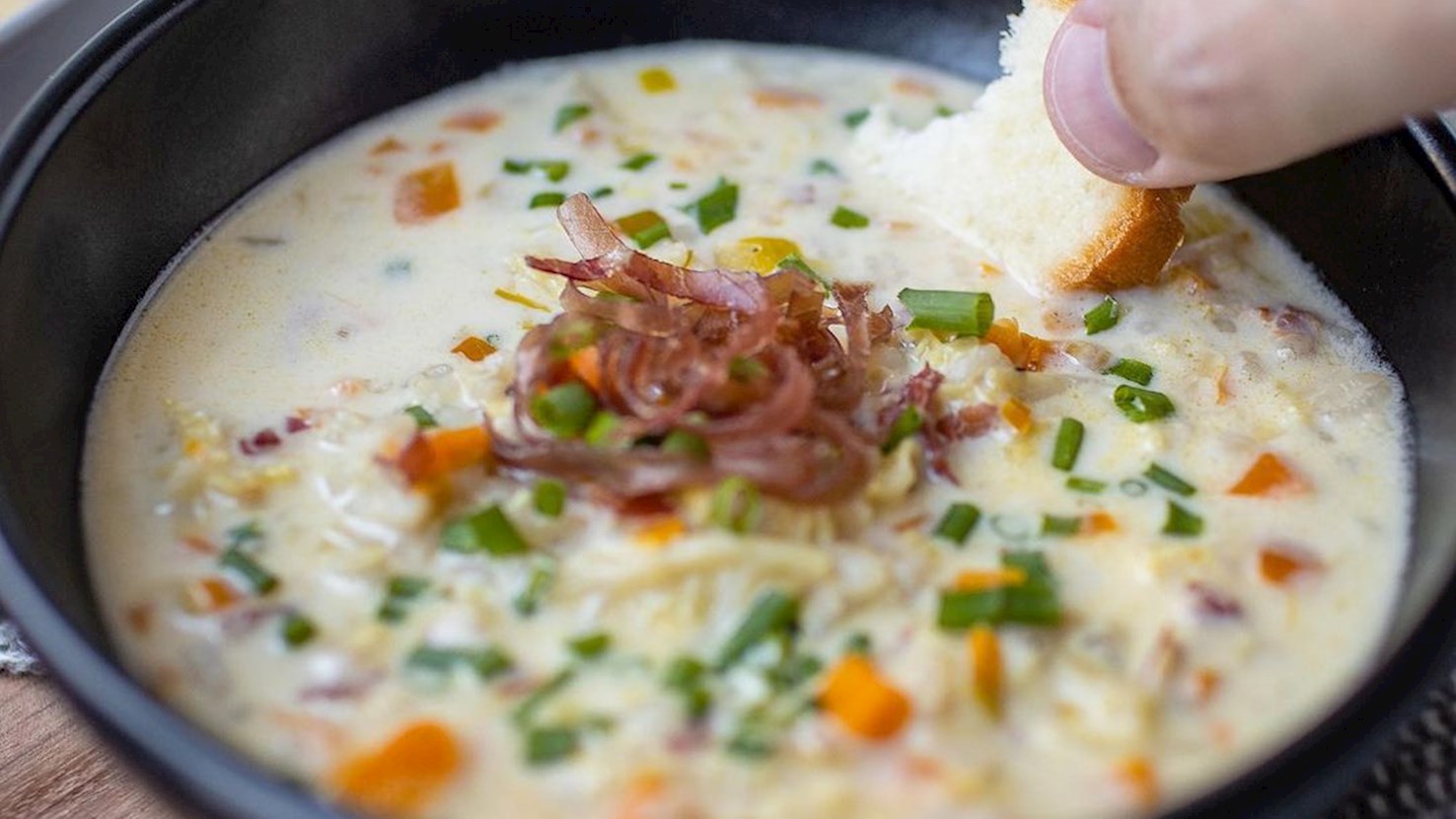
This nourishing Swiss barley soup has origins in the alpine Canton of Graubünden. Traditionally, it is made with pearl barley, stock, carrots, potatoes, celery, white cabbage, leeks, dried or smoked meat, and cream. Although the soup is not difficult to prepare, it is quite time-consuming in order to bring out all of the flavors. This thick soup is especially popular as a lunch option while skiing in the Alps.
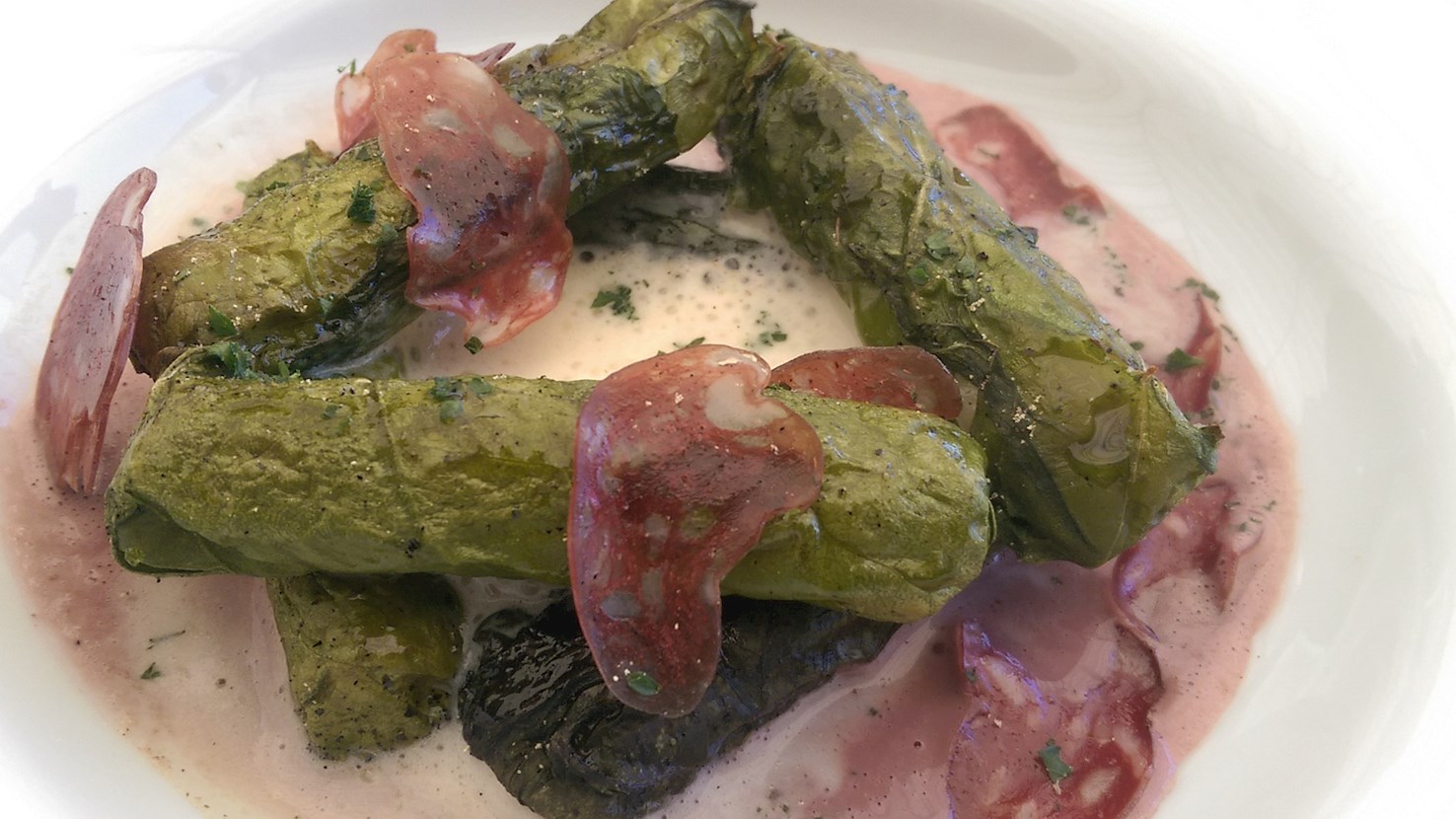
Capuns is a traditional dish originating from the canton of Graubünden. It is so popular that there is no fixed way of preparing it, and almost every family in the region has their own recipe, but it is usually made with a combination of dried meat and spätzle dough wrapped in chard leaves. The combination is cooked in butter, then slowly simmered in stock and cream. Once prepared, the dish is typically topped with fried bacon pieces and grated cheese.
Formaggella is a semi-hard, medium-sized cheese produced from goat's milk, cow's milk, or a mixture of both, with a texture that can range from fresh soft to semi-hard, depending on the production method and aging process. The name derives from formaggio (lit. cheese), with the diminutive "-ella" suggesting a traditionally lower status compared to long-aged alpine cheeses. A Swiss-Italian expression about strabismus (cross-eyed people) references "an eye that looks at the board of formaggella," referring to the wooden boards in kitchens where the cheese was stored to dry and kept safe from mice. Formaggella has a cylindrical shape, with a diameter of 10-20 cm, a height of 3-5 cm, and a weight of 400g to 2kg. The paste varies in color from white (if made with more goat’s milk) to straw yellow (if made with more cow’s milk), while the rind is thin, soft, and gray, sometimes covered with molds called mucor, similar to those found on Tomme de Savoie. Its ingredients include goat’s or cow’s milk, direct thermophilic ferment, rennet, sometimes mold, and salt. Historically, formaggella has been produced since at least the 13th century, in the pre- and post-alpine grazing periods (spring and winter). Originally intended for household consumption, it was not as highly regarded as long-matured alpine cheeses. Production begins with thermizing the milk at 65°C for 15 minutes to improve health safety while preserving flavor. The milk is then cooled to 35°C, and thermophilic ferments and sometimes molds are added. After coagulating for 30-40 minutes with rennet, the curd is cut first with a curd cutter (lyre/harp) into thin slices, then further reduced with a spannarola until hazelnut-sized pieces are obtained. Some whey may be removed and replaced with water to reduce acidity, though this practice is rare due to contamination risks. The mixture is heated again to 38°C before being placed in perforated baskets or molds. The cheese is turned multiple times within 24 hours, then brined for 4-6 hours or dry-salted. Aging occurs in cellars at 12-14°C with 70-90% humidity for at least three weeks. Traditionally a domestic product, formaggella was consumed as a side dish, in recipes, or even for breakfast. Today, it is widely available in markets, shops, and restaurants in the Ticino region and is highly sought after in its various fat-content variations (full-fat, semi-fat, lean). Depending on the region, formaggella is known by different names: chiasörin in Leventina, crenga in Val di Blenio, maioca in Biasca, mota or motign in Valmaggia, and fromagela in Verzasca. Some varieties develop a gray moldy rind with fine hairs, known as "cat hair" or "pei da ratt," due to mucor molds. These characteristics highlight formaggella’s deep roots in Swiss alpine dairy traditions. Today, it remains a cherished cheese due to its delicate flavor, artisanal craftsmanship, and versatility in various culinary applications.
Bündner bergkäse (Bündner Mountain Cheese) is a semi-hard, full-fat cheese made from thermized mountain milk. Each wheel weighs around 4.5 kg, with a 27 cm diameter, and has a firm texture with very few holes. Produced year-round in village cheese dairies above 600 meters in altitude, it differs from Bündner Alpkäse, which is made seasonally in high-altitude alpine pastures. The cheese is crafted using thermized milk, briefly heated to 68°C to remove harmful bacteria while preserving part of the milk’s natural flora for flavor. The milk is then curdled with rennet, cut into small curds, and heated to 41-47°C to remove excess moisture. After pressing for 24 hours, the cheese is placed in a salt bath, which enhances flavor and helps form a natural rind. The cheese ages for at least three months in humid cellars, where it is regularly brushed with salted water to encourage the growth of beneficial bacteria, yeasts, and molds, giving it its distinct aroma and reddish-brown rind.
Historically, the 1950s marked the official introduction of Bündner bergkäse, with further refinements in the 1970s, leading to its reputation as one of Switzerland’s most well-known mountain cheeses. Bündner bergkäse is versatile, enjoyed sliced with bread, served with boiled potatoes ("Gschwellti"), used in fondue, or for gratinating dishes. It comes in mild, spicy, and tangy varieties, depending on its aging period, and is also available in half-fat (25% fat) and quarter-fat (15% fat) versions, which are made from pasteurized milk and aged for a shorter time (4-6 weeks).
With 540 tons produced annually by nine village dairies across Graubünden, the cheese is distributed throughout Switzerland, reaching wholesalers, retailers, and the hospitality industry. Among its producers, the Bever alpine dairy, at 1,700 meters above sea level, is recognized as Europe’s highest cheese dairy. Bündner Bergkäse continues to be a cornerstone of Swiss mountain cheesemaking, valued for its rich, natural flavors and deep-rooted alpine tradition.
Maluns is a traditional dish originating from Graubünden. It's made with potatoes, flour, butter, and seasonings. The potatoes are boiled in their jackets at least a day before the preparation so that they can cool down, which causes some of the starches to convert to sugars and the potatoes will easily form into the desired lumps the next day. The grated potatoes are then mixed with salt and flour until lumps start to form. The lumpy gratings are fried in butter and a bit of oil until they become light brown in color. Maluns are traditionally served with cranberry sauce, Alpine cheeses, apple sauce, and a warm cup of café latte on the side. Before serving, it's not unusual to shave some more butter over maluns.
Churer Fleischtorte is a traditional dish originating from Chur. It consists of a dough base and a meaty filling. The dough is usually made with a combination of flour, salt, butter, and cold water, while the filling is made with a combination of bacon or Bündner salsiz salami, onions, ground meat (pork, beef, or veal), leftover bread, milk, and red wine. This savory pie can be flavored with chili, parsley, or marjoram. The pie shell is filled with bread cubes softened in milk, and a combination of bacon, onions, and ground meat cooked in red wine. The pie is then baked until nicely browned and it's ready to be enjoyed.
Türggenbrot is a compact corn-and-wheat loaf from the Rhine Valley, produced mainly in the St. Gallen Rhine Valley and also in the Chur Rhine Valley and Liechtenstein, where corn (Türggen/Törgga) has been baked into everyday bread for centuries. The loaf took shape as corn cultivation spread in the 17th century and became a mainstay of smallholder diets; by the mid-19th century, two-thirds of local cropland was devoted to corn, and the bread was common well beyond the valley—Basel, Graubünden, and Glarus included—before a 20th-century decline and a late-1990s revival led by the Rheintaler Ribelmais association. The dough is built from very finely milled corn flour (soaked 1:1 overnight with warm water), half-white wheat flour, rye flour blend, water, yeast, and salt; most bakers mix in sultanas, once in the past also dried pears, which lend a gentle sweetness. After brief intermittent kneads and a rest, the baker shapes 500-gram (1 lb) loaves with a flat bottom and low domed top, then bakes them to a pale, fine-crusted loaf with almost no pores and a gray-gold crumb. For the table, it appears at breakfast or supper with butter, jam or honey, and also with cheese and sausage—though when sultanas are present, salty pairings are less suitable; as a regional staple, it sits alongside other maize foods like türggenribel and reflects a baking culture now anchored again by local growers and millers.
Münstertaler brot, also known in local Romansh as paun jauer or paun sejel, is a rye-wheat bread from the Val Müstair in the Swiss canton of Grisons, shaped as a flat round loaf comprising two adjoining rounds baked together. The bread's roots lie in the agricultural realities of the high alpine valley, where rye was more dependable than wheat and bread needed to be stored for long periods; as the valley developed, this bread became characteristic of local baking and communal oven days. Its preparation calls for approximately 80% rye flour and 20% wheat flour, water, salt, and yeast; the dough is typically fermented, shaped into the distinctive twin-disk loaf, marked with cuts, then baked to produce a light rye bread with a floured crust and a flat bottom. What sets Münstertaler Brot apart is its form —the paired rounds that merge during baking —its reliance on locally grown rye, and its heritage within the valley's baking culture. It is commonly eaten sliced and served with alpine cheeses, butter, or hearty spreads, often here paired with local smoked meats or a clear broth in mountain homes, and enjoyed for its texture and flavor as part of daily meals in the region.
Brascidèla is a ring-shaped rye bread from the Val Poschiavo in the Swiss canton of Grisons, made as a household loaf scented with anise and leavened with baker’s yeast. Shaped as a wheel with a hole so it could be threaded onto a pole and hung to dry in a cool room, it answered the needs of an alpine valley where rye thrived, fresh bread was rare, and loaves were baked only a few times a year; dried, the bread kept well and could be carried to summer pastures. The dough combines rye and wheat flours with water, salt, anise, and yeast; after a long, warm rise, it is rolled into a rope (about 35 cm / 14 inches), its ends joined to form the ring, then nicked on top and baked until the crust is firm and the crumb dense and aromatic. A typical loaf measures roughly 30 cm (12 inches) in diameter and weighs about 500 g (1 lb), though smaller 230 g (1/2 lb) pieces are also common; fresh, it is crisp-crusted with a gentle sweetness from the anise, while the dried loaf becomes very hard and was once cut with a dedicated bread knife. Brascidèla is eaten fresh at breakfast or alongside lunch and dinner, and when dry it is often softened in caffelatte or soup; its rustic rye character and faintly fennel-like aroma make it a natural partner for simple dairy or brothy dishes rather than rich sauces.
TasteAtlas food rankings are based on the ratings of the TasteAtlas audience, with a series of mechanisms that recognize real users and that ignore bot,
nationalist or local patriotic ratings, and give additional value to the ratings of users that the system recognizes as knowledgeable.
TasteAtlas Rankings should not be seen as the final global conclusion about food. Their purpose is to promote excellent local foods,
instill pride in traditional dishes, and arouse curiosity about dishes you haven’t tried.
The initial list of top producers was compiled based on available reviews, awards, local recommendations, media and blog coverage, and consumer reviews.
The list will be updated with ratings from TasteAtlas local ambassadors and TasteAtlas users.








What People Say