Shutterstock

Top 22 Hejazi Foods

Last updated on August 17, 2026

Best Hejazi Food Products
01
Olive Oil

Al Jouf Development Agriculture Company

4.9 ·

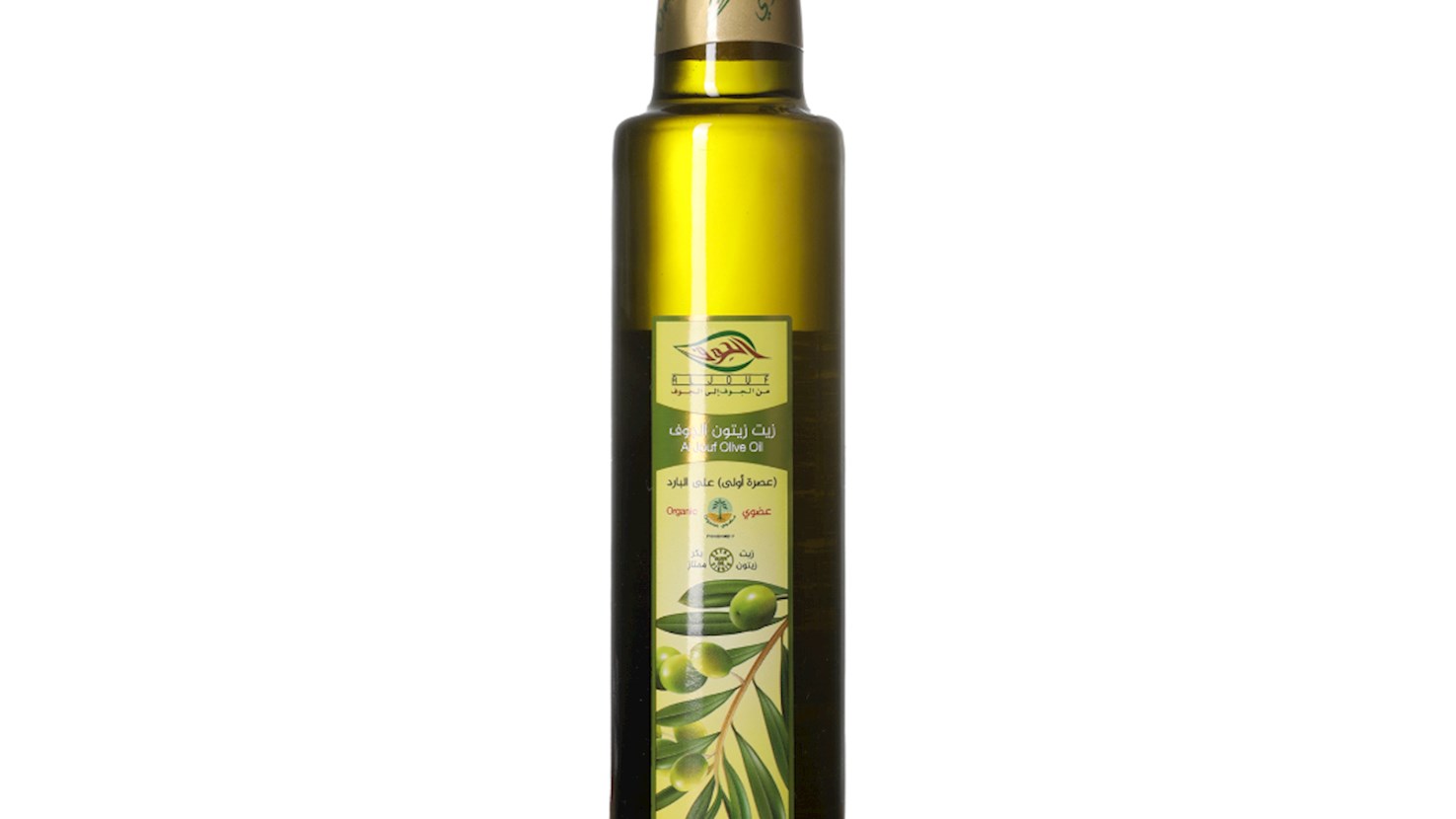
Al Jouf Development Agriculture Company is one of the largest agricultural companies in Saudi Arabia, specializing in the production of olive oil. The company is based in the Al Jouf region, which is known for its favorable climate for olive cultivation.
They utilize advanced agricultural techniques to produce high-quality olive oil. The company also engages in the cultivation of other crops, including fruits and vegetables.

Awards
EVO IOOC - Gold Medal (2023)
London IOOC - Gold (2023)
02
Dried Fruit

Nafea Farm

4.7 ·

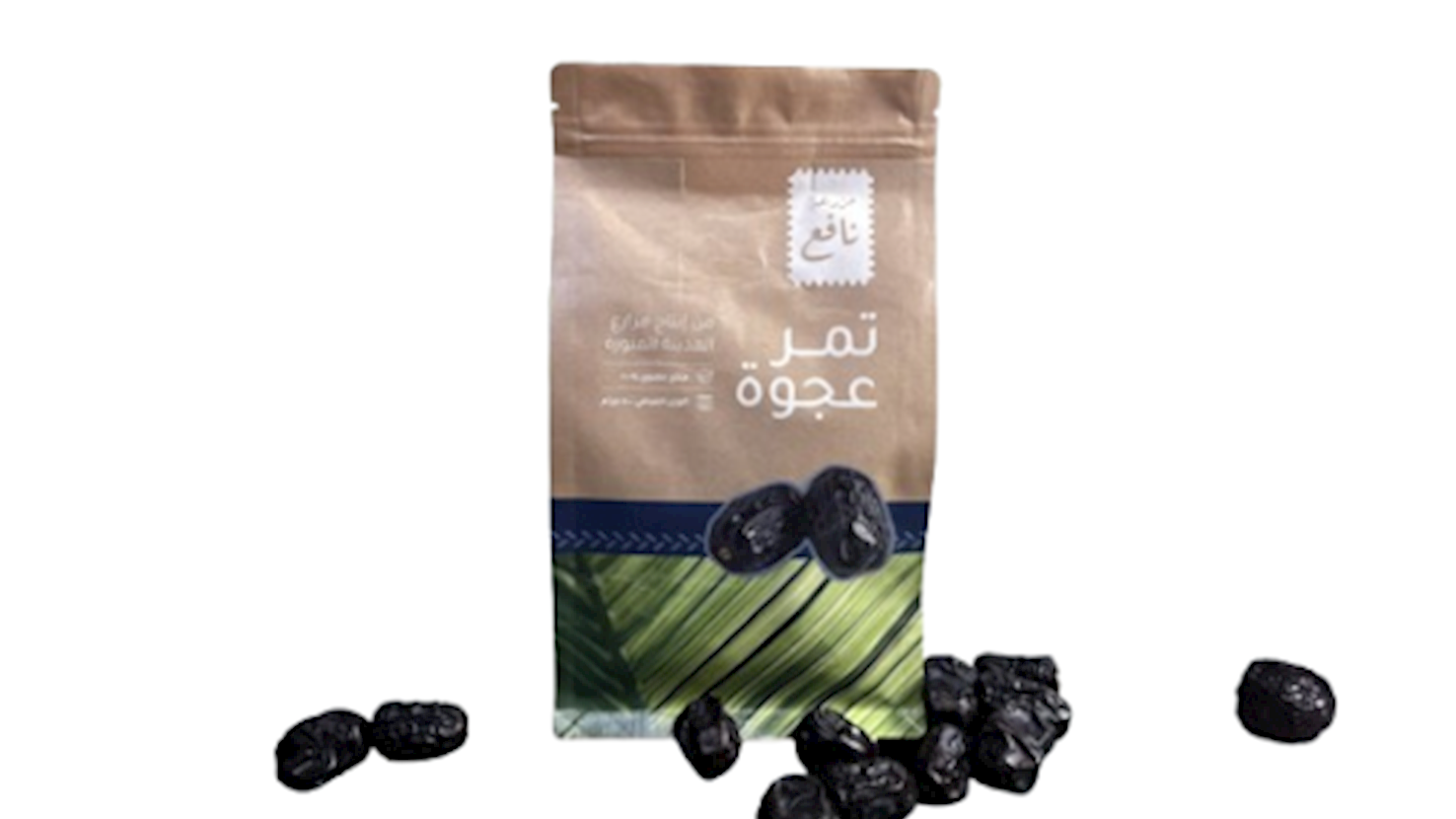
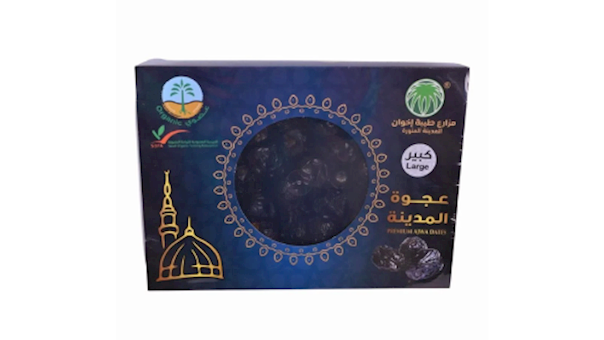
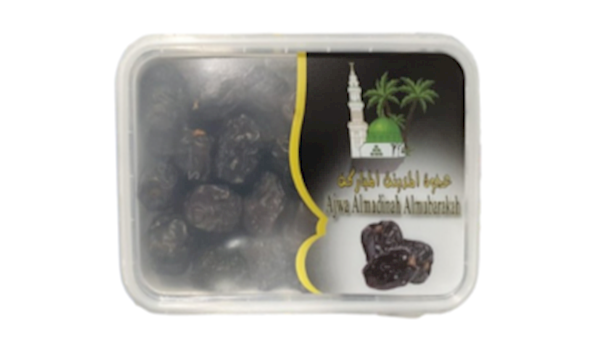
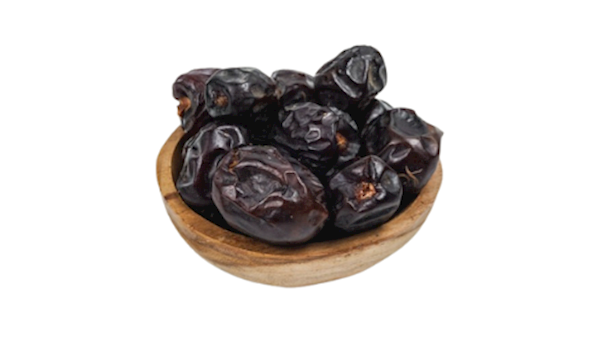
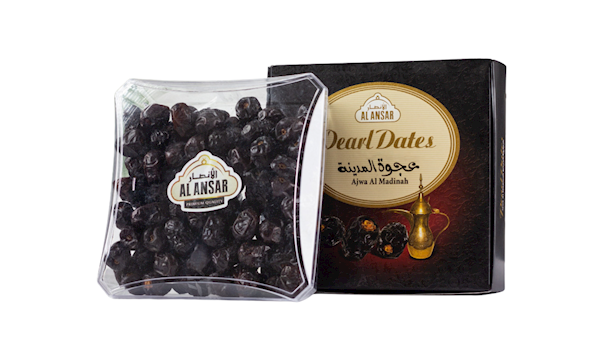
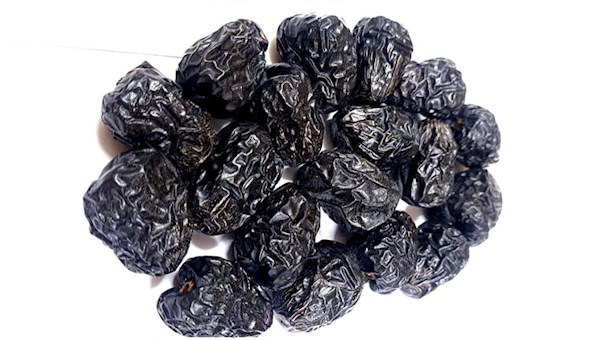
Nafea Farm is a family-owned plantation located near Medina, Saudi Arabia, specializing in the cultivation of the organic Ajwa date - one of the most prized and authentic varieties on the Arabian Peninsula. Ajwa dates hold deep spiritual and cultural significance, originating from the region traditionally associated with Medina, and Nafea Farm continues this heritage through a modern yet entirely natural approach to production.

The plantation lies on sandy, mineral-rich soil, where the microclimate provides ideal conditions for the ripening of sweet, aromatic fruits. The dates are hand-harvested at full maturity, then carefully dried and packed without thermal processing to preserve their natural texture and flavor.

The farm’s philosophy is rooted in the belief that Ajwa dates are a “gift of the earth and faith”- with their strength deriving from the natural harmony of soil, sun, and the hands that nurture them. As a result, Nafea Farm today stands as a symbol of authenticity, quality, and the spiritual heritage of Medina, recognized both locally and internationally.

03
Dried Fruit

Taiba Brothers Farms

4.6 ·

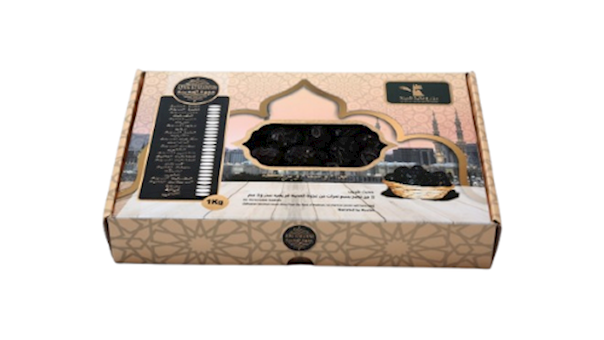
Taiba Brothers Farms is a family-owned farm based in Medina, Saudi Arabia, renowned for its long-standing tradition of cultivating palm trees and producing premium-quality dates. Its philosophy is built on heritage passed down through generations - from ancestors to descendants - guided by respect for nature and local traditions.

The farm specializes in varieties native to the Medina region, most notably Ajwa and Safawi dates, prized for their rich flavor and high nutritional value. All fruits are grown naturally, without pesticides or chemical additives, and are hand-harvested at full ripeness to ensure maximum freshness and quality.

Careful manual selection and minimal processing allow each date to retain its natural texture, aroma, and deep, glossy color. The climate of Medina, with abundant sunlight and mineral-rich soil, gives the fruit its pronounced sweetness and balanced minerality.

The products are packaged in elegant, hygienically processed boxes designed for the premium market and export. Taiba Brothers Farms blends traditional farming methods with modern quality standards, creating an authentic brand that bridges spirituality, culture, and fine gastronomy.

Their dates are now considered one of Medina’s most iconic products -— a true symbol of purity, tradition, and luxury.

04
Dried Fruit

Alia Al-Madinah Farms

4.5 ·

Alia Al-Madinah Farms is a renowned agricultural and tourist destination located in the heart of Medina, Saudi Arabia, combining traditional date cultivation with a modern approach to preserving cultural heritage. The farm spans vast areas covered with palm trees, situated near the Prophet’s Mosque, giving it a special symbolic and spiritual connection to the history of the region.

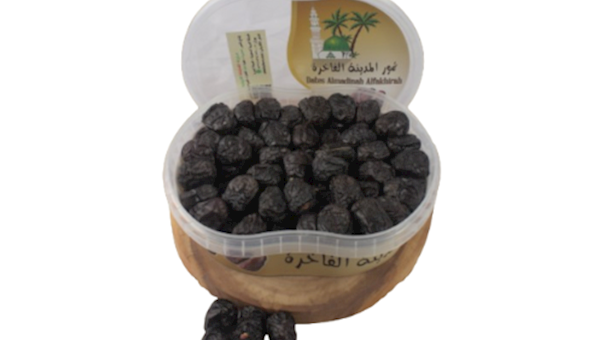
At Alia Farm, the finest varieties of dates are cultivated, with Ajwa standing out as the signature type - known for its dark color, soft texture, and rich, complex flavor. The harvest is carried out by hand, following traditional methods and seasonal rhythms, while the fruits are carefully sorted and packaged to preserve their natural freshness.

The farm is open to visitors, offering the experience of walking through dense palm groves and tasting fresh dates straight from the tree. This blend of agriculture and tourism makes it one of the few places where visitors can experience the authentic atmosphere of historical Medina.

The land of the farm is considered part of historic waqf (endowment) estates, adding further cultural significance. The dates grown here are known for their rich taste that combines the sweetness of honey and caramel with subtle earthy tones.

Thanks to Medina’s ideal climate and mineral-rich soil, the fruits achieve exceptional aromatic concentration. Alia Al-Madinah Farms thus stands as a symbol of authenticity, spiritual heritage, and sustainable cultivation.

Its mission is to preserve the centuries-old tradition of date farming while presenting Medina as a center of genuine agricultural culture in Saudi Arabia.

05
Dried Fruit

Talah Al Jood

4.5 ·

Talah Al Jood is a Saudi company specializing in the processing, packaging, and sale of dates and date-based products. It was founded in Jeddah in 2001, beginning as a small retail shop with three employees. Over time, the company developed a network of retail outlets, while its main factory and warehouse remained in Jeddah. Its range includes plain and stuffed dates, individually wrapped fruits, ma’amoul, and various date-based sweets. The selection features varieties such as Sukkari, Safawi, Segai, Ajwa, Anbara, and Medjool. The dates are combined with ingredients such as pistachios, almonds, cashews, sesame, tahini, coconut, cardamom, cinnamon, caramel, and chocolate. In addition to individual products, the company prepares assorted collections containing several date varieties and different fillings. Particular attention is given to presentation, with products offered in decorative boxes, baskets, and trays intended for gifts and traditional Saudi hospitality.

06
Dried Fruit

Castle Farms

4.5 ·

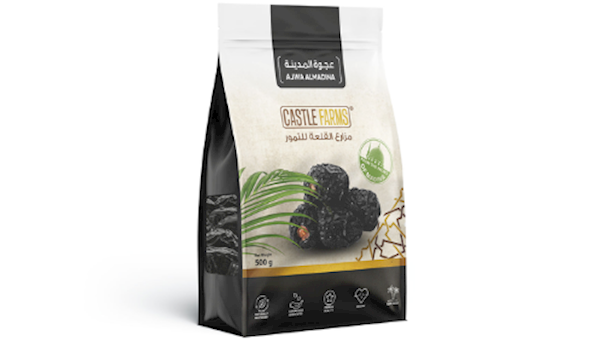
Castle Farms is a Saudi producer of premium dates with decades of cultivation tradition in the Medina region, one of the most fertile areas for date production in Saudi Arabia. The plantations cover approximately two million square meters and include more than 44,000 palm trees, ensuring an annual yield of around 2,500 tons of dates, including 250 tons of organically certified fruit.

The company employs modern methods of organic and sustainable agriculture, allowing for the preservation of soil microbiological richness and the natural balance of the ecosystem. Castle Farms’ assortment includes some of the most renowned Saudi varieties, such as Ajwa, Sukkary, Safawi, Khudari, and Segai, all distinguished by their diverse flavors and textures.

Through the combination of natural purity, sustainability, and a refined production approach, Castle Farms has established itself as one of the leading date producers, successfully bridging the authentic heritage of Arabia with the demands of the modern global market.

07
Bee Product

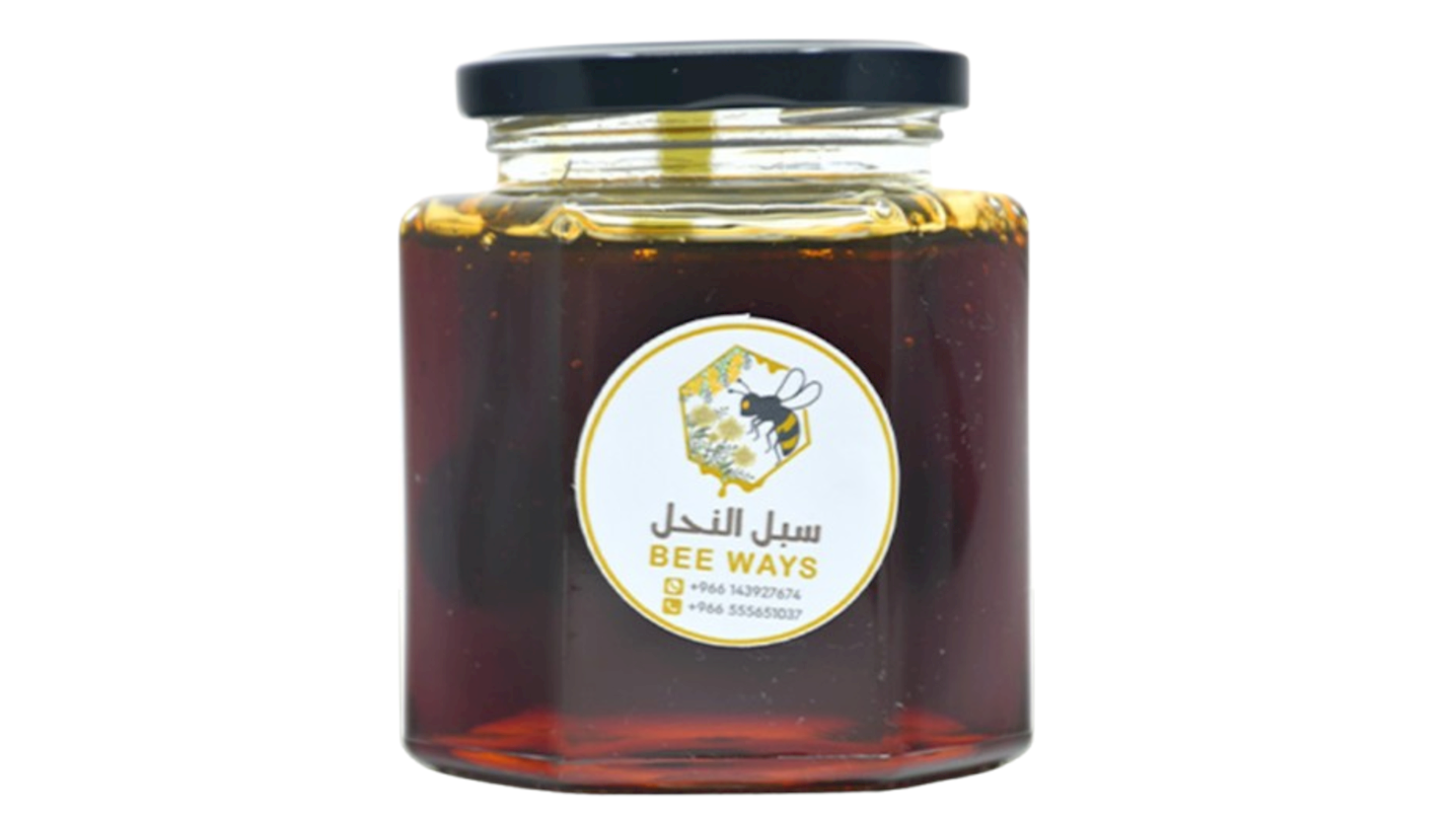
Bee Ways Bekeeping and Honey Production

4.5 ·
Awards
Great Taste Awards - 3 Stars (2024)
Great Taste Awards - 2 Stars (2023, 2021)
08
Dried Fruit

Aldabta Farm

4.4 ·

Aldabta Farm is a historic farm located in Medina, Saudi Arabia, renowned for its centuries-old tradition of palm cultivation and premium date production. Considered one of the oldest active farms in the region, its name is closely associated with authenticity and the agricultural heritage of Medina.

Across its vast groves, the most famous date varieties are cultivated - with Ajwa holding a special place as the symbol of Medina and a synonym for spirituality, quality, and purity. The fruits are grown using natural methods, without pesticides or artificial additives, ensuring the preservation of their original flavor and nutritional value.

Harvesting is done by hand, and each date is carefully sorted and prepared for the premium market. Dates from this farm are distinguished by their deep dark color, soft texture, and rich flavor with notes of honey, caramel, and gentle minerality.

Thanks to Medina’s ideal climate - abundant sunshine, dry air, and mineral-rich soil - the fruits develop an exceptional aromatic concentration. Aldabta Farm combines traditional cultivation techniques with modern standards of quality and hygiene, producing dates that meet the expectations of the most demanding markets.

Today, Aldabta Farm stands as a symbol of history, quality, and natural luxury, making Medina one of the world’s most important centers for date production.

09
Dried Fruit

Qootof Al-Tamr

4.4 ·

Qootof Al-Tamr is a Saudi producer and exporter of premium dates that blends tradition, technology, and sustainability in a modern approach to cultivation and processing. The company was established with the goal of promoting the finest Saudi date varieties, with a particular focus on the Al-Madinah Al-Munawwarah region, renowned for its exceptional agricultural conditions.

Its plantations include more than 30,000 date palms distributed across the country, including in Medina, Al-Qassim, Al-Ula, and Al-Ahsa. Through the combination of traditional expertise and modern business practices, Qootof Al-Tamr has positioned itself as a reliable partner in the global market, exporting its products to numerous countries.

The brand emphasizes sustainable farming, adherence to organic practices, and the promotion of dates as a natural superfood. The result is a fusion of Saudi heritage, technological innovation, and contemporary aesthetics that defines Qootof’s identity.

10
Dried Fruit

Basaqat Elite Dates

4.4 ·

Basaqat Elite Dates is a Saudi producer of premium dates based in the Al-Madinah Al-Munawwarah region, known for its fertile oases and ideal conditions for cultivating date palms. The company owns more than ten plantations and produces over 3,000 tons of carefully selected fruits annually, ensuring complete control over every stage of production.

Basaqat Elite Dates combines traditional cultivation methods with modern processing and packaging technologies, preserving the natural aroma, texture, and nutritional value of the dates. Their assortment includes the most renowned Saudi varieties, each distinguished by its unique flavor, color, and level of sweetness.

The company is particularly known for its Ajwa dates from Medina, considered the most prized for their softness, dark hue, and spiritual symbolism. Through a meticulously managed production process, Basaqat strives to preserve the authenticity of each variety and its terroir while maintaining the highest standards of quality and hygiene.

Processing involves hand selection, washing, drying, and packaging under controlled conditions to ensure freshness and long shelf life. The brand positions itself as a symbol of quality and authenticity, preserving the cultural heritage of the Arabian Peninsula in a modern, globally recognized form.

Basaqat Elite Dates embodies the fusion of tradition, luxury, and sustainable agriculture, offering a product that transcends local boundaries and serves as an ambassador of Saudi identity worldwide.

Best Hejazi Foods
01
Meat Dish

Mansaf

4.0 ·

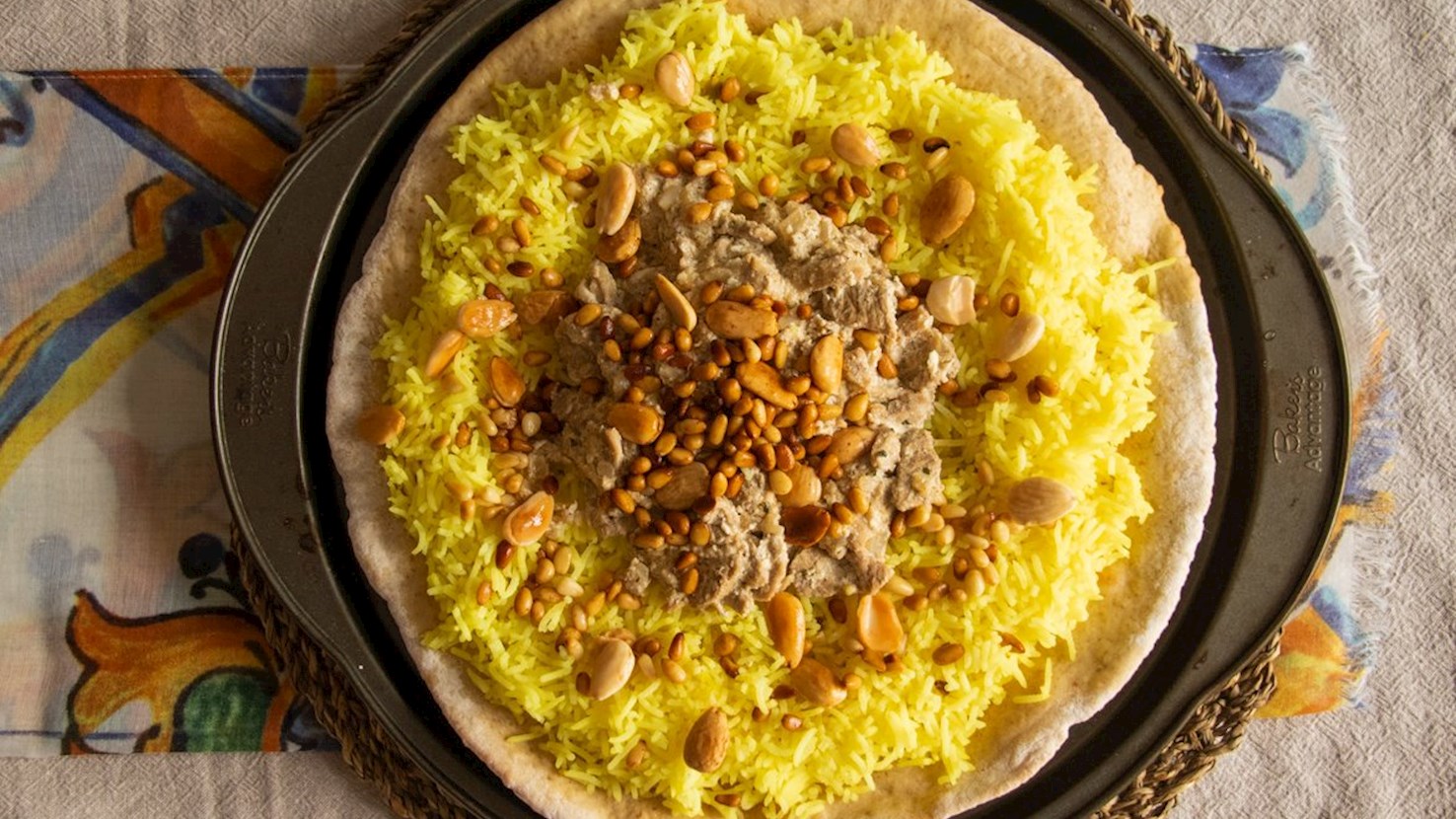
Mansaf is the national dish of Jordan that plays a key role in all celebrations and festivals in the country. The meat is slowly cooked in fermented, yogurt-like goat's milk called jameed, resulting in a unique dish that is not just a meal, but a social tradition. Mansaf, an Arabic word for explosion, is commonly offered to guests as a sign of appreciation, value, and respect. It can be made with goat, lamb, beef, or chicken meat, where goat signifies the highest level of respect and value, and chicken the least, so beef or chicken is rarely to be seen in Mansaf. Traditionally, cooked goat's head will be placed in the center and offered to the most important guests at an event. Mansaf is served on a large platter over rice and khubz flatbread, garnished with almonds and pine nuts. Guests eat the dish communally, with their right hand, while the left hand is placed behind their back. The host must continually cover the rice with cooked yogurt sauce, ensuring that the guests don't complain about lack of hospitality. Mansaf is also significant in resolving conflicts between tribes or families, when the heads of each tribe visit one another, sacrifice a goat to cook the dish, then offer it as an act of peace and respect, eating the dish together as a way of marking the end of a conflict.

02
Saltwater Fish Dish

Sayadiah

3.9 ·

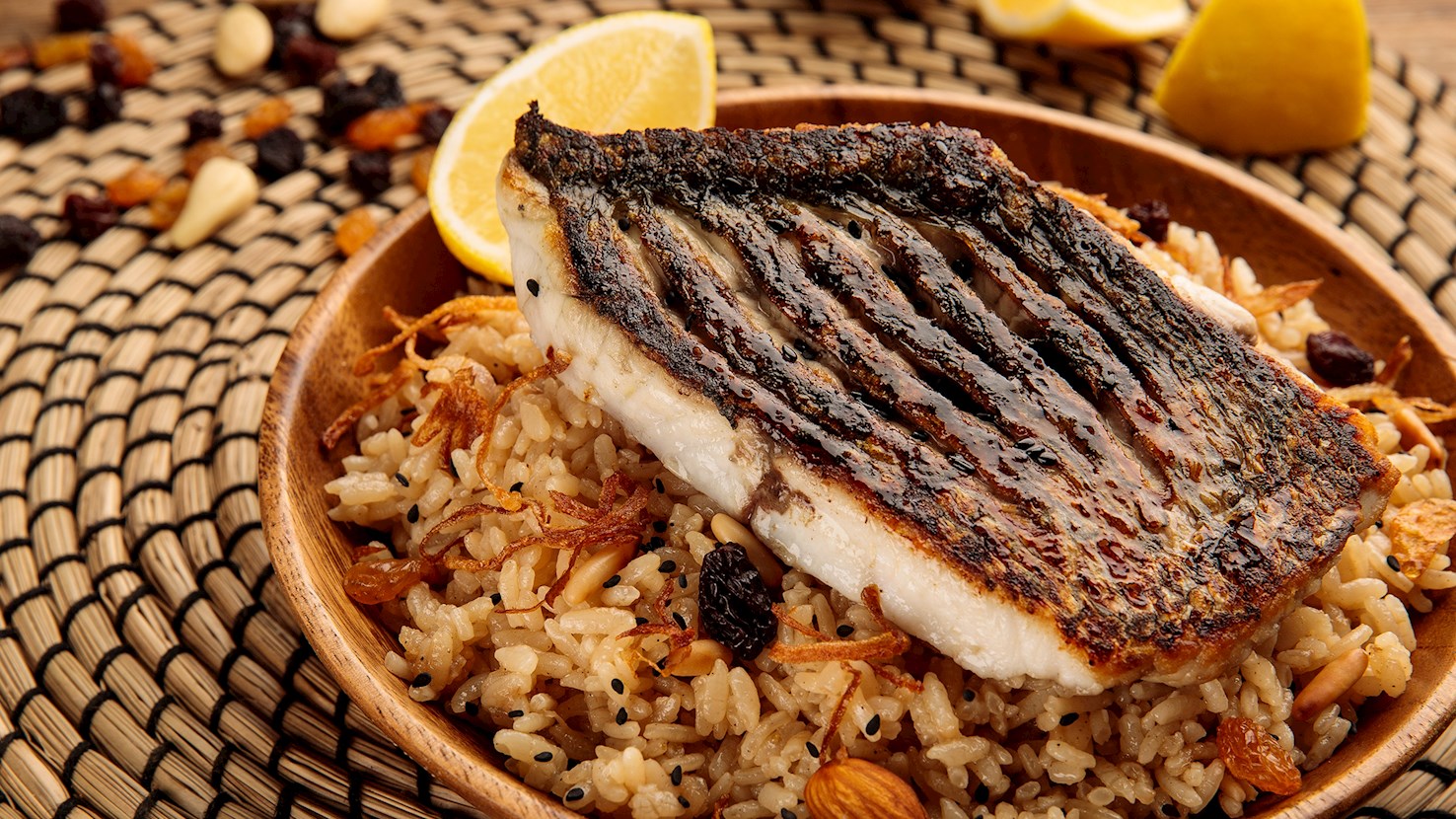
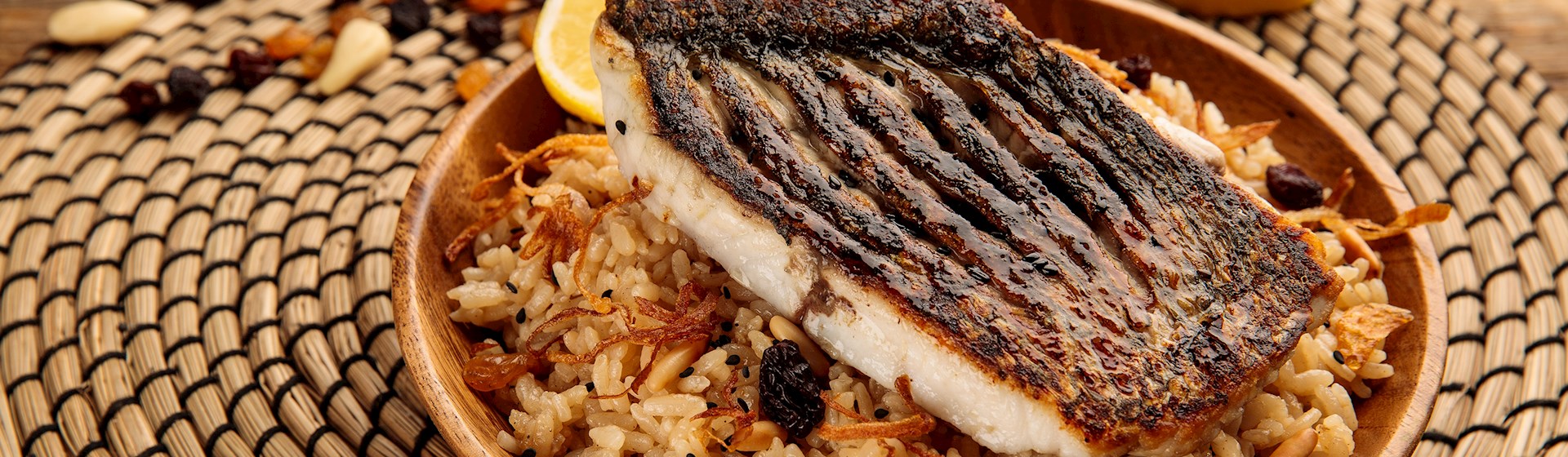
This traditional combination of rice and fish is typically prepared with white fish such as sea bass or red snapper. The fish is fried or baked separately, while the rice is cooked in a special fish broth that is prepared with fried onions and bahārāt - a traditional spice blend that usually employs allspice, peppercorns, cassia, coriander, cardamom, cumin, and chili peppers or paprika. The dish is traditionally served on one plate, topped with lightly toasted pine nuts and slivered almonds. If desired, a special sauce can be served on the side.

03
Rice Dish

Ruz al Bukhari

3.6 ·

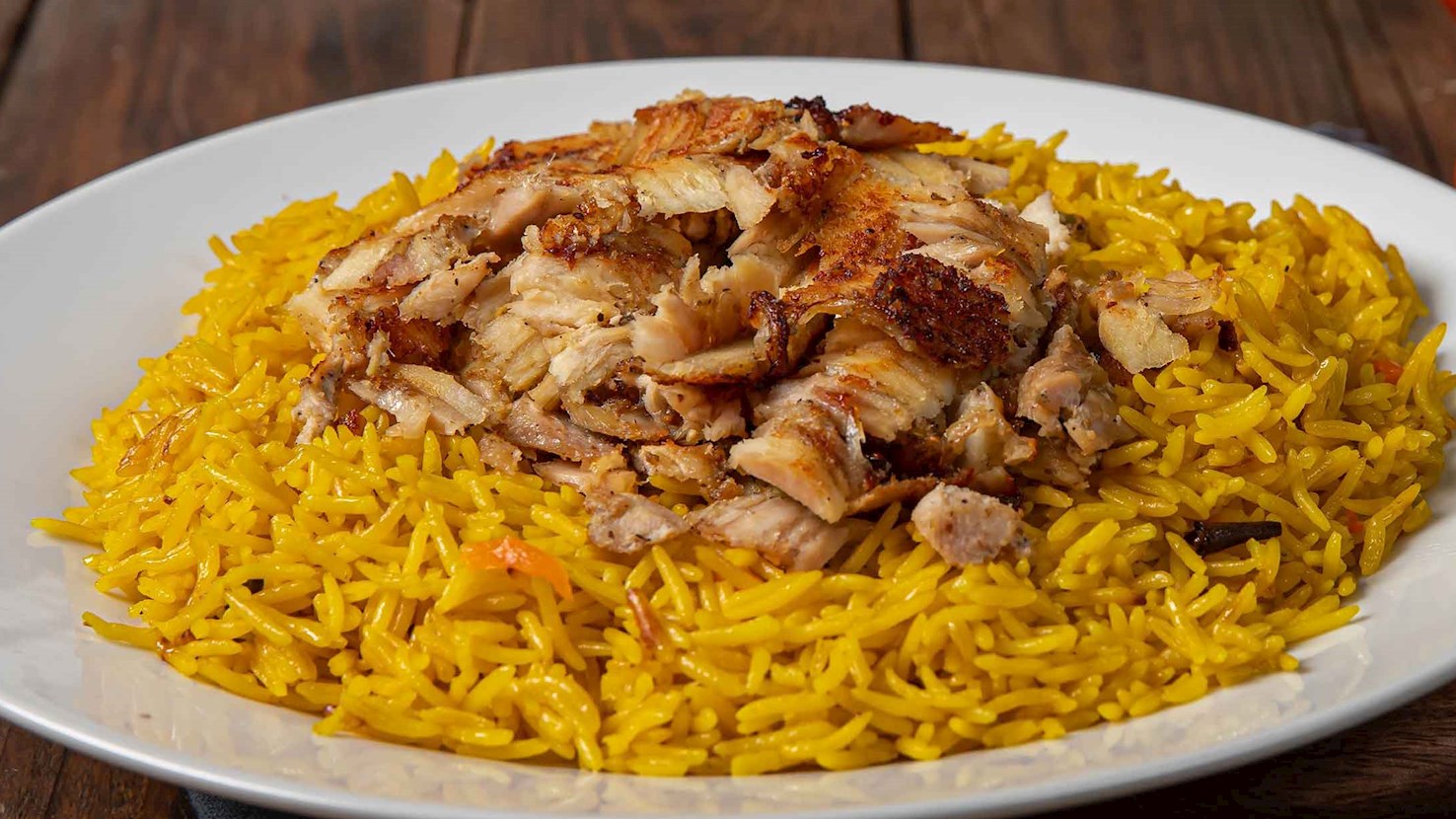
Ruz al Bukhari or Bukhari rice is a rice dish that is enjoyed throughout the Gulf States of the Arabian Peninsula. This Middle Eastern specialty is believed to derive its name from the city of Bukhara, a historically-important trading city situated on the Silk Road in Central Asia. A variety of spices such as cinnamon, cardamom, star anise, fennel seeds, cumin, coriander seeds, nutmeg, and black pepper, which used to be traded on the Silk Road, are featured in this dish, imparting a distinctive flavor and aroma to it. Chicken, lamb, or mutton typically accompany this dish, and long-grain rice is usually cooked in the aromatic broth obtained from cooking the accompanying meat. The dish is often topped with nuts, dried fruits, fried onions, or coriander leaves, and it is usually served with a green salad and salata hara (a spicy tomato sauce) on the side.

04
Rice Dish

Saleeg

2.7 ·

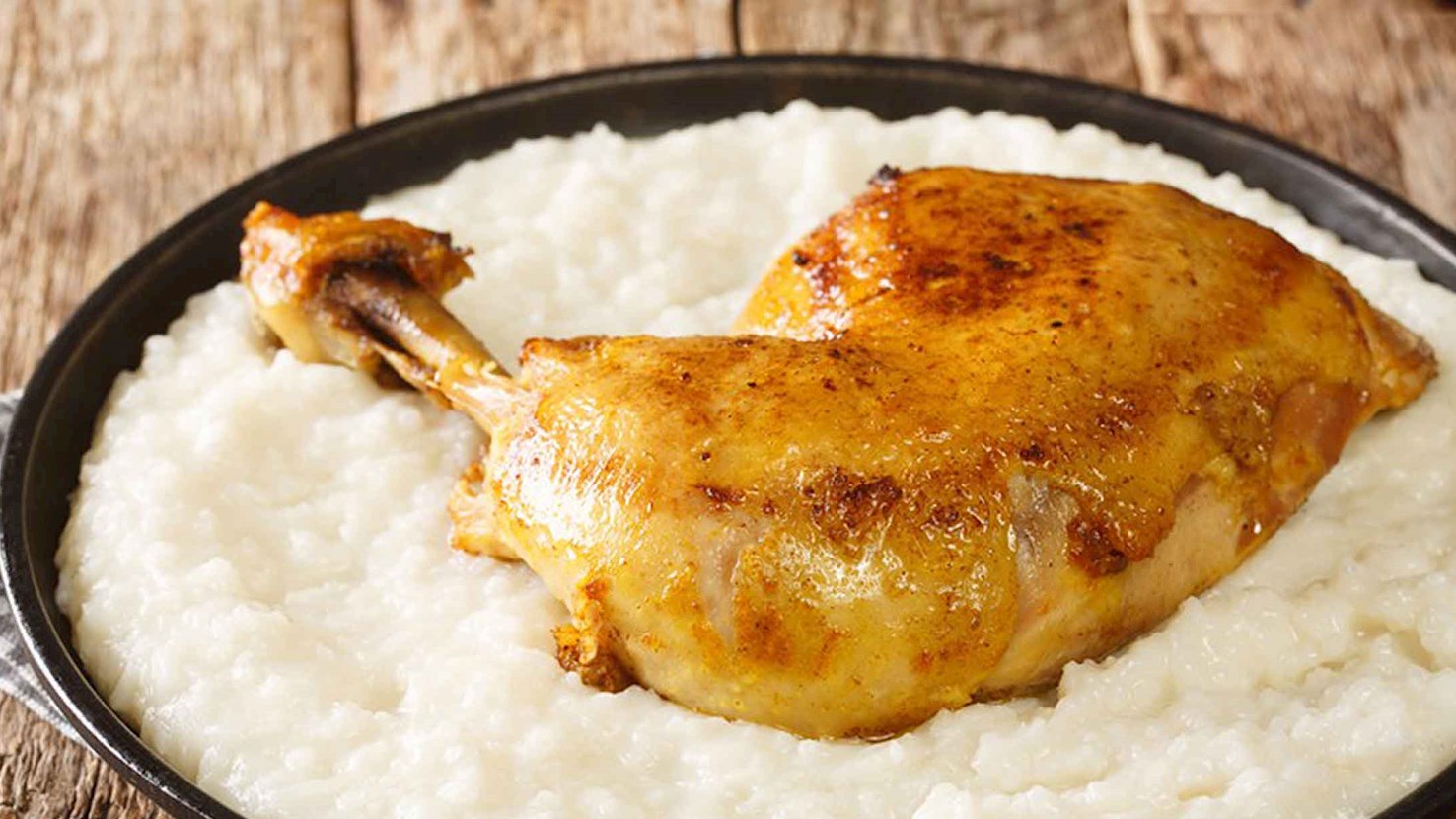
Hailing from Hejaz, saleeg is a traditional Arabian rice dish consisting of creamy, porridge-like short-grain rice and roasted meat. Chicken is the most common meat choice, and it is typically boiled in water with spices before it is roasted. This dish uses a combination of the broth in which the meat has been cooking, hot water, and optional mastic tear to boil the rice. The boiled rice is then combined with milk and ghee or butter, and cooked until it reaches the desired consistency. A large serving platter (tabasi) is traditionally used for serving saleeg, and the roasted meat is usually placed on top of the rice. Additional melted ghee or butter can be drizzled over the dish, and it is recommended to serve it with accompaniments such as salata hara (a spicy, salsa-like condiment), duggus (a chili tomato-parsley sauce), pickled lemons, or a tomato-cucumber salad.

Best restaurants
05
Flatbread

Fatoot

n/a ·

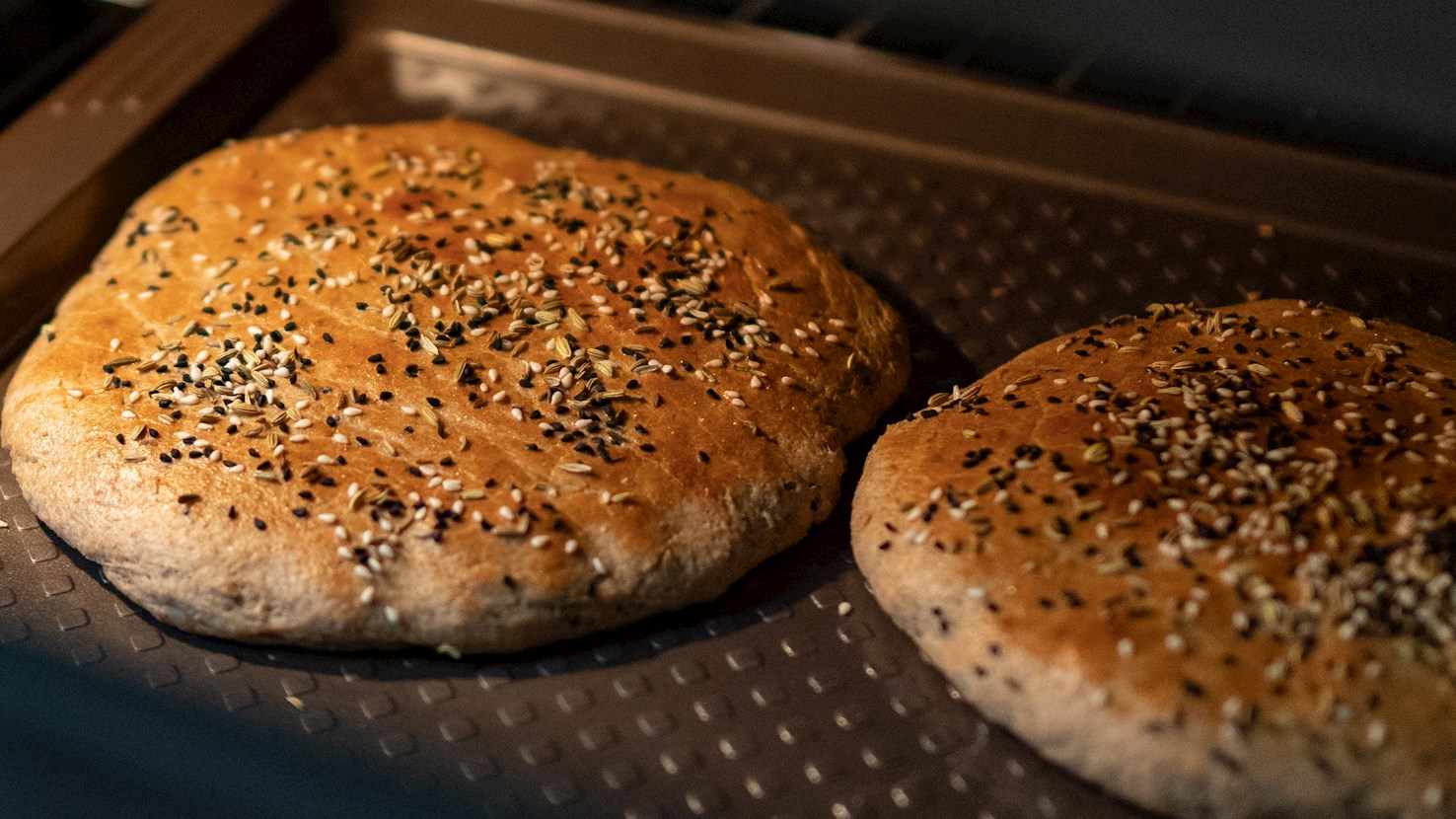
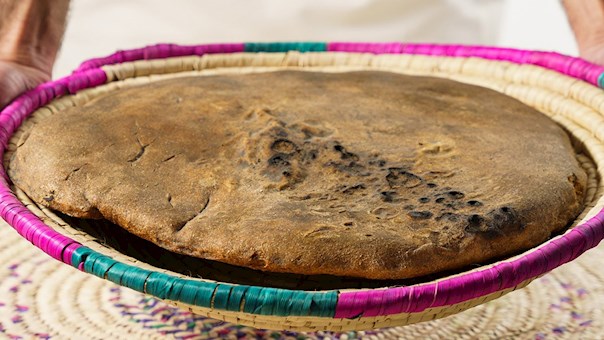
Fatoot is a traditional Arabian bread often served as a side dish or breakfast item, especially during Ramadan. Originating from the Medina region, it has been a staple in households for generations. Fatoot is known for its unique preparation and distinctive flavor. It's a type of unleavened bread made primarily from wheat flour, water, and salt, and it's typically baked on a hot griddle or saj, a convex metal cooking surface. The bread is thin, soft, and flexible, making it a perfect accompaniment for various dishes or to be enjoyed on its own.

06
Rice Dish

Araz madini (Madini rice)

n/a ·

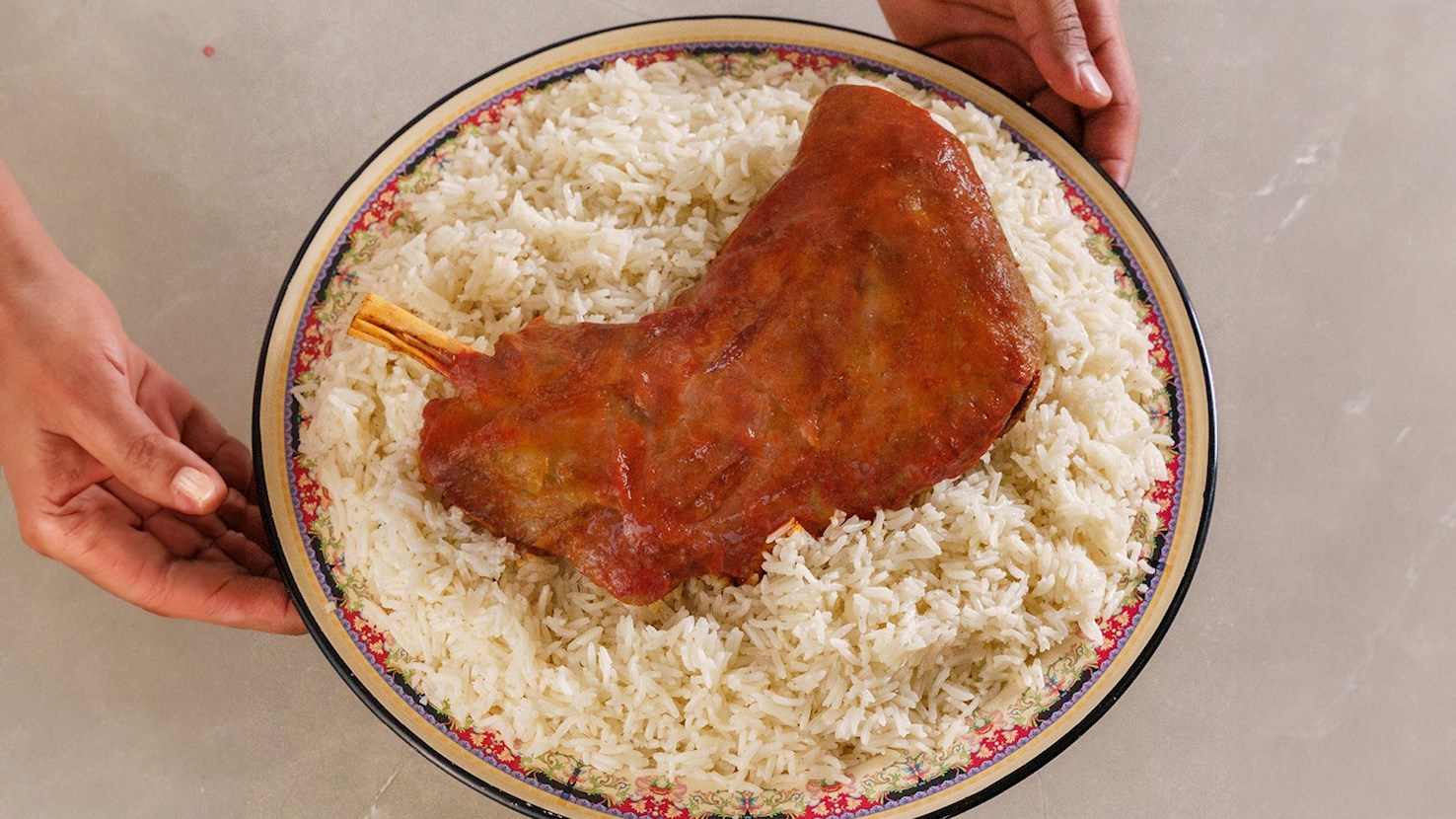
Madini rice is a traditional dish from the Al-Madinah region in Saudi Arabia, consisting of white steamed rice topped with tender meat, served in a rich and flavorful broth that gives it a distinctive red color. The madini rice recipe involves marinating chicken (or lamb) in a blend of spices, then cooking it with rice in a pot. The meat is cooked until tender, and the rice is infused with the flavors of the spices and the meat. It's part of the Saudi Culinary Arts Commission's initiative to highlight and celebrate the unique culinary heritage of each province in Saudi Arabia.

07
Salad

Balilah

4.1 ·

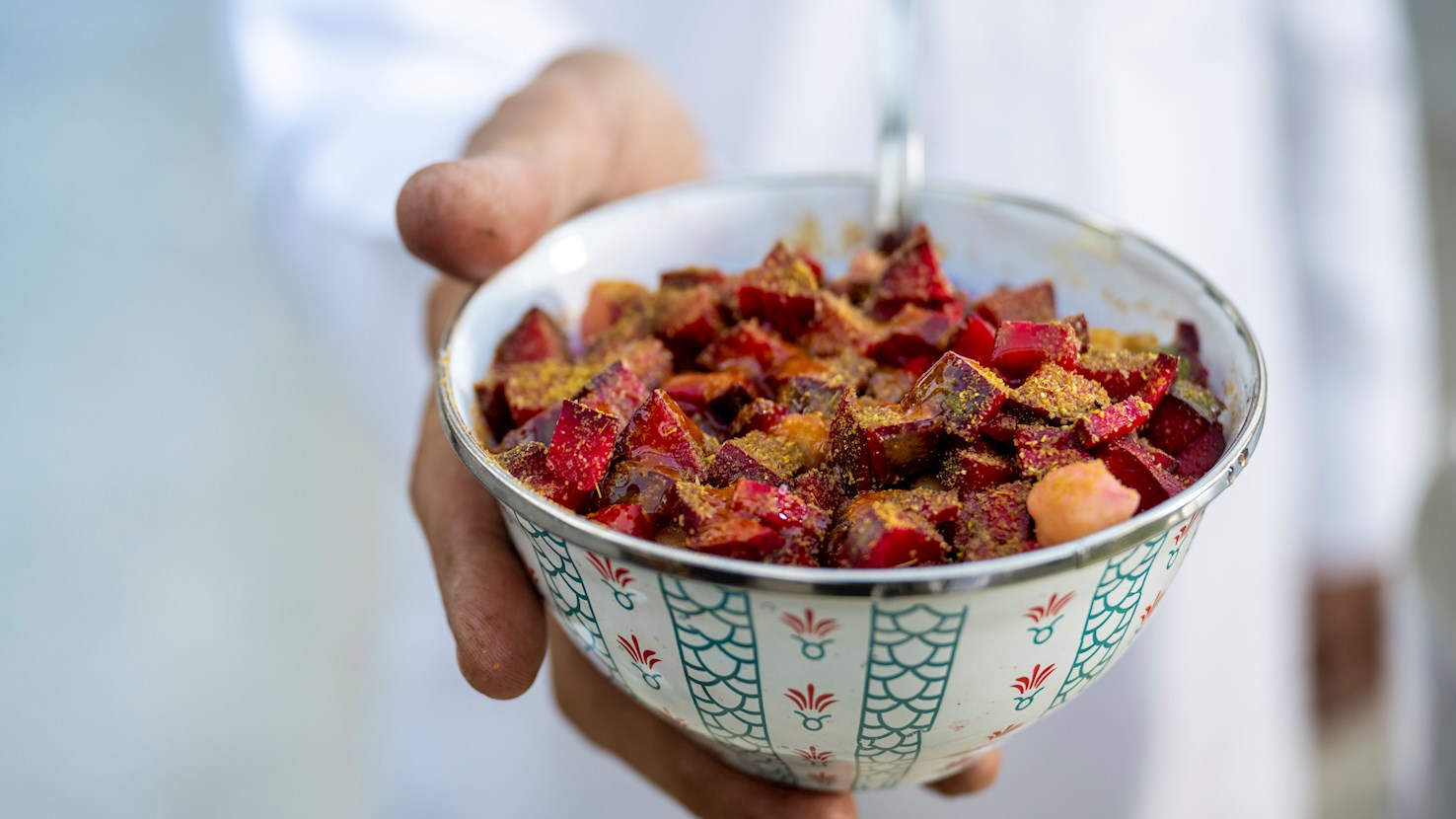
Balilah is a traditional Middle Eastern salad, particularly popular in Saudi Arabia and Syria. It is a simple and healthy snack made primarily from cooked chickpeas. The chickpeas are typically served warm with diced cucumbers and grated beets, and seasoned with a mixture of spices, lemon juice, olive oil, and sometimes garlic and herbs. The core ingredient is chickpeas (in Syria broad beans are also included), which are cooked until tender and then flavored with lemon juice, olive oil, cumin, salt, and sometimes other spices like black pepper, sumac, or paprika. Garlic and fresh herbs, such as parsley, are added for extra flavor. Balilah is usually served warm as a snack or appetizer, often enjoyed as a popular street food and eaten with a spoon or scooped up with bread. It is commonly enjoyed during Ramadan as part of the iftar meal (the meal to break the fast) due to its simplicity and nutritious qualities. It is also a staple at social gatherings and is appreciated for its light, tangy flavor.

08
Dessert

Dabayza

n/a ·

Dabayza, a popular dessert, is a significant part of Hejazi culinary heritage in Saudi Arabia. It is closely associated with Eid al-Fitr, traditionally served on the first day of Iftar after Eid prayer. This dessert primarily consists of "Qamar al-Din" (dried apricot paste) and ingredients like dried fruits, nuts, spices, and sugar. Its origins trace back to Mecca, initially a luxury reserved for the affluent due to the cost of nuts. However, dabayza's true origin is debated, with claims linking it to Ottoman or Egyptian desserts, particularly resembling Egypt's khashaf dessert. Its key components include dried apricot paste, coarse sugar, ghee, cardamom, cinnamon, dried fruits (dates, figs, raisins), and an assortment of nuts (almonds, cashews, pistachios, pine nuts, hazelnuts). Beyond its cultural significance, dabayza provides essential nutrition, energy, and vitality after the fasting month of Ramadan, making it a cherished addition to the Hijazi Iftar table during Eid.

09
Bread

Daghabees

n/a ·

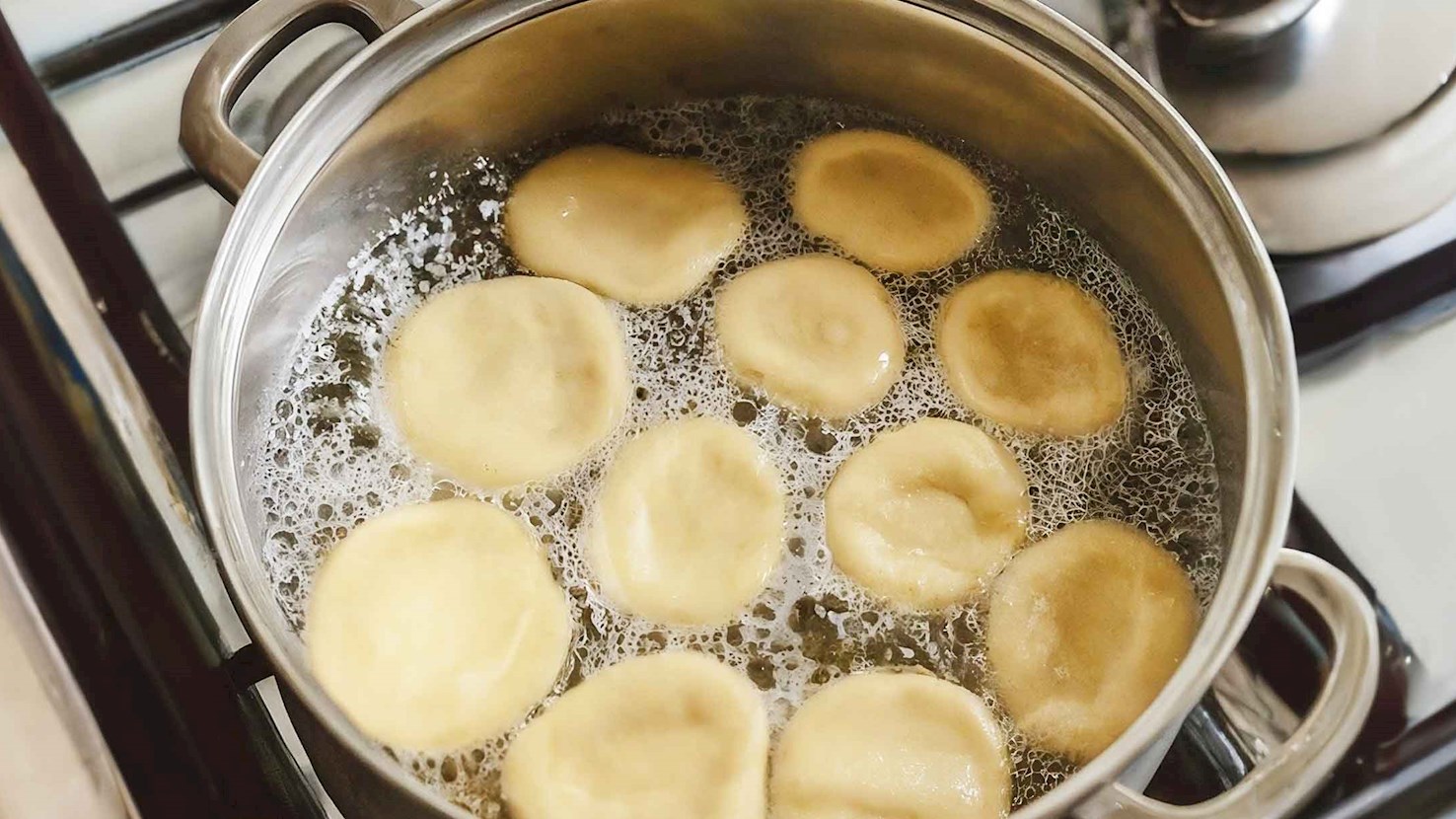
Daghabees is a bread from the Al-Baha Region, typically enjoyed for lunch or dinner, that has been present in the region for at least 80–100 years and a staple dish of the Al-Ghamdi Tribe. To prepare daghabees, various flours (wheat or millet) are mixed with water to create a paste-like mixture. This dough is shaped into rounds that are dropped into a boiling broth full of meat and an array of spices and simmered for 15 minutes. Often served with vegetables, ghee, and honey, it's a hearty dish traditionally relished in winter for its warming qualities but available year-round. Despite its cultural significance, daghabees faces challenges due to changing preferences and the potential loss of traditional recipes.

10
Saltwater Fish Dish

Musanqarah

n/a ·

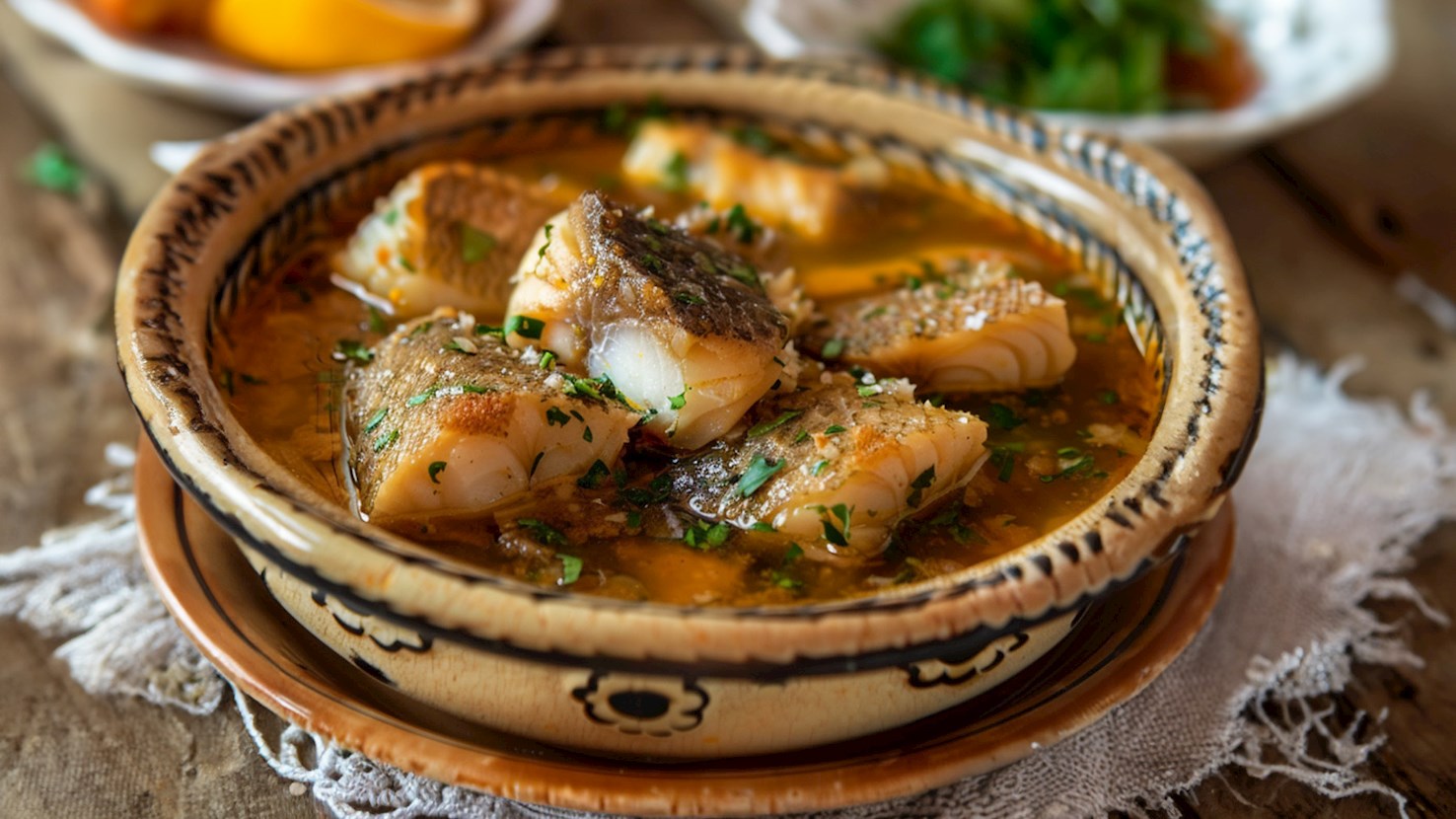
Musanqarah is a traditional dish in Middle Eastern cuisine, particularly popular in Saudi Arabian region of Tabuk. The name describes a method of cooking where fish, usually a whole fish like grouper (najel) or another white fish, is baked or stewed with a mixture of spices and vegetables. The fish is cleaned, seasoned, and sometimes marinated before cooking. The dish is known for its rich, aromatic spices, such as cumin, coriander, turmeric, and black pepper, with fresh herbs like parsley often added for enhanced flavor. The fish is cooked alongside vegetables like onions, tomatoes, bell peppers, and sometimes potatoes, either sautéed first or layered in a pot with the fish. Musanqarah is typically baked in the oven or slow-cooked on the stovetop, allowing the fish to absorb the flavors of the spices and vegetables, resulting in a tender, flavorful dish. It is usually served with rice or bread and may be garnished with lemon wedges or fresh herbs. Musanqarah is often enjoyed as a communal meal, with family and friends gathering to share it.

About this Ranking

TasteAtlas food rankings are based on the ratings of the TasteAtlas audience, with a series of mechanisms that recognize real users and that ignore bot, nationalist or local patriotic ratings, and give additional value to the ratings of users that the system recognizes as knowledgeable.

TasteAtlas Rankings should not be seen as the final global conclusion about food. Their purpose is to promote excellent local foods, instill pride in traditional dishes, and arouse curiosity about dishes you haven’t tried.

The initial list of top producers was compiled based on available reviews, awards, local recommendations, media and blog coverage, and consumer reviews. The list will be updated with ratings from TasteAtlas local ambassadors and TasteAtlas users.

What People Say

Similar Lists