Top 100 Southern German Foods

Last updated on June 10, 2026

Best Southern German foods
01
Beef Dish

Zwiebelrostbraten

4.3 ·

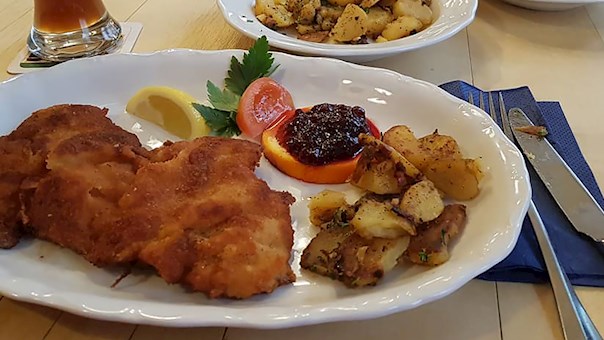
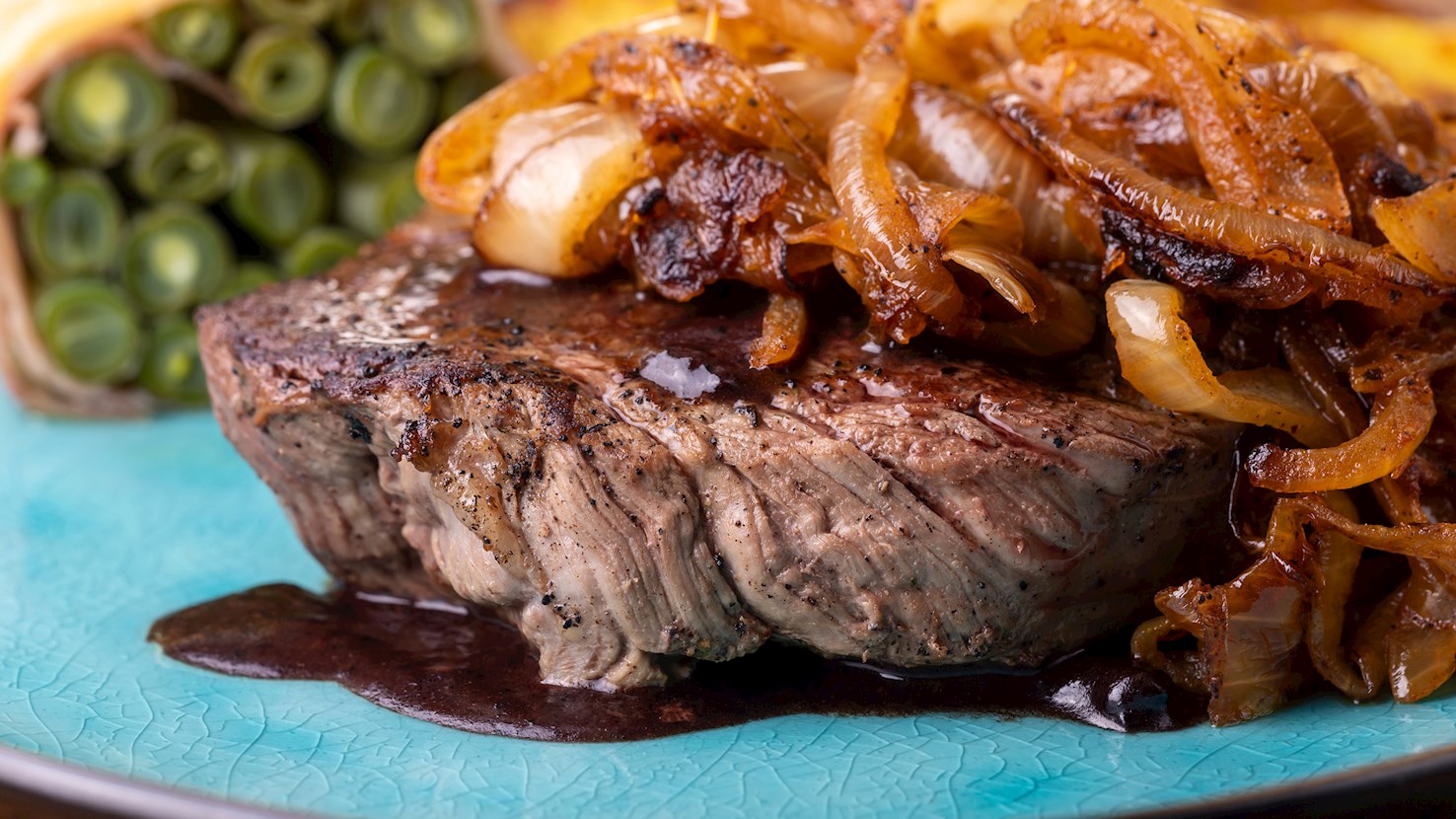
Zwiebelrostbraten is a traditional dish that's served in most German and Austrian restaurants in Bavaria and Vienna, respectively. The dish is usually made with a combination of beef (sirloin steak), onions, flour, oil, butter, paprika, Dijon mustard, cream, beef stock, salt, and pepper. The onions are sliced into rings, dipped in a mixture of flour and paprika, fried in oil, and set aside. The steaks are lightly pounded, seasoned with salt and pepper, coated with flour and paprika, fried in oil and butter on both sides, and removed from the pan. The fried onions are returned to the pan with mustard and beef stock, and the mixture is cooked until the juice are reduced. Cream is added to the pan and everything is simmered for a few minutes. The steaks are added to the sauce, and the dish is then served with spätzle or potatoes on the side. The meat is typically topped with the remaining onions before serving.

02
Snack

Quarkbällchen

4.2 ·

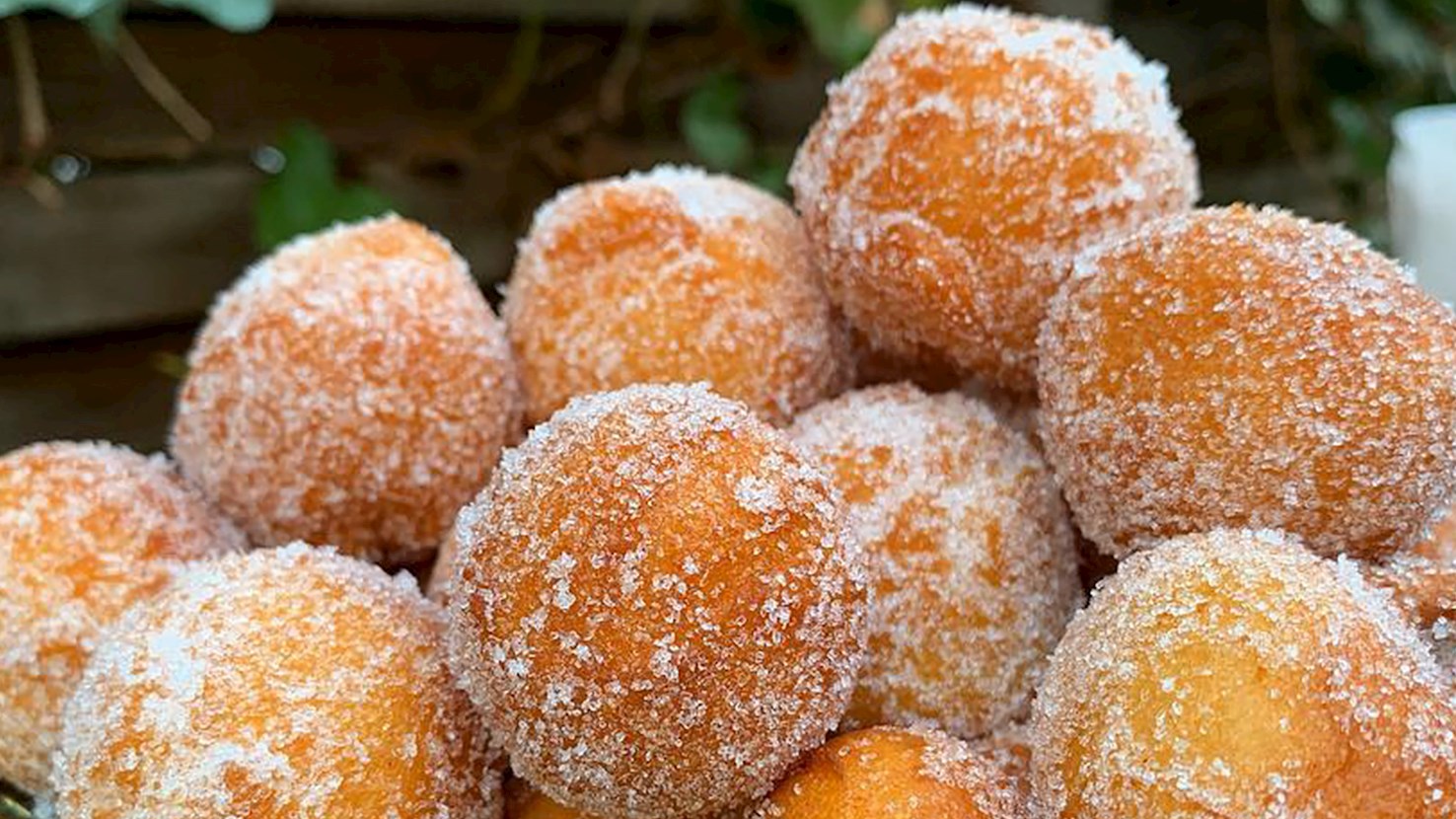
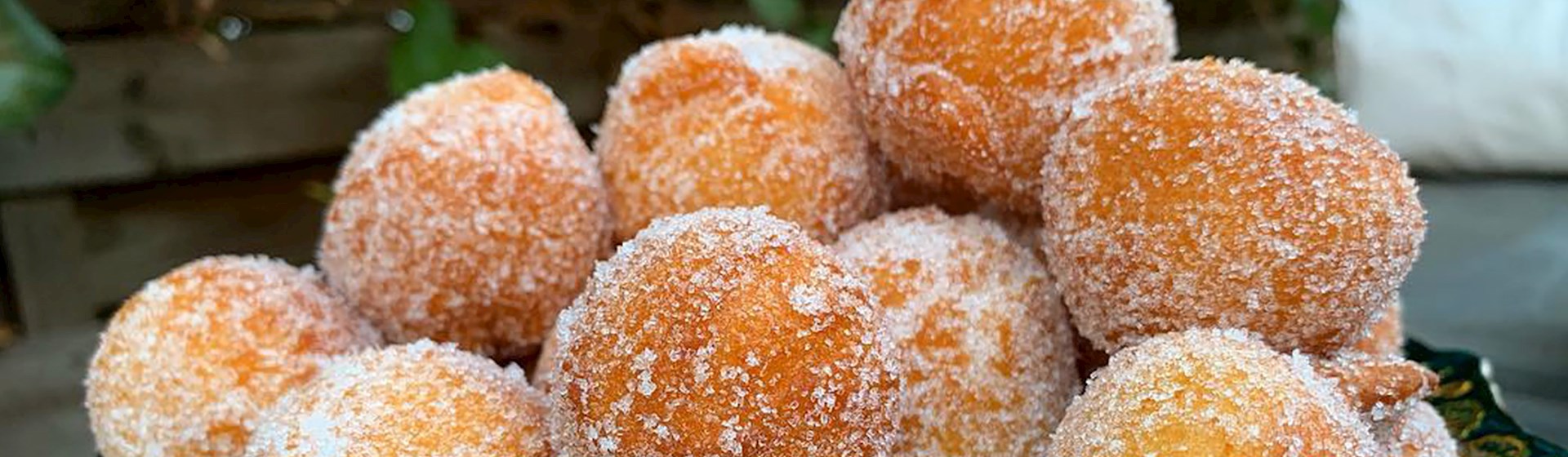
Quarkbällchen, meaning quark balls, is a traditional snack that is typically made by combining quark, flour, eggs, sugar, vanilla sugar, and baking powder. Milk, melted butter, cinnamon, lemon zest, and corn or potato starch are also sometimes added to the combination. The quark mixture is shaped into small balls which are deep-fried until golden brown on the outside and soft and fluffy on the inside. Once done, the fried balls are usually coated in powdered or granulated sugar or a cinnamon-sugar mixture. Thought to hail from Bavaria, this sweet treat is generally enjoyed as an afternoon snack alongside a cup of tea or coffee. Resembling donuts, quarkbällchen are available in bakeries throughout Germany, and they’re often prepared during the festive Christmas season, New Year’s Eve, Fasching (Germany’s carnival season), and Oktoberfest.

03
Cooked Sausage

Nürnberger Bratwürste

4.2 ·

Nürnberger Bratwürste are small, thin sausages originating from the city of Nürnberg in the Franconia region of Bavaria, Germany. They are typically about 7 to 9 centimeters (2.75 to 3.5 inches) long and weigh around 20 to 25 grams each, making them much smaller and thinner compared to other types of German sausages. The sausages are made from finely ground pork, often mixed with a blend of spices that typically includes marjoram, salt, pepper, and sometimes a hint of ginger or nutmeg, with marjoram being a signature ingredient that gives them their distinctive flavor. Nürnberger Bratwürste are usually grilled over a beechwood fire, which imparts a unique, smoky flavor, but they can also be pan-fried or cooked in a skillet. Traditionally, they are served in sets of six, eight, or twelve, often accompanied by sauerkraut or potato salad, or in a bread roll with mustard, known as "Drei im Weckla" (three in a roll). These sausages are a traditional delicacy with a history that dates back centuries, and they are protected under European Union law with a Protected Geographical Indication (PGI), meaning they must be produced within the city of Nuremberg to be labeled as Nürnberger Bratwürste.

04
Bread

Bayerische Breze

4.2 ·

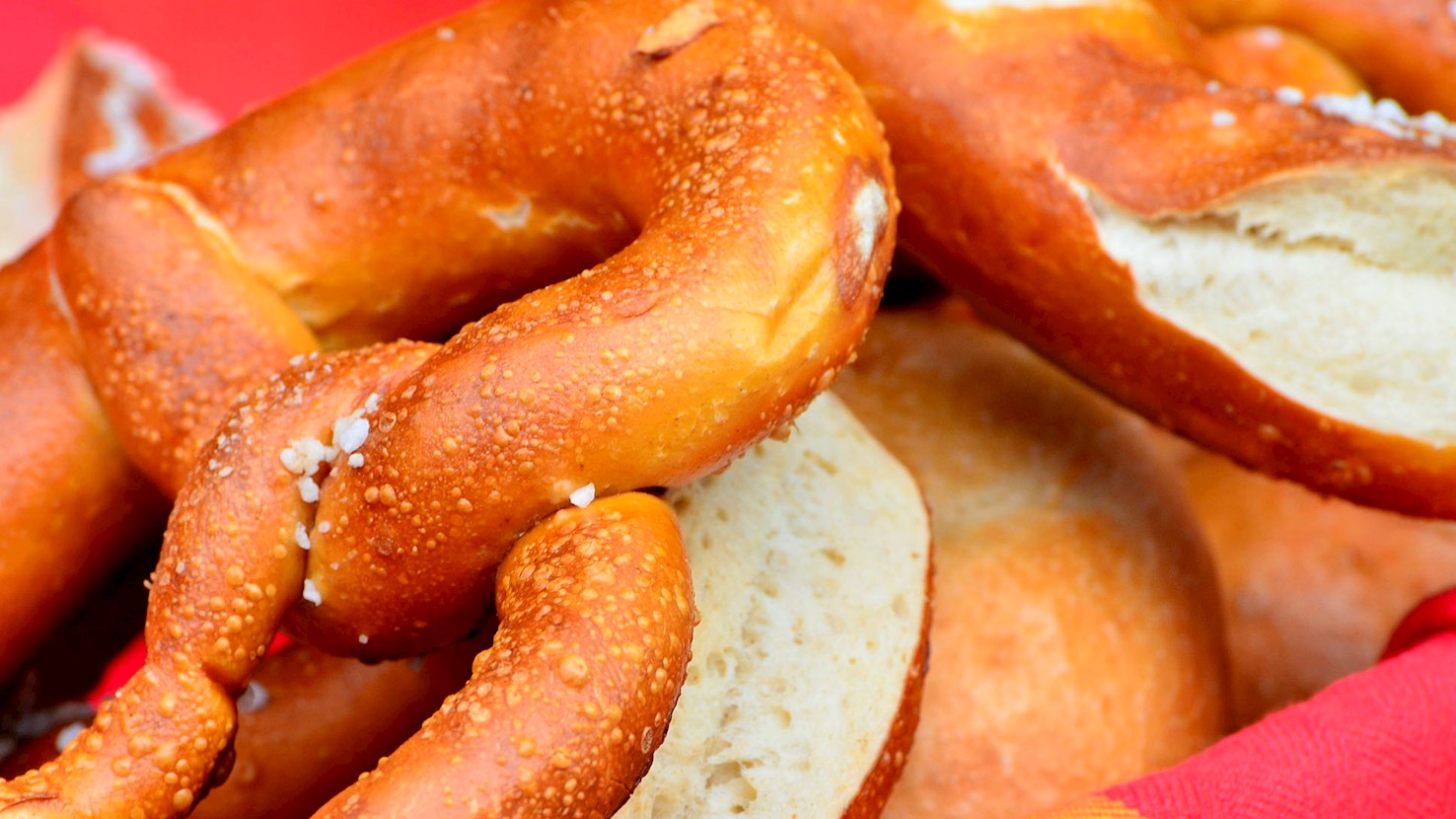
This traditional Bavarian pretzel is shaped to symbolize two arms folded for prayer, and they are available in different versions and sizes, usually topped with a sprinkling with coarse salt. Their crust is thin, dark brown, shiny, and has a cracked surface after baking. The dough, however, is juicy, tender, and light in color. As opposed to Swabian pretzels, Bavarian pretzels are thicker and not sliced lengthwise in the middle. Local differences can be recognized by their various forms. The Bavarian pretzel is a vital part of Bavarian snack culture, and it is especially delicious when buttered or paired with cheese. It is an indispensable accompaniment to Munich white sausage and Bavarian meatloaf.

05
Noodle Dish

Käsespätzle

4.1 ·

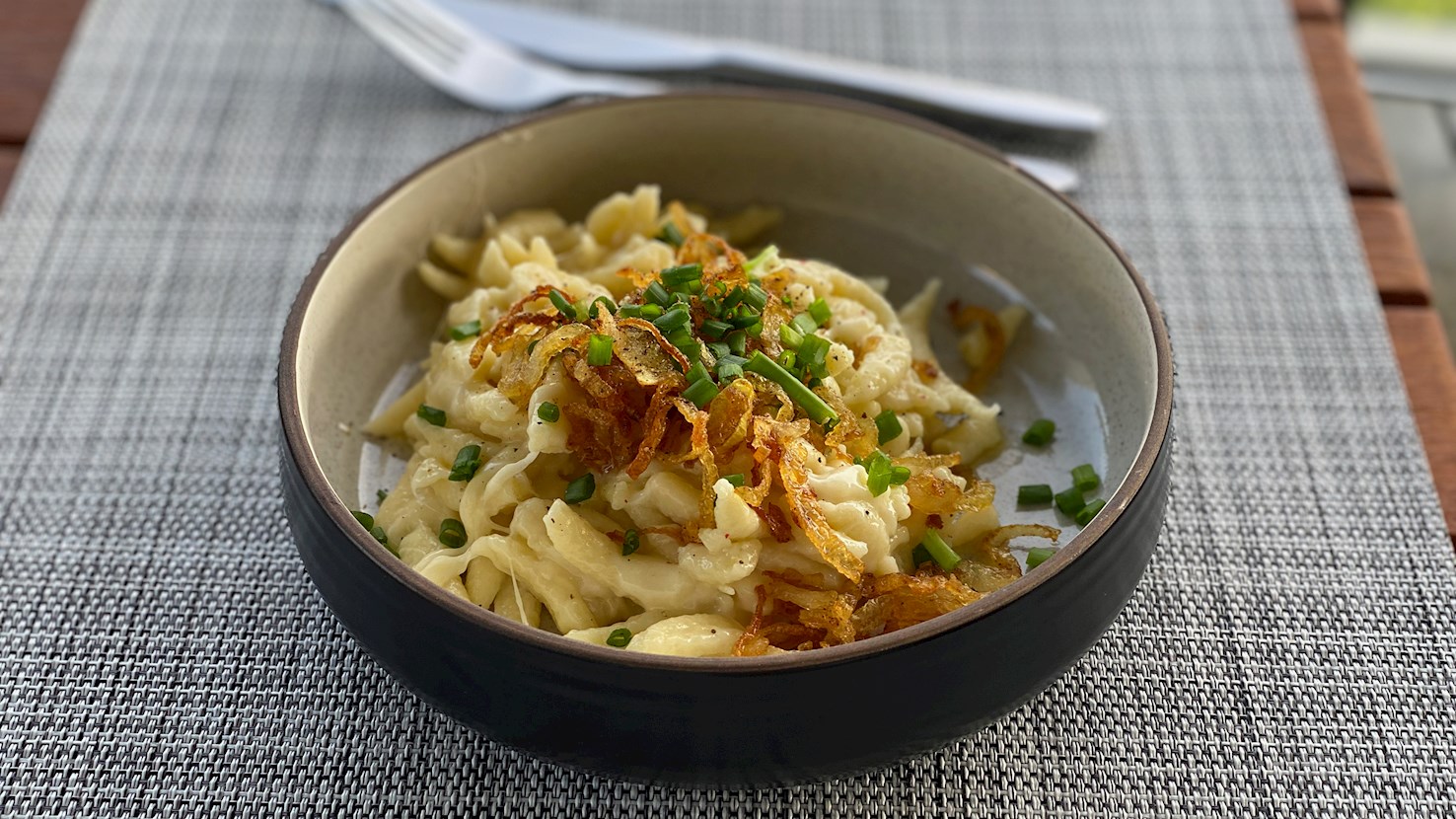
Käsespätzle is a simple noodle dish that combines spätzle noodles with a creamy mixture of melted cheese. The noodles are also called knöpfle, meaning little buttons, and are made with eggs, flour, milk or water, and seasonings such as salt, pepper and (sometimes) nutmeg, while käse refers to the melted cheese mixture, which is usually a combination of two or more types of cheese such as Edam, Gouda, Fontina, Gruyère, Appenzeller, or Emmental cheese. The noodle mixture is typically pressed through a specially designed spoon or colander directly into boiling salted water and cooked until done before it is mixed with the melted cheese. Also referred to as käsknöpfle, the dish is typically enjoyed with additional grated cheese and caramelized onions on top, and typical accompaniments include apple sauce, potato salad, and fresh green salads. Versions of this dish are traditionally consumed in Southern Germany, Swabia, Austria, and Liechtenstein, and it's also a typical dish in Switzerland, Hungary, Alsace, Moselle, and South Tyrol.

06
Pork Dish

Schweinshaxe

4.1 ·

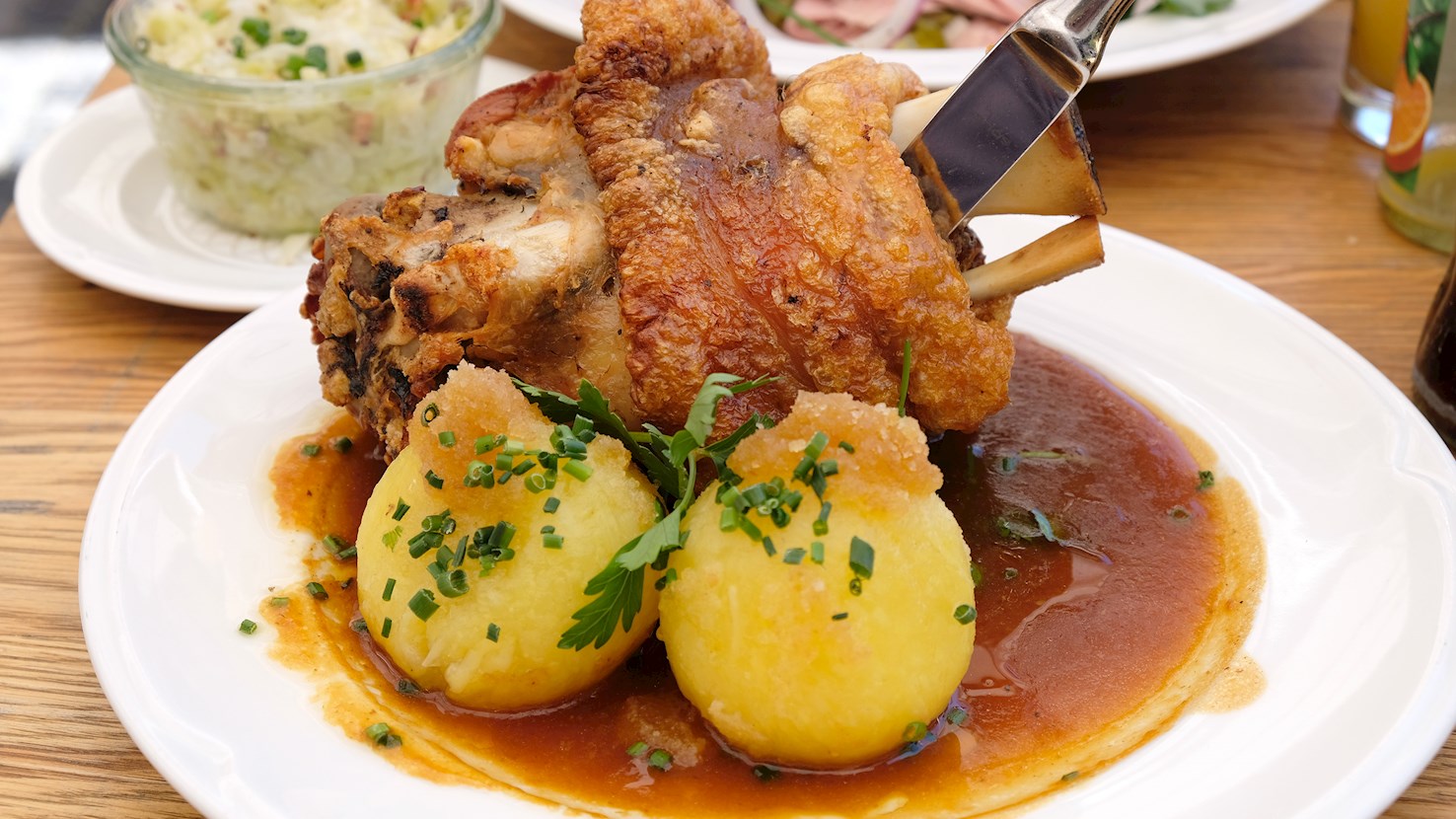
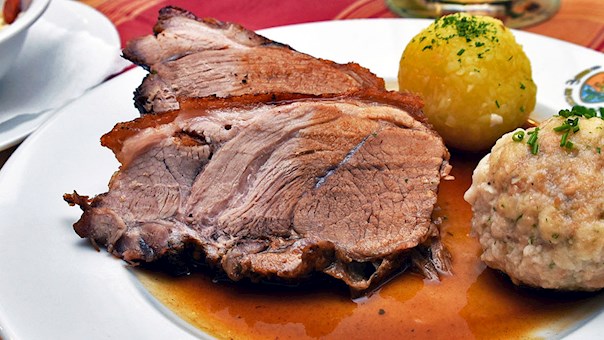
The term Schweinshaxe is typically used in the southern parts of Germany, predominantly in Bavaria, and it usually refers to a whole pork knuckle that is roasted for hours until it is thoroughly cooked and the skin becomes golden brown and crispy. Pork knuckles are a staple in traditional German cuisine, and they come with various names such as hachse, haxe, haxn, knöchla, hechse, hämmchen, and bötel, mainly depending on the region and a slightly different preparation process. Eisbein is the northern version of the dish that is typically cured or pickled and then boiled. Though it is commonly found in restaurants throughout the country and the region, Schweinshaxe is a quintessential dish at the popular folk festival Oktoberfest. The knuckle is almost always served whole, and it's usually accompanied by sauerkraut, braised cabbage, roasted potatoes, or potato dumplings. Similar dishes are found in other European countries, such as pečené vepřové koleno in the Czech Republic.

07
Fish Dish

Steckerlfisch

4.1 ·

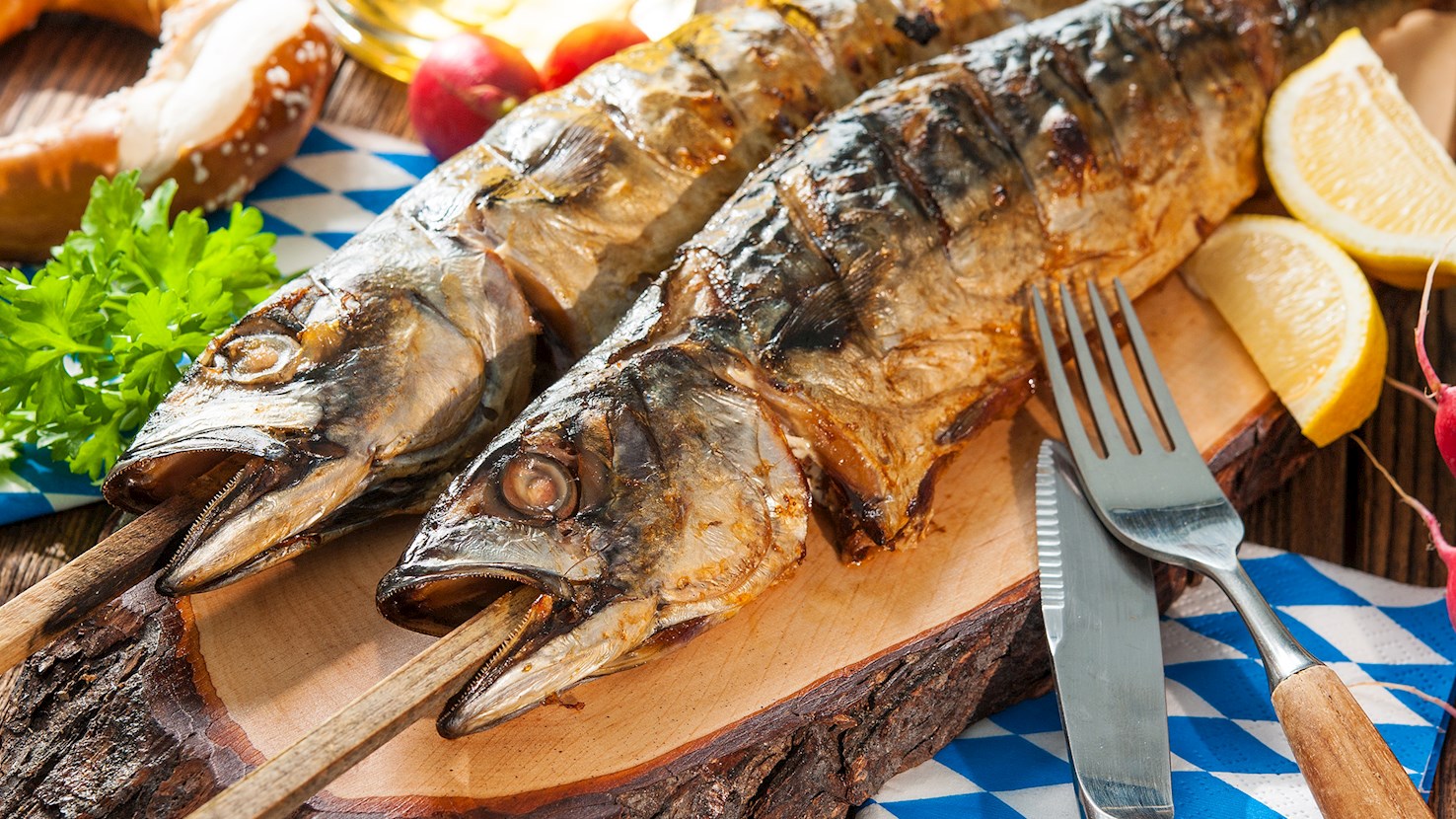
Steckerlfisch (from steckerl, meaning a small pole or a stick in Bavarian) is a staple fish specialty in beer gardens and at folk fests and fairs throughout Germany, especially in the regions of Bavaria and Franconia. It consists of a whole fish that’s been gutted and cleaned, then threaded on a stick and grilled over hot embers. Although early versions typically used freshwater white fish and trout, the selection of fish expanded with time, and it nowadays includes saltwater fish too, with mackerel as the most prominent choice. The fish is typically either marinated or dusted with seasoned flour before cooking and once done, it is usually served in paper. This specialty is generally enjoyed with just a squeeze of fresh lemon juice, although it may sometimes be served brushed with olive oil and stuffed with thin lemon slices. When served on a plate, the grilled fish is typically accompanied by a fresh Bavarian pretzel or bretzen as it is called in Bavaria, and lemon wedges on the side. Considered the ultimate beer snack, steckerlfisch is the perfect accompaniment to a cold lager beer such as the German Augustiner. This fish dish is also a beloved specialty in Austria, and since it is a quintessential food item (and a firm favorite) at Oktoberfest, it is also commonly known as Oktoberfest fish on a stick.

08
Chicken Dish

Wiesn Hendl

4.1 ·

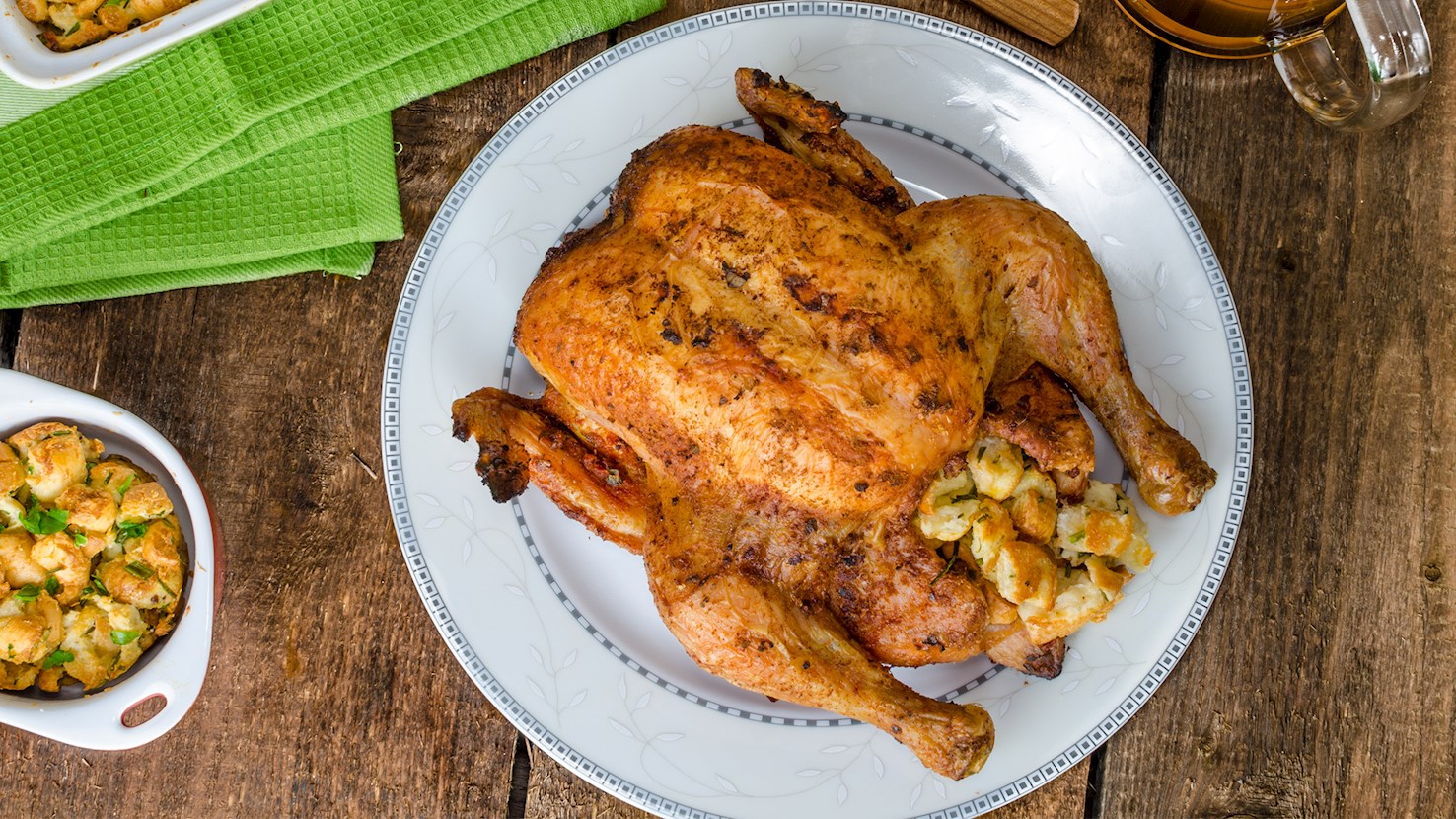
Wiesn Hendl is the Bavarian roasted chicken, traditionally seasoned only with salt and sometimes parsley, then grilled and sold as half a chicken or whole chicken. During the roasting process, the chicken is often doused with melted butter. It can be found in many beer gardens and it is especially popular during Oktoberfest. When served, hendl is usually accompanied by potato salad or large pretzels called brezn.

09
Custard

Bayrisch Creme (Bavarian cream)

4 ·

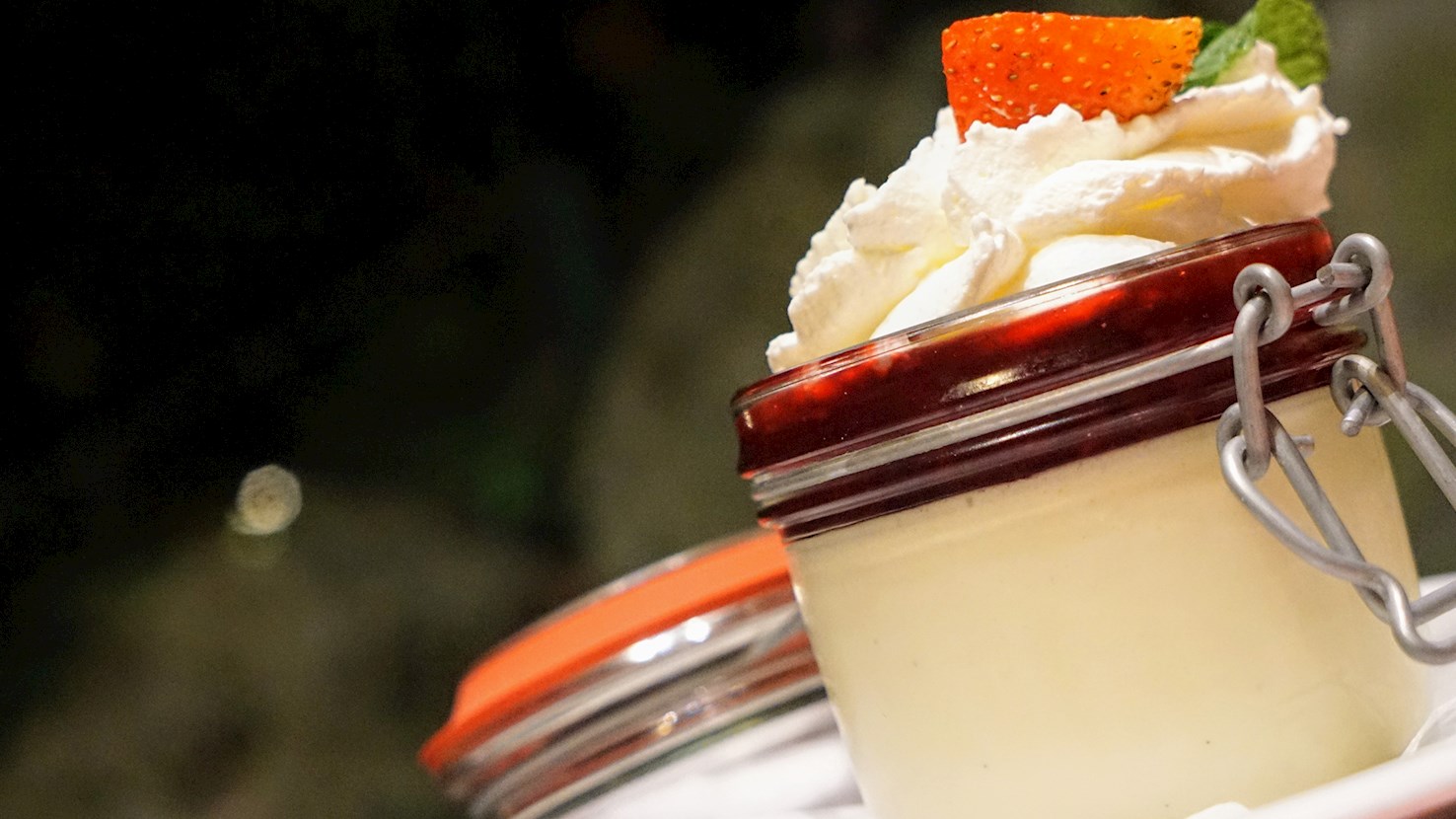
This rich, silky egg custard is thickened with gelatin and combined with whipped cream. It is traditionally served cold, and is usually garnished with pieces of fresh fruit or drizzled over with sweet sauces. Although its origins are quite unclear, it is known that Bavarian cream hails from either Germany or France. Many French chefs worked in Bavaria during the 17th and 18th century, so it is believed that they learned the recipe there. Some believe that the dish was invented by a famous French chef Marie-Antoine Carême, who wrote a recipe for it in the early 18th century. Today, Bavarian cream is consumed on its own as a decadent dessert or used as a filling for various cakes and pastries.

10
Dumplings

Serviettenknödel

4 ·

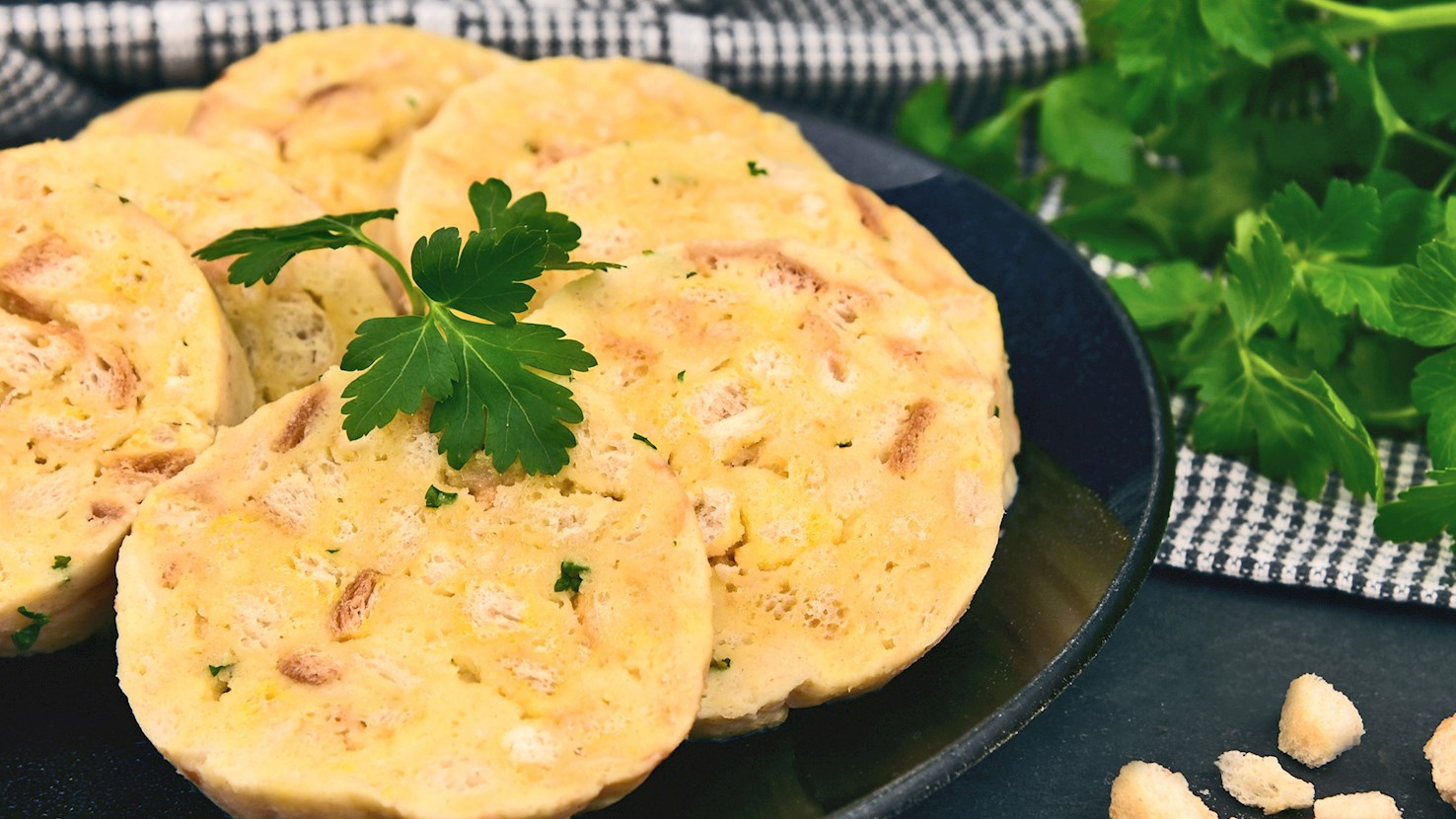
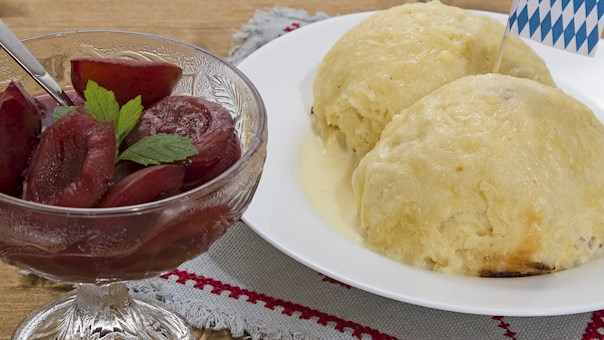
Serviettenknödel are German bread dumplings, or Semmelknödel that derive their name - napkin dumplings - from the way they are traditionally cooked: wrapped tightly and steamed inside a cloth napkin called serviette in German. They are typically made with pieces of stale bread rolls, baguettes, or pretzels, milk, eggs, lard, and softened onions. The bread mixture is usually seasoned with salt and pepper, and it is often enhanced with freshly chopped parsley and nutmeg for extra flavor. Once done, the log-shaped dumplings are generally cut into thick slices which can either be eaten as they are or pan-fried until nicely browned. These savory bread dumplings are a typical accompaniment to various roast meat delicacies, rouladen, gravy, mushroom sauces, and lentils, and they’ve been traditionally prepared for special occasions such as Christmas dinners and weddings. The dumplings are nowadays more commonly cooked in plastic wrap and aluminum foil instead of kitchen towels or napkins. Serviettenknödel have also been a part of other European cuisines, including Austrian and Czech cuisines.

Best Southern German food products
01
Wine

Weingut Horst Sauer

5 ·
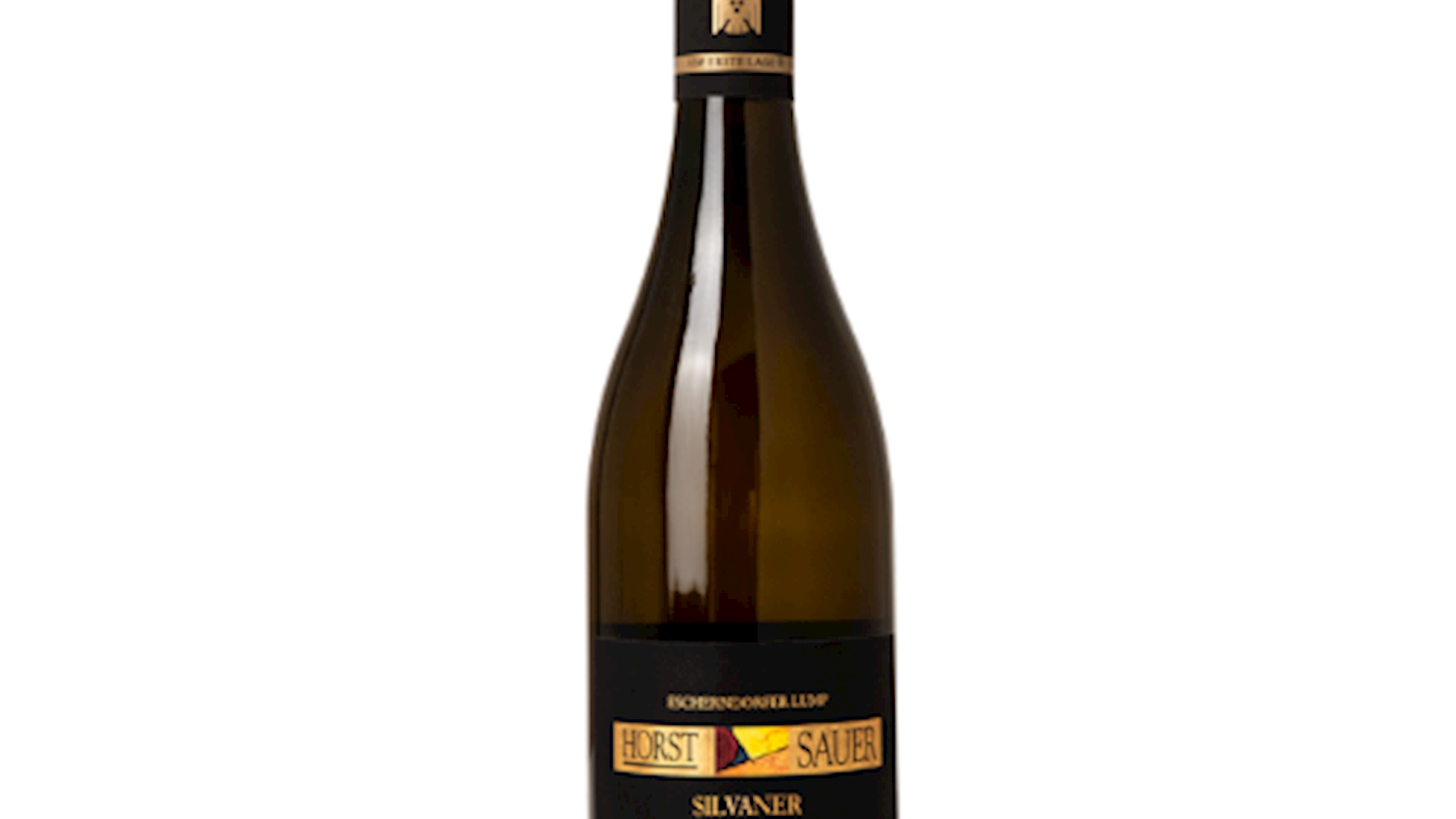
Weingut Horst Sauer is famous in Franken and around the world for its exceptional dry, minerally wines, crafted by Horst Sauer alongside his daughter, Sandra. Horst is particularly devoted to his noble sweet wines, like his sublime, creamy Beerenauslese and Trockenbeerenauslese. Sandra Sauer joined the family business in 2004, bringing energy and momentum to the wine making process, as well as expertise in marketing. In 2006, their winemaking facilities were completely modernized in order to streamline their production. Today, they continue to produce internationally honored wines that are vastly enjoyable to drink.
Awards
Falstaff - 100
Falstaff - 99
02
Praline

Pralilinen

5 ·
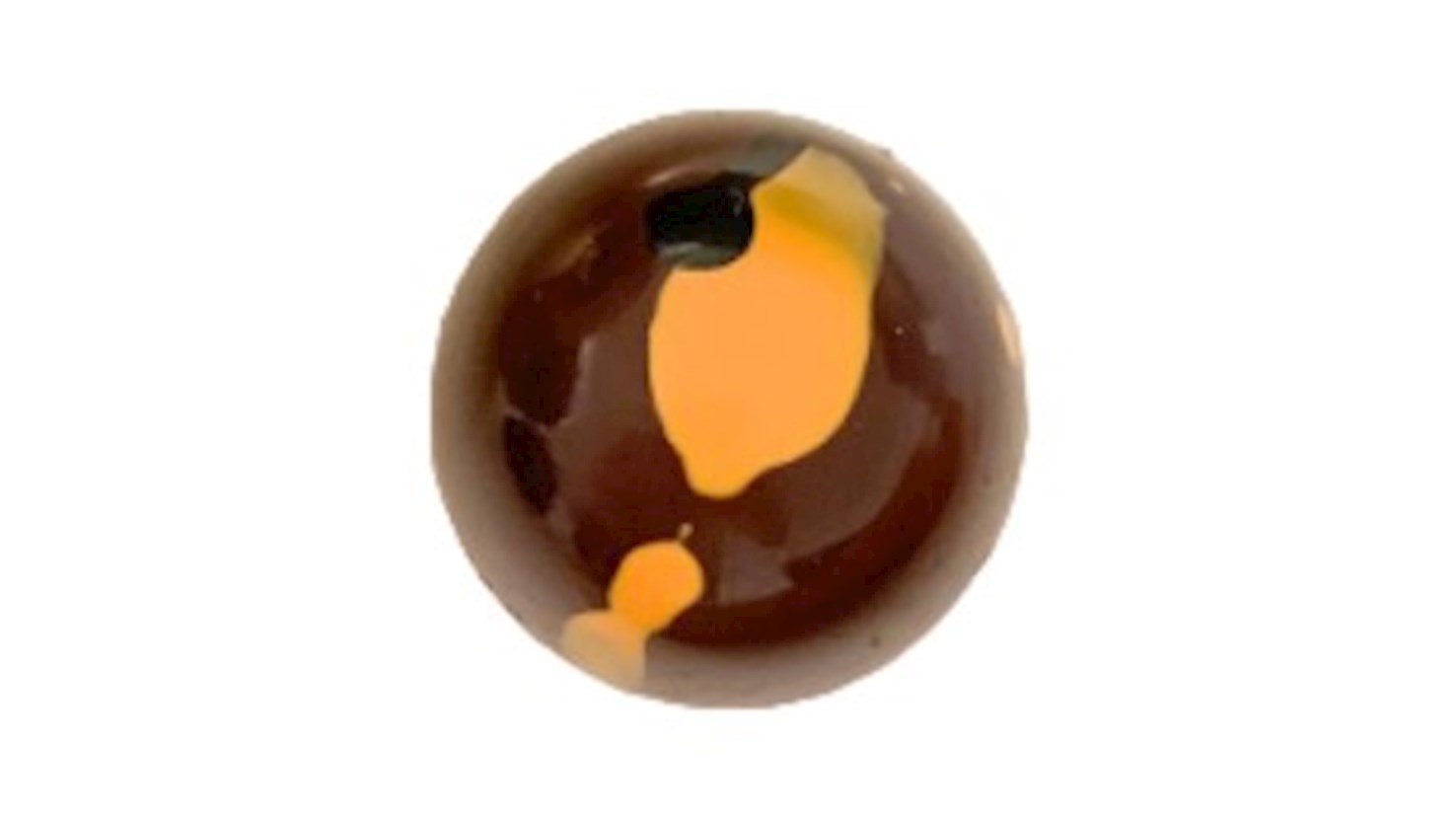
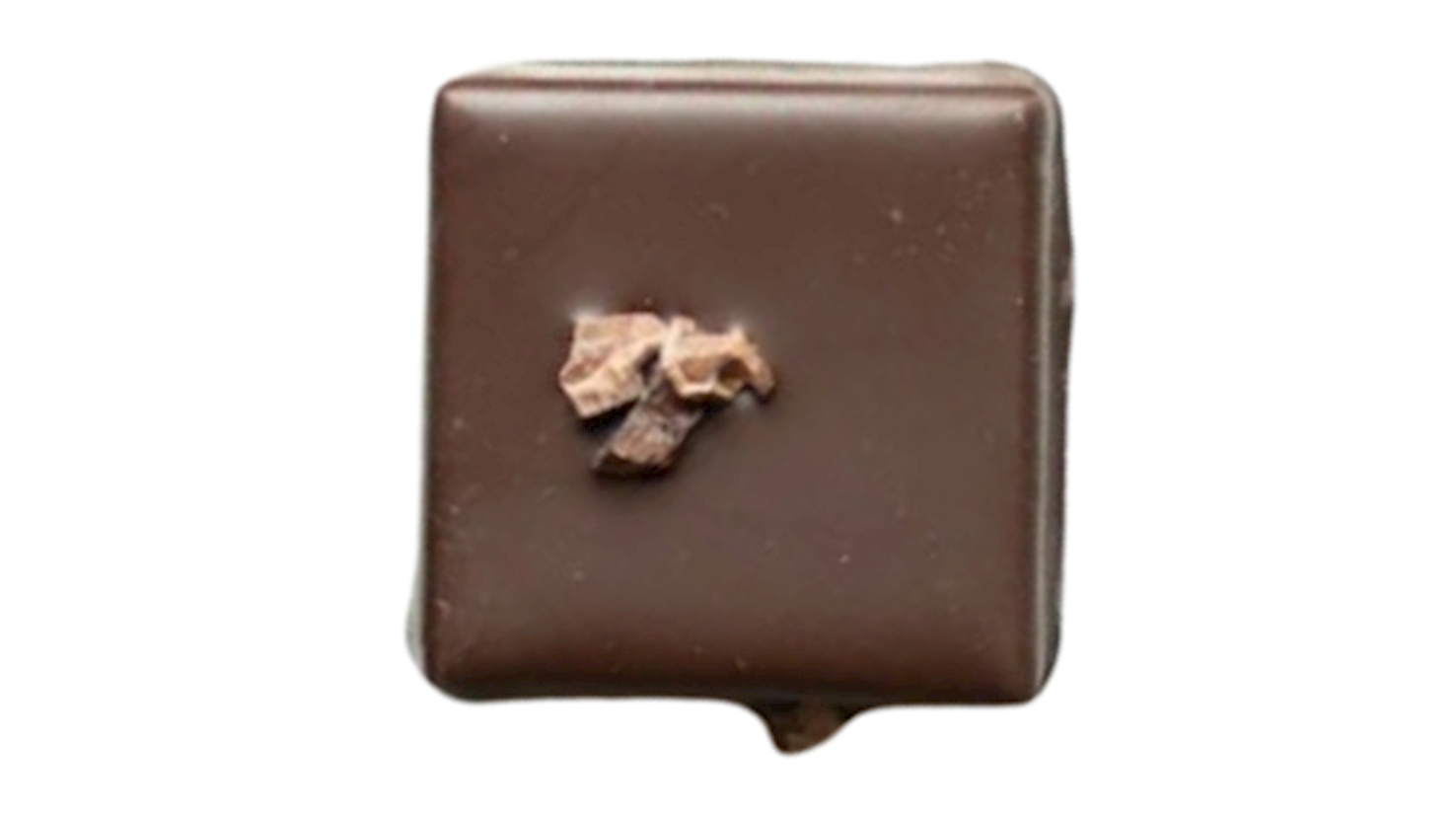
Pralilinen is a German chocolatier specializing in hand-crafted pralines. Their creations emphasize premium ingredients, careful craftsmanship, and personalized touches for a refined chocolate experience. The founder, Liliane, combines traditional chocolate-making techniques with creative flavors, producing unique, high-quality pralines that appeal to chocolate connoisseurs.
Awards
Academy of Chocolate - Gold (2023, 2022)
Academy of Chocolate - Silver (2024, 2023)
03
Wine

Weingut Hans Wirsching

5 ·
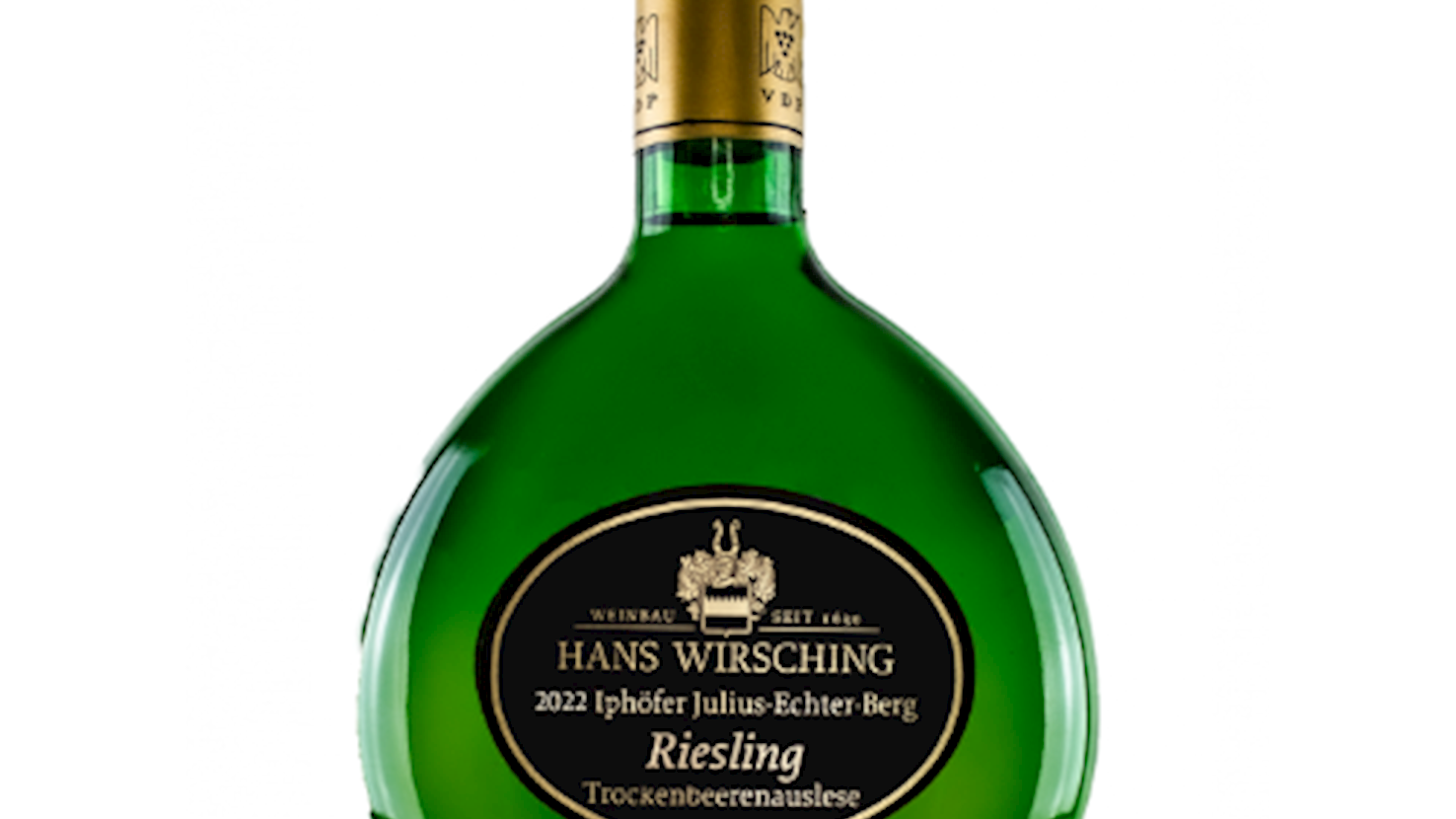
The Hans Wirsching wine estate is one of the most traditional and renowned estates in Franconia. Our family has been growing grapes for several centuries. Currently, Andrea Wirsching manages the estate. On 90 hectares in and around Iphofen, we produce mainly dry white wines – that is our specialty. The most important grape varieties are Silvaner, Riesling, Scheurebe, and white Pinot varieties (Pinot Blanc, Chardonnay, and Pinot Gris).
Awards
Decanter World Wine Awards - Platinum (2023, 2022, 2021, 2020, 2016)
Falstaff - 100
04
Chocolate Confectionery

Clement Chococult

5 ·
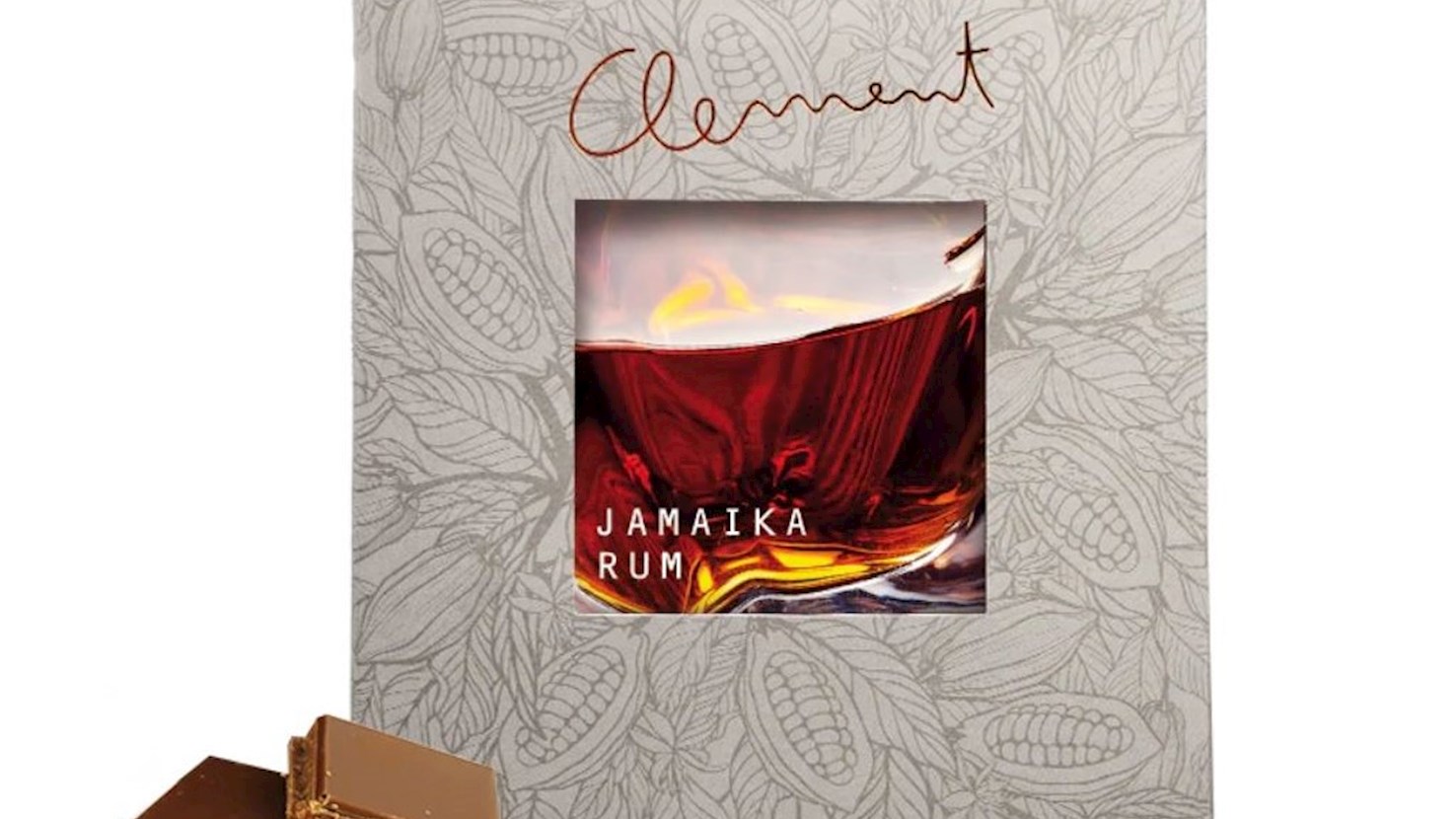
Clement Chococult, based in Munich, specializes in producing premium chocolates, sourcing high-quality cocoa beans for their confections. They offer a variety of products including truffles, pralines, and chocolate bars. Their unique selling point involves utilizing a blend of traditional techniques and innovative flavors.
Awards
International Chocolate Awards - Gold (2018, 2017, 2016, 2015, 2014, 2013)
International Chocolate Awards - Silver (2018, 2016, 2015, 2014)
05
Spirit

St. Kilian Distillers

5 ·
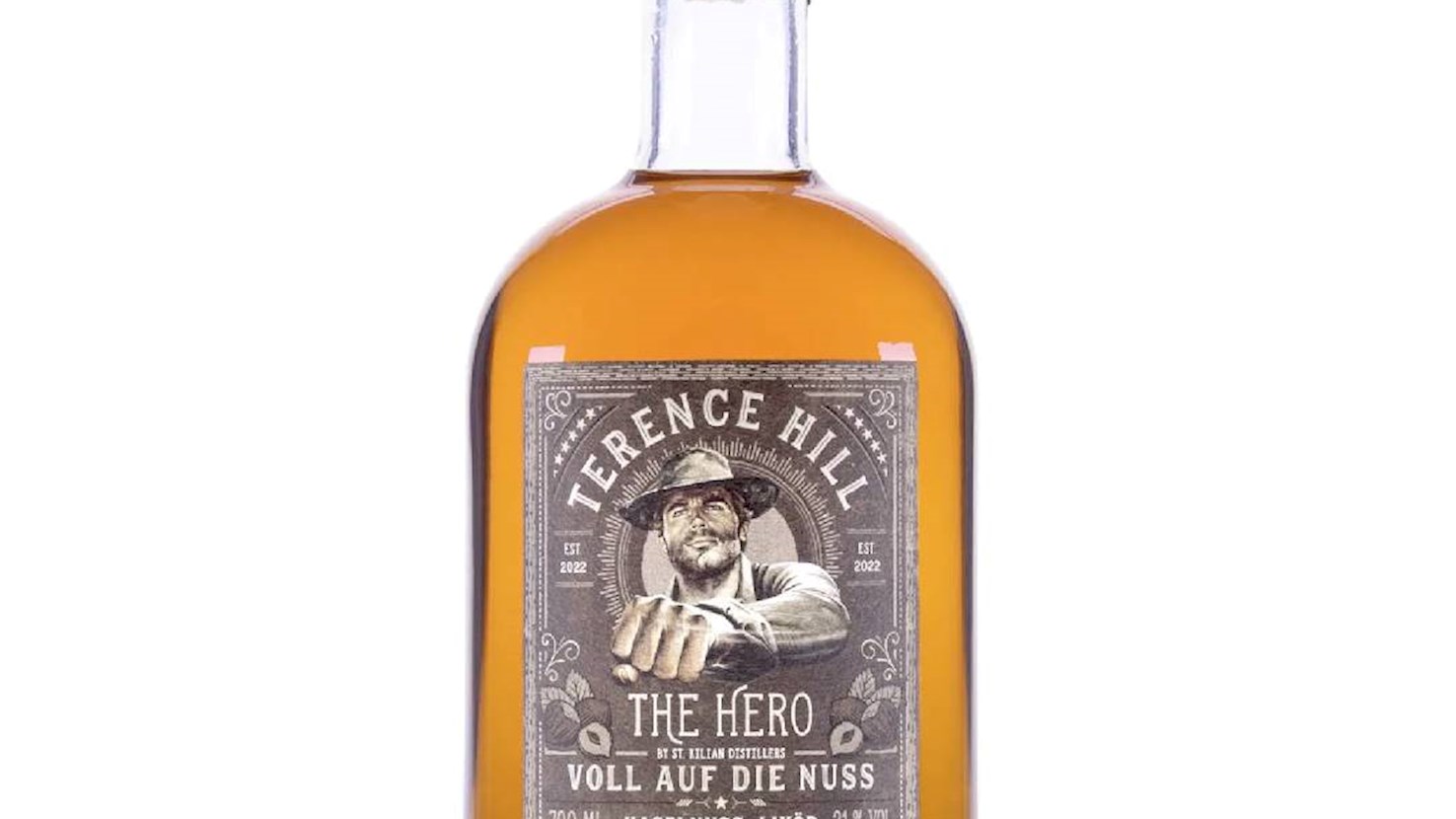
St. Kilian Distillers is a German single malt whisky distillery founded in 2012 in Rüdenau, Bavaria. Located in a former textile factory, the distillery is named after St. Kilian, an Irish-Scottish missionary who worked in Würzburg. St. Kilian Distillers is renowned for its innovation and diverse product range, including special editions created in collaboration with famous personalities and musical bands. Their "White Dog" won the award for the best in the world in 2018.
Awards
IWSC- International wine & spirit competition - Spirit Gold (2024, 2023, 2022)
European Spirits Challenge - Gold (2023)
06
Spirit

Slyrs Distillery

5 ·
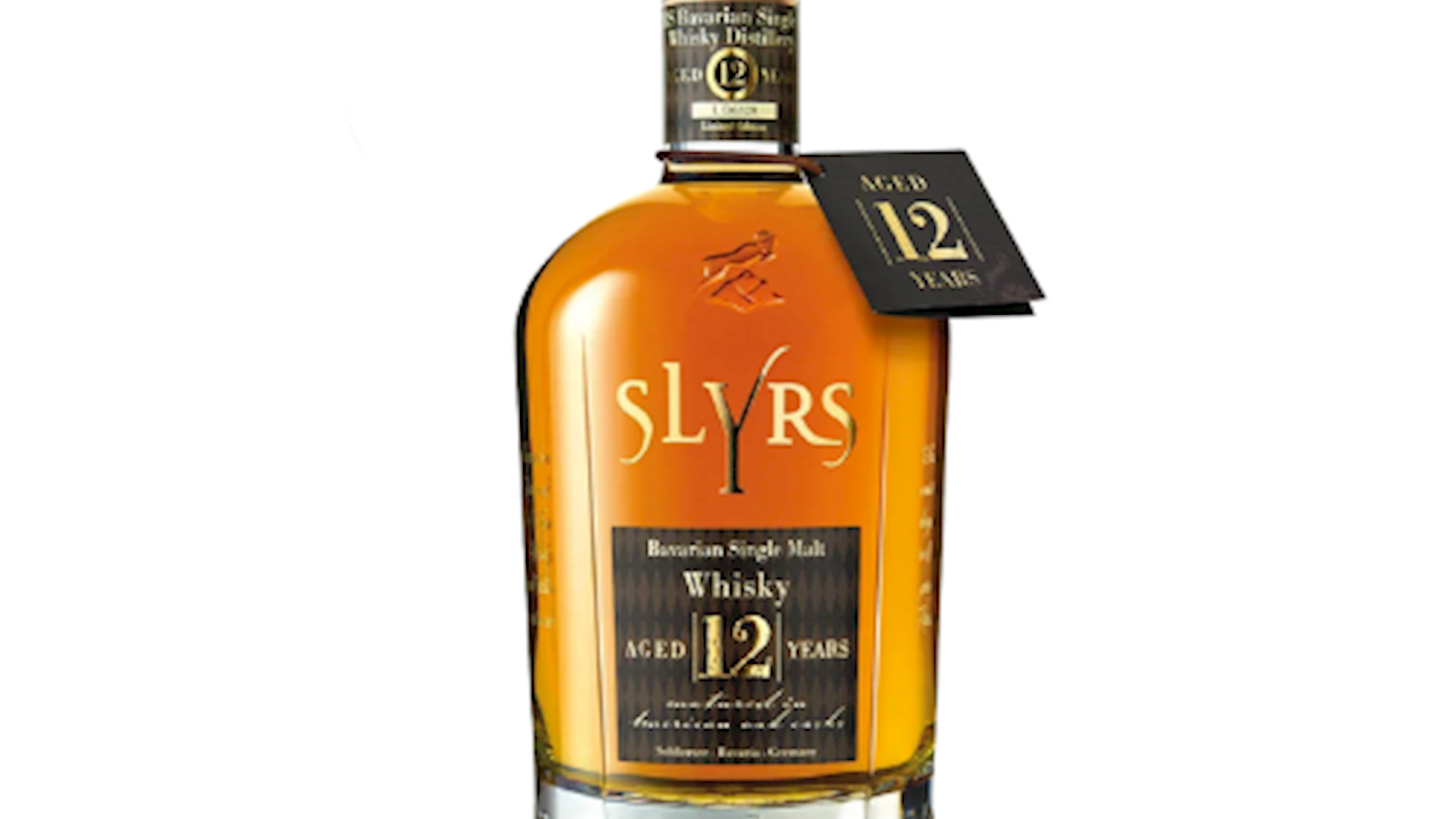
Slyrs Distillery is a pioneering German whisky distillery located in Schliersee, Bavaria, founded in 1999 and widely regarded as a benchmark for Bavarian single malt whisky. Inspired by Scottish whisky-making traditions but firmly rooted in its Alpine environment, Slyrs produces single malt whisky from Bavarian malted barley and pure Alpine spring water. Distillation takes place in traditional copper pot stills, followed by maturation primarily in new American white oak casks, with additional expressions finished in sherry, port, or other specialty barrels. The continental Alpine climate - marked by warm summers and cold winters - accelerates interaction between spirit and wood, resulting in whiskies that are typically rounded, expressive, and gently fruity, with notes of vanilla, malt, spice, and soft oak. Over the years, Slyrs has built a strong reputation both in Germany and internationally, combining regional identity, technical consistency, and a clear house style. The distillery is also positioned as a visitor destination, offering tours and tastings that emphasize transparency and craftsmanship, reinforcing its role as a leading figure in modern German whisky production.
Awards
IWSC- International wine & spirit competition - Spirit Gold (2019)
International Spirits Award - Gold (2025)
07
Spirit

Porky46

5 ·
Awards
The Gin Masters - Master (2022)
08
Praline

Andreas Muschler

5 ·
Andreas Muschler is a German master chocolatier and pastry chef best known for his artisanal chocolaterie and pâtisserie based in Freising, Bavaria. His work is defined by a strong commitment to craftsmanship, with all pralines, chocolates, cakes, and desserts produced in small batches using traditional techniques and carefully selected ingredients. Muschler combines classic French pastry foundations with a contemporary approach to flavor balance, texture, and presentation, often drawing on seasonal and regional raw materials. Rather than focusing on mass production, Andreas Muschler positions his work within the realm of fine confectionery, where taste, structure, and authenticity take priority over scale. His atelier is regarded as a reference point for modern German artisanal chocolate, appealing to consumers who value technical excellence and a clear, restrained flavor profile.
Awards
International Chocolate Awards - Gold (2020, 2016)
International Chocolate Awards - Silver (2018, 2017)
09
Cheese

Baldauf Käse

5 ·
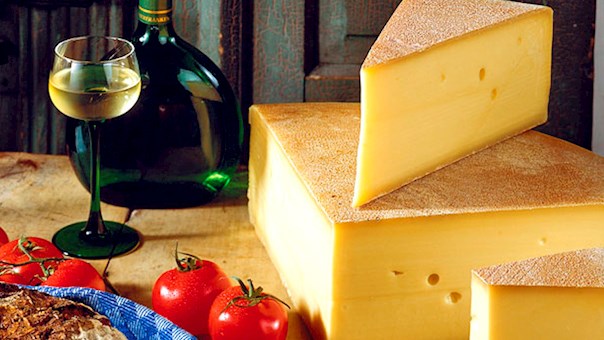
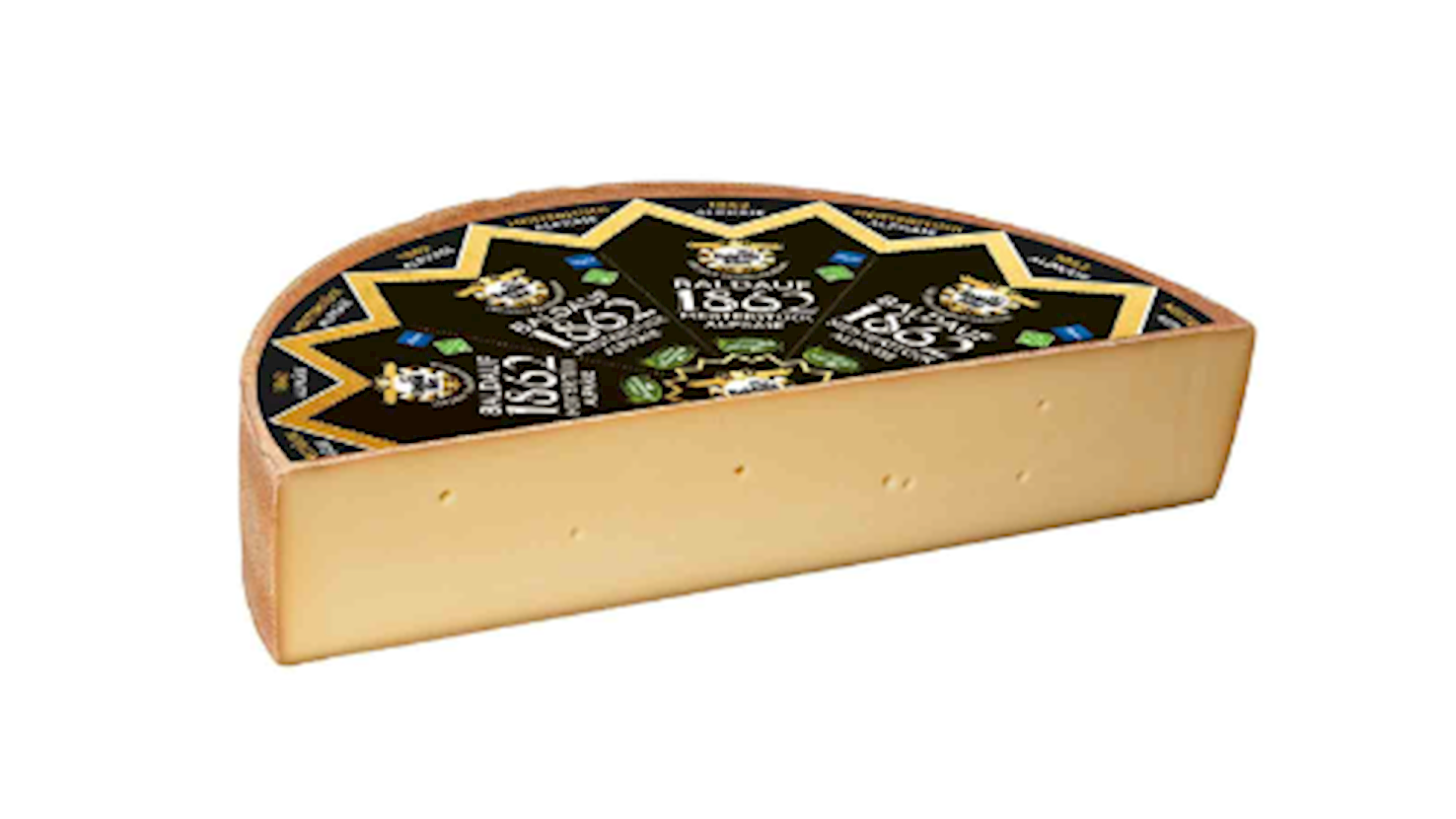
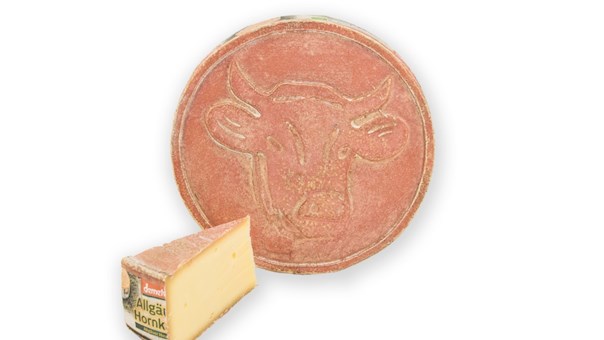
Baldauf Käse is a family-owned dairy based in the Allgäu region of Bavaria, founded in 1862 and now managed by the fifth generation of the Baldauf family. The company specializes in traditional Alpine hard and semi-hard cheeses made from locally sourced hay milk (Heumilch), obtained from cows fed on grass and dried hay rather than silage. This feeding method contributes to the milk’s aromatic purity and directly influences the depth and clarity of flavor in the finished cheeses. The range includes classic Bergkäse and Alpkäse, as well as the premium “1862 Meisterstück” line and specialty cheeses refined with wine, herbs, or spices. The wheels mature in carefully controlled cellars where they are regularly turned and cared for, developing firm textures and layered, nutty, slightly spicy profiles. Baldauf combines long-standing cheesemaking tradition with modern quality standards, maintaining a strong focus on regional identity and sustainable production. Their cheeses are distributed both within Germany and internationally, recognized for their consistency and distinct Alpine character.
Awards
World Cheese Awards - Super Gold (2024)
World Cheese Awards - Gold (2024, 2021)
10
Spirit

Ziegler Distillery

5 ·
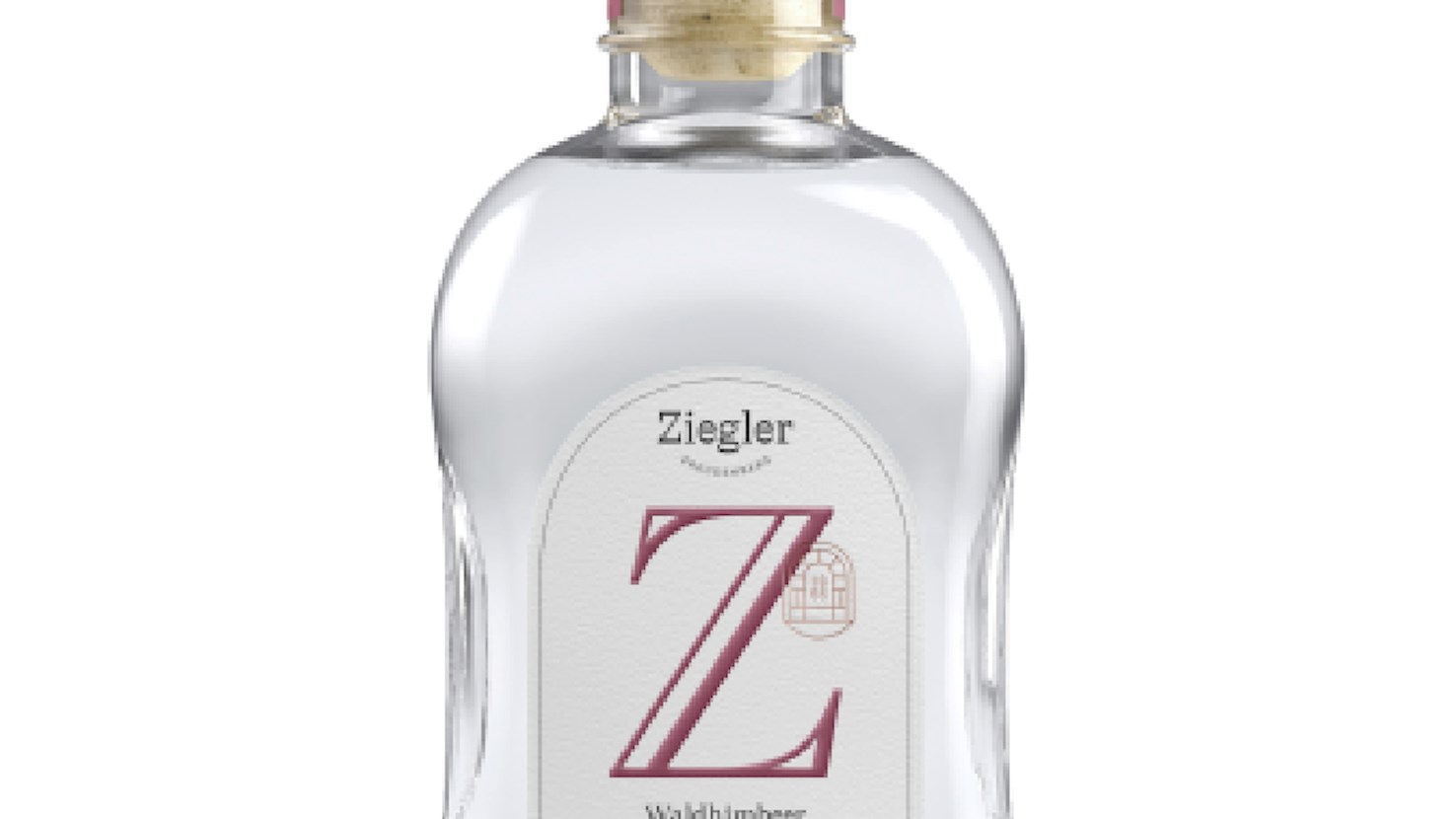
Brennerei Ziegler, founded in 1865 in Freudenberg am Main, Germany, is renowned for its high-quality fruit brandies, spirits, liqueurs, and whisky. The distillery emphasizes traditional craftsmanship, with experienced artisans overseeing every step from fruit harvesting to bottle labeling. This dedication to quality has established Ziegler as a leading name in the industry.
Awards
IWSC- International wine & spirit competition - Spirit Gold (2024)
IWSC- International wine & spirit competition - Spirit Gold Outstanding (2024)
Read more
View all
View map
About this ranking

TasteAtlas food rankings are based on the ratings of the TasteAtlas audience, with a series of mechanisms that recognize real users and that ignore bot, nationalist or local patriotic ratings, and give additional value to the ratings of users that the system recognizes as knowledgeable. For the “Top 100 Southern German Foods” list until June 10, 2026, 5,238 ratings were recorded, of which 4,557 were recognized by the system as legitimate. TasteAtlas Rankings should not be seen as the final global conclusion about food. Their purpose is to promote excellent local foods, instill pride in traditional dishes, and arouse curiosity about dishes you haven’t tried.

The initial list of top producers was compiled based on available reviews, awards, local recommendations, media and blog coverage, and consumer reviews. The list will be updated with ratings from TasteAtlas local ambassadors and TasteAtlas users.

Similar lists