shutterstock

Top 100 Venetian Foods

Last updated on October 21, 2026

Best Venetian Foods

01
Pasta

Bigoli con l'anatra

4.4 ·

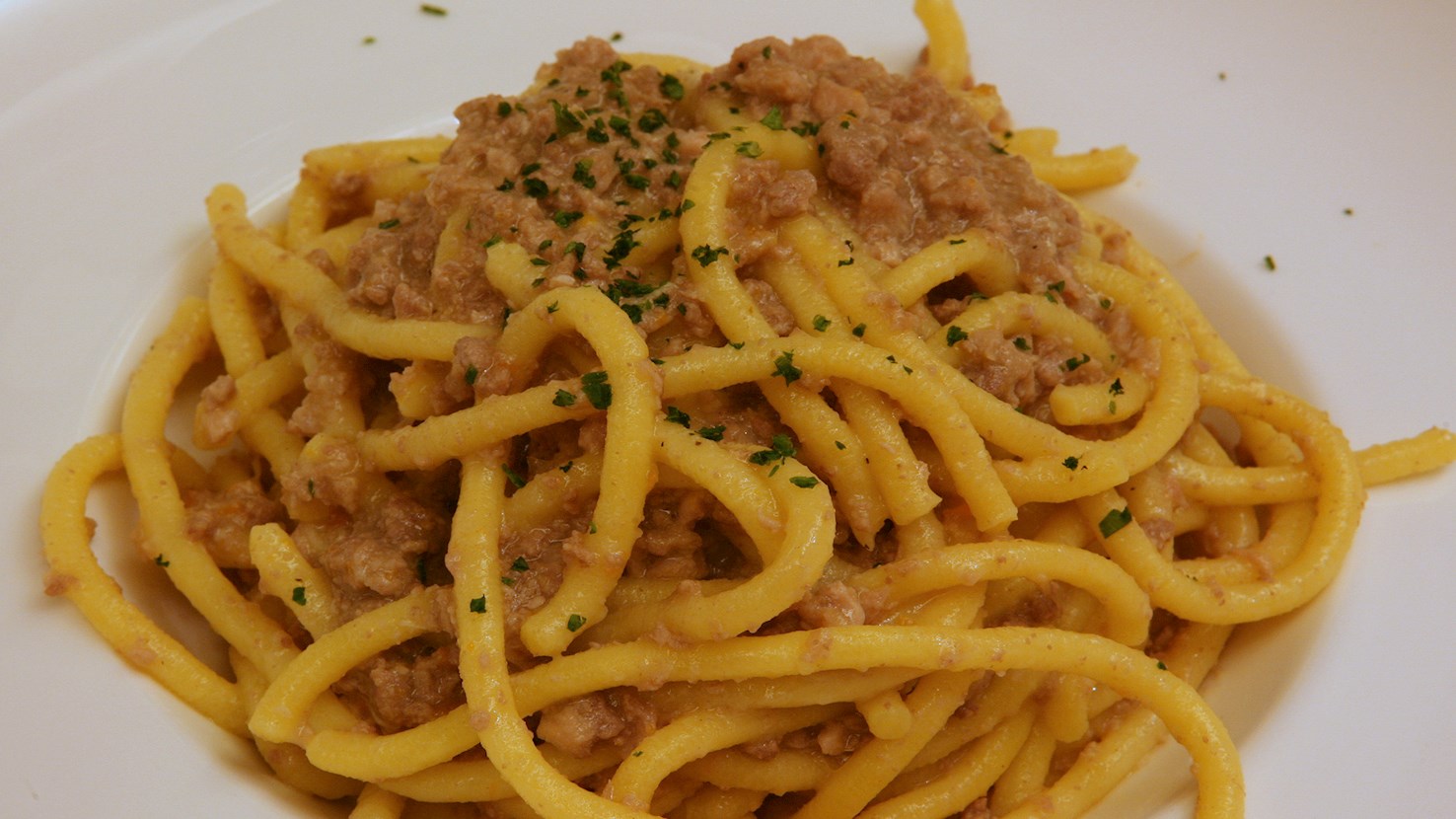
I bigoli con l'anatra, locally known as bigoi co' l'arna, is a traditional dish that originated in the city of Thiene, but over time it became very popular throughout the province of Vicenza. Bigoli is a thick, egg-based pasta variety whose size and texture make the perfect match for a rich duck ragú made with onions, carrots, celery, bay leaves, sage, and dry white wine. Originally, this dish used to be prepared with cleaned offals and duck fat, while duck meat was either used in other recipes or preserved in fat. Nowadays, only the best parts of meat and livers are used, while duck fat is substituted with butter and olive oil - the result is an equally delicious, yet much lighter dish. Served generously topped with freshly grated Parmigiano, this hearty dish is a perfect choice for cold winter days, especially when paired with a glass of local red wine such as Cabernet or Merlot.

02
Rice Dish

Risotto alla trevigiana

4.4 ·

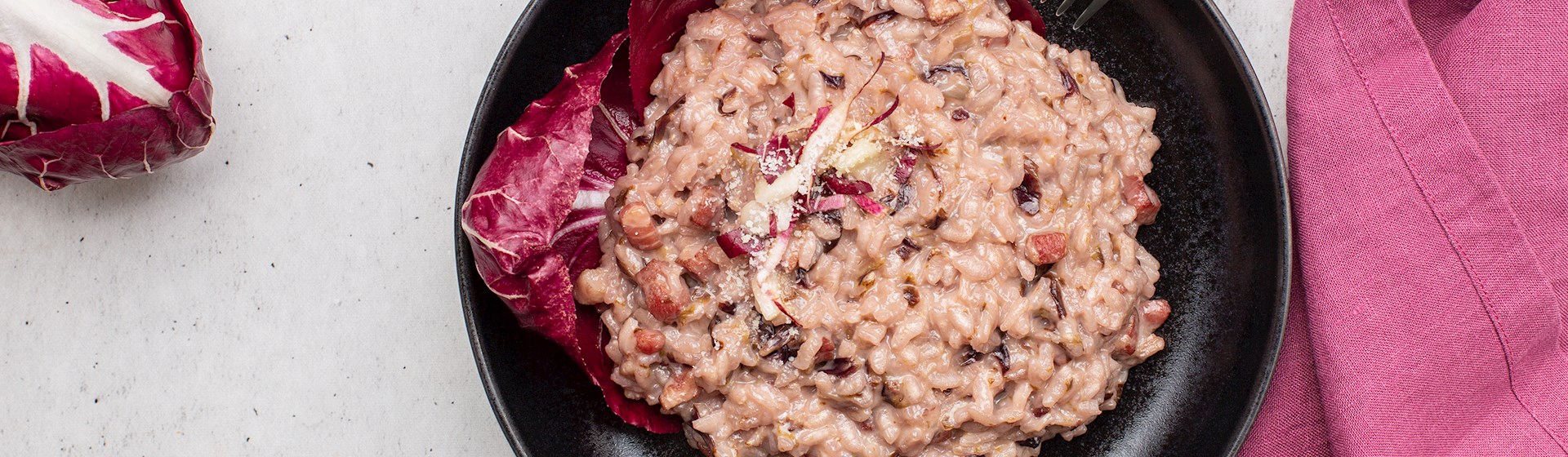
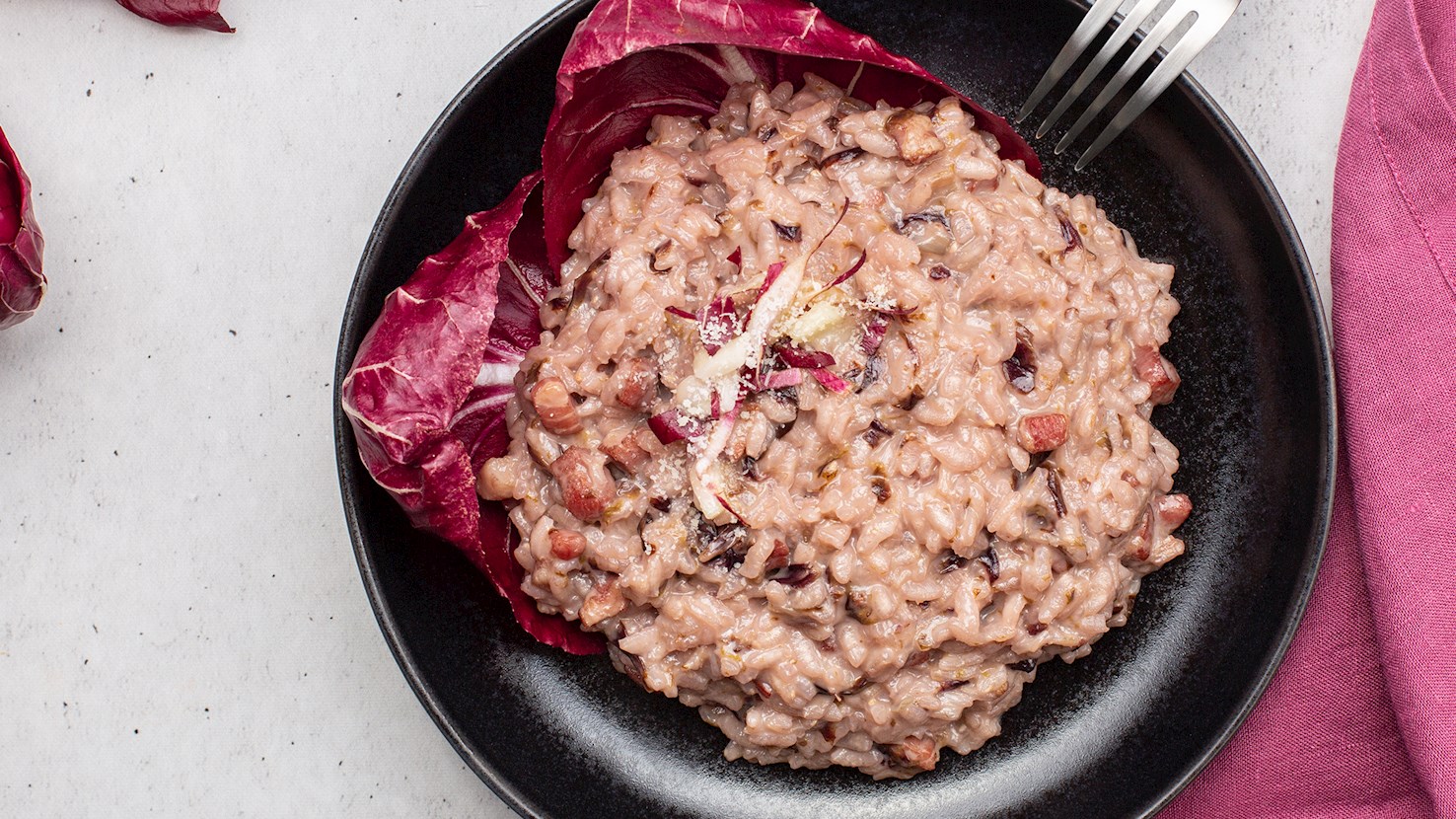
Risotto alla trevigiana is a traditional dish hailing from Treviso. It's prepared with thinly cut local radicchio, oil, rice, onions, sparkling wine, and stock. The radicchio is sautéed in olive oil with onions, then the rice is added with the wine and stock until the risotto is done. Before serving, it's usually enriched with a knob of butter and a sprinkle of grated Parmigiano-Reggiano. In the Veneto region, risotto is typically served all'onda, meaning with waves, referring to the fact that it should be slightly more on the thinner, liquid side. Serve the dish with a glass of prosecco.

03
Dessert

Tiramisù

4.3 ·

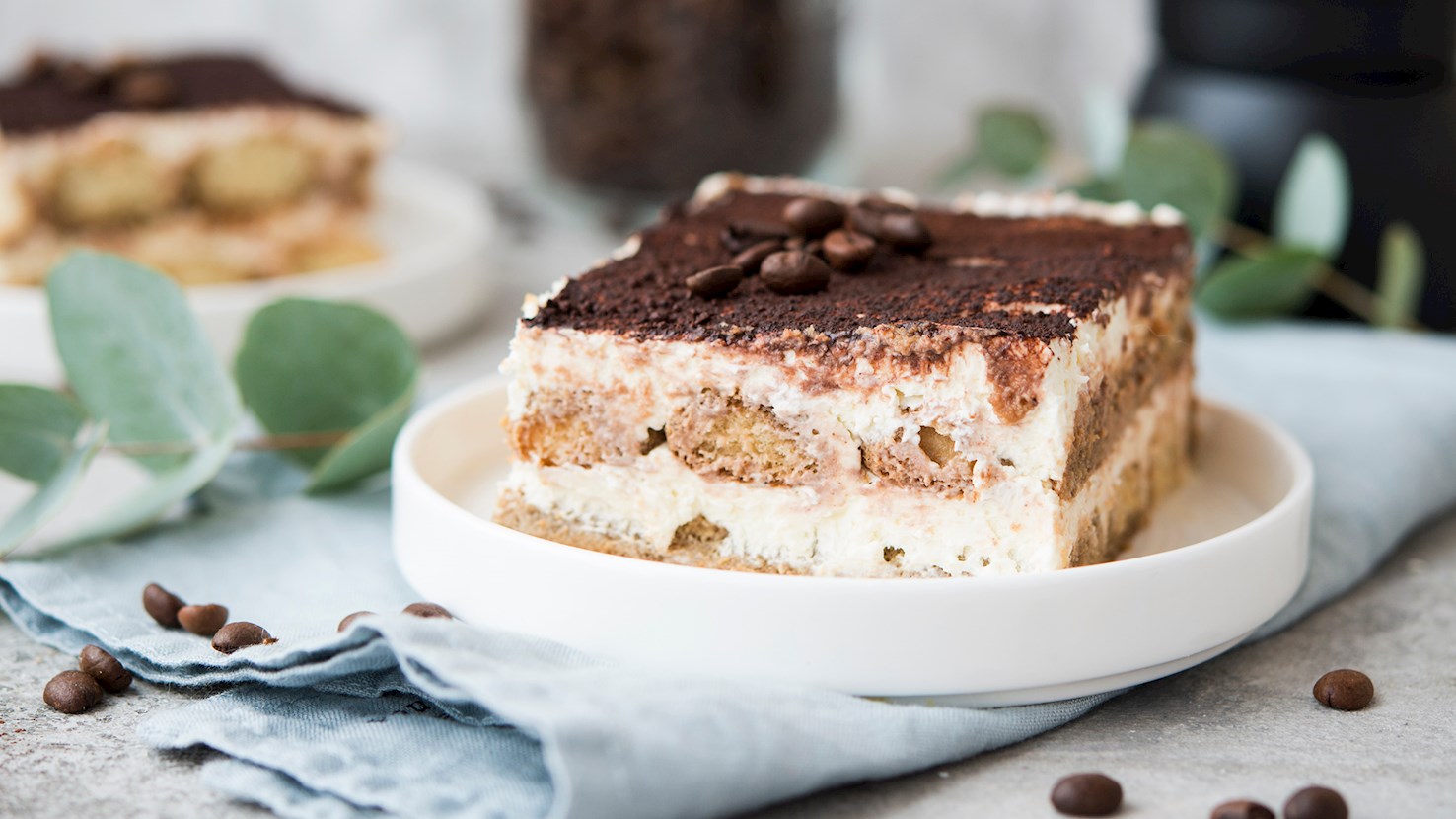
Even though tiramisù is actually a fairly recent invention, this dessert of coffee-soaked ladyfingers layered with mascarpone cream enjoys an iconic status among Italian desserts. Its name stems from the phrase tirami sù, an Italian expression which literally means pick me up, a reference to the uplifting effects of sugar, liquor, and coffee. The origins of tiramisù are heavily disputed between Veneto and Friuli-Venezia Giulia regions, but it is often suggested that the first was made in Veneto in the early 1960s. The earliest documented recipe for tiramisù (interestingly, without alcohol!) was printed in the 1981 spring edition of Vin Veneto magazine in an article on coffee-based desserts by Giuseppe Maffioli, a renowned food critic and member of the Italian Academy of Cuisine. However, in August 2017, Friuli-Venezia Giulia's tiramisu was officially added to the list of traditional regional dishes, but a Veneto local won the Tiramisu World Cup in November 2017, so the playing field is somewhat levelled once again. Regardless of these disputes, the perfect tiramisù should always deliver a serious caffeine kick from a shot of strong espresso, while brandy-fortified Marsala wine adds a nice sweet buzz. In 2021, Ado Campeol, the owner of the restaurant where tiramisù is widely thought to have been invented, has died.

04
Seafood Dish

Capesante alla veneziana

4.2 ·

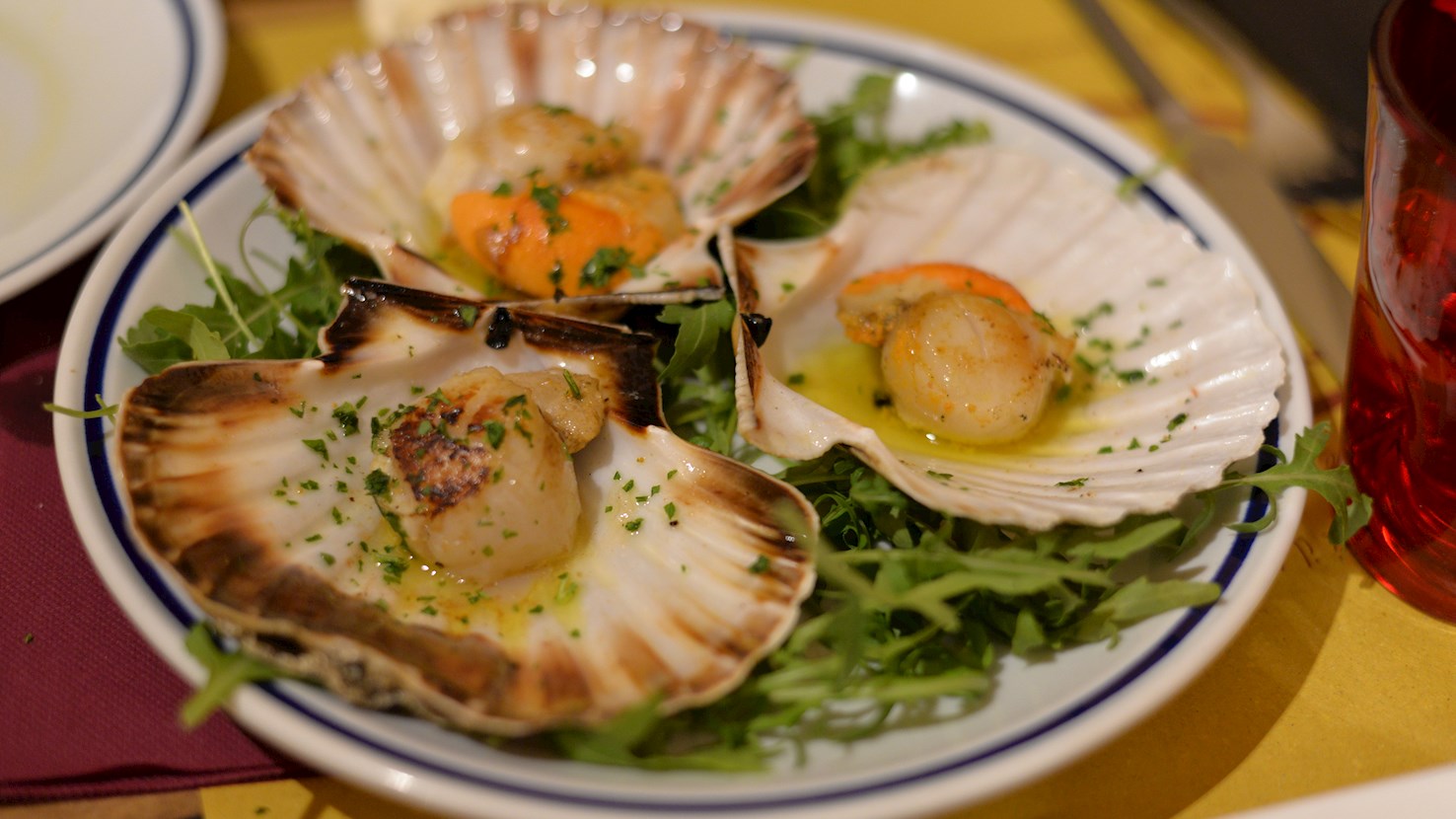
Capesante alla veneziana is a traditional dish originating from Venice. The dish is usually made with a combination of scallops, garlic, breadcrumbs, olive oil, lemon juice, parsley, salt, and pepper. The scallops are cleaned and dredged in breadcrumbs. The garlic and parsley are sautéed in olive oil, and the scallops are then added to the pan and cooked until golden on both sides. The dish is drizzled with lemon juice and seasoned with salt and pepper, then served in half shells.

05
Appetizer

Carpaccio

4.1 ·

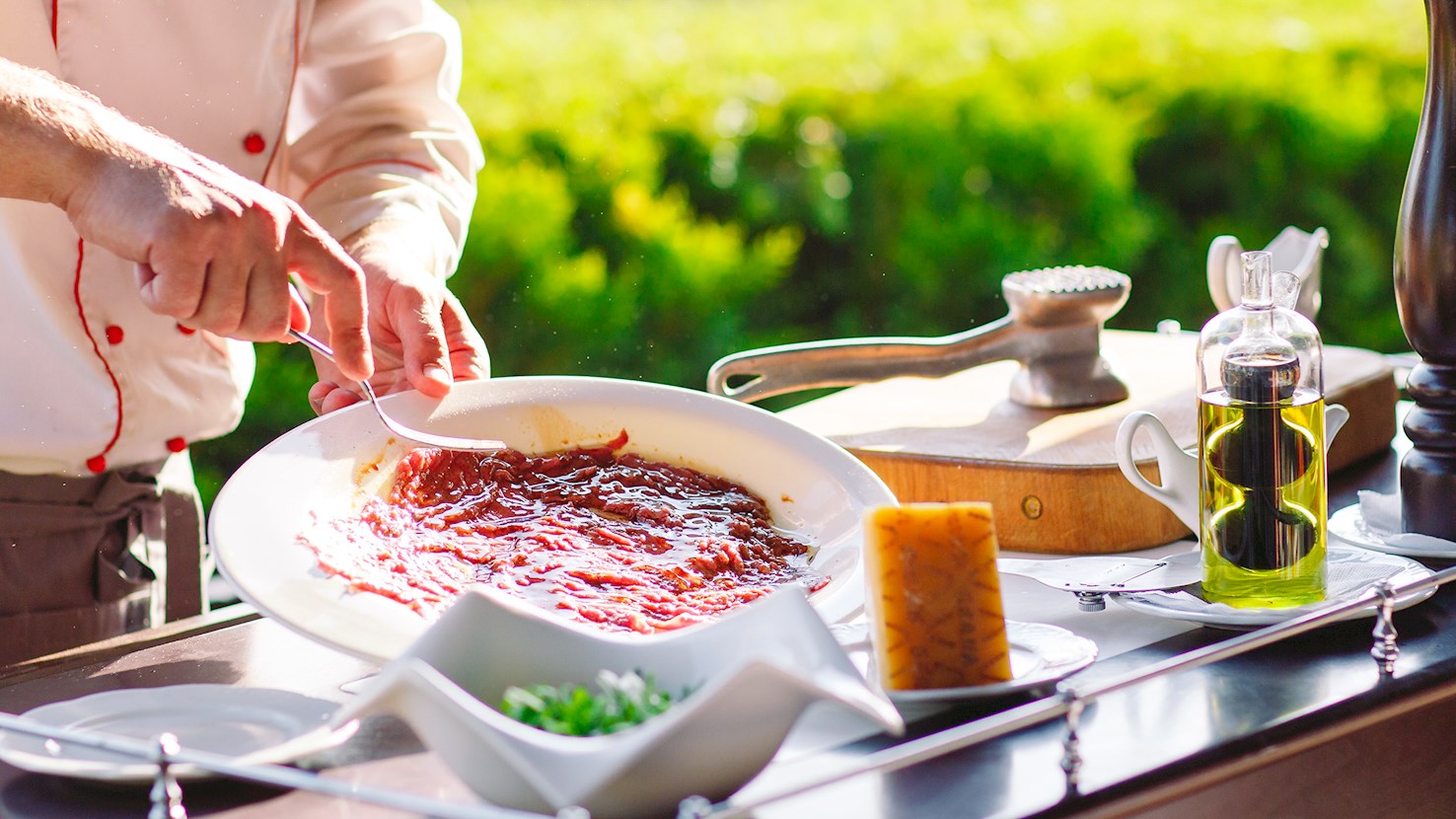
This traditional Italian dish of worldwide fame is typically served as an appetizer, and consists of very thin slices of raw fish or meat served on a plate with olive oil, cheese shavings, and lemon. Carpaccio was created in 1950 by a Venetian restaurateur named Giuseppe Cipriani, the owner of Harry’s Bar, who first made the dish for Countess Amalia Nani Mocenigo, whose doctors had recommended she eat raw meat. Cipriani based the dish on a specialty from Piedmont consisting of slices of raw beef dressed with lemon juice, olive oil, and white truffle shavings. An impassioned art lover, Cipriani named the new dish carpaccio in honor of painter Vittore Carpaccio, whose style and bold colors were reminiscent of the intense red color of raw meat. Today, there are numerous modern varieties of carpaccio made with zucchini, scallops, beet, salmon, figs, and lamb, and it is said that any kind of carpaccio is best paired with a glass of wine on the side.

06
Bread

Ciabatta

4.1 ·

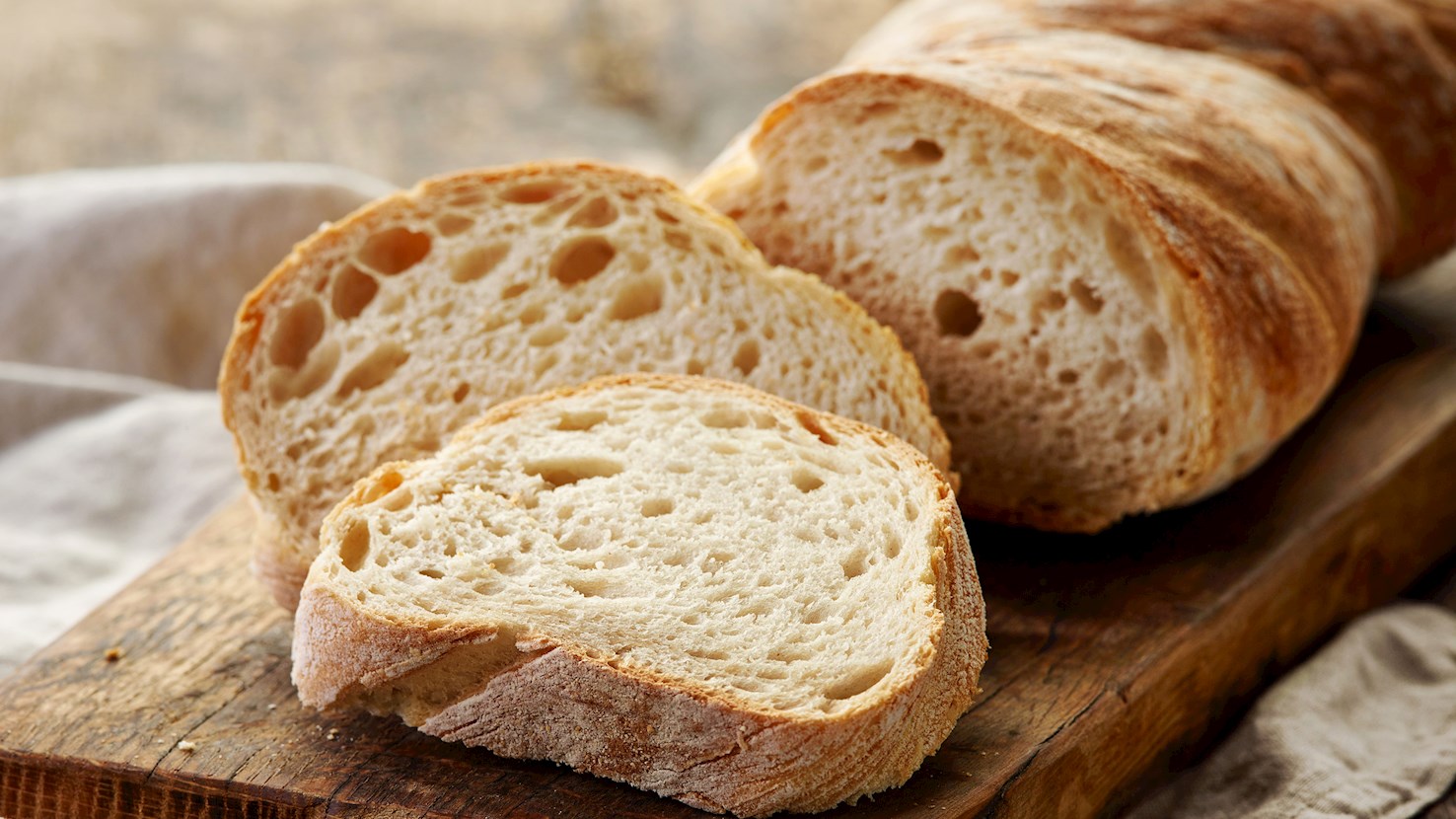
Literally translated to a slipper, as a reference to its shape, ciabatta is an Italian type of white bread made with yeast and wheat flour. It is characterized by numerous air pockets on the interior and a crispy crust. The first ciabatta was made in 1982 by a Veronese miller and baker named Arnaldo Cavallari. The bread was invented as a response to the rising popularity of French baguette, as the bakers were worried that it might endanger their business. Ciabatta is considered an ideal choice for sandwiches because the crumb absorbs liquids very well. Today, many regions in Italy have their own variations of the original recipe, producing ciabattas with olive oil, whole wheat flour, marjoram, and milk.

07
Pasta

Pappardelle al ragù bianco di anatra (Pappardelle with White Duck Ragù)

4.0 ·

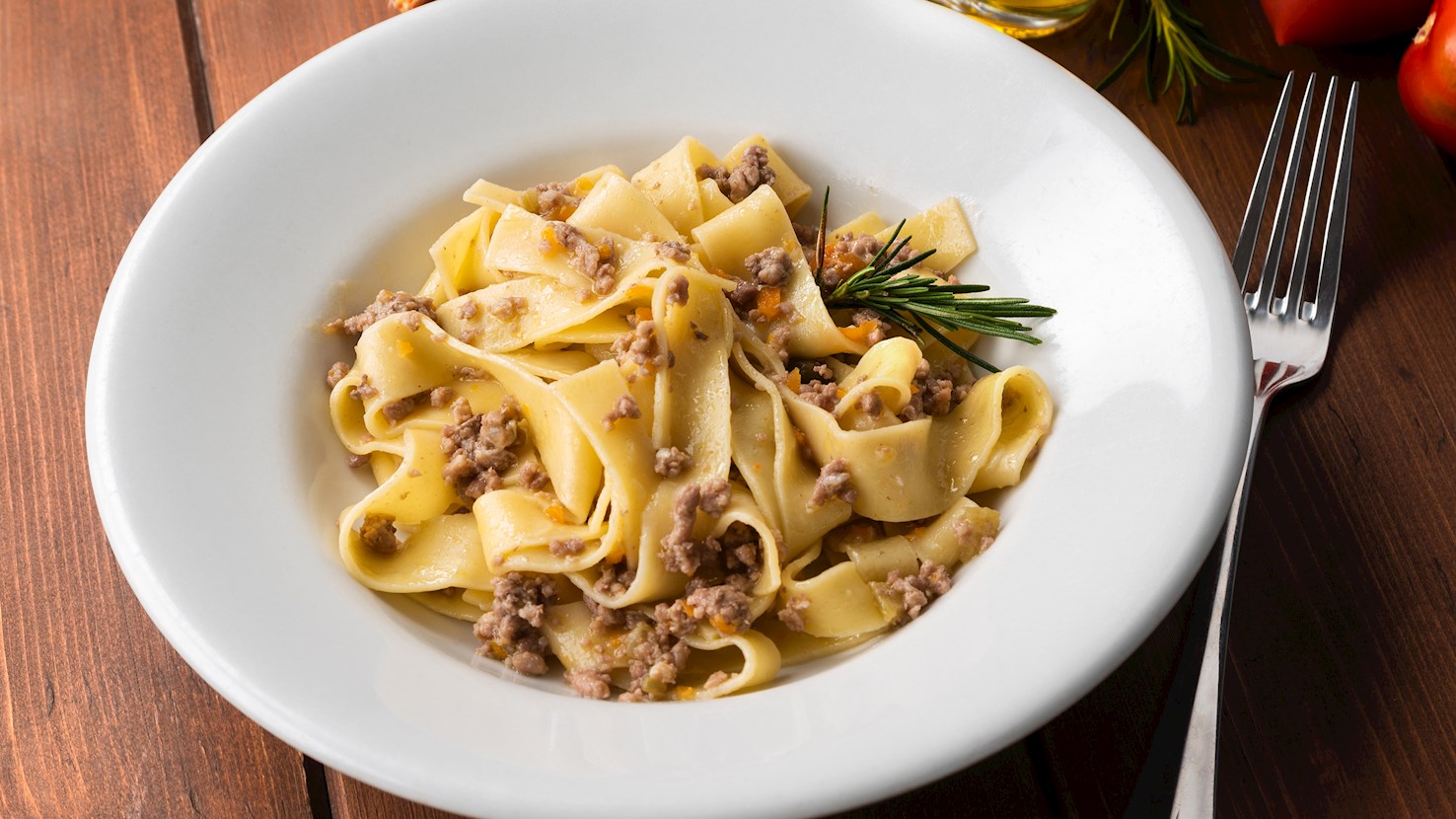
Pappardelle al ragù bianco di anatra is a traditional pasta dish that's especially popular in the Veneto and Friuli-Venezia Giulia area. The dish is usually made with a combination of pappardelle pasta, duck breasts, onions, garlic, carrots, celery, thyme, white wine, olive oil, salt, and pepper. The vegetables, thyme, and garlic are sautéed in olive oil, and then mixed with the duck meat that's cut into cubes. The combination is seasoned with salt and pepper, covered with white wine, and simmered until the alcohol evaporates. A bit of stock or tomato paste are added to the white ragù, while the pasta is cooked in boiling salted water until al dente. The pasta is mixed with the dry ragù, and the dish is sometimes garnished with a few tomatoes before serving. If pappardelle are unavailable, pasta such as tagliatelle can be used instead.

08
Cheese

Asiago

4.0 ·

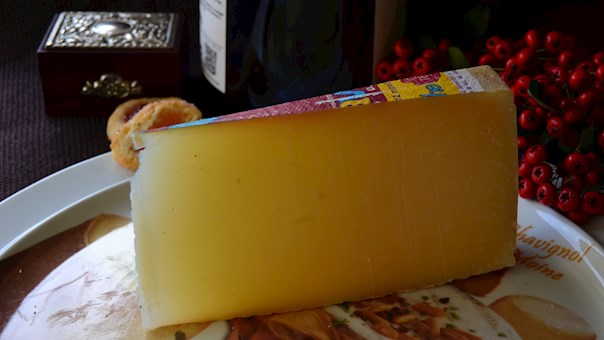
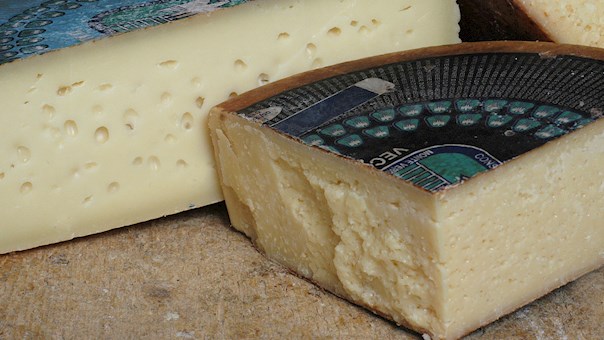
This semi-hard to hard cheese is available in two main varieties: the fresh Asiago Pressato and matured Asiago d'Allevo. Depending on the length of aging, d'Allevo is marketed as Mezzano (4-6 months), Vecchio (10 months and over) and Stravecchio (15 months and over). It has a subtle nutty aroma and a rich piquant taste. Because its hard texture makes it perfect for grating, Asiago Stravecchio is excellent in risottos, ravioli, and pasta dishes, while Mezzano is often served as an appetizer accompanied with radicchio, elderberry or pear jam, fig mustard, and other fruit and vegetable spreads. Produced on the Asiago plateau since the year 1000, this cheese was known among locals as Pegorin because, in the past, only sheep milk was used (pecora means sheep in Italian). Today, Asiago cheese is made from cow's milk and production takes place in the provinces of Vicenza, Treviso and Padua in the Veneto region, and in Trento in the autonomous region of Trentino-Alto Adige. Also, since the cheese has a protected designation of origin in Italy and the EU, only Asagio produced in those provinces from the milk from the farms in those areas can have the PDO/DOP status.

09
Pasta

Bigoli in salsa

4.0 ·

Bigoli in salsa is a pasta dish from Venice, consisting of thick, whole wheat noodles tossed in a savory, umami-rich sauce made from slowly cooked onions and dissolved anchovies. It is one of the city's emblematic dishes, although beloved variations can be found throughout the Veneto region. The dish relies on the unique qualities of bigoli, a traditional Venetian pasta that is a bit thicker than spaghetti. Made with whole-wheat flour, it has a distinctly nutty flavor that pairs perfectly with the bold taste of anchovies. The magic of bigoli lies in its rough texture, which allows the sauce to be absorbed much more easily. This texture is achieved by forcing the dense dough through a special hand-cranked bronze press called a bigolaro, which dates back to 1604. The sauce itself is a masterclass in culinary minimalism, where thinly sliced onions are sweated down slowly in high-quality olive oil until meltingly soft, before the anchovies—or sometimes traditional, sharp-tasting salt-cured sardines known as sarde—are added. With gentle heat, the fish completely dissolves into the onions, often emulsified with a splash of dry white wine or starchy pasta water to create a creamy paste that coats every rough strand without a drop of dairy. Every local seems to have their own way of making the dish, and some cooks also add pine nuts and raisins to the sauce. This sweet, sour, and salty flavor profile serves as a culinary nod to the Venetian period of the Renaissance, an era when the Venetian Republic controlled the spice trade, and exotic ingredients like raisins and pine nuts first reached Venice's ports. Historically, Bigoli in salsa originated as a religious necessity and was originally consumed as a lean, meatless meal on fasting days such as Ash Wednesday, Good Friday, or Christmas Eve. Over the years, it evolved into a dish best consumed the night before a big feast; the combination of dense wheat pasta and rich olive oil is substantial and highly satisfying, yet light enough to leave some room for the heavy, meat-laden feasts of the following day. To cut through the fish's saltiness and the oil's richness, locals often pair it with a crisp, high-acid white wine native to the Veneto region, such as a chilled Soave or Garganega.

10
Sweet Bread

Pandoro

4.0 ·

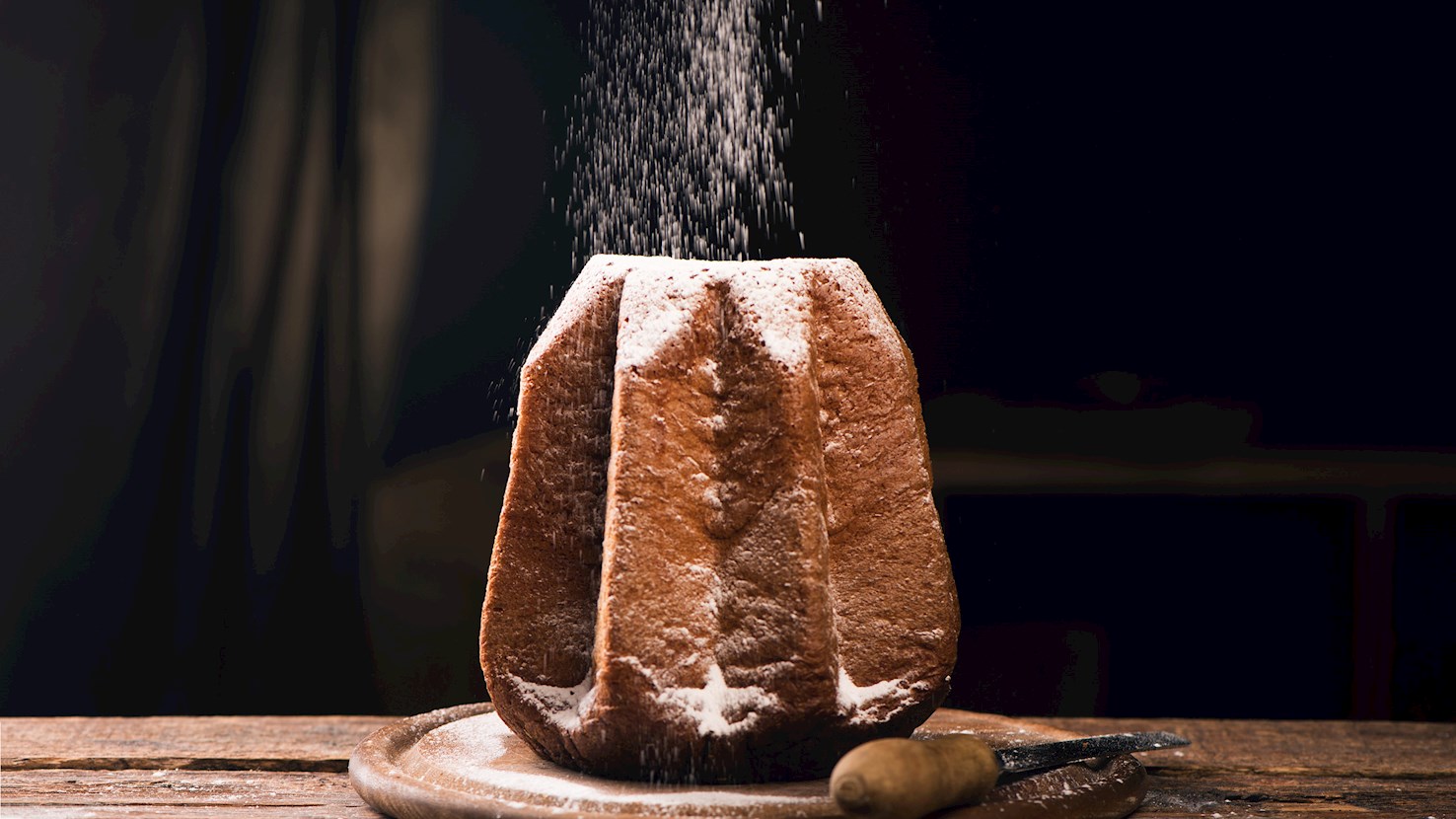
This traditional Christmas bread hails from Verona. Its name is derived from the phrase pan d’oro, meaning golden bread, a reference to its yellow color which comes from the large amount of egg yolks used in the bread. Pandoro is traditionally baked in a special star-shaped mold. Unlike it cousin panettone, it does not contain any nuts or dried fruit. The original version of this dessert was created in the 18th century, and it was a dish reserved for the aristocracy. The pandoro we know today dates back to 1894, when baker Domenico Melegatti submitted a patent for a large-scale production process for the bread. This sweet, yeasty bread is often sprinkled with powdered sugar, resembling snow on mountaintops. The bread can be served with sauces and creams such as mascarpone, whipped cream, or melted chocolate, while some cooks like to hollow it out, then fill it with custard, berries, or ice cream.

Best Venetian Food Products
01
Wine

Bussola

5.0 ·

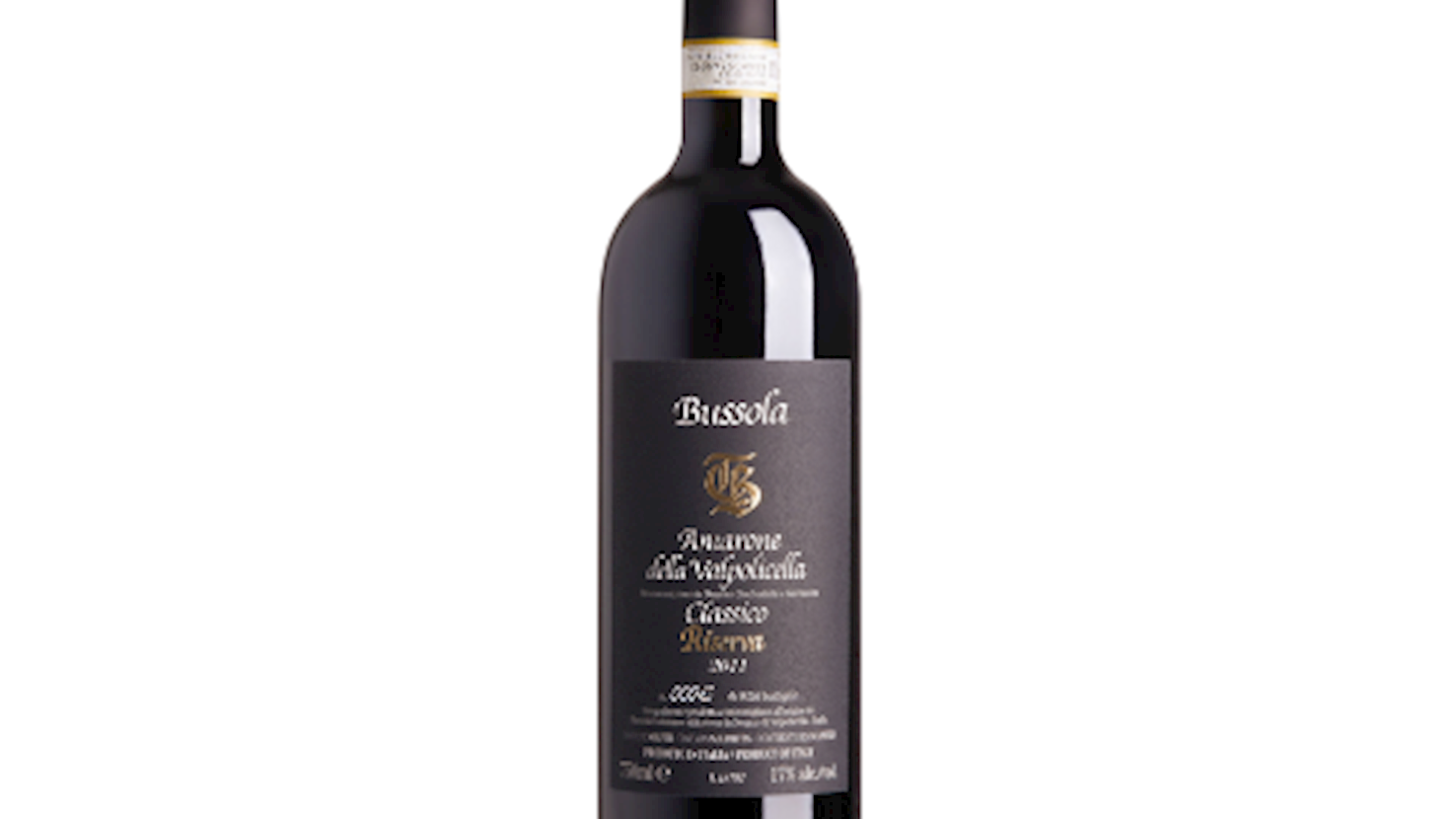
Bussola is a family-run winery based in Negrar di Valpolicella, at the heart of the Valpolicella Classica zone in Veneto, an area renowned for its structured and age-worthy red wines. Founded and shaped by Tommaso Bussola since the late 1970s, the estate focuses on traditional local grape varieties such as Corvina, Corvinone, Rondinella, Molinara, and Croatina.

The vineyards are spread across different altitudes and exposures, with soils rich in limestone and volcanic elements that contribute to depth, freshness, and mineral tension in the wines. Vineyard work follows sustainable principles, relying on manual harvesting and minimal chemical treatments to preserve grape integrity.

Bussola is particularly known for its mastery of the appassimento technique, producing Valpolicella Ripasso, Amarone della Valpolicella Classico, and Recioto, alongside more straightforward and terroir-driven Valpolicella styles. Winemaking emphasizes long, slow fermentations and extended aging in a combination of large oak casks and barriques.

The resulting wines are concentrated yet balanced, marked by precision, structure, and strong aging potential. Today, the winery is supported by the next generation of the Bussola family, ensuring continuity of its artisanal approach and deep connection to Valpolicella’s winemaking heritage.

Awards
Vivino - 4.6
Vivino - 4.5
02
Spirit

Rossi d'Asiago

5.0 ·

Rossi d'Asiago is an Italian distillery founded in 1868 by pharmacist Giovan Battista Rossi in Asiago, a picturesque town in the Venetian Alps. Initially, Rossi created elixirs and natural remedies for tourists, and his products' success led to the establishment of the distillery, which became known as the "highest distillery in Europe." In 1993, the Dal Toso family, with a longstanding tradition in distillation, acquired the Rossi d'Asiago brand, revitalizing it under the name Antiche Distillerie Riunite.

This acquisition included traditional recipes and production techniques passed down since 1868. The distillery is renowned for its innovative products characterized by intense aromas and smooth flavors.

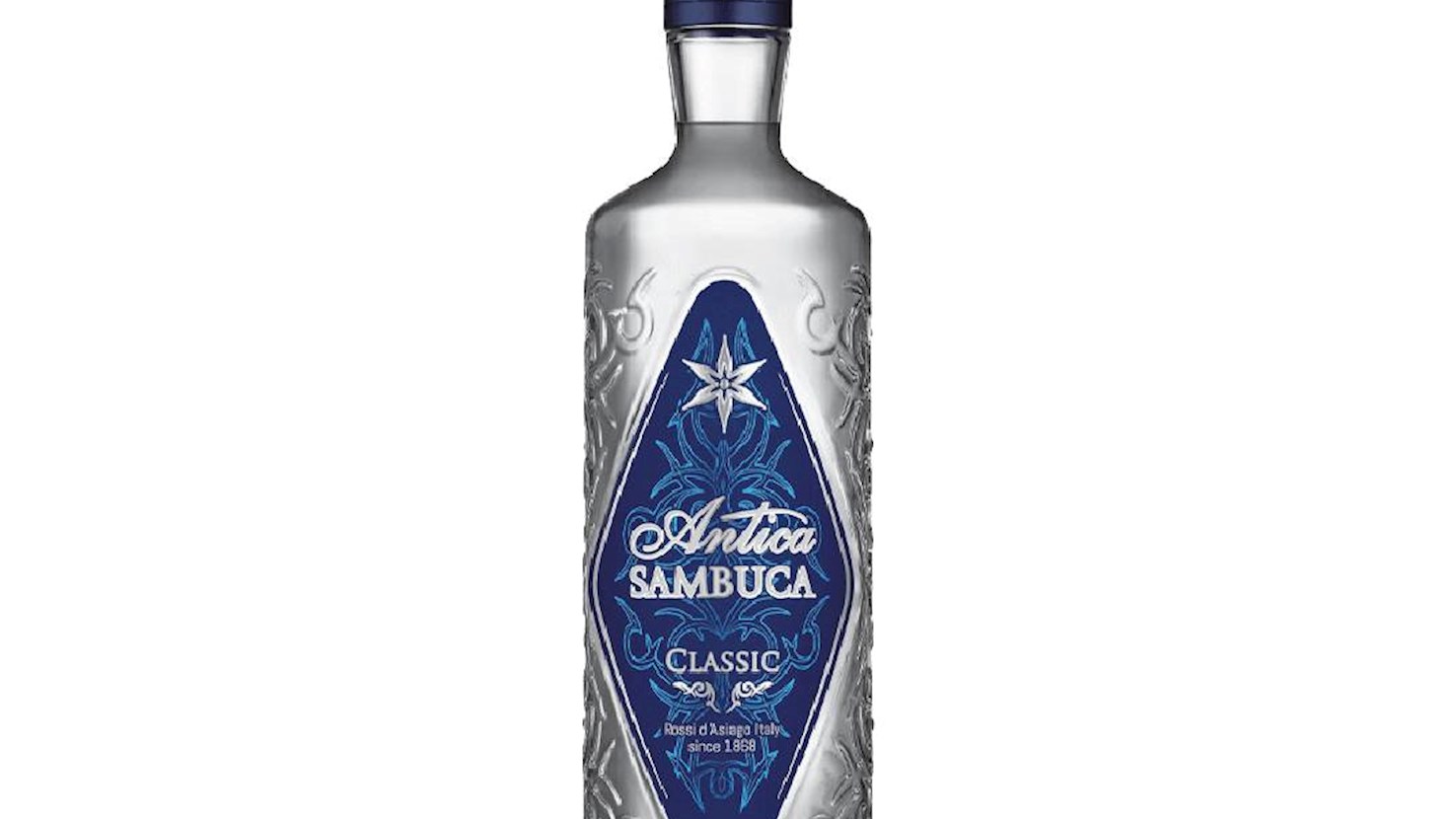
Notable creations include Antica Sambuca, a sambuca variant that blends tradition with modernity, and Kranebet, a white bitter liqueur distilled from juniper berries, gentian, and alpine roots, which has become emblematic of the Asiago plateau.

Awards
European Spirits Challenge - Gold (2023)
03
Olive Oil

Frantoio Bonamini

5.0 ·

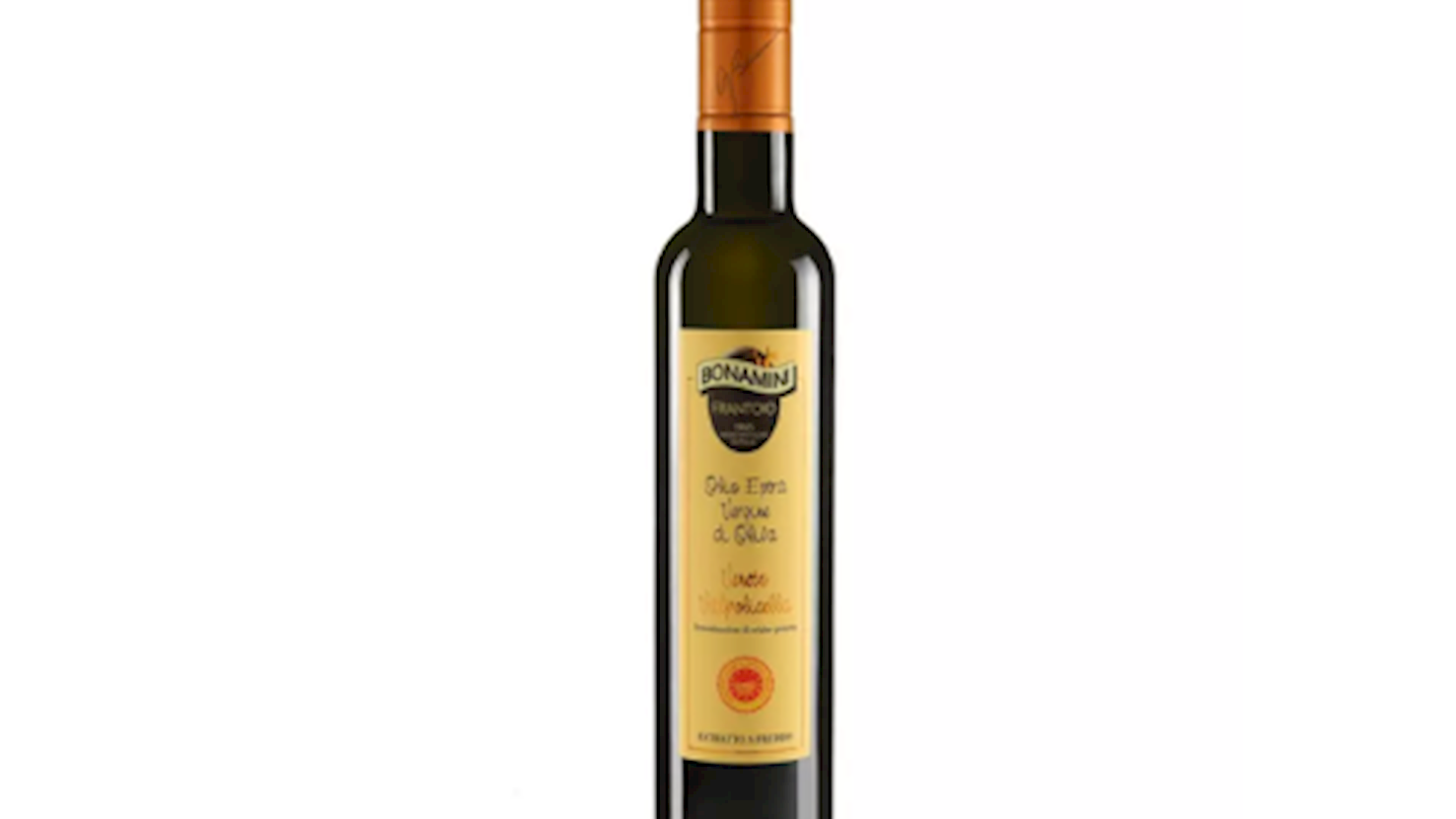
Frantoio Bonamini is a family-owned olive mill from the Illasi Valley, near Verona, founded in 1965, and today recognized as one of the leading producers of extra virgin olive oil in Italy. It combines tradition and innovation, from hand-picking to the most modern technologies in olive processing. In addition to classic and monovarietal oils, Frantoio Bonamini also offers organic varieties, flavored oils, gourmet specialties, as well as a cosmetic line based on olive oil.

A special value of their brand lies in their commitment to sustainability and the opportunity for visits and tastings, where tradition and a modern approach merge into a unique gastronomic and cultural experience.

Awards
Flos Olei - Hall of Fame (2025)
Flos Olei - Hall of Fame (2024, 2023, 2022, 2021)
04
Wine

Quintarelli Giuseppe

5.0 ·

Giuseppe Quintarelli is a legendary name in Valpolicella and a synonym for patience, tradition, and unparalleled quality. Founded in 1924, the winery is nestled in the hills of Negrar di Valpolicella, where the Quintarelli family has been cultivating vineyards for generations, producing wines that have become a global benchmark of elegance and depth.

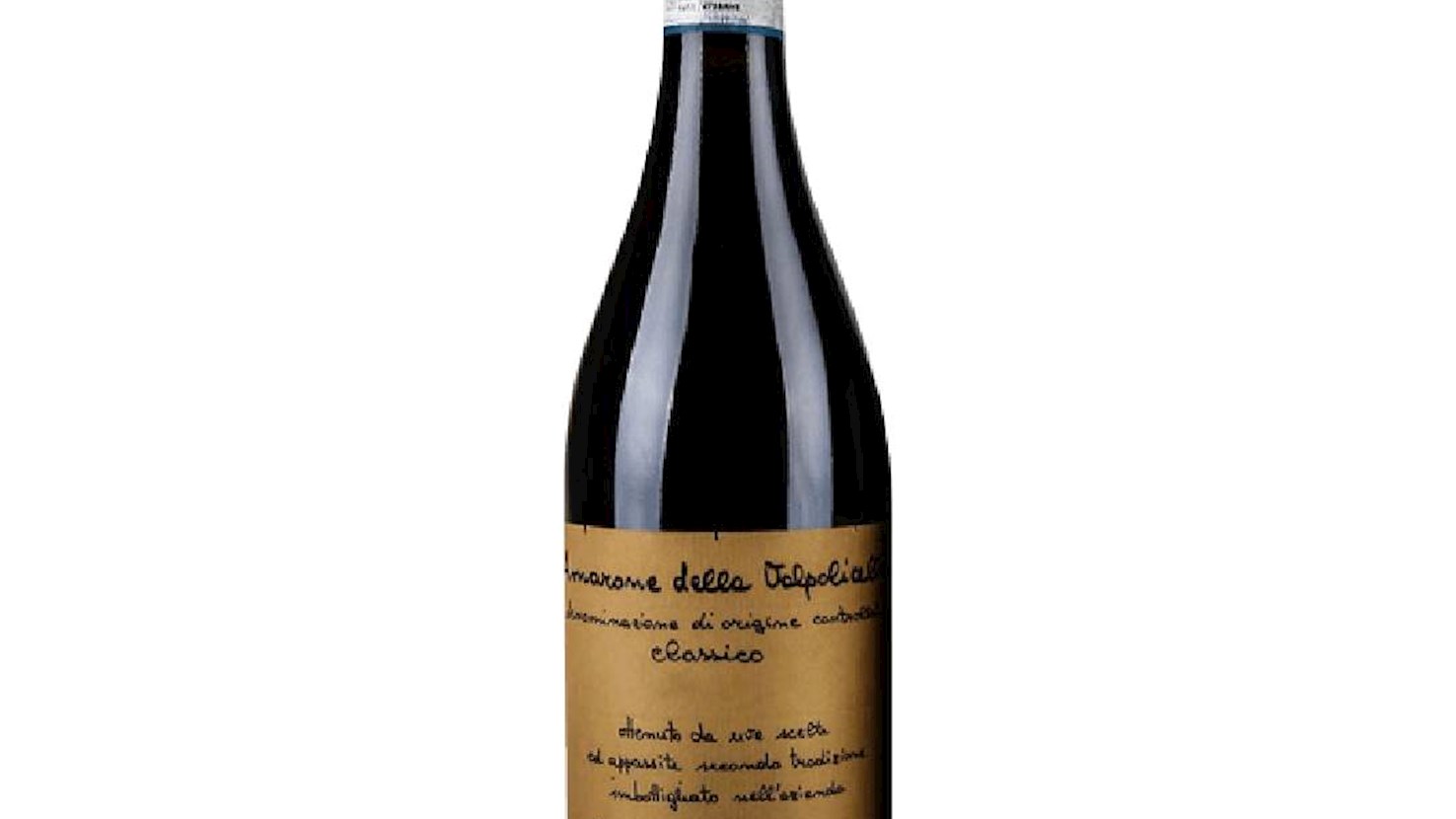
The man most responsible for this reputation is Giuseppe, known as the “Maestro of Valpolicella,” whose dedication and impeccable attention to detail elevated Amarone to an art form. The portfolio includes exceptional labels such as Amarone della Valpolicella Classico, Valpolicella Classico Superiore, Rosso del Bepi, the original Alzero made from Bordeaux varieties, Primofiore, the dry white Bianco Secco, and the opulent dessert wine Amabile del Cerè. Each bottle, instantly recognizable by its handwritten label, reflects the philosophy of slow, thoughtful winemaking that unites power, elegance, and longevity.

Awards
Falstaff - 99
Vivino - 4.7
05
Spirit

Distilleria Nardini

5.0 ·
Awards
IWSC- International wine & spirit competition - Spirit Gold Outstanding (2024, 2021)
IWSC- International wine & spirit competition - Spirit Gold (2022)
06
Liqueur

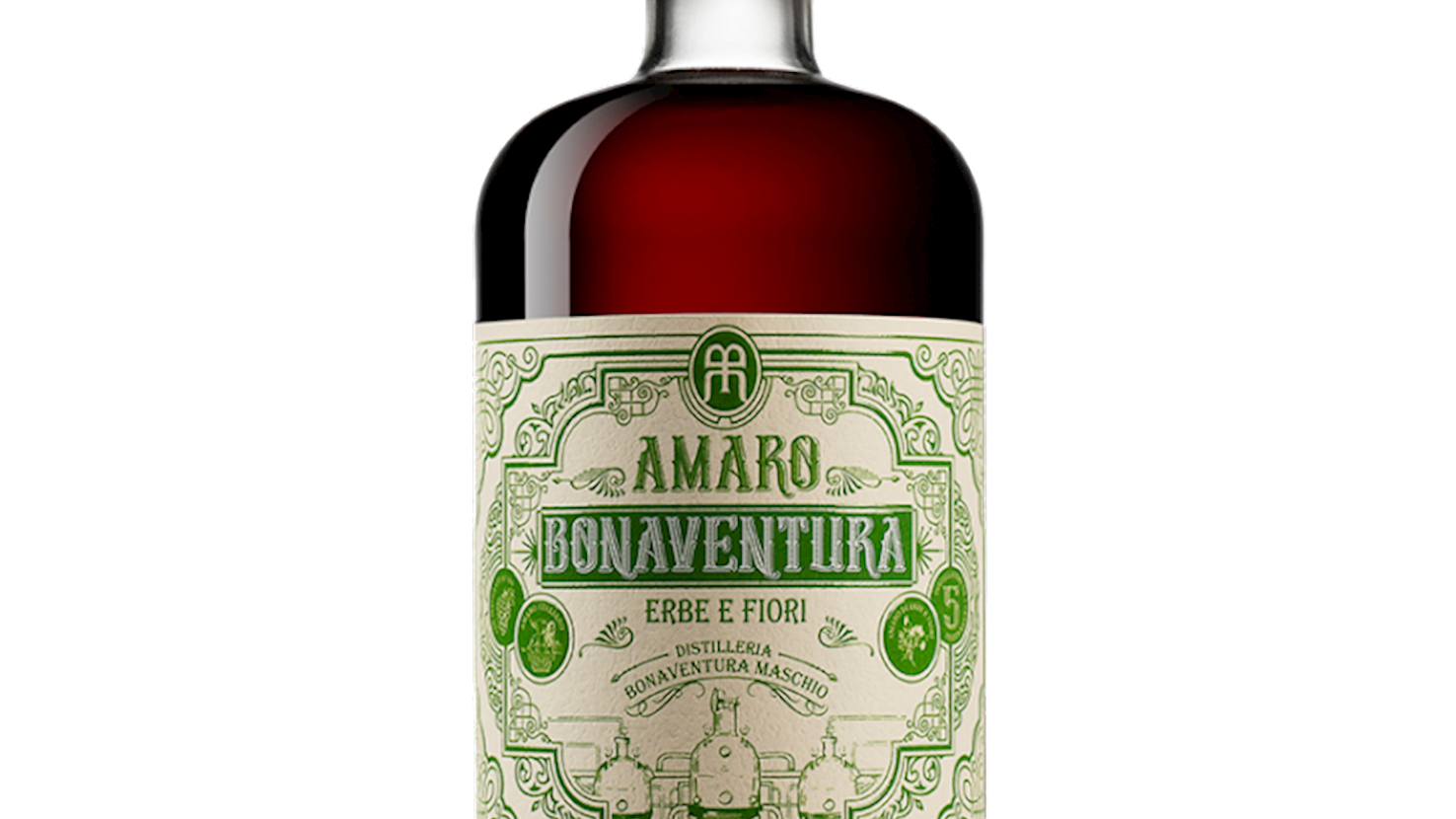
Distilleria Bonaventura Maschio

5.0 ·
Awards
SFWSC - San Francisco World Spirits Competition - Double Gold (2023)
ISC-International Spirits Challenge - Double Gold (2022, 2019)
07
Cheese

Latteria Perenzin

4.9 ·

Latteria Perenzin is an Italian cheese producer that has been in operation for over a century, having started in 1898. The company is located in the Veneto region and specializes in crafting artisanal cheeses using both traditional and innovative methods.

Latteria Perenzin focuses on organic production and is known for its assortment of both cow and goat milk cheeses. They have received multiple awards for their products at international cheese competitions.

Awards
Culture Cheese Magazine Best Cheeses issue - Best (2023)
World Cheese Awards - Super Gold (2022)
08
Cheese

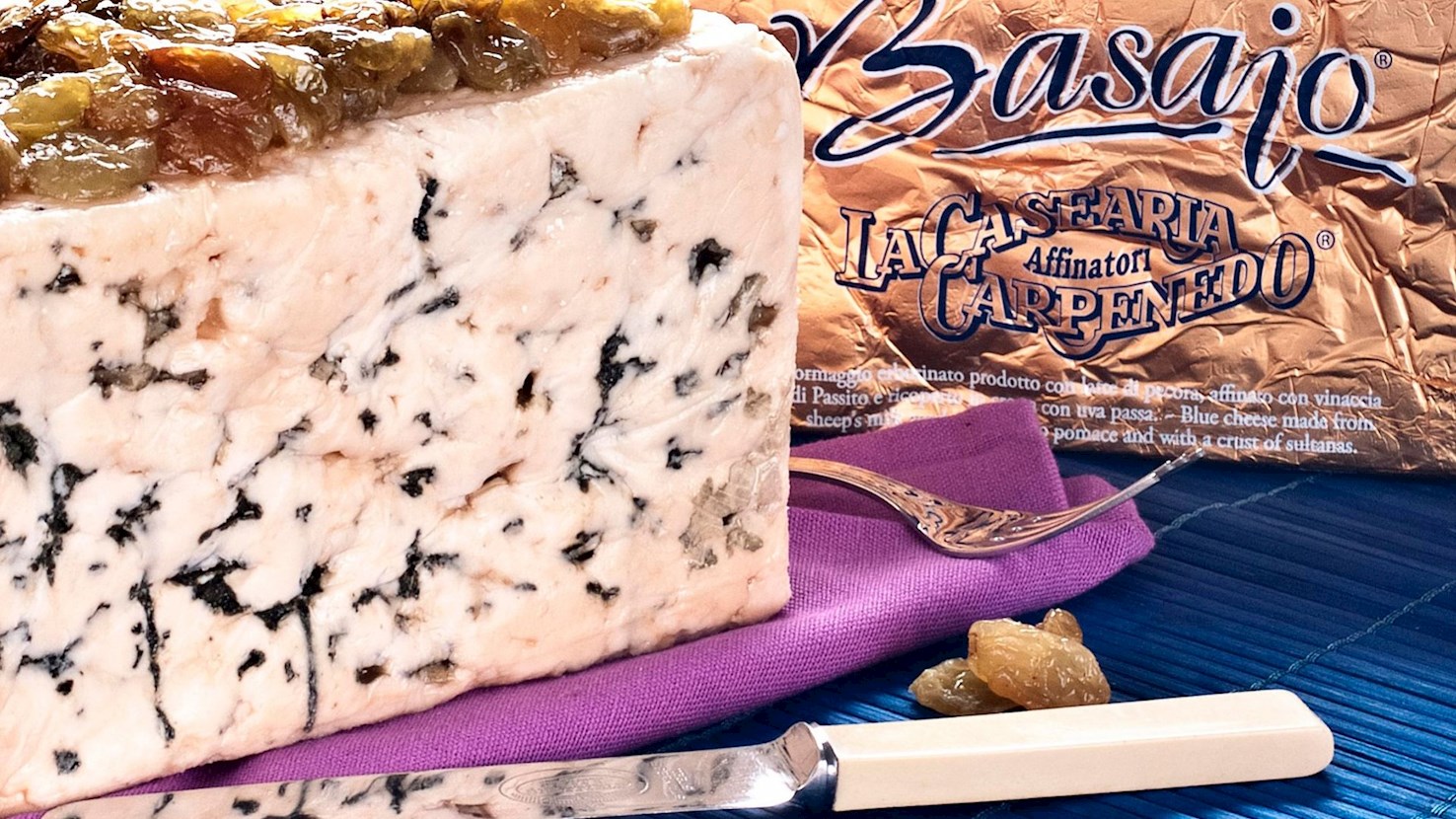
La Casearia Carpenedo

4.9 ·

La Casearia Carpenedo is a cheese producer based in Italy, known for its innovative approach to affinage, the process of aging cheeses. The company collaborates with affineur Antonio Carpenedo, who brings traditional techniques and creative flair to cheese aging, including infusing cheeses with wine and other local products.

Among their notable creations is the Ubriaco cheese, which is aged with the remains of wine grapes after pressing.

Awards
World Cheese Awards - Super Gold (2024, 2023, 2021)
World Cheese Awards - Gold (2024, 2021)
09
Cheese

Latterie Vicentine

4.9 ·

Latterie Vicentine is a cheese producer based in Vicenza, Italy. It specializes in producing a variety of cheeses, leveraging local milk sources to create products that emphasize the region’s traditional flavors and techniques.

This cooperative structure supports local dairy farmers by providing a stable market for their milk, fostering community economic stability and sustainability.

Awards
World Cheese Awards - Gold (2024, 2023, 2021)
Italian Cheese Awards - ICA (2022)
10
Cheese

Caseificio San Rocco

4.9 ·

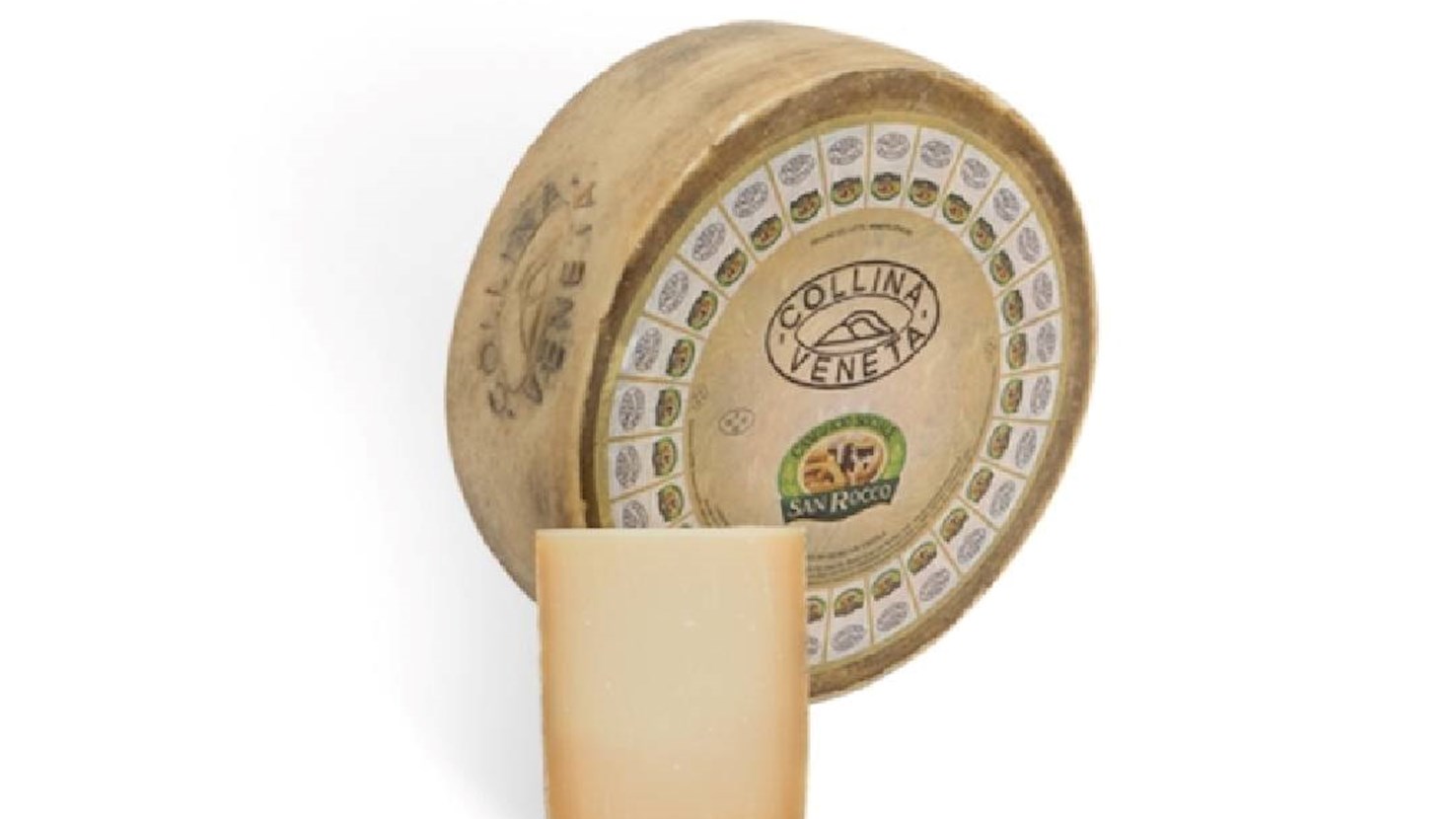
Caseificio San Rocco is an Italian cheese producer located in the region of Veneto. The company specializes in crafting artisan cheeses using traditional methods passed down through generations.

They produce a variety of cheeses, including Asiago and Montasio, both of which are recognized with Protected Designation of Origin (PDO) status. The company emphasizes the use of high-quality local milk and seasonal production techniques.

San Rocco products are available in both domestic and international markets.

Awards
World Cheese Awards - Gold (2021)
Italian Cheese Awards - ICA (2022, 2019)
About this Ranking

TasteAtlas food rankings are based on the ratings of the TasteAtlas audience, with a series of mechanisms that recognize real users and that ignore bot, nationalist or local patriotic ratings, and give additional value to the ratings of users that the system recognizes as knowledgeable. For the “Top 100 Venetian Foods” list until October 21, 2026, 4,523 ratings were recorded, of which 3,782 were recognized by the system as legitimate.

TasteAtlas Rankings should not be seen as the final global conclusion about food. Their purpose is to promote excellent local foods, instill pride in traditional dishes, and arouse curiosity about dishes you haven’t tried.

The initial list of top producers was compiled based on available reviews, awards, local recommendations, media and blog coverage, and consumer reviews. The list will be updated with ratings from TasteAtlas local ambassadors and TasteAtlas users.

What People Say

Similar Lists