Top 4 Italian Flours

Last updated on July 29, 2026

Best Italian Flours

01

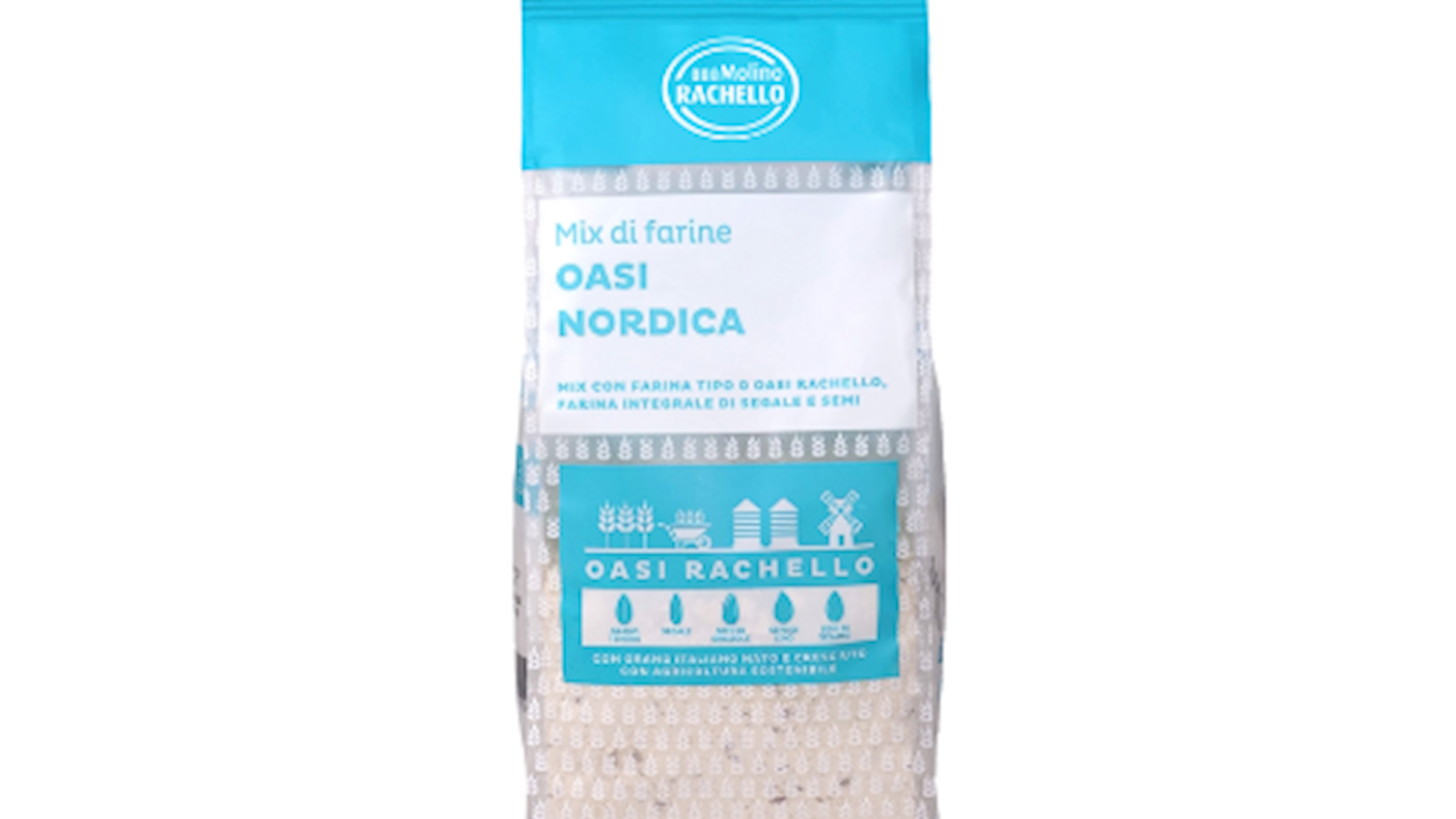
Molino Rachello

4.7 ·

Molino Rachello is a family-owned Italian mill whose history dates back to 1901, now led by the fifth generation dedicated to grain processing within the protected Sile River Natural Park. Its production is built on a strictly controlled supply chain, partnering with farmers who practice integrated or organic agriculture, ensuring full traceability and consistent flour quality.

The company is one of the pioneers of certified organic milling in Italy, offering a wide portfolio of flours for bread, pastries, pizza, pasta, and confectionery, as well as whole-grain varieties and flours made from ancient wheat cultivars. Notable product lines include “Oasis Rachello”, based on 100% Italian wheat with transparent origin, and “Organic”, designed for consumers seeking sustainably grown ingredients.

Modern milling technology, in-house laboratory analysis, and precise quality management are combined with strong traditional values and a responsible approach to the local community. The result is flour known for reliable performance and a clear identity, suitable for professionals and home bakers who value trustworthy, transparent, and sustainably produced ingredients.

02

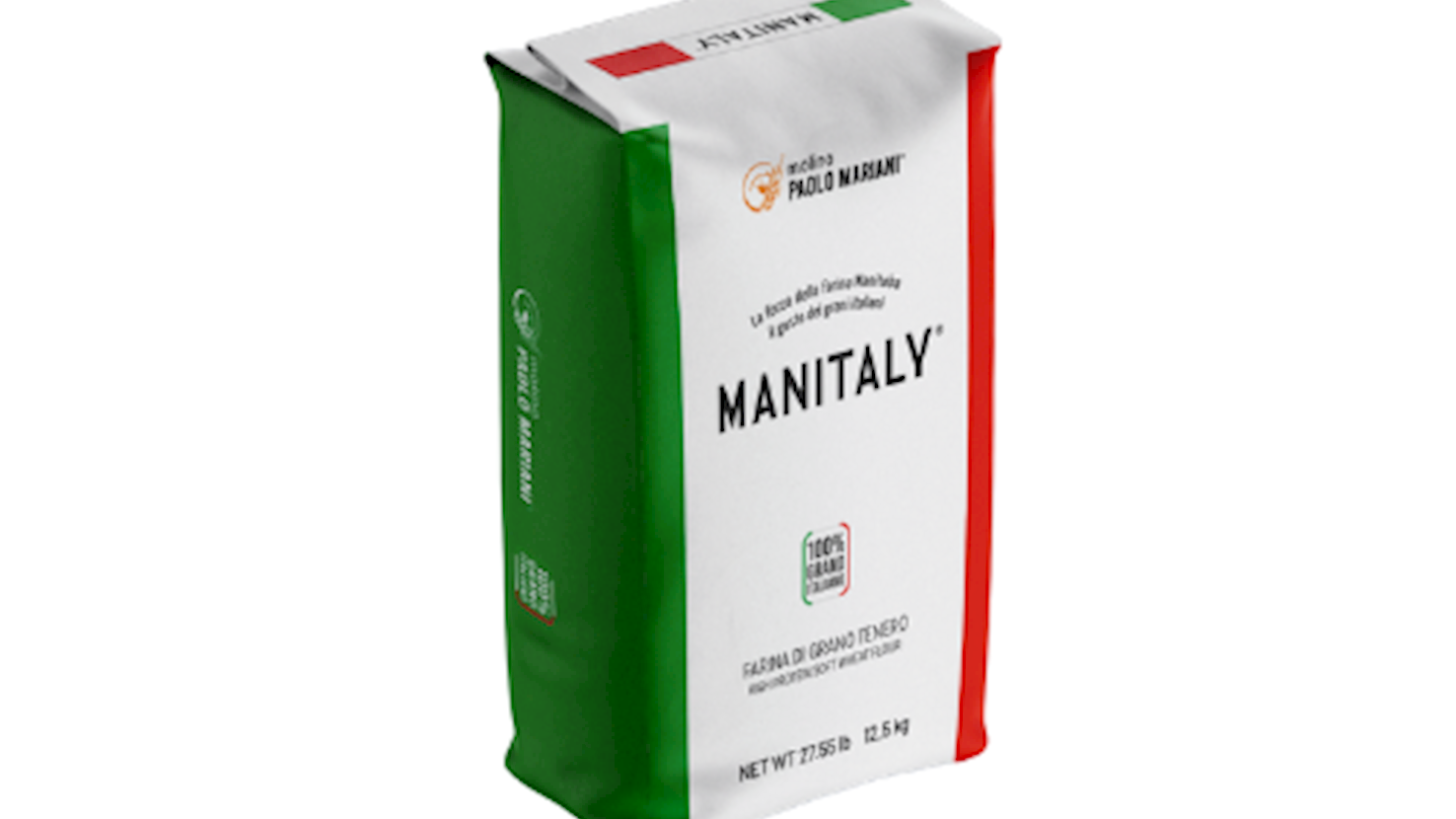
Molino Paolo Mariani

4.5 ·

Molino Paolo Mariani is an Italian family-owned flour mill based in Barbara, in the Marche region of central Italy, specializing in the production of high-quality flours made from 100% Italian wheat. The company’s roots date back to the early twentieth century, when the Mariani family took over a traditional stone mill and gradually developed a modern milling operation while preserving artisanal knowledge.

Today the mill works closely with local farmers from regions such as Marche and Emilia-Romagna, ensuring a controlled supply chain and full traceability of the wheat used in production. The company produces a wide range of professional flours designed for bread, pizza, pasta, and pastry making, serving both artisan bakers and the food service sector.

Molino Paolo Mariani also places strong emphasis on research and innovation through its internal laboratory, where new flour blends and wheat varieties are studied and tested. Among its distinctive projects are flours made from specific wheat varieties and specialized blends developed for long fermentation doughs and traditional Italian baked goods.

By combining regional agricultural sourcing, technical expertise, and modern milling technology, the company has become a recognized producer within the Italian specialty flour sector.

Best Italian Flour Types

01

00 Flour

4.3 ·

00 flour or doppio zero is a finely ground Italian flour that's a staple for pizza Napoletana. This powder-fine flour has a variable range of protein content and its texture is silky soft. When compared to other types of flour, type 2 is the coarsest and has the most bran and germ included, while 00 is so refined that more of the germ and bran are removed. When used to make pizza Napoletana, this flour will give a nice and crispy crust with lots of airy pockets. The texture of the pizza will not be as chewy as in those pizzas made with other types of flour.

02

Grano arso

n/a ·

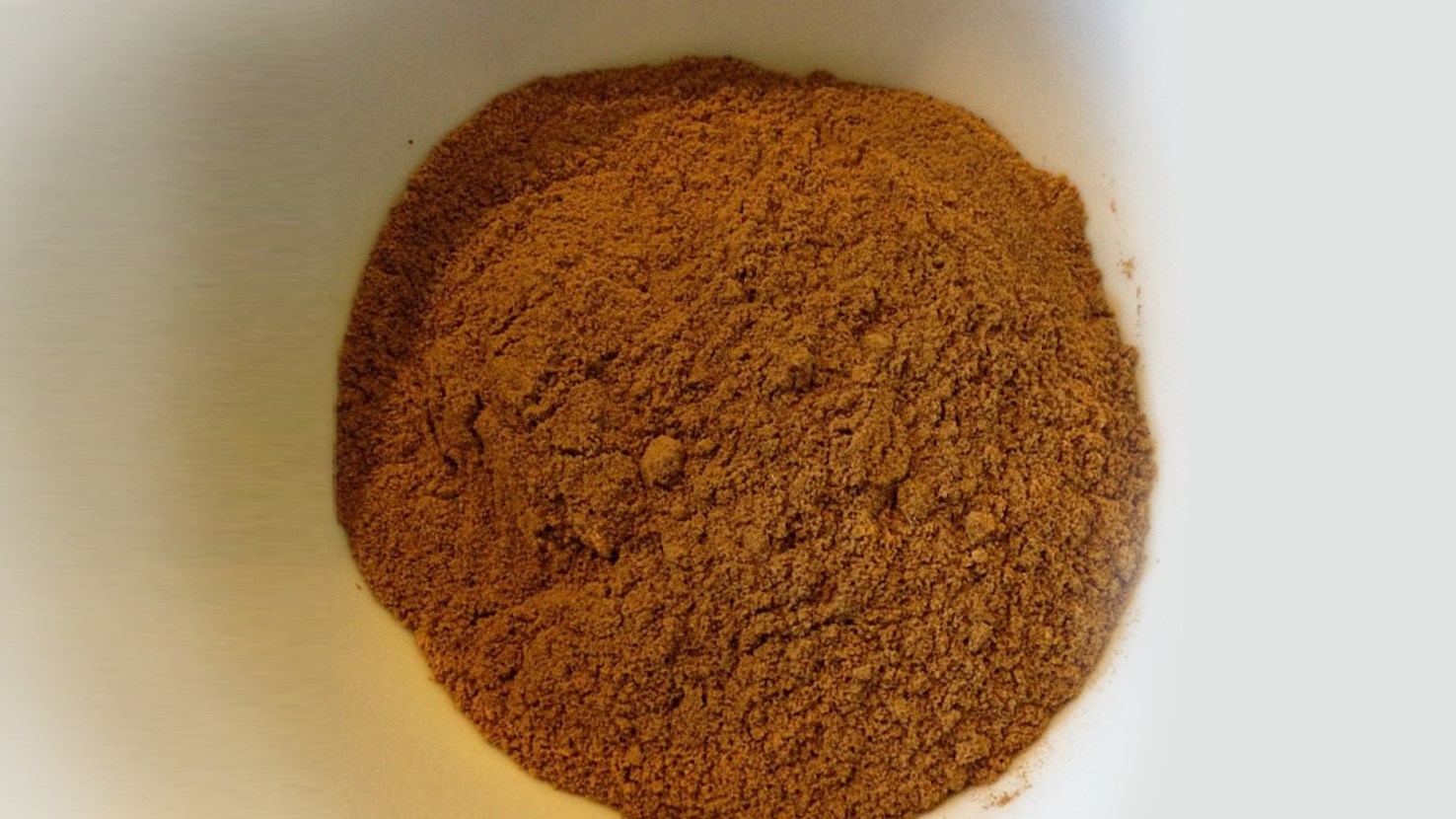
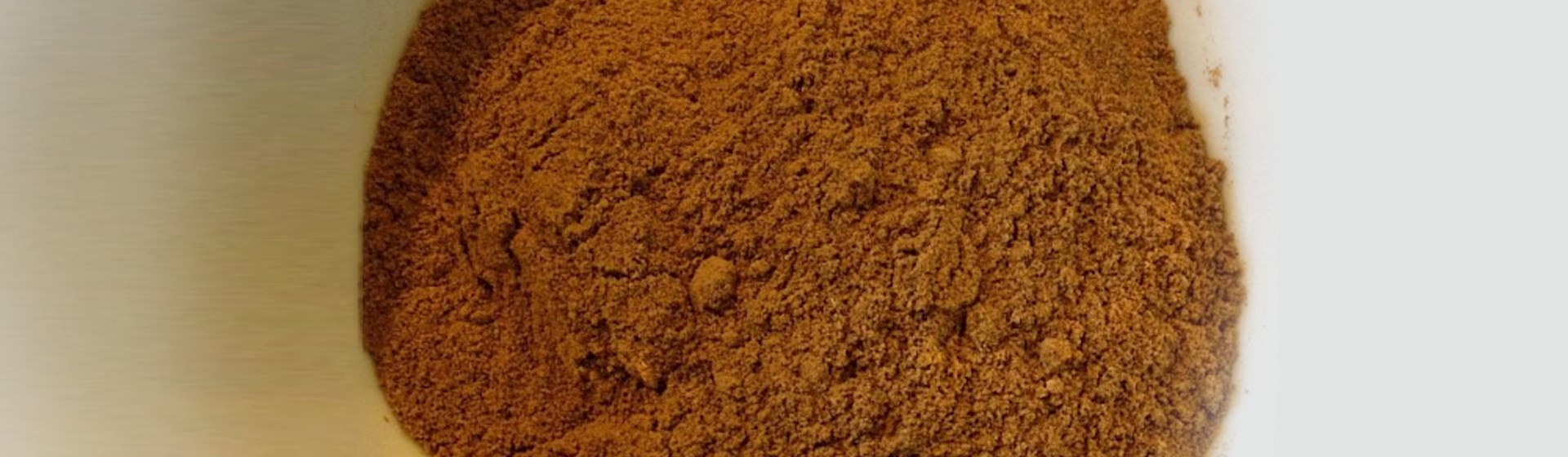
Grano arso (lit. burnt grain) is a prized Italian flour variety that's produced in Puglia. It's also a fine example of la cucina povera. This burnt flour is prized for the toasty, smoky, nutty, and earthy flavors with hints of coffee that it imparts on breads and pastas. It can be traced back to the 18th century, when the poor villagers would collect the scorched grains that remained on the ground after farmers burnt their fields so they can make new crops. There are other claims that the poor peasants would sweep up the burnt flour off the floor of communal ovens after the bread was baked. They would then grind the grains into flour and combine it with water to produce pasta or bread with a smoky flavor. The most popular type of pasta to be prepared with grano arso is orecchiette, another Pugliese specialty.

03

Farina di Neccio della Garfagnana

n/a ·

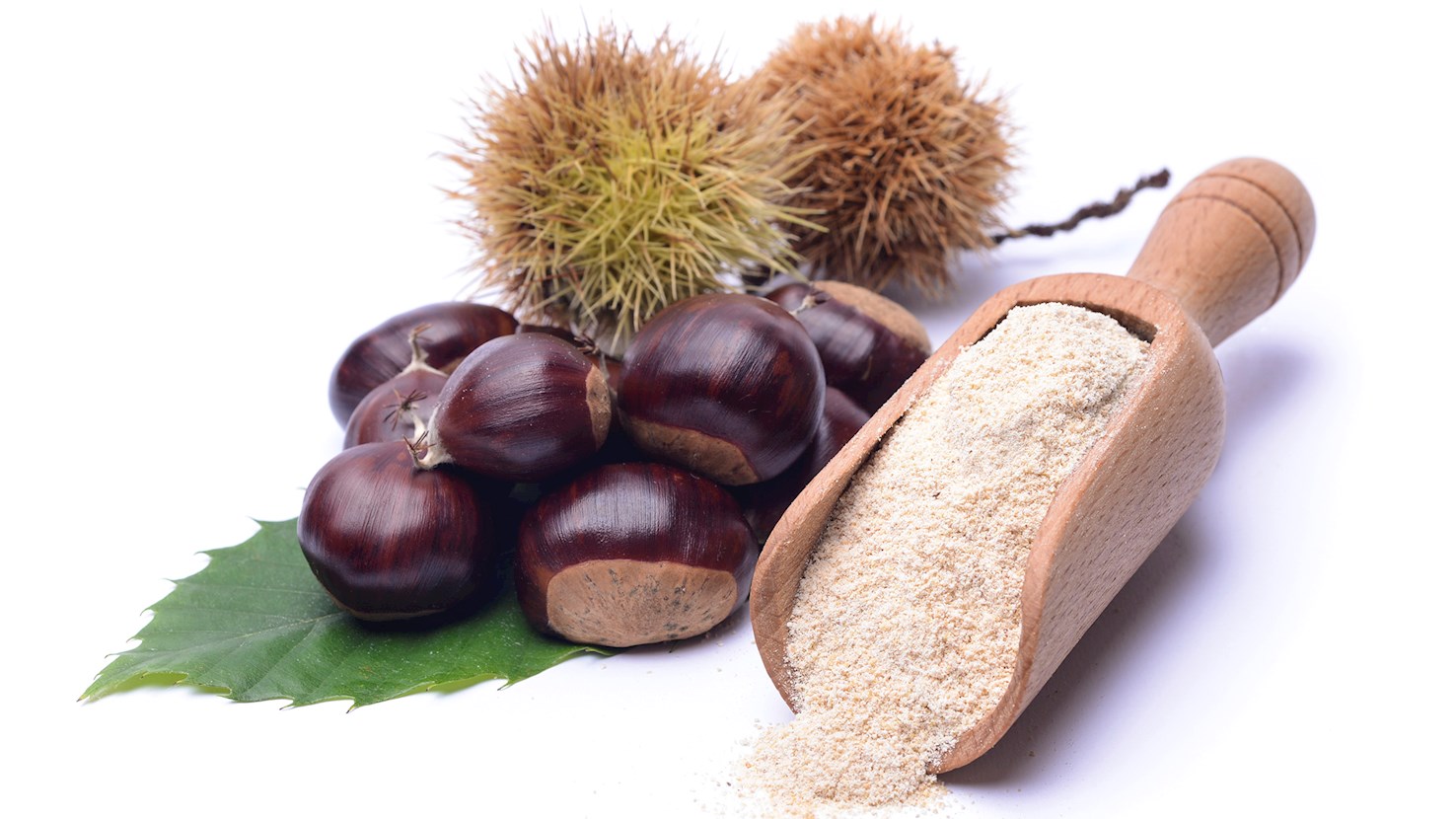
The sweet chestnut flour called Farina di Neccio della Garfagnana is made from ground chestnuts grown in the Tuscan woodlands of Garfagnana, namely the province of Lucca. The nuts are collected and slow-baked for 40 days over a low fire made with chestnut wood only. Once dried, they are milled to a sweet flavored flour with a mildly bitter aftertaste. Since the flour is produced with eight different chestnut varieties, its color ranges from white to ivory. It is used to make many traditional delicacies such as Manafregoli, chestnut flour cooked with milk; Castagnaccio, a cake made with the addition of walnuts and pine nuts, and Neccio, a type of flatbread. Farina di Neccio can also be used to make chestnut polenta, traditionally served with ricotta, mild cheese, sautéed mushrooms and charcuterie.

04

Farina di Castagne della Lunigiana

n/a ·

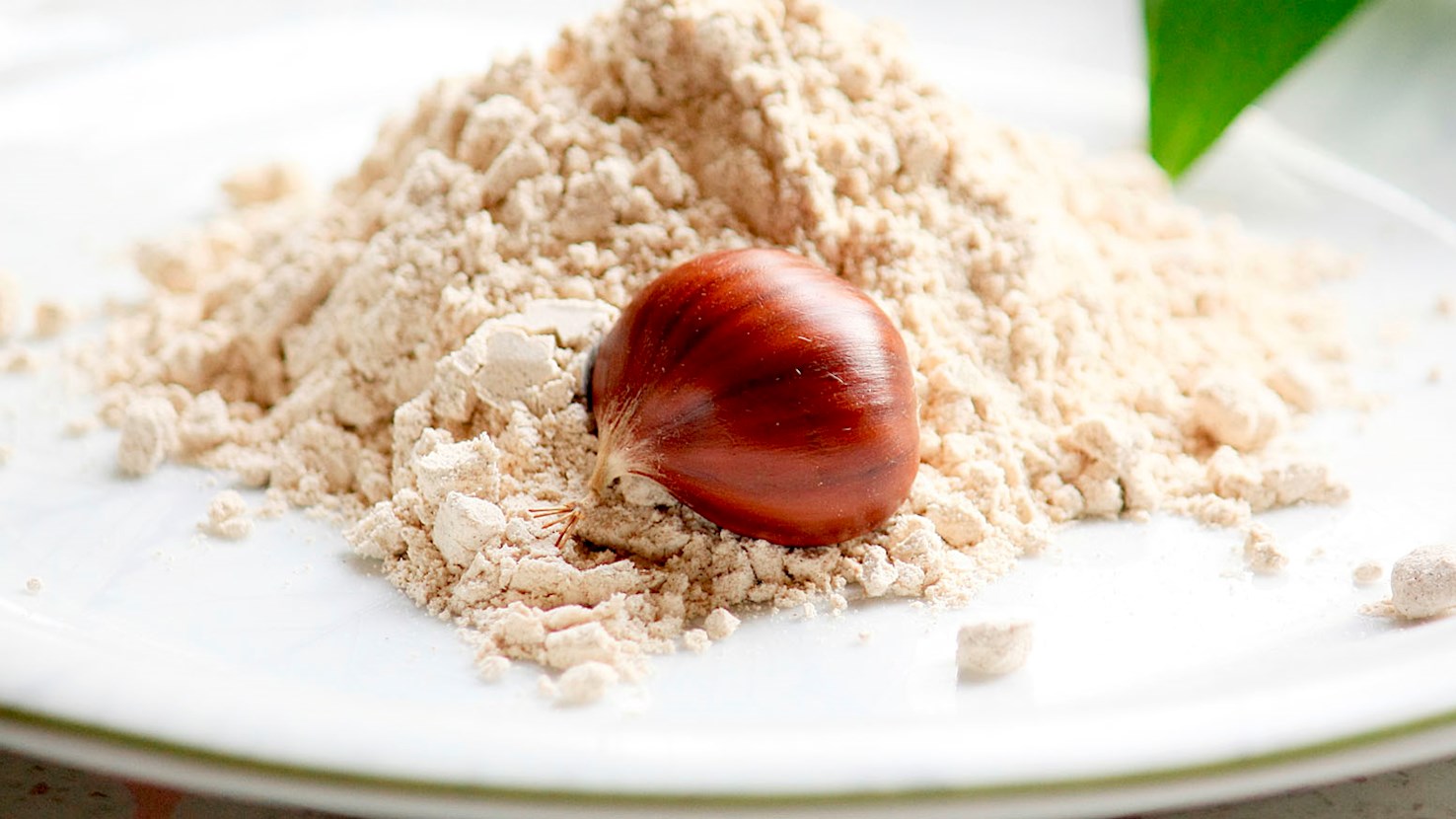
Traditionally produced in the Tuscan province of Massa Carrara, the flour of Castagne della Lunigiana is made from the local chestnut varieties of Bresciana, Carpanese, Fosetta, Marzolina, Moretta, Primaticcia, Rigola, Rossella and Rossola. To make the flour, chestnuts are collected and placed in the so-called 'gradile', stone-walled smokehouses where they are dried over a slow smoldering fire of husks from the previous harvests. The fire is kept stoked for weeks until the nuts are completely dried, after which they are peeled and, finally, ground in millstones. Lunigiana chestnut flour is soft and velvety, almost talc-like in texture, and particularly sweet. It is an extremely versatile ingredient used in the preparation of various local delicacies one of which is definitely not to be missed: Castagnaccio, also called Badino or Pattona, a Tuscan chestnut cake with raisins, walnuts, pine nuts and rosemary.

Read more
View all
View map
About this ranking

TasteAtlas food rankings are based on the ratings of the TasteAtlas audience, with a series of mechanisms that recognize real users and that ignore bot, nationalist or local patriotic ratings, and give additional value to the ratings of users that the system recognizes as knowledgeable. For the “Top 4 Italian Flours” list until July 29, 2026, 45 ratings were recorded, of which 33 were recognized by the system as legitimate. TasteAtlas Rankings should not be seen as the final global conclusion about food. Their purpose is to promote excellent local foods, instill pride in traditional dishes, and arouse curiosity about dishes you haven’t tried.

The initial list of top producers was compiled based on available reviews, awards, local recommendations, media and blog coverage, and consumer reviews. The list will be updated with ratings from TasteAtlas local ambassadors and TasteAtlas users.

Similar lists