Top 90 European Herbal Liqueurs

Last updated on August 26, 2026

Best European Herbal Liqueur Types
01

Averna

4.1 ·

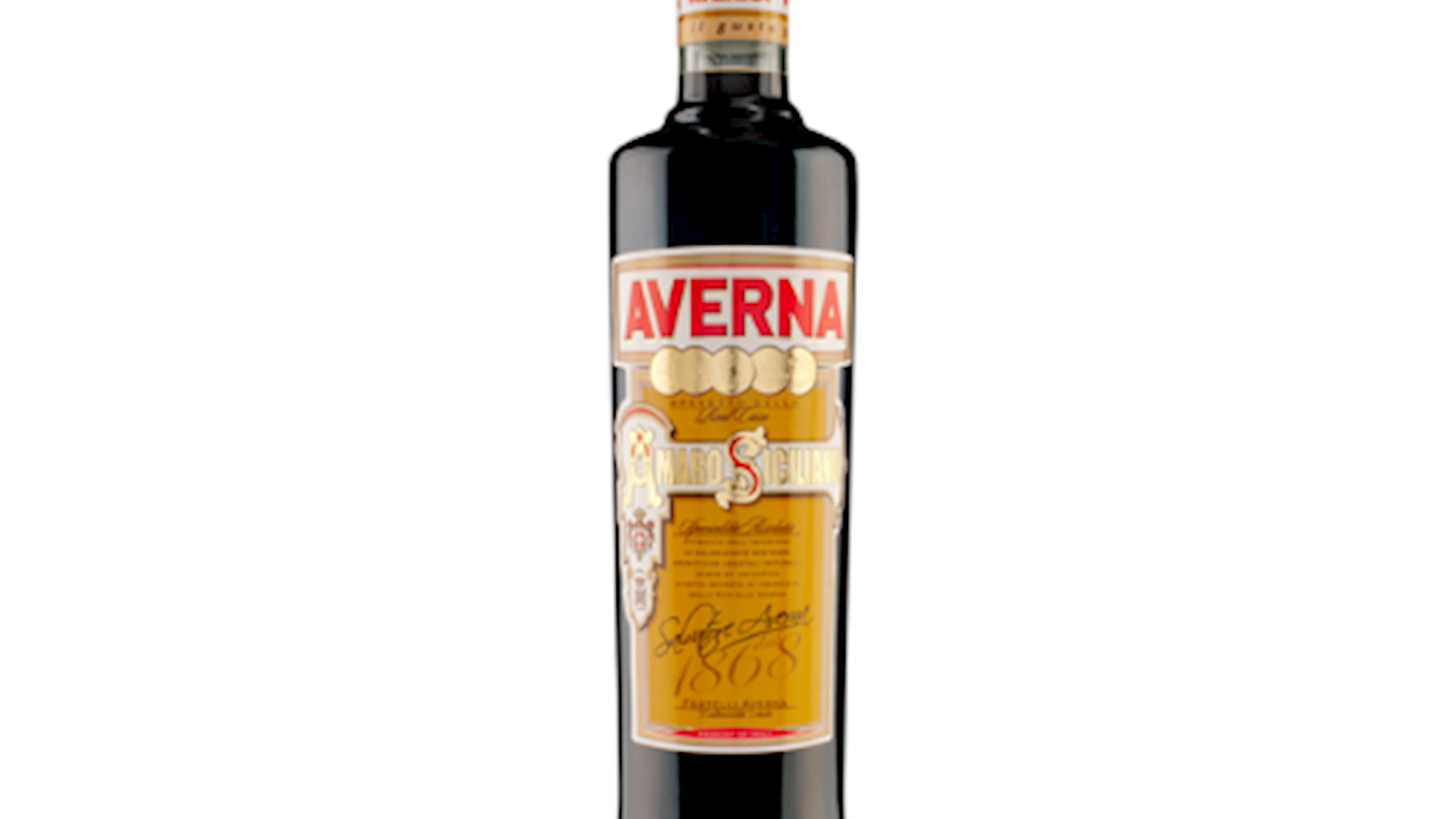
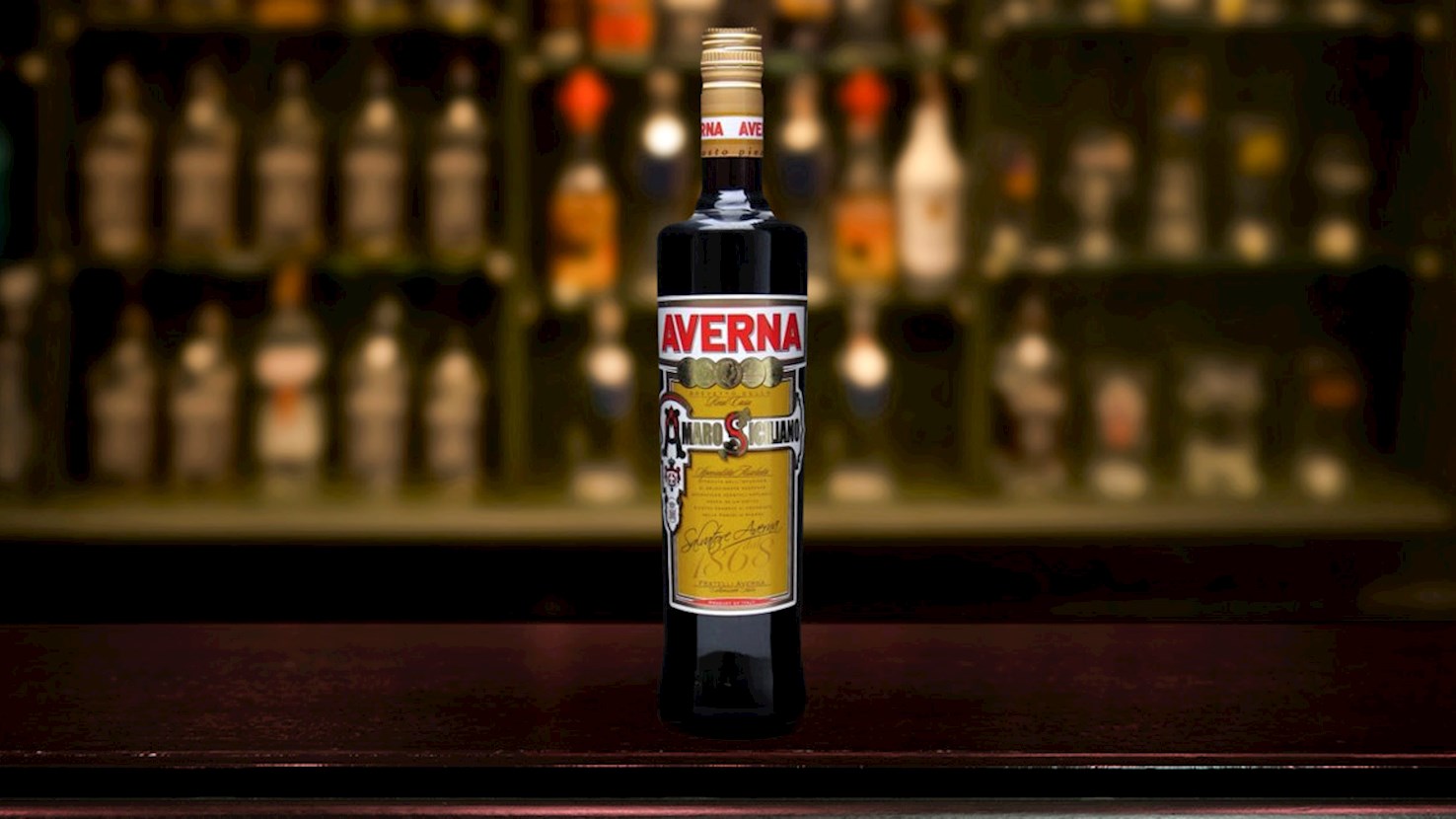
Averna is a popular Italian bitter digestif that was named after its inventor Salvatore Averna who created it in 1868. Some sources state that the recipe was handed to the Avernas by a monk of the local San Spirito monastery. The exact ingredient list remains the Averna family secret, but this bittersweet liqueur is said to be made with more than 60 different herbs, roots, pomegranate, and the essential oils of bitter Sicilian lemons. Though Averna is typically enjoyed on its own, served on the rocks or neat, it can also be used for various cocktails.

02

Goldwasser

4.0 ·

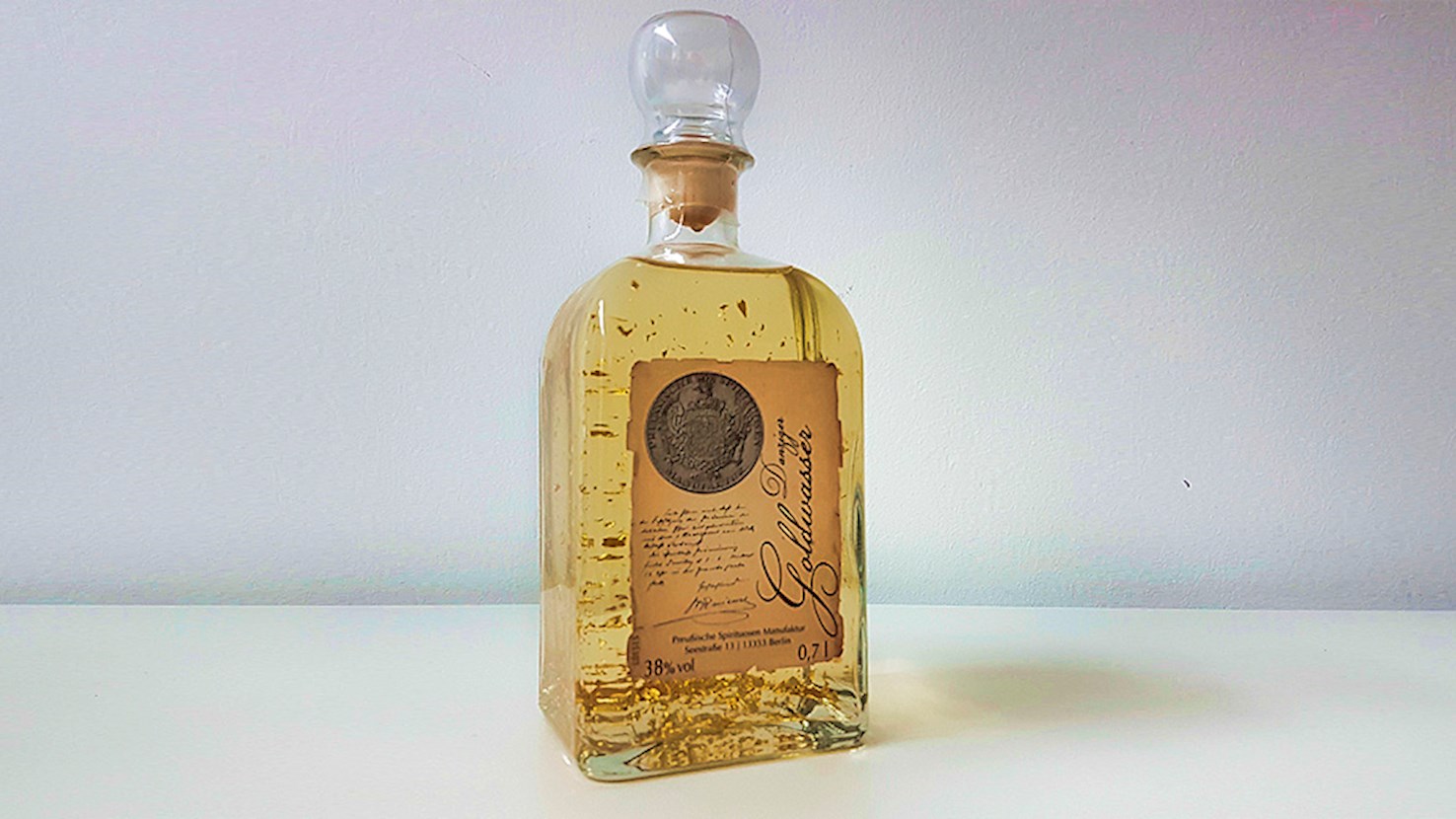
Hailing from Gdańsk, this herbal liqueur is easily distinguished by the flakes of real gold. According to the written records, it first appeared in 1598, and it was an invention of a Dutch Ambrose Vermollen who created a recipe that was based on a secret combination of 20 different herbs and roots. Considered as one of the oldest liqueurs in the world, Goldwasser comes at 40% ABV and displays both sweet and spicy cinnamon aromas, with underlying notes of licorice and mint. Though its history is closely intertwined with Poland, following the political turmoil and the Second World War Goldwasser is now produced in Germany, but it remains a symbol of the city of Gdańsk.

03

Chartreuse

3.8 ·

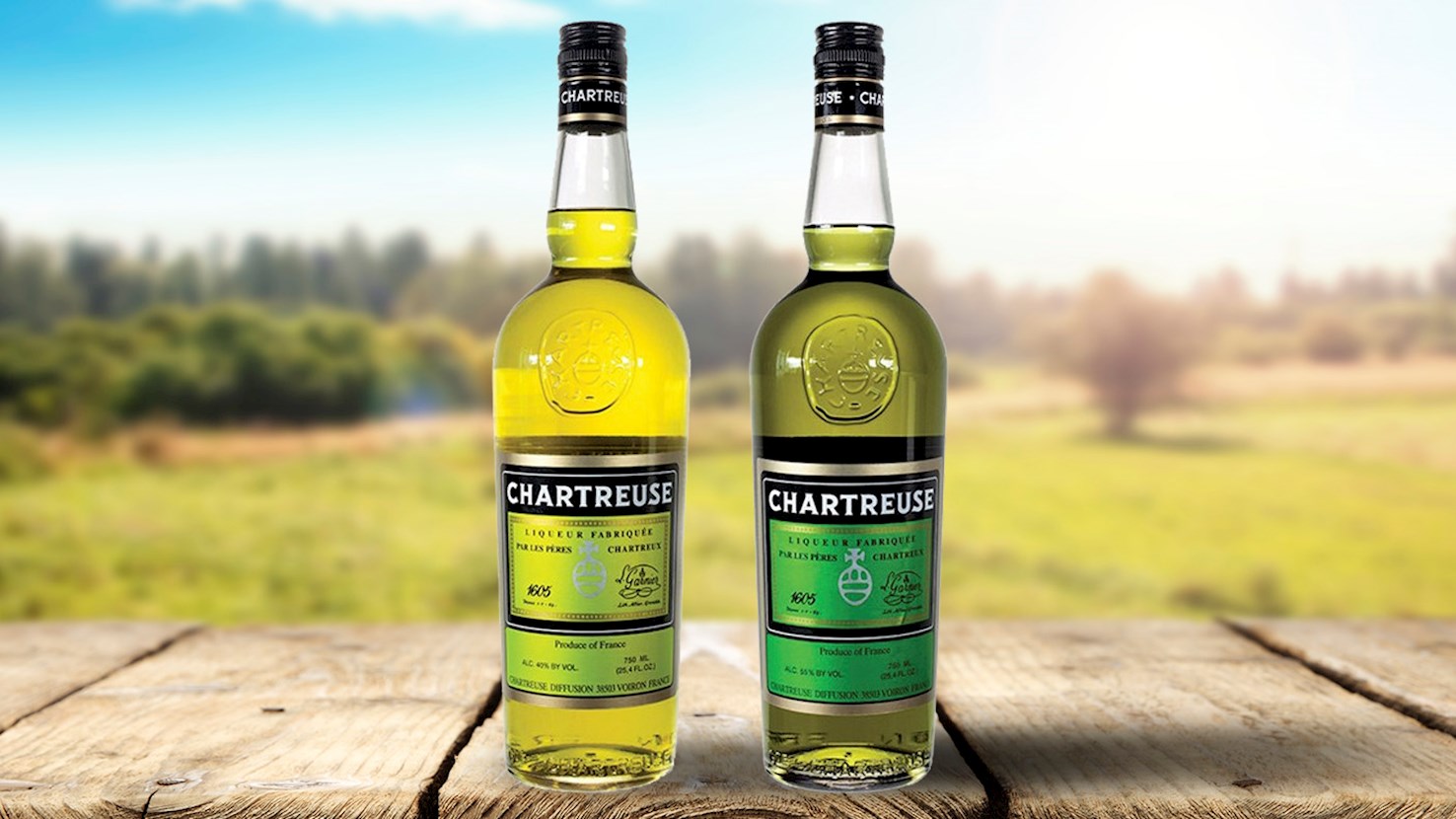
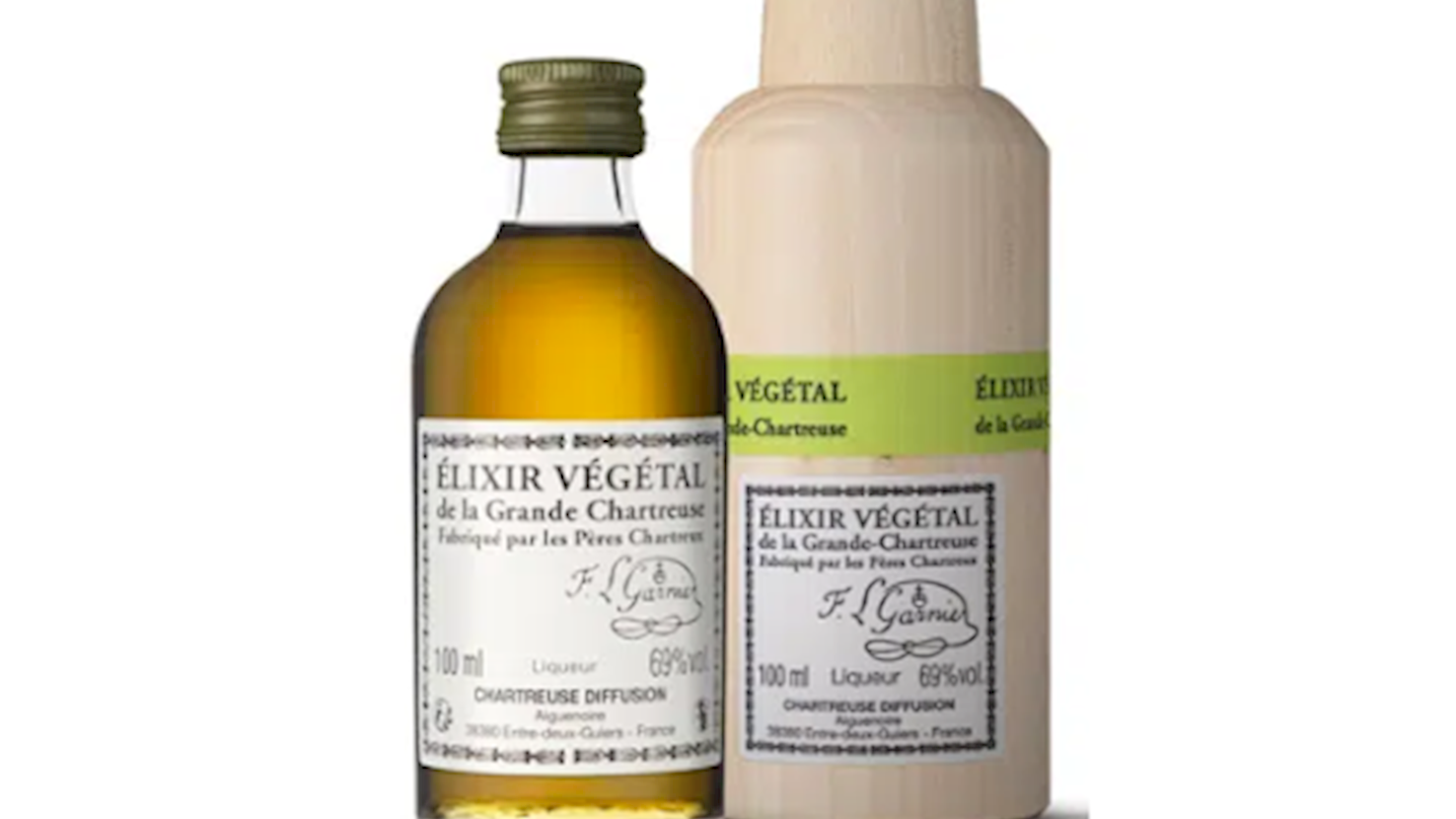
Chartreuse is one of the oldest and most popular French liqueurs. It is believed that the drink originates from an ancient manuscript that was sent to the Grande Chartreuse monastery at the beginning of the 18th century. In 1764, the Carthusian Monks decoded the paper and produced the first version of a health elixir that was mostly used as a medicine. The monks then adapted the recipe in 1840 to create the original Green Chartreuse—the first version of Chartreuse liqueur that is still prepared following a secret formula that includes around 130 herbs, spices, and other botanicals. The macerate is distilled and then aged in oak casks. Chartreuse comes in several varieties, including the original Green Chartreuse (55% ABV) characterized by its complex herbal and floral aromas. Yellow Chartreuse (43% ABV) is produced in the same manner, but it results in a slightly milder and sweeter drink due to the use of different herbs. Chartreuse is best appreciated as a digestif, served neat or on the rocks. It can also work well as a cocktail ingredient. Limited editions of the drink included various flavored versions such as orange, anise, or myrtle.

04

Amaro Bràulio

3.6 ·

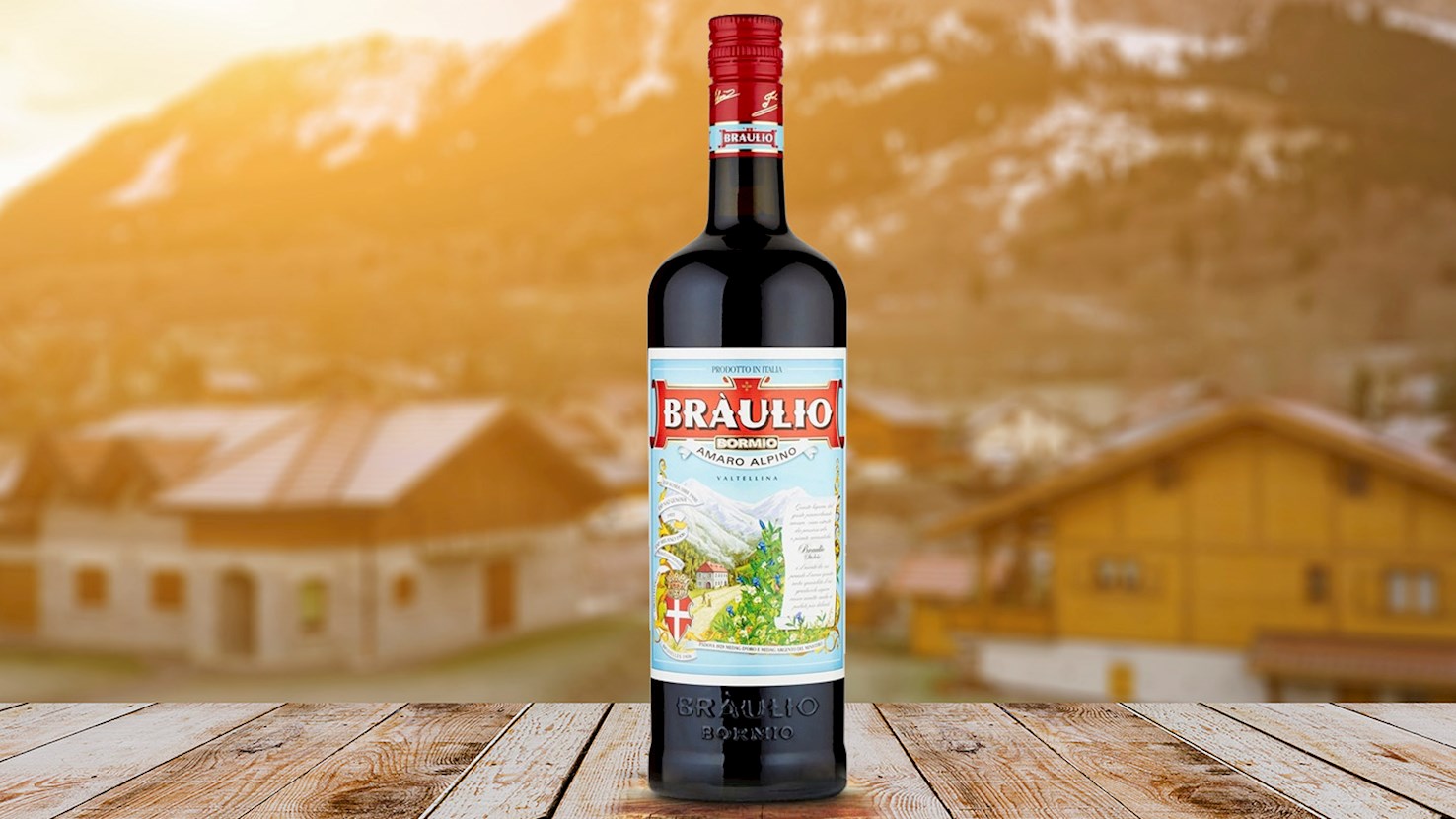
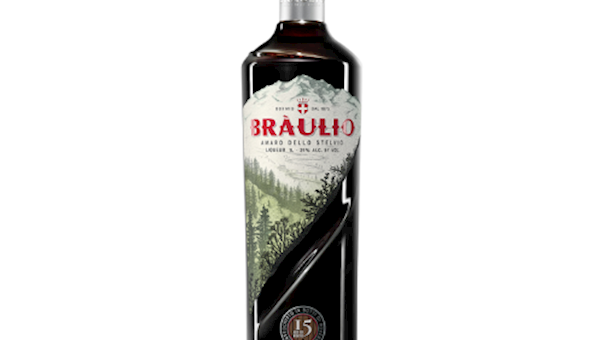
Bràulio is an Italian amaro that was created in 1875 by Francesco Peloni, a chemist from Bormio who was an expert in medicinal herbs from the alpine Valtellina region. Although the recipe and the exact ingredients are kept secret, it is known that the drink is made with the infusion of various herbs, roots, plants from Valtellina such as gentian root, wormwood, juniper berries, and achillea. The botanicals are dried and ground before they are added to the alcohol infusion. Springwater and sugar are added, and the filtered blend is left to mature for two years in Slavonian oak. The process results in a balanced, amber-colored amaro that is subtly bitter, herbaceous, and earthy, with hints of sweetness and spiciness. The drink is usually enjoyed as an aperitif or a digestif, but it also works well in mixed drinks. Classic Bràulio amaro has an alcohol content of 21%, but it also comes in a limited Riserva version—which is aged for five years and has an alcohol content of 25%.

Best producers
05

Beirão

3.6 ·

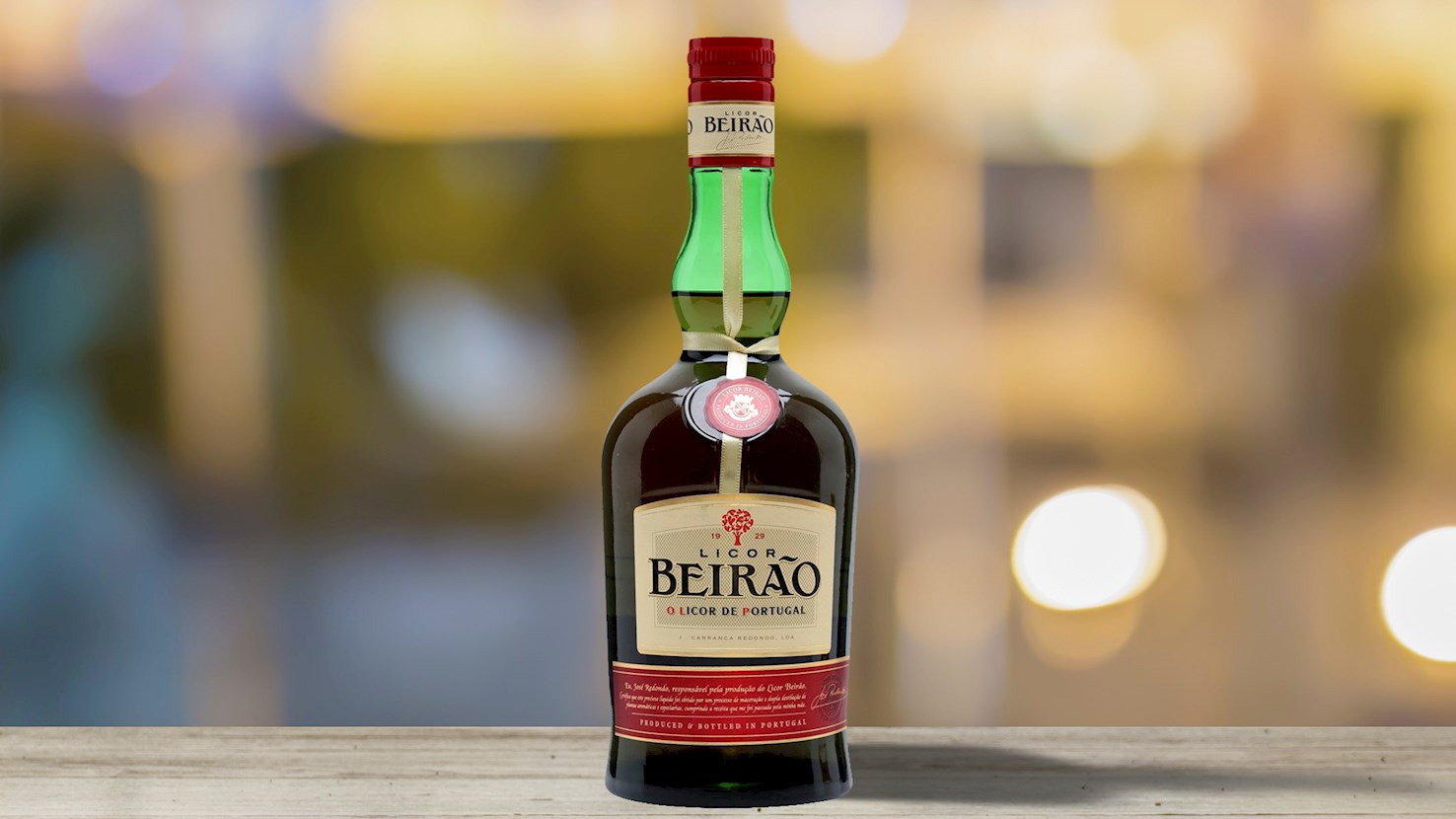
Beirão is a Portuguese herbal liqueur that was first produced in the 19th century. Although the recipe is held secret, the drink is made by macerating twelve different botanicals. According to a widespread story, the history of the liqueur dates back to the 19th century when a Port salesman passing through Lousã fell in love with a daughter of a pharmacist. They stayed in Lousã and started creating and selling various health remedies, including a liqueur for stomach pain which would in 1929 become the Beirão liqueur. In 1940, the company that produced the drink was bought by José Carranca Redondo who had great success into promoting Beirão into one of the most popular Portuguese liqueurs. This herbal liqueur has a light topaz hue and herbaceous and spicy aromas. It can be enjoyed neat, but it is also used in cocktails or as an ingredient in desserts.

Best producers
06

Amaro

3.6 ·

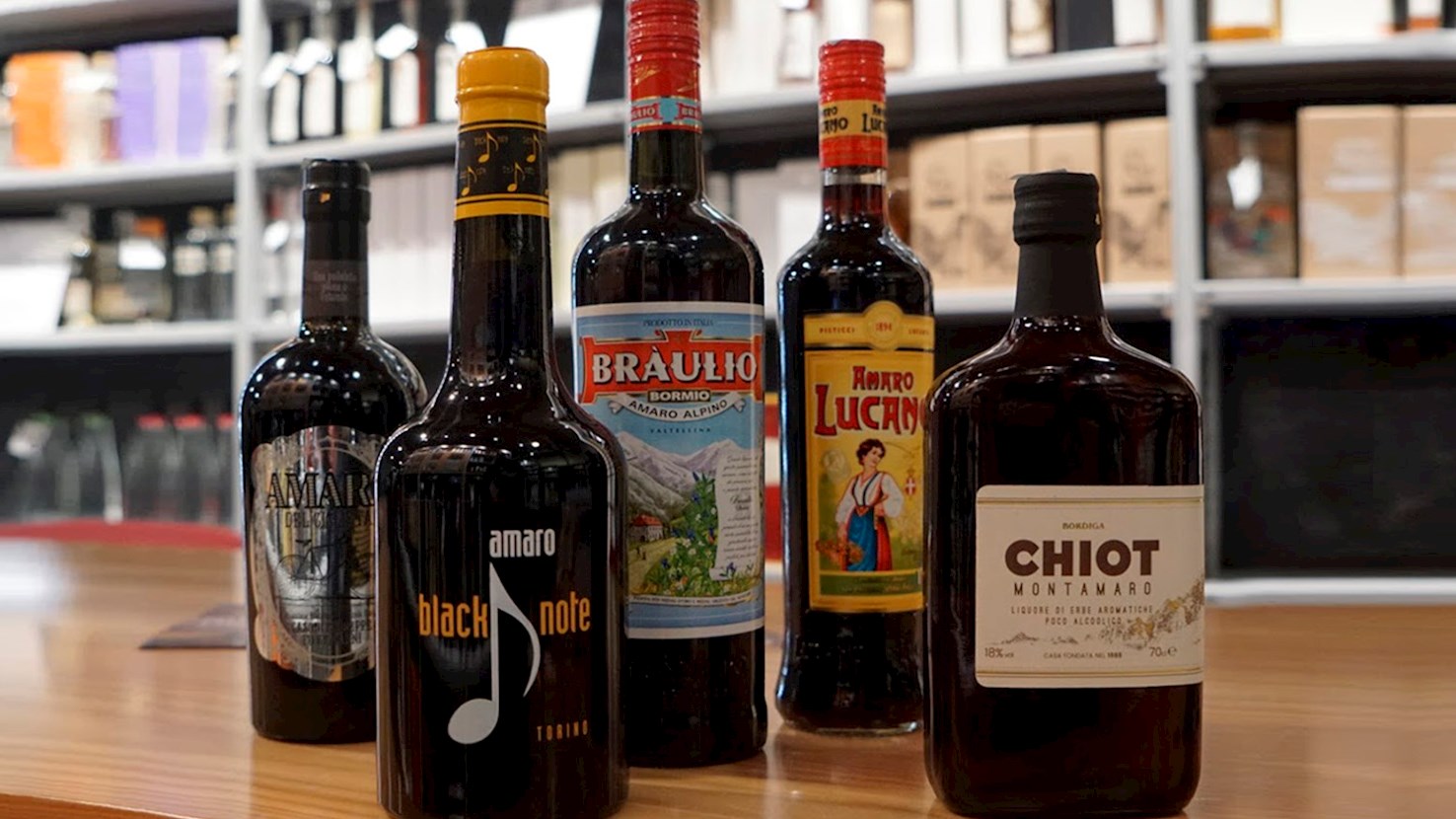
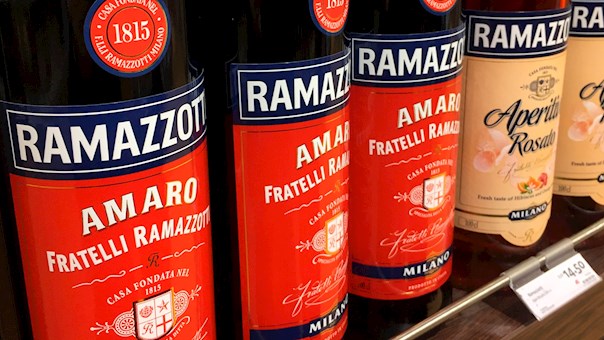
Amaro is a potent digestif with a silky, sometimes even syrupy structure that originated in the 1800s. It is traditionally produced by macerating several herbs, flowers, aromatic bark, citrus peels, and spices in alcohol, either spirits or wine. The blend is then mulled with sugar syrup before being put to age. Although the Italian word amaro translates to bitter, the flavors of this herbal liqueur are complex and may range from earthy and bitter to syrupy and almost sweet, depending on its age and ingredients used in the blend. Amaro is made in different styles that can vary in color, viscosity, and alcohol content. Among this versatile group, the most prominent brands include Ramazzotti, Montenegro, Lucano, Averna, Fernet Branca and Amaro del Capo. Amaro is usually enjoyed neat or on the rocks, but some labels also work well in cocktails, and add complexity, without being overpowering.

07

Strega

3.5 ·

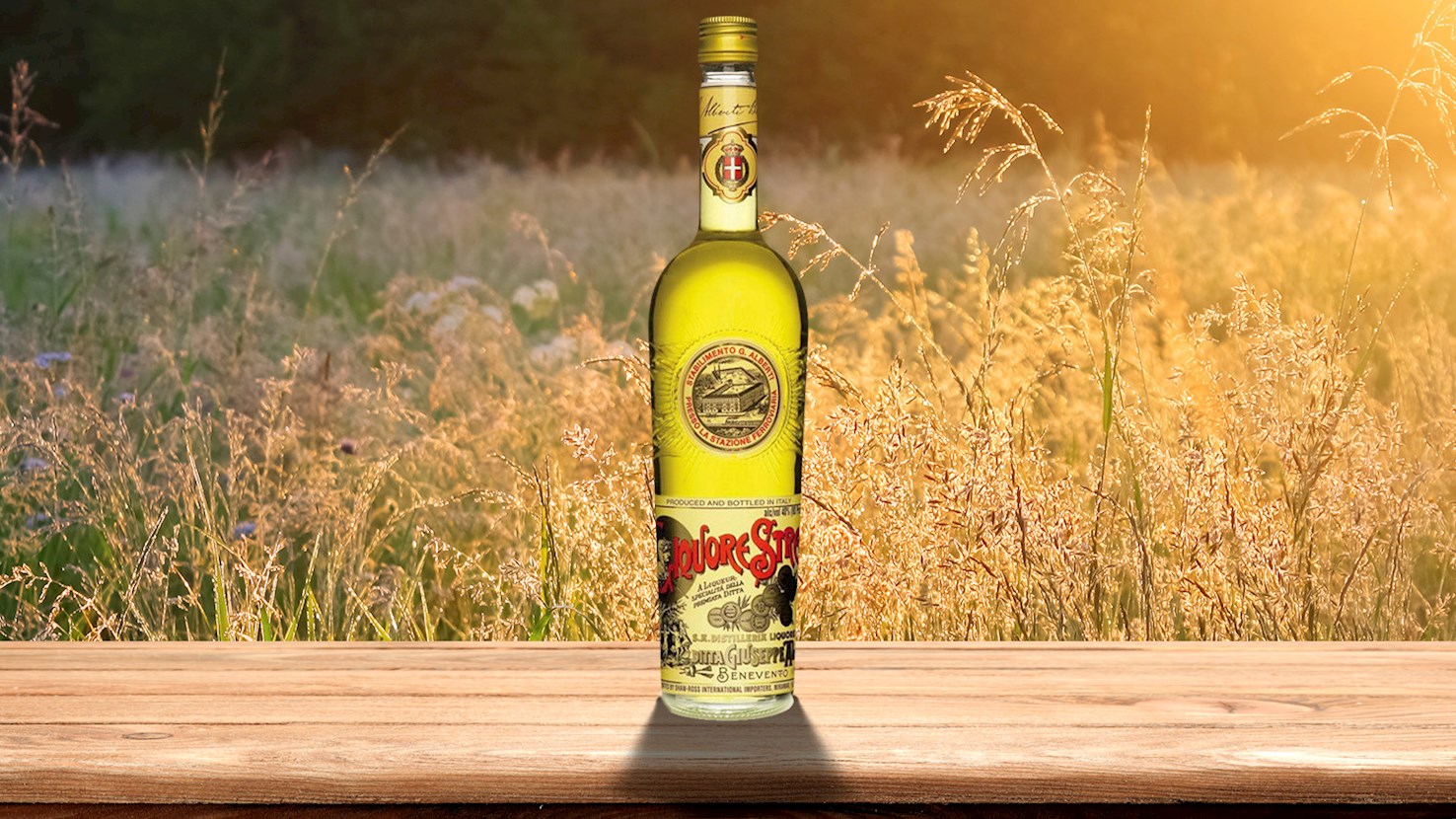
Strega is a vibrant yellow liqueur created with a distillation of 70 different spices, botanicals, and herbs that include Ceylon cinnamon, Florentine iris, cloves, mint, juniper, and saffron. The well-balanced blend is then aged in ash barrels and results in a herbal, sweet, and relatively strong drink, with 40% ABV. Invented in 1860, Strega was first produced in Benevento by Carmine Vincenzo Alberti and his son Giuseppe Alberti. The city of Benevento has long been associated with popular legends of witches and wizards that influenced the origin of the name Strega, which translates as a witch. The drink is mainly enjoyed as a digestif, both neat or on the rocks, but its unique flavor can also work well in cocktails and some classic Italian desserts such as tiramisù or torta Caprese.

08

Becherovka

3.5 ·

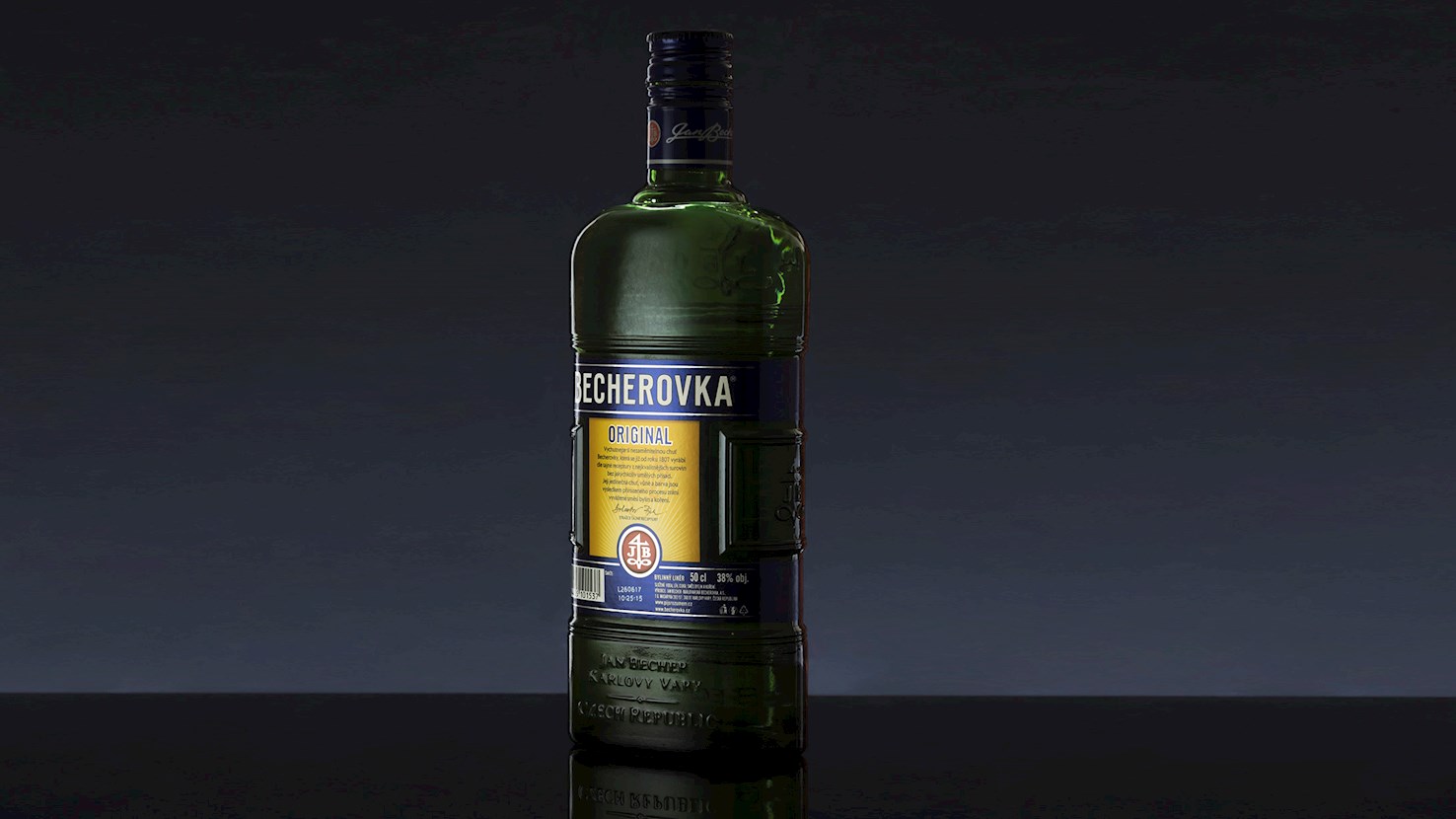
The original Becherovka was created by a British doctor Frobrig. He passed down the recipe to Josef Becher who perfected it and initially put it on the market as a medical remedy in 1807, under the name English Bitter. Despite the political and war turmoil in the 20th century, Becherovka remained a leading Czech product and is still produced according to the original, secret recipe. It is made with a combination 20 different spices and herbs that are macerated in alcohol to create a base which is then cut with water and sugar and left to age in oak casks. Becherovka is traditionally enjoyed neat or over ice, but it can also work well in cocktails, out of which the most popular is Beton—a combination of Becherovka and tonic water that was invented in 1967 for the international EXPO exhibition in Montreal.

09

Tentura

3.5 ·

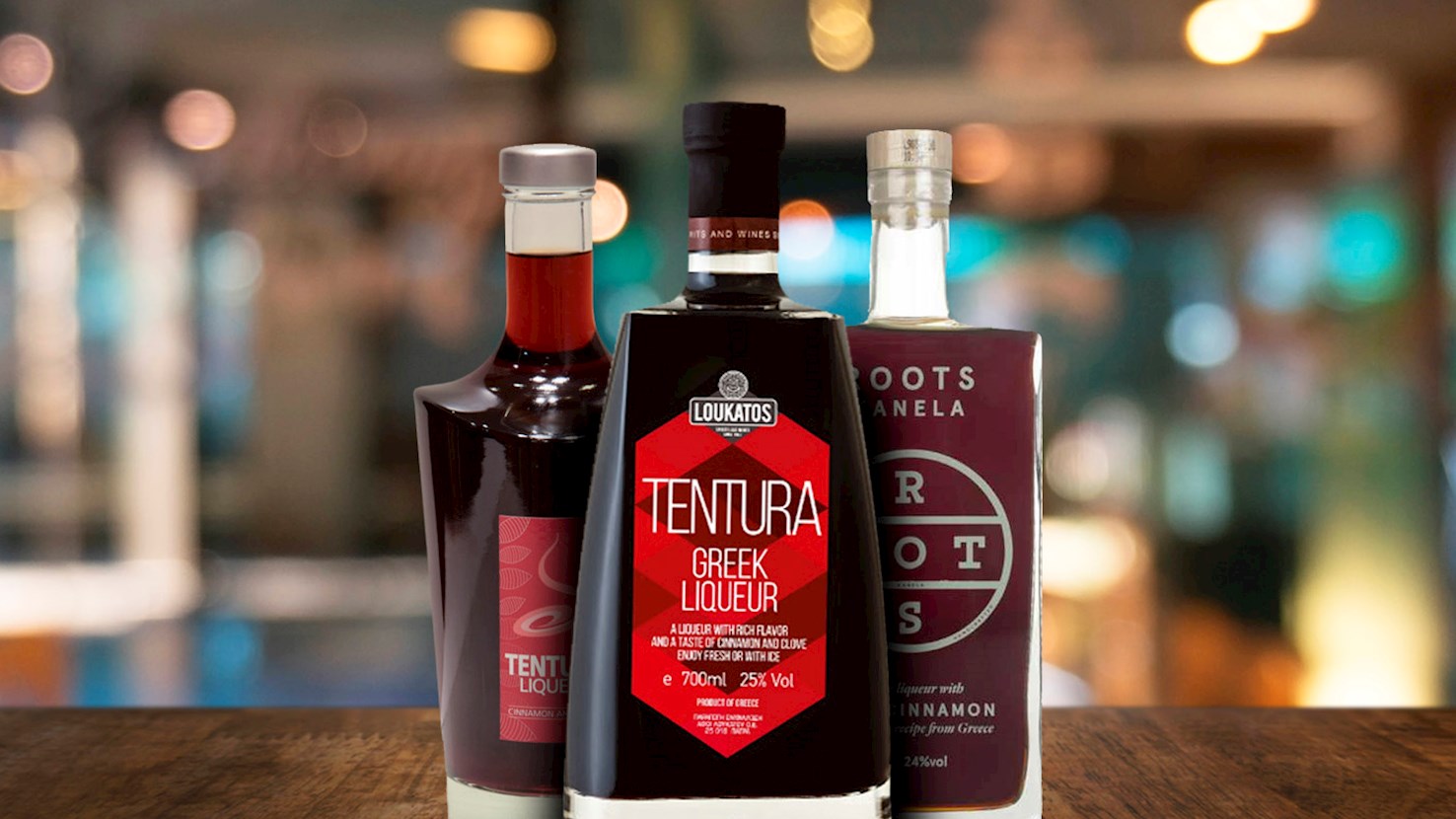
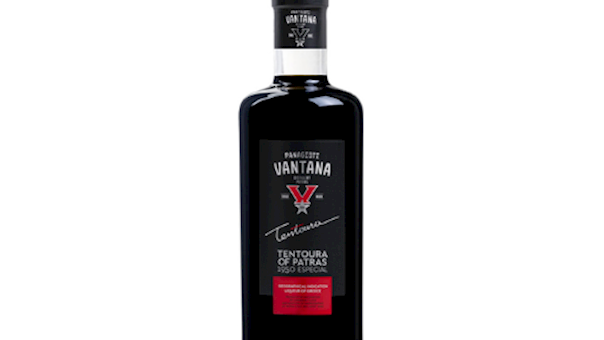
Tentura is a traditional liqueur that hails from Patras. It is prepared by infusing brandy or rum with herbs and spices. The most common flavorings include cinnamon and cloves, but the recipes often also use nutmeg and citrus fruit. Tentura is amber or dark-colored with aroma and flavor reminiscent of warming spices and vanilla. It can be served neat or over ice, and it is traditionally enjoyed as a digestif or an aperitif. This aromatic liqueur can also be used in cooking or as an ingredient in cocktails and long drinks. Tentura is believed to have an ancient origin that dates back to the 15th century.

10

Amaro Montenegro

3.5 ·

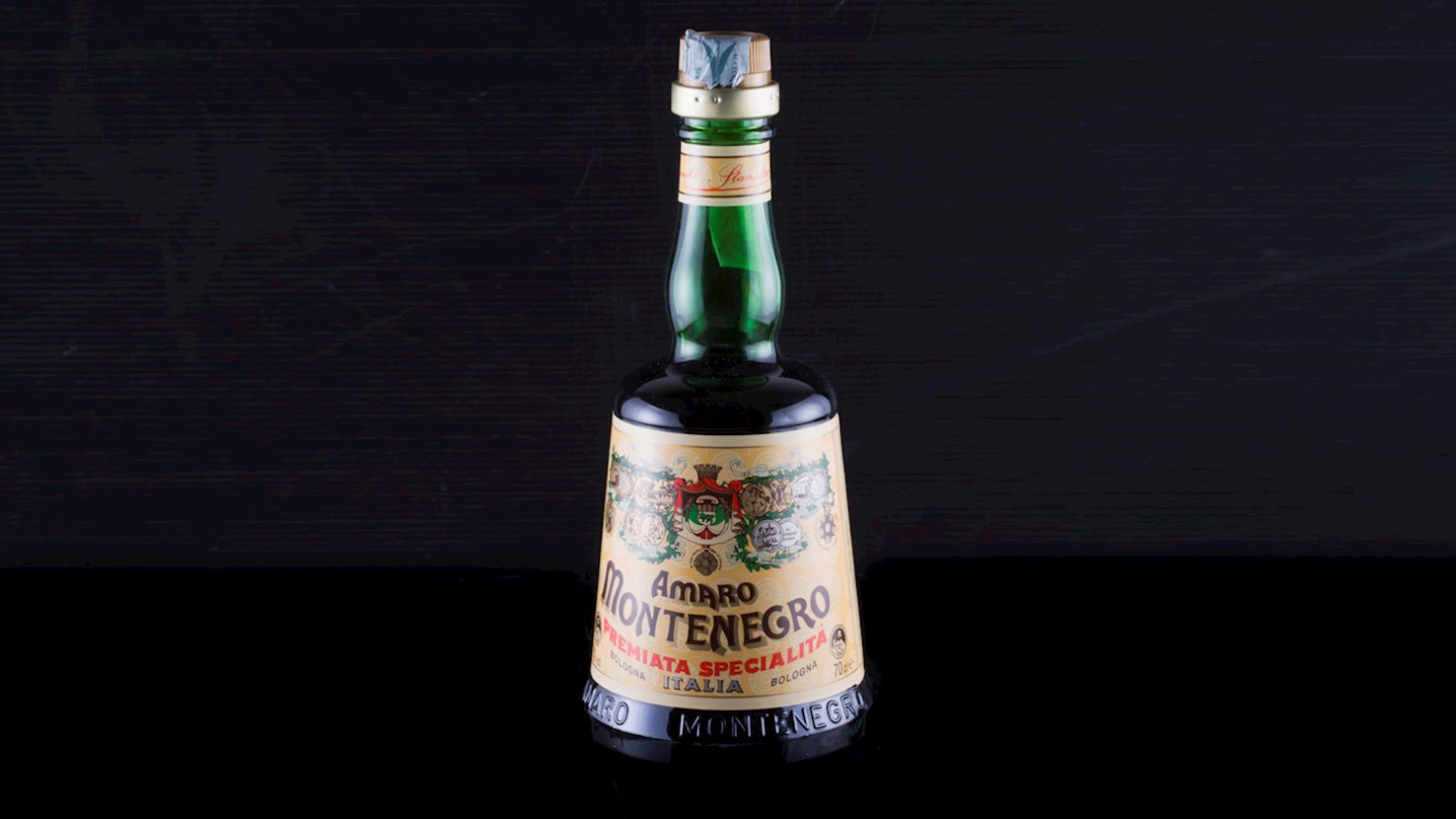
Montenegro is a popular Italian liqueur and a type of amaro that has been produced in Bologna since 1885. It is made with 40 botanicals sourced from four continents, and it remains one of the most popular and best-selling amari in Italy. The production process is complex and includes several techniques, and though the exact botanical blend remains secret, some of the ingredients include oranges, wormwood, cloves, cinnamon, and nutmeg. The liqueur is amber-colored, with a rich, bittersweet flavor. It has intense aromas reminiscent of citrus, herbs, and spices, along with licorice and chocolate nuances. Montenegro works best as a pre- or post-dinner aperitif. It can be incorporated into cocktails and long drinks. Montenegro was created by Stanislao Cobianchi, who named it after the Princess Elena Petrović-Njegoš of Montenegro to commemorate her wedding to King Vittorio Emanuele III in 1896.

Best European Herbal Liqueurs
01

Maison Ferroni

5.0 ·

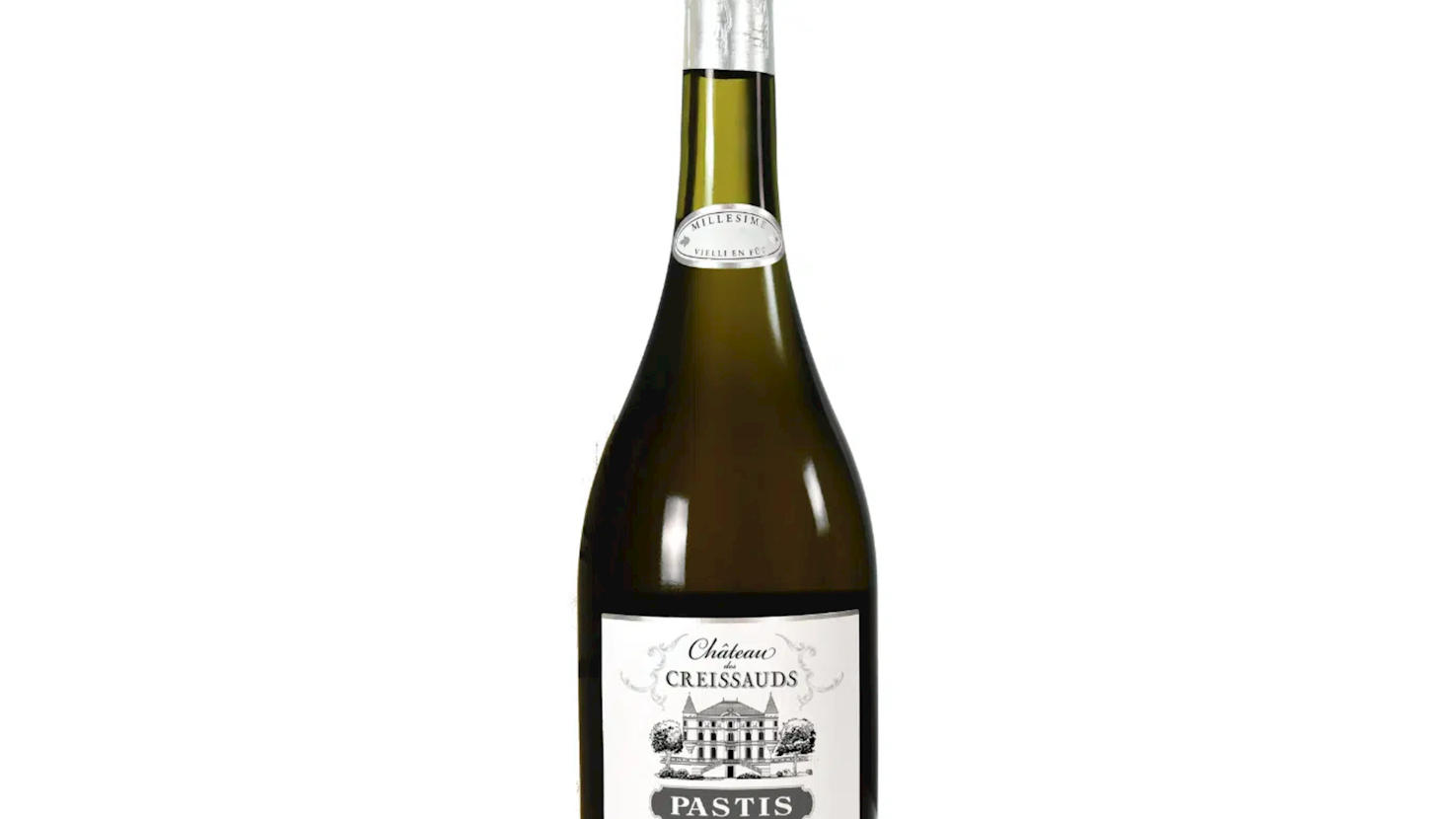
Maison Ferroni is a French producer of distilled spirits based in Aubagne, Provence, specializing in the production of pastis, rum, gin, whisky, vodka, and liqueurs inspired by historical recipes. The company was founded in 2010 by Guillaume Ferroni, a spirits historian and distiller, with the aim of reviving traditional recipes while developing contemporary spirits made from carefully selected ingredients. Production takes place at Château des Creissauds, where aromatic herbs are cultivated or hand-harvested locally in Provence, complemented by botanicals sourced from other parts of the world. Maison Ferroni combines historical research with modern distillation techniques, and part of its portfolio is based on recipes found in manuscripts and books dating from the 17th to the 19th century. In addition to historical spirits, the company produces contemporary expressions inspired by the flavors and botanicals of Provence. Particular attention is given to its artisanal pastis, including products made with freshly harvested herbs from the estate. Maison Ferroni also offers guided distillery tours, workshops, and tastings that present its production methods and the history of distilled spirits.

Awards
World's Best Genever - Winner (2023)
02

Henri Bardouin

5.0 ·

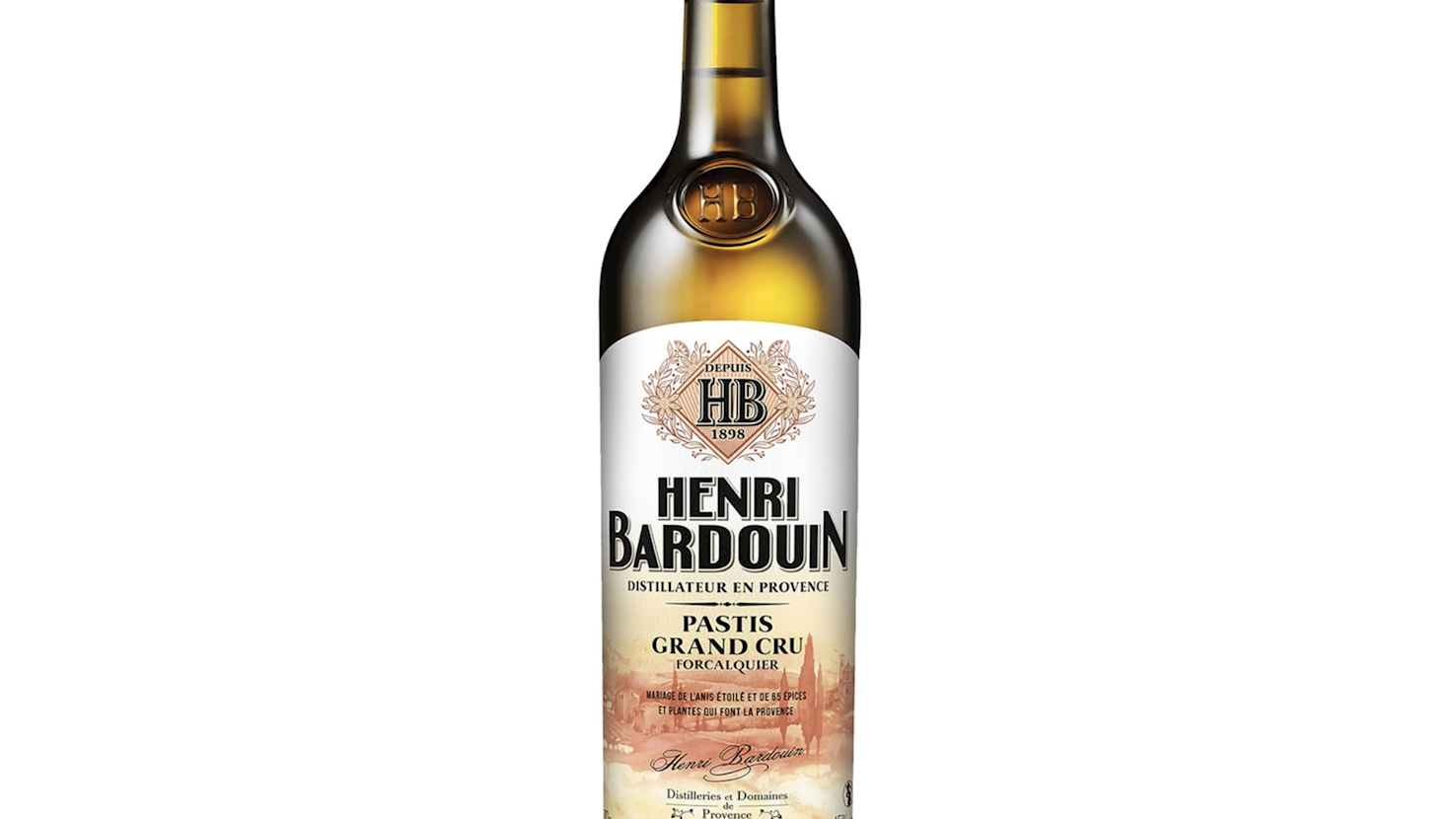
Henri Bardouin is a French producer of premium pastis based in Forcalquier, in the Haute-Provence region, where the tradition of distilling aromatic plants dates back to the late 19th century. The brand is produced by Distilleries et Domaines de Provence, whose origins date to 1898, while Pastis Henri Bardouin itself was introduced in 1990 as a premium expression of Provençal pastis-making tradition. It is named after Henri Bardouin, a former owner of the distillery and an expert in aromatic and medicinal herbs who played a key role in developing botanical recipes inspired by the local flora. Unlike most traditional pastis, Henri Bardouin is crafted from more than 65 carefully selected herbs, spices, and botanicals sourced from Provence and other parts of the world, including star anise, licorice, thyme, rosemary, sage, cardamom, tonka bean, and pepper. Each botanical is individually macerated and distilled to preserve its distinctive aromatic qualities before being blended according to a closely guarded recipe. The production process is carried out slowly and with great attention to detail to achieve a balanced and highly complex flavor profile. Thanks to its remarkable botanical complexity, Henri Bardouin is widely regarded as one of France's finest artisanal pastis. In addition to being traditionally served diluted with cold water, it is also used in contemporary gastronomy and cocktails for its layered herbal character and aromatic depth.

Awards
Concours Général Agricole de Paris - Médaille d'Argent (2024)
03

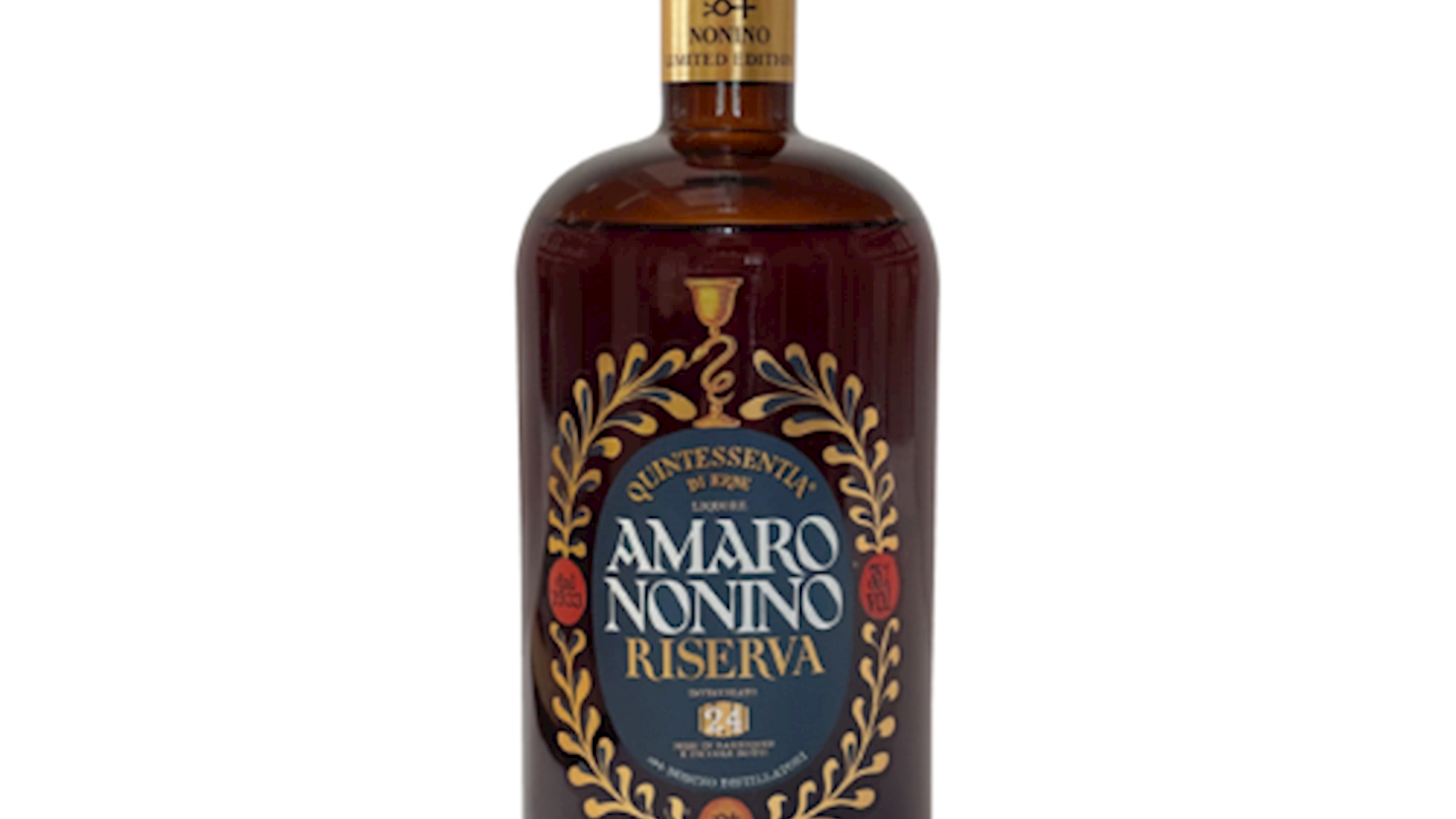
Grappa Nonino

5.0 ·

Grappa Nonino is a historic and innovative symbol of Italian distillation tradition, founded in 1897 in the Friuli-Venezia Giulia region by Orazio Nonino. From the very beginning, the Nonino family has embraced a handcrafted approach, distilling exclusively in small copper steam stills, which allows for complete quality control and an authentic character in every product.

Every stage of production, from the selection of raw materials to distillation and aging, takes place within the family’s own facilities, with unwavering dedication to quality and tradition. The brand is recognized for its fusion of heritage, innovation, and sophisticated design, appealing to both classic grappa enthusiasts and a new generation of consumers.

Today, the distillery is run by the three daughters of Benito and Giannola - Cristina, Antonella, and Elisabetta - who continue the family mission with the same passion. Their philosophy is rooted in respect for nature, the use of fresh, locally sourced ingredients, and adherence to an artisanal process that borders on ritual.

Aging in different types of barrels adds further complexity and elegance to each release. Grappa Nonino has become synonymous with Italian luxury in a glass, with every sip telling the story of tradition, family passion, and craftsmanship.

Awards
USC- Ultimate Spirits Challenge - Chairman's Trophy (2022, 2021)
USC- Ultimate Spirits Challenge - Top 100 (2022, 2021)
04

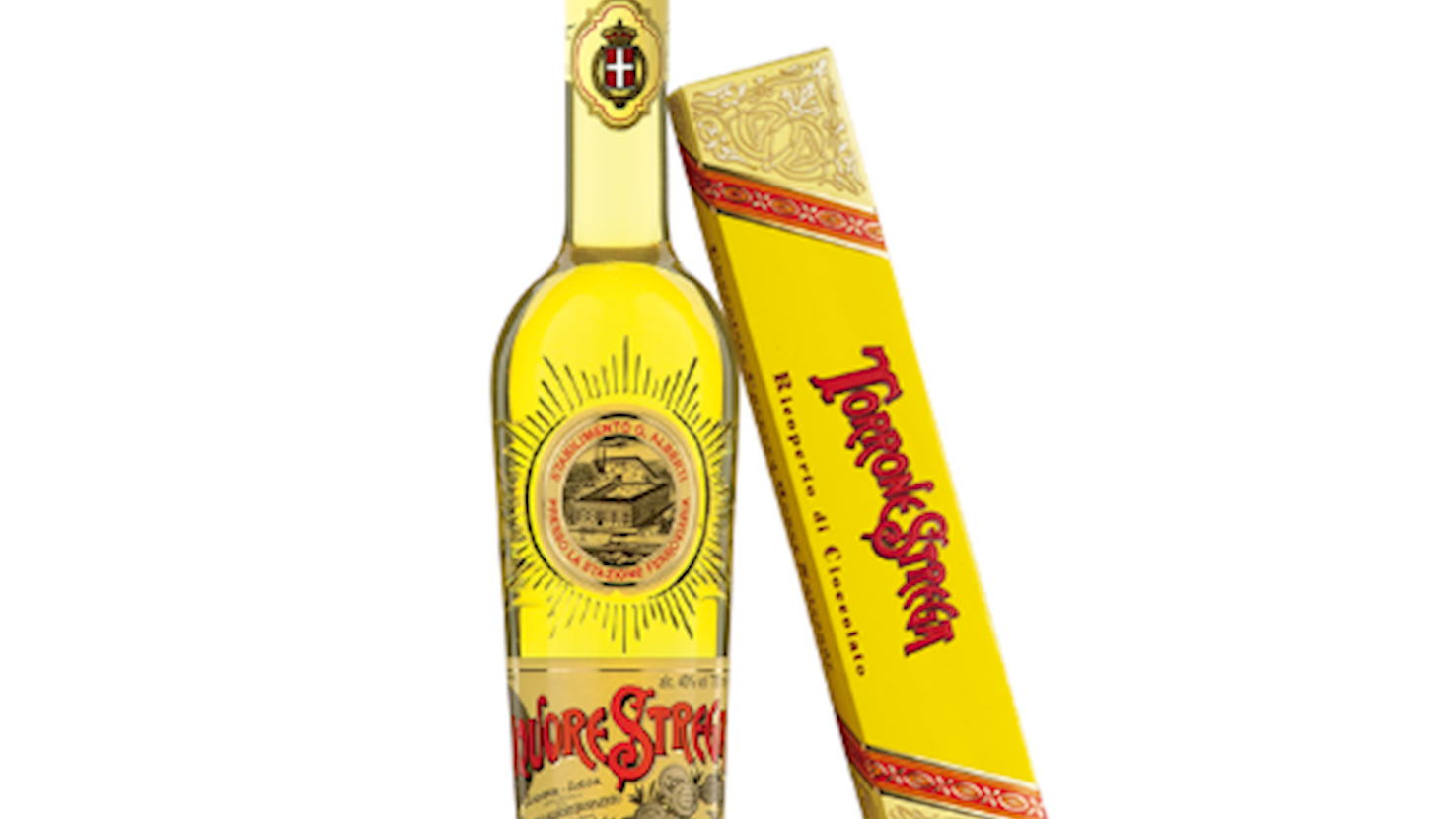
Strega Alberti Benevento

5.0 ·

Strega Alberti Benevento is a historic family-owned distillery from Benevento, in the Italian region of Campania, founded in 1860 by Giuseppe Alberti. Since its establishment, it has remained in the hands of the same family, which, over five generations, has preserved the original recipe and traditional production methods.

The company is best known for its famous herbal liqueur, Strega, which is still produced in the same historic distillery located near the city’s railway station. Strega is distinguished by its golden-yellow color, derived from saffron, and its complex aromatic profile created through the infusion of around 70 different herbs and spices sourced from various parts of the world.

Notable ingredients include mint from Sannio, fennel, iris from Florence, Apennine pine, and Ceylon cinnamon. With an alcohol content of 40%, the liqueur offers a balance between herbal freshness, gentle sweetness, and subtle menthol and spicy notes, making it an ideal digestif as well as a versatile ingredient in cocktails and gastronomy.

Today, Strega Alberti Benevento remains a symbol of quality, tradition, and Italian identity, with its Strega exported and appreciated worldwide.

Awards
SFWSC - San Francisco World Spirits Competition - Double Gold (2024)
05

Rossi Distillery

5.0 ·

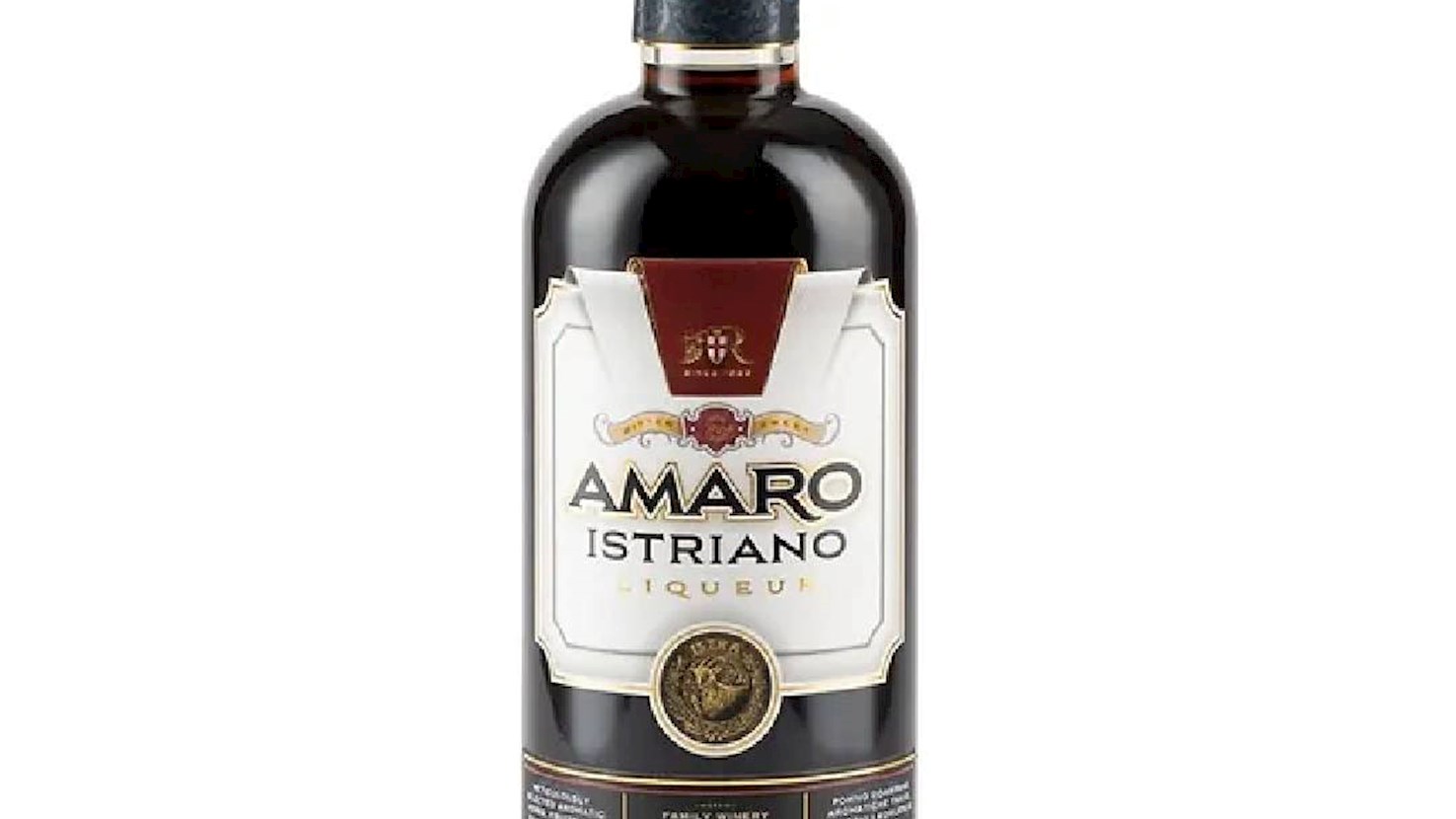
Rossi Winery is a family-owned winery and distillery with a long-standing tradition and a deep passion for viticulture and artisanal production. Since 1885, the Rossi family has been cultivating authentic grape varieties and crafting wines and spirits that reflect quality, character, and meticulous attention to detail.

Every step—from the vineyard to the bottle—embodies a blend of tradition and modern expertise. The winery is known for its outstanding Malvazija wines, complex reds, and innovative products such as Malvazija-based gin and aged brandies. All creations are produced in limited batches, with great respect for nature, terroir, and varietal expression.

Their work is recognized through numerous awards and the trust of those who value honest and refined craftsmanship. Rossi wines and spirits are not just products of skill and knowledge—they are expressions of family values and a deep connection to heritage. Enjoying their creations is a true wine and sensory experience.

Rossi Winery stands as a symbol of quality, consistency, and a modern approach to lasting tradition.

Awards
European Spirits Challenge - Gold (2024)
European Spirits Challenge - Silver (2024)
06

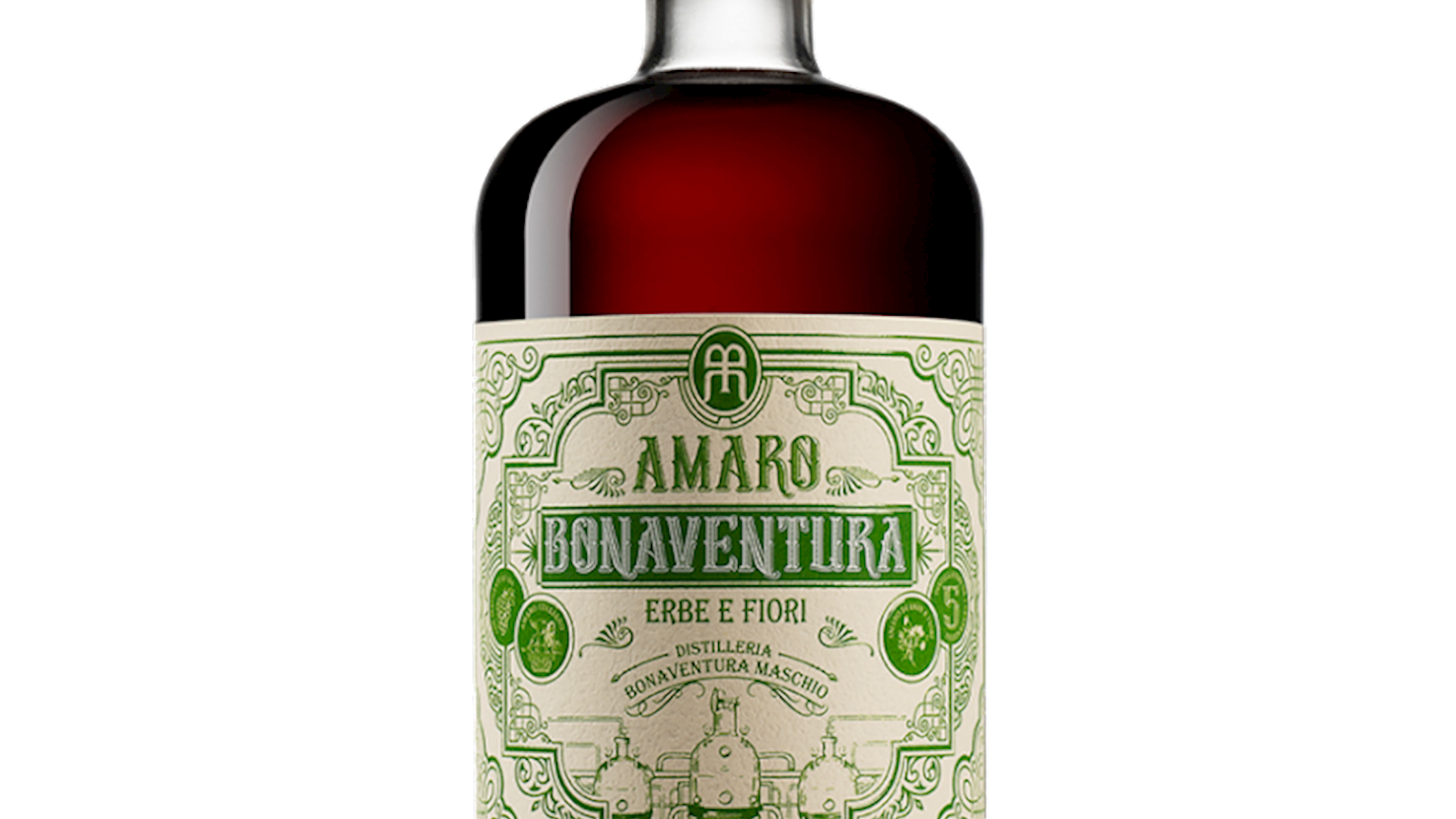
Distilleria Bonaventura Maschio

5.0 ·
Awards
SFWSC - San Francisco World Spirits Competition - Double Gold (2023)
ISC-International Spirits Challenge - Double Gold (2022, 2019)
07

Amaro Lucano

4.9 ·

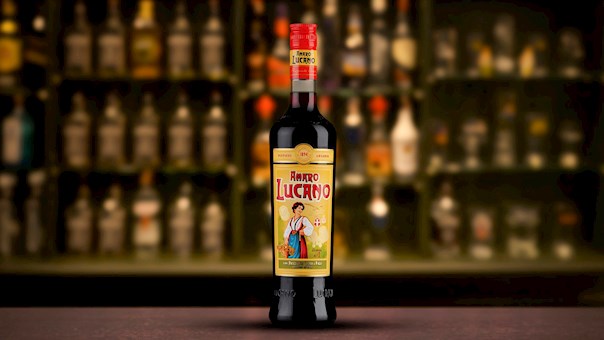
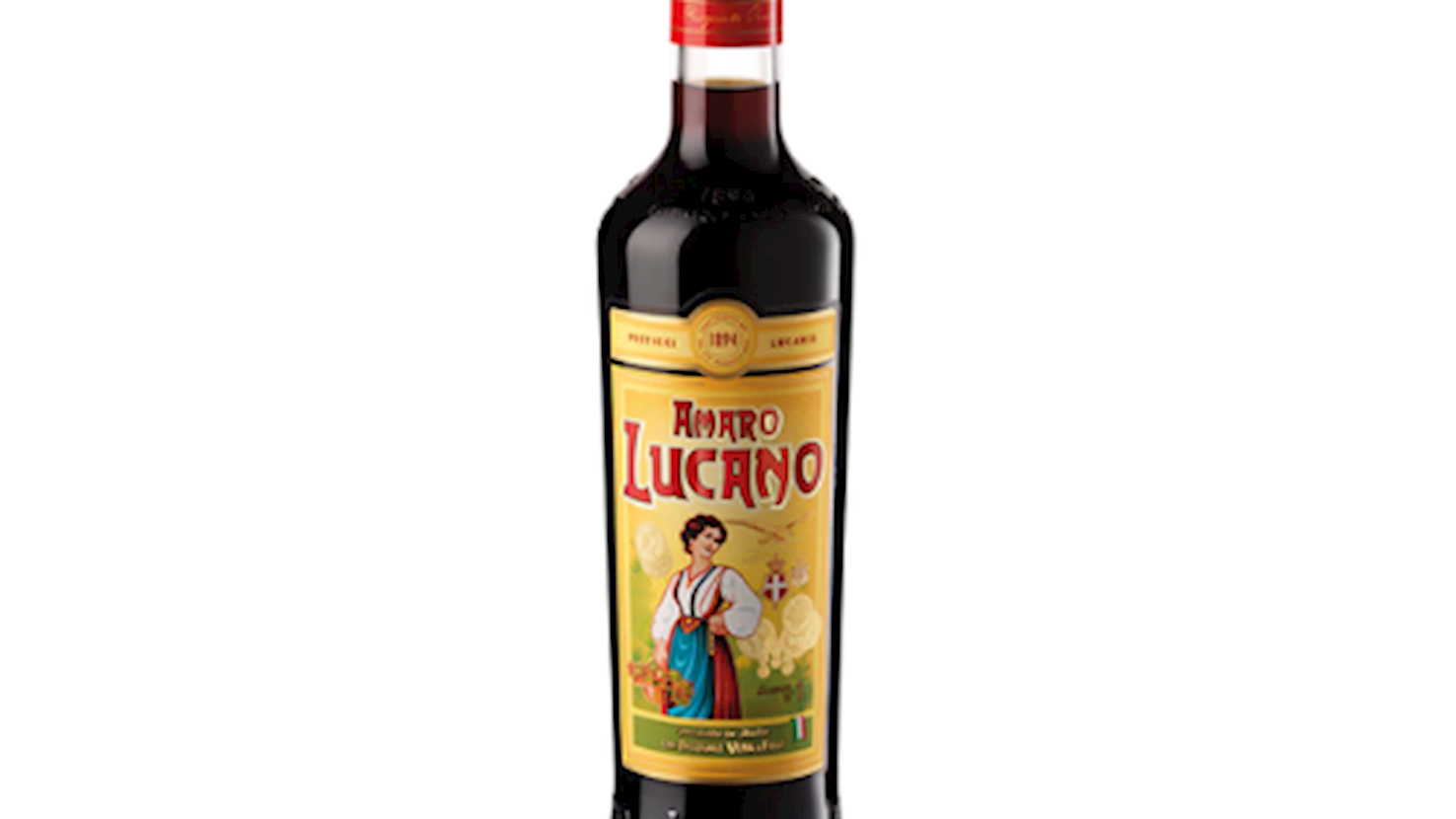
Amaro Lucano is a brand with deep roots in Italian tradition, founded in 1894 in the town of Pisticci, in the Basilicata region. Its founder, Pasquale Vena, created the original recipe using more than 30 aromatic herbs, combining local botanicals with exotic ingredients to craft a liqueur that quickly gained recognition throughout Italy.

The brand has remained family-owned, with the Vena family preserving the original recipe and a meticulously controlled production process for four generations. Throughout the 20th century, Amaro Lucano became synonymous with the Italian digestive tradition, present both in households and in fine dining establishments.

Today, the brand has a global presence, exporting its products to over 30 countries and maintaining a strong position in the premium liqueur market. In addition to its flagship product, Amaro Lucano, the brand’s portfolio includes special editions, bitter aperitifs, and innovative variants.

Through a combination of tradition, quality, and a consistent identity, Amaro Lucano has established itself as one of the most renowned and respected Italian digestif brands worldwide.

Awards
The Liqueur Masters - Gold (2023)
The Luxury Masters - Gold (2023)
08

Distilleria Sibona

4.9 ·

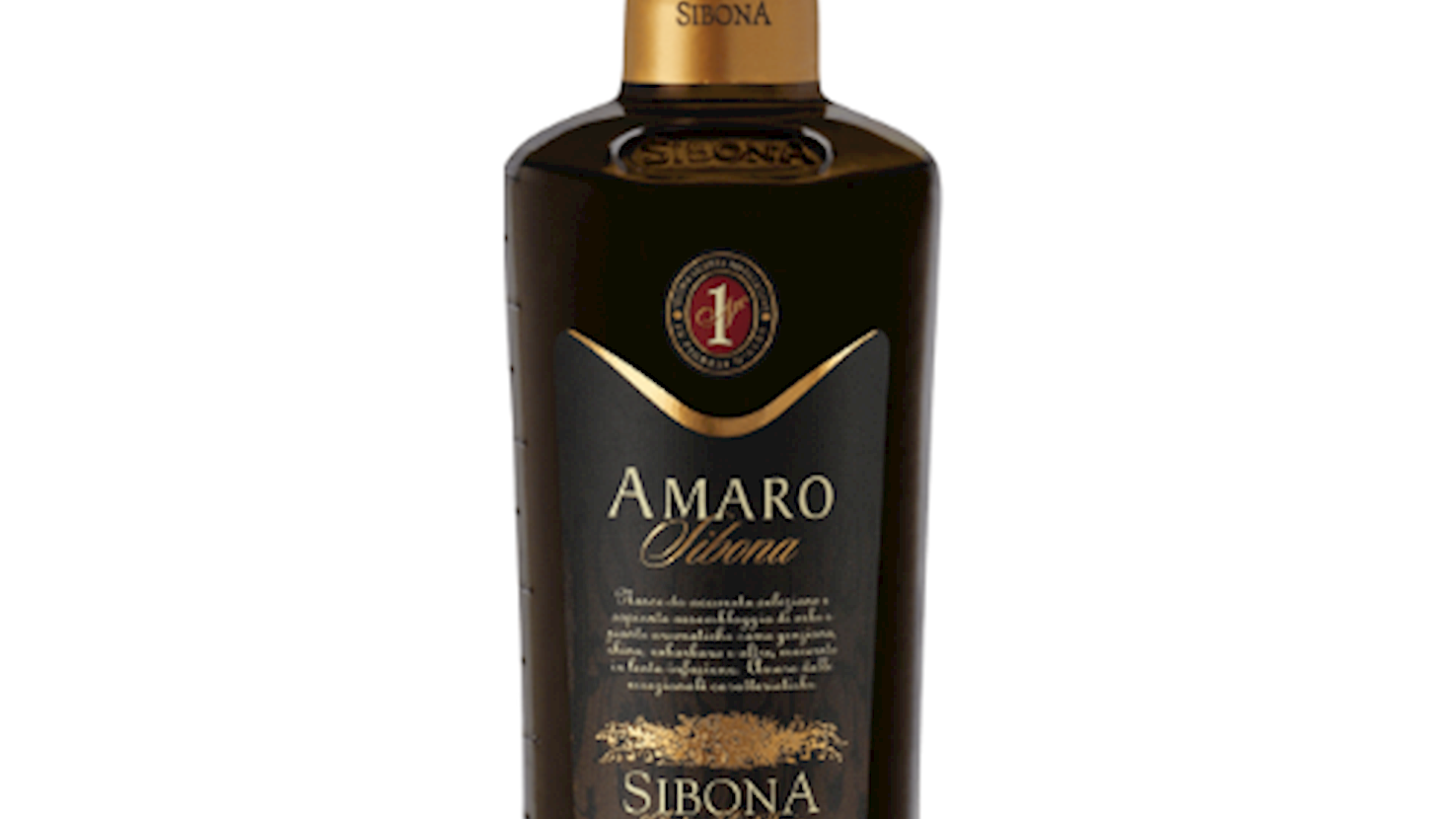
Distilleria Sibona is one of the oldest distilleries in the Piedmont region, located in the heart of Roero. It is renowned for its artisanal production of grappa, utilizing fresh pomace from prestigious local wineries.

Sibona holds a unique historical distillation license and prides itself on its deep connection to traditional methods while incorporating modern techniques to ensure high-quality products. Their grappa is aged in various types of barrels, including those used for sherry, port, and whiskey, enhancing the flavor profile and creating distinctive spirits.

Awards
ISC-International Spirits Challenge - Double Gold (2020)
IWSC- International wine & spirit competition - Spirit Gold (2024, 2022, 2021, 2019)
09

Casa Averna

4.9 ·

Casa Averna is the historic headquarters and production center of the Averna brand, located in Caltanissetta, Sicily, and today part of the Gruppo Campari portfolio. The brand was founded in 1868, when Salvatore Averna, a respected merchant and landowner, was gifted a secret herbal elixir recipe by the Benedictine monastery of Santo Spirito.

Initially, the liqueur was prepared exclusively for the family and close friends, but it soon gained popularity throughout Italy. Averna is an authentic Sicilian amaro - an herbal liqueur of medium sweetness and mild bitterness, rich in aromas of caramel, citrus, mint, anise, rosemary, sage, and other Mediterranean herbs. It is produced by infusing more than twenty carefully selected herbs, roots, and spices according to a closely guarded traditional recipe.

It is distinguished by its dark color, full and harmonious aroma, and silky texture. Today, Averna is produced exclusively at Casa Averna in Caltanissetta, which also houses a museum dedicated to the brand’s history. As a recognizable symbol of Sicilian tradition, Averna is enjoyed worldwide - neat, over ice with a slice of orange, or as an ingredient in cocktails - maintaining its authentic taste and cultural heritage that has endured for more than a century and a half.

Awards
The Liqueur Masters - Master (2023)
10

Chartreuse Diffusion

4.9 ·

Chartreuse Diffusion is a French company responsible for the commercialization and distribution of the renowned Chartreuse liqueurs, produced by Carthusian monks according to a strictly guarded recipe. The history of this liqueur dates back to 1605, when the order received a manuscript containing the recipe for an “elixir of long life”, with the modern version first crafted in 1764 at the Grande-Chartreuse monastery in the French Alps.

The range includes Chartreuse Verte (55% ABV), with an intense herbal character derived from 130 different plants, and Chartreuse Jaune (43% ABV), milder and sweeter, with citrus, floral, and spicy notes. The secret recipe is known only to a handful of monks, adding to the brand’s exclusivity and mystique.

In addition to distribution, Chartreuse Diffusion operates tourist centers in Voiron, where visitors can learn more about the history, production process, and taste different varieties of this unique liqueur.

About this Ranking

TasteAtlas food rankings are based on the ratings of the TasteAtlas audience, with a series of mechanisms that recognize real users and that ignore bot, nationalist or local patriotic ratings, and give additional value to the ratings of users that the system recognizes as knowledgeable. For the “Top 90 European Herbal Liqueurs” list until August 26, 2026, 1,841 ratings were recorded, of which 1,485 were recognized by the system as legitimate.

TasteAtlas Rankings should not be seen as the final global conclusion about food. Their purpose is to promote excellent local foods, instill pride in traditional dishes, and arouse curiosity about dishes you haven’t tried.

The initial list of top producers was compiled based on available reviews, awards, local recommendations, media and blog coverage, and consumer reviews. The list will be updated with ratings from TasteAtlas local ambassadors and TasteAtlas users.

What People Say

Similar Lists