




shutterstock

Top 17 Sicilian Pasta

Last updated on July 15, 2026

Best Sicilian Pasta

01

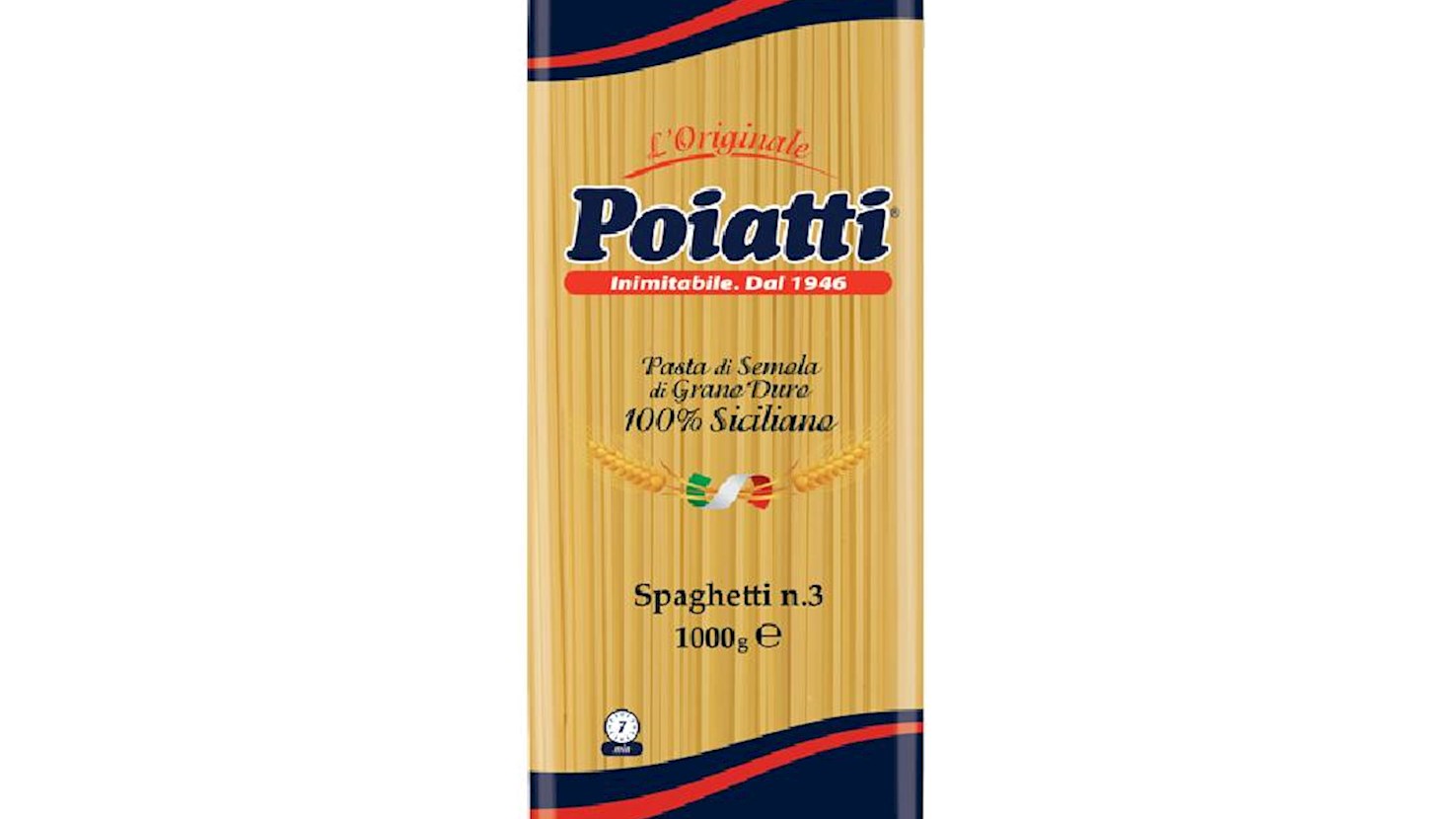
Poiatti

4.6 ·

​Poiatti S.p.a. is a distinguished Italian pasta manufacturer headquartered in Mazara del Vallo, Sicily. Established in 1946 by Domenico Poiatti, the company has evolved into Sicily's largest pasta producer, offering over 100 pasta shapes, including traditional, wholemeal, and organic varieties. Poiatti exclusively utilizes 100% Sicilian durum wheat, cultivated and milled locally, ensuring superior quality and supporting regional agriculture.

The company honors traditional pasta-making techniques, such as bronze drawing, which imparts a rough texture ideal for holding sauces.

02

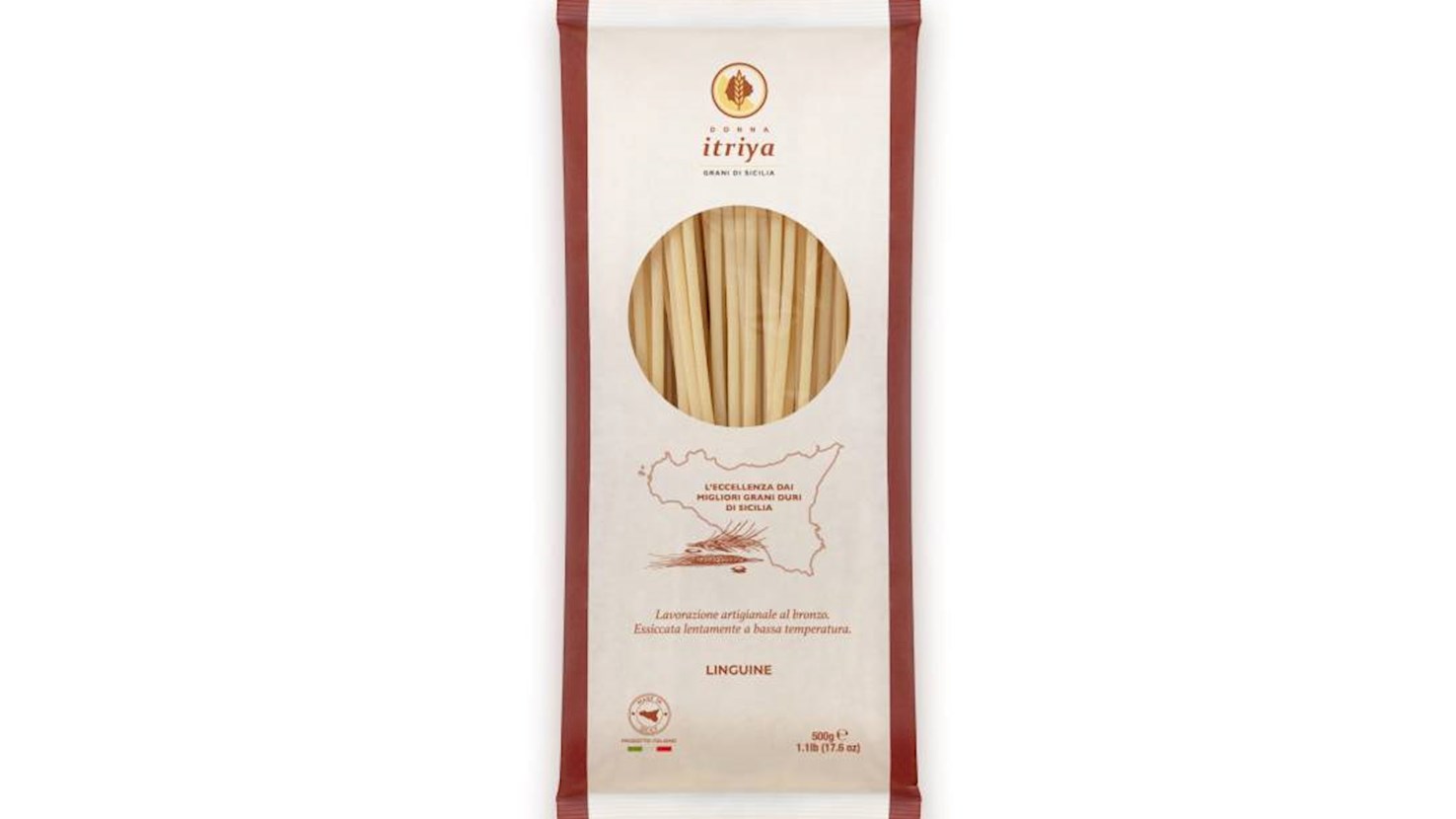
Pastificio Donna Itriya - Grani di Sicilia

4.6 ·

Pastificio Donna Itriya – Grani di Sicilia is an artisanal pasta producer that meticulously selects semolina from the finest Sicilian durum wheat to craft pasta with a distinctly Mediterranean flavor. Their products are made using 100% Sicilian grains, combined with pure water, bronze die extrusion, and slow drying methods to preserve nutritional and organoleptic qualities.

This approach ensures a product that embodies the rich agricultural heritage of Sicily.​

03

Pastificio Minardo

4.5 ·

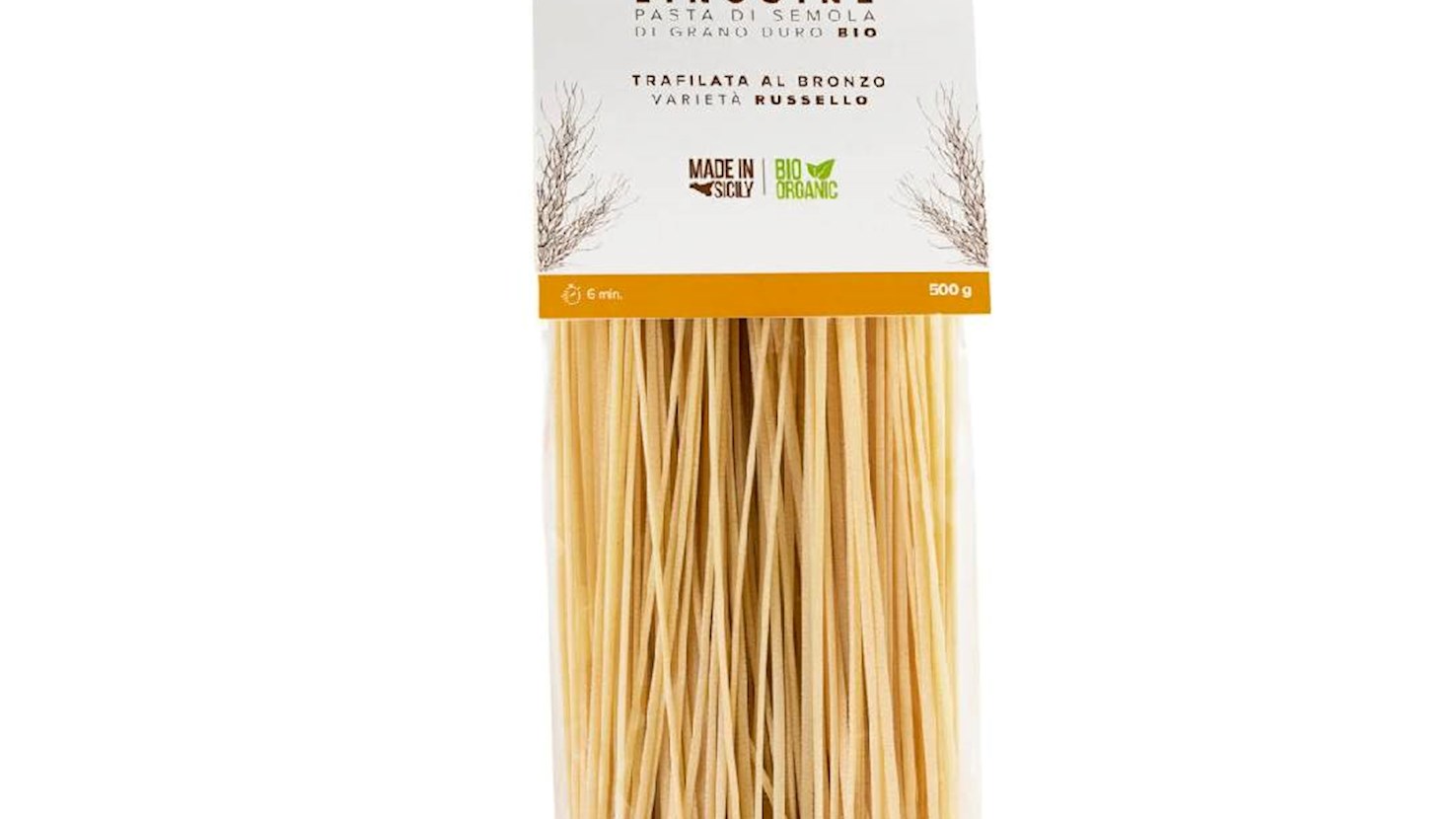
Pastificio Minardo is an artisanal pasta producer based in Modica, Sicily, established in 2007. The company specializes in crafting high-quality pasta using ancient Sicilian grain varieties such as Russello and Timilia, all sourced from organic agriculture.

Their production methods are deeply rooted in tradition, employing bronze die extrusion and slow drying processes at low temperatures to preserve the pasta's nutritional value and flavor. ​ The entire production chain is local and strictly controlled, reflecting their commitment to environmental sustainability and the health of consumers. Pastificio Minardo's pasta is known for its rich taste, aroma, and high digestibility, attributed to the superior quality of the raw materials and artisanal processing techniques. ​ Their product range includes both semolina and whole wheat pasta in various shapes, as well as a super food line featuring flavors like spirulina algae, cacao and black garlic, turmeric and black pepper.

This diverse selection caters to different dietary preferences while maintaining the authentic essence of Sicilian pasta-making traditions.

04

Alberto Poiatti

4.5 ·

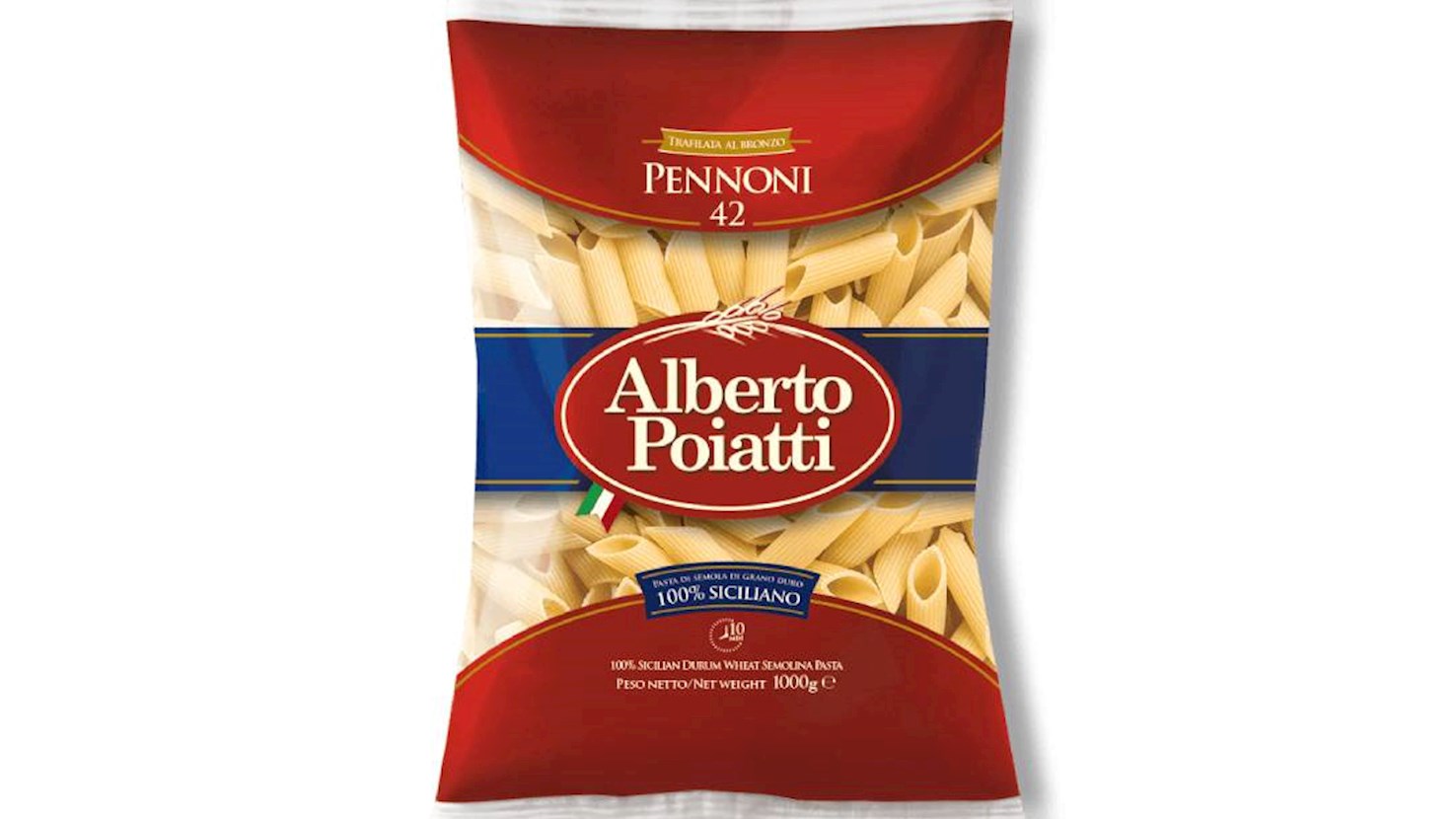
​Alberto Poiatti is an esteemed Italian pasta producer rooted in the rich culinary traditions of Sicily. Established in 1946 by Domenico Poiatti, the company has evolved under the guidance of Alberto Poiatti, who took over in 1985, and now stands as a prominent figure in Sicilian pasta craftsmanship.

05

Pasta Primeluci

4.4 ·

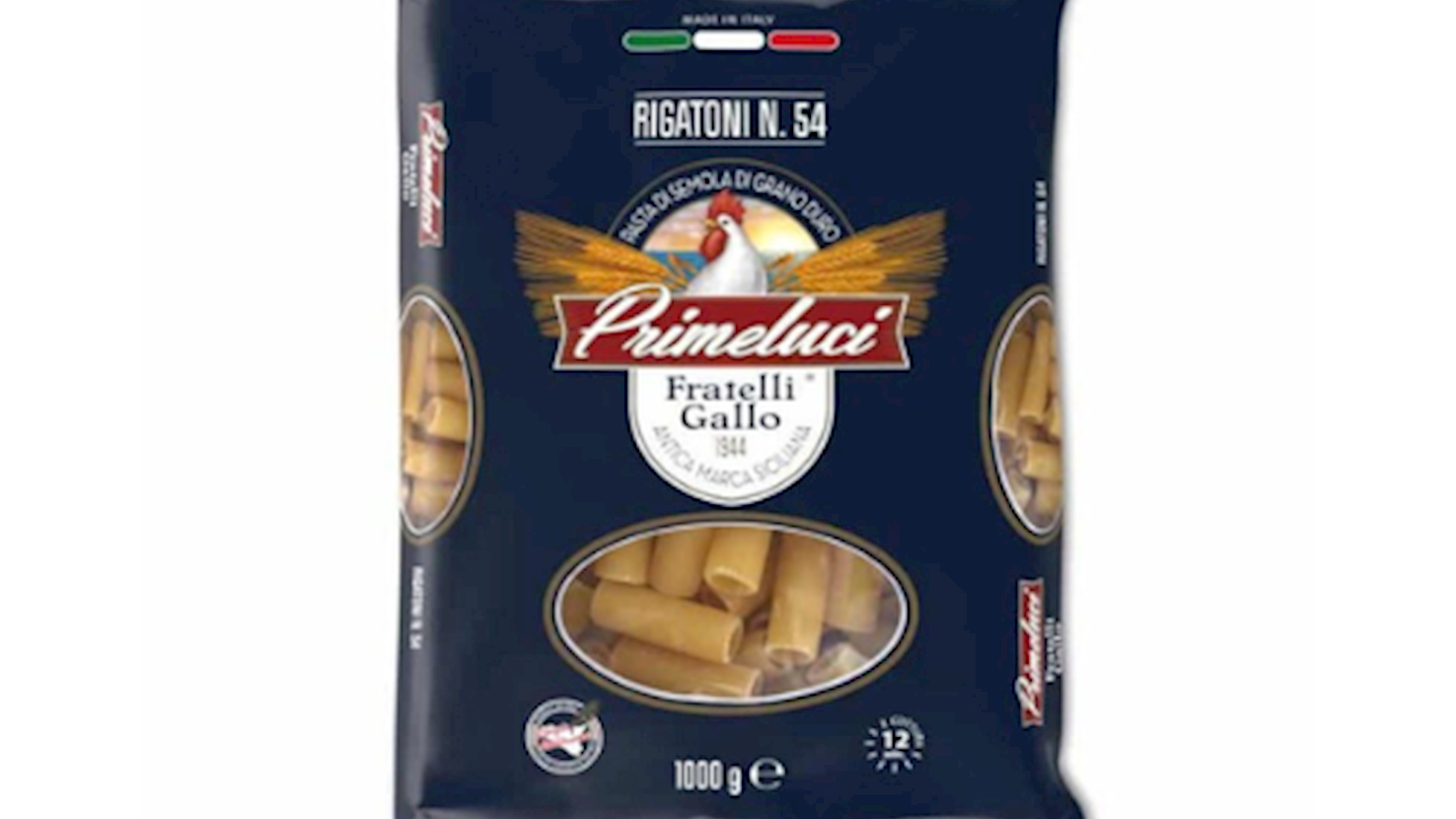
Pasta Primeluci is a renowned pasta brand originating from the heart of Sicily, carrying the legacy of over seven decades of family tradition. It is produced by Pastificio Gallo & Fratelli, a family-owned company based in Mazara del Vallo, founded in 1944, which has transformed its passion for quality into a well-recognized product line tailored to modern consumers, while maintaining deep respect for local heritage.

Primeluci pasta is made exclusively from carefully selected Sicilian durum wheat and shaped using bronze dies, which give the pasta a rustic texture and an excellent ability to hold sauces. The assortment includes more than 50 different formats – from classic shapes like spaghetti and penne to specialty cuts such as tagliatelle, pappardelle, and rigatoni nidi.

Pasta Primeluci is a symbol of Mediterranean spirit, authentic taste, and high production standards – the perfect choice for anyone seeking to enjoy genuine Italian pasta.

06

Pastificio Artigianale Campo

4.4 ·

Pastificio Artigianale Campo is a small, family-run producer of traditional Sicilian pasta, based in Erice in the province of Trapani. Founded in 1928, the pastificio continues to mill local durum wheat using stone grinders to produce high-quality semolina, preserving the authenticity of flavor and the region’s rich culinary heritage.

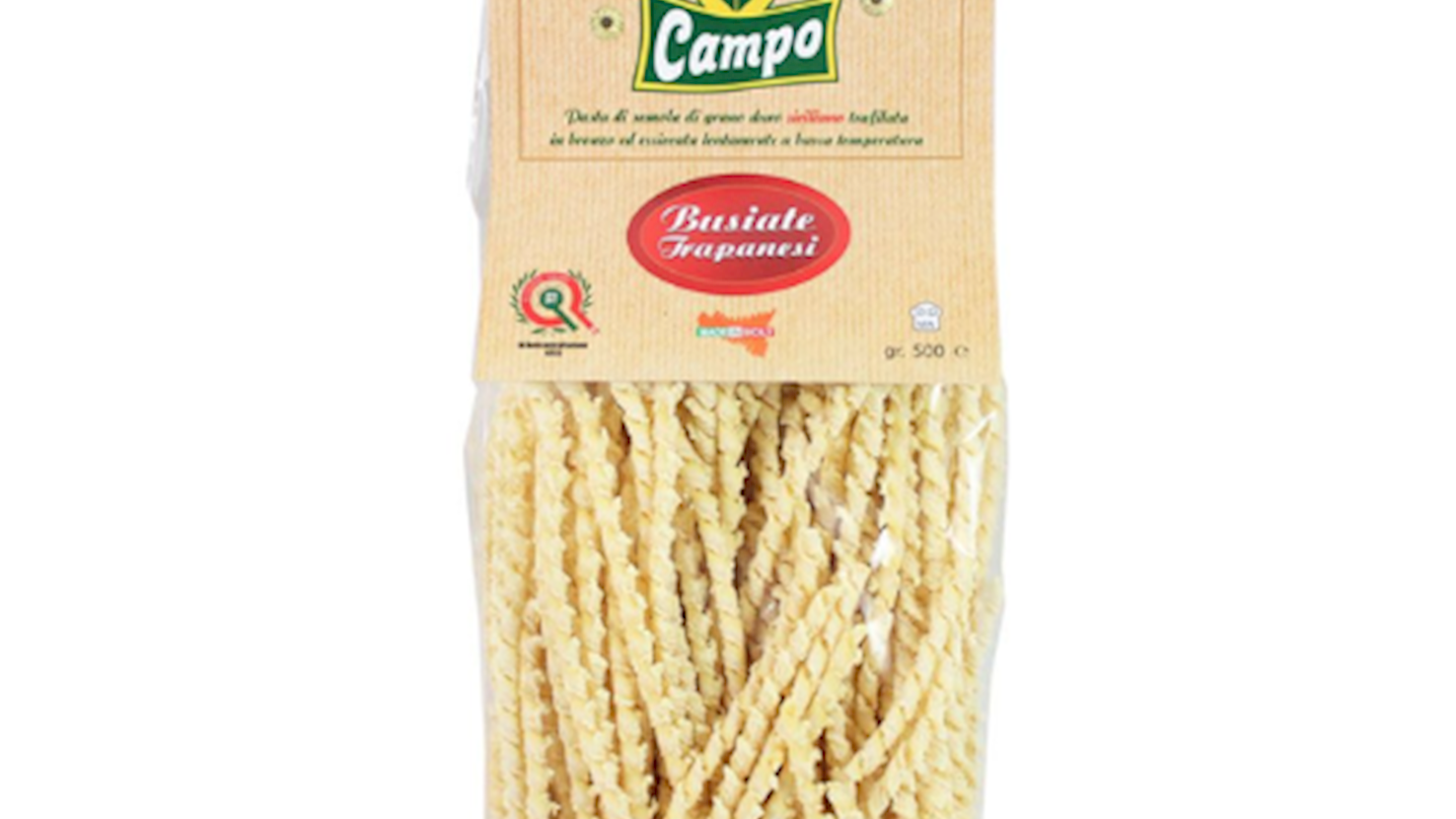
Their pasta is extruded through bronze dies, giving it a characteristically rough and porous surface that perfectly captures sauces of all kinds. The drying process is slow and carried out at low temperatures to maintain the nutritional value and structure of the semolina. Their range includes a variety of formats, featuring classic Sicilian specialties such as busiate trapanesi, anelletti palermitani, caserecce, and gnocchetti.

Visitors to the facility can enjoy a firsthand look at the pasta-making process and sample products in an elegant, welcoming environment. The brand has been recognized as an “Eccellenza Italiana” thanks to its faithful adherence to traditional methods and its commitment to preserving the identity of Sicilian gastronomic culture.

A key strength of Pastificio Campo’s pasta lies in its versatility - making it ideal for pairing with pestos, hearty meat sauces, and seasonal vegetable ragùs.

07

Feudo Mondello

4.4 ·

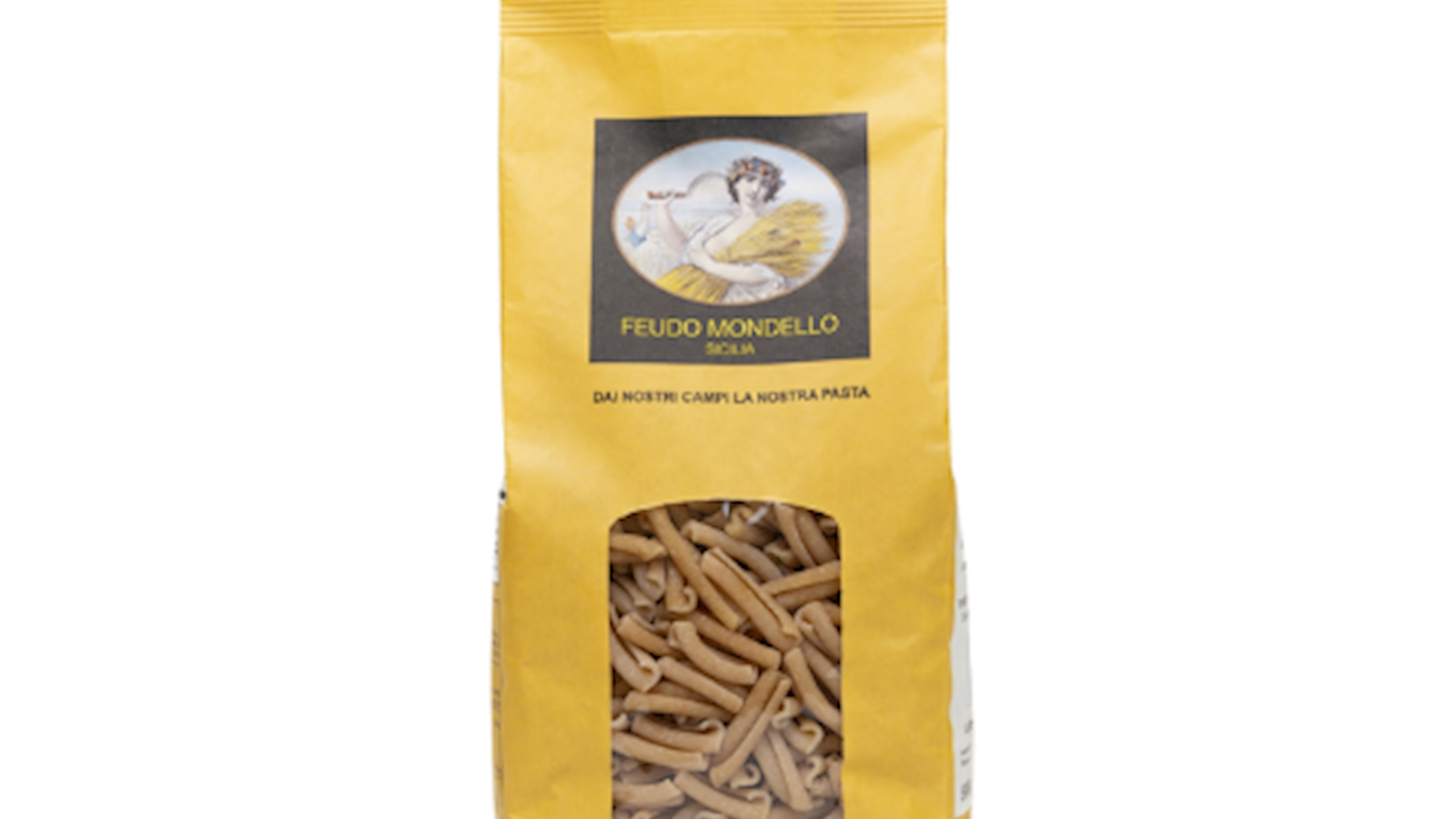
Feudo Mondello is a family-run pasta producer from Sicily that oversees the entire production cycle - from cultivating wheat to crafting the final pasta product. The Agosta family estate has been cultivated since the mid-19th century, and since 2017, it operates as a closed-loop system thanks to its own stone mill and artisanal pastificio located directly on the farm. The durum wheat, grown exclusively on their land, is stone-ground to preserve its full nutritional profile, including the bran and germ.

The resulting wholemeal semolina is used to make pasta extruded through bronze dies, which creates a rough and porous texture ideal for absorbing sauces. The pasta is then slowly dried at temperatures below 38°C to retain the grain’s natural color, aroma, and flavor. The assortment includes traditional Sicilian whole grain pasta such as spaghetti, linguine, penne, casarecce, fusilli, busiate, pipe rigate, and mezze penne - all characterized by their rustic nature, golden-ochre hue, and firm consistency that holds up beautifully during cooking. Feudo Mondello’s pastas are highly regarded among gourmet circles across Italy - not only for their rich nutritional value and low glycemic index, but also for their deep, authentic flavor that captures the essence of Sicilian tradition.

08

Sicilia Naturalmente

4.4 ·

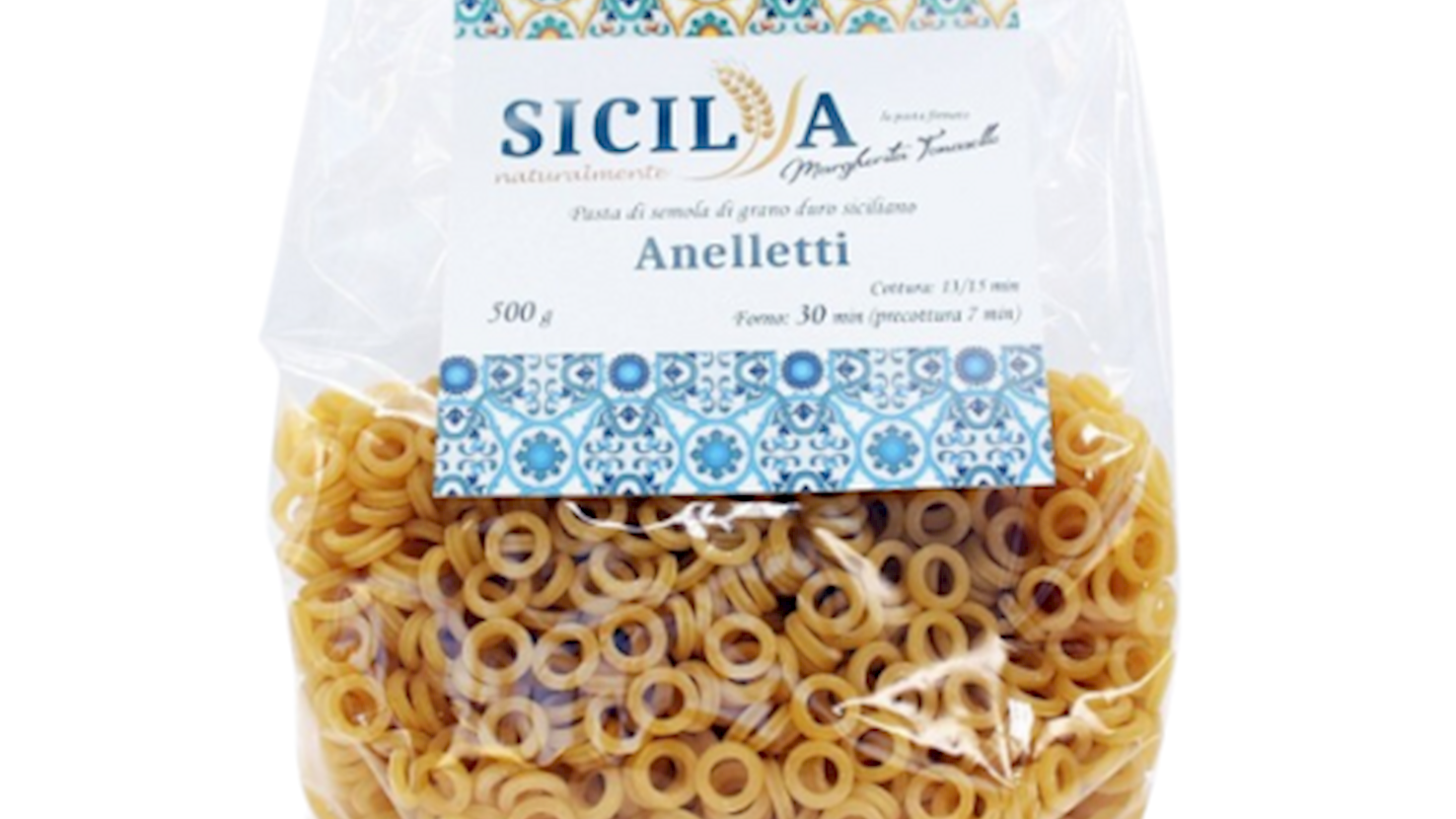
Sicilia Naturalmente is a brand created by Margherita Tomasello, the heir to the renowned Tomasello family, which has long been recognized for its deep-rooted tradition in pasta-making on the island of Sicily. After the closure of the family’s historic pastificio, Margherita launched her own independent initiative with the goal of preserving the authentic spirit of Sicilian artisanal pasta production. Focusing on a limited yet premium-quality range, Sicilia Naturalmente is dedicated to using only ancient Sicilian durum wheat varieties such as Perciasacchi and Russello, prized for their rich flavor and high nutritional value.

The pasta is crafted exclusively through traditional methods: it is extruded through bronze dies to achieve a rough, porous texture ideal for holding sauces, then slowly dried at low temperatures in static chambers to preserve the natural color, aroma, and structure of the grain. Through the Sicilia Naturalmente brand, Margherita also promotes education and awareness about traditional techniques and heritage wheat varieties, organizing workshops and lectures that emphasize the importance of healthy, flavorful, and sustainably produced pasta. Sicilia Naturalmente is aimed at all those who value authenticity, clean ingredients, and a genuine taste of Sicily in every bite.

Best Sicilian Pasta

01

Pasta 'ncasciata

4.5 ·

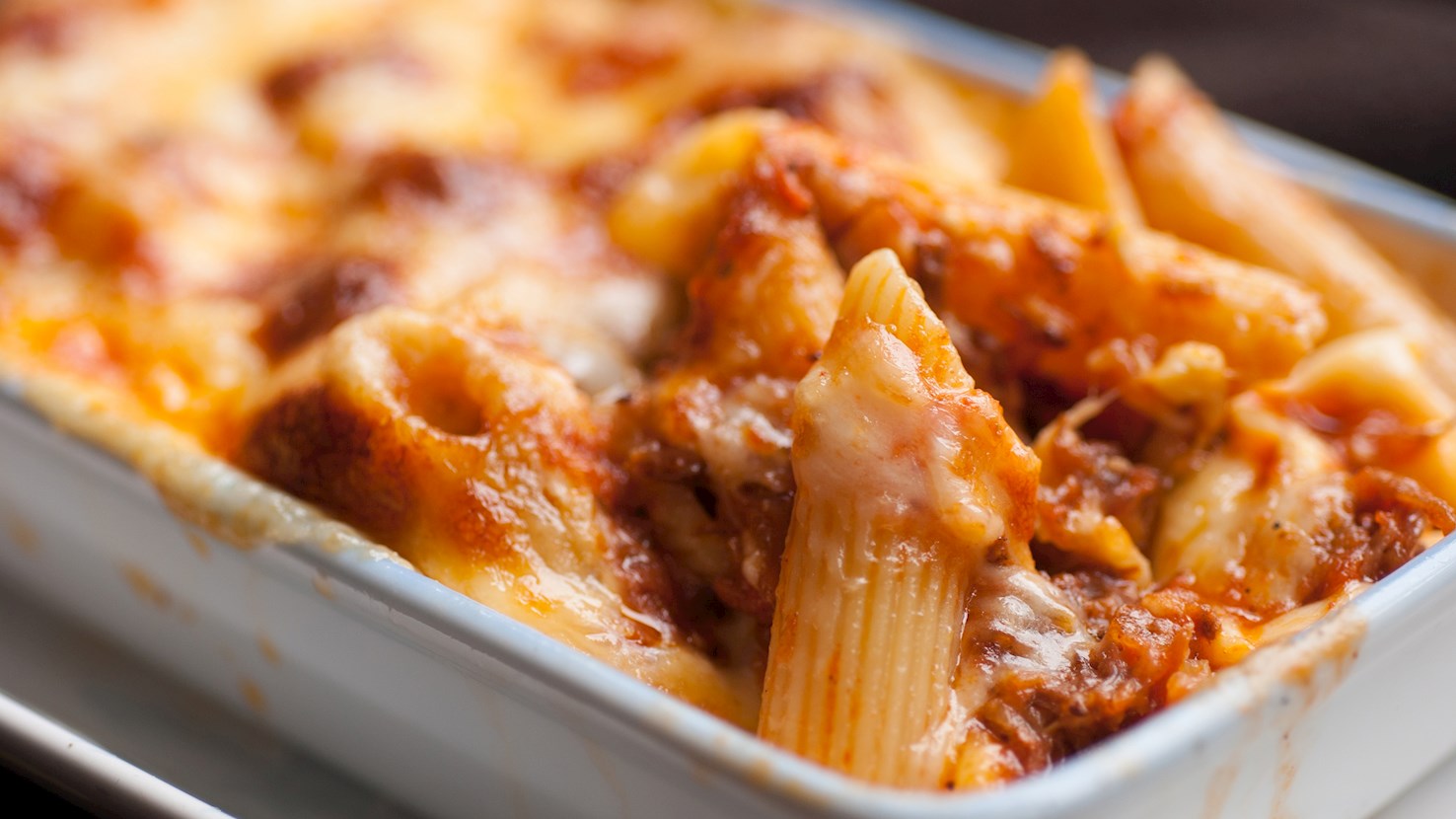
Pasta 'ncasciata is a traditional pasta dish originating from Sicily. In order to prepare it, pasta such as penne or rigatoni is cooked in boiling water, then strained and mixed with a rich tomato sauce (in Palermo) or a beef ragu (in Messina), cubes of fried eggplant, pieces of cheese such as caciocavallo or mozzarella, and bechamel sauce. The combination is placed in a springform cake tin, sprinkled with breadcrumbs, then baked until the filling becomes hot. The dish is inverted from the mold and served warm. It's recommended to pair it with a glass of red wine such as Nero d'Avola or Frappato.

02

Pasta alla Norma

4.1 ·

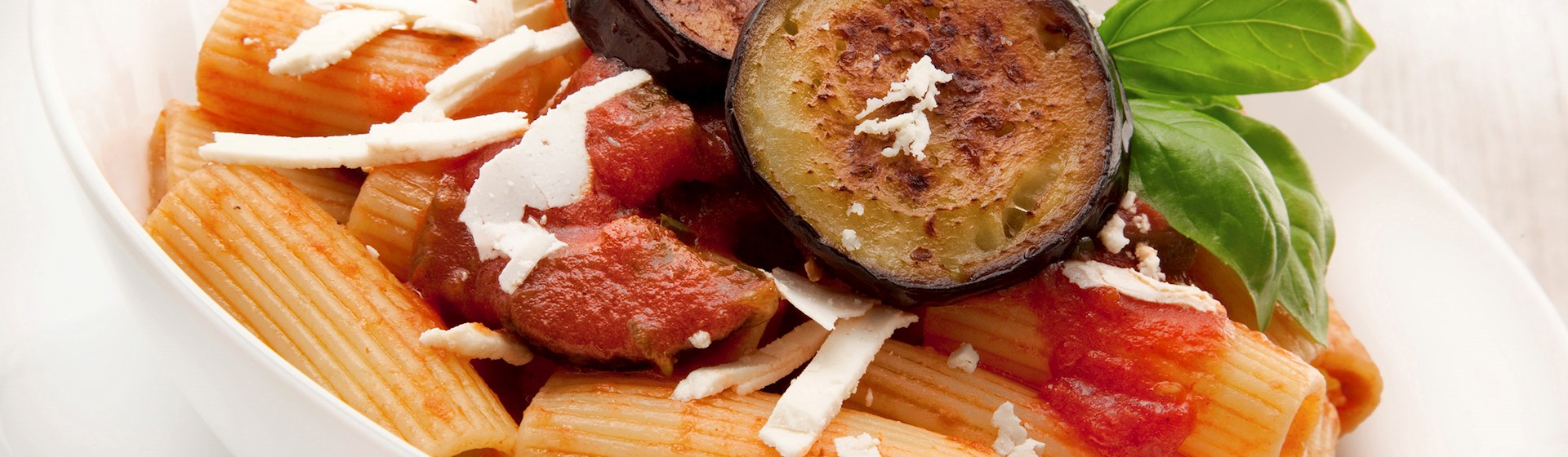
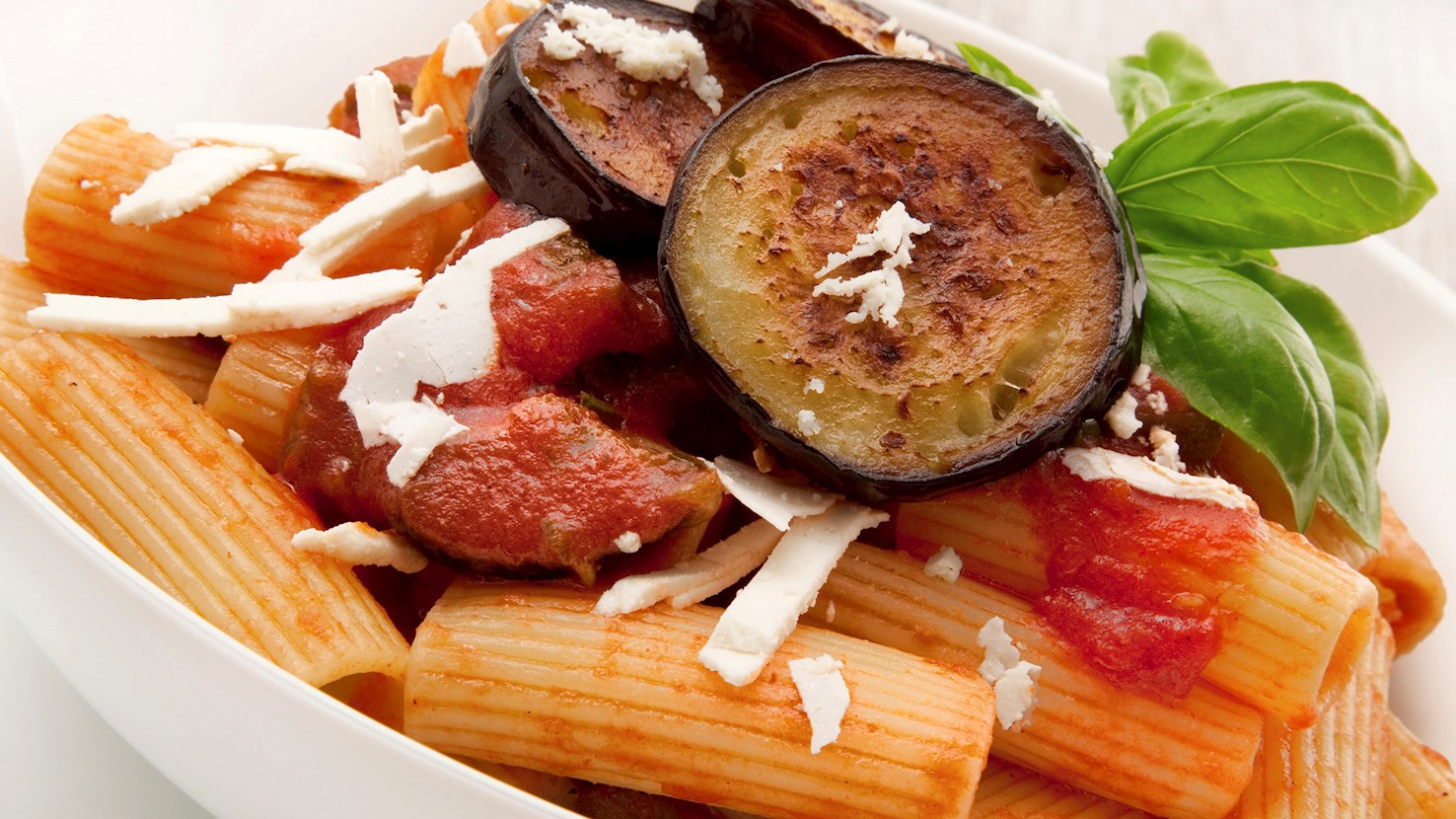
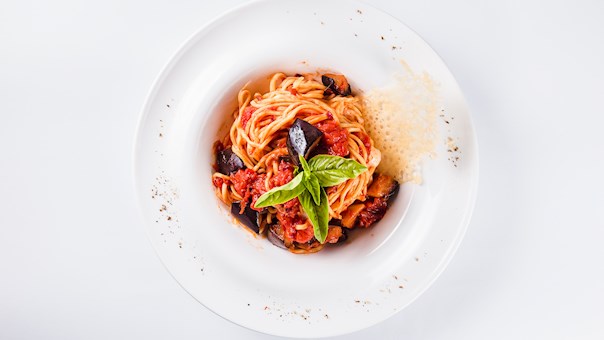
This Sicilian classic is traditionally made with tomato sauce, eggplants, ricotta salata cheese, and fresh basil. The dish is said to be named in honor of La Norma, the famous opera composed by Vincenzo Bellini in 1831. According to legend, while he was working on the opera, Bellini frequented a local restaurant in Catania, where he would always order the same pasta dish. As an homage to the Catania-born composer, the restaurant’s owner decided to name the dish after his opera, suggesting the greatness of pasta alla Norma by comparing it to Bellini’s masterpiece.

03

Spaghetti al nero di seppie

3.9 ·

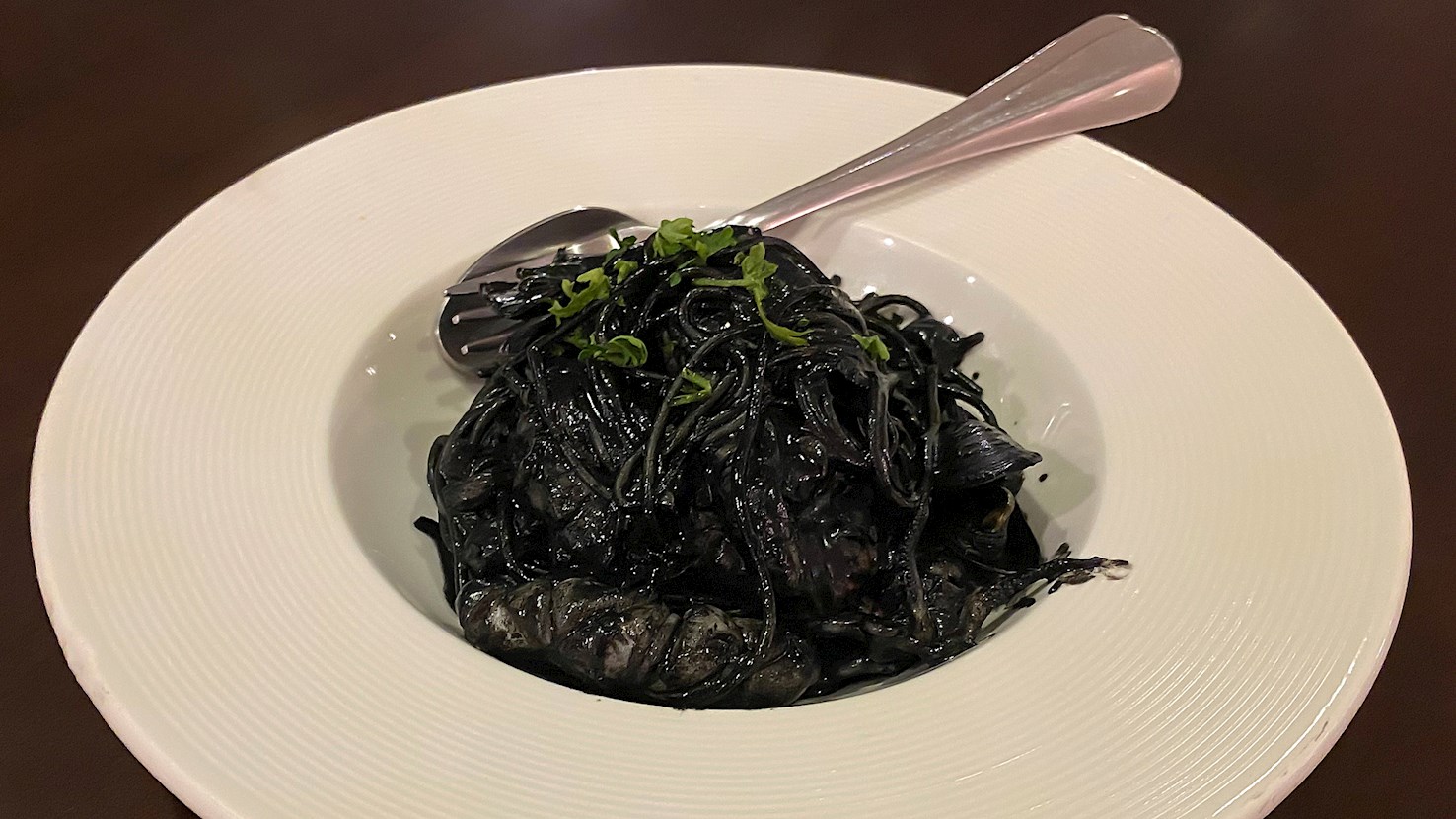
Spaghetti doused in a dark cuttlefish ink sauce is one of the classic Italian dishes whose origin is associated both with Sicily and the northern Veneto region. The sauce is usually composed out of sliced cuttlefish that is fried alongside garlic and olive oil and is later coupled with white wine and cuttlefish ink, with the occasional addition of tomatoes. Though spaghetti are the traditional choice, the sauce is commonly prepared with other pasta varieties such as linguine or bigoli. Pasta is tossed with the sauce until it is completely coated and the dish is traditionally garnished with parsley and enjoyed as a warm appetizer.

Best restaurants
04

Timballo di anelletti

3.9 ·

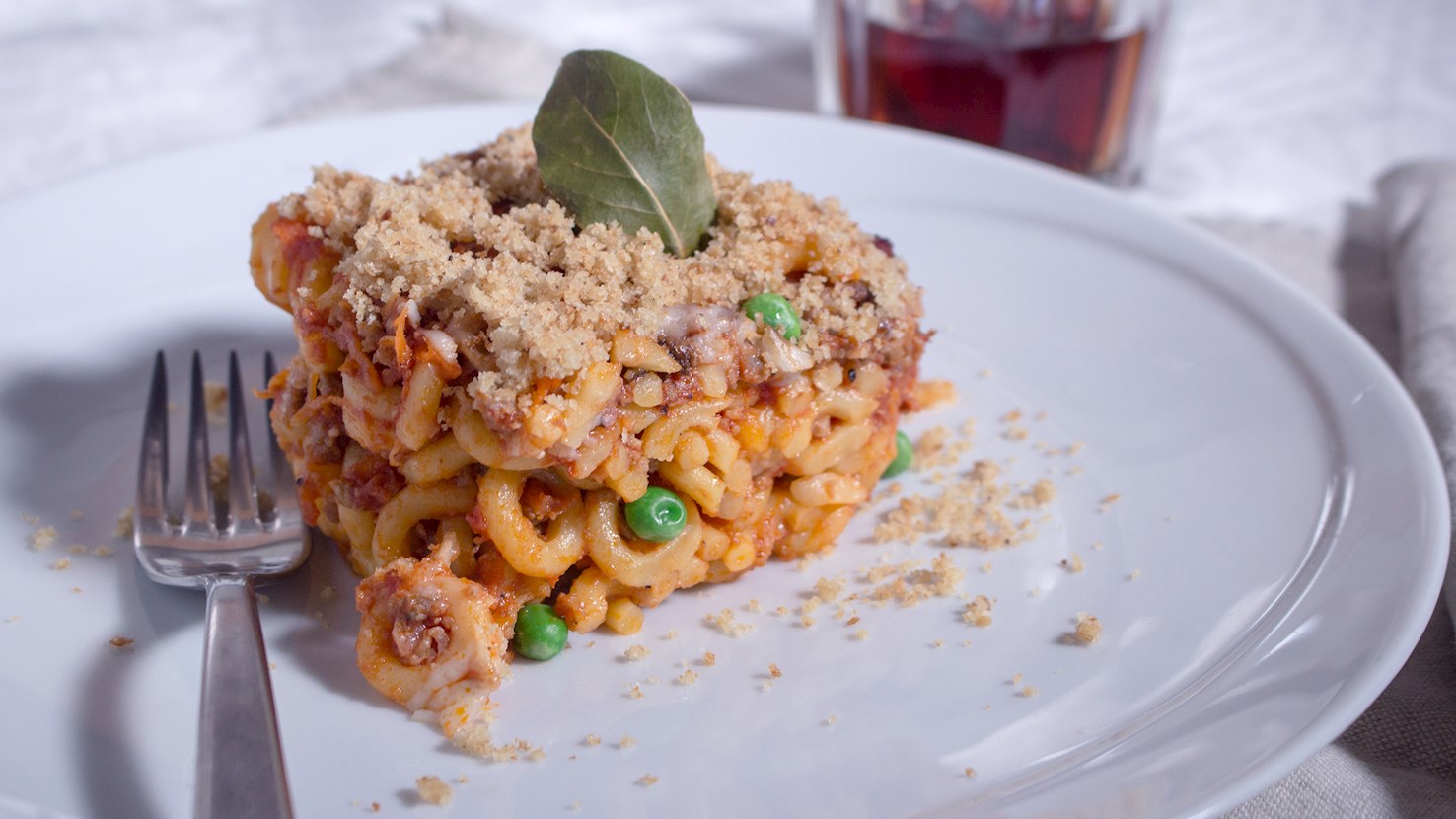
Timballo di anelletti is a traditional casserole originating from Sicily, and it's particularly popular in Palermo. There are a few variations across the island, but the dish is usually made with a combination of anelletti (small ring-shaped pasta), eggplants, prosciutto cotto or mortadella, cheese such as pecorino, caciocavallo, or mozzarella, and a meat ragu consisting of beef, pork, tomatoes, onions, celery, carrots, olive oil, peas, basil, salt, and pepper. A bundt pan is typically lined with sliced of fried or baked eggplants, boiled pasta, meat sauce, grated pecorino, mortadella or cooked ham, and a final layer of mozzarella. The process is repeated one more time, and before baking, the bundt pan is flipped over. Once fully baked and golden, the dish is served warm, usually for Sunday lunch or during the Easter festivities.

05

Pasta chî sàrdi

3.9 ·

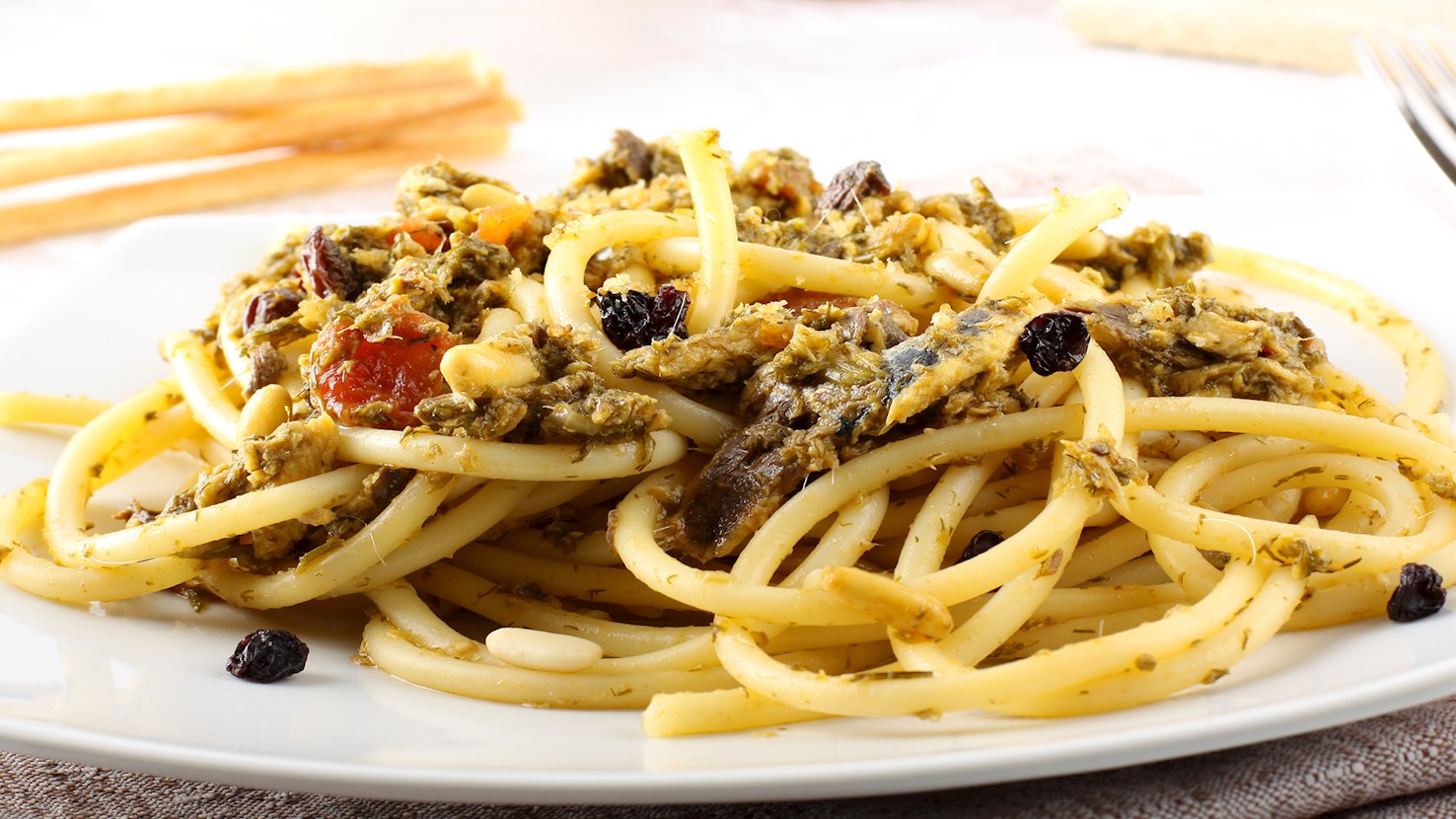
One of Sicilian favorites, this seemingly simple pasta dish of supposedly Arabic origins is an amazing combination of flavors and textures, and represents a perfect example of Sicily’s diverse culinary heritage. The sauce for pasta chî sàrdi is delicately flavored with saffron and made with the freshest possible sardines, wild fennel, pine nuts, and sultanas. As for the pasta itself, bucatini are the classic choice, but some prefer a thicker type of pasta like bigoli or perciatelli. Pasta with sardines is often associated with Palermo, although it is found all across the island in its many regional varieties. However, the dish should only be consumed between March and September, when wild fennel is in season.

06

Spaghetti ai ricci di mare

3.8 ·

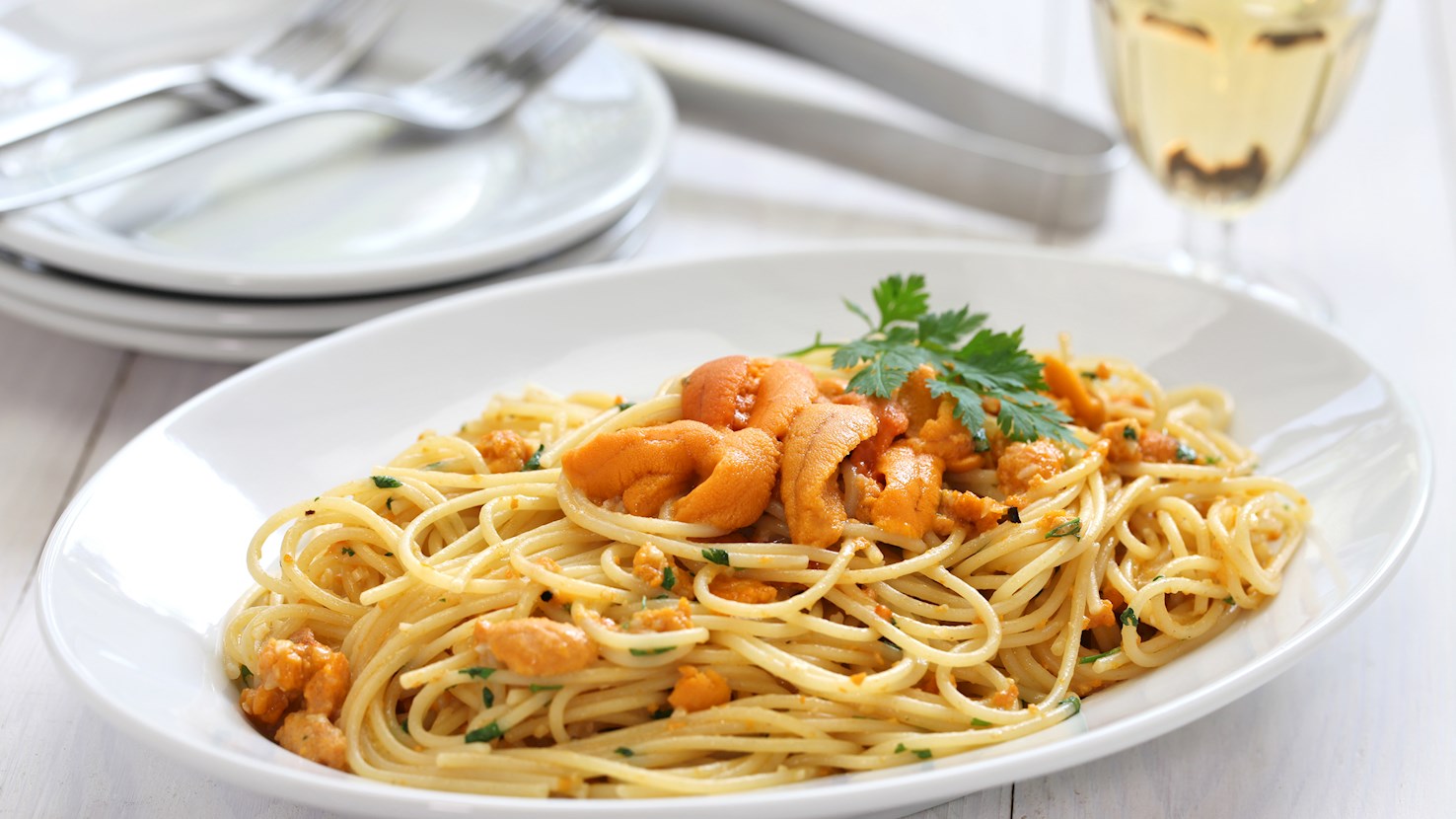
Spaghetti ai ricci di mare is a simple pasta dish consisting of spaghetti and sea urchins, technically sea urchin gonads that produce the roe. Since the urchin is delicate, it should be cooked shortly, in order to preserve its tender texture and flavors. Other elements in the sauce typically include olive oil, garlic, and salt, while parsley is occasionally used as garnish and lemon wedges can be served on the side. Although most varieties of the dish are prepared with spaghetti, sometimes linguine can be used instead. The dish is typically found in Sicily, Sardinia, and Puglia. It is recommended to enjoy this specialty during winter when the urchin is in season.

07

Spaghetti alla carrettiera (Sicily)

3.7 ·

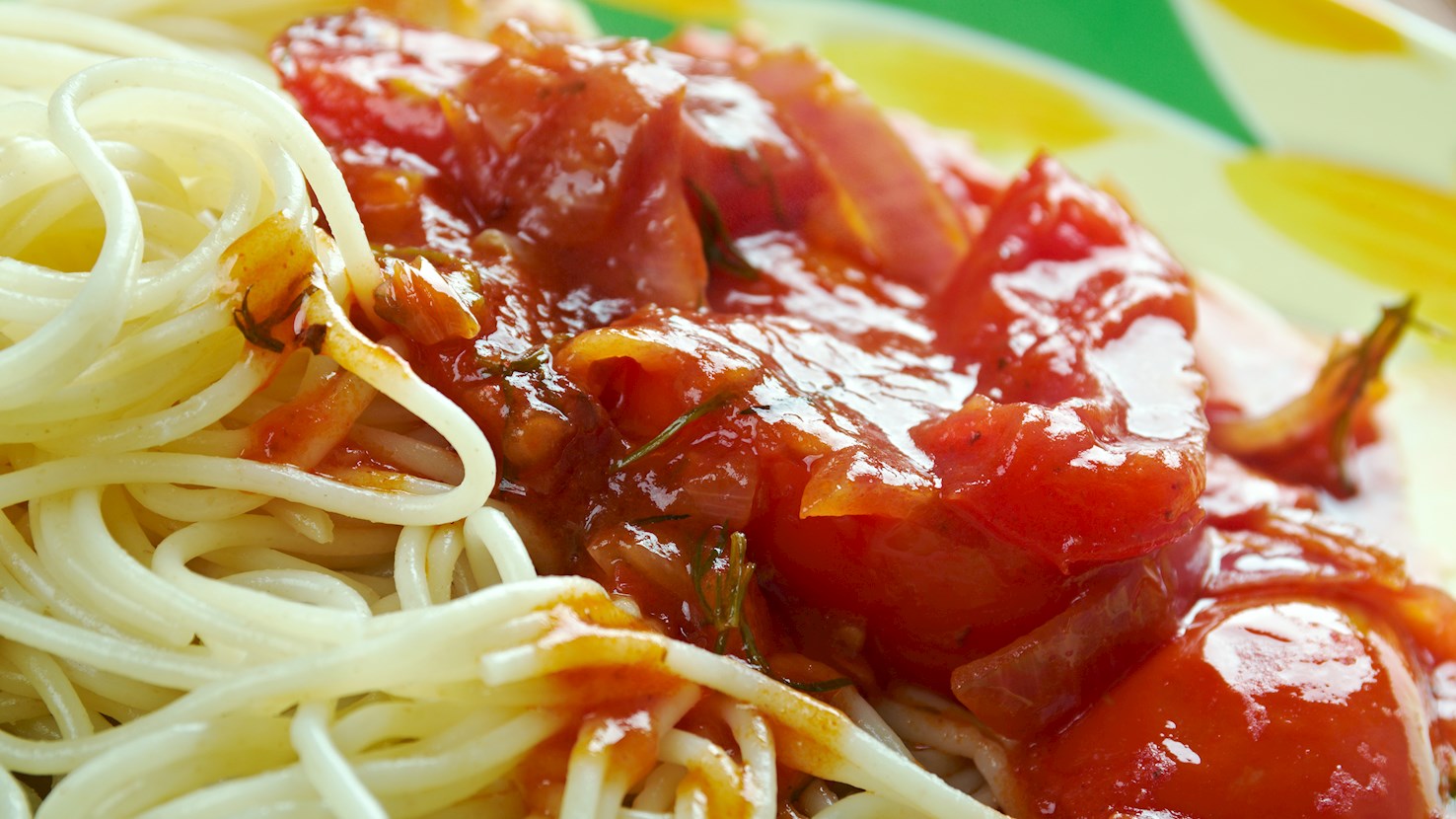
Pasta alla carrettiera is a traditional dish from eastern Sicily, dating back to the 1900s. It's usually made with spaghetti, parsley, tomatoes, olive oil, garlic, chili peppers, and Pecorino cheese. In Rome, a richer dish with the same name is prepared with spaghetti, parsley, tuna, chili peppers, garlic, and porcini mushrooms. It's believed that the cart riders who were transporting people or other people's goods first started to prepare this dish while on the move. For the best experience, serve the dish with a glass of good-structured white wine.

08

Pasta al pesto di pistacchi

3.6 ·

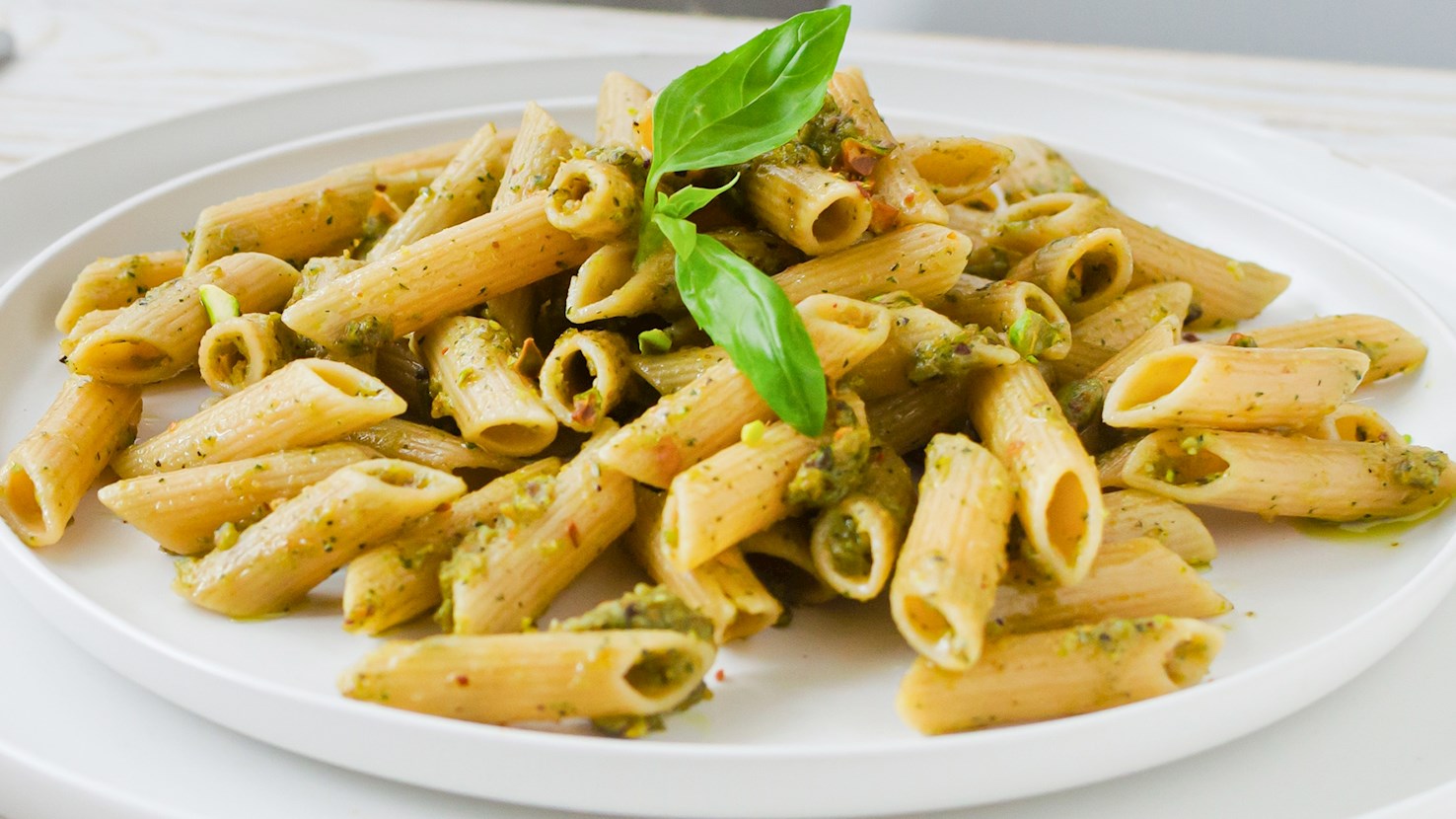
Pasta al pesto di pistacchi is a traditional pasta dish made with pistachio pesto, a creamy and flavorful sauce prepared using pistachios as the main ingredient. This dish is particularly associated with Sicily, renowned for its high-quality pistachios, especially those from Bronte, a town famous for producing some of the finest pistachios in the world. The pistachio pesto is made by blending shelled pistachios with extra virgin olive oil, garlic, and parmesan or pecorino cheese to create a smooth, nutty, and slightly sweet sauce. Some variations include a touch of cream or ricotta to enhance the creaminess and balance the flavors. Herbs like basil or parsley may also be added for a fresh, aromatic touch. The pasta, cooked al dente, is tossed in the pesto, ensuring it is thoroughly coated with the rich sauce. Most popular pasta shape for this dish are casarecce, but any other shape that can hold the creamy sauce works well, like spaghetti, penne, or trofie. Often, it’s garnished with crushed pistachios, grated cheese, or a drizzle of olive oil for extra texture and flavor.

09

Pasta con tenerumi

3.2 ·

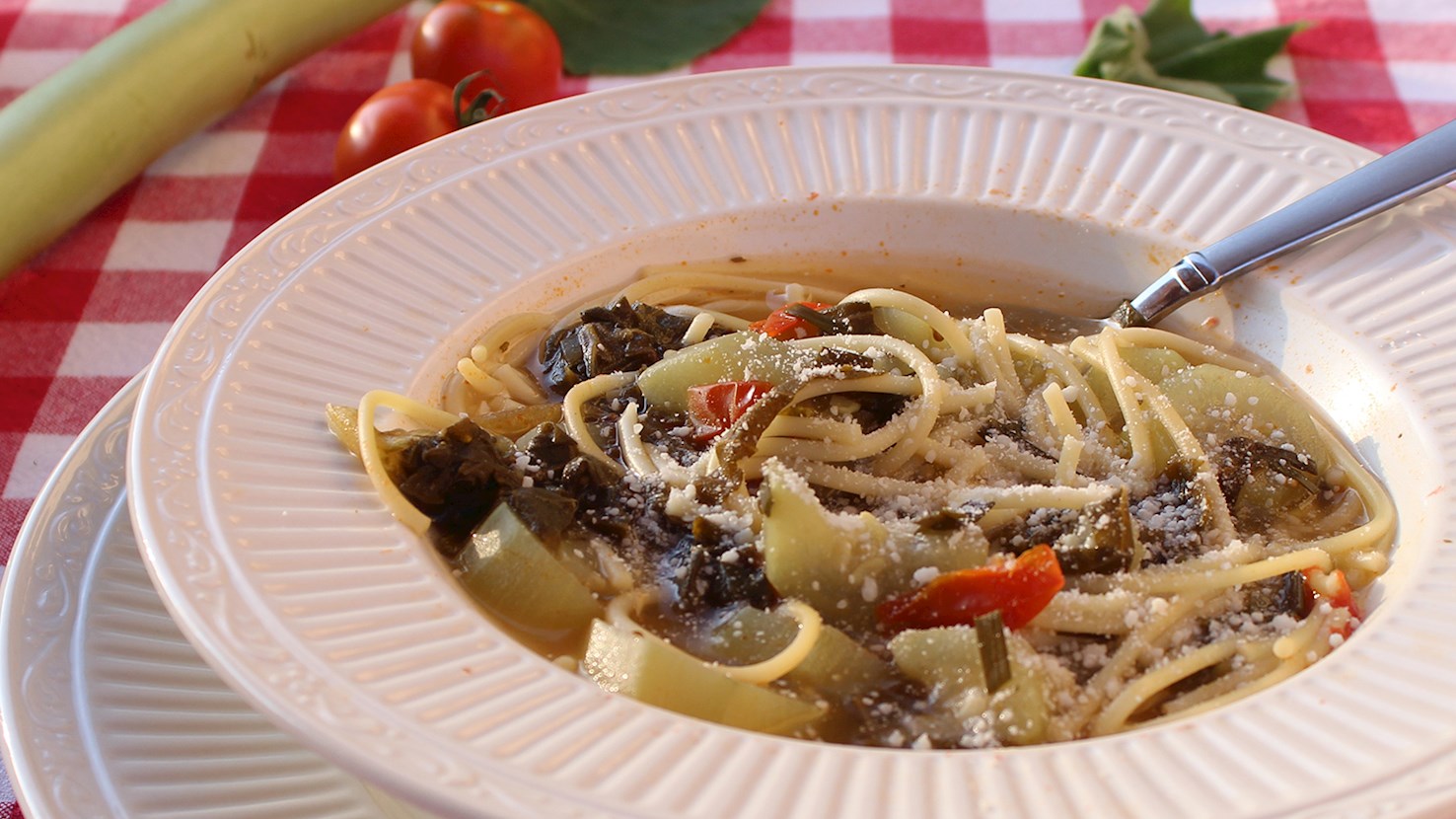
Pasta con tenerumi is a traditional Sicilian dish prepared with tenerumi - the tips, buds, and tender end leaves (tenere) of Sicilian summer squash (also known as zucchina or cucuzza in local dialect). The dish is typically prepared in the summer, and other ingredients include tomatoes, olive oil, garlic, salt, pepper, often zucchini, and pasta such as spaghetti or similar long and thin pasta that's often broken into smaller pieces while preparing this dish. When the sauce is ready, the tenerumi are simmered in water with the pasta, and the two are then mixed and seasoned depending on personal preferences. Pasta con tenerumi is usually garnished with lots of ground black pepper and drizzled with olive oil before serving, while a topping of grated Pecorino is always a welcome addition.

10

Spaghettini alla Siracusana

n/a ·

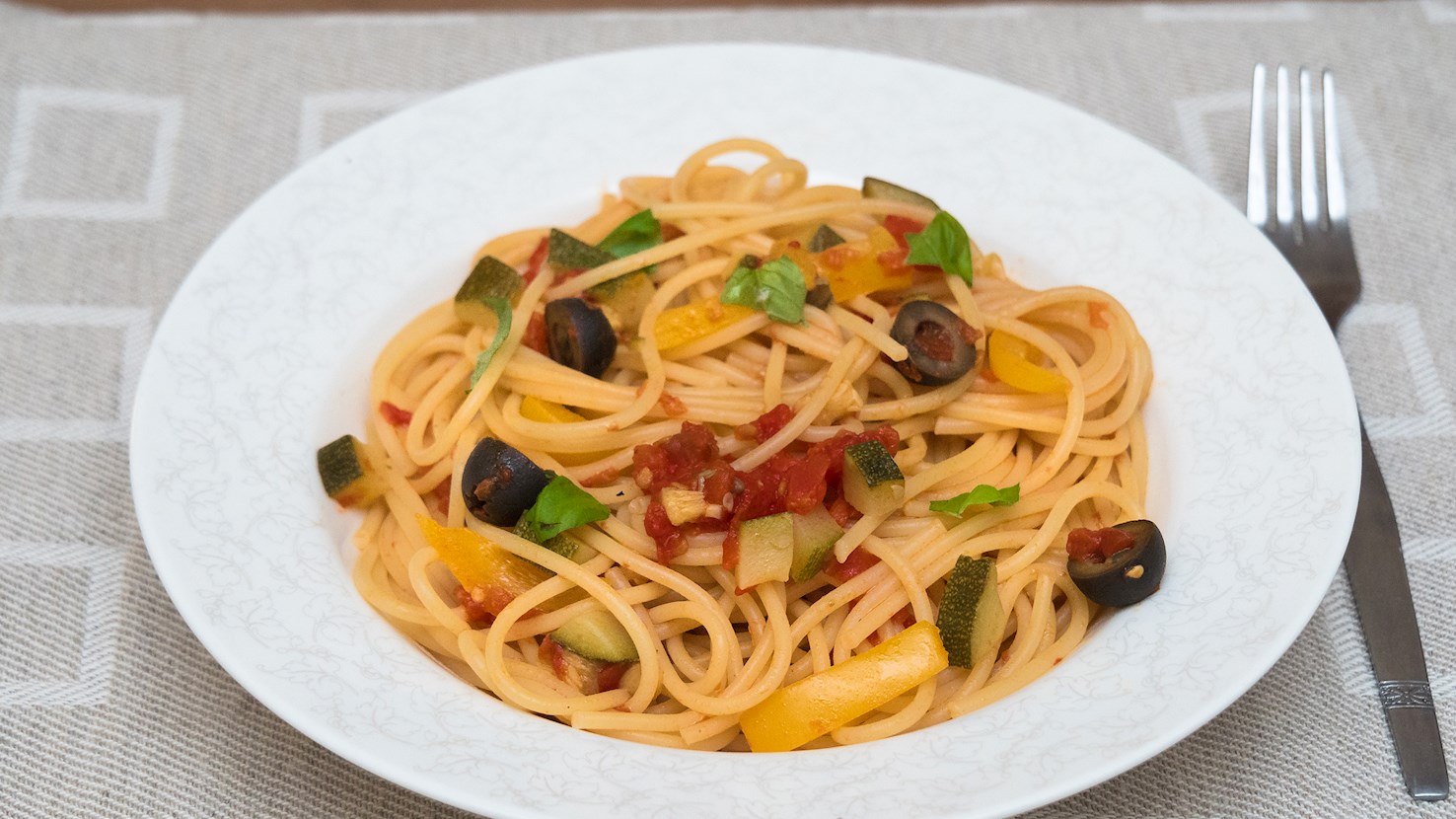
Spaghettini alla Siracusana is a traditional dish originating from Syracuse, Sicily. This pasta dish is made with a combination of thin spaghettini pasta, eggplants, tomatoes, bell peppers, anchovies, olives, capers, grated Parmigiano-Reggiano, olive oil, garlic, parsley, basil, and seasonings. The vegetables are cooked with the garlic and olive oil, while the peppers are charred, cut into strips, then added to the pan with the anchovies, olives, capers, and basil. The sauce should be very hot and piquant, and once done, it's mixed with the cooked spaghettini. Before serving, the dish is topped with grated Parmigiano-Reggiano.

Read more
View all
View map
About this ranking

TasteAtlas food rankings are based on the ratings of the TasteAtlas audience, with a series of mechanisms that recognize real users and that ignore bot, nationalist or local patriotic ratings, and give additional value to the ratings of users that the system recognizes as knowledgeable. For the “Top 17 Sicilian Pasta” list until July 15, 2026, 691 ratings were recorded, of which 510 were recognized by the system as legitimate. TasteAtlas Rankings should not be seen as the final global conclusion about food. Their purpose is to promote excellent local foods, instill pride in traditional dishes, and arouse curiosity about dishes you haven’t tried.

The initial list of top producers was compiled based on available reviews, awards, local recommendations, media and blog coverage, and consumer reviews. The list will be updated with ratings from TasteAtlas local ambassadors and TasteAtlas users.

Similar lists