shutterstock

Top 12 Sicilian Pasta, Noodles and Dumplings

Last updated on June 16, 2026

Best Sicilian Pasta, Noodles and Dumplings
01

Poiatti

4.6 ·
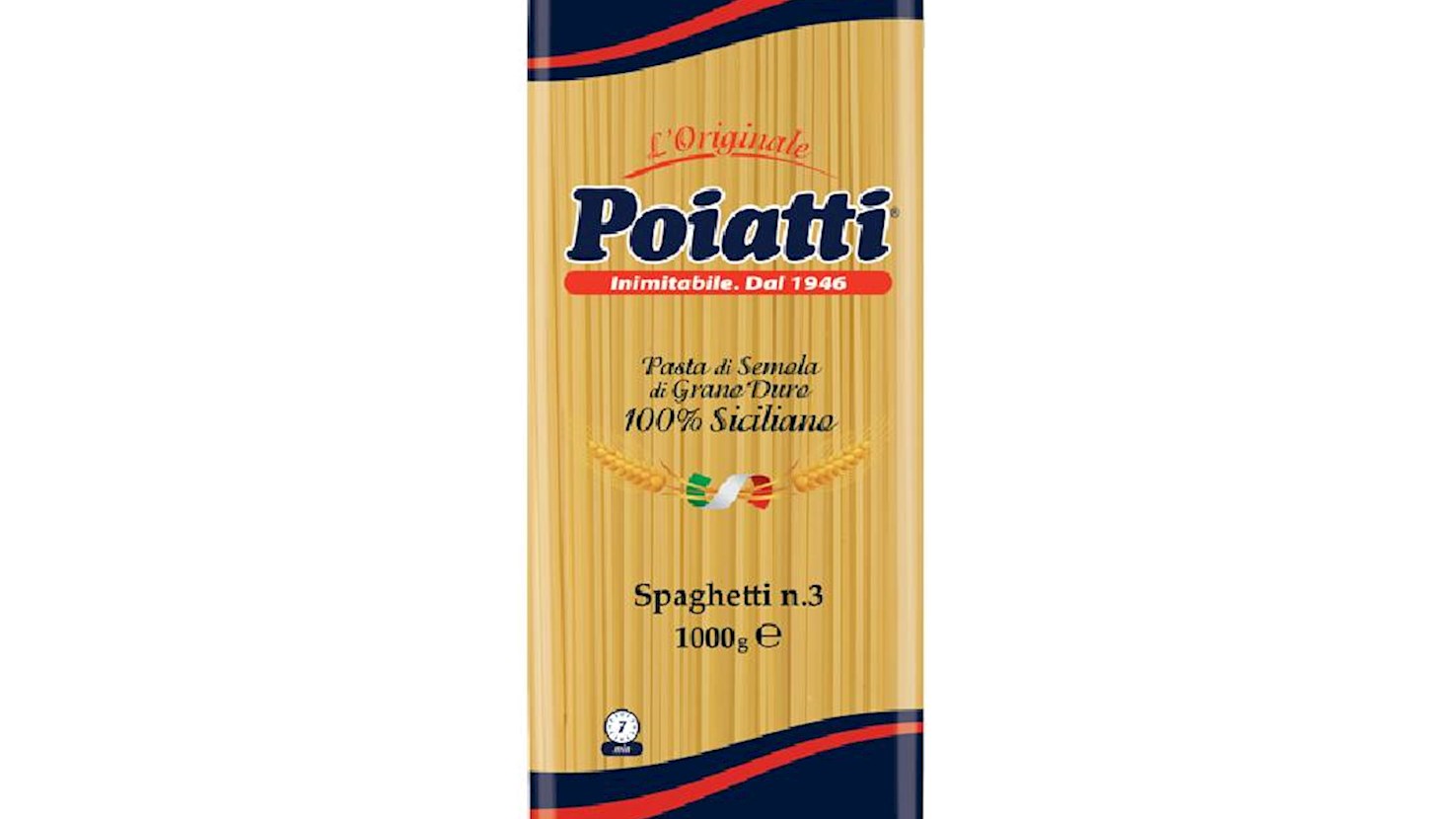
​Poiatti S.p.a. is a distinguished Italian pasta manufacturer headquartered in Mazara del Vallo, Sicily. Established in 1946 by Domenico Poiatti, the company has evolved into Sicily's largest pasta producer, offering over 100 pasta shapes, including traditional, wholemeal, and organic varieties. Poiatti exclusively utilizes 100% Sicilian durum wheat, cultivated and milled locally, ensuring superior quality and supporting regional agriculture. The company honors traditional pasta-making techniques, such as bronze drawing, which imparts a rough texture ideal for holding sauces.
02

Pastificio Donna Itriya - Grani di Sicilia

4.6 ·
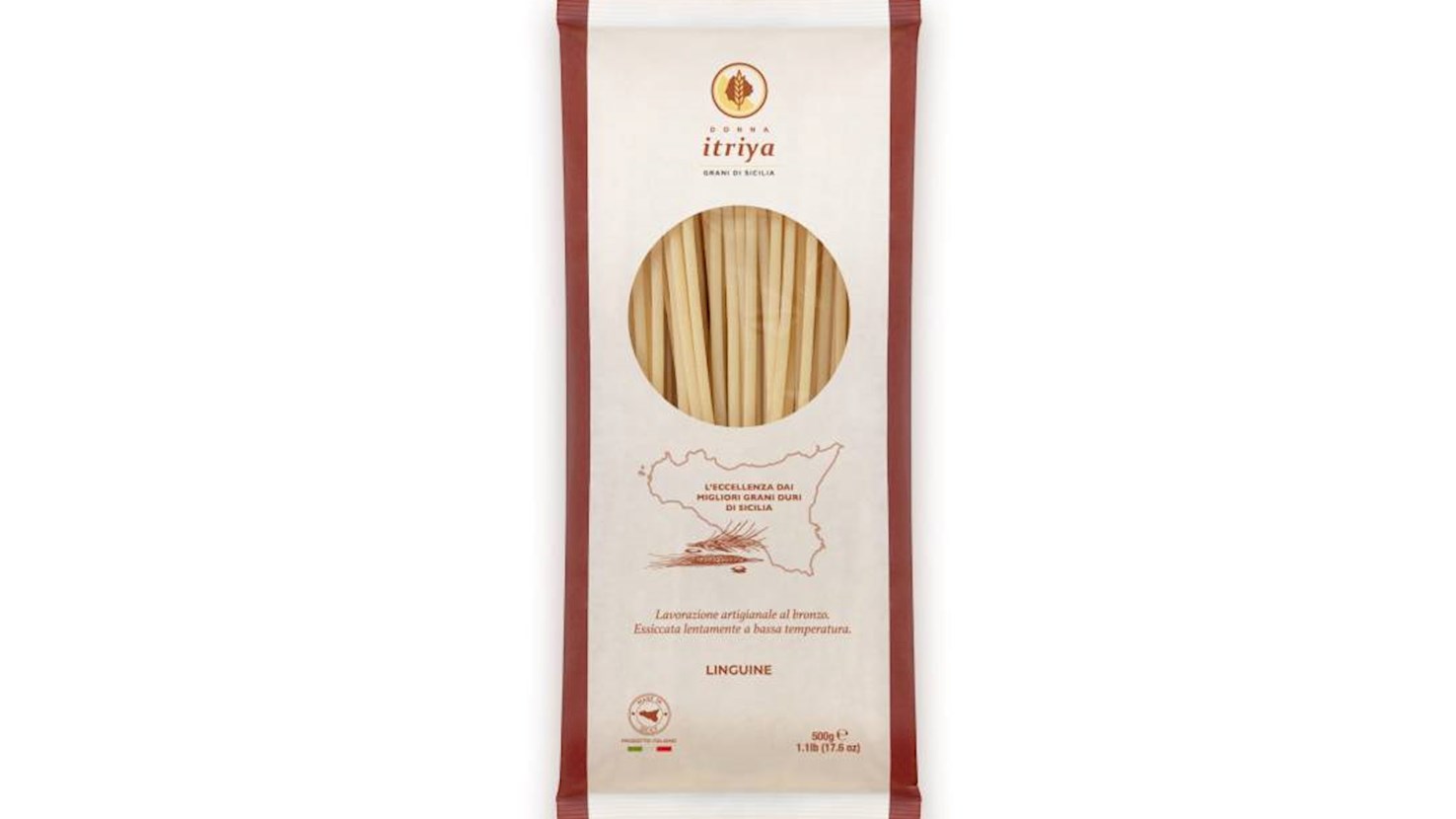
Pastificio Donna Itriya – Grani di Sicilia is an artisanal pasta producer that meticulously selects semolina from the finest Sicilian durum wheat to craft pasta with a distinctly Mediterranean flavor. Their products are made using 100% Sicilian grains, combined with pure water, bronze die extrusion, and slow drying methods to preserve nutritional and organoleptic qualities. This approach ensures a product that embodies the rich agricultural heritage of Sicily.​
03

Pastificio Minardo

4.5 ·
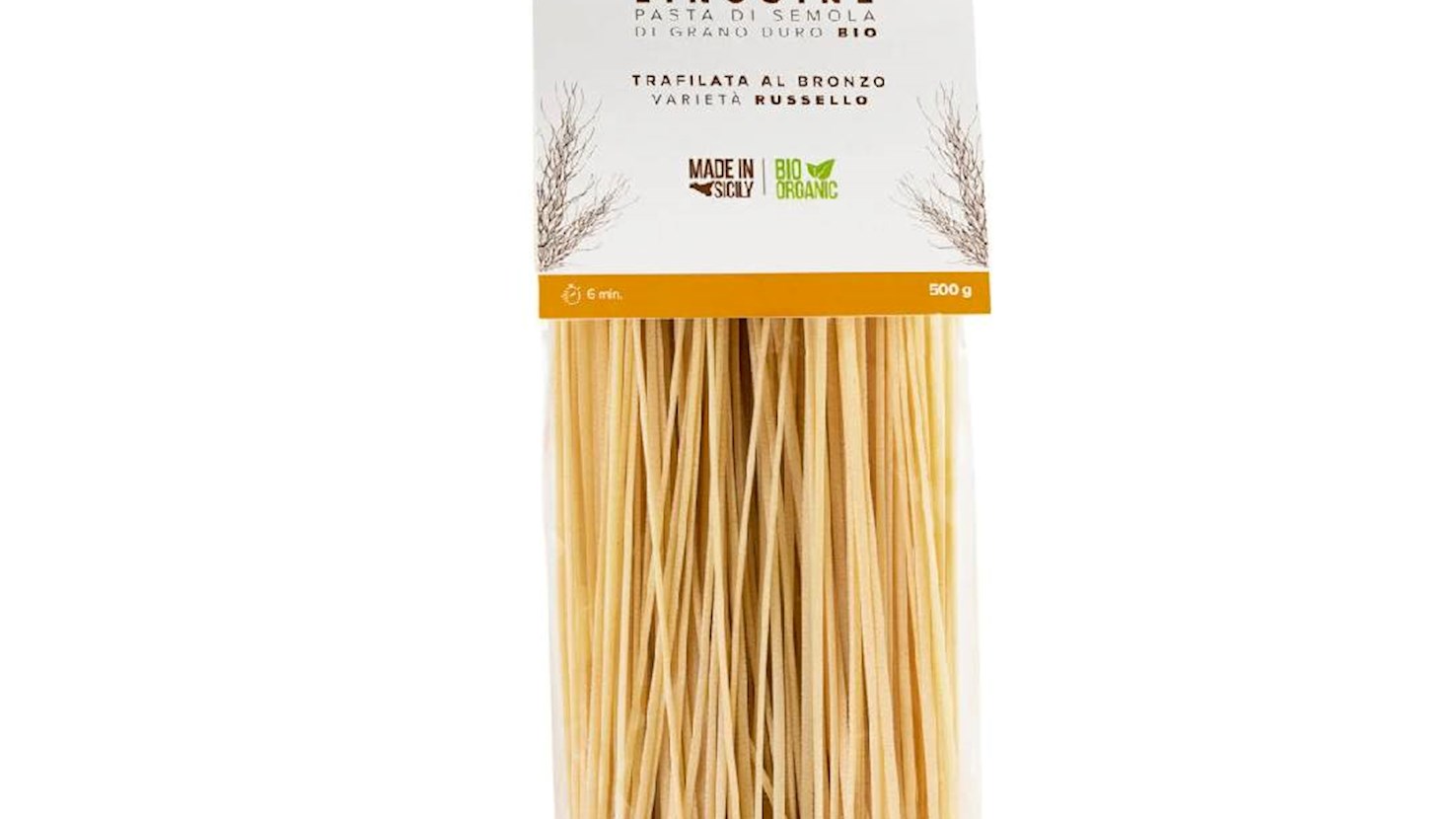
Pastificio Minardo is an artisanal pasta producer based in Modica, Sicily, established in 2007. The company specializes in crafting high-quality pasta using ancient Sicilian grain varieties such as Russello and Timilia, all sourced from organic agriculture. Their production methods are deeply rooted in tradition, employing bronze die extrusion and slow drying processes at low temperatures to preserve the pasta's nutritional value and flavor. ​ The entire production chain is local and strictly controlled, reflecting their commitment to environmental sustainability and the health of consumers. Pastificio Minardo's pasta is known for its rich taste, aroma, and high digestibility, attributed to the superior quality of the raw materials and artisanal processing techniques. ​ Their product range includes both semolina and whole wheat pasta in various shapes, as well as a super food line featuring flavors like spirulina algae, cacao and black garlic, turmeric and black pepper. This diverse selection caters to different dietary preferences while maintaining the authentic essence of Sicilian pasta-making traditions.
04

Alberto Poiatti

4.5 ·
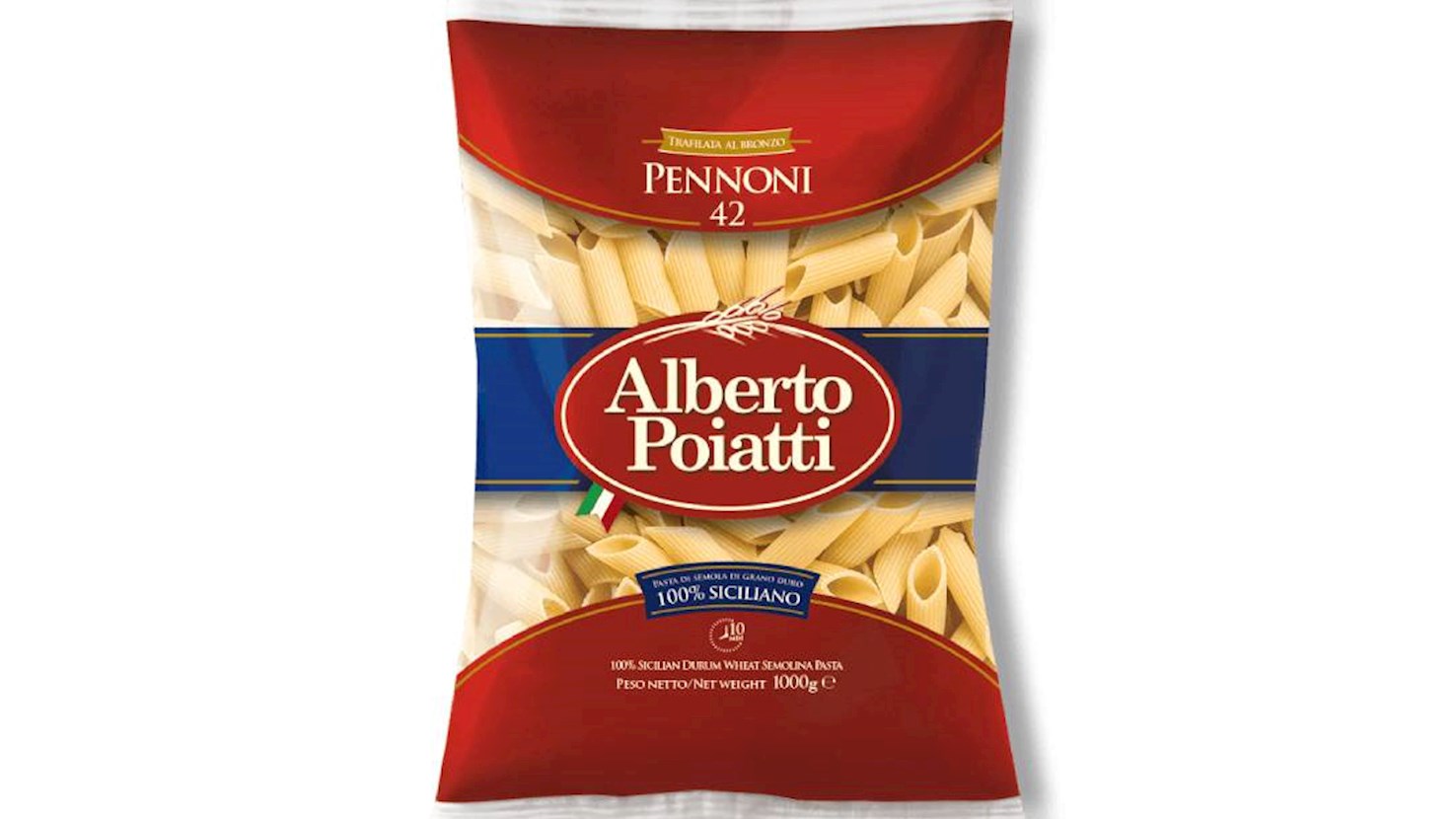
​Alberto Poiatti is an esteemed Italian pasta producer rooted in the rich culinary traditions of Sicily. Established in 1946 by Domenico Poiatti, the company has evolved under the guidance of Alberto Poiatti, who took over in 1985, and now stands as a prominent figure in Sicilian pasta craftsmanship.
05

Pasta Primeluci

4.4 ·
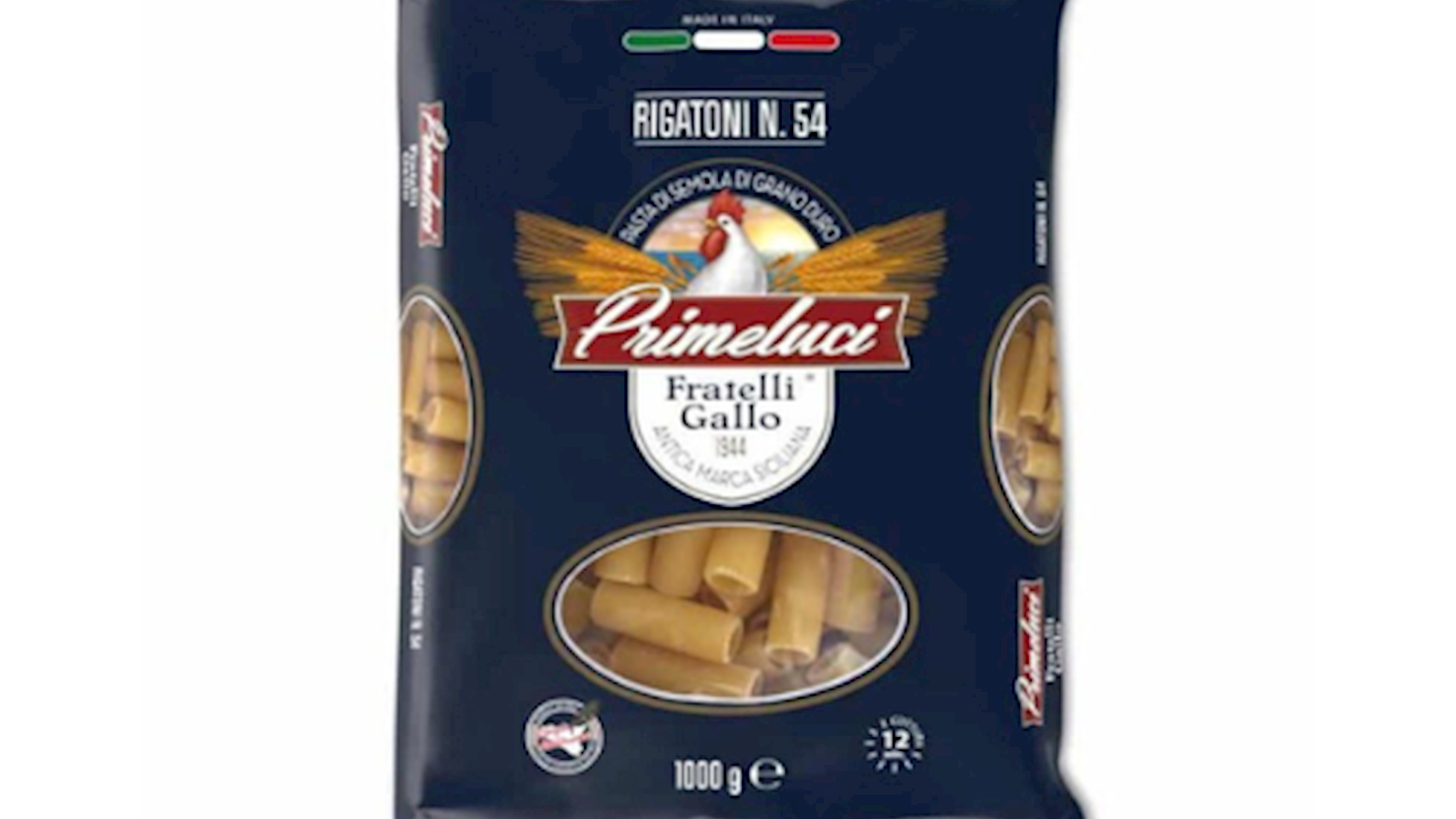
Pasta Primeluci is a renowned pasta brand originating from the heart of Sicily, carrying the legacy of over seven decades of family tradition. It is produced by Pastificio Gallo & Fratelli, a family-owned company based in Mazara del Vallo, founded in 1944, which has transformed its passion for quality into a well-recognized product line tailored to modern consumers, while maintaining deep respect for local heritage. Primeluci pasta is made exclusively from carefully selected Sicilian durum wheat and shaped using bronze dies, which give the pasta a rustic texture and an excellent ability to hold sauces. The assortment includes more than 50 different formats – from classic shapes like spaghetti and penne to specialty cuts such as tagliatelle, pappardelle, and rigatoni nidi. Pasta Primeluci is a symbol of Mediterranean spirit, authentic taste, and high production standards – the perfect choice for anyone seeking to enjoy genuine Italian pasta.
06

Pastificio Artigianale Campo

4.4 ·
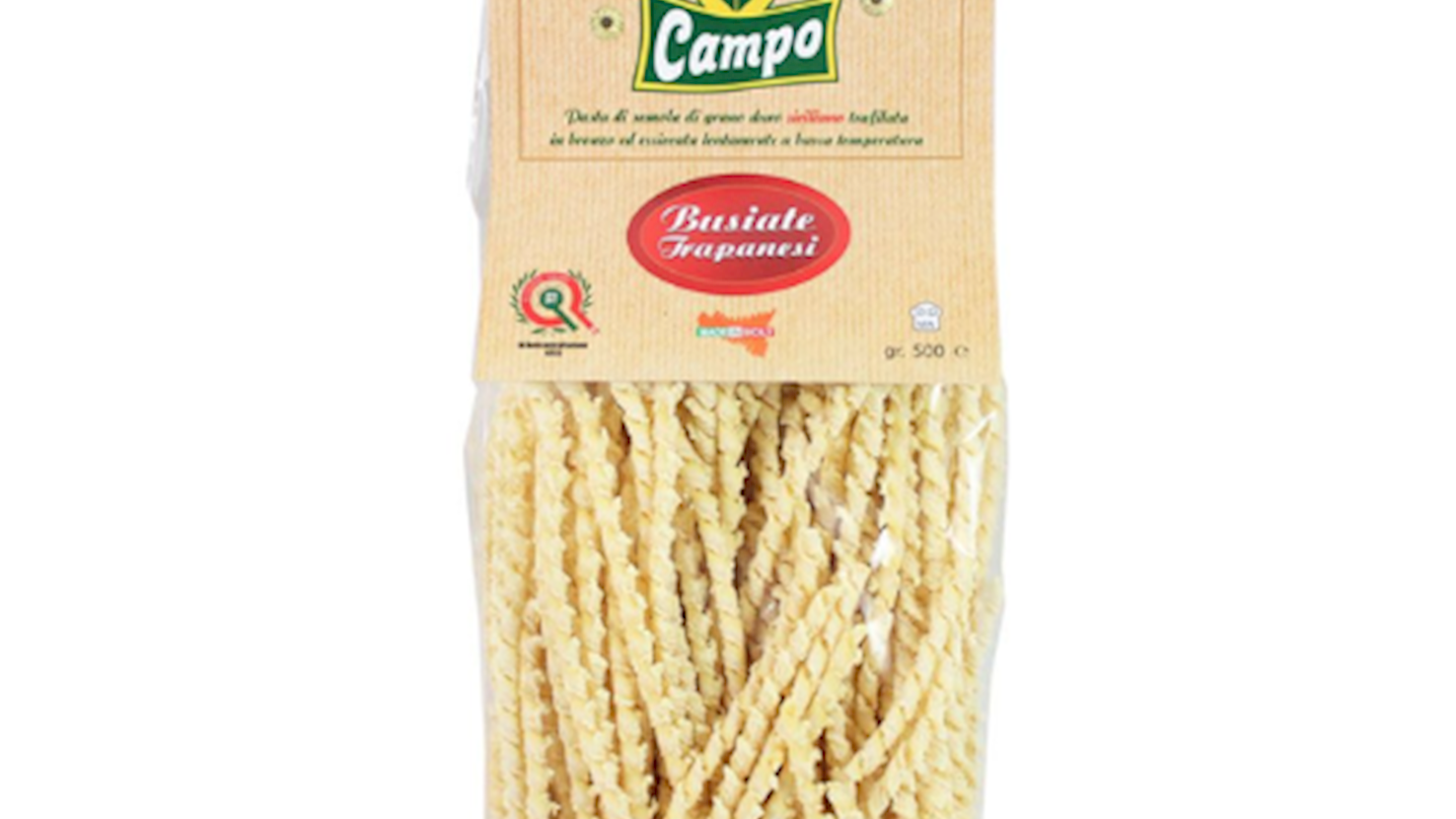
Pastificio Artigianale Campo is a small, family-run producer of traditional Sicilian pasta, based in Erice in the province of Trapani. Founded in 1928, the pastificio continues to mill local durum wheat using stone grinders to produce high-quality semolina, preserving the authenticity of flavor and the region’s rich culinary heritage. Their pasta is extruded through bronze dies, giving it a characteristically rough and porous surface that perfectly captures sauces of all kinds. The drying process is slow and carried out at low temperatures to maintain the nutritional value and structure of the semolina. Their range includes a variety of formats, featuring classic Sicilian specialties such as busiate trapanesi, anelletti palermitani, caserecce, and gnocchetti. Visitors to the facility can enjoy a firsthand look at the pasta-making process and sample products in an elegant, welcoming environment. The brand has been recognized as an “Eccellenza Italiana” thanks to its faithful adherence to traditional methods and its commitment to preserving the identity of Sicilian gastronomic culture. A key strength of Pastificio Campo’s pasta lies in its versatility - making it ideal for pairing with pestos, hearty meat sauces, and seasonal vegetable ragùs.
07

Feudo Mondello

4.4 ·
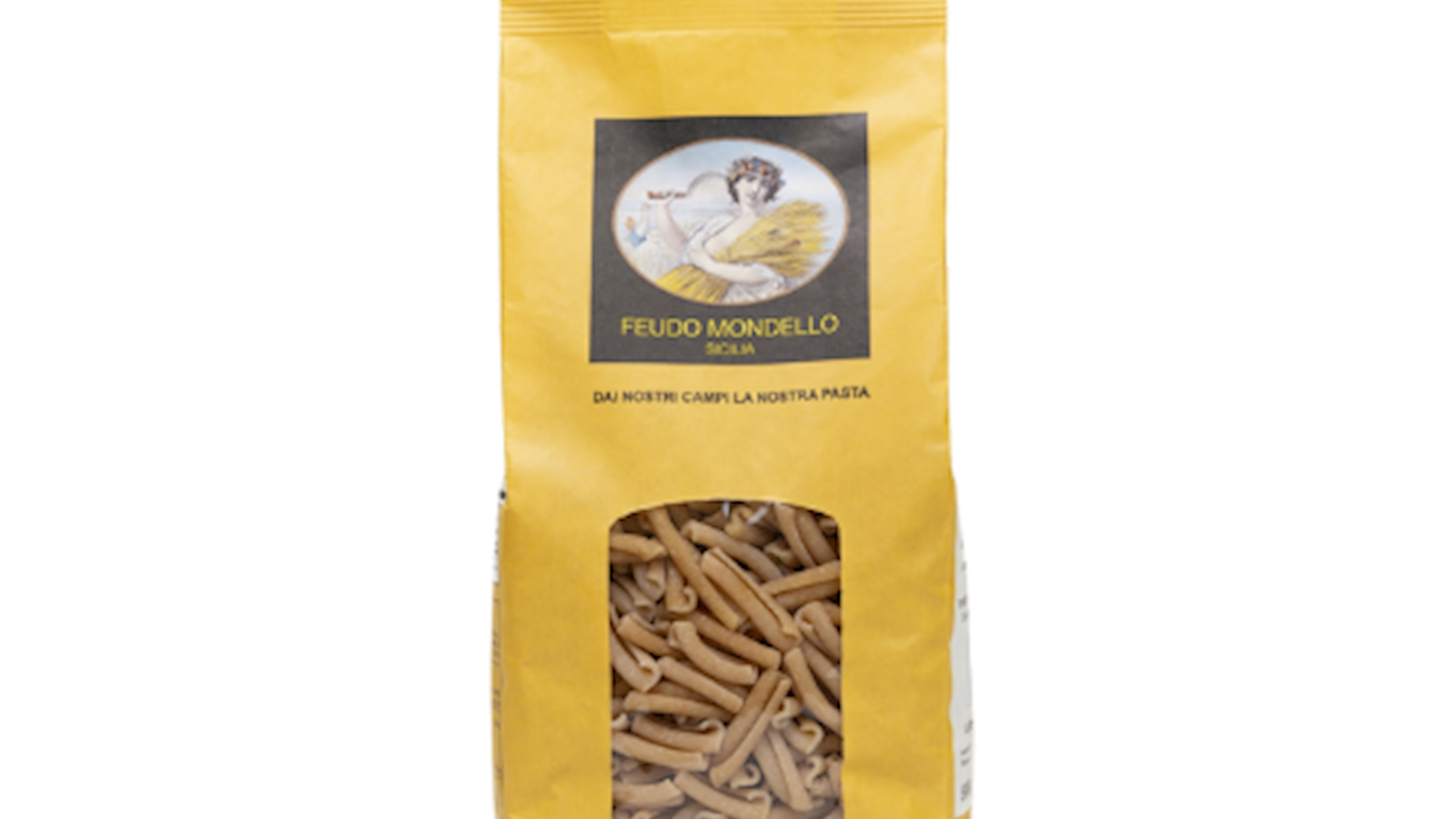
Feudo Mondello is a family-run pasta producer from Sicily that oversees the entire production cycle - from cultivating wheat to crafting the final pasta product. The Agosta family estate has been cultivated since the mid-19th century, and since 2017, it operates as a closed-loop system thanks to its own stone mill and artisanal pastificio located directly on the farm. The durum wheat, grown exclusively on their land, is stone-ground to preserve its full nutritional profile, including the bran and germ. The resulting wholemeal semolina is used to make pasta extruded through bronze dies, which creates a rough and porous texture ideal for absorbing sauces. The pasta is then slowly dried at temperatures below 38°C to retain the grain’s natural color, aroma, and flavor. The assortment includes traditional Sicilian whole grain pasta such as spaghetti, linguine, penne, casarecce, fusilli, busiate, pipe rigate, and mezze penne - all characterized by their rustic nature, golden-ochre hue, and firm consistency that holds up beautifully during cooking. Feudo Mondello’s pastas are highly regarded among gourmet circles across Italy - not only for their rich nutritional value and low glycemic index, but also for their deep, authentic flavor that captures the essence of Sicilian tradition.
08

Sicilia Naturalmente

4.4 ·
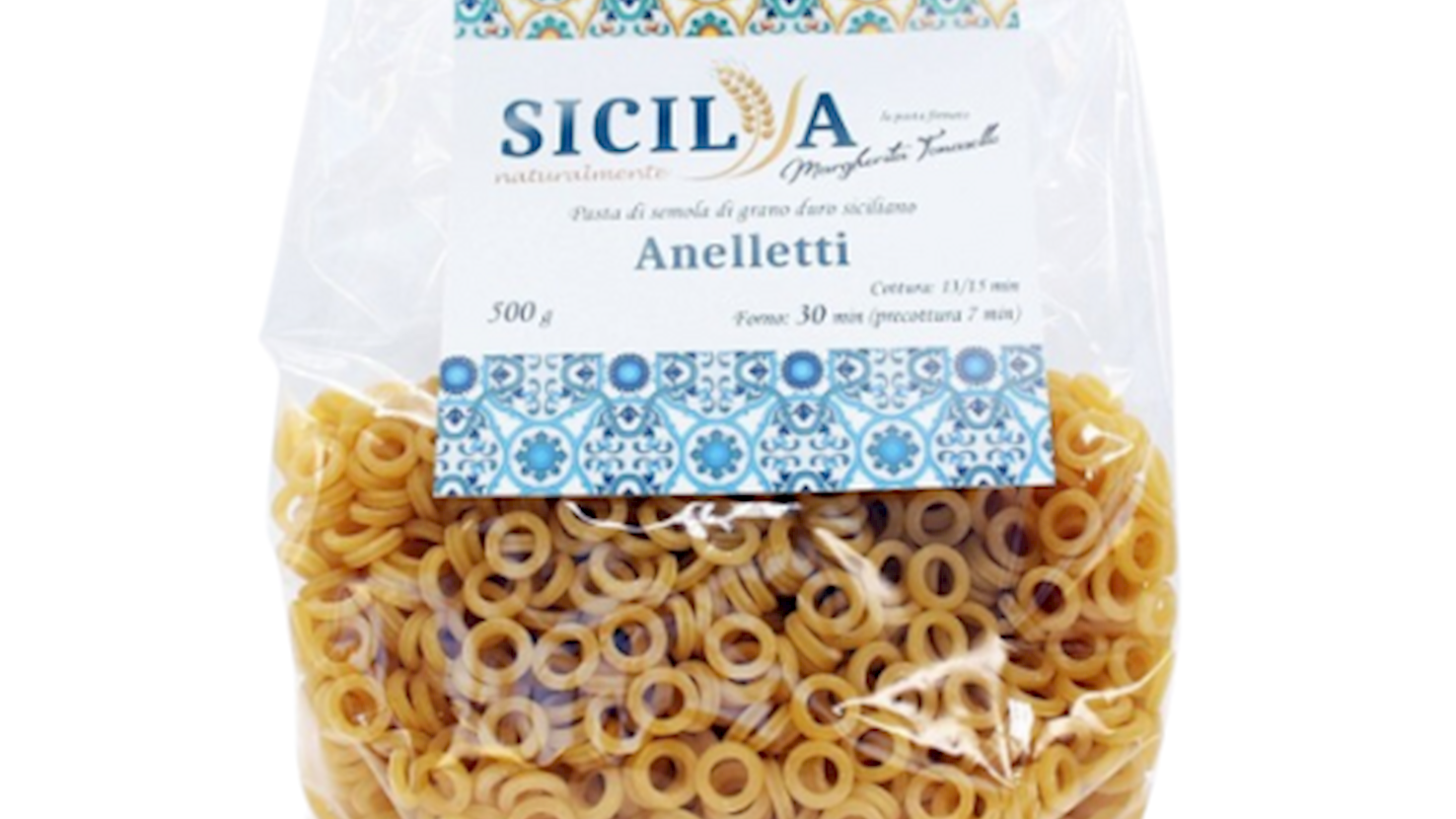
Sicilia Naturalmente is a brand created by Margherita Tomasello, the heir to the renowned Tomasello family, which has long been recognized for its deep-rooted tradition in pasta-making on the island of Sicily. After the closure of the family’s historic pastificio, Margherita launched her own independent initiative with the goal of preserving the authentic spirit of Sicilian artisanal pasta production. Focusing on a limited yet premium-quality range, Sicilia Naturalmente is dedicated to using only ancient Sicilian durum wheat varieties such as Perciasacchi and Russello, prized for their rich flavor and high nutritional value. The pasta is crafted exclusively through traditional methods: it is extruded through bronze dies to achieve a rough, porous texture ideal for holding sauces, then slowly dried at low temperatures in static chambers to preserve the natural color, aroma, and structure of the grain. Through the Sicilia Naturalmente brand, Margherita also promotes education and awareness about traditional techniques and heritage wheat varieties, organizing workshops and lectures that emphasize the importance of healthy, flavorful, and sustainably produced pasta. Sicilia Naturalmente is aimed at all those who value authenticity, clean ingredients, and a genuine taste of Sicily in every bite.
09

Molini del Ponte

n/a ·
Molini del Ponte is a family-run mill and artisanal pasta producer based in Castelvetrano, Sicily, renowned as one of the key centers for the preservation and revival of ancient Sicilian grains. Led by Filippo Drago, the fourth generation of the Drago family, the company is deeply committed to restoring native wheat varieties such as Tumminia, Russello, and Perciasacchi. Their philosophy is rooted in complete control over the production cycle - from cultivating durum wheat on Sicilian soil to stone-milling it into wholemeal semolina, and finally crafting pasta using traditional methods. By extruding the dough through bronze dies and drying it slowly at temperatures below 38°C, they preserve the authentic flavor, rough texture, and full nutritional value of the grain. Molini del Ponte has become a symbol of premium-quality, wholegrain Sicilian pasta, highly valued by gourmet enthusiasts and professional chefs who appreciate the importance of terroir and artisanal craftsmanship in modern cuisine.
10

Molino Riggi

n/a ·
Molini Riggi is a family-owned mill from Sicily, founded in 1955, specializing in the milling of local and ancient grain varieties such as Timilia, Russello, Perciasacchi, Senatore Cappelli, and Maiorca. The grains are stone-milled, a process that prevents overheating and preserves the natural nutrients and aroma of the flour. The company works closely with Sicilian farmers and follows a short supply chain model, ensuring full traceability and supporting local agriculture. Their assortment includes flours, semolina, specialty blends, and pasta, all produced in small batches with a focus on the quality and origin of the raw materials. The mill uses renewable energy and sustainable production practices, reflecting their commitment to protecting the land and preserving tradition. Molini Riggi products are highly appreciated in baking and gastronomy for their authentic flavor, higher fiber content, and the nutritional richness of ancient grains. The brand represents a blend of tradition, artisanal craftsmanship, and a modern approach to sustainable production.

Best Sicilian Pasta, Noodles and Dumplings Types
01

Spaghetti

4.3 ·

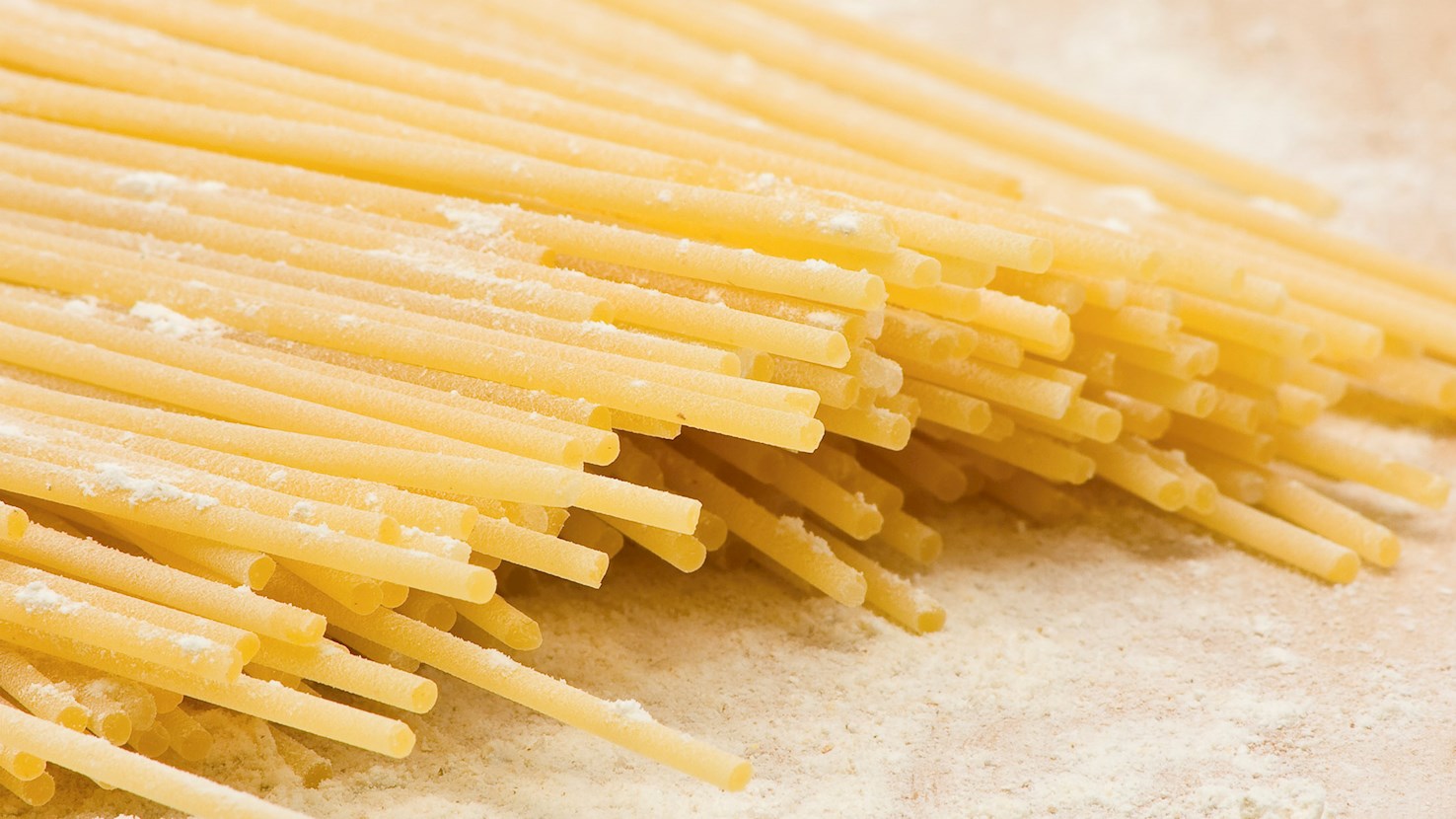
In its most basic form, this popular type of pasta consists of durum flour and water. The word spaghetti means a small string, and this long, string-shaped pasta was originally rolled by hand. Originally known as itryya, it was invented in 12th century Arab-ruled Sicily, the home of the first dried pastas. Today, like most modern pastas, spaghetti is made by being extruded through a die. The types and names of spaghetti vary according to the diameter of the pasta and the region where they're produced. Today, the name spaghetti is synonymous with “made in Italy”, and in the 20th century, Italian immigrants became the largest importers of spaghetti and other Sicilian and Neapolitan pastas to the United States. The flexibility of spaghetti and its ability to accommodate to a wide range of ingredients makes it one of the most popular Italian foods worldwide.

02

Casarecce

4.2 ·

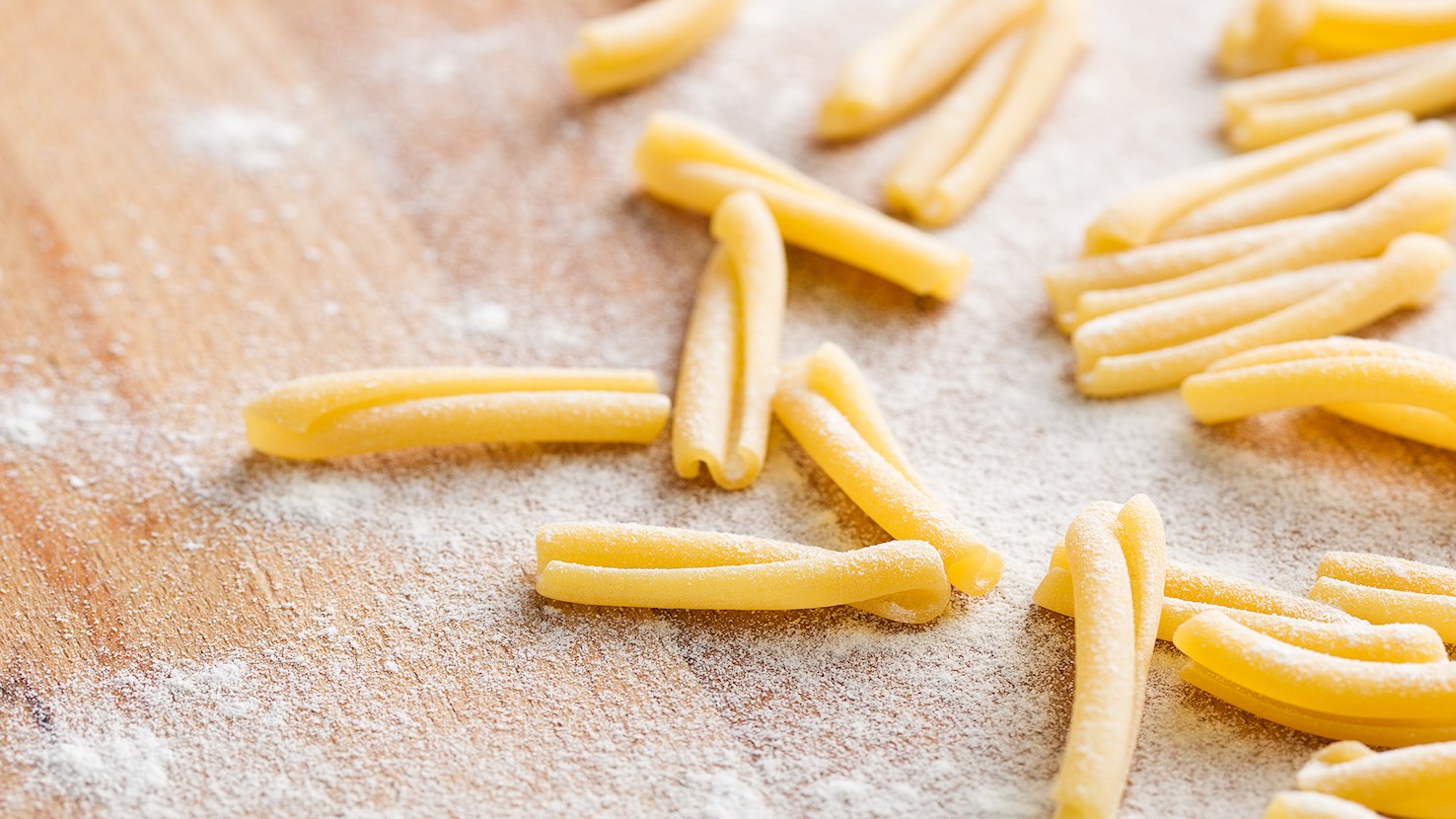
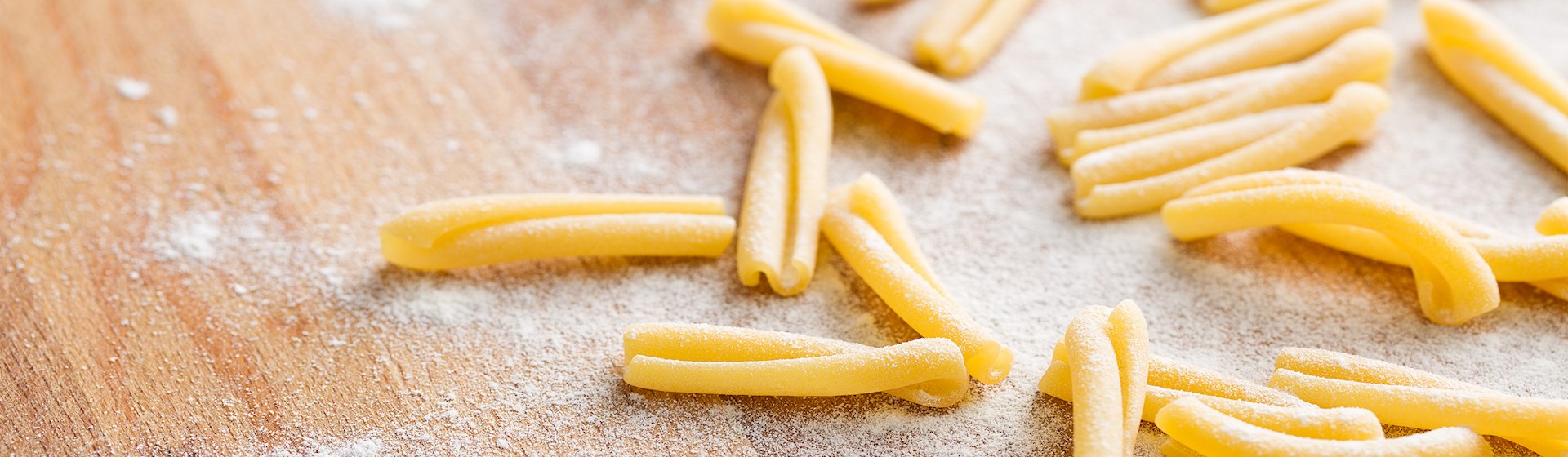
Casarecce is a variety of Italian pasta with Sicilian origins. The long twists of casarecce appear to have rolled up on themselves, making it an ideal pasta for holding both robust, traditional sauces and the simple ones. It can also be used in a variety of casserole dishes, since there is a lesser chance of the pasta getting too dry. The name casarecce means homemade.

03

Busiate

3.7 ·

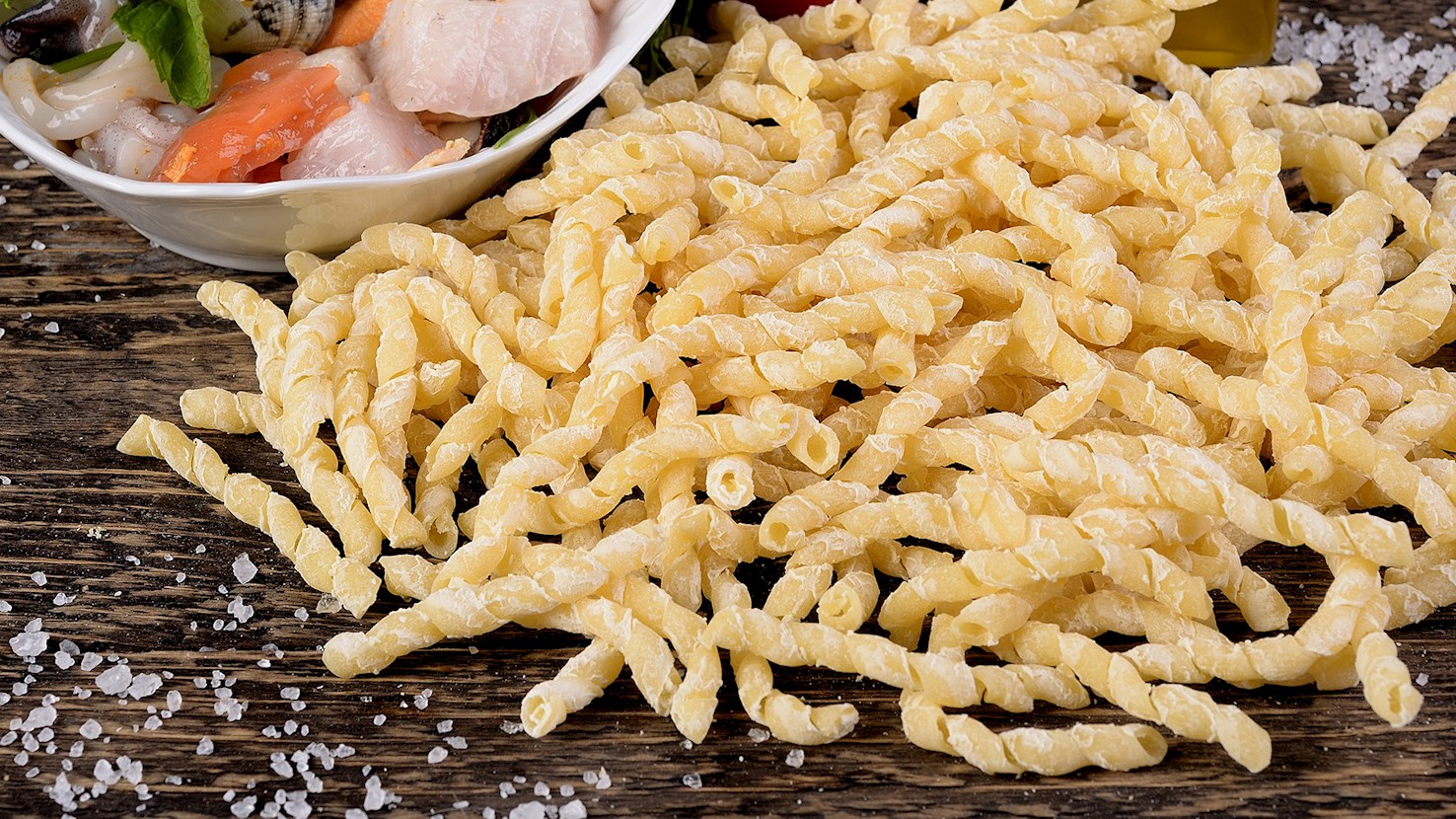
Busiate or busiati is an Italian pasta variety originating from Trapani in Western Sicily. The pasta is made from durum wheat flour and water (eggs are not used). Although the pasta is available in dried form, many Sicilians prefer the homemade variety. In order to make busiate, strands of pasta dough are twisted into spirals that are hollow in the center – visually reminiscent of a telephone cord. It is believed that busiate got its name from buso, an iron knitting needle which was initially used to work cotton and wool in the area, or from busa, a thin rod of grass which was supposedly used in the preparation of this pasta. In Sicily, busiate pasta is traditionally served with pesto alla Trapanese.

04

Anelletti

n/a ·

Anelletti are a type of short, ring-shaped pasta that originate from Sicily, Italy. The name "anelletti" comes from the Italian word "anello," meaning "ring," which describes their small, circular shape. This pasta is most famously associated with anelletti al forno, a traditional Sicilian baked pasta dish. Anelletti’s unique shape makes it perfect for baked dishes, as the small rings hold sauces and ingredients beautifully, ensuring a flavorful bite in every forkful. The pasta is often used in hearty preparations with rich meat sauces, cheeses, and vegetables. The most iconic dish featuring anelletti is anelletti al forno, a Sicilian specialty made with layers of anelletti pasta mixed with a slow-cooked ragù (meat sauce), peas, fried eggplant slices, and cheese, baked in the oven until golden and crispy on top. While anelletti are most popular in Sicily, they can also be found in other Italian and international dishes, often used in soups, salads, or casseroles.

05

Zitoni

n/a ·

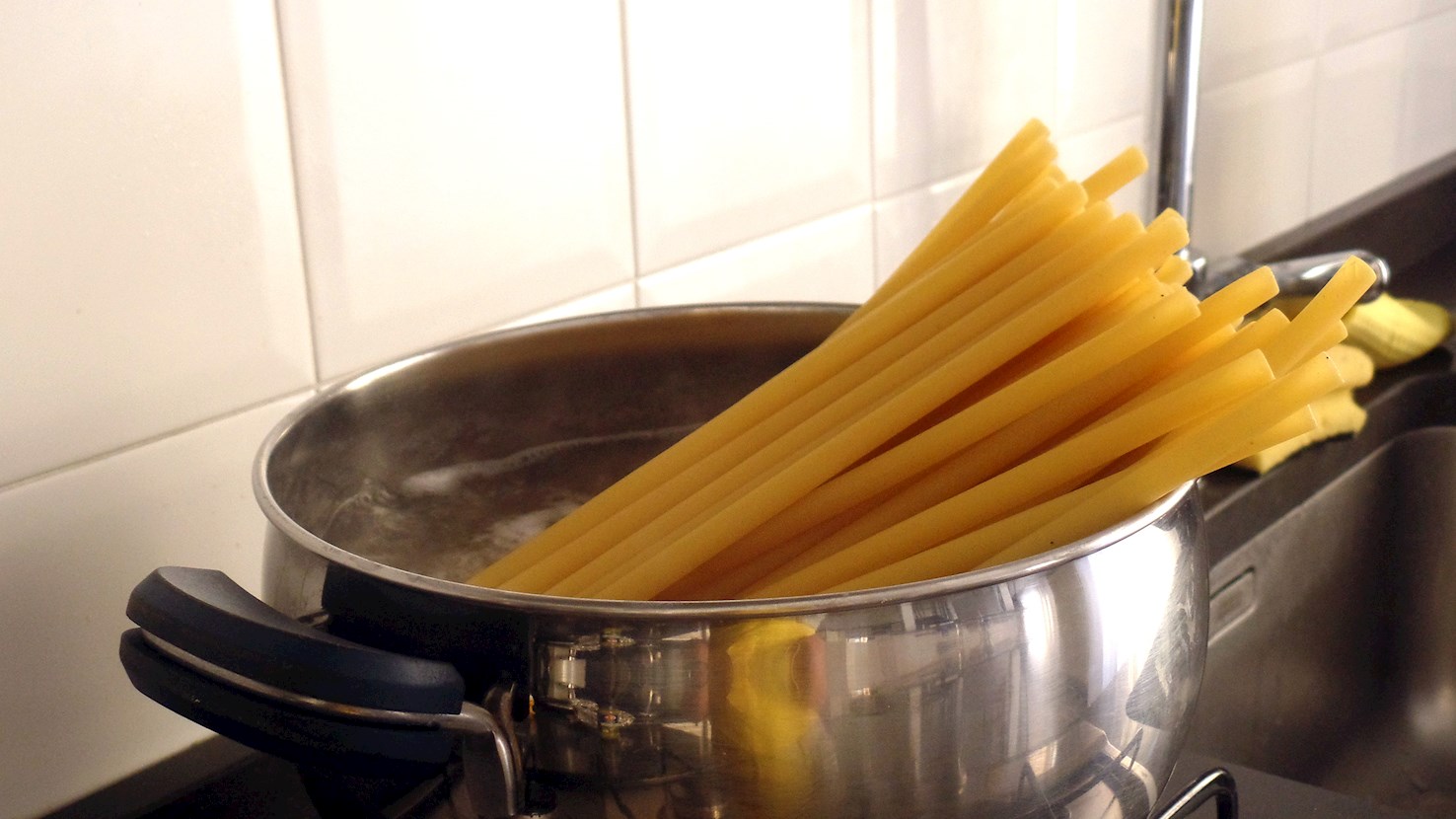
Zitoni is a traditional type of pasta that's especially popular in Naples and Sicily. This wide, hollowed-out, tubular pasta is essentially a larger version of ziti pasta. Similar to large bucatini, zitoni are wider than ziti, but the length remains the same, although the pasta is traditionally broken by hand into smaller pieces before cooking. Zitoni are often paired with simple tomato sauces and they’re most commonly used in casseroles and baked pasta dishes.

06

Ruvidelli

n/a ·

Ruvidelli is a type of short, ridged pasta known for its versatility and ability to hold sauces effectively. The name "ruvidelli" comes from the Italian word "ruvido," meaning "rough," referring to the pasta's textured surface. This texture, achieved through the use of bronze dies in the pasta-making process, allows sauces to cling beautifully, enhancing the flavor of the dish. Ruvidelli is short and often shaped like small tubes or twists, making it suitable for a variety of dishes. It pairs particularly well with rich or hearty sauces such as ragù, creamy cheese sauces, or vegetable-based condiments. Its texture also makes it an excellent choice for pasta salads or baked casseroles.

Read more
View all
View map
About this ranking

TasteAtlas food rankings are based on the ratings of the TasteAtlas audience, with a series of mechanisms that recognize real users and that ignore bot, nationalist or local patriotic ratings, and give additional value to the ratings of users that the system recognizes as knowledgeable. For the “Top 12 Sicilian Pasta, Noodles and Dumplings” list until June 16, 2026, 798 ratings were recorded, of which 686 were recognized by the system as legitimate. TasteAtlas Rankings should not be seen as the final global conclusion about food. Their purpose is to promote excellent local foods, instill pride in traditional dishes, and arouse curiosity about dishes you haven’t tried.

The initial list of top producers was compiled based on available reviews, awards, local recommendations, media and blog coverage, and consumer reviews. The list will be updated with ratings from TasteAtlas local ambassadors and TasteAtlas users.

Similar lists