Top 12 Sicilian Red Wines

Last updated on July 01, 2026

Best Sicilian Red Wines
01

Girolamo Russo

4.8 ·

Girolamo Russo is a winery located in the village of Passopisciaro, on the northern slopes of Mount Etna in Sicily, Italy. Re-established in 2005 by Giuseppe Russo in memory of his father, Girolamo, the winery embodies Giuseppe's commitment to preserving his family's traditional values while introducing innovative winemaking approaches. The estate spans approximately 15 hectares of vineyards, situated between 650 and 780 meters above sea level, interspersed with hazelnut and olive groves.

The vineyards are cultivated organically, employing traditional methods that have allowed these ancient vineyards, many over a century old, to thrive. Girolamo Russo produces a range of wines under the Etna DOC designation, including reds, whites, and rosés.

Their red wines are primarily made from the Nerello Mascalese grape, often blended with Nerello Cappuccio, while their white wines feature Carricante and other indigenous varieties. Visitors can arrange tours and tastings by appointment, offering an opportunity to experience the unique terroir and winemaking philosophy of Girolamo Russo.

Awards
James Suckling - 98 points (2024)
Vivino - 4.4
02

Mecori

Duo

4.7 ·
Awards
Decanter World Wine Awards - Best in Show (2023)
03

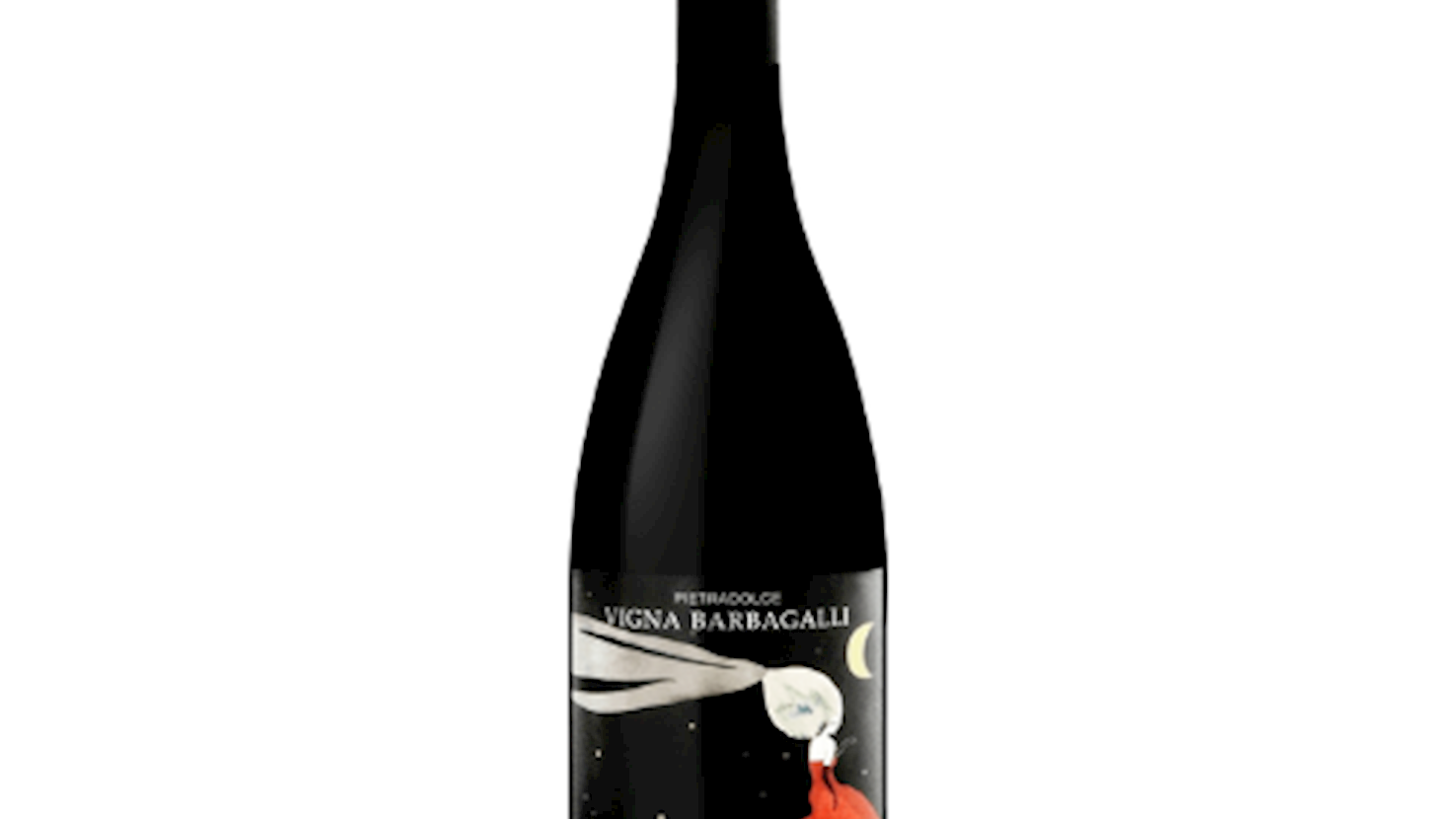
Pietradolce

4.7 ·

Pietradolce is a family-owned winery founded in 2005 and located on the northern slopes of Mount Etna, in the village of Solicchiata near Castiglione di Sicilia. Its vineyards lie at elevations between approximately 650 and 950 meters above sea level, on highly mineral, lava-rich soils that strongly shape the character of the wines.

Part of the estate is planted with very old, pre-phylloxera vines trained in the traditional alberello system, preserving an important element of Etna’s viticultural heritage. The winery focuses exclusively on native grape varieties: Nerello Mascalese and Nerello Cappuccio for red wines, and Carricante for whites.

Winemaking follows a restrained, terroir-driven approach, with fermentations mainly in concrete tanks and aging carried out in carefully selected oak barrels housed in a cellar carved into volcanic rock. The wines are known for their precision, elegance, and pronounced mineral character, with reds showing notes of red berries, spice, ash, and floral nuances, and whites marked by citrus freshness, salinity, and tension.

Pietradolce is widely regarded as one of the reference producers of Etna, valued for its faithful expression of site, altitude, and volcanic identity.

Awards
Vivino - 4.3
Vivino - 3.8
04

Cottanera

4.6 ·

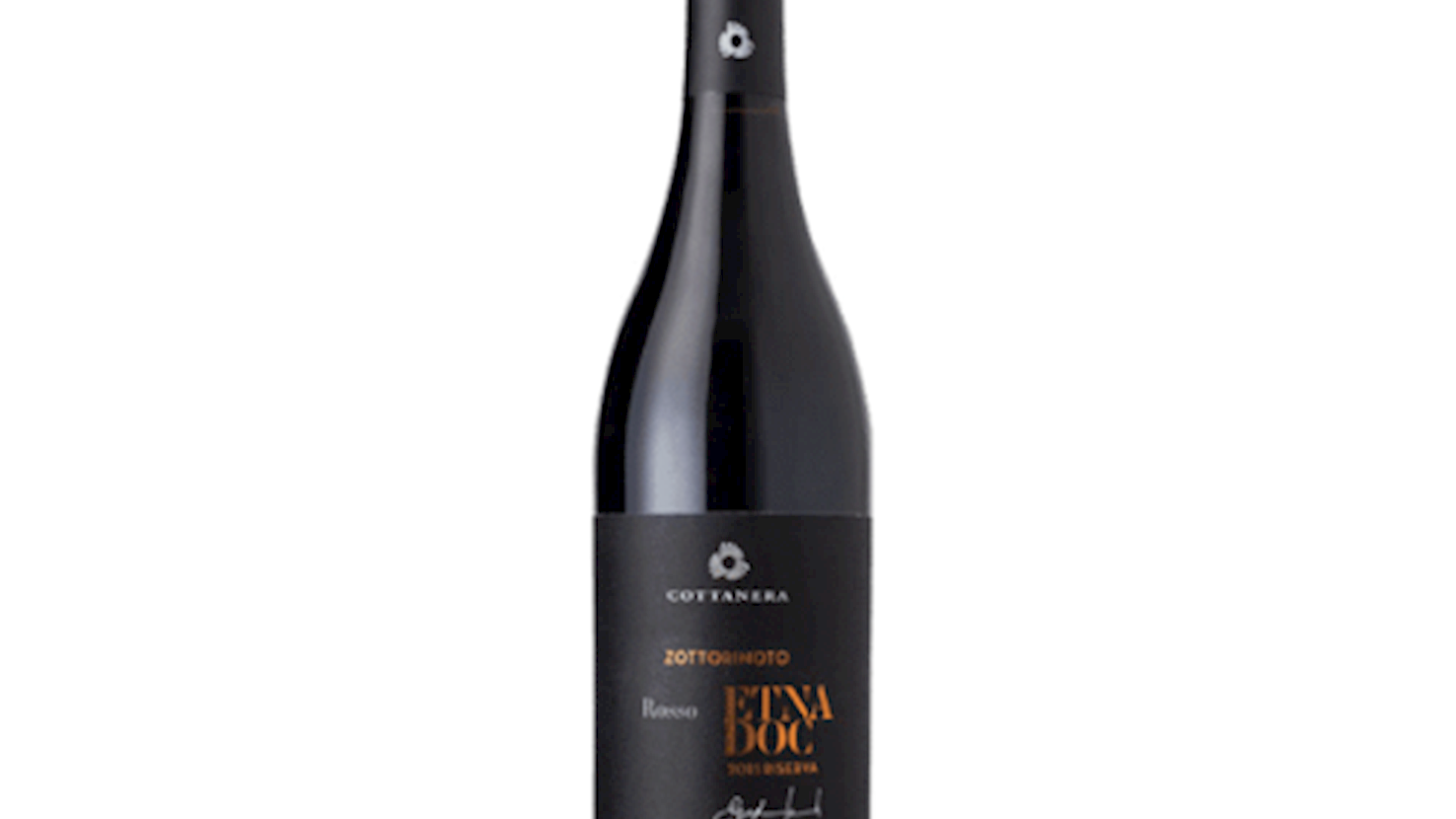
Cottanera is a family-owned winery located on the northern slopes of Mount Etna, in the area of Castiglione di Sicilia, where vineyards are planted on steep, rocky terrains shaped by volcanic activity. Founded in the early 1990s by the Cambria brothers, the estate was developed with a clear intention to express the distinctive identity of Etna through precise, site-driven wines.

The vineyards lie at high elevations, often between 700 and 900 meters above sea level, with significant diurnal temperature variations that allow for slow ripening and the preservation of natural freshness. Production focuses primarily on the indigenous varieties Nerello Mascalese, Nerello Cappuccio, and Carricante, which form the backbone of the estate’s Etna DOC wines.

In the cellar, the approach is balanced and restrained, aimed at highlighting mineral tension, elegance, and purity rather than extraction or power. The Etna Rosso wines are defined by fine-grained tannins, layered red fruit, and a distinctive volcanic salinity, while the Etna Bianco offers clarity, vibrant acidity, and a long, mineral-driven finish.

Today, Cottanera is regarded as a reliable and articulate interpreter of Etna, combining terroir expression with a contemporary understanding of Sicilian winemaking.

Awards
Vivino - 4.2
Wine-Searcher - 92/100
05

Tenute Nicosia

4.5 ·

Tenute Nicosia is a historic Sicilian winery founded in 1886, with deep roots in the agricultural and cultural landscape of eastern Sicily. Based near Mount Etna and the city of Catania, the estate combines long family tradition with a modern, terroir-focused approach to winemaking.

Its vineyards span diverse areas of the island, including volcanic slopes around Etna as well as limestone and sandy soils in southeastern Sicily, allowing for a broad and nuanced expression of place. The winery places strong emphasis on indigenous grape varieties such as Carricante, Nero d’Avola, and Frappato, interpreting them with clarity and balance rather than excess.

Winemaking favors precision and freshness, with oak used selectively to support structure and complexity without overshadowing varietal character. The resulting wines are defined by energy, mineral tension, and Mediterranean depth, reflecting Sicily’s unique combination of sun, altitude, and soils.

Tenute Nicosia stands as a reference point for contemporary Sicilian wine, where tradition and innovation are closely aligned.

Awards
Decanter World Wine Awards - Best in Show (2026)
Vivino - 3.8
06

Azienda Agricola G. Milazzo

4.4 ·

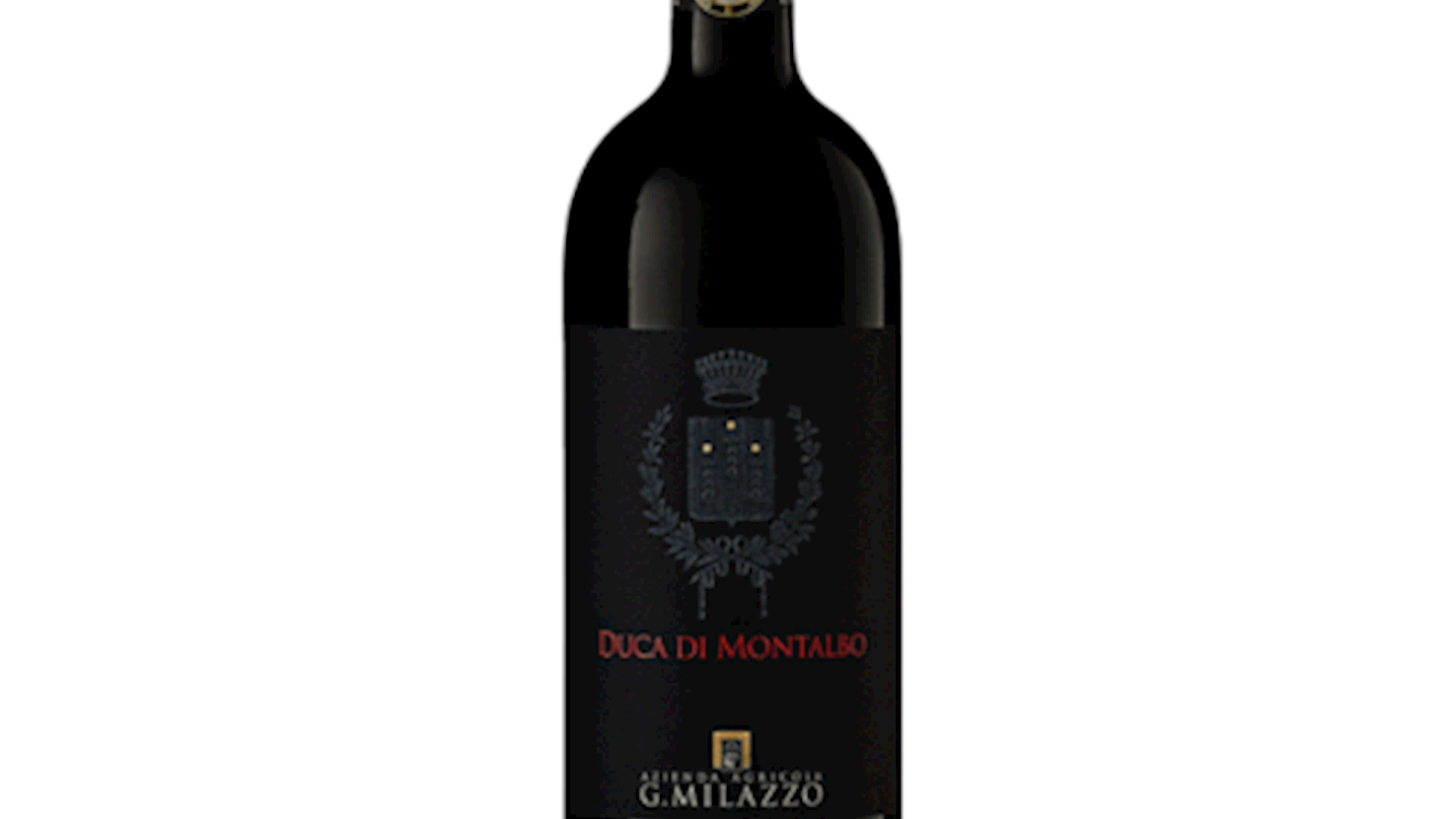
Azienda Agricola G. Milazzo is a prestigious winery located in the heart of Sicily, Italy.

It is renowned for its dedication to organic viticulture and its innovative approach to winemaking. The winery is situated in Campobello di Licata, in the Agrigento province, an area with a rich winemaking tradition.

Azienda Agricola G. Milazzo has gained recognition for its commitment to preserving the unique characteristics of its terroir, leveraging the region’s diverse microclimates and volcanic soils.

Awards
Concours Mondial de Bruxelles - Grande Médaille d'or (2022, 2021, 2020, 2019)
07

Imakara Societa Agricola SRL

4.4 ·
Awards
Concours Mondial de Bruxelles - Grande Médaille d'or (2022)
08

Donnafugata

4.1 ·

Donnafugata is one of Sicily’s most influential family-owned wineries, known for wines that interpret the island’s diversity with clarity, elegance, and a strong sense of place. Founded in the early 1980s by Giacomo and Gabriella Rallo, and rooted in a much longer family winegrowing tradition, the estate is today led by the next generation with a clear focus on quality, sustainability, and territorial identity.

Donnafugata operates vineyards and wineries across several key Sicilian areas, including Contessa Entellina, Marsala, Pantelleria, Vittoria, and Mount Etna, allowing for a wide range of stylistic expressions shaped by distinct climates and soils. Particular emphasis is placed on indigenous varieties such as Nero d’Avola, Frappato, Carricante, Nerello Mascalese, and Zibibbo, each vinified to highlight varietal character rather than winemaking effect.

The wines are defined by aromatic precision, balance, and freshness, avoiding excess extraction or heaviness. Donnafugata is especially renowned for Ben Ryé from Pantelleria, a benchmark passito wine, as well as for its refined dry wines that underscore Sicily’s potential as a world-class wine region.

Through a combination of tradition, innovation, and a strong visual and cultural identity, Donnafugata stands as a reference point for contemporary Sicilian winemaking.

Awards
Decanter World Wine Awards - Platinum (2024, 2021, 2020, 2019, 2017)
Decanter World Wine Awards - Best in Show (2018)
09

Tasca d'Almerita

4.1 ·

Tasca d’Almerita is a historic family-owned winery from Sicily, founded in 1830, which for eight generations has developed its winemaking philosophy around respect for terroir and a long-term vision of quality. Its core estate is Regaleali, located in the heart of the island, while today the family manages five different estates across key Sicilian wine areas, including Etna, Salina, and the Monreale zone, allowing for a wide expression of microclimates and grape varieties.

Tasca d’Almerita is considered a pioneer of modern Sicilian winemaking and among the first to highlight the potential of native varieties such as Nero d’Avola, Grillo, Catarratto, Inzolia, and Carricante. The winery is particularly recognized for combining tradition with a strong research-driven approach, supported by continuous investment in vineyard management, parcel selection, and precise vinification.

Its wines clearly reflect the diversity of the Sicilian landscape, ranging from fresh, mineral-driven whites to structured, age-worthy reds. Today, Tasca d’Almerita stands as one of the most influential and consistent representatives of contemporary Sicilian wine culture.

Awards
Vivino - 3.9
Wine-Searcher - 90/100
10

Planeta

4.0 ·

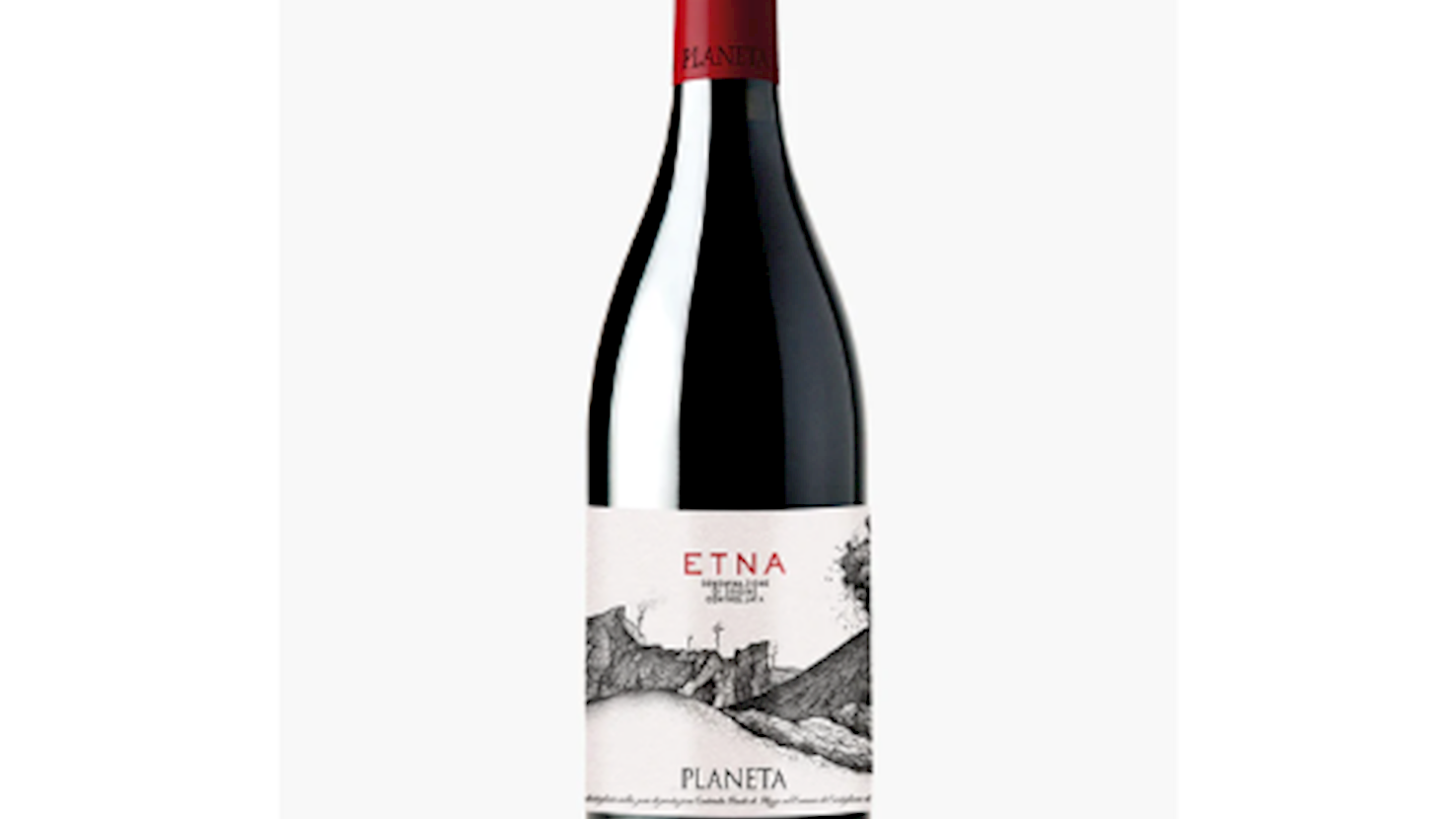
Planeta is a family-owned producer from Sicily with a history spanning more than 500 years, today operating several estates across the island, from Menfi and Vittoria to Noto and Mount Etna, with the aim of expressing the diversity of Sicilian terroirs. The company produces both wine and extra virgin olive oil, with a strong commitment to organic farming, biodiversity preservation, and long-term sustainability.

Its wine portfolio covers a wide range of styles, from fresh and aromatic whites to structured and complex reds, based on both native grape varieties such as Nero d’Avola, Frappato, and Grecanico, as well as selected international varieties adapted to local conditions. Each vineyard is managed individually to reflect the specific soil, climate, and landscape in which it is located.

Alongside wine, Planeta produces high-quality extra virgin olive oils made from Nocellara del Belice, Biancolilla, and Cerasuola olives grown in its own groves in the Menfi area. These oils are characterized by freshness, herbal and green notes, and a balanced bitterness and pungency.

Harvesting is carried out carefully and followed by rapid processing to preserve aromatic purity. Today, Planeta stands as one of Sicily’s most influential contemporary producers, combining tradition, research, and a deep respect for place through both its wines and olive oils.

Awards
London IOOC - Platinum (2021)
Vivino - 4.1

Best Sicilian Red Wine Types

01

Nero d’Avola

4.4 ·

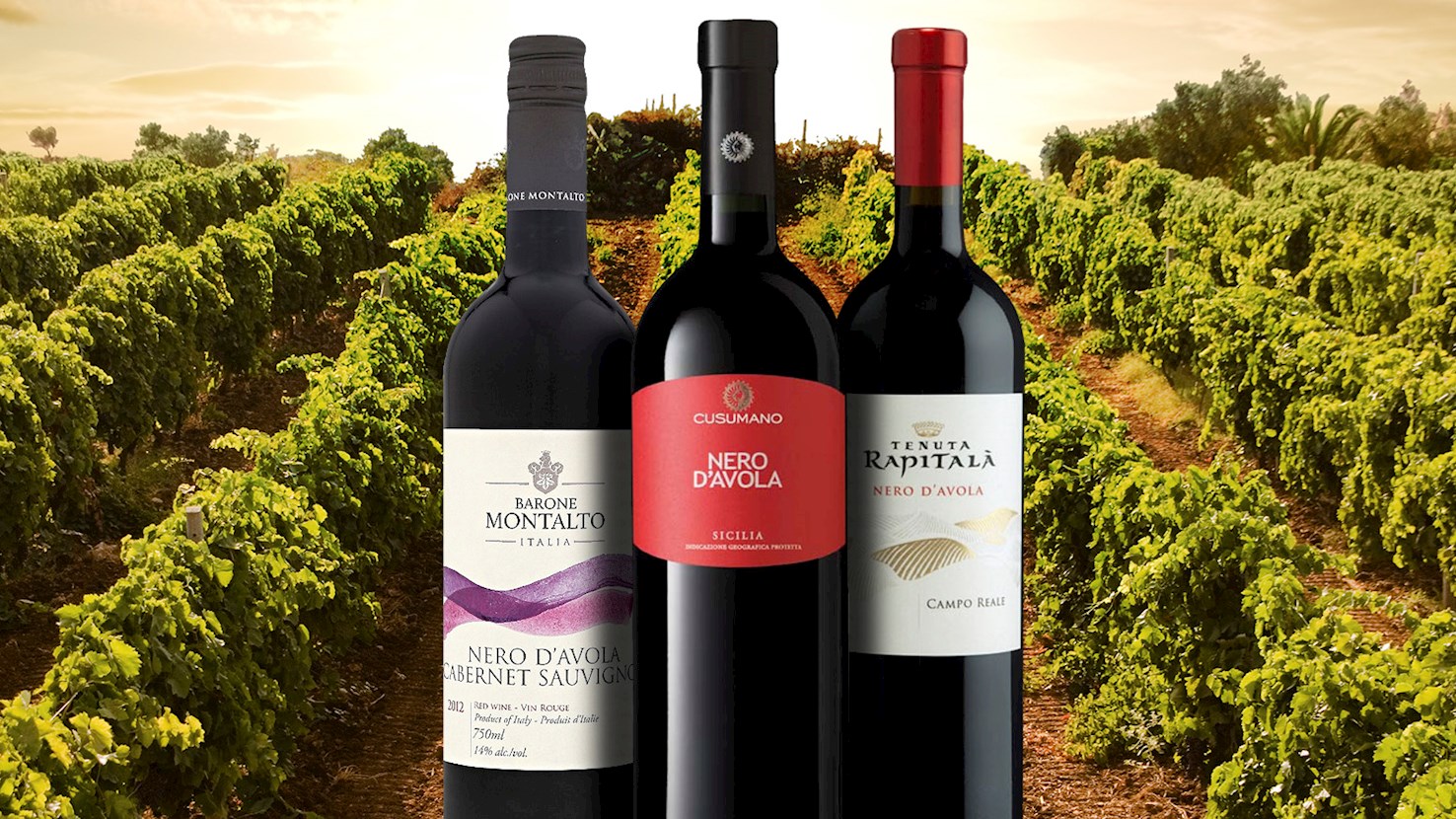
Nero d’Avola is an indigenous Sicilian red grape, whose name, meaning the black of Avola, refers to its distinctive dark color. For most of the 20th century, Nero d'Avola was used as a blending grape, but in the 1990s winemakers started making high-quality, bold varietal wines. Nero d’Avola wines are typically produced as dense and dark, with flavors reminiscent of black fruit and chocolate, or as young and fresh wines that are characterized by cherry and herbal notes. They are high in tannins and pair well with rich meat dishes, hearty stews, and barbecued meat.

Best producers
02

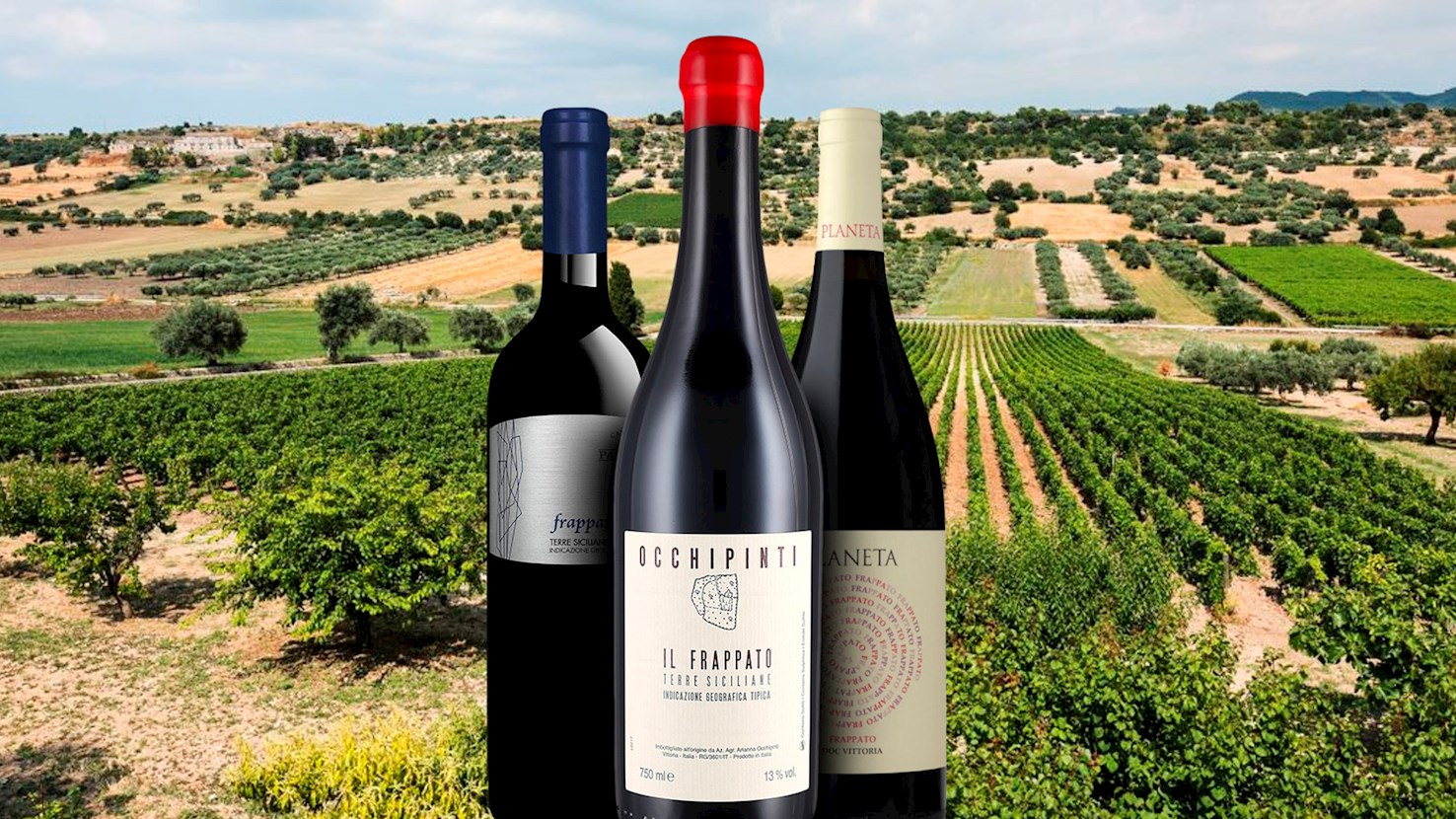
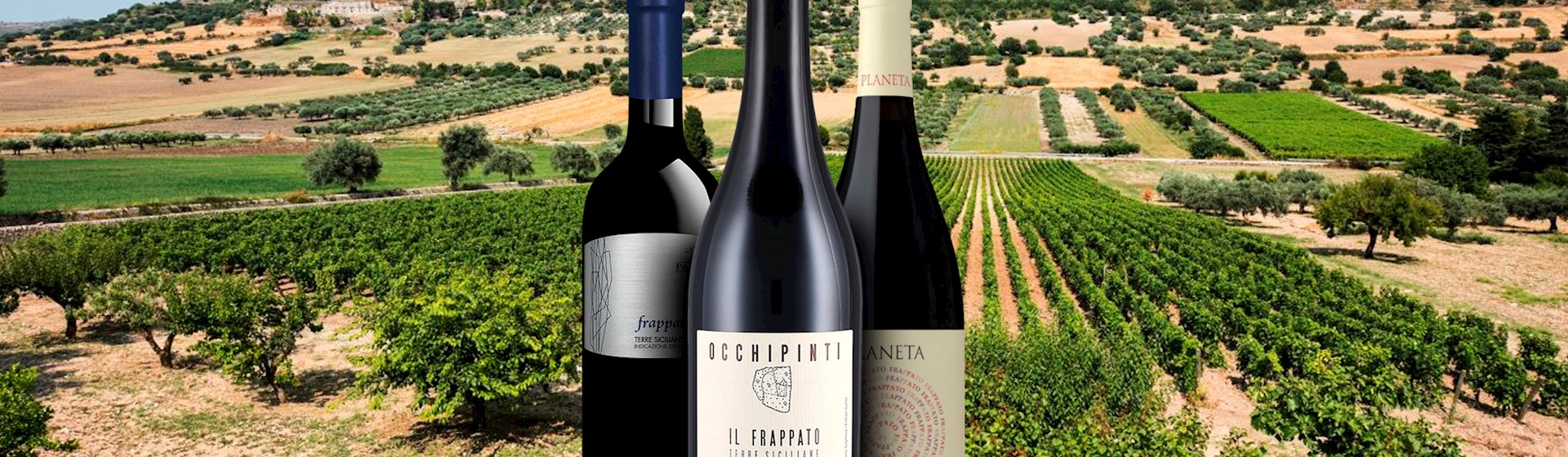
Frappato

n/a ·

Frappato is an Italian wine variety that is mostly associated with Sicily—where it is best known for its use in Cerasuolo di Vittoria DOCG. Although its ancestry has not been determined, Frappato is one of the oldest grape varieties in Sicily that has only recently risen to prominence. In the past, it was mostly used in blends, usually with the flagship Nero d’Avola, but recently it has shown good potential to produce light, fresh, and juicy varietals. Frappato-based wines are typically medium in acidity, light in color, and low in tannins. The aromas and flavors are reminiscent of red berries, roses, and violets, with subtle spicy nuances. When slightly chilled, Frappato is an excellent aperitif wine, but it is also versatile enough to be paired with appetizers, pasta and vegetable dishes, fish, veal, and pork.

03

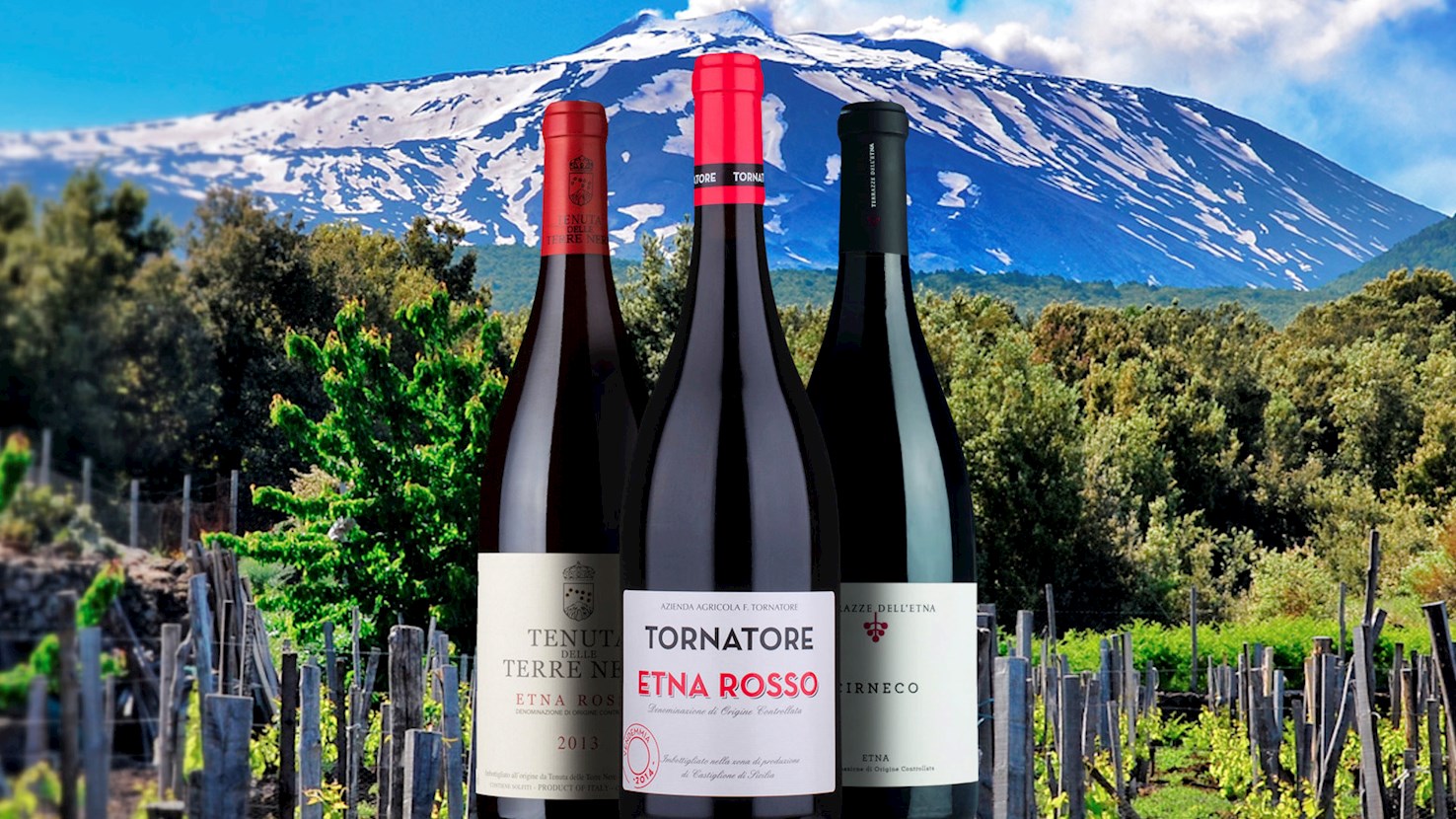
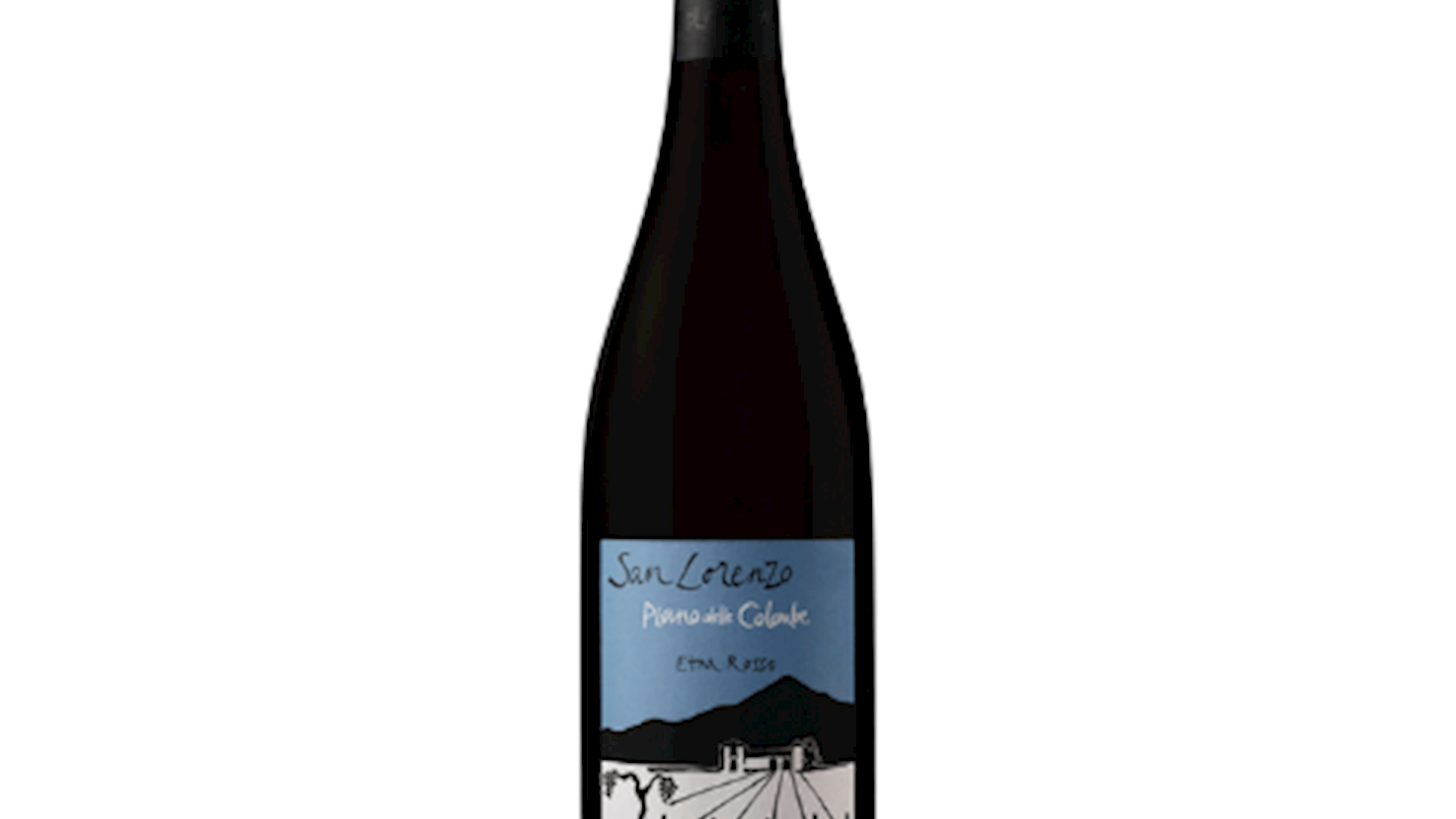
Etna Rosso

n/a ·

The principal grape variety in this light to medium-bodied red Sicilian wine is Nerello Mascalese, which is grown on the volcanic soils of Mount Etna. Ruby red Rosso belongs to the Etna DOC, which also encompasses lively and acidic Bianco wines. Fresh and energetic Etna Rosso typically displays notes and aromas of dark fruit and spices. They usually have balanced tannins and bright acidity, which makes them work well with various dishes. They naturally pair with dishes based on tomato sauce, but they can also match traditional Sicilian fish and meat specialities.

04

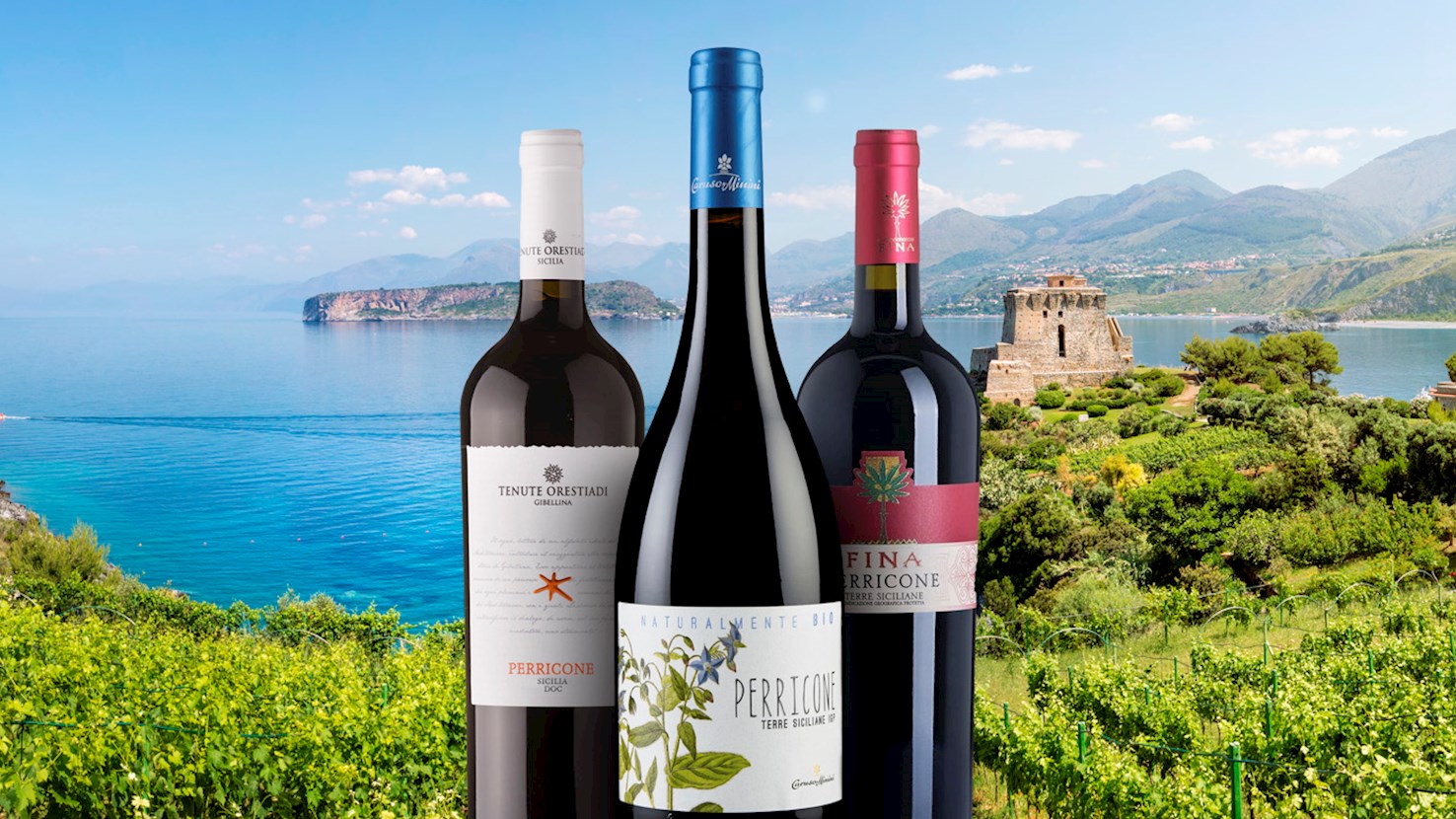
Perricone

n/a ·

Perricone is a rare red grape native to western Sicily. The grape is used for varietals and blends, and it is included in several regional appellations, but most varietal examples belong to IGT appellations. Perricone is usually blended with the flagship Sicilian variety Nero d’Avola. The grape produces full-bodied and intensely colored red wines. The wines are typically well-structured and can benefit from aging. As they age, they tend to soften and become more elegant. Their aroma is fruity, reminiscent of morello cherries and plums, along with peppery and herbal notes. They sometimes have a subtle mineral character and often some hints of bitterness. Perricone is a versatile grape that pairs with various dishes. Younger wines work well with appetizers or charcuterie, but these wines can also pair well with braised or grilled meat, roasts, and more elaborate fish dishes. Perricone is one of the native Italian grapes that was brought back from obscurity. Although it was once a common sight, especially in Palermo and Trapani, it was almost completely wiped out by phylloxera. Although it is still rare, Perricone has become more common in Sicilian vineyards. It has been suggested that the grape has a possible parent-offspring relationship with Sangiovese.

05

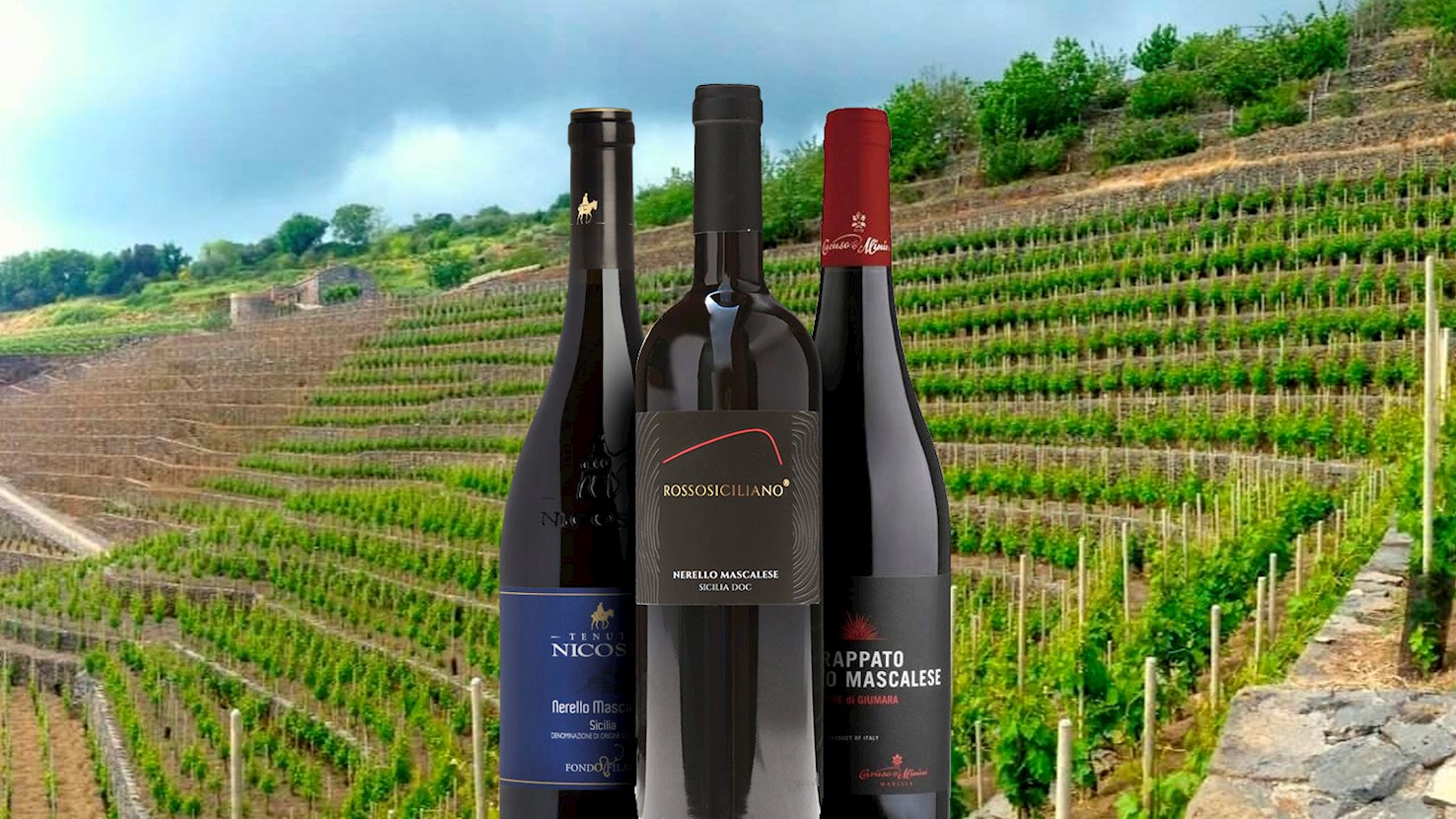
Nerello Mascalese

n/a ·

Nerello Mascalese is a late-ripening native Sicilian grape variety that is mostly cultivated around Mount Etna. One of the few grapes that survived the phylloxera plague—due to the high altitudes where it is grown—Nerello Mascalese is considered as one of the best Sicilian red grapes. It is mostly used in the appellations of Etna and Faro. Although it can be used as a blending grape, it is also made into varietal wines. The grape produces medium-body and fruity red wines that have firm tannins and bright acidity. The wines may slightly vary in character, but they usually include aromas and flavors reminiscent of red berries and spices. Nerello Mascalese wines pair well with risottos and pasta dishes, red meat, mushrooms, and aged cheese. The grape is often compared to Pinot Noir, and it is thought to descendent from Sangiovese.

06

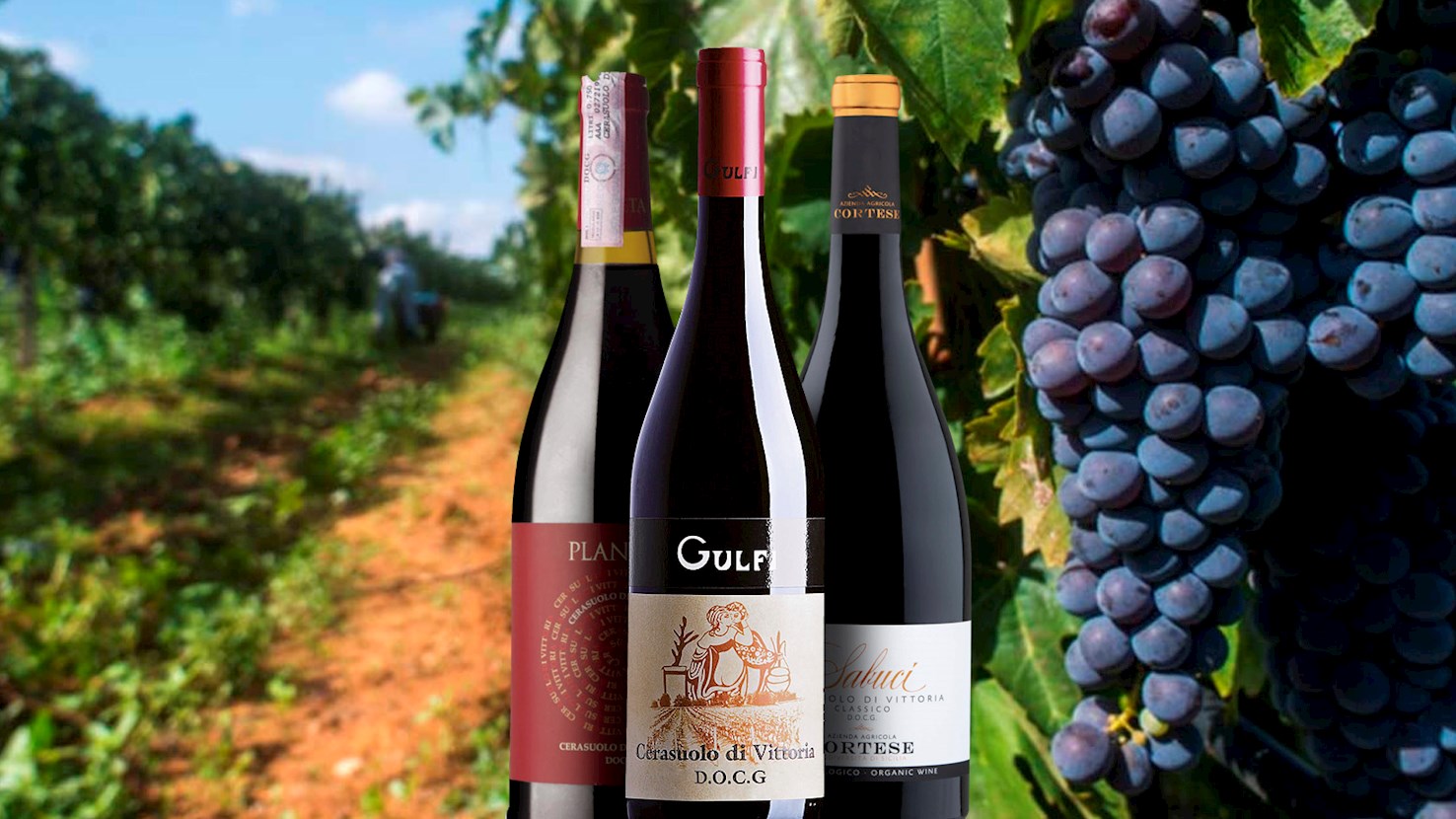
Cerasuolo di Vittoria

n/a ·

Cerasuolo di Vittoria is a Sicilian appellation that is currently the only one with a DOCG status. Located in the south of Sicily, the appellation produces red wines with a blend of Nero d’Avola, which mainly provides weight and body, and Frappato—which contributes to the lighter and fruity character of the wine. These ruby red wines will typically display fruity notes of cherries, red berries, pomegranate, and plums. Aged varieties may develop heavier notes of tobacco, chocolate, or leather. Because of their well-structured, soft, and velvety tannins, these wines are incredibly food-friendly, and they can match appetizers, red or white meat, game, pasta, as well as fish dishes.

07

Alcamo Rosso

n/a ·

Alcamo is a Sicilian wine region situated in the provinces of Palermo and Trapani. Although the appellation is mostly based on Catarratto-based white wines, red varietals and blends are also produced. These ruby red wines are mostly made from Nero d’Avola, but other local or international varieties such as Sangiovese, Frappato, Cabernet Sauvignon, Merlot, and Syrah are occasionally used as blending grapes. Alcamo Rosso is typically strong and robust, with a spicy and fruity character that can be a good match to pasta dishes, cured meat, roasts, and semi-hard cheeses.

08

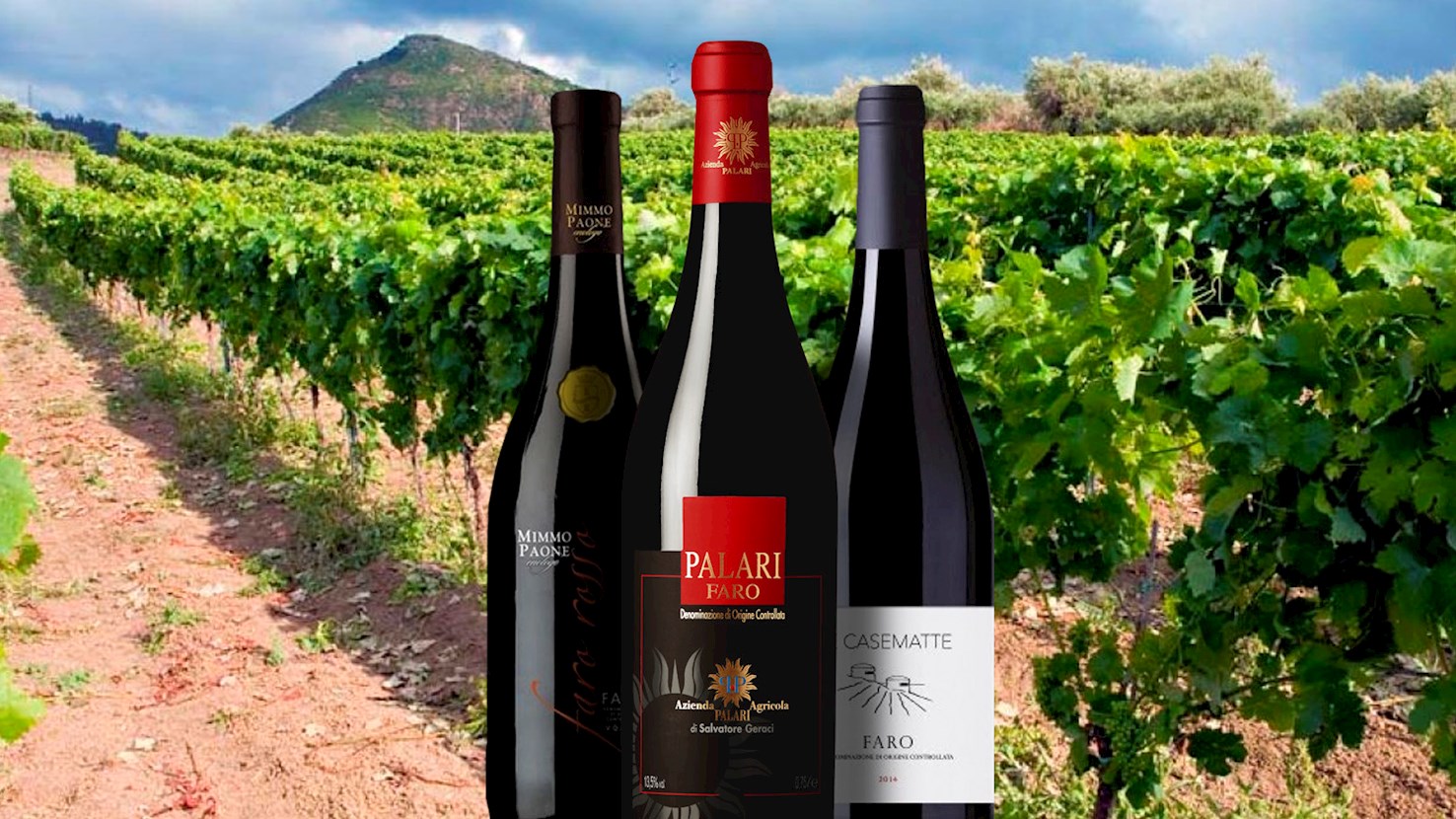
Faro DOC

n/a ·

This red Sicilian wine is produced with Nerello Mascalese as a principal grape, with the common addition of Nerello Cappuccio and Nocera. The wines produced in the region are typically intense, with dominating notes of ripe red fruit that occasionally develop into subtle aromas of spices, vanilla, and wood. Since they are usually full-bodied and have firm tannins, Faro wines pair well with roasted or braised meat, mushrooms, casseroles, rich meat ragùs and aged cheese such as Ragusano or Pecorino Siciliano.

Read more
View all
View map
About this ranking

TasteAtlas food rankings are based on the ratings of the TasteAtlas audience, with a series of mechanisms that recognize real users and that ignore bot, nationalist or local patriotic ratings, and give additional value to the ratings of users that the system recognizes as knowledgeable. For the “Top 12 Sicilian Red Wines” list until July 01, 2026, 101 ratings were recorded, of which 78 were recognized by the system as legitimate. TasteAtlas Rankings should not be seen as the final global conclusion about food. Their purpose is to promote excellent local foods, instill pride in traditional dishes, and arouse curiosity about dishes you haven’t tried.

The initial list of top producers was compiled based on available reviews, awards, local recommendations, media and blog coverage, and consumer reviews. The list will be updated with ratings from TasteAtlas local ambassadors and TasteAtlas users.

Similar lists